
The Hunting Guide
Explore the best hunting gear, hunting news, and cutting-edge hunting innovations on The Hunting Guide – the expert-driven blog for seasoned hunters.
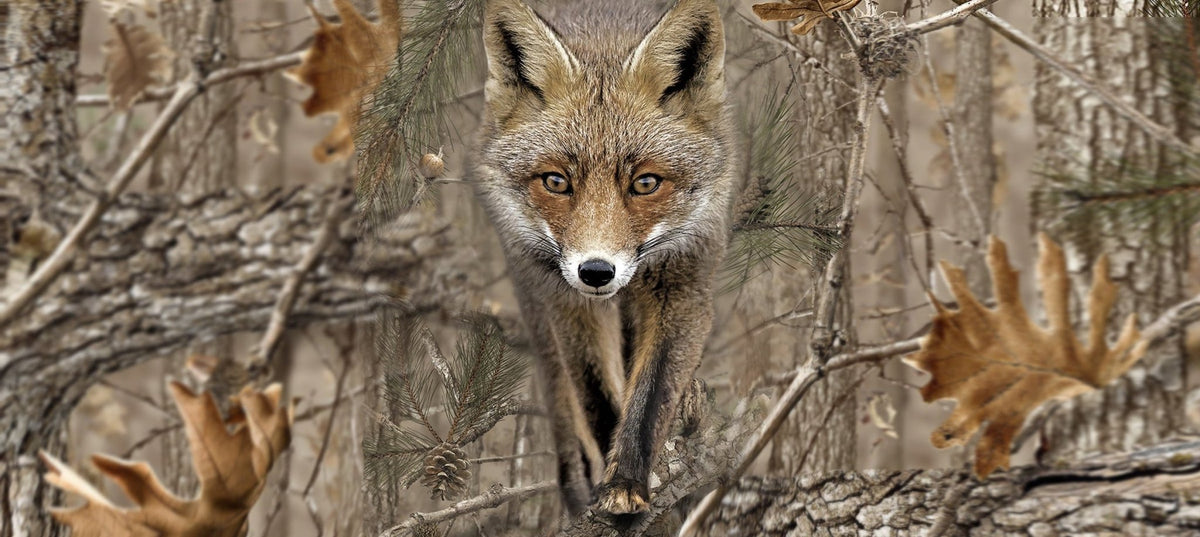
Foxing in Winter: Stillness, Patience and Positioning
The article explains why successful winter foxing often comes down to patience, wind, careful positioning, and resisting the urge to rush a chance. It also covers winter fox behaviour, calling, thermal and night vision gear, weather, and the need for safe, lawful fox control.
Read moreabout Foxing in Winter: Stillness, Patience and Positioning
Comfortable and Effective Game Shooting, Partridge Shooting
Good partridge shooting is not about taking the easiest bird. It comes from sound judgement, steady gun handling, proper timing, and the discipline to wait for the right chance. Comfort helps, but clean, safe shooting always comes first.
Read moreabout Comfortable and Effective Game Shooting, Partridge Shooting
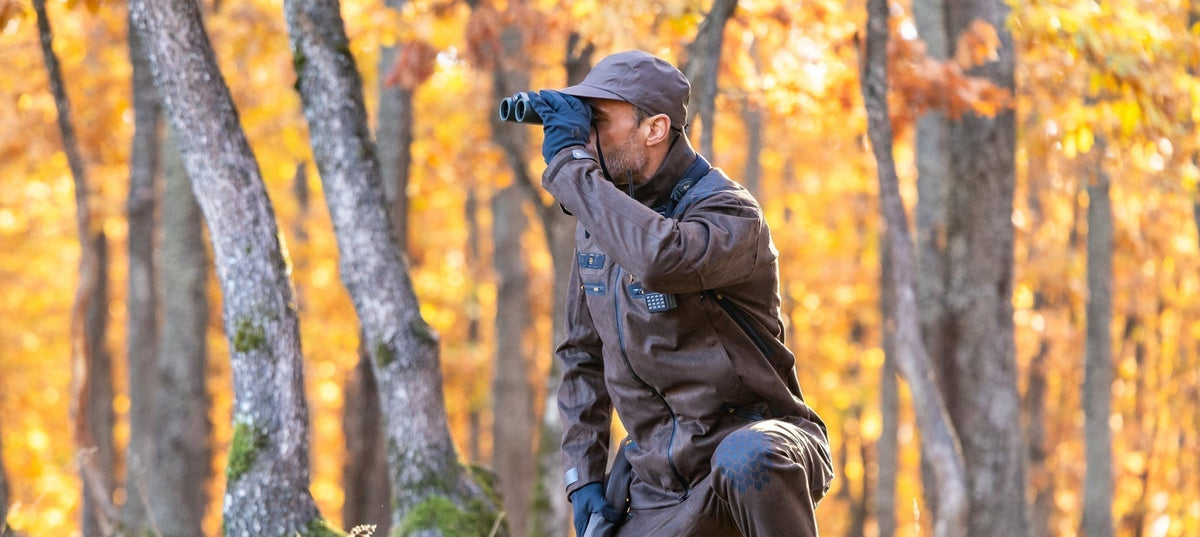
How to Scout a Deer Ground Without Leaving Too Much Pressure
Good deer scouting is about learning without educating the deer. Use maps, glassing, and careful access to gather information while keeping pressure low. The less disturbance you leave behind, the better your hunting usually stays.
Read moreabout How to Scout a Deer Ground Without Leaving Too Much Pressure
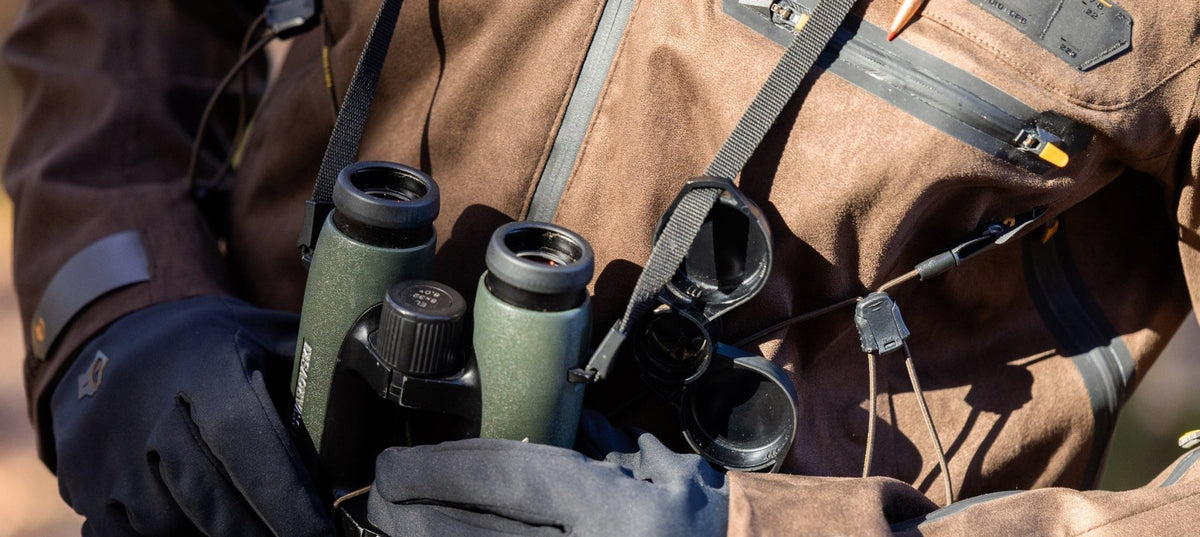
Roost Shooting Woodpigeon: When to Relocate, When to Sit Tight
Roost shooting woodpigeon is often won by patience rather than constant movement. This guide explains how wind, timing, flightlines and small field observations help you decide whether to stay put or quietly move to a better position.
Read moreabout Roost Shooting Woodpigeon: When to Relocate, When to Sit Tight
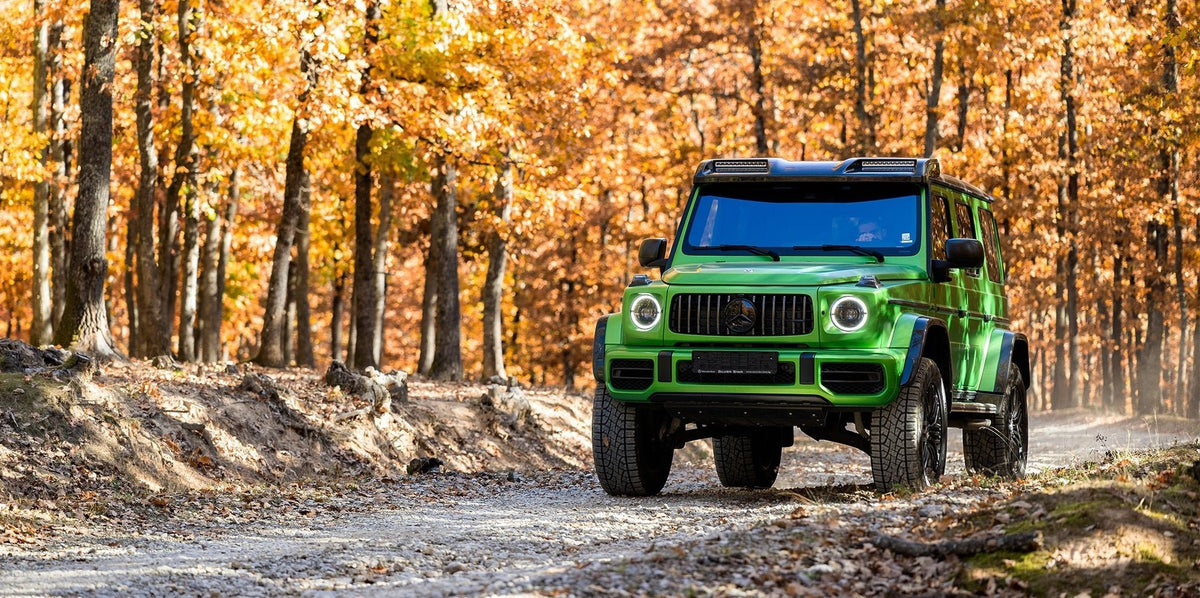
Driven Day Discipline: What Good Peg Shooters Do
Good driven shooting starts well before the first birds arrive. This guide covers the small habits that experienced peg shooters rely on, from preparing at the peg and listening to the briefing to reading the ground, respecting etiquette, and staying aware throughout the day. Together, those habits make the shoot safer, smoother, and more enjoyable.
Read moreabout Driven Day Discipline: What Good Peg Shooters Do
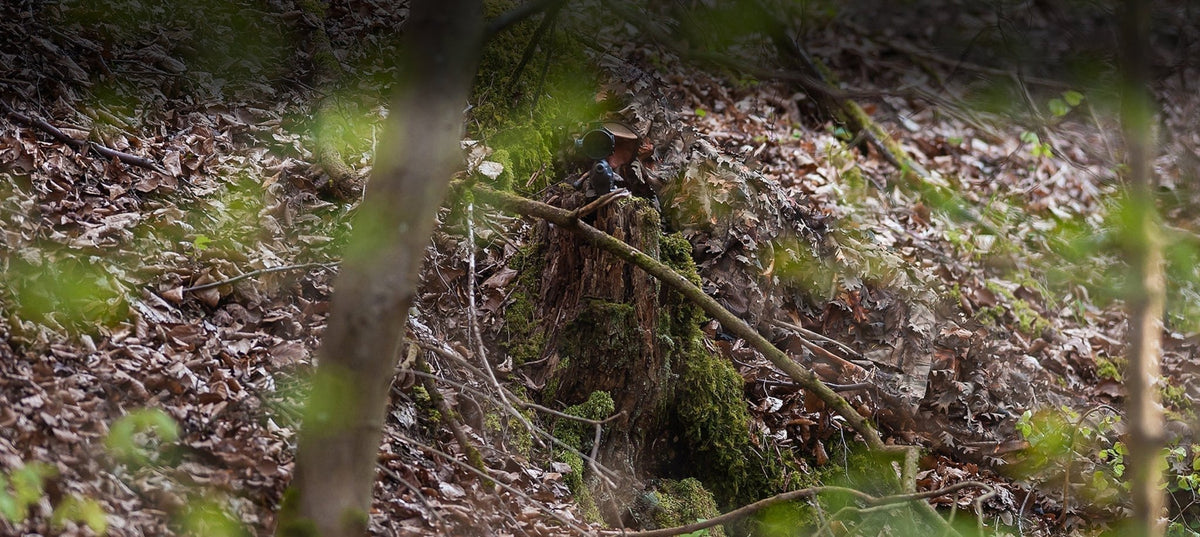
Woodland Roe Stalking: Using Shade, Noise and Cover
Woodland roe stalking is about using shade, wind, cover, and patience to close distance without being detected. Success usually comes from reading light, controlling movement, and staying aware of scent rather than relying on gear alone. The closer and calmer the setup, the better the odds of a clean, ethical shot.
Read moreabout Woodland Roe Stalking: Using Shade, Noise and Cover
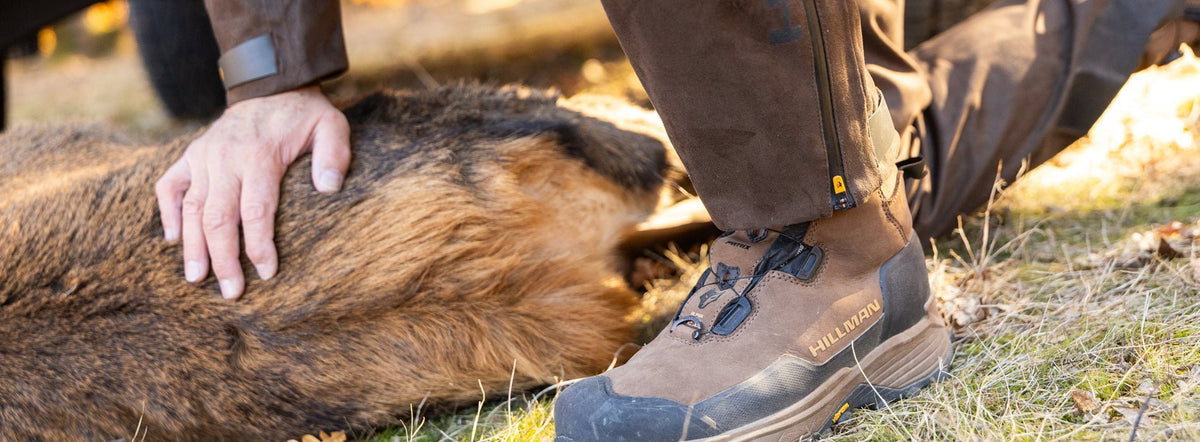
How to Follow Up a Deer Properly After the Shot
Following up a deer starts before you ever leave your shooting position. Reading the shot, waiting the right amount of time, and tracking methodically give you the best chance of a clean, ethical recovery. Patience usually recovers more deer than rushing ever will.
Read moreabout How to Follow Up a Deer Properly After the Shot
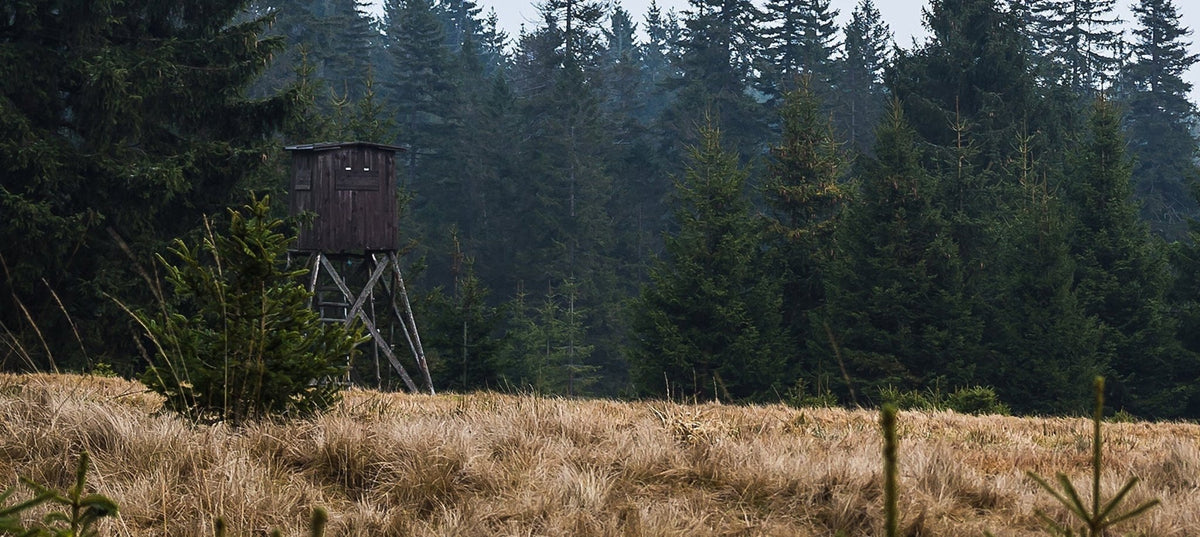
High Seat Placement Mistakes for Lowland Britain Deer Hunts
Most high seat failures come from poor placement, not poor shooting. Wind, access routes, backstops, visibility, and shooting angles all matter, and a seat that looks perfect can still push deer away if those details are wrong. The best high seats blend into the ground, stay safe, and let opportunities develop naturally.
Read moreabout High Seat Placement Mistakes for Lowland Britain Deer Hunts
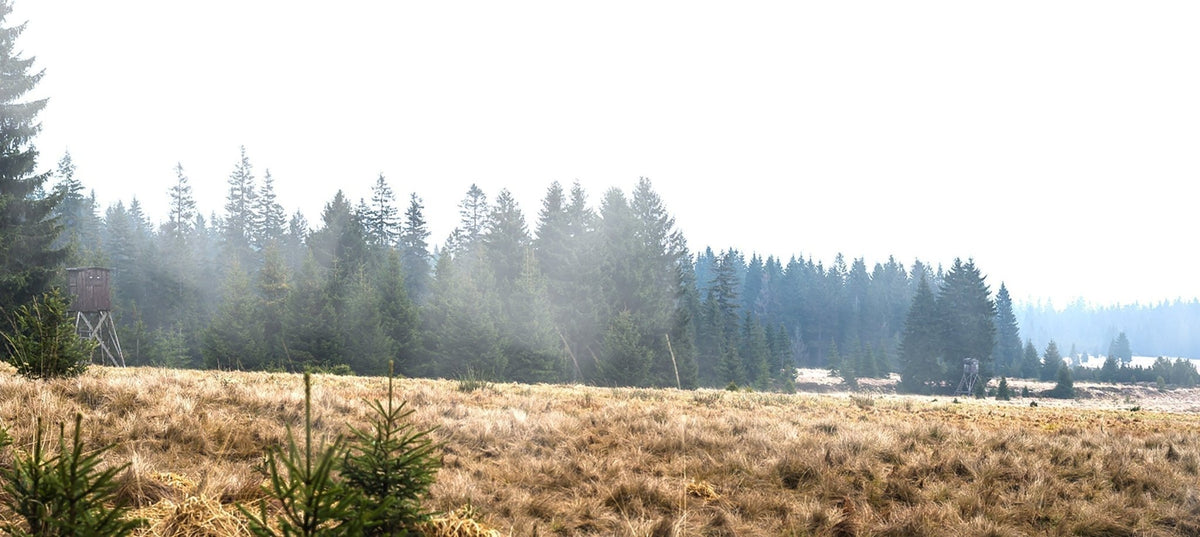
Roe Buck Stalking at First Light: When to Move, When to Wait
First light roe buck hunting is a game of timing, not speed. The article explains when to move, when to stay put, and how wind, light, terrain, and roe behaviour can either create an opportunity or ruin one in seconds. Patience, observation, and fieldcraft consistently beat rushing the morning.
Read moreabout Roe Buck Stalking at First Light: When to Move, When to Wait
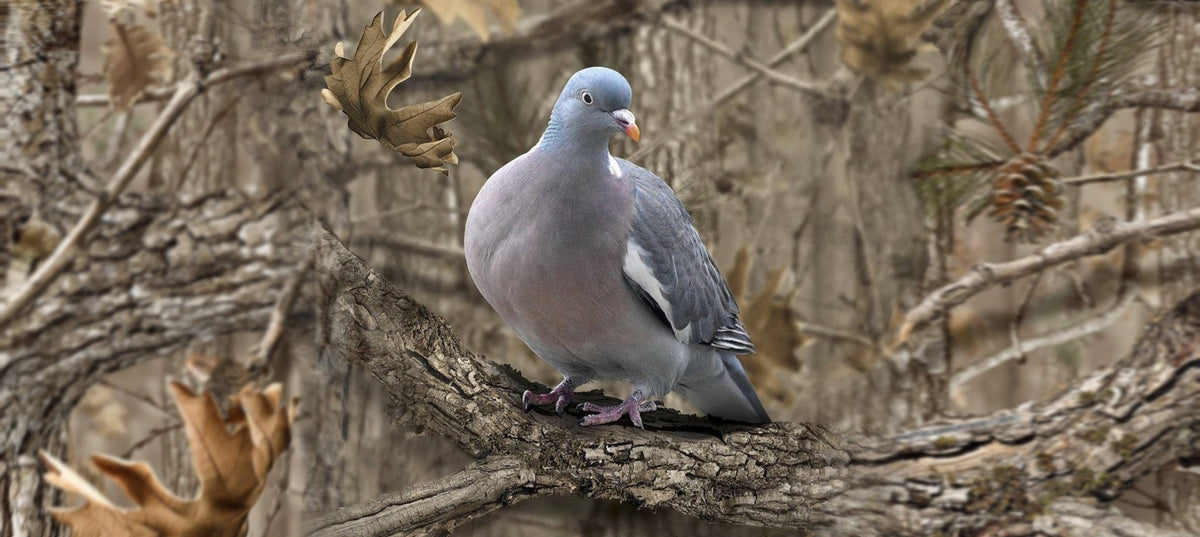
How to Read a Woodpigeon Flightline Before You Build the Hide
Most missed chances happen before the hide is even built. This article explains how to spot a genuine woodpigeon flightline, use wind and field features to your advantage, and place the hide where birds already want to finish. Good pigeon shooting starts with observation, not decoys.
Read moreabout How to Read a Woodpigeon Flightline Before You Build the Hide
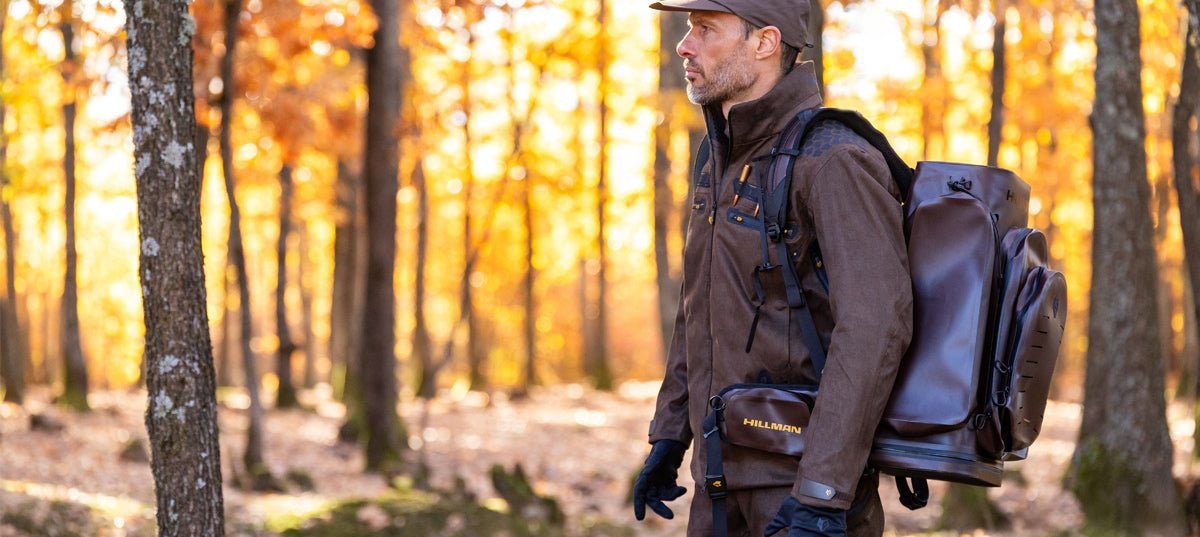
Build a Hunting Clothing System for the British Countryside
British hunting weather rarely stays the same for long, which is why a proper clothing system matters more than any single jacket. This guide explains how to combine base layers, insulation, and weather protection so you stay comfortable through changing conditions, from wet woodland stalks to cold hours spent waiting.
Read moreabout Build a Hunting Clothing System for the British Countryside
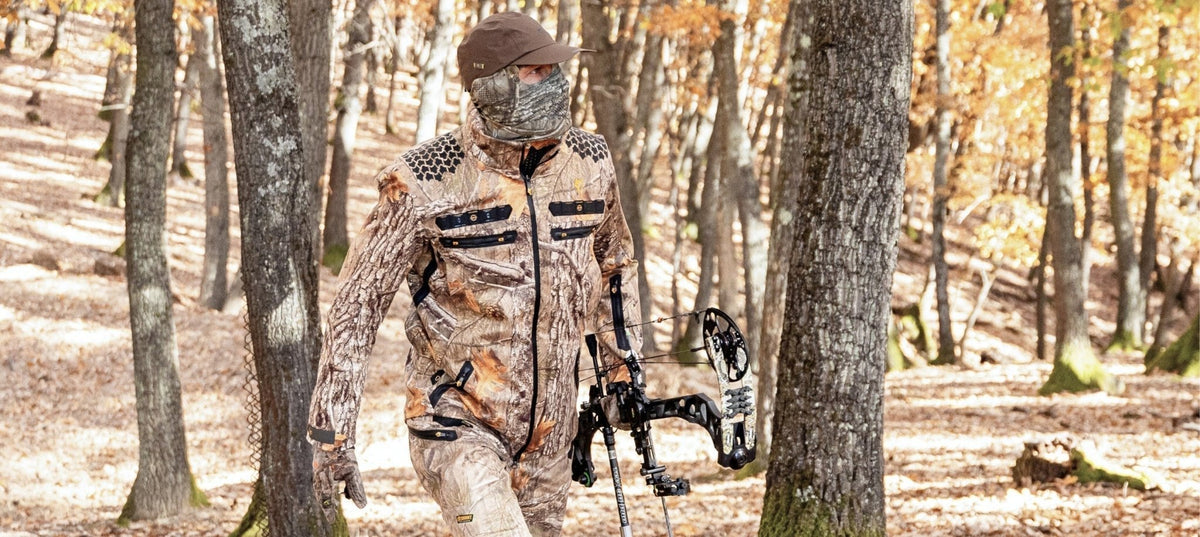
Best Hunting Clothes for Late Season UK Cold Snaps
This article looks at late-season hunting clothing for cold UK weather, especially the balance between warmth, moisture control, and staying dry once the weather turns nasty. It focuses on layering properly instead of piling on bulky gear that ends up soaking with sweat halfway through the hunt.
Read moreabout Best Hunting Clothes for Late Season UK Cold Snaps
How to Choose Quiet Waterproof Clothing for Deer Stalking
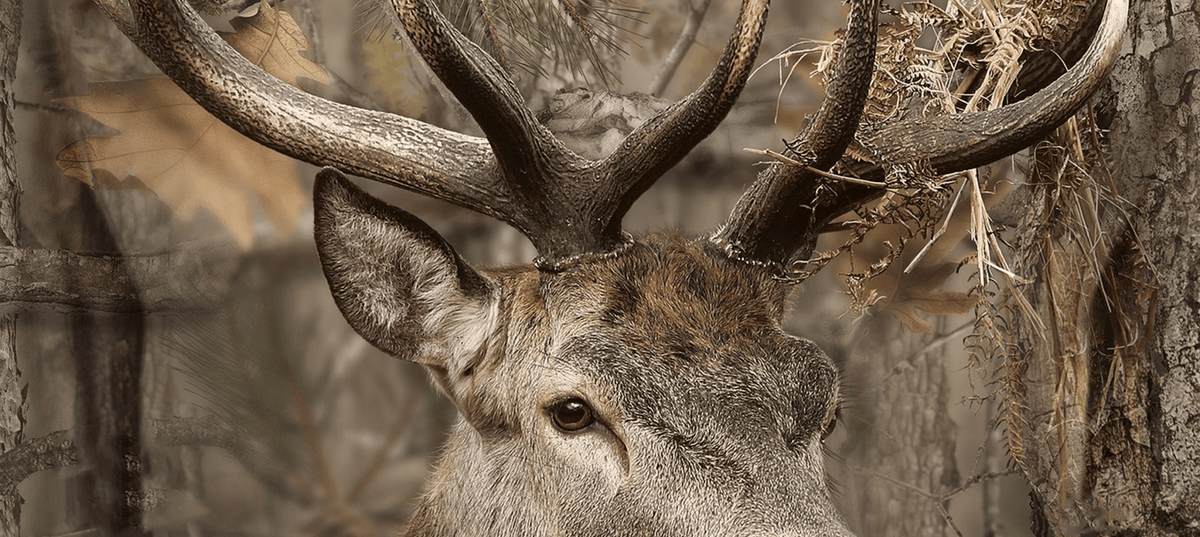
This piece looks at what actually matters in waterproof stalking clothing once British weather turns wet and awkward. Quiet fabric, breathable waterproof layers, dry feet, and clothing that still feels comfortable after hours on rough ground all make a bigger difference than flashy technical claims.
Read moreabout How to Choose Quiet Waterproof Clothing for Deer Stalking
Wide Fit Hunting Boots: Find Comfort Without Losing Stability
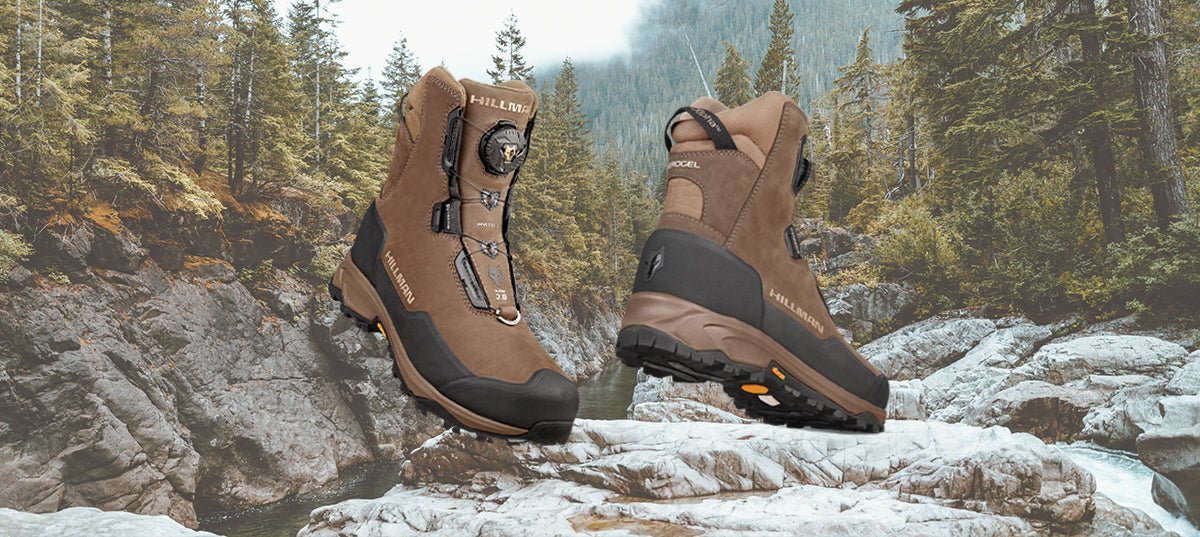
Wide fit hunting boots are not just about giving your feet extra room. The real challenge is finding a pair that gives space where you need it while still keeping your heel planted and your footing secure across wet banks, woodland tracks, and rough ground. Get that balance right and everything from comfort to stability improves.
Read moreabout Wide Fit Hunting Boots: Find Comfort Without Losing Stability
How to Choose a Hunting Jacket for Wind, Rain, and Long Days
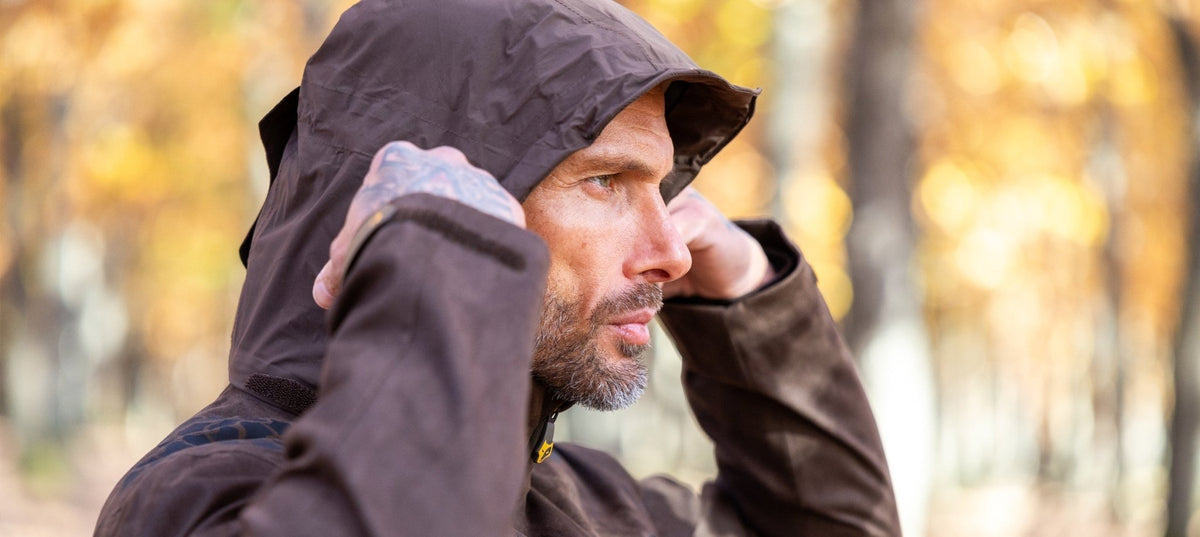
A good hunting jacket is judged at the end of the day, not in the shop. The right one balances weather protection, breathability, quiet fabric, and enough room for proper layering as conditions shift. Choose for the full day outdoors, not the first cold half hour.
Read moreabout How to Choose a Hunting Jacket for Wind, Rain, and Long Days
How to Layer for Deer Stalking Without Overheating?
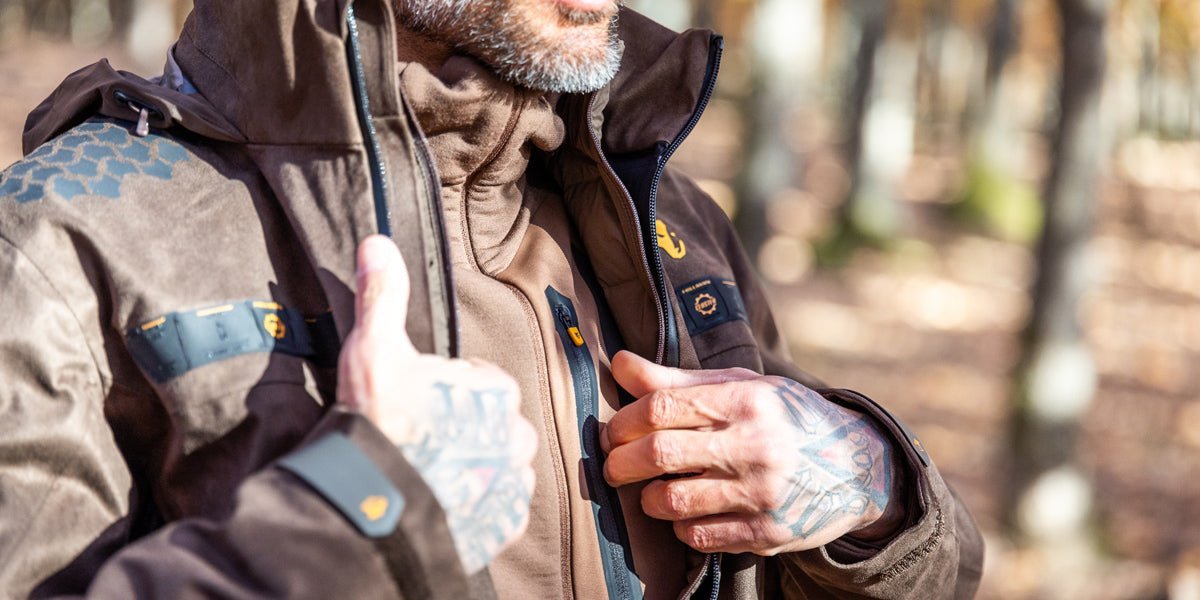
Layering for deer stalking is about staying slightly cool while moving, so sweat does not build up and turn cold later. A simple system with a base, mid layer, and weather layer works best when you can adjust it quickly. Control moisture early and the rest of the day usually feels easier.
Read moreabout How to Layer for Deer Stalking Without Overheating?
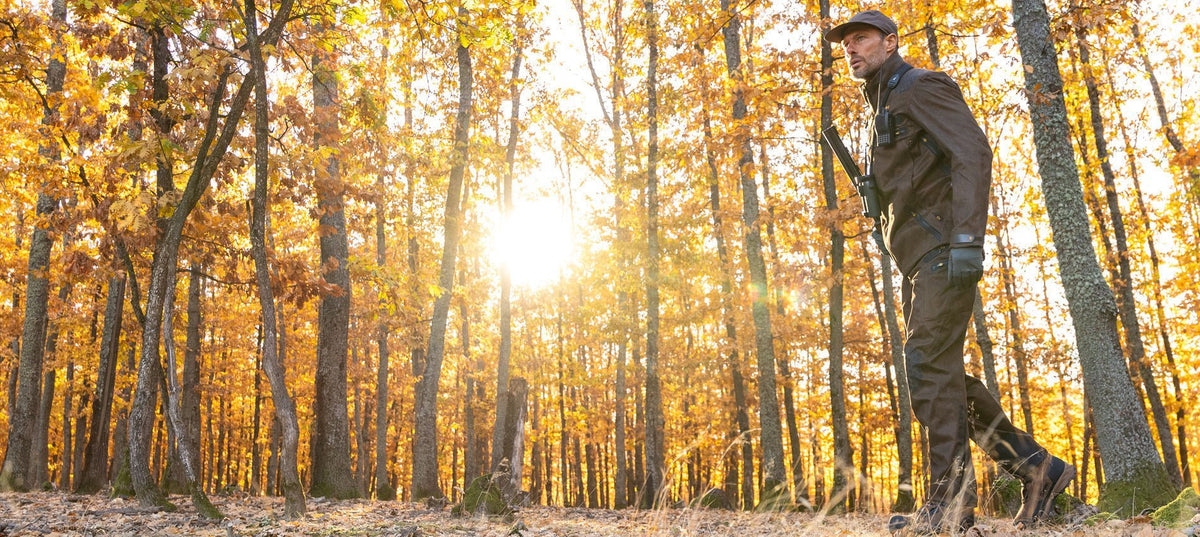
What to Wear for Pheasant Shooting in the UK: Clothing Guide
Pheasant shooting in the UK calls for clothing that handles damp ground, shifting weather, and long hours outside, not just something that looks traditional. A good outfit balances comfort, movement, and weather protection while still fitting the tone of the day. Get that balance right, and you stop thinking about what you’re wearing and just focus on the birds.
Read moreabout What to Wear for Pheasant Shooting in the UK: Clothing Guide
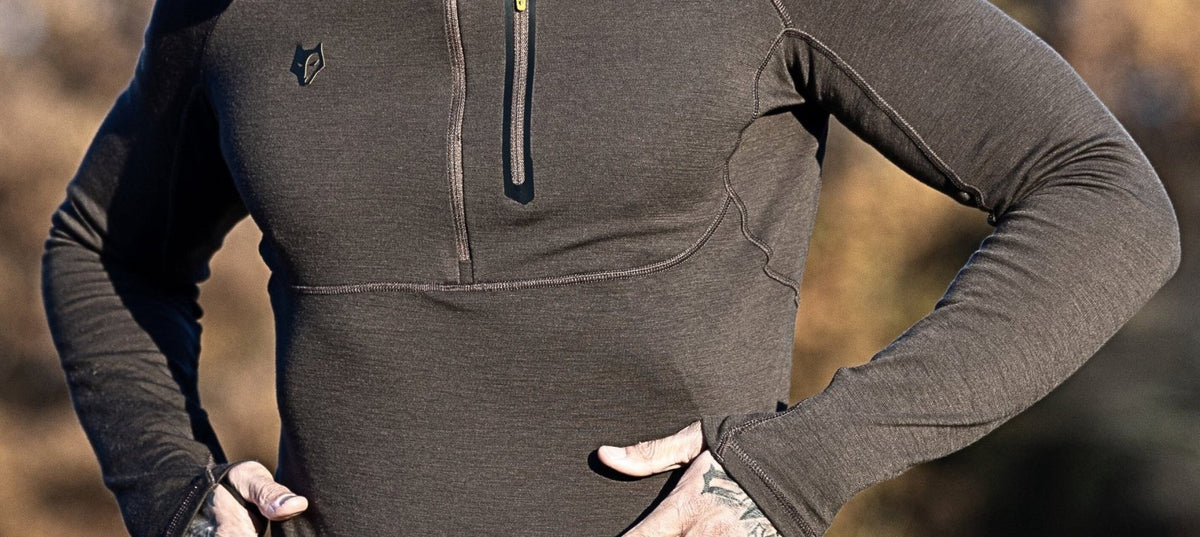
Best Base Layers for UK Hunting: What Works in The Damp Cold
Base layers matter more in British damp cold because moisture, not just temperature, is what makes you uncomfortable. Merino wool works well for most days thanks to its balance of warmth and moisture control, while synthetics suit more active hunts. The right setup is about managing sweat and staying steady as conditions shift, not just piling on insulation.
Read moreabout Best Base Layers for UK Hunting: What Works in The Damp Cold