
The Hunting Guide
Explore the best hunting gear, hunting news, and cutting-edge hunting innovations on The Hunting Guide – the expert-driven blog for seasoned hunters.
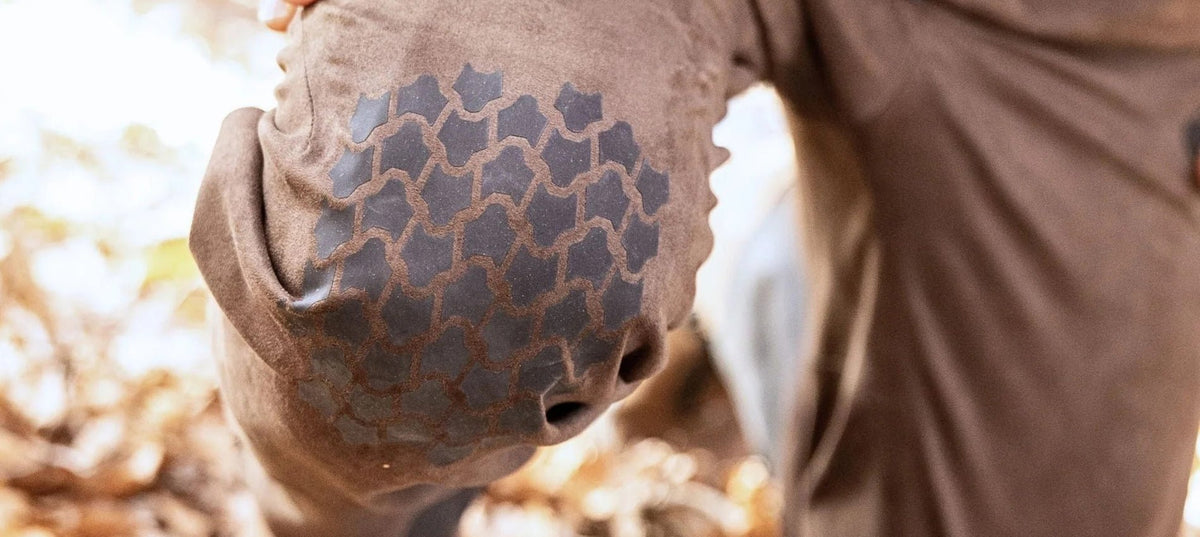
Best Clothing for Walked-Up Grouse Days: Light and Tough
Dressing for walked-up grouse shooting requires a balance of mobility, weather resistance, and low-bulk protection against heather and peat hags. Lightweight shooting trousers or breeks, breathable gaiters, and supportive lace-up boots prevent foot fatigue on uneven ground. Layering with a moisture-managing base layer, a practical shooting vest, and a light waterproof jacket keeps you adaptable without restricting gun mounting.
Read moreabout Best Clothing for Walked-Up Grouse Days: Light and Tough
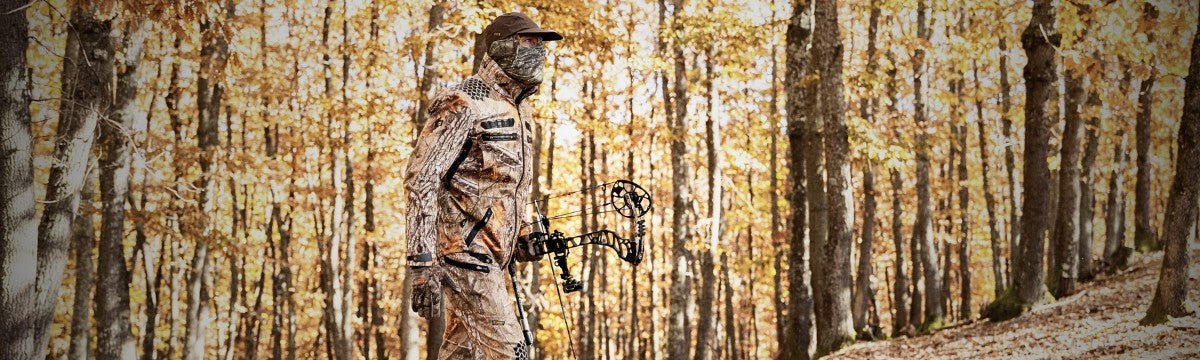
Picking-Up Clothing for Wet Grass, Dogs and Long Stops
Effective picking-up clothing relies on a bottom-up setup of waterproof shooting trousers, moisture-wicking socks, and supportive boots to withstand wet grass, mud, and wet dogs. Smart layering, combining a technical base layer, quiet mid-layer insulation, and a breathable waterproof outer jacket, prevents chill during long, standing stops between active drives.
Read moreabout Picking-Up Clothing for Wet Grass, Dogs and Long Stops
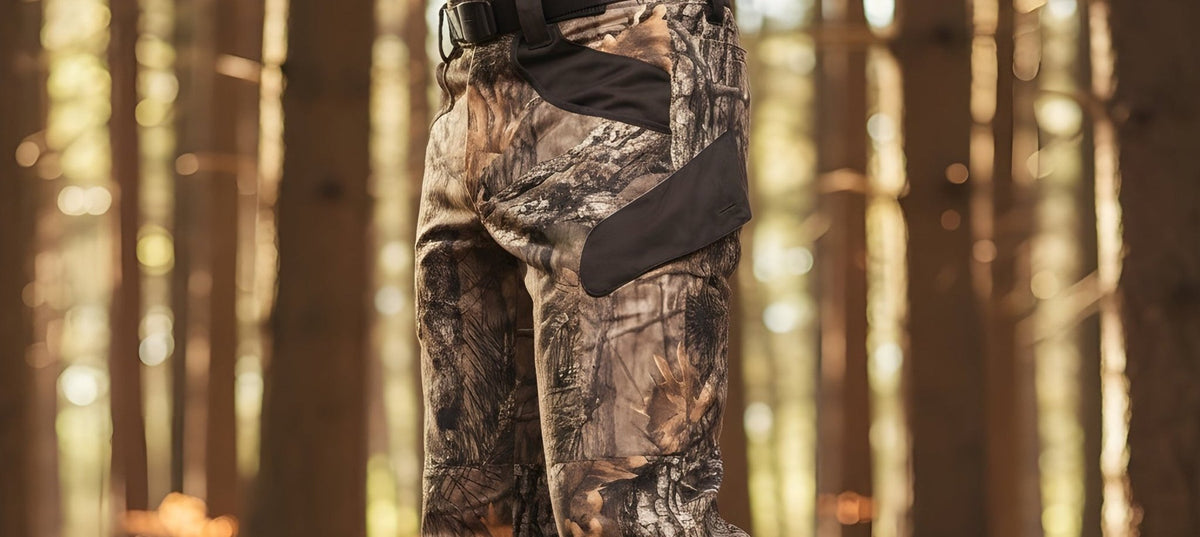
Beating Line Clothing: Brambles, Mud & Movement During Hunts
Beating line clothing requires rugged, tightly woven fabrics rather than soft or delicate materials to withstand constant abuse from brambles, deep mud, and wet undergrowth. Essential gear includes reinforced waterproof shooting trousers, high-denier gaiters, a tough wax or heavy-duty shell jacket, and sturdy boots that offer support and mud traction. Layering smartly with a moisture-wicking base layer and a covered mid-layer ensures you stay warm during stops without overheating while pushing through dense cover.
Read moreabout Beating Line Clothing: Brambles, Mud & Movement During Hunts
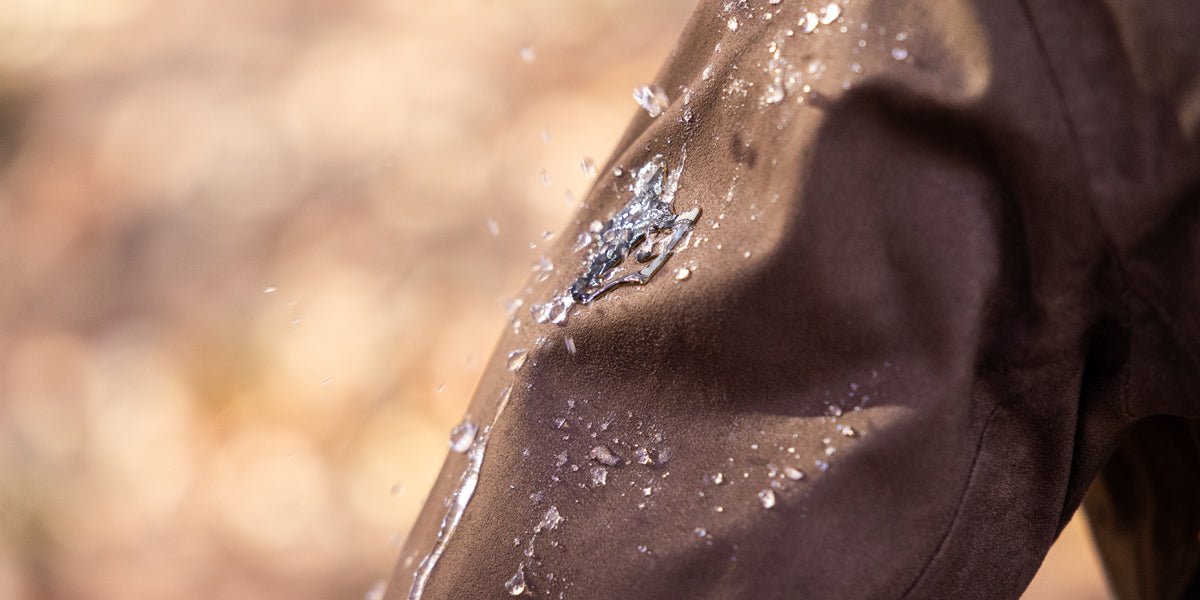
How to Dress for a Wet, Driven Day Without Feeling Heavy
Dressing for a wet driven day is about technical layering, not heavy fabrics that trap water. A moisture-wicking base layer, lightweight insulation, and a breathable waterproof jacket keep you dry and moving freely on the peg. Paired with quick-drying trousers and supportive boots, this setup delivers all-day protection without the lunch-break fatigue.
Read moreabout How to Dress for a Wet, Driven Day Without Feeling Heavy

Stalking Trousers vs Shooting Breeks: What Works Better?
While shooting breeks excel on formal, stationary-driven pegs by stopping fabric from bunching inside tall boots, full-length stalking trousers dominate active field conditions. Stalking trousers provide essential full-leg waterproof coverage, silent movement, and protection against ticks, thorns, and wet ground when crawling or kneeling. Choosing between the two comes down to the environment: breeks suit the formal peg, while technical stalking trousers suit the unpredictability of the open field.
Read moreabout Stalking Trousers vs Shooting Breeks: What Works Better?
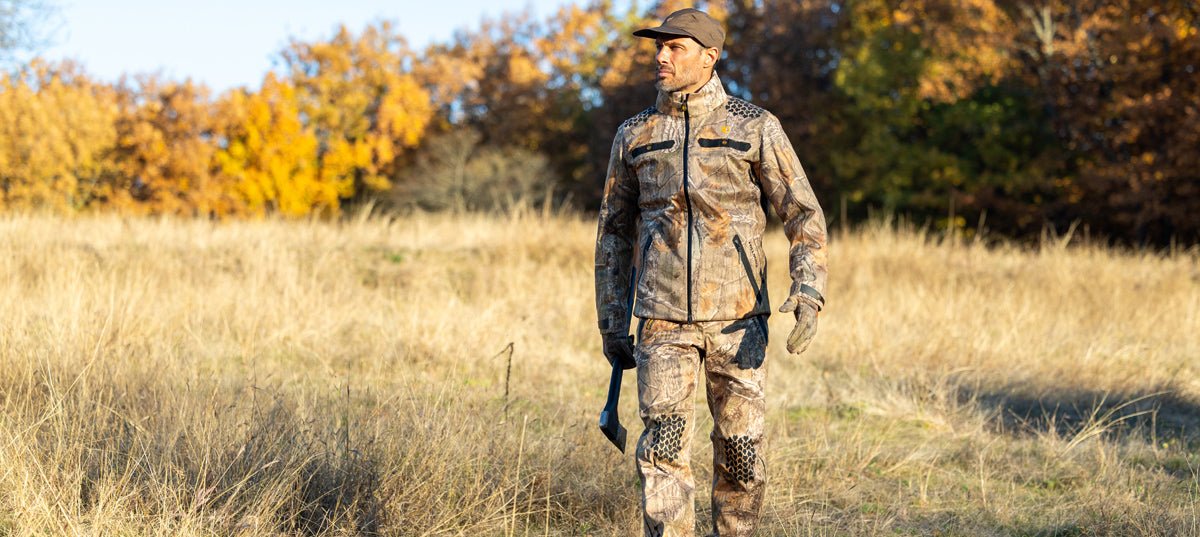
Red Deer Stalking on the Hill: Layers, Wind and Waterproofing
This article details how to layer effectively for red deer stalking on open hill ground by balancing sweat-wicking base layers, adjustable insulation, and silent, waterproof outer shells. It emphasizes that while proper gear keeps you dry and focused through volatile UK weather, fieldcraft like reading the wind and glassing remains paramount.
Read moreabout Red Deer Stalking on the Hill: Layers, Wind and Waterproofing
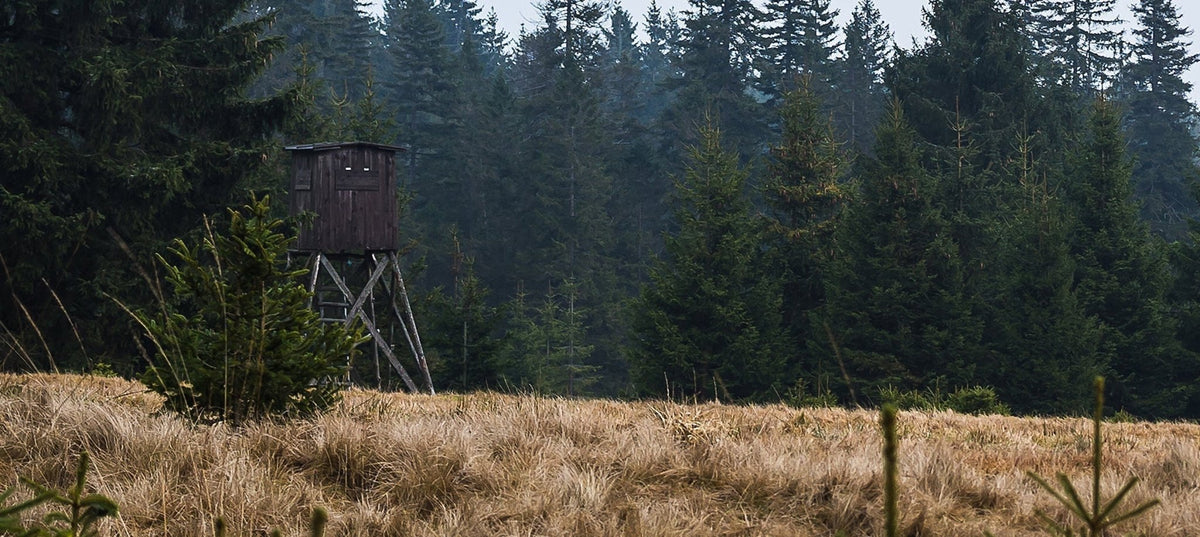
Muntjac Stalking in Woodland: Clothing and Movement
Muntjac stalking in thick woodland requires absolute silence, careful body temperature management, and deliberate, slow movement to get within short shooting distances. Using soft, quiet outer layers and flexible waterproof boots allows stalkers to navigate damp, tight undergrowth without alerting these wary, low-profile deer. Managing wind direction, covering exposed hands and face, and employing a disciplined heel-to-toe walking technique are critical for turning tight woodland encounters into clean opportunities.
Read moreabout Muntjac Stalking in Woodland: Clothing and Movement
What to Wear for Roe Buck Stalking in Summer: No Overheating
Summer roe buck stalking demands lightweight, breathable, and silent clothing to prevent overheating during active tracking and long waits. Layering with moisture-wicking synthetic or merino base layers, quiet water-resistant outer shells, and flexible trousers protects against wet grass, wind, and ticks without trapping body heat. Lightweight waterproof boots and muted, low-noise fabrics ensure stalkers remain comfortable, agile, and undetectable in the field.
Read moreabout What to Wear for Roe Buck Stalking in Summer: No Overheating
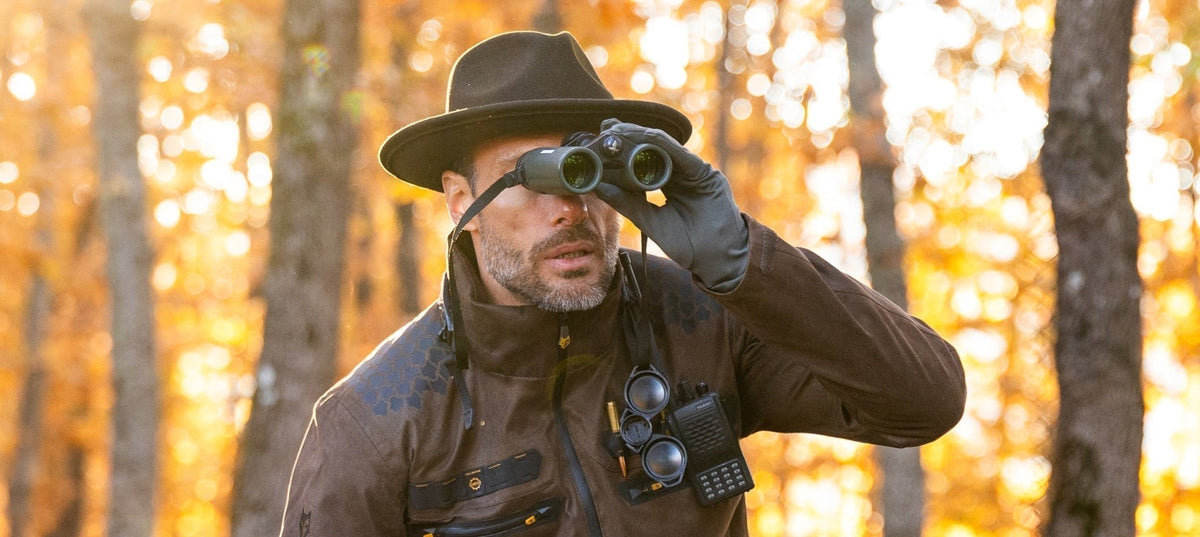
Crossing Pheasants Over a Hedge Line: Best Peg Shooters Tips
Successful peg shooting on crossing pheasants over a hedge line relies on early observation, assessing flushing points, wind speed, and flight paths before mounting the shotgun. Proper body positioning, fluid gun mounting, and honest range estimation prevent rushed shots and help maintain clean, high-percentage kills. Respecting safety boundaries, understanding individual shooting limits, and maintaining field discipline ensure a sporting and safe driven game shoot.
Read moreabout Crossing Pheasants Over a Hedge Line: Best Peg Shooters Tips
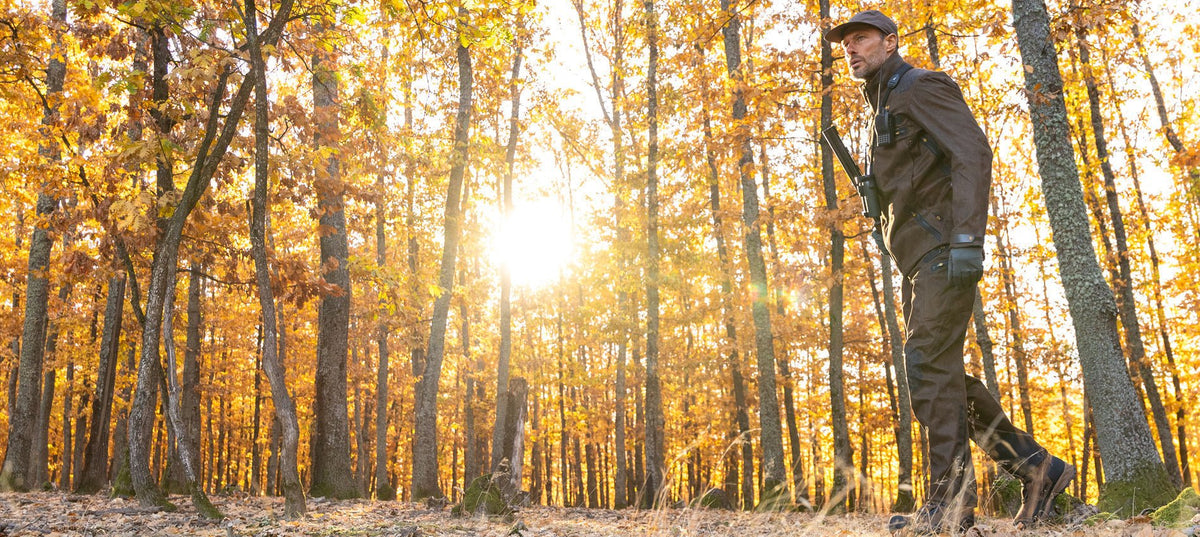
Rabbit Evenings on Permission: Safe Angles, Slow Ground
Successful rabbit shooting on permission requires a slow, deliberate approach that prioritizes landowner communication, legal compliance, and thorough ground reading over quick results. Identifying safe angles, choosing reliable earth backstops, and approaching downwind are critical for taking humane shots and maintaining safety as light fades. Patience, proper range estimation, and respecting boundaries ensure effective pest control while preserving long-term access to the land.
Read moreabout Rabbit Evenings on Permission: Safe Angles, Slow Ground
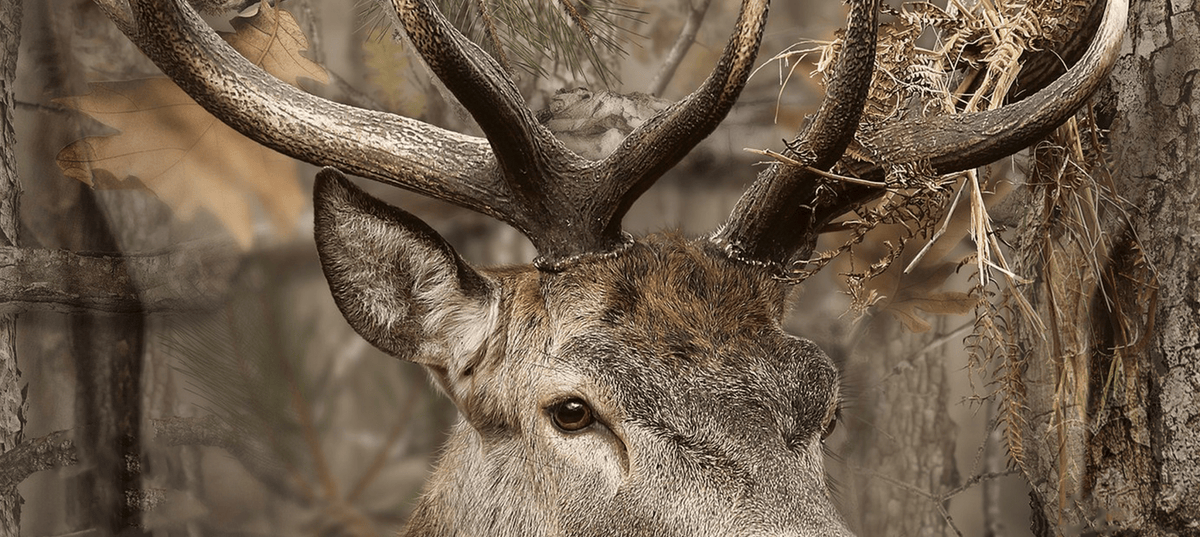
Sika in Dark Timber: When Sound Helps the Stalk or Ruins It
In dense dark timber where visibility is severely limited, sika deer rely heavily on their acute hearing to detect threats and navigate cover. Successful stalking relies not on absolute silence, but on eliminating sharp, unnatural equipment noises while using natural woodland sounds, like wind, rain, and soft earth, to mask deliberate, slow movements.
Read moreabout Sika in Dark Timber: When Sound Helps the Stalk or Ruins It
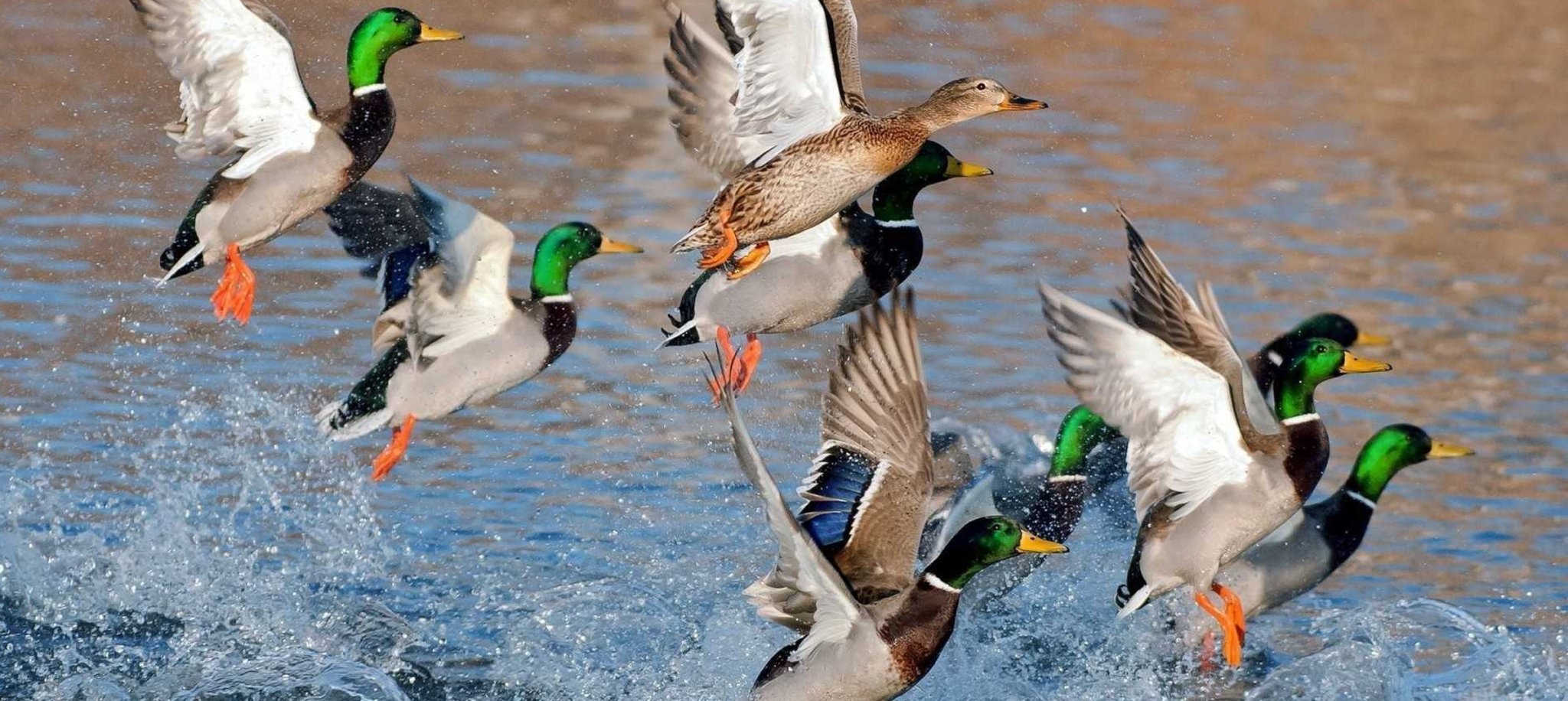
Flight Pond Evenings: Wind, Entry Routes for Wildfowling Setup
Successful wildfowling relies on reading wind direction, duck entry routes, and moonlight to position hides effectively and build avian confidence. By arriving early, maintaining minimal noise, using modest decoys, and feeding responsibly, wildfowlers can create a safe, sustainable flight pond setup that keeps ducks returning.
Read moreabout Flight Pond Evenings: Wind, Entry Routes for Wildfowling Setup
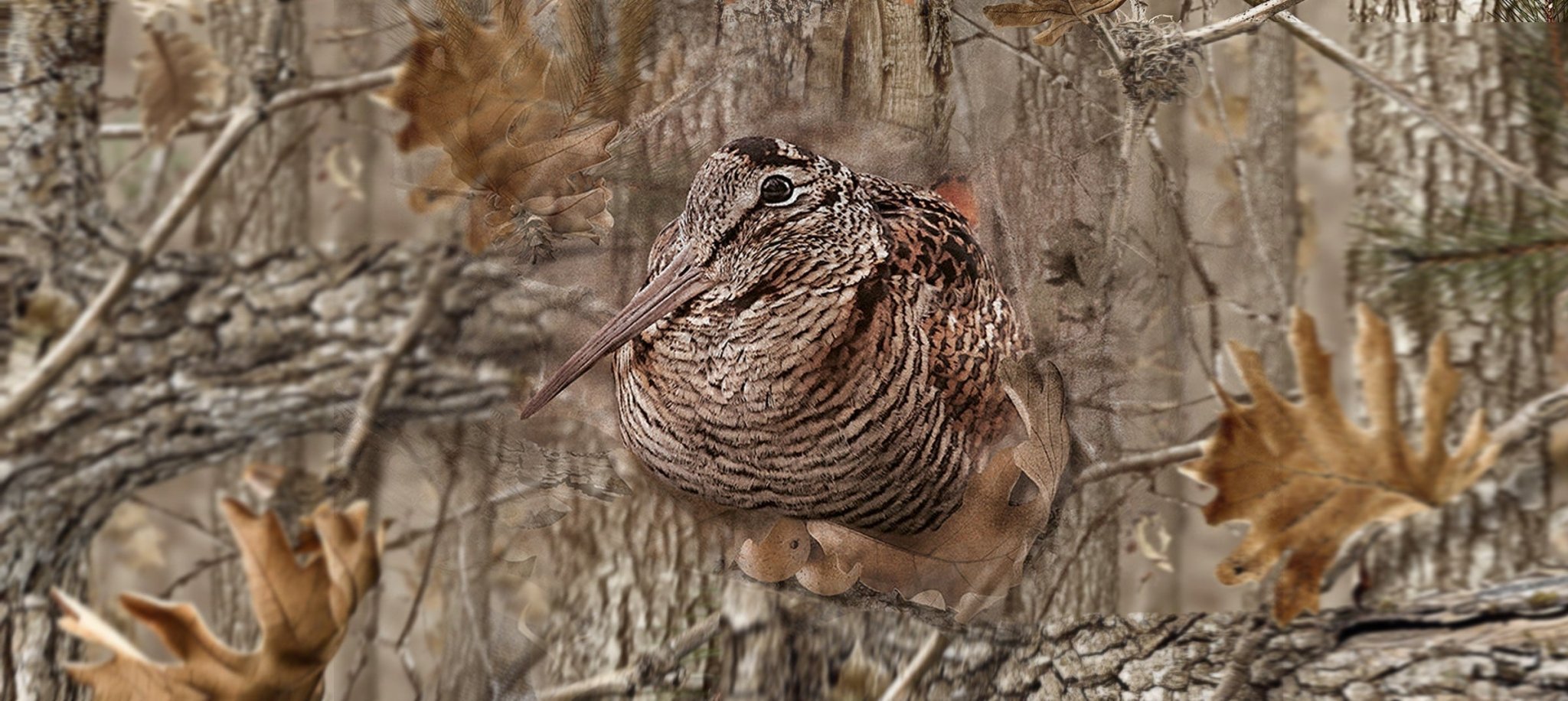
Winter Woodcock Shooting Days: Pace, Cover, Quiet Footwork
The article focuses on winter woodcock shooting, with particular attention to slow pace, quiet footwork, suitable damp woodland cover, dog work, safety and responsible shooting practices. It also discusses woodcock conservation, weather conditions and how hunters can read the ground and the flush rather than simply covering more distance.
Read moreabout Winter Woodcock Shooting Days: Pace, Cover, Quiet Footwork
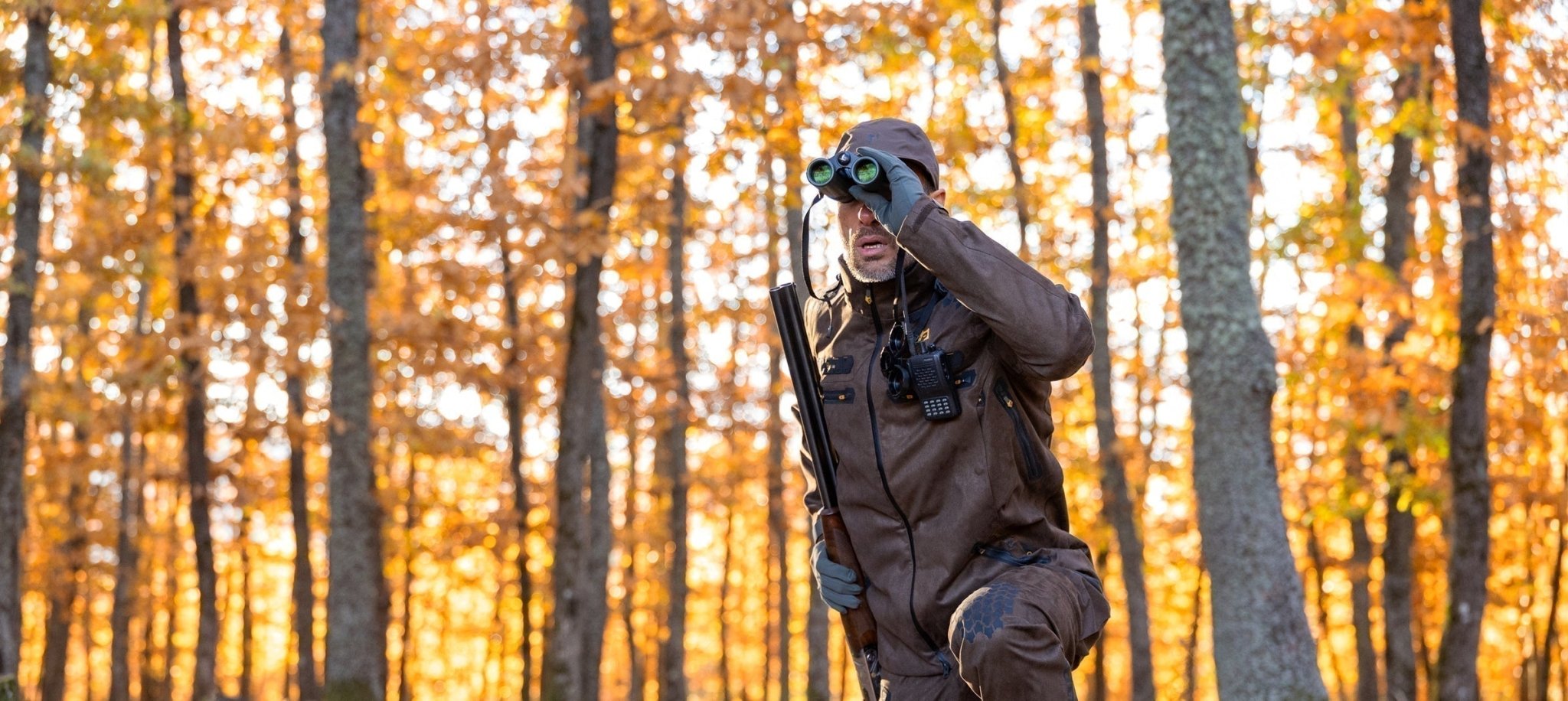
Decoying Corvids on Mixed Farms: After The Missed Shot
The article explains how crows, rooks and jackdaws react after a missed shot and how shooters can adjust decoy patterns, hide position, movement and timing. It focuses on reading corvid behaviour on mixed farms and knowing when to reset the setup rather than keep repeating the same mistake.
Read moreabout Decoying Corvids on Mixed Farms: After The Missed Shot
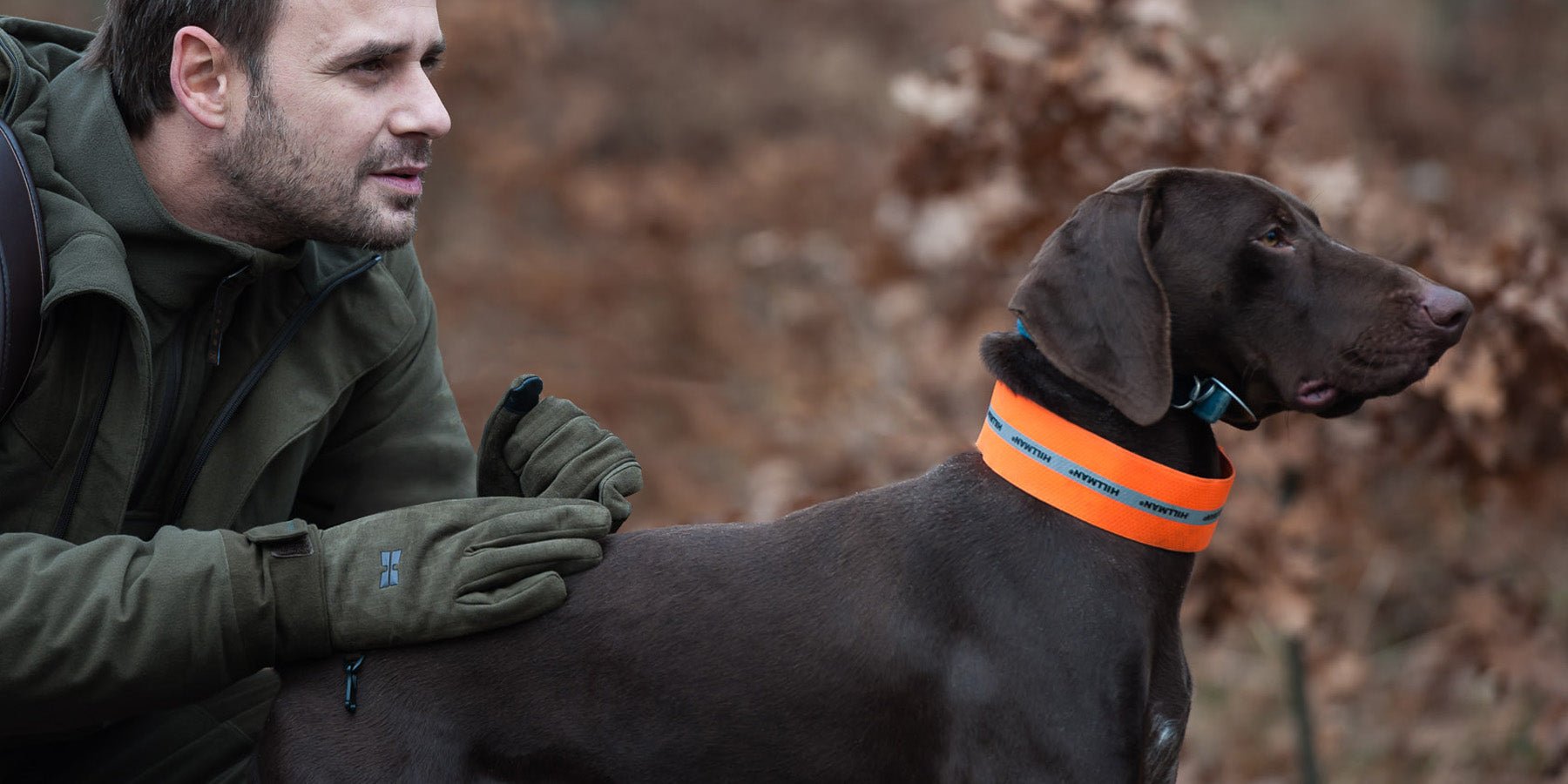
Rough Shooting Hedgerows: How to Move a Line
The article explains how to move a rough-shooting line through hedgerows without flushing game too early. It focuses on reading cover, controlling dogs, using the wind, keeping a steady pace, protecting habitat, and varying pressure on hedges.
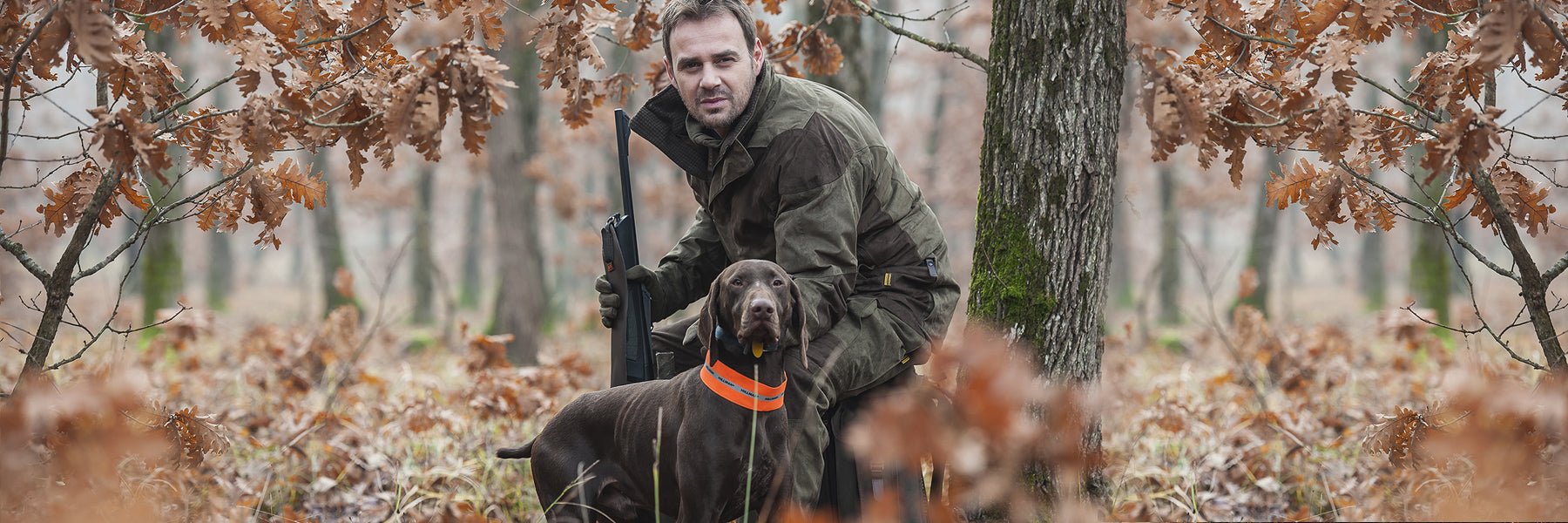
Properly Dogging-In: Reading Bird Behaviour Between Drives
The article explains how good dogging-in depends on reading pheasant behaviour, using a steady dog, and applying just enough pressure to keep birds settled. It also covers picking up, shoot-day etiquette, communication, and the small field observations that help keep the next drive running smoothly.
Read moreabout Properly Dogging-In: Reading Bird Behaviour Between Drives
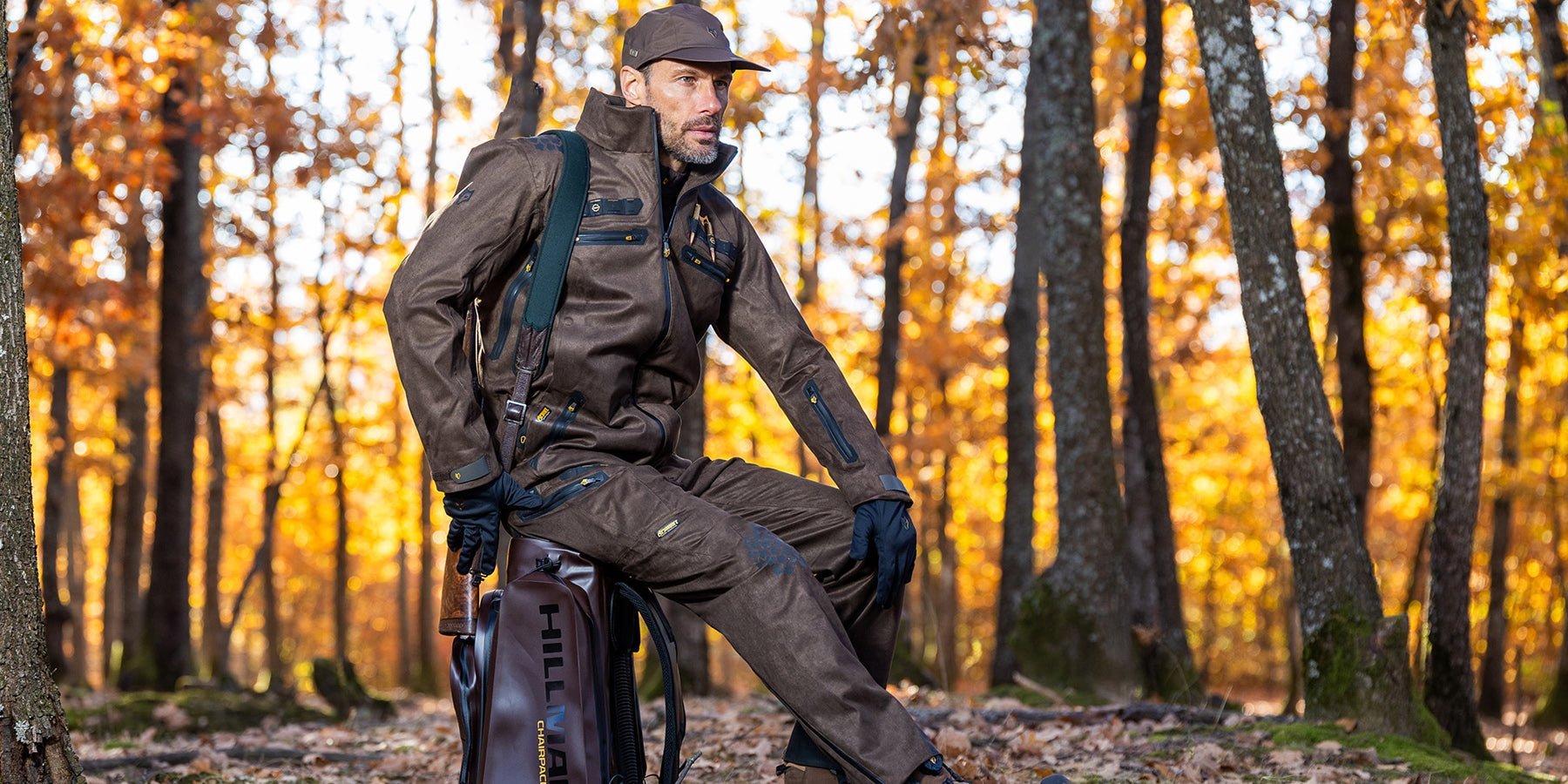
Roebuck Calling in Thick Cover: How Close Is Too Close
Calling a roebuck in thick cover is about controlling the encounter, not pulling the deer as close as possible. Good positioning, patience, wind, and reading the cover give you time to judge the buck and wait for a safe opportunity. During the rut, a calm setup usually beats an aggressive call.
Read moreabout Roebuck Calling in Thick Cover: How Close Is Too Close
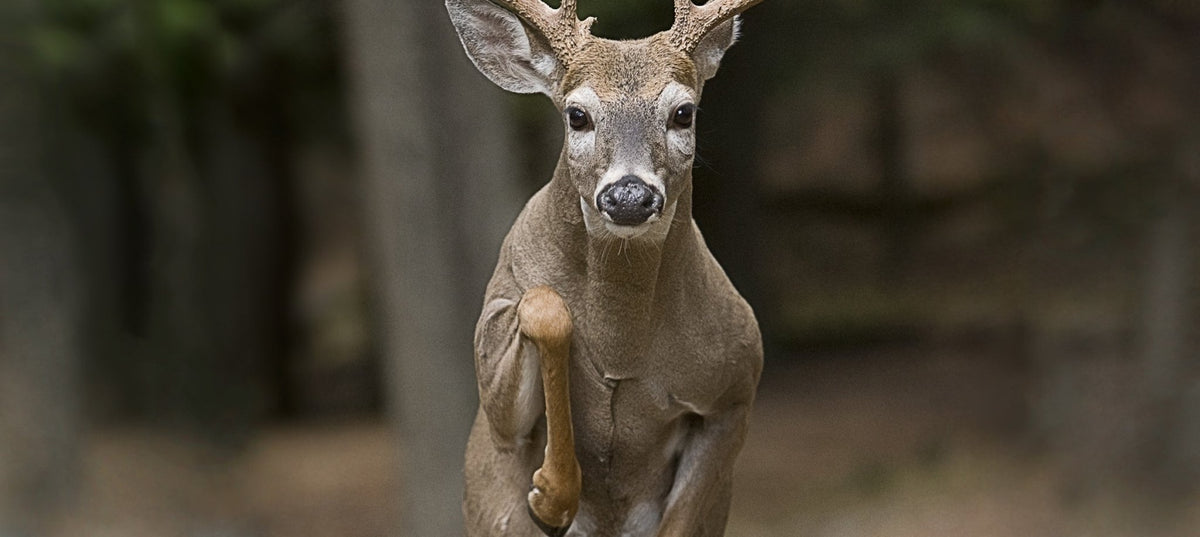
Fallow Deer on Field Edges: Read Hesitation Before Last Light
Fallow deer rarely step onto a field without checking it first. This guide explains how to read hesitation, body language, wind, and pressure during the final minutes of daylight, helping you understand when deer will commit and when they will melt back into cover. Patience often tells you more than rushing the shot.
Read moreabout Fallow Deer on Field Edges: Read Hesitation Before Last Light