
How to Layer for Deer Stalking Without Overheating?

Stay comfortable on the stalk with a breathable clothing system that manages moisture, holds warmth when needed, and adapts as the weather shifts.
If you want to know how to layer for deer stalking without overheating, the answer is not piling on extra kit and hoping it works out. A solid layering system has to do two jobs at the same time. It needs to keep you warm in cold weather while stopping excess heat and moisture from building up once you get moving.
Out on a real stalk, that balance matters more than plenty of hunters first assume. You can set off in cold air at first light, catch a sharp light breeze in open ground, then find yourself getting warm fast once the climb starts to bite. Add in wind, light rain, sudden showers, or persistent rain, and weak spots in your clothing system tend to show themselves fast. Most hunters have got this wrong at least once.
They dress for the first few minutes instead of the hours that follow. They head out feeling cosy, then body heat rises too fast, sweat sits against the skin, and body temperature becomes awkward to control. Stop for even a short pause, and that trapped moisture starts working against you.
A good setup should make the day feel simpler, not turn into something you keep having to manage. It should pull sweat off your skin, help it disappear before it hangs around, and stop that damp chill catching up with you later.
Why does the right base layer matter more than people think?

That is why the right base layer usually feels far better than a heavier top that never really suited active stalking in the first place. A good base layer should feel comfortable the moment it goes on, sit close without sticking to you, and stay on top of moisture before it becomes irritating.
Merino wool has a way of proving itself in UK stalking because it breathes well, feels good over long hours, and still hangs on to a bit of warmth when the weather turns wet. Good synthetic fabrics do not hold much moisture, dry fast, and come with excellent moisture-wicking properties. For some hunters, a merino wool blend is the most balanced option, giving you the comfort of wool with a touch more speed when it comes to drying out. Others would rather use full synthetic fabrics when they know the effort level will be high and they are likely to run hot early on.
What you want to avoid is simple. Do not wear cotton. Wear cotton in cold or wet conditions, and you create work for yourself. It holds moisture, loses warmth, and makes it harder to stay warm once the pace drops. In deer stalking, that can turn a manageable climb into an uncomfortable wait very quickly.
The best base layer should leave you slightly cool when you first step off. That usually means it is doing its job. The old start cold rule still makes sense. If you feel perfectly warm before you even begin, there is a good chance you will be fighting heat twenty minutes later.
Mid-layer and moisture management

The mid layer is where you hold onto warmth without sealing yourself in. Mid-layer insulation should retain body heat, but it also needs to let moisture from the base layer pass through instead of trapping heat and dampness around the upper body.
That is why fleece remains such a solid option. It is lightweight, breathable, quiet in use, and easy to manage across changing temperatures. A mid-layer fleece should keep you warm enough for slower patches and glassing, without feeling like it is hanging off you once the ground turns steeper. It should go on over the base layer without any fuss, let you move the way you need to, and still sit cleanly under an outer layer.
In colder winter conditions, some hunters switch to synthetic insulation here because it keeps performing when the whole day feels damp, heavy, and uncomfortable. That usually matters more than people first realise in the UK, where cold weather often comes with wet air rather than a clean, dry bite. Even so, the basic idea does not change. Mid-layer insulation should support the layering system, not make it rigid.
A common mistake is choosing a mid-layer that feels impressively warm while standing still indoors. Out in the field, that same piece can become too much the moment you start walking uphill. The right mid-layer should retain heat during pauses, but it should not stop heat from escaping during movement. If it does, you end up damp under the jacket, which defeats the point.
Outer layer weather protection without sealing in heat

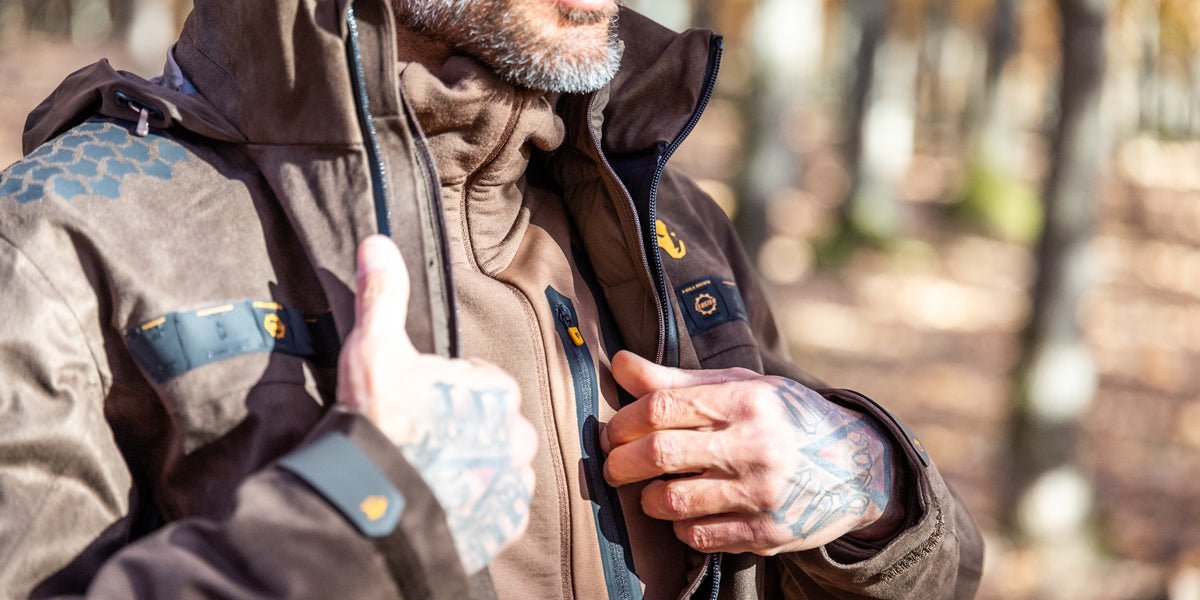
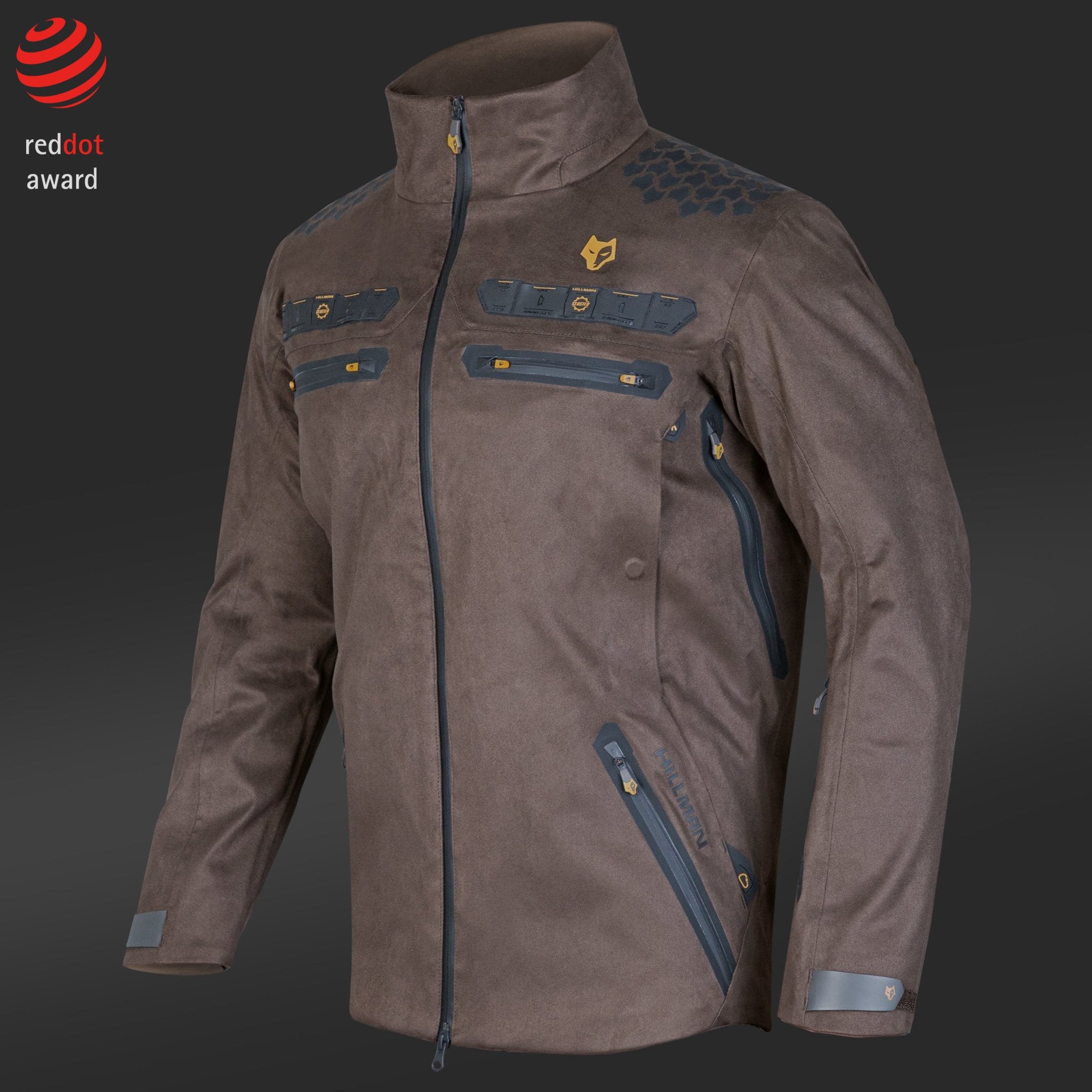
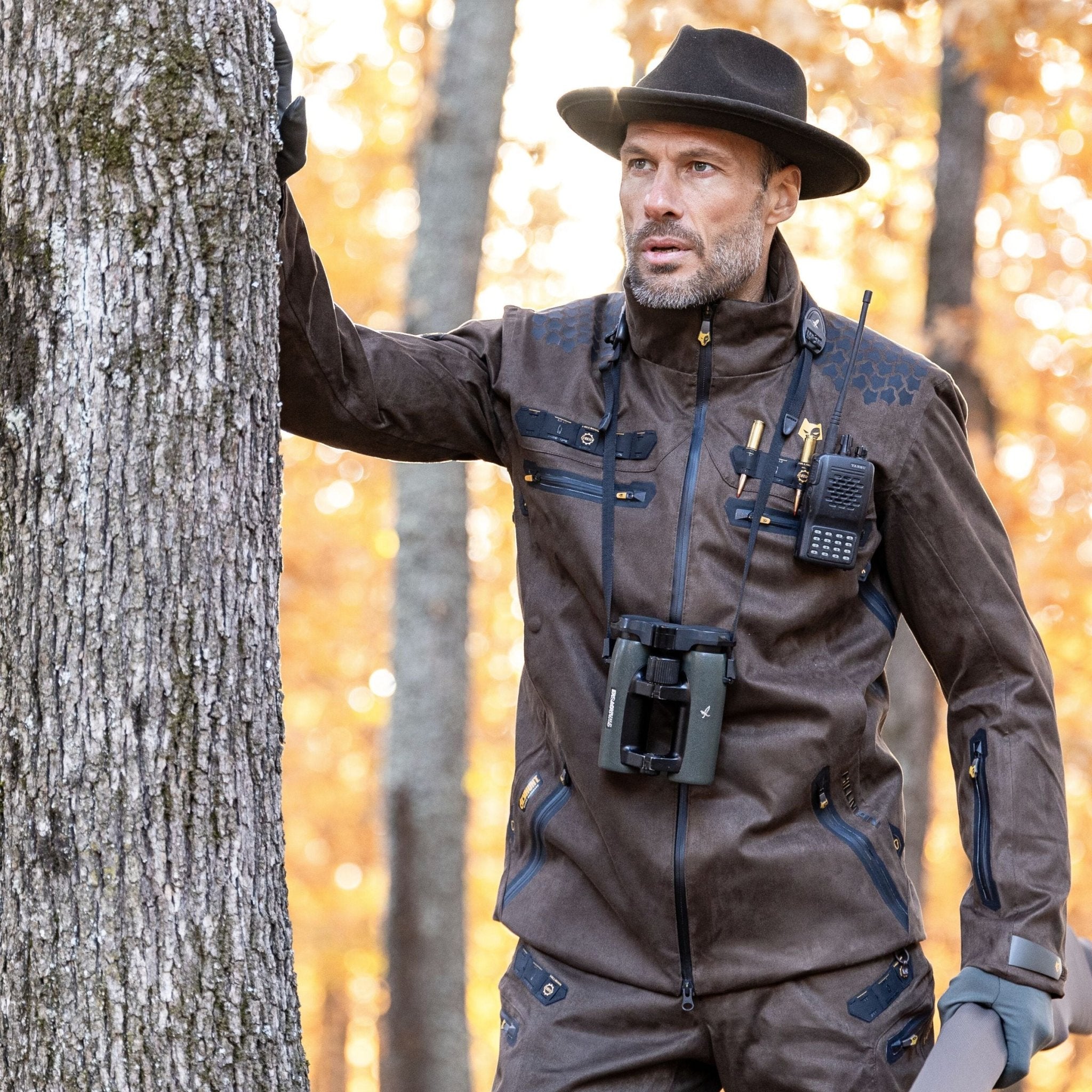
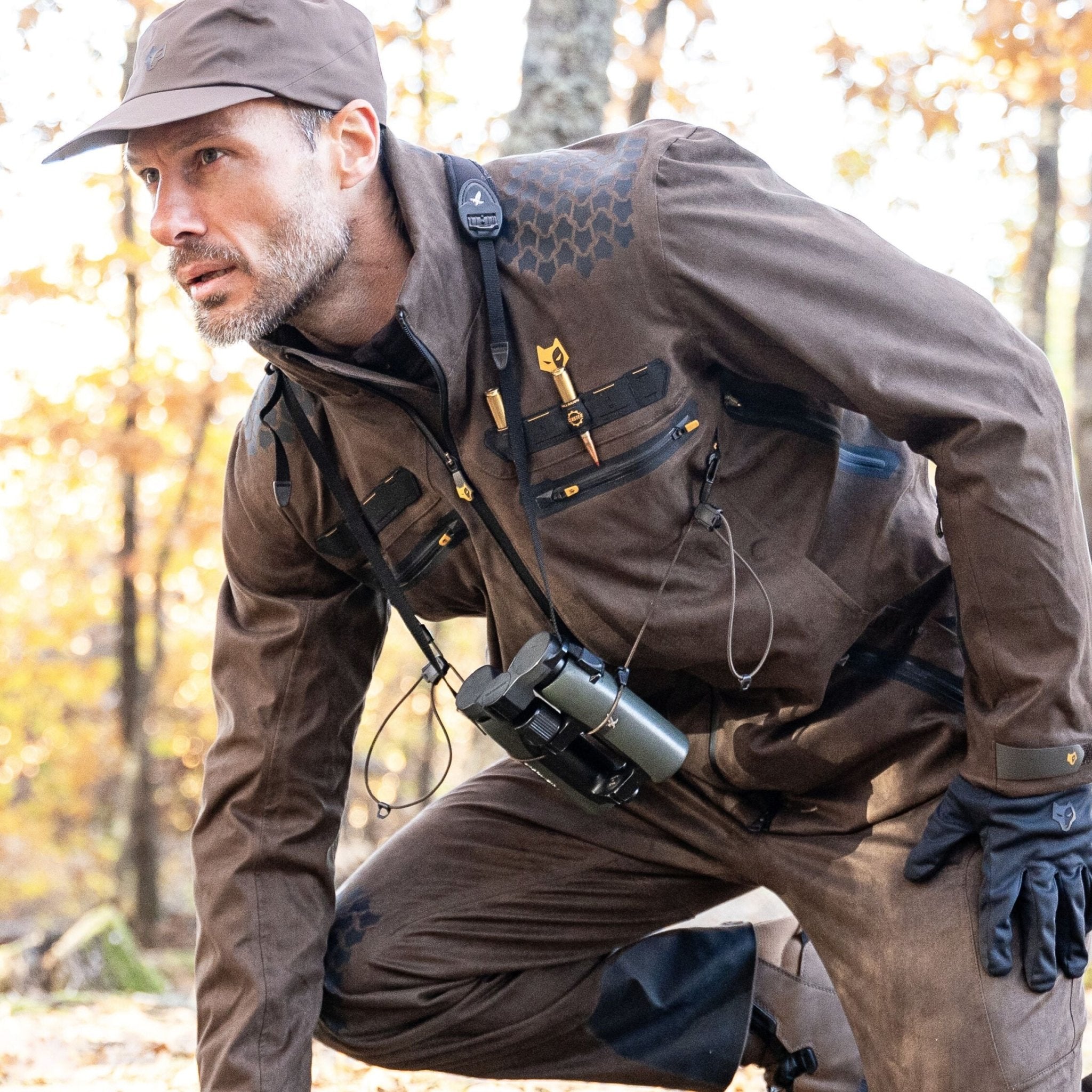
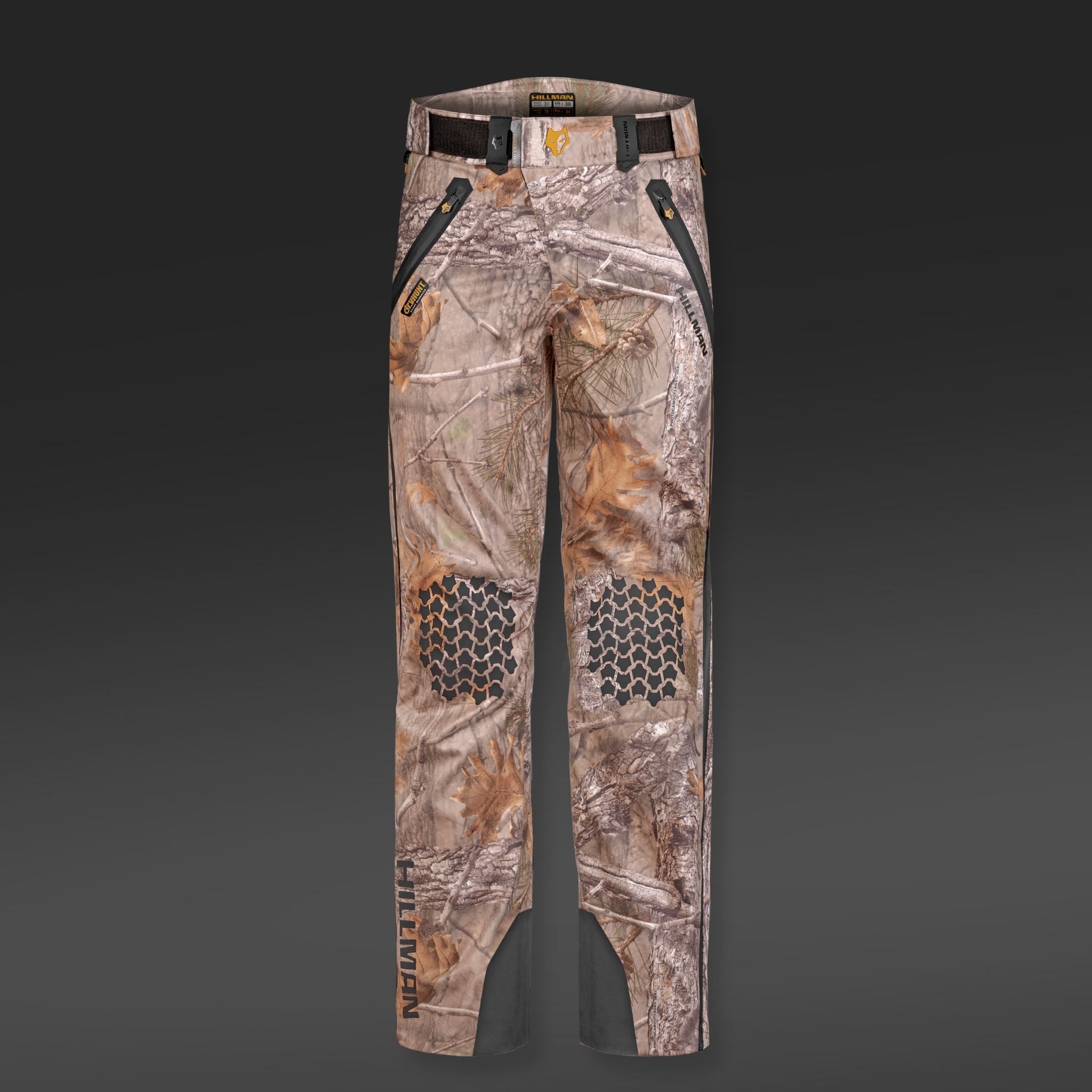
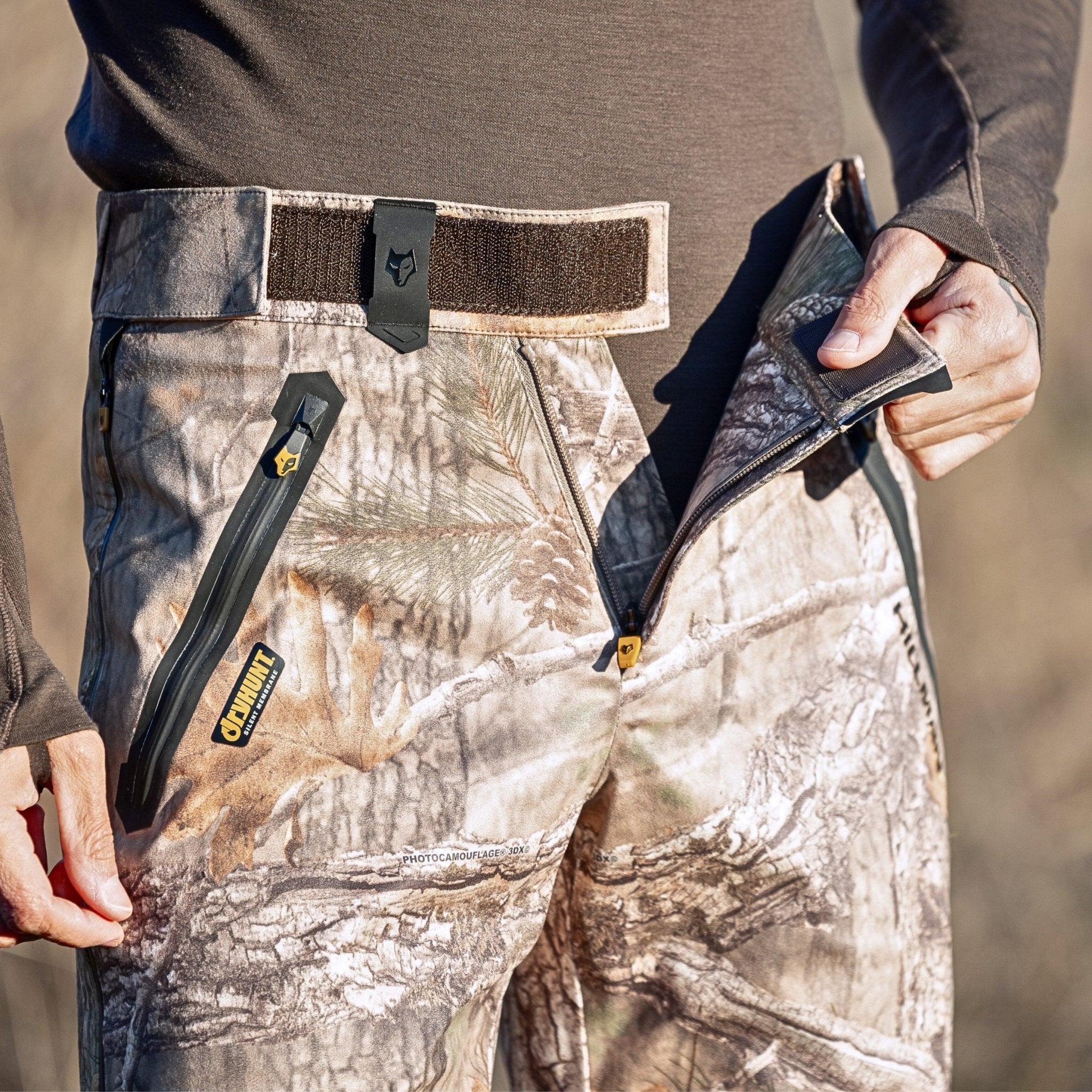
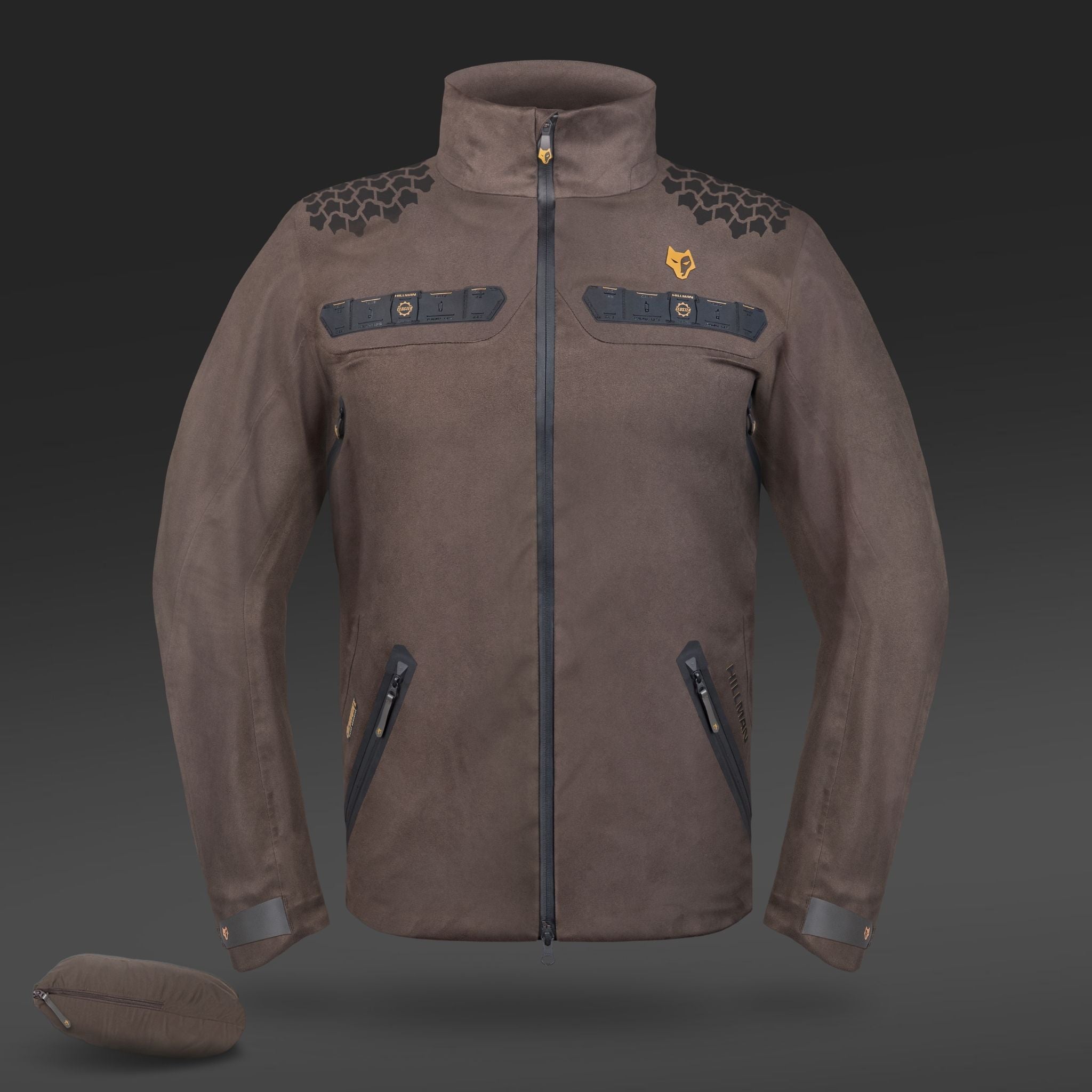
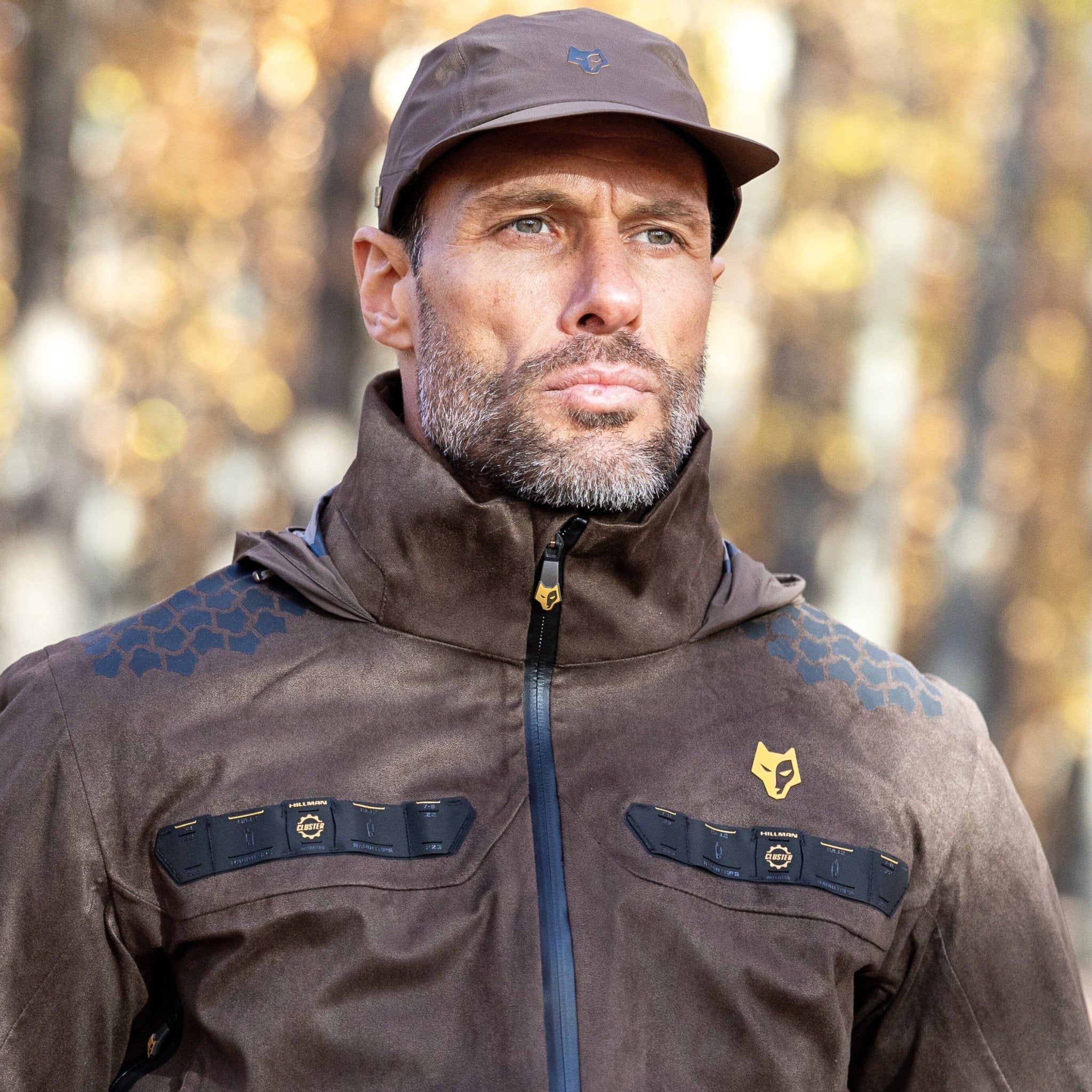
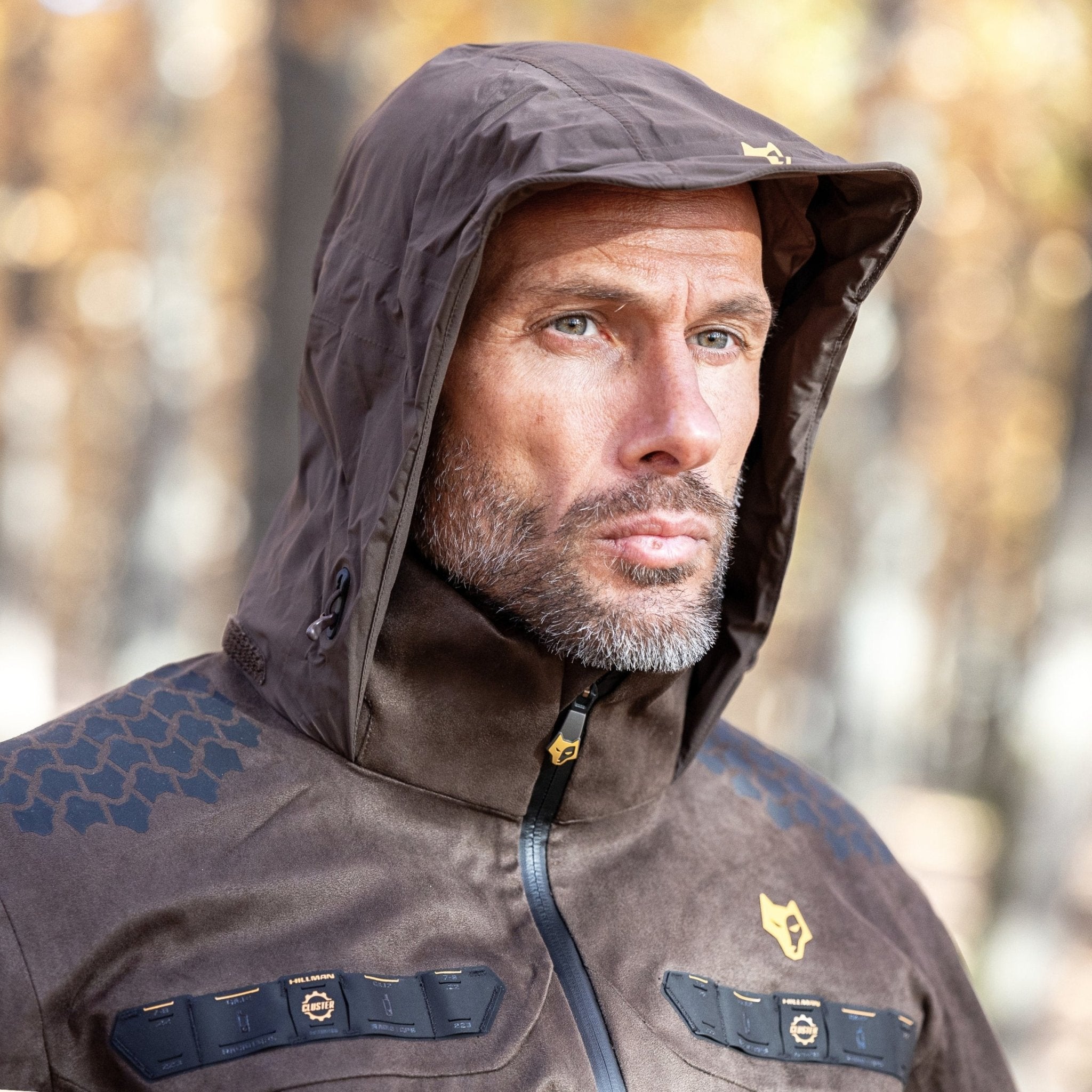
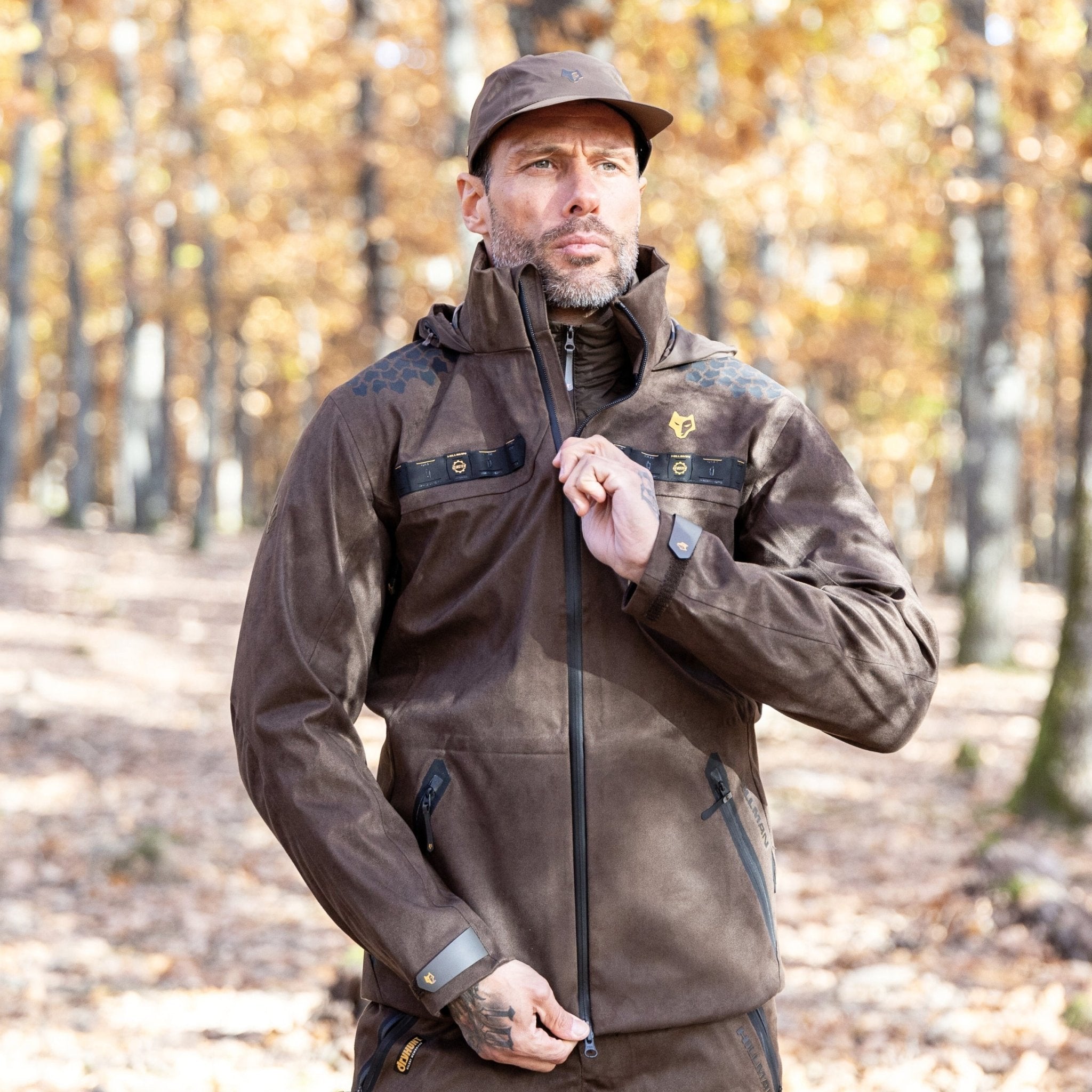
The outer layer is the piece that has to cope with whatever the weather throws at you. It needs to block the wind, fend off rain, and still allow moisture from the layers underneath to escape. If an outer shell cannot breathe properly, it can end up feeling almost as bad as the rain you were trying to keep out.
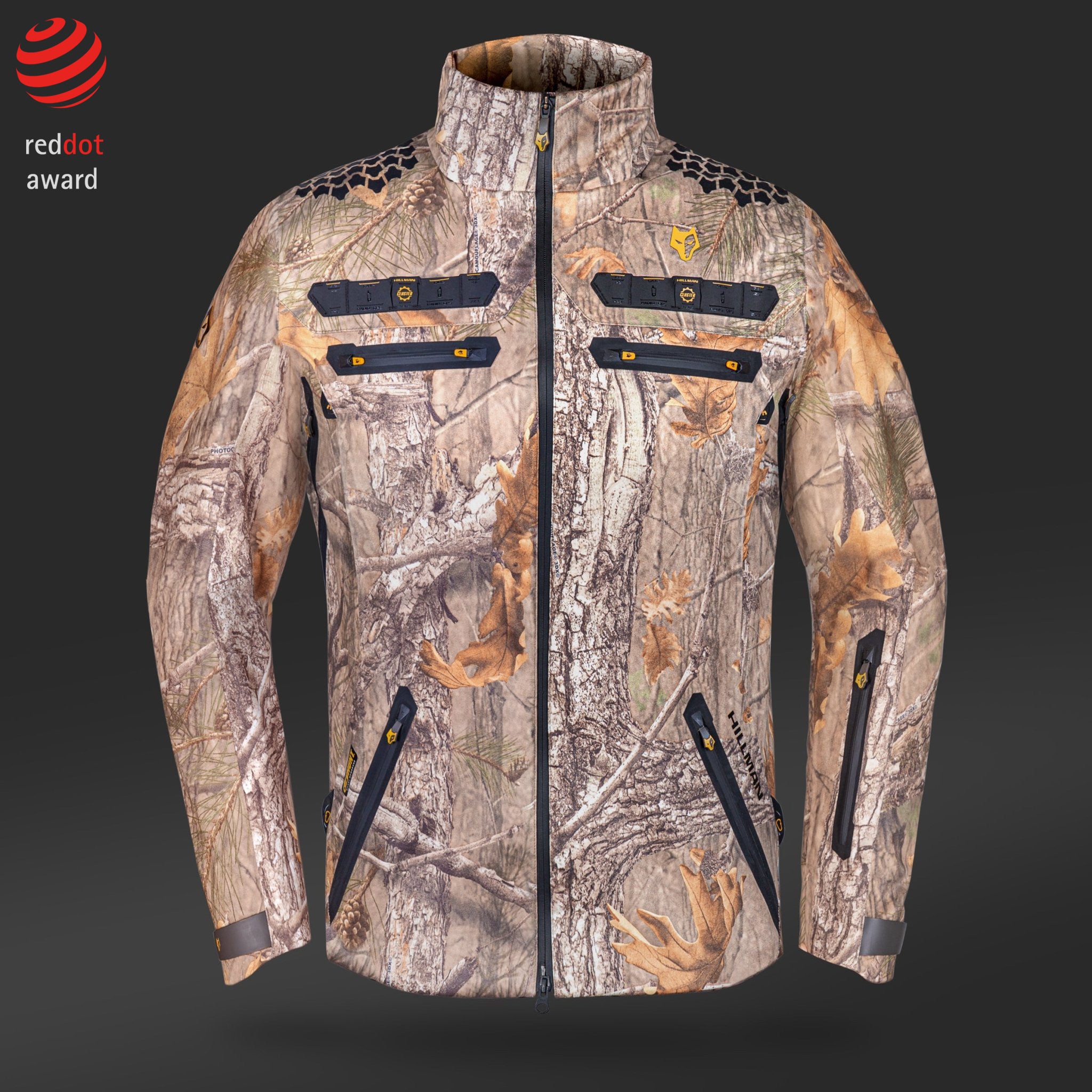
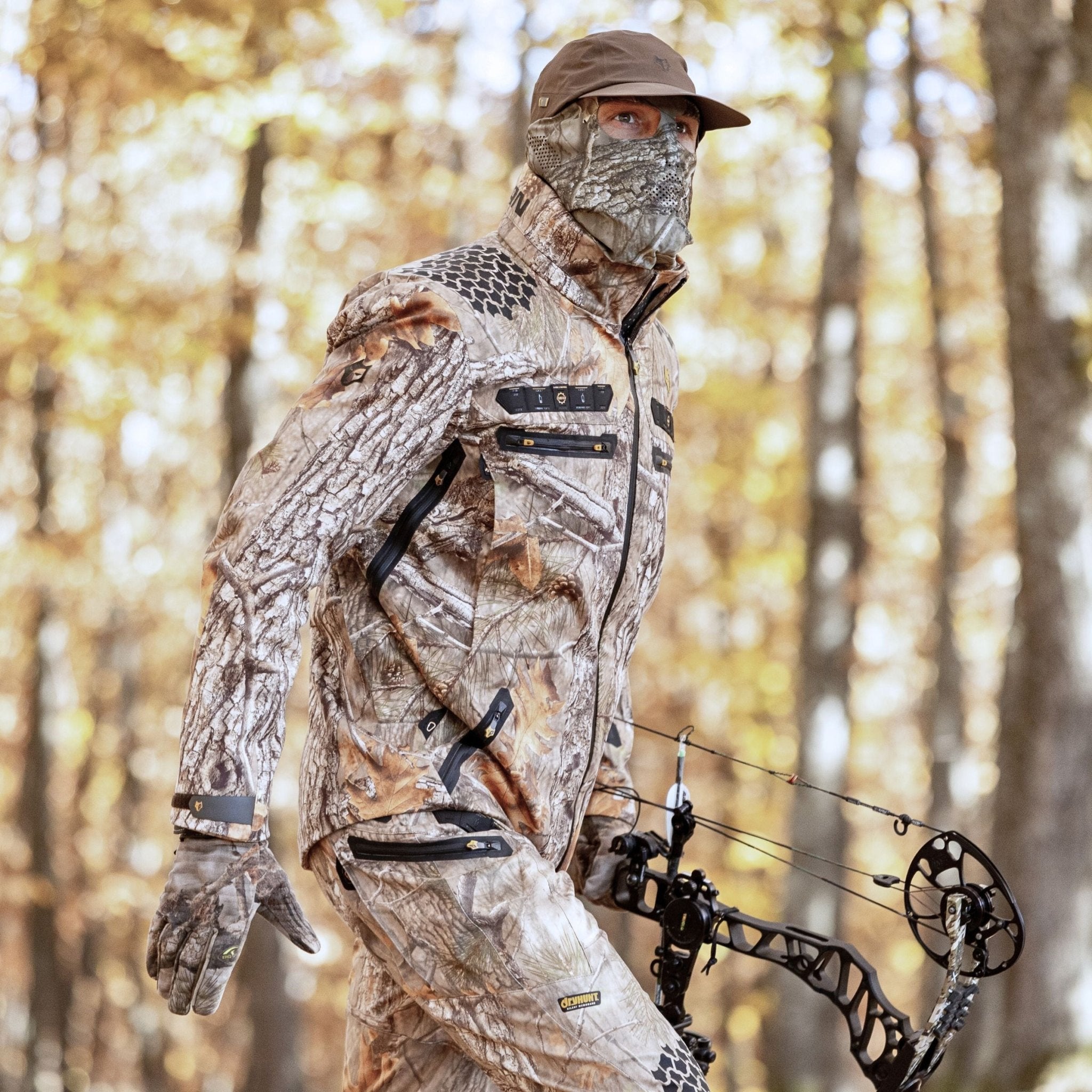
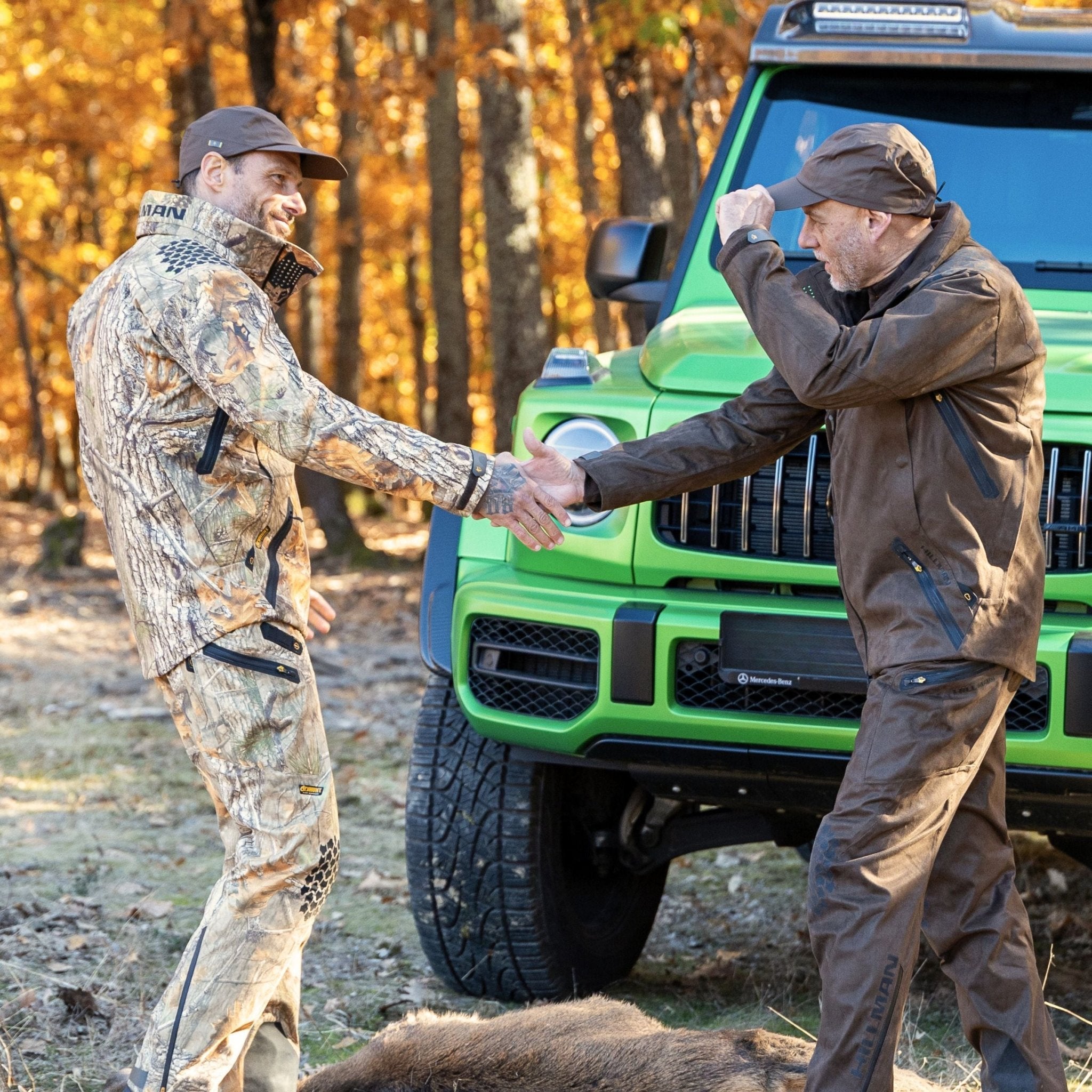
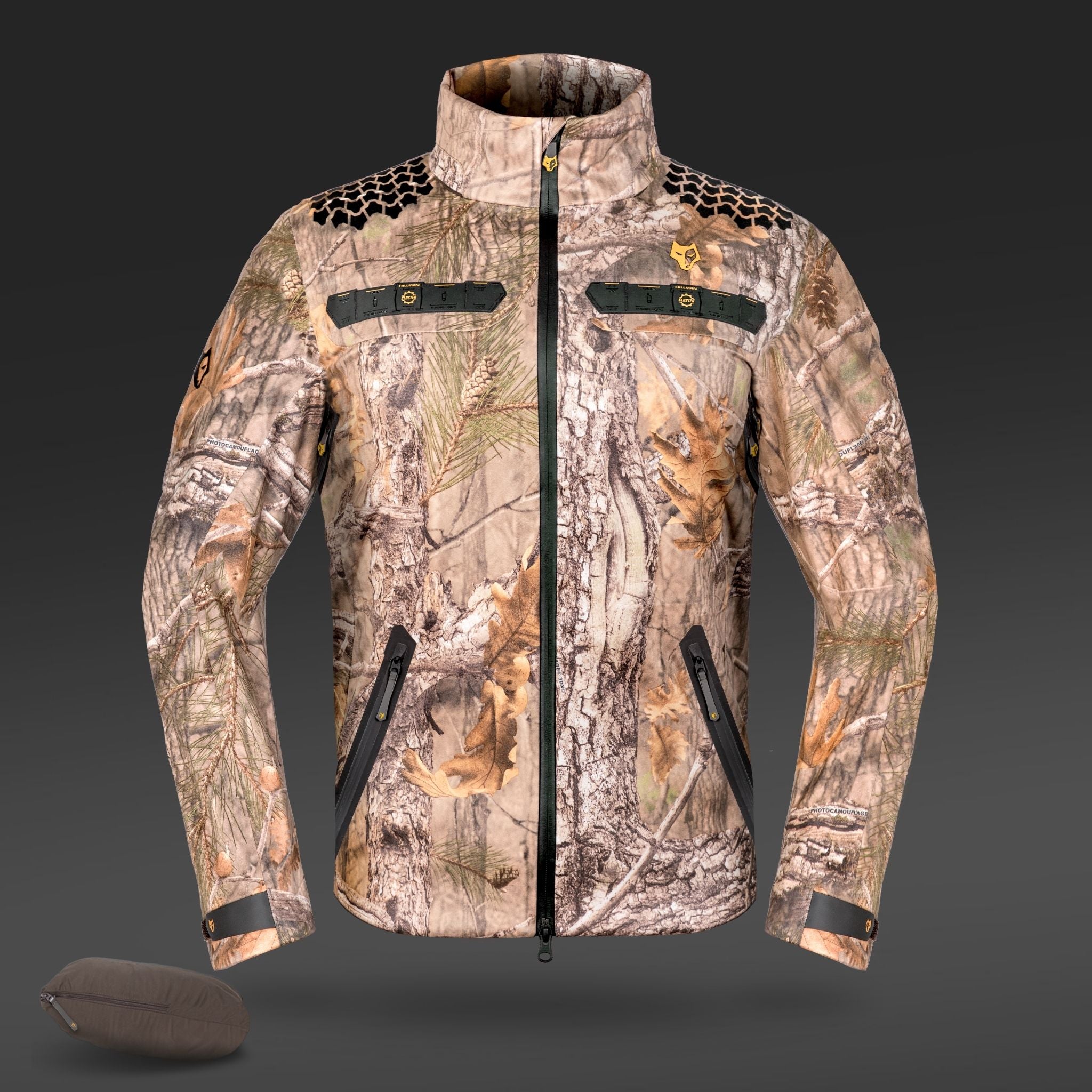
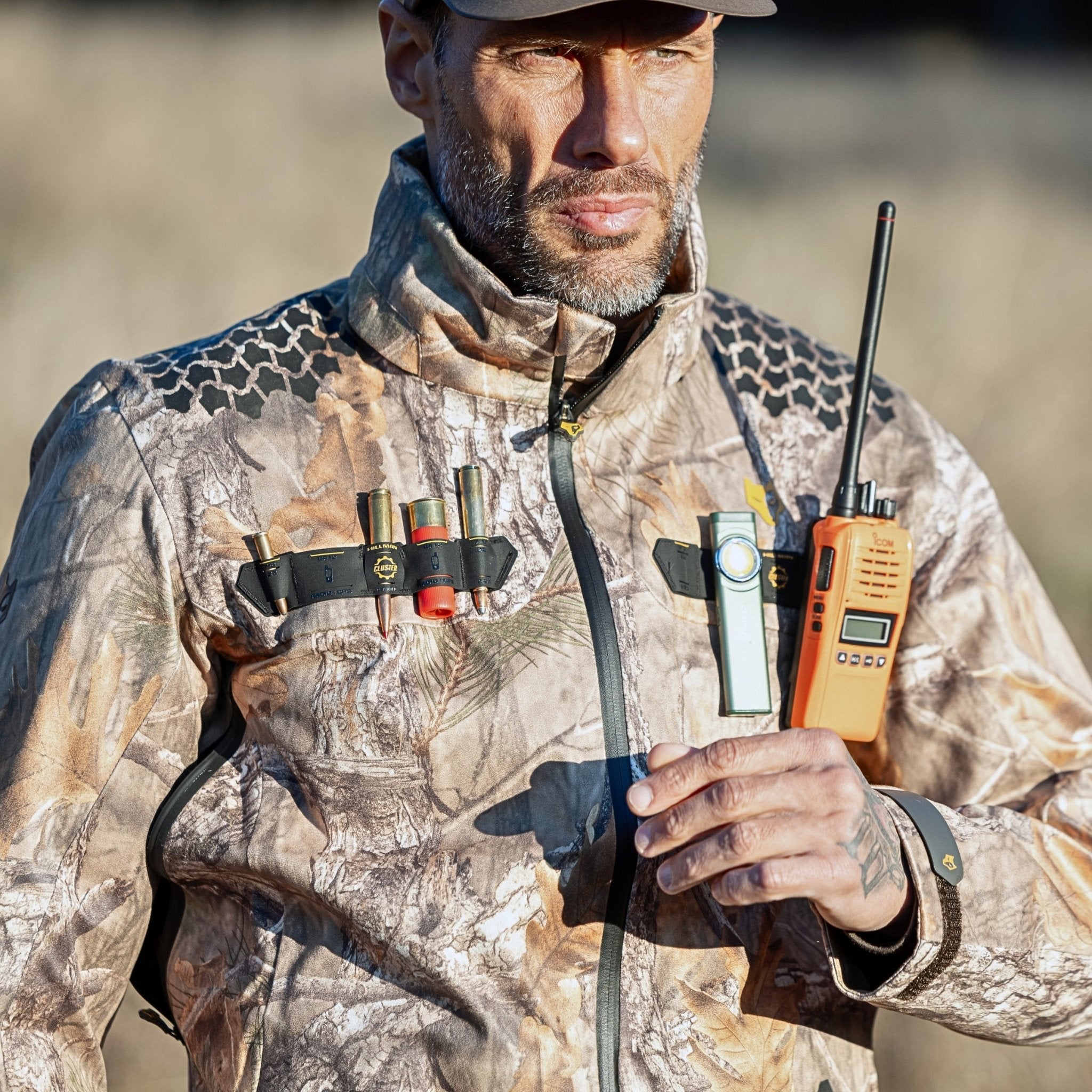
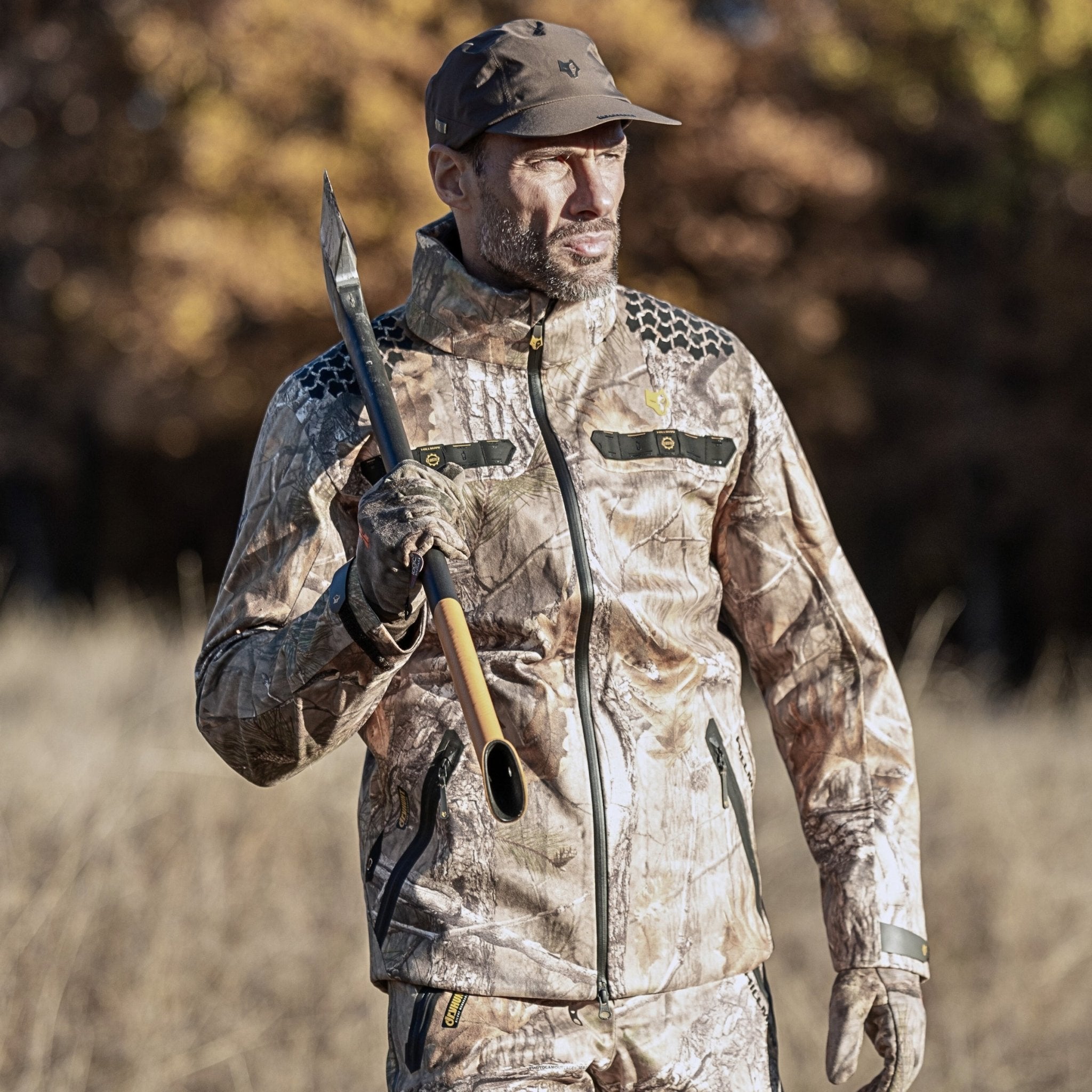
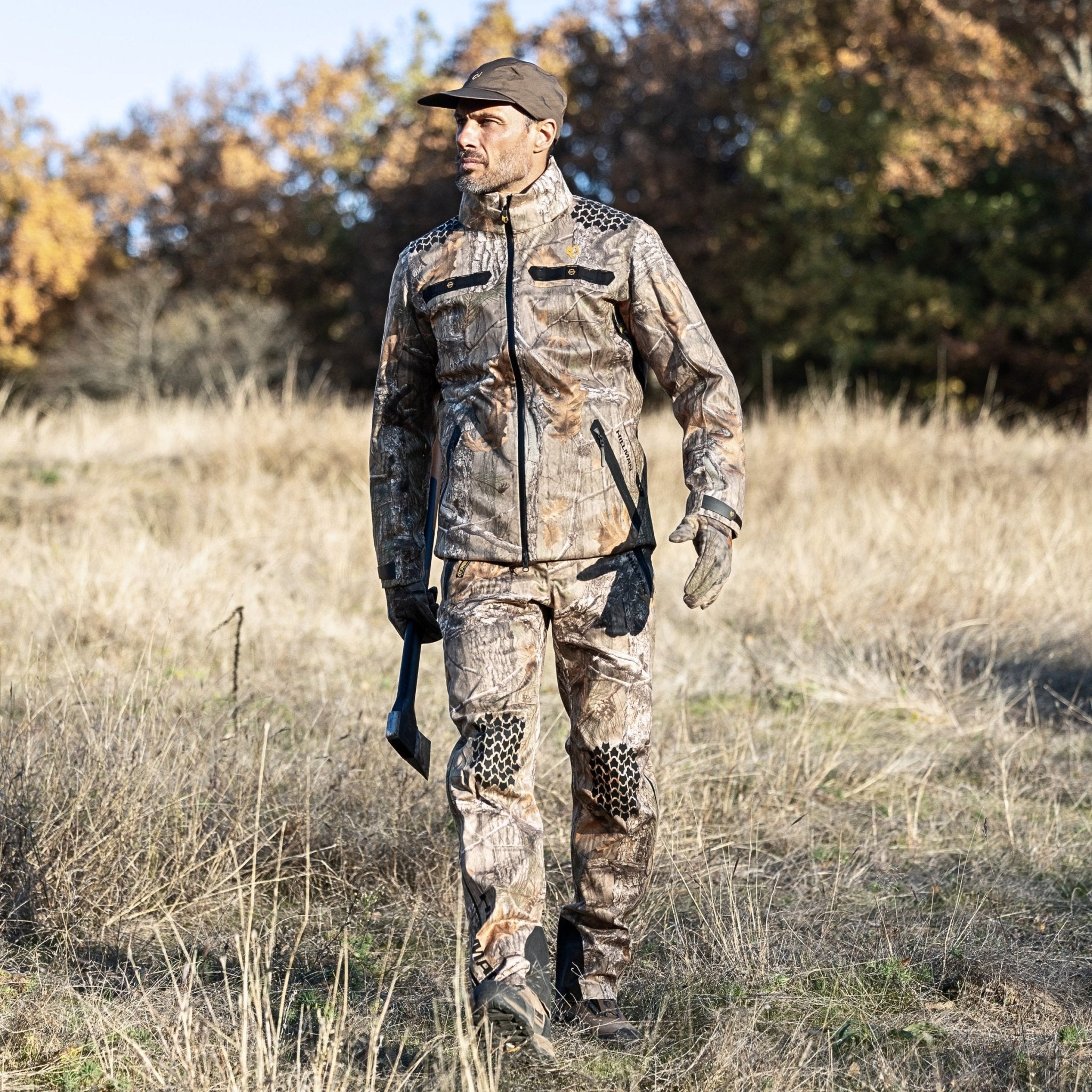
For dry days, a light breeze, or mixed conditions with only a chance of drizzle, a quiet softshell jacket is often the better outer layer. It feels easier to wear while you are on the move, breathes well, and does not leave you feeling boxed in while you cover ground. Hunters usually lean towards clothing that stays easy to live with as weather conditions shift, and a softshell often feels more natural than a heavier shell layer when full waterproofing is not really needed.
When the rain settles in or the ground stays wet for hours, a waterproof outer shell becomes the sensible option rather than a backup piece. The key is finding an outer layer that shuts out wind and rain but still lets built-up moisture escape from the layers underneath.
A good outer layer should also be quiet. Deer stalking is not the place for noisy fabric that announces every move. Soft brushed or muted outer fabrics help you remain comfortable and unobtrusive, especially in close quarters.
The best shell layer is not always the most protective one on paper. It is the one that matches the day. In a wider range of weather, many hunters carry an outer shell rather than wear it all the time. That gives them a breathable clothing system while moving and weather protection when rain or wind arrives. It is a more flexible way to layer, and in practice, it helps avoid overheating far better than staying sealed up from the start.
The three layers that work in real stalking

A deer stalking clothing system usually works best when it stays simple and does its job without fuss. The first layer manages moisture. The mid layer provides insulation. The outer layer handles weather.
That sounds simple because it is simple. The trouble starts when people confuse more clothing with a better layering system. The aim is not to wear every essential layer you own. It is really about using what fits the moment, then adjusting it as the pace, terrain, and weather keep shifting. A breathable merino wool or merino blend base layer, a fleece or light insulated mid layer, and a weather-appropriate outer shell will cover most stalking days comfortably when the system is built well.
That three-layer setup works because it leaves room to adapt. You can crack open the jacket, vent the shell layer, drop the mid layer, or pull it back on when the pace slows. That flexibility is what keeps you warm and dry without pushing you into the usual cycle of overheating and cooling off.
That is also why experienced hunters often talk about clothing in terms of a system rather than individual pieces. The base layer, mid layer, and outer layer should work together. If one part traps moisture or blocks airflow badly, the whole system becomes less useful.
The old W.I.S.E. idea still holds up, too. Wicking, insulating, sheltering, and carrying extra layers when needed is a sensible way to think about deer stalking clothing. Not every day needs all other layers in play at once, but the system should always allow for them.
How to manage body heat while you start walking?

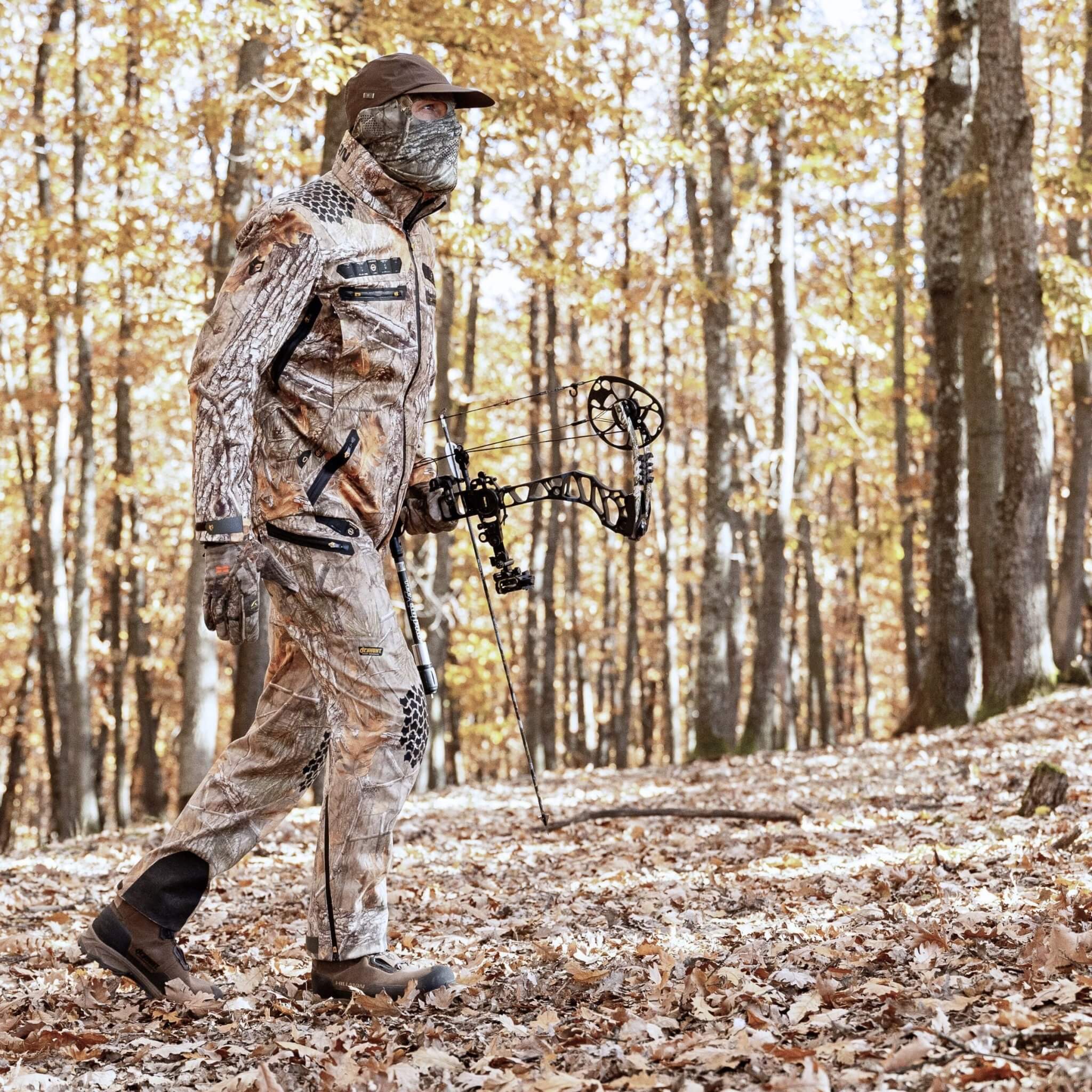
The first few minutes often tell you more than the forecast does. Once you get moving, body heat can rise a lot faster than expected, especially with a pack on, rough ground underfoot, and a climb in front of you.
Begin slightly cool. Use the first layer to keep the skin dry. Let the mid-layer handle moderate warmth. Keep the outer layer ready rather than zipped to the chin unless the weather truly demands it. That approach lets warm air escape before sweat builds up.
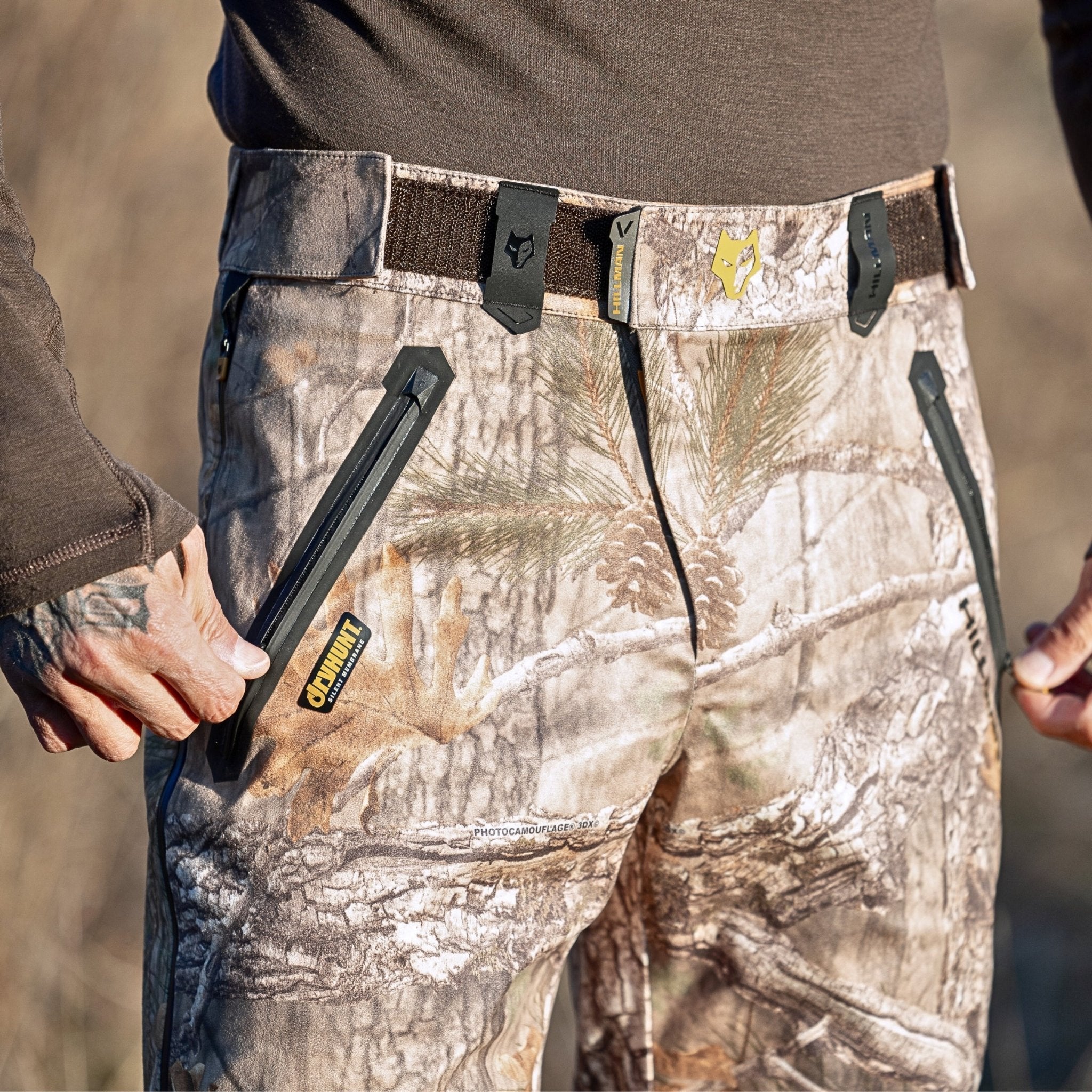
If you notice heat building across the upper body, do something early. Open zips. Loosen cuffs. Slow down for a minute. Remove the shell layer if the rain has eased. Small adjustments made early work far better than waiting until you are fully warm and damp.
This matters because moisture does not feel serious at first. You just feel warm. Then you ease off, the breeze finds its way through the jacket, and the chill starts creeping in. Wet clothing sheds warmth quickly. Managing moisture is what lets you avoid overheating while moving and stay warm when the movement stops.
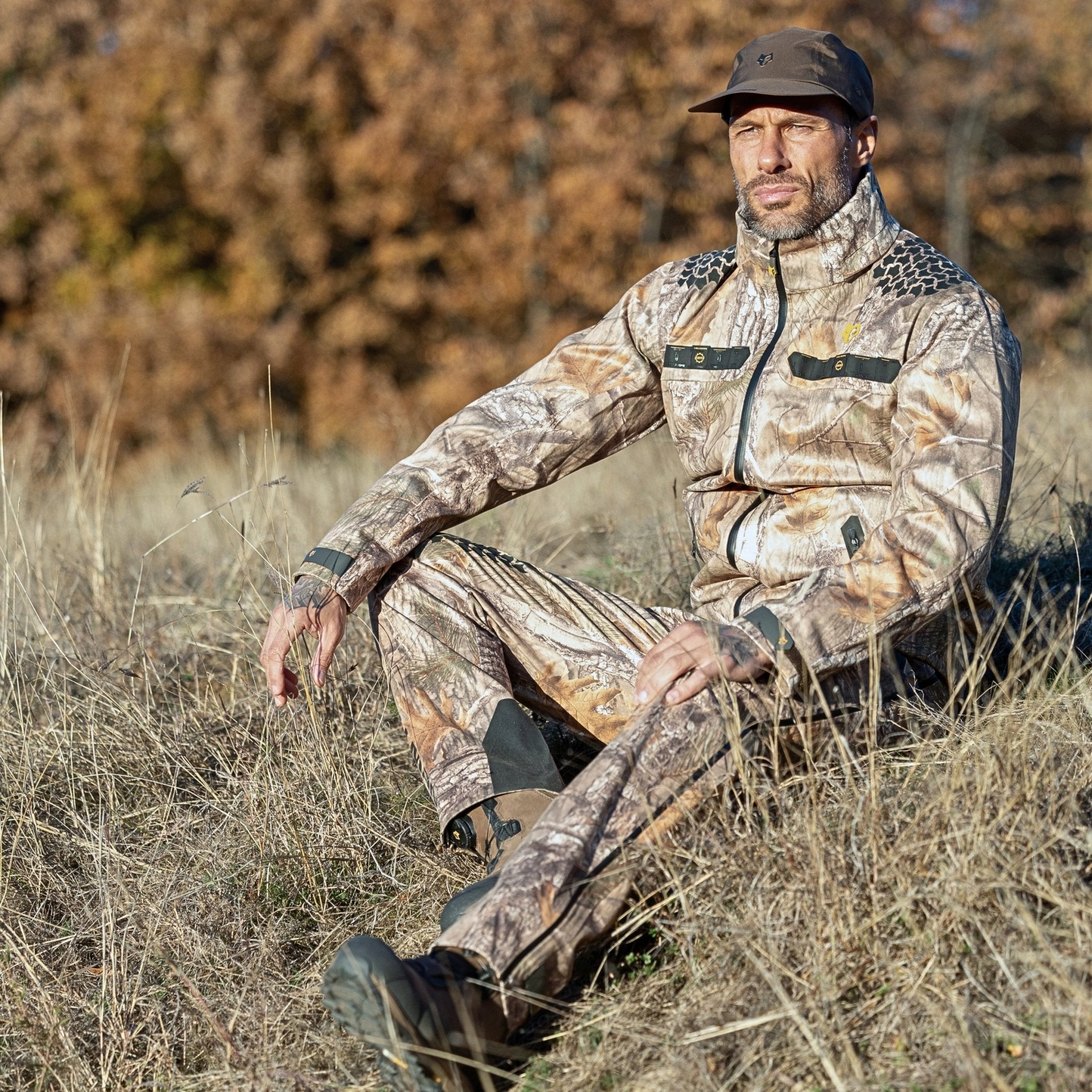
In practice, the right gear is the gear that disappears into the background. That is one reason Hillman resonates with serious field use. Good clothing does not ask for attention every half hour. It simply helps you move, stop, and start again without forcing a reset.
Keeping feet warm, dry, and ready to move

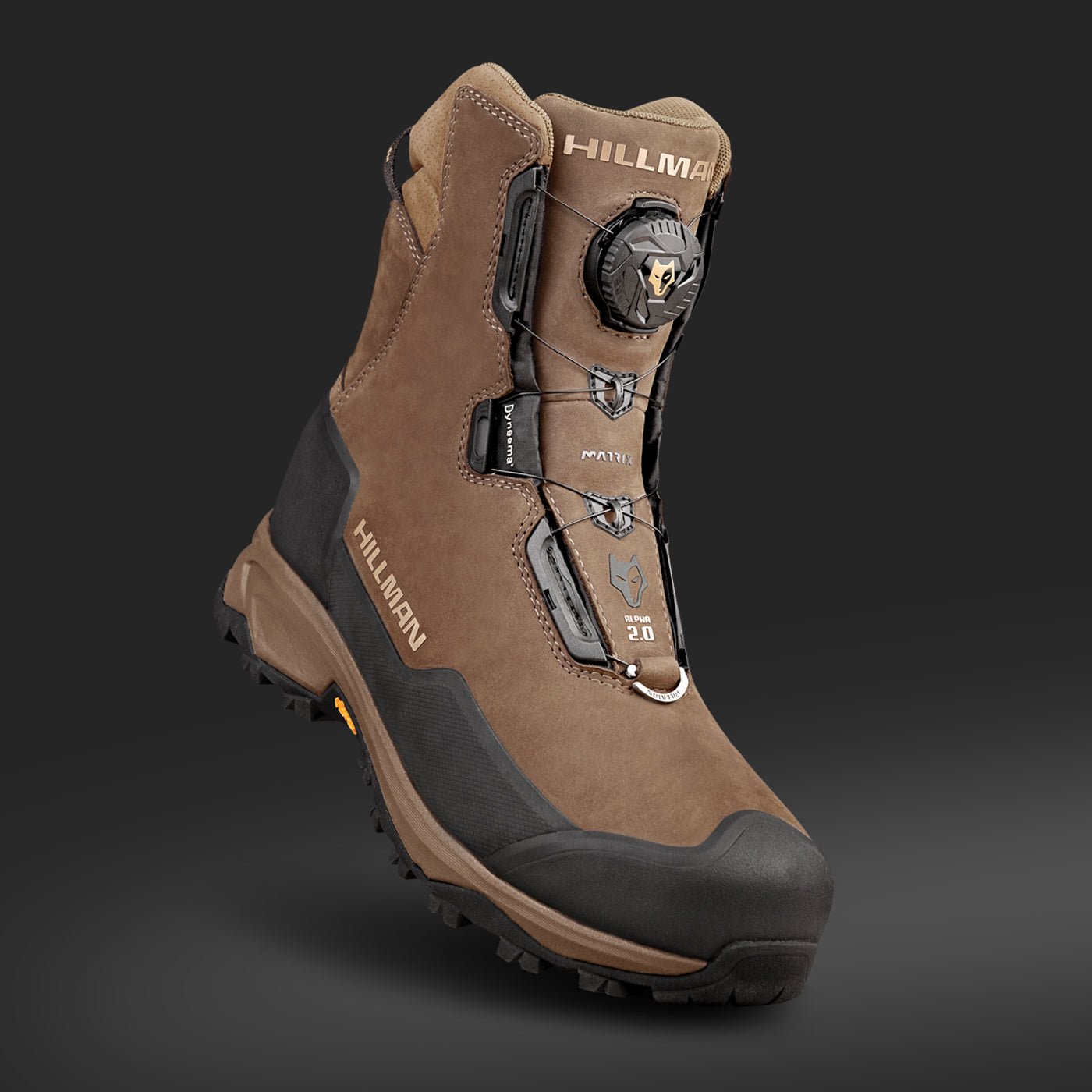
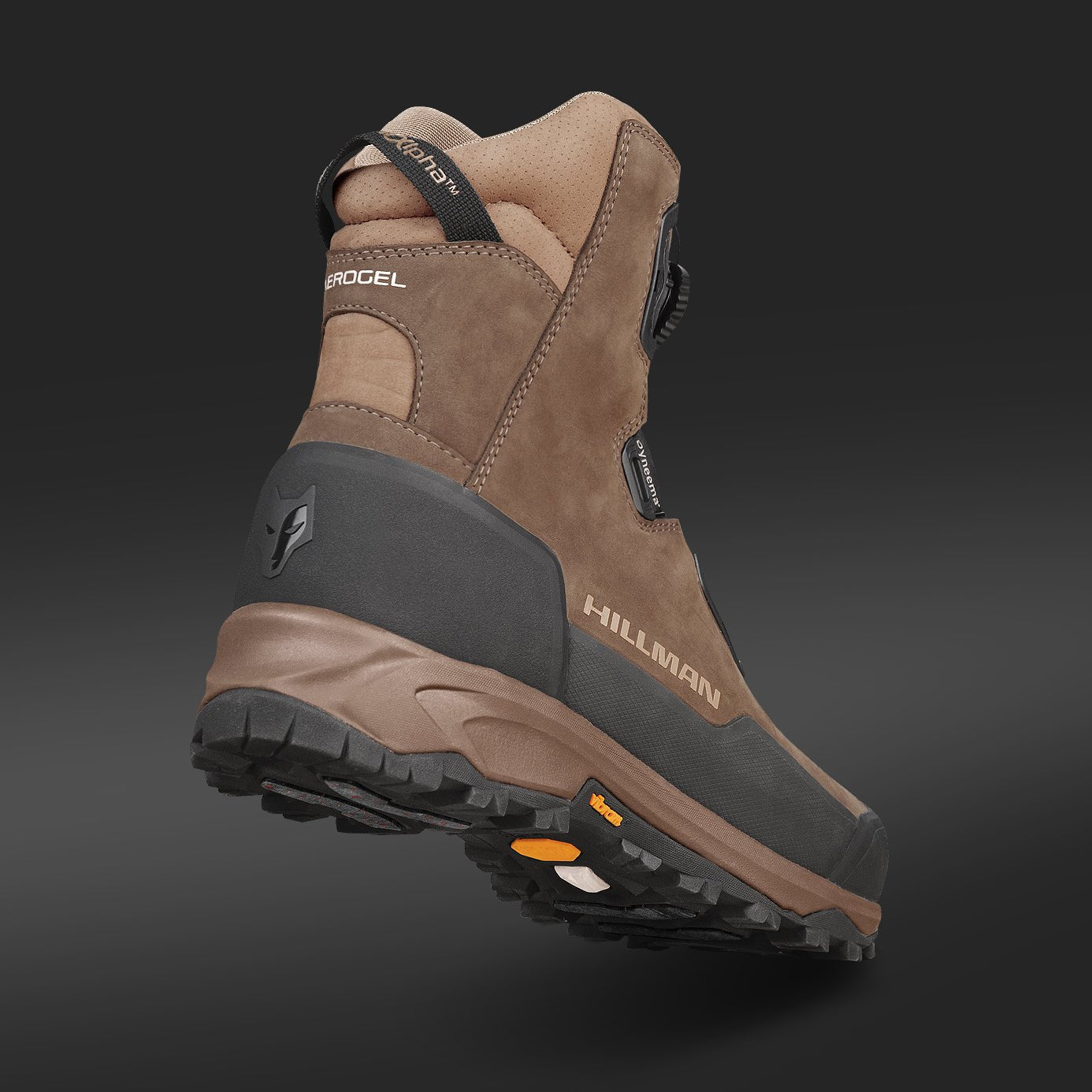
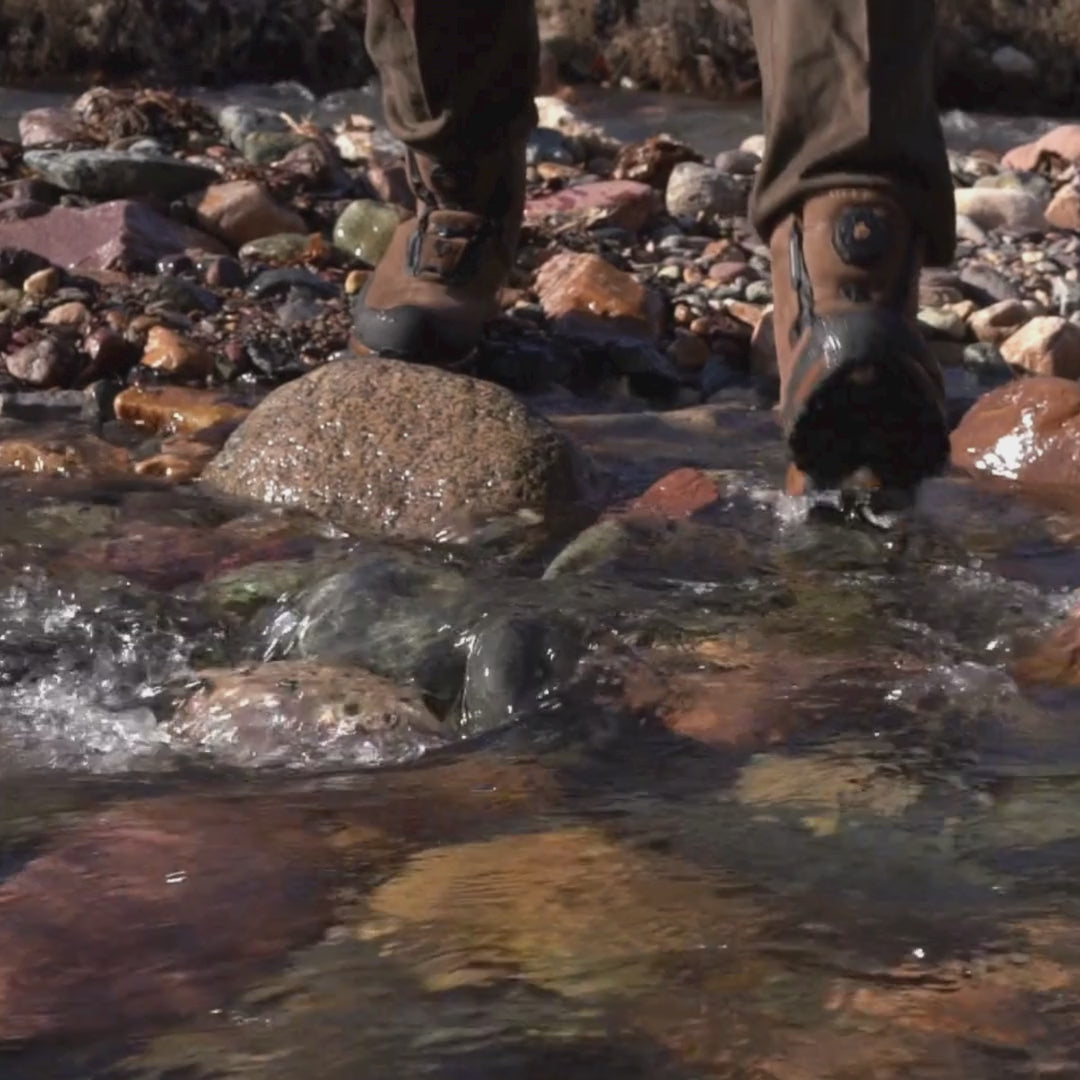
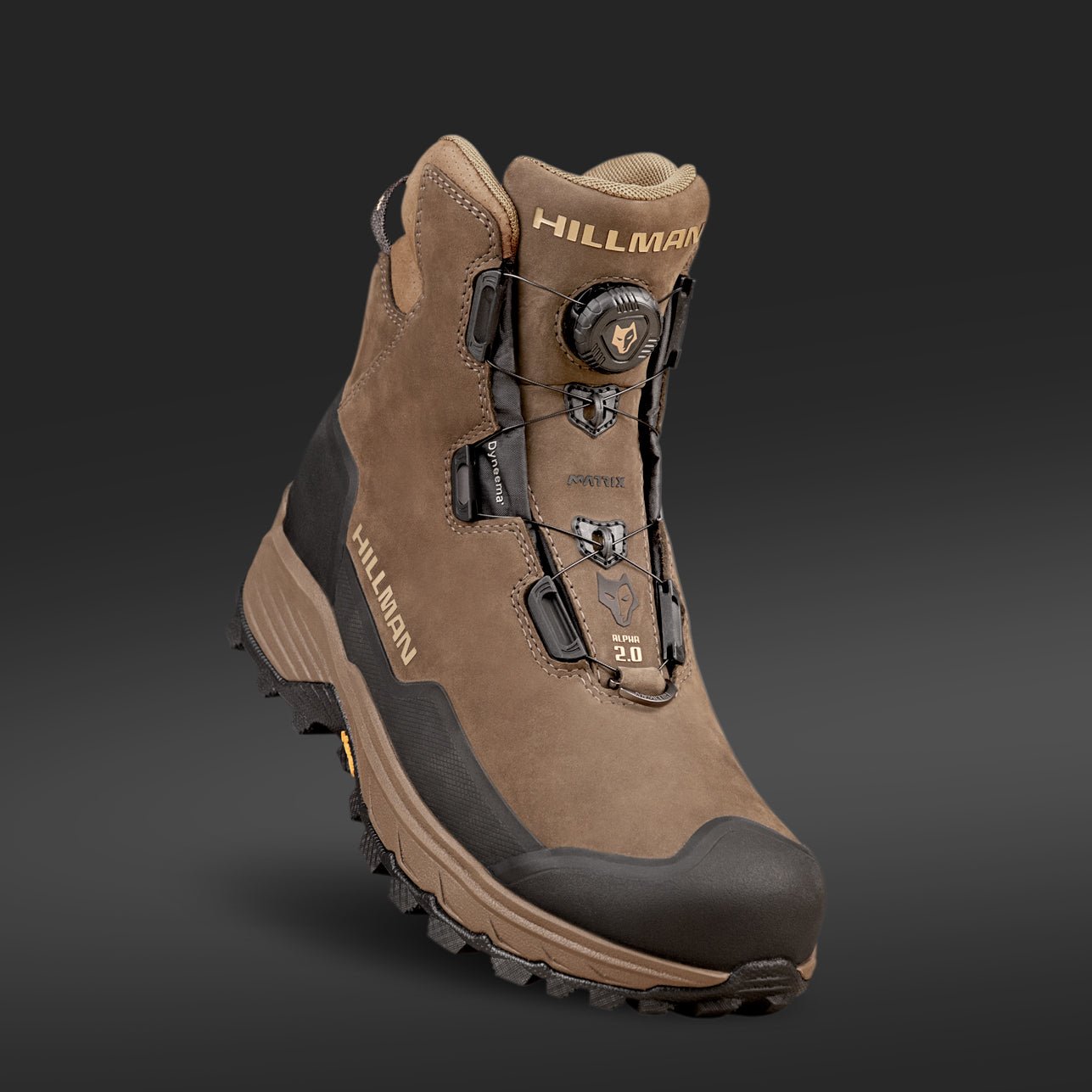
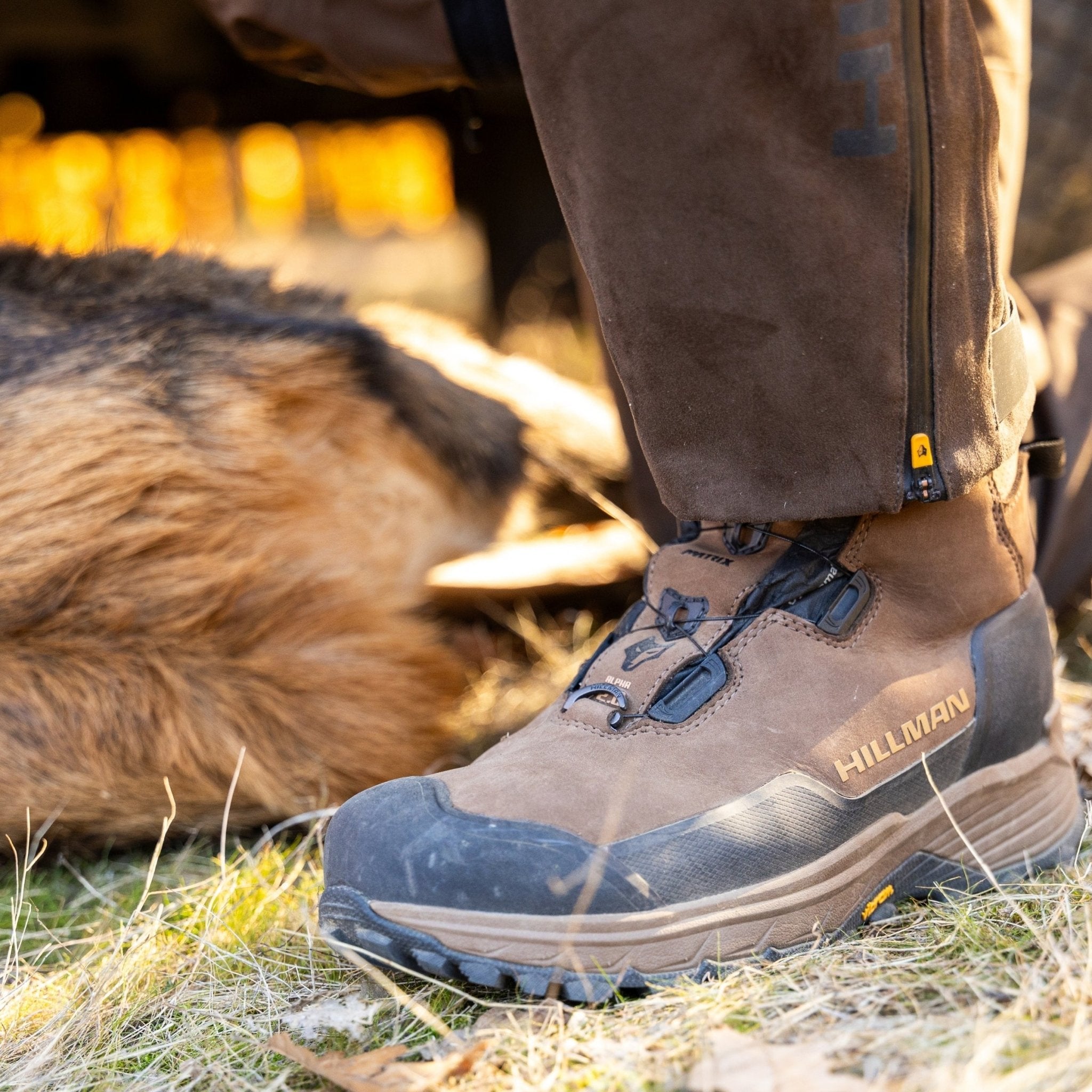
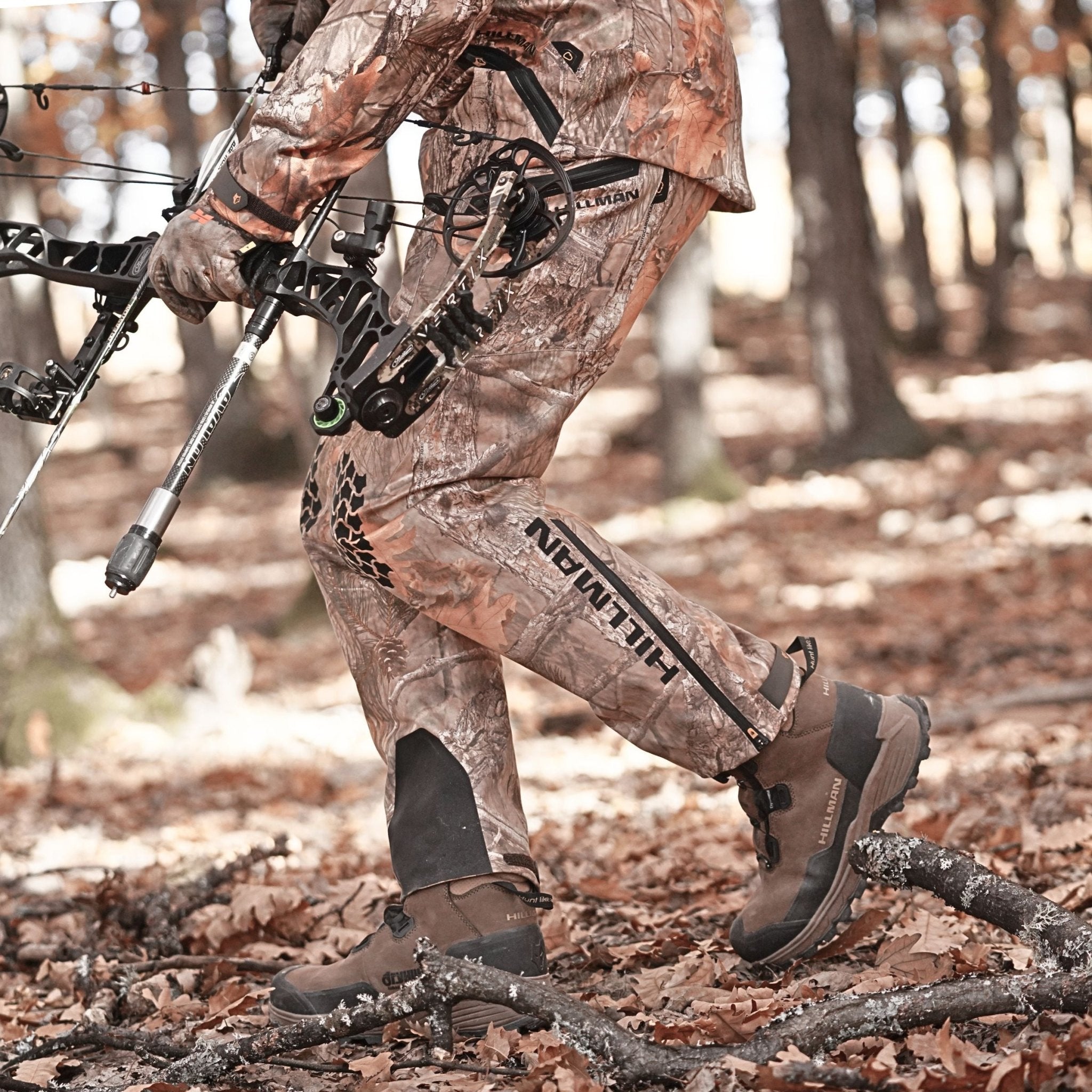
People spend a lot of time thinking about jackets and not nearly enough about what is going on lower down. Cold feet can throw your concentration off faster than a slightly cool torso, and once they are soaked, the day begins to feel a lot longer. Waterproof boots are a real necessity in wet ground, long grass, boggy crossings, and heavy dew at first light.
They do a lot to keep feet warm, but they are not the whole answer on their own. A decent pair of socks matters every bit as much. Wool or merino-rich socks handle moisture better than cotton, add a bit of cushioning, and help extremities warm up again after long spells of slow movement.
Fit is important here. Boots that are too tight reduce circulation and make cold feet more likely, even when the boots are otherwise well-made. The same goes for socks layered too heavily. More bulk does not always mean more warmth. Often, it just means less movement and less airflow where you need it.
Gloves, hats, and other right accessories also have a place. Accessories help keep extremities warm without forcing you to overdo the main clothing system. That can be a smarter way to stay warm than adding more insulation across the whole body. A thin hat, practical gloves, and even hand warmers kept in reserve can help in cold weather without pushing you towards overheating during movement.
Adapting your layering system to changing weather conditions

The real value of a layering system is not warmth in a fixed forecast. It is how well it adapts to weather conditions that keep shifting. Deer stalking rarely gives you one stable pattern for a whole day. You might begin in cold air, walk in still weather, hit wind on open ground, then take rain on the descent.
That is why breathable fabrics in all layers matter. The base layer should wick moisture. The mid layer should retain heat without blocking moisture transfer. The outer layer should handle weather while still breathing well enough to prevent a hard swing in body temperature.
On a cool, dry morning with a light breeze, sometimes a base layer and a light mid layer are all you need while moving, with a jacket kept back for the slower sections.
In light rain, a breathable outer layer over the two layers underneath will often do the job.
In heavy rain or persistent rain, the outer shell needs to do more work, but you should still vent it whenever possible. In winter, you might carry extra insulation for static periods rather than wear everything at once during the walk.
Hunters prefer systems that can shift with them because the field rarely rewards rigid thinking. Clothing that cannot keep up with changing temperatures becomes the thing you notice most. Clothing that can adapt lets you focus on the task.
What many hunters get wrong about staying warm?

Many hunters think the challenge is simply to stay warm. The real difficulty is staying warm without getting damp from your own effort at the same time. Those two things pull in different directions. Too many layers trap heat. Too much insulation too early leads to sweat. A poor base layer leaves moisture on the skin. A weak outer layer lets wind cut through. A stiff jacket restricts movement. All of it adds up.
The better approach is quieter and more deliberate. Start with the skin and build from there. Choose moisture-wicking fabrics first. Add mid-layer insulation that still works once you are moving, not only when you are standing still. Carry weather protection that matches the day. Use zipped openings and venting. Adjust before you need to. Keep feet warm and dry. Avoid cotton. Think in terms of the system, not single items.
That is what makes a successful hunt more likely to stay comfortable from start to finish. Not perfect weather. Not extra bulk. Just a clothing system that works with your body instead of against it.


Share:
What to Wear for Pheasant Shooting in the UK: Clothing Guide
How to Choose a Hunting Jacket for Wind, Rain, and Long Days