
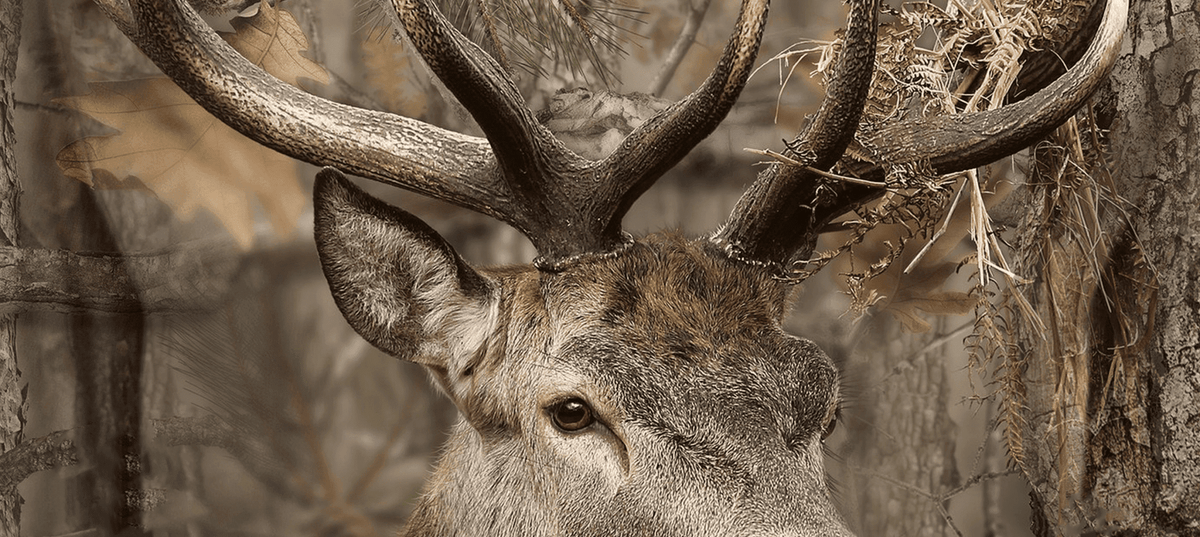
Best Clothing for Roe Deer Stalking in the UK: Quiet, Breathable, Effective

A guide to choosing stalking jackets, boots, and layers for roe deer stalking in UK weather, with comfort, silence and steady performance in mind.
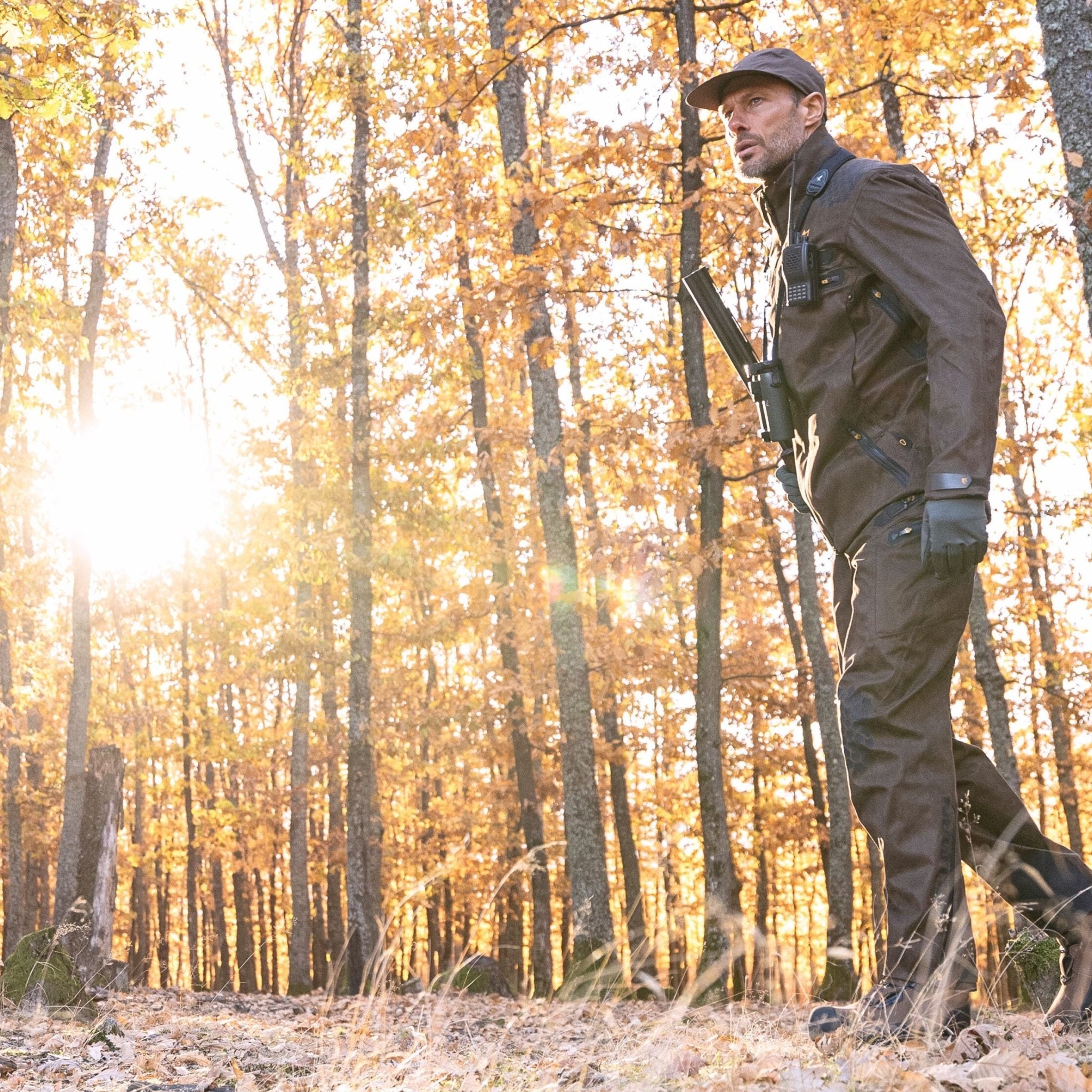
Roe deer stalking in the UK rarely follows a neat pattern. One hour feels settled, the next asks for more from your hunting clothing than you expected. Most hunters eventually notice that what they wear influences the day in ways that are easy to underestimate at first. Not so much in a dramatic sense, but in the small interruptions that creep in when a jacket is louder than it should be or when a layer builds heat just as the pace slows. Clothing, ideally, should stay in the background. When it does, you move with fewer adjustments and far fewer reminders that something is not quite right.
Different parts of the countryside add their own complications. A stretch of open ground, a shift into light woodland, a patch of wet soil that cools the feet faster than expected. Hunters tend to prefer gear that behaves predictably across these changes. Hunting clothing that does its job quietly, without demanding attention, lets you stay focused on the task rather than on managing discomfort. That is often the dividing line between a smooth approach and a frustrating one.
Roe Deer Stalking: Why the Right Clothing Matters

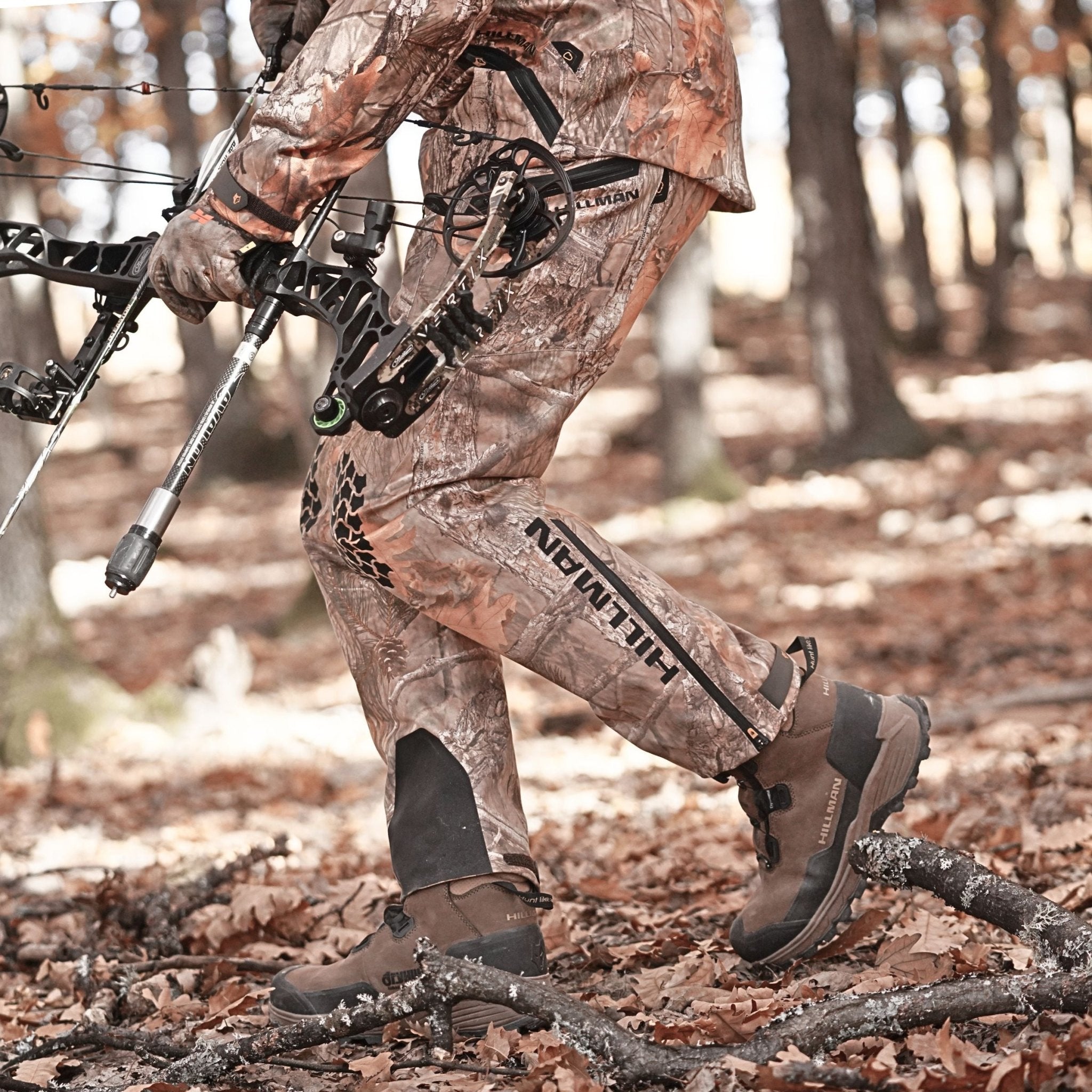
Roe deer notice things we often do not realise we are giving away. A sleeve that catches slightly, trousers that brush too sharply against a branch, even the small readjustments people make when a garment stops sitting comfortably. Stalking clothing needs to avoid adding to these moments. Silence is certainly important, but comfort plays an equally practical role. When body temperature rises during a climb, you slow or shift. When it drops after a long, still period, you fidget. Both moments matter more than many expect.
This is why hunters pay attention to clothing that regulates body temperature reasonably well and prevents overheating. A stalking day rarely moves at one pace. There are short climbs, quiet stretches, and pauses that last longer than planned. Clothing that remains comfortable through these changes simply makes the day easier. It reduces the need for small corrections and lets you settle into the movement of the stalk.
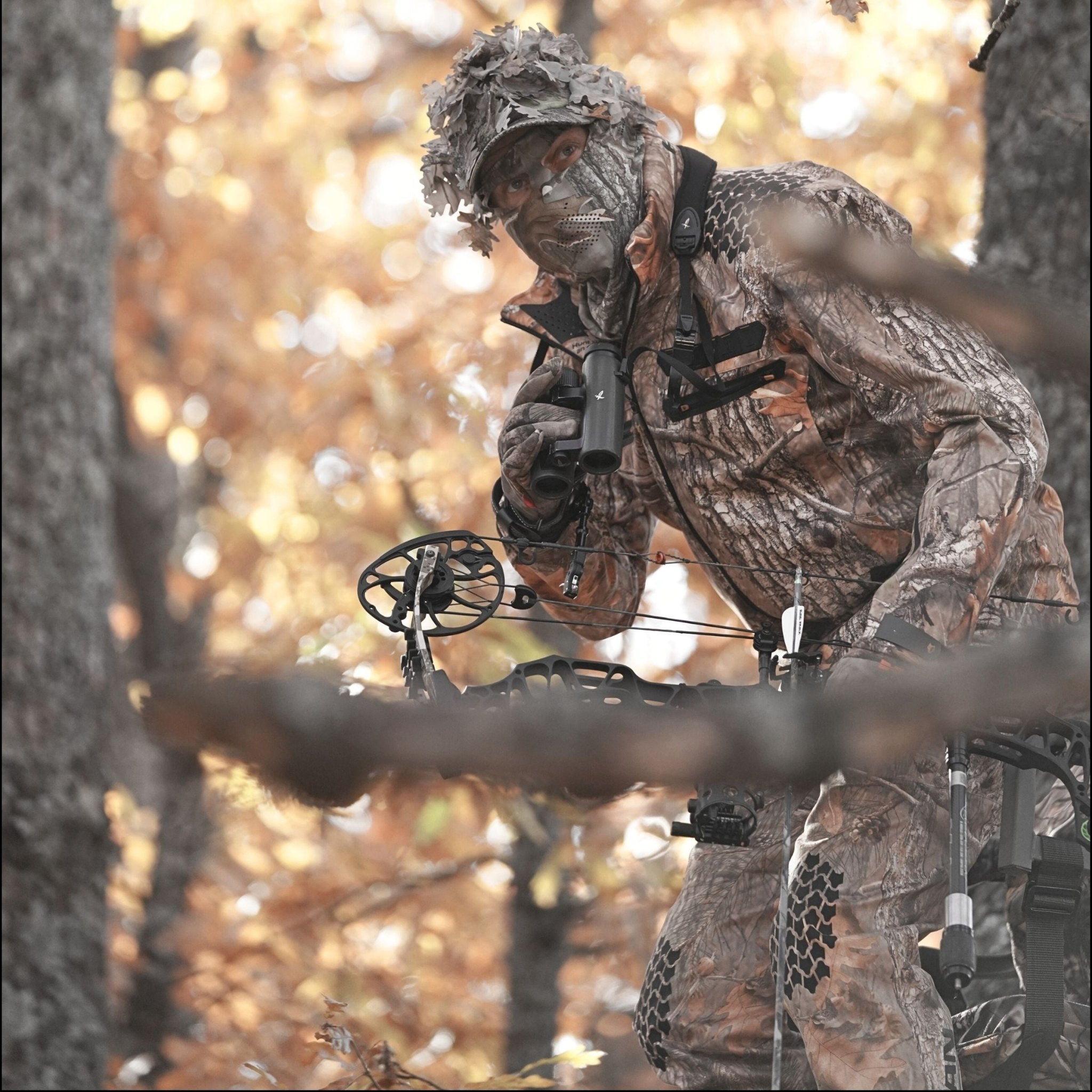
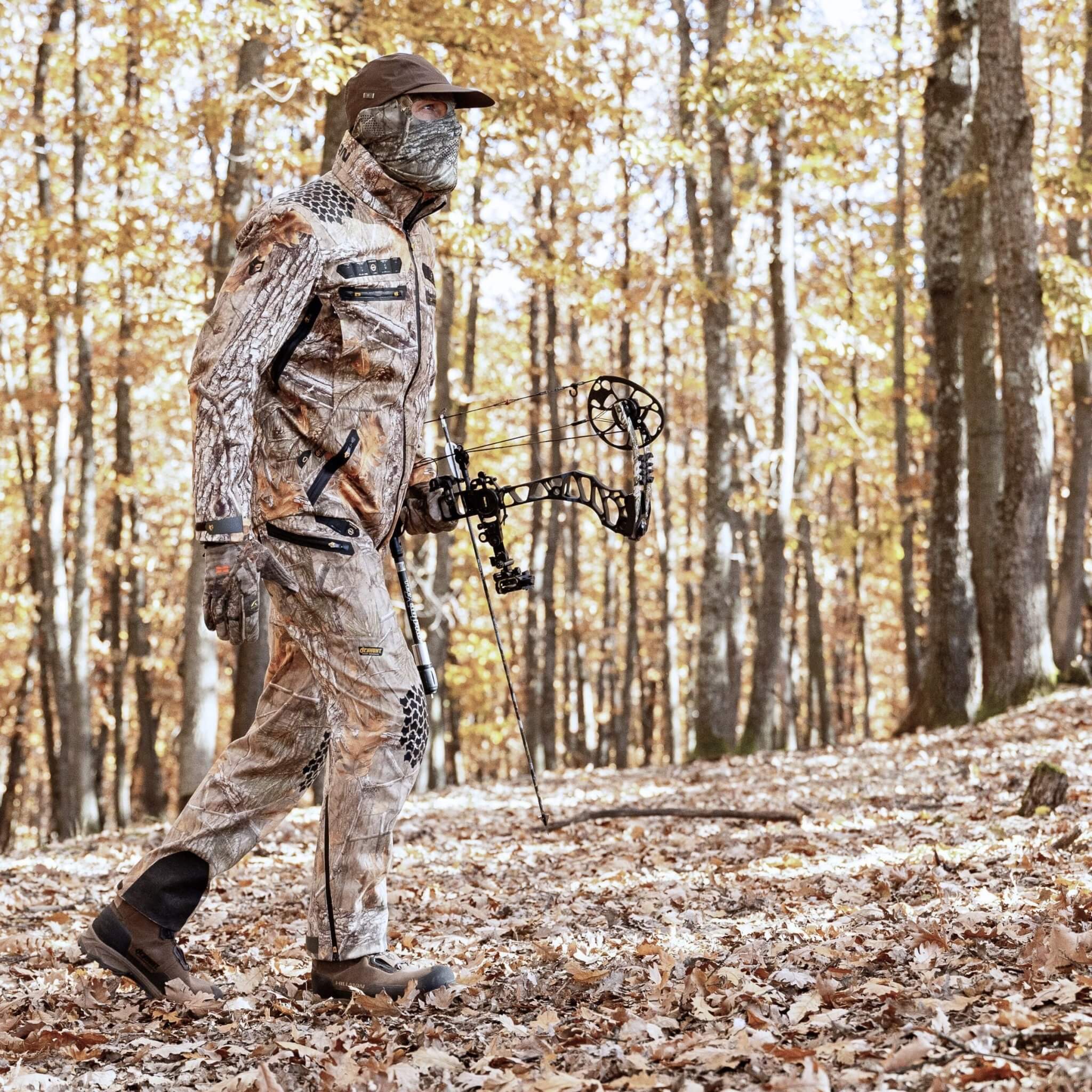
Hunters often describe good gear as something you barely think about once you start walking. That is usually the goal. When the clothing stays quiet, adjusts with you, and allows for long hours without drawing focus, your attention naturally stays where it should be: on wind direction, distance, the terrain, and the roe deer itself. Consistency becomes an advantage in a pursuit where most decisions happen in moments that do not offer second chances.
Deer Stalking Clothing for Changing Conditions

British weather rarely settles into one mood for long, and most deer stalkers discover this the hard way. A morning that feels almost mild can shift into something sharper, or a light breeze turns into something that asks more from your outer layer than you expected. It is not dramatic in itself, but these small changes add up, especially when a day involves steady walking, a few climbs, and then long pauses where heat disappears faster than you would think. Clothing that cannot keep up becomes something you notice immediately, sometimes in the middle of a moment when you would rather not think about it.
Hunters often talk about temperature management as if it were a technical feature. In practice, it is more about avoiding avoidable discomfort. When body temperature rises too quickly, especially during climbs or in slightly warmer months, you end up slowing down to deal with it. And as soon as movement stops, the opposite happens. Heat fades, often faster than you expect, which is when a mid-layer that does not add bulk turns from a convenience into something essential. Deer stalking clothing needs to sit in that middle ground, keeping you steady through changing conditions without forcing frequent adjustments.
Most experienced hunters rely on clothing that behaves consistently across a full day. A breathable base helps prevent the sudden cooling you feel when moisture lingers on the skin. A flexible mid-layer absorbs small temperature swings without making you feel wrapped up. Together, they reduce the need for constant fine-tuning, which is more helpful than it sounds during long hours outdoors. The aim is not to stay perfectly warm or perfectly cool; it is to stay comfortable enough that the weather shifts become background rather than something that shapes every decision.
Unpredictable conditions are simply part of roe deer stalking. Hunting clothing that responds smoothly, without adding weight or limiting movement, allows the day to unfold more naturally. It prevents overheating when the pace rises, protects during slower moments, and offers the sort of balance that keeps your concentration on the hunt rather than on the weather. Hunters who stalk in the UK know this rhythm well. They value clothing that keeps them comfortable without calling attention to itself, especially when the conditions change several times before midday.
Waterproof Boots, Gloves, and Socks: Building from the Ground Up

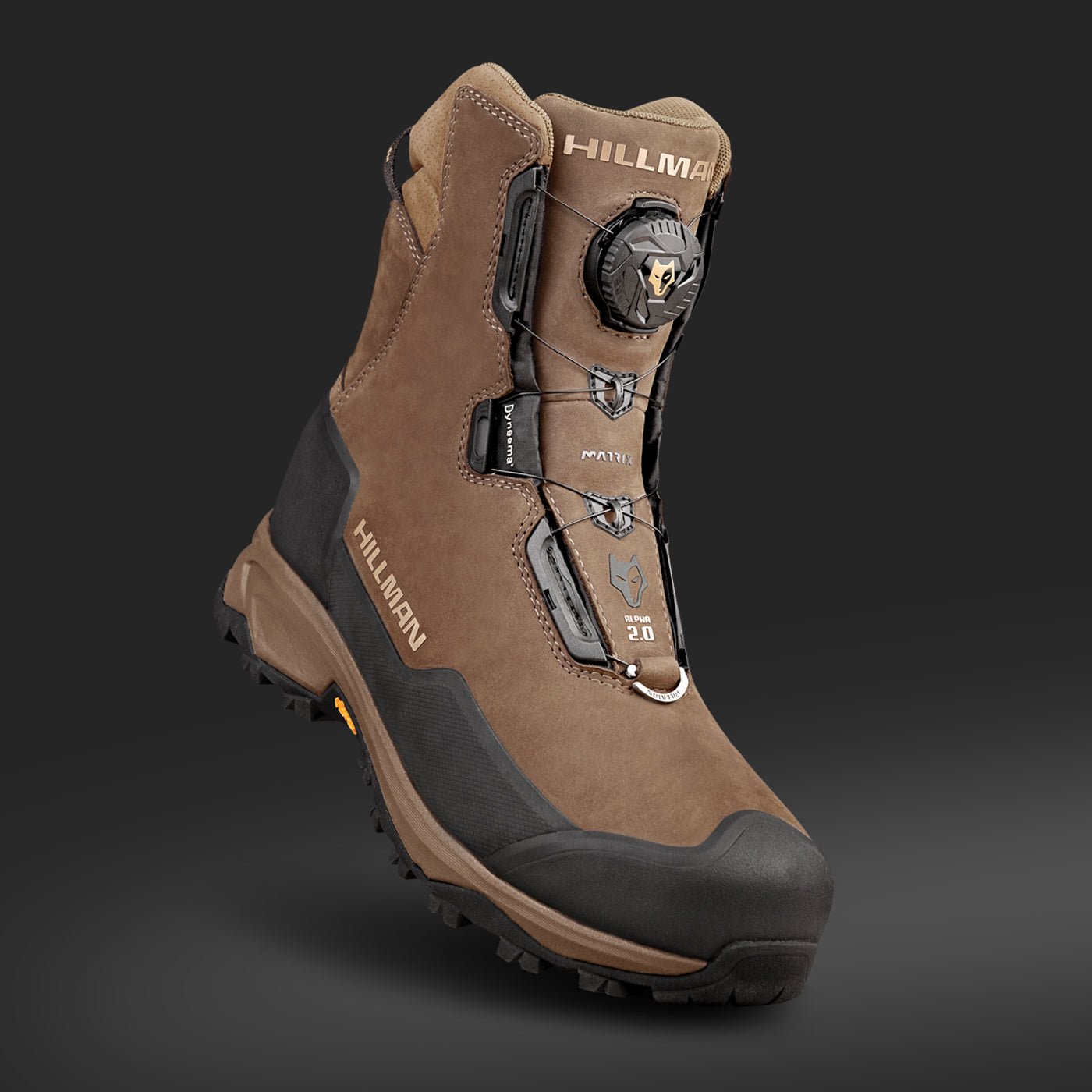
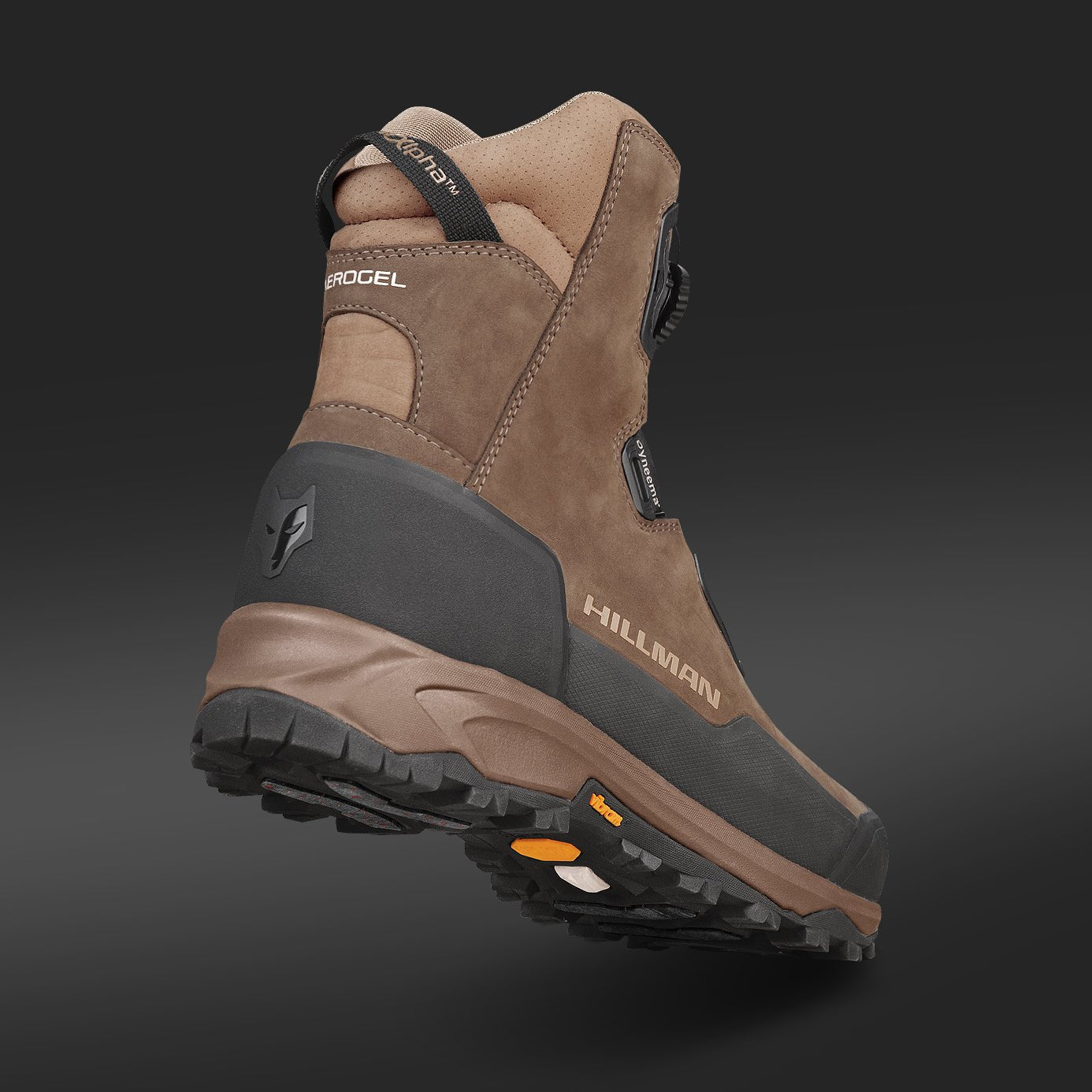
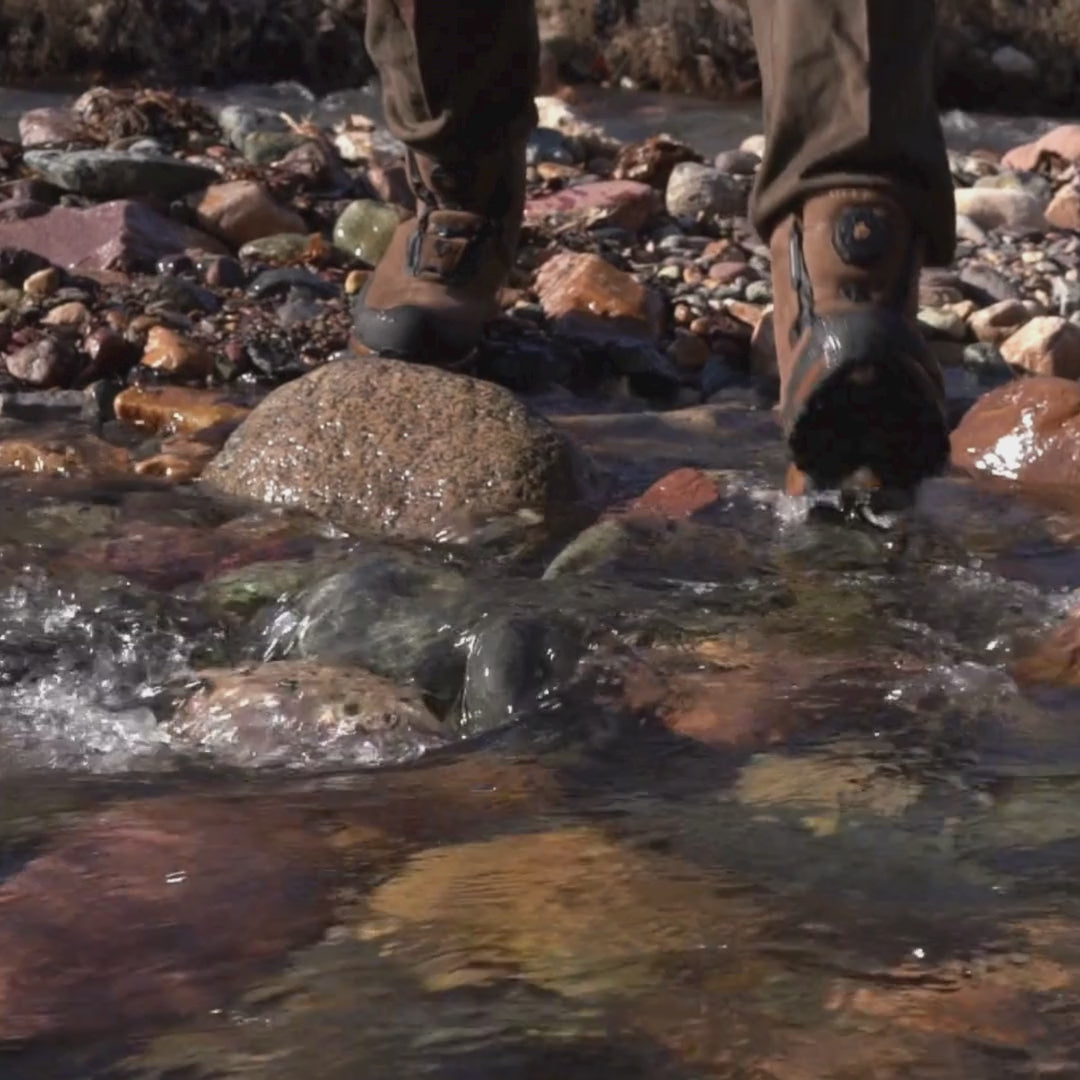
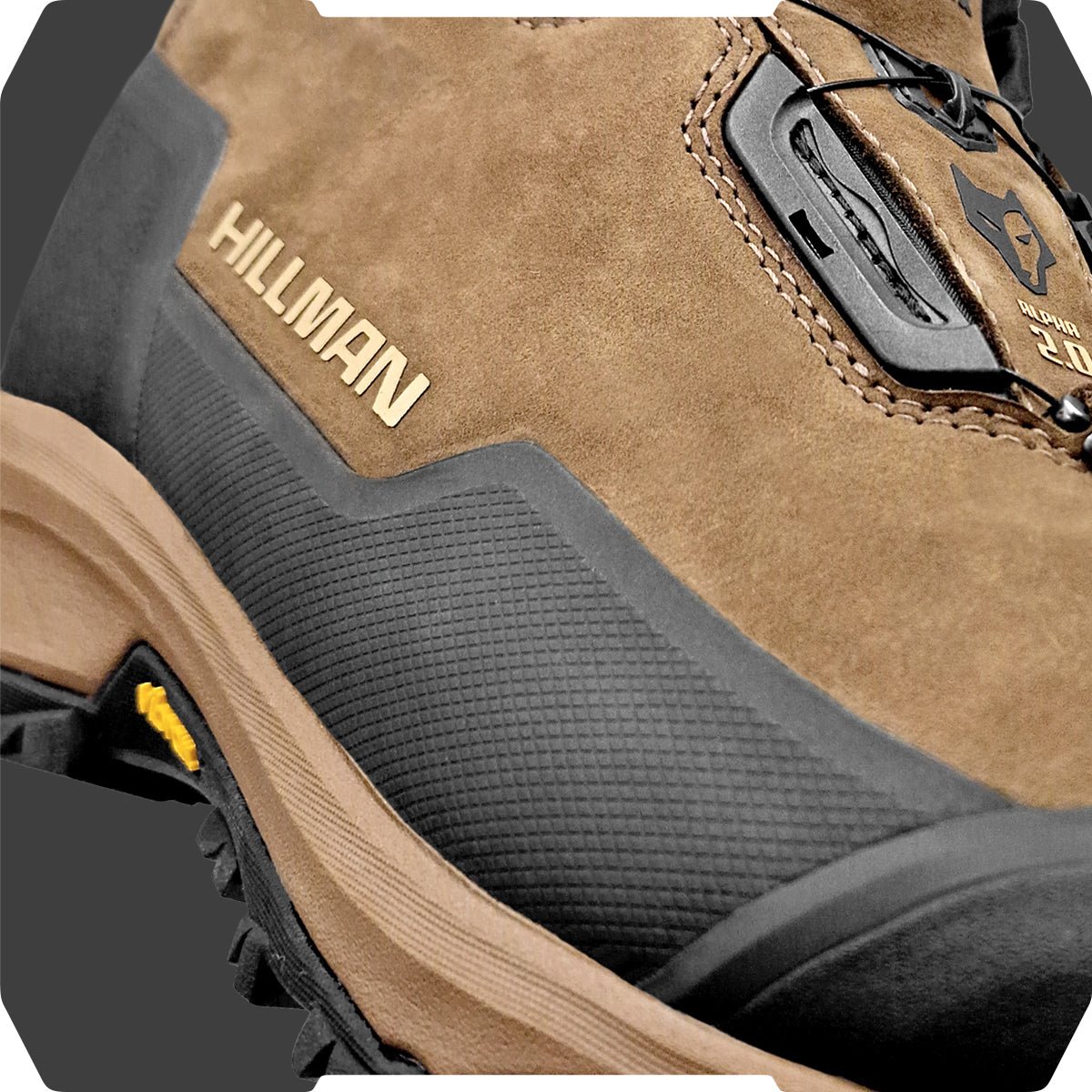
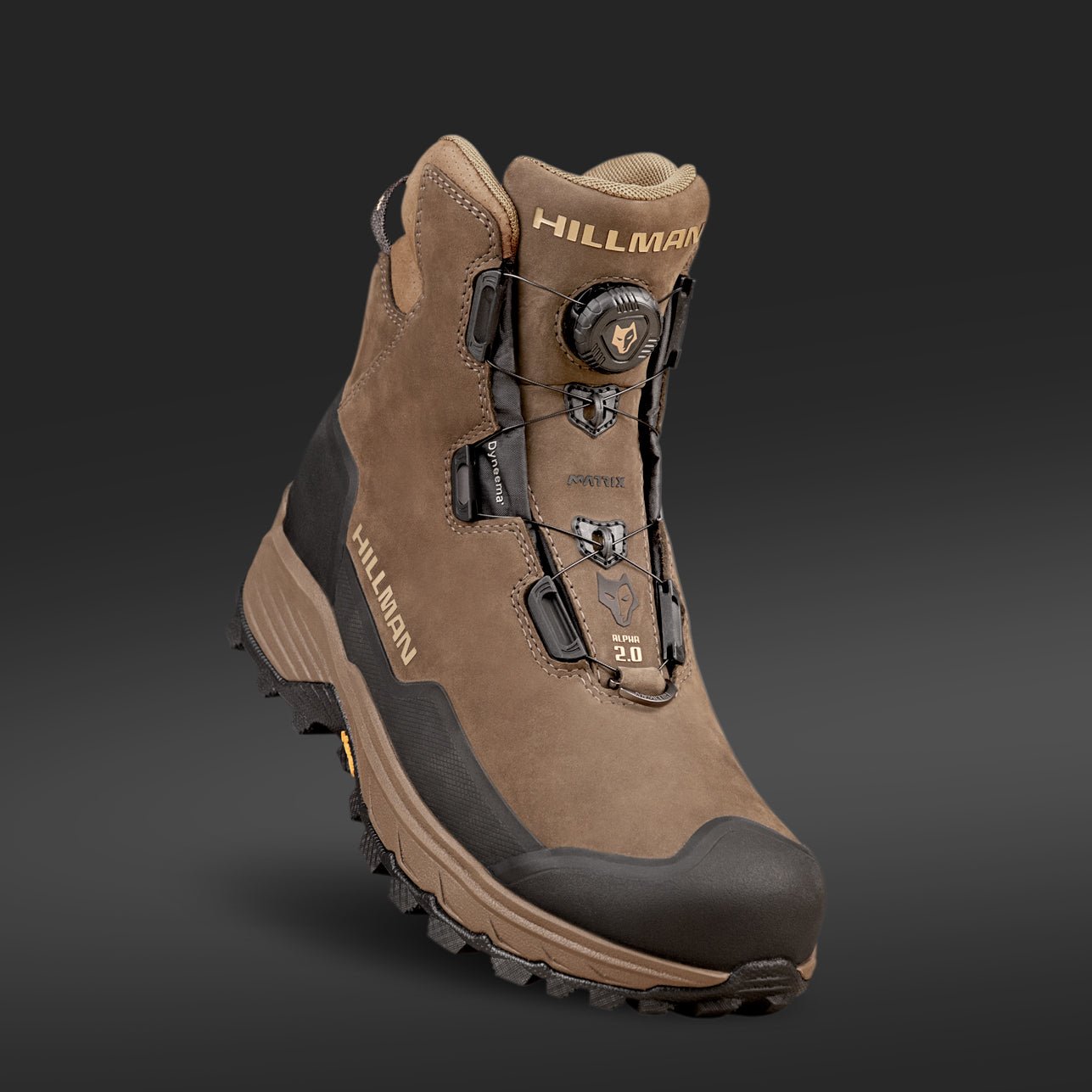
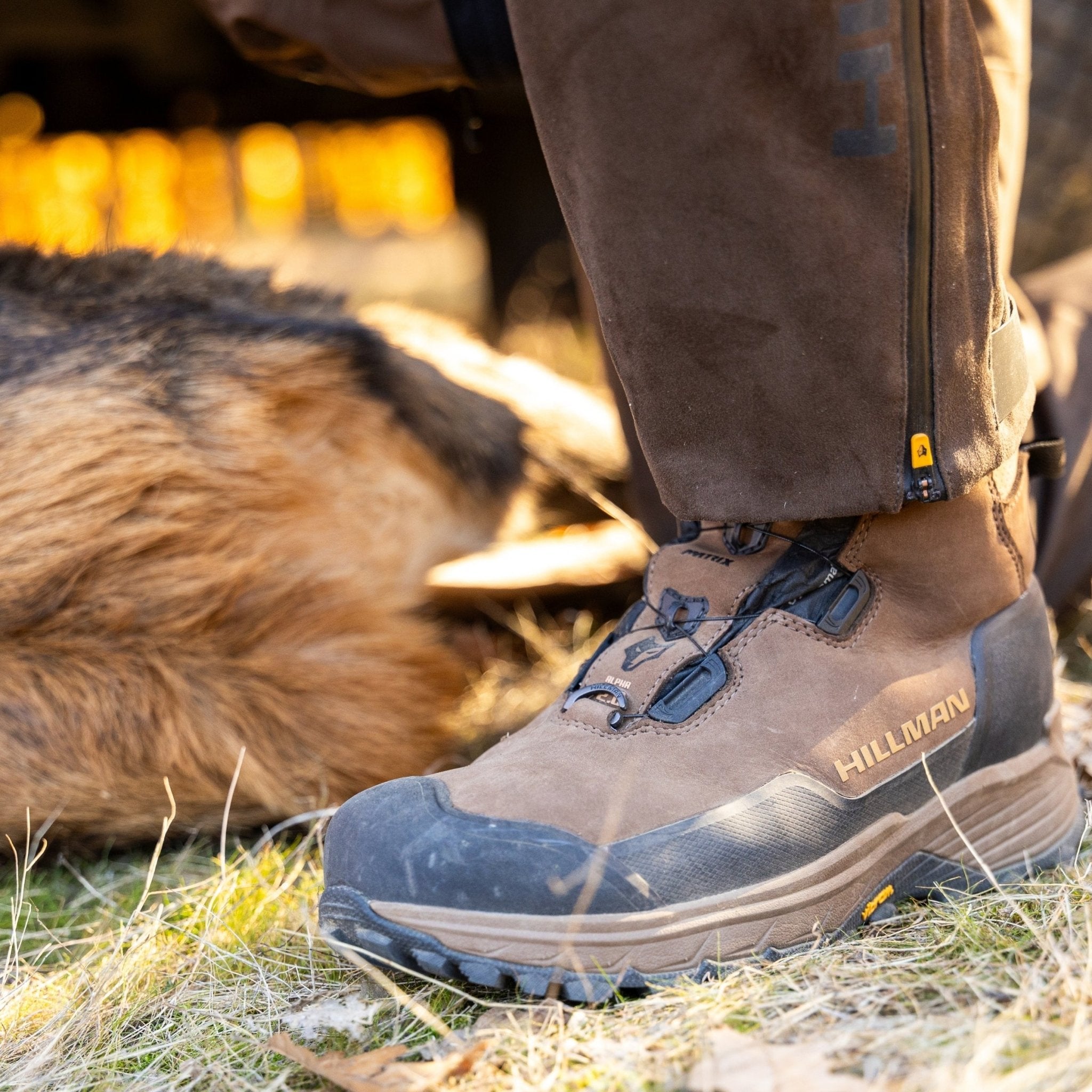
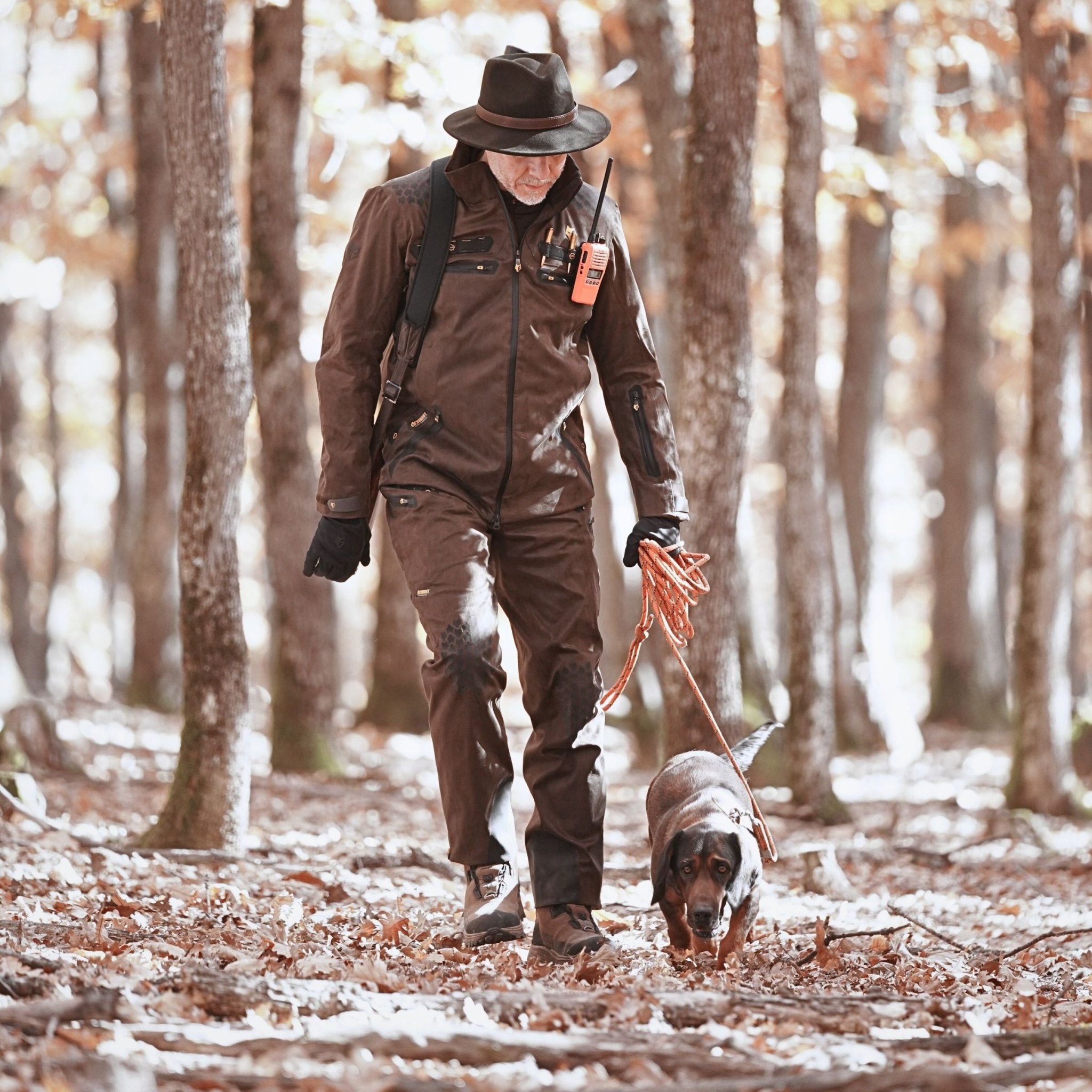
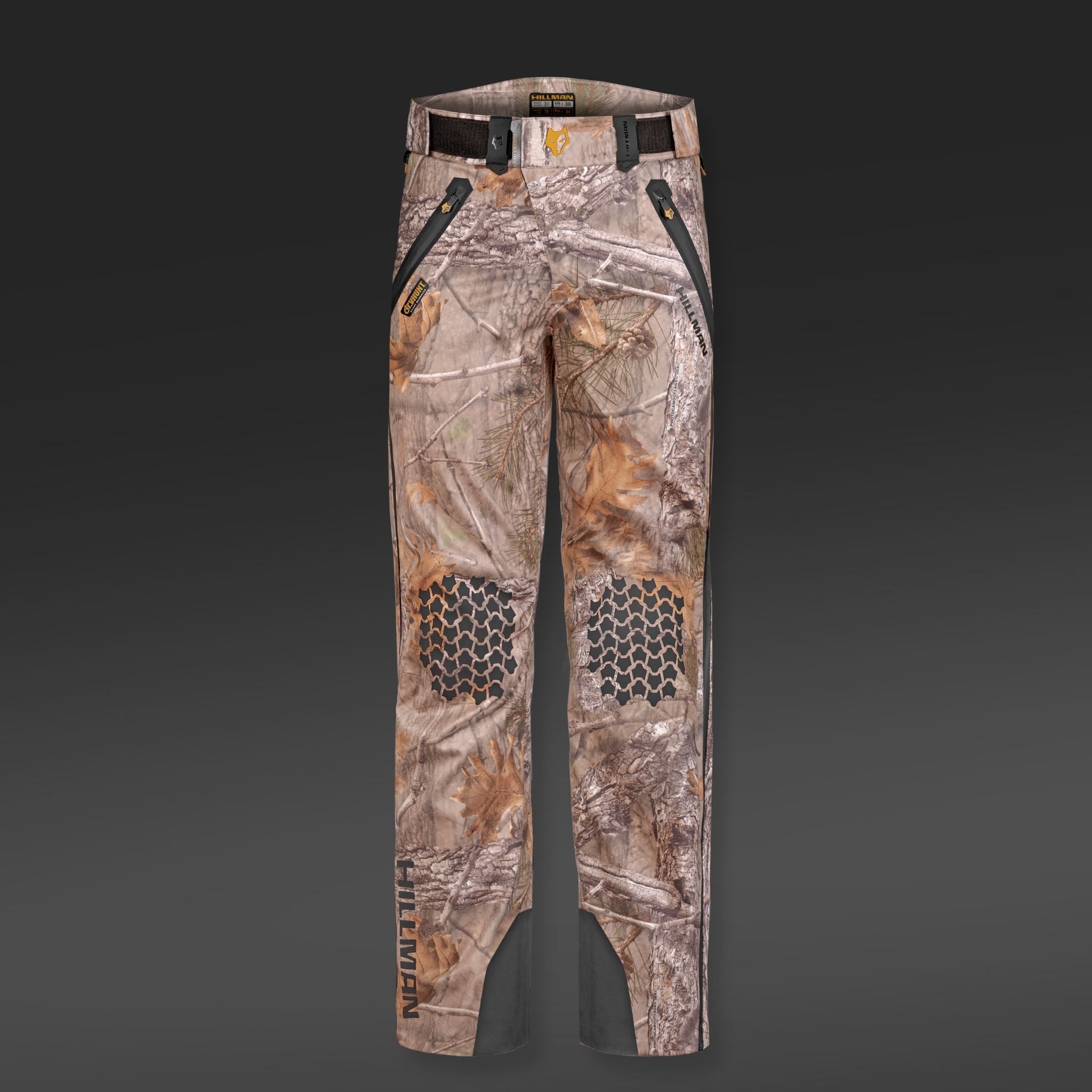
Footwear is one of those things that hunters rarely think about until the ground reminds them. Wet ground has a habit of testing your patience, especially on stalking days when you expect to cover mixed terrain without stopping too often. Waterproof boots become less of a luxury and more of a quiet insurance policy. They keep your feet steady, warm enough, and, most importantly, dry. Once cold or dampness gets in, it tends to stay with you, and that can affect how you move long before you reach the part of the day you were aiming for.
Most hunters who spend long hours outdoors eventually settle on a boot that simply behaves well. Not one that needs breaking in every time the weather changes or one that struggles with wet ground, but something that stays reliable whether the conditions feel mild or unpredictable. It is surprising how much easier a long stalk becomes when your boots stop being something you notice.
Socks and gloves play a similar supporting role. They may not seem critical at first glance, yet they quietly decide how comfortable you feel during extended periods. Good socks help maintain warmth without adding unwanted bulk. They stop the slow cooling that often sets in when you switch from steady movement to sitting in a high seat. Gloves, on the other hand, protect against cold weather and allow you to work with your rifle or adjust your jacket without that slight stiffness that creeps in when hands lose heat.
It is often the combination of these smaller items that makes a day more manageable. When your feet stay dry, and your hands stay warm, you make fewer adjustments. And fewer adjustments mean fewer chances of breaking your rhythm or giving away movement at the wrong time. In stalking, that sort of consistency makes more of a difference than people expect. The right gear at ground level carries the rest of the clothing system more smoothly, allowing you to remain comfortable across long hours and changing terrain without having to think about it.
Stalking Jackets for UK Weather Protection

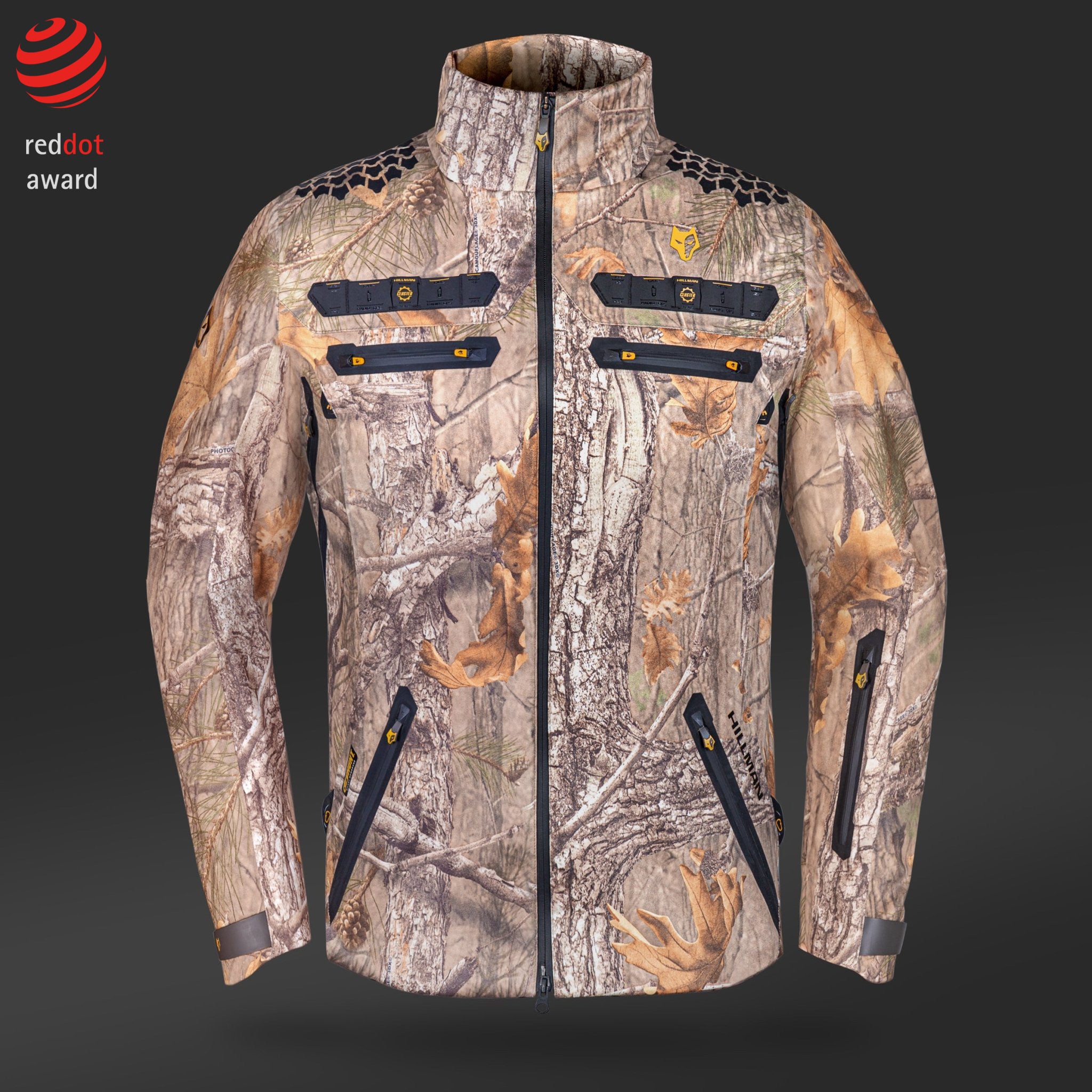
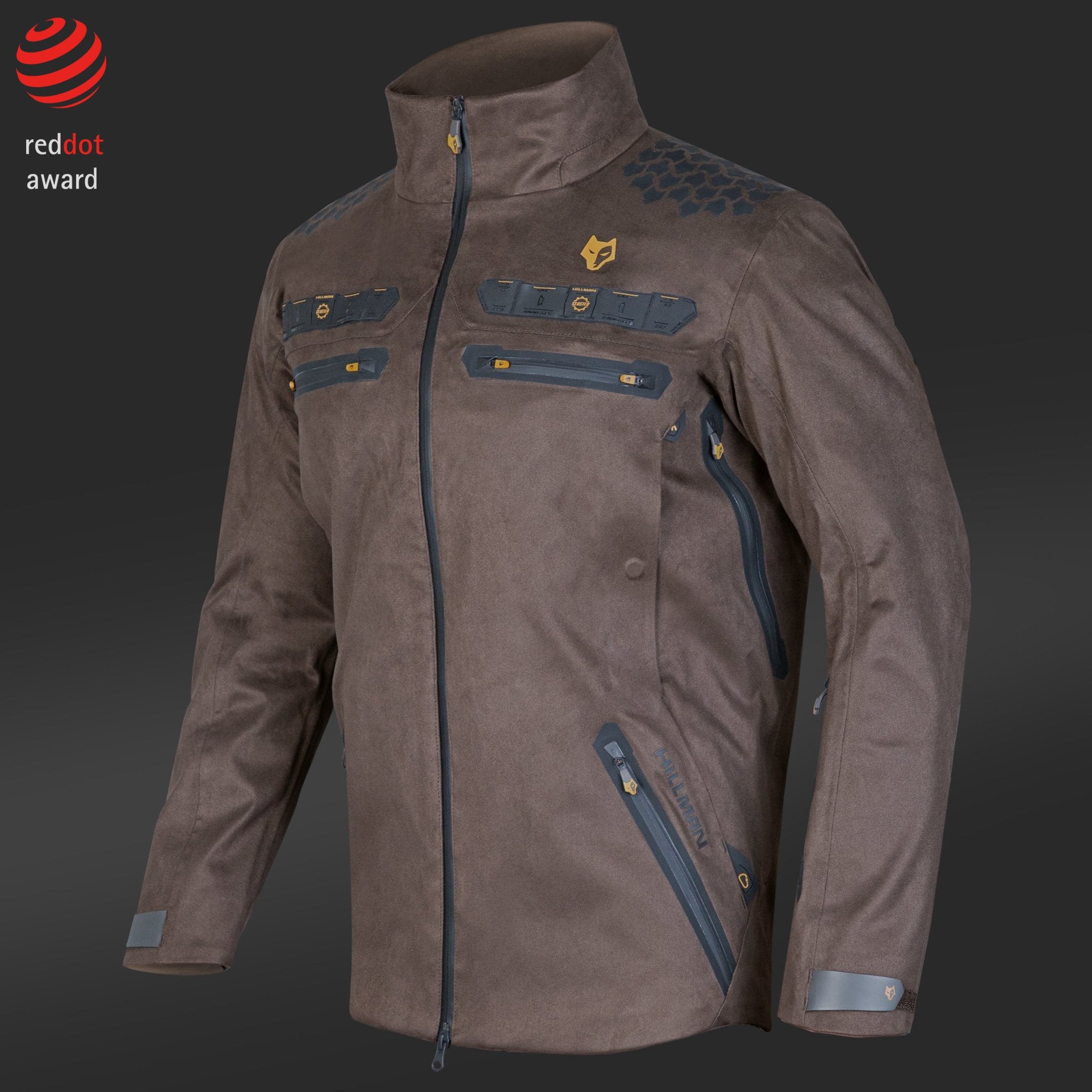
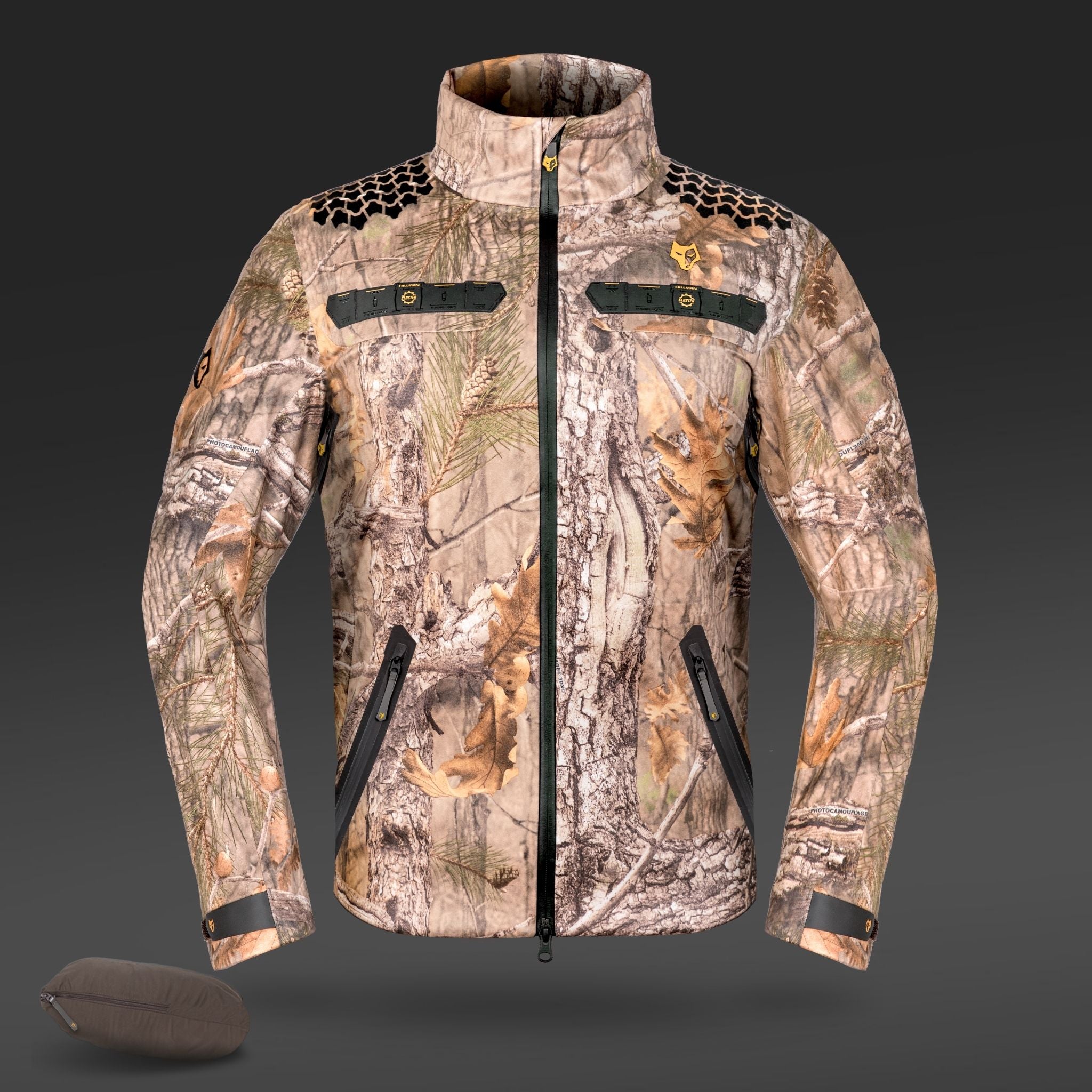
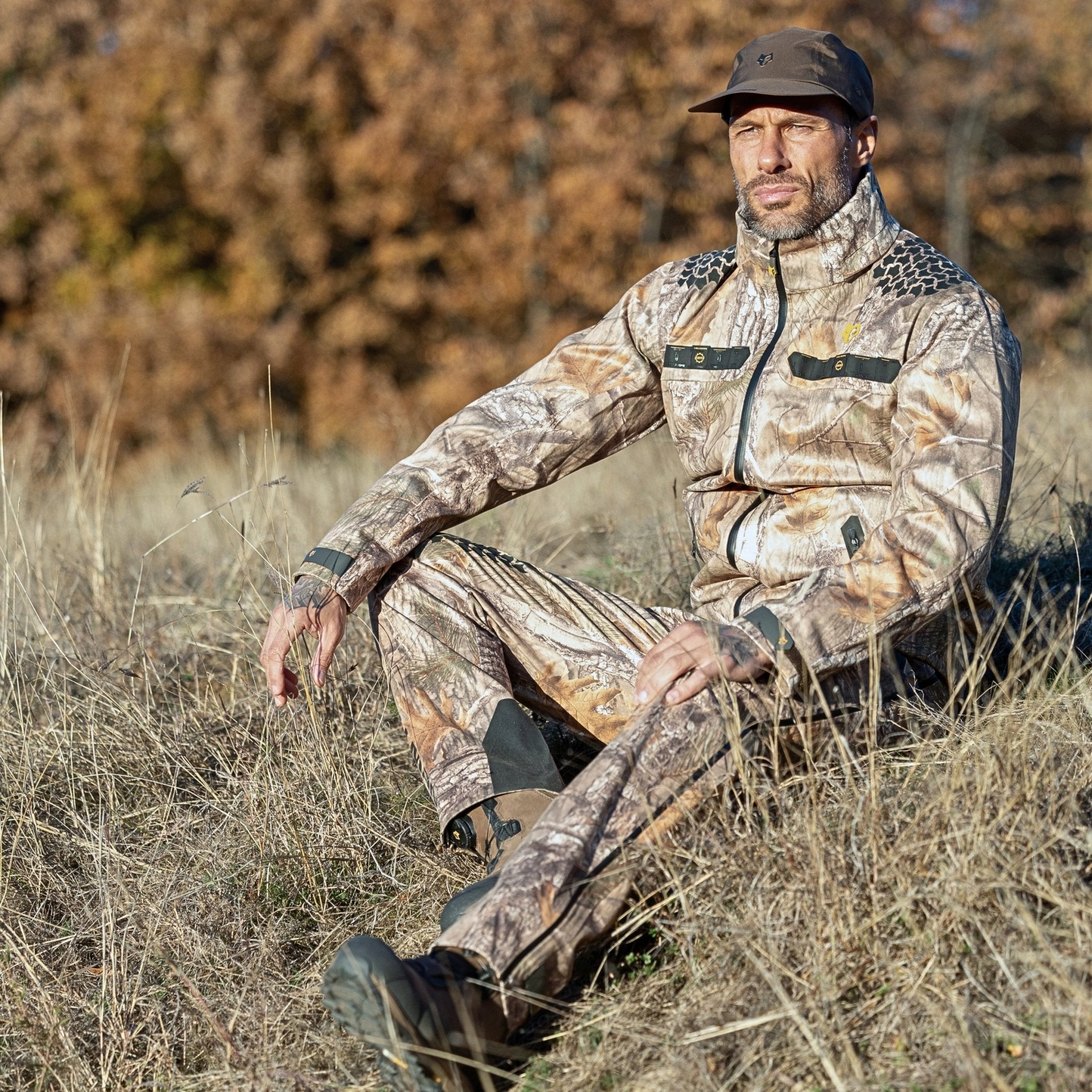
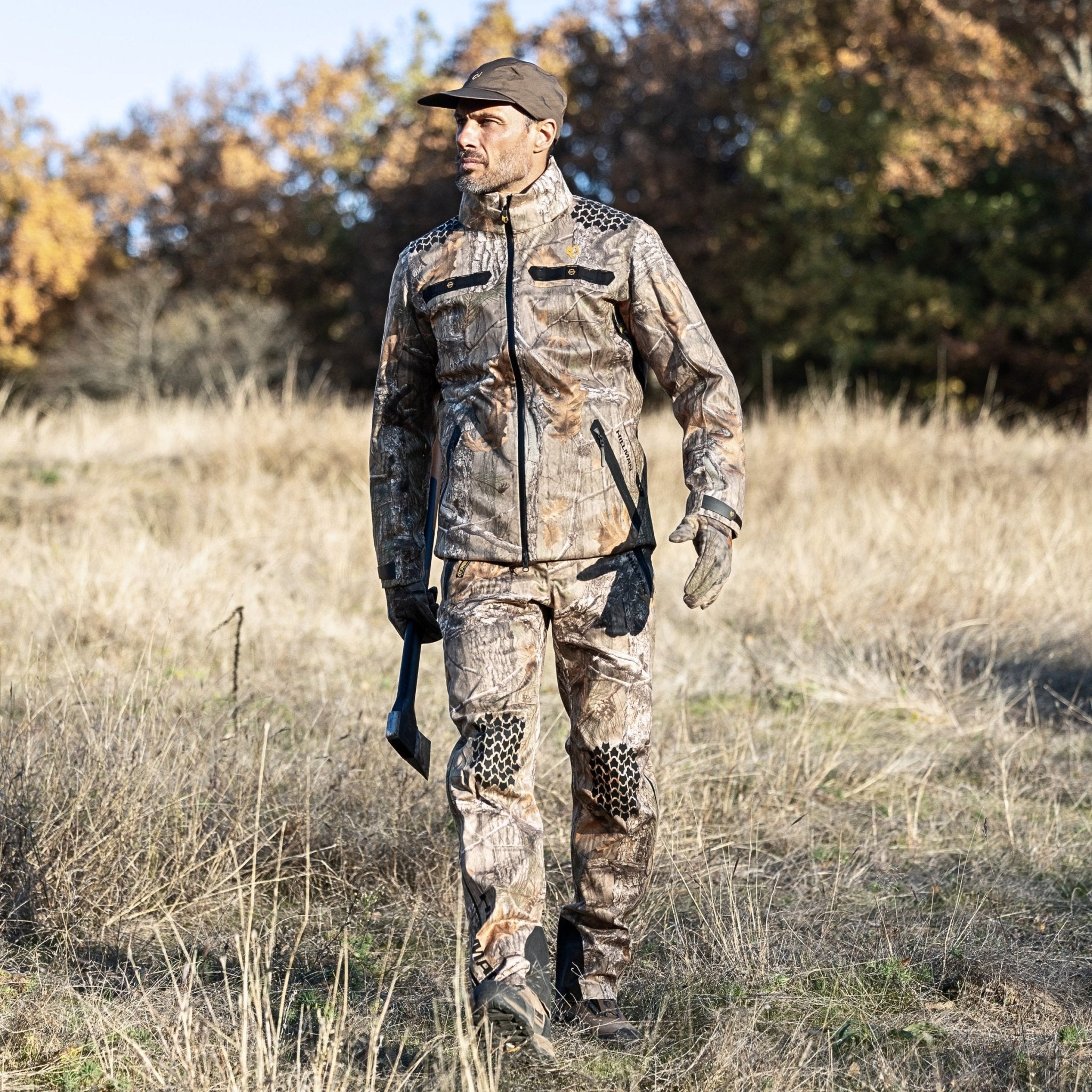
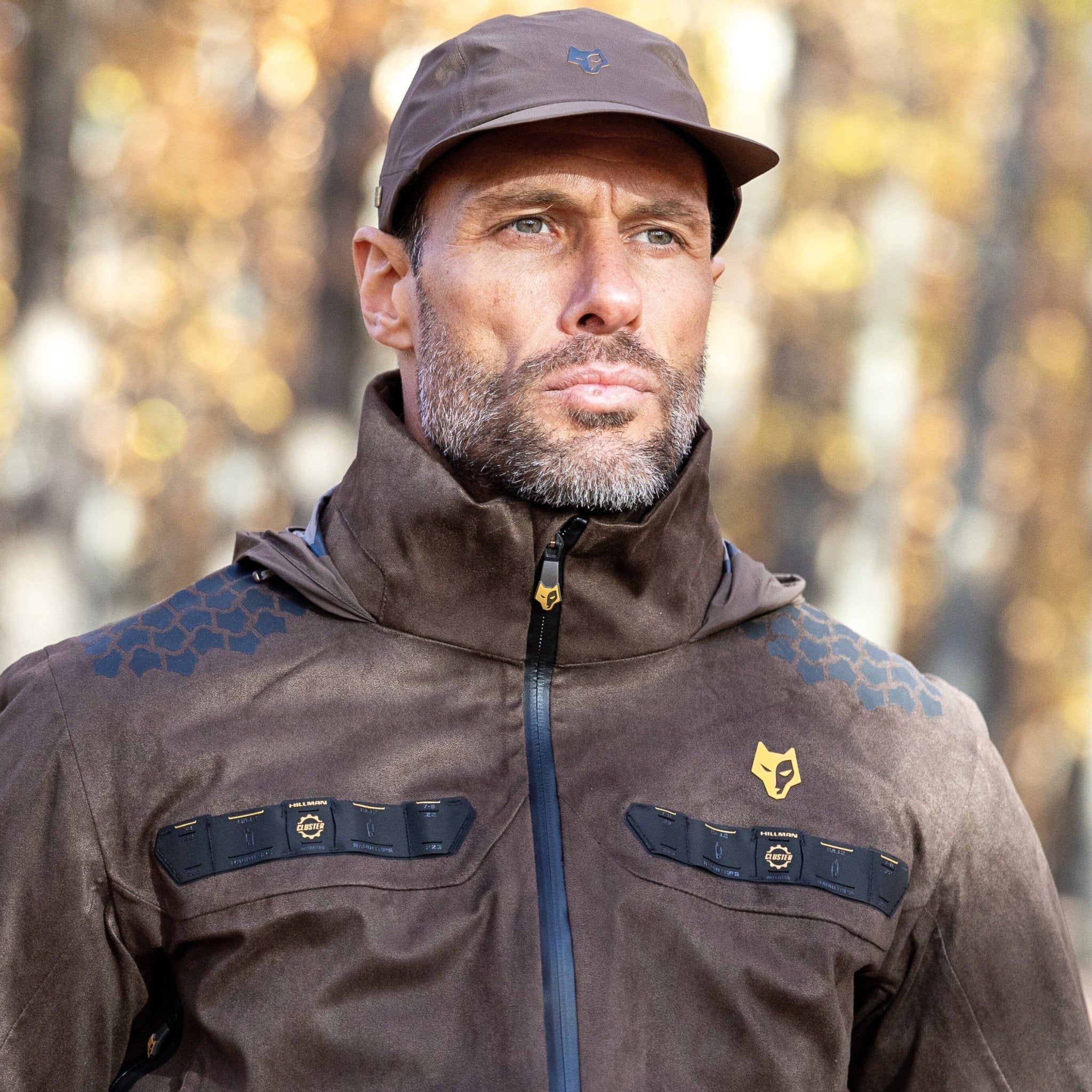
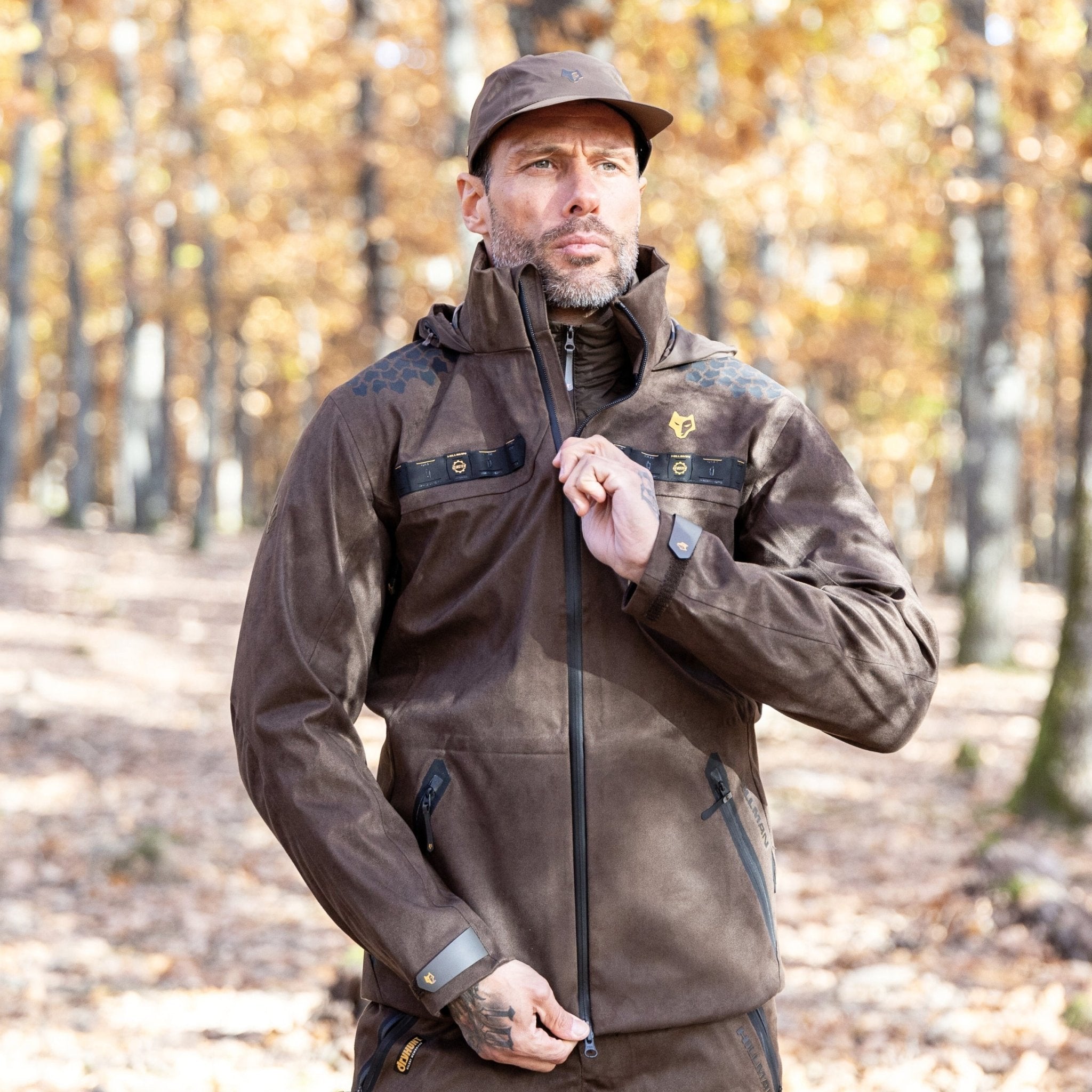
A stalking jacket becomes noticeable only when it fails you, which is why most hunters prefer one that simply does its job without fuss. UK weather, being what it is, has a habit of changing pace faster than you might expect. A morning that looks harmless can tilt into something colder or wetter, and sometimes both at once. When that happens, the jacket you picked either keeps the day on track or turns into something you spend too much time thinking about.
What people usually want from a stalking jacket is fairly straightforward. It should keep out rain well enough that you do not feel the damp creeping in, but it must also let heat escape when movement increases. Breathable membranes help, although you notice their value more gradually than dramatically. Waterproof fabrics deal with the more obvious challenges, the kind of weather that arrives suddenly and asks for more protection than you planned for. When these features work together, you feel it in the sense that nothing interrupts your progress.
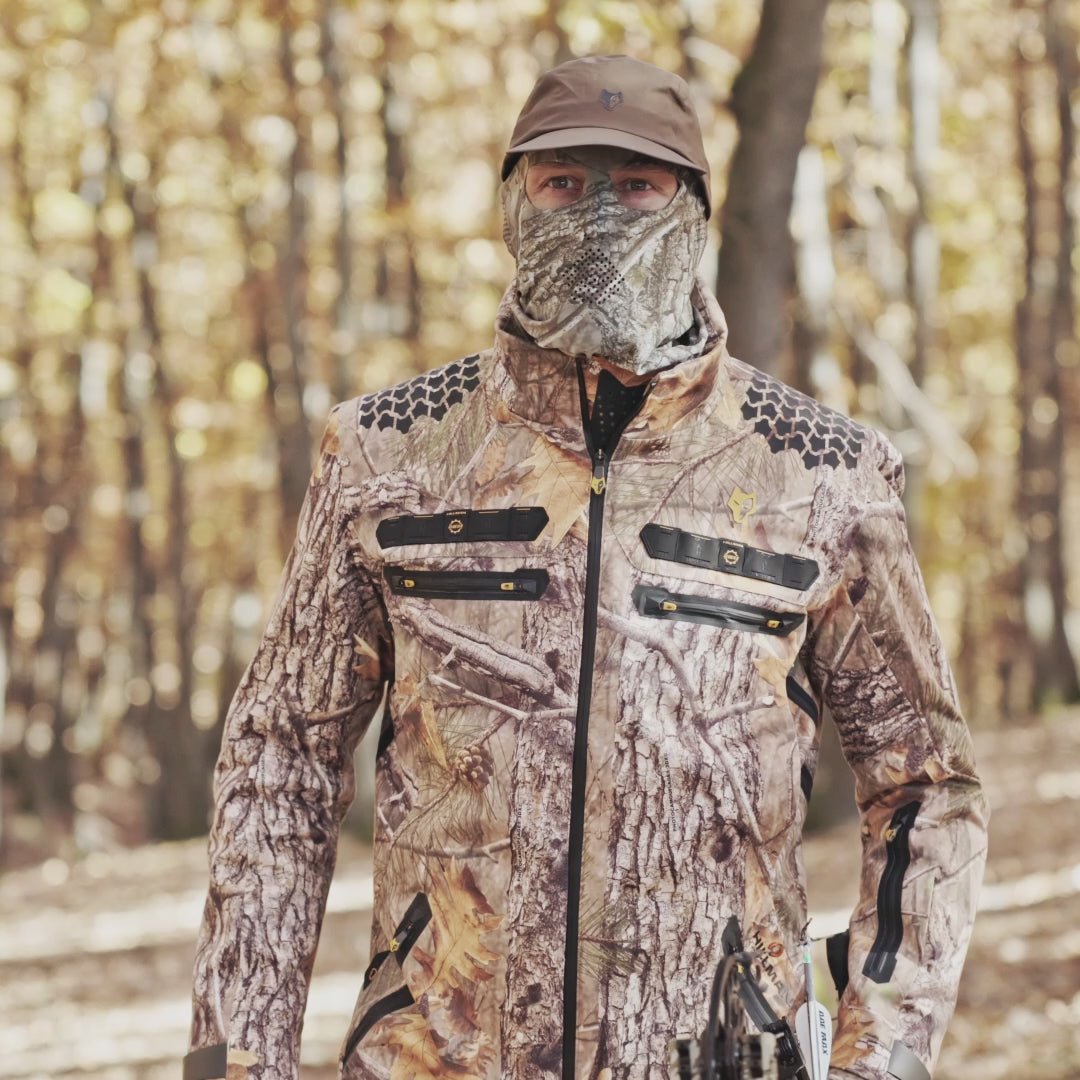
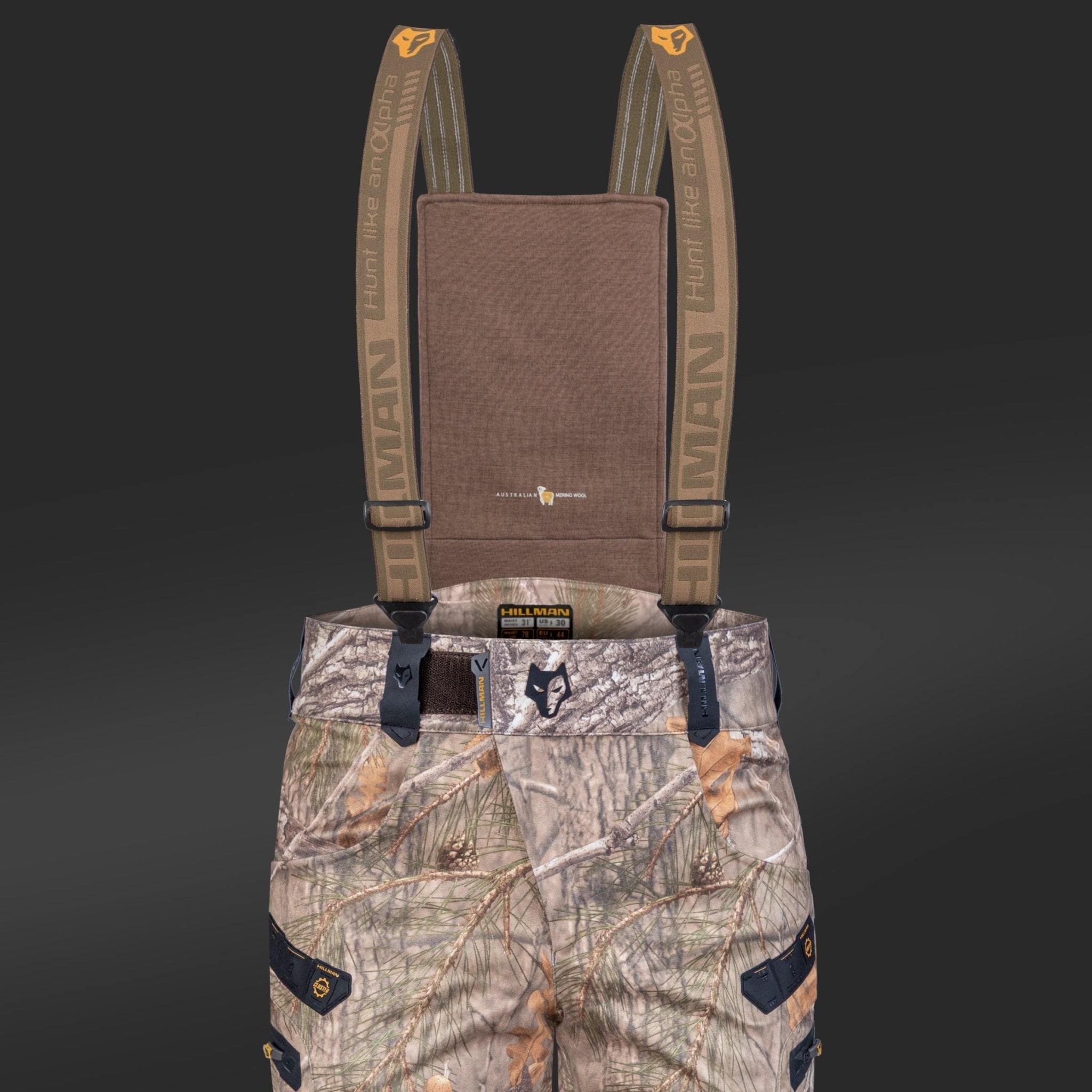
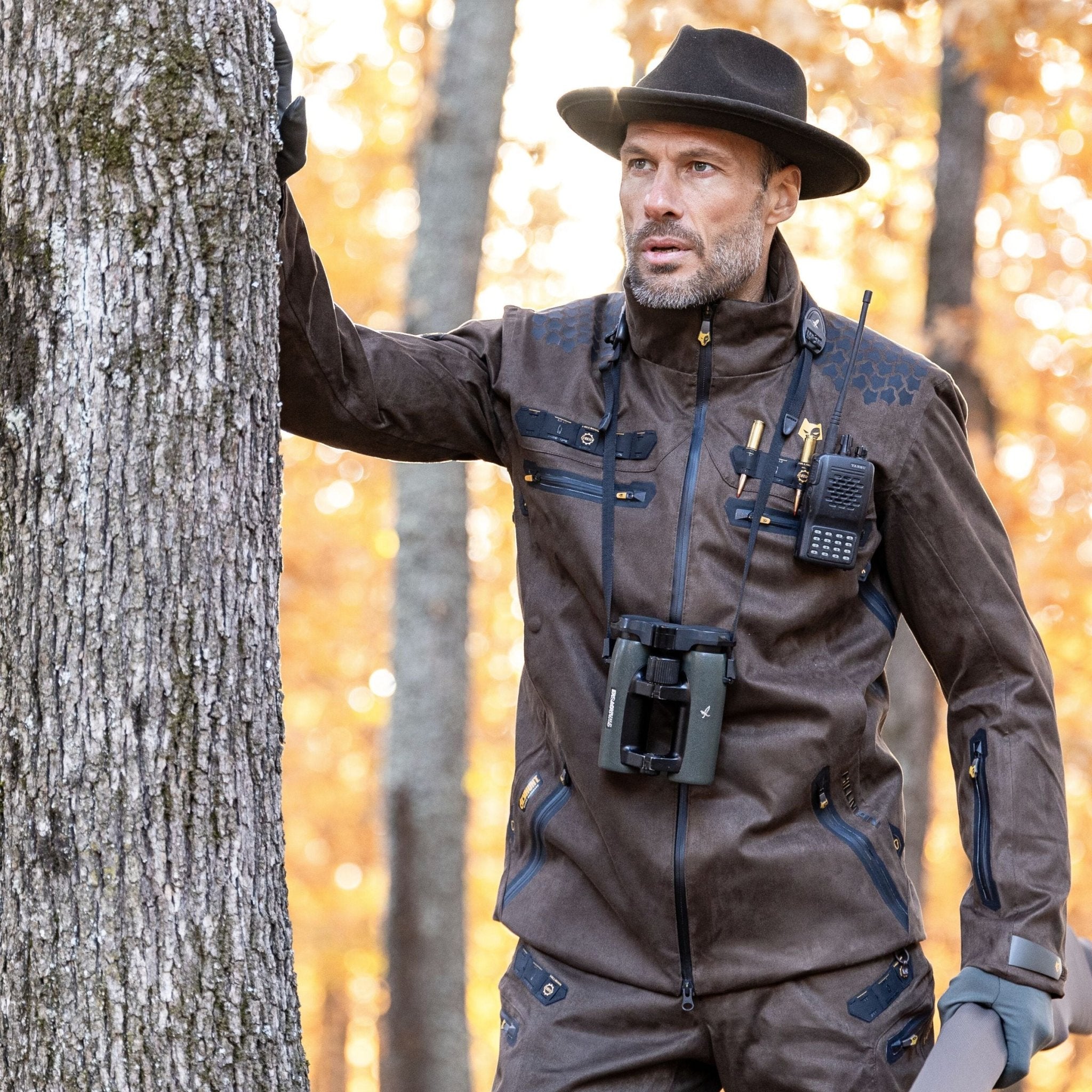
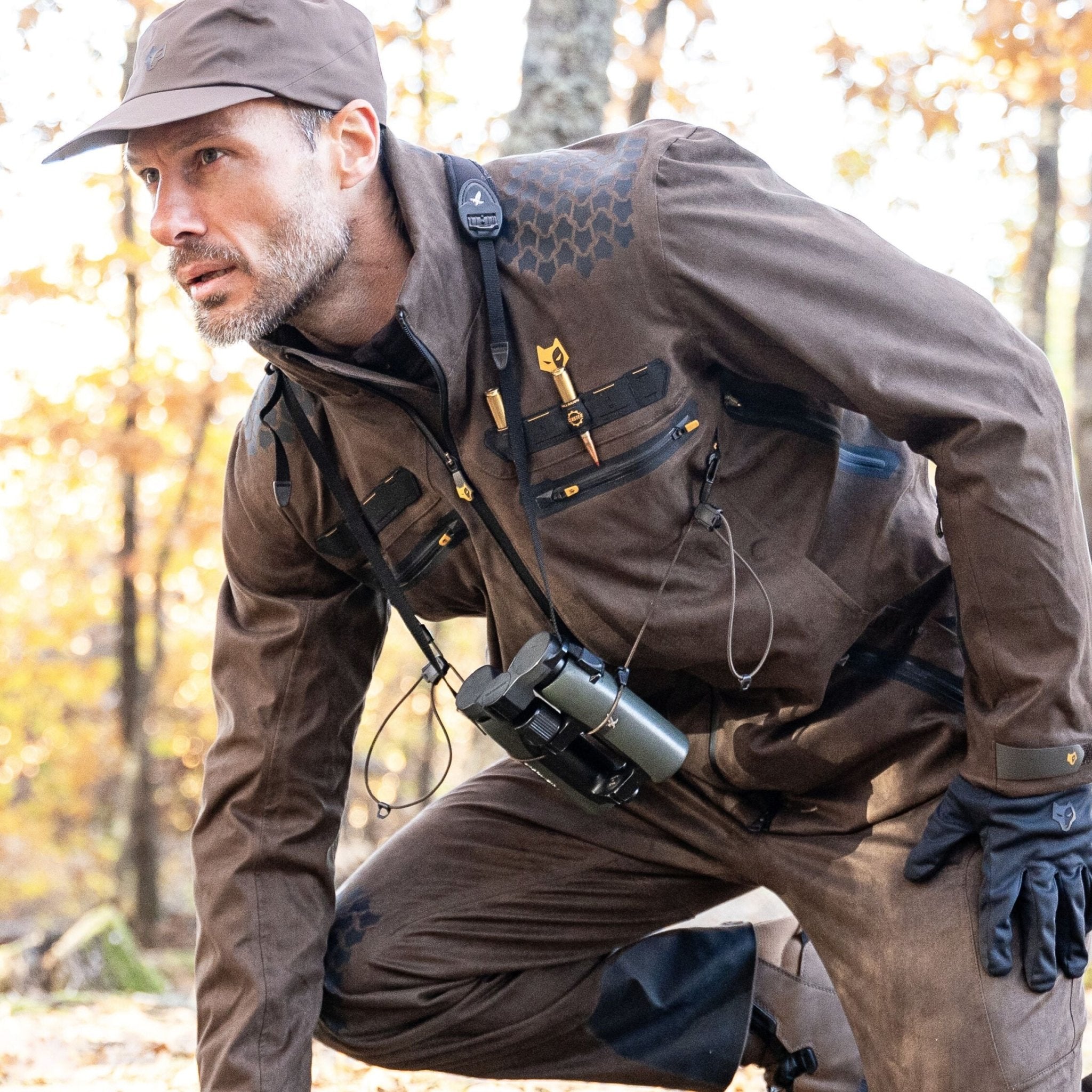
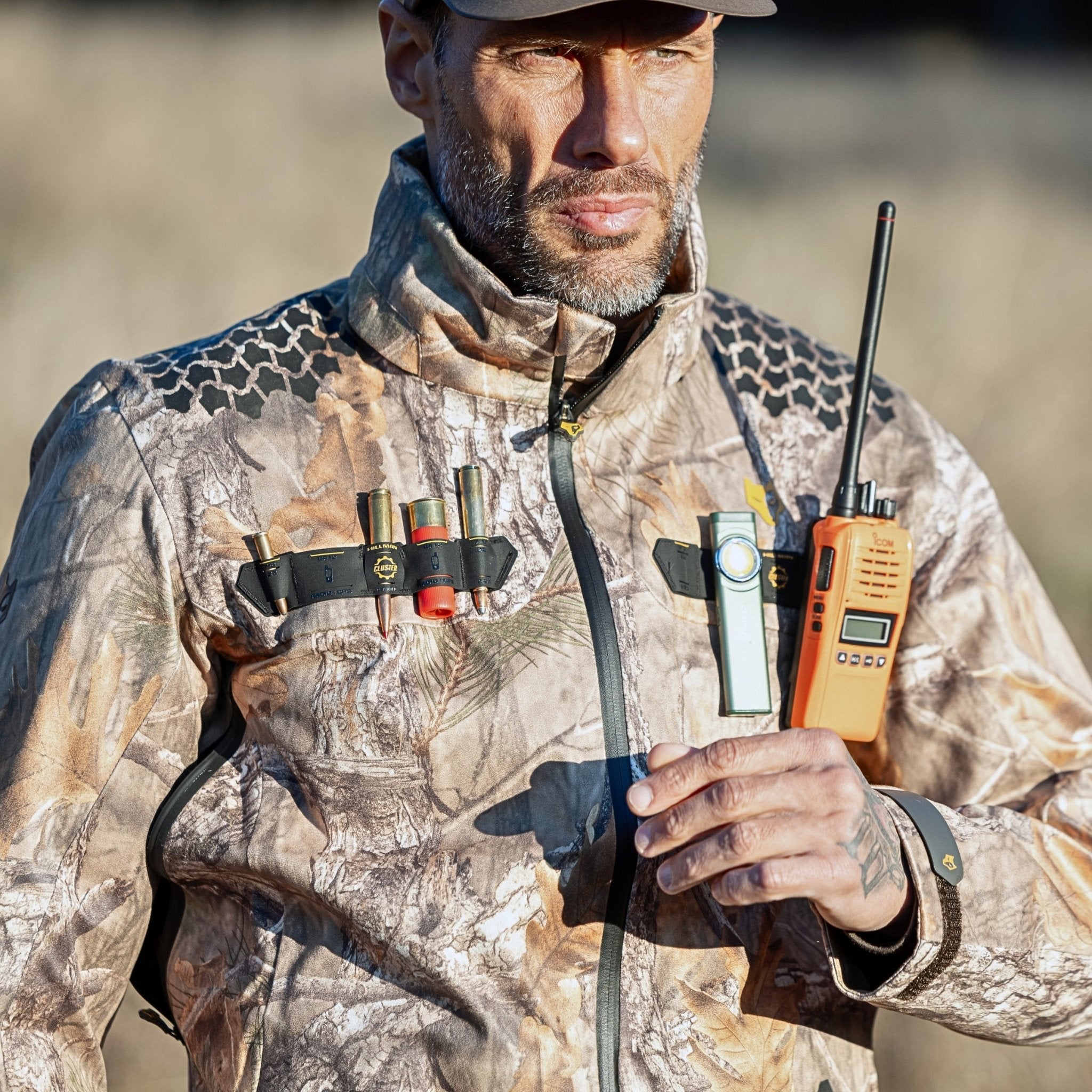
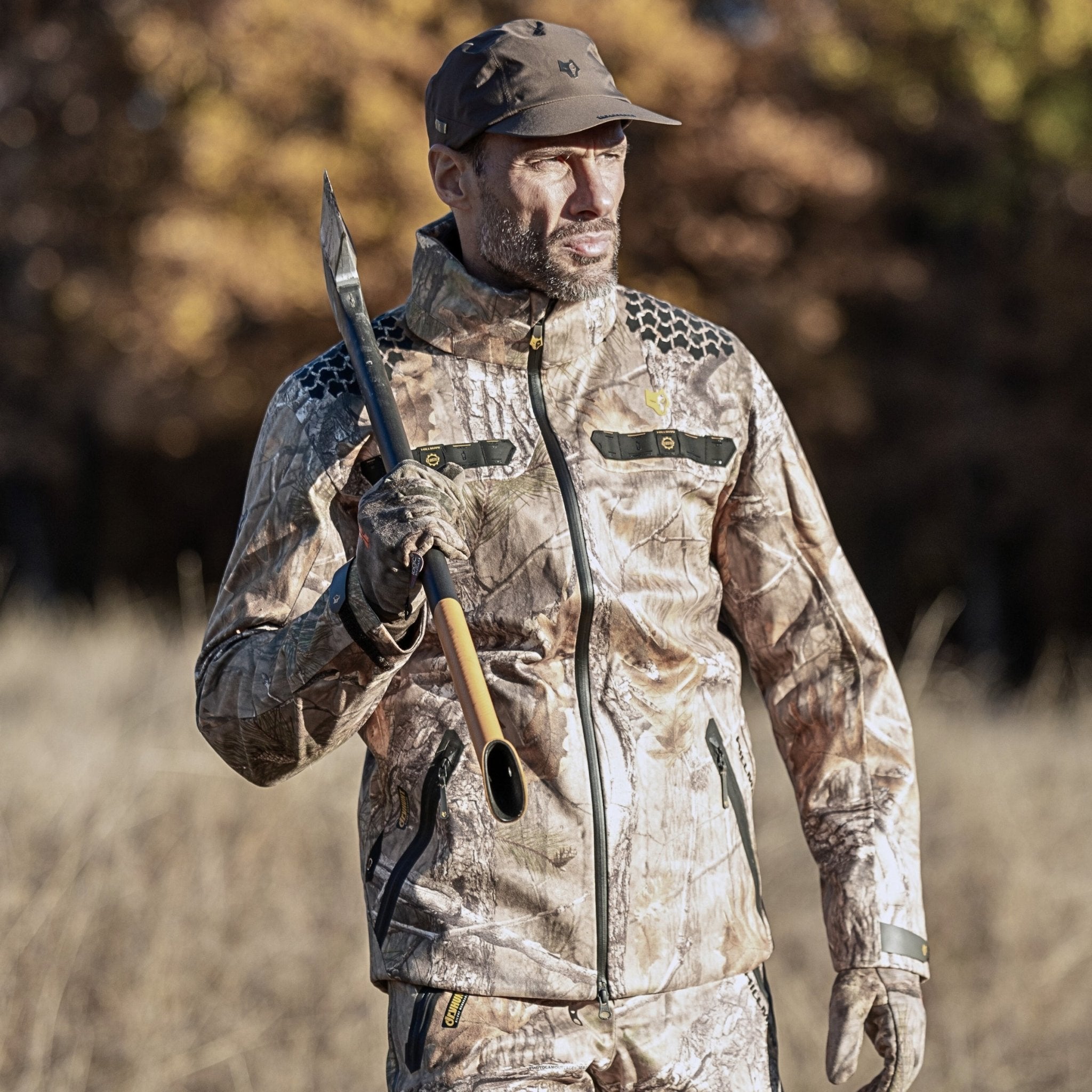
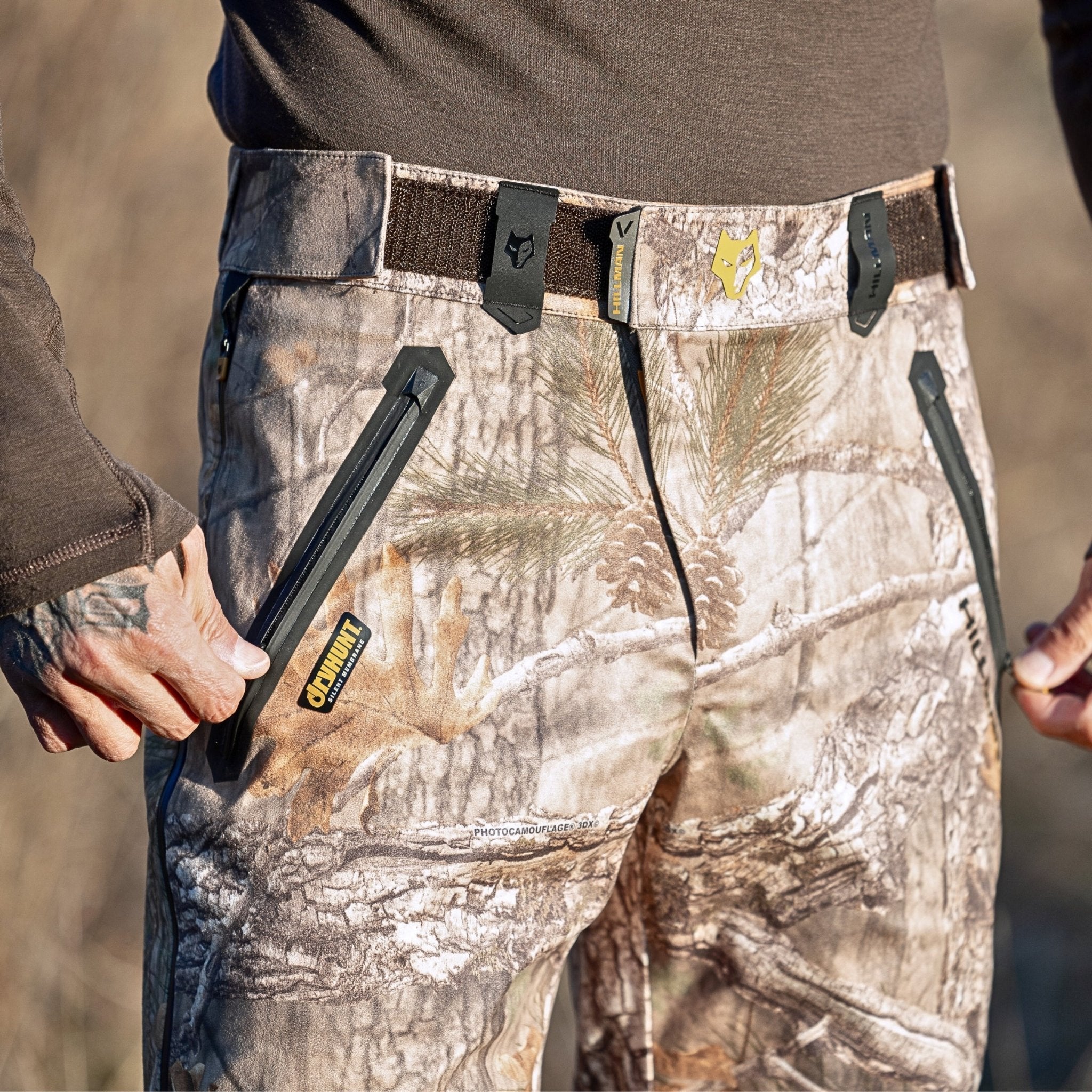
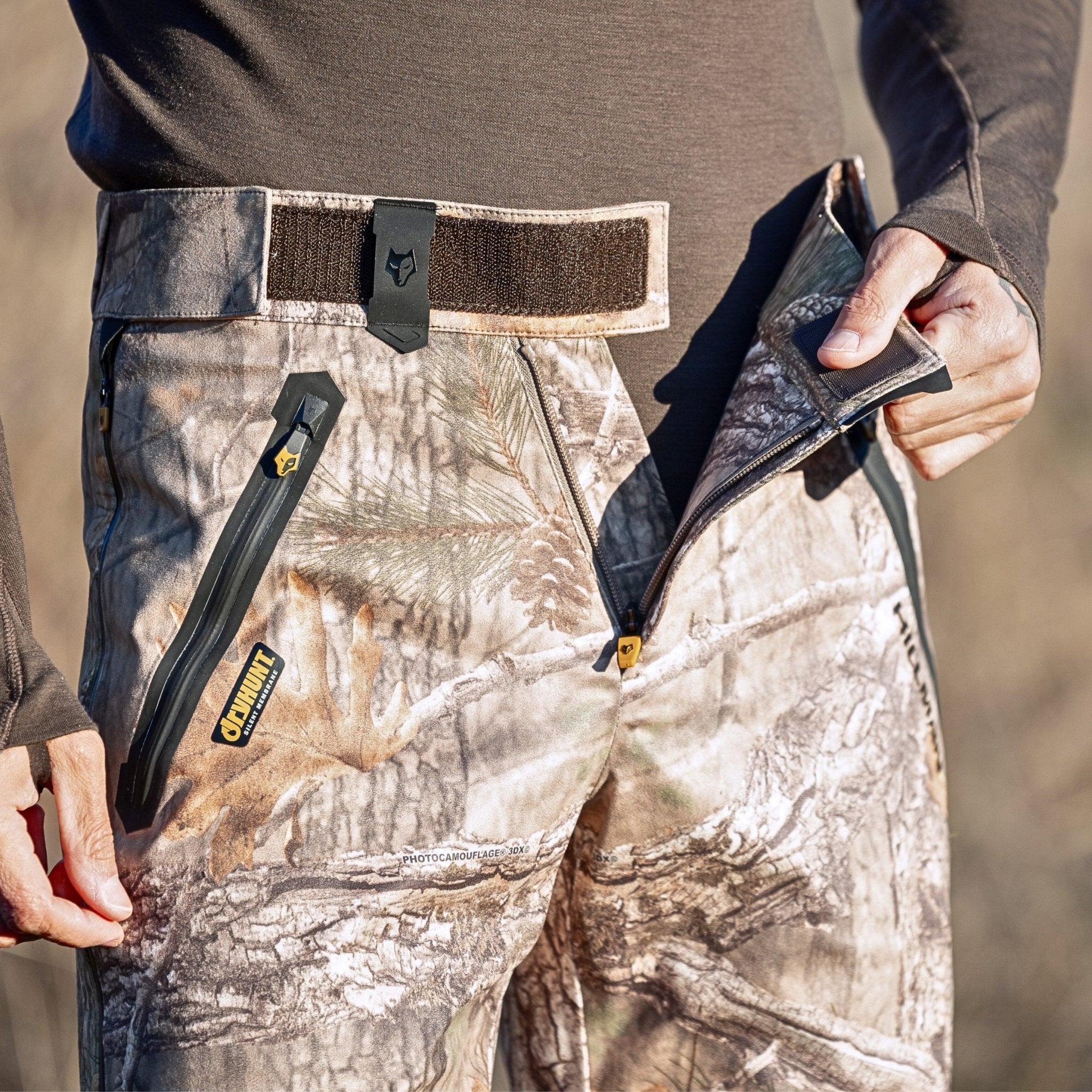
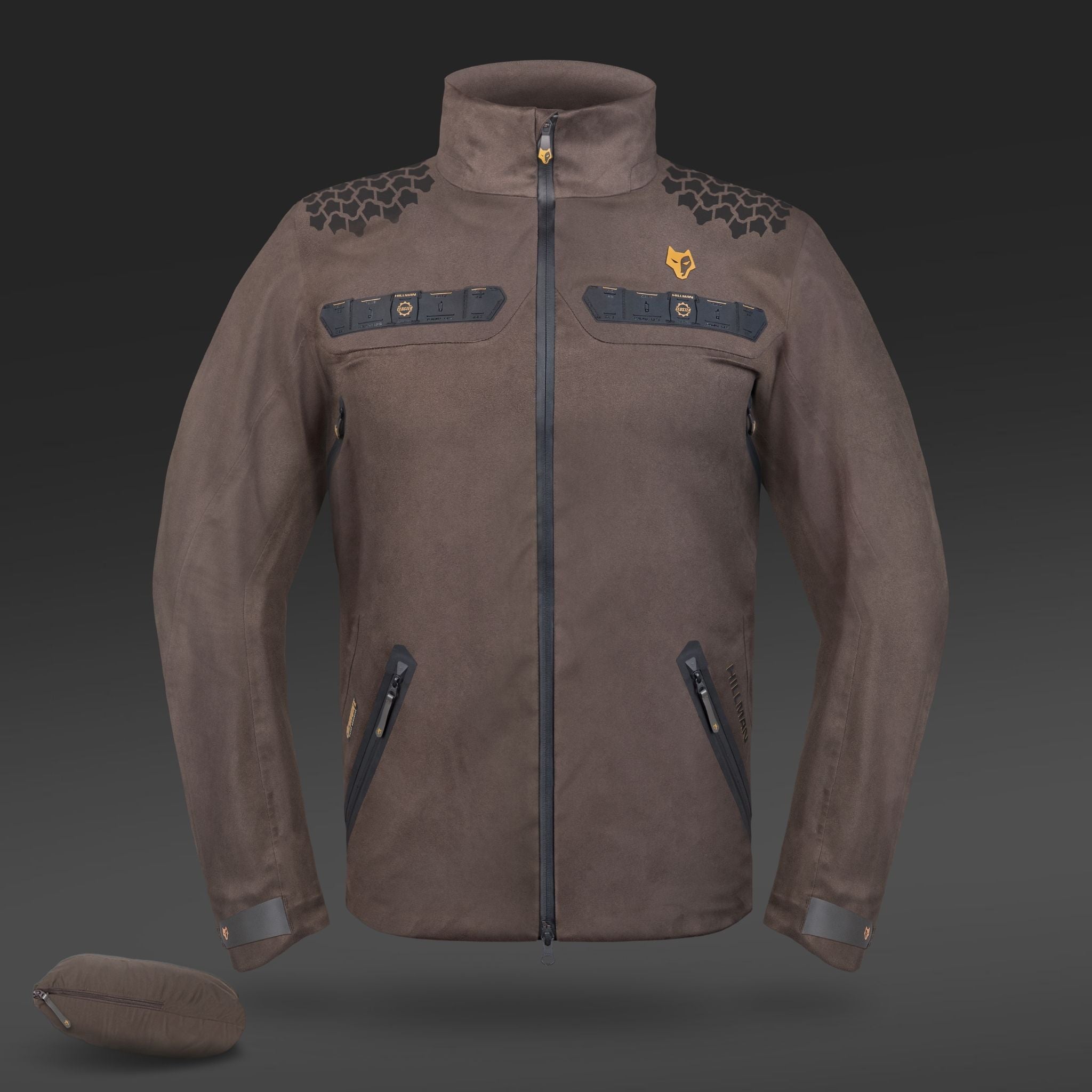
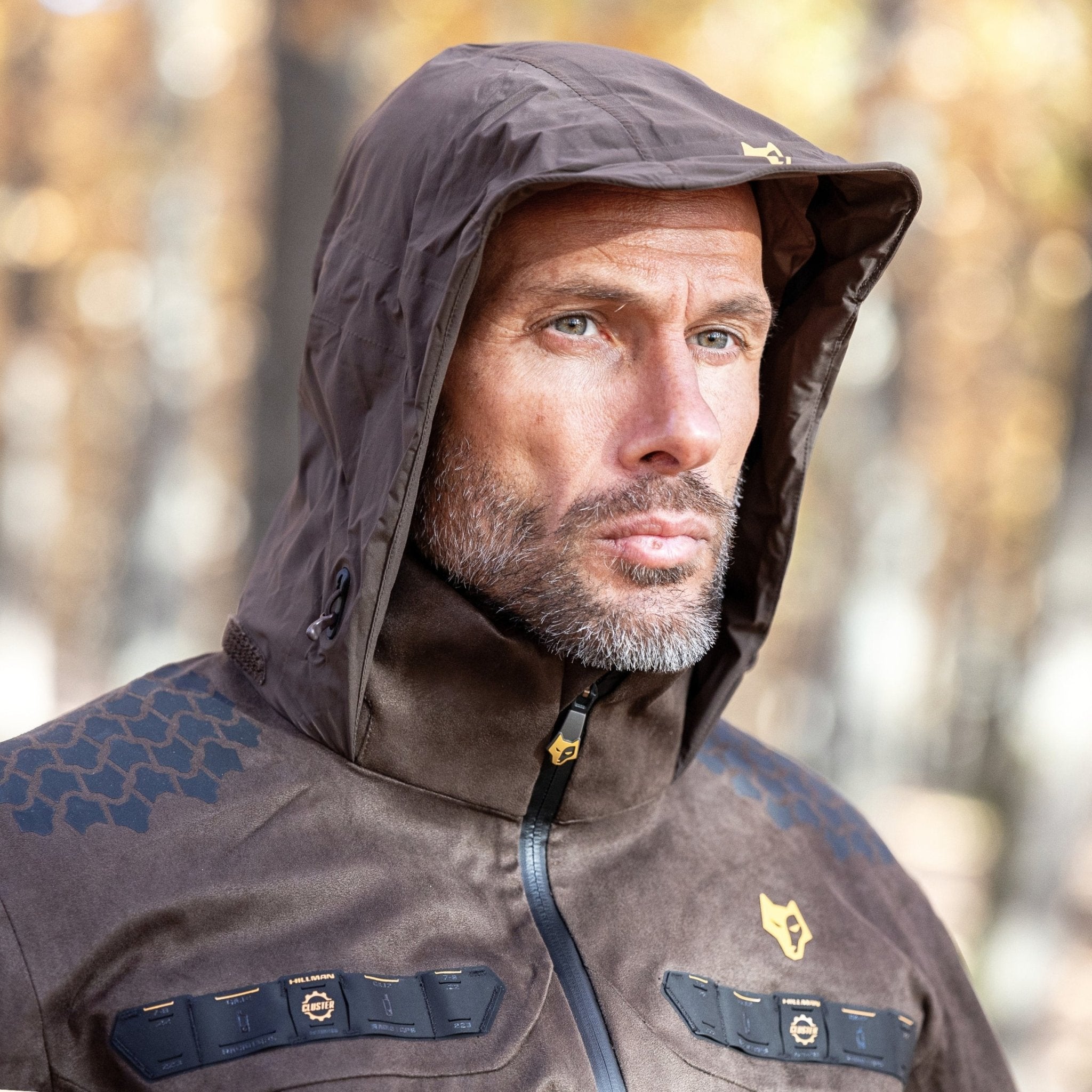
Hoods and pockets often decide how practical a jacket feels during a stalk, even if they are not the first things people mention. A hood that turns with your head rather than blocking your view saves small but important moments. Pockets positioned where your hands instinctively reach make it easier to stay organised without drawing unnecessary attention. These details rarely seem critical in theory, yet in practice, they shape how smoothly a day unfolds.
Durability also matters more than many realise. A jacket that catches on brambles or rubs against rough cover needs to hold its shape and its weather protection after repeated use. Hunters spend enough time moving through mixed terrain that a fragile garment becomes a liability. When a jacket stays quiet, sheds rain, and handles regular contact with vegetation, it blends into the background of the day. And that is often the goal. Clothing that removes distractions rather than creating them lets you stay focused on the task instead of the weather, which tends to be unpredictable no matter what the forecast promised.
Choosing the Best Stalking Jackets for Roe Deer

It is strange how choosing a stalking jacket looks like a quick decision at first. Most hunters start with a few obvious requirements in mind, usually something about warmth and waterproofing, and assume the rest will fall into place. But after a couple of days out, especially on those roe deer stalking mornings when the weather never settles, you begin to realise the jacket is doing a lot more work in the background than you first noticed.
Some jackets seem fine when you put them on at home, and then once you are halfway across a field, you feel the fabric fighting your movement in small, irritating ways. Not enough to ruin the day, but enough that you remember it. And then a week later, you remember it again. Eventually, you start looking for jackets that do not interrupt you, which is a very different requirement from the one written on the labels.
Silence is part of it, of course, although it is rarely the starting point. Roe deer have a way of picking up on the quietest things. A small noise, a sleeve that catches slightly as you lift your arm, anything that breaks the stillness. Breathability ends up being equally important, though for a different reason. Heat builds faster than you think when you are moving, and it is twice as fast when you pause. A jacket that traps too much warmth becomes something you keep adjusting, even when you promise yourself not to.
And then there is the weight, which is a detail no one talks much about. A jacket can feel perfectly acceptable at the start of the day, but heavier than expected once you have been walking for a while. Not dramatically heavier, just enough to shift your pace and make you aware of it. It is one of those things that feels minor until it is not.
Most hunters eventually settle on jackets that behave consistently rather than spectacularly. Something that moves with you, not against you. Something that copes with the weather without turning into a sauna or a windbreak that feels like armour. Something that does not force you to think about it every hour. When you realise a jacket has not crossed your mind in a while, that is usually the moment you know it is the right one.
In the UK, where a bright morning can roll into an afternoon of drizzle without warning, that kind of quiet reliability becomes more valuable than any standout technical detail. A good stalking jacket holds up when conditions shift, keeps you comfortable enough to focus, and stays out of the way. Not remarkable in a flashy sense, but steady, and for roe deer stalking, steady tends to be what matters most.
Outer Layer Strategies for All Weather Protection

Outer layers are a bit of a balancing act, especially for stalking in the UK. You only really notice how important they are on the days when the weather keeps changing its mind. One hour feels manageable, the next brings rain that arrives faster than you can think about it, and then suddenly the wind shifts and everything cools. The outer layer is supposed to smooth out those jumps, though in practice, it sometimes creates its own problems if it is not chosen well.
The odd thing about outer layers is that people often expect them to do everything at once. Full weather protection, no noise, breathable enough that you do not overheat, and light enough that it does not feel as though you are wearing another backpack. The truth is simpler. A good outer layer just needs to keep you steady. It should take the edge off the rain, handle the wind without turning rigid, and let moisture escape so you do not end up peeling it off and putting it back on every time the pace changes.
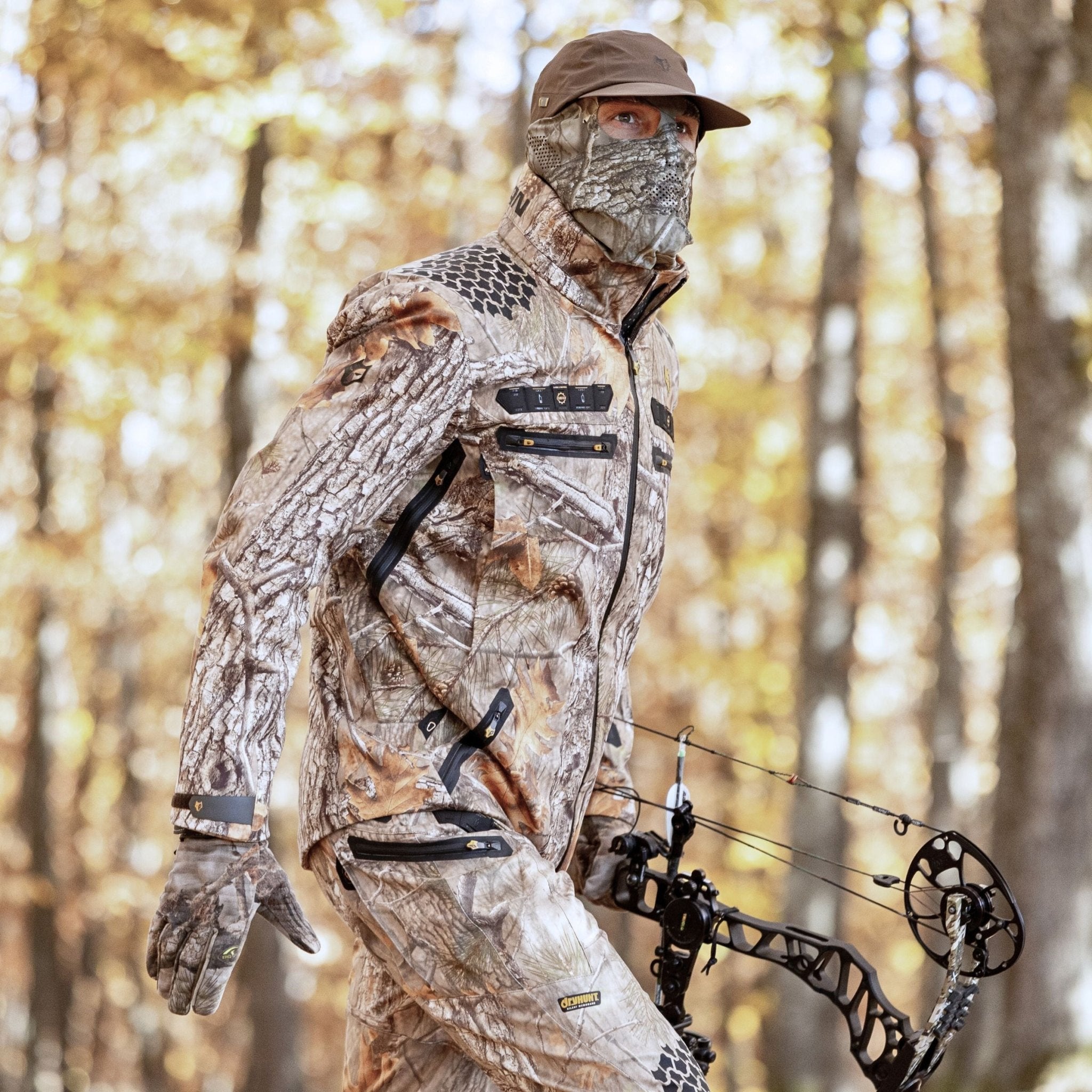
Some jackets manage this without drawing attention to themselves. They stay quiet when you move, which matters more than you realise during roe deer stalking. They do not trap heat during climbs, and they do not feel heavy when conditions shift, and you need to slow down. When an outer layer behaves like that, you barely think about it, and that is often the best measure of whether it is working.
Breathable membranes help, though not always in the obvious way. You only really notice their value after several hours, when your body temperature stays reasonably stable, and your layers underneath are not clinging to your skin. Waterproofing carries the weight during sudden showers or in light but persistent rain. If the seams and fabric hold together without letting moisture creep in, that is usually enough. Perfection is not the goal. Consistency is.
Most hunters eventually figure out that an outer layer is less about dramatic features and more about easing the day along. You want something that adjusts with you rather than something you constantly adjust. When you walk, sit, wait, change direction, or simply pause to check the wind, the jacket should not ask for attention. If it plays its part quietly, you stay comfortable, and when you stay comfortable, you stay focused. On days with unpredictable conditions, that becomes the difference between managing the weather and being managed by it.


Share:
How to Choose Hunting Clothing When Forecasts Change Hourly
What to Wear on a Wet Moorland Stalk: A Practical Breakdown