
How to Stay Dry on a British Hunt: Real Solutions for Rain, Wind, and Constant Damp

Stay dry on British hunts with real solutions for rain, wind, and damp. Learn how waterproof clothing, trousers, and membranes keep you warm, focused, and comfortable.
There’s a certain kind of silence you get only on a British morning before the rain wakes up. A stillness that feels harmless, almost gentle, right until it betrays you. You step out thinking you know the weather, and then, somewhere between the first gate and the second hedge, a faint mist appears from nowhere. It doesn’t even fall at first. It just hangs there, waiting. And anyone who’s hunted here long enough knows exactly what that means: you’re not in control. Not today.
Most hunters don’t mind that, to be fair. The shifting sky is part of the whole ritual. But there’s a difference between accepting unpredictability and letting it run you ragged. Once water slips through your sleeve or settles behind your neck, once it reaches the skin and starts drawing out every bit of heat, the day changes. There’s no romance in shivering.
Hillman has heard plenty of stories like this: some funny, some miserable, all true. And almost every one of them ends with the same realisation: staying dry is less about luck and more about understanding how rain, fabric, and movement interact on days when the ground feels wet even before your boots touch it.
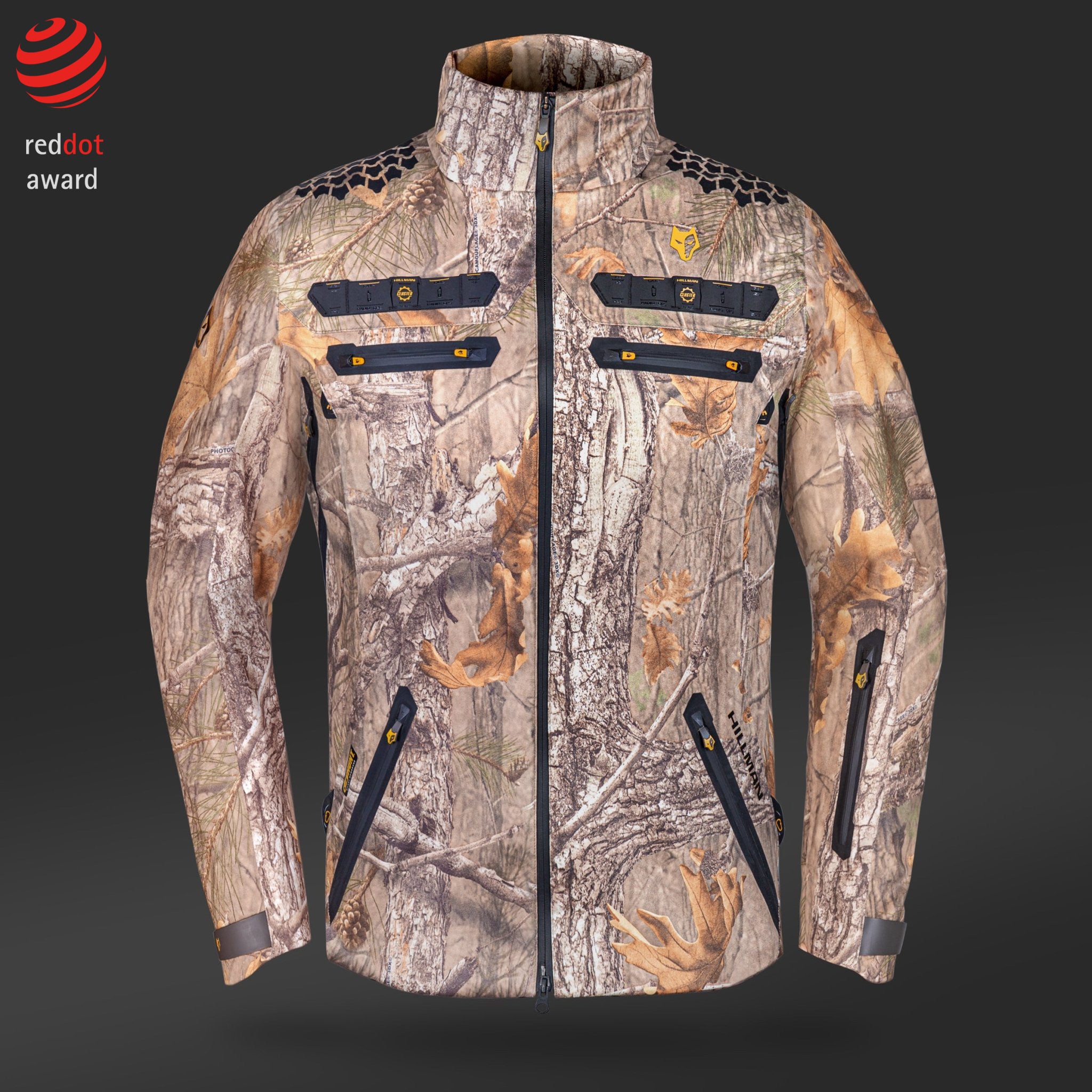
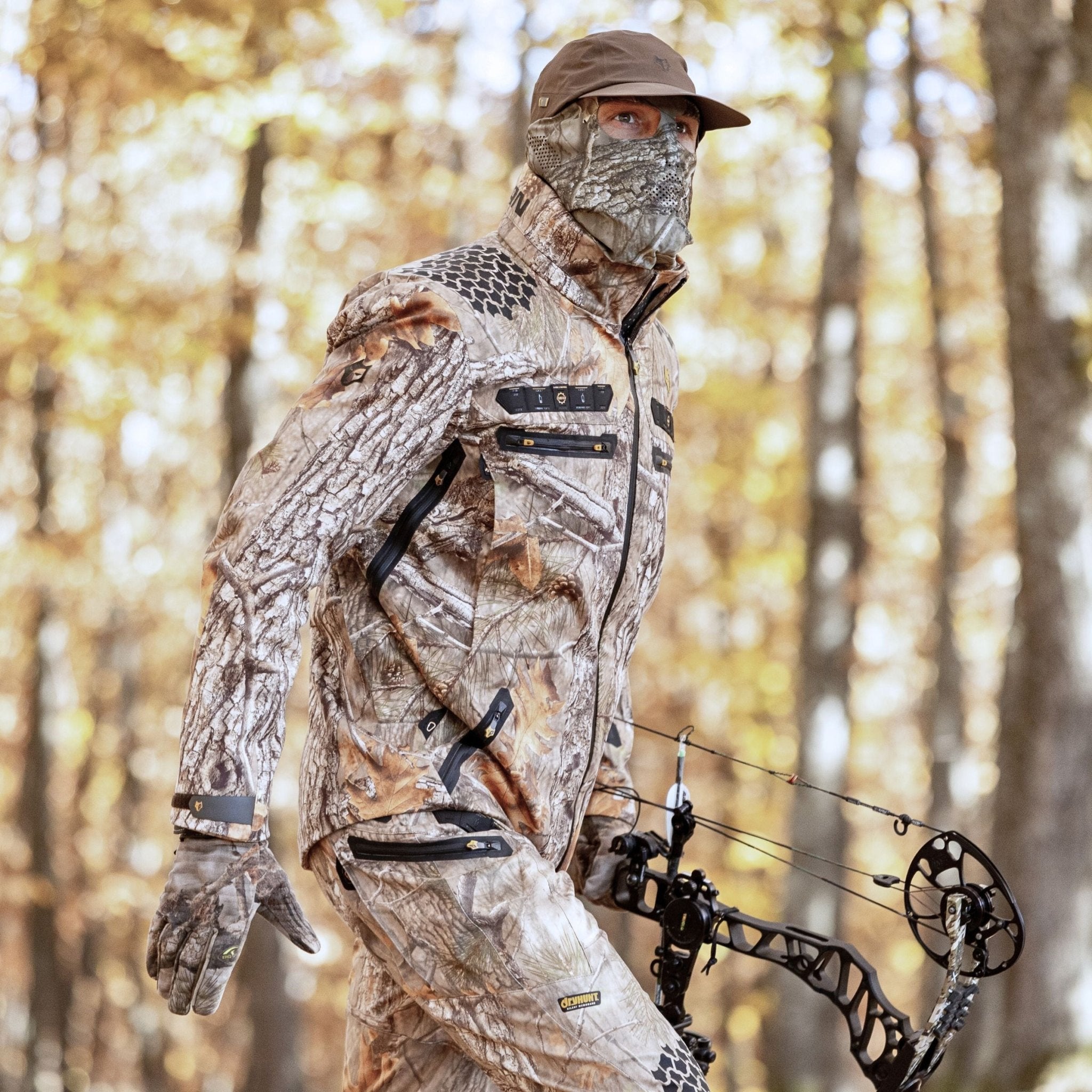
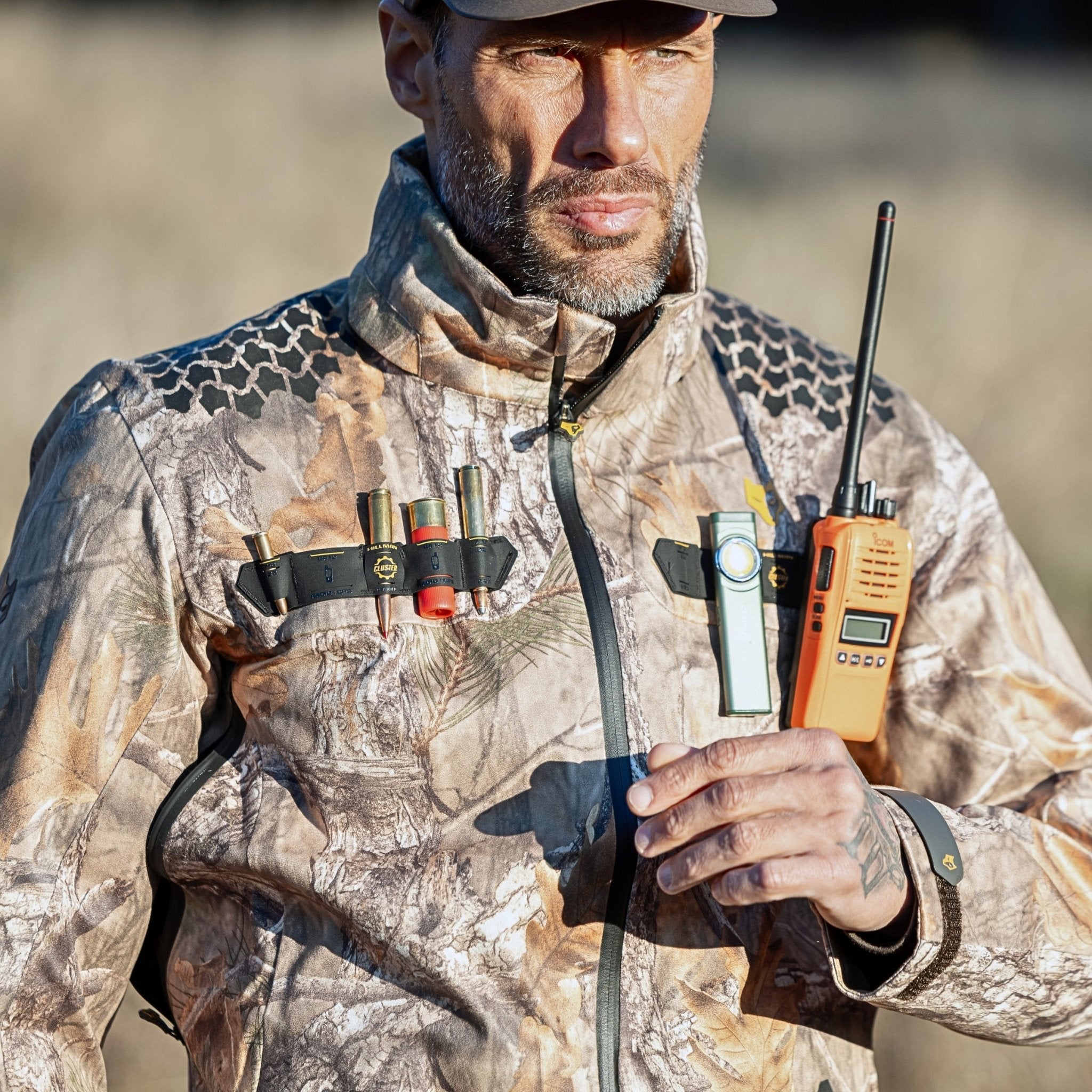
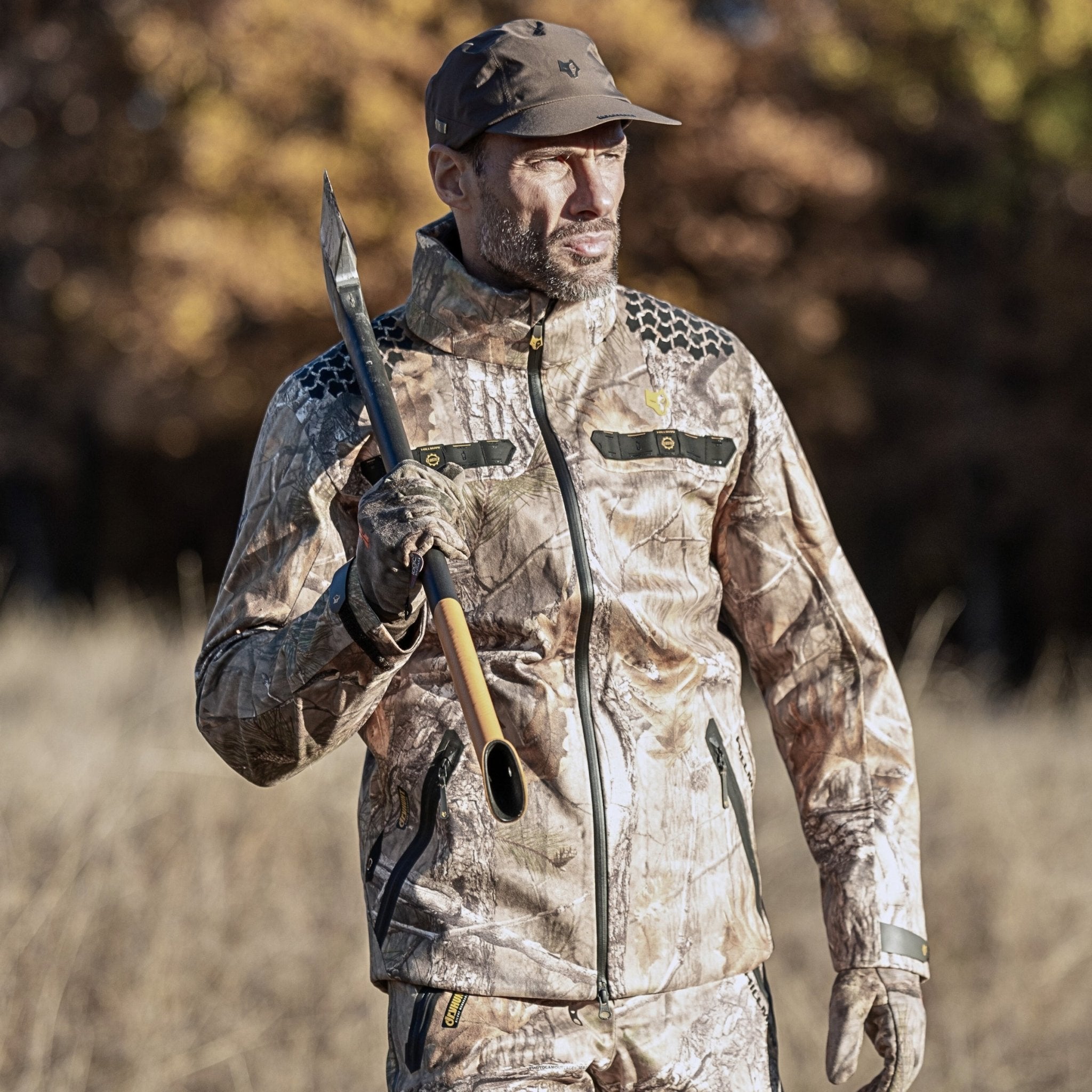
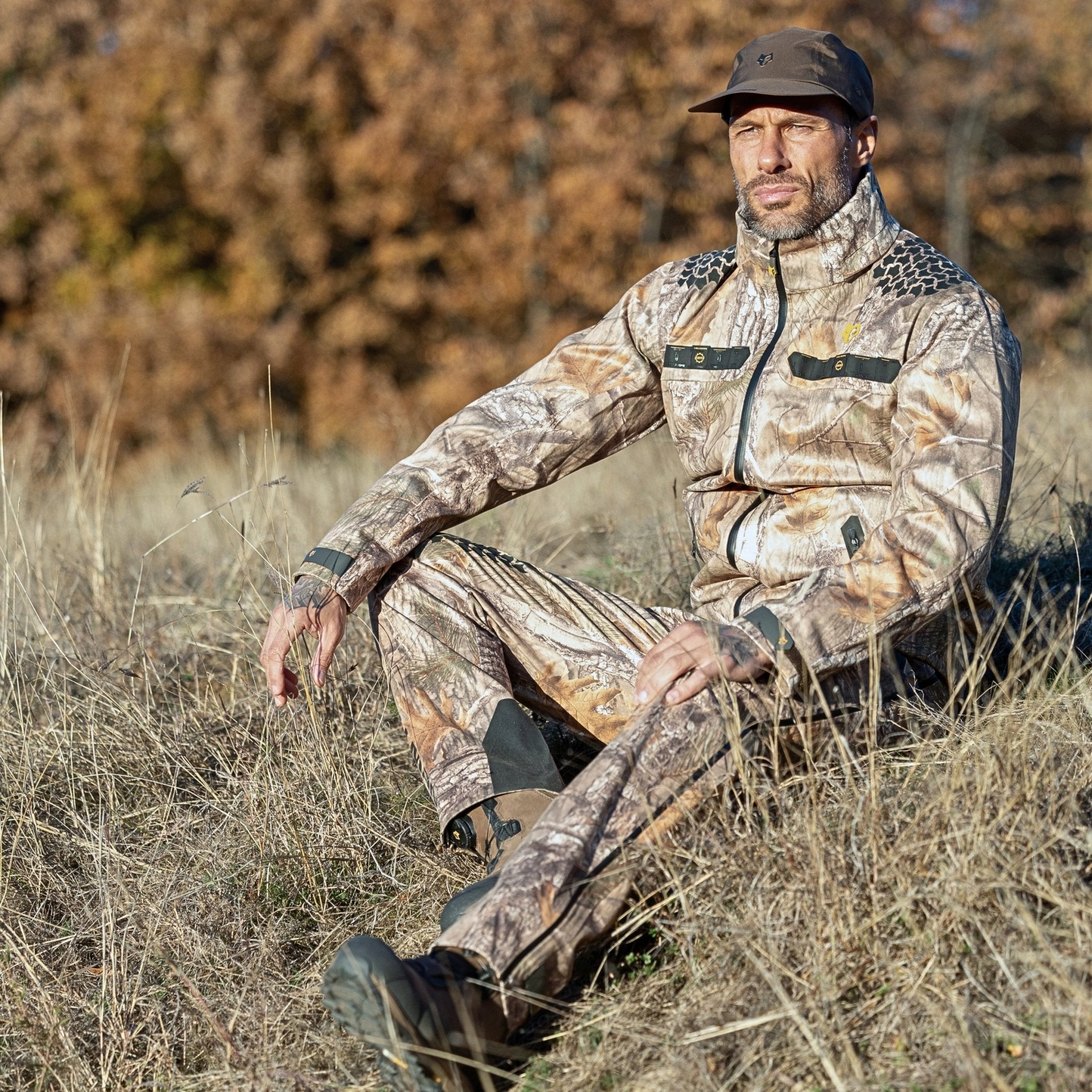
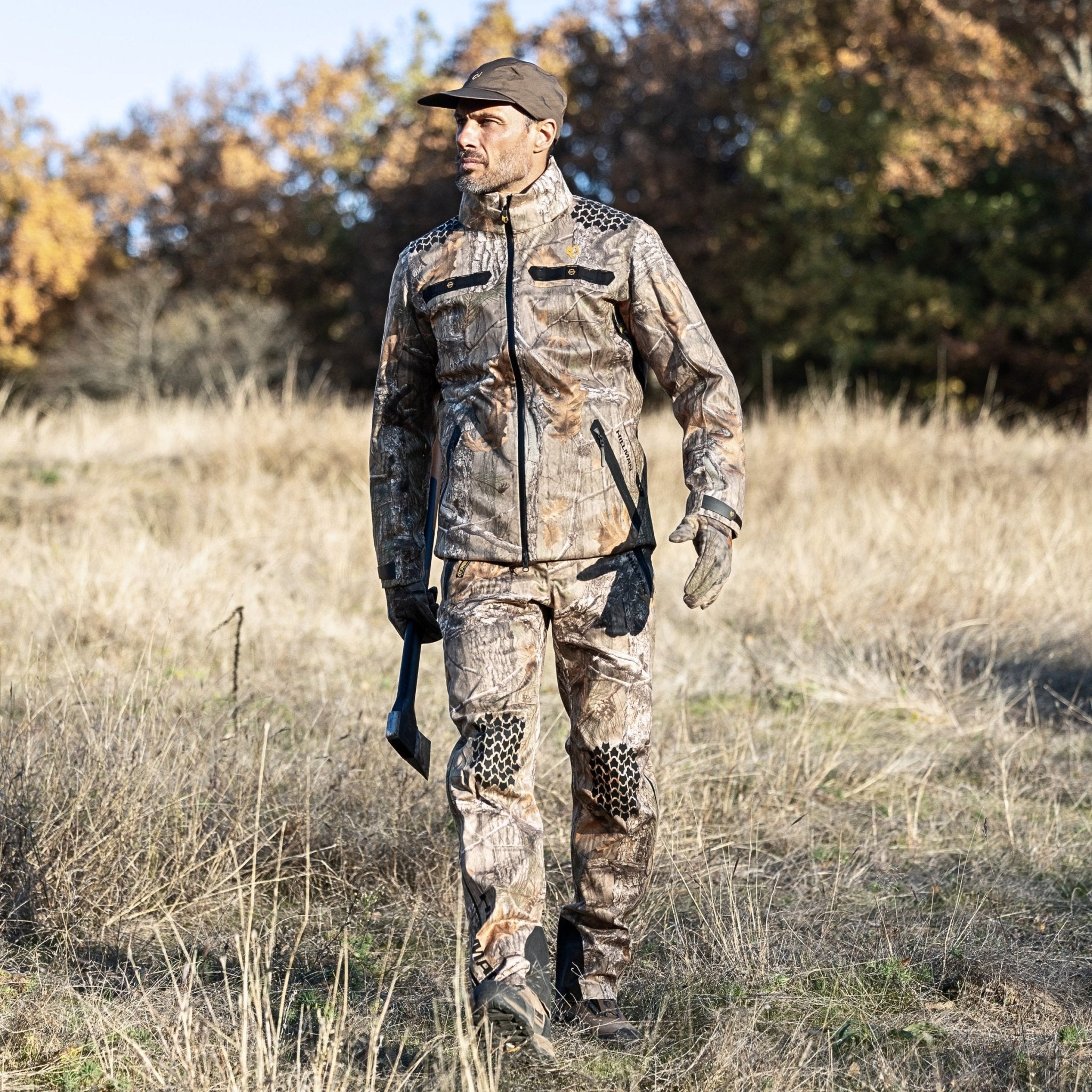
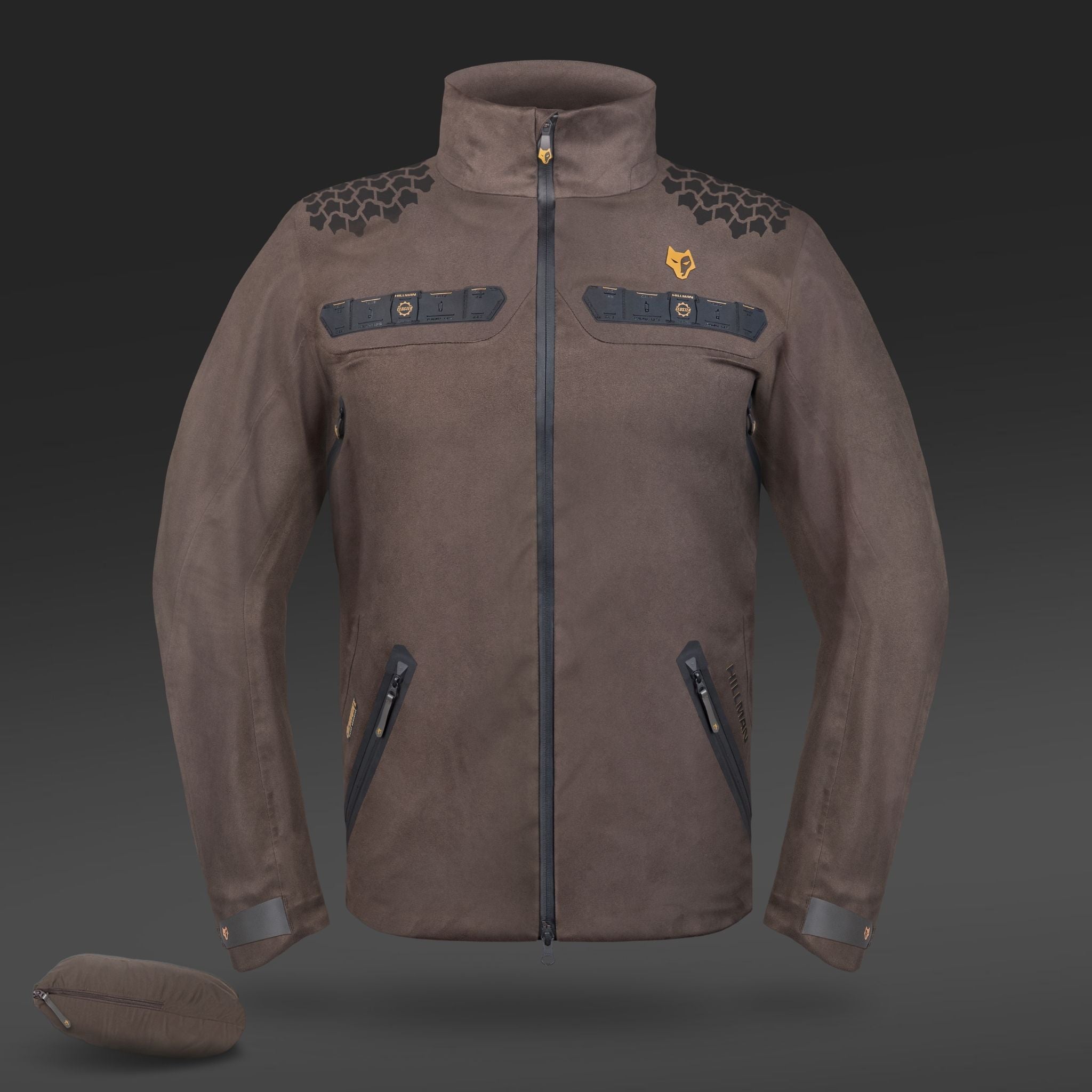
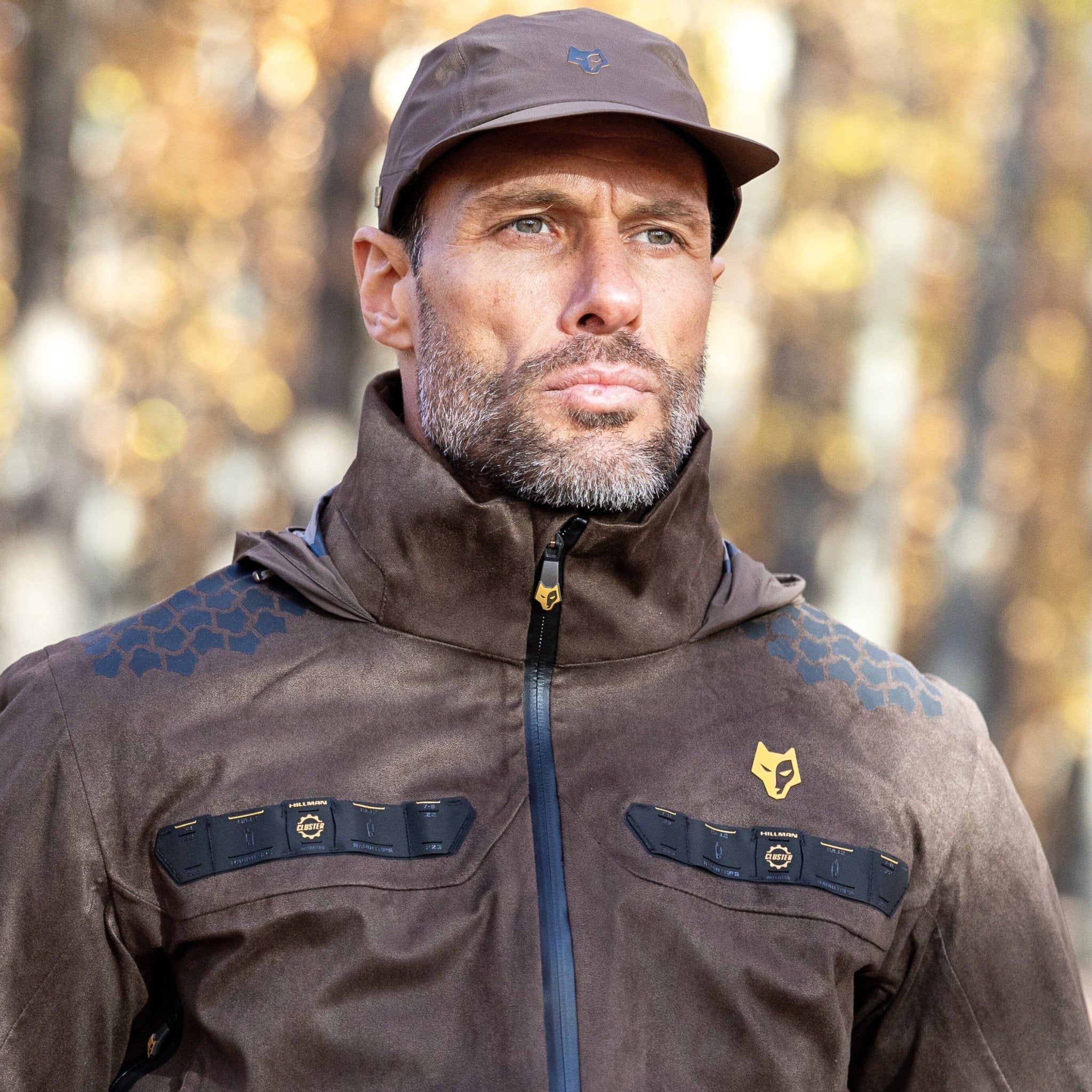
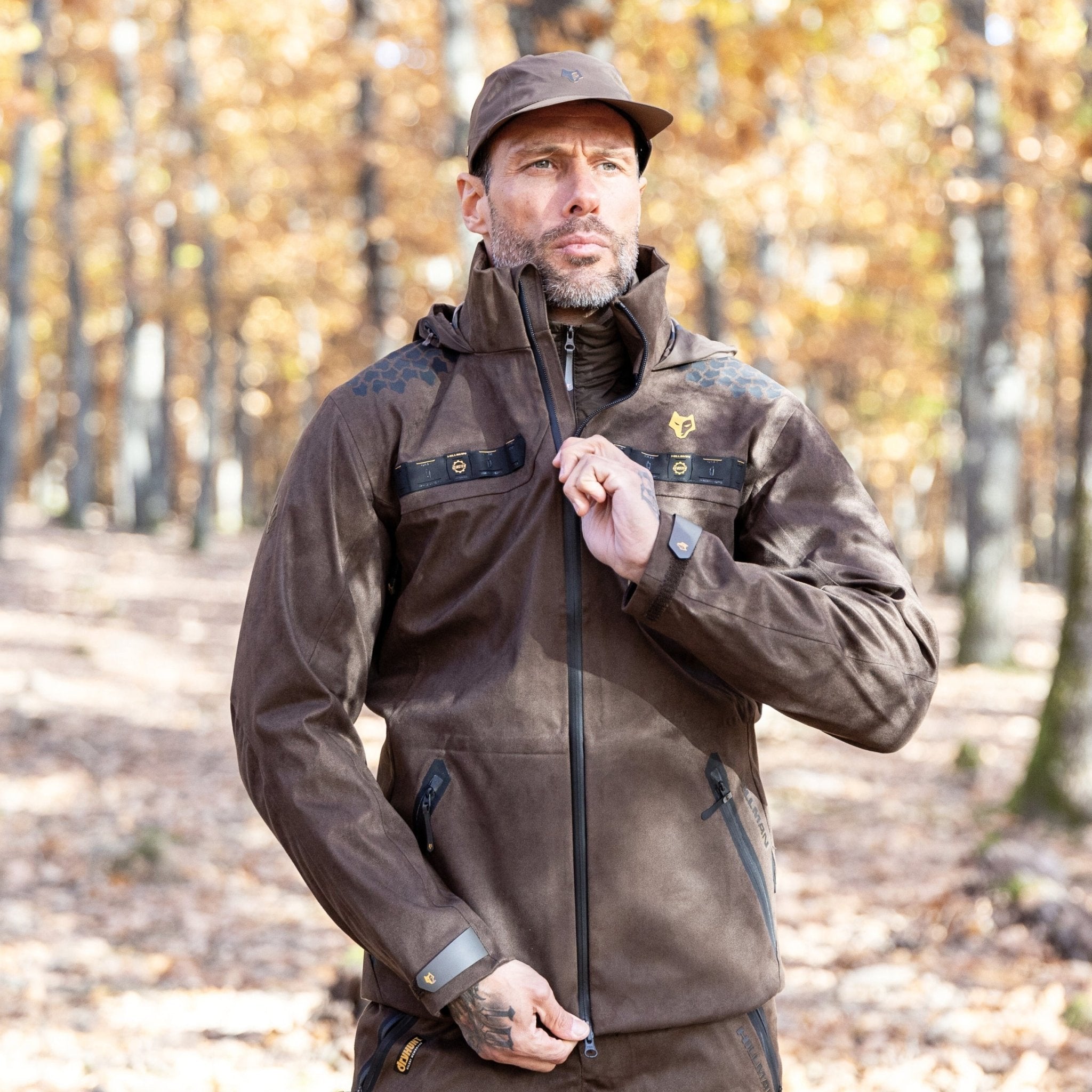
Waterproof Hunting Clothing: Where Dryness Really Begins

People often imagine waterproof hunting clothing as a magic shield. Put it on and, somehow, you’re impervious. But British rain doesn’t play that game. It sneaks, circles, pushes sideways, forces itself through anything unprepared.
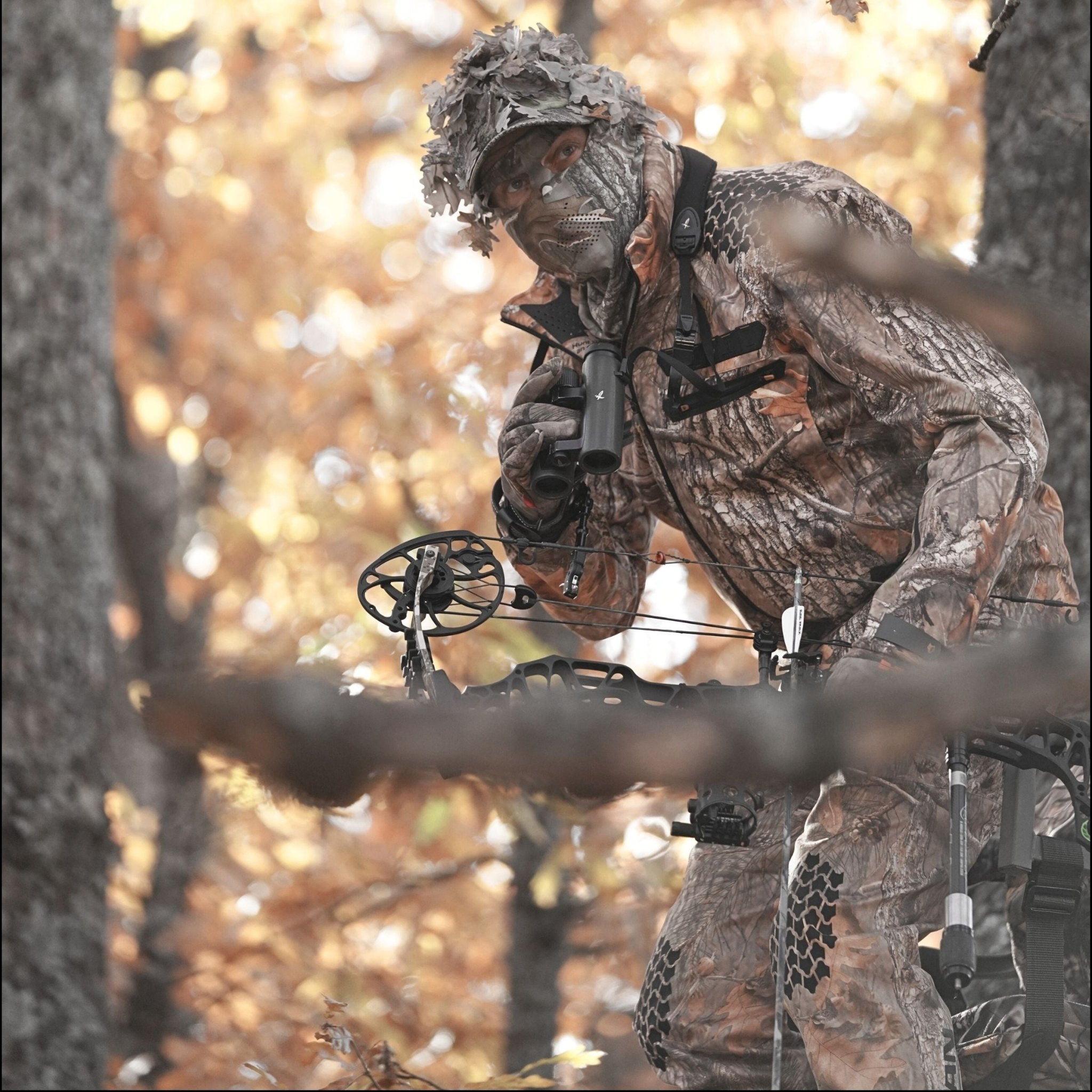
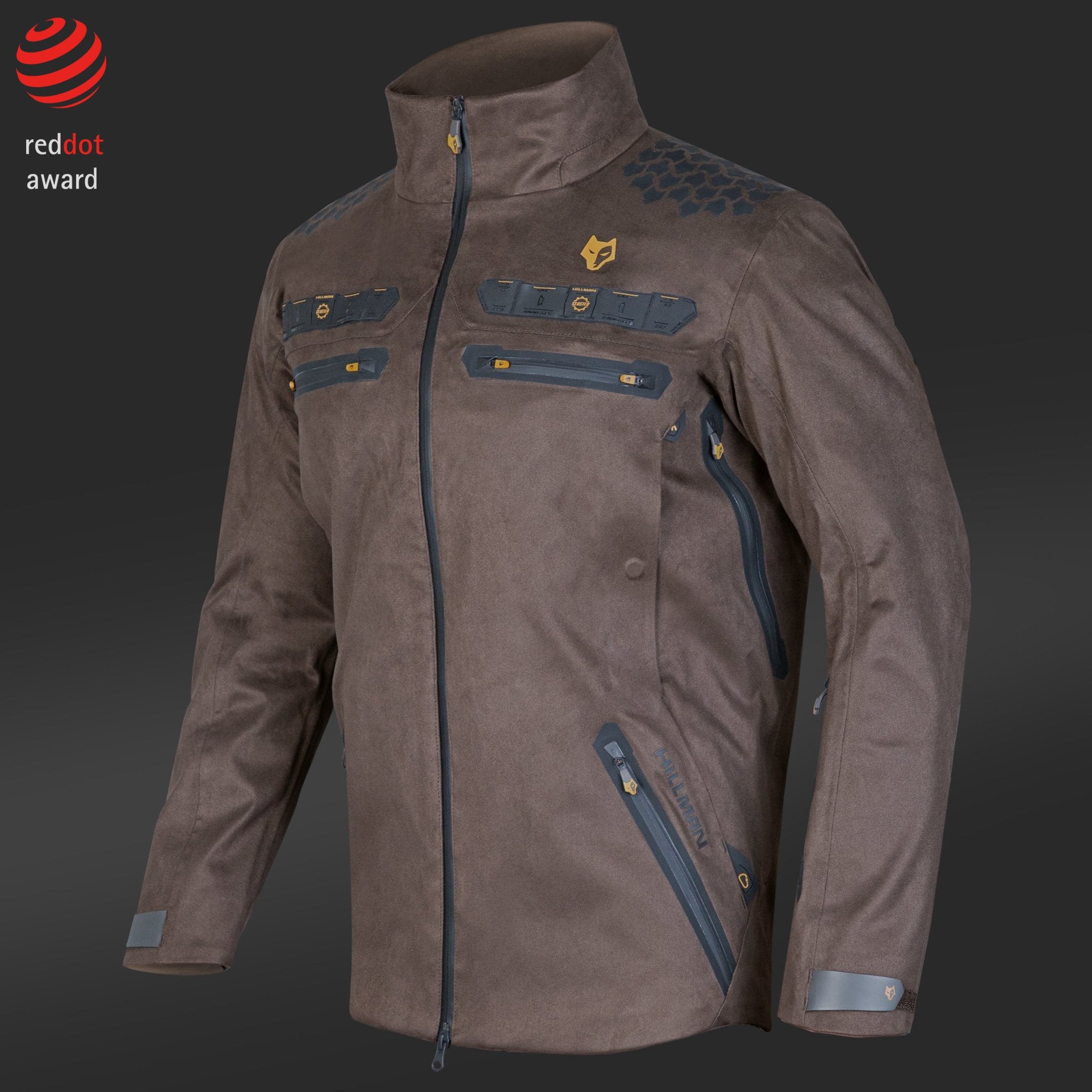
The jackets that work best aren’t necessarily the thickest or the most expensive. They’re the ones that behave sensibly. A good jacket keeps water away without turning you into a walking sauna. If a garment says waterproof but you emerge soaked from your own condensation after a half-hour climb, the promise meant little. True protection sits in that awkward middle ground: tough on the outside, breathable inside, letting steam out without letting droplets in.
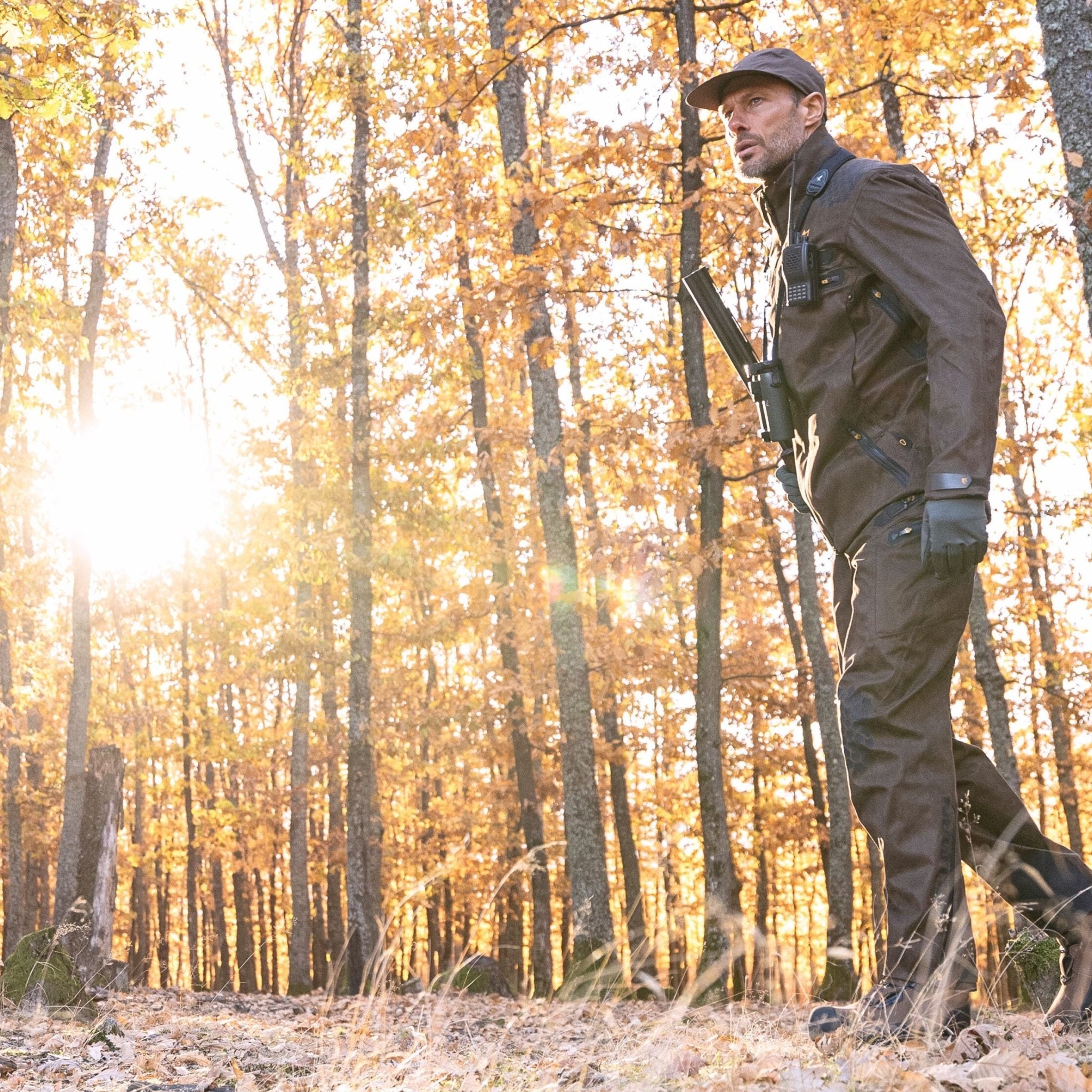
Walk a ridge in Scotland in early winter, and you’ll feel the difference within minutes. The clouds hover so low you sometimes end up inside them, and that damp clings to you like a second skin. If your jacket hasn’t been built with a solid waterproof membrane, a gust of wind will push the moisture deep into the fibres until everything feels heavy and faintly cold.
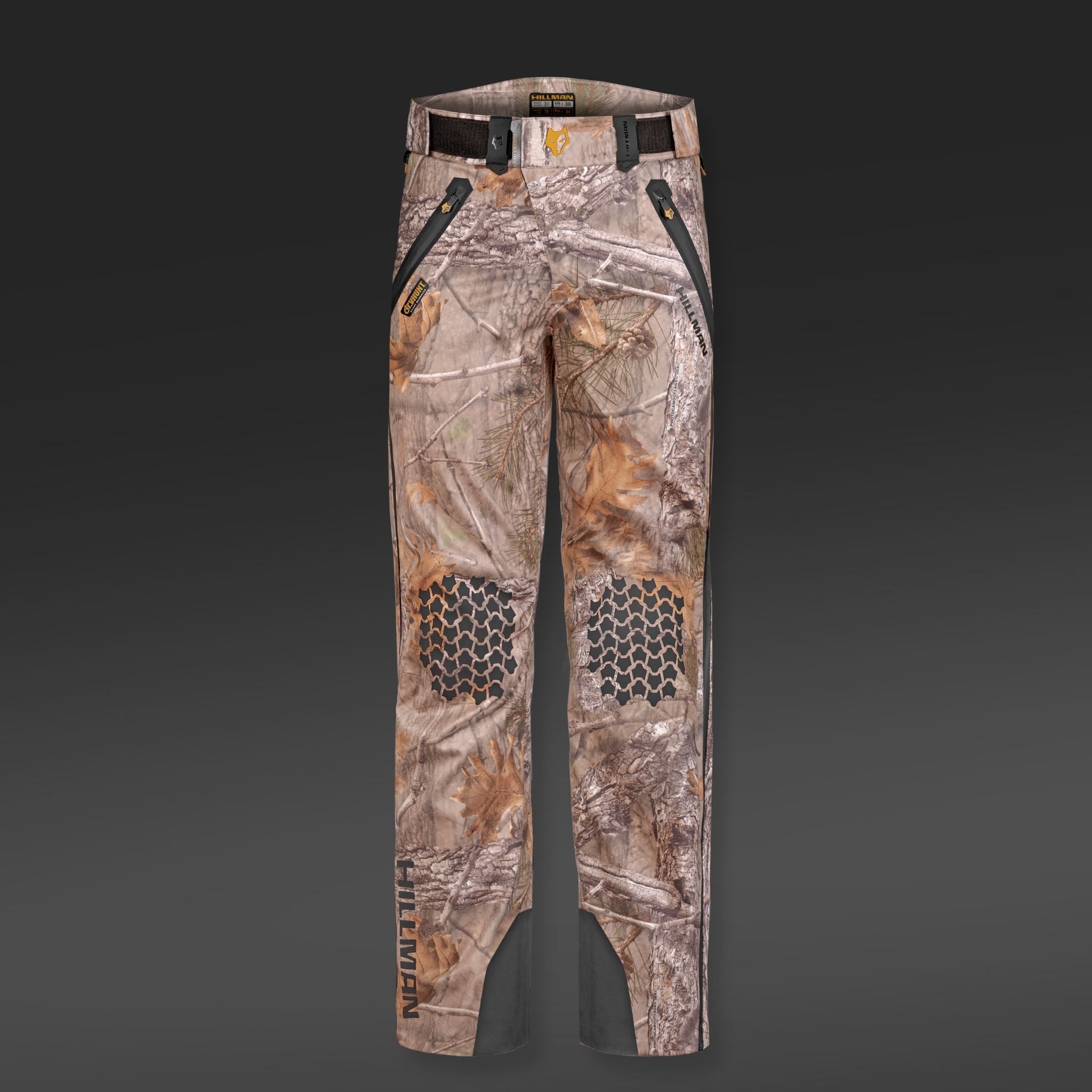
Waterproof Trousers: The First Barrier Most Hunters Forget

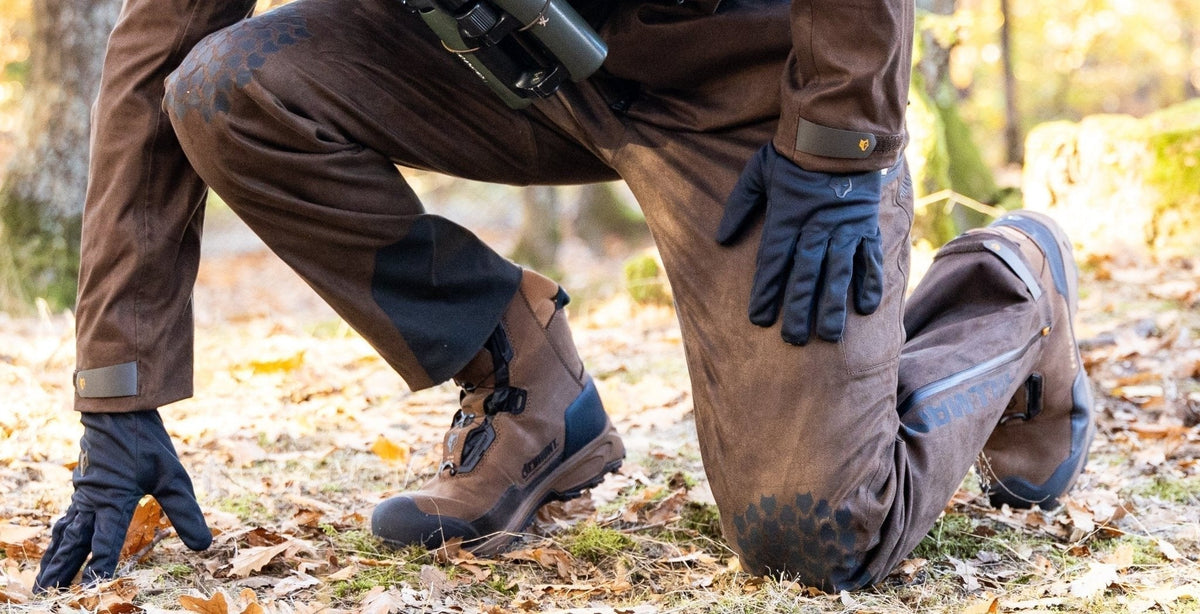
Strangely enough, it’s not usually the jacket that ruins a day, it’s the legs. The grass is always wetter than it looks. Heather holds onto water like a stubborn memory. Bracken transfers every droplet directly onto you the moment you brush past.
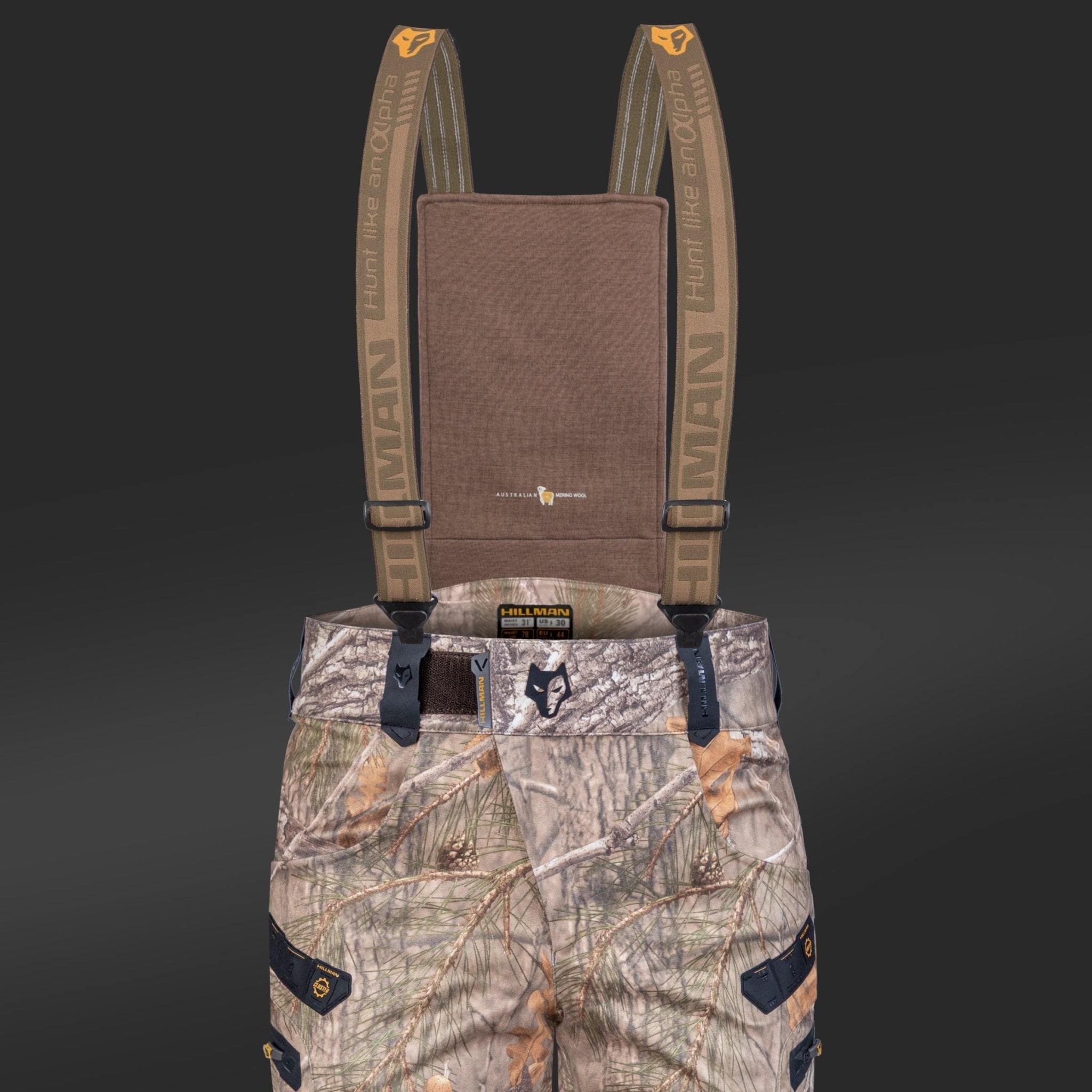
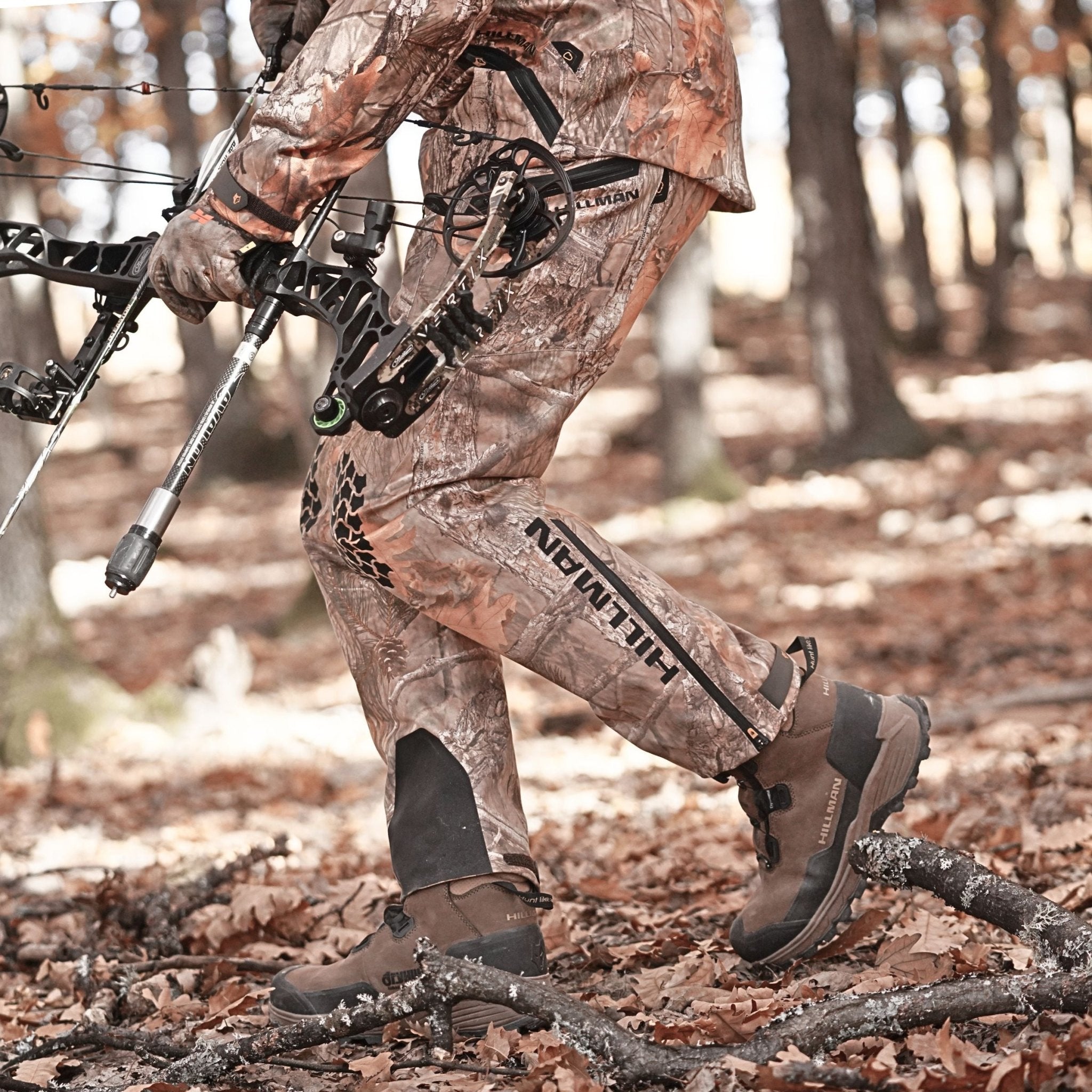
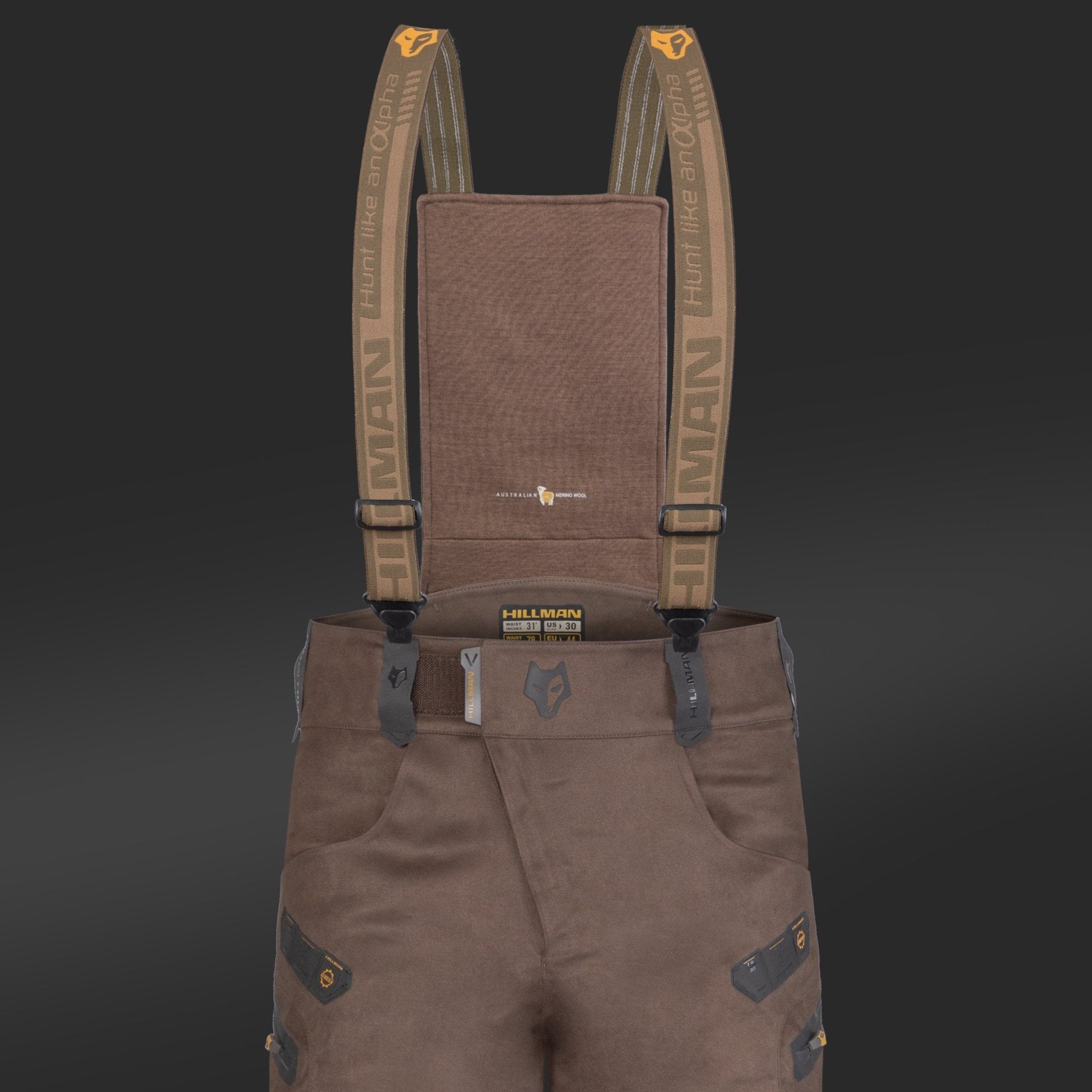
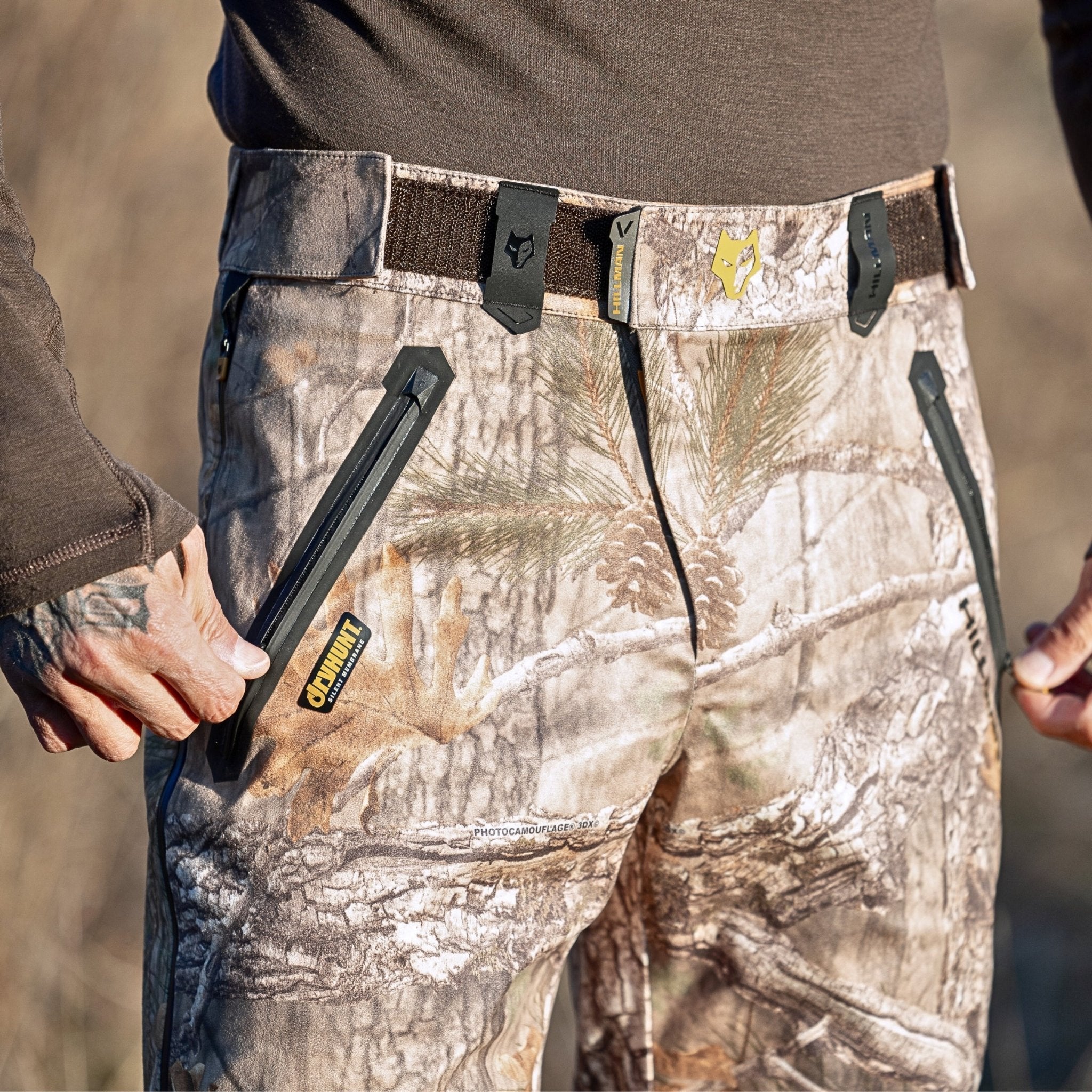
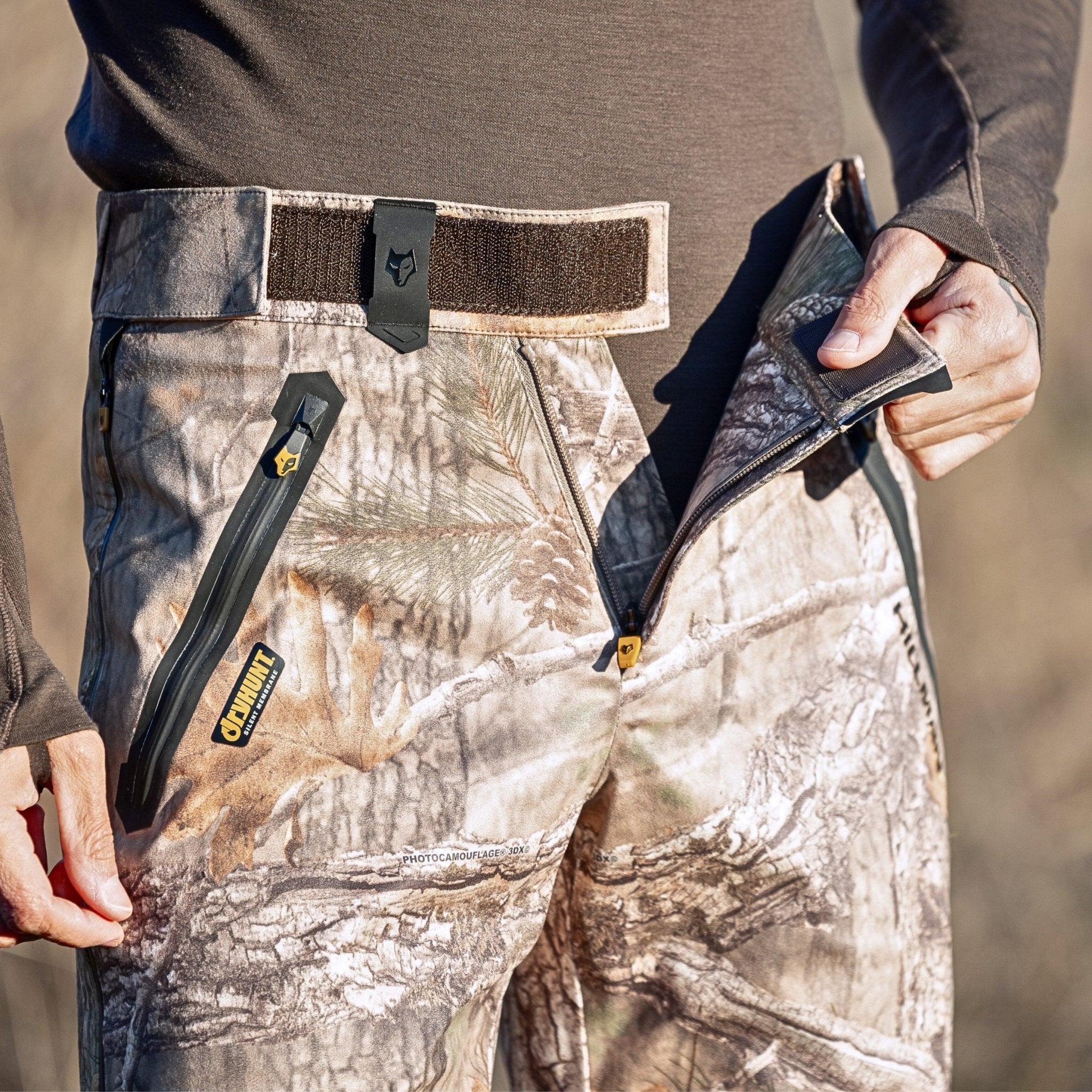
That’s when waterproof trousers earn their place. A decent pair stops the cold from creeping into your thighs. It keeps your stride relaxed and your focus steady. If the cuffs are cut right and actually hug the boots instead of flaring open, you avoid that horrible sensation of water sliding upward, inch by inch, as if it has some grudge against you.
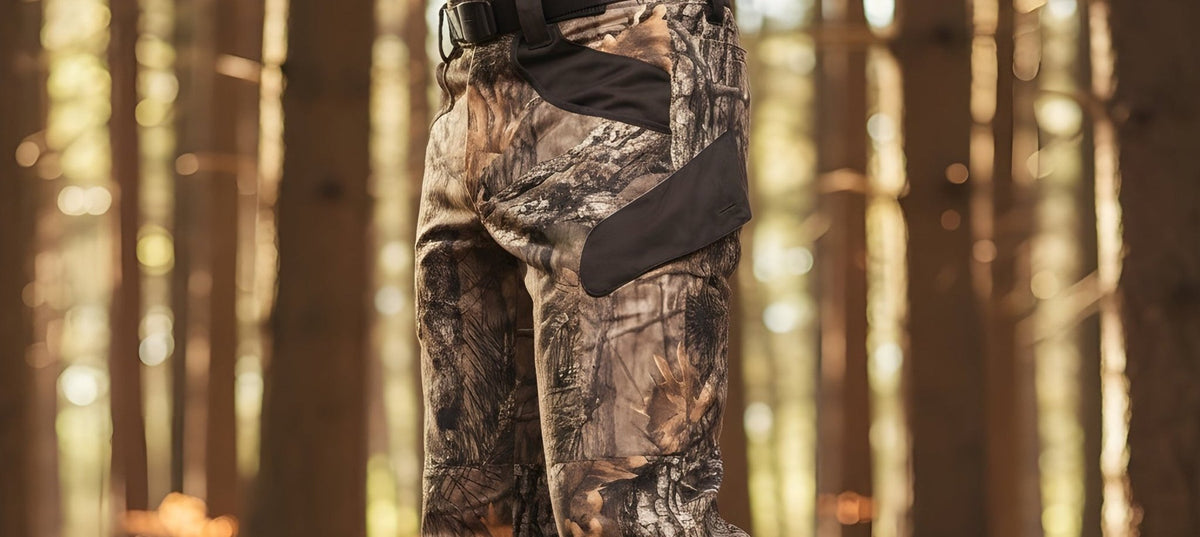
And yes, colours matter more than you’d think. A shade of green or black that blends into the undergrowth, navy that melts into shadow, it all helps you settle into the landscape instead of fighting it.
Rain Gear That Understands Britain

Anyone can design rain gear for a downpour. Downpours are honest. They fall, hard and vertical. British rain, though, has moods. It arrives in whispers, then sheets, then sideways darts. Sometimes it doesn’t fall at all; it just hangs in the air until your clothing absorbs it through sheer persistence.
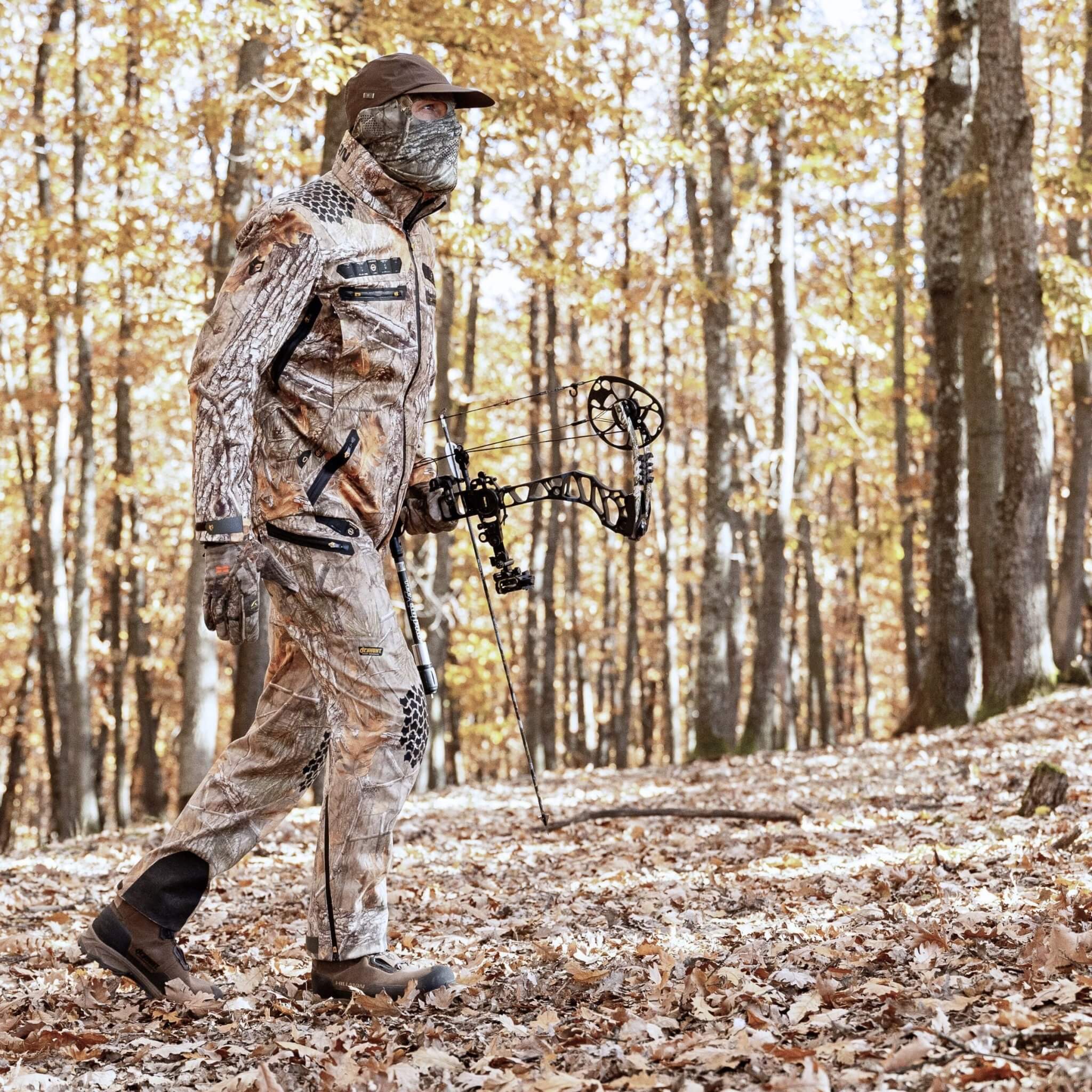
That’s why flexibility matters more than perfection. A jacket that withstands heavy rain but suffocates during long walks will betray you. The garments that last across a whole season strike a different sort of balance: they manage temperature, handle sudden bursts of wind, and release heat without losing structure. They let you move the way you want instead of the way the fabric insists.
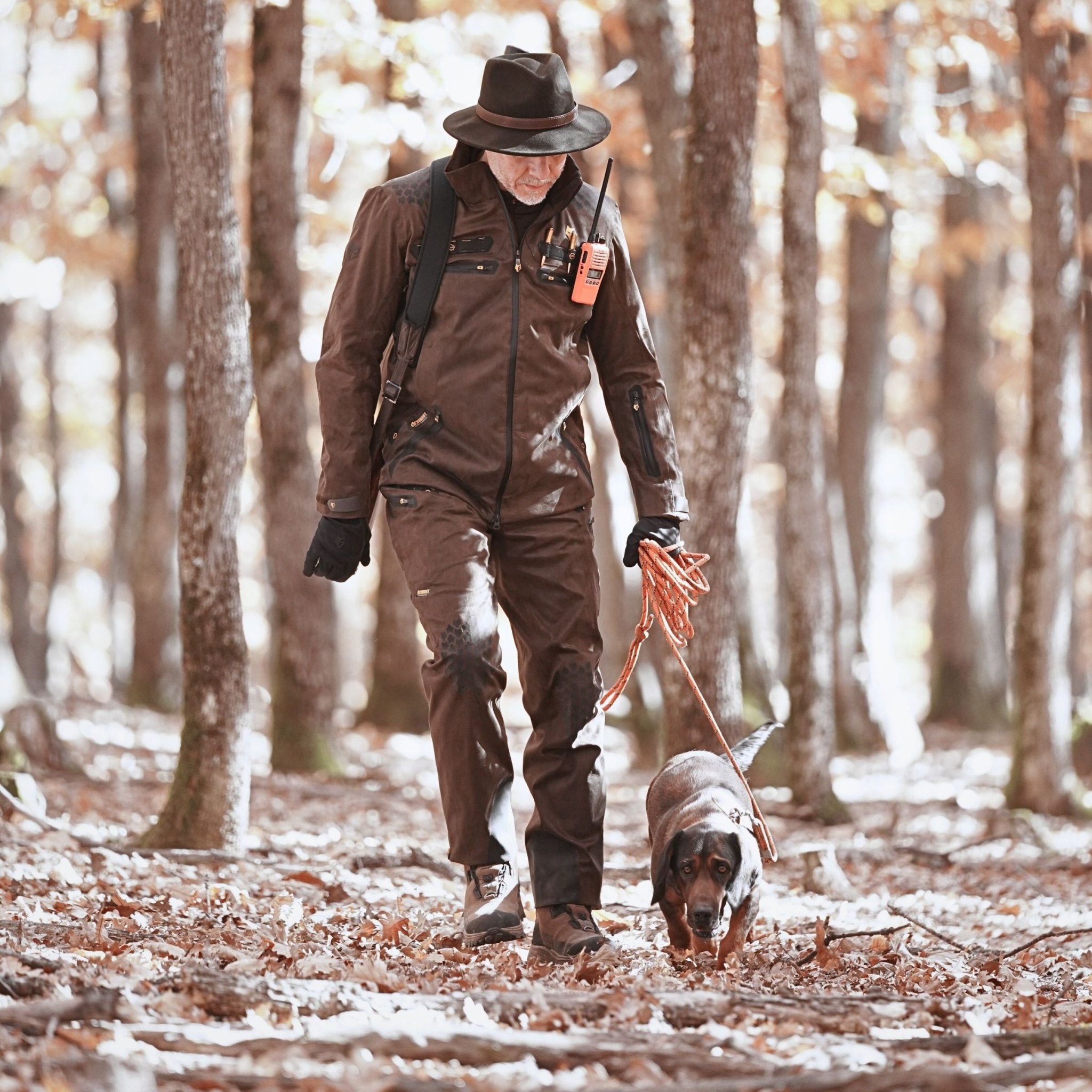
Walk through a broad clearing after a storm, and the trees will still drip with the same rhythm they had an hour earlier. Cross low ground, and you’ll feel pockets of water hiding everywhere, ready to splash you quickly if you misjudge a step. In moments like those, the worth of good rainwear becomes painfully obvious.
Gore-Tex, Dryhunt & the Work of a Waterproof Membrane
Hunters sometimes talk about membranes the way old mechanics talk about engines. They know which ones last, which ones breathe, which ones sag after a year. Gore-Tex and Dryhunt sit in that respected corner not because of marketing, but because it simply survives things other membranes don’t.
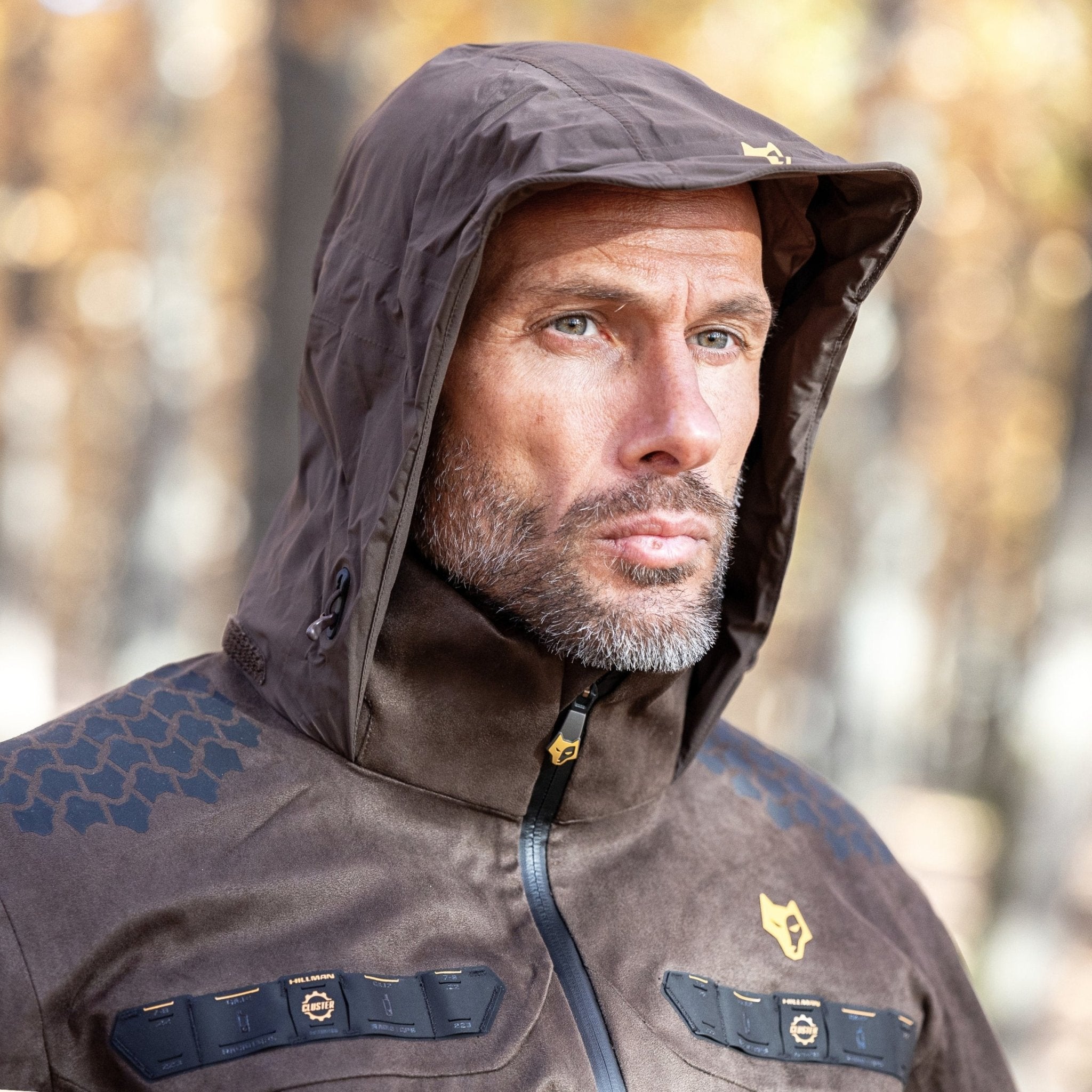
Still, even the strongest waterproof membrane can only do its job if the rest of the garment pulls its weight. If the seams aren’t sealed properly, if the stitching puckers, if the hood doesn’t sit right, the elements find a way in. British rain is patient like that. It waits for a weak point, then builds pressure until the jacket gives up.
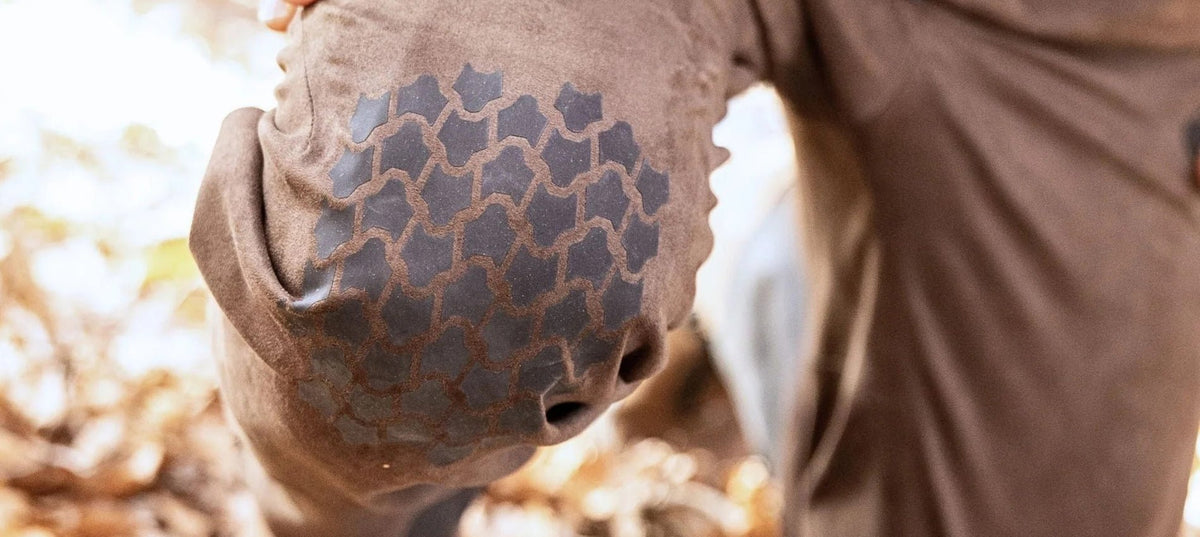
The most reliable pieces are the ones that feel like they were made by someone who’s actually been on a hillside in foul weather. You notice it in the way they bend, the way they hold shape when crouching, the way droplets roll off without hesitation.
Staying Dry: A Habit That Becomes an Instinct

The longer you hunt here, the more you realise that dryness isn’t just a jacket’s responsibility. It’s a rhythm. You learn to open vents before you get sweaty, not after. You stop under a tree instead of in the open when you need to check your map. You start to feel, almost physically, when the wind is about to shift.
You begin to read the land. You pick the right place to pause. You know when to slow down and when the sky is giving you a chance to move quickly. And you learn to treat your gear with care when you get back home, because neglect ruins equipment faster than weather ever could.
Dryness becomes less of a goal and more of a quiet partnership between you and your clothing.
Rainwear for Every Terrain and Every Hunter

Britain isn’t one landscape. It’s dozens. Marsh, moor, pasture, woodland. Each one holds moisture differently. Each one challenges you in ways you don’t expect.
Good rain gear doesn’t pretend to conquer all of them. It simply helps you adapt.
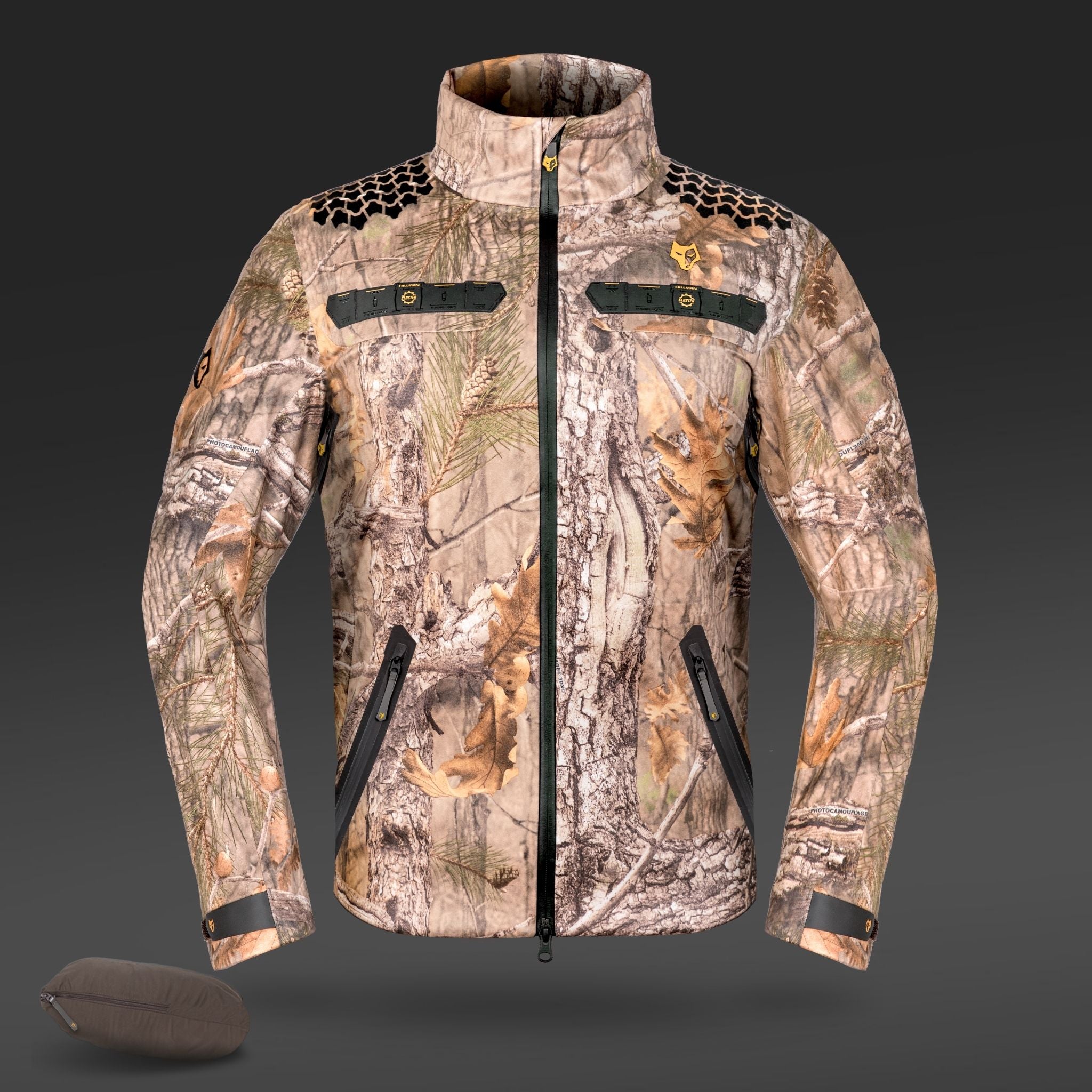
Some pieces suit stalkers who need to move lightly and silently. Others support hunters who spend hours watching from a fixed spot. Some pack down small in case the weather suddenly turns. Others withstand days of unforgiving wet.
Whether you’re fitting out adults or kids, whether you prefer one version of a jacket or rotate through a small range, the aim stays steady: keep the fun, keep the awareness, keep yourself in the moment rather than shivering through it.
Choosing What to Wear: Finding the Ideal Balance for Real Comfort

There’s a moment before every hunt when you stand by the door, gear laid out, trying to choose what to wear for the day ahead. It sounds easy, but anyone who has spent time outdoors knows it rarely is. The layers that feel warm at home turn stifling once you start climbing; the jacket that seems light enough might lack the breathability you need when the adventure picks up pace.
Picking the ideal combination becomes almost a ritual: a mix of instinct, experience, and the memory of past mistakes. The pieces that truly matter are the ones that maintain comfort even when the sky can’t decide what it wants. It’s important to think beyond the forecast and consider how the land holds moisture, how your body reacts to long movement, and how much heat you generate simply from anticipation. Hunters who prepare well tend to stay dry, not by luck, but because they walked out the door prepared.
A Set of Gear That Offers Real Coverage When It Matters Most

British weather doesn’t follow a script, so having a reliable set of rain-ready clothing can make the difference between a day cut short and a day that unfolds exactly as you hoped. Good gear should cover more than one situation; it should offer resilience when conditions change mid-course. There will always be a lot you can’t control, but the gear you bring and the order you layer it in shape how ready you are when the first gust arrives.
When a storm rolls fast over open fields, or a bank of fog drifts out of the trees, the hunters who stay dry are nearly always the ones who built their kit with thought. They’re the ones who don’t scramble at the last second, because they’ve already tested what works, removed what doesn’t, and committed to a system that gives them room to move, breathe, and adjust without hesitation.
The Last Thought Before the Rain Arrives Again

You can’t stop the rain. Not here. Not ever. But you can learn it: the sounds, the patterns, the way it moves through fields and trees. And when you understand it, staying dry becomes less of a struggle and more of a skill you carry quietly.
Good waterproof hunting clothing, trustworthy waterproof trousers, a dependable waterproof membrane… they all matter, yes. But the true strength comes from the way you use them, the way you move, the way you read the sky.
Stay dry, and the hunt feels sharper.
Stay warm, and you stay longer.
Stay present, and the land opens itself to you in ways that don’t happen when you’re cold and waiting for the day to end.
In Britain, that’s the real victory.




Share:
How to Layer Hunting Gear for Maximum Comfort and Efficiency
Why British Hunters Overheat: Layering Mistakes