
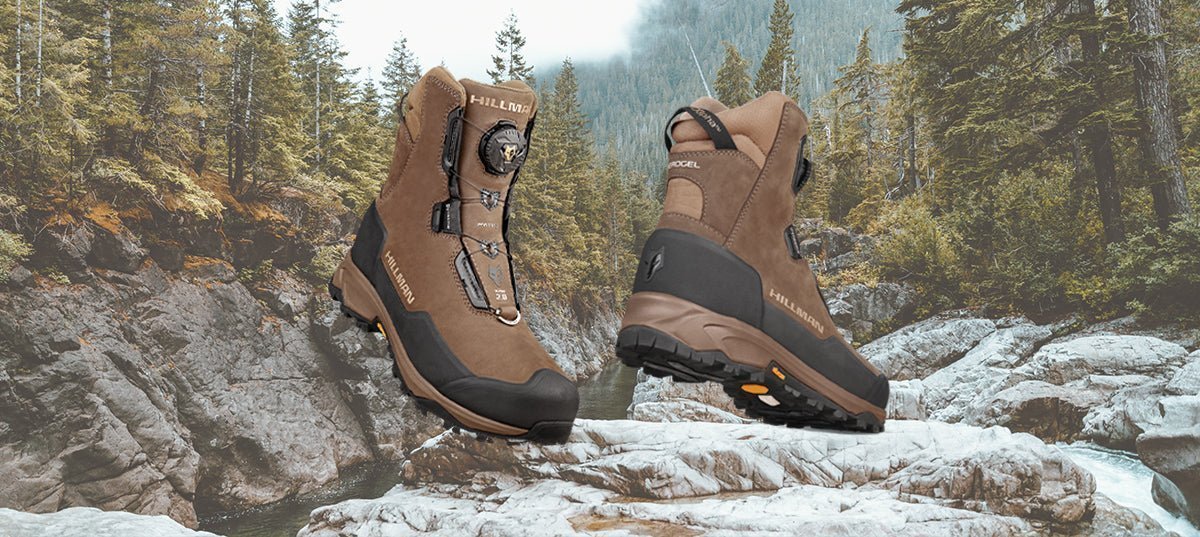
The Best Waterproof Hunting Boots for Muddy British Hunts

Stay dry and steady on muddy British hunts. Discover waterproof hunting boots built for comfort, warmth, and reliable performance in tough UK conditions.
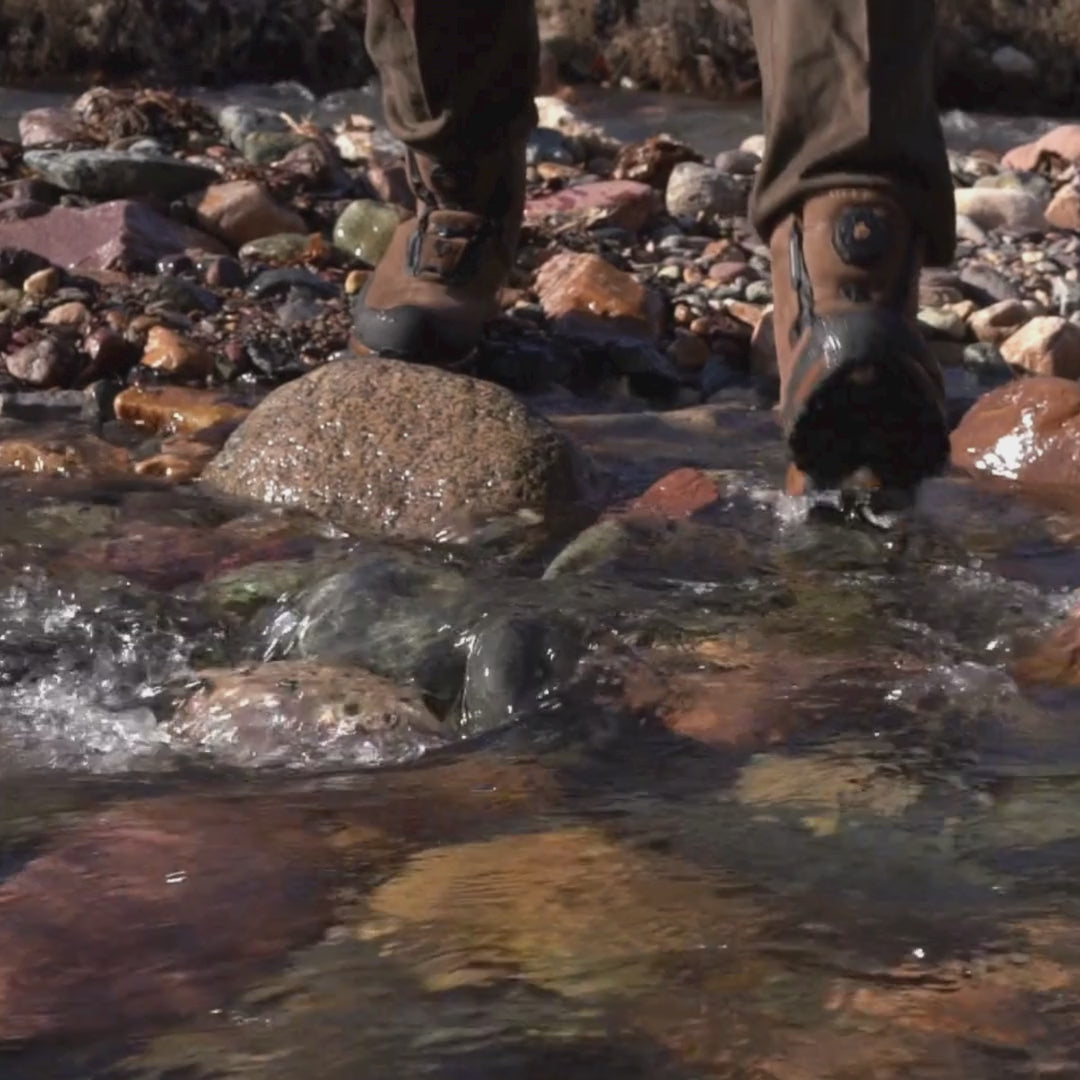
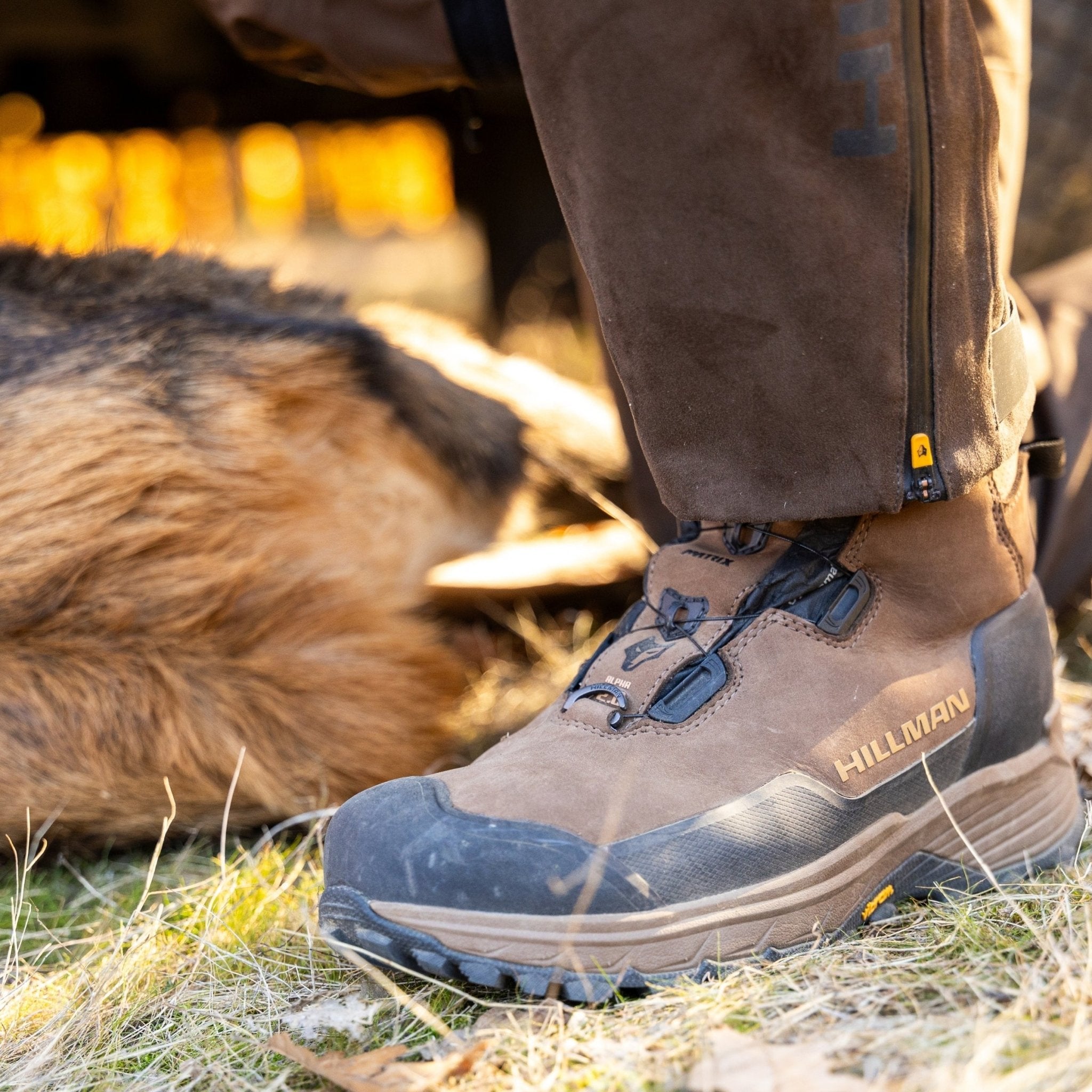
If you’ve hunted anywhere in the UK during autumn or winter, you already know the truth: the ground will get you before the weather does. I’ve stepped out of the truck on what I thought was a calm, harmless morning and instantly felt my foot sink halfway into a patch of wet ground that looked perfectly innocent from two metres away. That’s the moment you realise whether your waterproof hunting boots are actually waterproof, or just “water resistant” in a brochure kind of way. Real waterproofing is a feeling. When the mud tries to pull your heel down and you still feel your feet dry inside the boot, you know you’re wearing the right gear for the British outdoors.
The weather here changes with a kind of personality. It doesn’t just rain. It sneaks up on you, it clings to the air, and it turns fields into slow, heavy miles. That’s why British hunters lean so hard on proper waterproof boots. They aren’t just something you buy; they become something you trust. The boots that make it through a full season of UK mud without giving up are usually the ones built with full-grain leather, solid seams, and waterproof uppers that can take a beating from brambles, puddles, and unpredictable weather conditions.
Hunting Boots Built for Mud, Wet Ground, and Long Days

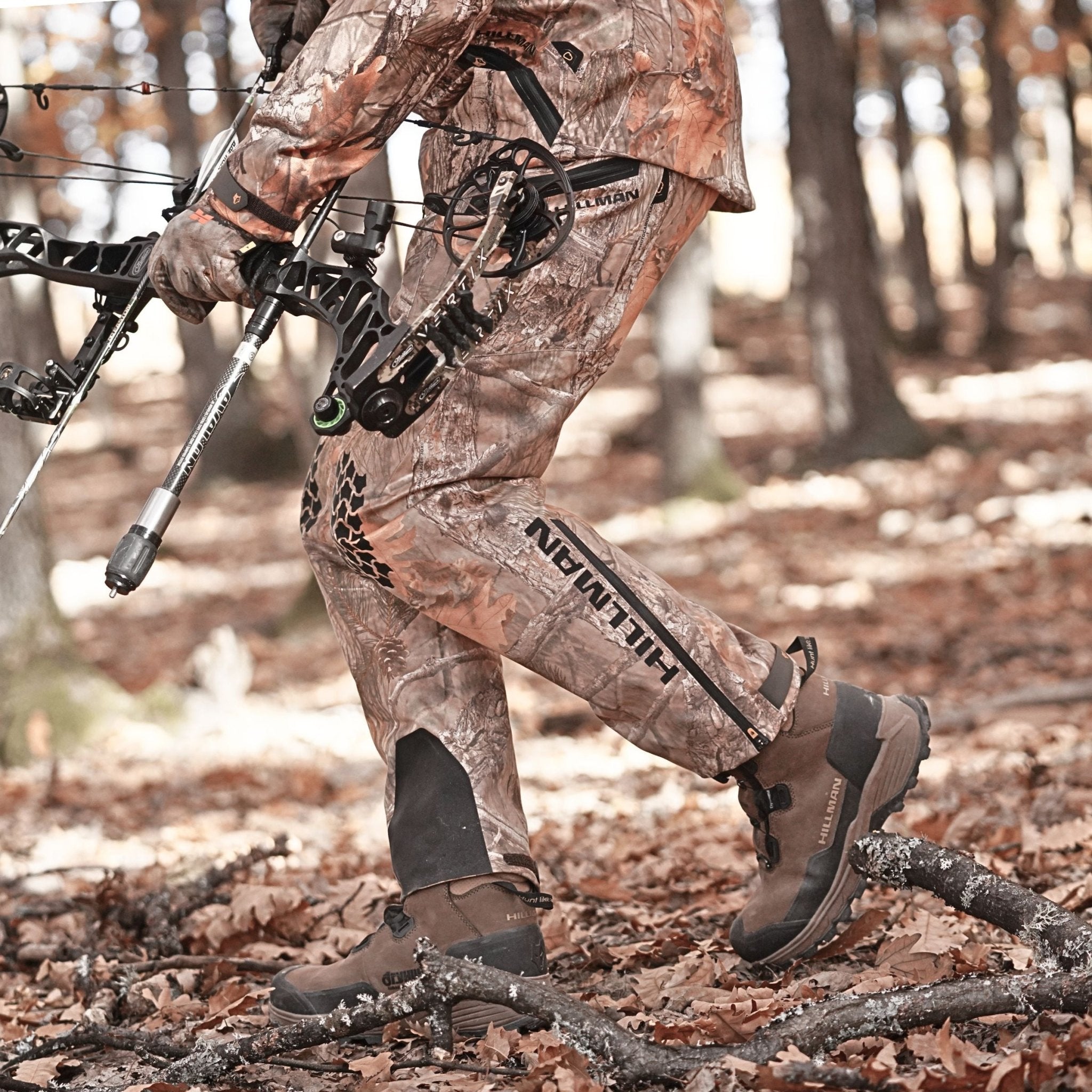
Walking on wet British soil is different from walking anywhere else. Mud here has its own moods. Sometimes it’s thick and sticks to your soles like glue. Other times, it’s thin and greasy and gets between the lugs of your outsole, just waiting to make you slide. That’s when you appreciate proper hunting boots. They hold your foot steady, they don’t collapse to the side when you hit a soft patch, and they keep your warmth trapped even when the cold is creeping up from below.
If you’ve ever crossed a field after two days of rain, you know how exhausting it can be. Every step feels heavier, almost like the mud is trying to keep you exactly where you are. Boots with the right balance of stiffness and cushioning can turn that slog into something manageable. They don’t just protect the foot; they protect your motivation. And trust me, after five hours outside, motivation is just as important as insulation.
Best Hunting Boots for British Terrain

Choosing the best hunting boots for British terrain is a bit like choosing the right dog breed. It depends on where you’re going, what you’re doing, and how long you’ll be out. Moorland demands grip. Farmland demands structure. Woodland demands quiet movement. And every part of the UK demands waterproofing. The boots that consistently impress me are the ones that feel comfortable in the first hour, then somehow feel even better in the seventh. They protect your foot from sharp roots, stones, and awkward landings, especially when you’re tired and not watching where you step as carefully as at the start of the day.
Experienced shooters I’ve spoken to say the same thing often. British terrain punishes mistakes in footwear. If the boot is too soft, the mud will swallow your stride. If it’s too stiff, your feet ache halfway through the day. The best hunting boots find that middle ground where durability meets freedom of movement. And when that happens, the boot becomes part of the experience, not a distraction from it.
Insulated Boots That Keep Your Feet Warm in Cold Weather

Late in the season, when the frost settles on the grass before sunrise, warmth becomes more than comfort. It becomes a reason your day isn’t cut short. Insulated boots are a blessing on those mornings. You can feel the cold trying to fight its way through, but the insulation holds the warmth inside, almost like wearing a portable campfire around your feet. There have been days when the only warm part of me was inside my boots, yet that was enough to keep me going for hours.
Of course, insulation only works properly when the boots are waterproof. Once water gets inside, warmth disappears fast. Boots that combine insulation with breathable waterproof membranes deliver the best results. They keep feet warm while still letting the soft interior breathe. Long hunts become far more tolerable when your toes aren’t turning numb after the first hour.
Hiking Boots vs Hunting Boots – Which Is Right for You

People often ask whether hiking boots can be used for hunting. In truth, sometimes they can. But it depends on the weather and the terrain. A mild day with firm ground? Hiking boots will do just fine. A muddy field after a week of unpredictable rain? Good luck. Hiking boots simply don’t offer the same resilience, structure, or waterproofing that hunting boots designed for UK conditions provide.
There’s a moment when you realise this. Usually, when your hiking boot collapses sideways in sticky mud or fills with water because the membrane wasn’t built for this. Hunting boots, the right ones anyway, are built for the messiness of the British countryside. They handle mud, wet grass, boggy dips, and everything in between.
Feet Dry: Waterproofing Technology Explained
Keeping your feet dry is not about a single feature. It’s the relationship between the leather, the membrane, the stitching, and even the tongue. Some brands use their own waterproof technology, while others rely on well-known systems like Gore-Tex, Dryhunt or similar. What matters isn’t the name; it’s how well it performs once you’re ankle-deep in mud.
Good waterproofing means water can’t get inside, but moisture from inside can escape. Without breathability, your feet get clammy and uncomfortable. Without waterproofing, well… you’re in trouble. British mud doesn’t forgive.
Excellent Ankle Support for Stability on Difficult Terrain

One of the most underrated things in a boot is excellent ankle support. When you first start hunting, you don’t think about your ankles much. After a few seasons, you think about them constantly. Mud shifts under your weight, and when your foot suddenly sinks deeper on one side, a weak ankle can twist without warning. Trust me, the first time that happens, you become a believer in supportive boots.
Good ankle support doesn’t feel stiff. It feels secure. It keeps you steady when you climb over a fallen branch or step onto uneven ground. It saves energy and reduces the strain on your joints, especially during long days when tiredness makes mistakes more likely.
Shooting Boots for Field, Woods, and Moorland
Some hunters swear by lighter shooting boots because they offer a bit more flexibility when moving between fields, thick woodland, and open moorland. They tend to be quieter too, which is helpful when you’re trying not to broadcast your arrival to half the wildlife in the county. Shooting boots often strike that rare balance between comfort and stability. They keep the foot aligned, protect it from moisture, and allow for a natural stride that feels good even at the end of the day.
Boot Features That Matter for Serious Hunters

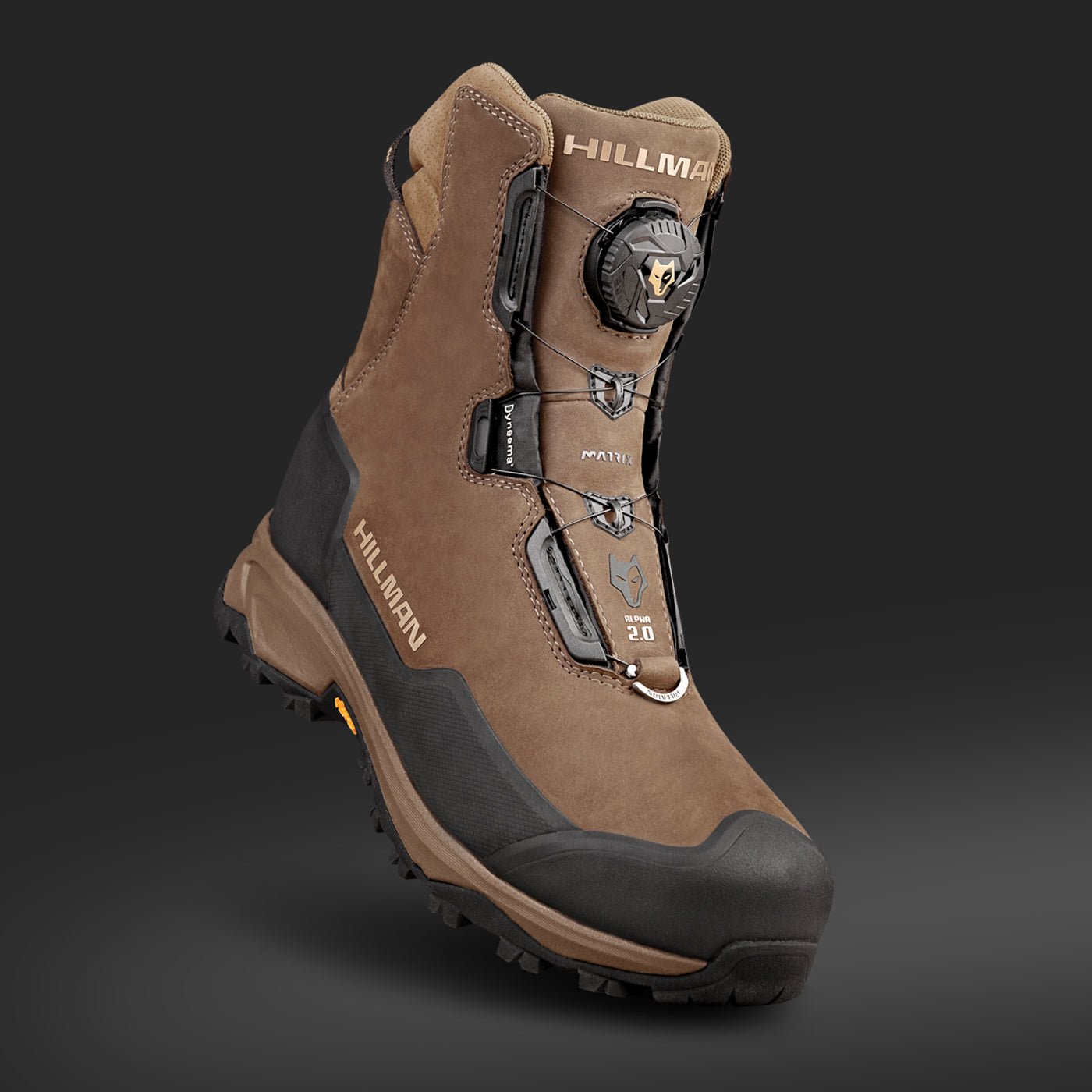
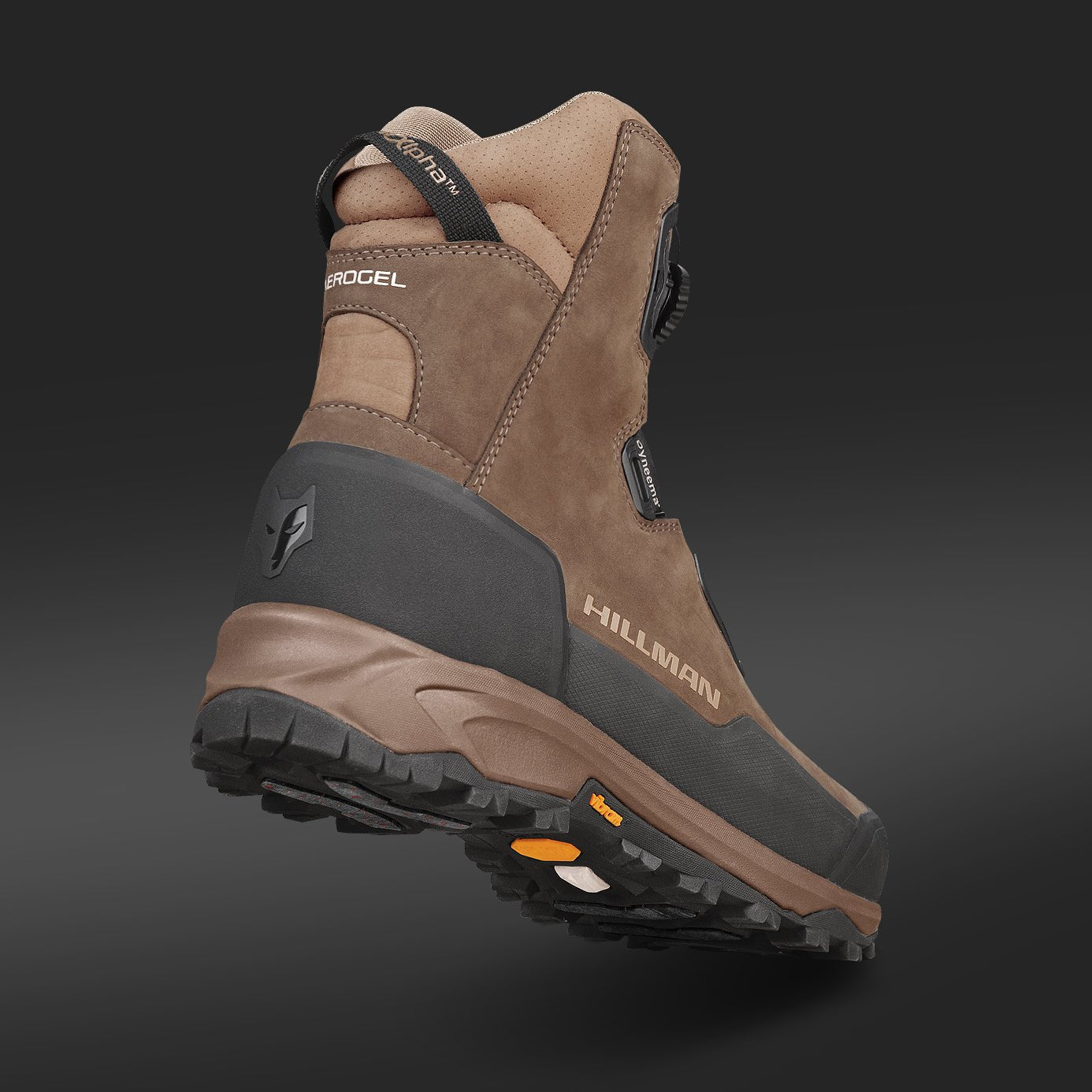
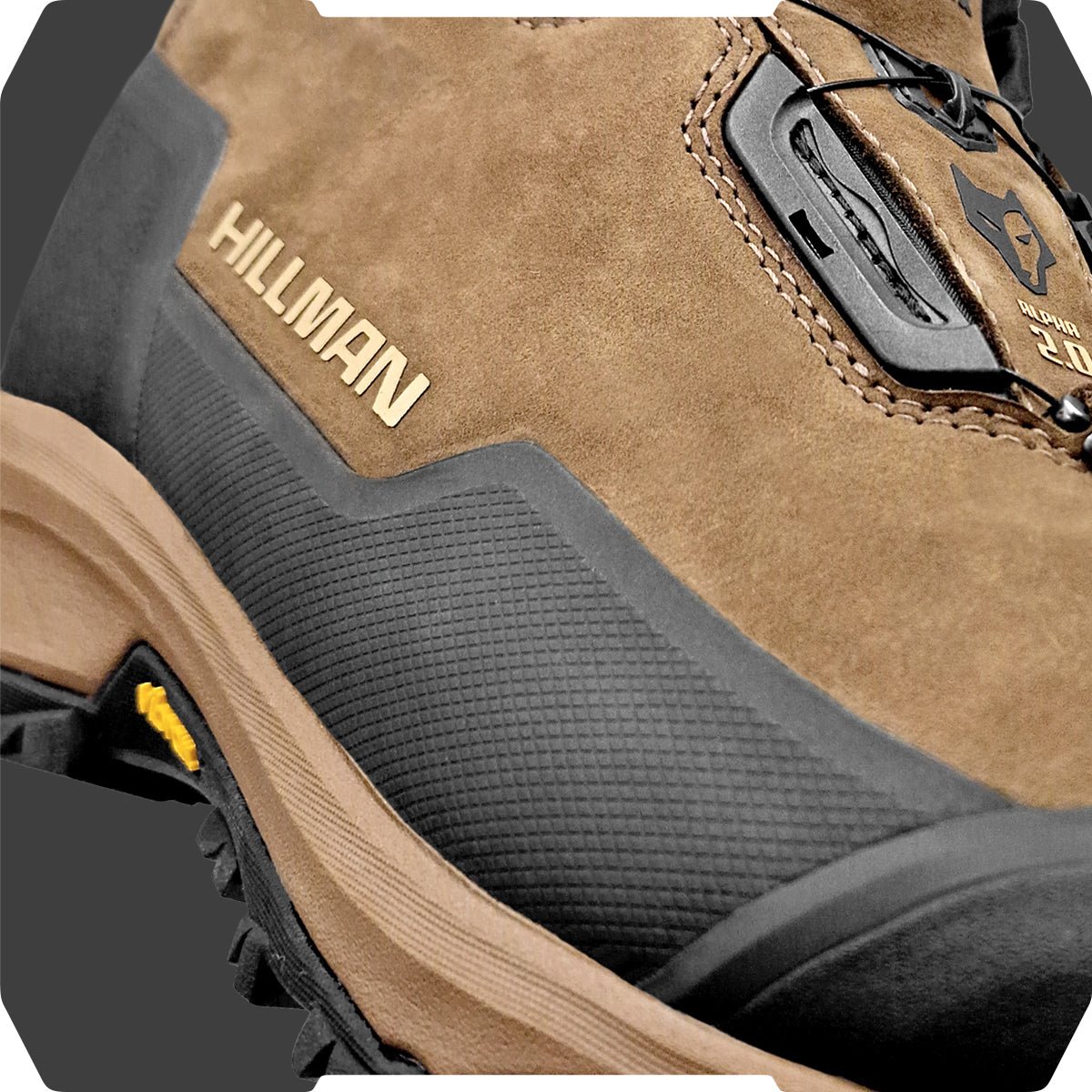
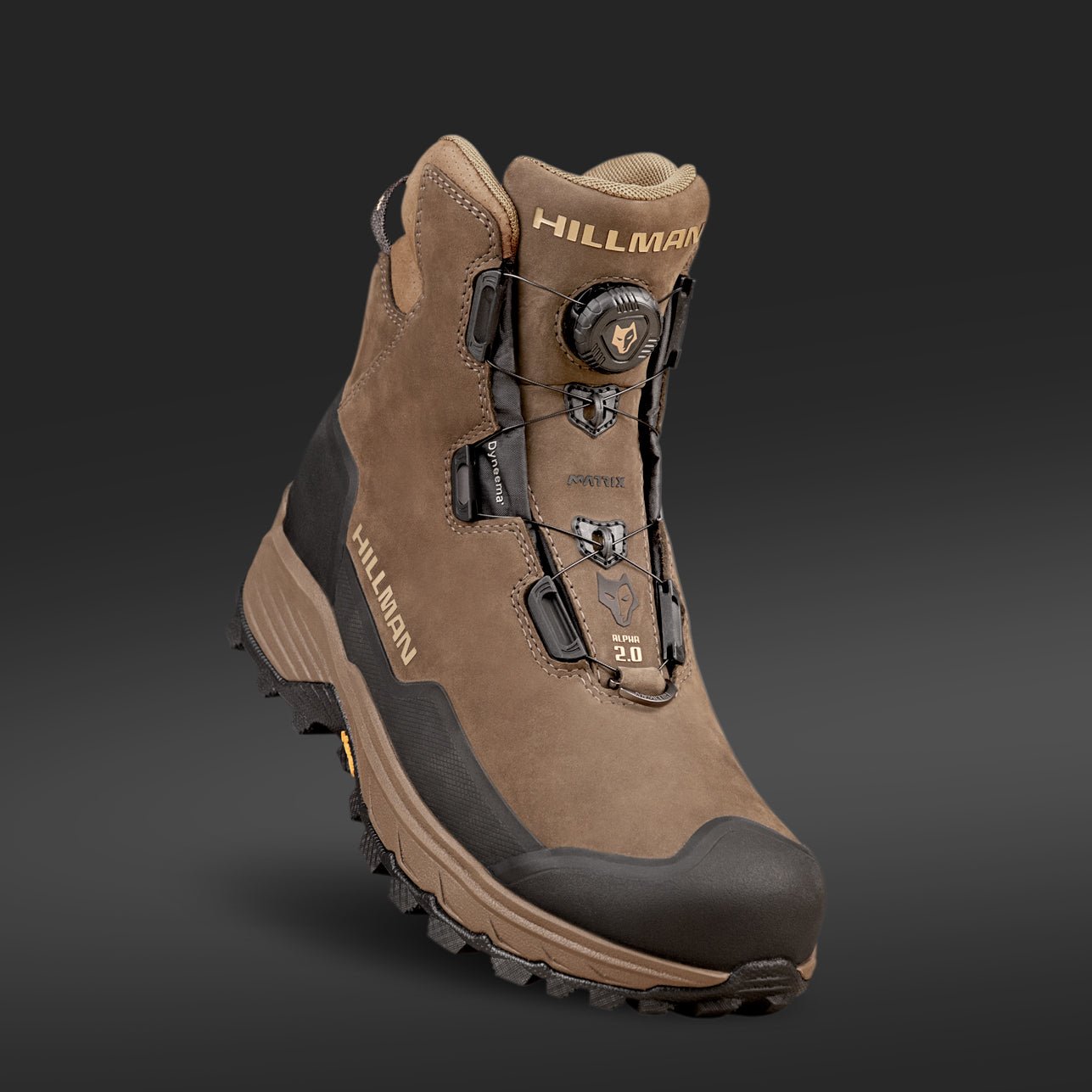
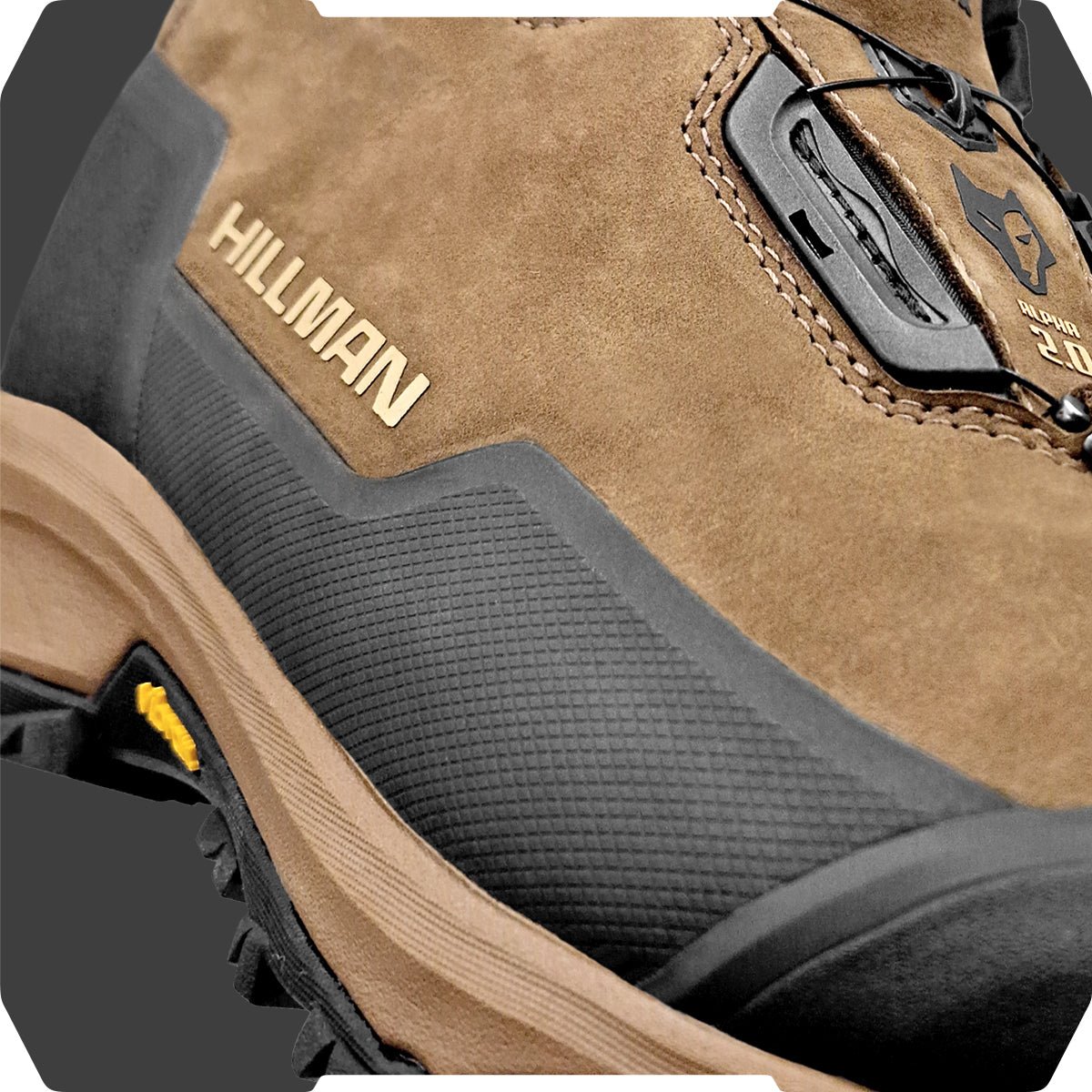
After enough muddy days, you start noticing which boot features actually matter. Full-grain leather ages well and becomes more comfortable with use. Good cushioning saves your feet during long distances. Moisture-wicking linings stop the boot from feeling swampy inside. Deep tread helps with grip on slippery, muddied slopes. Traditional craftsmanship makes a difference, too. You can tell when a boot is built by people who understand the great outdoors, because it performs better in places where shortcuts fall apart quickly.
Waterproof Uppers and the Role of Quality Materials
The job of waterproofing uppers is simple on paper and complicated in practice. They must keep moisture out while keeping the boot flexible and breathable. Leather does this beautifully when it’s treated properly. Synthetic uppers offer lighter weight and dry faster. The UK’s climate tests them all. Cold air stiffens materials, mud dries and cracks on the surface, and constant walking puts pressure on seams. Only high-quality materials survive all that without breaking down halfway through the season.
Essential Features to Look For in Proper Hunting Footwear

When choosing proper footwear, you eventually learn that the essential features are not always the ones marketed most loudly. Warmth matters, but not if the boot overheats. Waterproofing matters, but not if the boot suffocates your foot. Breathability matters, but not if the materials absorb water. What you want is a good blend of everything. Comfort that lasts. Durability that doesn’t fade. Proper fit that keeps the foot steady. And socks that support the whole system without letting moisture linger.
Ankle Support: The Foundation of Long-Distance Comfort
If your boots don’t support your ankles, your whole day suffers. Ankle support turns a long-distance walk from a chore into something that feels manageable. Over uneven, muddy terrain, the ankle is the first thing to complain about. Good boots prevent the small twists and wobbles that accumulate into soreness by midday. When the ankle feels stable, the rest of your body follows.
How to Choose the Right Boot for Muddy British Hunts

Finding the right boot depends on how you hunt. If your days involve trudging through deep mud, look for stronger waterproof barriers and rugged soles. If you’re a walker who covers long distances, focus on cushioning and comfort. If you hunt in cold, choose insulation. And if you move between terrains, find a boot that adapts naturally. The right boot feels almost invisible. It just does its job.
What Sets Truly Reliable Hunting Boots Apart in Real British Conditions

When you spend a full day outside, moving across mud, wet fields, and cold woodland tracks, the value of top-quality boots becomes clear before you even take the first step. Many hunters try different pairs over the years before they finally settle on the right footwear, the kind that gives you maximum comfort from morning to evening and doesn’t fall apart halfway through the season. Proper outdoor footwear should feel steady when the ground softens, cool enough not to overheat during climbs, and warm enough to keep you focused through long, day-long sessions. Hard conditions demand hard-wearing materials that can handle mud, water, and constant flexing without losing shape. Some hunters store their boots near the radiator, but that’s a mistake because direct heat can crack leather and weaken the stitching. The better approach is to let good boots dry naturally so they last longer and maintain their protection across a wide range of hunts. Anyone who truly pays attention to gear eventually learns the same thing. Once you discover how much difference quality makes, you never go back. And if a boot shop or online store offers something built to endure the worst of British weather, it’s worth a look, because a cool-feeling, reliable boot can turn a difficult outing into one you’ll actually enjoy.
Finding the Perfect Pair for Winter, Mud, and UK Weather

Your perfect pair of boots stays with you for seasons. They mould to your foot, carry you across difficult terrain, and keep you warm in the coldest months. The UK weather will test them, the mud will try to ruin them, and long hours will show their true build quality. Good boots survive it all. They protect your feet, your comfort, and your passion for the hunt. When that happens, they become more than boots. They become part of why you enjoy the outdoors in the first place.




Share:
A Buyer’s Guide to Game Shooting Clothing in the UK
How to Layer Hunting Gear for Maximum Comfort and Efficiency