
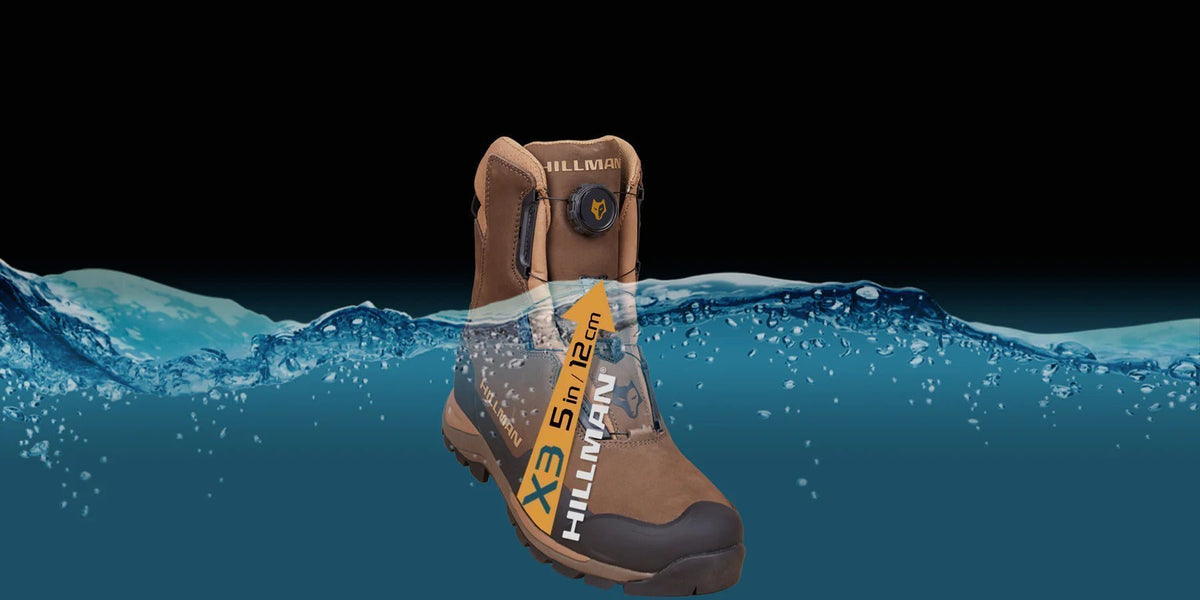
How to Choose the Right Hunting Boots for UK Terrain

Find the perfect hunting boots for the UK’s wet and cold conditions. Learn which materials, insulation, and features keep your feet dry and warm all season.
Anyone who’s hunted in the UK knows how unpredictable the ground can be. You start the day crossing a frozen field, and end it knee-deep in mud that smells of rain and old grass. It’s part of the charm, and the challenge. That’s why hunting boots matter more than most bits of gear. They don’t just carry you; they decide whether you keep going or pack it in early.
A solid pair of boots can turn a miserable wet day into something you almost enjoy. They keep your feet dry, your feet warm, and your focus where it should be, on the wind and the trail ahead. Most serious hunters in Britain learn that lesson fast. A leak in one boot, or a sole that slips on wet ground, and you’ll spend hours thinking about comfort instead of deer.
The weather here doesn’t care. Wet climates, icy mornings, deep mud, and long miles on uneven terrain, that’s just part of the hunt. So you need outdoor footwear that’s built for that kind of punishment. Forget shiny catalogue models; what you want is something that bends, breathes, and holds up after seasons, not just one weekend.
And here’s the trick: there’s no single “perfect” boot. The right hunting boot depends on where you walk, how far, and how your body handles the cold. Some prefer insulated boots with soft fleece lining; others swear by lighter rubber boots that shrug off water but stay cool on long tracks. The key is knowing your terrain and yourself.
In this guide, we’ll break down what makes the best hunting boots for every British landscape. We’ll look at real boot features, from full-grain leather uppers to breathable waterproof membranes, and explain how they change your day out in the field. By the time you’re done reading, you’ll know exactly what kind of hunting boot fits your ground, your hunt, and your idea of comfort, no nonsense, just what works.
Hunting Boots – The Foundation of Every Successful Hunt

You don’t really think about your hunting boots until they let you down. It’s funny how quickly you learn that lesson. One minute you’re stepping across what looks like firm grass, and the next you’re ankle-deep in mud, cursing and trying not to twist something. It happens to everyone at least once.
A solid pair of boots changes everything. They keep your feet dry, your feet warm, and your focus where it should be. You stop thinking about every step and just move. That’s the sign of good boots. When they fit right, you forget they’re even there.
The UK ground is rough business. Uneven terrain, wet climates, deep mud, the kind that pulls at your heels. That’s why serious hunters don’t cut corners on outdoor footwear. They go for hunting boots designed to handle rain, slope, rock, and miles of walking. You feel the difference by lunchtime.
Everyone has a preference. Some like heavy-duty boots with real ankle support, while others swear by lighter hiking boots, easier on the knees after long hours. There’s no rule, not really. It’s whatever keeps you going without thinking about it.
And then there’s material. Full-grain leather and nubuck leather breathe better than you’d expect. Add a breathable waterproof membrane, and you’ve got something close to perfect. Nothing is ever completely dry out there, not in the UK, but the best hunting boots keep you close enough.
A comfortable boot isn’t about soft padding or fancy soles; it’s about trust. You put them on and stop worrying. If they hold up through tough terrain, slippery slopes, and another cold morning, that’s all the proof you need.
Insulated Boots: Keeping Your Feet Warm in Cold Weather

Cold creeps in faster than you think. Anyone who’s sat still for a few hours on a frosty morning knows it. Once your feet get cold, it’s game over. You can handle rain, wind, and even deep mud, but cold feet? That gets in your head. That’s where good insulated boots earn their name.
These aren’t just thicker shoes. Insulated boots use a layered design with fleece lining, breathable waterproof membranes, and thick soles that keep your feet warm without turning them into a sauna. The goal isn’t just heat; it’s balance. Too much insulation and you sweat, too little and you’re done after an hour.
In the UK, where milder winters mix with sudden cold snaps, you need versatility. Something you can wear on a damp November stalk and again when snow hits in January. The best hunting boots for that use light but effective insulation, enough to fight extreme cold, yet breathable enough for long walks.
Materials make all the difference. Some men’s winter boots use full-grain leather for warmth and durability, while others mix nubuck leather with synthetic panels for lighter weight. If you hunt in wet climates, go for rubber boots or winter footwear with sealed seams. Add a solid Vibram sole and you’ll have traction on slick rocks or frozen fields.
Hunters who spend hours still-hunting or glassing on open ground should think about extremely warm boots, those lined with fleece or built with boot packs for deep snow. But if you walk long distances, heavy insulation can backfire. Your feet overheat and sweat, and that moisture cools fast once you stop, leading right back to cold-weather problems.
Little tricks help. Wear thick socks, but not so thick that they crush circulation. Dry them overnight, never near direct heat, because it ruins the inner layers. And if your boots feel stiff at first, give them a break-in period. Good leather molds to your foot, and rushing that step just causes blisters.
A solid pair of insulated boots might cost a bit more, but the comfort on a freezing morning when your feet stay warm and dry is worth every penny. You’ll move longer, shoot steadier, and enjoy every bit of your outdoor adventure instead of thinking about the cold.
Winter Boots: Built for Extreme Cold and Wet Climates

The thing about British winters is that they’re never simple. It’s not just cold; it’s that heavy, bone-deep damp that gets everywhere. You can be fine one minute and shivering the next. That’s when real winter boots prove their worth. Not the pretty ones that look tough, but the kind built for extreme cold and wet climates that never seem to quit.
If you’ve hunted through deep mud or stood still in freezing rain, you already know what bad boots feel like. Water sneaks in, your feet go cold, and suddenly every step feels heavier. A solid pair of winter boots changes the day. They keep your feet dry, your stance steady, and your head in the hunt.
The best pairs aren’t complicated. They just get the basics right. Thick soles that block the chill. A Vibram sole with grip that actually bites into slick clay or frozen grass. Fleece lining that holds heat without suffocating your toes. Simple, but it works.
Then there’s the build. Some go for full grain leather, others for nubuck leather, a bit softer but still tough enough. I’ve seen hunters swear by rubber boots for marshland and snow boots up north; both have their place. The trick is finding what fits your own patch of ground.
And don’t ignore weight. Heavy-duty boots feel secure, sure, but they’ll wear you down if you’re walking long distances. Lighter ones, if they’ve got weather protection, often do just fine.
Personally, I like boots that show a bit of scuff after a season. You can tell they’ve worked. That’s the thing about good winter footwear; they earn their look. They hold up through rain, sleet, ice, and all that sideways wind the UK loves to throw at you. When you finally pull them off at the truck, socks still dry, that’s the test passed.
Great Hunting Boots: Key Features Serious Hunters Should Look For

Every hunter has a story about a boot that failed them. It usually starts with a squelch, a cold patch, and then the slow realisation that your day’s going downhill. Great hunting boots don’t make promises they can’t keep. They just do their job quietly.
So what makes a great boot? A few things, always the same, though we all learn them the hard way. First is ankle support. Twist an ankle once in deep mud or on uneven terrain and you’ll never skip that feature again. It’s not about stiffness; it’s about control. Boots with firm cuffs and a bit of flex help you keep your balance when the ground gives way.
Then comes grip. A solid Vibram sole earns its keep here with good tread, strong bite, and no slipping on wet roots. Hunters walking long distances or moving through tough terrain know this well. It’s the difference between quiet steps and noisy stumbles.
Durability comes next. Real hunting boots designed for work use full-grain leather or nubuck leather for a reason. They take abuse, shrug off scrapes, and still look better after a few seasons. Synthetic’s fine for wet climates, but leather just feels alive. Treat it right and it’ll last longer than most guns.
Comfort sounds simple, but it’s not. A comfortable boot isn’t just soft inside. It fits right, breaks in slowly, and never rubs the wrong way. Some hunters go a half size up to leave space for thick socks, a smart move in cold weather. Others want a tighter feel for steep climbs. No one rule fits all.
Don’t forget the inside build. A bit of fleece lining adds decent warmth without trapping sweat. Breathable waterproof membranes keep your feet dry while letting heat escape. Those little design tweaks are what separate good boots from truly great hunting boots.
And price matters too. A fair price doesn’t always mean cheap. Pay once for quality, and your boots will carry you through years of rain, winter chores, and muddy drives. Go cheap and you’ll buy twice.
At the end of the day, boots aren’t about looks. They’re about trust. When your gear fades into the background and you just hunt, that’s how you know you’ve found the right pair.
Best Hunting Boot: Matching Footwear to UK Terrain

No two hunts in the UK feel the same. One weekend, you’re crossing open fields under drizzle, the next you’re sliding through deep mud in the woods. Then come the days up north, the kind that freeze the breath out of you. That’s why there’s no single best hunting boot; there’s only the one that fits your ground.
Let’s start with the wet stuff. Southern England and the lowlands love to test your patience with wet climates and wet ground that never really dries. For that kind of hunt, rubber boots or hunting boots designed with breathable waterproof membranes are your best friends. They keep the feet dry, handle puddles, and still let a bit of air through so you don’t sweat out your socks halfway through the morning.
Up in the hills and moorlands, though, it’s a different story. You need something that grips, like mountain boots or tough hiking boots with Vibram soles that can bite into rock and heather. Add excellent ankle support, and you’ll thank yourself later on those slippery slopes. Nothing kills confidence faster than feeling your foot slide when you’re lining up a shot.
For cold-weather hunts, go insulated. A solid pair of winter boots or insulated boots with fleece lining and thick soles can handle extreme cold and deep snow without freezing your toes off. But if your days are long and active, go easy on insulation. Otherwise, your feet warm up too fast and sweat. That moisture cools down quickly when you stop moving, which brings back the chill.
Flat farmlands and drier regions give you some freedom. Here, a lighter hiking boot or field boot might be enough, especially if you’re walking long distances or moving fast through cover. The best shooting boots in these cases are breathable, snug, and flexible enough for crouching or kneeling.
And don’t forget fit. If you’re between sizes, go a half size up. Your thick socks and a bit of swelling from hours of walking will make up the difference. A snug start often becomes tight later in the day.
It’s easy to get lost in brand names and fancy features, but the truth is simpler. The right hunting boot feels like an old friend after a few miles. It moves with you, holds your weight, keeps your balance, and doesn’t nag for attention. That’s the real best hunting boot, the one you forget you’re wearing until the end of the day, when you kick them off and realize your feet are still dry.
Best Shooting Boots: Balancing Comfort and Stability

Ask any shooter and they’ll tell you that your stance is only as good as what’s on your feet. Best shooting boots aren’t just about looks or brand names; they’re about balance, grip, and comfort that let you move smoothly and steadily without thinking about it.
When you’re standing for hours or shifting your weight on soft ground, those details matter. The wrong boots make every step feel awkward. The right ones, you barely notice. Good shooting boots feel like part of you - snug at the ankle, firm underfoot, and just flexible enough when you crouch or twist.
If you spend your days on uneven terrain or walking long distances, go for models with proper ankle support and a Vibram sole. That combination keeps you grounded even when the slope turns slick. Add a touch of breathable waterproof membranes, and your feet stay dry without overheating. Nobody wants soggy socks halfway through a shoot.
Materials play a big role here. Many quality shooting boots use nubuck leather, softer than full-grain leather, easier to break in, but still tough enough for rough cover. Others mix in synthetic panels for lighter weight, which helps if you’re walking long distances or carrying gear. Leather, though, still wins for that classic mix of feel and durability.
Comfort is everything. A comfortable boot doesn’t rub, pinch, or remind you it’s there. Hunters often size a half size up for thick socks, a smart move especially in cold weather. Once you find that perfect fit, you’ll notice how much steadier your aim feels.
And grip should never be ignored. Wet ground, loose gravel, or even frost on grass can send you sliding at the worst time. That’s where good boots with deep tread prove their worth. The best shooting boots keep you planted, calm, and focused on the line ahead.
In the end, the right pair isn’t flashy. It’s the one that lets you forget you’re even wearing boots. You move, shoot, and adjust naturally, without fidgeting or discomfort. That’s what makes the best shooting boots: quiet confidence, built from the ground up.
Ankle Support: Stability That Keeps You Safe
 You only need to roll your ankle once out there to understand why ankle support matters. It happens quickly: step in a rut, a bit of wet ground, and boom, you’re done. Limping back to the truck, hunt over. Everyone’s had that day once, and it sticks with you.
A good pair of boots fixes that before it starts. Not the stiff, heavy kind that feel like armor: real hunting boots that hold you firm but still let you move. The cuff hugs just right, not tight. You bend, crouch, and climb, and it stays with you.
I’ve tried mountain boots that locked me in too much, solid on rock, but murder on long distances. Ended up switching to lighter field boots with a softer flex. It’s always a trade-off, and that’s fine. You figure out what works on your own ground.
The sole plays its part too. A proper Vibram sole bites into tough terrain, mud, or slick heather. Without it, every hill feels twice as steep.
Inside matters as well. A bit of fleece lining helps, especially when it’s cold. Just make sure you’ve left room, go a half size up if you wear thick socks. Tight boots cut off blood flow, and that’s when your ankles start to ache.
It takes a break-in period, always does. Don’t rush it. Wear them around the yard, on short walks. Let the leather learn your step. After that, they’ll feel like part of you.
In the end, ankle support isn’t about gear specs or fancy tags. It’s about staying upright and keeping your hunt going. When the ground shifts and your footing holds, that’s the difference between a close call and a clean day.
Deep Mud, Wet Ground, and Extreme Conditions

Some hunts just get ugly. Deep mud, wet ground, wind that won’t quit, you know the days. You come home covered in half the countryside, boots caked, coat soaked, still grinning because you made it work. Those are the days you see what your boots are really made of.
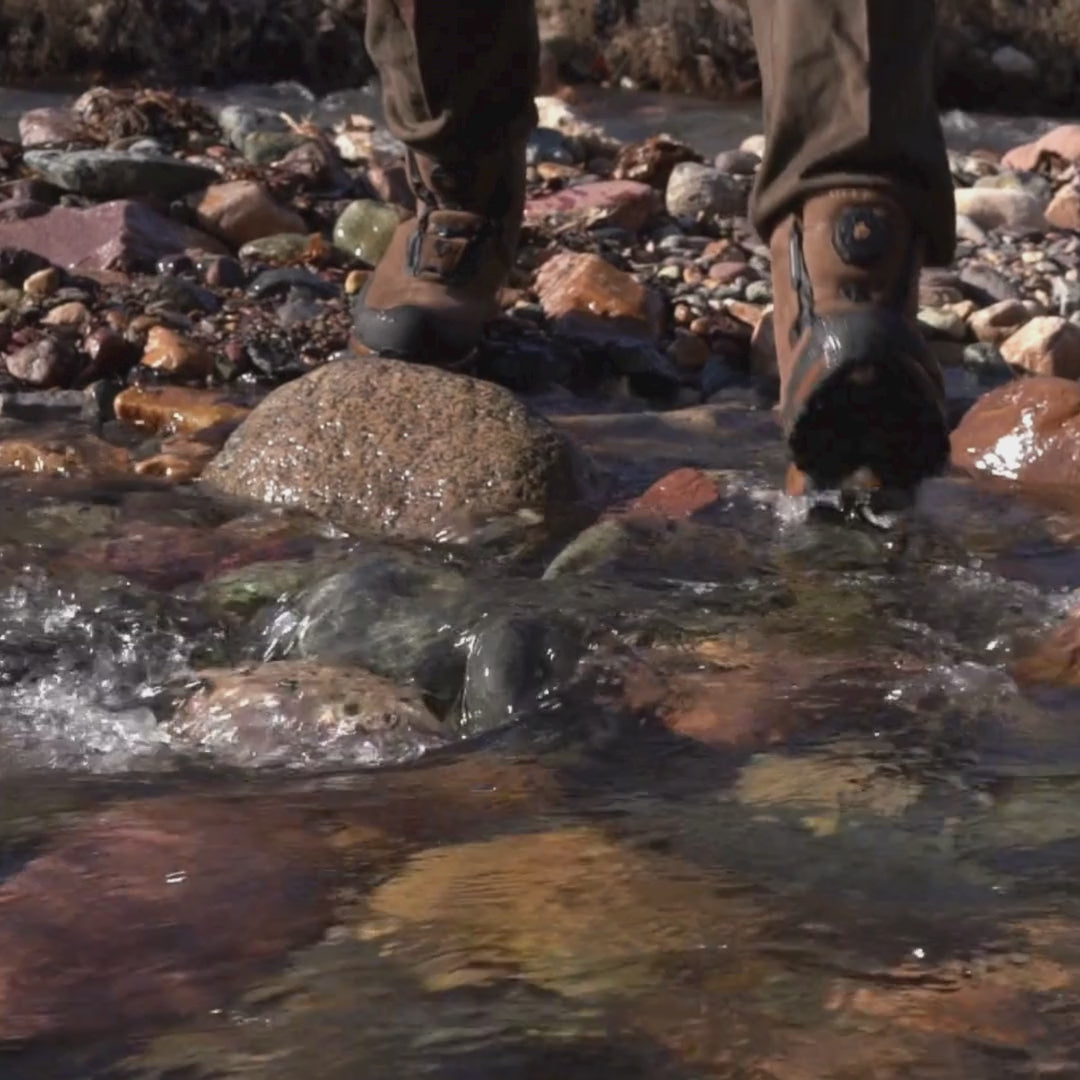
The UK ground doesn’t forgive much. Wet climates and constant drizzle turn every field into a test. That’s when you thank yourself for picking good boots with real weather protection. The cheap ones don’t last a season. The best hunting boots stay sealed, even when water climbs up the sides.
You learn quickly that rubber boots have their limits. They’re great for quick jobs, but for long hunts, they cook your feet. Leather breathes better. Full-grain leather or nubuck leather, if it’s treated right, keeps the feet dry and still lets air move. Add a breathable waterproof membrane, and you’ve got the balance nailed.
It’s not just water you fight; it’s cold. Mud pulls heat from you faster than snow ever will. That’s why thick socks, fleece lining, and a bit of insulation make a world of difference. They keep your feet warm and help you stay focused. Once your toes go, the rest of you follows.
And yes, there’s comfort too. Walking long distances through tough terrain in boots that rub will ruin any hunt. Always give them a break-in period, no matter how tough you are. The leather softens, the sole molds to your stride, and then they start to feel like part of you.
You can’t cheat the elements, but you can come prepared. Real hunting boots designed for extreme cold and wet environments don’t promise miracles. They just do the job, step after step. By the time you hang them up, you’ll see the story of your season written right there in the mud.
Fair Price and Long-Term Value

Everyone wants a bargain, sure, but out in the field, a cheap pair of boots usually costs you twice. Once when you buy them, and again when they give up halfway through the season. That’s when you learn what a fair price really means.
A good pair of hunting boots isn’t about the tag hanging off them. It’s about what they survive. Heavy-duty boots that keep your feet dry, take scrapes, kick through deep mud, and still look ready for another round, that’s value. The best hunting boots aren’t always the most expensive, but they’re never the flimsy ones either.
Think of it this way. If you can wear the same boots for winter chores, long walks, and hunts through tough terrain, you’ve already saved money. You buy once, take care of them, and they pay you back every cold morning when you don’t feel the mud soaking in.
Look for solid builds. Full-grain leather, Vibram sole, and breathable waterproof membranes are the things that last. Treat the leather, dry them properly (never with direct heat), and they’ll stay with you for years. That’s what “fair price” means out here: paying for gear that outlives the weather.
It’s easy to get distracted by brand talk and shiny ads, but the hunters who spend real time in wet environments know the truth. Buy quality once, and your boots become part of every story after.
Choosing the Right Boot: How to Find Your Perfect Pair

Finding the right boot isn’t something you rush. You can read reviews all day, but until you walk a few miles in them, you don’t really know. Every foot’s different, every terrain has its own tricks. The perfect pair for me might drive you crazy, and that’s just how it is.
Start simple. Fit comes first. Always try boots in the afternoon when your feet are a bit swollen; that’s when they tell the truth. If you’re between sizes, go a half size up. Leave room for thick socks and the long days ahead. A tight start might feel okay in the shop, but after a few hours in tough terrain, you’ll wish for space.
Next comes balance. You want something that feels steady but not stiff. The best hunting boots and accessories bend with you as you crouch, climb, or shift weight, without fighting your movement. Check the sole. A proper Vibram sole grips wet ground and slippery slopes. Anything less will have you sliding when things turn ugly.
Materials matter. Full grain leather gives strength and life, while nubuck leather adds comfort. Both work if they’re treated right. Add breathable waterproof membranes, and you get a mix that handles wet climates and cold weather without boiling your feet.
Don’t ignore the break-in period. Every pair needs time. Wear them around the yard, during winter chores, short hikes, or errands, and let them learn your stride. That’s how good boots turn into great ones.
And here’s the truth. There’s no magic “one boot fits all.” The right hunting boot is the one that fits your ground, your pace, and your patience. Once you find that perfect pair, everything else fades. You stop thinking about comfort, about blisters or cold, and you just hunt. That’s the moment you know you got it right.
Winter Chores and the End of the Hunt

When the season winds down and the fields go quiet, your gear tells its own story. Scuffed hunting boots, dried mud, a few scratches on the leather. All signs of days well spent. They’ve carried you through deep mud, wet ground, cold mornings, and long drives. These are the same boots you’ll wear for winter chores around the yard, clearing snow, feeding dogs, or fixing fences.
That’s the thing about the best hunting boots. They don’t just do one job. They become part of your rhythm, part of how you move through the year. Full-grain leather softens with time, Vibram soles keep their bite, and the comfort stays the same whether you’re stalking or stacking wood.
If you’ve found the right boot, the perfect pair, you’ll know. You’ll slip them on without thinking, and they’ll just feel like home. That’s when you realize you’ve chosen right, not only for the hunt but for everything the outdoors throws your way.
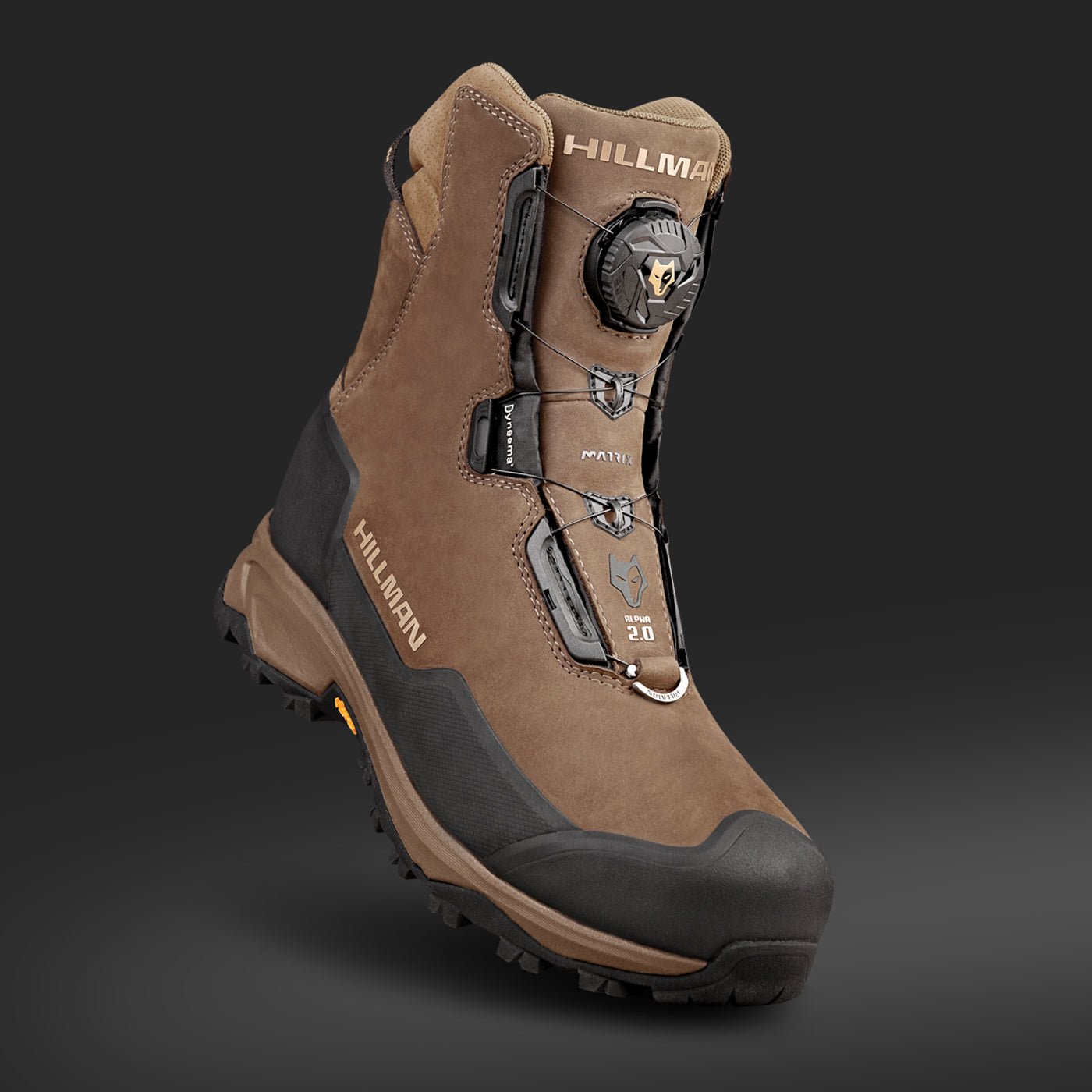
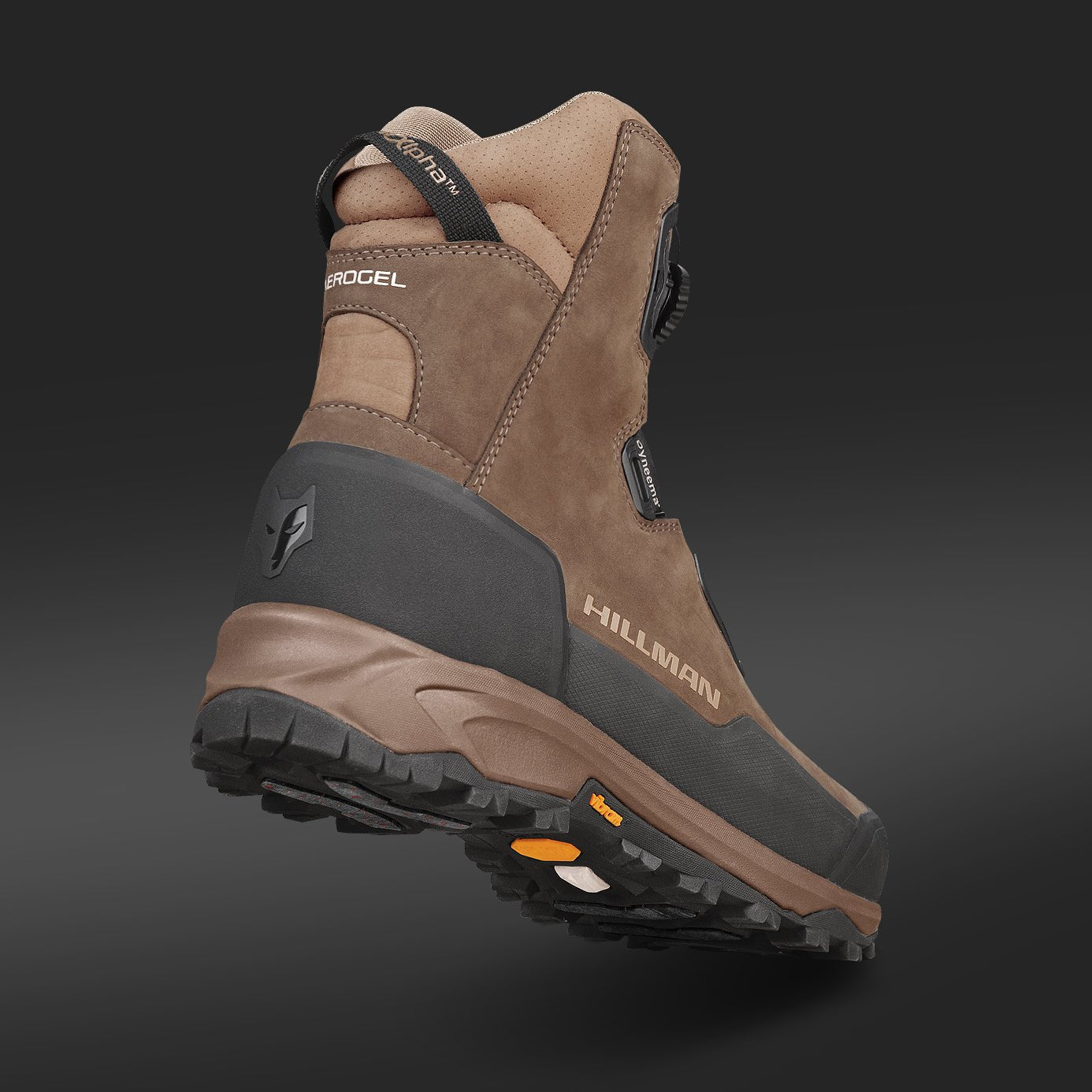
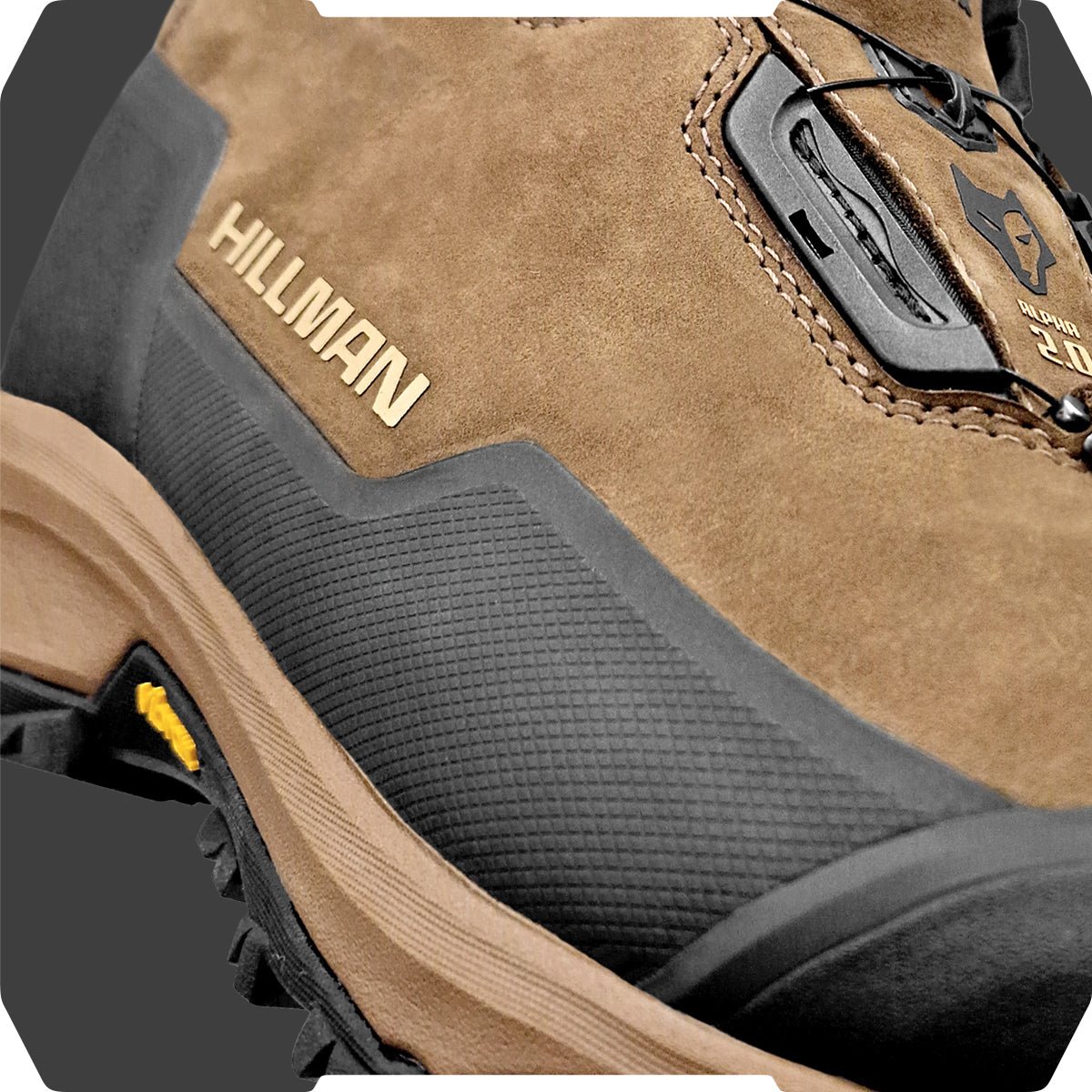
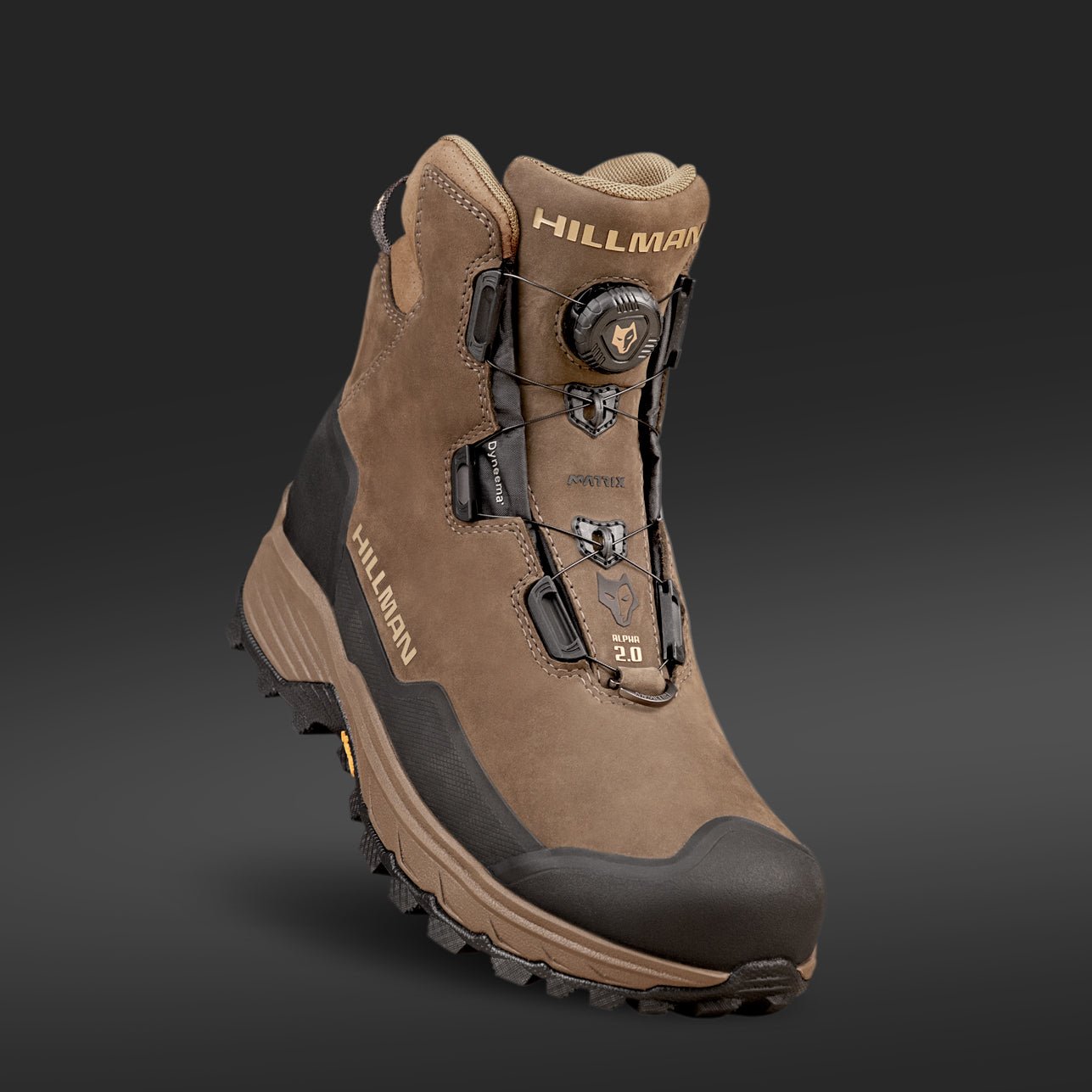
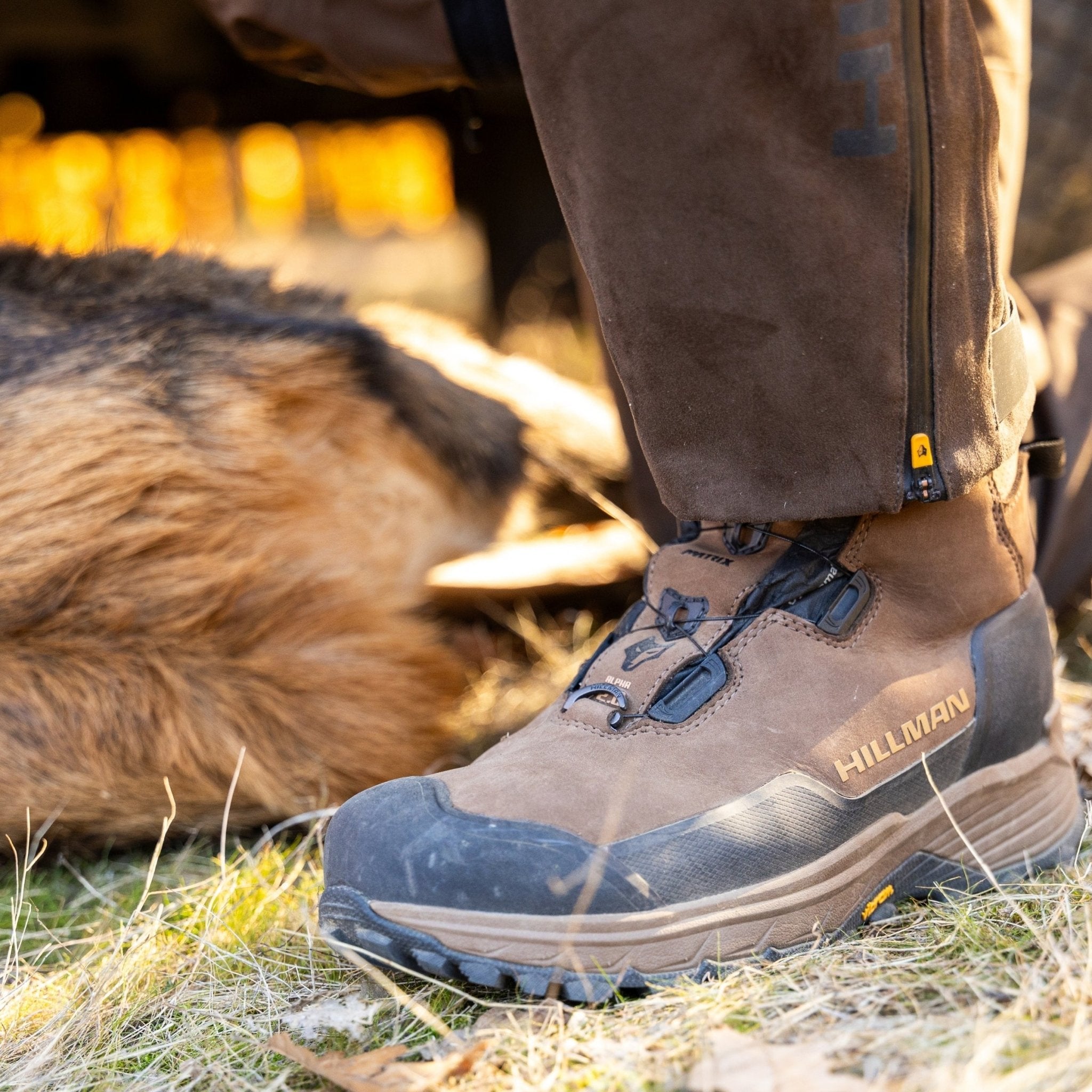
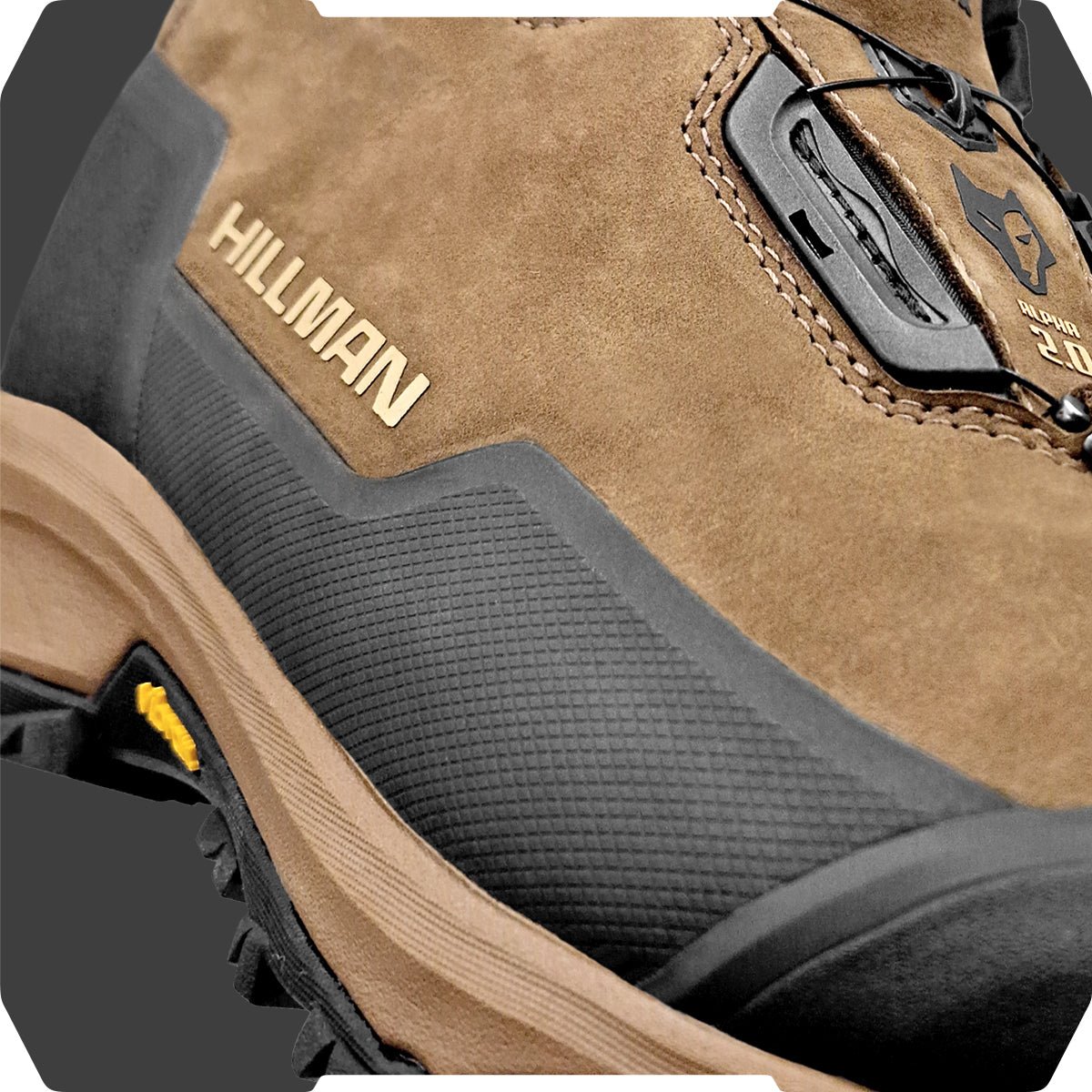
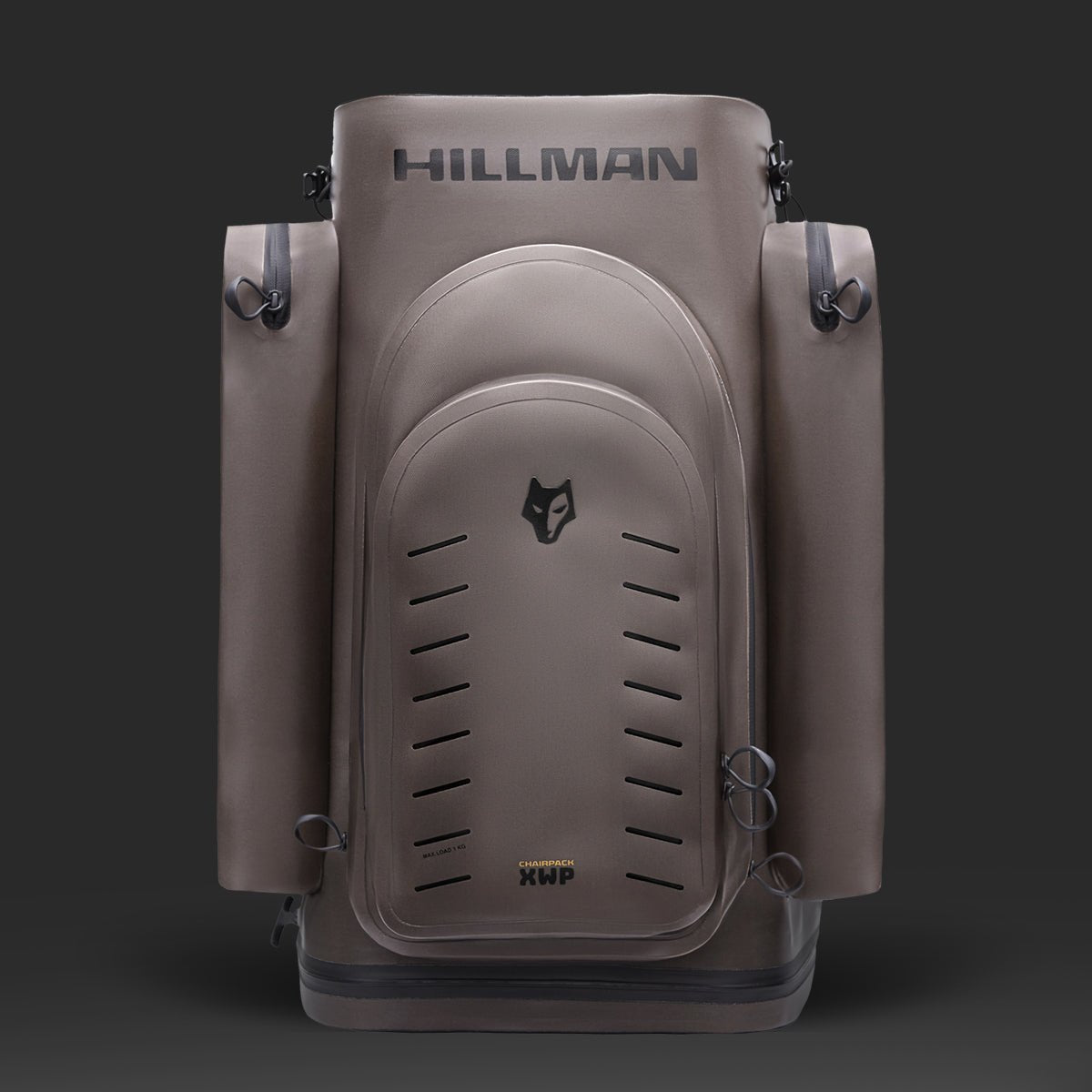
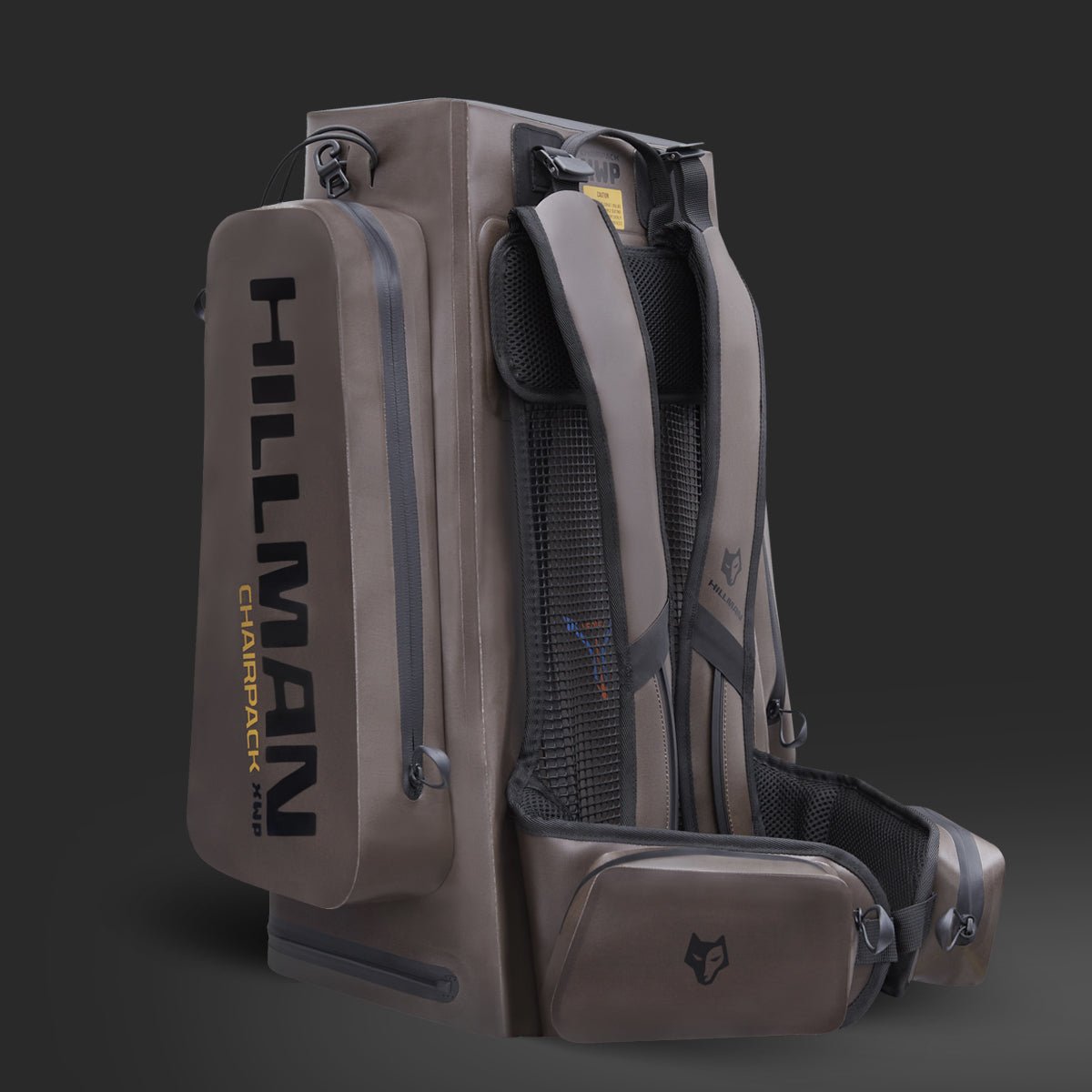
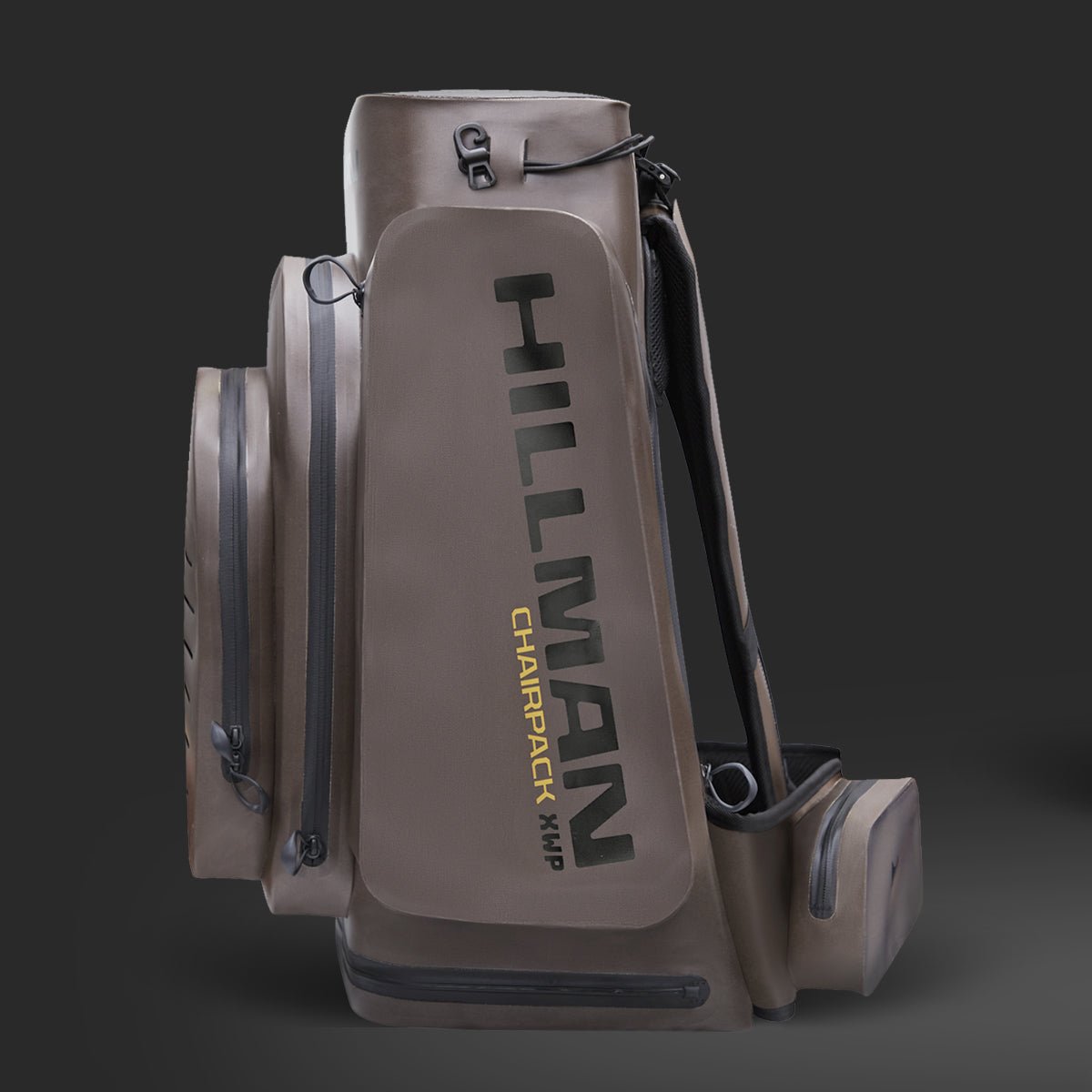
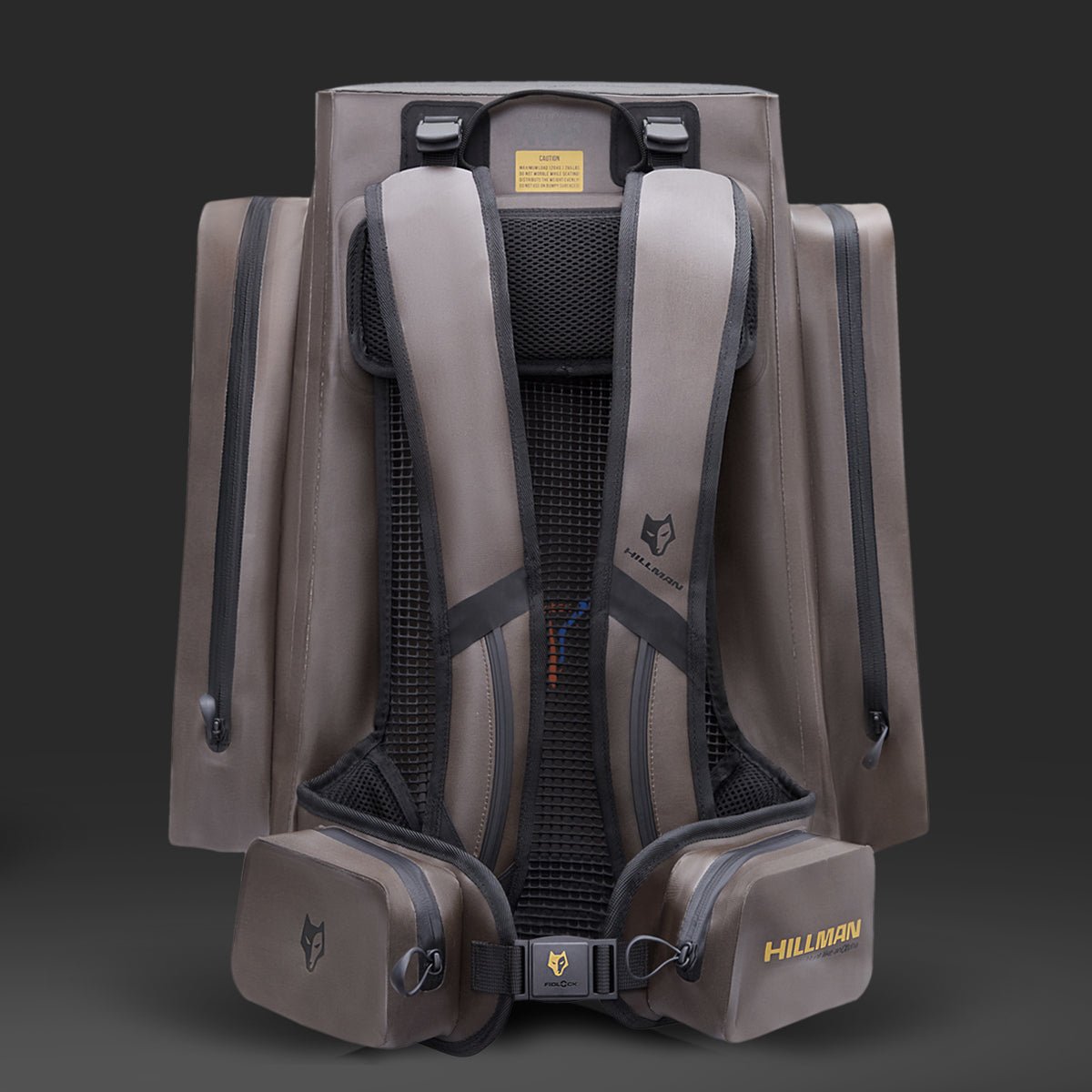
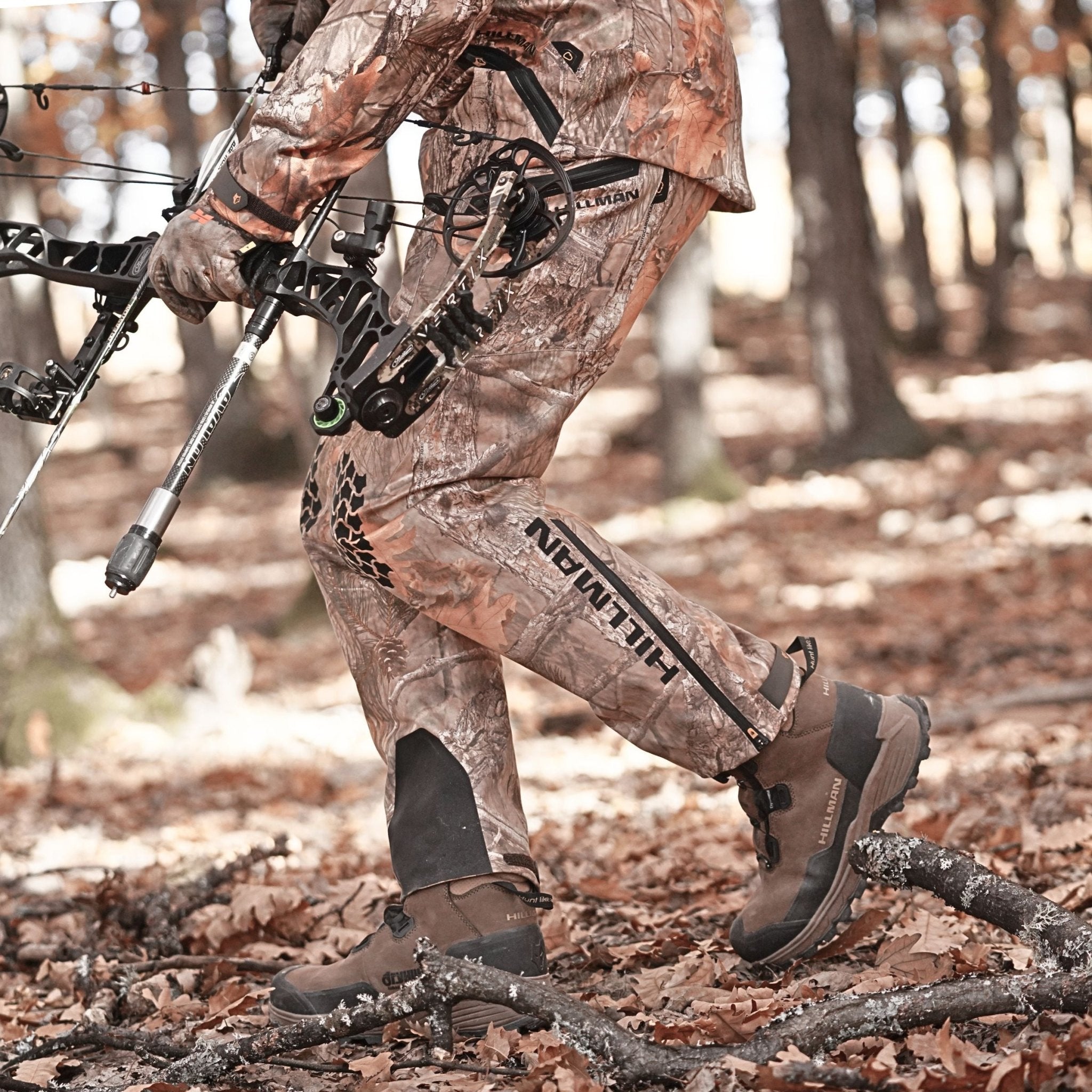
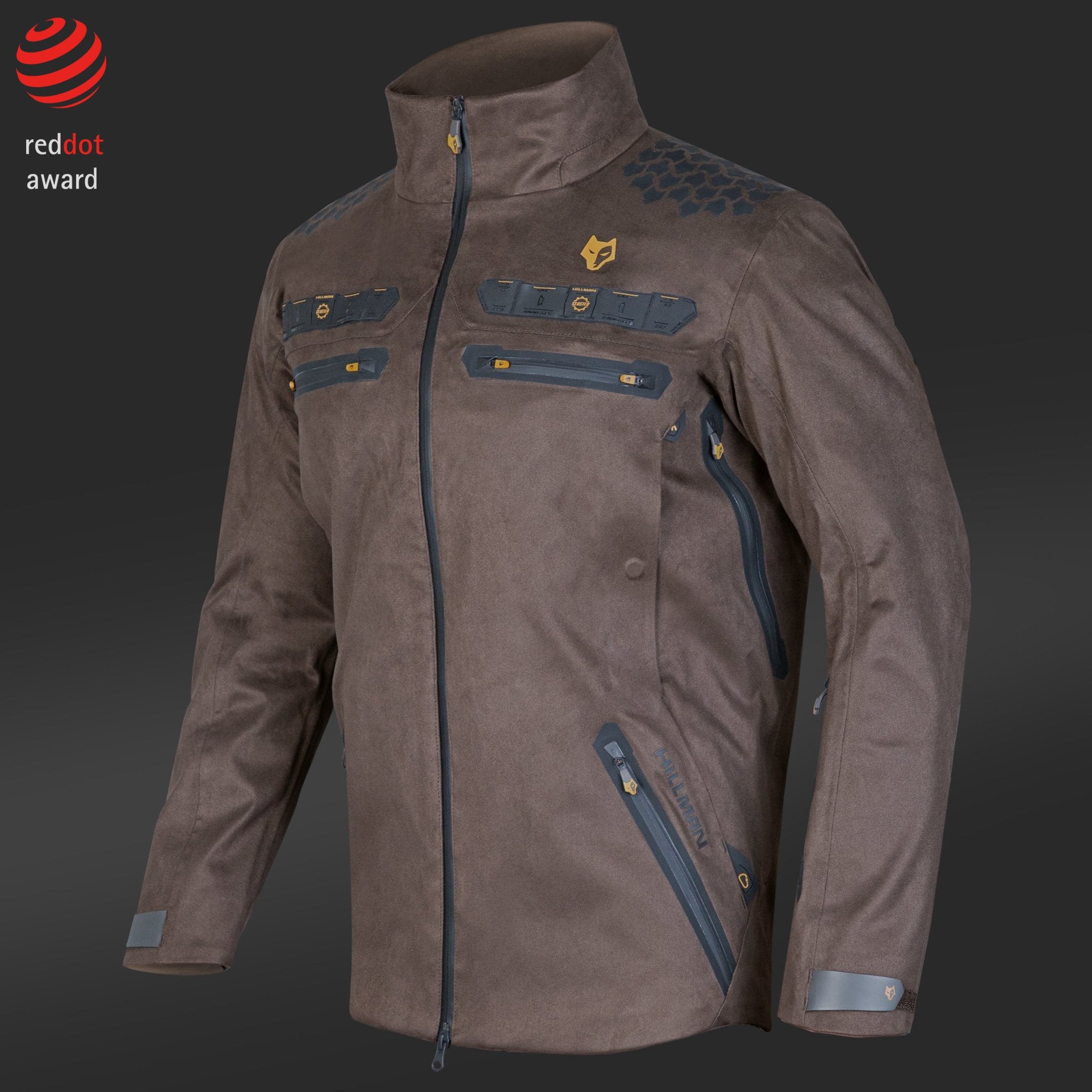
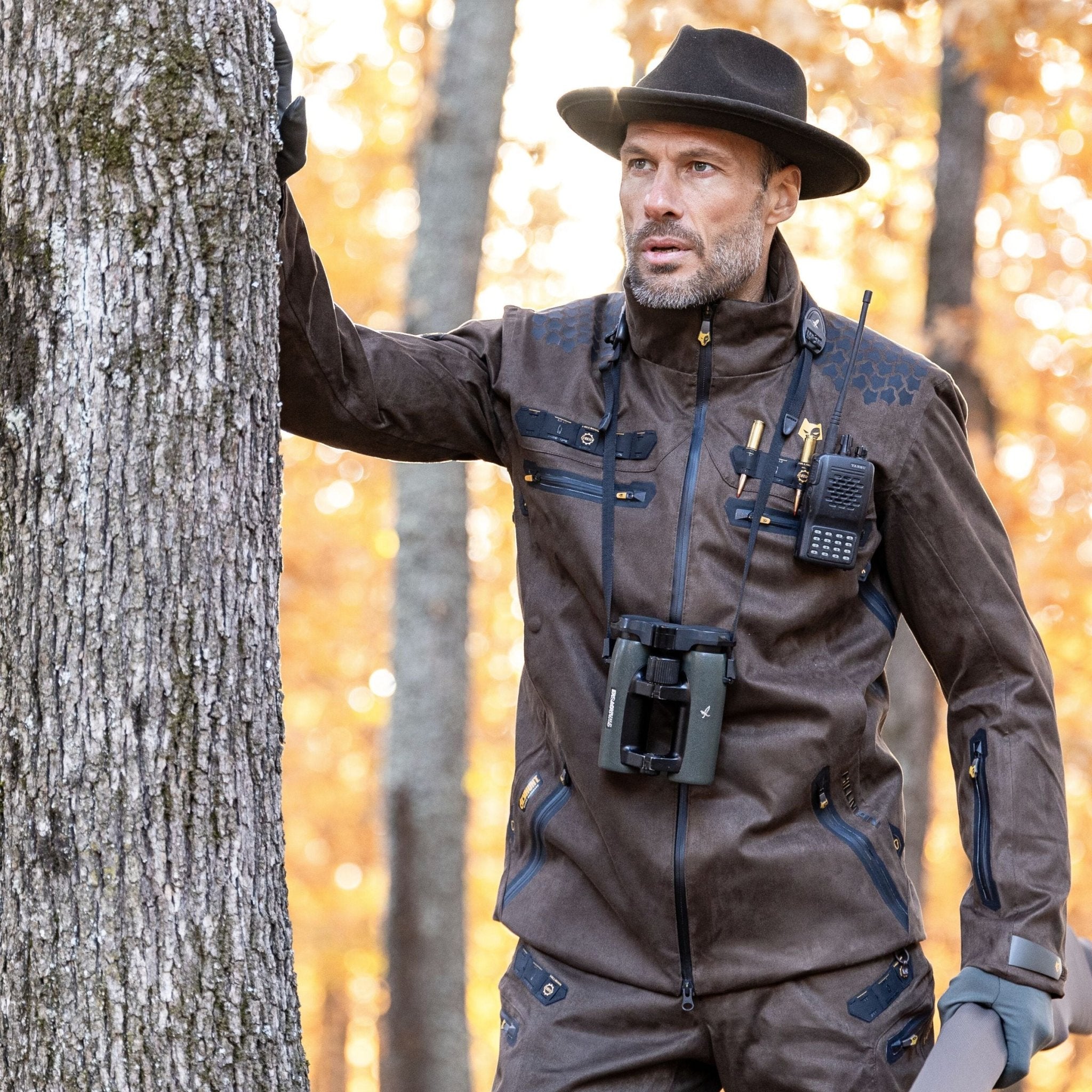
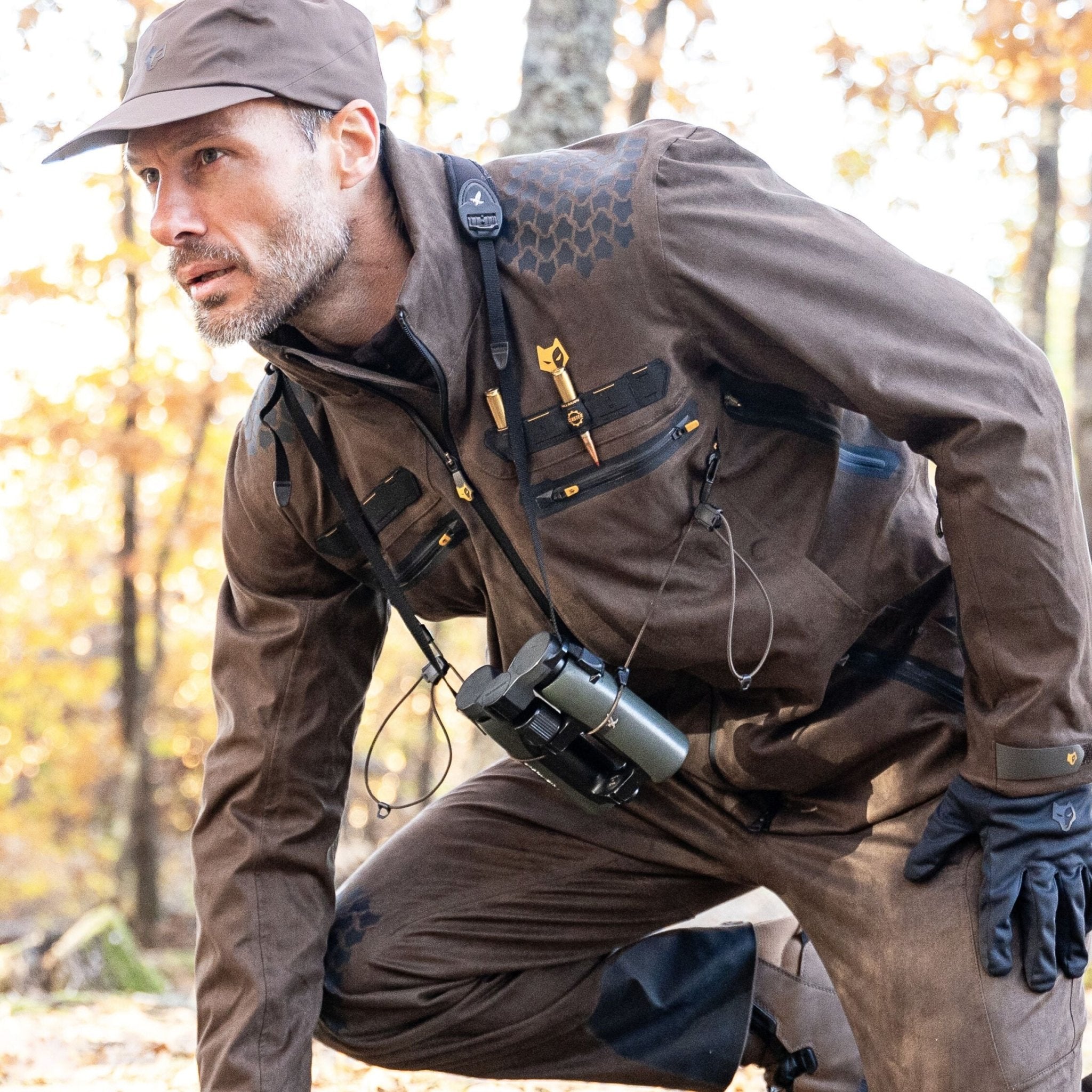
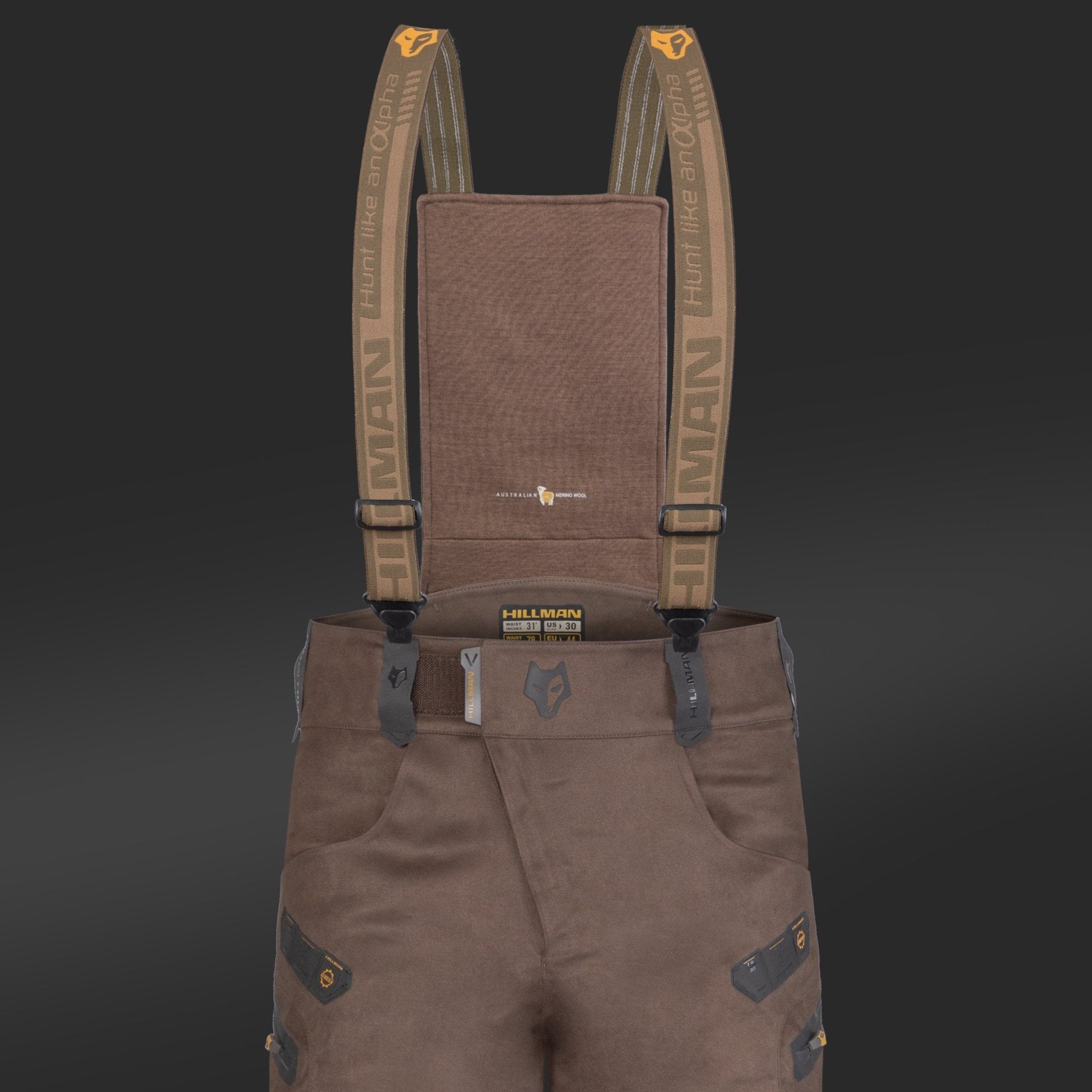
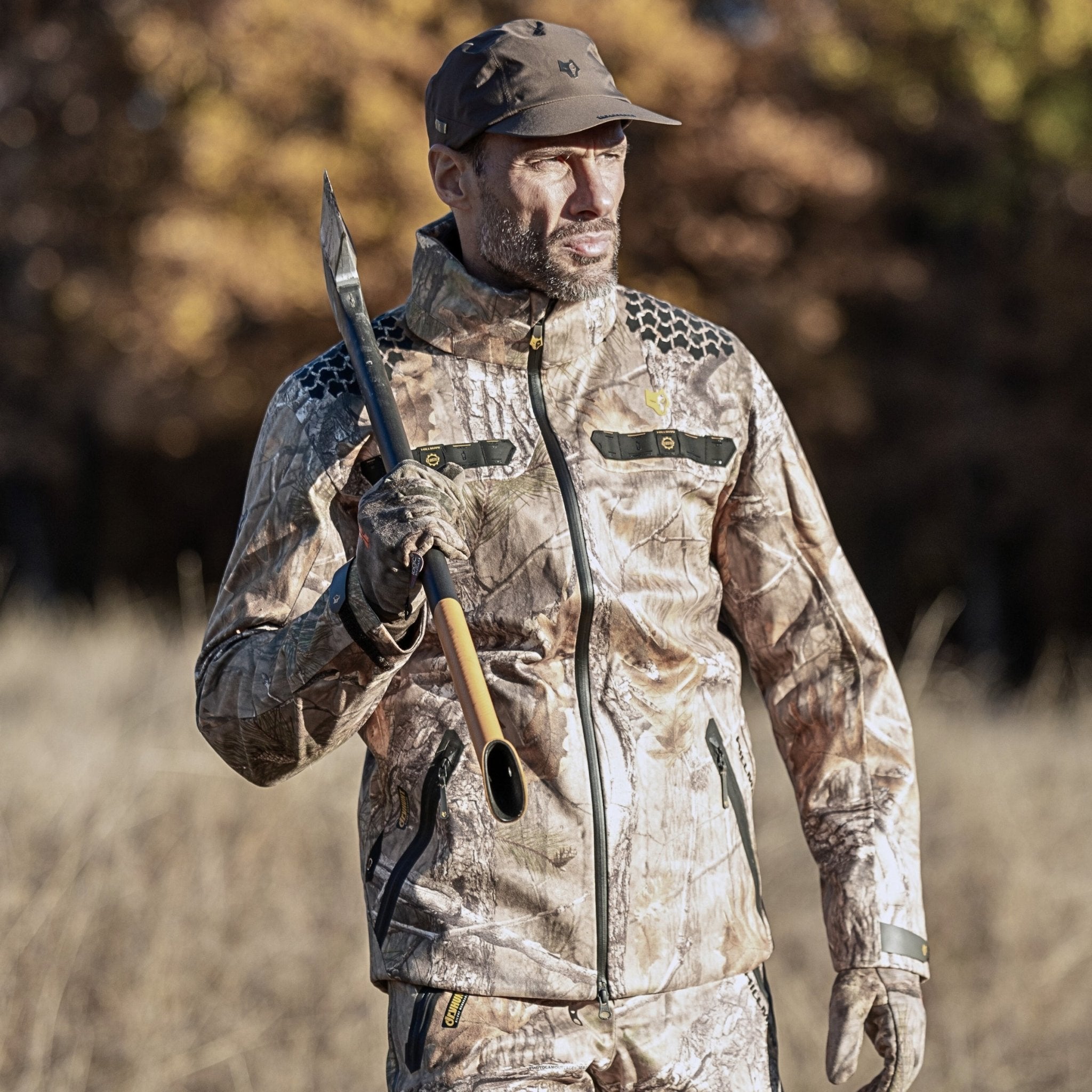
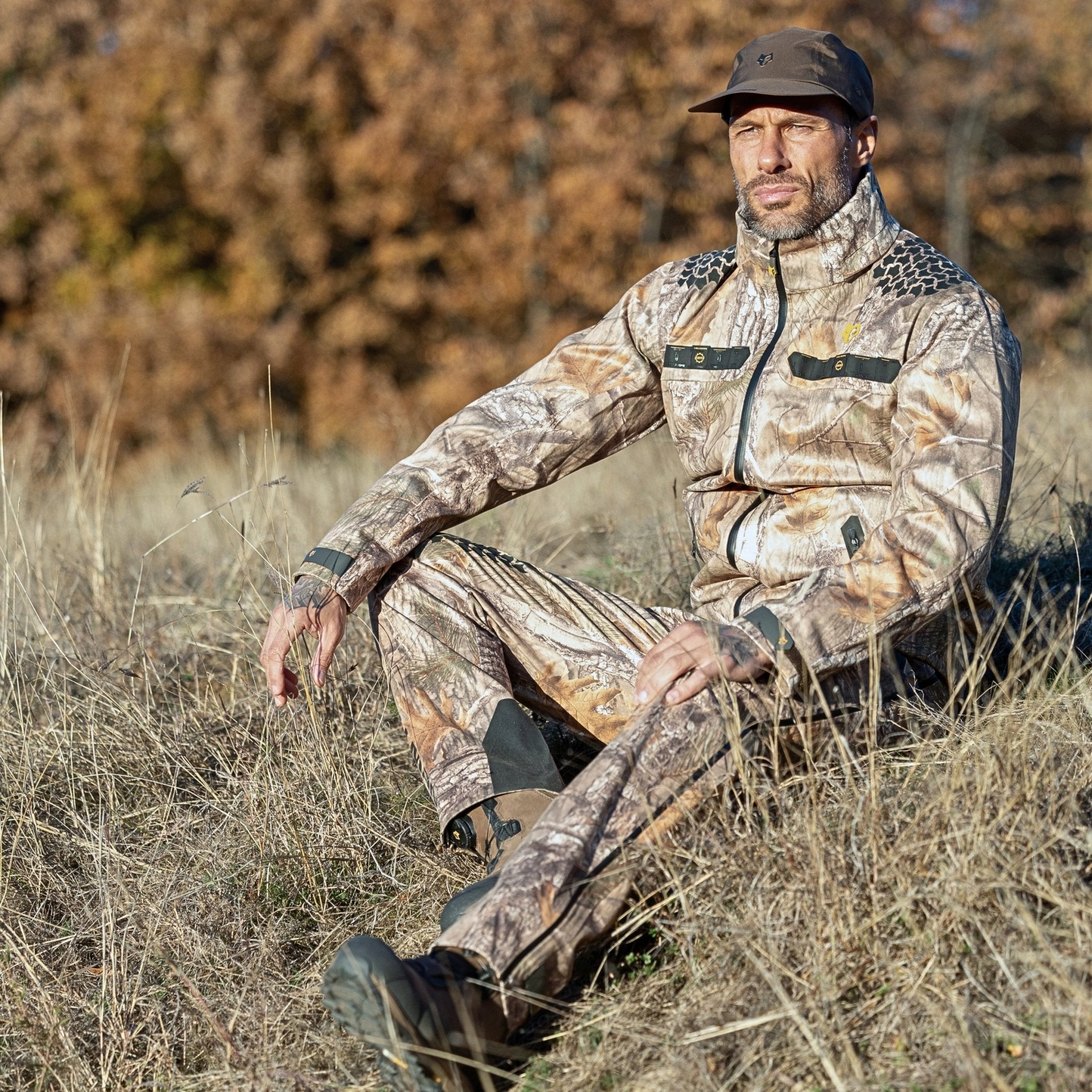
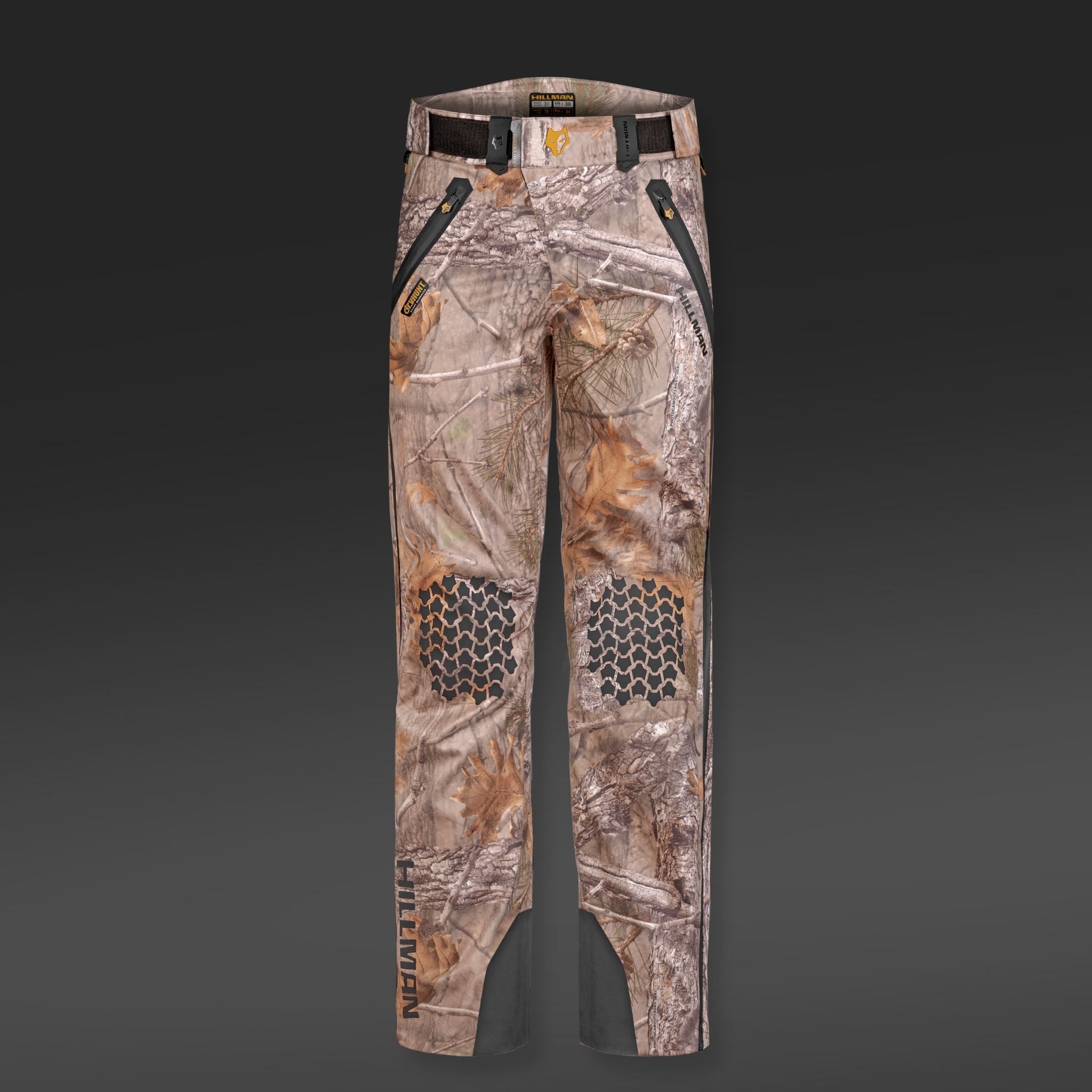
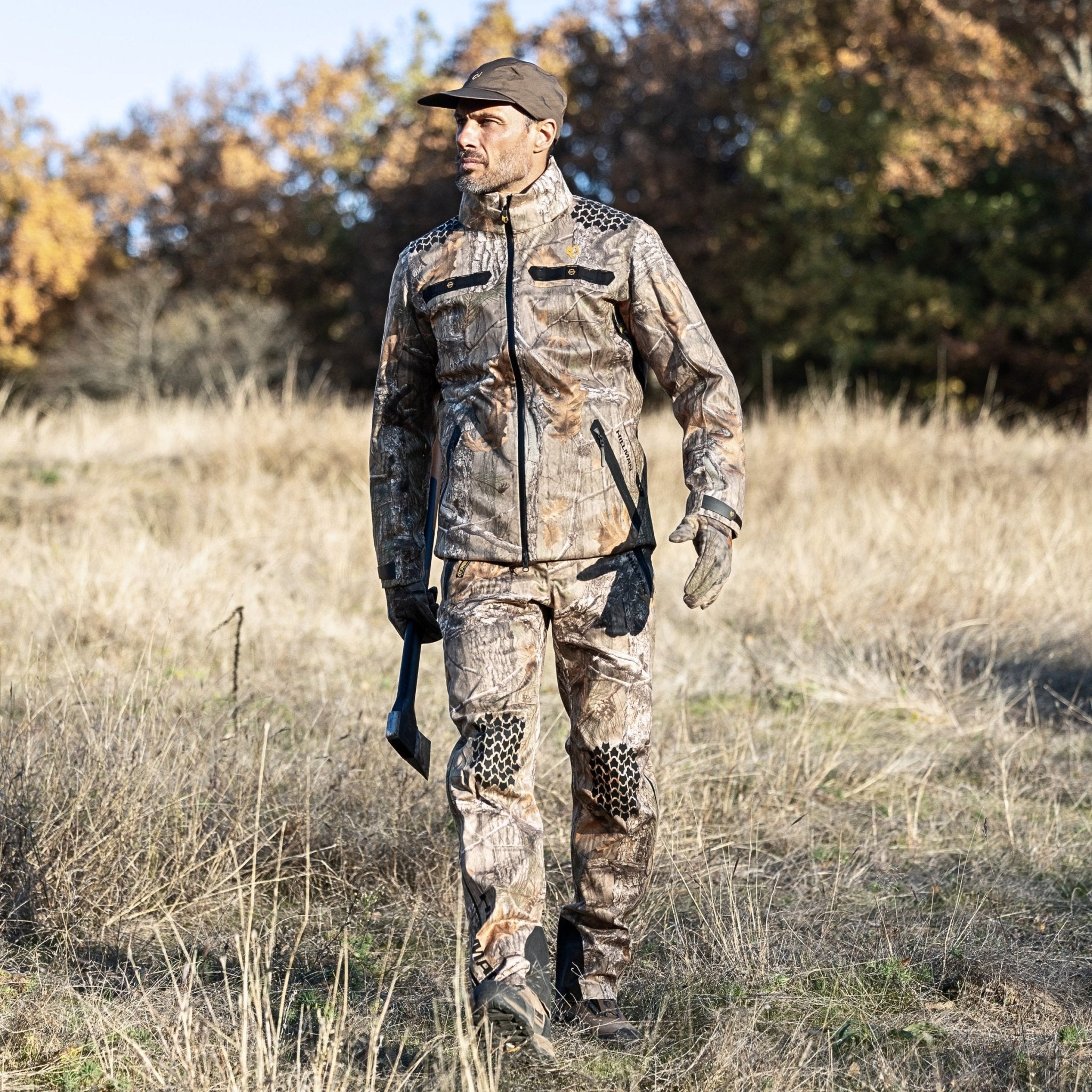
And if you’re still searching, take a look at what Hillman builds. Boots designed for real hunters, tested in real weather. Gear made for mud, cold, and those quiet moments that make it all worth it.
See Below Real Questions Hunters Actually Ask about Boots



Share:
Waterproof Hunting Jackets That Withstand British Weather
Leather vs. Synthetic Hunting Boots: Which Lasts Longer?