
Leather vs. Synthetic Hunting Boots: Which Lasts Longer in the Field?

Leather or synthetic hunting boots: a clear look at durability, comfort, and performance across real field conditions.
Durability has become one of the most discussed topics among hunters choosing new footwear. A single pair of hunting boots often faces wet grass at sunrise, rough trekking routes by midday, and dirt trails on the way back. Materials, construction, and terrain all influence how long a boot performs before wear becomes noticeable. The comparison between leather hunting boots and synthetic hunting boots matters because each style reacts differently to mud, water, temperature shifts, and long days of movement. Hillman examines durability through the needs of hunters who expect top-quality gear designed to meet real field demands.
Leather hunting boots: durability shaped by natural materials

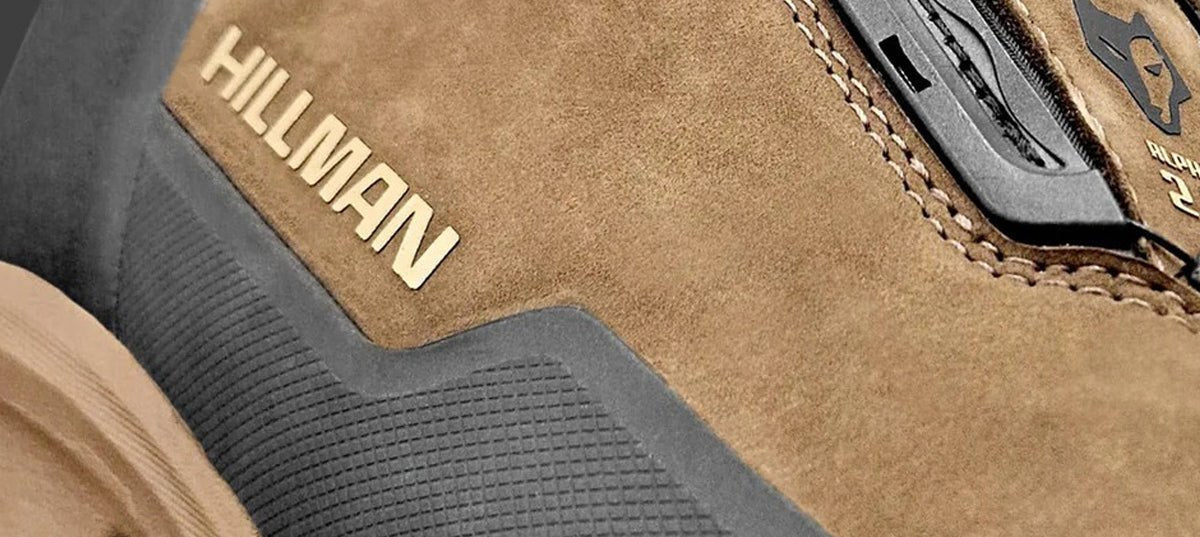
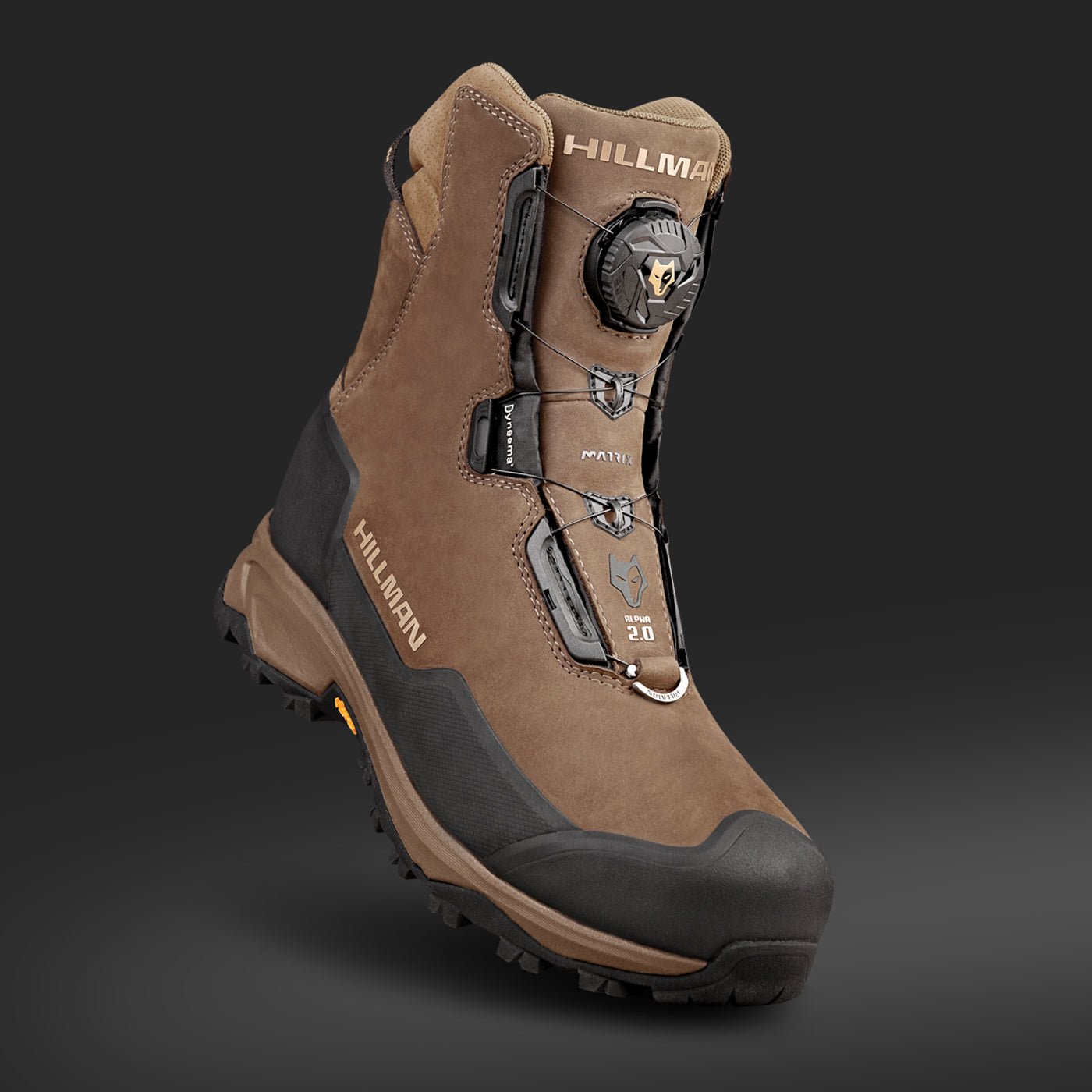
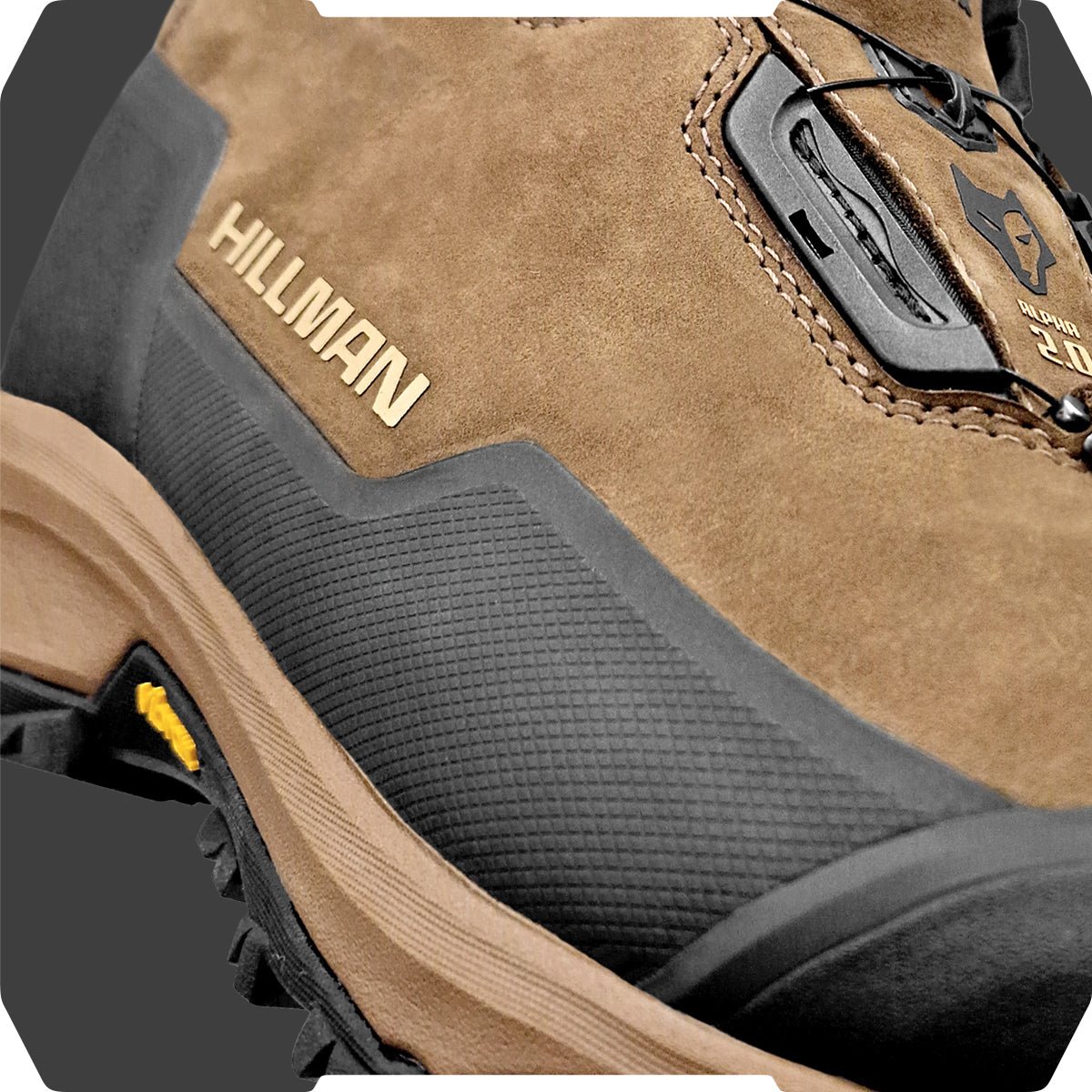
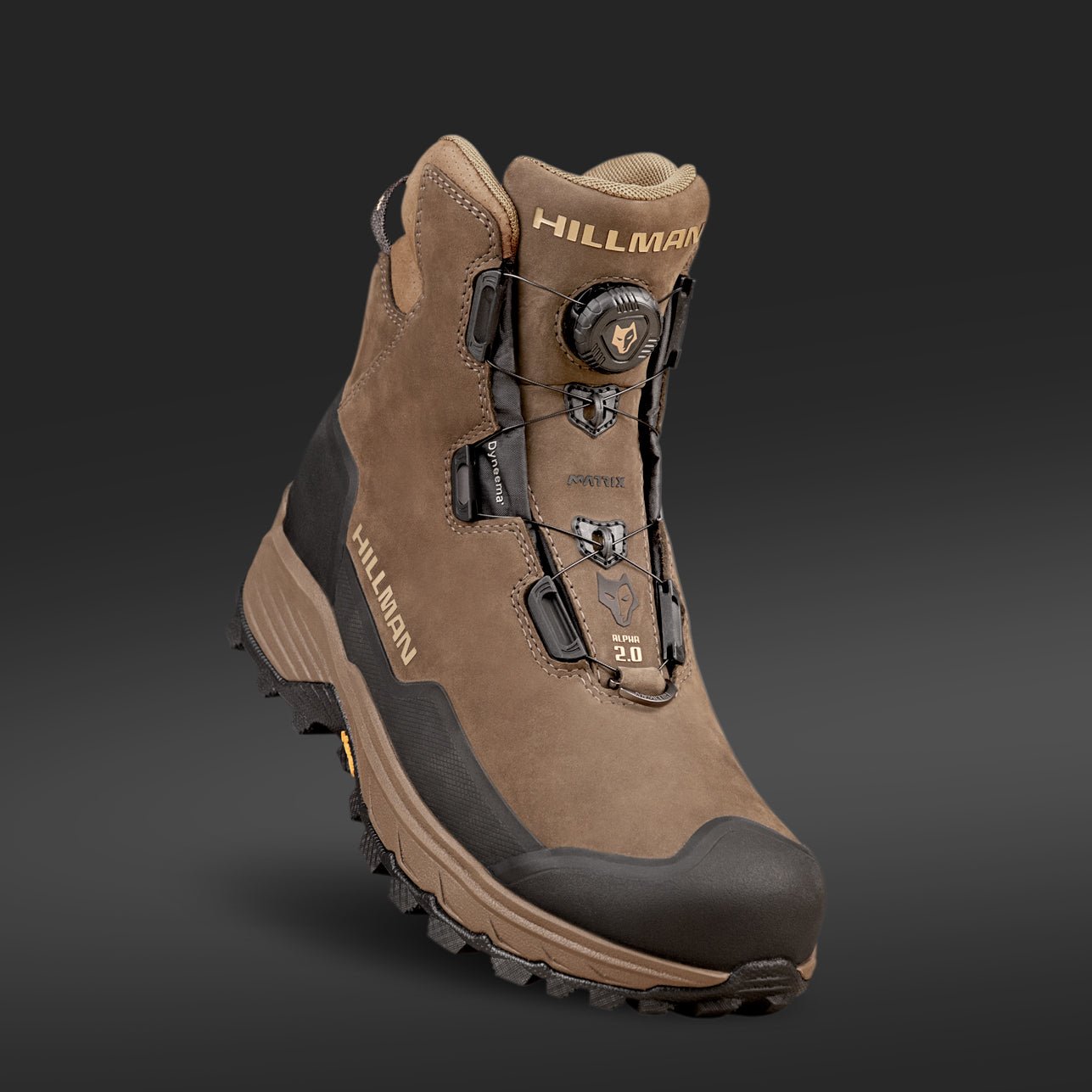
Leather hunting boots remain a strong choice for hunters who value stability and traditional craftsmanship. Leather keeps its structure even after repeated wear, which helps during stalking, trekking, or moving through uneven terrain. The natural density of leather supports the ankle and maintains a supportive feel when the boot is used across a variety of surfaces. This adds confidence when stepping through rocky paths or navigating soft ground after rain.
Leather also handles cold weather conditions well. The material retains warmth and pairs effectively with insulation in colder months. When hunters clean leather properly and store it dry, the material can last for years. Many brands still rely on leather because it stays hard-wearing under pressure and maintains comfort after long days on foot. With the right footwear care routine, the leather upper continues to protect the foot from dirt, wet conditions, and shifting ground.
Hunting boots: performance defined by construction and terrain

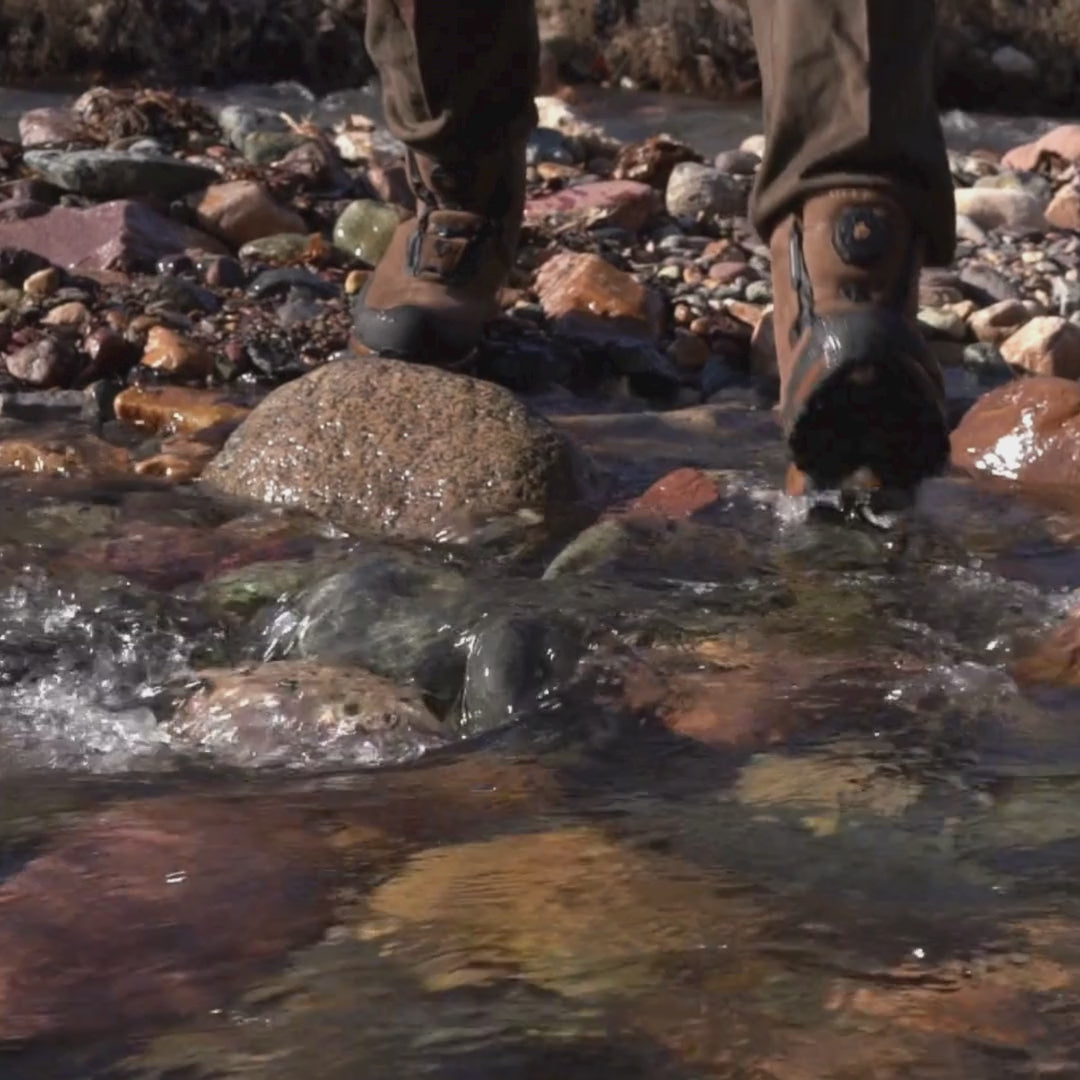
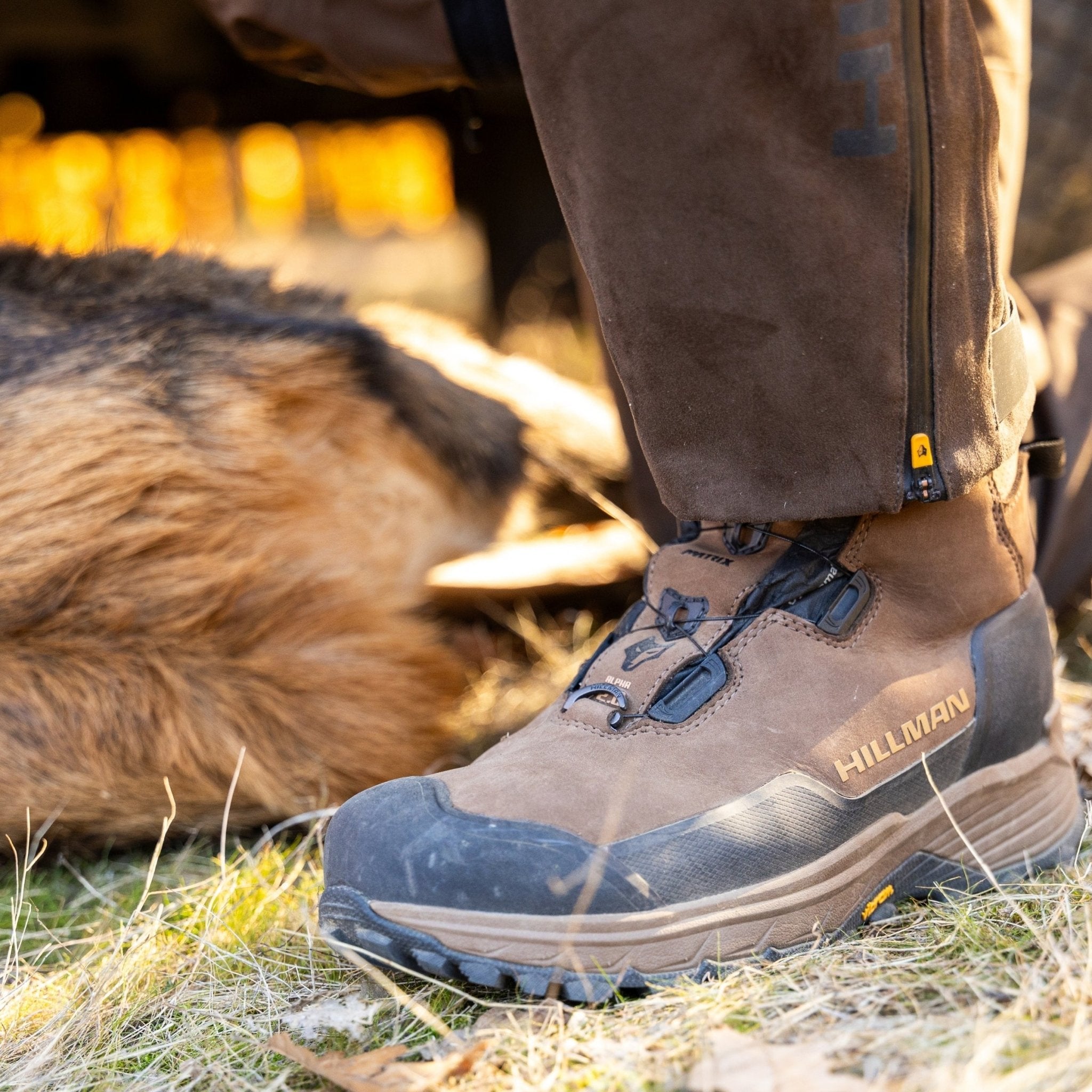
Hunting boots differ in performance depending on their construction. Breathable waterproof membranes, interior lining, stitching, and sole bonding influence how a pair handles ongoing use. A boot built for the great outdoors must keep feet dry, protect from mud, and support stable movement. Hunters who explore rough terrain require footwear that resists twisting forces, while beater hunts or drives often demand boots that tolerate constant water exposure.
Different regions also influence durability. In the UK, wet ground is common across much of the season, which places more pressure on waterproof features and the ability to keep feet dry. In Italy, rocky slopes or steep routes require stability and grip. When hunters choose a boot that suits their terrain rather than only appearance, durability increases naturally. This avoids the mistake of forcing a lightweight hiking boot into heavy stalking or using insulated boots during warm weather.
Best hunting boots: what sets long-lasting footwear apart

The best hunting boots balance strength, comfort, and supportive design. A long-lasting pair maintains fit even after months of wear. Hunters often notice that a poor fit leads to faster breakdown around the heel or midfoot, which affects movement. Quality shooting boots and hiking boots keep their structure through repeated use and allow natural foot motion without collapsing inward.
Boots built with the right features feel comfortable through long days in the field. The material should suit the season, whether it is a wet autumn or a dry early summer hunt. Footwear designed with attention to detail reduces pressure on joints and helps hunters stay focused on their surroundings instead of adjusting their steps. A well-chosen pair also prevents unnecessary fatigue, allowing hunters to explore a wider range of ground without discomfort.
Insulated boots: maintaining comfort and warmth in colder seasons

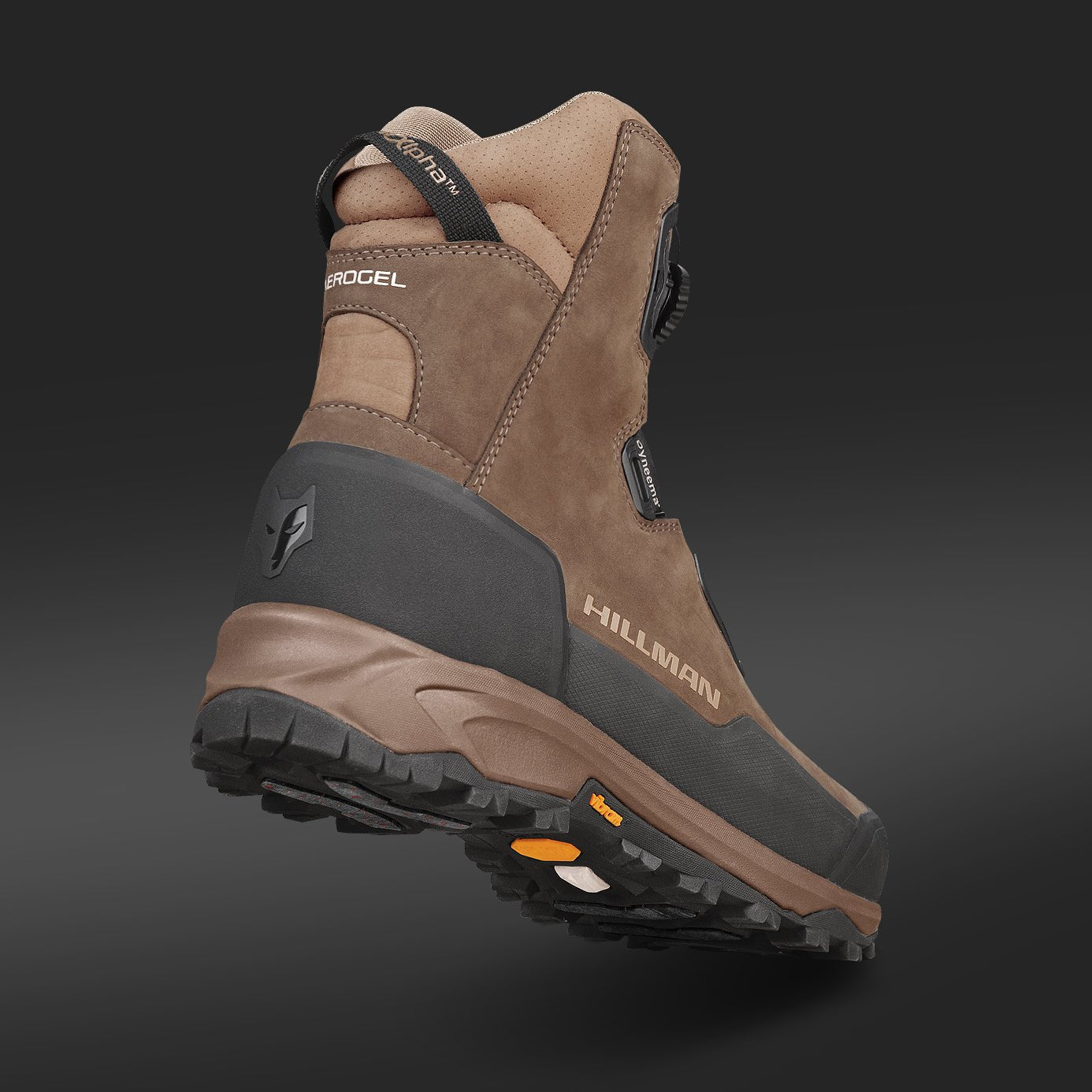
Insulated boots support hunters through colder weather conditions by combining insulation layers with stable uppers. Temperature drops can affect focus and movement, so insulation must work without trapping too much heat. Synthetic insulated boots often dry faster after snow or water exposure, which suits hunts in wet winter terrain. Leather insulated boots provide dependable warmth as well, though they require proper drying time.
Both options can meet expectations when the insulation matches the season. A boot that stays dry and warm helps hunters stay comfortable through long pauses during stalking or when waiting for a chance at a clear shot. The right insulation reduces distraction and keeps movement steady, even when the ground is cold and uneven.
Shooting boots: stability and structure where precision matters

Shooting requires a stable footing and supportive footwear. Shooting boots need to maintain shape even after repeated movement and weight shifts. Synthetic designs hold their structure well in wet environments, keeping the boot firm and predictable. Leather shooting boots adapt gradually to the shape of the foot, which creates a steady platform for controlled movements.
Both materials can perform equally well in the right conditions. Hunters who prefer quick drying and lighter weight often choose synthetic models. Those who value a more adaptable feel and long-term shaping lean towards leather. Hillman incorporates supportive midsoles and durable uppers across shooting-focused styles to ensure consistent balance.
Excellent ankle support: a core requirement for demanding terrain

Excellent ankle support is essential for hunters moving through unstable terrain. Whether crossing loose soil, wet slopes, or rocky edges, ankle stability influences safety and comfort. Leather naturally offers firm support because of its structure. Synthetic boots rely on engineered shapes and reinforced elements to provide similar results.
Boots with strong ankle support help prevent strain or sudden slips, especially during long walks or when moving across uneven ground. This support plays a key role in long-term durability because it prevents excessive bending or twisting of the boot over time.
Essential features: what modern hunting footwear must deliver

Modern hunting footwear must handle moisture, support movement, and maintain stability throughout the season. Breathable waterproof membranes help manage water exposure during wet hunts. A comfortable interior, combined with supportive shaping, allows hunters to maintain natural motion even when carrying extra gear.
Choose boots that match the expected terrain and season. Fit, size, and comfort contribute directly to how long a pair lasts. A boot that fits properly reduces internal friction and keeps the lining and upper intact for a longer period. Hunters benefit from exploring an extensive collection before choosing the pair that meets their expectations.
Weather conditions: how materials respond over time

Weather conditions influence how boots age. Synthetic boots suit wet climates because they dry quickly and resist deformation after exposure to water. Leather reacts differently; it requires proper cleaning and drying, but when maintained correctly, it can last longer than many synthetic options. In moderate climates, leather provides durable comfort and top-quality structure that holds through repeated wear.
Knowing how materials respond to rain, mud, dirt, warm days, or cold mornings helps hunters make a better selection. The right choice increases the chance of long-term comfort and extends the lifespan of the boots.
Choosing the Right Option for the Field

Both leather hunting boots and synthetic hunting boots can deliver long-lasting durability when chosen with terrain, season, and use in mind. Leather offers strength, warmth, and supportive structure. Synthetic materials offer quick drying comfort, waterproof protection, and predictable performance in wet environments. Hillman focuses on creating footwear that supports steady movement, reduces fatigue, and meets the demands of real field conditions. With proper care and the right selection, both materials can provide dependable service across multiple seasons in the great outdoors.


Share:
How to Choose the Right Hunting Boots for UK Terrain
Insulated Hunting Jackets: Stay Warm Through Cold UK Seasons