
How to Layer Your Hunting Gear for Maximum Comfort and Efficiency

Layer your hunting gear the right way and stay warm, dry, and comfortable in shifting British weather. Learn how each layer works for maximum efficiency.
Spend enough time outdoors in Britain, and you begin to see how quickly the weather can test a person’s patience. One moment, the morning looks promising, a faint line of pale sun behind drifting cloud, and the next, a sudden wind comes down off the hedgerows as if it has changed its mind entirely. There’s something very British about this rhythm, this constant shifting, and any hunter who walks the fields long enough learns that no single jacket or pair of trousers can keep pace with it. That’s why layering hunting gear has become less of an idea and more of a quiet discipline, practised almost unconsciously once you understand how your clothing behaves hour after hour.
Layering works because each layer serves its own purpose, like members of a small, well-trained team. One moves moisture away from your skin. Another trap warmth when the day loses its colour. A third stands firm against wind or rain, offering a kind of comfort you don’t fully appreciate until you’re caught in the middle of a moor with the weather closing in behind you. When these parts work together, you stop thinking about them. You simply carry on with the hunt, kept warm, dry, and steady without needing to fuss over your hunting gear.
Choosing the Right Base Layer for Cold Weather Hunts

A proper base layer sits close to the body, and there’s something oddly reassuring about that first touch of warmth when you pull on merino in the dark before sunrise. Some hunters prefer synthetics like polyester or nylon for their speed in moving sweat outward, but merino wool has a calm warmth to it that feels almost old-fashioned, yet incredibly effective in cold weather.
The job of a base layer is simple but vital: manage moisture. Your body produces more heat than you realise, especially during the early parts of a walk when energy is high and the chill hasn’t fully worn off. A base layer that clings too tightly or traps humidity leaves you feeling sticky under your clothing. And once the wind finds you, that dampness cools rapidly. A base layer that is breathable and highly breathable, even, becomes the anchor for the rest of your layering system. Without it, the rest of your layers feel like guesswork.
Building an Effective Mid Layer for Warmth and Movement

As the day stretches out and the sounds of the countryside settle into their usual rhythm, a crow somewhere in the distance, a pheasant lifting abruptly through the bracken, your mid-layer begins its quiet work. Fleece is a common friend here, soft and warm without feeling weighty. Wool blends bring a deeper warmth, the sort that doesn’t vanish the moment you pause for a few minutes to take a closer look at fresh tracks. Some hunters prefer thin insulated pieces for this middle role, especially when they expect long pauses and colder patches of ground.
Movement matters. The mid layer must help you stay warm while still offering freedom to climb, bend, shoulder a rifle, or carry a bag across a slope slick with wet grass. If it's too bulky, you feel boxed in. Too thin, and the cold creeps through in quiet moments. A good mid-layer exists somewhere between a companion rather than a barrier.
Selecting an Insulated Outer Layer for Harsh Weather Conditions

There are days, usually later in the year, when an insulated outer layer feels less like a piece of clothing and more like shelter. You know the sort of day, the fields look flat and colourless, the light soft and low, and the wind blows a line of cold along your collarbone. On those days, warmth is everything.
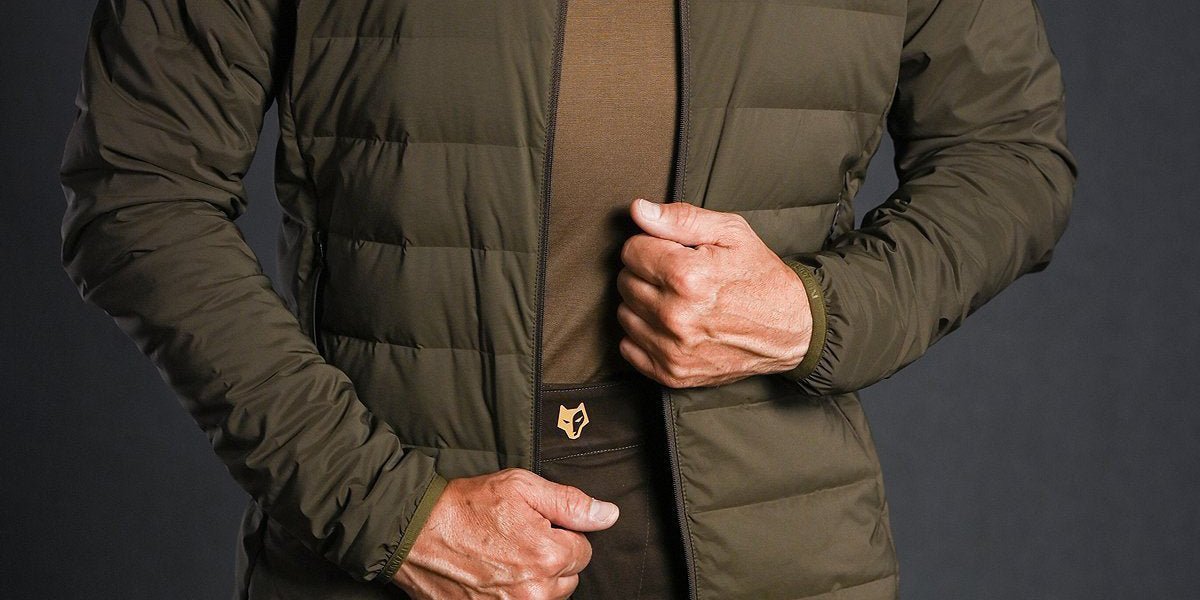
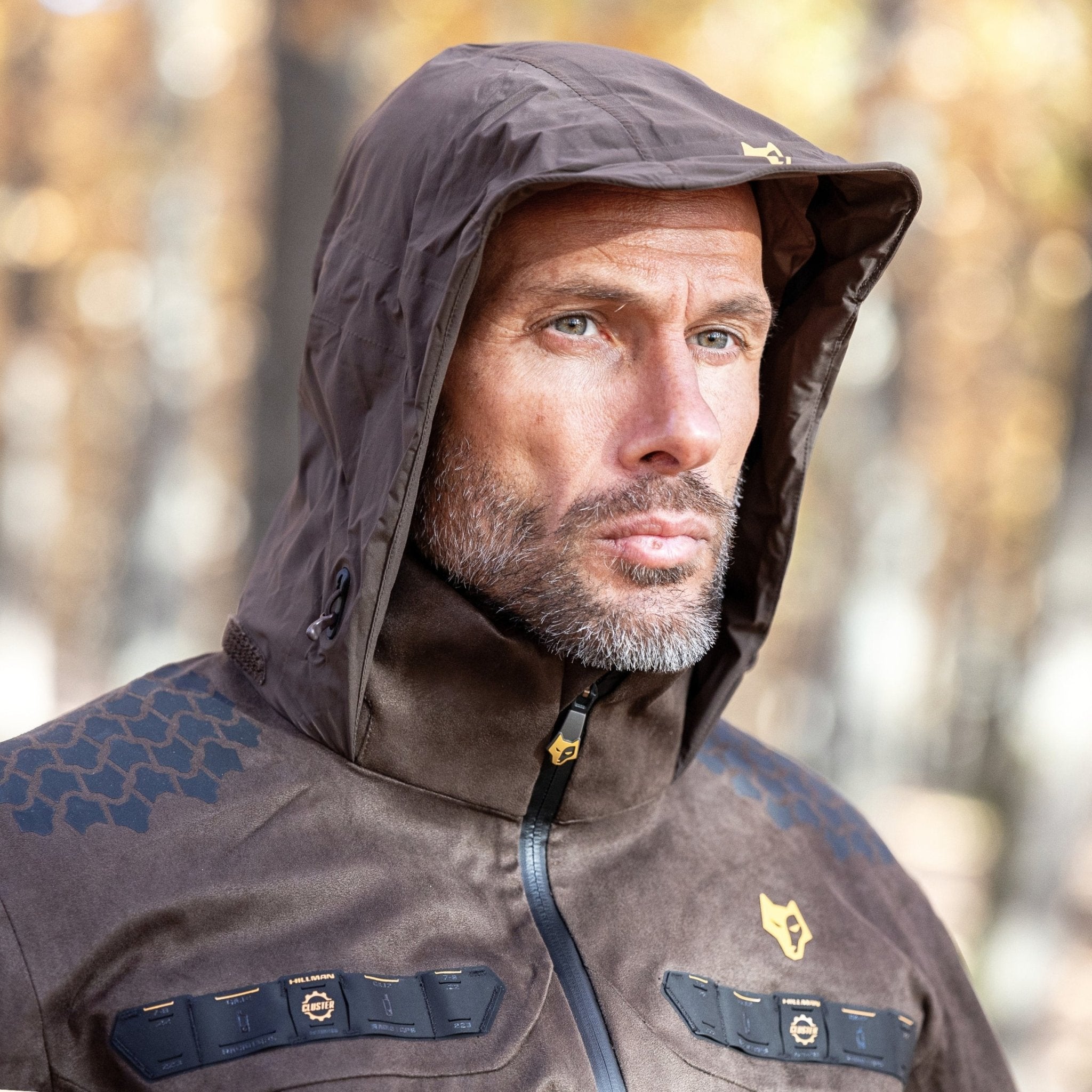
A carefully built, insulated jacket traps heat without smothering movement. Whether it's down, synthetic fill, or a more technical blend, the idea is the same: hold warmth close to your body, protect your core, and allow the rest of your system to work without strain. Many jackets come with thoughtful touches, an adjustable hood that blocks sideways gusts; stitching designed to reduce cold spots; pockets deep enough to warm chilled fingers. This outer layer becomes your first defence when the temperature drops sharply or snow threatens to settle.
How to Pick the Best Outer Layer for Wet and Windy Days

But the British Isles are known just as much for rain as for cold. On damp days, the priority shifts. A soft shell jacket might keep you warm on a breezy ridge, but once the rain rolls across the valley, only true waterproof protection will see you through. Good waterproof jackets keep water from creeping into cuffs, seams, or those spaces you forgot existed until you feel a cold trickle down your spine.
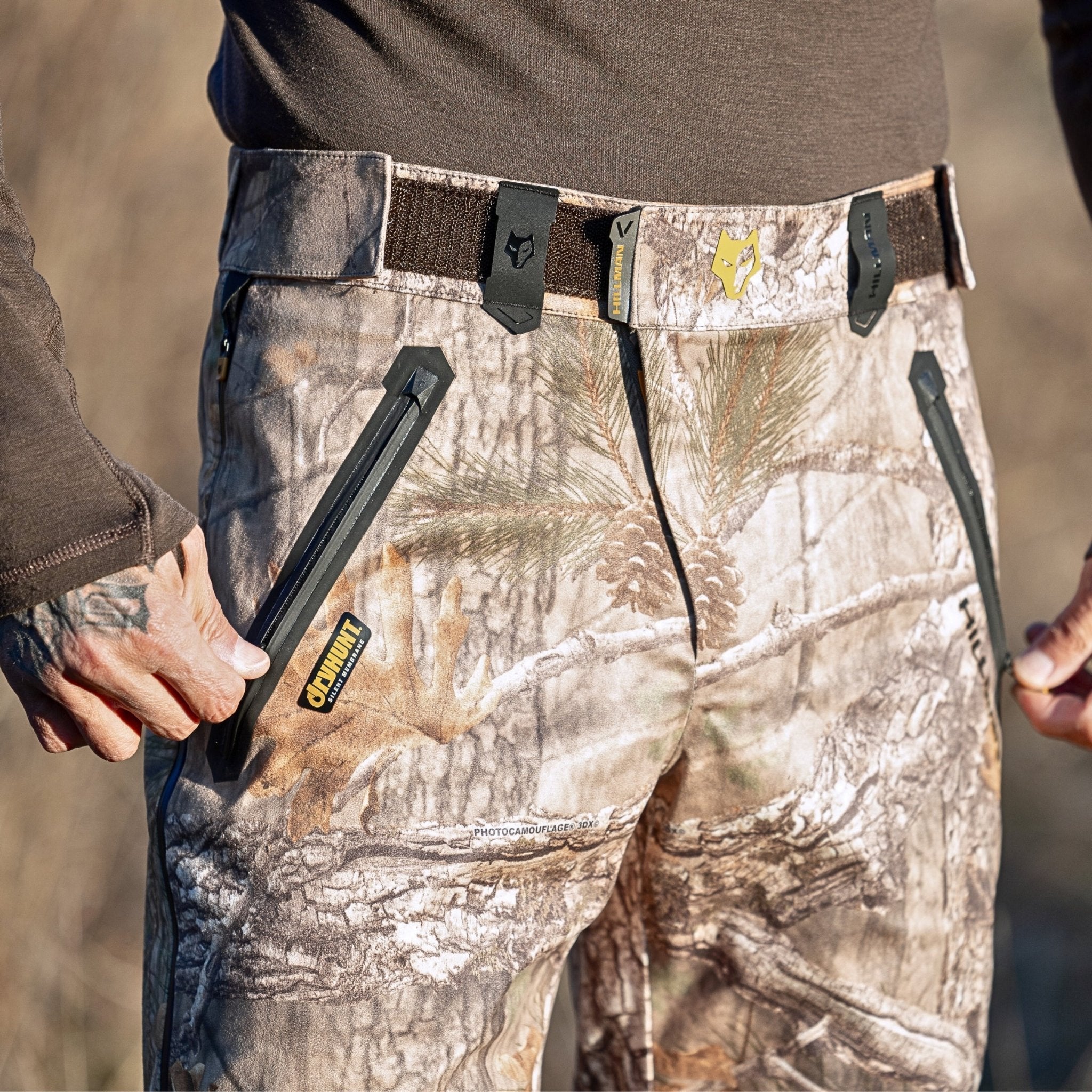
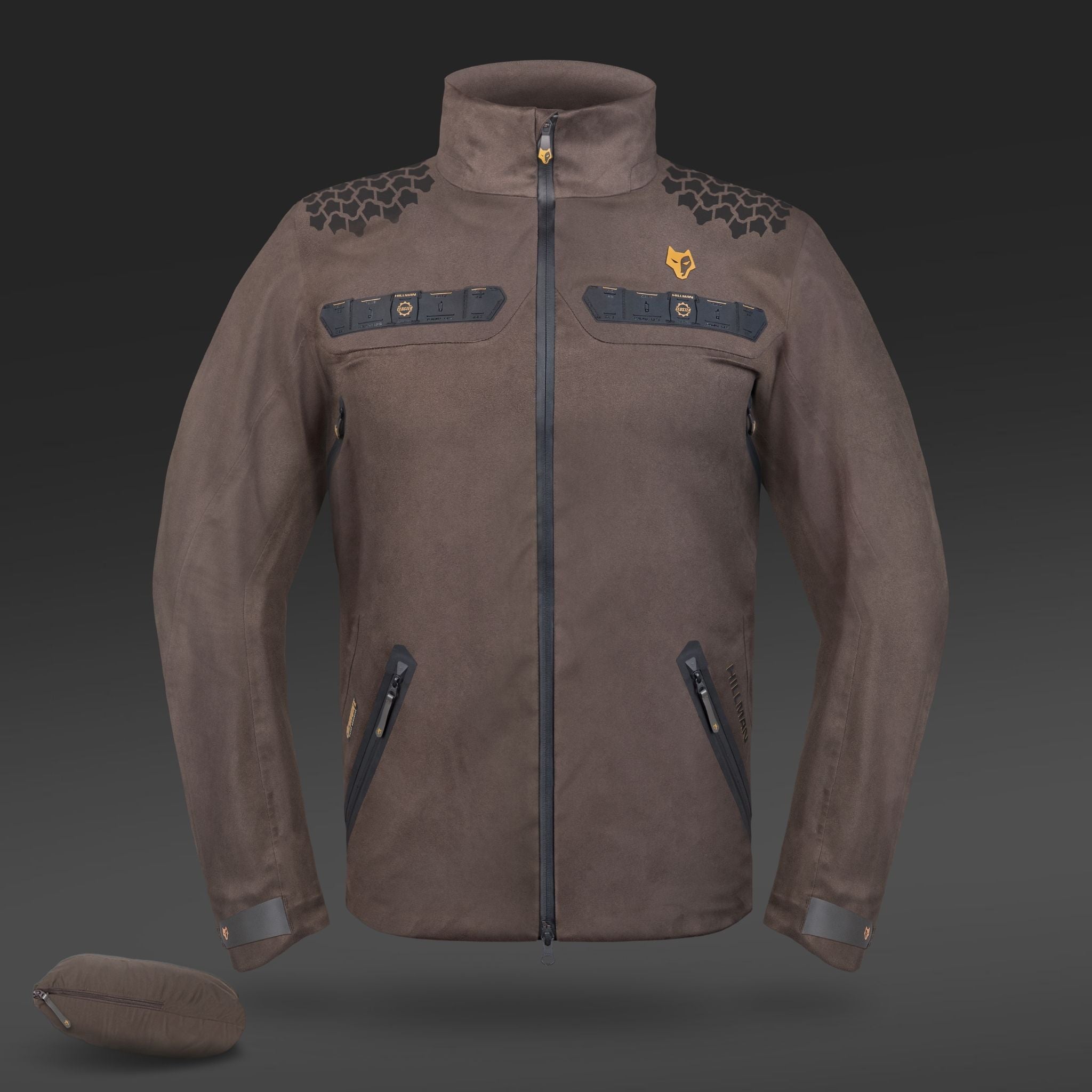
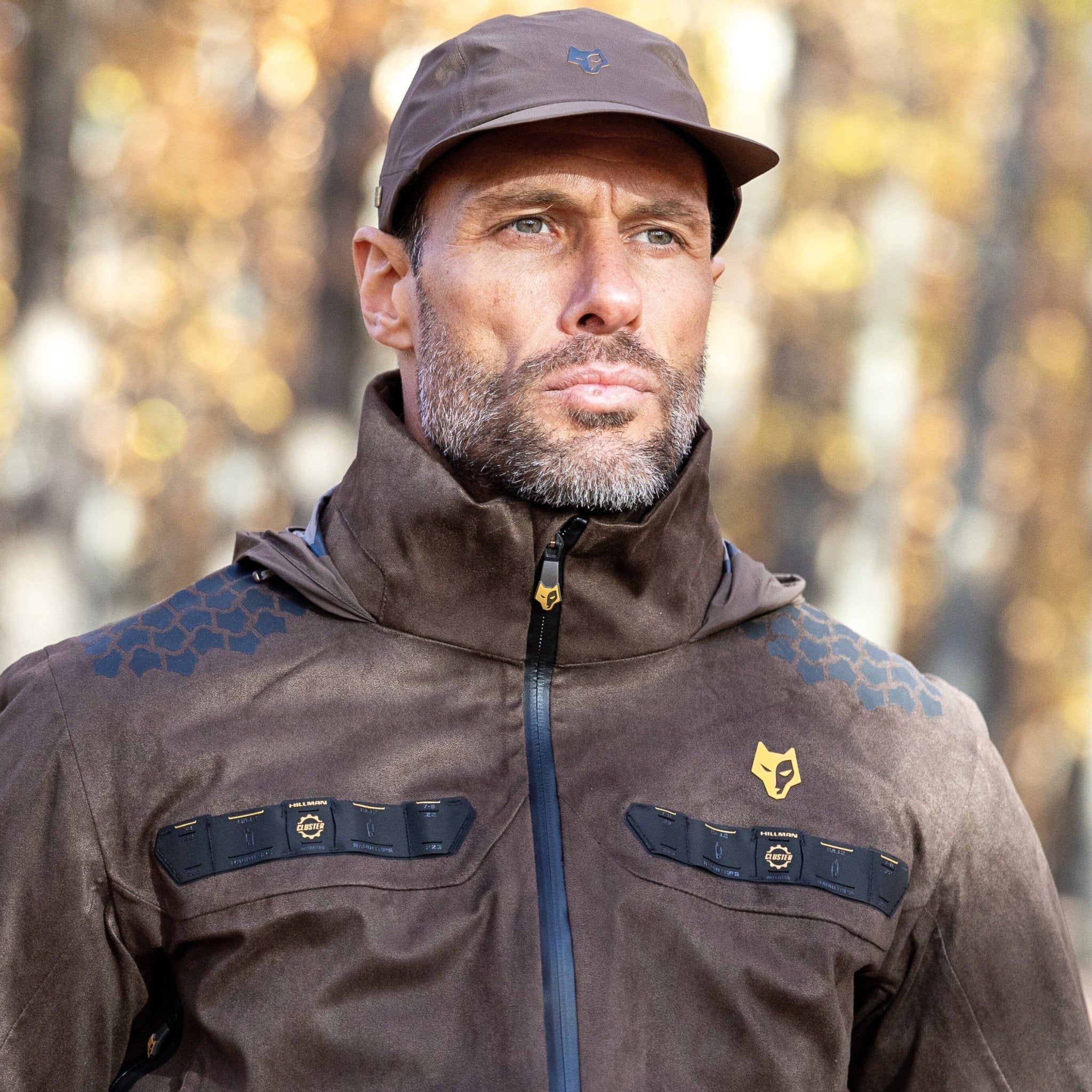
This is precisely where waterproof shooting jackets earn their praise. They shield you from wet conditions while still allowing moisture from inside to escape. The best of them balance silence and durability, fabric that doesn’t crackle with movement, strong enough to push through bramble or rough hedgerow without tearing. When the rain lingers and the ground softens beneath your boots, a well-made waterproof outer layer can keep a long day perfectly comfortable.
Hunting Jackets and the Role They Play in Your Layering System

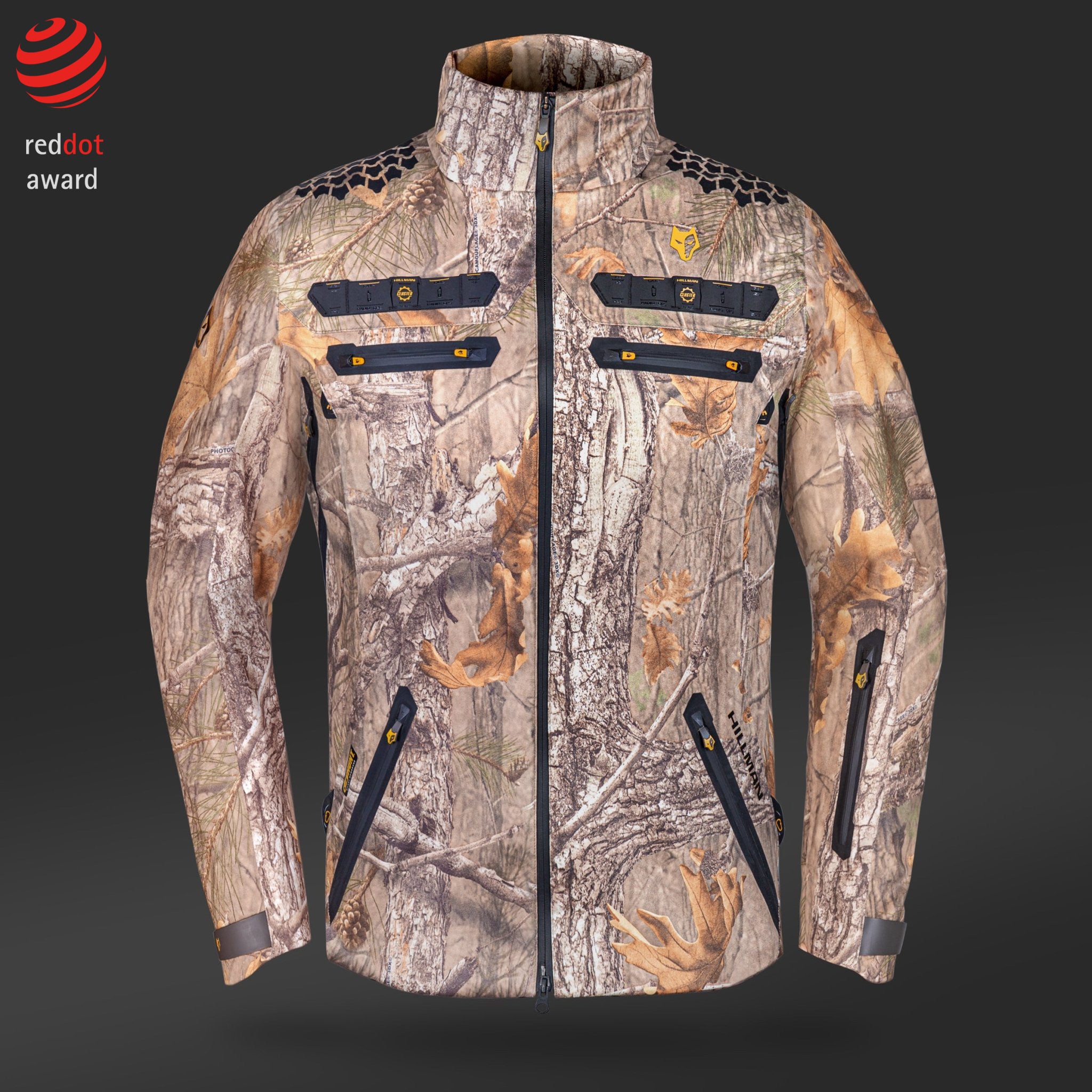
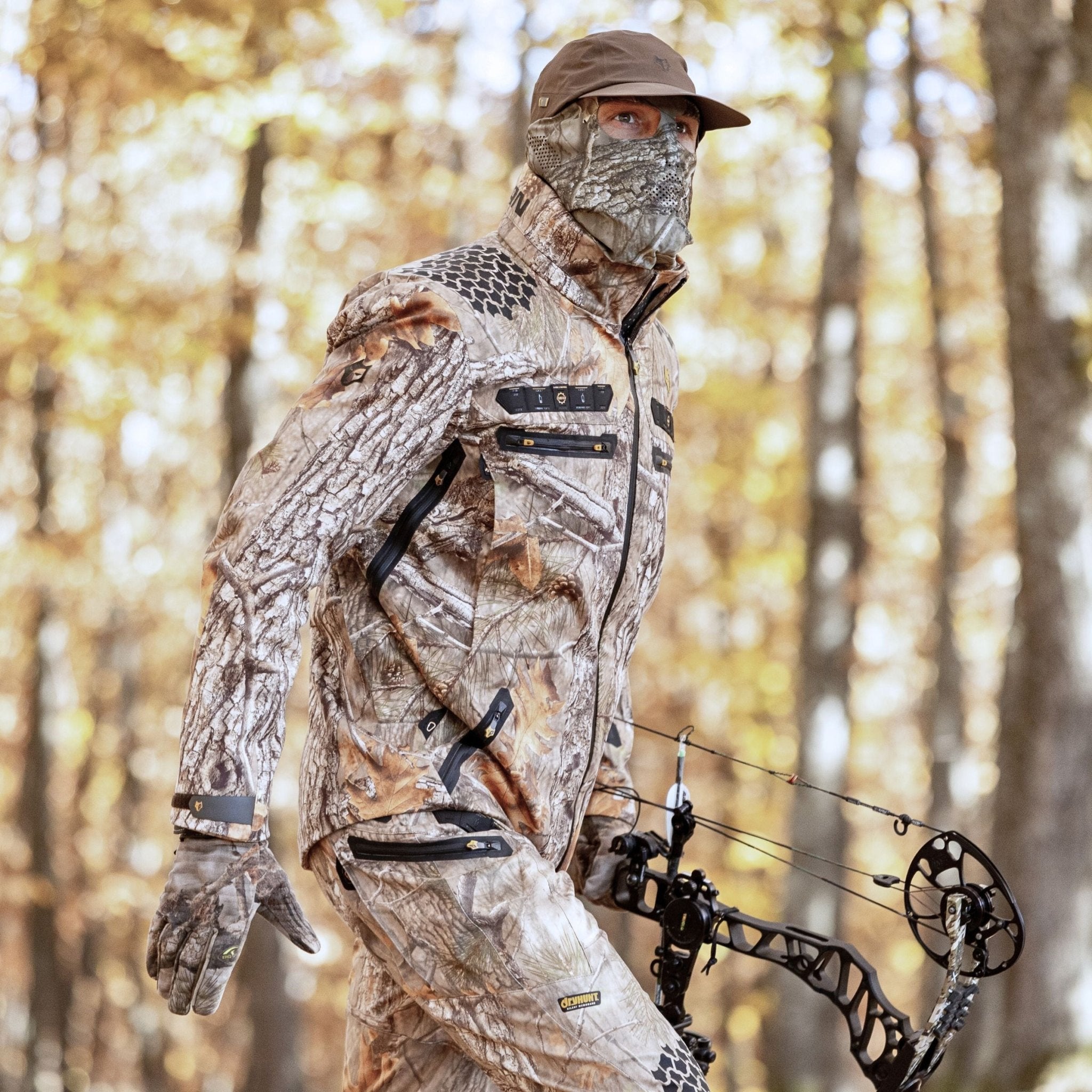
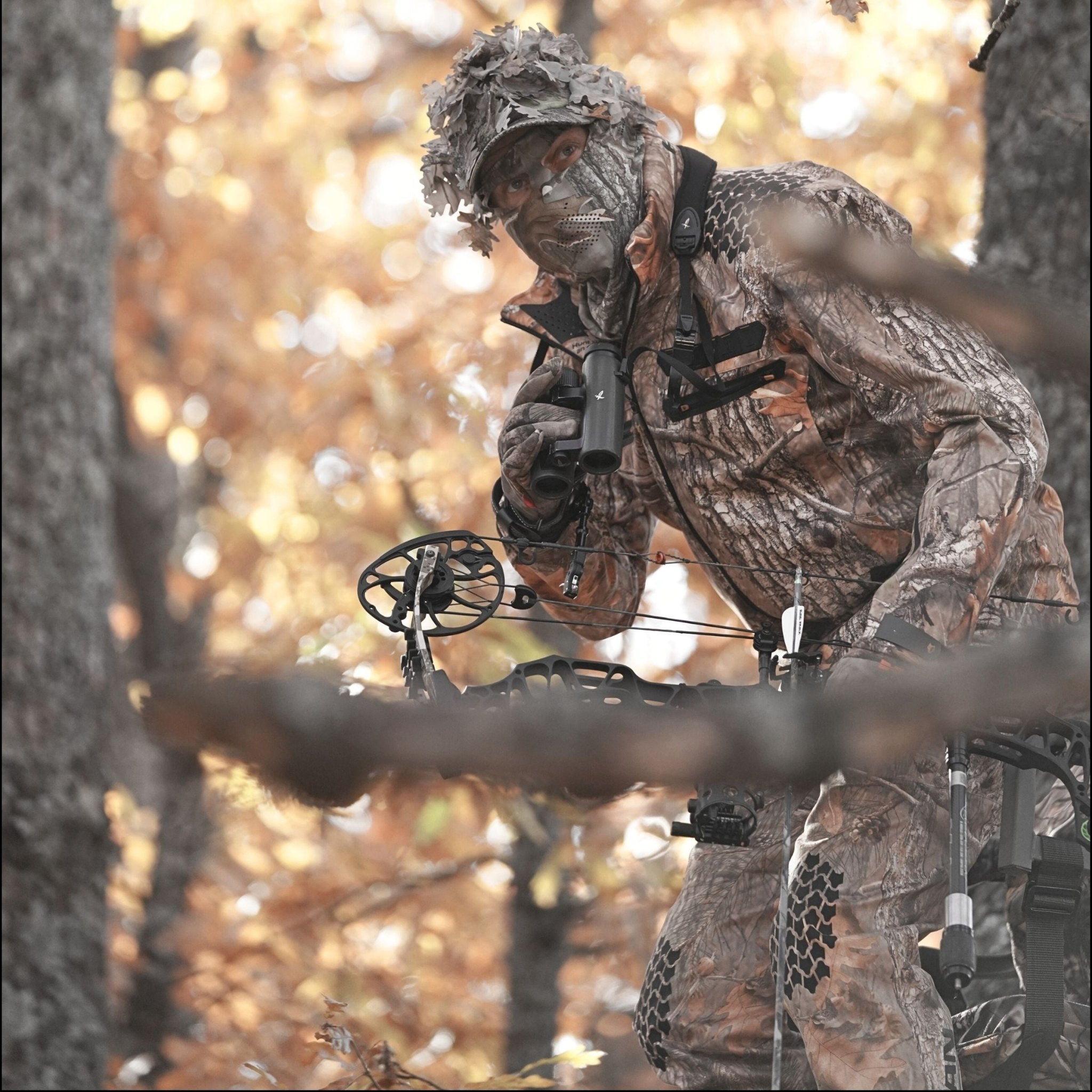
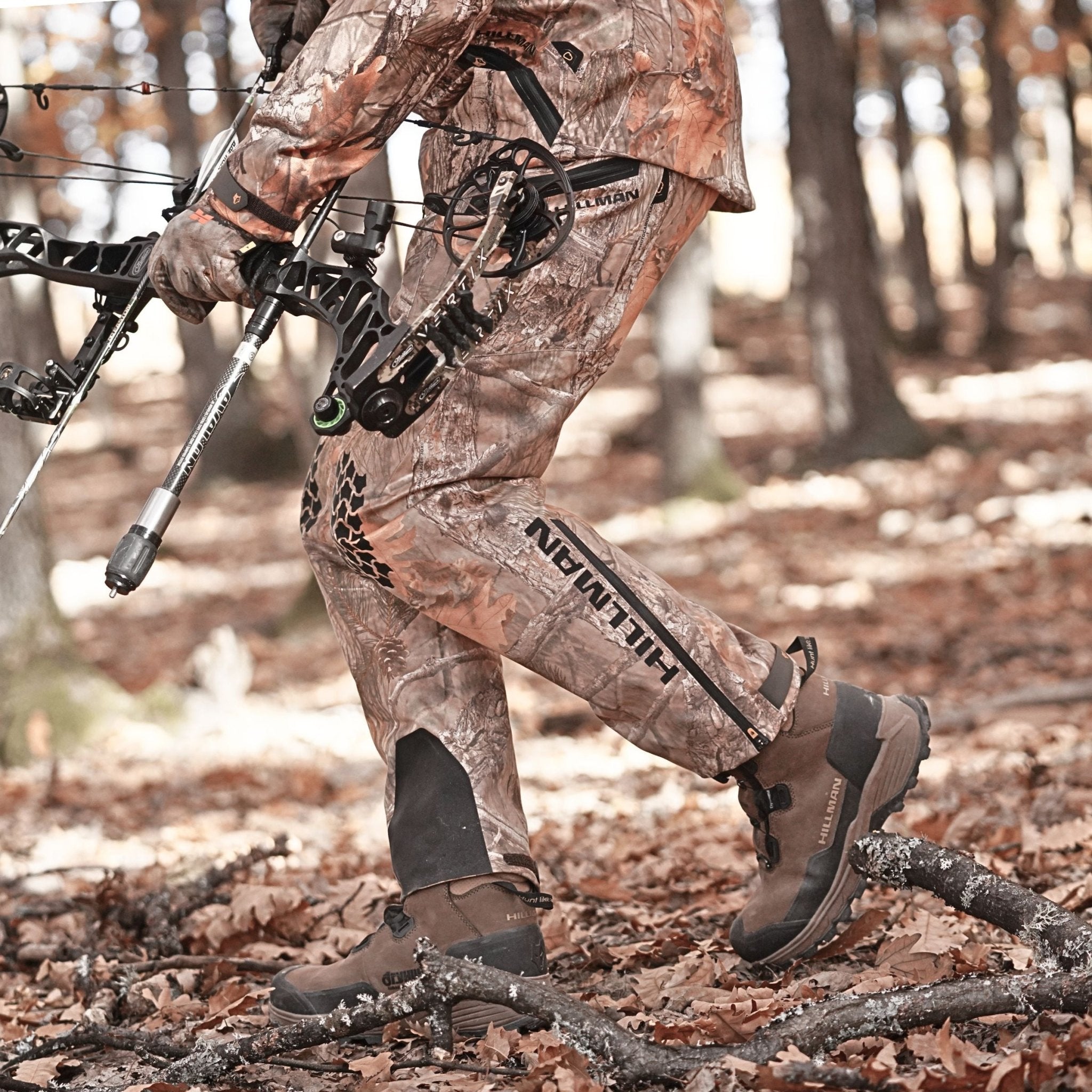
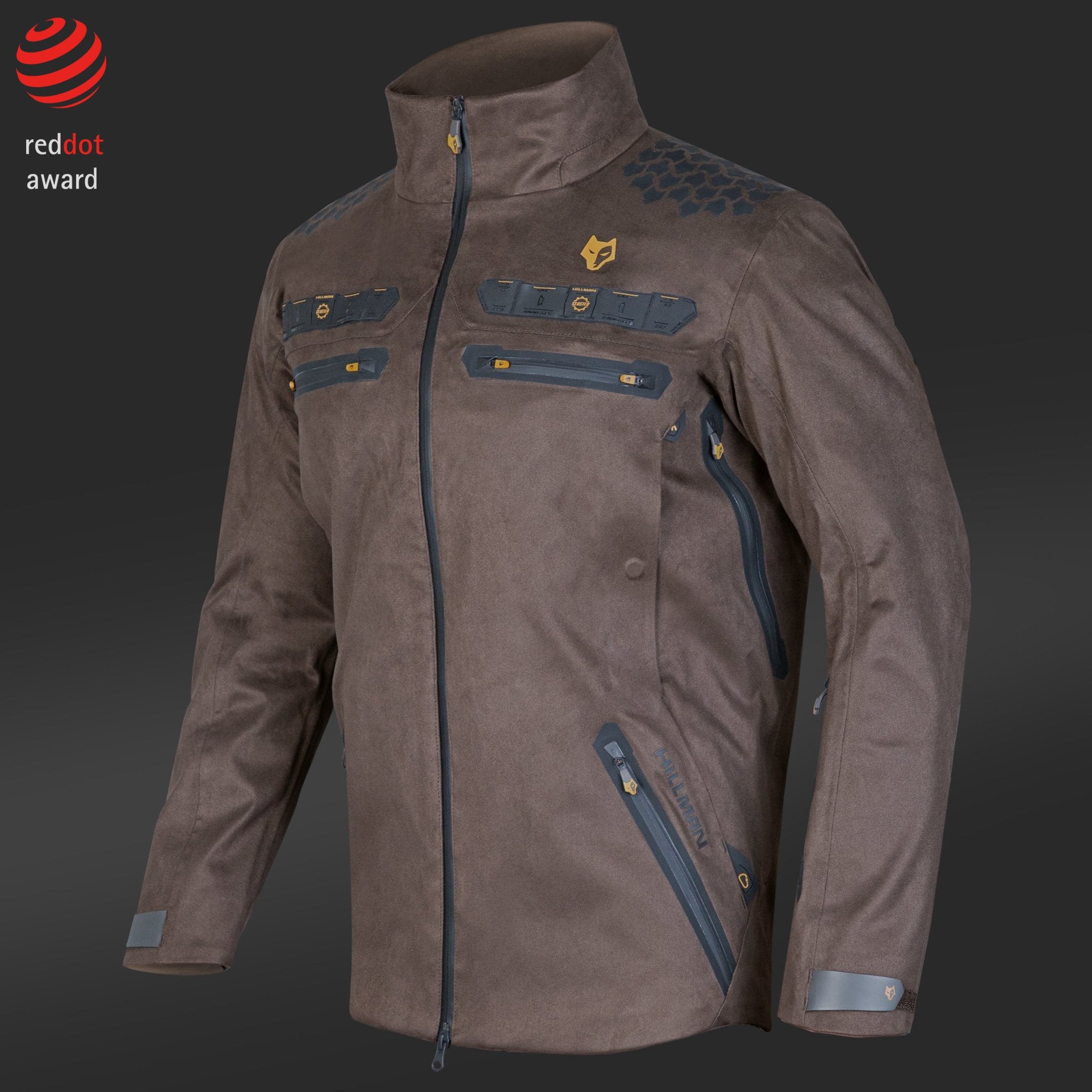
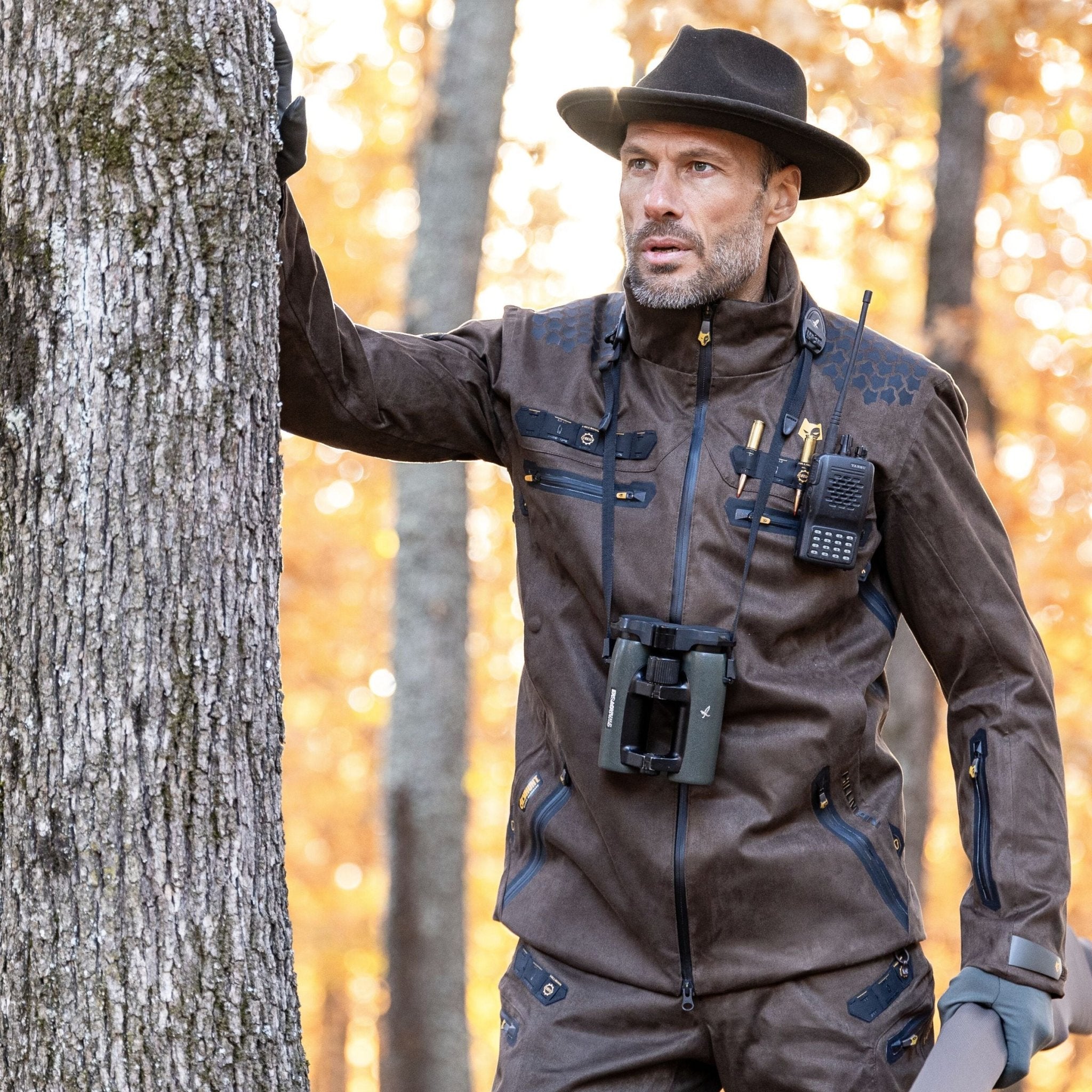
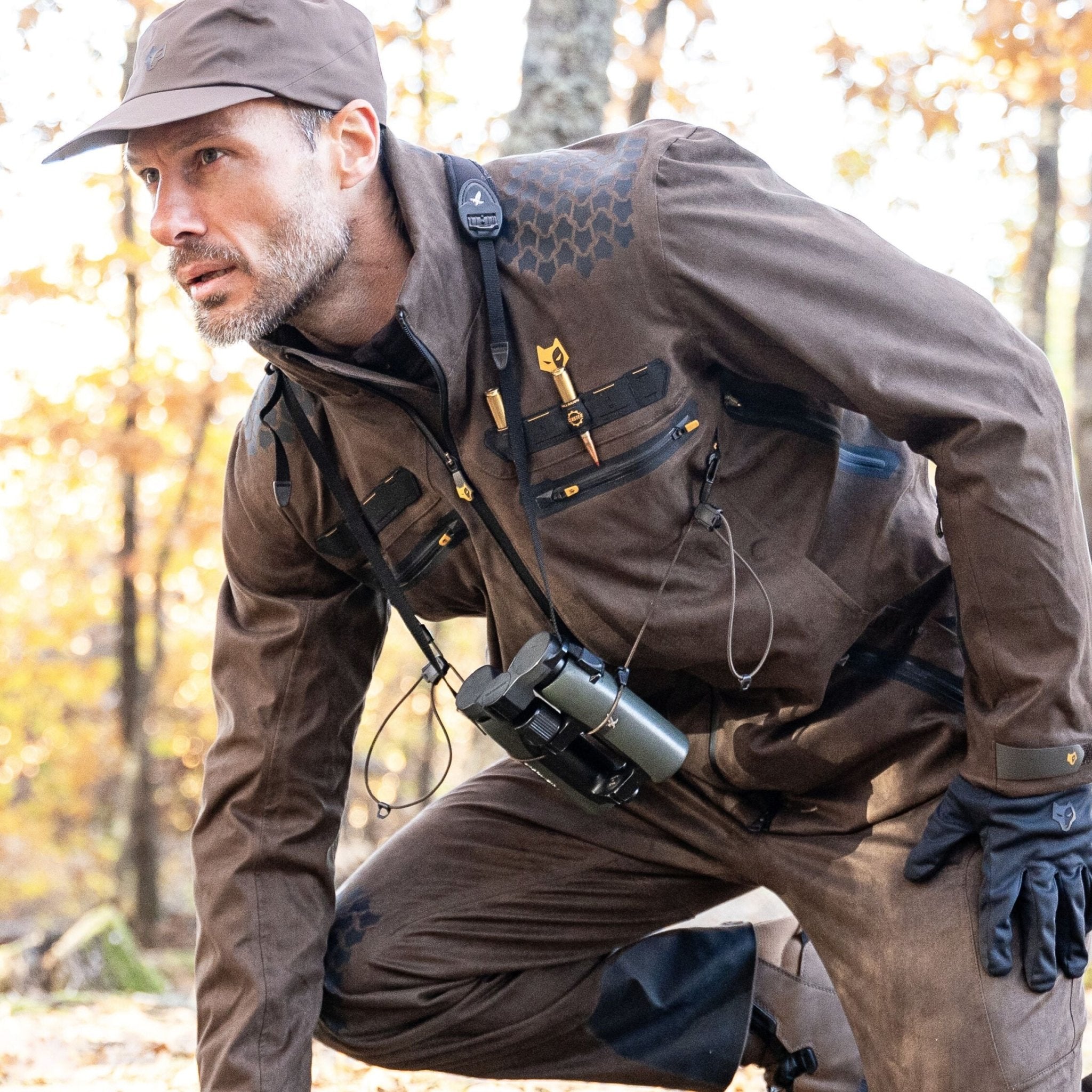
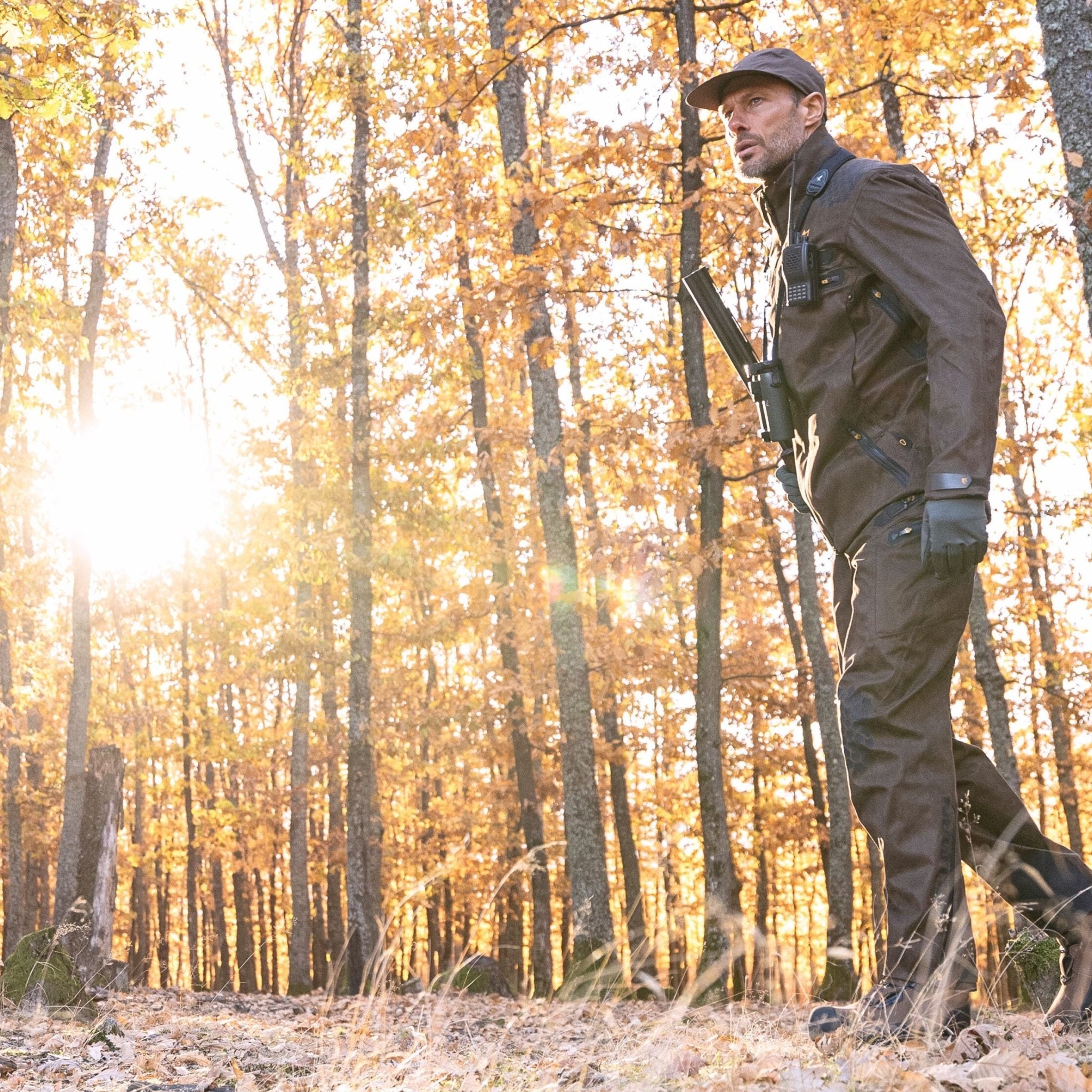
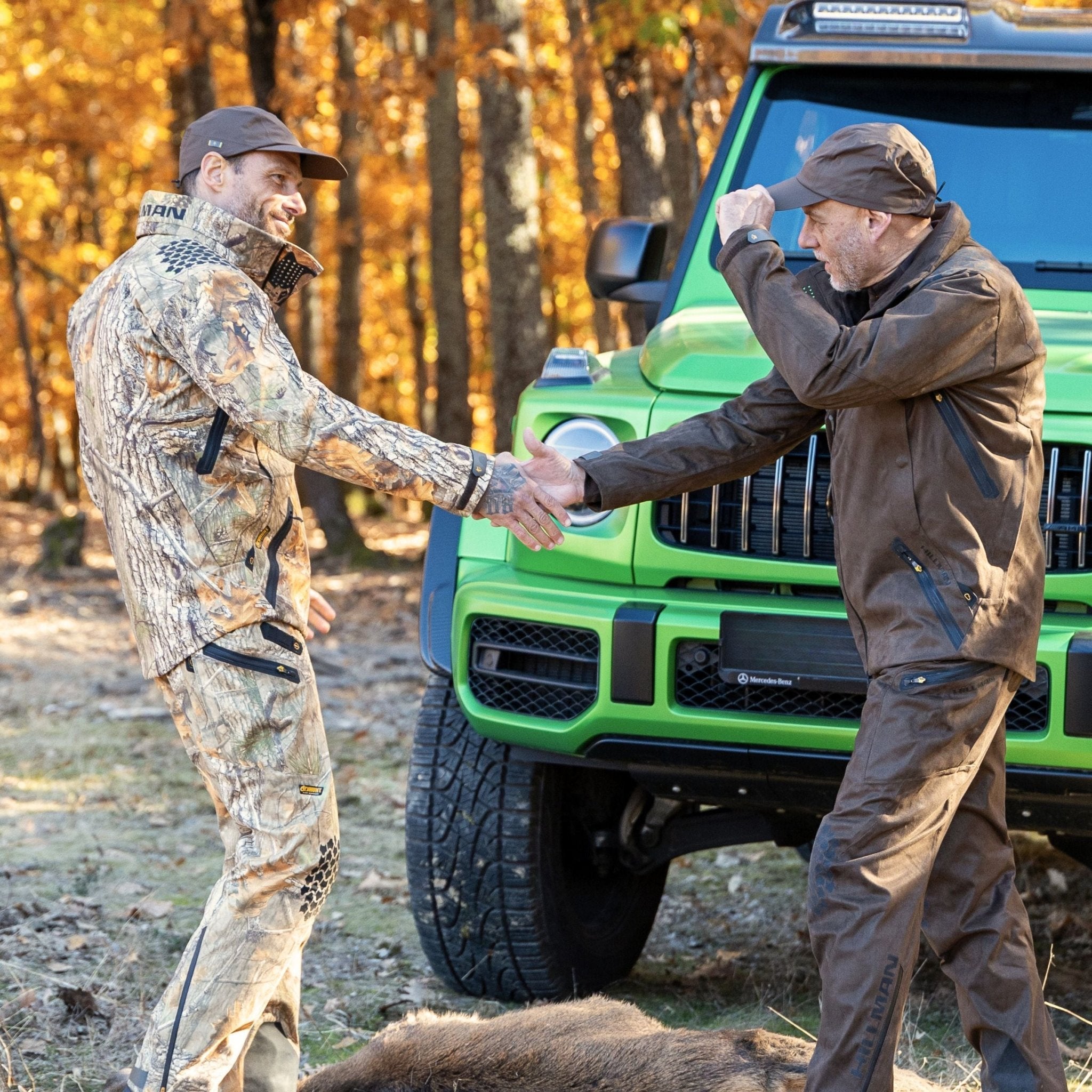
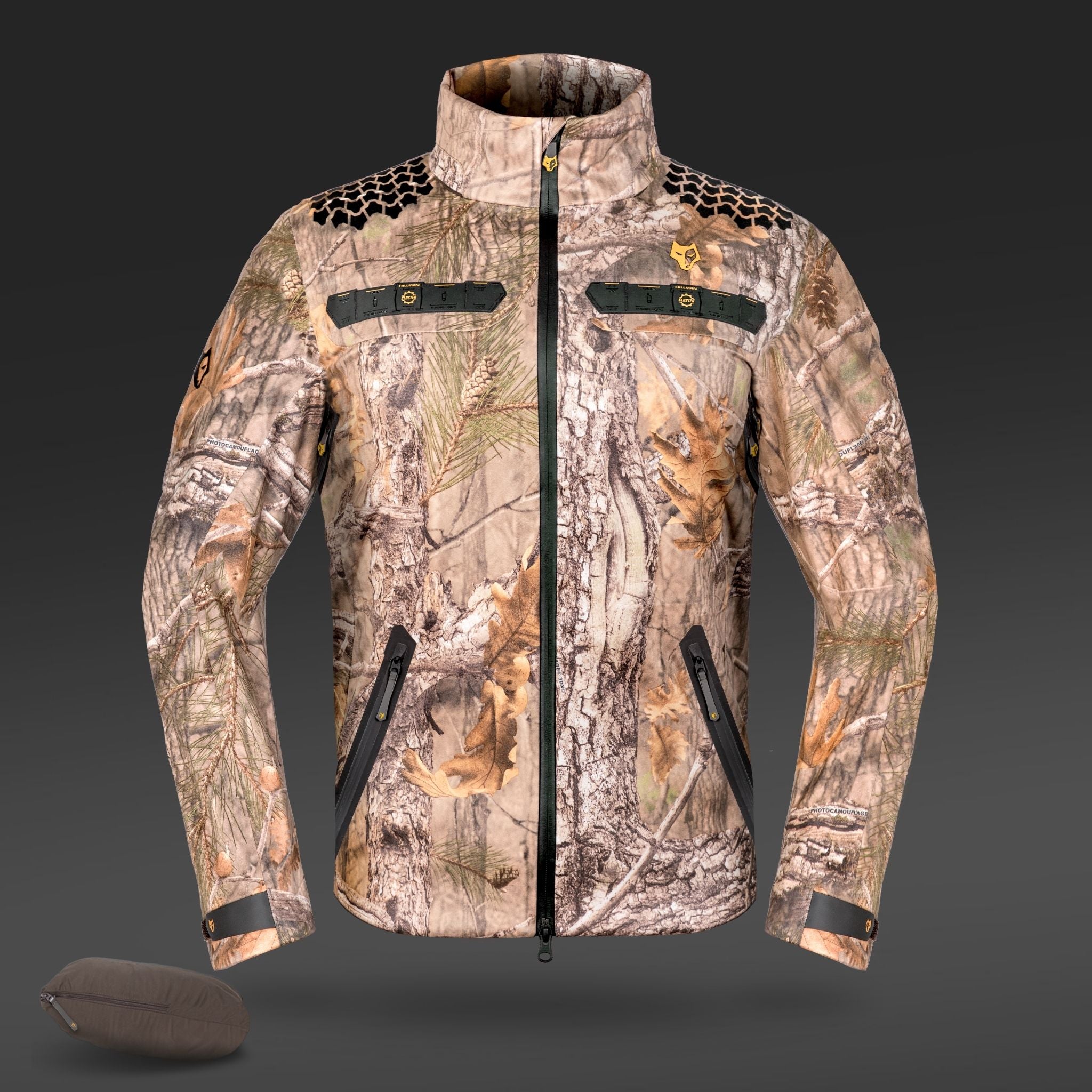
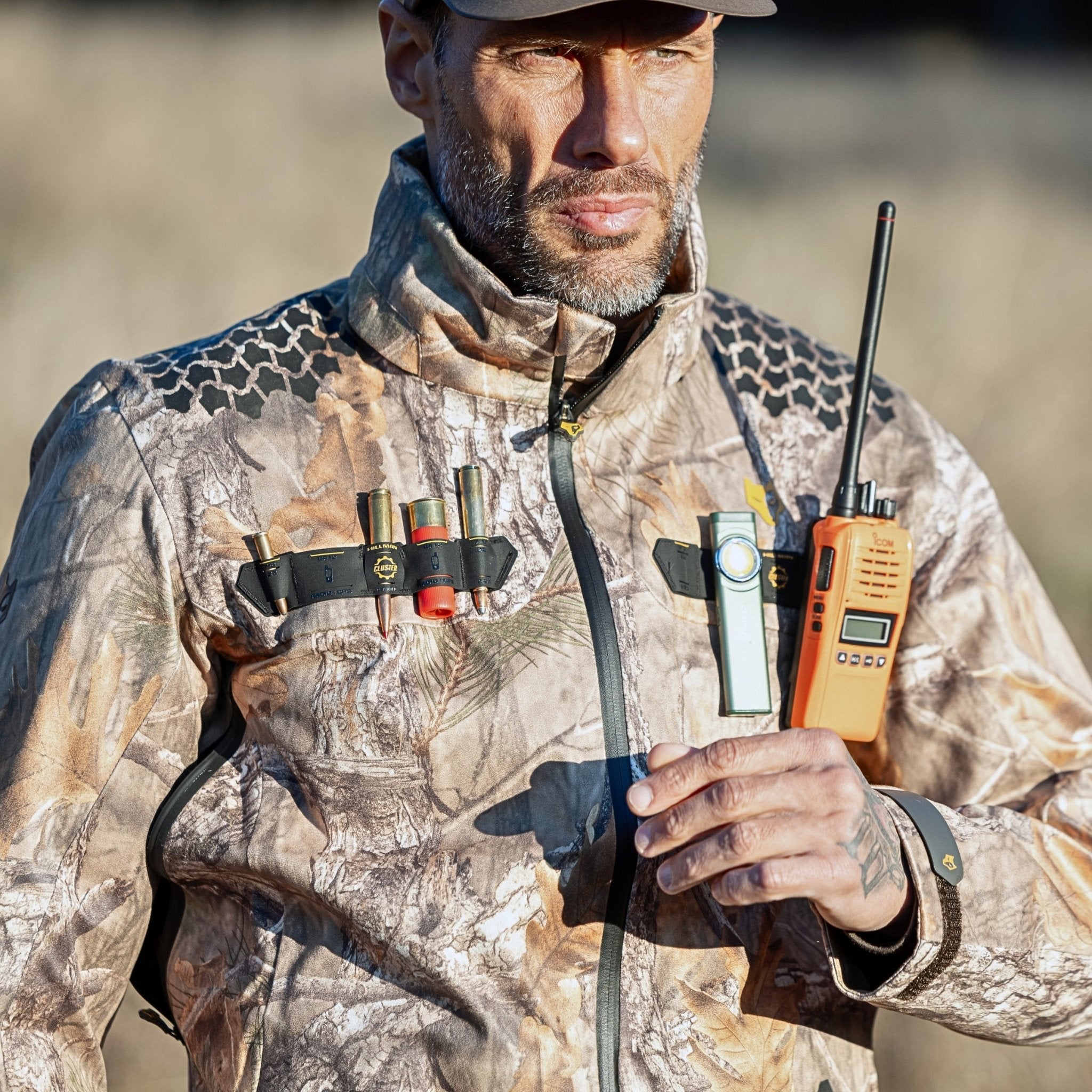
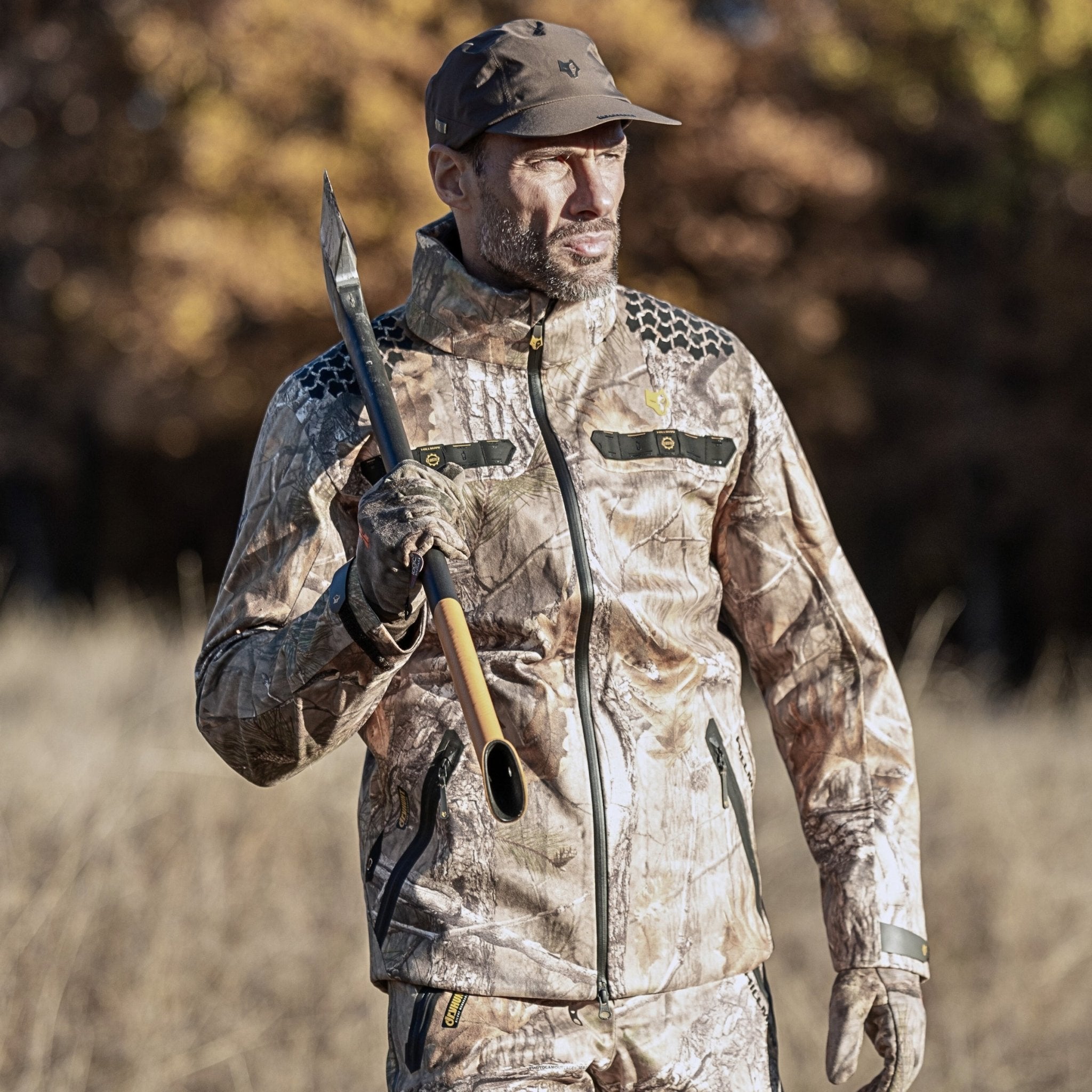
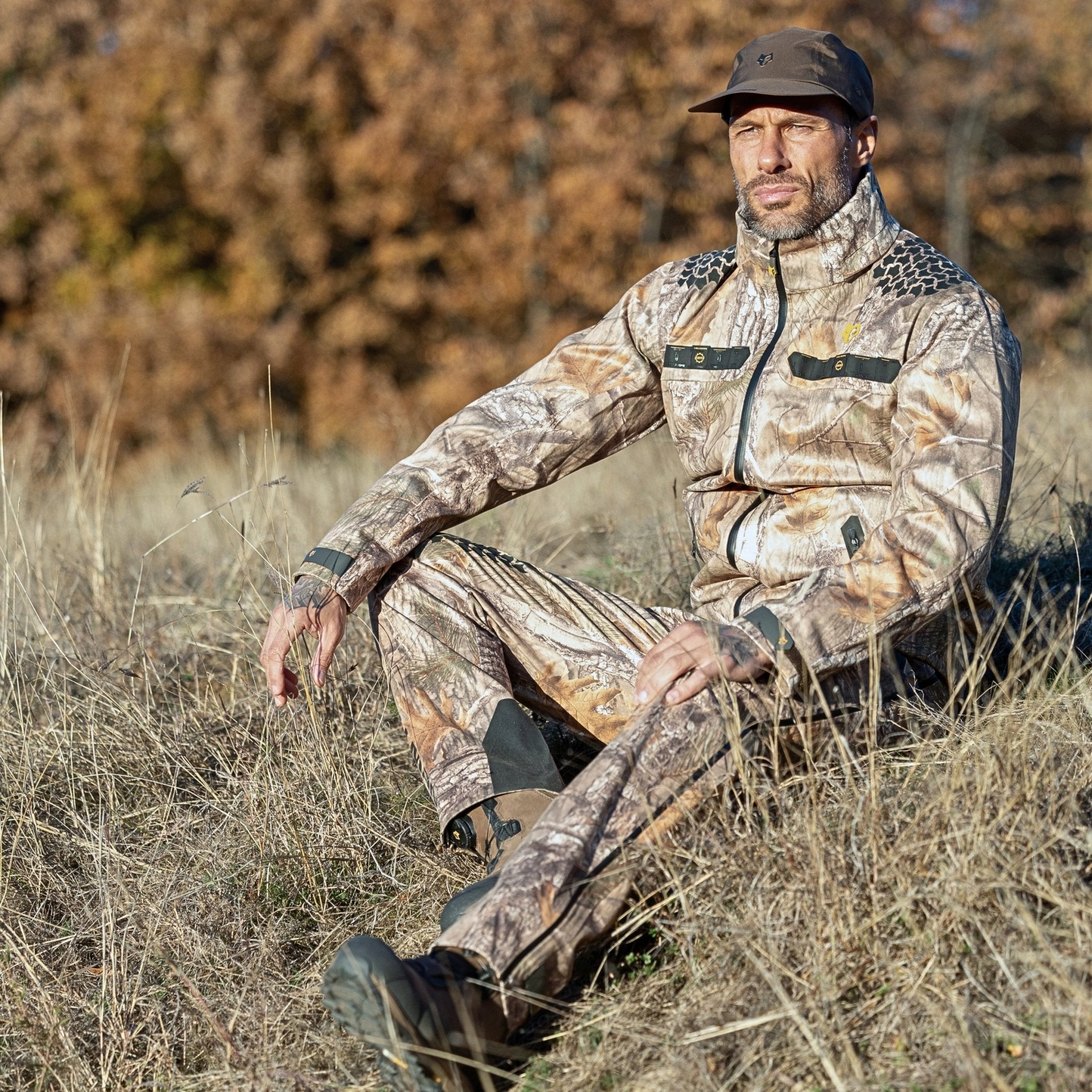
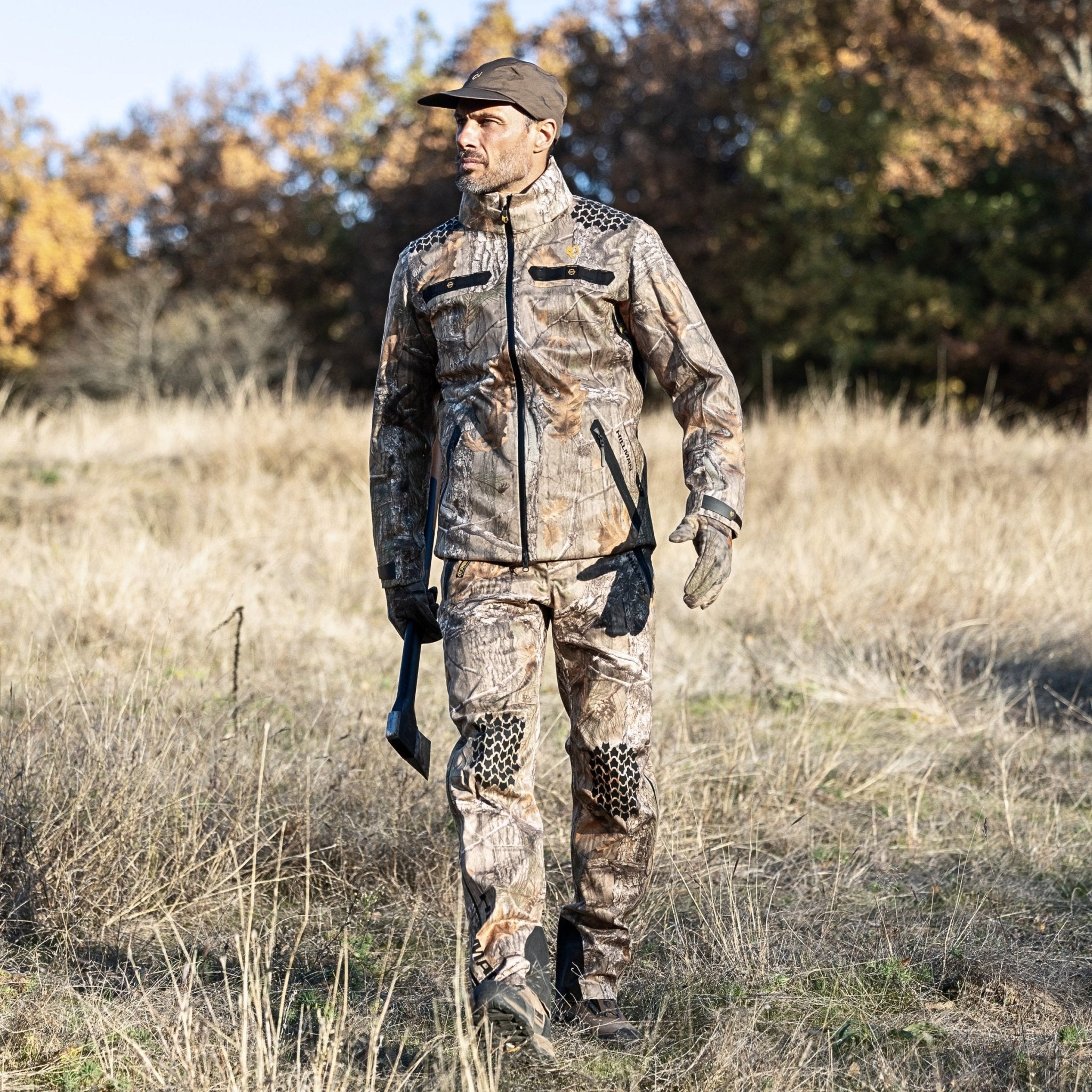
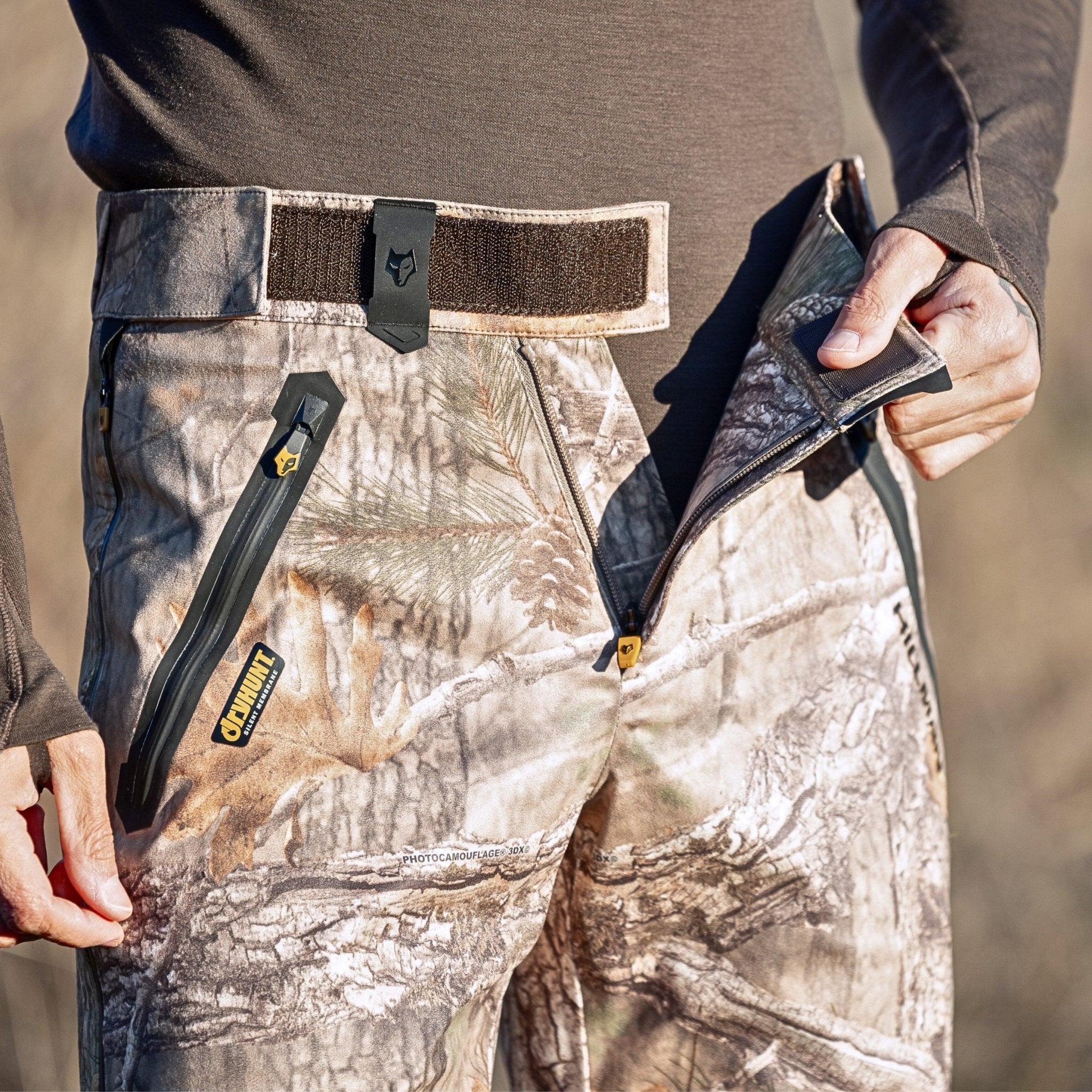
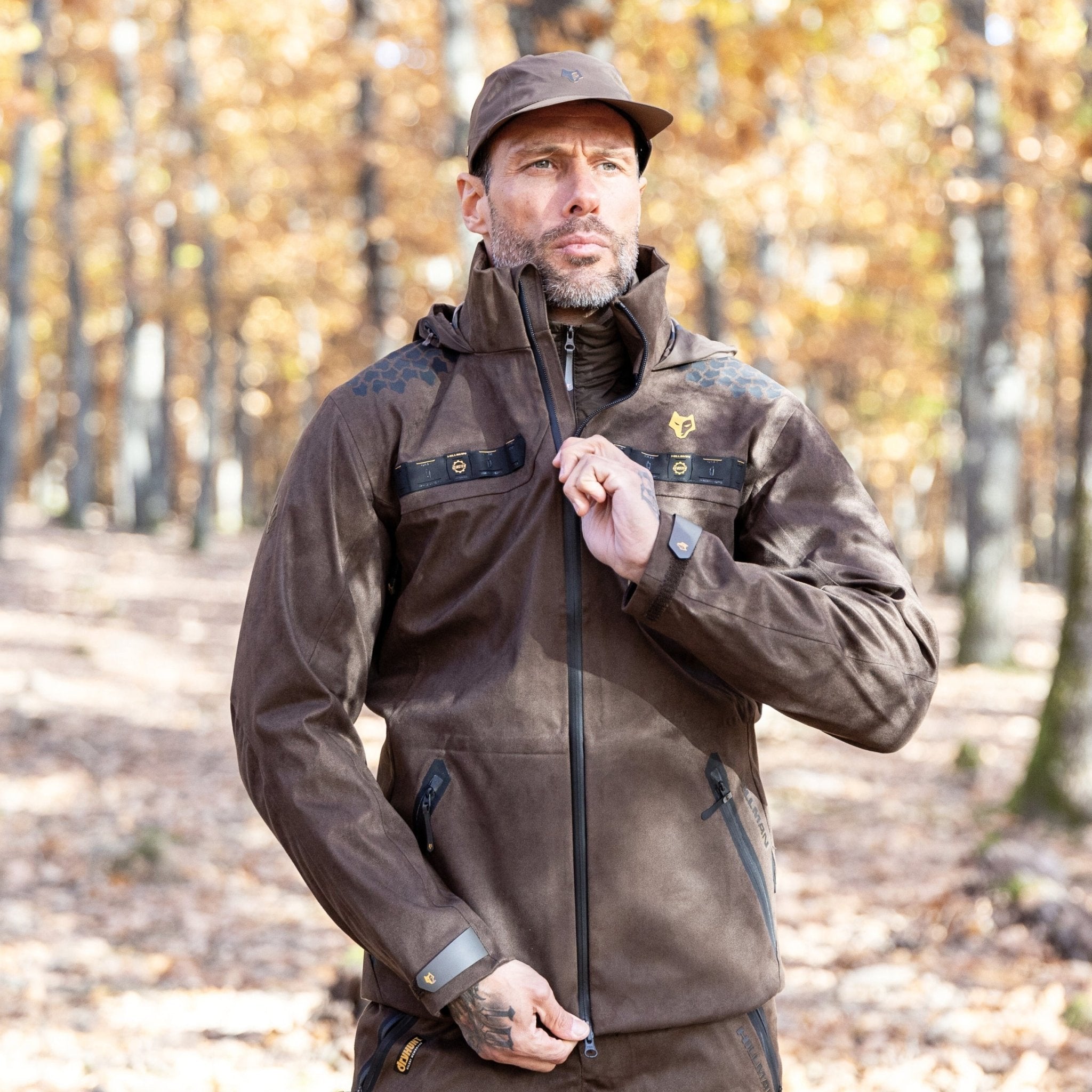
Hunting jackets, especially those made for long walks across open fields or woodland borders, sit at an interesting point in the layering system. They’re not always the thickest or the warmest, but they nearly always bring structure. Hand warmer pockets that actually warm your hands. A tough exterior that remains quiet as you shift through dense brush. Colours shaped by nature, like greens, brown shades, and sometimes camo patterns that blend into the leaf litter. A good hunting jacket doesn’t shout for attention; it simply works alongside the layers beneath it, an outer layer when things are mild, part of a layering kit when the weather dips.
Why Shooting Jackets Matter in Your Cold-Weather Layering Strategy
Then you have shooting jackets, built with a slightly different spirit. These jackets are made for shooters who know they’ll need steadiness in their arms and warmth across their core. They often feature a perfect fit, with room where you need it and structure where precision matters. On cold mornings, the hand warmer pockets feel like a small mercy; on windy hillsides, the design becomes a shield against the elements.
Shooting jackets are also made to be worn. They see long days, moving between cover and open fields, and they age in a way that seems almost sentimental, creases forming exactly where you expect them, fabric softening with use. For many shooters, a reliable shooting jacket becomes a trusted companion through seasons.
A Closer Look at Men’s Shooting Jackets in Modern Layering

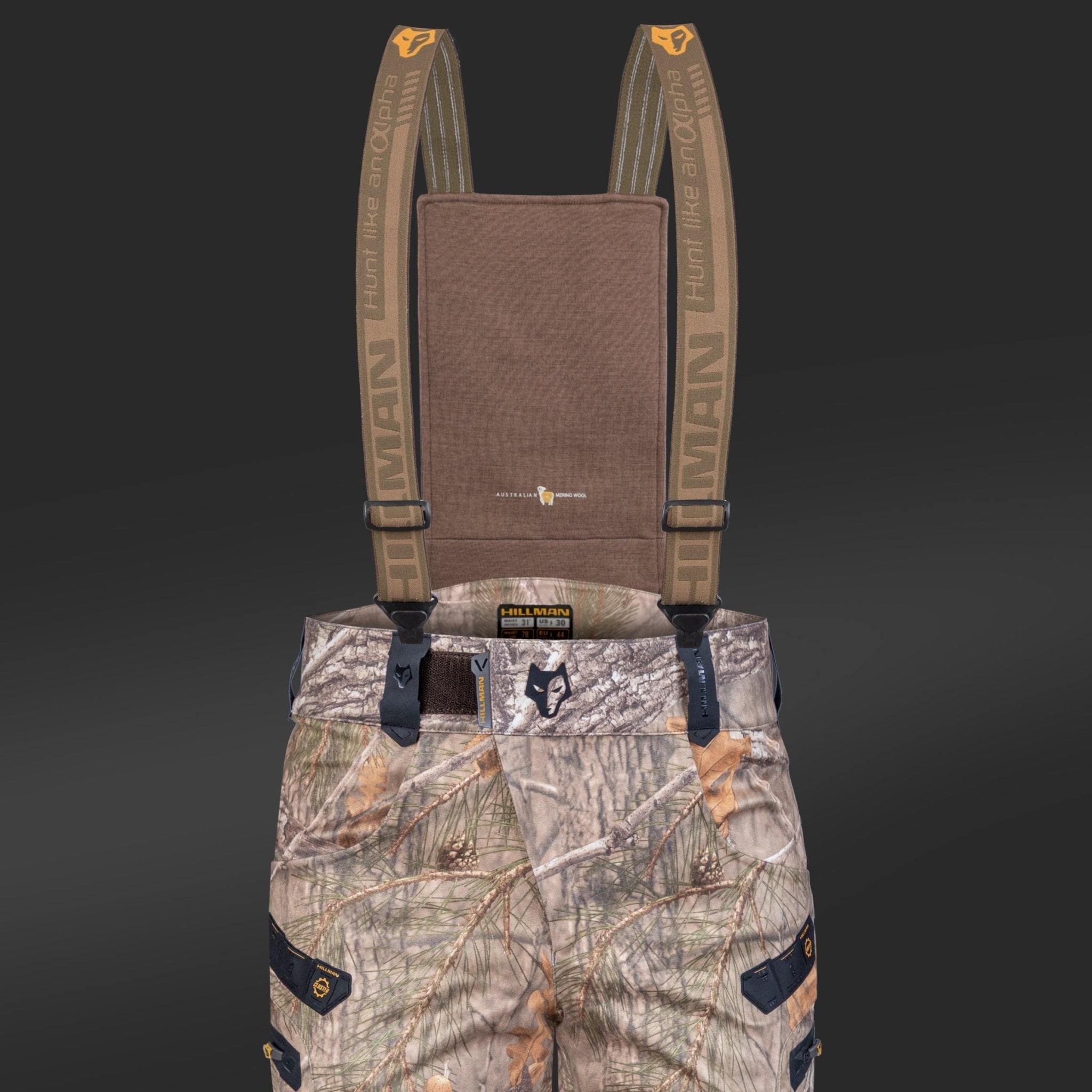
Looking over the wide selection of men’s shooting jackets now available, it’s clear that modern design has embraced versatility. Some jackets lean into tradition, using wool blends with a timeless look. Others choose synthetics, light and tough, able to dry quickly after a wet climb. Colours like green, brown, and camouflaged patterns suit different types of ground: open farmland, thick woodland, and moorland valleys. A good men’s shooting jacket must balance style with protection, comfort with durability, always ready to meet changing weather conditions without becoming a burden.
Creating a Flexible Layering System for All Seasons
 A proper layering system adapts as naturally as the landscape shifts around you. On mild autumn afternoons, you may peel back to your base and mid layers. On cold mornings, everything comes together: base layer, fleece or insulated mid, and a windproof or waterproof jacket on top. This system gives hunters the freedom to move between seasons without rebuilding their entire wardrobe.
The British climate rarely behaves for long. It moves from mild to cold in minutes. A flexible layering system keeps you ready, steady, and comfortable through it all.
How Base Layers Support Heat Control and Temperature Regulation
Your base layers remain the quiet heart of this operation. They pull sweat away before it chills. They keep your skin dry. They steady your internal temperature so your body doesn’t fight itself. Merino, synthetics, or blends, each has its own charm. Hunters often learn the hard way that no amount of expensive outerwear can compensate for a poor base layer. It starts here, next to the skin, where warmth and balance begin.
Accessories and Camo Layers That Complete Your Hunting Kit
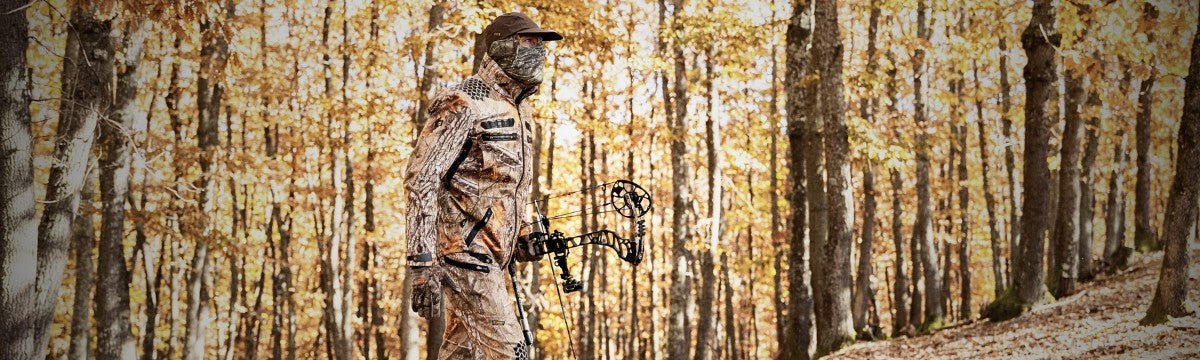
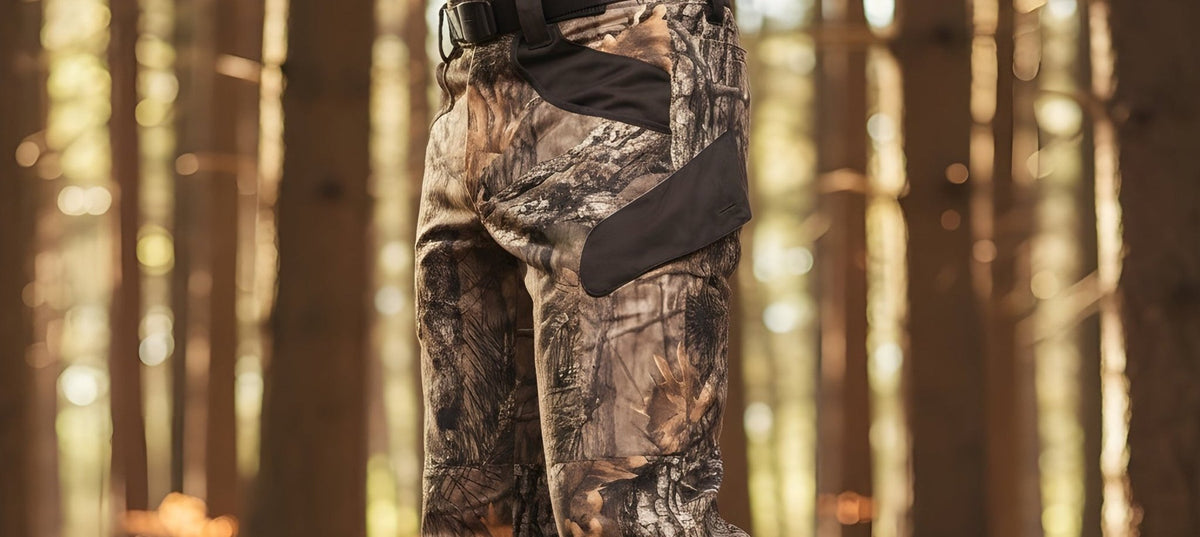
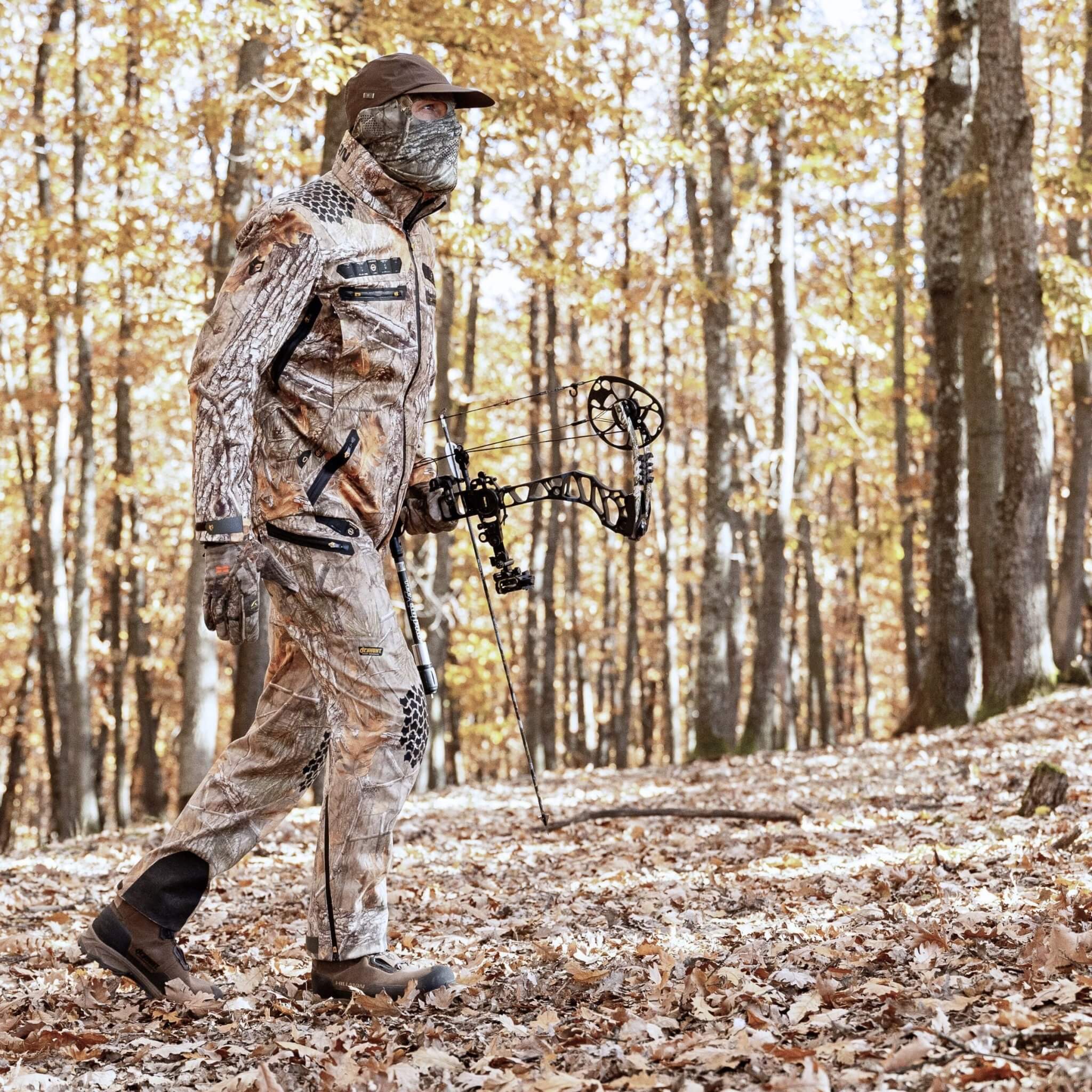
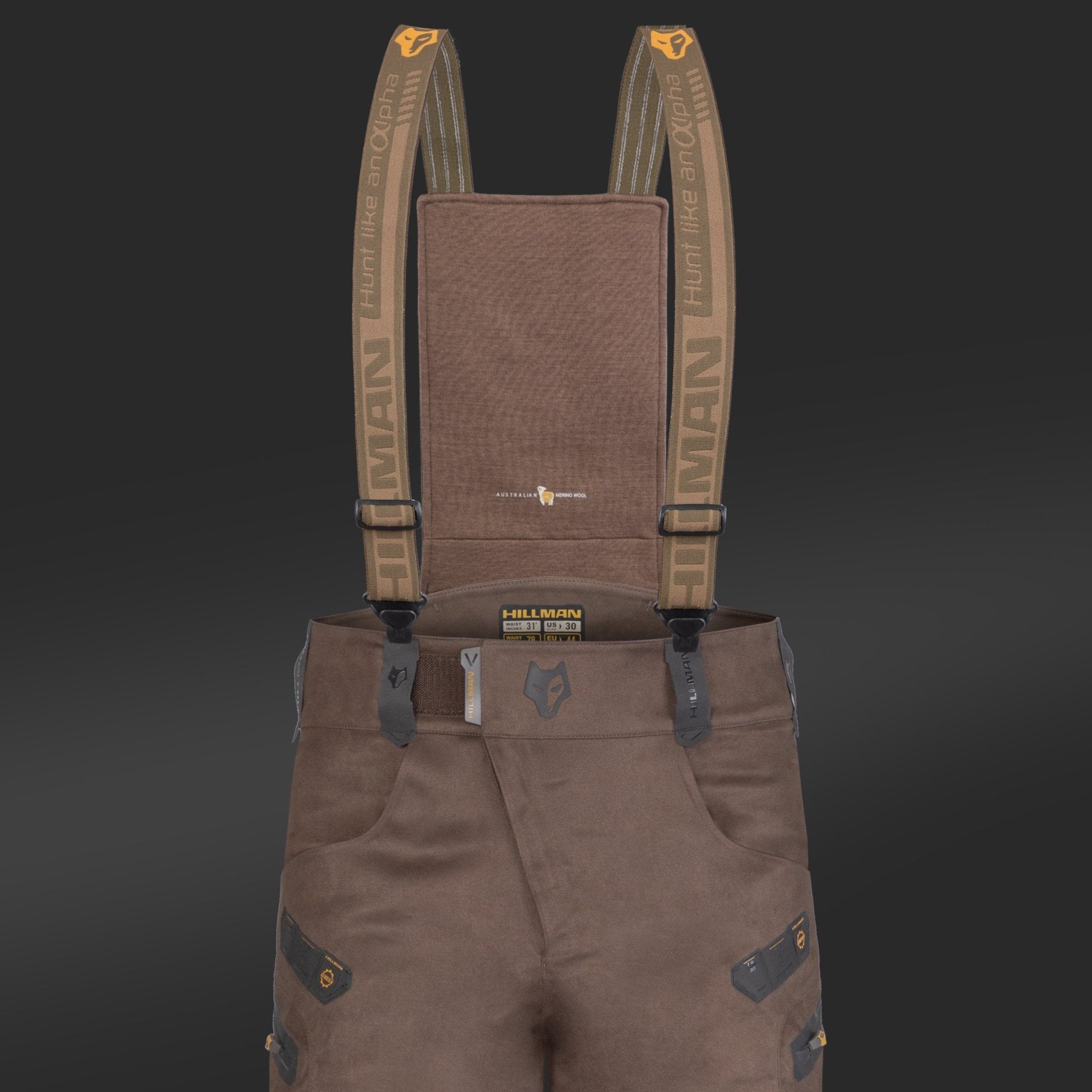
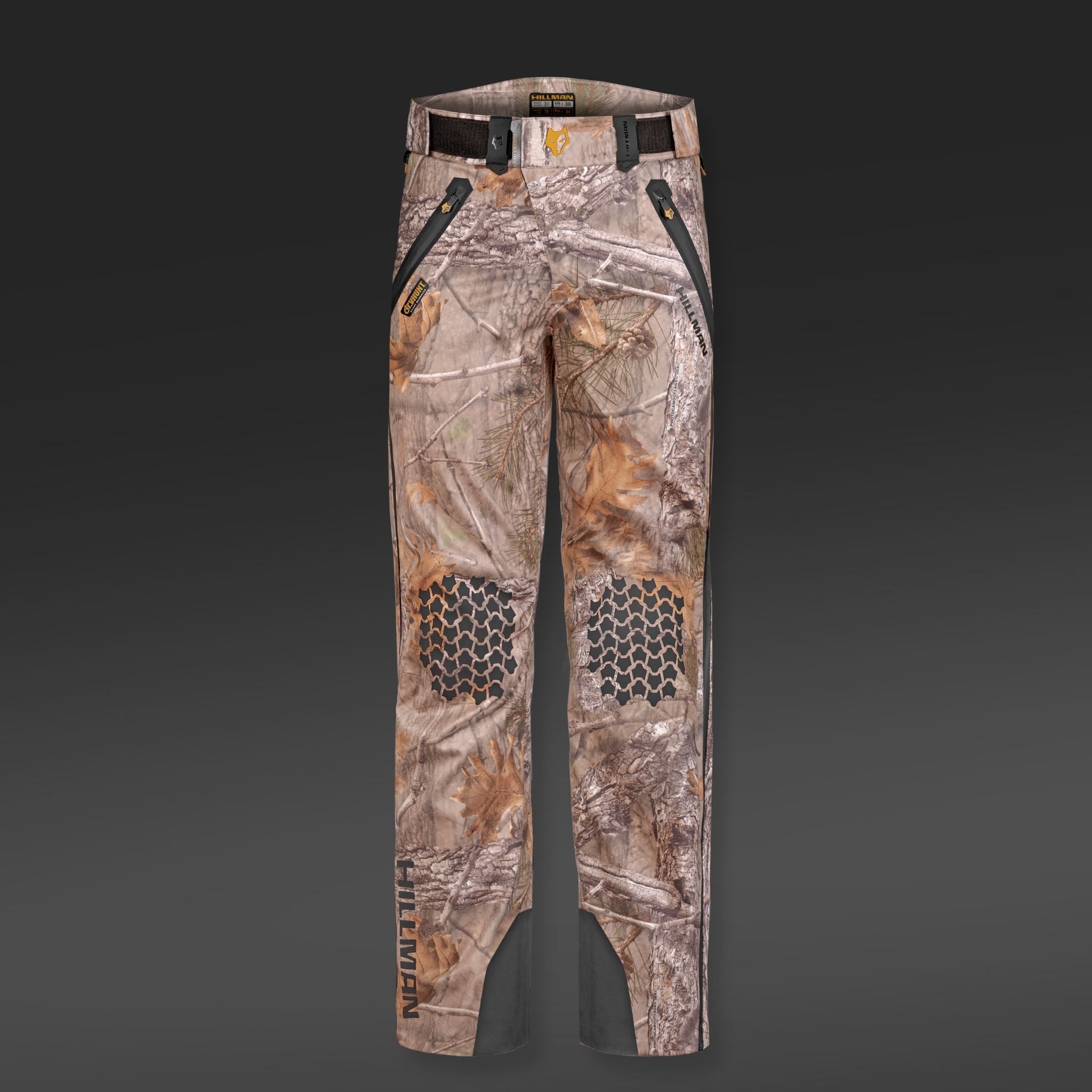
Accessories fill the gaps. A vest for extra warmth that doesn’t fight your movement. Gloves for biting wind. Camo layers that merge you into the terrain, whether you’re tucked beneath a hedge or crossing a line of tall grass. These small pieces often decide whether you stay out longer or head home earlier than planned.
Putting It All Together: Building a Layering System That Keeps Hunters Protected and Comfortable

When all the layers work in harmony: the base warming, the mid insulating, the outer layer shielding, hunters feel a quiet sort of confidence. You stay dry, warm, and steady, ready to enjoy the countryside even when the sky turns grey and the wind begins to rise. A thoughtful layering system isn’t about wearing more. It’s about wearing well. And when the weather shows its worst, you stay out anyway, prepared, protected, and completely in tune with the nature around you.
See Below FAQs Hunters Keep Asking About Layering



Share:
The Best Waterproof Hunting Boots for Muddy British Hunts
How to Stay Dry on a British Hunt: Rain, Wind, and Damp