
What to Wear on a Wet Moorland Stalk: A Practical, Real-World Breakdown

Wet moorland stalking demands the right clothing. This guide explains how waterproof layers, boots, and smart choices help you stay comfortable in the UK weather.
A wet moorland stalk is rarely dramatic at the start. It often begins quietly enough: a bit of drizzle, soft ground underfoot, plenty of space ahead. Then the weather settles in. Rain becomes persistent rather than heavy. The wind finds its way through layers. Distances feel longer than expected.
This is where hunting clothing starts to matter. Not in theory, but in practice. UK moorland terrain exposes weaknesses quickly, especially during long hours on rough ground. Colour choices like olive, green, brown, and dark green help you blend in, but comfort and protection are what decide whether the day stays manageable. When conditions turn, the right gear really does make all the difference.
Wet Moorland Stalk and Why Clothing Choices Matter

Wet ground defines moorland stalking. Mud, saturated peat, and uneven footing are constant, and they affect how your body works over time. Walking generates heat, waiting strips it away. Managing body temperature becomes harder the longer the stalk lasts.
Deer stalking here often involves covering long distances, then standing or sitting still for prolonged periods. Movement followed by waiting is where clothing choices begin to show their limits. Some clothing options look sensible at the start, but start restricting movement once wet or cold sets in.
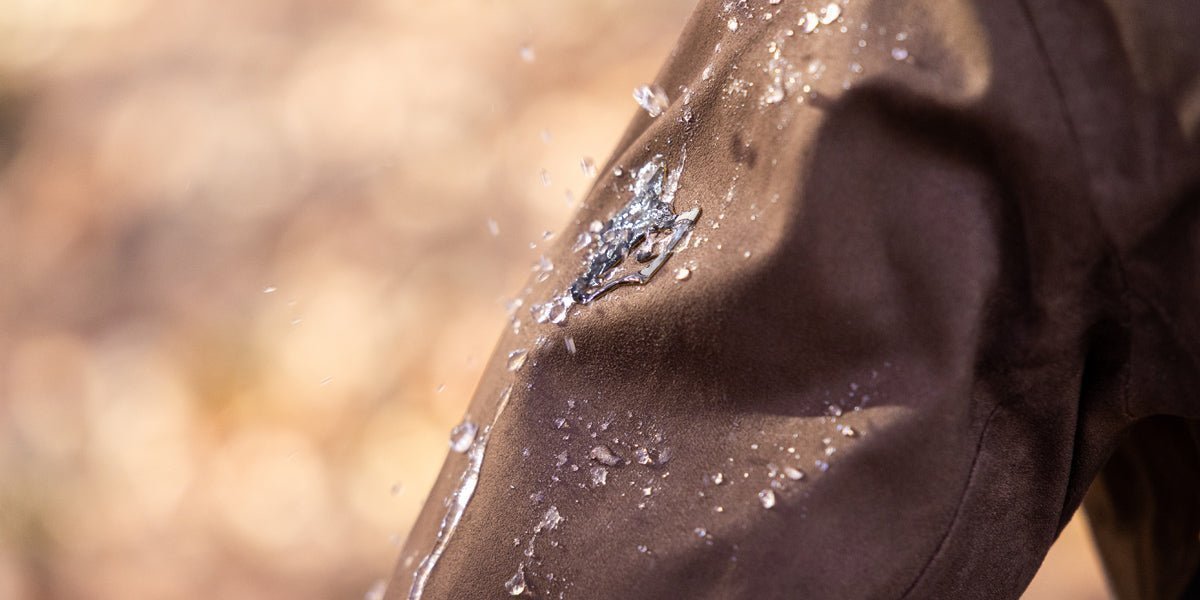
Fully waterproof layers with proper water resistance matter, but so does how they behave when you stalk deer across open ground. Poor weather protection leads to damp inner layers, and damp layers rarely recover. Once that happens, comfort drops quickly, and so does focus.
Deer Stalking Clothing for Long Distances and Rough Ground

Long stalks across moorland are less about speed and more about consistency. Clothing that works well for the first hour can become irritating after the third. Seams rub, fabric stiffens, and trousers begin to fight your movement rather than support it.
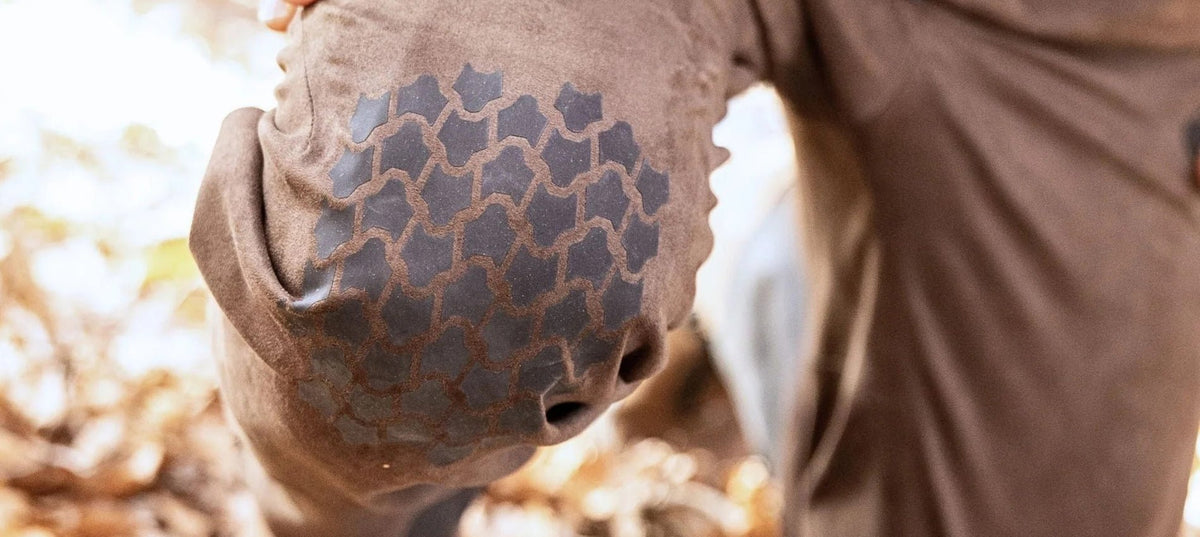
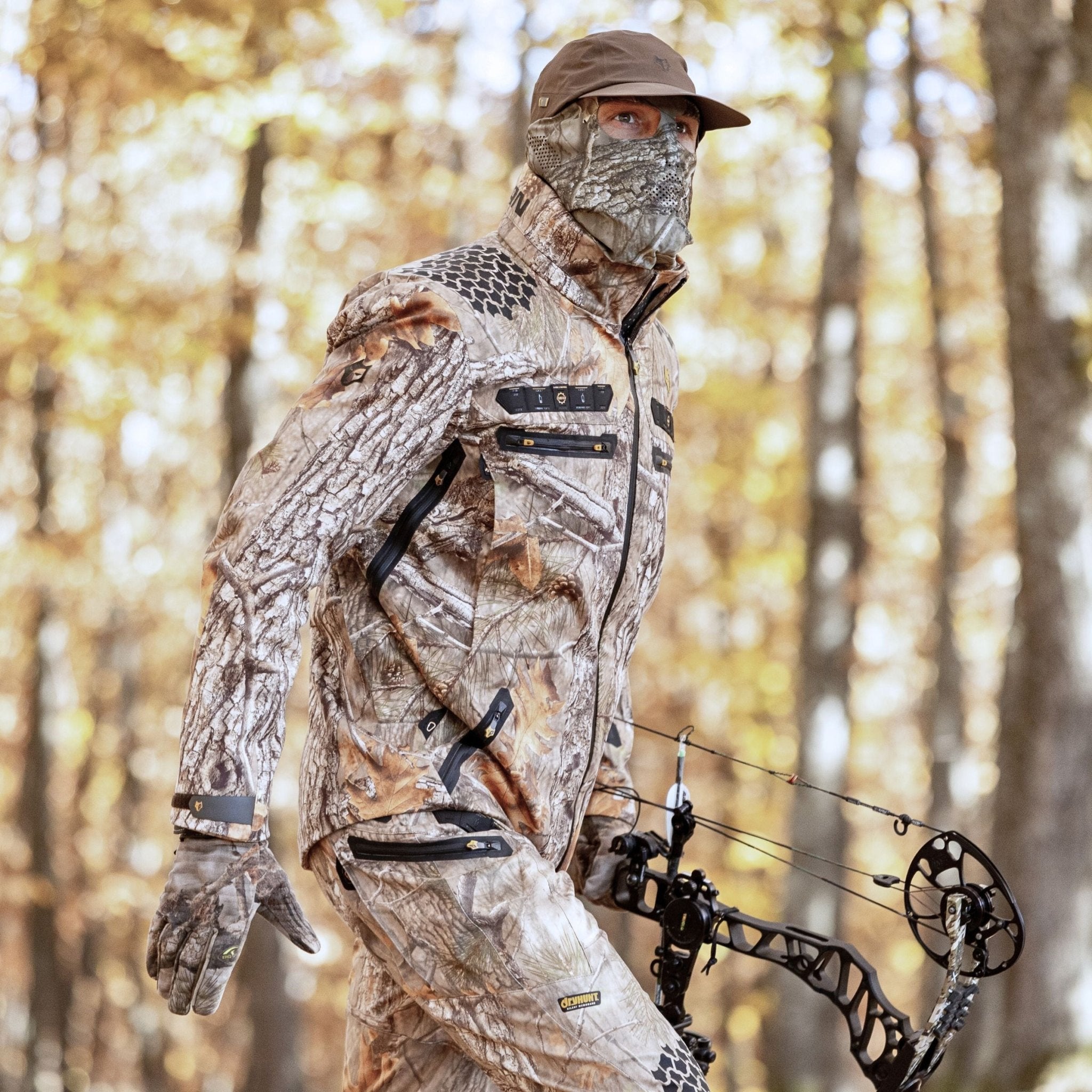
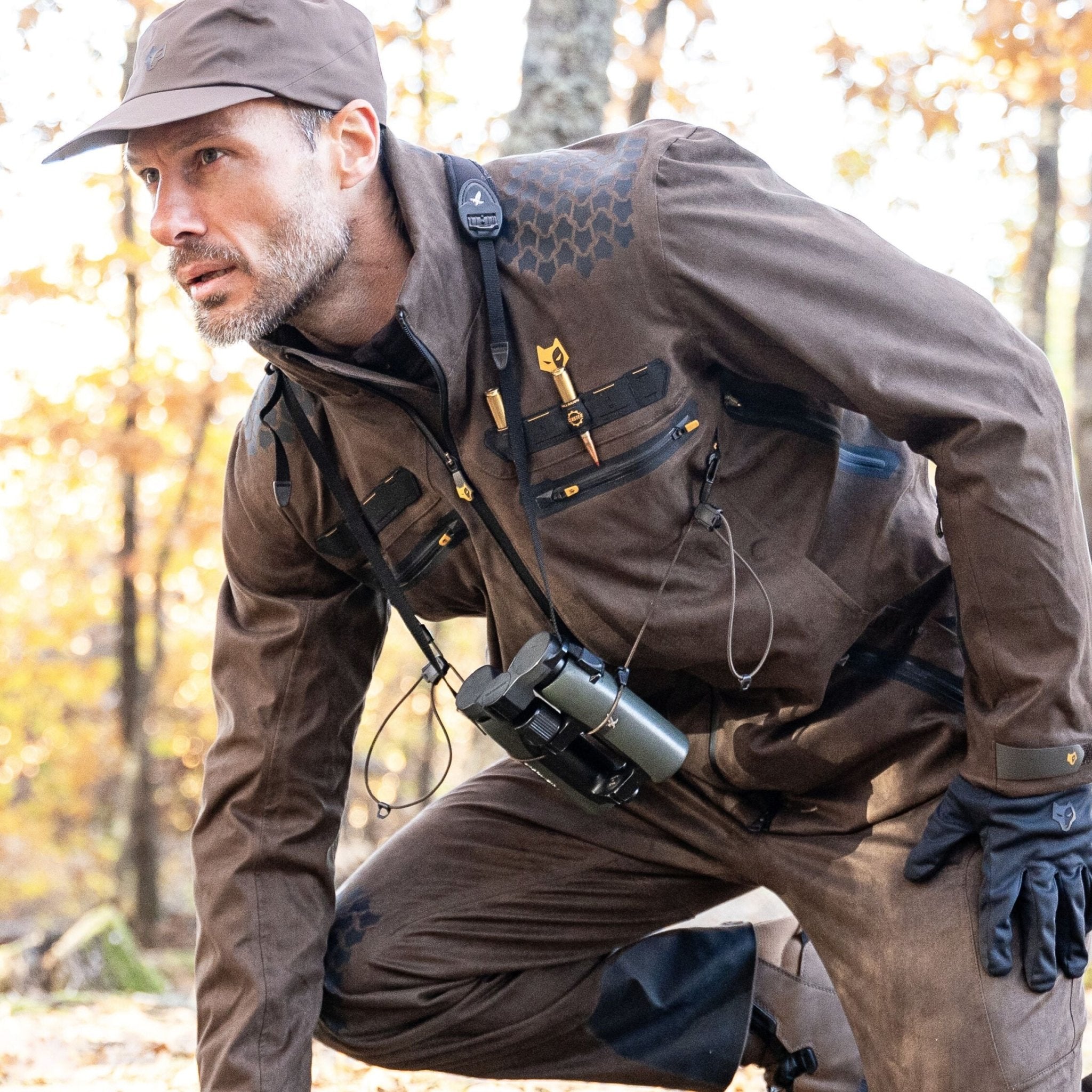
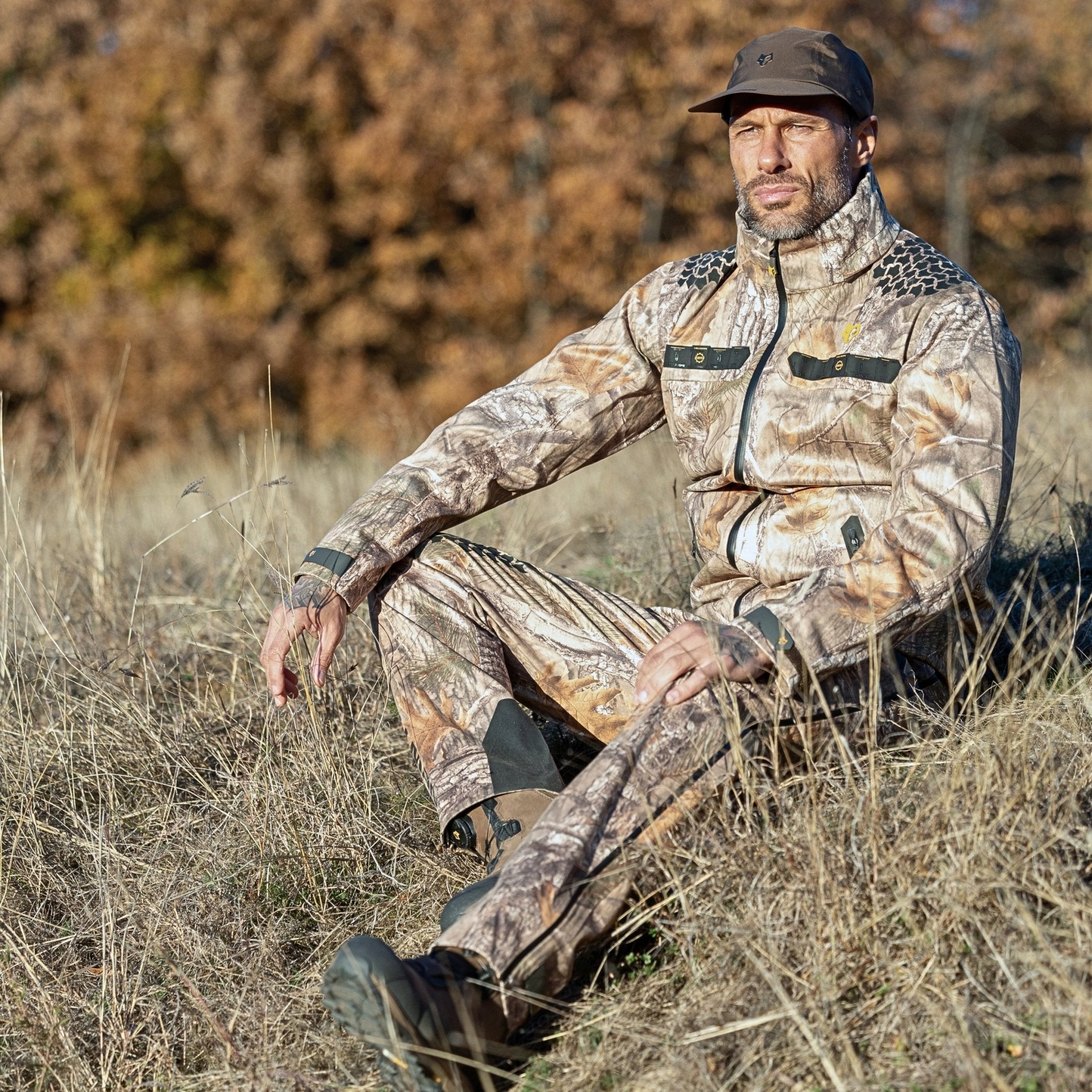
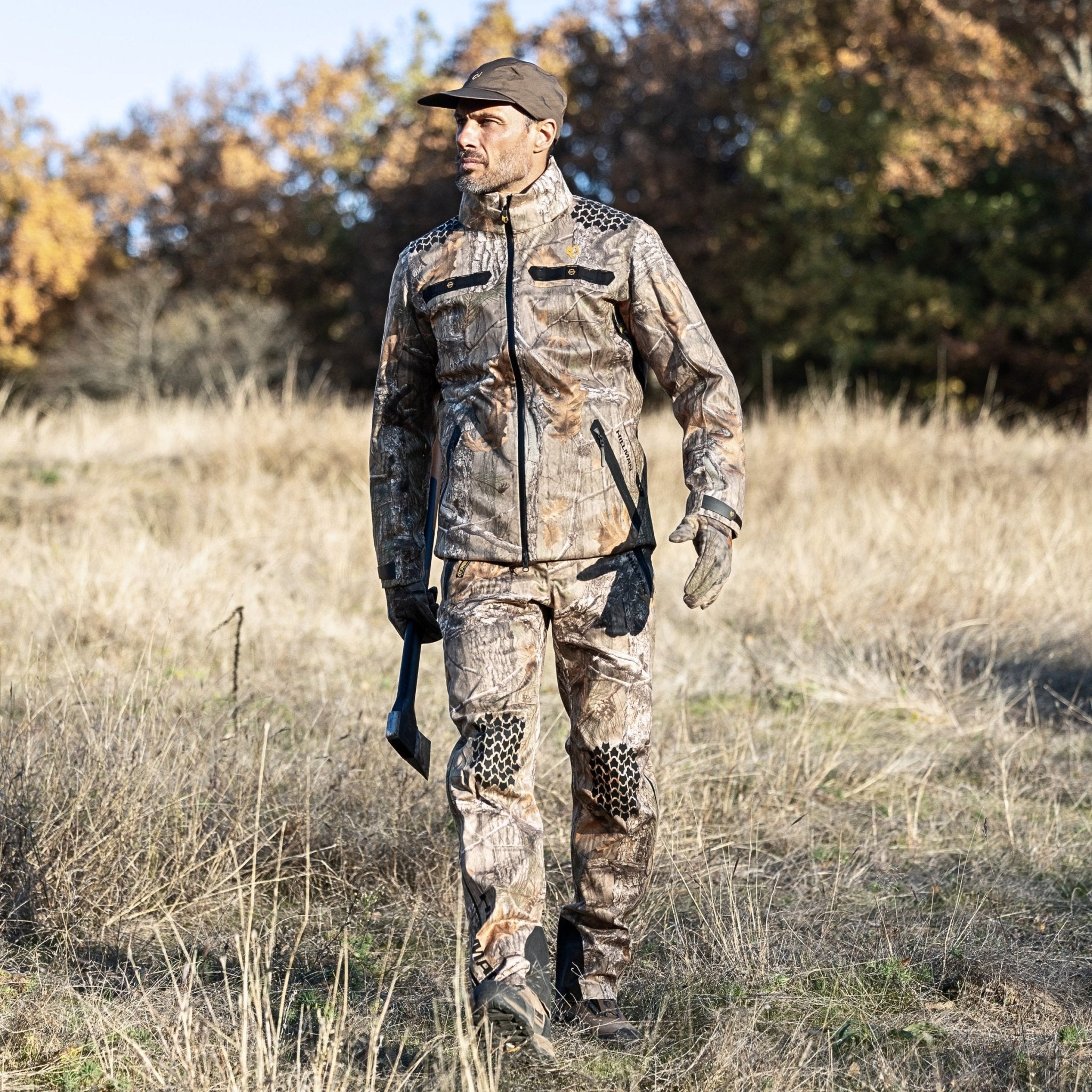
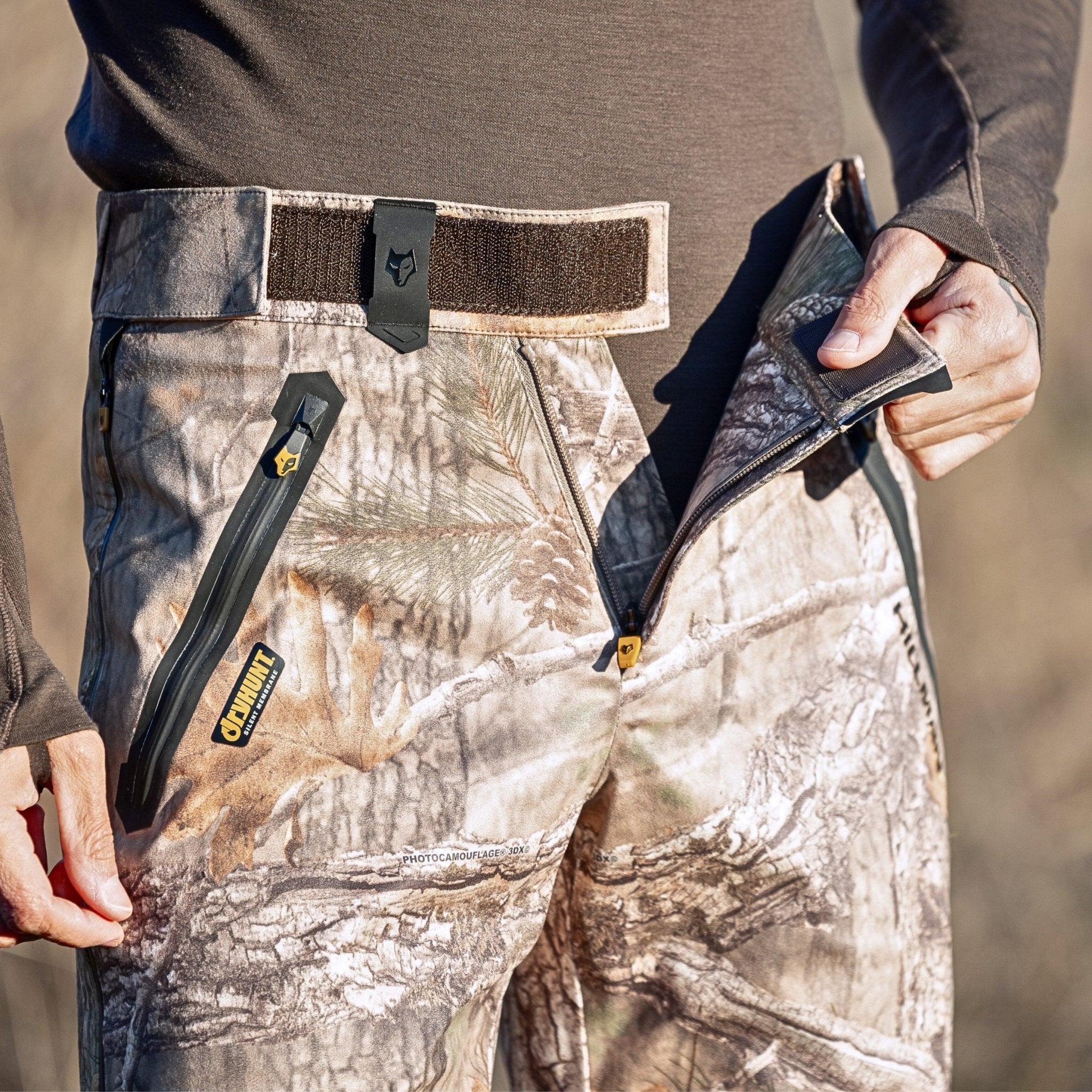
Deer stalking clothing needs to stay flexible. Articulated knees help when stepping over heather or climbing in and out of rough ground. Lightweight fleece mid-layers offer warmth without trapping heat, which is useful when moving between effort and rest.
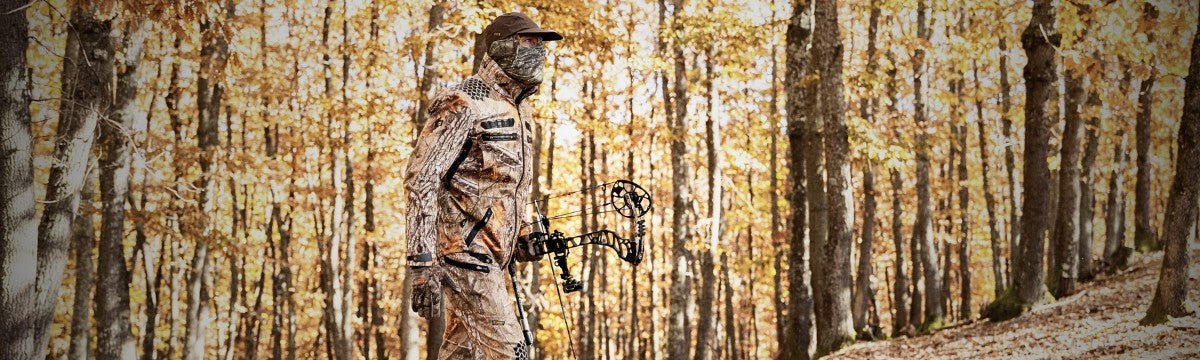
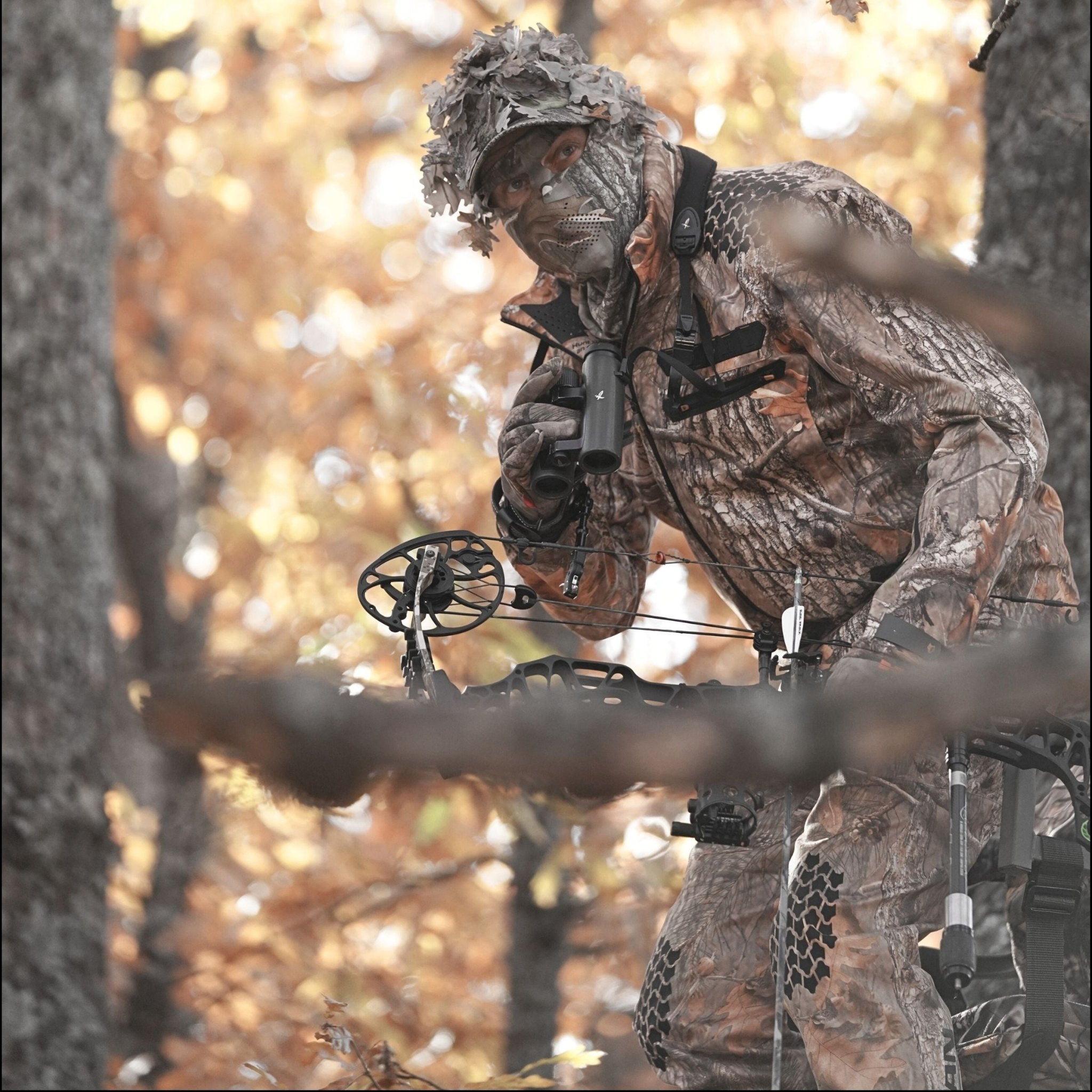
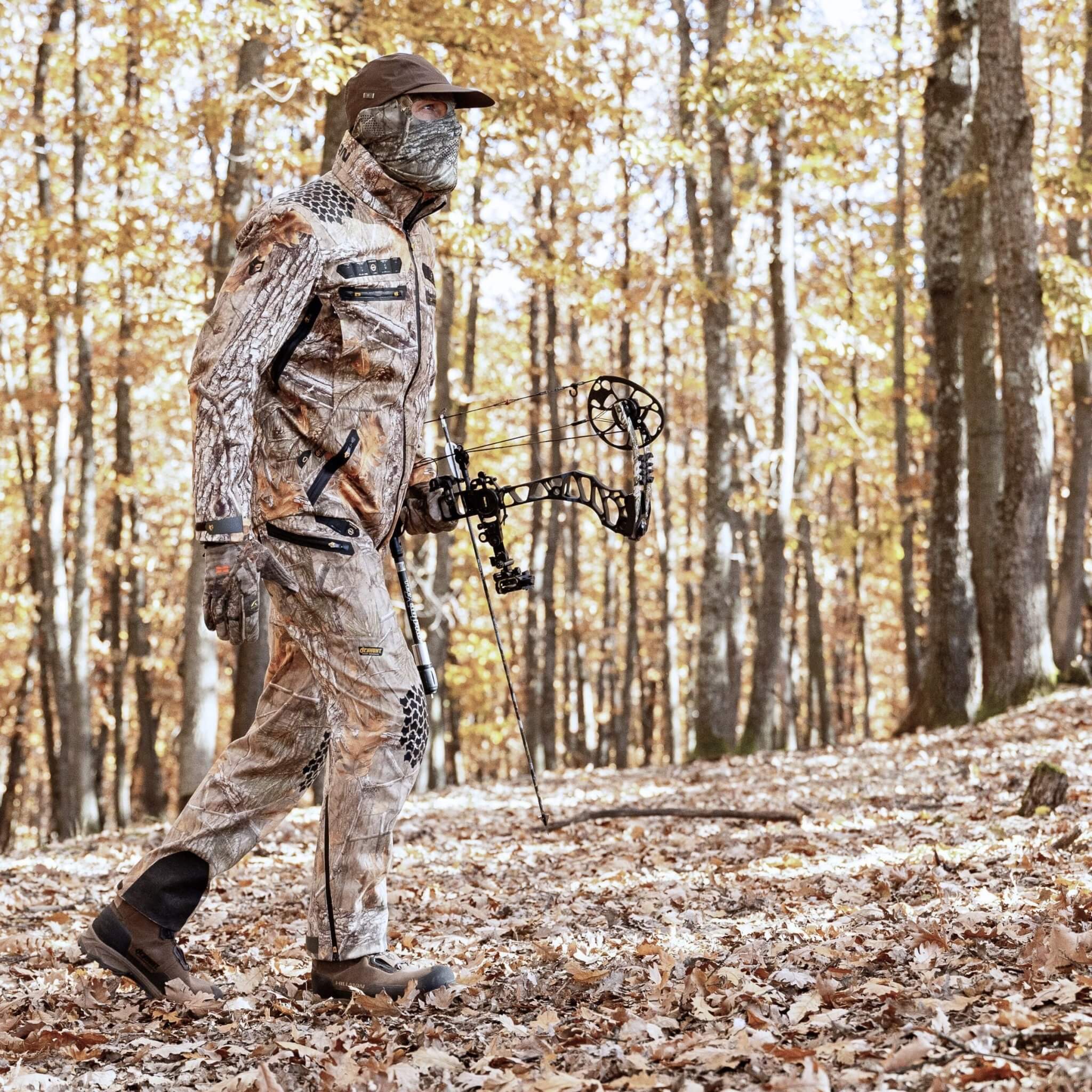
Camouflage patterns and camo details have their place, but on open terrain, they matter less than fit and function. Gloves, clothes, and accessories should stay close to the body and avoid catching. Over long periods, small annoyances add up faster than people expect.
Deer Stalking Jackets for Driving Rain and Winter Conditions

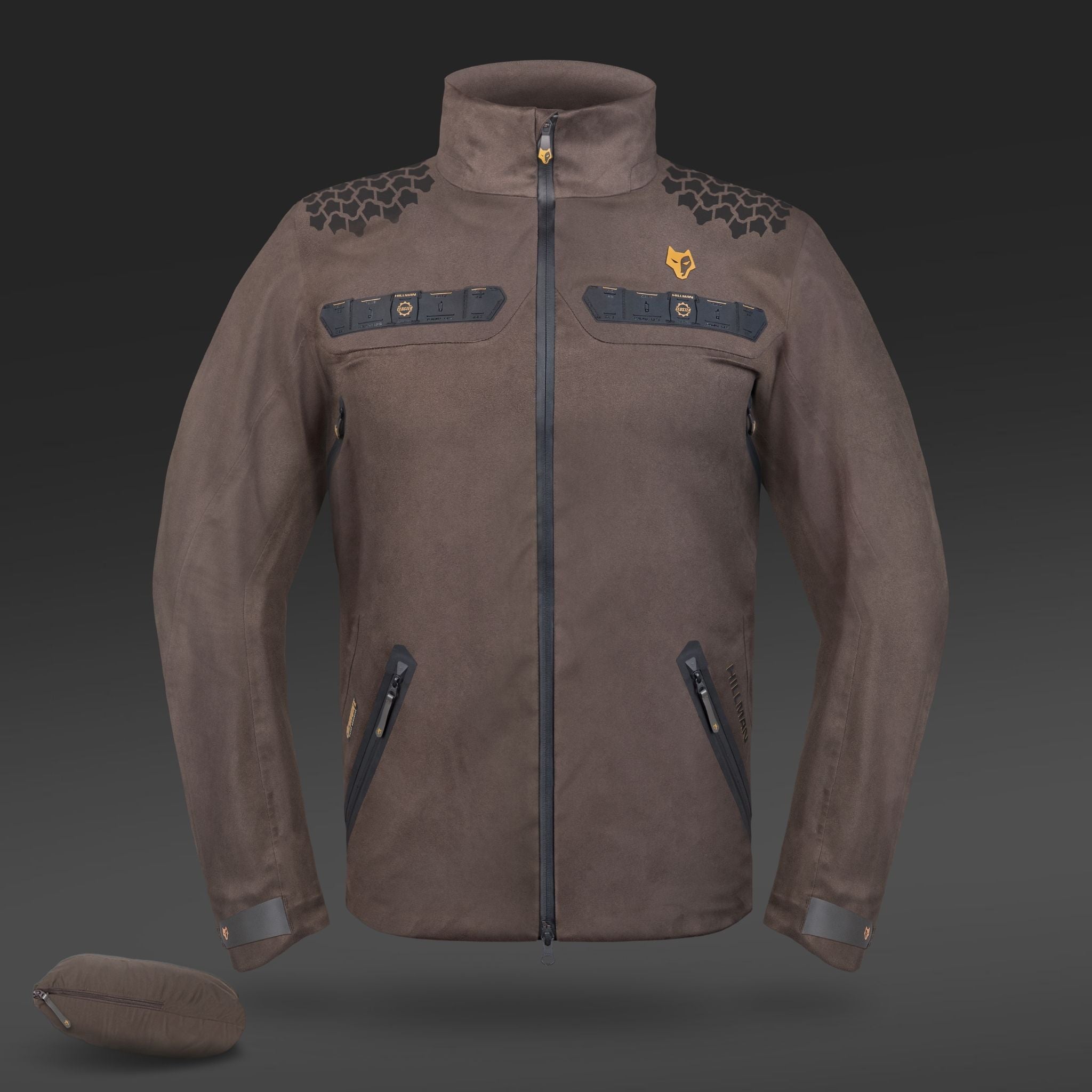
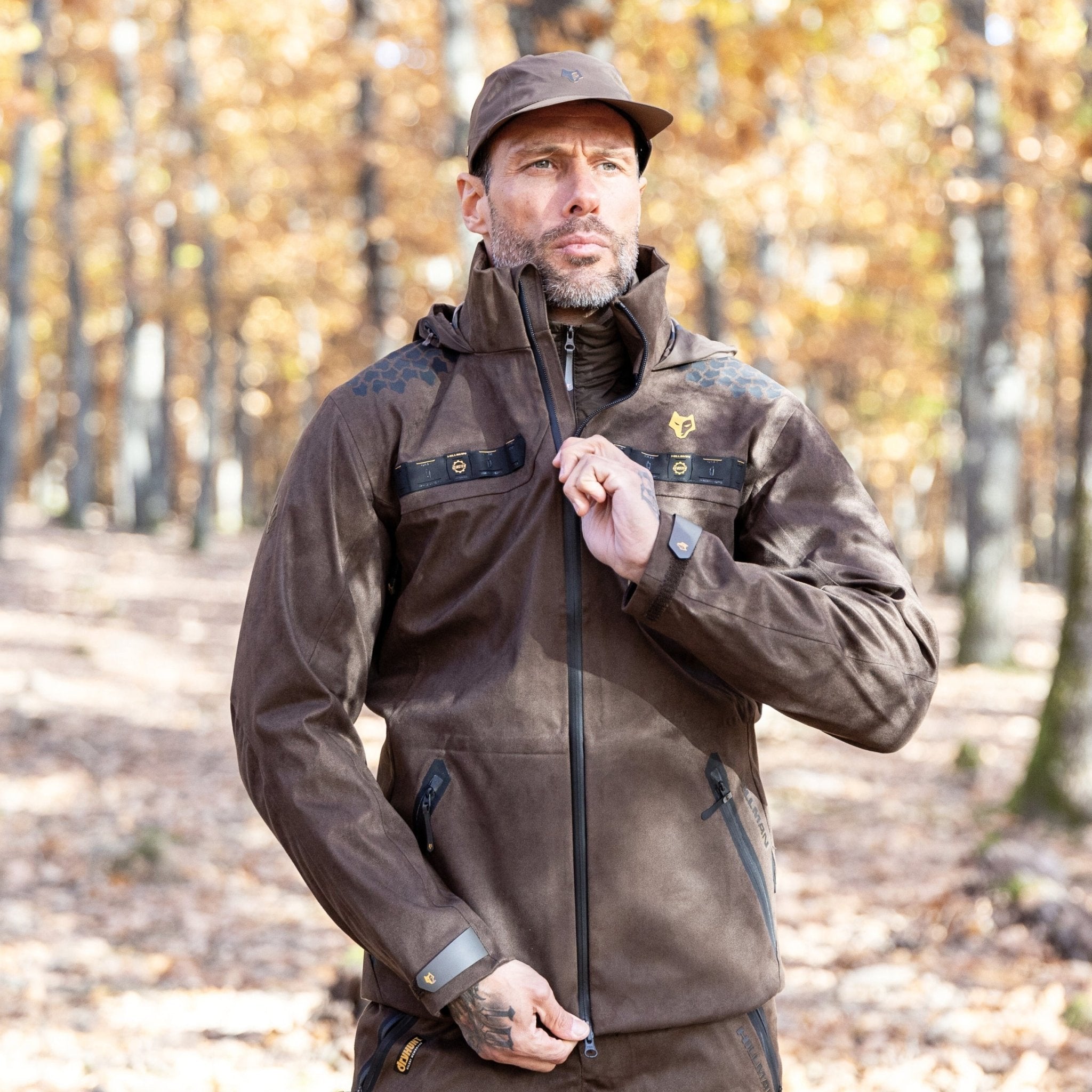
Driving rain is where jackets are properly tested. A short shower tells you very little. Prolonged exposure does. Deer stalking jackets designed for winter conditions handle this differently, particularly when rain is steady rather than heavy.
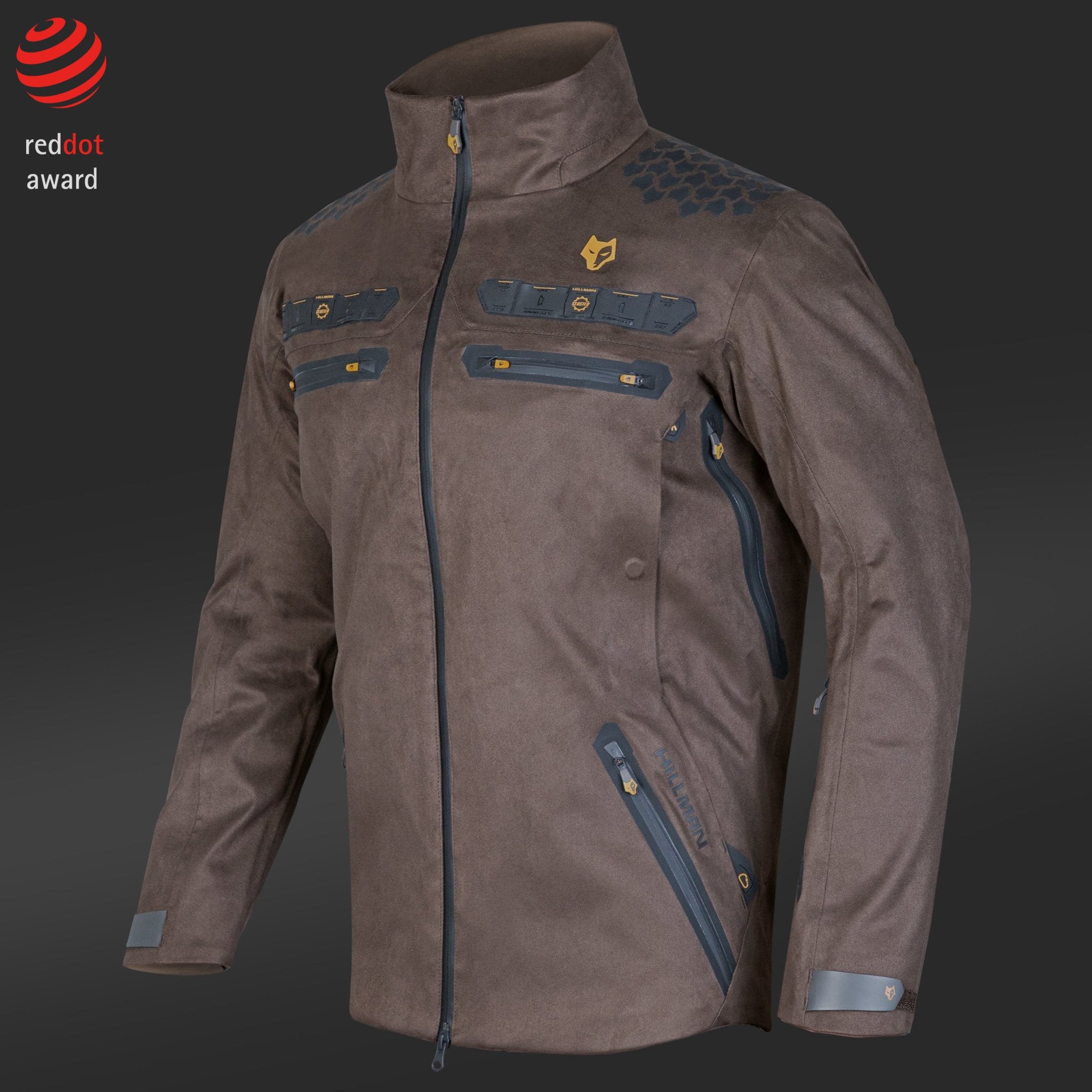
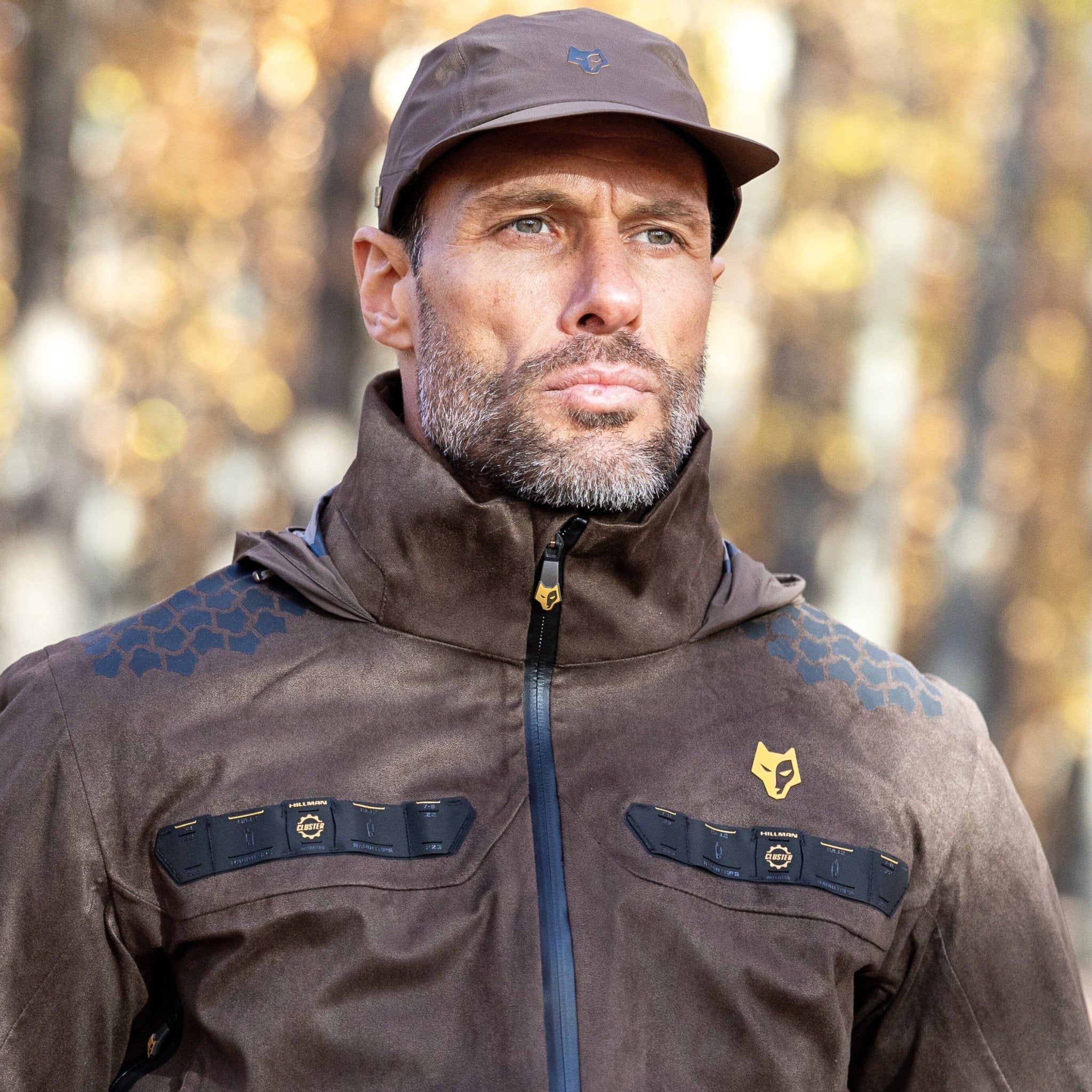
Fully waterproof stalking jackets with reliable weather protection stop water from building up across the shoulders and back. Water resistance alone often fails after hours in the rain. This is why jackets tend to make all the difference once conditions settle in.
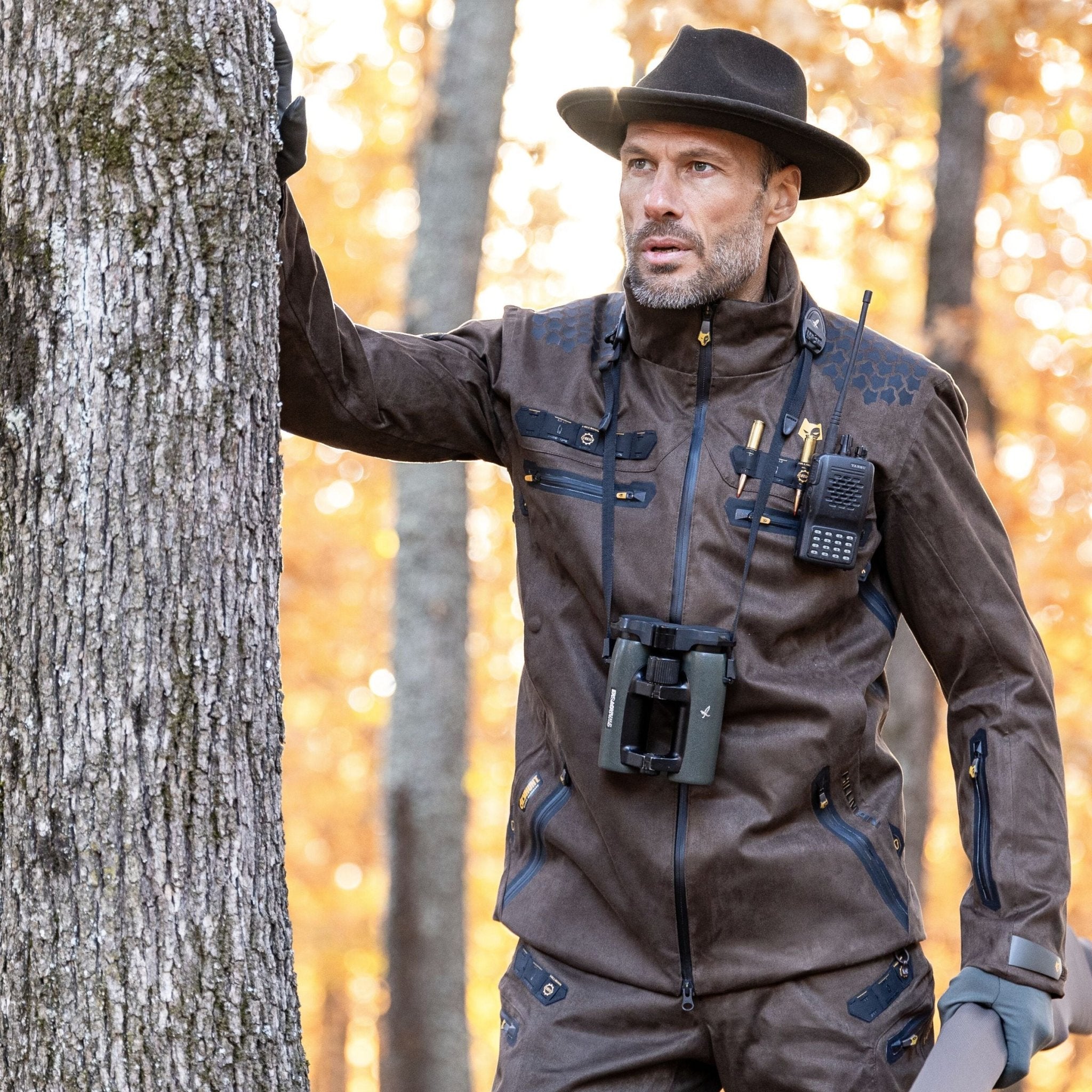
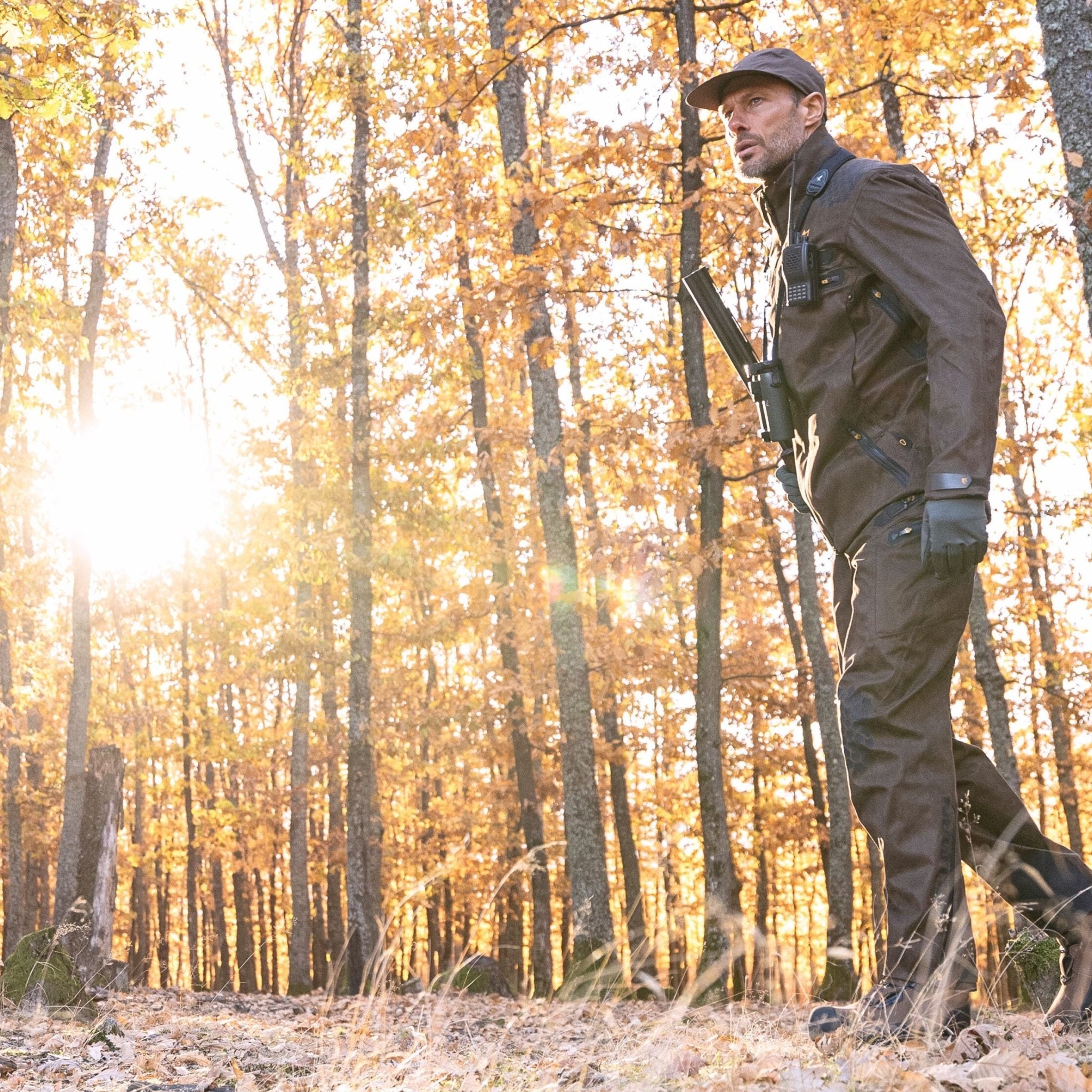
Dark green, brown, and olive colours sit naturally against moorland backgrounds. More importantly, though, is how the jacket manages moisture over time. Ensuring comfort in wet weather is less about staying perfectly dry and more about preventing steady heat loss.
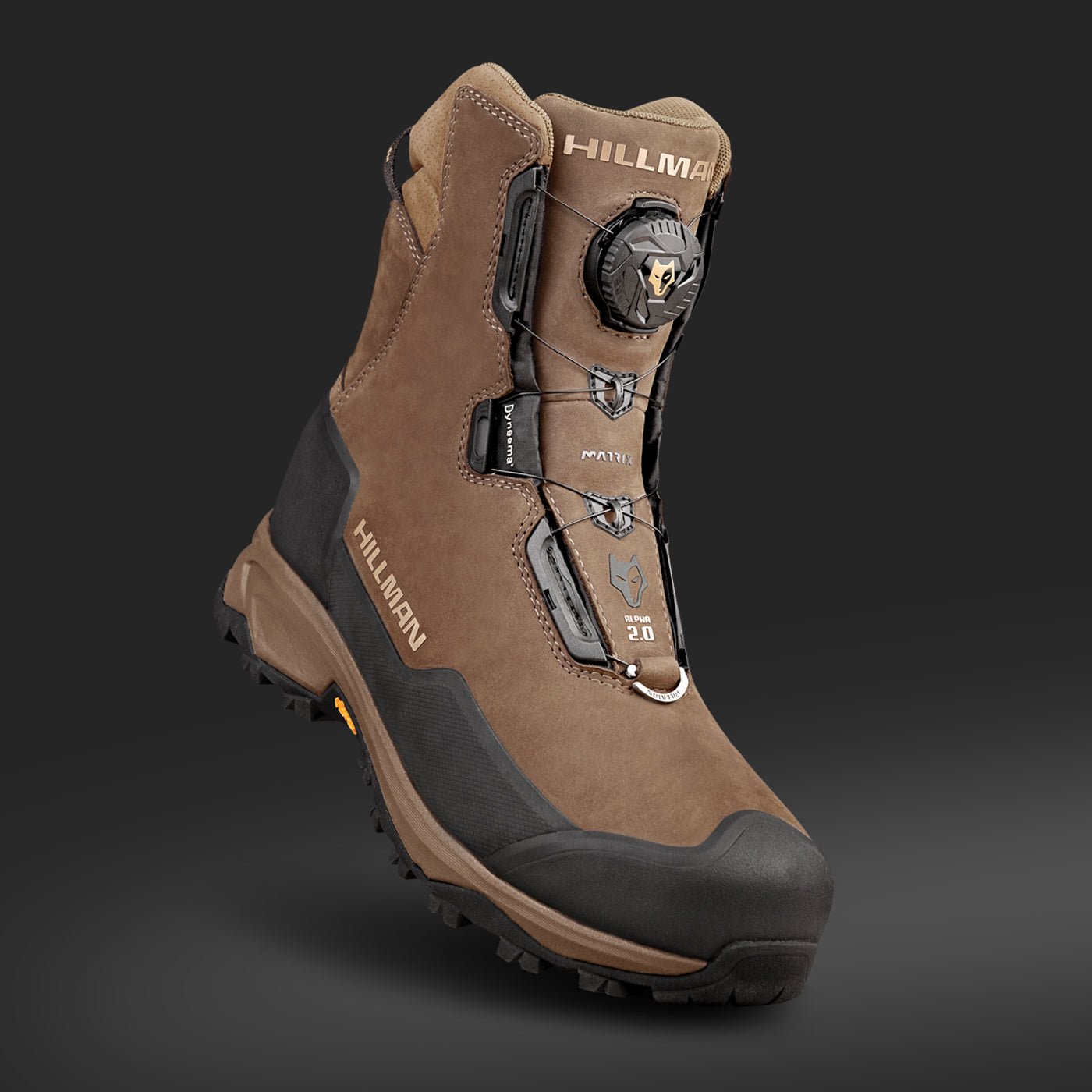
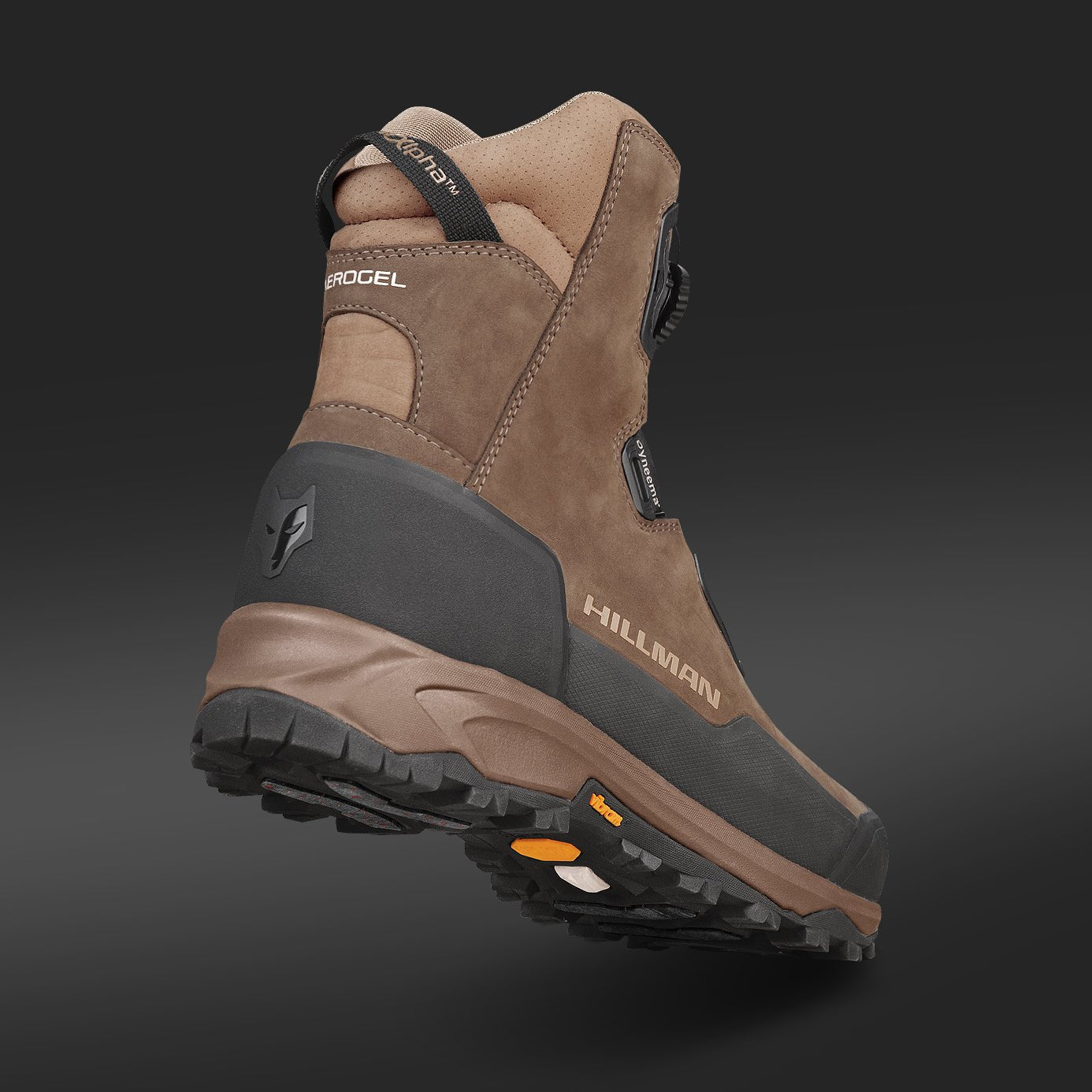
Waterproof Boots for Walking Long Hours on Wet Ground

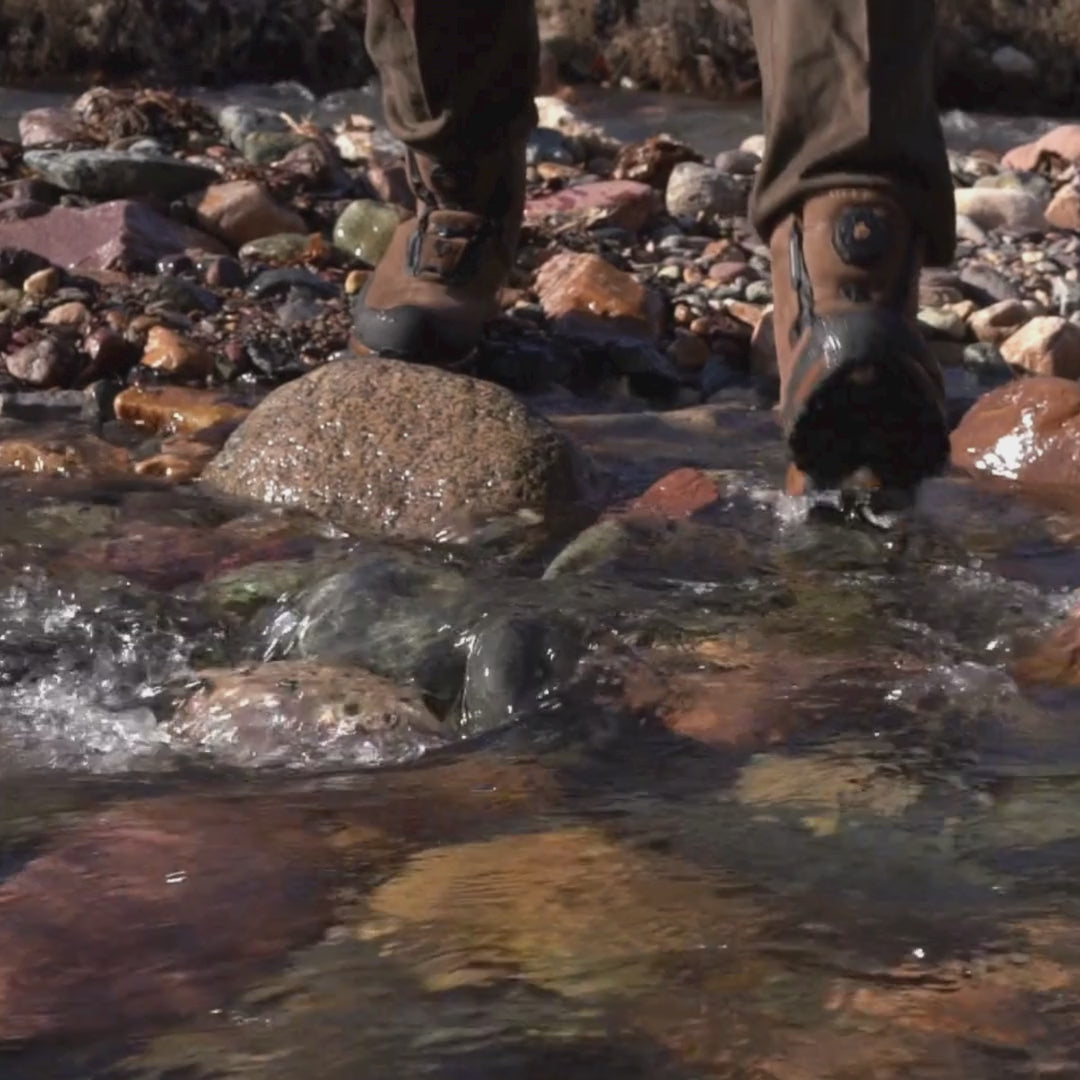
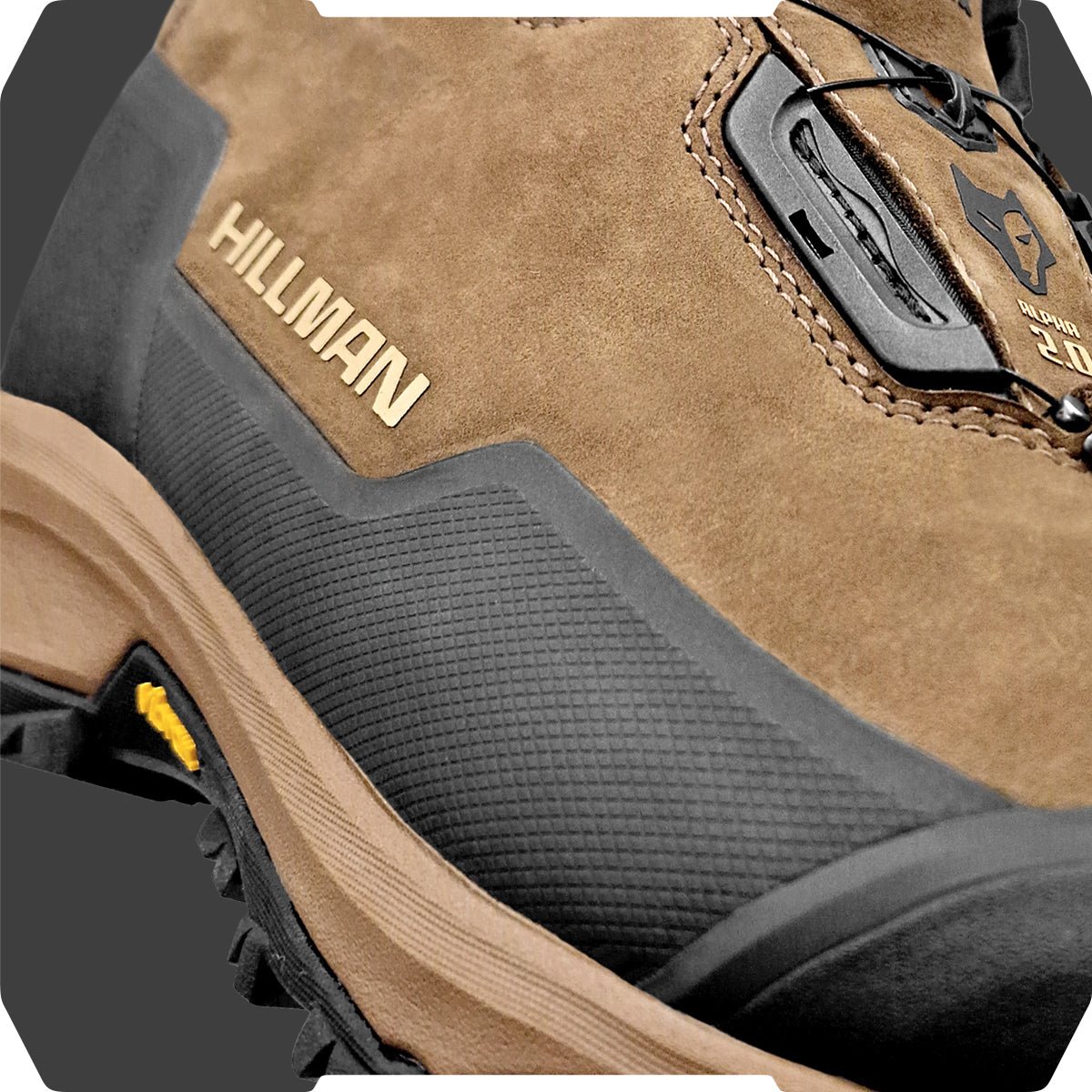
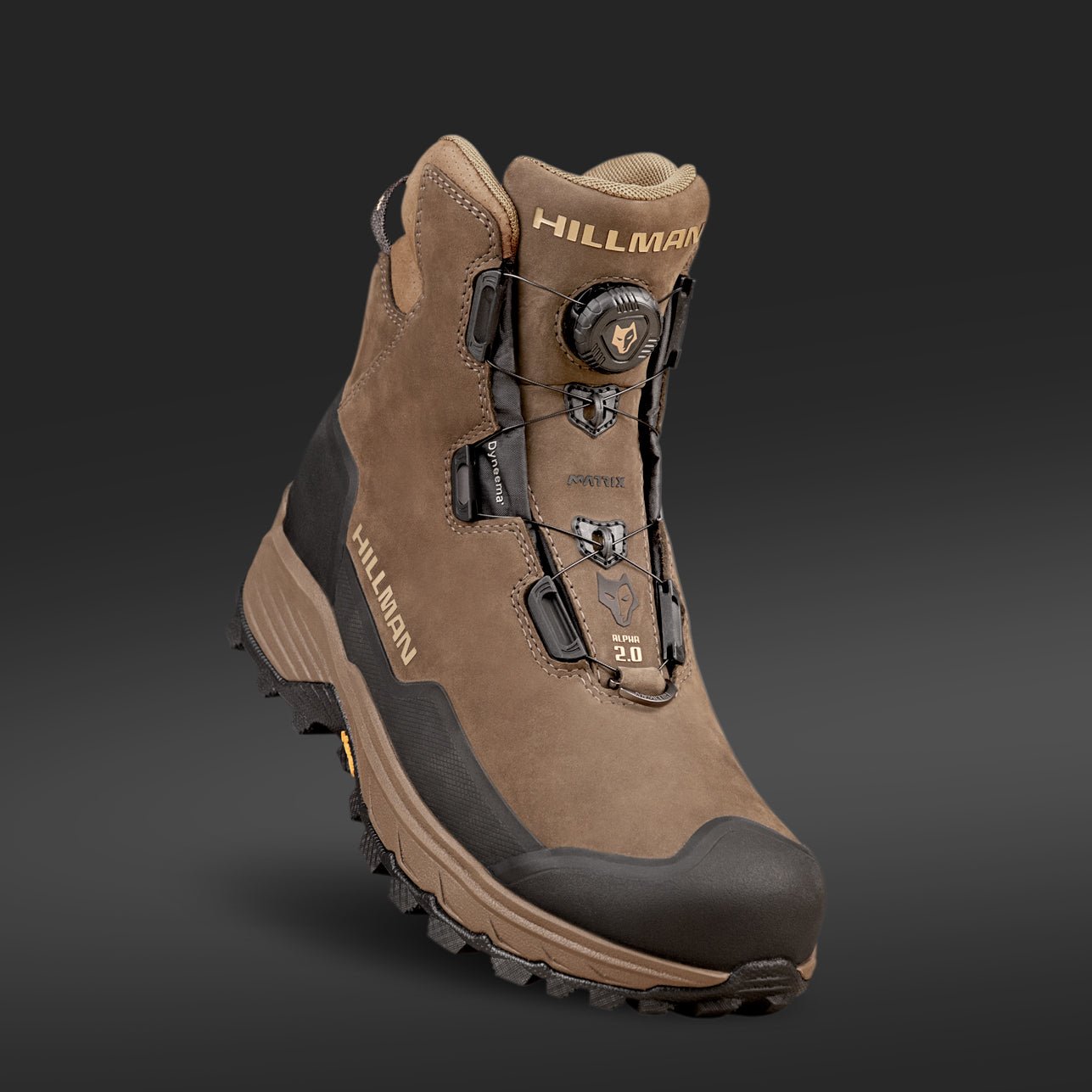
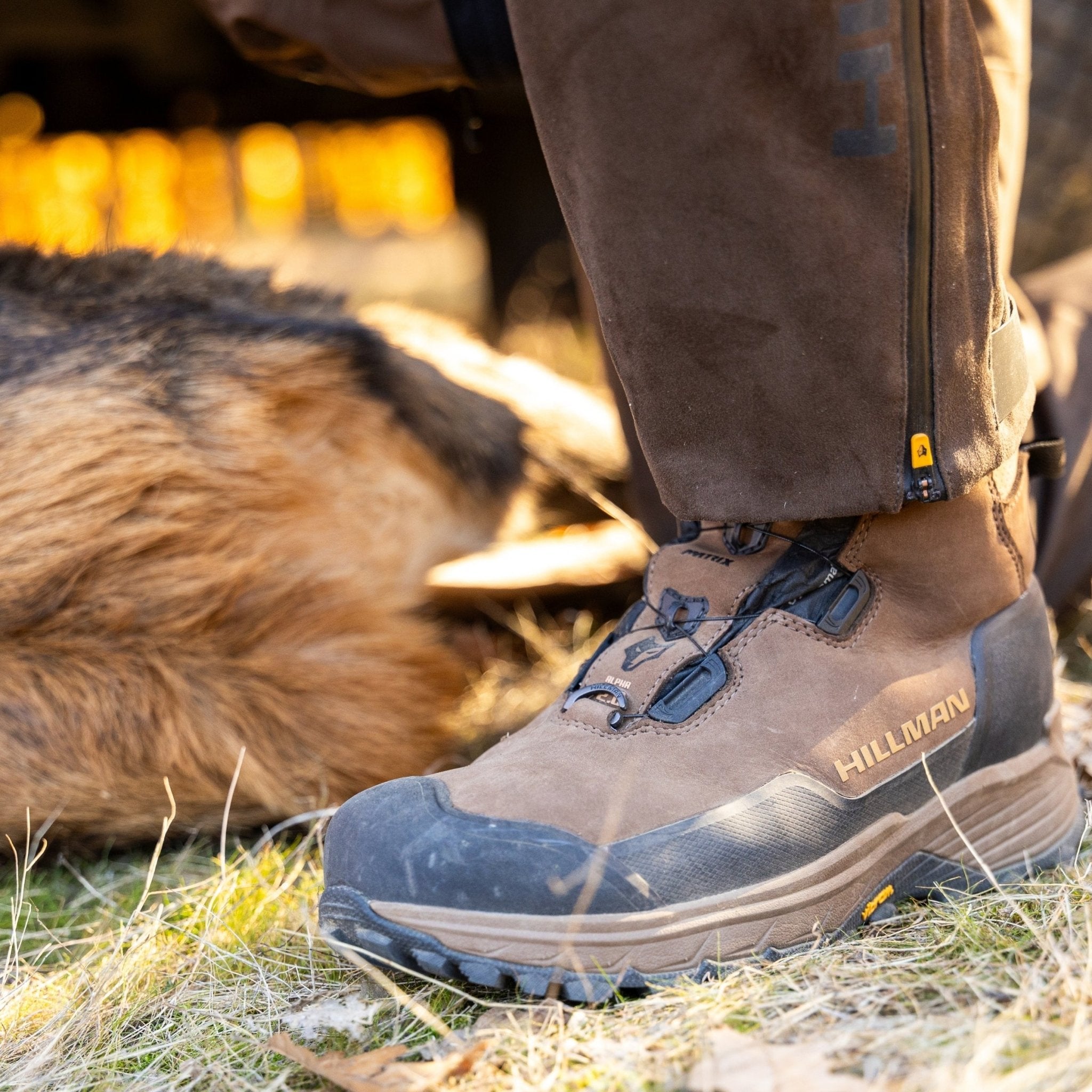
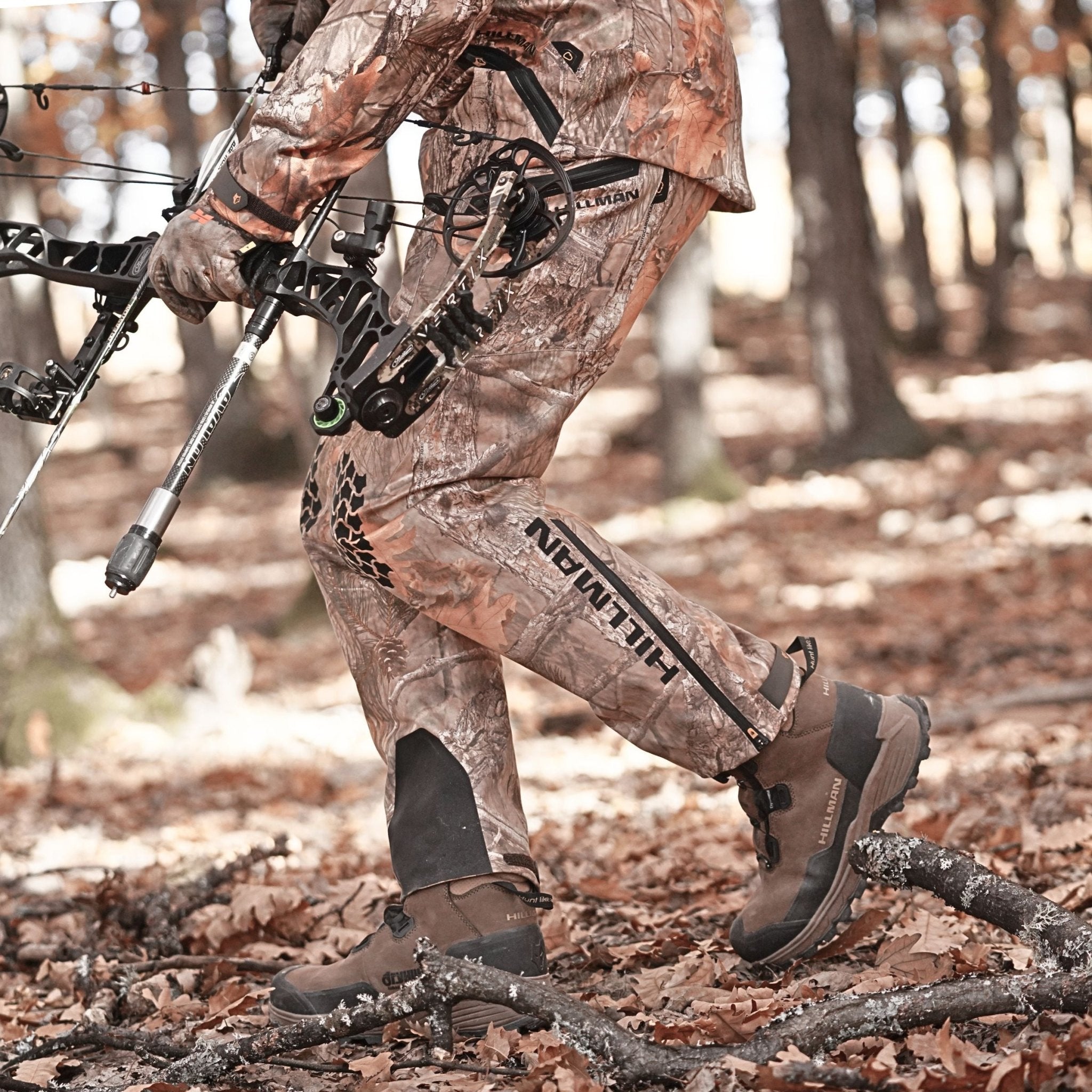
Boot problems rarely appear straight away. They show up later, when feet start to cool, and balance becomes less certain. Waterproof boots designed for wet ground help prevent that slow decline.
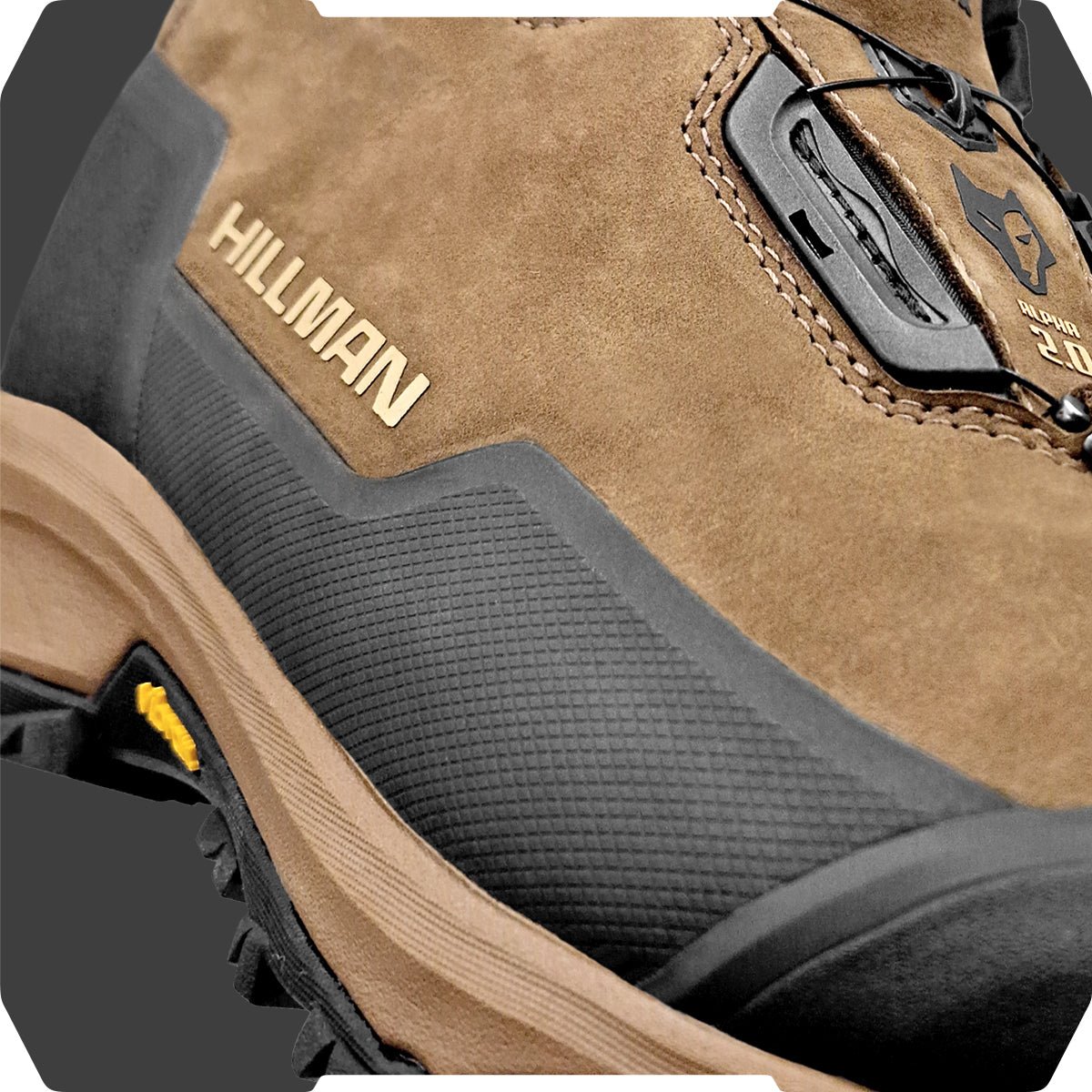
A good grip matters on mud and rough ground, especially when walking long distances. Slipping costs energy and concentration. Over long hours, even minor instability becomes tiring.
Keeping feet warm depends on more than boots alone. Socks, gaiters, and other shooting accessories help manage moisture and mud. Cold, damp feet shorten days faster than most equipment failures.
Waterproof Trousers for Rough Terrain and Cold, Wet Weather

Waterproof trousers often get less attention than jackets, but they take constant punishment on the moorland. Wet vegetation, kneeling, brushing through heather, all force water against the fabric.
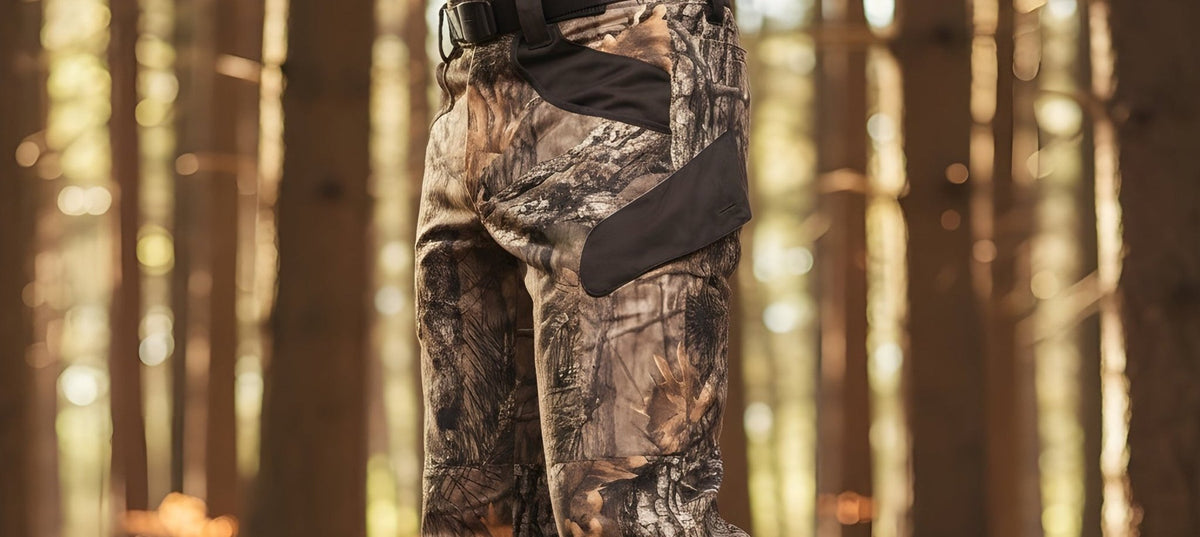
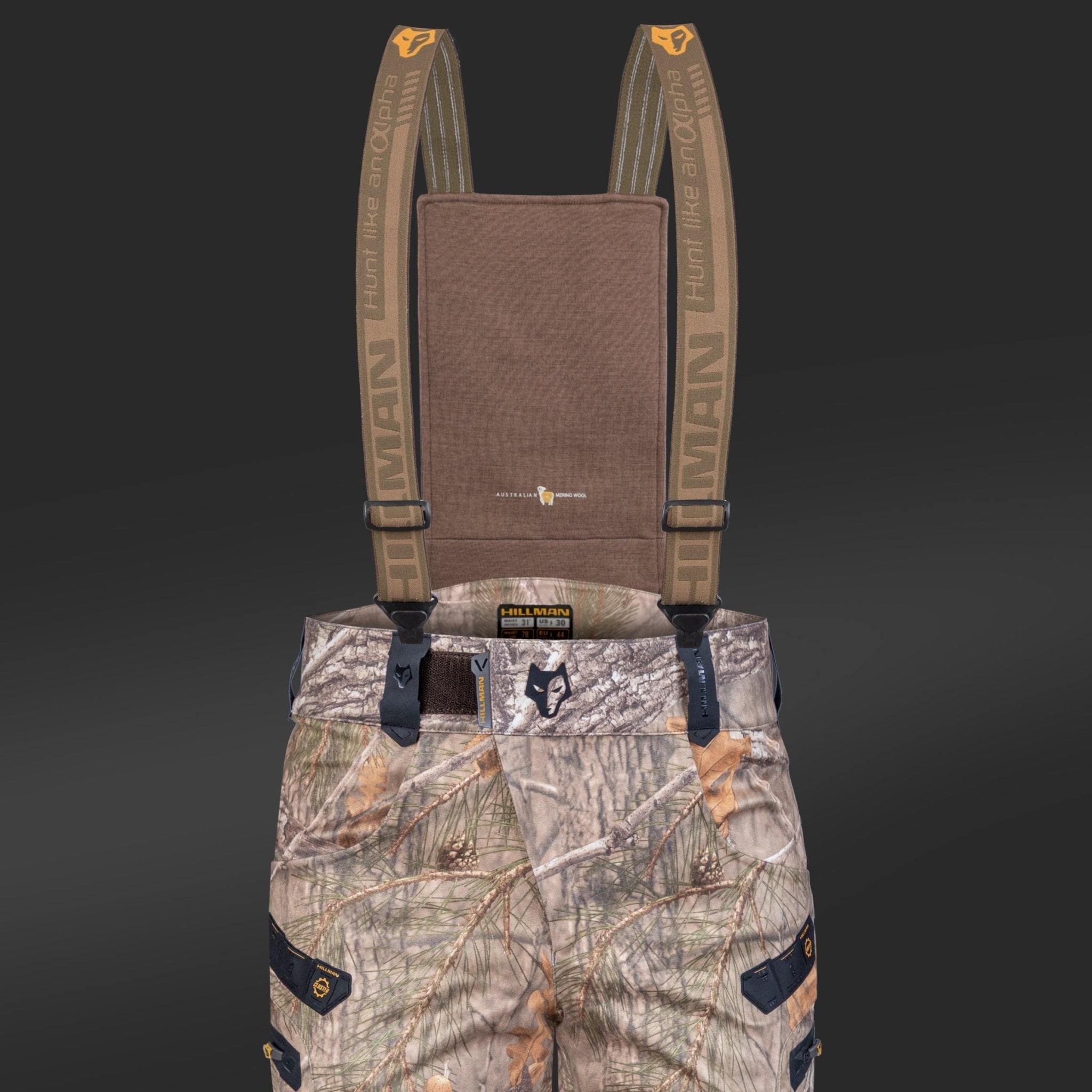
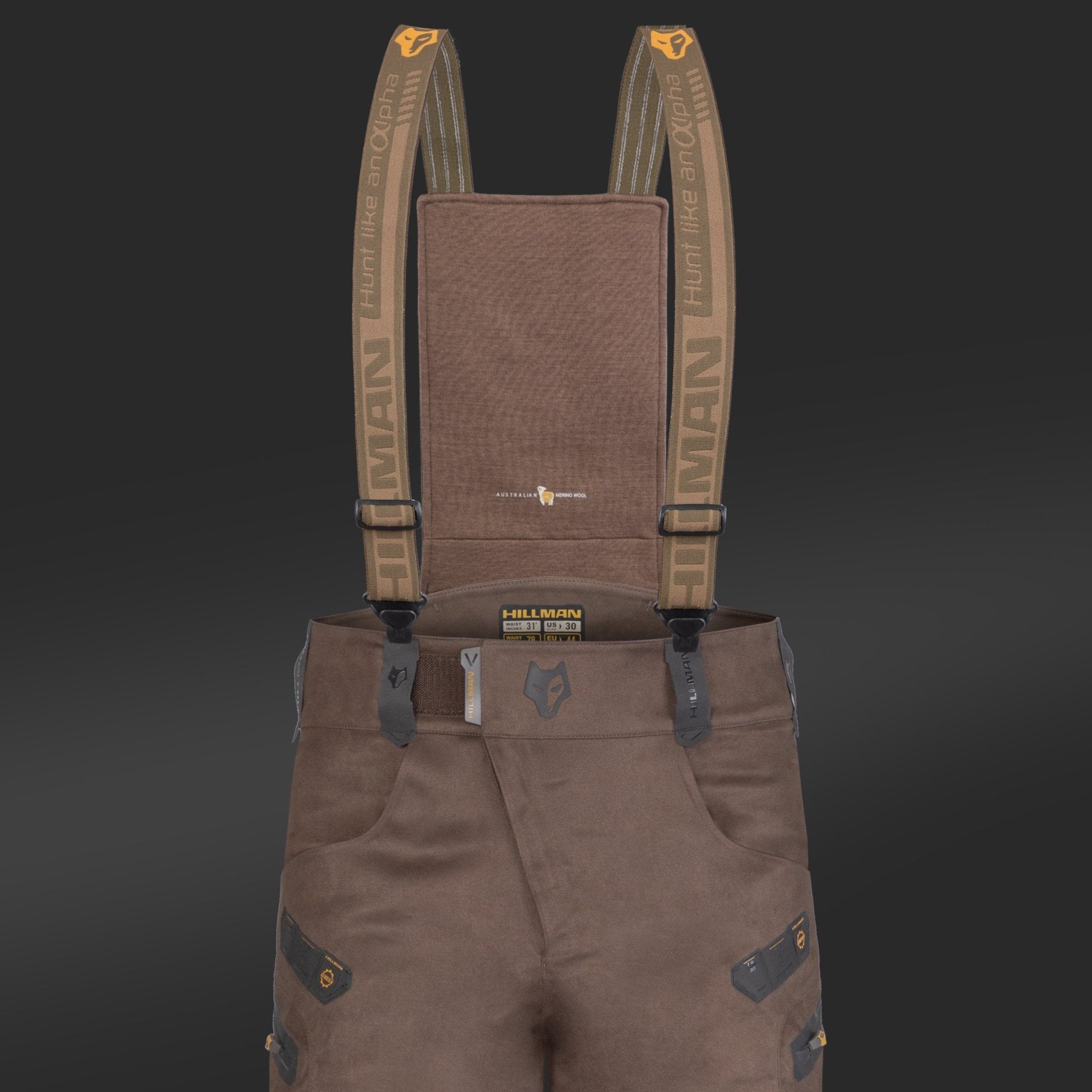
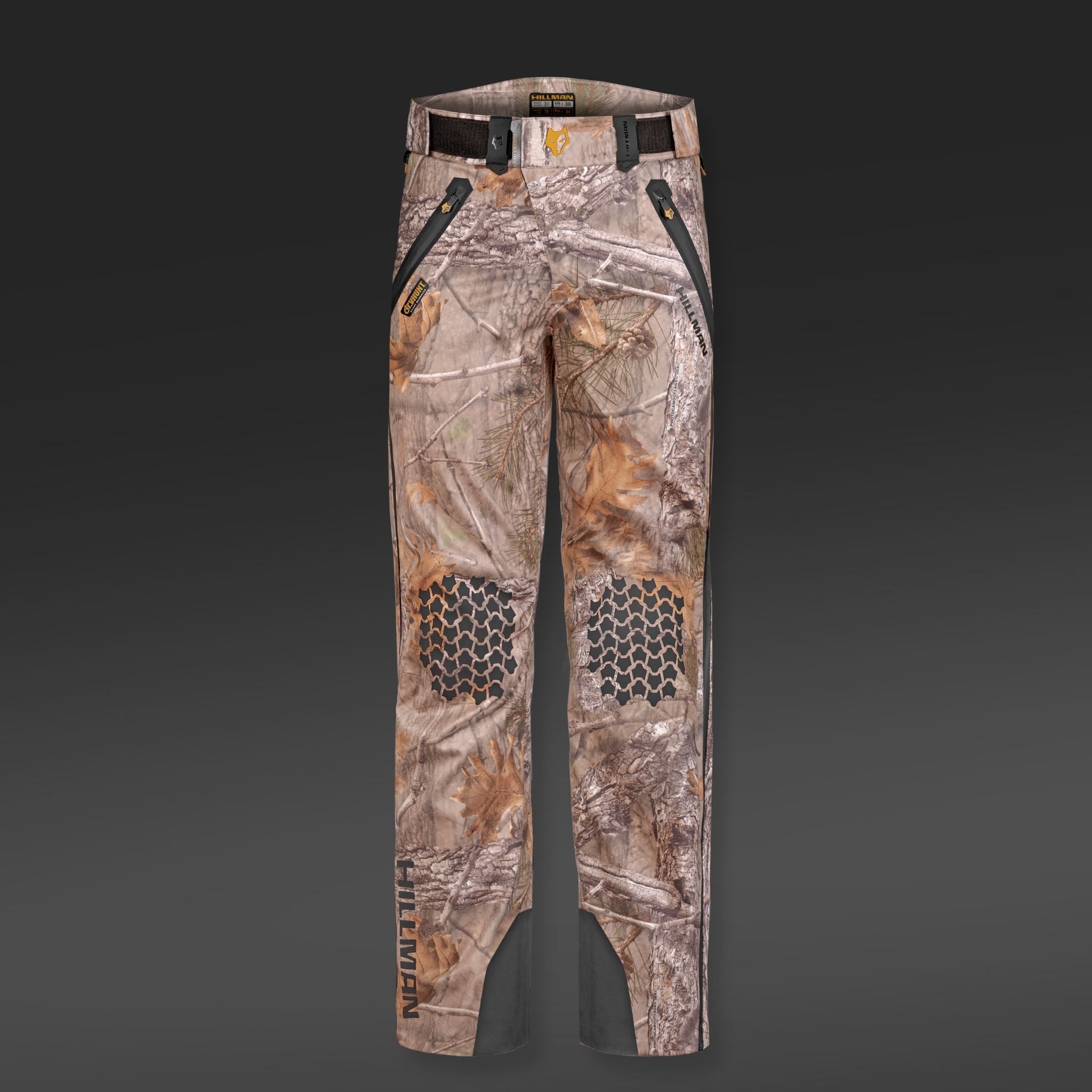
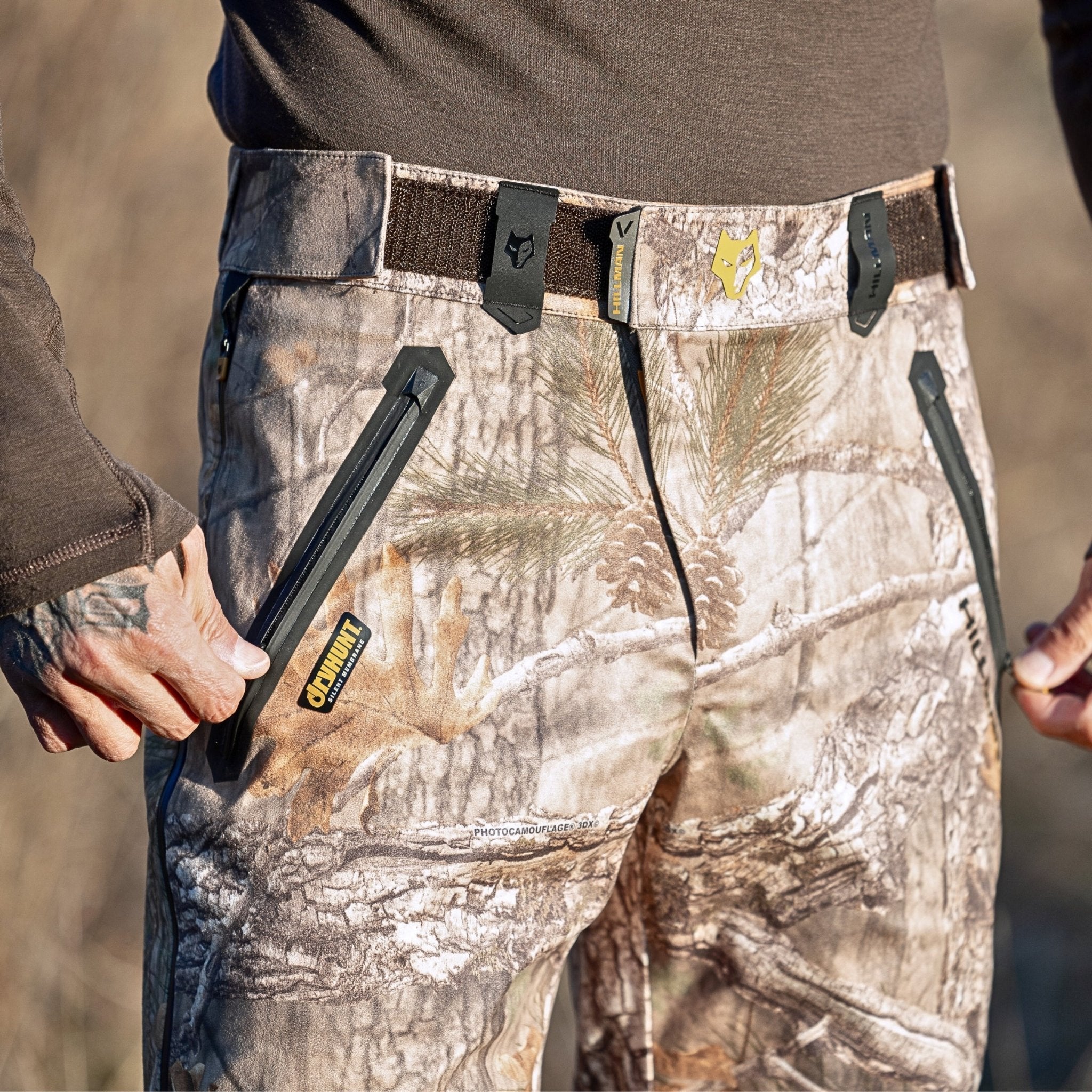
Fully waterproof trousers with articulated knees allow movement without pulling or tightening when wet. In cold conditions, a thin fleece layer underneath helps maintain warmth without bulk.
Problems tend to appear gradually. Water ingress at seams, fabric stiffening, and restricted movement through the legs. None of it is dramatic. All of it is draining.
Waterproof Jackets as the Essential Outer Layer on a Wet Moorland Stalk

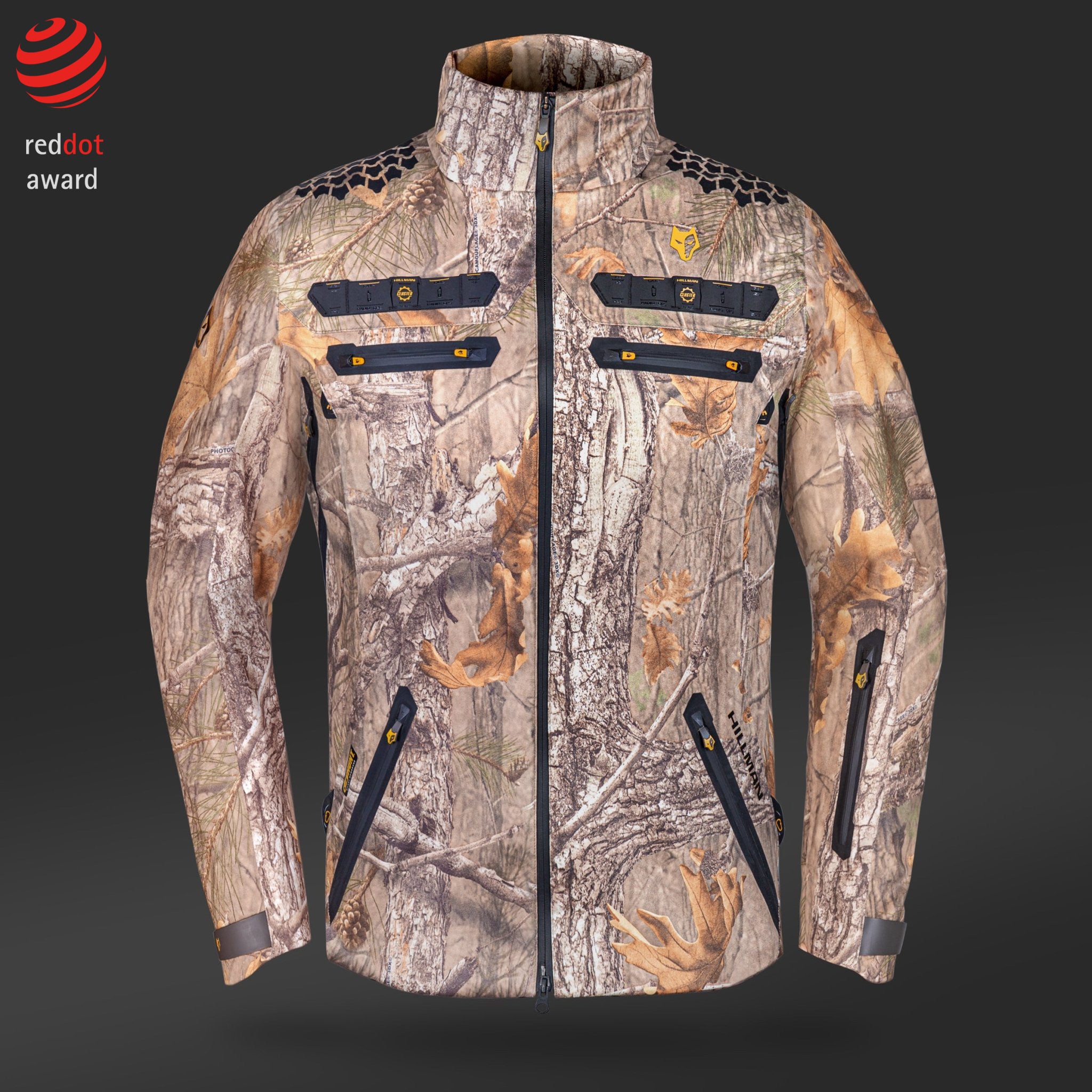
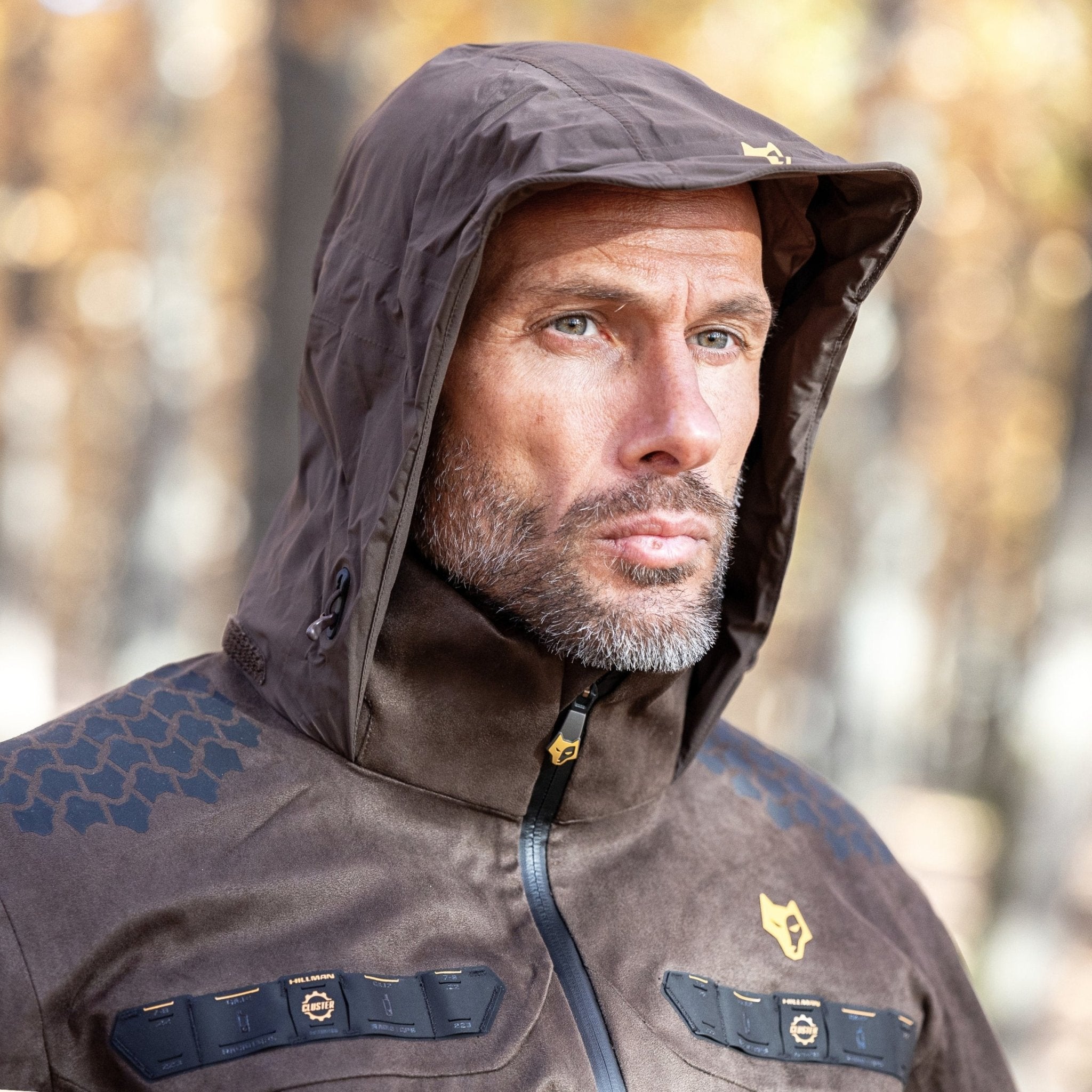
On wet moorland, the outer layer does most of the work. Waterproof jackets protect against driving rain, block wind, and help stabilise body temperature when activity drops.
Softshells can work elsewhere, but in windy, wet weather, they often struggle. Winter stalks and long periods of waiting demand consistent protection. Once inner layers get wet, recovery is unlikely.
Practical details matter here. Covering the rifle while moving, sealing cuffs properly, and stopping water from running down sleeves. These small things are rarely noticed until they fail.
Stalking Clothing Colours: Green, Brown, Dark Green, and Olive
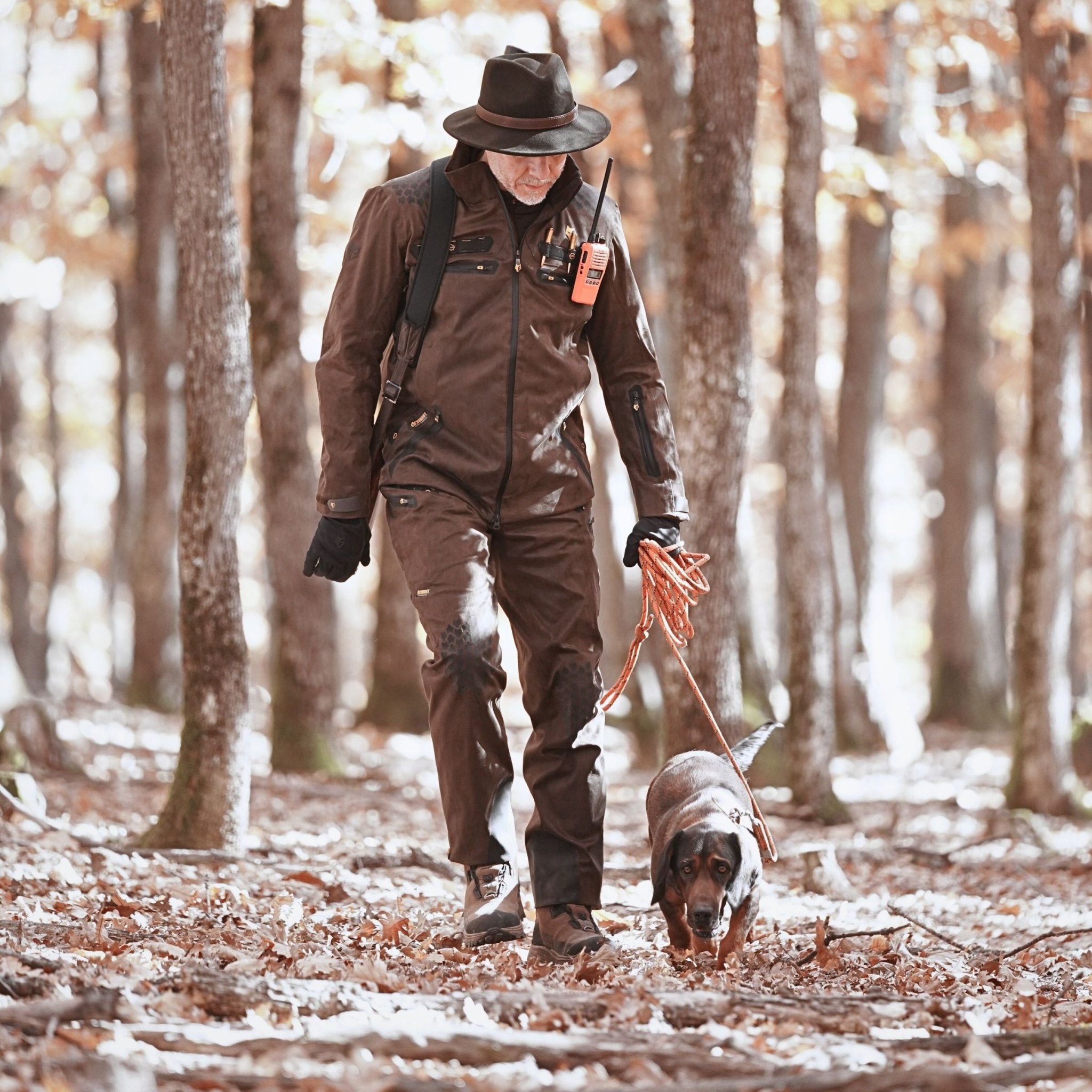
Moorland does not behave like woodland. Colour works differently in open spaces. Green, brown, olive, and dark green reduce contrast rather than disappear entirely.
Camouflage patterns can still be useful, but bold designs sometimes stand out more than expected. Subtle tones that soften the human outline tend to work better when stalking deer across open ground.
The aim is not perfect concealment. It is avoiding unnecessary attention.
Shooting Socks and Layering That Works in UK Moorland Weather

Shooting socks play a quiet but important role. They manage moisture inside boots and help keep feet warm over time. Once socks are damp, everything else struggles.
Fleece layers help regulate heat during changes in effort. Gloves matter too, particularly for maintaining dexterity when hands are cold and wet. These smaller items often make more difference than people expect.
Practical Advice for Moorland Stalking Clothing
Good advice is usually simple. Dress for movement first, then for waiting. Expect conditions to change. UK weather rarely stays predictable for long.
Avoid clothing that restricts movement or catches on heather and gorse. Think about how a rifle sits across the shoulders once layers build up. Prepare for winter even when forecasts look reasonable.
Ensuring comfort is not indulgent. It keeps decision-making sharp when the day stretches on.
What Really Matters on a Wet Moorland Stalk?
Fully waterproof gear remains essential for wet moorland stalking. Clothing choices shape how long you stay effective on the hill, especially across long stalks and unpredictable UK weather. Focus on movement, weather protection, and comfort, and the rest tends to fall into place.



Share:
Best Clothing for UK Roe Deer Stalking: Quiet & Breathable
Early Season Overheating: How to Stay Cool & Still Protected