
During early-season hunts, heat builds up quicker than most expect, turning mild mornings into hot, exhausting conditions. Staying cool comes down to wearing breathable, moisture-wicking layers, pacing movement, hydrating early, and protecting against the sun without stripping down. Awareness and smart hunting gear matter more than toughness, comfort and safety keep the hunt enjoyable.

Early Season Overheating: How to Stay Cool While Still Protected
Early-season heat can catch hunters off guard, especially when calm mornings shift into harsh midday temperatures. Staying cool without sacrificing protection becomes an essential part of early-season planning.
Hot early-season hunts can wear you down faster than expected. Practical advice on staying cool, managing heat, and protecting yourself during long days outdoors.
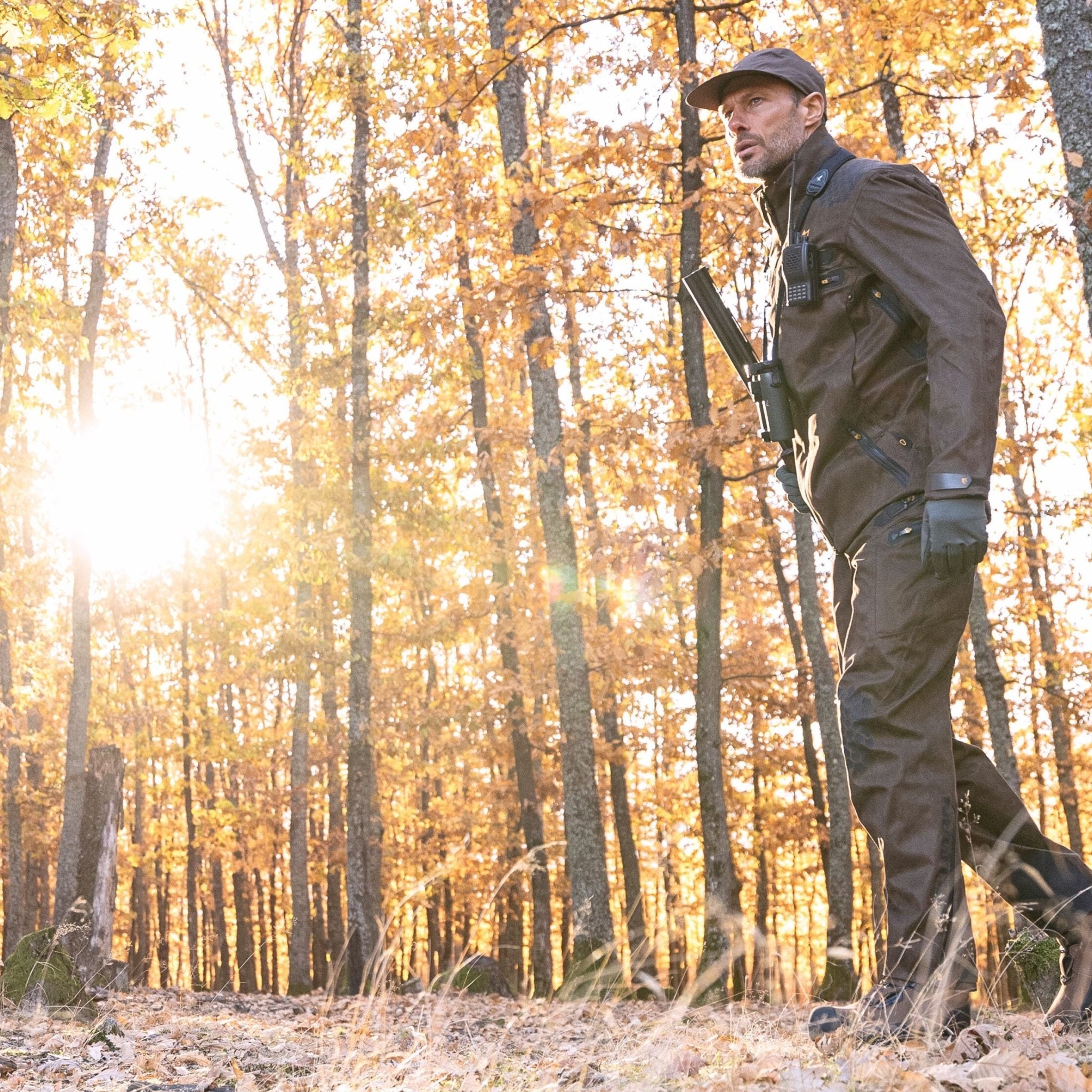
Early-season hunting often starts gently. Morning air feels manageable. The sun is low. Movement feels easy enough. It doesn’t stay that way for long.
As the day moves on, temperatures climb. Hot weather settles in, sometimes faster than expected. Early-season overheating becomes less of a possibility and more of a pattern. Hunters spend extensive time outdoors, often in direct sunlight, moving between food plots, white oaks, or simply covering ground. Body temperature rises quietly. Staying cool becomes something you think about constantly, even when you’d rather not.
Early Season Hunting in Hot Weather

Early season brings warmer temperatures, but rarely in a predictable way. Weather conditions shift throughout the day. What feels light in the morning can feel heavy by midday.
Hot weather changes how the body responds to physical activity. Sweat builds faster. Recovery slows. Long hours in the sun take more out of you than expected, especially during the hottest hours. Many hunters assume heat will ease once movement stops. Often, it doesn’t.
Early Season Overheating and Heat Exhaustion Risks
Early-season overheating isn’t dramatic at first. It creeps in.
Body temperature rises. Sweat becomes constant. Skin feels hot, especially around the neck. In extreme heat, these signs can move into heat exhaustion without much warning. Dangerously high temperatures don’t announce themselves clearly.
Health risks increase when hunters ignore early discomfort. It’s easy to forget hydration or rest when deer movement looks promising. Staying safe usually means paying attention earlier than feels necessary.
Proper Clothing for Regulating Body Temperature

Proper clothing helps regulate temperature, but not in the way many expect. Wearing less isn’t always better. Sometimes it makes things worse.
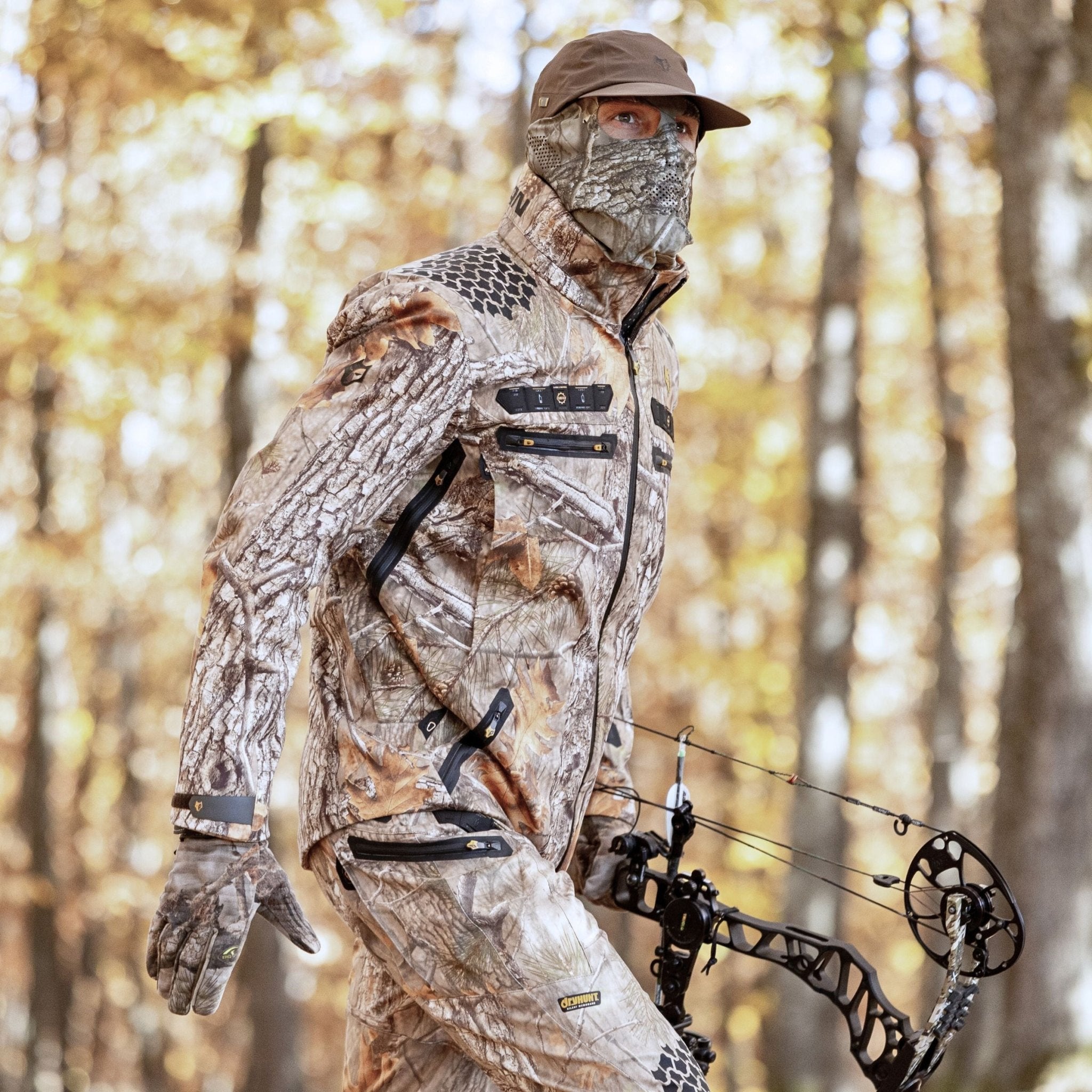
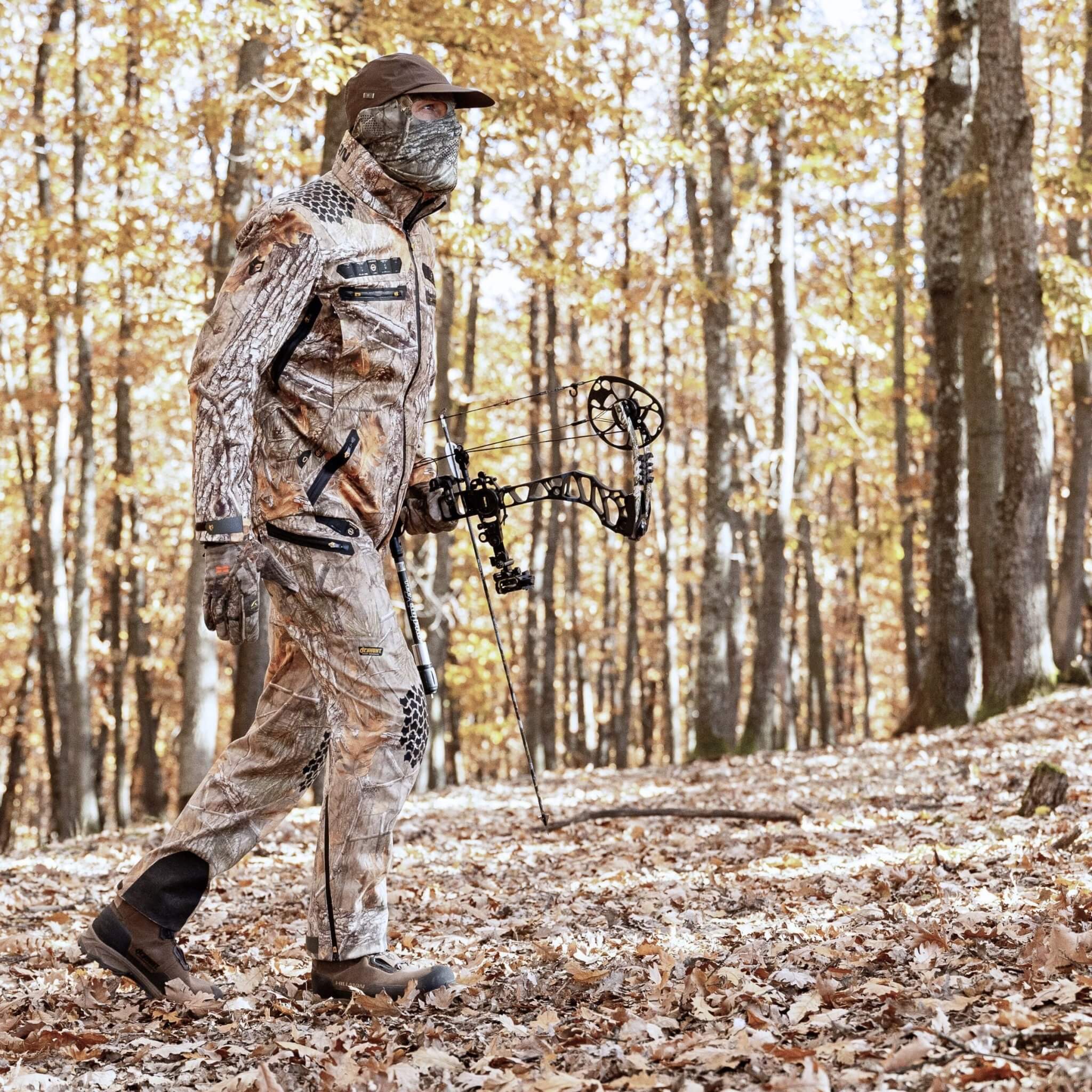
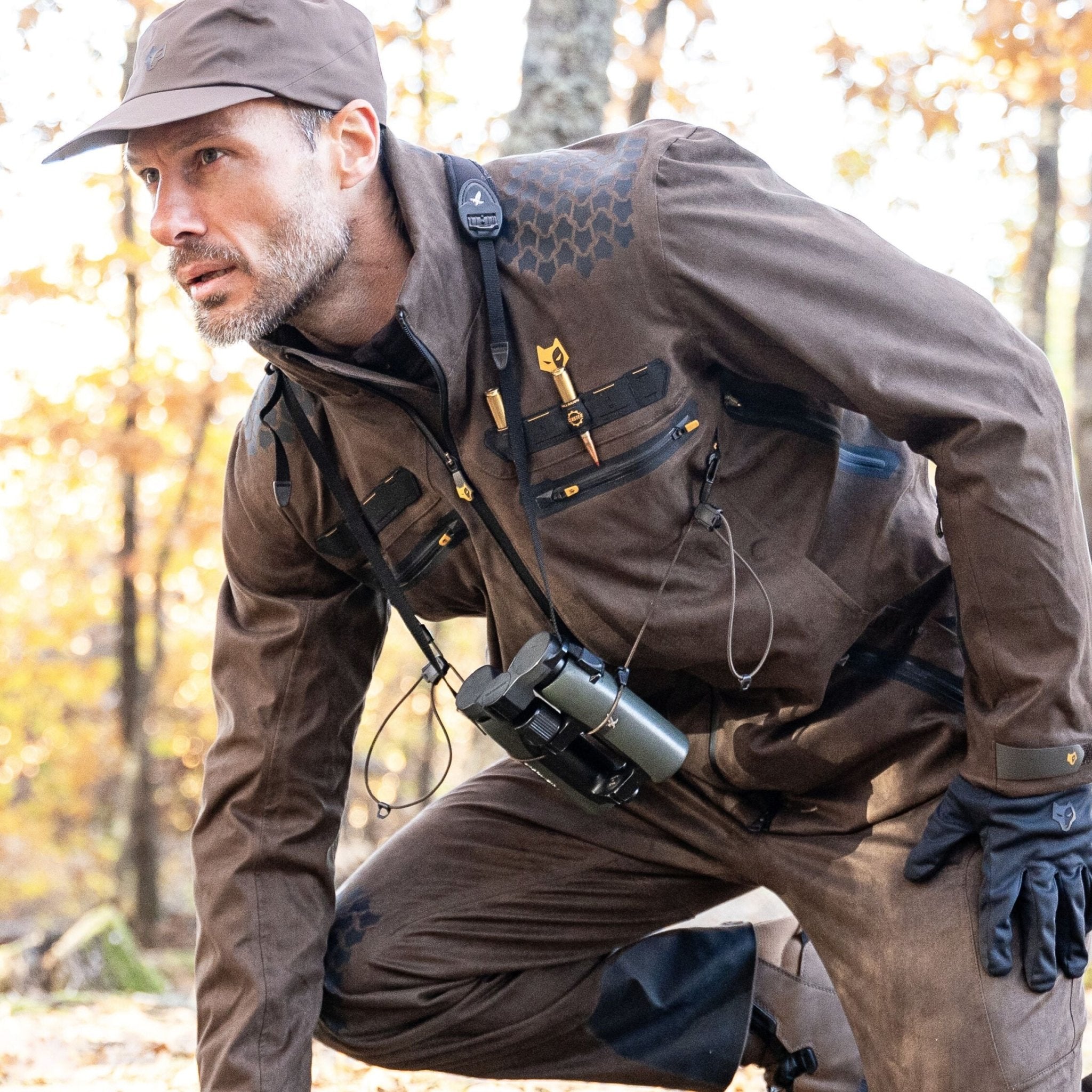
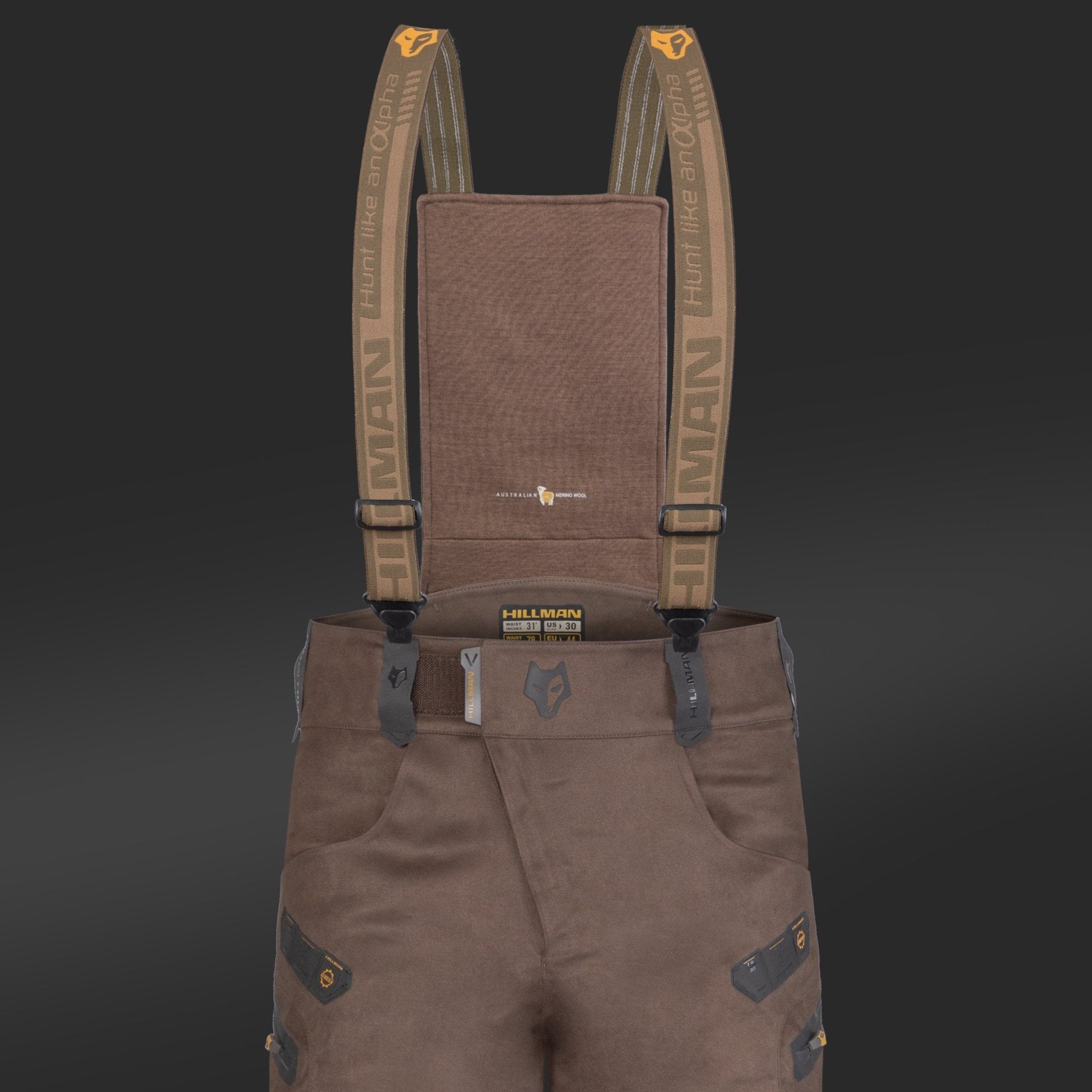
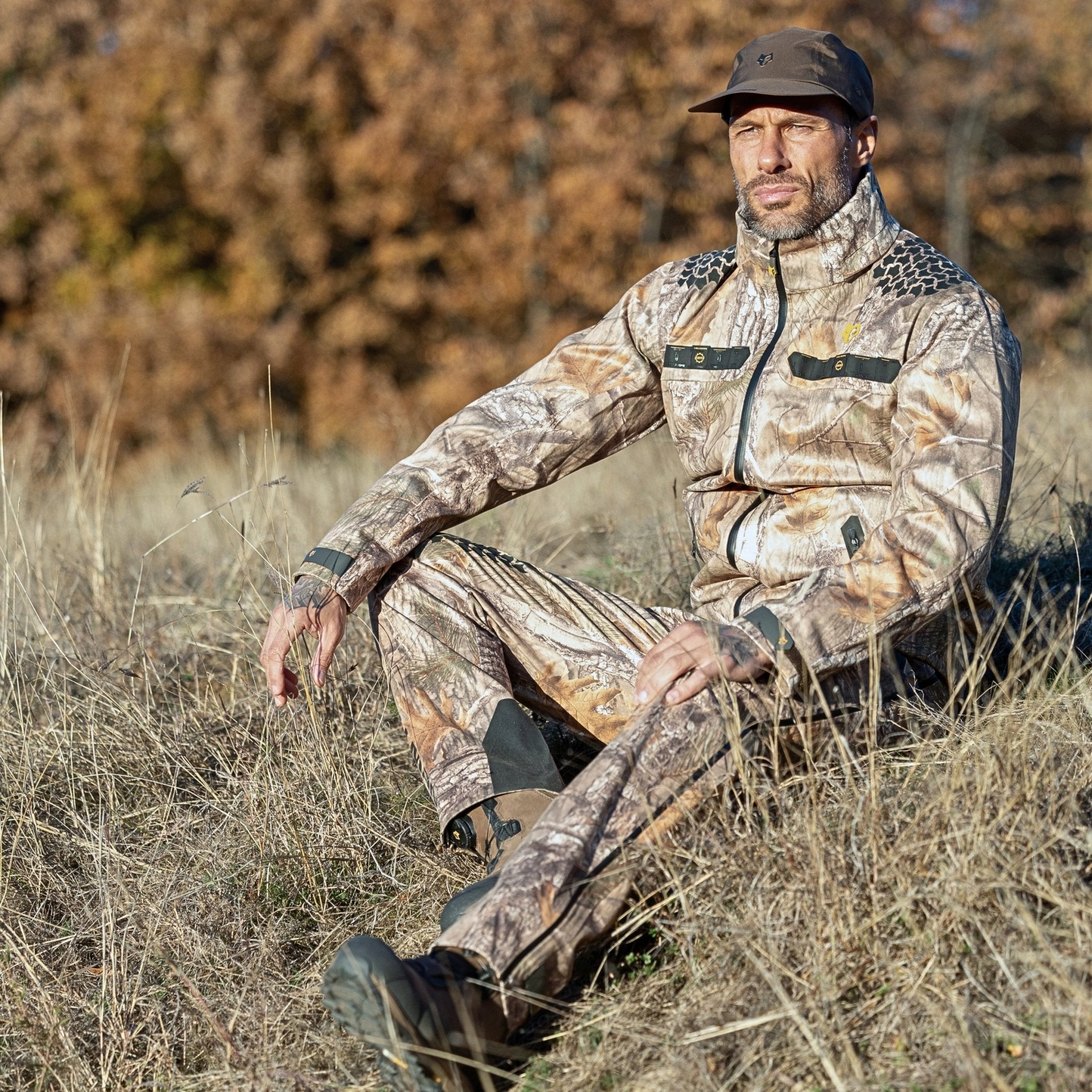
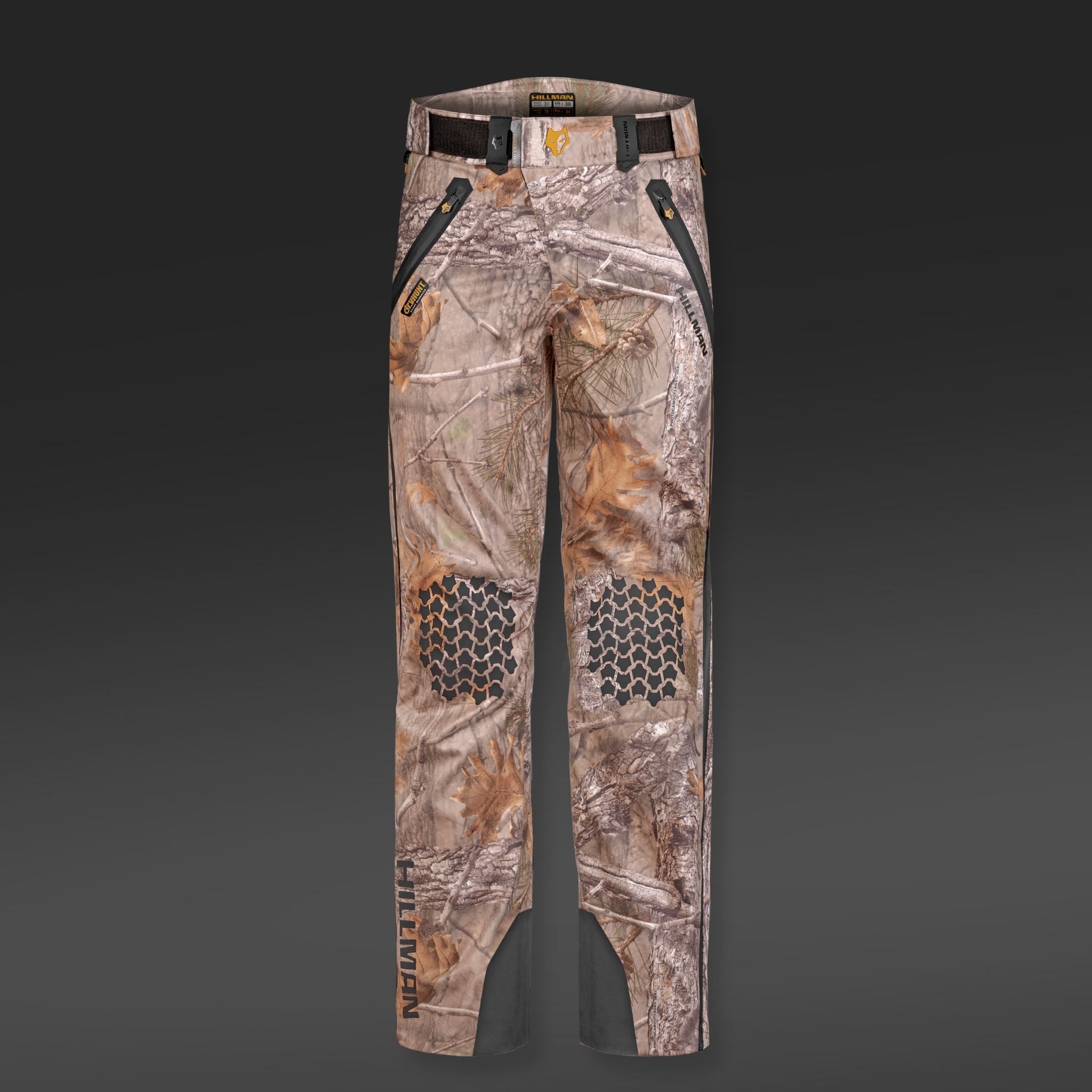
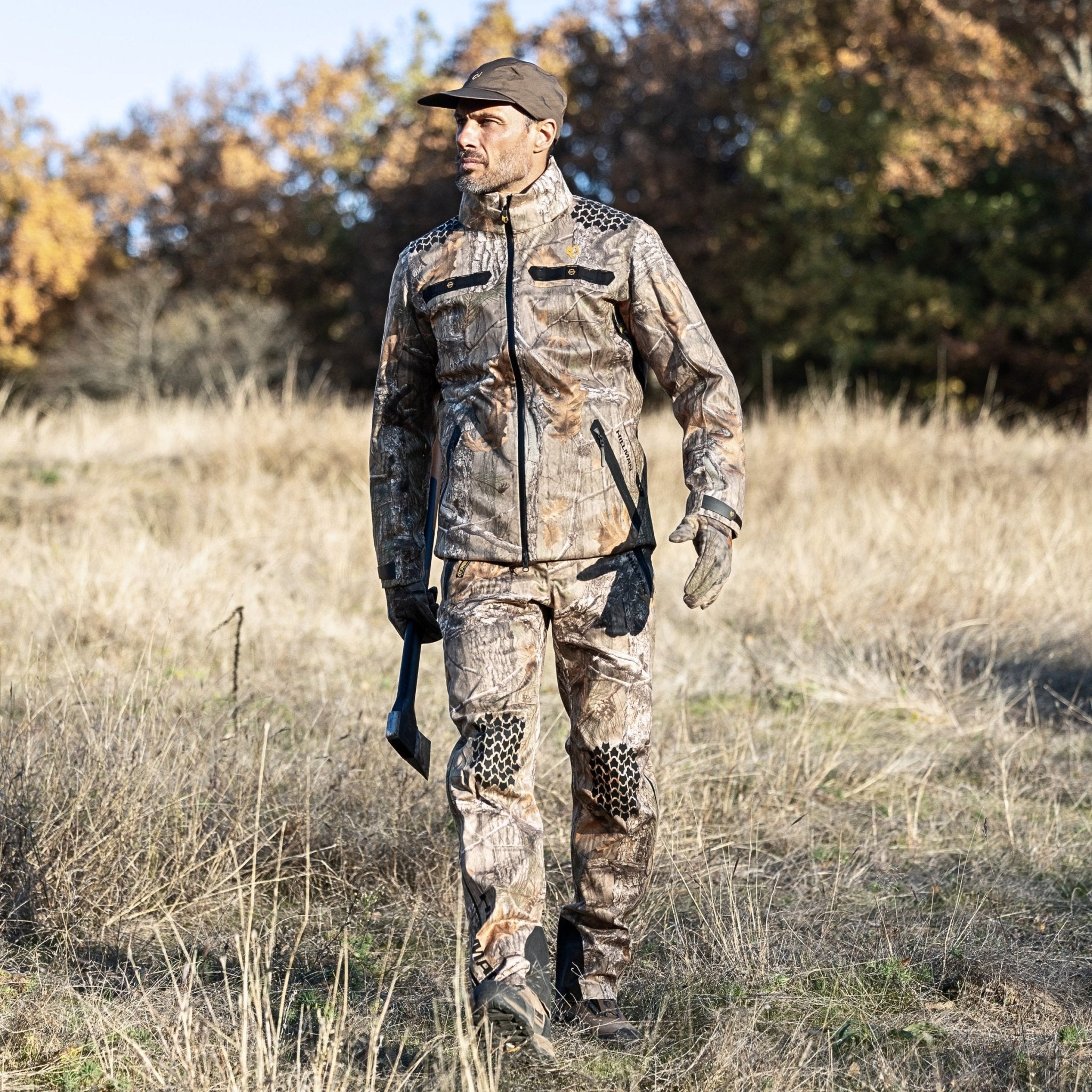
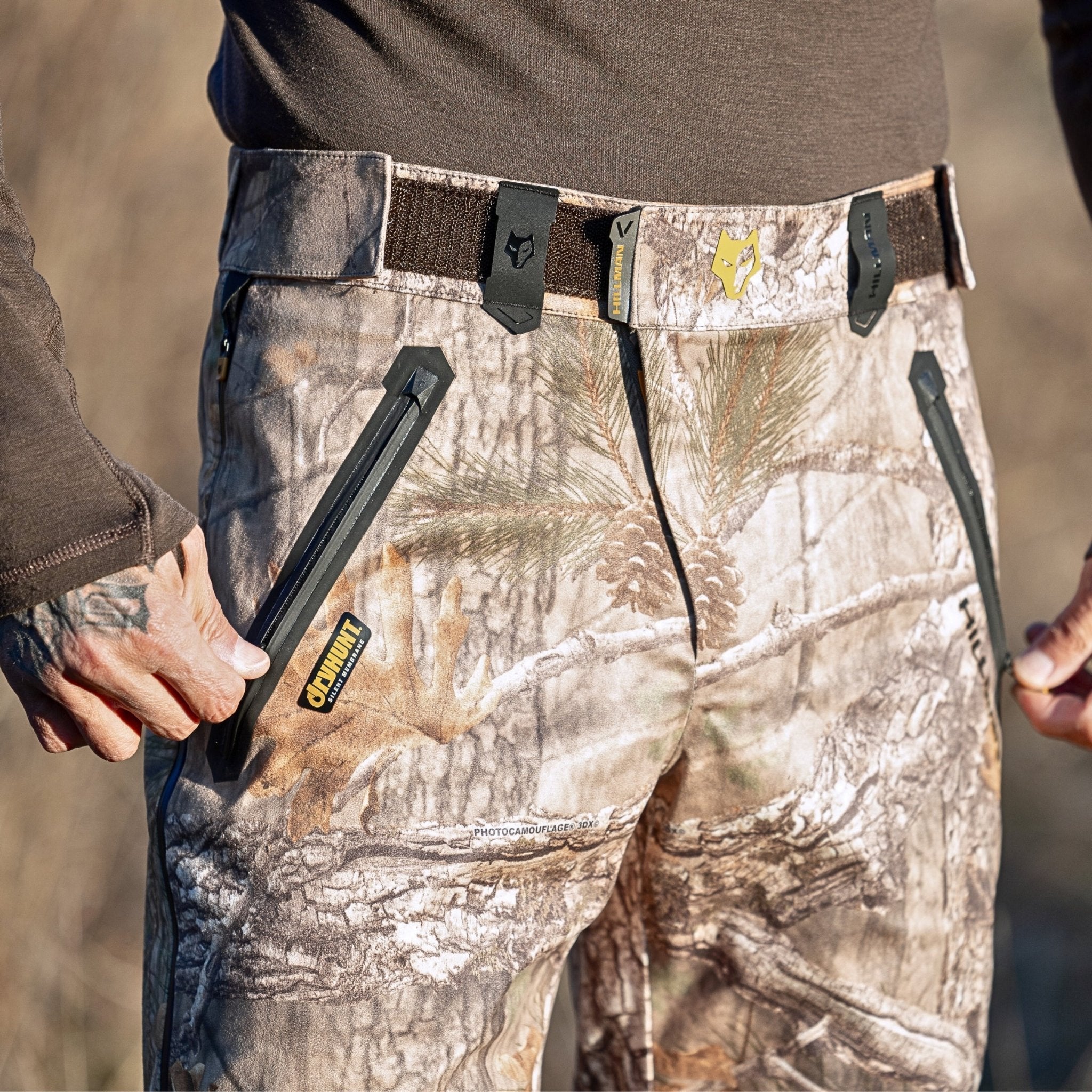
Breathable fabrics allow heat to escape while still offering sun protection. Moisture-wicking properties matter more than thickness. Light clothing keeps the body cool without leaving skin exposed for long periods. The right gear works quietly in the background. When it works, you don’t notice it much.
Base Layers That Keep You Cool
Base layers sit closest to the body, so mistakes show quickly. A basic T-shirt often feels fine at first. Later, it traps sweat.
A lightweight long-sleeved shirt offers better control. It blocks direct sunlight and supports moisture movement across the skin. Base layers with proper breathability manage sweat throughout the day, not just during the morning hours.
Mid Layers for Changing Weather Conditions

Mid layers tend to matter at the edges of the day. Morning can feel cool enough to justify one. Evening often feels similar.
Problems start when mid layers stay on too long. As temperatures rise, extra fabric traps heat. Flexible mid layers that can be removed quickly work best in early-season conditions. Anything rigid becomes uncomfortable once movement increases.
Outer Layers for Sun and Light Protection
Outer layers in hot weather are about light protection, not insulation. They shield from the sun rather than the weather.
A wide-brimmed hat helps reduce exposure, especially during long sits. Sunscreen still matters. Apply sunscreen to exposed areas even when wearing protective clothing. Outer layers support protection. They don’t replace it.
Physical Activity, Long Hours, and Keeping Cool

Physical activity builds heat steadily. Walking, carrying, climbing. It adds up.
Keeping cool requires pacing. Slow movement. Short pauses. Letting sweat evaporate rather than soak in. Regulating body temperature works best when done early. Waiting until fatigue sets in usually backfires.
Keeping Cool During the Hottest Hours
The hottest hours demand restraint. Seek shade whenever possible. Take regular breaks, even when it feels inconvenient.
Drink lots of water. Carry more than you think you need. Cold water helps, especially when taken steadily. Many hunters drink too late. By then, cooling the body takes longer than expected.
Deer Movement, Fresh Signs, and Early Season Strategy

Deer movement changes in heat. Activity shifts closer to shade and cover. Fresh signs often appear near food plots or white oaks where conditions stay cooler.
A mature buck rarely moves far in extreme heat. Understanding this helps avoid pushing too hard during poor conditions. Strategy matters more than effort here.
High Seats and Heat Management
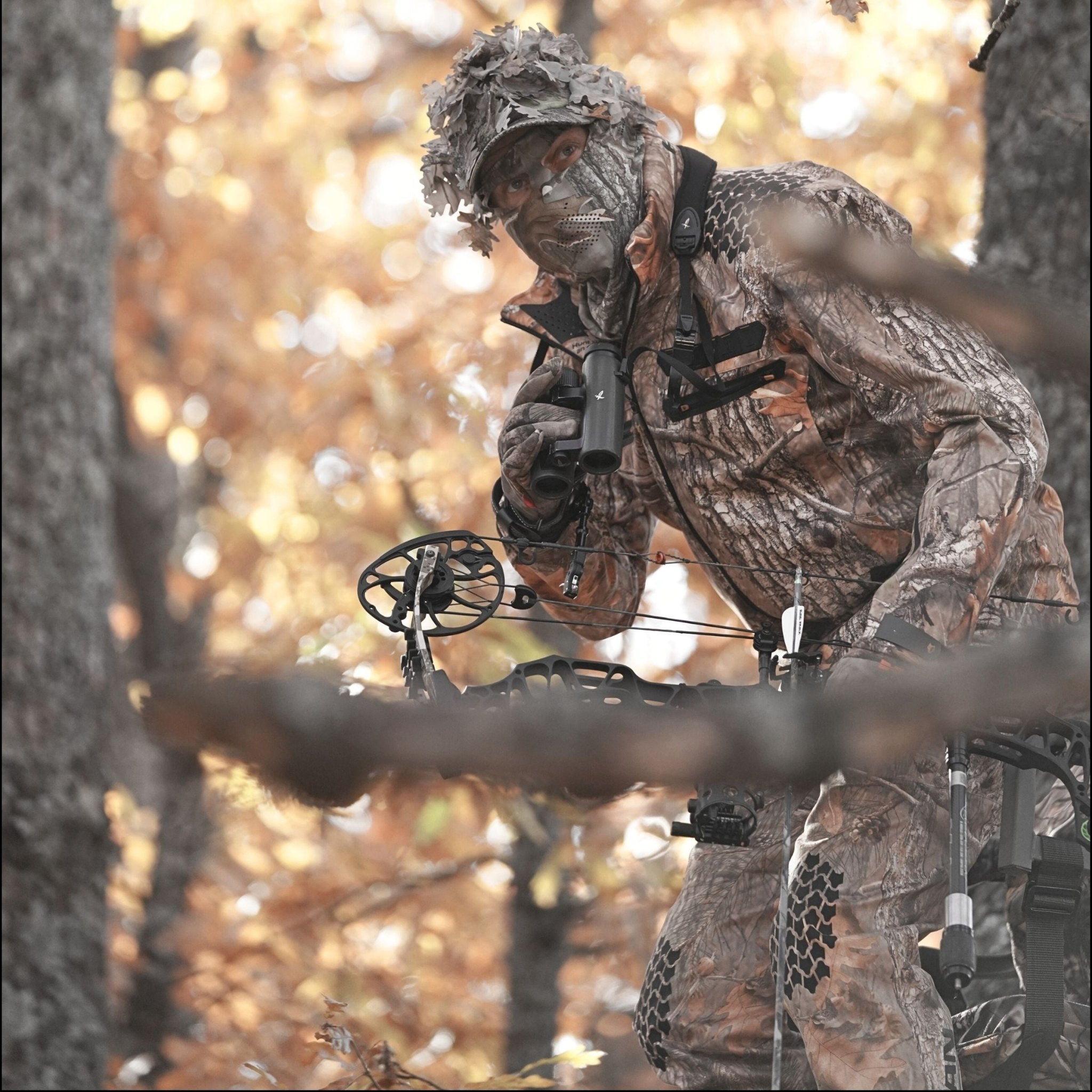
High seat hunting limits airflow. Heat builds slowly but consistently.
Mesh panels help. Shade helps more. Position matters. Sitting in direct sunlight during hot weather drains energy quickly. Heat management becomes part of staying alert, not just staying comfortable.
Staying Safe During Early Season Hunts

Staying safe means watching yourself as much as the hunt. Fellow hunters and other hunters nearby face the same heat.
Pay attention to signs of overheating. Take rest seriously. Heat exhaustion rarely feels urgent until it is. Staying safe often means stopping sooner than planned.
Home Cool - Recovery After the Hunt
Cooling down continues after the hunt. Home cool matters.
Rest. Drink water. Use cold water gradually to lower body temperature. Avoid sudden extremes. Recovery helps reset the body, especially after long hours outdoors in the heat.
What Really Matters on a Hot Early Season Hunt?
Early-season hunting rewards awareness more than toughness. Staying cool while protected depends on proper clothing, pacing, and attention to conditions.
Heat builds quietly. Effects last longer than expected. Choosing the right gear and respecting limits keeps the hunting experience enjoyable and safe in the great outdoors.
See Below FAQs By Hunters



Share:
What to Wear on a Wet Moorland Stalk: A Practical Breakdown
How to Fix Wet Boots Overnight: Tips for British Hunters