
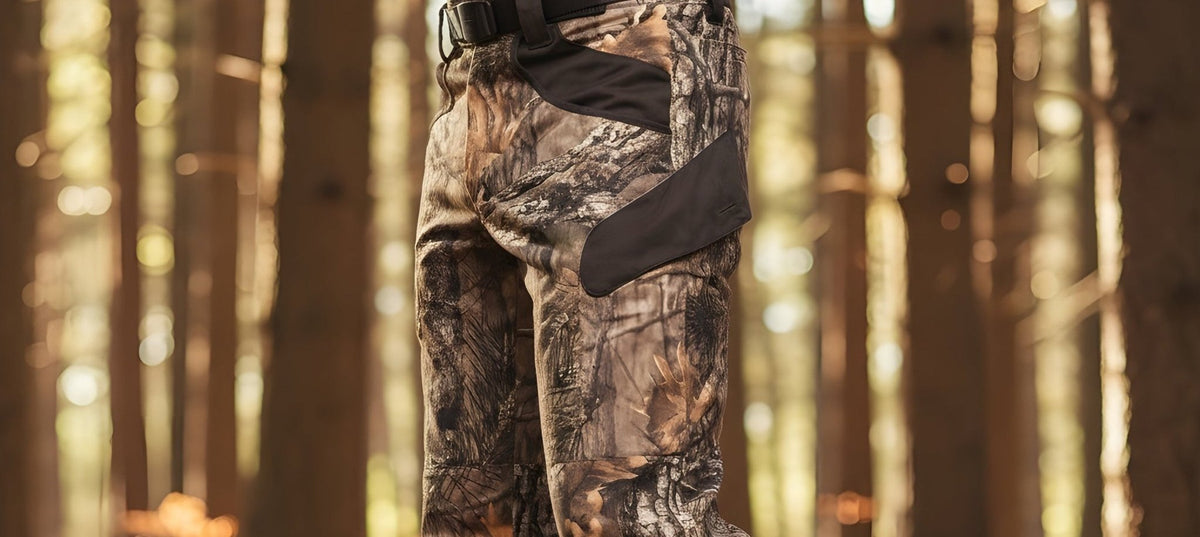
Silent Clothing for Woodland Stalking: What Helps and What Makes Noise

Silent clothing for woodland stalking: what stays quiet, what makes noise, and how the right gear helps you move closer to deer in tricky UK conditions.
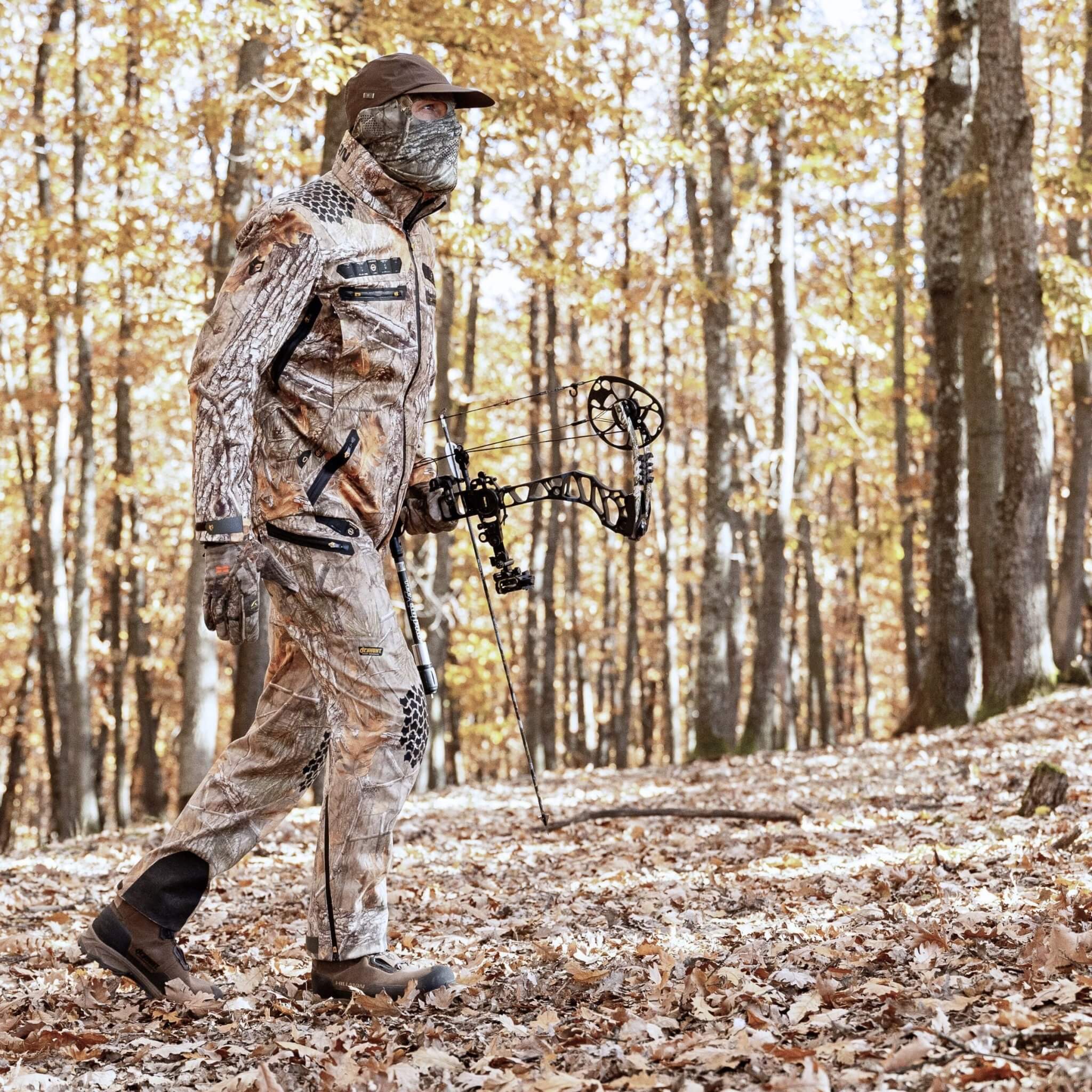
There’s a particular quiet found in woodland stalking, not the complete silence of a calm morning, but a layered stillness that shifts as you move. Leaves breathe. Twigs flex. The air carries sound differently under a closed canopy, and every footstep feels closer to the ground than usual. Hunters who spend enough time stalking in thick cover learn quickly that silence isn’t only about moving slowly. It’s also about what you wear, how your garments behave in wind and rain, and how the fabric handles moisture when the day gets complicated.
In the UK, Scotland especially, woodland stalking isn’t just about reaching the deer. It’s about staying unnoticed while the weather flips from cool to wet in a matter of minutes. Roe deer slip through cover like smoke. Red deer hold high ground where the wind shifts unpredictably. If your outfit makes noise at the wrong time, or if your outer fabric turns stiff when moisture hits it, your stalk is over before it really begins. Choosing silent clothing for woodland stalking is a skill in itself, something that comes from trial, error, and paying attention to what happens around you, and under you on stalking days.
Deer Stalking: Understanding the Challenges of Woodland Terrain

Moving Silently Through Wet Ground and Dense Cover
Anyone who’s stalked in heather or damp hill ground knows the soft crunch that ruins perfect silence. Wet ground doesn’t mute everything. It changes the sound, spreading it wider. In woodland terrain, moss, bracken, larch needles, and rotting bark sound travels differently again. Quiet fabric matters more than speed here. A jacket that whispers instead of scrapes, trousers that glide instead of rasp, boots that absorb rather than echo, all of it adds up.
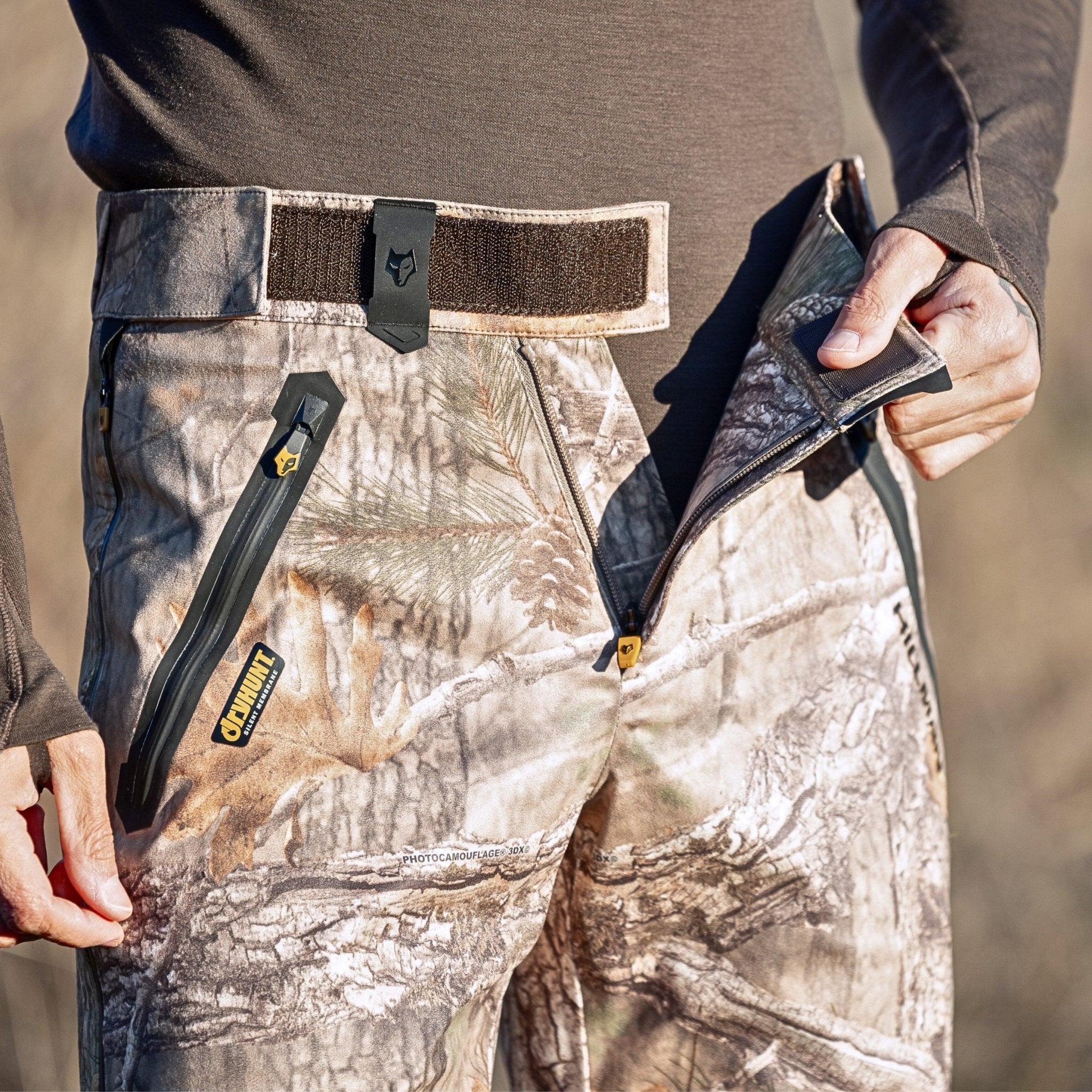
Cover is deceptive. Heather hides noise but also hides brittle stems. The woodland floor looks soft but holds dry pockets under wet leaves. Camo helps you blend, but camouflage alone won’t keep you quiet if the garment fabric is stiff. Soft, brushed surfaces handle the contact best. They slip past bark and bramble without announcing their movement, especially when moisture is hanging in the air. Nature rewards textiles that behave like part of the landscape rather than foreign objects moving through it.
Roe Deer vs Red Deer: How Each Species Responds to Sound

Roe deer have a sharper sense of localised sound; they flick their ears toward the smallest disturbance. Red deer interpret distance differently; they catch wind shifts and ground vibrations before they register details. In Scotland, the combination of terrain and wind makes roe deer stalking in woodland feel like threading a needle. Red deer, especially in hill areas, listen through the weather: wind pushing through pines, sun warming slopes, and the subtle shift in your outline as you move.
When stalking, movement under the wrong wind angle matters as much as fabric noise. The sun can betray your outline, and dry bracken can betray your step. Sound is a full-body conversation with the landscape during a stalk; deer hear the parts you forget to think about.
Waterproof Boots and the Importance of Silent Footwork

Why Boots Make or Break Woodland Stalking?
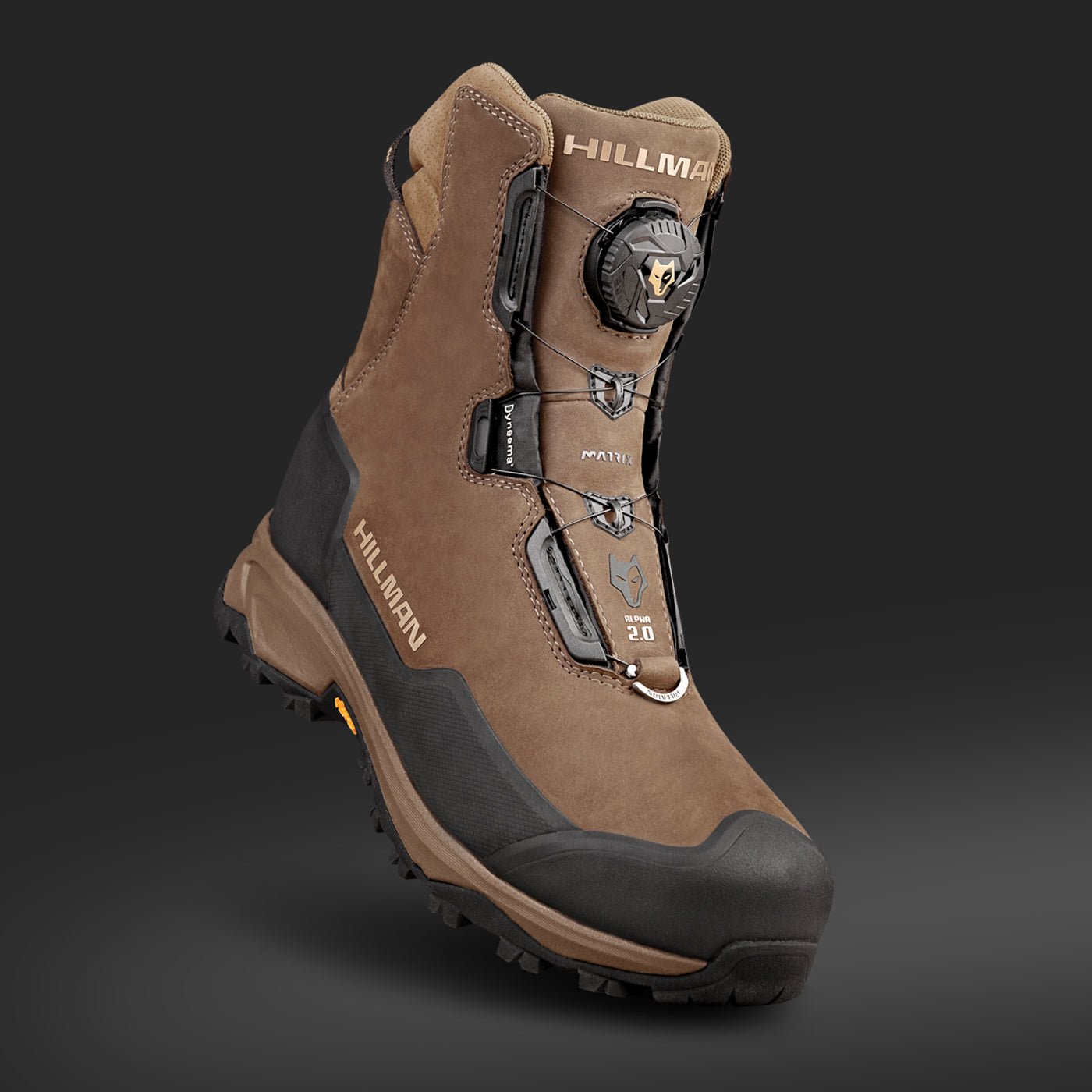
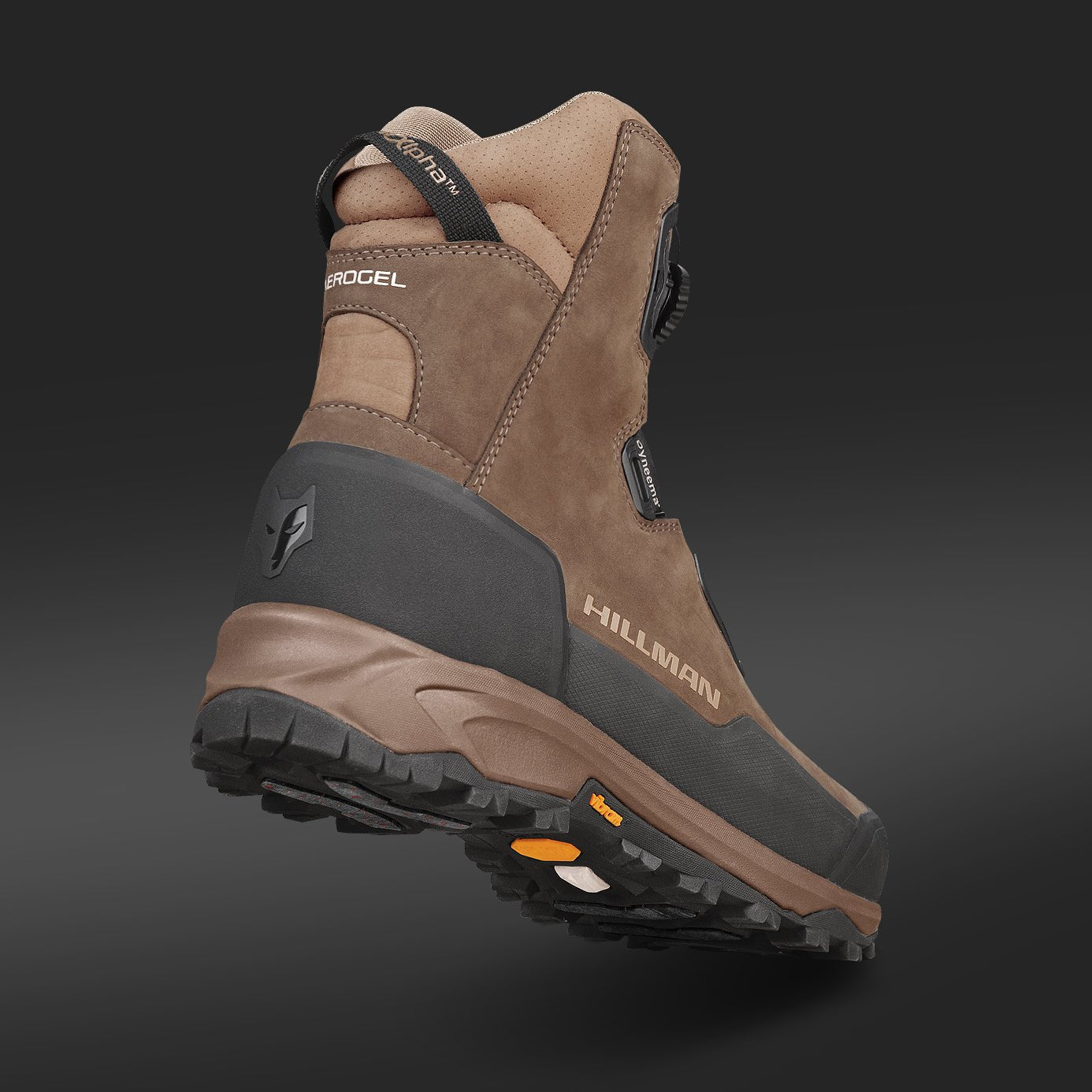
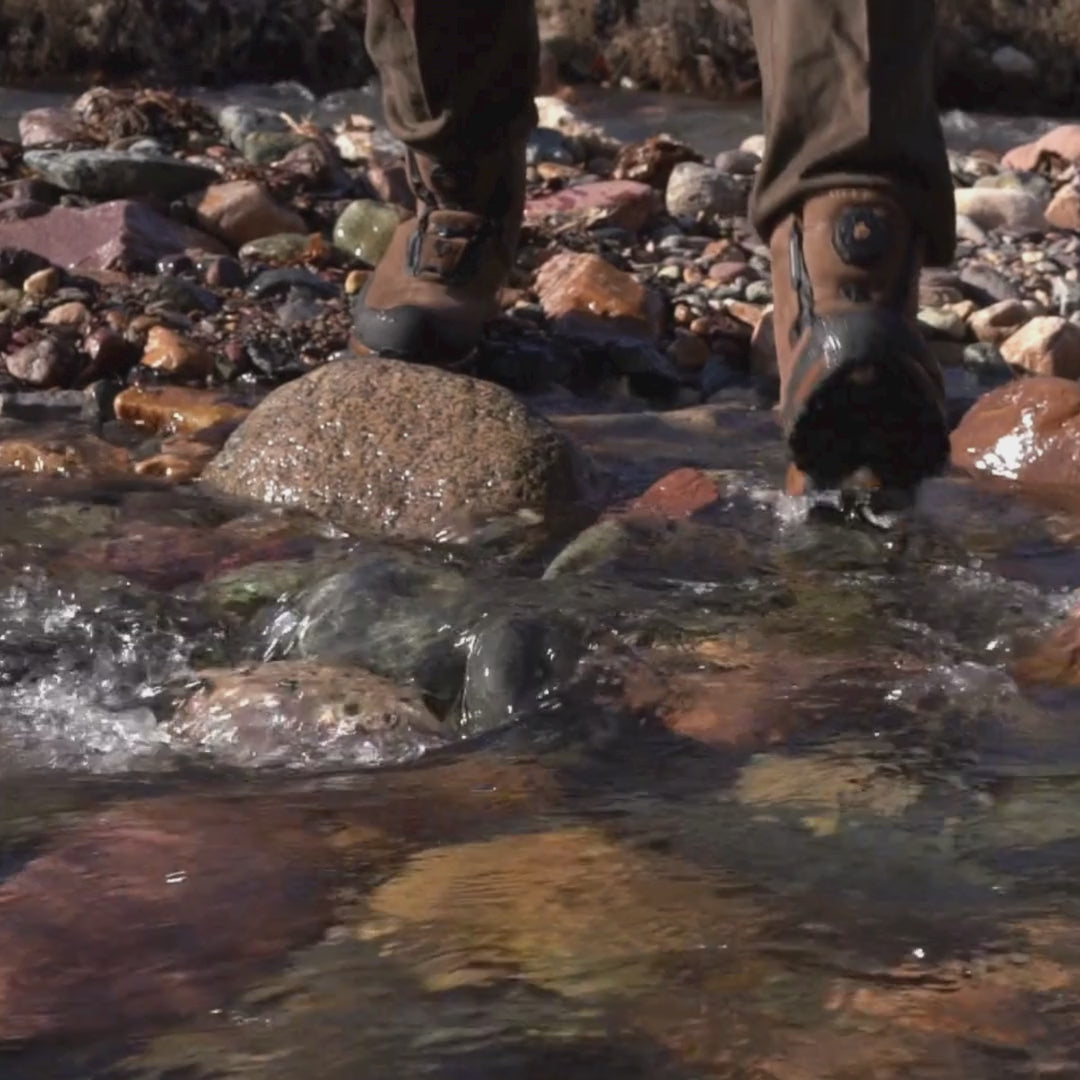
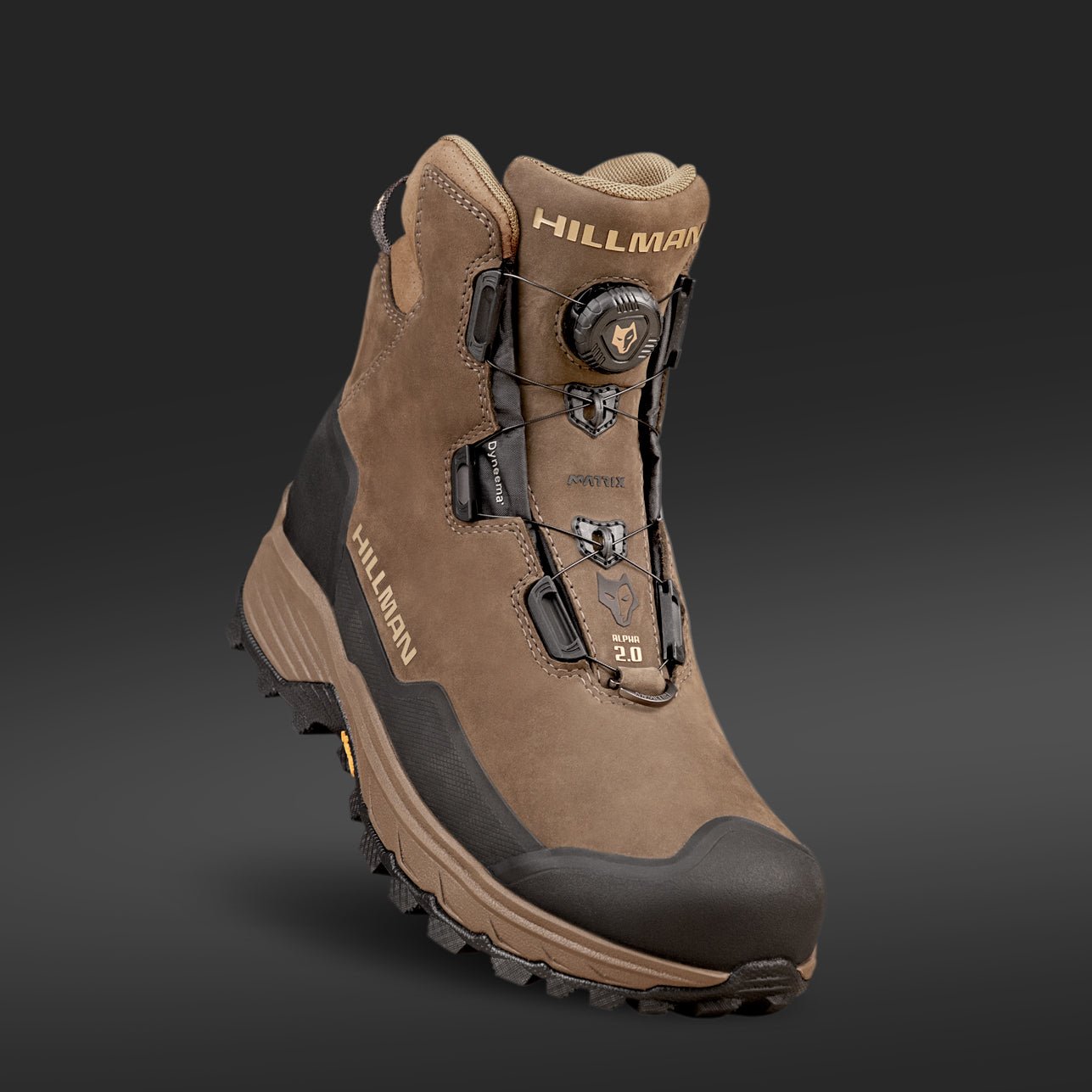
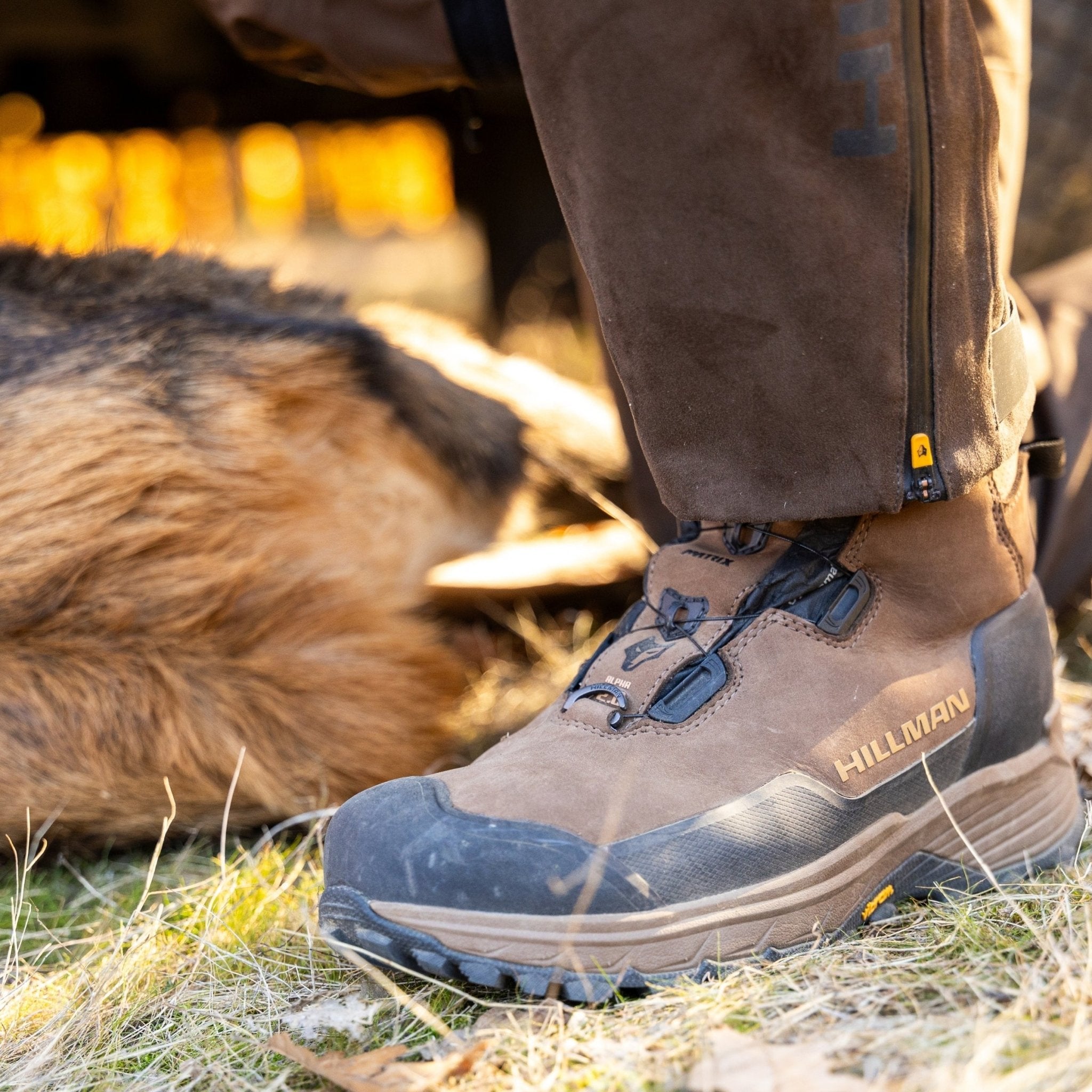
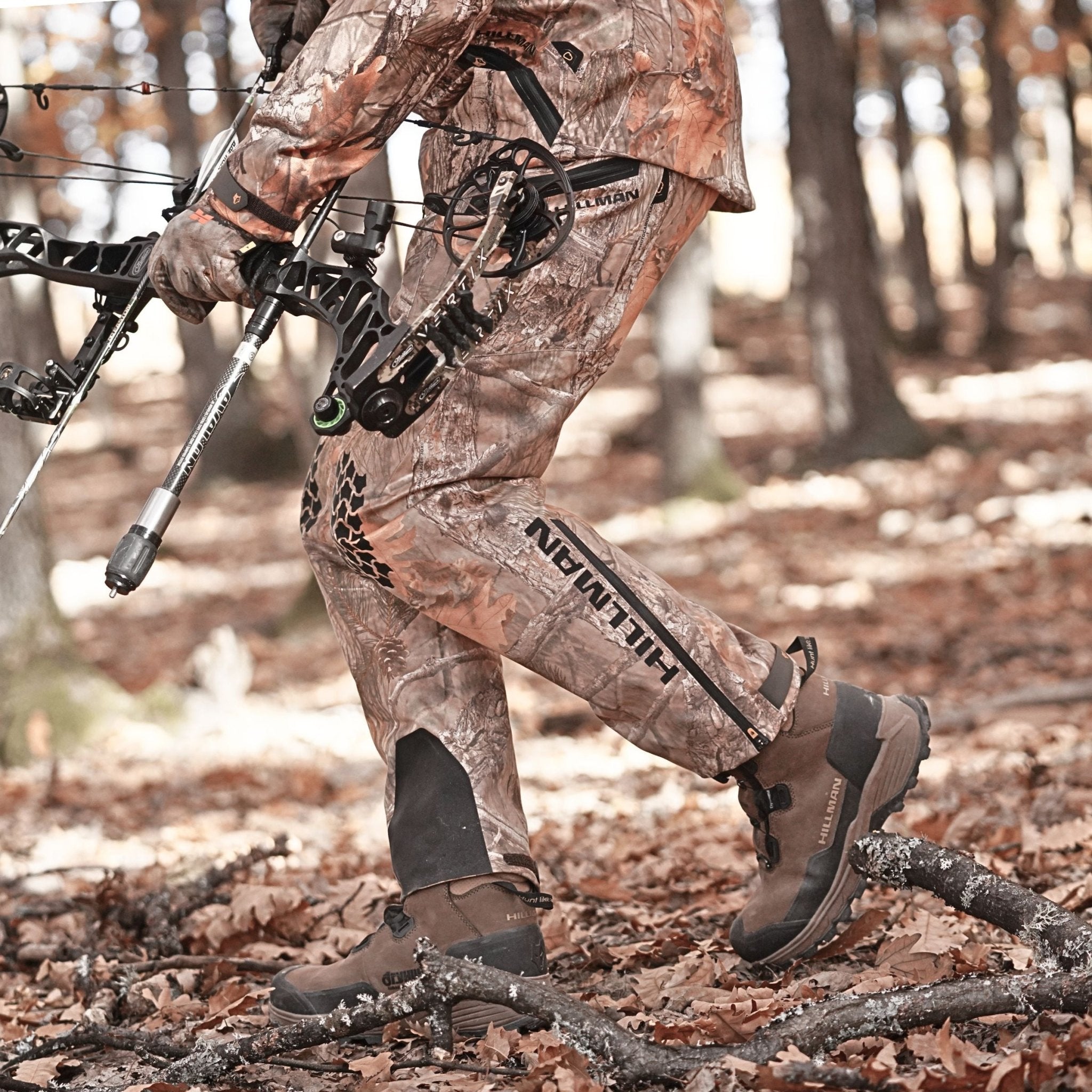
If one thing consistently ruins stalking attempts, it’s noisy boots. Wet bracken sticks to hard soles. Heather snaps under too-stiff footbeds. Waterproof boots are essential, Scotland and the UK don’t give you many dry days, but waterproof boots don’t guarantee quiet. Good stalking boots stay flexible at the toe, soft at the heel, and supportive without clapping against the ground.
Feet matter more than clothing in many cases. If your boots slap mud or squeak on wet rock, nothing above the ankles can save the stalk. Socks play into silence too; thick wool reduces micro-movements, while synthetic blends handle moisture before it cools your feet. Walking across wet ground requires pressure control, and your boots must allow that micro-adjustment without resisting.
What Helps: Quiet Soles, Support & Moisture Control
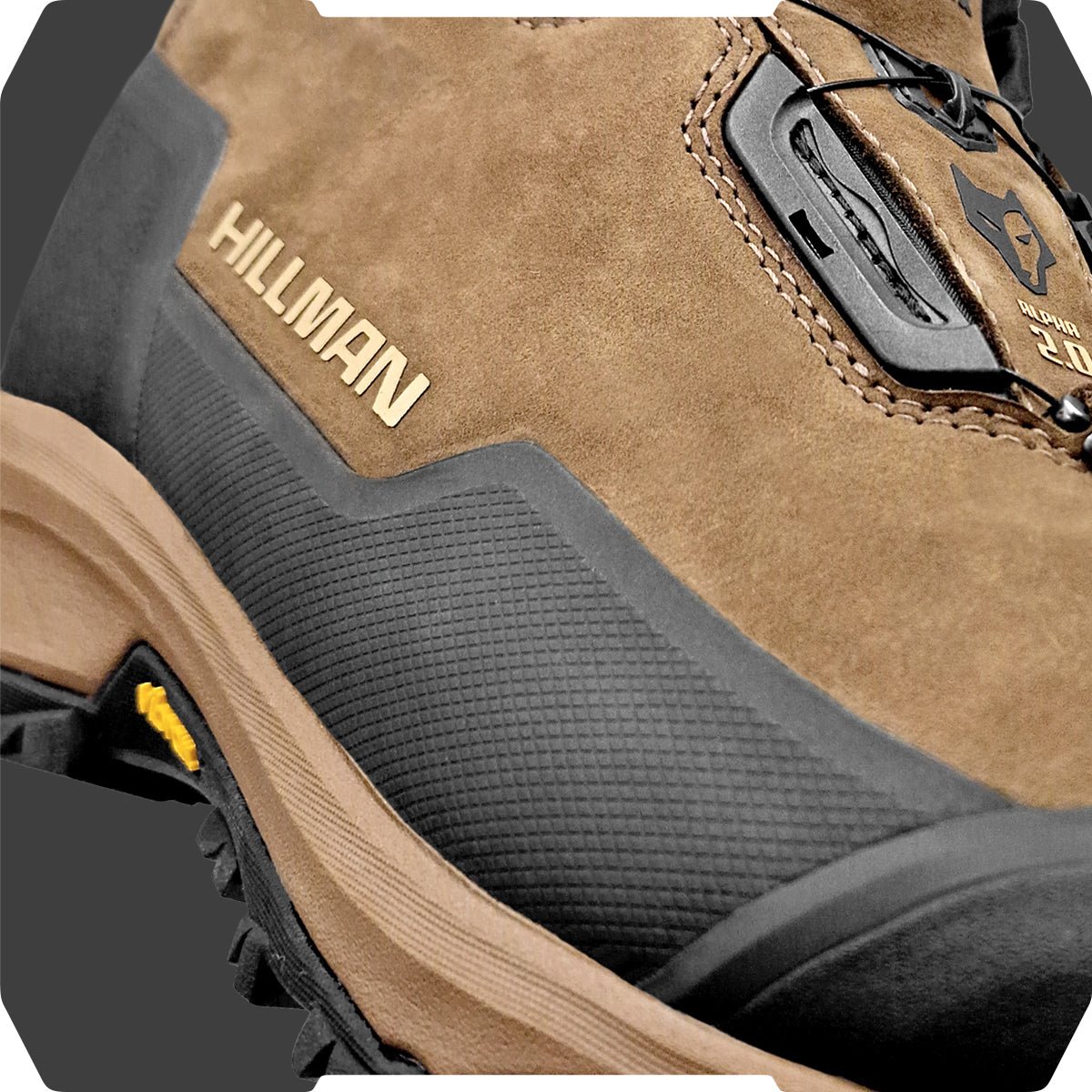
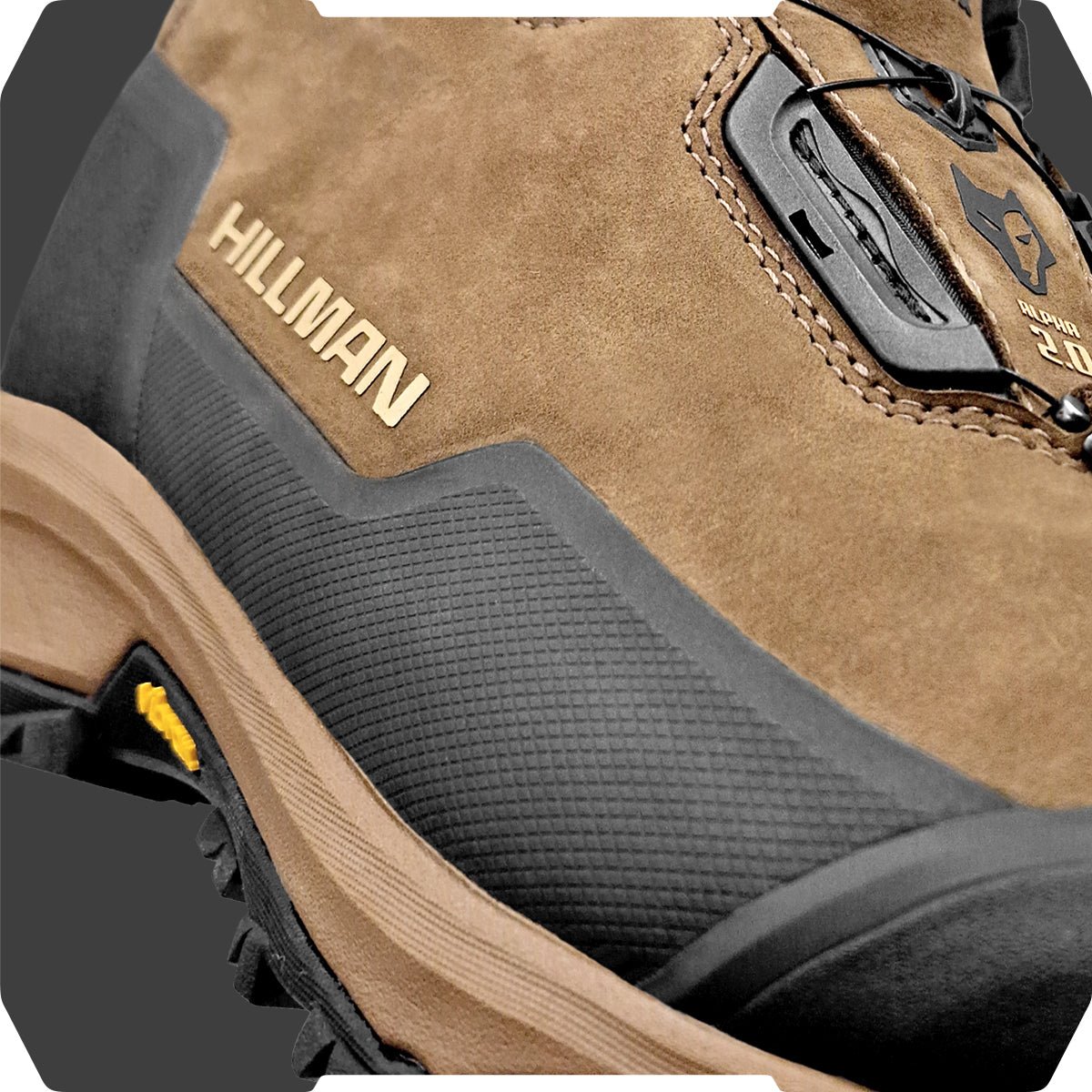
Quiet soles aren’t about grip alone. They’re about how the sole folds with your foot. A good stalking boot lets you “feel” the ground enough to anticipate noise before it happens. If moisture builds inside the boot, the sound changes: a squelch, a shift. Purpose-built stalking footwear handles moisture quickly, so you don’t hear the problem with each step.
Stalking Jackets That Reduce Sound and Add Weather Protection

Quiet Outer Fabric That Won’t Betray Your Movement
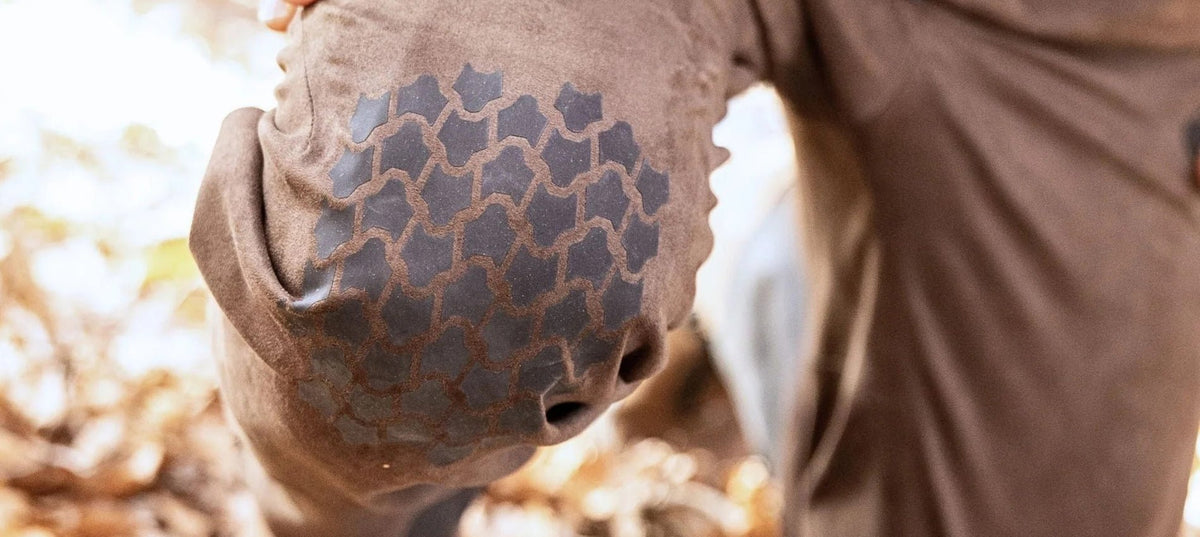
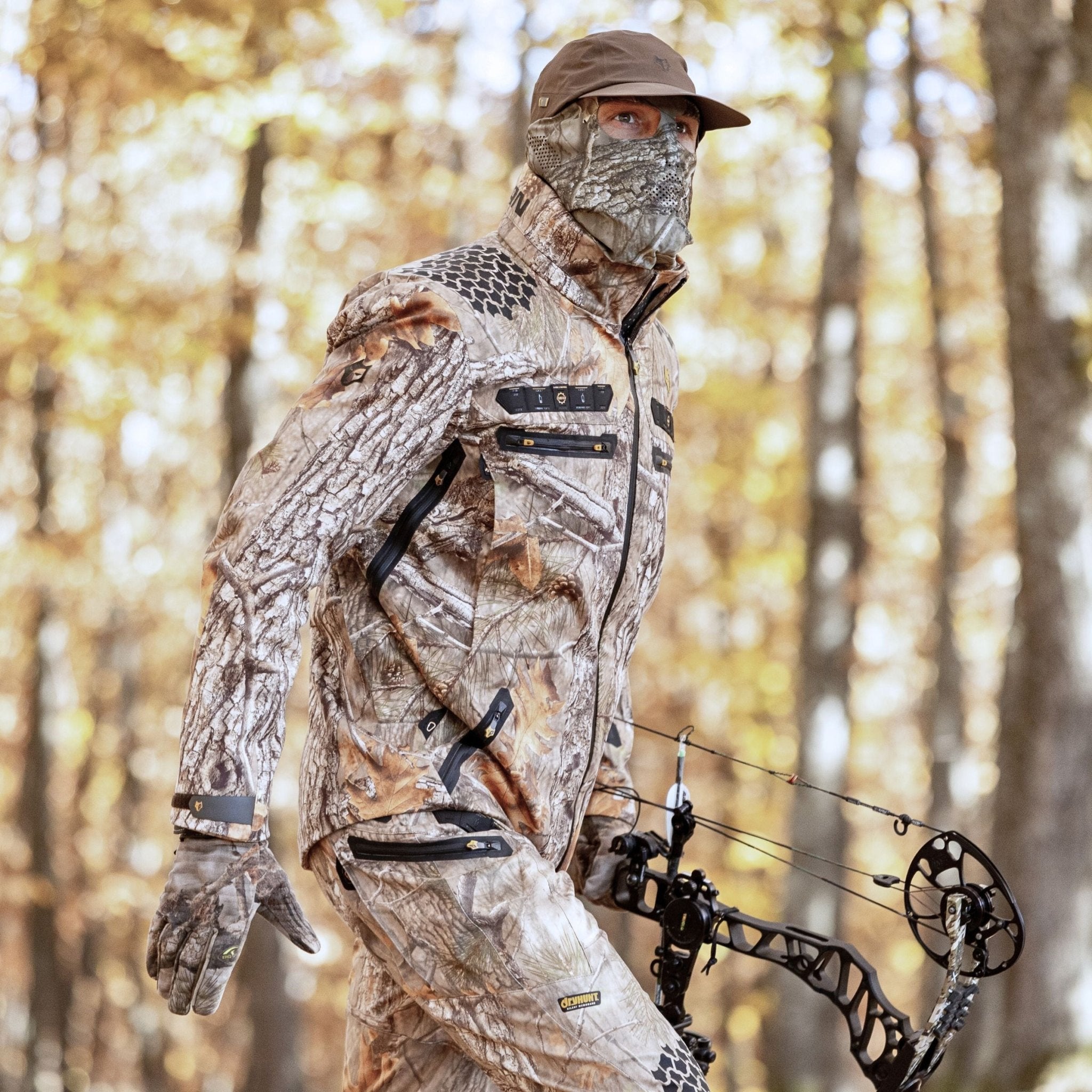
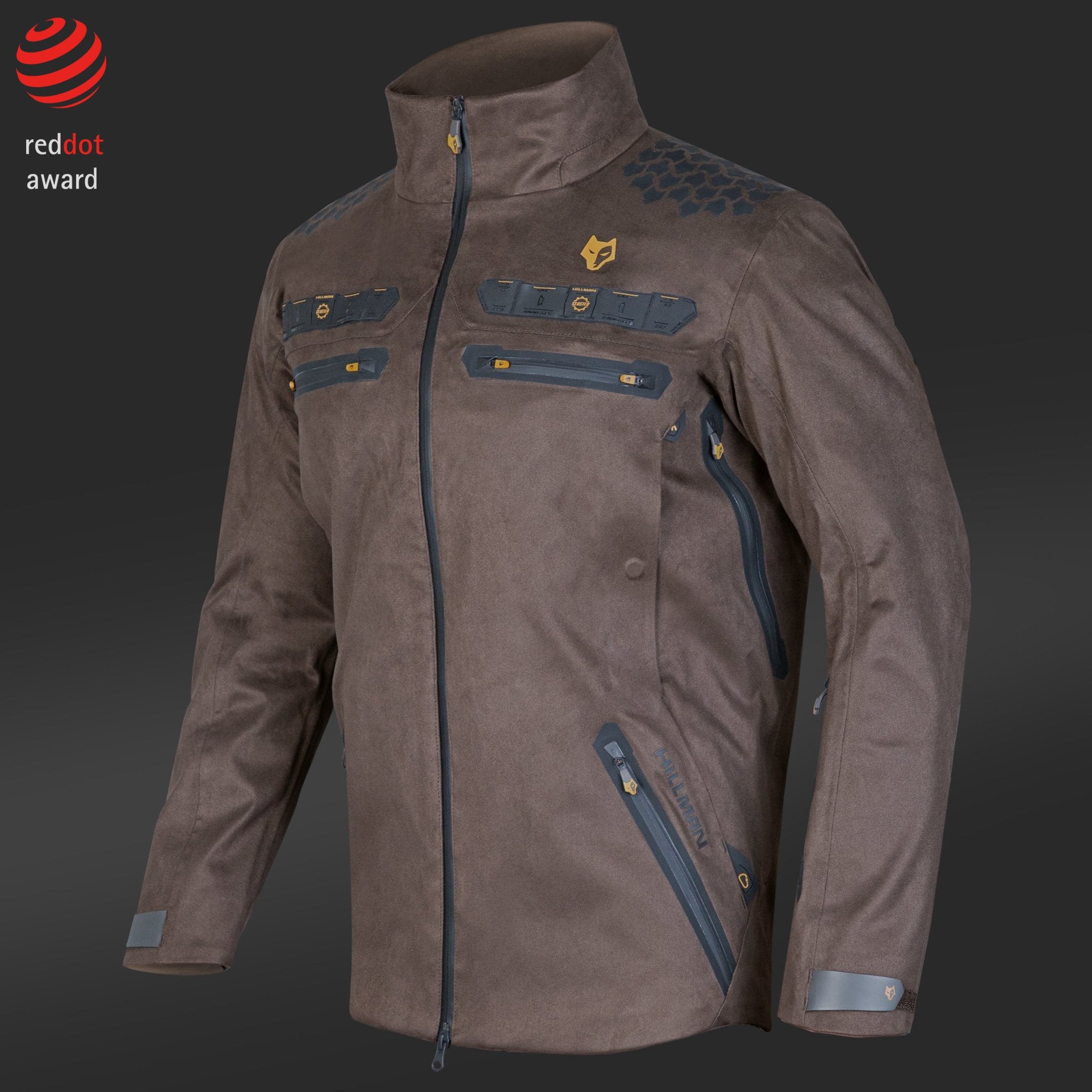
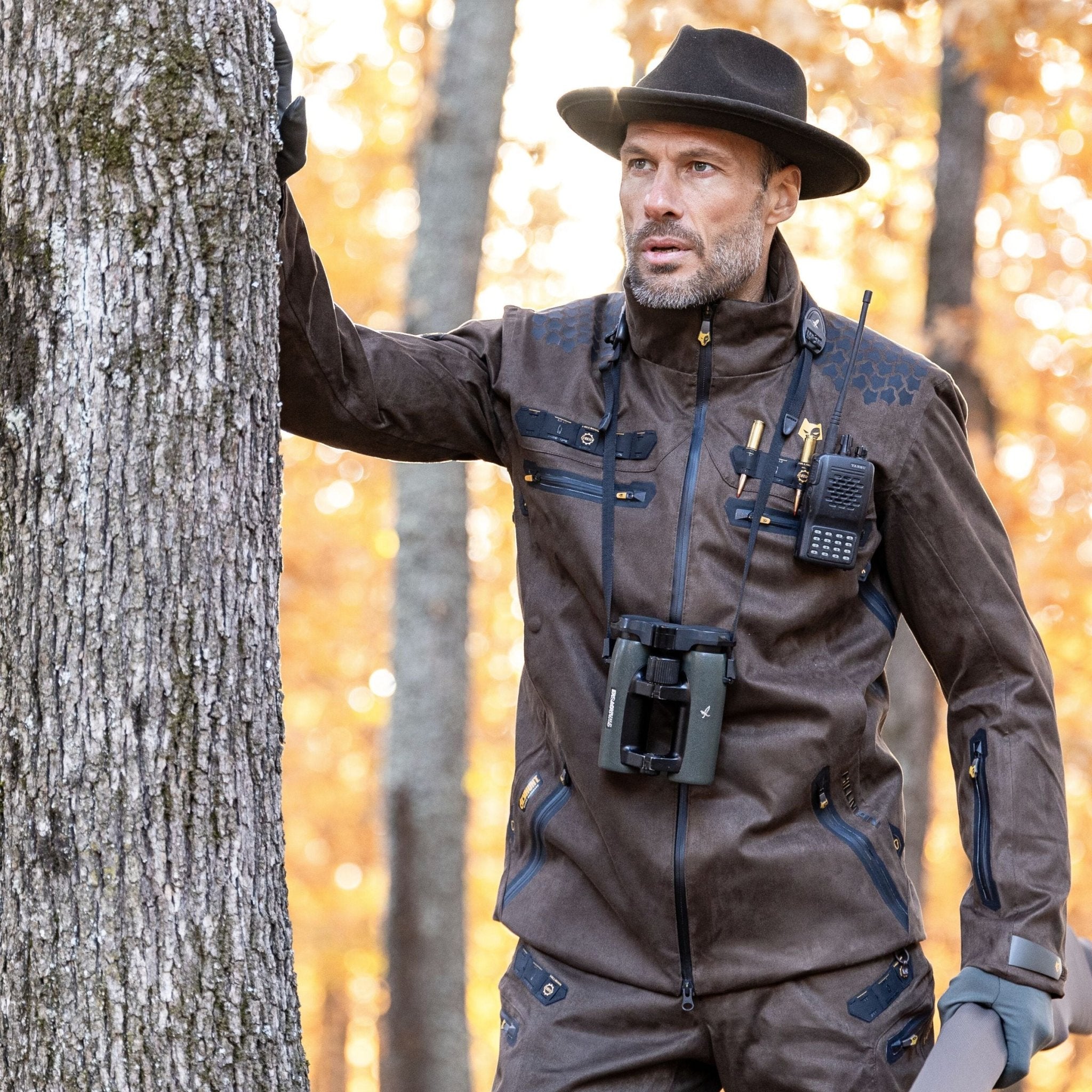
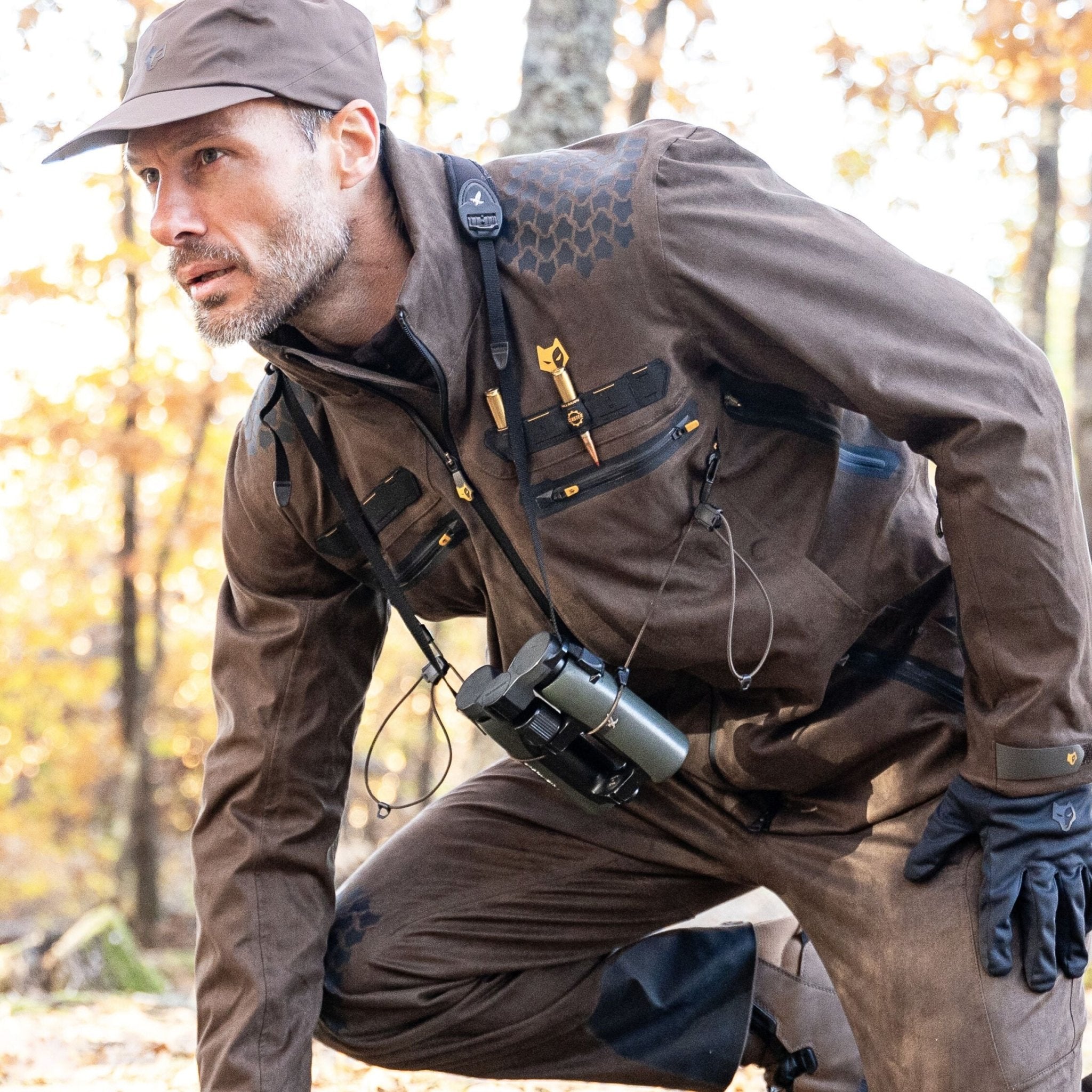
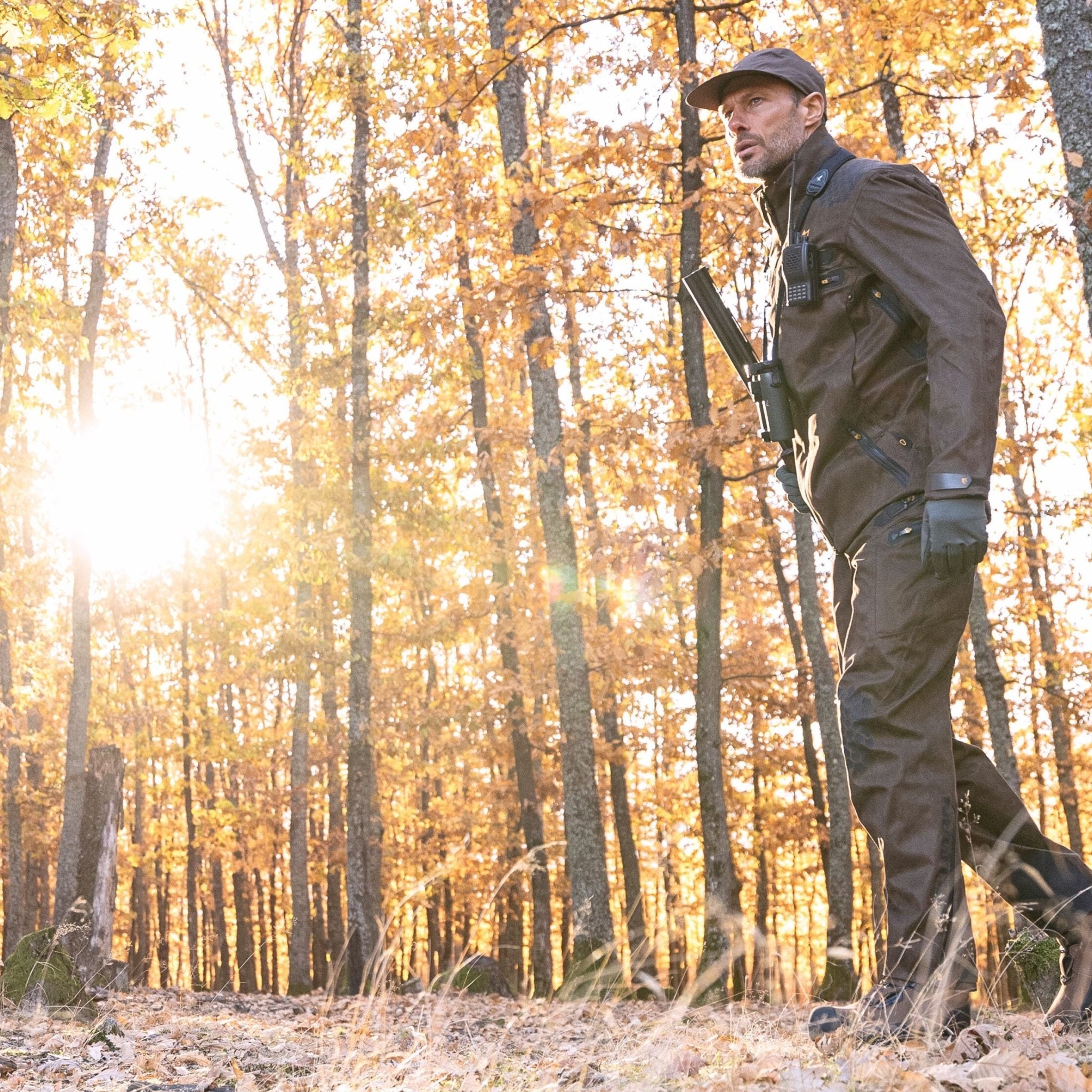
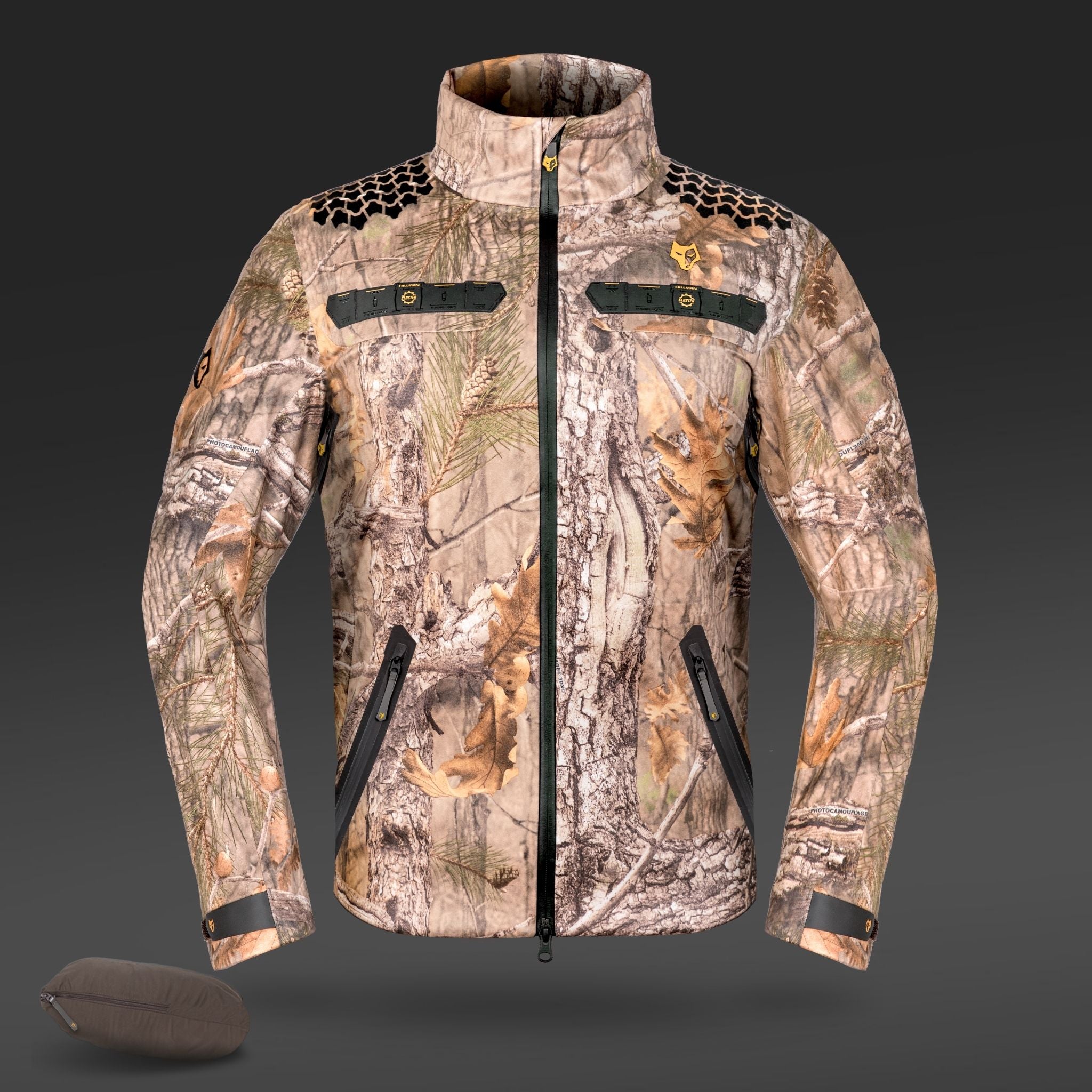
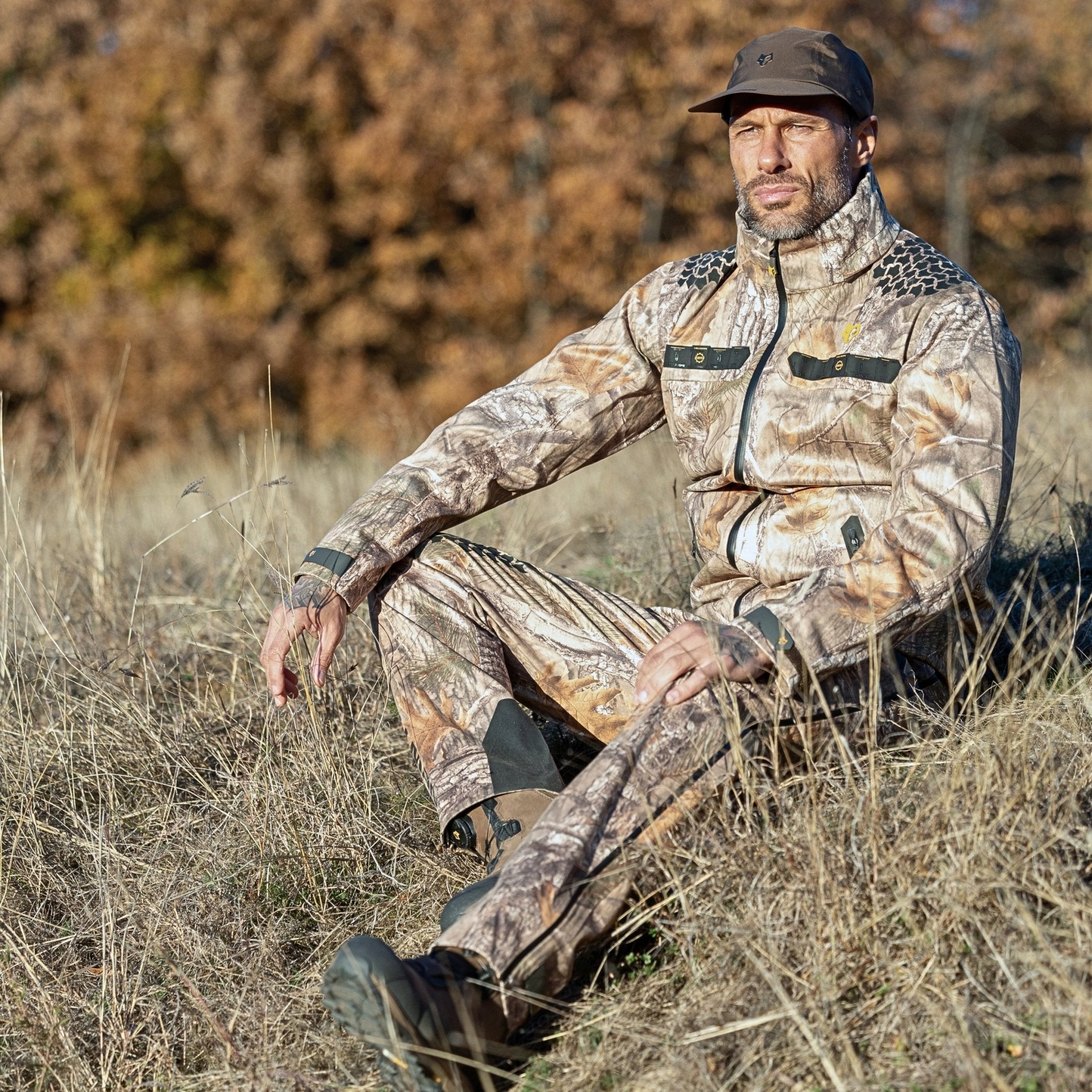
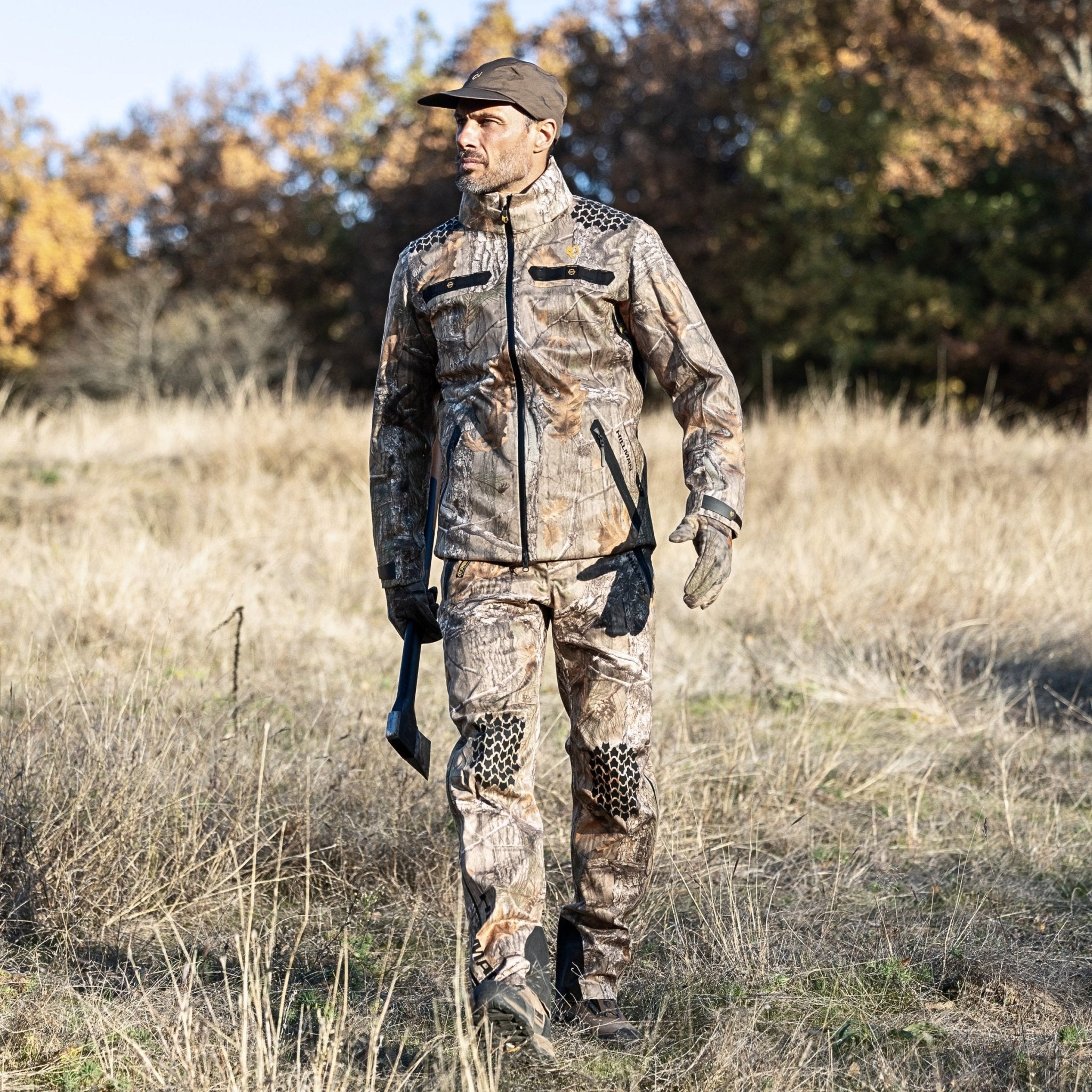
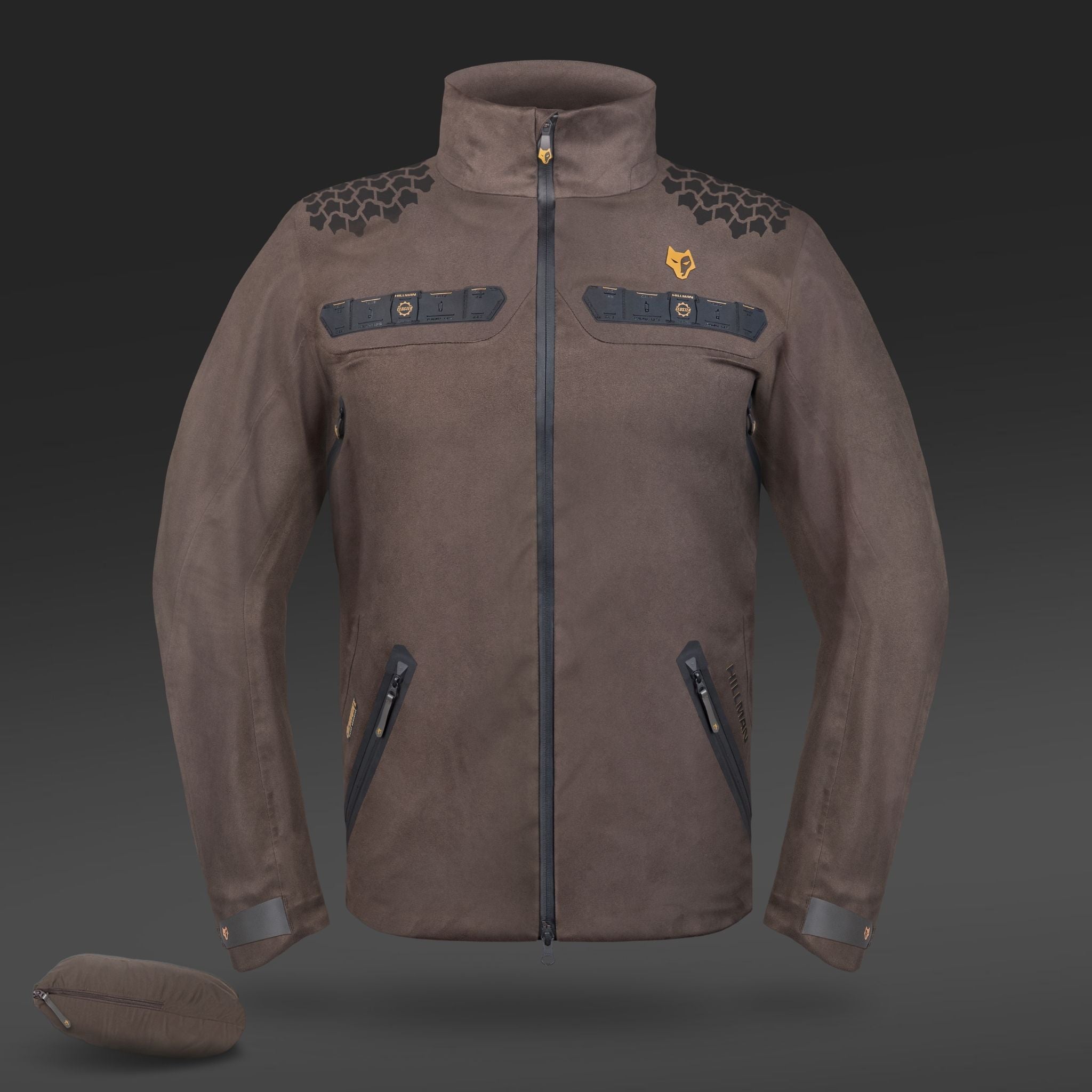
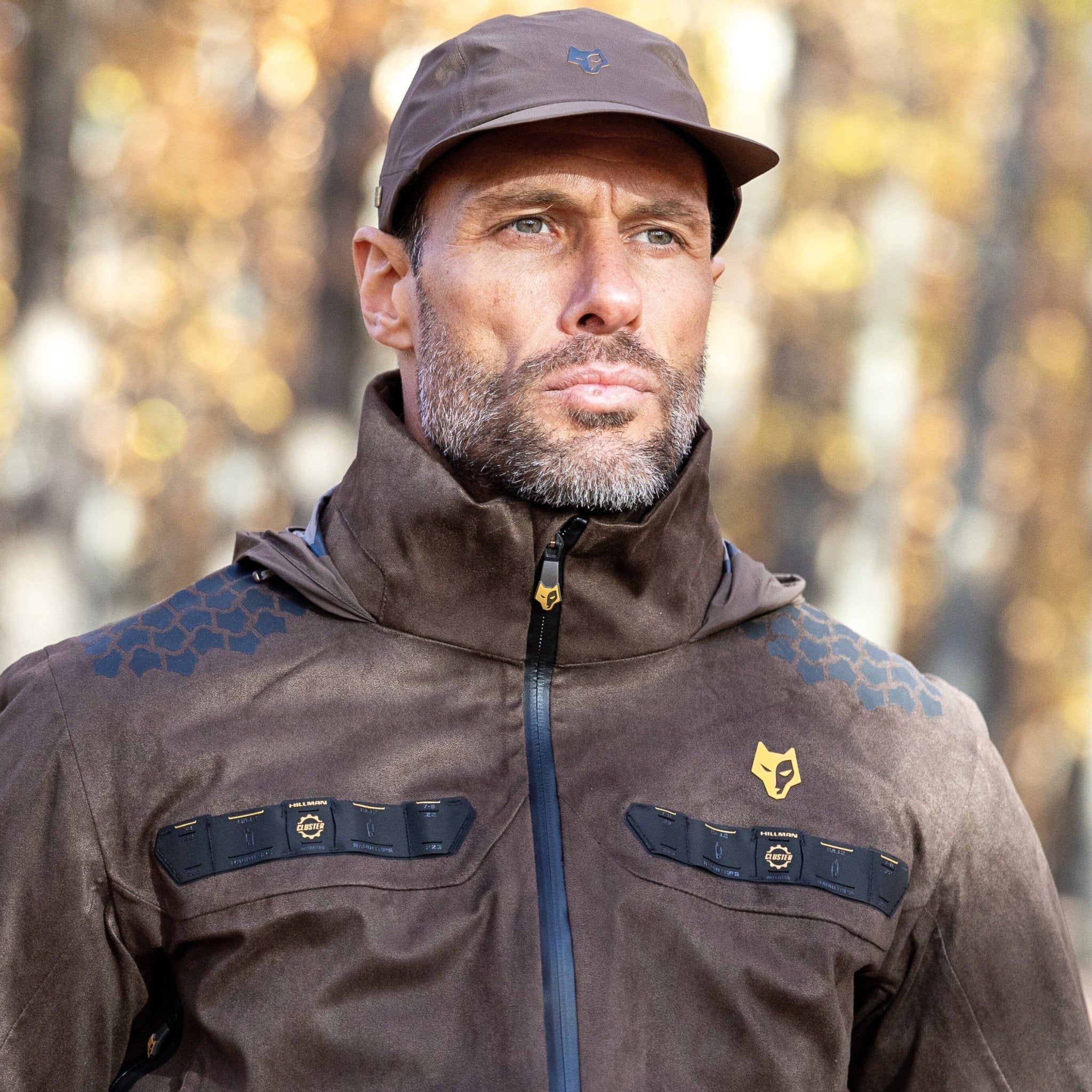
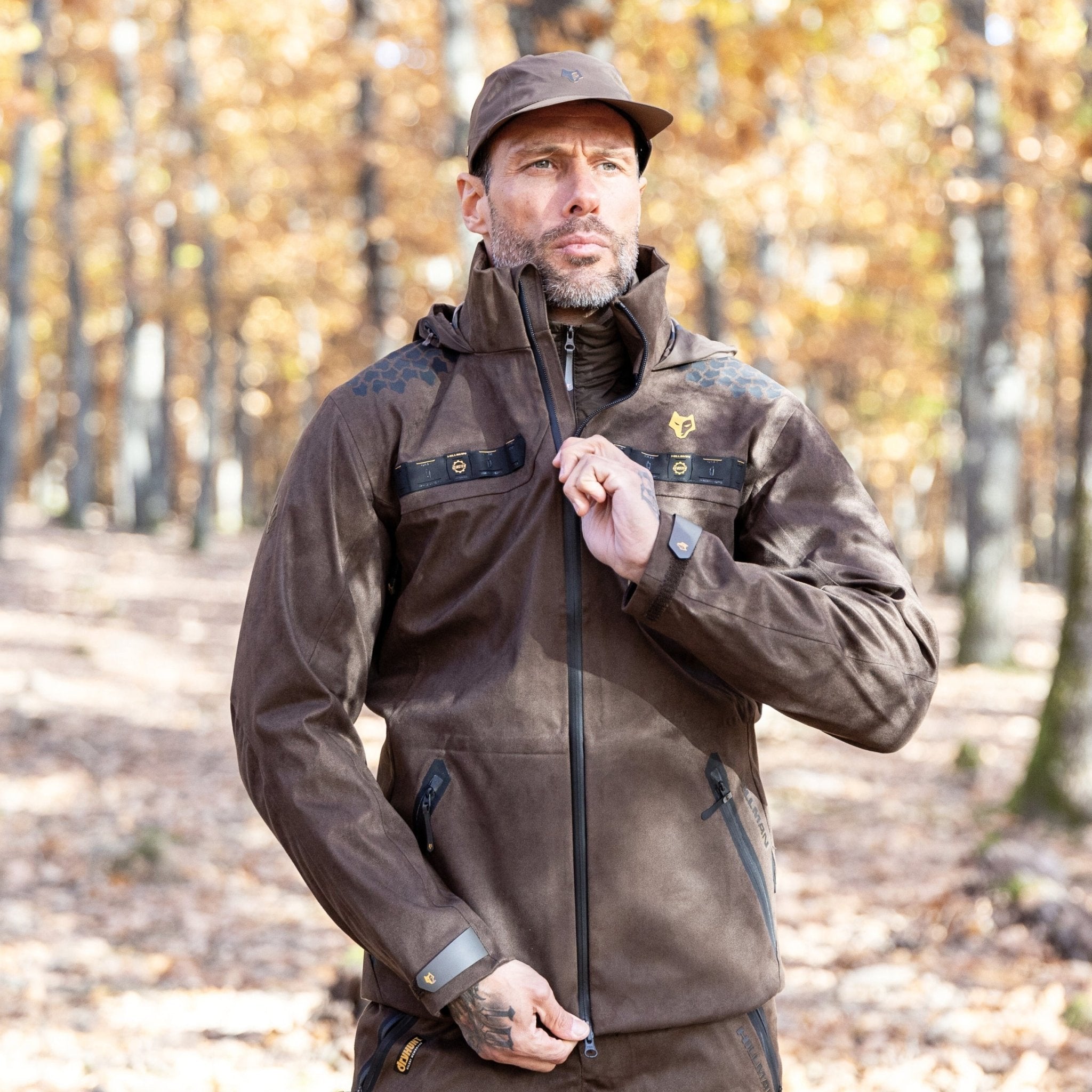
There’s a reason experienced hunters stick to particular jackets year after year. The outer fabric dictates how the garment interacts with woodland. Hard shells are protective, but they crackle when cold, especially at the shoulders or elbows. Soft, quiet jackets, stalking jackets made for close work, handle the friction that comes from crawling, leaning into cover, or raising a rifle.
Quiet fabric is usually brushed or lightly textured. It diffuses small noises before they become audible. When you’re stalking in thick bramble or through low branches, every contact point matters. A loud scrape at the wrong moment ends the conversation before it begins.
Weather Protection for Changeable Woodland Conditions
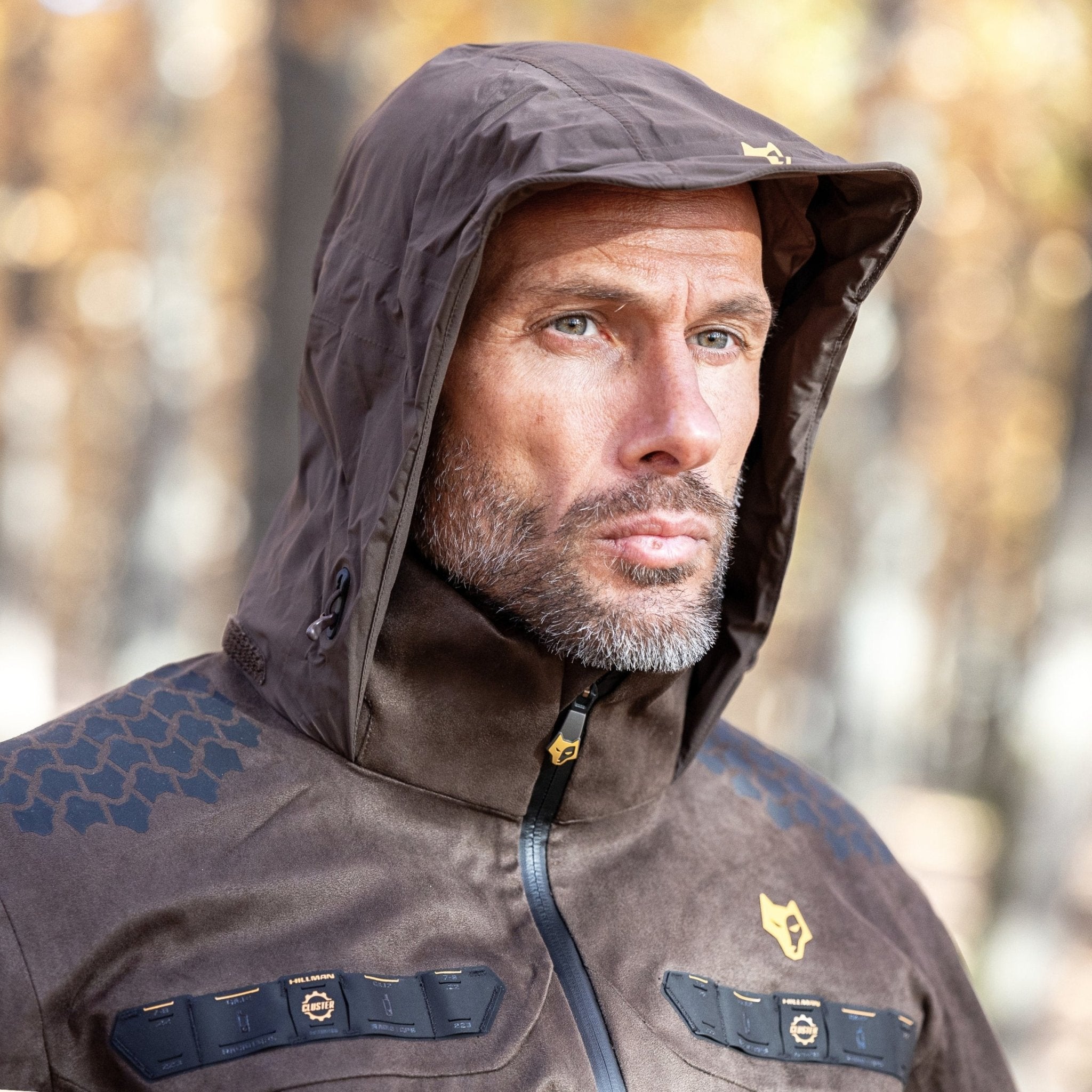
Driving rain, cold wind, shoulder-deep heather, and woodland stalking rarely give you one consistent weather pattern. A jacket’s hood and shoulder shape determine how rain moves across the garment. Pockets positioned high enough prevent water pooling when crawling. Full protection doesn’t mean bulk; it means weather protection that bends with the stalk rather than getting in the way.
A silent jacket with the right hood shape feels invisible. You move, adjust your rifle, lean into cover, and the garment stays quiet no matter the weather above or the terrain under your feet.
Stalking Clothing: Building a Quiet, Weather-Ready Outfit

Choosing the Right Layers for the Season
Base layers set the tone. Lightweight fleece helps regulate cool mornings and surprisingly warm patches during the day. The outer layer controls the weather. Between them sits movement, the most important factor in staying silent.
Season influences everything. Early-season stalking means more moisture and warm spells. Late season means cold pockets under trees, sudden wind shifts, and freezing rain. Having the right wear for the moment means layering without adding noise. Wool base layers stay warm even when damp; synthetics dry quickly. Both matter.
Trousers, Gloves, Socks, and Accessories That Help You Stay Quiet

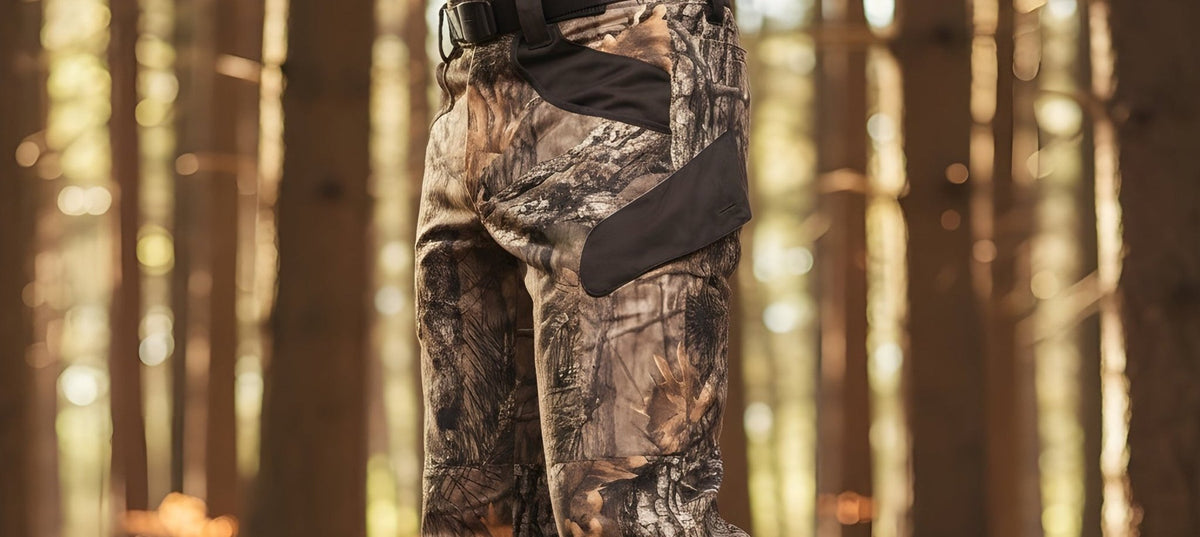
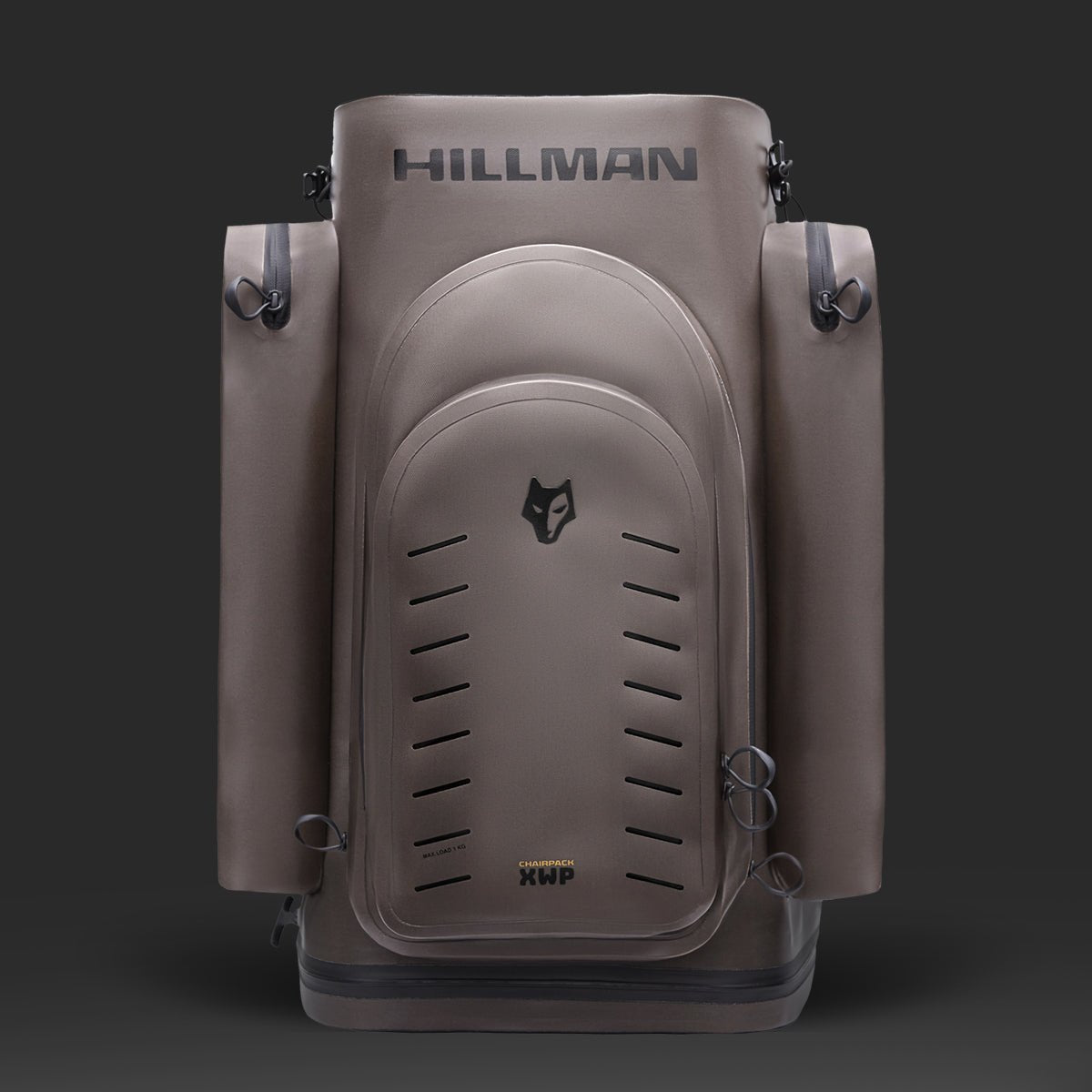
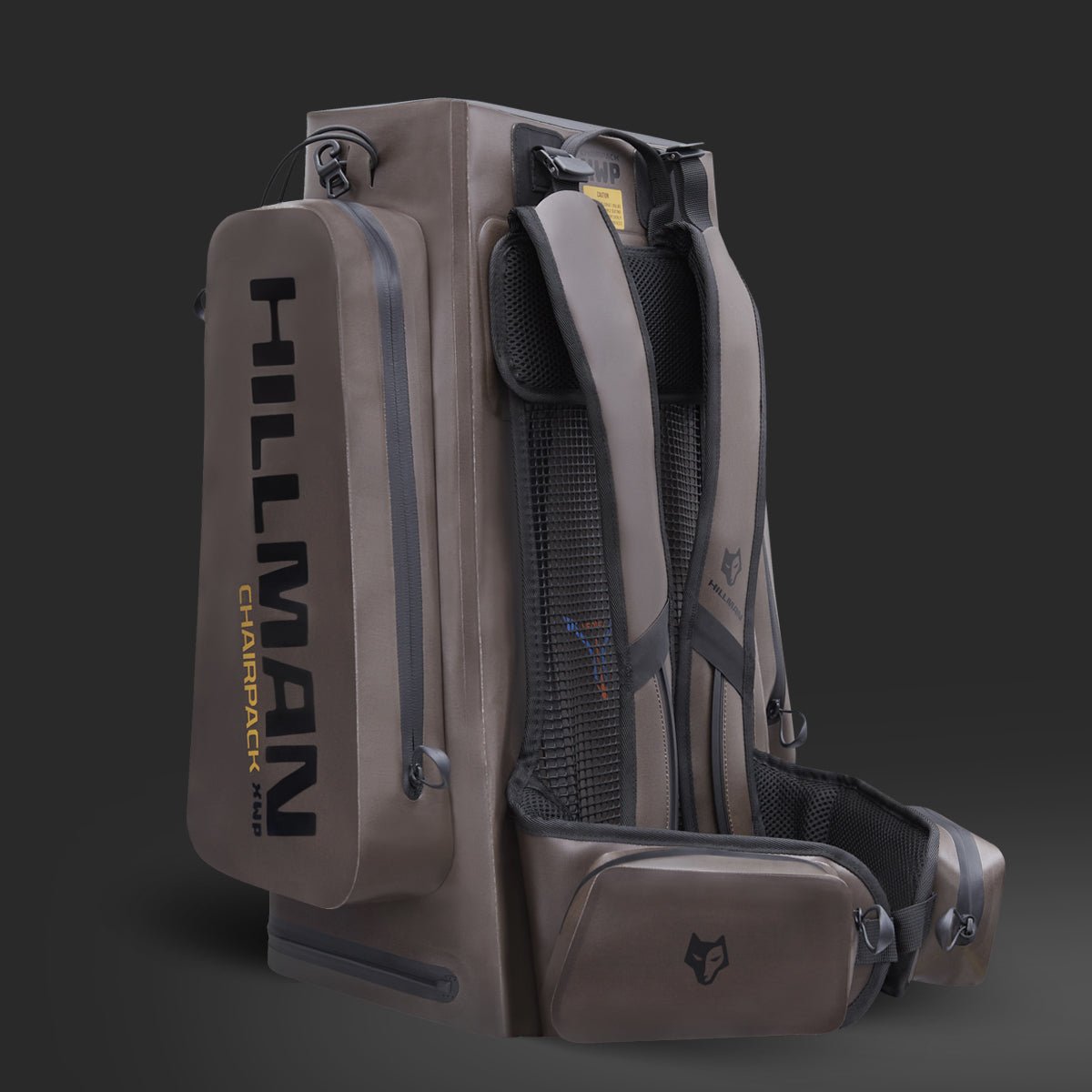
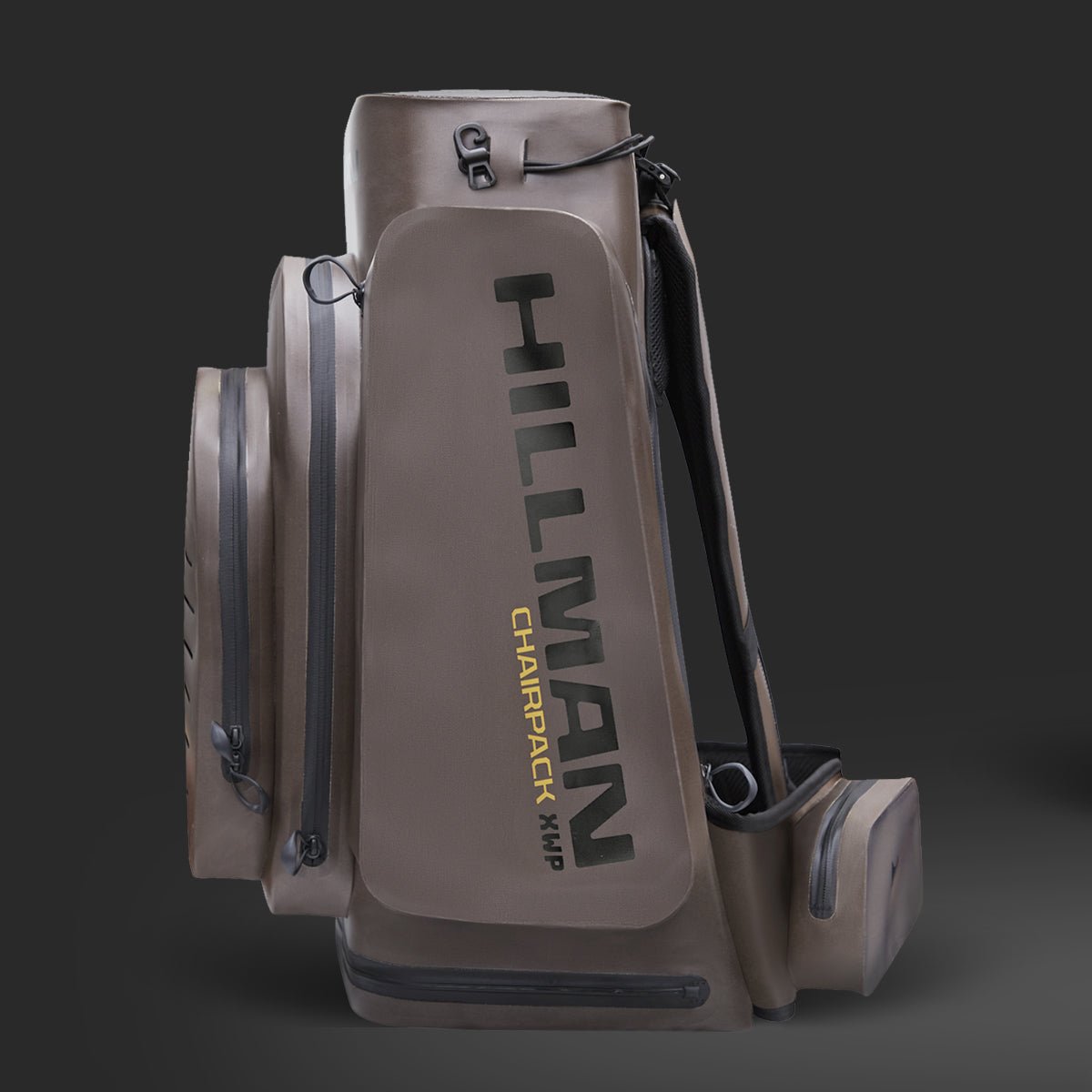
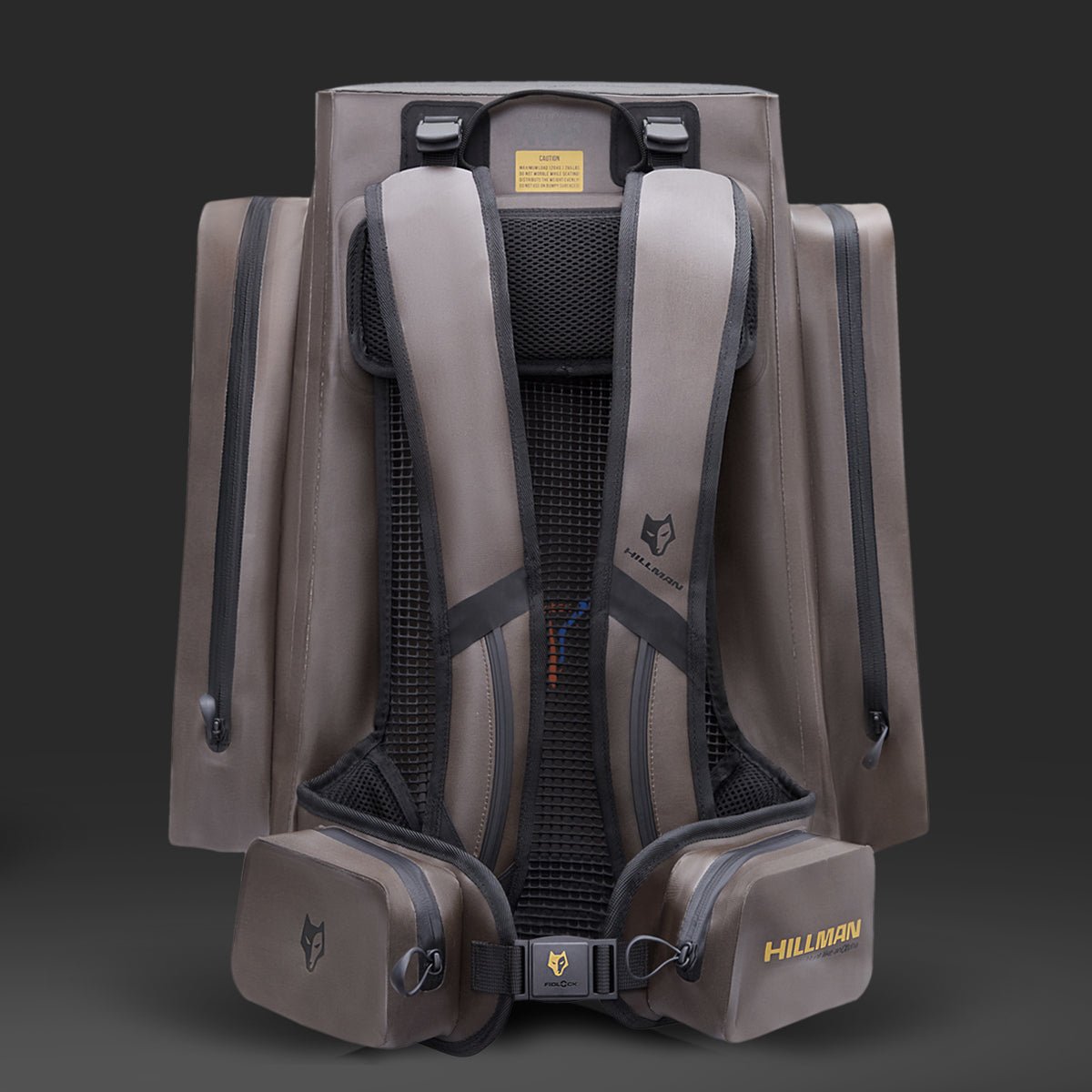
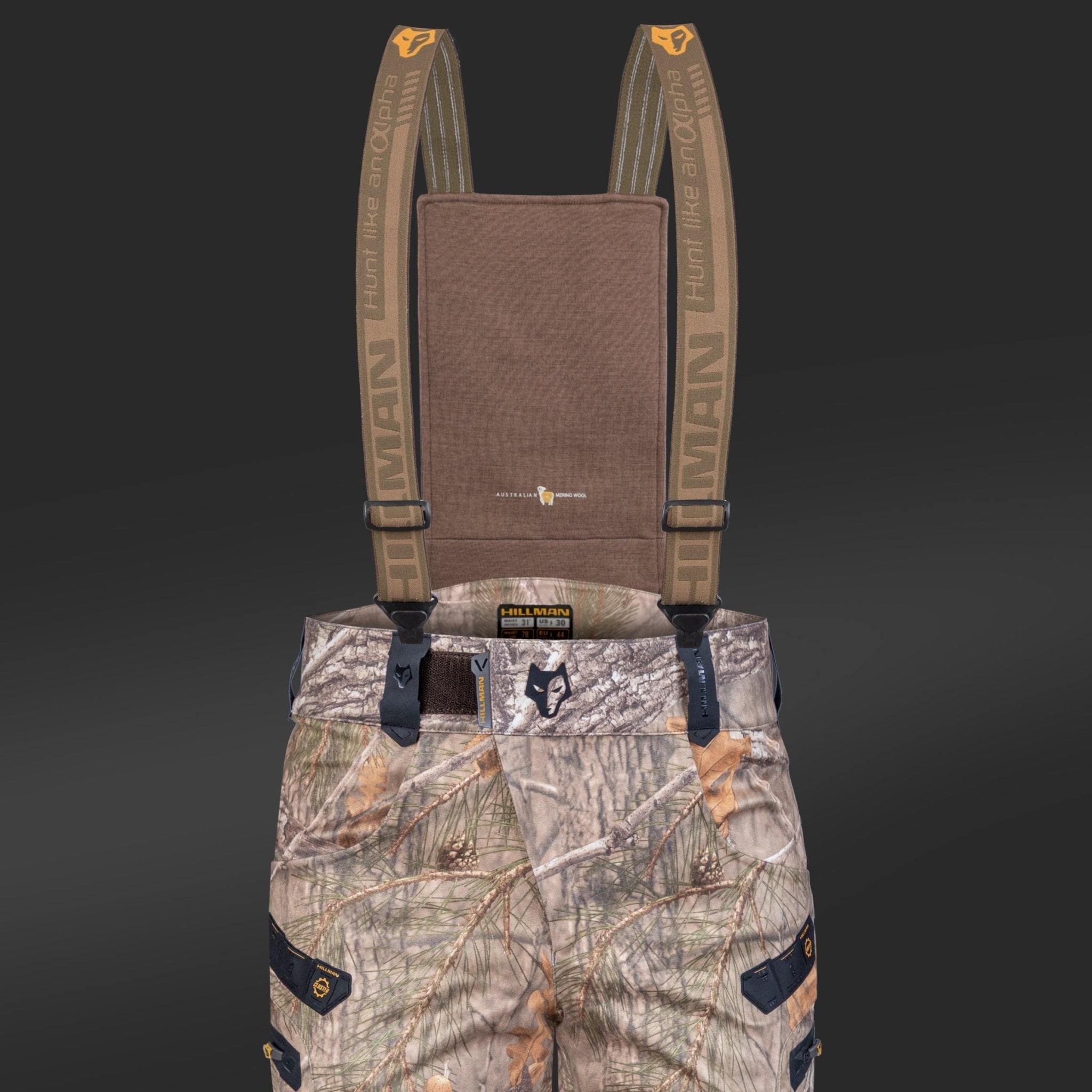
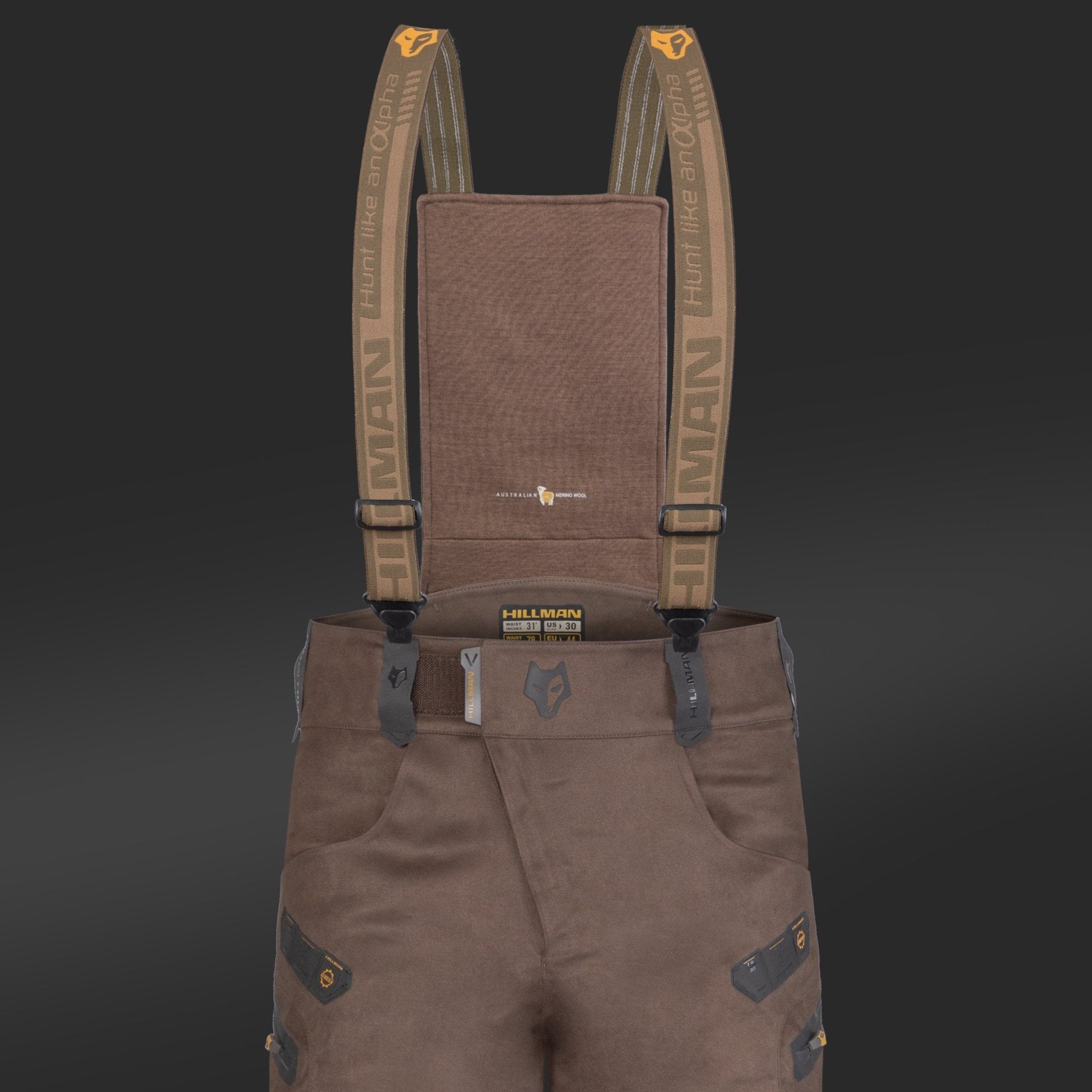
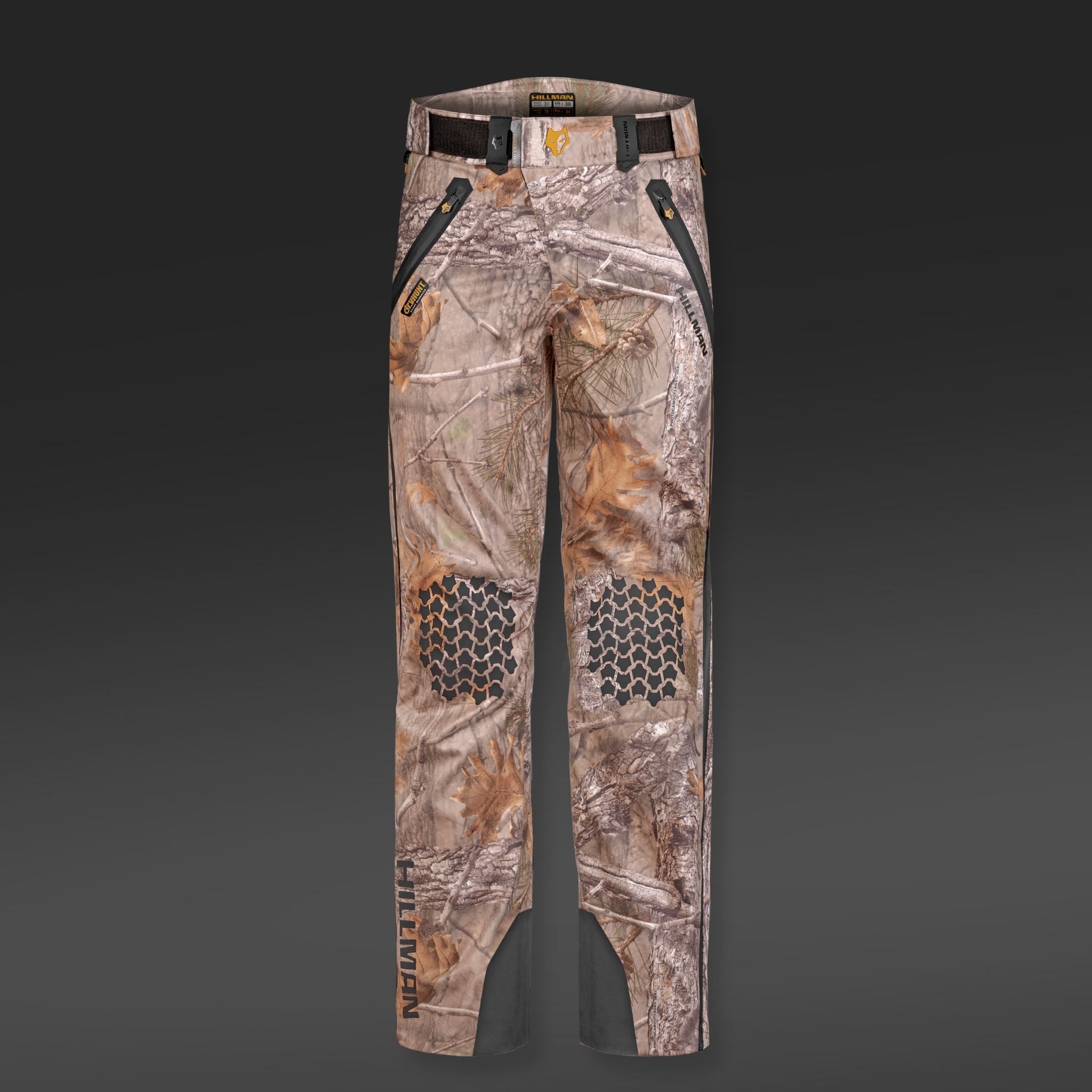
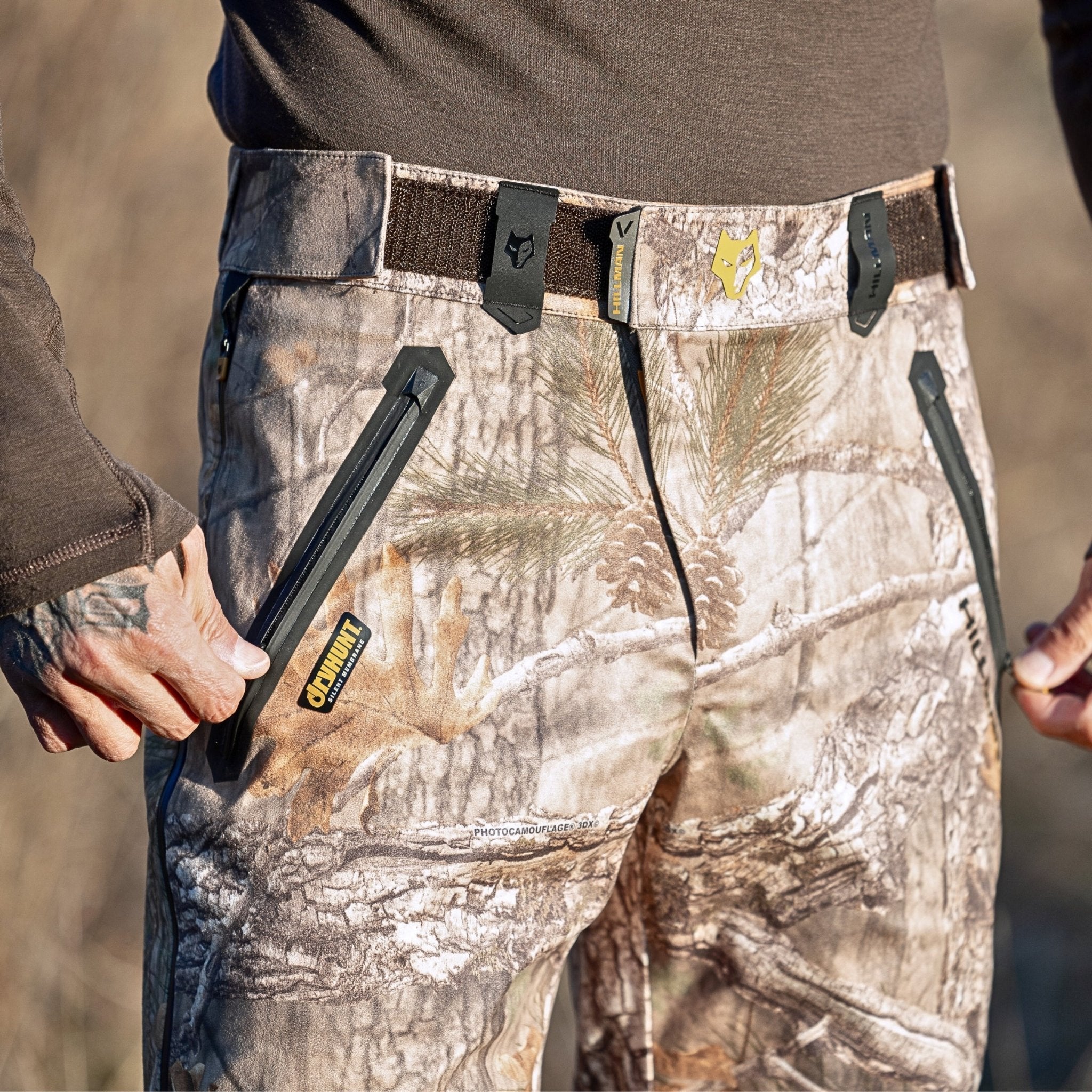
Trousers matter more in stalking than most people admit. If they brush loudly when walking, or if they catch on heather during crawling, you’ll hear it before the deer does. Gloves help with grip but also dampen sound when moving branches. A quiet backpack keeps gear from shifting. Accessories should disappear into the movement, not announce it.
A stalking garment should behave like part of your body; that’s when you stop thinking about it and focus on the deer.
Best Stalking Jackets for UK Woodland and Hill Ground

What Separates the Best From the Noisy Ones?
The best stalking jackets are designed around movement first. Outer fabric must be quiet when stretched at the shoulders. Hood should turn with your head without that faint crackle. Pockets should open silently, no Velcro, minimal zippers. Range of motion matters. If the jacket pulls when you lift the rifle, it’s wrong for stalking.
Protection is secondary only to silence. A jacket can be warm, waterproof, rugged, and still fail the stalk because of one noisy seam.
Scotland, Hill Country & the Worst Weather You’ll Meet

Scotland’s weather defines stalking clothing more than any label. One moment you’re in mist; the next, driving rain hits sideways. Red deer on high ground respond to wind long before you see them. Roe deer hiding in heather pick up rhythm changes in your steps before your shape becomes visible.
Clothing built for Scotland withstands the worst: wet shoulders, wind that pushes cold through poorly sealed seams, and ground that clings to your boots. If it works there, it works anywhere.
Stalking Jackets: How to Pick the Right Gear for Quiet Days Out?
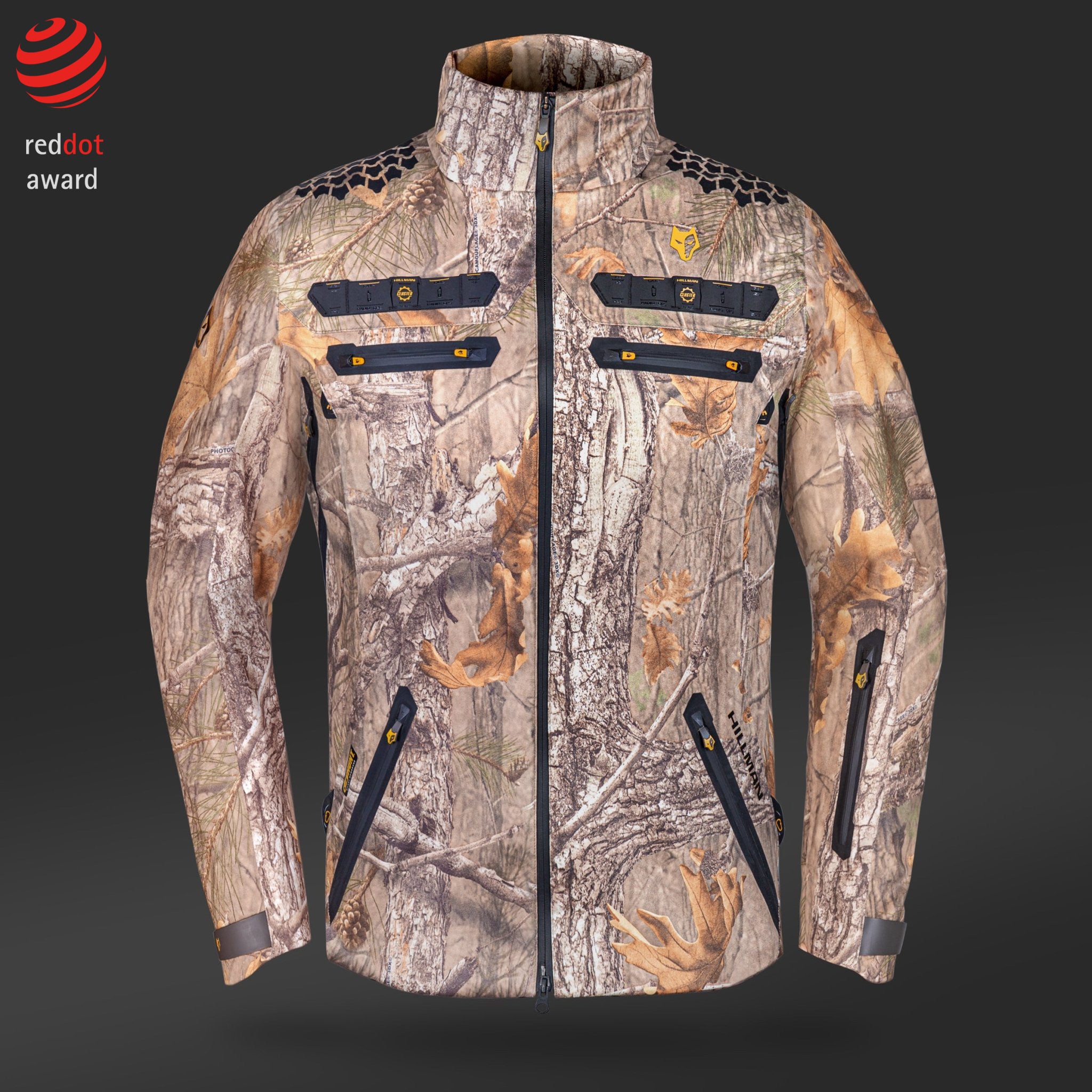
Purpose-built stalking jackets focus on three things: silence, weather protection, and freedom of movement. Pockets high enough to reach while crawling. Hoods that don’t block peripheral sense. Fabrics that stay soft when wet. For UK woodland, the right gear behaves like a partner: consistent, predictable, adaptable.
Stalking days involve a lot of micro-adjustments. If your jacket keeps interrupting that rhythm, it’s not the right jacket.
Stalking Clothing: What Helps and What Makes Noise

Noisy Culprits: What to Avoid?
Some bits of kit make more noise than you’d think. Hard-shell jackets that stiffen up in cold air. Trousers that brush against themselves with every step. Boots with soles that slap or scrape on wet ground. Even a backpack strap that shifts at the wrong moment can give you away. And waterproof clothing that turns rigid when the temperature drops is one of the biggest offenders.
Most of the noise isn’t from the movement itself; it’s the friction your gear creates while you move.
Clothing That Helps You Stay Silent
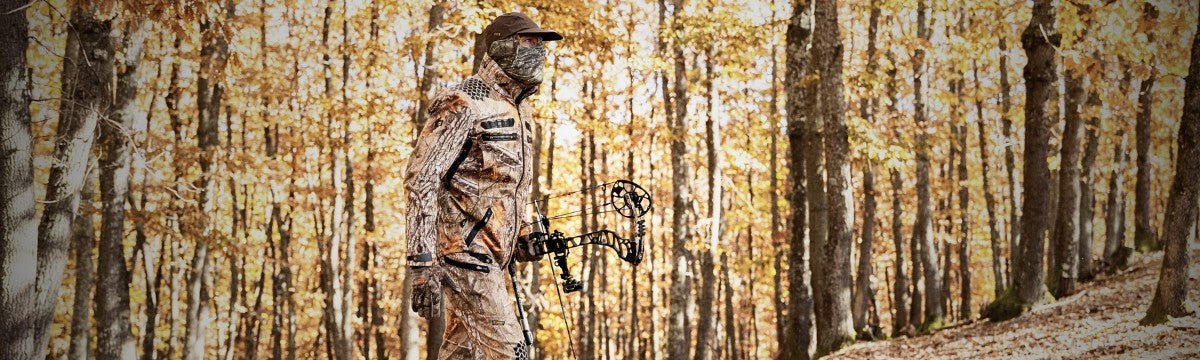
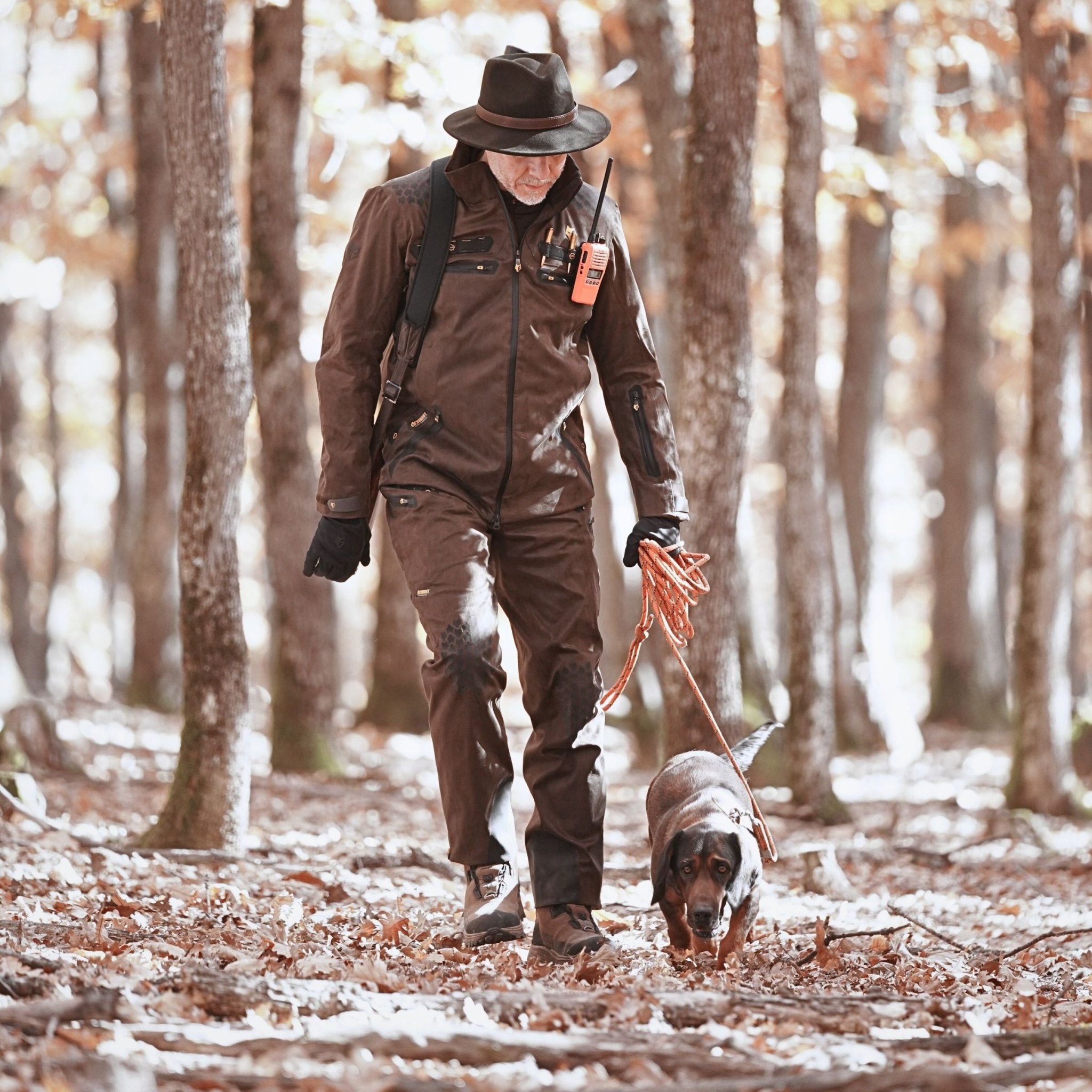
Soft fleece, brushed fabric, quiet camo. Brown or green tones help you vanish visually, but silence comes from touch. The quieter your garment behaves when you adjust weight, the closer you can get to the deer before it senses you.
Best Stalking Jackets for Red Deer, Roe Deer & Mixed Woodland Stalks

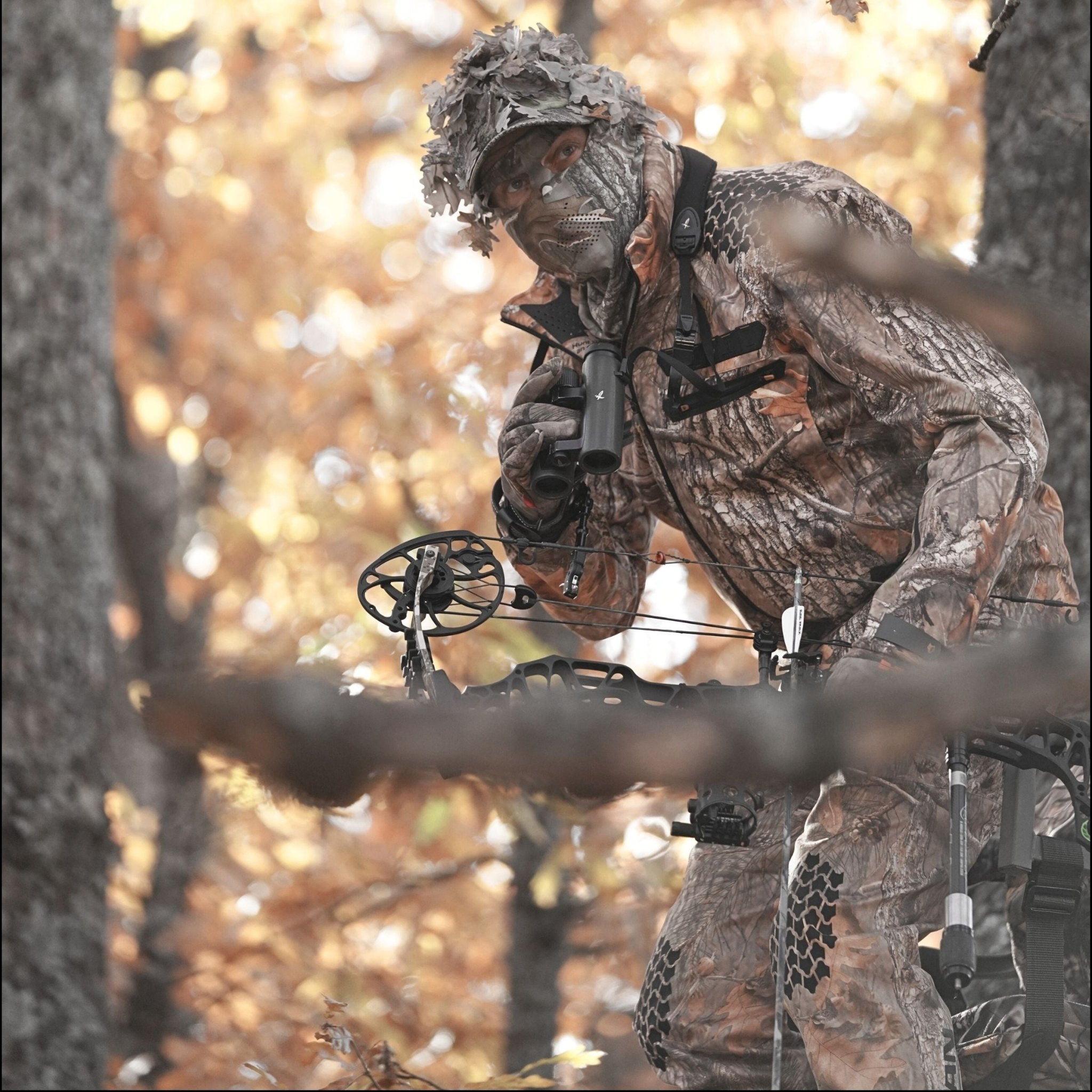
For high seats, quiet warmth matters most. For walking stalks on hills, breathability and silence become essential. For crawling under branches, fabric softness decides everything. Full protection in rain, snow, and wind rounds out the requirements.
A good stalking jacket stays the same through all of this: quiet in nature, dependable in movement.
Final Advice for Woodland Stalking in UK Conditions

If there's one thing to remember, it’s this: stalking clothing must work with the landscape, not against it. Move with the wind, read the ground, trust soft fabrics, and don’t underestimate moisture. The right gear reduces sound, shelters you from the weather, and lets you get close enough for a clean shot.
Silent Clothing for Woodland Stalking: Why the Gear Truly Matters?
Nature listens. Red deer on high hills, roe deer in tight woodland, everything reacts to sound before sight. Silent clothing for woodland stalking isn’t an accessory; it’s the foundation of every successful stalk.



Share:
What To Wear for High Seat Hunting in UK Without Freezing?
How to Choose Hunting Clothing When Forecasts Change Hourly