

How to Choose Hunting Clothing When the Forecast Changes Every Hour

Hunting layers that handle Britain’s unpredictable skies, from merino bases to waterproof shells, helping you stay warm, dry, and focused in the field.
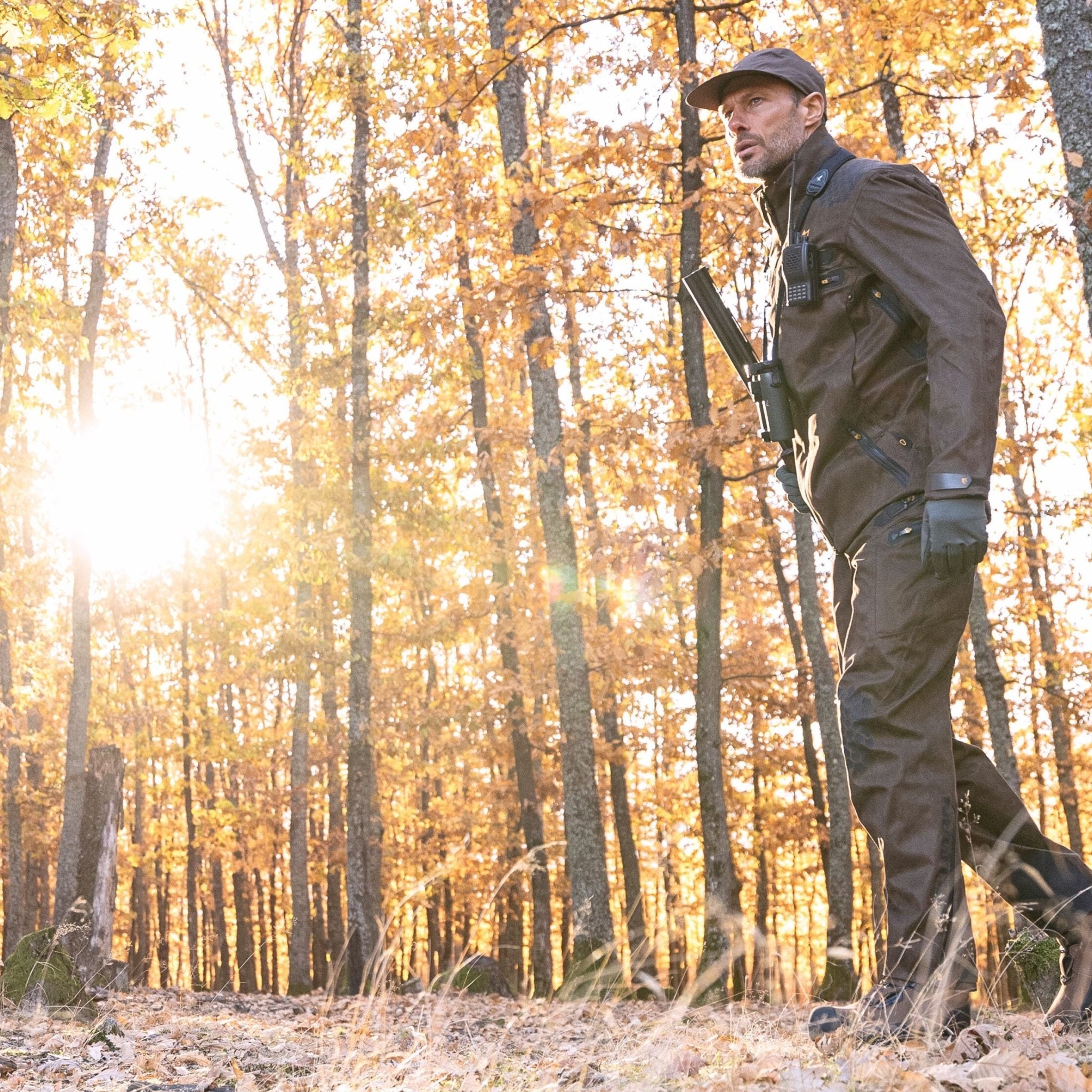
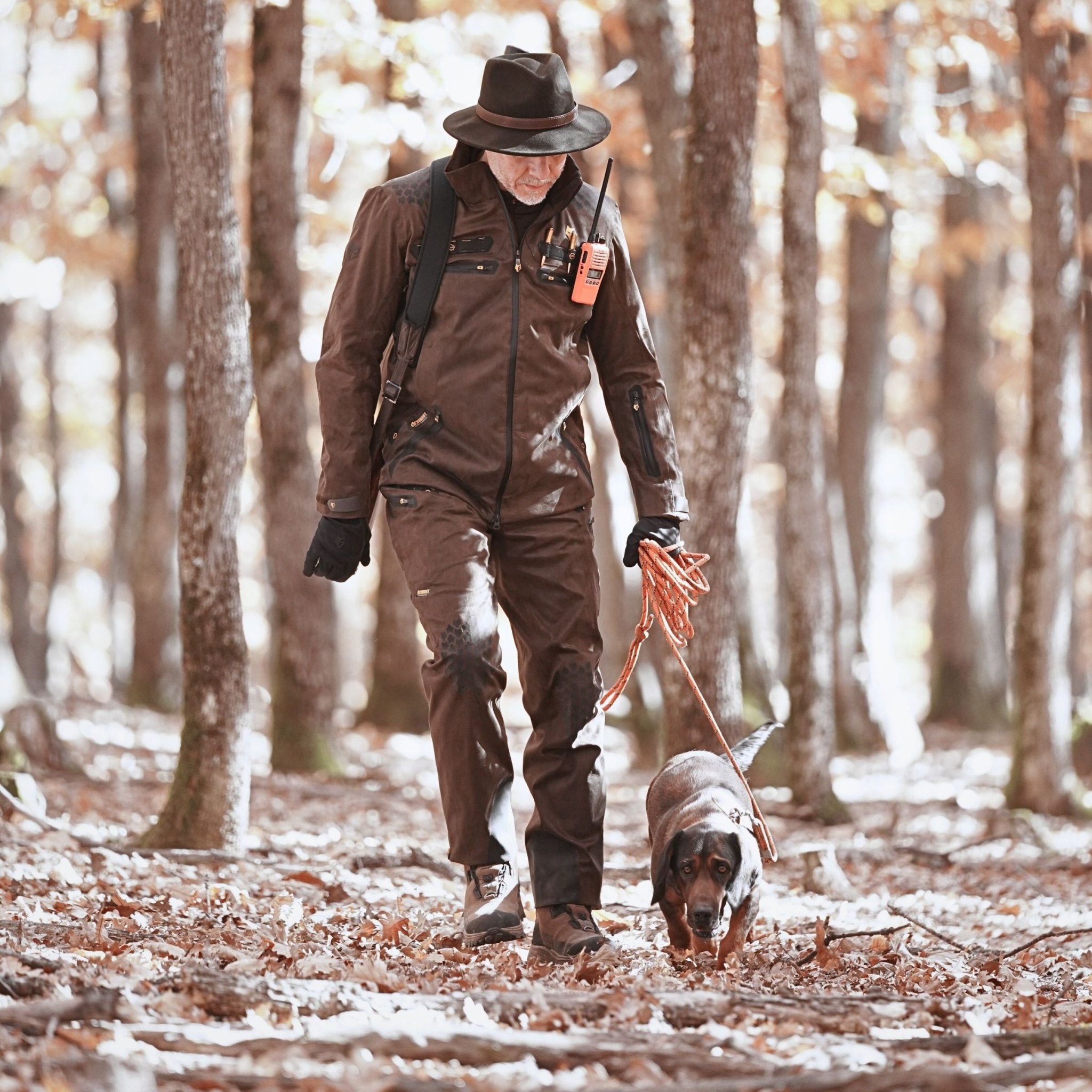
There are British days when the sky behaves like an indecisive companion. A streak of sun pushes across the fields, lighting the hedge lines for a moment, only for the wind to gather at the next rise and deliver a cold slap of rain. Anyone who has spent enough time in the great outdoors knows the rhythm well. The clouds shift, the temperature dips, and before you’ve taken a dozen steps, the day has turned again. It is on such days that hunting clothing stops being a matter of taste and becomes a quiet sort of armour, layers that adapt to the weather’s mood rather than forcing you into retreat.
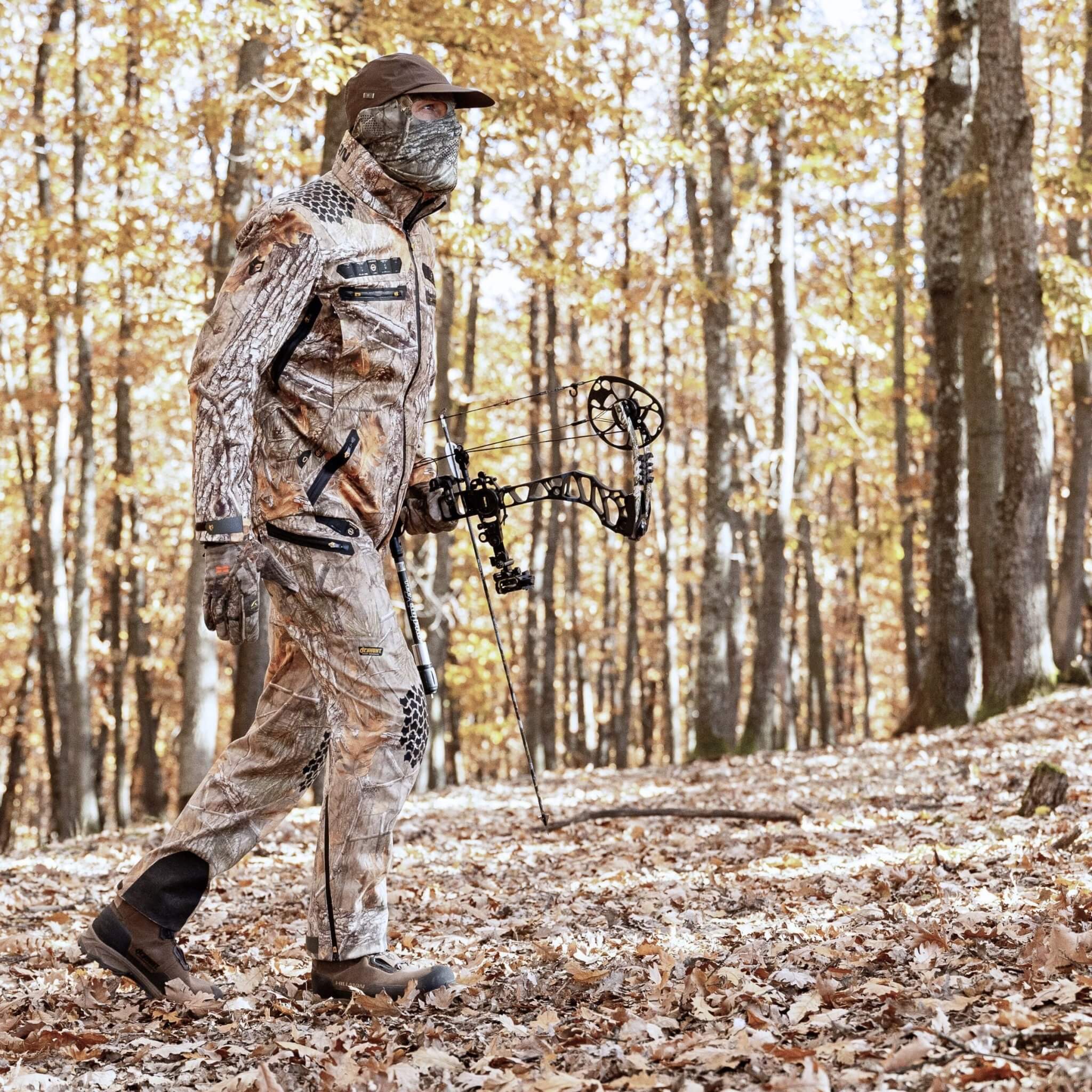
Those who hunt in this part of the world are no strangers to unpredictability, nor to the demand it places on gear. The terrain changes almost as quickly as the weather: damp woodland floors, open ground swept by wind, and bramble-thick cover where active stalking requires clothes that move softly. In these conditions, the seasoned hunter reaches instinctively for layers, not out of habit, but because nothing else offers the same balance of warmth, breathability, and protection.
Below, we explore this idea in detail, using the kind of practical knowledge that comes from days spent in cold weather, from mornings when a rain jacket earns its keep, and from the steady realisation that the right coat or outer shell can turn a difficult outing into one that stays firmly under your control.
Hunting Clothing Essentials for Unpredictable Weather

Anyone who has stood quietly on a rise, watching the wind shift through the treetops, knows that unpredictable weather asks for versatility above all. Hunting clothing must do more than cover the body; it must respond to it. It must allow a hunter to stay focused when the wind sharpens, remain comfortable when moisture rises from the ground, and keep moving even as the first drops begin to fall.
Some pieces matter more than others. A dependable outer layer keeps off the worst of the rain without feeling like a barrier. A mid-layer with the right insulation properties steps in when the temperature slips. A set of base layers, thin but warm, soft yet practical, carries sweat away from the skin before it turns cold. The result is a small ecosystem of clothing: not bulky, not rigid, and never chosen at random.
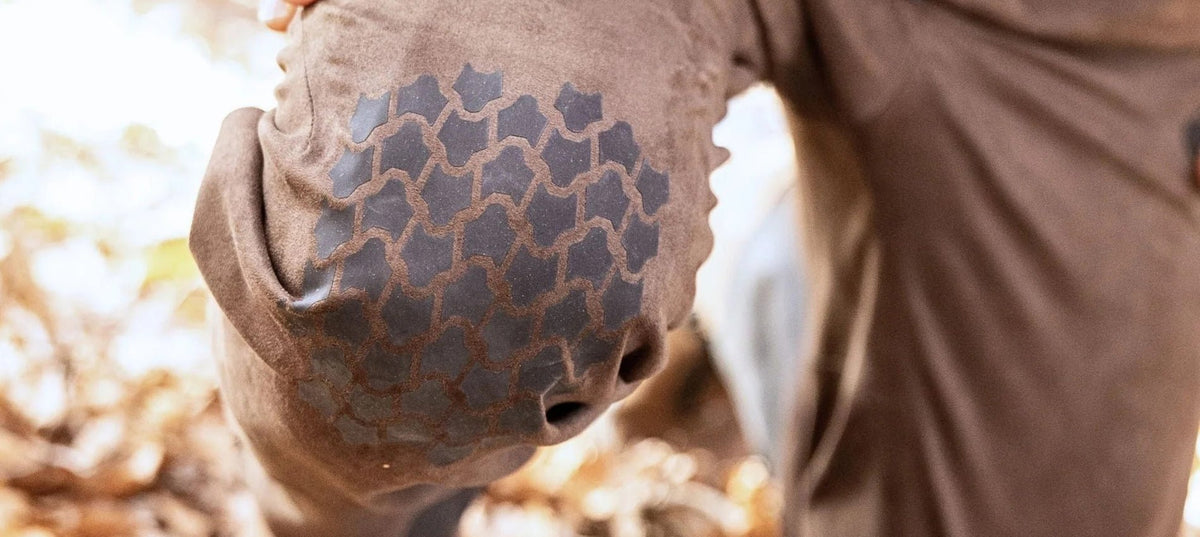
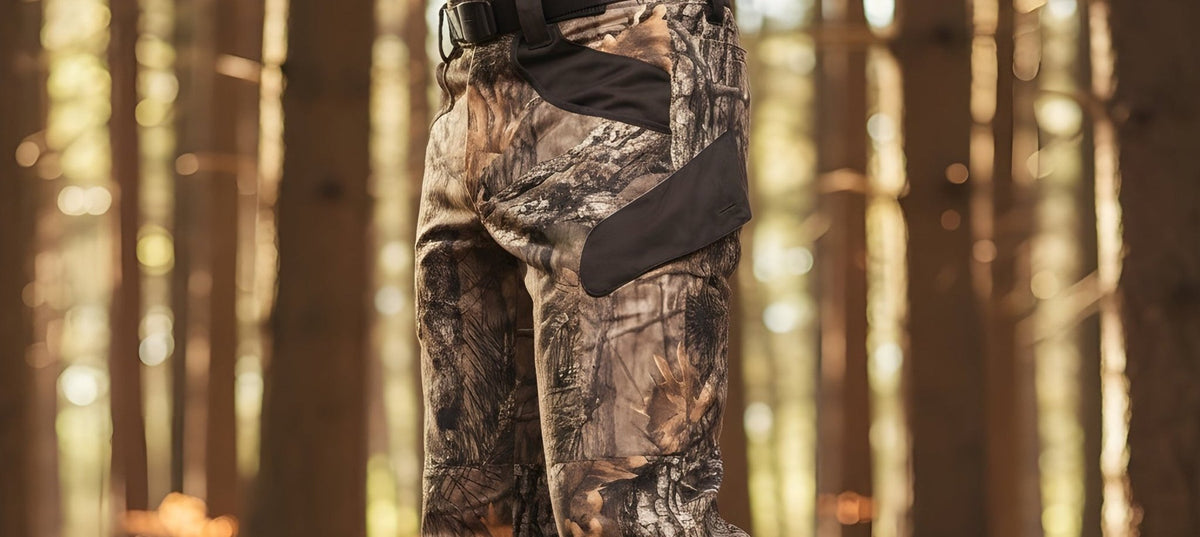
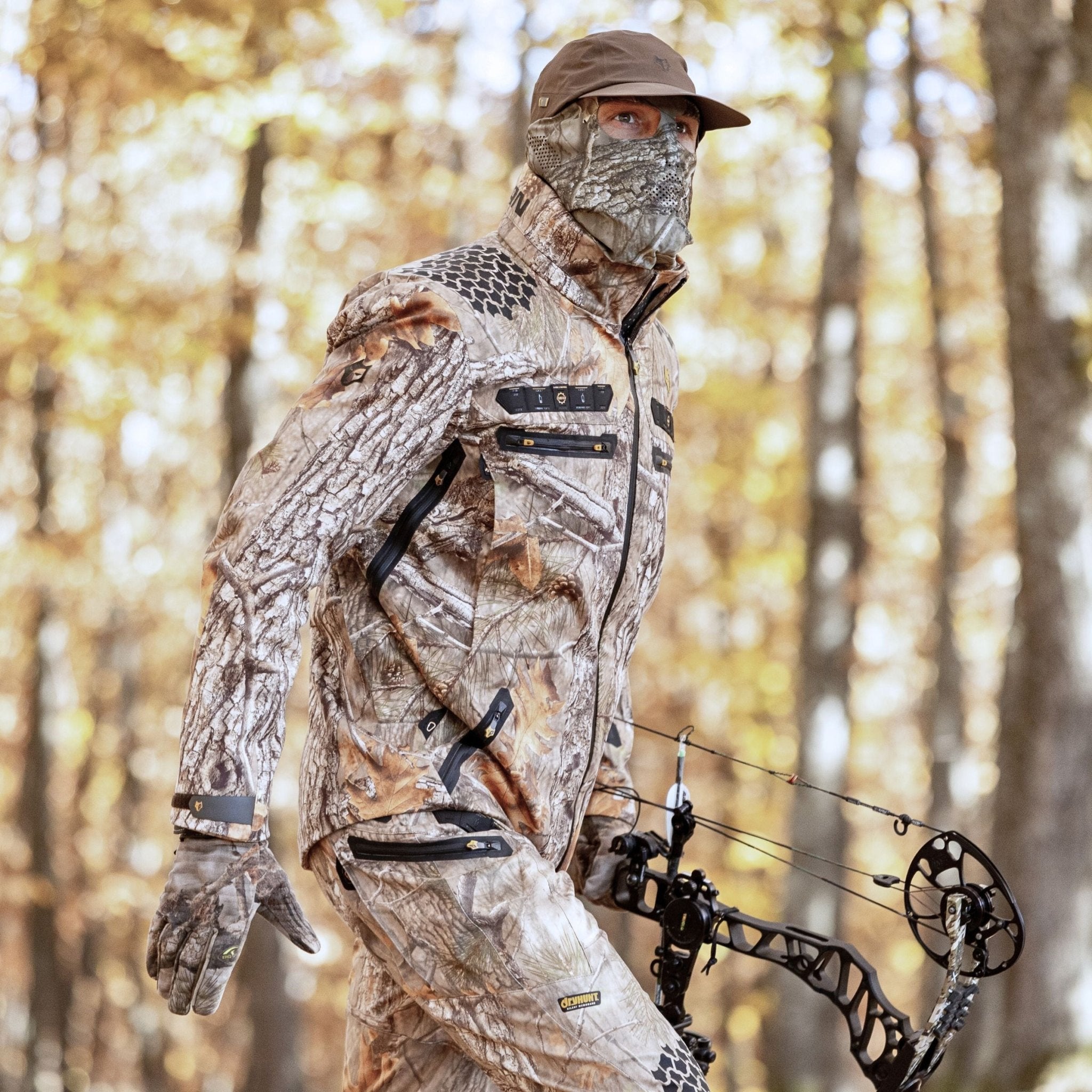
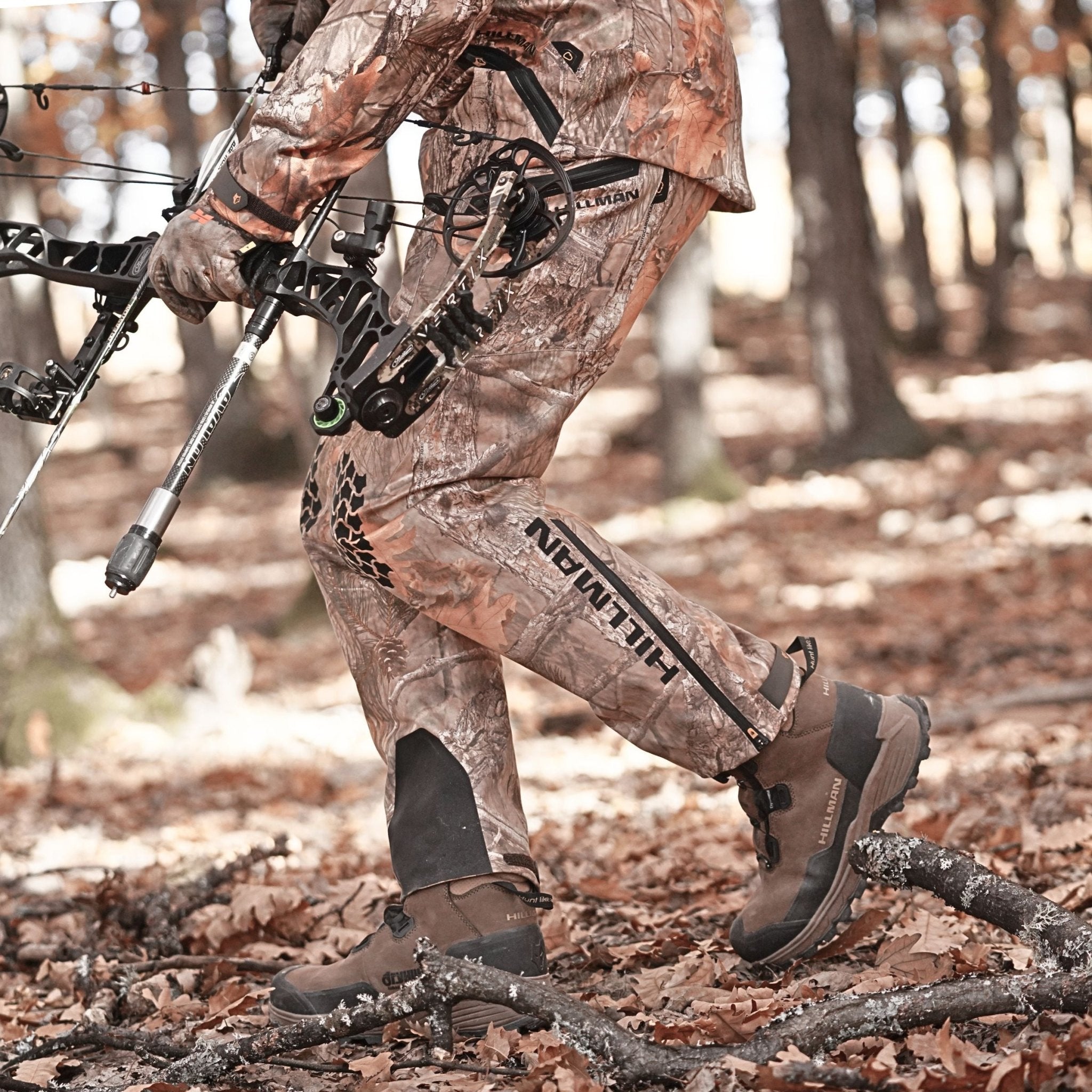
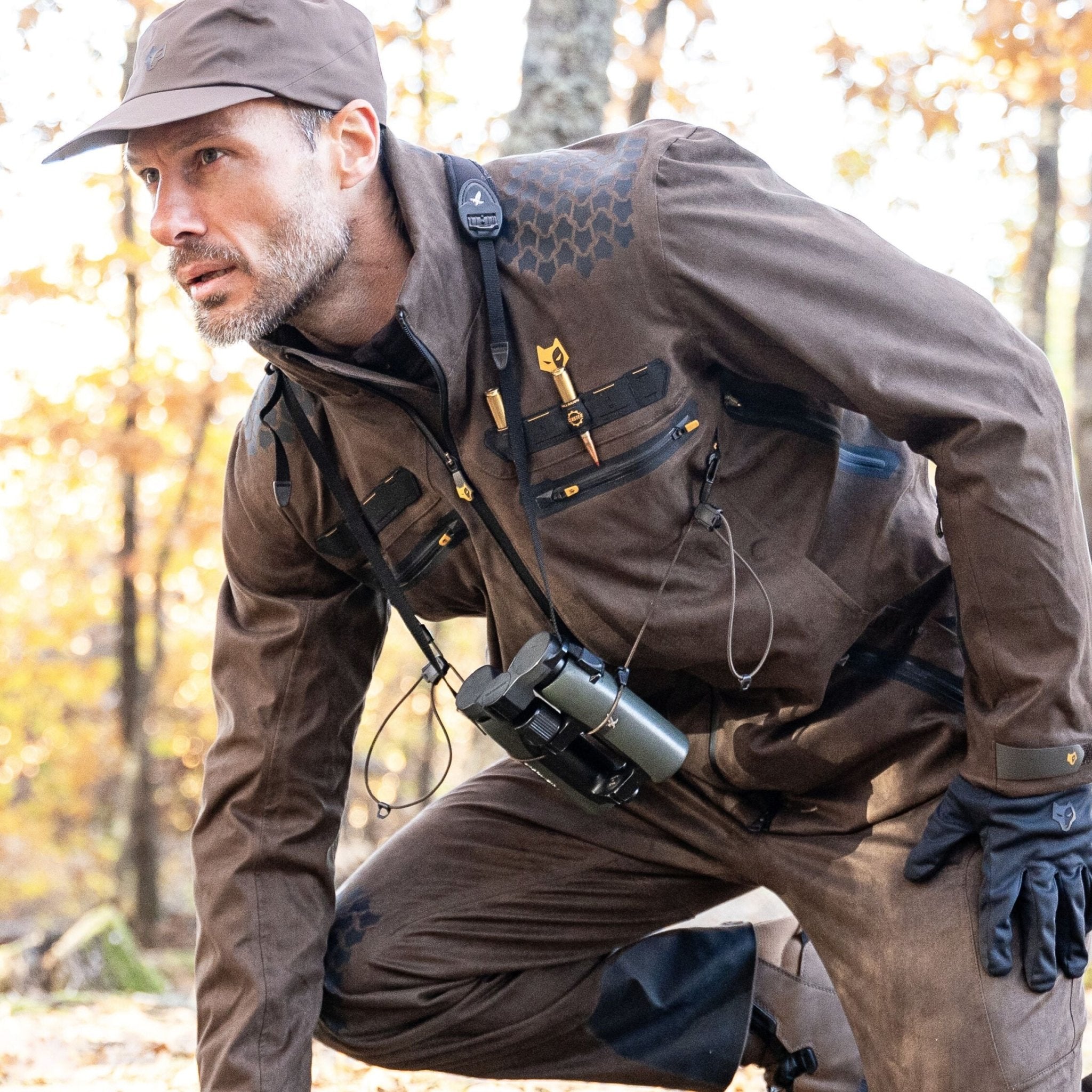
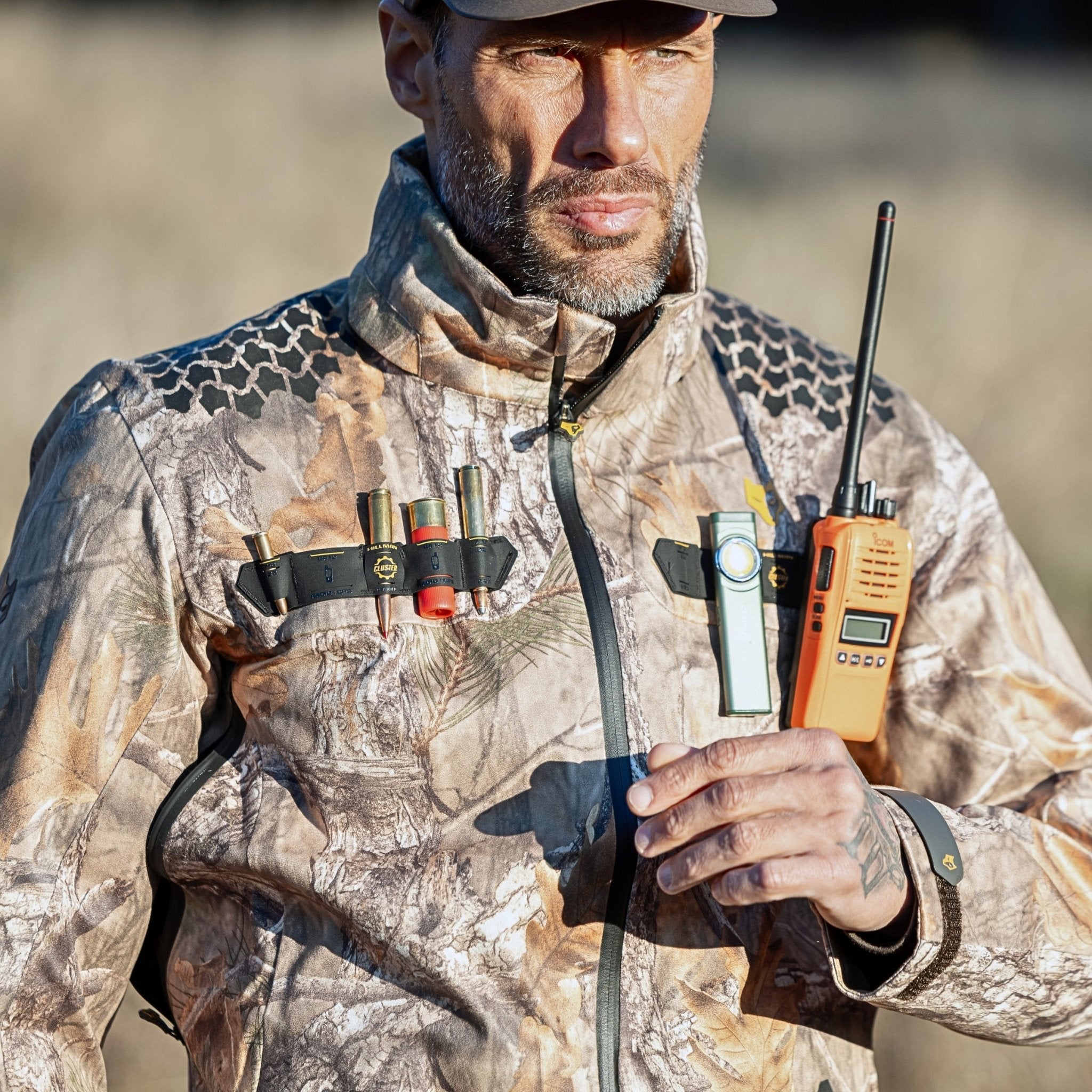
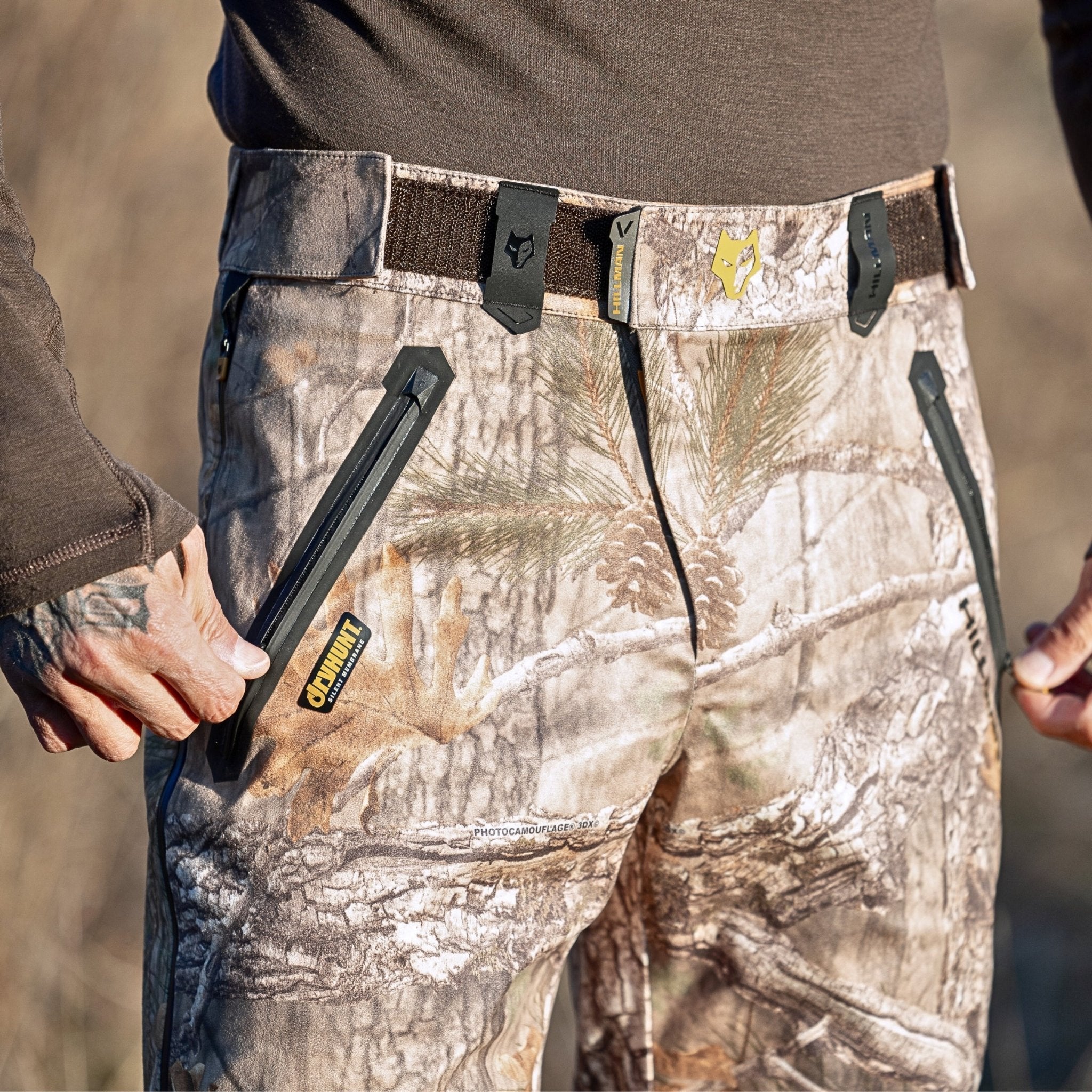
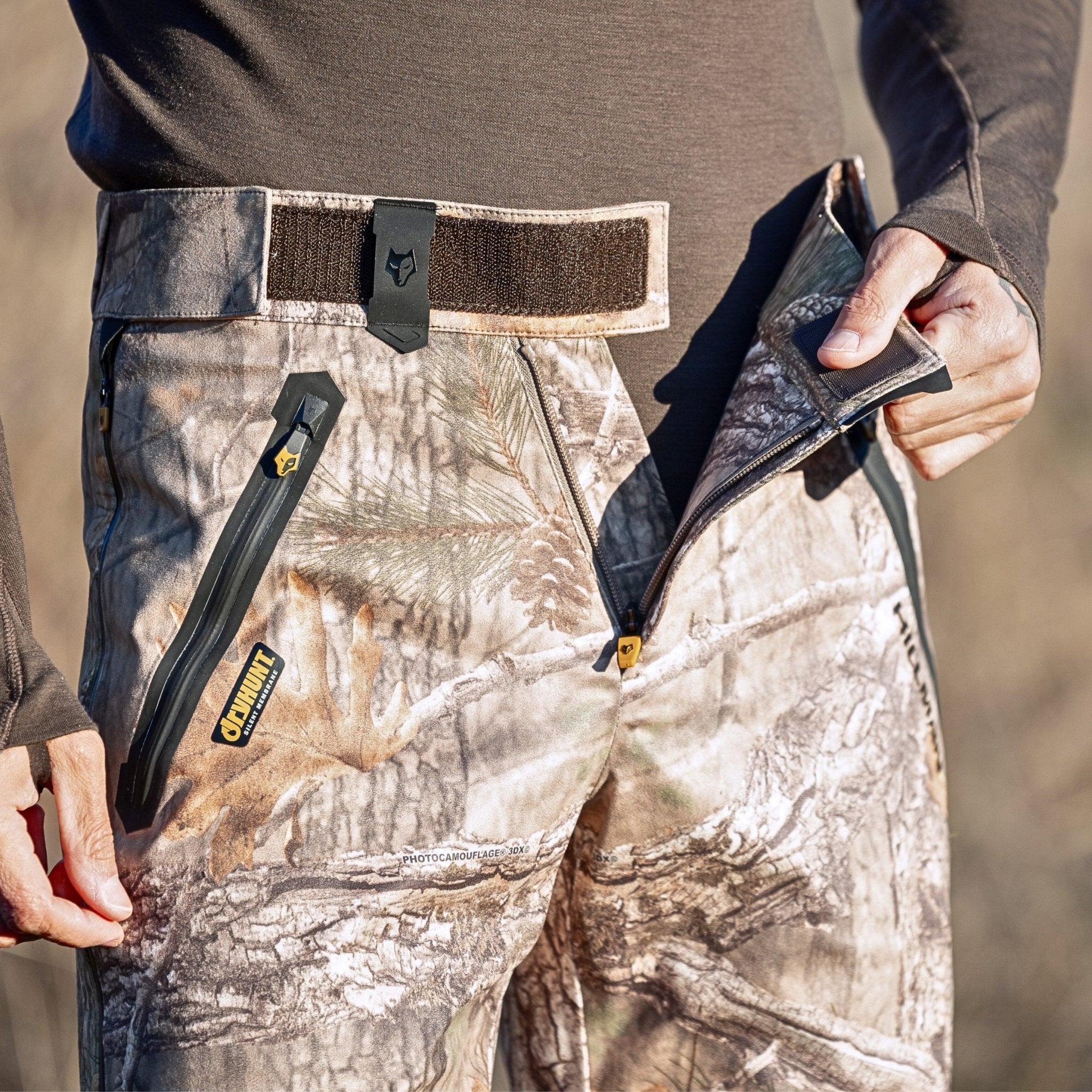
Spend enough time in the field, and you begin to notice small details. Adjustable cuffs that keep the wind from creeping up the arm. A pocket arrangement that helps maintain movement rather than interfere with it. Fabrics that brush quietly against bracken instead of announcing your presence. These nuances separate everyday clothing from gear made for hunters.
Base Layers: The Foundation That Quietly Does the Hard Work

If one were to strip the system down to its most essential part, it would be the base layers. They sit directly against the skin, quietly receiving sweat during uphill walks and releasing it again when cold air sweeps across the valley. A good base layer does this without fuss, without clinging, and without flooding the body with cold the moment you pause.
Merino wool remains a favourite across Britain’s hunting community, and not without reason. It has that rare combination of warmth, softness, and breathability that keeps the body comfortable across wildly varying conditions. Merino stays warm even when wet, a small miracle in wet climates, and moves moisture away from the skin with a sort of natural efficiency that synthetic fibres try to imitate but never quite replicate.
Wool socks, too, hold their place. A pair chosen carefully can keep your feet warm on long winter sits, and equally comfortable during a brisk walk across open ground. When base layers perform well, the rest of your clothing becomes easier to manage. They form the hidden foundation that lets everything else work as intended.
Mid Layer Decisions for Days That Refuse to Stay the Same

The British countryside has a habit of surprising you just when you've settled into a rhythm. A mid layer, therefore, becomes the item you shrug on or off as the day transforms, a fleece during the colder hours, perhaps a soft vest that warms the core without adding bulk to the arms. It’s a layer that shifts with your movement and the terrain beneath your boots.
A good fleece is still hard to beat. Soft, warm, and light, it has earned its reputation for providing comfort without fuss. For hunters who spend long stretches sitting or glassing the fields, an insulated mid-layer brings a little extra warmth without tipping the system into overheating. Those who stalk quietly through brush favour something that moves with them, letting the body breathe without letting the heat escape too quickly.
The truth is, a mid-layer does not shout for attention. It simply performs discreetly, reliably bridging the gap between base layers that manage sweat and outer shells that block weather.
Hunting Jackets That Understand the British Forecast

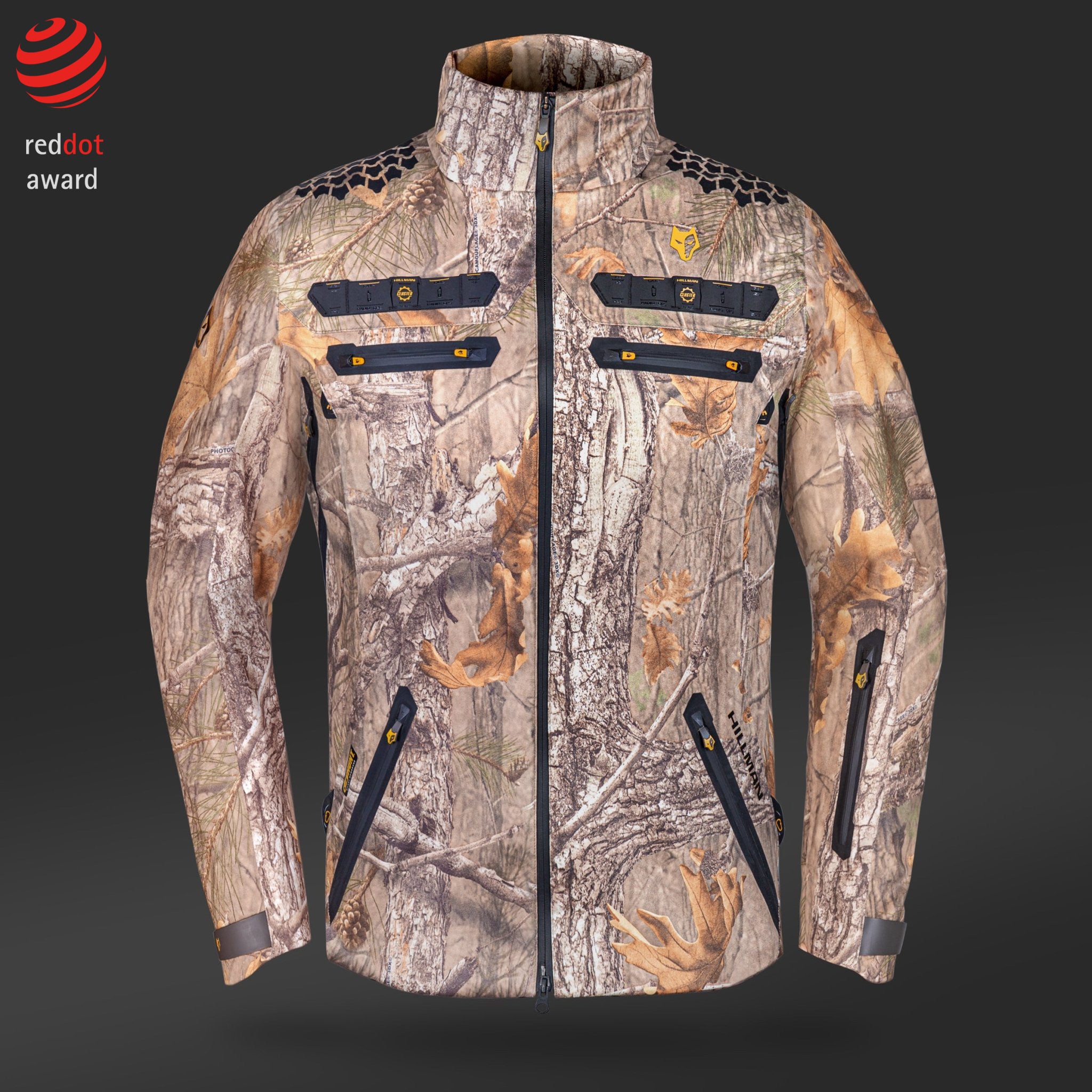
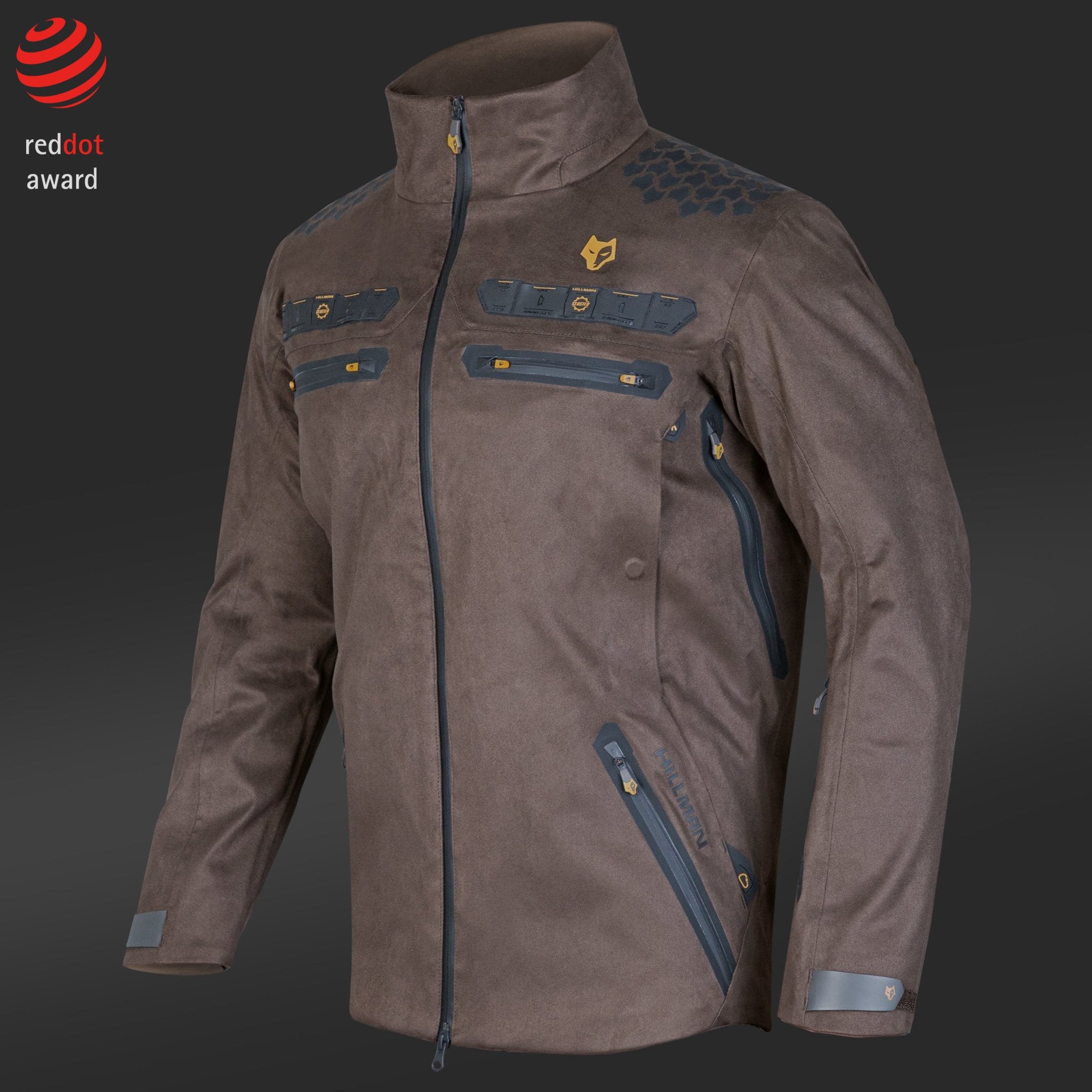
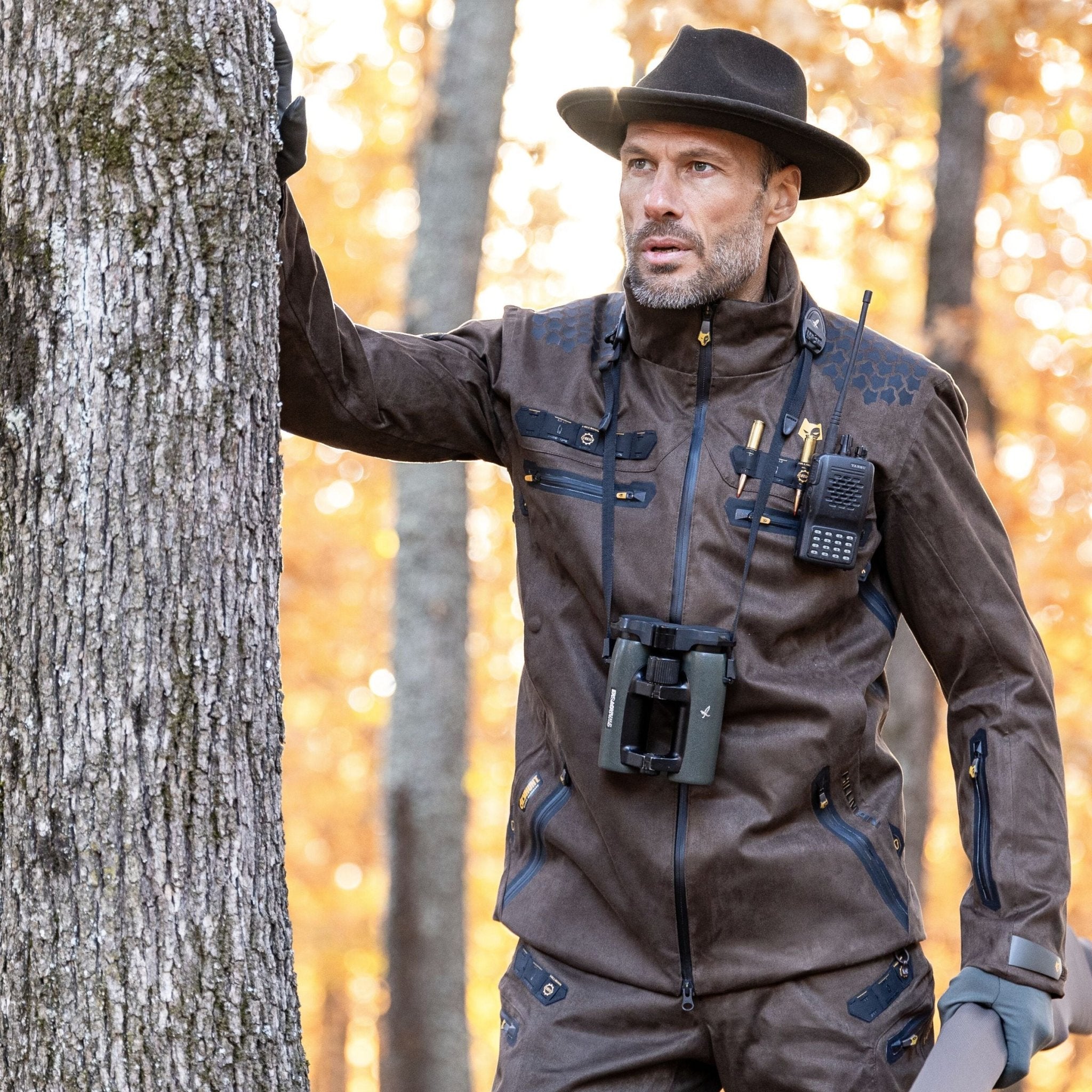
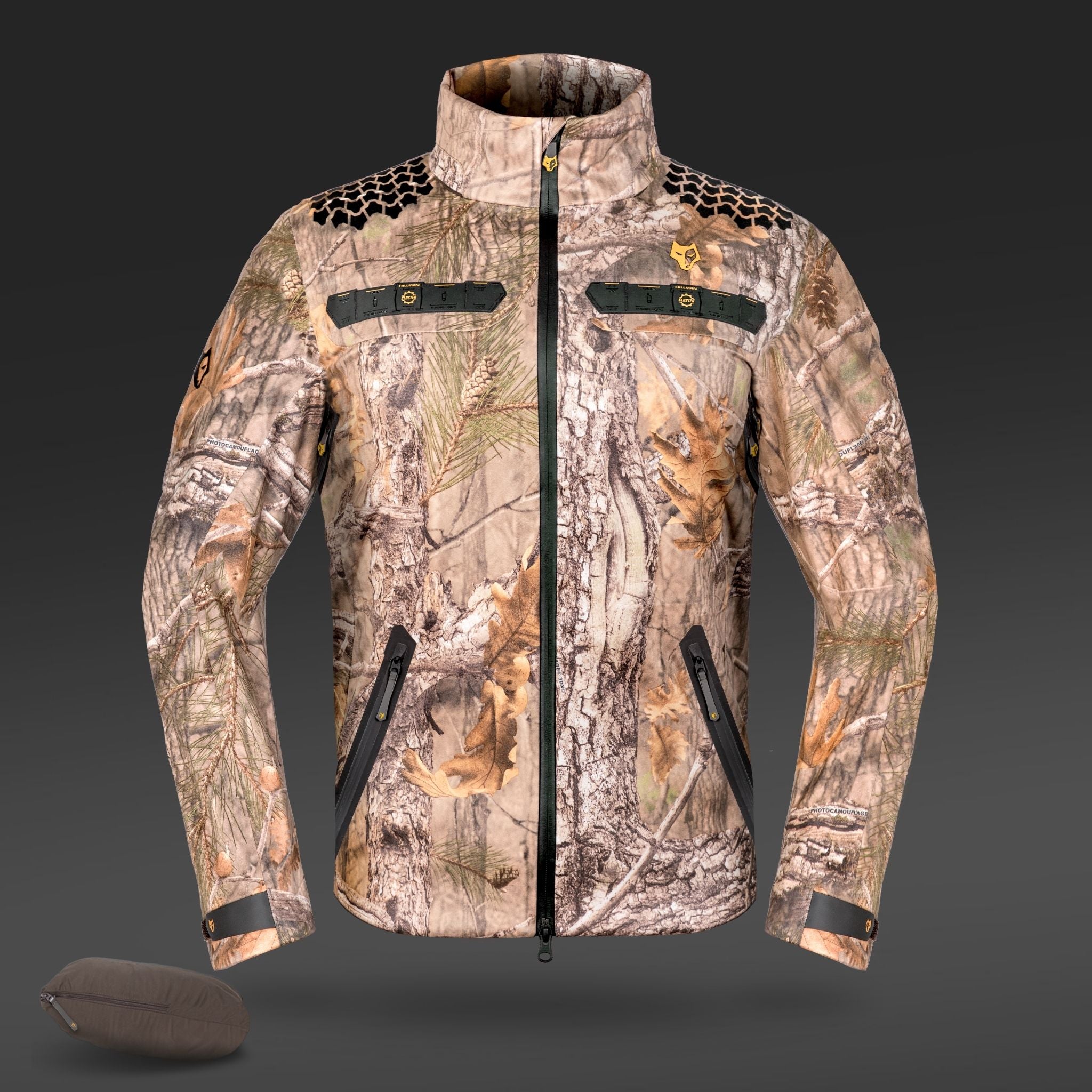
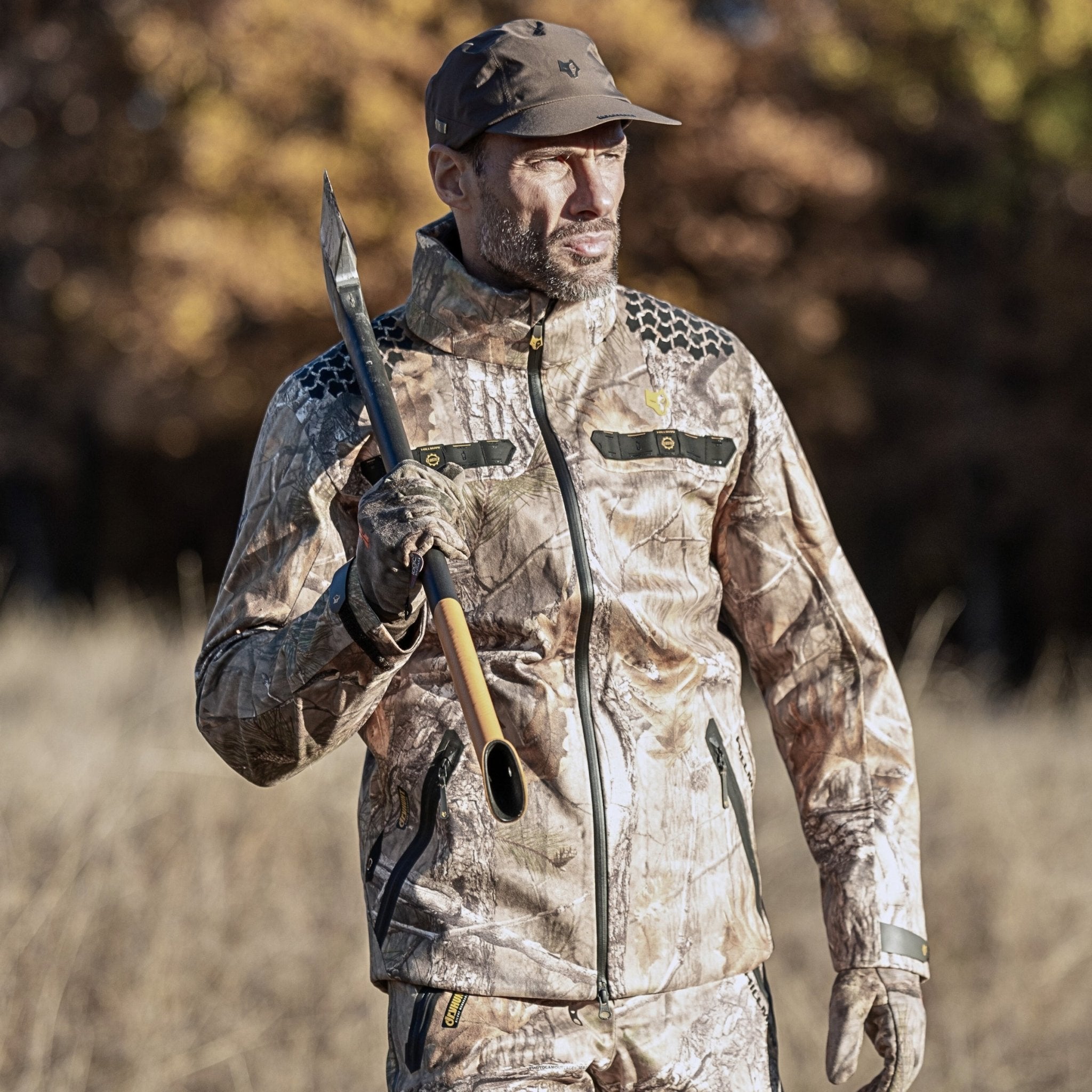
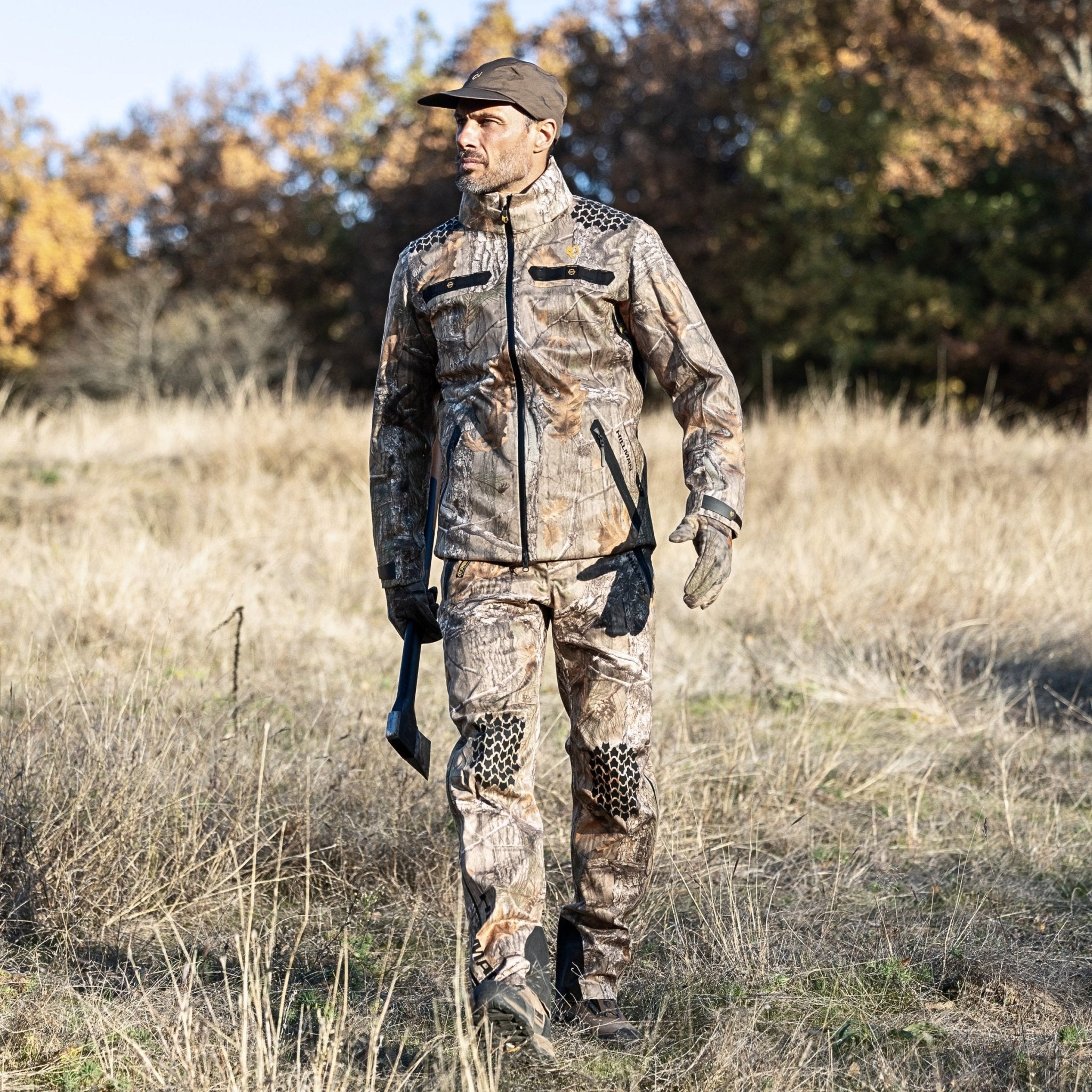
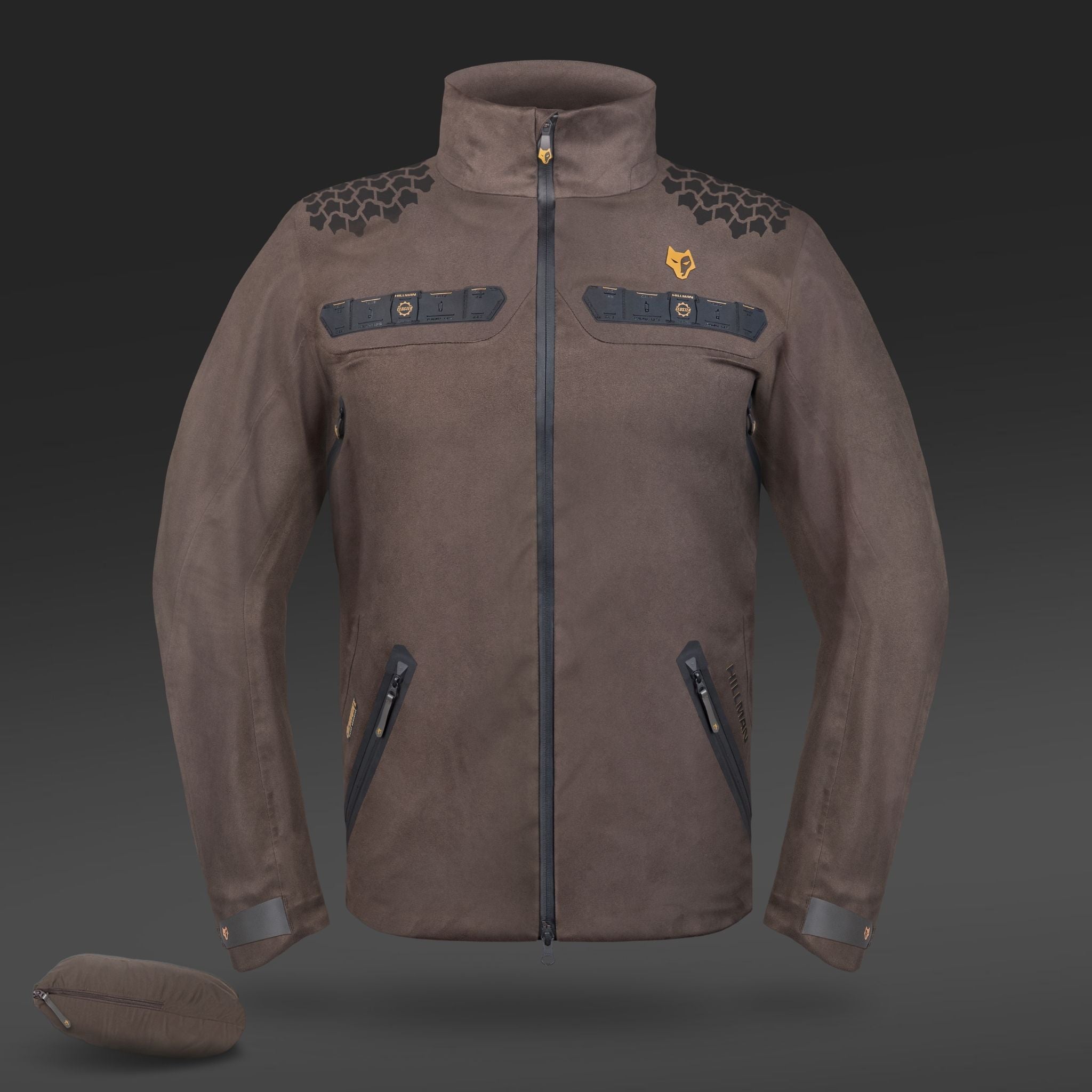
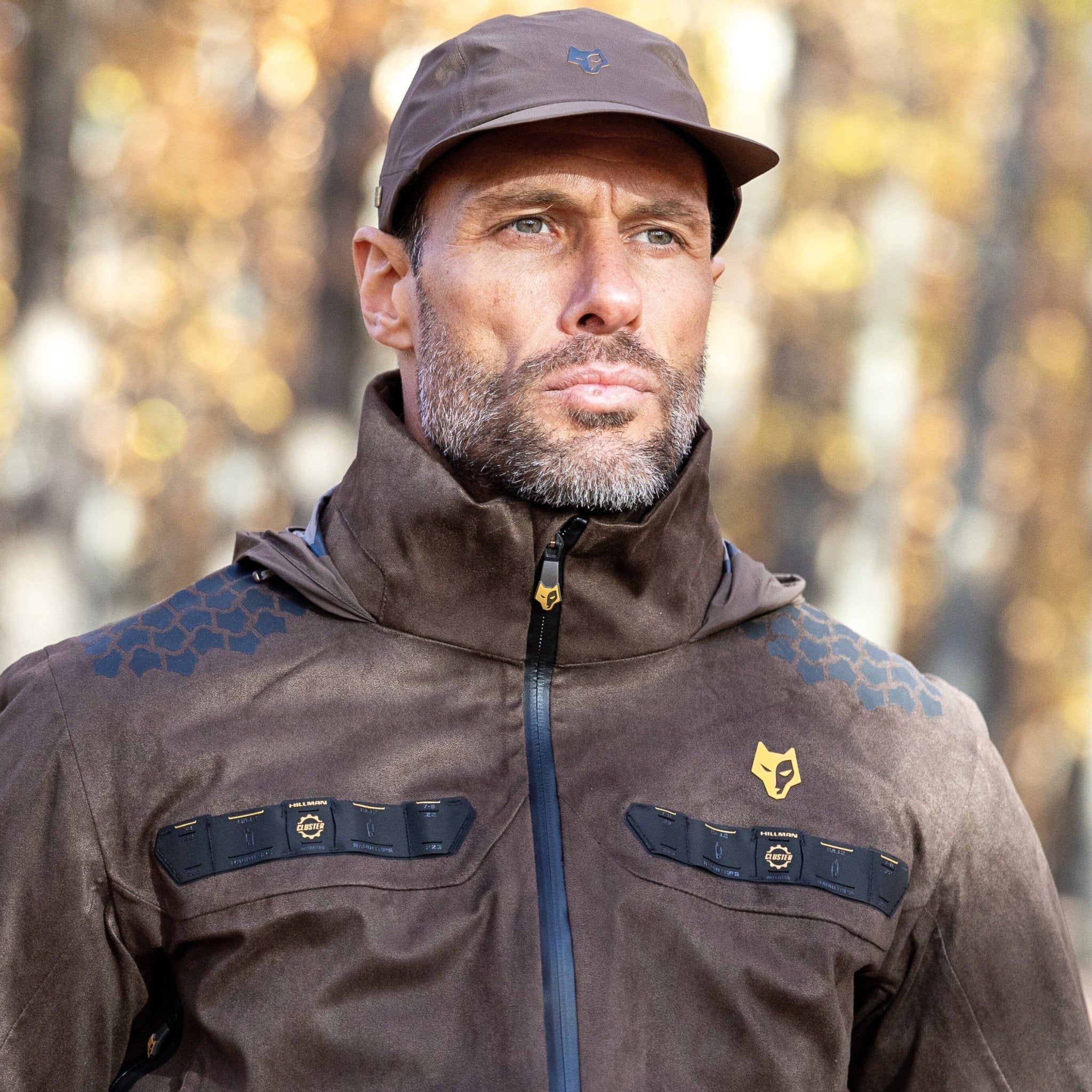
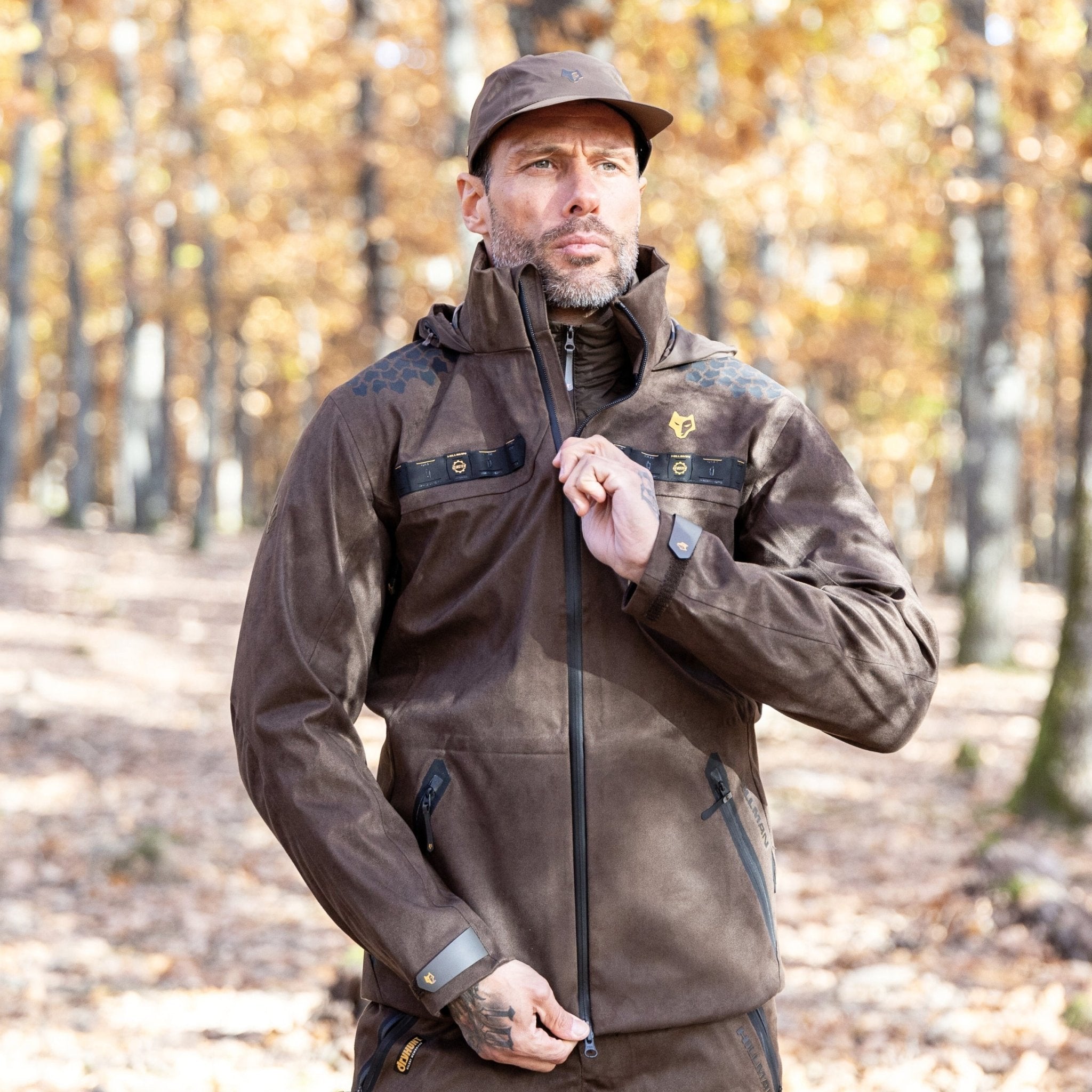
Choosing hunting jackets for British weather is an exercise in humility. The sky changes at its own pace, and the best you can do is prepare. A jacket with a strong outer shell and fully waterproof construction delivers reassurance when dark rain clouds gather. When cold weather moves in, insulation matters; when the wind picks up, cuffs and hems must seal properly; when snow appears, protection must be absolute.
Yet breathability is equally crucial. A jacket that traps sweat will chill you the moment you slow your pace. A jacket that breathes while still offering waterproof protection is the sweet spot, a balance that serious hunters come to respect over time.
Soft shell jackets have grown in favour among those who prefer active stalking, offering movement without noise. Hard shells, on the other hand, provide the dependable barrier needed in driving rain or winter storms. The right jacket depends on the day, the ground you cover, and the demands you place on your gear.
Mid Layer or Outer Layer? Knowing What Works Above All Else

There comes a point on any hunt when you stand still long enough to feel the temperature drop. That is the moment when the outer layer earns its name. It is the piece that makes the difference between staying dry and feeling the cold soak through. A proper shell shields the body, keeps sweat from turning icy, and prevents wind from stealing the warmth you worked so hard to keep.
A rain jacket, if well-made, is a comfort in itself. Not heavy, not rigid, just fully waterproof and steady enough to handle those sudden downpours that sweep across hillsides without warning. When layered over a fleece or insulated vest, a rain jacket can see you through winter conditions as easily as autumn mist.
Still, it is a mistake to think of the outer layer in isolation. It does its best work as part of a trio: base layers keeping the skin dry, mid layers contributing warmth, and the outer shell shielding everything from wind, rain, snow, and the rest of the elements.
Merino Wool’s Quiet Advantage in the British Countryside

Merino wool does not need advertising among those who use it regularly. It has become a staple not because it is fashionable, but because it behaves exactly as hunters need it to. It adapts. It warms. It dries. It stays soft against the skin even after hours of movement.
Unlike synthetic pieces, merino wool holds its shape, resists odour, and performs consistently across seasons. Wear it under a rain jacket in early autumn, and it breathes. Wear it beneath a mid-layer in deep winter, and it warms. Merino is not simply a material; it is a dependable companion.
Choosing a Rain Jacket That Stands Between You and the Sky

Rain in Britain is rarely gentle. A fine mist can turn into a curtain in moments, and the terrain does nothing to soften its arrival. A rain jacket must therefore do more than claim waterproof protection; it must deliver it, repeatedly, without becoming heavy or cumbersome.
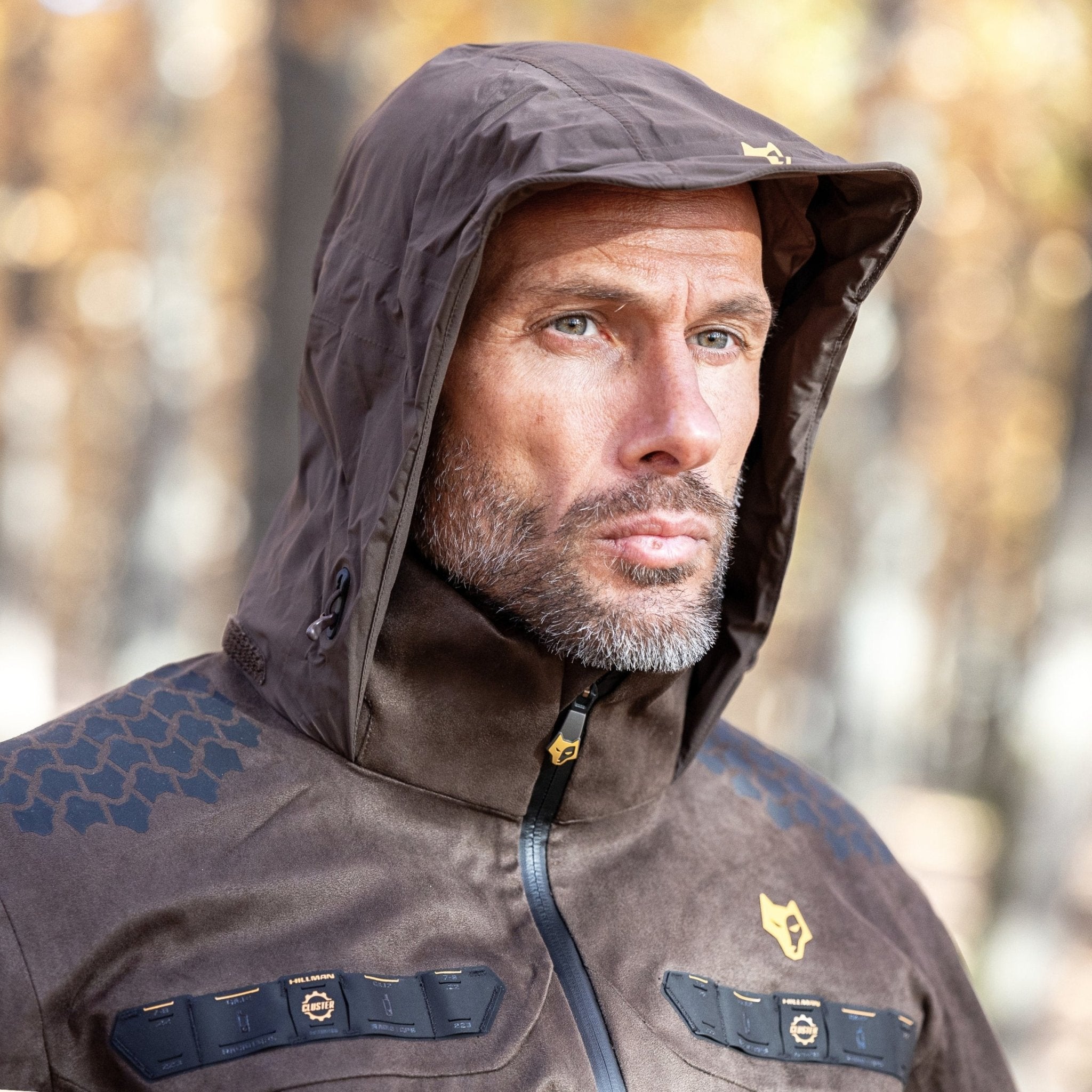
Hunters who spend long hours outside demand reliable seams, solid zips, and a hood that protects without limiting visibility. A jacket must remain breathable enough that moisture from within does not collect. Cold sweat can undo an entire system quicker than rain itself.
When combined with the right mid-layer, a rain jacket turns into a year-round essential.
From Our Full Collection: Building a System That Keeps You Moving

A hunting wardrobe is not built in a single outing. Over time, hunters gather pieces that work for their style, gloves that protect without limiting movement, socks that stay warm on cold sits, jackets that shield the body from wind, and layers that interact well without creating bulk.
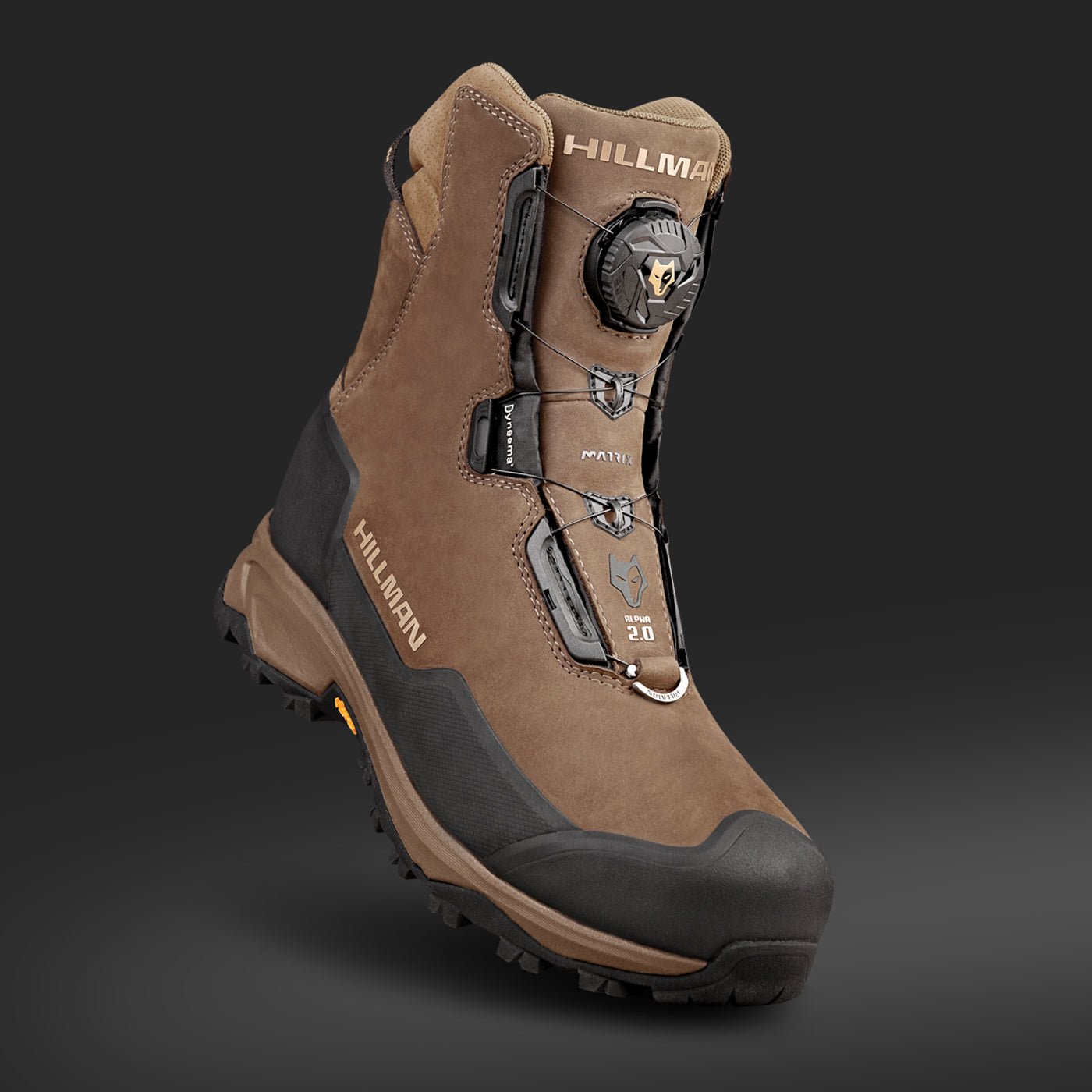
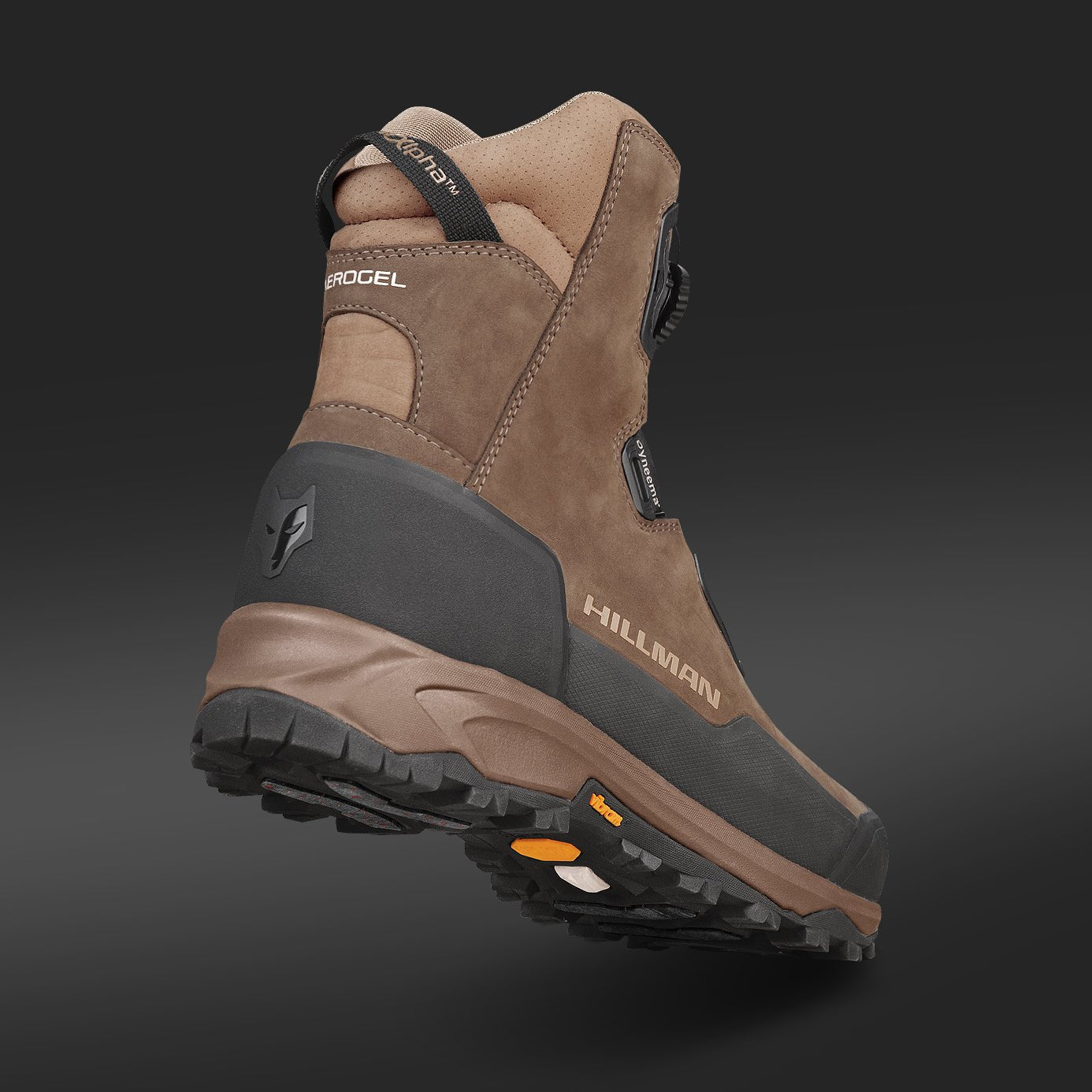
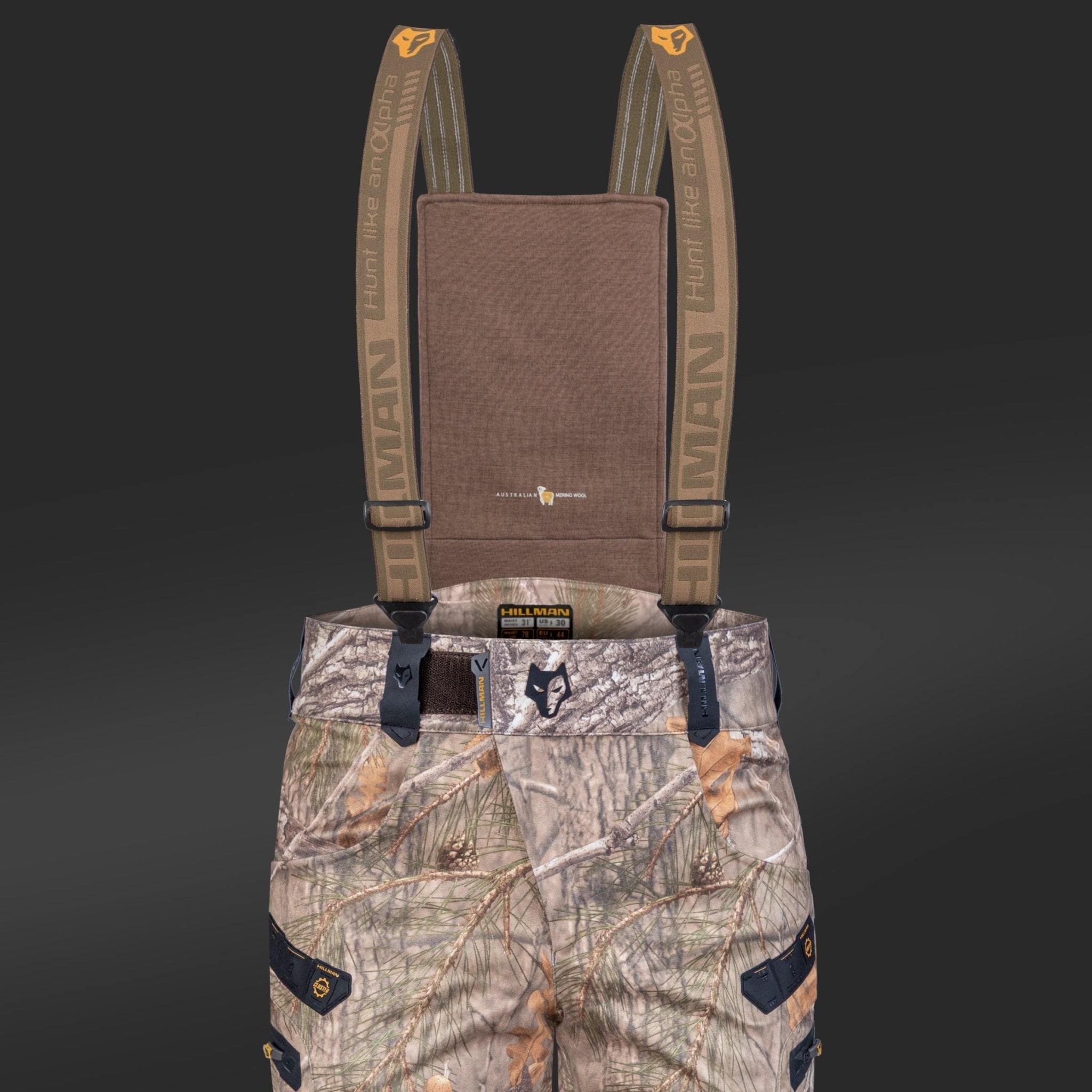
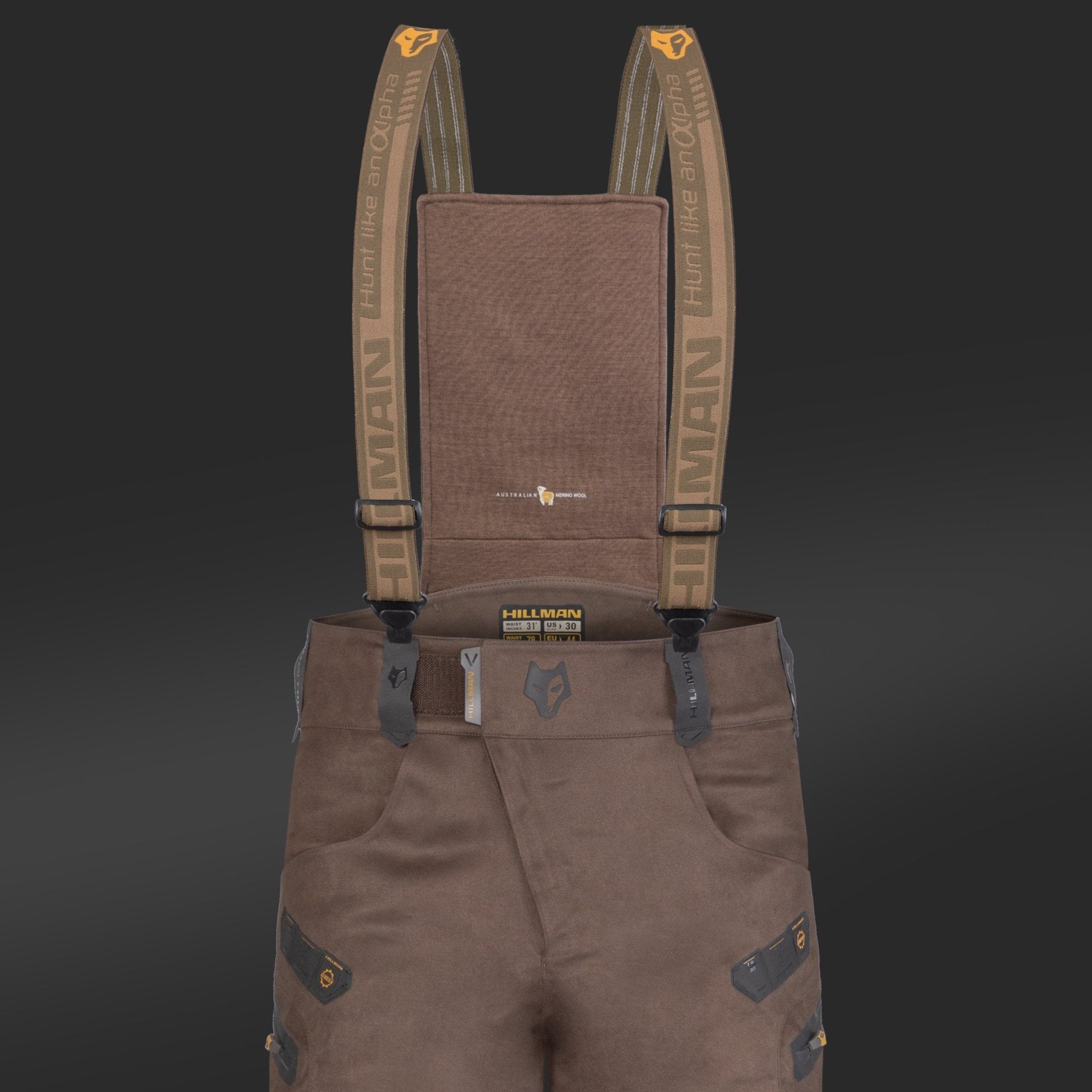
At Hillman, the idea behind our full collection has always been simplicity: each piece should pair naturally with the next. Base layers that breathe, mid layers that warm, jackets that protect, all built with a view towards real use in real terrain.
Whether you walk long distances, sit in winter stillness, or move quietly through wet brush, your clothing should serve you without fuss.
Stay Dry, Stay Warm, Stay Present

It’s a simple idea, yet it takes experience to appreciate it fully. Staying dry is not only about rain; sweat and trapped moisture can chill the skin just as quickly. Breathable fabrics matter as much as waterproof ones. Fleece helps retain warmth without adding weight. A reliable shell ensures that the rain stays outside, where it belongs.
Warmth comes from layers working together rather than any single item trying to do too much. Protection is a team effort: wool, insulation, waterproof materials, and fabrics designed to breathe even when the air stands still.
Cold Weather Lessons: What Time Teaches You

Cold-weather hunting is its own teacher. The wind slipping through the valley, the stillness of a winter morning, the quiet ache in your fingers, these moments remind hunters why gloves, socks, vests, and jackets matter. A mid layer must hold warmth; a shell must guard it; base layers must keep sweat away from the skin. It is a collaboration, not a coincidence.
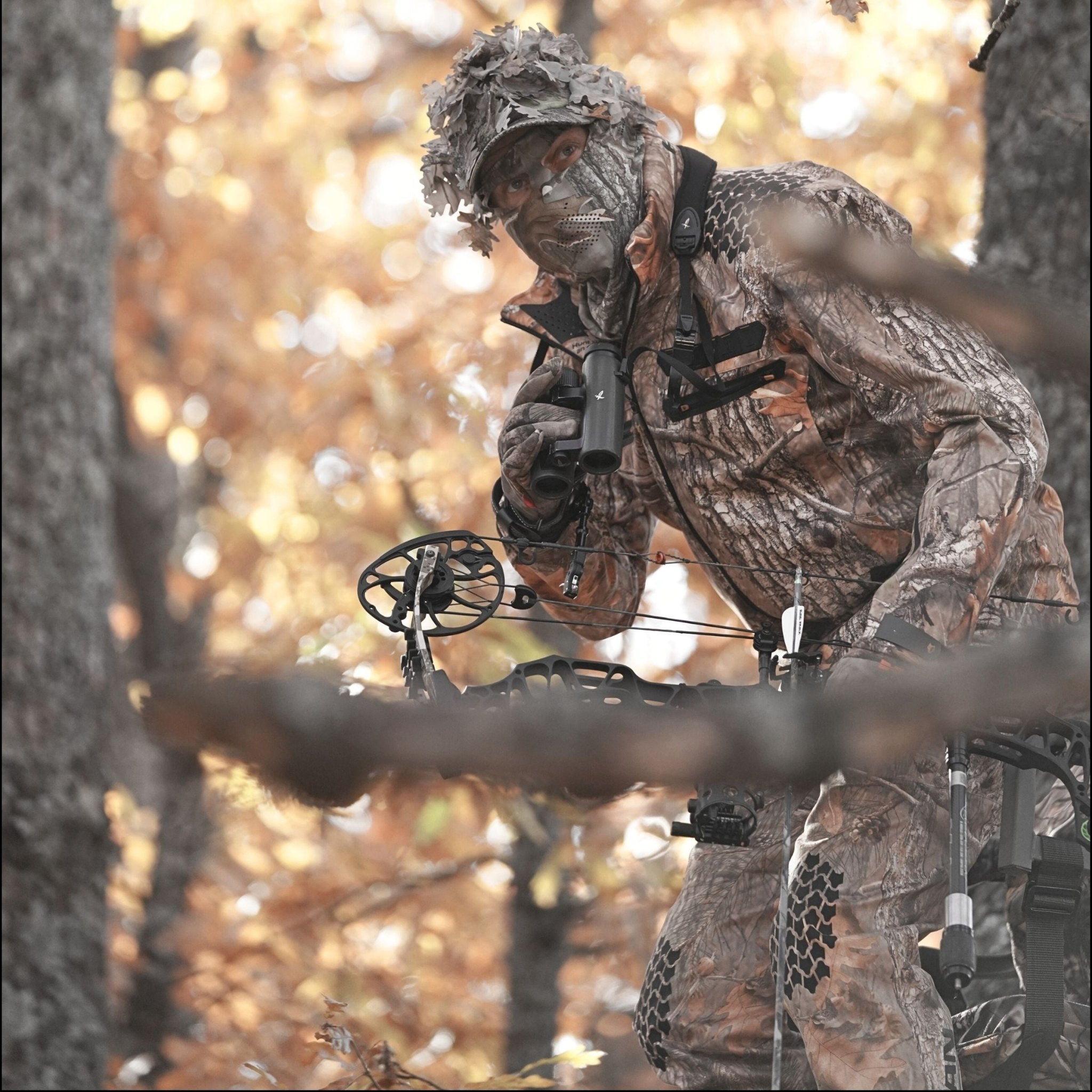
Sit long enough on a stand, and you learn the value of insulation. Move far enough through thick brush, and you learn the value of breathability. The experienced hunter adapts, not by carrying more, but by choosing wisely.
Clothing That Works So You Don’t Have To
When the forecast changes every hour, the sky will always have the final say. But your clothing can influence what happens between the shifts: how warm you stay, how dry you remain, and how well you move through the terrain.
Hunting clothing built with purpose does not simply protect; it lets you stay focused on the moments that matter. With the right layers, merino wool close to the skin, a dependable mid layer above it, and a waterproof outer shell guarding everything, you step into the great outdoors ready for whatever comes.
That is the quiet advantage of choosing well.
It lets the weather change as it pleases, and lets you carry on regardless.




Share:
Silent Clothing for Woodland Stalking: What Makes No Noise
Best Clothing for UK Roe Deer Stalking: Quiet & Breathable