
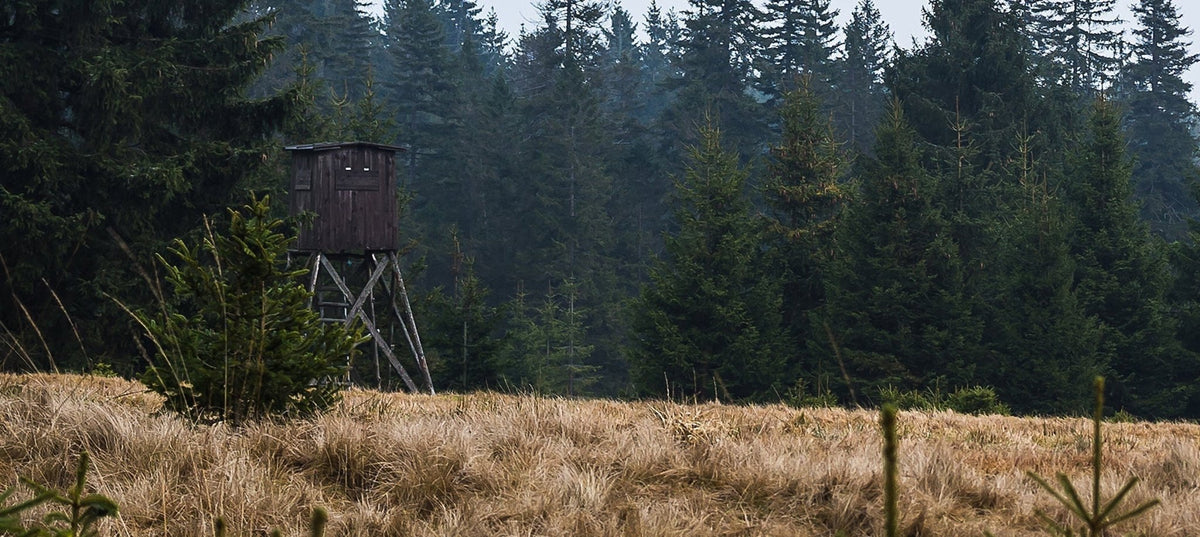
What British Hunters Should Wear for Long Hours in a High Seat Without Freezing?

Stay warm in a high seat with the right layers, jackets and accessories. A practical guide to keeping comfortable, focused, and ready in cold UK weather.
Anyone who’s spent a winter’s day tucked away in a high seat knows the truth of it: the countryside can look calm enough, but the cold has a way of creeping in long before you realise what’s happening. When you’re on the move, trudging along hedgerows or cutting across a field, your body does most of the work for you. But the moment you settle into position and the world falls quiet, the stillness begins its slow theft of warmth. Ten minutes might be pleasant. Sixty can test the keenest of hunters. After two hours, it’s your clothing, not your stamina, that decides whether you stay focused or start wondering why you didn’t add another layer.
That’s precisely why high-seat shooting needs its own approach to kit. It isn’t just another day outdoors; it’s the discipline of waiting, controlling breath, staying alert, and remaining absolutely still when the moment matters. And in bad weather, every piece of clothing must work far harder than it does on a brisk walk. The right system keeps you warm enough to think clearly, comfortable enough to sit without shifting, and quiet enough not to betray your presence in the forest.
High Seat Hunting Clothing: Understanding the Demands of Staying Still

High-seat shooting is a peculiar blend of patience, cold air, and unwavering focus. Unlike walked-up days or driven shooting, the body isn’t generating heat through movement. Your body slows, your blood cools, and even the slightest wind can steal more warmth than you’d expect. The surroundings don’t help much either: cold metal rails, damp timber, and rising air drifting through open woodland.
This makes high seat hunting clothing a category of its own. It has to work harder, hold warmth longer, and defend you against the elements without leaving you feeling bulky or trapped. And because you’ll sit in one position, perhaps for more than an hour, the fit, the structure, the layers, and the breathability need to be spot on. The smallest oversight: a gap at the waist, a draught through the sleeves, thin socks, stiff trousers, can undo everything.
It’s in these quieter moments that clothing matters as much as marksmanship.
Hunting Jackets: Why the Right Outer Layer Makes a Huge Difference?

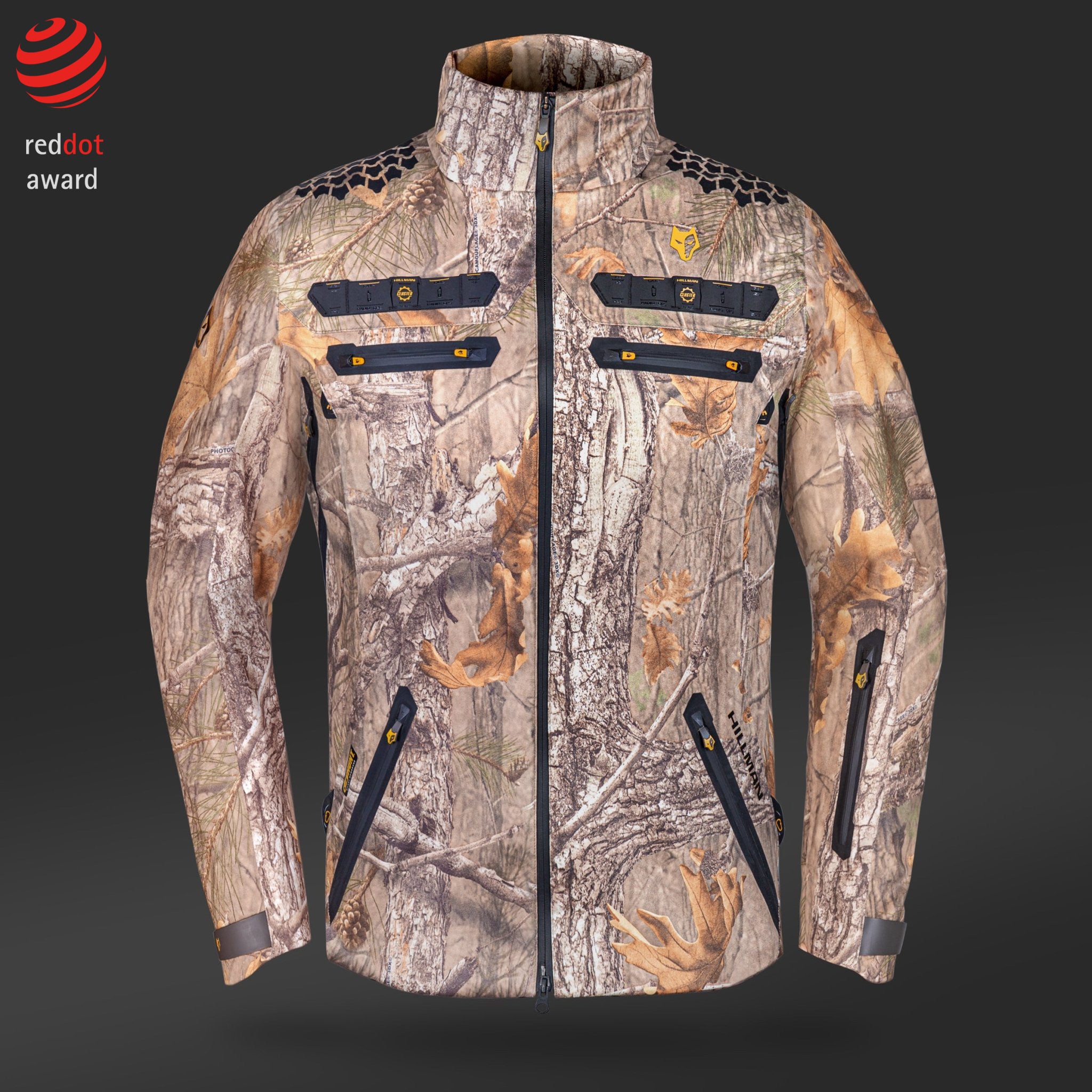
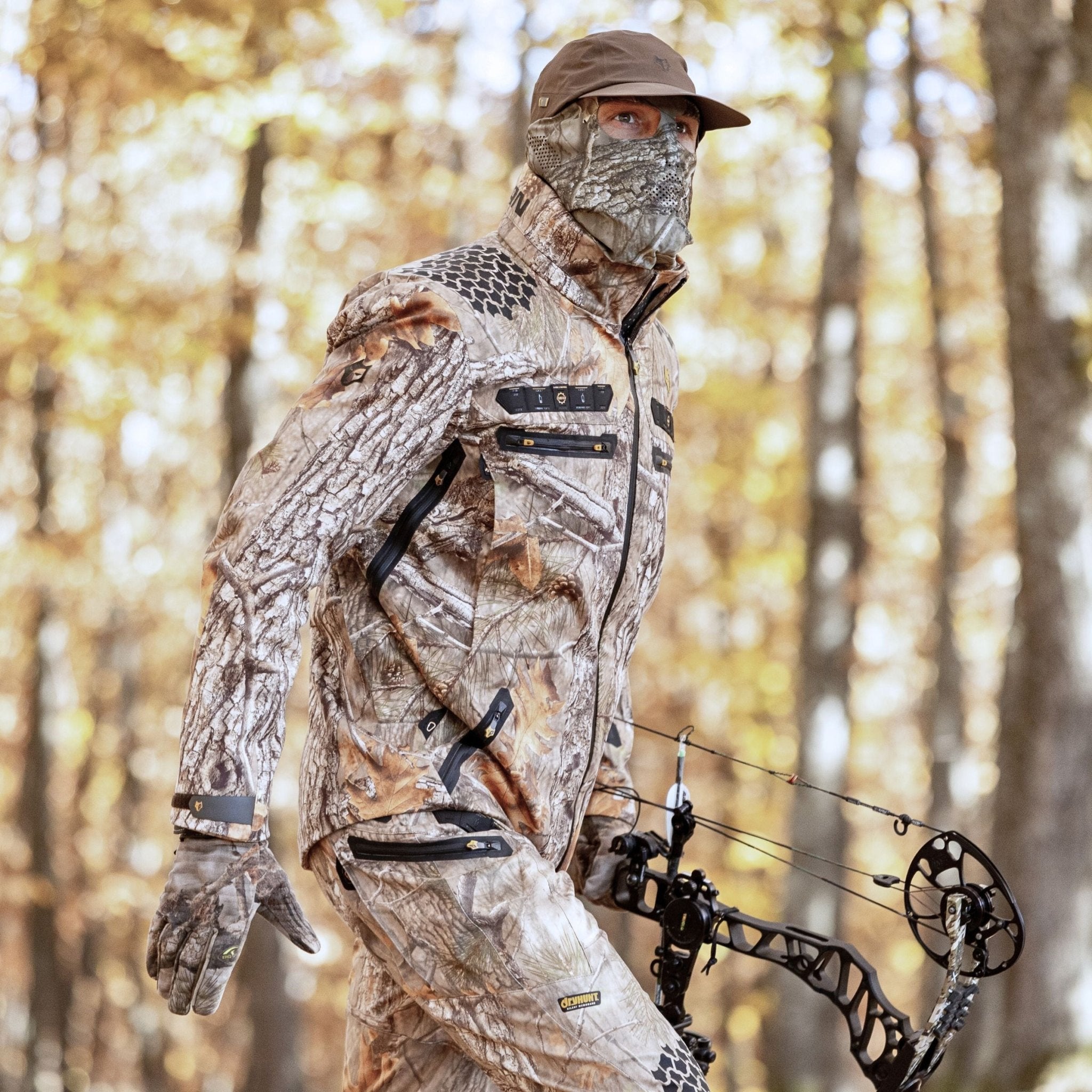
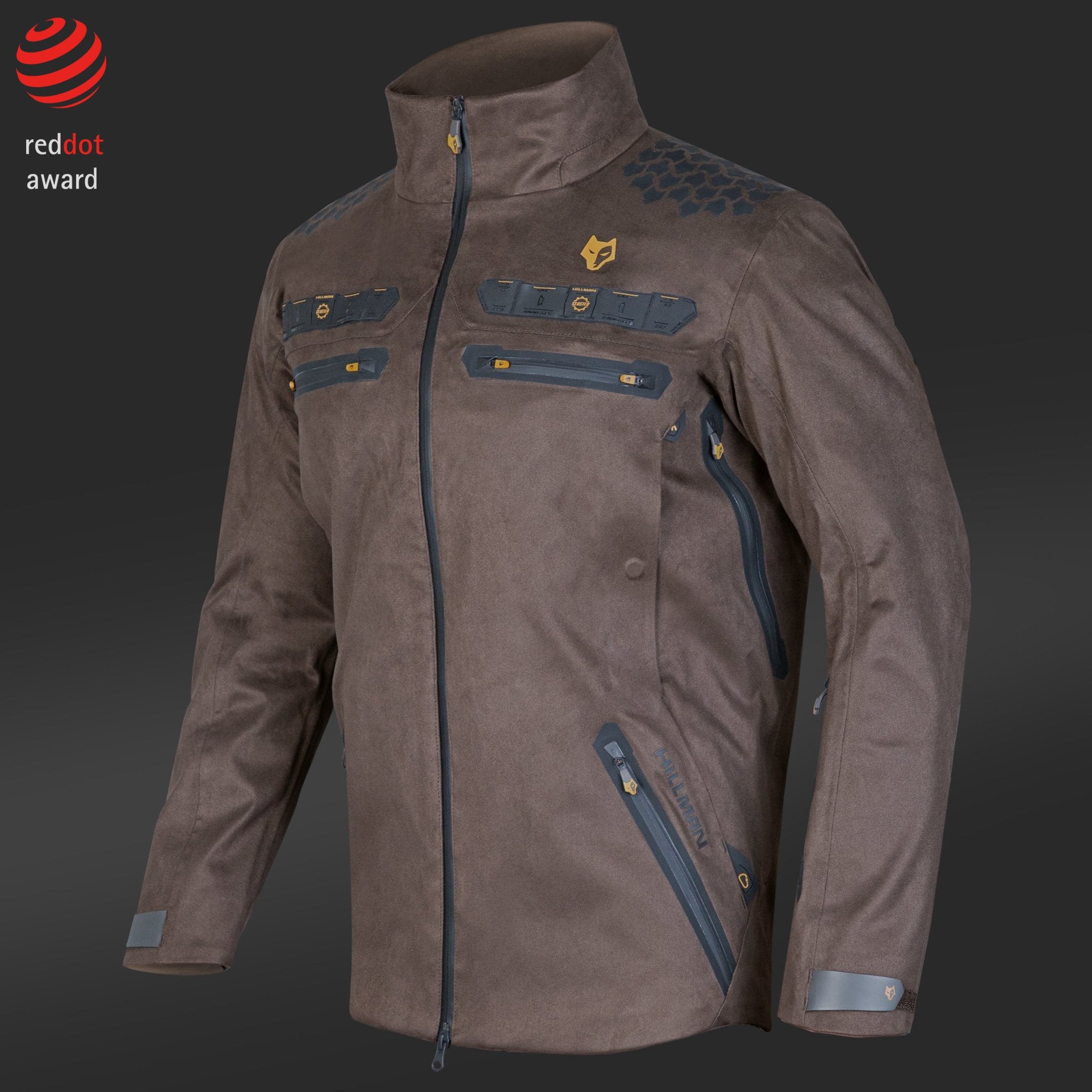
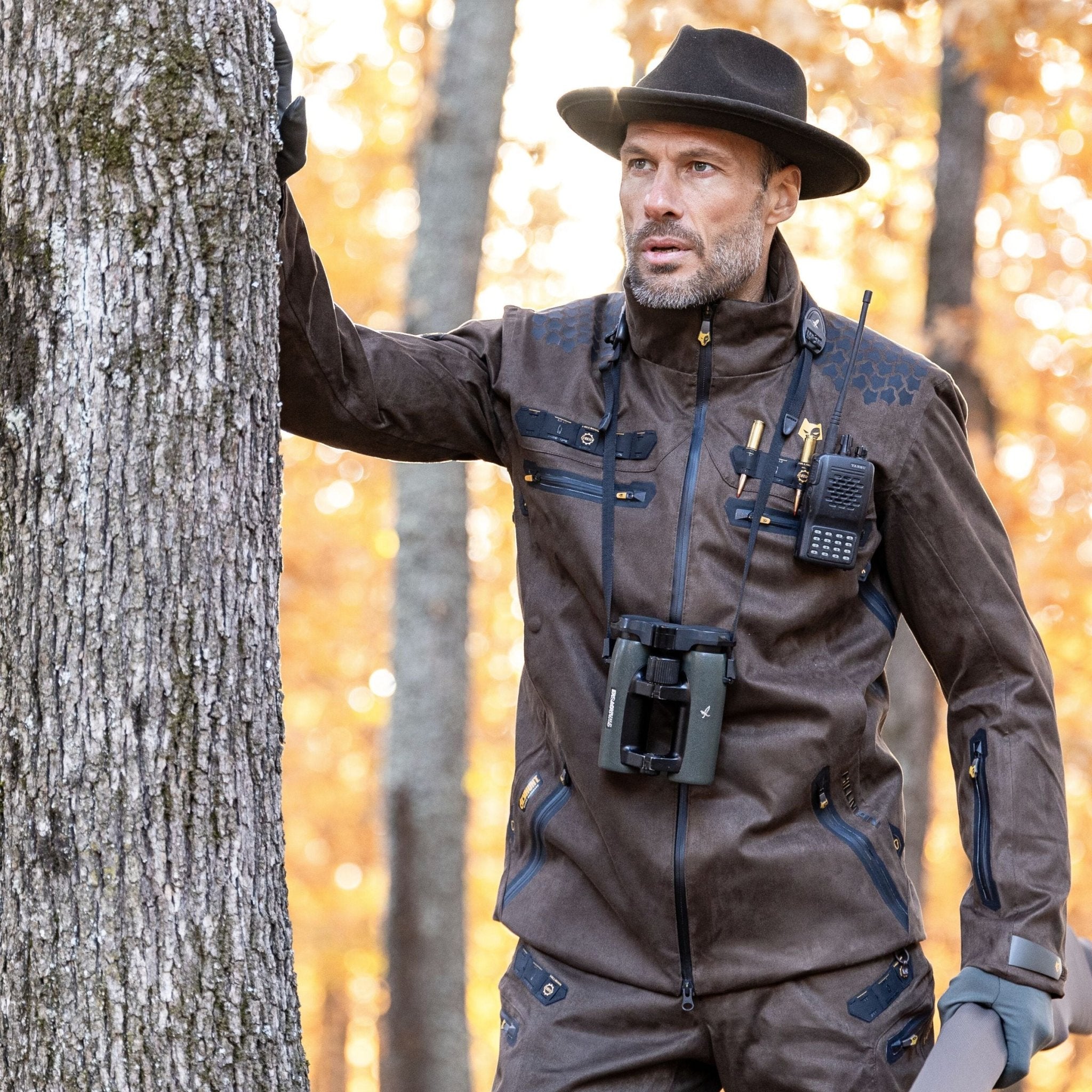
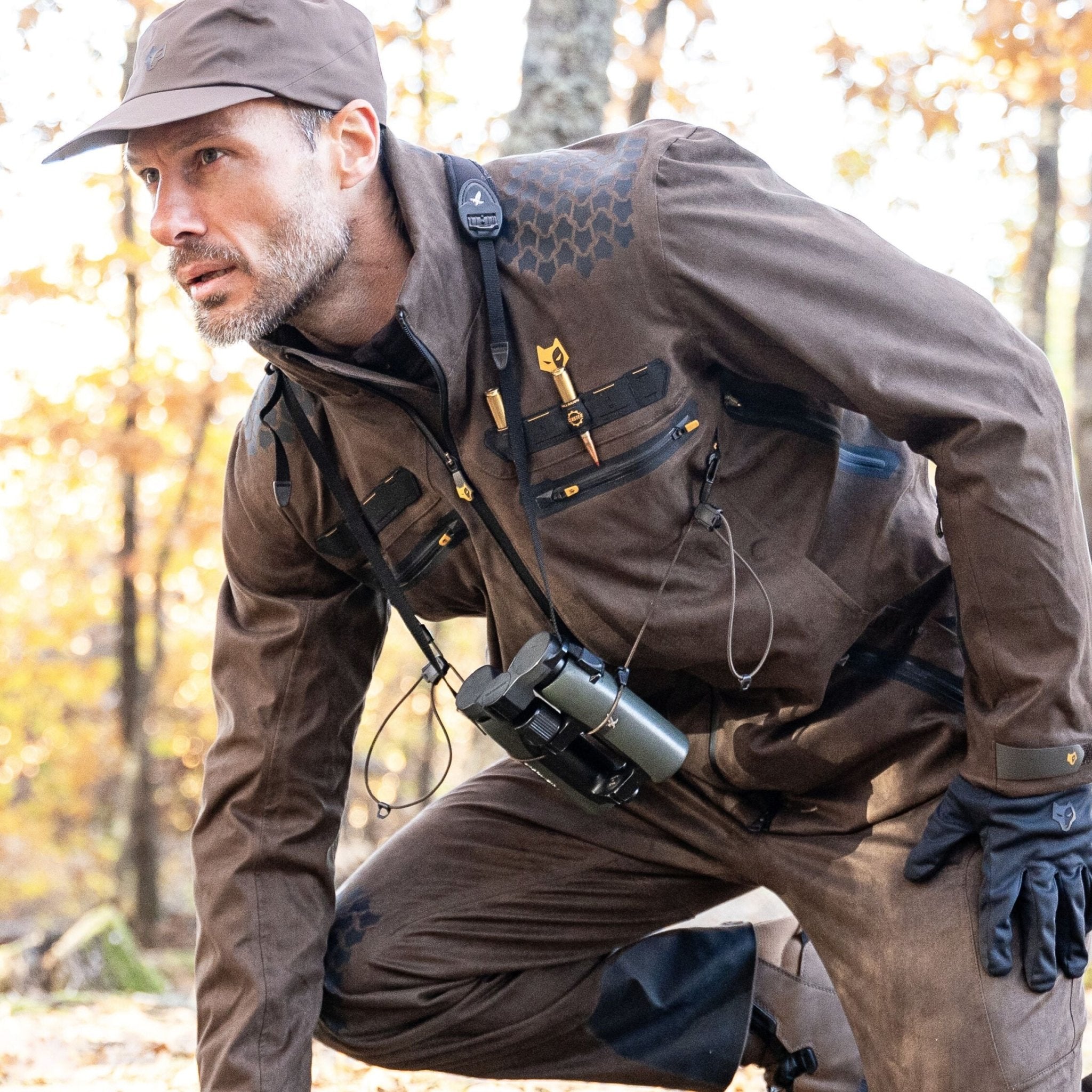
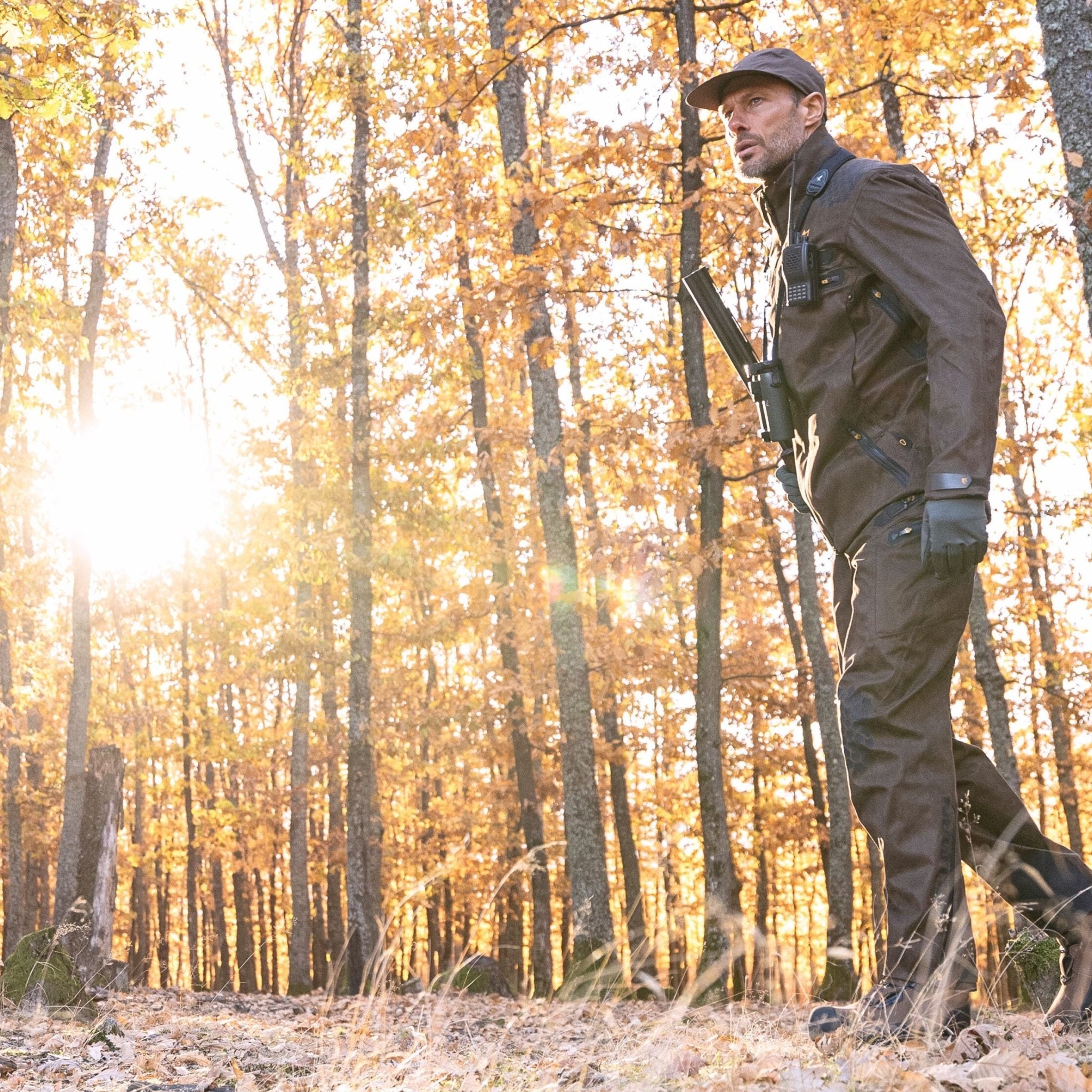
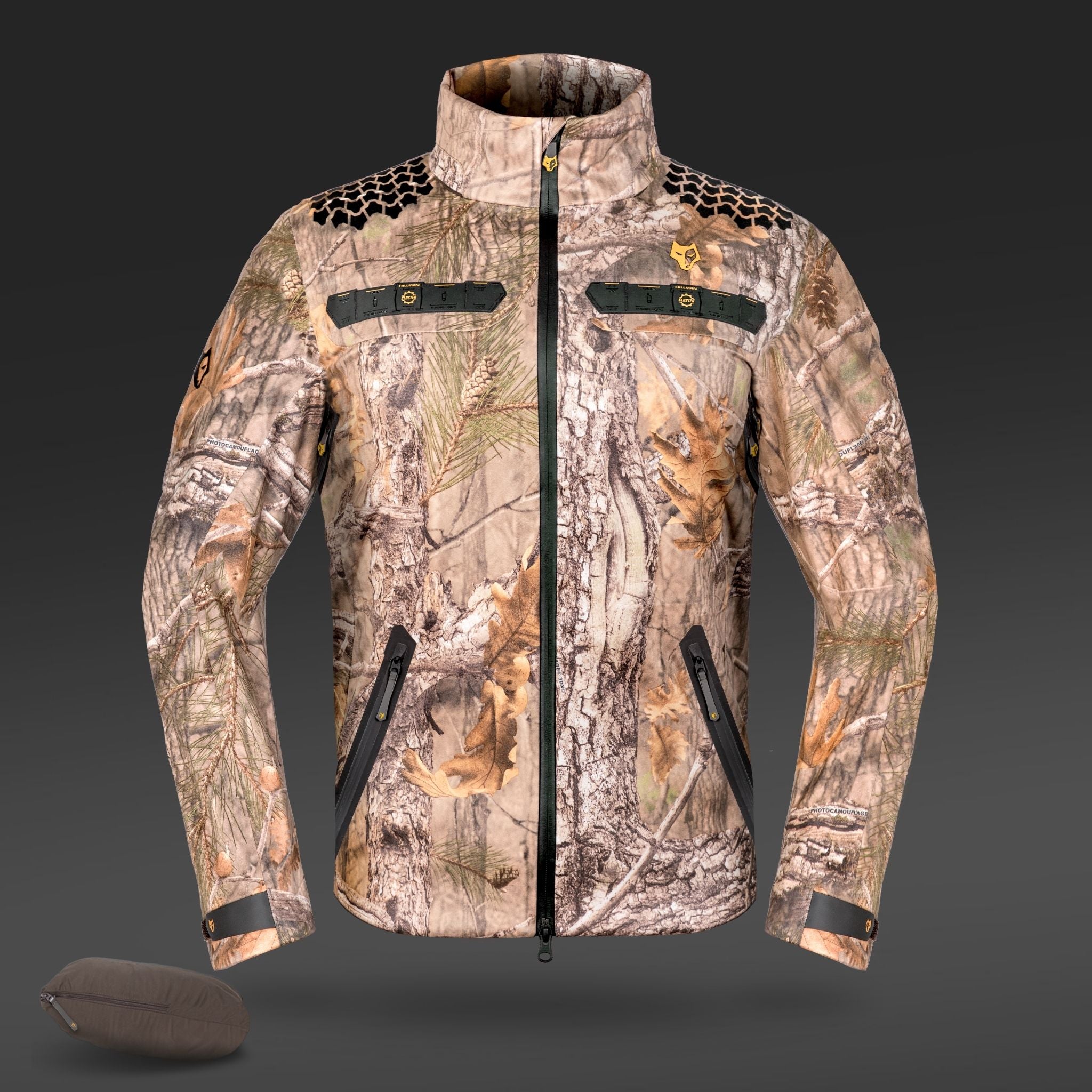
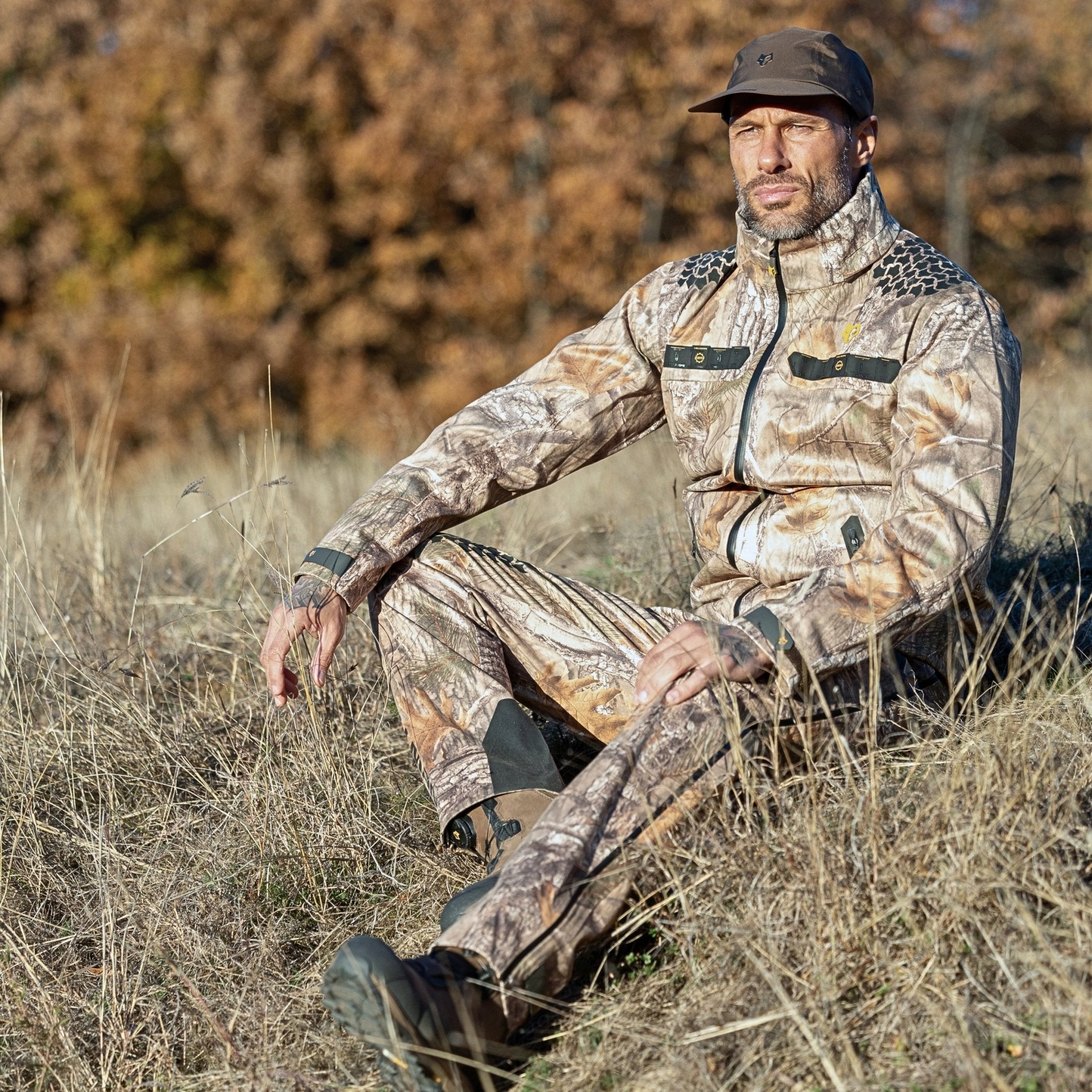
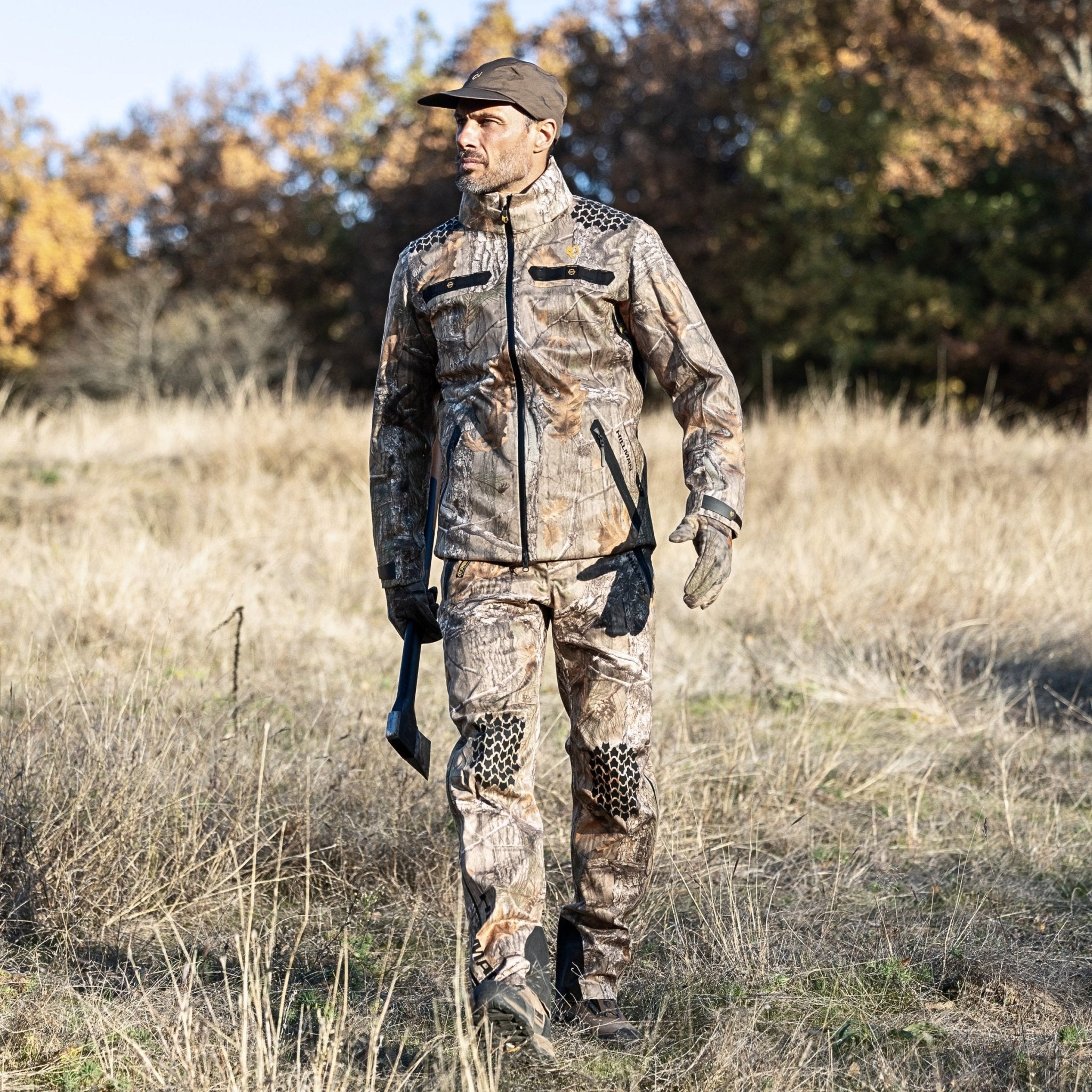
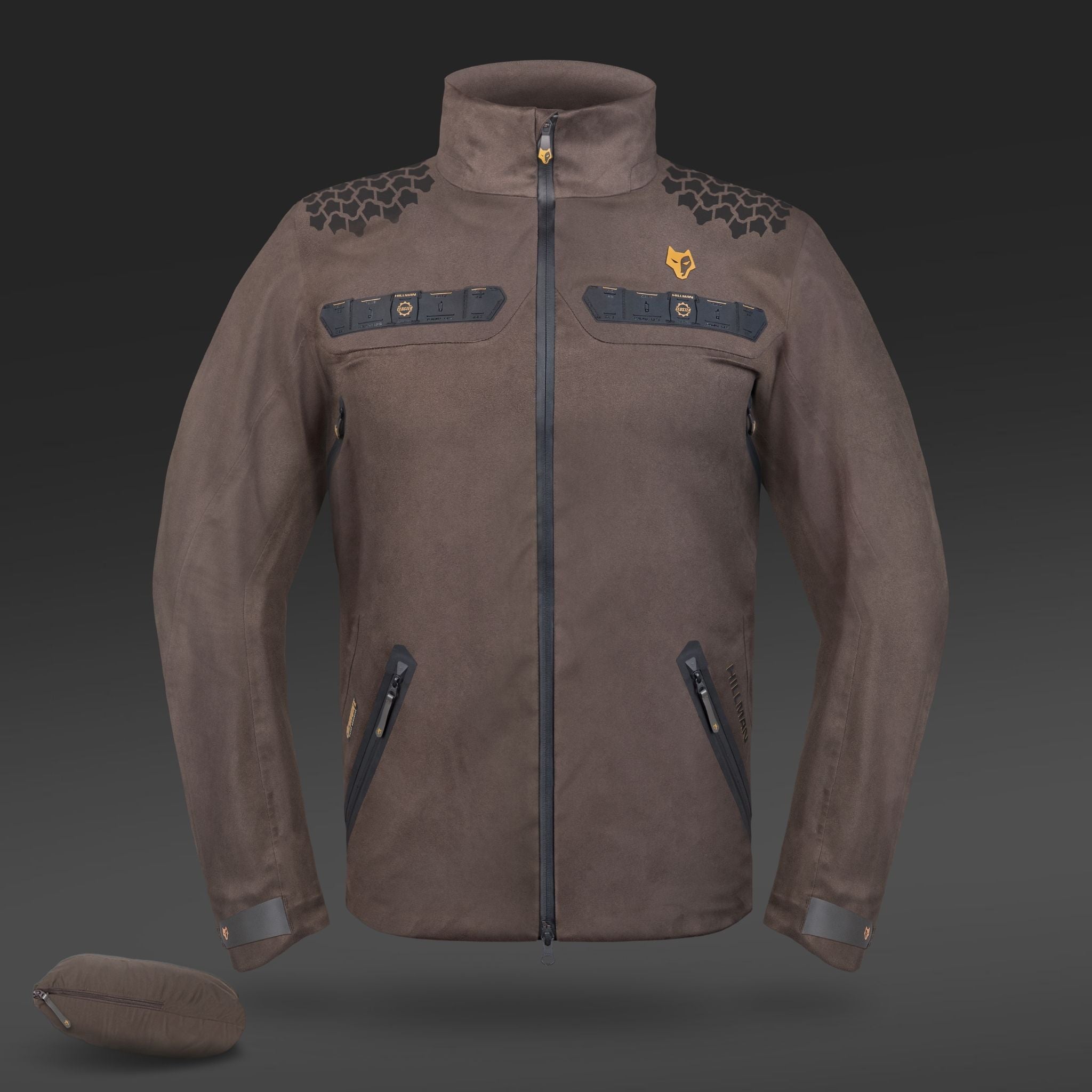
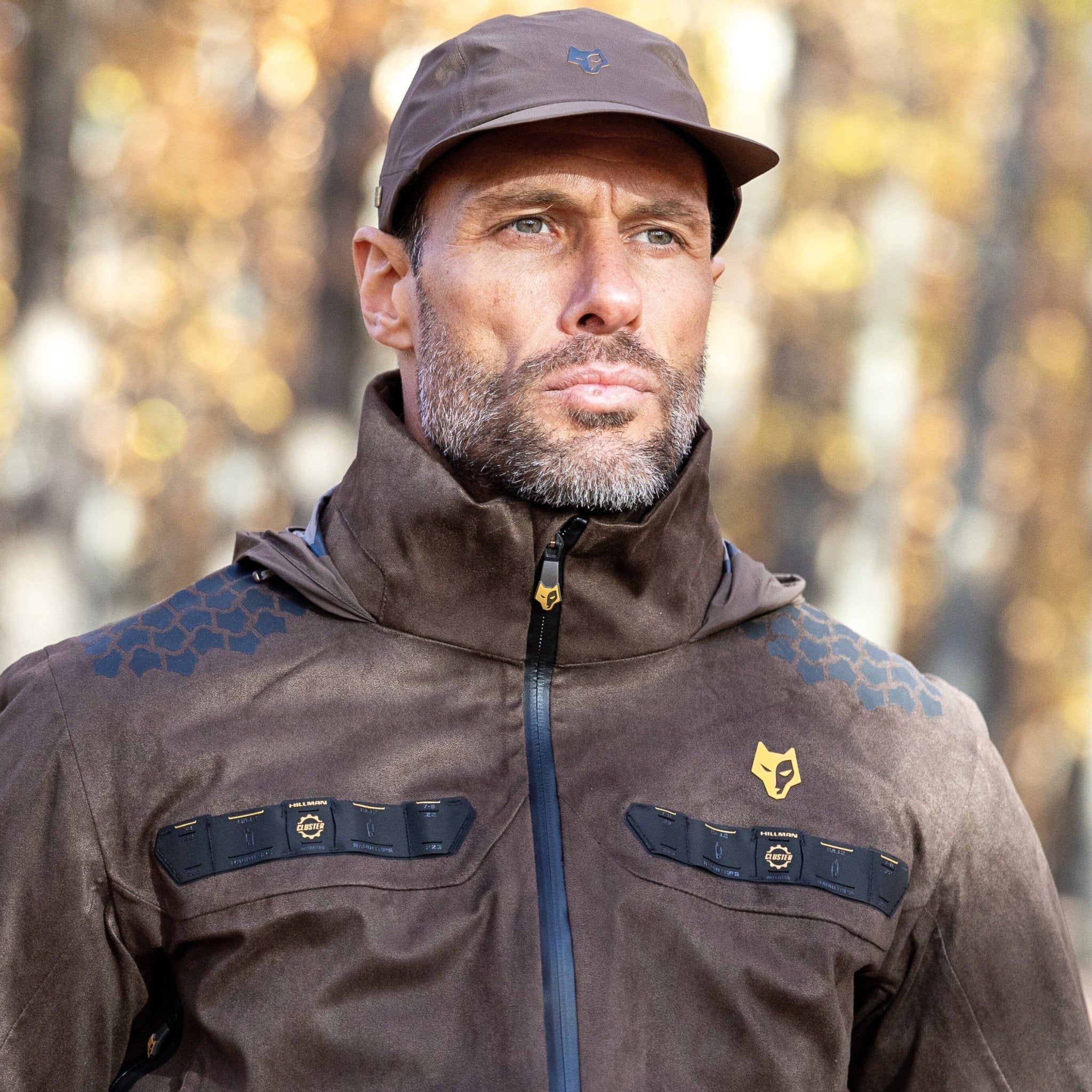
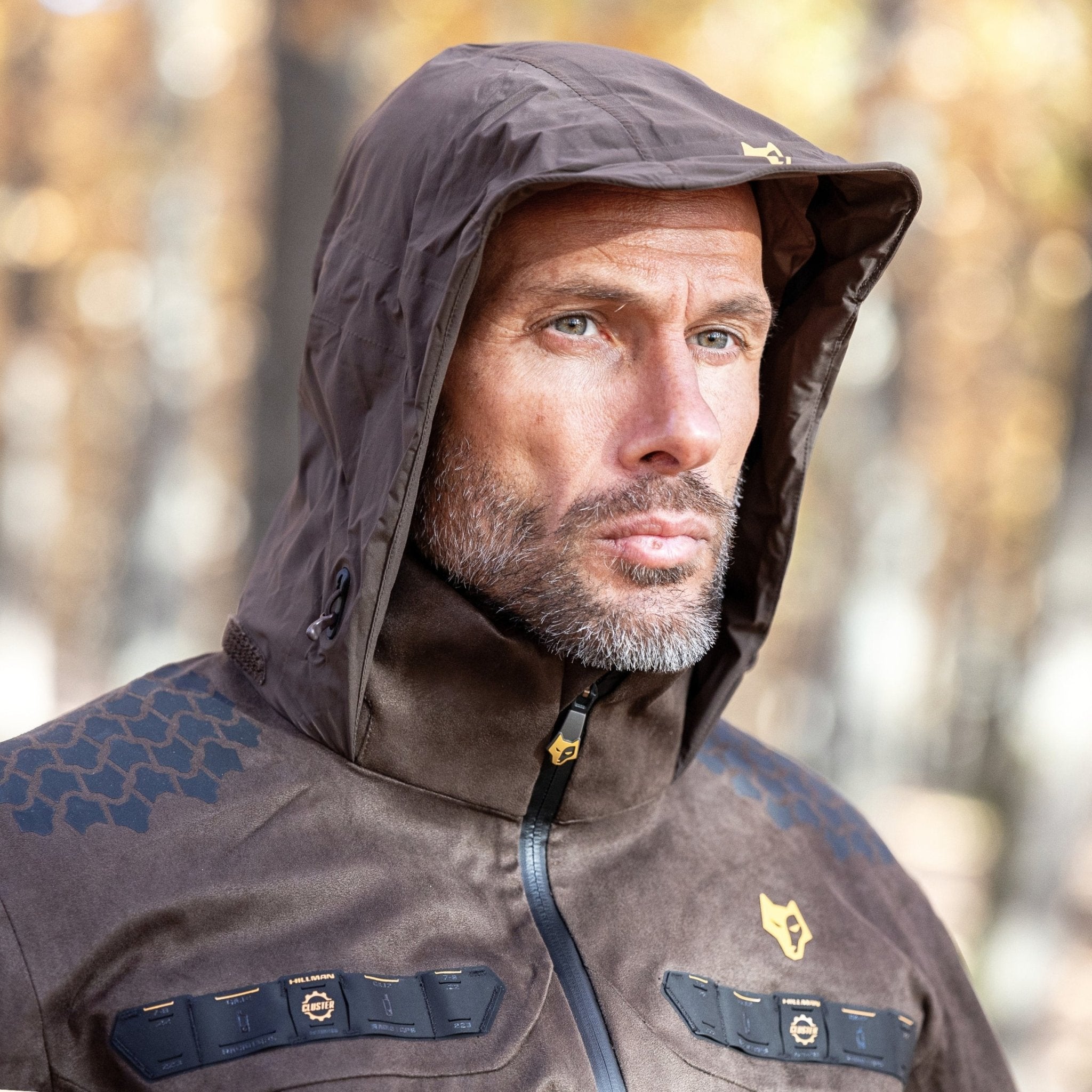
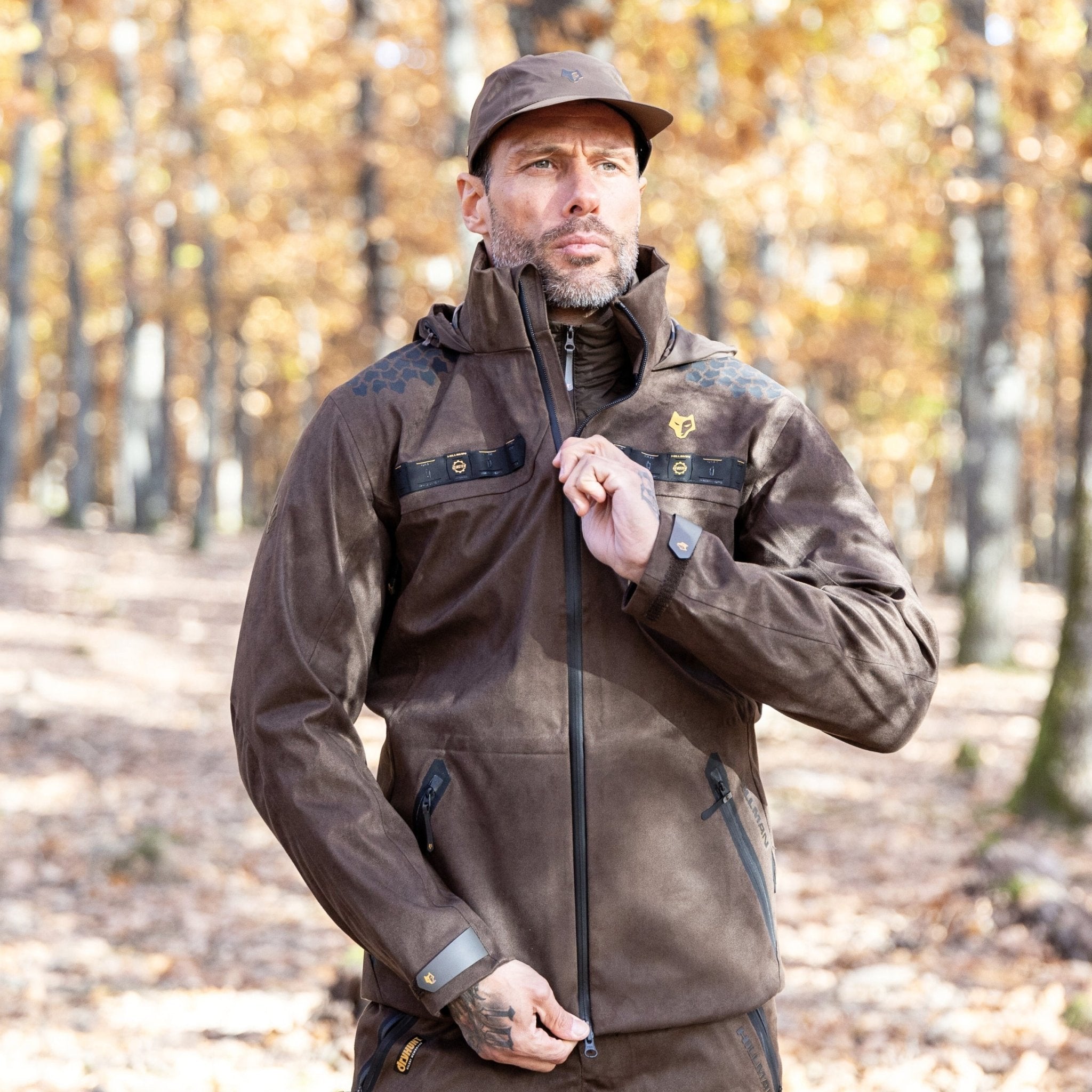
Choosing the right hunting jackets for a high seat is about far more than blocking out rain. A jacket that works well on a stalk might fall short when the cold air settles around your chest and shoulders. What you want is a piece that’s warm, wind-resistant, and quiet, but not suffocating. Something that creates a controlled environment around your core, steady warmth without letting moisture build up.
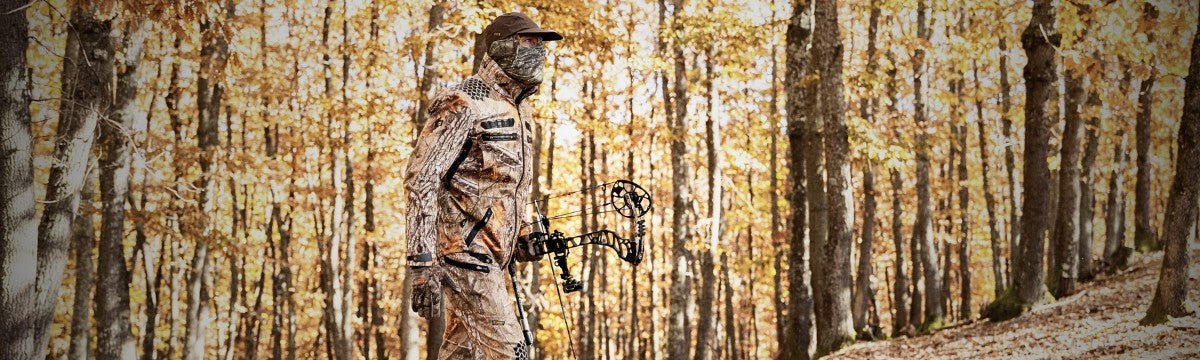
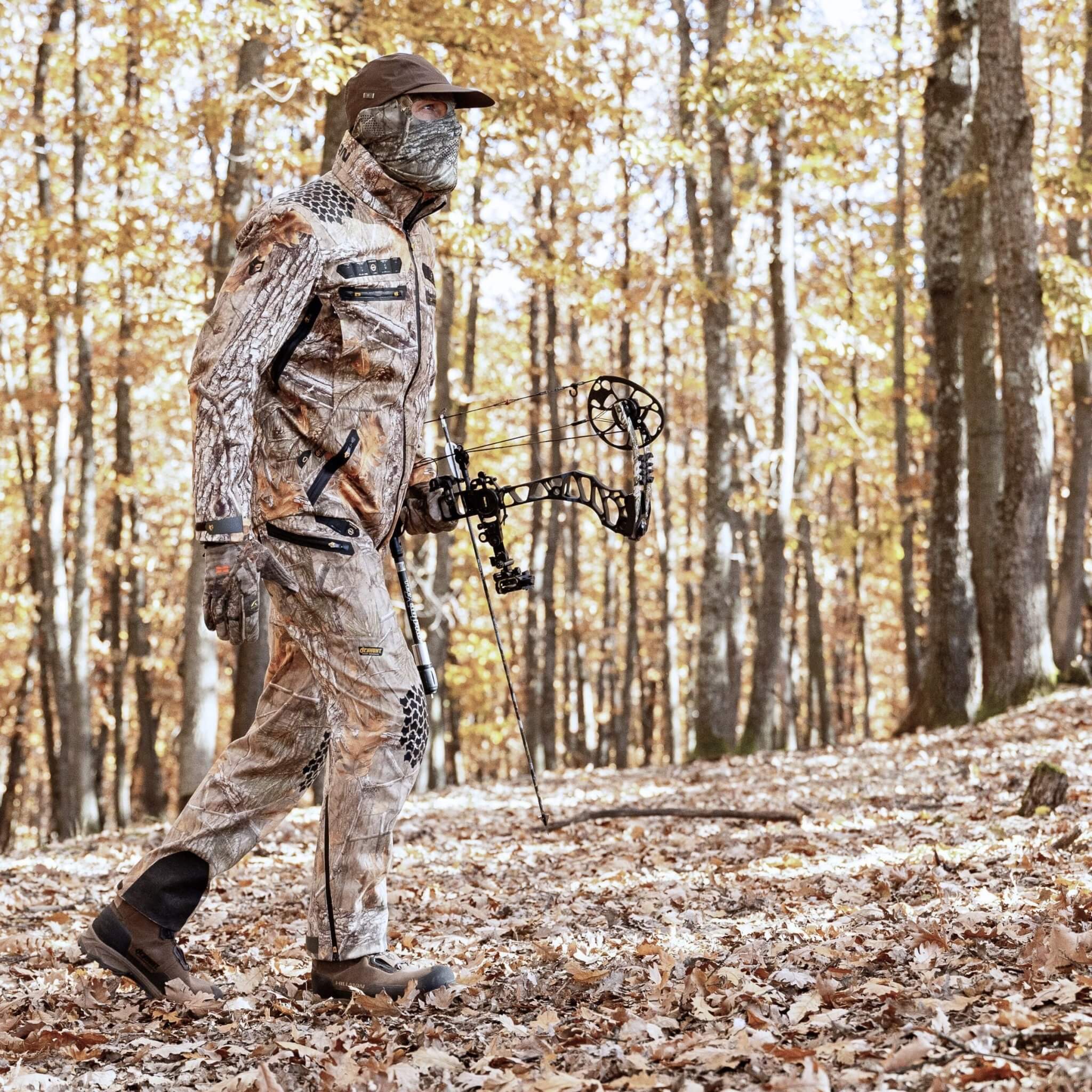
Materials matter greatly. Traditional wool blends remain favourites for their natural warmth and quietness, while modern soft-shells and insulated membranes offer lighter, high-performance alternatives. Patterns like green, brown, and camo sit naturally against the British landscape, muted enough not to catch a roe’s attention at the edge of a field.
Your jacket should give you space to draw your arm without fighting fabric, yet still hug close enough to prevent heat loss. A hunting jacket that fits well and remains windproof and fully waterproof can make a huge difference to the entire outing.
Shooting Jackets: Quiet, Insulated, and Built for Purpose

Shooting jackets come into their own on cold, static days. Unlike general outdoor coats, they’re built around the movements of the shot, the quiet lift of the rifle, the steady alignment, and the need for pockets large enough for essentials without bulging. An ill-considered jacket can rattle or rustle, and that’s enough to send a wary buck further into the shadows.
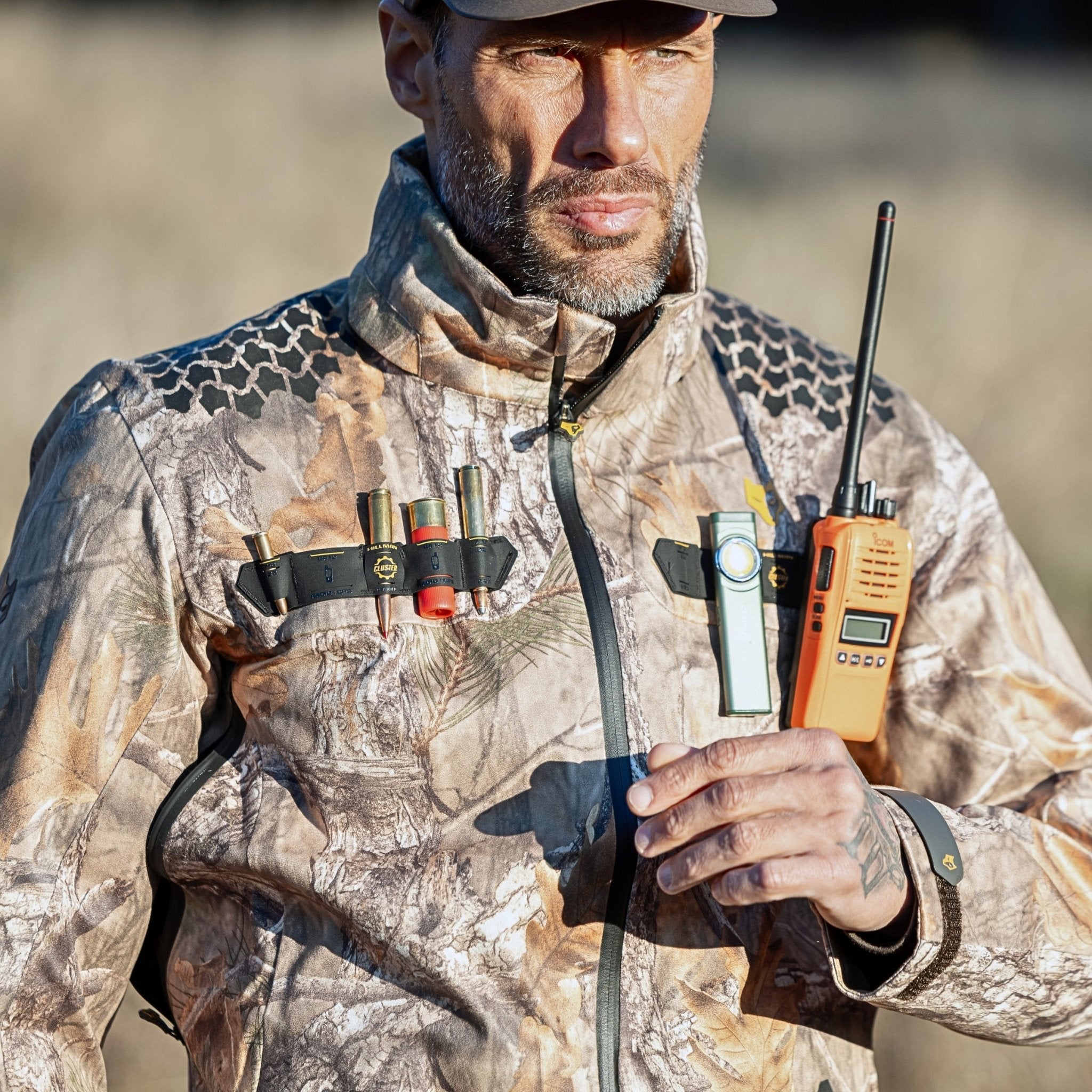
Insulation should be deliberate, not excessive. Over-padding creates stiffness and steals mobility. Under-padding simply leaves you cold. Consider the grain of the material: brushed fabrics whisper rather than crackle, making them perfect for forest stillness. A reliable waterproof layer prevents the kind of slow, creeping damp that chills you from the inside out. And keep an eye on the pocket layout: your shooting accessories must be accessible without shifting your weight or twisting noisily against the seat.
Good quality shows in the details.
Men’s Shooting Jackets: Fit, Warmth, and Practical Details That Matter
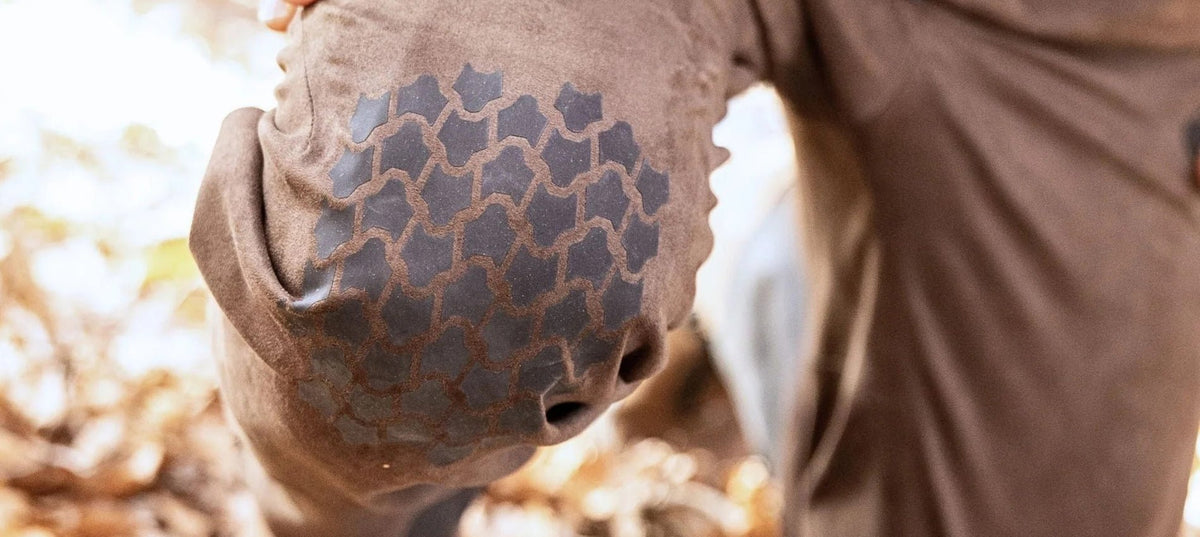
A poorly fitted jacket, too tight across the chest or too loose around the waist, works against you in a high seat. Proper men’s shooting jackets leave just enough room for under-layers while keeping heat close to the core. They offer sensible insulation that doesn’t interfere with the mount or add awkward bulk beneath the arm. Reinforced elbows, soft but durable shoulders, and a collar that protects without scratching are small considerations that change comfort noticeably over long sessions.
A good shooting jacket is the difference between spending the evening fighting draughts or settling into the quiet with the confidence that your clothing is doing its job.
Stay Warm: The Layering Strategy for High Seats

If there’s a single principle that governs comfort on a high seat, it’s layering. To stay warm, you need a structure, not a single heavy garment. Layers trap air, allow movement, regulate temperature, and protect against sudden changes in the weather. The right sequence can outperform even the thickest winter coat.
Start with a proper base. Long johns of merino wool or synthetic blends offer reliable warmth without weighing you down. They’re snug enough to keep your legs insulated, yet breathable enough to stop moisture build-up.
A mid-layer is where the real warmth happens. Think brushed fleece, technical wool, or lightweight insulated pullovers. They generate heat, store it, and pass moisture outwards. And over that goes the outer shell: a jacket or coat that seals everything in, resisting wind and rain while staying quiet.
The key is not to rely on a single heavy piece. Balanced layers outperform bulk every time.
Keeping Warm: Hands, Head, and Feet

While it’s vital to insulate the torso, most heat escapes from the extremities. That’s why keeping warm means paying careful attention to head, hands, and feet.
A simple wool hat, preferably one shaped to cover the ears, can make the difference between relaxed concentration and a creeping, blinding chill. A snug scarf or neck warmer closes the gap between layers, preventing warm air from leaking from the neckline.
For hands, fleece gloves offer warmth without compromising movement. On colder days, mittens outperform gloves, trapping warm air far more efficiently, though many shooters use a hybrid system: a glove on the trigger hand and a mitten on the supporting hand until the shot is near.
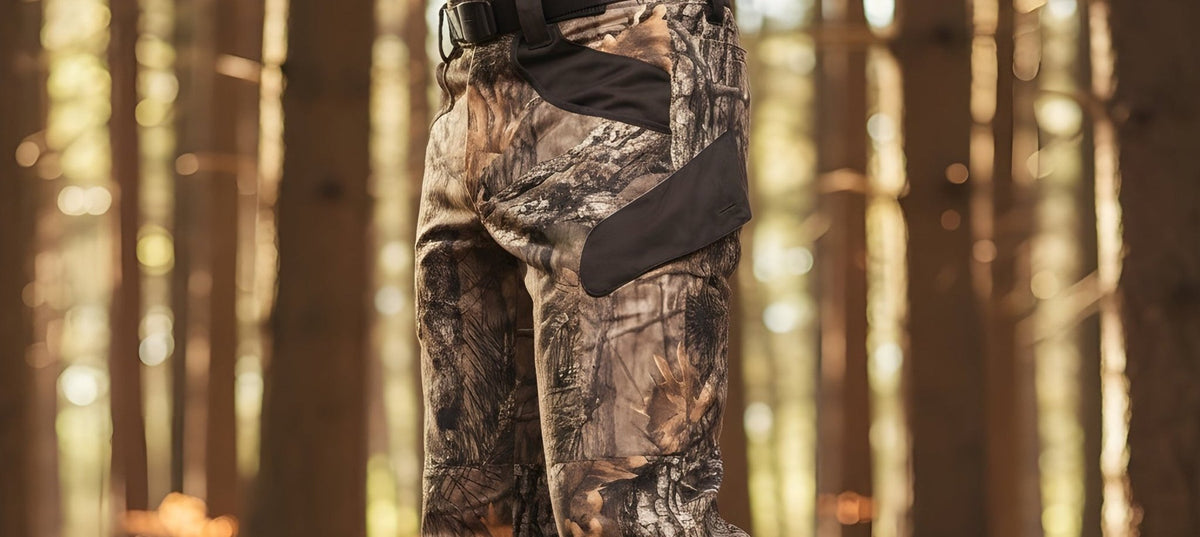
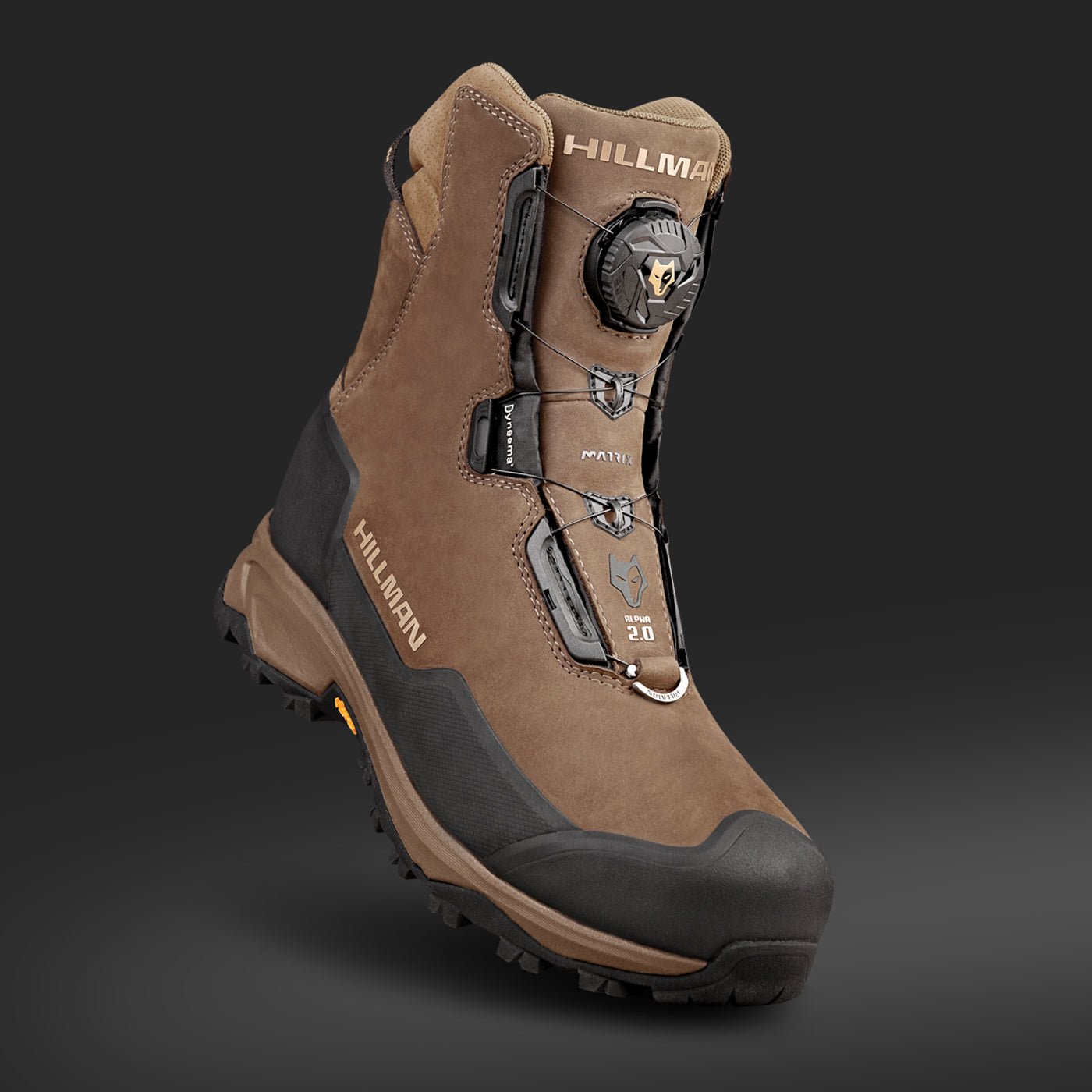
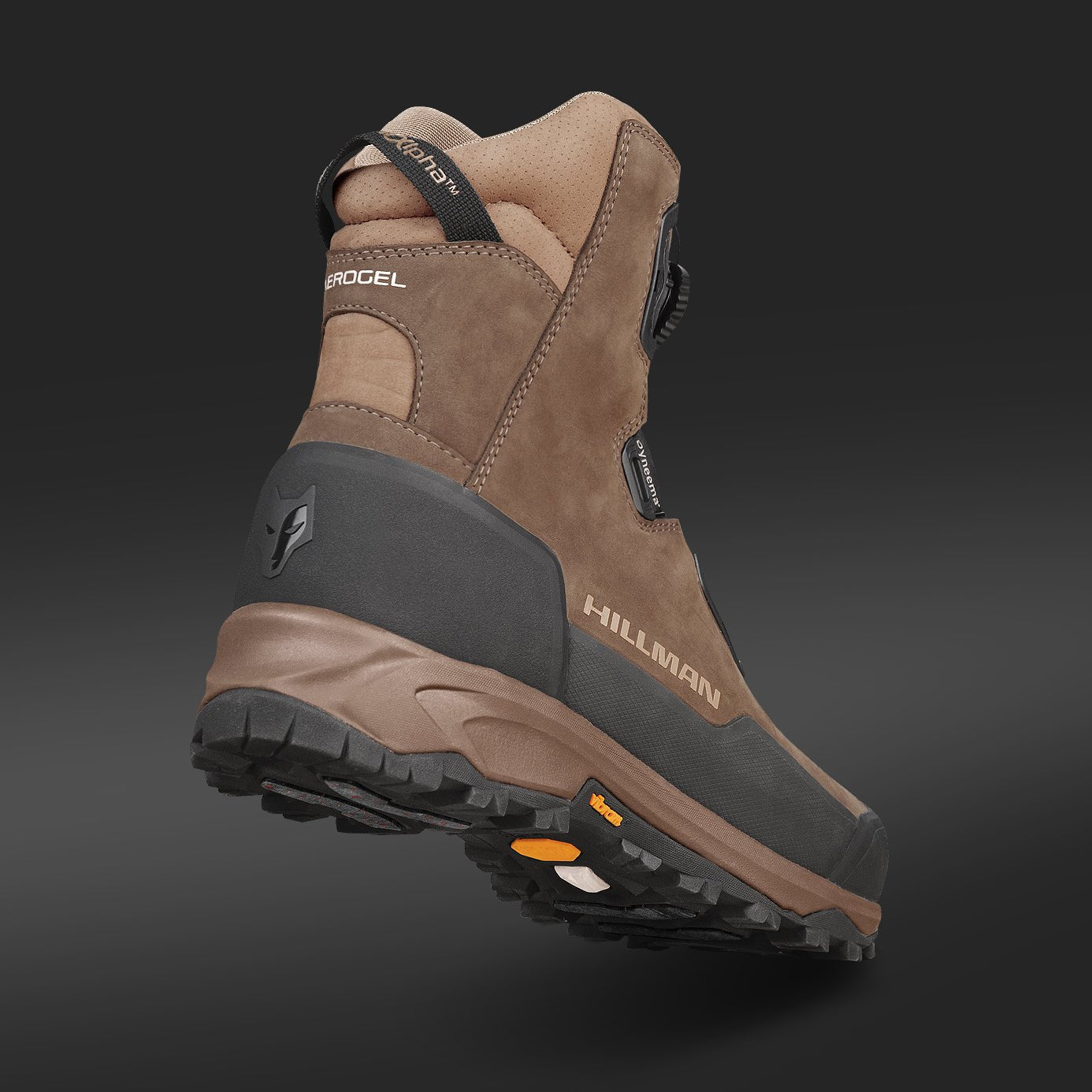
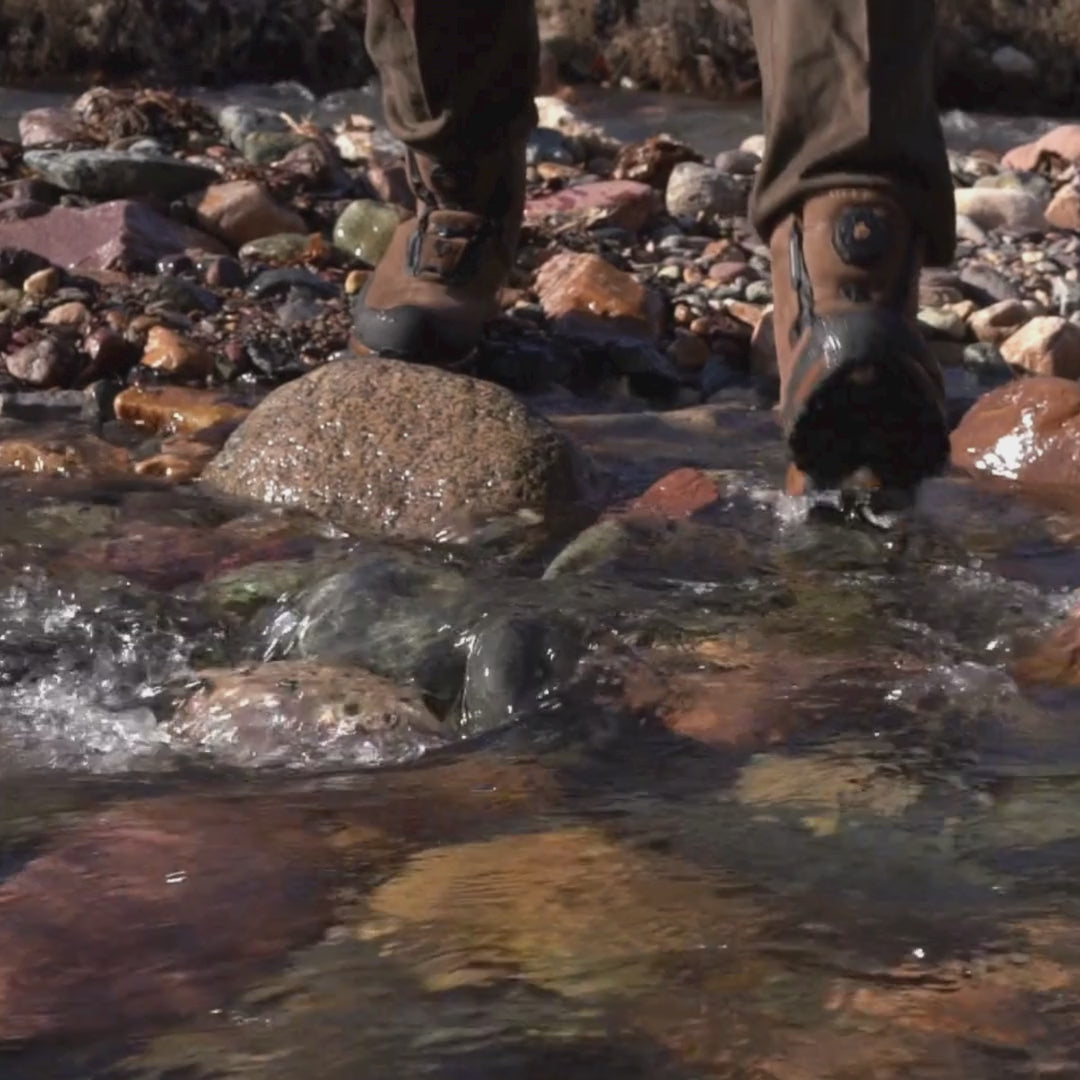
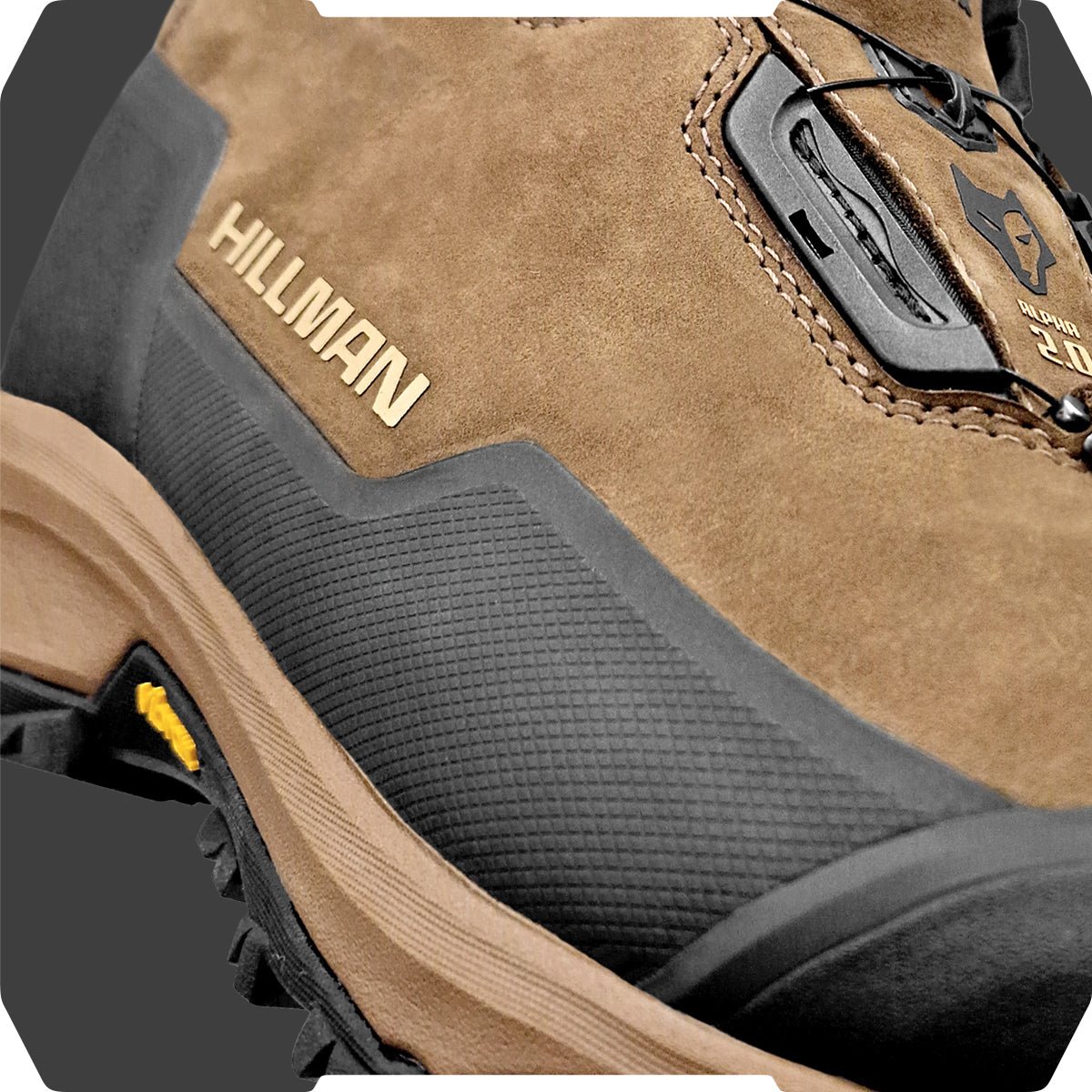
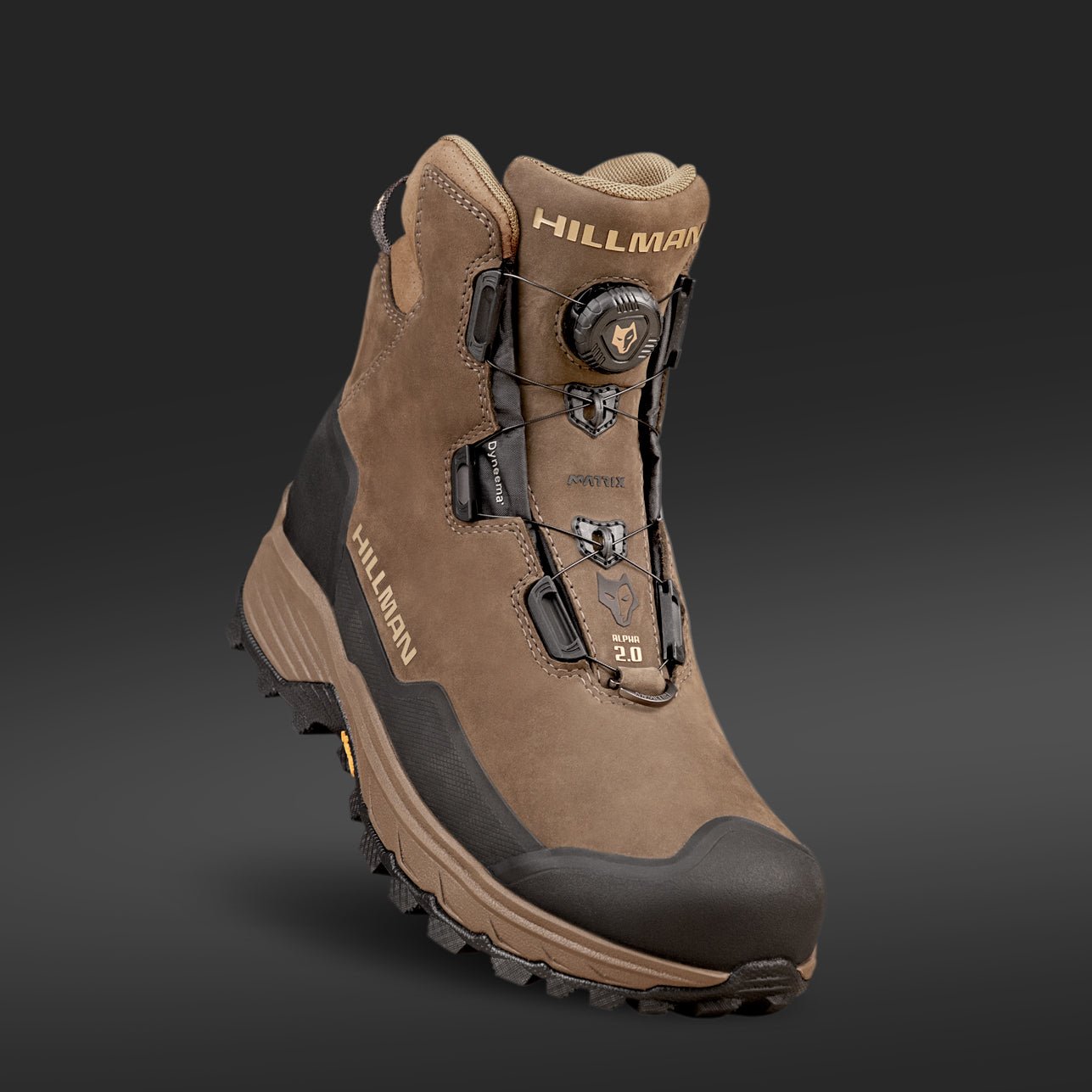
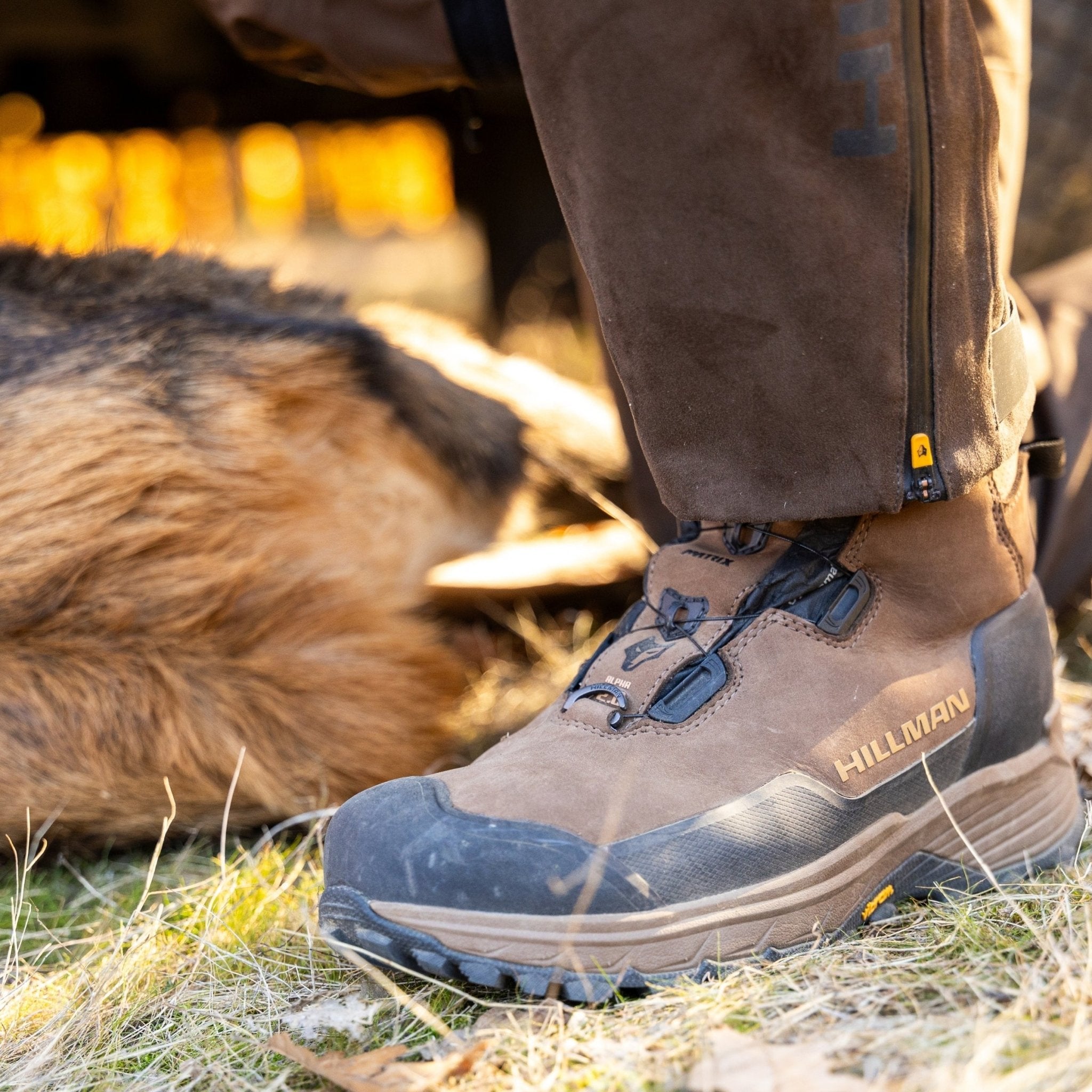
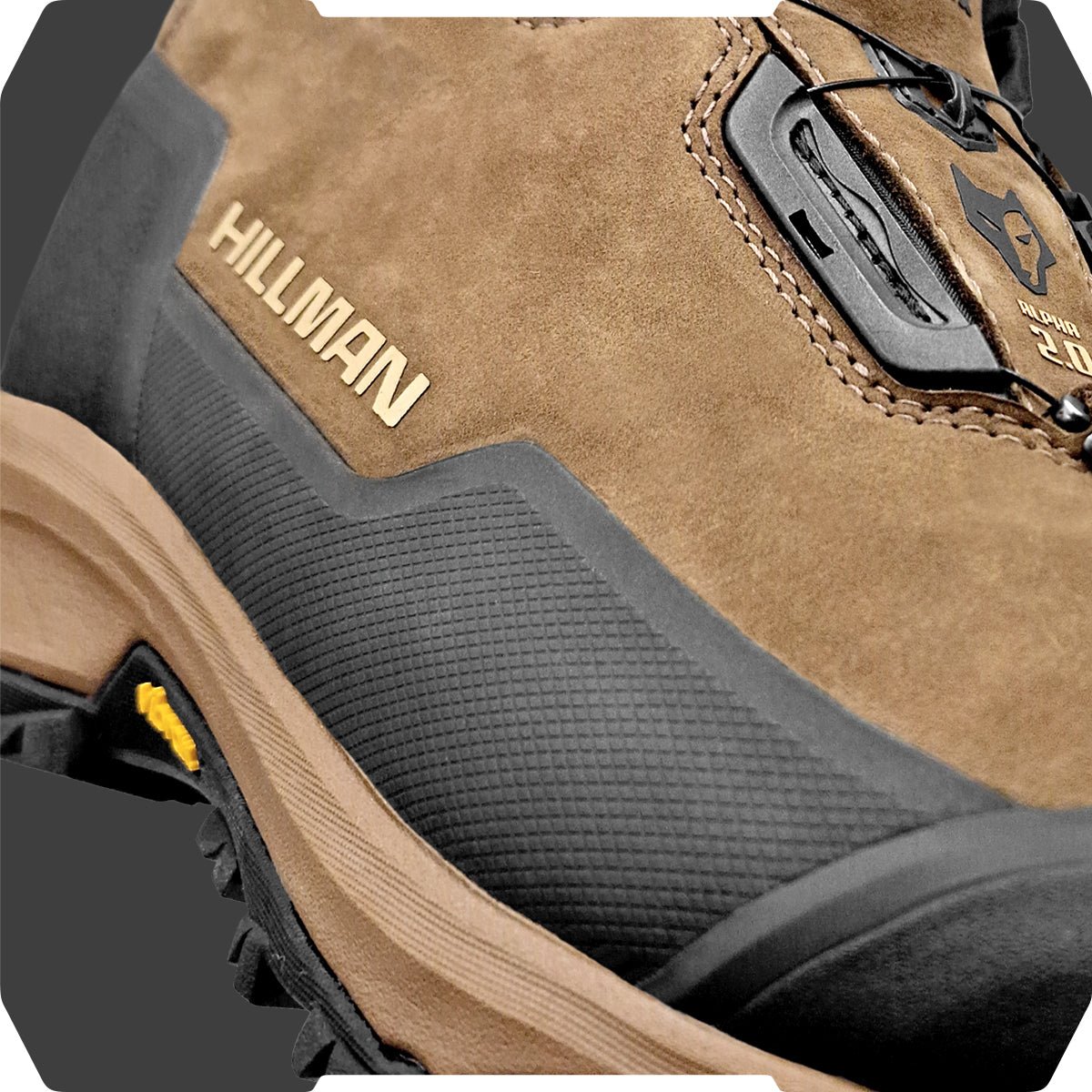
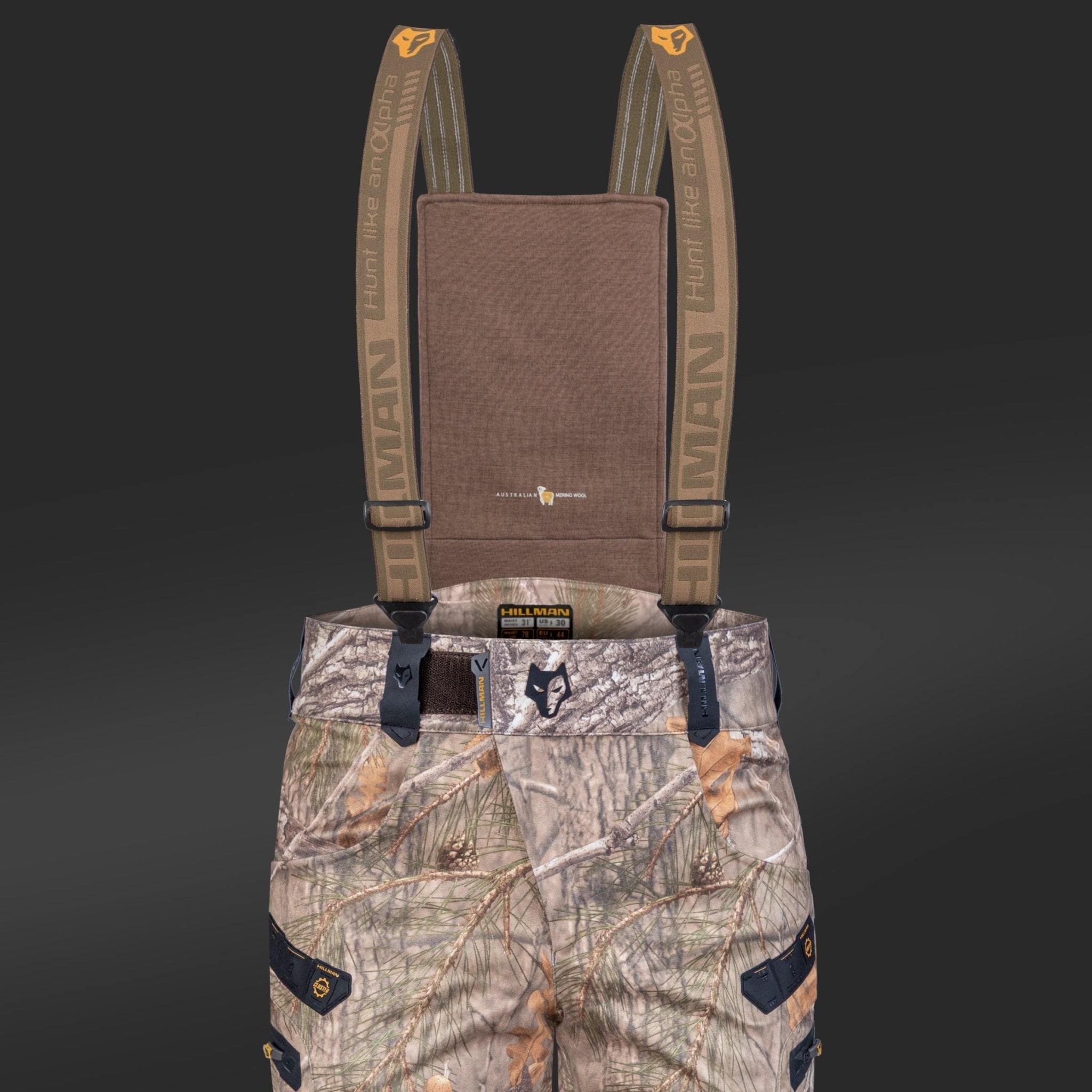
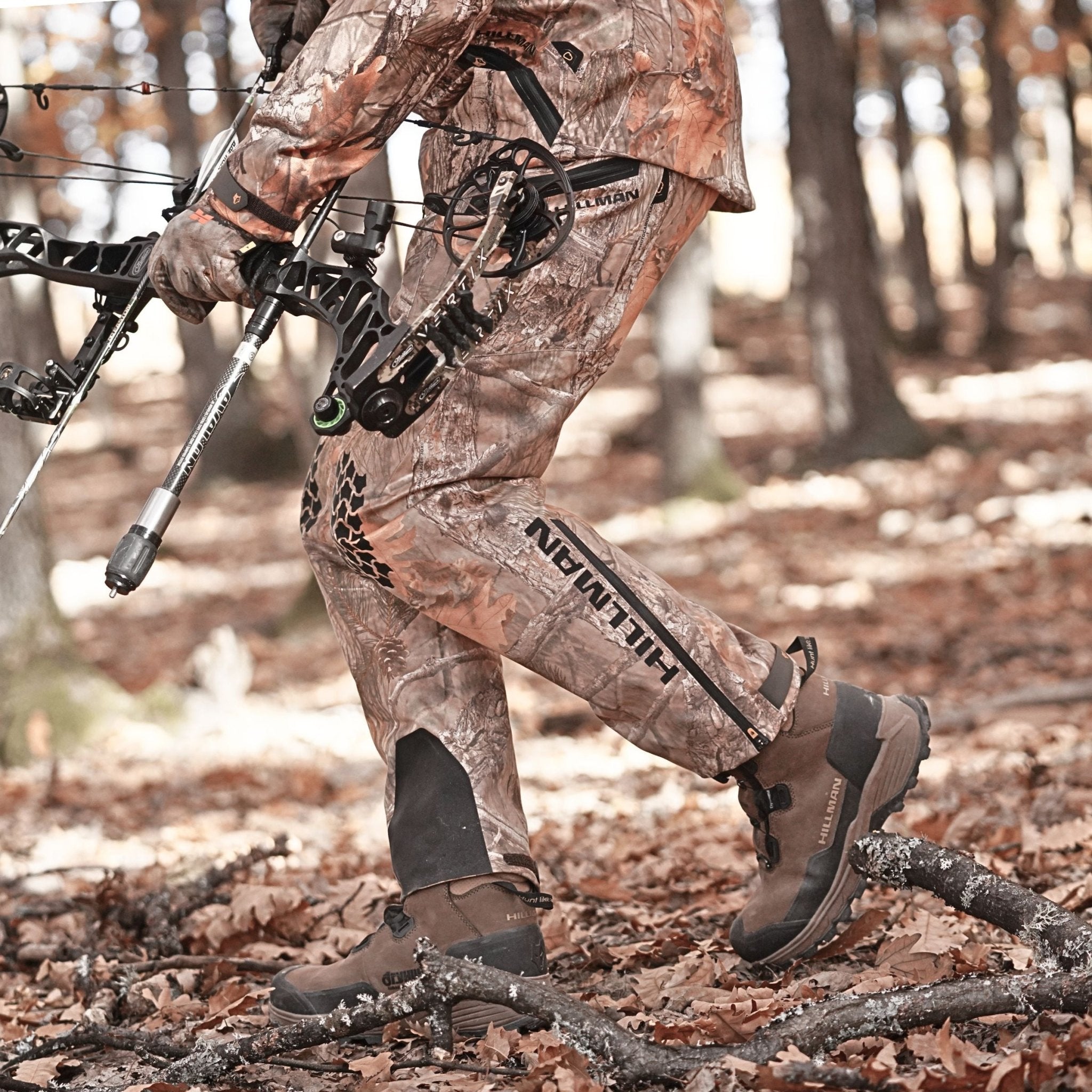
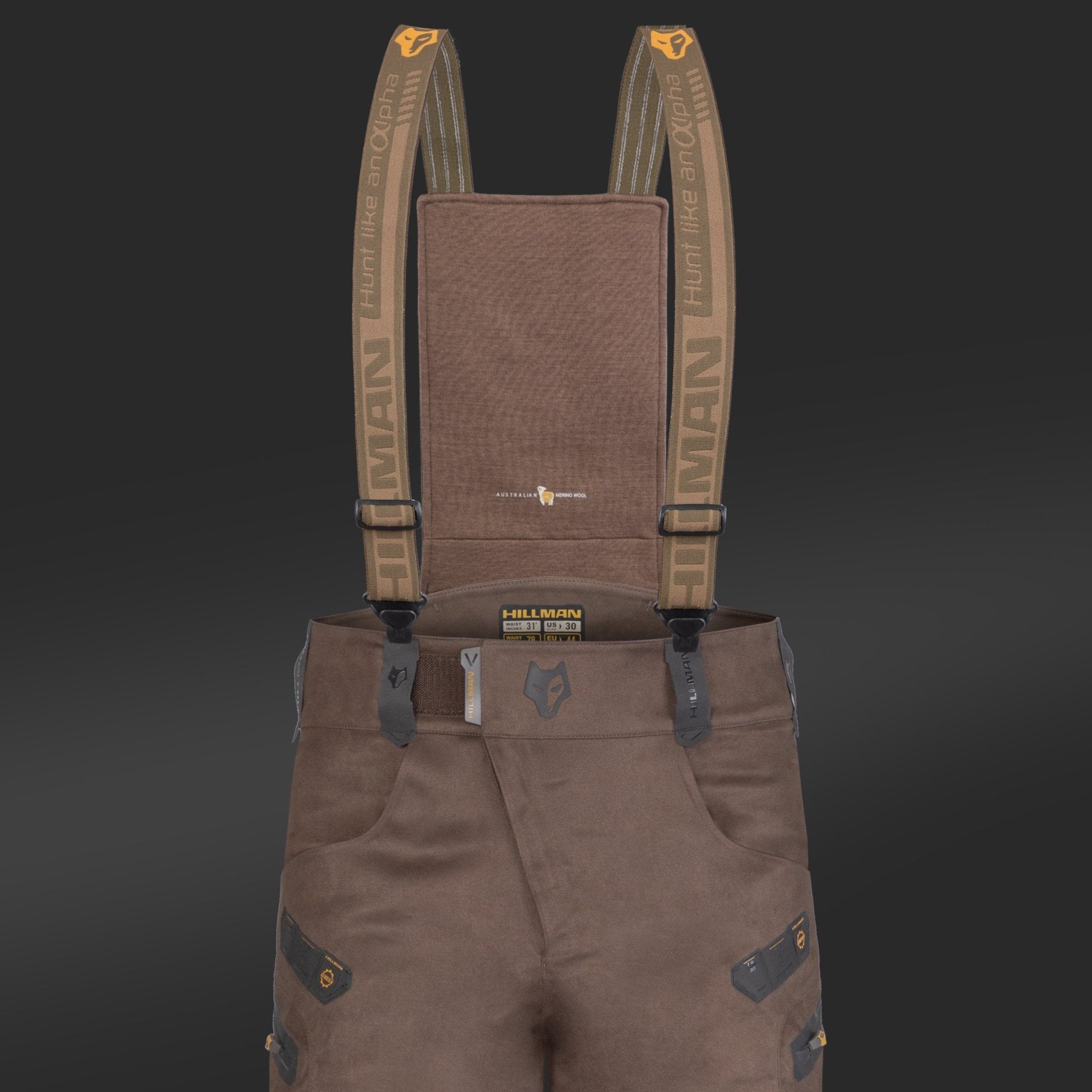
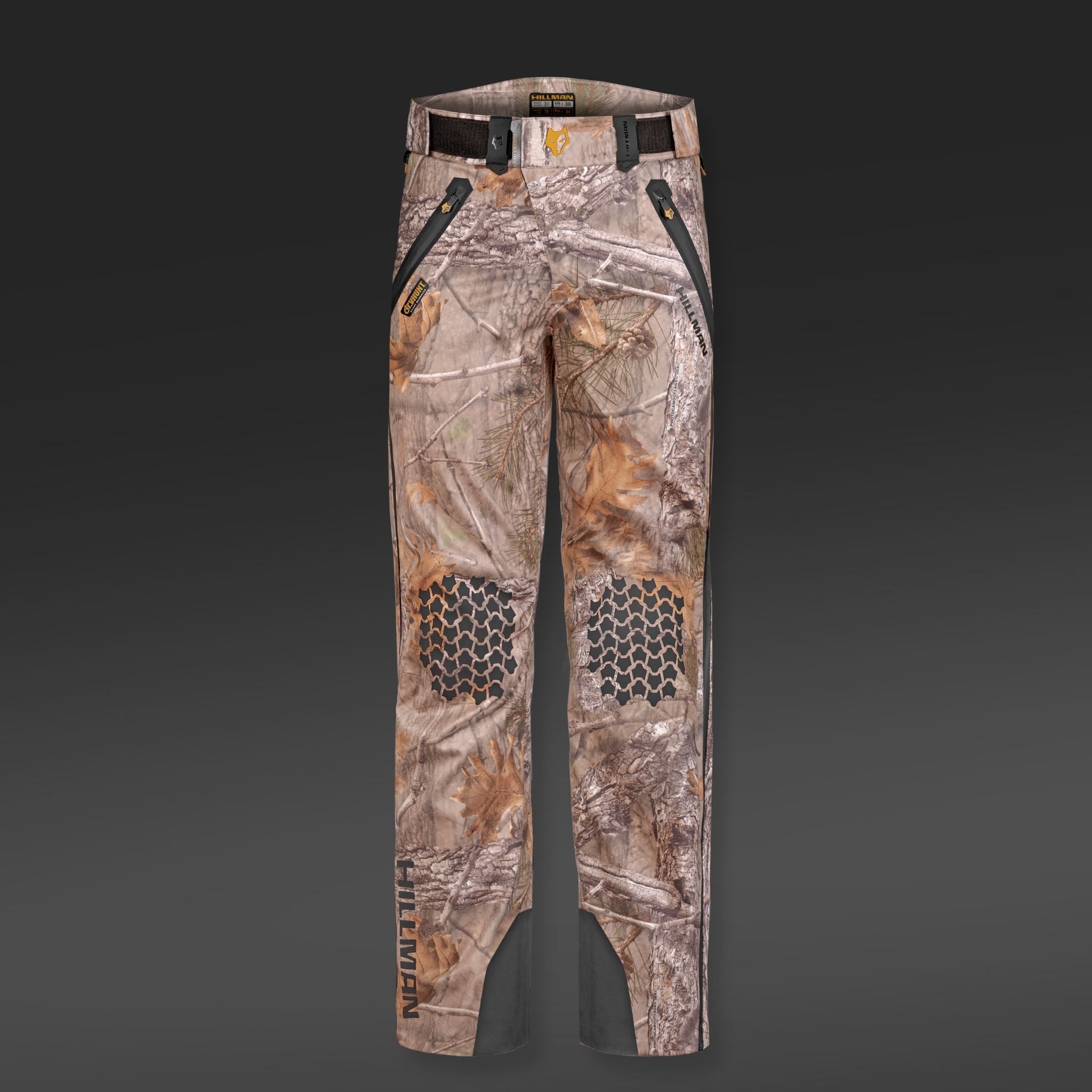
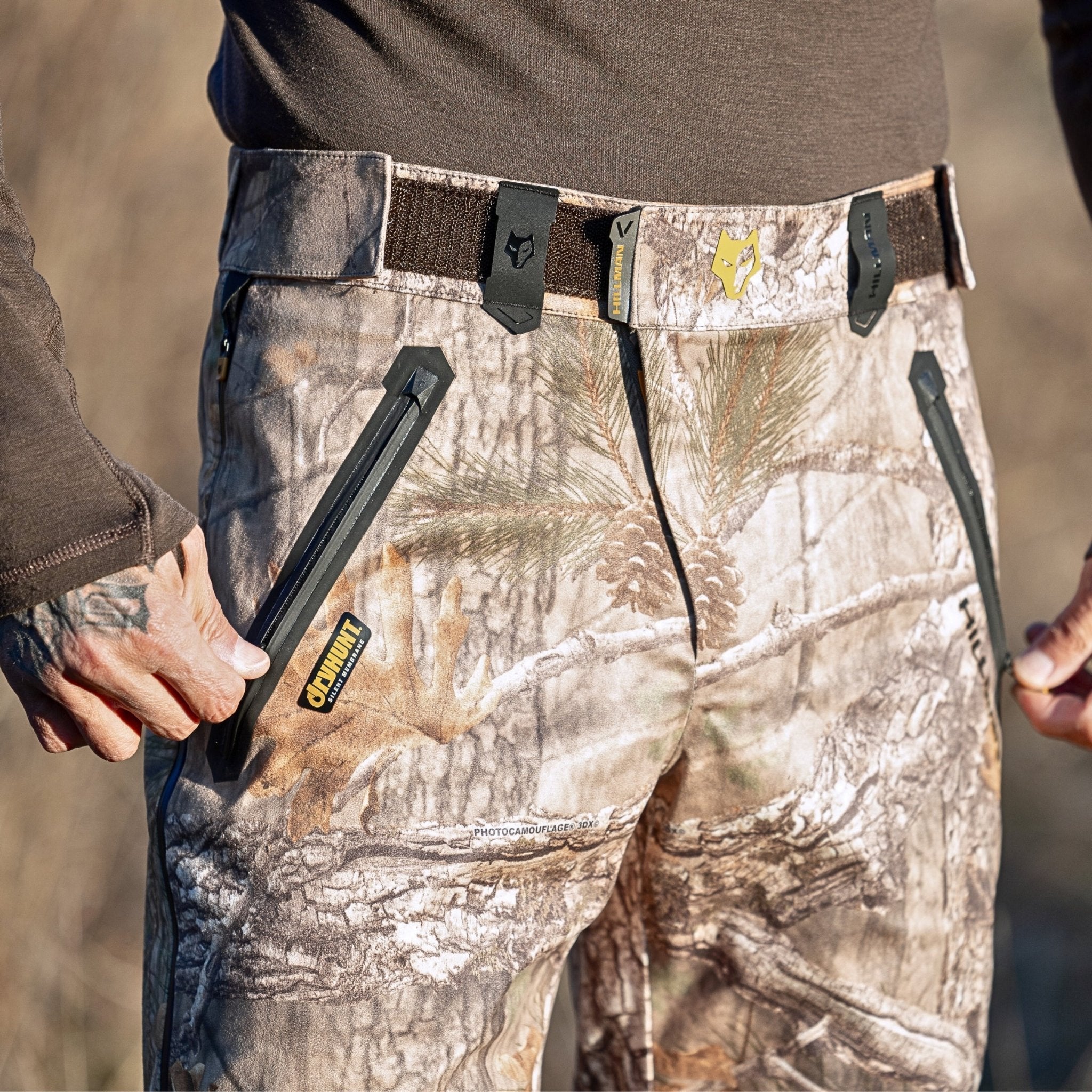
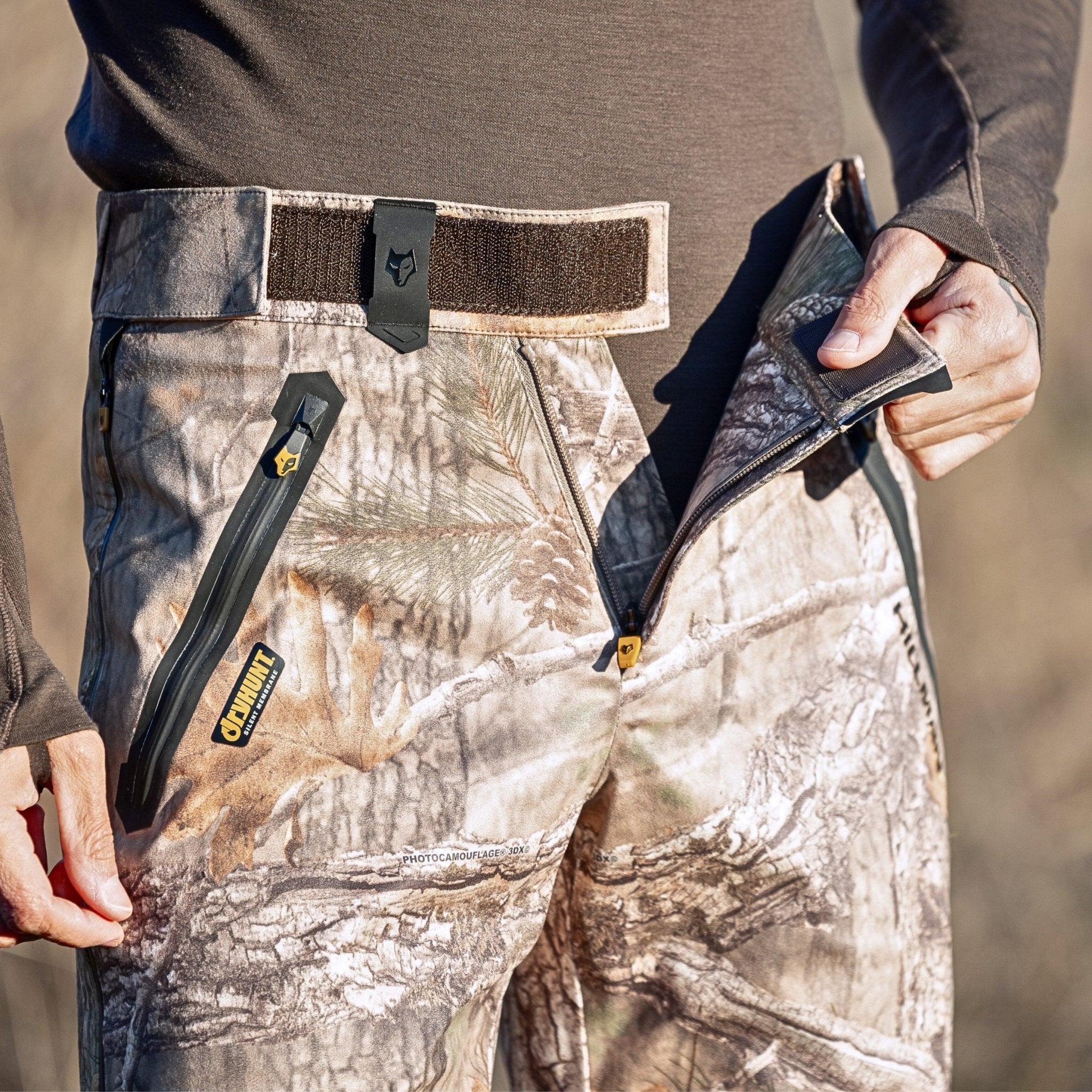
Feet demand similar care. A robust pair of boots, ideally insulated and properly waterproofed, keeps the toes from stiffening. Thick socks, but not so thick that they cut circulation and reduce heat, create a safer buffer against the cold. Consider too the trousers; lined options add vital insulation, especially when cold air rises beneath the seat.
High Seat Comfort: Clothing and Accessories That Truly Help

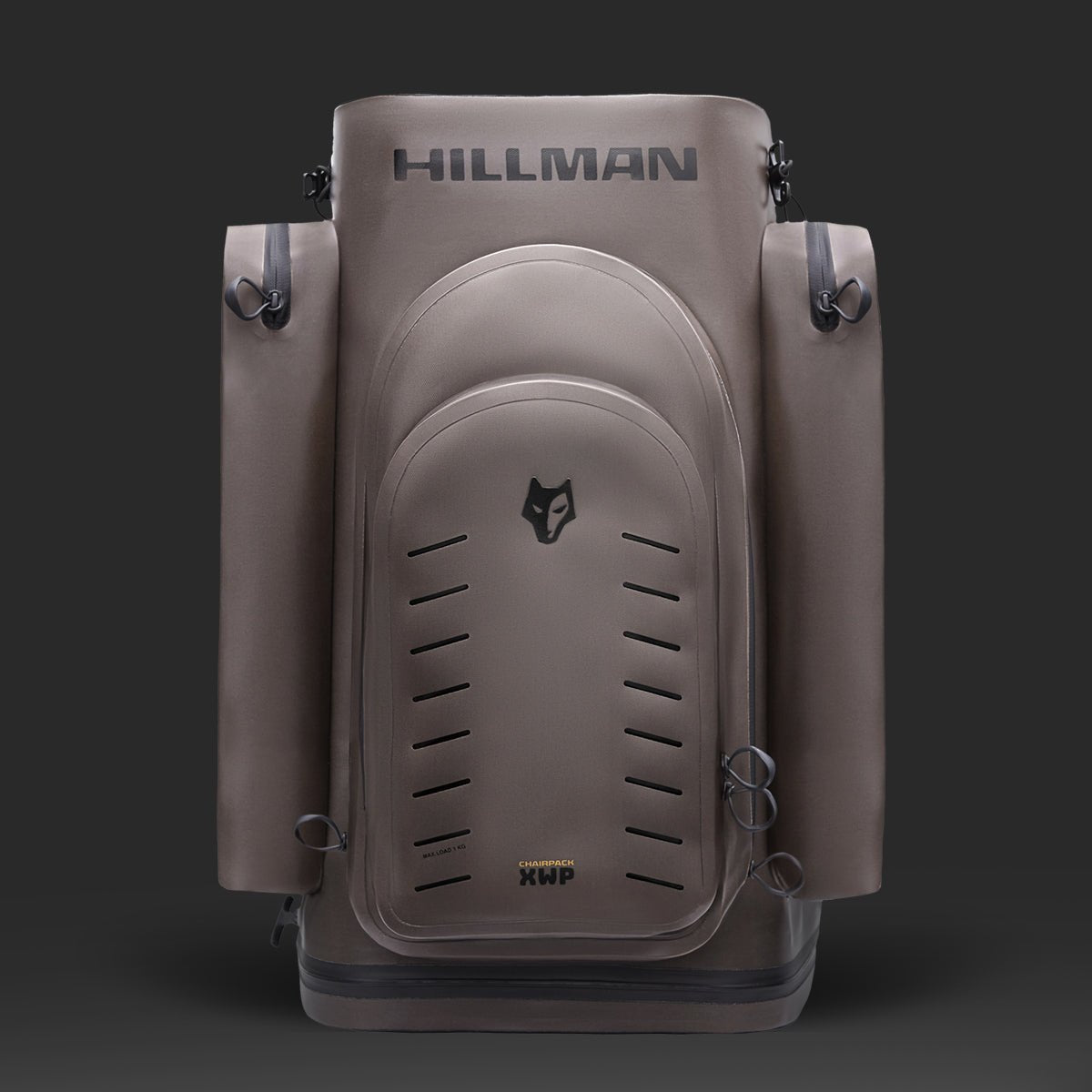
Even well-chosen garments can be undermined by poor comfort planning. When you settle into a high seat, cold rises from beneath you. A thin pad or insulated cushion transforms the experience instantly, protecting your lower back and legs from the chill of the platform.
Thoughtful accessories also make a quiet but meaningful contribution. Small chemical warmers slipped into boots or gloves keep extremities responsive. Hand-warming pockets in your jacket: lined, insulated, well-positioned, allow you to shelter your fingers without abandoning readiness.
Your surroundings matter as well. A high seat opens onto the great outdoors with a different perspective: wind shifting direction, tiny movements at a distance, the quiet rhythm of the forest. Comfort keeps you present, focused, and alert to the subtle cues of the landscape.
The Importance of Quiet, Weatherproof Clothing in Bad Weather

British weather is a study in unpredictability. A still evening can transform into mist, drizzle, or sudden rain. A light breeze becomes a bitter crosswind that finds every gap in your layers.
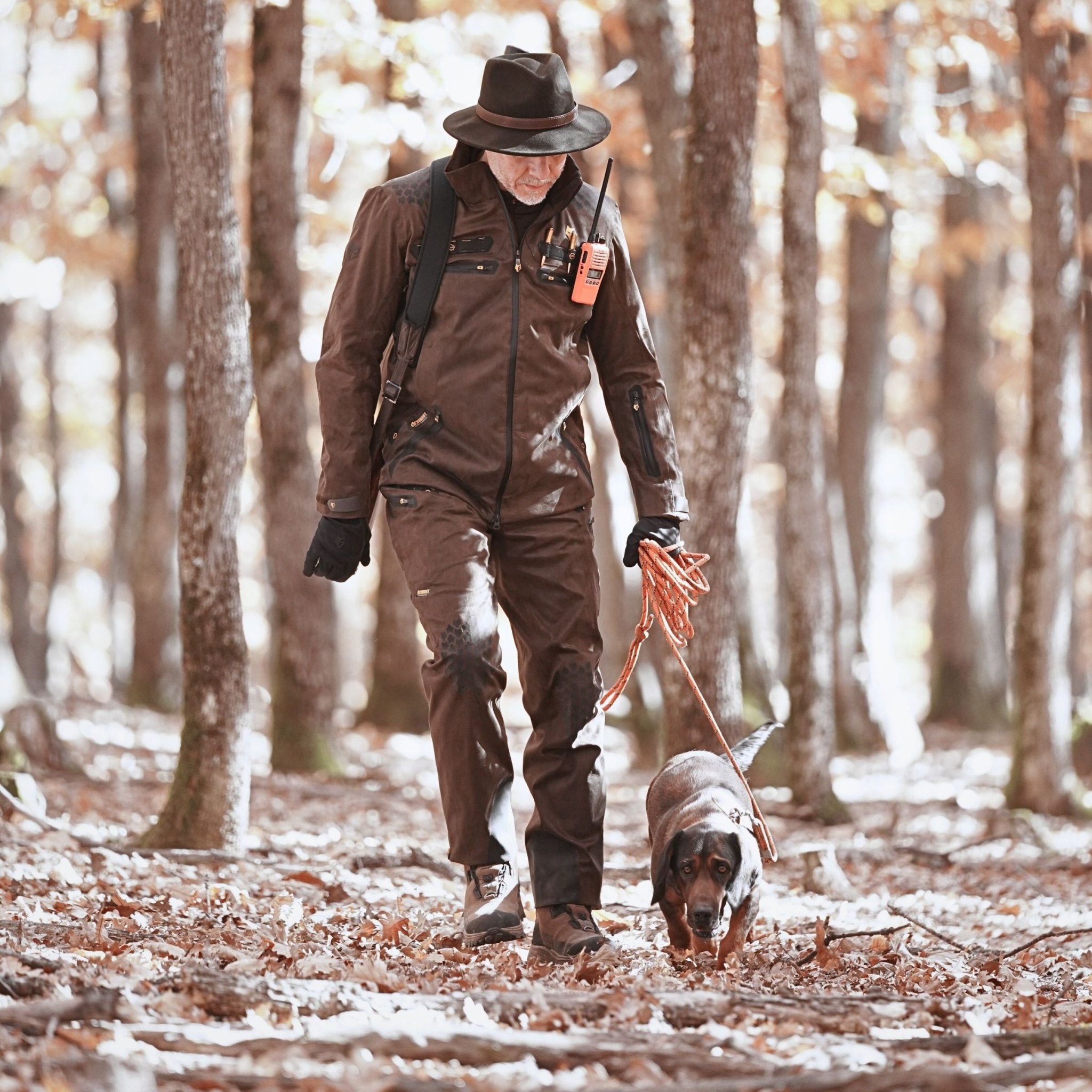
Quiet, weatherproof clothing is essential. Fabrics that don’t clatter, snare, or rattle help you remain practically invisible. Windproof materials prevent heat from being pulled out of the body. A fully waterproof outer layer blocks the gradual dampness that creeps into seams and cuffs.
Crucially, nothing should be too tight. Constriction slows circulation. Reduced circulation means colder limbs. And colder limbs make it harder to sit still, or to take a steady shot when the moment arrives.
Choosing the Right Extras for Long, Cold Hours Outdoors

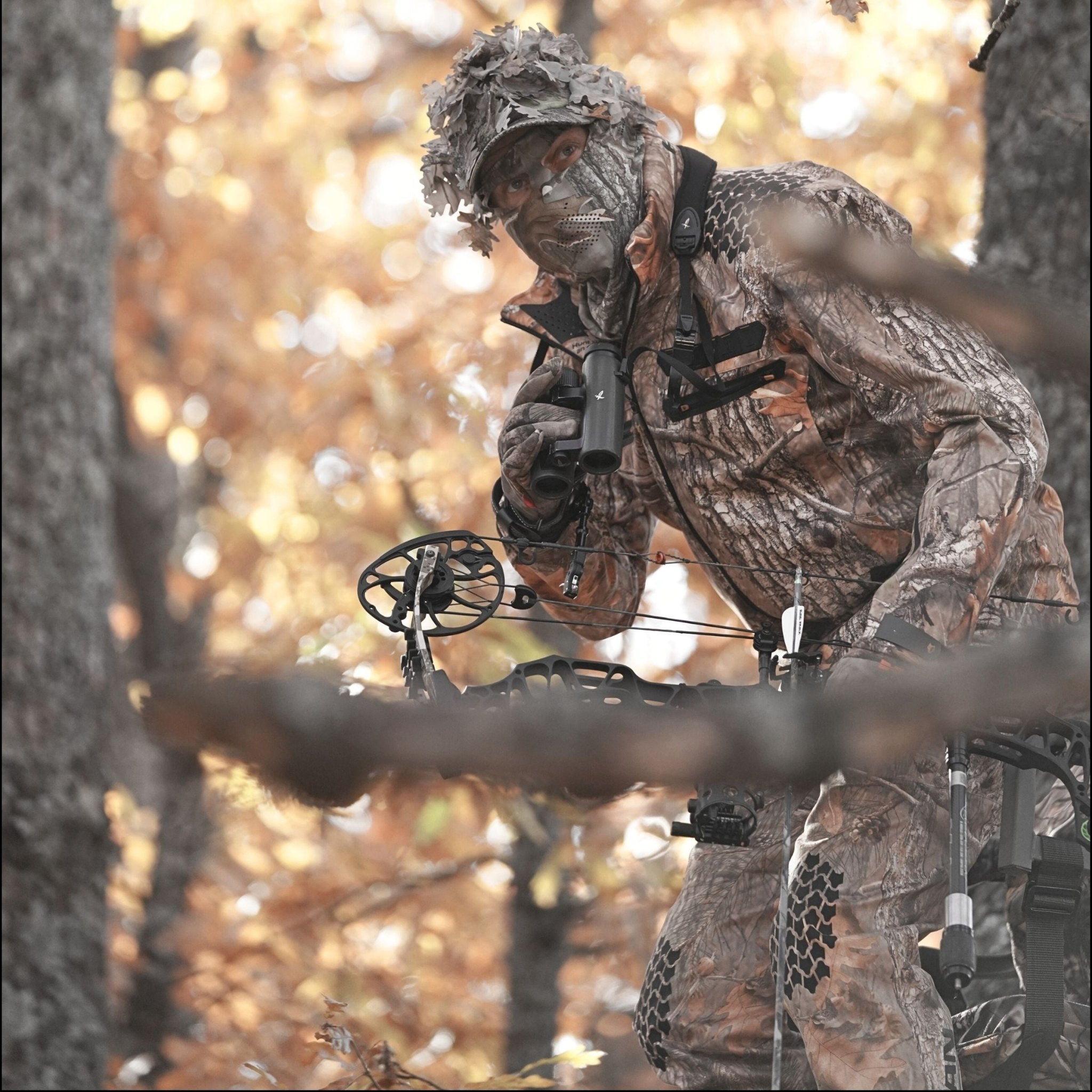
The right accessories turn a challenging sit into a manageable one. Extra layers tucked neatly at the waist, a pair of silent, reliable gloves, a compact face covering in camo or dark tones, and well-positioned storage for essential gear.
This is where shooters often draw on an extensive collection built up over years, items collected not for appearance, but for their proven ability to stay comfortable when conditions turn harsh. Some rely on small pieces of kit; others build a personal system that keeps them balanced, warm, and prepared for long, unmoving sessions.
A Clothing System Hunters Can Rely On

In the stillness of a high seat, your clothing works harder than you do. It preserves heat, shields you from wind, keeps you dry through shifting skies, and allows you to remain focused on the task. A thoughtful combination of layers, a dependable jacket, warm but quiet trousers, and simple accessories like fleece gloves, mittens, socks, a scarf, and insulated boots creates a system you can rely on, hour after hour.
With the right preparation, the cold becomes part of the atmosphere rather than the enemy. You blend into the land, you forget the discomfort, and the high seat becomes what it should be: a vantage point into the quiet, patient heart of the British countryside.
See Below FAQs By Hunters


Share:
The Ultimate Guide to Beating UK Mud: Boots, Gaiters, Fabrics
Silent Clothing for Woodland Stalking: What Makes No Noise