
The Ultimate Guide to Beating UK Mud: Boots, Gaiters and Fabrics That Actually Work

Beat the worst UK mud with boots, gaiters, and fabrics that truly work. A practical guide to staying dry, stable, and comfortable in Britain’s toughest terrain.
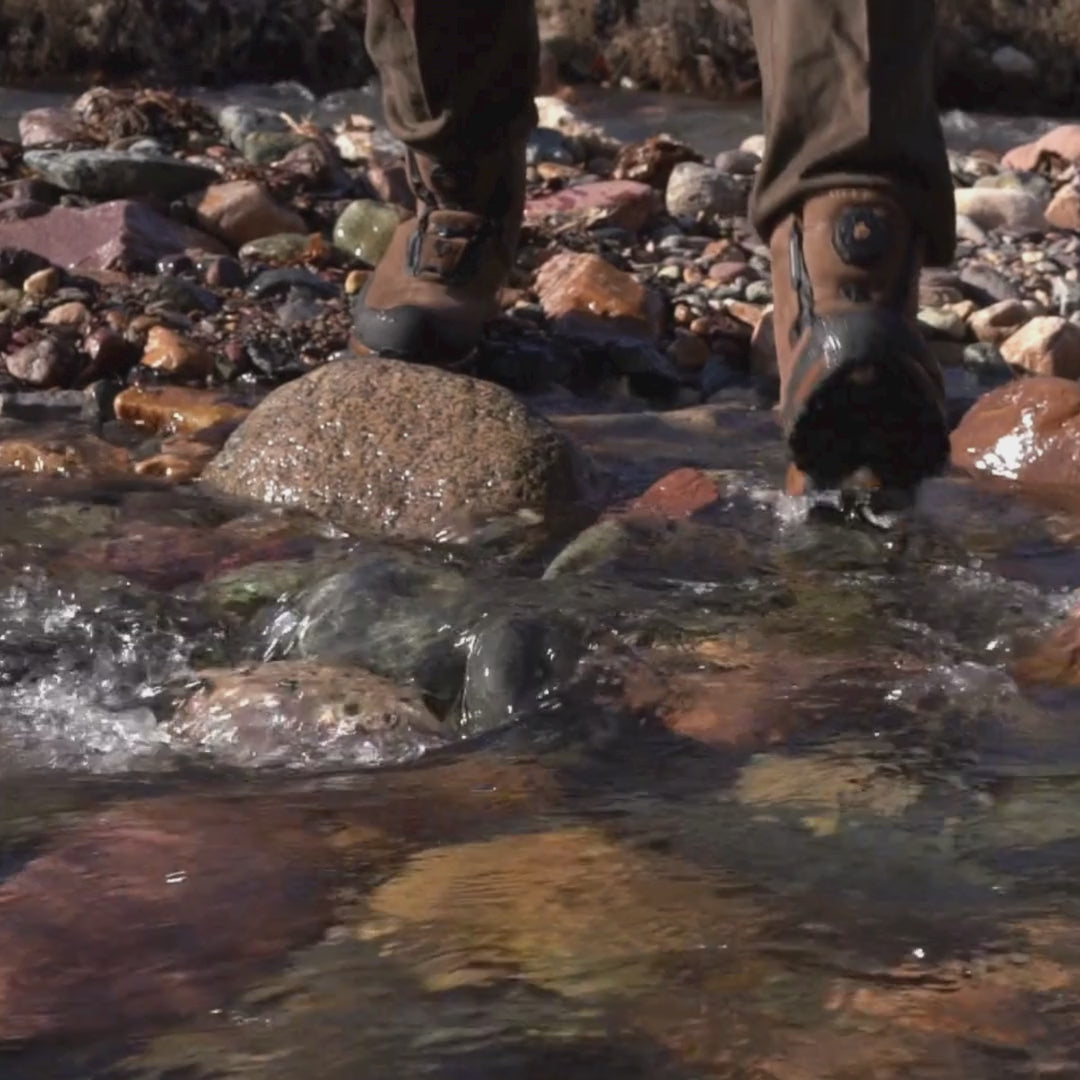
There’s a moment, usually on the sort of morning when the sky can’t decide what it wants to do, when you take your first step off the track and feel the land answer back. Not with a gentle squelch, but with a slow, deliberate pull at your boot that makes you stop and think, “Right. So it’s that kind of day.” British mud has this ability to look innocent from a few paces away and then behave as though it’s been lying in wait. One stride, you’re upright; the next, you’re ankle-deep and trying not to lose your balance while pretending you meant to walk like that. Anyone who frequents the countryside soon learns: mud is never just mud here.
It’s no surprise, then, that railings at car parks, gateposts, and even pub gardens become unplanned leaning points for people trying to scrape off layers of mud that seem to have developed a personal vendetta. And every hunter, hillwalker, and trail runner eventually discovers that no matter how strong their legs or steady their balance, British mud has a way of testing everything from their confidence to their gear choices.
This guide has one clear aim: to help you get ahead of the mud for once. Whether you’re heading for an afternoon hunting session, a dawn walk after deer, or a casual ramble on the trail, the right combination of gaiters, boots, fabrics, and clever details can transform the experience. There is real satisfaction, almost smugness, in crossing a field without sinking or ending the day with wet socks. And from years of trudging through boggy ridges, ploughed fields, and woodland churned by winter, the countryside has taught us exactly what works, and what definitely doesn’t.
Muddy Fields UK: Understanding the Terrain Before You Step Out

There’s “mud”, and then there’s “muddy fields UK”, a phrase that immediately summons memories of wind-blown hedgerows, sheep pastures softened by rain, and clay-rich soils that refuse to let go of whatever boot they grasp. British mud changes personality as you travel. The South’s clay can feel like glue; the Midlands offer a slick, greasy top layer; Wales is fond of hiding puddles under grassy veils; and Scotland gives you peat that sits quietly until it decides to swallow a boot with a slow inward pull.
It’s this unpredictability that causes so many boot failures and misjudged clothing choices. One evening of heavy rain can turn a usually firm path into a deep mud stretch that grabs at your ankle like a mischievous child. Hunters know the feeling well: you take one wrong step during a stalk, and suddenly all your attention is on saving your footwear, not the shot opportunity in front of you.
Understanding how the ground behaves is half the battle. The rest is choosing gear that can outwit it.
Hiking Gaiters: How Modern Designs Beat Mud and Water?

Many people only consider hiking gaiters after a particularly miserable outing: the kind where half the countryside ends up inside your boots. But once you’ve worn a good pair, especially in British fields, you’ll wonder how you ever coped without them.
Modern designs have evolved beyond the crude, sweaty tubes of decades past. Now you’ll find breathable gaiters made to let your legs breathe, water-resistant fabrics that shrug off splashes, and thoughtful touches that keep everything comfortable even on longer stretches. In rugged conditions, a reliable gaiter becomes an essential bit of protection rather than an optional extra.
They don’t just stop water; they prevent grit and seeds from slipping into your boots, and they guard your walking trousers from getting plastered in muck. And when they’re well-designed, they feel surprisingly lightweight, letting you move naturally without that clumsy, overbuilt sensation some older models had.
Hiking Boots: Choosing Footwear That Doesn’t Quit in Mud

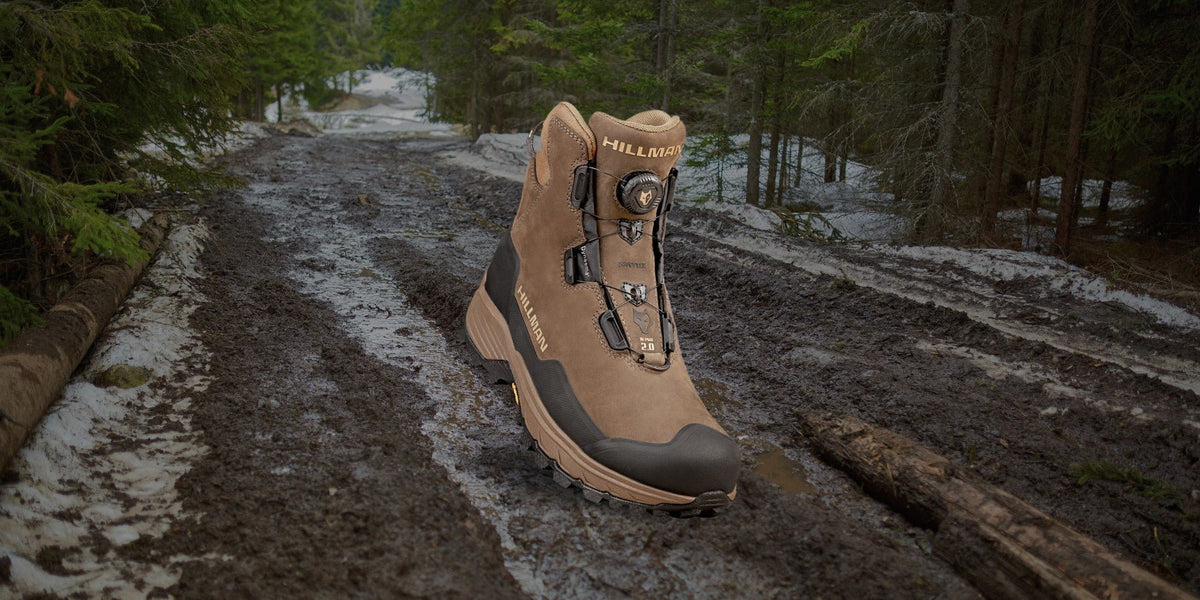
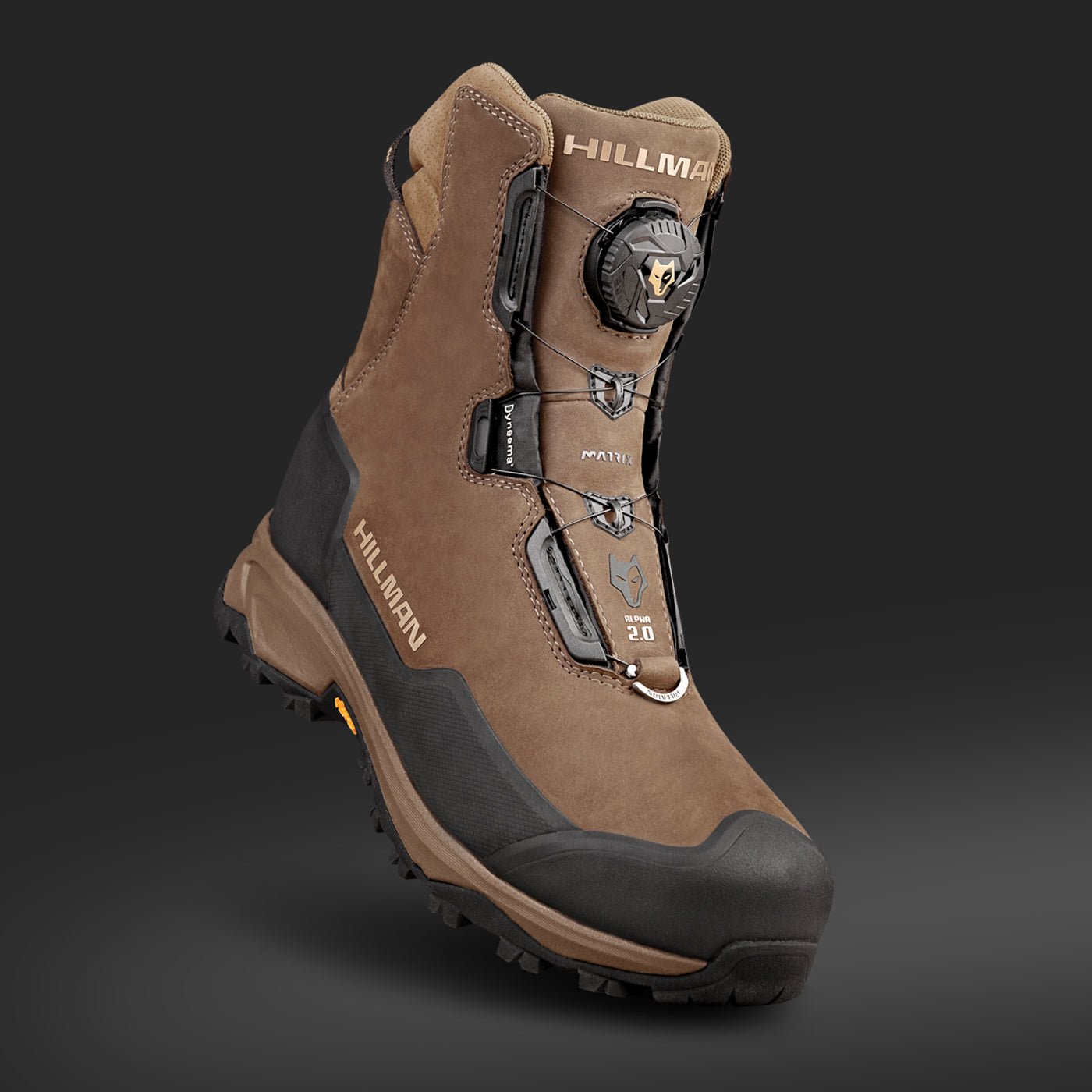
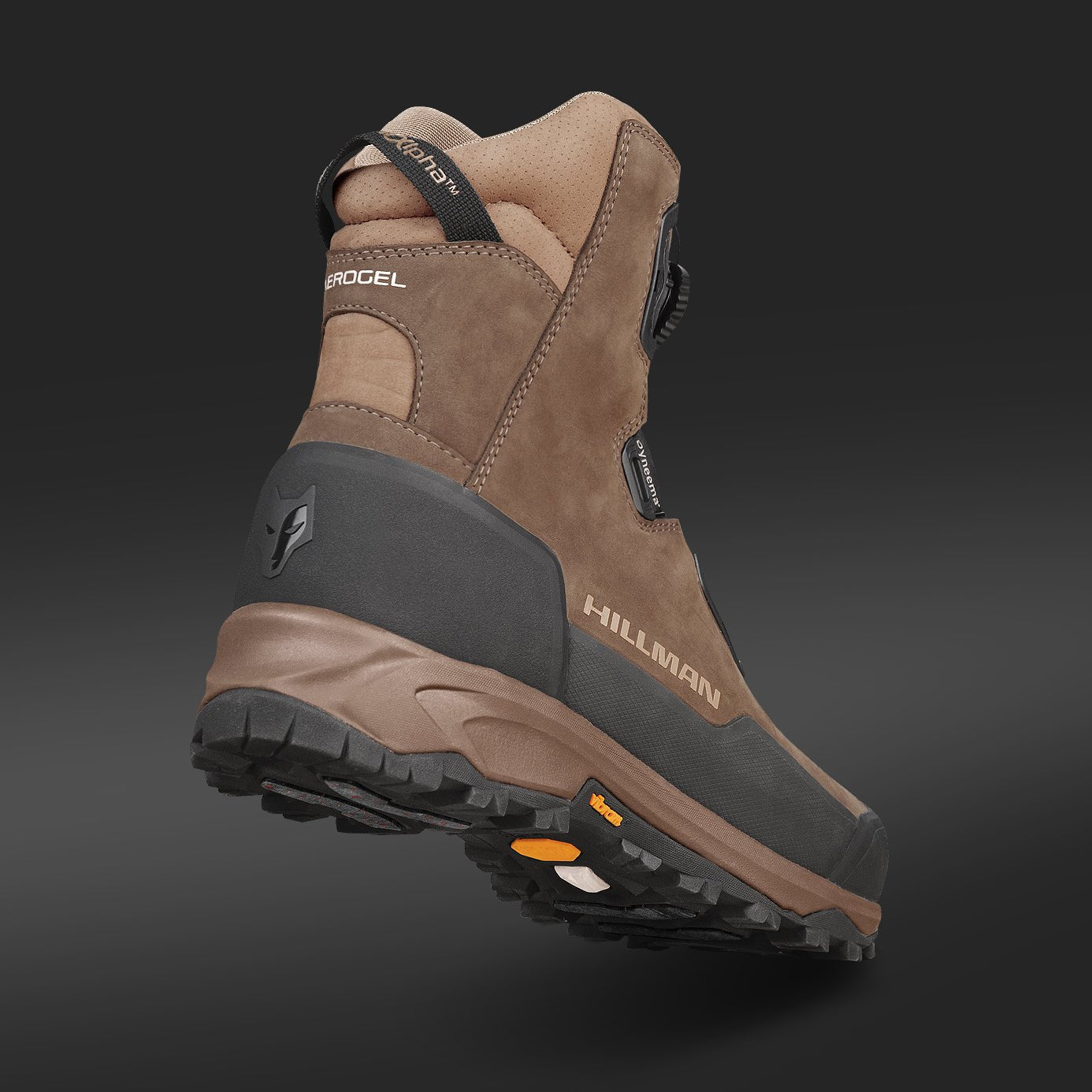
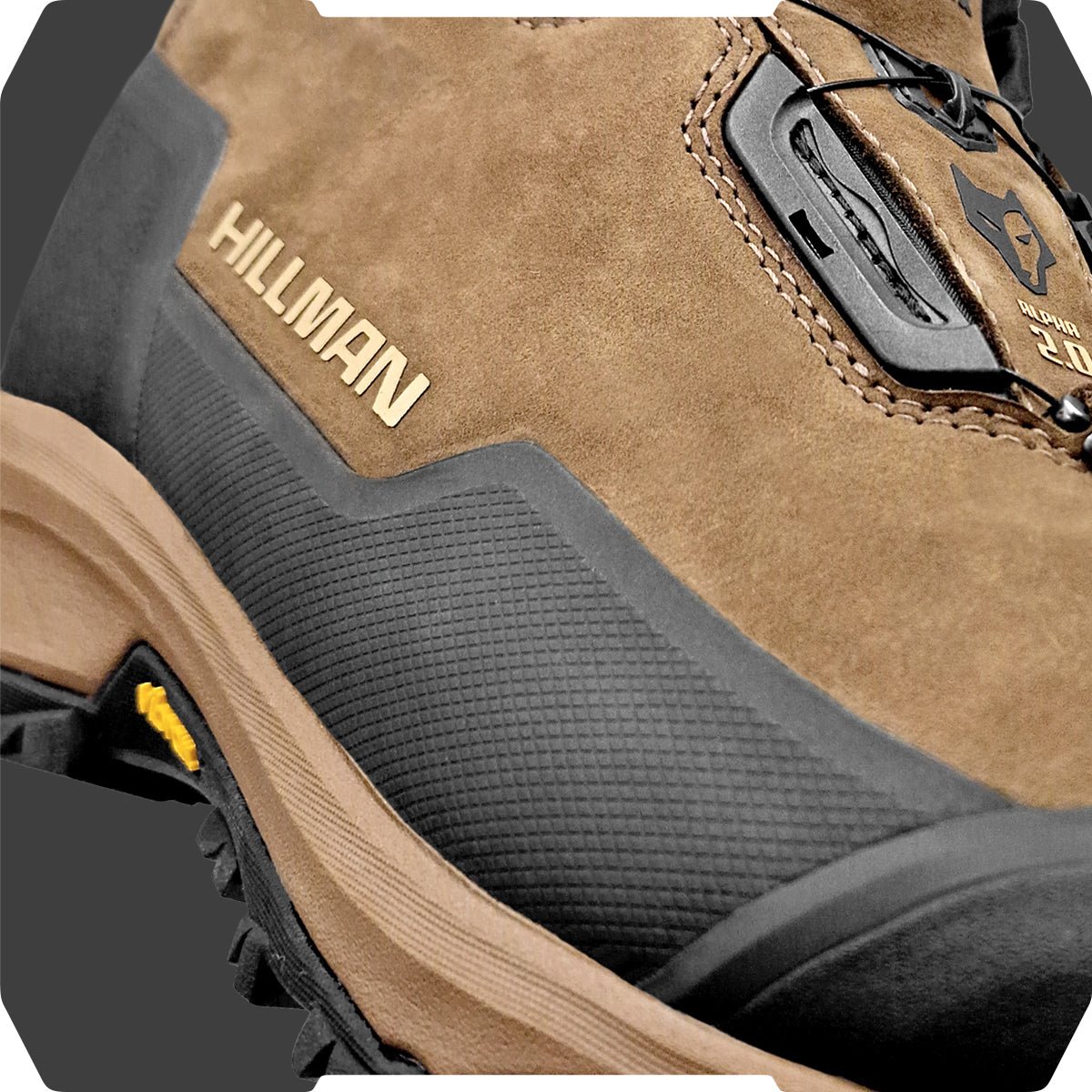
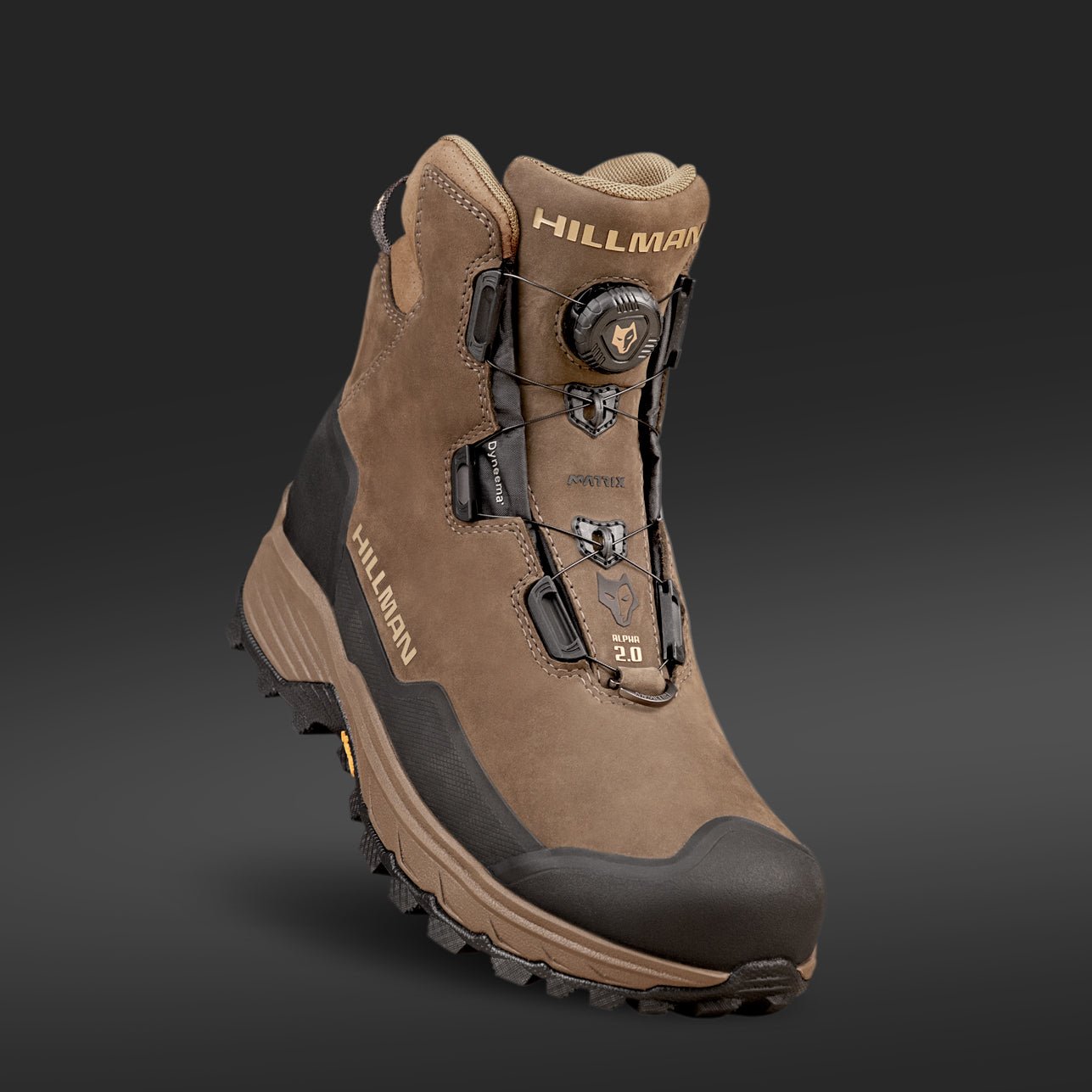
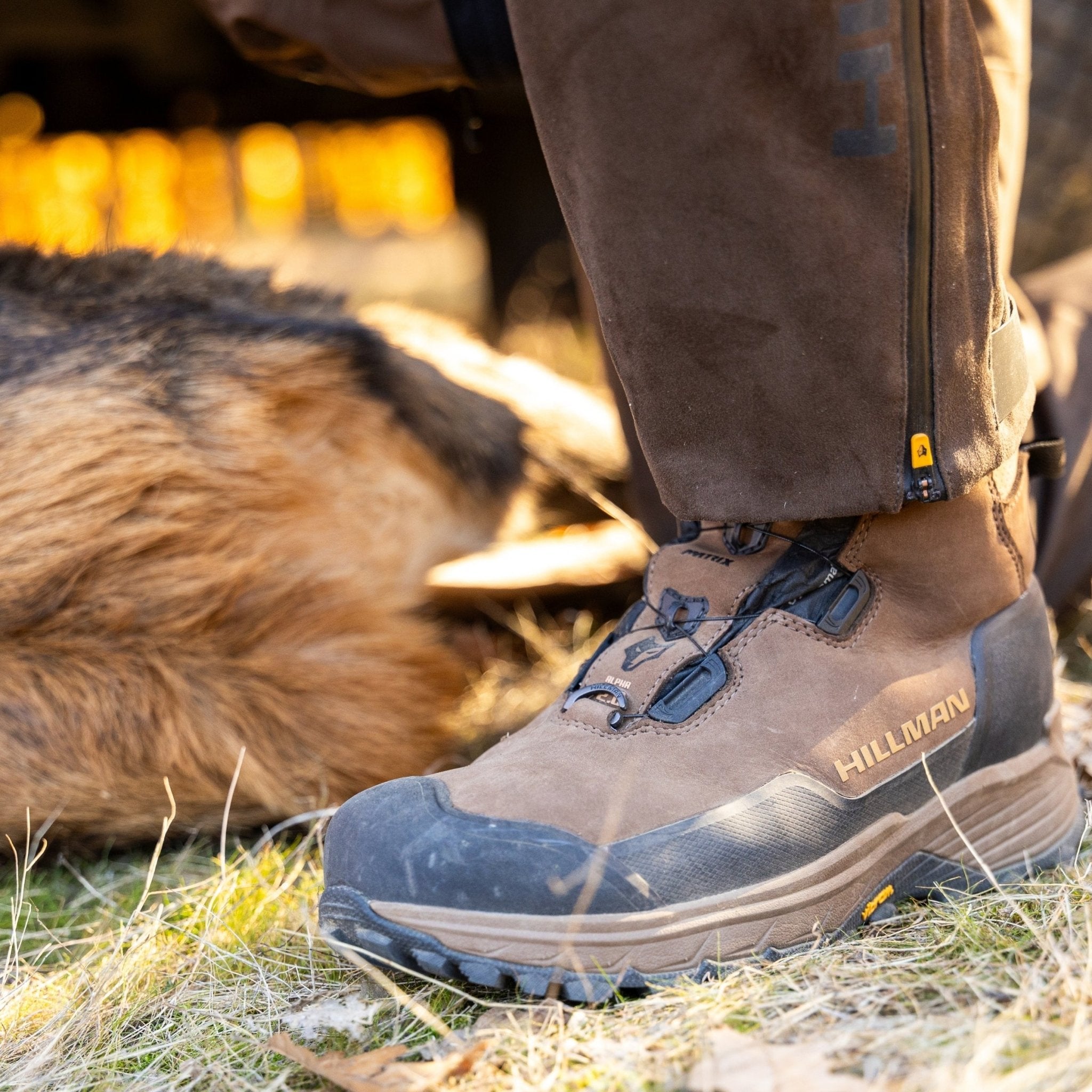
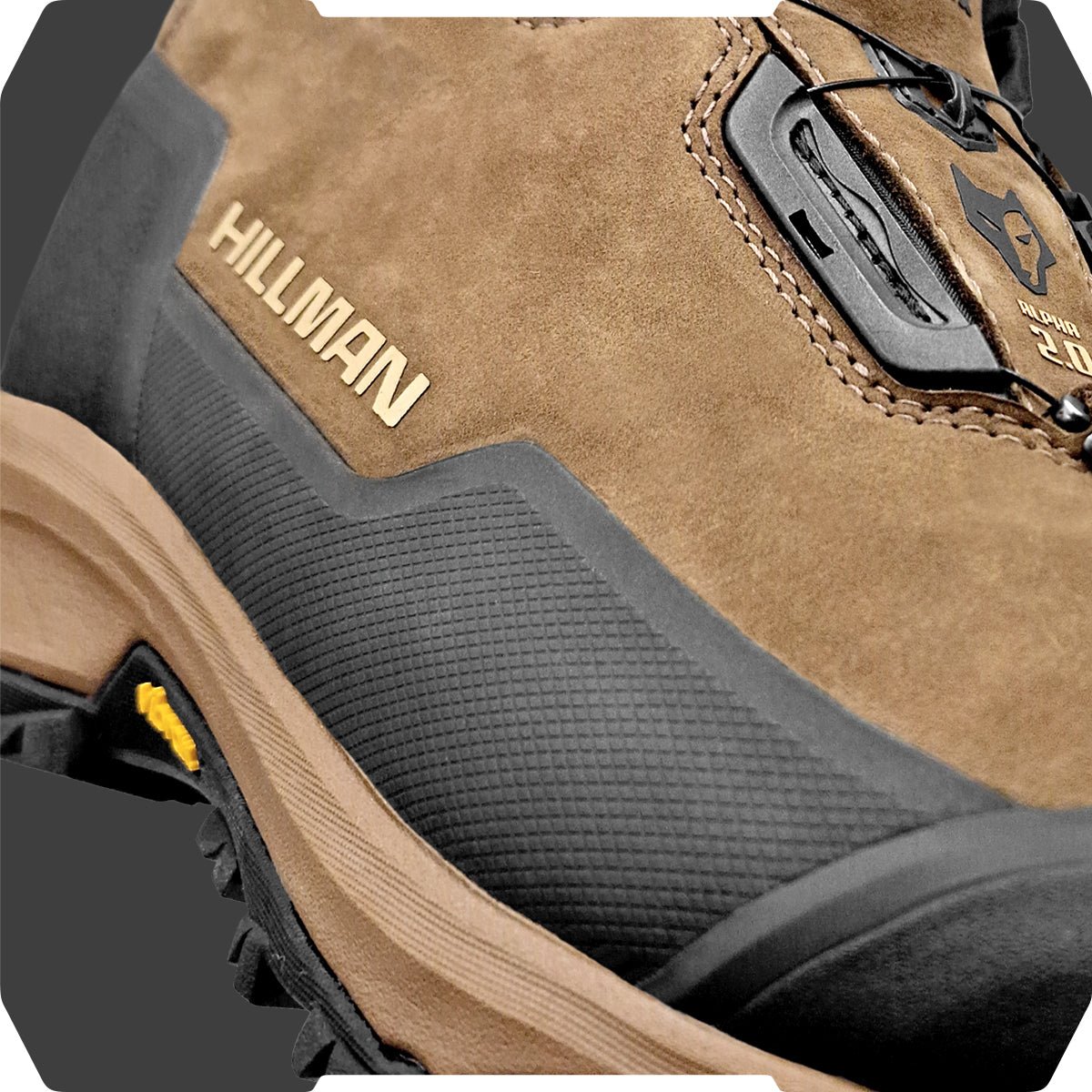
Something is reassuring about a solid pair of hiking boots: the weight, the grip, the sense that they’re partners in this battle against British mud. But boots vary wildly in how they cope once the ground becomes sticky. The best ones combine a firm structure with good breathability, waterproof materials, and soles designed to shed mud instead of carrying it.
Look closely at the lugs. If the tread is shallow, mud will clog it instantly. Deeper lugs allow mud to fall away mid-stride, keeping traction alive. A secure heel and comfortable ankle support protect against slips on angled, greasy ground. And for those trudging across farm tracks in cold hands weather or under constant drizzle, a boot with strong water resistance is worth every pound.
It’s not just hunters who benefit. Anyone crossing fields in winter knows: good boots mean warm feet, dry socks, and fewer regrets.
Full-Length Gaiters: Maximum Protection for Rugged Conditions
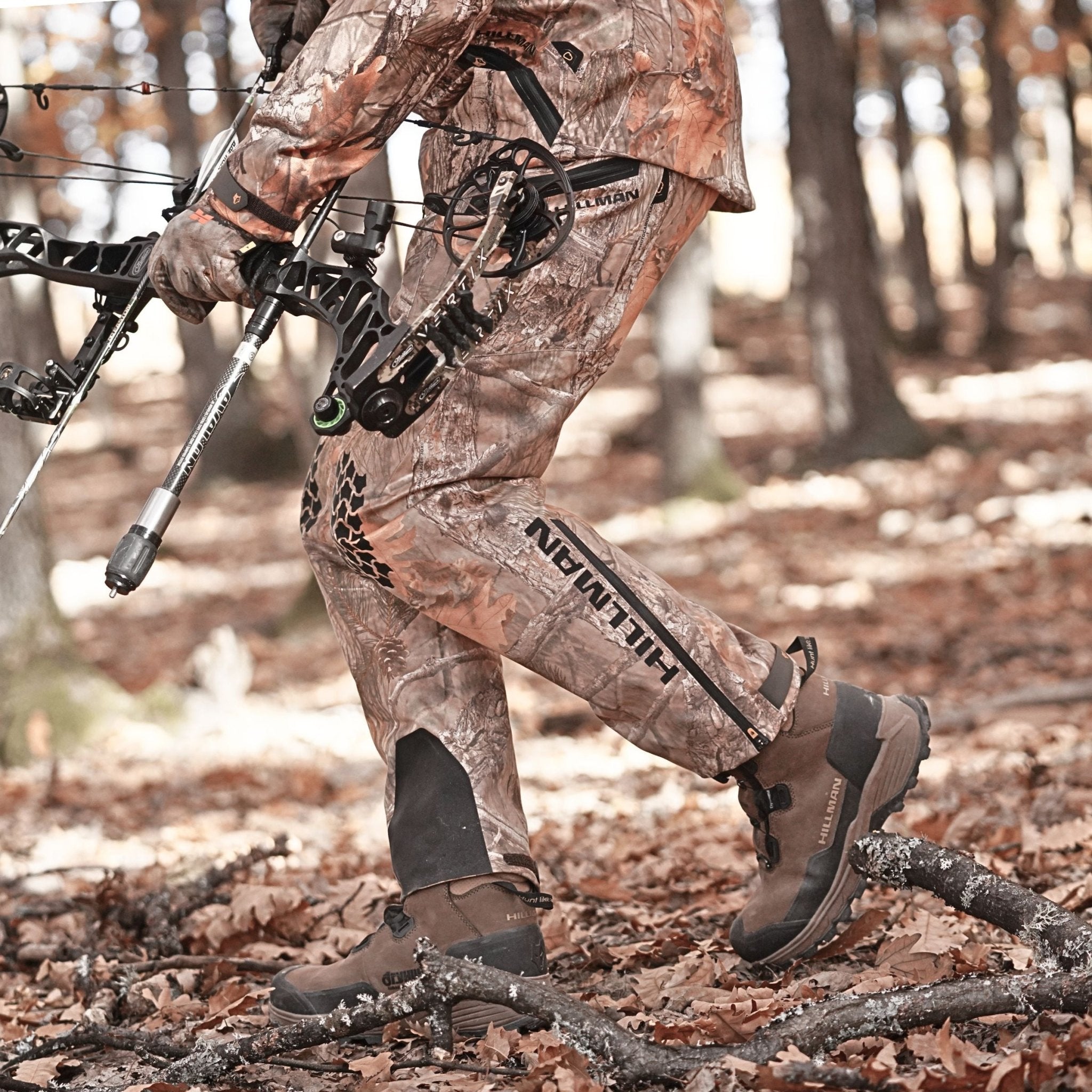
Once you’ve experienced full-length gaiters in bad weather, it’s very difficult to go back. Their height offers full-length coverage across the lower leg, shielding everything from thorny brambles to sloshing mud. They become your first defence when the countryside decides to soak your trousers from the knee to the boot.
These gaiters excel in deep mud, snow, heavy rain, and bracken-heavy slopes. The extra material may look like overkill at first, but on a wet hillside, you quickly realise how valuable that full-length protection is, particularly during winter stalking or long days moving through farmland.
Hiking Shoes: When They Work and When They Don’t

There is a time and place for hiking shoes. On firmer ground in warm weather, where the mud is superficial rather than structural, they can be delightfully agile. They pair nicely with a lightweight gaiter, offering swift movement and comfort over long miles.
But once the mud thickens, shoes reveal their limits. They sit low, gape more easily, and let wet soil pour in at the top. For trail runners, there’s at least a trade-off: they need speed, they want flexibility. For hunters or anyone facing unpredictable terrain, shoes usually can’t offer the height or protection required for messy days.
Full-Length Gaiters vs Mid Height Gaiters: Which One Is Right for You?

It’s easy to assume more coverage equals better performance, but choosing between full-length gaiters and mid-height gaiters deserves a moment’s thought.
Full-lengths are unbeatable for marsh edges, muddy moors, and fields where water pools deceptively. But mid-height gaiters shine on warm weather days, when airflow matters as much as mud defence. They’re the preferred companion for trail runners, hiking shoes, and those who travel light.
They also work well on muddy trails, giving you enough protection without making your legs feel wrapped up like parcels. It’s all about matching the gear to the landscape.
Instep Straps: The Small Feature That Stops Your Gaiters From Failing
Gaiters depend on the humble instep straps far more than one might imagine. They loop under your boot, anchoring the gaiter securely even as your foot twists in awkward terrain. Without that grounding, gaiters slowly creep upward, inviting mud inside.
A reliable strap holds the material close, ensuring a snug fit. Combined with a well-shaped heel section and strong side panels, it keeps the gaiter steady throughout a day of crossing churned ground or sodden paths.
Trail Running and Mud: Why Runners Need Different Protection?

Runners face a different version of the mud challenge. When you’re moving quickly, even a splash of grit can throw off your balance. And that’s exactly where a lighter, more agile gaiter becomes essential, especially for the faster pace you get on technical trails. At Hillman, we design our gear with that balance in mind, the same philosophy behind our Insulated Hunting Boots for Men, built to move with you, not against you. A streamlined, low-profile gaiter following that approach stays unobtrusive, flexes naturally with every step, and adjusts quickly with simple closures, even when your hands are cold or the weather turns on you.
These gaiters don’t offer skyscraper height; they’re meant for agility, like keeping stones out, shedding water quickly, and working with the natural roll of your foot. On woodland tracks and muddy trails, they become invaluable bits of kit.
Lace Hook Designs: The Secret to a Tight Seal Against Mud and Water

The lace hook often goes unnoticed until you’re ankle-deep in the sort of mud that sucks the colour out of your boots. A good hook anchors your gaiter to your boot laces with precision, creating a cleaner, more secure fit.
When fitted properly, this little component closes the gap between gaiter and boot tongue, stopping mud, water, grit, and even cold air from sneaking inside. Hunters chasing deer across uneven ground appreciate this sort of detail more than most.
Outdoor Research and the Rise of Premium Gaiters in the UK

It’s difficult to discuss modern gaiters without looking at how far the field has come, and at Hillman, we’ve played our own part in that shift. Over the years, we’ve moved gaiters beyond the simple, stiff sleeves they used to be, focusing instead on fabrics that hold up in real countryside conditions, proper breathability that keeps your lower legs from overheating, and patterning that moves naturally as you walk, climb, or crouch. For us, a gaiter isn’t an accessory; it’s a working piece of kit, built to behave like part of your leg rather than something strapped awkwardly onto it.
Other companies have moved in the same direction over the years, but some have stayed focused on building gaiters that hold their own in genuinely rugged conditions, the sort of terrain where shortcuts show up quickly. They are built to take the knocks, brush through thorns, and deal with the mud and wet that define so much of the British countryside. They’re engineered to last, not to be replaced every season, and as with any piece of outdoor kit that’s made properly, you invest once and trust it for the long haul.
Best Gaiters for UK Mud: What Really Works in the Field

The phrase best gaiters gets thrown around a lot, but in Britain, “best” means something very specific. You want strength without heaviness, a tight seal, materials that shed mud instead of hoarding it, and closures that stay shut even after repeated bending.
Some choose a budget pair for light-duty chores, but in the worst weather, a good pair quickly proves its value. Think reinforced ankle sections, smart DWR coatings, robust stitching, and closures that don’t snag.
What really matters is how they behave after three hours of trudging, not just how they look in a shop.
Gore-Tex in Muddy Conditions: Does It Help or Just Add Weight?

The debate around Gore-Tex in muddy environments is a lively one. On the one hand, you get superb water resistance, robust fabrics, and models that hold up in cold, wet, and windy conditions. Hunters value that dependability more than anything.
On the other hand, in very warm weather, Gore-Tex can feel a touch heavy and less breathable than more minimal fabrics. It’s all down to choosing carefully and deciding whether your priority is maximum defence or a lighter feel.
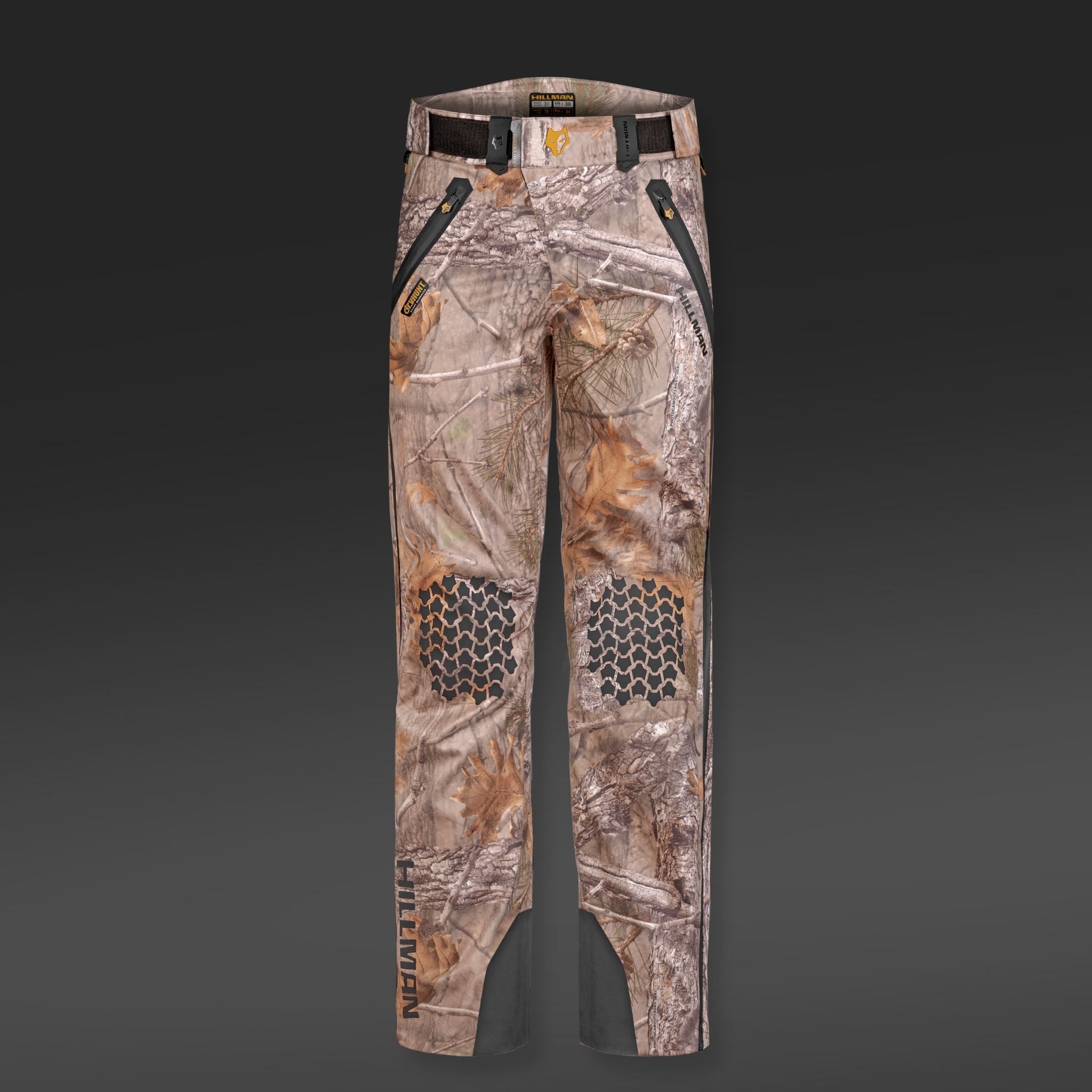
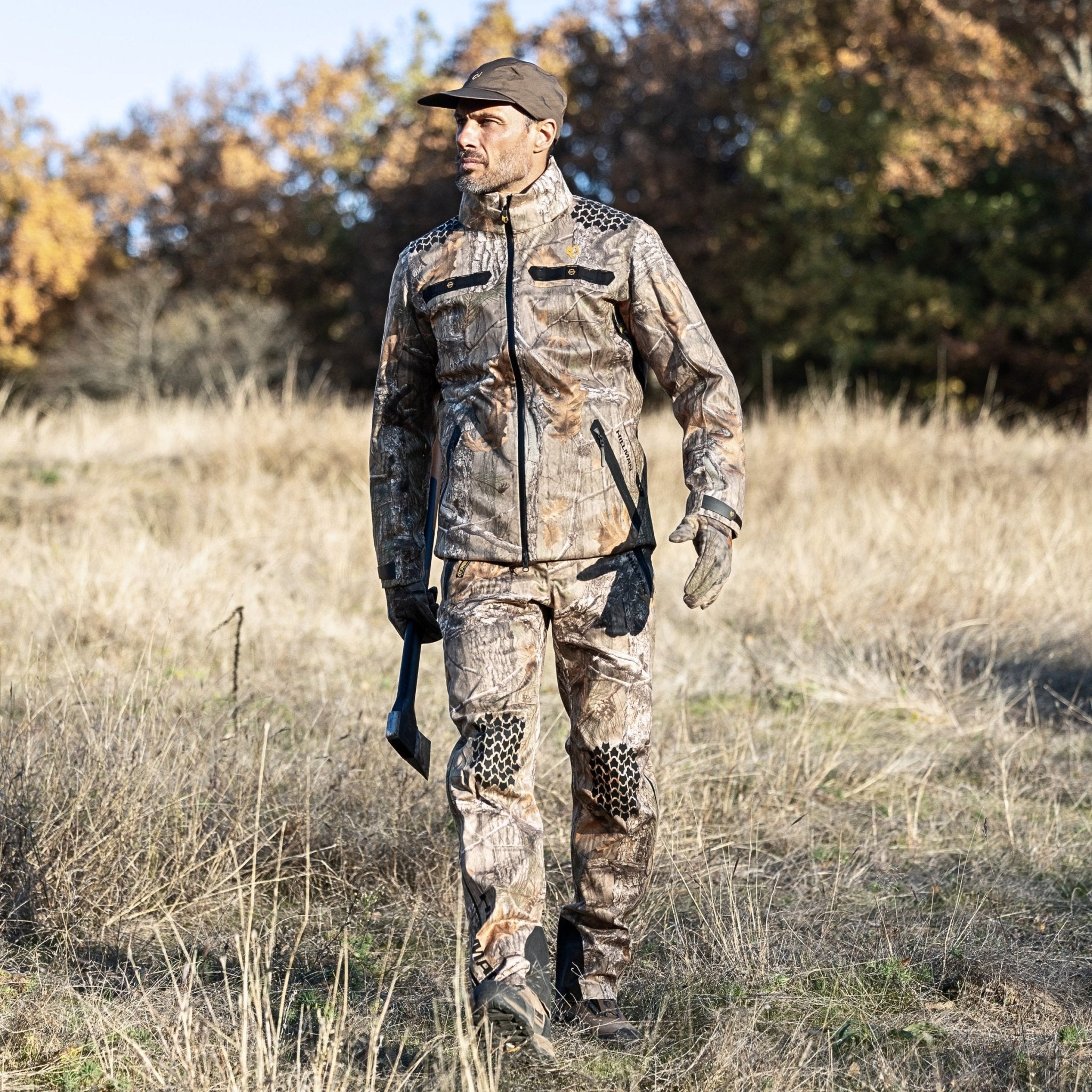
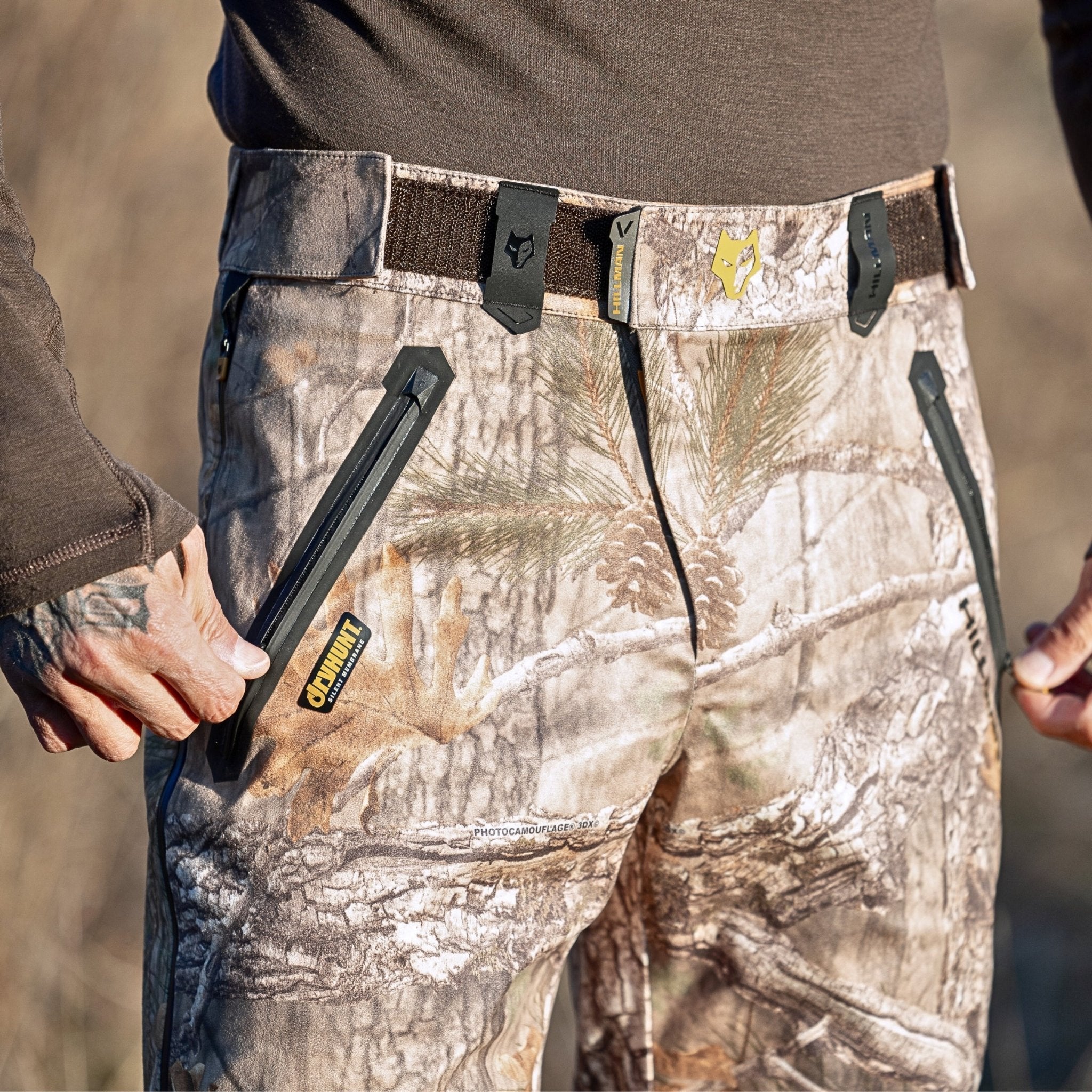
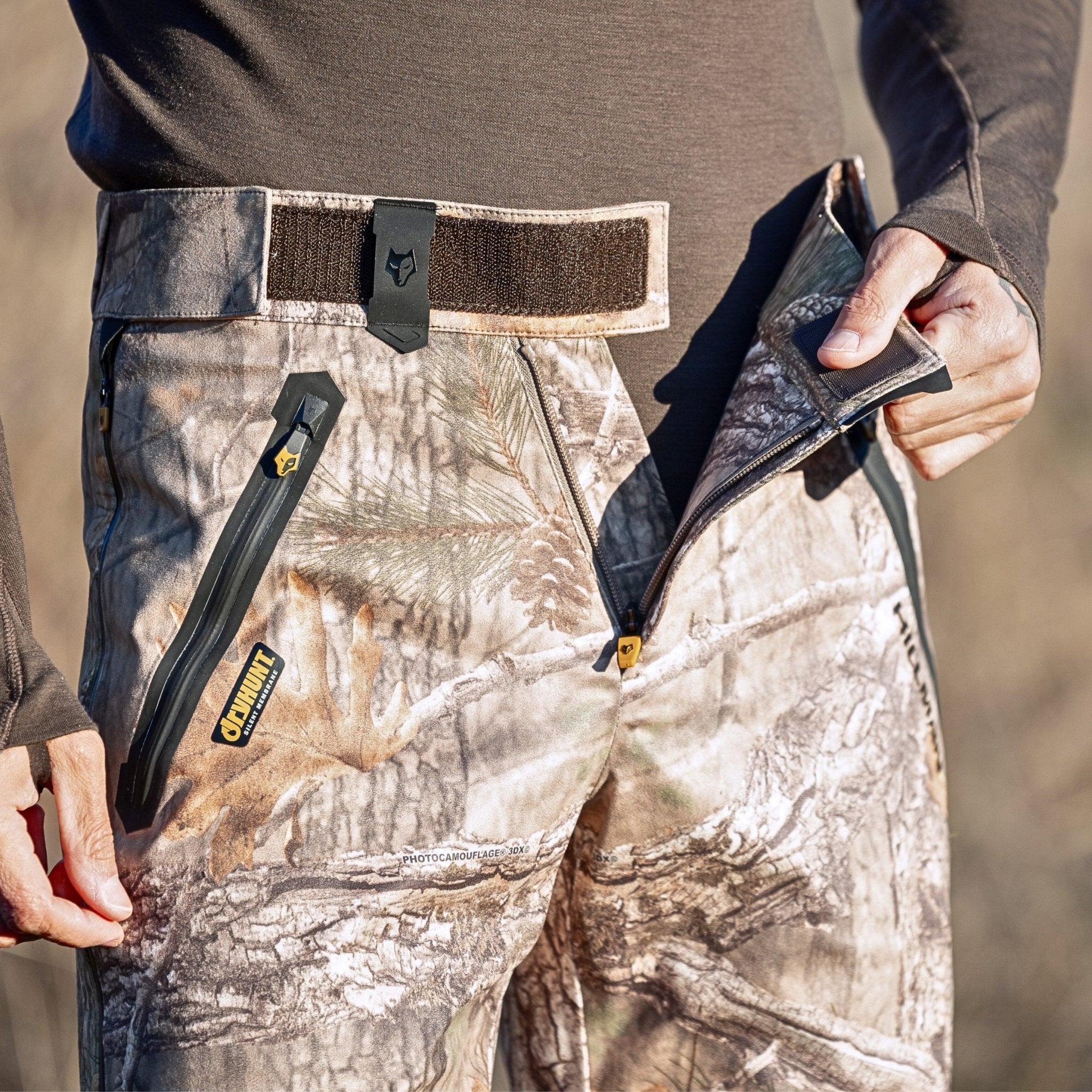
Dryhunt membranes address many of these concerns by offering high waterproof protection with a lighter feel and faster moisture release during movement. In muddy, high-output conditions, this balance often delivers the same weather defence with less bulk and better comfort over long days in the field.
Black Diamond vs Other Brands: What Stands Out in Real Use?

For those who demand a kit that doesn’t flinch when the ground turns spiteful, the best heavier-duty gaiters have earned their place. They’re built for the sort of days when the countryside throws everything at you, thorny hedges that grab at your legs, rocky paths that chew through weaker fabrics, and long stretches of fieldwork where lighter designs simply give up. Good gaiters are cut from tougher cloth, shaped to handle repeated bending and pressure, and put together for people who know their gear will take a beating sooner or later. If you’re the sort who wears equipment hard, or the land tends to wear you hard, this is the kind of build you’ll appreciate.
Fabrics, Breathability, and Durability: What Truly Beats UK Mud?

The quiet secret behind dependable gaiters lies in their fabrics. Look for materials that mix breathability with the right level of water resistance, allowing sweat to escape while blocking moisture from the outside. Reinforced zones around the lower leg and heel add resilience where you need it most.
Quick-drying textiles keep you comfortable on breaks. Strong weaves prevent snagging on brambles and wire. And lightweight constructions ensure you don’t feel bogged down before the mud even gets involved.
Boots, Socks, and Lower-Leg Protection: Getting the System Right
Everything works best when it works together. That means choosing boots that complement your gaiters, socks that handle moisture sensibly, and fabrics that don’t trap heat. Hunters rely on this system: wet feet distract, cold hands mislead, and discomfort at the wrong moment can cost opportunities you don’t get twice.
When boots and gaiters work as a pair, the mud becomes something you simply walk through, rather than something that stops you.
How to Choose the Right Pair for Your Next Adventure?
If British mud has a lesson to teach, it’s that the countryside rewards those who prepare. With the right pair of boots, a well-fitted gaiter, and fabrics designed for true durability and breathability, the land becomes a little more forgiving. Whether you’re after quarry, exploring paths, or wandering fields for the sheer joy of it, the right equipment turns a messy landscape into a manageable one.
And the next time someone else sinks to the ankle while you step cleanly past, you’ll know exactly why gaiters, boots, and good fabric choices matter.
See Below FAQs By Hunters




Share:
Why British Hunters Overheat: Layering Mistakes
What To Wear for High Seat Hunting in UK Without Freezing?