
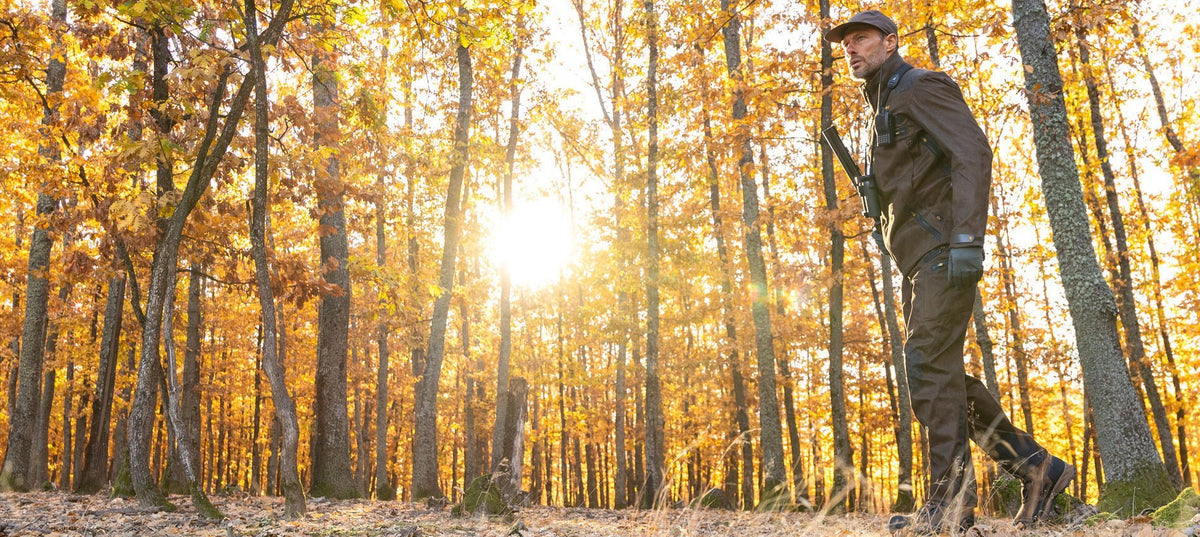
What to Wear for Pheasant Shooting in the UK: A Practical Clothing Guide

A practical guide to what to wear for pheasant shooting in the UK, from jackets and tweed breeks to boots, ear defenders, and field essentials.
A normal pheasant day in the UK is more mixed than that. The grass is damp before you get started. One corner of the estate feels mild, the next feels raw. You stand still longer than you expected, then walk more than you meant to. By then, the difference between clothing that only looks right and clothing that actually works becomes pretty obvious.
That is really the point of the whole thing. A pheasant shooting outfit does need to look appropriate, especially if the shoot is traditional, but it also has to cope with real weather, real ground, and the simple fact that discomfort gets tiring faster than people think.
Pheasant Shooting, Game Shooting, and Why the Outfit Matters

Most bad days in the field are not ruined by one dramatic mistake. It is usually a collection of smaller ones. Boots that are not as waterproof as you hoped. A jacket that drags when you lift your arms. Too much bulk across the shoulders. Not enough warmth once the wind turns. Cold fingers. Damp cuffs. That sort of thing.
Good shooting clothing solves those problems before they start. It helps you stay warm, stay comfortable, and move properly. In pheasant shooting and game shooting, that matters as much as appearance. More, really. The smartest outfit in the world is no use if you spend the whole morning adjusting it.
There is still a traditional side to this. On many shoots, clothing carries a bit of meaning. It shows whether you understand the tone of the day. But the best outfits manage both sides of the job. They look right, and they work.
Dress Code: Formal Shoots, Formal Driven Shoot Days, and Walk-Up Shooting

The first question is not what colour jacket to buy. It is what kind of day you are dressing for. On formal shoots, especially a formal-driven shoot, the dress code is usually clearer. This is where a three-piece tweed suit can feel exactly right, and sometimes a full tweed suit is the safer option. A shooting jacket or shooting coat, a shooting waistcoat, breeks or trousers, a checked shirt, and a shirt and tie all fit naturally there. A tweed flat cap usually does too. On those days, smart clothing is part of the setting. It is also a sign of respect to the host, the quarry, and the people around you.
On less formal days, things loosen up. Tweed still works very well, but it does not always need to be matched from neck to ankle. Walked up shooting often leans more toward practicality, so there is a bit more room for personal preference. You still want muted colours and country colours. You still want to look as though you belong there. The outfit does not need to feel ceremonial.
If you are unsure, ask. It is the easiest part of the whole job to get right.
Building a Pheasant Shooting Outfit for the Shooting Season

The backbone of a good pheasant shooting outfit is layering. It sounds basic because it is basic, but it is also what usually makes the day easier.
Start with a shirt that moves properly. On a smarter day, a checked shirt is the obvious choice. It sits naturally in the field and works well with a tie when the dress code calls for it. If the morning looks cold, add another light layer rather than reaching straight for something heavy. A fleece jacket works well here because it adds warmth without making the whole upper half feel stiff.
That balance matters. You want to stay warm, but you also want enough movement to shoulder the gun cleanly and walk without feeling packed into your own clothes.
This is especially true during the shooting season, when autumn and winter weather conditions have a habit of shifting over the course of a single morning. A cold start can warm slightly, then turn damp again, then go sharp once the wind arrives. Layering gives you options, and options are usually better than one big guess.
Choosing a Shooting Jacket or Shooting Coat

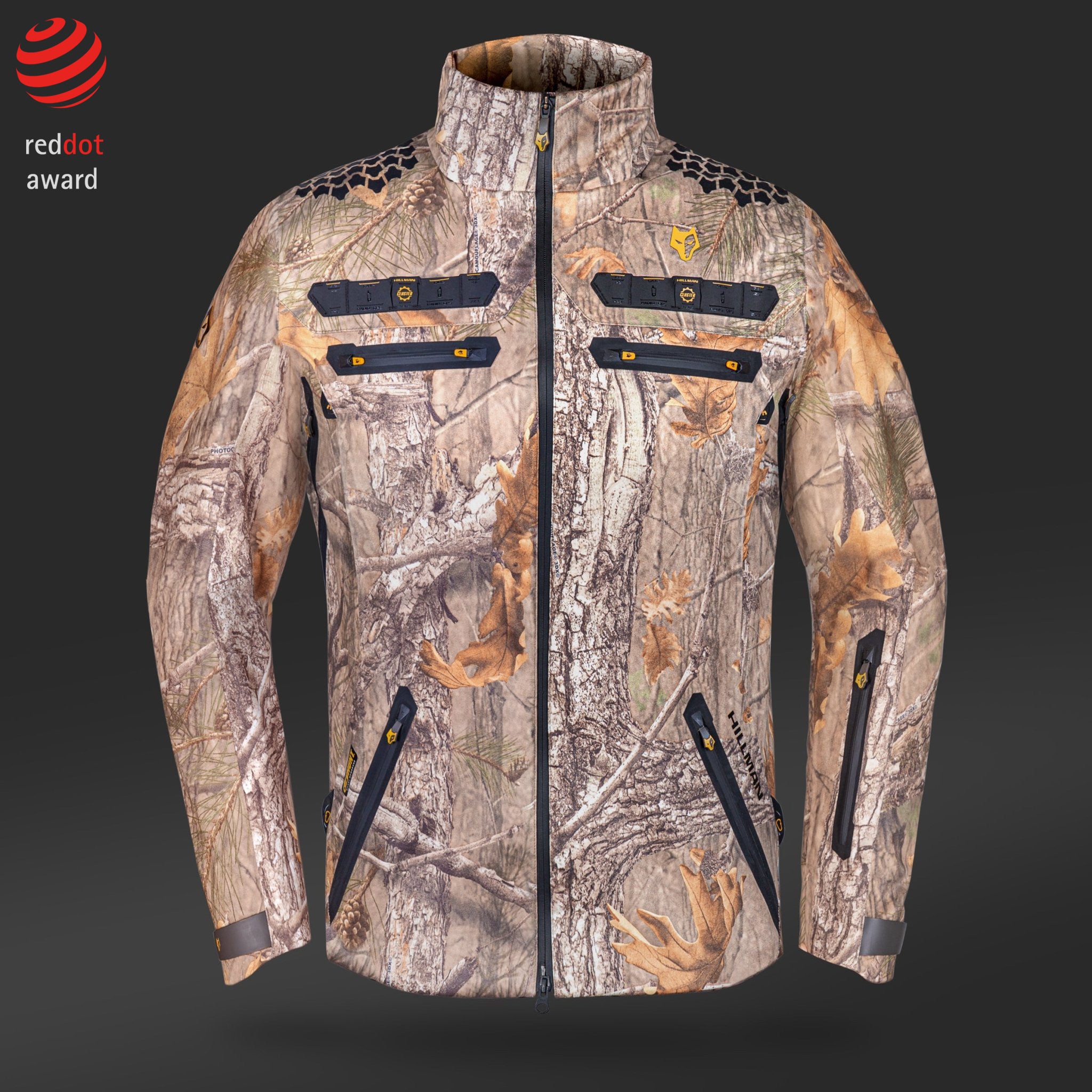
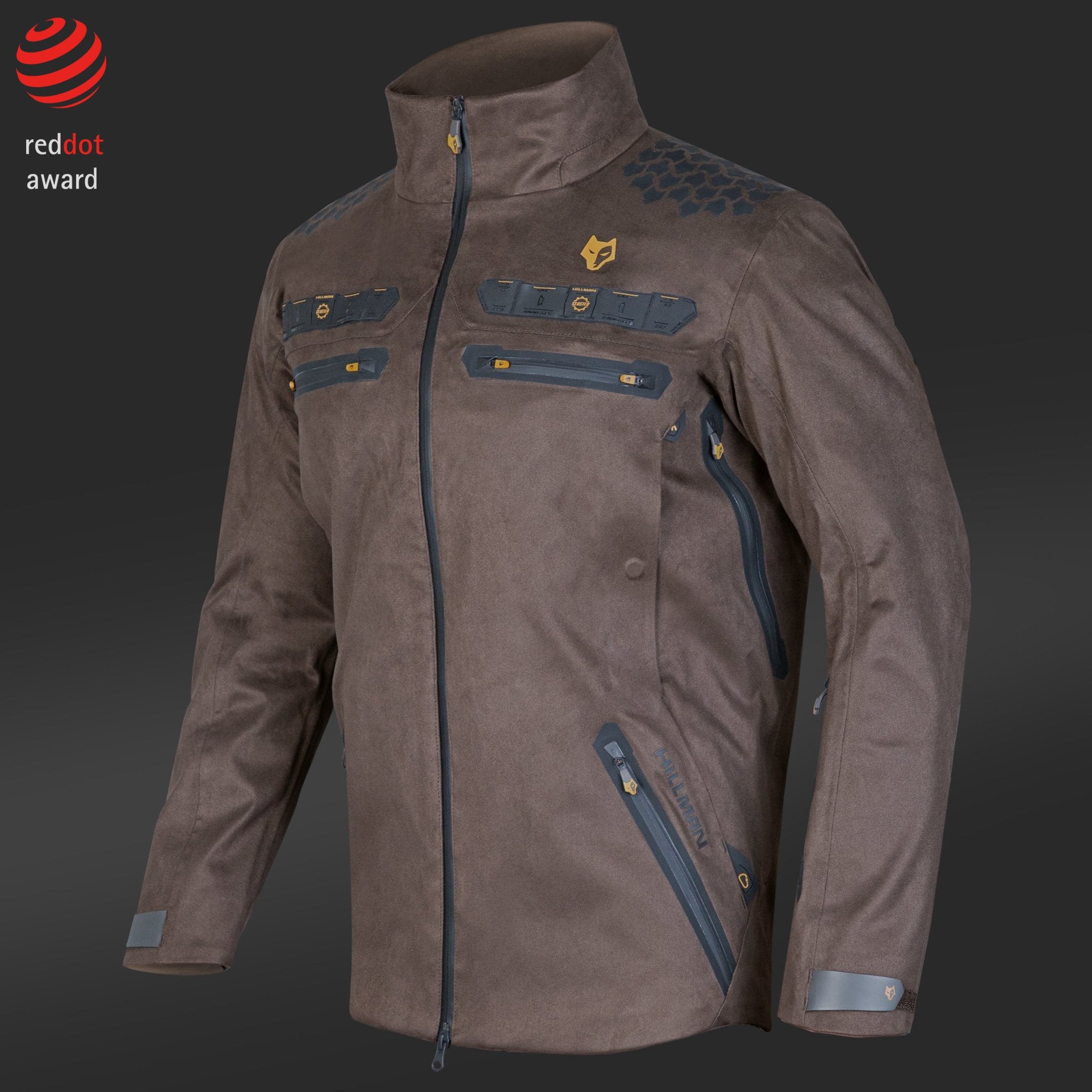
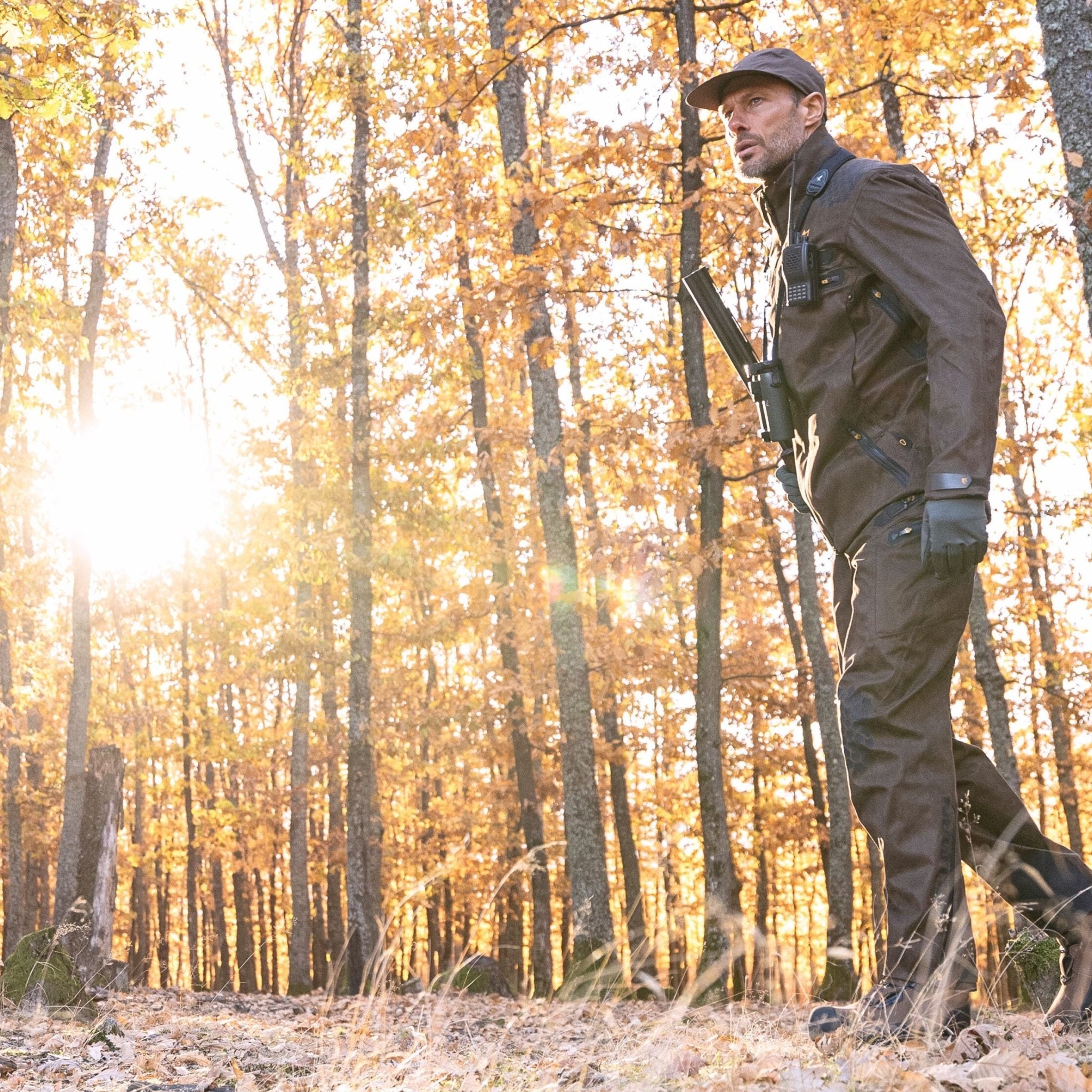
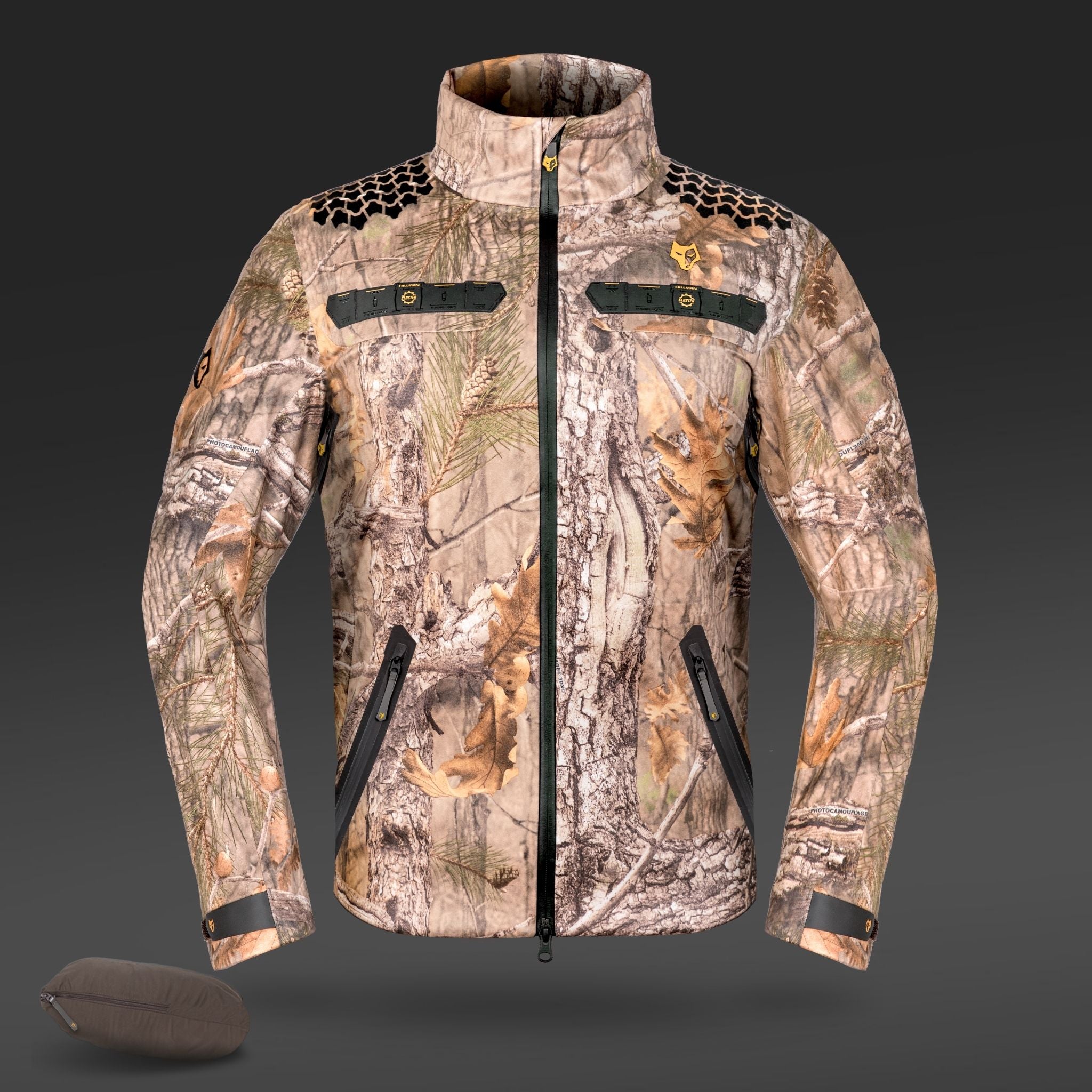
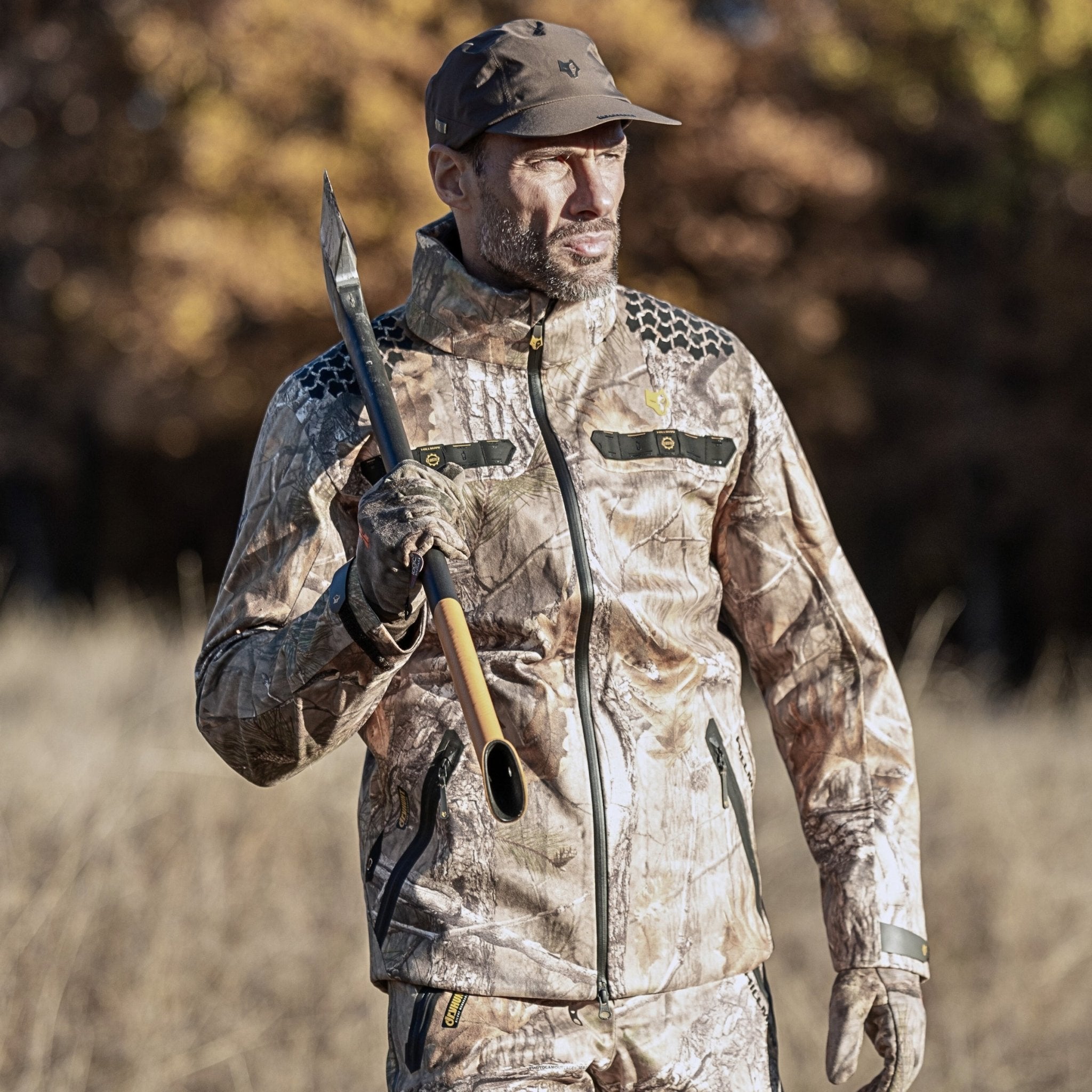
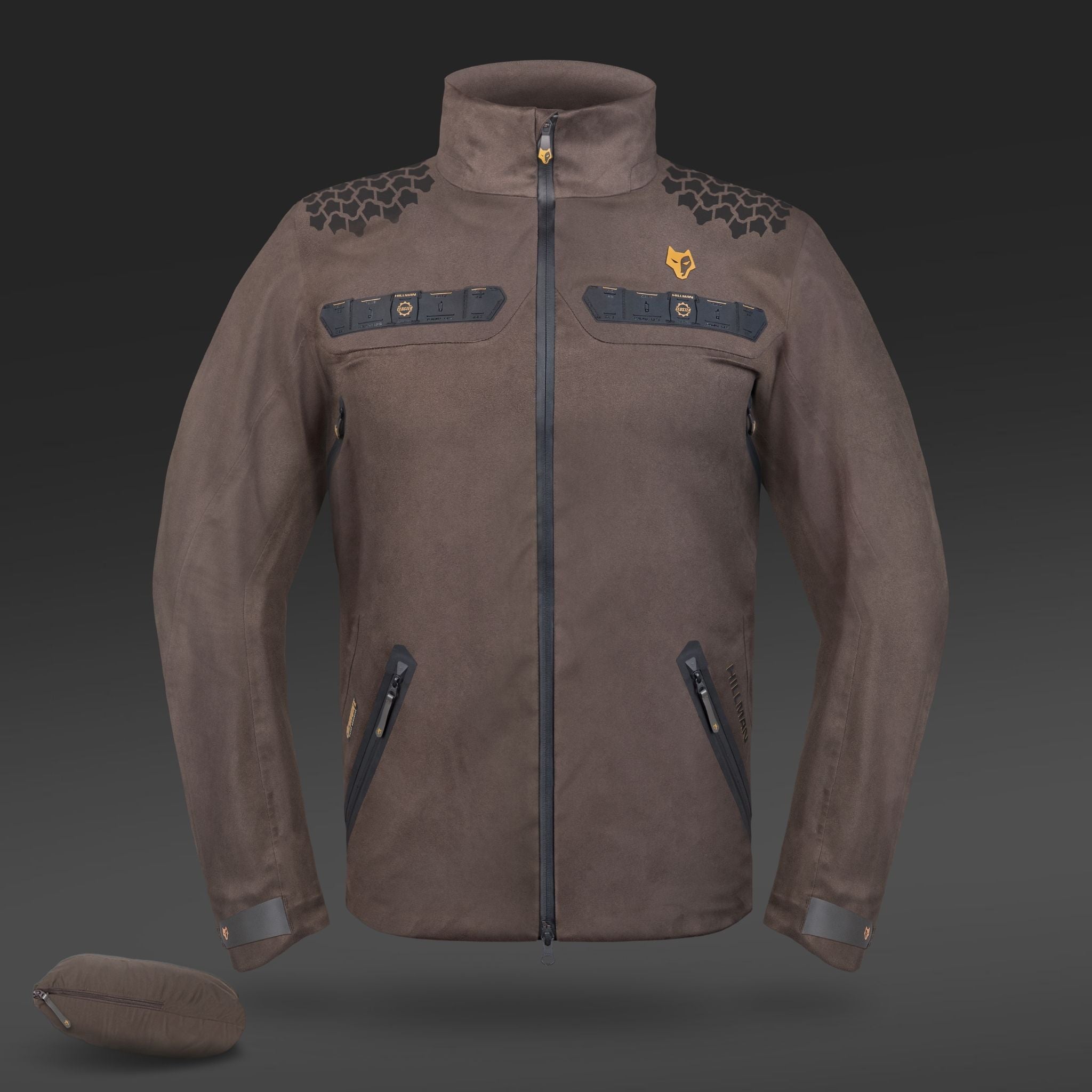
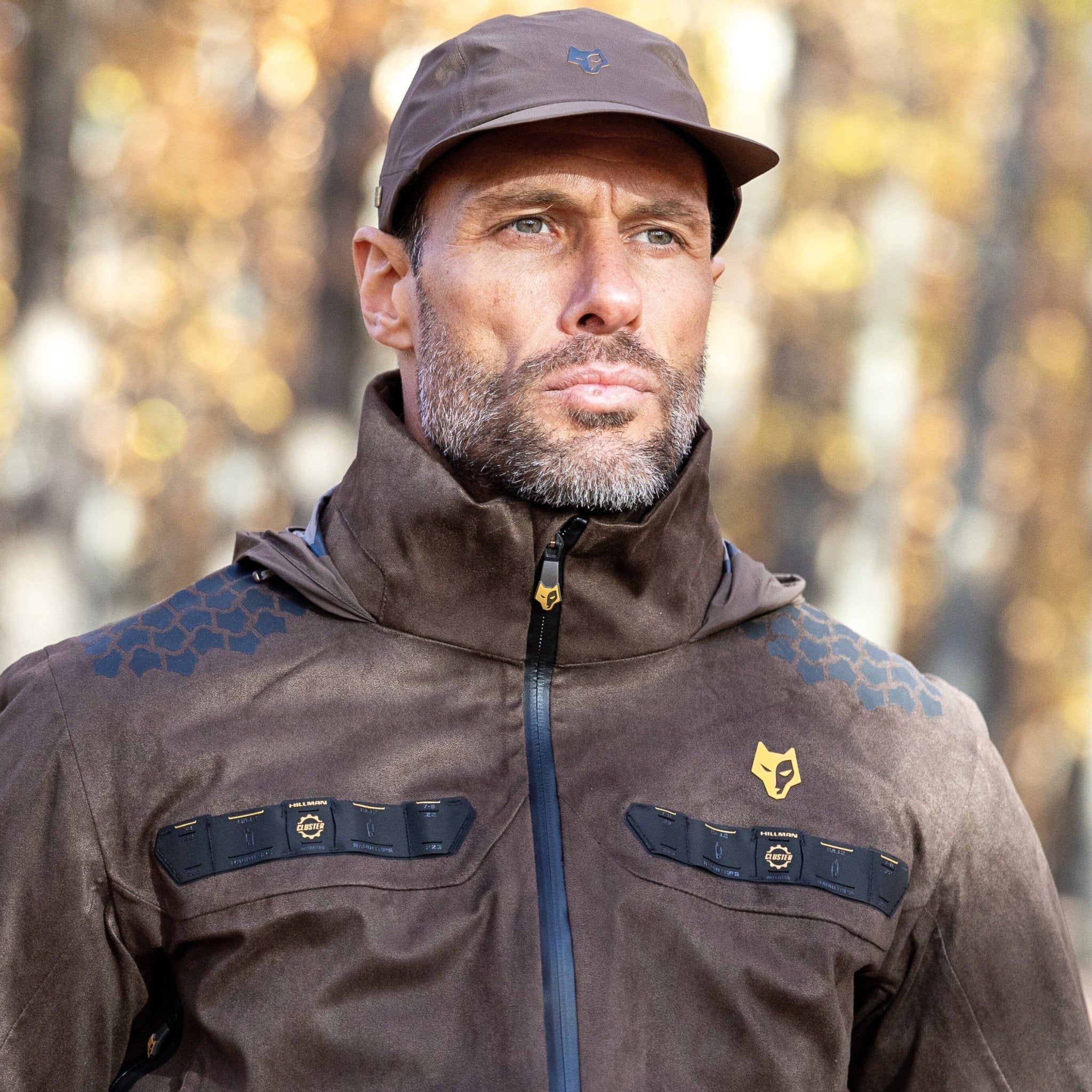
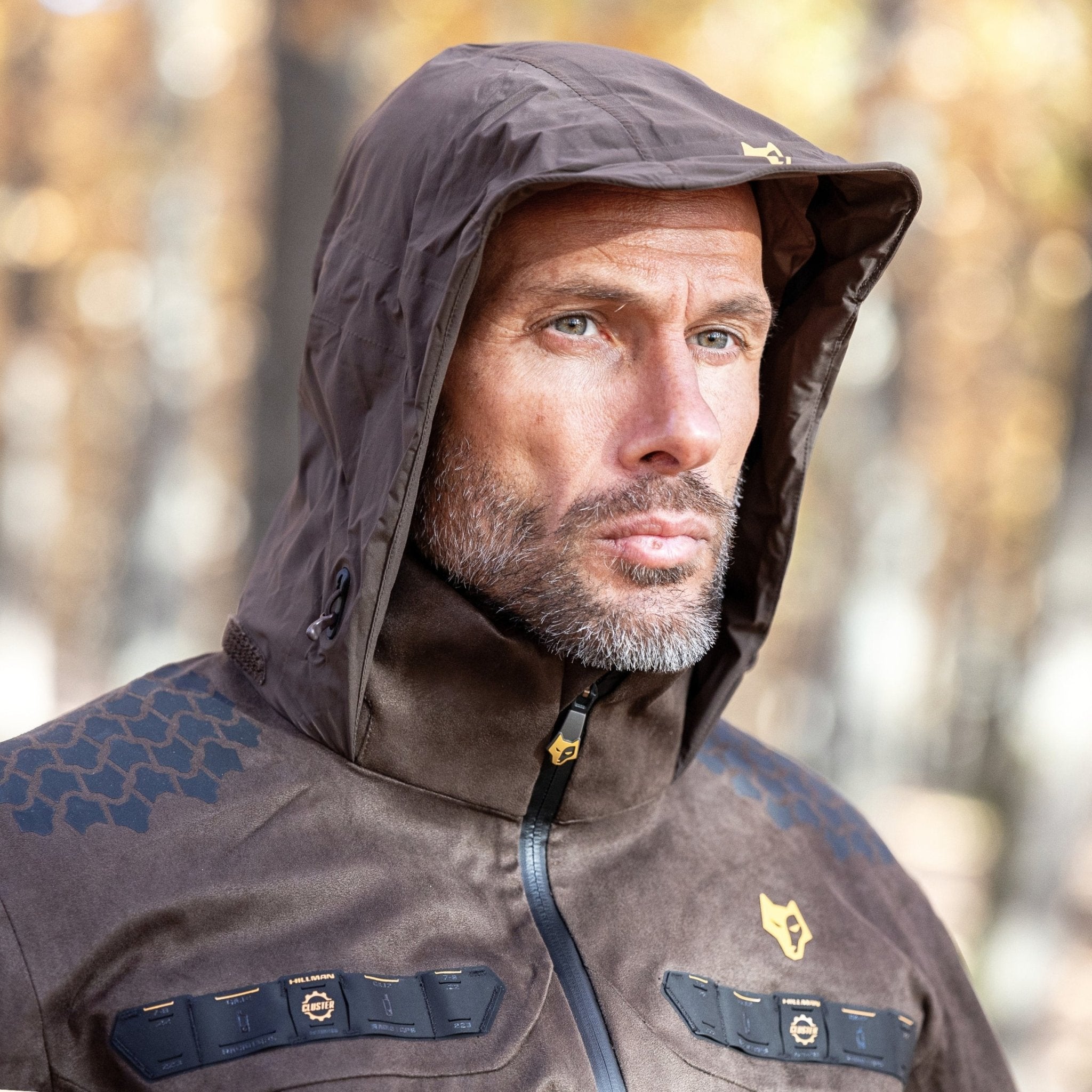
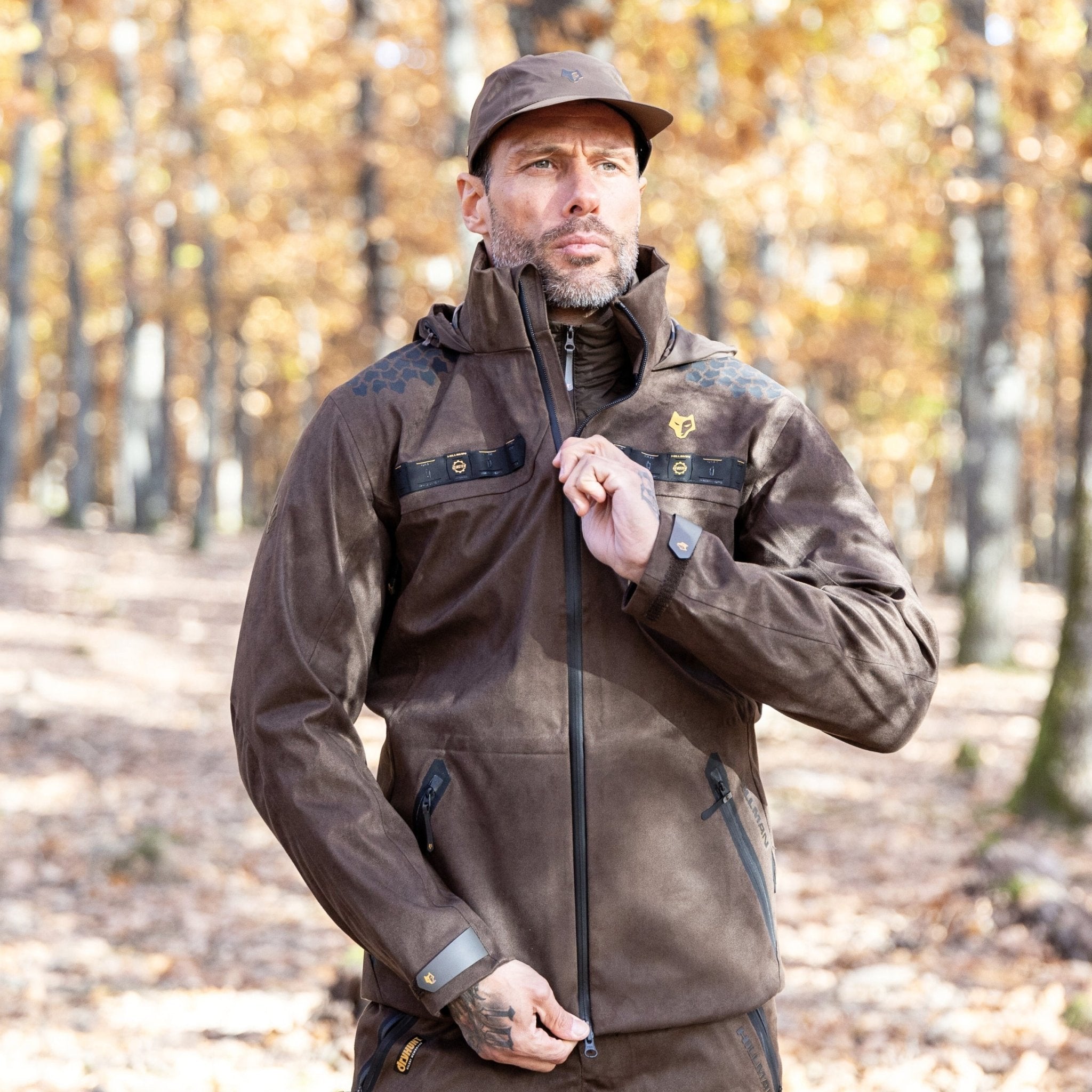
A good shooting jacket has a fairly plain job. It needs to keep out bad weather, let some heat escape, and allow natural movement. For pheasant shooting, that means it should be waterproof and breathable. Rain is the obvious problem, but not the only one. Wet grass, damp hedges, moisture hanging in the air, the general low-level wet that makes up a lot of British field sports weather. A shooting coat or shooting jacket has to deal with all of that without becoming heavy, clammy, or awkward.
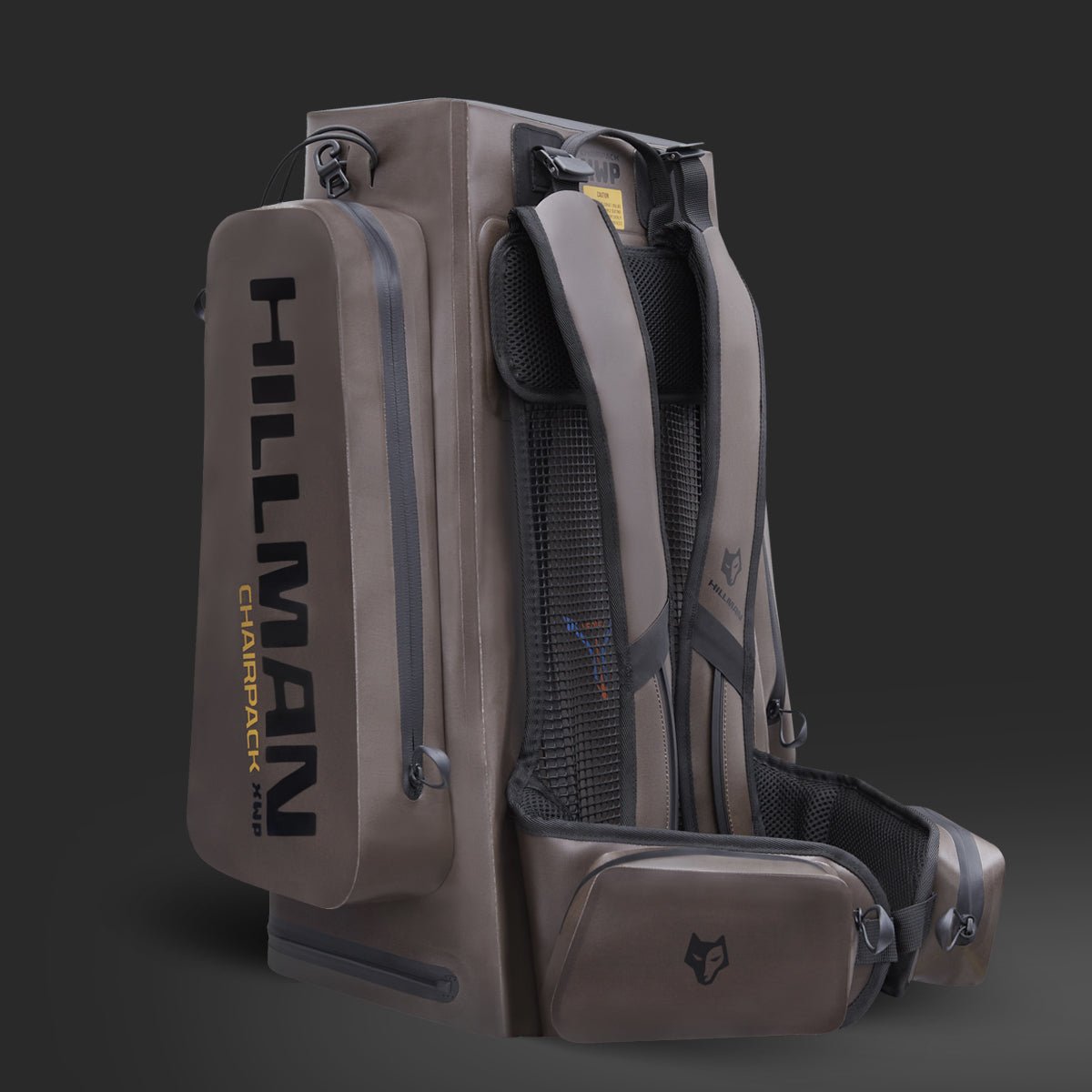
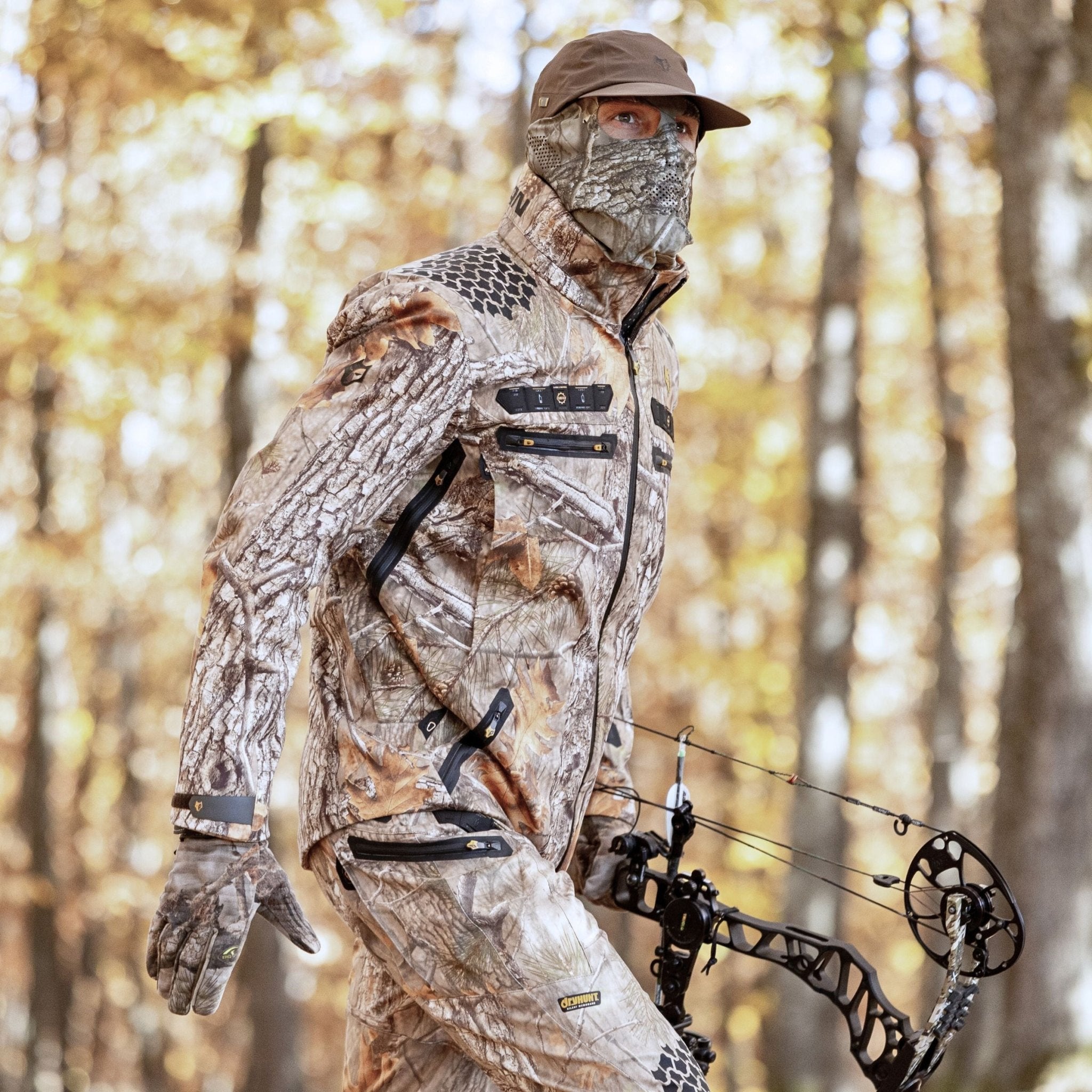
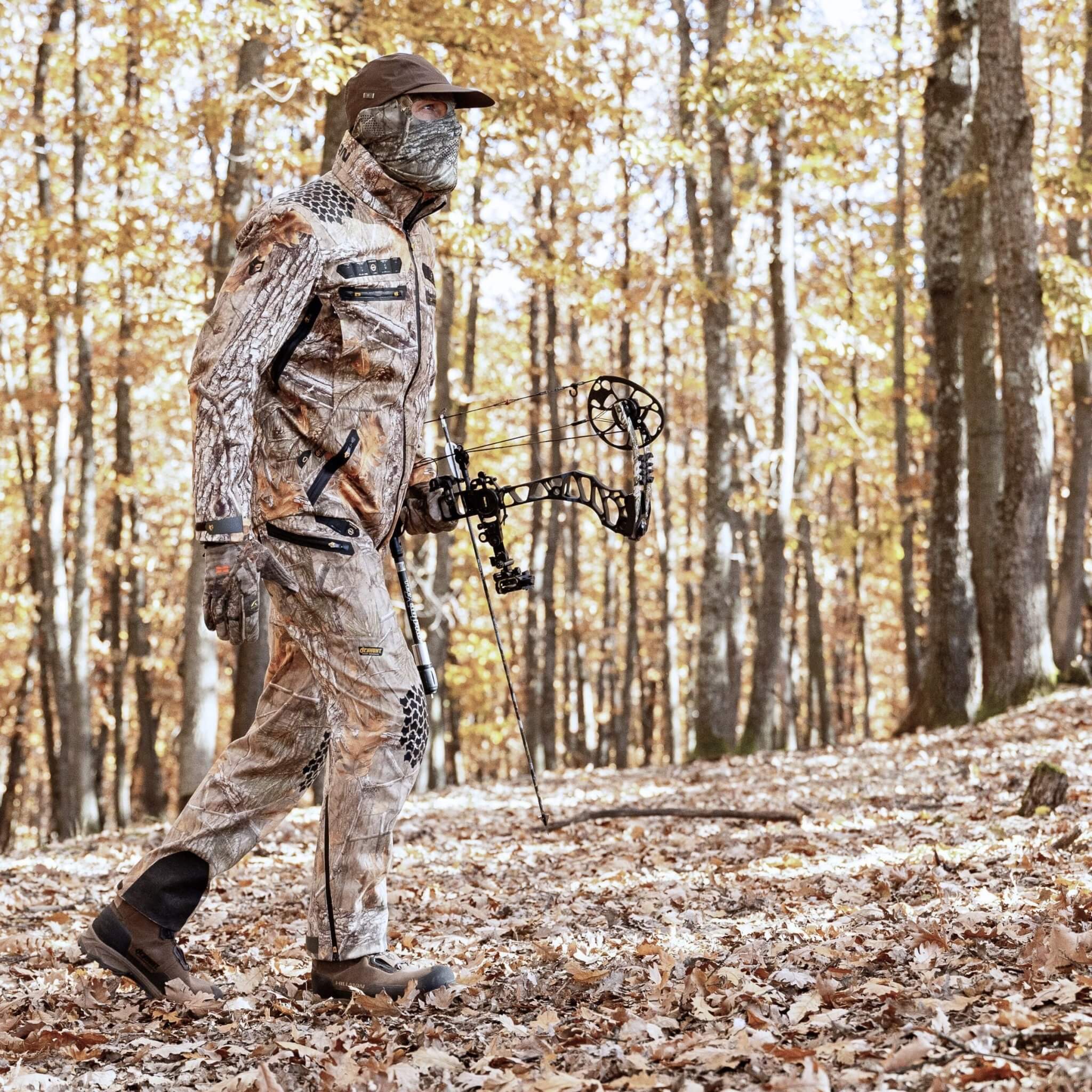
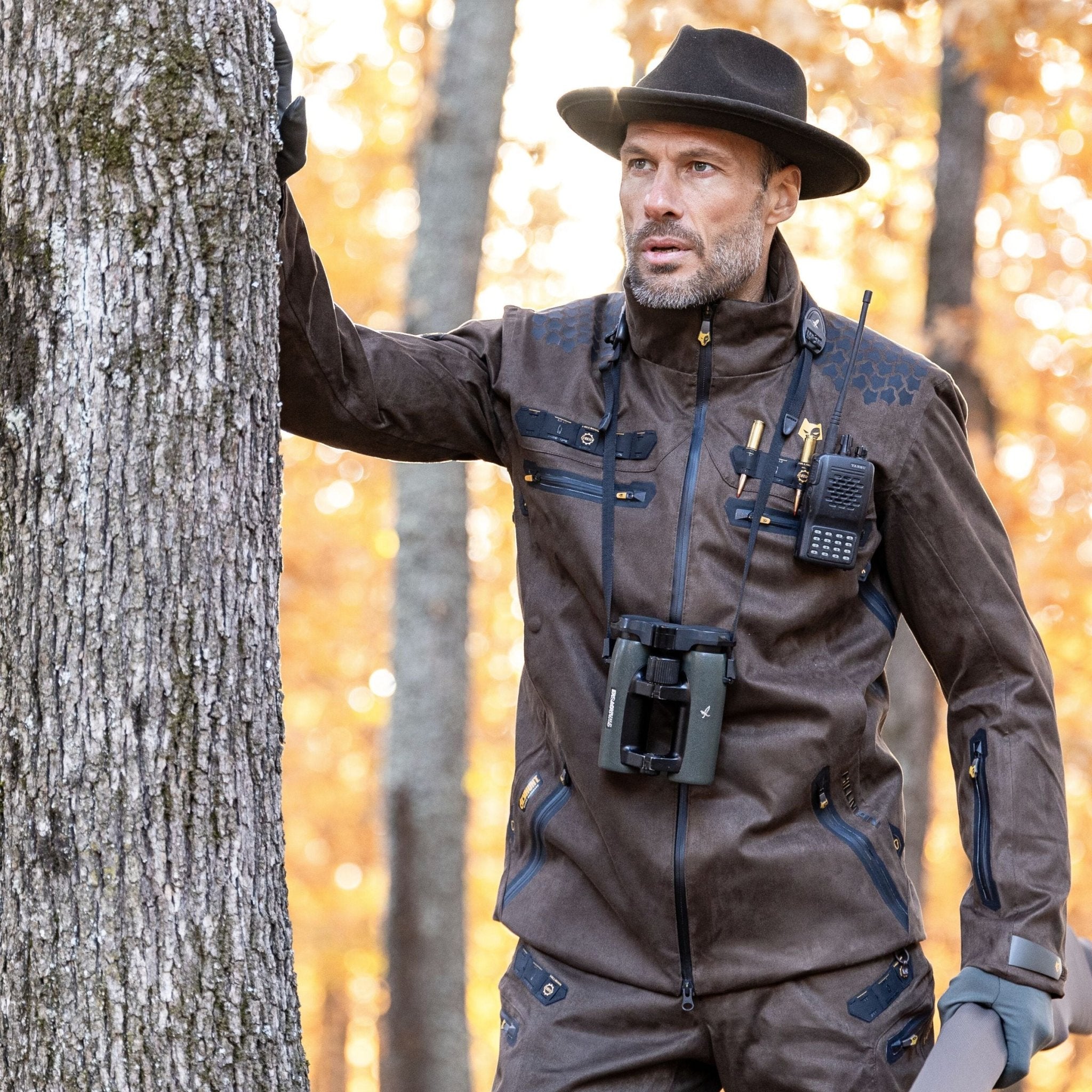
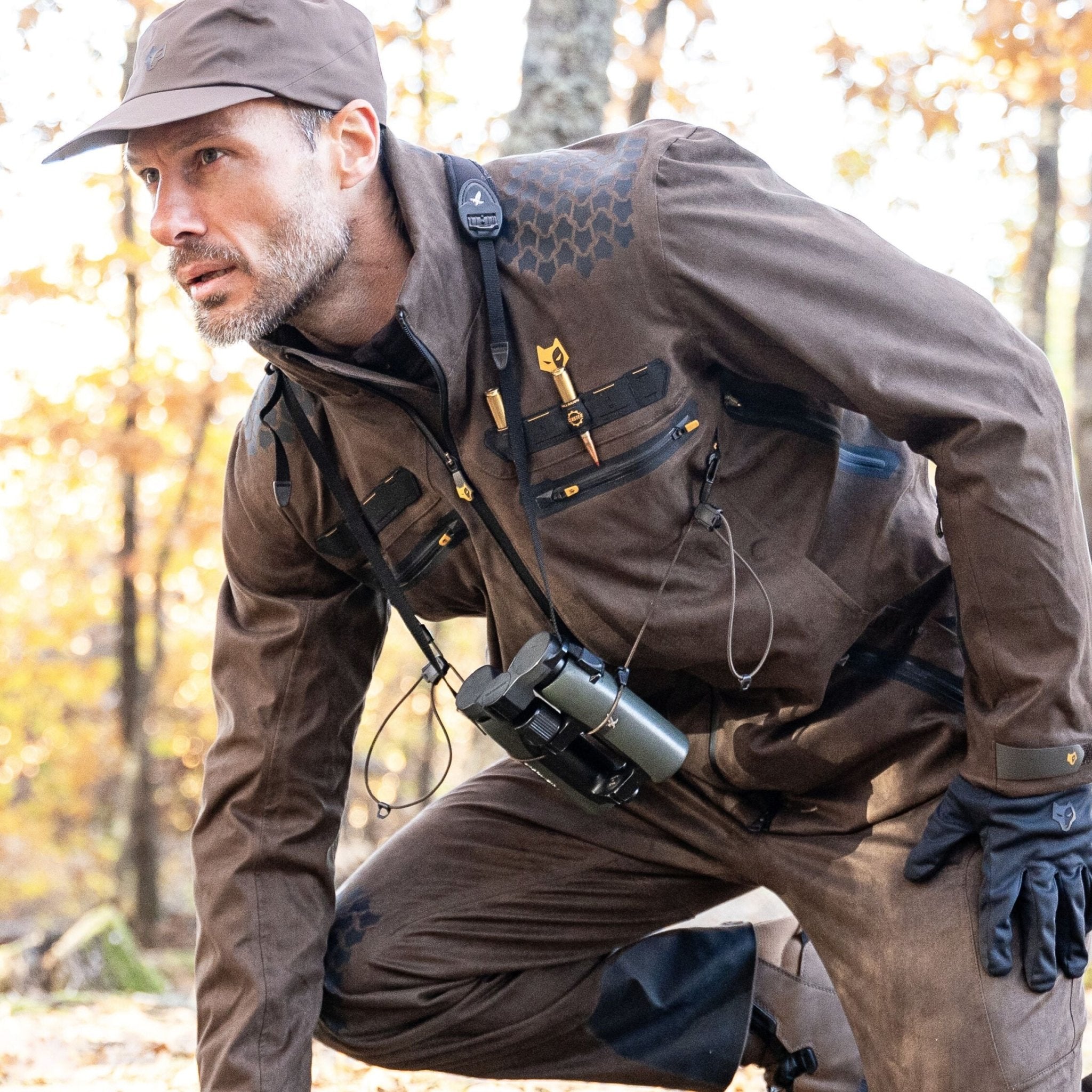
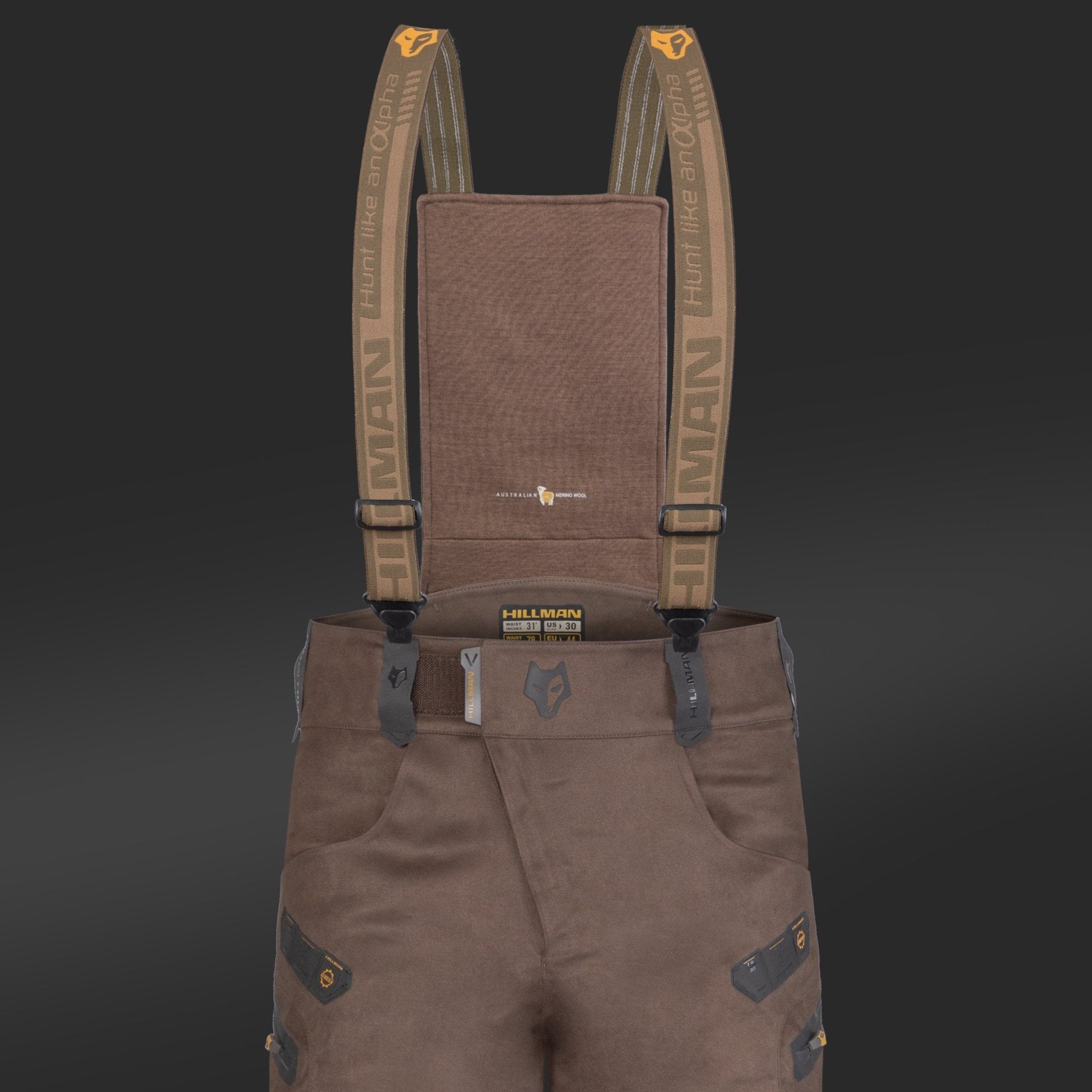
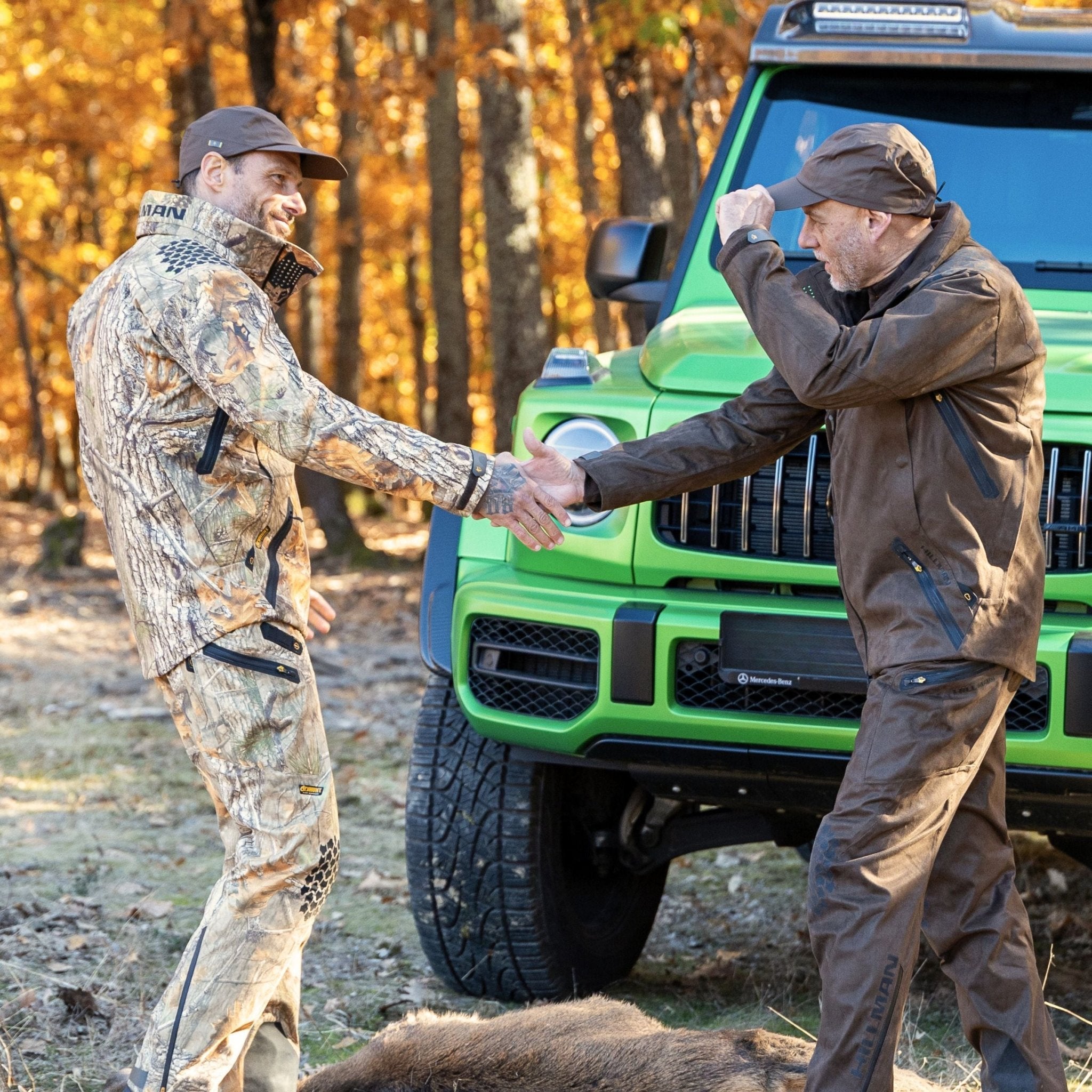
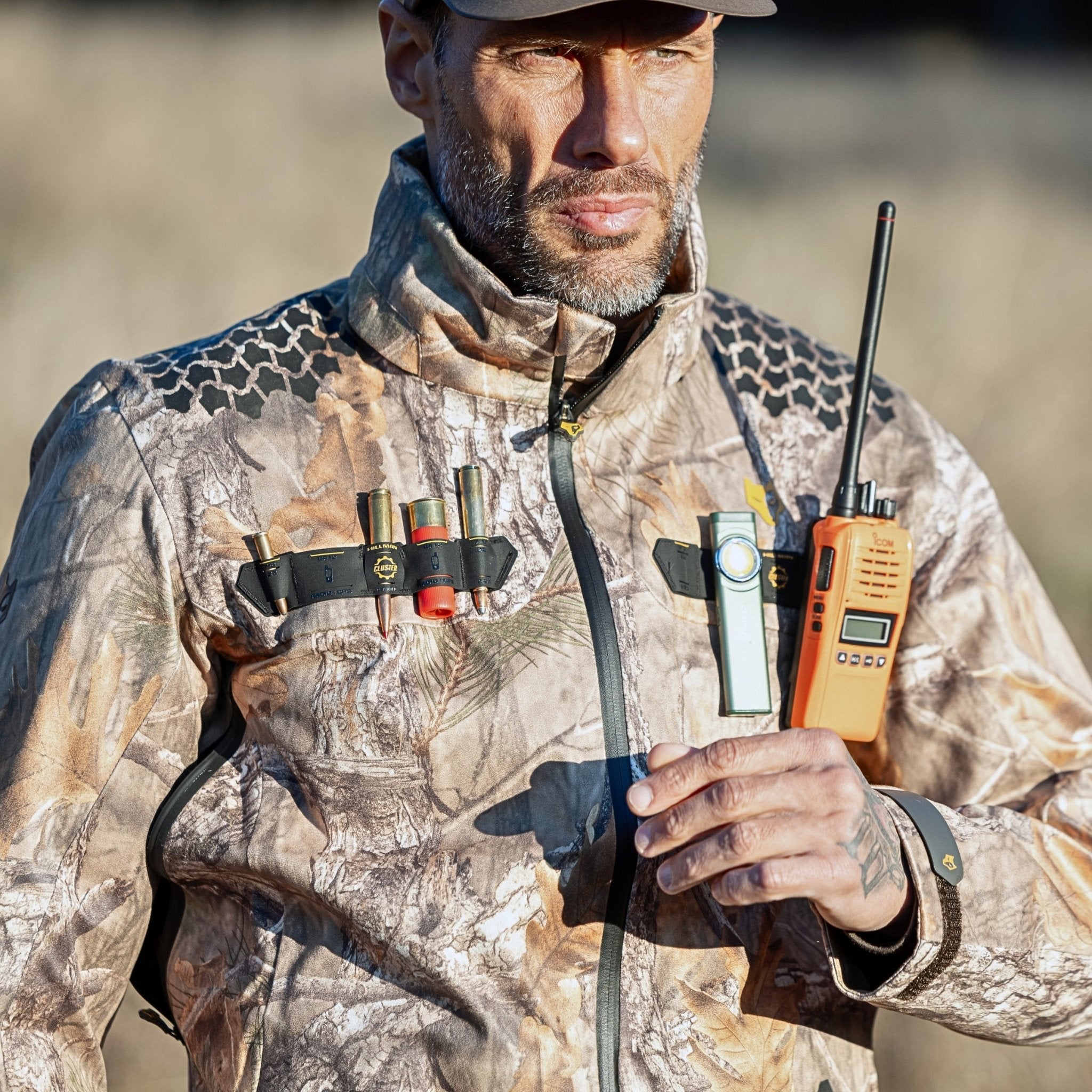
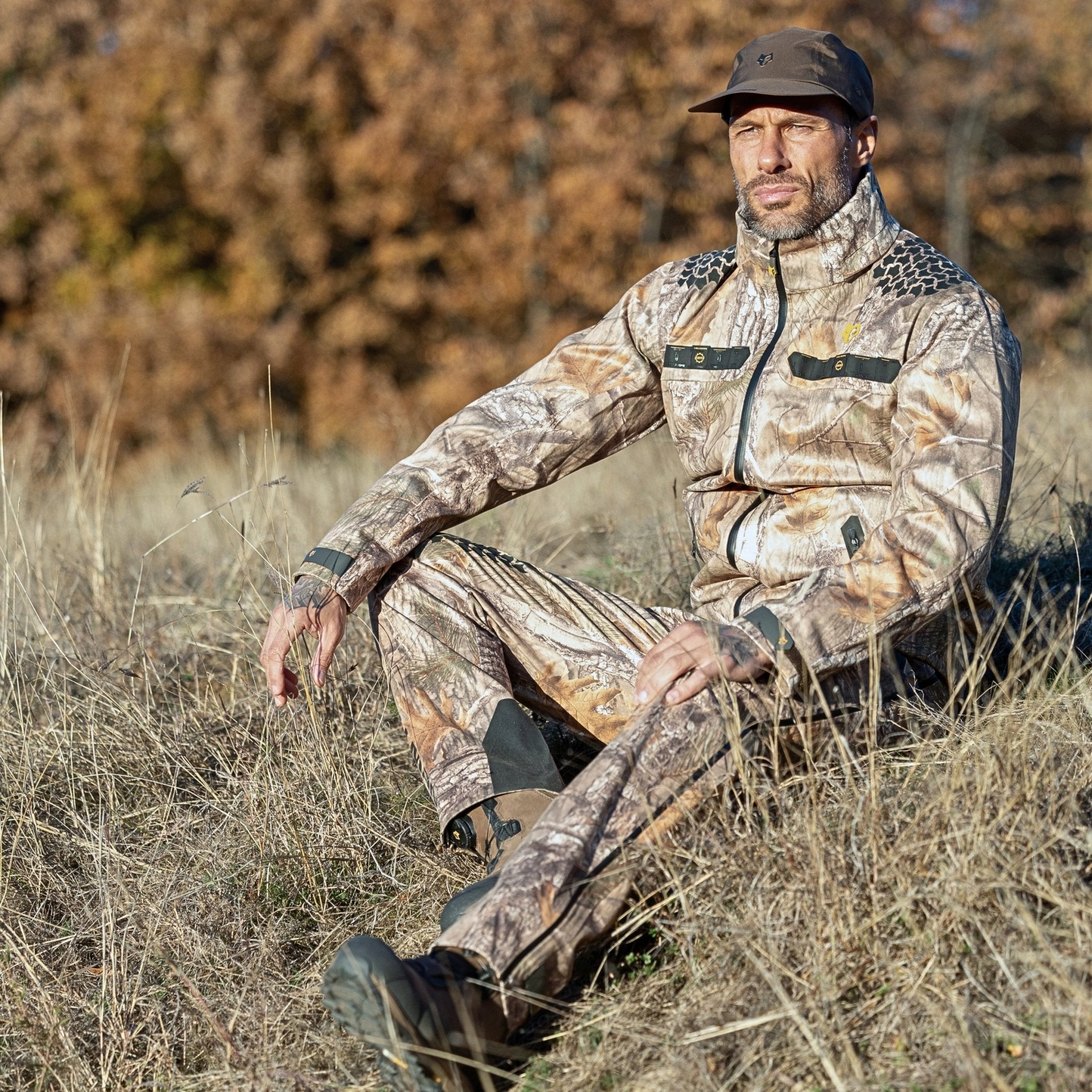
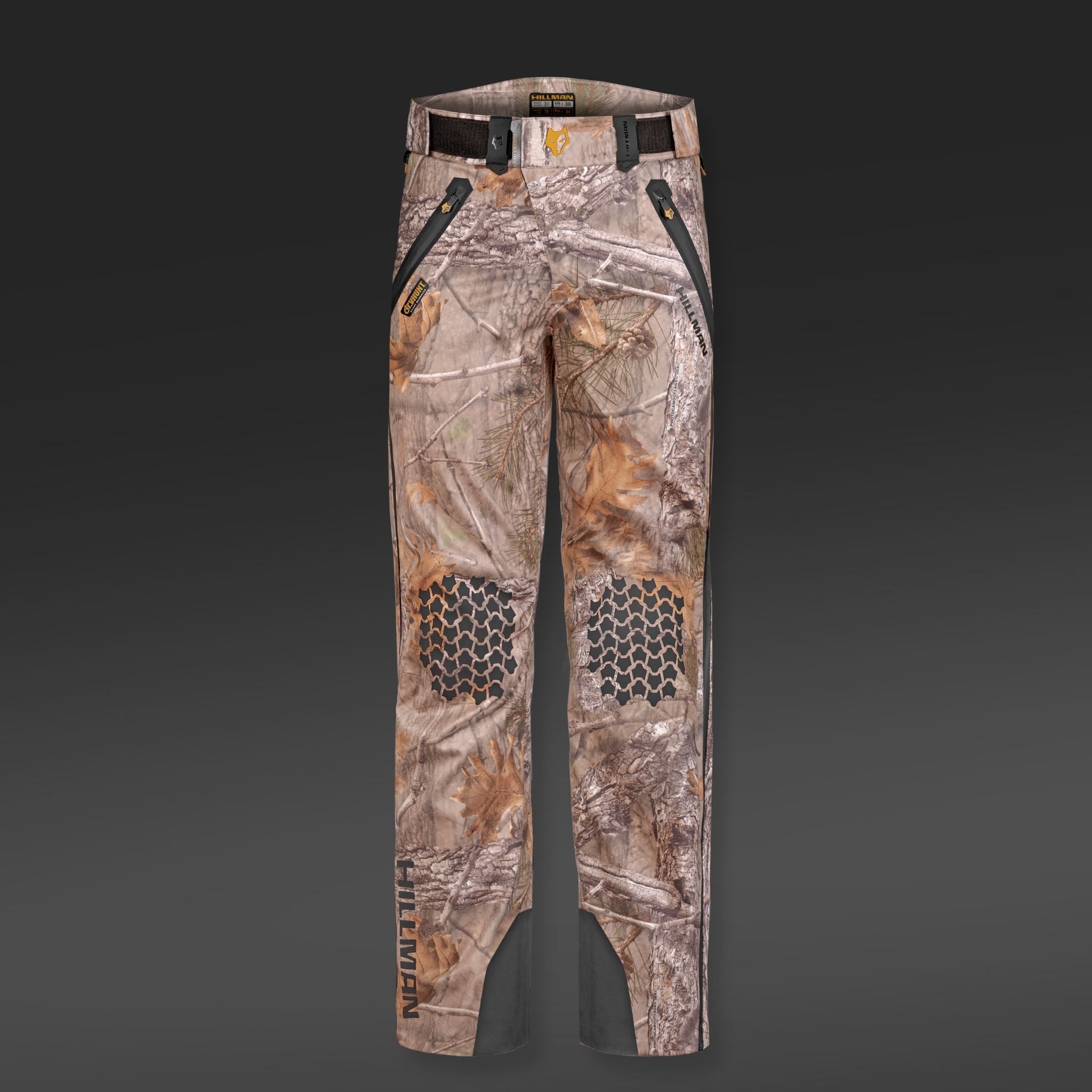
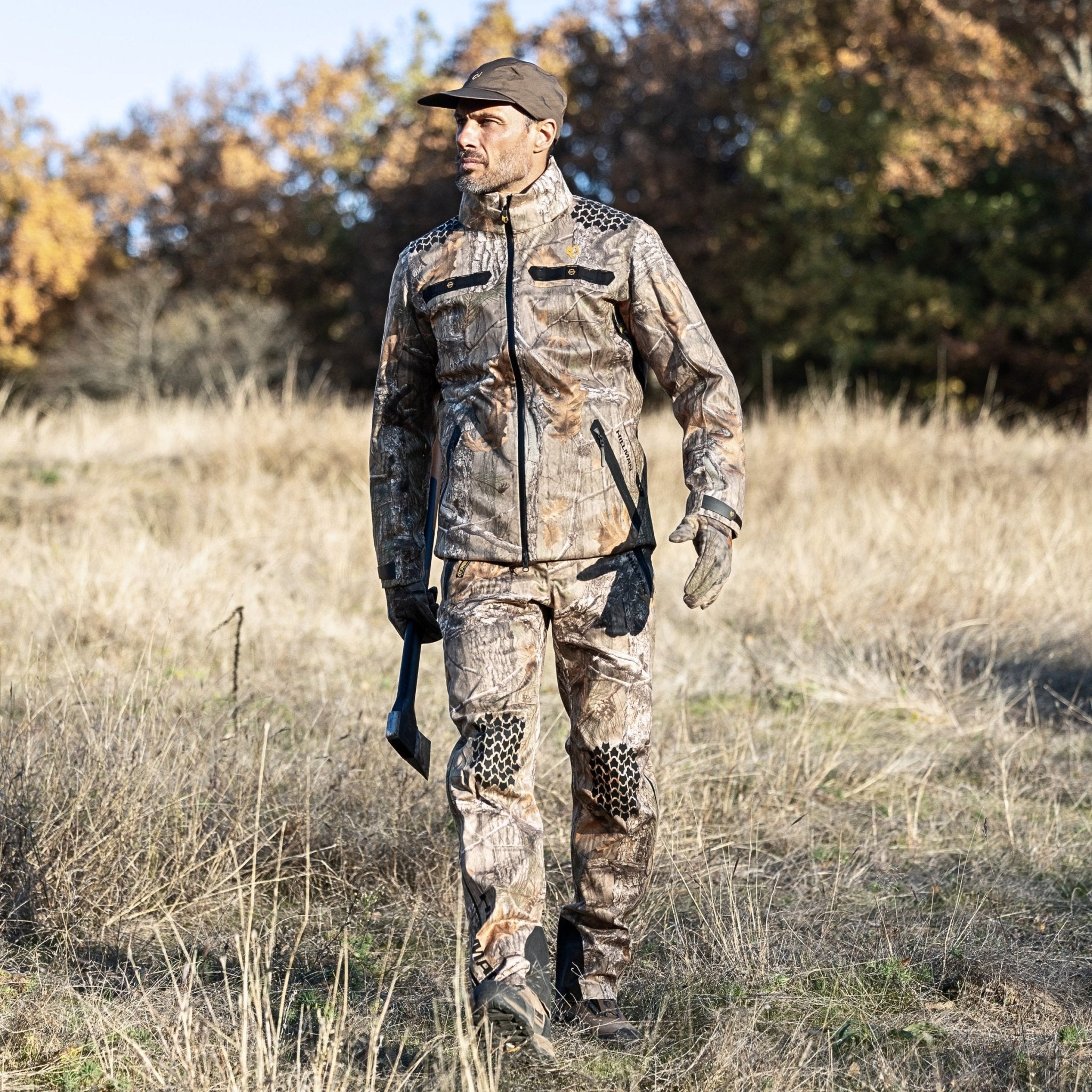
Fit matters just as much. A comfortable fit is not the same as a loose fit. You want enough movement through the shoulders and arms, enough room for layers, and no pull across the back when the gun comes up. Practical details matter too. Spacious pockets are useful. Pockets for cartridges are useful. Hand warmer pockets on a cold day stop sounding like a luxury once you are standing around in a biting wind. If the forecast looks rough, a heavier shooting coat may be the better answer. If the day seems milder, a lighter shooting jacket may be enough. This is where a premium field-ready option like Hillman fits naturally.
Tweed Shooting: Tweed Breeks, Cotton Breeks, and Moleskin Trousers

Tweed survives for a reason. It works. It is warm, it wears well, and it sits naturally in the countryside. Greens, browns, and other muted colours belong around hedges, birds, wet ground, and open sky in a way a brighter kit simply does not. Tweed shooting can look formal, but the appeal is not only visual. Good tweed feels at home in the field. It has a kind of quiet practicality to it.
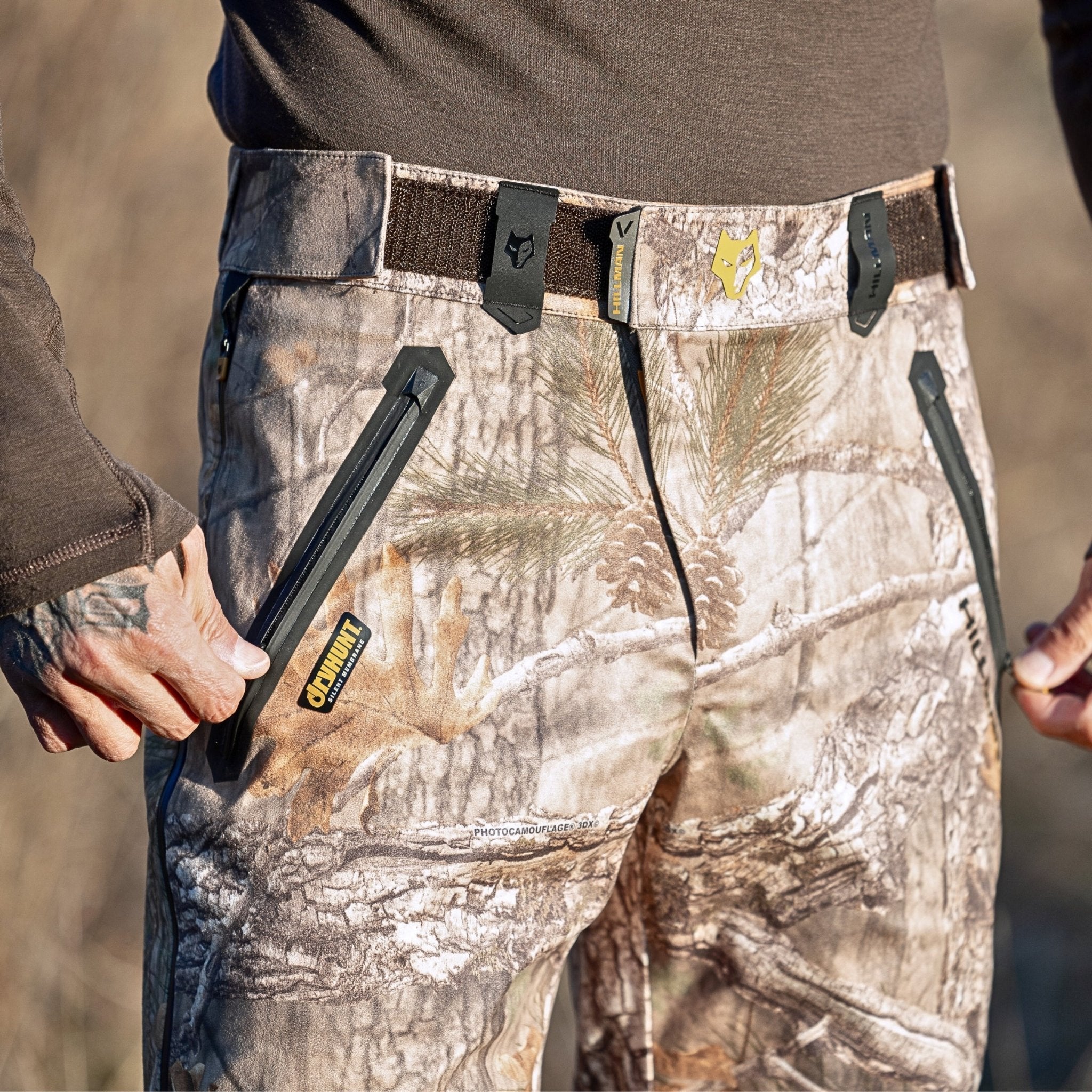
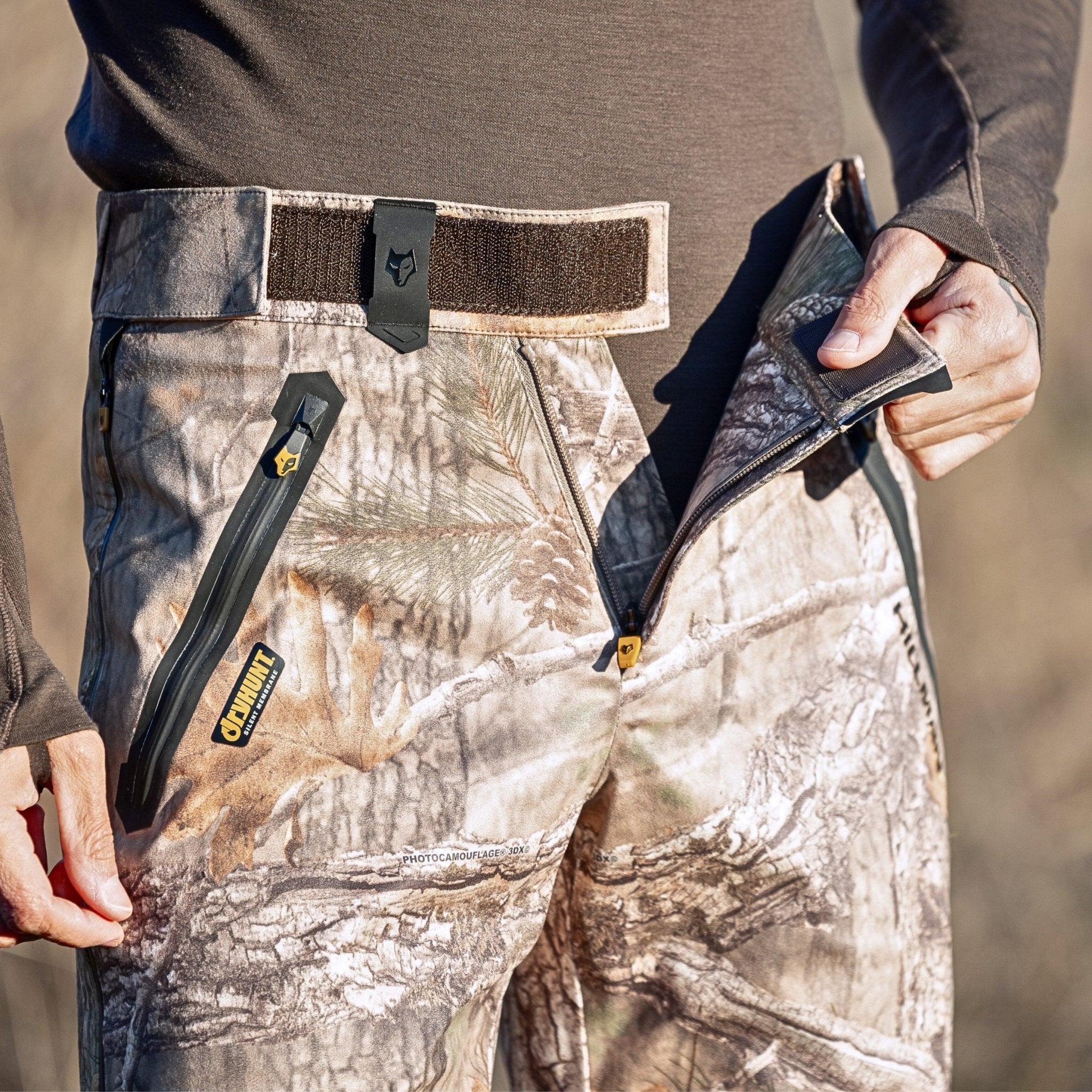
Breeks are part of that. Tweed breeks are the classic option, though cotton breeks can work on some days depending on the weather and the formality of the shoot. They handle wet grass well and, once you get used to them, they make a lot of sense. Traditionalists still wear socks over breeks to keep everything neat and in place. It sounds old-fashioned until you see how useful it is.
That said, trousers are often the easier answer. Moleskin trousers are comfortable, durable, and right for many days, especially the less formal ones. I would always rather wear the right trousers than the wrong breeks. Personal preference counts, but the choice still needs to work in the field.
Walking Boots, Wet Ground, and Keeping Your Feet Dry

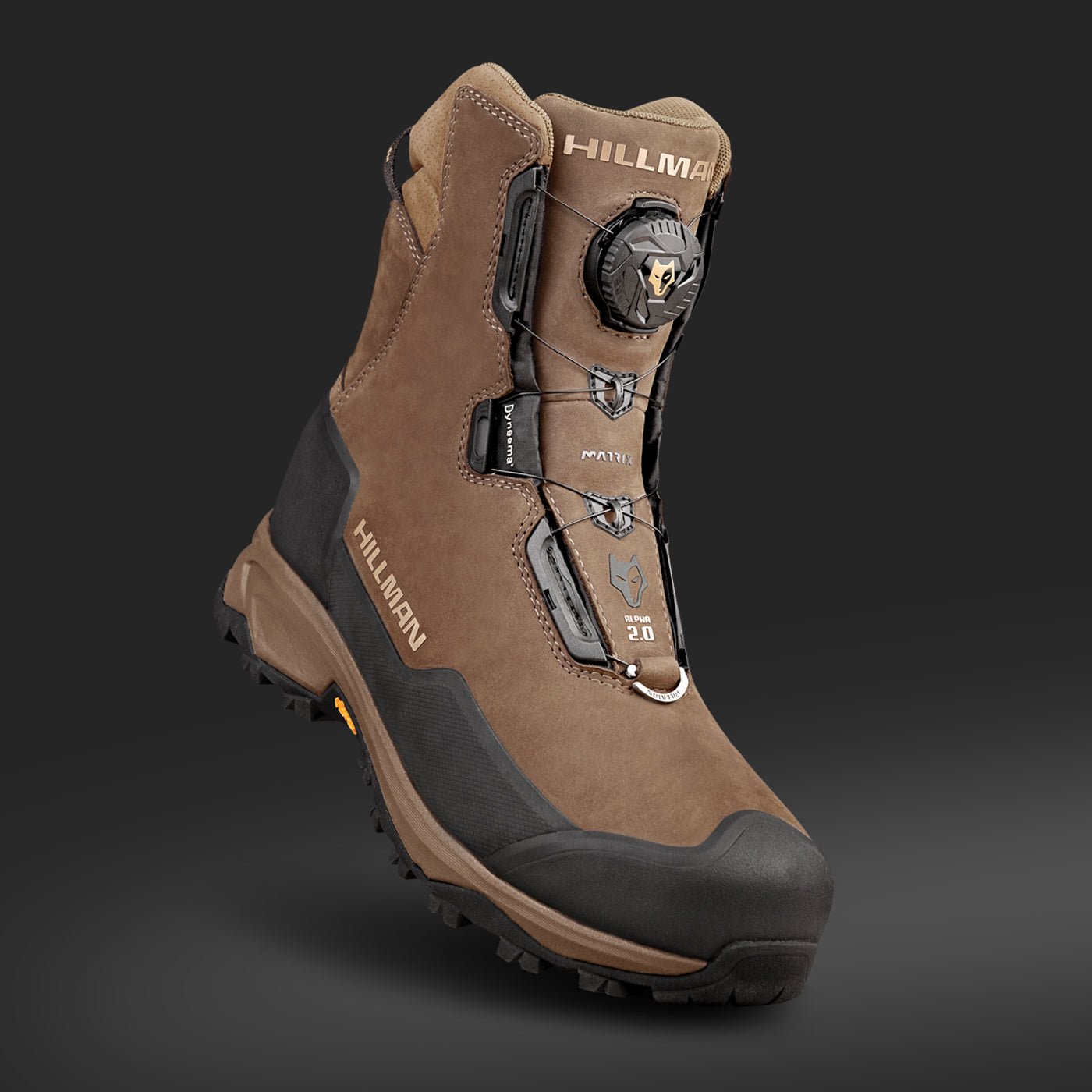
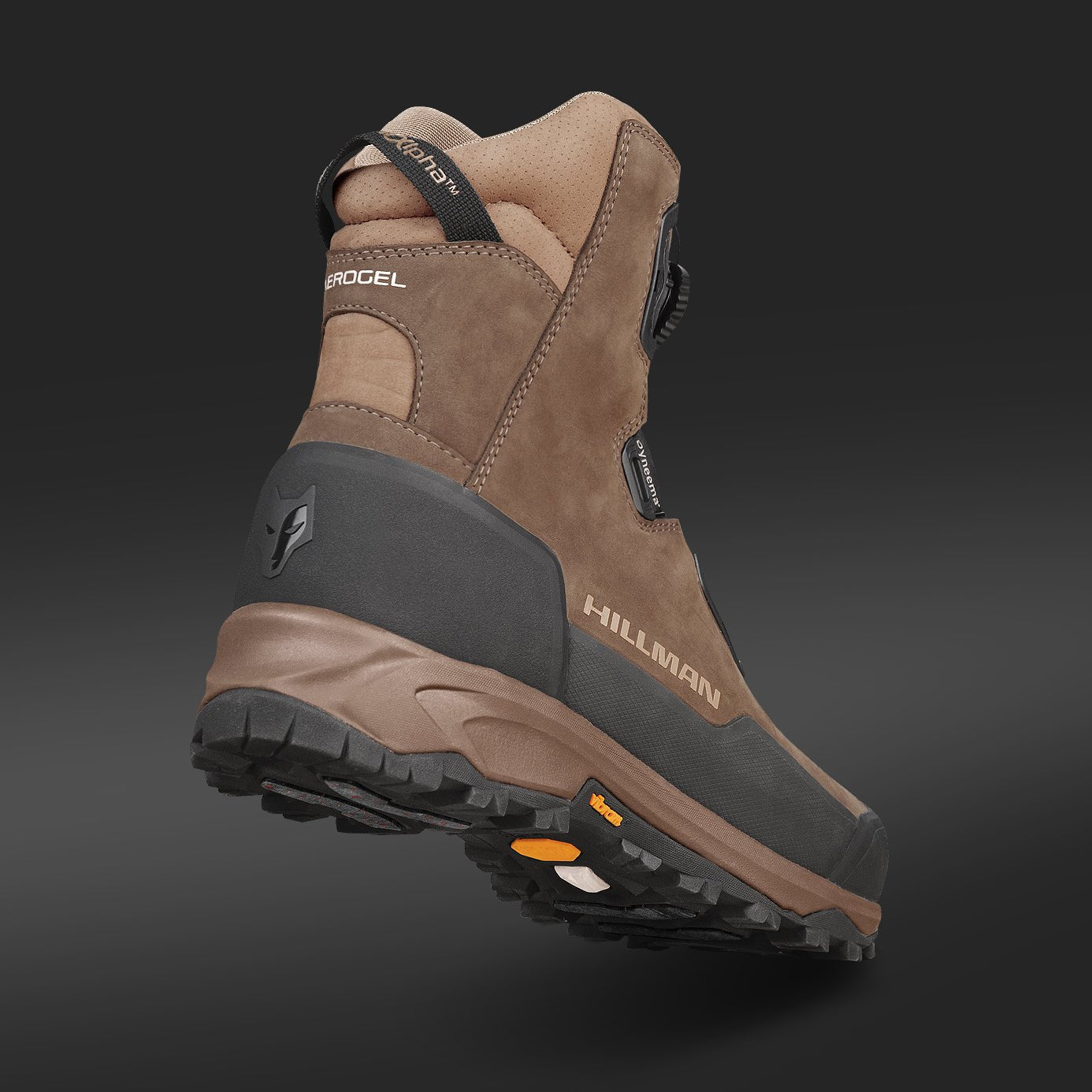
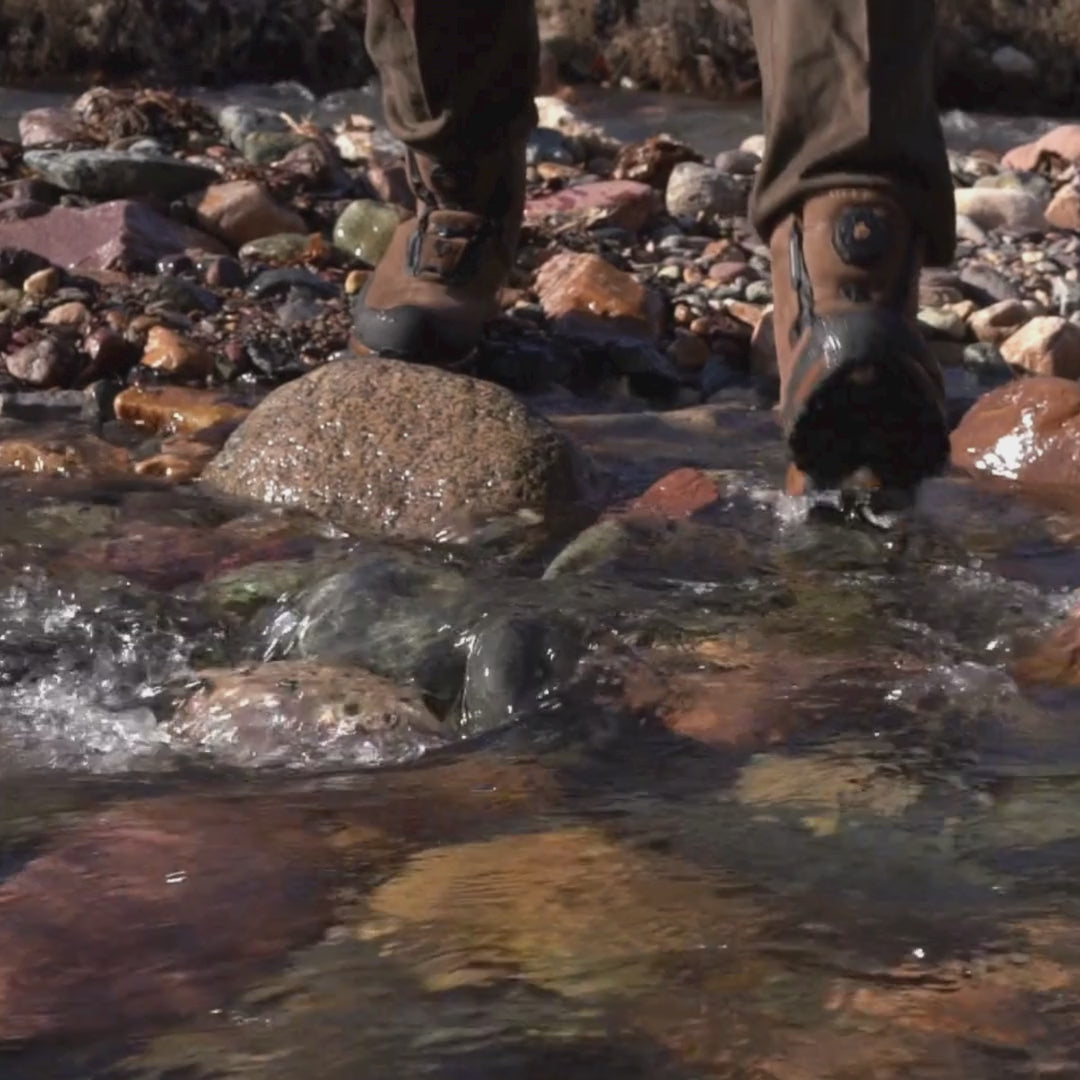
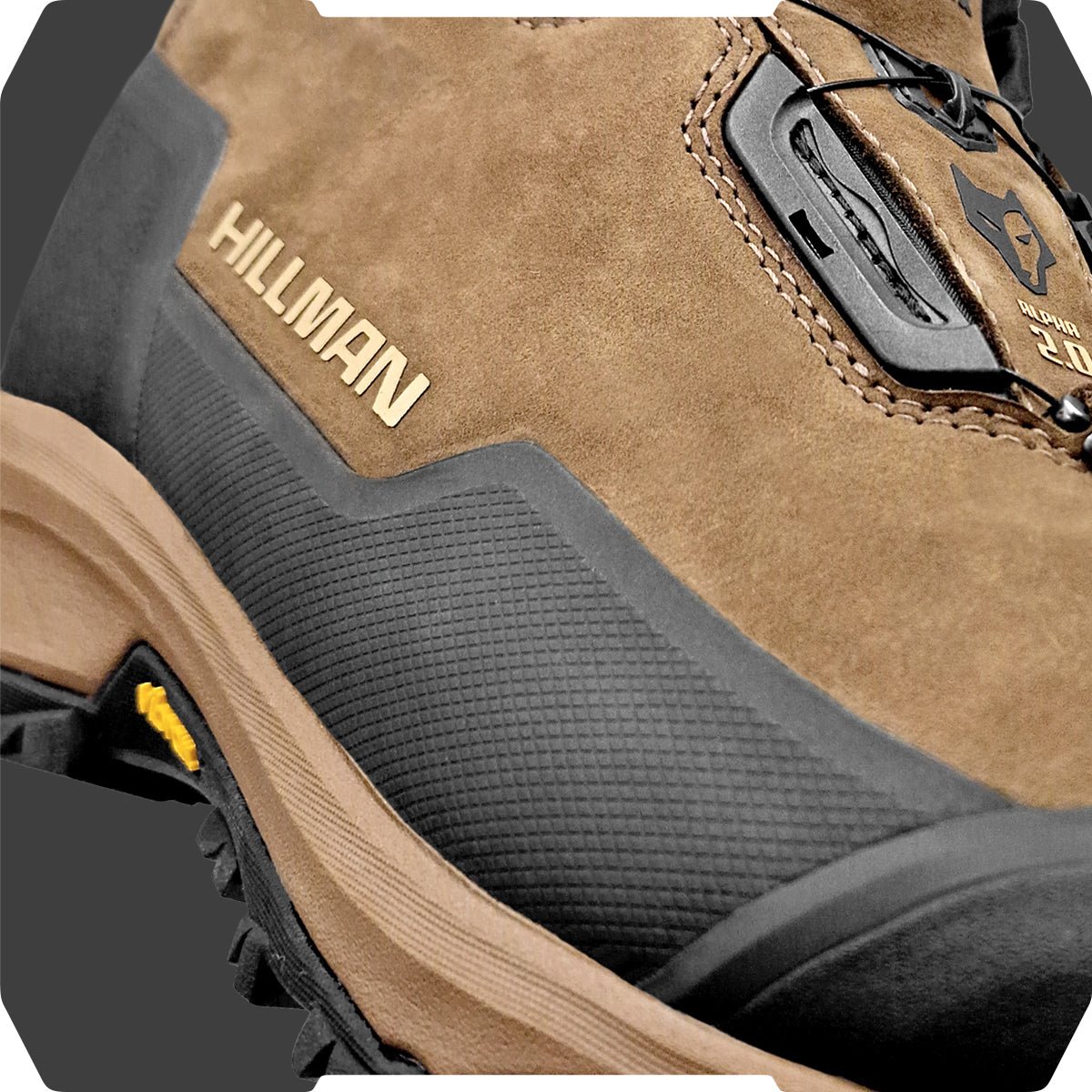
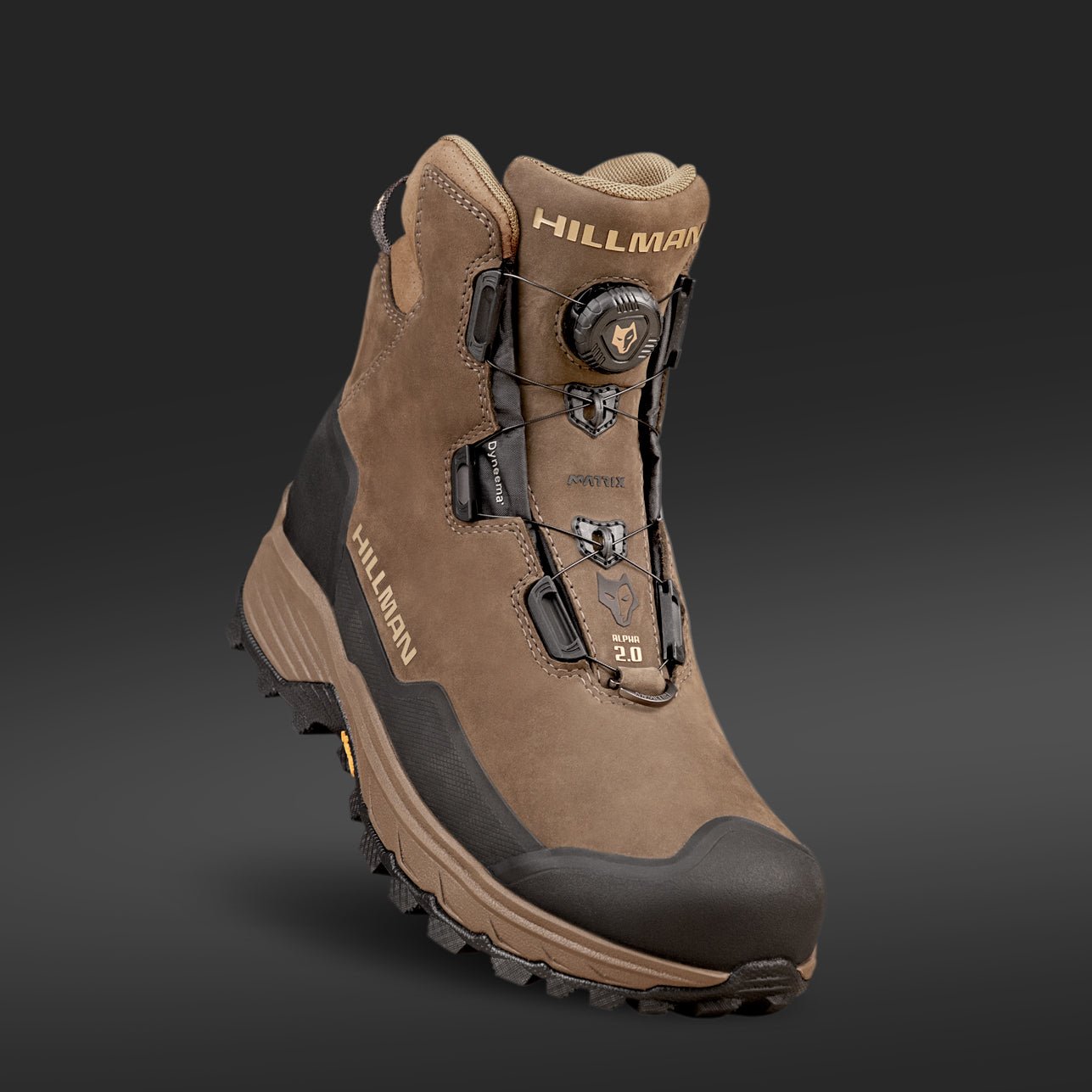
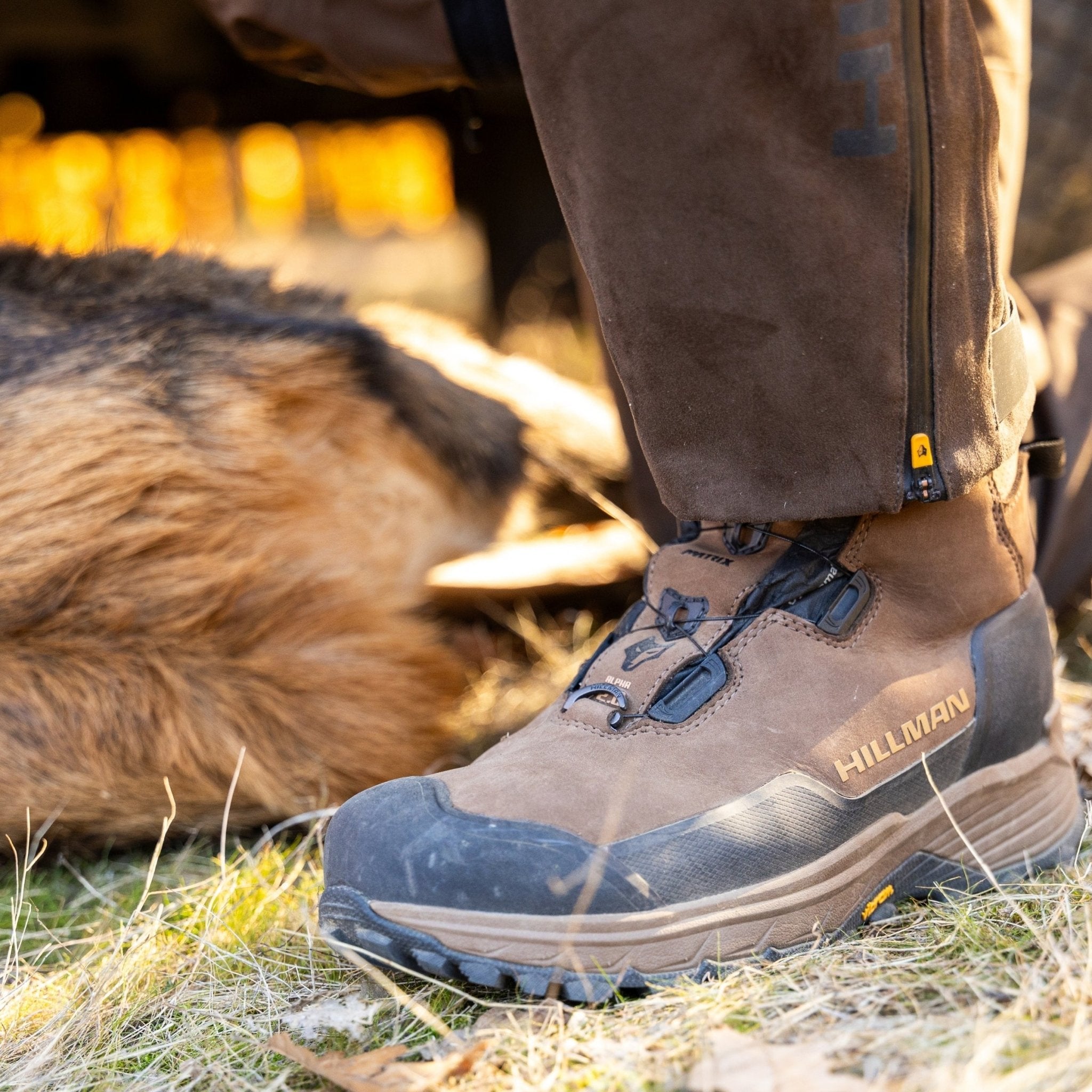
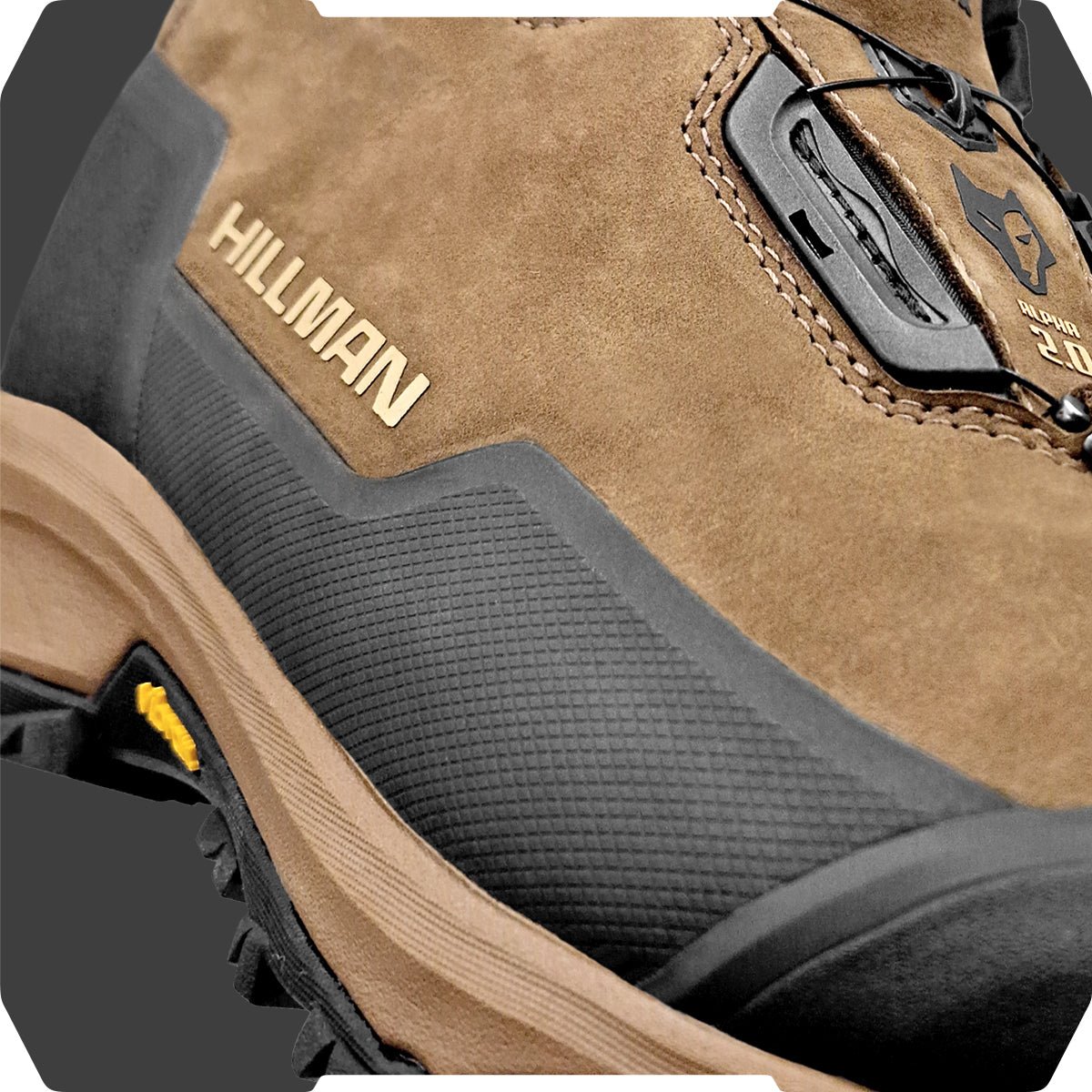
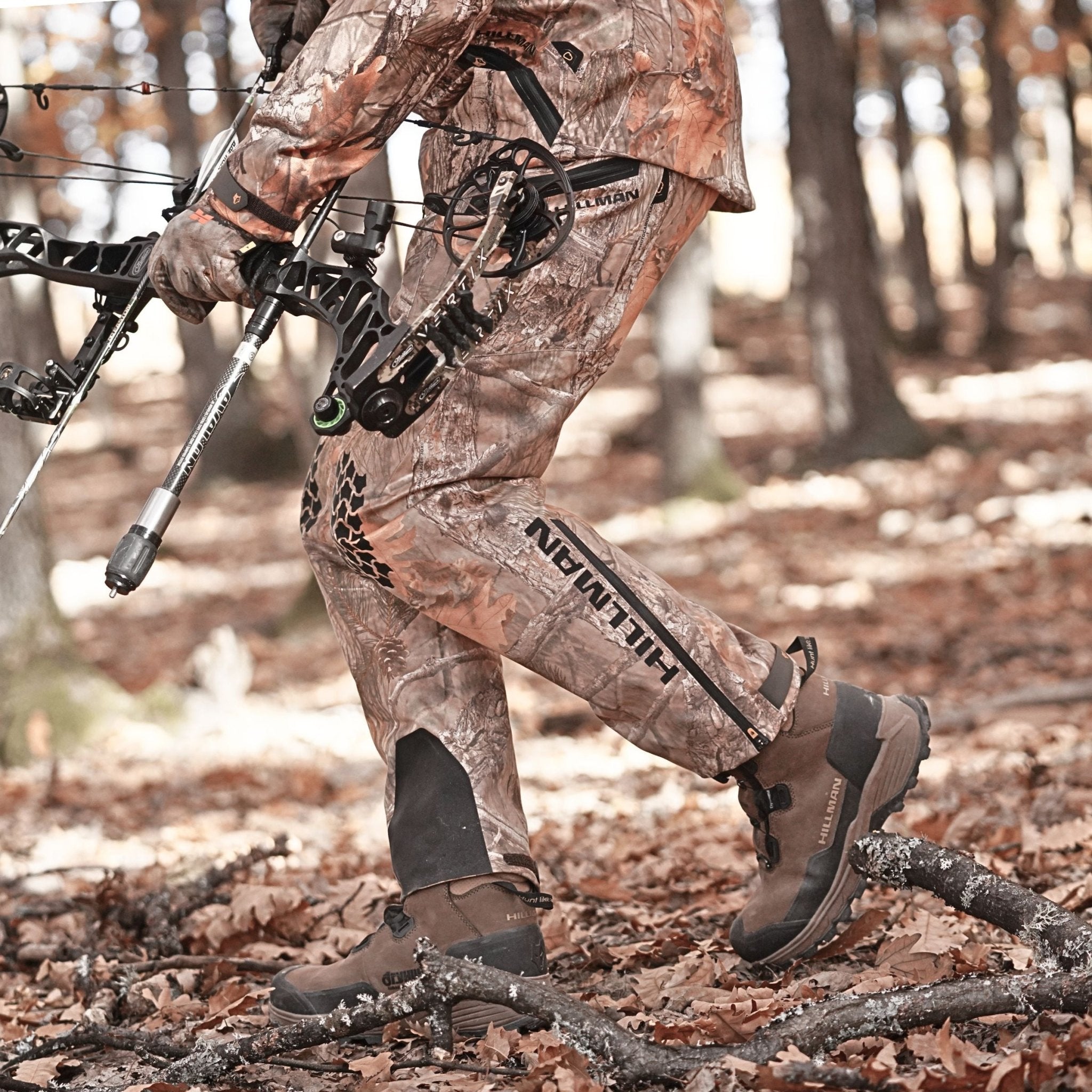
Footwear is where a lot of otherwise sensible outfits come unstuck. If the ground is wet, muddy, or soft underfoot, waterproof boots are usually the sensible call. If there is more range to cover and the ground is rougher, walking boots may be a better pair. Either way, you want grip, support, and the best chance of keeping your feet dry.
That matters more than people sometimes admit. Once your feet are wet, everything feels slightly worse. You get colder. You notice every patch of mud. The day feels longer. Good boots are not the most glamorous part of a pheasant shooting outfit, but they are one of the parts you miss fastest when they are wrong.
Ear Defenders, Cartridge Bag, Gloves, and Other Essentials

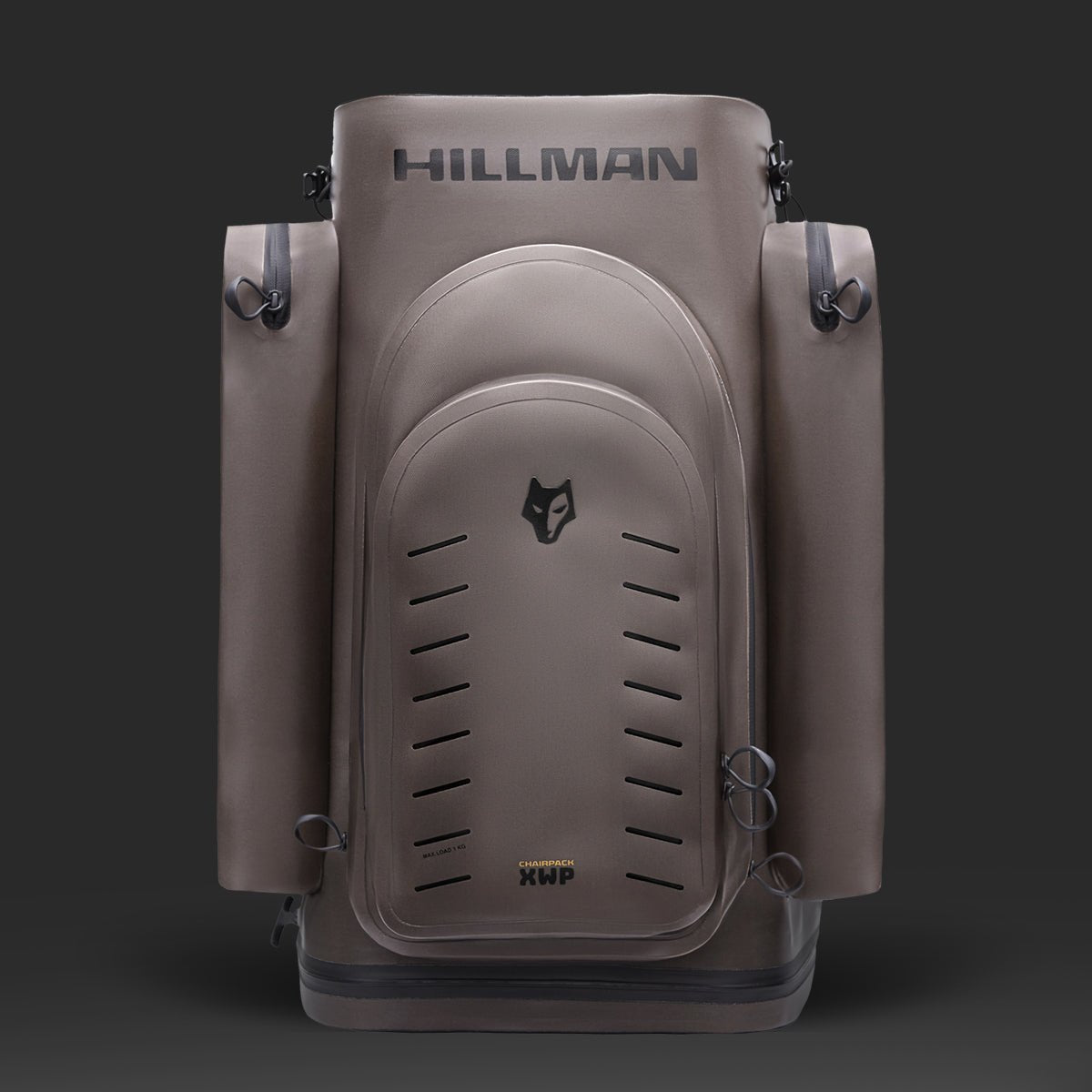
There are always a few other essentials people nearly forget. Ear defenders are one. They are essential, and that is really the end of the discussion. Safety comes first. A cartridge bag is another useful bit of kit. Yes, jackets with pockets for cartridges can do a lot of the work, but a proper bag still keeps things easier to manage on a longer day. Gloves are worth carrying too, even if they spend half the morning in a pocket. Cold fingers are distracting, and gloves help with grip.
A tweed cap or tweed flat cap earns its place for practical reasons as well. It helps with drizzle, low sun, and warmth. The fact that it also looks right is only part of the story.
What I Would Wear for Pheasant Shooting in the UK?

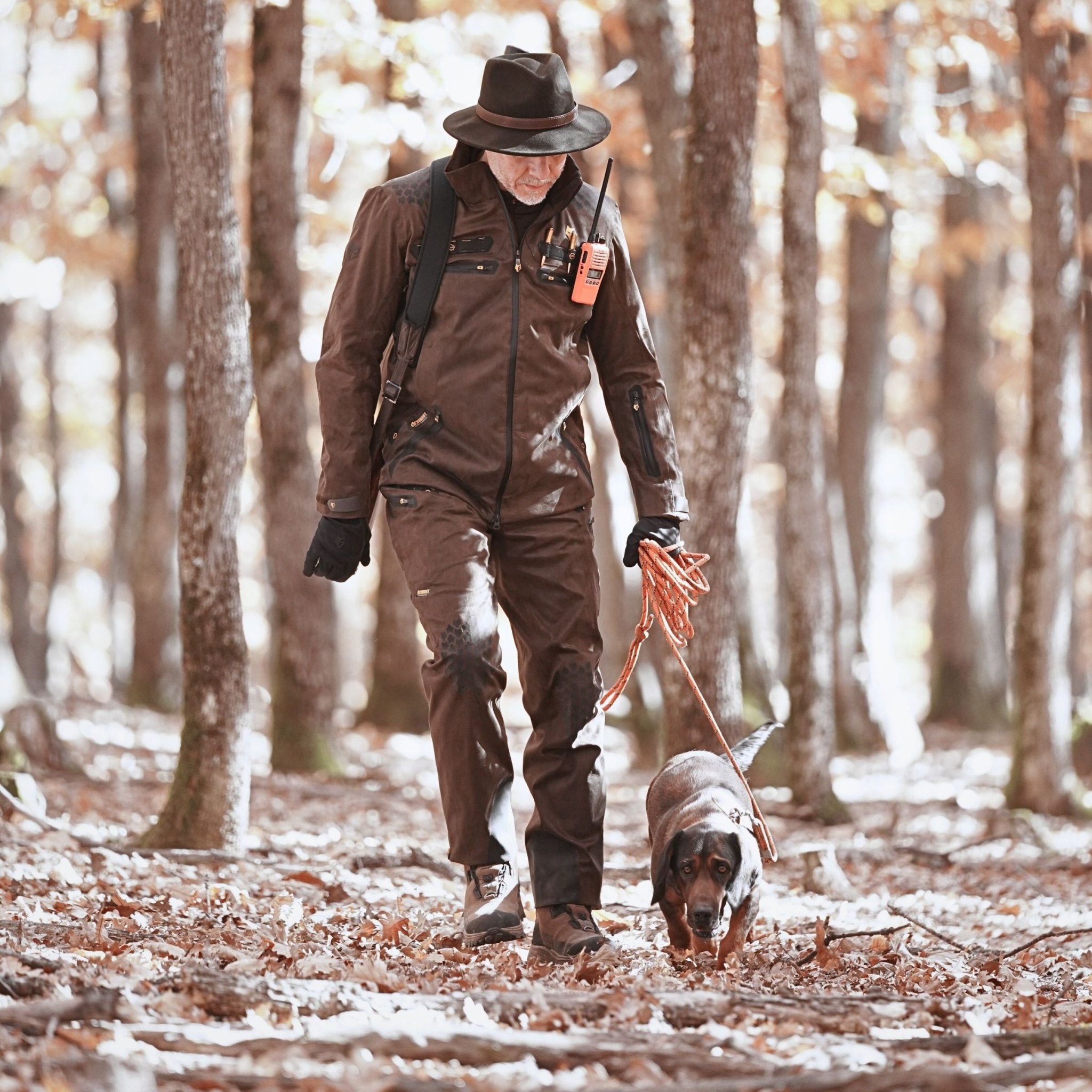
If I were dressing for a fairly typical pheasant day, I would keep it straightforward. Shirt first. A light extra layer in the morning looked sharp. Then, a weatherproof outer layer with enough movement through the shoulders and enough storage for cartridges and small essentials. On the lower half, breeks or trousers,s depending on the dress code and the state of the ground. Good boots chosen for conditions rather than show. Ear defenders from the start. Gloves in a pocket. A cartridge bag, as if I expected the day to be long.
That is usually enough. The best outfit is often the one that stops asking for attention once the day begins.
What Matters Most in the Field?
What to wear for pheasant shooting in the UK is mostly a matter of judgment. Read the weather honestly. Read the shoot honestly. Read the ground honestly. Then wear clothing that keeps you warm, keeps you dry, gives you enough movement, and still respects the tone of the day.
If you get that right, the outfit has done what it was supposed to do.


Share:
Best Base Layers for UK Hunting: What Works in The Damp Cold
How to Layer for Deer Stalking Without Overheating?