
Best Base Layers for Hunting in the UK: What Actually Works in Damp Cold

Find the best base layers for hunting in the UK’s damp, cold weather, from merino wool to layering choices that manage moisture and hold warmth.
British cold is rarely dramatic. That is part of the problem. It is not always deep frost and hard blue sky. More often, it is wet grass before first light, damp air sitting in the trees, a bit of wind coming across open ground, and that slow chill that builds when your clothing never really dries out. You can be out in temperatures that do not look that serious on paper and still feel rough by late morning if the wrong layer is sitting against your skin.
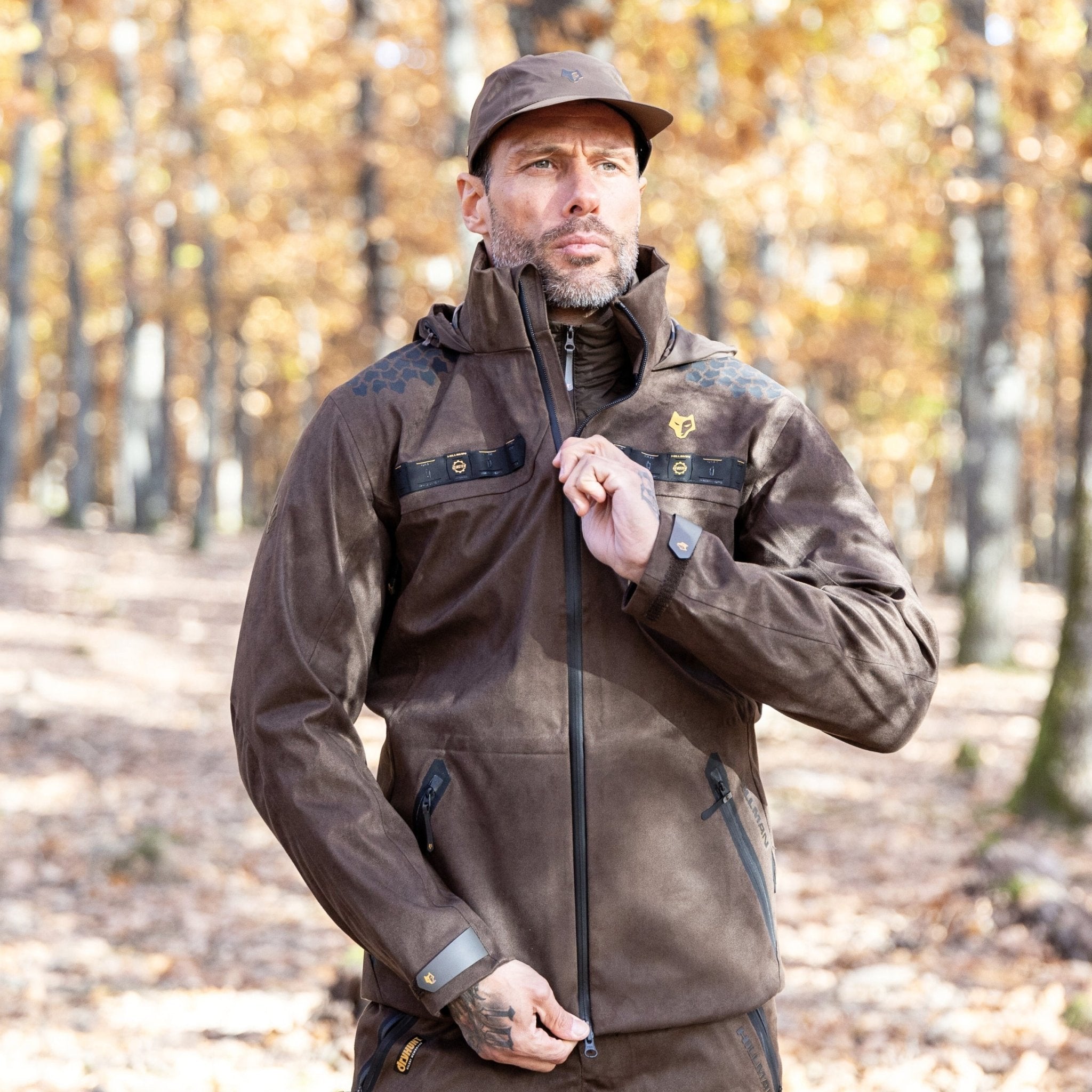
That is why base layer choice matters more than people think. In a proper hunting setup, including premium systems like Hillman, the first layer is not just there to tick a box. It affects everything above it. If it holds sweat, the rest of the layering system has to fight that all day. If it manages moisture well, the whole kit feels lighter, steadier, easier to trust.
A lot of people still buy a base layer as if the only question is warmth. But in damp cold, warmth on its own is not enough. A cold-weather base layer has to regulate body temperature, move moisture, and keep working when conditions shift from still air to light rain to wet brush and wind in the same hour. That is what actually matters in the UK.
Why does UK Hunting Cold feel different from Dry Cold?

Dry cold is usually simpler. If your insulation is decent, you can get away with a lot.
Damp cold is less forgiving. It creeps in from both sides. Moisture from the ground, moisture from the air, moisture from your own effort. None of it has to be extreme to become annoying. A bit of sweat under a jacket. Wet cover brushing your sleeves. A slow walk that becomes a stop. The body heat drops, and suddenly the chill feels sharper than it should.
That is why so many people end up uncomfortable even though they thought they dressed warmly enough. They focused on insulation and forgot about moisture management. In British hunting weather, that usually catches up with you. The first layer has to manage moisture before it starts trying to feel warm. If it cannot do that, the rest of the system gets dragged off balance.
A lot of hunting days make this worse because they are uneven. You walk, then wait. Push a little, then stand still. Cross wet ground, then stop in a breeze. That stop-start rhythm is exactly where bad layers get found out. They feel alright during movement, then feel cold and sticky once the pace drops. Good layers smooth that out. Not perfectly. Just enough.
What a Base Layer Is Actually Supposed to Do?

A base layer sits next to the skin. That sounds obvious, but it gets ignored when people choose one.
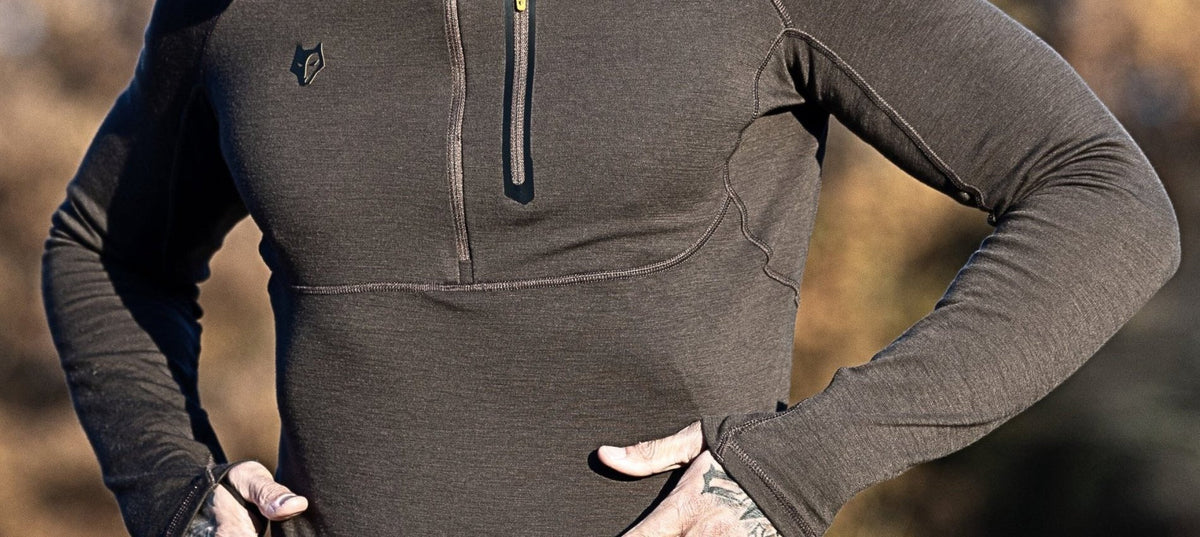
Its main job is not to feel massively warm the second you pull it on indoors. Its main job is to manage moisture, wick sweat, and help regulate body temperature through changing effort. If it can keep you warm as well, fine. But if it only traps heat and does nothing with sweat, it becomes part of the problem.
That is why fit matters. A base layer should be close, but not tight. It needs enough contact with the skin to move moisture properly, but not so much that it starts restricting movement or gets irritating once other layers go over the top. Loose layers tend to do a worse job. Over-tight ones usually feel wrong after an hour.
Small details matter too. Flat seams help. Fabric with a bit of stretch helps. A cut that stays put under a mid-layer matters more than most people admit. The best base layers do not keep asking for attention. They sit there and work.
Merino Wool: Why It Keeps Coming Up

There is a reason merino wool shows up in almost every serious conversation about hunting base layers. It works well in the sort of awkward weather Britain produces all the time.
First, it is comfortable. Proper merino wool feels soft against the skin. That sounds like a small thing until you spend a long day outside and realise how much an annoying fabric can wear on you. Merino is usually easier to live with over extended wear than rougher, harsher materials.
More importantly, merino wool base layers are good at dealing with damp cold. Merino is naturally insulating, naturally breathable, and still useful when it gets a bit damp. That matters in the UK because “wet weather” does not always mean heavy rain. Sometimes it is just low cloud, wet brush, mist, soaked seats, and damp air that never lets clothing reset properly. Merino keeps giving you something in those conditions.
It also helps regulate temperature well during stop-start use. You can move in it without feeling boxed in, then stop without the layer suddenly feeling dead against the skin. That is a big reason it suits hunting. Hunting is rarely one steady pace.
Then there is odour resistance. Merino wool is naturally odour-resistant, which makes it better for repeated wear and long sessions than many synthetic fabrics. That is not just nice to have. For field use, it matters.
Synthetic Fabrics Still Have a Place

Synthetic fabrics get dismissed too quickly sometimes. On the right day, they are exactly what you want. Their biggest strength is speed. Synthetic materials wick moisture fast and dry fast. For high-intensity activities, or for hunting days with more climbing, faster walking, or more effort overall, that can be a real advantage. When sweat is the main issue, quick drying matters.
Synthetic base layers also tend to be durable, lighter weight for the warmth they offer, and easy to maintain. If you are hard on kit, that counts for something.
The trade-off is usually comfort over time. Synthetic fibres do not give the same odour resistance as merino wool, and once the day becomes colder and more static, they can feel less forgiving. They are practical. Sometimes very practical. Just not always the nicest option when conditions turn slow, damp, and awkward.
That is why the choice is not absolute. For mixed hunting in cold, wet weather, merino wool often makes more sense. For faster movement and more sweat, synthetic fabrics can be a better tool.
Merino Wool Base Layers or Blends?

This is where it gets more realistic. Pure merino wool base layers are excellent for comfort, temperature regulation, and odour resistance. But they are not the only answer. Blended fabrics, where merino wool is mixed with synthetic fibres, can be a smart middle ground. You keep some of the softness and natural feel of merino, but gain quicker drying and often more durability.
That can work especially well if your hunting days vary a lot. One day more walking, another day more waiting. One day cold and dry, another one damp with light rain. A good blend can smooth those differences out.
It is still a compromise, obviously. Blends may not feel as natural as pure merino wool products, and they may not dry as fast as fully synthetic materials. But compromise is not a bad word here. Quite often, it is the useful answer.
Cold Weather Base Layer Weight: Lighter Weight, Midweight, or Heavyweight?

People get this wrong all the time. They assume colder temperatures automatically mean the heaviest base layer they can find. Sometimes yes. Often no.
For most UK hunting conditions, midweight base layers are the safest place to start. They provide insulation, help trap warmth, and still breathe well enough to stop the first layer from becoming swampy once you start moving. Midweight merino wool base layers, in particular, tend to work well across a broad range of cold conditions.
Heavyweight layers come into their own in very cold conditions, especially when activity levels are lower. If you are sitting up, glassing, waiting, or spending long periods exposed, then extra warmth matters. In those situations, a heavier merino wool base can make good sense.
But heavier is not always smarter. Too much insulation next to the skin can create excess heat, more sweat, and then more cooling later when the pace slows. That is why a lighter-weight base layer, backed up by the right mid layer and outer layer, can sometimes work better than one very thick base layer trying to do everything. Different weights suit different days. That sounds simple because it is.
Mid Layer: The Part People Usually Misjudge

The mid layer is there to hold warmth, not to behave like a rain shield. Its job is to trap air, provide insulation, and slow heat loss while still allowing moisture coming off the base layer to keep moving. If it is too bulky or too sealed up, the whole layering system starts feeling heavy and damp.
Wool fleece can work well because it traps air and still breathes. Synthetic insulation can work too, especially when you want warmth without too much bulk. The right mid-layer is not the one that feels hottest in your hand. It is the one that balances warmth and breathability once you are actually outside.
That balance matters more than people think. A decent mid-layer should keep you warm without making you overheat the moment you push the pace.
Outer Layer: Windproof Outer Layer, Soft Shell, or Waterproof Jacket?

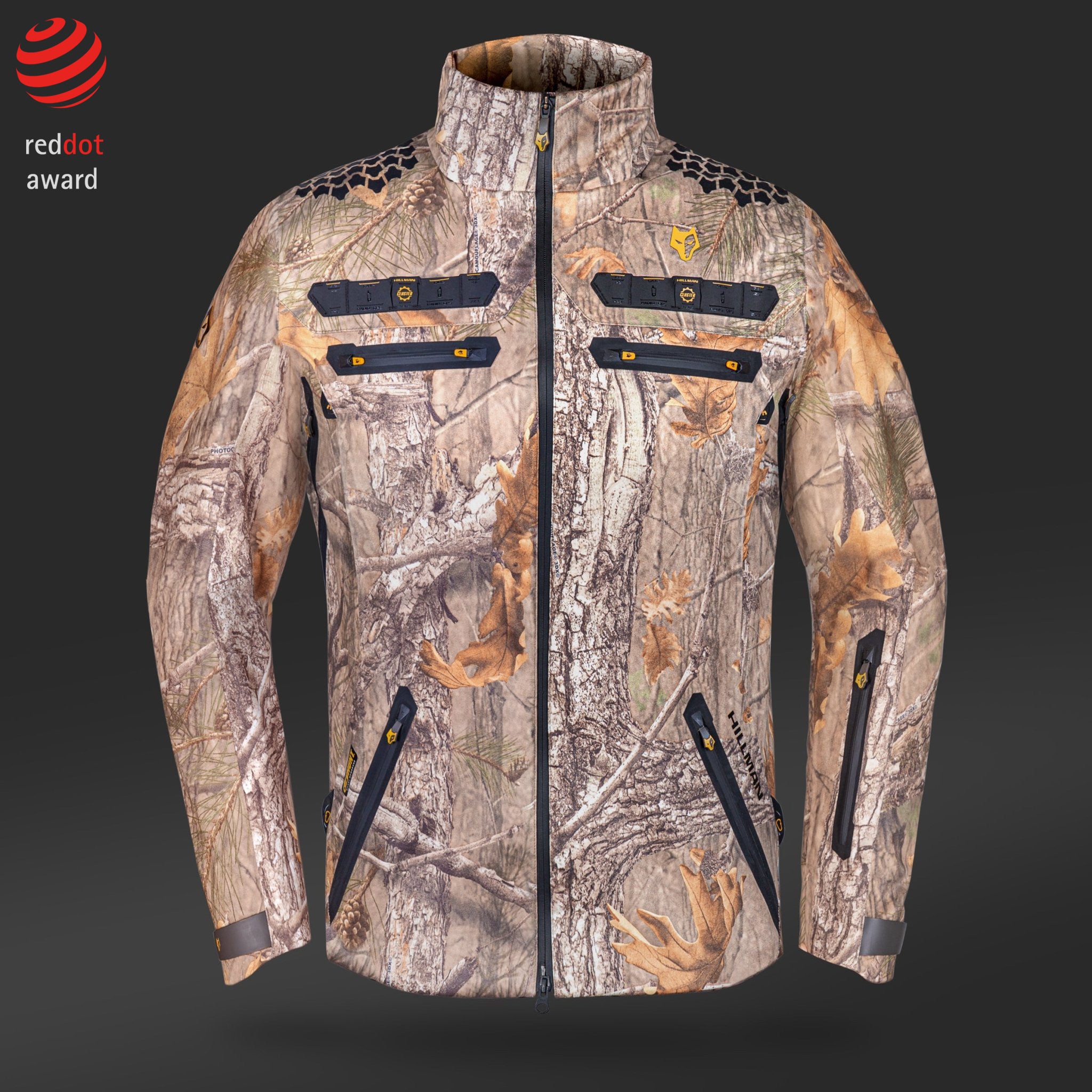
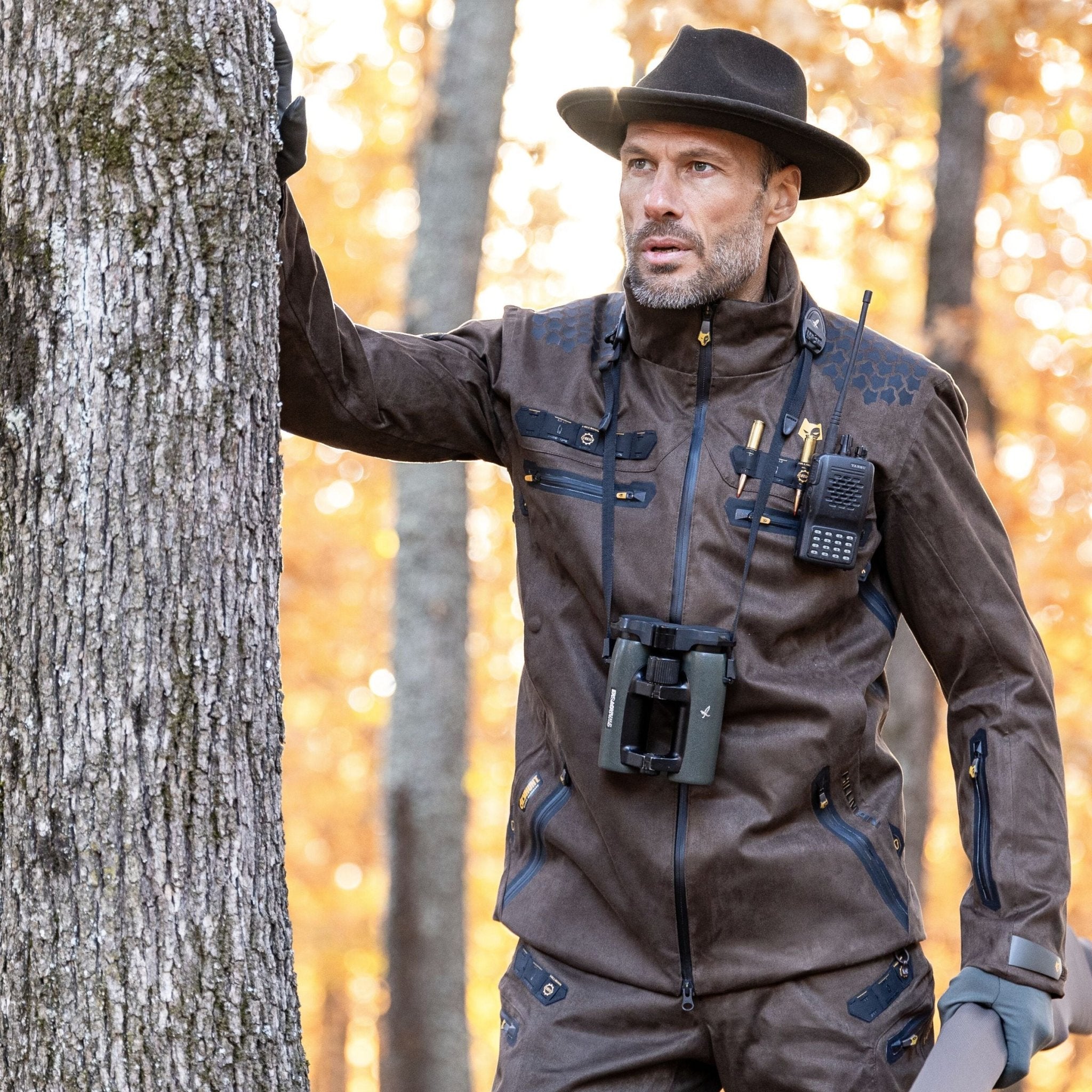
The outer layer protects the system from wind and precipitation. That is the main job. A windproof outer layer matters a lot in British hunting because wind strips warmth quickly, especially once any dampness gets into the kit. Even a moderate breeze can make the whole setup feel weaker if the outer layer is poor.
A softshell can be enough in changeable weather conditions, especially if there is only light rain and some wind. It often feels easier to move in and is less noisy as well. But in proper wet weather, a waterproof jacket or tougher outer shells become more important. Some days, you can get away with compromise. Some days, the weather chooses you.
The mistake is asking the outer layer to rescue a bad system underneath. It cannot. If the base layer is holding sweat and the mid layer is not breathing, a good jacket only hides that for so long.
How Layering Works in Practice?

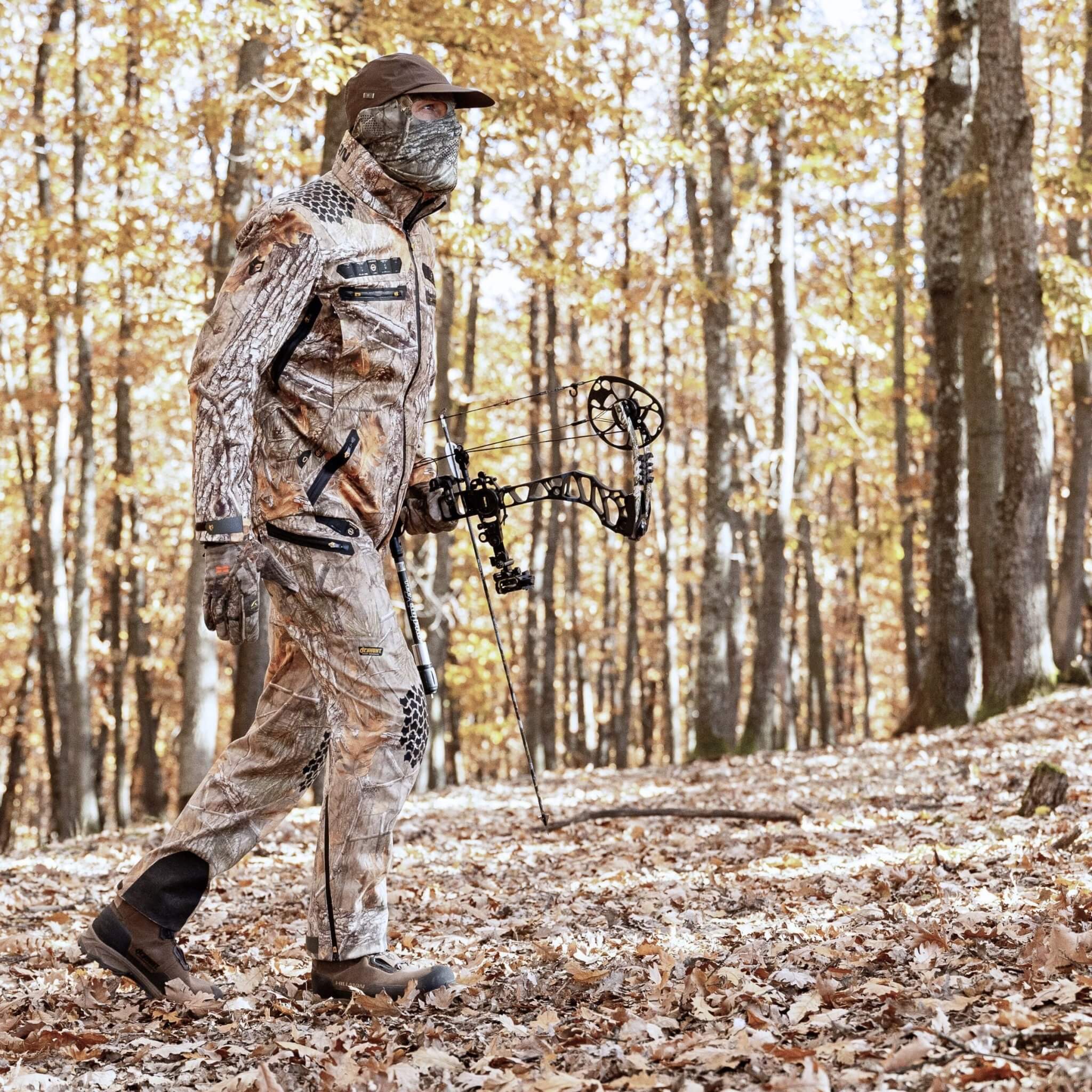
Layering works because each layer handles one main problem. The base layer moves moisture. The mid-layer holds warmth. The outer layer blocks wind and rain. Those three layers are usually enough. The reason multiple thinner layers work better than one big heavy garment is that they trap air more effectively and give you more control. They also adapt better when the day changes, which it usually does.
That matters in hunting because the pace is rarely steady. You need warmth when still, moisture control when moving, and weather protection when exposed. The right layering system manages all three without becoming too much at either end. This is where a lot of people go wrong. They dress for the first ten minutes instead of the whole day. Then they overheat, sweat, stop, and get cold. Layering works best when you leave some room for the system to breathe.
High Quality Base Layers: What Actually Makes the Difference?
High-quality base layers do not always look dramatic. Usually, the difference is in the small things.
Better fabrics. Better recovery. Better moisture wicking. Better movement through the shoulders. Seams that do not rub. A shape that stays put under other layers. That is the kind of thing you notice later, not in the shop.
Cheap layers can feel fine at first. The problems show up once the day gets longer, wetter, or more uneven. They start bunching, holding moisture, riding up, or just feeling wrong. Good layers disappear. That is usually the better sign.
Common Mistakes in Harsh Weather Conditions

Cotton is the obvious one. It holds moisture, dries slowly, and makes cold weather feel worse. Another mistake is dressing too heavily too early. People pile on insulation, build body heat fast, wick sweat badly, then cool off and blame the weather. Sometimes the weather is not the real issue. The system is.
A third mistake is ignoring the other layers. A good base layer under the wrong mid-layer still gives poor results. The combination ensures comfort, not one piece on its own. And finally, some people focus only on warmth instead of moisture control. In damp cold, that is usually backwards. If you cannot manage moisture, warmth tends to fall apart anyway.
So What Actually Works in Damp Cold?
For most UK hunting, merino wool remains the strongest all-round answer. It is comfortable, naturally odour-resistant, useful in wet weather, and very good at helping regulate body temperature during stop-start use. That combination is hard to beat. Synthetic fabrics still make sense for more active days, especially when quick drying and aggressive moisture control matter most. They do a job well. Just a narrower one.
For a lot of hunters, a merino-heavy blend may be the most practical option of all. Enough warmth, enough durability, quicker drying than pure wool, still more comfortable than many fully synthetic layers.
The bigger point is simple. The best base layers for hunting in the UK are not the ones that feel hottest in the house. They are the ones that still feel right after wet grass, shifting wind, a bit of effort, a spell of standing still, and another slow push across cold ground. That is the real test. In the British damp cold, everything else gets found out sooner or later.


Share:
Best Stalking Boots for UK Hills, Woodland, and Wet Ground
What to Wear for Pheasant Shooting in the UK: Clothing Guide