

Why a Merino Mid-Layer is Essential for UK Winter Hunts

Master the UK cold with a merino mid-layer. Learn why merino wool is the ultimate insulator for breathable warmth during active hunts. Read our 2026 guide.
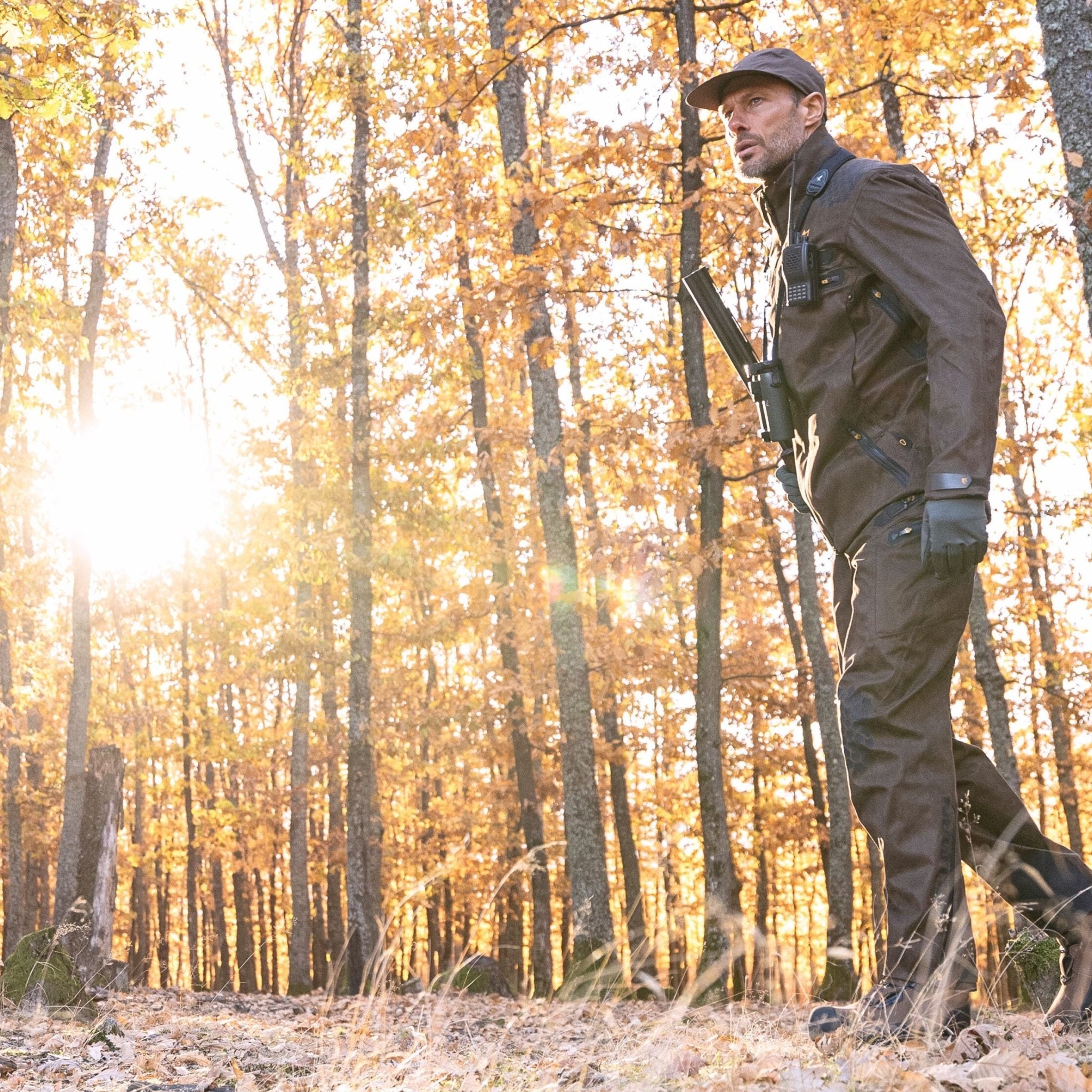
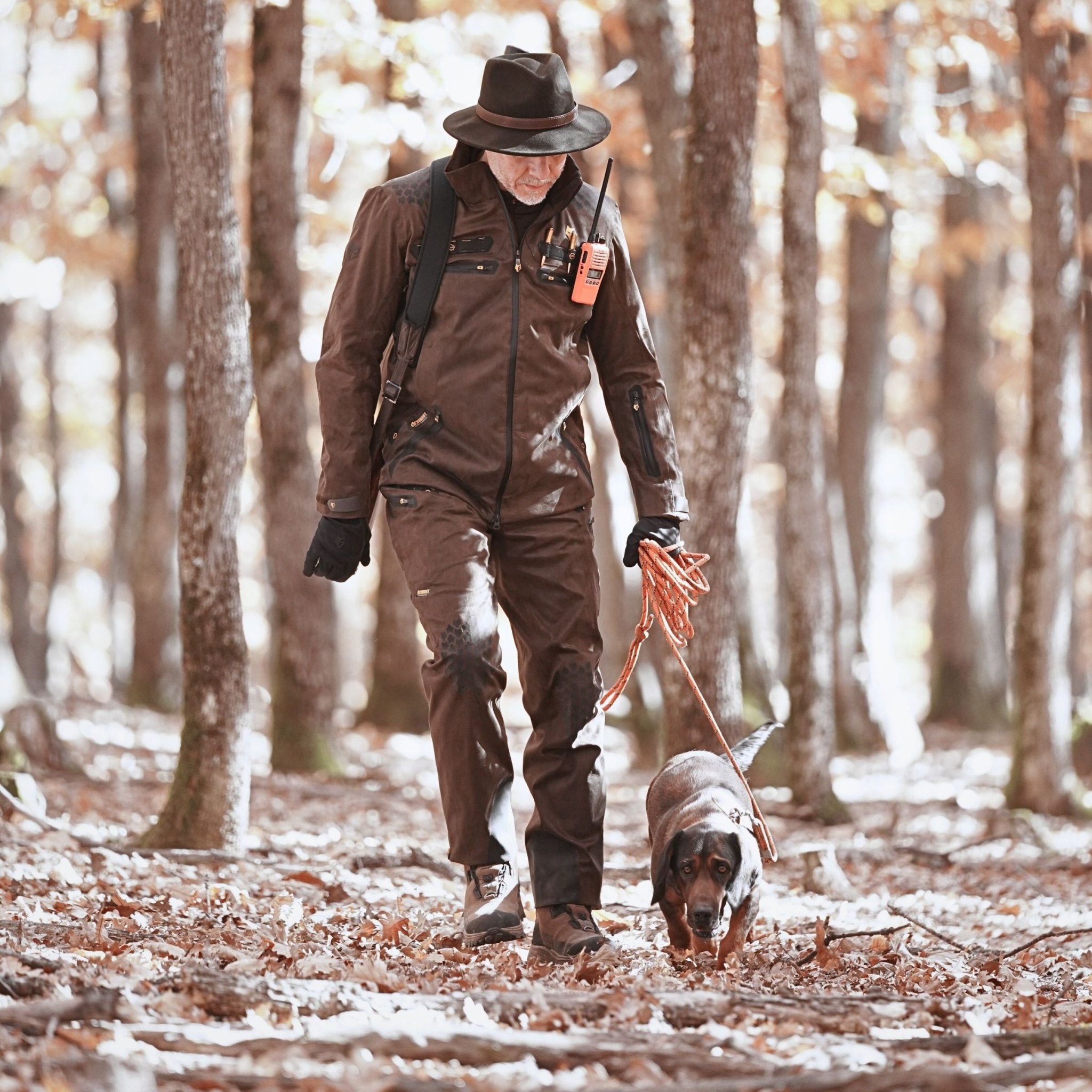
Winter in the UK has a way of exposing weak layers. It’s rarely the dramatic cold that catches you out. It’s the damp air, the wind that slips through gaps, the way body heat drains the moment you stop moving. On winter hunts, staying comfortable isn’t about piling on insulation. It’s about managing body temperature through change.
That’s where a merino mid layer earns its place. Not as an extra, but as the layer that decides whether warmth stays with you or quietly disappears into the weather.
Mid-layer: the forgotten core of winter comfort

The mid-layer is often misunderstood. It isn’t there to block wind or rain. It’s there to manage body heat to slow heat loss while preventing overheating during movement. The right mid layer balances insulation with breathability, delivering a reliable warmth-to-weight ratio without bulk.
Fit matters more than people expect. A snug-but-comfortable mid-layer fit keeps warm air where it belongs while allowing a full range of motion. Too loose, and warmth escapes. Too tight, and movement suffers. When it works, you don’t notice it. When it doesn’t, you feel cold long before you realise why.
Base layer, mid layer, outer shell – how the layering system actually works?

A basic layering system consists of three parts: a base layer to move moisture, a mid layer to hold warmth, and an outer layer or outer shell to block wind and precipitation. Each has a job. When one tries to do another’s work, comfort breaks down.
Layering works because it traps air between layers. A single thick jacket often fails because it can’t adapt. The mid layer does the real work of retaining warm air close to the core while allowing adjustments as conditions shift. In variable weather, the ability to add or remove a layer matters more than any single garment.
Merino wool: nature’s most reliable winter regulator
Merino wool sits apart from most fabrics used in winter clothing. Its natural crimp creates countless tiny air pockets that trap air, forming effective insulation without stiffness. That structure allows merino wool to regulate temperature rather than simply block cold.
When activity increases, excess heat escapes. When you slow down, warmth stays close. Merino retains insulation even when damp and efficiently wicks moisture away from the skin, helping maintain comfort through stop-and-go movement. It’s also naturally odour resistant, soft against the body, and gentle on skin during long wear.
Those natural properties are why merino mid layers are chosen so often for winter hunts where unpredictability is the rule.
Insulated jackets as mid layers – warmth without compromise

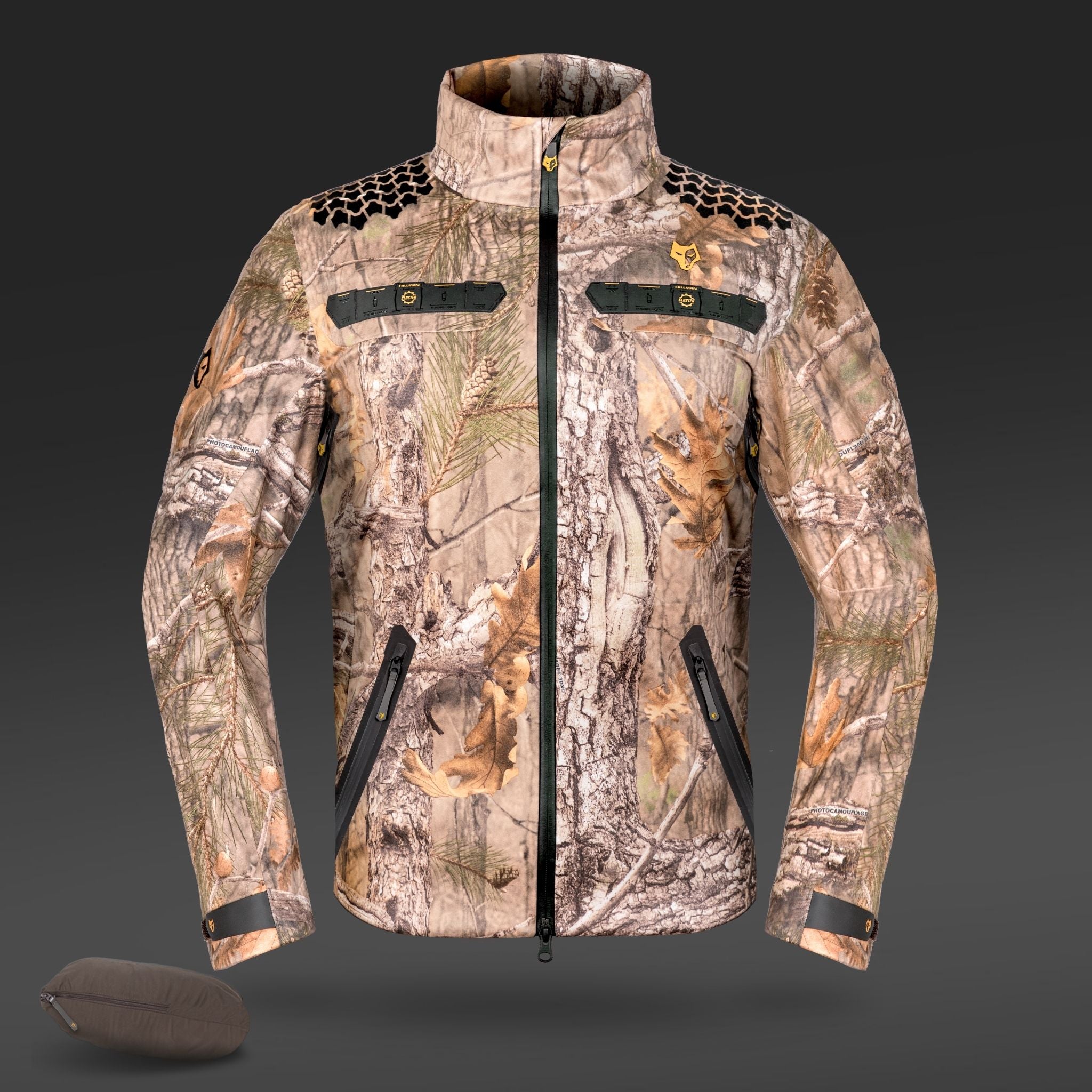
There are days when insulated jackets make sense as a mid-layer. They are the warmest option available and offer an exceptional warmth-to-weight ratio. By trapping warm air close, they deliver extra warmth quickly, especially during long static periods.
For extremely cold days with limited movement, insulated jackets excel. The trade-off is flexibility. Once activity increases, managing excess heat becomes harder. That doesn’t make insulated jackets wrong; it simply defines when they are most effective.
Synthetic insulated jacket – when dry, cold changes the rules

A synthetic insulated jacket uses synthetic polyester strands to mimic down-like loft. These synthetic options perform well in cold, dry conditions and are valued for being quick drying and resilient when damp.
They work best when moisture exposure is minimal and movement is controlled. Compared to merino, synthetic insulation holds warmth efficiently but lacks the same responsiveness to changing activity levels. Understanding that distinction helps you choose the right mid-layer for the day rather than relying on habit.
Fleece vs merino wool mid-layer: where each one wins?

The debate between fleece vs merino wool mid-layer often misses the point. Fleece is lightweight, breathable, and hydrophobic. It sheds light moisture well and dries fast, making it a strong option for high-intensity activities.
Merino, on the other hand, excels in temperature regulation and comfort over time. It adapts to shifting activity level, manages moisture quietly, and resists odour during long wear. In the comparison of merino vs fleece mid-layer, neither wins outright. Each works best when matched to conditions and pace.
Cold weather hunting: managing heat without overheating
In cold weather, the challenge isn’t just staying warm. It’s avoiding the cycle of sweating during movement and freezing during pauses. Overheating leads to moisture buildup. Moisture accelerates cooling. The cold often feels worse five minutes after you stop.
A responsive mid-layer allows heat to escape when needed and preserves warmth during waiting. Being able to add or remove layers as conditions change is often more effective than carrying one heavy solution.
Moisture management – the difference between warm and miserable

Effective moisture management is what separates comfortable winter hunts from miserable ones. A moisture-wicking mid layer helps allow moisture to move away from the body, reducing chill once movement stops.
Merino wool excels here, wicking moisture efficiently while allowing air circulation. In the UK’s variable weather: damp ground, humid air, light rain, moisture control keeps insulation working as intended. Without it, even the warmest layers fail.
Fit, weight, and freedom of movement in a technical hunting mid-layer
A technical hunting mid-layer should feel balanced. Lightweight enough to reduce fatigue, structured enough to hold insulation, and cut to preserve movement. Excess weight and bulk interfere with layering and make fine adjustments harder throughout the day.
The goal is simplicity: a layer that sits cleanly over the base layer, under jackets, and moves with the body during active pursuits. When freedom of movement is preserved, staying comfortable becomes easier.
Stay warm across changing conditions – why merino adapts better?

To stay warm in shifting conditions, insulation must respond, not resist. Merino’s ability to retain warm air while releasing excess heat allows it to adapt naturally. It keeps warm air close during cold conditions and releases it during effort.
That balance: trapping warm air close without sealing the body, supports consistent warmth across changing weather. It’s why merino performs so well during long days that include movement, waiting, and everything in between.
Sustainability and long-term wear in merino mid layers

Beyond performance, merino offers durability in daily use. It’s environmentally friendly, renewable, and biodegradable. Its natural odour resistance allows longer wear between washes, and the fabric remains soft and comfortable against the skin.
Merino mid layers are worn year-round, from winter hunts to broader outdoor adventures. Their durability and comfort make them a practical choice for anyone spending extended time outdoors.
Choosing the right layers for UK winter hunts
Choosing the right layers is less about chasing maximum insulation and more about balance. The right mid-layer stabilises warmth, manages moisture, and adapts to changing conditions. In cold, damp environments, it becomes the difference between enduring the day and enjoying it.
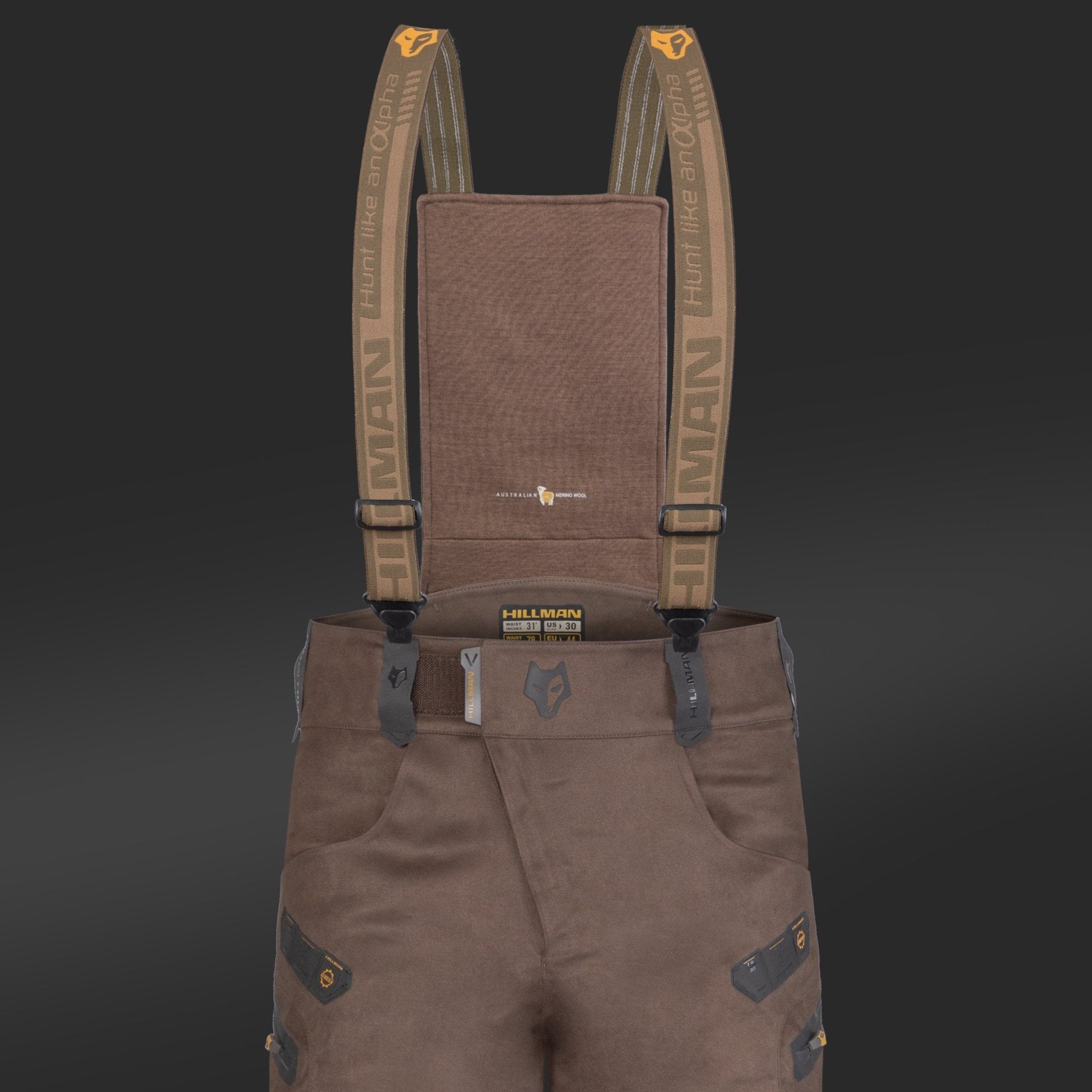
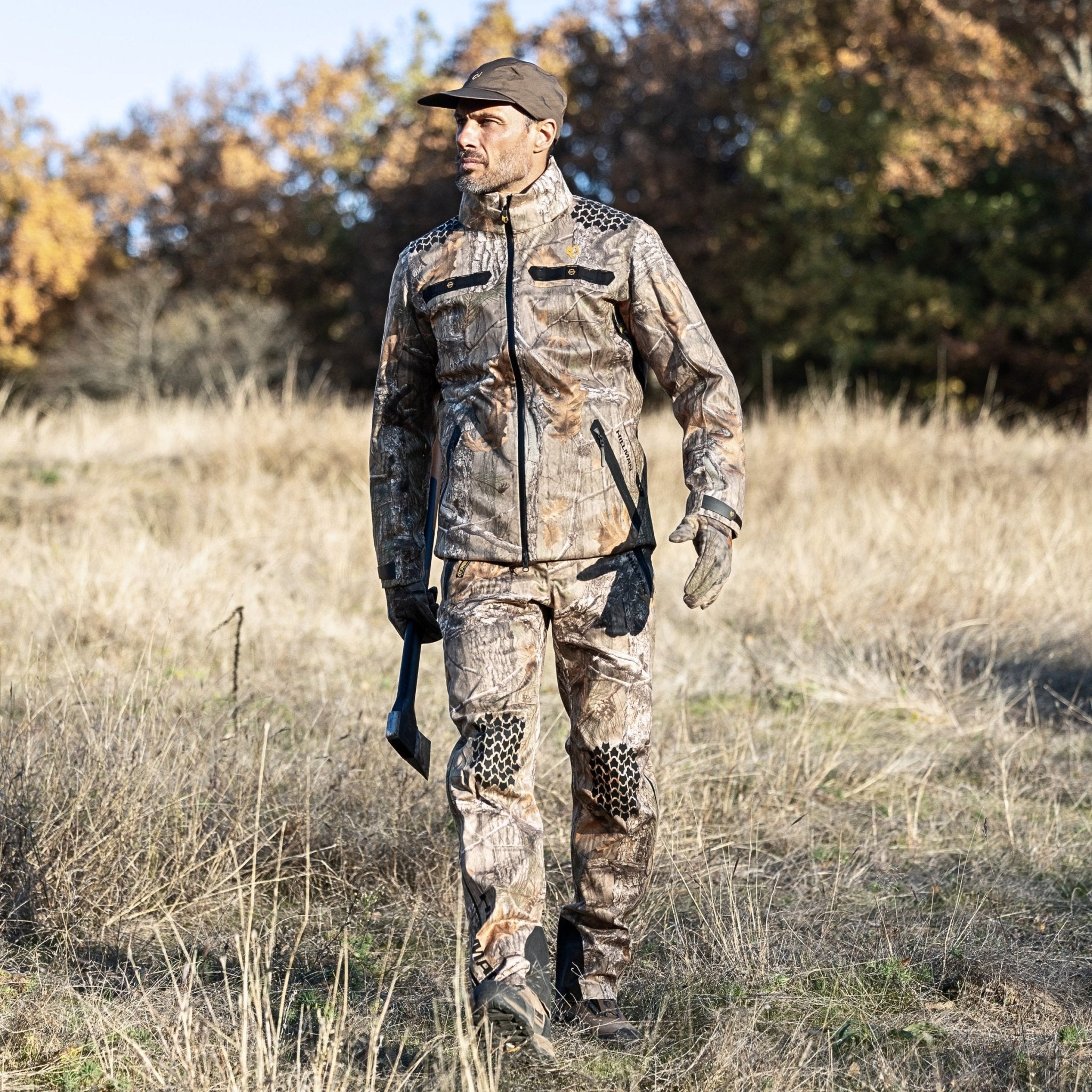
This philosophy of responsive layering sits at the core of how Hillman approaches winter clothing, building systems that work together, keeping hunters warm without weight and comfortable without compromise.
See Below Frequently Asked Questions








Share:
Best Hunting Shirts for UK Stalking: Comfort & Stealth
Hunting Boot Fit for Long Days: Prevent Heel Slips, Blisters