
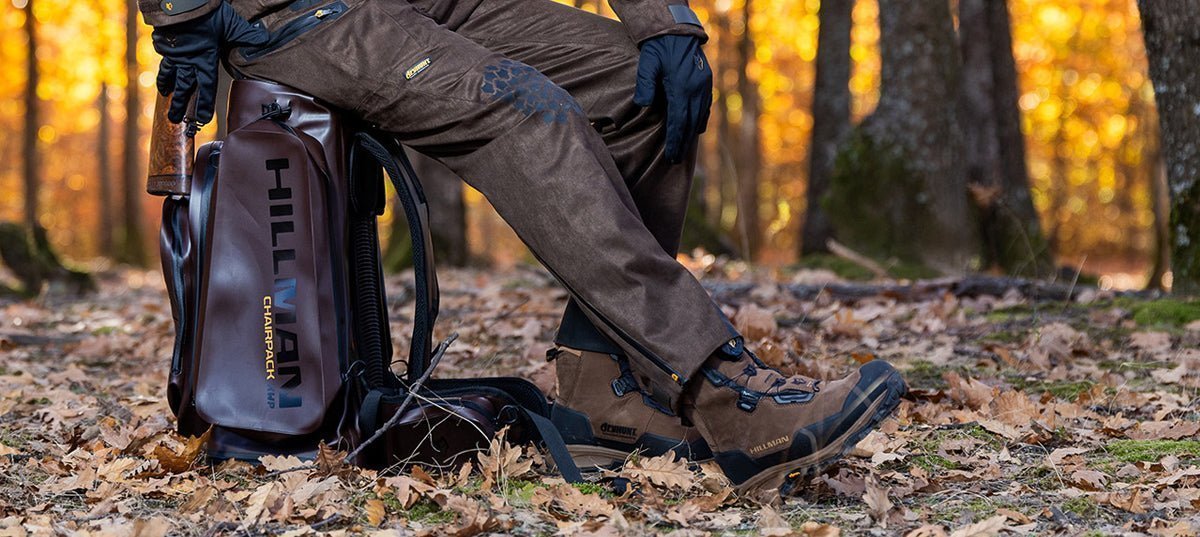
Hunting Boot Fit for Long UK Days: Blisters, Heel Slip, and the Small Fixes That Save Your Feet

Struggling with heel slip or blisters on long walks? Learn how proper boot fit, suitable socks, insoles, and lacing techniques can reduce heel slippage and improve comfort on UK terrain.
You can get away with poor boot fit for a mile or two. After that, it starts making decisions for you.
Most long days in Britain don’t look dramatic on paper. A few steady miles. Uneven pasture. A damp slope here and there. Perhaps a stretch of rough ground that shifts underfoot more than you expect. The trouble is that this kind of terrain exposes weaknesses gradually, and if your heel isn’t properly secured inside your boots, the signs begin to show long before the day is done.
Heel slip is rarely obvious at first. It’s a subtle lift at the back of the foot. A slight internal shift that makes you adjust your stride without fully understanding why. Over time, that movement builds friction against the skin. Add heat, a bit of moisture from sweat, and the back of the heel becomes vulnerable. That’s when blisters start to form, not suddenly, but progressively.
In my experience, the issue is seldom about poor footwear in the dramatic sense. More often, it’s about boot fit. A boot can be well constructed, supportive around the ankle, with a reliable outsole and decent grip, yet still cause discomfort if it doesn’t fit properly. The right fit is what allows everything else to function as intended.
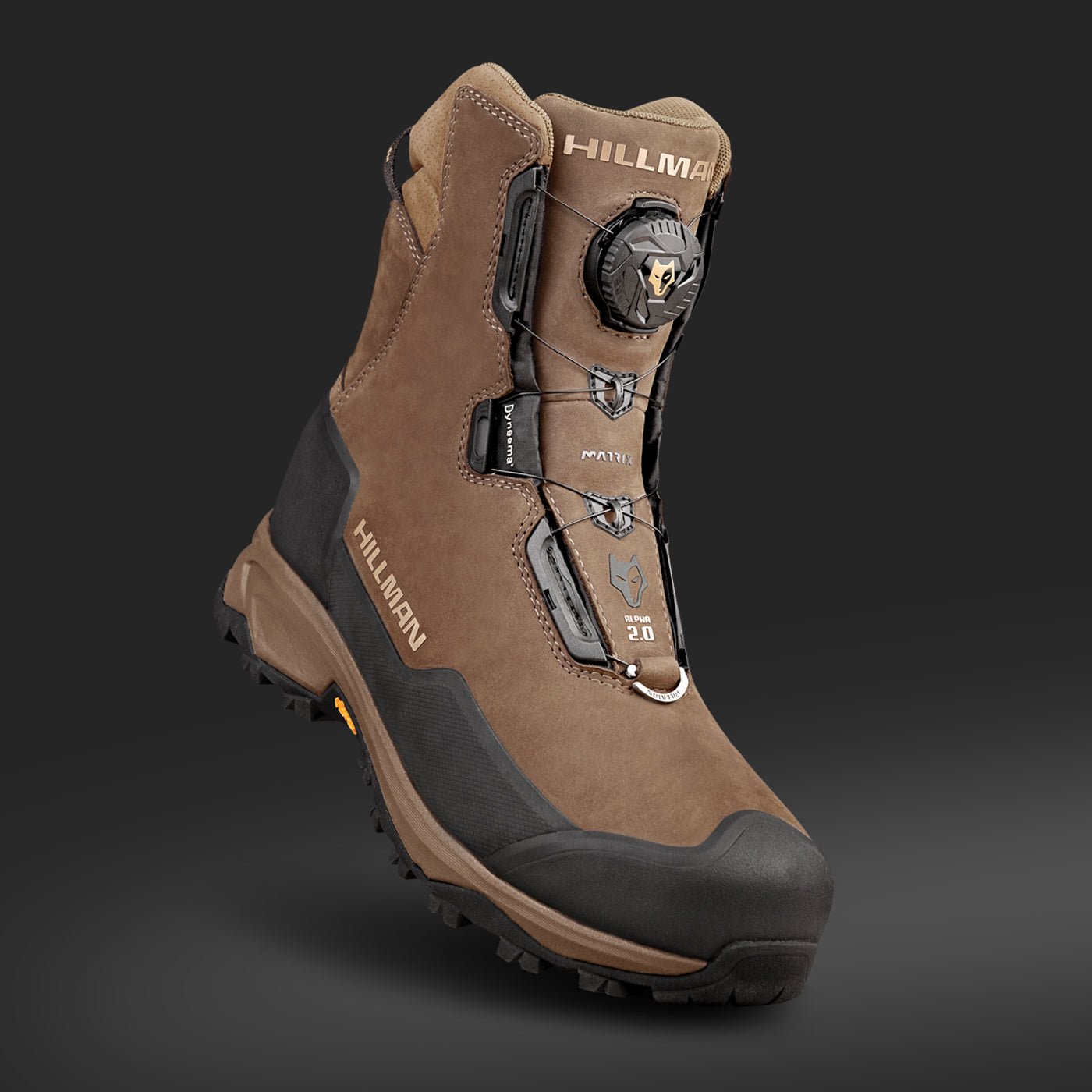
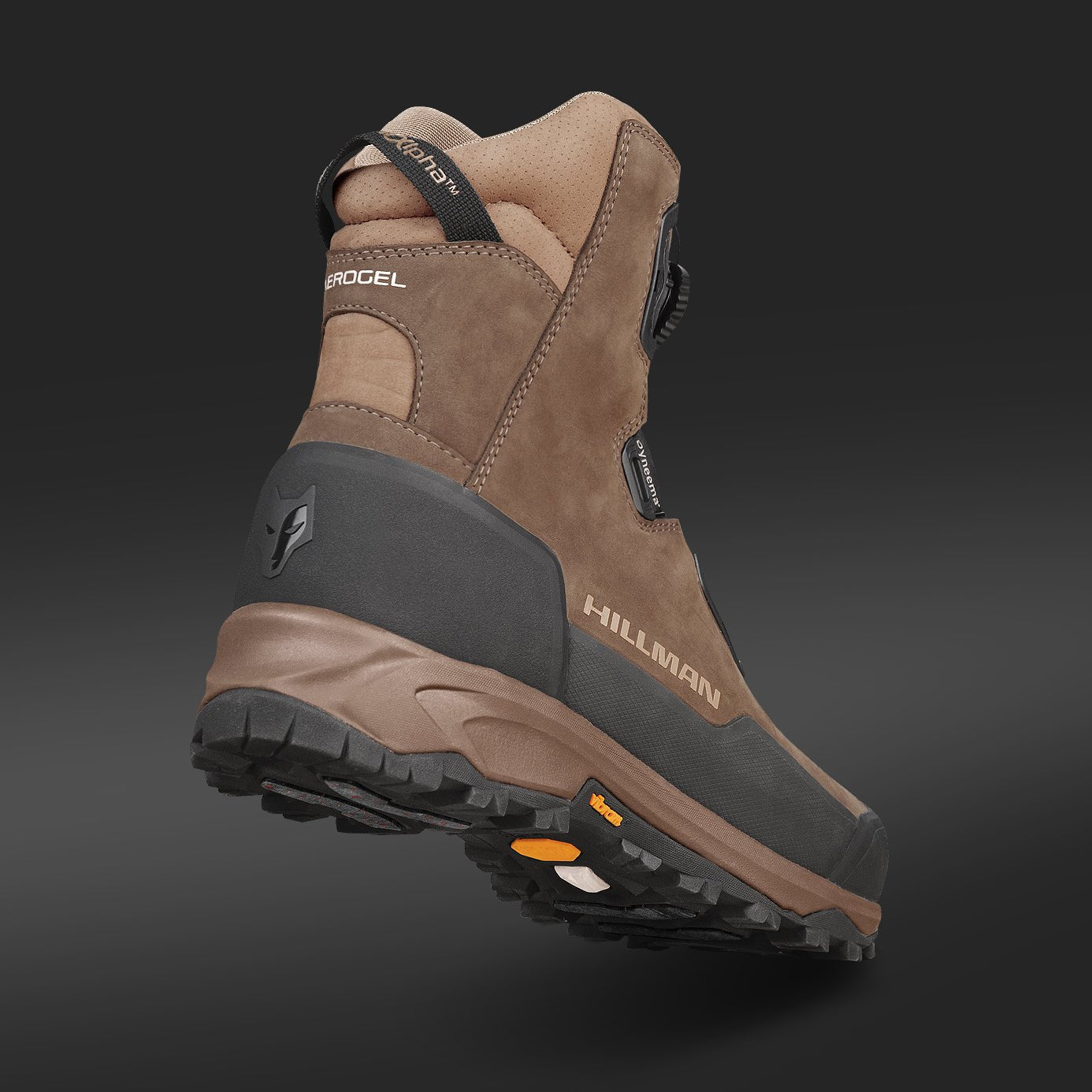
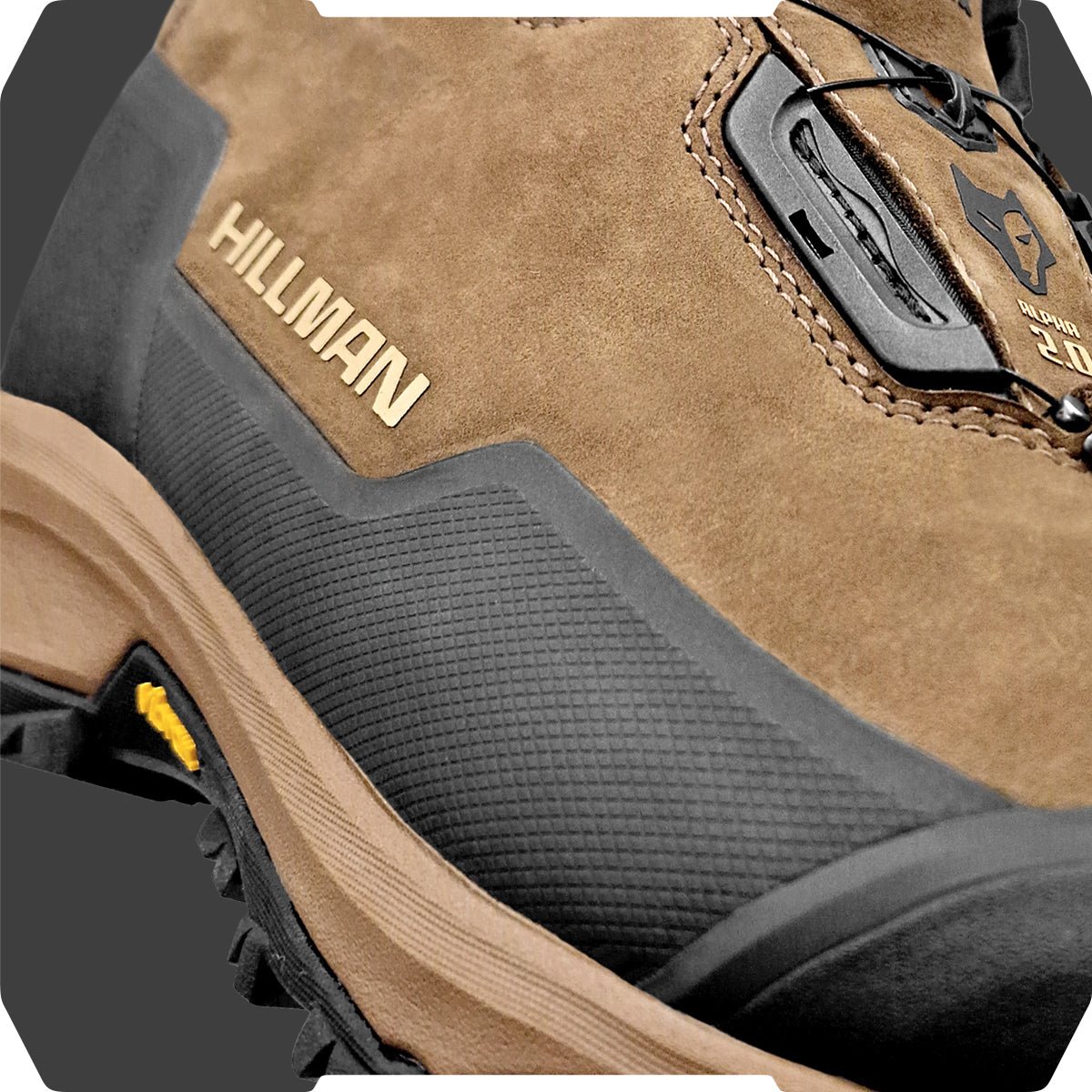
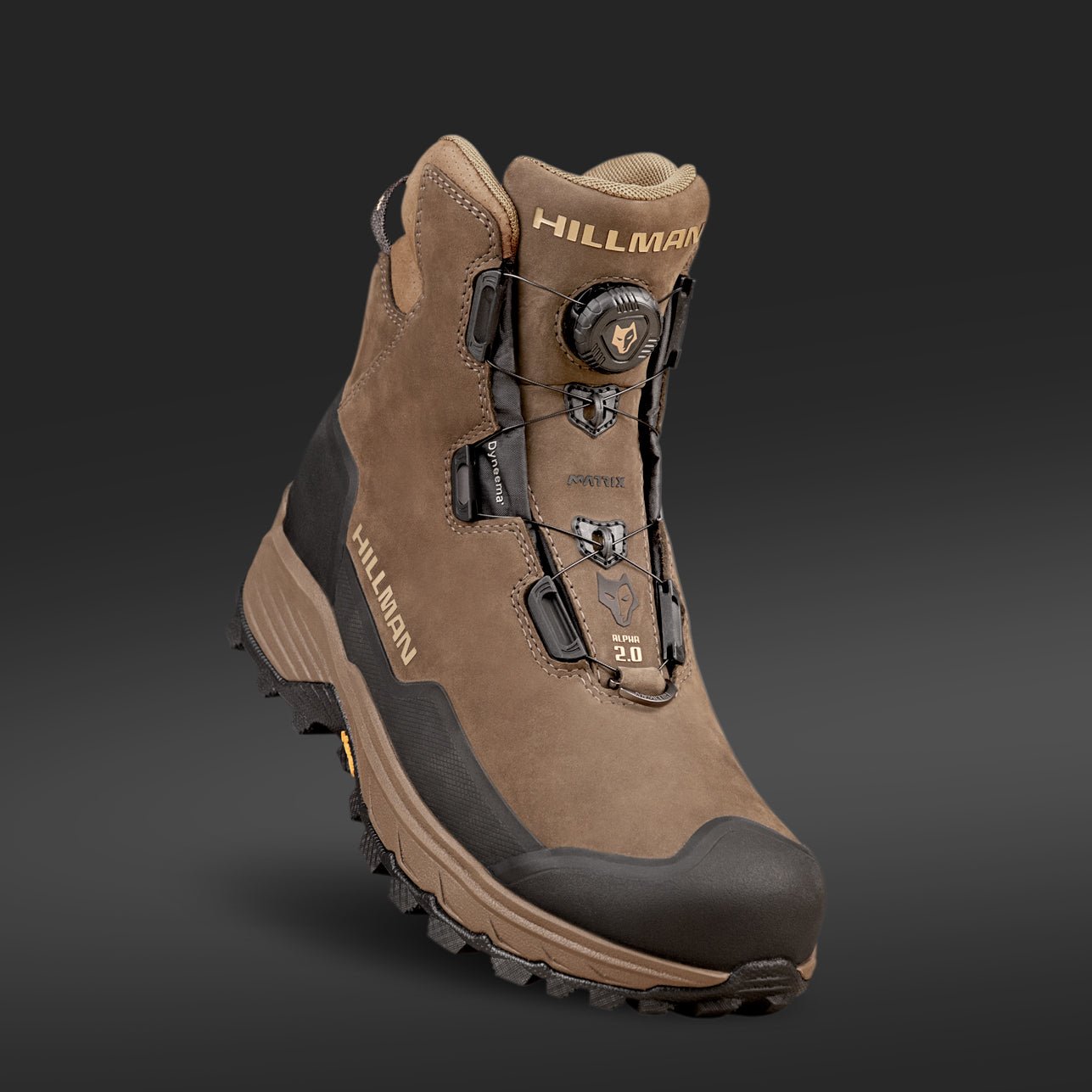
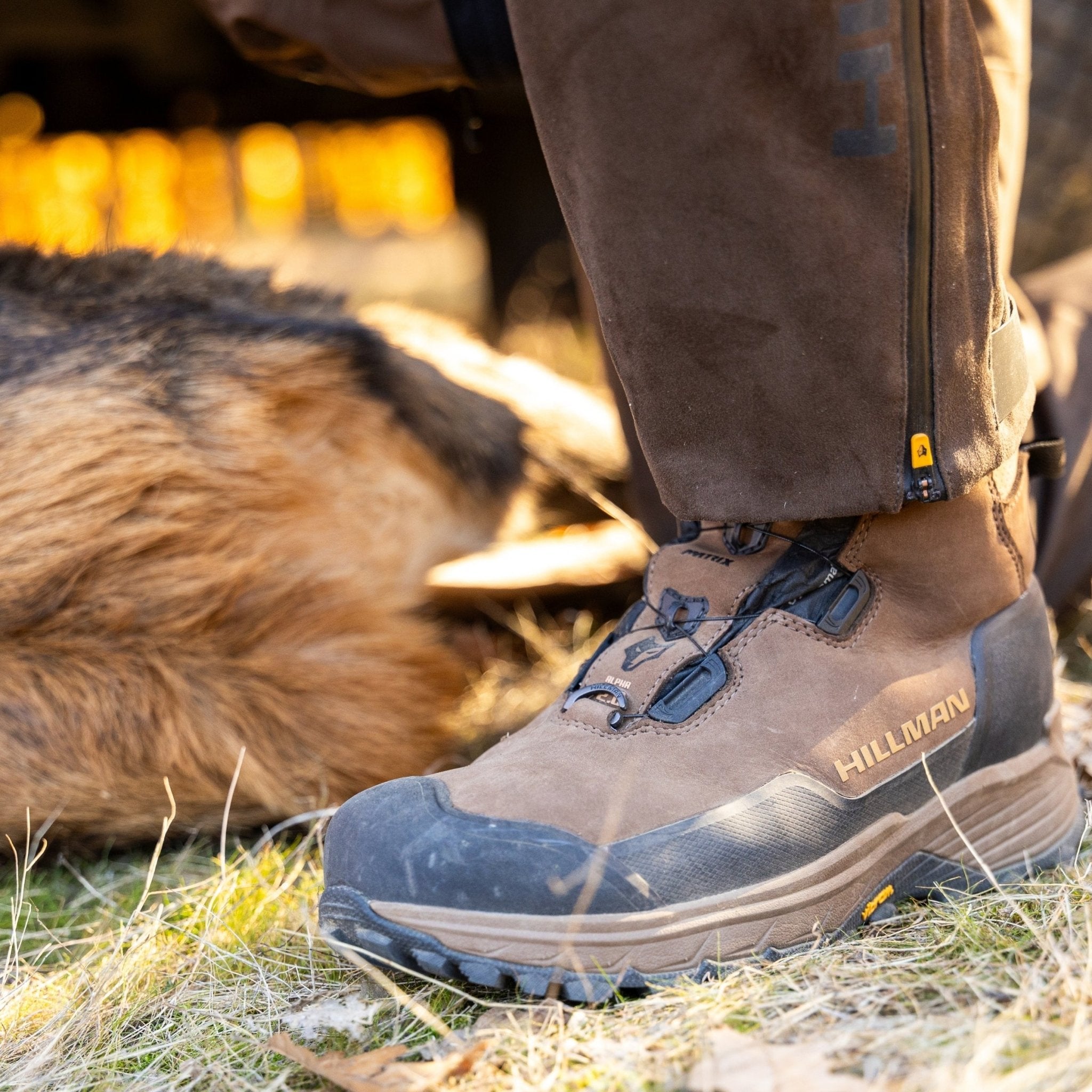
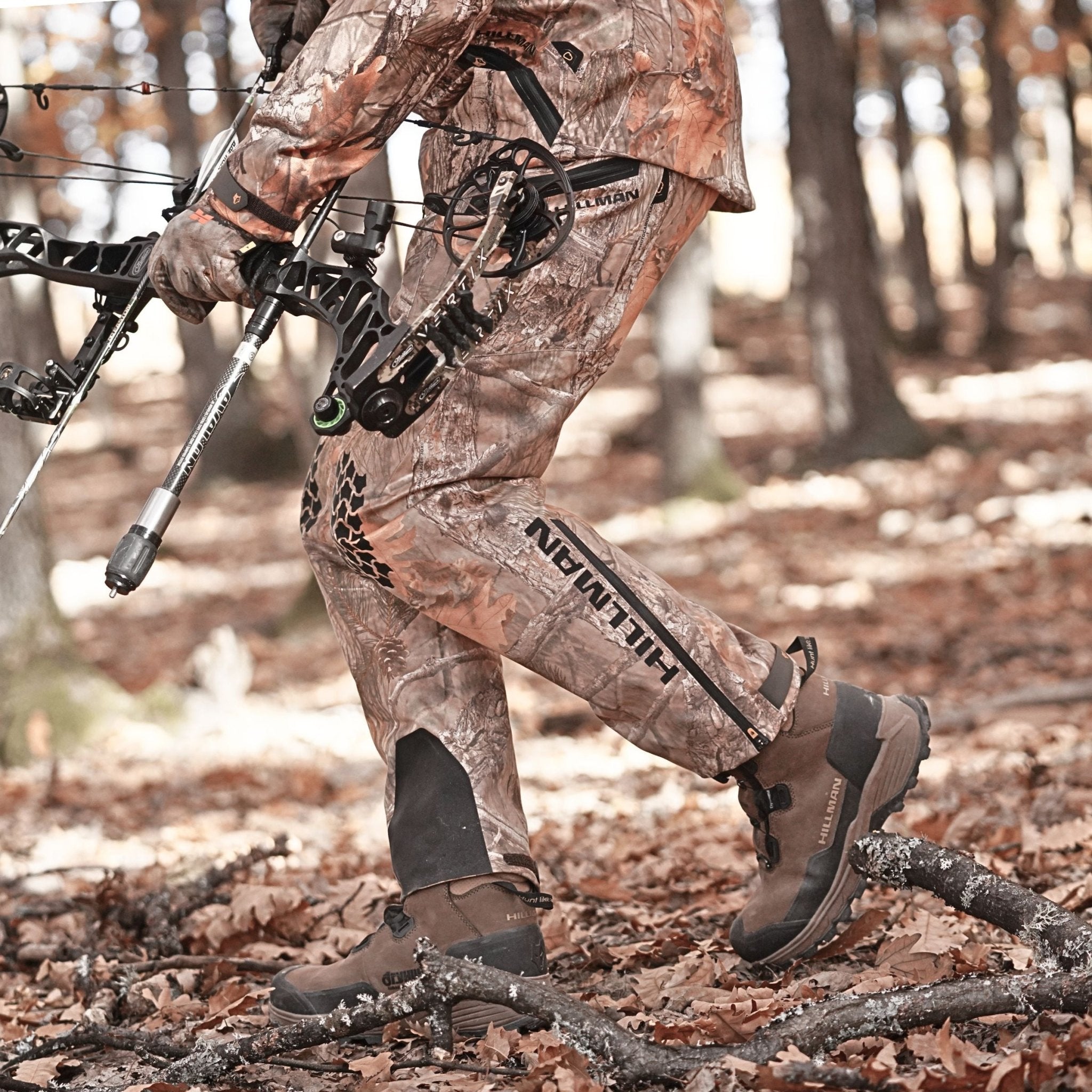
At Hillman, we approach boots as working equipment, not display items. They’re built for long days and unpredictable ground. Even so, no design can compensate for internal slippage. Fit always comes first.
Boot Fit – Why the Right Fit Matters More Than the Boot Itself

A proper boot fit should feel controlled rather than compressed. The heel ought to sit snug against the back of the boot, remaining in steady contact with the insole throughout the walking cycle. The toe, on the other hand, needs room: enough space to move naturally without striking the front of the boot on descents.
Too much room encourages movement. Too little creates pressure points. Both lead to problems over distance.
It’s worth remembering that feet change during the day. Swelling of up to eight percent is not unusual after hours of standing or walking. That is why trying boots on in the afternoon generally provides a more accurate indication of how they will feel in real conditions. A boot that feels comfortably snug at 9 am may feel tight by mid-afternoon.
There’s also the fact that one foot is often slightly larger than the other. Always fit to the larger foot. Overlooking that detail can result in uneven pressure, particularly during longer walking sessions.
New boots should fit comfortably from the outset. While materials may soften slightly with wear, relying on a “break-in” period to correct a poor fit is rarely wise. Persistent heel lift, rubbing, or tightness in the toe area tends to worsen rather than resolve itself.
For hiking boots in particular, moving up half a size from your usual shoes is common practice, especially if you plan to wear suitable socks that offer cushioning and moisture control. A simple check remains the finger test: with the boot unlaced, you should be able to slide one index finger, roughly 10 to 15 millimetres, behind the heel. Much more space increases the risk of heel slippage; too little may feel restrictive once your feet warm up.
When a boot fits properly, it does not draw attention to itself. It simply supports the foot without creating pressure.
Heel Slippage – Why Heel Lift Happens and What It Leads To

Heel slippage occurs when the heel lifts away from the insole during movement. Less than a quarter of an inch of heel lift is generally acceptable, but even small amounts of repeated lift can create friction over time.
Each step that allows the heel to rise and settle again introduces movement between the skin and the boot lining. As internal heat builds and moisture accumulates, the skin becomes softer and more prone to rubbing. Hot spots develop at the back of the heel, and if nothing changes, those hot spots progress into blisters.
The consequences extend beyond the skin. When the heel is not secure, the foot compensates by adjusting its position inside the boot. Ankles shift slightly to maintain balance. Muscles work harder to stabilise the stride. Over a long day, this contributes to foot fatigue and may lead to discomfort further up the leg.
Heel slippage can therefore lead to more than superficial irritation. It can gradually affect overall movement patterns, especially across uneven ground.
Hiking Boots and the Adjustments That Prevent Heel Slippage

Even well-designed hiking boots sometimes require small refinements to achieve the right fit.
Insoles are often the first place to look. High-quality cushioned insoles can reduce excess internal space, helping to secure the heel more firmly against the back of the boot. By filling volume and improving support, they reduce vertical movement and minimise slippage. Insoles are available in different thicknesses and materials, allowing for subtle adjustments depending on the shape of your feet.
Heel pads can eliminate small gaps between the heel and the rear lining, improving grip and cushioning. Toe pads may be used to fill excess space at the front of the boot, preventing the heel from lifting during descents. Tongue padding can also enhance the overall fit by increasing downward pressure across the upper foot.
Socks play a larger role than many people assume. Thin socks may leave too much space inside boots that were sized with thicker socks in mind. Suitable socks, particularly those made from moisture-wicking wool blends, provide cushioning while helping to manage sweat. Keeping the skin dry reduces friction and helps prevent blisters.
Outsole grip contributes indirectly as well. When traction is reliable, the foot is less likely to shift abruptly inside the boot on steep or muddy sections. Often, preventing heel slippage involves a combination of small, inexpensive changes rather than replacing the boots entirely.
Lacing Techniques and the Surgeon’s Knot

Lacing techniques can significantly influence how securely a boot holds the foot. Standard lacing distributes tension evenly but may not generate enough downward pressure to stabilise the heel. Adjusting the way you pull the laces changes how force is applied across the foot and ankle.
The heel lock technique is designed to reduce heel slip by increasing tension around the upper eyelets. By looping the laces before crossing them, you create a locking effect that helps keep the heel in position.
The surgeon’s knot offers another method of securing tension. Tied between eyelets, it prevents the lower section of the laces from loosening as you walk, maintaining pressure across the midfoot. This added stability can help reduce heel lift without overtightening the entire boot.
It is important not to pull the laces excessively tight. Over-tightening may create new pressure points and restrict circulation. The goal is secure control rather than compression.
Prevent Blisters – Managing Friction, Moisture and Heat

Blisters are typically the result of friction, heat, and moisture working together. If the foot shifts inside the boot, friction increases. When moisture softens the skin, that friction becomes more damaging.
Breathability plays a critical role. Boots that manage moisture effectively create a more stable internal environment. Moisture-wicking socks help by reducing sweat accumulation and maintaining a drier surface against the skin.
Cushioning from insoles and suitable socks distributes pressure more evenly, reducing concentrated stress areas that can become painful over time. If a hot spot develops, applying tape early can protect the skin before a blister forms. Addressing minor discomfort immediately often prevents larger problems later in the day.
Properly fitted footwear combined with thoughtful sock selection and supportive insoles is usually sufficient to prevent blisters under normal walking conditions.
The Right Fit for Long Days

Before committing boots to a full day of wear, it is sensible to test them thoroughly. Walk on firm ground. Pay attention to the heel lift. Ensure there is adequate toe room on descents without excessive forward shift.
Combine the boots with the socks you intend to wear in the field. Even small variations in thickness can alter internal fit and movement. A well-fitted boot should feel secure, supportive, and stable without creating discomfort. When the heel remains in contact with the insole, when movement inside the boot is minimal, and when pressure is evenly distributed, the result is lasting comfort.
Small adjustments: padding, insoles, and improved lacing, can transform how boots perform over distance. And when the fit is right, your focus stays on the ground ahead rather than on your feet.
See FAQs Below About Boot Fit, Heel Slippage, and Blisters










Share:
Why a Merino Mid-Layer is Essential for UK Winter Hunts
After the Hunt: How to Dry, Store and Deodorise Hunting Gear