
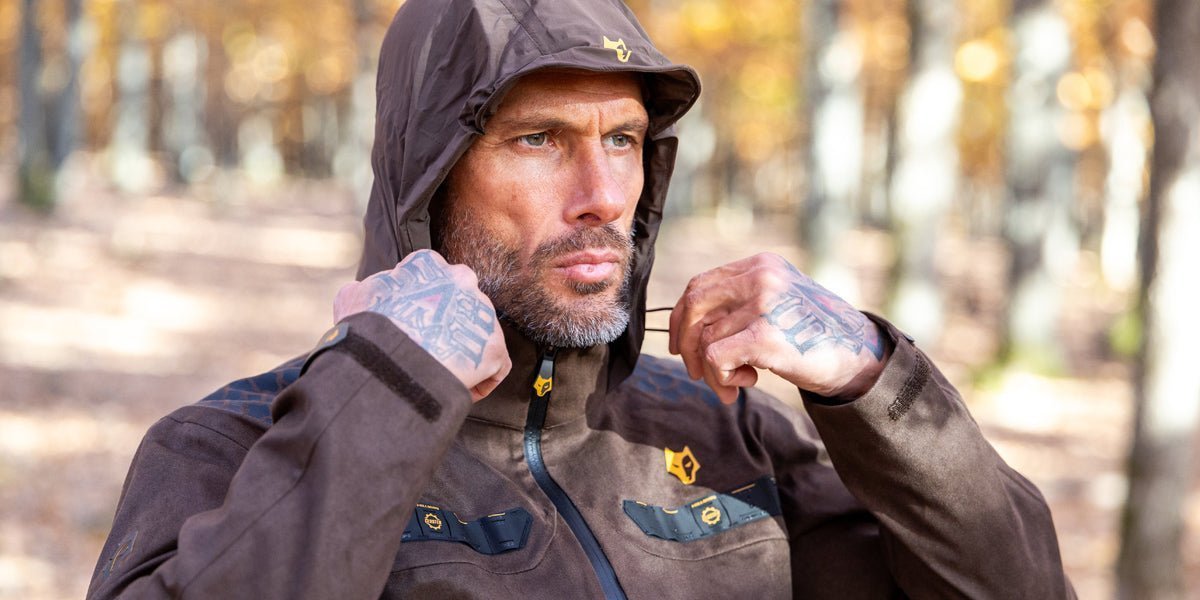
After the Hunt: How to Dry, Store, and Deodorise Gear in a British Home

After heavy rain in the UK, drying hunting gear properly matters. Learn how to dry, store, and deodorise boots, clothing, and equipment without damaging fabric or waterproof performance.
There’s a moment after every proper day out in the UK when the hunt is technically over, but the job isn’t.
You open the door, step inside, and suddenly the house feels smaller than it did in the morning. Boots by the mat. A damp coat over the chair. Gloves dropped on the table. Gear everywhere. The room fills with that familiar mix of wet fabric, cold air, and earth. Heavy rain has a way of following you home.
Anyone who spends time outdoors year-round knows this part matters just as much as the walking. You can have the toughest kit in the world, built for rough conditions, but if you don’t know how to dry hunting gear properly inside a British home, performance suffers. It’s rarely immediate. It shows up later: when the fabric stiffens, when odours linger, when waterproof protection feels affected.
At Hillman UK, we focus on building equipment for unpredictable weather. Still, what happens after you bring it inside often decides how long it lasts.
How to Dry Hunting Gear in a Real British Home?

The first mistake most people make is heat.
You come in soaked from the rain, you want the gear dry quickly, so you push boots up against the radiator and hang clothing as close to the warm pipes as possible. It feels efficient. Warm equals dry. The problem is that temperature alone doesn’t do the right job.
High heat can affect fabric fibres, alter the shape of footwear, and, over time, weaken adhesives inside boots. Waterproof membranes don’t respond well to being baked. What matters more than heat is air.
Airflow is everything.
In most UK homes, space is limited. You don’t have a dedicated drying room. You have a hallway, maybe a small utility area, sometimes just the back of a door. The trick isn’t perfection; it’s movement. Hang clothing where air can circulate. Don’t stack everything in a heap on the ground. Even opening a door for a while to let fresh air move through the room makes a difference.
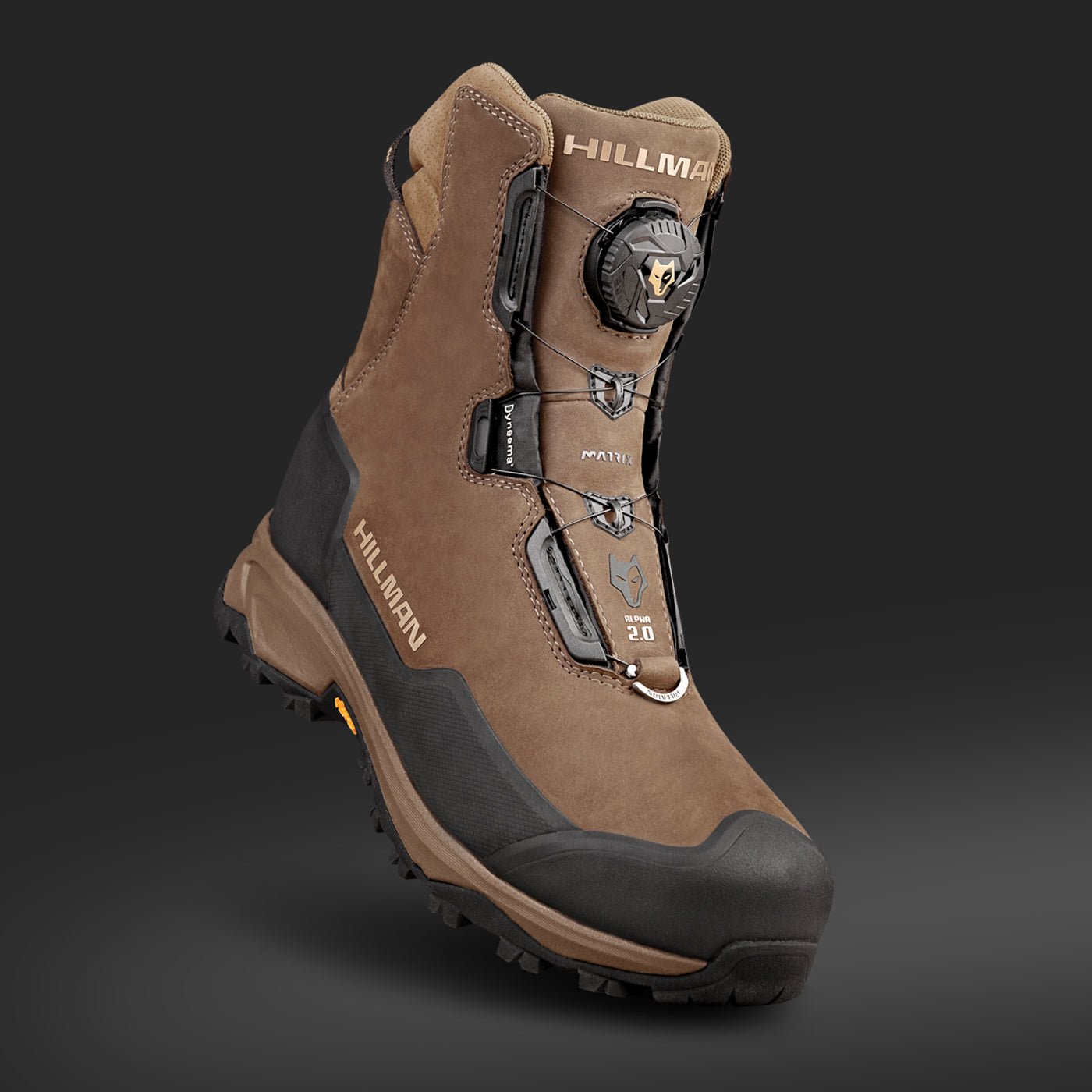
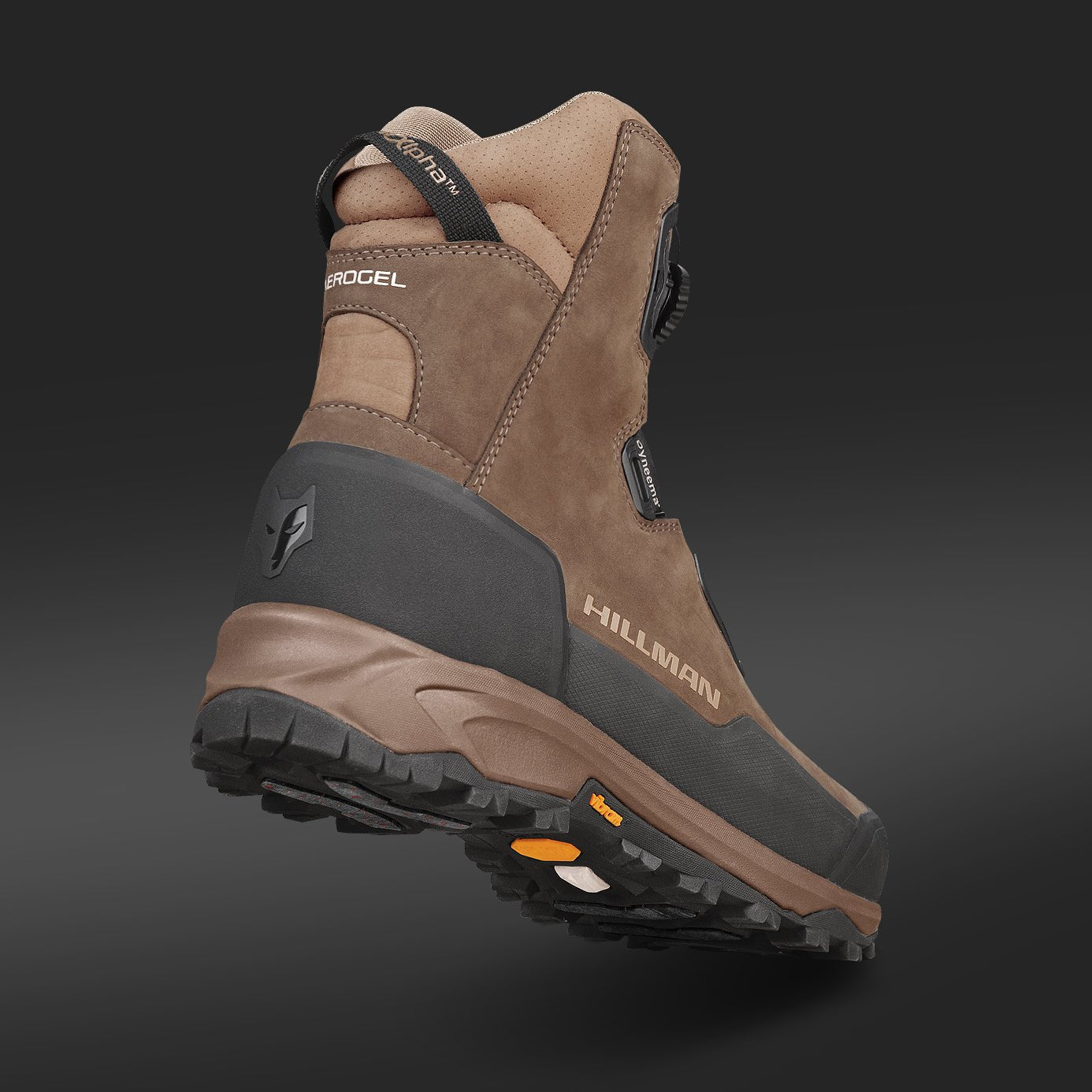
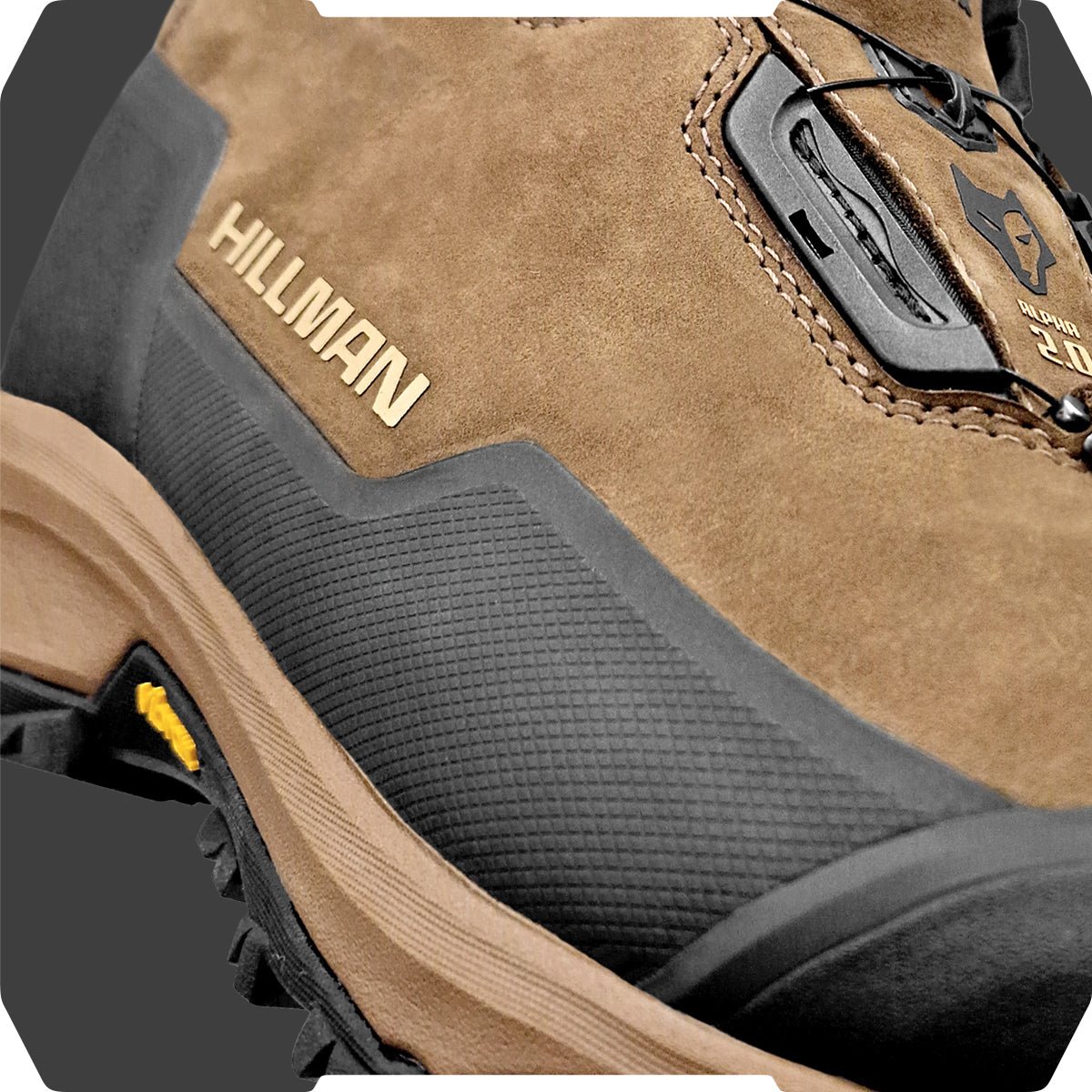
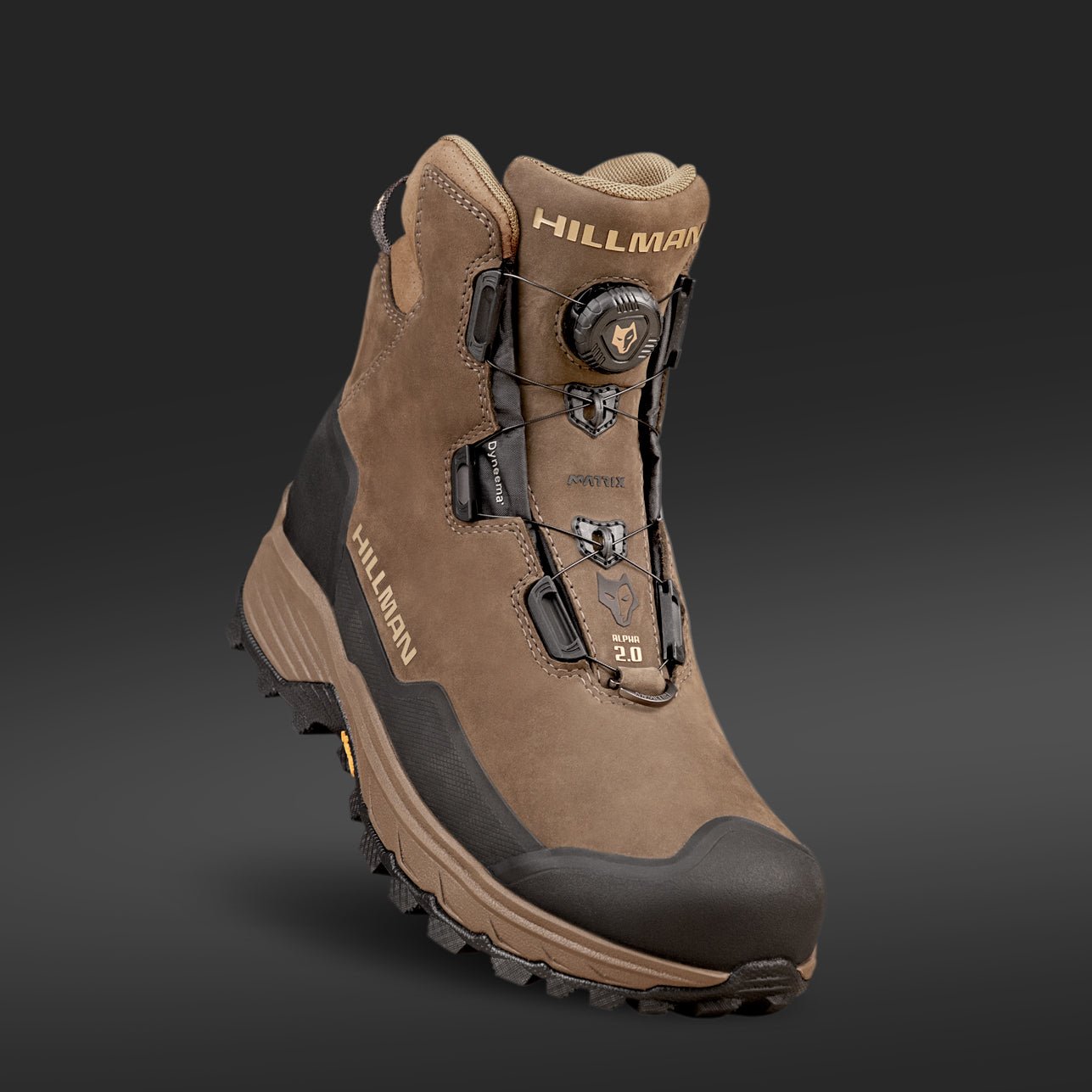
Boots deserve their own attention. Remove the insoles. They trap moisture underneath and slow the entire process. Stand each pair upright in a safe place and allow air inside. If they’re properly wet, stuffing them loosely with newspaper or even cardboard helps absorb moisture from deep inside the footwear. Replace it once it’s damp.
It takes longer than blasting them with heat, but the boots keep their shape, and the life of the gear is saved.
Absorb Moisture Before It Settles In

In the UK, damp doesn’t disappear easily. You can dry the surface of a coat or a pair of shoes, yet still have moisture hiding inside the fabric.
That’s when condensation becomes a problem. In cooler months, especially, warm indoor air meeting cold outer fabric creates that subtle, lingering dampness you sometimes notice the next morning.
Leather boots are particularly sensitive. Mould forms when moisture lingers, and airflow is poor. Storing wet footwear in sealed bags or plastic boxes might feel tidy, but it traps humidity. If you’re going to store them, make sure they are fully dry and placed somewhere with air around them. Elevated off the ground is better than directly on a cold floor.
Silica gel or natural absorbers can help control the environment in a storage space, but they don’t replace proper drying. The balance is simple: air first, storage second.
Prolonged direct sunlight, though tempting, isn’t the answer either. It can fade colour, affect the appearance of fabric, and weaken fibres over time. Shade and patience do a better job.
Heavy Rain, Waterproof Kit, and What You Notice Later

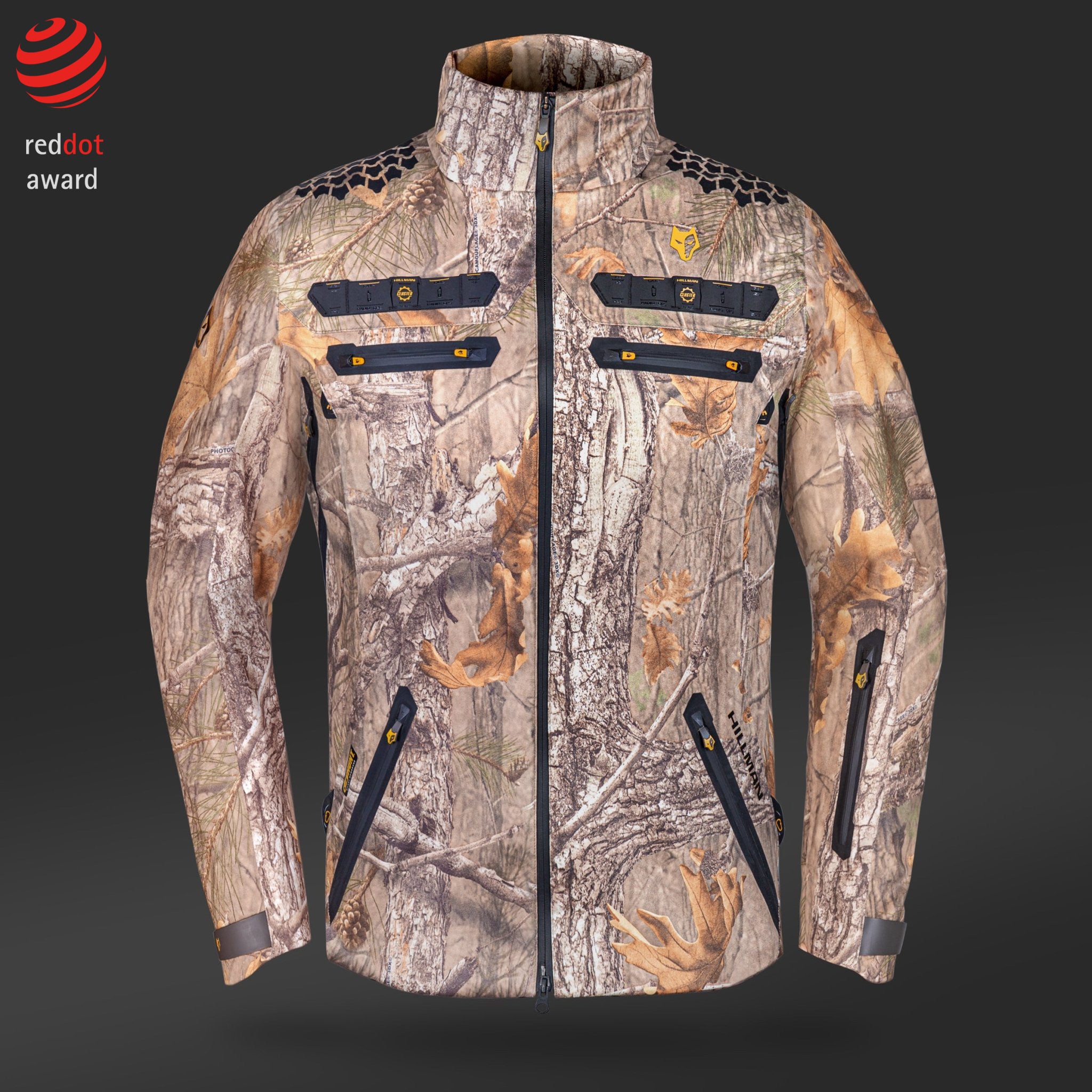
Waterproof clothing is built to protect you from rain, but it’s not immune to neglect afterwards.
A waterproof coat or pair of trousers works because it balances breathability with protection. When you’re walking hard, body heat and moisture build up inside. If that internal moisture isn’t allowed to escape properly, you end up feeling damp even when the outer layer is doing its job.
After heavy rain, hang waterproof clothing where air can circulate. Turn items inside out first if they’re wet from movement and sweat. Let them dry completely before you store them. If the fabric allows, a brief tumble dry on low temperature can help reactivate the water-repellent surface. Low is the keyword. Too much heat is a mistake.
Check cuffs, seams, and insulated sections. These areas often hold water longer than expected. In tough conditions, even high-performance kit can struggle if aftercare is careless.
The difference isn’t always obvious immediately. It shows up the next time you wear it, when the fabric feels heavier, when breathability seems reduced, when comfort isn’t quite what it was.
Year-Round Storage in a Damp UK Climate

Storing hunting gear in Britain is rarely straightforward. Garages and sheds may seem convenient, but fluctuating temperatures and high humidity create an unstable environment. Condensation builds quickly.
Inside the home is usually safer, provided the room has airflow. Don’t push boots tightly together. Don’t seal wet gloves in bags. Give equipment space. Even small gaps between items allow air to move and prevent trapped moisture.
Leaving kit in the car overnight after rain is another common mistake. Cold air, closed space, and lingering dampness combine in the worst possible way.
It doesn’t require a perfect system. It requires attention. A quick check before storing. A bit of space between items. Ensuring everything is genuinely dry inside, not just warm.
Deodorising Gear Without Compromising Performance

Odours are rarely about dirt alone. They’re about moisture and bacteria mixing within fabric and against skin.
If boots or gloves smell after a day in wet conditions, the first step is airflow, not fragrance. Remove insoles. Allow air to circulate fully inside the footwear. If needed, use a neutralising spray designed to eliminate odours at their source rather than mask them. Apply lightly and allow to dry fully before storage.
Sealing damp gear in bags only intensifies the problem. It’s the mix of moisture and trapped air that leads to a persistent smell.
Keeping the kit dry, truly dry, is what protects comfort next time you wear it.
What Actually Makes the Difference

There’s nothing complicated about drying and storing hunting gear in a British home. What makes it tough is consistency.
After a long day, it’s easy to leave boots by the door and deal with them tomorrow. That small delay is often where issues begin. Moisture settles. Fabric stiffens. Odours develop.
Taking a few extra minutes to hang clothing properly, remove insoles, create airflow, and avoid direct heat extends the life of your gear. It protects performance. It keeps everything ready.
In this part of the world, conditions are rarely predictable. The gear we build at Hillman is made for that reality. Looking after it once you bring it inside ensures it stays that way.



Share:
Hunting Boot Fit for Long Days: Prevent Heel Slips, Blisters
Roe, Red Deer Stalking and Woodland Reality on UK Terrain