
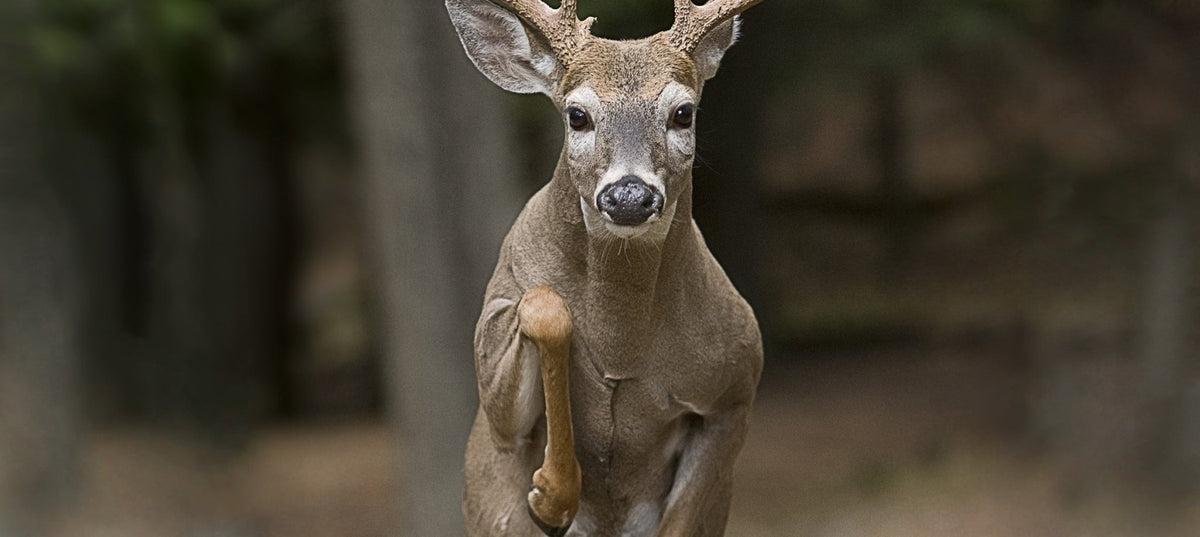
Roe, Red, and Woodland Reality: How to Dress for Micro-Changes in Terrain in One Morning

From roe deer stalking in woodland to stalking red deer on open hill, learn how to choose the right clothing for micro-changes in UK terrain and weather.
You don’t always plan to cover three different worlds before breakfast, but that’s often how a morning of roe deer hunting in the UK unfolds.
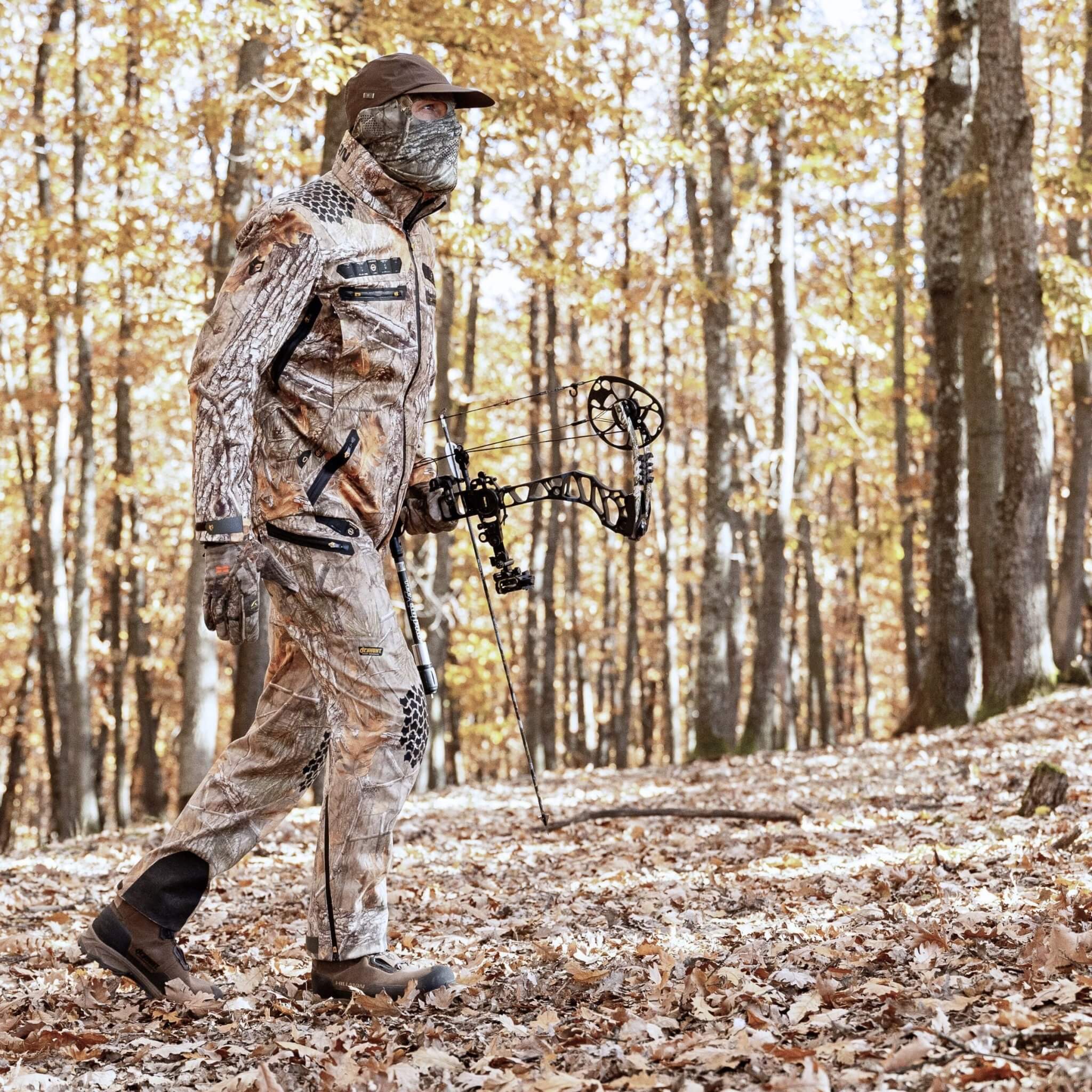
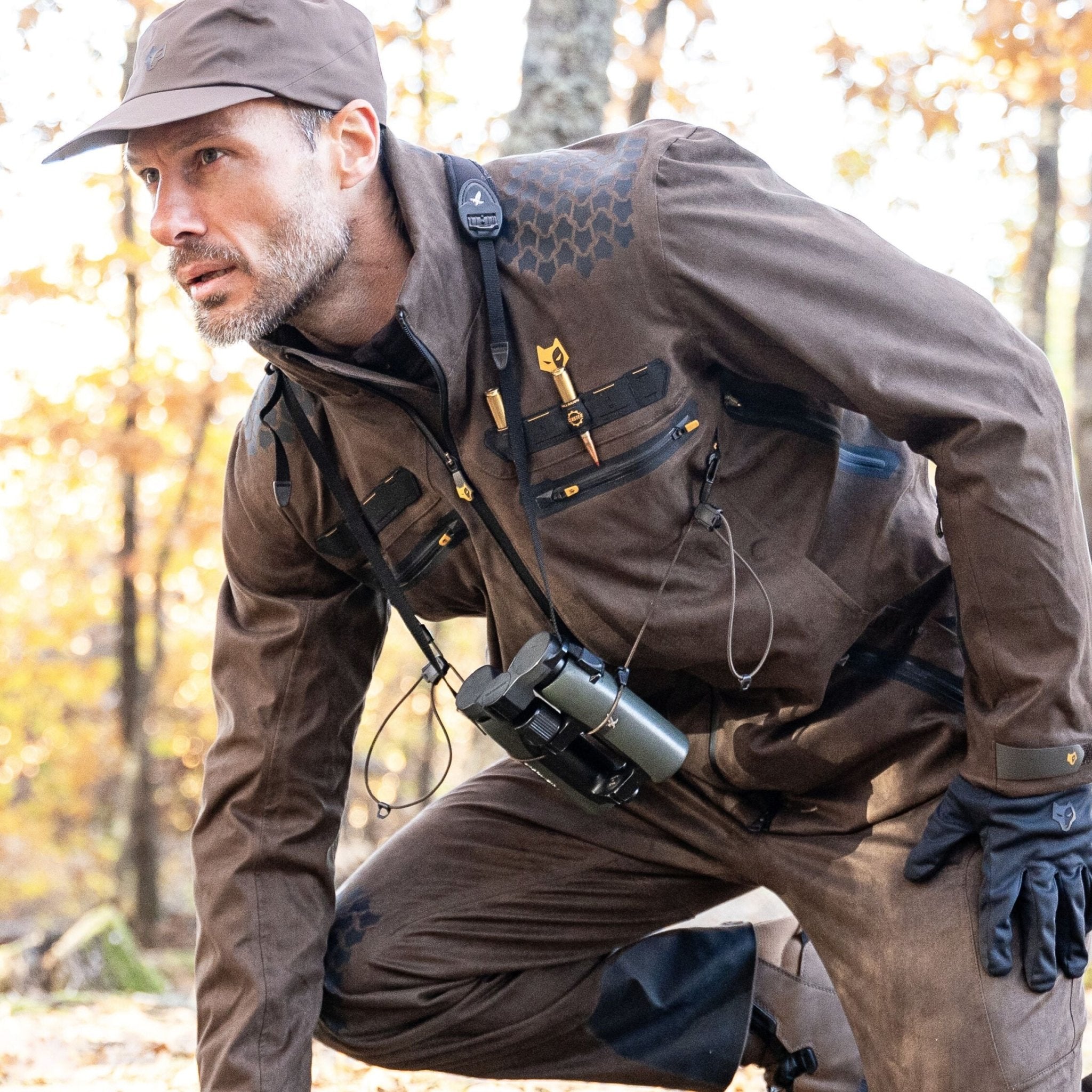
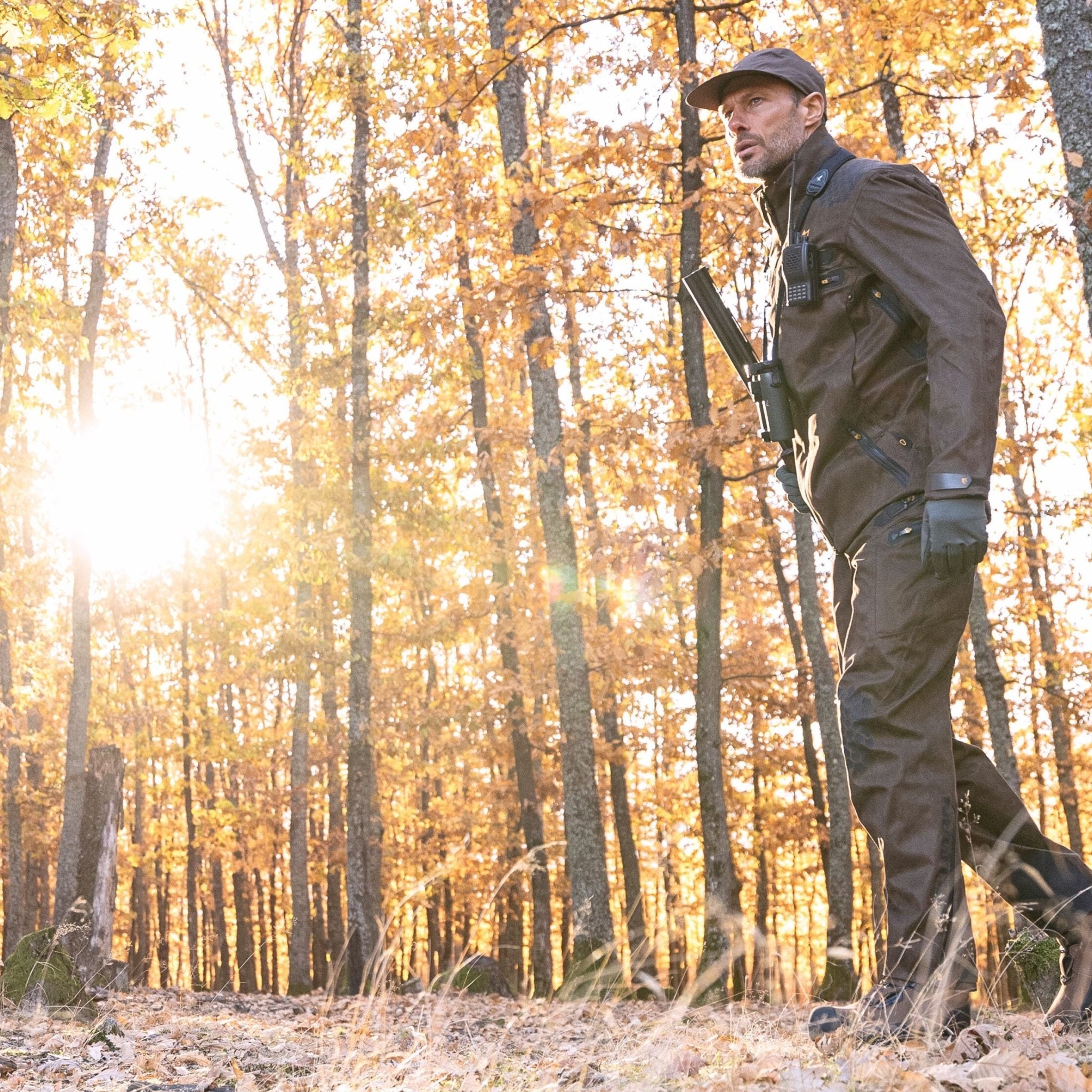
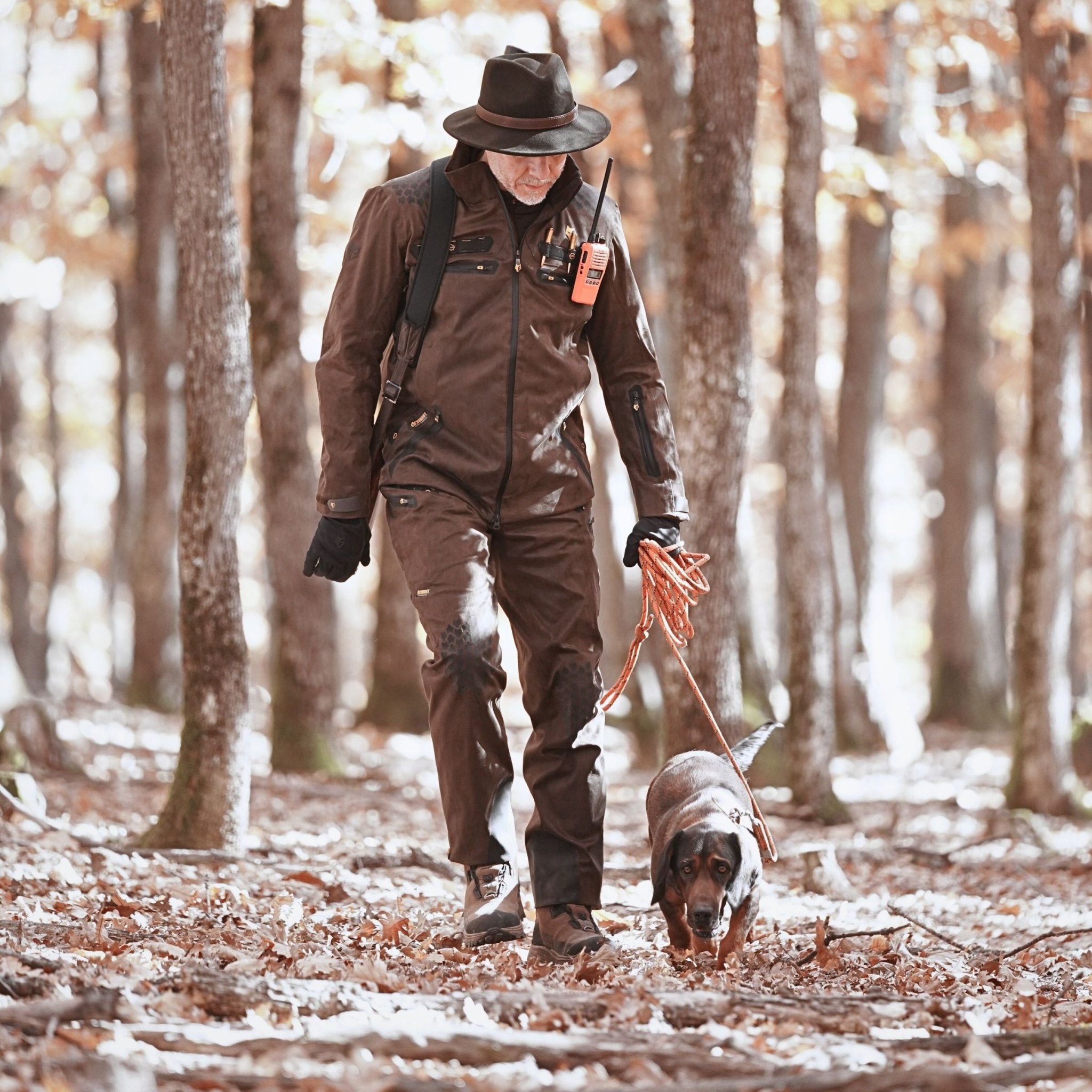
You start in the woodland. Still air. Damp ground. The kind of brown camo that blends without thinking about it. Roe deer country. Quiet. Close range. Slow steps.
An hour later, you’re out on open hill, wind cutting sideways, wondering why you didn’t adjust your layers sooner. That’s the part people underestimate. Not the stalk. The shift.
UK deer stalking isn’t about one terrain. It’s about different parts of the countryside changing under your boots in the space of a morning outing.
Roe Deer – Woodland Precision and Early Season Focus

Roe deer are native to the UK and are usually found alone or in small groups, particularly outside the winter months. In the south east of England, roe deer stalking is available year-round thanks to the split season. The roe buck season runs from 1 April until 31 October, and October in particular can feel very different from July when the rut represents peak territorial behaviour.
During the rut, especially in late July and early August, a buck may respond to calling. Outside that window, roe can be cautious, sometimes becoming more nocturnal where disturbance is common.
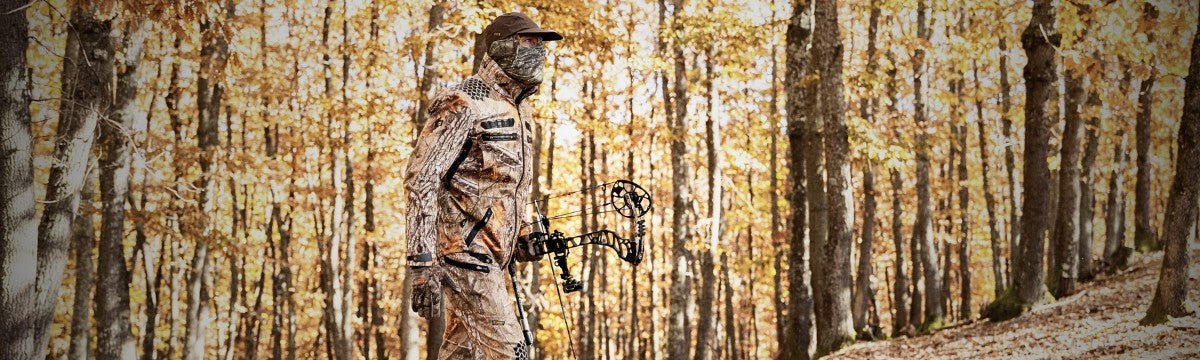
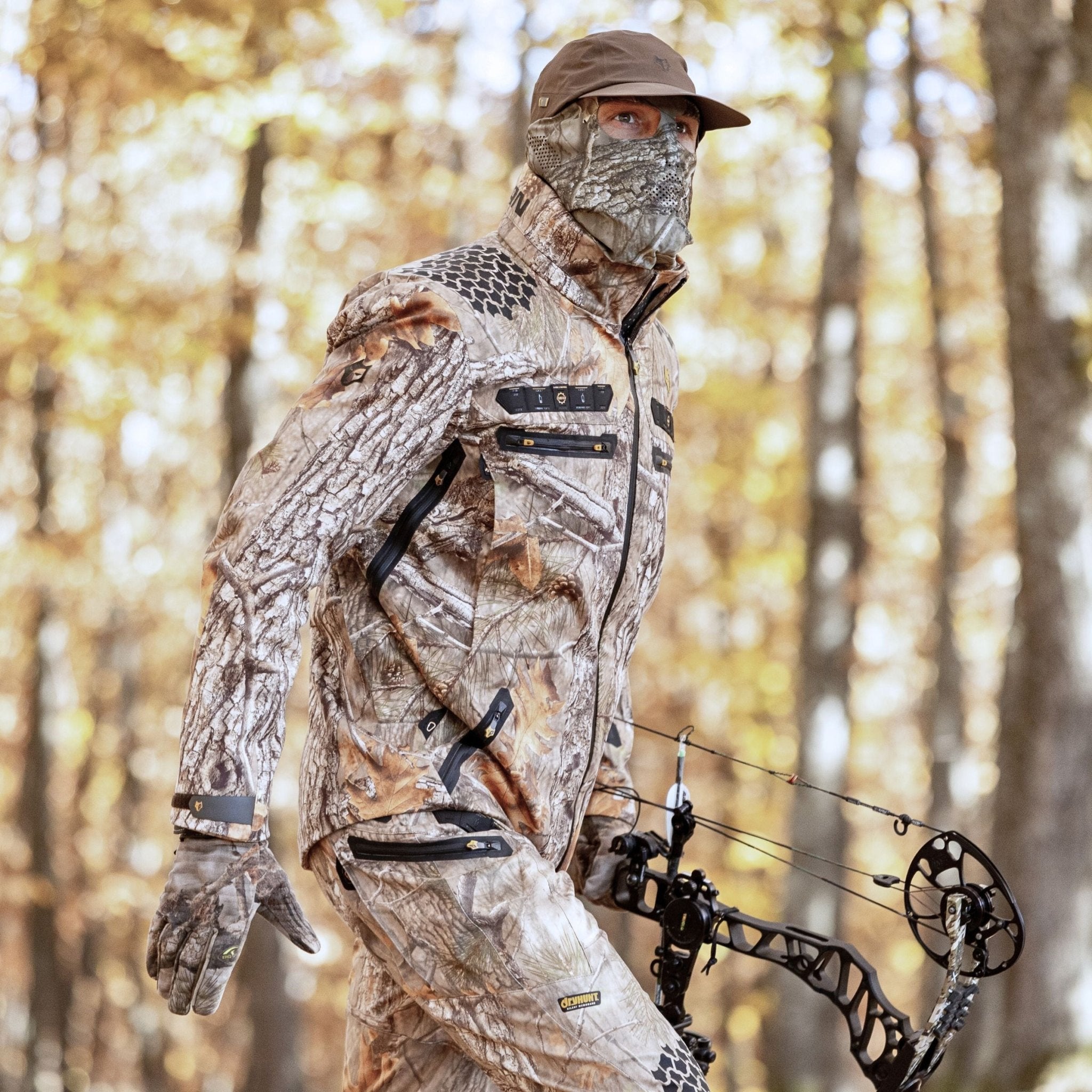
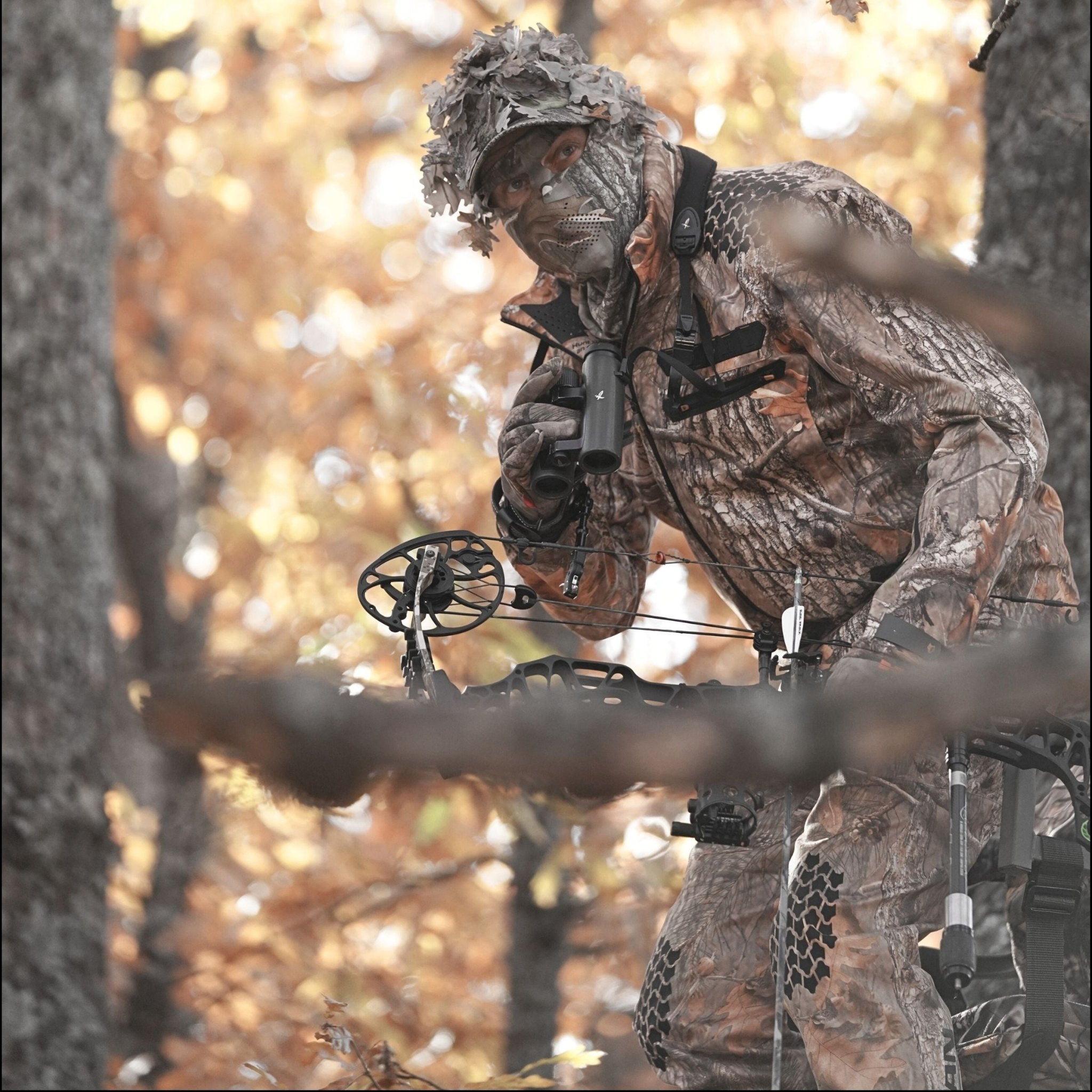
In woodland, stalking clothing must allow you to stay quiet. Silence matters more than colour. Movement gives you away before shade does. Breathable fabric helps regulate body temperature because roe deer stalking rarely stays static. You move. You wait. You move again.
Stalking into the wind is not optional. Roe deer have an acute sense of smell. Assume they are aware long before you have noticed them.
Ethically, during the doe season, you must avoid leaving dependent young. Selective shooting improves herd health. Trophy thinking comes second to wildlife responsibility.
Deer Stalking – When Woodland Turns to Wet Ground

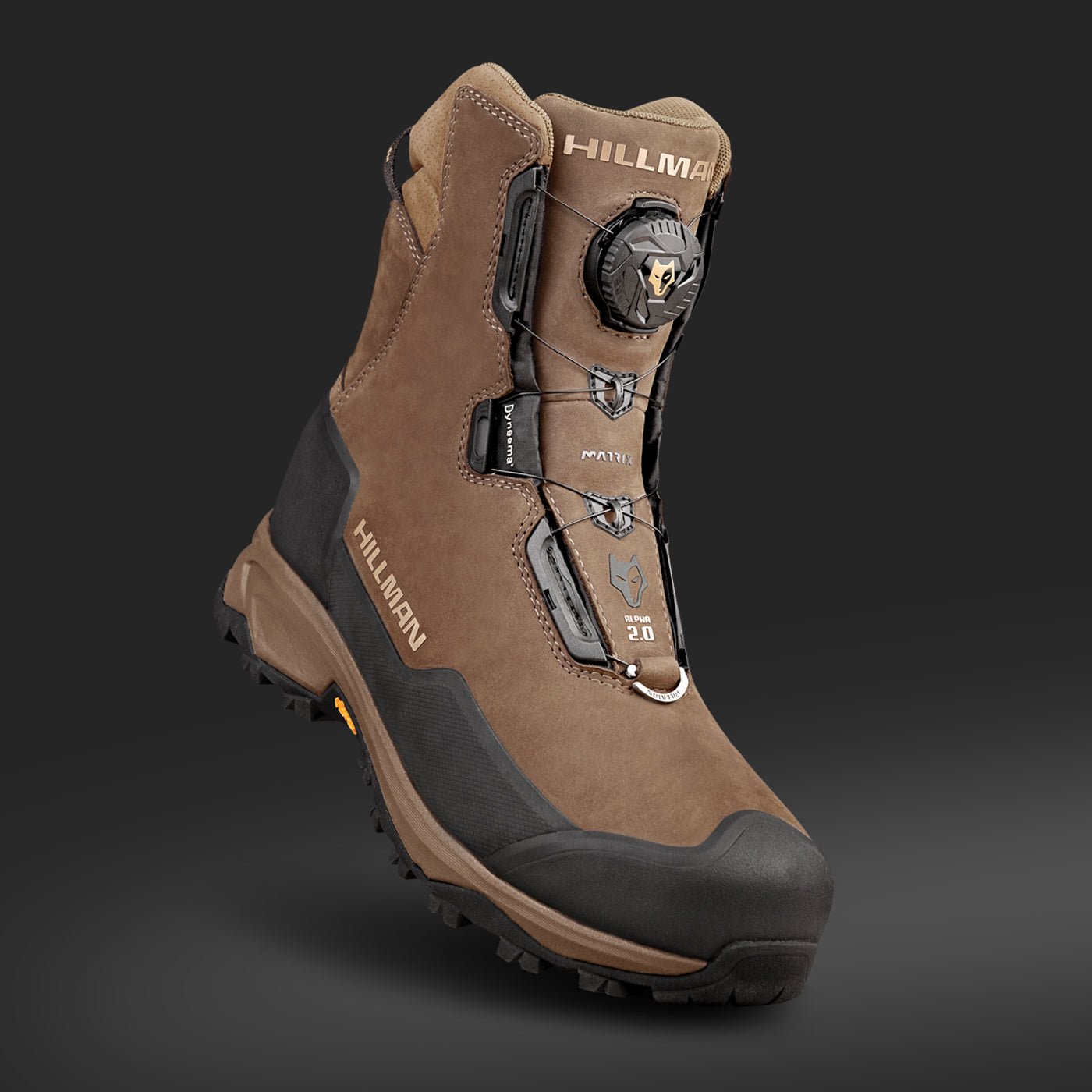
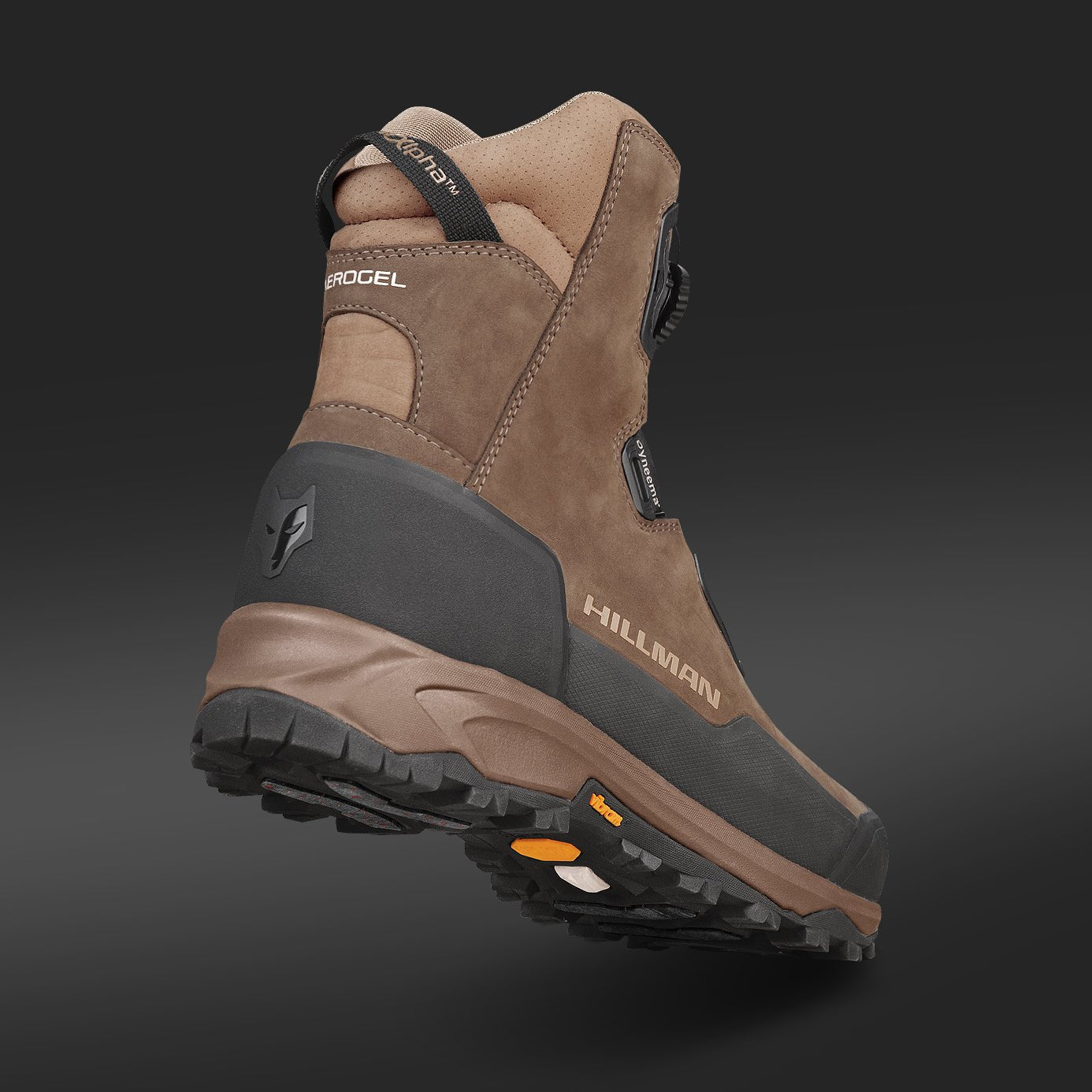
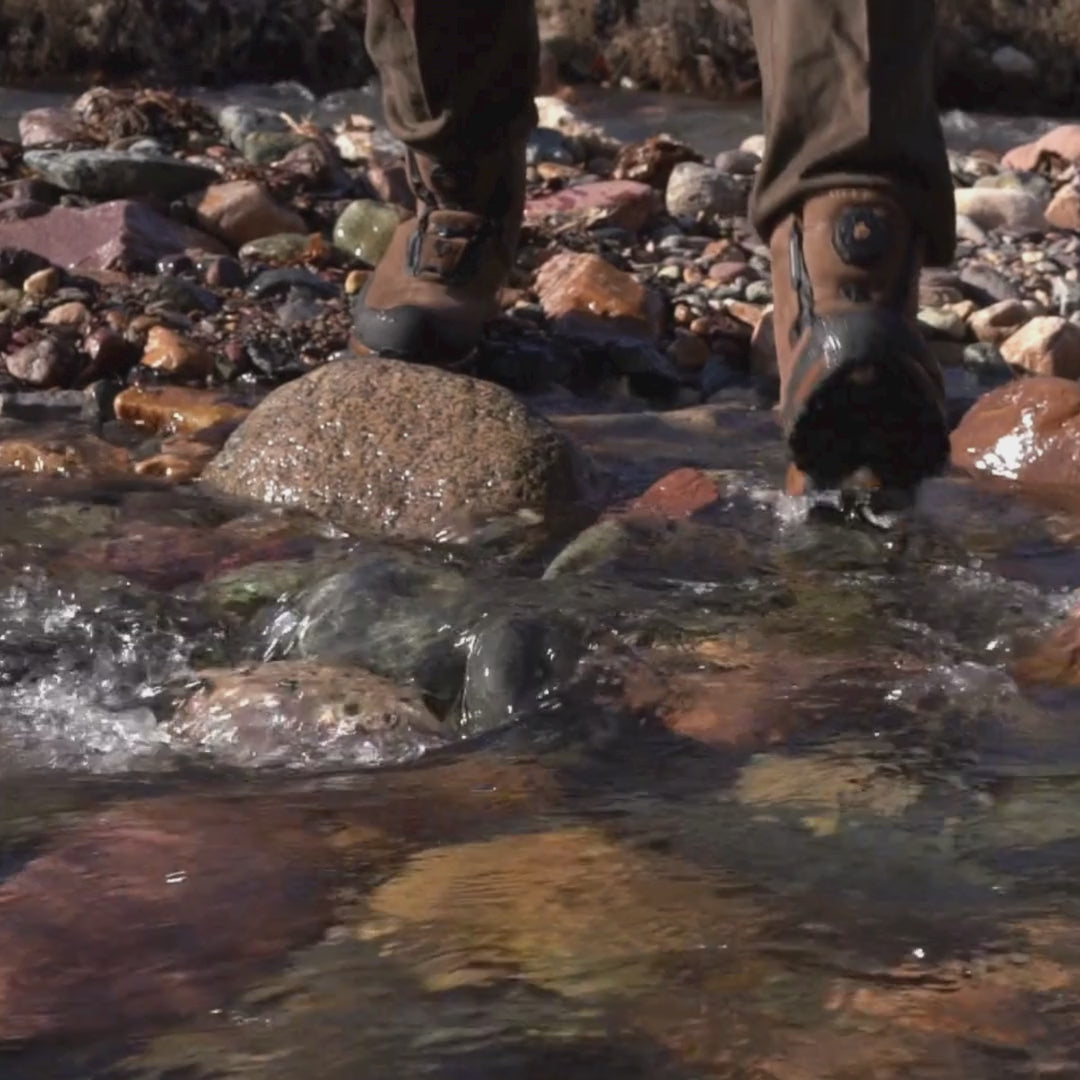
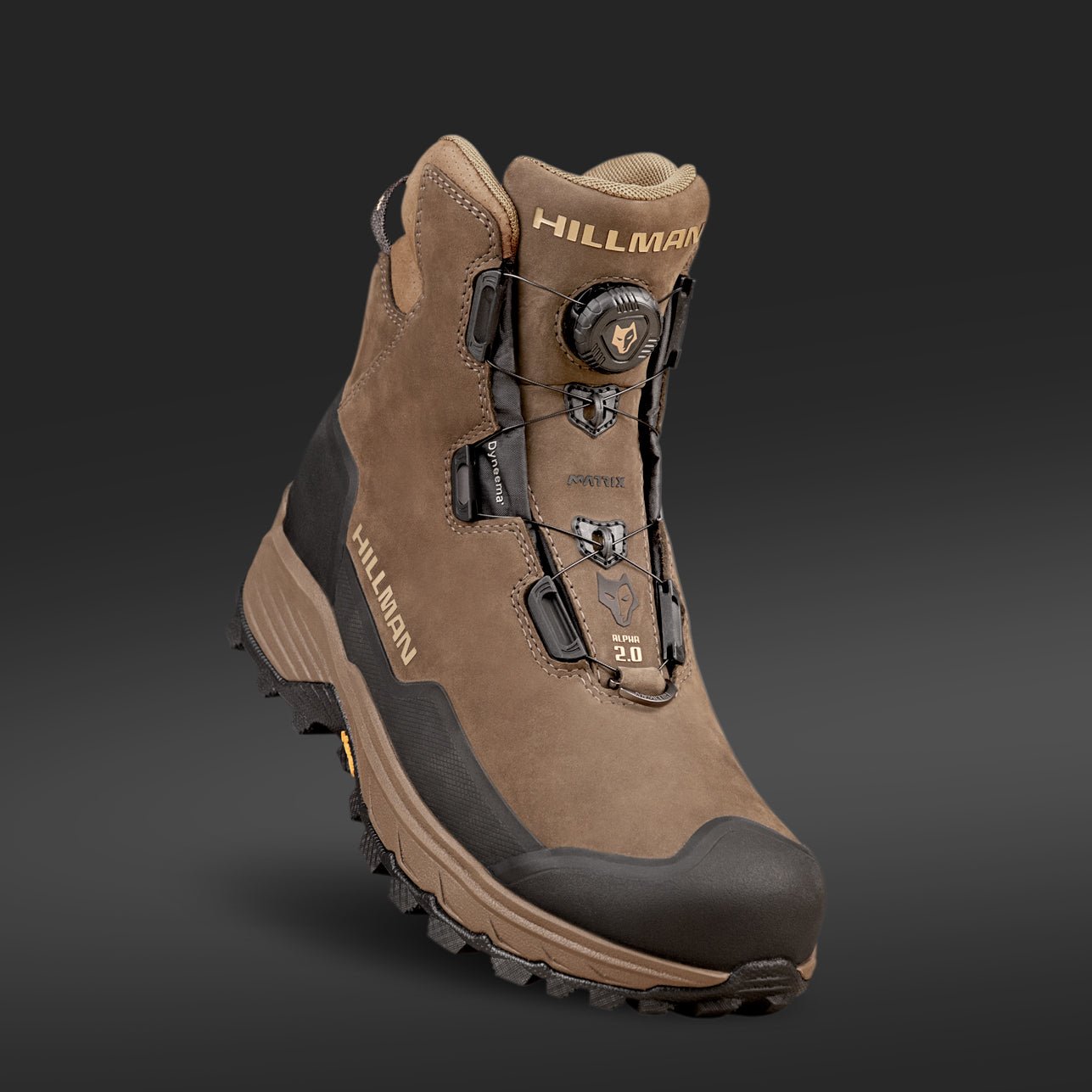
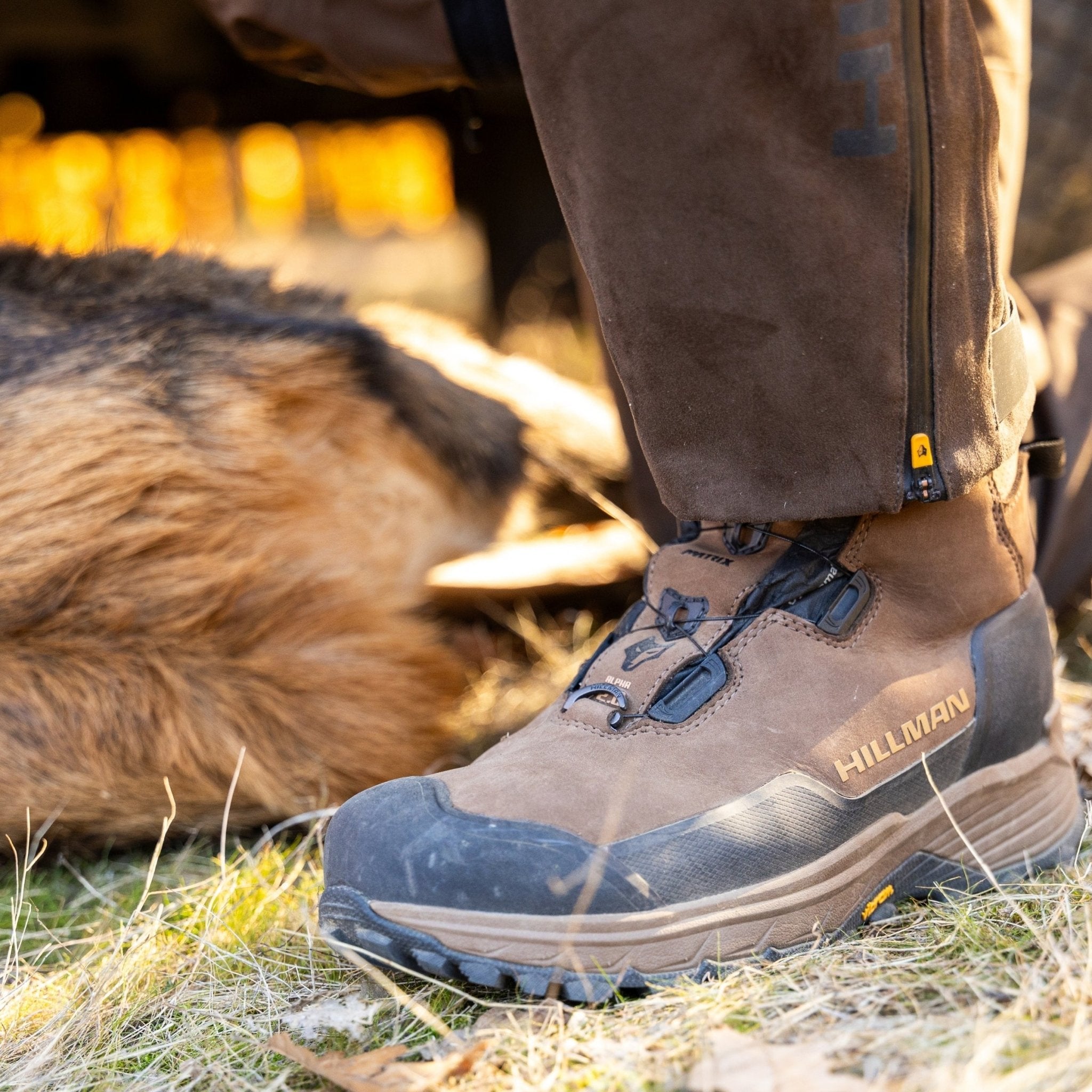
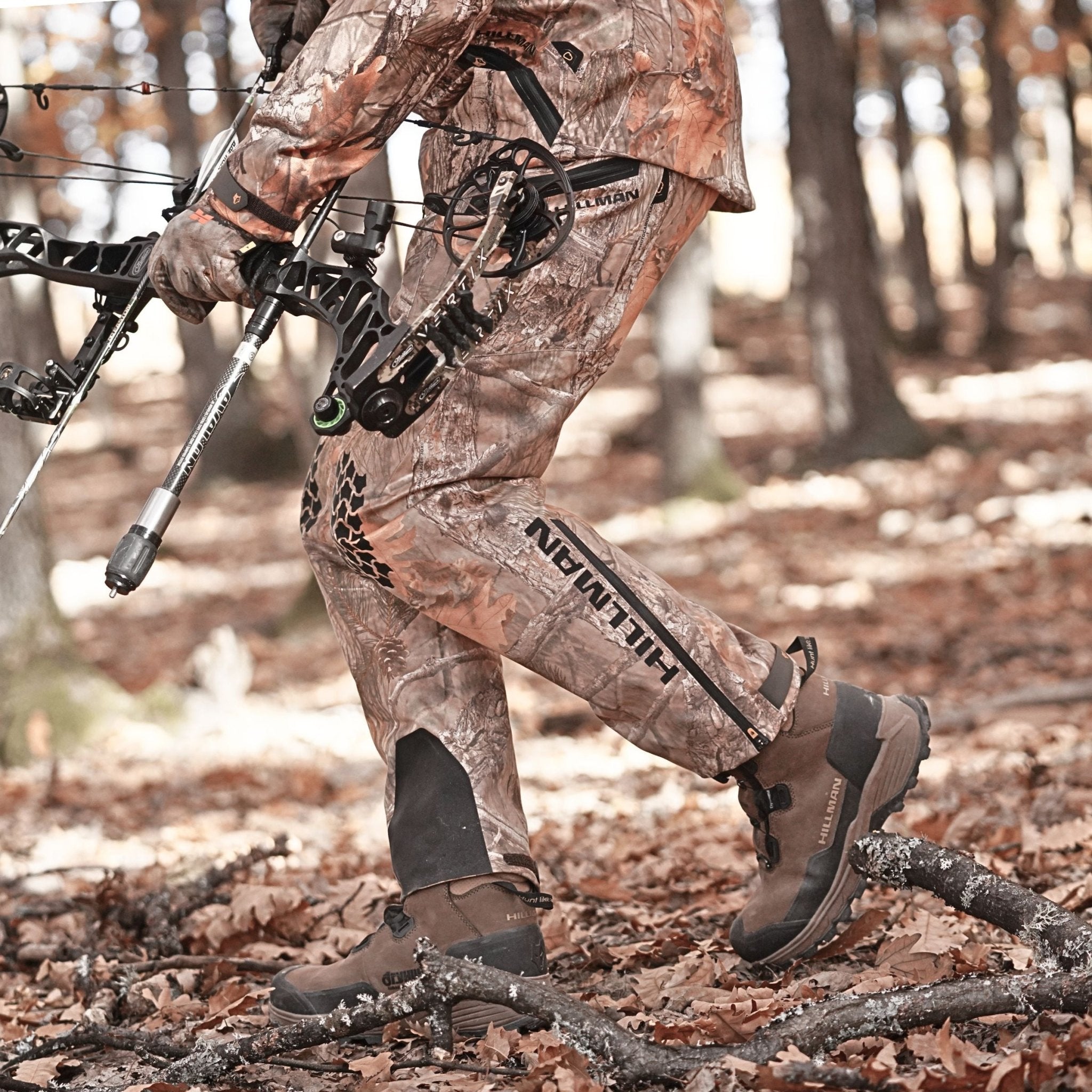
Leave the woodland, and the ground changes. Wet ground pulls at your boots. The air moves differently. Waterproof boots with good grip stop being a comfort detail and become essential.
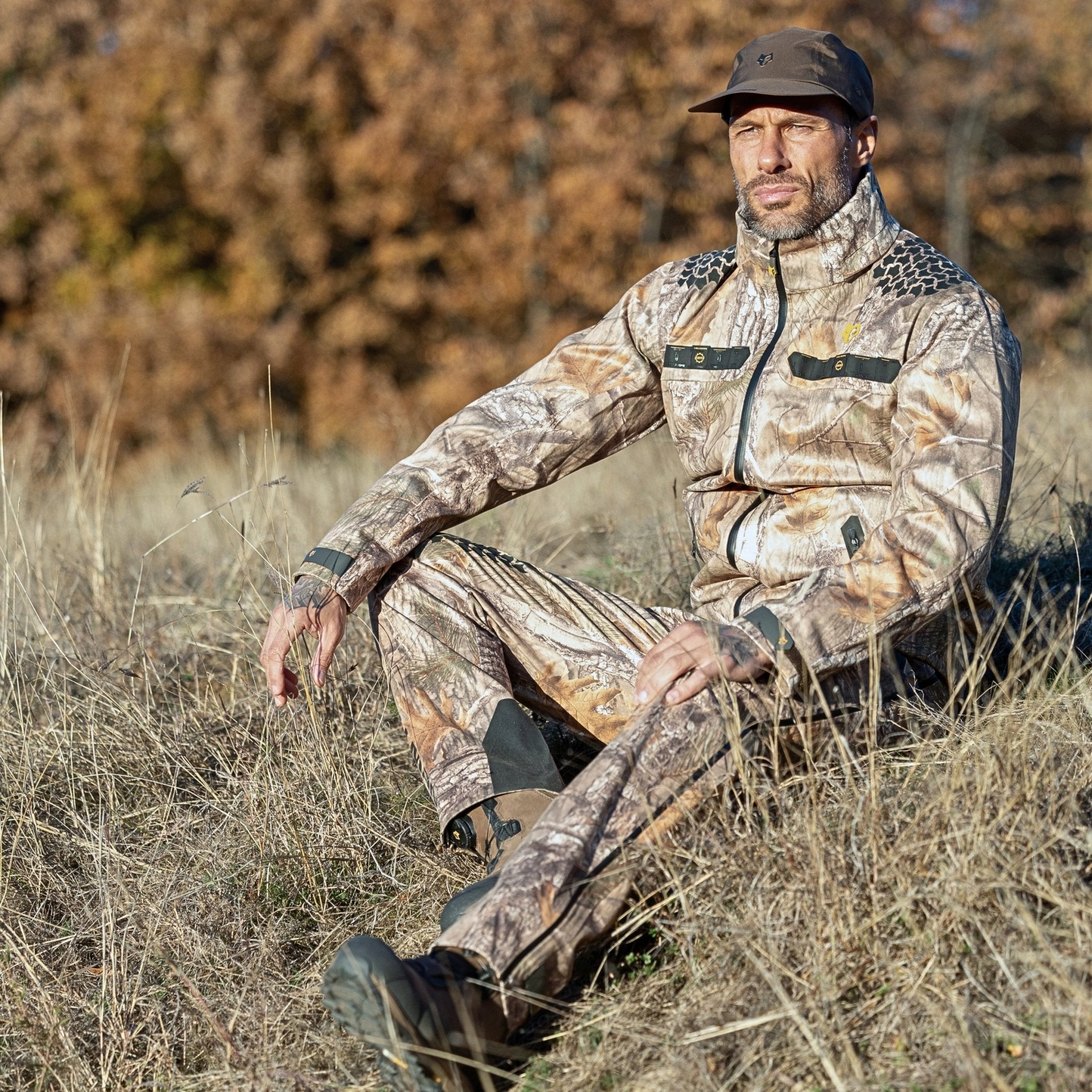
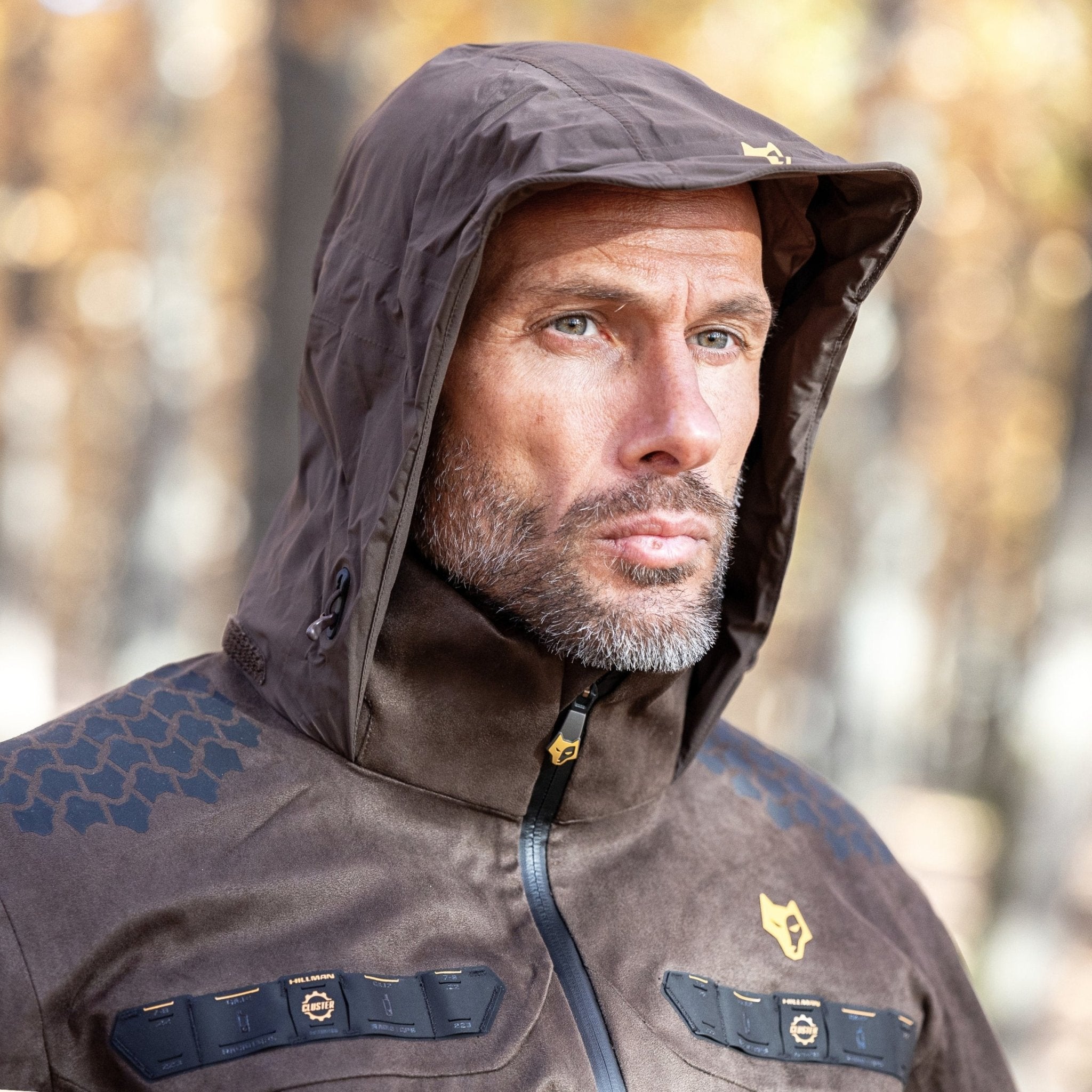
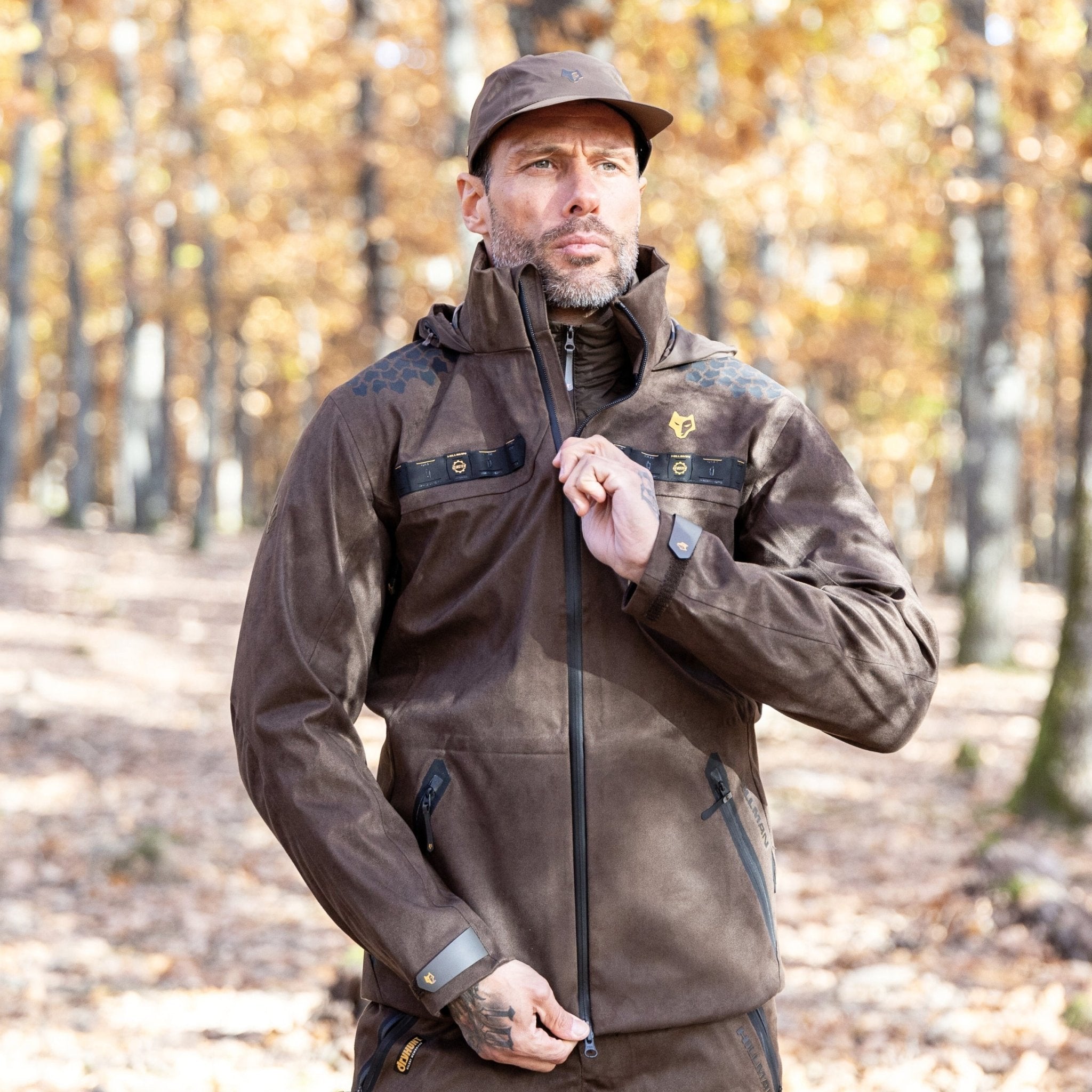
This is where the right clothing makes a difference. A heavy coat that feels warm under tree cover can become a liability when you begin walking steadily across open space. Breathable layers matter. Layering systems work better than a single thick jacket.
In UK deer stalking, you can go from shaded woodland to exposed ground in minutes. If your gear is built only for one condition, you’ll struggle.
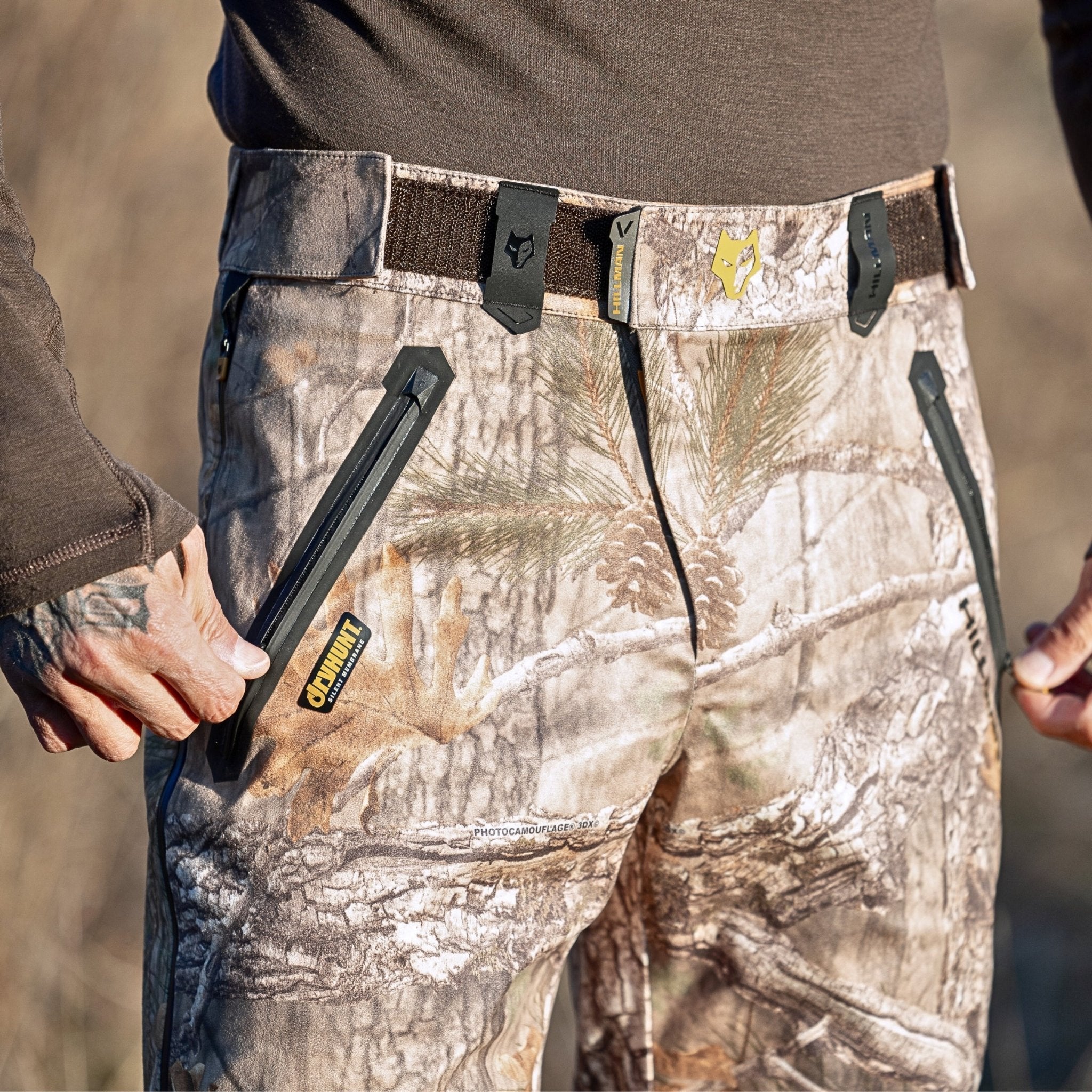
The less you fiddle with your gear, the better. Unnecessary attention to zips and cuffs creates movement. Movement gets noticed.
Stalking Red Deer – Open Hill and Large Herd Behaviour

Stalking red deer is different. On open hill in Scotland or Wales, red deer often move in large single sex herds outside the rut. Stags may group, while hinds remain separate.
A red stag during the October rut behaves differently again. Wind direction becomes critical. Range increases. Aiming requires patience.
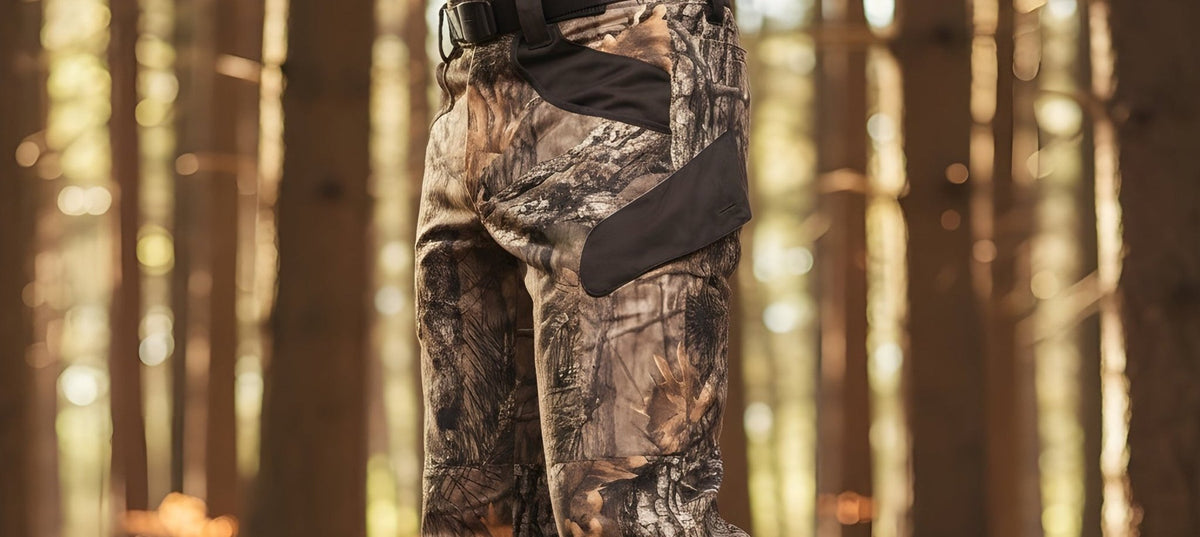
Walking can cover serious ground. Ten miles in a full day isn’t unusual. Elevation changes of 600–800 metres are common on open hills. You need trousers and jackets that allow natural movement without restricting your stride.
Red deer stalking often means taking time to get closer rather than rushing a long shot. Ethical deer stalking requires a solid backstop and avoiding skyline deer. Never assume the ground behind your target is safe without checking.
The rifle matters, of course. In England, the minimum calibre for roe deer is .240 with specific energy requirements, and the same principle of humane, expanding ammunition applies. Legal hunting hours run from one hour before sunrise to one hour after sunset unless licensed otherwise.
Practice matters. Steady breathing. Slow approach. Wind in your favour.
Roe Deer Hunting UK – One Morning, Three Conditions

It’s rarely just Roe. You may start in roe woodland, cross fallow ground, and glass open slopes where red deer stand further out. Muntjac might appear where you least expect.
In the winter months, roe deer can gather in groups. In colder conditions, clothing choice affects comfort quickly. Insulation helps maintain warmth, but breathability prevents overheating once you begin walking again.
Good stalking clothing balances weather protection and airflow. Waterproof boots protect against wet ground. Socks manage moisture. Gloves prevent cold fingers from affecting aim.
Brown camo blends well in woodland. On open ground, shape and movement matter more than pattern. Staying quiet, controlling pace, and respecting wind direction remain constant.
The right clothing isn’t about appearance. It’s about removing distractions so you can focus on the task.
UK Deer – Law, Season and Responsibility

UK deer stalking is regulated under the Deer Act 1991 in England and Wales and the Deer (Scotland) Act 1996 in Scotland. A valid Firearm Certificate is required, along with written permission from the landowner.
Roe buck season runs from 1 April to 31 October. Roe doe season runs from 1 November to 31 March. Hunting outside the season is illegal except under a specific licence.
Night shooting for roe deer requires statutory permission. Standard legal hours apply.
After taking a deer, proper hygiene matters. Gloves should be worn during handling. Prompt gralloch protects meat quality and reduces contamination.
Responsible stalking protects wildlife, countryside balance, and herd health.
What You Learn After Enough Mornings

After enough mornings of roe deer stalking, after stalking red deer across open hill, after walking from woodland into exposed ground and back again, you stop thinking about single garments.
You think in systems.
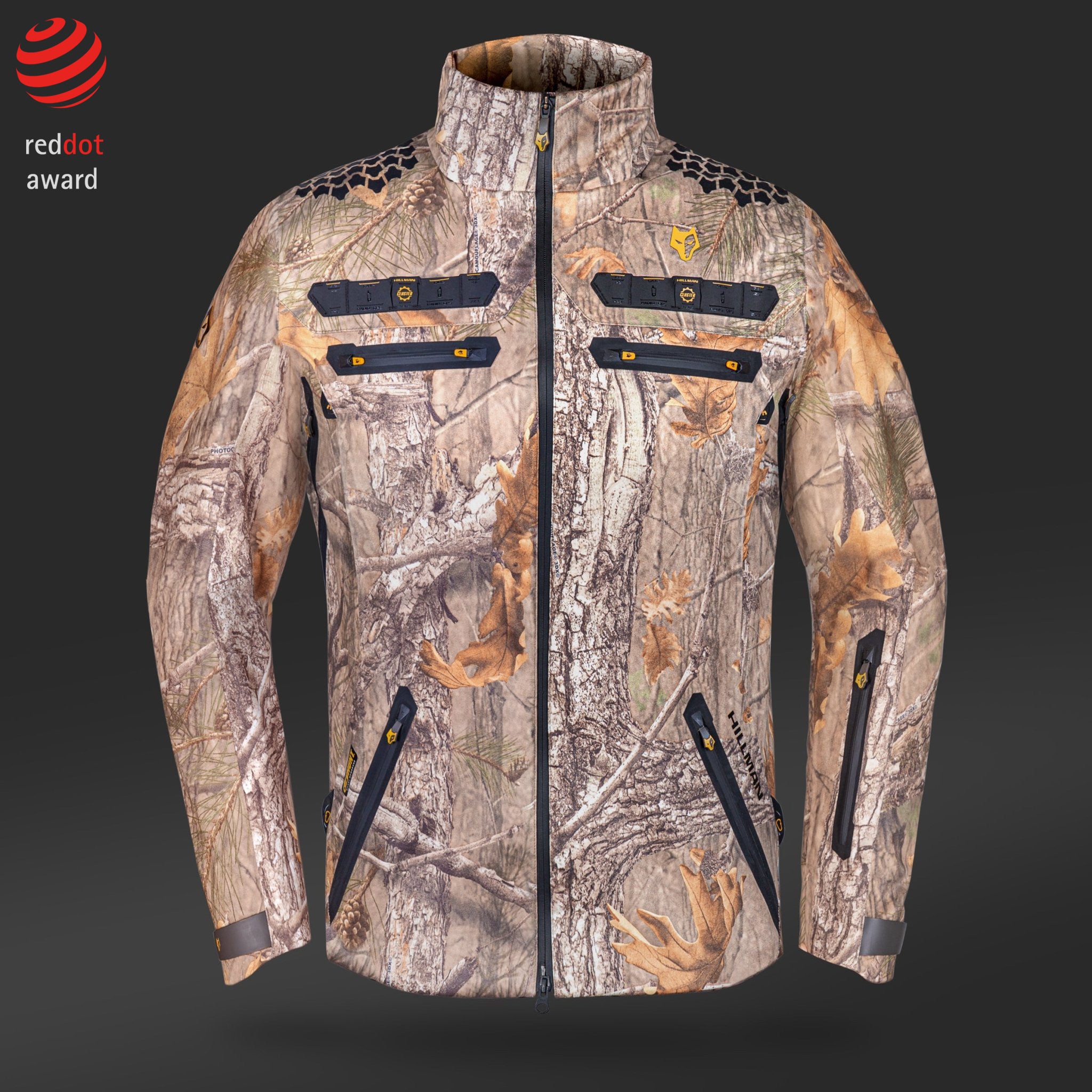
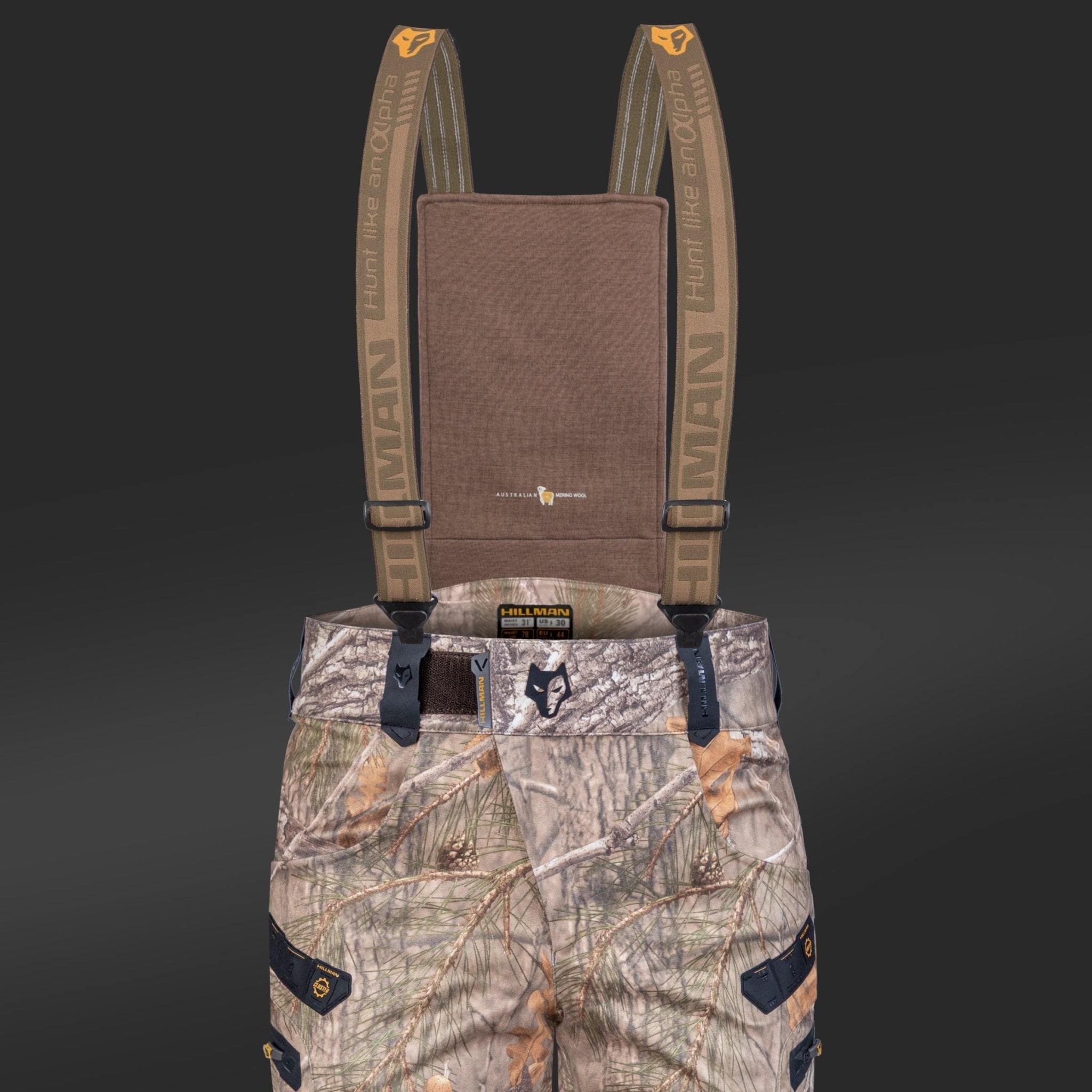
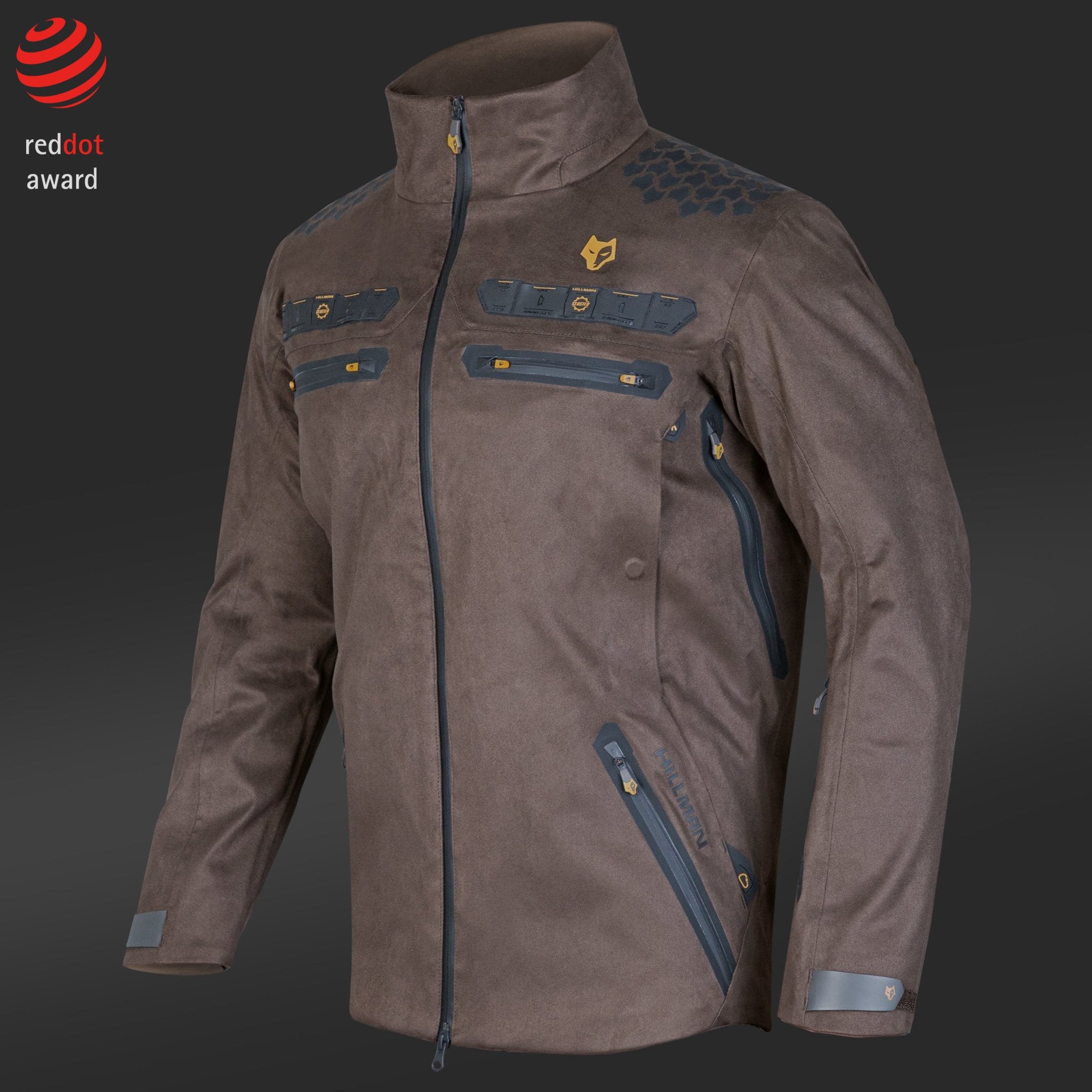
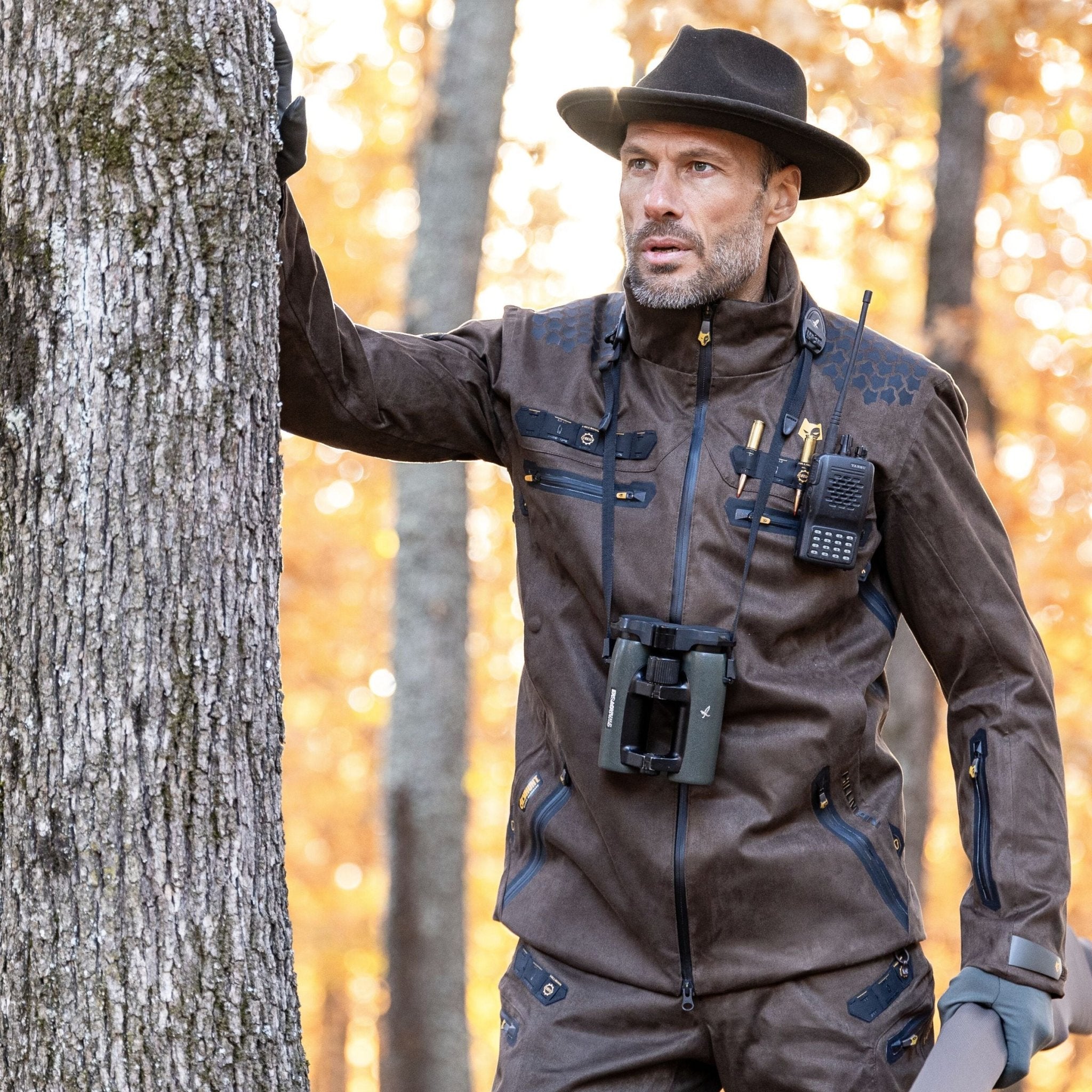
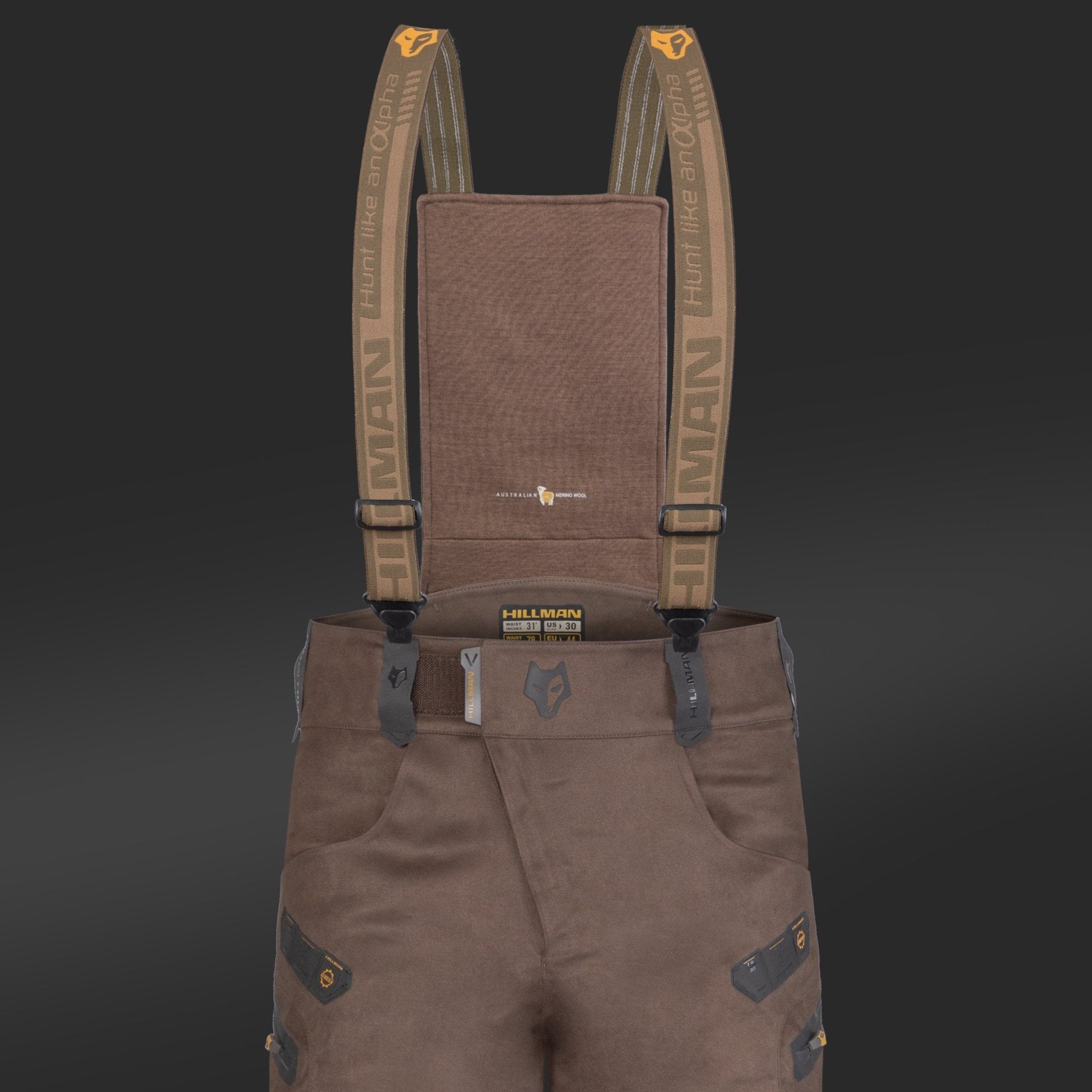
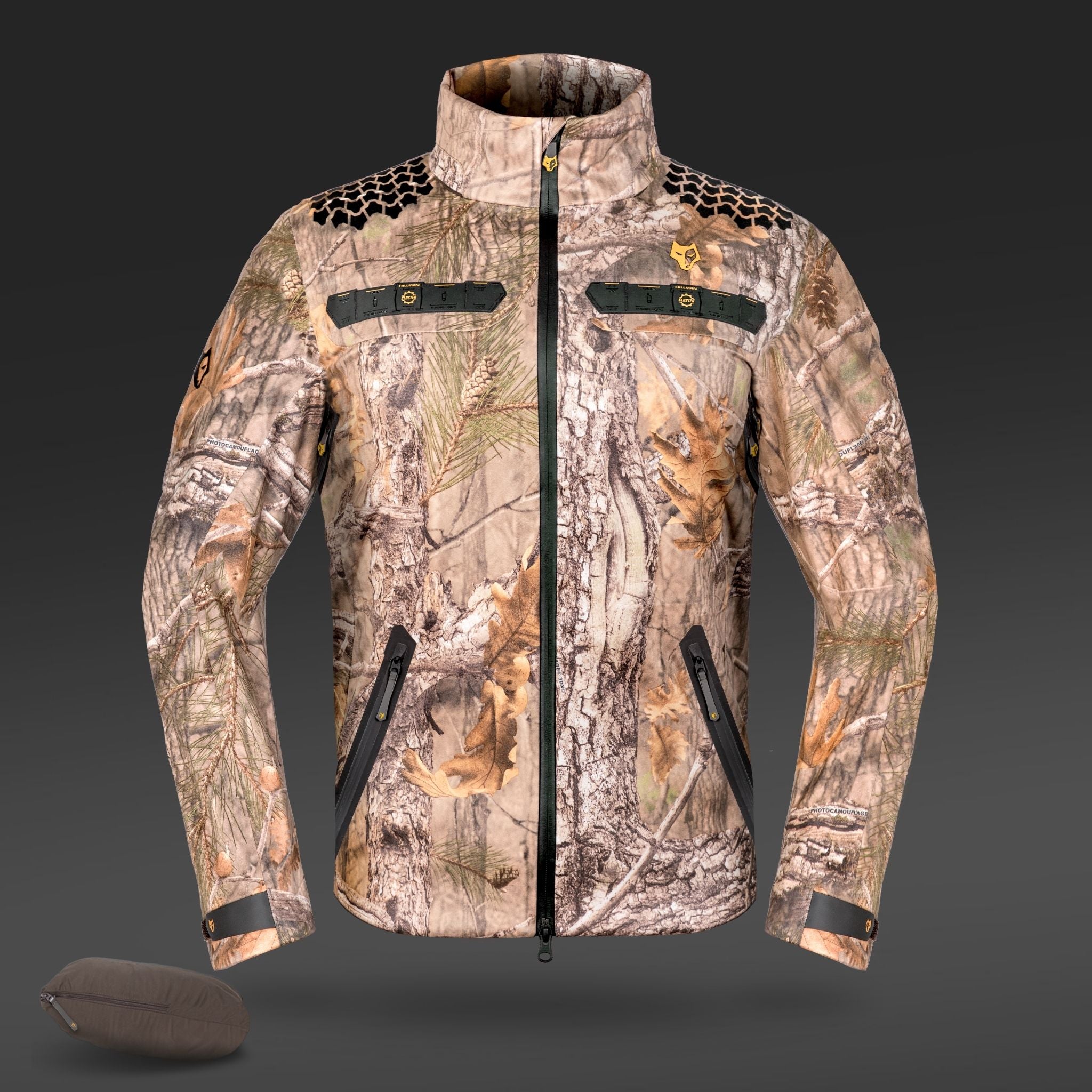
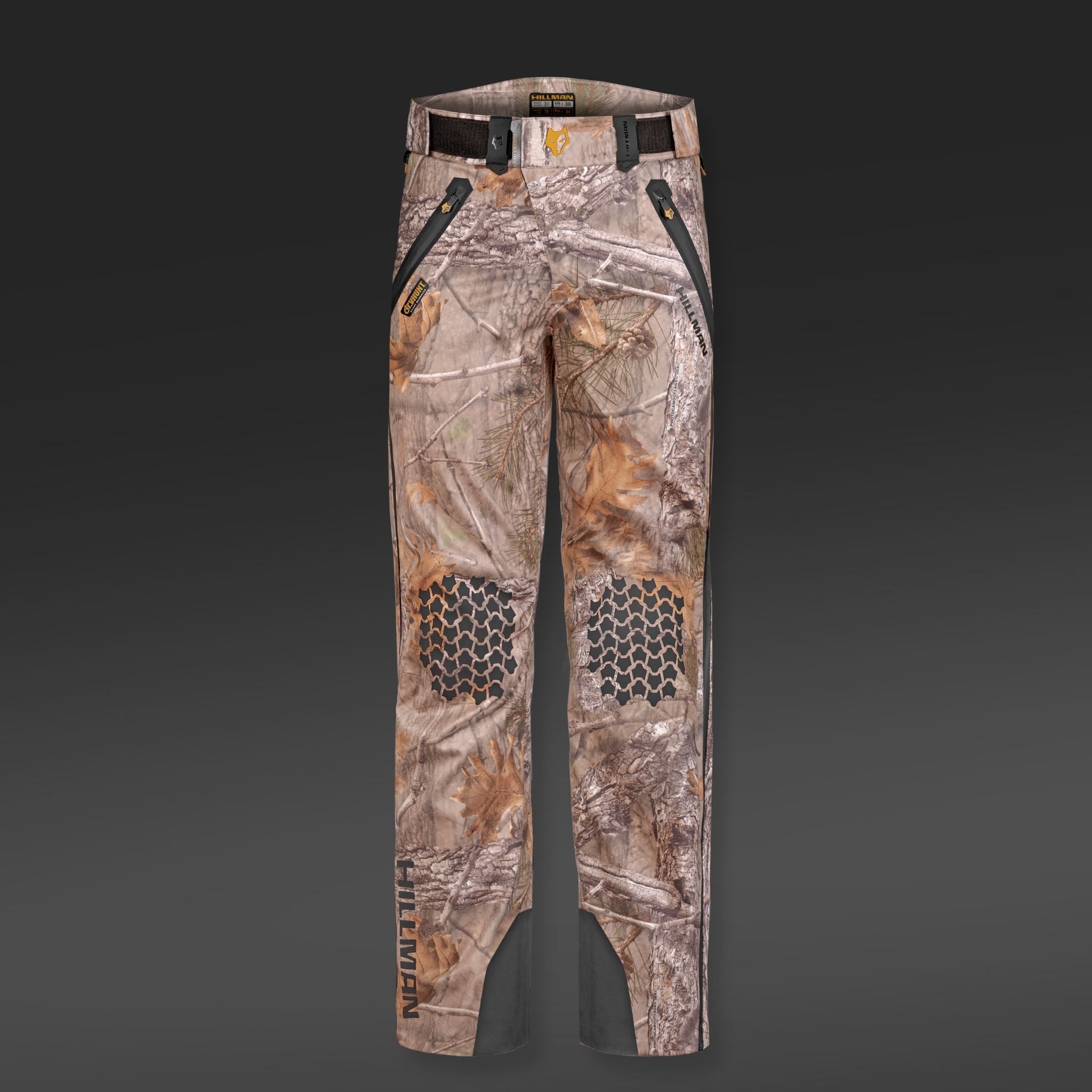
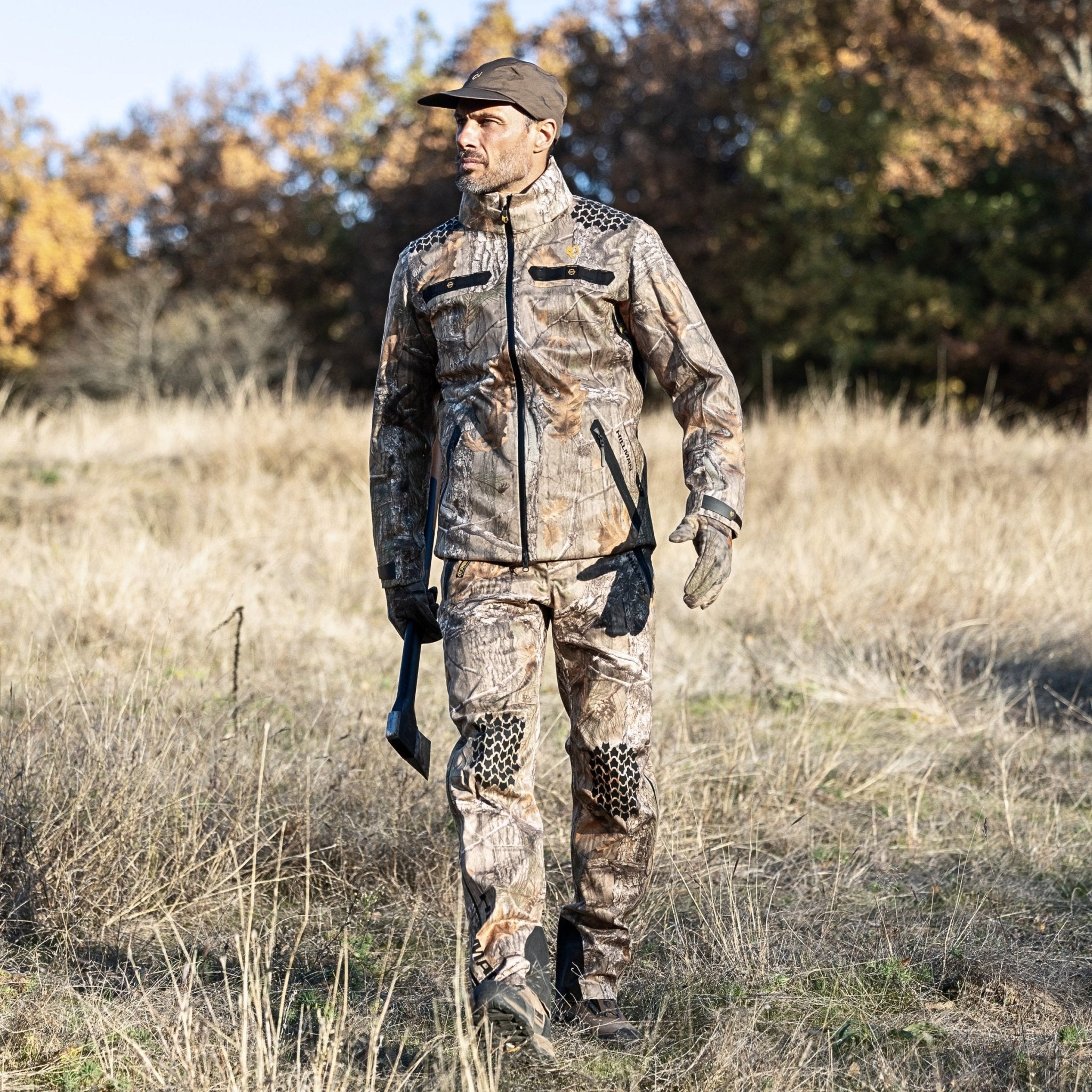
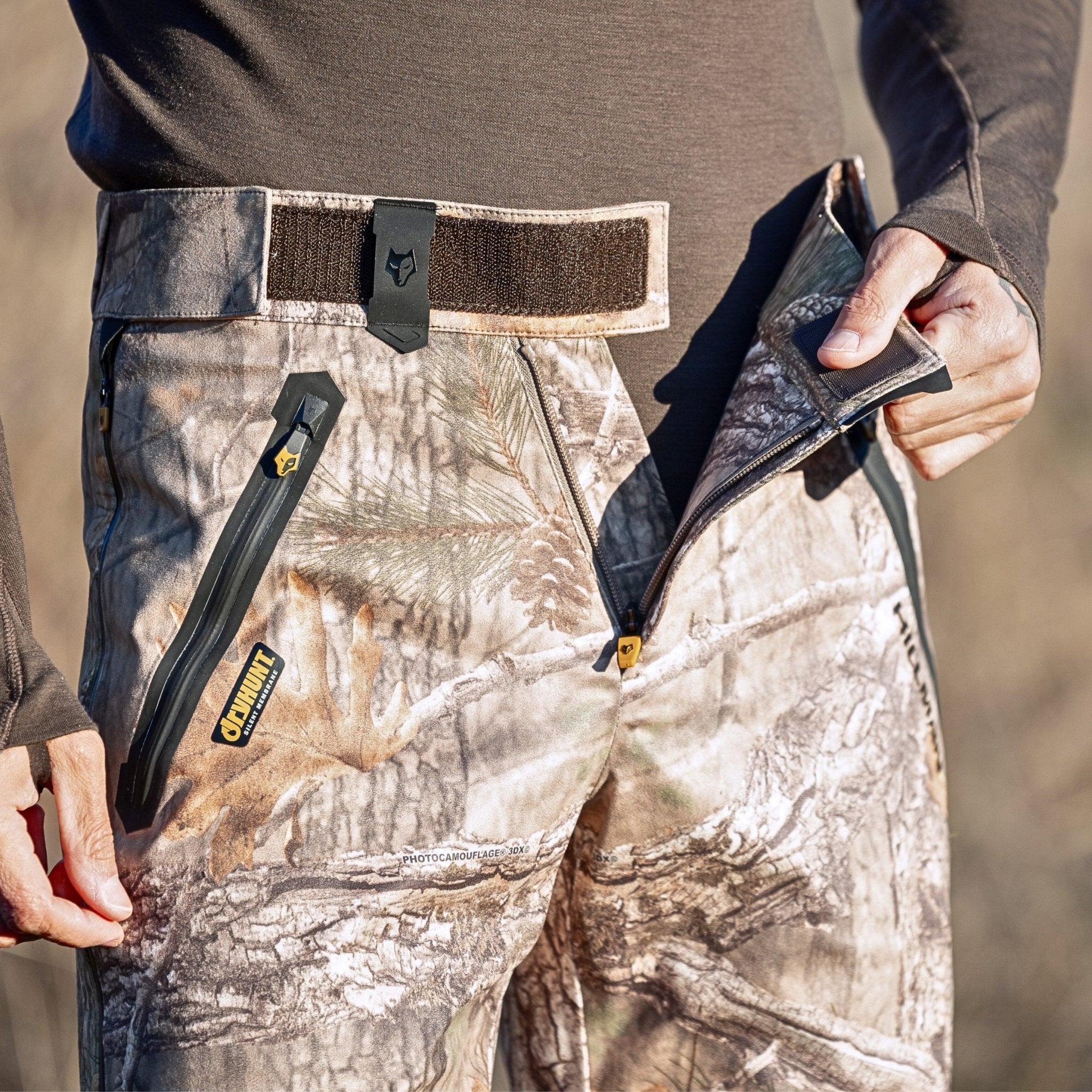
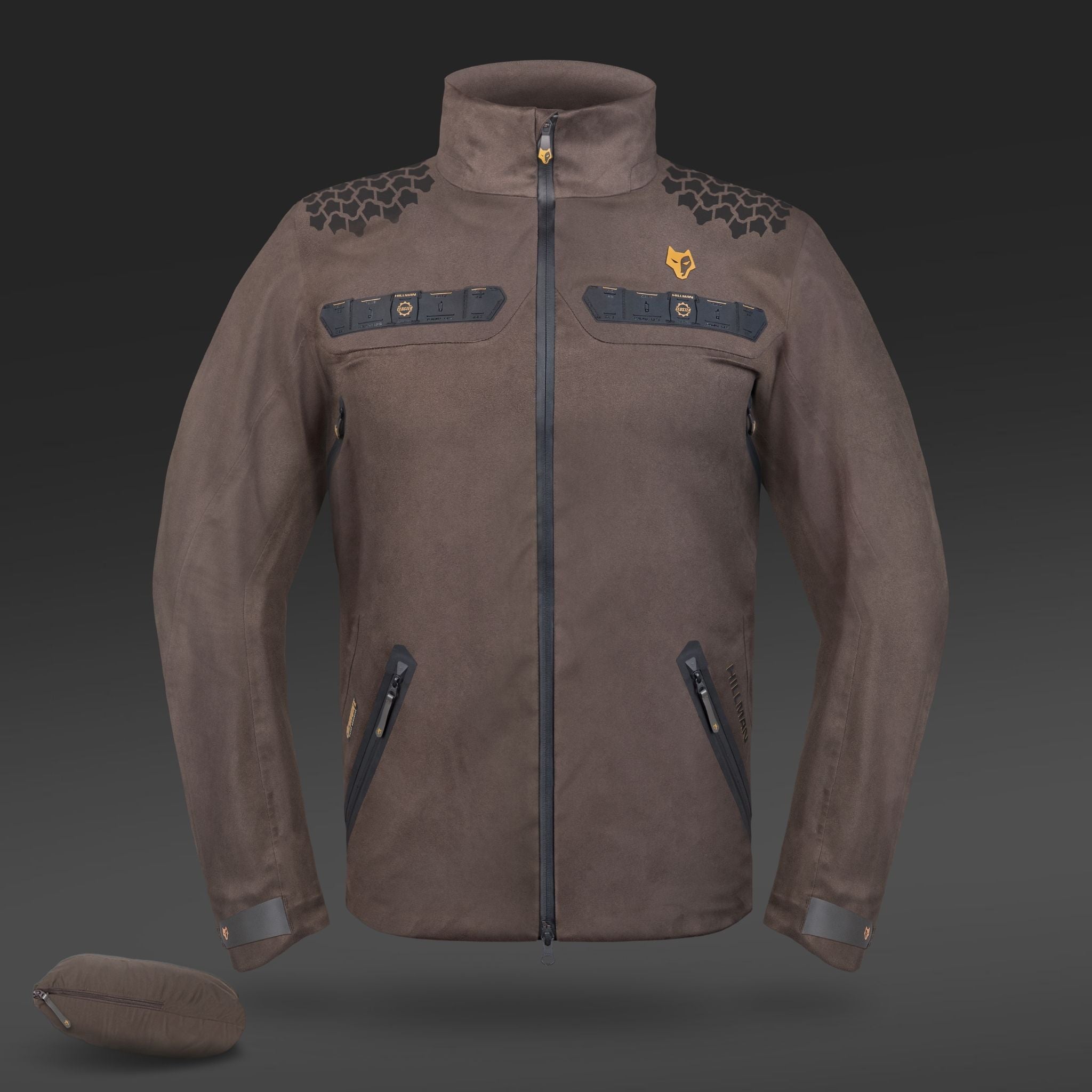
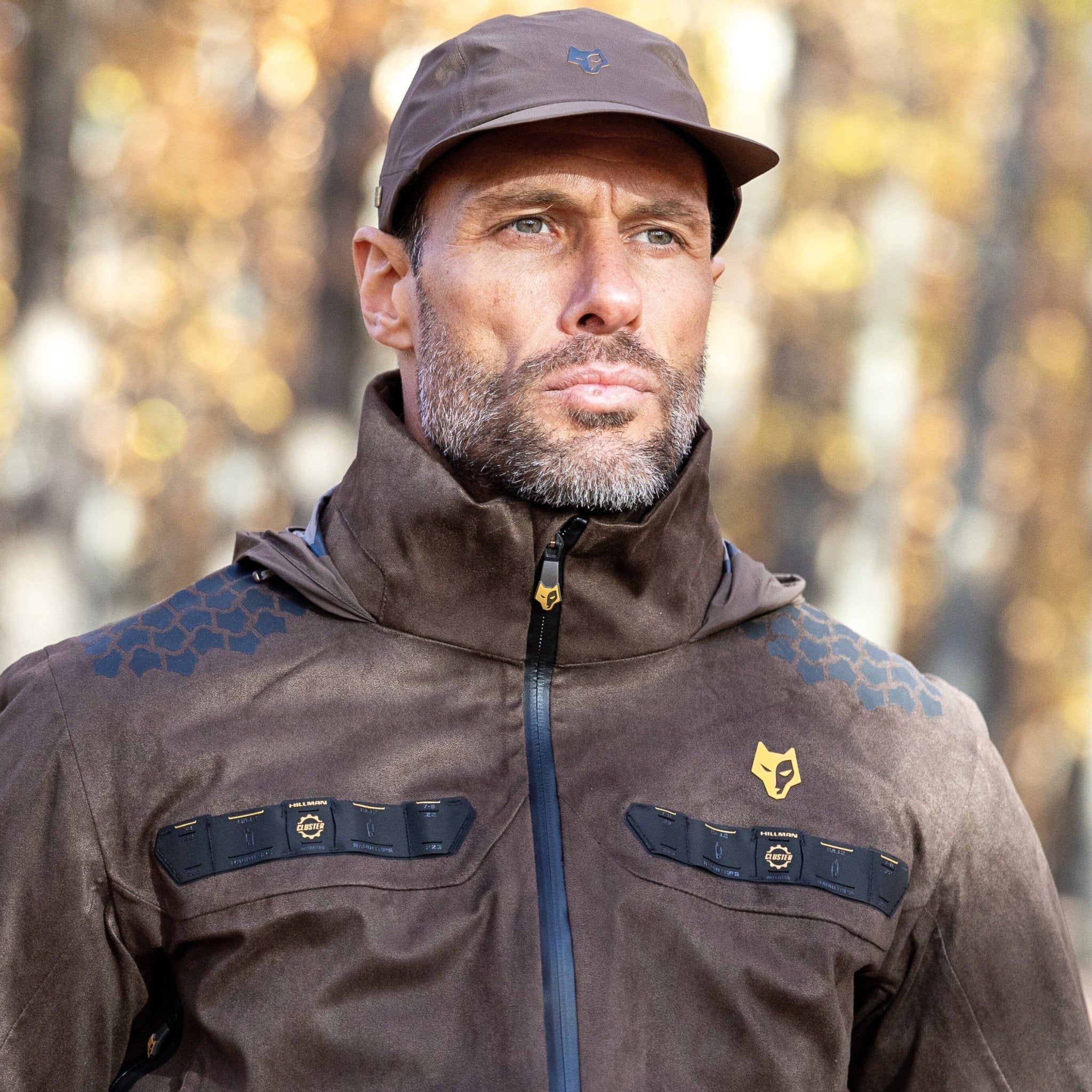
Base layer for moisture control. Mid-layer for insulation. Jacket for weather protection. Trousers built for tough terrain. Waterproof boots with a good grip. Socks that prevent discomfort. Gloves that allow trigger control.
You dress for change, not for a single forecast.
In the UK, micro-changes in terrain happen quickly. The wind shifts. The ground softens. The woodland opens into a hill. One morning can contain more than one environment.
Dress for that reality, and you remove half the battle before it begins.


Share:
After the Hunt: How to Dry, Store and Deodorise Hunting Gear
How to Choose Waterproof Hunting Trousers for UK Weather