
How to Choose Waterproof Hunting Trousers for UK Weather

Choosing waterproof hunting trousers for UK weather comes down to fit, breathability, durability, and real protection in wet field conditions, not just label claims.
I have spent enough days outside in British weather to stop romanticising it. Most of the time, it is not the dramatic kind of bad. It is the drawn-out sort. Wet grass against the legs before breakfast. Light showers that never quite leave. A bit of wind across open ground. Mud that keeps finding a way onto the boots and up the hem. The sort of weather that does not look severe from the vehicle, then slowly wears a day down anyway.
That is why I have become fussy about waterproof trousers. Not because I enjoy kit talk for its own sake. I do not. I care because not all waterproof trousers hold up once they are actually worn in real wet conditions. Some look good online, feel fine for ten minutes indoors, then become heavy, clammy, noisy, or stiff once the ground turns awkward. The right waterproof trousers do the opposite. They disappear into the day. They let me move, kneel, climb, and keep going without turning into part of the problem.
When I think about how to choose waterproof hunting trousers for the UK weather, I do not start with marketing. I start with the kind of day I am likely to have, and in Britain that usually means prolonged damp, shifting weather conditions, and more contact with wet cover than the forecast ever admits.
When I am choosing waterproof trousers, I buy for real weather, not ideal weather

I do not buy for a perfect autumn morning with clean ground and a dry walk in. I buy for the day when the cover is soaked, the wind has a bite to it, and the rain comes and goes often enough to make ordinary clothing pointless. That is where choosing waterproof gear properly starts to matter.
For me, waterproof trousers are part of a whole field system. The waterproof jacket matters. The boots matter. The layering matters. The pack matters if I am carrying extra weight and moving harder than planned. If one part of that system is wrong, I usually feel it by mid-morning. The trousers might be waterproof on paper, but if the fit is off, the waist shifts, the cuffs ride up, or the inside traps too much moisture, the whole setup starts to feel badly judged.
That is why I think about use before anything else. Short day trips ask something different from long hours in rough terrain. A quiet stalking day calls for a different pair from a harder day across rough ground, gates, hedges, mud, and repeated kneeling. One outdoor enthusiast might want lightweight trousers with a more breathable fabric. Another might need more durability and extra protection in the knees and lower leg. Neither is wrong. It depends on how the pair will actually be used.
Why waterproof ratings, water pressure, and breathability tell me more than sales copy?

I still look at waterproof ratings first. They are not the whole answer, but they are a useful filter. Waterproof ratings are measured in millimetres, which is really a way of expressing how much water pressure a fabric can withstand before it starts to leak. For moderate rain, I treat 10,000 mm as a sensible floor. For harder weather and longer exposure, 20,000 mm is more reassuring.
But I never stop there. A pair can sound fully waterproof and still be miserable in the field. If it keeps raining out but traps sweat, it has only solved half the problem. Breathability matters because effective waterproof clothing has to block rain on the outside while allowing moisture from the inside to escape. Hillman explicitly frames breathable waterproof clothing that way, and it matches what I have learned in practice. When breathability is poor, heat builds up, and the inside starts feeling wet anyway.
That is why I pay attention to the breathability figure as well, usually measured in grams per square metre over 24 hours. A higher number generally means better breathability. In practical terms, I like to see waterproof trousers sitting in that usable middle ground where they can stay breathable enough for movement and long days outdoors without giving away too much protection. In my experience, around 5,000 to 10,000 gr/24h is a reasonable starting point, and higher can help if I know I will be working harder or covering more ground. The goal is simple: stay dry, stay comfortable, and stop the inside from turning stale.
The key features I trust most: taped seams, fully taped seams, membranes, and real build quality

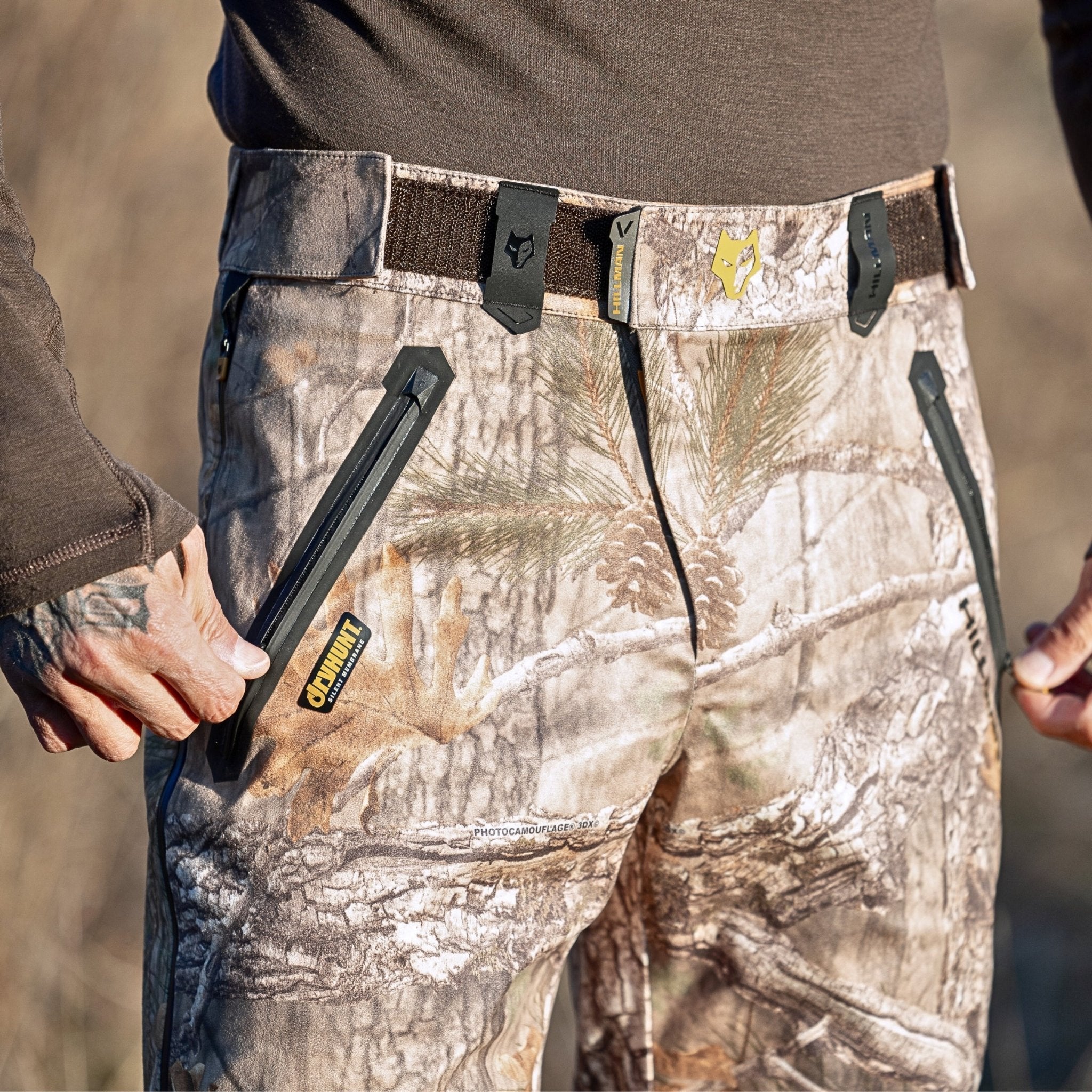
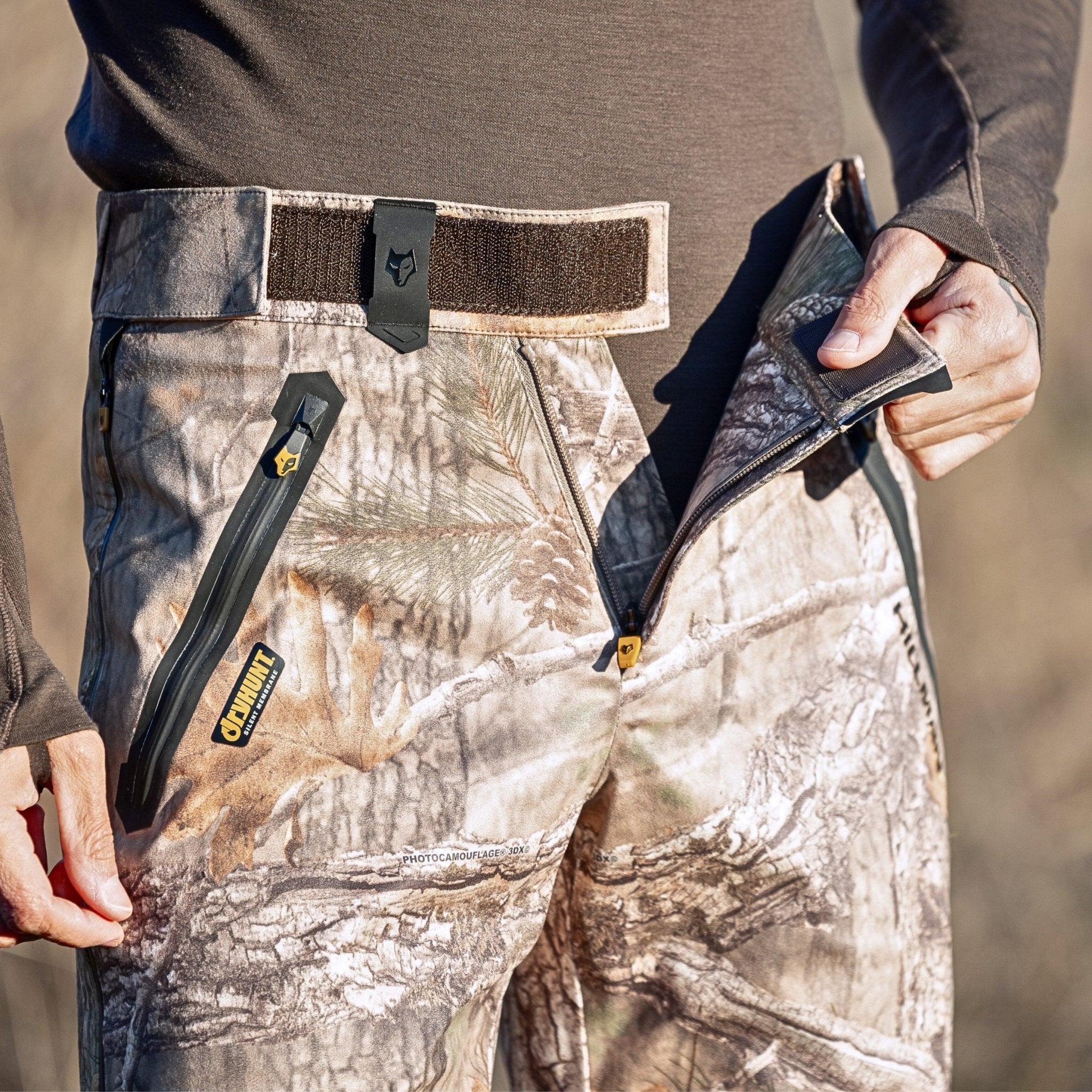
Once the waterproof ratings look sensible, I go straight to construction. Seams first. Always. Taped seams matter because seams are one of the first places where water finds a weakness. Fully taped seams matter even more if I know the day will include prolonged rain, wet brush, or long hours in open ground. Add storm flaps over zips and decent zip protection, and the garment starts to look serious. Leave those things out, and I lose interest quickly.
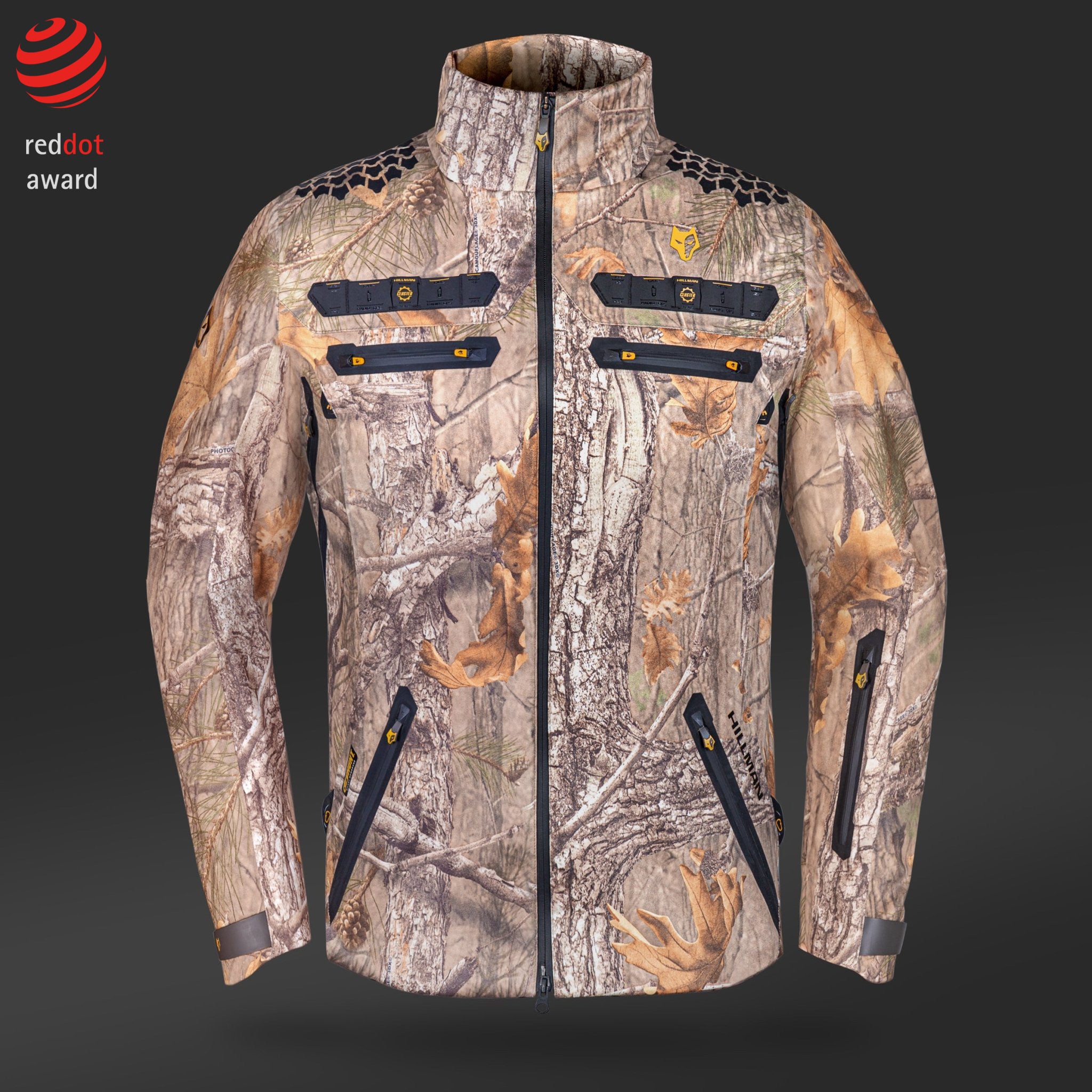
The membrane matters too. Good waterproof membranes and breathable membranes do a lot of the unseen work. Whether the label says Gore-Tex or Dryhunt membrane system, what I am really looking for is the same balance: waterproof, wind-resistant, breathable, and dependable when the weather turns poor. Hillman describes that balance as waterproof, windproof, and breathable, and that lines up closely with what experienced field users usually want from outer clothing.
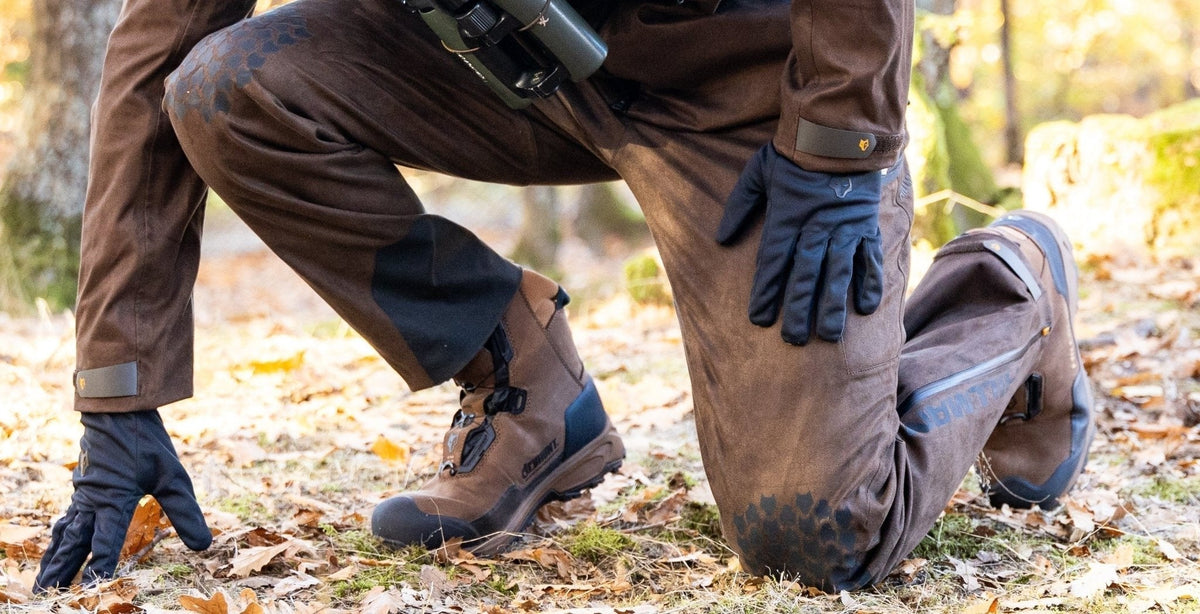
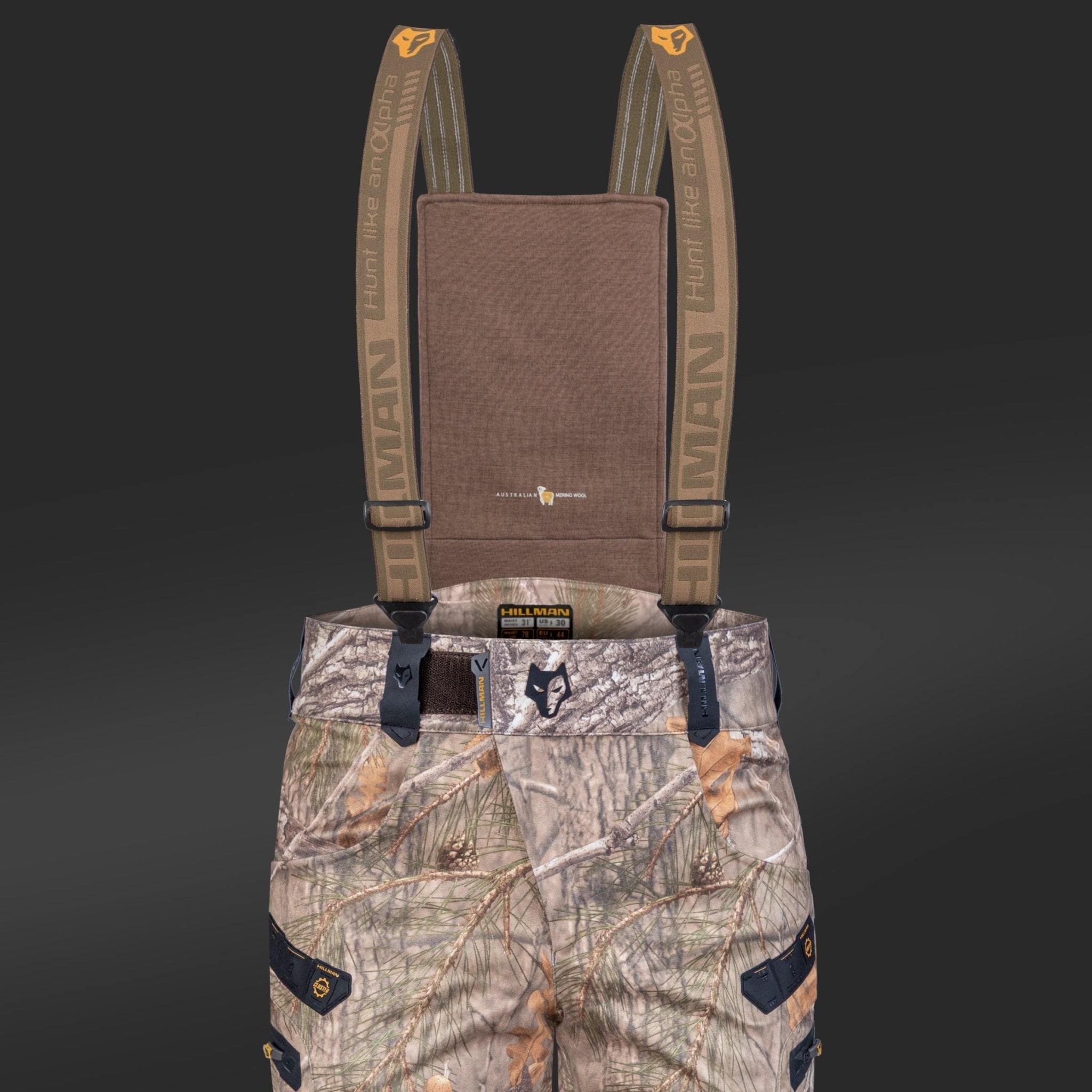
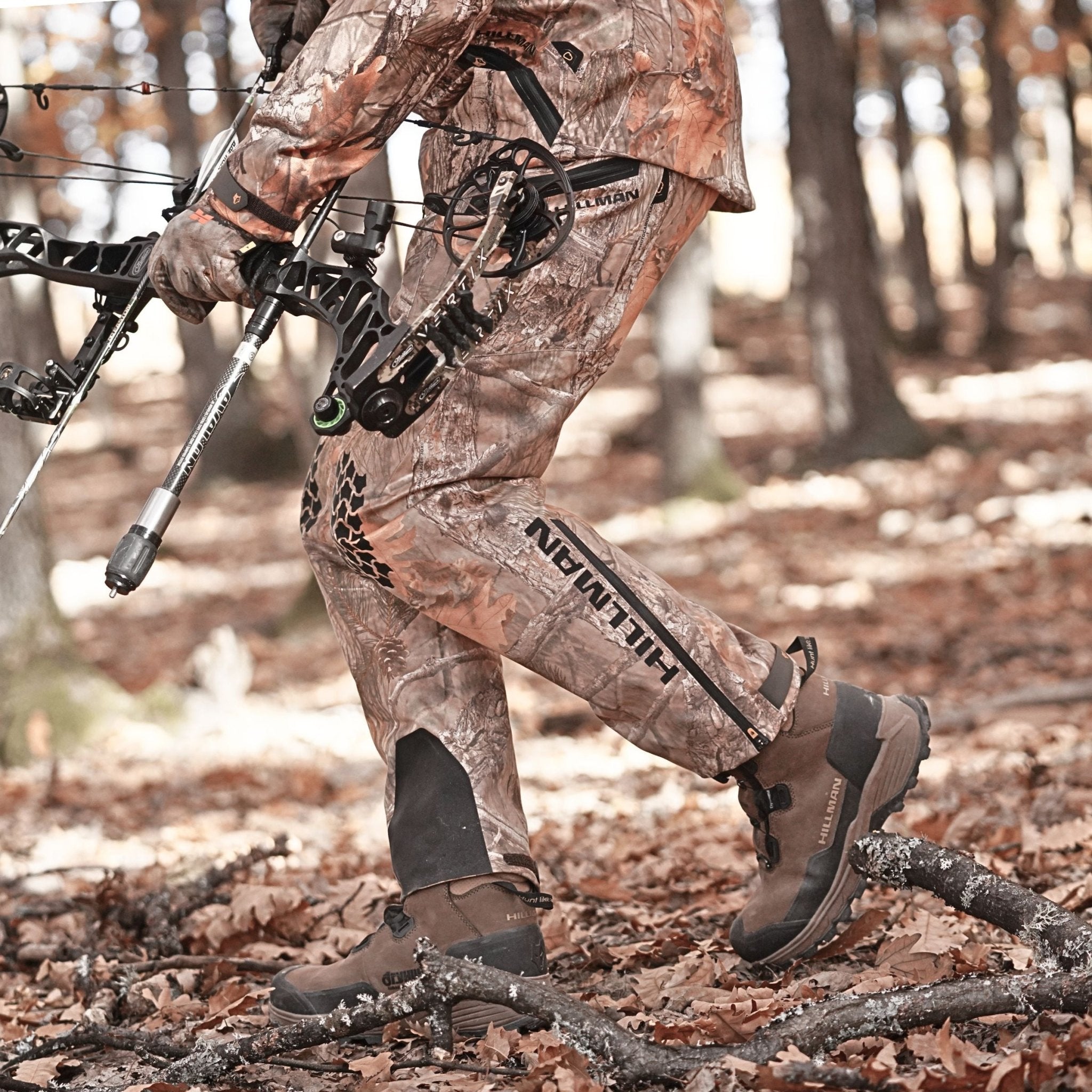
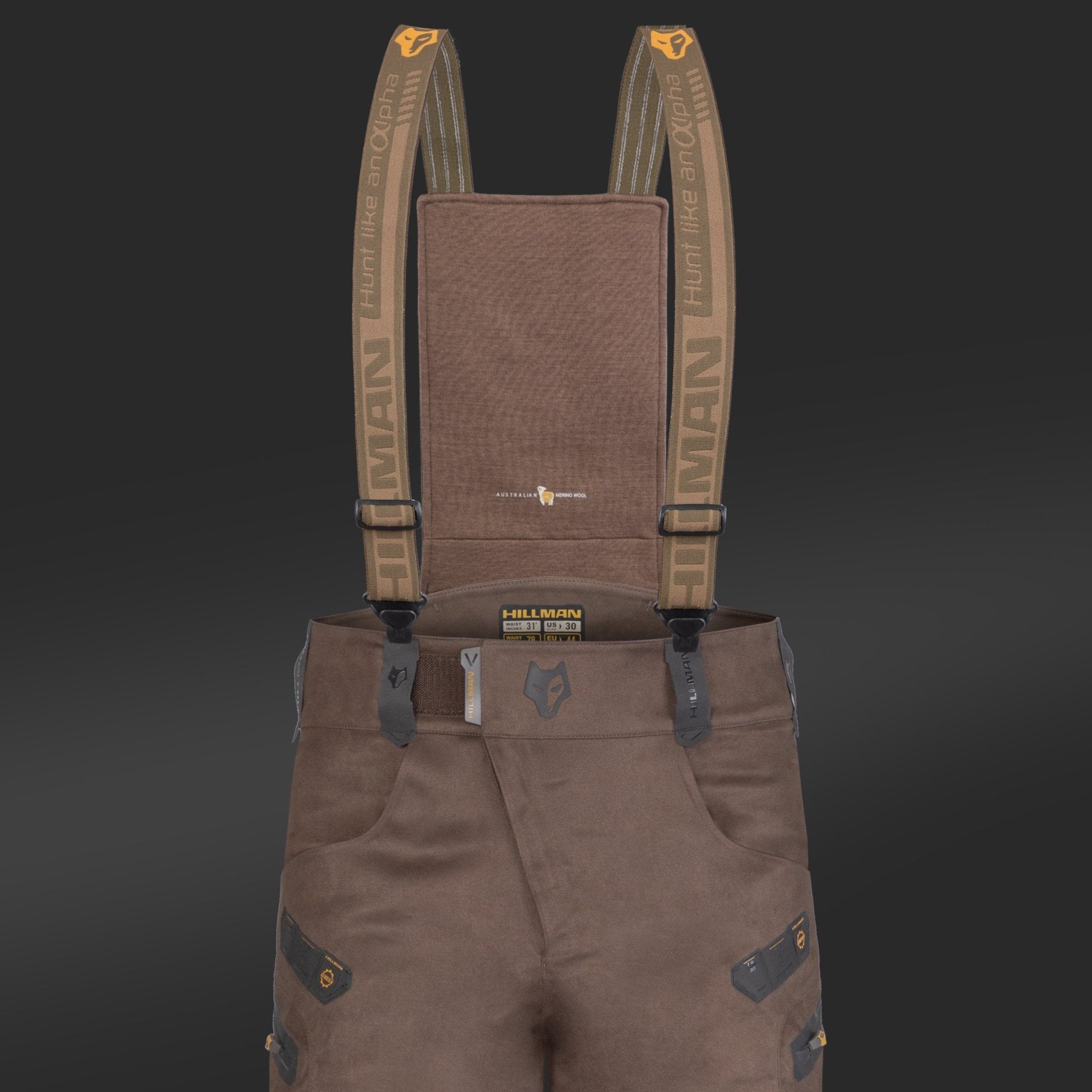
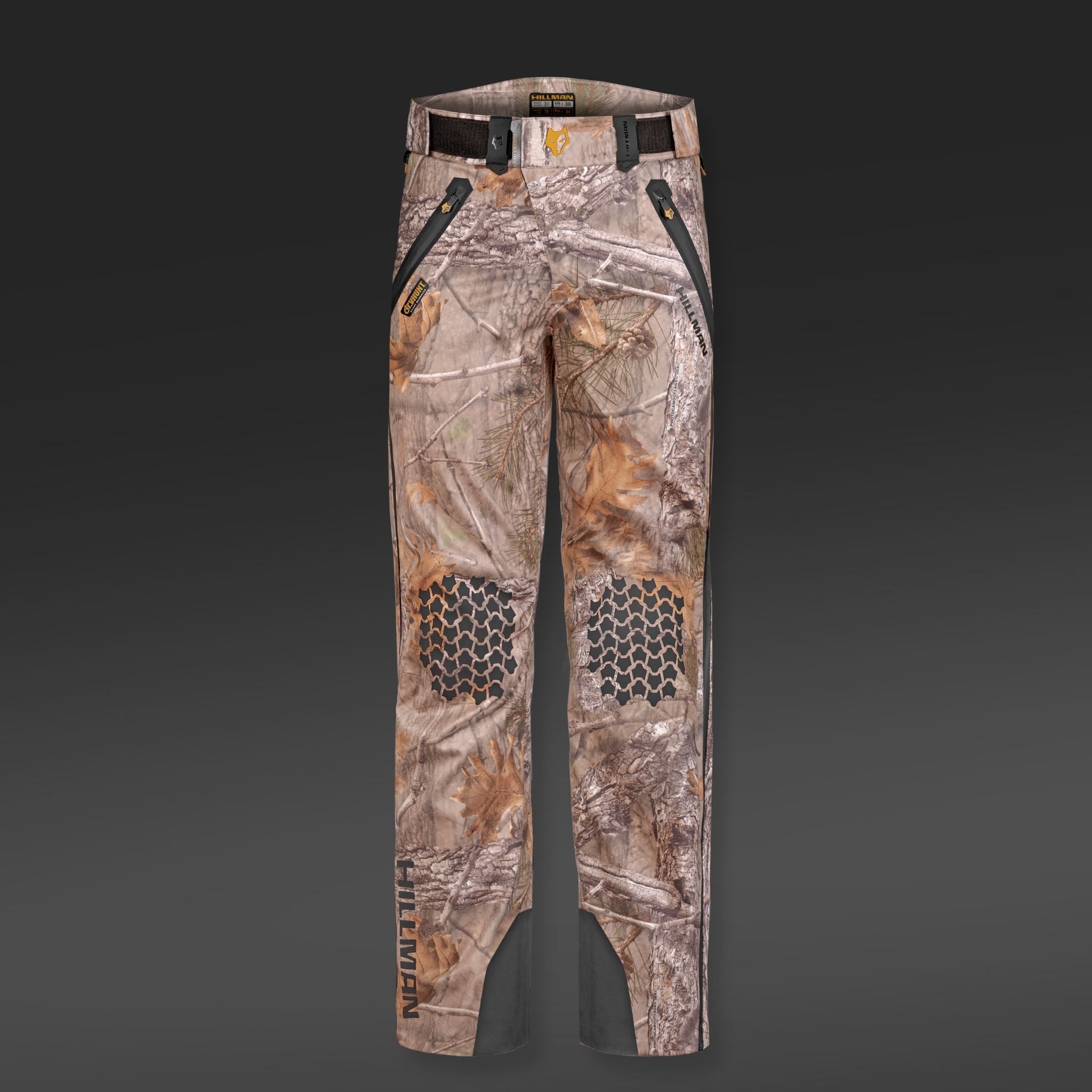
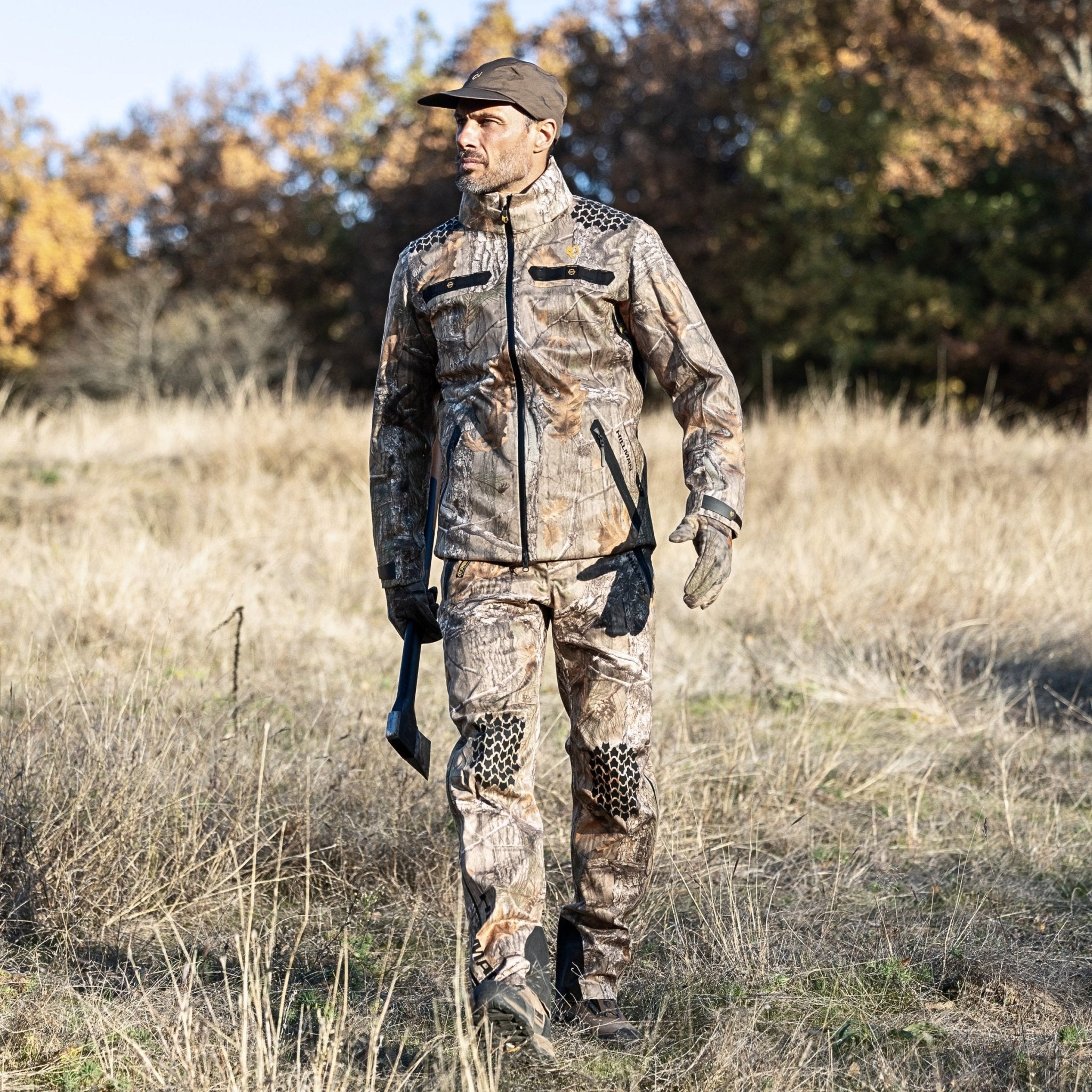
Then I look at the rest of the build. Adjustable cuffs. An adjustable waist. Enough room at the waist and seat for layering underneath in cold weather. A comfortable fit through the thigh. Articulated knees for movement. Reinforced knees and reinforced panels in the places that actually wear out. Durable fabrics where brambles, gates, and rough cover tend to punish weak fabric first. Those are the key features that separate a serious pair from one that only looks convincing on a product page.
Why breathable fabric, mesh lining, and side venting make all the difference in wet conditions?

This is the part people often underestimate. In Britain, I am not only trying to stop the rain. I am trying to manage the sticky middle zone where damp air, effort, and shifting temperature all work against comfort. If the fabric is too sealed, the inside gets humid fast. If the lining is wrong, the trousers start to feel clammy. If the cut is restrictive, even a good breathable fabric stops feeling good because the garment never settles properly on the move.
That is why I notice things like mesh lining and ventilation more than I used to. A soft inner structure can help the garment feel less sticky against the skin or base layer. Side-thigh vent zips can dump heat quickly without forcing me to stop and peel layers off. That sort of detail helps with better breathability in the real world, especially when I am walking harder than planned, dealing with uneven ground, or spending long hours outdoors in mixed weather. Effective waterproof clothes should not only keep rain out. They should also be allowing internal moisture to escape.
A pair that can do both usually stays suitable across more conditions. That matters to me because a British hunting day can start cold, turn mild, pick up wind, then finish with sleet or even snow on higher ground. I do not want to swap trousers every time the weather shifts. I want the right pair that keeps working.
Where softshell trousers, shooting trousers, and tougher hunting pairs each make sense?

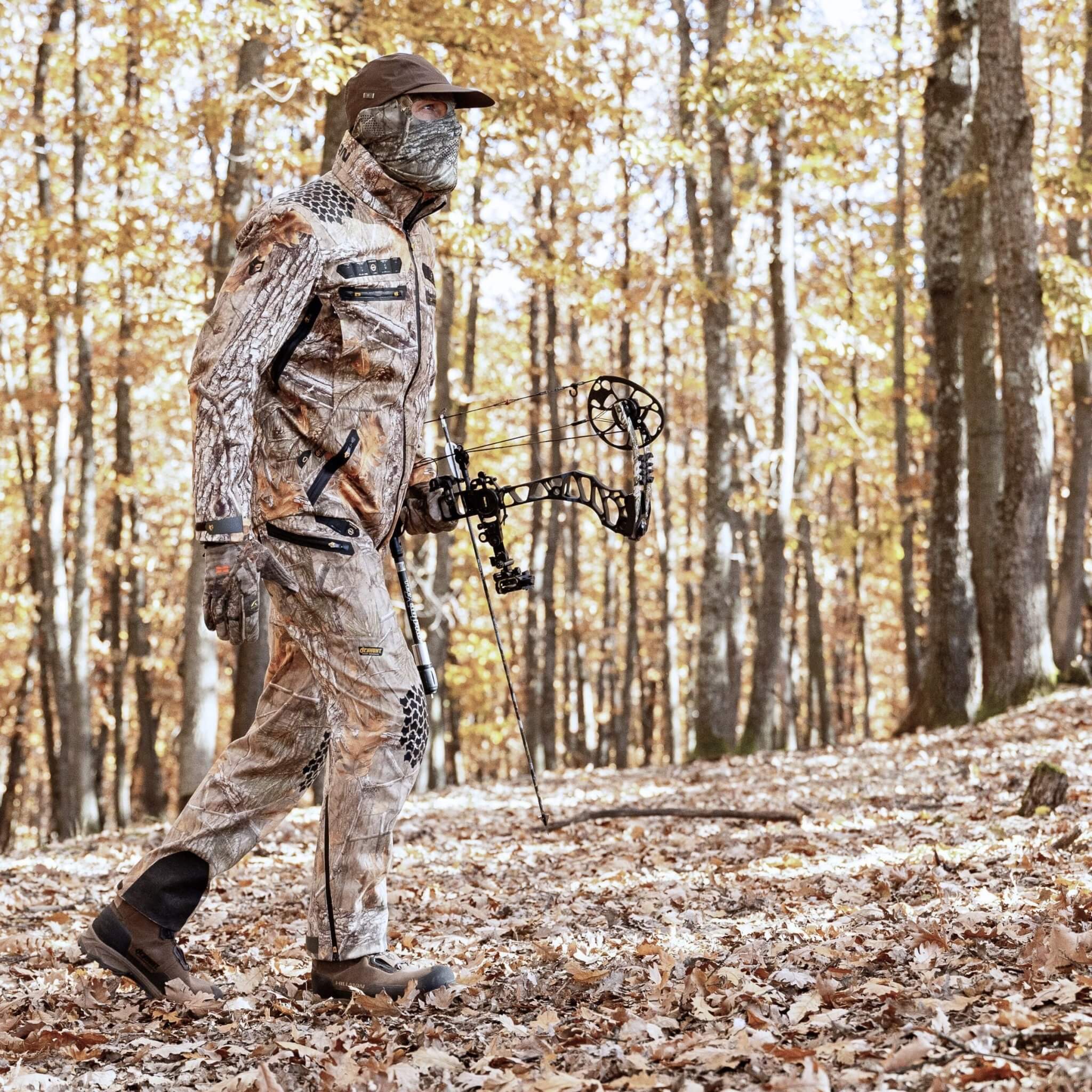
I do not think every hunter needs the same style of trousers. Softshell trousers can make a lot of sense if quiet movement matters and the day is active. They are often lighter, quieter, and more flexible. Good ones can be excellent in mixed weather, especially when I care about freedom of movement and do not want the outer fabric crackling every time I change direction. Silent outer fabric matters more than many people admit, particularly for stalking.
Shooting trousers can also be very good, especially for steadier field days where I want comfort, weather resistance, and a cleaner fit rather than maximum abrasion resistance. But if I know I will be spending the day in rough terrain, pushing through harder cover, kneeling on wet ground, and asking more from the lower half of the garment, then I usually lean back towards a tougher hunting pair built with more durability in mind.
That is where reinforced panels, reinforced knees, and durable fabrics start to show their value. A lighter pair may feel great for hiking and day trips. A heavier pair with more durability may make more sense where rough ground and hard use are guaranteed. The right pair depends less on category names and more on what the day actually looks like.
Why waterproof clothing, waterproof jackets, and suitable boots work better as one system?

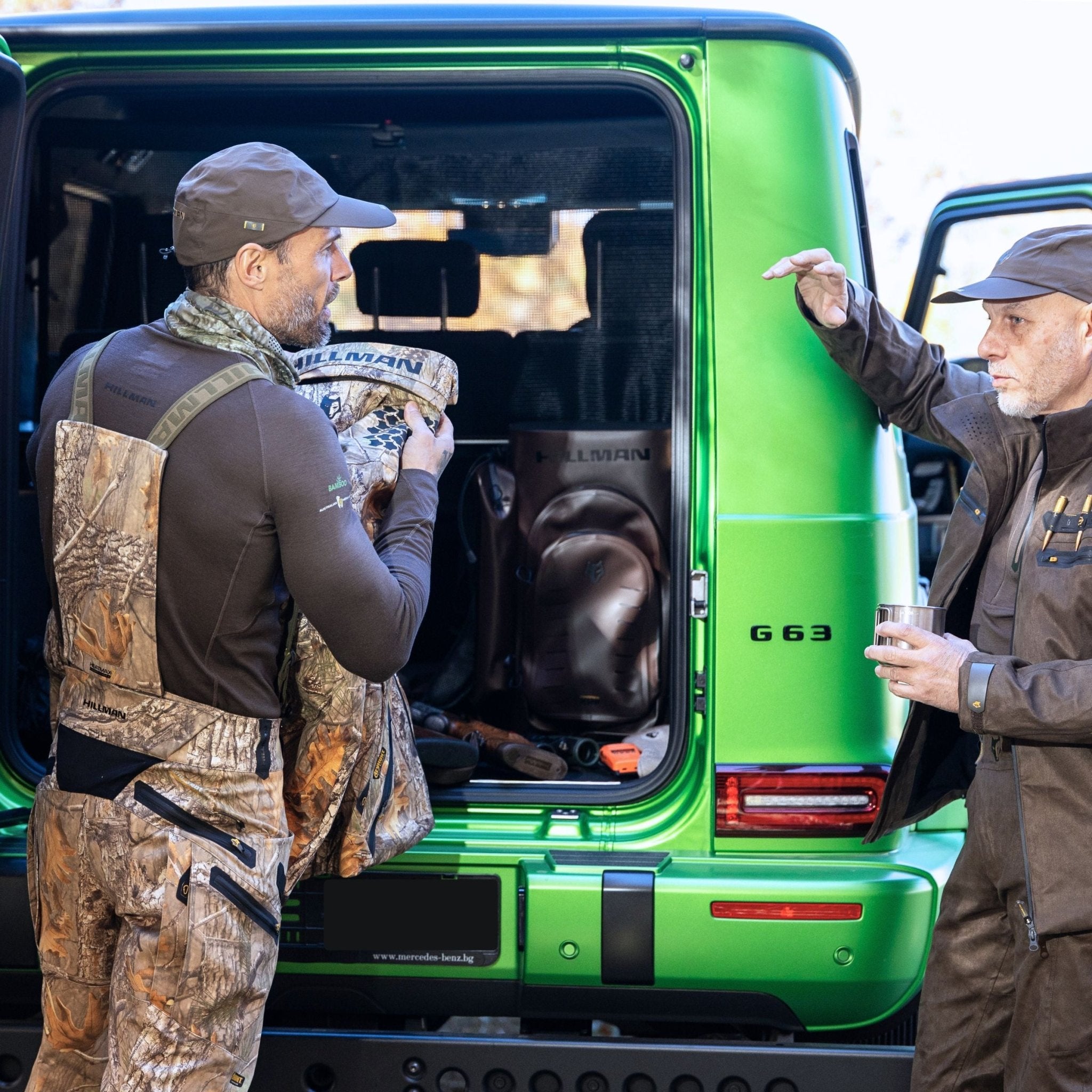
I rarely judge waterproof clothing as separate items anymore. It works better as a system. If the waterproof jacket overlaps badly with the trousers, I notice it quickly. If the jackets I am testing are too stiff around the hem, I feel that when I crouch. If the trousers sit poorly over the boots, rain and vegetation find the gap. If the base layer is wrong, the inside gets damp and cold long before the shell has technically failed.
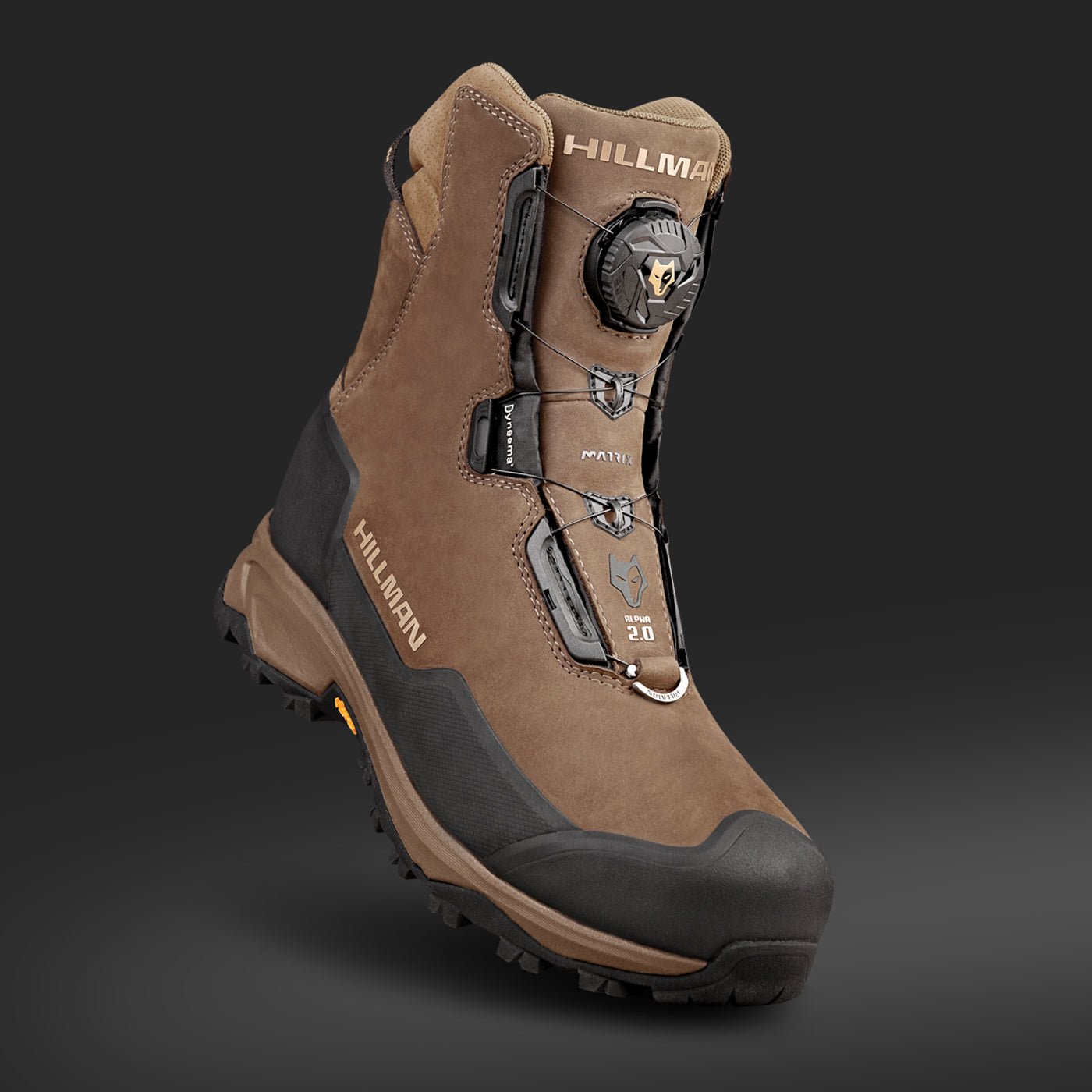
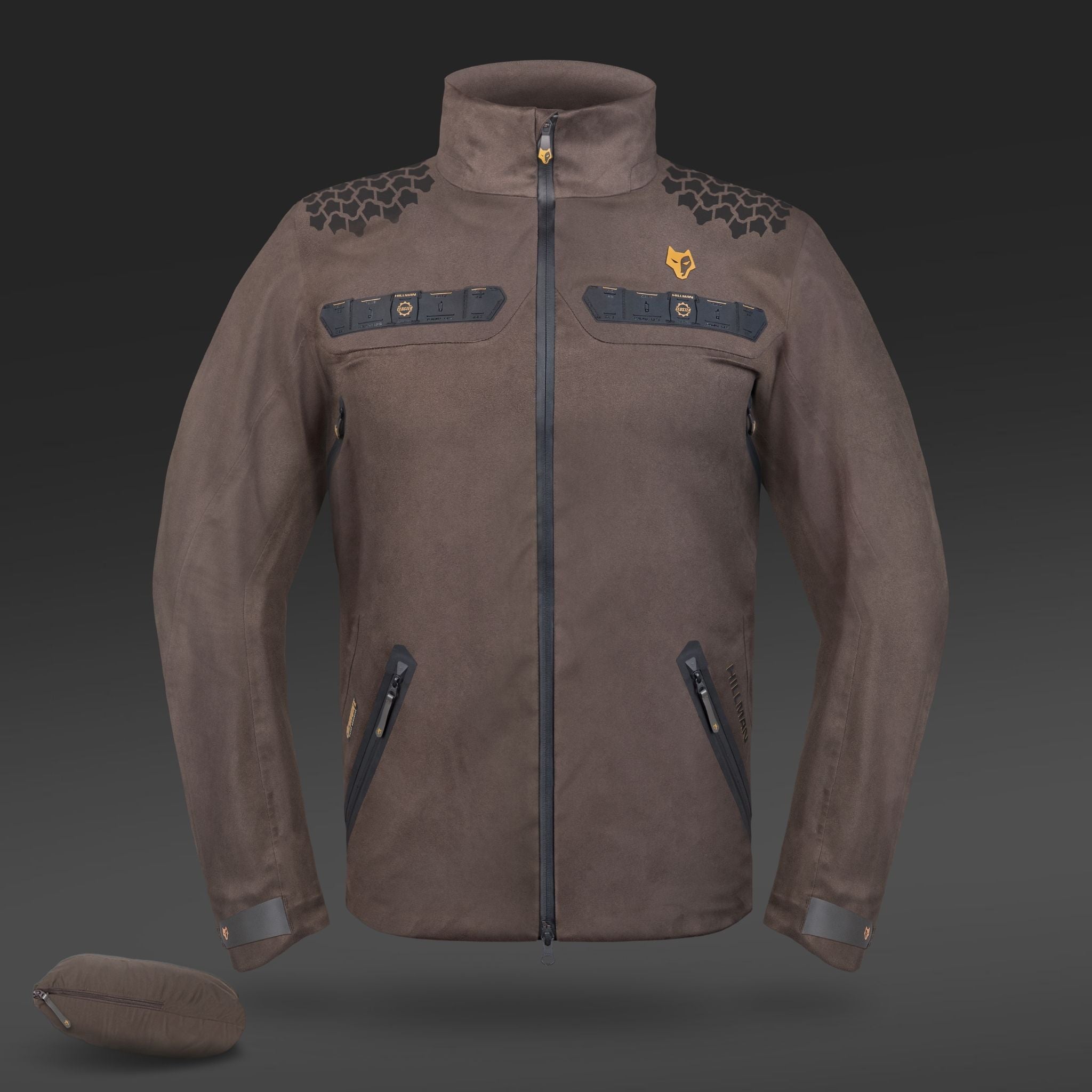
That is why choosing well-made waterproof jackets, waterproof trousers, and suitable footwear makes it much easier to stay dry in changing weather. A good waterproof jacket should work with the trousers, not against them. Adjustable hoods matter up top. Adjustable cuffs matter down low. The boots need to match the hem and cuff shape. The layering underneath needs enough room to sit properly without turning the whole setup bulky. When it works, it feels calm. When it does not, every small annoyance starts adding up.
In cold weather, warmth usually comes from dry fabric and blocked wind, not from bulk alone

Cold weather exposes weak gear fast. If my trousers are damp, the cold gets into the day much faster than people expect. Wet fabric against the legs feels heavier, colder, and more distracting. Wind through a poor outer shell strips warmth in a way that is hard to ignore. I'd note that staying warm begins with waterproof and windproof protection that keeps wetness out and allows moisture to escape, and I think that is one of the more honest descriptions of field comfort in foul weather.
That is why I do not chase insulation blindly. I would rather have waterproof clothing that blocks wind, handles damp properly, and leaves enough room for layering underneath than a heavy pair that turns sweaty and awkward. To me, staying warm starts with staying dry. In that sense, waterproof trousers are not just about rain. They are also about protection from snow, damp grass, and the slow cold that comes from wet fabric staying against the body for too long.
Care matters more than people think: DWR, reproofing, washing, and why dirt ruins performance

This is the part that a lot of people neglect, and then blame the trousers. Dirt and oil reduce performance over time. The outer fabric starts absorbing water instead of shedding it. Once that face fabric wets out, the garment feels colder, heavier, and less breathable, even if the membrane underneath is still doing its job. Hillman specifically recommends washing, drying, and reapplying DWR when needed to maintain performance.
So I treat care as part of ownership. I always follow garment care labels. I avoid standard fabric conditioners because they can interfere with performance finishes. I reproof when the fabric stops beading water properly. A waterproof spray for cloth can help restore water repellency, and regular DWR maintenance helps rain bead and run off instead of soaking into the outer layer. I'd describe DWR as an important comfort element because it helps prevent that clammy feeling, and that matches what I notice in the field.
A pair that is looked after properly usually lasts longer and performs better. A neglected pair often gets blamed for problems that started with poor care.
What I mean by the best waterproof trousers, and why Hillman belongs in that conversation?

People often ask me what the best waterproof trousers are, but I do not think there is one universal answer. The best waterproof trousers for a stalker moving quietly in changeable spring weather may not be the best waterproof option for a keeper, farmer, or hunter walking all day across soaked fields. Some people want a more lightweight pair with stretch and freedom of movement. Some want extra protection, tougher fabric, and more durability. Some care most about staying quiet. Some just want a pair that stays comfortable after long hours and never turns into a damp nuisance.
What I trust most is a pair that keeps doing its job and asks little from me. It keeps the rain out. It handles wet conditions. It allows movement. It works with boots and layering. It stays breathable enough to stop internal moisture from building too fast. It feels suitable for long days outdoors, not just for a quick try-on in the house.
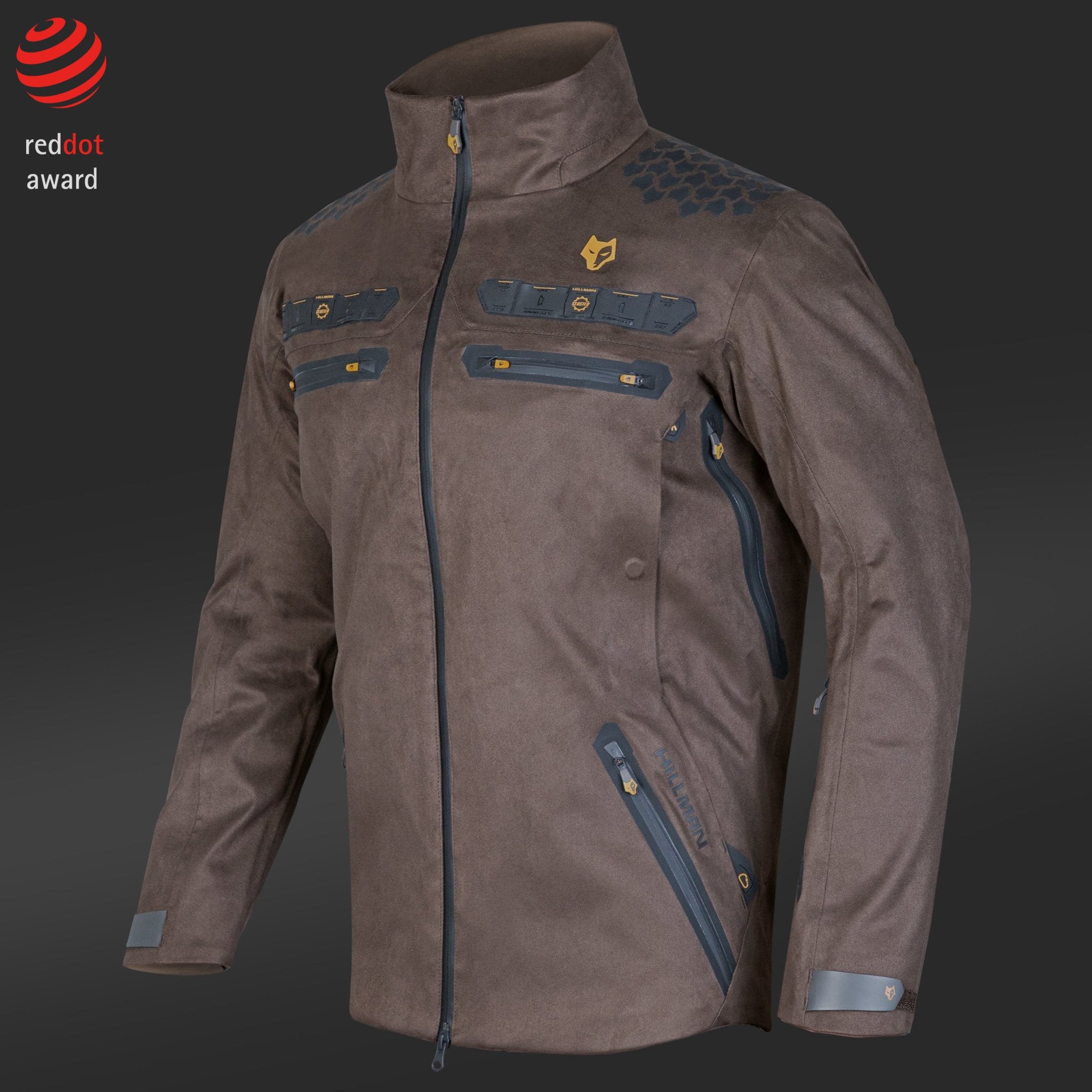
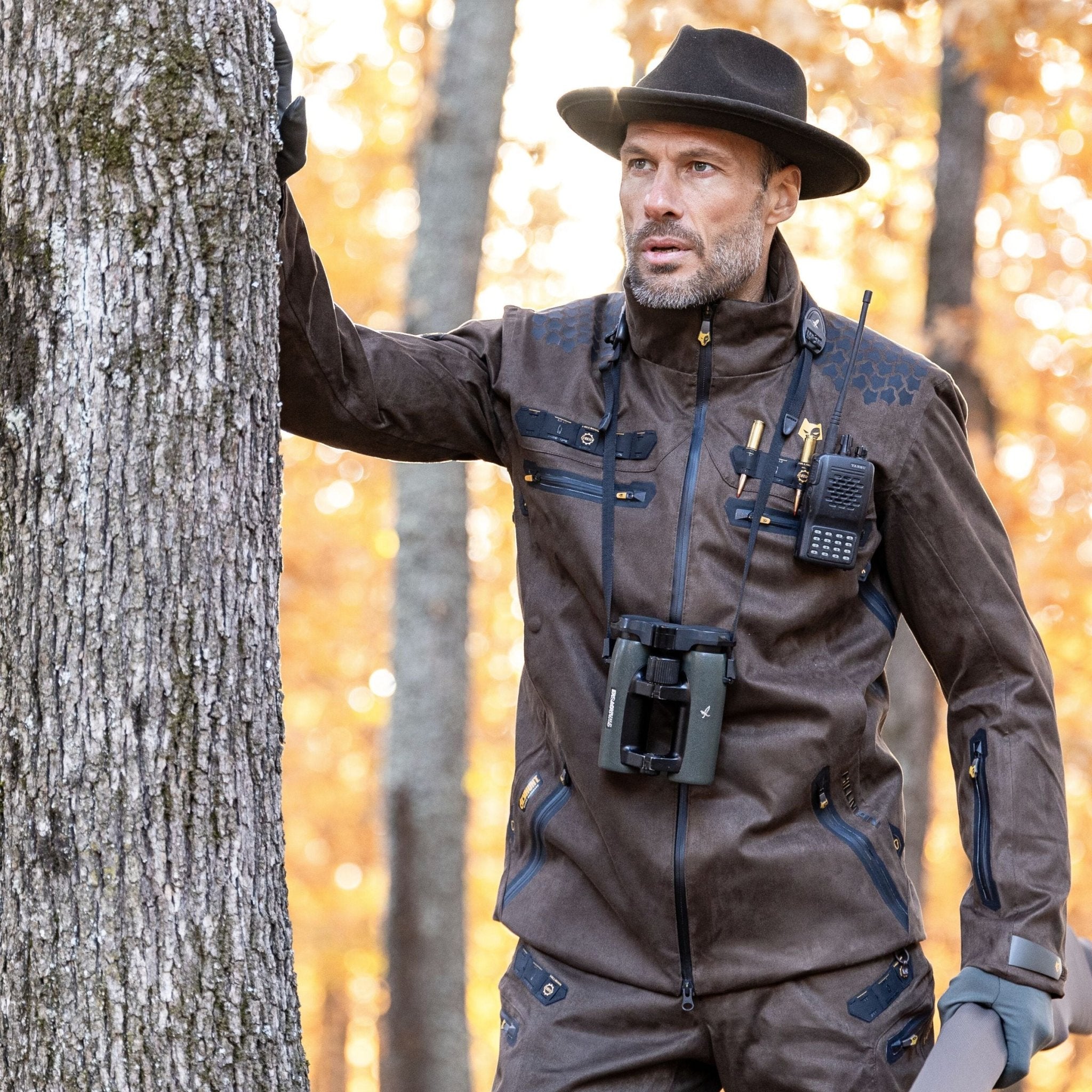
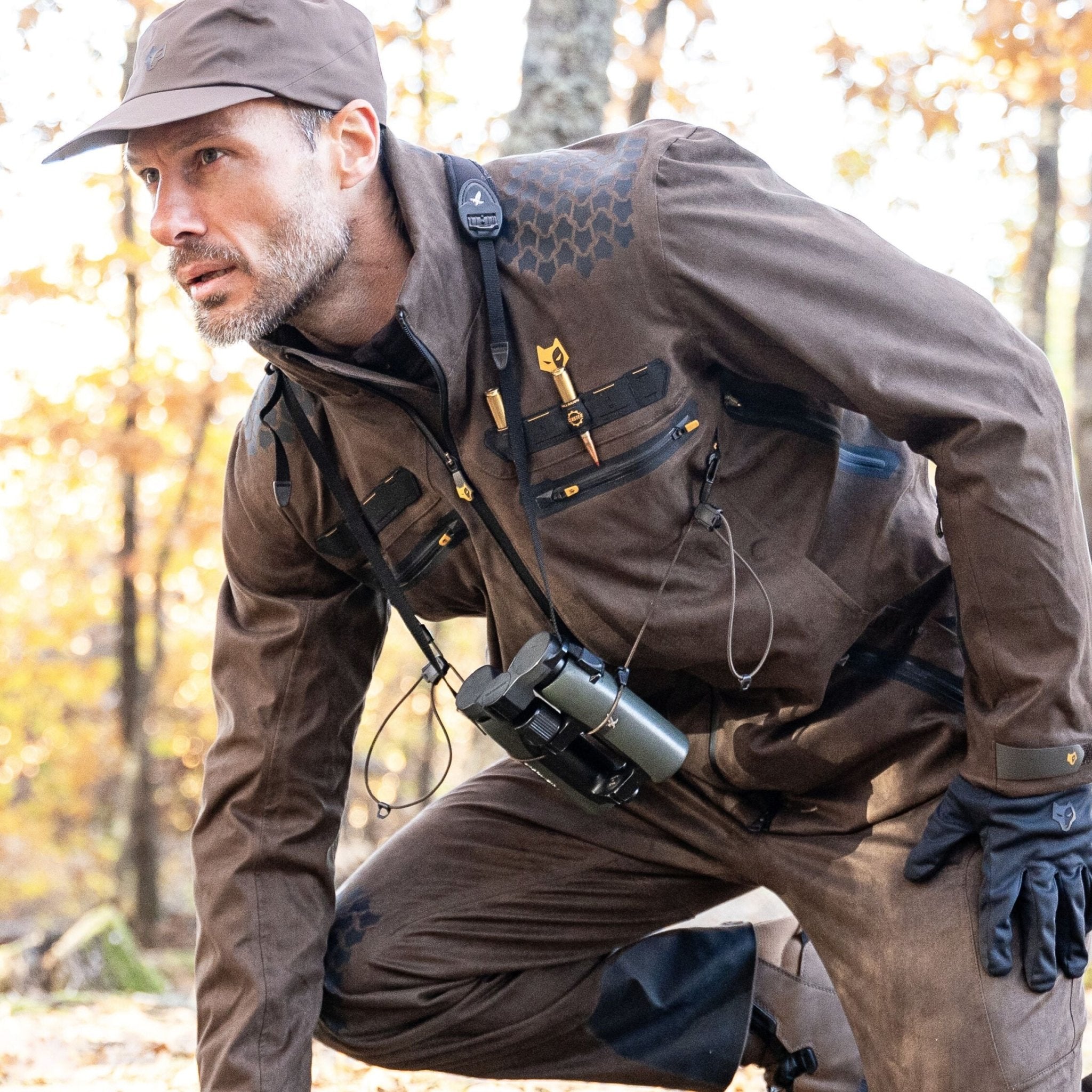
That is why I still come back to brands that understand outdoor use properly. In the UK market, people often mention names like Harkila, Seeland, Solognac, Musto, and Hillman when they talk about waterproof hunting gear, but what matters most to me is not the badge on its own. It is whether the pair is specifically designed for real use in British weather and whether it still feels right after the second and third hour, not just the first twenty minutes.
What actually matters in the field?

If I strip it right back, this is what I believe. The right waterproof trousers should be fully waterproof, breathable enough for movement, properly built at the seams, and cut for actual field use. They should leave room for layering underneath in cold weather. They should work with a waterproof jacket, suitable boots, and the rest of the clothing system. They should keep rain out, manage moisture, and stay comfortable for long hours rather than only looking good on a product page.
That is what makes all the difference for me. Not the loudest claim. Not the most polished description. Just a pair of trousers that can handle British weather, keep the legs dry, and stop the day from turning into an argument between me and my kit.

Share:
Roe, Red Deer Stalking and Woodland Reality on UK Terrain
Best Stalking Boots for UK Hills, Woodland, and Wet Ground