
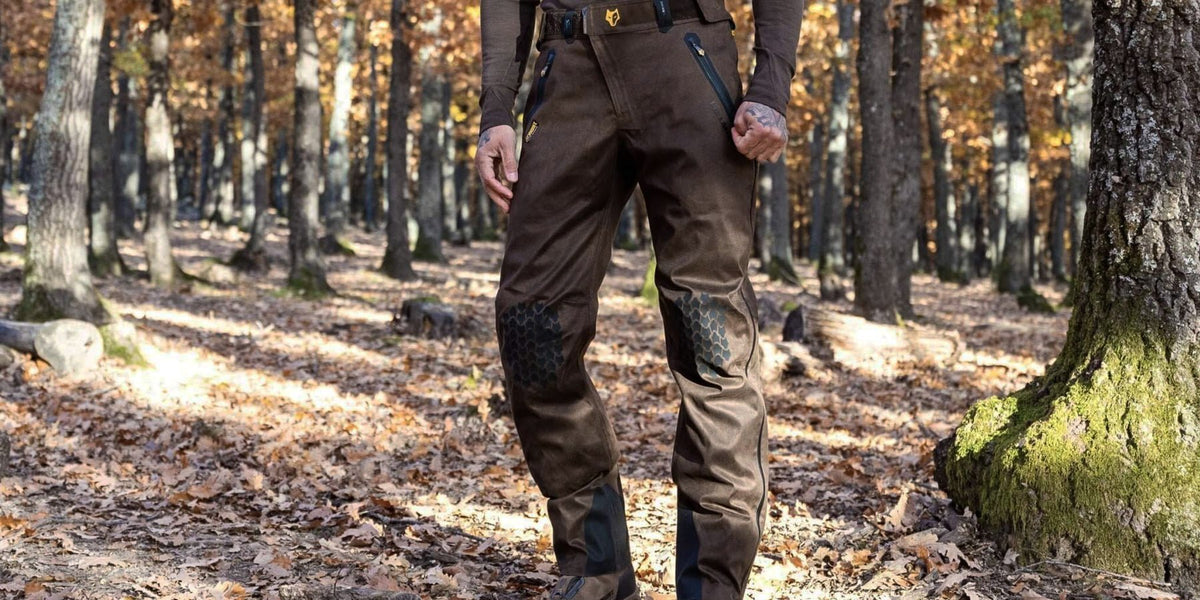
British Hunting Clothing & Shooting Trousers Built for the Great Outdoors

From hedgerows to brambles, explore British hunting clothing and shooting trousers designed for real field conditions, comfort, and durability without unnecessary bulk.
At Hillman, we don’t usually talk about clothing in abstract terms. Most of what we learn comes from conversations that start after someone has already spent time in the field. Mud on the cuffs. Scratches along the leg. A comment like, “Everything was fine for the first few hours, and then it wasn’t.”
That’s how British hunting clothing really gets judged. Not on the rack, and not in perfect weather, but somewhere halfway through a walked-up day when you realise which pieces are quietly doing their job and which ones are starting to work against you.
In our experience, trousers sit at the centre of that equation. Jackets can be adjusted. Layers can be added or removed. But when shooting trousers don’t cope with the ground, the cover, or the movement, the rest of the kit rarely makes up for it.
Why does British Hunting Clothing Has Its Own Rules?

British ground doesn’t tend to overwhelm clothing all at once. It wears it down gradually. Hedgerows scrape rather than tear. Brambles catch in the same places over and over again. Nettles find gaps you didn’t realise were exposed. Add damp grass and soft ground, and problems develop quietly.
That’s why British hunting clothing follows a different set of priorities. It needs to manage moisture without sealing you in. It needs to cope with steady movement without overheating. And it needs to stay comfortable when the day involves as much standing and waiting as it does walking.
We’ve seen plenty of technically impressive outdoor clothing struggle here, not because it’s poorly made, but because it’s designed for different conditions. British shooting and stalking places more value on balance than on extremes.
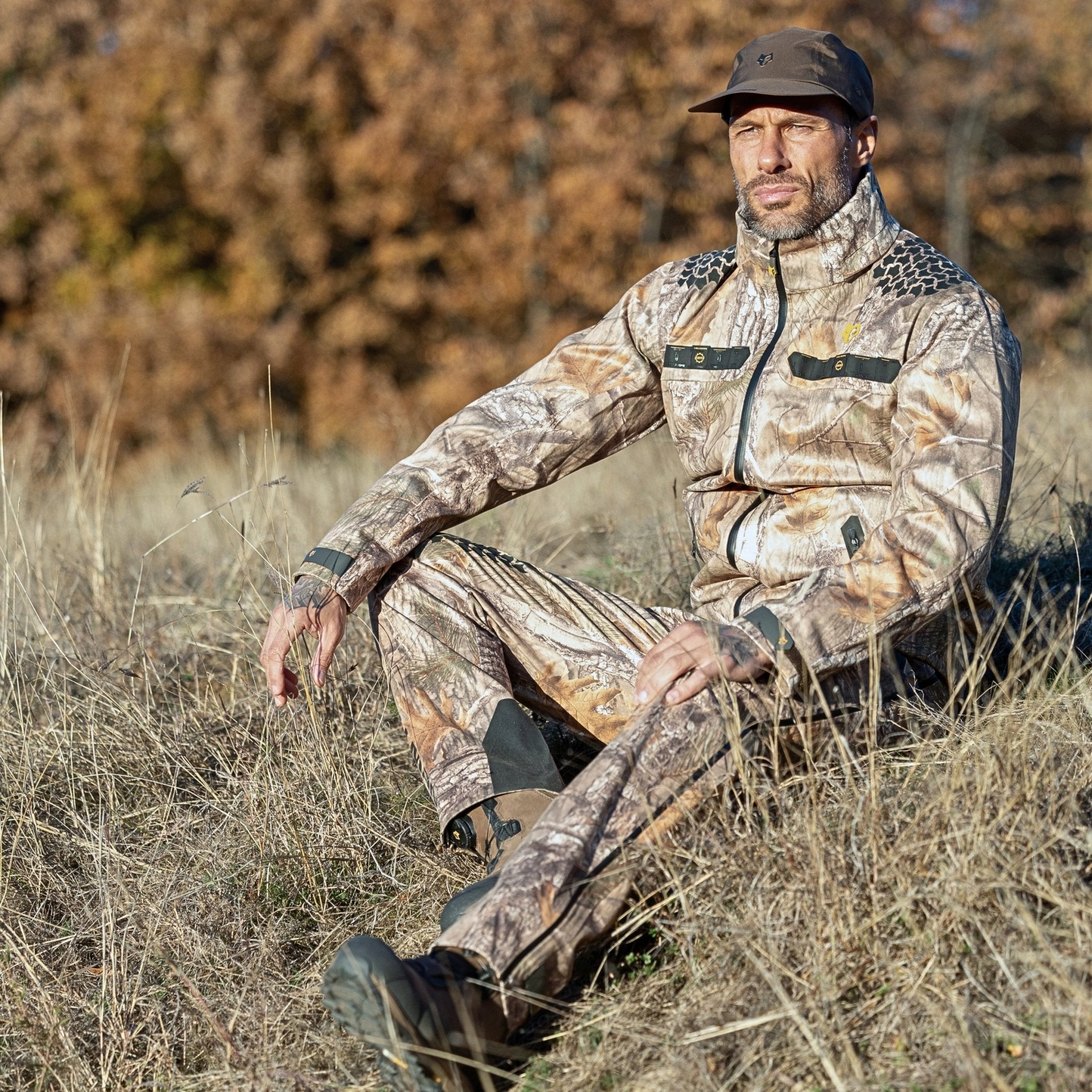
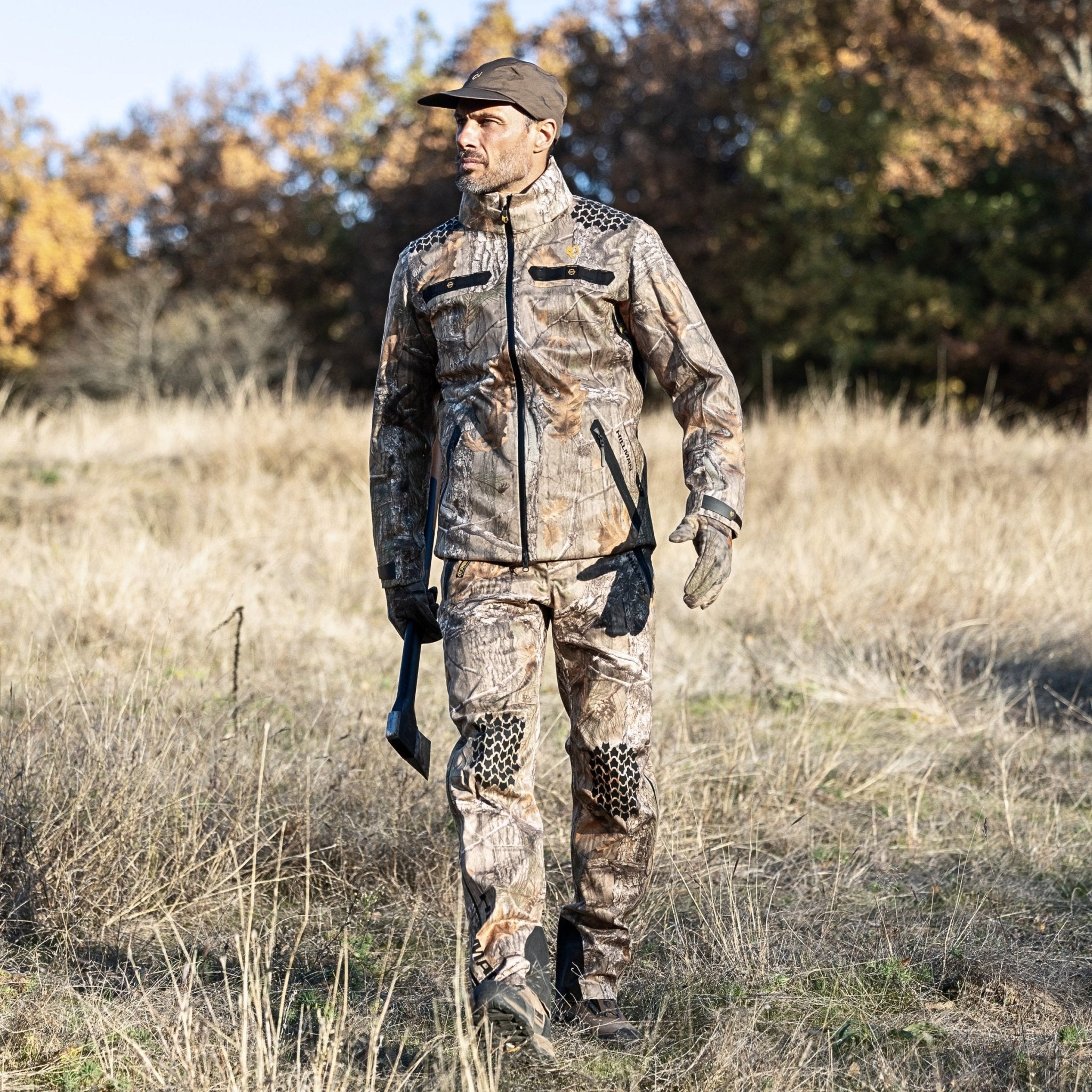
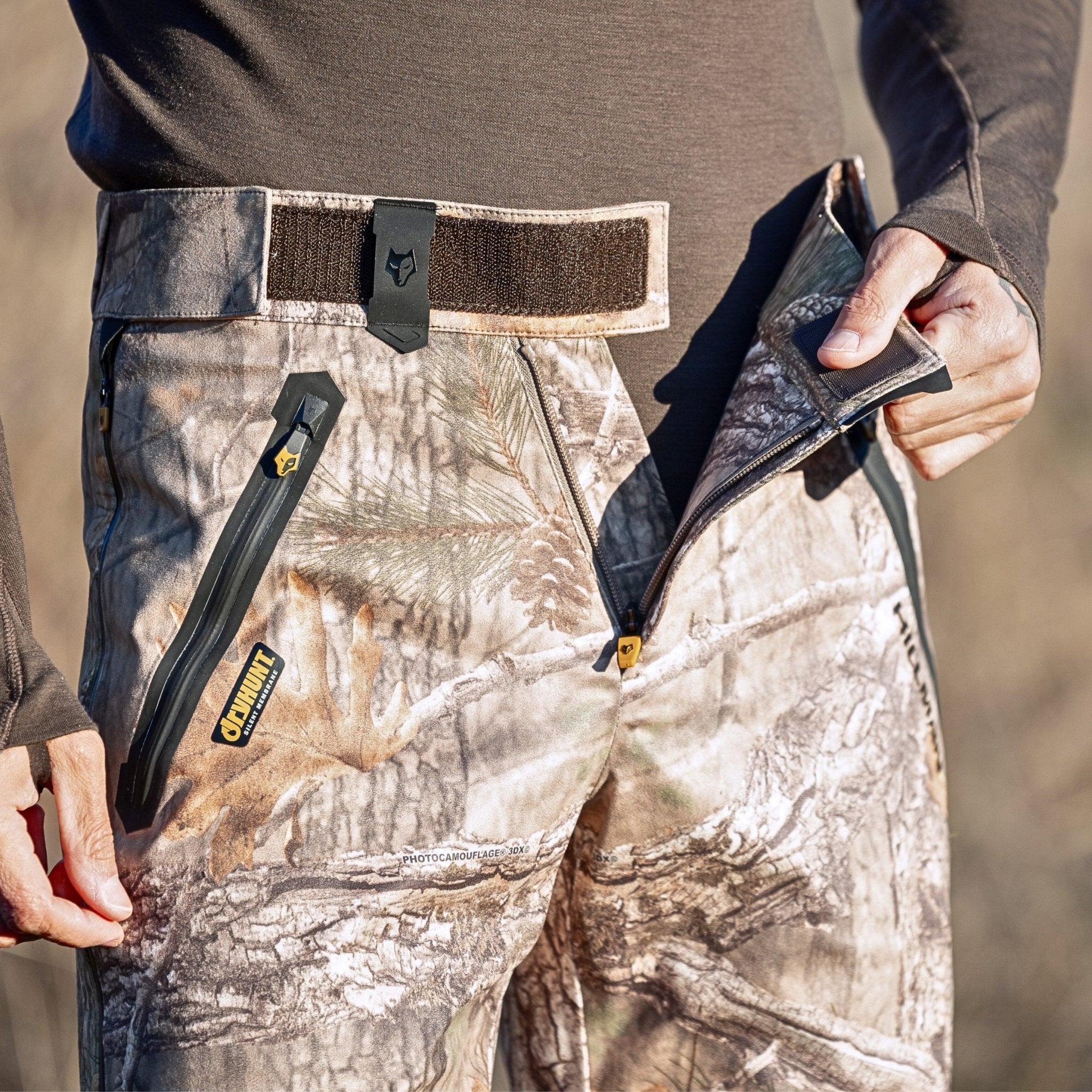
Shooting Trousers Designed for Real Field Use
Shooting trousers designed for British use tend to reveal their strengths slowly. They’re not built to impress immediately. They’re built to survive repeated contact with cover, ground, and weather without becoming a distraction.
One thing that comes up again and again is noise. Stiff fabrics, certain coatings, or overly rigid construction can become noticeable surprisingly quickly, especially in calm conditions. Trousers that move quietly allow you to focus on where you’re going rather than how much sound you’re making.
Durability also plays out over time. Reinforced areas, sensible stitching, and well-chosen fabrics don’t stop wear entirely, but they slow it down. And in British conditions, slowing wear often matters more than trying to eliminate it.
Choosing the Right Pair of Hunting Trousers

Choosing the right pair of hunting trousers isn’t about ticking off features. It’s about understanding how you actually spend your time outdoors.
Some people walk continuously. Others move in shorter bursts with long periods of standing. Some climb, kneel, and step over fences regularly. Others stay mostly on the flat. Trousers that feel fine in one scenario can become frustrating in another.
Fit plays a larger role than many expect. A good fit doesn’t feel tight, but it also doesn’t leave excess fabric flapping or catching. When trousers fit well, you stop thinking about them fairly quickly. That’s usually a good sign you’ve chosen the right pair.
Men’s Shooting Trousers for Movement and Comfort

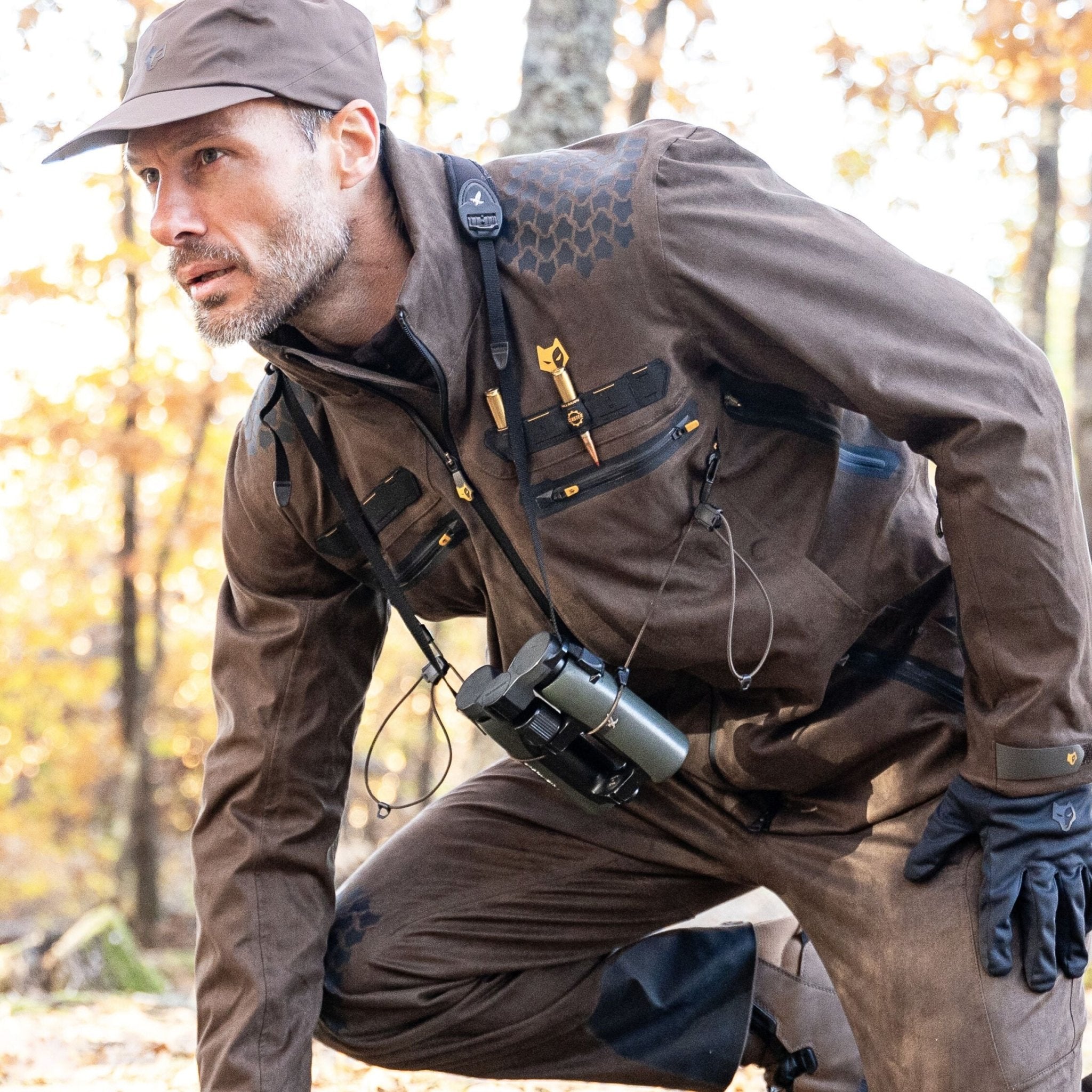
Men’s shooting trousers need to accommodate movement that isn’t always predictable. Walking across uneven ground, stepping through gaps, bending to pick up kit, or climbing over a stile all place slightly different demands on the cut.
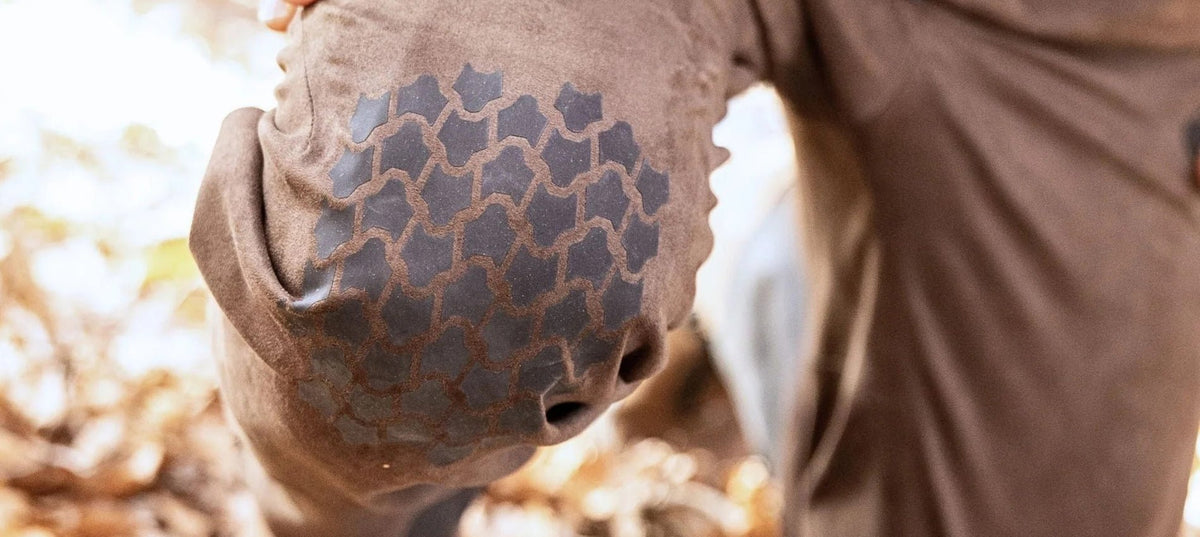
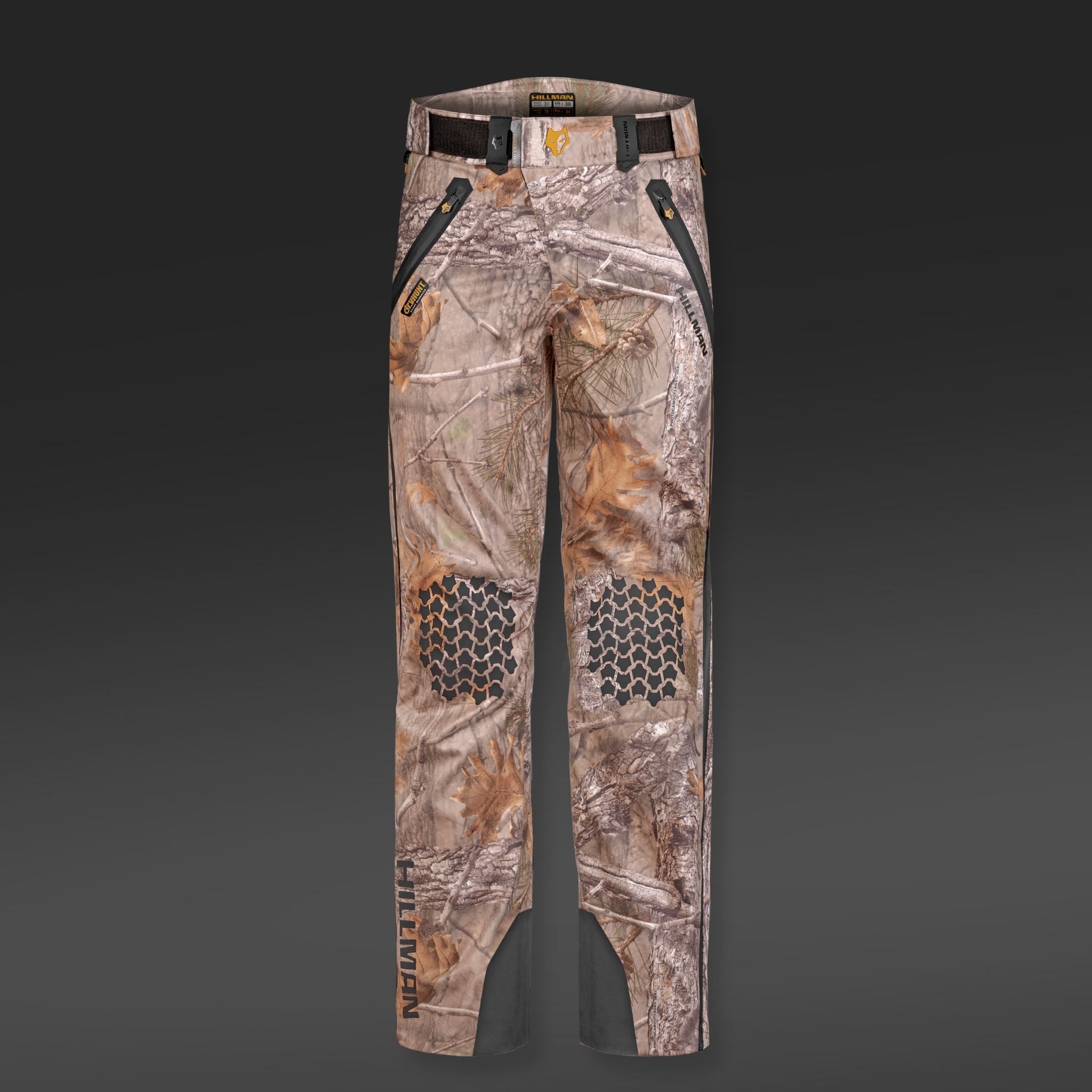
Articulated knees make a noticeable difference here. Not in a dramatic way, but in how trousers stop resisting movement. Over a long day, that lack of resistance reduces fatigue. Reinforced knee areas also tend to hold up better when contact with the ground becomes frequent.
Comfort, in this context, isn’t about softness. It’s about trousers moving when you move and staying put when you stop.
Waterproof Trousers and Weather Protection in British Conditions

Waterproof trousers are often discussed as though they’re a single category, but in practice, there’s a wide range of behaviour within that label.
In Britain, most moisture comes from wet grass, mud, and light rain rather than sustained downpours. Trousers that block moisture completely but trap heat can become uncomfortable faster than expected during steady walking. On the other hand, trousers that breathe well but offer no protection can leave you chilled once movement slows.
The trousers that tend to work best here strike a middle ground. They resist water where it matters while allowing enough airflow to manage temperature during activity. That balance becomes especially important during early-season days that start cool and warm up quickly.
Shooting Trousers Built for Rugged Terrain
Rugged terrain exposes weaknesses without much ceremony. Knees, seats, and seams are usually the first places to show it.
Reinforcement in these areas doesn’t need to be heavy to be effective. It needs to be well placed and properly stitched. When trousers fail, it’s rarely because the entire fabric gives way. It’s because one stressed area finally reaches its limit.
Good design accepts that reality and plans for it, extending the working life of the trousers rather than trying to make them indestructible.
Fabric Choices: Breathable, Durable, and Silent

Fabric choice shapes almost every other aspect of how trousers behave. Breathable fabrics help regulate temperature during physical effort, particularly on longer walked-up days. At the same time, those fabrics need to cope with abrasion and remain quiet when brushing past the cover.
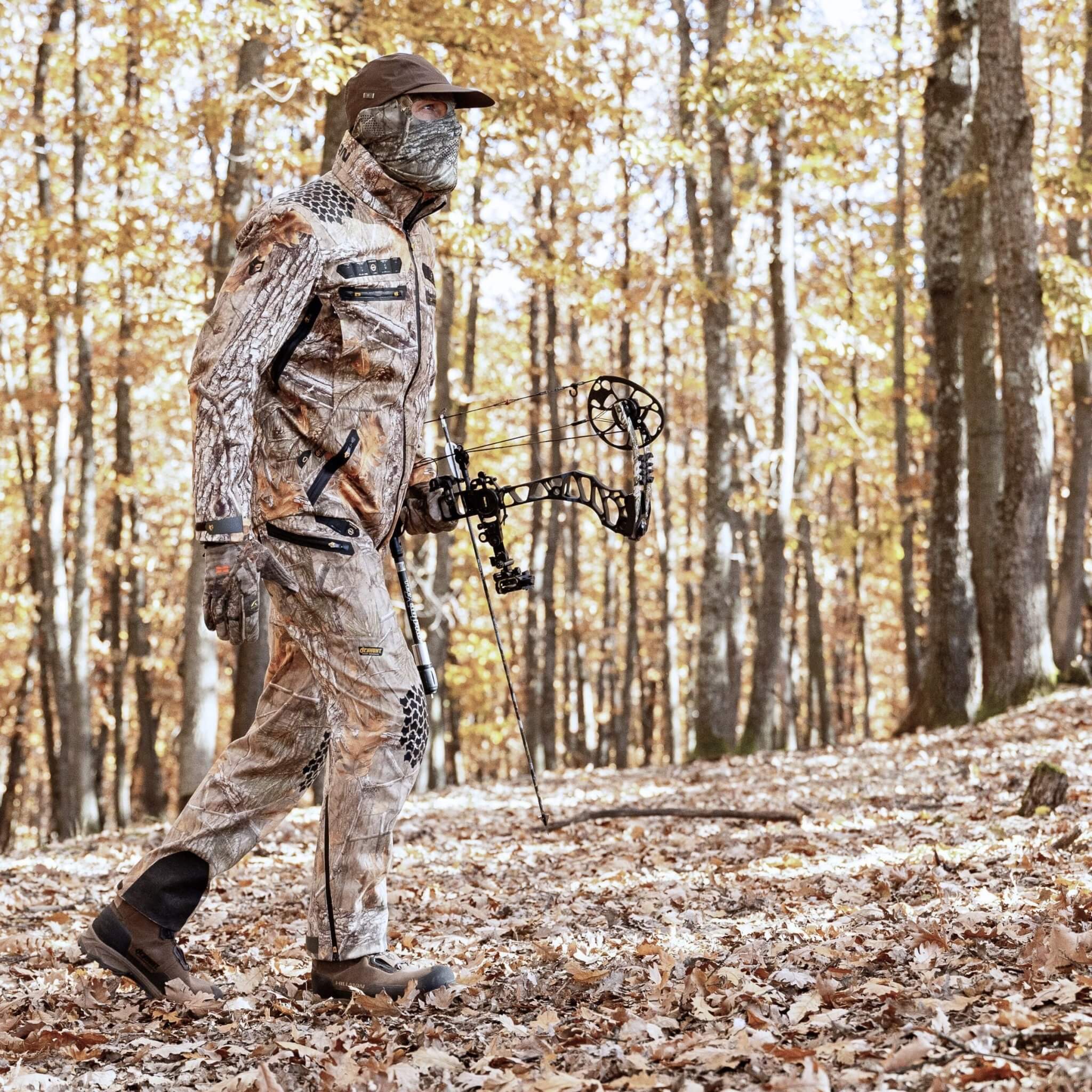
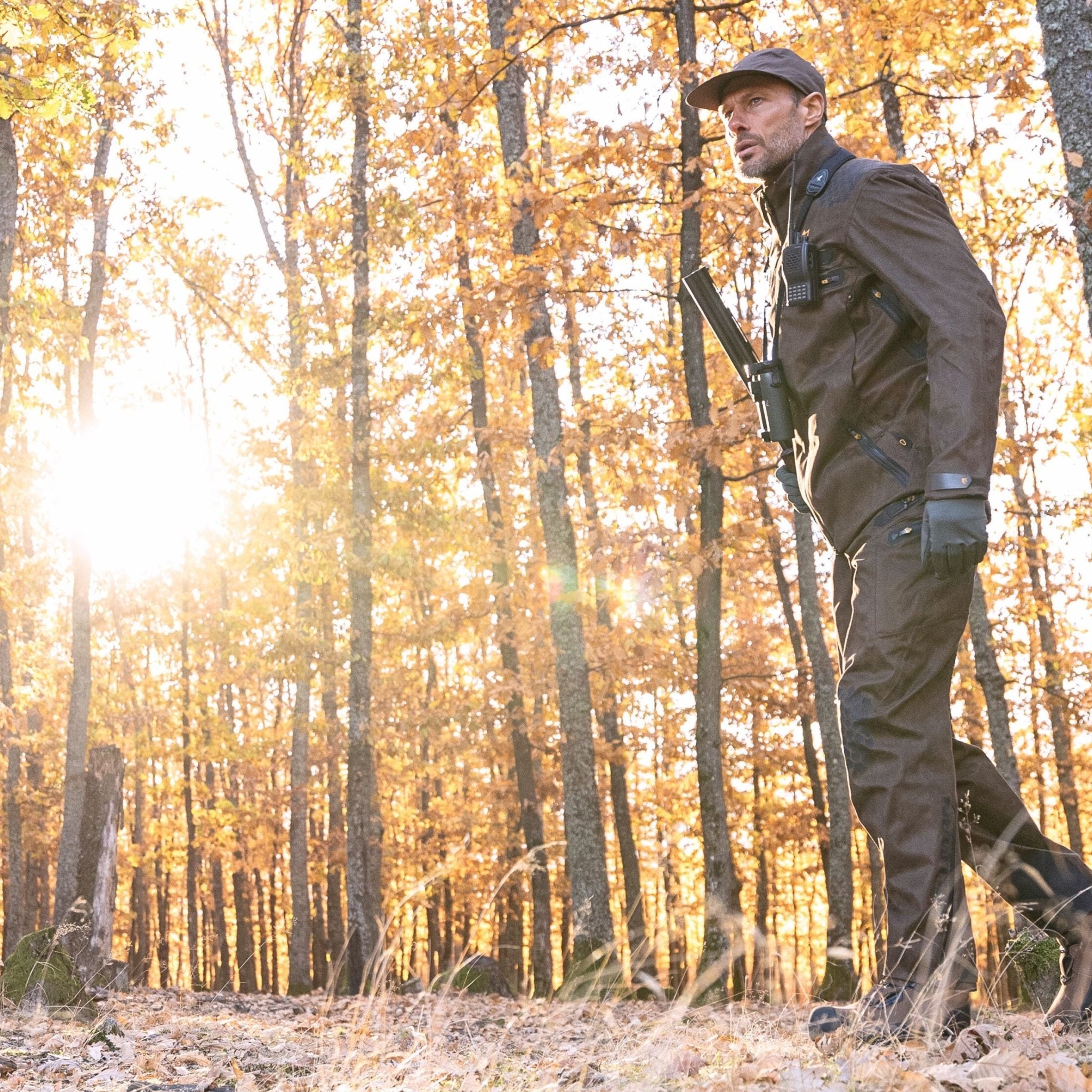
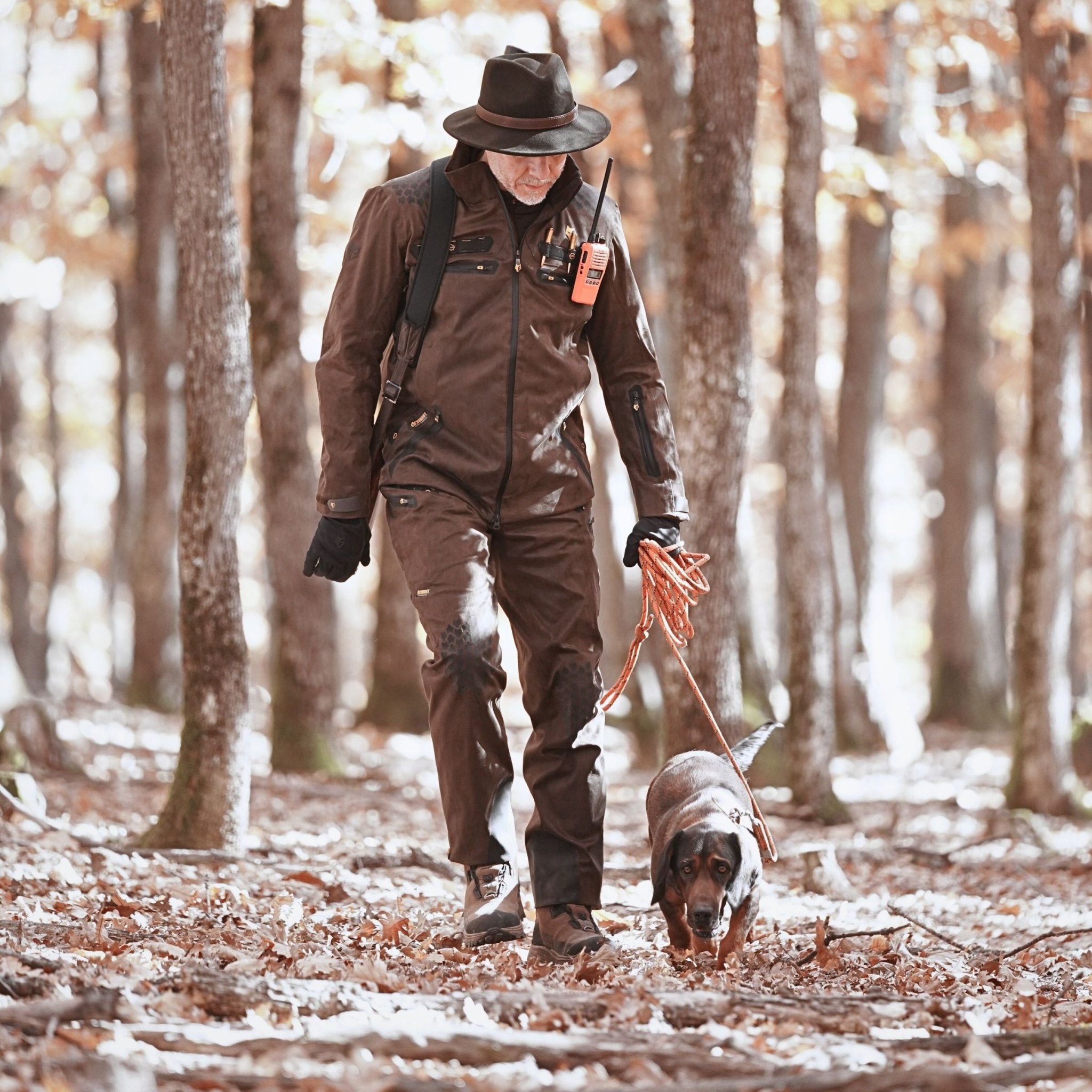
Traditional materials such as tweed and moleskin still appeal for a reason. They blend naturally into the countryside, wear in rather than wear out, and tend to stay quiet. Modern technical fabrics offer advantages in weight and moisture handling, often in subdued colours like brown, green, or grey that suit British landscapes without relying on camouflage.
The best fabrics are rarely the most eye-catching. They’re the ones that disappear once you’re wearing them.
Practical Features That Matter in the Field

Features tend to matter most when they’re missing. Pockets that are hard to reach, seams that rub, or seats that soak through quickly become irritating over time.
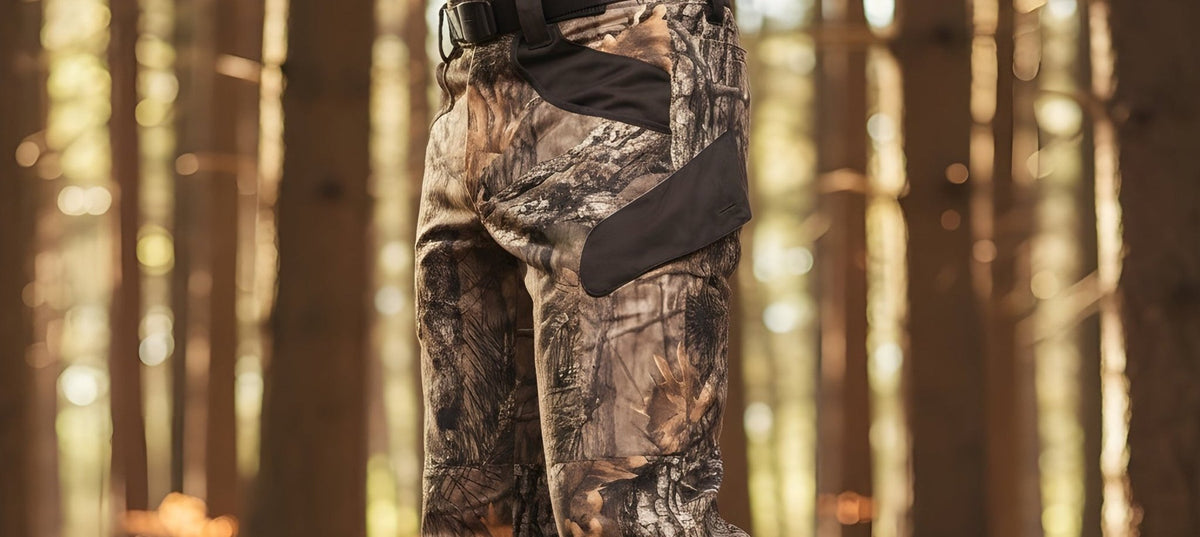
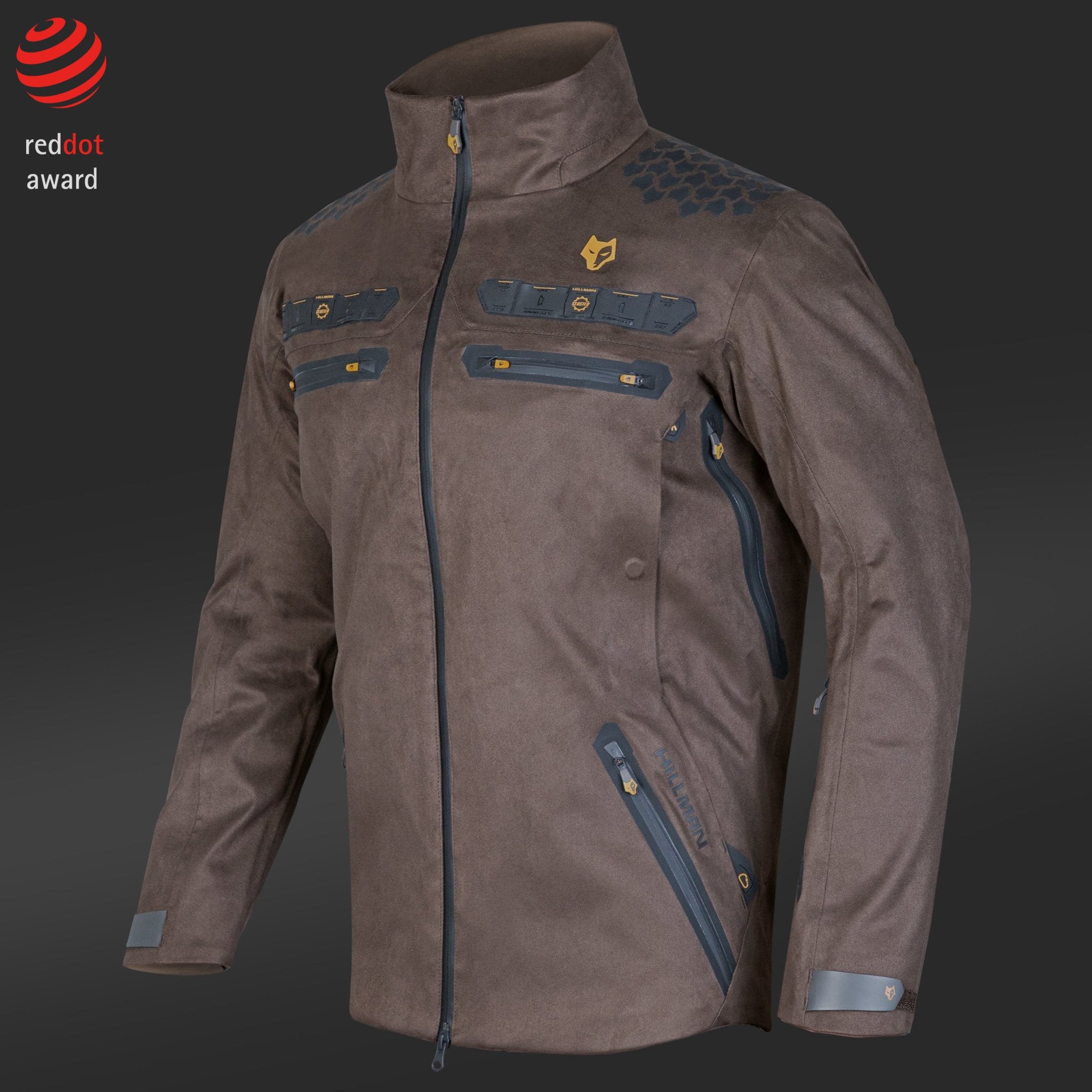
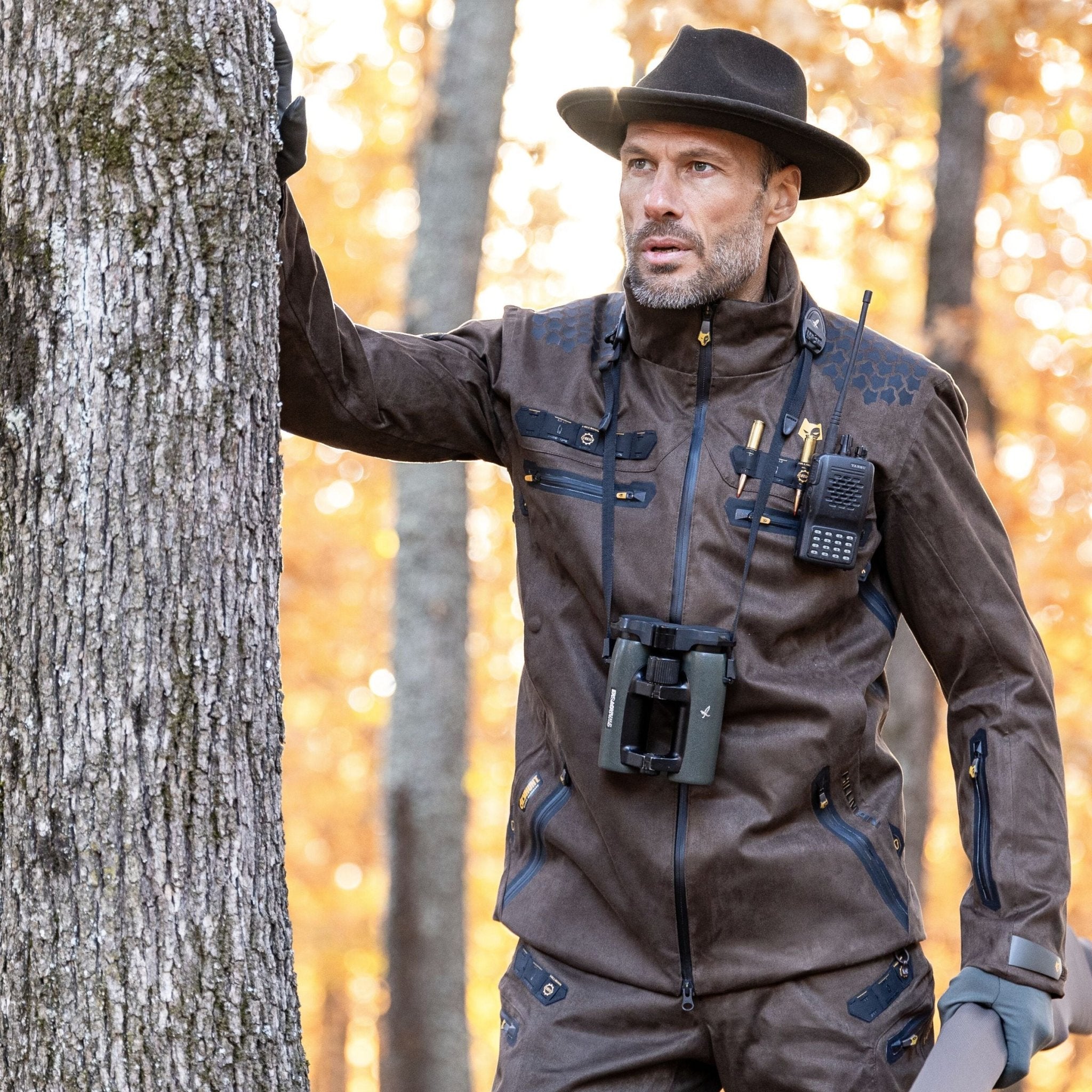
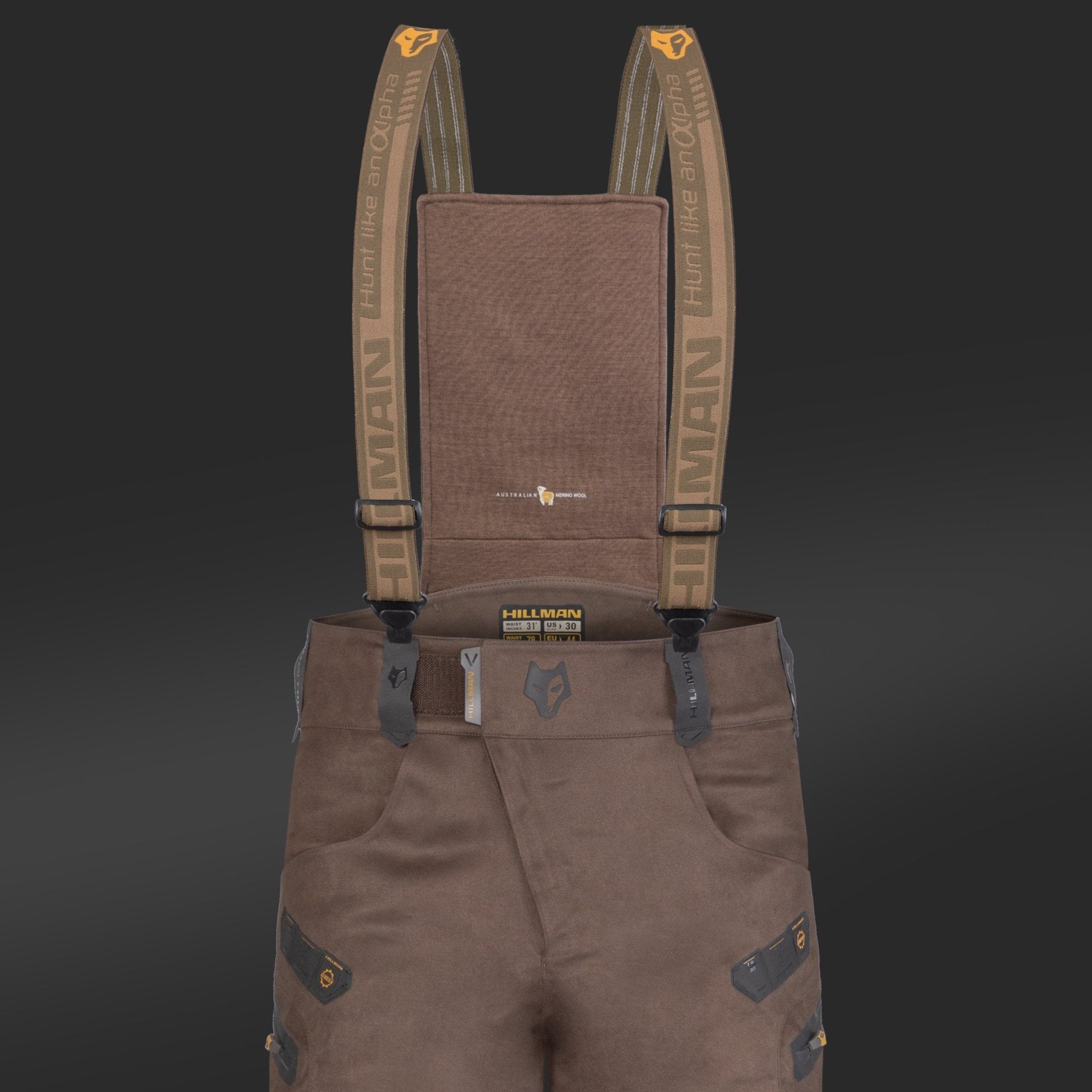
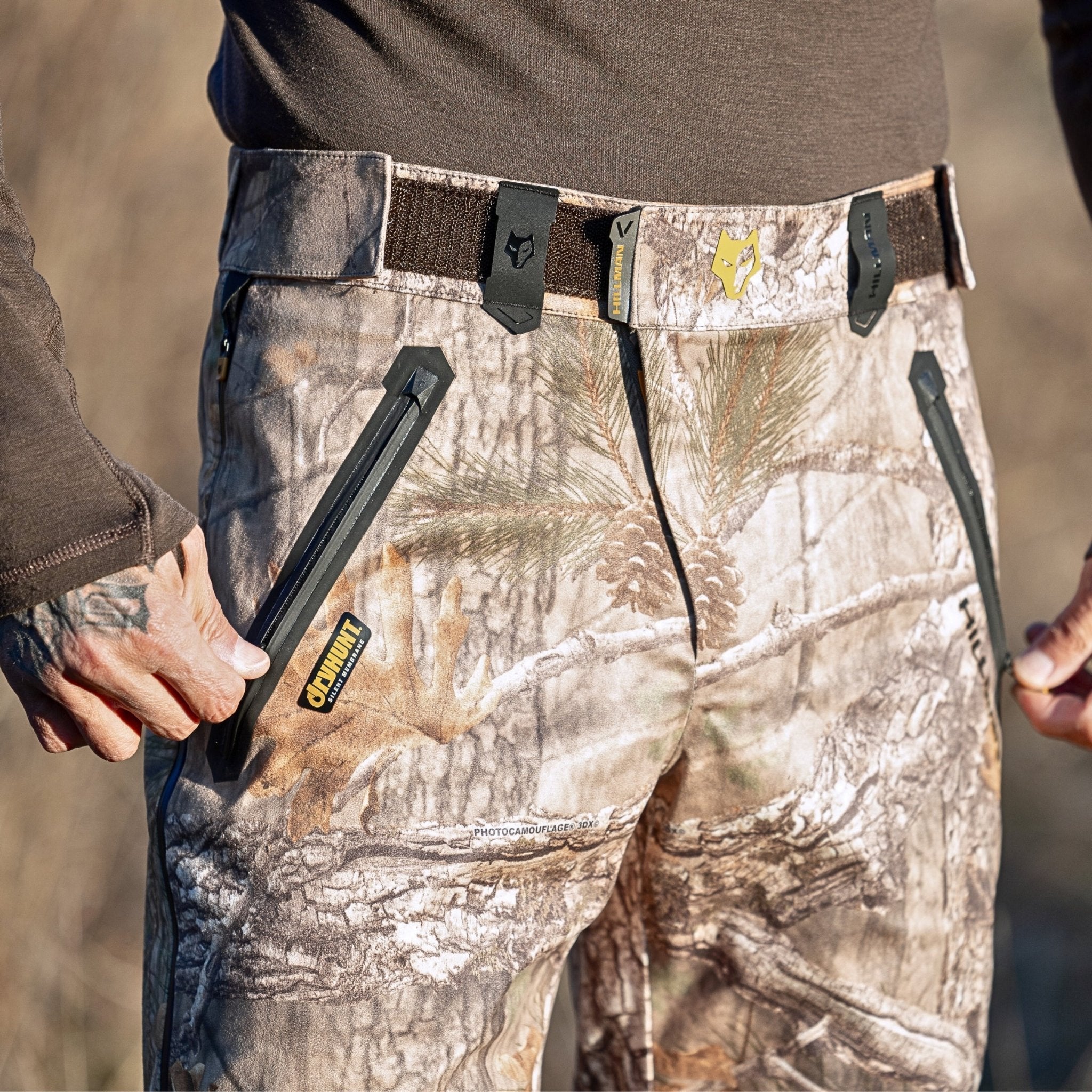
Multiple pockets are useful when they’re positioned with movement in mind. Reinforced seats help when sitting on damp ground or in a high seat. Clean internal construction reduces pressure points that only show up after several hours.
These details don’t usually sell shooting trousers on their own, but they often decide whether those trousers get worn again.
Matching Trousers with Hunting Boots and Field Kit

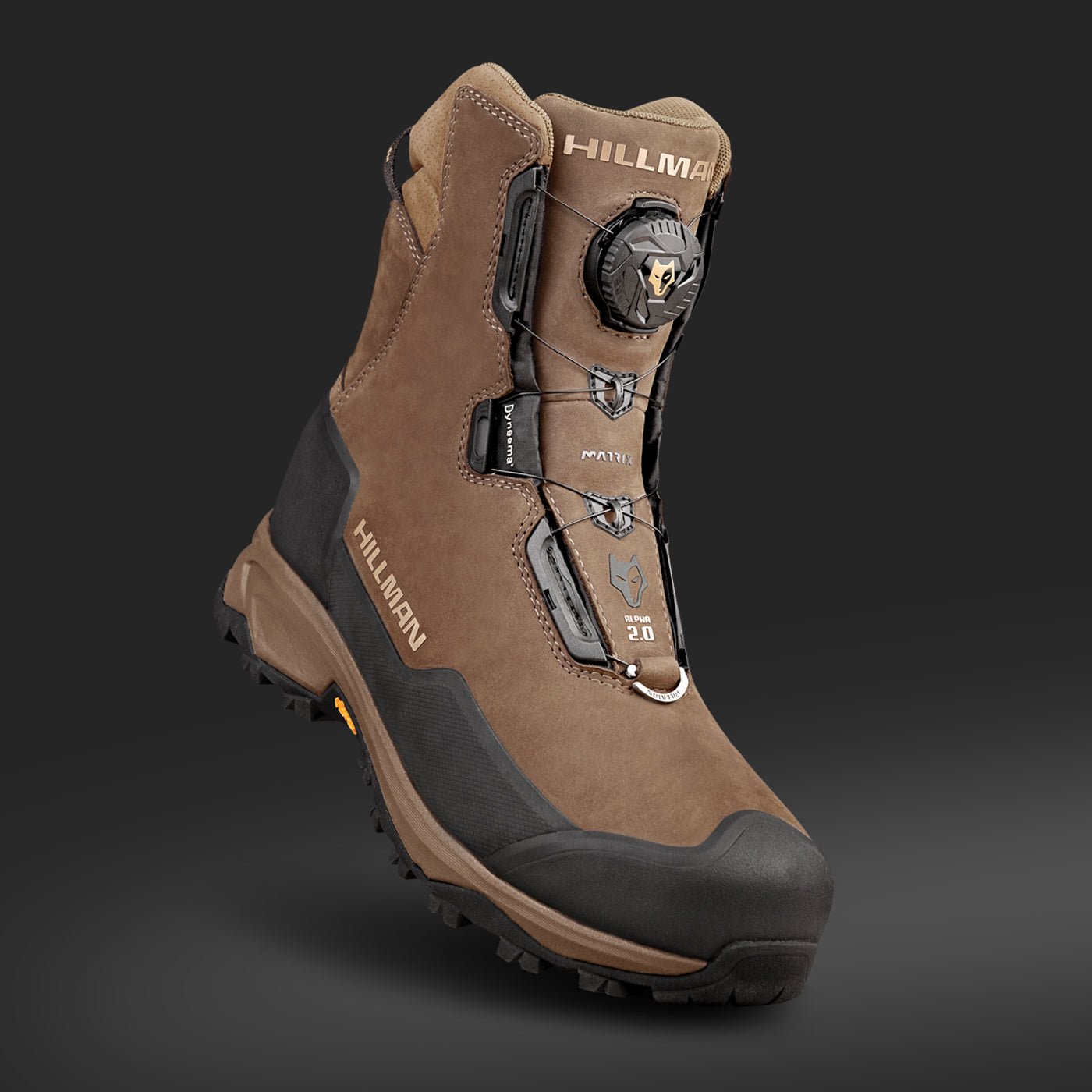
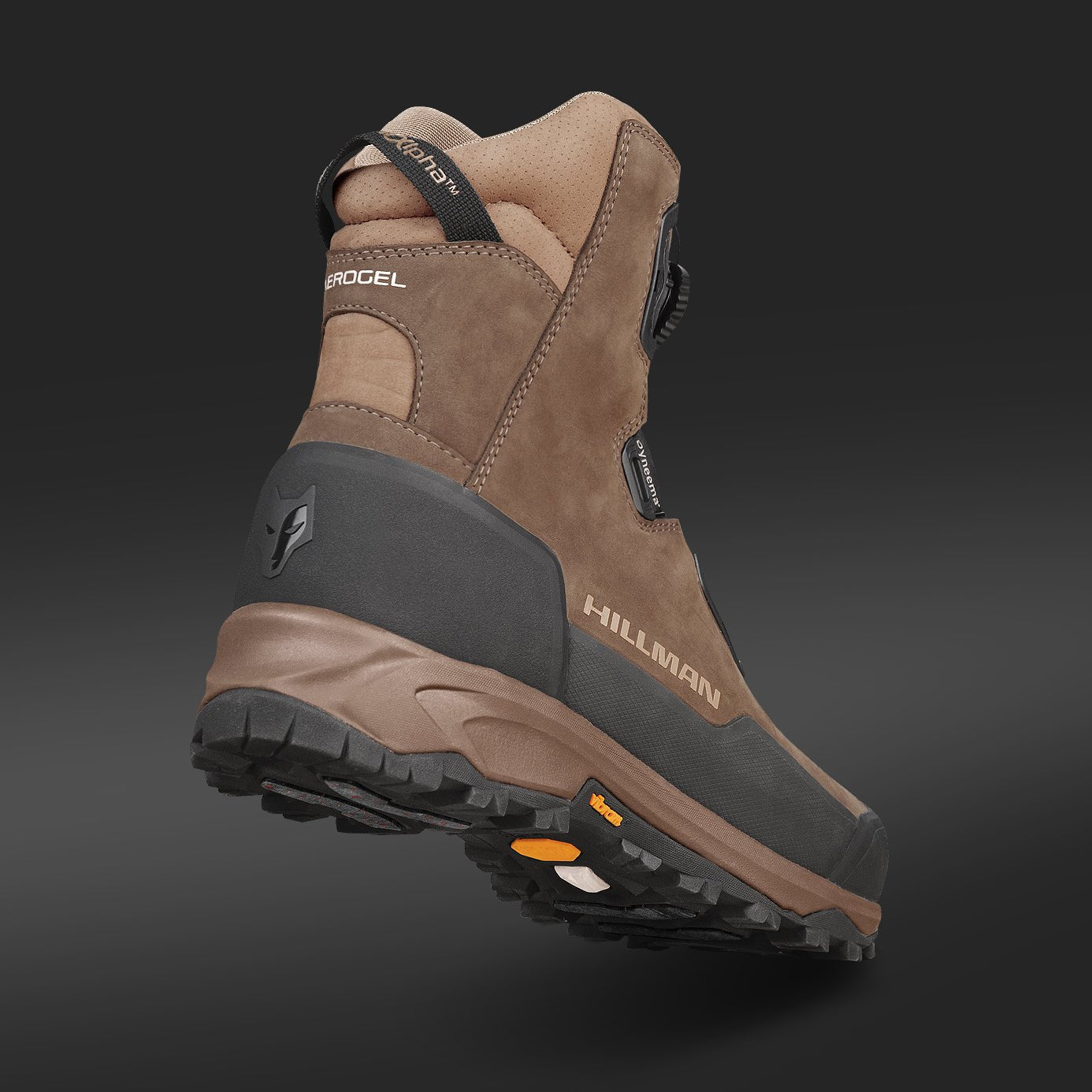
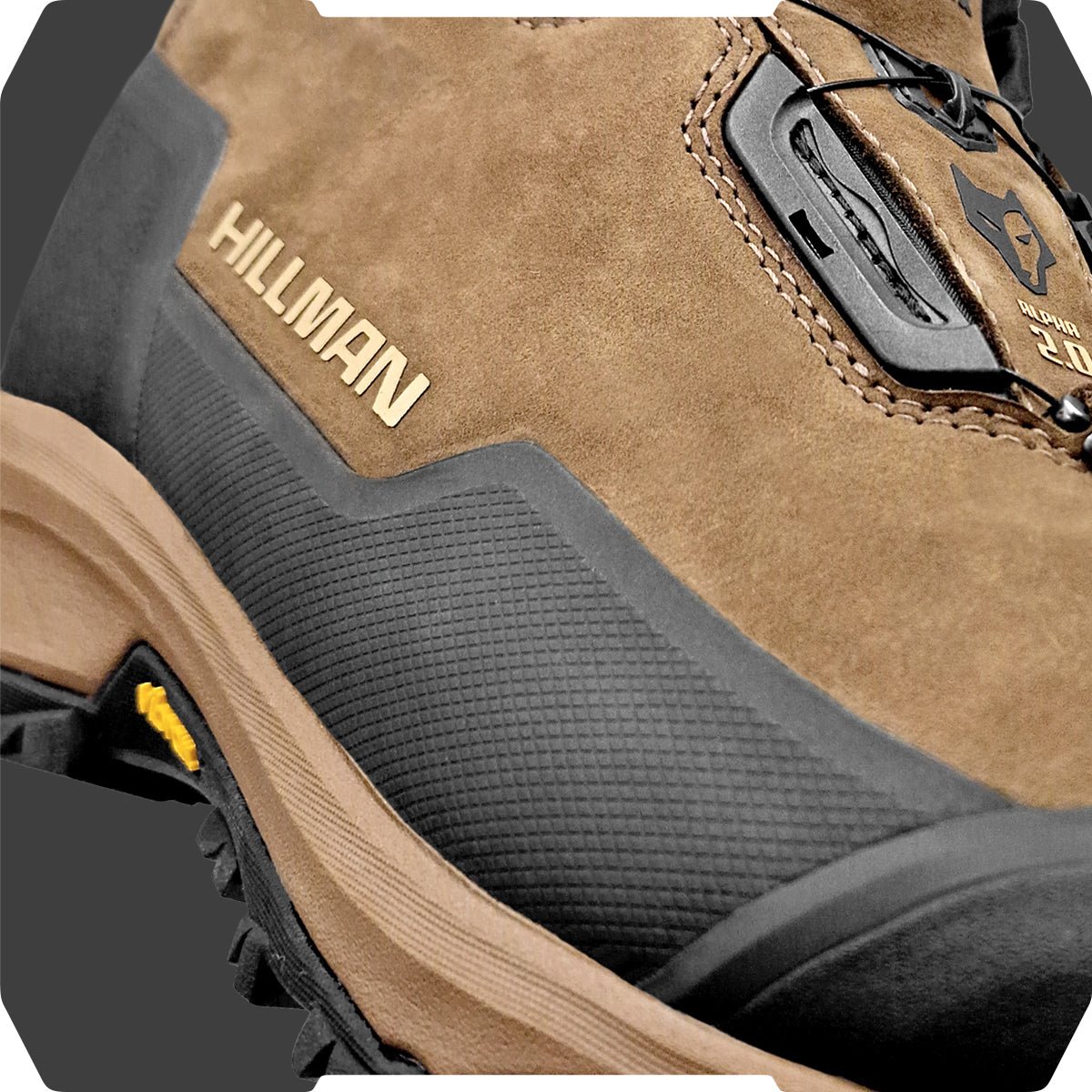
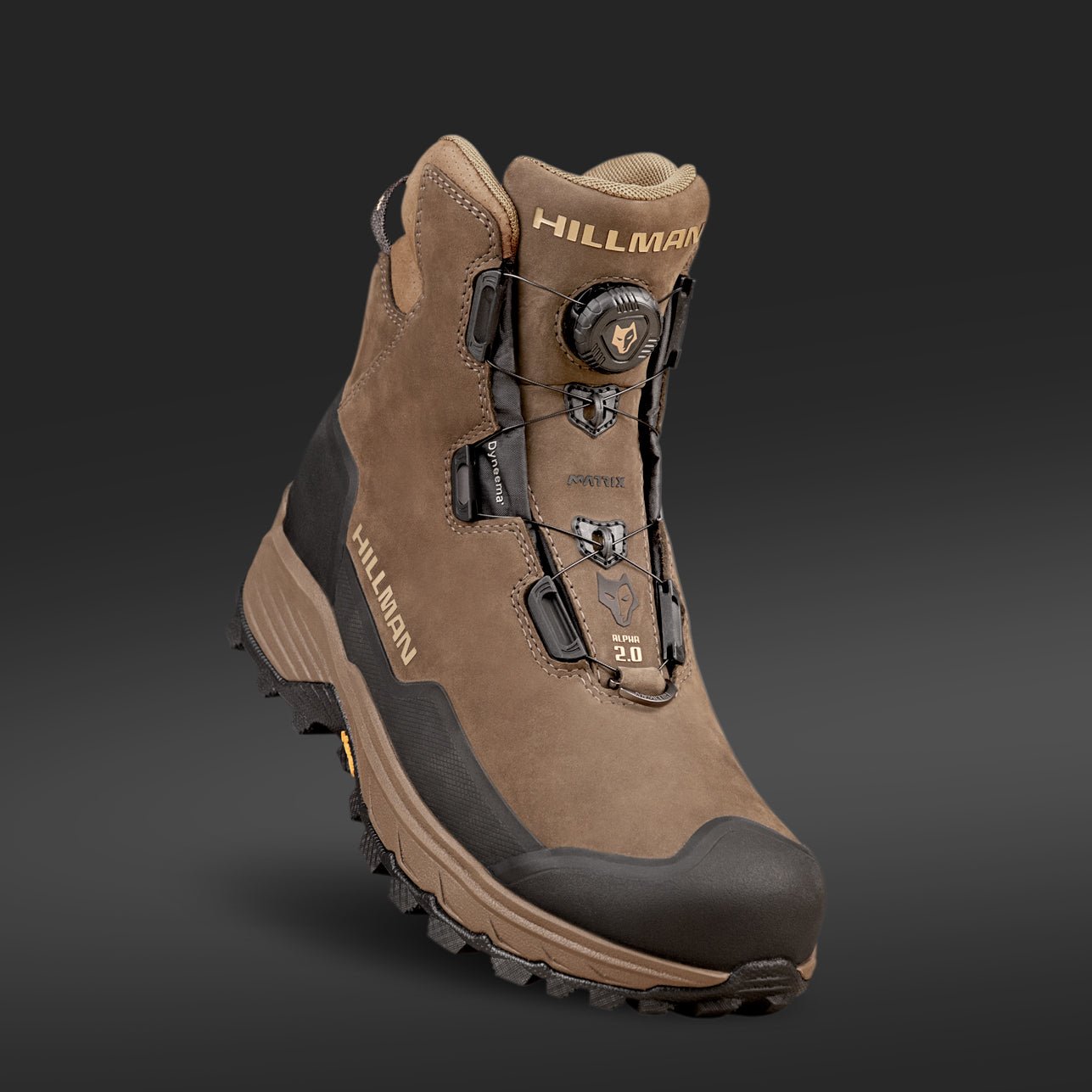
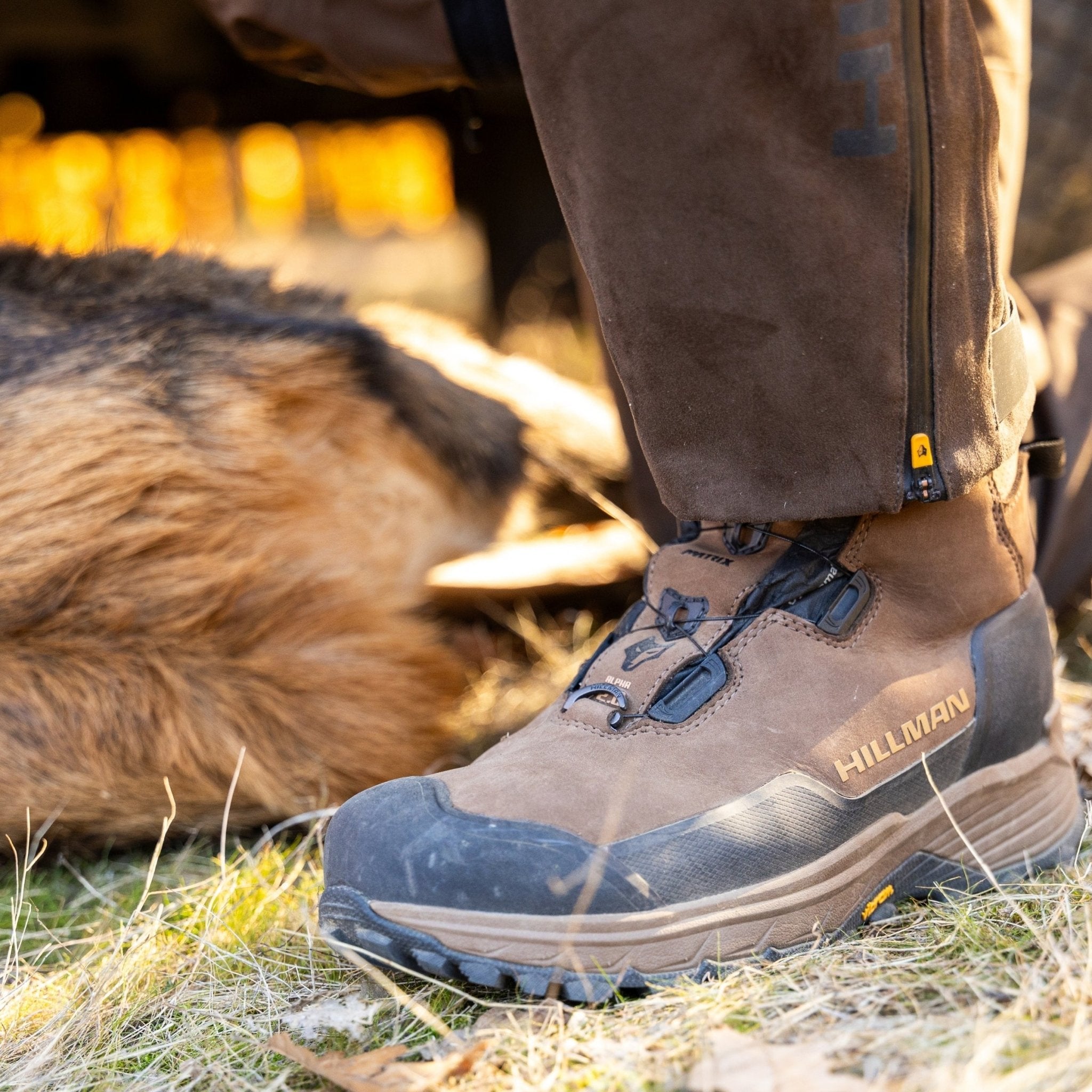
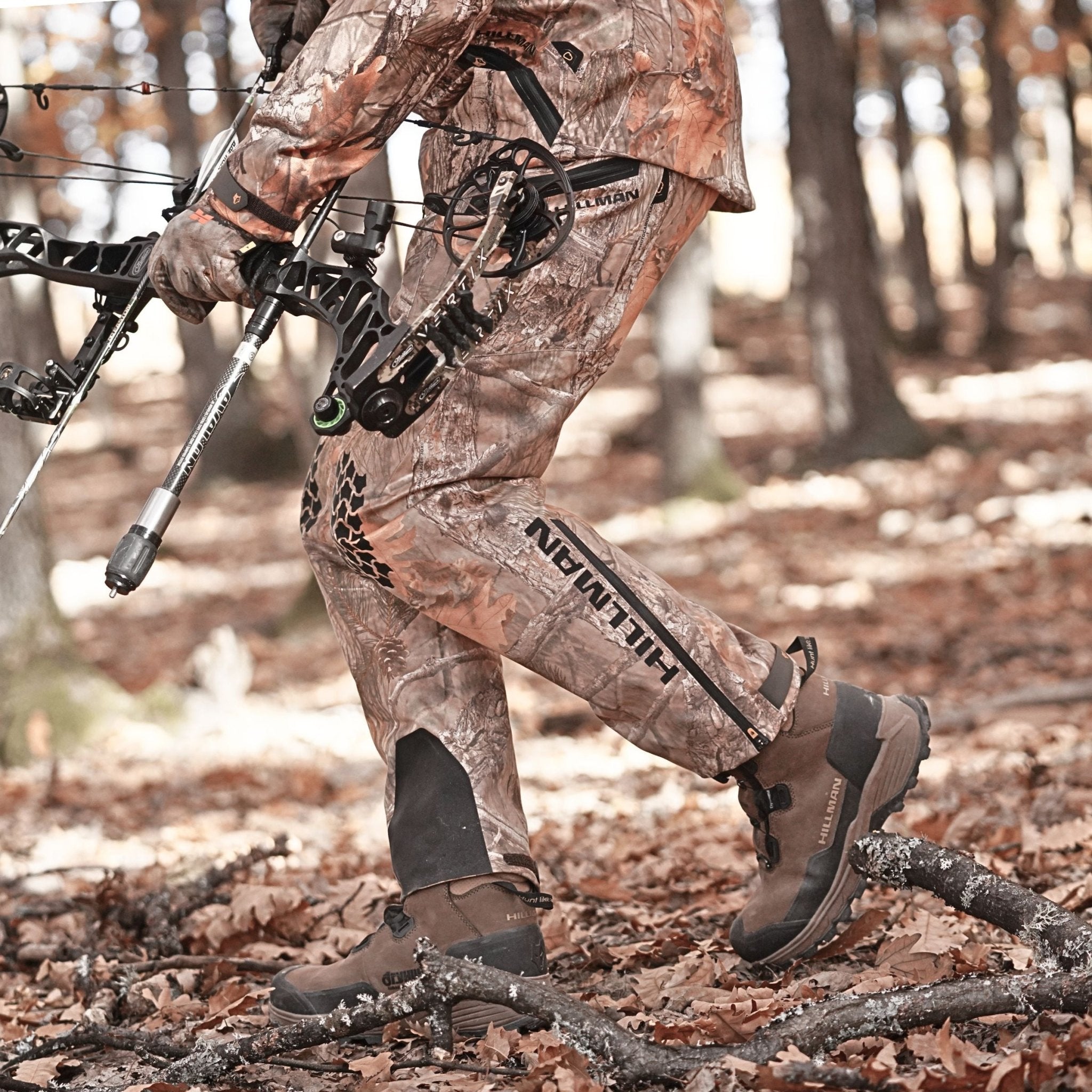
Trousers need to work with the rest of your kit, not alongside it. Boot height, sole shape, and the way you walk all affect how trouser legs sit and move.
Poorly matched combinations can lead to fabric bunching, catching, or riding up, particularly when walking uphill or downhill. Packs and additional gear also shift how weight moves through the body, which changes how trousers feel over time.
Thinking about trousers as part of a system usually leads to fewer compromises in the long run.
A Full Range of Styles for Different Shooting Days

Very few people rely on a single pair of trousers for every day of the season. Conditions change, and so do demands.
Early season days often suit lighter trousers that manage heat during steady movement. Later in the year, added protection against wind and cold becomes more important. Having a small range of styles allows you to adapt without constantly relearning fit and feel.
Over time, most people settle into combinations that work for them and stick with those.
Good Trousers Make the Difference
Good trousers don’t announce themselves. They don’t restrict movement, they don’t draw attention through noise, and they don’t demand constant adjustment. They simply allow you to focus on the ground, the cover, and the day ahead.
British hunting clothing works best when it respects how people actually move through the countryside. Protection without fatigue, durability without stiffness, and comfort that lasts beyond the first few hours are what separate clothing that looks suitable from clothing that genuinely performs in the great outdoors.



Share:
What to Wear for Driven Shooting Days: Shooting on the Peg
Top Hunting Backpacks, Rucksacks, Hunting Bags for UK Stalks