
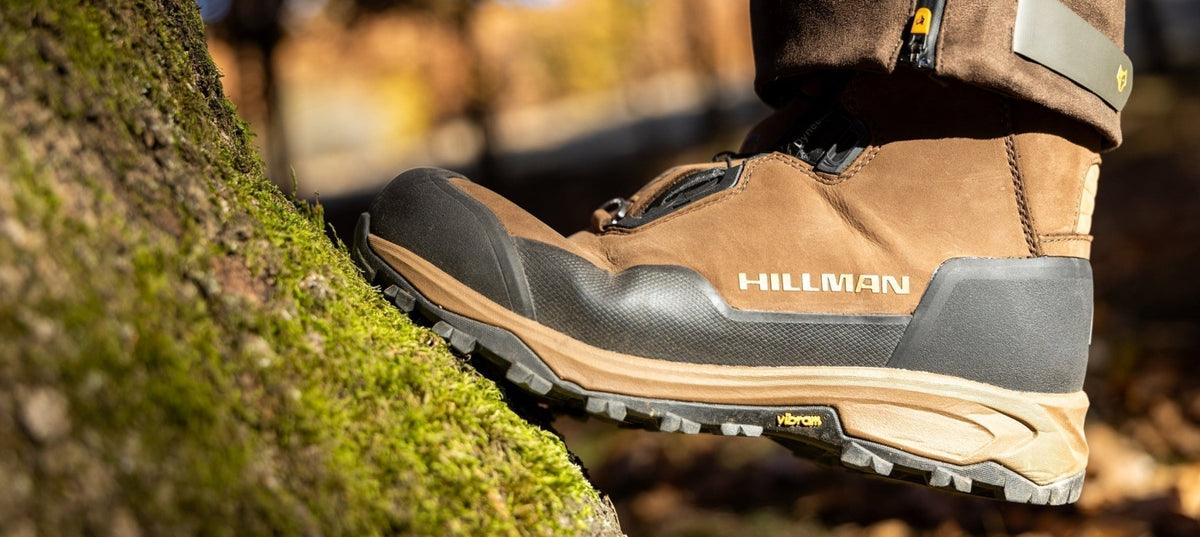
Best Stalking Boots for UK Hills, Woodland, and Wet Ground

Find the best stalking boots for UK hills, wet soils, and woodland with practical advice on fit, grip, waterproofing, support, and comfort in real field conditions.
If I have learned anything from stalking in Britain, it is that the ground is never as simple as it looks from a distance. A hill can seem straightforward until the soil surface starts slipping underfoot. A stretch of woodland can look manageable until wet leaves, roots, and hidden hollows begin changing the way each step lands. Add heavy rain, a bit of cold, a loaded pack, and an extra hour on tired legs, and suddenly the wrong footwear becomes the part of the day I notice most.
That is why I take stalking boots seriously. I do not care much for big claims on a product page. What matters to me is whether the pair on my feet still feels steady when I am crossing a side slope, easing through the woods, or walking back across open land after the weather has turned. The right boot helps me keep my balance, move quietly, and stay focused on deer, ground, wind, and distance. The wrong one does the opposite.
For me, good stalking boots are never just about looking practical. They have to cope with real UK stalking conditions: rough hill ground, wet cover, changing seasons, and the sort of surface that can shift from hard track to soft soil in the space of ten steps. That is the honest test.
Why do the best stalking boots for UK hills have to do more than just keep water out?

When people talk about the best stalking boots for UK hills, they often reduce the conversation to one word: waterproof. Fair enough. Wet feet ruin days. But in my experience, the best boots do much more than keep out rain.
They have to give proper support when the hill is not level under me. They have to stay secure around the ankle when I am side-hilling or stepping over broken ground. They need enough grip through the soles to bite on wet grass, soft edges, and peat without turning useless once the tread starts to fill with mud and grit. They also need to stay quiet enough for stalking. A boot can be technically impressive and still feel too clumsy or too loud in the woods.
That is why I do not chase the lightest pair or the heaviest pair by default. A lighter boot can feel superb for a short walk, then start feeling underbuilt once the ground gets rough. A heavier boot may offer better support, but too much bulk can wear me down over distance. The best boots sit somewhere in the middle. They feel strong enough to trust, but not so heavy that I resent wearing them.
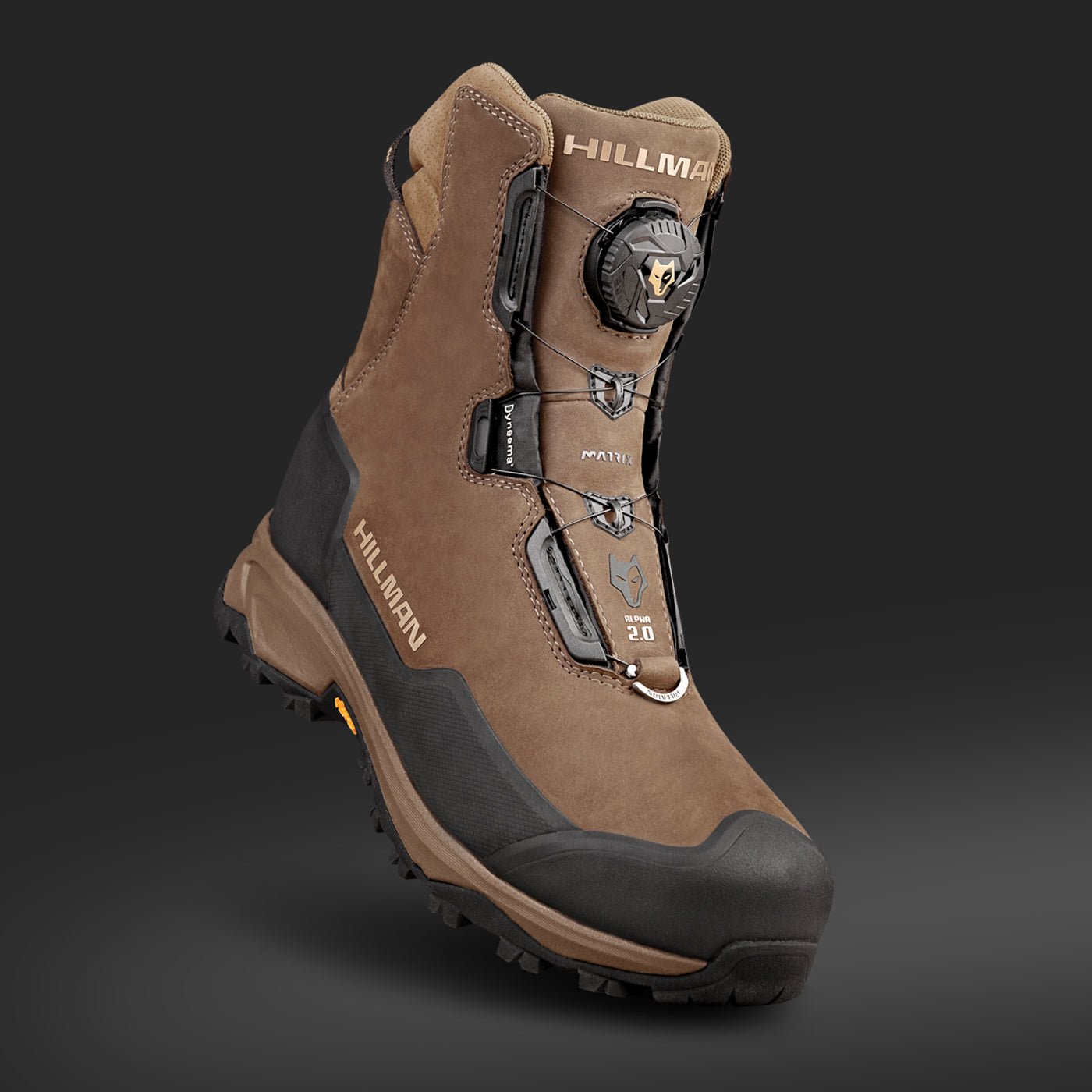
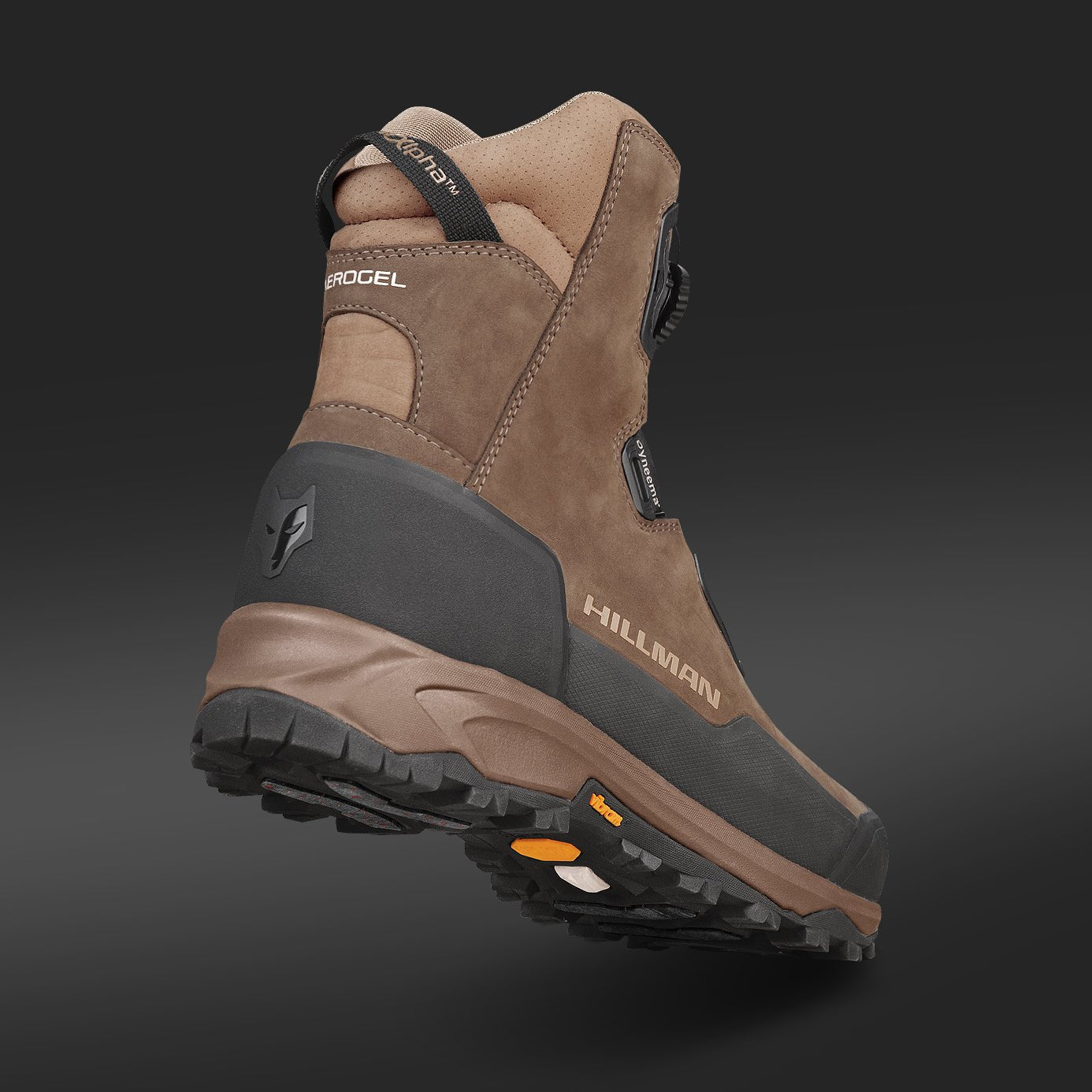
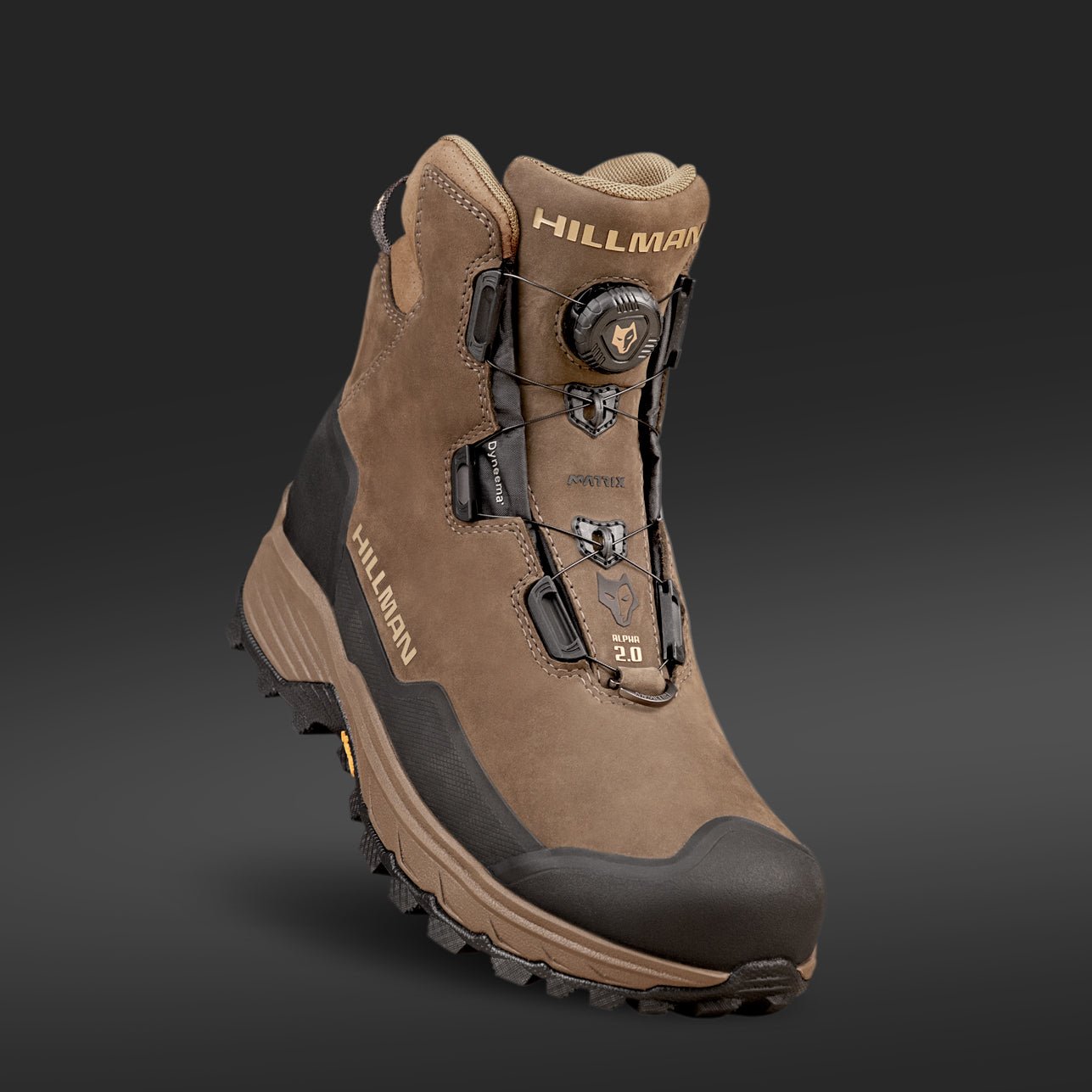
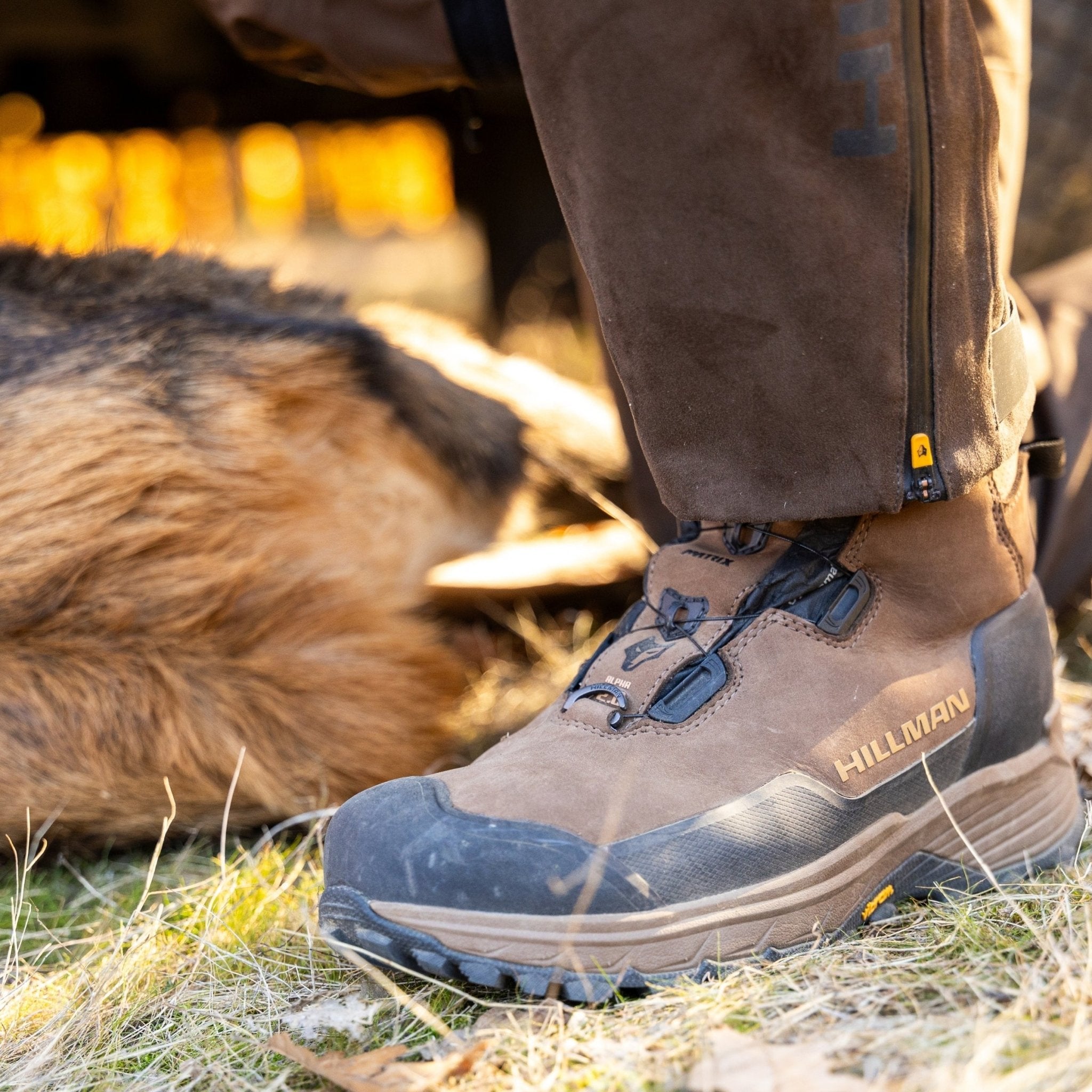
That is the sort of balance I expect from Hillman as well. Not just protection on paper. Real field performance once the day stops being easy.
What does the soil surface tell me before I even think about pace?

I pay attention to the soil surface very early, because it usually tells me what sort of day I am in for. A dry-looking track can hide softer ground level underneath. Wet grass can cover slick clay. A hill edge can look sound until the outer edge starts giving way under weight.
That matters because different surfaces ask different things from boots. On firmer ground, I care about steady contact and control. On softer ground, I care about how the sole holds, how the upper stabilises the foot, and whether the whole boot still feels predictable. When the surface keeps changing, I do not want vague footwear. I want a pair that lets me trust each step without constantly second-guessing it.
The same thing applies in broken cover. The more mixed the land becomes, the more I notice whether my footwear is helping or quietly costing me energy. That is where bad gear begins to wear me down. Not all at once. Just gradually.
Why wet soils, poor drainage, and peat hags change everything underfoot?

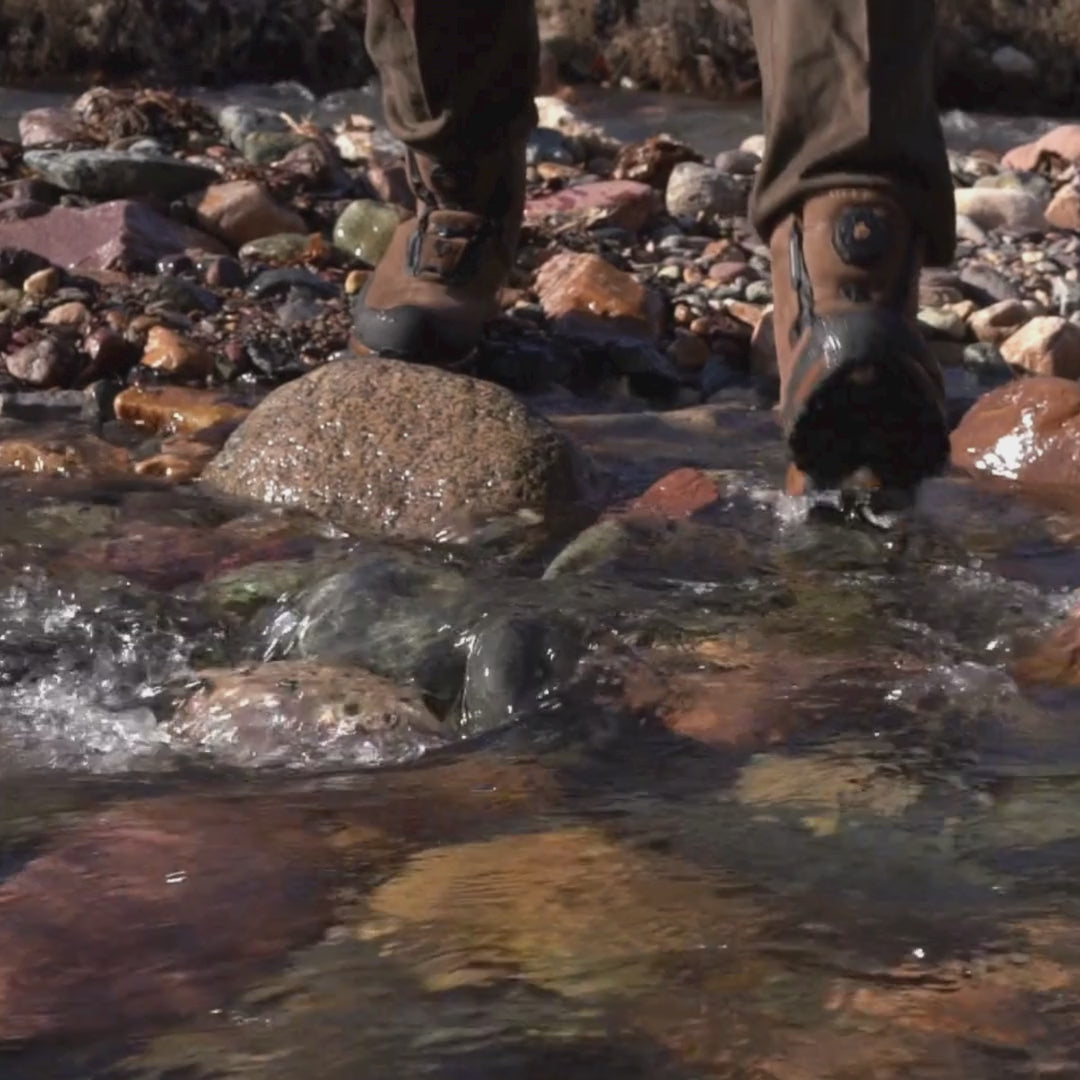
A lot of people say “wet ground” as though it is one neat category. It is not. Wet soils behave differently depending on the place, the season, and the way the land holds water. Poor drainage changes everything. Ground that seems fine on top can be soft below. A patch of grass can hide saturated soil. A dip between rides can persist with standing wet long after the rest of the hill has started to dry.
That is one reason peat hags and soft hill country punish weak footwear so fast. The boot does not only need waterproofing. It needs structure. It needs proper support for uneven movement. It needs soles that can grip where the ground pulls, shifts, or breaks away in lumps.
Wet ground also affects rhythm. Instead of walking naturally, I start testing every step. That slows pace, uses more energy, and makes the day feel longer. It also affects how quietly I move around wildlife, which matters more than people think. When I trust the boot, I move better. When I do not, everything becomes more hesitant.
How do ancient woodland and new woodlands ask different things from boots?

Not all woodlands feel the same underfoot. Ancient woodland often has an older, more settled character, but that does not always make it easier. I get more mature trees, more exposed roots, more leaf cover, and ground that can hold water in odd ways, depending on the season and shade. Movement there often becomes a game of reading what is under the surface before I fully commit my weight.
New woodlands are awkward in a different way. The soil surface can feel less settled. I tend to notice rougher shapes in the ground, patches of disturbed soil, younger plants, scattered shrubs, and places where drainage has not yet found a natural rhythm. Add recent work, nearby cultivation, or conservation activity, and the feel underfoot changes again.
That is where the boot really has to earn its place. I want enough feel to move carefully through the woods, but enough structure that the foot is not doing all the correction on its own. I also want the upper to stay quiet. In wooded stalking, a noisy boot is a problem I hear immediately.
Fit, laces, tongue, and socks decide whether a boot is wearable after the first hour

I do not care how good the leather is or how strong the waterproof lining sounds if the fit is wrong. A stalking boot has to feel right from the start. Not perfect on day one, maybe, but fundamentally right.
For me, that means the heel is held, the midfoot feels secure, and the front gives the toes enough room to work naturally. I want the fit to be snug, not tight. I do not want the foot floating, but I also do not want pressure that makes me think about the boot every few minutes. A good fit is still the simplest way to reduce friction, hotspots, and blisters.
I pay attention to laces more than I used to. Good lacing lets me change the tension depending on terrain. The tongue matters too. If it slips, bunches, or creates pressure, I know about it fast. The same goes for socks. A proper sock choice can make a long walk feel far more manageable, especially in winter or autumn when the foot is dealing with damp, cold, and repeated movement.
And yes, boots should be broken in gradually. Really broken in. Not admired, then taken straight into the hills. That kind of optimism tends to break down before lunchtime.
Why leather, support, and wear protection still matter in the best boots?

I still think leather makes sense for this kind of stalking. It gives support, handles abrasion well, and usually stays quieter in the field than very flimsy synthetic footwear. Not every leather boot is good, obviously, but the material still has a place, especially when I need a boot that can cope with rough hill country, wet vegetation, and repeated use.
Support matters just as much. I want enough stiffness and structure to steady the foot on bad ground, but not so much that the boot feels dead. That is always the line. Too soft, and I lose control. Too rigid, and the movement starts feeling forced.
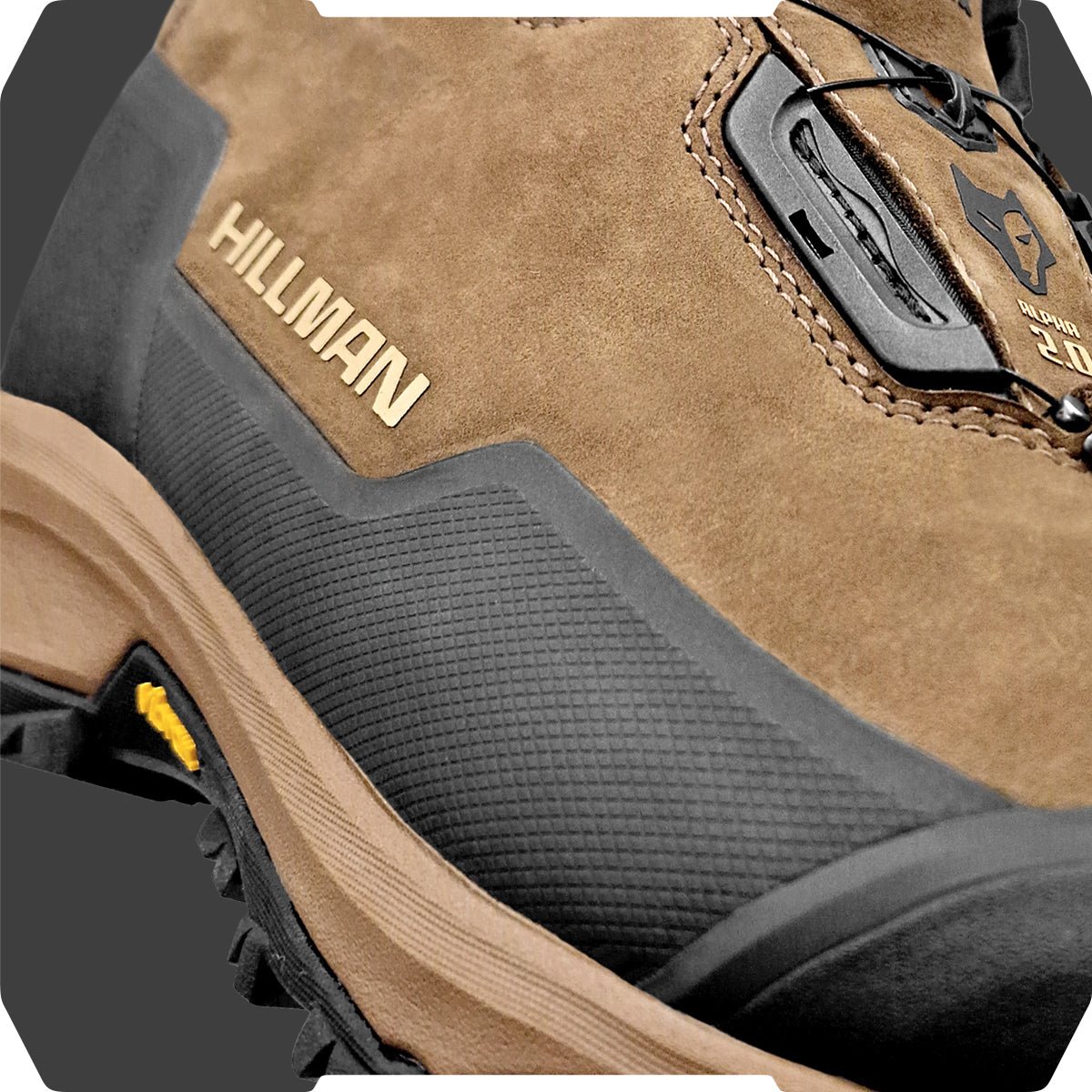
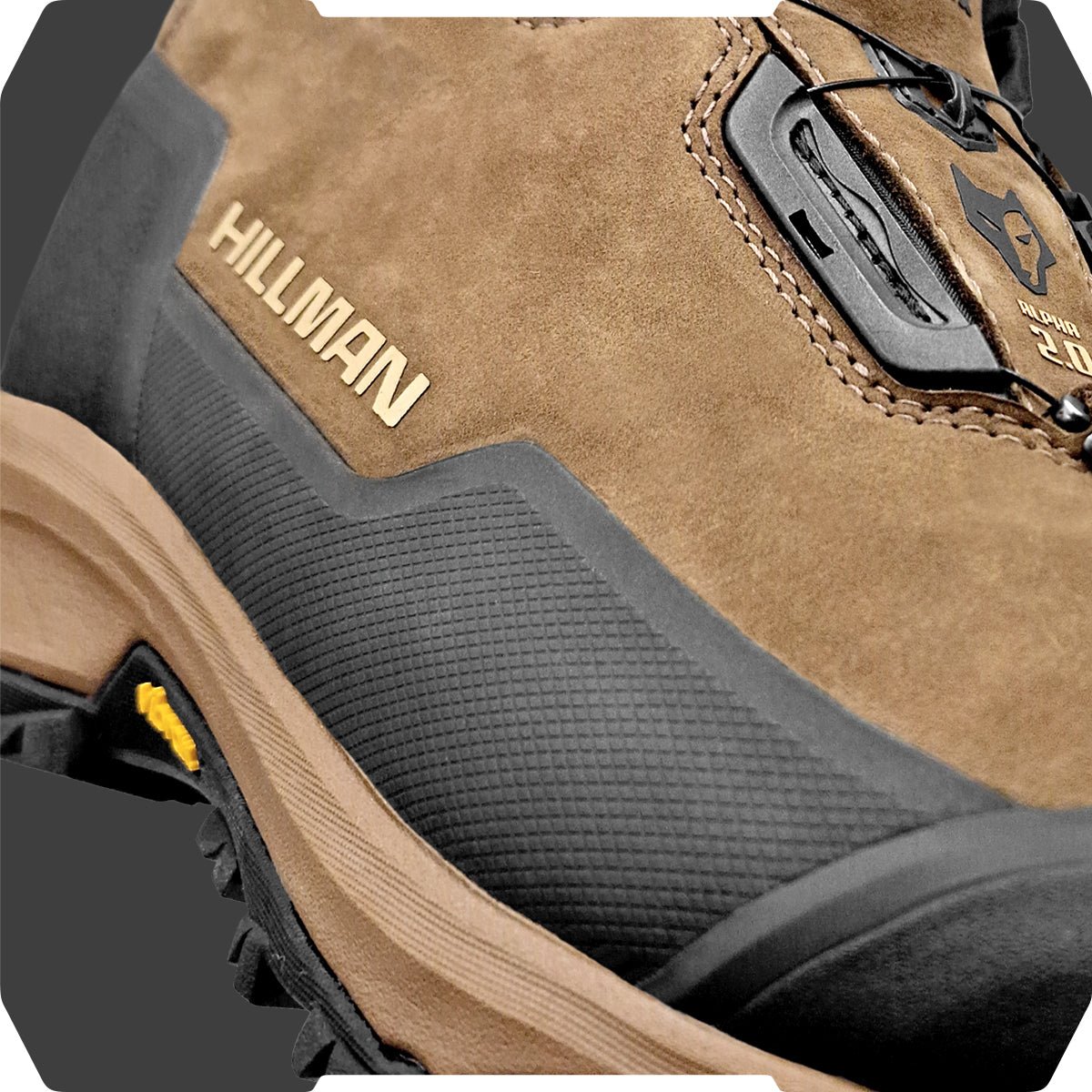
Then there is simple wear. Rough stalking country is hard on gear. Heather, rock, roots, mud, and repeated soaking all take a toll. That is why I value reinforced lower sections, durable soles, and good construction around the points that flex the most. A boot that looks good but starts looking tired too early is not the best boot for this job, whatever the label says.
Why do climate change and messy transition seasons make a second pair more useful than it used to be?
I think climate change shows up in stalking in very ordinary ways. Not always dramatic. Just messy. Ground stays wet longer, then dries hard, then turns again. Autumn can feel stretched out. Winter can be milder until it suddenly is not. Summer ground can still hold water in shaded places. Those transition periods create awkward combinations of damp, warmth, wind, and soft surfaces.
That is one reason a second pair of boots makes more sense than it once did. Not because everyone needs a boot collection. Just because repeated wet days, shifting conditions, and limited drying time make one-pair use less practical if I am out often. One pair gets soaked, the other gets proper rest. One handles the colder part of the year better, while the other may feel more comfortable in milder weather.
That is just practical field thinking. The seasons are not as tidy as people pretend. The future probably will not make them tidier either.
What I would actually choose, and when wellies or gaiters still have a place?

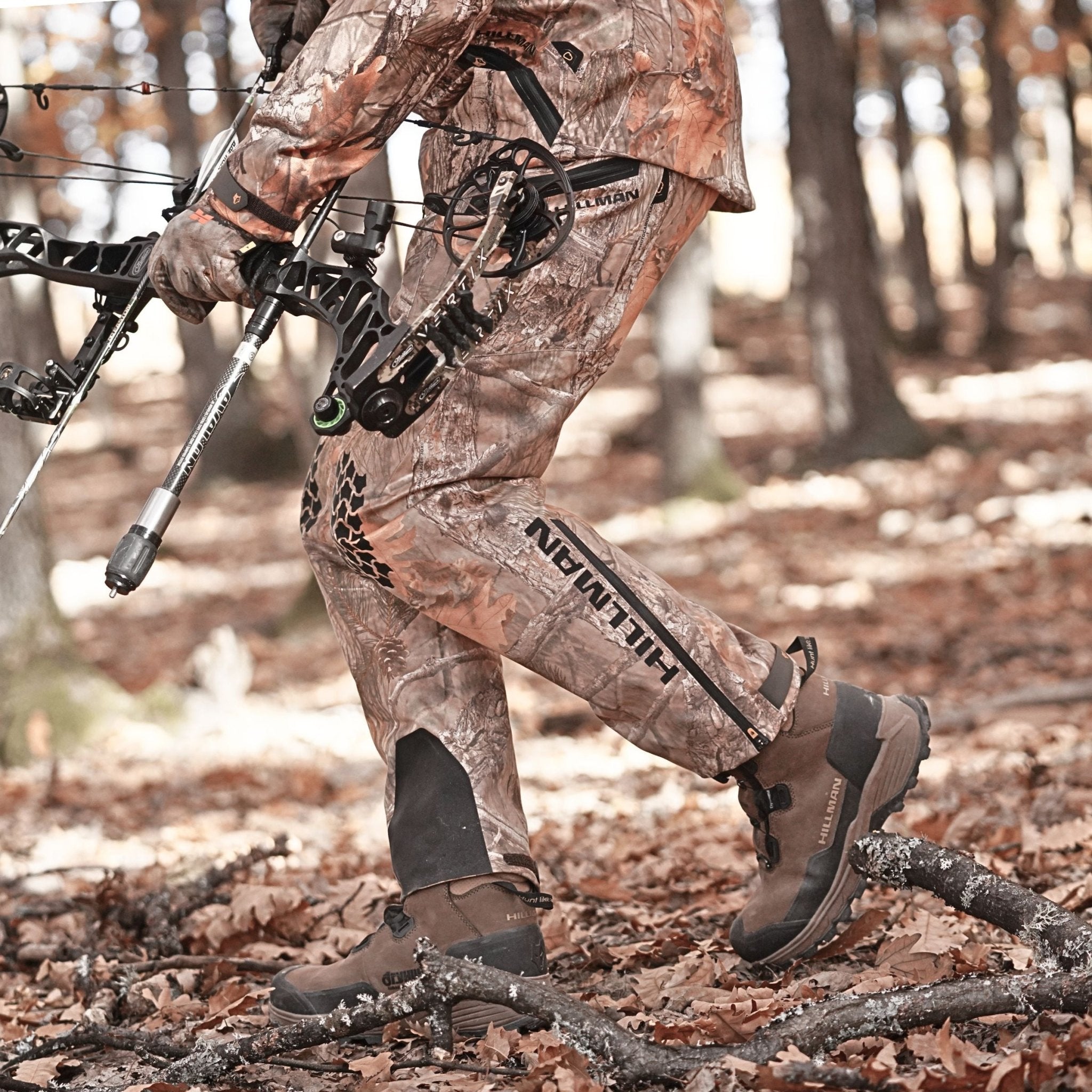
If I were choosing one stalking boot for mixed UK use, I would want height around the ankle, reliable waterproofing, leather or another durable upper, steady support, and a sole that can grip and clear itself properly. I would want a fit that stays comfortable after an hour, not just in the first five minutes. I would want enough structure for hill ground and enough feel for woods. Mostly, I would want a boot that lets me stop thinking about my feet.
There are still days when wellies have a place. Flat, very wet ground with little climbing can suit them fine. The same goes for gaiters, especially when deep wet cover and running surface water threaten to come in over the top. But if I am moving through hill country, uneven woodland, peat, and broken ground, I would still choose proper stalking footwear first. More support. Better control. Better feel.
That is the honest difference.
Cleaning, hose-down habits, storage, and why maintenance is vital

Good boots do not stay good by accident. Maintenance is vital. After a wet day, I want the mud off. Even a simple hose rinse and careful cleaning do more than people think. Dirt dries hard, holds moisture, and slowly damages the materials. If I leave the pair filthy in the back of the truck, I pay for it later.
Drying matters too. Boots need time. They should not be roasted. They should dry steadily and properly, then go into decent storage somewhere cool and dry. If I use them hard day after day with no drying time, no cleaning, and no recovery, I cannot really complain when performance starts slipping.
I also think it is worth checking them now and then. Soles. Laces. Tongue. Stitching. High-flex zones. Small faults are easier to sort before they become field problems.
Final word on the right pair
For me, the right pair is the one that still feels dependable when the hill turns slick, the woods go dark and wet, and the walk back is longer than expected. It keeps the feet dry, holds the ankle steady, stays practical through changing weather, and does not become an argument halfway through the day.
That is what I mean by good stalking boots. Not a list of claims. Not a showroom impression. Just a pair that works on real British ground.


Share:
How to Choose Waterproof Hunting Trousers for UK Weather
Best Base Layers for UK Hunting: What Works in The Damp Cold