
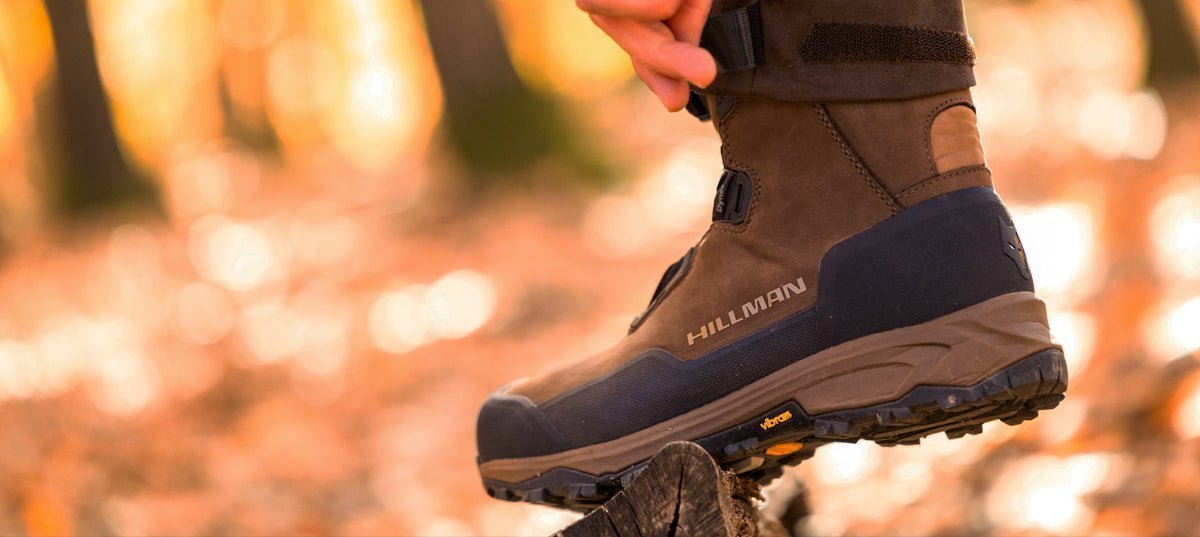
Wet boots are a normal part of British hunting due to constant moisture, long grass, and damp terrain. Drying them overnight isn’t about heat or speed, but about airflow, removing insoles, using absorbent materials, and avoiding damage from radiators or fires. The hunters who get it right rely on patience, ventilation, and small habits that quietly extend boot life.

How to Fix Wet Boots Overnight: Field-Proven Tips British Hunters Swear By
Have a look at our tips for drying wet boots affected by the British weather.
Drying wet boots overnight isn’t about speed. A practical, experience-led look at what actually works in British conditions.
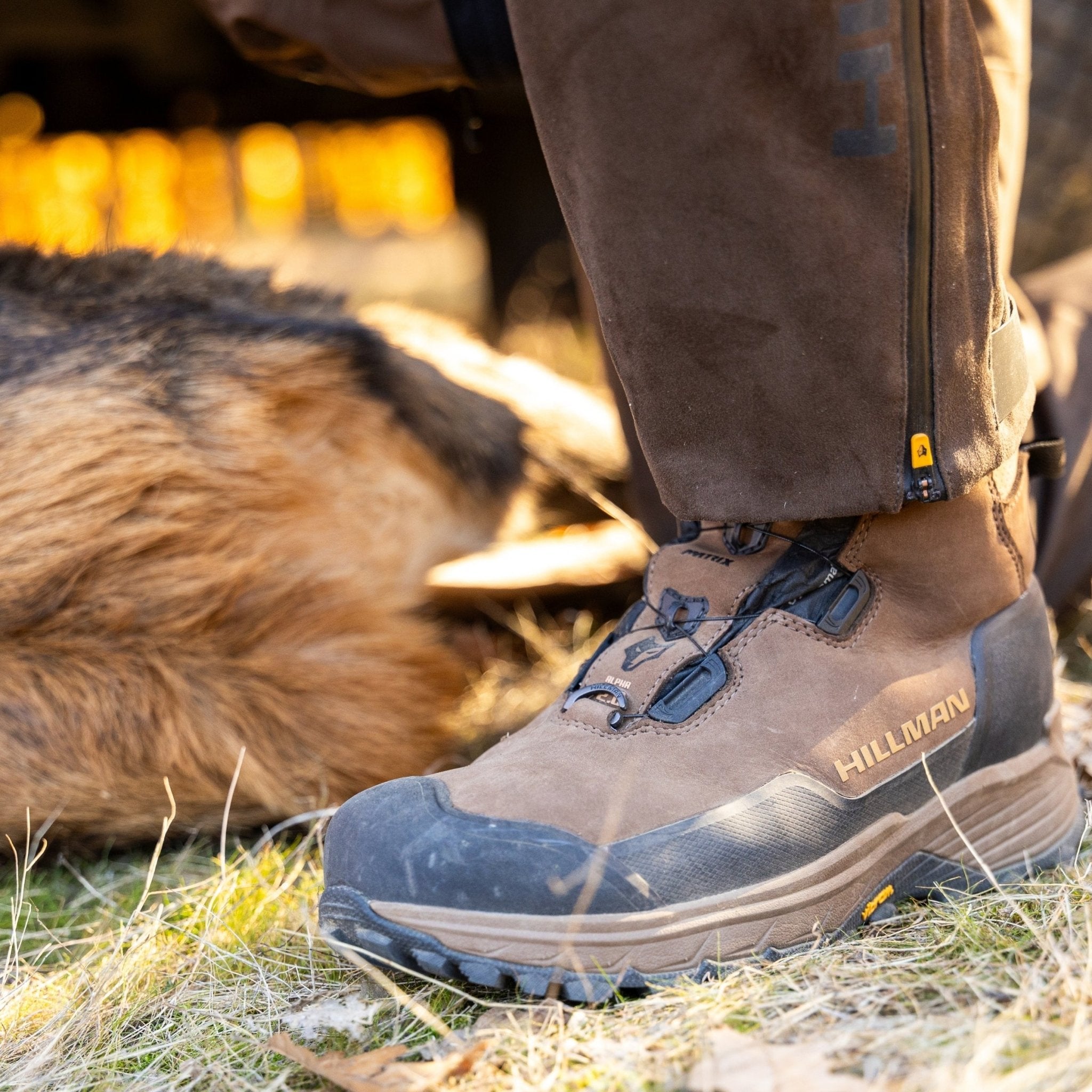
In Britain, wet boots are rarely the result of a single bad decision. More often, they’re the quiet consequence of the landscape itself. Long grass that never quite dries. Woodland paths held yesterday’s rain. Moorland where water sits just beneath the surface, waiting. You can start the day with dry feet and still come back in the evening carrying boots that feel heavy, cold, and reluctant to cooperate.
The real challenge begins once those boots come off.
Anyone who spends enough time outdoors in this country eventually learns that drying boots overnight is not about speed. It’s about restraint. Rushing the process almost always causes more damage than the weather did. Yet leaving boots to their own devices, especially in damp British air, rarely works either. Somewhere between those two mistakes sits a method that experienced hunters quietly rely on, not because it’s clever, but because it’s reliable.

Why are wet boots part of the British routine?
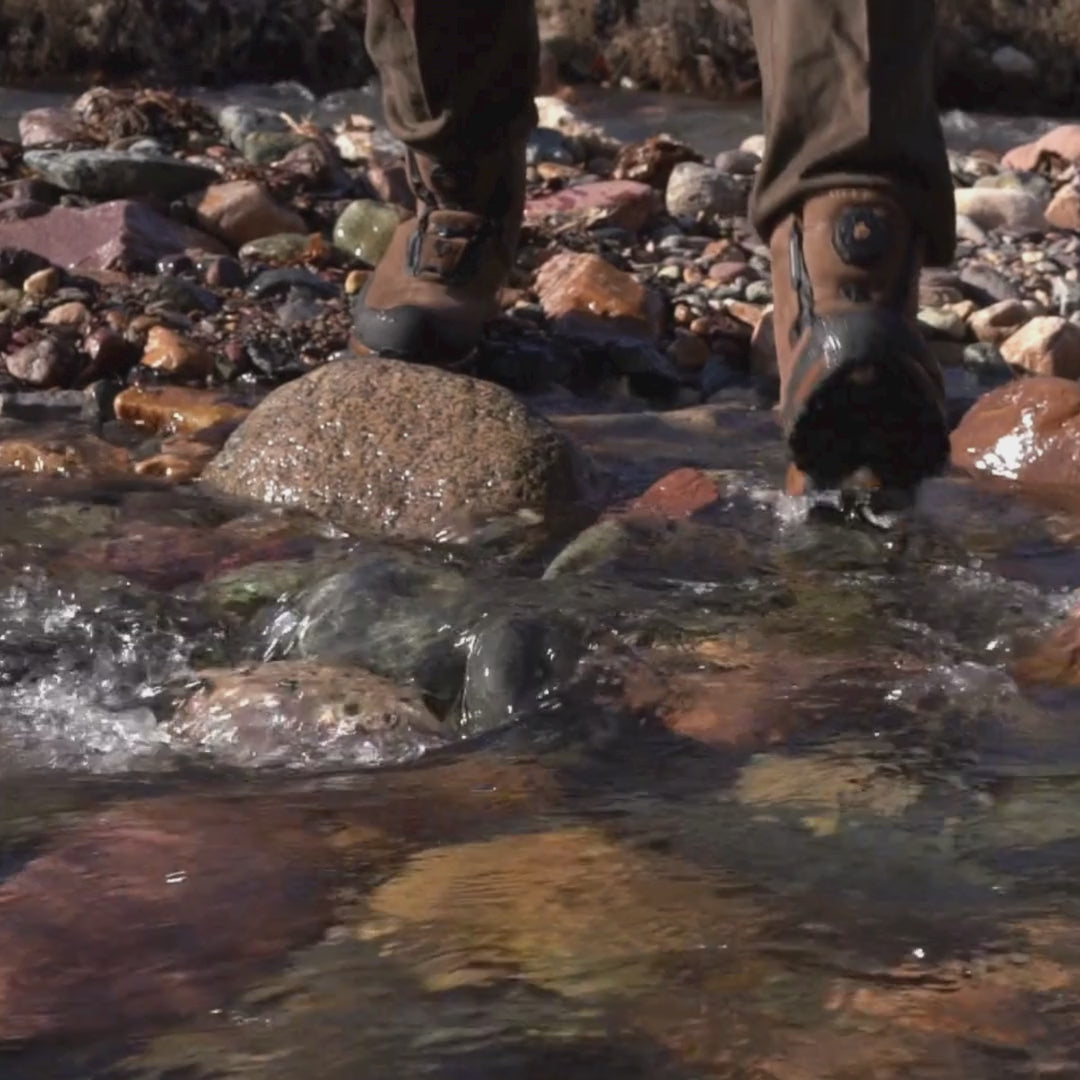
British conditions don’t need dramatic weather to soak footwear. A steady drizzle, knee-high grass, churned field edges, or a shaded woodland track can all leave boots wet long before the day is over. Even waterproof boots eventually give in when moisture is constant rather than extreme.
Overnight stays make this worse. Older houses, shooting lodges, and cottages often lack properly dry rooms. Boots end up on porches, in hallways, or near doors where air feels cool but never truly dry. By morning, the outside might look fine, but inside tells a different story.
The first lesson most people learn is that hoping boots will “just dry” rarely works here.
What moisture actually does once it gets inside?
When boots get wet, water doesn’t simply sit on the surface waiting to evaporate. It works its way into linings, padding, seams, and especially beneath insoles. That trapped moisture becomes stubborn. Even when boots feel dry to the touch, internal dampness can linger for days if nothing actively encourages it out.
Cold air slows evaporation, and still air stops it almost entirely. That’s why boots left overnight in garages or unheated porches often feel just as damp the next morning. Moisture has nowhere to go, and it takes full advantage of that.
Understanding this changes how you approach drying. The goal stops being heat, and becomes movement of air, of moisture, of time.
The temptation of heat, and why it backfires
Nearly everyone has made this mistake at least once. Boots come off soaked. A heater is nearby. A radiator is warm. The fire looks inviting. It feels logical.
And for a while, it works. Hunting boots feel lighter. The surface dries. But inside, moisture is still there, and now materials are under stress. Leather dries too fast and stiffens. Glue softens and weakens. Waterproof membranes lose integrity. The damage doesn’t always show immediately, but it compounds.
Many boots that “mysteriously” fail after a season aren’t worn out by miles, but by evenings spent too close to heat. Fast drying feels productive. It rarely is.

Why does airflow do most of the real work?
Air, not heat, is what removes moisture safely. Room-temperature air moving steadily through a boot pulls water out gradually, without shocking materials or distorting shape. This is why boots often dry better in a cool, ventilated room than beside a heater.
In Britain, where warmth is inconsistent and humidity is common, airflow becomes the single most important factor. A huntung boot placed where air can circulate freely will dry more effectively than one left in a warm but stagnant corner.
This is where small habits start to matter.
What makes the difference as soon as the boots come off?
The drying process begins the moment boots are removed, not an hour later. Insoles are the first thing to come out. They trap moisture underneath and block airflow. Left in place, they slow drying and encourage odour.
Laces come next. Loosening or removing them opens the boot and allows air to reach deeper inside. Finally, surface dirt needs attention. Mud and grit hold moisture against leather and fabric. Left overnight, they can stain materials permanently and slow evaporation.
None of this is dramatic. But skipping it almost guarantees damp boots in the morning.

Why does the newspaper still earn its place?
There’s a reason newspaper remains part of the British approach to drying boots. It works.
Loosely balled and placed inside boots, it absorbs moisture while still allowing air pockets to remain. It draws water out gently and helps boots keep their shape. When it becomes damp, it gets replaced. Simple.
It’s not fast, but it’s consistent. For overnight drying, especially when the heat is off the table, newspaper often does more good than any improvised shortcut.
When rice, cat litter, and similar tricks help
In places where newspaper isn’t available, hunters have always improvised. Uncooked rice or cat litter, filled into socks or cloth bags, can draw moisture from the air inside boots. These methods work best when combined with airflow, not as replacements for it.
They are particularly useful in enclosed rooms or older buildings where ventilation is limited. Used sensibly, they can tip the balance between boots that feel wearable in the morning and those that don’t.

The quiet importance of insoles
Insoles deserve their own attention. Moisture collects beneath them and lingers there long after the rest of the boot feels dry. Leaving insoles inside almost always leads to cold, damp pressure underfoot the next day.
Drying insoles separately, simply laid out in open air, often makes more difference than any other single step. It’s one of those habits that experienced people rarely talk about, but never skip.
Where boots dry matters as much as how?

Not all indoor spaces are equal. Unheated porches, sheds, and garages in Britain are often damp rather than dry. Boots left there may actually dry more slowly than those kept inside.
A dry, well-ventilated room is far better, even if it feels cooler. Moisture needs somewhere to escape, and dry air makes that possible. Wet rooms, sealed cupboards, or enclosed spaces undo most drying efforts before they start.
When a dehumidifier changes everything
In older buildings, especially, a dehumidifier can transform the overnight drying process. Pulling moisture from the air, it creates conditions where evaporation becomes efficient, even without warmth.
Boots dry faster, smells are reduced, and materials aren’t stressed. For people who regularly deal with wet footwear, it’s one of the most effective tools available.

Fans, not heaters, for safe acceleration
If drying needs a nudge, a fan is the safest way to provide it. Positioned to move air into the boot opening, it increases evaporation without adding heat. Combined with removed insoles and moisture-absorbing materials, it can make a noticeable difference overnight.
It’s a quiet solution, but a reliable one.
When do dedicated boot dryers earn their keep?
For those who face wet boots several times a week, a proper boot dryer becomes less of a luxury and more of a safeguard. Good dryers rely on low-temperature airflow rather than heat. They maintain shape, protect materials, and shorten drying time without damage.
Used regularly, they often extend the life of boots rather than shortening it.
Leather and fabric don’t dry the same way

Leather hunting boots demand patience. They dry best slowly and benefit from conditioning once fully dry to replace lost oils. Fabric boots release moisture faster but are no less vulnerable to heat damage.
Knowing which materials you’re dealing with helps avoid mistakes that only show up later.
Overnight doesn’t always mean fully dry
One hard truth is that some boots simply won’t be completely dry by morning. Depending on saturation, they may need a full day or more. The aim overnight is comfort, not perfection.
This is where rotation matters.
Why does rotating boots quietly solve the problem?
Alternating between two pairs allows each to dry fully within 24 to 48 hours. It reduces smell, prevents damage, and keeps feet healthier. Many experienced British hunters rely on rotation, not because it’s convenient, but because it works.

Smell, health, and the cost of dampness
Damp boots invite bacteria and fungal growth. Smell is the first sign, but not the last. Proper drying, clean socks, and airflow protect not just footwear, but feet themselves.
Habits that prevent the worst of it
Moisture-wicking socks help. Cotton doesn’t. Letting trousers drape over boot tops doesn’t help either: it funnels water straight inside. Small adjustments reduce how wet boots get in the first place.
What usually ruins boots overnight?
Impatience. Heat. Sealed spaces. Dirt left on too long. Most damage comes from trying to fix wet boots too quickly, not from the weather that soaked them.
A realistic overnight approach that works
Remove insoles and laces. Clean off dirt. Use newspaper or moisture-absorbing materials. Place boots in a dry, ventilated room. Add a fan or dehumidifier if possible. Then leave them alone.
It’s not clever. It’s just dependable.




Share:
Early Season Overheating: How to Stay Cool & Still Protected
What to Wear for Driven Shooting Days: Shooting on the Peg