
How to Choose a Hunting Jacket for Wind, Rain, and Long Days Outdoors

Choose a hunting jacket that handles wind, rain, and long days outdoors with the right balance of waterproof protection, breathability, quiet fabric, and layering comfort.
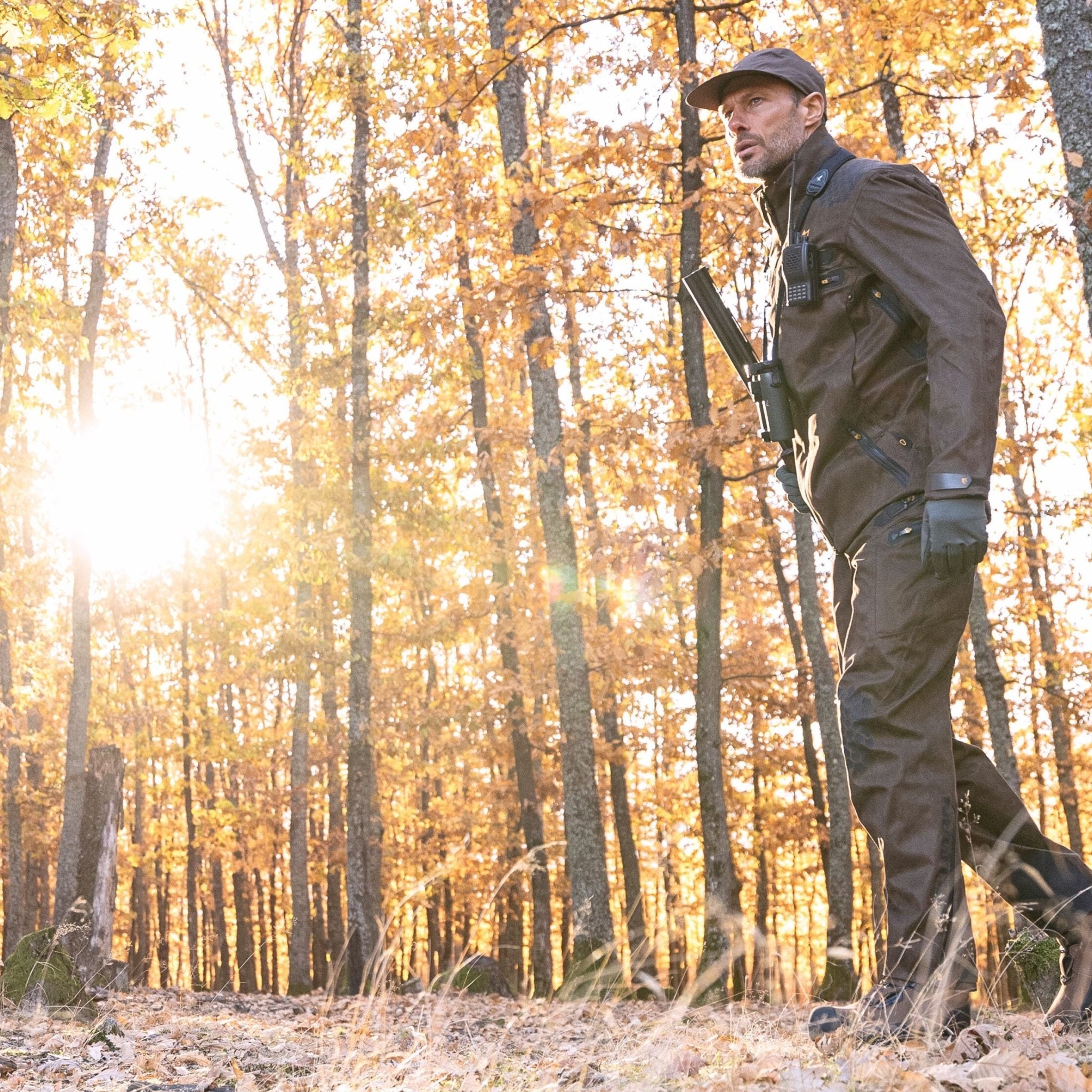
I have spent enough time outdoors to know that a jacket can look right in the shop and still feel completely wrong once the day starts to unfold. That usually happens when the weather stops behaving in a tidy way. You head out in cooler air, maybe just after first light, and it feels like the extra warmth is a good idea. Then you start walking. The ground rises. Your body warms up. The wind shifts. The cloud cover breaks for a while, and that bit of daytime heating changes the whole feel of the morning. A little later, the sky closes again, rain moves in, and suddenly the same jacket has to do a different job.
That is where a lot of people get it wrong. They choose for the first ten minutes, not for the full hunt.
For me, a hunting jacket has never been just another piece of clothing. It sits right at the centre of how the whole day feels. If it blocks wind but traps moisture, I end up damp inside. If it is waterproof but too stiff or noisy, it starts working against me when I need to move quietly. If it feels fine while I stand still but turns heavy and awkward once I start climbing, crossing wet land, or pushing through rough cover, then it is not the right piece of gear, no matter how good it looked on paper.
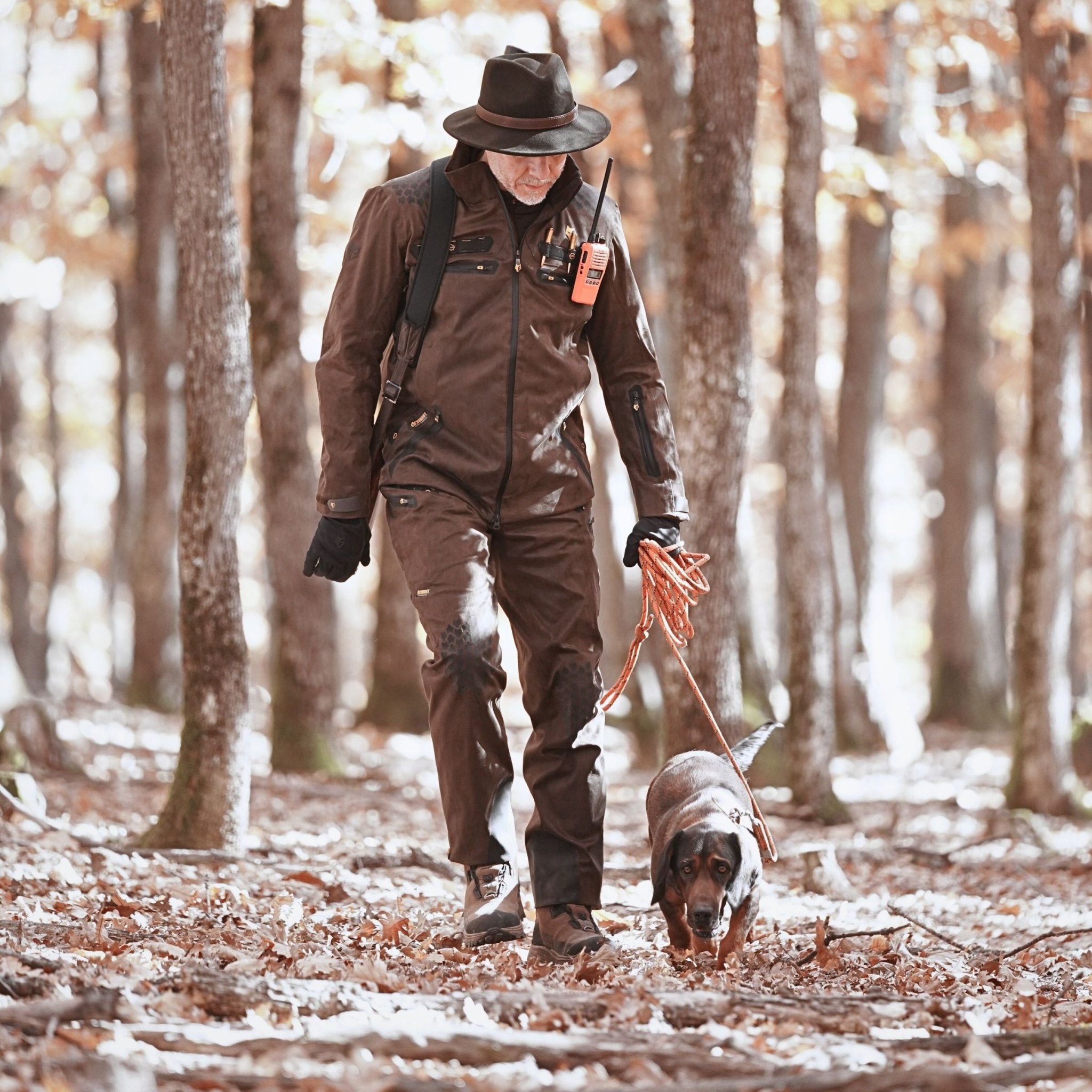
In the UK, that matters even more. The weather here has a way of changing without much ceremony. Forecasts can say one thing, and the sky can give you another. Rainfall can linger. Wind coming off the coast can make mild temperatures feel colder than expected. A day that starts under soft grey clouds can turn brighter for an hour, then fall back into rain, low cloud, and sharp air by the afternoon. I do not choose a jacket for ideal weather. I choose it for the kind of weather that shifts halfway through the hunt and makes weak gear show itself.
That is the standard I use. I want a jacket that still makes sense after several hours, after movement, after rain, after a bit of sweat, after the wind picks up, and after the ground stops being easy. That is where the real difference shows.
How to Choose a Hunting Jacket for Wind

When I think about how to choose a hunting jacket for wind, I do not start with marketing terms. I start with memory. I think about mornings when the air looked harmless enough until I stepped into open ground. I think about standing on exposed land, with the wind finding the wrist, the neck, the waist, every little weak point. I think about how fast warmth leaves the body once moving air gets inside the jacket and starts working under the layers.
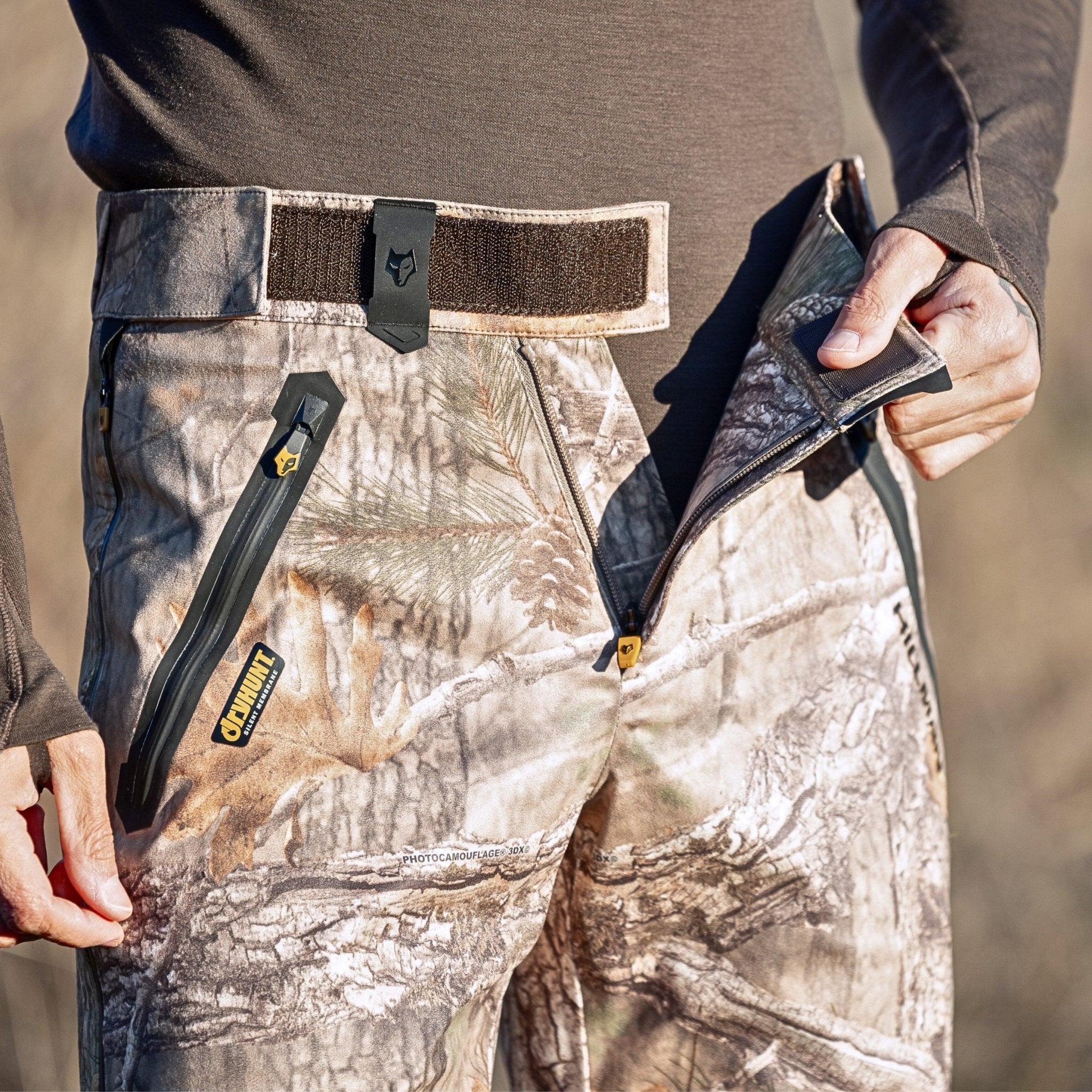
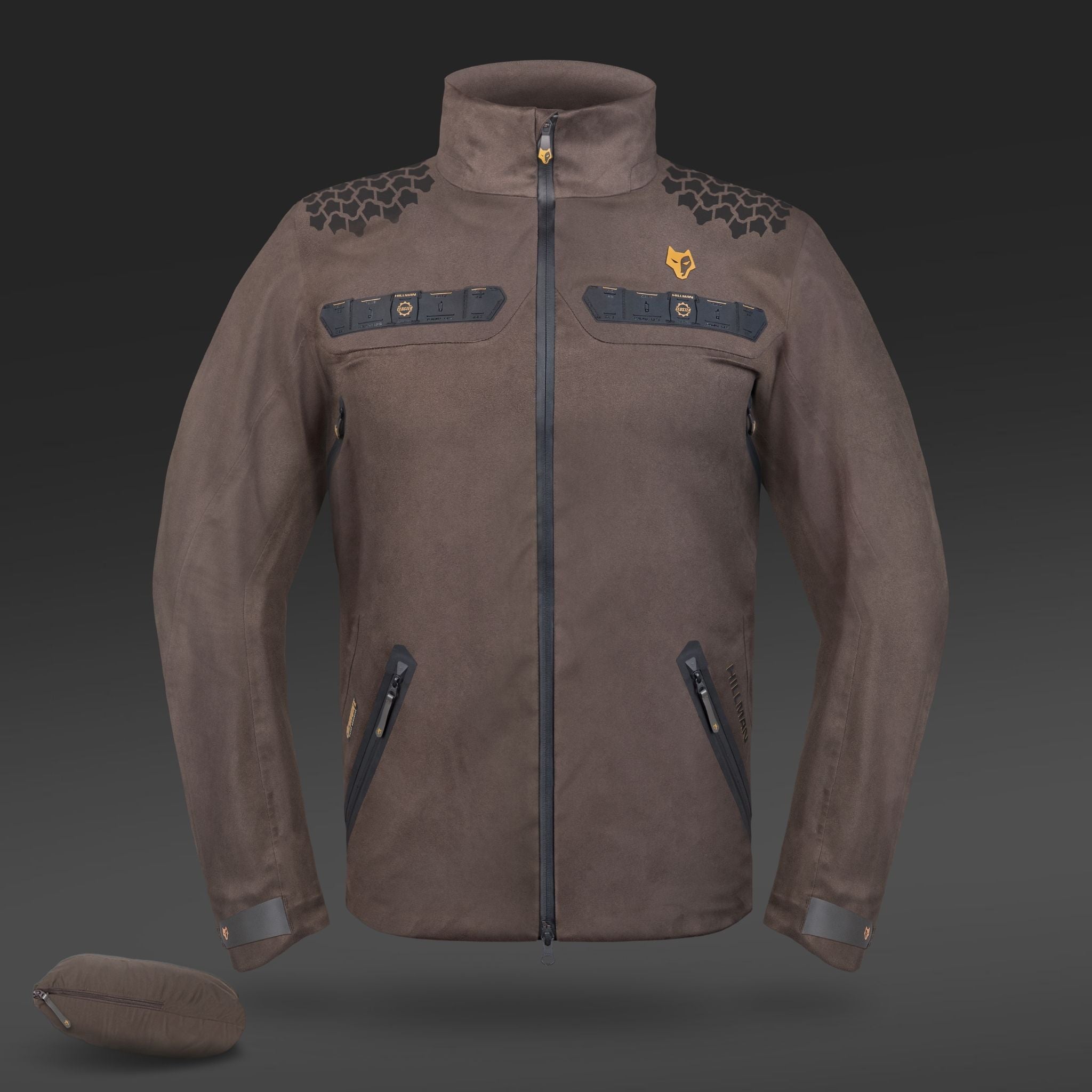
That is why I pay attention to sealing points first. Adjustable cuffs matter more than many hunters think. If they do not close properly, wind creeps straight up the arm. I have felt that often enough to stop treating it like a minor detail. The same goes for the hem. When a jacket seals properly at the waist, it holds warmth better and feels more stable in rough weather. When it does not, the whole thing feels loose, exposed, and never quite settled.
But that is only half of it. I also need the jacket to breathe. I do not want a shell that blocks every bit of air from the outside if it also traps all the moisture from the inside. That is the trap. Some jackets feel impressive because they shut everything out, but once I start walking, climbing, or covering distance, the body generates heat fast. Sweat builds. Moisture sits inside. Then, the moment I slow down or stand still, that dampness starts cooling me from within. I have had days where the jacket technically kept the rain out and still left me uncomfortable because it could not handle the balance between protection and release.
A good shell should shield the body from wind and rain while still allowing heat and moisture to escape. That balance is not a luxury. For me, it is one of the main signs of quality.
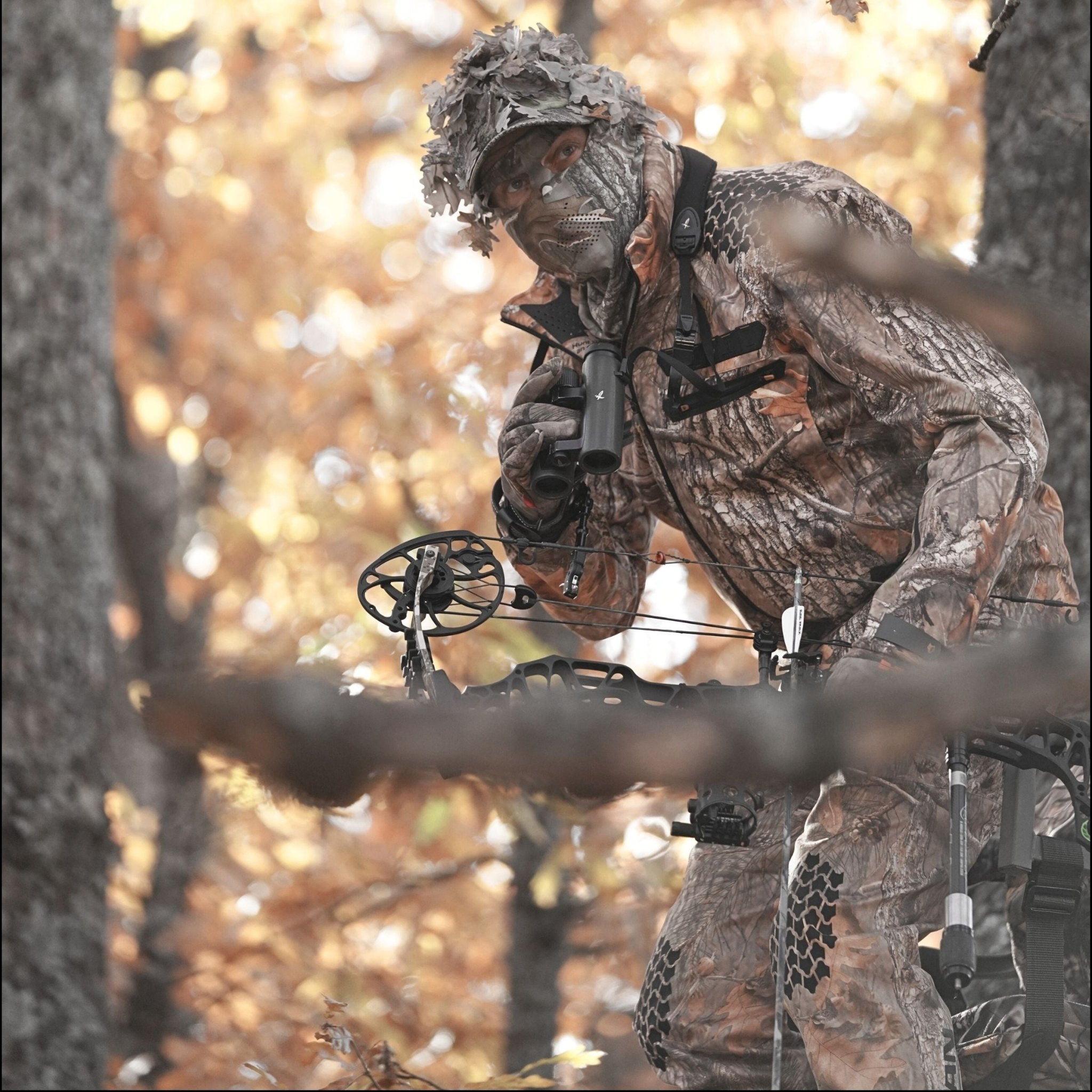
I also care about noise. When I am moving through cover, I do not want hard, harsh fabric scraping and crackling every time I turn my shoulder. Soft, quiet material is a big part of real hunting performance. I want protection, but I do not want to sound like I am wrapped in a tarp.
Hunting Jacket Qualities I Never Ignore

Over time, I have become quite selective about what I look for in a hunting jacket. Not because I enjoy overthinking gear, but because long days outdoors tend to expose every bad decision.
The first thing I look for is waterproof protection that feels real, not theoretical. There is a difference. Plenty of jackets claim to handle wet weather, but real field use is different from a quick shower or a short walk. I want something that stays composed in repeated showers, steady precipitation, and proper heavy rain, especially when the day drags on, and the fabric has no chance to dry out. If dark clouds gather and the sky starts to close, I do not want to wonder whether the outer shell will cope.
At the same time, I do not want a jacket that feels like plastic. Breathability matters too much for that. Once I start moving, especially over mixed terrain, even cold weather can turn warm quickly. The body heats up, moisture starts to rise, and a jacket that cannot vent that internal dampness becomes tiring to wear. I have learned that a jacket must remain breathable enough that moisture from within does not collect. When it does, the problem is not always obvious at first, but after an hour or two, you feel it.
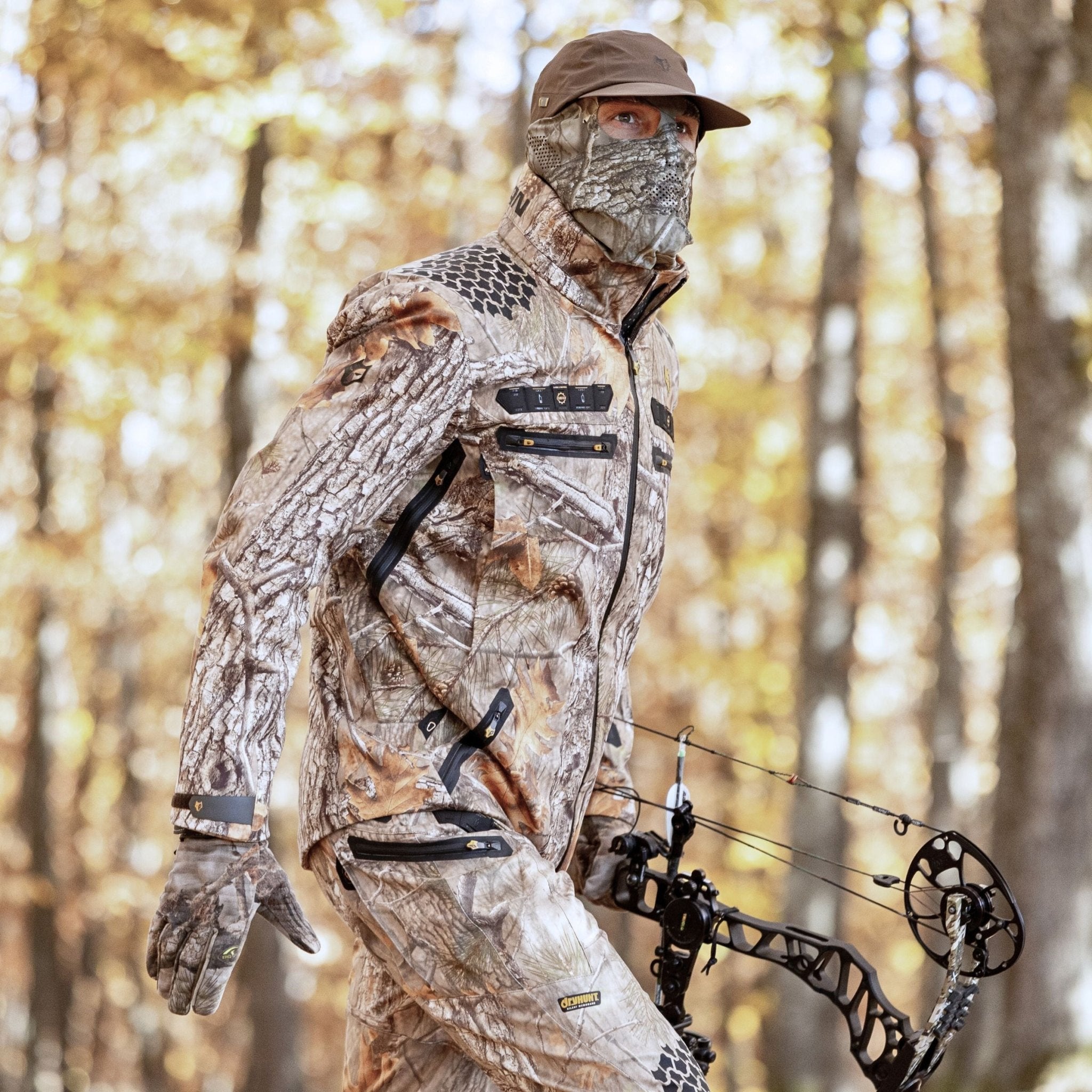
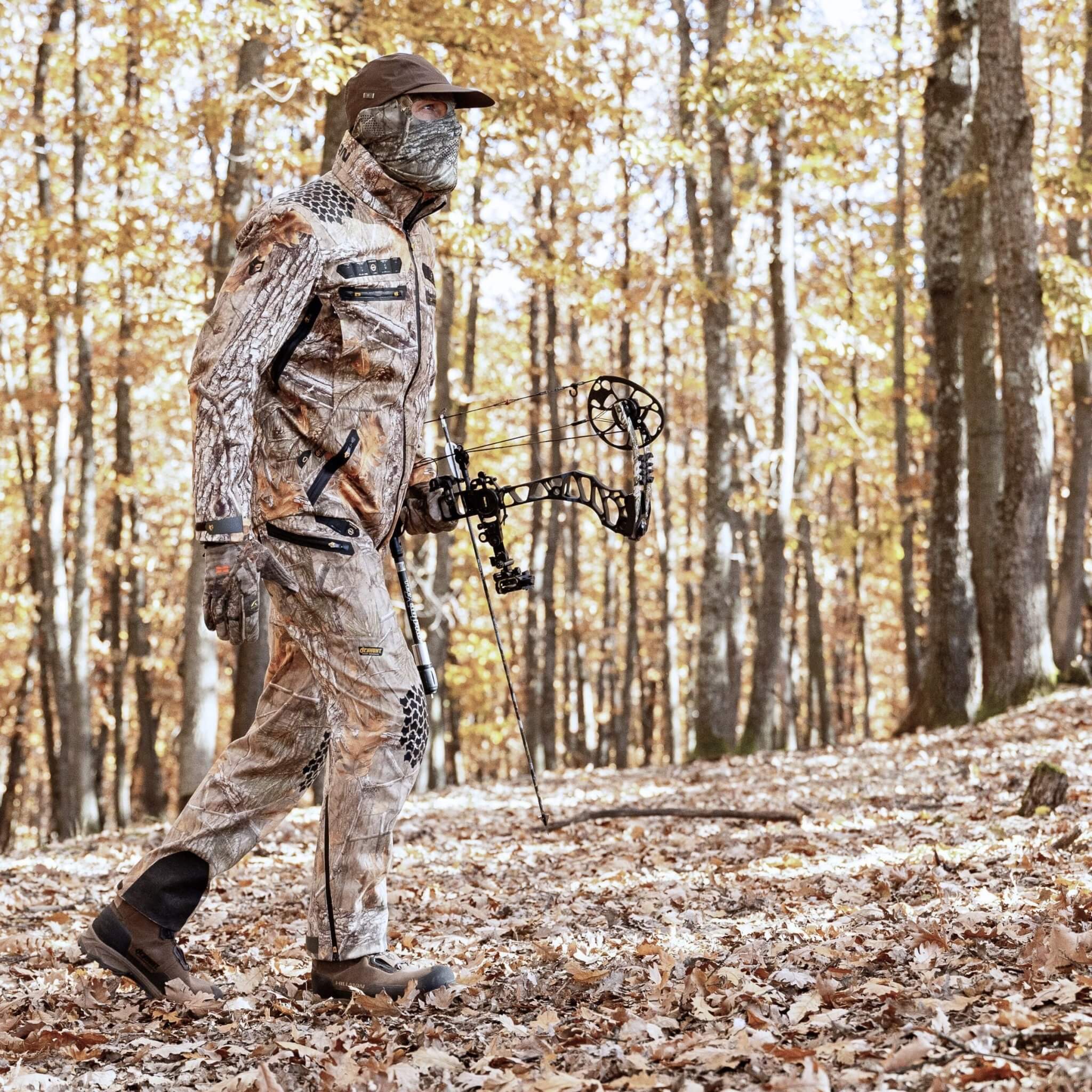
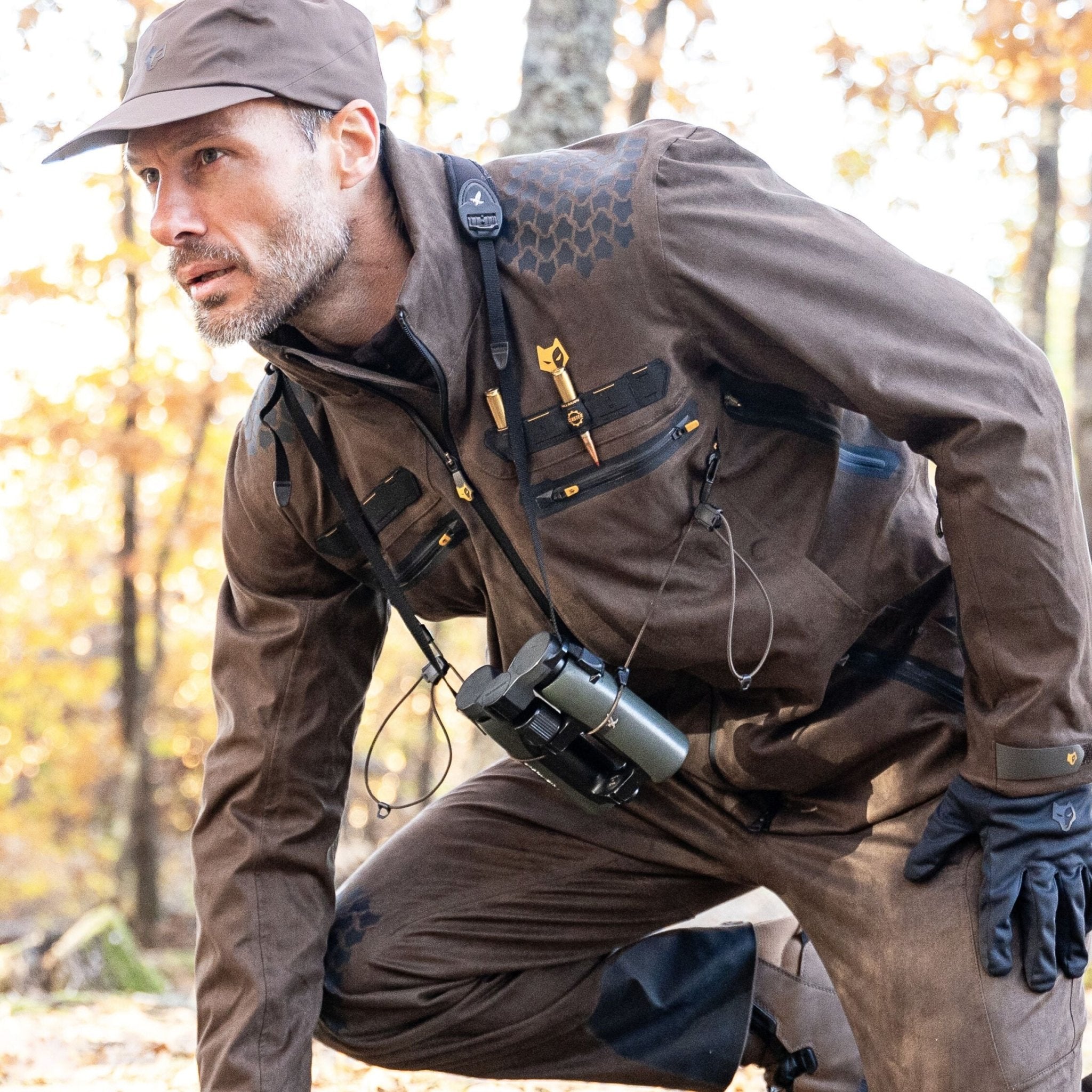
Then there is fit. I do not like bulky jackets that make every movement feel heavier than it should. I also do not want something cut so tight that I cannot wear proper base layers or a fleece underneath. I look for enough room to layer, enough structure to move freely, and enough shape that the jacket still feels tidy when I am carrying a pack, climbing, or shouldering through rough ground. An articulated cut helps. If I hunt across uneven land, around hedges, wet fields, woodland edges, riverbanks, or lower slopes, I want the jacket to move with me rather than fight me.
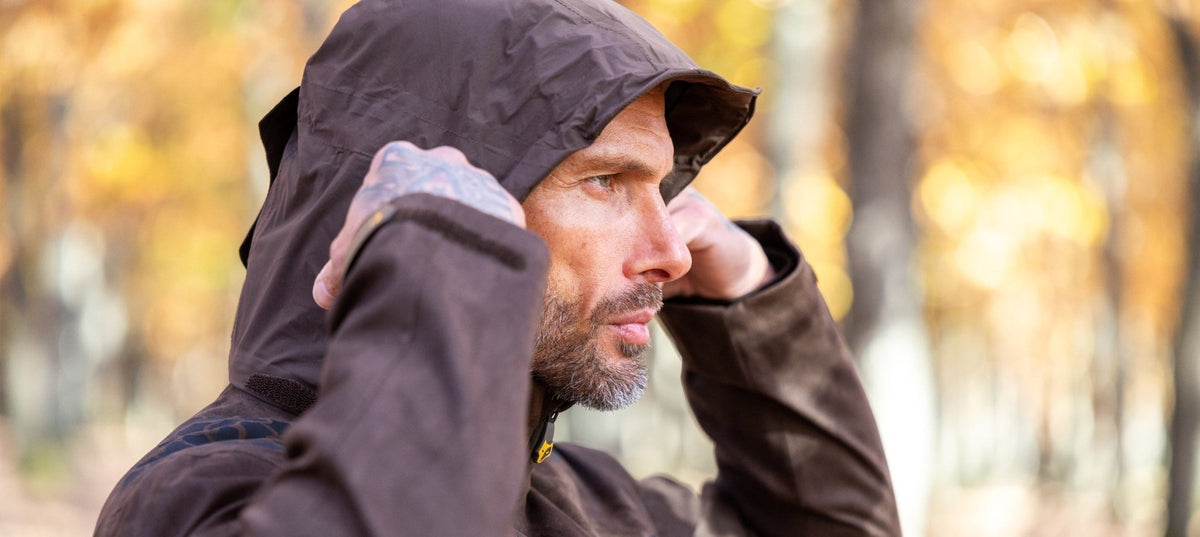
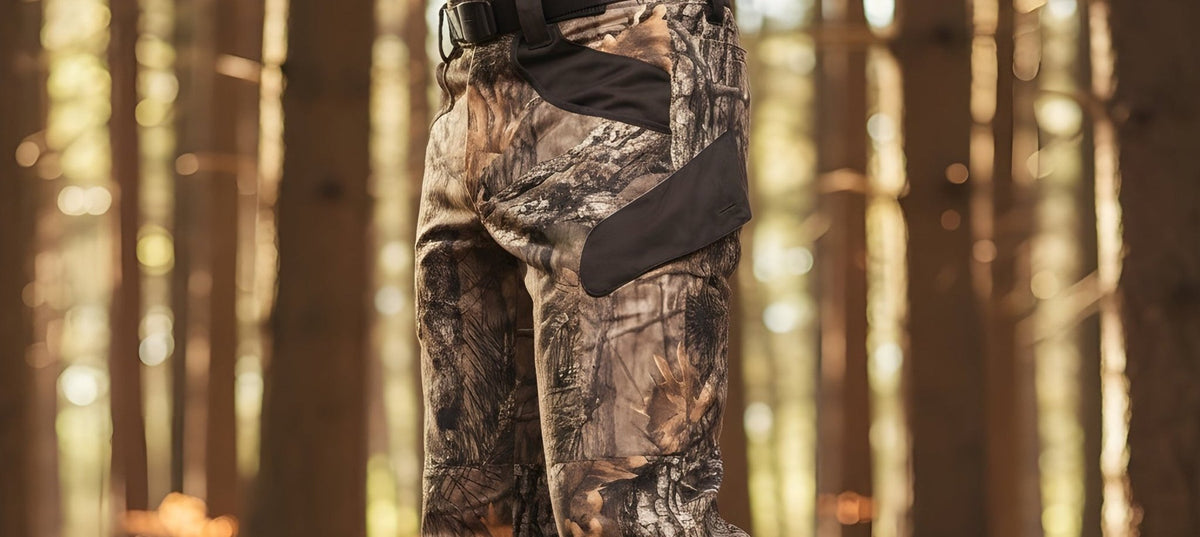
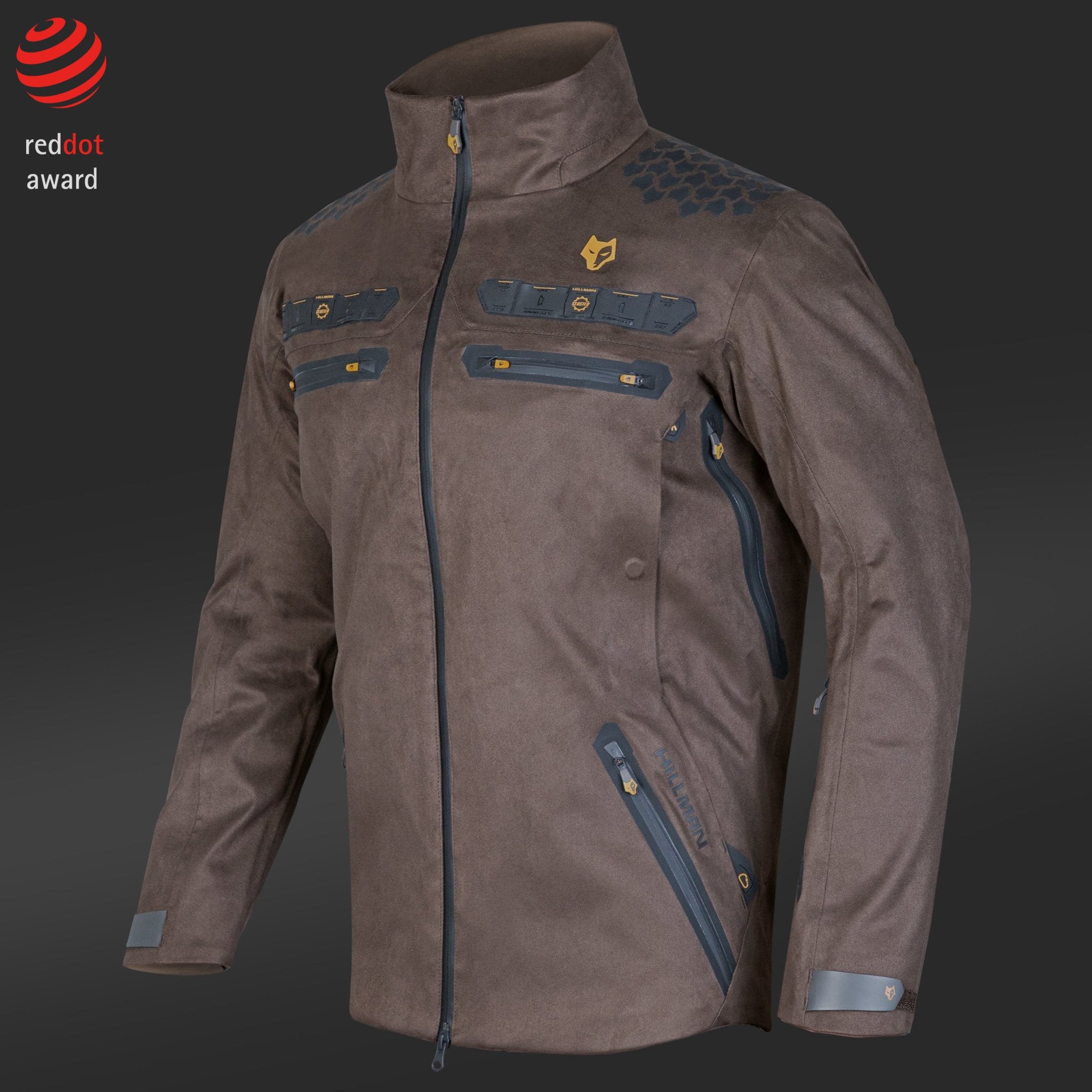
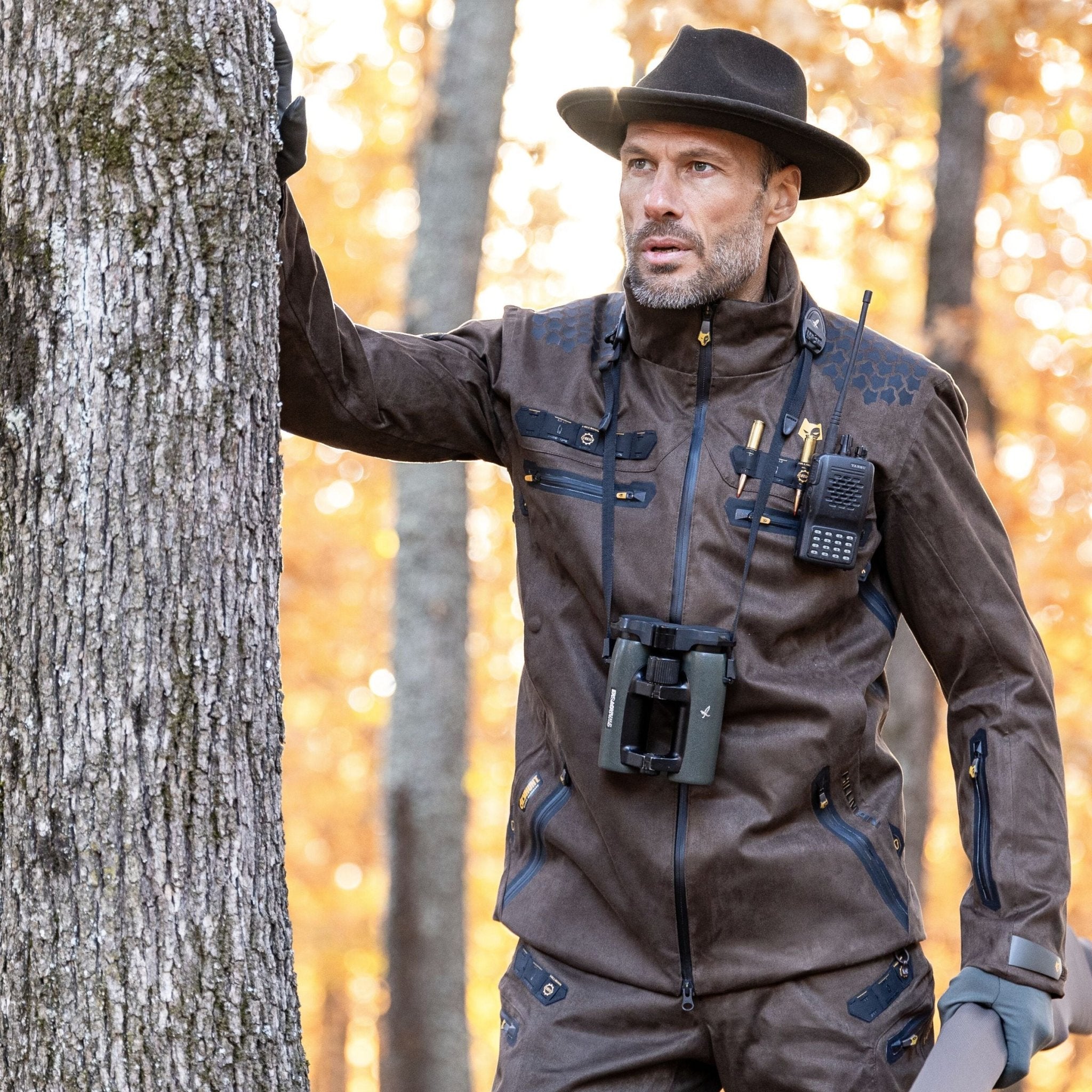
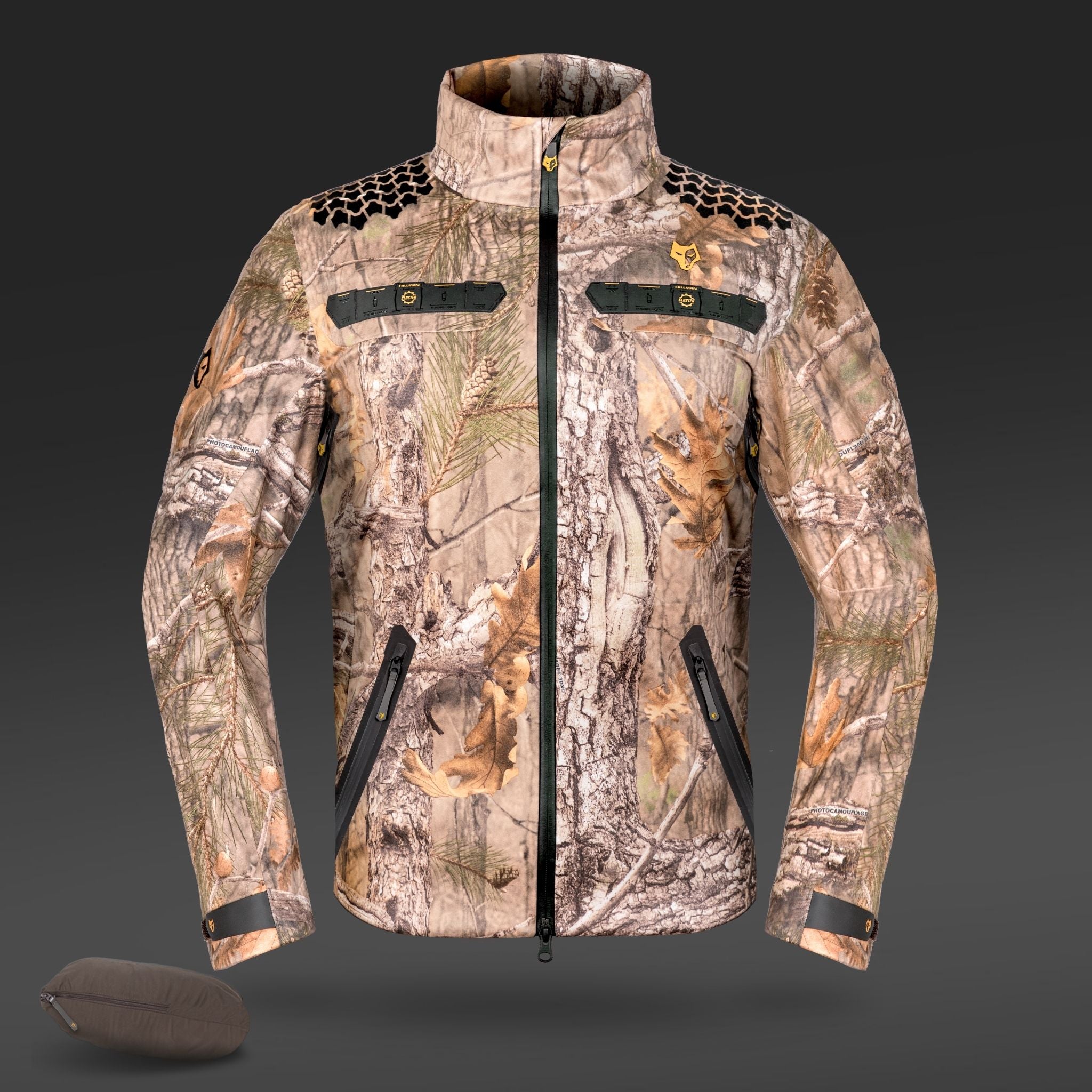
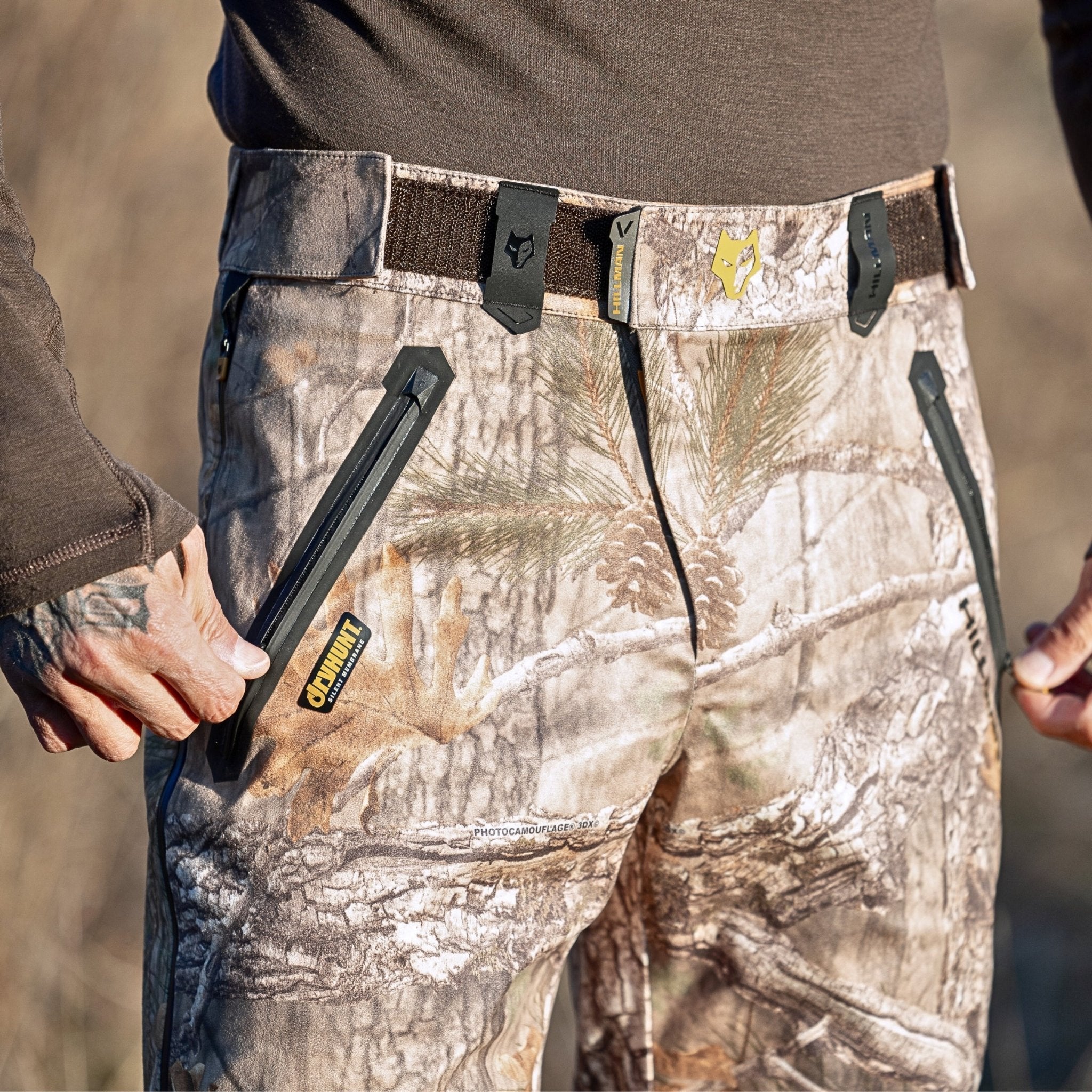
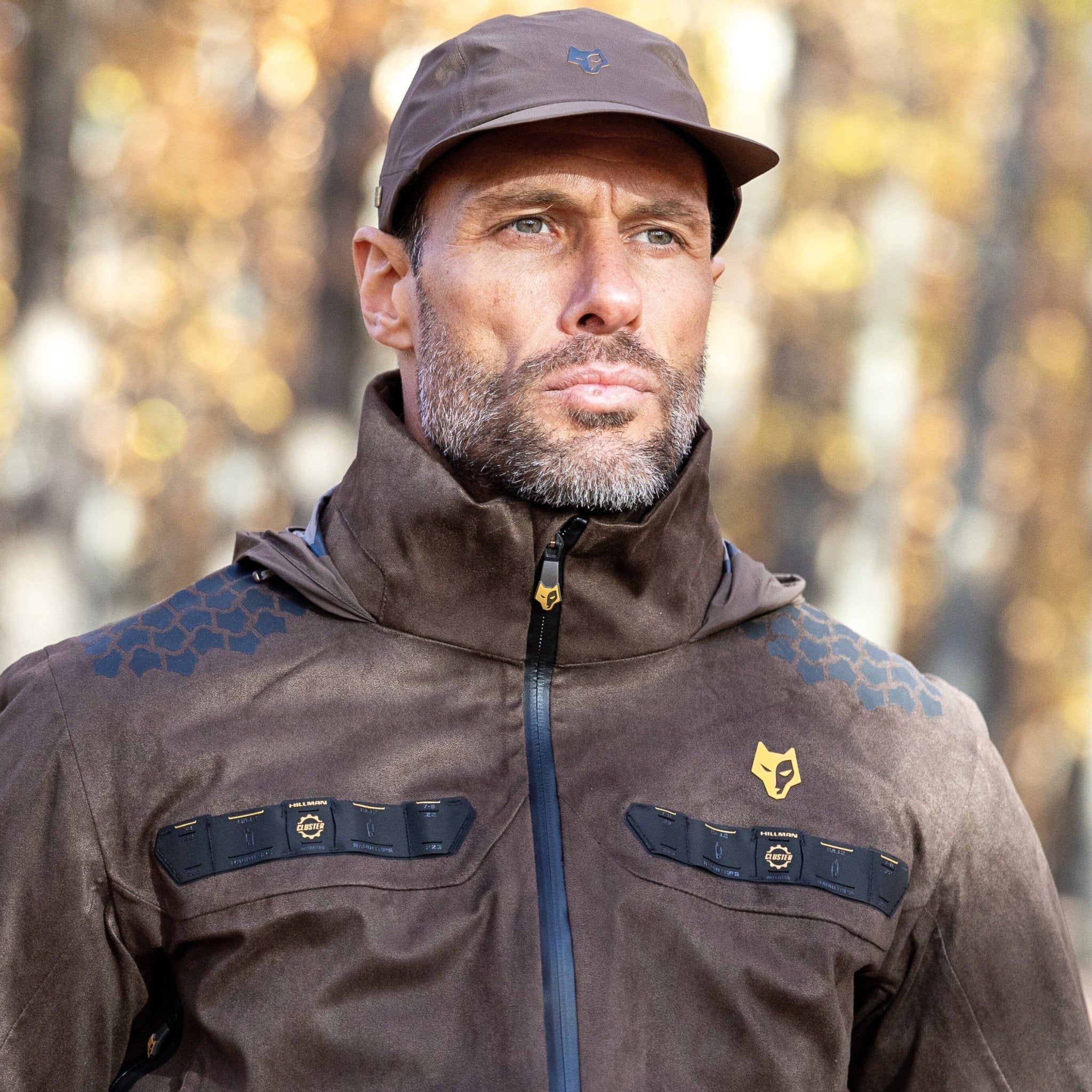
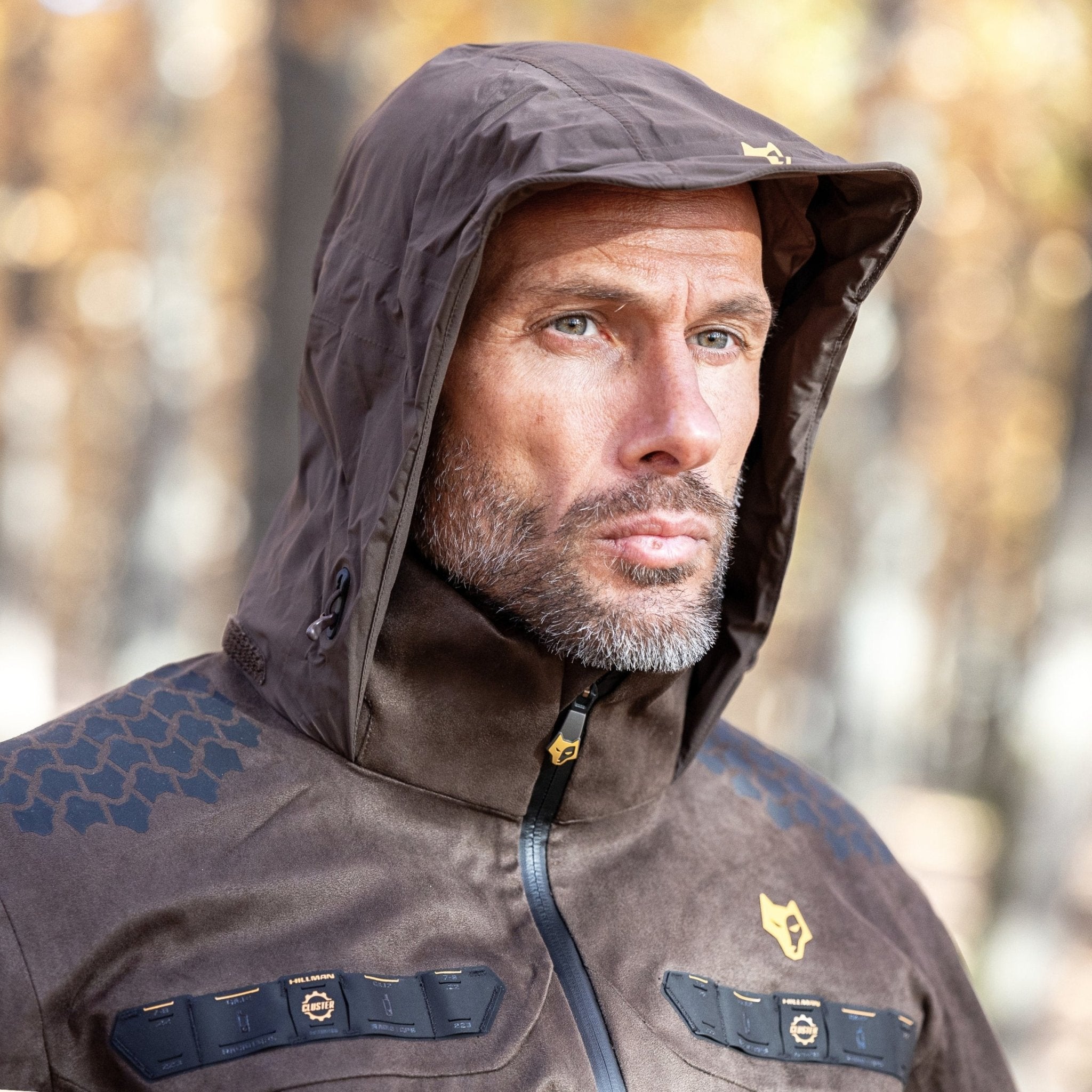
I also notice the working details straight away. A hood can make a huge difference in rainy conditions, but only if it protects without stealing peripheral vision. Zips need to feel solid. Seams need to look dependable. Pockets need to sit where they are useful, not where they interfere with movement. A sensible pocket arrangement matters more than people think. Badly placed pockets get in the way when you bend, kneel, or carry gear. Good ones disappear into the routine of the day.
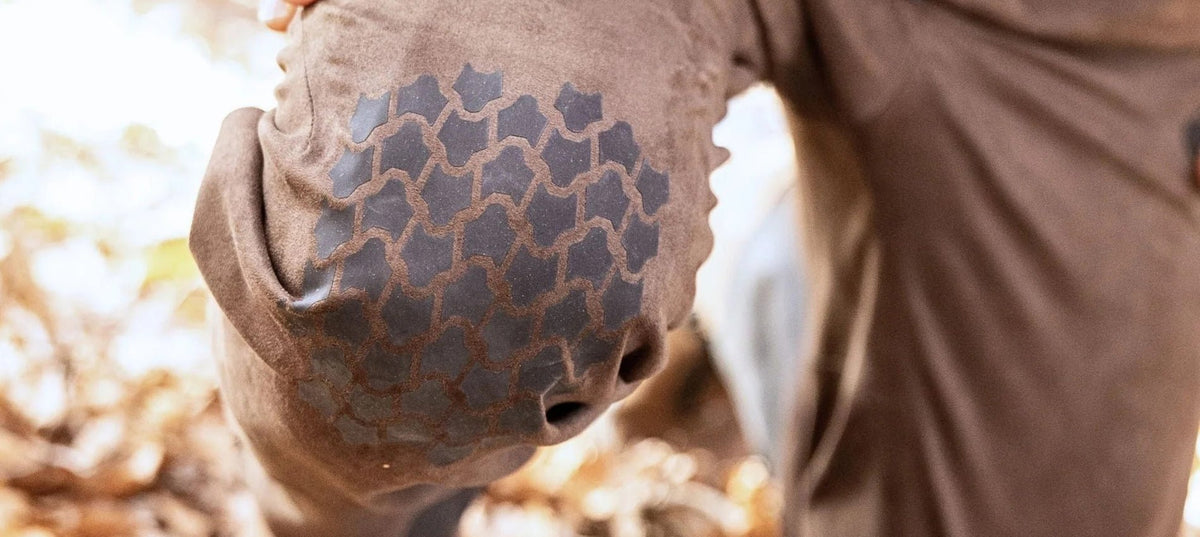
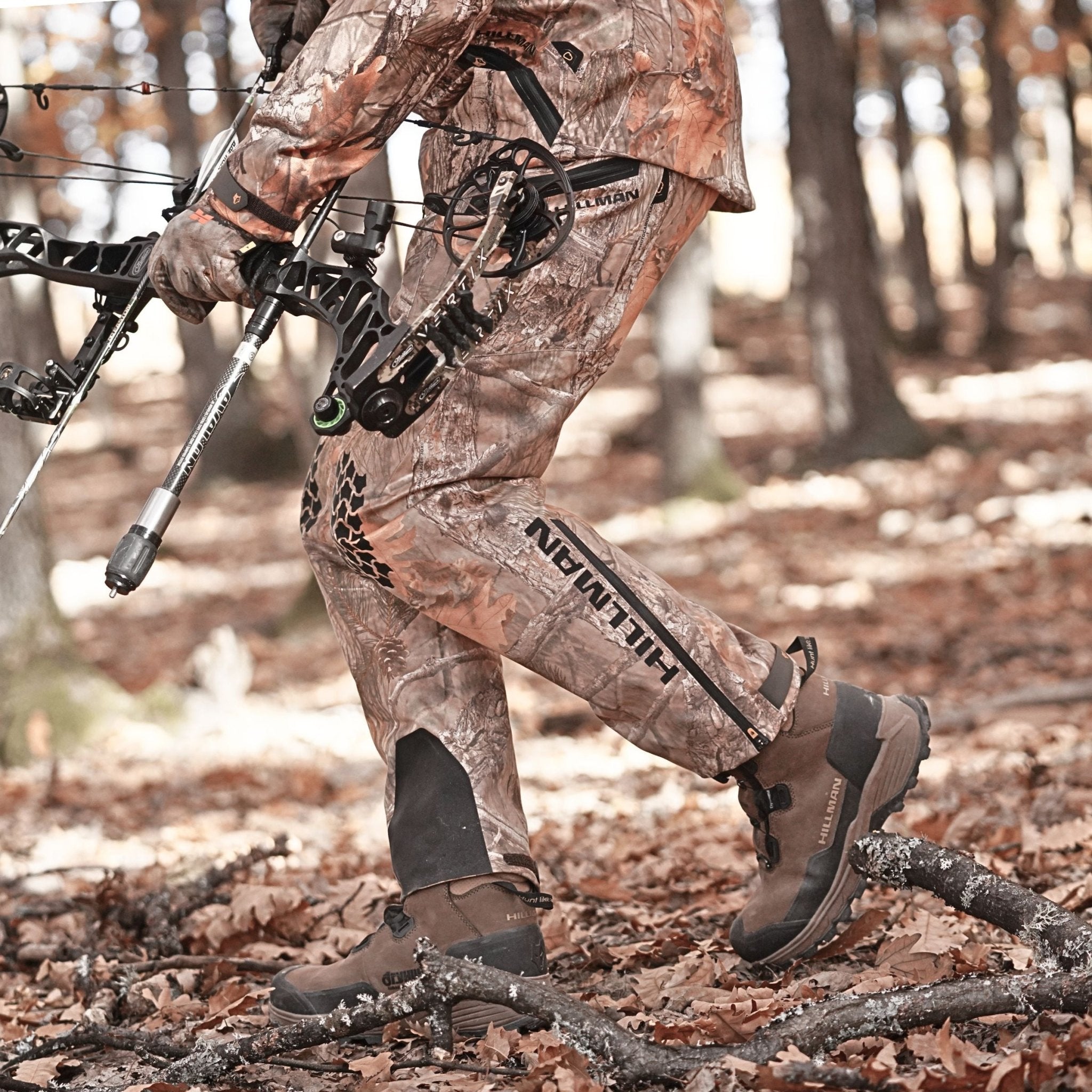
And then there is durability. I want reinforced areas where wear shows up first, usually around the shoulders or elbows. Mud, wet brush, thorns, repeated friction from straps, the constant contact with the world outside, all of that eventually exposes cheap construction. A good jacket should serve for many seasons. That matters to me. I do not want something that feels spent after one hard fall and one rough winter.
Base Layers Make the Jacket Work Better

I have seen a lot of hunters blame the outer jacket for problems that really start underneath. That is why I never talk about jackets in isolation. Good base layers change the whole experience.
What sits against the skin controls moisture first. If that first layer cannot move sweat away from the body, the jacket above it is already fighting a losing battle. Even a well-built waterproof shell will feel worse if the layer under it turns damp and stays damp. I have had enough cold, clammy pauses in the field to take that seriously.
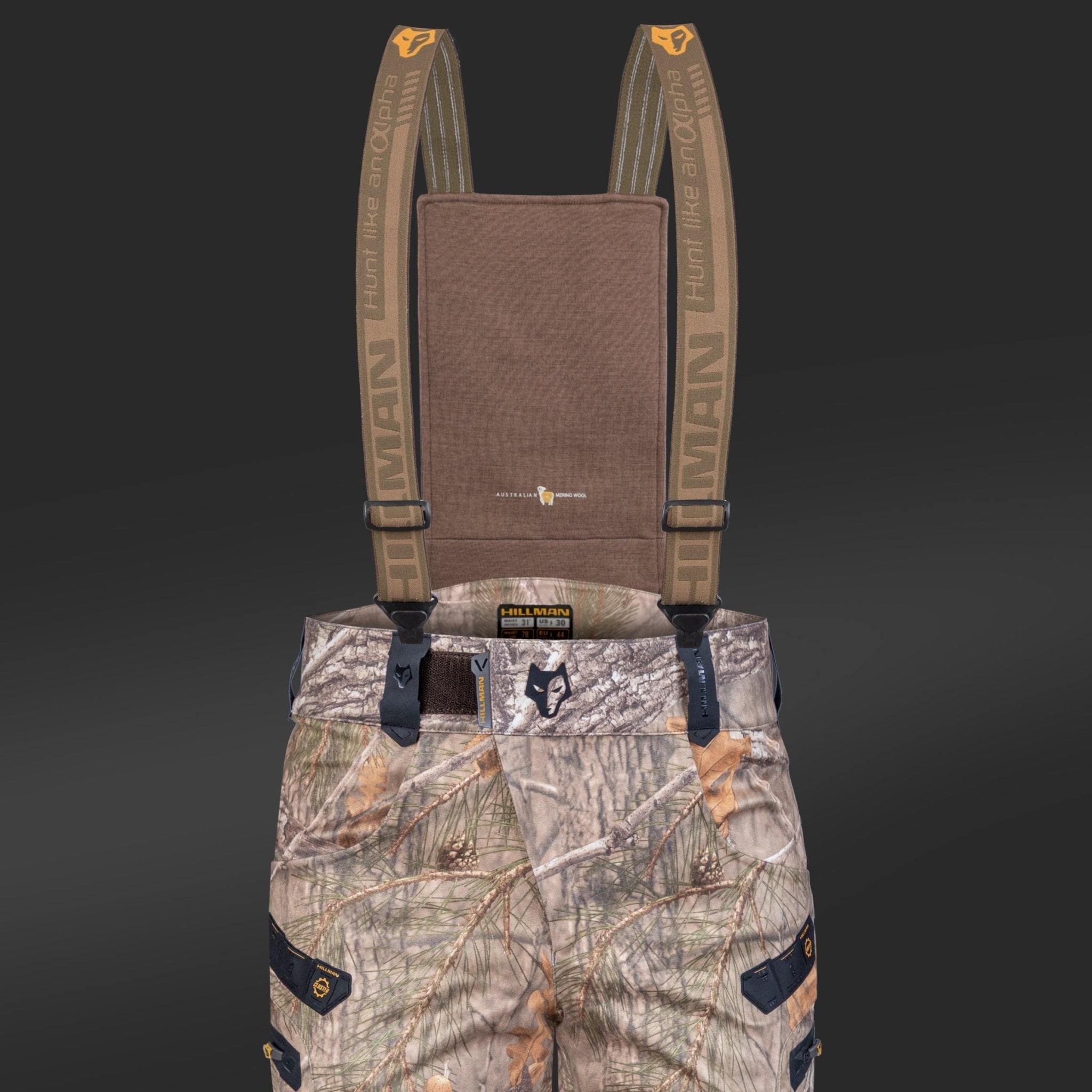
That is one reason I keep coming back to wool, especially merino wool. It gives me warmth without feeling heavy, and it handles changing conditions better than many synthetic layers I have tried. It also stays comfortable across a broad range of temperatures, which matters because the weather does not stay fixed. A morning can begin in cool air, with low cloud and damp ground, then the sun breaks through, the land starts heating, and suddenly the same setup has to deal with more warmth and more movement.
For me, layering is the real answer to variable weather. I want the flexibility to add or remove insulation without breaking the whole system. A fleece mid-layer works well for that. It adds warmth when the day is cold, windy, or wet, but I can adjust it when the pace rises or the weather lifts. That way, the outer jacket can stay focused on its main job, which is protection from wind, rain, and exposure.
The right combination of layers helps me adapt to changing weather without feeling trapped in my own clothing. That matters in spring, fall, and winter, but honestly, it can matter in summer too, depending on where I am hunting and what the morning brings. People talk about seasons as if they are neat categories. Nature rarely behaves that cleanly.
Various Types of Jackets and the One I Reach For

There are various types of hunting jackets, and I would never pretend that one design solves every situation. I look at the day, the ground, the likely pace, the forecast, and the kind of hunt I expect to have.
Soft shell jackets make sense to me when I am moving a lot. They are usually quieter, more flexible, and more comfortable when I am stalking actively or covering distance. If the air is cool, the wind is manageable, and the rain is more on-and-off than relentless, a soft shell can feel just right. It moves well, it stays comfortable, and it does not usually create the same noise as harder outerwear.
But when the forecast points to prolonged wet weather, strong wind, or colder, uglier conditions, I lean towards a proper hard shell. That is where fully waterproof construction starts to matter more. When the sky turns dark, when form clouds start building through the day, when showers begin to look more serious, or when the chance of snow and driving rain enters the picture, I want a dependable barrier. Hard shell jackets are not always the most relaxed to wear, but in proper weather, they earn their place.
I do not usually like relying on a heavily insulated jacket as my only answer, especially when the day involves movement. Too much built-in warmth can become a problem fast. If I am climbing, crossing ground, or covering any real distance, the body generates enough heat on its own. That is why I prefer a layering approach. It gives me better control and usually keeps me more comfortable from one part of the day to the next.
There is no point pretending every hunt asks the same thing from clothing. Standing still over open land is different from moving slowly through woodland. Hunting near the sea or along the coast feels different from hunting inland. Open ground in the north is not the same as sheltered lower country. Conditions around a river can stay damper for longer. Ground closer to the mountains can feel sharper and more exposed, even if the forecast sounds moderate.
That is why I never buy a jacket around one idealised scenario. I choose around the kind of days I actually have.
I Read the Weather Properly Before I Choose

I have learned not to look at forecasts in a lazy way. Temperature alone tells me very little. I want the fuller picture. I check wind, rainfall, expected precipitation, cloud cover, and how the afternoon is likely to develop. I want to know whether there is a chance of heavier showers, whether brighter spells might give way to instability, whether thunderstorms are a possibility, and whether the air is likely to stay damp even without much obvious rain.
That matters because the sky changes the day as much as the temperature does. When the sun gets through and the ground starts warming, air can begin to rise. That process can help form clouds later on, especially when there is enough moisture in the atmosphere. A clear enough start can turn into a greyer, wetter afternoon. I have watched that happen more times than I can count.
In the UK, I also think about geography. Weather near the coast often carries more dampness. Conditions near sea level can feel mild on paper, but still leave you chilled when the wind gets involved. In exposed areas, especially where systems move in off the Atlantic under the jet stream, the difference between what is forecast and what is felt on the ground can be surprisingly sharp. I do not need a meteorology lecture before a hunt, but I do want enough detail to choose gear intelligently.
If I know I may be out all day, I plan for the range, not the average. I ask myself what happens if the brighter part of the morning disappears, if the cloud cover thickens, if the wind turns, if the ground stays wet, if what looked manageable becomes a genuinely uncomfortable day. A good jacket should cover that difference.
What Actually Feels Good After a Long Day Outdoors

For me, comfort is not about softness in the shop. It is about what I still think of the jacket at the end of the day. That is the real test.
If I have been outdoors for hours, I notice everything. I noticed whether the cuffs kept sealing. I noticed whether the fabric stayed quiet. I notice whether the shoulders sit well under a pack. I notice whether the hood helped or irritated me. I notice whether dampness builds up inside during movement. I notice whether the jacket kept me warm while standing still without cooking me while walking.
That is why I care so much about balance. I want waterproof and windproof protection, but I also want breathability. I want warmth, but not the kind that turns into overheating as soon as I start moving. I want durability, but not at the cost of comfort or noise. I want a jacket that protects me from the weather without making me feel wrapped in something stiff and lifeless.
A good hunting day is rarely static. I may be walking, standing, crouching, glassing, crossing wet grass, pushing through brush, climbing a little, then stopping again. My clothing has to keep up with all of that. It needs to support movement. It needs to handle wet conditions. It needs to stay usable when the sky changes and when the hunt stops being tidy.
That is one reason I value well-made gear so highly. I would rather choose carefully once than keep replacing disappointing clothing. A serious jacket should not feel like a short-term fix. It should feel like something I can trust through repeated seasons, through changing forecasts, through difficult mornings, and through those long days when the weather never fully settles.
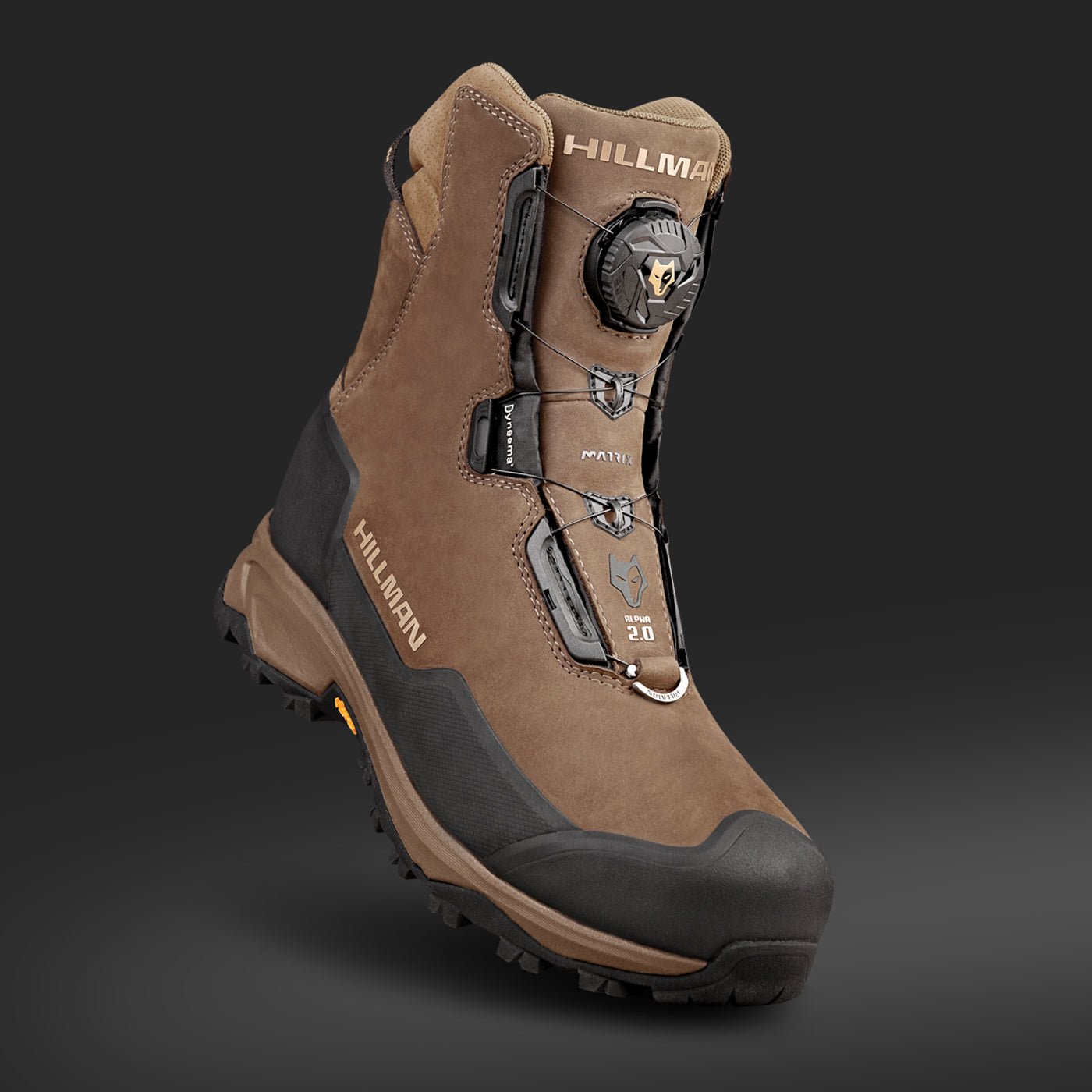
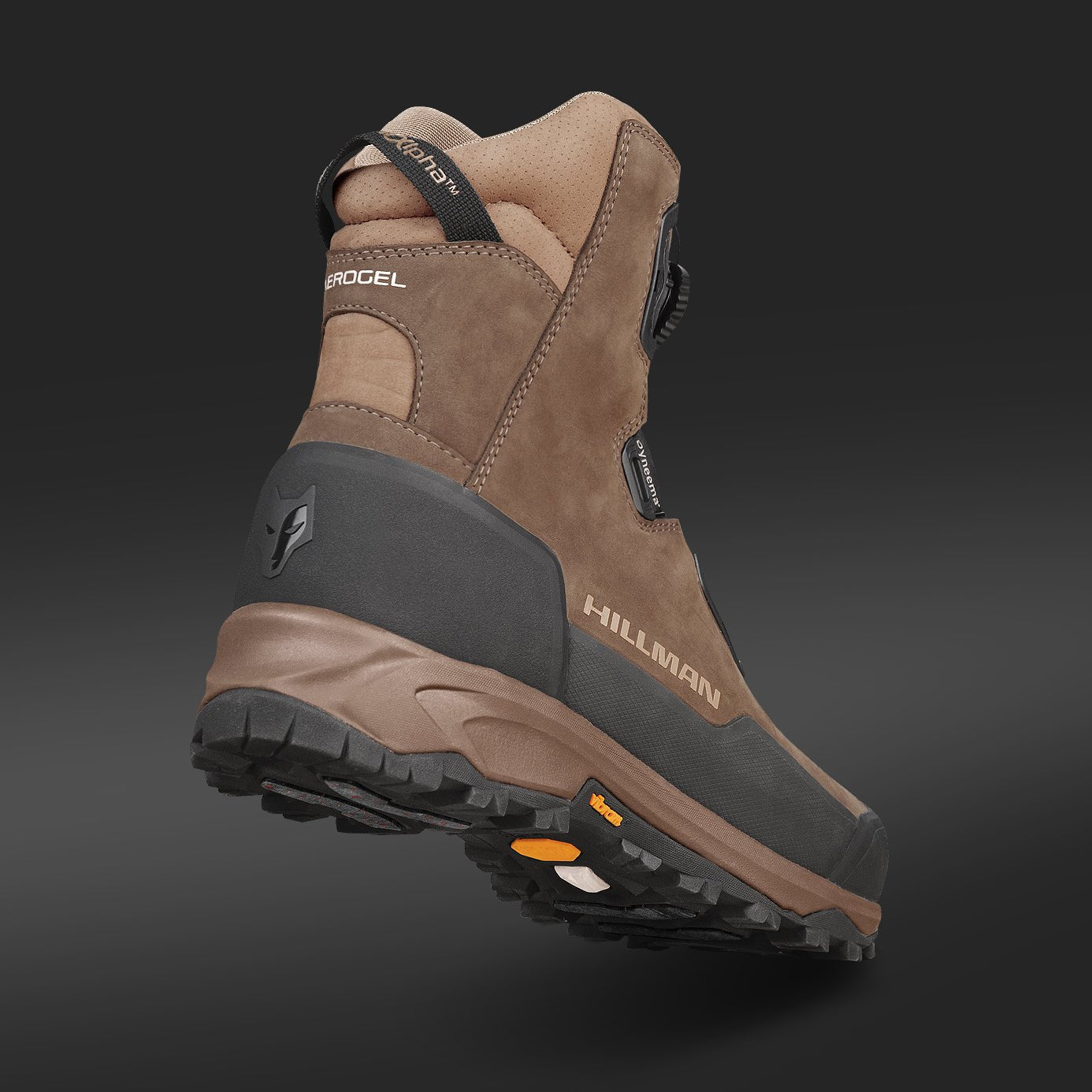
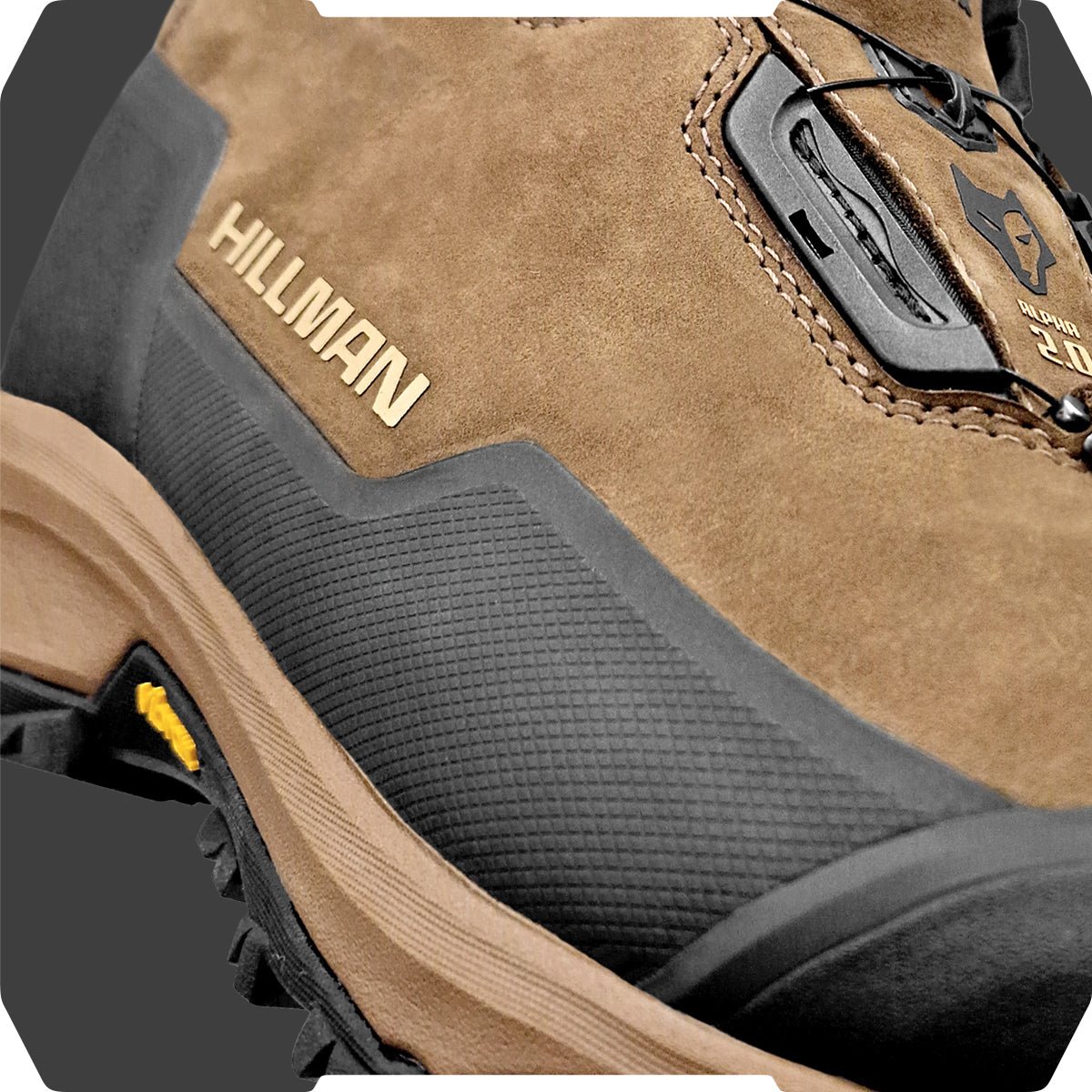
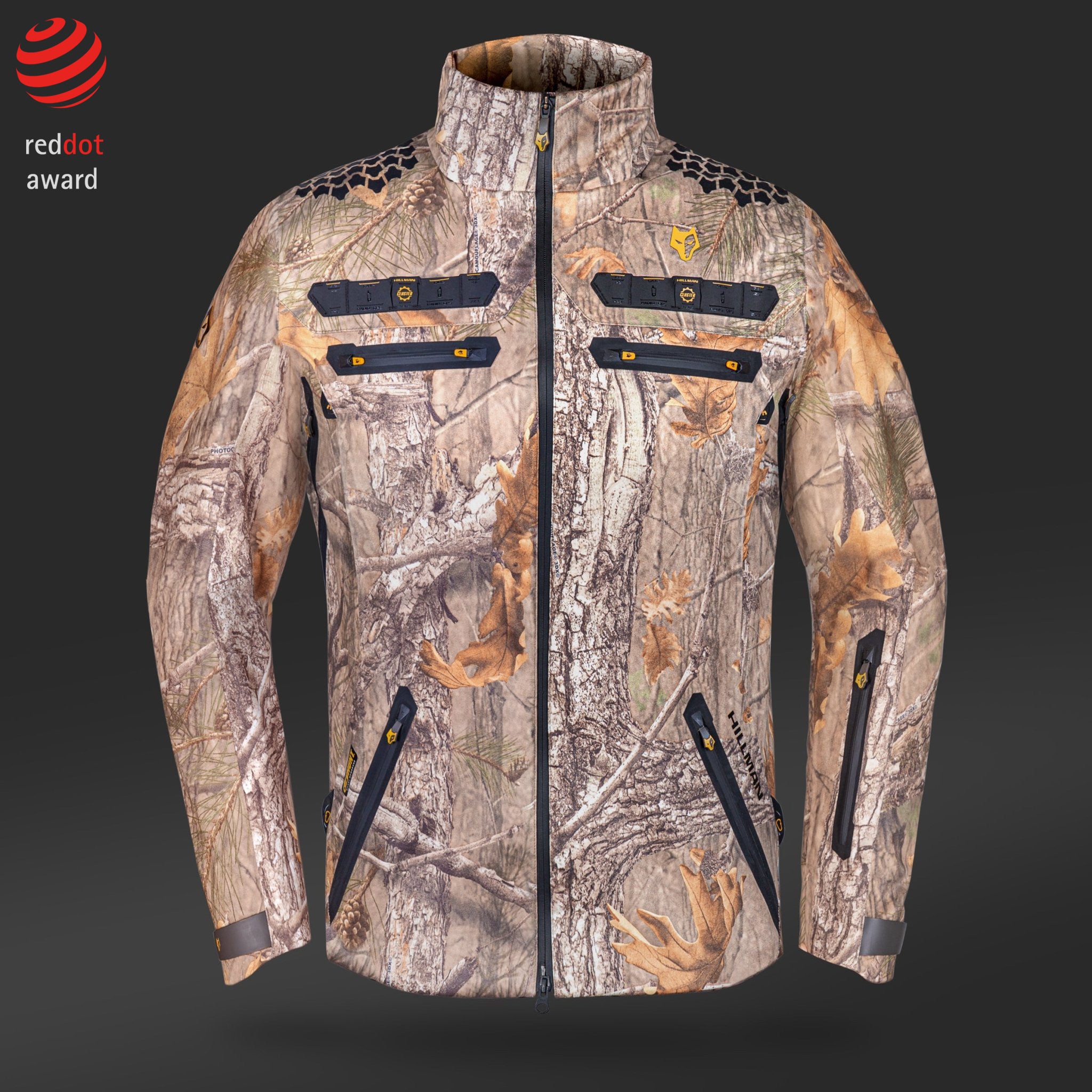
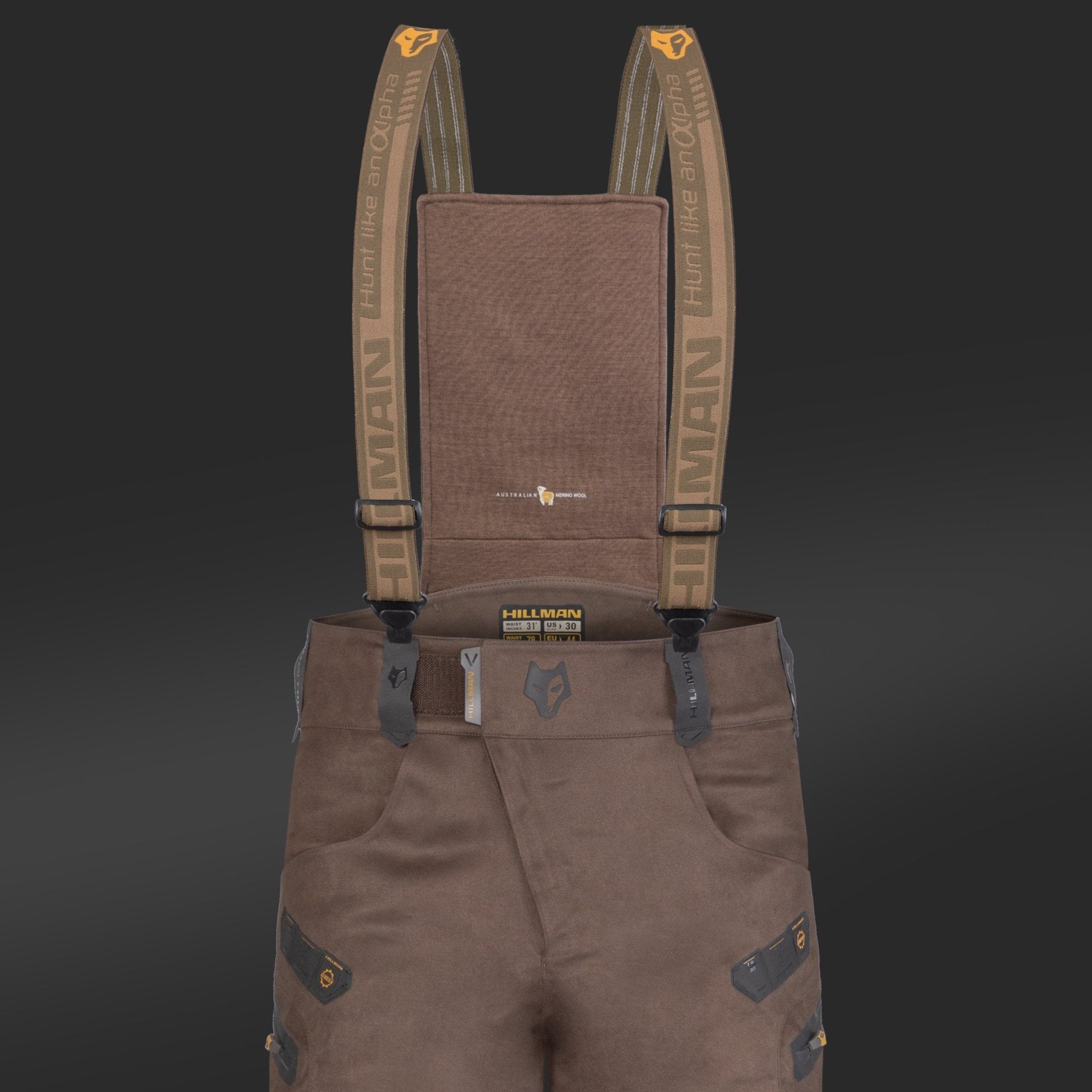
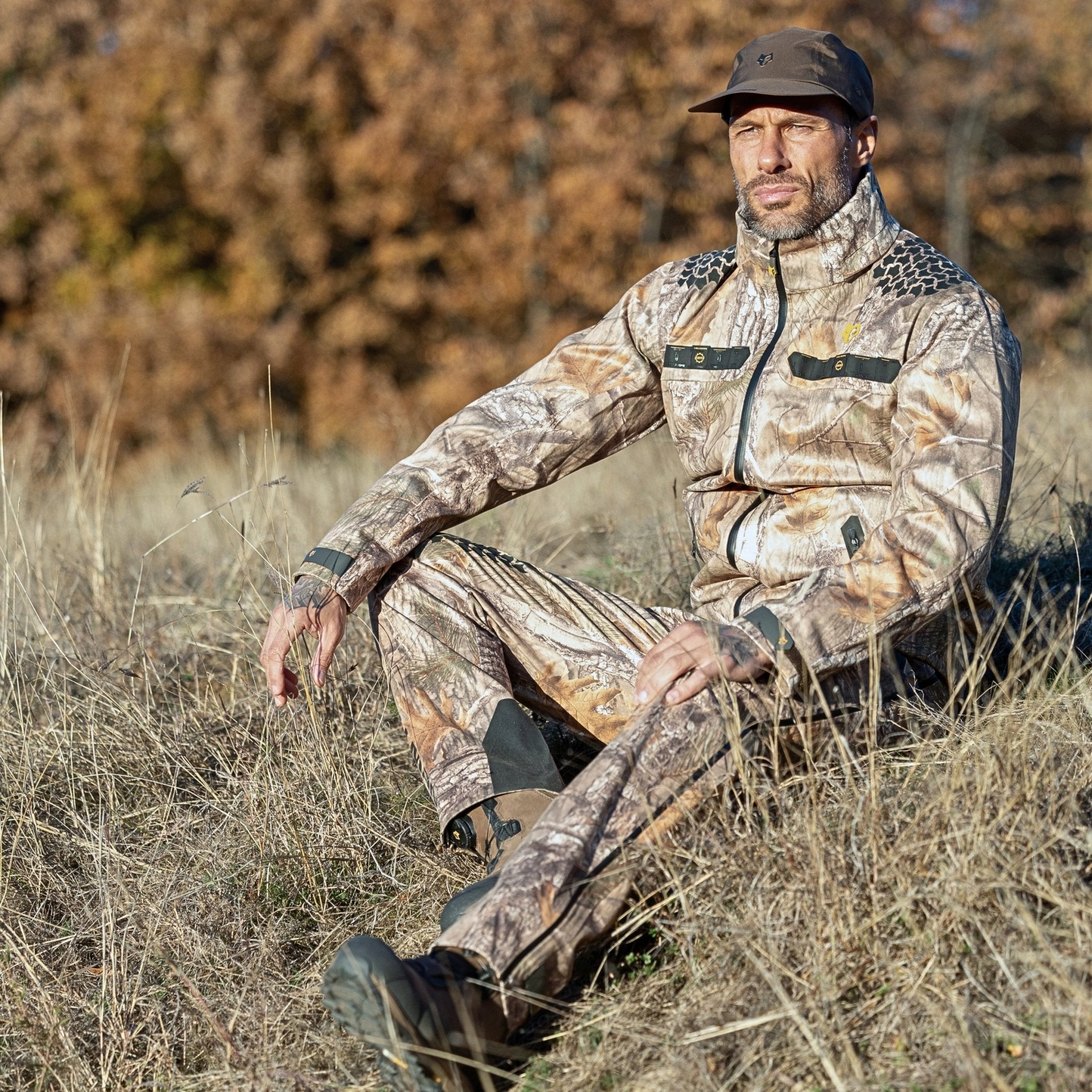
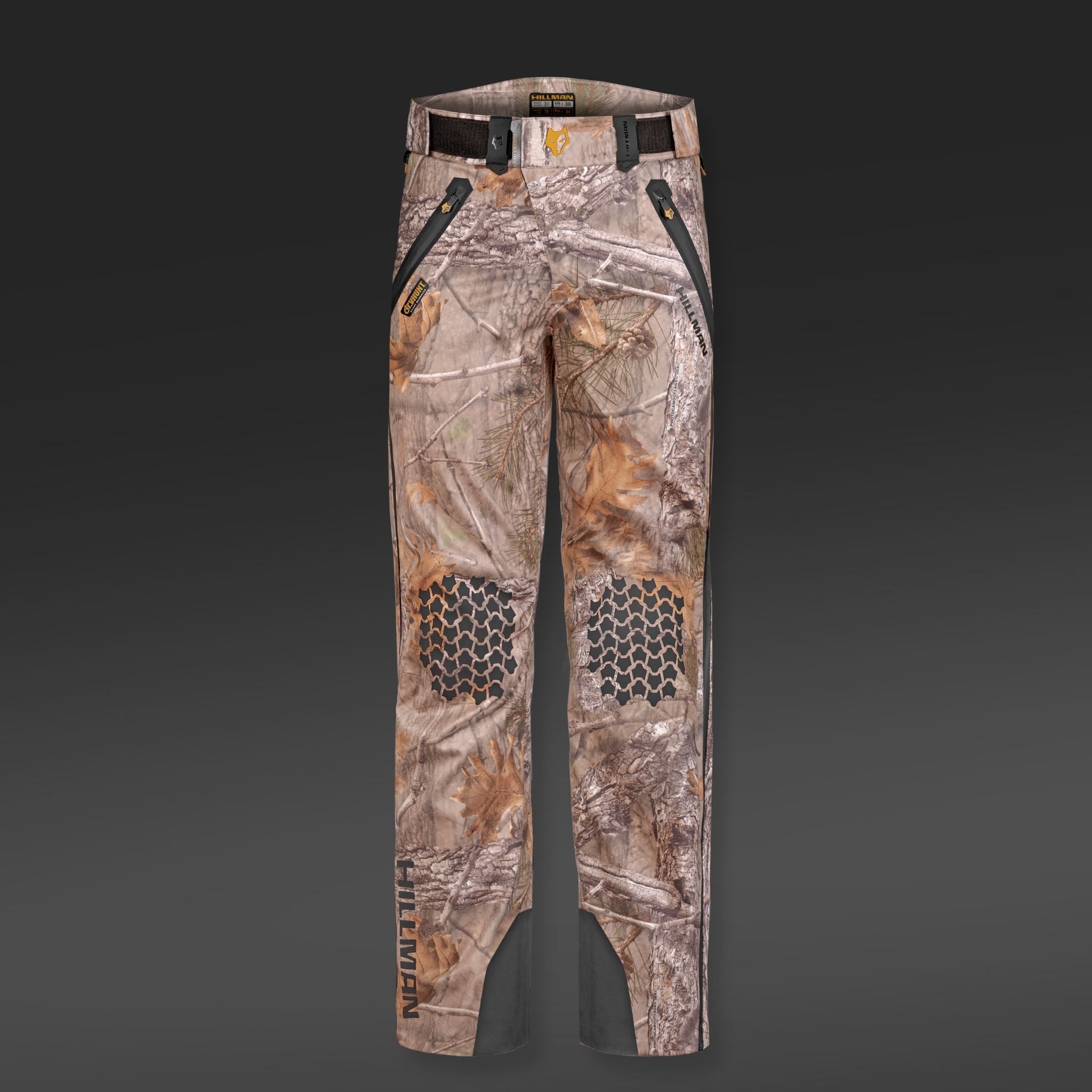
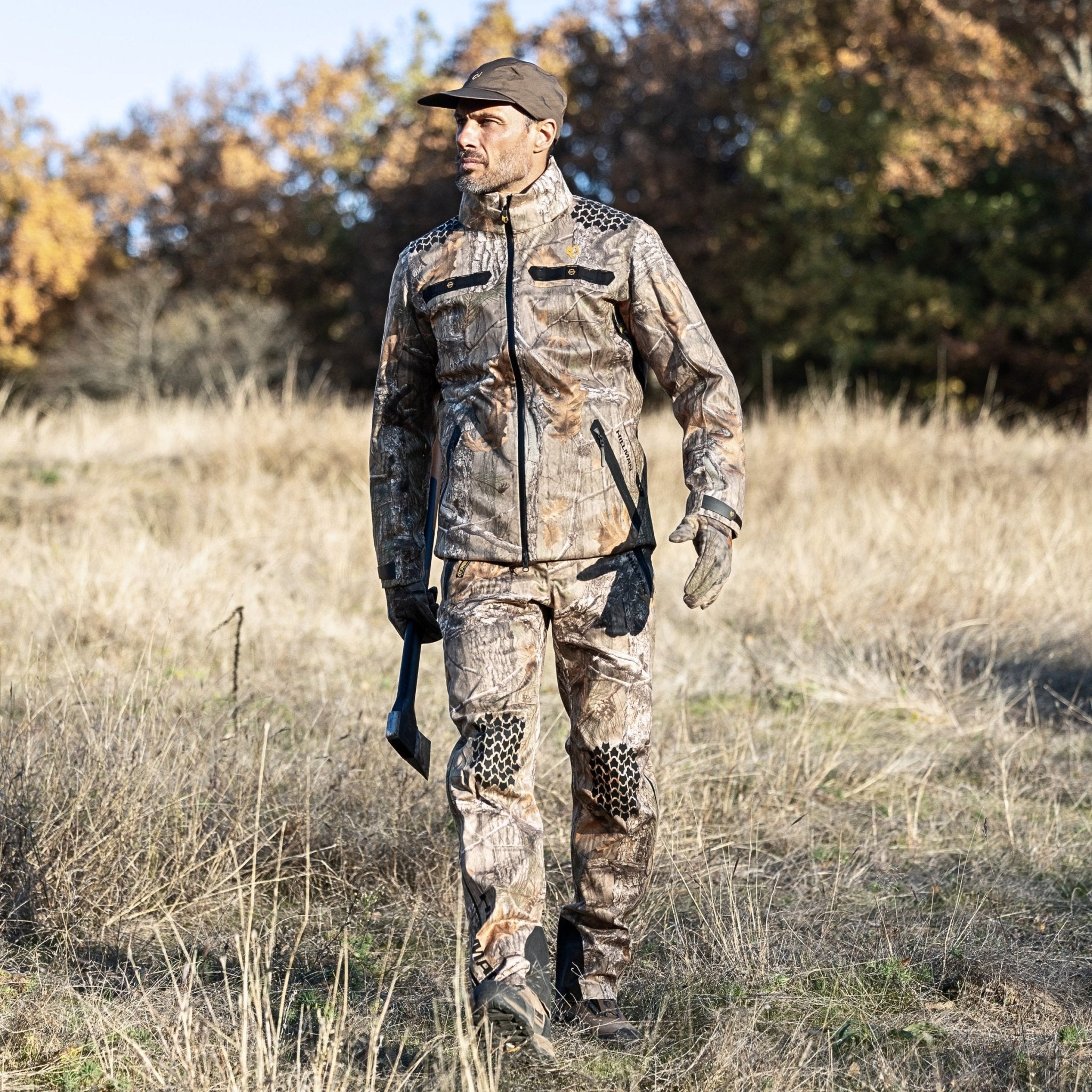
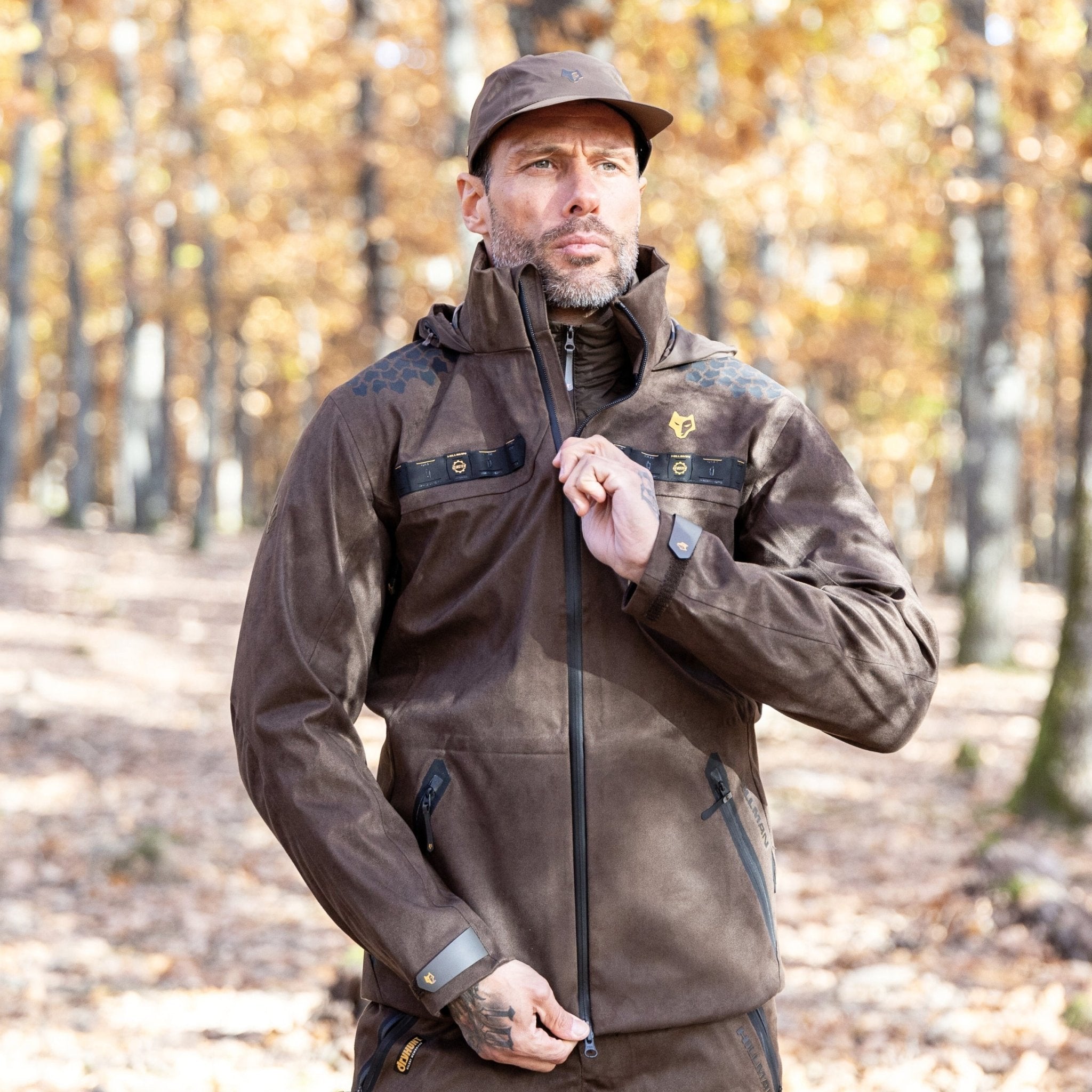
That is also why I only need to mention Hillman once here. If a jacket is built with the right priorities in mind, that matters more to me than noise around branding. What I look for is simple in principle, even if it takes experience to judge properly. I want real waterproof protection, proper breathability, quiet fabric, dependable cuffs and hems, room for layers, useful pockets, a hood that works, and enough quality that the jacket still earns its place year after year.
That is how I choose.
Not by asking whether a jacket sounds impressive. By asking whether I would still want to be wearing it late in the afternoon, after wind, after rain, after wet ground, after the temperature shifts, after the easy part of the day is long gone. That is usually the point where good gear separates itself from the rest.


Share:
How to Layer for Deer Stalking Without Overheating?
Wide Fit Hunting Boots: Find Comfort Without Losing Stability