
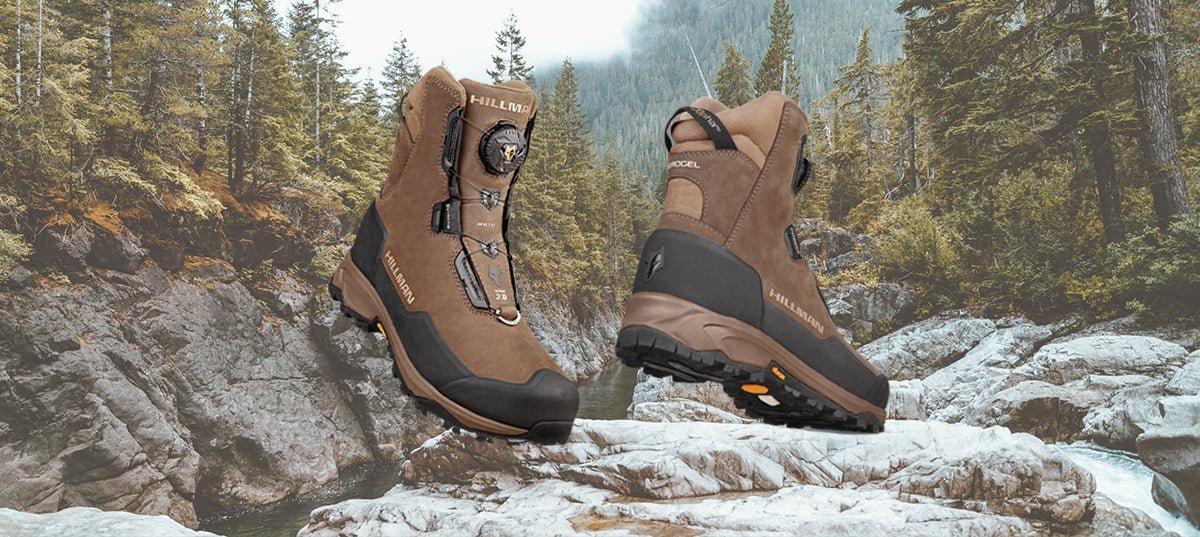
Wide Fit Hunting Boots: How to Find Comfort Without Losing Stability

Find wide fit hunting boots that keep feet warm, stay stable on uneven terrain, and deliver proper fit, ankle support, and comfort on long hunts.
Most people hear wide fit hunting boots and think one thing: more space. That is part of it, sure, but not really the whole problem.
What you are actually trying to sort out is whether the boot gives your foot enough room without turning loose and annoying you once you are properly out in the field. That is where it usually goes wrong. Someone tries on a wide pair, feels that nice bit of relief across the front, buys them, and only later realises the heel is moving, the foot is sliding, and the comfort they thought they had was mostly shop comfort.
Why Wide Fit Matters More Than Most Hunters Think?

That kind of fit does not hold up well on real ground. Long distances make it obvious. So do side slopes, cold starts, wet grass, steep climbs, and any trail that is not flat and easy. A boot can feel soft and pleasant for ten minutes indoors, then become hard work a few hours later.
What you want is a room where your foot naturally needs it, mostly across the forefoot and toes, while the rest of the boot still feels controlled. Not tight. Not sloppy either. Somewhere in that middle ground is where the boot starts making sense. For people with wider feet, that balance can make all the difference once the miles start stacking up.
Proper Fit Comes Before Materials, Insulation, or Style

People get distracted by features too quickly. Leather, waterproof membrane, insulation, sole brand, all that stuff. Fine. It matters. Just not before fit. If the shape is wrong, the rest of the boot is already fighting you.
Trying boots on later in the day usually gives you a better read than doing it first thing in the morning. Feet are rarely at their smallest after a full day moving around, and that matters more than people think. What feels fine early on can feel very different later. That is even more true if you are wearing thick socks or looking at winter boots. When you try them on, wear the same socks you would actually hunt in; the fit check is not telling you much.
If you are stuck between sizes, half a size up is often the safer move. Not always, but often. Thick socks take up space. So does swelling after miles of walking. Still, sizing up only works if the heel does not start lifting all over the place.
The front should not feel cramped. That much is obvious. But once you lace the boots properly, the heel and middle of the foot should feel set in place. A simple old-school check still works here: with your toes pushed close to the front, you should have about a finger’s width at the back of the heel. You do not want to be thinking about your boots every few minutes once you are out walking. When the fit is right, you usually just get on with the day. Less rubbing, less fatigue, fewer blisters, less messing about. That kind of fit does more for foot health than people often realise.
Also, plenty of people keep buying the same size they wore years ago and never question it. Feet do change. It is worth checking again, and if you can get measured on a Brannock device rather than guessing from memory, even better.
A Wide Toe Box Is Good, but Heel Hold Is What Keeps You Stable

A lot of hunters fixate on width and stop there. That is how people end up in boots that feel roomy but useless. Extra room only helps when it is in the right place. Usually, that means the toe box and forefoot. It does not mean the whole boot should feel loose.
Heel hold is what stops the boot from becoming a chore. If the heel starts moving, you feel it pretty quickly, especially downhill or on rough ground. Then the foot starts compensating, which is tiring in a way that creeps up on you. Not dramatic at first. Just irritating. Then it gets worse.
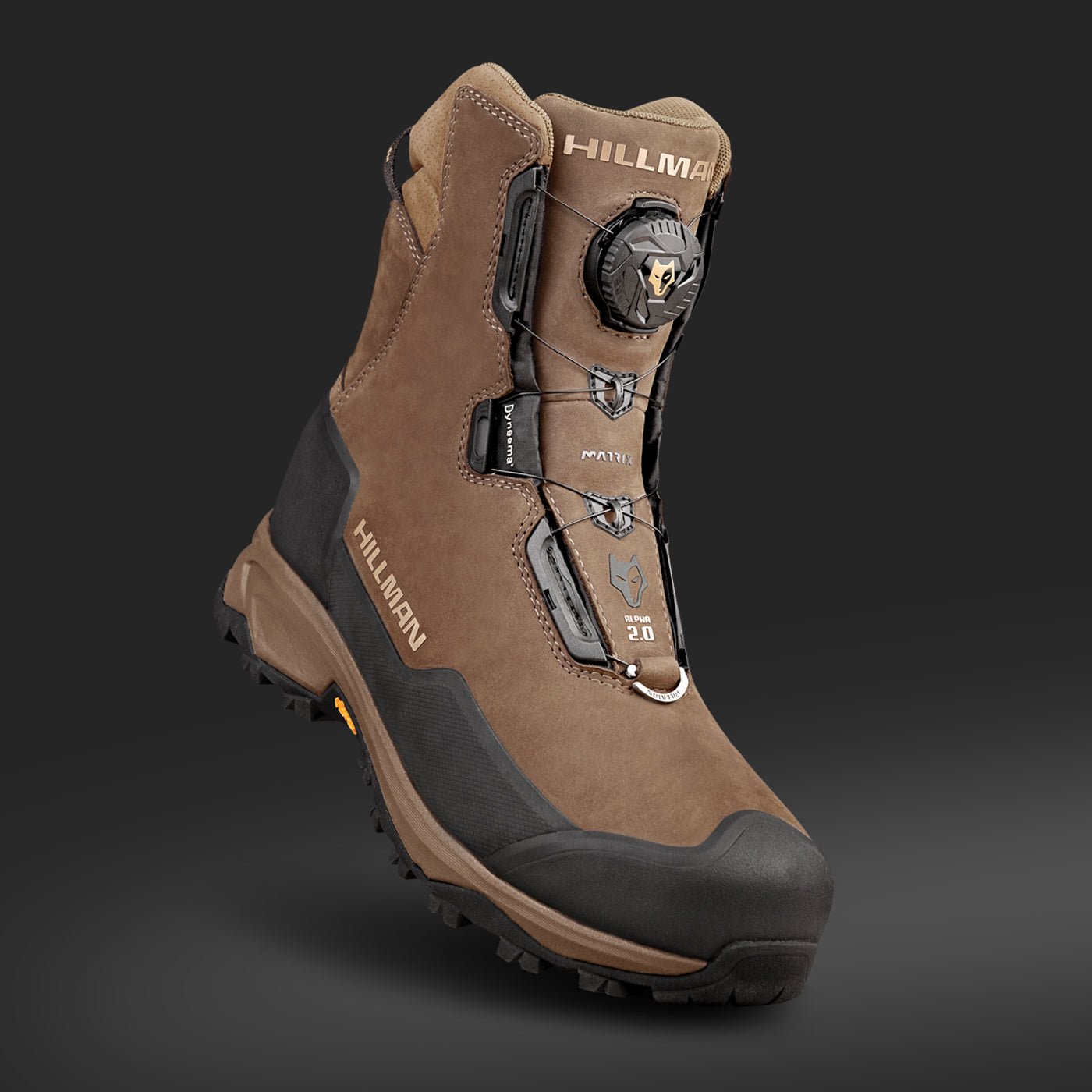
A decent heel cup, a firm heel counter, and lacing that actually does its job matter more than some people realise. They keep the rear of the foot under control while the front still has space to breathe a bit. That balance is what makes a wide fit boot practical rather than just forgiving.
And the opposite problem is no better. If the forefoot gets squeezed, circulation suffers, and comfort drops off fast. In cold weather, that can turn into cold feet sooner than you would like. So yes, width matters. Just not by itself. Wide fit boots help, but only when the shape is right from heel to toe.
The Hiking Boot Features That Actually Support a Hunt

A boot built for hunting has to do more than feel comfortable on a clean shop floor. Once you are on uneven terrain, the useful features become obvious pretty quickly. Ankle support is one of them. A higher collar can help a lot when the ground is broken, the footing is awkward, or you are carrying extra weight. In rougher country, it gives the whole boot a steadier feel. If you spend a lot of time on nasty ground, taller boots in the 9 to 11 inch range usually do more for lateral stability than lower-cut pairs. In the right setup, that can mean excellent ankle support without making the boot feel overly stiff and clumsy.
Then there is the underfoot support. Thin, overly soft boots can feel nice for a few minutes, but they are not always much fun once rocks, roots, frozen ruts, and hard edges start coming through all day. A stiffer midsole and thicker sole unit take some of that punishment out of the walk. That matters more the longer you are out. On rocky ground, especially, a stiffer B/C grade boot makes more sense than something too flexible, because it stops the foot from folding around every sharp edge.
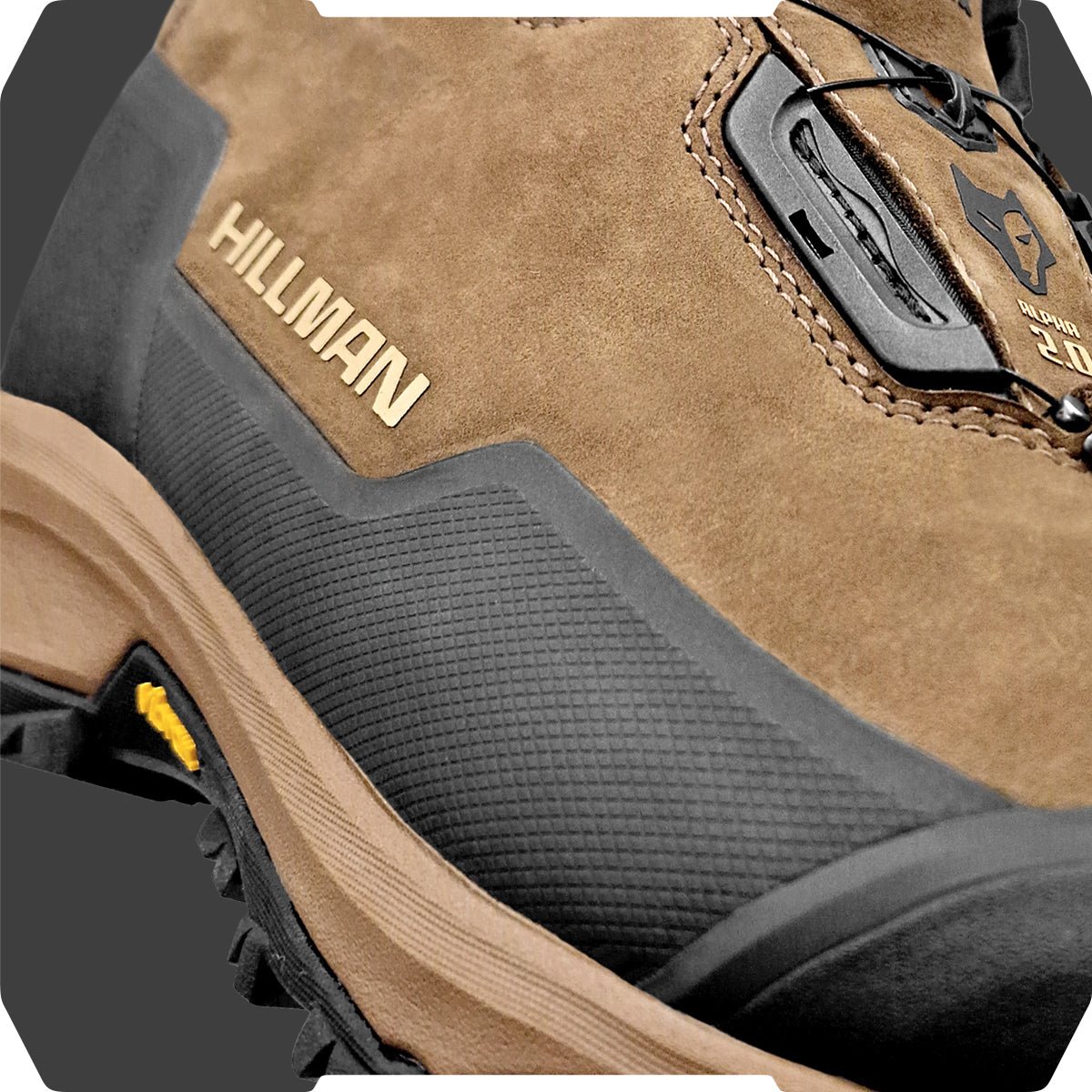
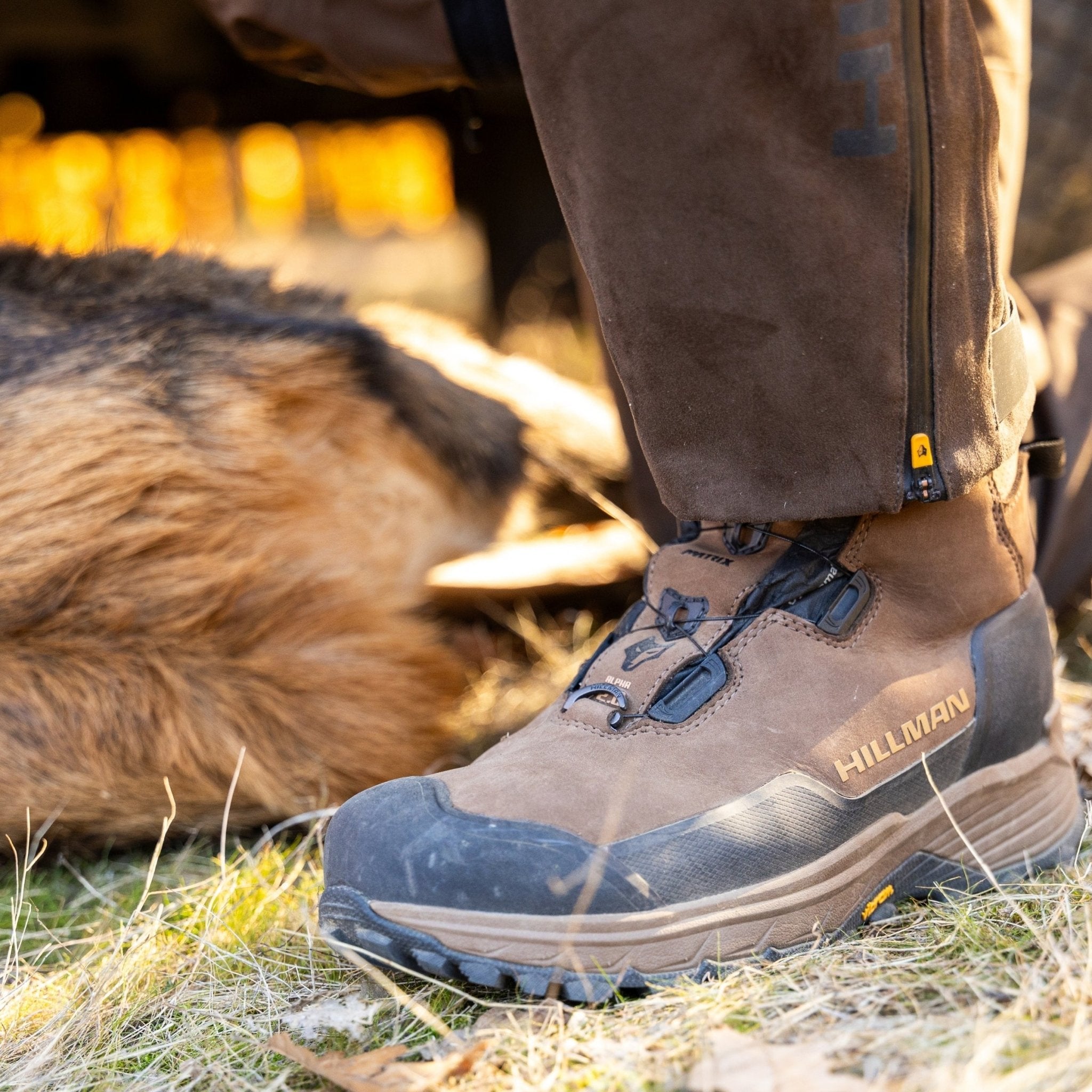
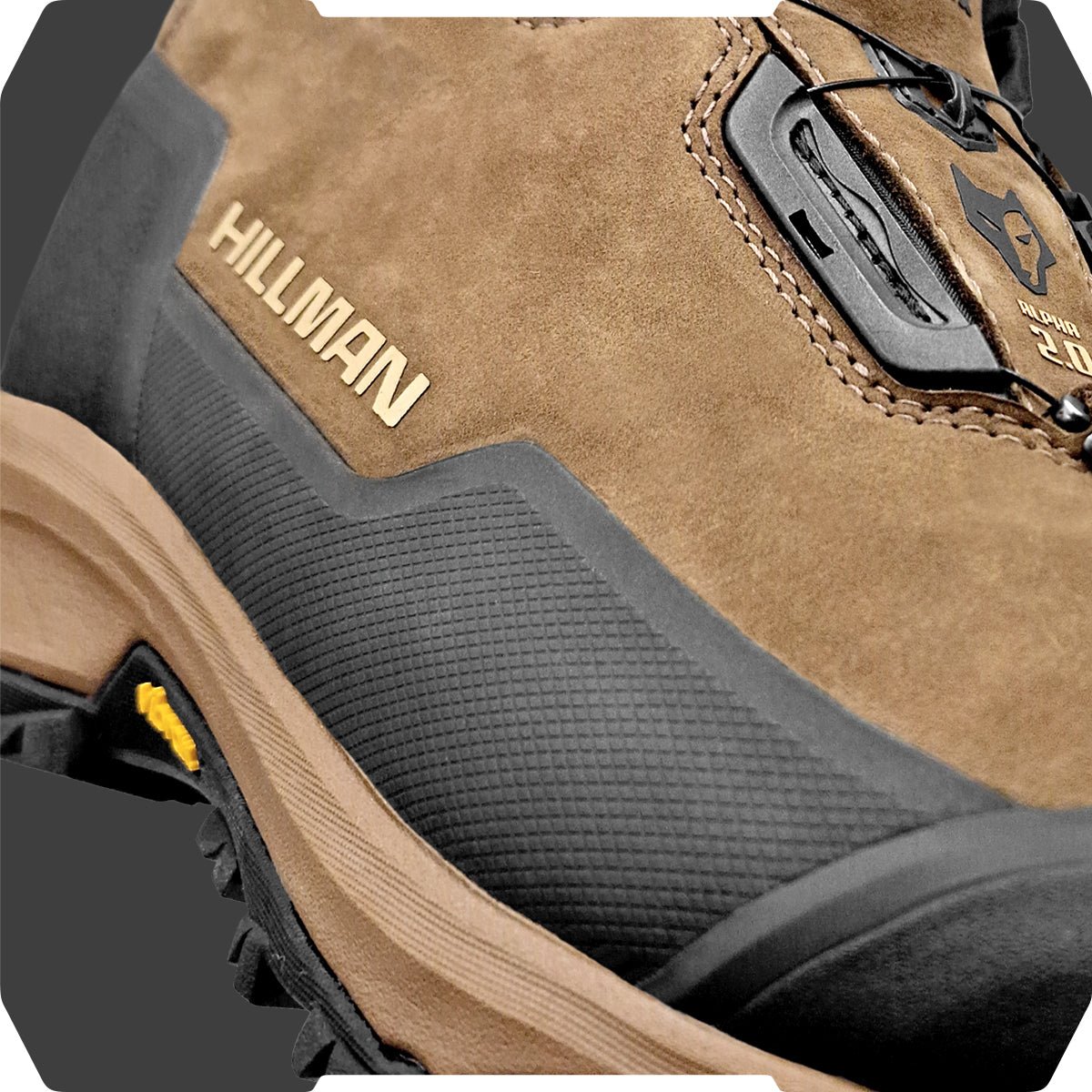
Traction is another one that sounds boring until you do not have enough of it. Mud, wet grass, slick rock, snow, churned ground, grip is not just about not falling over. It affects how confidently you move. A solid outsole with proper lugs helps the whole boot feel more dependable. A lot of hunters still trust a Vibram sole for exactly that reason.
So yes, comfort matters. But field comfort is different from showroom comfort, and people mix those up all the time. One boot can feel soft in the shop and still be the wrong choice once the ground gets rough.
How to Keep Feet Warm Without Overheating?
A lot of people overdo insulation. That is the simple version. They think cold weather means heavier boots, more lining, more warmth, end of story. Then they start moving properly, feet heat up, sweat builds, socks go damp, and by the time they slow down again, their feet are colder than they should be.
Insulated boots absolutely have their place. Deep snow, bitter cold, long static periods, that sort of thing. But on milder hunts or days with a fair bit of walking, too much insulation can be a pain. The inside of the boot gets stuff,y and you end up creating your own problem.
The better boots get the balance right. Enough warmth, enough breathability, decent moisture control, and proper weather protection. That usually matters more than whatever big insulation claim is stamped on the tag. Some insulated hunting boots go from 200 grams right up to 1600 grams, and that sounds impressive on paper, but the right choice depends far more on how cold the day really is and how active you are going to be.
Once moisture starts building inside, keeping feet warm gets harder, not easier. So the question is not just how warm the boot is. It is whether the boot still works once you have been moving in it for hours.
Waterproofing, Breathability, and Why Wet Feet Ruin Good Hunts

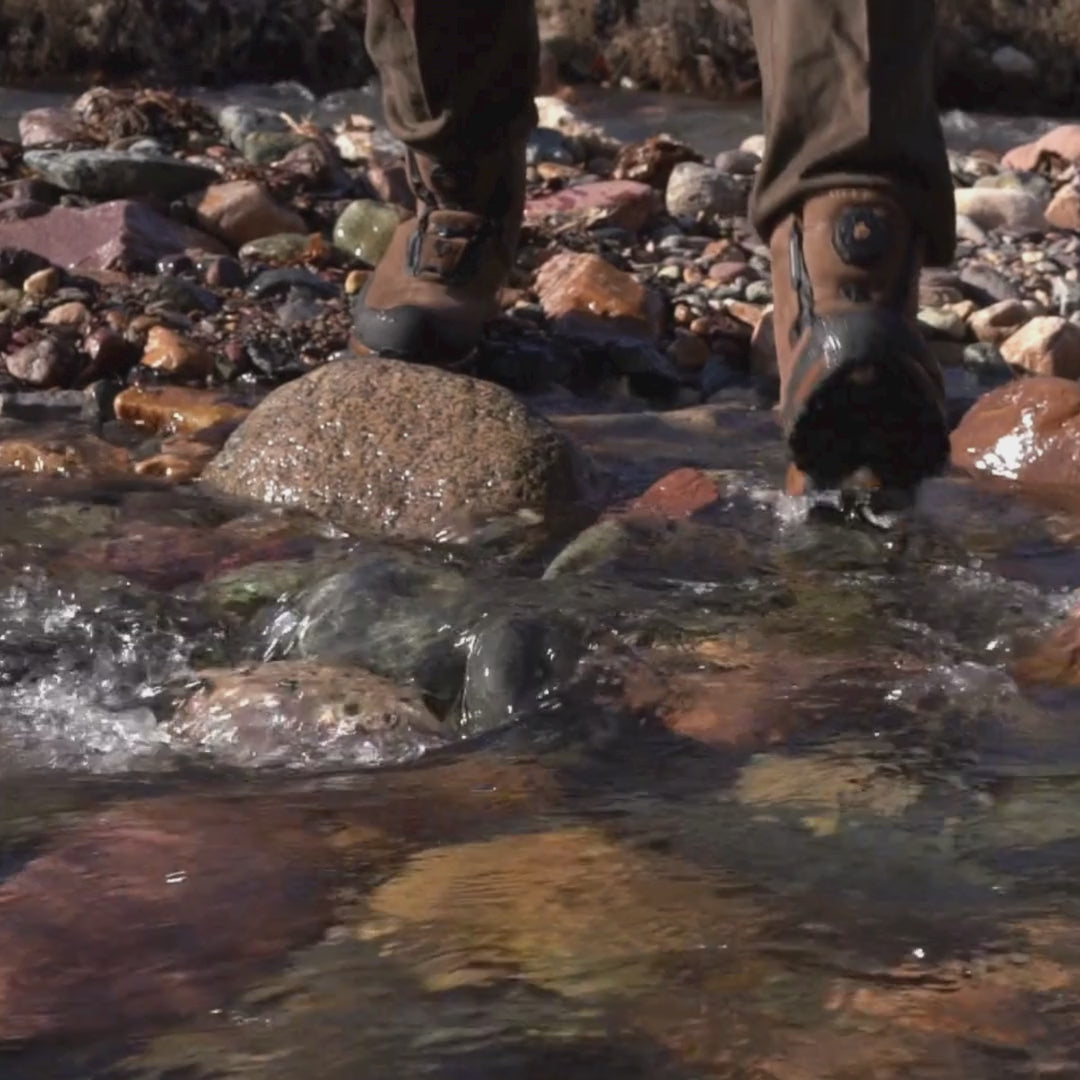
Wet feet wear you down faster than people like to admit. It does not have to be heavy rain either. Wet grass first thing, boggy patches, slush, old snow, shallow water, repeated contact with soaked ground over a full day, that is enough.
A proper waterproof membrane can make a big difference there. It helps keep outside moisture out, which matters when you are crossing damp ground again and again. On paper, that sounds straightforward. In practice, some waterproof boots still end up feeling miserable because they do not breathe well enough.
That is the other half of it. If the boot traps heat and vapour inside, the socks get damp anyway. Different cause, same result. Discomfort builds, and once that start,s it tends to stay with you.
Leather still makes sense,se too, especially full-grain and nubuck. They are still popular because they are durable, supportive, and generally up to the job. Full-grain leather in particular usually gives you a bit more protection and structure over the long run than lighter synthetic builds. Look after them, and they usually last well. Ignore them and dry them too hard after a wet day, and they can stiffen up or crack sooner than they should.
Nothing clever there. Just basic care. Clean them properly, treat the leather now and then, and they generally stay weather-ready for much longer. Do not rush soaked leather with direct heat, because that is one of the easier ways to shorten the life of otherwise good boots.
Lightweight Boots or Mountain Boots?

Not every hunt needs a heavy boot. Sometimes people go too far in one direction because they think there is one correct type for everything. There is not.
Lightweight boots are often a good call on easier ground, shorter outings, and in milder conditions. They feel quicker and less tiring, and sometimes that is exactly what you need.
Once the terrain gets rougher, though, lighter boots can start feeling underdone. That is where more structured hunting boots or mountain boots come into their own. Better ankle support, stiffer soles, more protection, and more stability under load. Yes, they are often heavier. But on steep or broken ground, that weight is sometimes part of why they work.
So it comes down to the kind of country you are dealing with. Flat and easy is one thing. Long, steep, rocky, wet, and awkward is something else. The right boots for one type of ground can feel bad out of place somewhere else.
Lacing, Insoles, and Small Adjustments That Make a Big Difference

Sometimes the boot is close enough that a small change sorts it. Lacing is a good example. A heel-lock setup or two-zone lacing can tighten the back of the boot without crushing the forefoot. That can make a bigger difference than people expect, especially if the main issue is heel movement rather than width.
Insoles are another weak spot in a lot of otherwise decent boots. Factory ones are often nothing special. Changing them for something more supportive or better cushioned can improve comfort a lot, especially over long distances.
Then there is the break-in side of things. Some boots feel right straight away. Others need a bit of use before they stop feeling awkward. That does not mean you should ignore obvious pressure points and hope for the best. It just means a quick try-on does not always tell the whole story. Some boots settle. Some do not. You only really find out by walking in them. With the right pair, those small changes can reduce foot fatigue more than people expect.
What to Look for in Wide-Fit Walking Boots for Hunting Use?

Wide-fit walking boots can be a useful starting point. They help you work out what sort of shape feels right and whether extra width is actually what you need. But walking boots and hunting boots are not always trying to do the same job. Walking boots may feel comfortable on ordinary ground, but once you get into rougher terrain, poor weather, and longer days, the gaps start showing. Hunting boots usually need to offer more support, more protection, and a sole that can deal with harsher conditions without feeling flimsy.
That is really the difference. Not whether one sounds more technical than the other. Whether the boot keeps doing its job once the conditions stop being easy. Some people also look at shooting boots for lighter field use, but serious rough-country hunting usually asks more from the boot.
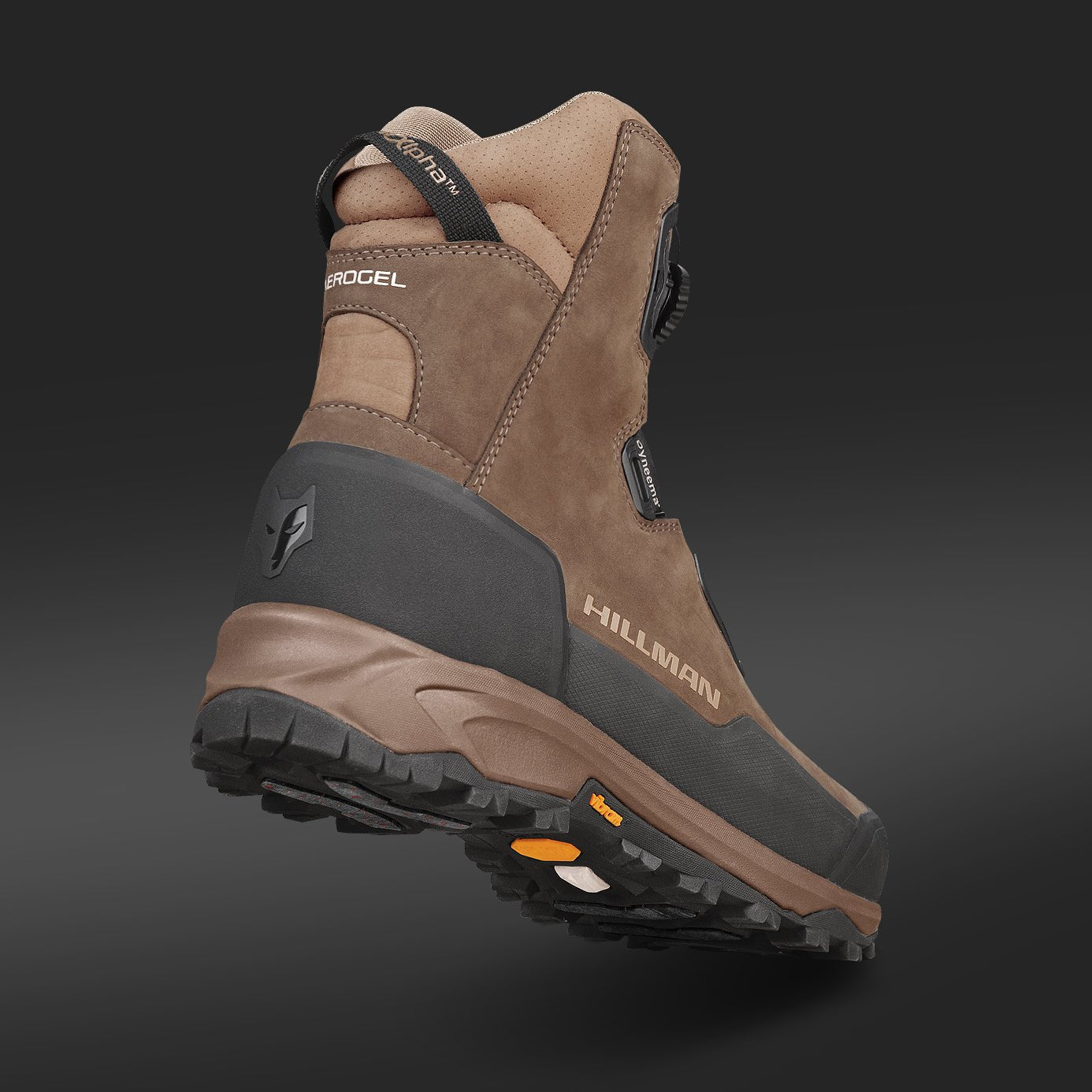
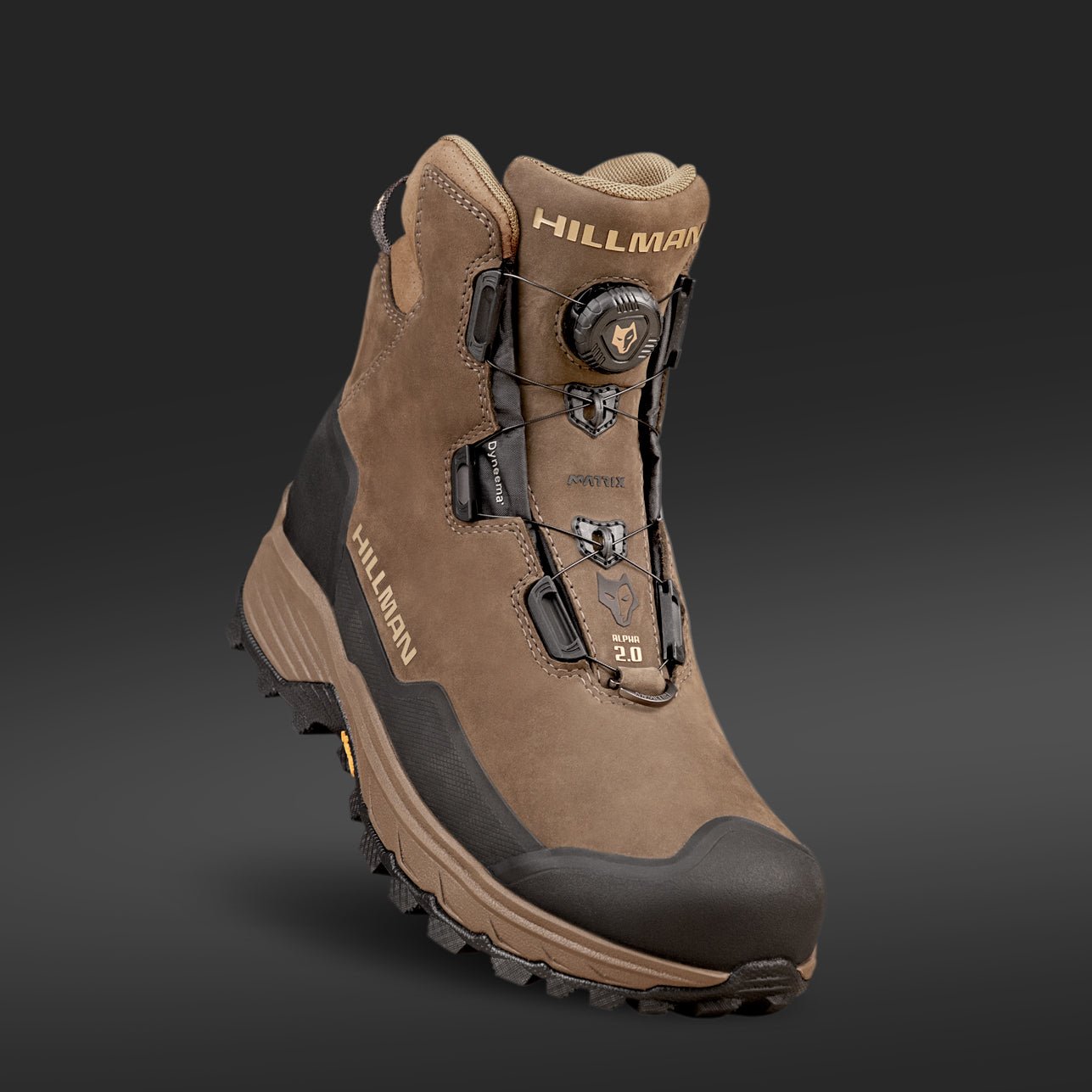
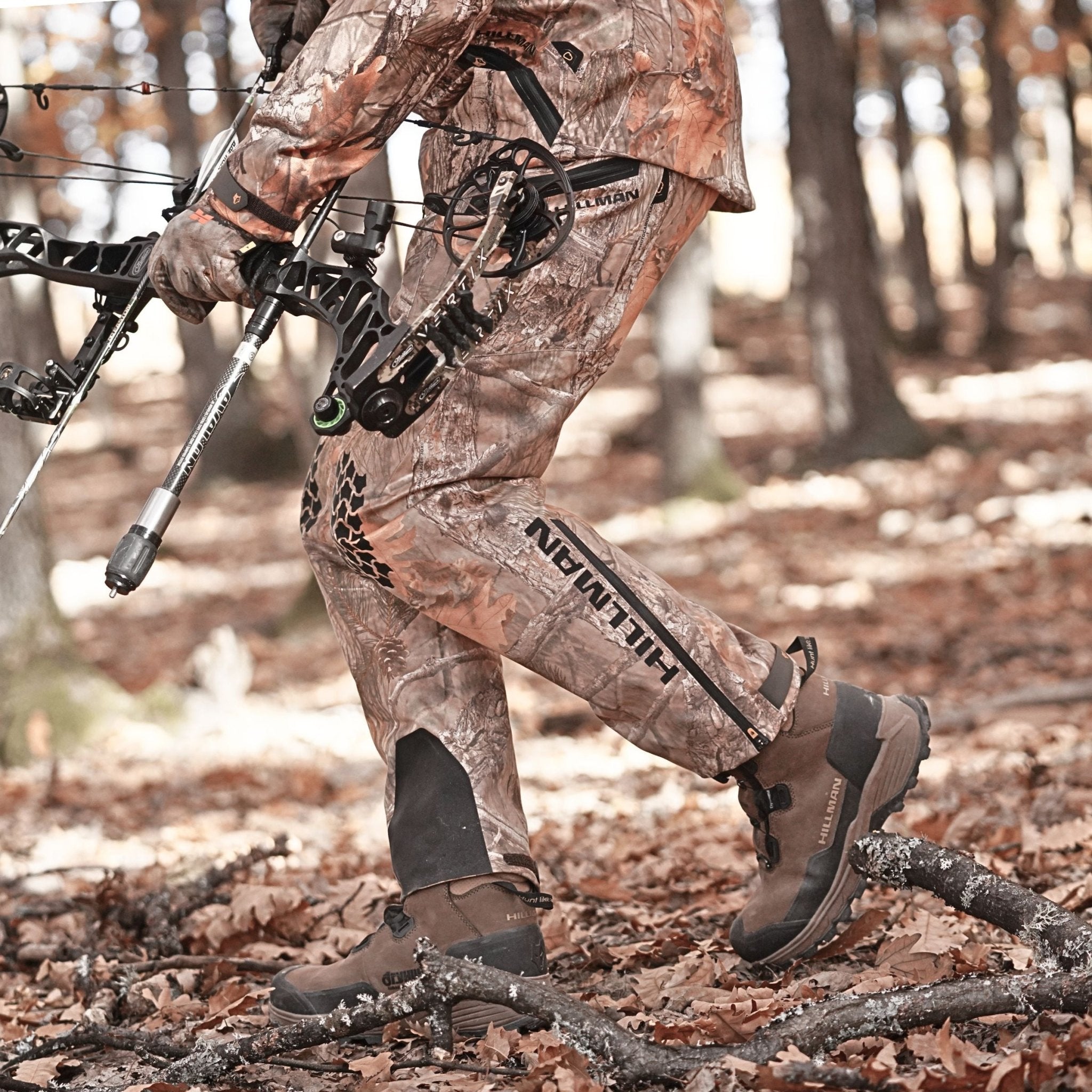
At Hillman, that is the point of serious outdoor footwear: comfort that lasts, stability that feels real, and protection that does not come at the cost of proper fit.
How to Choose the Right Pair for Your Hunts?
Start with your own feet. That sounds obvious, but a lot of people still start with the boot instead.
Work out whether you actually need extra width in the forefoot or whether the problem is more to do with volume, shape, or heel hold. Once you know that, matching the boot to the hunt gets easier.
Cold-weather hunts may need insulated boots, but not so much insulation that the inside turns damp. Wet ground and snow mean waterproofing, and grip jump higher up the list. Heavy packs, long climbs, and broken terrain usually point towards a more supportive boot with a firmer sole and better ankle support. On easier ground and in milder weather, a lighter boot may do the job perfectly well.
The best pair is not always the most expensive one, and it is not always the softest one either. It is usually the pair that suits your foot properly and still feels right once the day stops being easy. Getting the right hunting boots for your own ground, pace, and weather matters far more than chasing whatever looks most impressive on a product page.



Share:
How to Choose a Hunting Jacket for Wind, Rain, and Long Days
How to Choose Quiet Waterproof Clothing for Deer Stalking