
How to Choose Quiet Waterproof Clothing for Deer Stalking

Quiet, waterproof deer stalking clothing should keep you dry, move silently, and stay breathable through wet ground, rough terrain, and long days in unpredictable UK weather.
When people ask me how to choose quiet waterproof clothing for deer stalking, I usually say the same thing first: if my clothing makes noise, traps moisture, or starts wearing me down after a few hours, it is the wrong setup no matter how technical it sounds on paper.
That matters even more in the British countryside, where a day can begin cold and still, turn wet by mid-morning, and then shift again once the wind picks up across open ground. I have stalked in drizzle that never really looked serious but soaked everything slowly. I have also been out in proper driving rain, with wet ground underfoot, rough cover brushing the legs, and just enough wind to make poor kit feel miserable.
Deer stalking starts with clothing that does not fight me
For me, good hunting clothing has to do a few things at once. It has to stay quiet in movement, keep out rain, stay breathable enough to manage moisture, and hold comfort over extended periods. It also has to move well. A stalk is rarely neat. There is always a bit of crouching, slow walking, edging through brush, stepping across rough banks, or settling still for longer than expected. If the fabric rustles, the fit pulls, or the inside gets clammy, small annoyances start to pile up.
That is where the right gear earns its place. I do not choose it for the first ten minutes. I choose it for the third hour, when the weather has shifted, my pace has changed twice, and I still need to stay sharp.
How to choose quiet, waterproof clothing for deer stalking in real conditions?

I never judge stalking clothing by one feature alone. Not by waterproof claims, not by how soft it feels in the hand, and not by how warm it sounds on the label. What matters is balance. Quiet and waterproof only works when both sides hold up in real use.
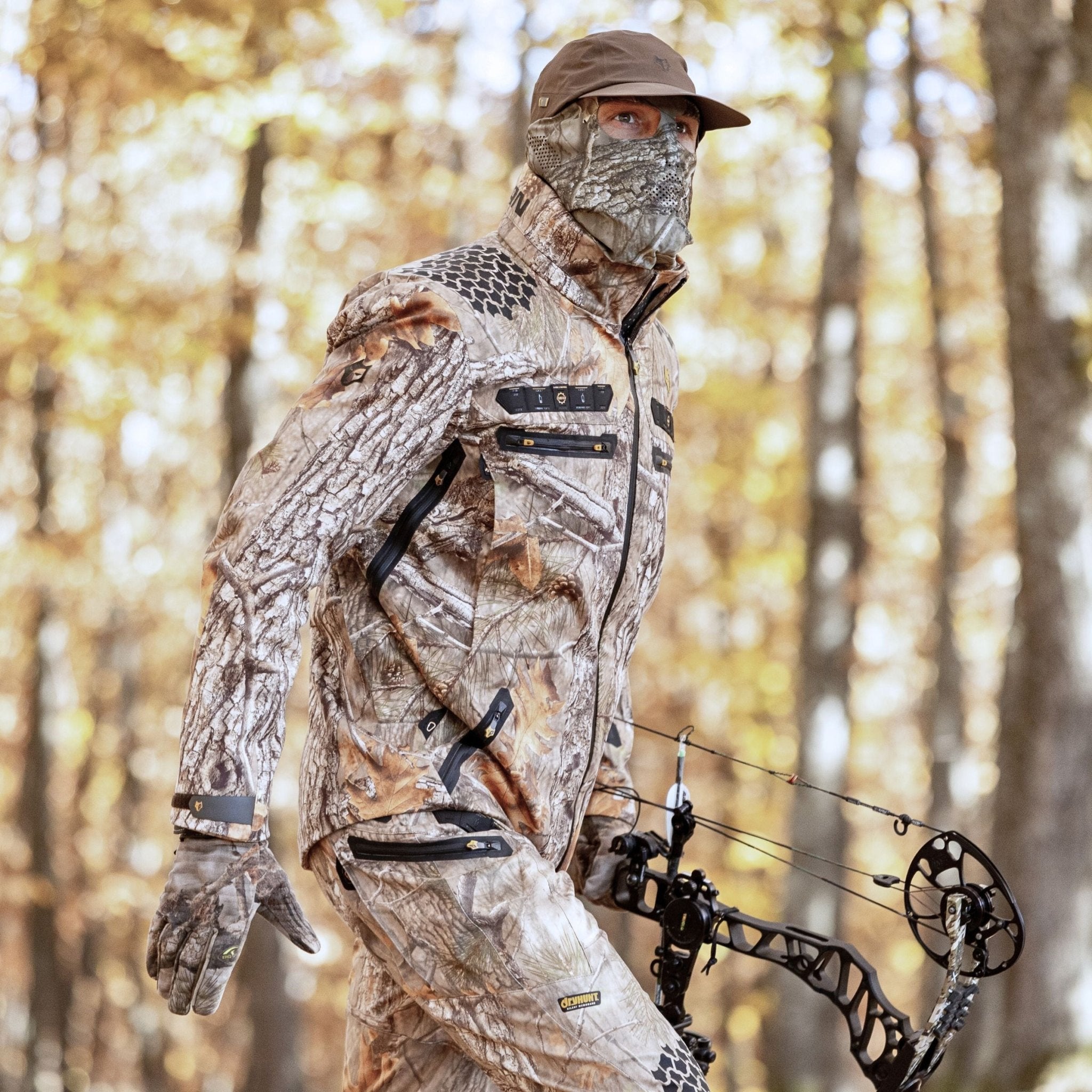
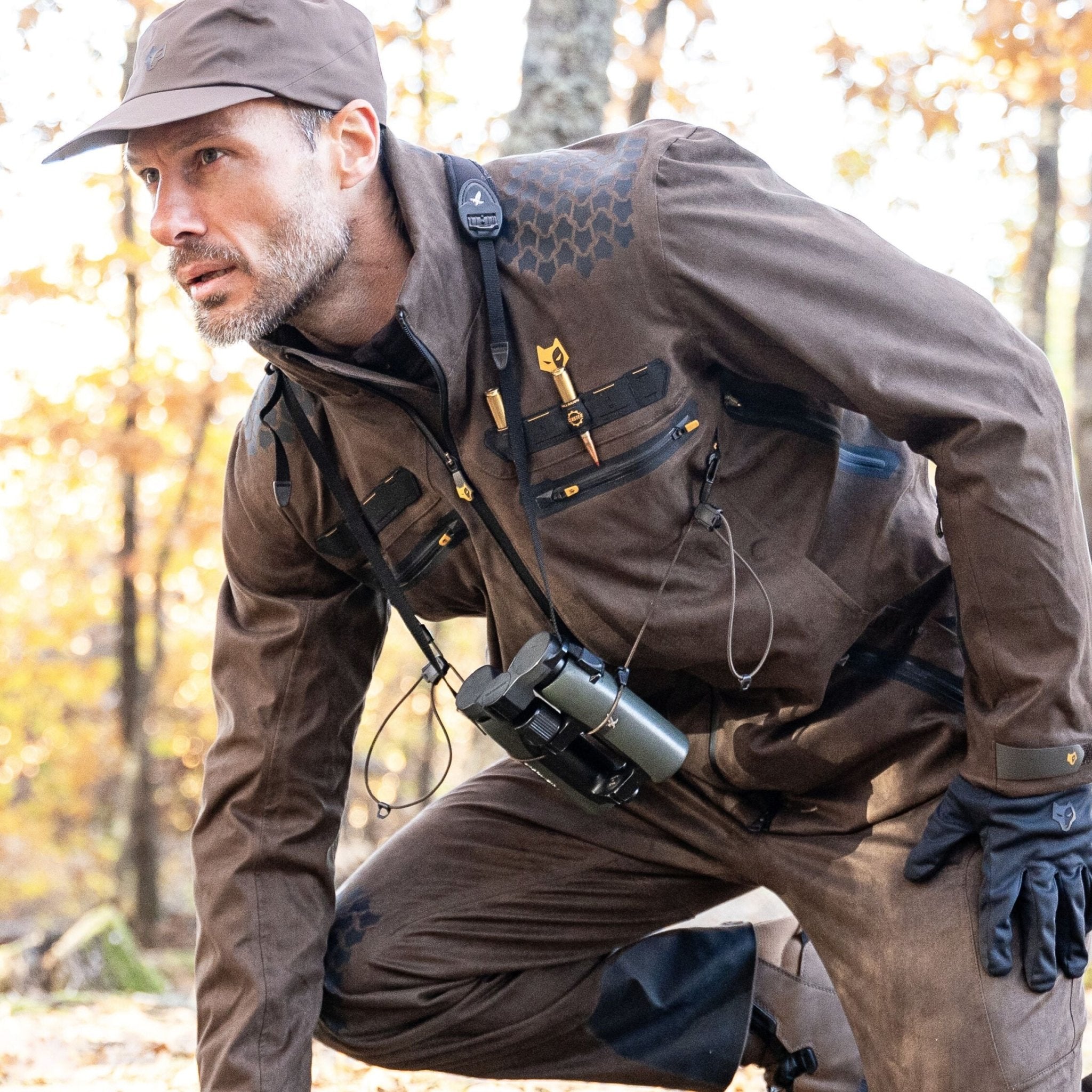
Deer hear far more than many people first assume. That means I avoid stiff, rustling fabrics whenever I can. Brushed polyester, soft microfibre, peached fabrics, or similarly quiet outer materials tend to work better because they absorb sound rather than throw it back into the woods. The wrong fabric gives itself away every time I turn, kneel, or brush against the cover.
At the same time, I want real weather protection. In wet weather, a partly protective jacket is no great help. For deer stalking, I want something fully waterproof, not simply lightly water resistant, especially if I expect prolonged exposure to rain, wet vegetation, or cold wind. A waterproof jacket and waterproof trousers should keep outside moisture out while still offering enough breathability that I do not end up damp from the inside.
That is the balancing act. If the clothing is silent but leaks, it fails. If it blocks water but makes noise or traps too much heat, it fails differently.
Deer stalking demands silence before almost anything else

In ordinary outdoor use, a bit of rust might not matter. In deer stalking, it absolutely does. I have had otherwise good jackets ruin the feel of a stalk because the sleeves whispered every time they touched the body, or because the pocket flaps made more noise than they had any right to.
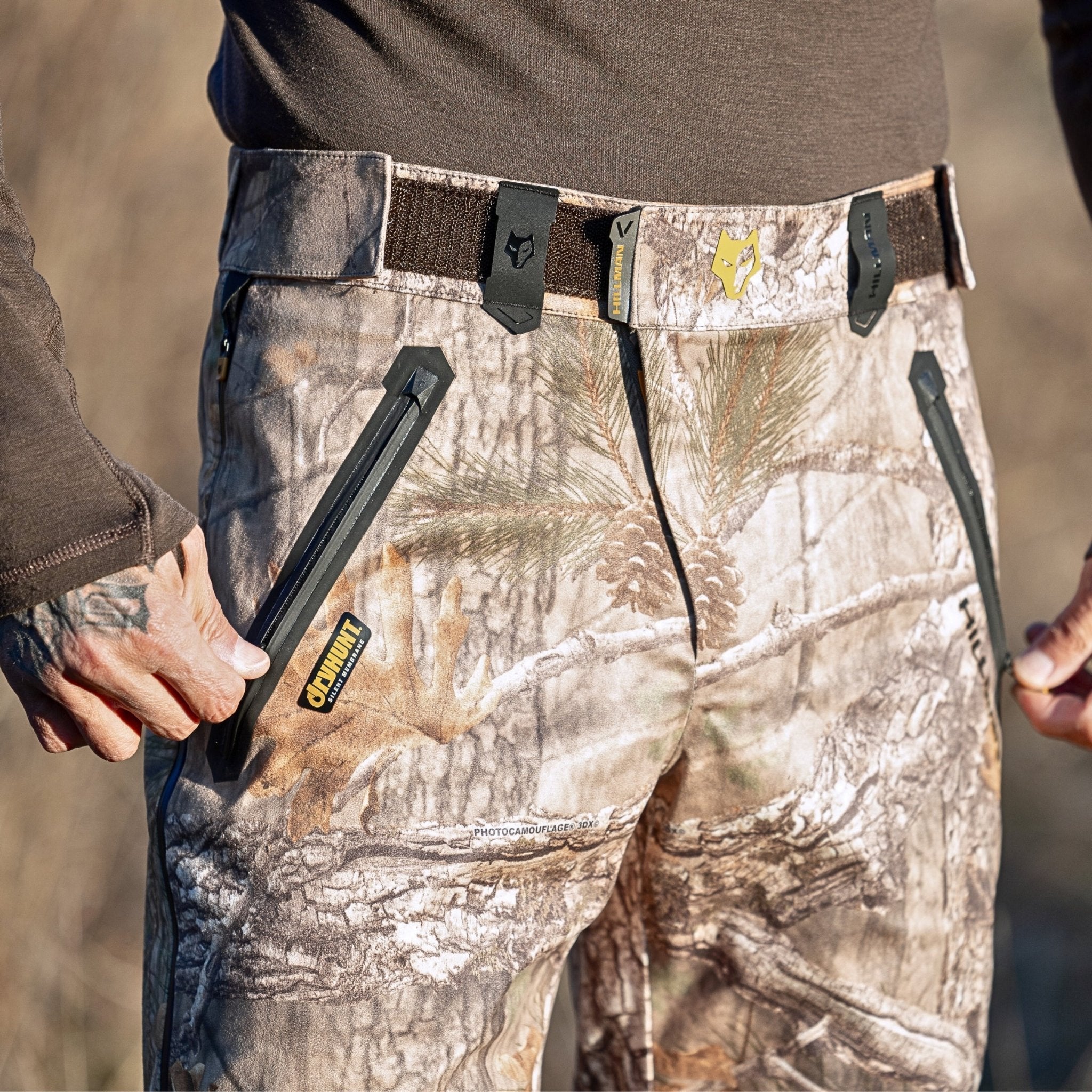
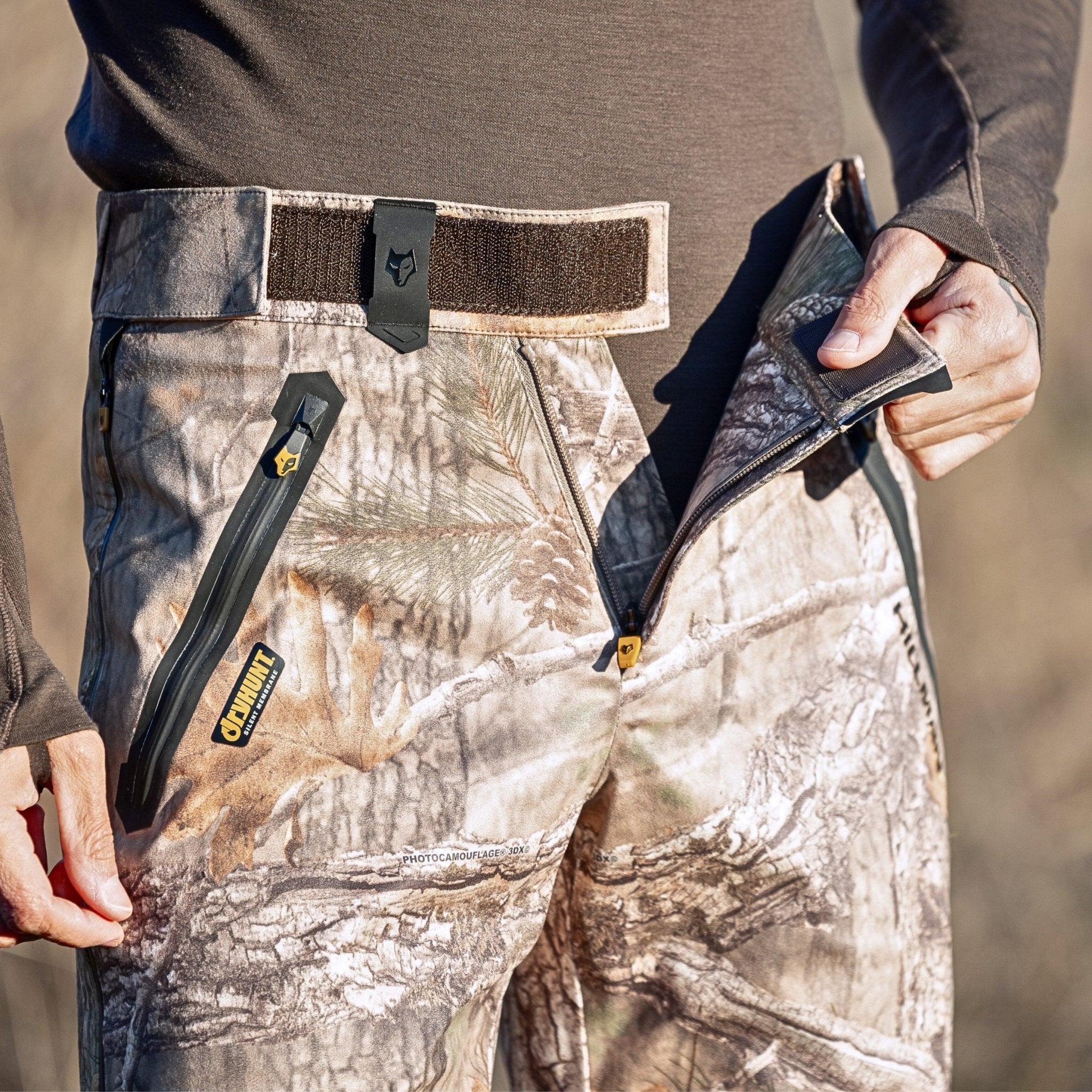
That is why I pay close attention to sound. Quiet material matters in both the jacket and the trousers. Soft-faced outer fabrics usually do better than stiff hardshells when I need to move carefully. Silent pockets matter too. If a pocket fastening tears open loudly or a zip scrapes sharply in still air, that little sound can carry farther than people expect.
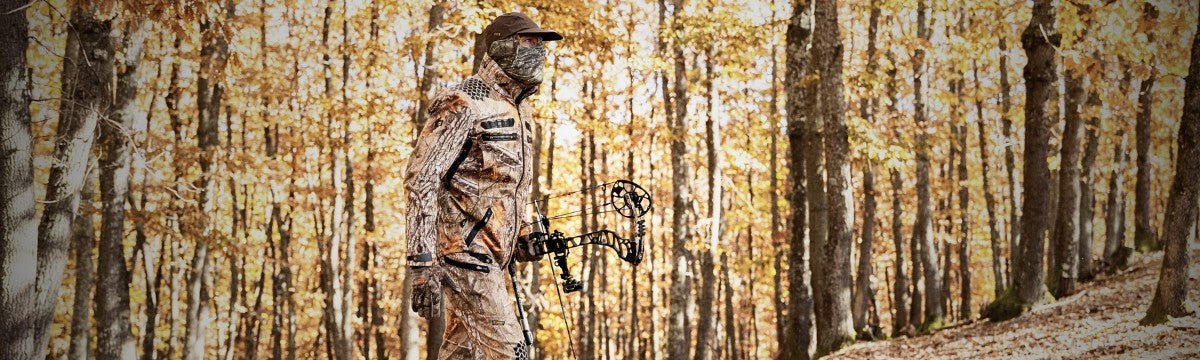
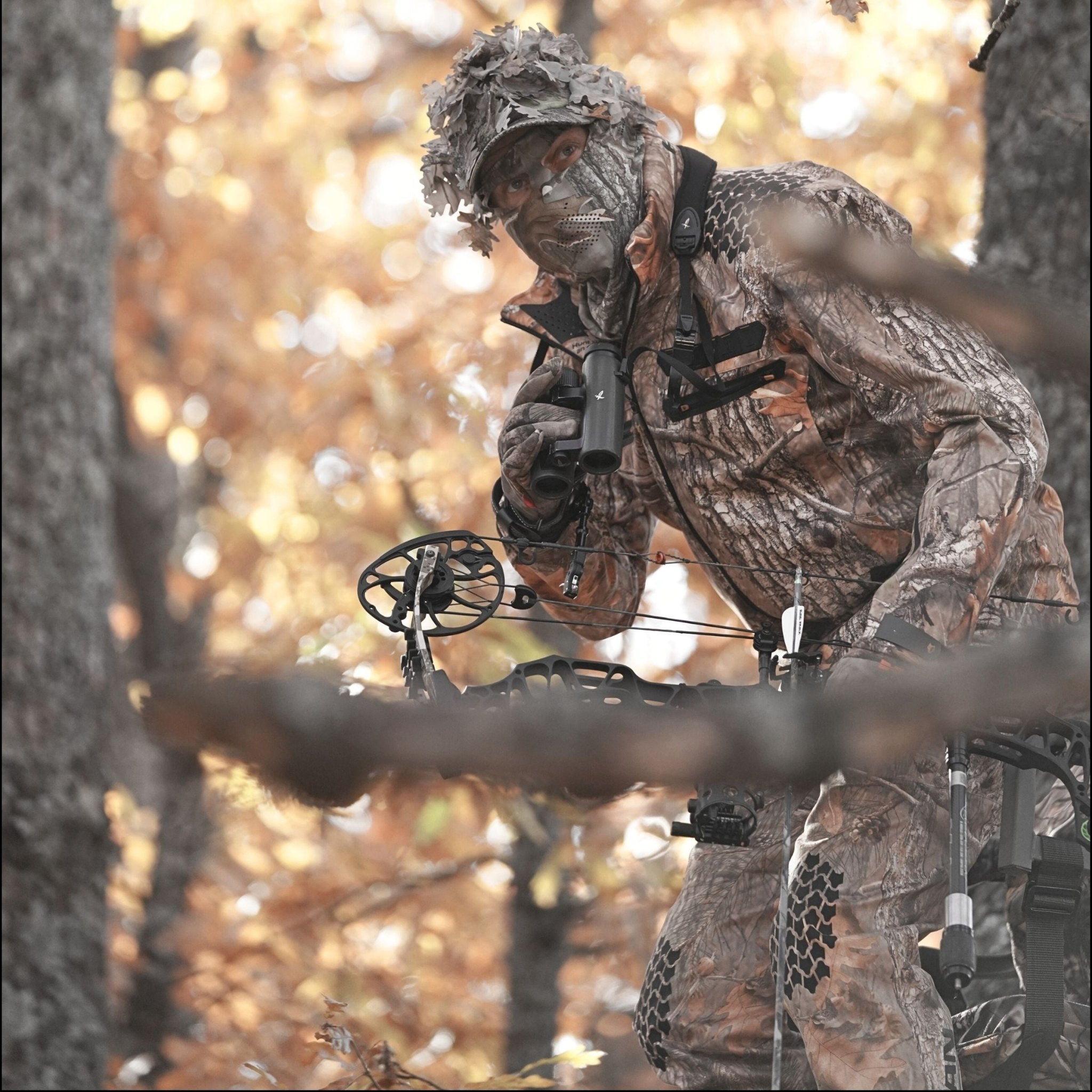
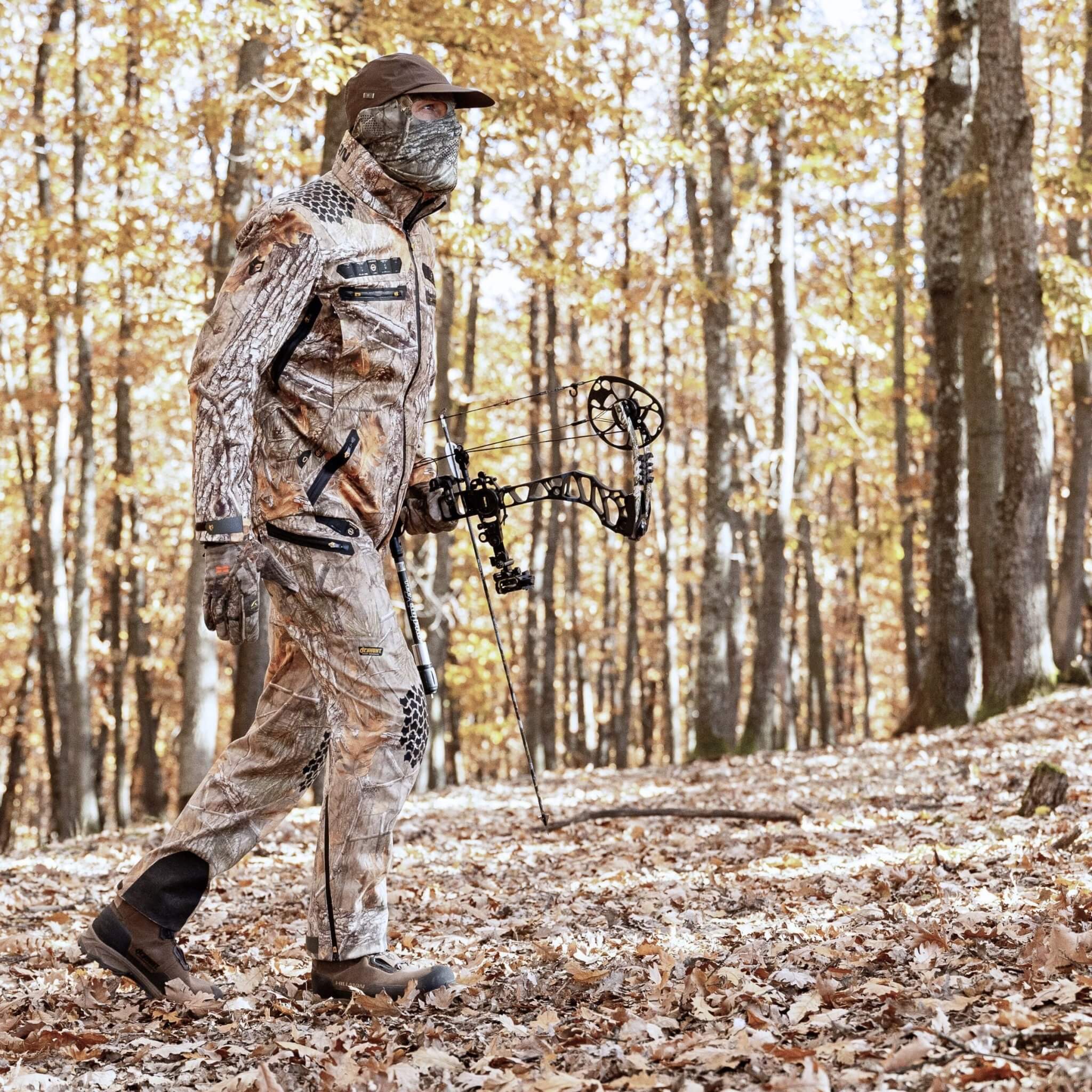
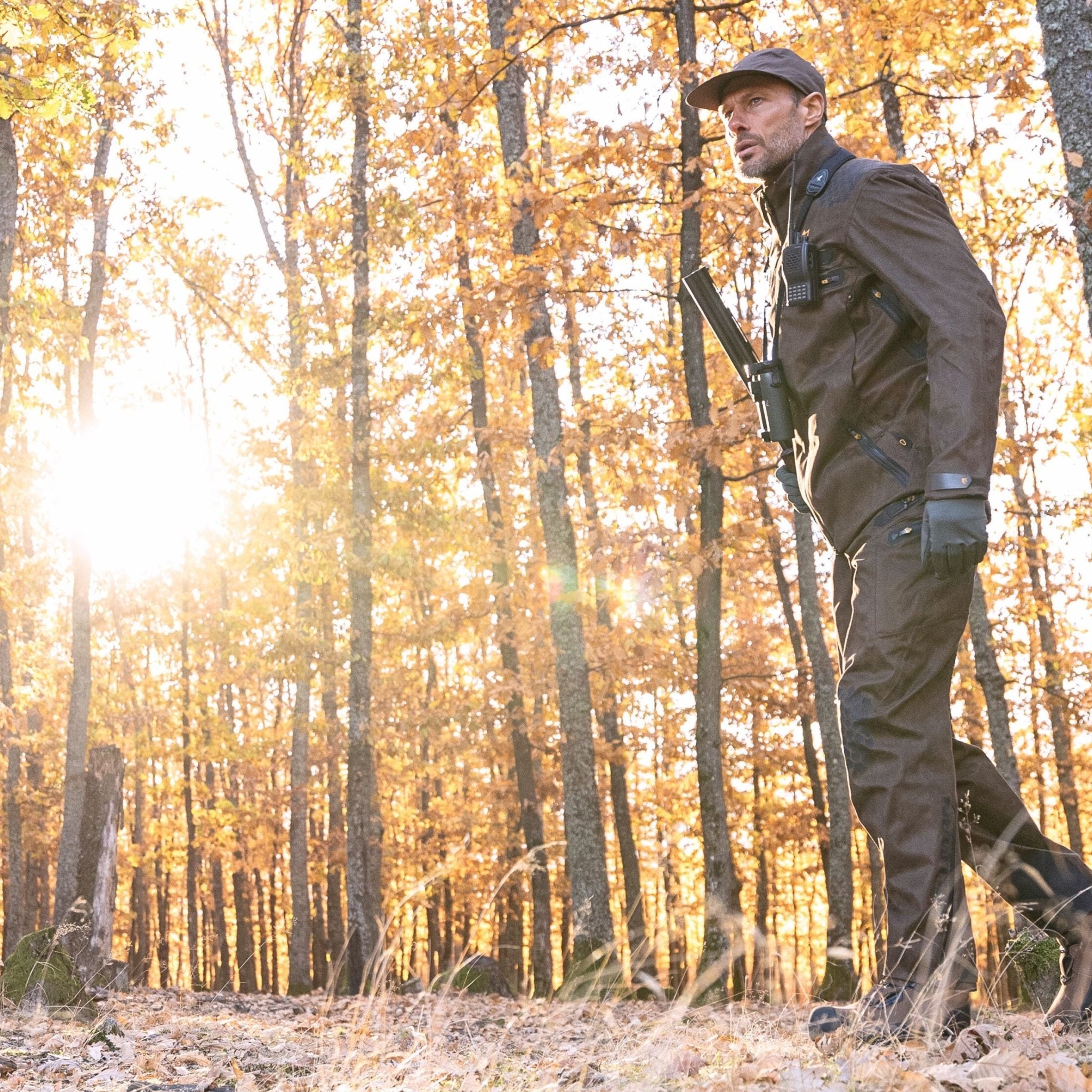
I also prefer muted natural colours. Dark green, olive, brown, and other low-contrast shades help break up the human outline in woodland and mixed cover. I do not need loud patterning to understand that simple, earthy tones often sit better in the landscape. The point is not to look dramatic. The point is to be less noticeable.
The outer layer has to block the weather without turning noisy
My outer layer does the hardest work. It takes the rain, the brush, the wet branches, the contact with rough cover, and the wind that strips warmth faster than many hunters expect. Because of that, it has to be more than just protective. It has to be usable.
A good outer layer should keep out rain, handle high winds, and still move quietly enough for stalking. It should also breathe well enough to release heat when the pace rises. If I am climbing, crossing a bank, or covering distance over uneven terrain, body heat builds quickly. That is why a quiet waterproof shell has to be highly breathable, not just waterproof.
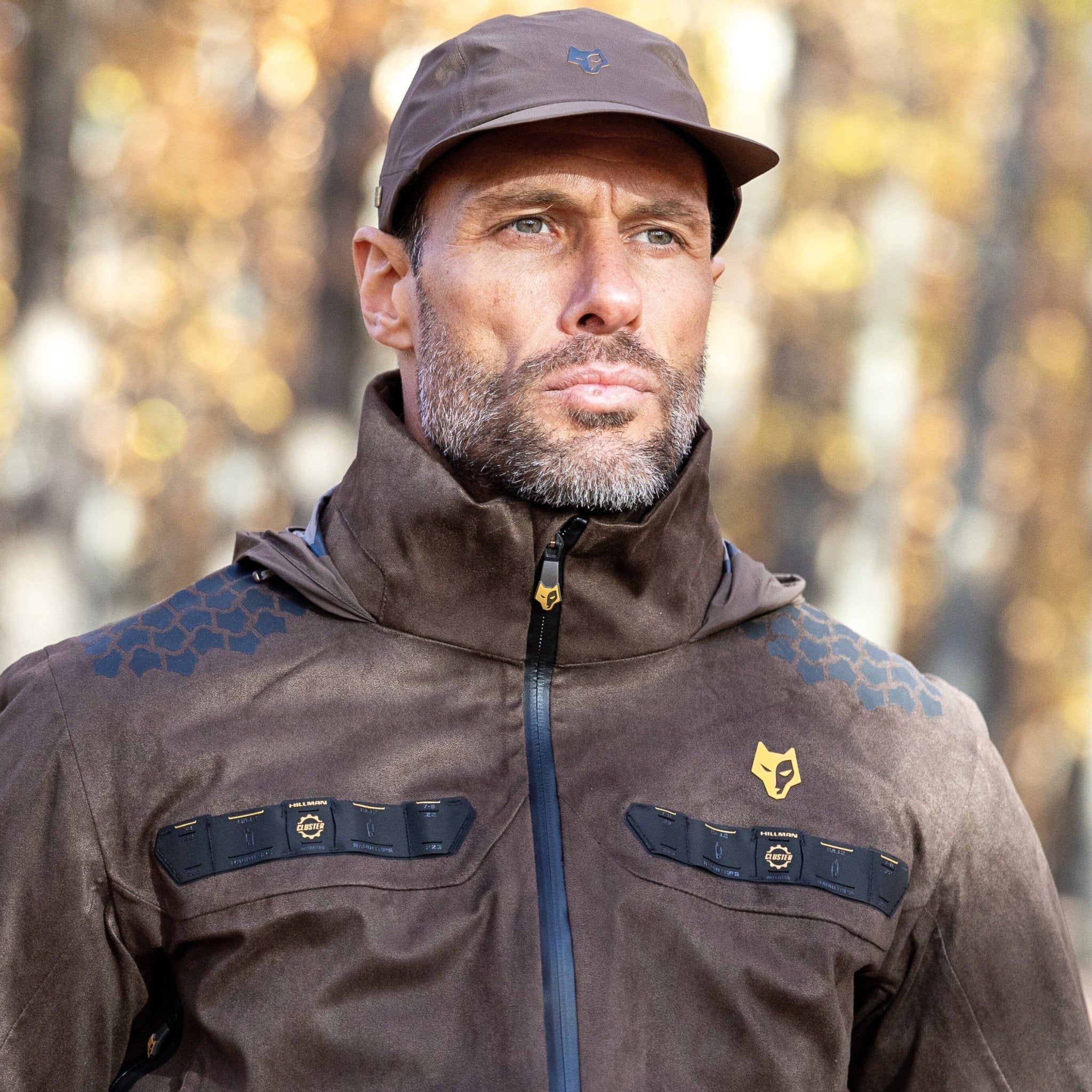
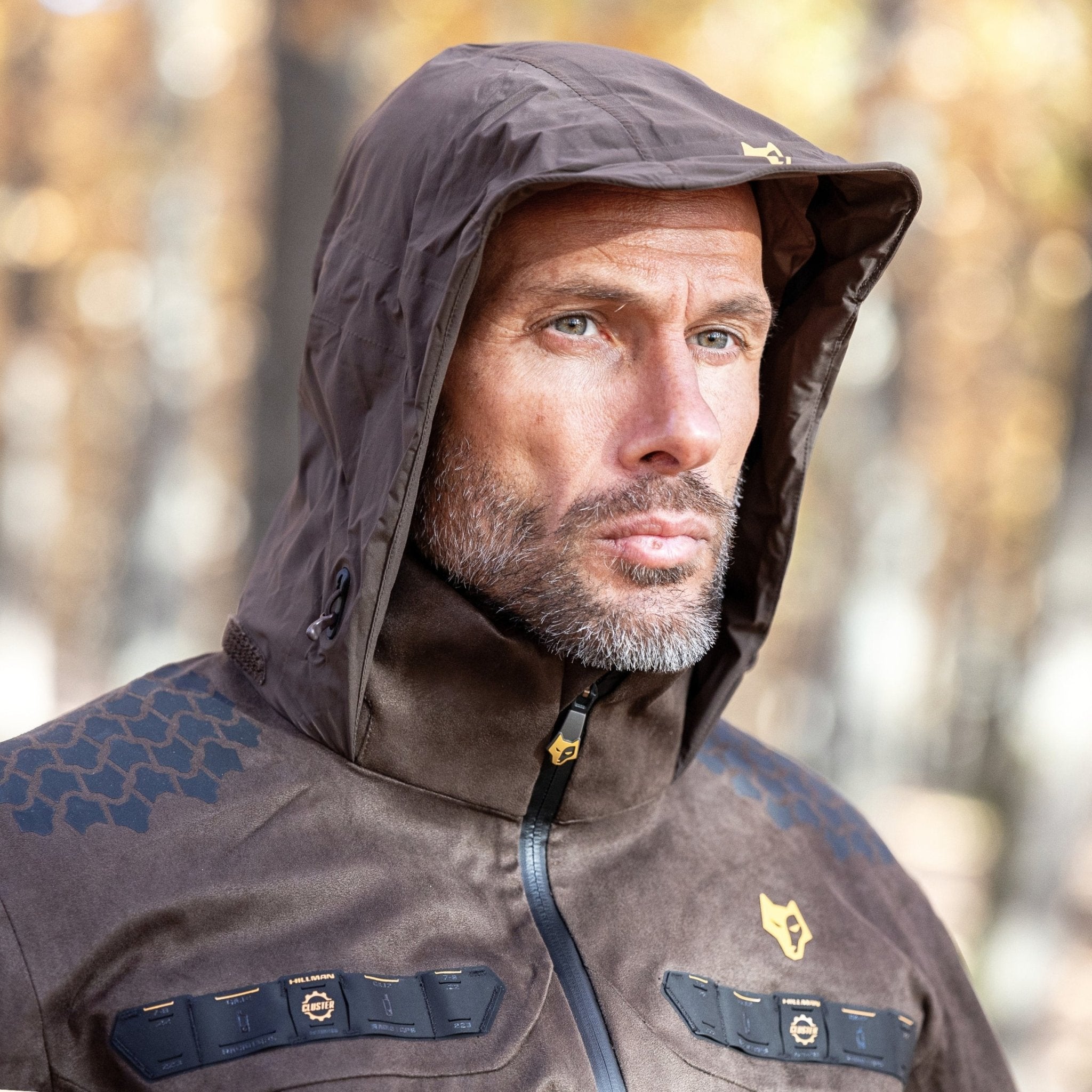
Ventilation helps. I like features that let me dump heat without opening the whole jacket. Good design matters too. A shell that has some flexibility, a sensible cut, and freedom through the shoulders is easier to live with over a full day. I also want a hood that protects the head in rain without blocking visibility, and I always notice whether the collar, cuffs, and hem work properly once the weather gets ugly.
A waterproof jacket should feel dependable, not just technical

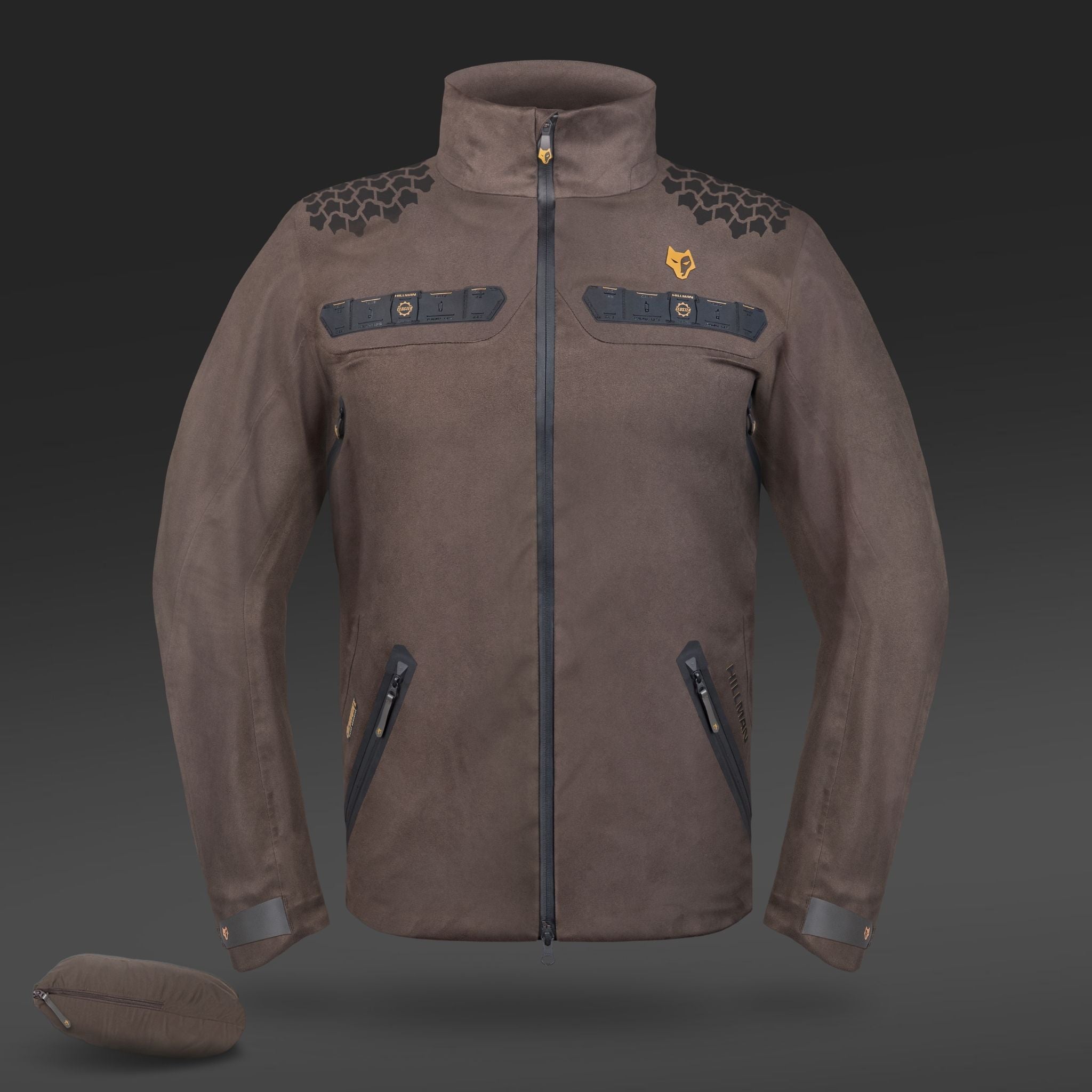
A waterproof jacket earns its place once the sky turns and the rain stops being theoretical. I want one that feels calm in bad weather. Not heavy and clumsy, not loud, not plasticky. Just dependable.
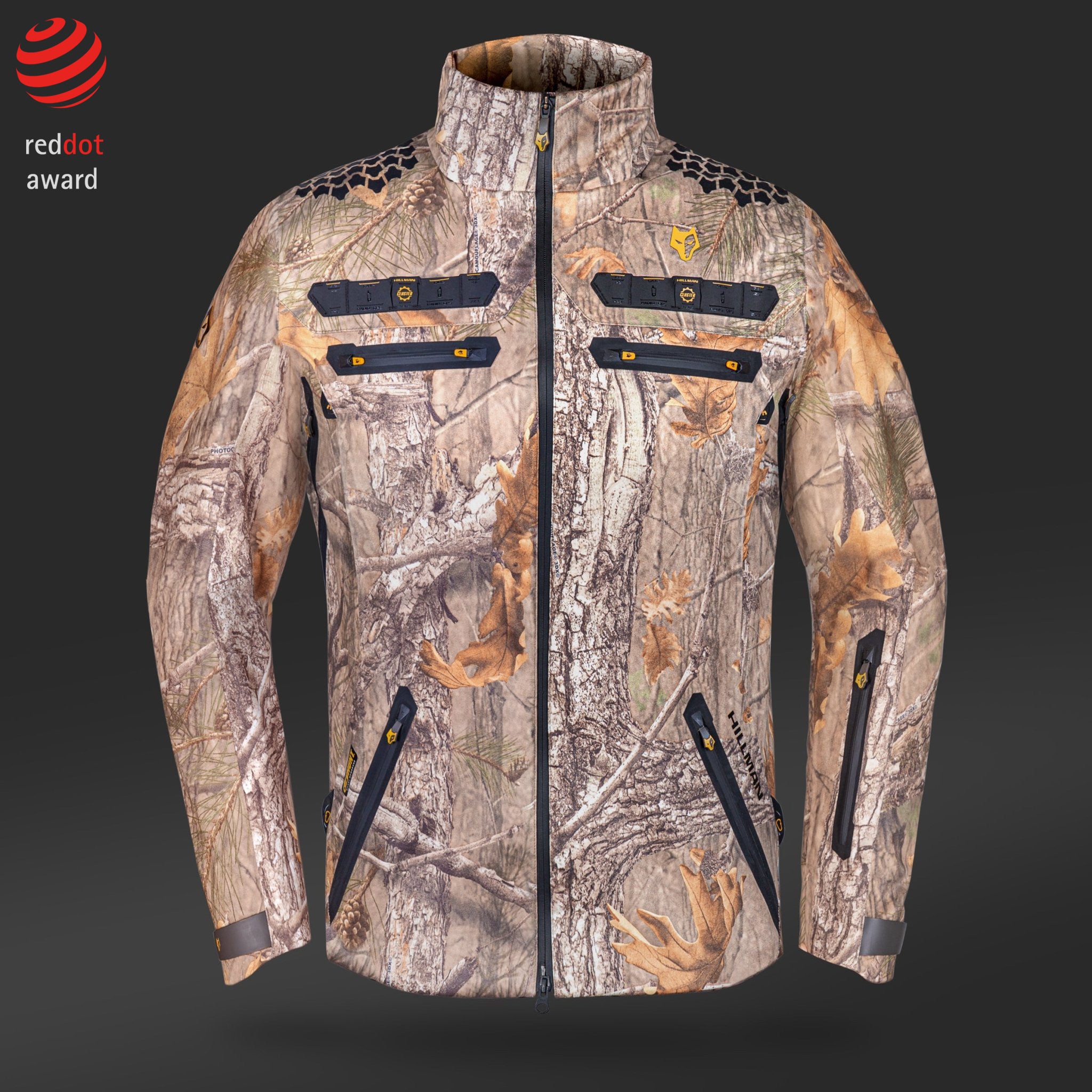
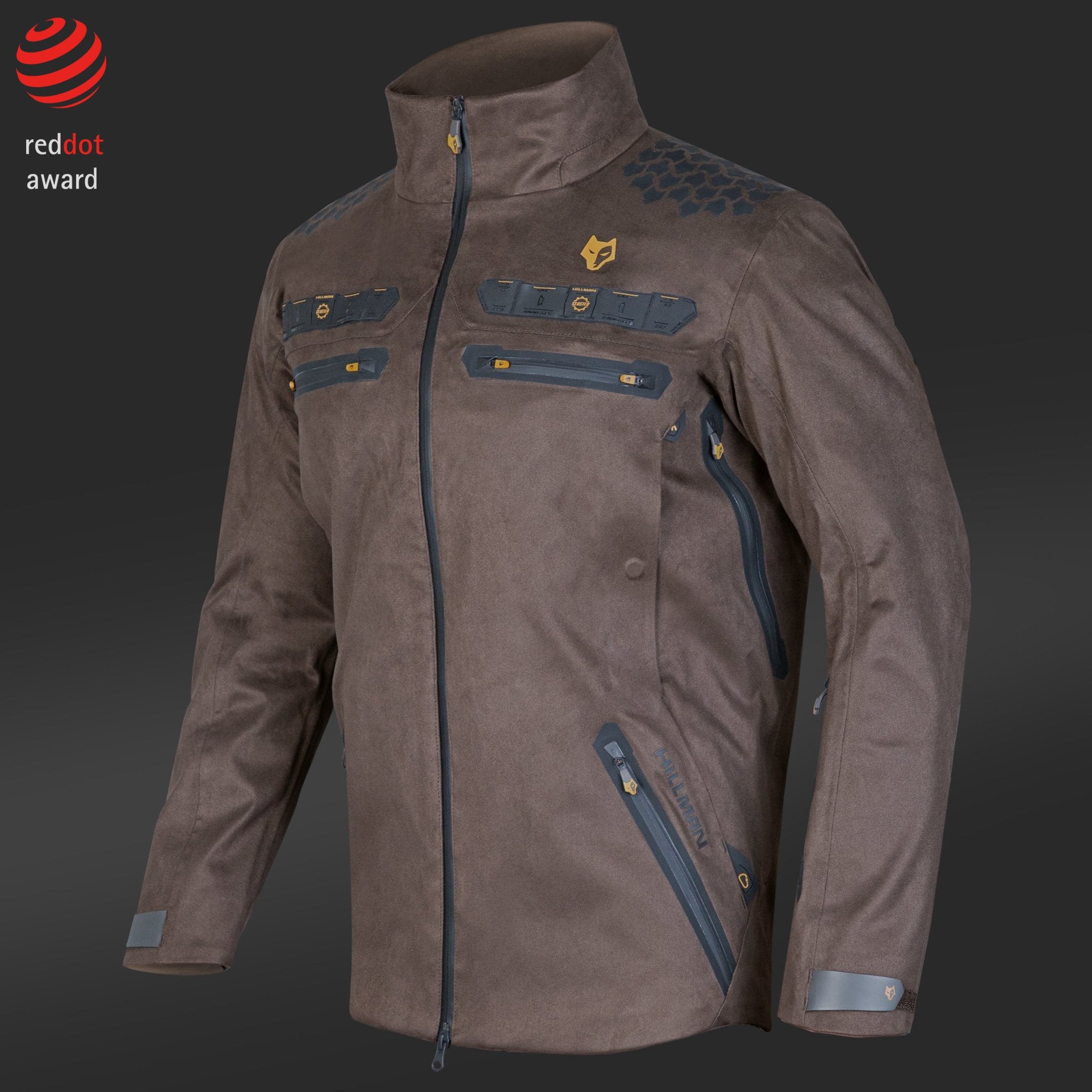
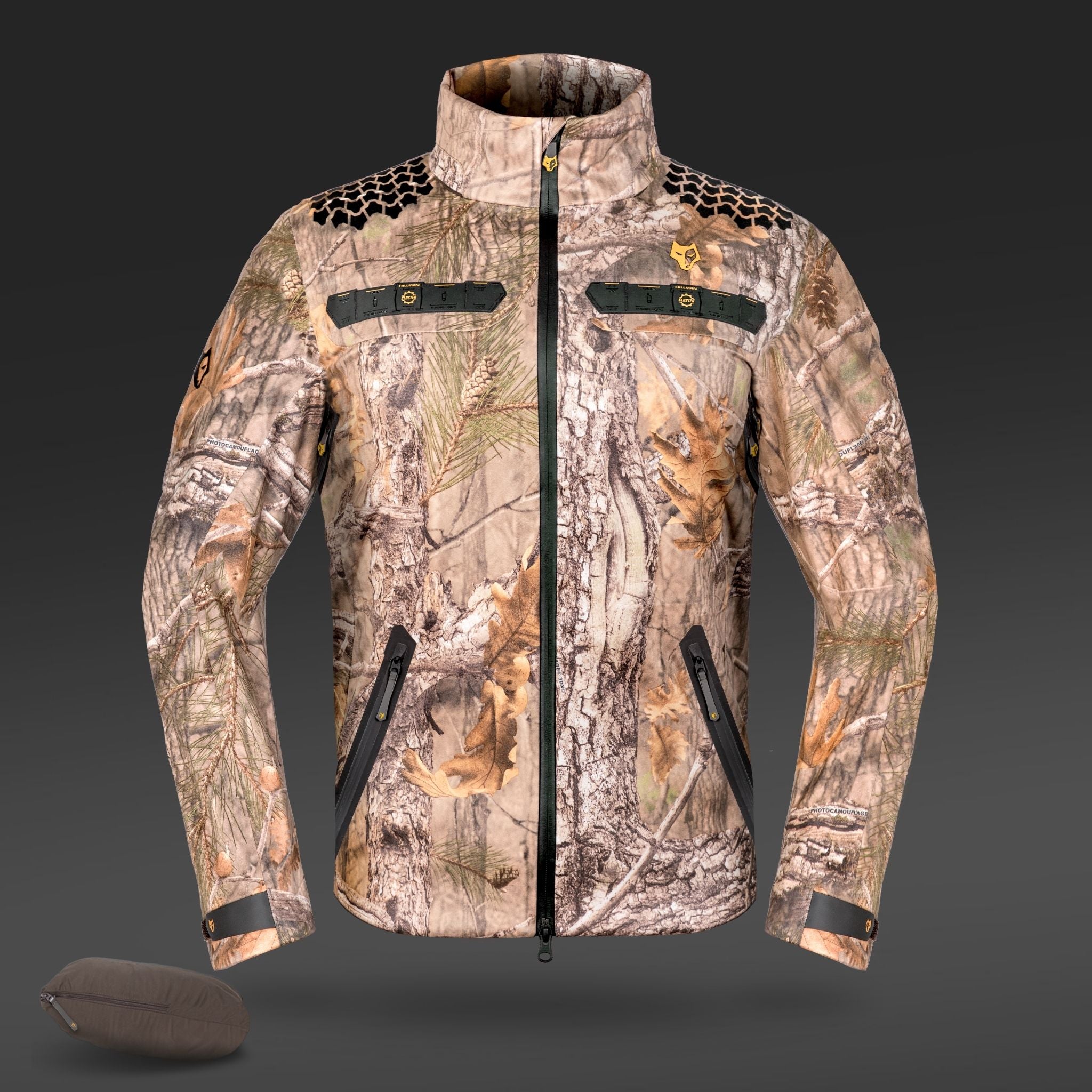
For me, the key features are simple enough: a quiet face fabric, reliable waterproof construction, a cut that allows movement, and proper details where details matter. Waterproof zips help, especially on exposed pockets and main openings. Quiet pocket closures matter as well. Enough pockets are useful, but only when they do not add bulk or extra noise. I also look for a shell that can handle driving rain for more than a short spell. A jacket for stalking should not begin to feel uncertain the moment the weather settles in for the day.
Breathability matters just as much. I want better breathability than the usual “it will do” standard because dampness from the inside becomes a problem surprisingly fast. In my experience, a jacket that feels slightly less bombproof but manages internal moisture well is often better than one that seals everything in and turns my own heat against me.
Shooting trousers need to stay quiet when the jacket is not on

Good shooting trousers do more than complete the look. They carry a lot of the day. They take repeated contact with wet grass, low brush, boggy edges, and the kind of ground that never really dries. If they hold water, flap about, or rasp loudly with every stride, I notice it very quickly.
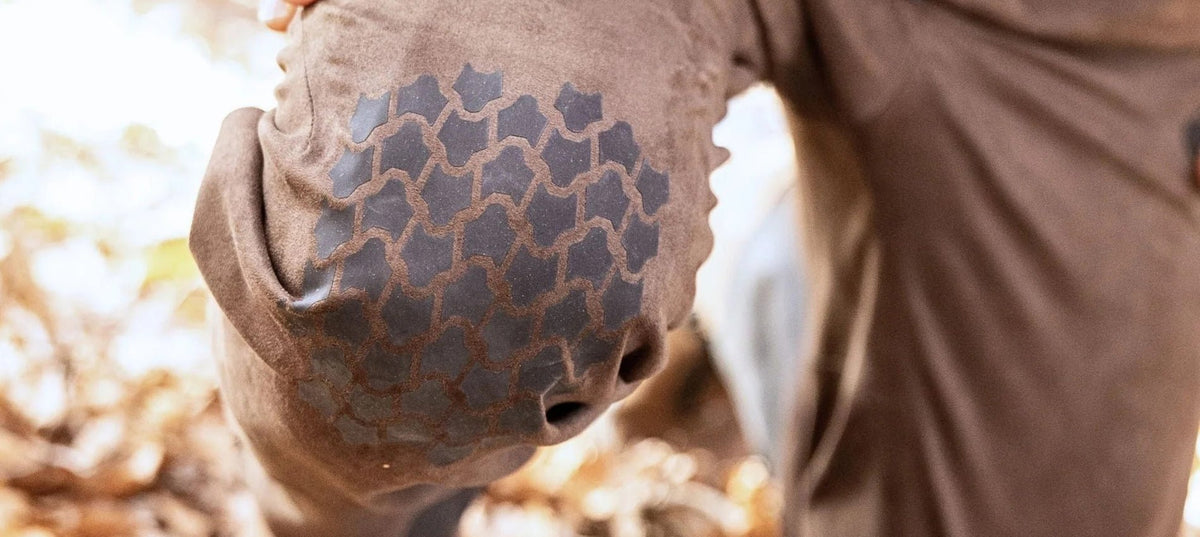
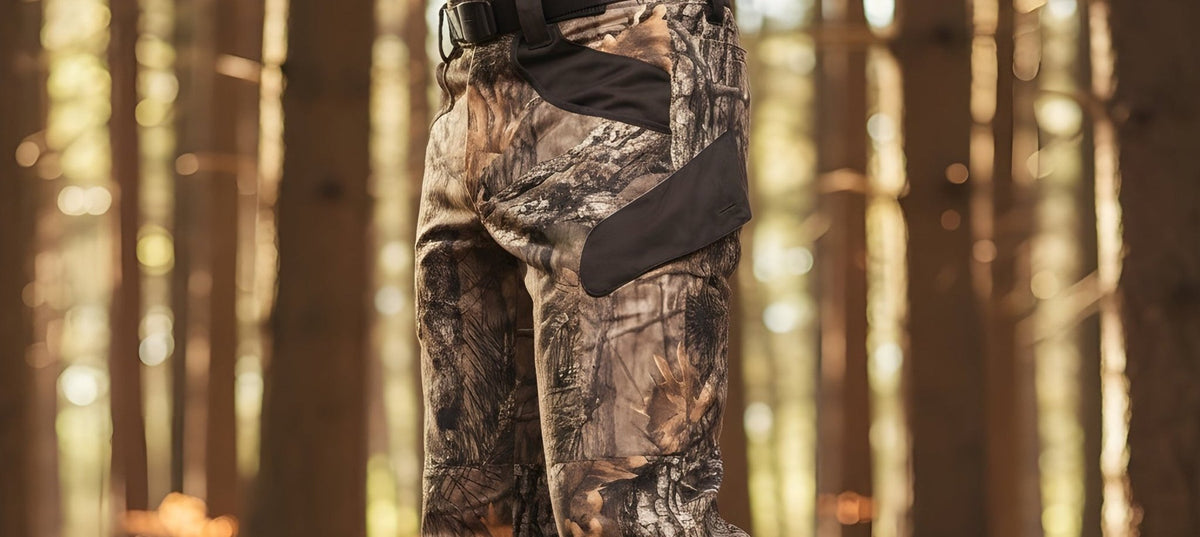
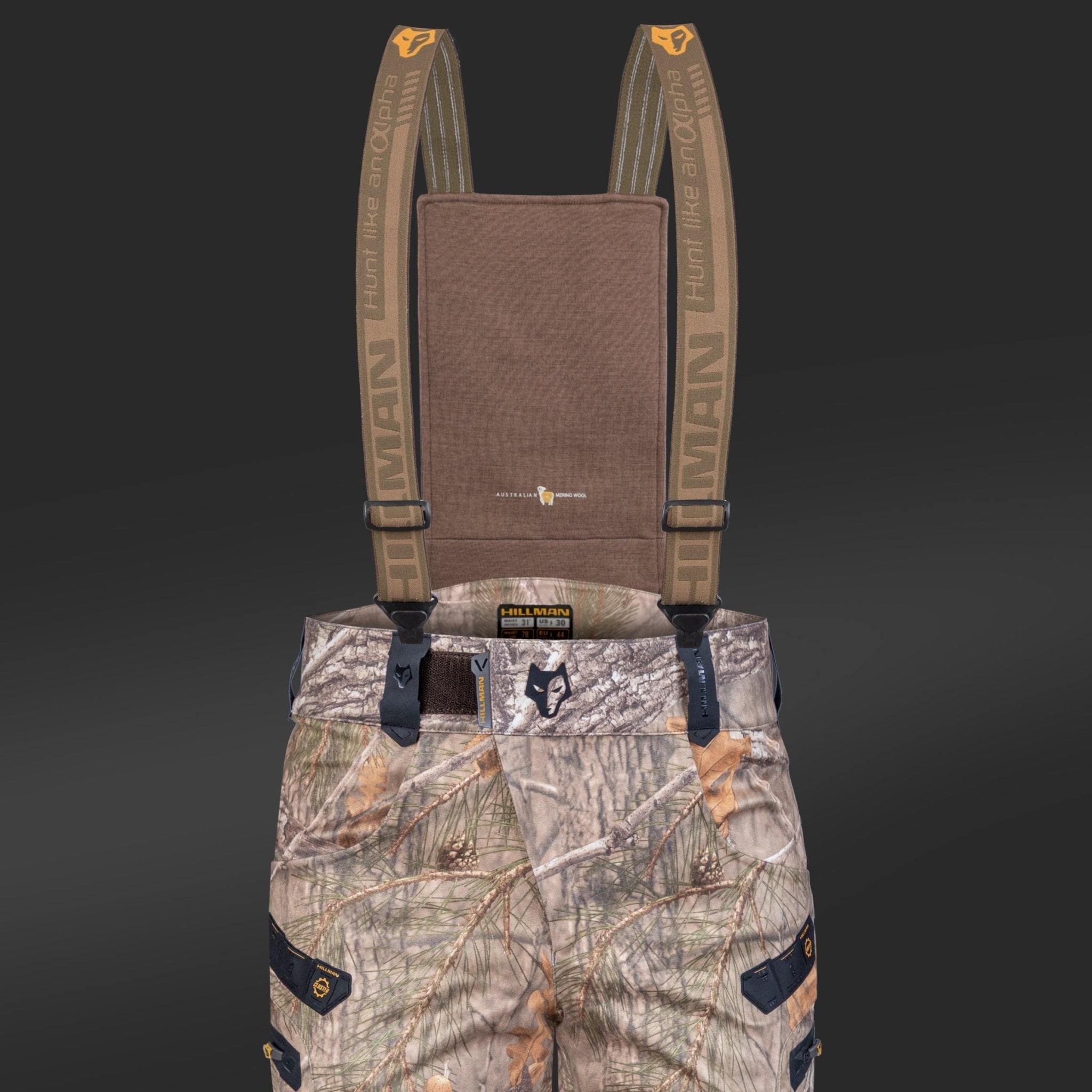
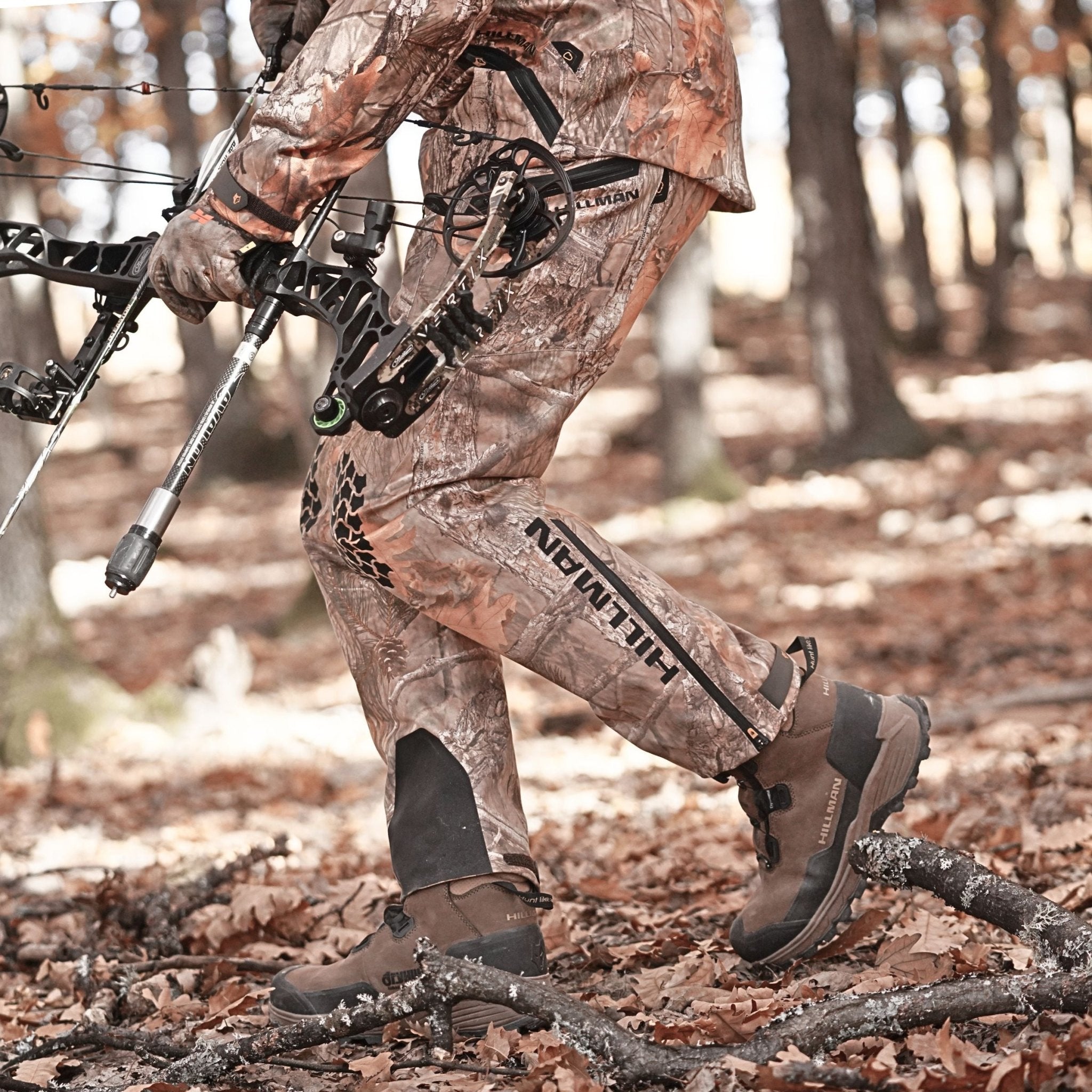
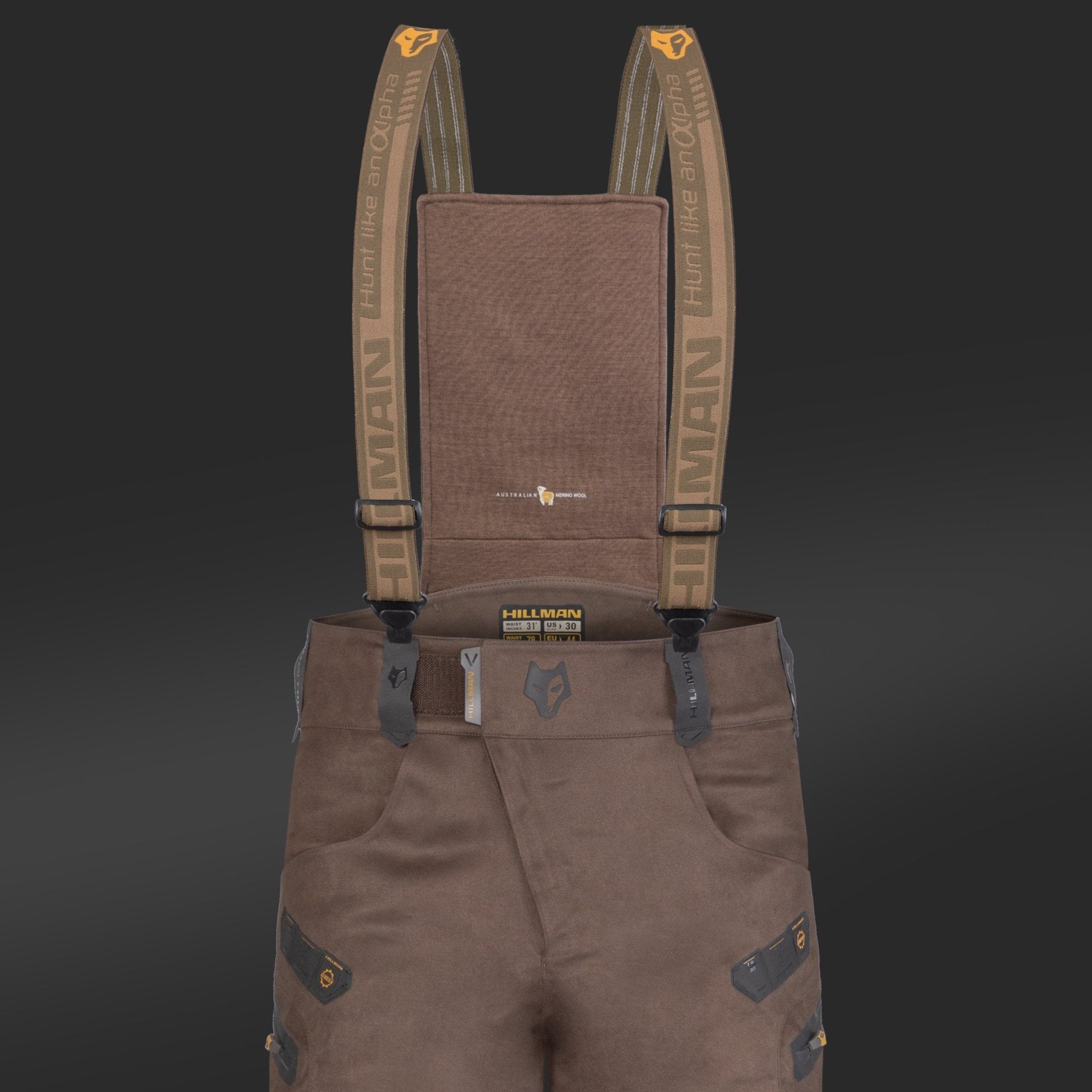
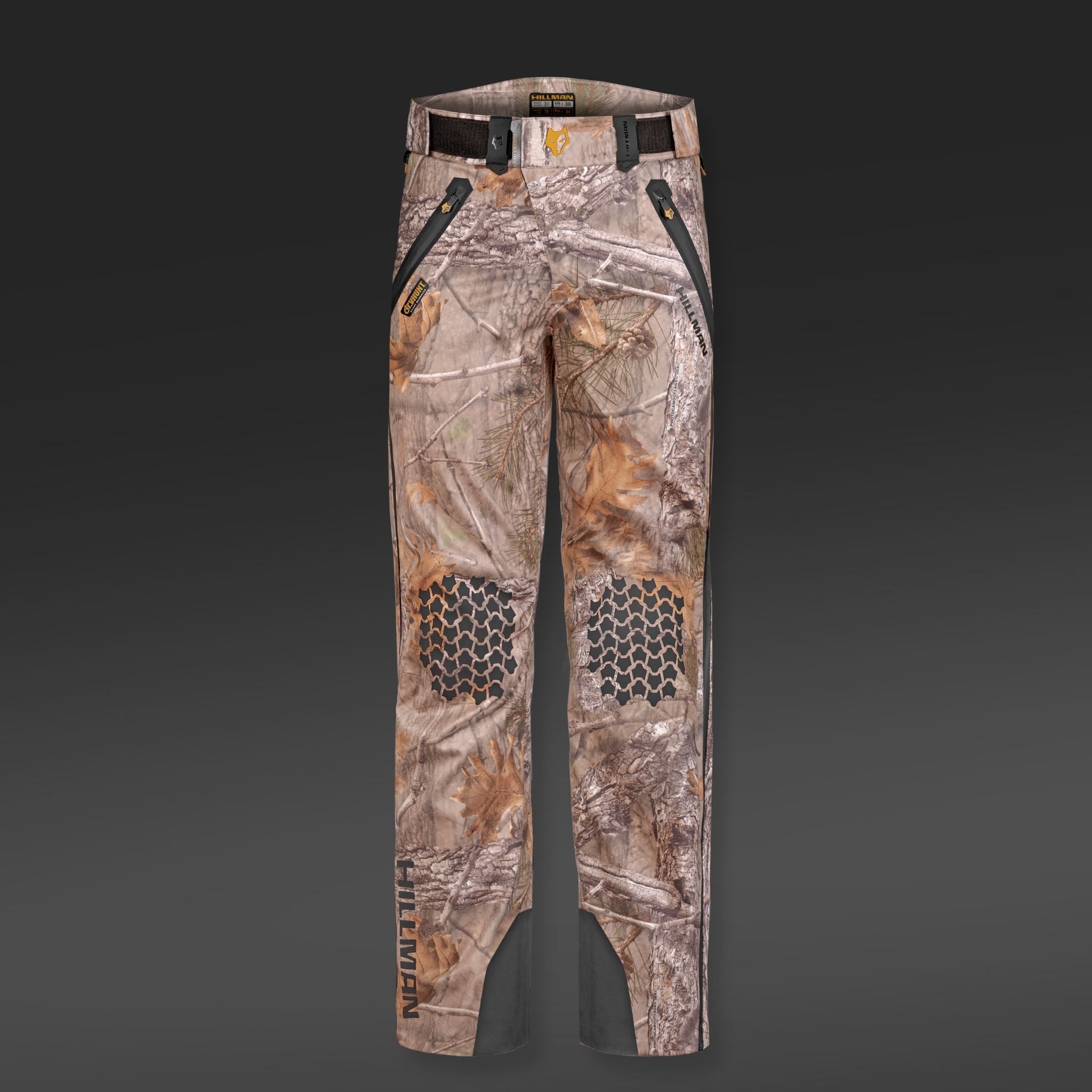
I want shooting trousers that stay quiet, move easily, and hold up on rough ground. Articulated knees help more than people think because they stop the fabric from fighting the body every time I bend, crouch, or step up. That matters on long stalks. It is one of those things I do not think about when it is done properly, and cannot stop noticing when it is not.
For wet days, I usually want proper waterproof trousers, not just something that claims to resist a bit of drizzle. Brushed, quiet outer materials are ideal, but they still need enough toughness for repeated use. That mix of silence, weather protection, and durability is what makes trousers field-worthy rather than merely pleasant in the hand.
Waterproof trousers matter more once the wet starts creeping in
The trouble with poor legwear is that it often fails slowly. A bit of contact with wet brush here, a kneel on damp ground there, a few passes through soaked cover, and before long the whole lower half begins to feel heavy, cool, and distracting. That is why waterproof trousers matter more than some hunters allow.
If I know I will be crossing wet vegetation, moving through heather, or spending time around peat, bog, or soaked grass, I want trousers that are truly waterproof. Lightly water-resistant fabric may last for a while, but in real weather conditions it tends to give up at the wrong time. Fully waterproof layers simply protect comfort better during extended periods outdoors.
At the same time, I do not want trousers that feel like a rigid shell. I still need them to move quietly and breathe. The lower body generates less heat than the upper body when I am static, but once I start working over mixed ground, moisture can still build. If the trousers do not breathe at all, the inside eventually gets unpleasant anyway.
Shooting socks quietly, decide whether my feet stay warm

I have seen a lot of attention given to boots and not nearly enough to shooting socks. That is a mistake. Keeping feet warm depends on more than footwear alone. Socks do a lot of the unseen work, especially in cold, damp country.
Good shooting socks help with temperature control, moisture handling, and comfort over distance. I lean towards moisture-wicking materials such as merino wool because they handle sweat better and feel more stable through changing effort levels. In cold weather, that matters. Damp feet cool quickly, and once the chill starts creeping in, the rest of the body notices.
A proper sock also helps the boot fit better. Too thin, and the setup may feel loose. Too bulky, and the boot can become tight or awkward. I want the combination to feel settled. Boots, socks, and gaiters, where relevant, all work together. That matters more on wet days than many people expect.
Stalking gear works best when every layer has a job
I do not build stalking gear around one miracle garment. I built it as a system. Every layer has a job, and if one part fails, the rest of the setup starts working harder than it should.
The base layer manages sweat and keeps that moisture moving away from the skin. The mid layer adds insulation and helps regulate warmth without too much bulk. The top layer protects against wind, rain, brush, and cold exposure. If those pieces work together, I can adjust throughout the day without losing comfort.
That matters because stalking deer is rarely one-speed. Sometimes I am moving steadily and building heat. Sometimes I am standing still, watching, waiting, and losing it again. A proper layering system helps me handle those shifts without constantly feeling too warm, too cold, too damp, or too restricted.
Rough ground exposes bad clothing faster than easy walking does

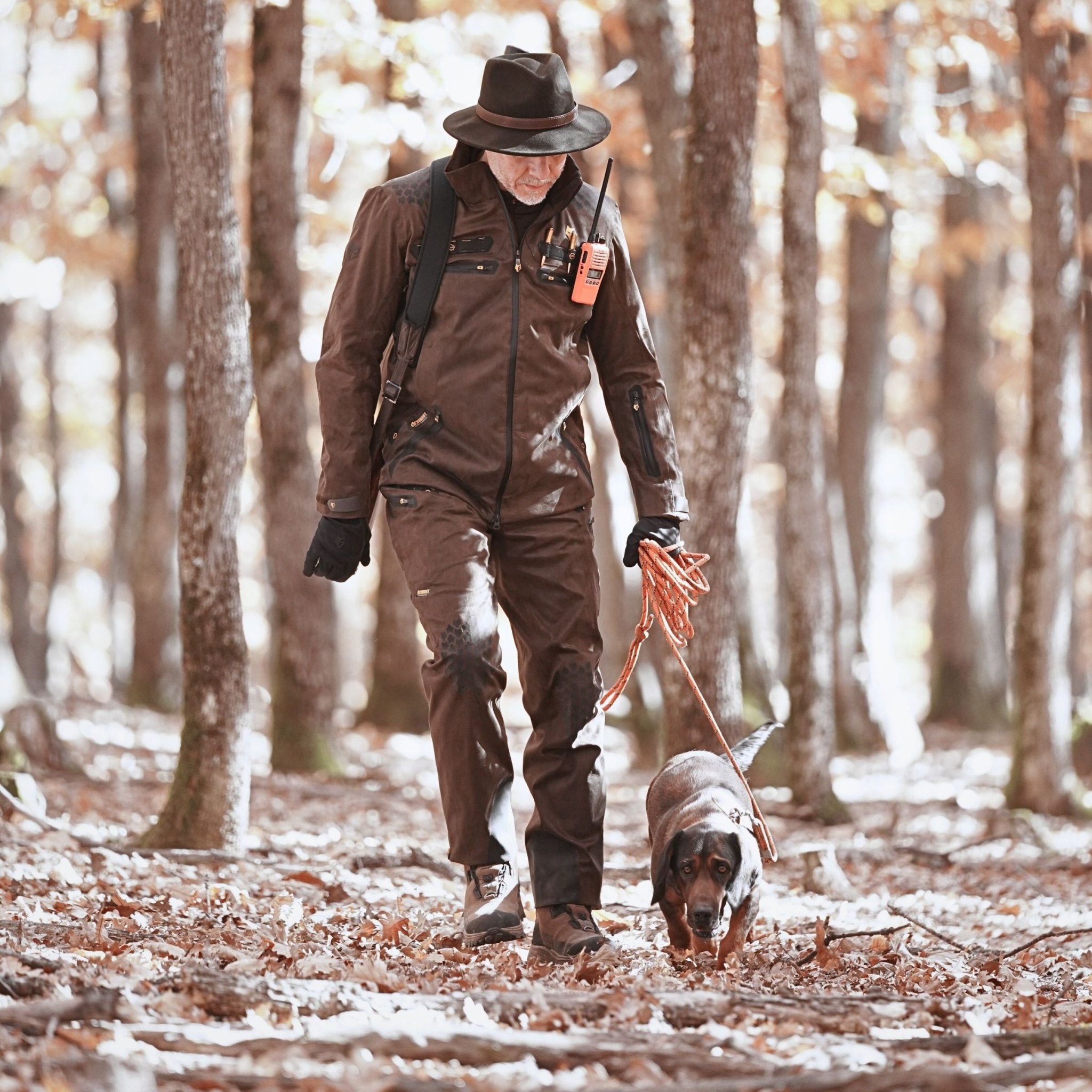
Flat ground forgives a lot. Rough ground does not. Once I am crossing ditches, uneven banks, wet roots, stony paths, or slippery grass, weak clothing starts showing its faults fast.
On rough ground, I notice whether trousers catch, whether the jacket rides up under a pack, whether cuffs hold, whether the cut lets me step properly, and whether the boots still feel balanced. A lot of “good enough” kit stops feeling good enough the moment the terrain becomes awkward.
That is one reason I value lightweight clothing that still has substance. I do not want excessive bulk when I am covering distance, but I also do not want flimsy fabric that feels out of its depth the moment the country gets harsh. Practical field clothing has to strike that middle line well.
Rough terrain changes how breathability and durability matter
Rough terrain has a way of turning theory into reality. What looked breathable in a product description either copes with effort or it does not. What sounded durable either handles heather, bramble, wet brush, rock, and repeated contact, or it starts looking tired very quickly.
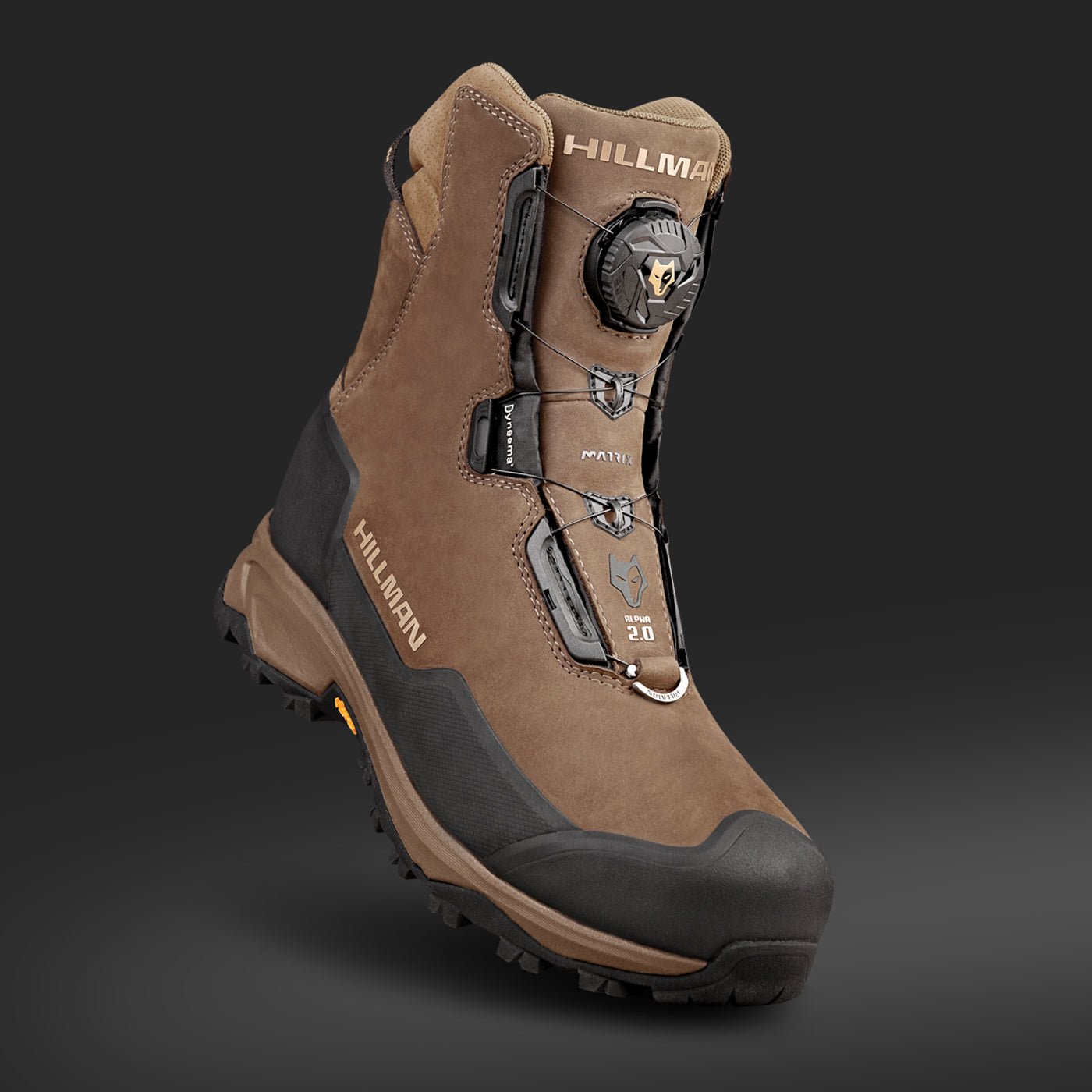
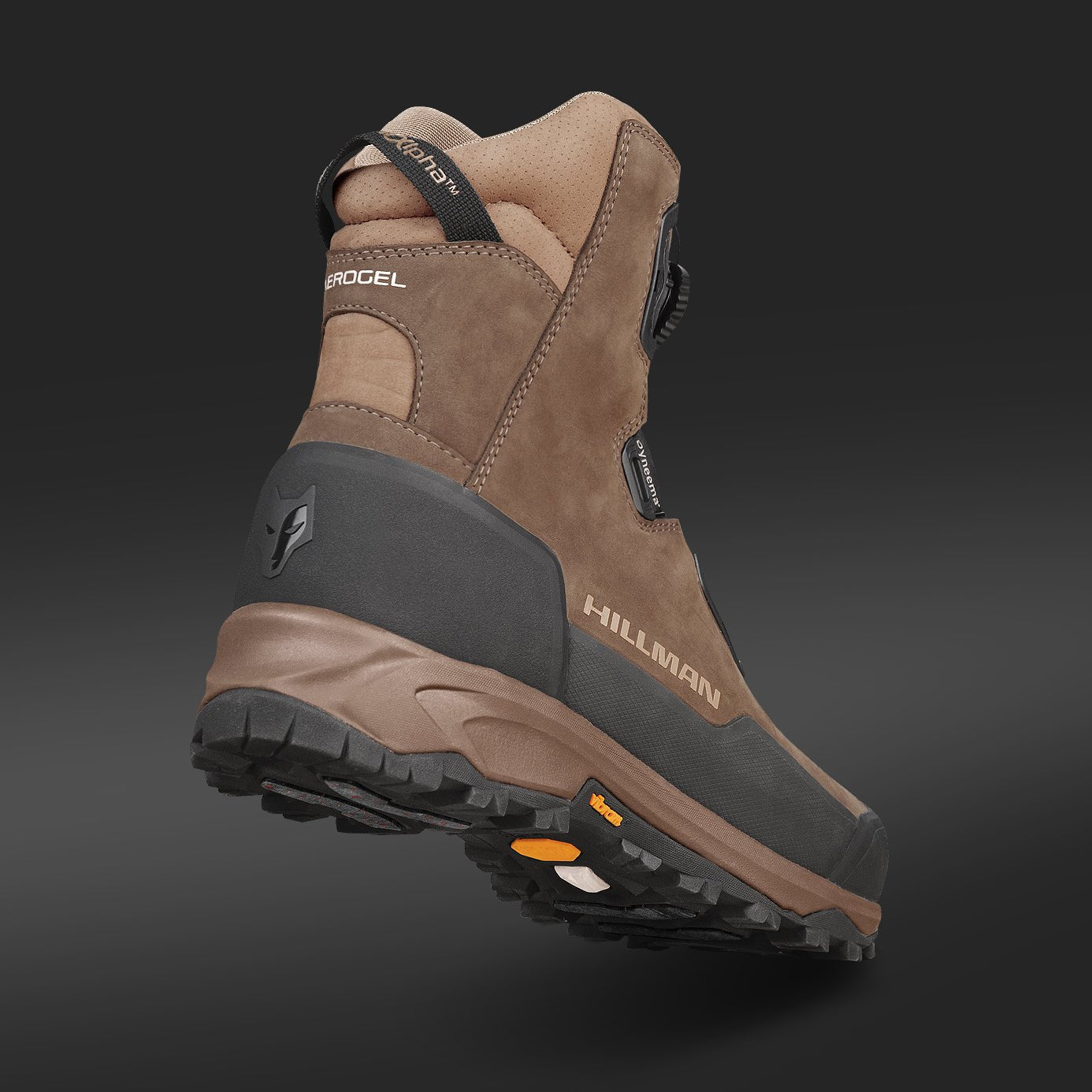
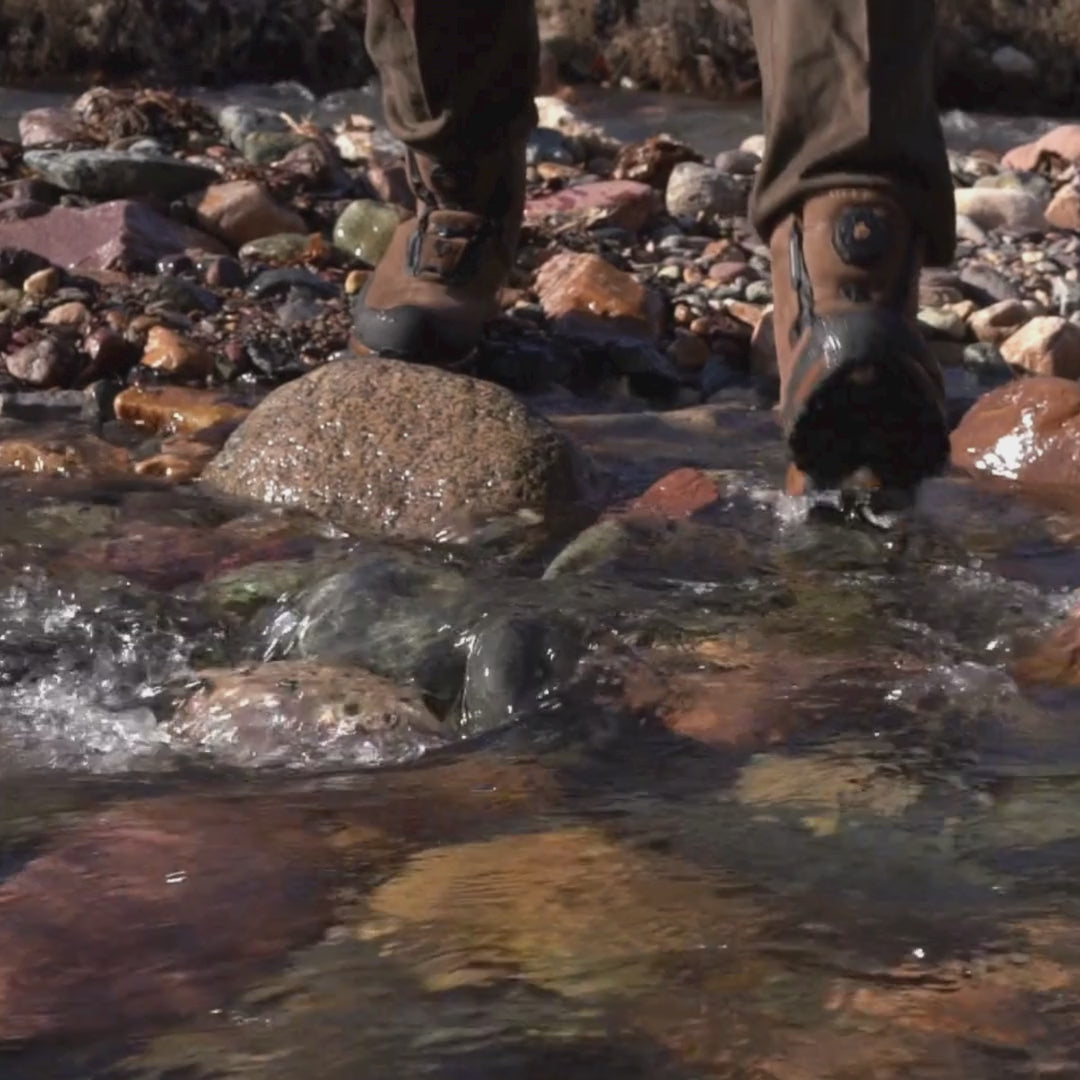
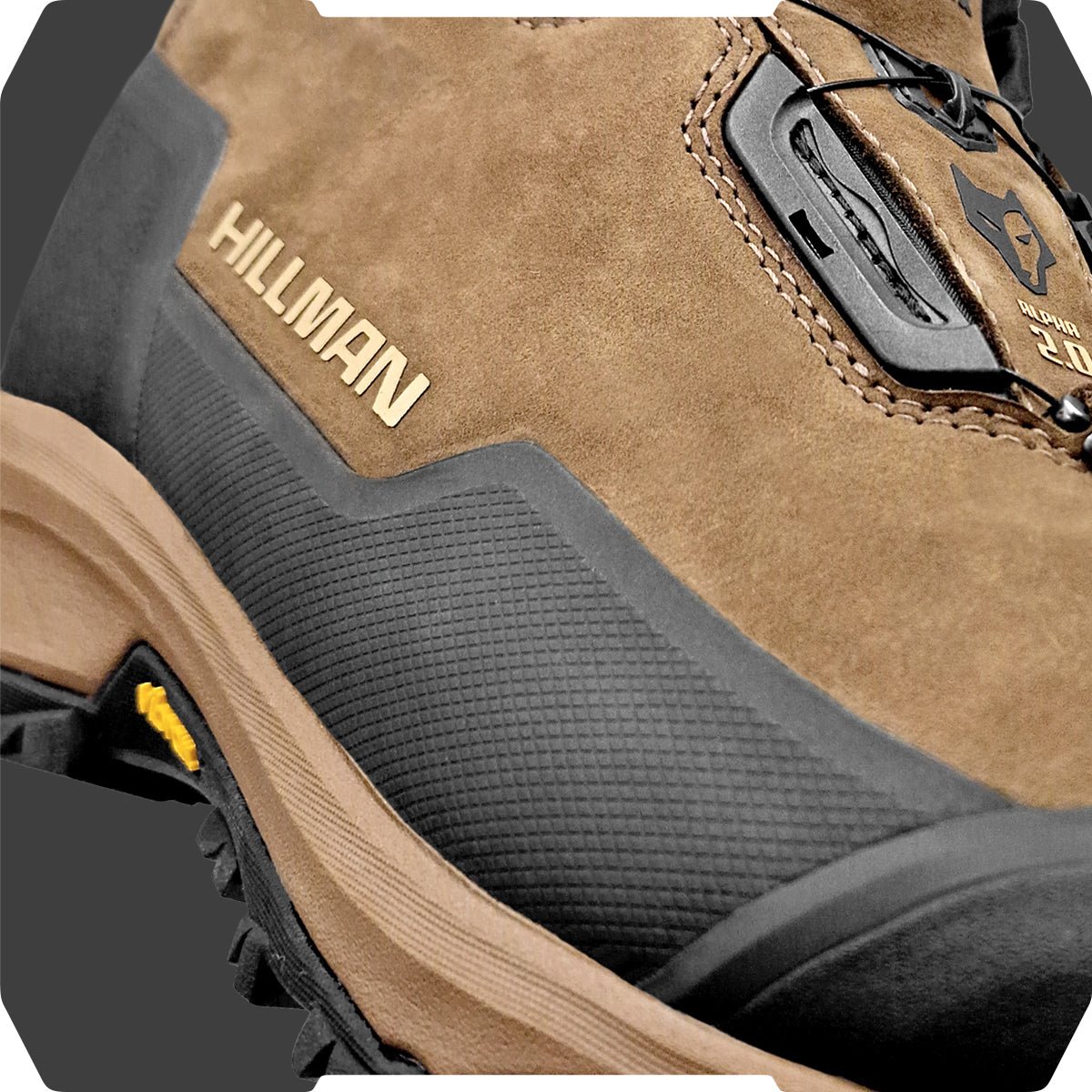
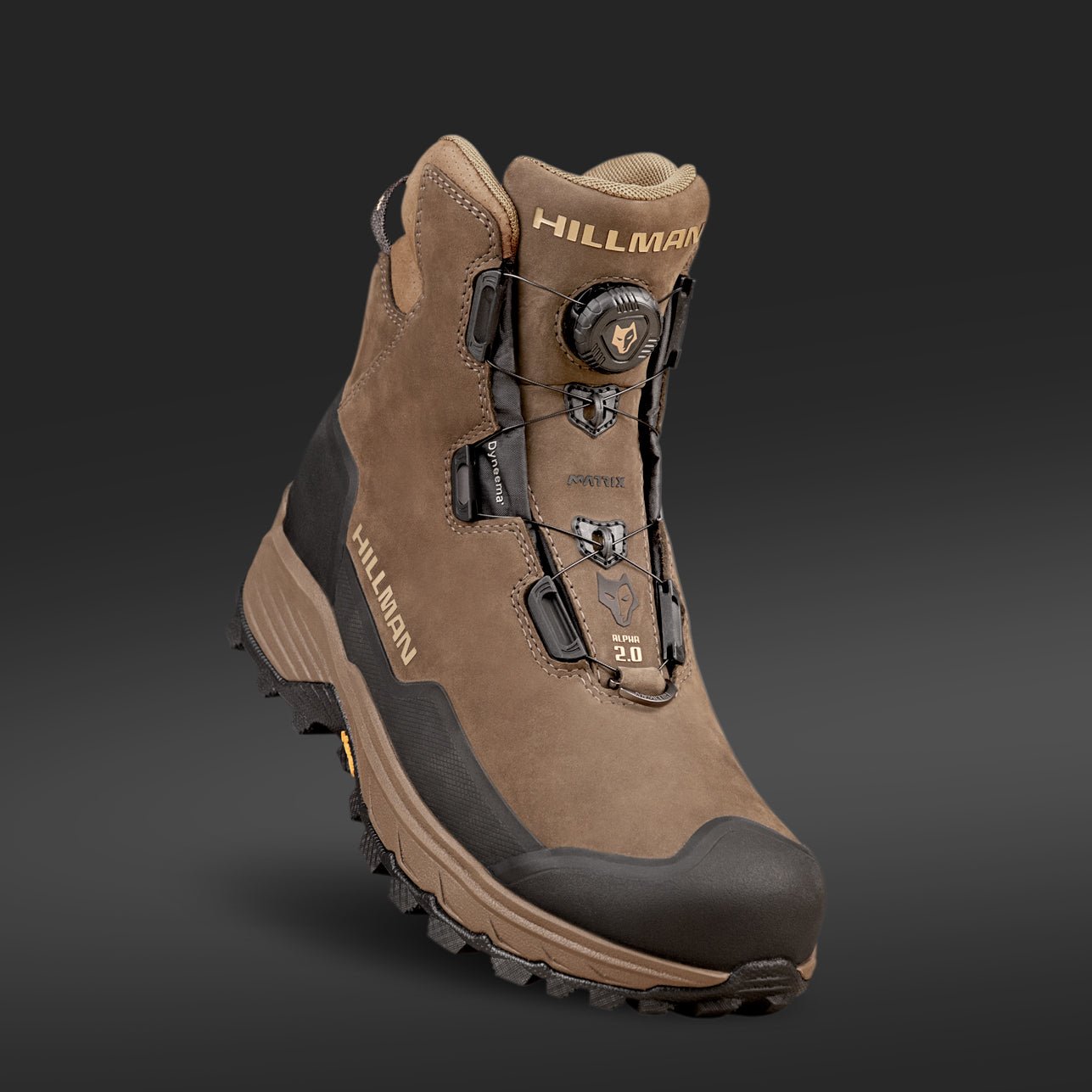
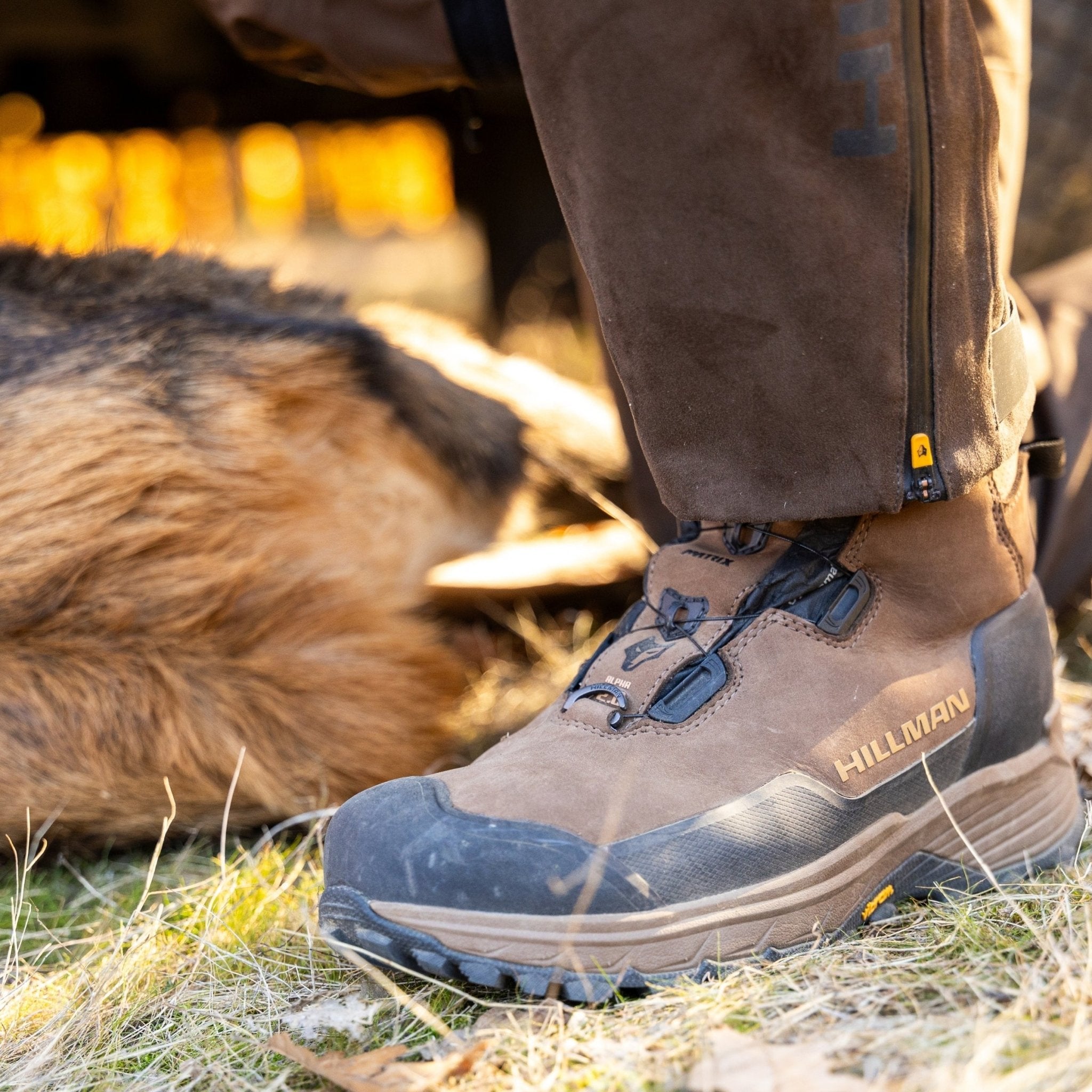
When I am moving through rough terrain, I usually want more from every part of the system. The clothing has to flex, stay quiet, and resist wear. The boots need grip. A good sole matters on mud, slick banks, and broken surfaces because balance affects more than pace. It affects comfort, confidence, and how much energy I waste correcting every step.
This is also where temperature management becomes more important. On tougher ground, effort rises. On harder climbs, moisture rises with it. If the clothing cannot release that moisture, the inside of the system starts to fail even if the outside stays dry.
Practical advice for staying dry without overheating

My first bit of practical advice is simple: do not dress for standing still if you know you will spend half the day moving. I see that mistake all the time. People start heavy because the air is cold, then work up heat, sweat into their layers, and later wonder why they feel chilled once they slow down.
The better approach is controlled layering. I start with a moisture-managing base layer, add a mid layer if the day calls for it, and rely on the outer shell for weather protection. That way, I can stay warm without locking myself into too much insulation from the start.
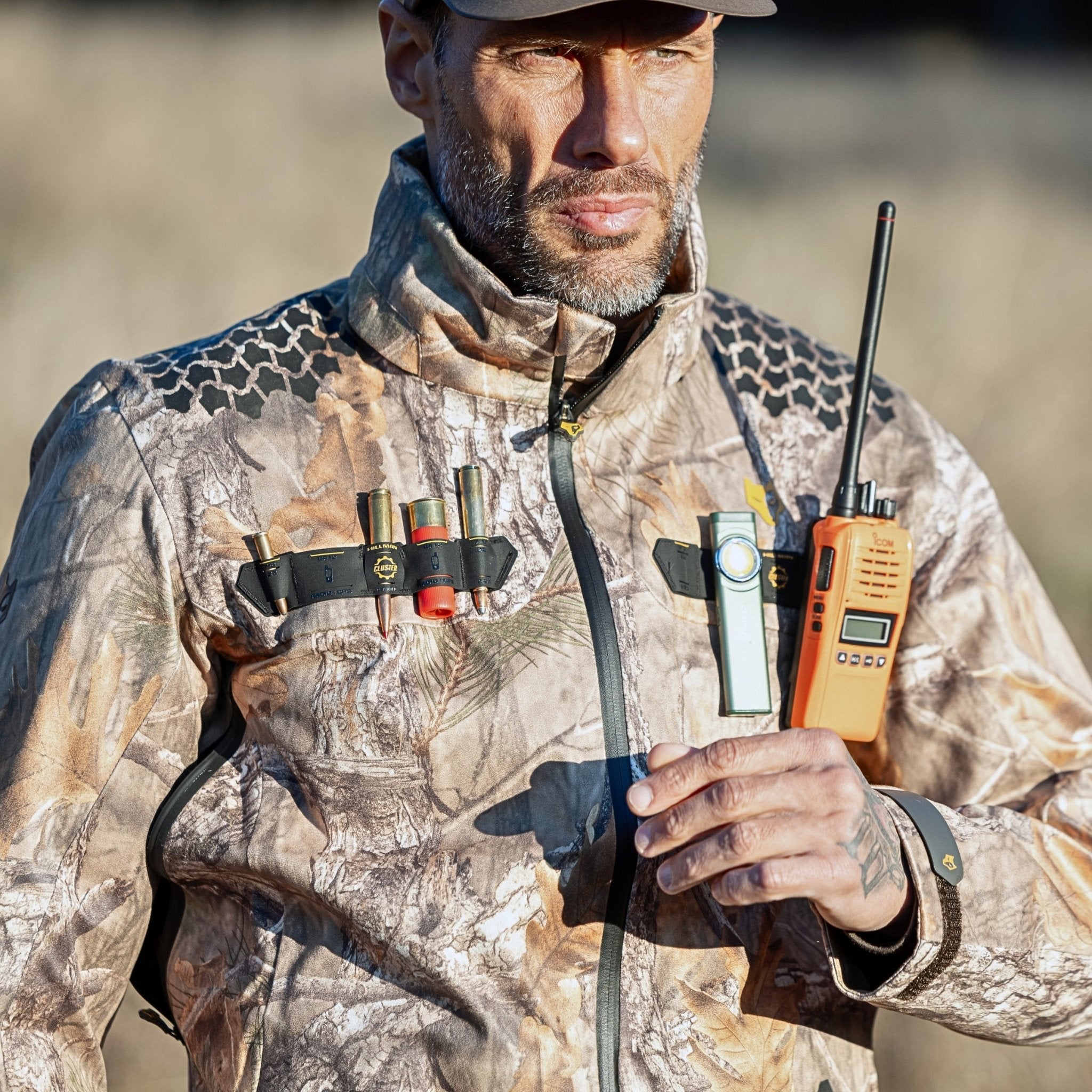
My second bit of practical advice is not to underestimate small details. Quiet pocket access, cuffs that seal properly, a hood that works in wind, a leg cut that does not drag or catch, and enough flexibility to move naturally all matter more than they first seem. Small annoyances become big distractions after hours outdoors.
Key features I look for before trusting stalking clothing
The key features I trust most are not always the flashiest ones. I look first at noise, waterproofing, breathability, fit, and movement. If those are not right, the rest does not matter much.
I want silent or near-silent fabrics, especially on the outer surfaces. I want truly fully waterproof construction for wet stalking, ideally with a waterproof rating strong enough to stand up to real rain rather than brief contact. I want high breathability to reduce internal moisture build-up. I want a sensible pocket layout, quiet closures, solid cuffs, and enough flexibility that the clothing never feels stiff or obstructive.
Fit matters too. The clothing should allow me to move, layer, crouch, and walk naturally. If it pulls, rides up, pinches, or makes me conscious of itself all day, I do not trust it for serious use.
The mid-layer decides whether I stay warm or sweat too early

A good mid-layer is one of the easiest pieces to get wrong. Too much insulation and I overheat as soon as the stalk becomes active. Too little and I start losing comfort the moment I slow down.
What I want from a mid layer is usable insulation. Fleece often works well because it adds warmth without turning the system too heavy. It also layers easily under a shell and can be adjusted according to the day. In cold conditions, that flexibility matters more than a big insulation claim.
I do not want the mid layer doing the waterproofing job. I want it focused on warmth, comfort, and helping me stay comfortable when the day shifts between movement and stillness.
Driving rain separates decent kit from trustworthy kit
A lot of clothing feels adequate until driving rain arrives. That is when I learn what the shell is really made of. Rain that comes in sideways, keeps falling, and rides on the wind is a proper test.
In driving rain, I want confidence in the outer shell, the seams, the cuffs, the hood, and the zips. I also want the clothing to keep doing its job after the first hour, not just through the first burst of rain. A truly waterproof setup helps me stay dry, but it also protects my concentration. Once I start feeling that slow dampness creeping in, focus begins to go with it.
That is why I do not mind paying attention to construction. Weather protection that holds through bad conditions is not a luxury for stalking. It is part of staying effective.
Gore-Tex and similar membranes matter when breathability matters too
I am not loyal to labels for their own sake, but materials and membrane systems do matter. Gore-Tex became well known for a reason. A membrane like that can help deliver the mix of waterproofing and better breathability that stalking clothing really needs.
When I choose waterproof stalking clothing, I want the outer shell to keep rain out while allowing internal moisture to escape. That is the reason breathable membrane systems matter. A jacket or trousers that trap sweat inside may still be technically waterproof, but it does not feel like success in the field.
Even so, the membrane alone is not enough. The face fabric still has to stay quiet, the cut still has to move well, and the whole system still has to work in real weather rather than on a specification sheet.
My base layer controls moisture before the weather gets a say

The base layer is the first thing I get right because everything above it depends on it. If it cannot move sweat away from the skin, the rest of the setup starts on the back foot.
I usually prefer merino or other moisture-wicking materials because they help manage moisture and reduce that clammy feeling that comes with stop-start effort. That matters when I go from steady movement to waiting, or from a cold dawn into a milder spell once the light improves and the day opens up. A poor base layer makes a stalking day feel longer in all the wrong ways. A good one disappears into the system and quietly does its job.
The top layer must protect without turning into a burden
My top layer has to shield me from rain, wind, and cold while still being workable. I do not want a shell so heavy and rigid that it makes stalking awkward. I also do not want something too light to cope with real weather.
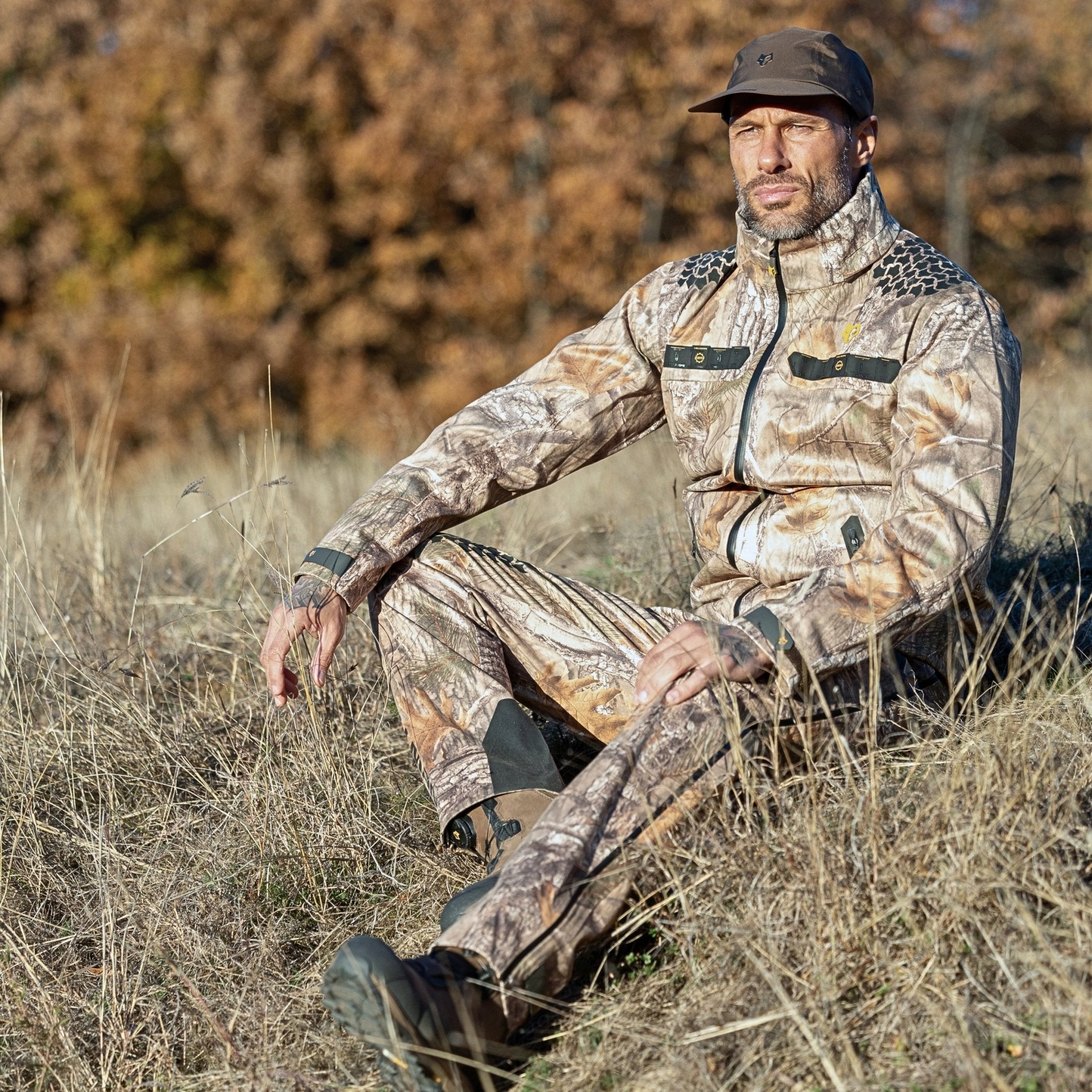
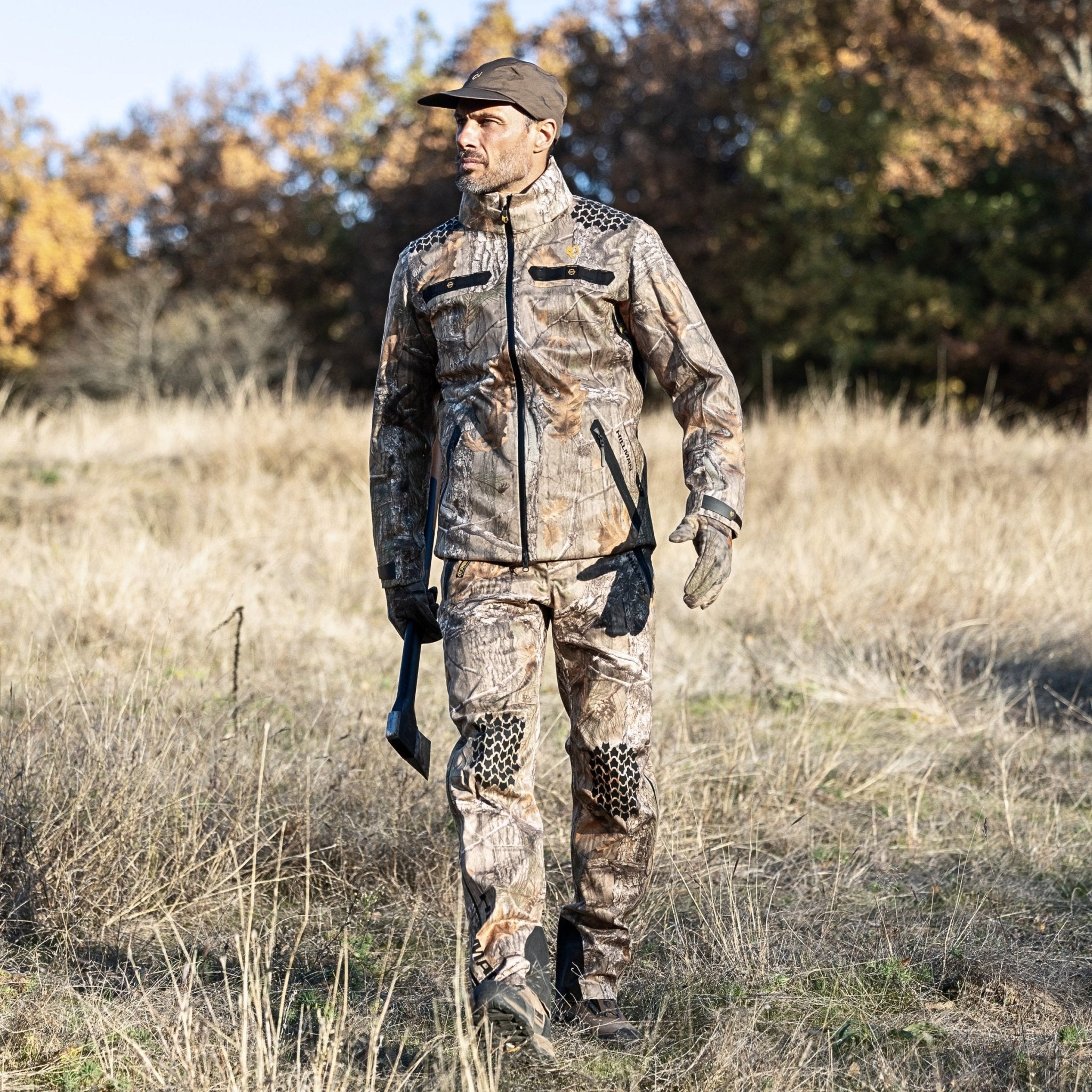
The best top layer feels protective but not oppressive. It keeps weather out, breathes properly, and still allows me to move naturally across mixed ground. It should also hold up to repeated use. Durability matters in stalking clothing because the landscape does not treat fabric gently for long.
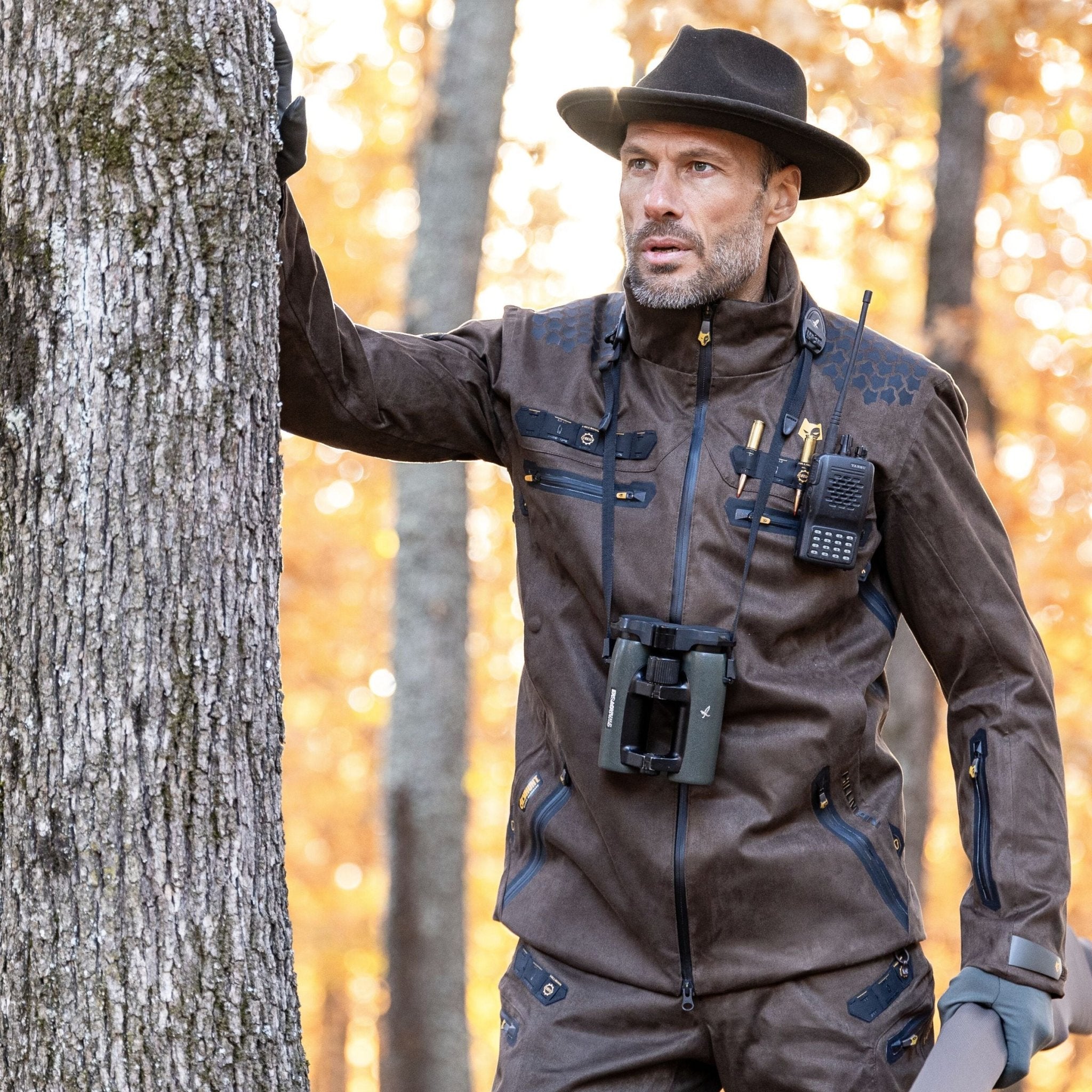
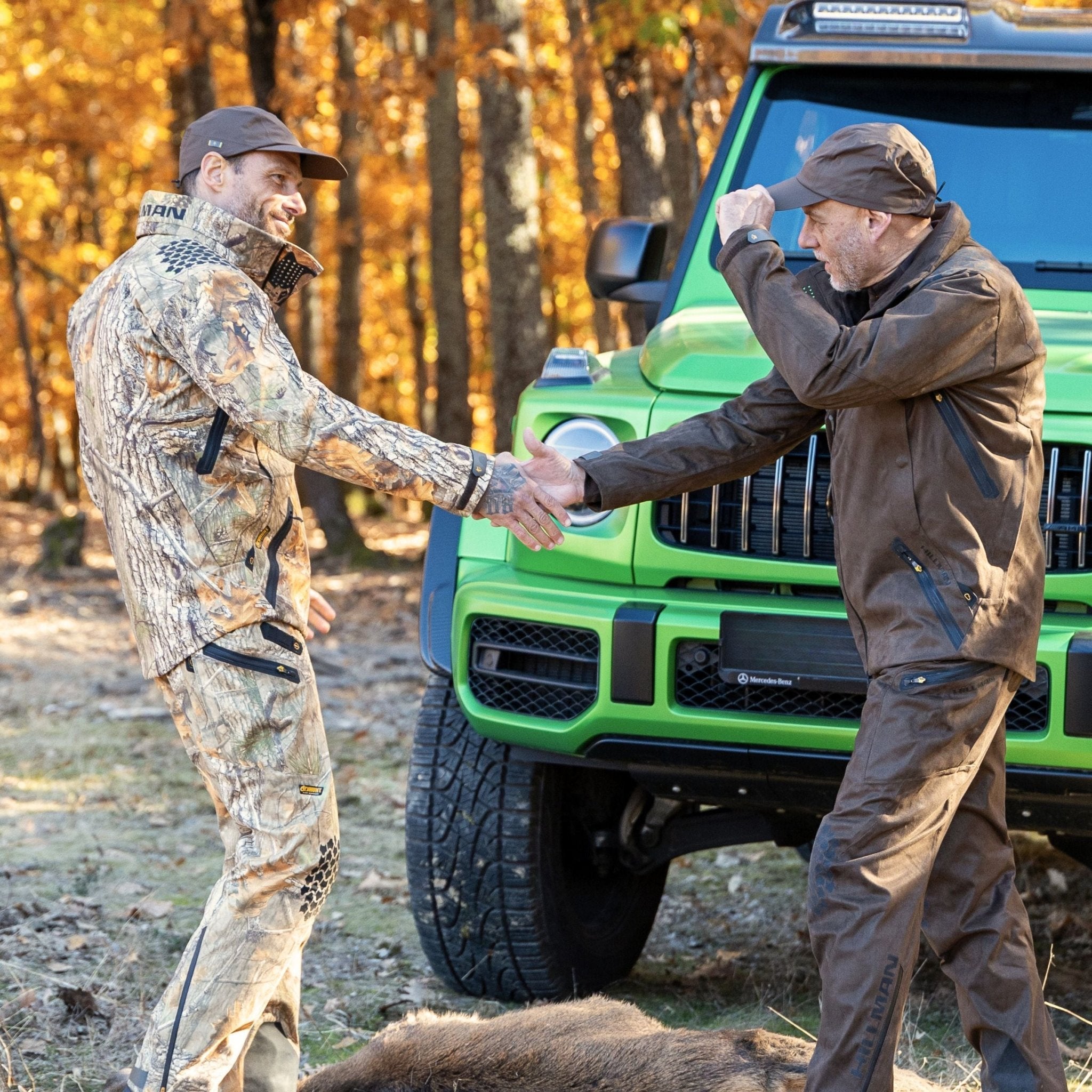
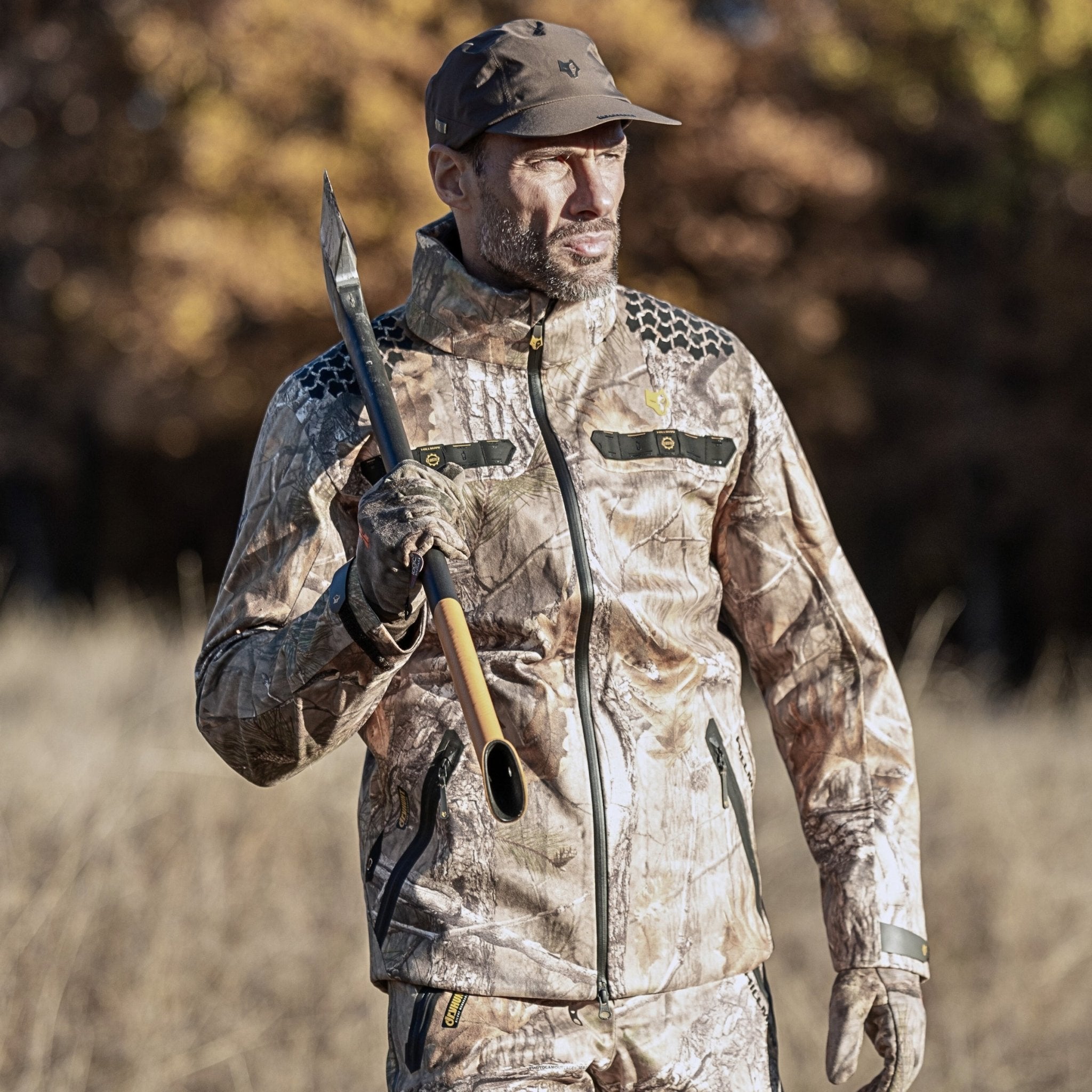
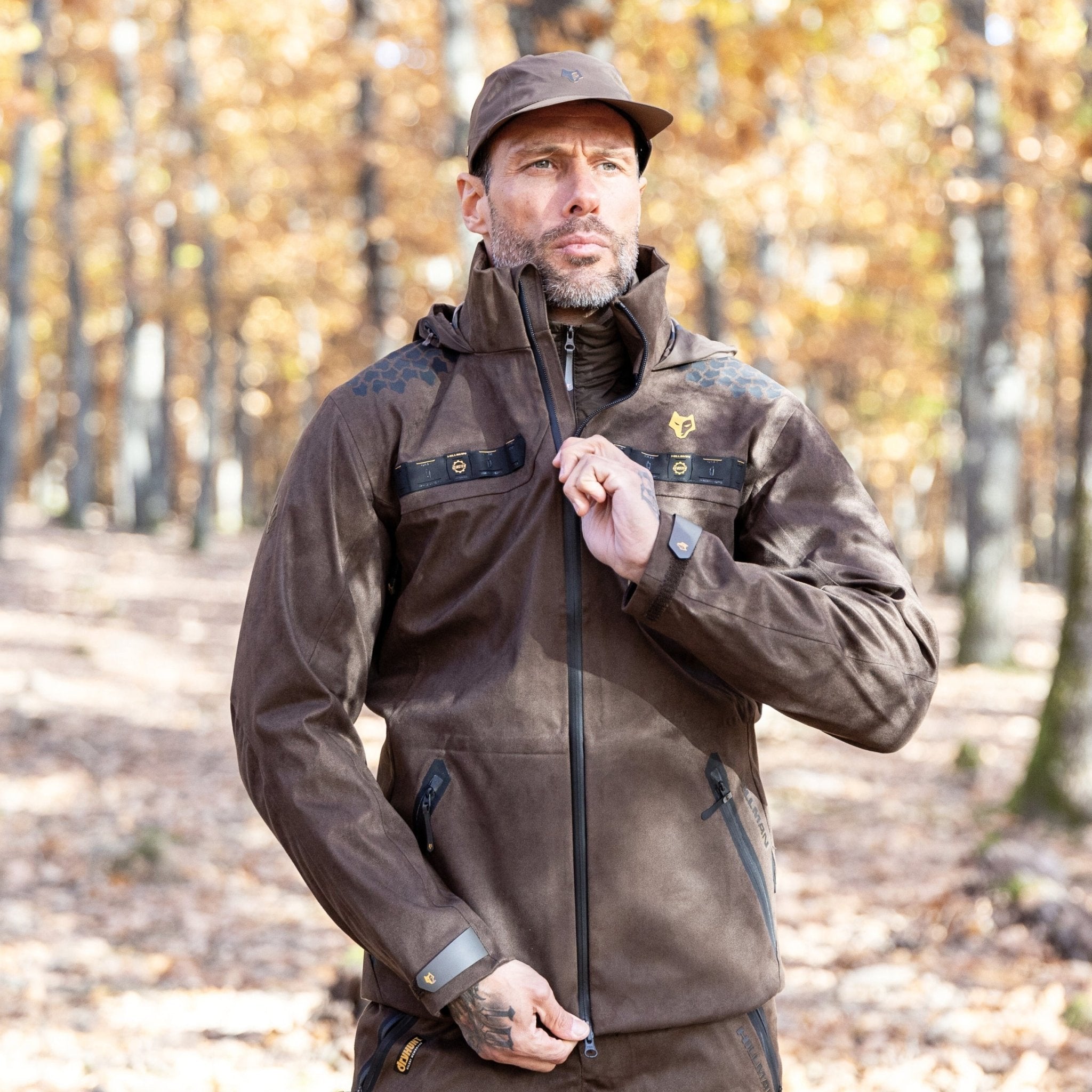
That is one reason I respect a well-made kit. A serious setup from Hillman makes sense to me when it gets those fundamentals right: quiet movement, dependable waterproof protection, and comfort that lasts longer than the easy part of the day.
Stay comfortable for the full stalk, not just the first hour

To stay comfortable, I think in terms of the whole day, not the first impression. Comfort in stalking is not softness alone. It is dry layers, quiet movement, controlled temperature, reliable weather protection, and clothing that does not keep distracting me.
I want to stay comfortable when moving and when still, in cold air and in milder spells, on easier tracks and on broken ground, in light rain and in something worse. That is what the right gear should do. It should keep me focused on the stalk, not on the jacket rubbing, the trousers soaking through, or the boots slowly turning cold and wet.
That is the real answer to quite waterproof stalking clothing. It is not one magic feature. It is the way every layer works together under real pressure, in real weather, over real time.


Share:
Wide Fit Hunting Boots: Find Comfort Without Losing Stability
Best Hunting Clothes for Late Season UK Cold Snaps