
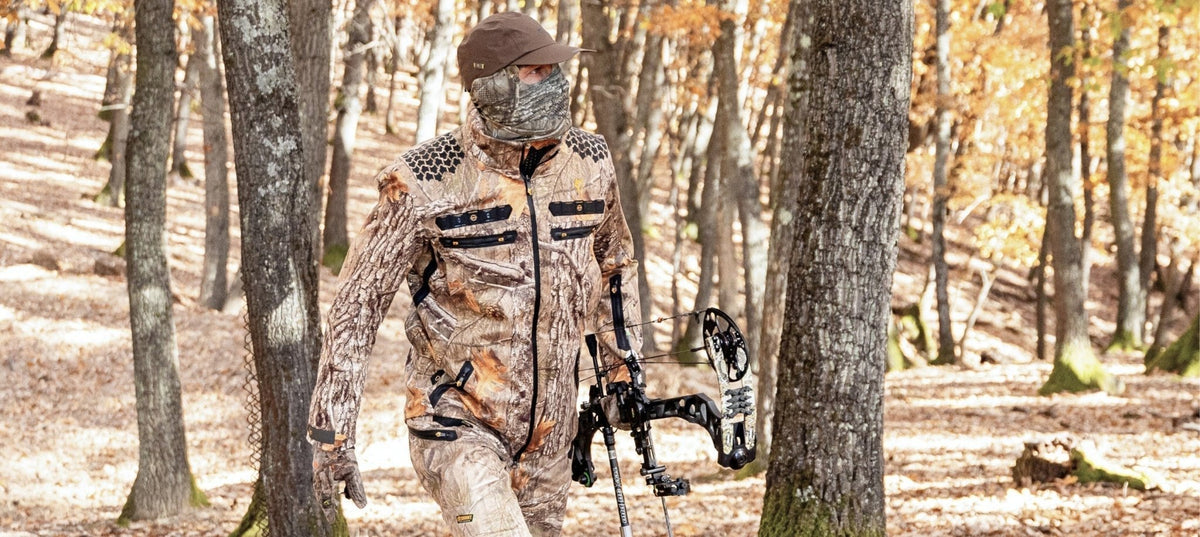
Best Hunting Clothes for Late Season UK Cold Snaps

Late-season UK hunting clothing needs to handle cold, rain, wind, and long hours outdoors without trapping moisture or slowing you down.
Late-season hunting in the UK is where bad clothing gets found out fast. Cold snaps sound simple until you are actually out in them. Then it is wet grass up to the knees, wind from the side, sleet in the face, mud on everything, damp cuffs, numb fingers, and that creeping cold that starts mild and then sits on you for hours.
That is why the best hunting clothes for late-season UK cold snaps are not just the warmest hunting clothes on the shelf. People overdo that all the time. They pull on too much, start walking, build heat too fast, sweat into the layers, then stop moving and get cold in a hurry. Same old mess. Heavy does not automatically mean better.
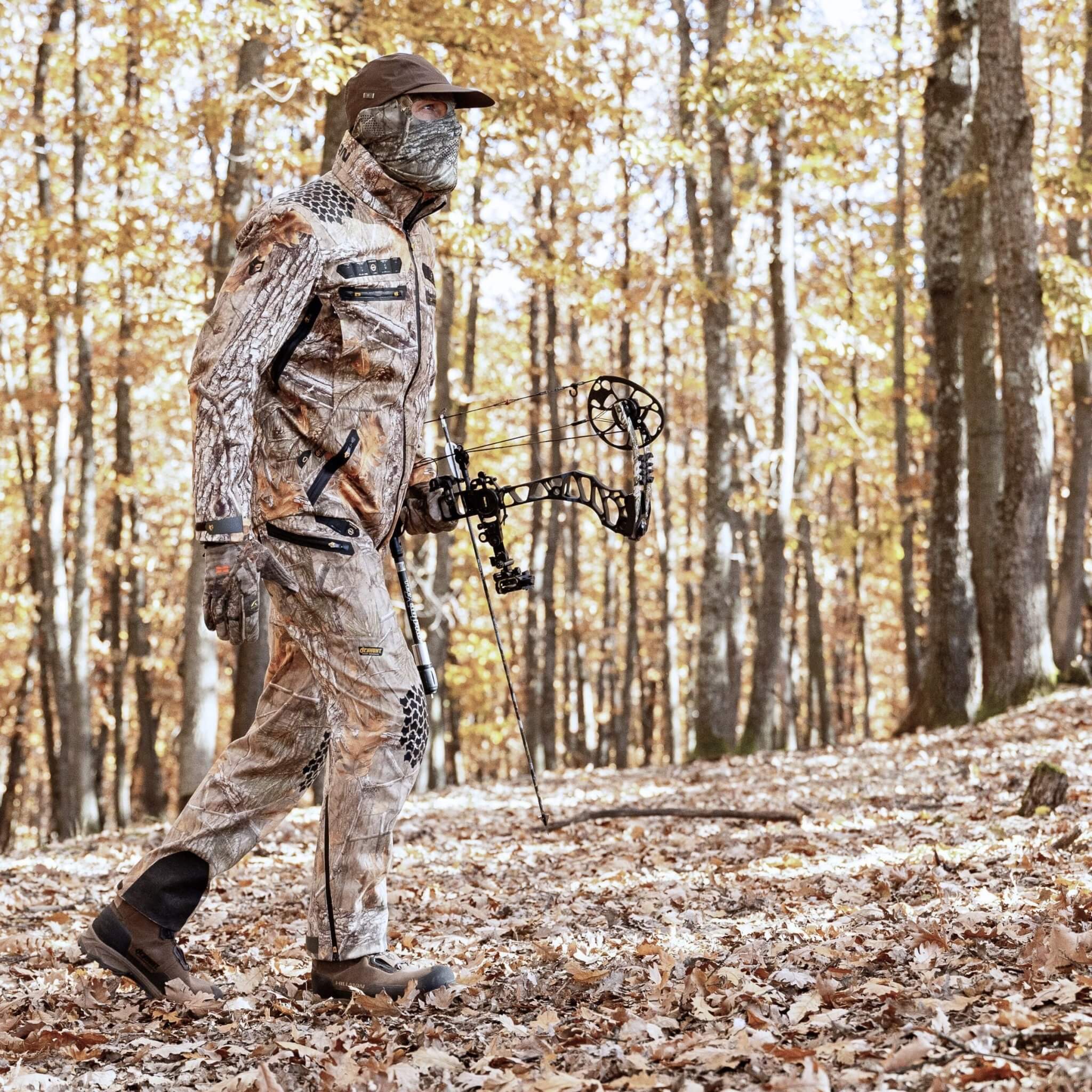
What works is a system. Base layer that handles sweat. A mid-layer that holds warmth. The outer layer that deals with wind and rain without turning into a wet plastic bag. Then you sort the rest properly, too. Legs, boots, gloves, and head. Miss those, and the whole setup starts feeling flimsy, no matter how good the jacket looks.
Cold weather hunting in the UK is rarely one clean type of cold. It can be wet, cold, windy, or bitterly cold conditions at first light, or freezing conditions that get worse once you stop moving. You need hunting apparel that can cope with all of that without making you feel stiff, noisy, or cooked from the inside.
Base Layer Comes First for a Reason

If the base layer is poor, everything above it has to fight harder than it should.
The first problem in cold weather is often not rain. It is sweet. Walking hard for ten minutes, climbing, dragging gear, or covering rough ground, and the body starts making heat fast enough. If that moisture stays on the skin, body heat starts leaking away the second you slow down.
That is why the base layer matters so much. Its job is not to look technical. Its job is to move moisture away, help retain heat, and stop you sitting in damp fabric for half the day.
Merino wool is still one of the strongest options because it handles moisture well, feels incredibly comfortable, and does not turn nasty after hours outside. It also works across a decent range of temperatures, which matters because weather conditions in late-season UK hunting rarely stay stable for long.
Synthetic base layers are useful, too. They dry quickly, often feel lighter, and plenty of hunters prefer them when hiking or covering more ground. Both can work. Cotton is the one that usually lets people down. In cold conditions, once cotton gets damp, it becomes dead weight.
Fit matters too. A base layer should sit close without being restrictive. Nothing bunching. Nothing loose for the sake of it. Just a clean first layer that does its job.
Mid Layers Do Most of the Honest Work

The mid-layer is where the useful warmth usually comes from.
A decent fleece mid-layer is still a popular choice because it gives insulation without too much bulk. It breathes better than heavier stuff, layers easily, and usually works well for active hunting. For a lot of late-season days, a good fleece is enough in the middle if the rest of the clothing system is sound.
When conditions get worse, insulated jackets or heavier insulated mid pieces start making more sense. In the UK, synthetic insulation is often the better call because damp weather is such a constant nuisance. Down can be excellent in dry extreme cold, but late season here is often too wet to trust it on its own.
This is where people get hung up on buying one miracle jacket. That usually is not the answer. Better to build a system that lets you adjust. Strip back when you are moving. Add extra warmth when you are sitting, glassing, or getting hit by wind on open ground. That is how you stay warm without constantly overheating.
A lot of bad cold-weather setups come from people trying to solve every problem with one oversized piece of gear. It is usually clumsy, too warm on the move, and not warm enough once sweat gets involved.
Outer Layers Need to Earn Their Keep

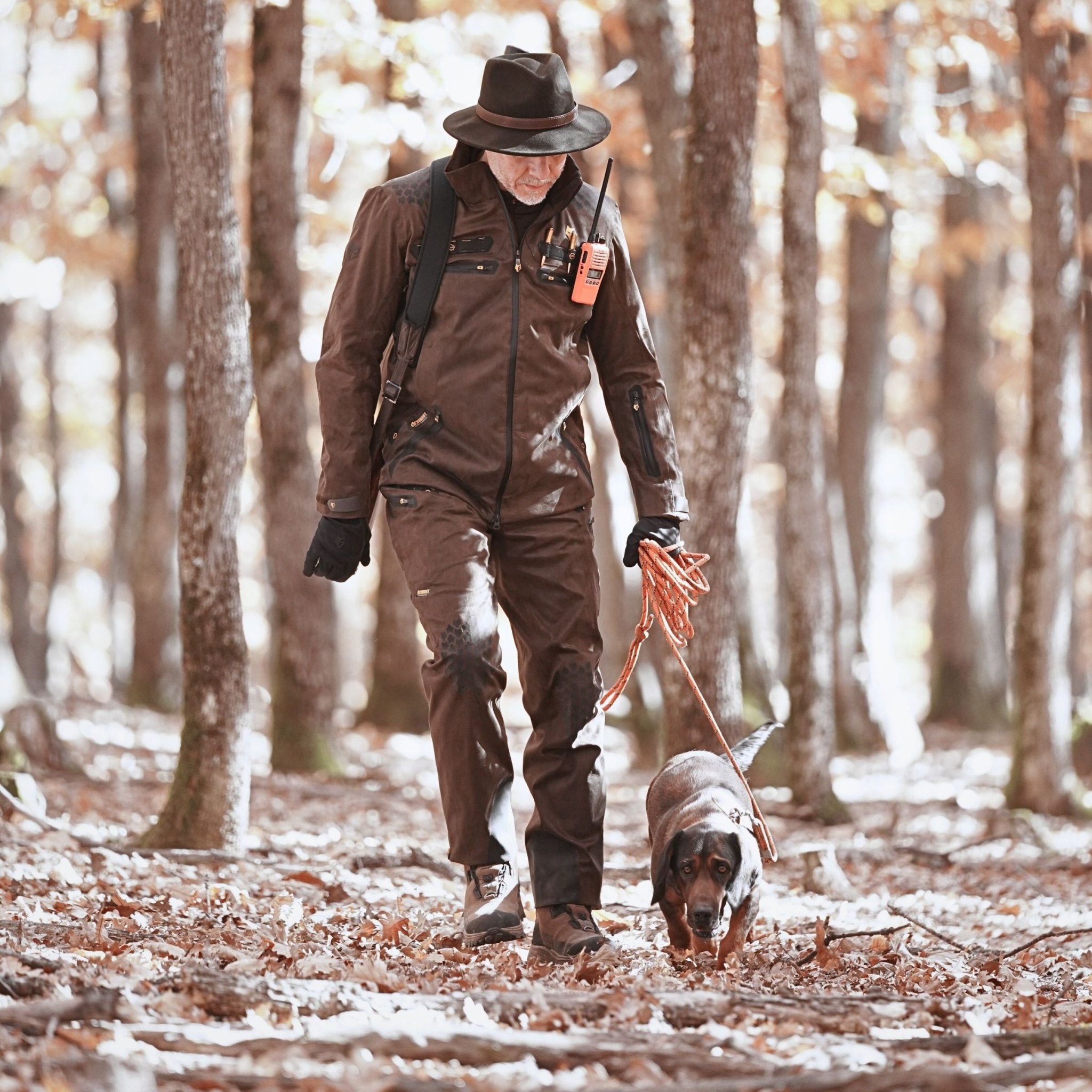
Late-season UK weather can be ugly in a boring but brutal way. Wet hedges. Rain that never fully stops. Light moisture in the air that still gets into everything. Side wind. Muddy seats. Snowy conditions that look harmless until you have been sitting in them for too long. That kind of weather wears cheap clothing down fast.
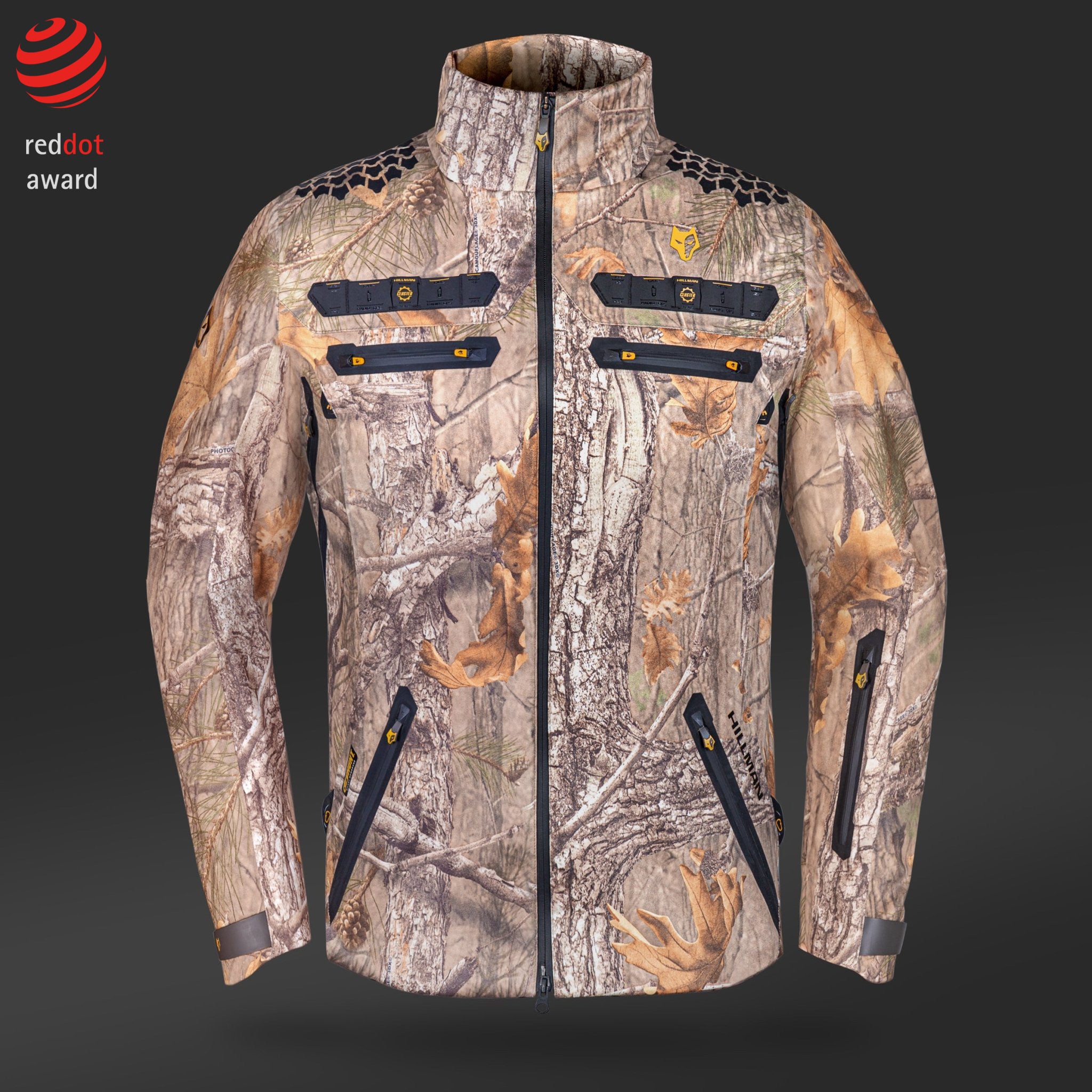
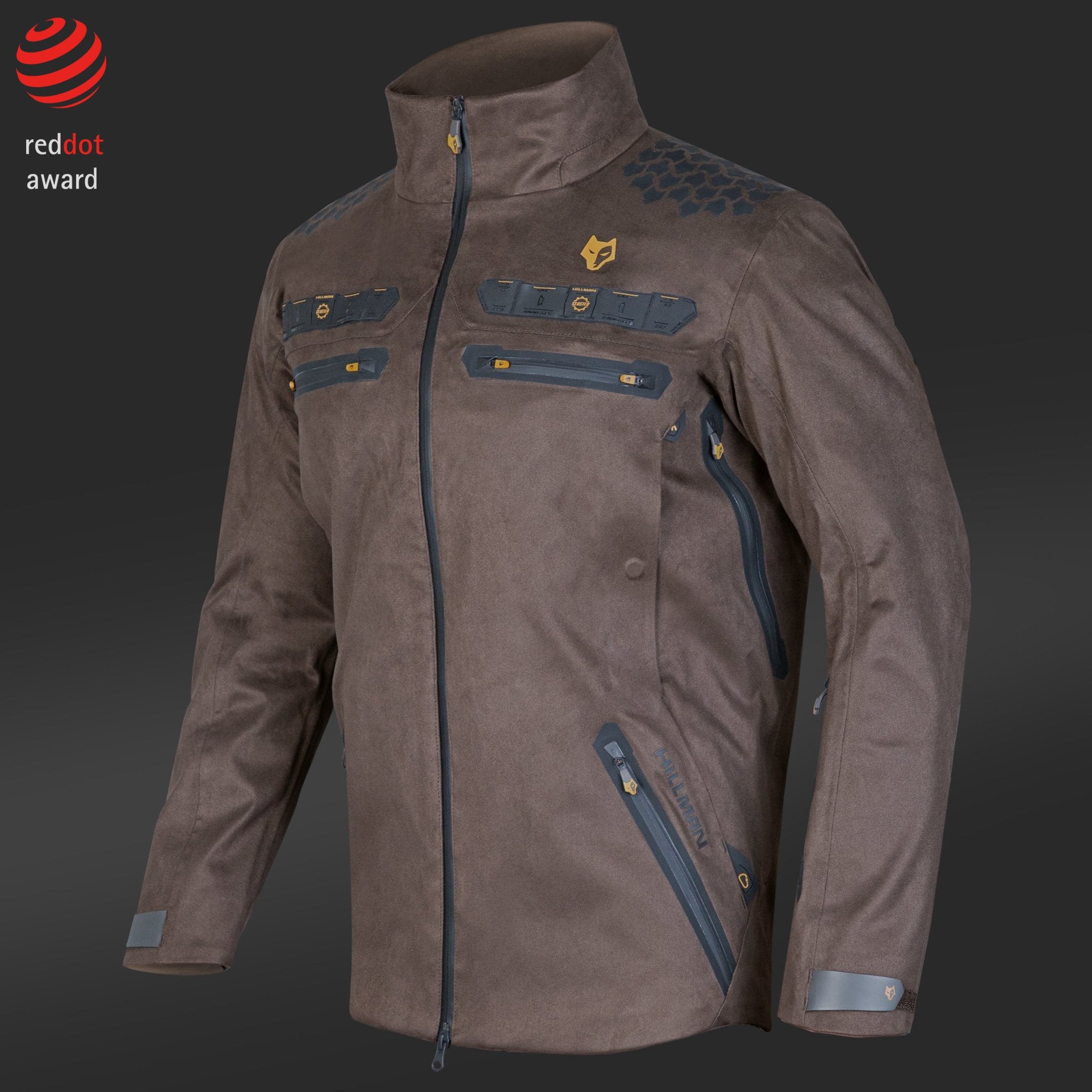
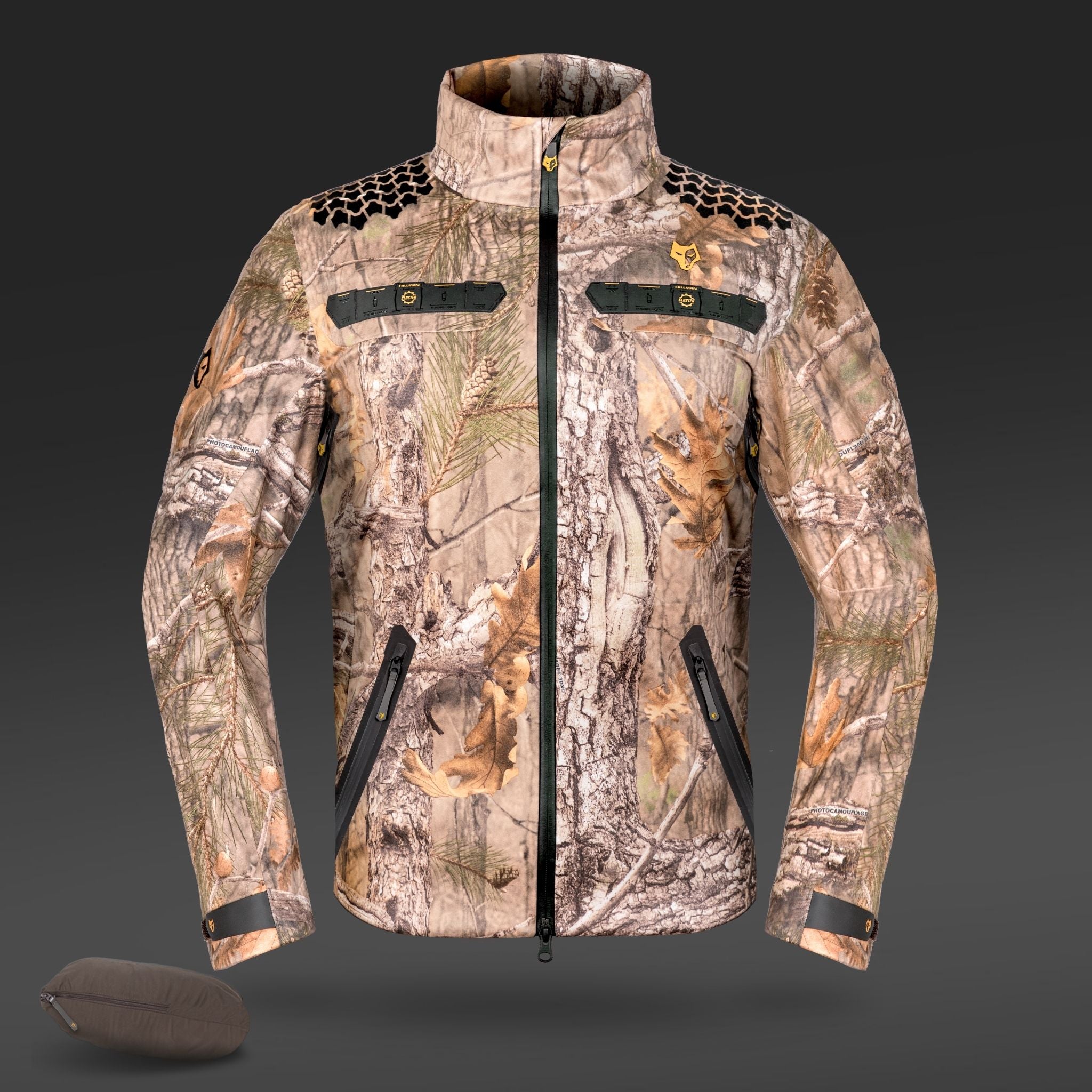
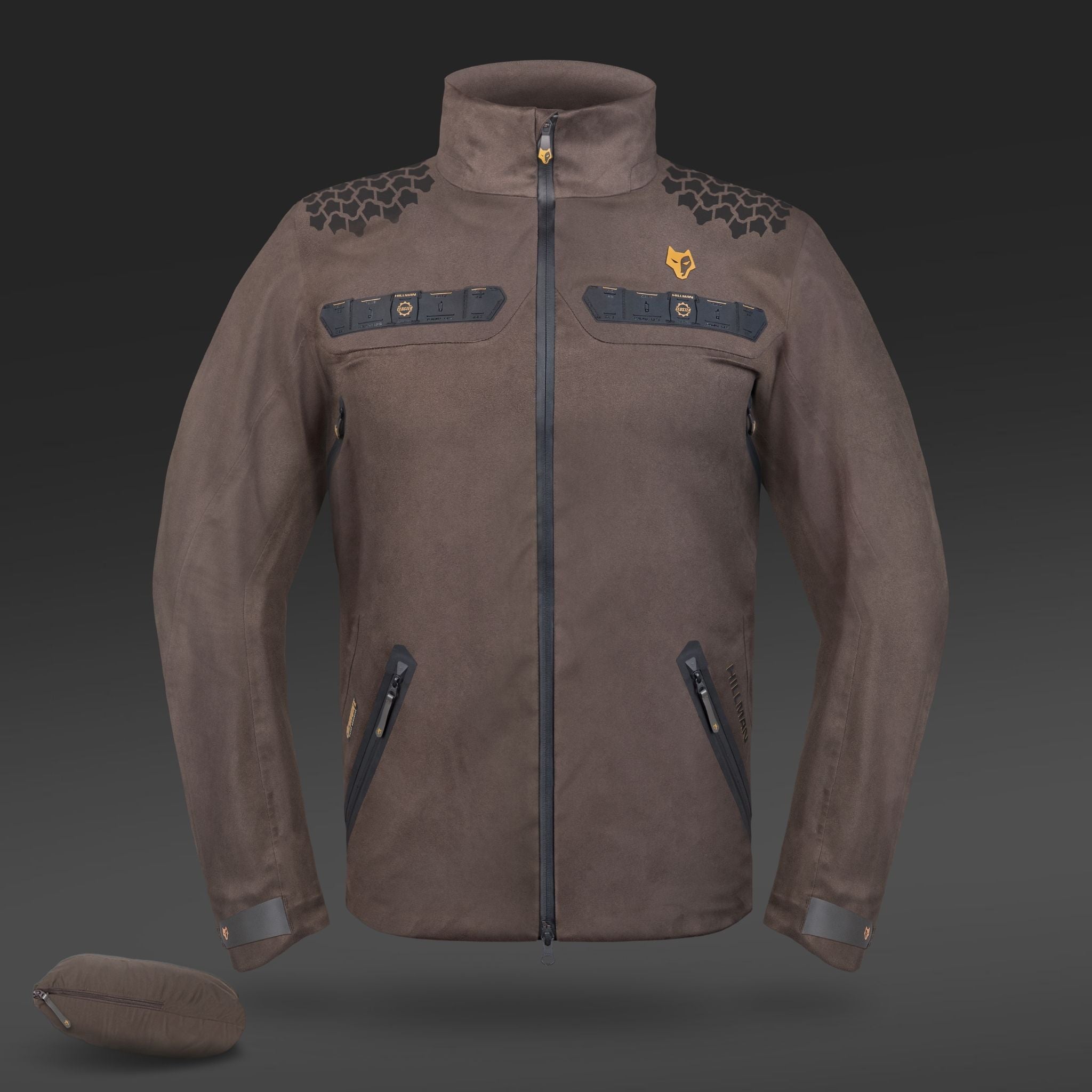
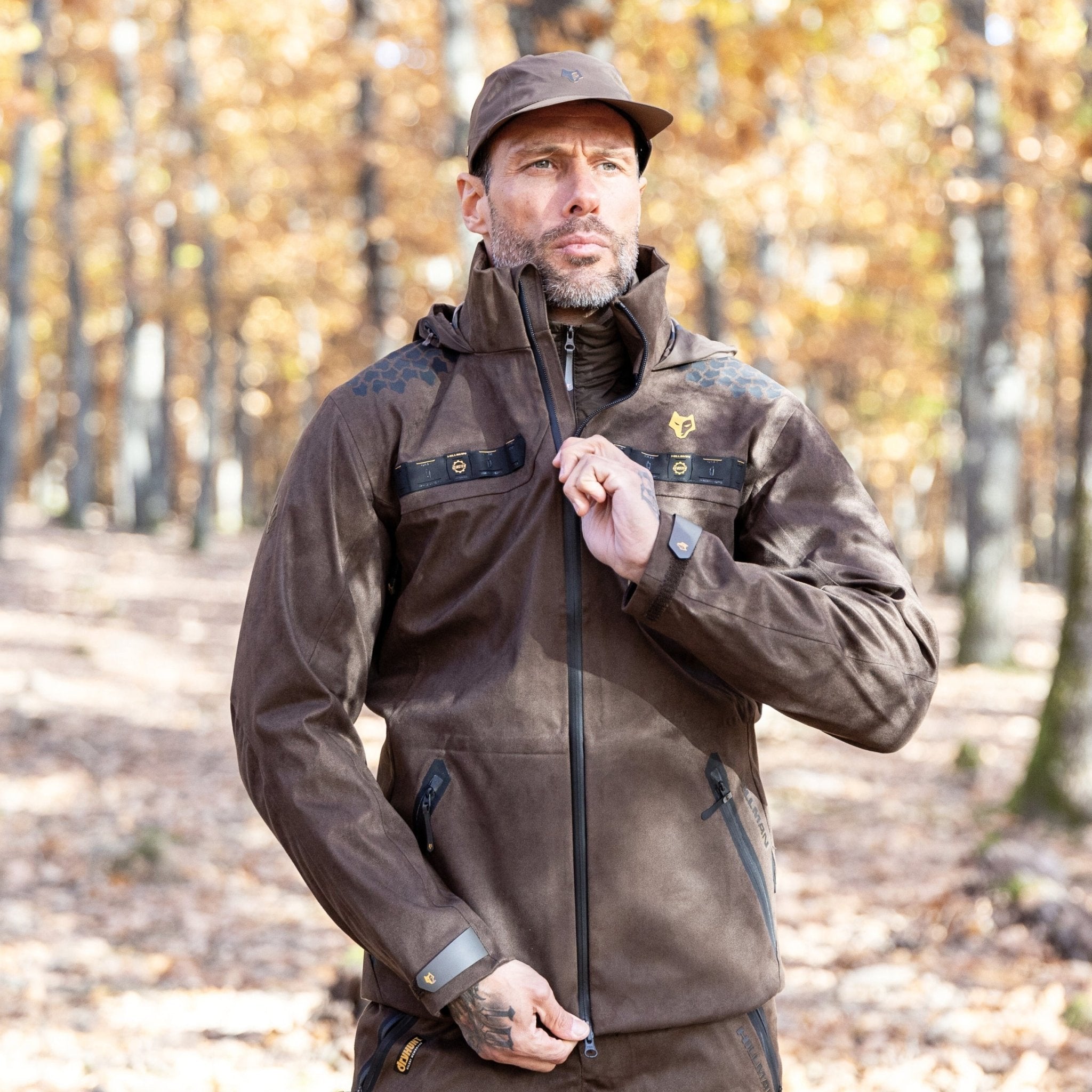
So the outer layer needs to do more than just keep rain off for five minutes. It has to block the weather, cut the wind, and still let excess heat escape. If the outer shell traps sweat, it does half the job and then ruins the other half.
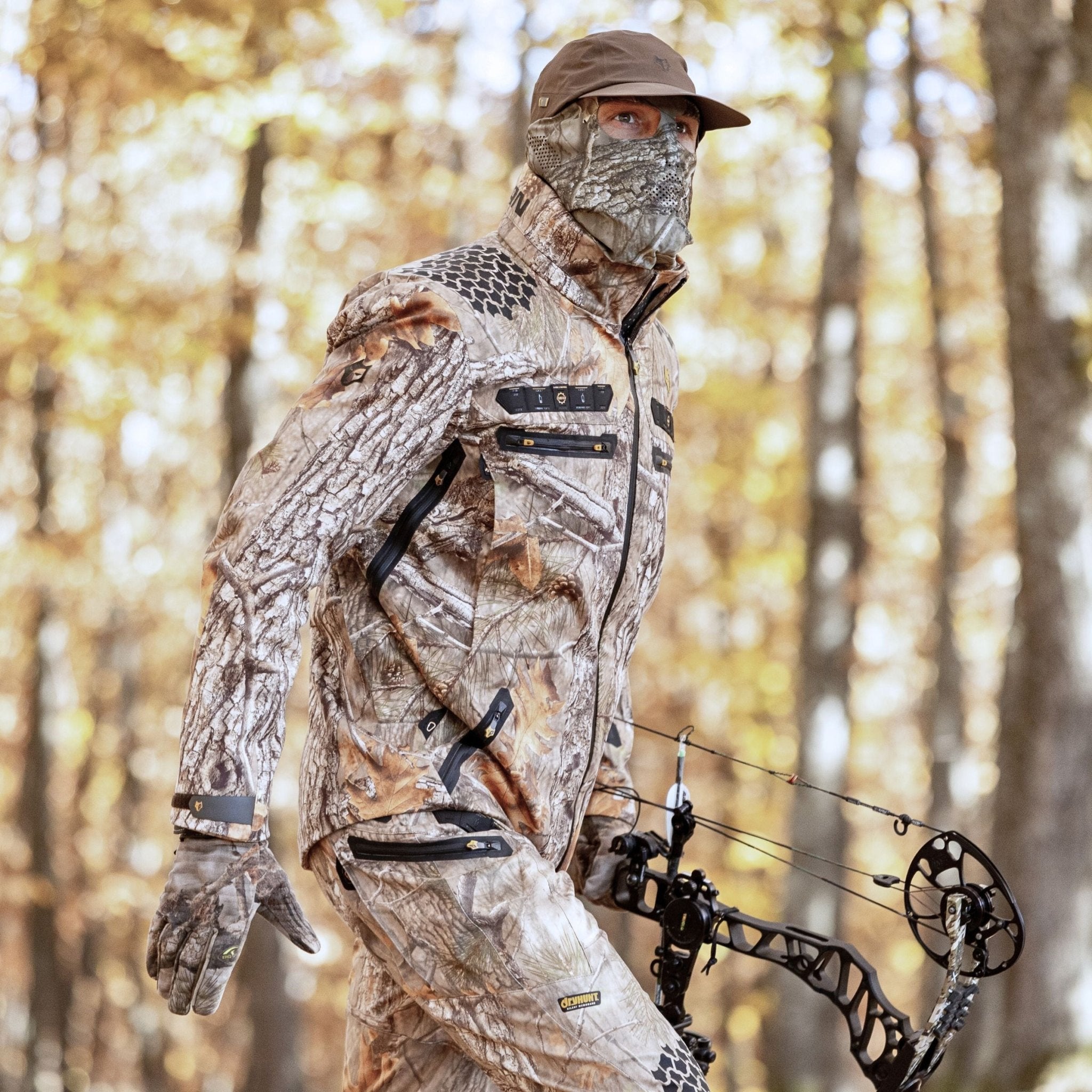
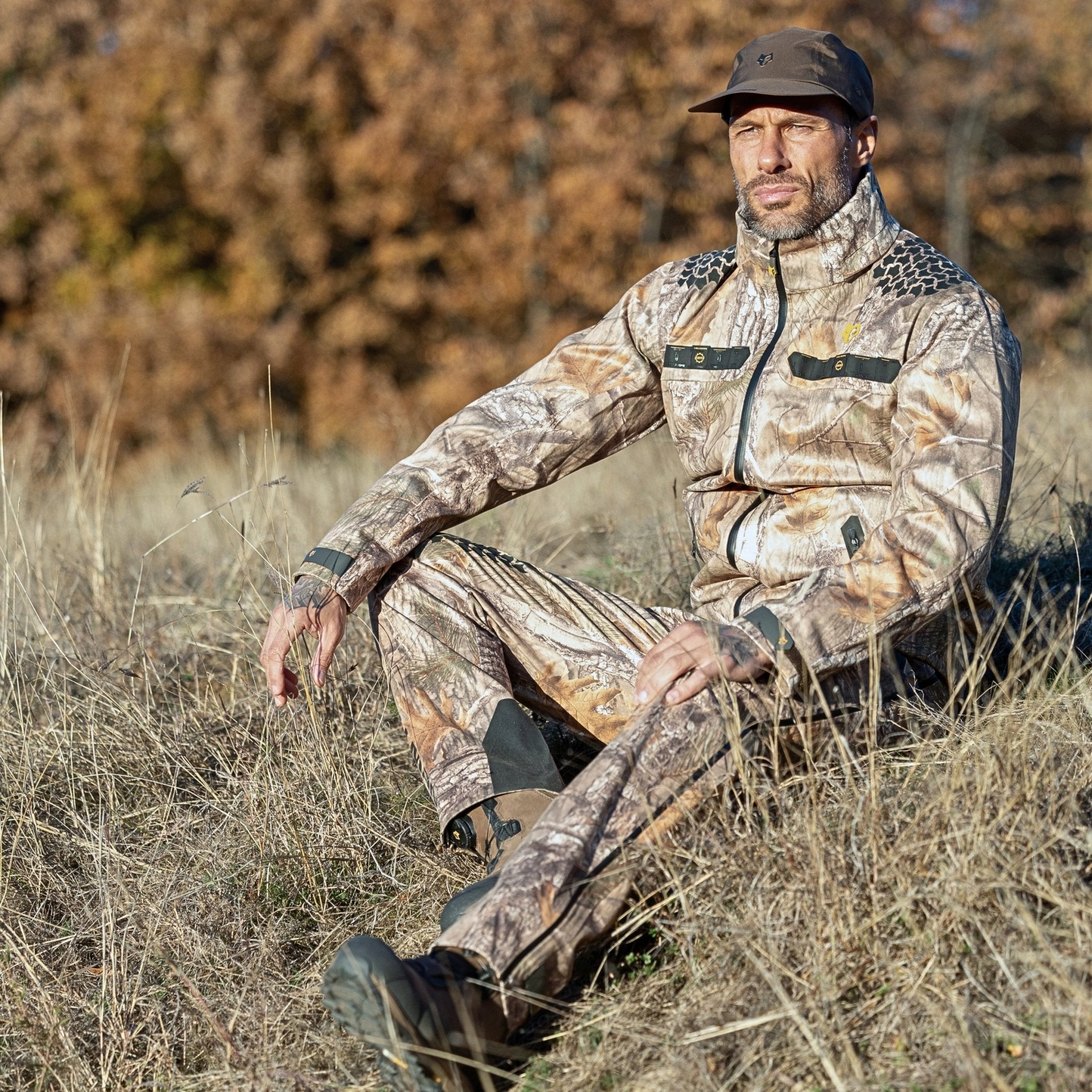
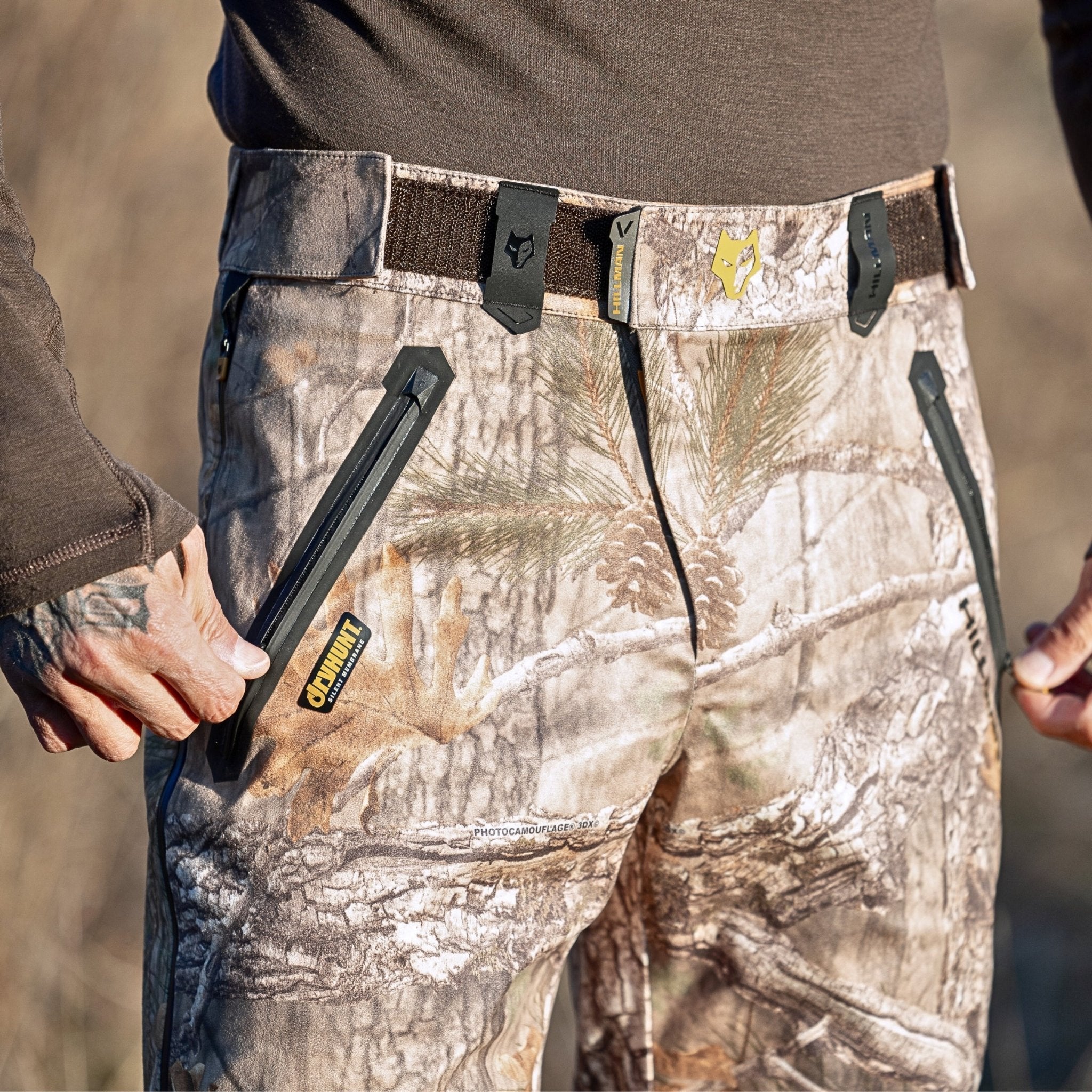
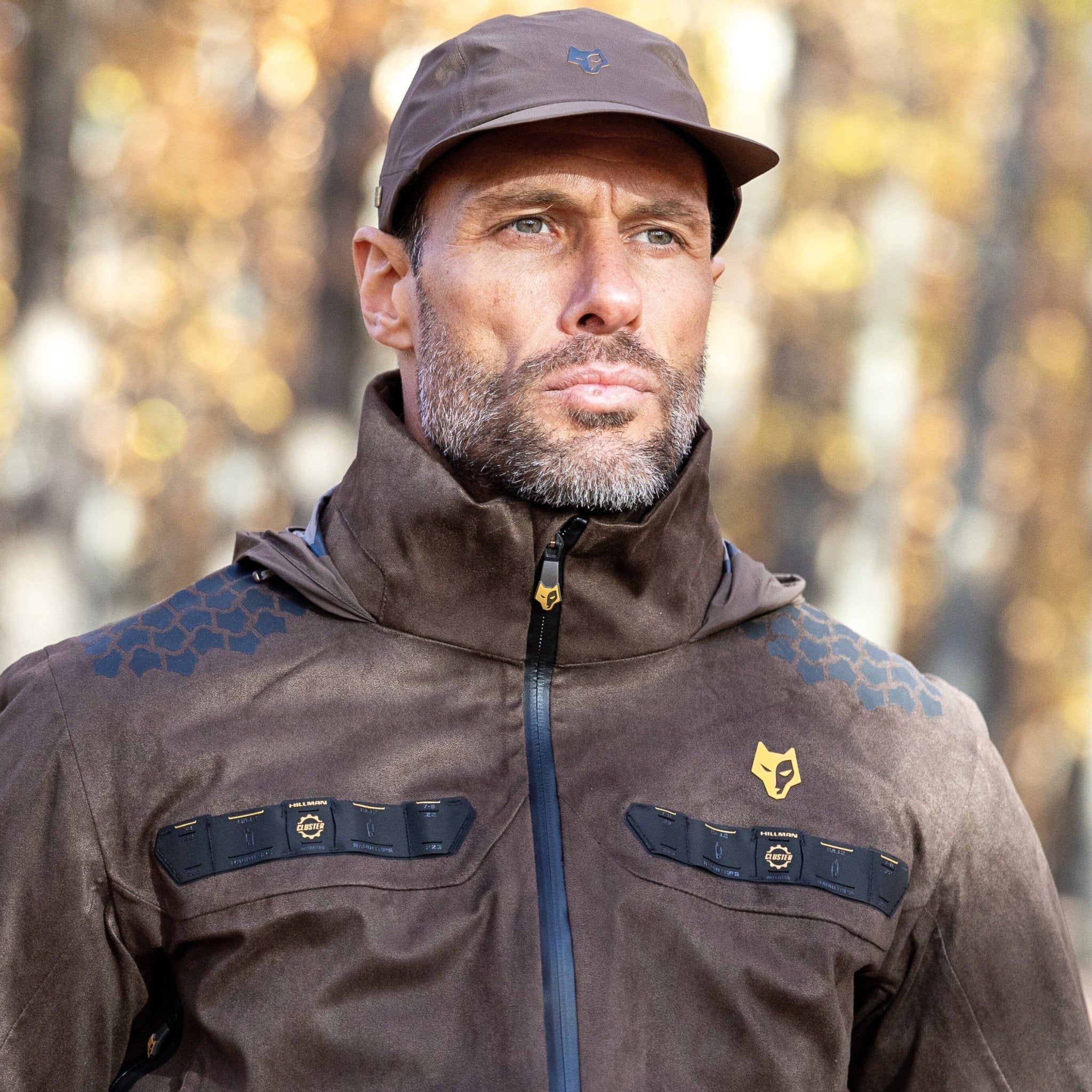
Breathable fabrics matter here. Gore-Tex, Dryhunt and similar membranes are popular because they give decent waterproof protection while still allowing some moisture to move out. Not perfect, but far better than shells that feel like a sealed sack. Once the layers underneath get damp from trapped sweat, warmth starts falling apart.
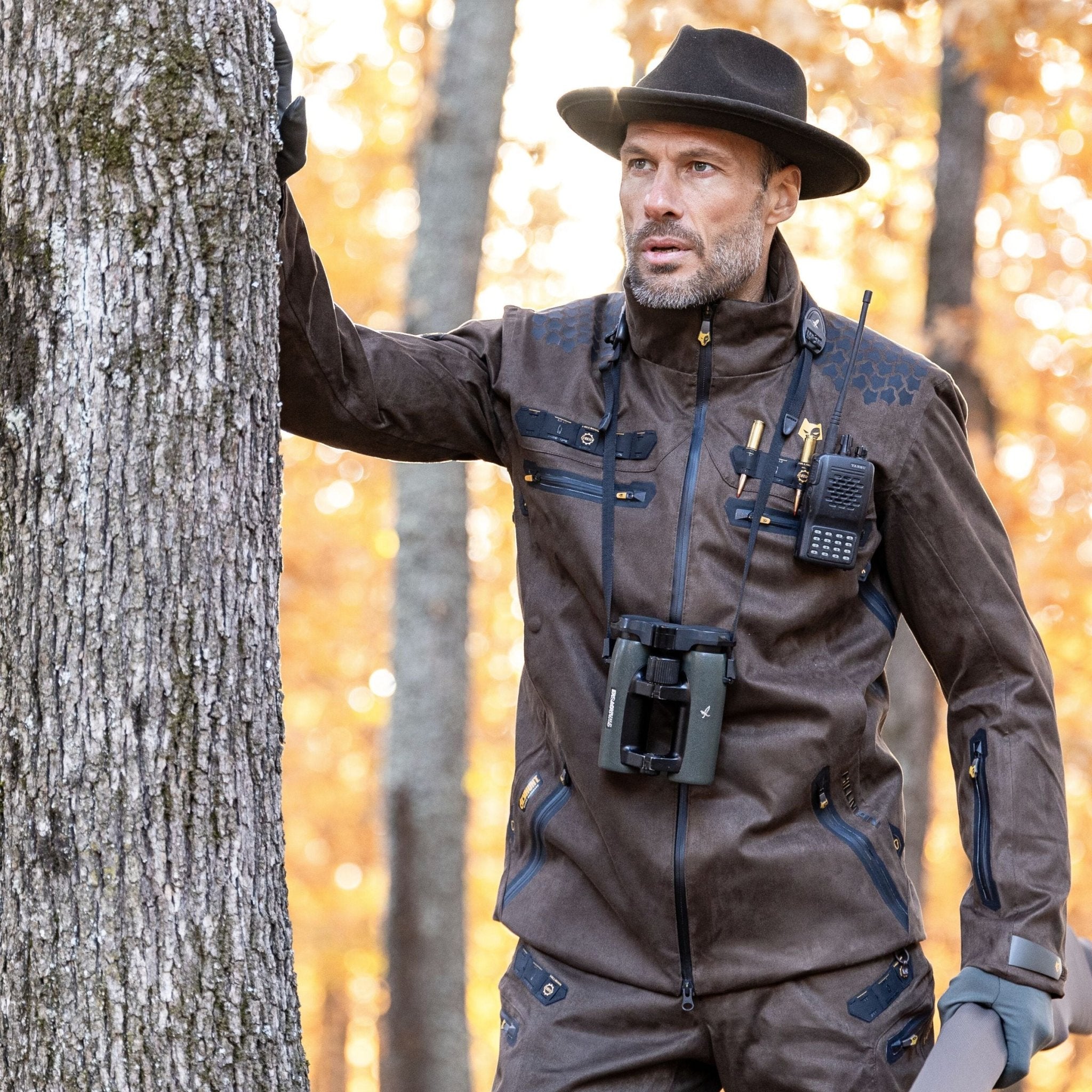
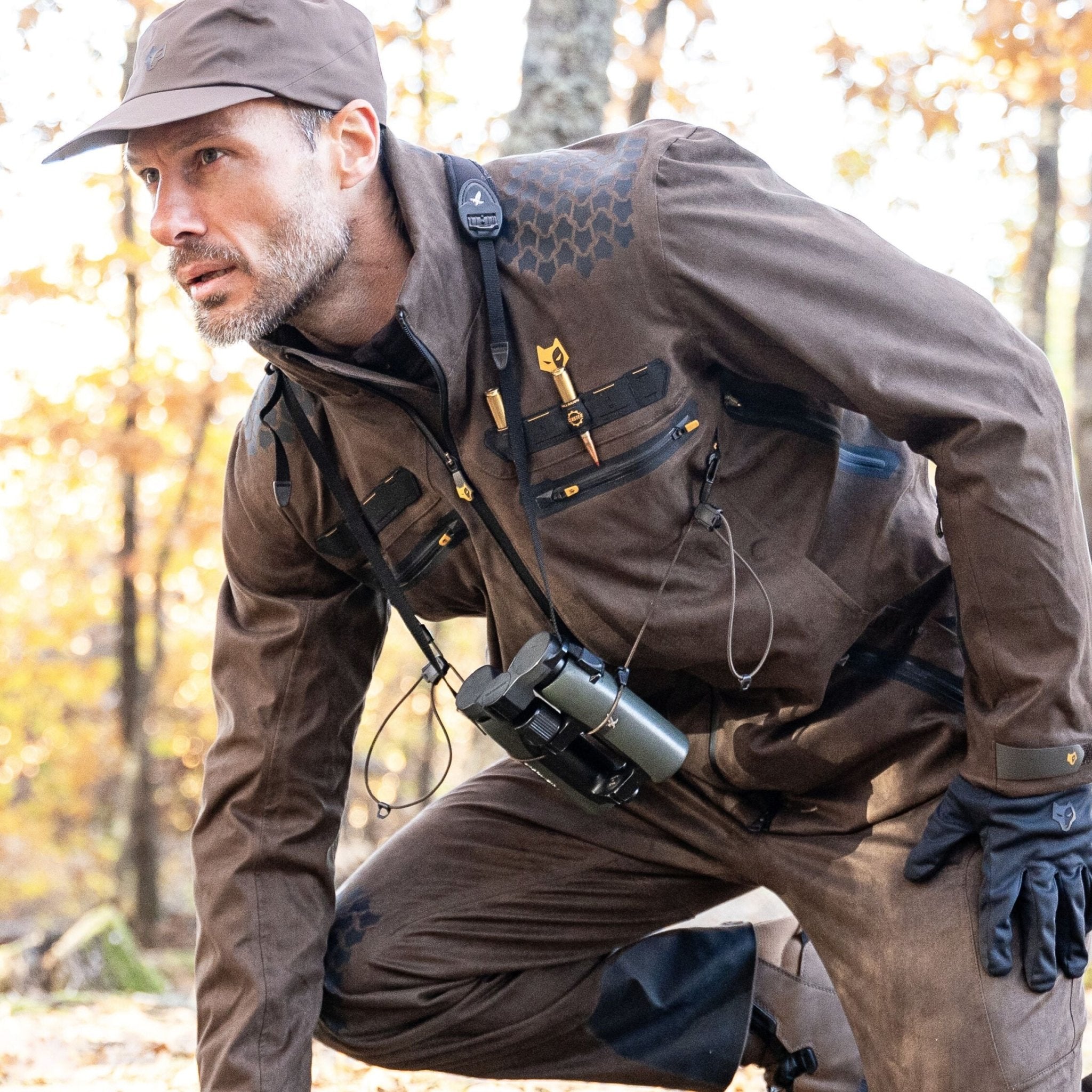
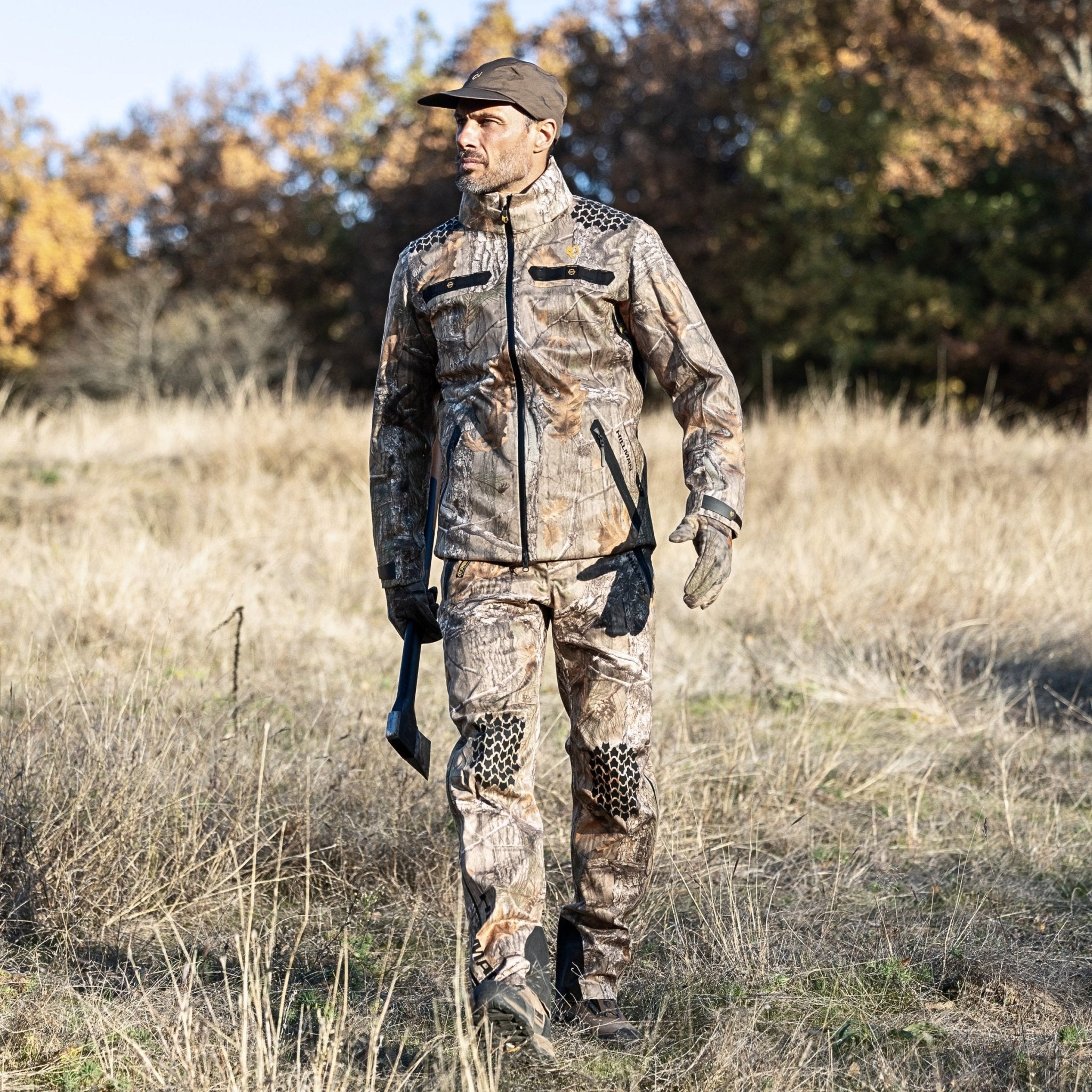
Fit matters here as well. A jacket should let you move through a full range without fighting your shoulders every time you lift a rifle or climb over something awkward. Good outerwear should work with you, not against you.
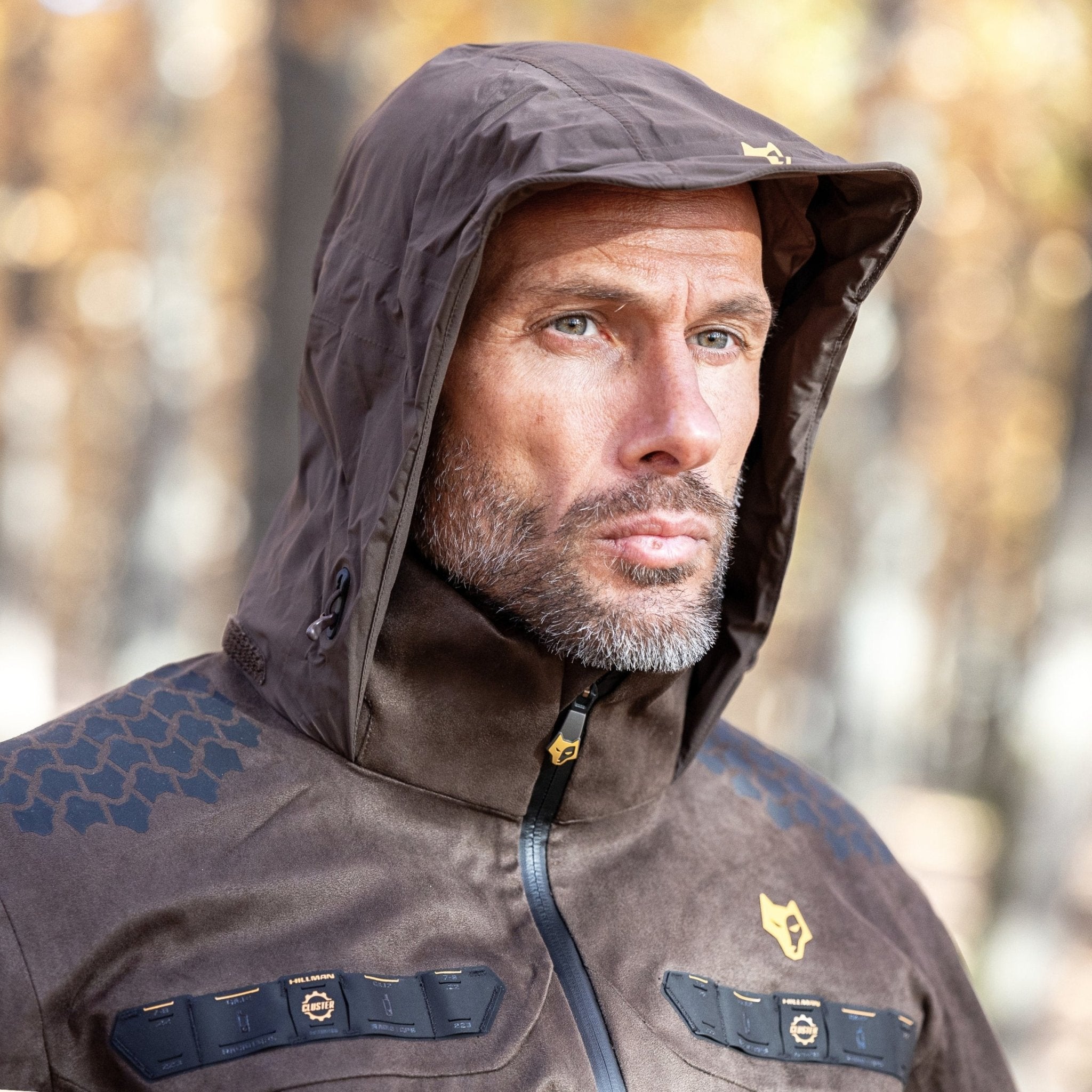
And yes, the small details matter. Adjustable hoods. Pit zips. Decent cuffs. Quiet fabric. Those things sound minor until the weather turns filthy and you realise the jacket is either helping or making life harder.
More Layers Do Not Always Mean More Warmth

This is where people get it wrong again. They feel cold getting out of the vehicle, panic, and pile on layers before they have even started moving. Twenty minutes later, they are too warm, building sweat, opening everything up, then getting chilled once they stop. It is a stupid loop, but plenty of hunters fall into it.
The smarter move is to dress for effort, not just for the thermometer. If you are going to be active, start a bit cooler than it feels cosy. Not freezing. Just not overbuilt. That gives the body room to warm up without flooding the clothing with moisture.
Once the pace drops, you adjust. Add insulation. Close the outer shell. Pull on the extra layer. That is a far better way to stay warm through the full day than going too heavy too early.
For static waits in sub-zero temperatures, yes, more insulation matters. For extremely cold mornings or the harshest conditions, extra warmth becomes essential. But for active hunting, the trick is balance. Enough warmth. Not ridiculous warmth. Protection from wind and rain. Control over moisture. That is what keeps the body working properly. You are trying to stay functional for hours, not feel cosy for fifteen minutes.
Legs and Lower Back Get Ignored Too Much

Loads of people spend decent money on the jacket and then treat the lower half like an afterthought. Then they wonder why they are cold after sitting down for a bit.
Trousers matter. A lot. Wet ground, soaked vegetation, kneeling, crawling, cold seats, wind around the waist, damp fabric on the thighs. That stuff drags warmth out of you faster than many people realise. Once the lower half starts losing heat, the rest of the body usually follows.
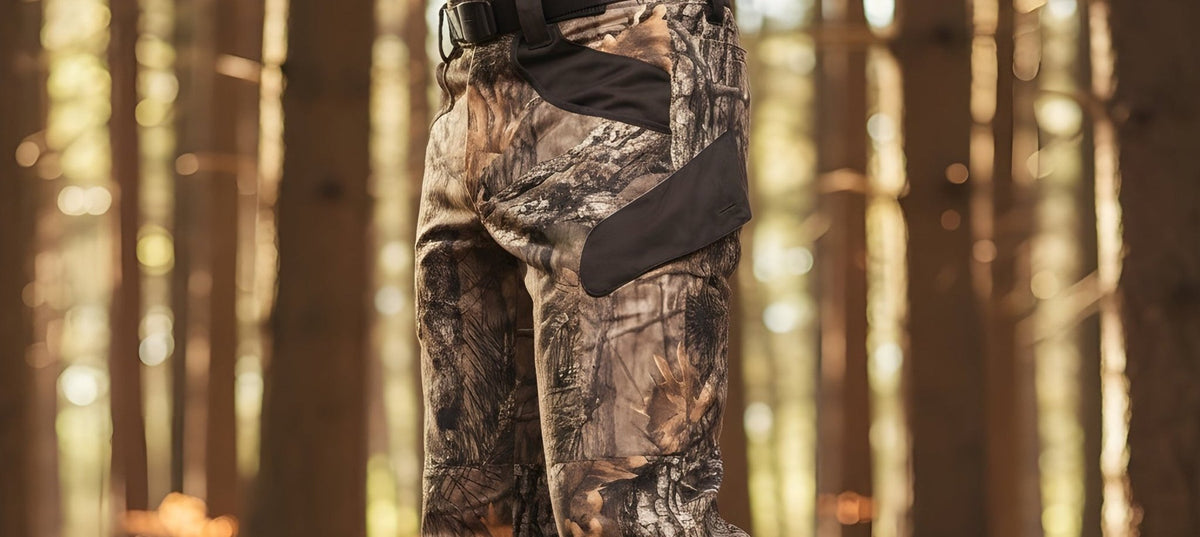
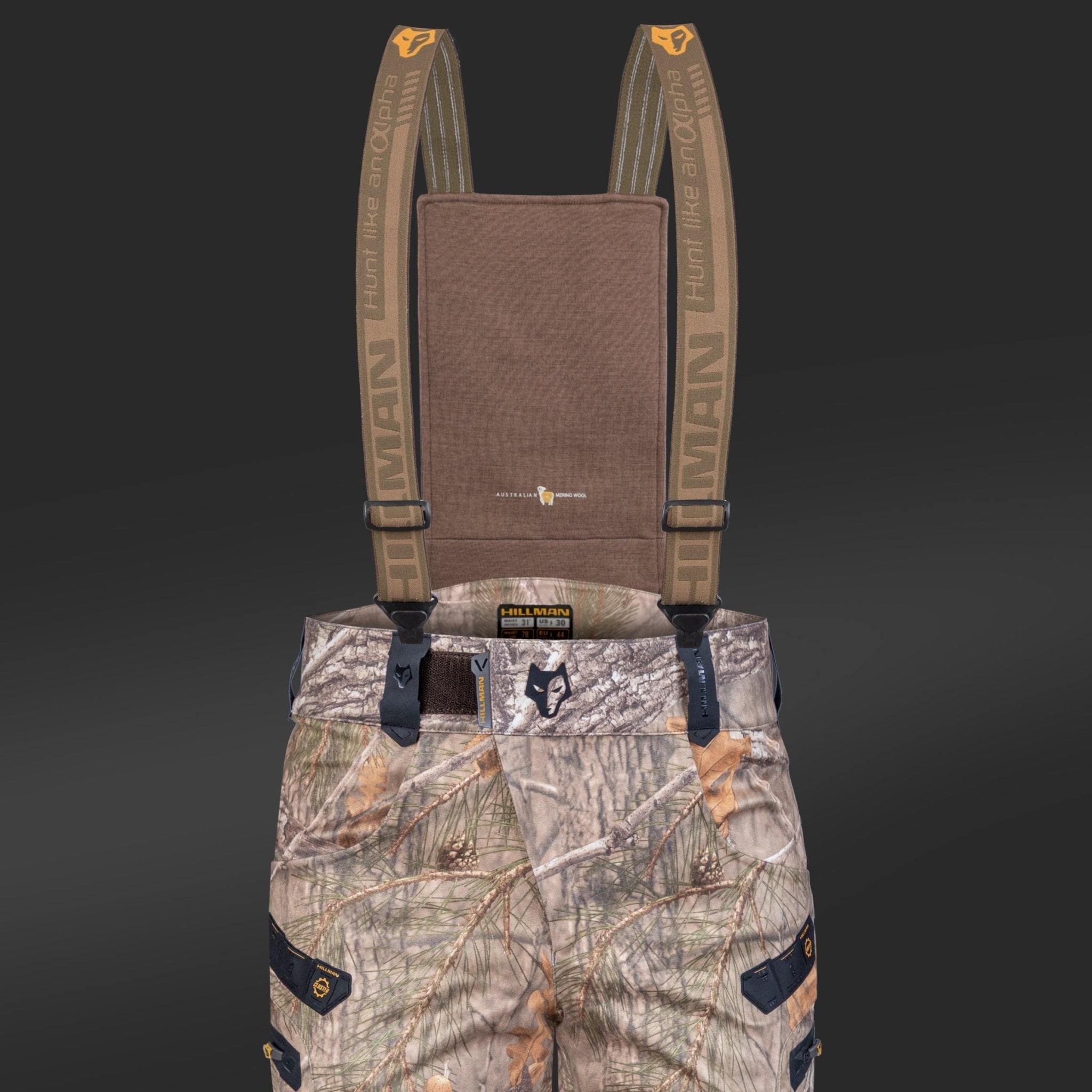
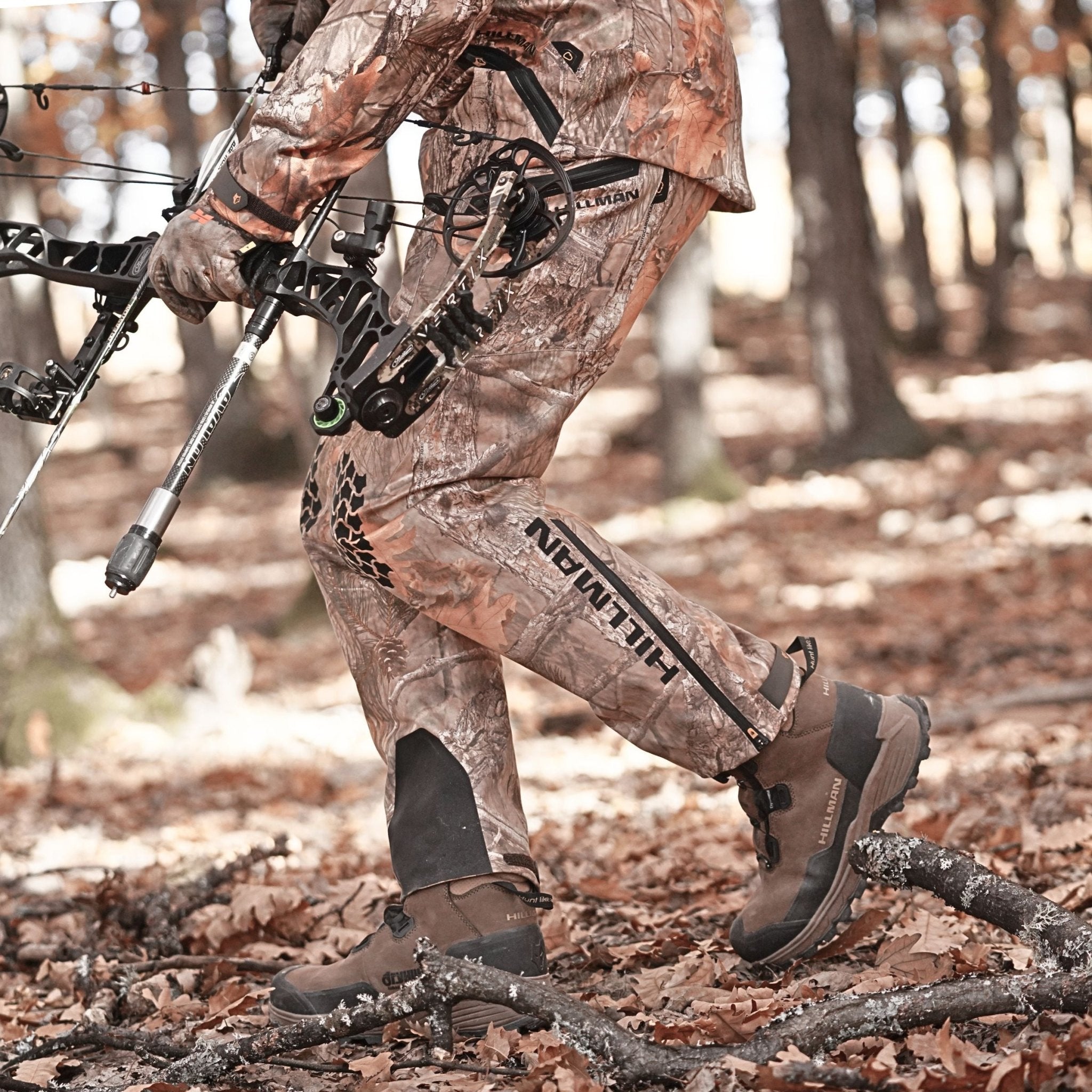
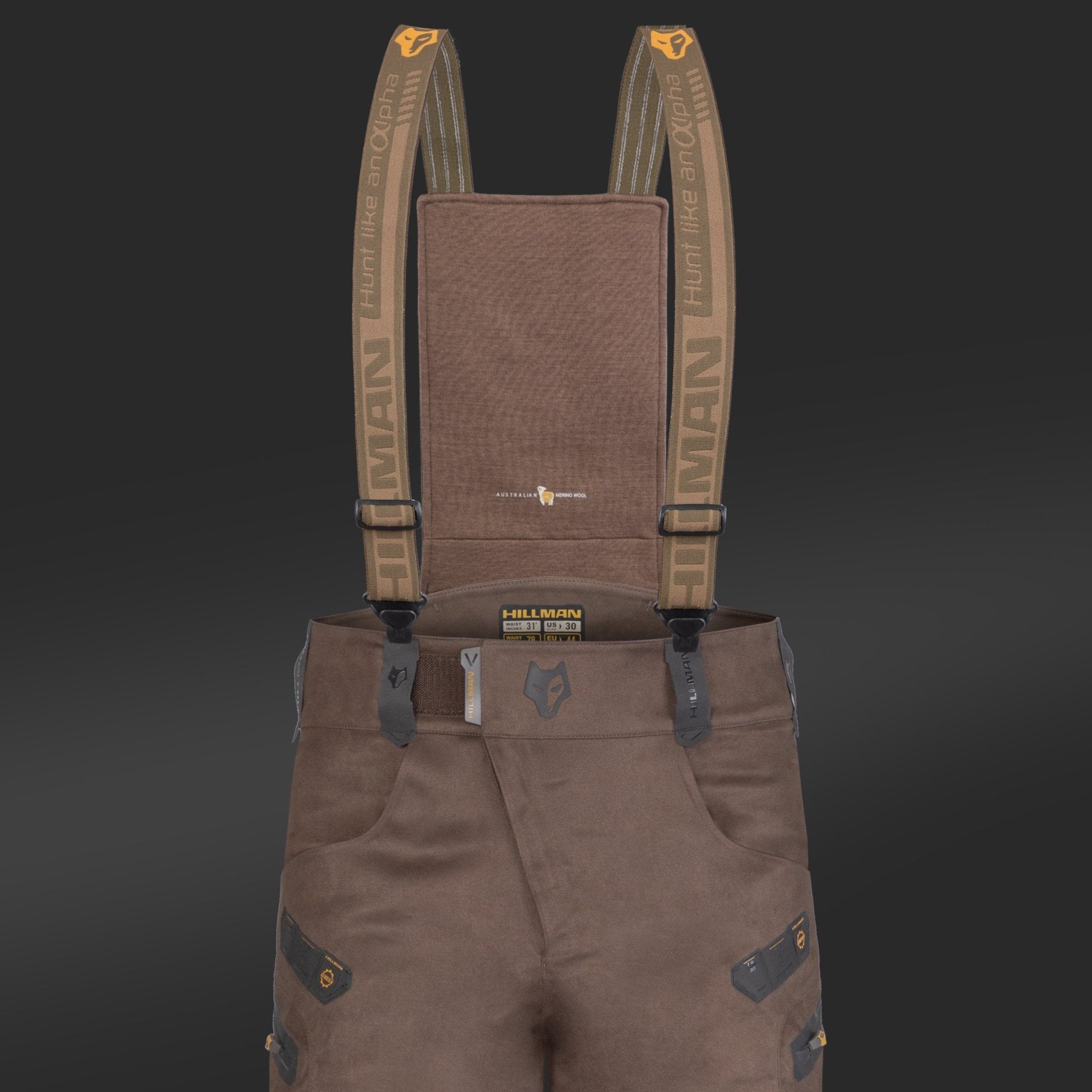
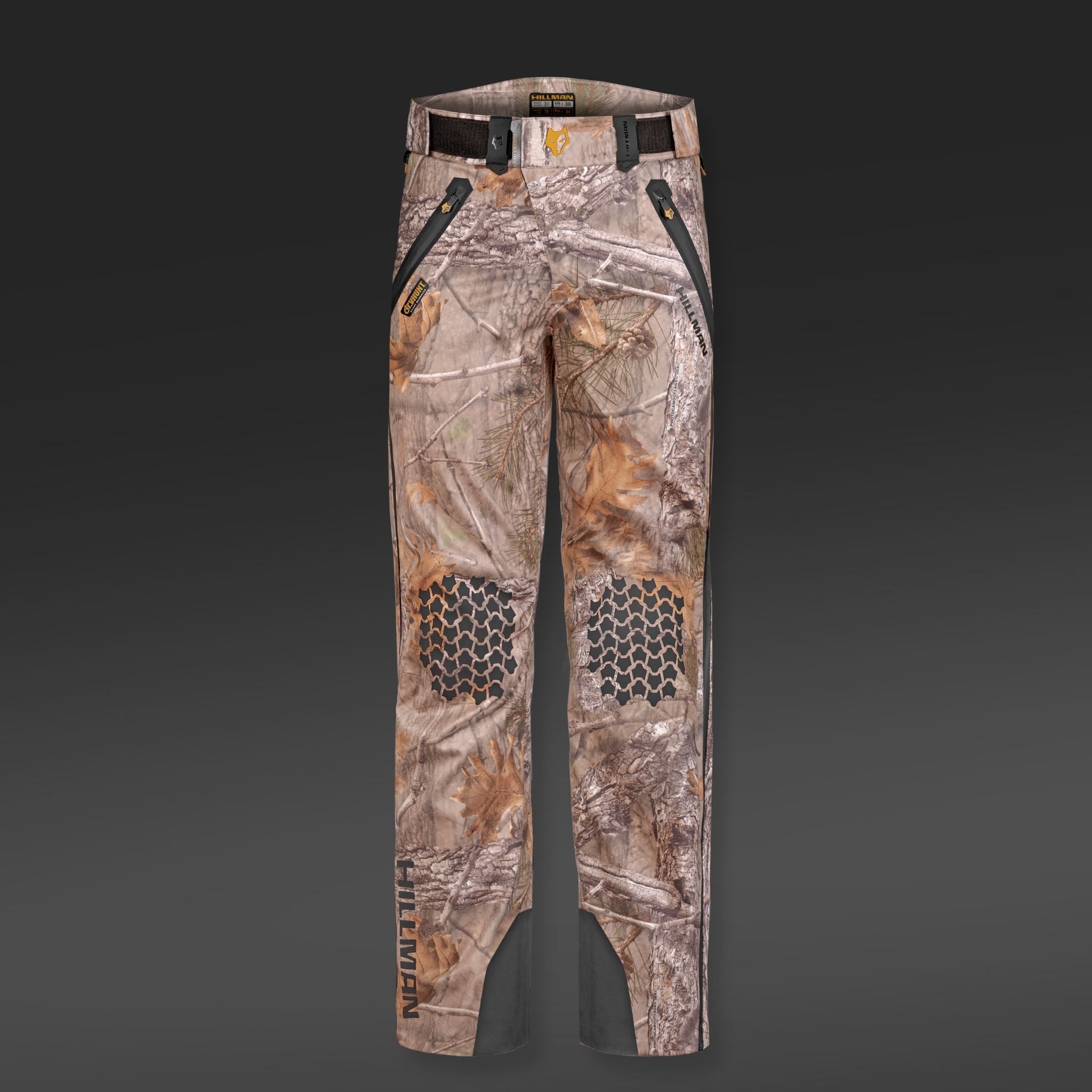
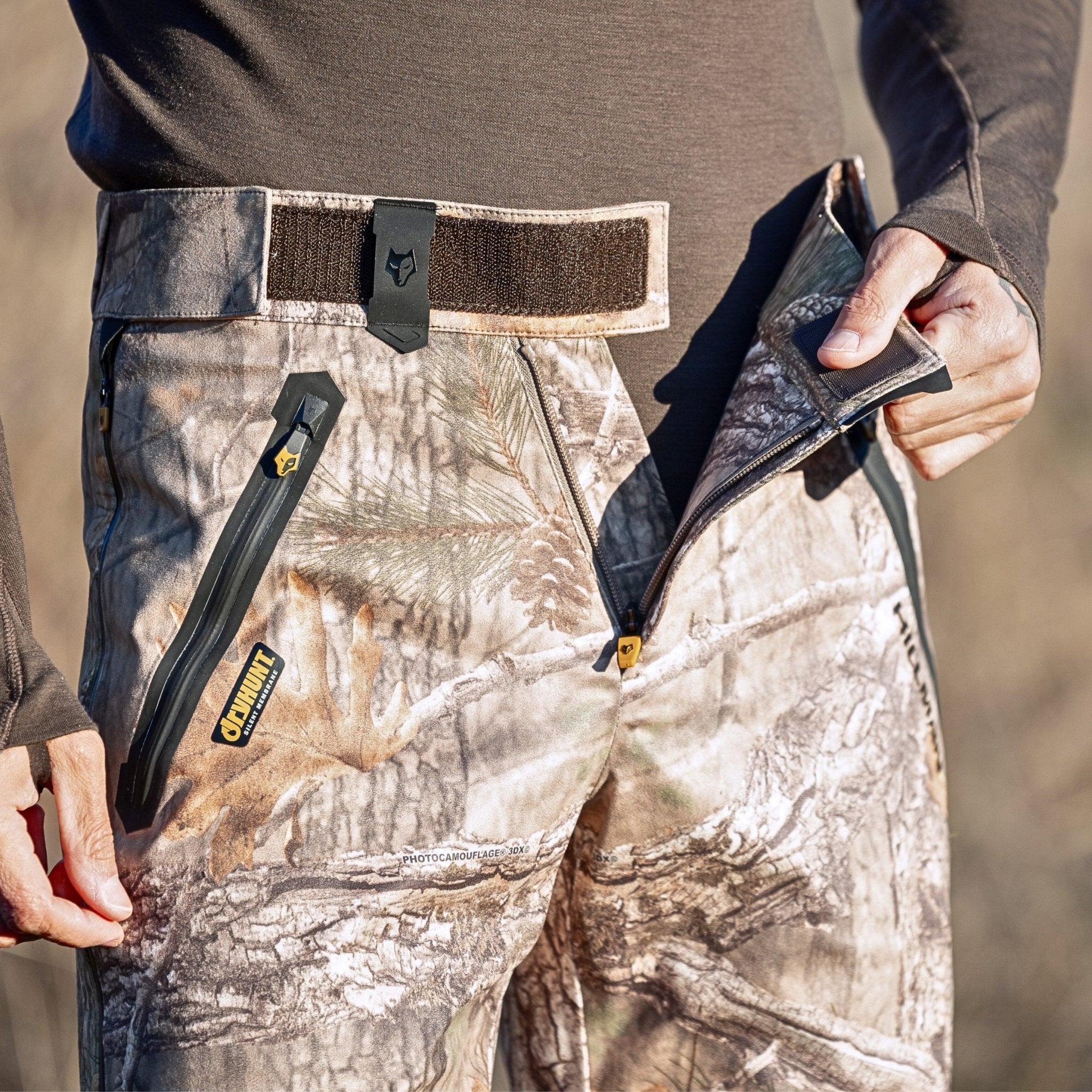
Good hunting clothes for late season use should include trousers that can handle weather, keep some warmth in, and still let you move. They need room for layers underneath if needed, but not so much that they feel sloppy. They should protect the lower back, too, because that gap at the waist is a classic weak point in cold weather.
High-backed trousers or salopette-style designs can help a lot here. Not exciting. Just practical. They stop cold air from getting in where it should not and help hold warmth around the core.
For long hours in harsh winter conditions, weak trousers can ruin the whole day. That is the truth of it.
Boots Decide a Lot More Than People Admit

If your feet go cold, the day usually starts sliding downhill.
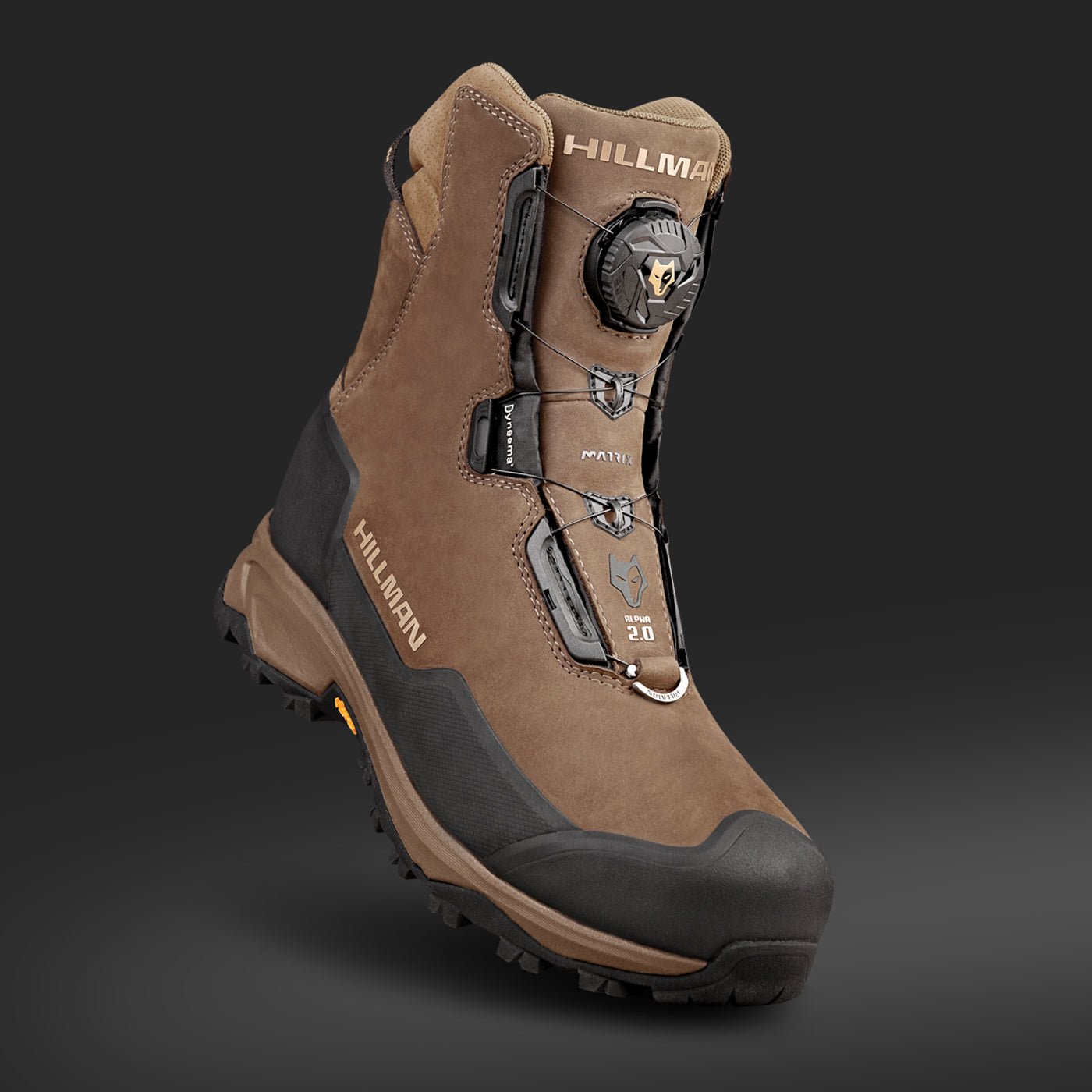
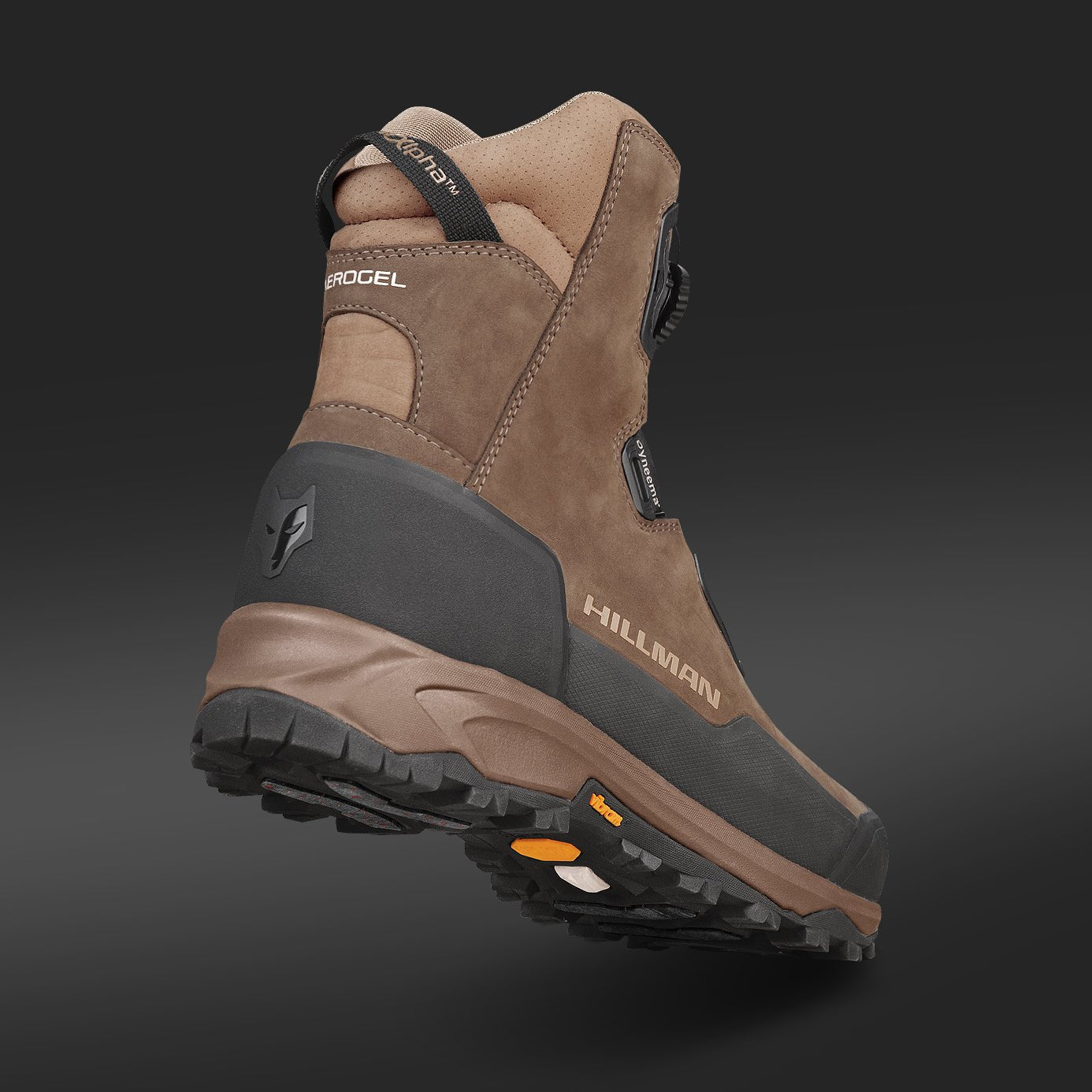
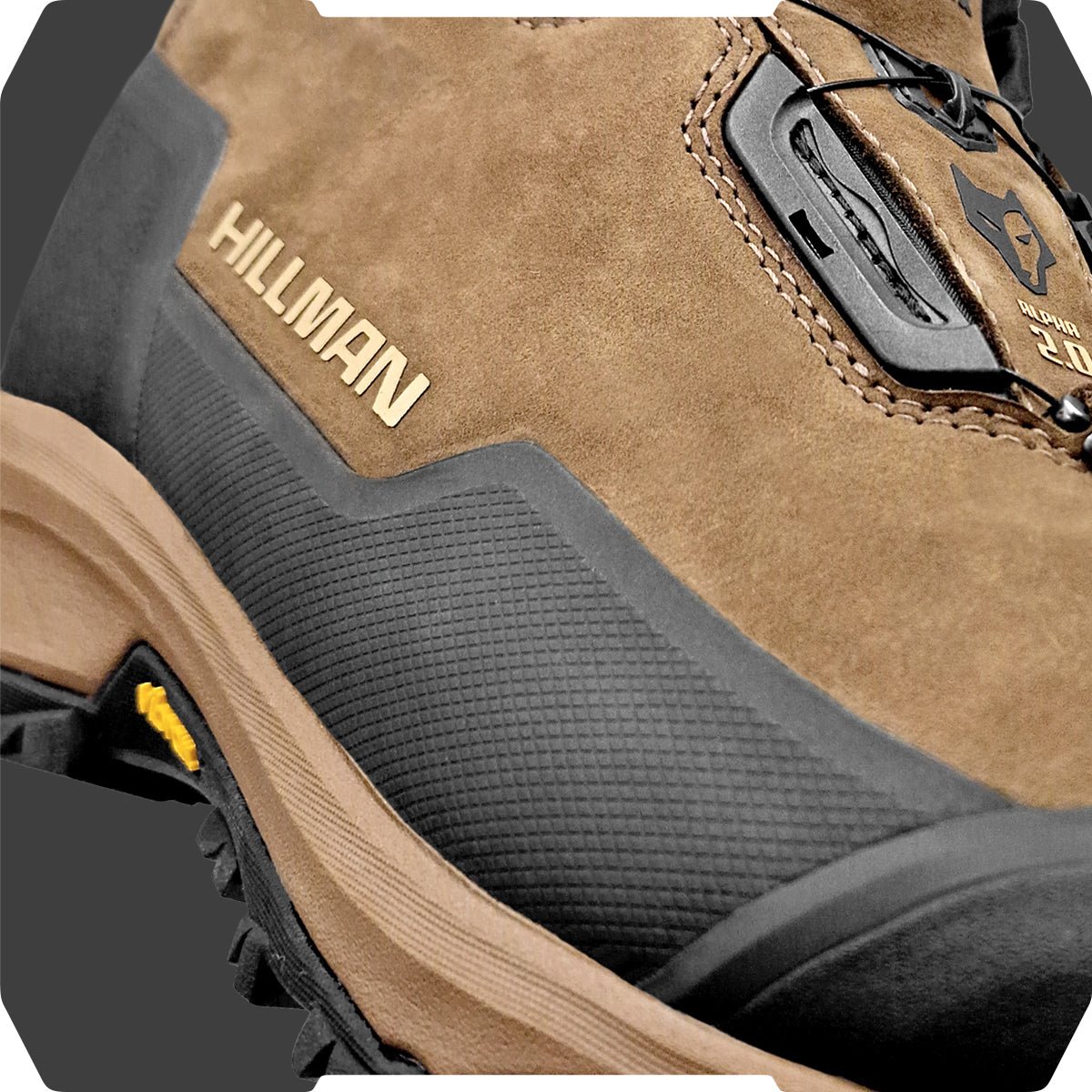
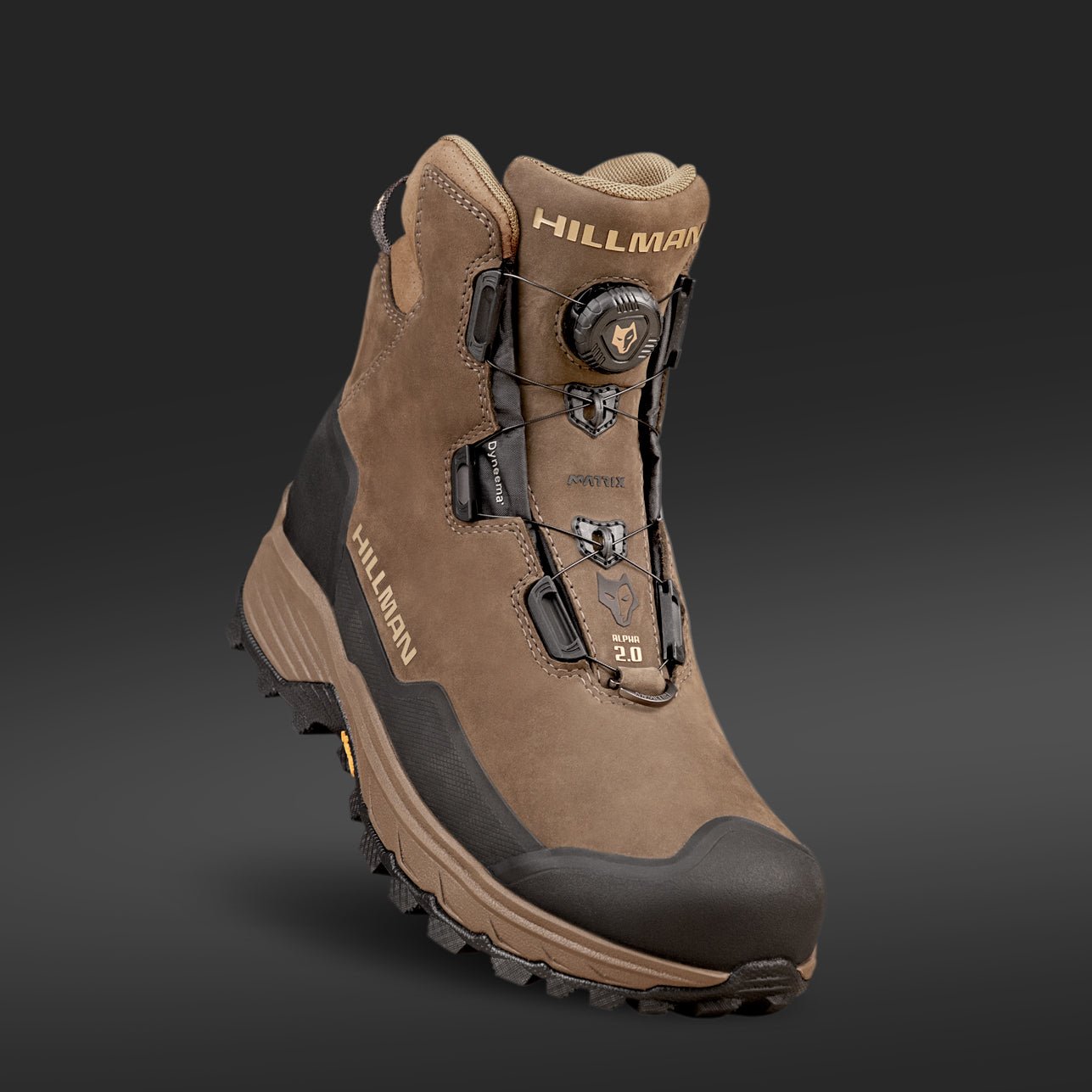
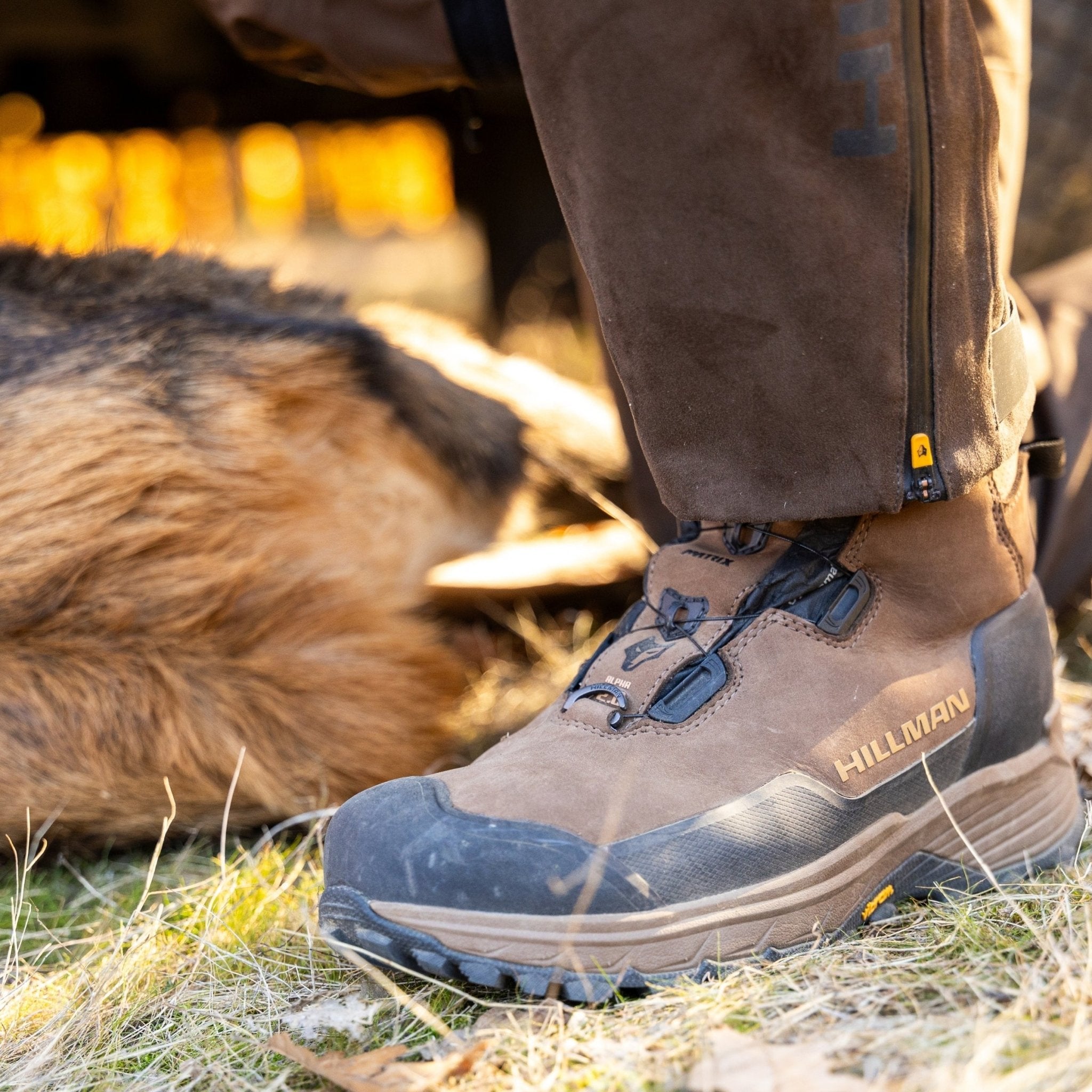
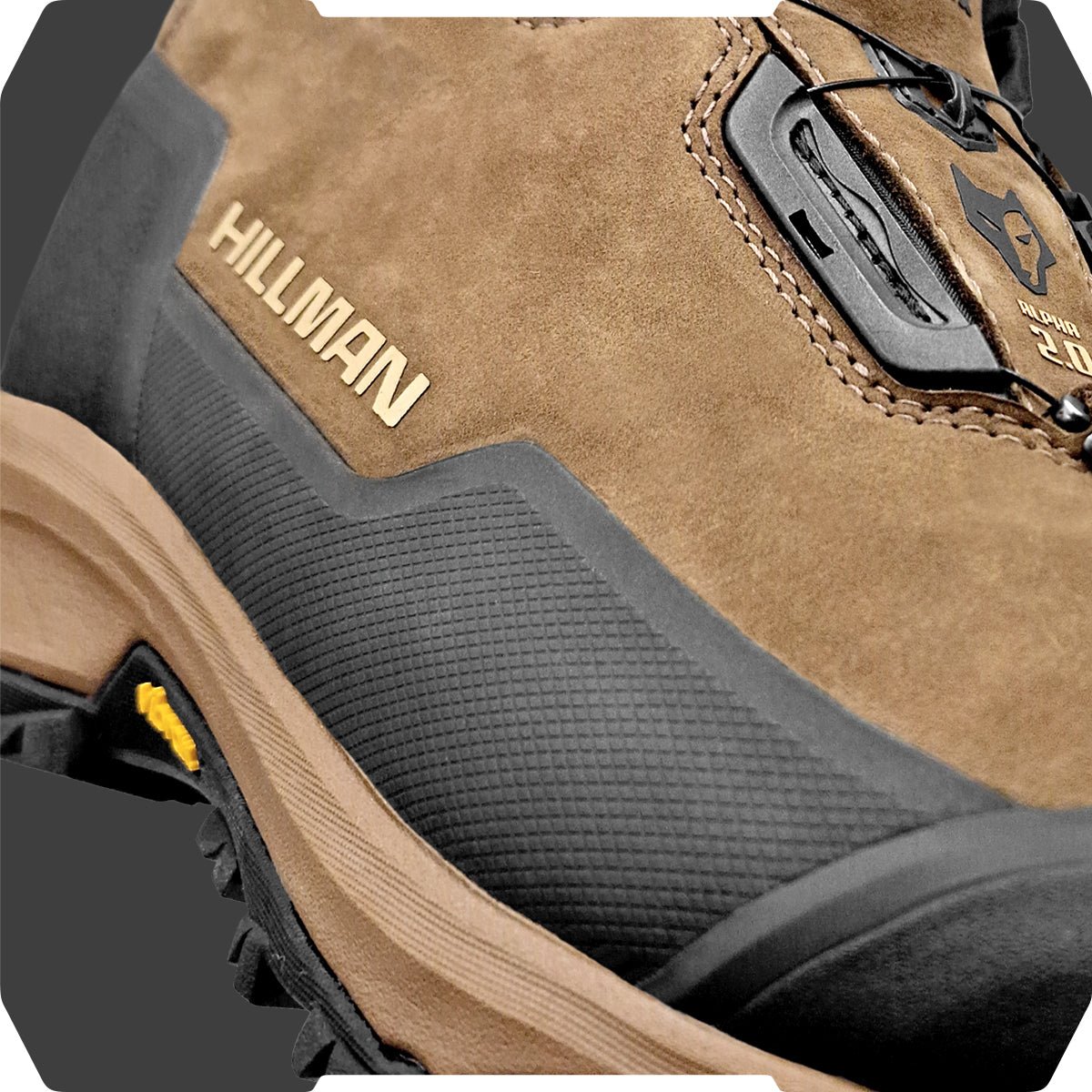
Keeping feet warm is not just a matter of wearing the thickest socks you own. It is the whole system again. Moisture control. Insulation. Waterproofing. Fit. A good pair of boots should keep water out, give support on rough ground, and still leave enough room so circulation is not crushed.
Merino wool socks are a solid option because they manage moisture well and stay comfortable over long hours. But socks only do so much if the boots are wrong. Tight boots flatten insulation and cut circulation. Then your feet warm up less, not more.
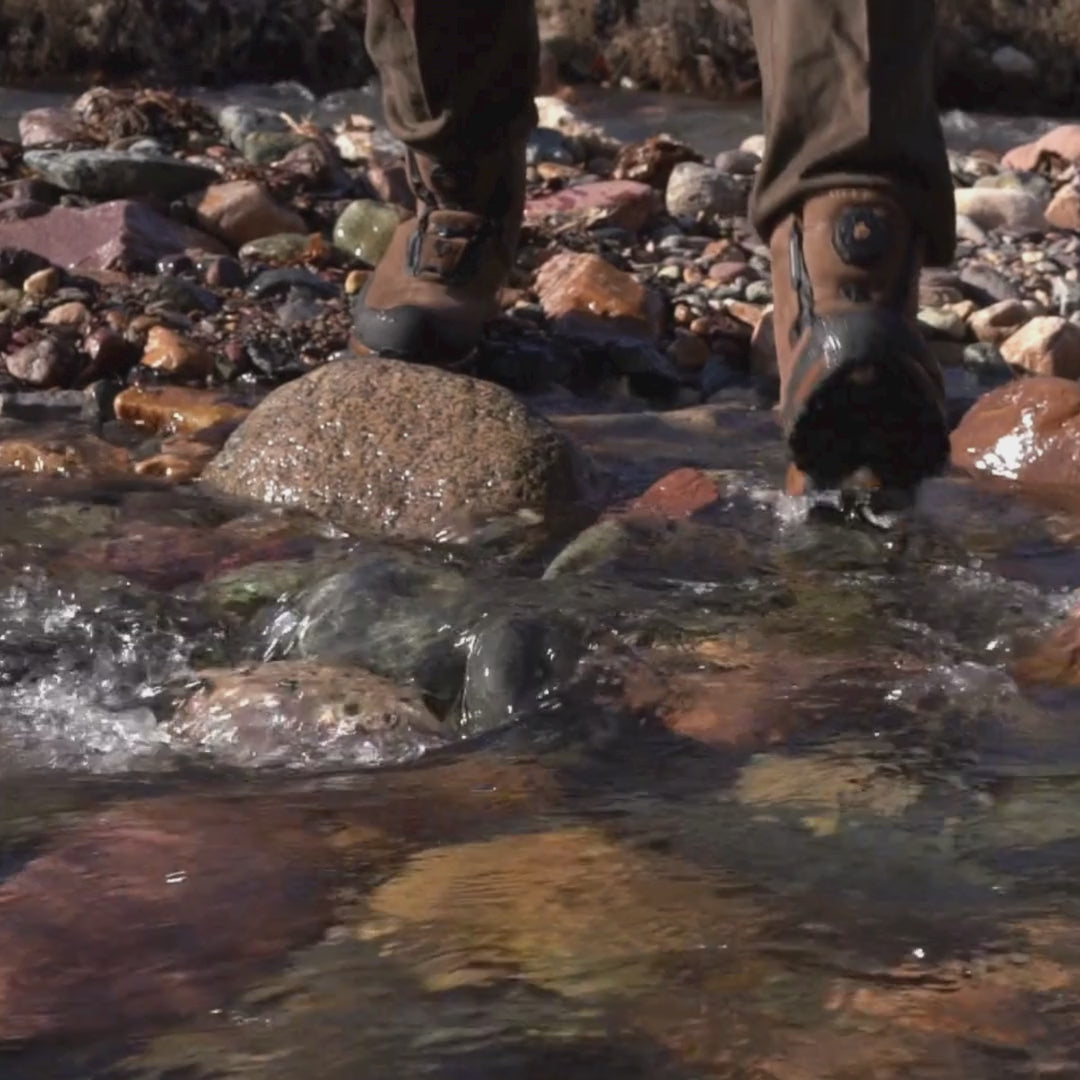
Breathable waterproof boots often make more sense than simply heavy insulated boots. Dry feet usually stay warmer than sweaty feet. Same rule as the rest of the clothing system. Once moisture gets involved, the cold starts winning. For late-season hunting, boots need to cope with mud, wet grass, rain, snow, and cold ground without becoming a burden. If they are clumsy, leaky, or too hot on the move, they become part of the problem.
Gloves, Hat, and the Bits People Forget

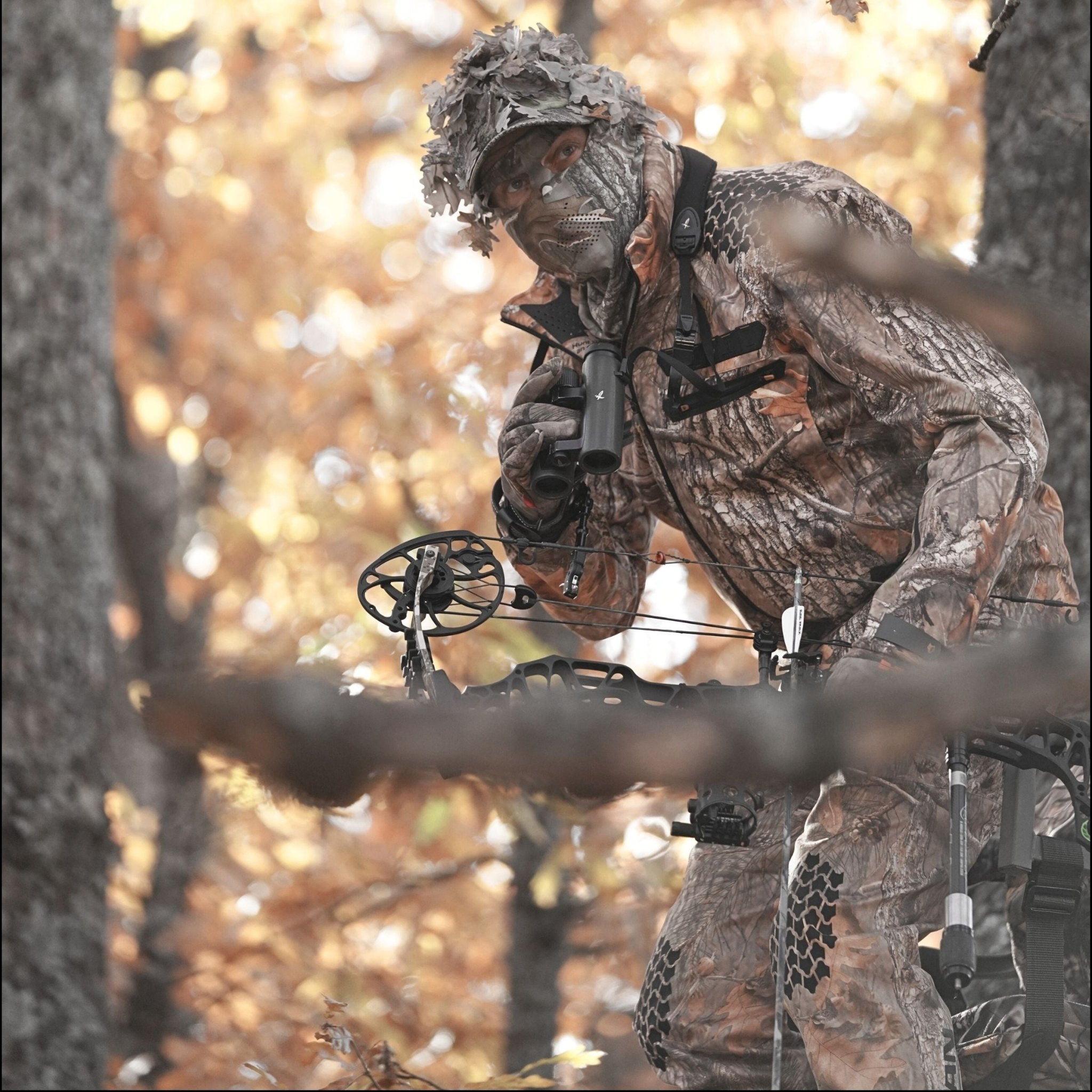
The smaller bits of hunting gear matter more than people pretend. A warm hat is one of the easiest wins in cold weather. Wind on the head in open ground can strip comfort away quickly. Cover it properly, and the whole system feels better. Ignore it, and you feel the cold faster.
Gloves are trickier because they need to protect your hands without making them useless. Big, thick gloves can keep hands warm, but if you cannot work with them on, they get annoying quickly. Better to use gloves that give enough protection while still letting you actually do things.
A neck gaiter or face covering helps too, especially in bitter conditions. The neck and face leak heat faster than people think once the wind gets into them. Covering those areas does not add much bulk, but it helps seal the clothing system up. These things are easy to forget when the weather is mild. In a late-season cold snap, they stop feeling optional.
Quiet, Practical Clothing Beats Bulky Showpiece Gear

The best hunting clothes for late-season UK cold snaps usually come from a simple idea. Wear layers that handle moisture, retain heat, block the elements, and do not make you noisy or awkward.
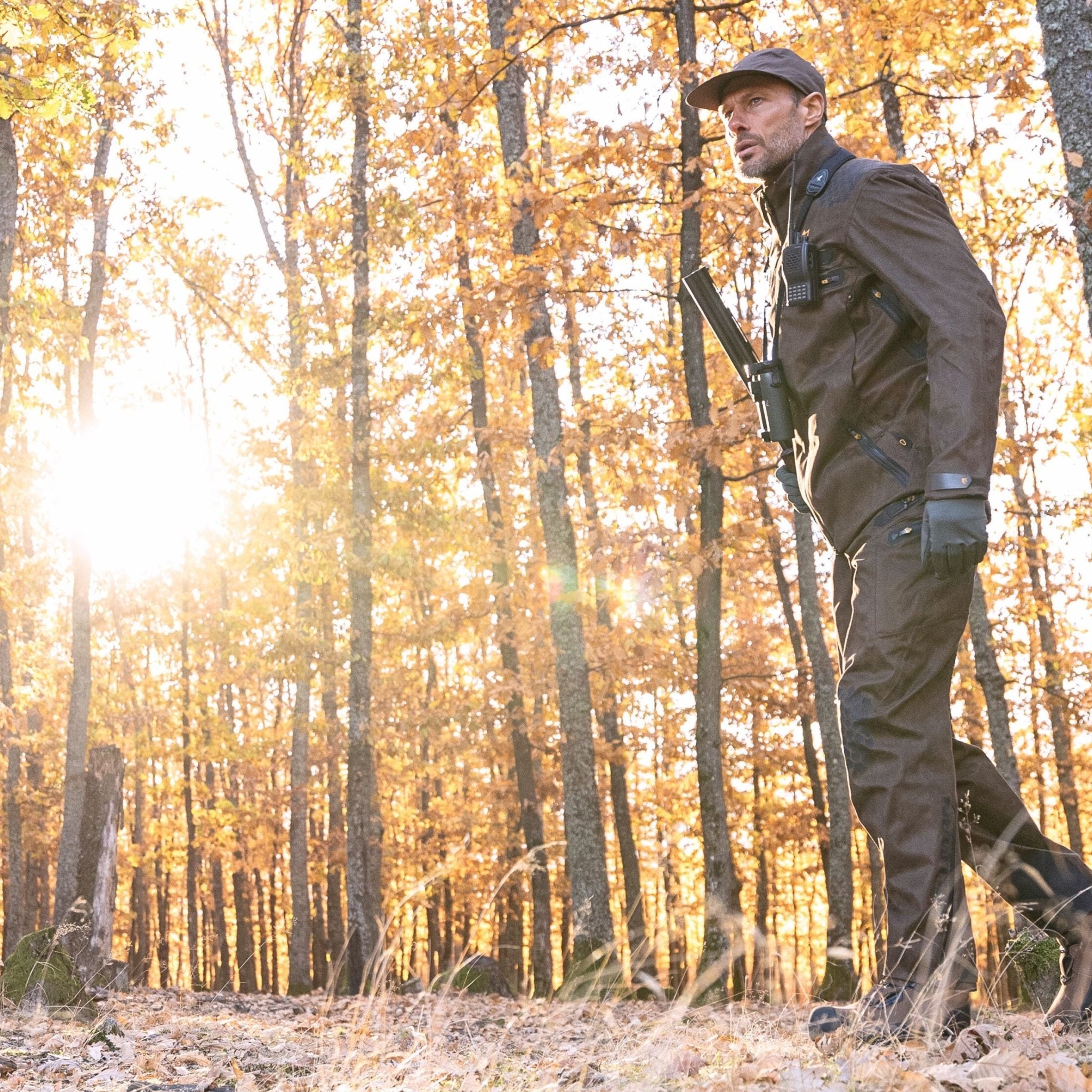
That matters even more when stalking. Clothing can be warm and waterproof, but if it rustles every time you move, it is working against you. Quiet hunting apparel is not just a nice extra.
A modular setup makes more sense than relying on one huge jacket for everything. It gives you a better range across different weather conditions and makes the gear more useful outside the late season, too. You can use lighter parts of it in mid-season hunting, then build it up when the cold really bites.
So none of this is complicated. Base layer for moisture. Mid-layer for insulation. Outer layer for weather. Decent trousers. Good boots. Gloves. Warm hat. That is the backbone. Get that right, and you have a much better shot at a successful experience, even when the weather is cold, wet, windy, and generally miserable.


Share:
How to Choose Quiet Waterproof Clothing for Deer Stalking
Build a Hunting Clothing System for the British Countryside