
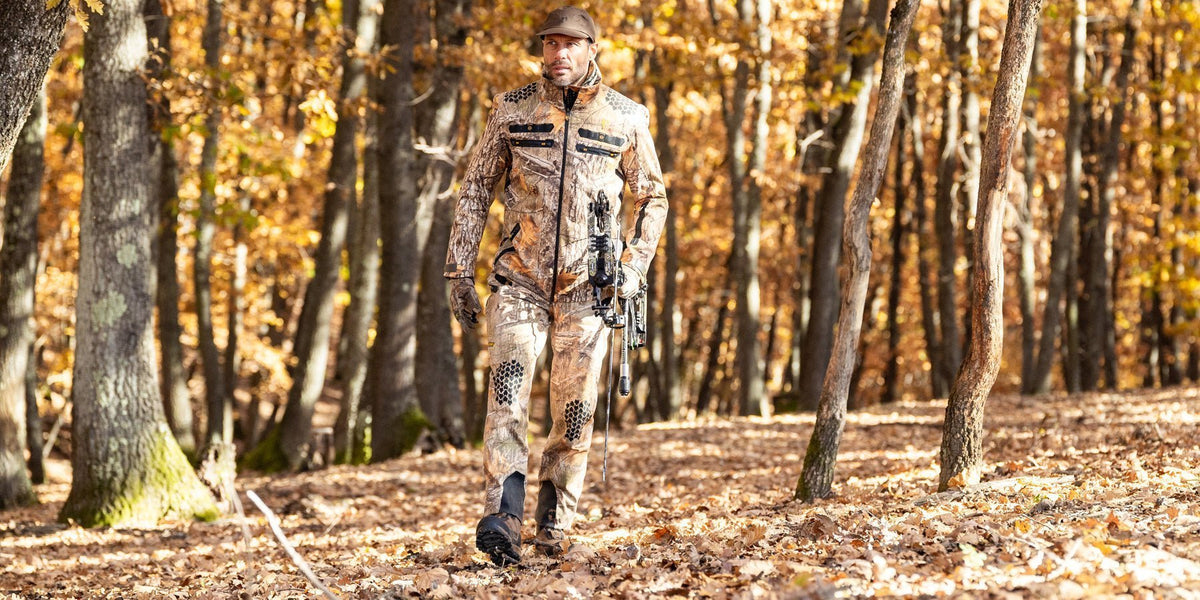
Best Hunting Socks 2026: Thermal & Waterproof Guide

Keep your feet warm and dry with the best hunting socks of 2026. From merino wool to thermal liners, find the perfect match for your boots.
There is a moment most hunters recognise, even if they don’t talk about it much.
You are not cold yet. The weather is manageable. The boots feel fine. And still, something is off. Your toes feel distant, as if they belong to someone else. Not painful. Not dramatic. Just… wrong.
That moment usually comes long before the hunt is over. And almost always, it starts with the socks.
In 2026, hunting socks are no longer background gear. They sit at the centre of how long we stay out, how sharp we remain, and how well the rest of our equipment actually performs. Boots matter, of course. But boots without the right socks underneath are just expensive shells.
Why Hunting Socks Matter More Than You Think?

Cold feet are rarely about temperature alone. They are about moisture, pressure, and time.
Once moisture builds up around the skin, heat loss accelerates fast. Physiological studies show that damp skin can lose heat over 20 times faster than dry skin. That number surprises people. It shouldn’t.
During long hunts, especially in cold weather, the feet quietly absorb punishment. Every step, every pause, every shift of weight adds up. Discomfort doesn’t arrive all at once. It creeps in. And once it does, focus starts leaking away in small, almost unnoticeable ways.
Good socks don’t demand attention. They simply remove a problem before it becomes one.
Merino Wool – The Foundation of Modern Hunting Socks

If there is one material that changed everything, it is merino wool. Not the coarse wool people remember from old jumpers, but finely spun merino engineered for movement and temperature control.
Merino wool works differently from cotton or basic synthetics. It doesn’t just trap heat. It regulates it. When activity increases, it allows excess warmth and moisture to escape. When movement slows, it holds warm air close to the skin. This is why merino wool is often described as the most efficient natural insulation fibre in the world.
It is also naturally antibacterial, which matters more than marketing likes to admit. Multi-day hunts, wet conditions, and constant boot contact make odour control a real, practical concern.
Superior Insulation for Cold and Harsh Conditions

The phrase superior insulation is often misunderstood. Thicker does not always mean warmer. What actually matters is how much air a sock can hold without collapsing under pressure.
Modern knitting techniques have changed this completely. Some ultrawarm merino hunting socks now trap noticeably more air than older designs, creating warmth without cutting off circulation. In static hunting, where movement is limited and heat generation drops, this difference becomes obvious fast.
Field testing shows that high-density cushioning in the footbed can increase perceived warmth by around 15–18% during long periods of inactivity. That is not marketing language. That is the difference between staying still and packing up early.
Shooting Socks vs Standard Hunting Socks – What’s the Difference?

Shooting socks are built for waiting. For weight. For pressure that doesn’t move much. Reinforced heels and toes are not optional details here; they are survival points.
When standing or sitting for hours, uneven pressure leads to fatigue faster than cold alone. Ergonomic support zones inside shooting socks help distribute weight more evenly across the foot. Less strain. Fewer hotspots. Better stability.
These socks are not designed to feel soft in the shop. They are designed to feel invisible after six hours.
Fit, Size, and Length – Getting the Perfect Pair
The perfect pair of socks should disappear once your boots are on. If you notice them, something is wrong.
Performance socks need a close, precise fit. Too loose and they bunch. Too tight and circulation suffers. Both lead to cold toes faster than people expect. Size matters more than branding here, especially for larger feet, where XXL options prevent compression at the toes and heel.
Length matters too. Socks that rise above the boot line block cold air, keep debris out, and stabilise temperature along the lower leg. It is a small detail with a big payoff.
Designed for Long Treks, Stalking, and Demanding Terrain

Long treks expose weak gear quickly. Socks that lack reinforcement wear thin at the heel and forefoot first, especially inside stiff boots. Modern hunting socks counter this with reinforced yarns, often blending merino wool with nylon for durability.
Advanced knitting reduces friction and prevents hotspots during stalking. Support zones help maintain foot alignment on uneven ground. Over time, this reduces fatigue in ways that are difficult to notice day by day, but impossible to ignore by the end of a season.
Moisture Management and Waterproof Performance

Moisture is the real enemy. Even in freezing air, feet sweat during movement. Without proper moisture control, warmth evaporates quickly.
High-performance hunting socks pull moisture away from the skin and allow it to escape through breathable structures. Cotton fails here completely. It absorbs moisture and holds it, accelerating heat loss.
In persistently wet climates, waterproof sock designs provide an extra layer of protection. Field comparisons consistently show that waterproof socks maintain higher skin temperatures during prolonged exposure to wet ground, snow, and standing water.
Colour, Style and Visibility in the Field
Colour may seem secondary, but it affects comfort in subtle ways. Traditional tones like green, olive, brown, black, and grey blend into the country naturally. Brighter colours such as orange, yellow, red, blue, pink, or purple are often chosen for visibility, personal preference, or simply morale on long, quiet days.
Modern collections offer a range without sacrificing performance. Style no longer means compromise.
Leading Brands and Innovation in Hunting Socks

Innovation here has been steady rather than flashy. Carhartt Arctic Wool socks focus on sub-zero durability, reinforcing the areas that fail first. Darn Tough has built its reputation on merino wool socks that survive seasons of heavy use.
Heat Holders approaches warmth scientifically, testing insulation against standard cotton benchmarks. Härkila shooting socks are engineered around endurance, boot compatibility, and ergonomic support. Icebreaker remains a reference point for breathable merino wool designed for active use.
Hillman’s merino hunting socks push this category further, combining ultra-fine merino with precise pressure mapping and reinforced zones built specifically for long days in hunting boots. In real field conditions, they stand out as the most balanced option for warmth, moisture control, and all-day comfort.
How to Choose Hunting Socks for Your Boots and Conditions?

There is no universal answer. Static winter sits demand insulation. Active stalking needs breathability. Wet ground calls for moisture protection. Socks must work with boots, not fight them, whether paired with technical footwear or traditional wellies.
Understanding the demands of the hunt simplifies the decision. The right socks remove one variable from an already complex equation.
Building the Right Sock System for 2026
Socks are rarely the most exciting purchase. But they are often the most honest ones. When they fail, everything else falls into place.
In 2026, the best hunting socks are not about hype or novelty. They are about staying comfortable long enough for skill and patience to matter. And in the field, that is usually what decides the outcome.
See Below FAQs About Hunting Socks




Share:
Best Men’s Shooting Boots: Stability for the British Field
Best Hunting Shirts for UK Stalking: Comfort & Stealth