
How to Build a Complete Hunting Clothing System for the British Countryside

Build a hunting clothing system that handles British weather with the right base layer, mid layer, outer protection, and practical layering for comfort in the field.
A lot of hunters still hope one good jacket will solve everything. I used to see that thinking all the time, and honestly, it still catches out most hunters when the weather turns ugly. It sounds sensible enough at first. Buy a solid outer piece, maybe something warm, maybe something expensive, and trust it to do the work. Then the day starts properly. The ground is wet, the wind picks up, the pace changes, temperatures drop, and suddenly that single jacket is doing a poor job of juggling sweat, cold, rain, and movement all at once.
That is why I think in systems, not in individual hero pieces. When I talk about how to build a complete hunting clothing system for the British countryside, I am talking about a setup that works together from skin to shell. It has to deal with wet weather, shifting effort, uneven ground, long waits, and the kind of stop-start pace that defines most hunts here. It has to keep me moving without overheating, then keep me settled when I stop. It has to stay warm without turning swampy. It has to handle rain without suffocating me from the inside.
The British countryside asks a lot from hunting clothing because the conditions are rarely clean or simple. A cold morning can turn into a damp, breezy afternoon. A mild walk-in can become a long still wait in a biting wind. The right hunting clothing system is what keeps me focused on the hunt instead of constantly fiddling with my gear.
How to Build a Complete Hunting Clothing System for the British Countryside

For me, the backbone is always the same: base layer, mid layer, and the right outer layer. That is the core of any proper clothing layering system. The details change depending on season, ground, and pace, but the logic stays steady.
The first layer manages sweat and helps regulate body temperature. The middle layer holds warmth and helps trap body heat without becoming clammy. The outer piece protects against wind and rain while still allowing moisture to escape. If one layer works badly, the whole system feels off. If the layers complement each other, I stay dry, mobile, and comfortable for much longer.
That matters because the countryside here is rarely consistent. I can move through open fields, hedgerows, woodland, wet banks, and rough tracks in the same outing. The clothing system has to be versatile enough for that. It has to help me manage moisture, respond to changing effort, and hold comfort through a wide range of weather conditions.
Base Layer: the part many hunters get wrong first

No amount of expensive outerwear makes up for a poor base layer. I have learned that again and again. If that first layer fails to move sweat away from the skin, the rest of the setup is already fighting harder than it should.
A proper base layer should sit close to the body like a second skin. Not tight in a suffocating way, just close enough to pull sweat away and keep air moving. The job is simple in theory. It should wicks moisture, help pull sweat off the skin, and keep the surface feeling as skin dry as possible. Once dampness sits against me too long, I start losing comfort fast, especially when the wind gets up or the pace drops.
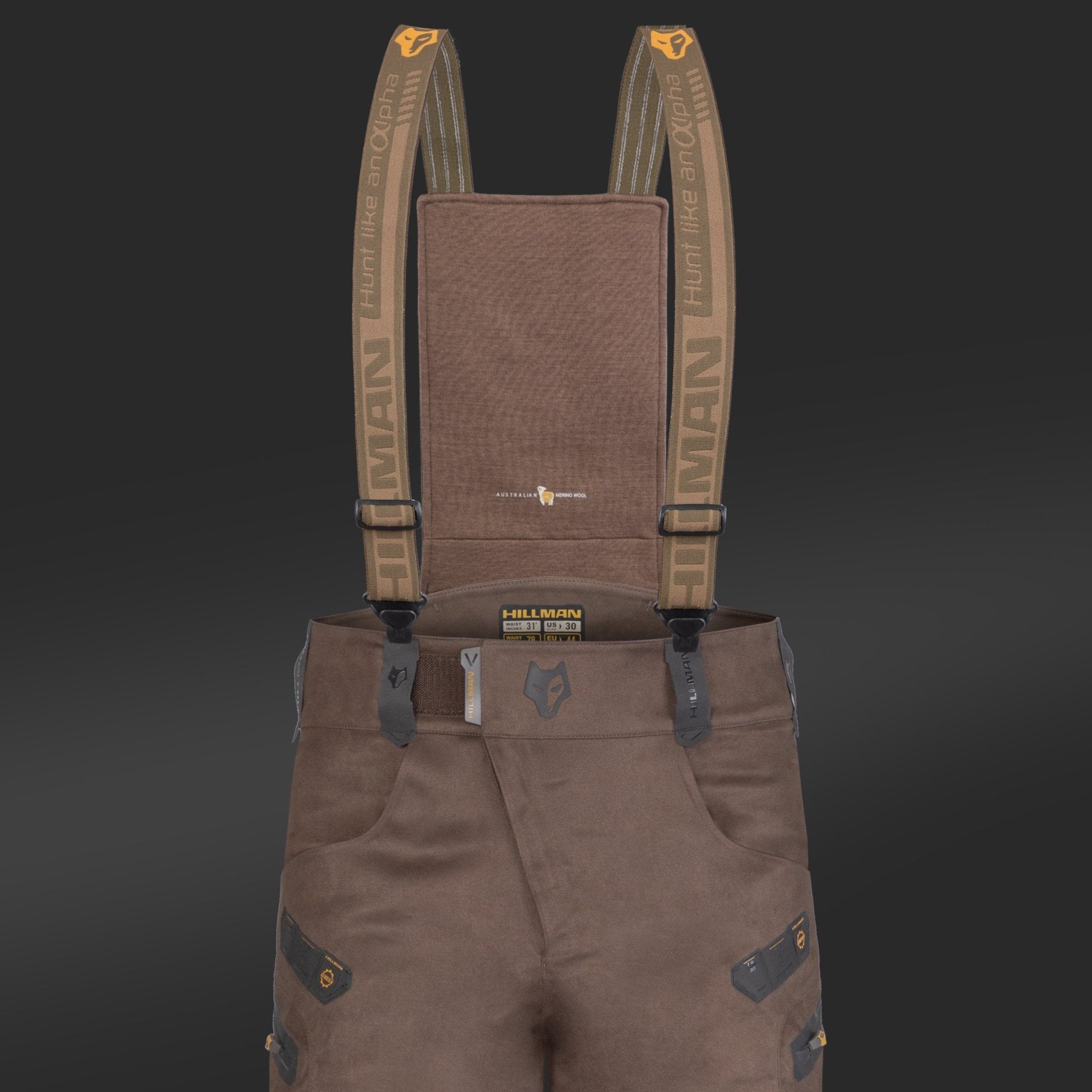
I usually lean toward merino wool in colder months because it handles moisture management very well, keeps some insulating value even when damp, and gives useful odor control over long days. That matters more than many people first assume. A good merino base is one of the most reliable foundations I know for cold weather and long stalks. It helps move moisture away, offers comfort over time, and does not feel nasty once I have been out in it for hours.
Synthetic options have their place too. They often dry faster than merino and tend to be tougher for high output activities. If I know the day will involve hard climbing, faster walking, or an especially active hunting style, synthetic fibers can make more sense. They are often the better call when I expect to generate more heat and want very fast drying performance.
The one thing I avoid is cotton. In any serious hunting layering system, cotton is trouble. It holds moisture, gives little back once it gets damp, and makes it harder to stay warm once the weather turns.
Cold weather hunts start with moisture control, not bulk

A lot of people think cold-weather hunts are all about piling on more insulation. I think that is where many setups go wrong. In practice, I get colder faster from trapped sweat than from sensible underdressing. If I start too heavy, walk hard for twenty minutes, and soak the inside of the system, the whole thing starts to unravel.
That is why my focus stays on moisture first. In cold weather hunts, I want a base that wicking sweat handles well, a middle layer that holds warmth without shutting down airflow, and an outer shell that protects without trapping everything inside. That balance does more for real comfort than simply wearing more clothing.
This matters especially on days when the pace shifts between active movement and long sits. If the setup cannot adapt, I either overheat or get chilled, sometimes both in the same hour. Good layering prevents that.
Cold Weather means adjusting for stillness as much as movement

True cold weather is rarely one simple thing in the field. Sometimes it is damp and raw. Sometimes it is dry but sharp. Sometimes it starts manageable and turns harsher the moment I stop moving. In all of those cases, the clothing has to help me hold body heat without becoming a burden.
That is why I never build for the walk-in alone. I build for what happens later, when temperatures drop, the wind starts to bite, or I settle in and stop generating much heat of my own. When I get that right, the system helps trap warmth naturally instead of relying on bulk alone.
Hunting Clothing needs to work as a whole, not as separate pieces
The mistake I see all the time is buying random “good” items without considering how the whole hunting clothing setup behaves together. One warm top here, one rain shell there, some decent trousers, maybe a few heavy extras. But if the pieces do not support each other, the result is awkward.
A proper system should feel connected. The first layer deals with sweat. The middle one provide insulation. The outer piece blocks wind, stop rain, and still allow moisture escape. The socks, gloves, and extra accessories fill the gaps. That is when hunting clothing begins to feel like a serious field setup rather than a pile of outdoor clothes.
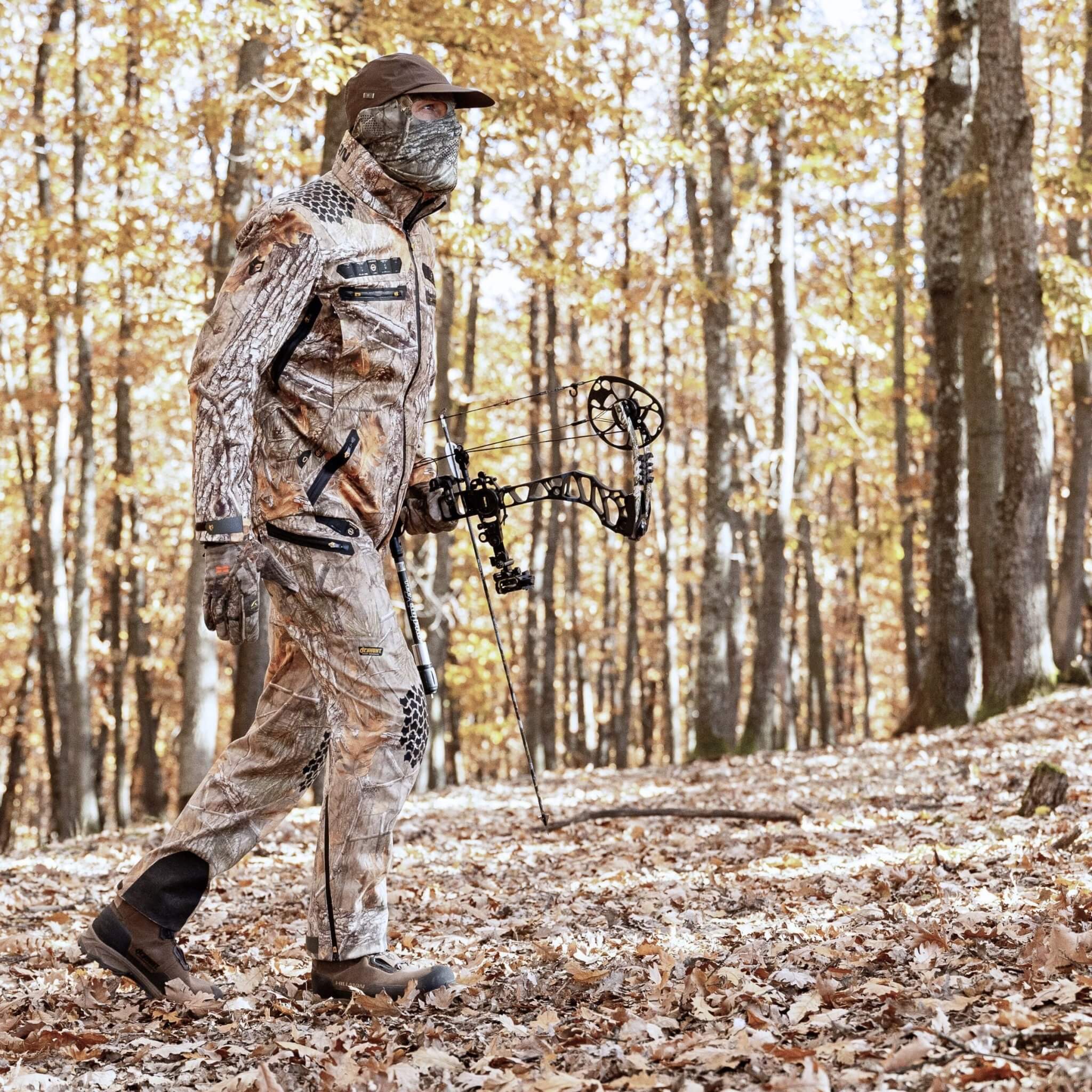
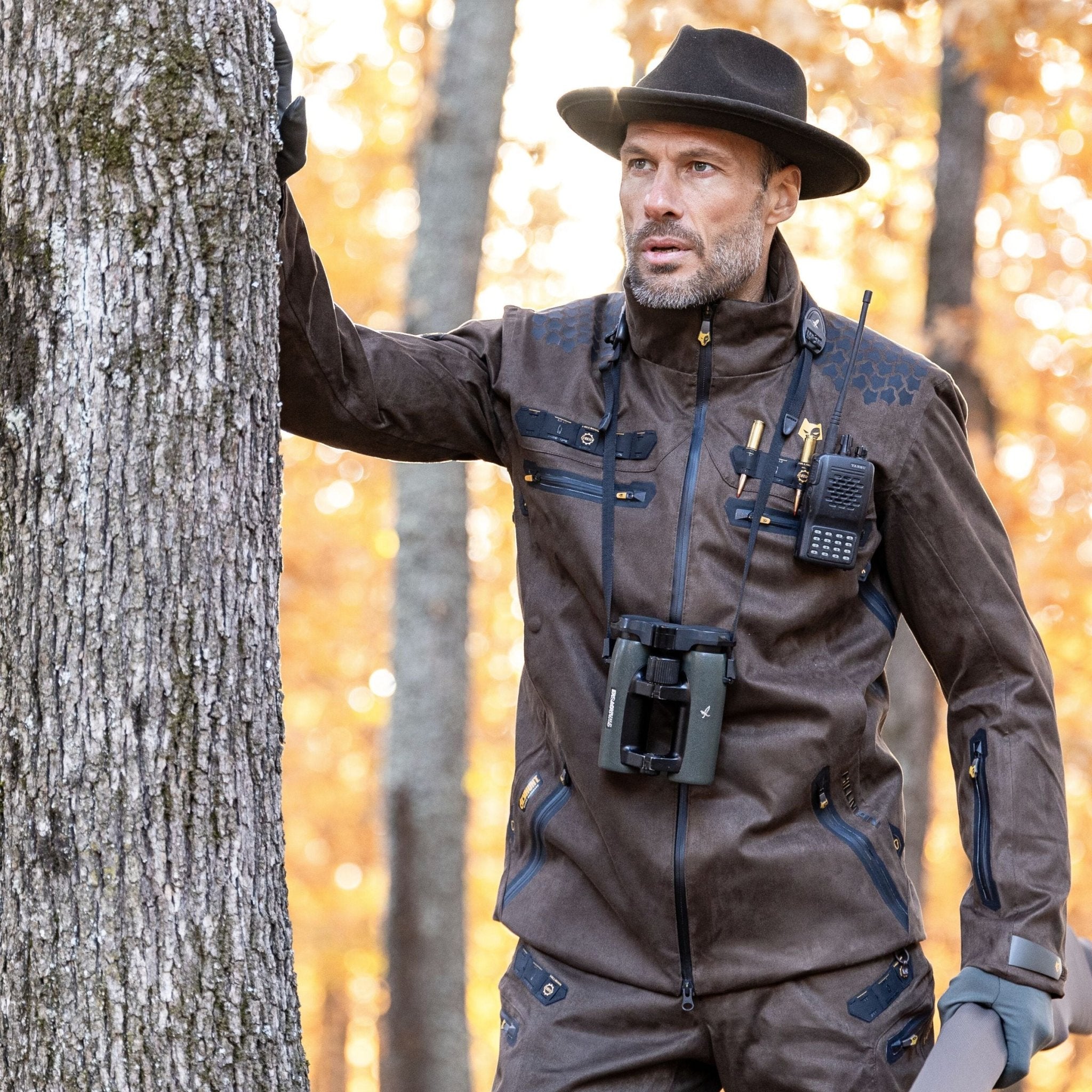
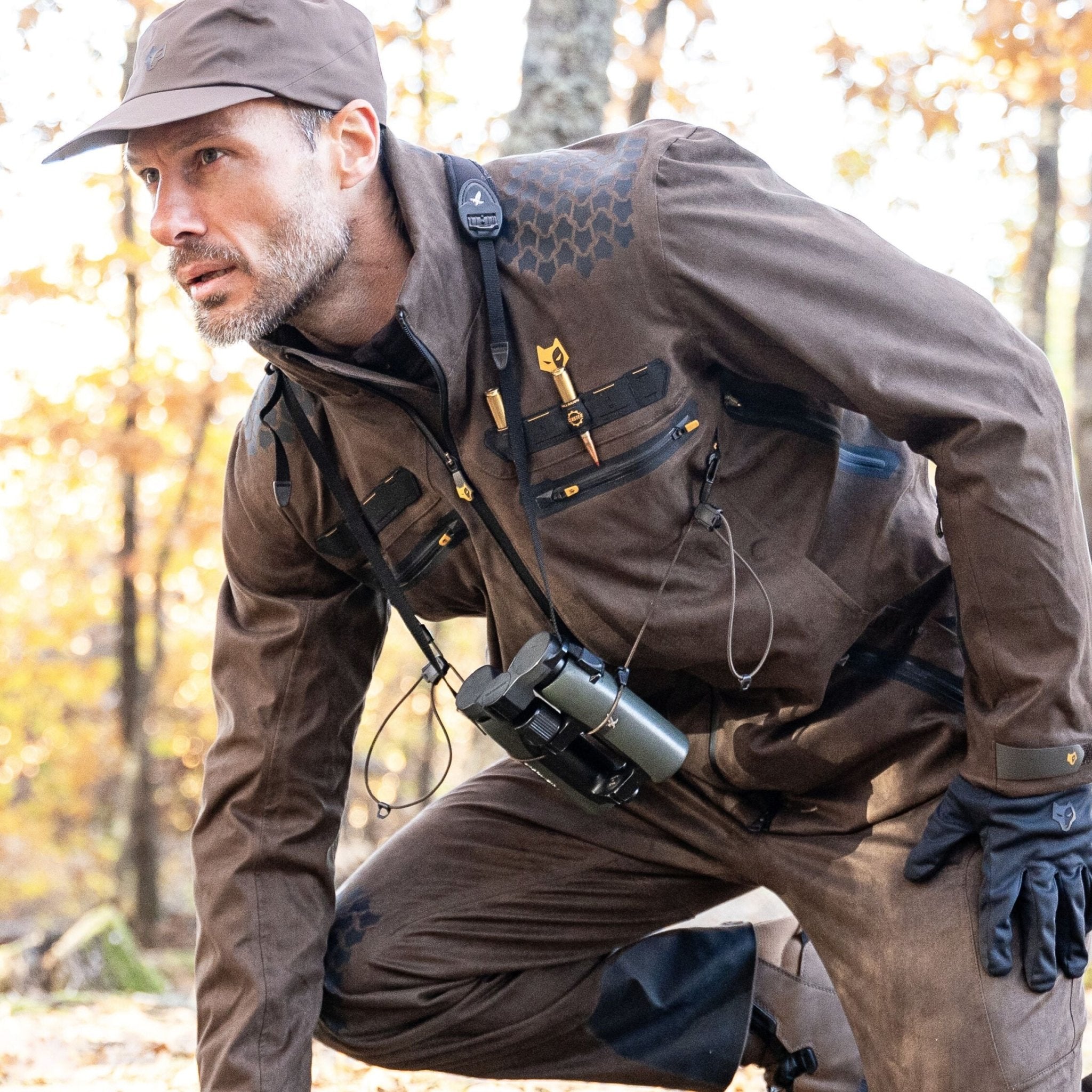
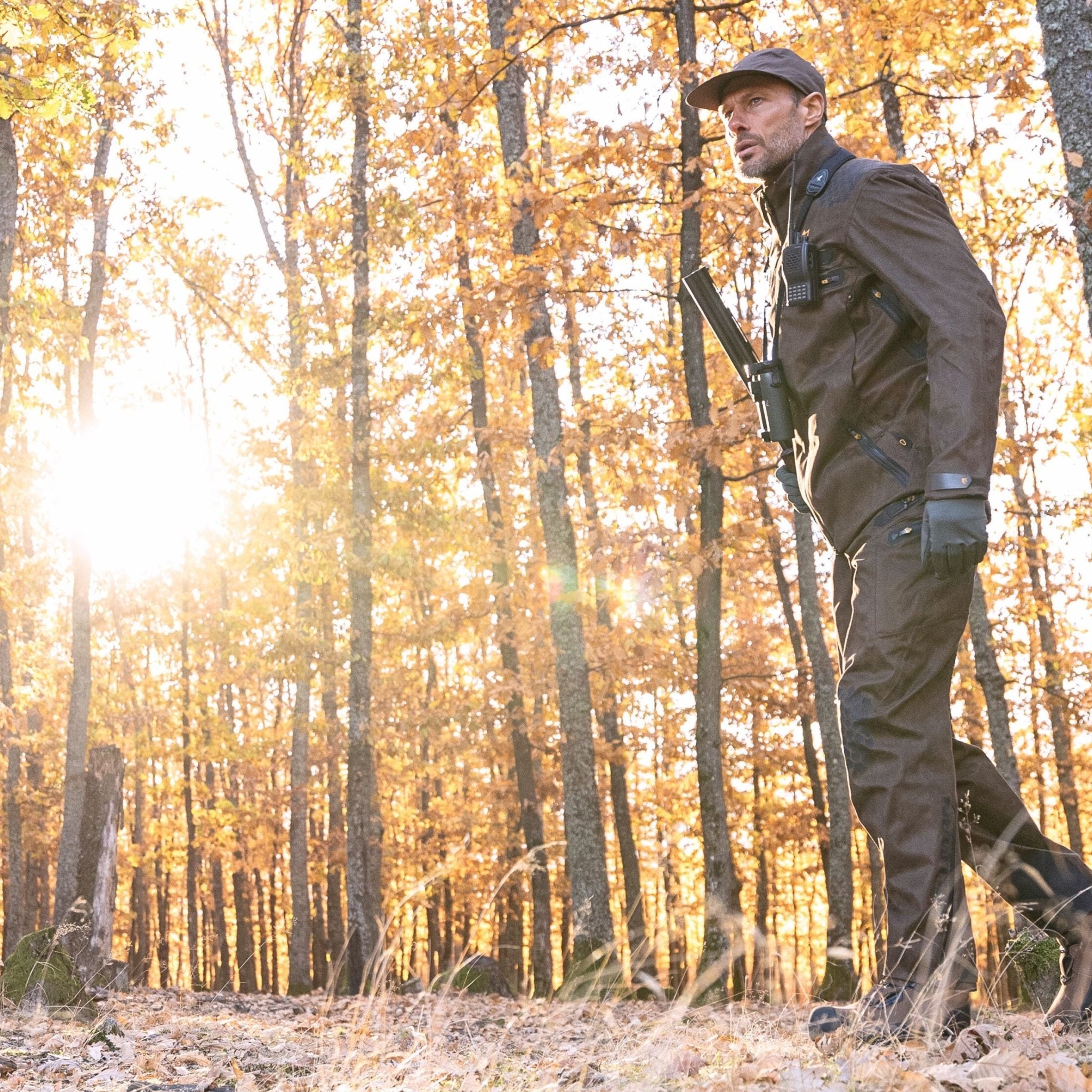
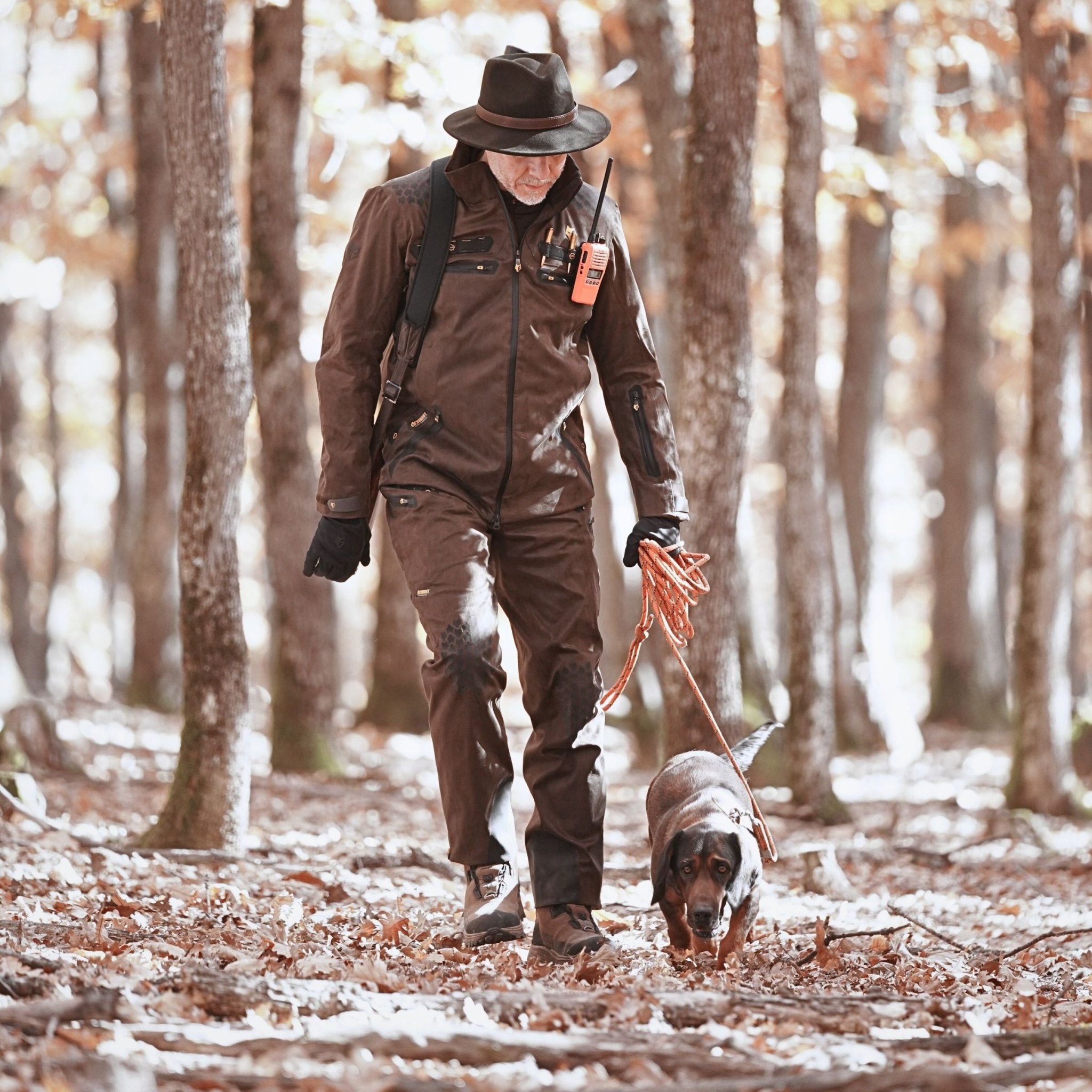
Muted colours matter too. In the British countryside, I prefer natural tones like olive, brown, and softer greens. They sit better in the landscape than anything too loud, and for stalking they simply make more sense than flashy camo patterns that look designed for a product page rather than the ground I actually move through.
Hunting Gear is more than a jacket and trousers

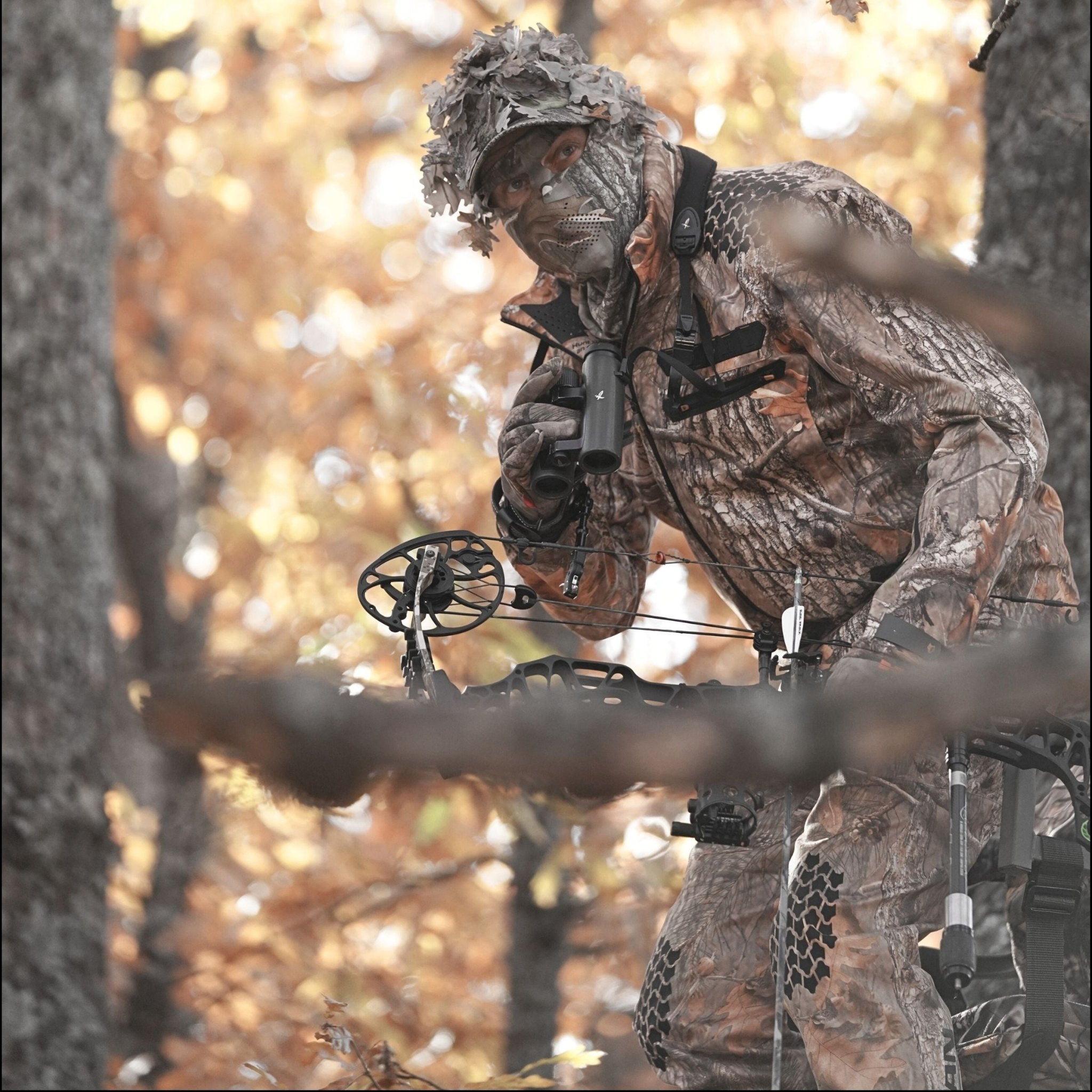
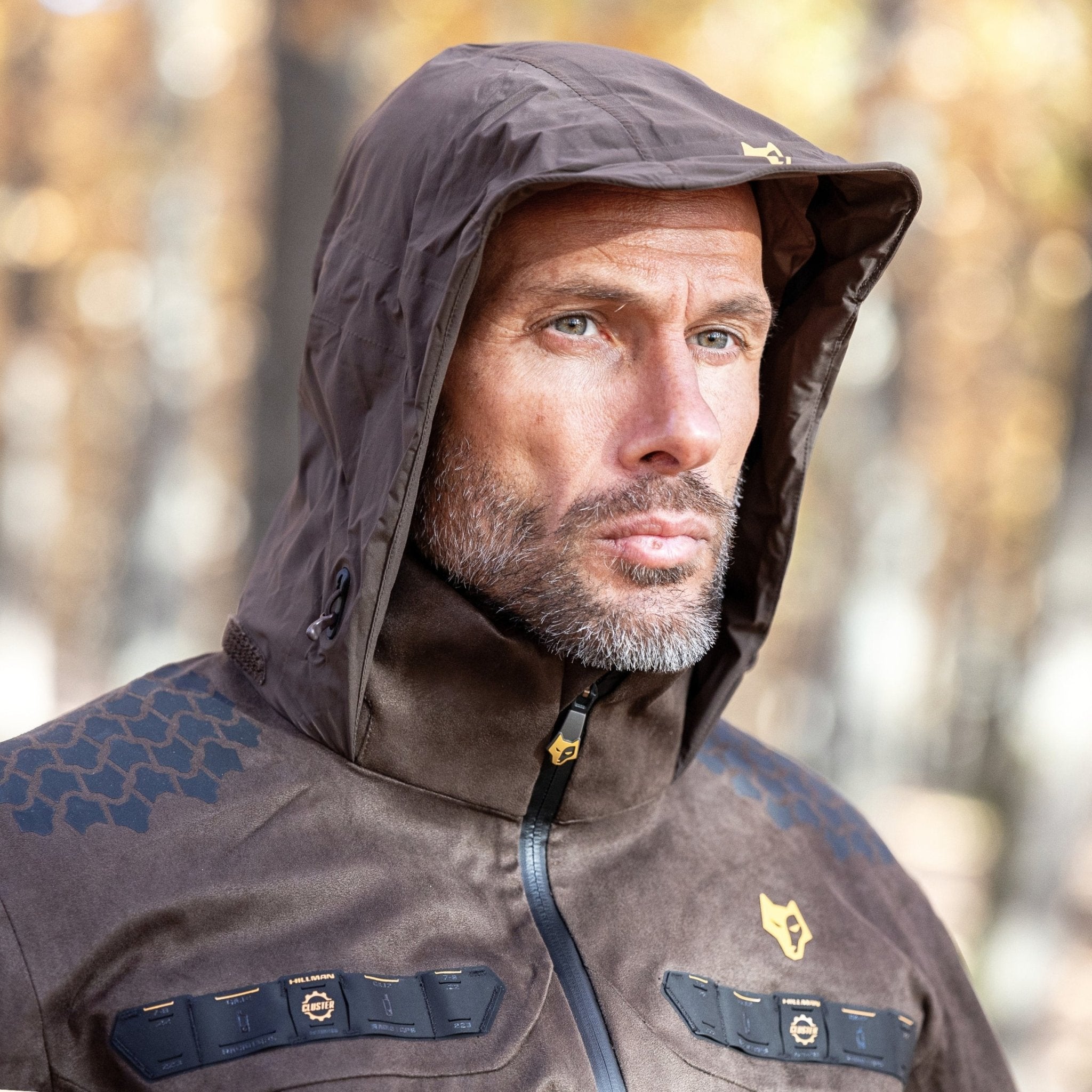
Good hunting gear is not only what goes on the torso. Accessories make a bigger difference than many hunters admit. Gloves matter because cold fingers affect everything. A decent hat helps me hold warmth and shields my eyes when light shifts. A neck gaiter seals one of the most obvious weak points in windy weather. Gaiters help keep water, mud, and debris out when I cross wet banks or rough tracks.
Those smaller parts are what finish the system. Without them, small gaps start turning into bigger problems. In cold, wet country, comfort often disappears through the edges first.
Hunting Clothing System: Why the British countryside punishes weak layering

Any hunting clothing system for Britain has to accept one basic fact: the weather is unpredictable, and the ground often stays wetter than people expect. That is why I trust a classic three-part layering system. It gives me flexibility. I can open, close, remove, or add depending on effort and conditions.
When the system is good, I stop thinking about my clothes. I focus on wind direction, footing, glassing, and movement. When it is bad, I notice everything. Damp sleeves. A sweaty back. Cold hands. Wet socks. A shell that holds rain but traps too much internal heat. That constant awareness is usually the sign that something in the system is wrong.
Clothing Layering System: how I handle changing effort through the day

A solid clothing layering system lets me adapt without drama. If I start the day cool and begin moving hard, I rely on breathability and moisture transfer rather than over-insulating from the start. If the pace slows or I settle in for a wait, I add warmth before the chill takes hold.
That is what separates a usable field system from a shop-floor concept. The layers have to work across movement and stillness. They have to prevent overheating during active hunts and support heat retention when I stop. That is the balance I am always chasing.
Hunting Layering System: why the middle layer does the honest work
The hunting layering system lives or dies in the middle. The mid-layer is where practical insulation usually comes from. Done well, it traps heat and adds comfort without killing movement or breathability.
Fleece remains a strong option because it is soft, warm, and does not feel heavy. I use lighter microfleece on milder days or when I expect more movement. Heavier fleece or synthetic insulators make more sense when conditions are colder, and the pace is slower. What matters is that the mid layer keeps warmth in play without becoming so bulky that it restricts climbing, bending, or shouldering through cover.
A poor middle layer fails in two directions. Too thin, and it does not hold enough warmth once movement slows. Too bulky, and it limits movement or causes overheating problems by trapping too much heat too early.
Hunting Apparel for rain, wind, and long hours outdoors

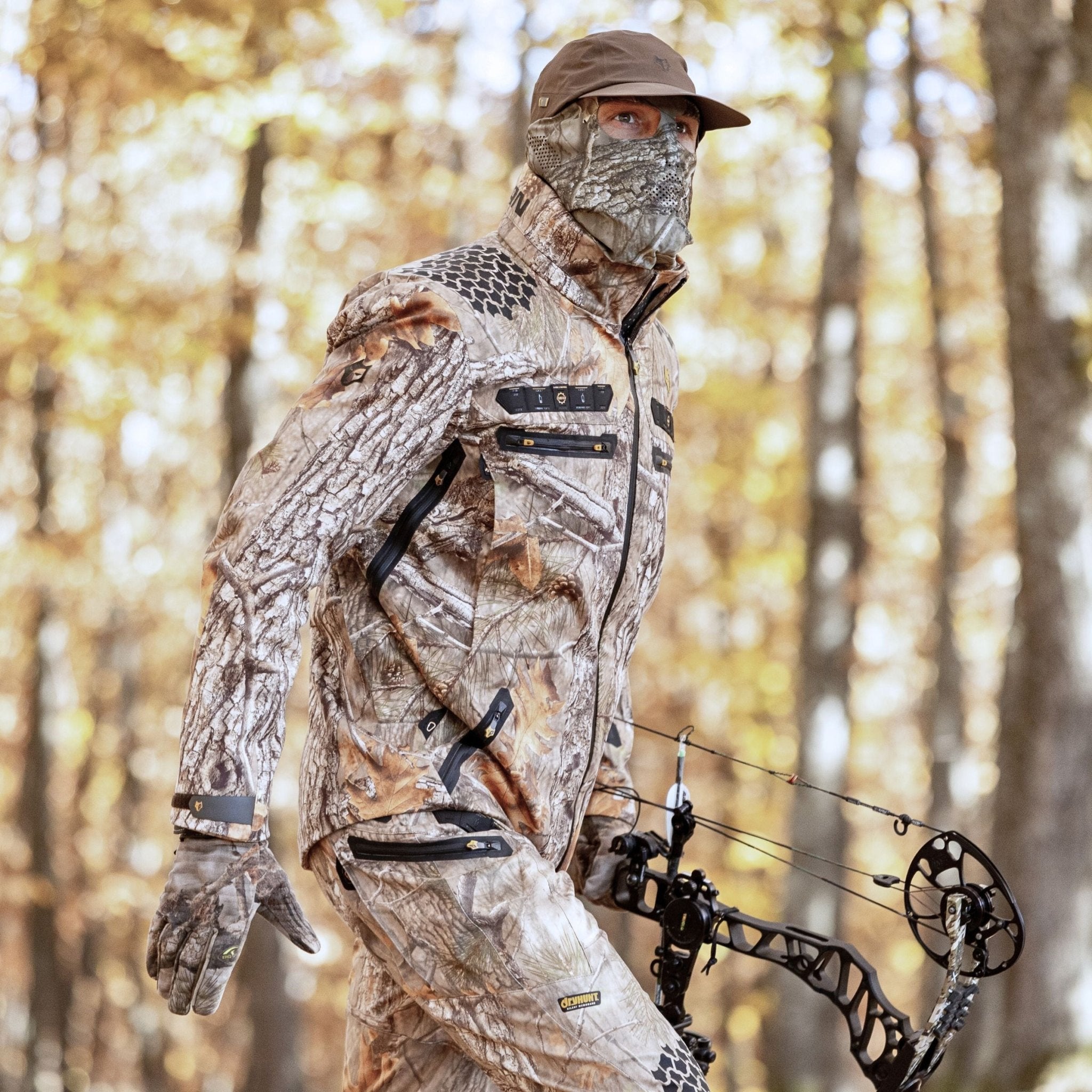
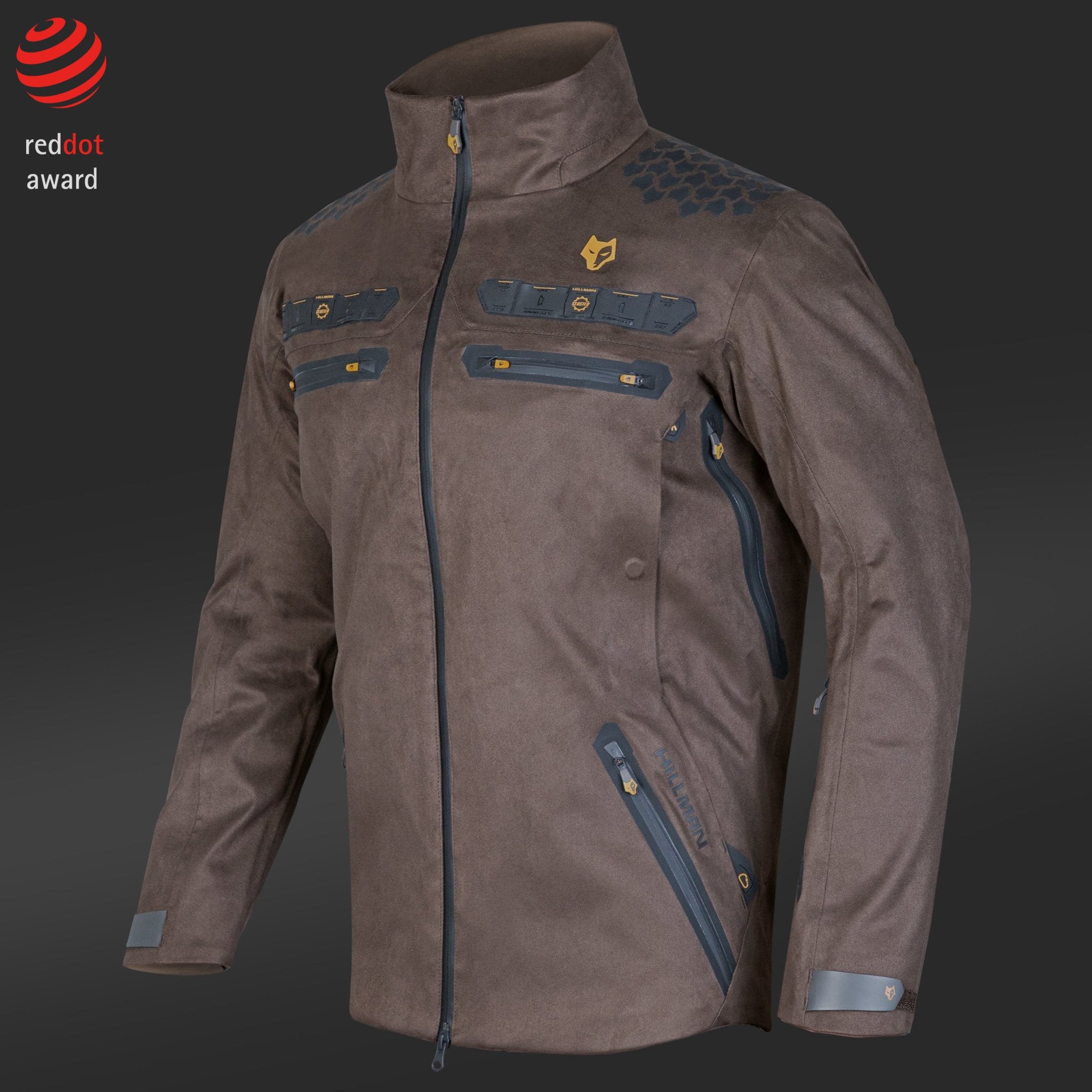
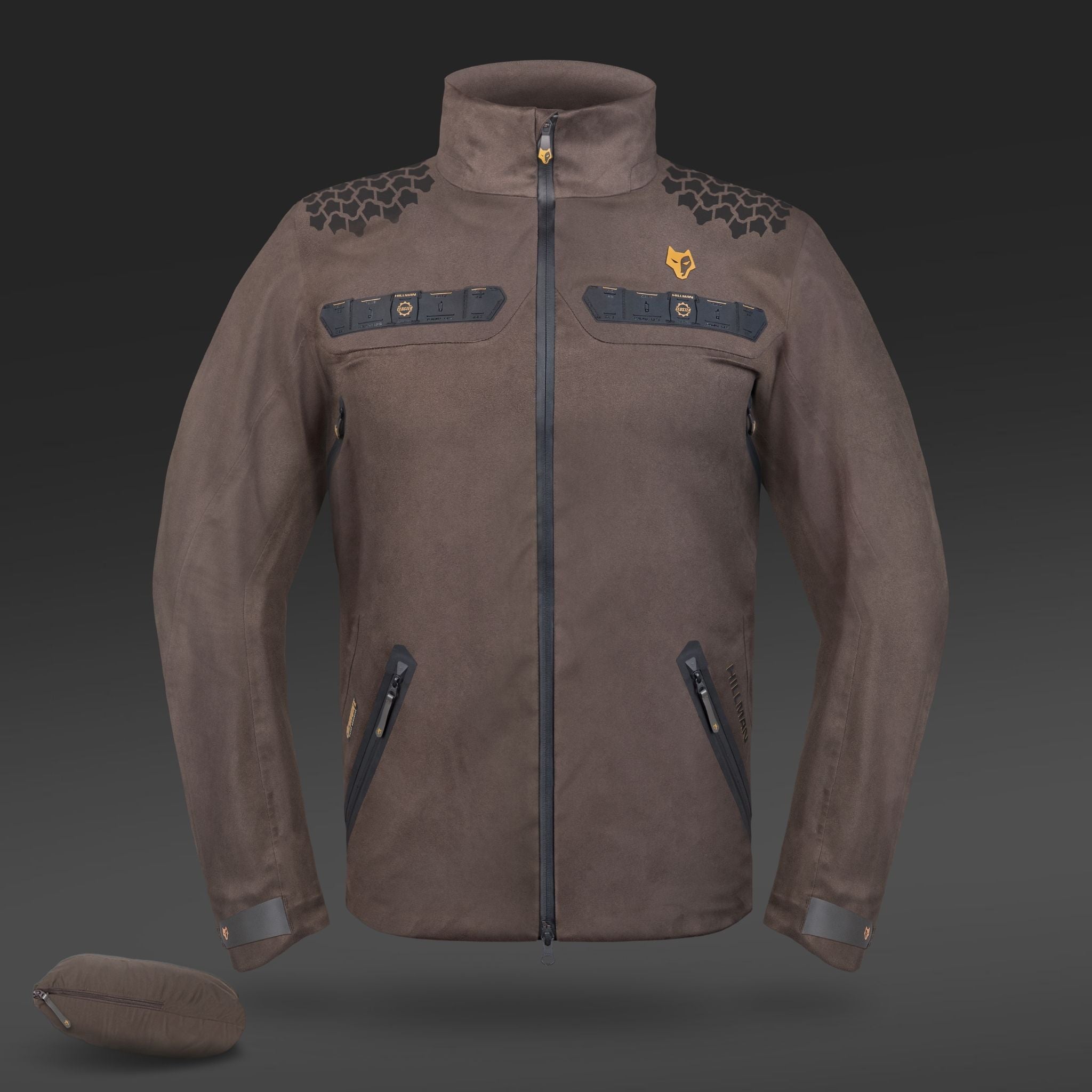
Good hunting apparel has to work under pressure, not just sound impressive. In the British countryside, that means windproof and waterproof protection that still breathes. The outer shell is where all of that comes together.
I want outer shells that are quiet enough for stalking, durable enough for rough ground, and breathable enough that sweat does not become a problem the moment I stop. A shell should protect against light rain and serious rain alike, and it should still feel composed in wet conditions and wet weather. If it cannot, the rest of the system starts taking on too much strain.
Clothing System choices for trousers, boots, and the lower half

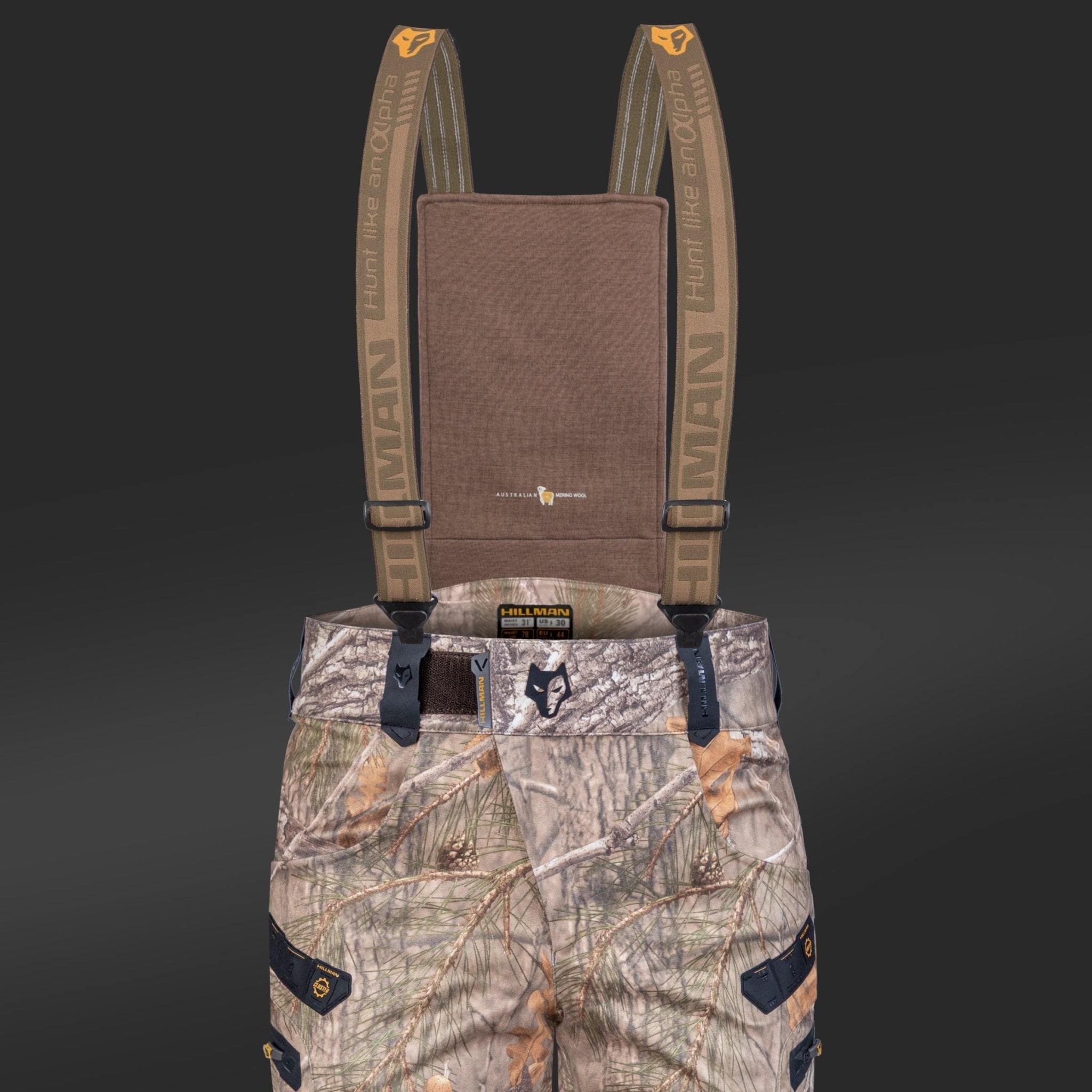
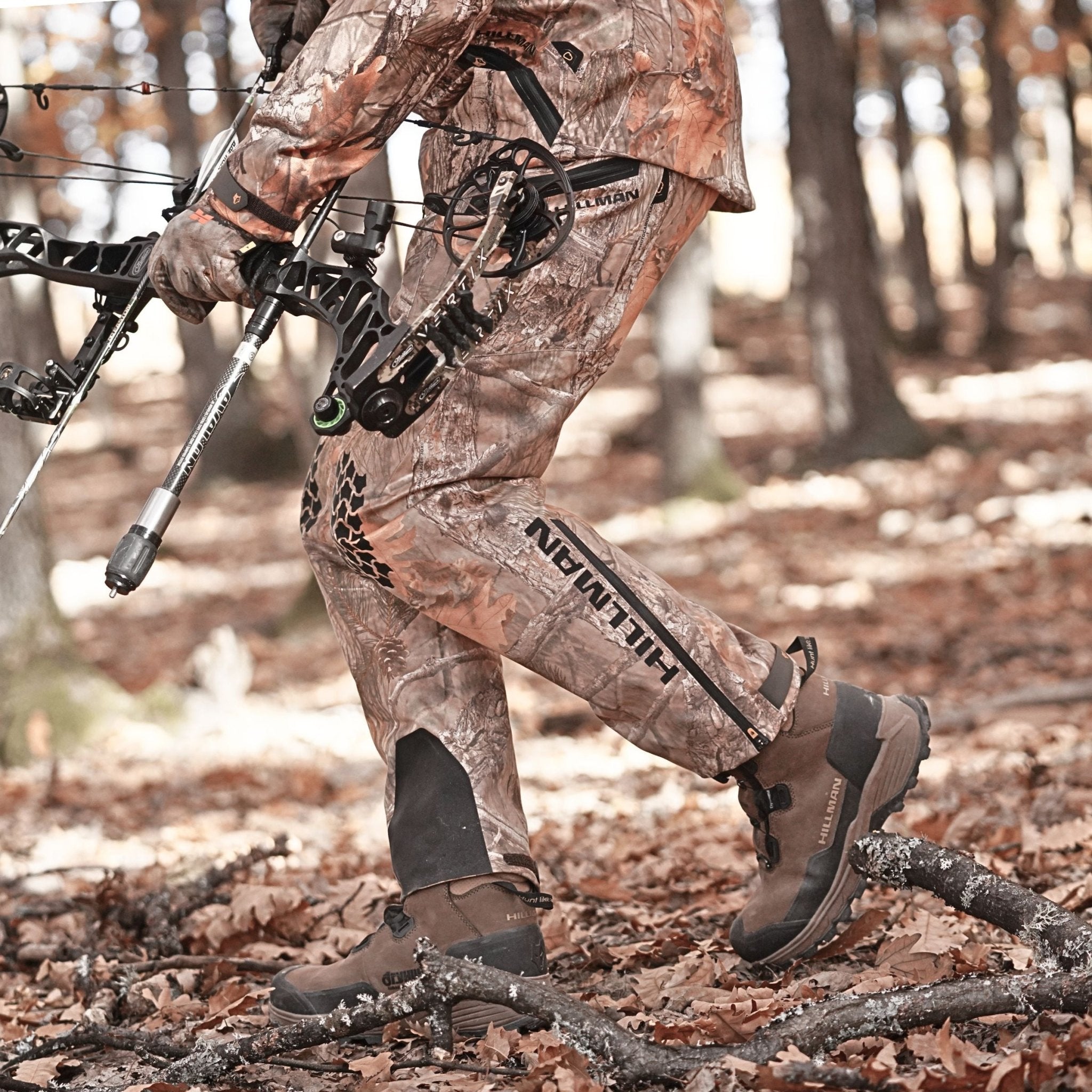
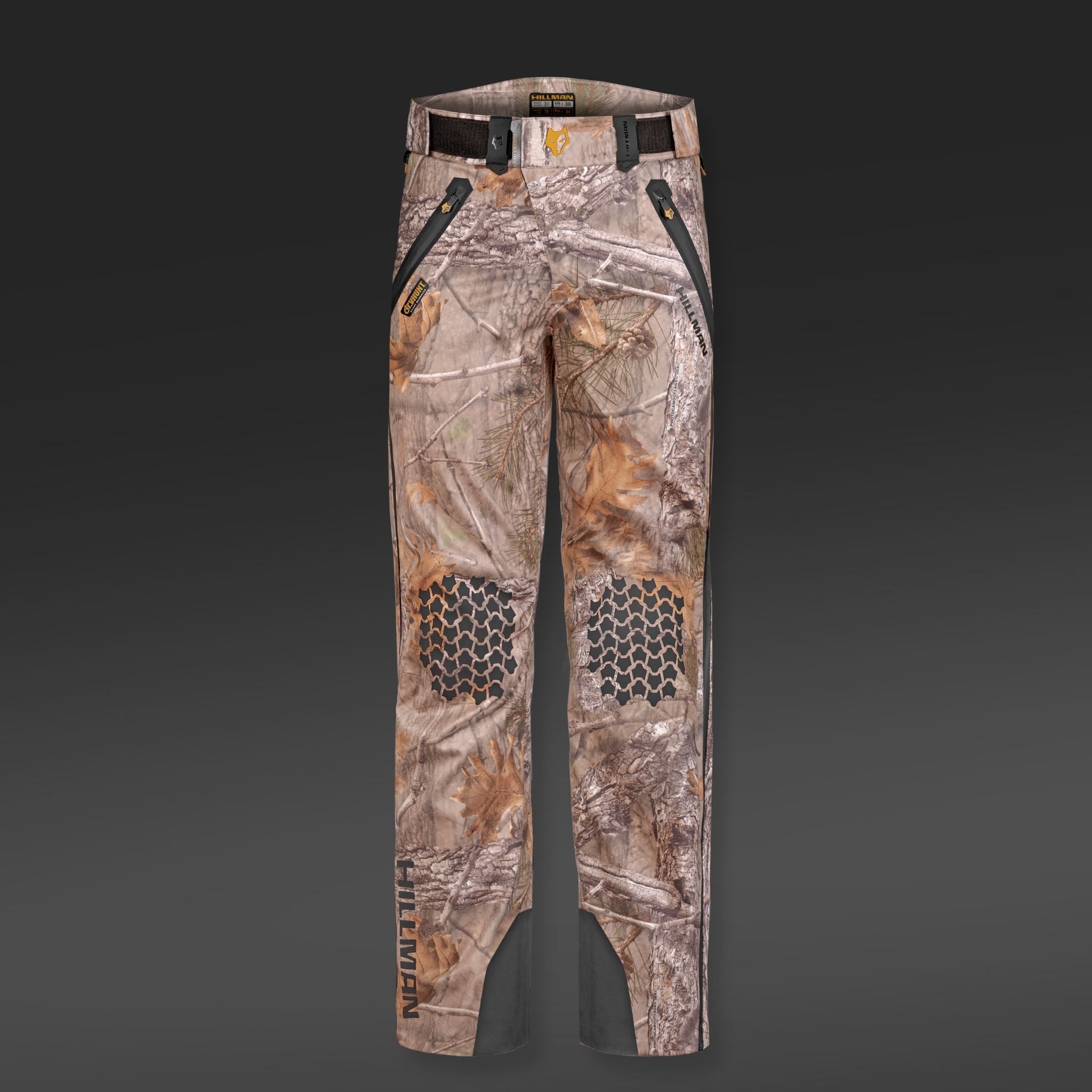
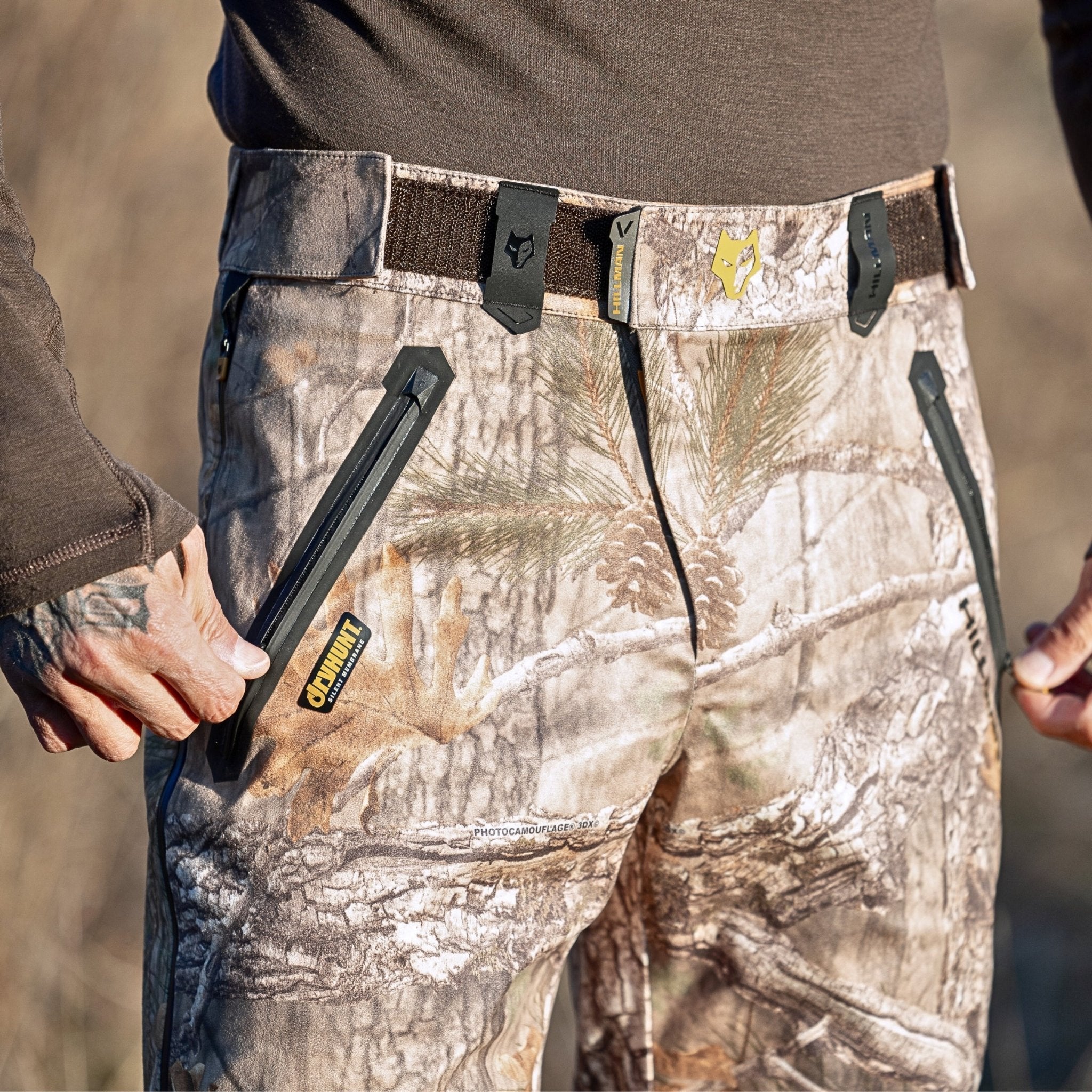
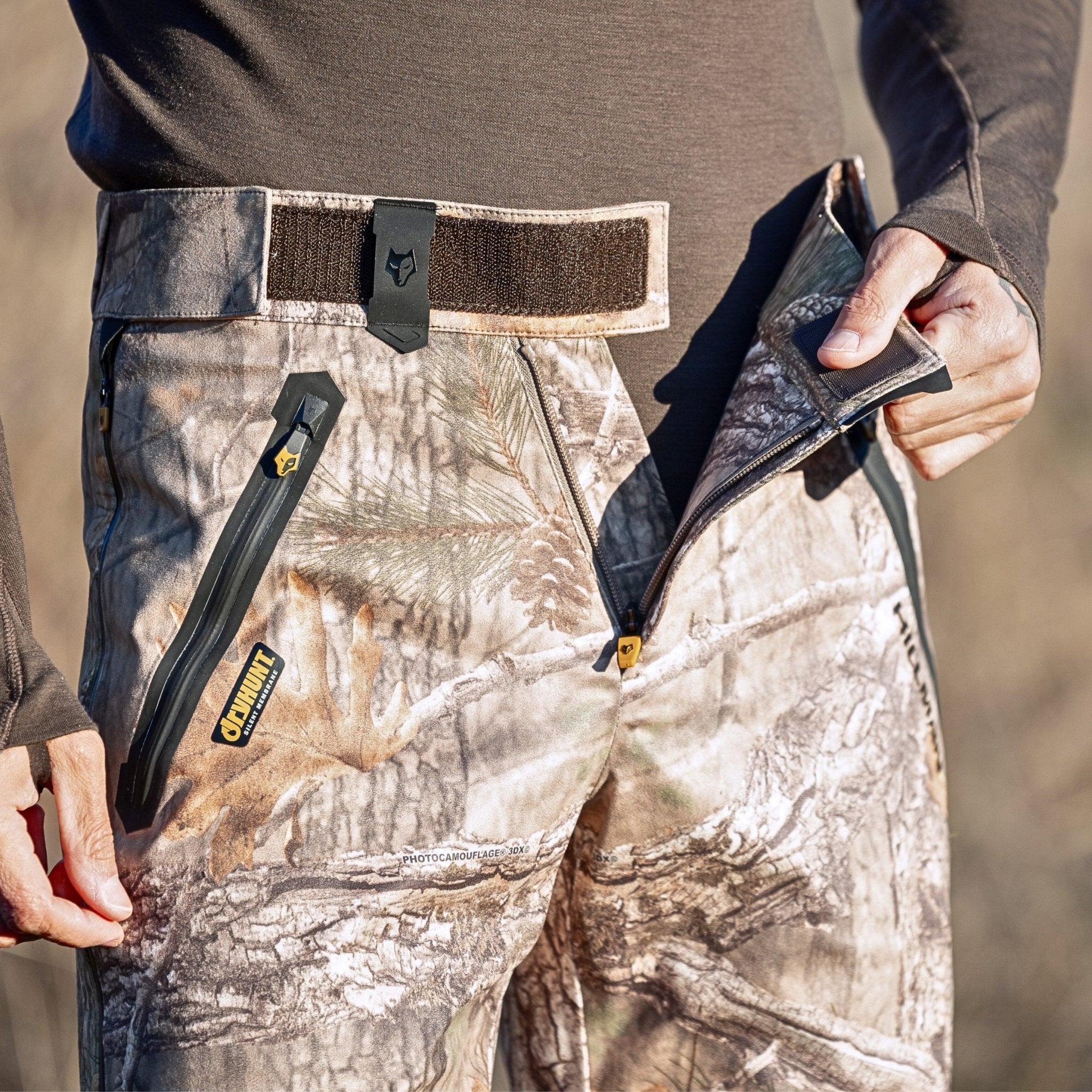
The lower half gets ignored far too often in a clothing system. I want trousers that can handle a wet brush, cold ground, and repeated contact with mud and rough vegetation. In wetter months, proper rain gear for the legs matters as much as the jacket.
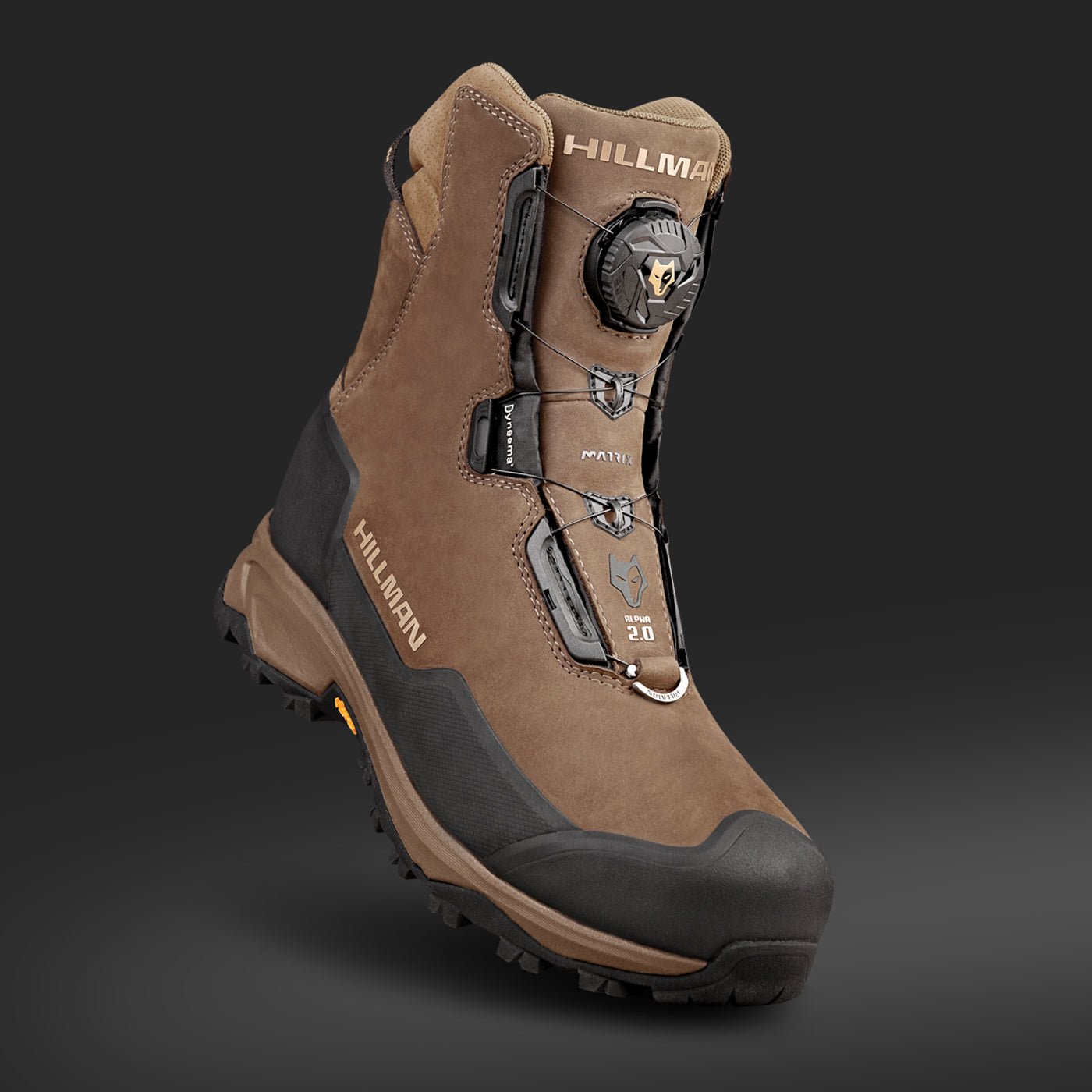
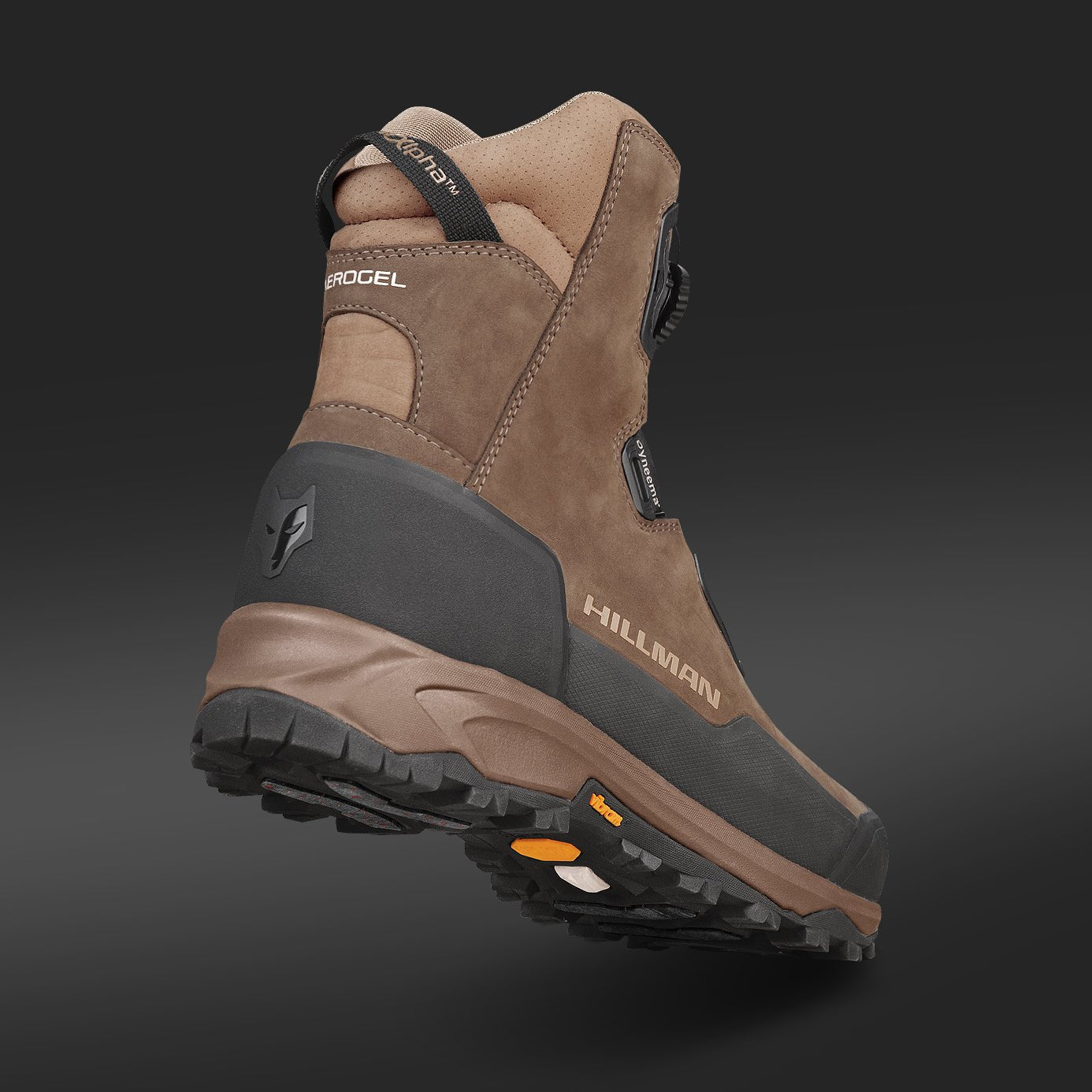
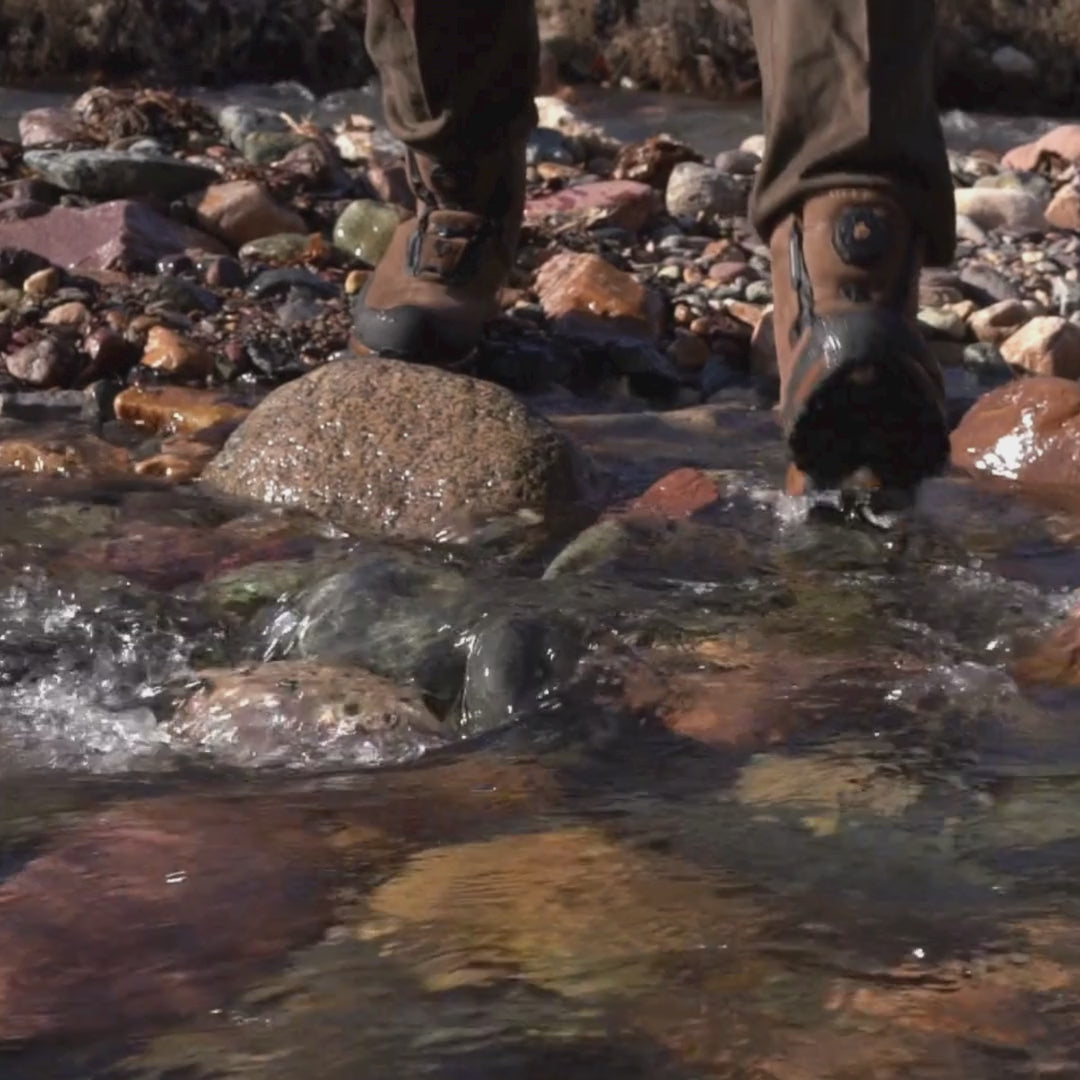
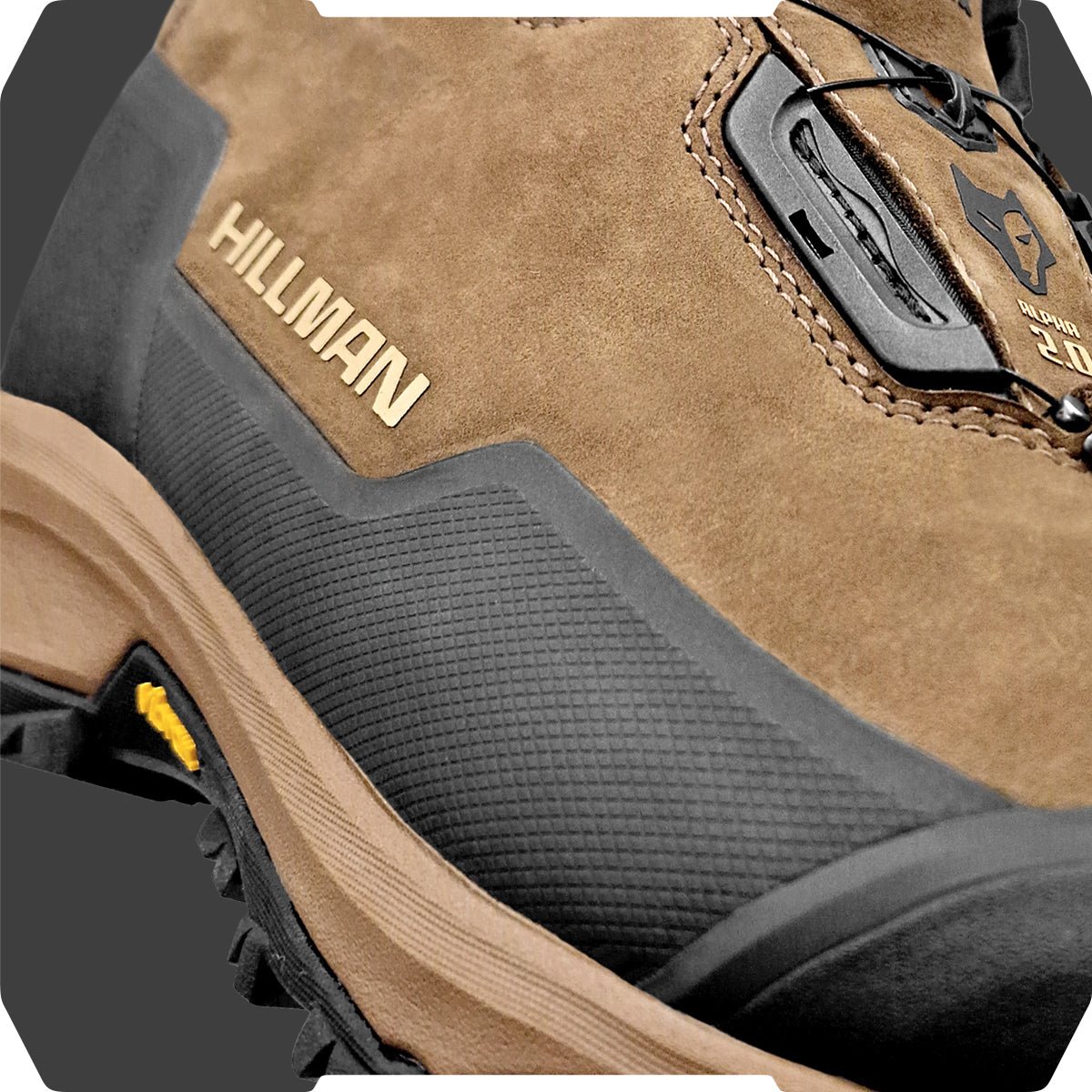
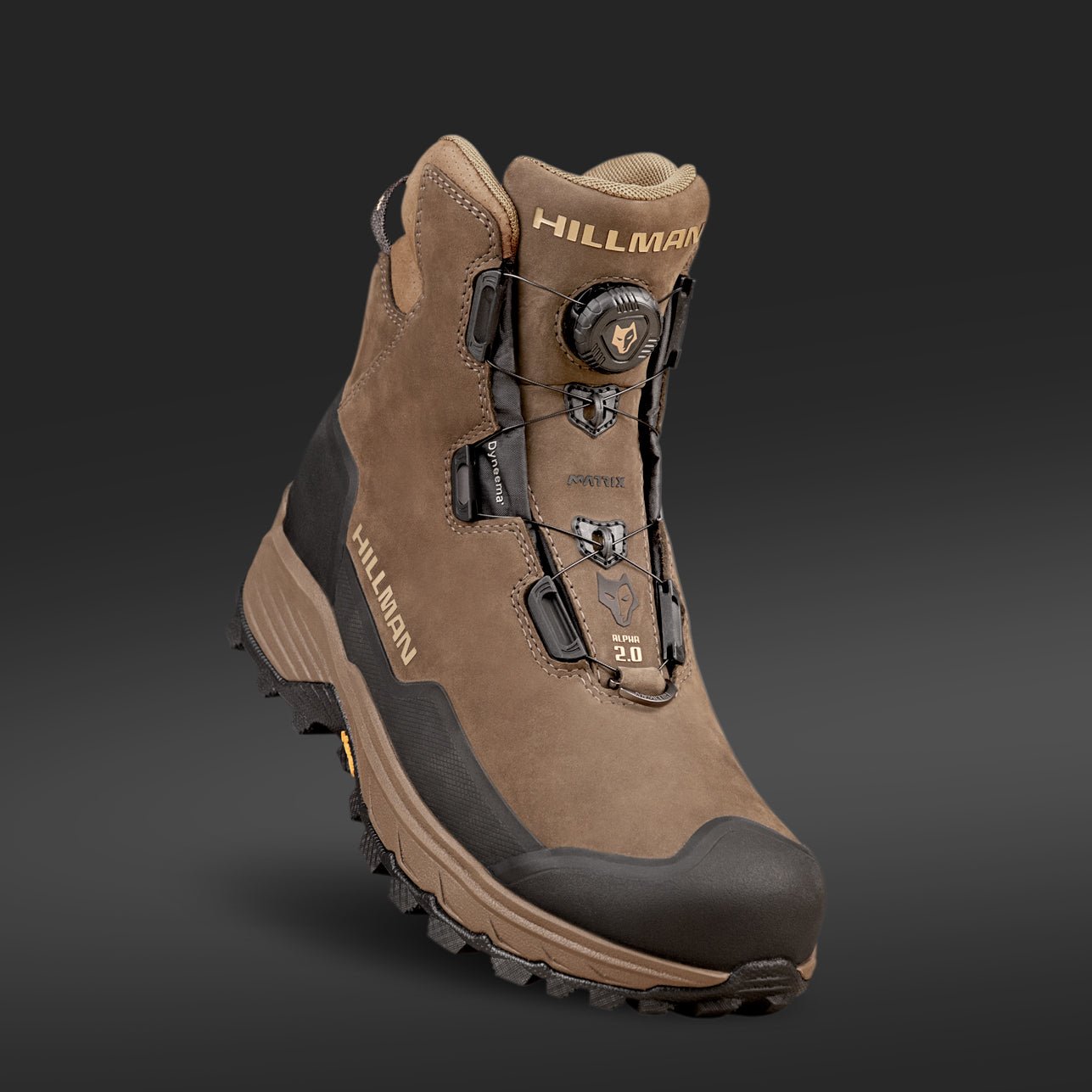
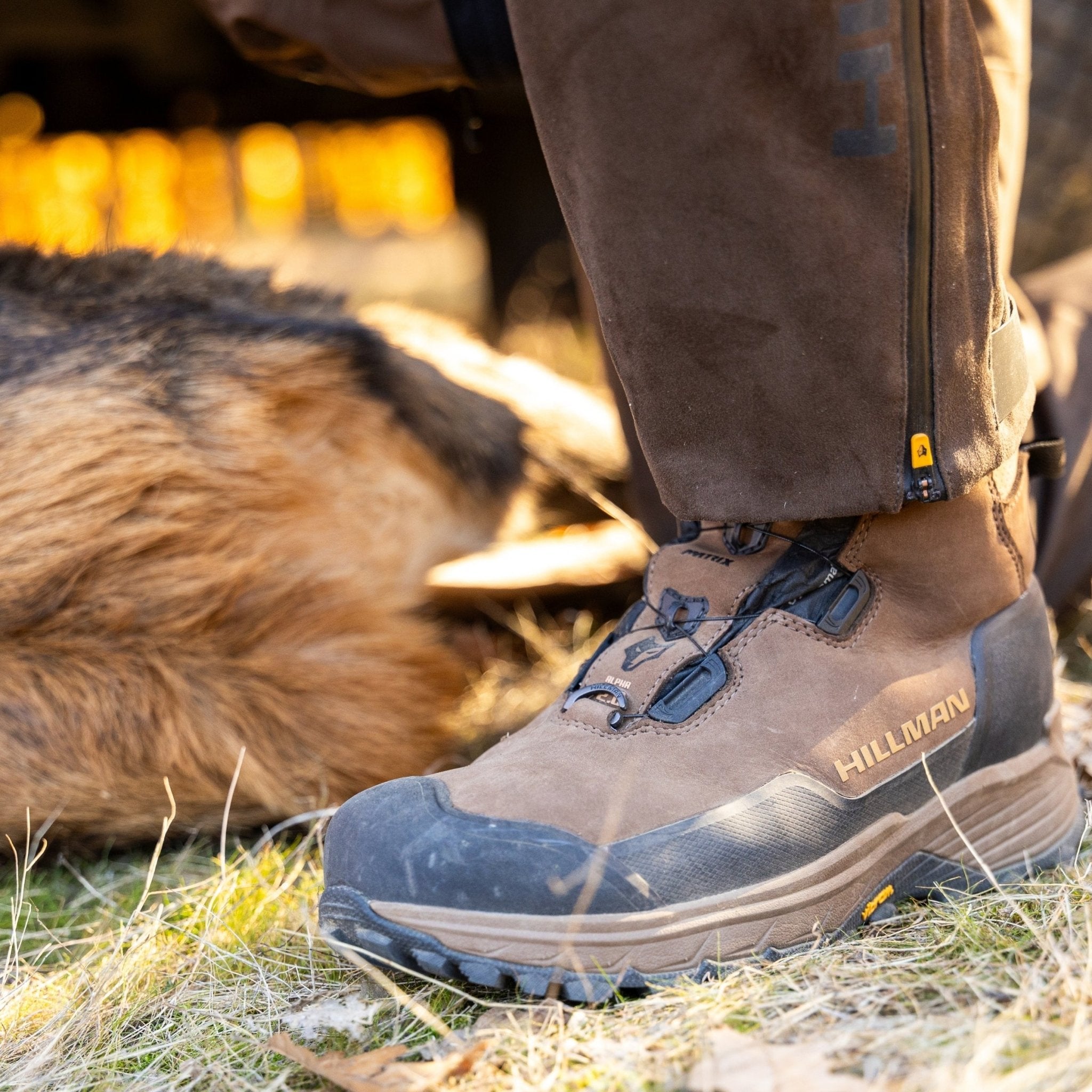
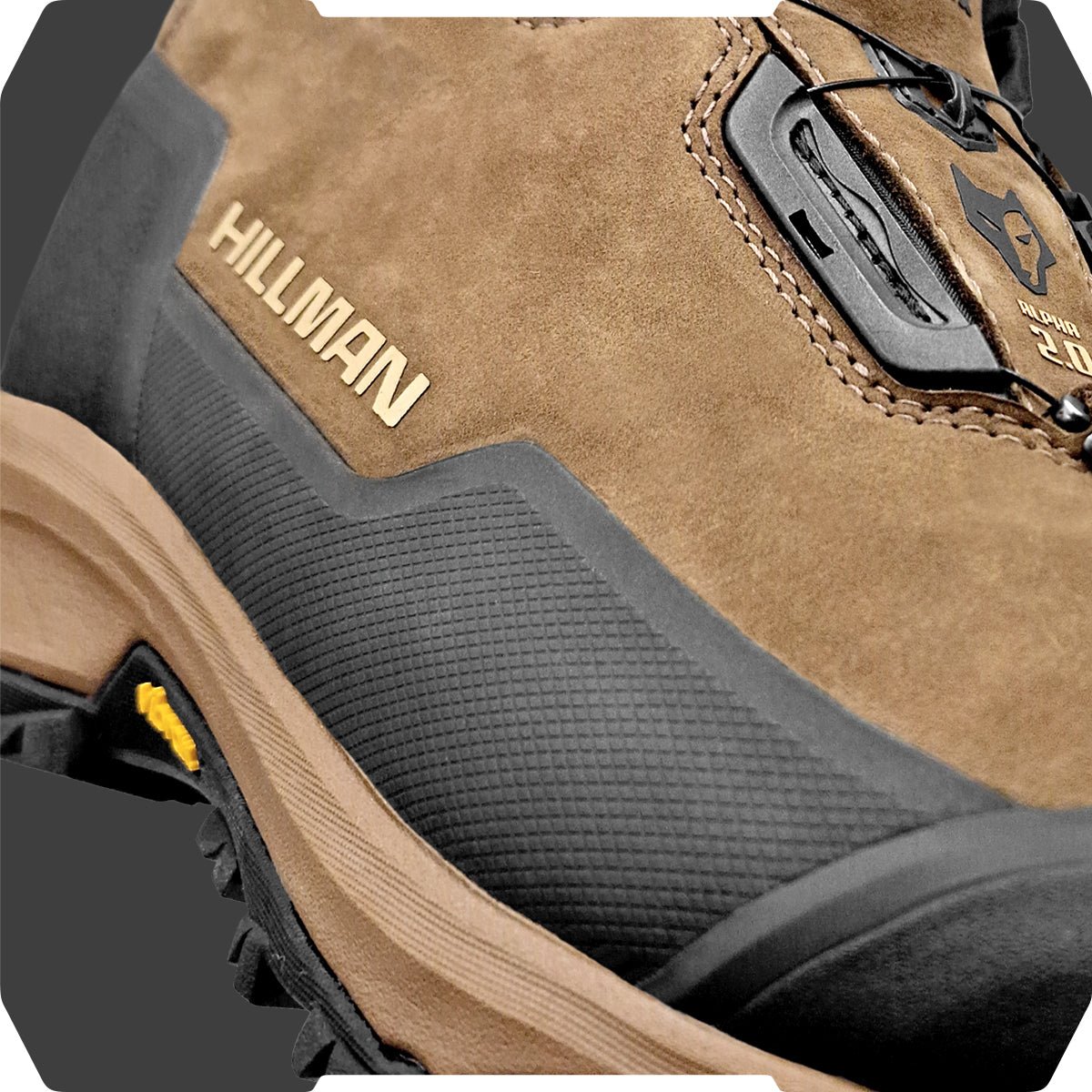
Boots and socks deserve the same attention. I trust merino wool socks because they keep feet warmer without becoming swampy, and they handle moisture far better than cheap alternatives. Good socks paired with supportive, weather-ready boots make a major difference in overall comfort. If my feet are wet or cold, the rest of the setup never feels fully right.
Active Hunts need lighter, smarter insulation
On active hunts, I would rather start slightly cool than heavily overdressed. Once I begin moving, climbing, or covering ground, my body produces more warmth anyway. If I start too warm, moisture builds too fast and later becomes the reason I get chilled.
This is where lighter insulation and better breathability matter most. A leaner base, a sensible middle layer, and a breathable shell usually serve me better during active work than going straight to an insulated outer layer. If I know the day will be mobile, I dress for motion first and adjust later if needed.
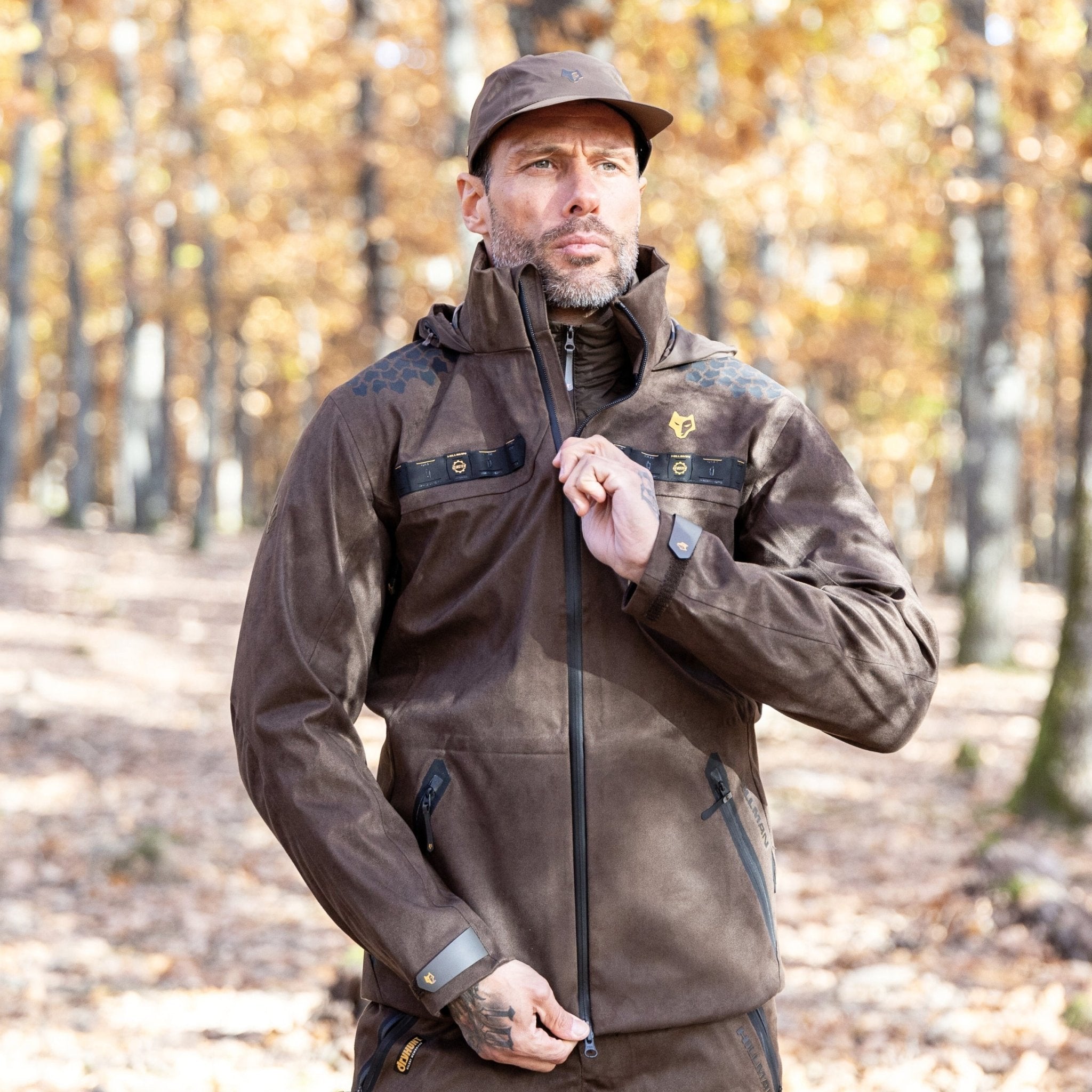
Hillman Gear and why good design feels simple in the field

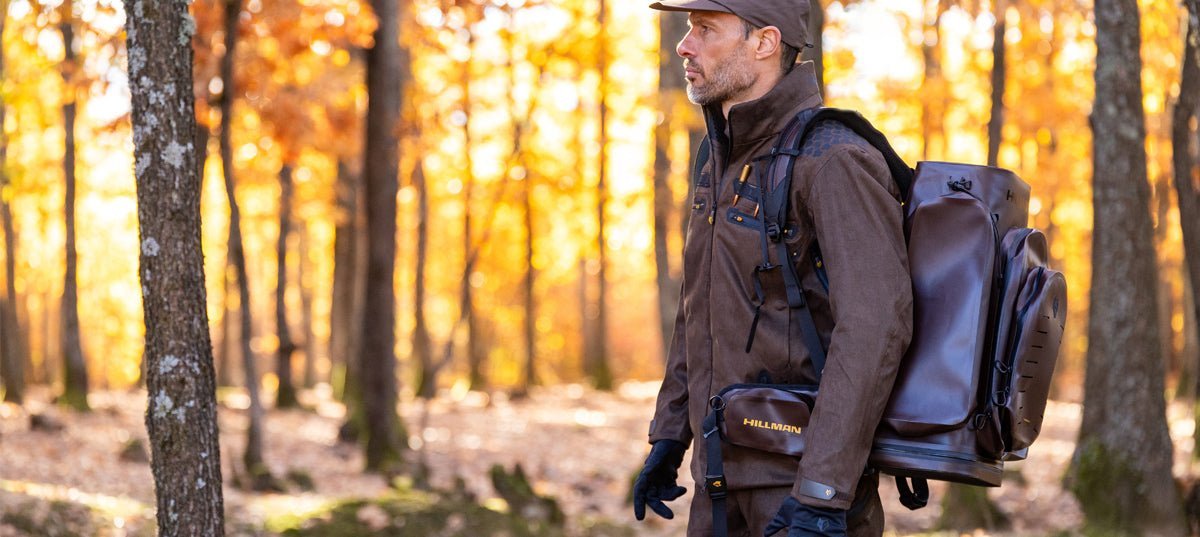
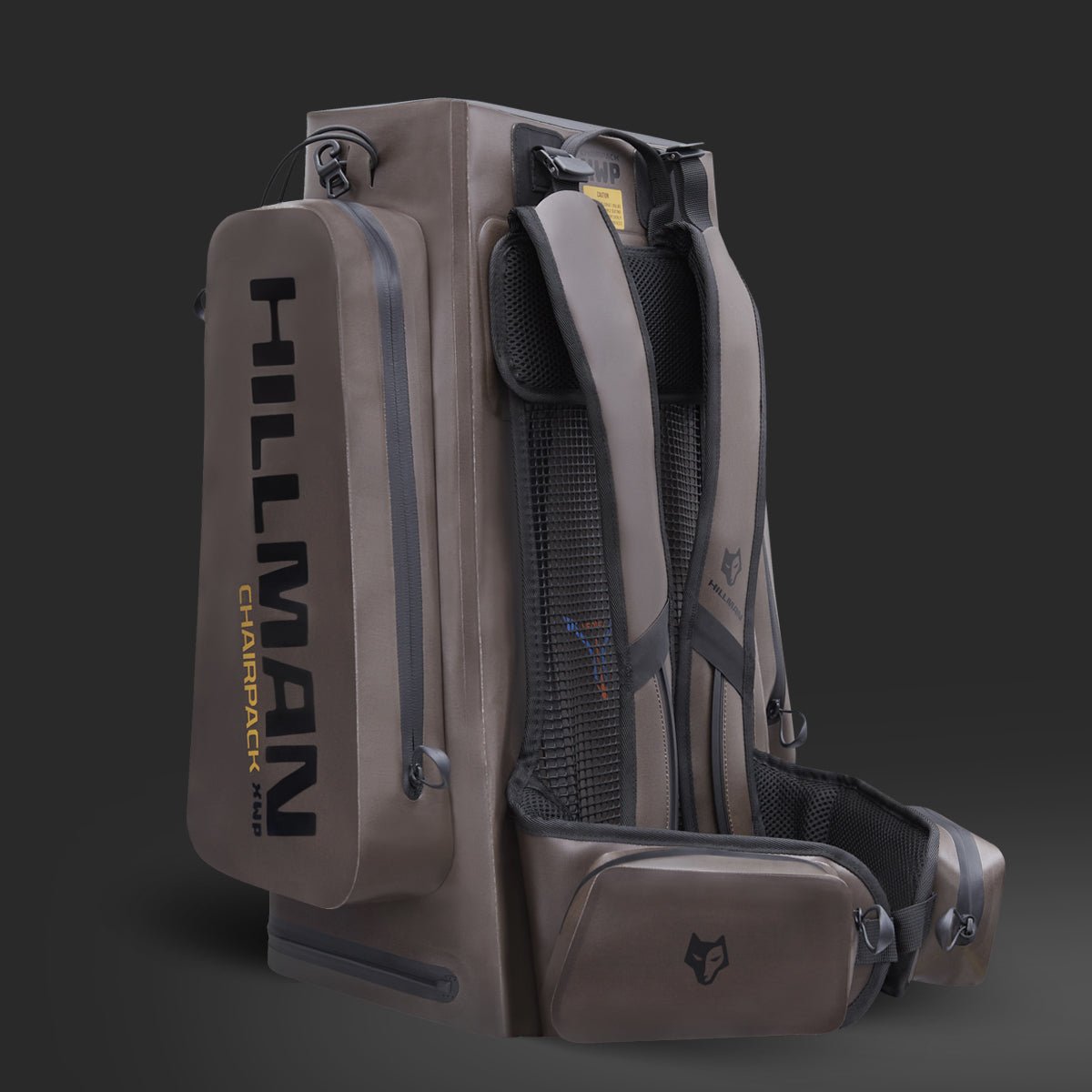
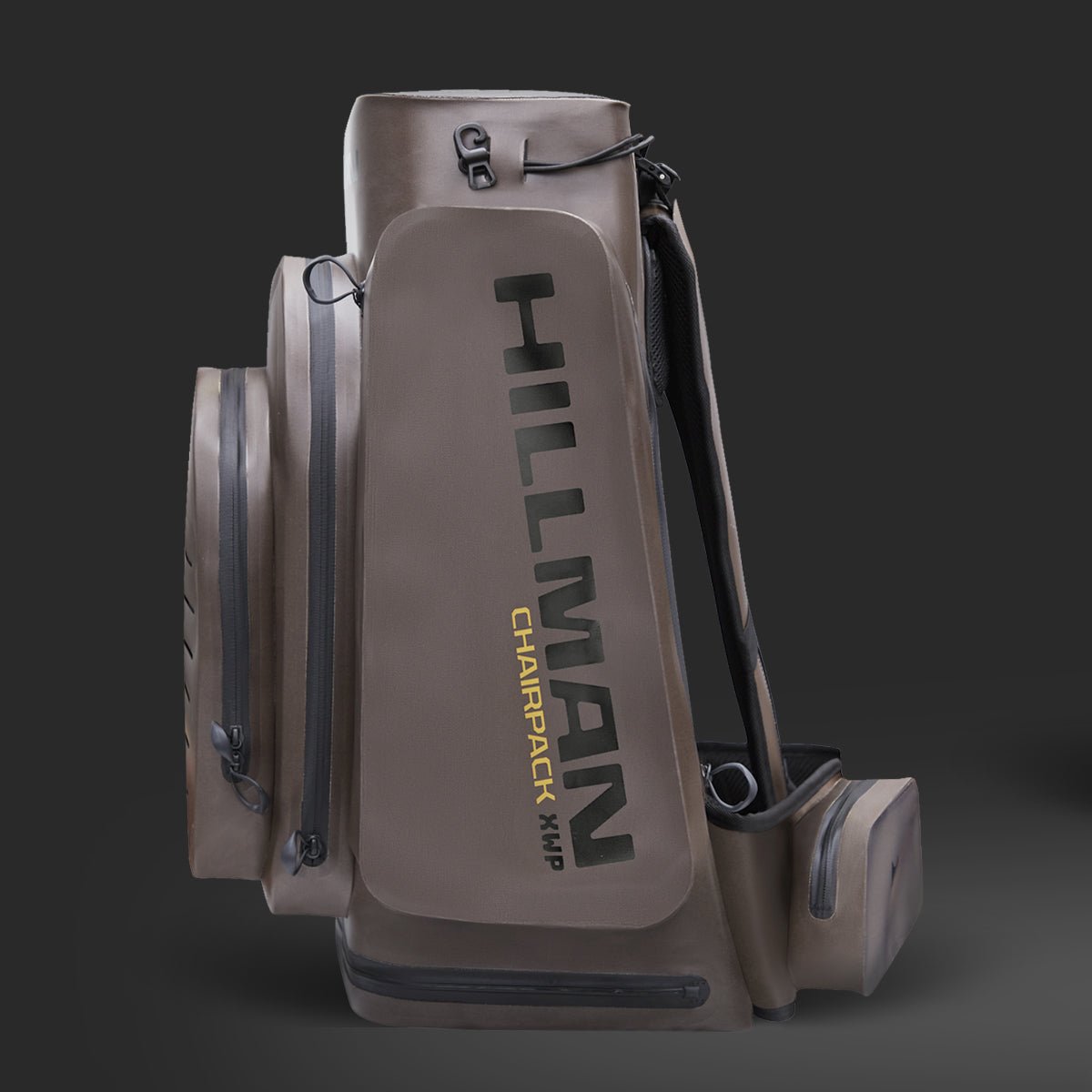
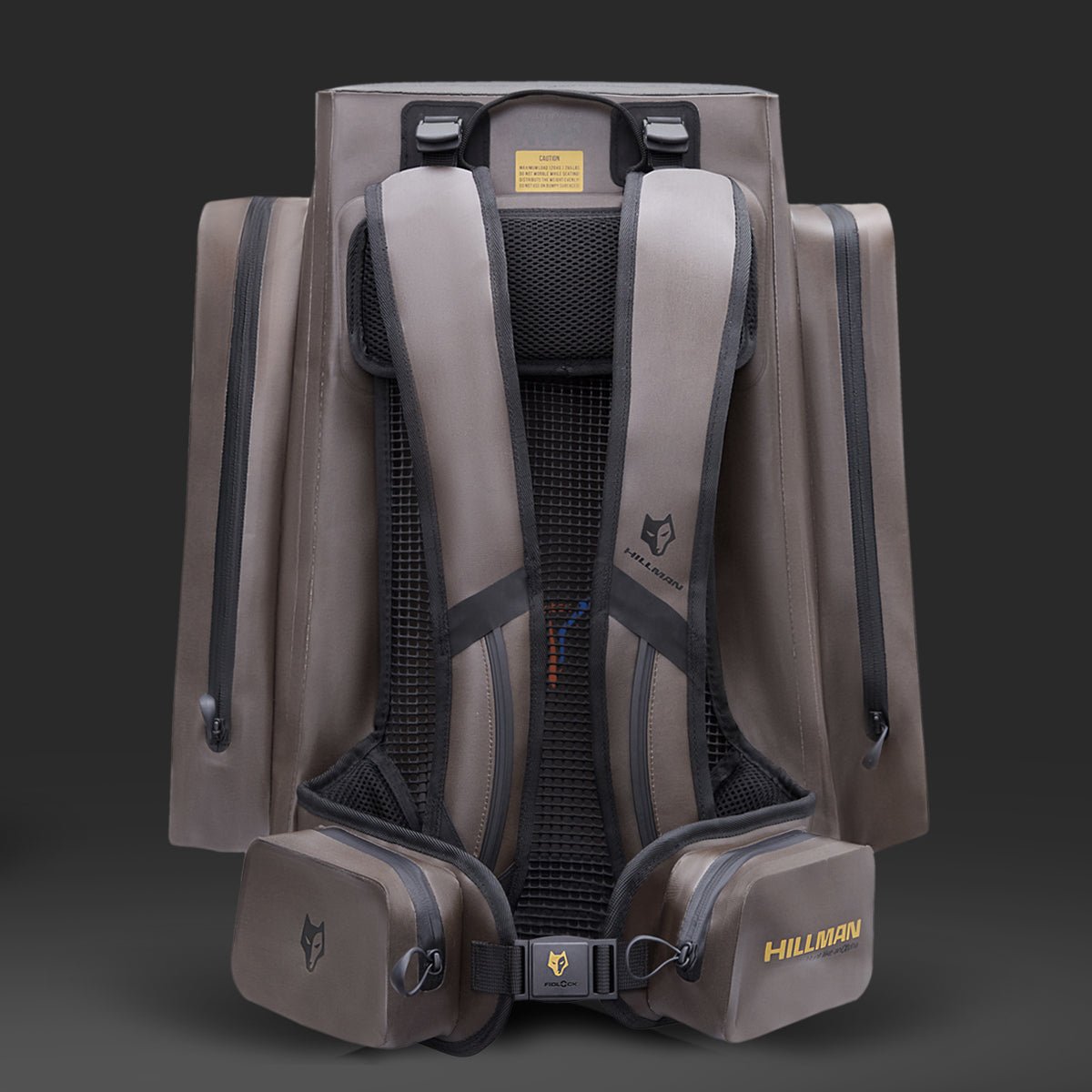
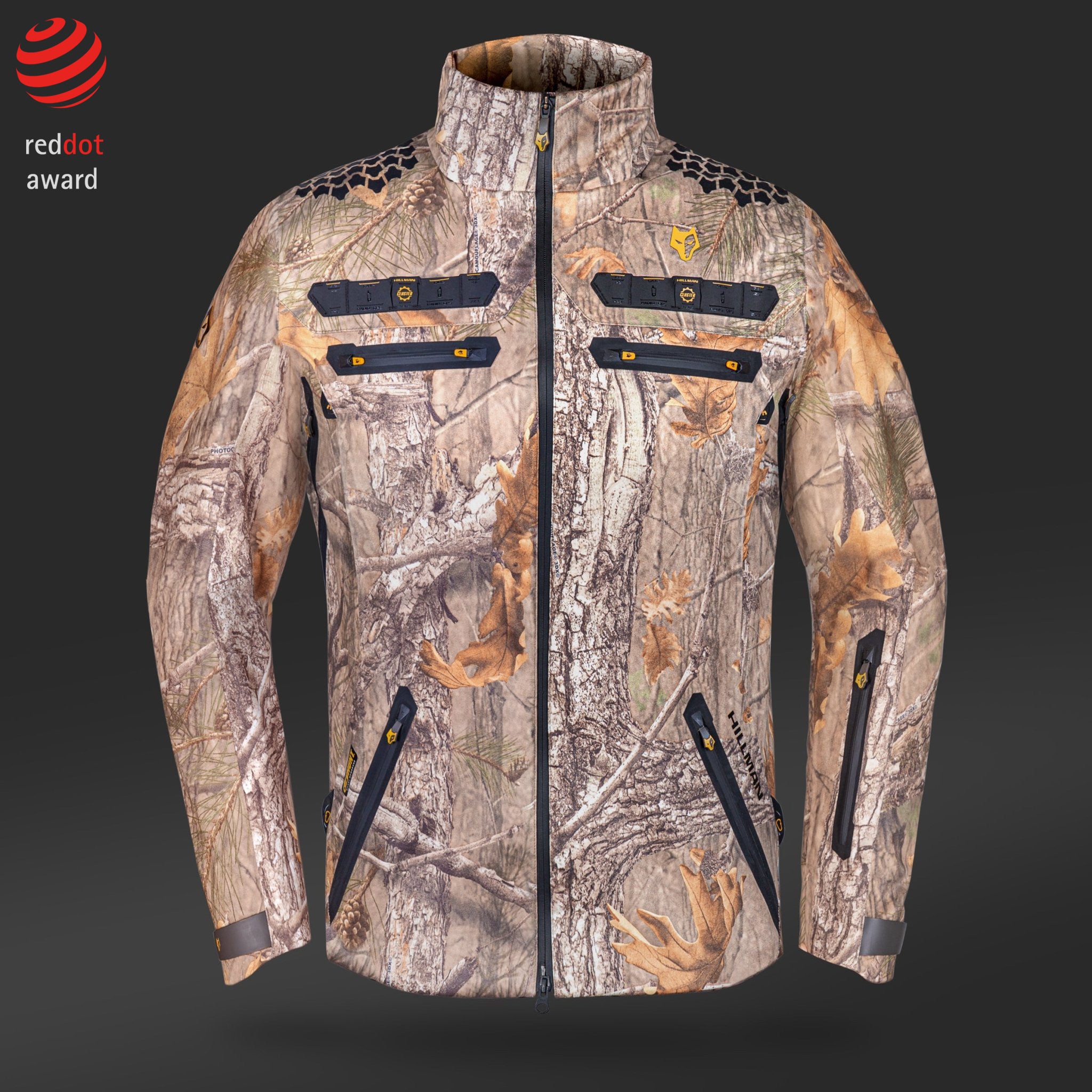
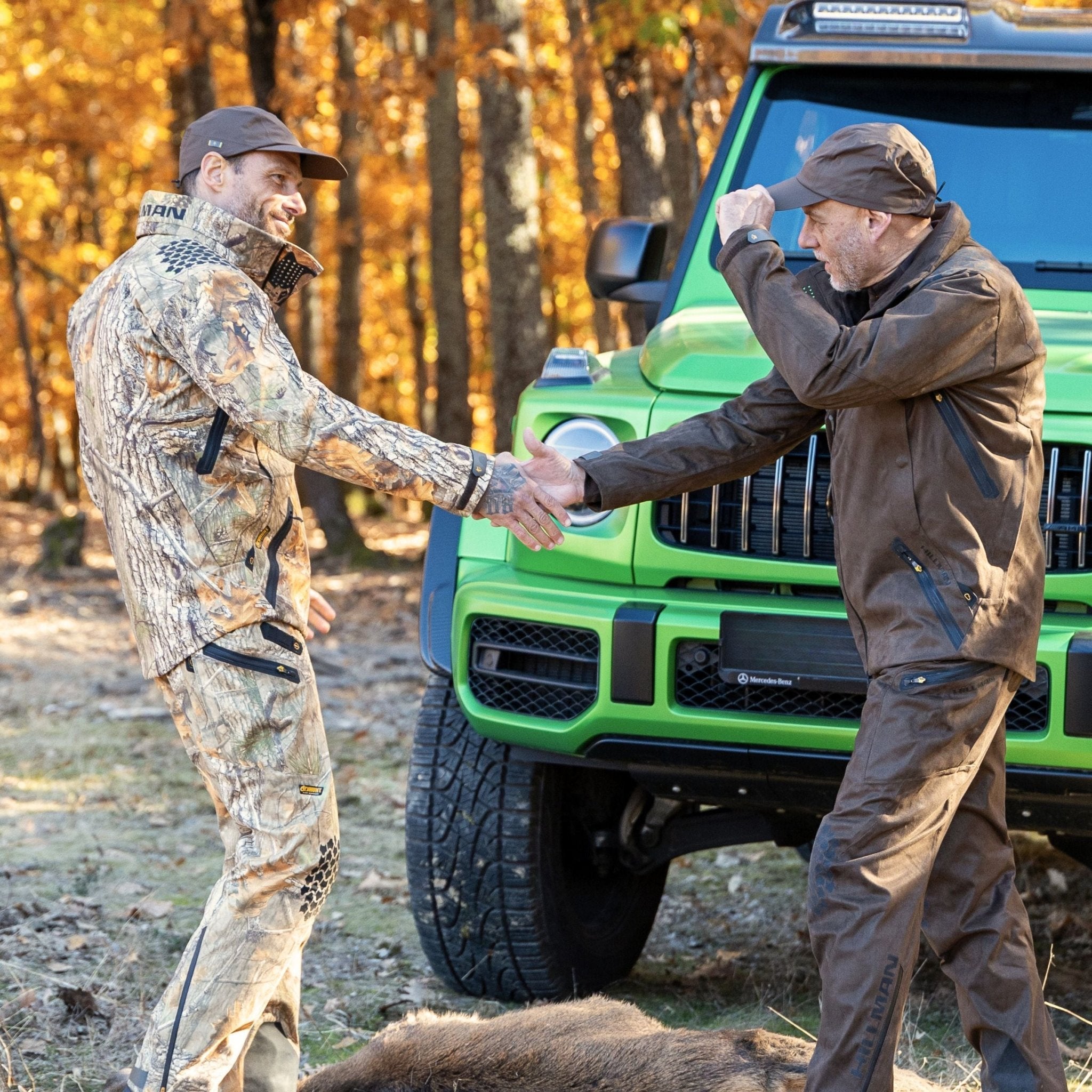
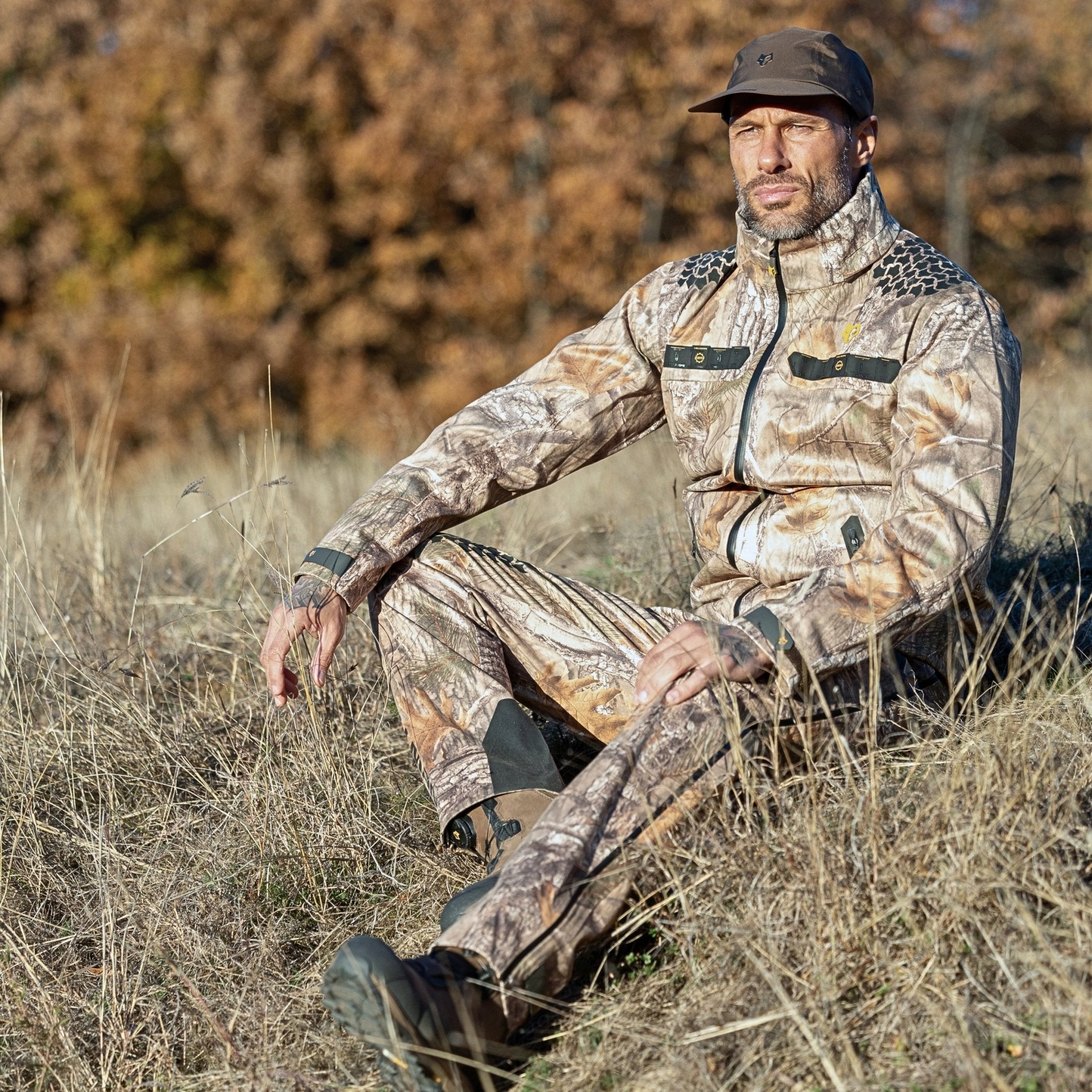
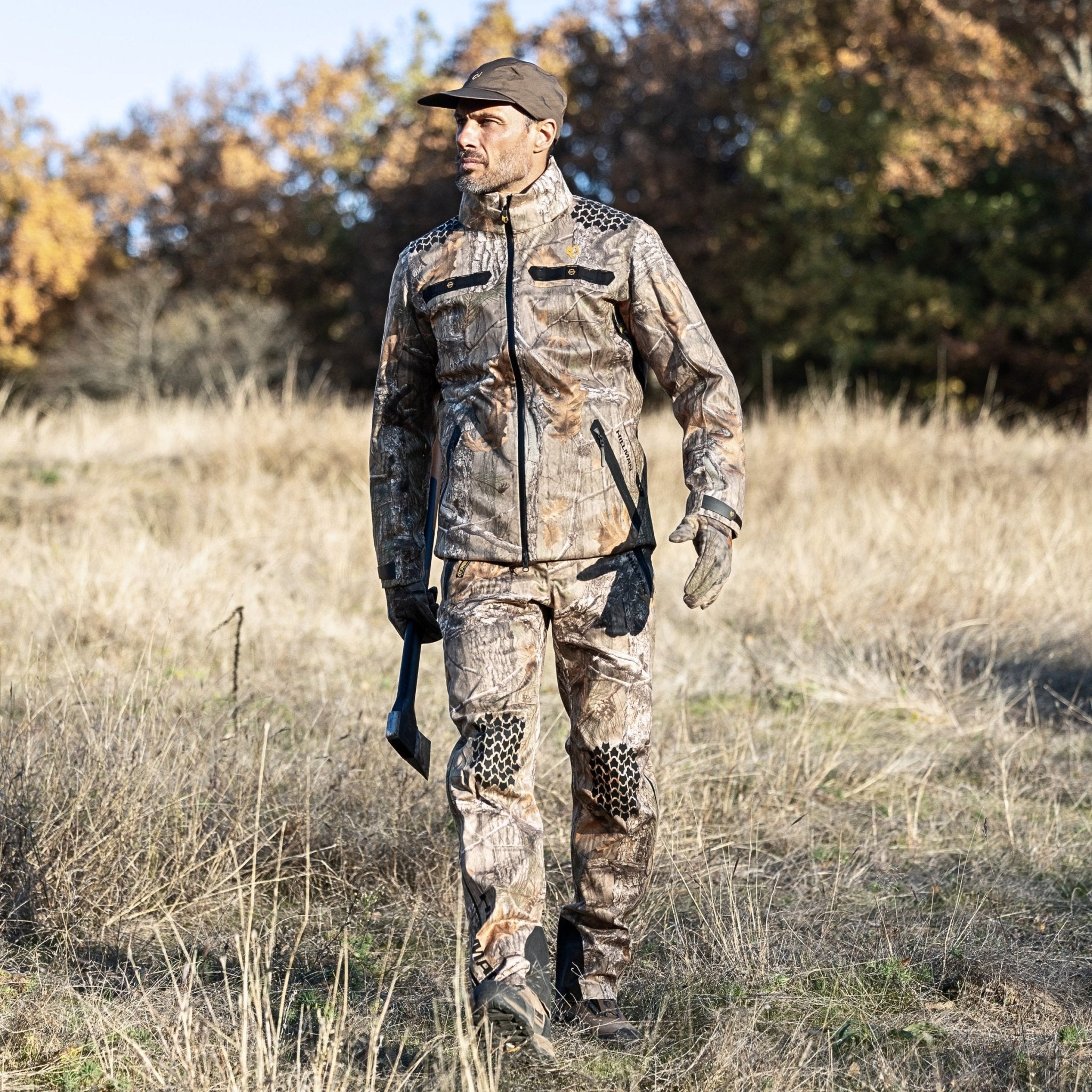
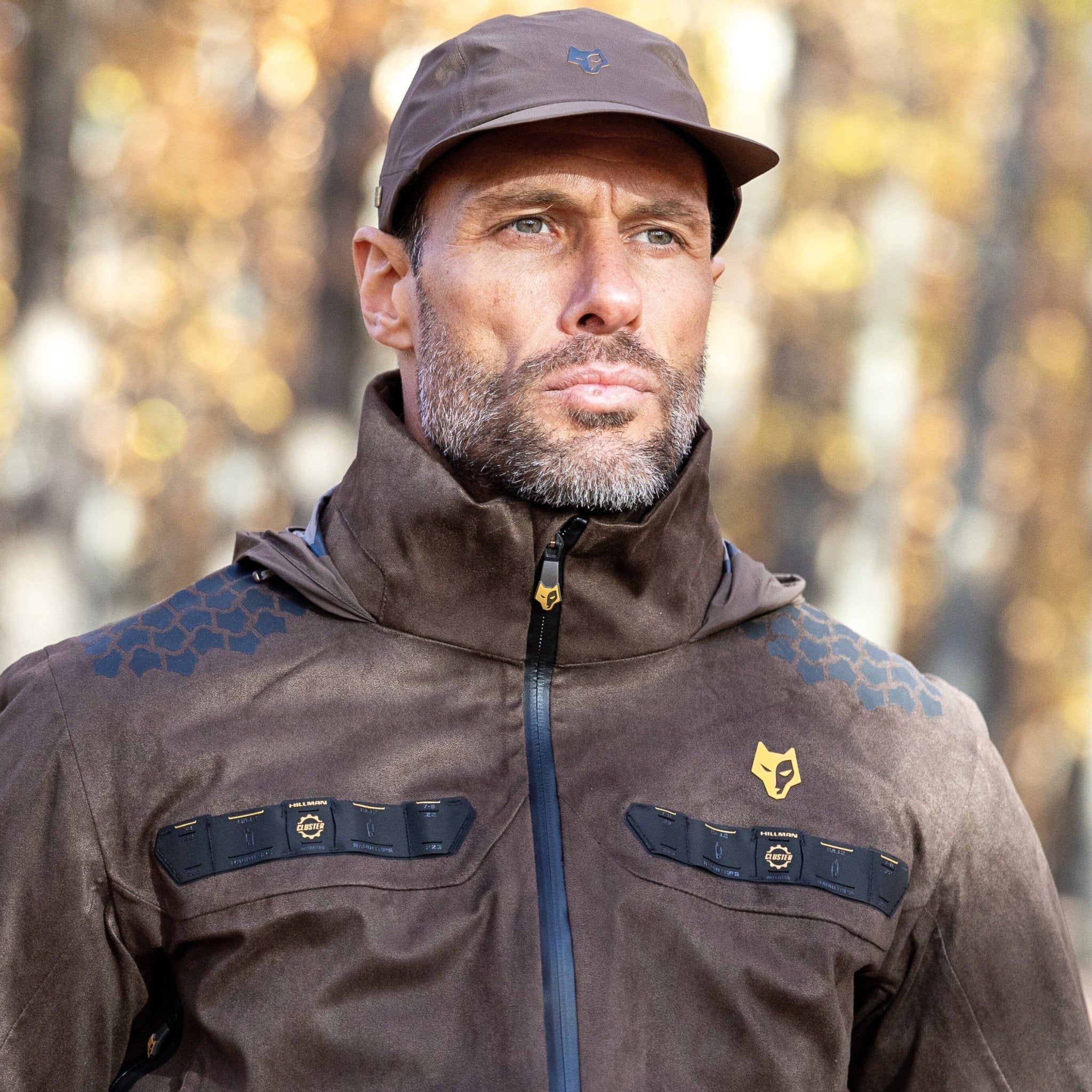
When a setup is well-made, it feels uncomplicated once I am outdoors. That is what I want from Hillman gear or any serious hunting system: quiet fabric, dependable weather protection, enough breathability, and freedom of movement that lasts beyond the first easy hour.
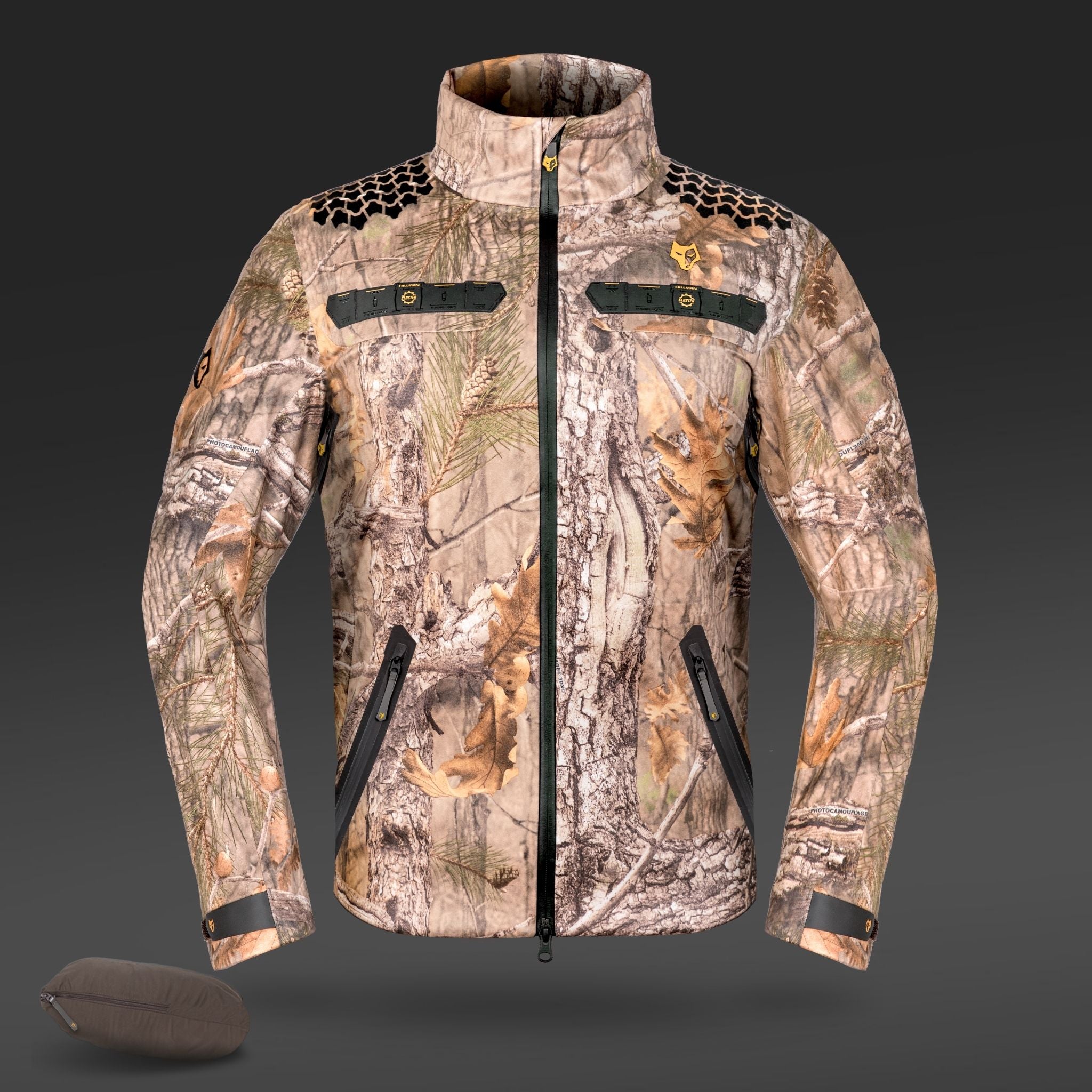
A quality shell should be completely waterproof when it needs to be, but also breathable enough to stop sweat from becoming its own problem. Reinforced shoulders, tougher face fabrics, and construction that stands up to abrasion all help with long-term durability. Good care matters too. I brush off mud before it dries, avoid harsh washing, and use proper cleaners when needed to protect waterproof performance. That routine extends the life of the gear far more than many hunters realise.
Cold Conditions call for an insulated outer layer only when it truly helps

In real cold conditions, an insulated outer layer can absolutely make sense, especially for late-season days, static periods, or outings where I know I will spend long stretches barely moving. That extra layer can keep you warm without forcing me to pile bulk underneath.
But I do not treat it as the answer to everything. For many hunts, especially when I am mobile, a quieter shell over a good base and mid layer works better. An insulated outer layer shines when the pace drops, the air sharpens, and I need warmth without fuss. The trick is knowing when that extra built-in insulation helps and when it simply becomes too much.
A soft shell also has its place in milder weather. If the day is breezy but not soaking, and I want better mobility with less bulk, a good soft shell can be a practical choice. It will not replace a full waterproof shell in proper rain, but for the right conditions it is comfortable and useful.


Share:
Best Hunting Clothes for Late Season UK Cold Snaps
How to Read a Woodpigeon Flightline Before You Build the Hide