
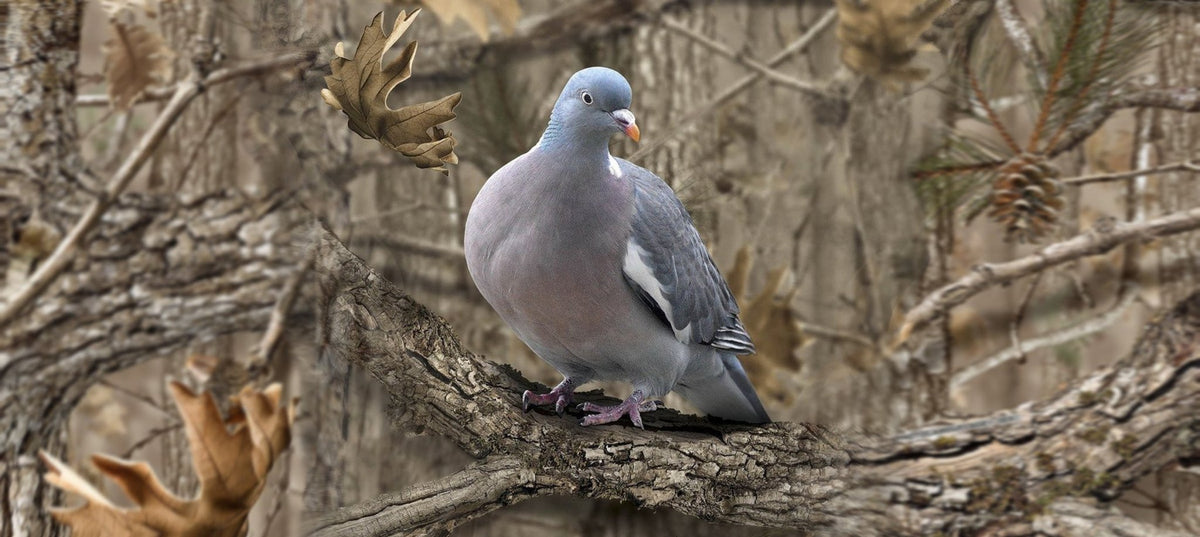
How to Read a Woodpigeon Flightline Before You Build the Hide

Read the woodpigeon flightline right, place the hide better, and turn pigeon shooting into fieldcraft instead of guesswork.
Stop Building the Hide Too Early. Most people blow this before the day has even started. They see a few birds over a field, get ahead of themselves, throw up a pigeon hide, push out some decoys, and expect pigeon shooting to sort itself out. Then the passing birds ignore the setup, the incoming pigeon flares, and the first shot goes nowhere useful.
That is not rotten luck. That is poor reading of the ground. If you want to know how to read a woodpigeon flightline before you build the hide, the answer starts the same way every time. Slow down. Stand back. Watch. A real flight line is not just a random bit of traffic in the sky. It is repeated movement between roost, food, and safe ground. If you rush that part, the whole setup starts crooked.
A Few Passing Birds Do Not Mean You Found the Spot

This catches people out all the time. A few wood pigeon drift across one side of the land and suddenly someone thinks he has cracked it. Maybe not. Maybe those are only passing birds shifting from trees to food at ground level. Maybe they are not using a true line at all.
A proper flight line has consistency. Birds come from the same direction, on similar flight paths, often at similar height, and they keep doing it. Singles, pairs, little bunches, then another wave. That is the clue.
Anything else can fool you. That is why pigeon shooting starts with watching, not with banging in poles and hiding behind camouflage nets like the decision has already been made.
Good Fieldcraft Starts With Reconnaissance
Time spent scouting does more for a good day than most bits of kit ever will. That is just how it is. A person shooting well is usually a person who watched properly first.
Use binoculars if you have them. Stand off the field. Watch where birds cross, where they lose height, where they hesitate, and where they finally commit. Good fieldcraft means reading the full pattern, not only the obvious feeding patch in the middle.
You are trying to separate true movement from false movement. Birds lifting out of woods and dropping into the next easy patch of food can look busy, but it may not be the line worth building on. The art is knowing the difference.
What a Real Wood Pigeon Flightline Looks Like

A real wood pigeon flightline has rhythm. You start seeing the same thing happen again and again. Birds use hedges, trees, ditches, field edges, and power lines as guides. Those features shape the route.
Watch for wing bars when the light is awkward. They help you pick out wood pigeon from other wild birds at range. That matters more than people think, especially when the sky is busy and you are trying to decide whether a route is real or just casual movement.
Also watch isolated trees. A sitty tree often gives the game away. Birds will land, sit for a moment, have a look, then drop into the field. If the same tree keeps getting used, it is part of the route. That tells you where the hide should start making sense.
Read the Entry Point, Not Just the Feeding Patch
Loads of shooters stare at where pigeons are feeding and miss how they are getting there. That is backwards. On spring drillings, peas, barley, wheat, or fresh ground, birds often enter from one side long before they settle in the main feeding area. Watch that entry. Do they come over the hedge? Do they drop off the woods? Do they slide in under power lines? Do they cross high, then fold wings and dump height into one corner?
That matters more than where a few birds happen to be standing at that exact minute. You are not trying to force birds somewhere new. You are trying to understand where they already want to be.
Wind Direction Changes Everything

Wind direction decides far more than people give it credit for. Pigeons want to land into the wind. Ignore that and even a tidy decoy spread can look wrong. In a strong wind, birds often come in tighter and cleaner. In softer conditions, they can swing wider, drift, or test the setup from odd angles. Either way, the landing area and kill zone need to match what the wind is doing.
If you get that right, the incoming pigeon commits better. If you get it wrong, birds hang out of range, slide off the side, or give you one ugly half chance at close range and that is it.
A sensible working distance is still around 20 to 30 meters from the hide to the main decoys. That keeps the shot realistic, whether the lawful choice on that day is steel shot or lead shot. Pellet size matters too. If you are taking birds cleanly, your range judgment and cartridge choice need to make sense together.
Put the Hide Where Birds Want to Finish

A hide should go where the birds want to finish, not where the shooter wants an easy chair and a pretty view. That sounds obvious, but this is where plenty of setups die.
Use shade. Use hedge lines. Use rough bits of cover. Let the land break up your outline so the slightest movement does not scream danger. Camouflage nets help, but they are not magic. A hide shoved out in the open still looks wrong.
The best place is often not dead center in the field. It is usually near the landing area birds already trust. If they want that corner, that edge, or that strip below the trees, work with it. Do not fight it.
Build the Decoy Spread Around the Line

Once the line is clear, then the decoy spread starts to matter. Not before.
A simple decoy pattern usually beats an overbuilt mess. A U shape or L shape still works because it leaves room for a clear landing area in front of the hide. That opening becomes the kill zone. Most decoys should face into the wind. A few can sit off angle so the whole thing does not look stiff.
Dead birds, shot birds, and shot pigeons can all add realism if they are placed naturally. Done right, they help the scene. Done badly, they just look like clutter. Same with lofting poles. They can pull attention from birds crossing high, but they should support the pattern, not replace reading the field.
Decoy woodpigeons are useful. They are not a cure for a bad location.
This Is Pigeon Shooting, Not Clay Shooting

A lot of people carry over bad habits from clay pigeon or clay shooting and wonder why the field does not forgive them. This is not a layout with known angles and repeat targets. This is live pigeon shooting on open ground, with wind, crop, safety, and bird behavior all shifting together.
That means accurate shooting starts before the gun is even mounted. It starts with hide placement, line reading, and waiting for the right first shot instead of snatching at the first thing that moves.
The person shooting who stays patient usually ends up doing less panicked shooting and more clean killing.
Afternoon Feeding Times Usually Tell the Truth
If you only scout in the morning, you can miss the best movement completely. Feeding times often build later in the day. On many crops, the afternoon tells the real story.
Watch what happens in the last few hours. Does the flock build slowly? Do birds start using one edge more heavily? Do they come off the roost in steadier lines toward evening? That pattern is gold.
Wood pigeon can hit crops hard in summer, especially when food is easy and the birds feel safe. Farmers notice that quickly. If one part of the field is taking pressure, that is usually where your attention belongs.
Crop Protection Is the Whole Reason for It

Crop protection is not just a phrase people toss around. It is the practical reason this work exists. Where wood pigeon gather in numbers, they can cause serious damage to vulnerable crops in a short space of time.
That is why watching the land matters so much. You need to know what they are targeting, how they are entering, and when they are feeding hardest. Guessing does not help the farmer and it does not help the shooter.
The birds will show you the problem if you bother to watch them properly.
Know the Legal Side Before You Fire a Shot

Before anybody even thinks about fire, the legal side has to be sorted. General licence rules matter. Landowner permission matters. Safety matters. Non lethal methods matter too.
If birds are being controlled for crop protection, you need to understand the conditions that apply where you are. You do not just wander onto land with guns and call it game management because it sounds nice. In some cases, non lethal methods should be attempted first. That is part of responsible control, whether people like the wording or not.
Urban areas are a different level of risk altogether and demand more caution, not less.
Roost Shooting, Flightlining, and Decoying Are Different Things

People blur these methods together, but they are not the same.
Flightlining is about getting under a known route and taking birds as they travel between roost and feeding ground. Decoying is about making a believable picture where feeding is happening. Roost shooting is another job again, usually later in the day around woods as birds return to roost.
Each method asks for different decisions. If you treat them all the same, you end up with a messy plan and an average result.
Small Mistakes Ruin the Whole Setup
Most failed days are not ruined by one giant disaster. They are wrecked by a stack of small dumb decisions. The hide goes up too early. The line is guessed wrong. The decoy pattern has no clear landing area. The wind gets ignored. The shooter sits in the wrong place. The slightest movement shows through the net. The first shot is rushed. Birds flare. The field goes quiet.
Then comes the usual excuse that there were no birds.
There were birds. The setup just did not match how they wanted to use that land.
Read First, Build Second
That is the whole thing stripped down.
Read the woodpigeon flightline first. Watch the birds. Watch the flock. Watch the wind. Watch the entry point. Watch the sitty trees. Watch how they use the ground and where they want to finish. Then build the hide where the pattern already makes sense.
That is how pigeon shooting stops being random.
That is how you get more birds at close range.
That is how better decisions lead to cleaner results.
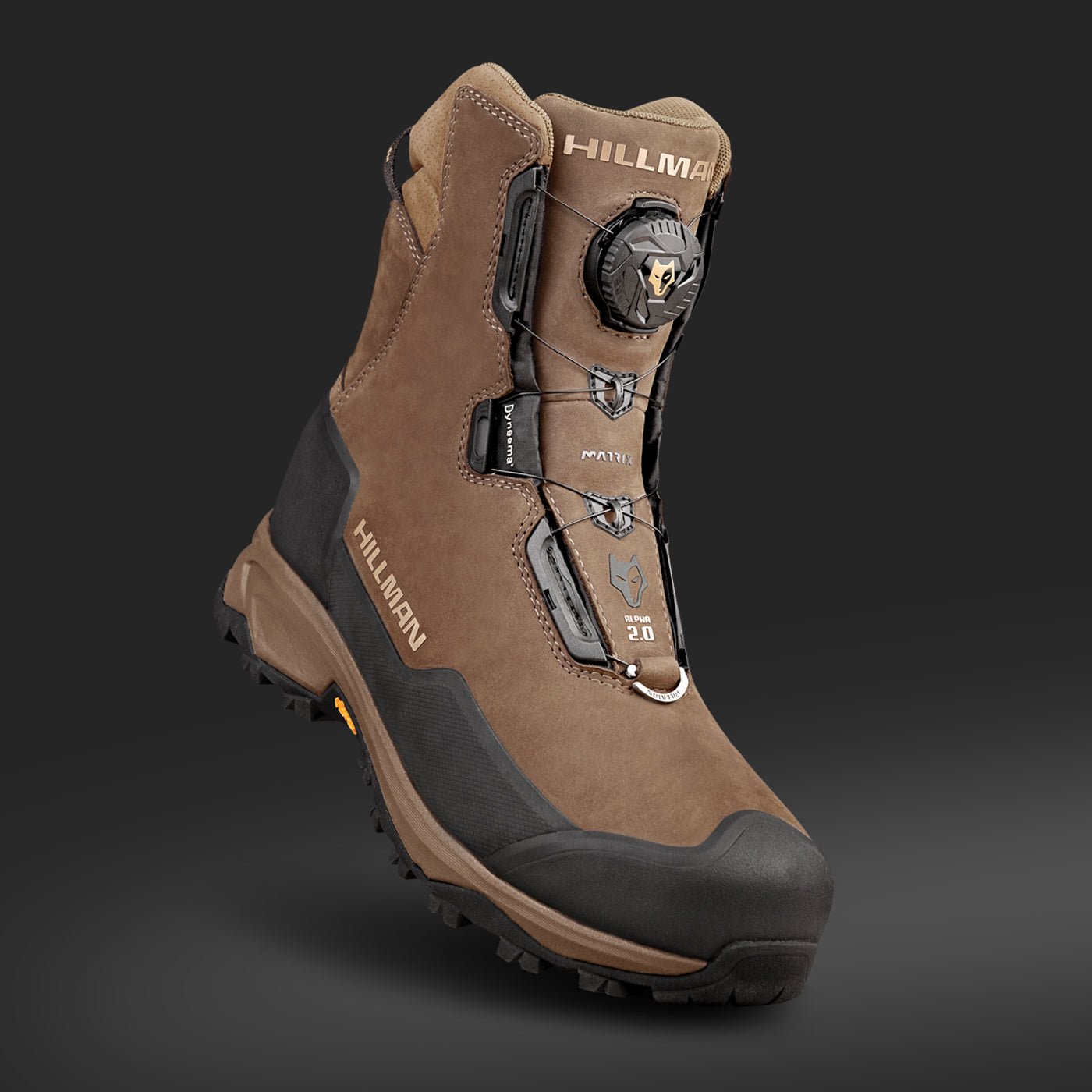
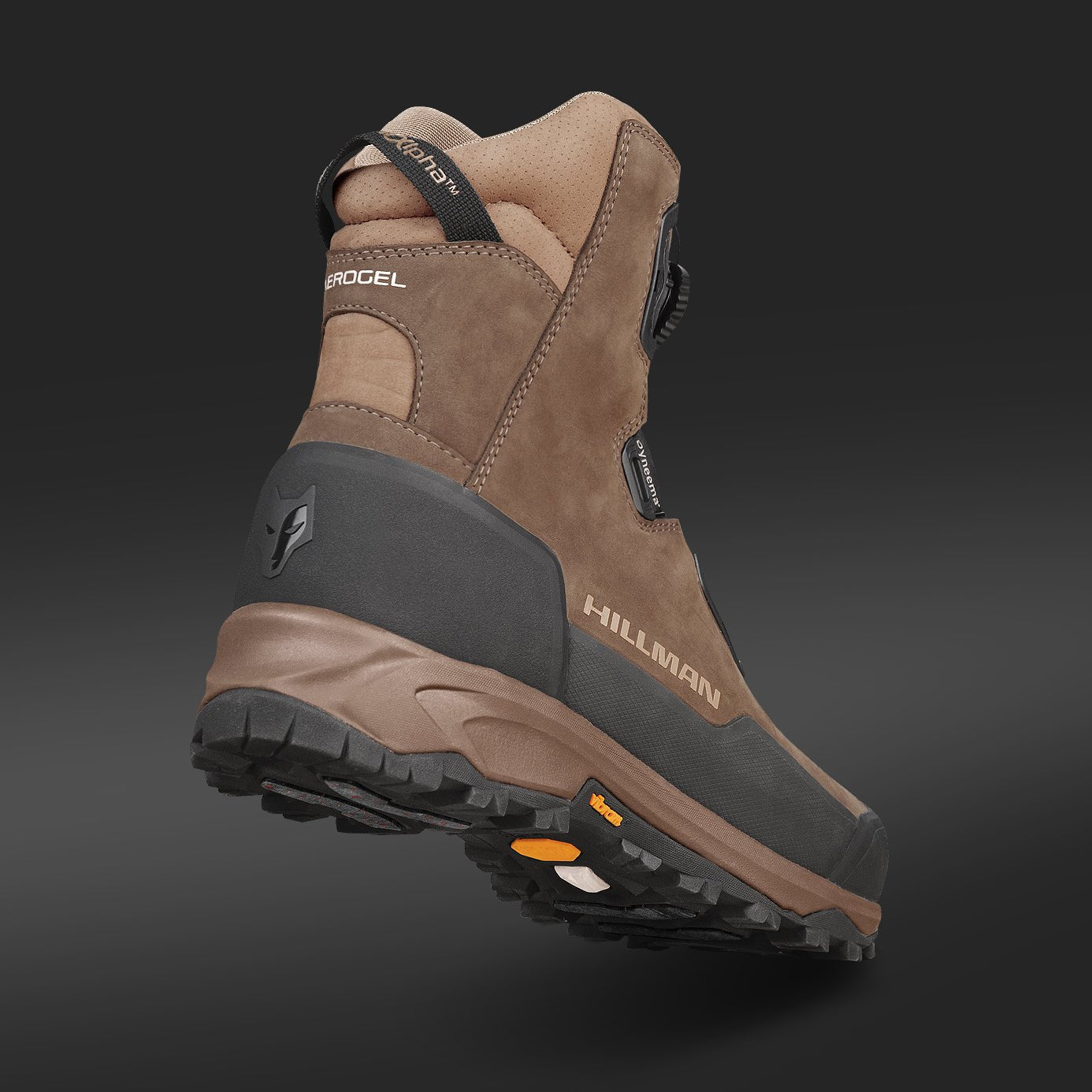
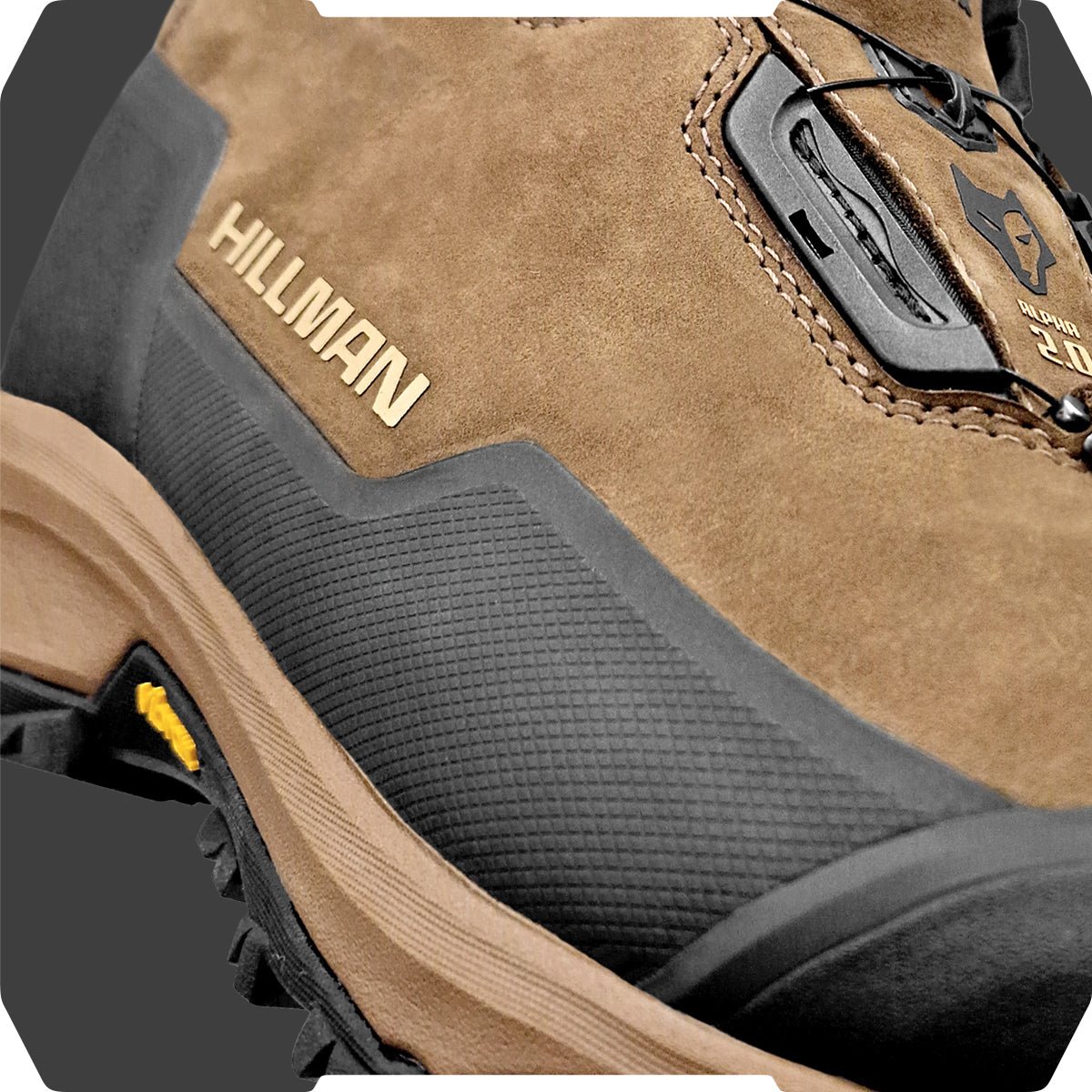
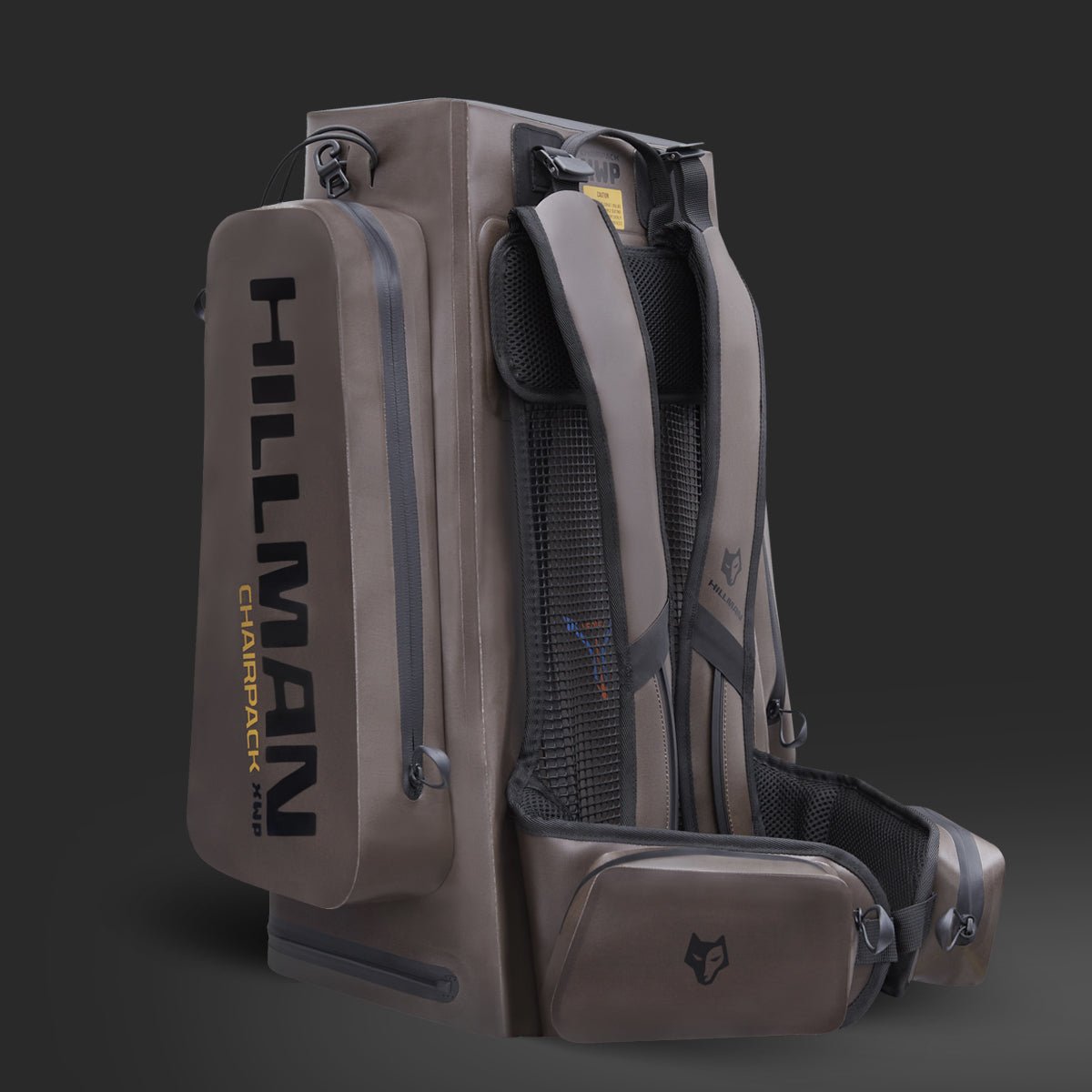
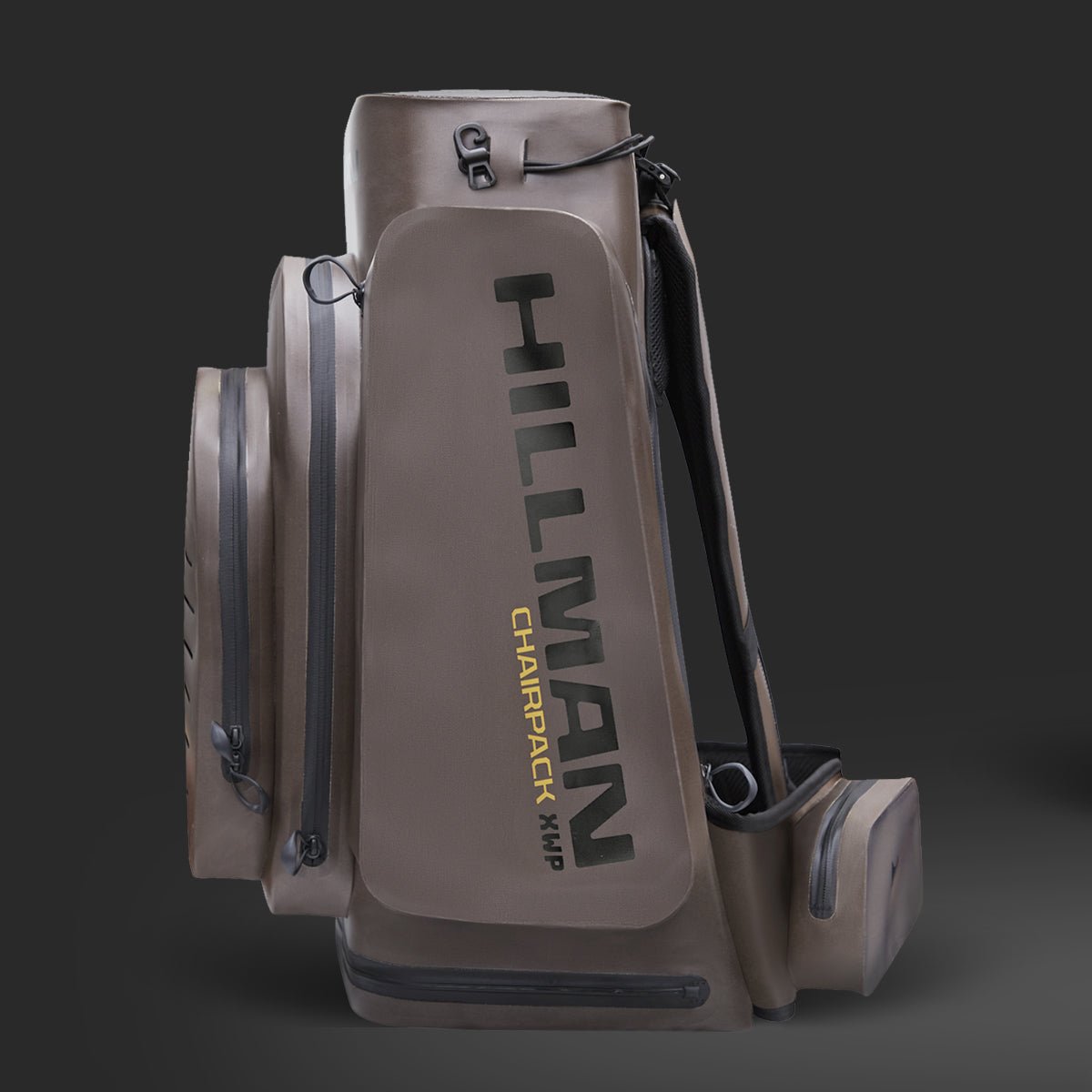
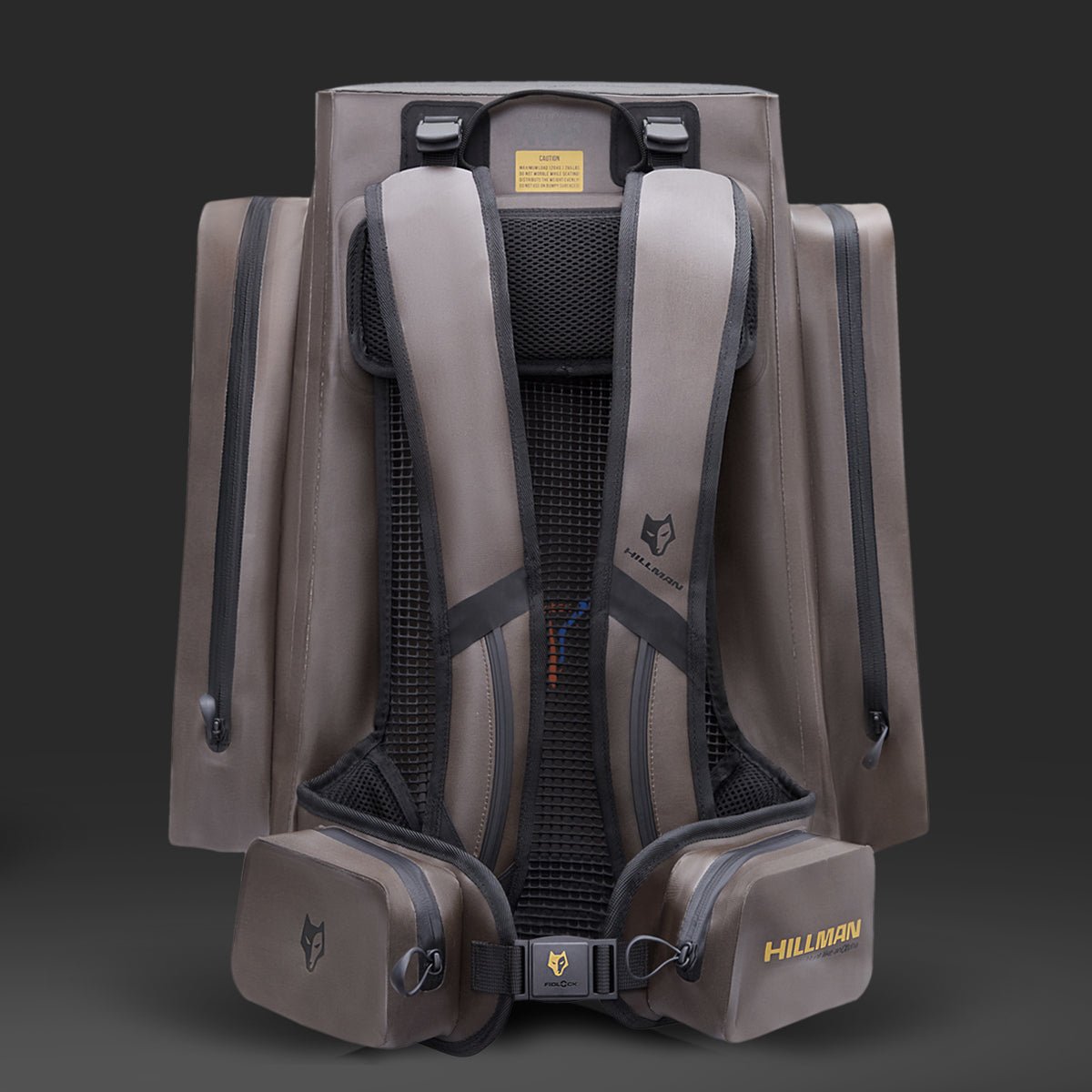
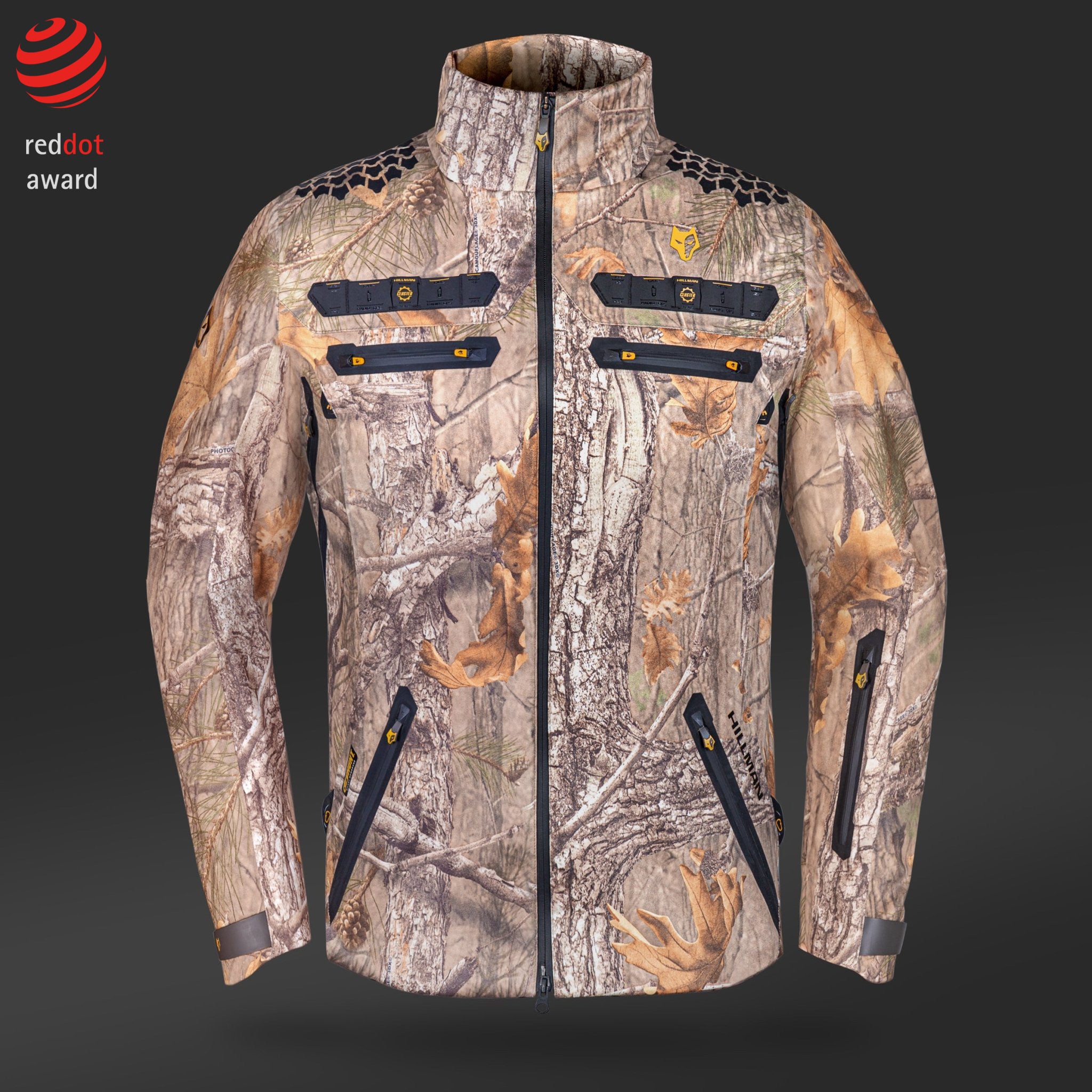
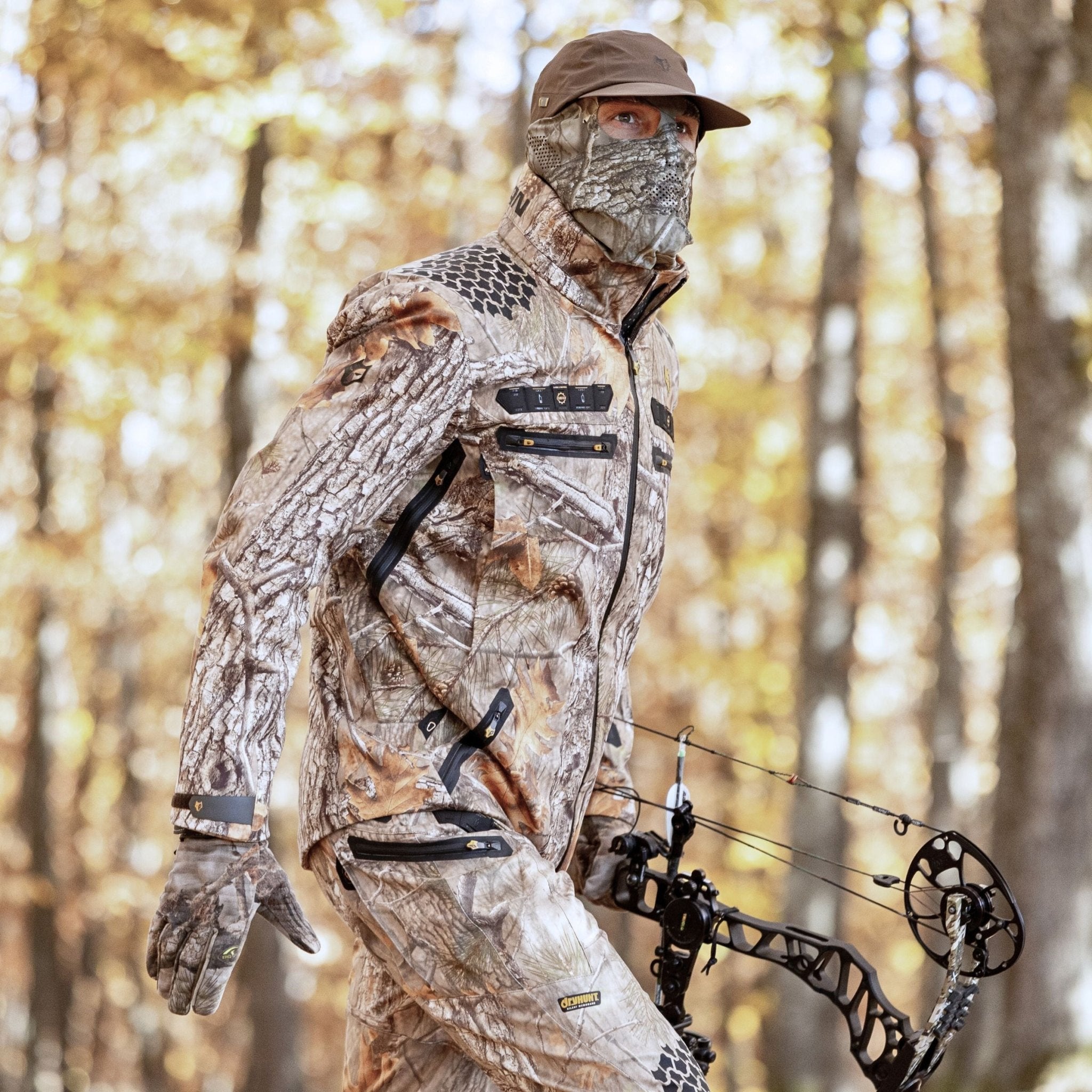
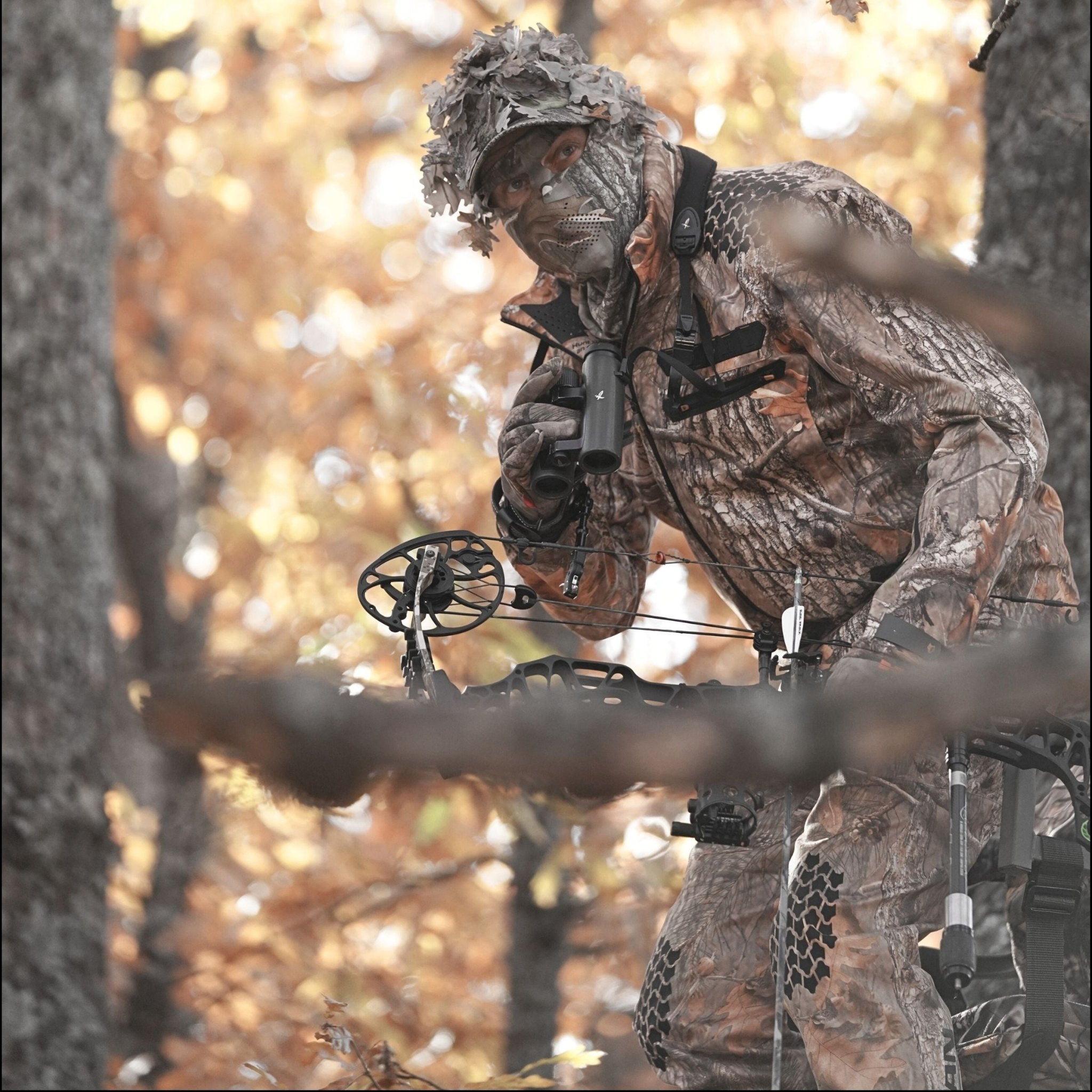
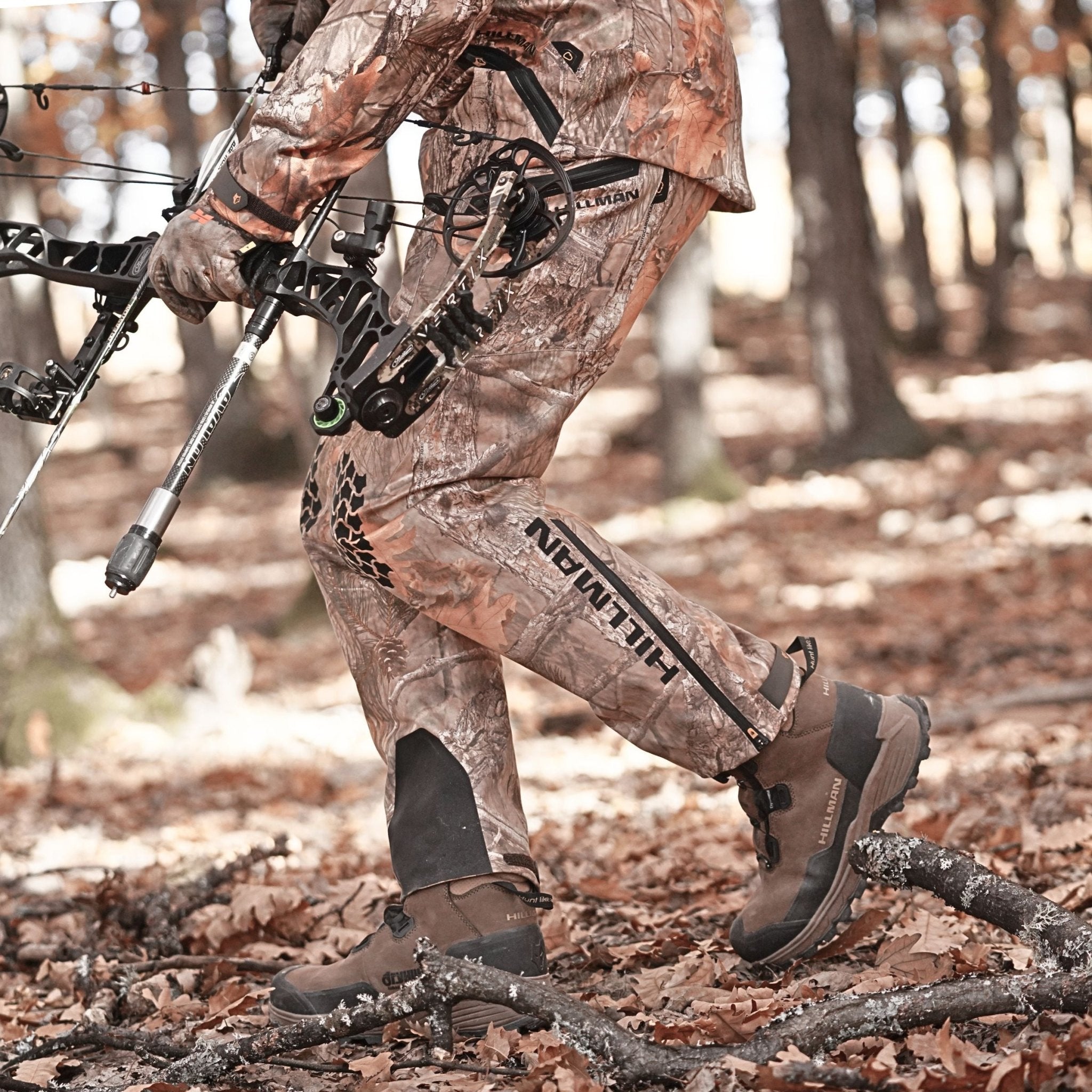
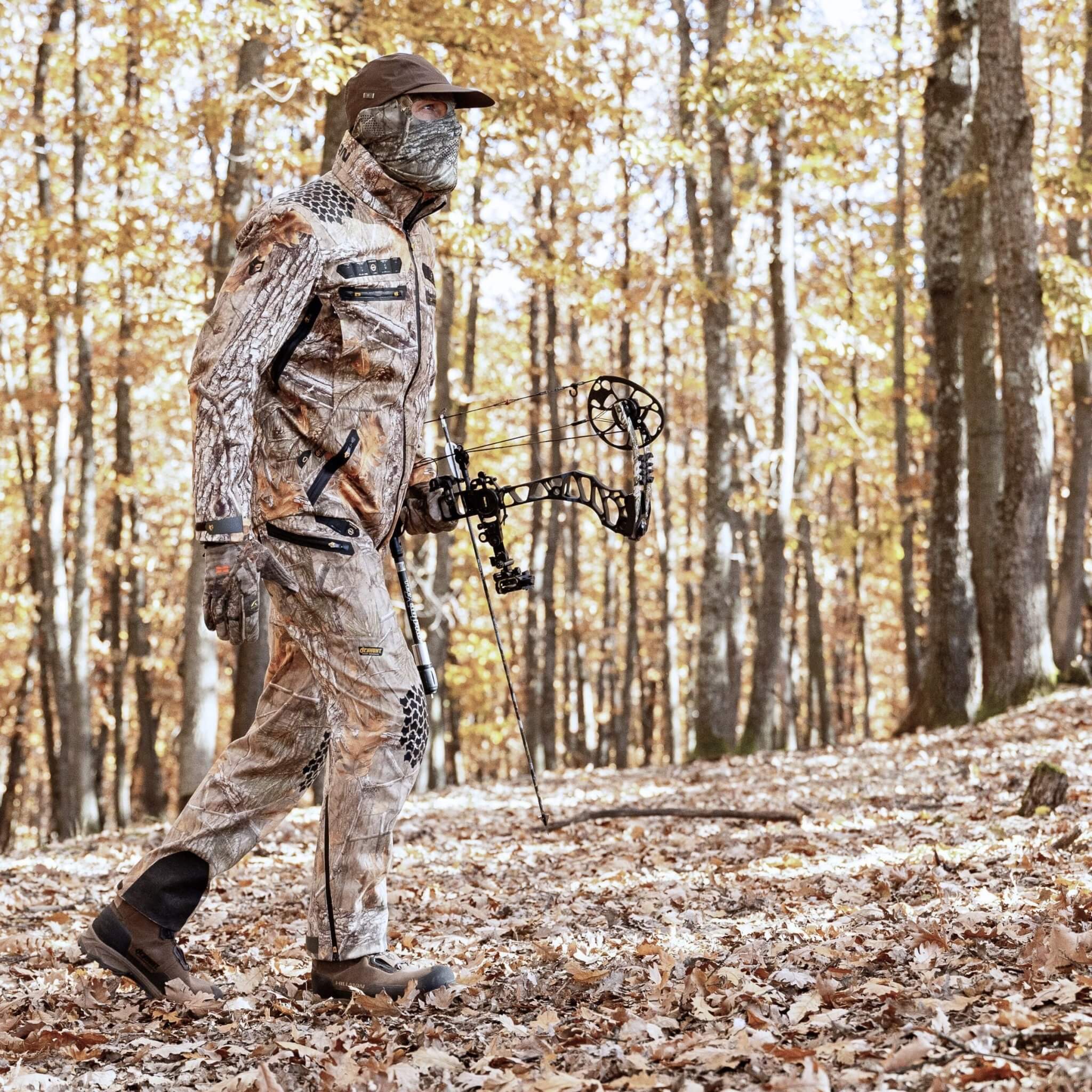
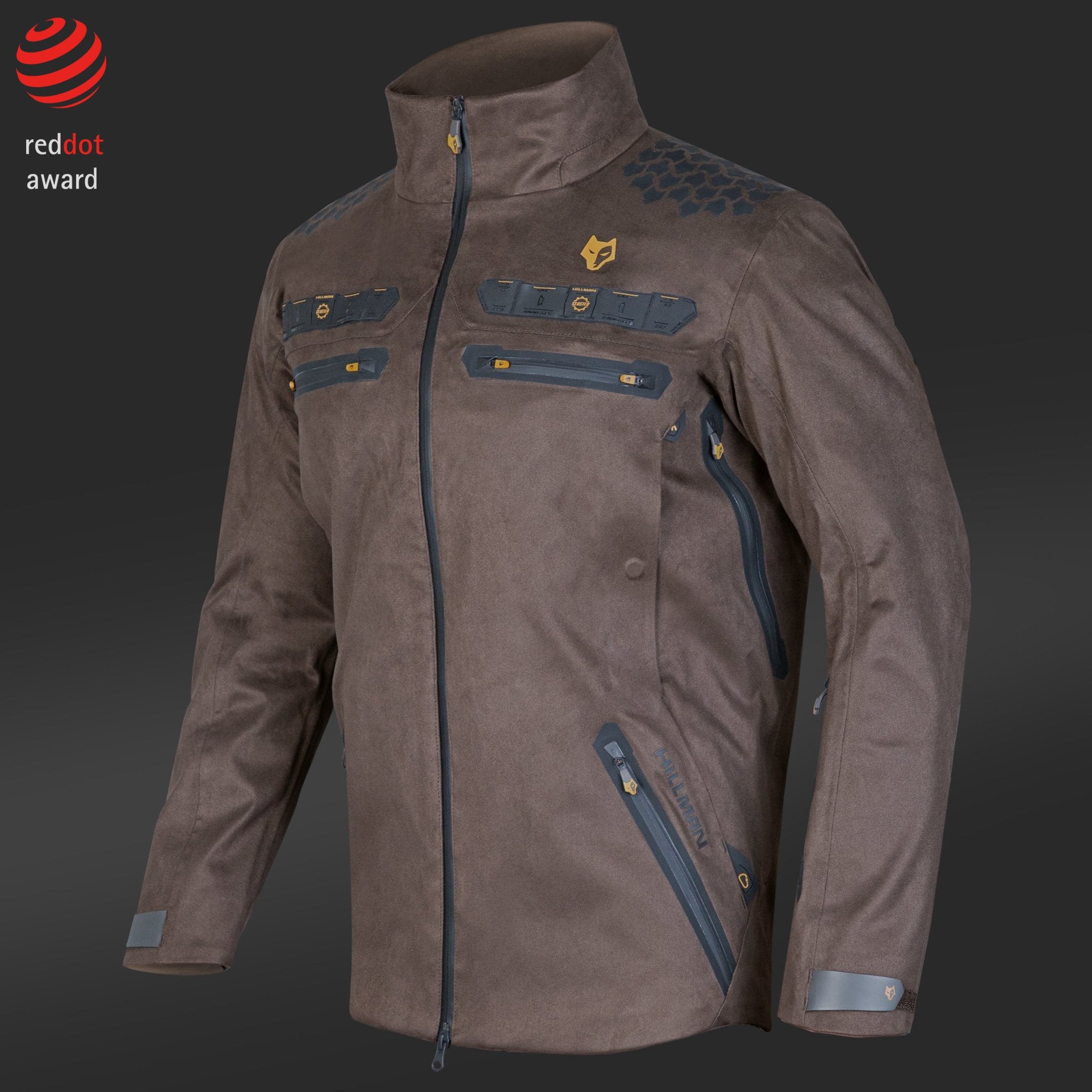
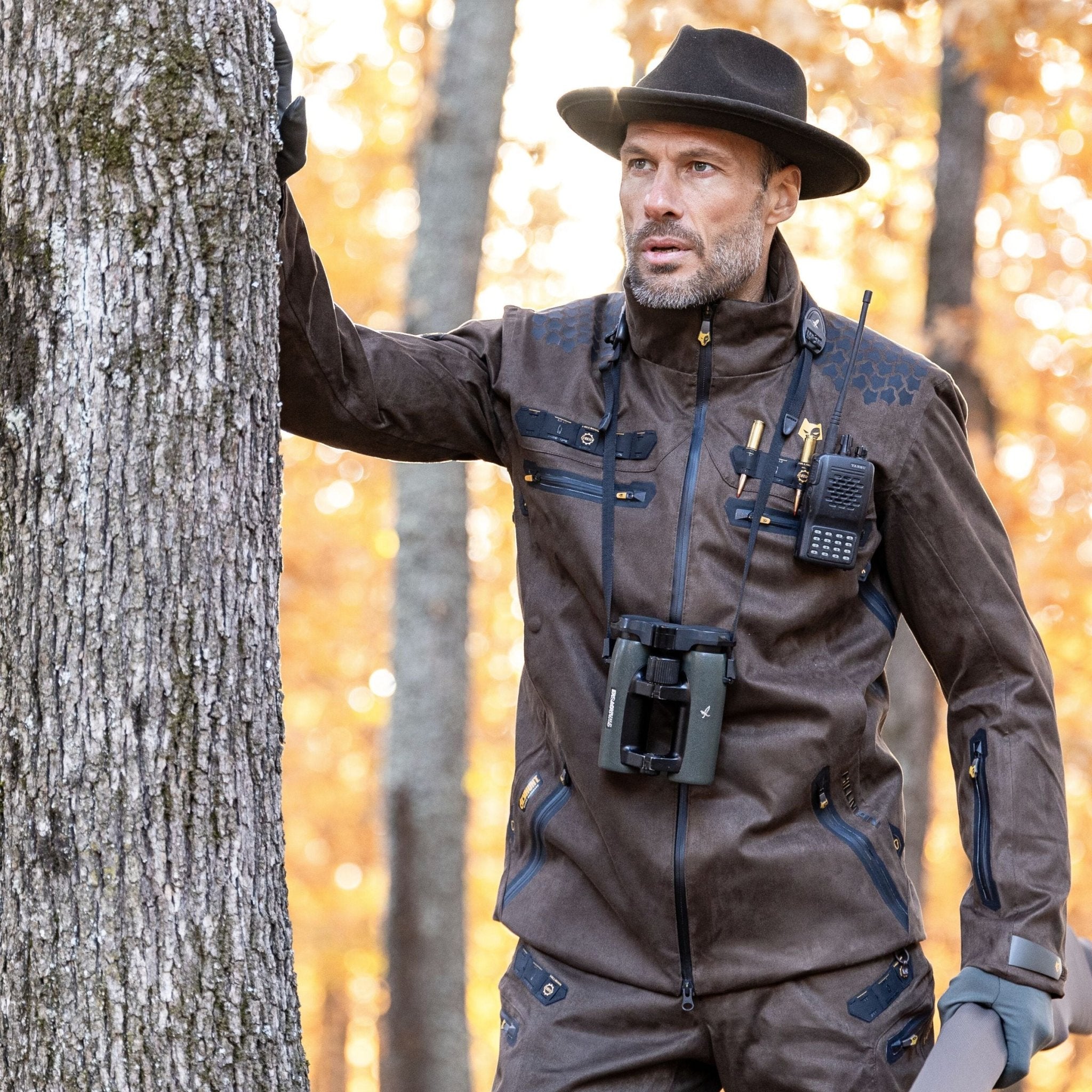
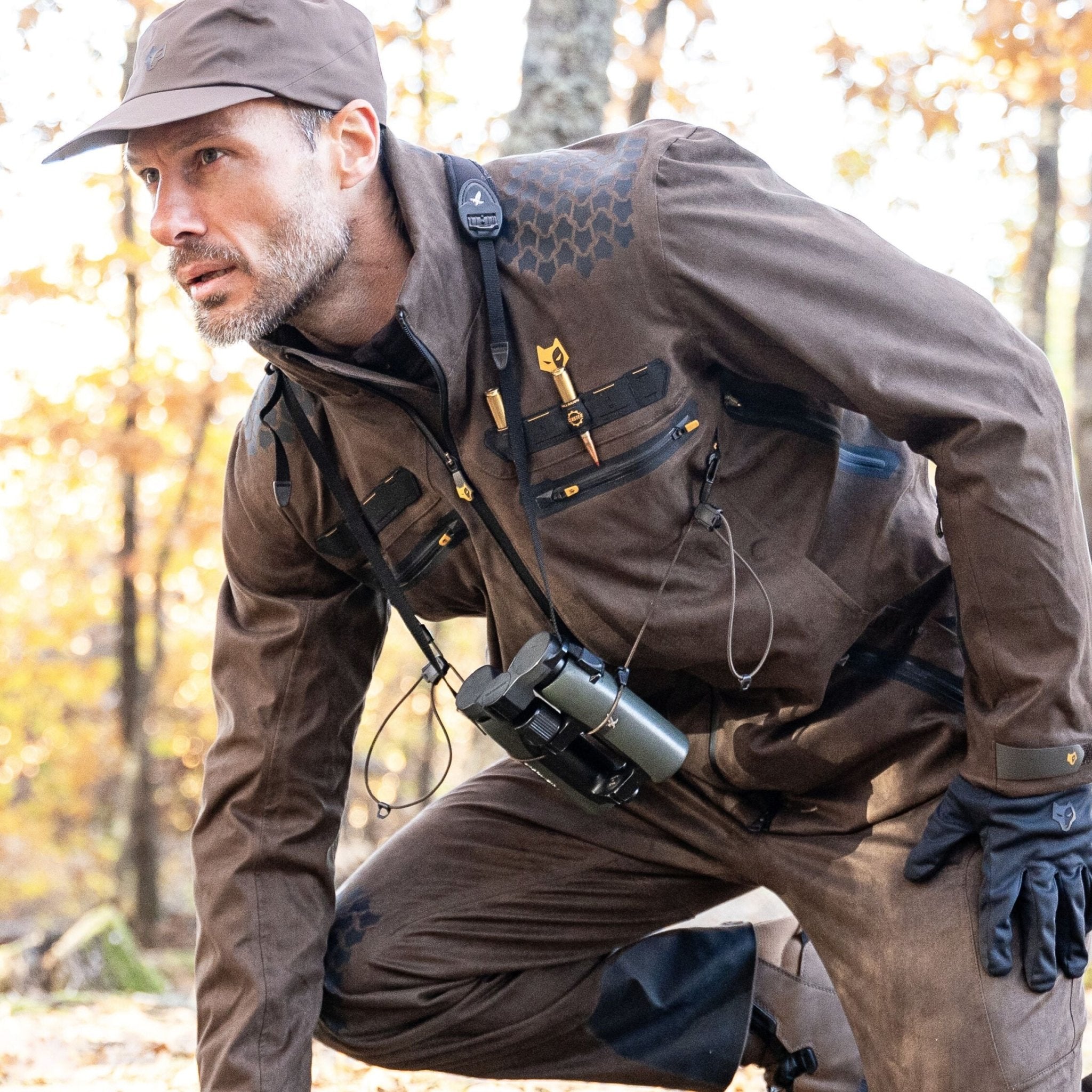
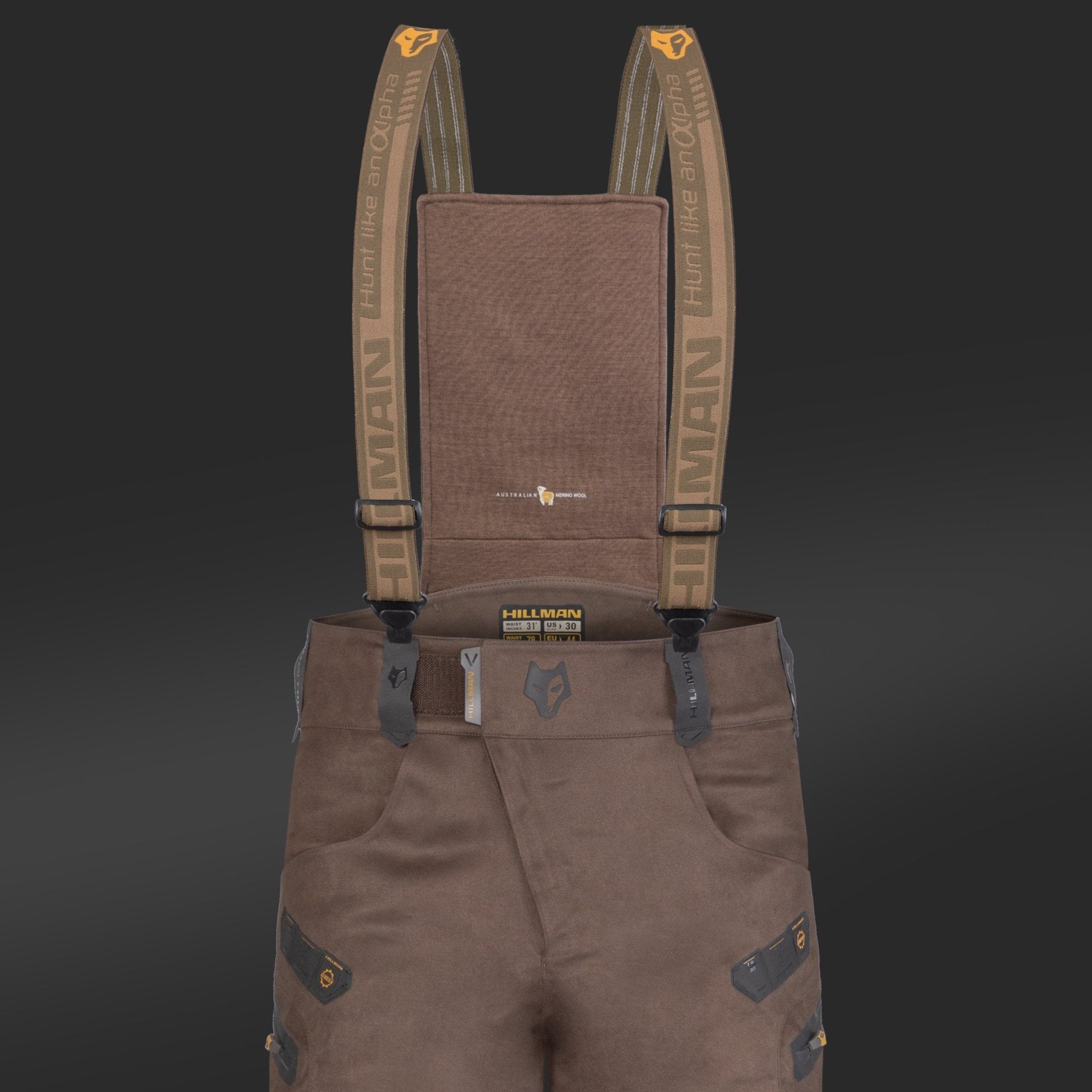
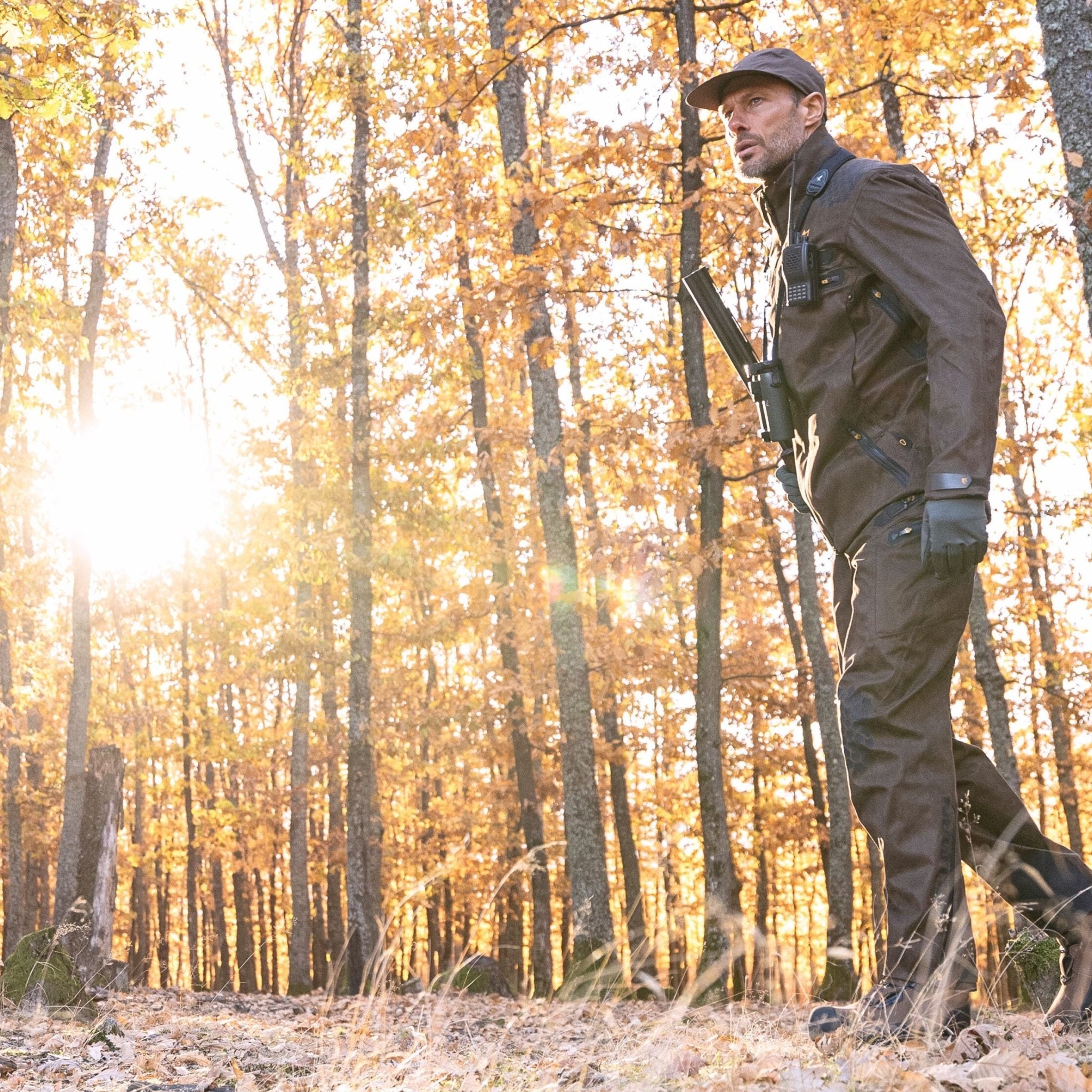
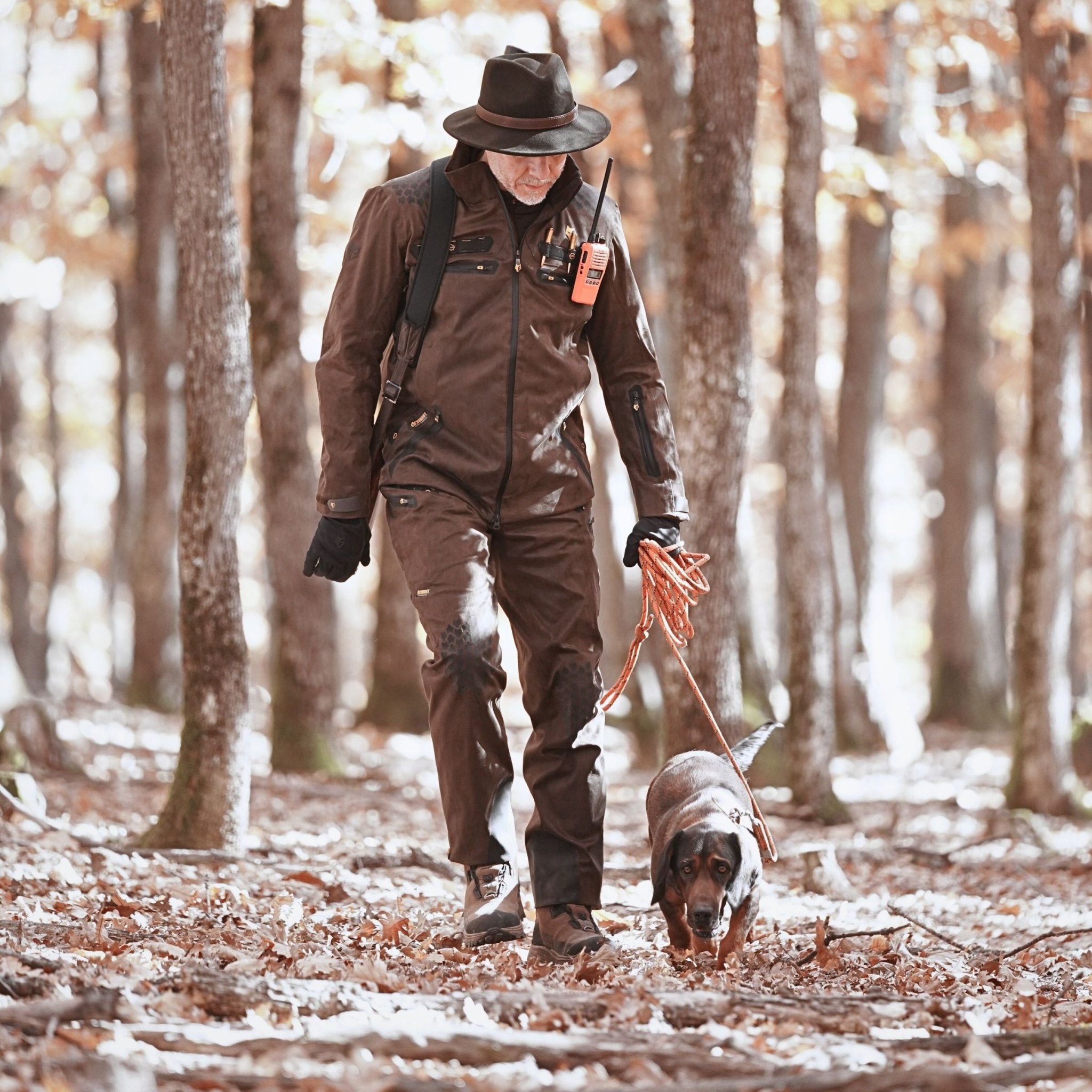
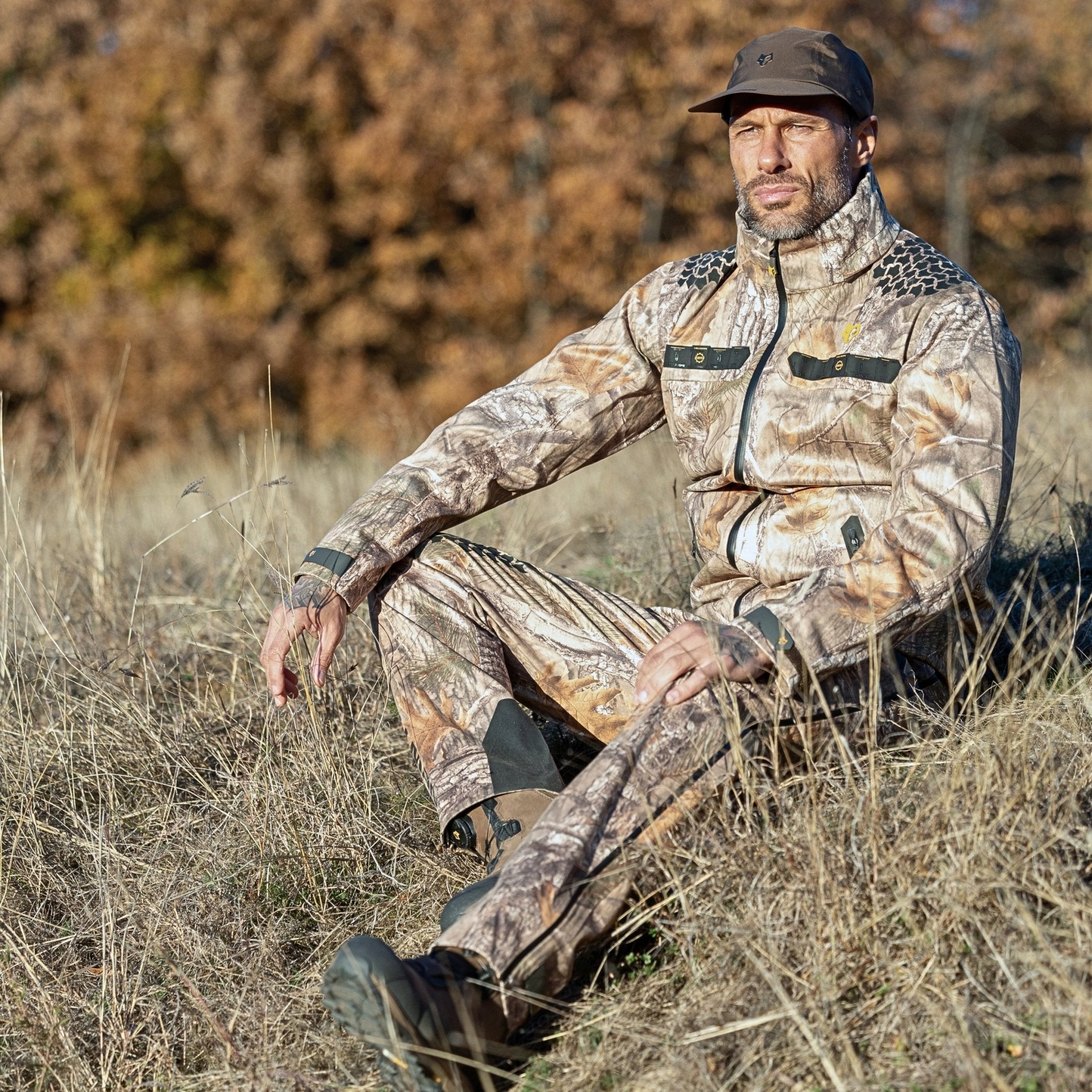
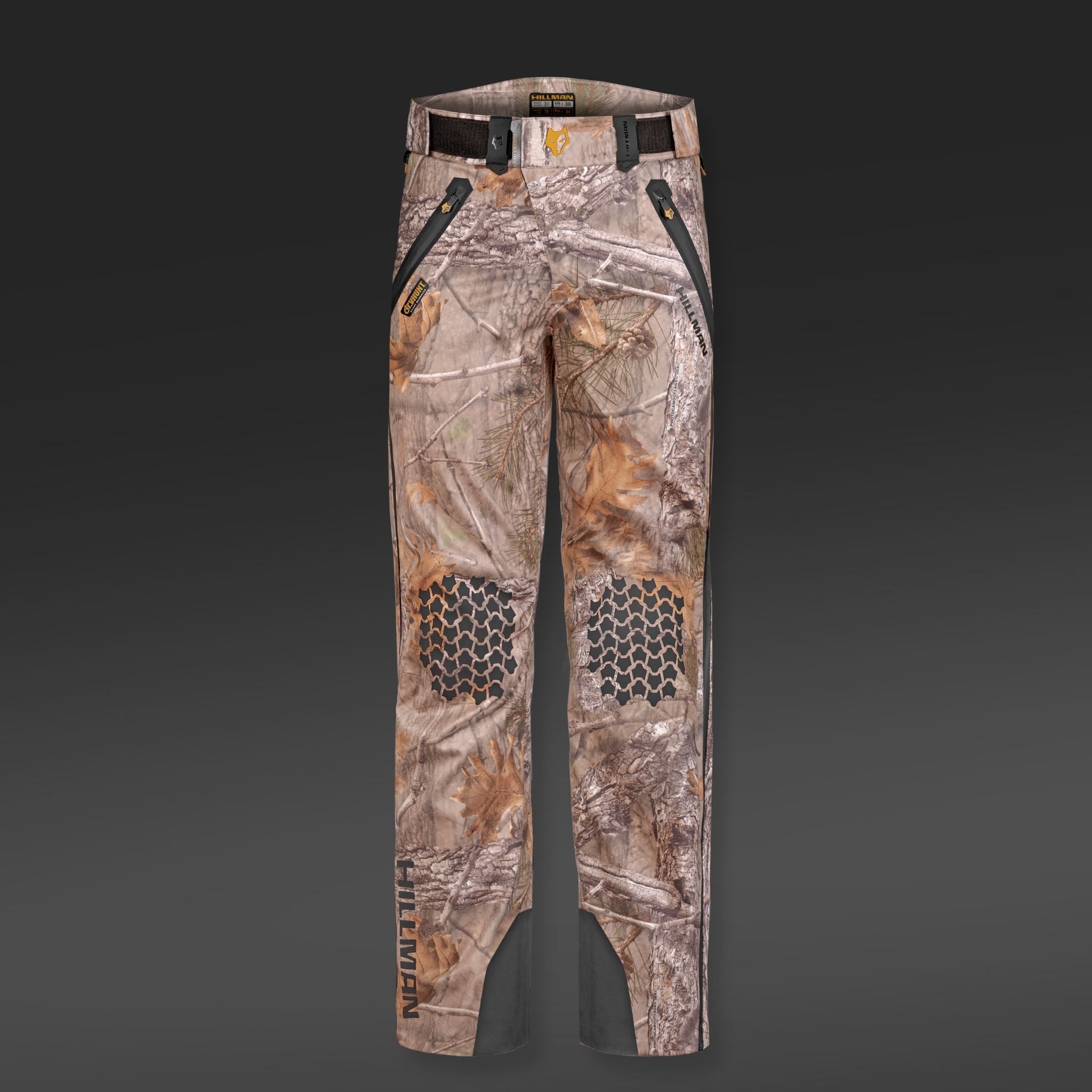
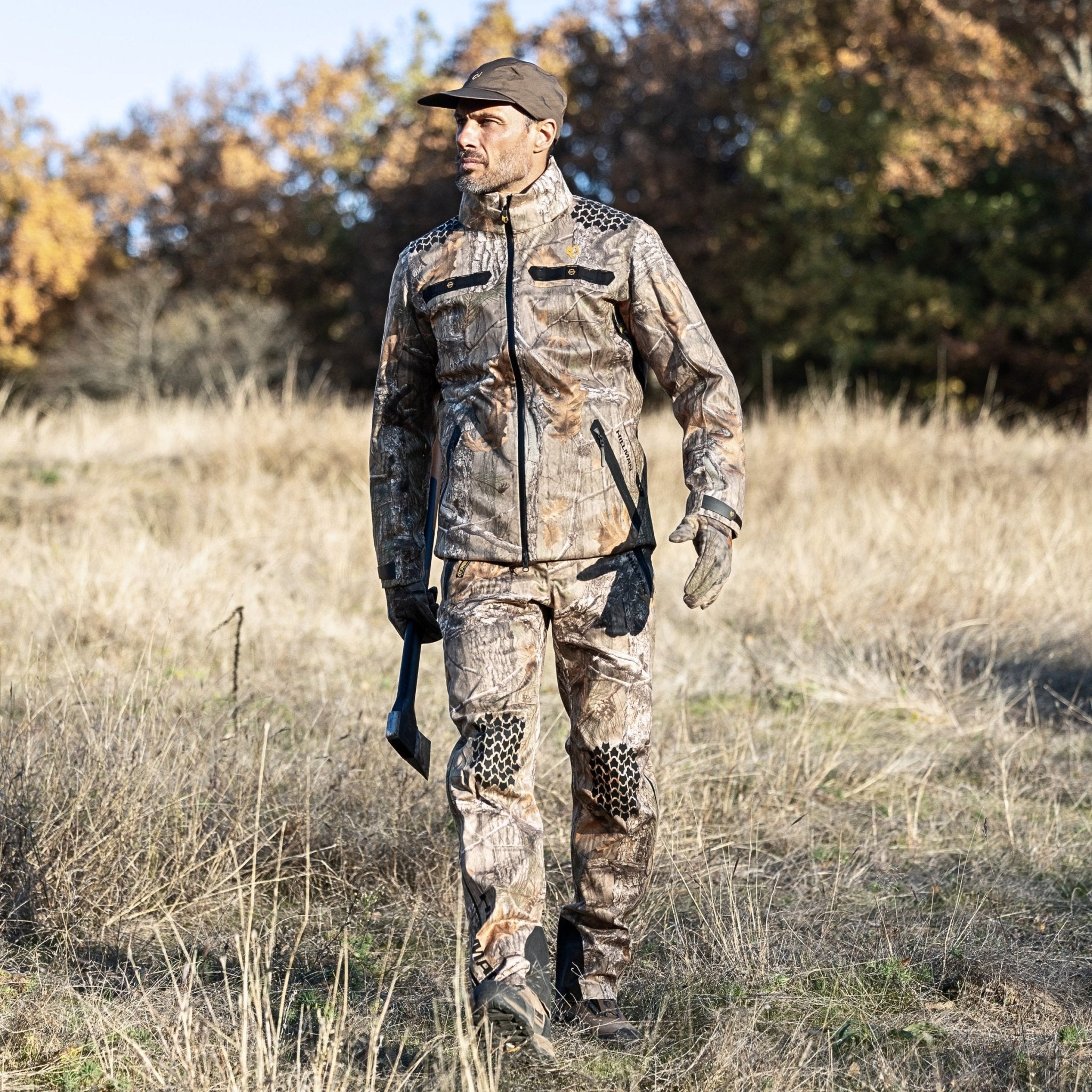
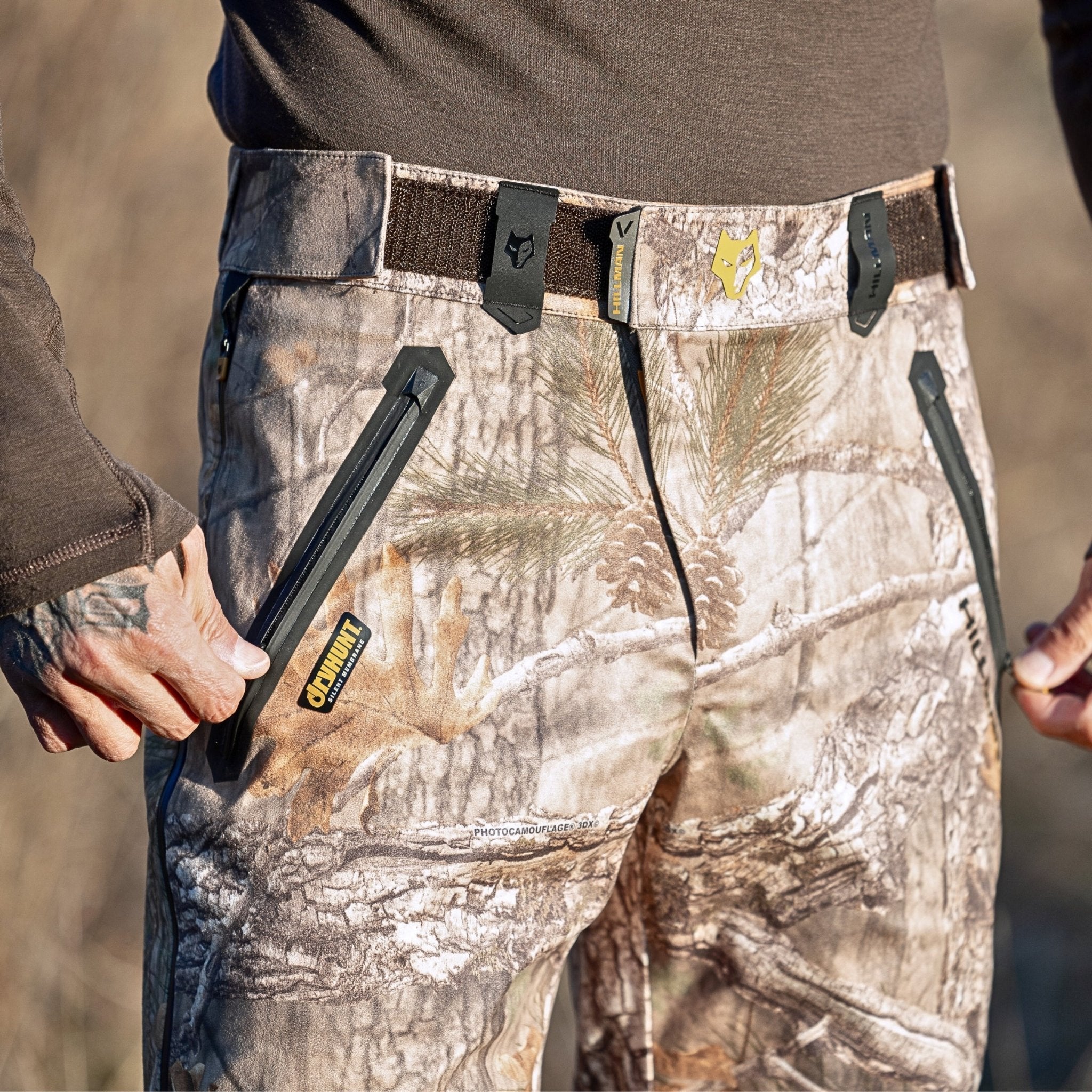
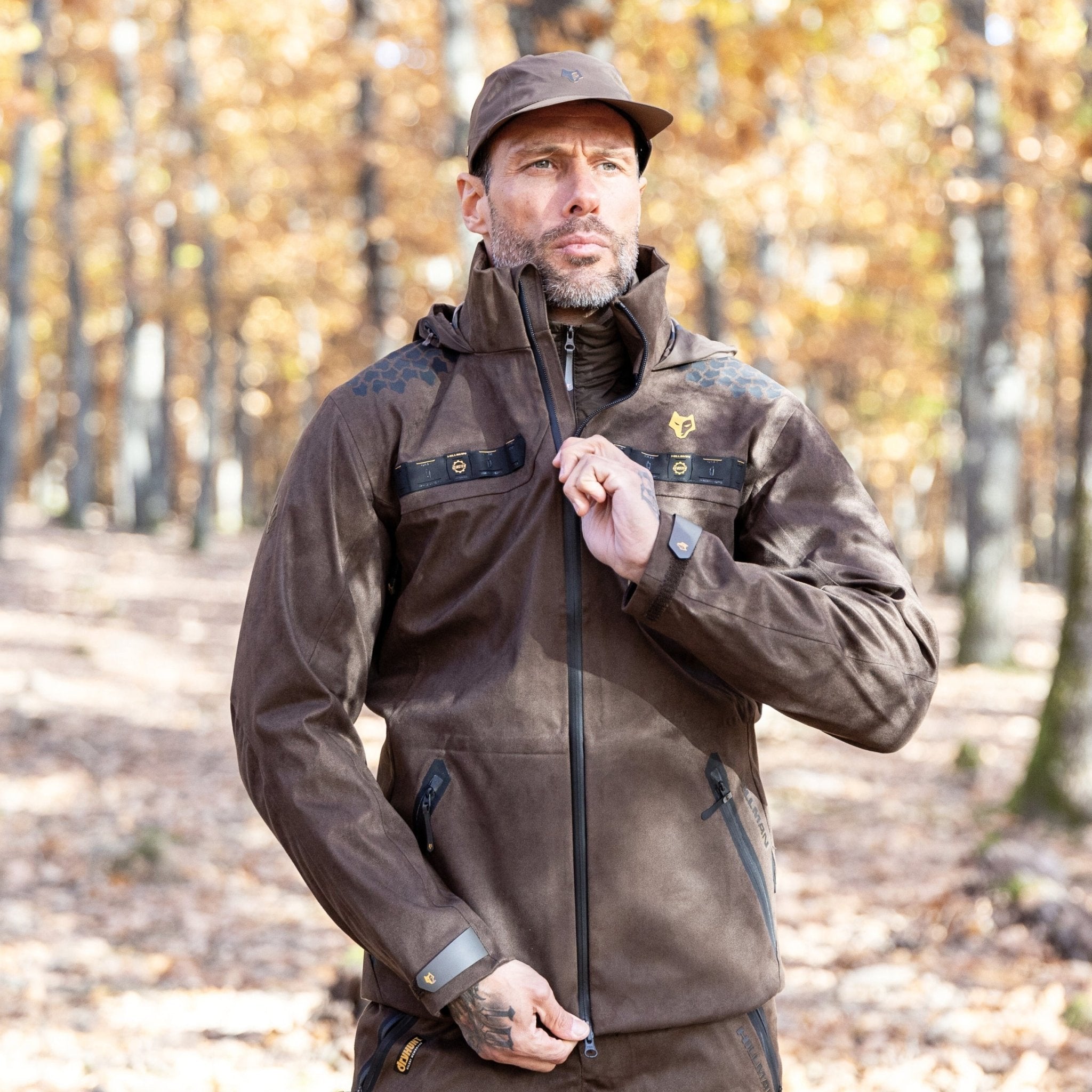
Hillman fits that same way of thinking. Solid gear helps in the field, but it will never do the reading for you. If you cannot read the flightline properly, no bit of kit will fix that.


Share:
Build a Hunting Clothing System for the British Countryside
Roe Buck Stalking at First Light: When to Move, When to Wait