
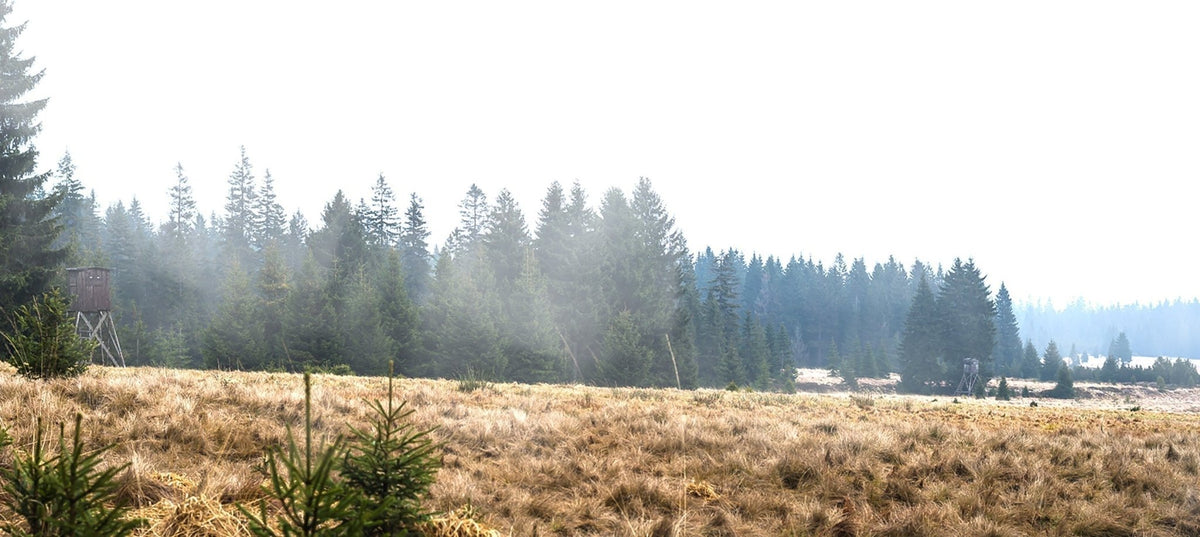
Roe Buck Stalking at First Light: When to Move and When to Wait

Know when to move, when to sit tight, and how wind, light, and roe behaviour shape the first hour.
Why first light matters in roe buck stalking. Roe buck stalking at first light is not about charging in the second you can see the ground. That is how people blow a morning before it even starts. The real game is timing. Not speed. Timing.
A lot of stalkers get twitchy as soon as dawn breaks. They think light means move. Sometimes it does. Plenty of times it does not. Roe deer can still be out feeding, cutting across a ride, standing on a woodland edge, or half-hidden in rough cover while the world is only just waking up. That first 15 to 30 minutes after dawn can be gold. In summer, especially, things happen fast.
But none of that means you should instantly start walking. The better move is often to be there earlier, in place, quiet, watching. One hour before sunrise can matter just as much as the time after it. If I can get in without trashing the place, I want boots planted and glass up before the ground really comes alive. Let the morning show you what is happening instead of barging in and forcing it.
Roe stalking starts before you ever move

Most bad stalks are already ruined before the stalker takes the first careful step. If you are serious about stalking roe deer, you read the place first. Fresh browse. Frayed young trees. Ground scrapes. Tracks. Signs along woodland edges. All of it tells a story if you stop acting like the deer owe you a sighting.
Roe bucks are territorial. They mark areas, work saplings with their antlers, and during the roe rut they leave more obvious clues. Roe rings. Scraped ground. Fresh activity in one patch over and over again. That matters because good roe stalking is not just spotting a deer and hoping the rest sorts itself out. It is knowing why that buck is there and what he is likely to do next.
A lot of the time, the doe is what gives the game away first. She steps out. She feeds. She looks harmless enough. Meanwhile the buck is tucked in near a bush or standing deeper in cover, listening and waiting. People rush because they think they have seen the whole picture. Usually they have not.
In roebuck season, especially through April and May, then again in the rut from mid July to mid August, behaviour can shift quickly. Bucks can get bolder. They show more. They move harder. They may chase, spar, or react to calls. Even then, first light and late evening still tend to give the cleanest chances.
When to move on a roe buck

Move when the buck gives you something to work with. That means his head is down feeding. Or he is walking behind cover. Or quartering away. Or distracted by another deer. That is your gap. Use it. Do not invent one. Noise matters too. If there is a breeze in the wood, use it. If a bird lifts off, use it. If a distant vehicle gives you a second of cover, use it. Damp ground under steady wind helps. Dead still air does not. On a still morning every little mistake sounds bigger than it is.
Wind stays king. Always. Roe deer lean hard on scent, and once your wind is wrong the whole thing can collapse in seconds. Do not kid yourself that you can cheat that. Check it. Then check it again. Wind shifts at woodland edges, in hollows, beside strips of cover, and across uneven ground. Plenty of stalkers trust their face and get it wrong. A wind checker is cheap. Guessing is expensive.
Use the ground properly. Hedge lines, ditches, folds, rough grass, bushes, low banks, darker strips of earth, all of it matters. Good deer stalking is basically the art of getting closer without looking like a human trying to get closer. Sometimes that takes minutes. Sometimes it eats half the morning. A thermal spotter can help in low light as well. It will not save bad judgement, but it can pick up heat when your eye is still struggling with detail.
When to wait instead of walking

Wait when the buck is alert. Wait when he is angled toward you. Wait when one wrong step will light you up. This is where a lot of chances are lost. People think waiting feels passive, weak, lazy. It is not. Waiting is often the bit that keeps the stalk alive.
Roe deer are brutally good at catching movement. Their peripheral vision is strong, and quick movement stands out fast. That is why the freeze works. Deer often lock onto movement first. If the movement dies, sometimes the alarm dies with it. Not always, but often enough to matter.
Bad weather can force the same choice. In strong wind or on hard frost, sitting in a high seat may be the smarter call than trying to creep in on foot. Wind can make roe deer edgy. Frost makes every step sound like snapped glass. In both cases, a moving stalker can look and sound wrong long before getting anywhere near a proper shooting position.
Some mornings, waiting is the whole tactic. Deer may hold in cover through first light if people are about early, if a dog has worked through the area recently, or if regular traffic shifts movement patterns. In those places, mid morning can beat dawn. Not every time. Enough times to stop acting like first light is some magic switch.
How weather conditions change everything

Weather conditions change the morning whether you respect that or not. Still, calm mornings often give you more time. Roe deer may stay out feeding longer. They can look settled, less jumpy, more predictable. That does not make them easy. It just means the ground is not working against you as hard.
Poor weather is messier. Wind and rain can make deer nervous or hold them tighter to cover. Then again, movement can shift later. After rough weather, a calm spell can wake the ground up at odd times, even around the middle of the day. So no, the script is not always dawn, then nothing.
Summer adds another issue people love to ignore until it is inconvenient. Carcass handling. If you shoot deer in warm weather, that is part of the plan from the start. Meat can turn faster than people think. A clean deer shot at first light still needs quick recovery, gralloching, and proper cooling. That is not some separate chore for later. It is part of doing the job right.
Winter gives you different problems. Deer may feed longer after sunrise. Darker ground and bare edges can help a careful approach. But frost underfoot can wreck the whole stalk, and thin cover exposes sloppy movement fast.
Roe buck stalking during the roe rut

The roe rut changes the mood completely. Bucks are often more active, more visible, and more willing to move hard through their ground. They chase does. They clash with other males. They react faster to intrusion. Younger roebuck can be especially curious, which is why close encounters happen when the stalker does not panic and ruin it.
This is also the time when people get greedy and stupid. They hear a response to a call, catch a flicker in cover, and shove forward too soon. Bad move. Let the buck come if he is coming. During the rut, a roe buck can appear out of nowhere, and quite often the doe shows first. That is why you listen as much as you look.
Rutting sign matters. Frayed stems. Fresh tracks. Scraped ground. Roe rings. None of it guarantees a shot, but it tells you a buck is using the place with purpose. That is the difference between stalking live ground and just wandering around with hope.
Shot choice and staying disciplined

All the fieldcraft in the world means nothing if the shot is wrong.
Knowing when to move and when to wait is useless if you throw that discipline away the second the buck turns broadside for two seconds through a gap full of junk. When you shoot deer, the standard stays the same. Dawn, dusk, midday, no difference. You need a clear view of the vital organs and enough light to place the shot into the vital areas properly. No guessing. No snatching. No lazy excuses.
An elusive roe buck is not worth a poor shot. Not ever.
If branches are in the way, wait. If grass is cutting the line, wait. If the angle is bad, wait. If the light is not good enough, wait. If he turns off, settle down and see what happens. More chances come back than people think. Forced chances usually end in a mess.
A first light approach that actually works

The simple version is this.
Get in early and watch.
Only stalk when the buck is doing something that lets you close ground without being picked off.
Then stop again before the final approach and let things settle.
That rhythm works because roe deer run on small signals. Light changes. Wind shifts. A doe appears. A buck feeds, stands, disappears, then shows again. If you try to bully the morning, you usually lose. If you read it and move at the right moments, the whole thing starts making more sense.
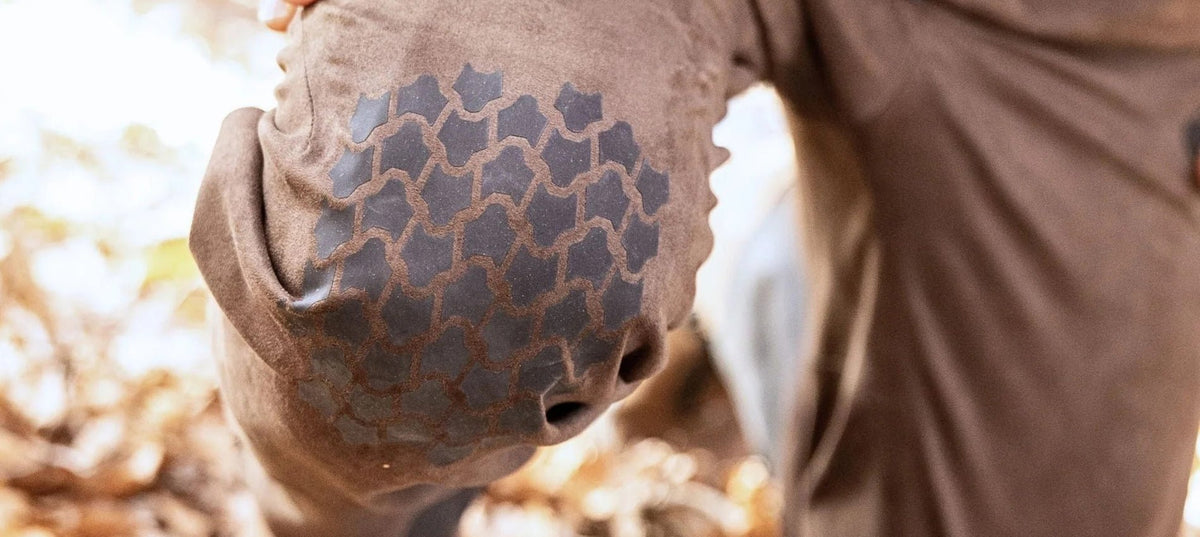
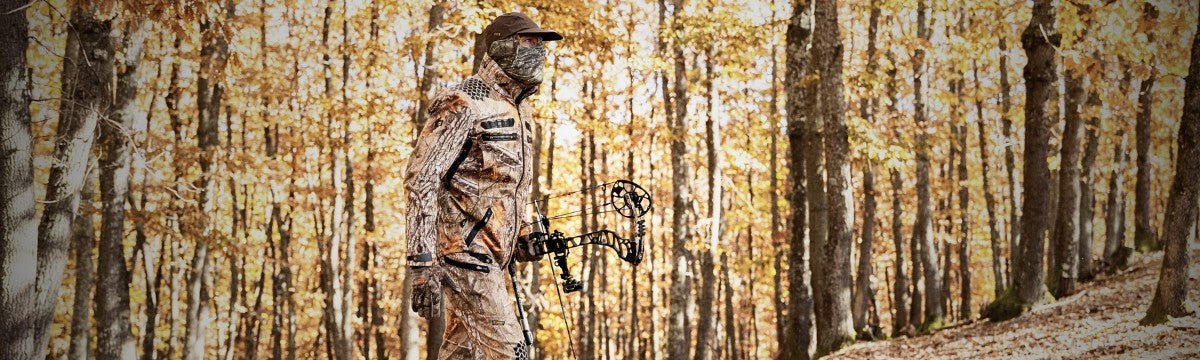
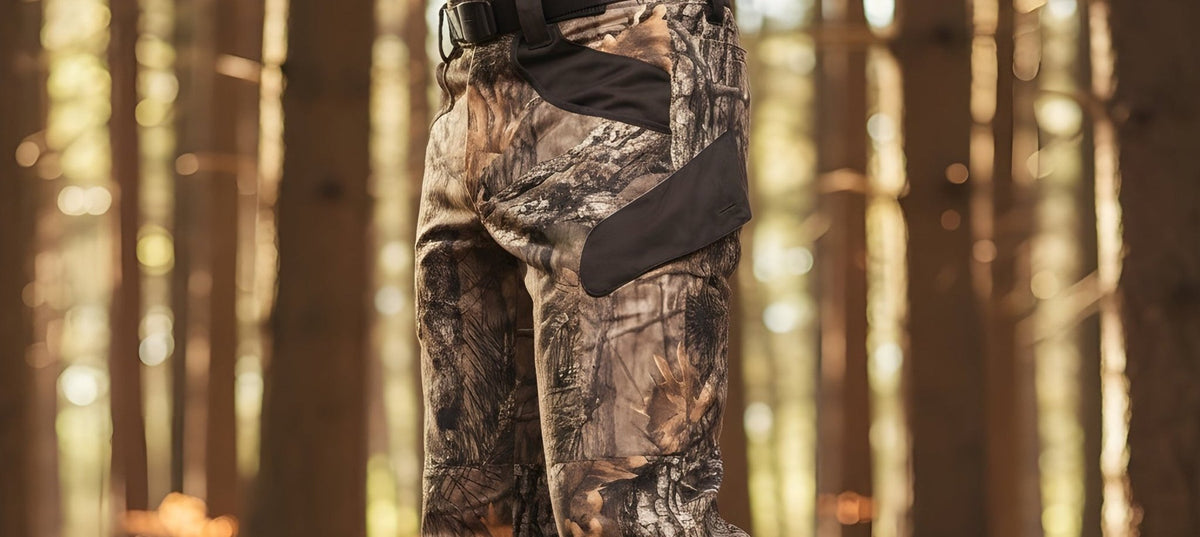
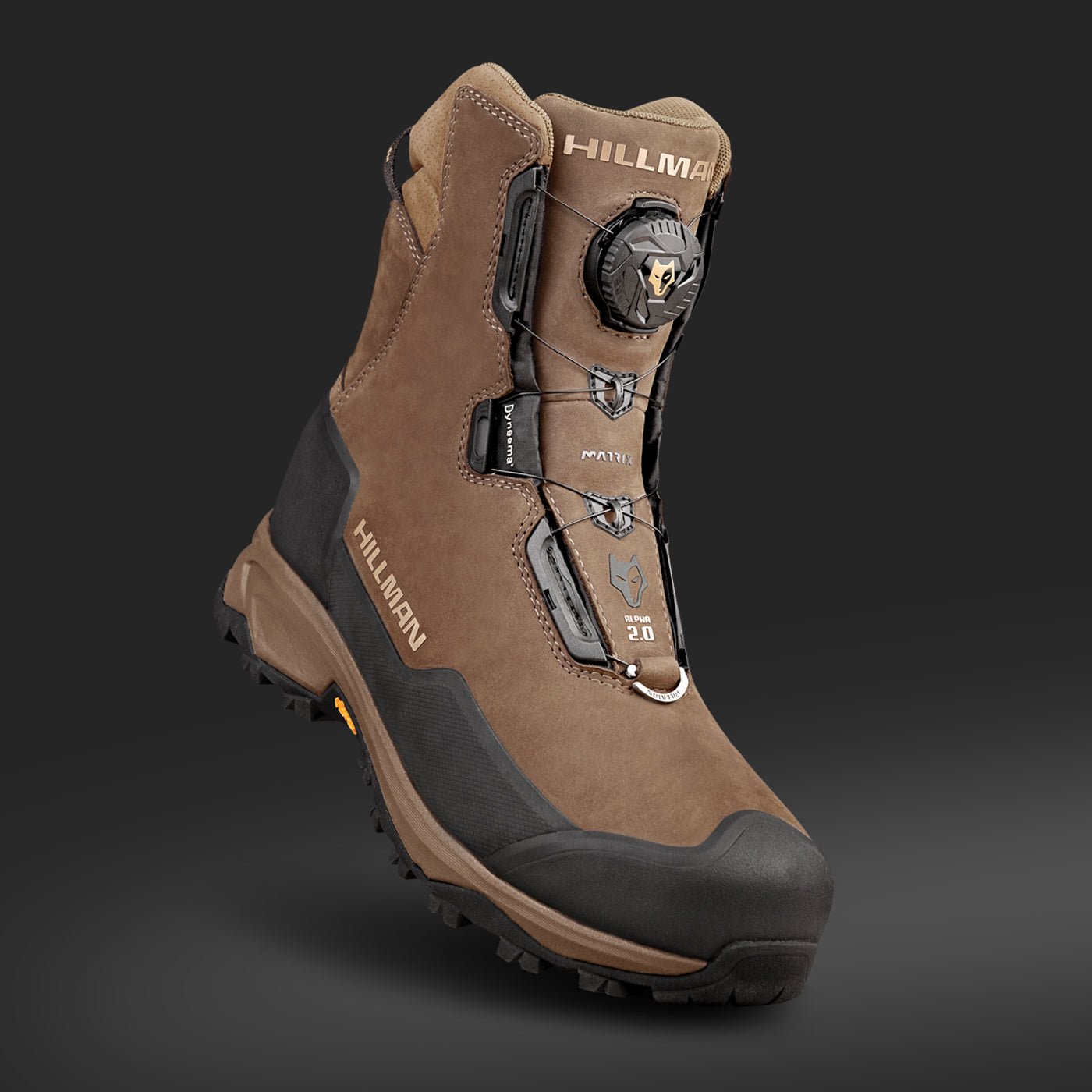
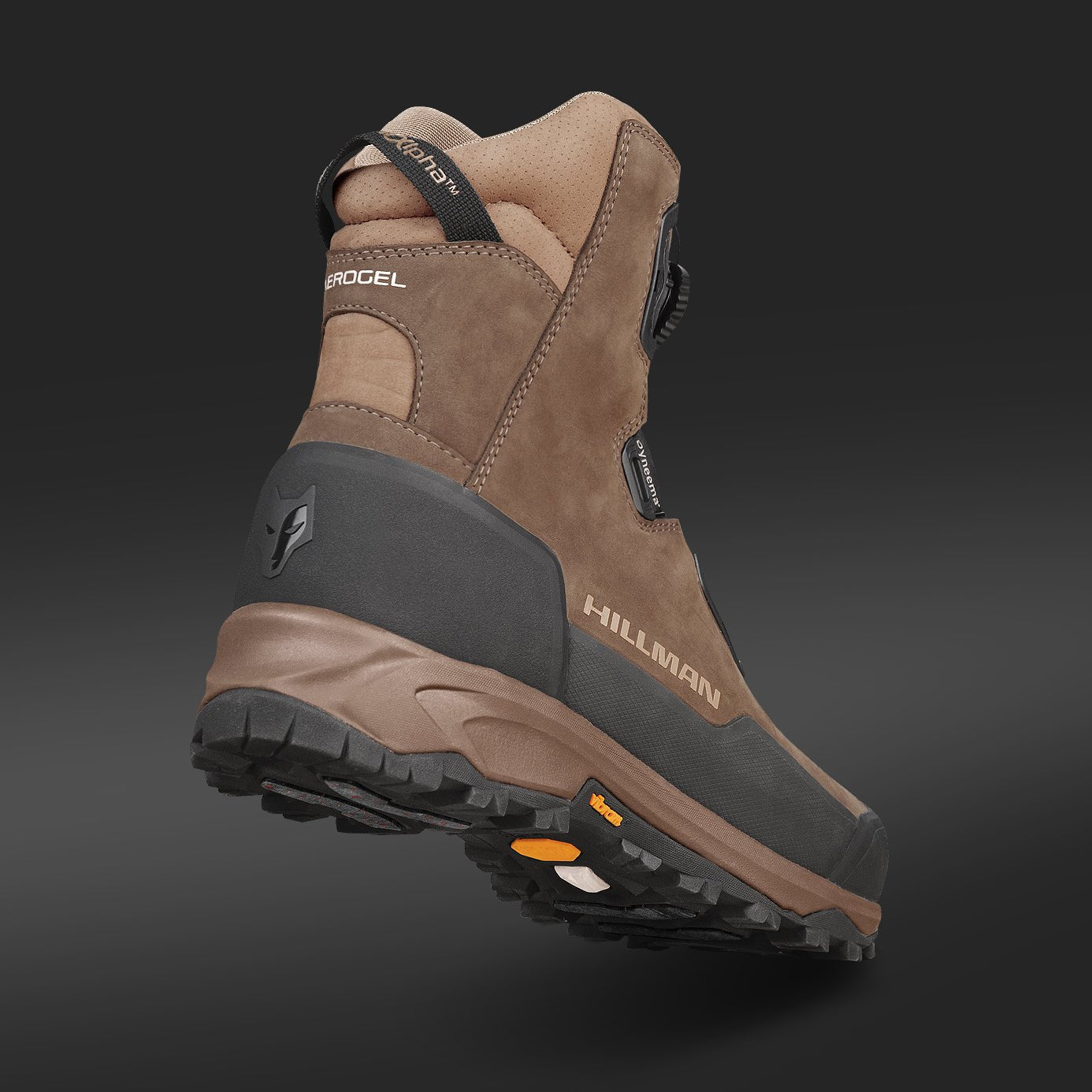
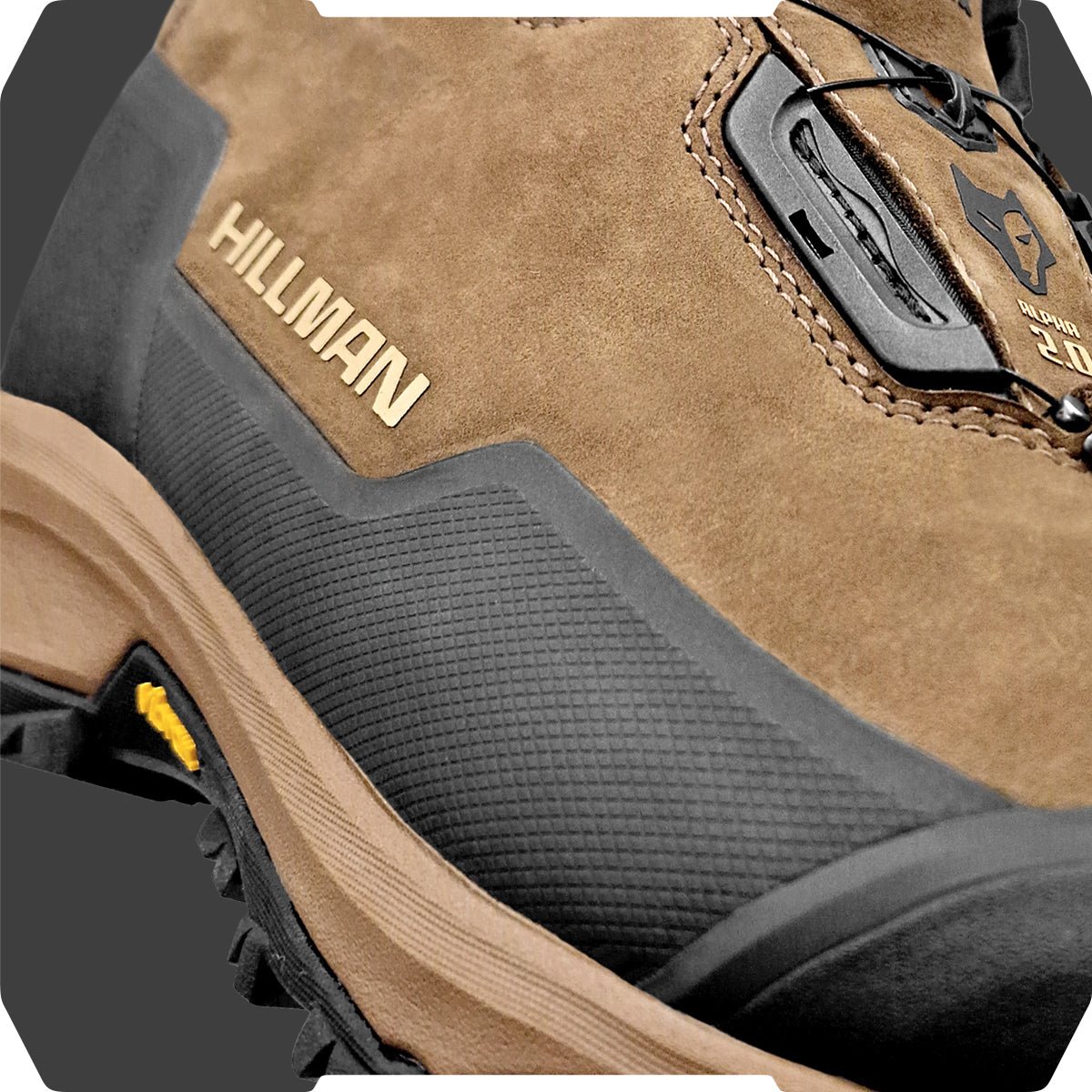
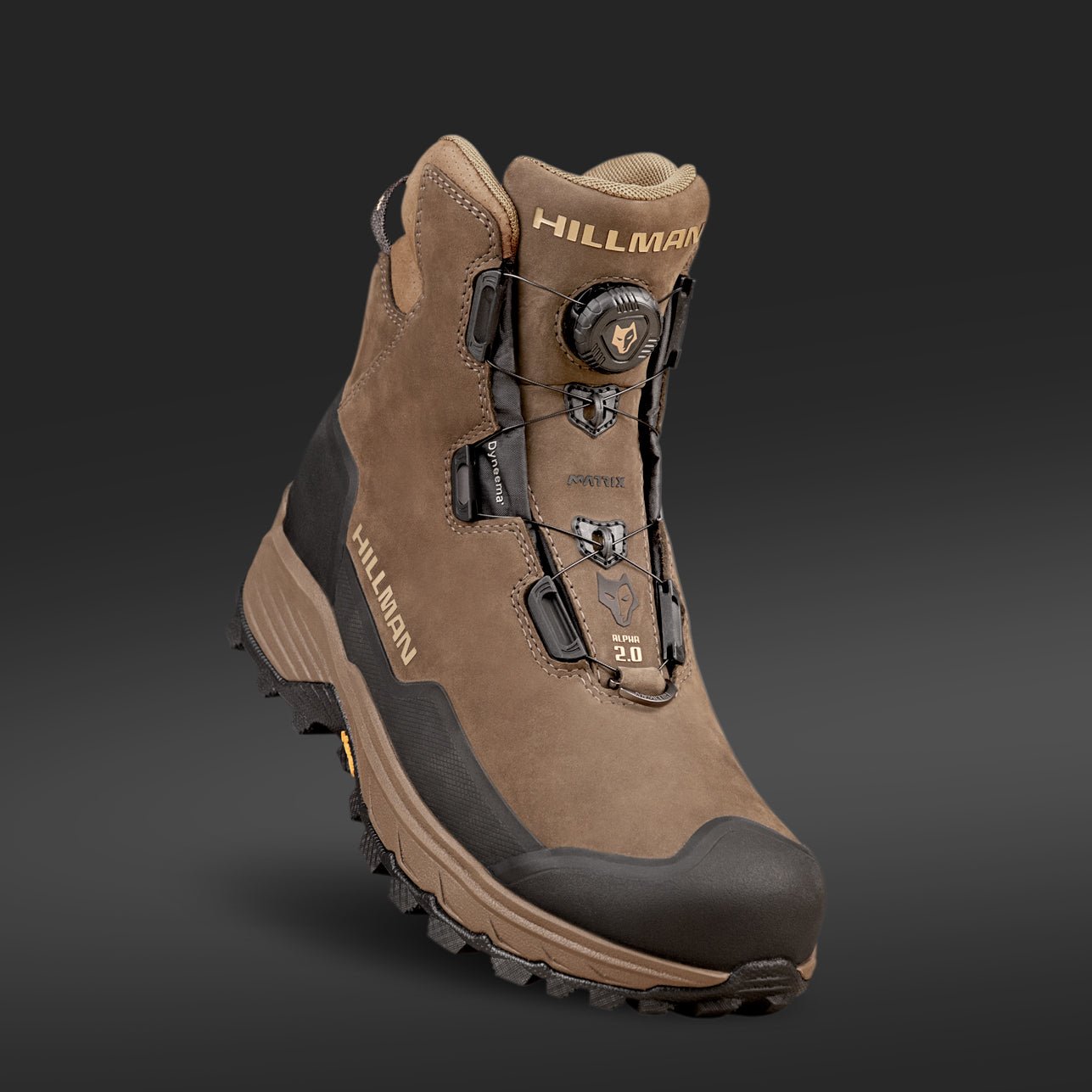
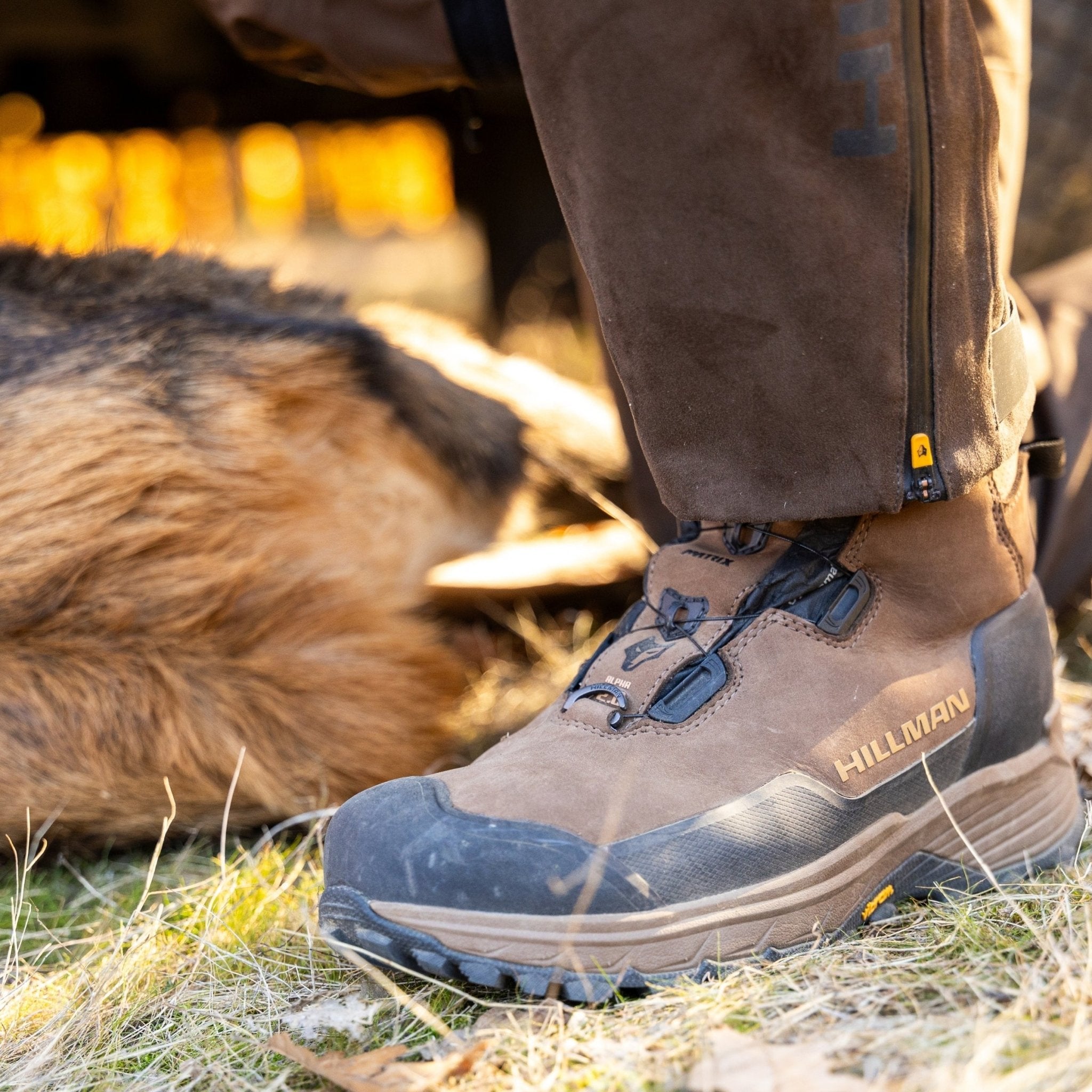
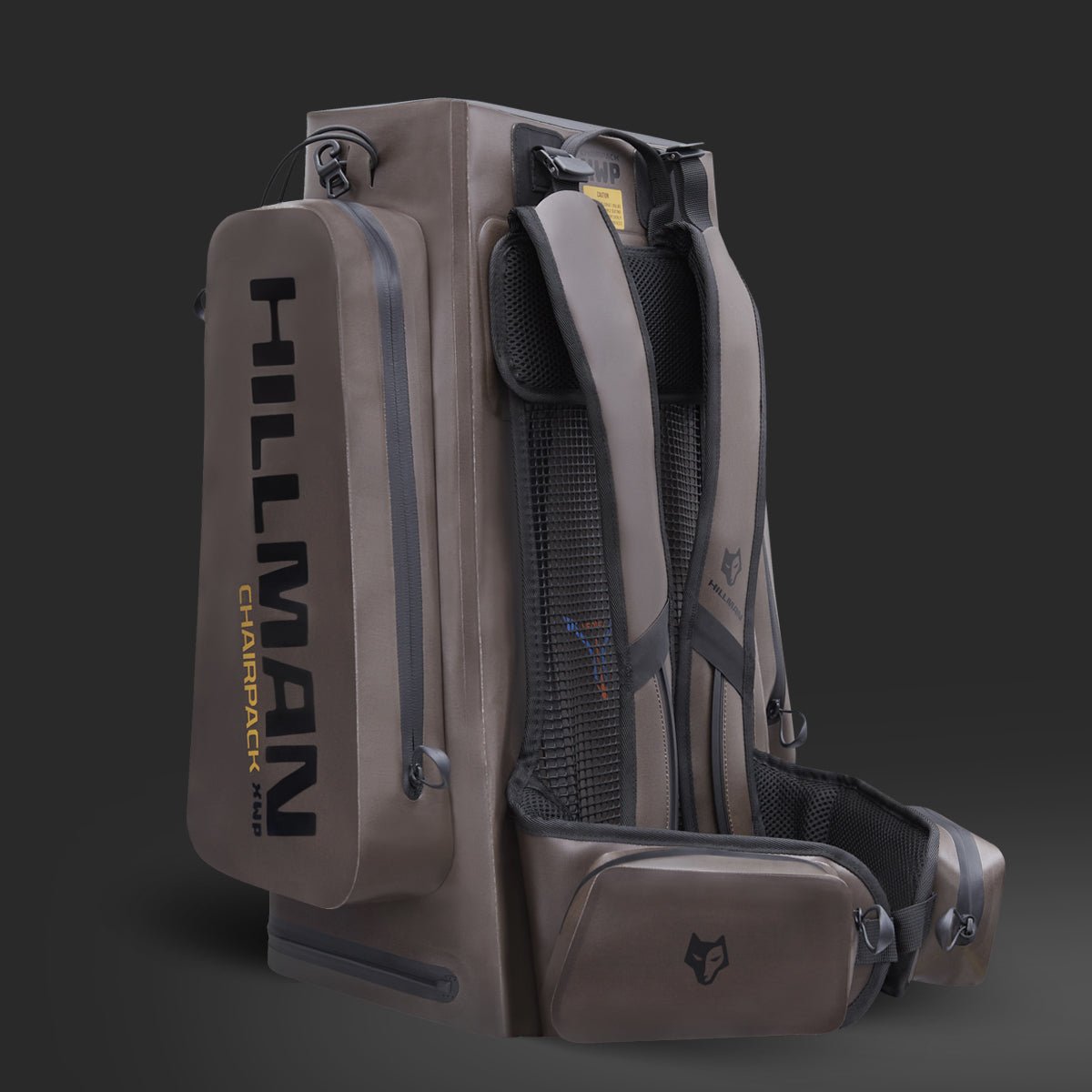
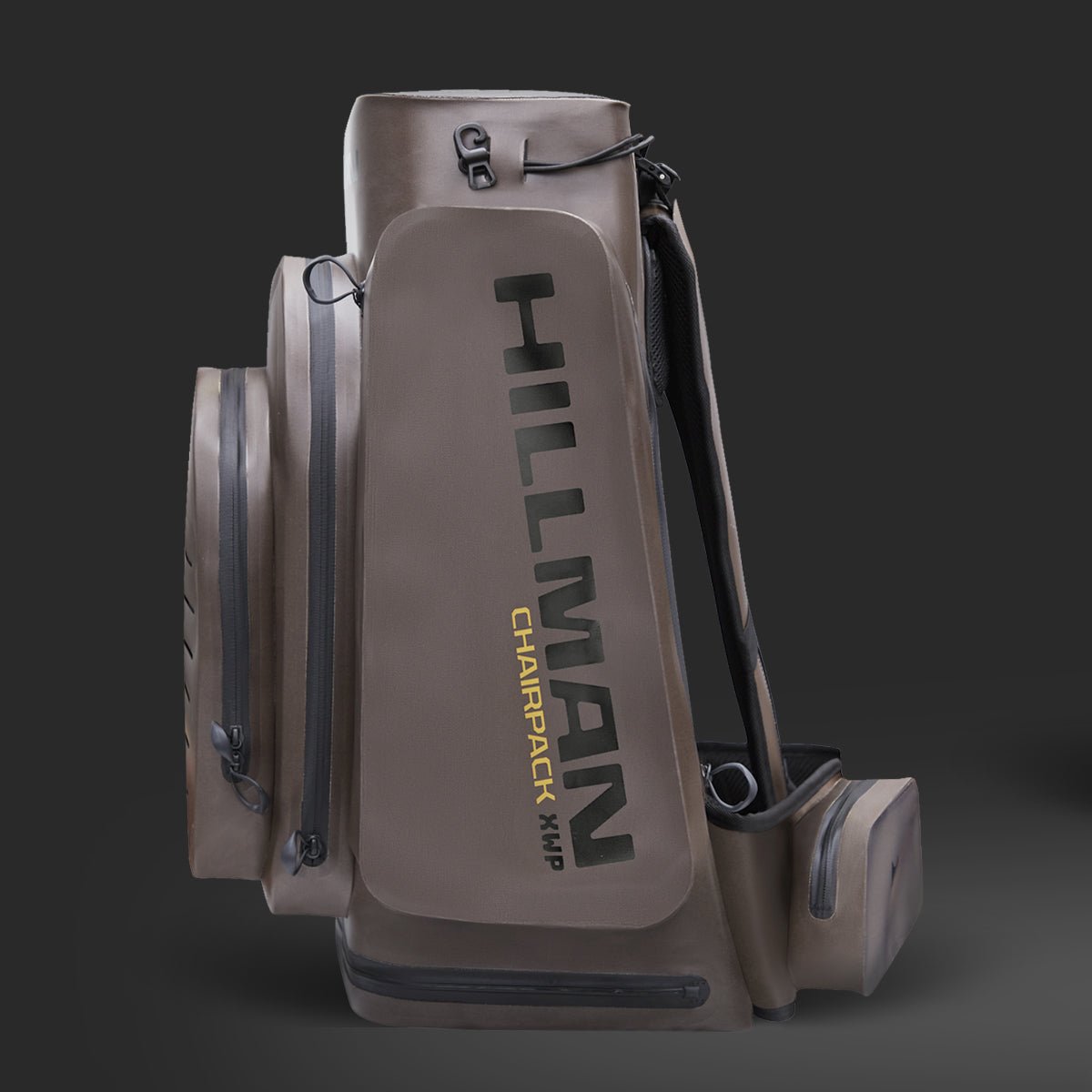
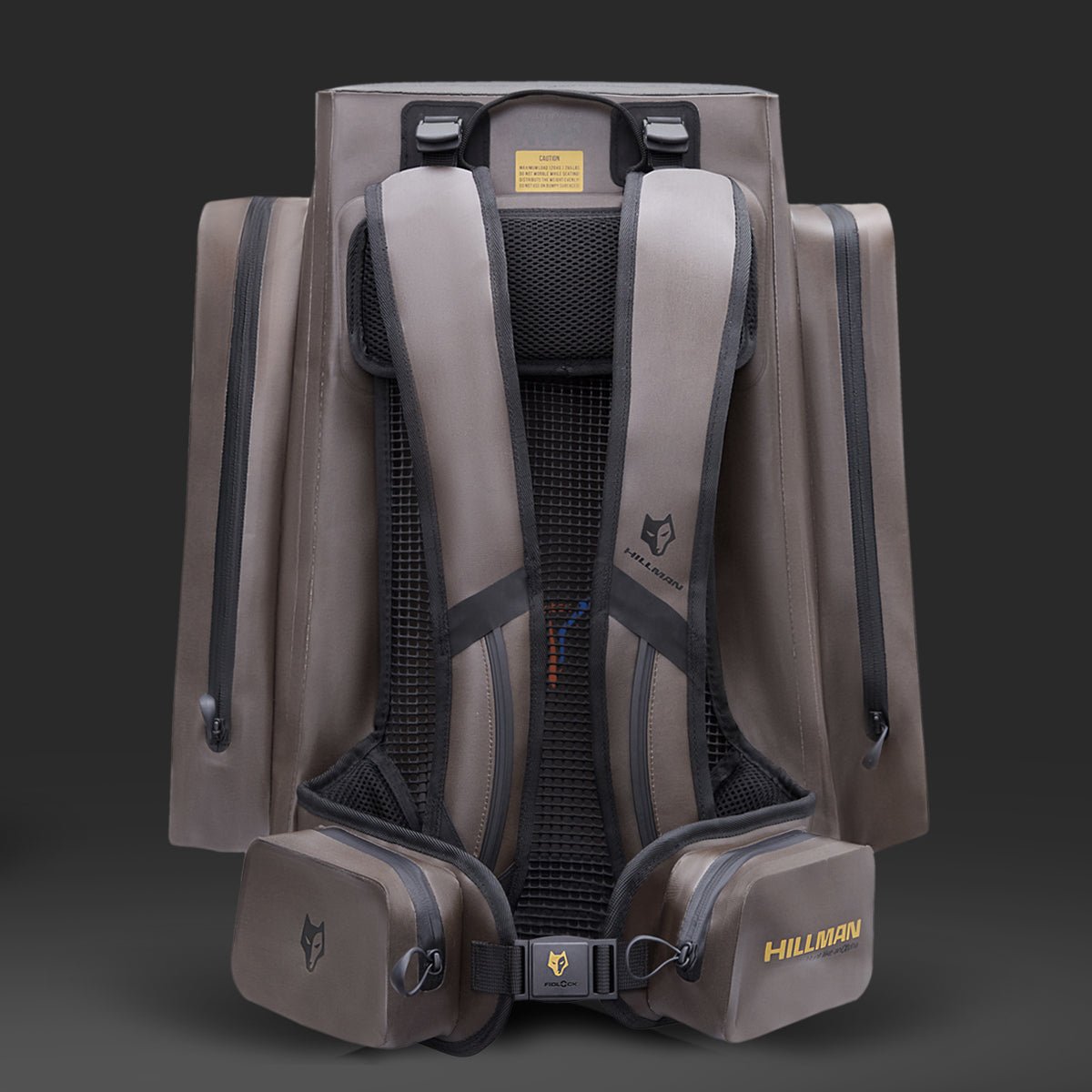
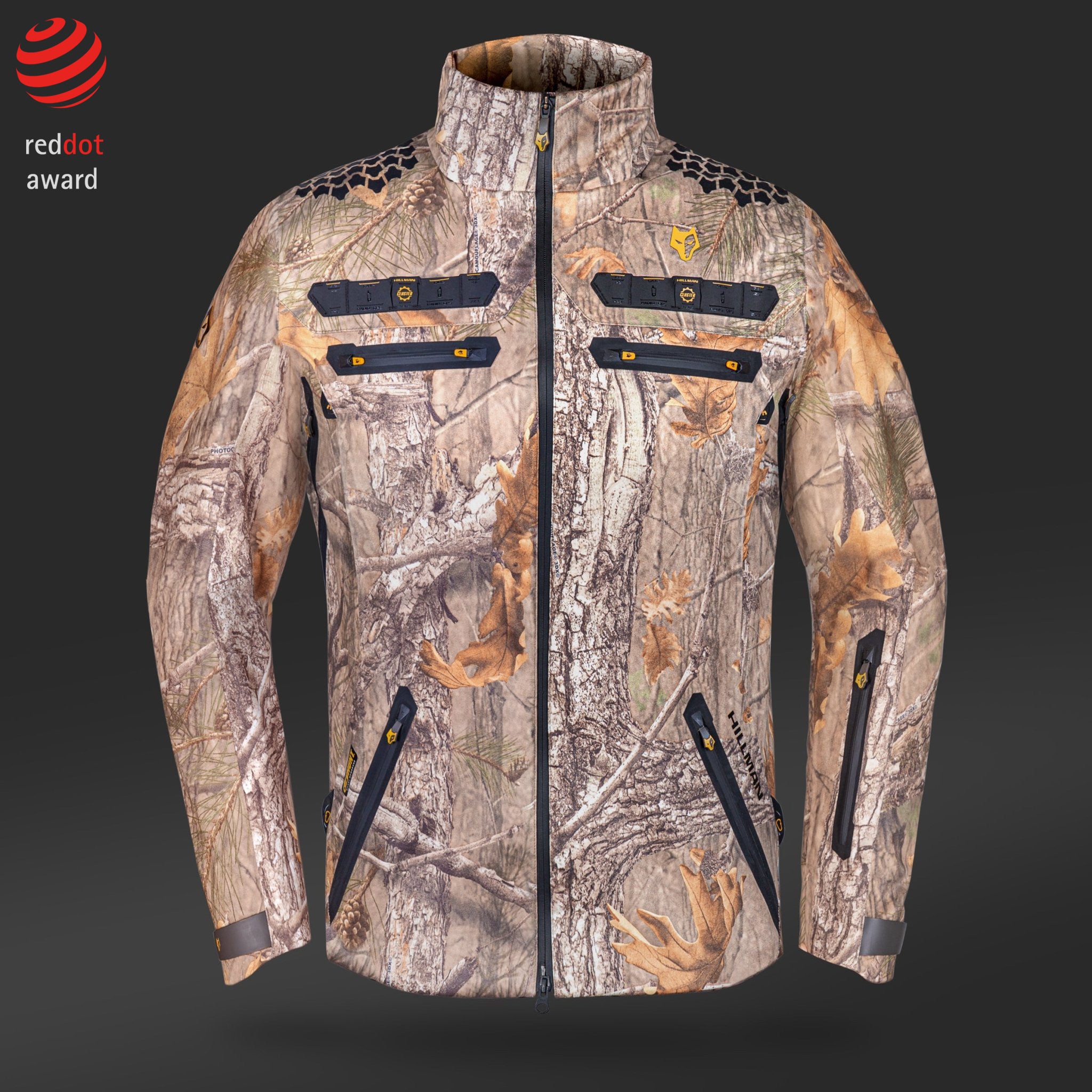
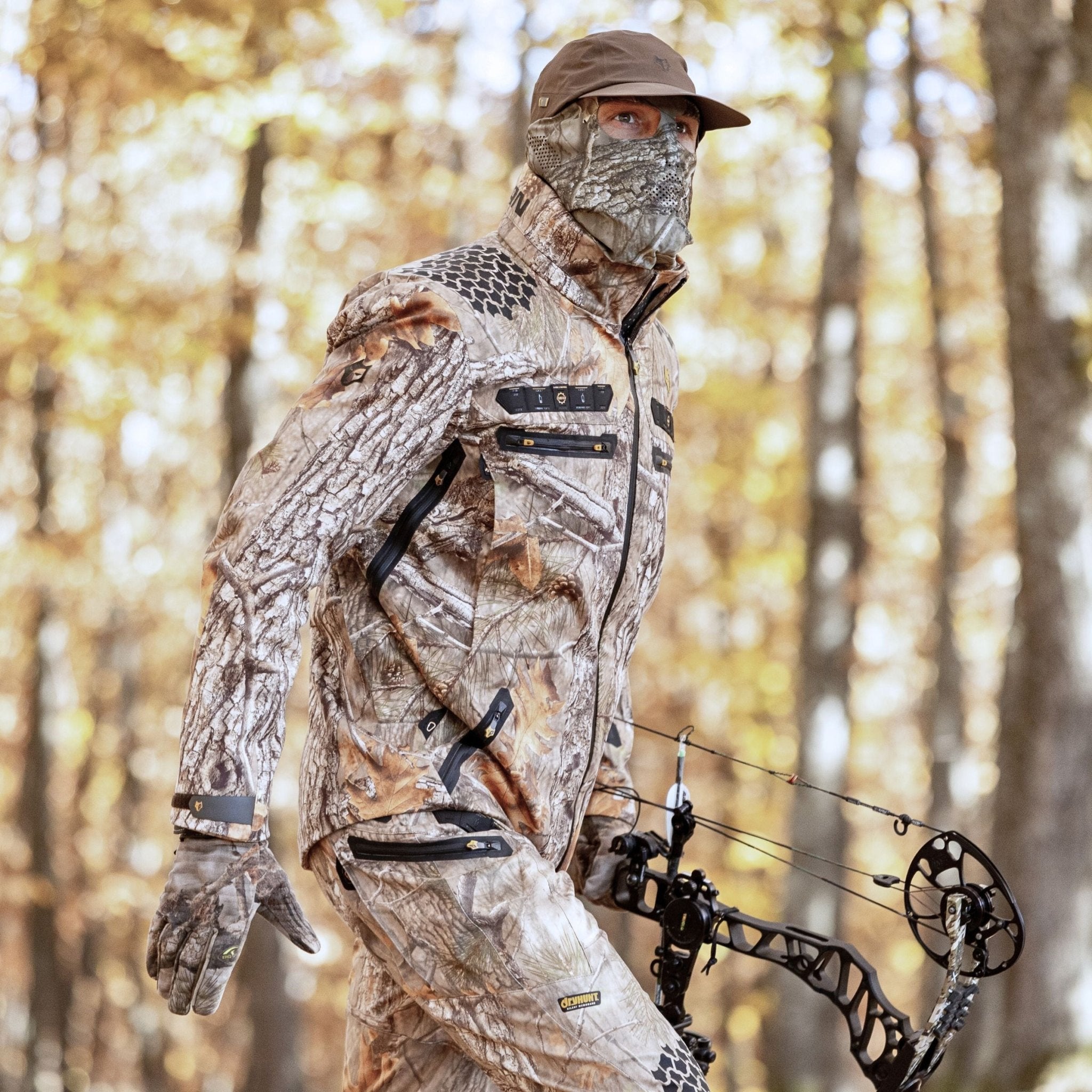
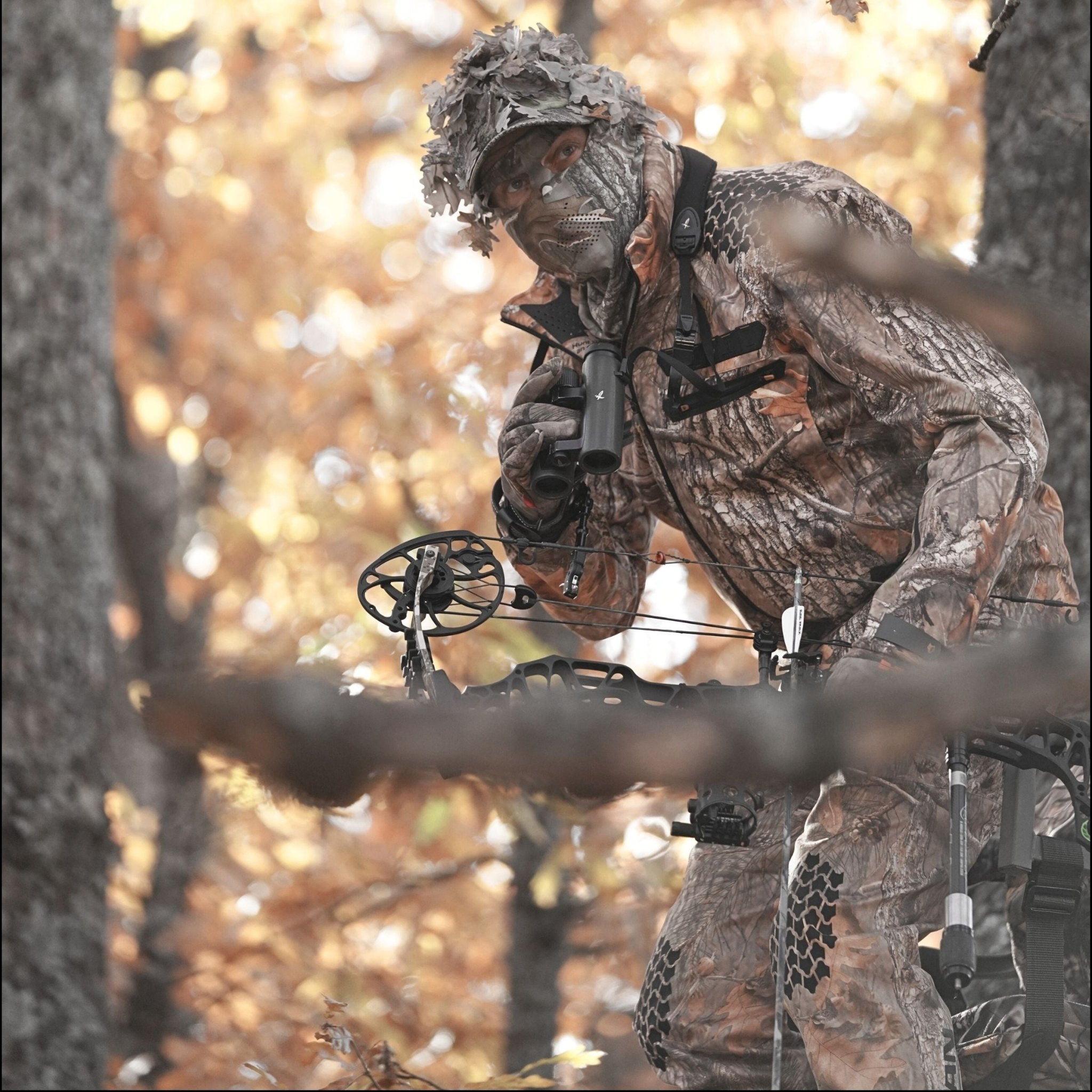
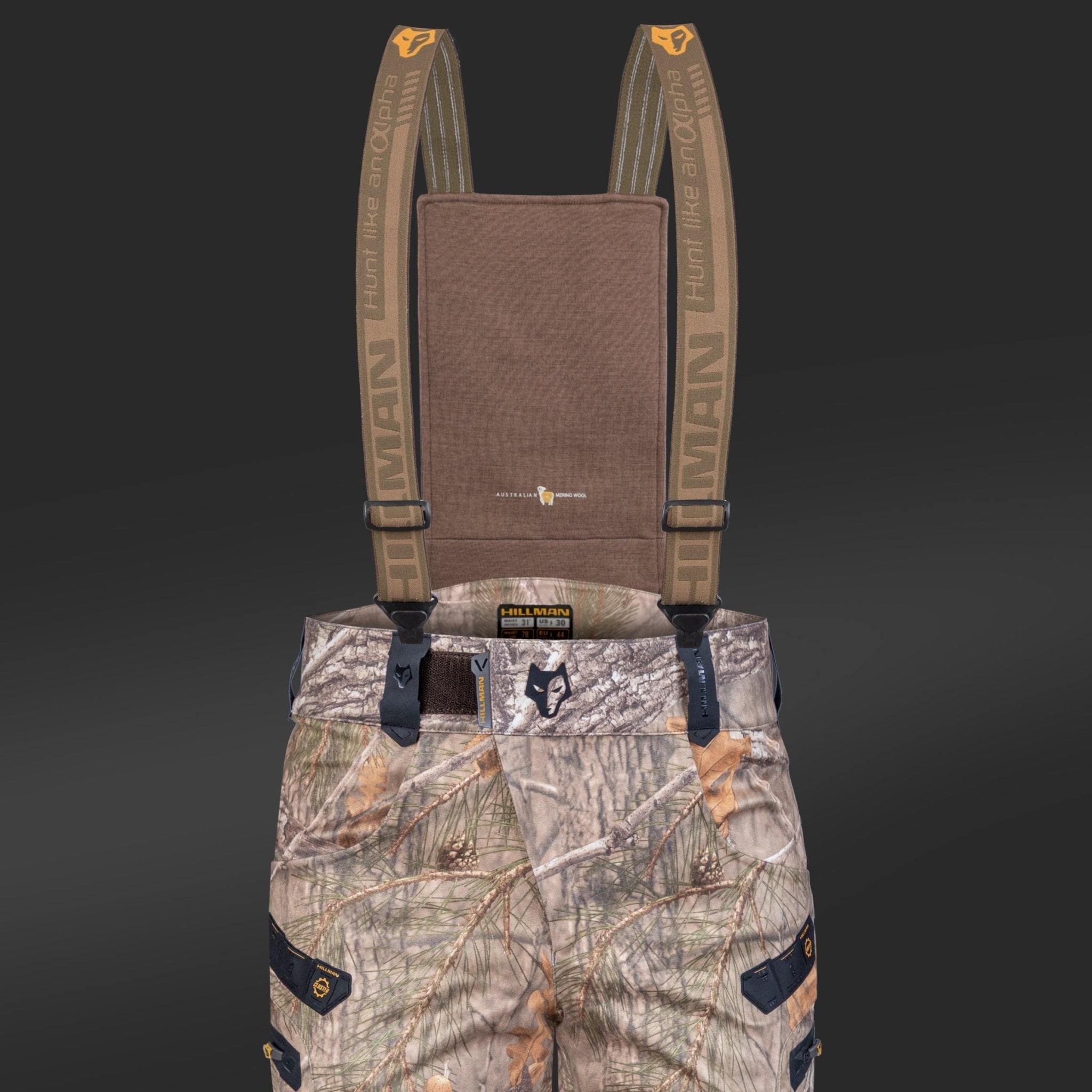
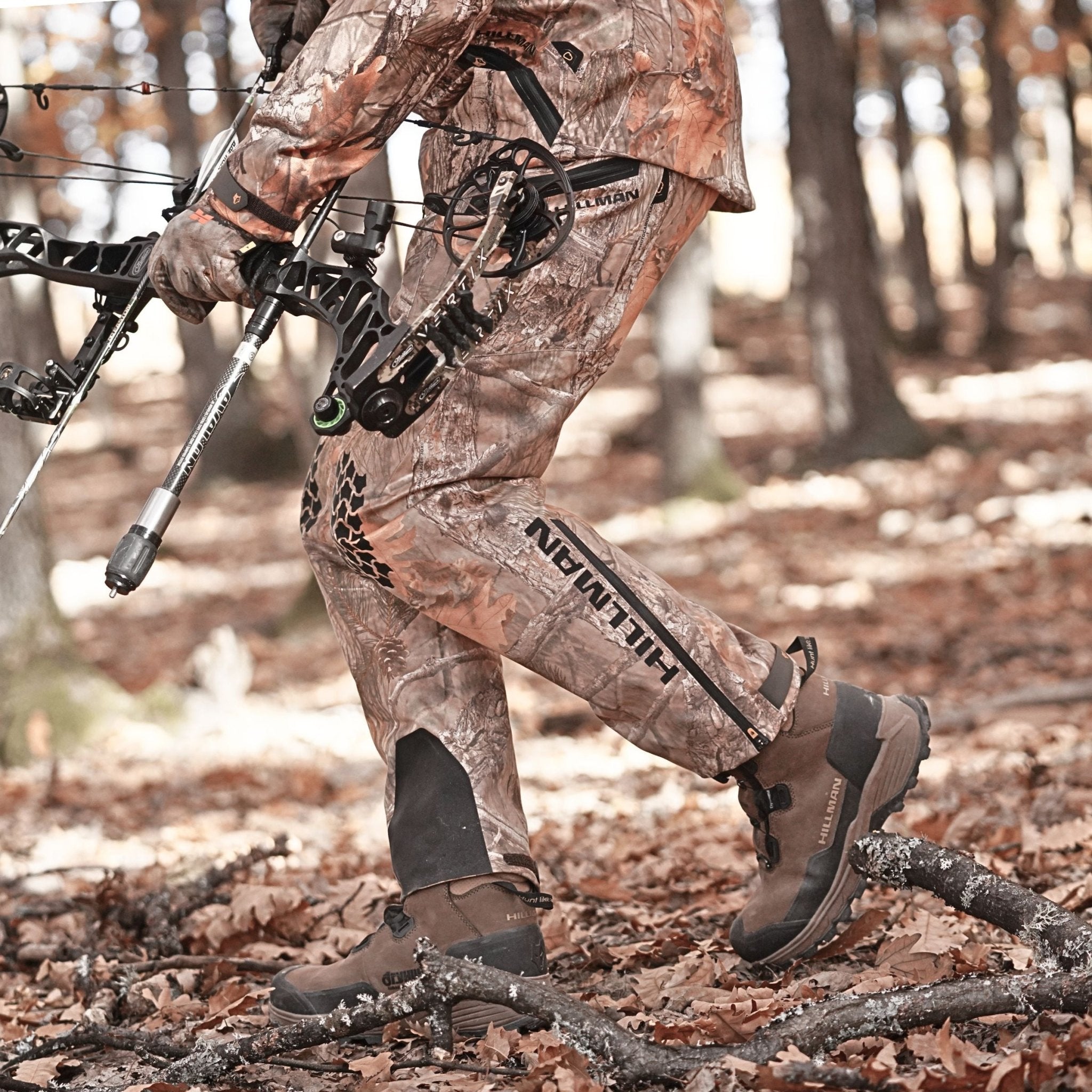
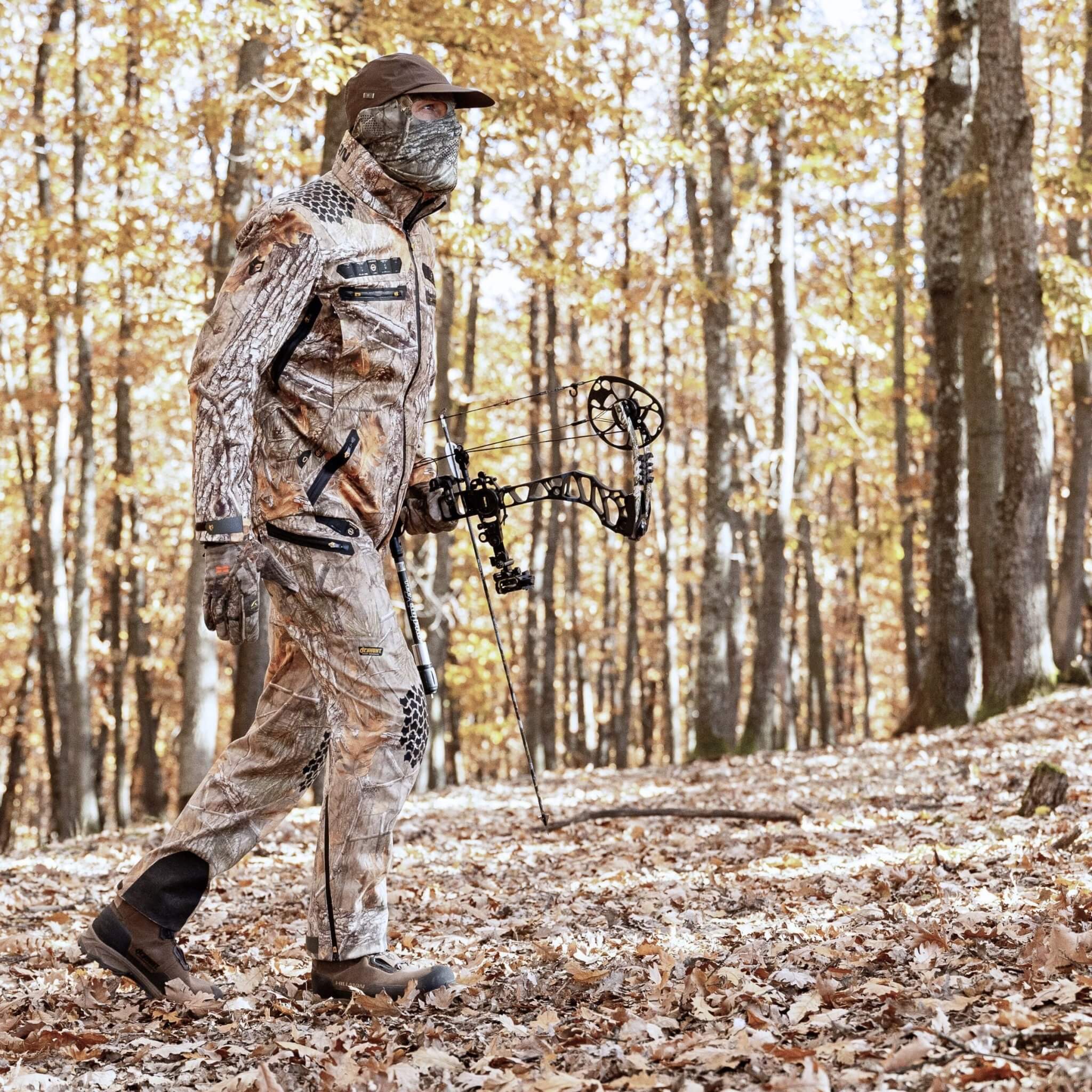
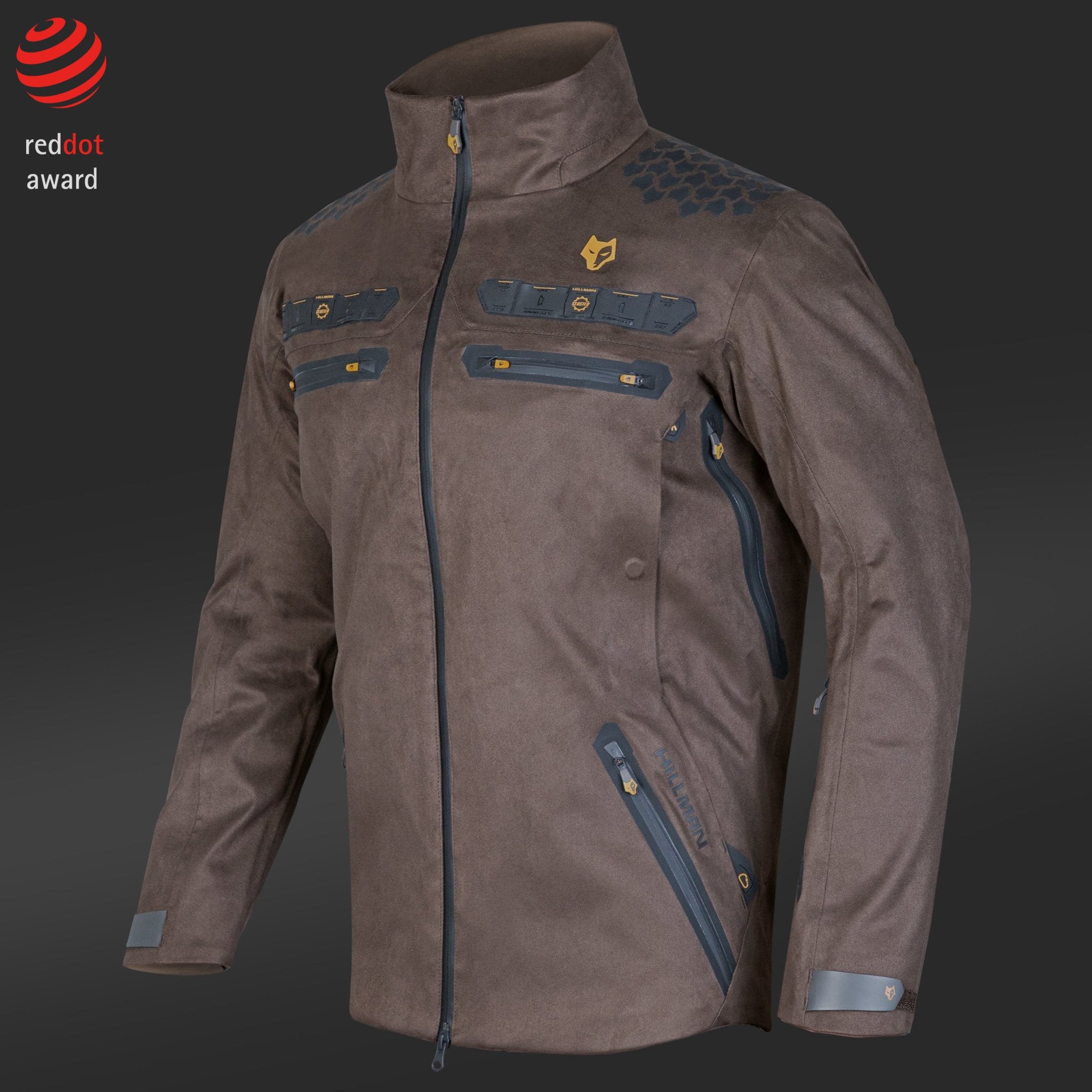
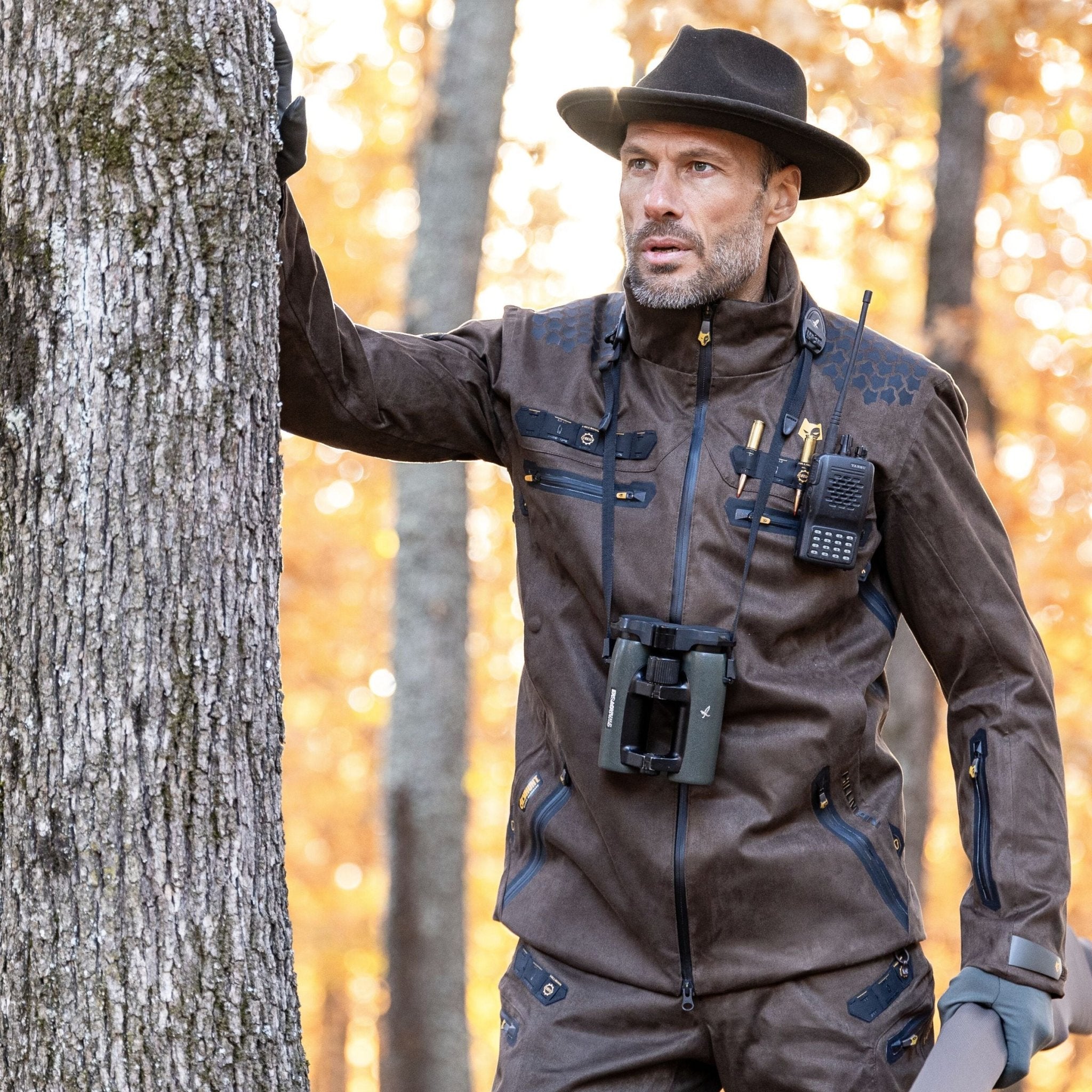
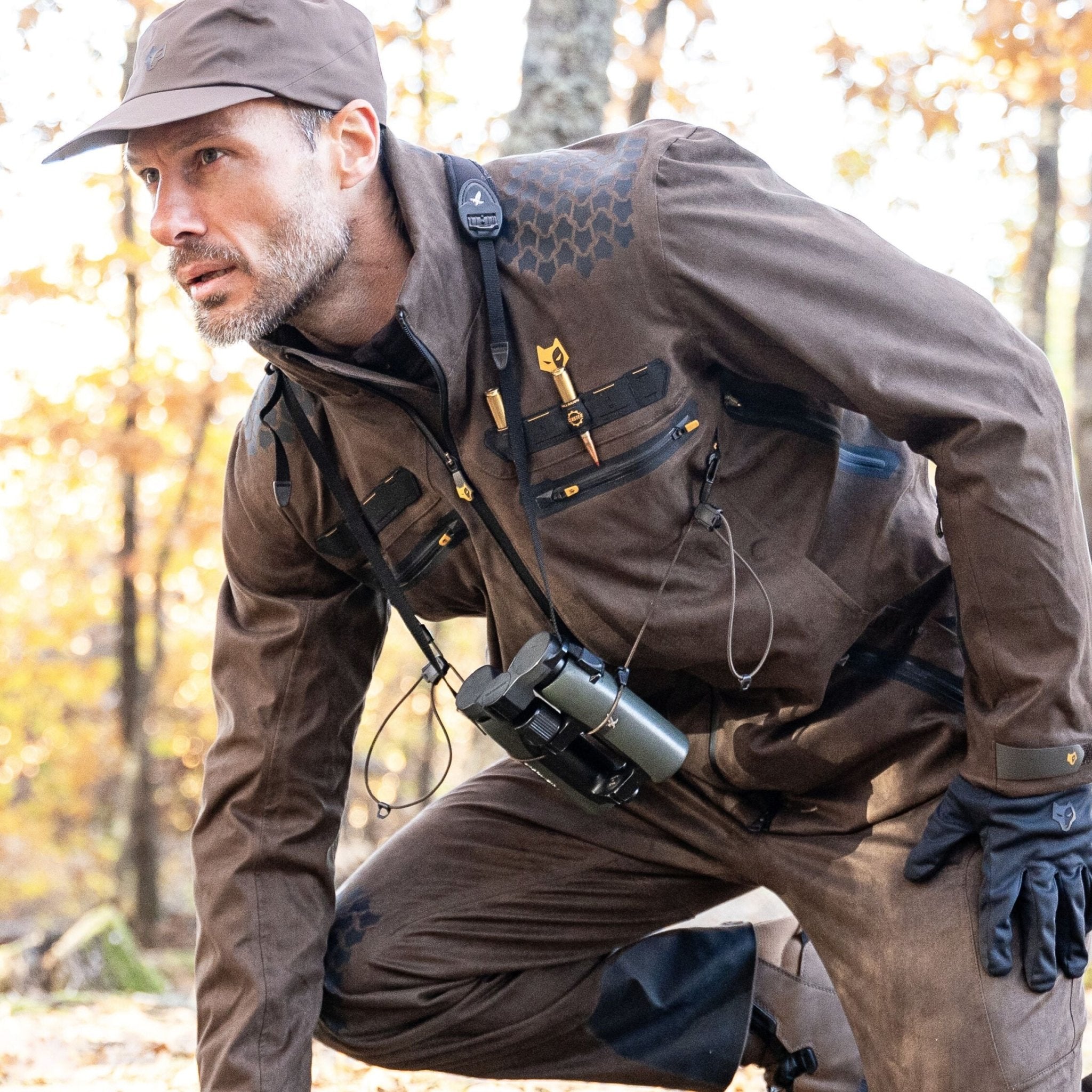
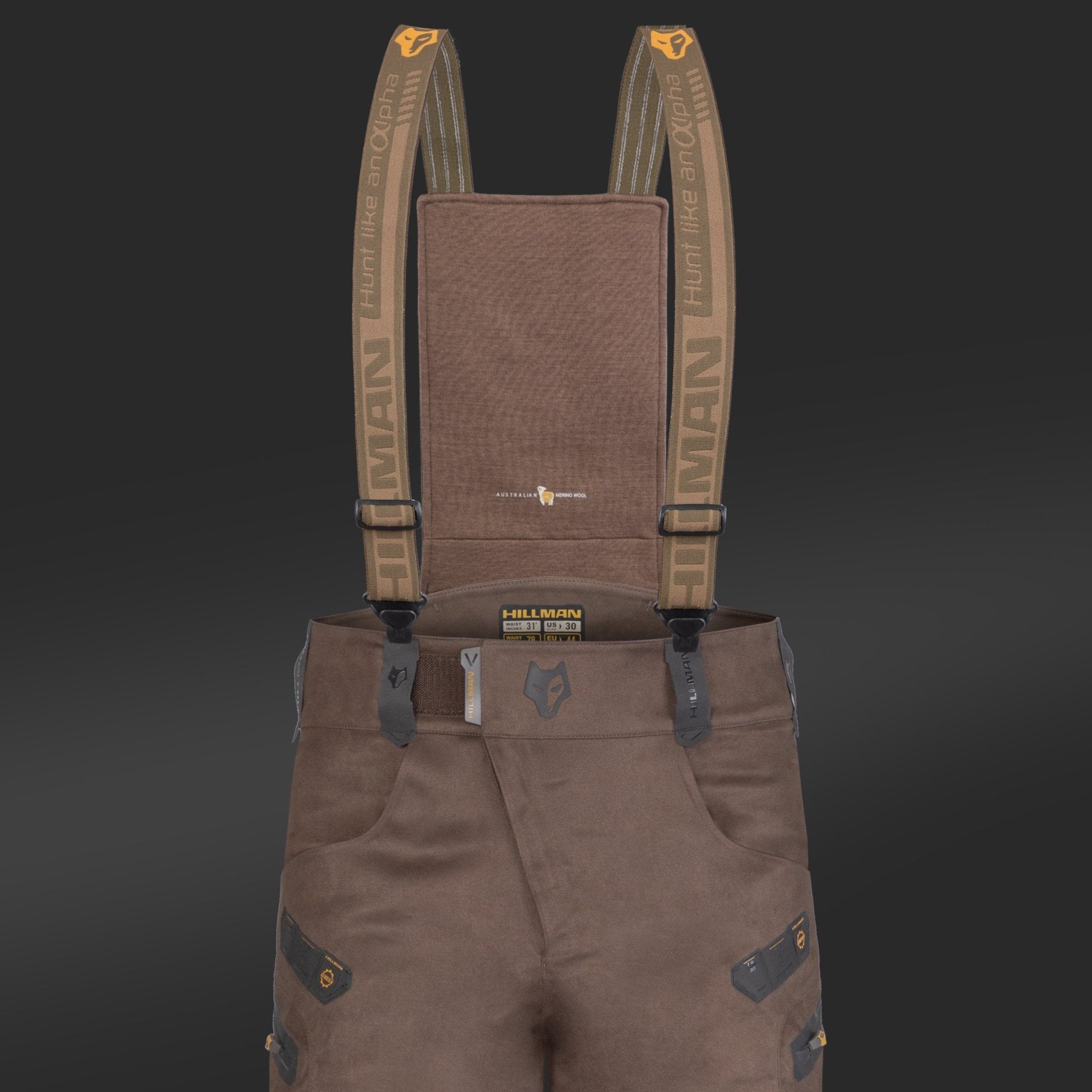
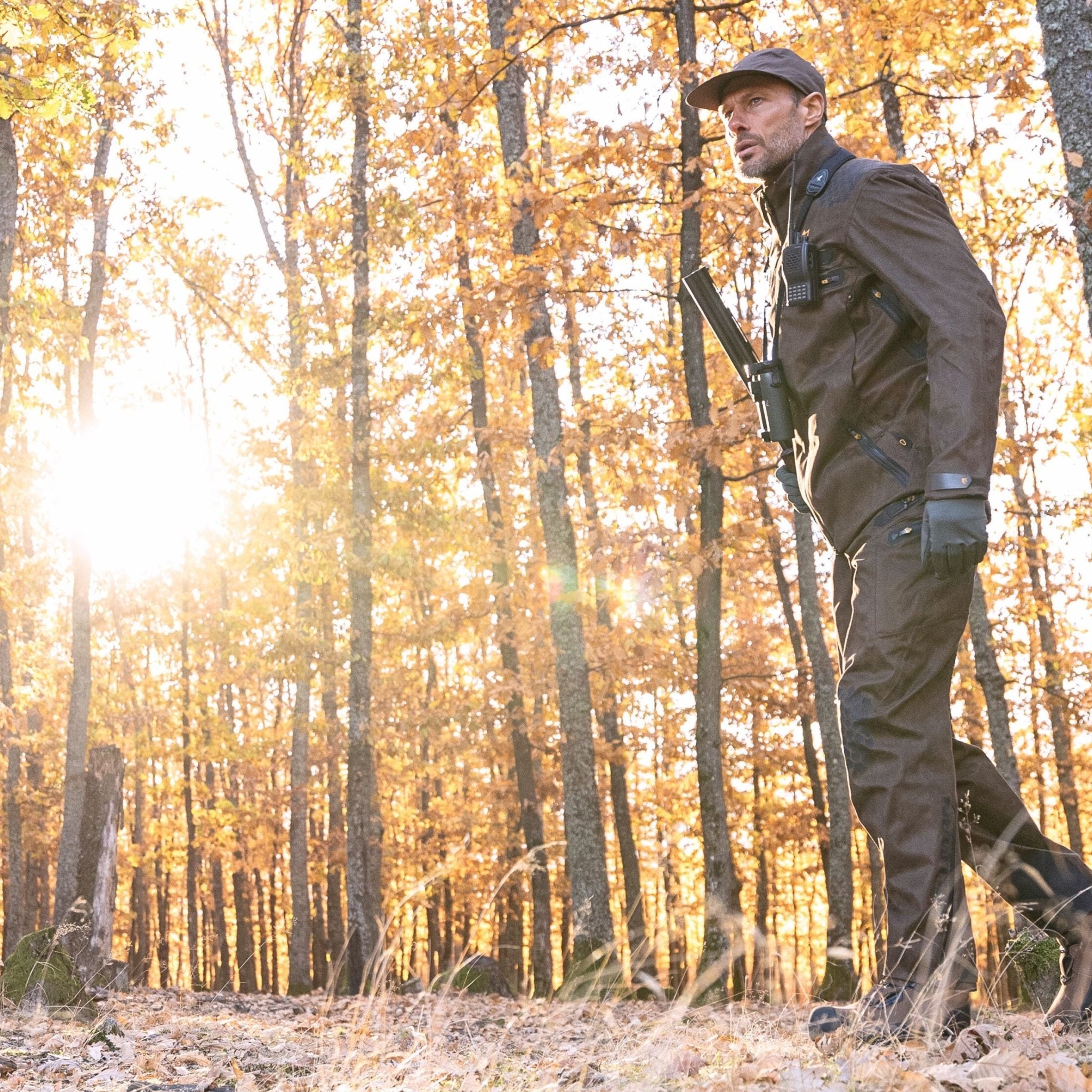
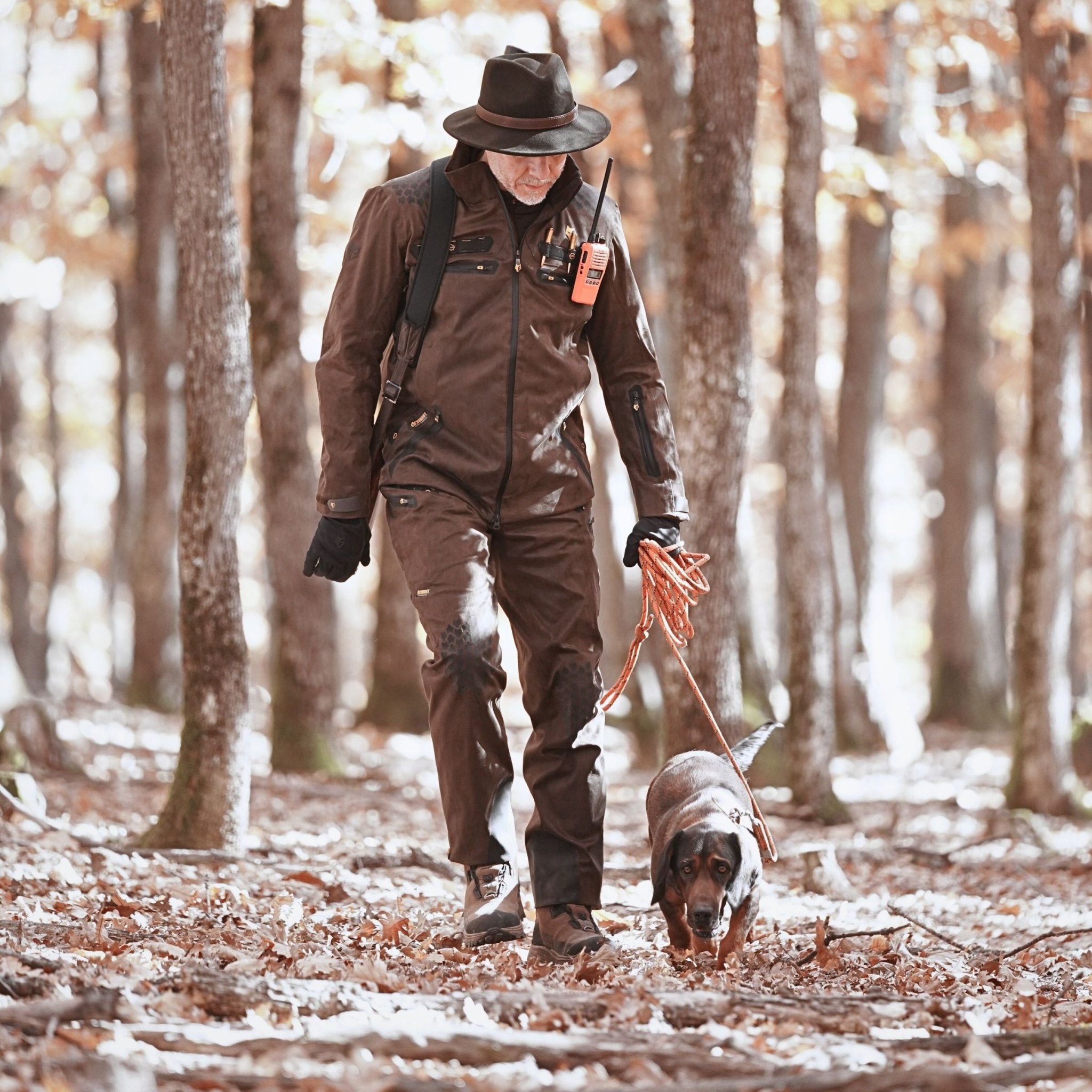
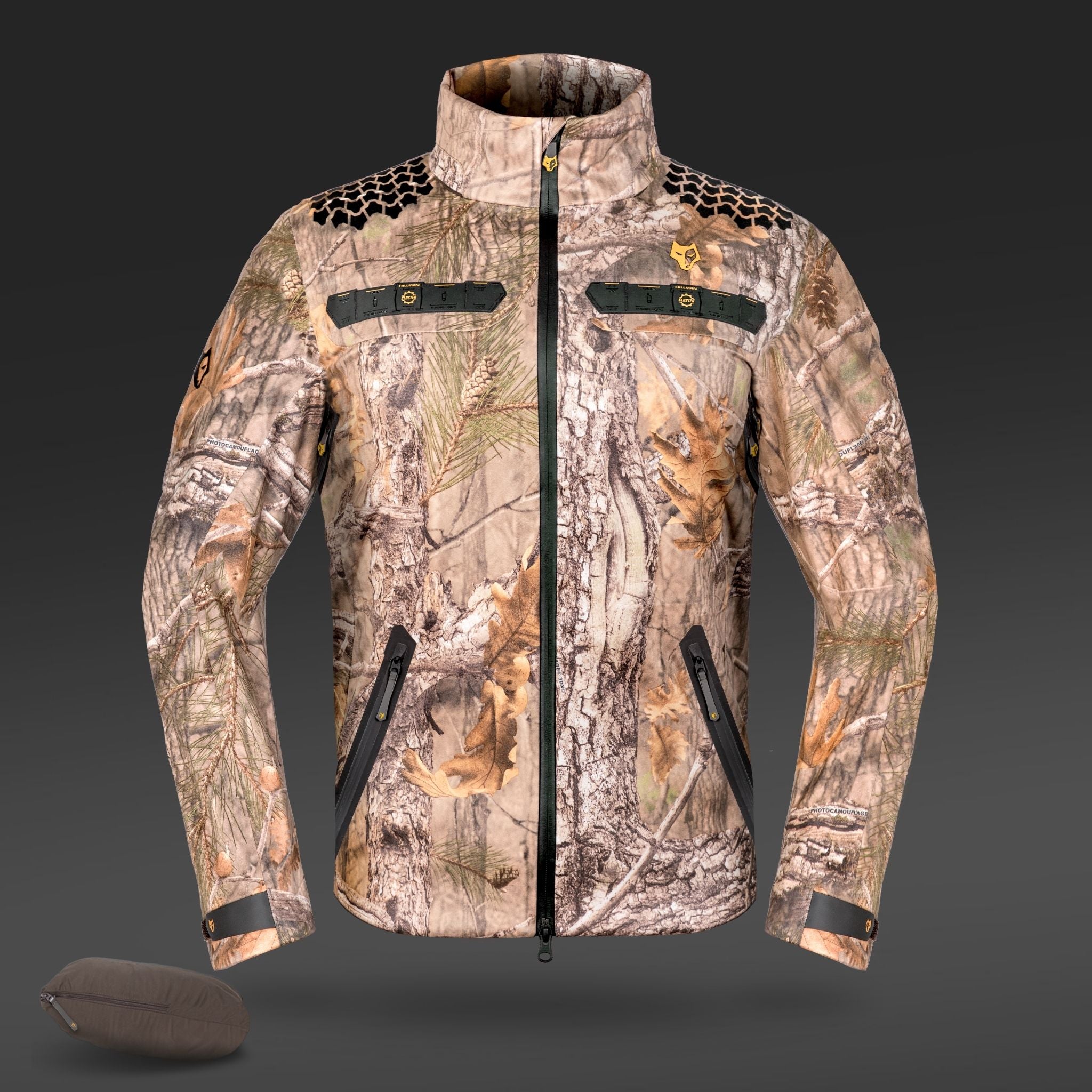
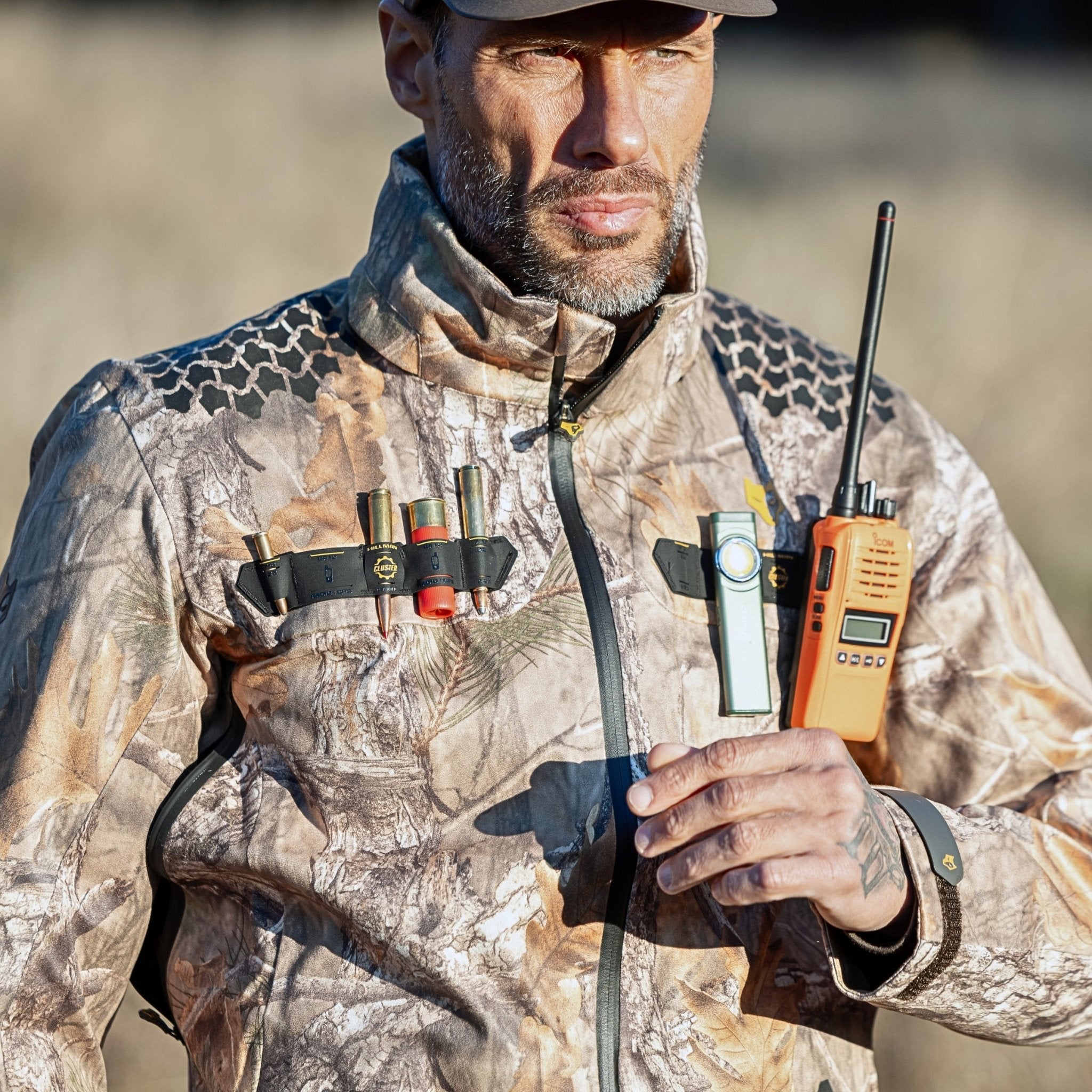
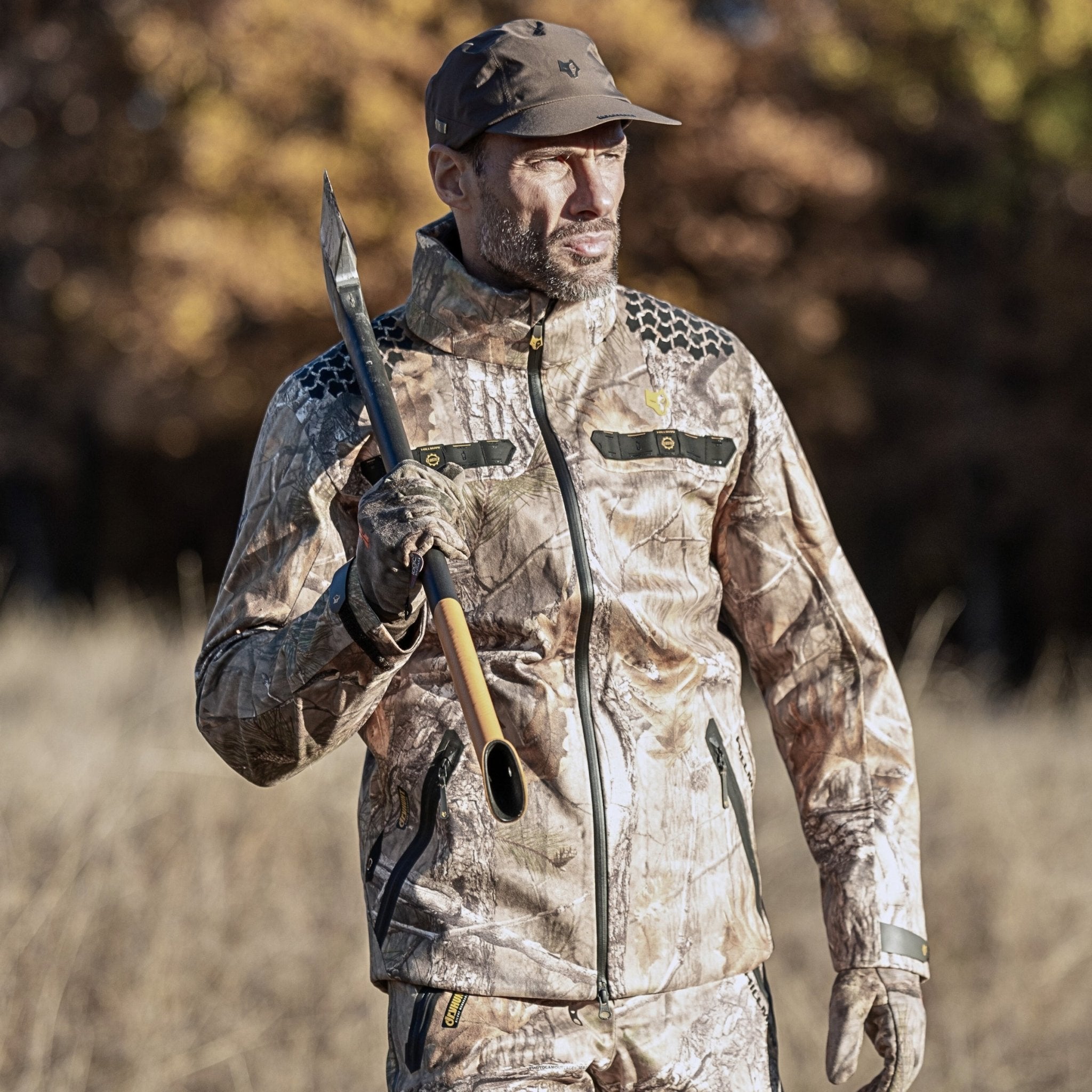
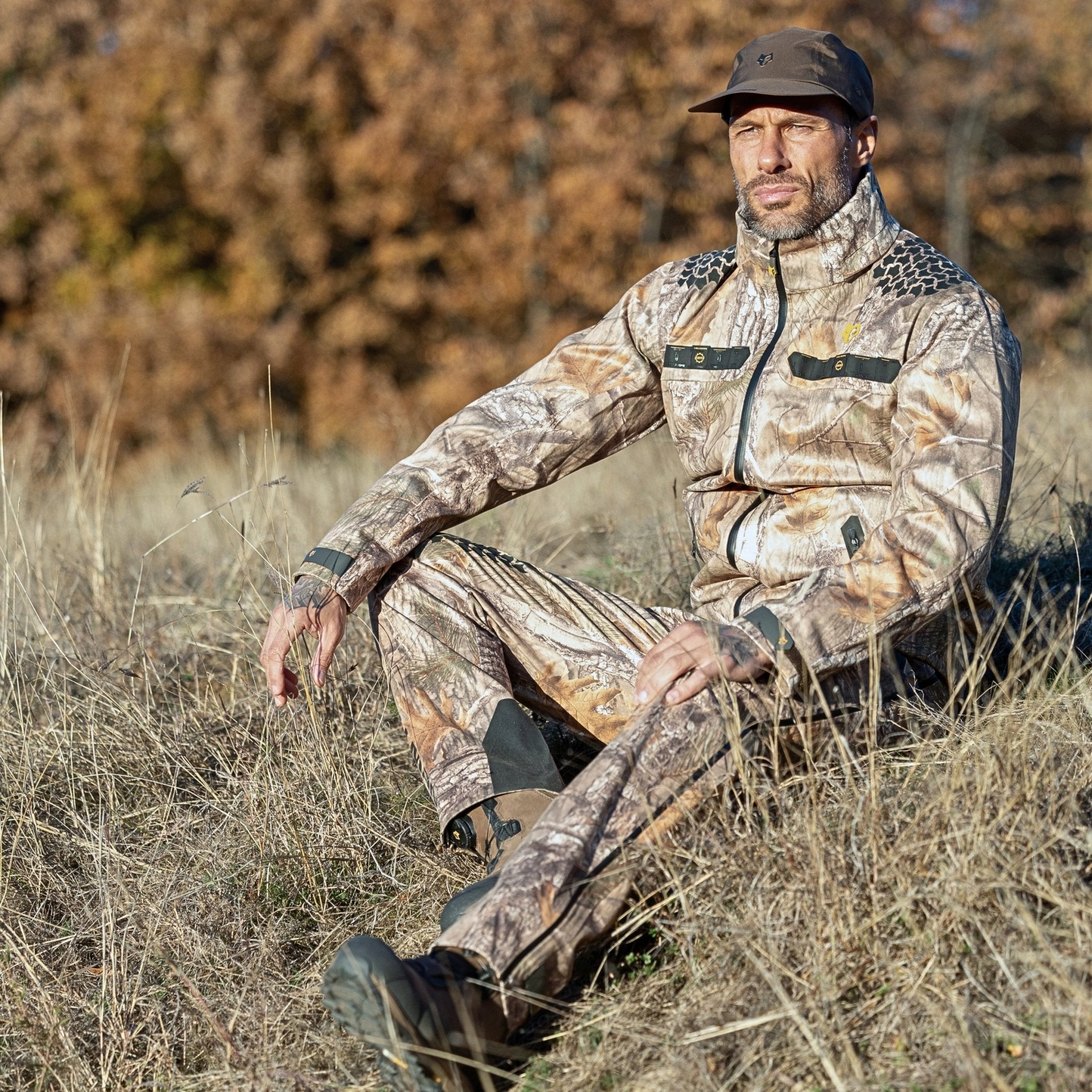
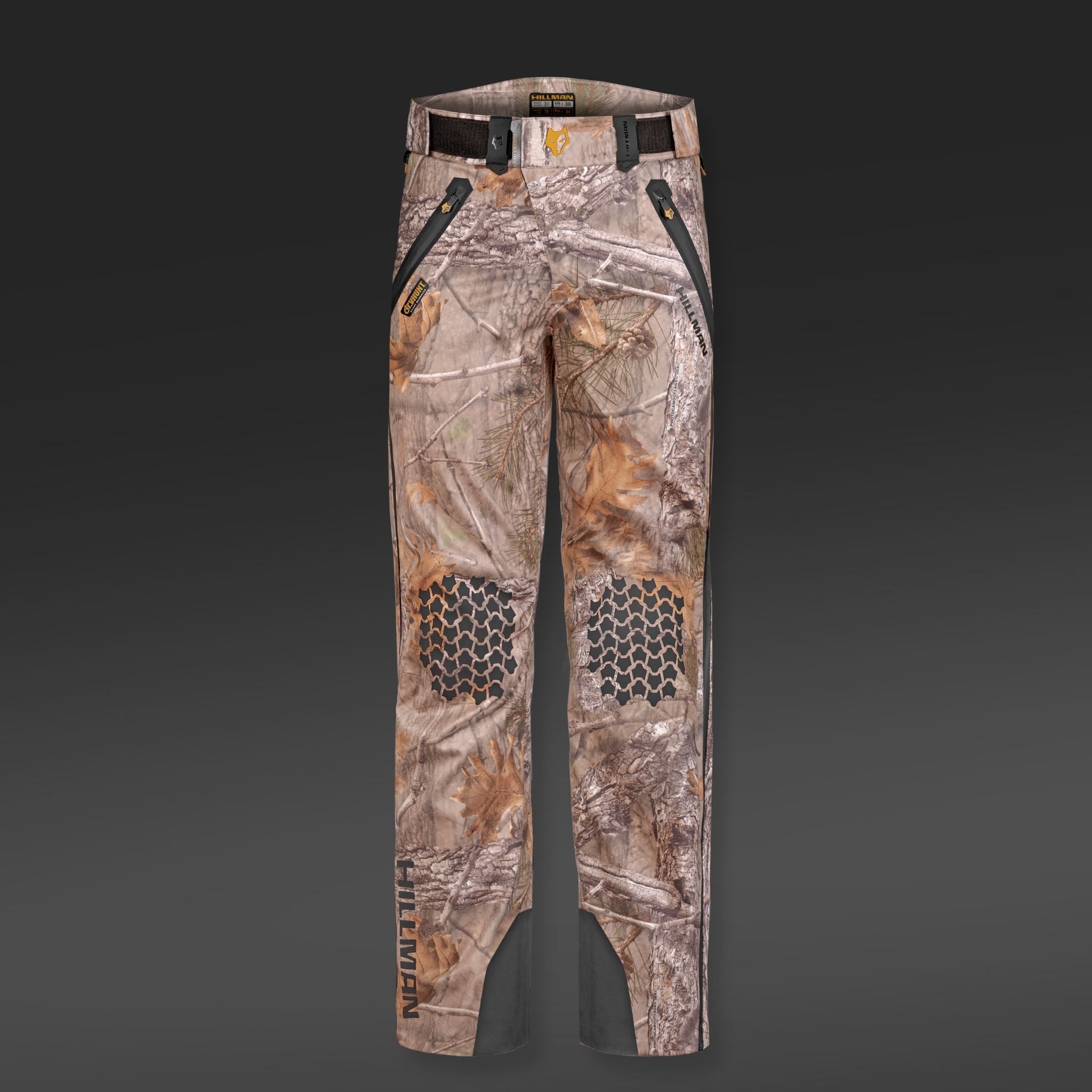
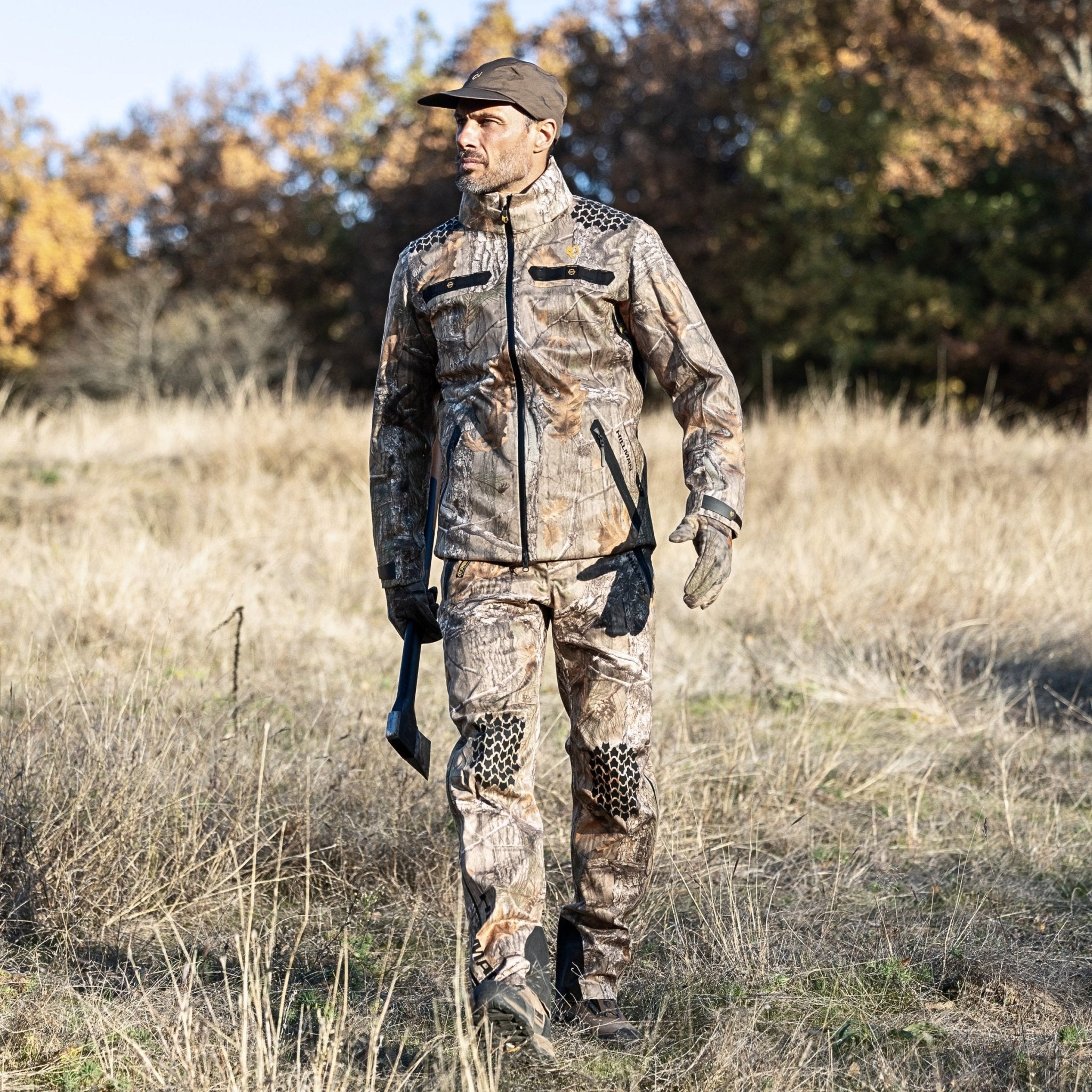
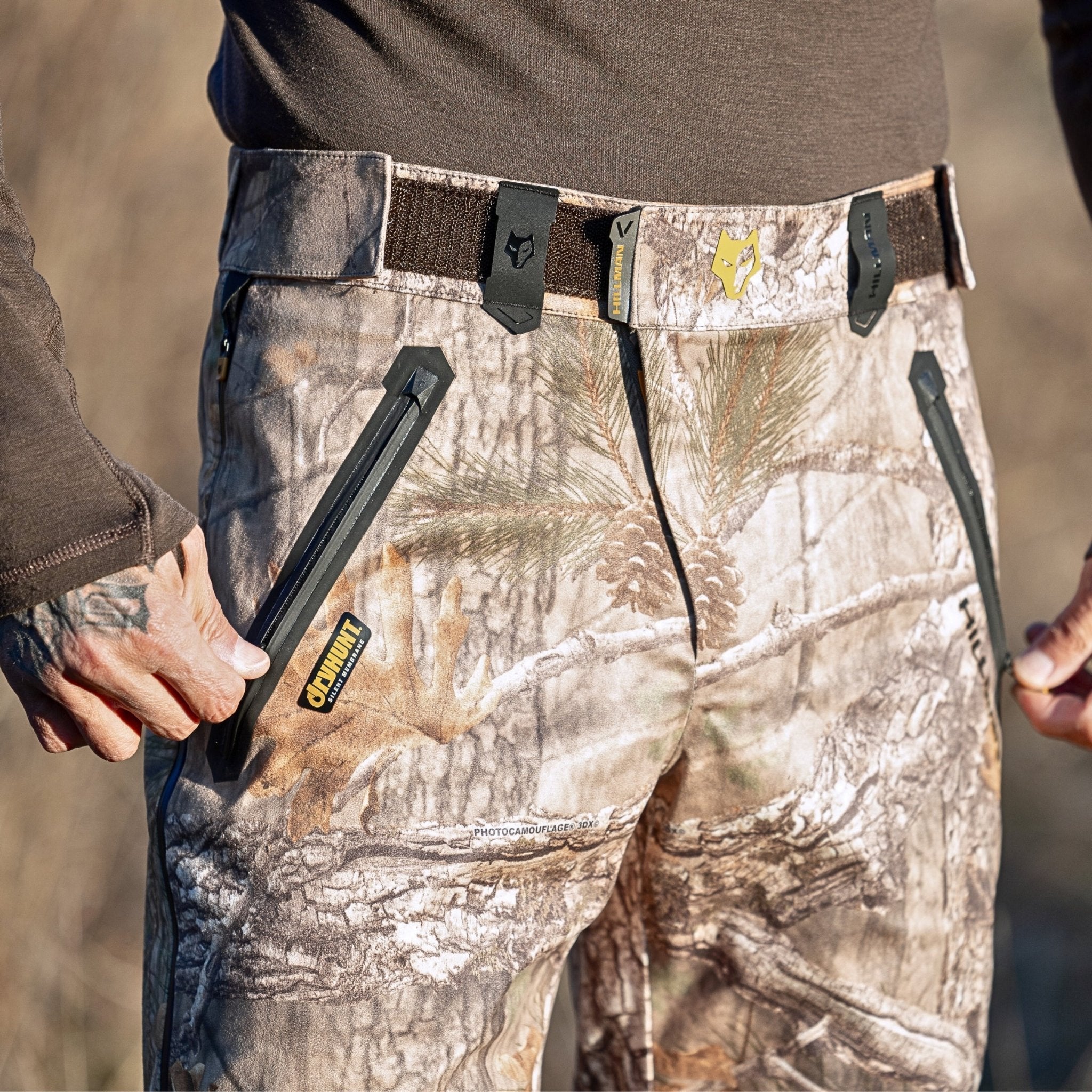
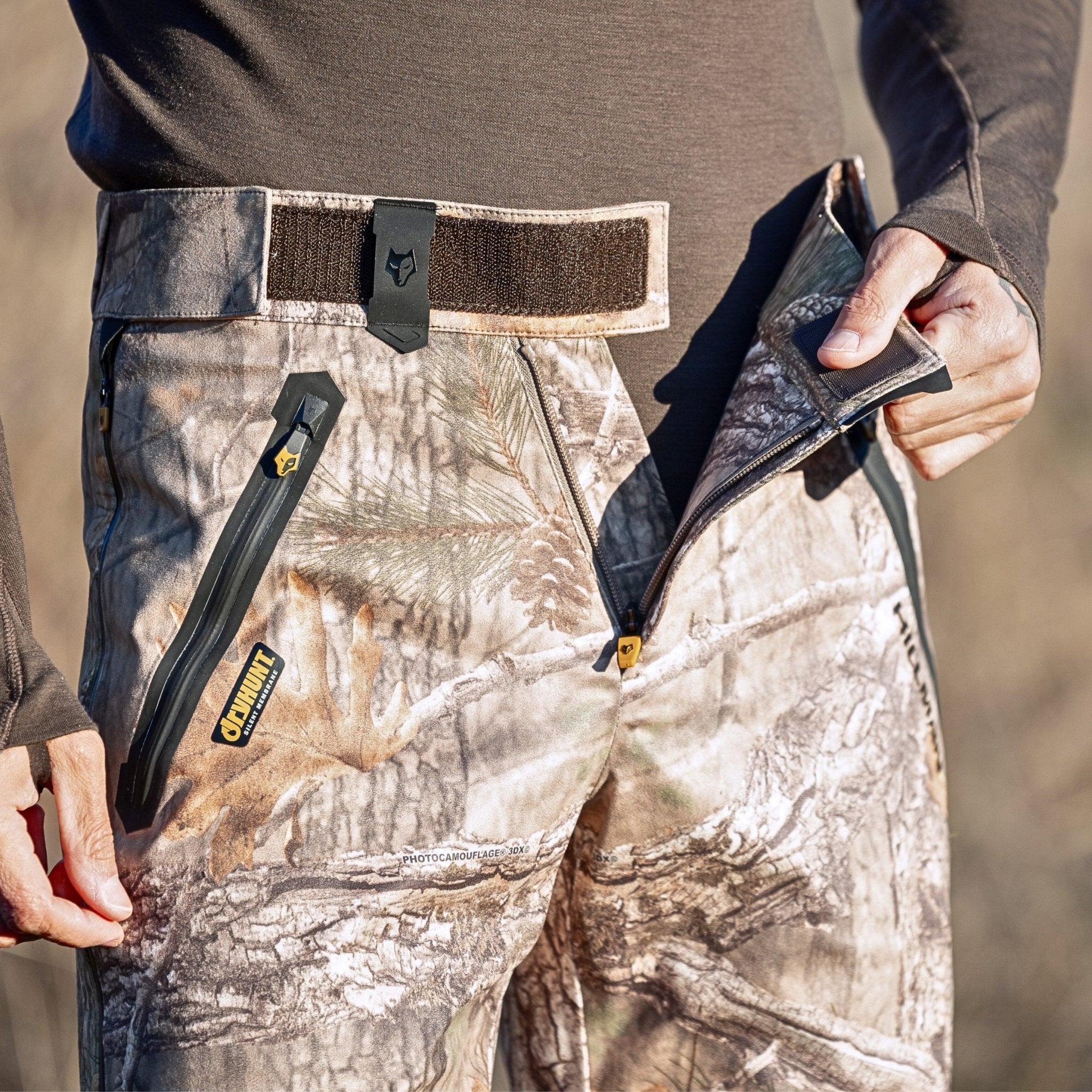
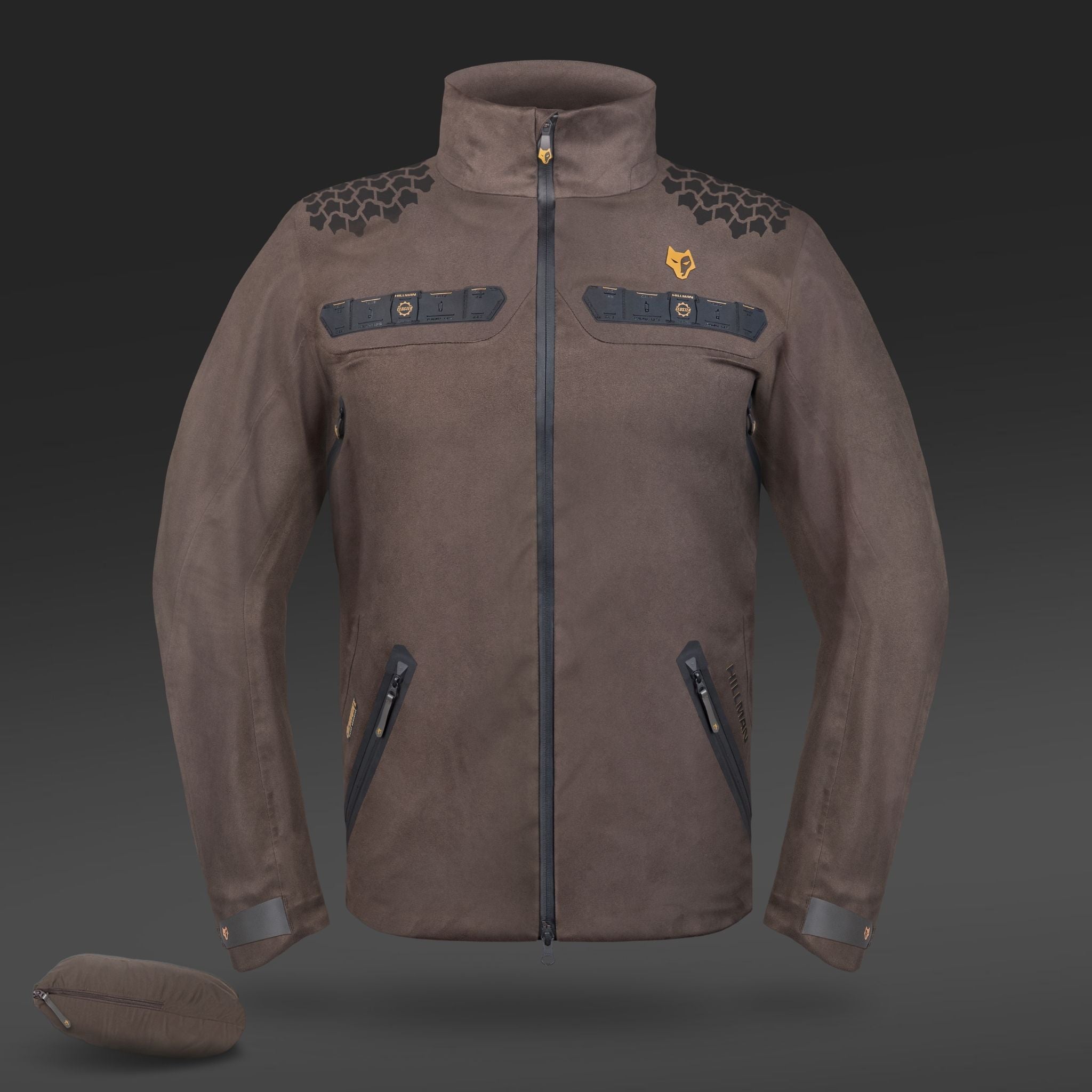
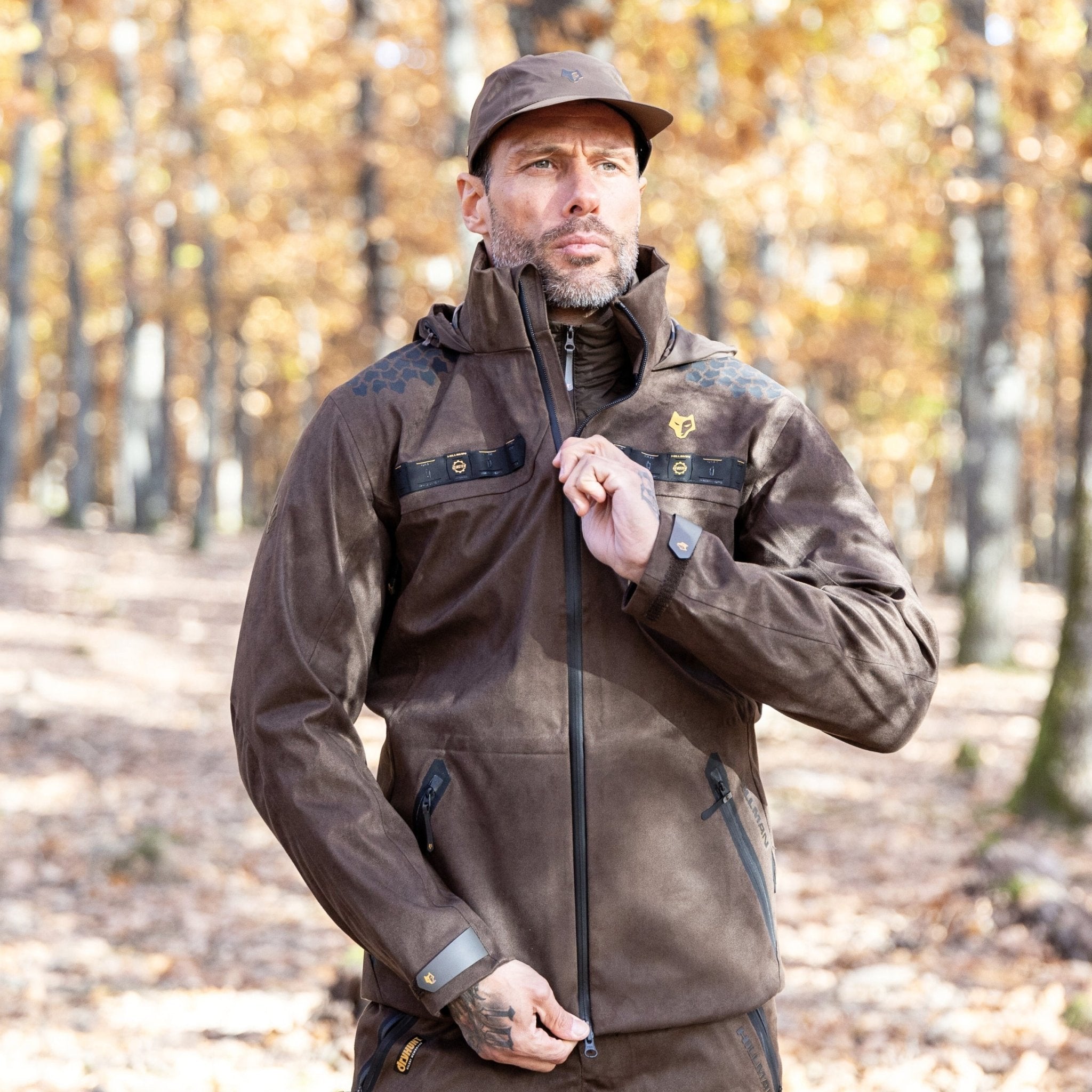
That is where fieldcraft still beats impatience. Quiet clothing. Careful foot placement. Frequent pauses. Constant attention to scent. The discipline to do less when doing less is the smarter play. Hillman kit helps, sure, but only if the person wearing it knows when to stay still.


Share:
How to Read a Woodpigeon Flightline Before You Build the Hide
High Seat Placement Mistakes for Lowland Britain Deer Hunts