
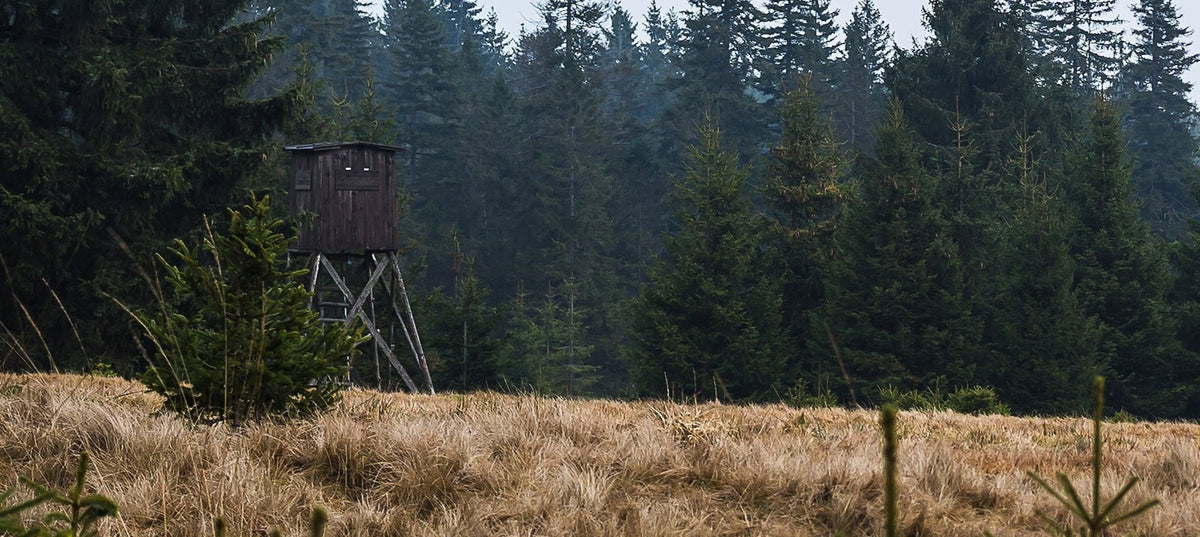
High Seat Placement Mistakes That Cost You Deer in Lowland Britain

Avoid the common high seat errors that ruin deer stalking chances in lowland Britain, from wind and access to safety and shot angles.
Why high seat placement matters more than most stalkers think: A high seat can look right on paper and still fail in the field. That is often the difference between a productive outing and a long, cold wait with nothing to show for it. In lowland Britain, where woodland edges, crops, small blocks of cover, rides, and public access all shape deer movement, high seat placement mistakes that cost you deer in lowland Britain usually come down to a few simple things done badly.
A high seat is not just a seat. It is a fixed position that affects scent, sight, movement, safety, and the shot itself. In deer stalking and deer management, the right spot gives you a clear view, a good backstop, and a stable shooting rail at sensible different ranges. The wrong spot advertises your presence, lets wind carry your scent into the wood, or leaves you sat at a poor angle with no secure rest when the moment comes to shoot deer cleanly.
Lowland ground can make people careless because it looks easy. It rarely is. Fallow and doe groups use edge habitat, crossing points, rides, and cover with real consistency, but they also notice change quickly. Deer are crepuscular animals, so dawn and dusk remain prime periods, yet deer numbers alone do not rescue bad placement. If a seat is visible against the sky, approached through the wrong course, or facing into the sun, even lucky chances tend not to last.
Ignoring Wind and Deer Direction

One of the biggest high seat mistakes in deer stalking is putting the seat where the view feels good rather than where the prevailing wind works in your favour. Proper high seat placement in lowland Britain usually means setting the seat downwind of deer feeding areas or crossing points, with the wind blowing from the deer toward the high seat, not the other way round.
That sounds obvious. In practice, it gets missed all the time. A stalker finds a nice vantage point, likes the distance to the edge of a crop, sees a tidy opening in the trees, and stops thinking. Then the deer come in, lift the head once, catch scent, and melt back into the forest or woodland before a rifle is even properly present on the rail.
Wind direction should guide the location from the start. Pay close attention to the prevailing wind, but also to the way wind behaves around rides, corners of wood, lean-to seats, banks, and open ground. In lowland country, even a slight change in direction around cover can make a serious problem out of a position that looked ideal on a quick check. Deer are highly sensitive to weather, food availability, and human activity, so scent control through smart placement matters far more than people like to admit.
Choosing the Best View Instead of the Right Spot

Many seats are placed for comfort or scenery rather than function. A broad clear view from a high seat feels reassuring, but deer management is not improved by seeing lots of empty ground. You need the right spot, not the prettiest one.
The best location is usually tied to deer movement. That may be a crossing point between woodland and crops, a quiet edge inside a wood, a gap along rides, or a route used during the season as animals move from cover to feed. When selecting a location, find a place with reliable deer traffic, then work backward from safety, angle, and access. Trail cameras can help confirm movement patterns and support better deer management decisions, especially where deer numbers seem good but actual daylight movement is inconsistent.
Lowland Britain rewards precision. A seat twenty yards wrong can be enough to put the shot at an awkward right angle, lose the background, or force movement at the wrong instance. The seat has to relate to where deer actually appear, how they travel, and where they are likely to pause. That is what gives you a stable shooting arc and helps maintain shooting stability when the chance arrives.
Forgetting the Backstop and the Full Safety Picture

Safety should always be your top priority when using a high seat, not only for yourself but for everyone around you. Yet this is where bad habits creep in. Some people think that height solves safety. It does not. A high seat without a good backstop is still a bad position.
A safe backstop should be ensured behind the shooting zone so bullets stop safely. It is vital that the seat is not facing buildings, roads, livestock, or areas of public access. In lowland Britain that matters enormously because woods, fields, footpaths, farm tracks, and neighbouring ground often sit much closer together than they appear at first glance.
This is why a shot must be judged as carefully as the deer itself. The ground, angle, background, distance, and line of fire all matter. A clear view is useful only if the background is safe. If branches force you to wait for an animal to step into a gap with no proper backstop behind it, the seat is badly placed or the shot should not be taken. Deer stalking always starts with safety, and cleanly taking deer depends on setting things up so the decision is simple when the time comes.
Poor Access That Educates Deer Before You Even Sit Down

A high seat can be perfectly placed for the shot and still fail because the route in is wrong. Quiet access routes should be planned so you do not disturb known deer paths during approach. Too many stalkers walk straight through the very ground they expect deer to use later, then wonder why the wood feels dead.
Movement on approach matters. Noise matters. The pattern of your entry matters. If deer cross a ride ten minutes before you climb in, the job is already harder. The mistake is common with portable and semi-portable seats because they tempt people to think flexibility solves everything. It does not. Portable high seats and self-climbing high seats can be excellent tools in deer management, especially where you need to adapt quickly, but their advantages disappear if they are set on the wrong course or used without enough preparation.
Sometimes the answer is to wait a few days after moving a seat. Giving deer time to acclimatize to new seating often improves results. In places with regular stalking pressure, a freshly placed seat can stand out more than people realise, especially if it changes the look of the edge or leaves fresh disturbance on the ground.
Sitting on the Skyline and Letting the Sun Work Against You

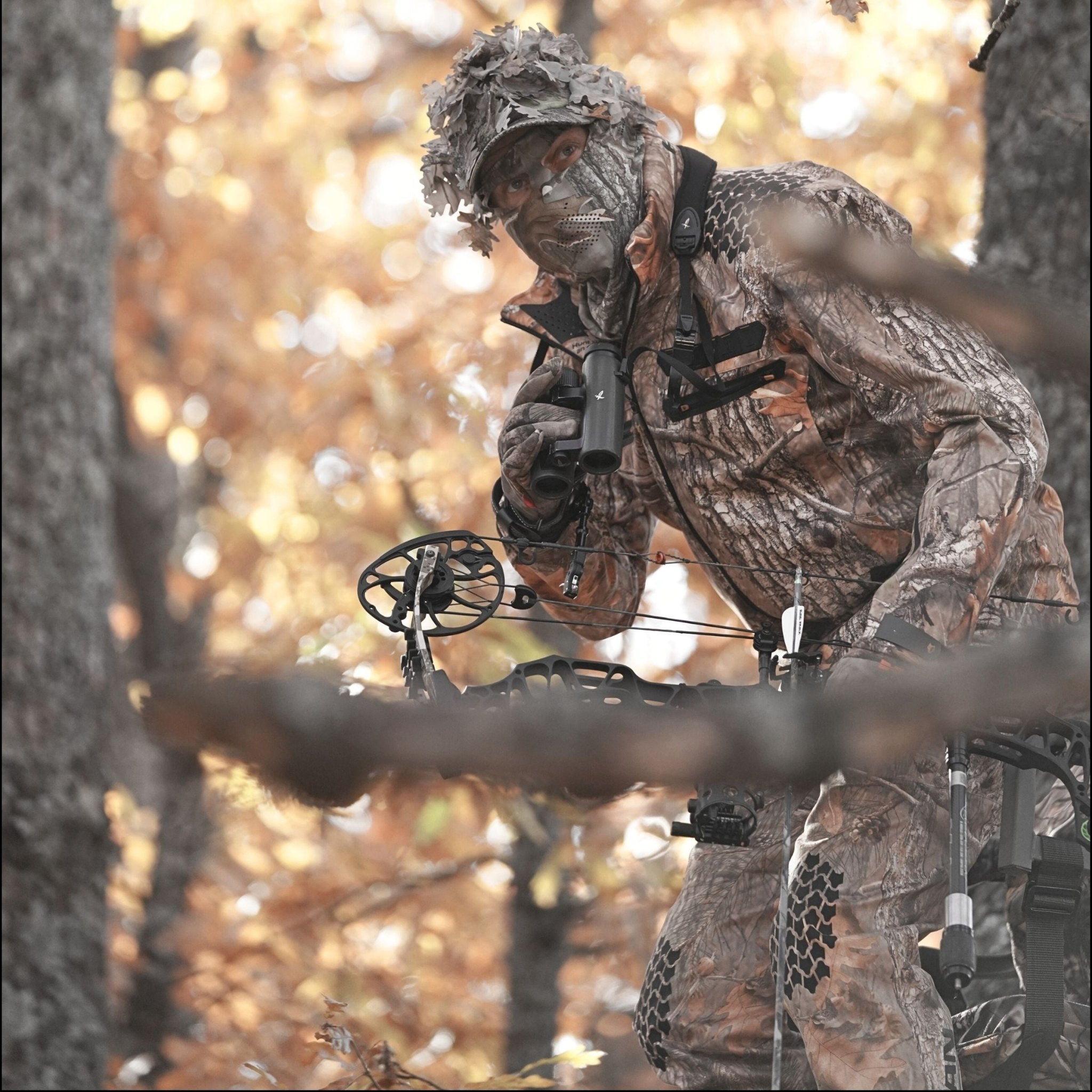
A seat on a skyline is highly visible to deer. In lowland terrain, that mistake is even more obvious because the background is often open sky rather than broken hillside. If the seat, head, rifle, or upper body is outlined against light, deer pick it up fast. Using vegetation or trees as a backdrop breaks up the silhouette and reduces visibility.
Sun angle is another thing people leave until too late. Optimising sun angles by avoiding direct east or west orientation helps prevent glare at dawn or dusk. Deer are most active in those low-light windows, so being blinded by the sun at exactly the point when animals appear is a self-inflicted error. You want enough sight into the area without having light in your face or across the scope.
In practical terms, that means close attention to where the sun rises and drops through the season. A seat that works in summer can be poor later on. An otherwise solid high seat can become frustrating simply because glare, shadow, and background contrast change.
Bad Shooting Angles and Weak Stability

When a deer does appear, the shot needs to feel natural, not forced. Maintaining shooting stability involves positioning the seat relative to movement paths and anticipated shooting angles. The ideal angle for a high seat is usually a comfortable arc of about 90 degrees. That gives support, balance, and a predictable line to the shooting rail without twisting.
A common mistake is putting the seat too square to expected deer movement or too tight into cover. Then the stalker has to turn awkwardly, lean off the rest, or rush the shot at different ranges. Another problem is setting the rail too low, too high, or too far forward, which makes the rest unstable just when it is needed most.
Before the season starts, sit in the seat with the rifle unloaded and make a quick check. Look at the right angle to the expected line of movement. Test the rail. See what happens if a deer appears at the near point, midway out, or farther off. Make sure branches have been removed where they obstruct the line of sight. You do not need a huge lane cut through the wood, but you do need a clear view to the likely shot area.
Poor Maintenance and Unsafe Climbing Habits

Some high seat failures start long before a deer appears. Regularly check the structure for damage or instability, especially if it is permanent. Annual inspection of materials matters because wood rot, rust, loose bolts, and weak joints turn into danger quietly. A seat can look sound from the ground and still be unsafe once weight is on it.
If the seat is attached to a tree, it should be secure and fixed with a properly rated strap. A sturdy tree and a strap rated for 3 to 5 tonnes is not overkill. It is basic sense. Portable, permanent, and self-climbing options all have their place, but every type has to be maintained.
Climbing with a chambered round is unsafe. Keep the rifle unloaded while you climb, and maintain three points of contact when ascending or descending the ladder. Anti-slip measures such as chicken wire or anti-slip tape on steps help in wet weather, frost, or mud. That matters more than ever during a cold morning when boots are slick and concentration slips. Safety is not a separate issue from deer stalking. It is part of the whole practice.
Not Matching the High Seat Type to the Ground
High seats are not one thing. Permanent seats suit repeated deer management jobs on known ground. Semi-portable options give some flexibility without starting from scratch every time. Portable and self-climbing seats can work well when deer movement shifts or when you need a lighter setup in a different wood.
But the type has to match the land and the job. A permanent seat can be ideal near reliable fallow movement, while a portable setup may suit a temporary pattern around crops or a woodland edge. Lean-to seats sometimes fit narrow places well, though they still need the same thinking on wind, background, and shooting angle.
Lowland Britain often rewards modest height rather than extreme height. Effective height depends on terrain, deer sensitivity to visibility, and scent flow. Go too high and you may skyline yourself or create a strange angle on the shot. Go too low and cover blocks the view. The point is not height for its own sake. It is placing the seat where the advantages actually help.
Treating Deer as Predictable Instead of Responsive

The final mistake is assuming deer will keep doing what they did last week. Deer numbers, food, weather conditions, public access, dog walkers, forestry work, and pressure from stalking all change movement. During the rut, a buck may move very differently. Outside it, doe groups can shift feeding times and routes almost overnight. Deer are animals, not targets on a map.
That means high seat placement should be reviewed, not worshipped. An example many stalkers know well is the seat that worked brilliantly one season and then went quiet. Usually the problem is not that deer vanished. It is that the position stopped matching conditions. Perhaps the wind now drifts differently because of a clearfell edge. Perhaps branches grew back. Perhaps public access increased. Perhaps a seat became too familiar.
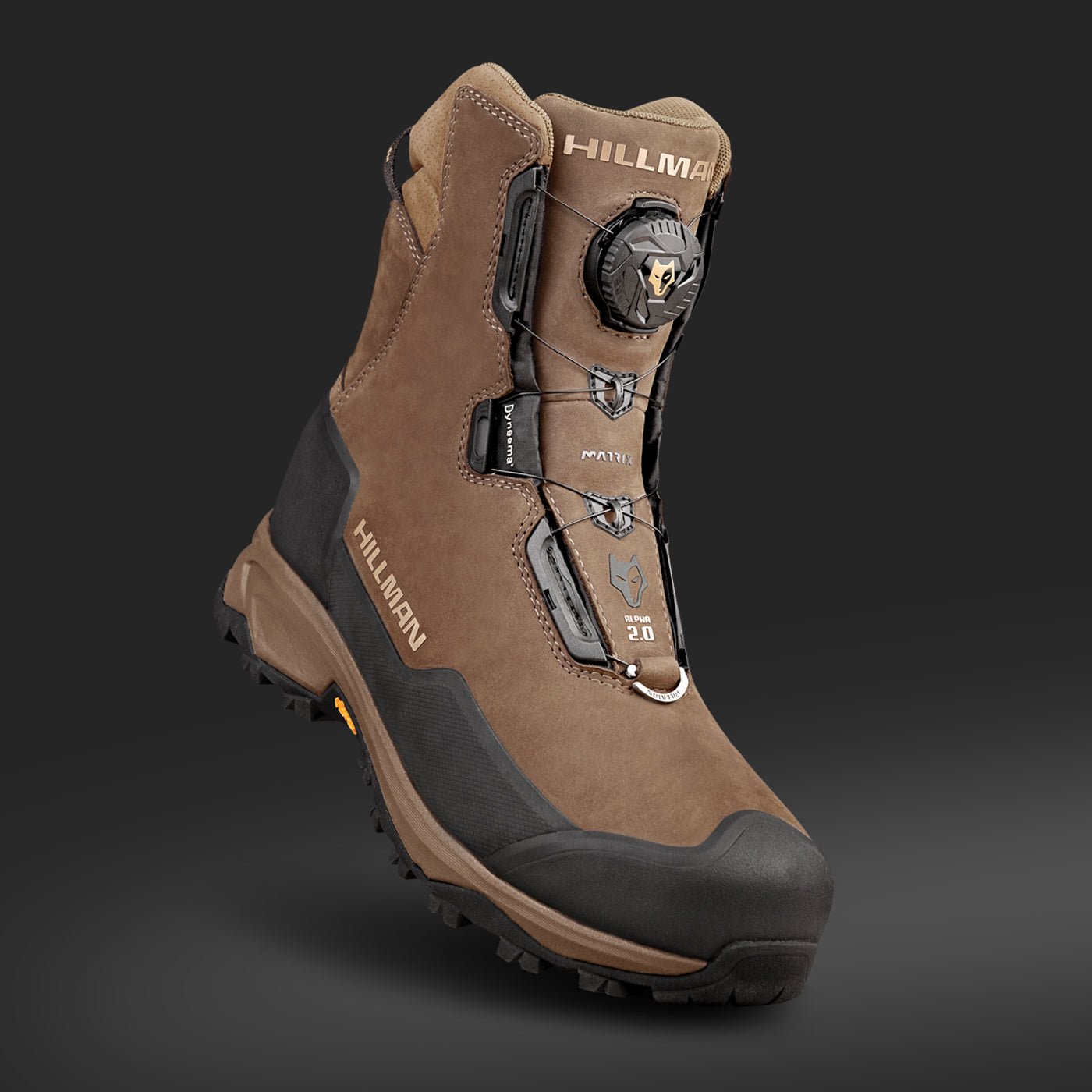
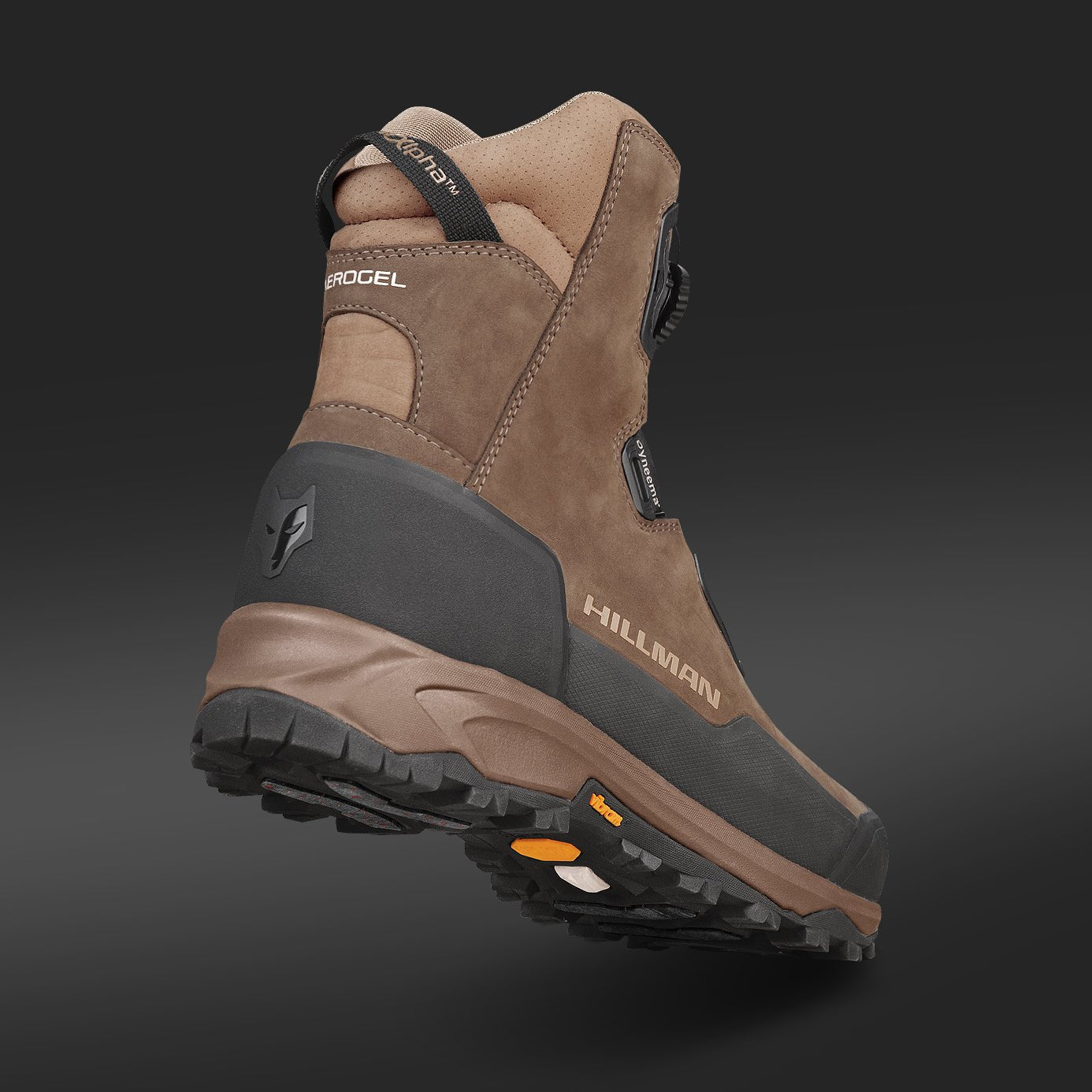
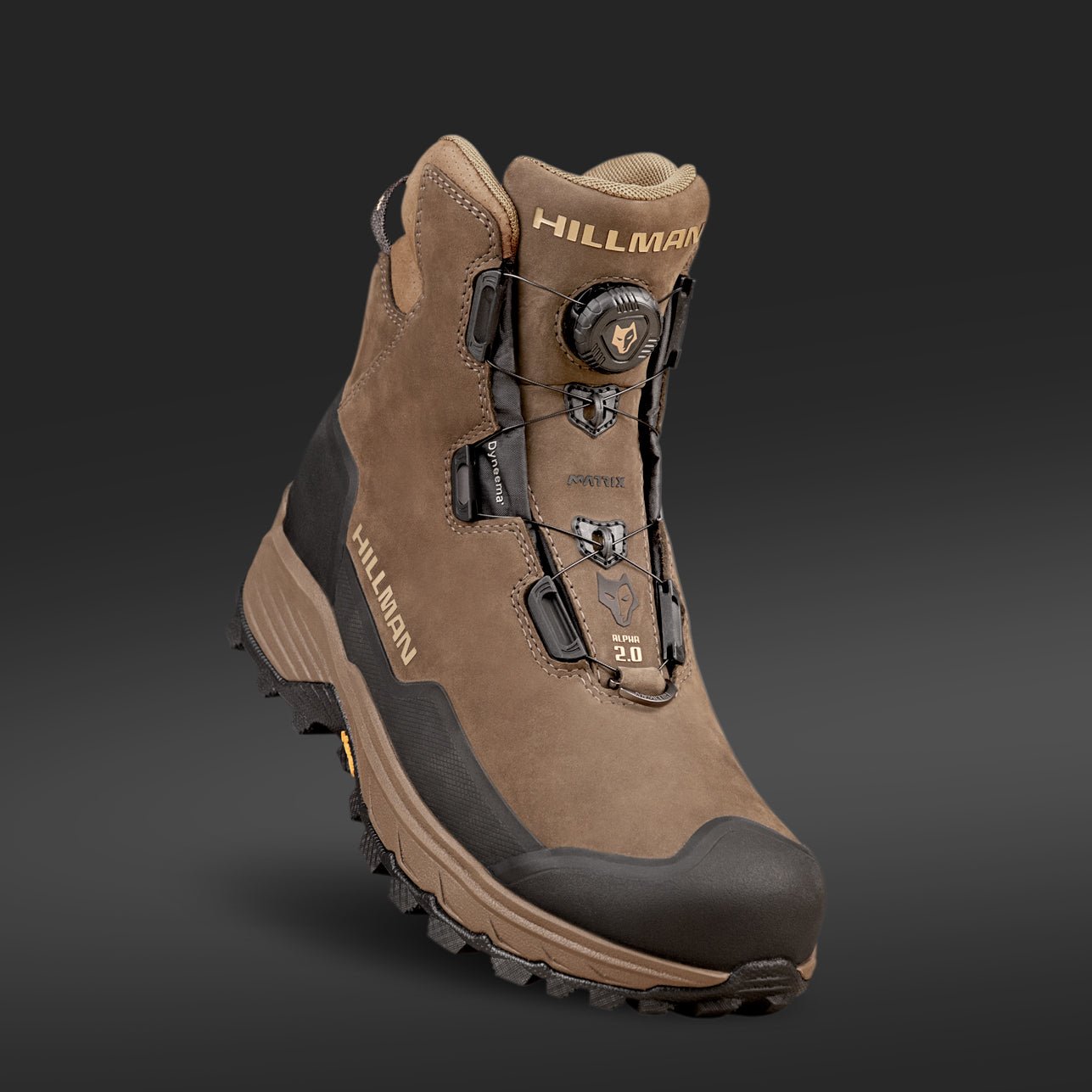
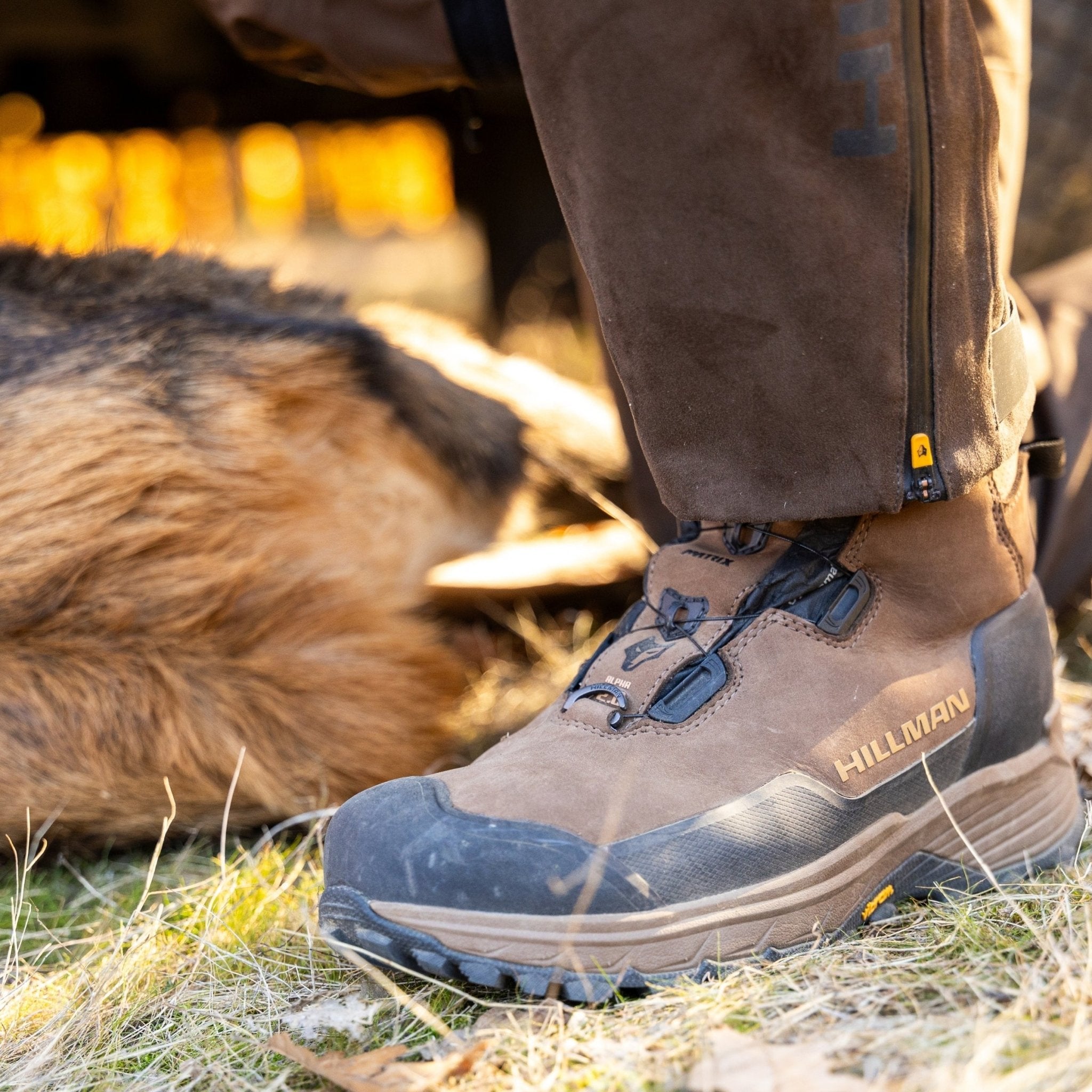
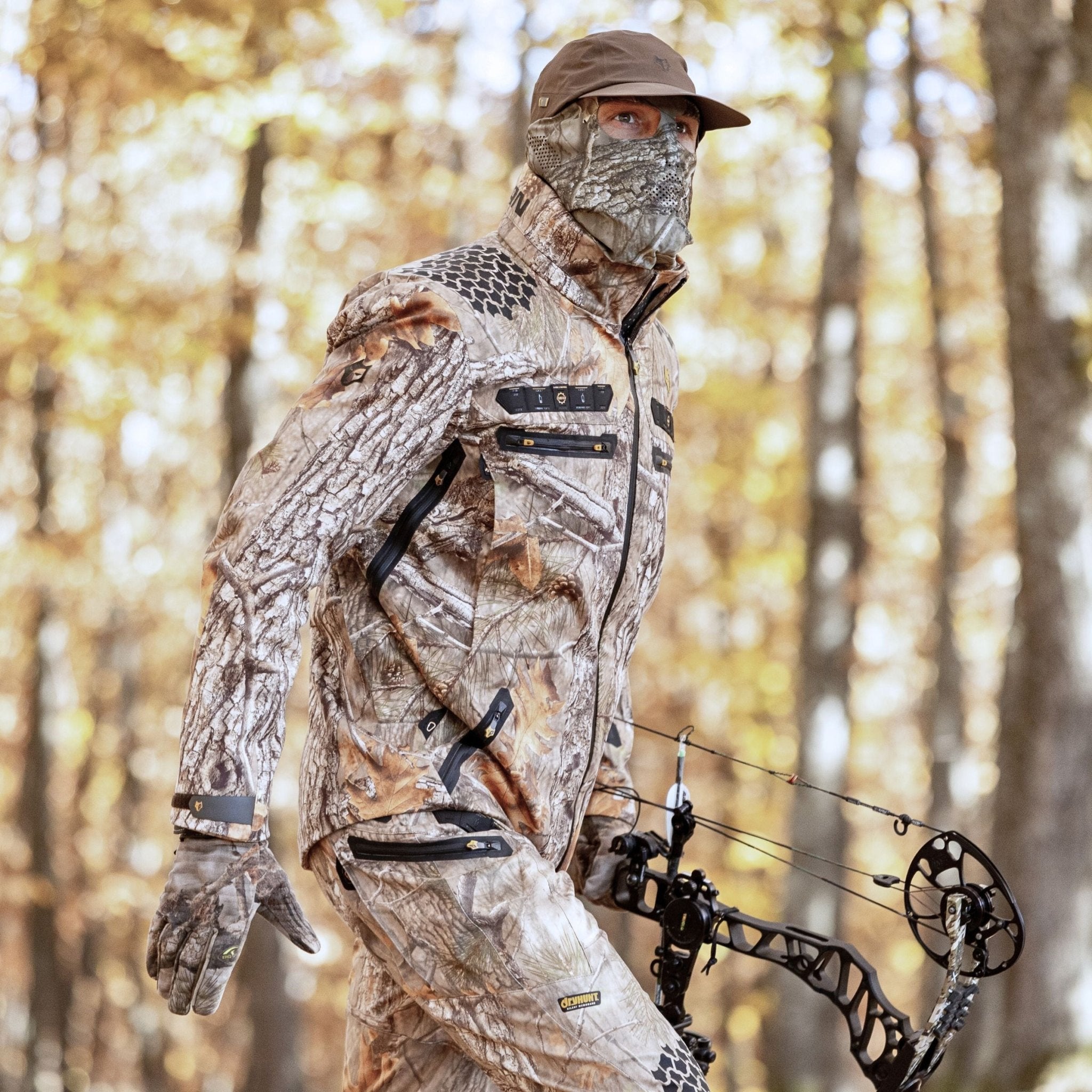
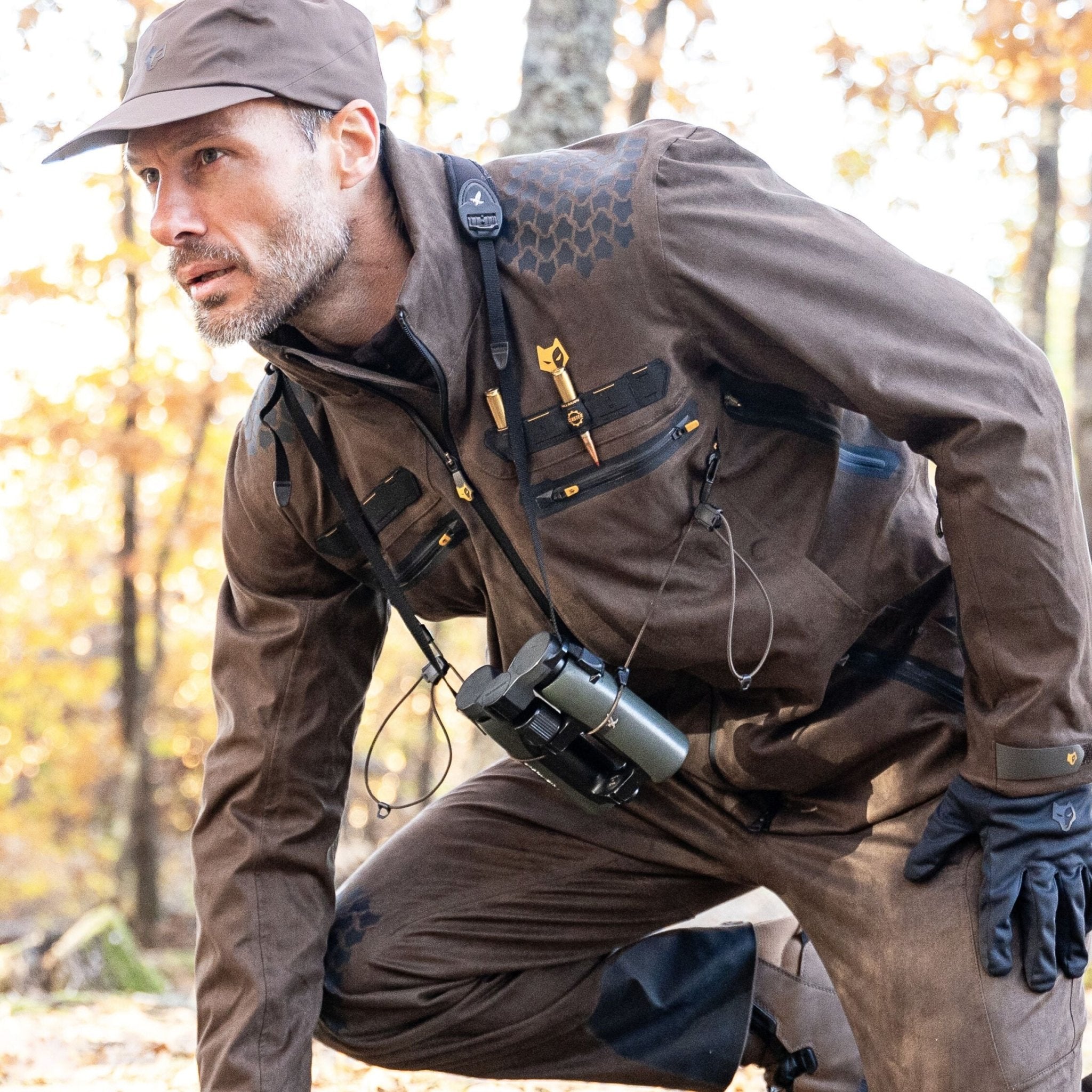
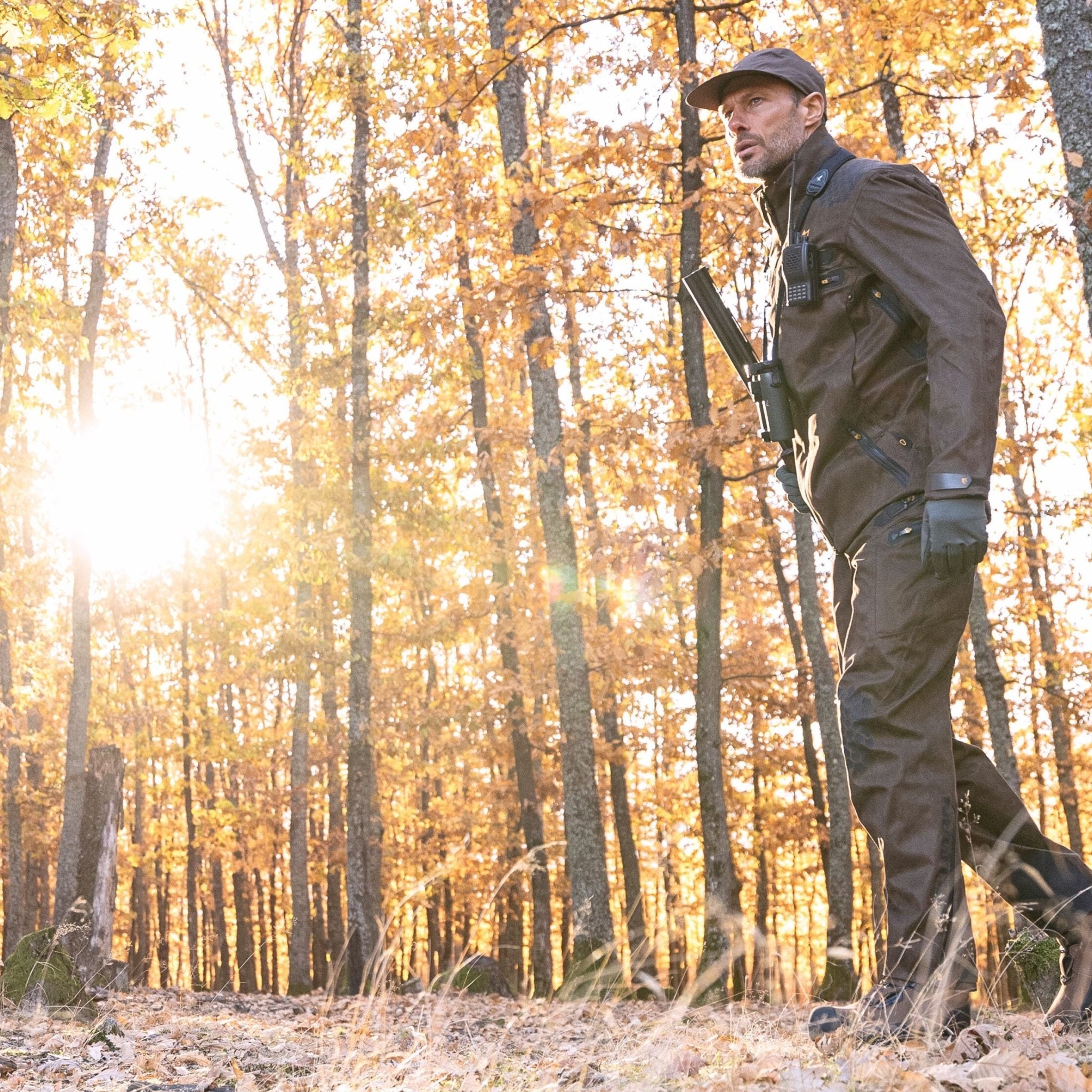
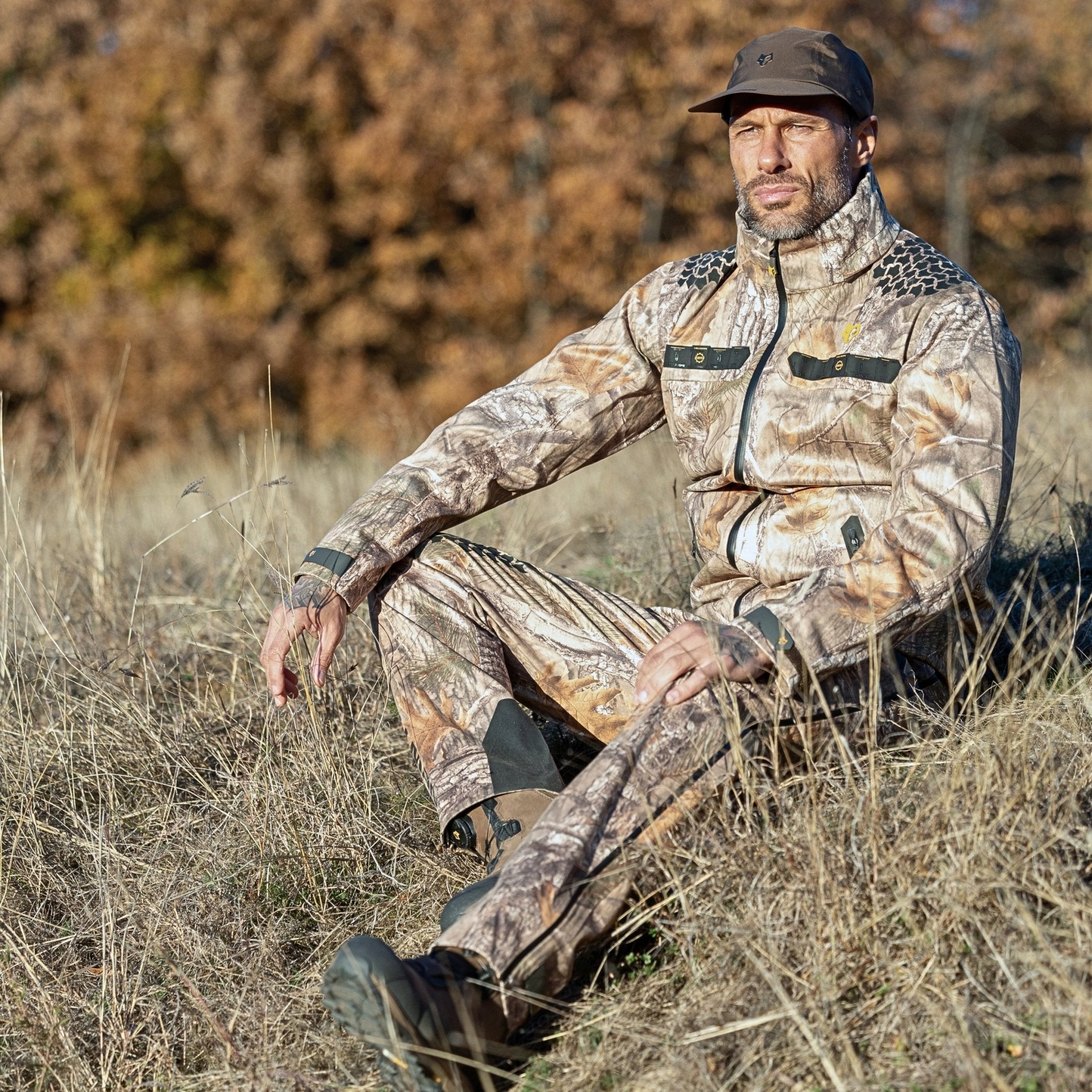
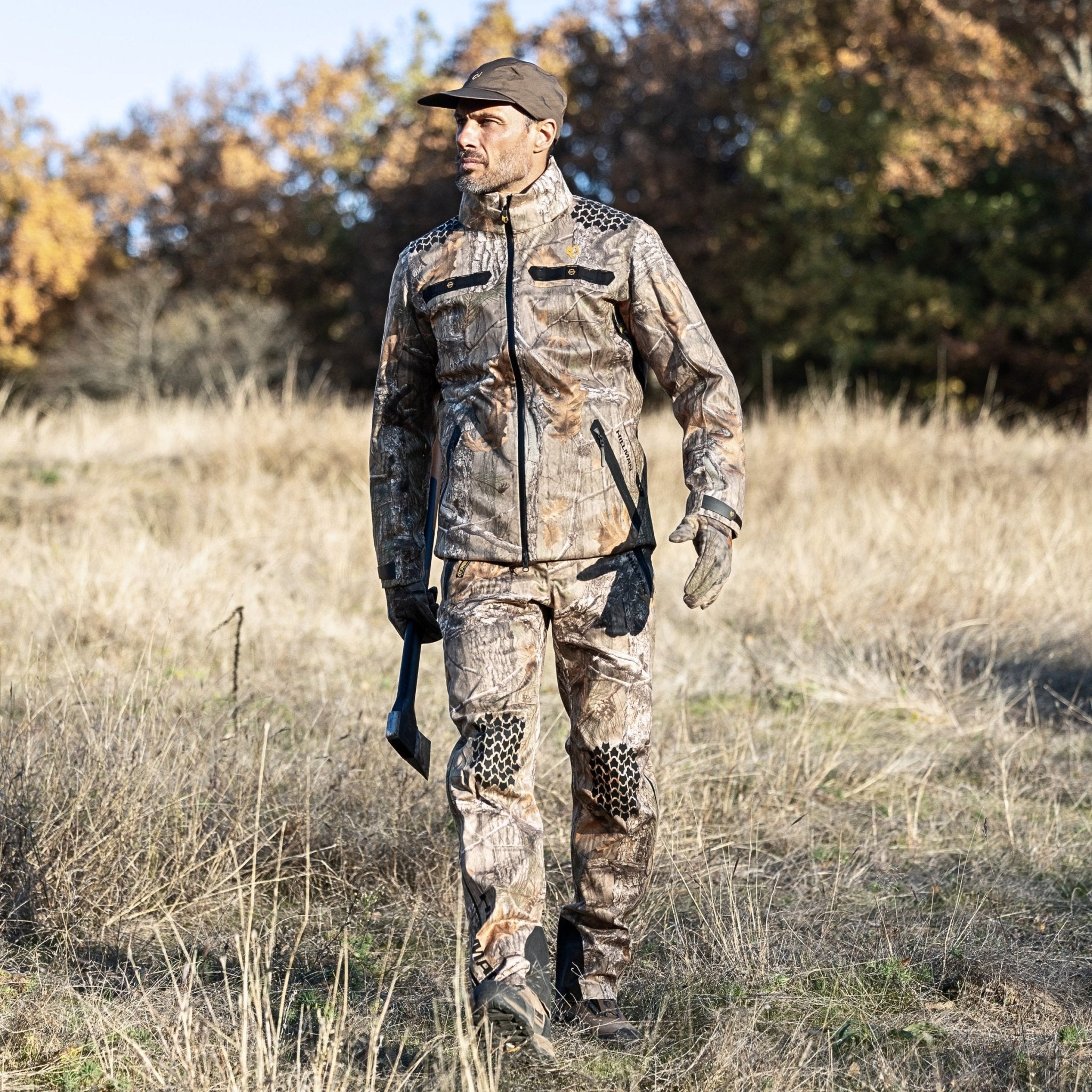
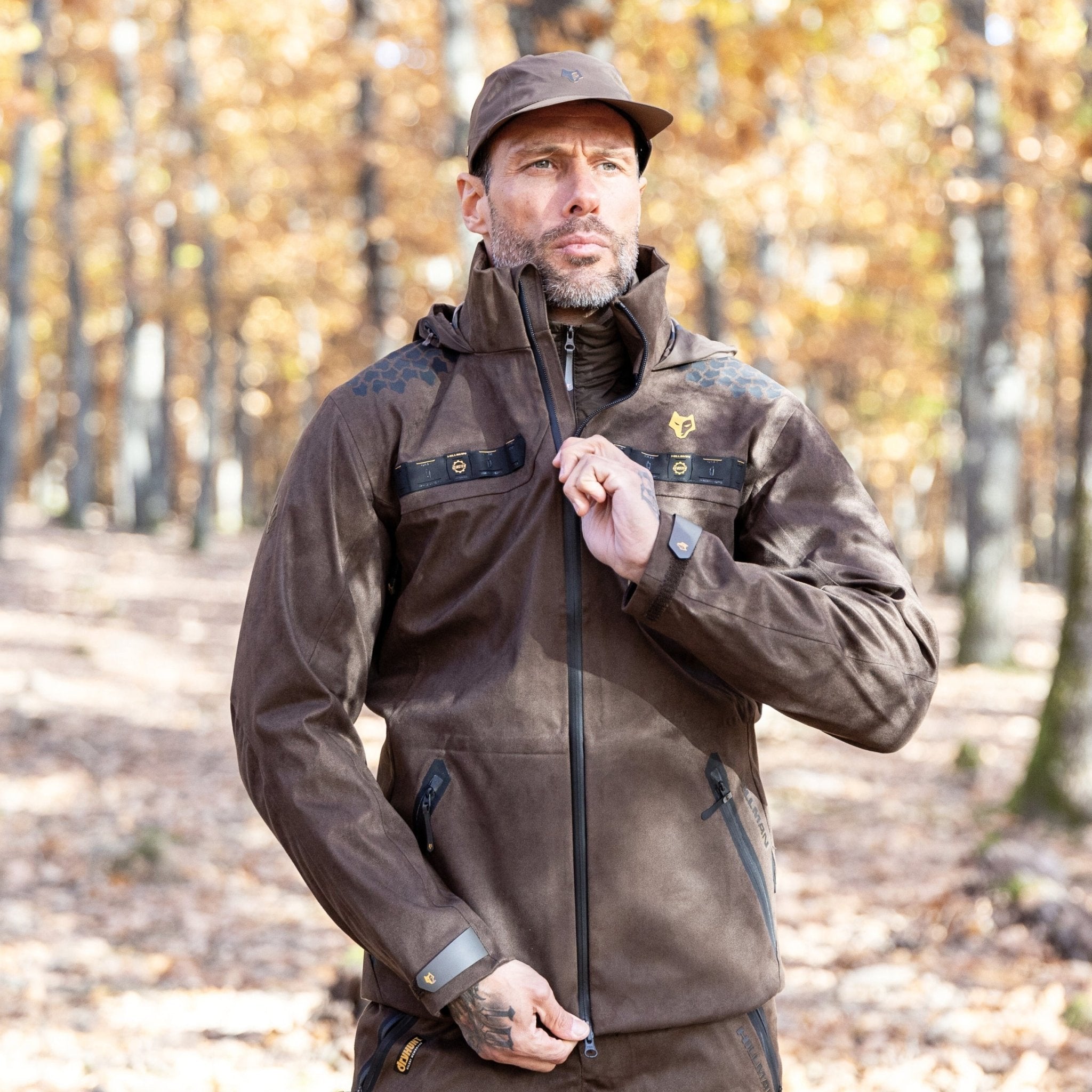
This is why experienced deer stalking remains a process of attention. Pay close attention to sign, approach routes, fresh movement, light, and background. Sometimes the right call is to sit and wait. Sometimes it is to move the seat, change the location, or accept that the present setup no longer does the job. Hillman users and traditional stalkers alike benefit from the same truth: the best high seat is the one that disappears into the place, works safely, and lets the shot happen without strain.


Share:
Roe Buck Stalking at First Light: When to Move, When to Wait
How to Follow Up a Deer Properly After the Shot