
How to Follow Up a Deer Properly After the Shot

Read the shot, wait with purpose, and track with care so a wounded deer is recovered cleanly and ethically.
How to follow up a deer properly after the shot. The moment after the shot is where many hunters either set up a successful recovery or create a much harder trail. How to follow up a deer properly after the shot is not just about finding blood. It starts with what you do in the first few seconds, how well you watch, what you hear, and whether you have the discipline to wait.
An ethical hunter does not rush forward on pure nerves. He pays close attention to the exact spot where the deer was standing, then marks the last place the animal was seen. Pick a tree, a bend in the trail, a patch of ground, anything obvious. That exact spot matters later when the blood trail is thin and the sign gets confusing.
Watch the deer run as long as you can. Try to capture the line of travel in your mind. Note whether it was standing tall or whether you saw a hunched posture, a hard kick, a stumble, or a fall. Listen too. Sometimes you hear branches breaking, a crash in the trees, heavy breathing, or nothing at all. Every clue helps explain what happened.
Shot placement tells you how long to wait

Shot placement changes everything. A lung shot, heart shot, liver hit deer, or gut shot deer should not all be followed the same way.
A lung shot often produces bright red blood or frothy blood. Many hunters see the deer mule kick, then the deer runs hard and covers some distance before going dead. That hit is usually quickly lethal, even if the animal stays on its feet for several minutes. A heart shot can look similar, though blood loss is often even faster and the recovered deer may be found within a short trail.
A liver shot deer is different. A liver shot deer may run a short distance, then slow down, walk off, and show that classic hunched posture with the tail tucked. Dark red blood is common here. A liver hit deer is still a lethal hit, but it is not immediately fatal. Push that deer too soon and you can turn a recovered deer into a long night.
A gut shot deer is the one that tests patience most. A gut shot often gives poor blood sign, little blood at first, and a deer that heads off steadily rather than crashing down. This is where a bad shot becomes a serious problem if the hunter charges in too early. When hunters push wounded game from its first bed, recovery odds drop fast.
When to wait before tracking deer

After the first shot, wait. That is hard advice to follow when your sight picture looked good and adrenaline is still high, but it matters.
If the hit looked solid in the chest and the clues point to a lung shot, waiting at least 30 minutes before tracking deer is sensible. If anything feels uncertain, waiting an hour is often the safer choice. Giving the animal time lets blood loss do the work and usually improves the blood trail.
For a liver shot deer, give it far more animal time. Four to six hours is the usual rule. For a gut shot deer, wait eight to twelve hours. That sounds brutal when rain is coming or darkness is close, but rushing a gut shot is one of the main reasons wounded deer are lost.
Many hunters talk themselves into moving immediately because they want the meat cooled, or because the shot felt obvious. But unless the deer drops in sight, patience usually does more to recover a shot deer than speed does.
Blood trail clues and what the blood means

Once you start tracking deer, slow down and read the blood sign before you charge ahead.
Bright red blood can point to an artery or a good chest hit. Frothy blood usually suggests a lung shot because air mixes with the blood. Dark red blood often means a slower bleed, sometimes a liver hit deer or a vein hit. If you find much blood right away, that is a good sign, but do not assume the trail will stay easy. Even a lethal hit can leave patchy sign after the first burst.
Sometimes there is very little blood on the ground and more on leaves, grass, or low brush. Pay close attention to every point of impact. Look for drops, sprays, smears, kicked leaves, fresh tracks, and broken stems. A wounded deer does not just leave blood. It leaves direction.
To stay organised, mark the sign with toilet paper or small sticks. That makes the line of travel clearer, especially when the blood trail bends or starts to fade. When you stop and look back, those markers often show the true path better than memory alone.
Tracking deer without ruining the trail

Tracking deer is quiet work. Go too fast and you walk past the best clues. Go too loudly and you may jump the animal.
Move with close attention, one step at a time. Find blood, then look ahead before stepping into it. If the trail enters thicker cover, scan the ground and also the line at knee height. A bullet or arrow hit can leave blood on both. Watch for where the deer enters and exits gaps between trees. Listen often. In some cases, you may still hear the animal breathing or catch one final movement ahead.
If the deer was hit hard, you may see what hunters call a death scramble. The ground will look torn up, leaves scattered, and the trail may end very close by. That is often an obvious clue the deer is dead nearby.
If the blood sign suddenly dries up, do not wander in circles. Go back to the last blood, mark it, and begin a controlled track. Work small half circles first, then a proper grid if needed. Many successful recovery jobs happen because hunters slow down and restart properly instead of guessing.
When the trail goes cold

A cold trail does not always mean a missed deer. It can mean the blood has changed, the animal altered direction, or the ground stopped showing sign clearly.
This is where many hunters lose a wounded deer by letting frustration take over. If you cannot find blood, return to the last confirmed point and study the area again. Look for a single track, a scuffed patch, hair, turned leaves, or where the deer brushed past saplings. If several deer were in the area, separate the trail by direction and behaviour. Other deer can complicate everything, especially after the first shot in a group.
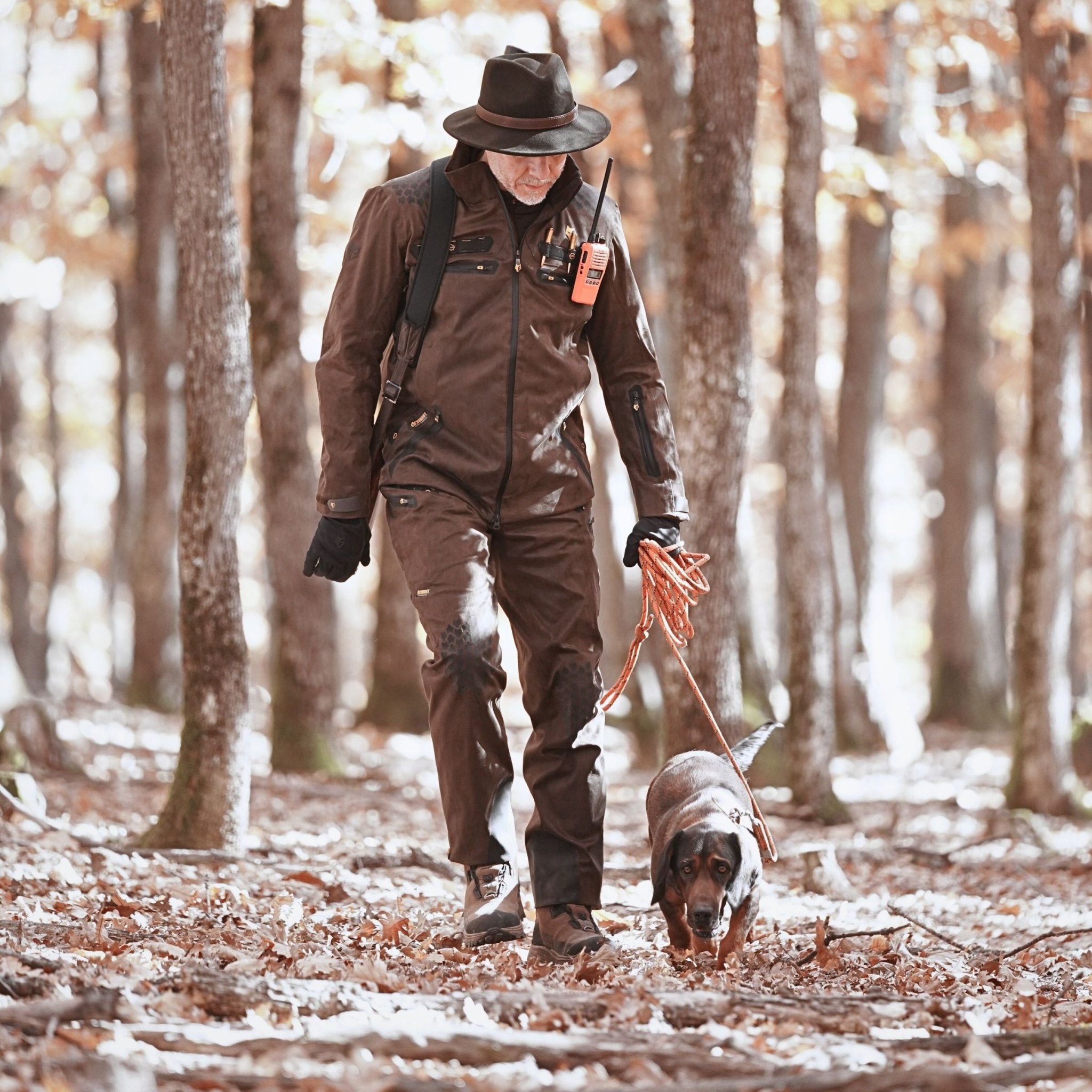
If you still cannot recover the animal, bring in help early. Dogs can be invaluable on wounded game where a person sees almost nothing. A leashed tracking dog, handled calmly, can turn scattered clues into a recovered deer. If the trail crosses onto another property, stop and get permission before continuing.
Approaching the downed animal safely

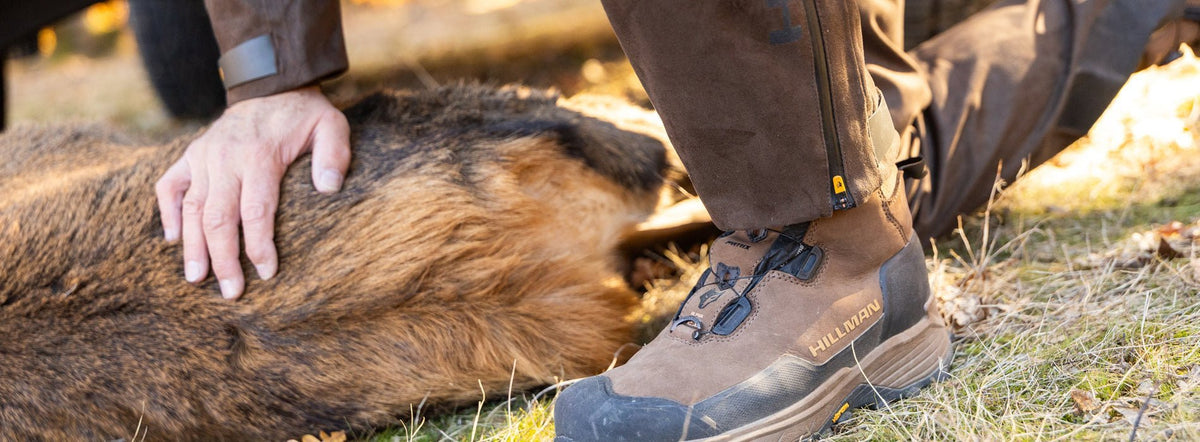
Never assume a deer is dead just because it is lying still. Approach from behind the head where possible. Watch the eye, the ears, and the chest for breathing or movement. Keep the rifle ready until you are sure. Safety comes first, then recovery.
Only when the animal is confirmed dead should you relax. Take a moment, think through the follow-up, and replay the shot placement against the trail you found. That is how hunters improve. Every shot deer teaches something.
Good follow-up work is not dramatic. It is careful. You watch, hear, wait, mark, track, and recover. That is what turns a hard moment after the shot into an ethical end to the hunt. It is also why I would rather hunt with simple habits, calm thinking, and dependable Hillman clothing than rely on luck.


Share:
High Seat Placement Mistakes for Lowland Britain Deer Hunts
Woodland Roe Stalking: Using Shade, Noise and Cover