
Woodland Roe Stalking: Using Shade, Noise and Cover to Close the Distance

Use shade, wind, cover and quiet movement to get closer on woodland roe deer and make cleaner shots in UK stalking conditions.
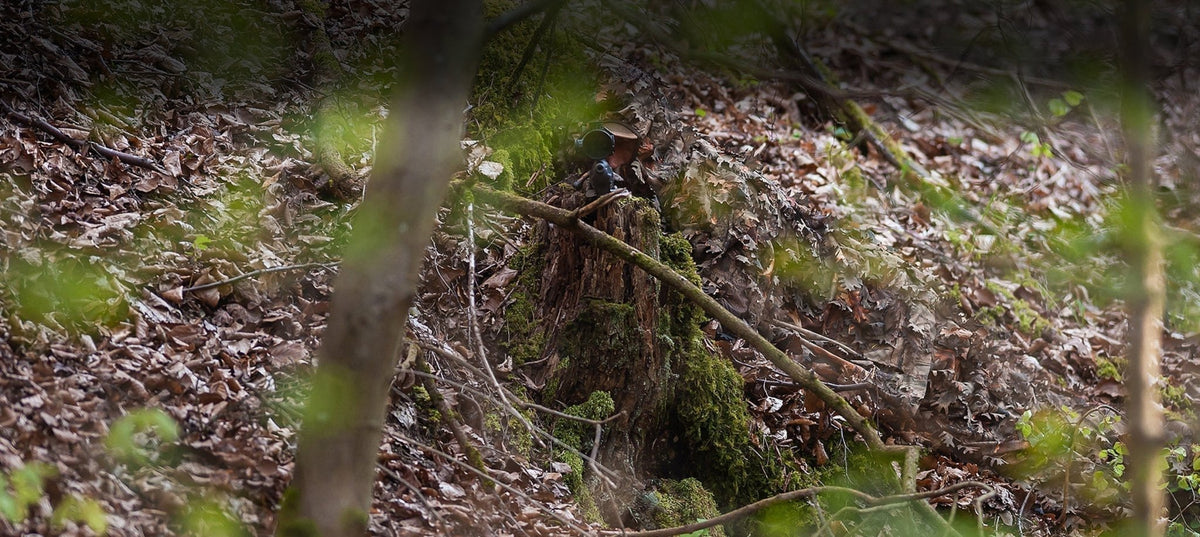
Woodland roe stalking using shade starts with reading the ground. Woodland roe stalking using shade is not some fancy extra. It is one of the plainest ways to get closer to roe deer without pushing the whole thing into a rushed mess. In woodland, light is never clean. It is broken, patchy and always shifting. Roe deer live in that stuff. They know how to use dark edges, shade and cover far better than most people think.
A roe buck standing in broken light can look like half a deer. Blink and he is gone. Put that same animal out on open ground and he is easier to read. In woods, the shadows are working for him. That matters whether you are out for deer management, a careful cull, or stalking during roe buck season.
A lot of roe deer activity builds around dawn and dusk anyway, especially where shaded rides, scrubby corners and young growth hold them in that half light. That is why roe stalking in summer often turns into a game of patience, angles and shutting up rather than marching about and hoping.
The stalker who can read shade properly usually gets closer than the one who just walks in and expects luck to sort it out.
Deer Stalking Is Often About Avoiding Bad Light

Good deer stalking in woodland is usually less about chasing light and more about staying out of the wrong bit of it. Roe deer pick up movement fast. They also pick up contrast. They may not always clock a human outline in one clean second, but they notice shape breaking across a bright gap or standing clear against the skyline.
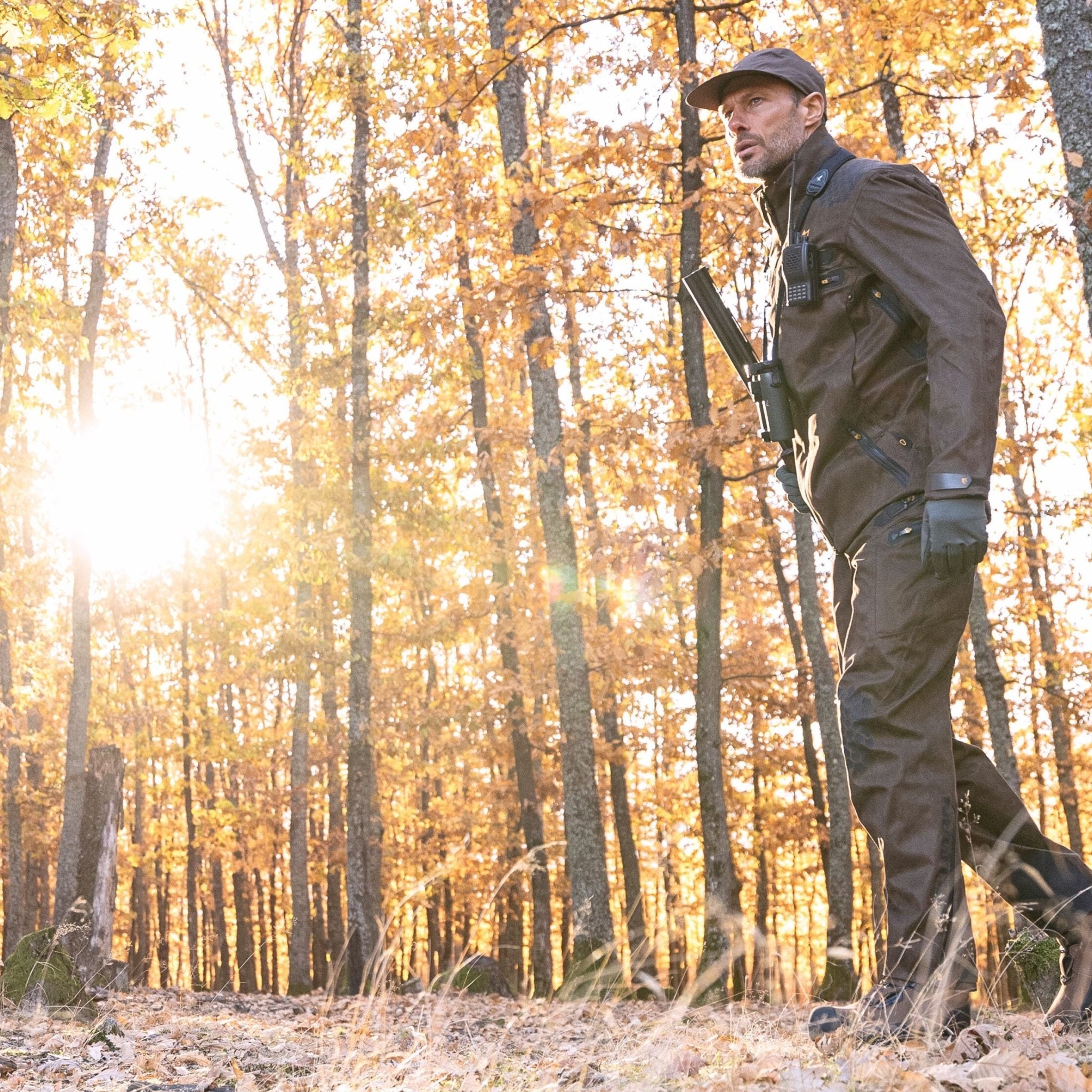
That is why shade matters. If low sun is cutting through the wood, you want it hurting the deer’s view, not yours. Moving from one dark patch to the next, keeping trees or thick foliage behind you, and staying off bright open strips can buy you a lot more ground than people realise.
This is where woodland roe stalking parts ways with stalking red deer on open hill. On the hill you are reading broad land, distance and lines. In the woods you are reading shadow, wet ground, tiny openings, dark trunks and half-seen movement between stems. It is tighter. Less forgiving too.
Roe Deer and Wind Direction Will Ruin You Fast

If there is one rule that keeps coming back, it is this. Stalk into the wind.
Roe deer have a very sharp sense of smell. Get your wind direction wrong and the stalk is usually dead before it has properly started. Too many people think about cover first and scent second. That is backwards.
Always try to stalk into the wind, or at least work a safe crosswind that keeps your scent away from where deer are likely to be. If the wind is at your back, you are asking to get busted. Roe will often know you are there before you ever get a proper view.
In woodland it gets worse because air does not always move cleanly. It swirls around trunks, banks, rides and clearings. Wet ground, warming air, cooling evening air and changes in terrain all mess with scent drift. That is why good stalkers do not check wind once and forget it. They keep checking it.
Weather conditions matter too. A still humid morning can hold scent low. A sharper breeze across woodland edges can make roe more nervous, but sometimes easier to predict if you understand where that wind is going.
Slow Movement Beats Fancy Kit Every Time

Most failed roe stalking is not bad luck. It is not even noise on its own.
It is movement.
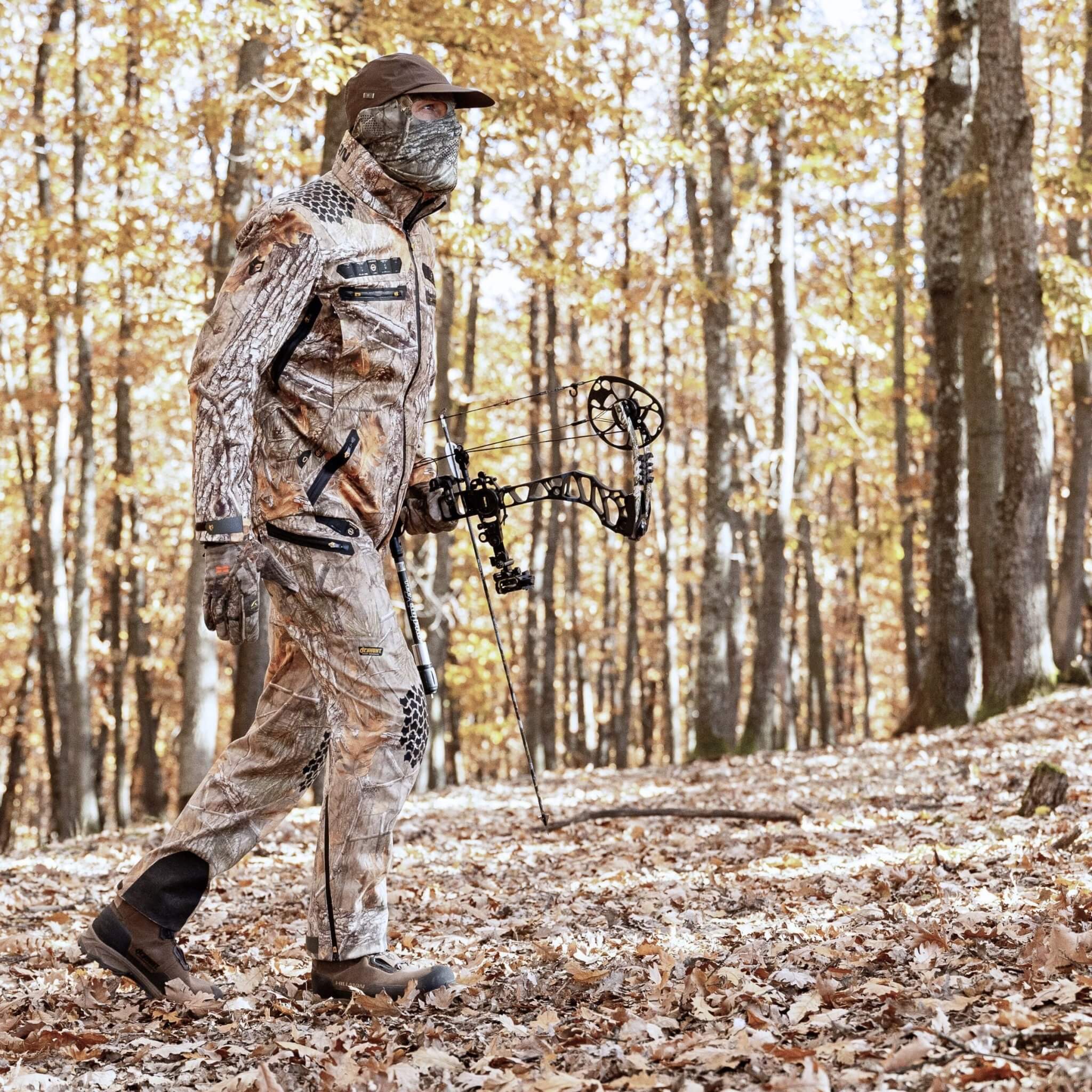
Move slowly. Then slower than that. Most people think they are creeping when they are still moving too fast. Sudden movement is one of the easiest ways to get picked off by roe deer. In dark shaded woodland, even a small shift can stand out badly against the background.
Lift a hand too quickly. Turn your shoulder too hard. Move the rifle at the wrong moment. That is often enough to make a deer lock on, stare holes through you, then vanish back into cover.
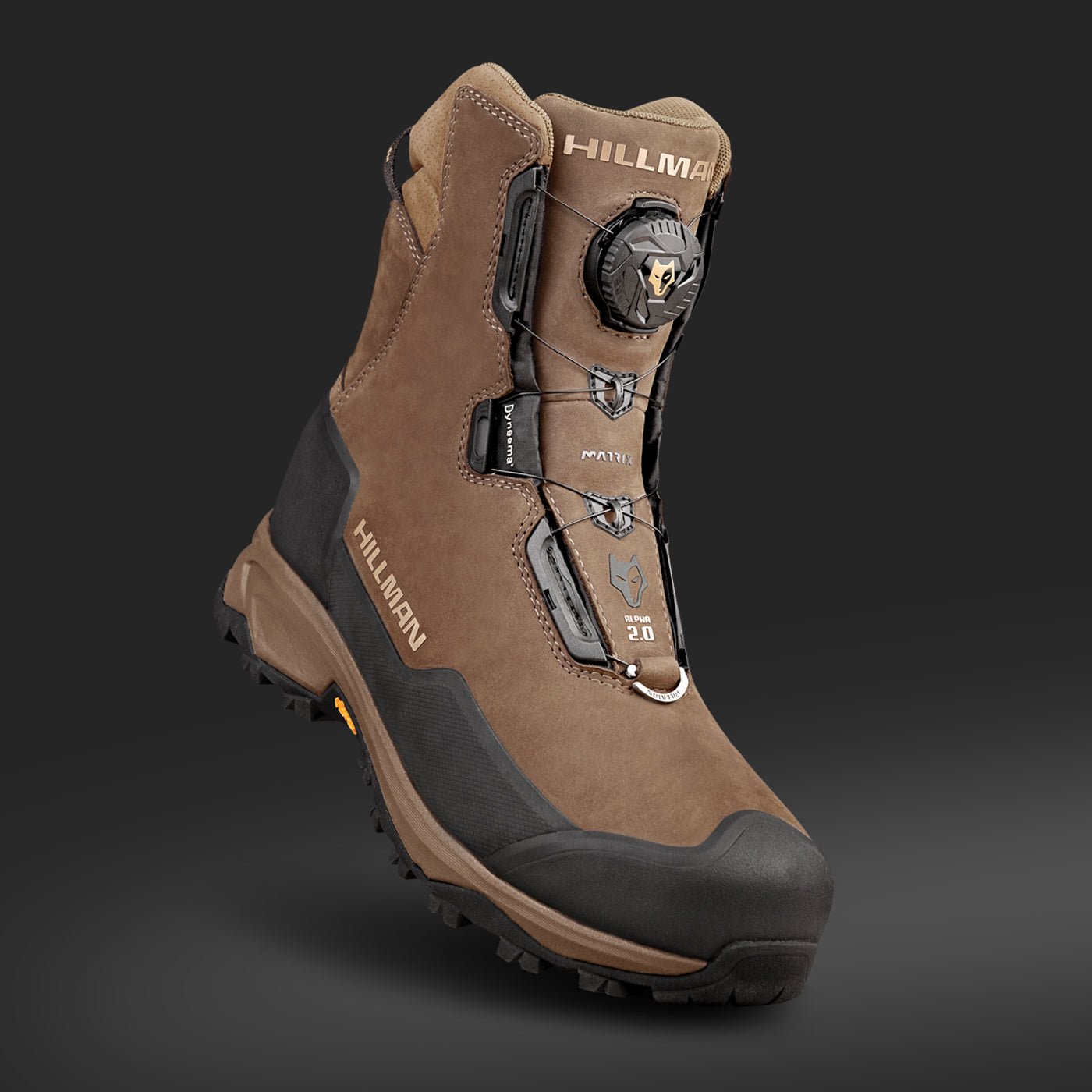
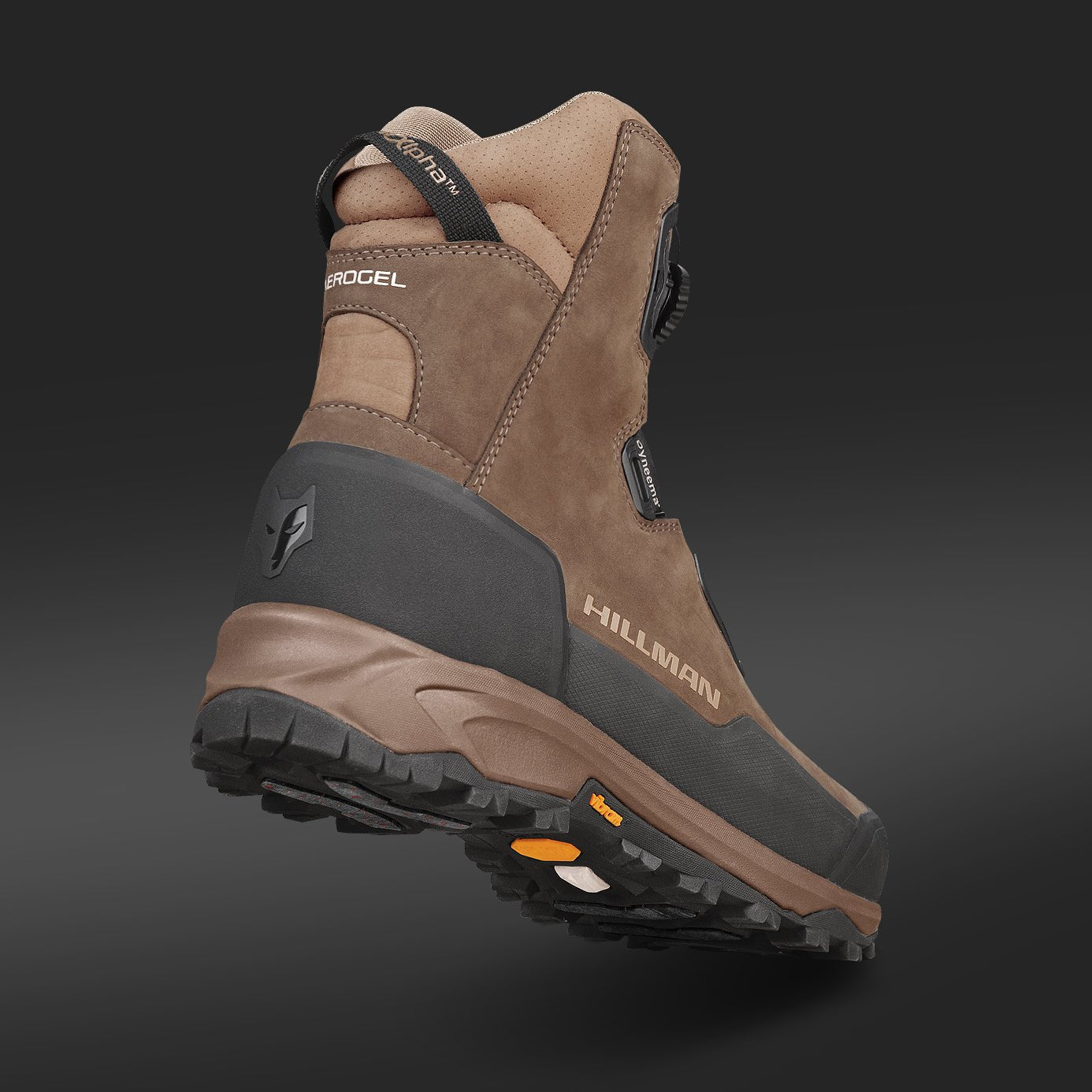
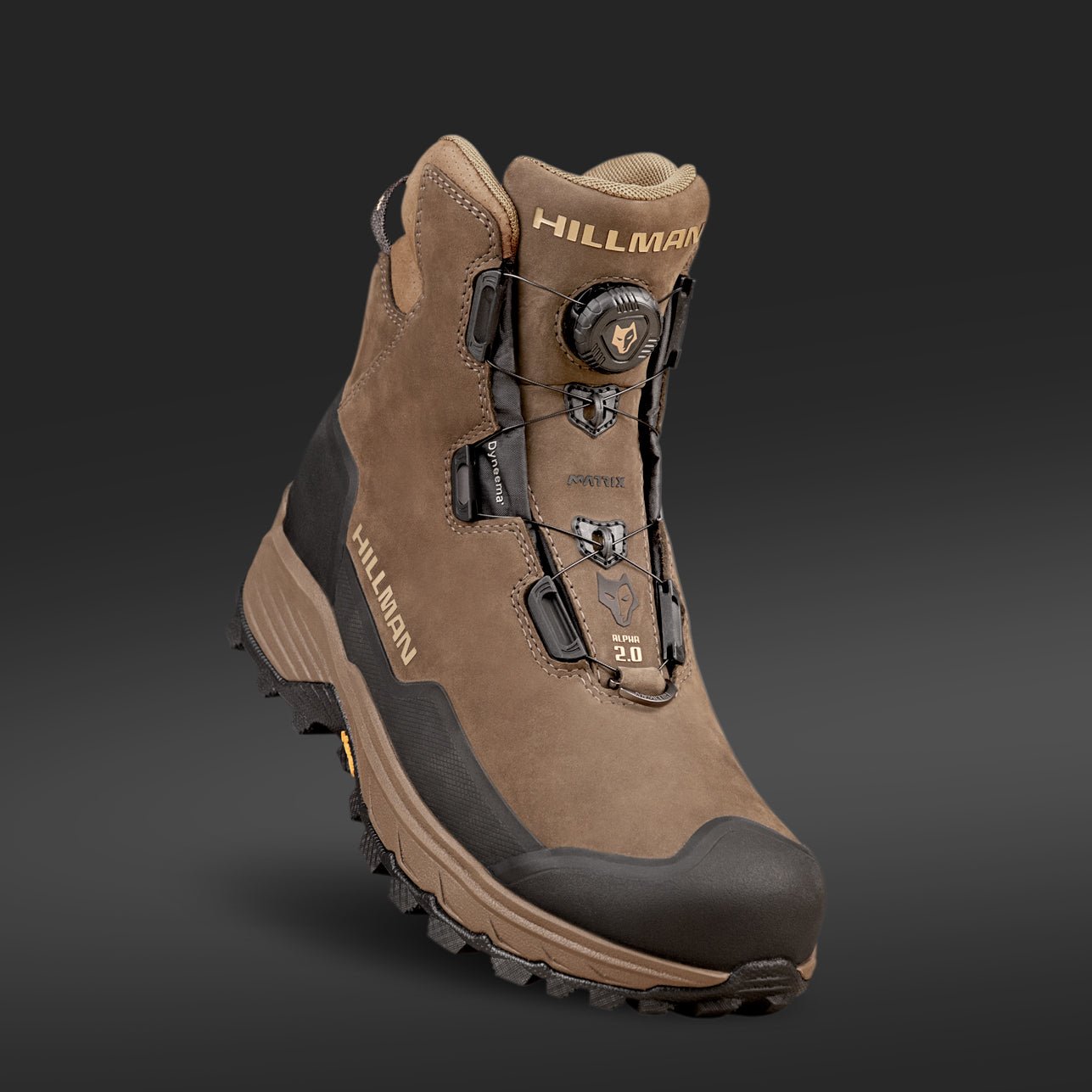
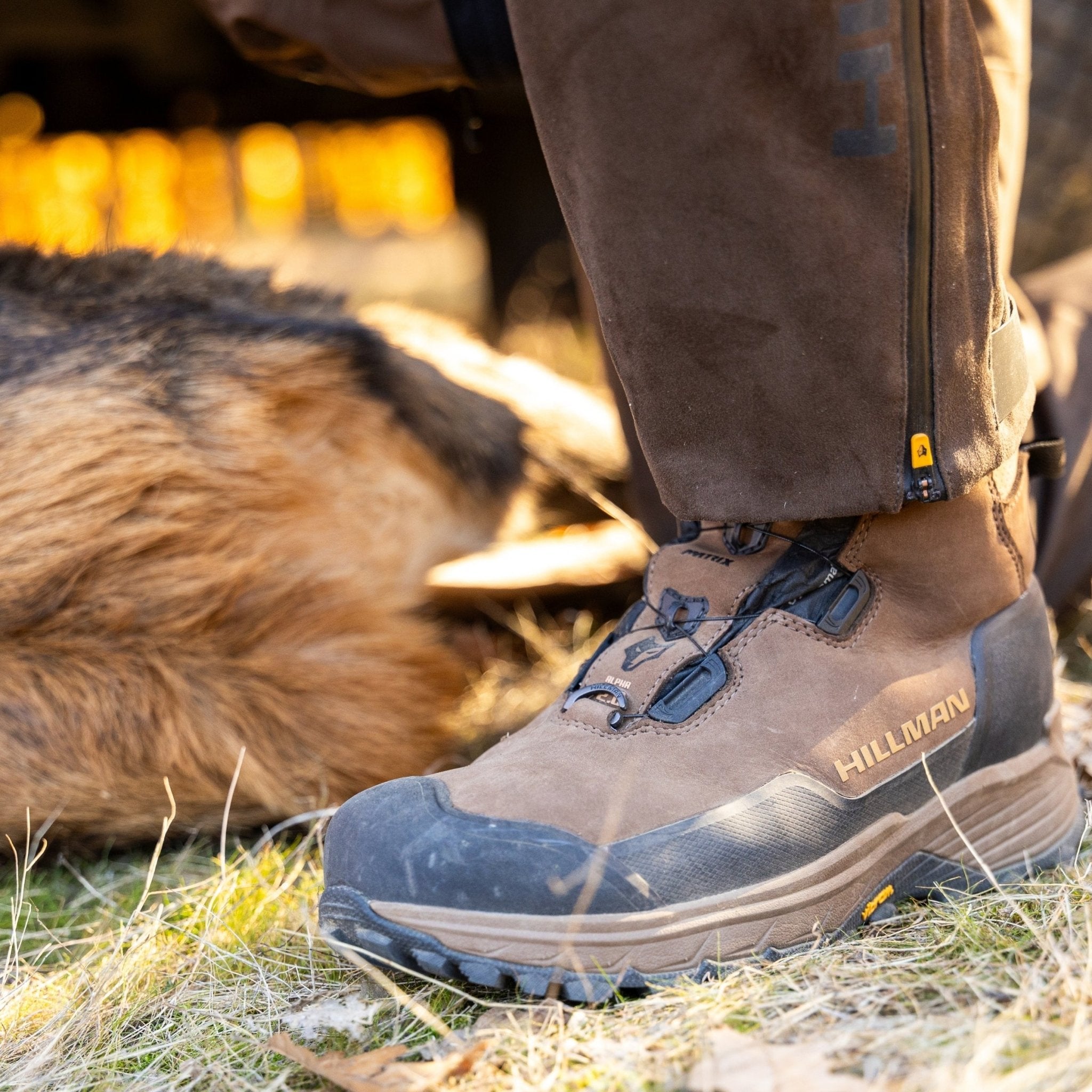
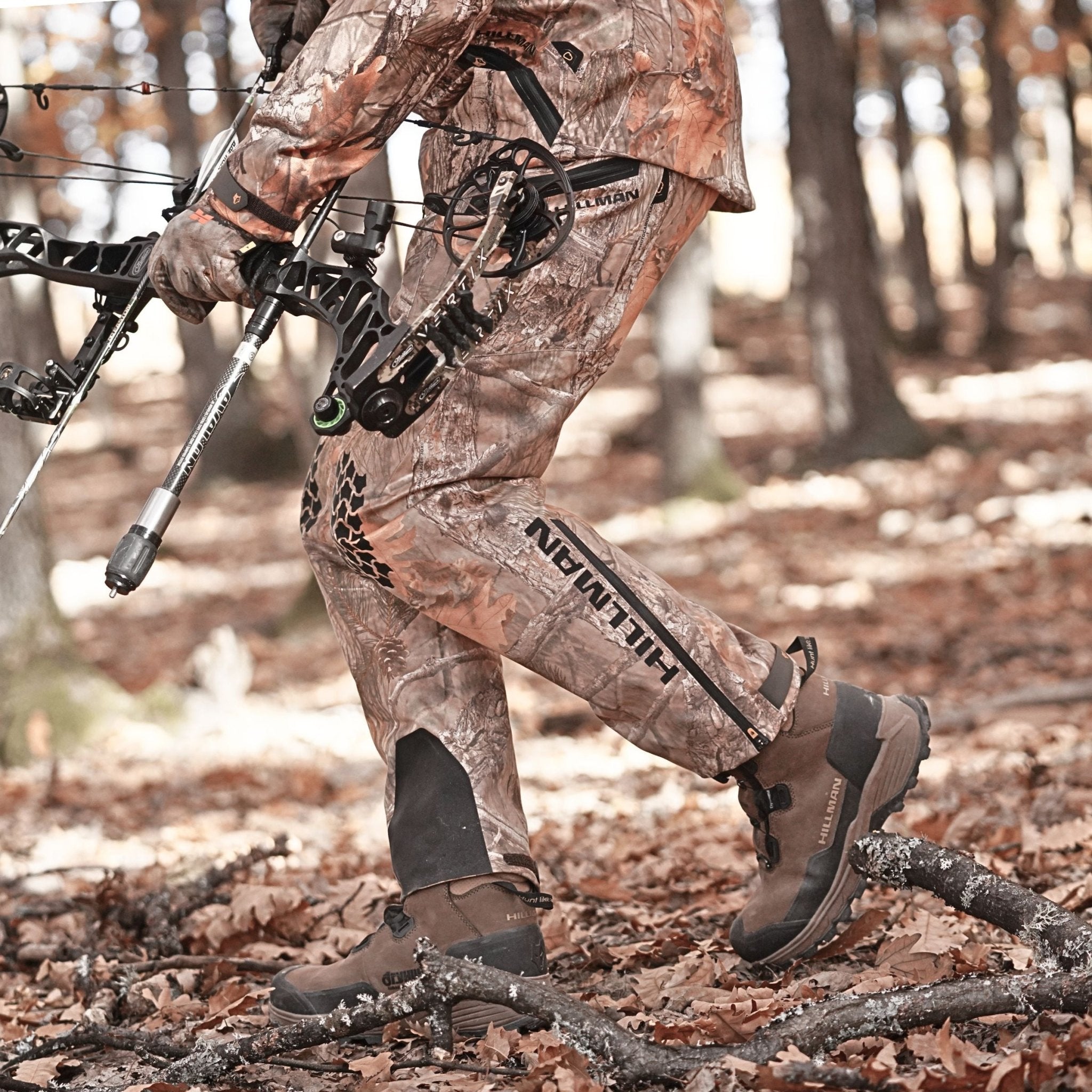
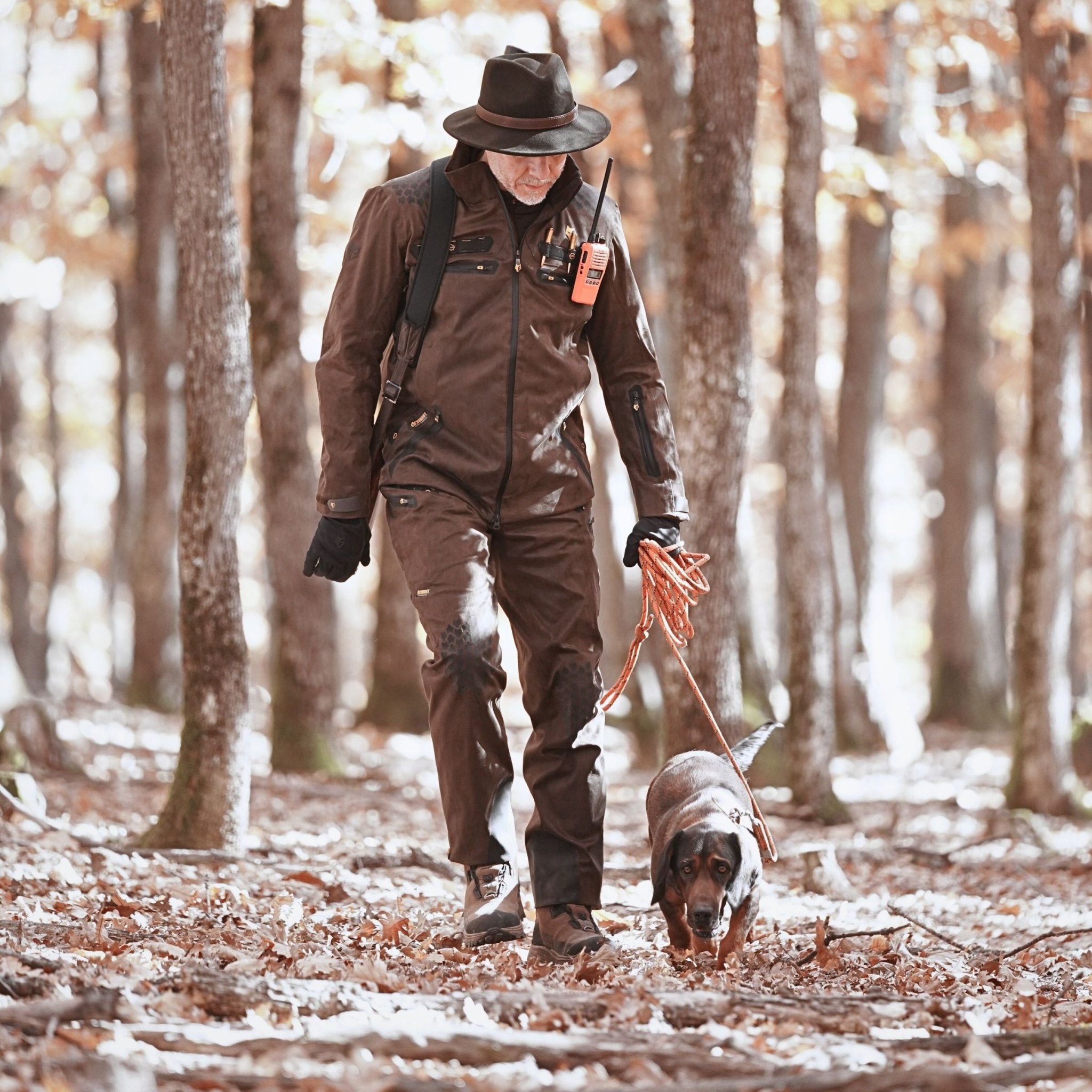
Woodland movement has to be deliberate. No rush. No pointless steps. Quiet footwear helps, but pace matters more than half the kit lists people obsess over. Soft, quiet footwear and waterproof boots with good grip matter where leaf litter turns to wet ground or greasy mud. Good grip is not just about comfort. It stops slips, scrapes and those stupid little noises that empty a wood in seconds.
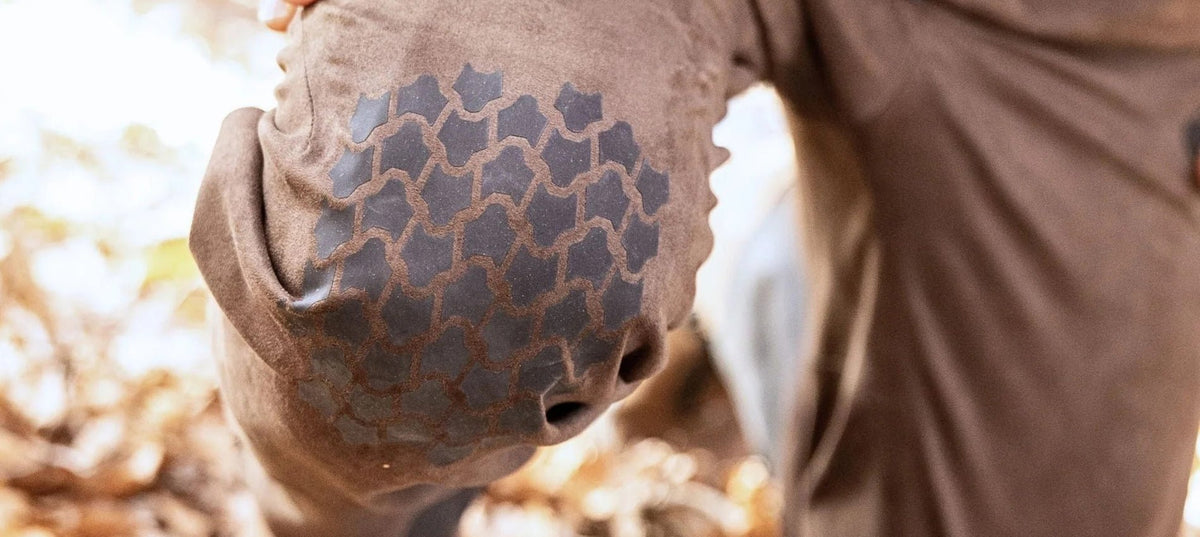
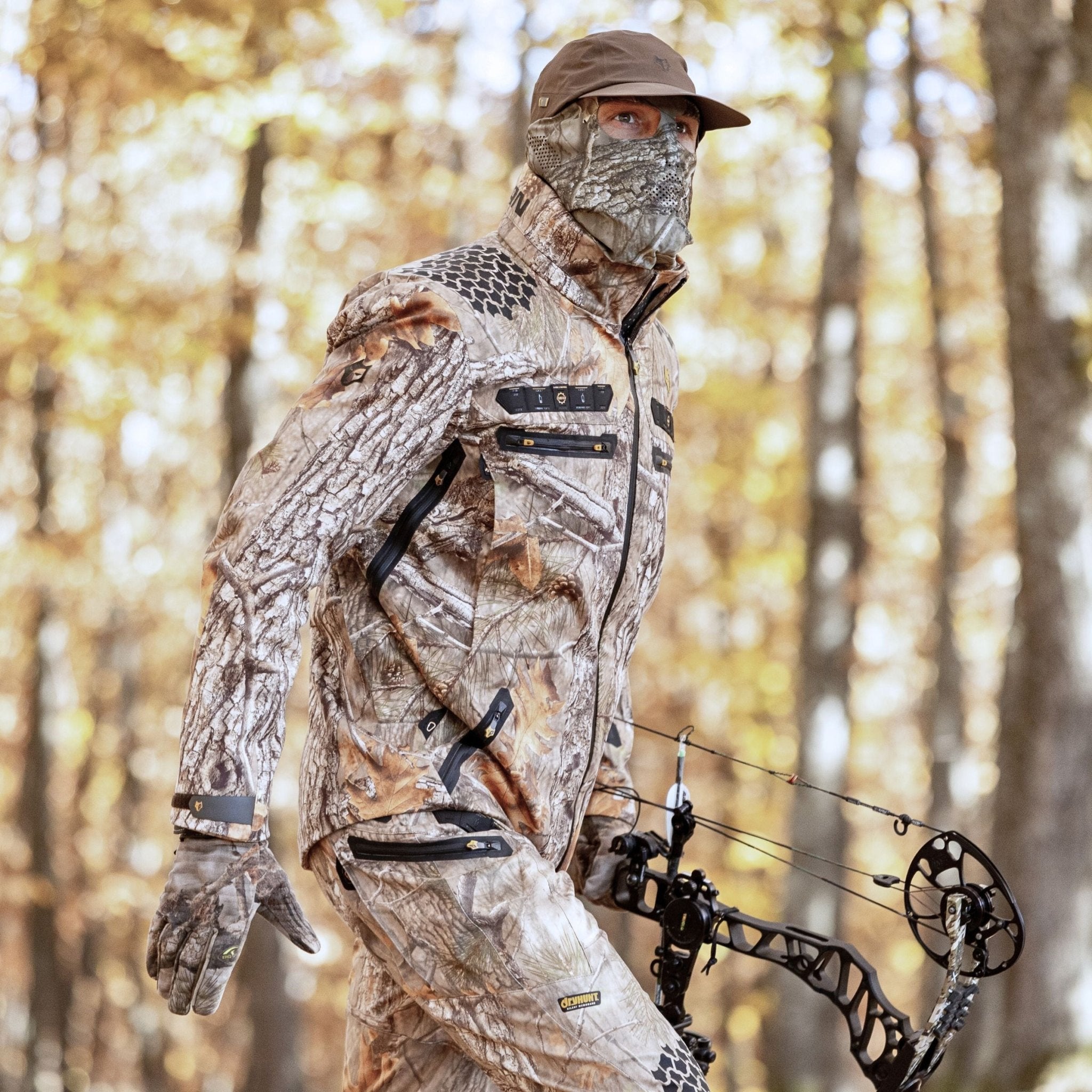
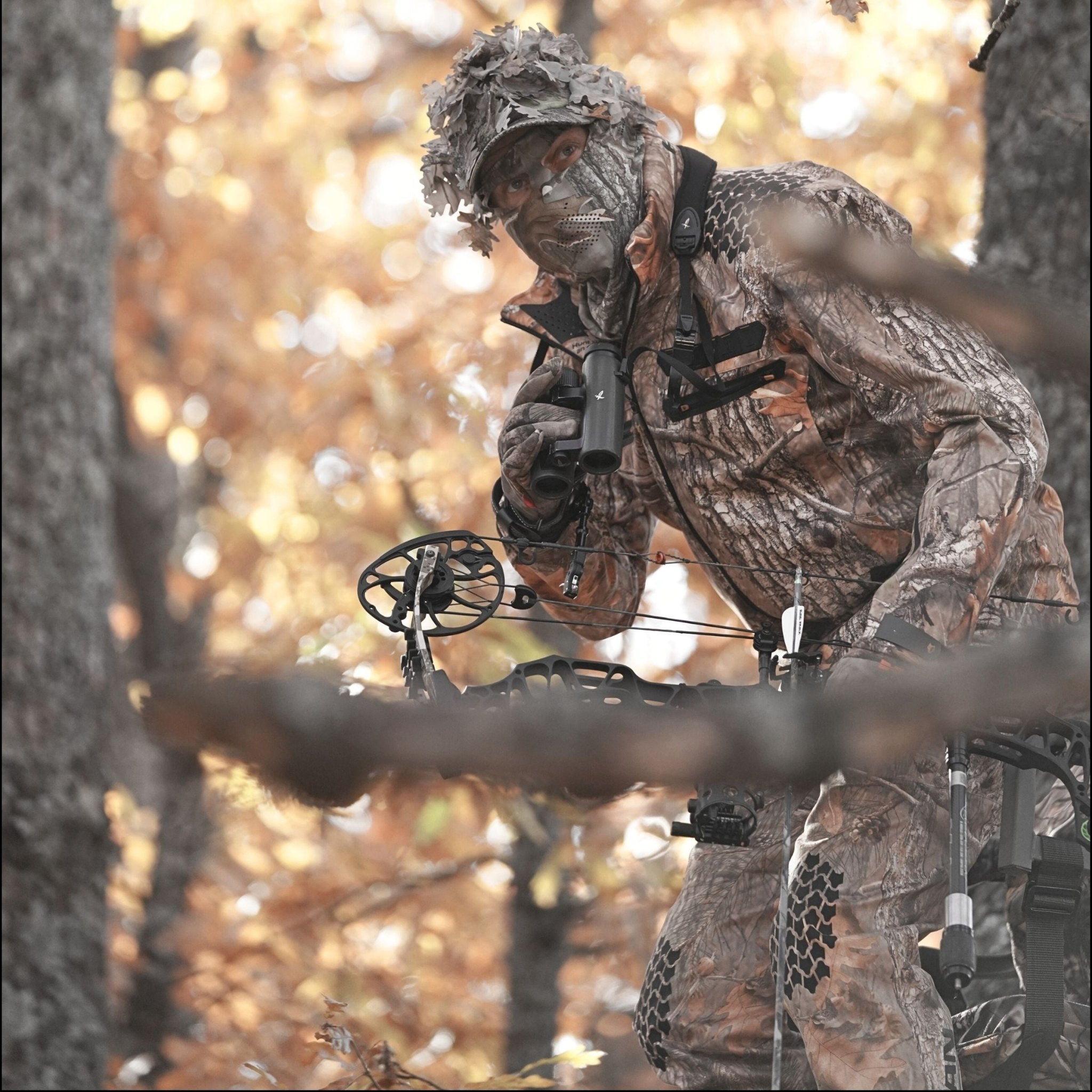
Cover your face and hands if you can. Pale skin flashes in shade. Stay a yard deeper in cover when you have the option. That one yard is often the difference between staying hidden and getting seen.
Right Clothing for Woodland and Wet Ground in UK Conditions

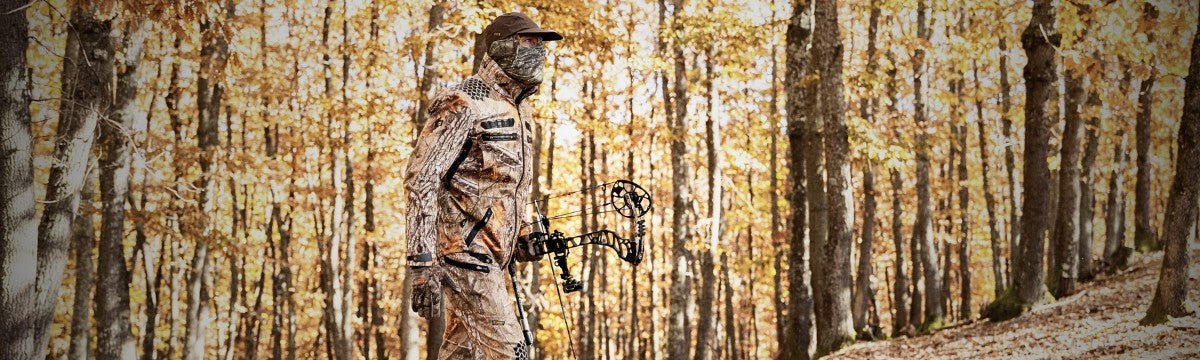
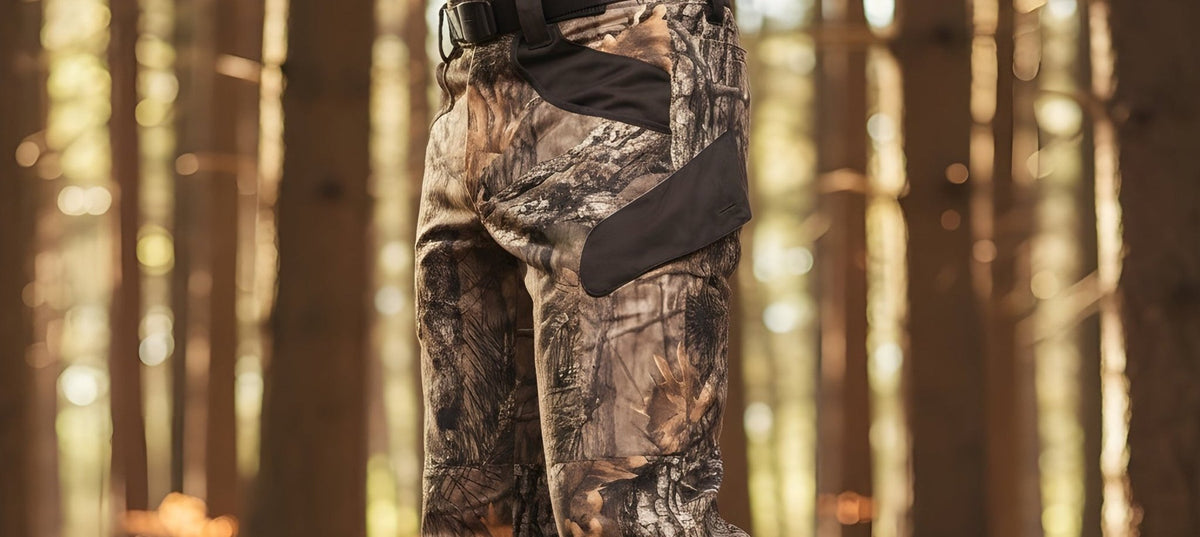
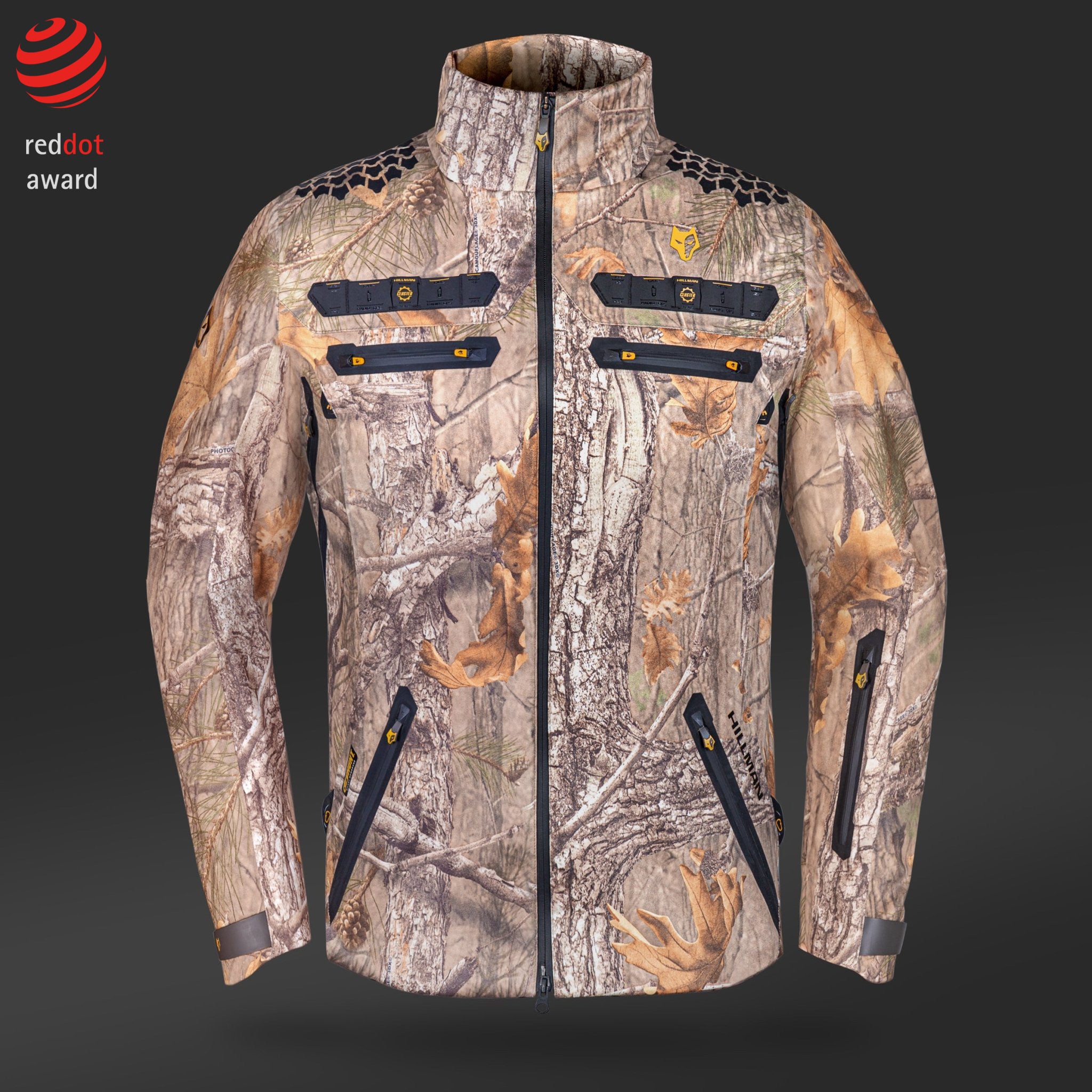
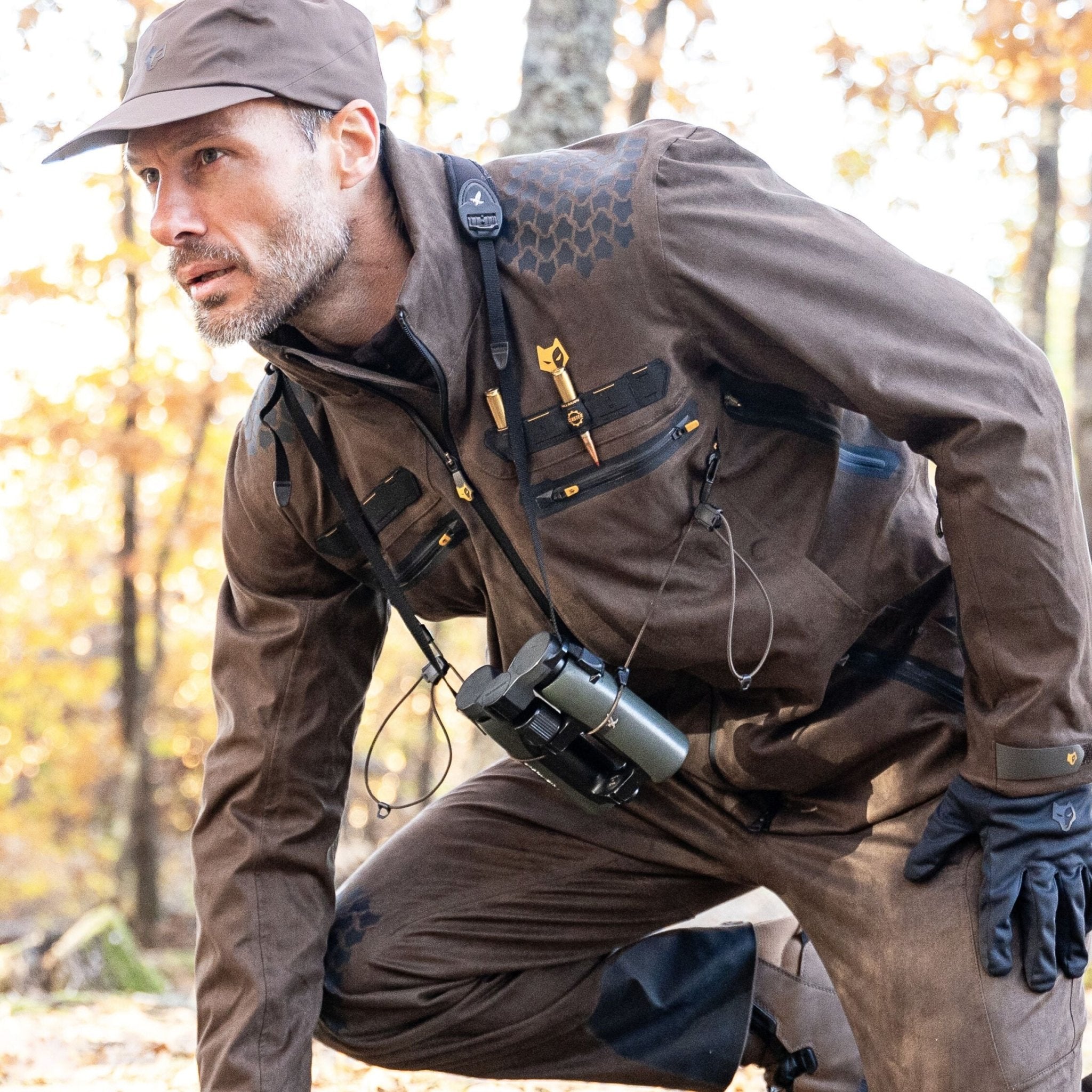
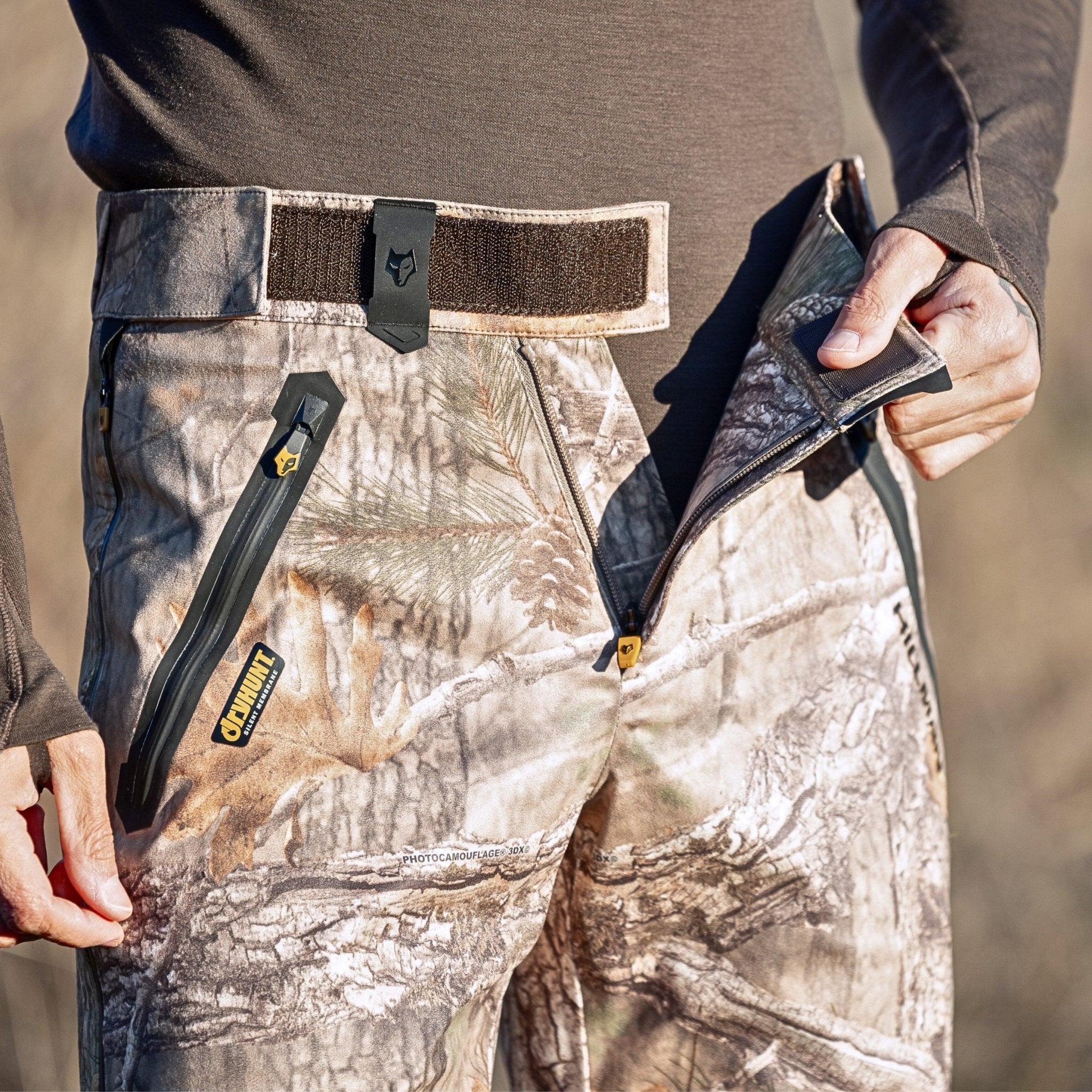
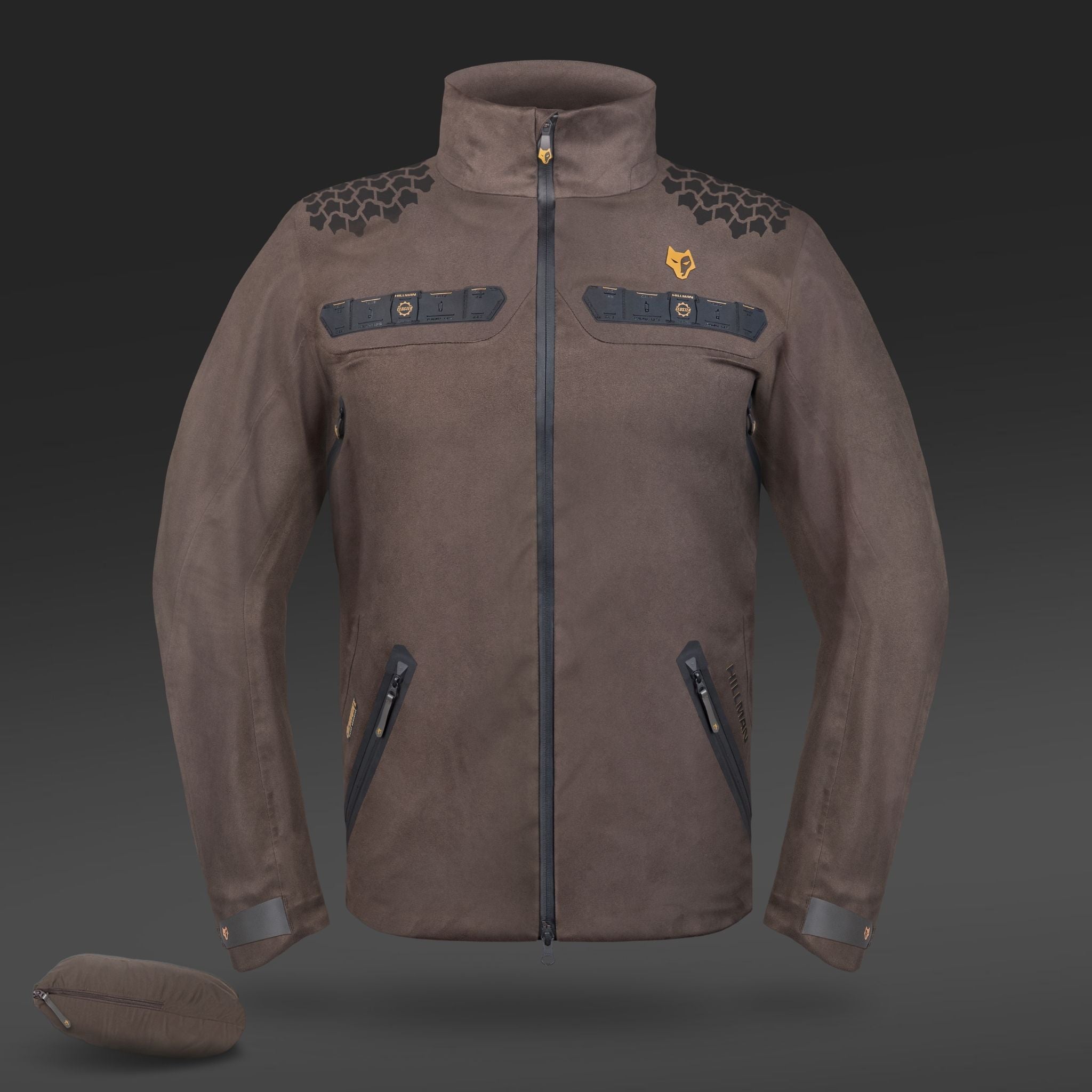
Right clothing for roe stalking is not about looking like a catalogue. It is about staying comfortable, quiet and unnoticed while the ground and weather keep changing under you.
In UK deer stalking, one short stretch can give you cool woodland, wet ground, a ride edge and then a more open patch where weather protection suddenly matters more. If your clothing fights you, the stalk starts falling apart. You get hot, then cold, then noisy, then sloppy.
Layering works because stalking is a stop-start job. You move, then wait, then move again. Breathable fabrics help control body temperature so you are not sweating through the first half hour and rustling around in your own discomfort after that. In spring, during the winter months, or on one of those mixed summer mornings, layering just makes life easier.
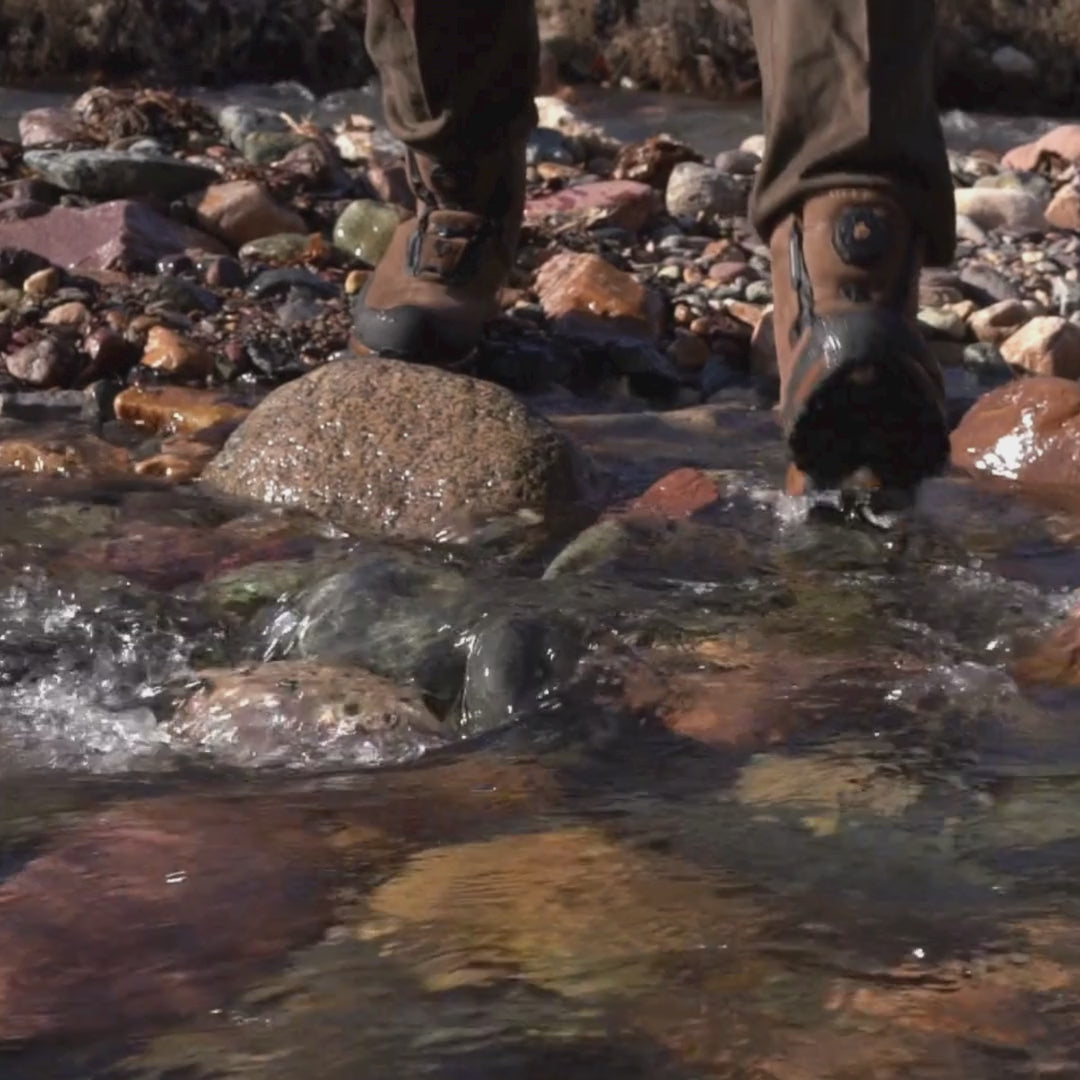
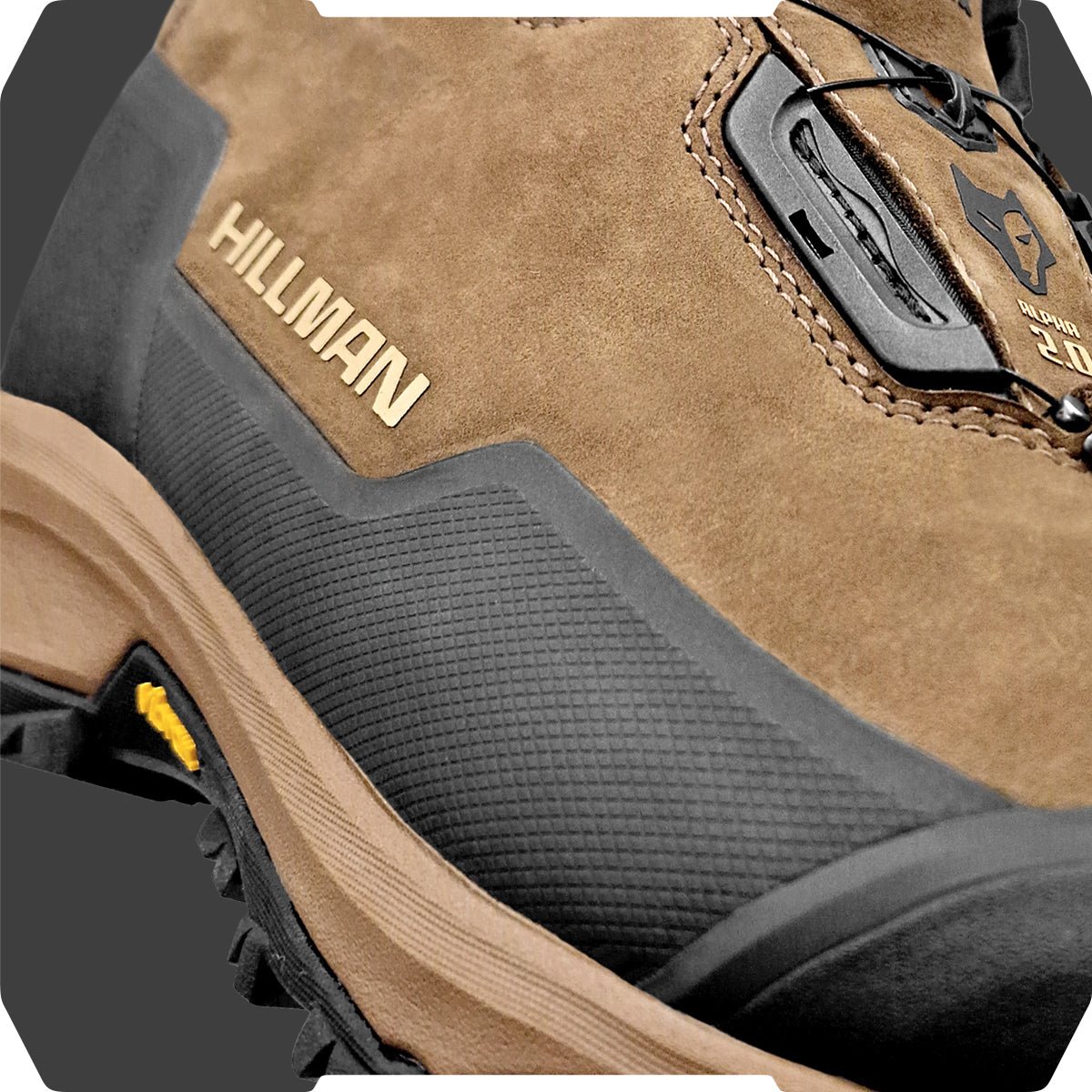
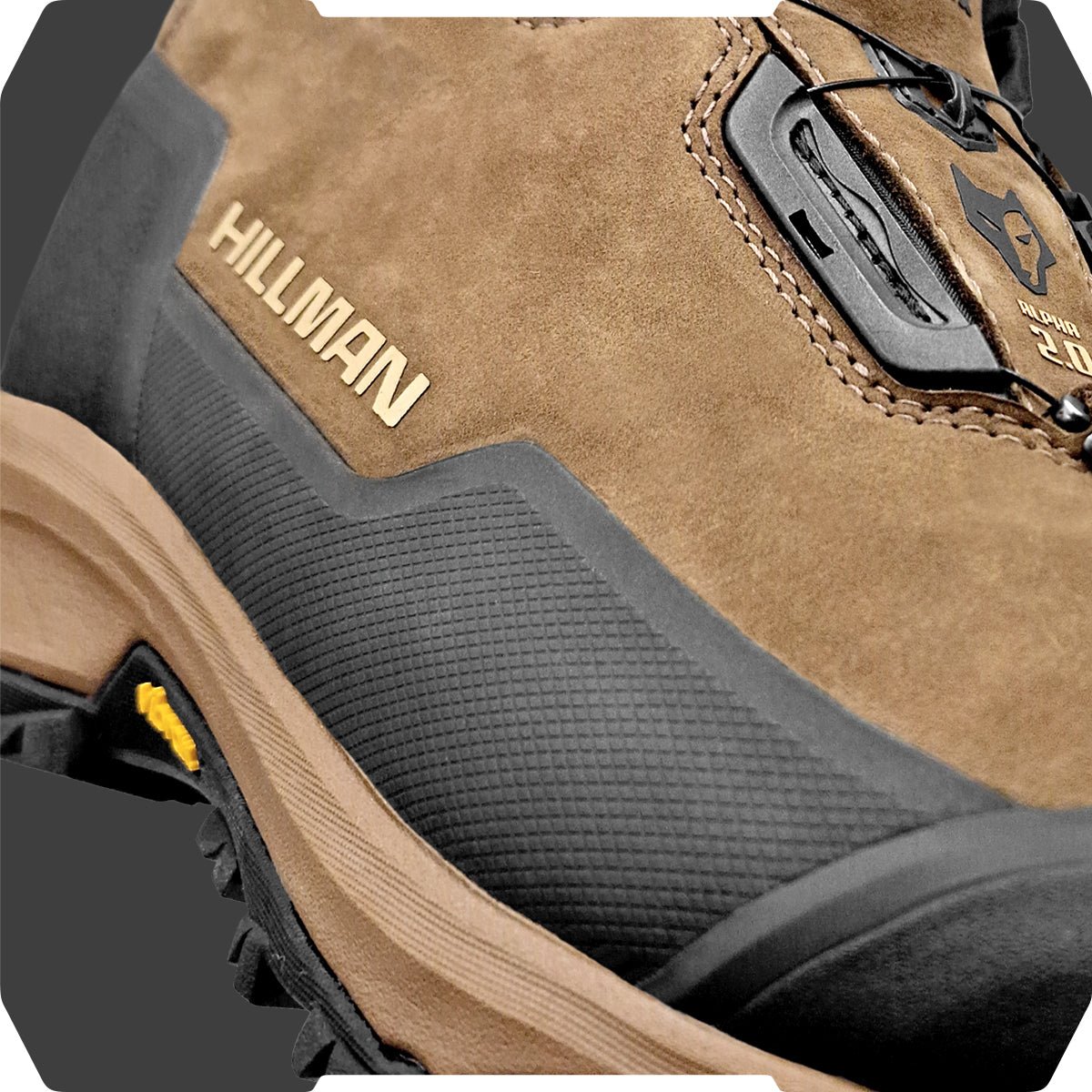
Boots matter as much as anything. Waterproof boots with good grip are essential if you are moving from woodland to wet ground and back again. They need to be steady on uneven terrain but quiet enough that every step does not sound like you are stamping through dead branches.
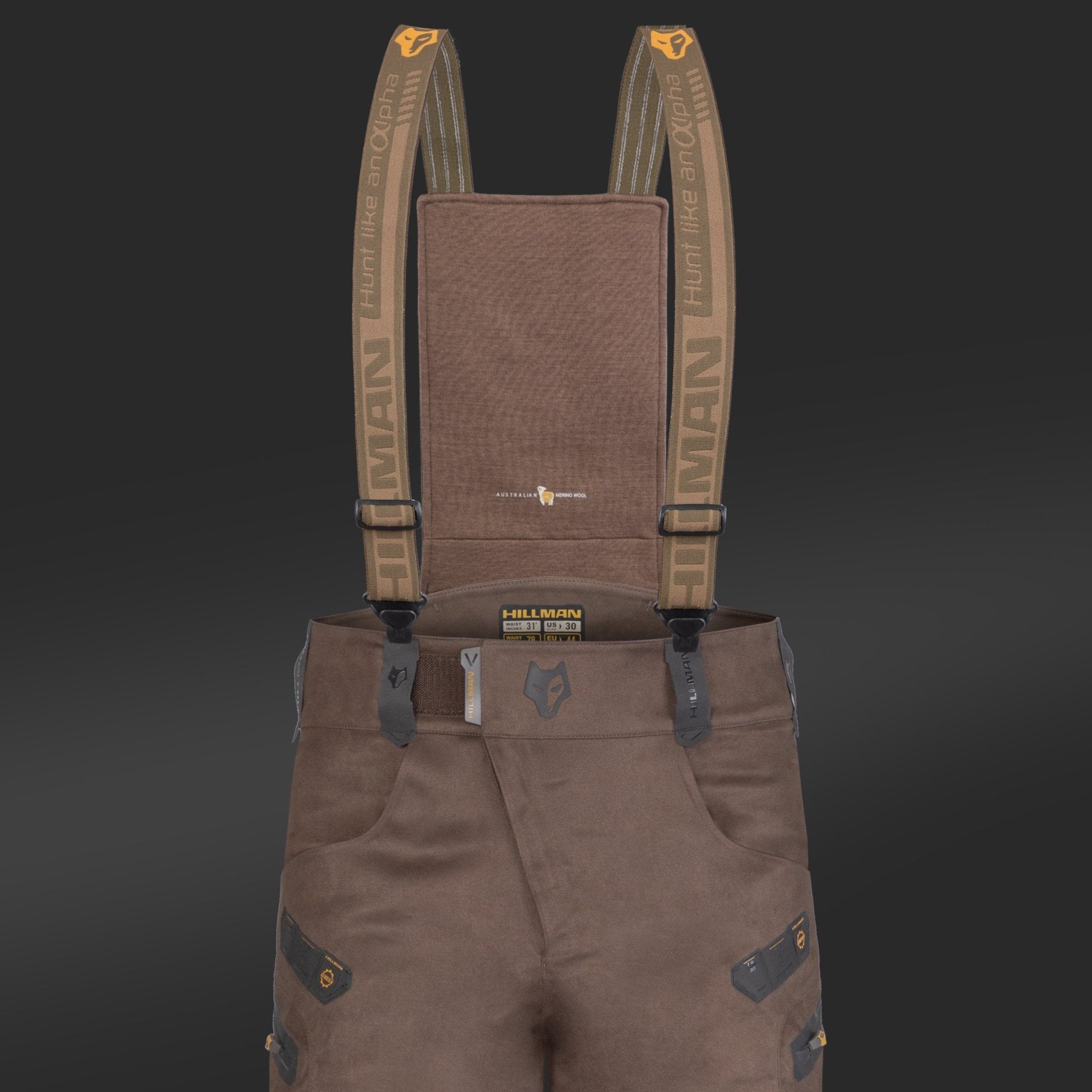
Soft footwear, breathable layers, weather protection and the right clothing are not extras. They are part of the method.
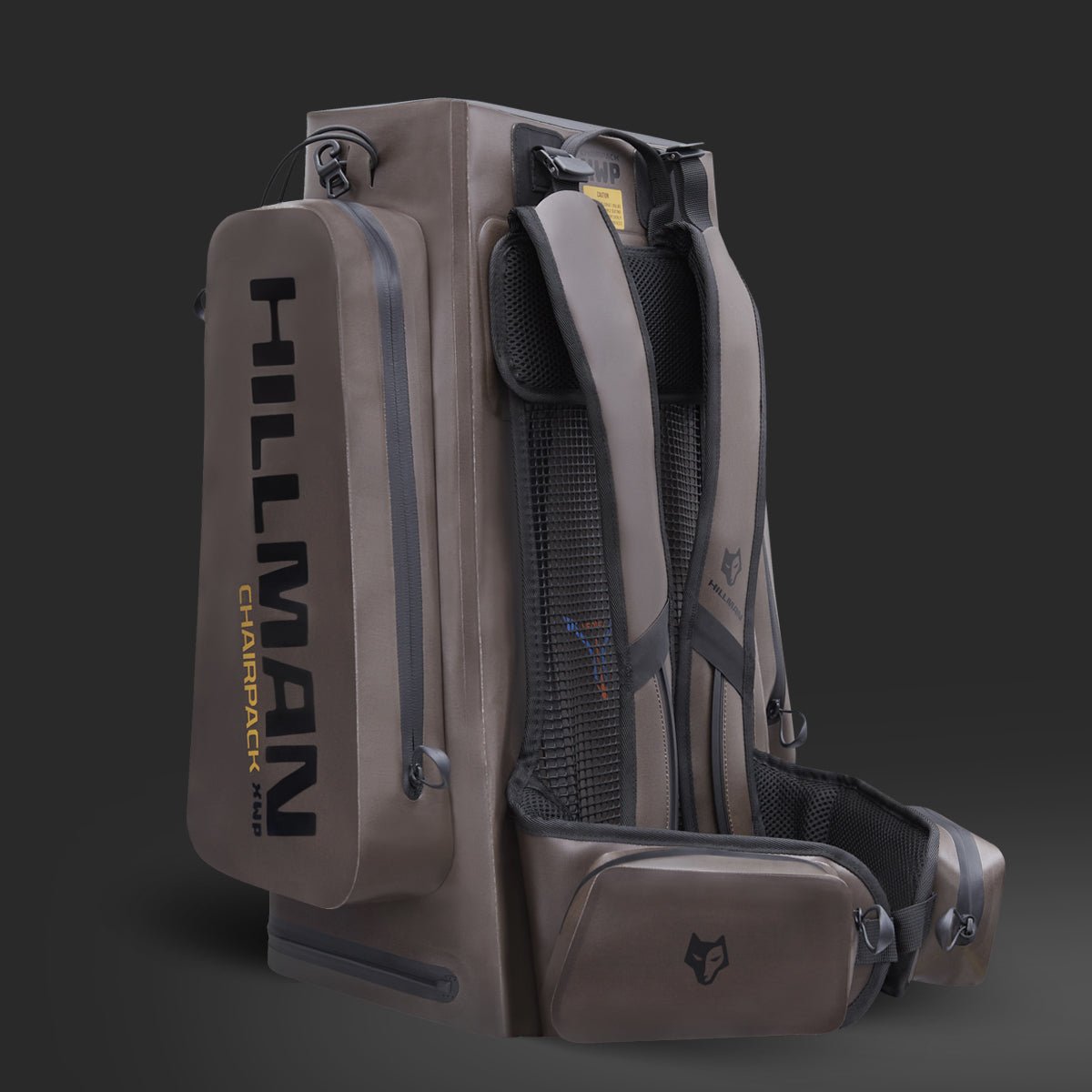
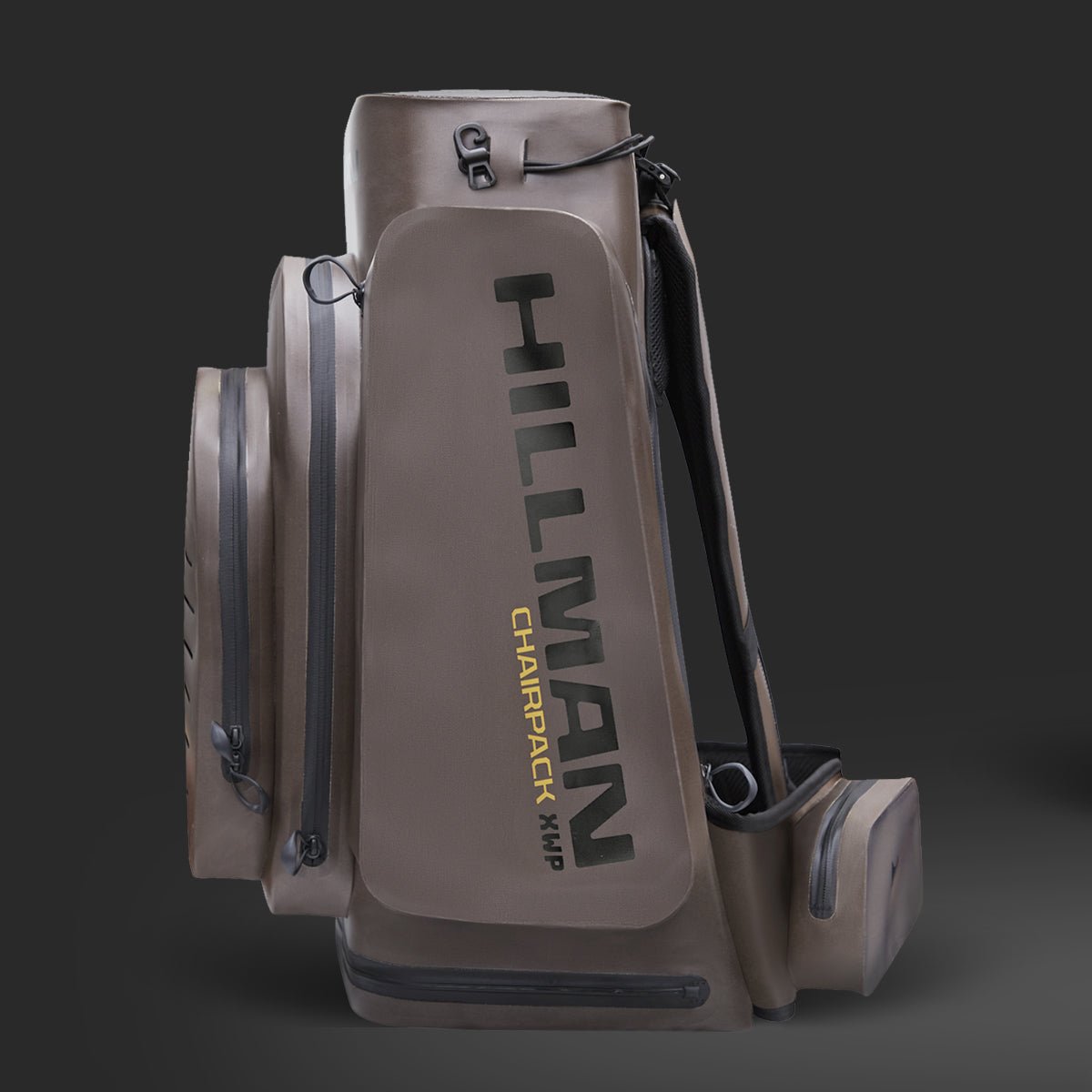
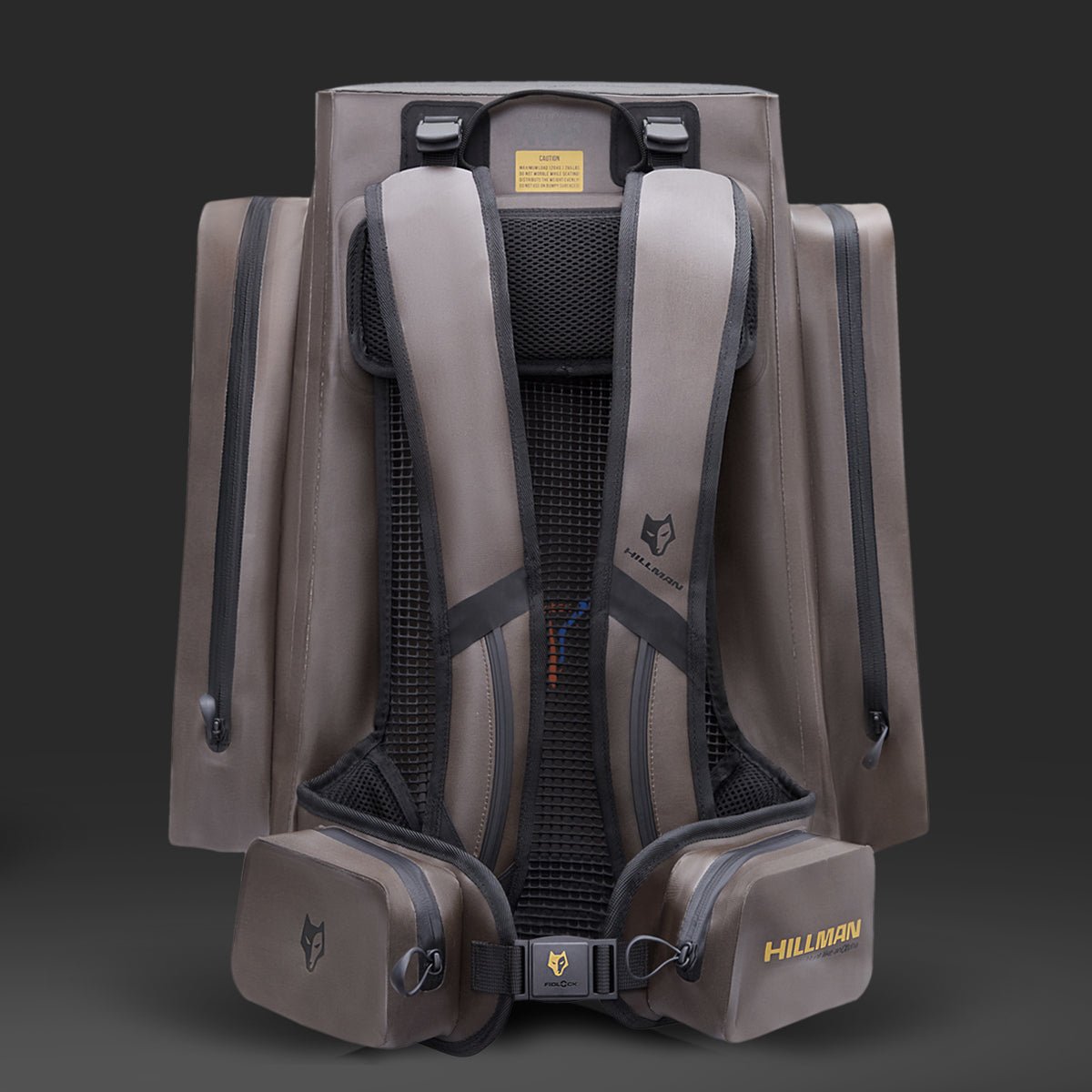
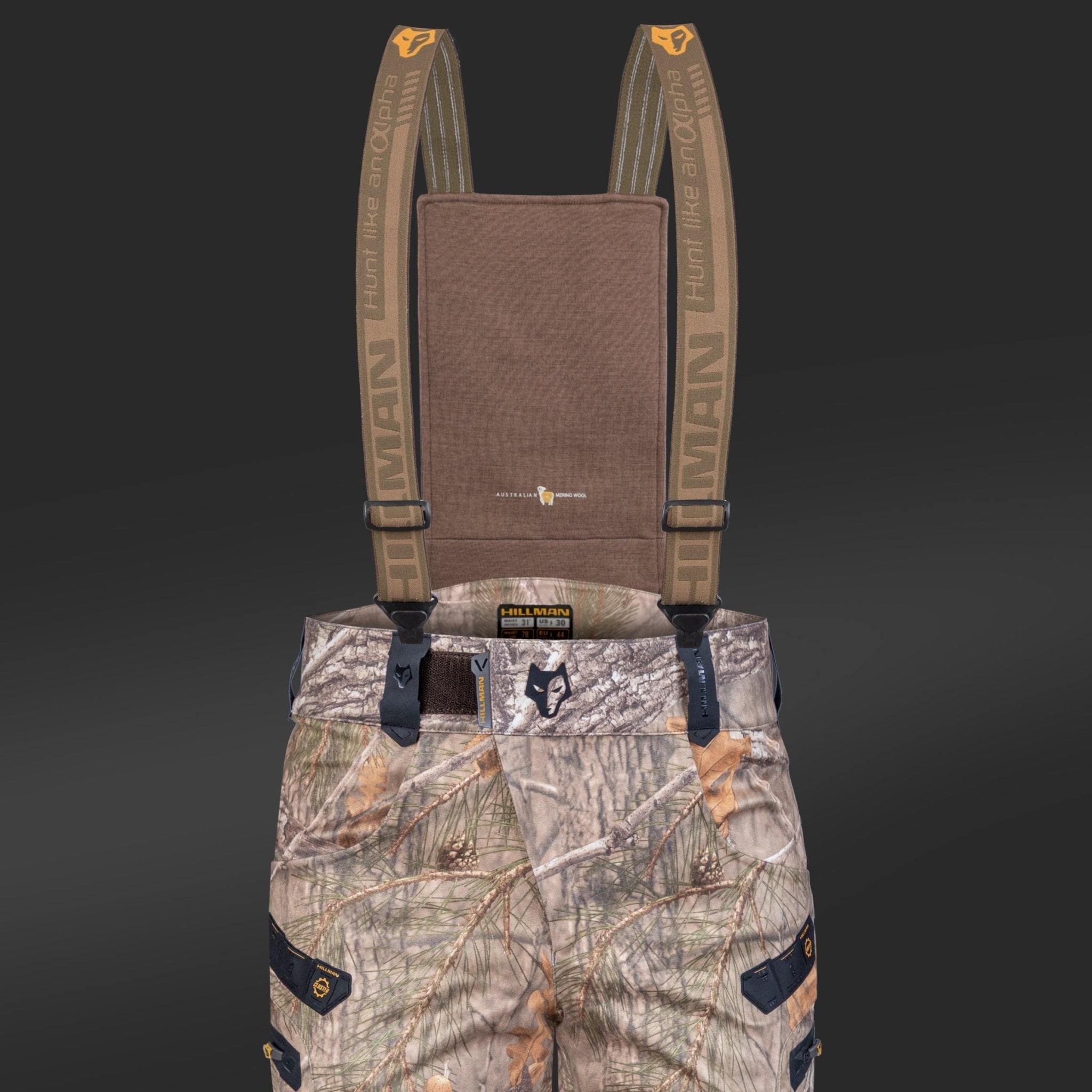
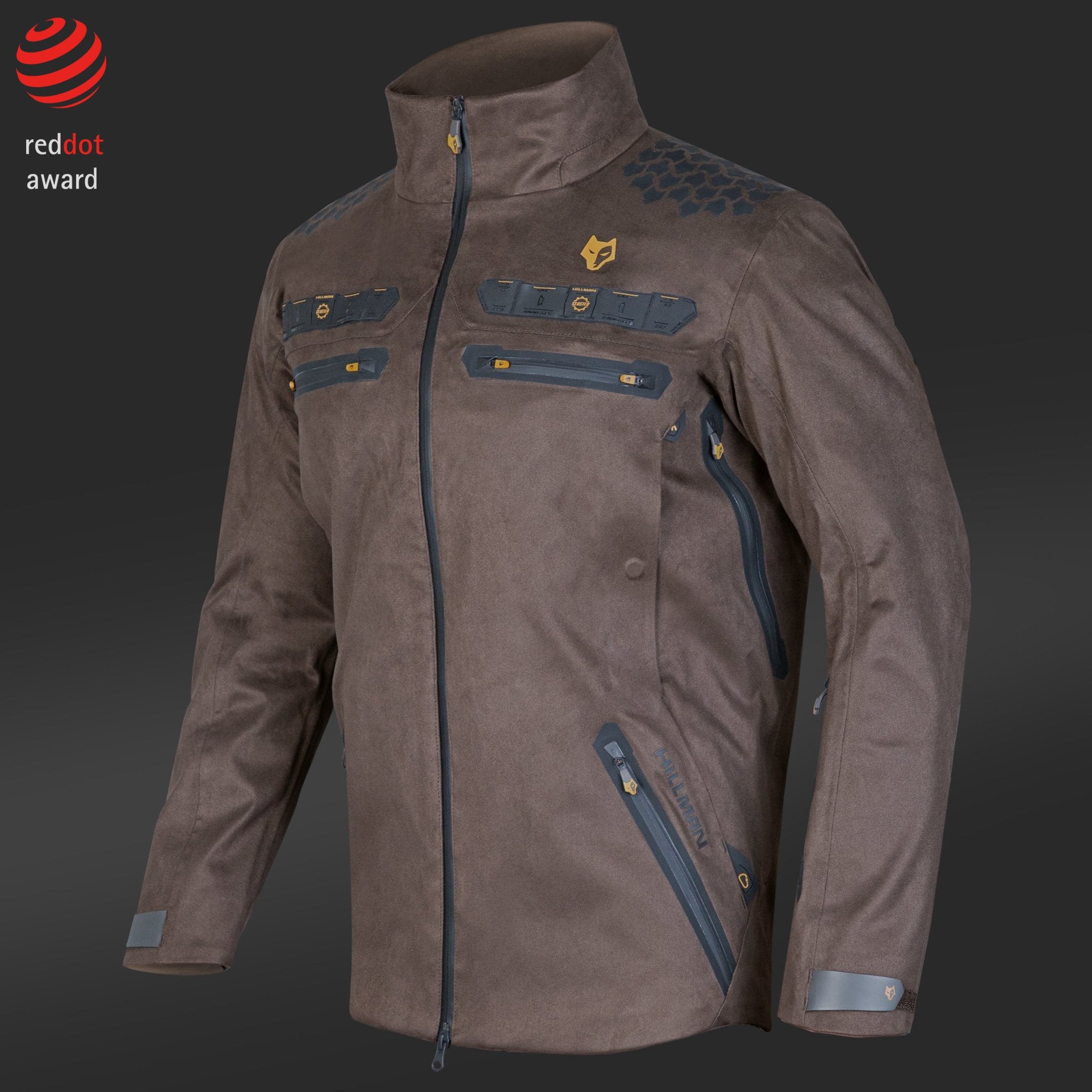
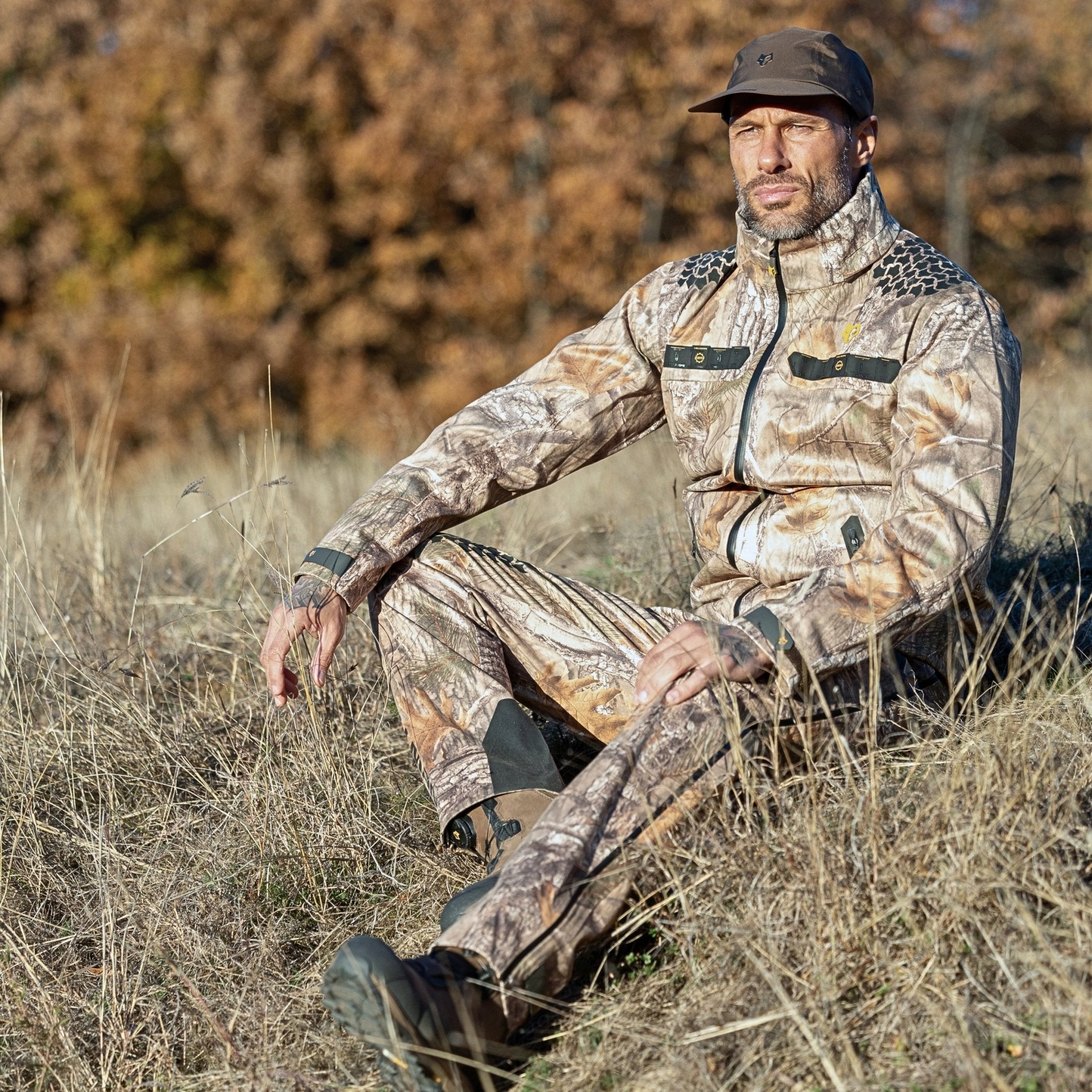
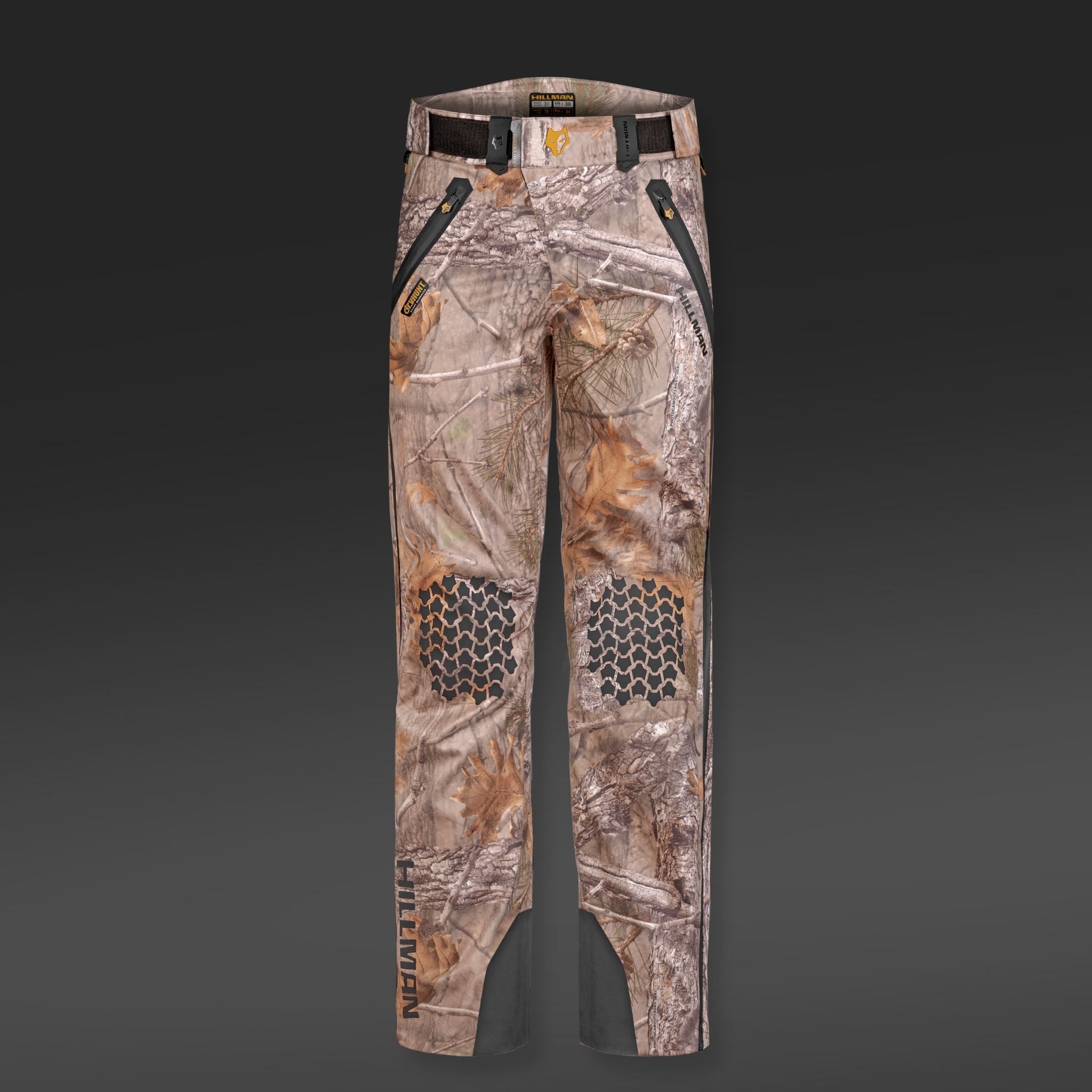
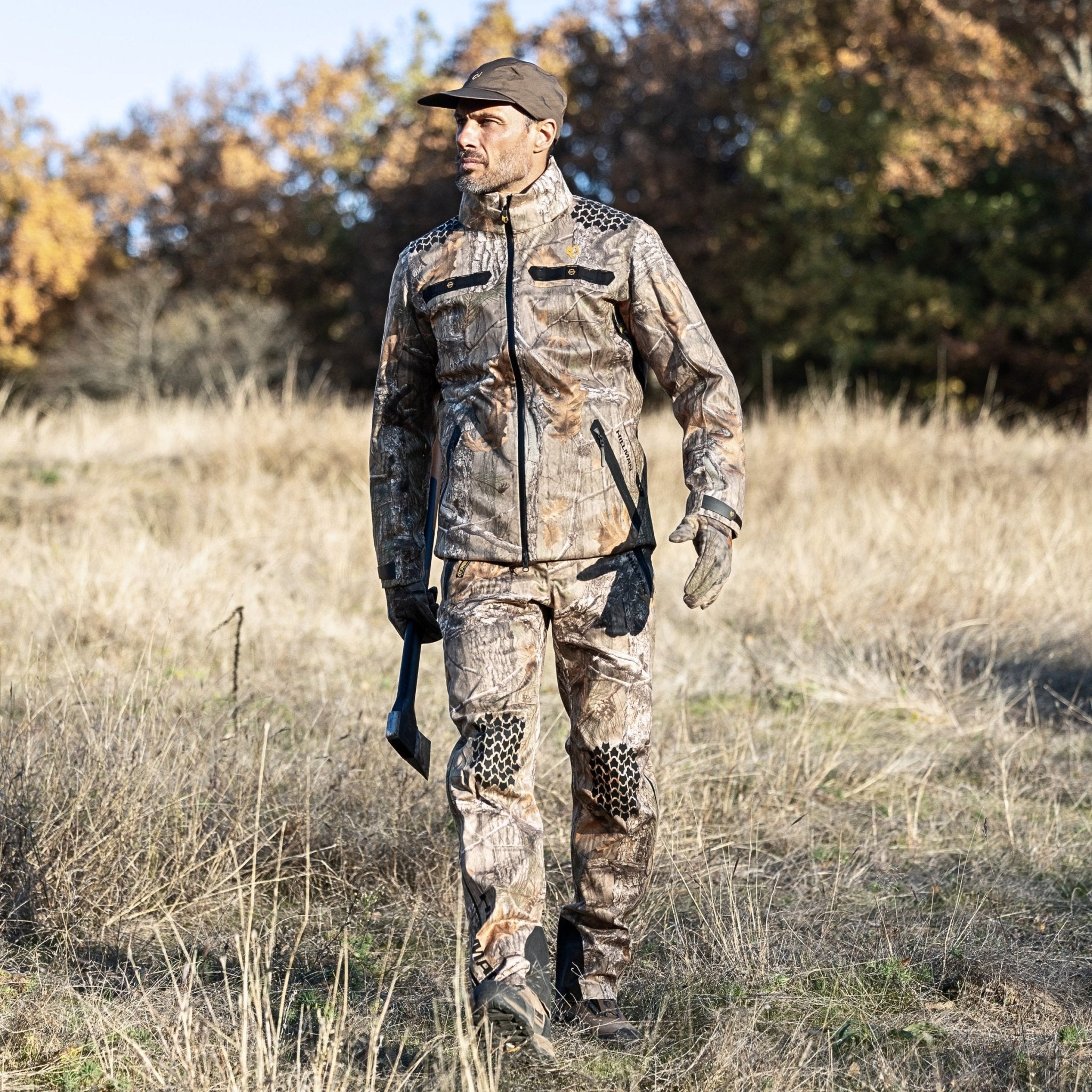
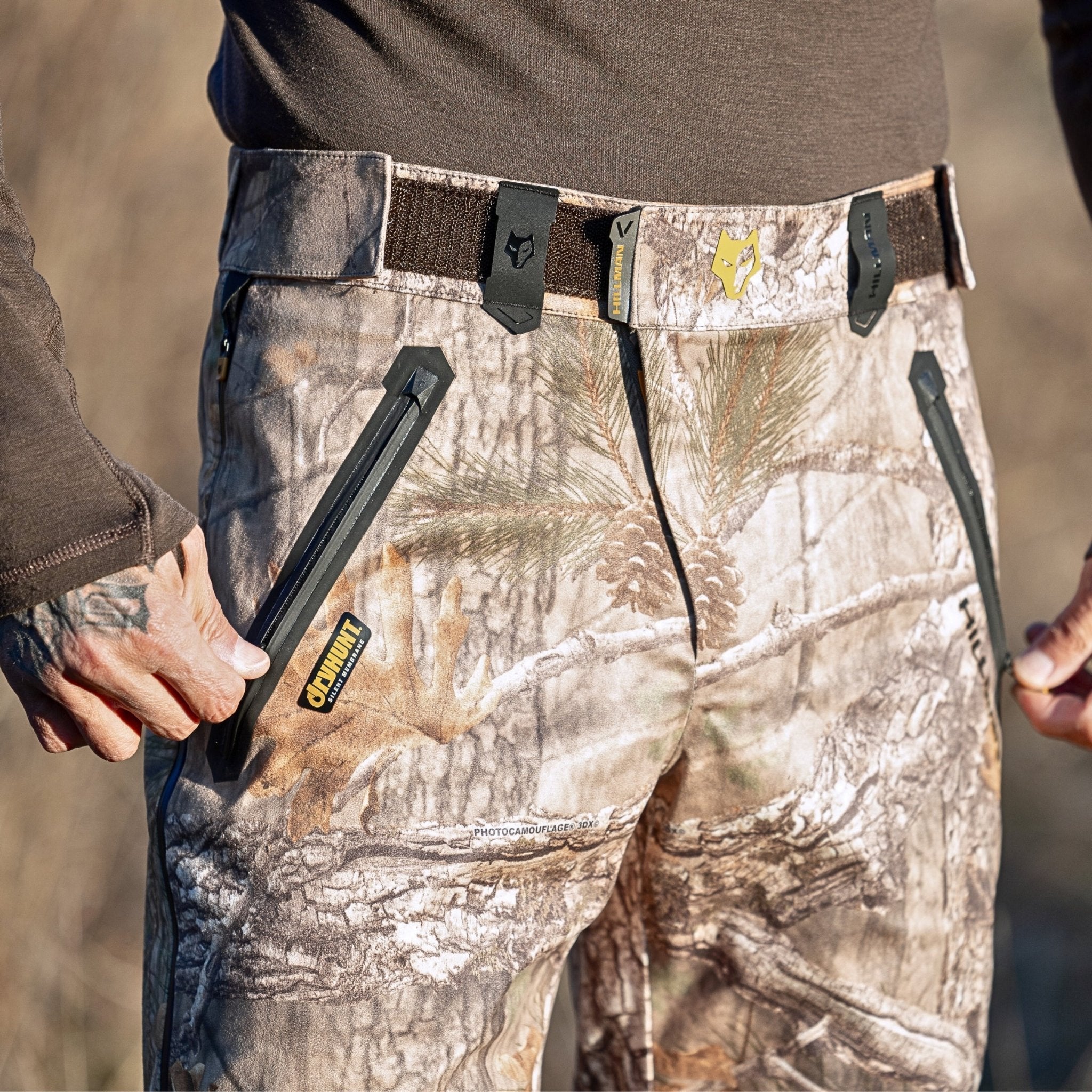
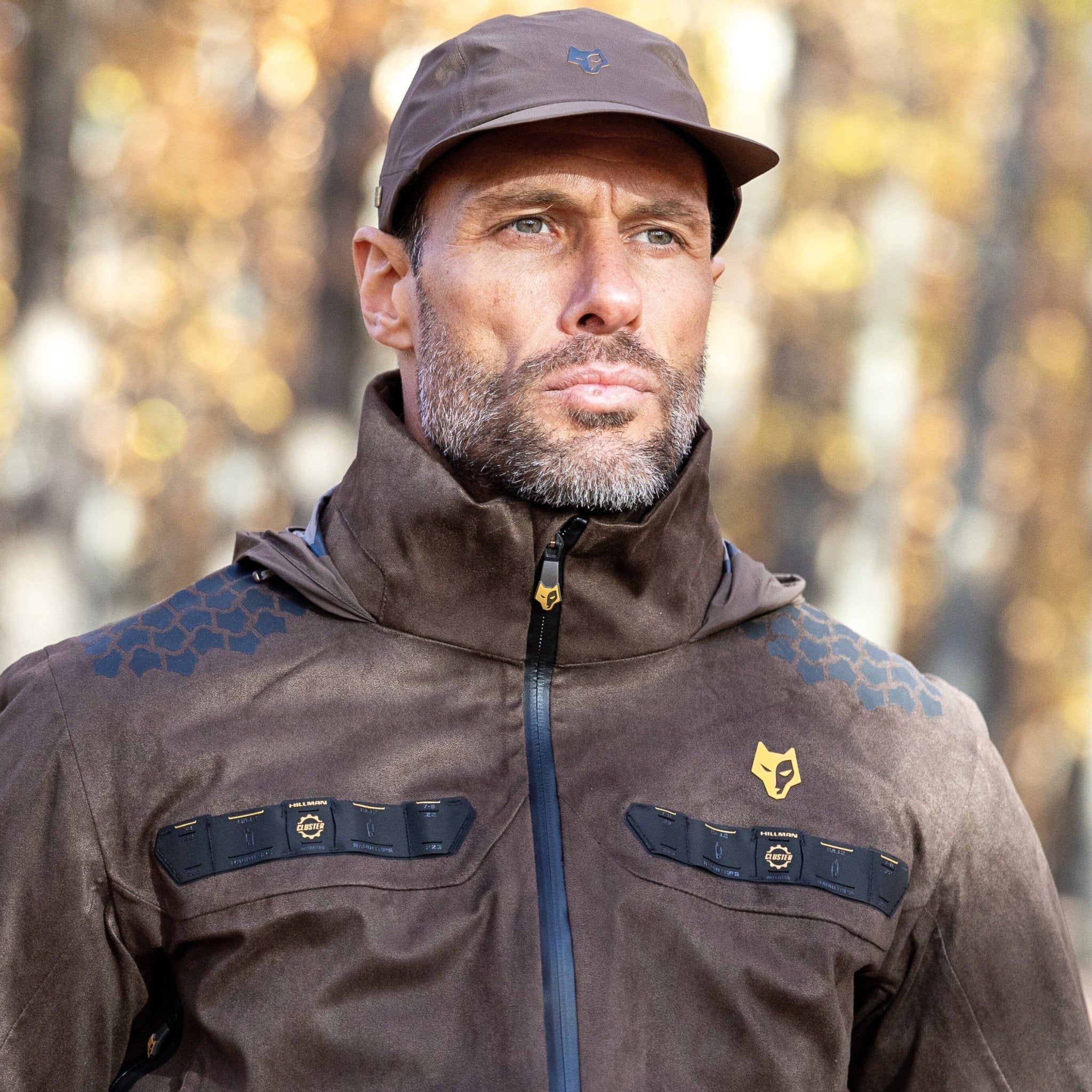
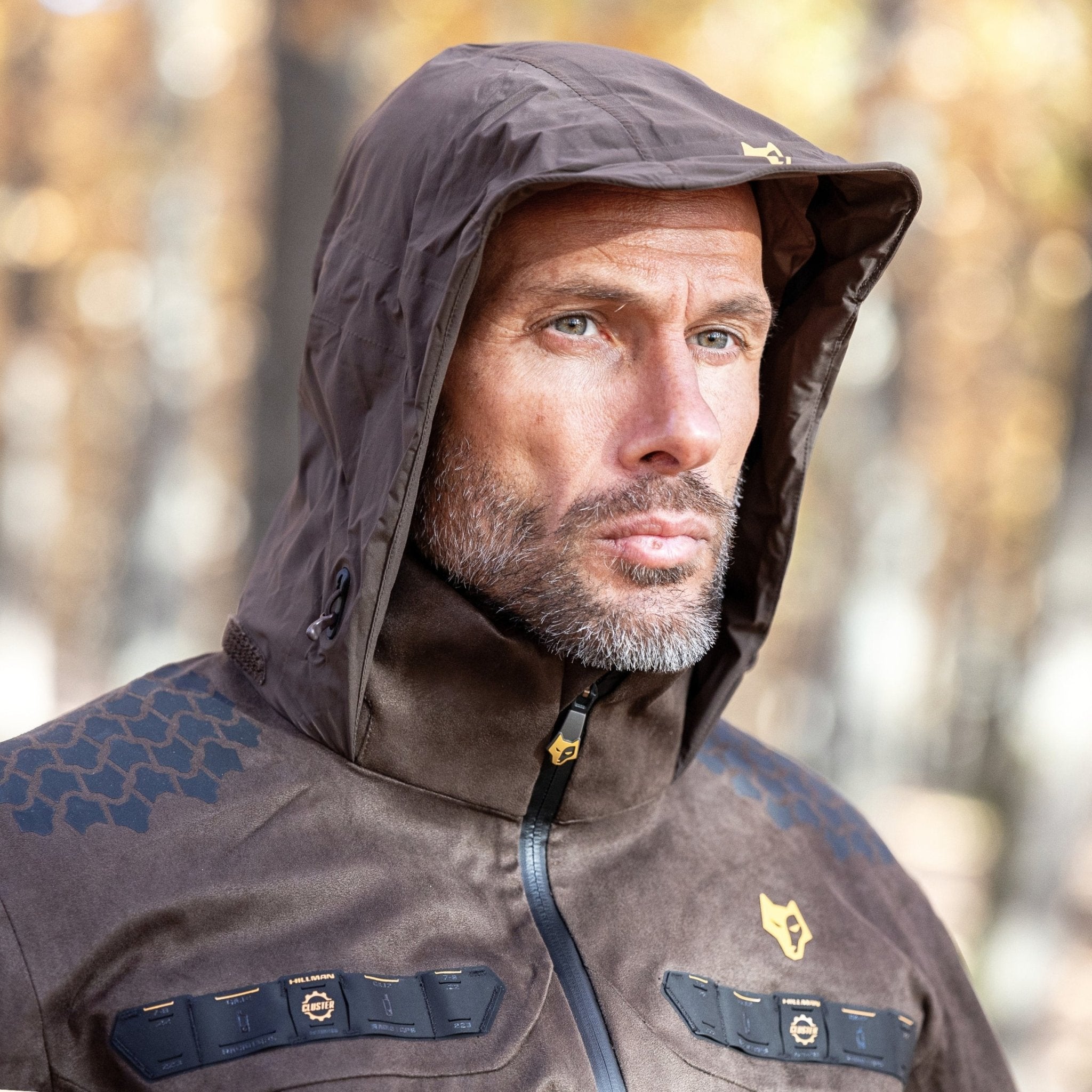
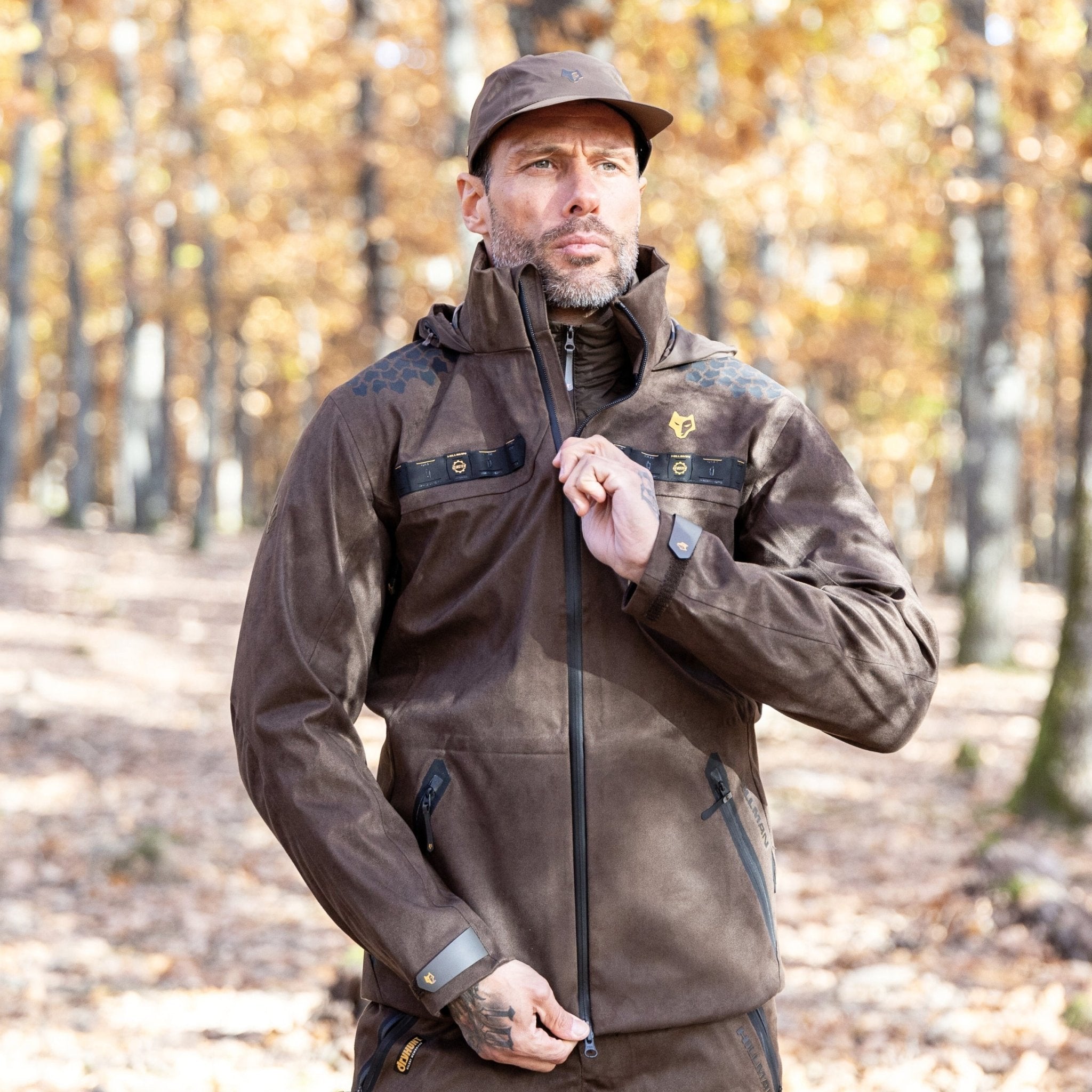
Hillman gear fits that sort of layered setup well because woodland stalking almost never gives you one fixed set of conditions for long.
Optics, Thermal and Seeing Deer in Deep Shade

Dense woodland hides roe deer in plain sight. Sometimes you are looking straight at one and still not quite seeing it. That is where decent optics earn their keep.
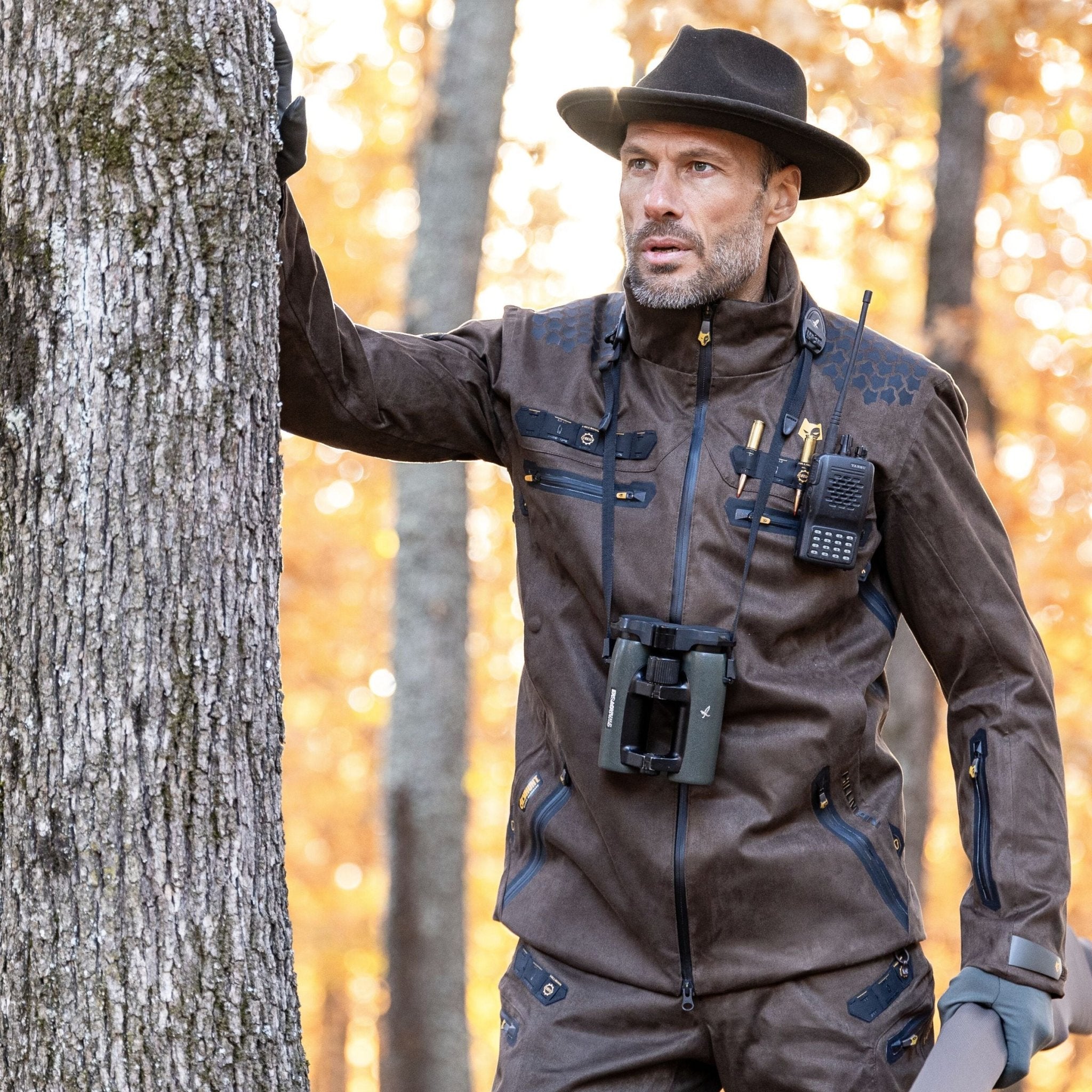
Binoculars with high light transmission help in deep shade where your eyes struggle to separate shape from background. In half light, that extra bit of clarity can be the difference between spotting a roe buck and walking past him like an idiot.
Thermal optics and thermal spotting kit have changed deer stalking a lot. In dense woodland they are a real advantage, especially when deer are tucked into cover or only partly visible through foliage. Thermal optics help identify deer in heavily shaded ground and low-light conditions where standard vision can struggle badly.
None of that replaces fieldcraft. It just sharpens it. Good optics help you find the deer. Good stalking is what still gets you close enough to take the shot properly.
Close Range Usually Means a Better Deer Shot
Ethical deer stalking usually gets better as range gets shorter. That is not about making the stalk dramatic. It is about cutting risk down.
The closer the range, the more control you usually have over shot placement. The chance of wounding drops. The odds of a clean humane deer shot go up. In woodland, where branches, bad angles and awkward light can all mess with the picture, that matters even more.
Close range usually comes from discipline, not luck. Use shade, cover and noise control to shorten the distance. Get a steadier setup. Make sure there is a proper backstop. Refuse the poor angle. Wait when waiting is the right call.
A head shot might tempt some people, but in normal deer stalking conditions it leaves very little room for error and is best left alone. A calm broadside or slight quartering angle is the sounder option for a roe buck or roe doe, depending on season and legal purpose.
This is where ethics and deer management meet properly. Whether the aim is culling deer, reducing habitat pressure, producing venison or wider countryside work, the standard should stay the same. Get close. Read the animal. Wait if needed. Shoot only when it is right.
Roe Buck Season, Doe Season and the UK Legal Side

Any talk about deer stalking in the UK has to include the legal side, because there is no point pretending it does not matter.
UK deer stalking is regulated under the Deer Act 1991 in England and Wales and the Deer (Scotland) Act 1996 in Scotland. Seasons matter. Roe buck season runs from 1 April to 31 October. Roe doe season runs from 1 November to 31 March, unless some specific licence says otherwise. Legal hunting hours are one hour before sunrise to one hour after sunset unless there is licensed variation.
That means timing matters. A stalk in half light can be lawful and effective, but you still need to know exactly where you stand on the clock. It also means you must avoid leaving dependent young when dealing with does. That is not just a legal point. It is basic responsibility.
Written permission is essential. Legal liability insurance is strongly advisable and in real life is often expected before anyone gives access. Whether you are a professional stalker, a newcomer doing a deer stalking certificate, or an experienced rifle shooter, the legal side needs the same level of respect.
The rules are there because deer stalking, wildlife responsibility and deer management overlap. Ignore that and you are asking for trouble.
Trail Cameras, Deer Management and Planning Properly

Good deer management is rarely random. Trail cameras help because they give you a better read on deer populations, movement patterns and general behaviour before you go blundering in.
You start to see how roe deer use a woodland edge in spring, when bucks begin to show more clearly, where does are holding, and whether muntjac or even red deer are using the same bits of ground. That makes planning better.
Cameras do not replace time in the woods. They just cut down the guesswork. They can show when animals move through a point, how often several males overlap, and how weather shifts their habits. They also help with practical decisions around deer management, carcasses, venison handling and, where lawful, whether someone plans to sell venison properly.
Still, there is no shortcut around knowing the ground. The best stalkers know where wet ground holds after rain, where wind curls in a cut ride, which edge stays shaded longest, and how woodland opens into open ground. That sort of local knowledge beats random effort every time.
Roe Stalking in Woodland Is a Different Job From Red Deer on Open Hill

People talk about deer stalking as if it is one neat thing. It is not.
Roe stalking in woodland is a different job from stalking red deer on open hill. Red deer often mean bigger land, longer reads and more open visibility. Roe deer in woodland mean tighter spaces, less margin for error and a lot more punishment for small mistakes.
Someone used to stalking red deer may feel absurdly exposed the first few times in woodland. Someone who knows roe well may find open hill strange because everything suddenly feels stretched out. But the basics still hold. Wind matters. Movement matters. Terrain matters. Patience matters. Shot discipline matters.
Different deer species, different countryside, different range, same need for clean shooting and sound judgement.
What Good Stalkers Notice Before the Shot

Before the shot, experienced stalkers are not only looking at the deer.
They are watching what the light is doing. They are checking whether the wind is still safe. They are reading whether the animal is calm, feeding, listening or half-ready to go. They are noticing birds kicking off, a fox slipping through, a dog barking far off, or young growth moving after one careless step.
They are thinking about whether the rifle can come up cleanly without clipping cover. Whether there is a solid backstop. Whether waiting another minute gives a better point of aim. Whether the buck is about to step behind a tree or turn broadside. They know one hour in the wrong place teaches less than five proper minutes in the right one.
And they know when not to shoot deer.
Sometimes the shot is wrong. Sometimes the backstop is poor. Sometimes the animal is moving, the range is not right, or the season does not allow it. Ethical deer stalking is full of shots that never get taken. That is not weakness. That is the standard.


Share:
How to Follow Up a Deer Properly After the Shot
Driven Day Discipline: What Good Peg Shooters Do