

Driven Day Discipline: What Good Peg Shooters Do Before Birds Appear

The small habits before the horn often decide the whole day’s shooting.
Driven day discipline: What good peg shooters do before birds appear. A lot of people think the real test in driven shooting starts when the first birds show over the line. In practice, most of it starts earlier. The quiet minutes before a drive tell you plenty about a gun. Not the polish. Not the chat. The discipline.
Good peg shooters do not simply arrive, load, and hope to shoot birds well. They read the ground, listen to the shoot captain, clock the neighbouring guns, and make a mental note of where the pickers up, beaters and pickers, and shoot staff are likely to move. That is what keeps a shoot day safe, smooth, and enjoyable.
In the shooting world, people notice this stuff. On a first shoot, especially, it matters. A calm gun who knows the rules, respects the line, and avoids the wrong thing before the first drive has even started is usually the one other guns are happy to stand beside all season.
Arrive early enough to settle, not rush

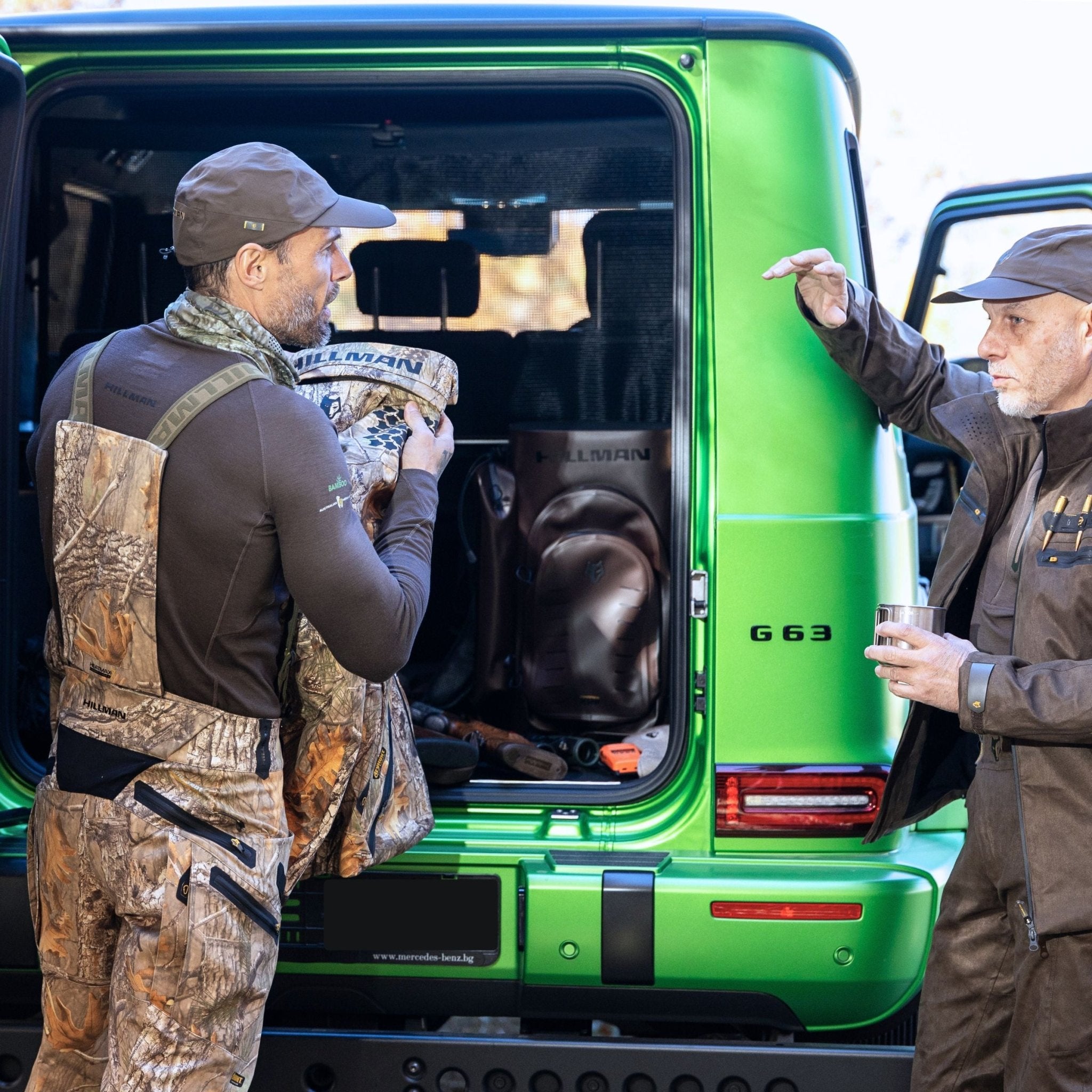
For a day’s shooting, being on time really means being early. Most driven game shooting days expect guns to arrive around 30 to 45 minutes before the first drive. That window matters. It gives the shoot team time for introductions, peg number allocation, and a proper safety briefing without people fumbling with slips and cartridge bag straps while everyone else waits.
Arriving late is poor form. It puts pressure on the shoot captain, delays fellow guns, and starts the day with the wrong tone. Driven day discipline begins in the car park.
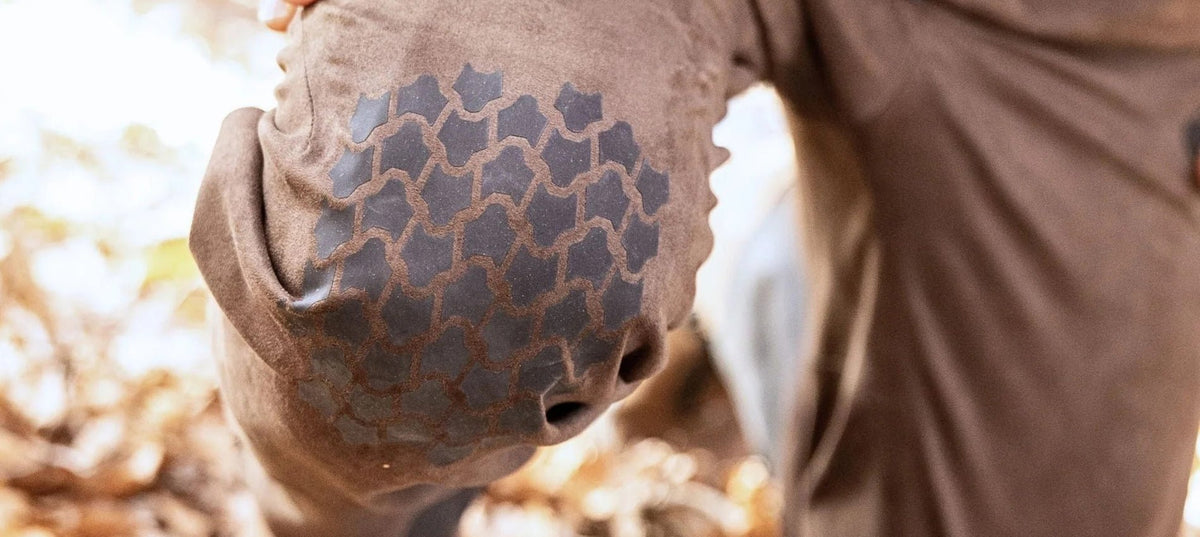
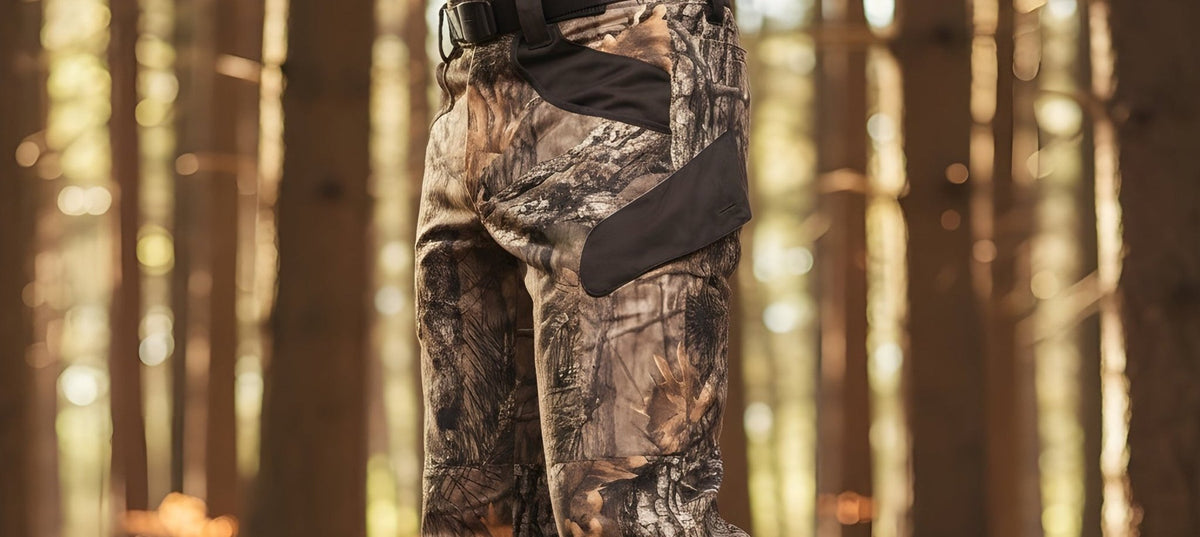
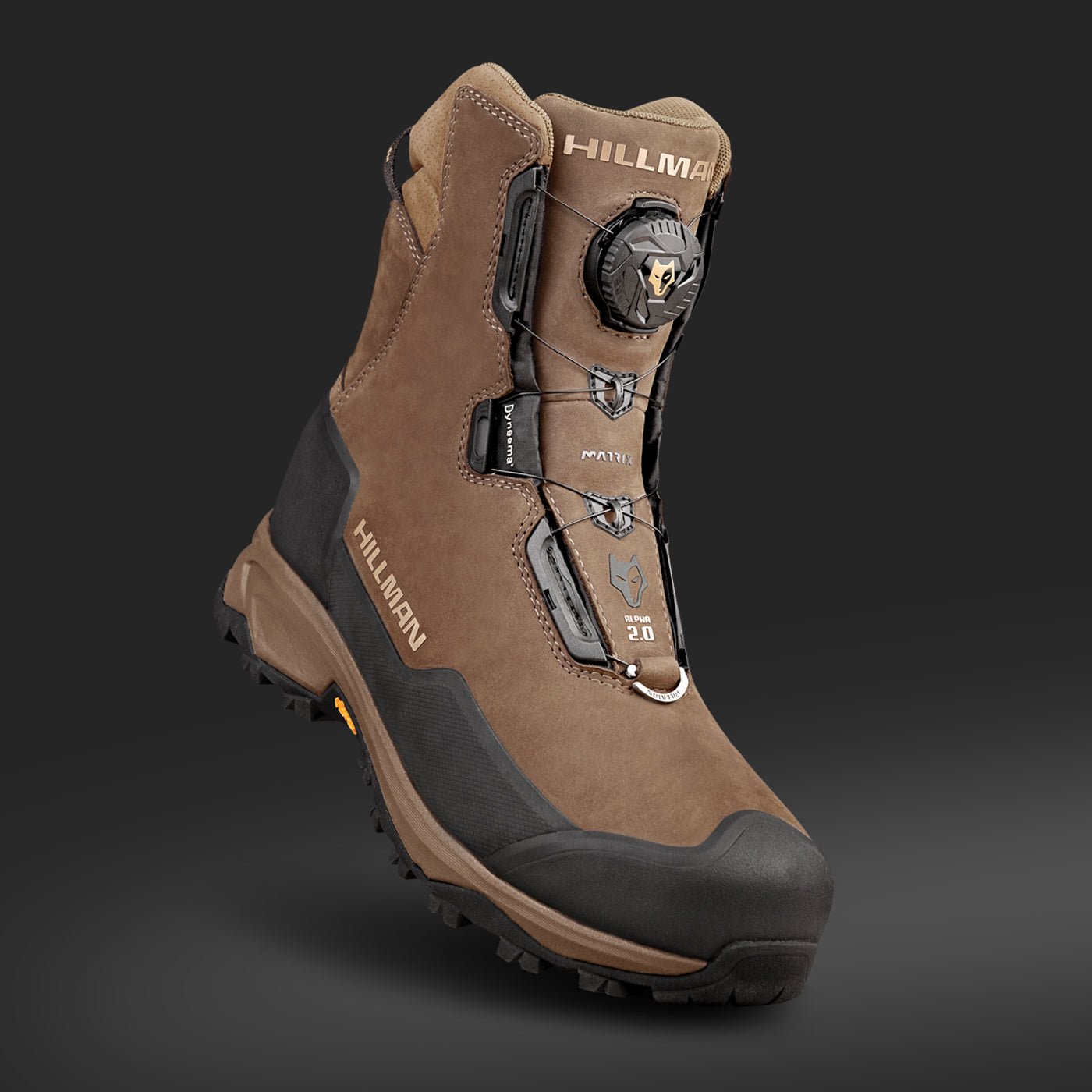
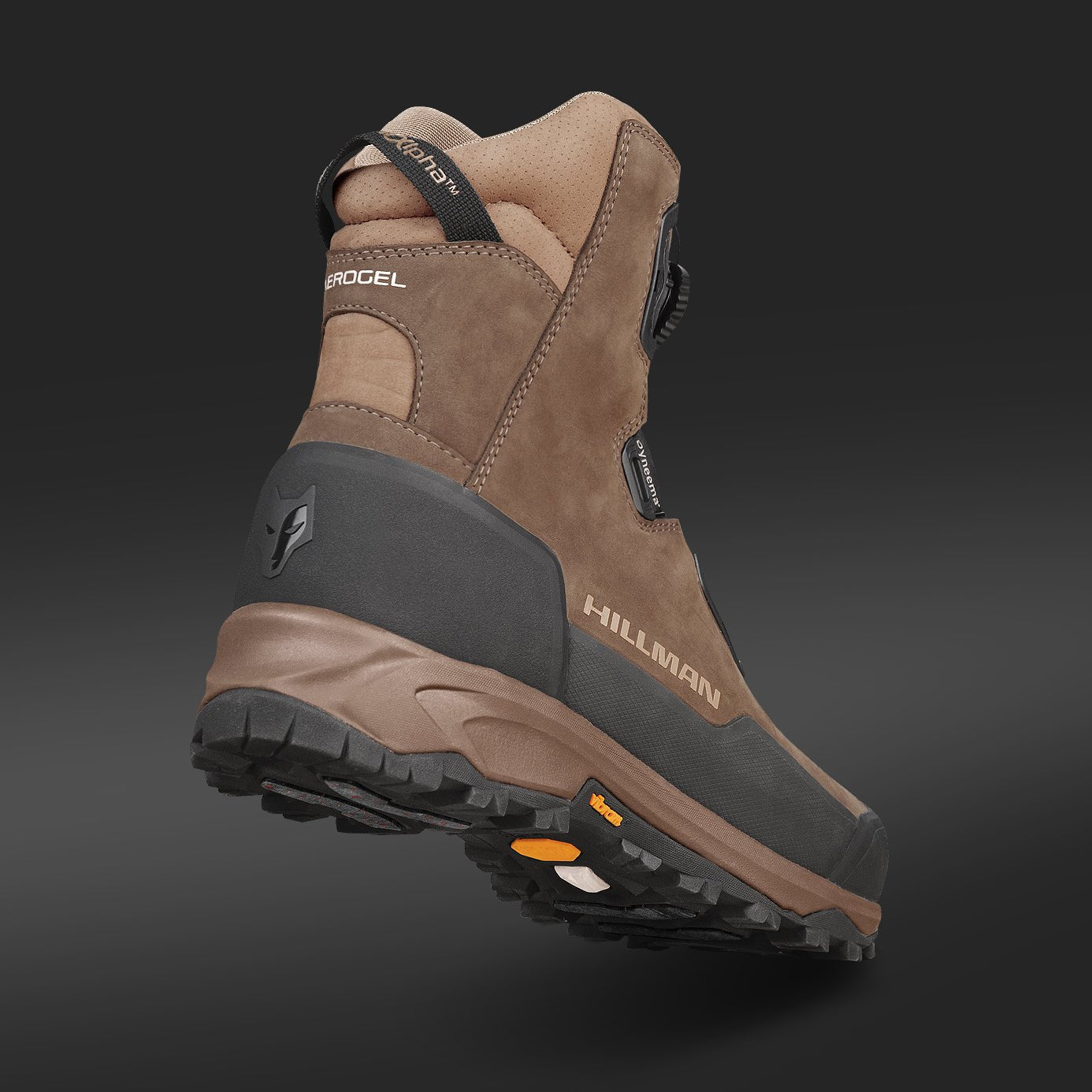
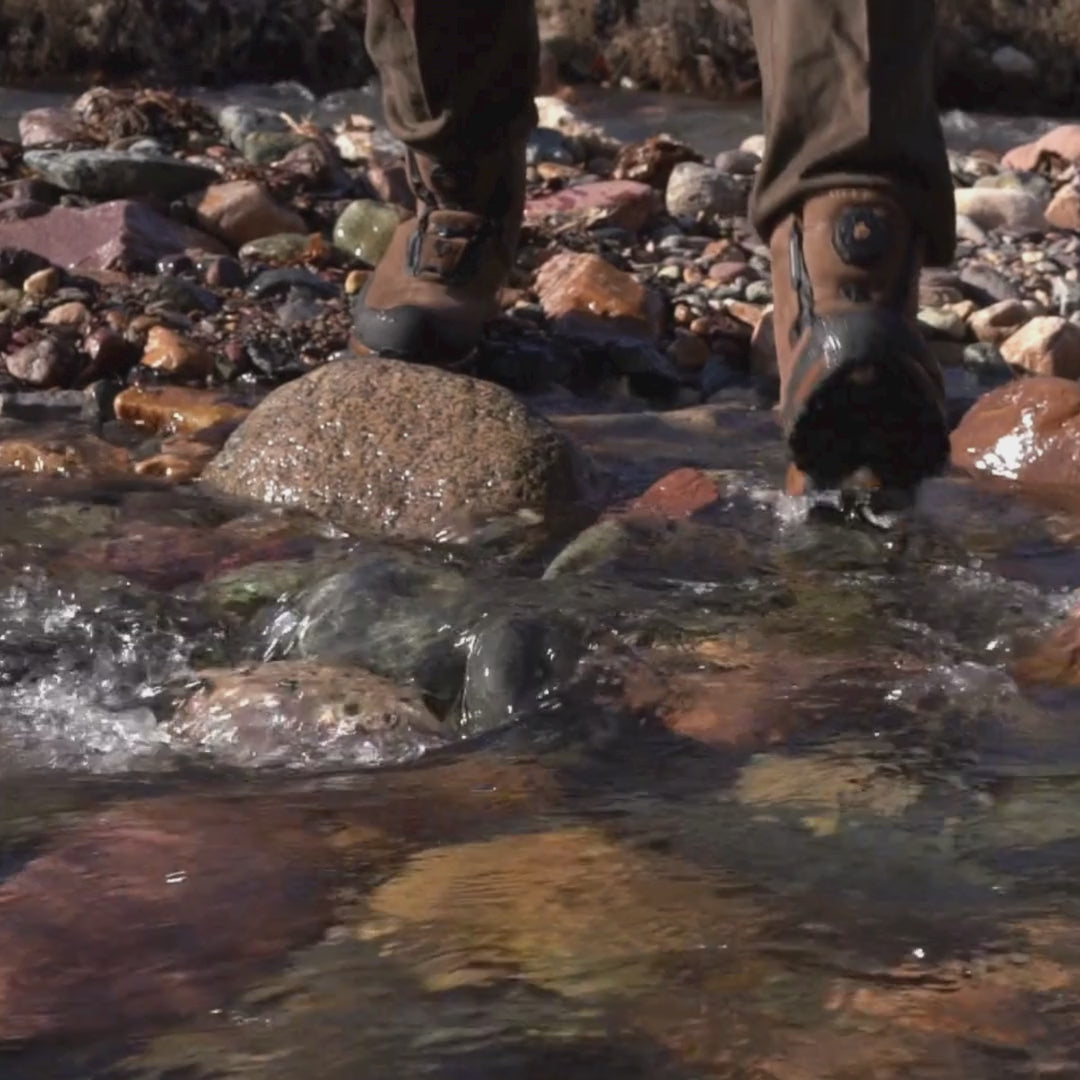
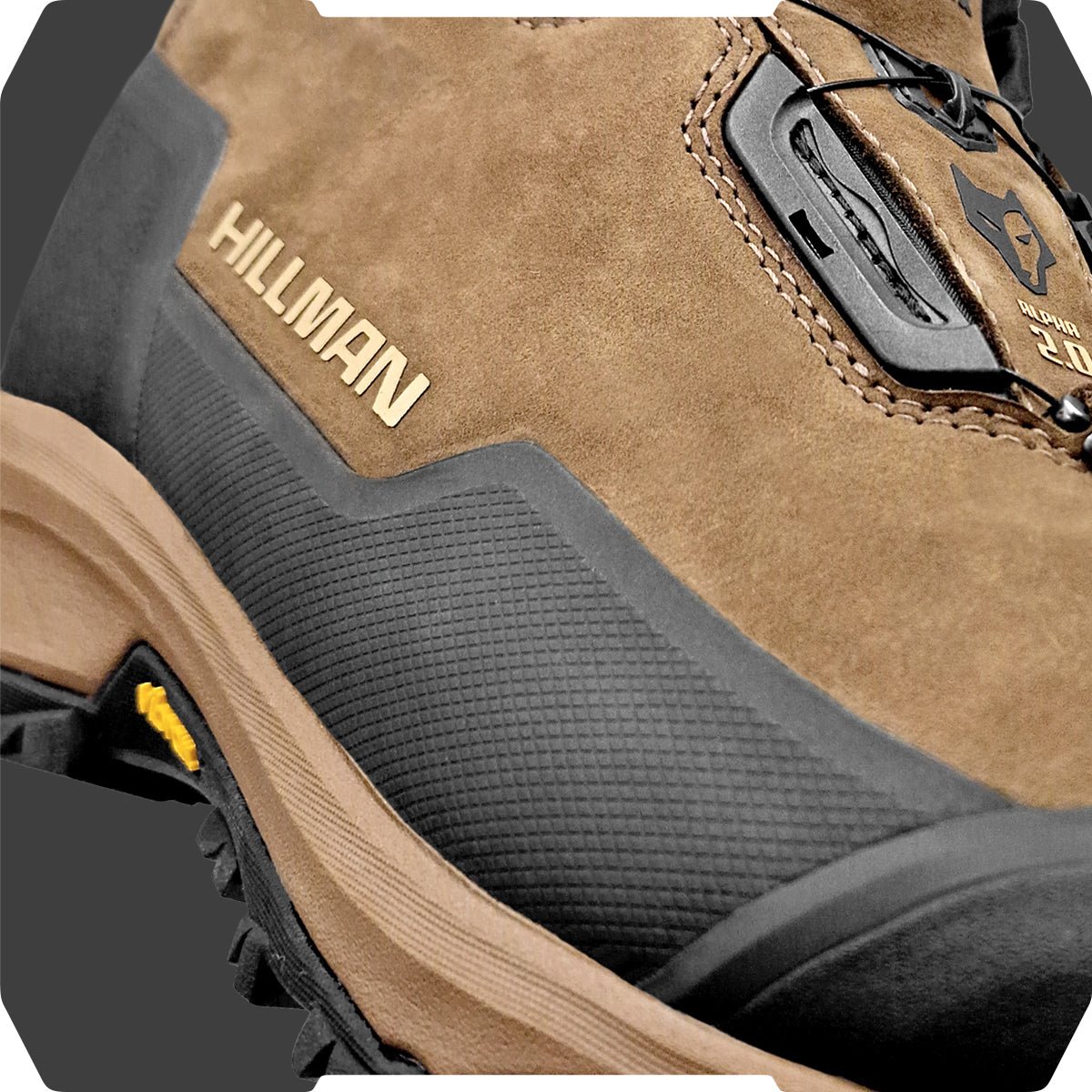
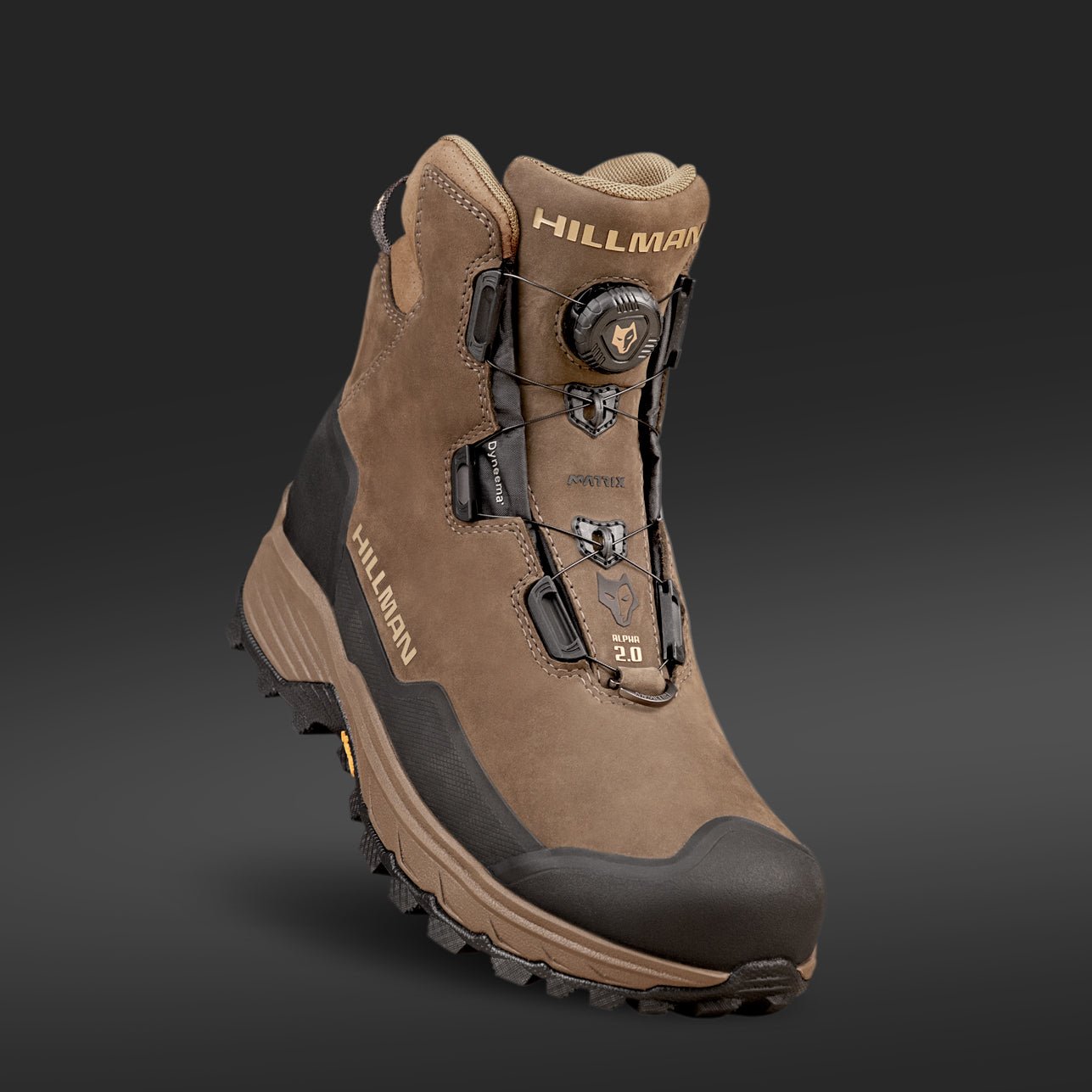
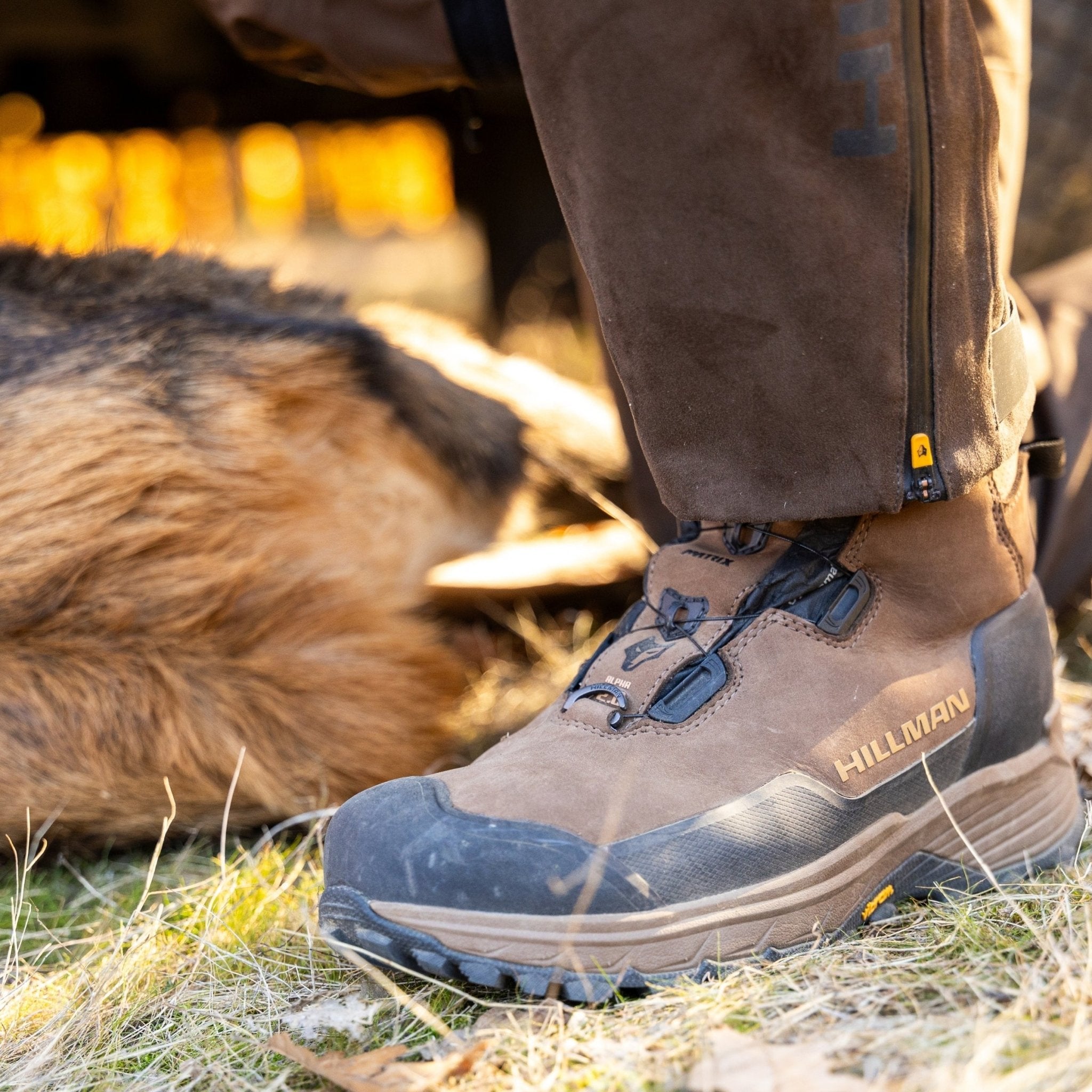
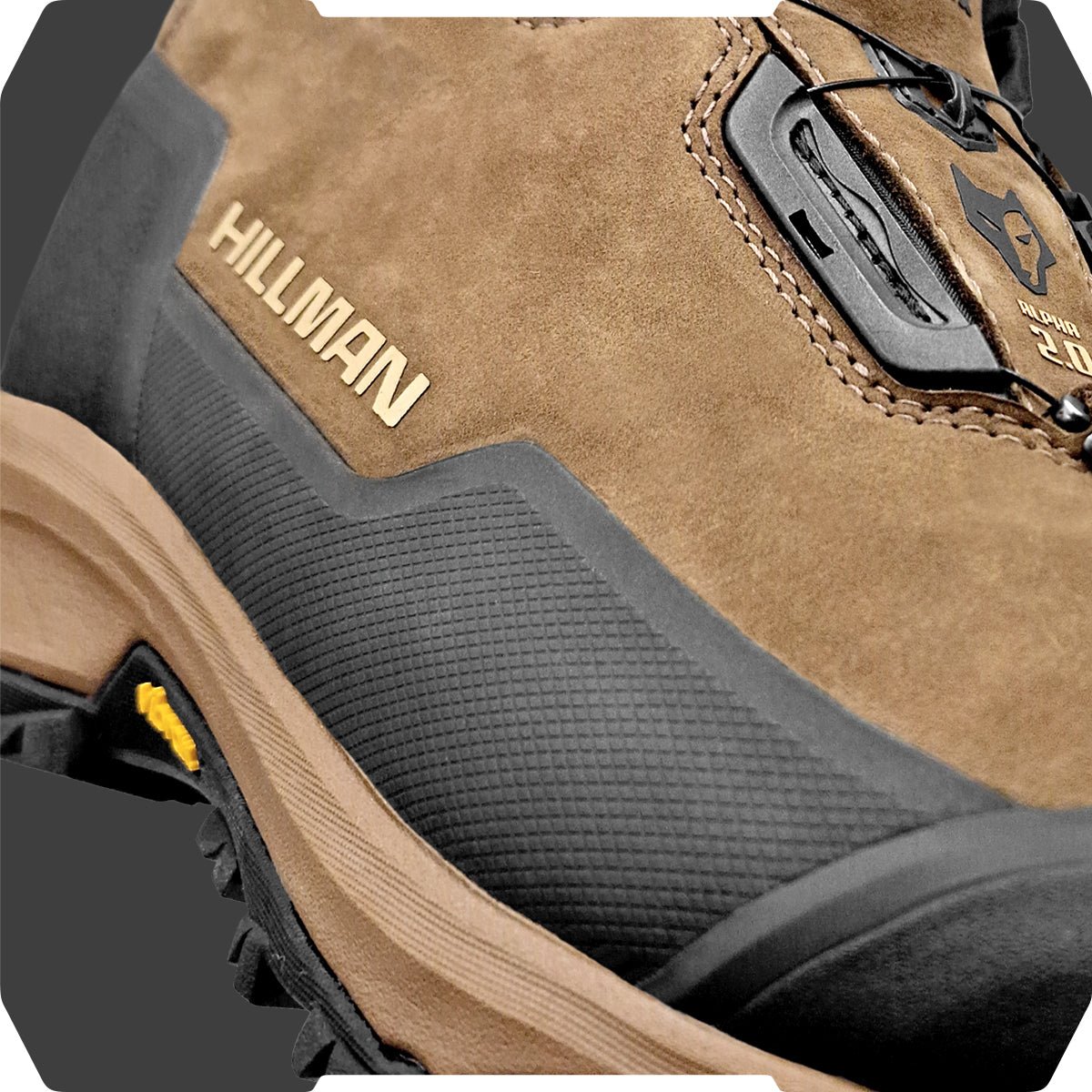
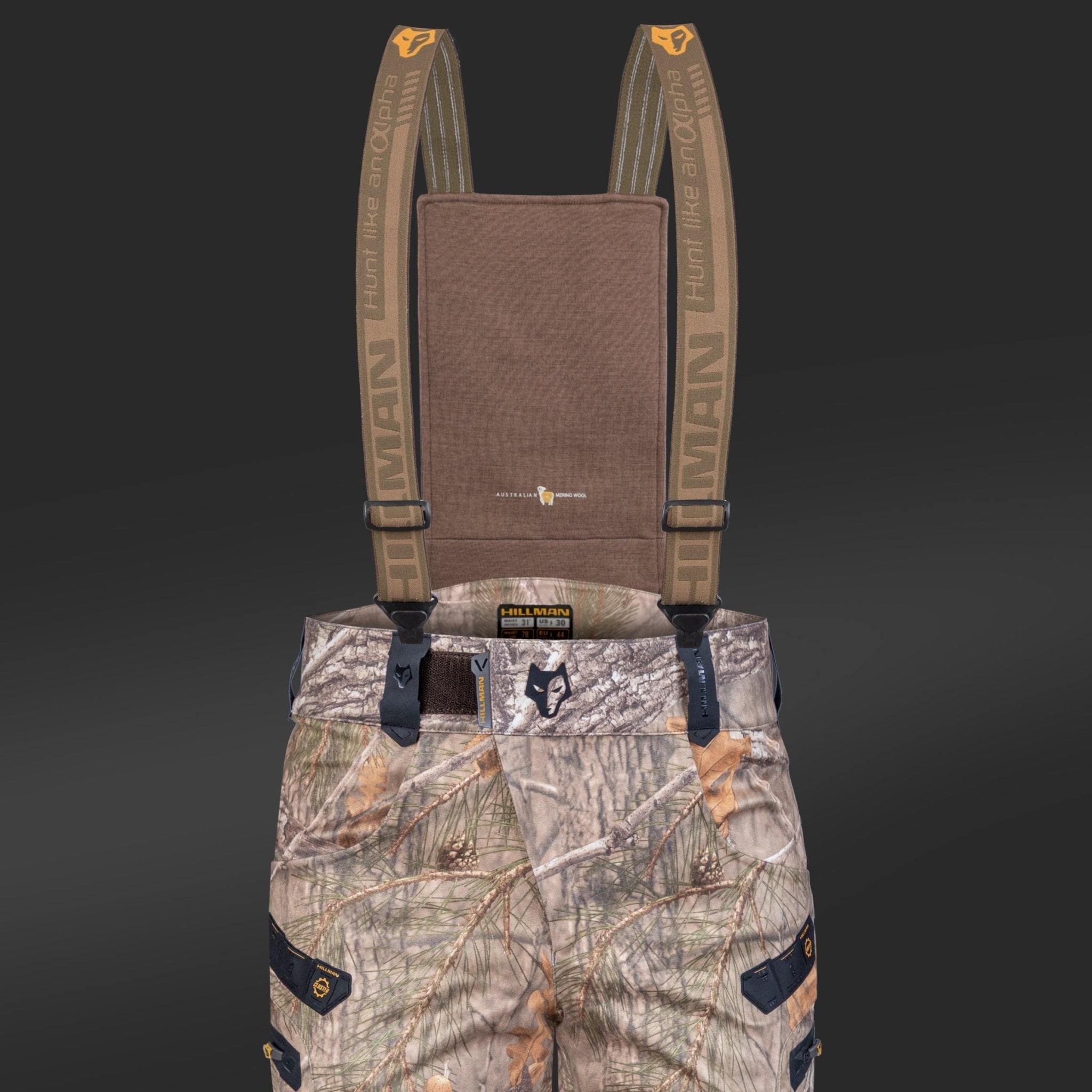
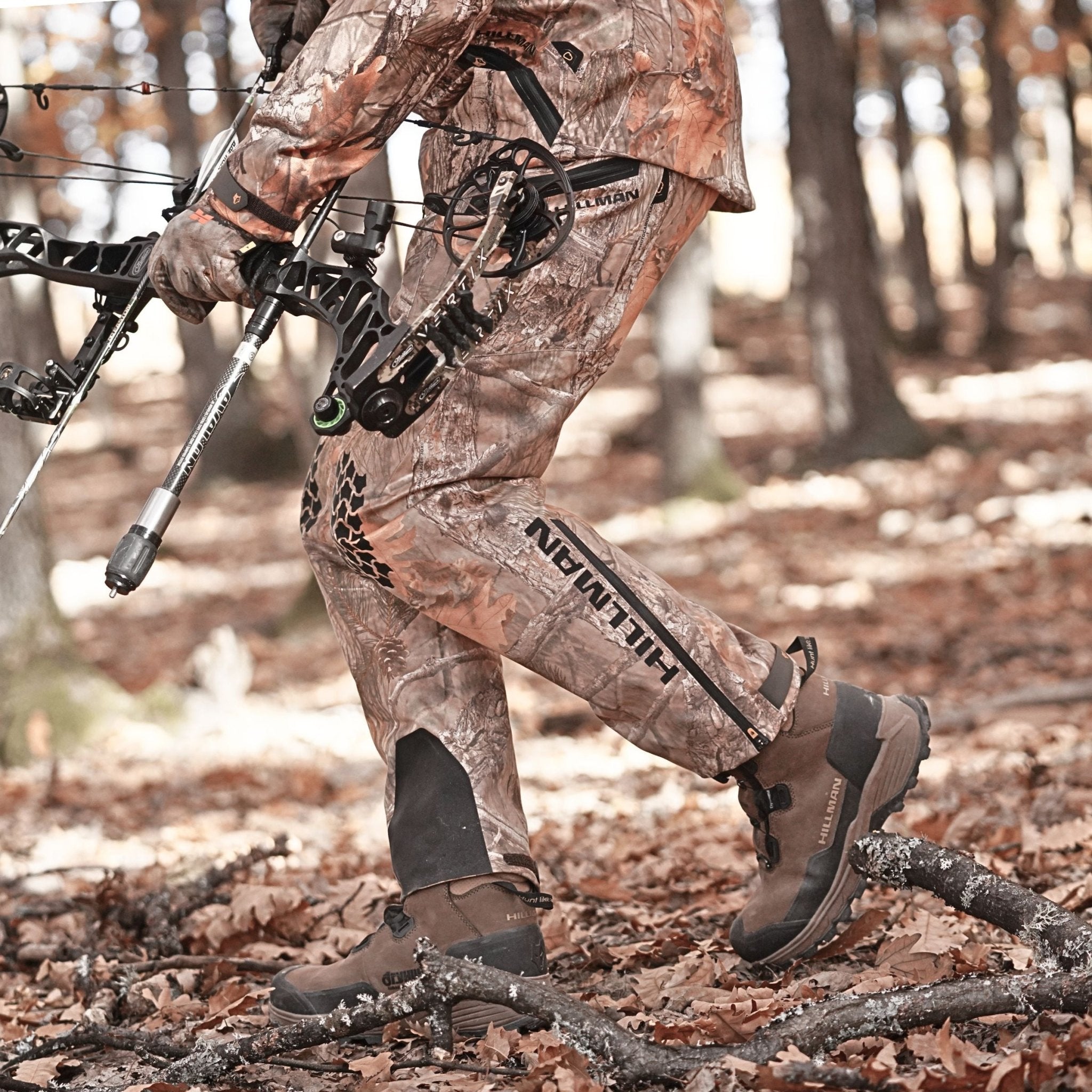
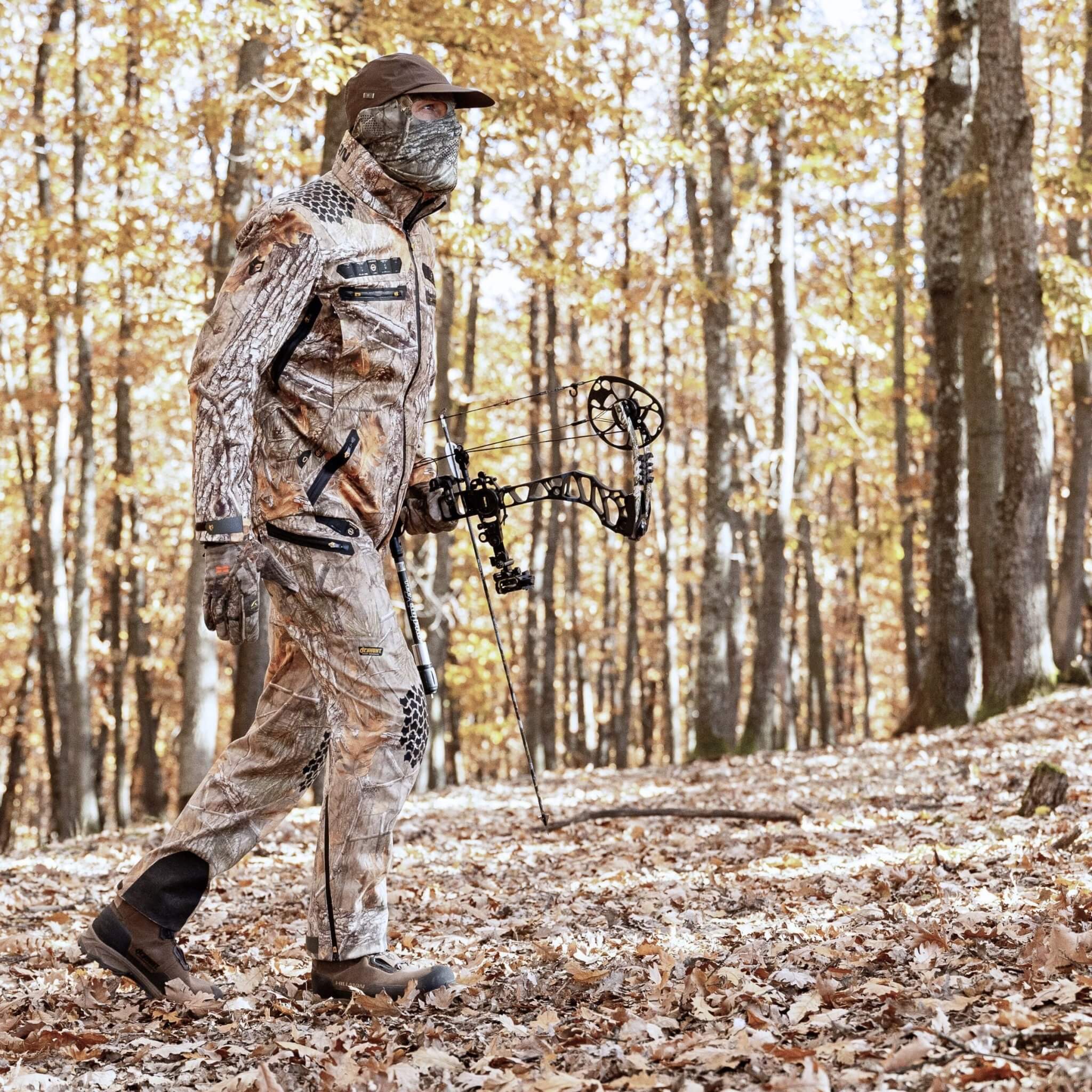
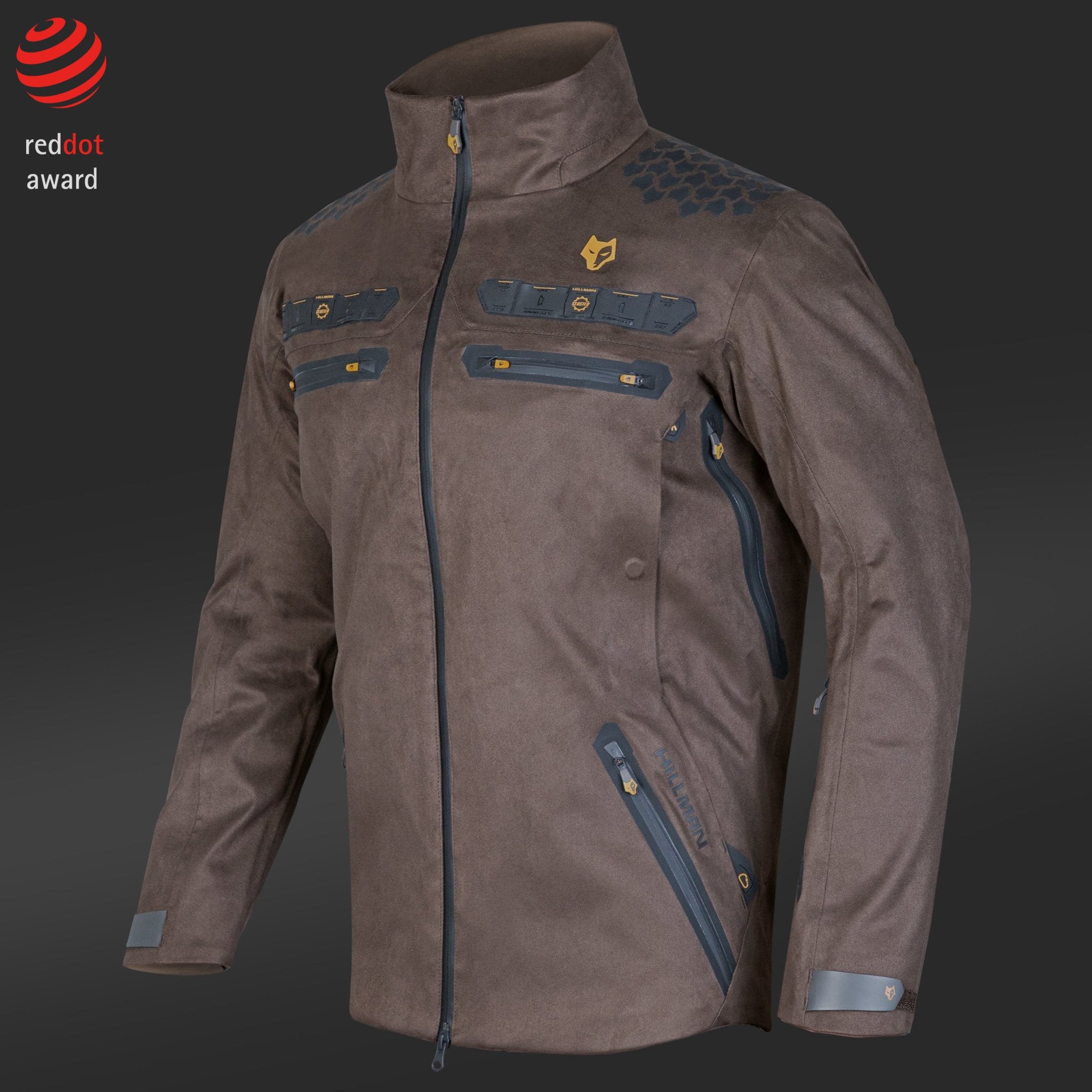
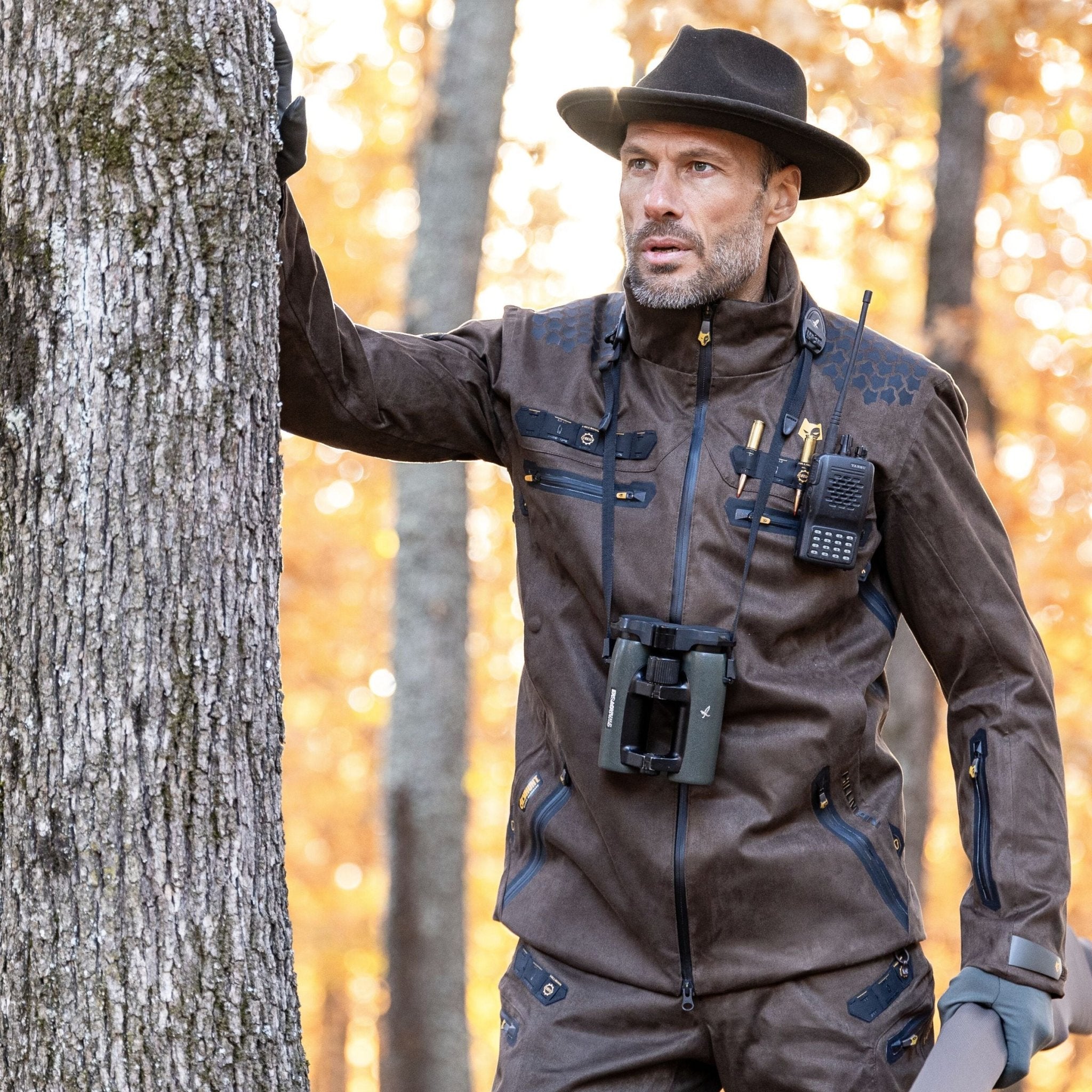
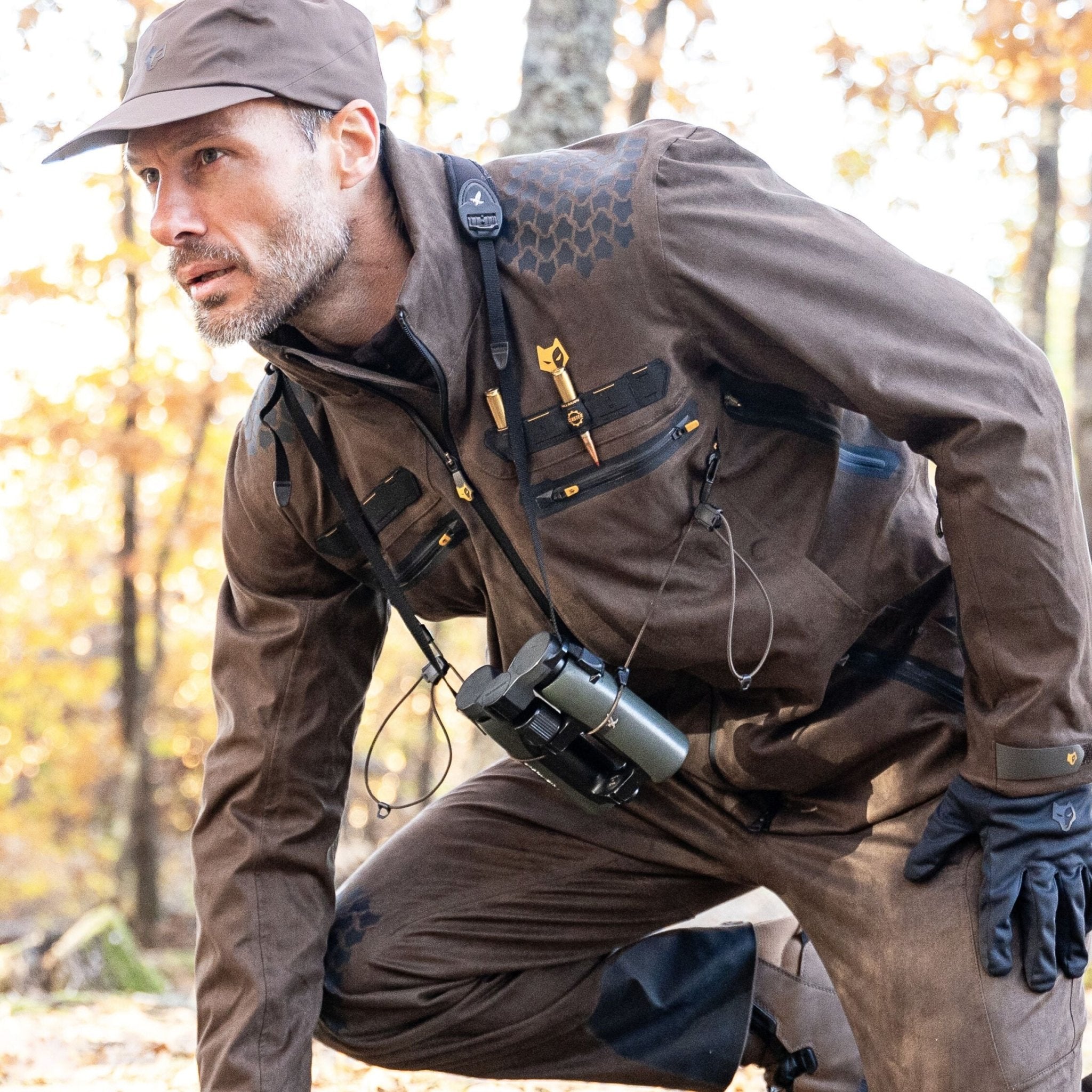
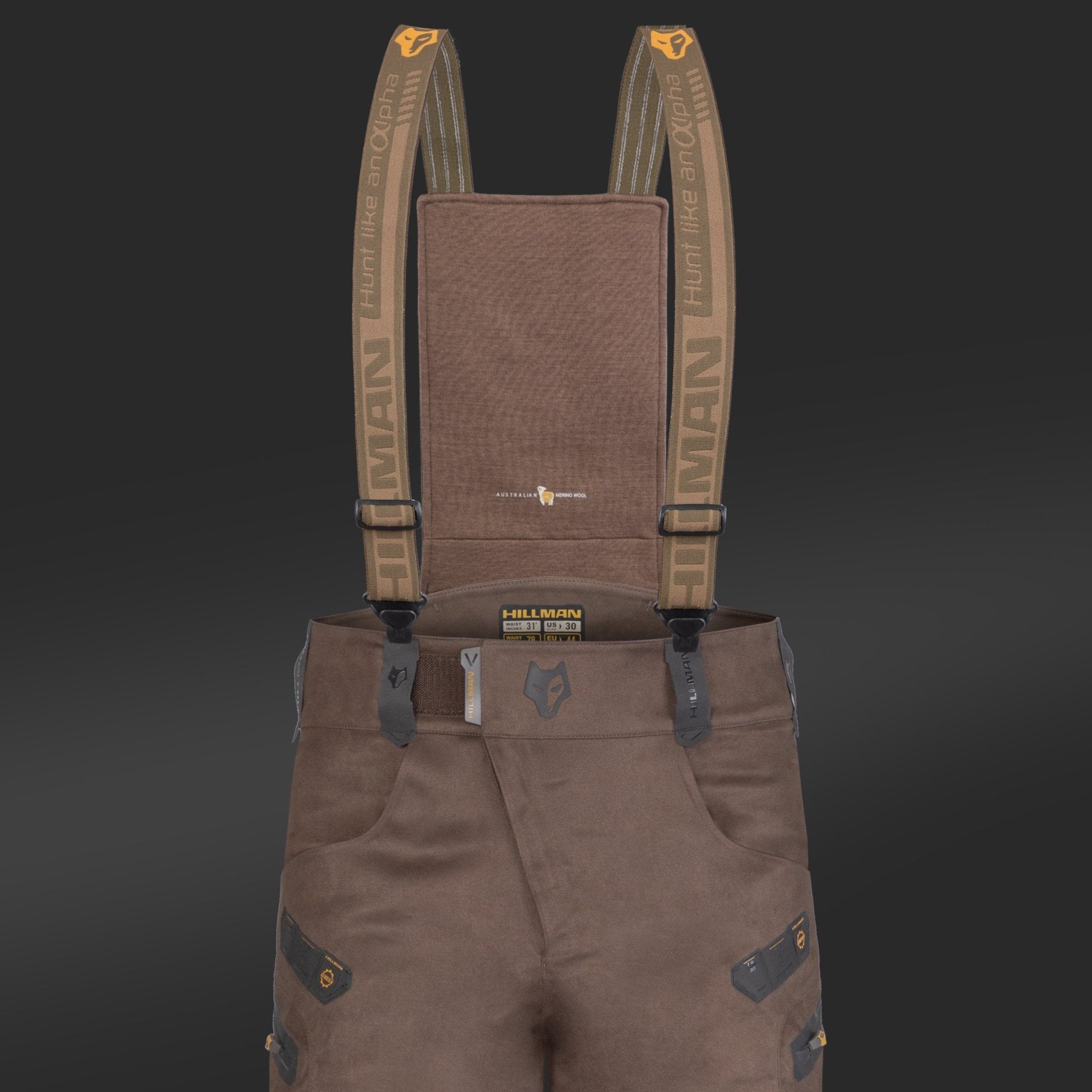
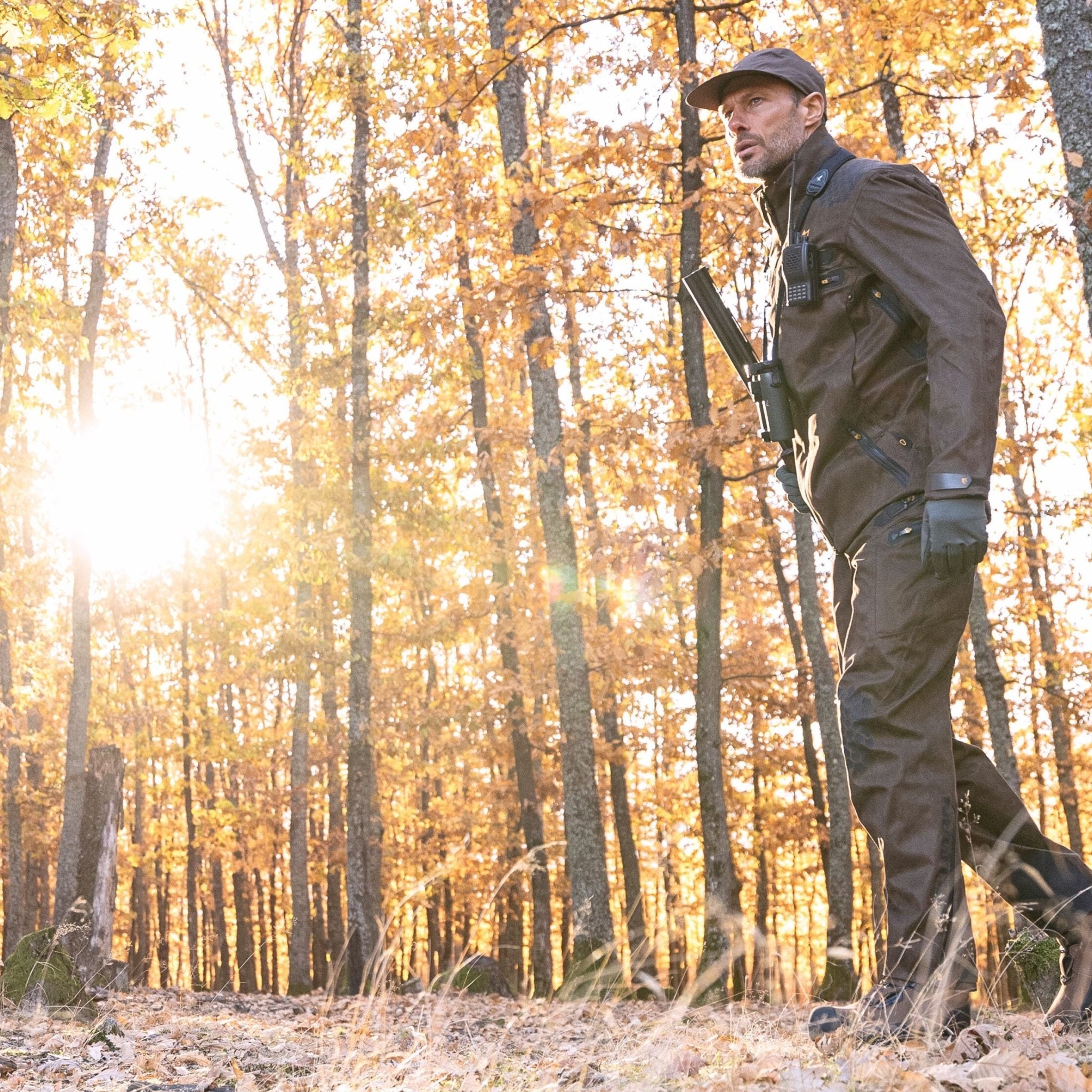
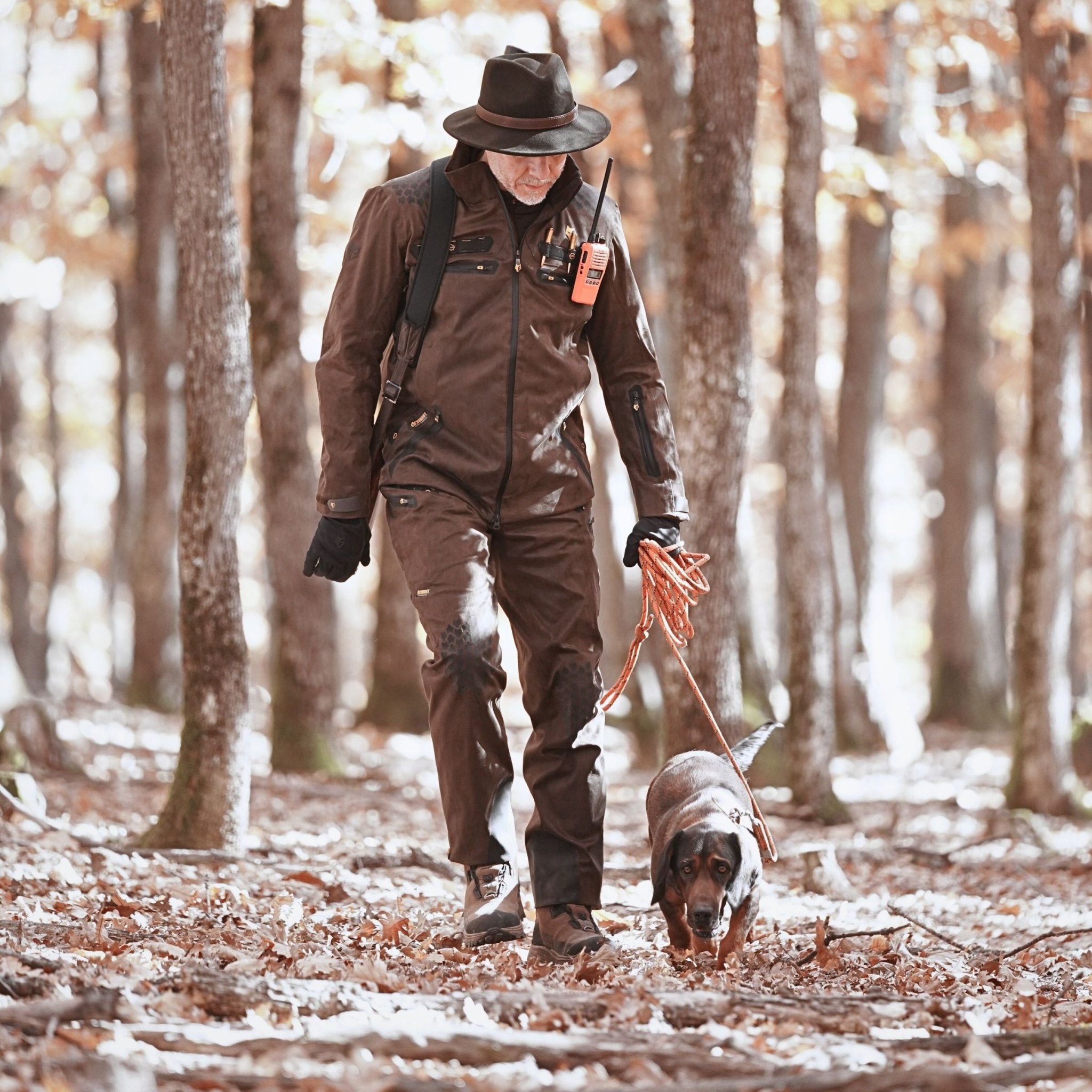
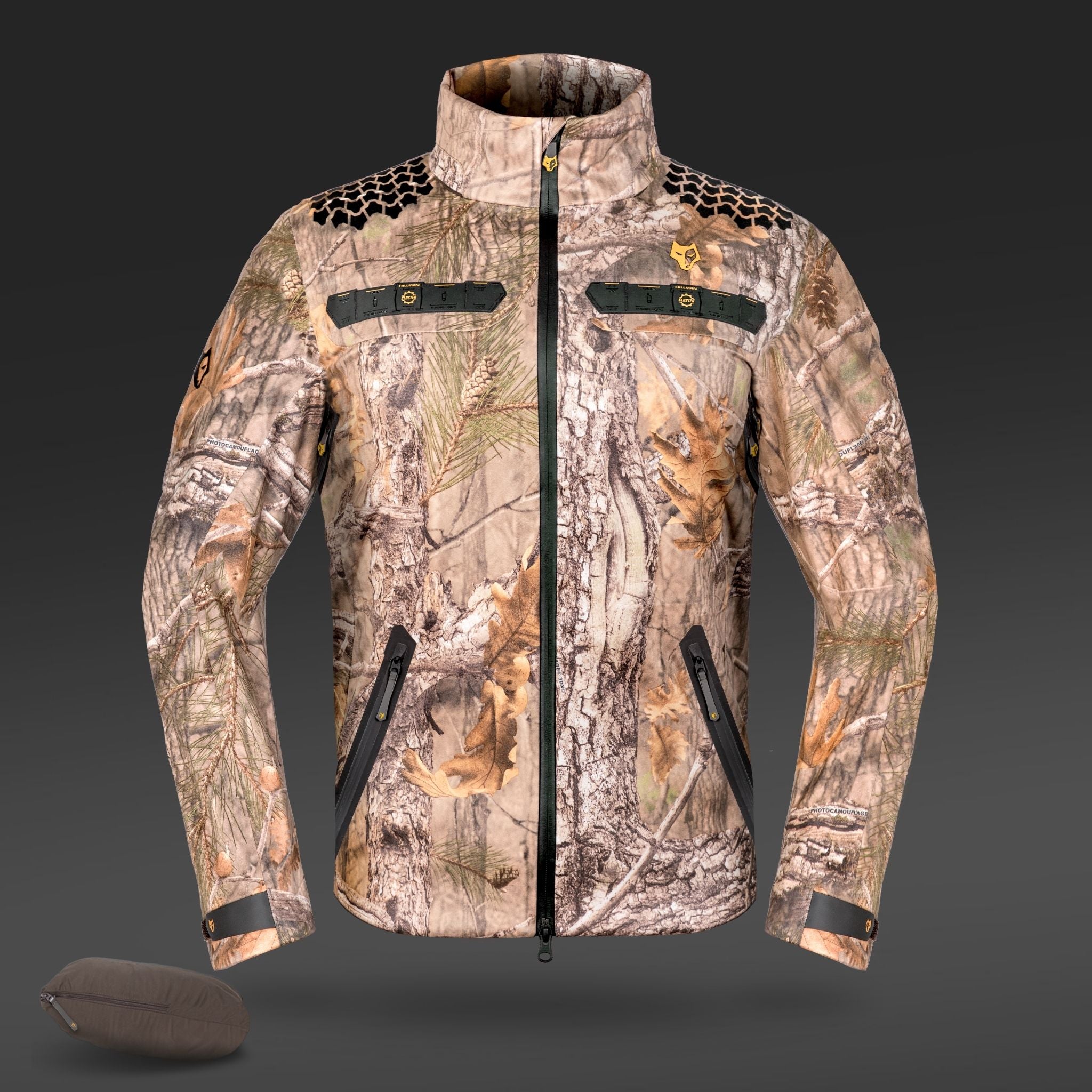
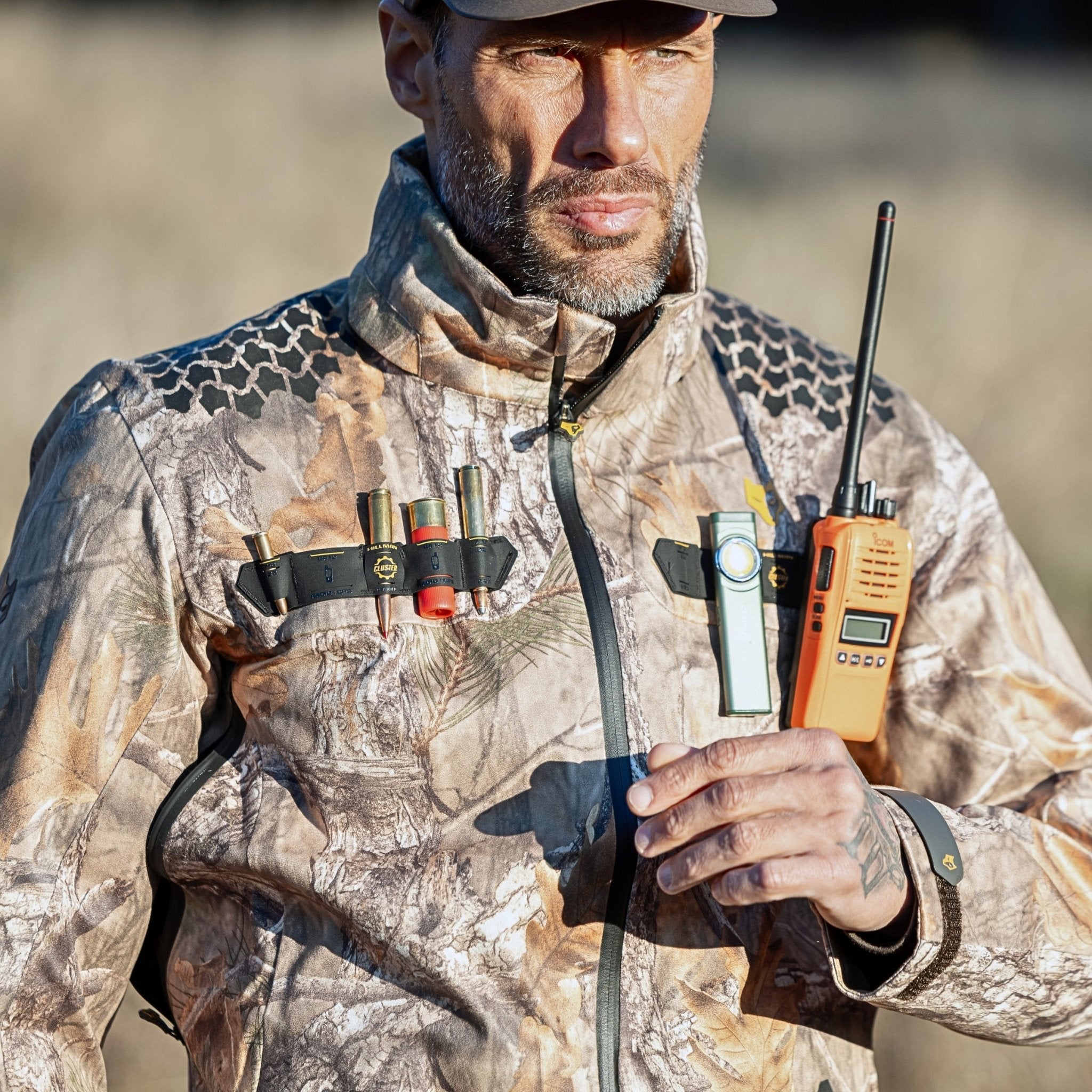
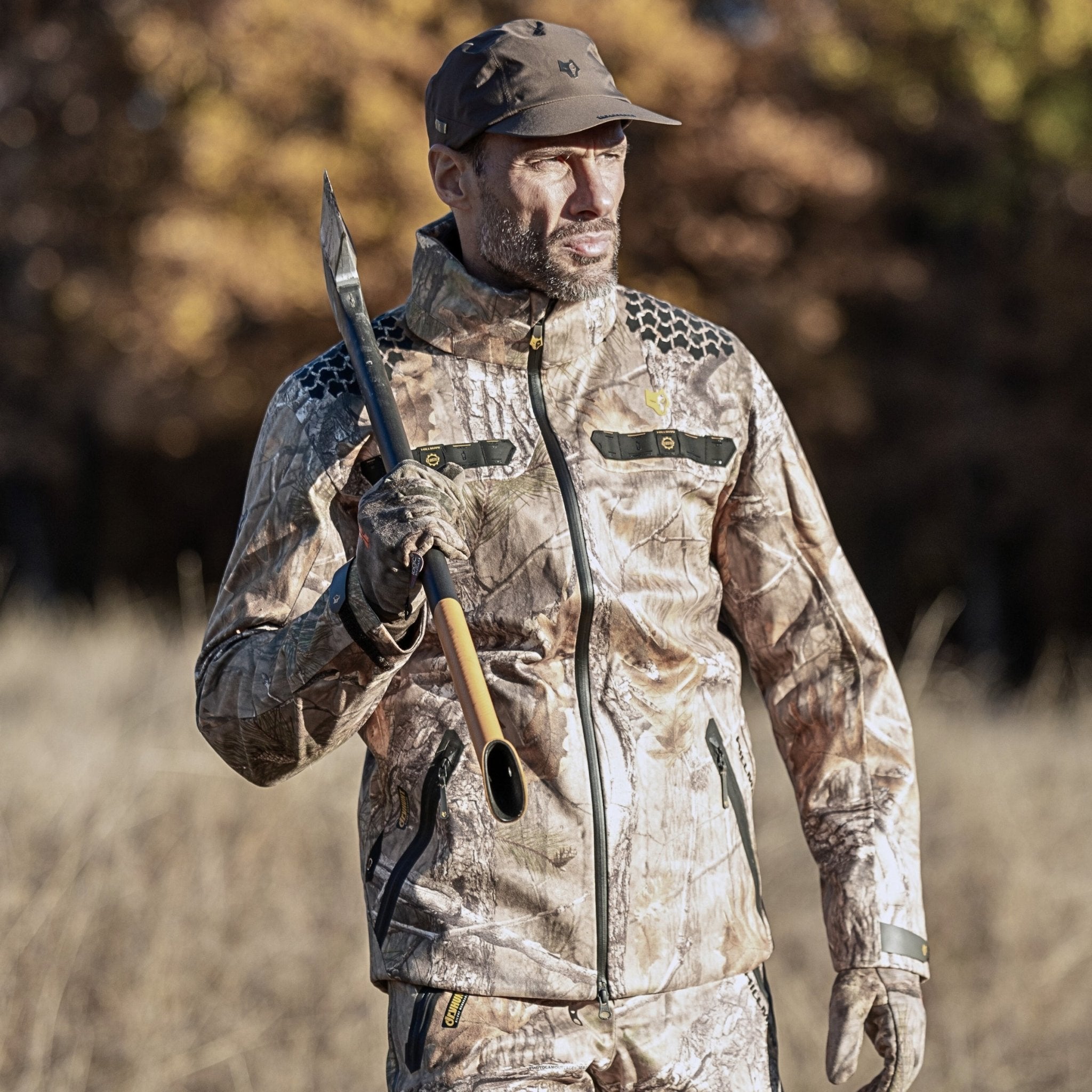
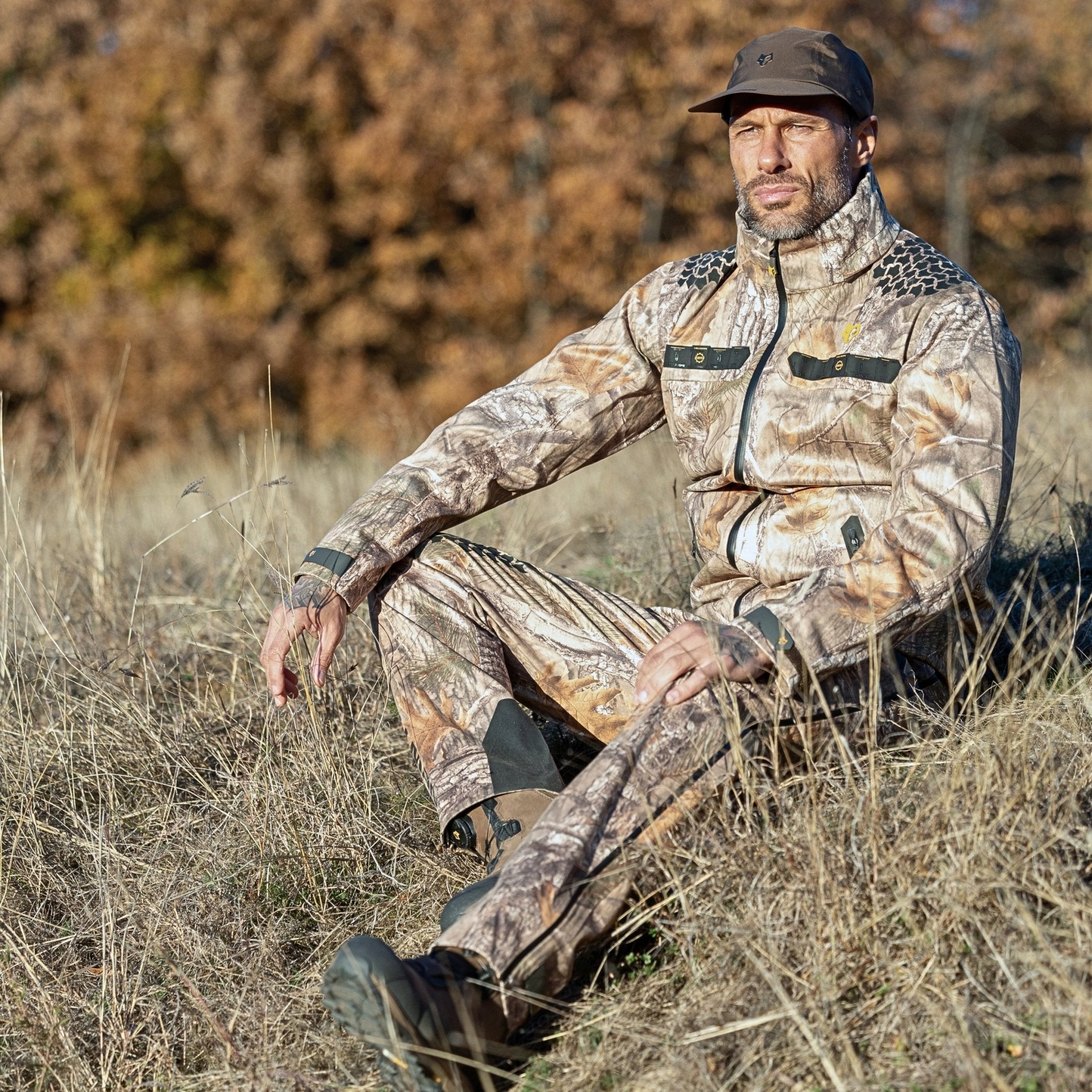
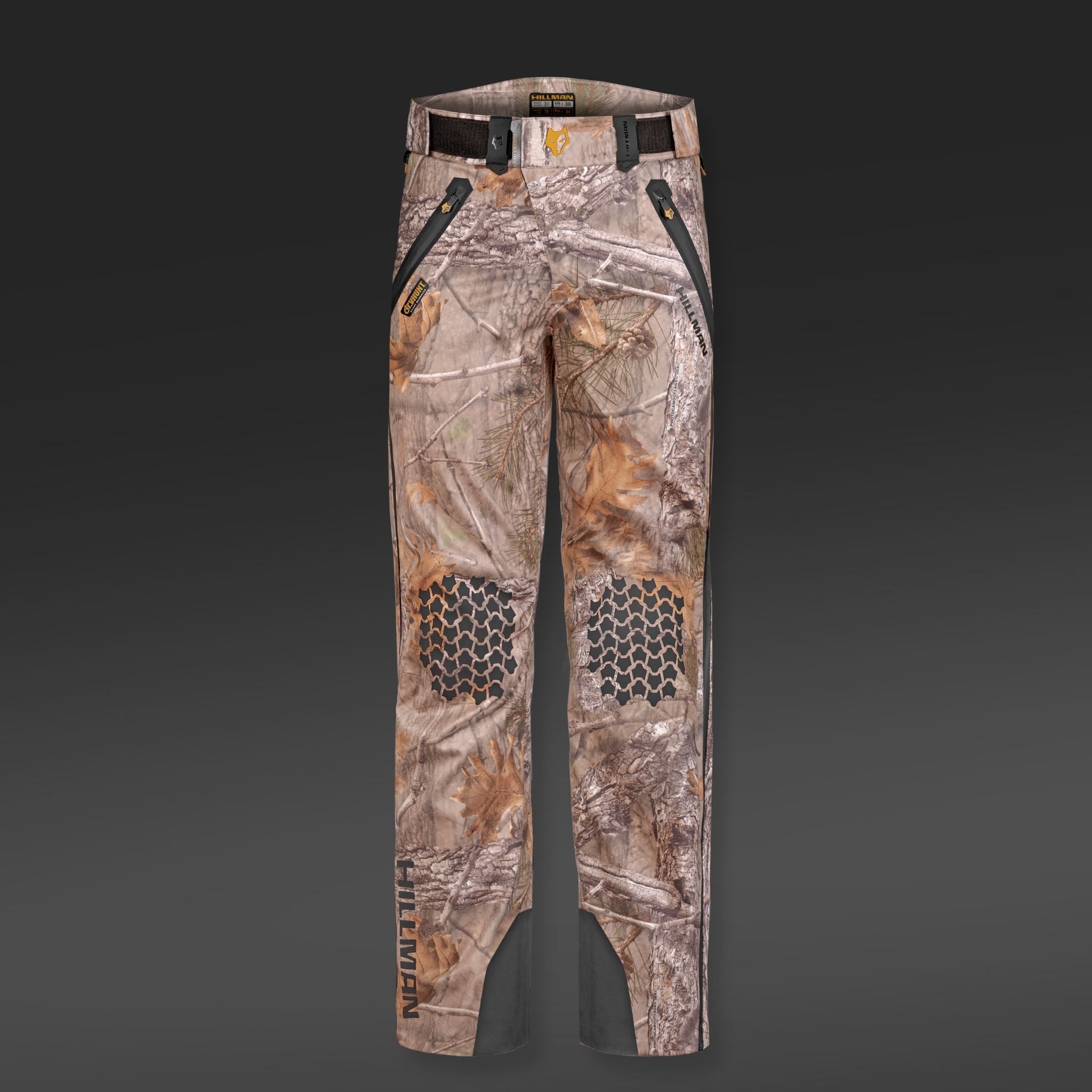
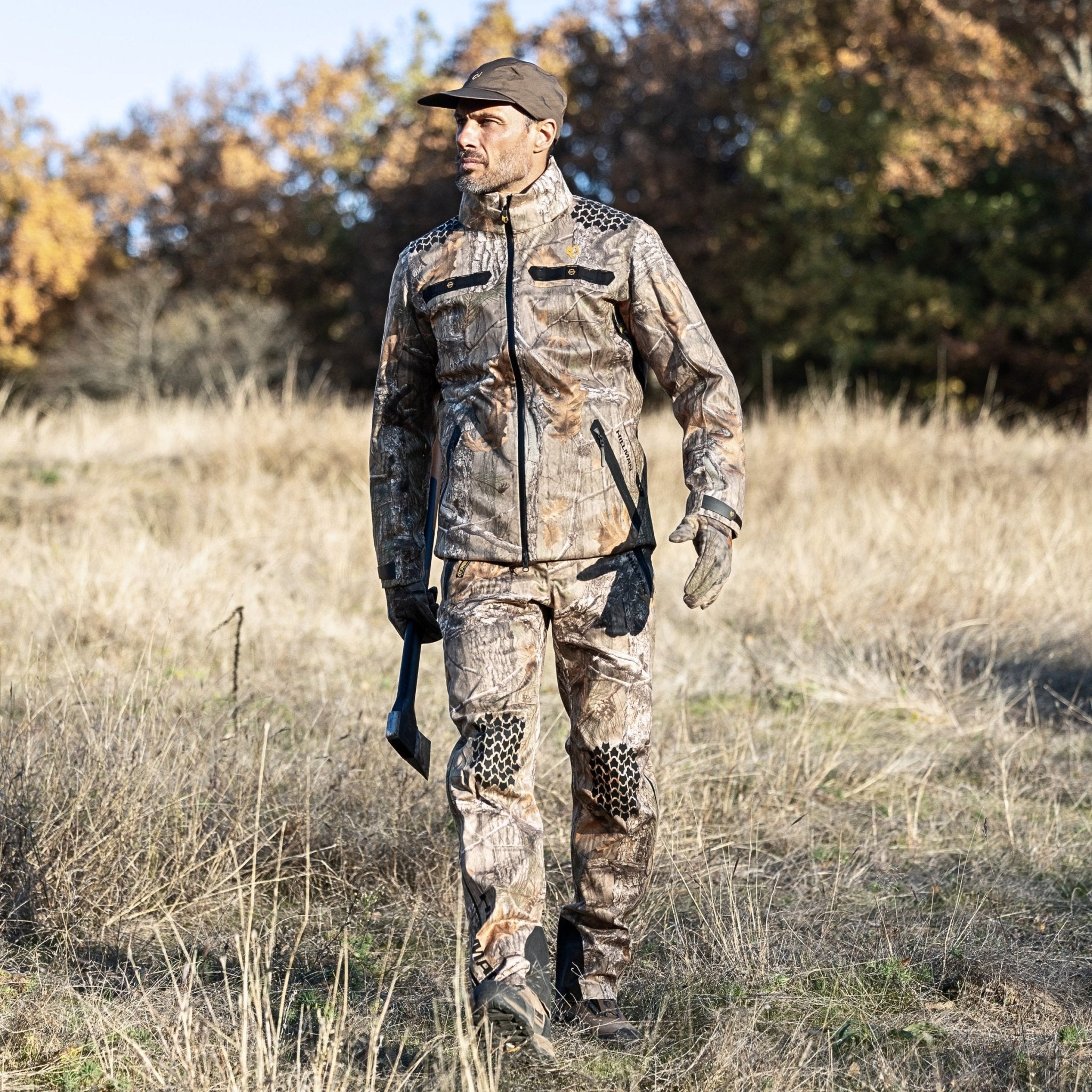
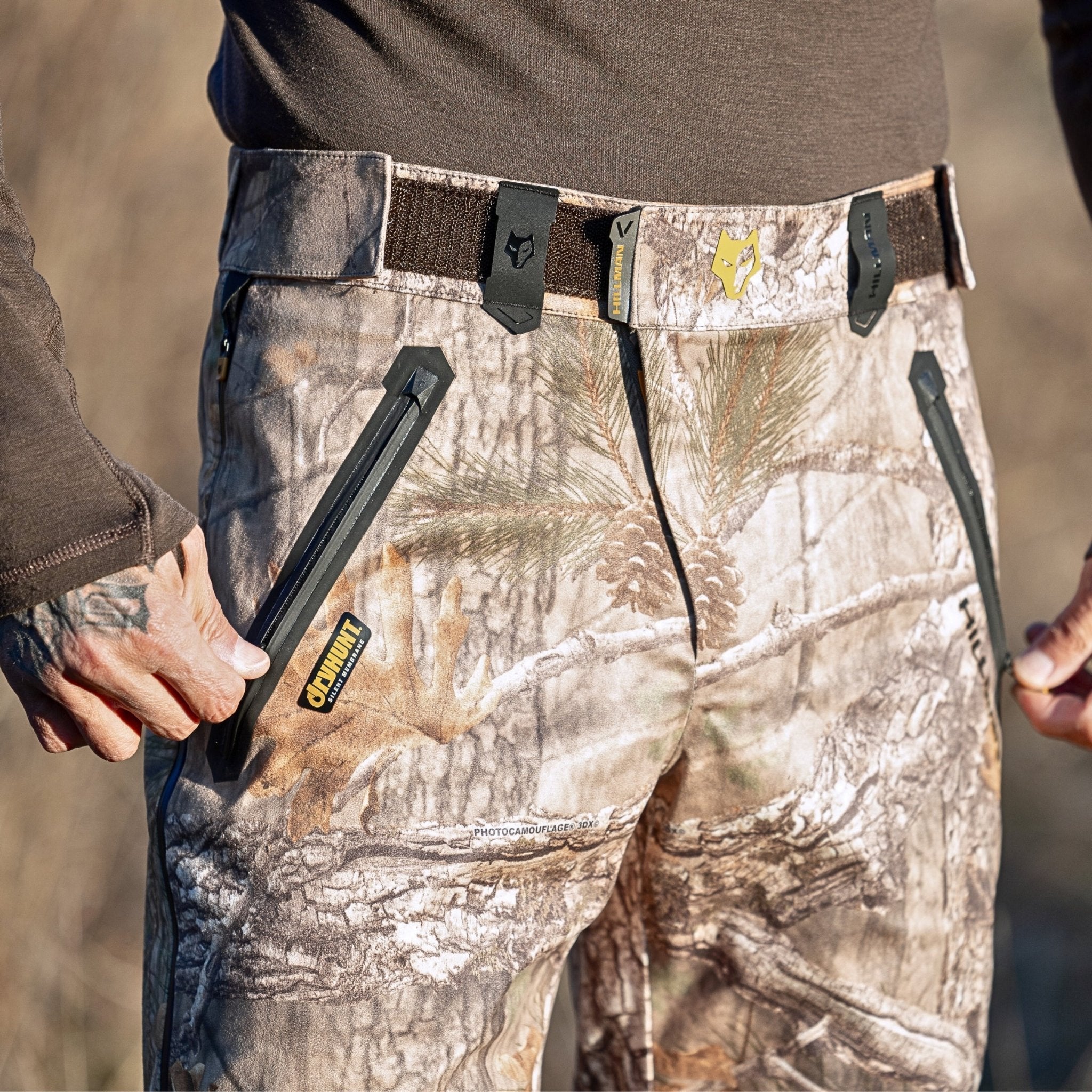
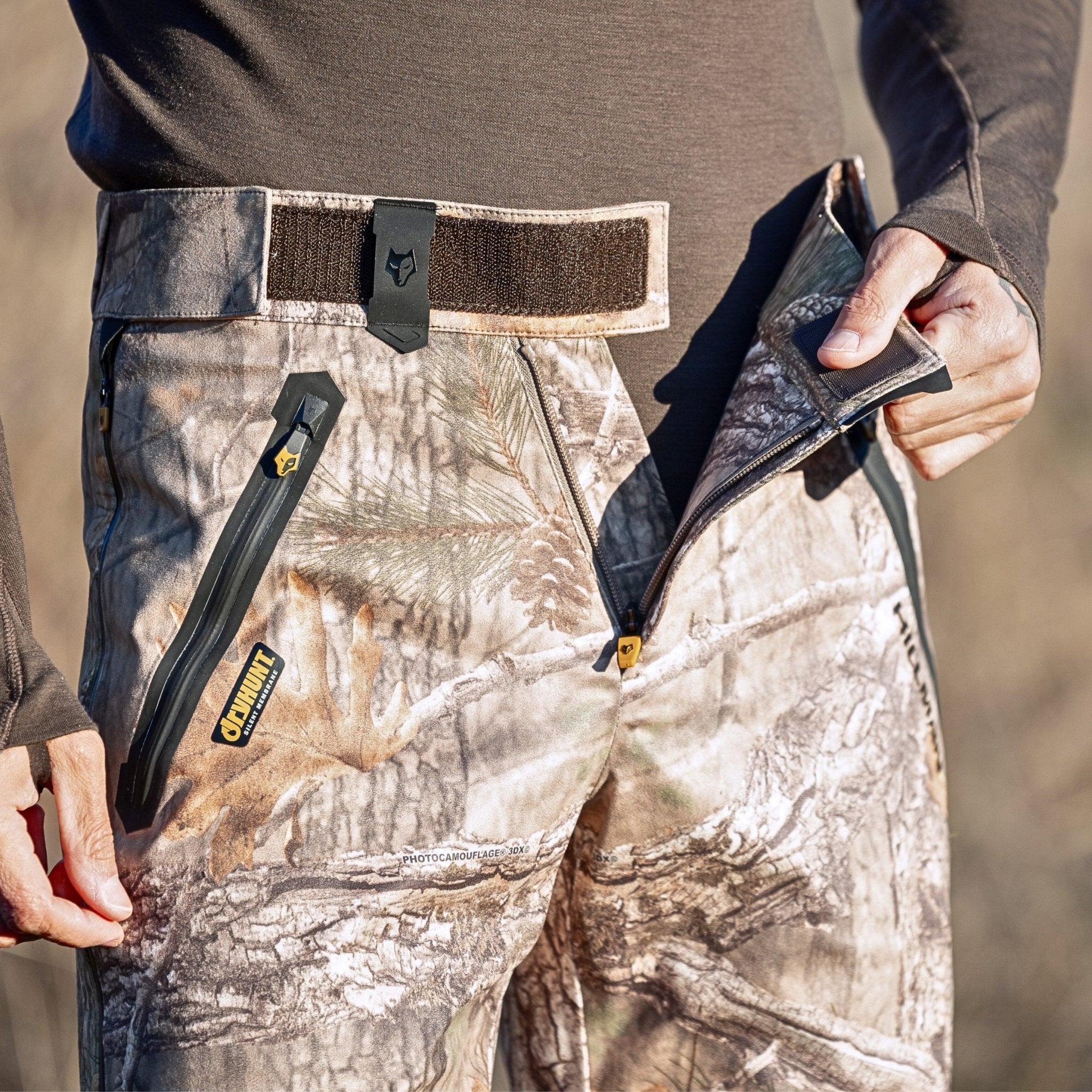
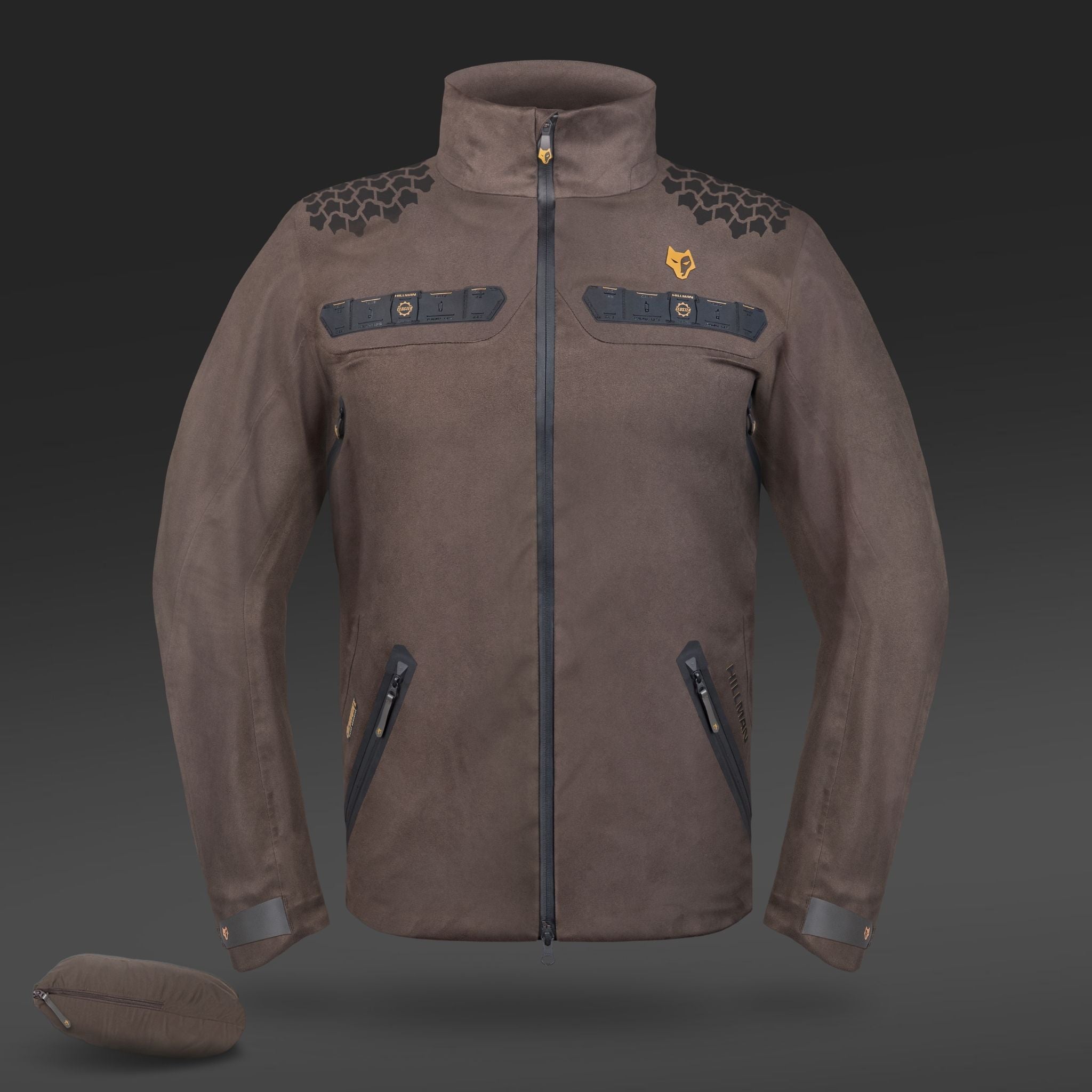
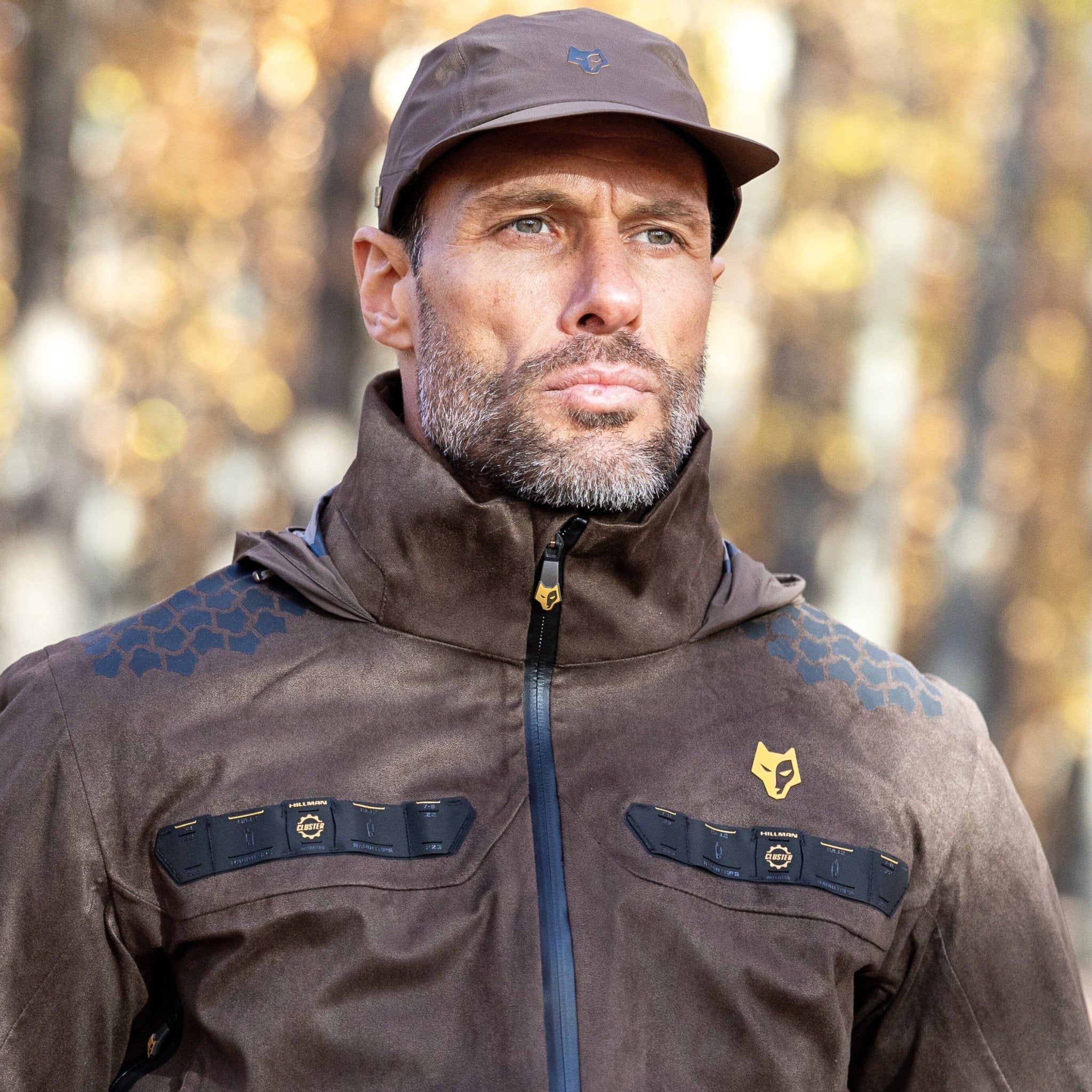
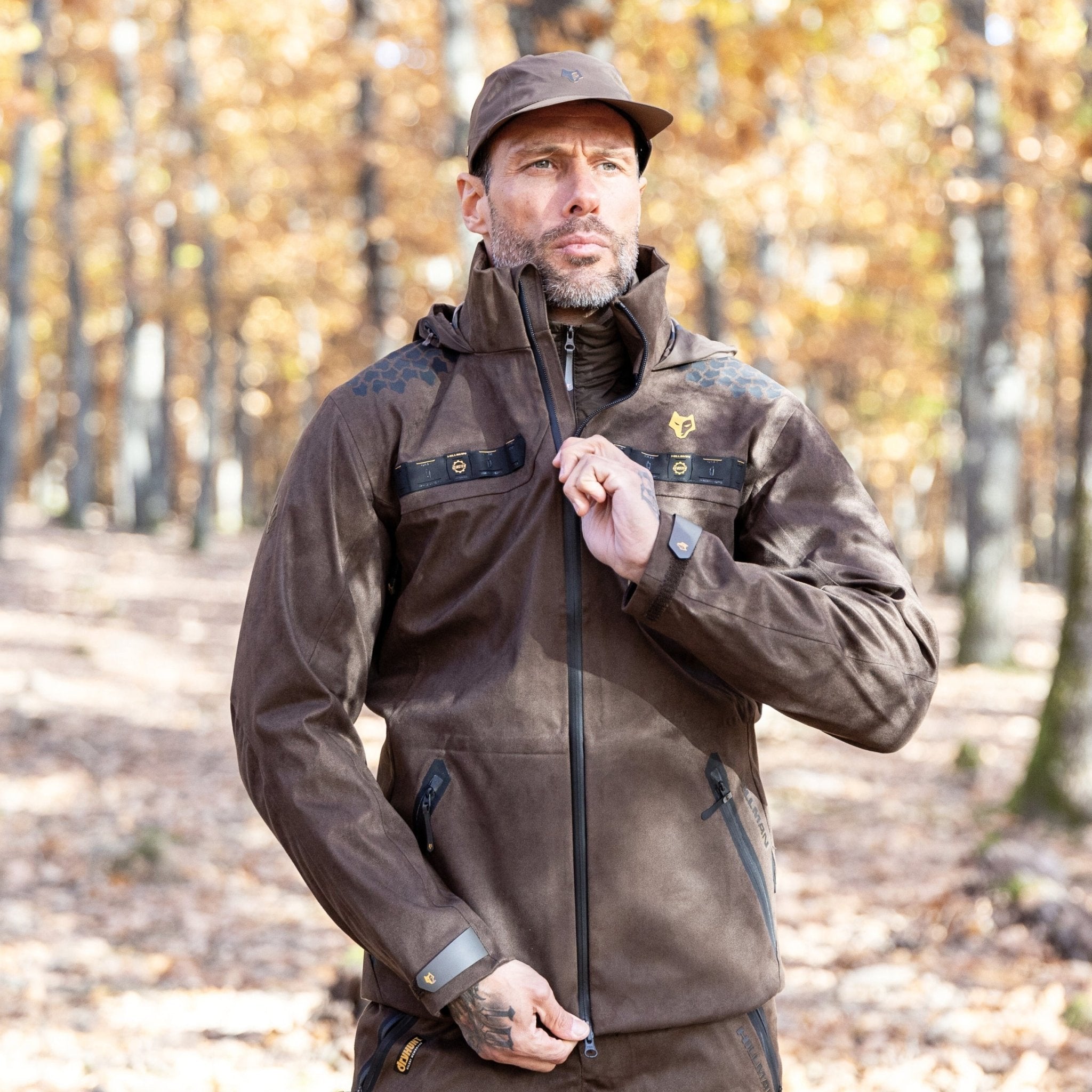
That early arrival also gives you a chance to sort practical things out. Ear defenders. Enough cartridges. Waterproof layers if the weather turns. Boots that keep you warm, dry, and steady on wet ground. In British conditions, the mix of waterproof and breathable kit makes a real difference. A traditional dress code still matters in game shooting, of course. Tweed, breeks, proper boots, the whole look. But it only works if it also keeps you comfortable enough to focus. That is where well-built field clothing from Hillman earns its place without shouting about it.
Dress for tradition, but also for the ground under your feet

Driven shooting has its own dress code, and rightly so. It is part of the character of the sport. For partridge shooting or any formal driven shooting day, that usually means smart, practical clothing that fits the ground and the weather.
Still, dress code is not only about appearance. If your coat traps heat and rain at the same time, or your boots are cold by the second drive, your attention goes downhill fast. Good peg shooters know that comfort is not vanity. It supports safety, balance, and judgment.
Insulated boots help in cold weather. Waterproof boots matter when the peg is greasy, frosty, or soft underfoot. A jacket that sheds rain and still breathes keeps you from fussing with cuffs and collars when you should be watching the sky. By the end of the day, that matters more than many people admit.
Listen carefully to the safety briefing and the shoot captain

Every shoot day has its own shape. Ground game policy may vary. Bag expectations may vary. Ammunition rules may vary too, especially now that some estates are moving toward non-lead shot. A clay shooting ground habit does not automatically transfer to a driven game shooting line. So when the shoot captain speaks, good shooters listen properly.
That briefing is where you hear the important details. How many birds the day’s shooting is expected to produce. Whether there are any awkward pegs. Whether birds may curl over one side of the line. Where the pickers up and dog handlers may be working. Whether there are special instructions for low birds, roads, footpaths, or areas where the ground falls away.
This is not background noise. It is the framework for safe, good shooting. If you miss part of it, ask. Quietly. Early. Not after the horn.
Check the gun before the drive, not during it

A driven shoot is not the place to discover a mechanical issue. Skilled guns have their gun serviced year round, or at least checked annually, and deep cleaned so reliability is not a question on the peg.
Before each drive, the routine should be simple and deliberate. Gun unloaded. Gun out of its slip only when appropriate. Barrels checked for any obstruction. If something is wrong, tell the host or shoot staff immediately. Never try to clear a blocked barrel by firing it. Between drives, the gun should be unloaded and back in its slip. When carried, the barrel direction matters. Downwards while walking is the safe default.
Once at the peg, most experienced shooters take another quick look. Safety catch working as it should. Barrels clear. Cartridges to hand. Nothing loose in the cartridge bag. Enough cartridges, but not so many that you end up rummaging. Whether you use an over under or a side by side, the principle stays the same. Calm routine, no fuss.
Get your feet right before you think about birds

One of the best habits in driven shooting has nothing to do with the trigger. It is footwork.
Experienced peg shooters do not wait until birds are overhead to decide how they will stand. They feel the ground first. Is there a slope under one heel. Is there wet grass. Is there a rut, loose chalk, or a hidden patch that might catch a boot during a turn. Good shooting starts with stable feet and a stance that lets the lead hand move freely without dragging the whole body out of line.
A few dry mounts help here. Nothing theatrical. Just enough to feel where the gun comes into the shoulder, where the sight picture appears, and how the body turns left and right across the likely range of shots. That little rehearsal often settles nerves and sharpens focus.
It also reveals what not to do. If a branch catches your second barrel movement, better to know it now. If your peg forces you to twist too far on one side, clock it early and set your limits.
Read the peg, the wind, and the quiet space in front of you

The quiet time before birds appear is never empty. Good peg shooters use it.
Look at where the beaters and pickers are gathering. Look at the lie of the ground. Watch how the wind is moving on the trees or hedges. Many shooters sketch a rough V shape in their mind, marking the safe area where birds may be taken and the edges where they should be left alone.
That picture changes from peg to peg. On one stand, wind direction may lift game birds late and push them behind the line. On another, the same wind may hold them lower than expected. Skilled shooters do not just watch the sky. They predict how birds are likely to cross it.
This is where mental preparation matters. Visualise the first safe bird. Then the second. See where you will pick it up, where you will pull through, and where you will stop if the shot is not right. That habit improves target acquisition and reduces rash shooting when the first fast bird appears out of nowhere.
Know your line and leave your neighbour’s birds alone

Etiquette in game shooting is partly written down and partly understood. One of the clearest unwritten rules is simple: do not poach the neighbouring guns’ birds.
Every peg has its natural area. A good shot knows it. If a bird is clearly another gun’s chance, let it go. Trying to steal birds across the line is poor form, even if you hit them. It unsettles fellow guns, disrupts rhythm, and says more about ego than ability.
The same goes for low birds. The temptation is often strongest early, before confidence settles. Resist it. A good peg shooter knows there is always another chance. Safety comes first, then clean sporting judgment. If the bird is too low, too far back, too close to beaters and pickers up, or simply not right, wait.
That self-control is a major part of driven day discipline. Not every bird should be shot at. Good shooting is not measured only by numbers at the end of the day.
Stay aware of people, not just game birds
A surprising number of mistakes happen because someone narrows their attention too far. They see only the target and forget the rest of the drive.
Always know where the other guns are. Always know where beaters and pickers are likely to be. Keep track of the dog that disappeared into cover a minute ago. Notice where the game cart is parked. Watch for movement below the line. When you are not actively mounting to shoot, keep the gun safe, with the barrels at the ground in front of your feet or straight to the sky overhead.
This kind of awareness is what separates a polished peg shooter from someone who is merely handy with a gun. In driven game shooting, safety is your number one priority at all times. If you cannot manage that, nothing else really matters.
Keep the routine clean when the first drive begins

When the first drive starts, the best guns do not suddenly become frantic. They simply shrink their world.
They watch the line. They pick a bird early enough. They mount cleanly. They keep their head on the stock. They use the first barrel with purpose and the second barrel only if it is genuinely there. Then they reload smoothly, without dropping spent cartridges all over the peg or spinning around in excitement.
Spent cartridges should be gathered, not left behind. Safety catch use should be automatic and sensible. After a miss, forget it. After a good shot, forget that too. Focus moves forward.
That is one of the hardest parts of the day’s shooting. Not the mechanics, but the discipline to reset after every chance.
Respect the rhythm of the whole shoot day

A typical shoot day moves in stages. First drive, second drive, then a break. Often elevenses arrives after the second drive, and later there may be lunch before the afternoon shooting resumes. The details vary, but the pattern is familiar.
Good guns do not let breaks turn them sloppy. A little sloe gin may appear. Conversation gets easier. People start replaying misses, good birds, and half-chances. Fine. That is part of the fun. But sharp shooters stay switched on enough to recheck kit, top up cartridges, and arrive at the next stand ready to go again.
The picking up team and shoot staff are working hard all day, often in rough weather and uneven ground. Respect for that effort should show in the way you conduct yourself, not only in what you say later.
Finish with manners, gratitude, and the right attitude to the bag
At the end of the day, the bag is counted. That tally matters, but it is not the whole story. Good shots understand that the end of the day is also about thanks. Thank the gamekeepers. Thank the host. Thank the beaters and pickers, the pickers up, and the wider shoot team. Tipping is customary and appreciated, especially when the team has put in serious hard work.
Many shoots also offer guns the chance to eat game or take some birds home. That is part of the point. Shoot game, use it well, and respect what the day has produced.
The best peg shooters are not always the loudest or the highest scoring. Often they are the ones who made the day easier for everybody else. Safe. Steady. Pleasant to stand beside. A pleasure to invite back.
That, in the end, is what driven day discipline looks like before birds appear.




Share:
Woodland Roe Stalking: Using Shade, Noise and Cover
Roost Shooting Woodpigeon: When to Relocate, When to Sit Tight