
Roost Shooting Woodpigeon: When to Relocate and When to Sit Tight

Learn when to move, when to hold, and how wind, flightlines, and timing shape better roost shooting woodpigeon decisions.
What roost shooting really asks from you. Roost shooting woodpigeon is one of those forms of pigeon shooting that looks simple from a distance and feels anything but simple once you are under the trees with a gun in your hands. Birds can appear suddenly through the tree canopy, cut across the sky at awkward angles, then vanish behind cover before you get a clear shot. On other evenings, the whole wood can seem dead for half an hour and then come alive in a narrow window.
That is why the question matters so much. In roost shooting, knowing when to relocate and when to sit tight is often the difference between a frustrating afternoon and successful shooting.
Unlike other forms of pigeon control, pigeon roost shooting is not about constant movement or chasing visible quarry across land. It is about reading signs, trusting good fieldcraft, and understanding when your position is only quiet because the evening has not properly started yet, and when it is quiet because you are simply in the wrong place.
Timing matters more than most people think

With wood pigeon shooting at the roost, the real action usually builds in the last hours of the day. Most birds begin to move with purpose in the late afternoon and into the evening, especially in the final one to two hours before dusk. That short window is where plenty of good days are made.
The best time for roost shooting is often somewhere between 1430 and 1630, though weather conditions, season, and local feeding patterns can shift that window. In winter, especially from January to March, birds often gather more heavily in traditional roost areas. January and February can be particularly productive because the pigeon roost may draw in larger numbers after feeding.
That means you should not panic too early. If you arrive, get set, and spend the first half hour seeing very little, that alone does not prove you chose the wrong stand. But if the first 30 to 45 minutes pass and there is still no meaningful bird traffic, no flight paths developing, and no sense of birds approach from any side, it is fair to consider that your position may be off.
Read the wood before you choose your stand

Good pigeon roost shooting begins before the first shot. A lot can be learned from the ground if you slow down and look properly. Fresh pigeon droppings, feathers, and signs beneath certain trees tell you where wood pigeon have actually been using the wood, not where you hope they might come.
Some trees become regular sitty trees. These spots can hold more sign than the rest of the wood and often point to where birds prefer to settle under a given wind direction. If you find feathers, droppings, and plenty of movement sign beneath a section of wood, that is a better clue than theory.
Flight lines matter just as much. Woodpigeons tend to use consistent routes between feeding areas and the roost, and those routes become easier to read once you have watched the edge of a field, the gap between trees, or the line birds use to cross open ground. A farmer dealing with crop protection problems may already know where birds fly off a crop and where they head in the afternoon. That local point of view is often worth listening to.
Wind direction decides more than pride does

If there is one factor that changes roost shooting more than any other, it is wind. In good wind conditions, pigeons often fly lower, commit more clearly, and break from bigger bunches into a small flock or pairs, which gives more manageable chances. A moderate breeze or stronger wind can turn a difficult evening into a very shootable one.
Windy conditions also shape how birds approach the wood. Woodpigeons commonly come in upwind, so your best spot is often on the leeward side or slightly downwind of the trees they want to use. That gives you a better angle as pigeons swing into the wood and offers an advantage when judging where a clear shot will appear.
On calm days, things can get messy. Birds may fly high, drift over the head of the wood, and drop in from awkward angles. Flight paths become less defined. They can appear over the middle without warning, then pitch straight into cover. That does not mean you cannot shoot woodpigeons on a still day, but it usually means fewer reliable chances and less time to prepare the gun.
When to sit tight

Sometimes the biggest mistake in roost shooting pigeons is moving too soon. If you have seen enough to know birds are using your side of the wood, even if they are just out of range, sit tight a little longer.
Stay where you are if the signs look right and the pattern is building. A pigeon here, two there, then a small flock edging along the same line often means the evening is developing exactly as it should. This is especially true when the weather is overcast, the wind is decent, and the birds are returning from feeding over several hours rather than all at once.
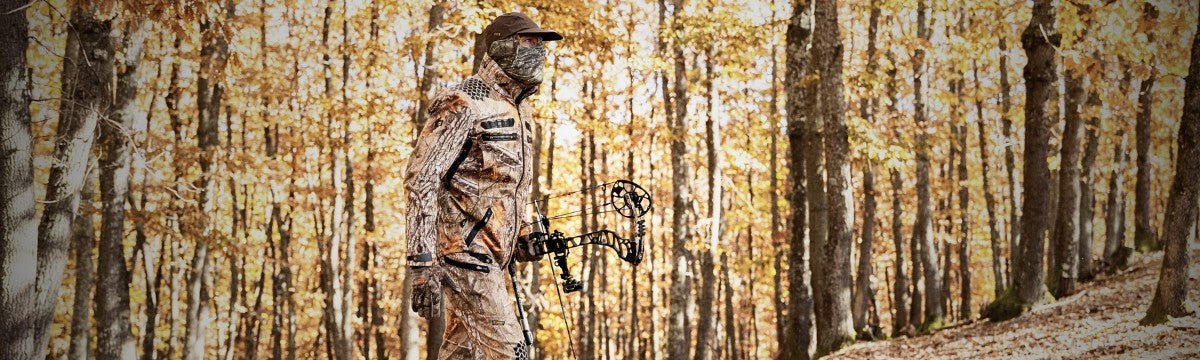
Sit tight if your hide or natural cover is good, your position gives a clear shot through gaps in the branches, and the birds are passing close enough to suggest only a slight shift of stance rather than a full relocation. A well-built hide blended into natural cover is still a major part of successful shooting, even when you are standing more openly beneath trees than you might in decoying.
And sit tight if the only real problem is impatience. Plenty of people move because the wood feels slow, only to watch pigeons start using the exact place they left fifteen minutes later.
When to relocate

Relocating makes sense when the evidence is clear, not when you are merely restless. If birds are active but the active line is obviously elsewhere, move. If pigeons are crossing beyond range, slipping behind thicker trees, or using another edge of the wood entirely, there is no prize for stubbornness.
Move if the first 30 to 45 minutes show regular bird activity in another corner while your stand remains dead. Move if the wind direction means birds are approaching from a side you cannot cover. Move if branches or the tree canopy leave you without a safe, clear shot. Move if your original position looked promising on arrival, but the reality is that birds are using a different window into the roost.
Relocate as well when your setup is giving the birds too much warning. Movement, a poor background, or standing too exposed against the sky can make pigeons flare early. Sometimes only ten or fifteen yards makes the difference.
A smart move is a measured one. Keep it quiet. Pick empty cartridges up as you go. Carry dead birds out of the immediate area if they are lying where incoming pigeons can see them too easily. Dead birds can sometimes add realism on the ground in a decoy pattern on a feeding field, but in a pigeon roost they can also become an unwanted visual cue if they are scattered in obvious sight lines beneath your stand.
Roost shooting is not decoying, but the thinking overlaps
Roost shooting and decoys are not the same game, yet some of the thought process carries over. If birds are not committing on a field, you may alter the decoy pattern. If pigeons are flaring from decoys, you adjust visibility, spacing, or the position of the hide. In the wood, the principle is similar. When birds do not like what they see, change something.
That might mean tucking deeper into cover, moving to a slightly darker background, or choosing a tree line that lets you shoot into a better window. Lofting poles and decoys belong more naturally to feeding setups than true pigeon roost shooting, but understanding why birds reject a picture is useful in both.
The real difference is purpose. Roost shooting woodpigeon is usually part of pigeon control and crop protection, not just an evening sport. Birds may be feeding hard on vulnerable crop, changing feeding habits with what is available, then returning to a regular roost. Your job is to intercept that movement lawfully and effectively, not simply to stand in the prettiest part of the wood.
The shot itself under the trees

A lot of misses in wood pigeon shooting come from rushing the first shot or trying to thread pellets through branches that were never out of the way. The best rule is simple. Keep still until the bird is in range, mount the gun in one smooth movement, and focus on the bird rather than staring at twigs.
The swing should come from the lower body and core, not just the arms. That matters even more when pigeons fly fast across a narrow gap and you have only a short moment to match line and pace. A clean gun mount, sensible barrel control, and a steady shot produce better results than snatching.
Gun choice matters, though less than many people like to pretend. Side by side, over under, and semi autos all do the job in experienced hands. A 12 bore remains the common choice, though a 20 bore can be perfectly adequate. Semi autos are popular because fast-flying birds may offer a quick second chance, and quick reloading is useful when pigeons fly in tight order. A common cartridge choice is around 30g of No 5 shot, which suits many roost situations well.
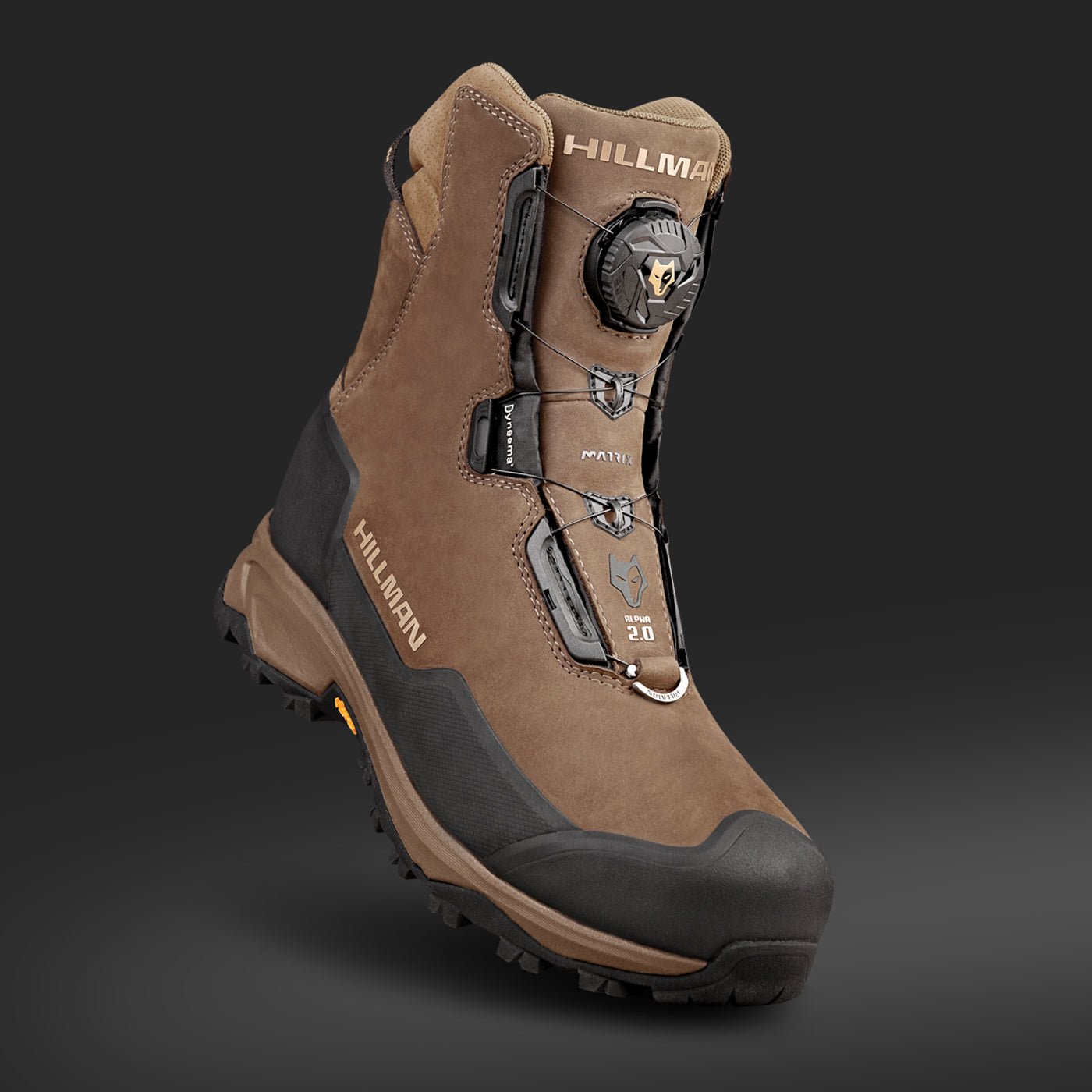
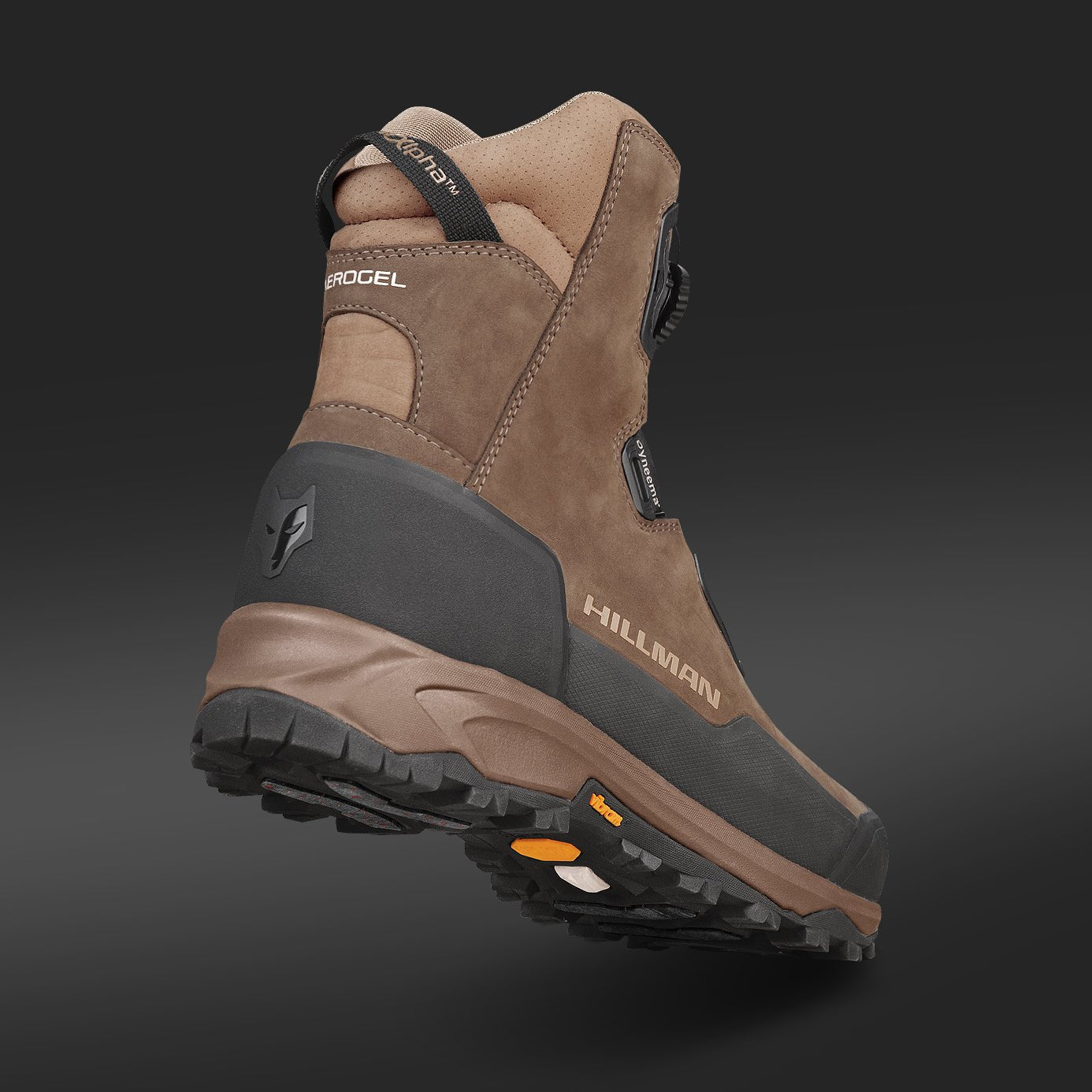
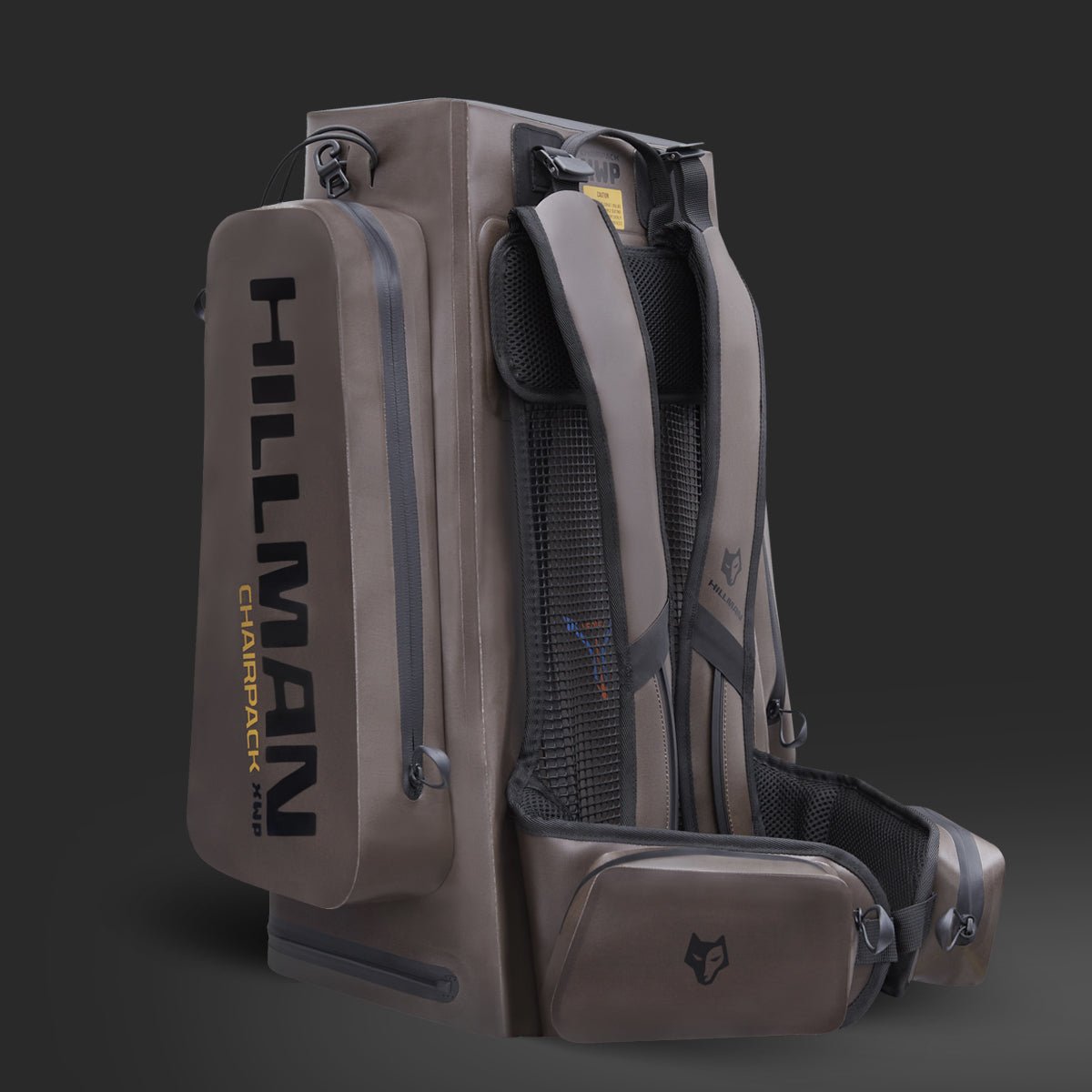
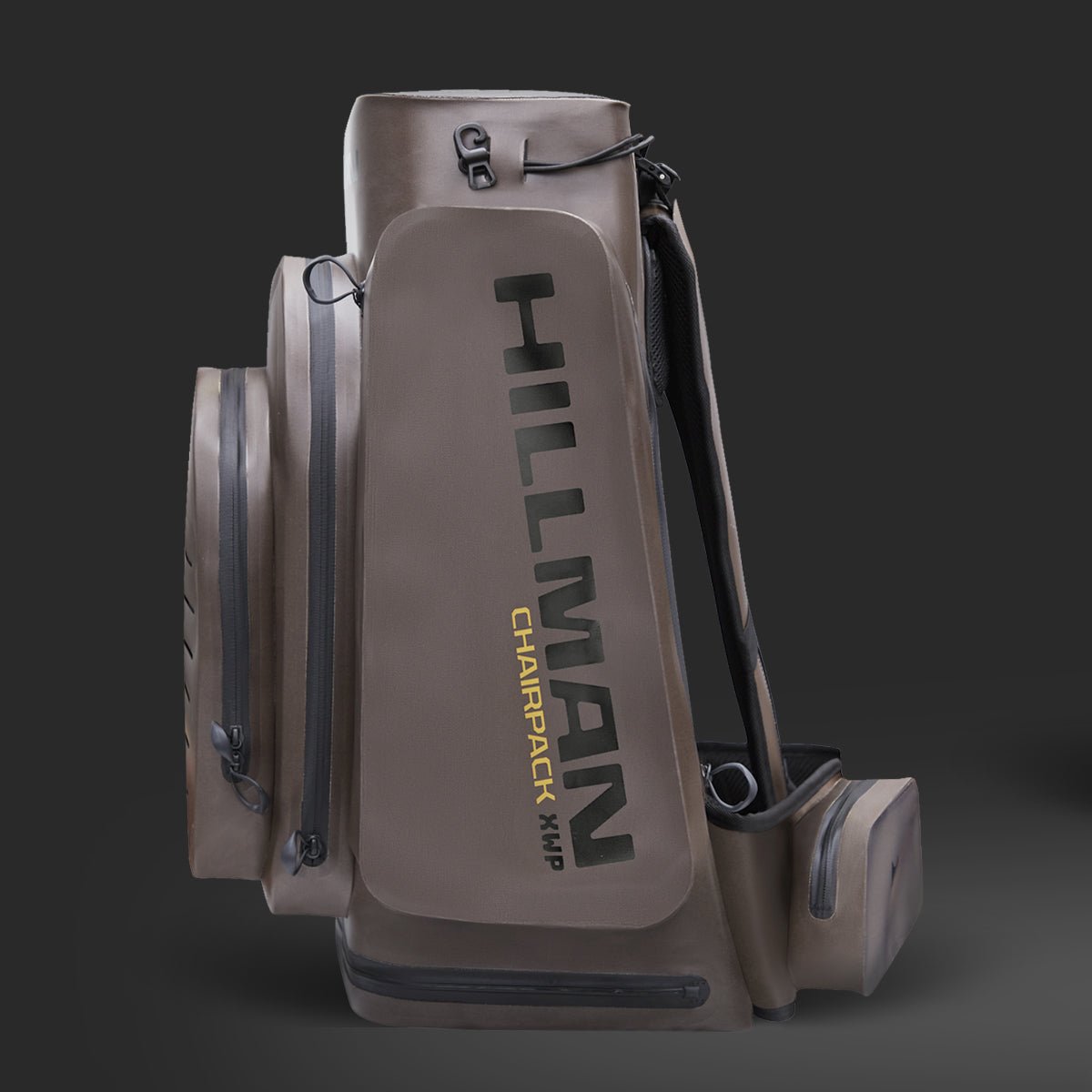
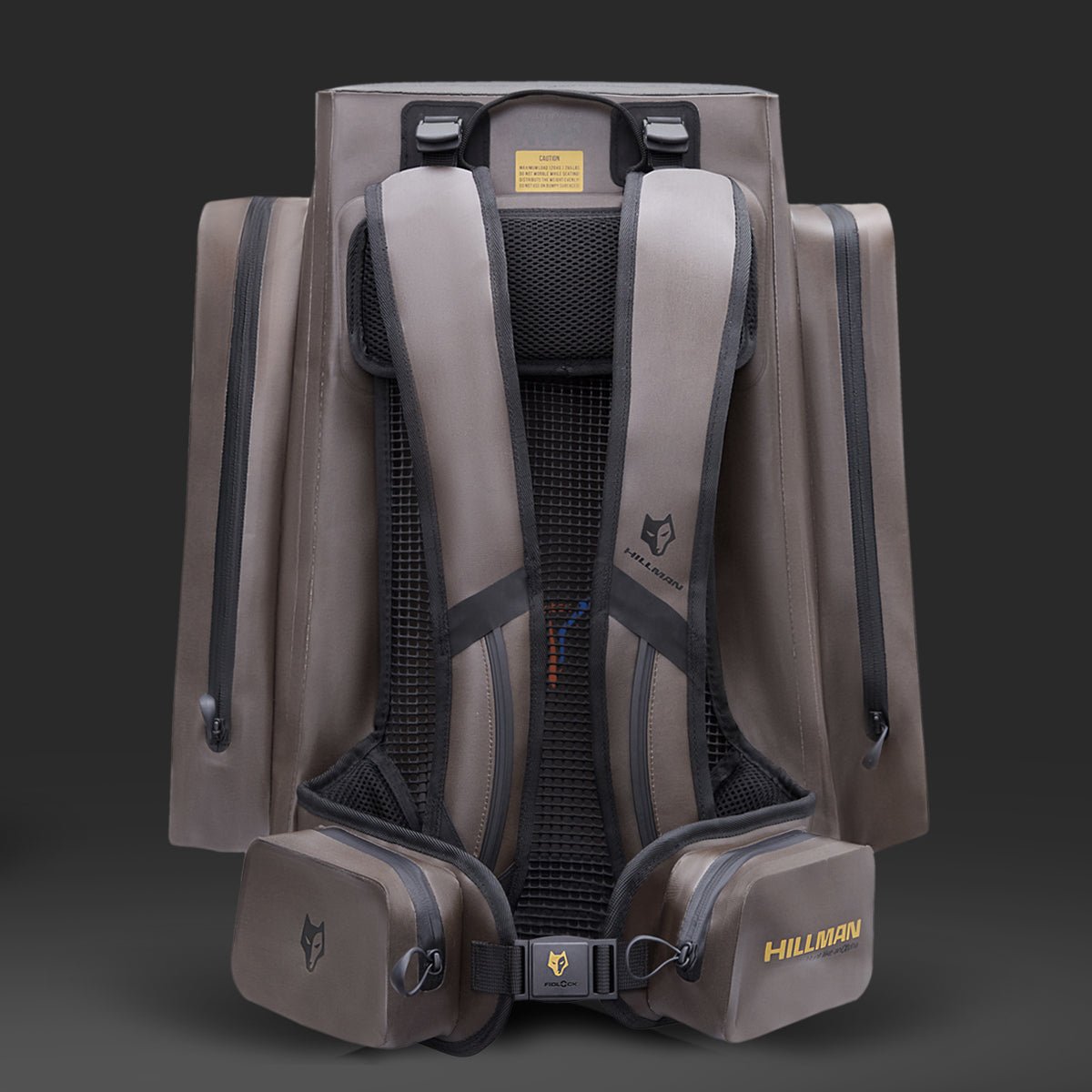
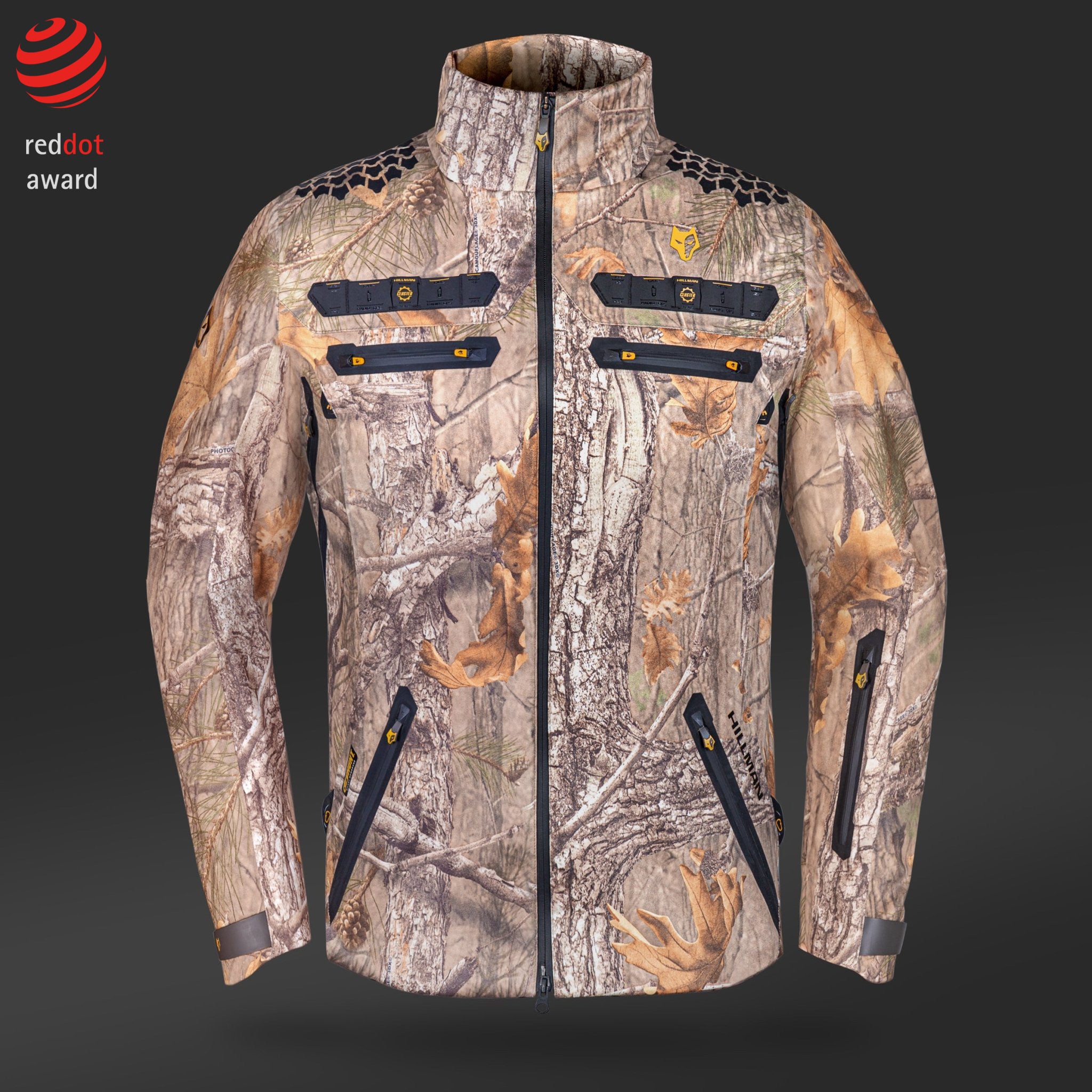
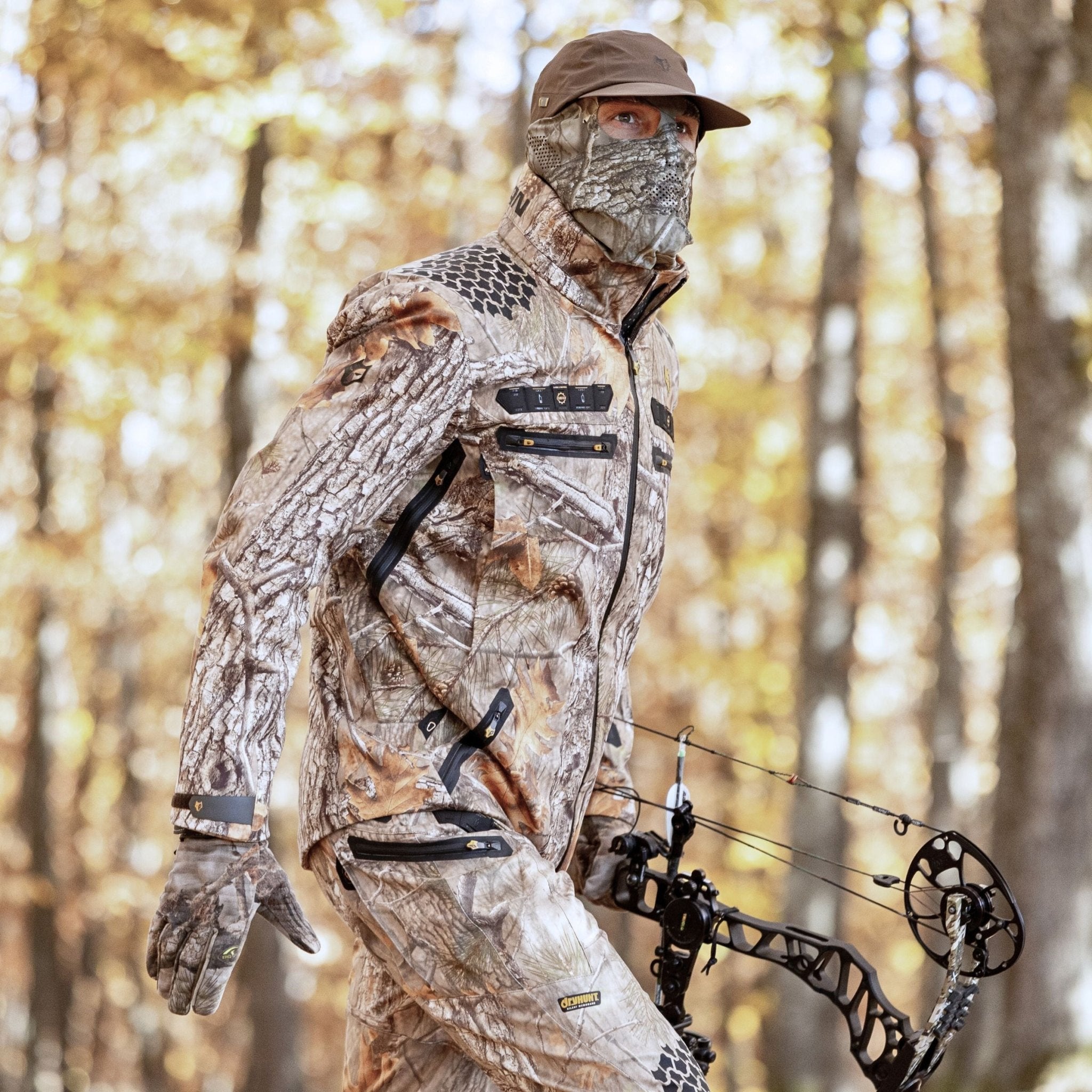
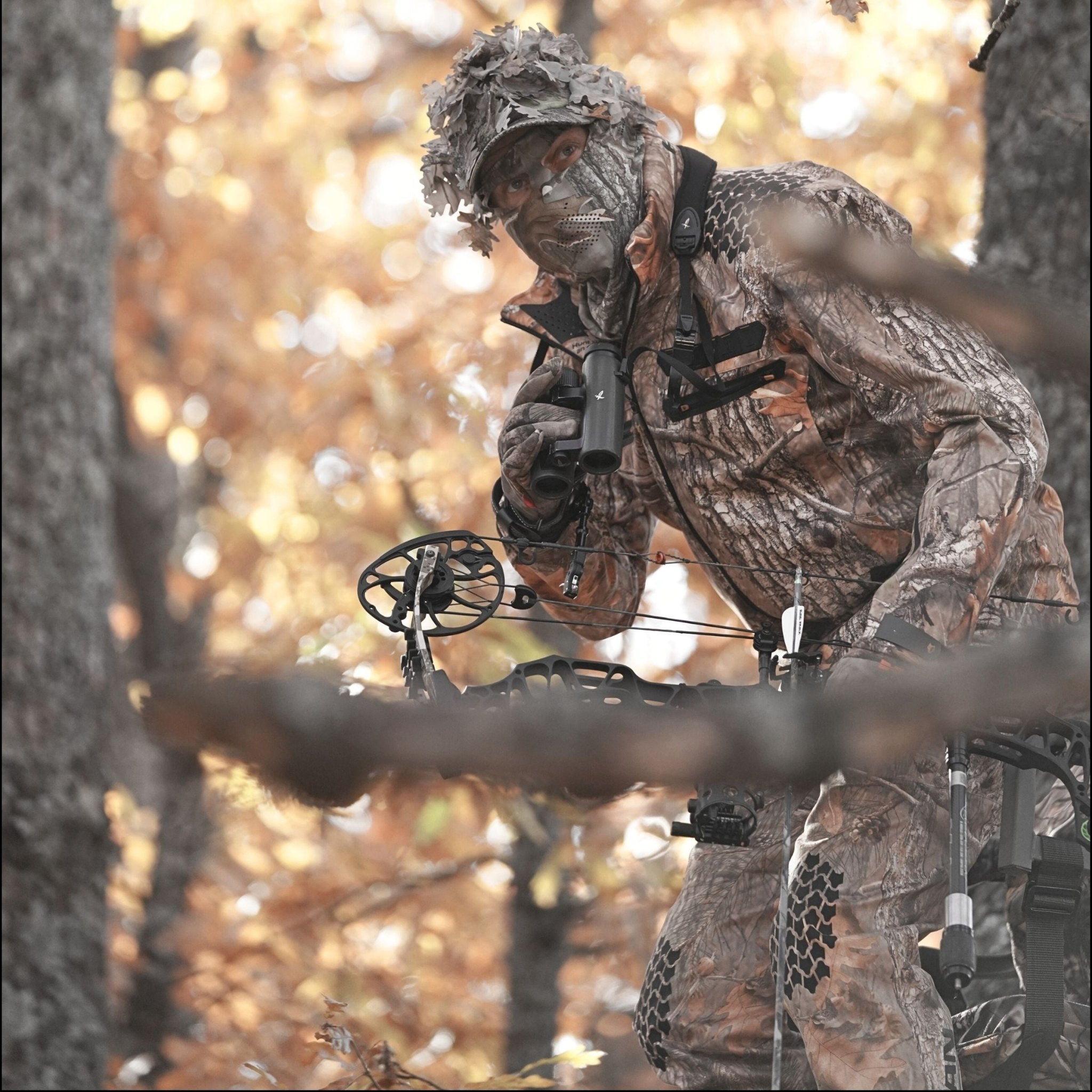
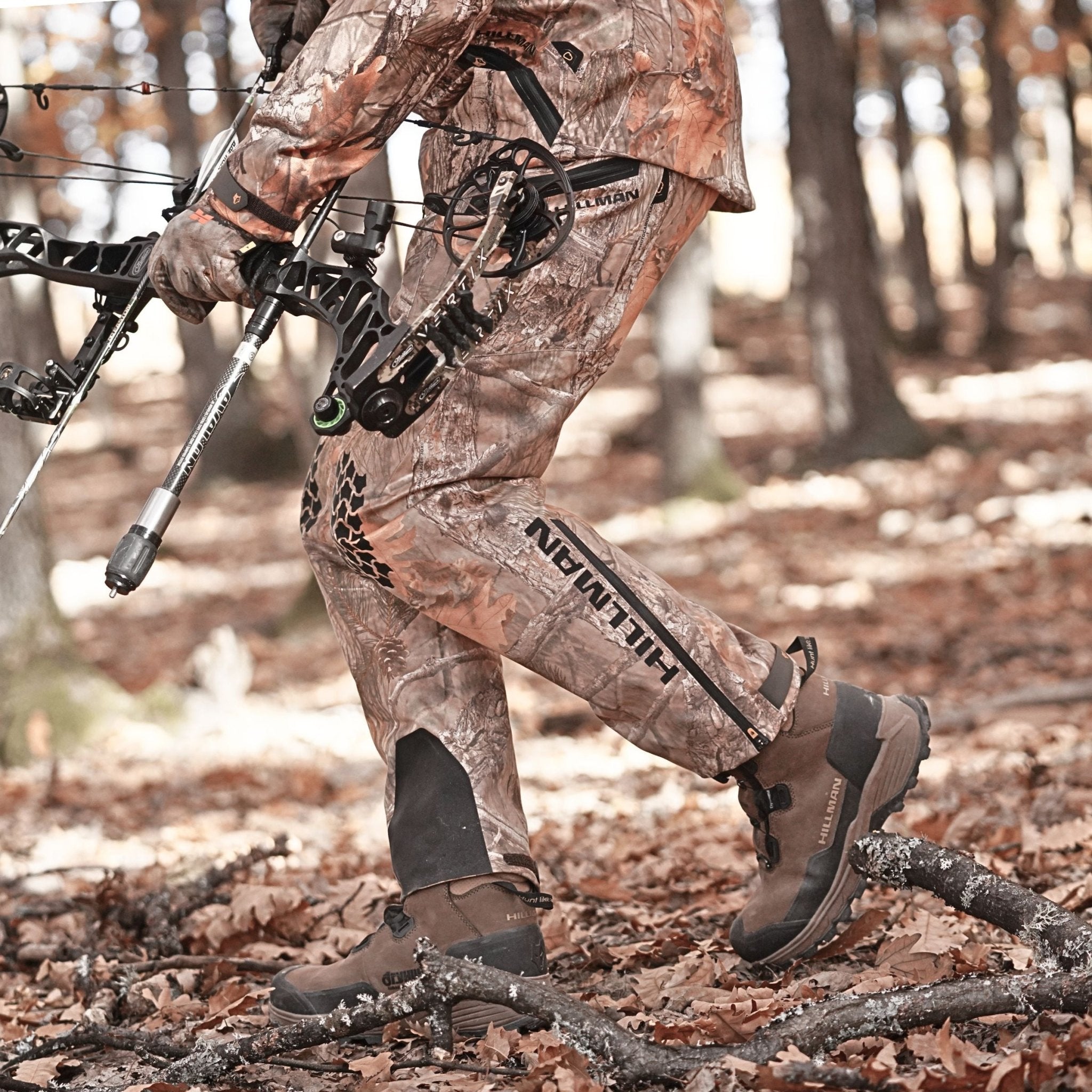
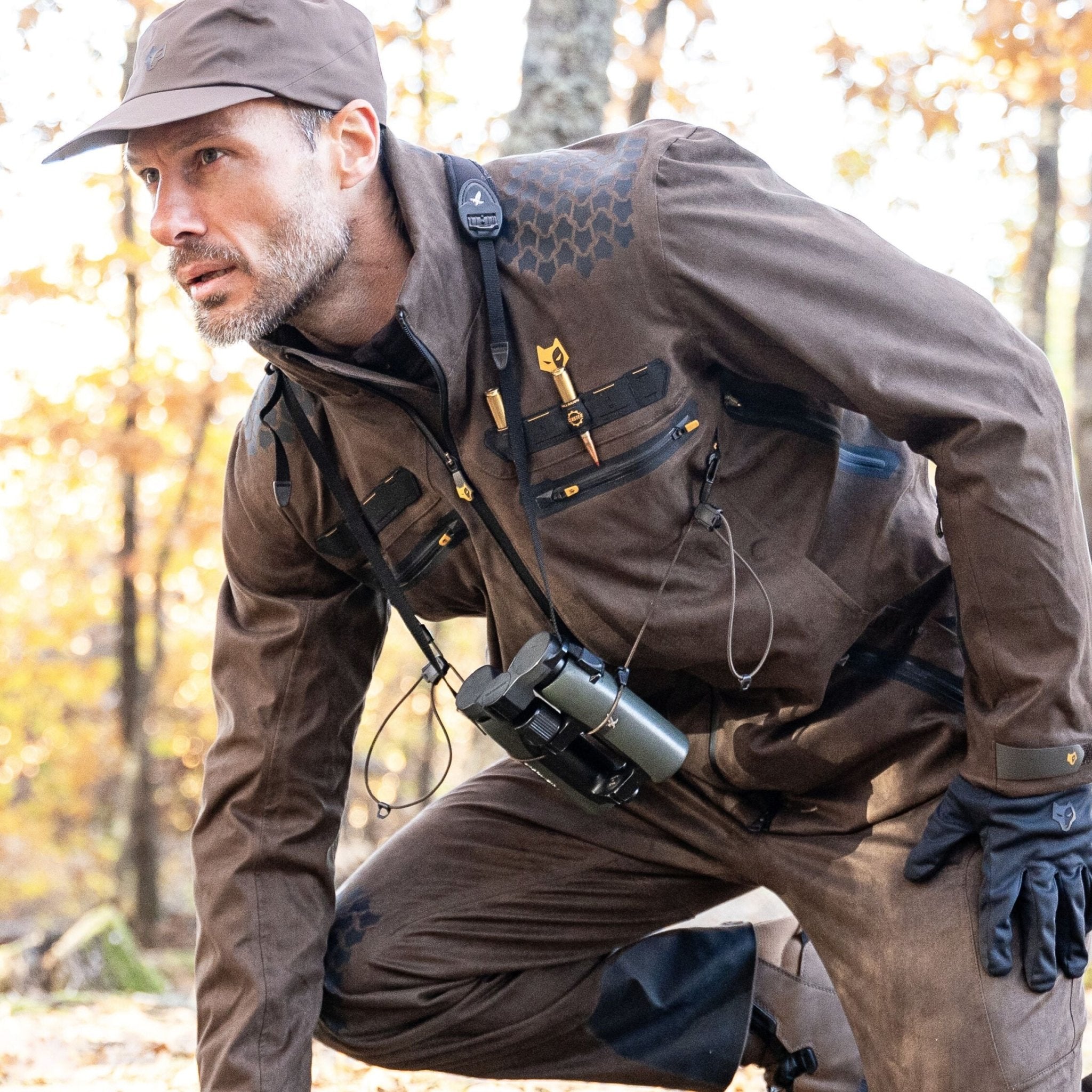
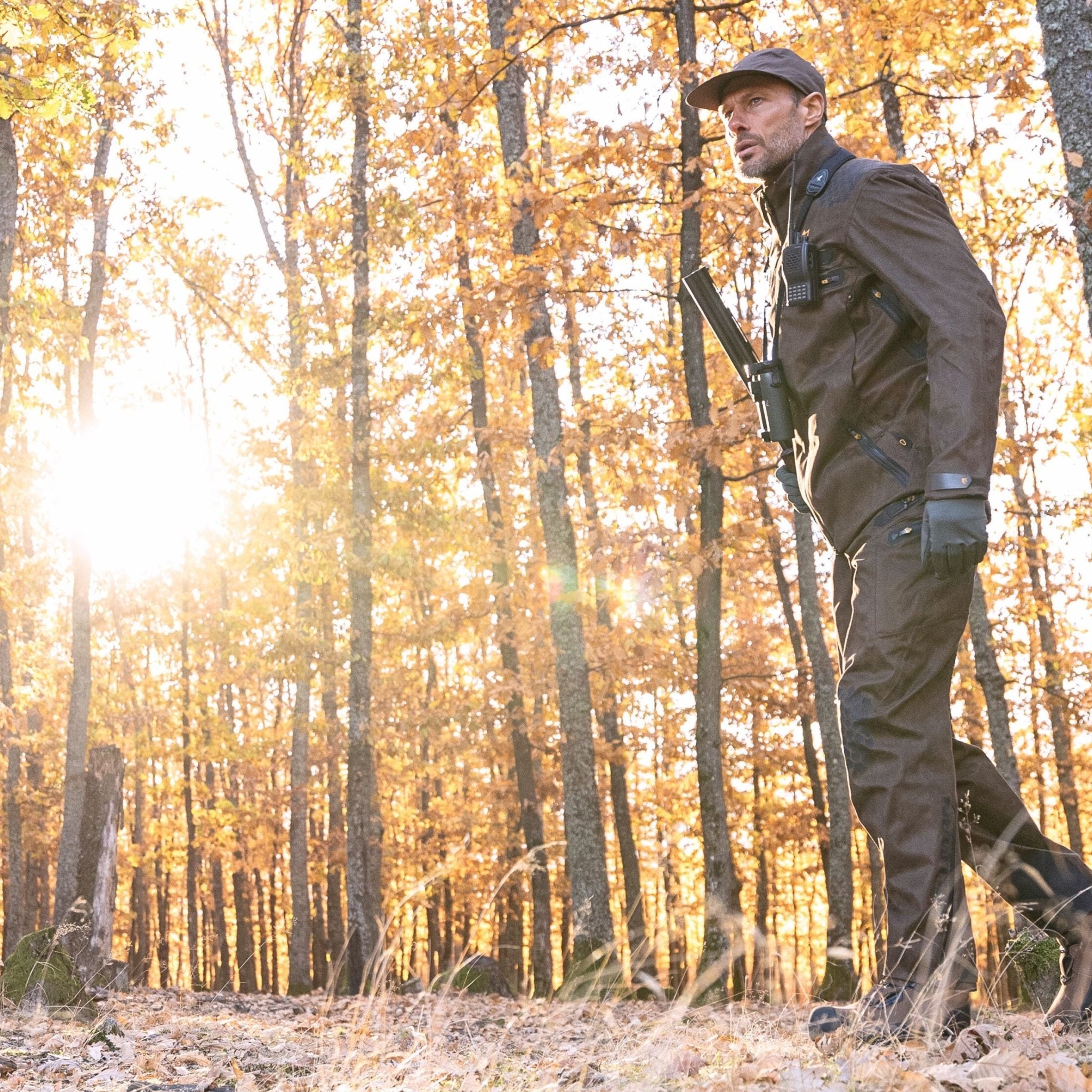
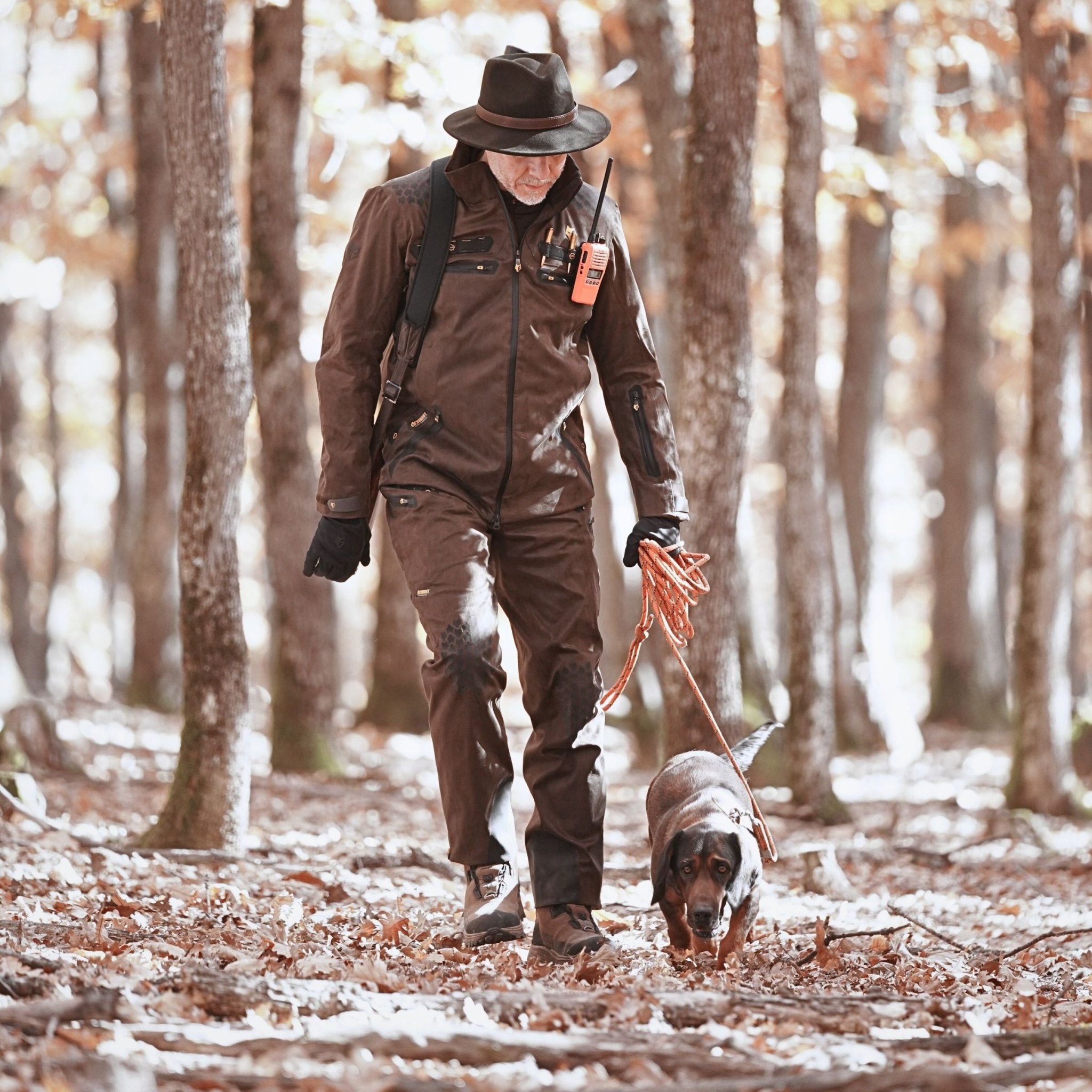
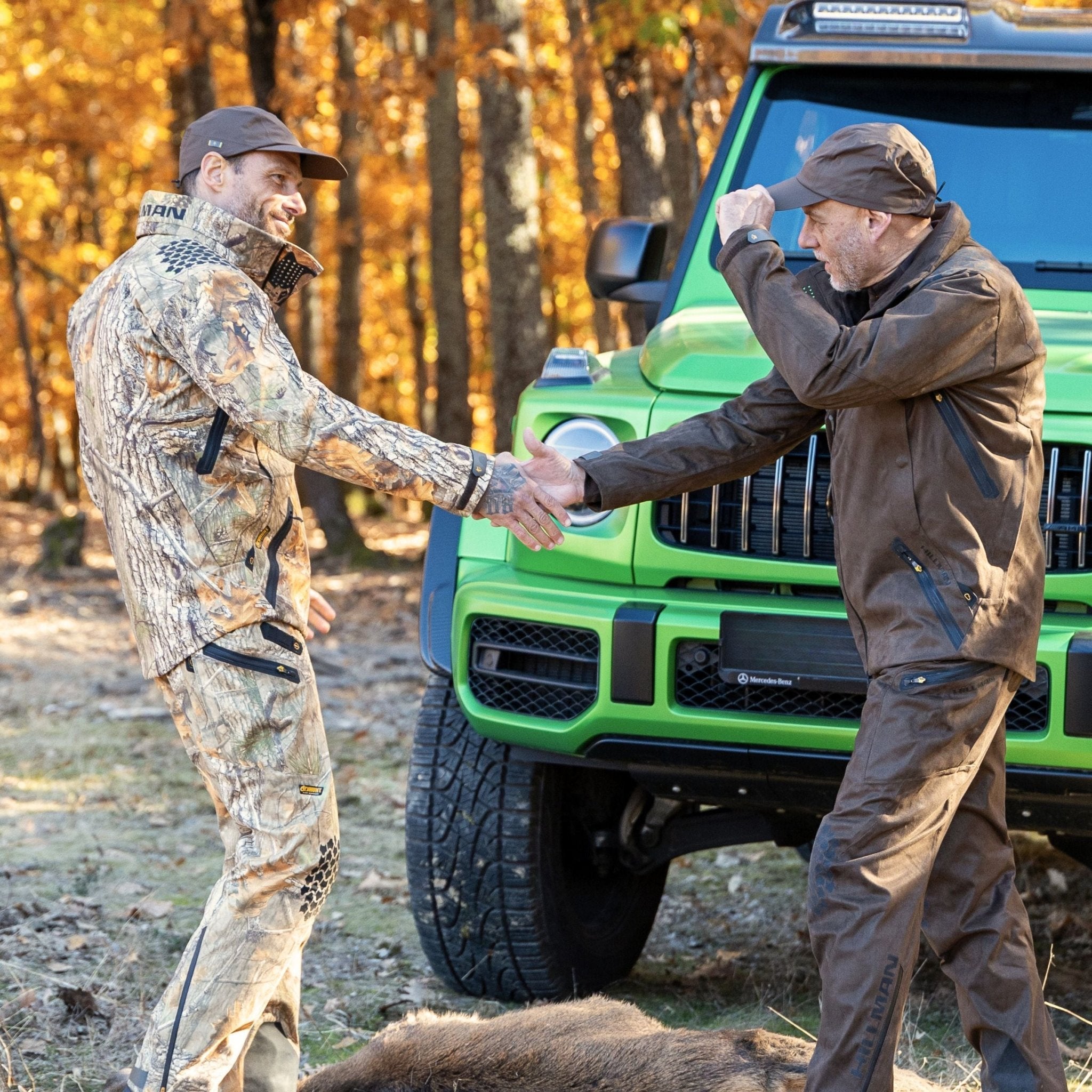
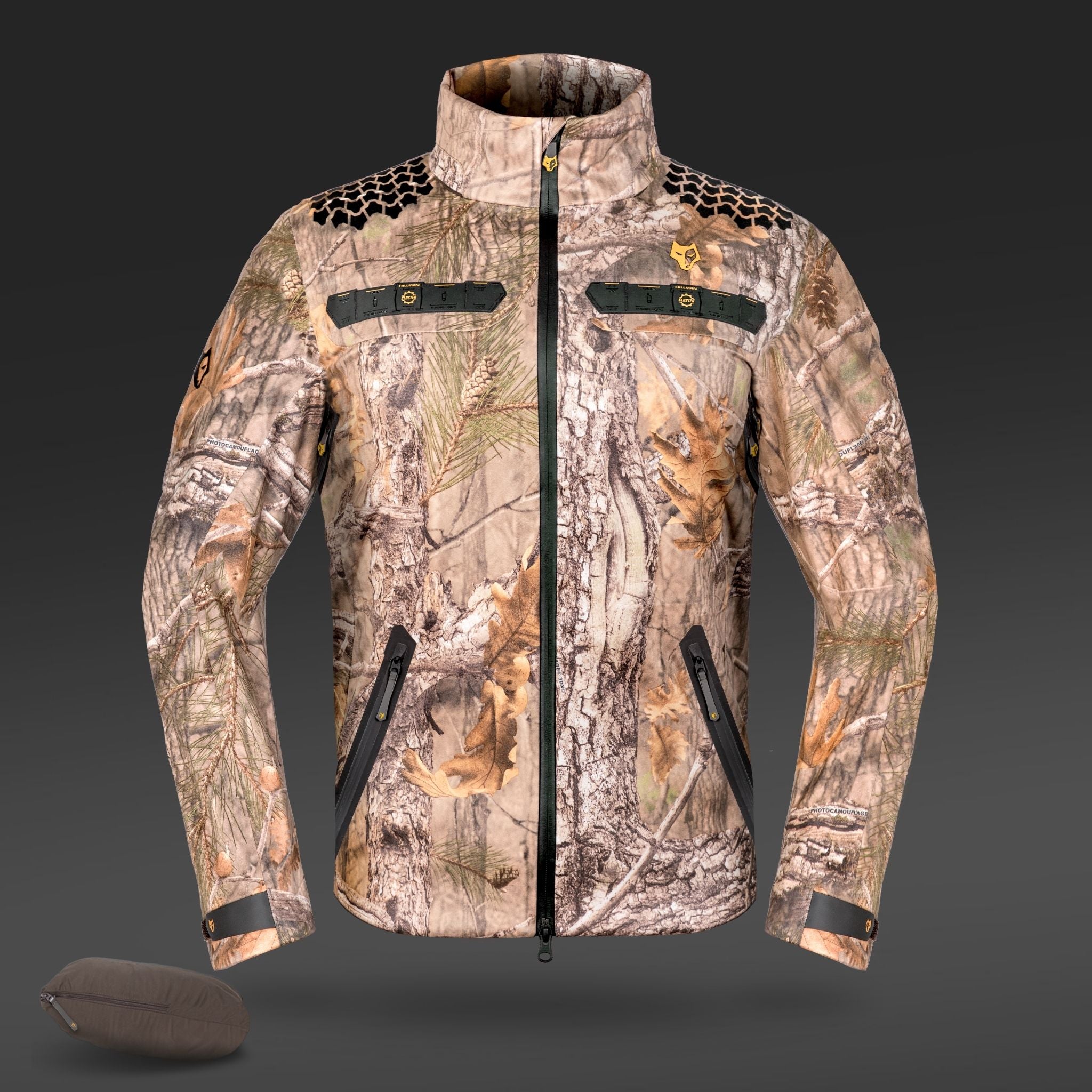
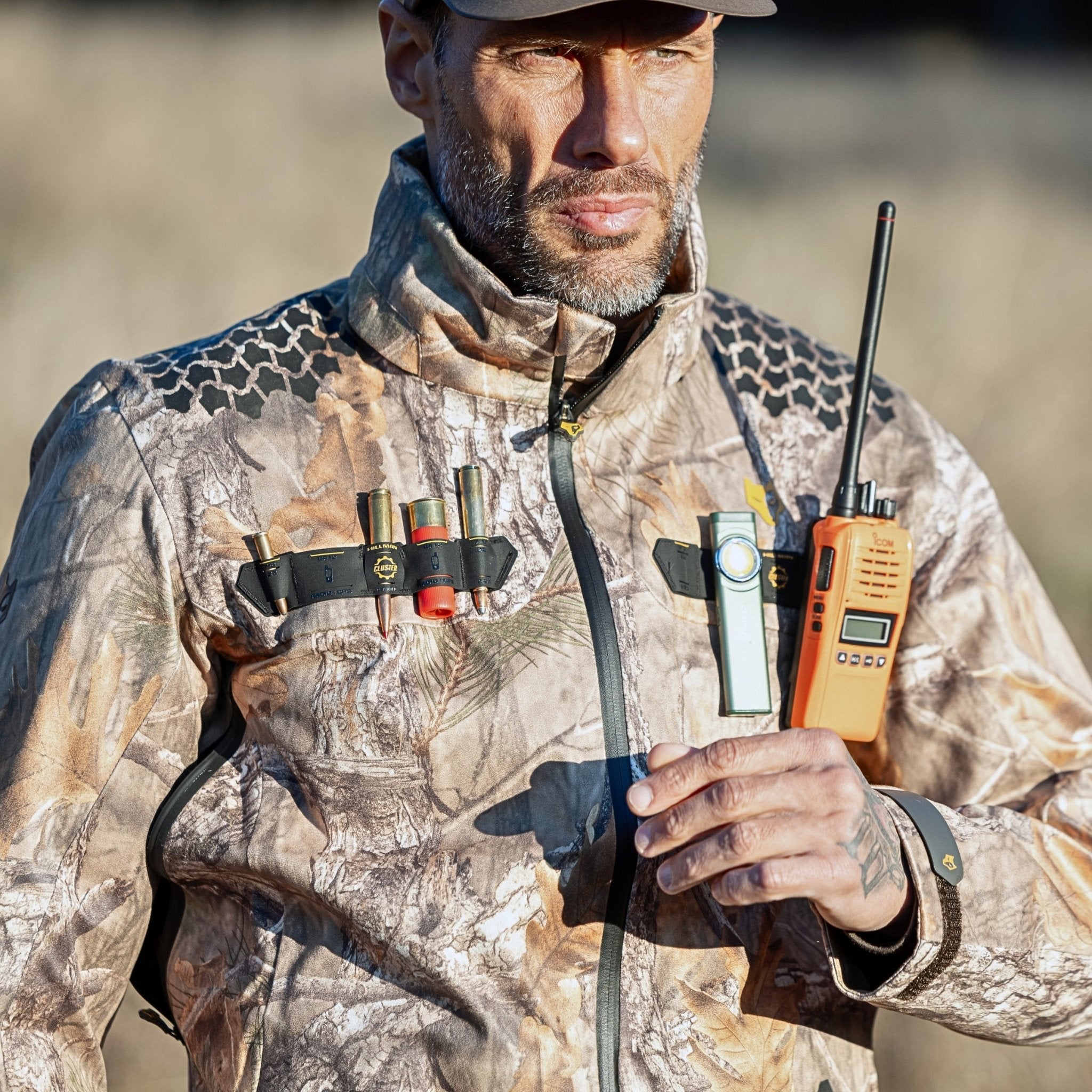
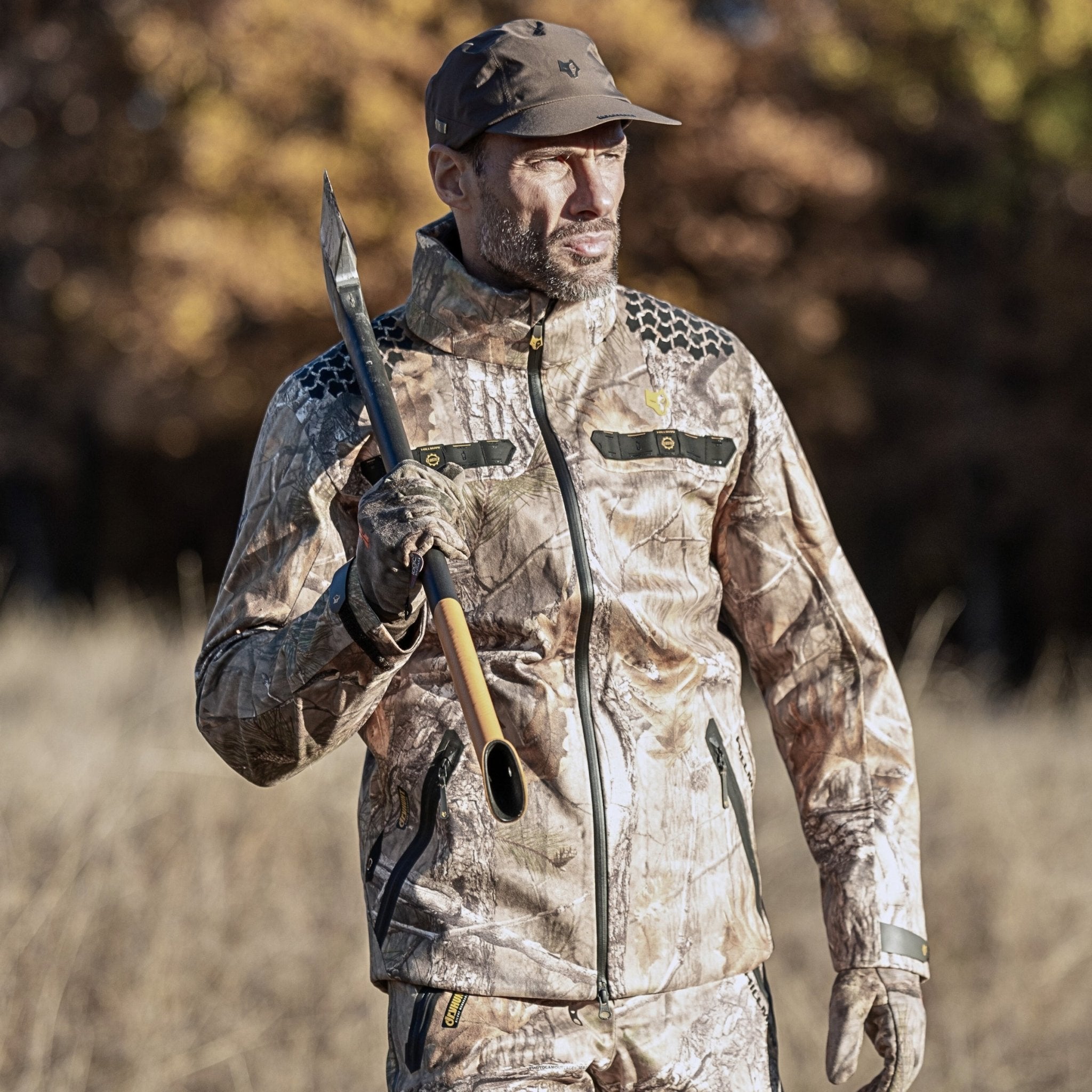
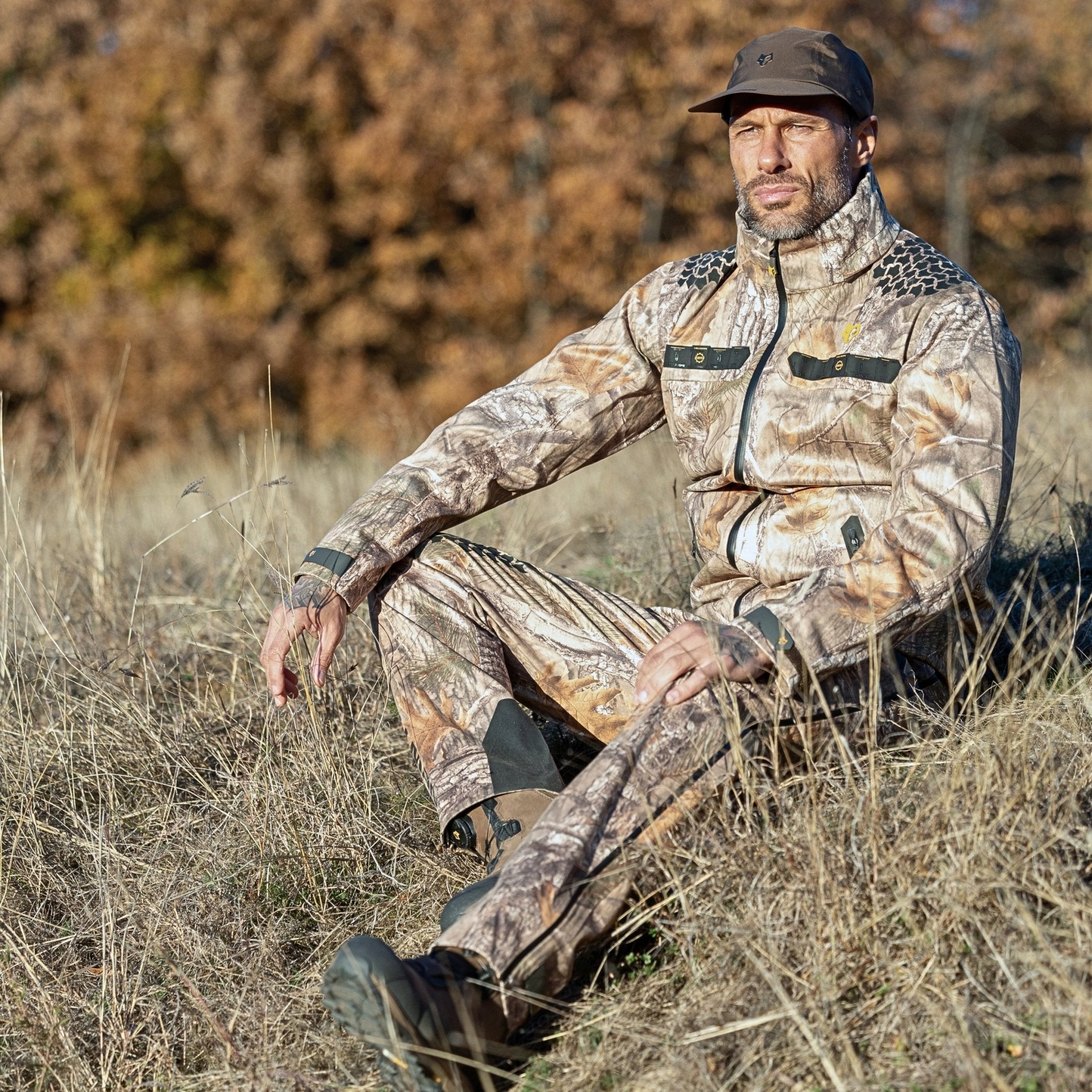
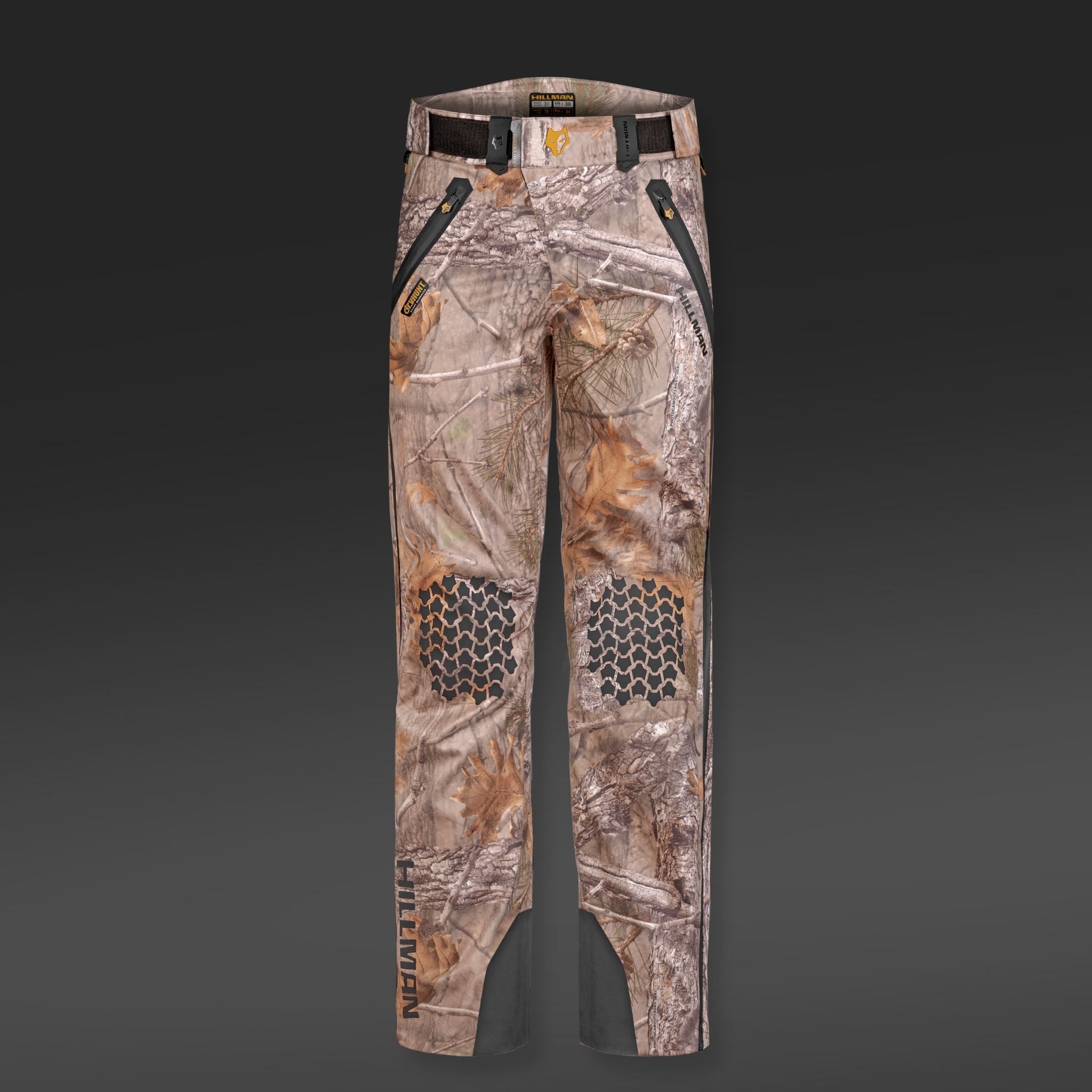
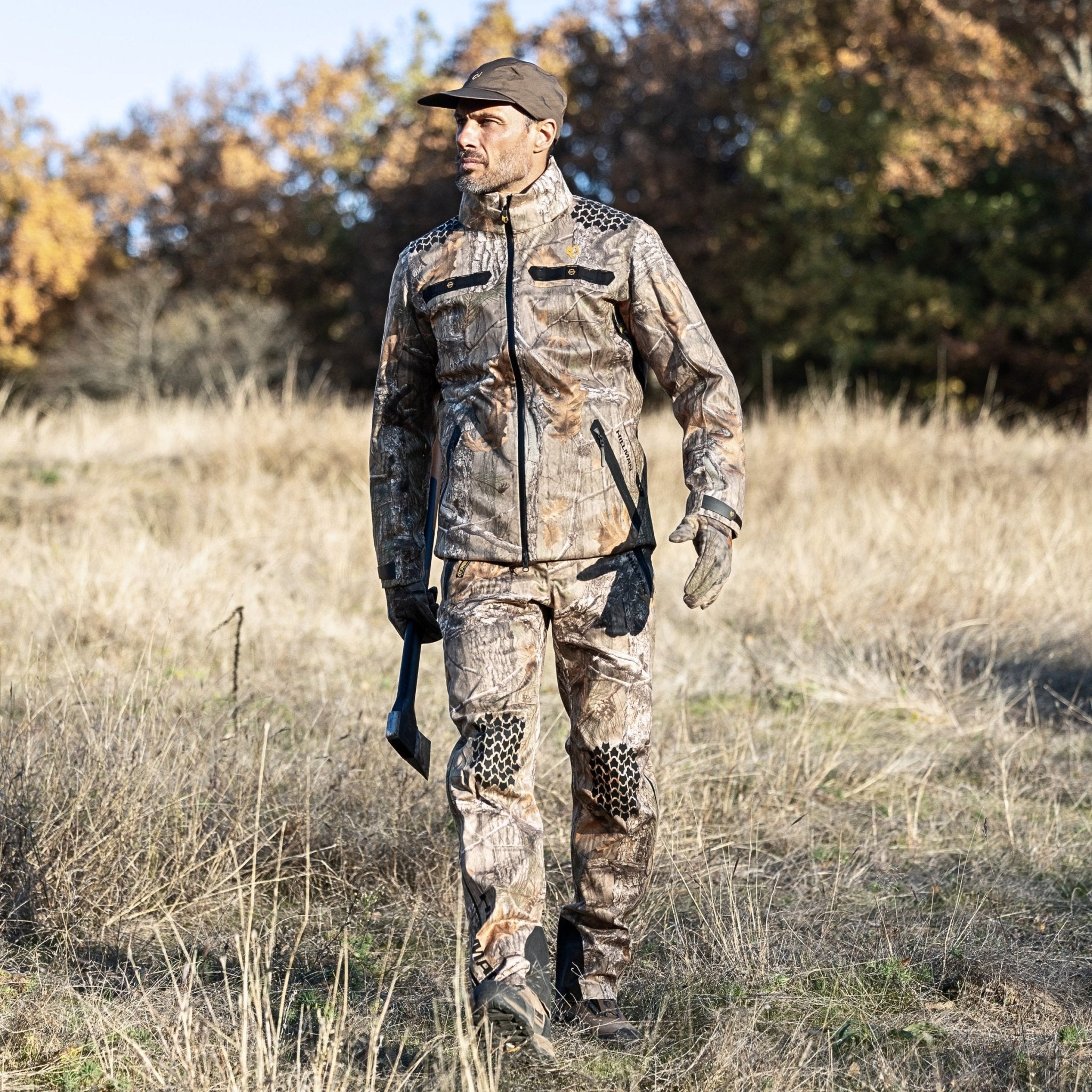
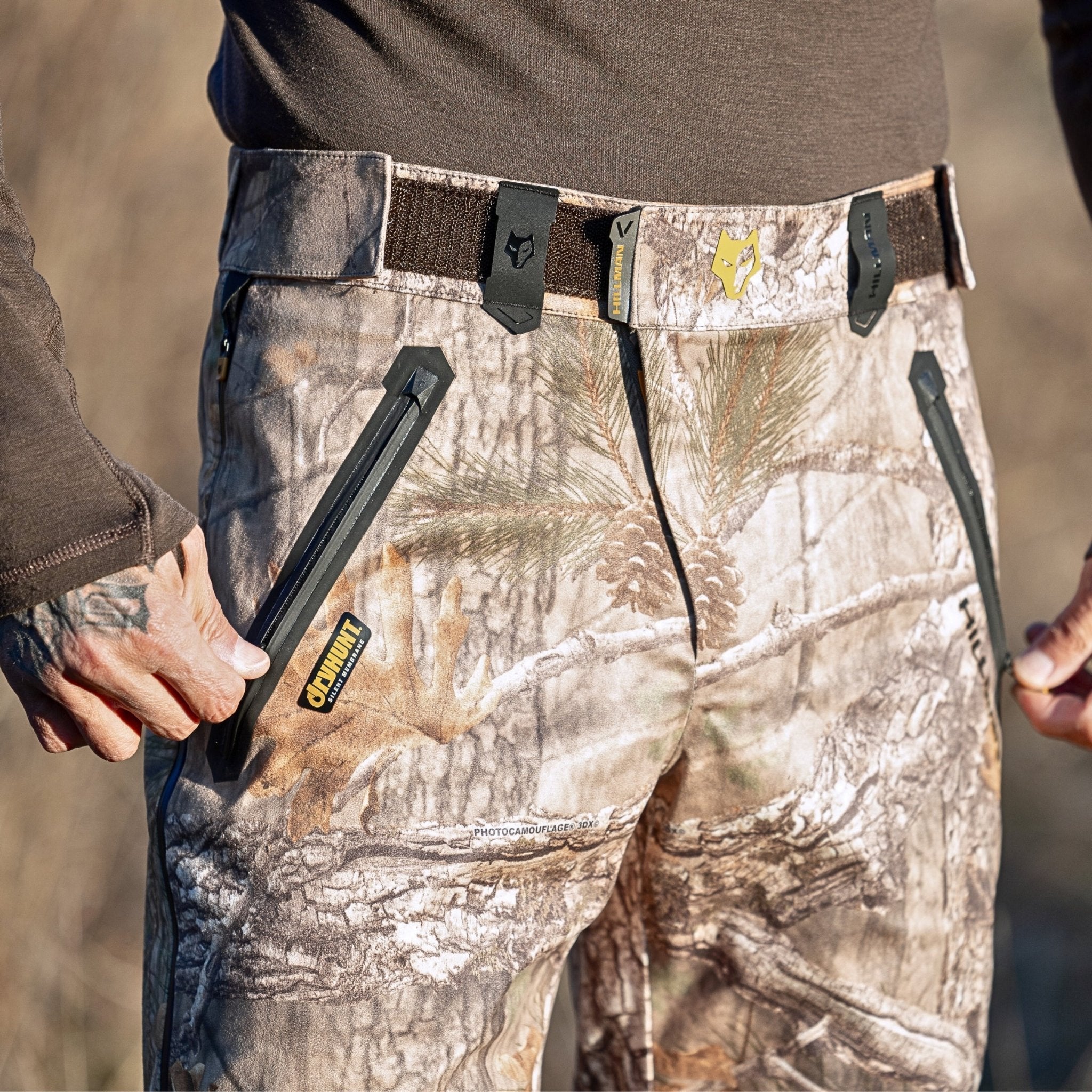
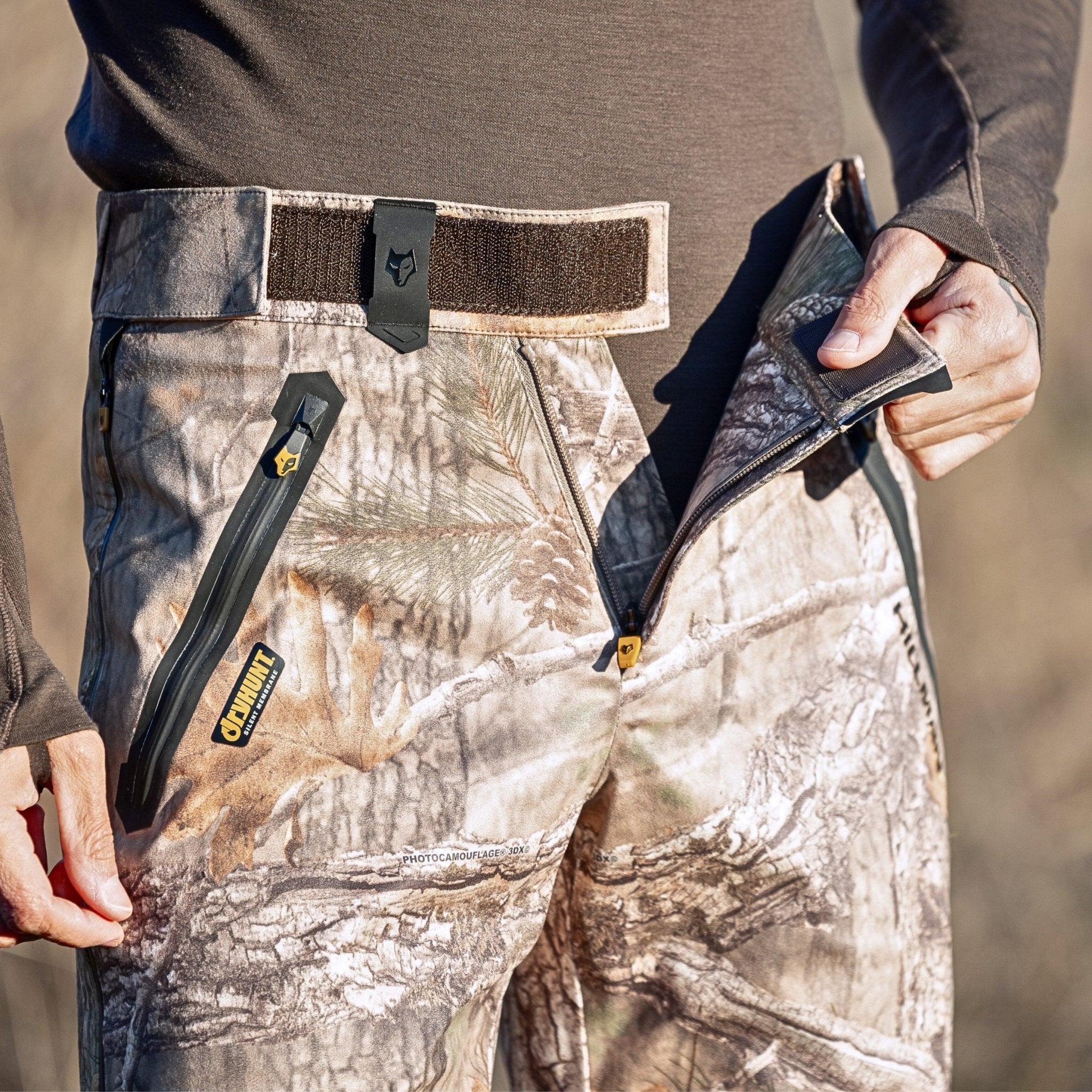
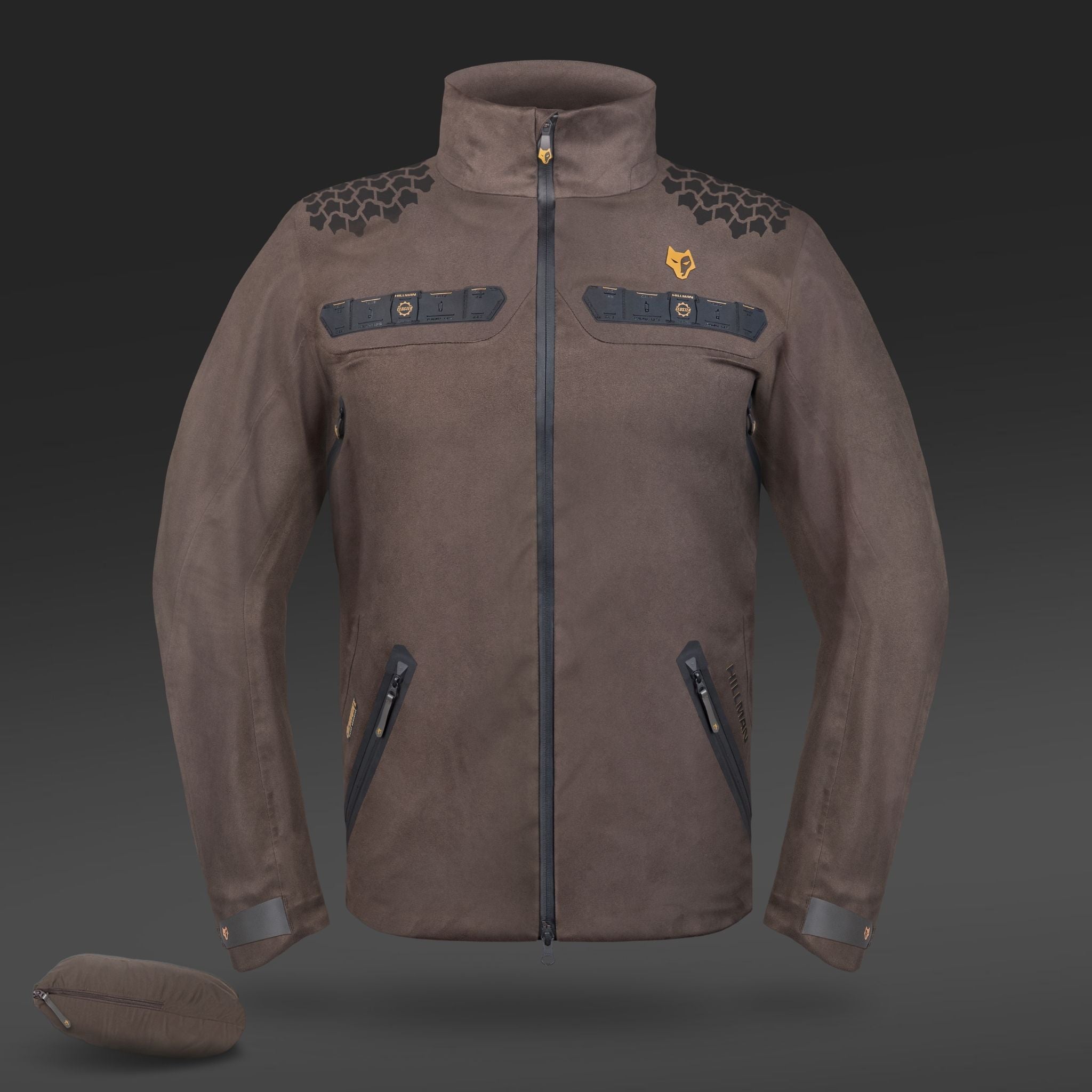
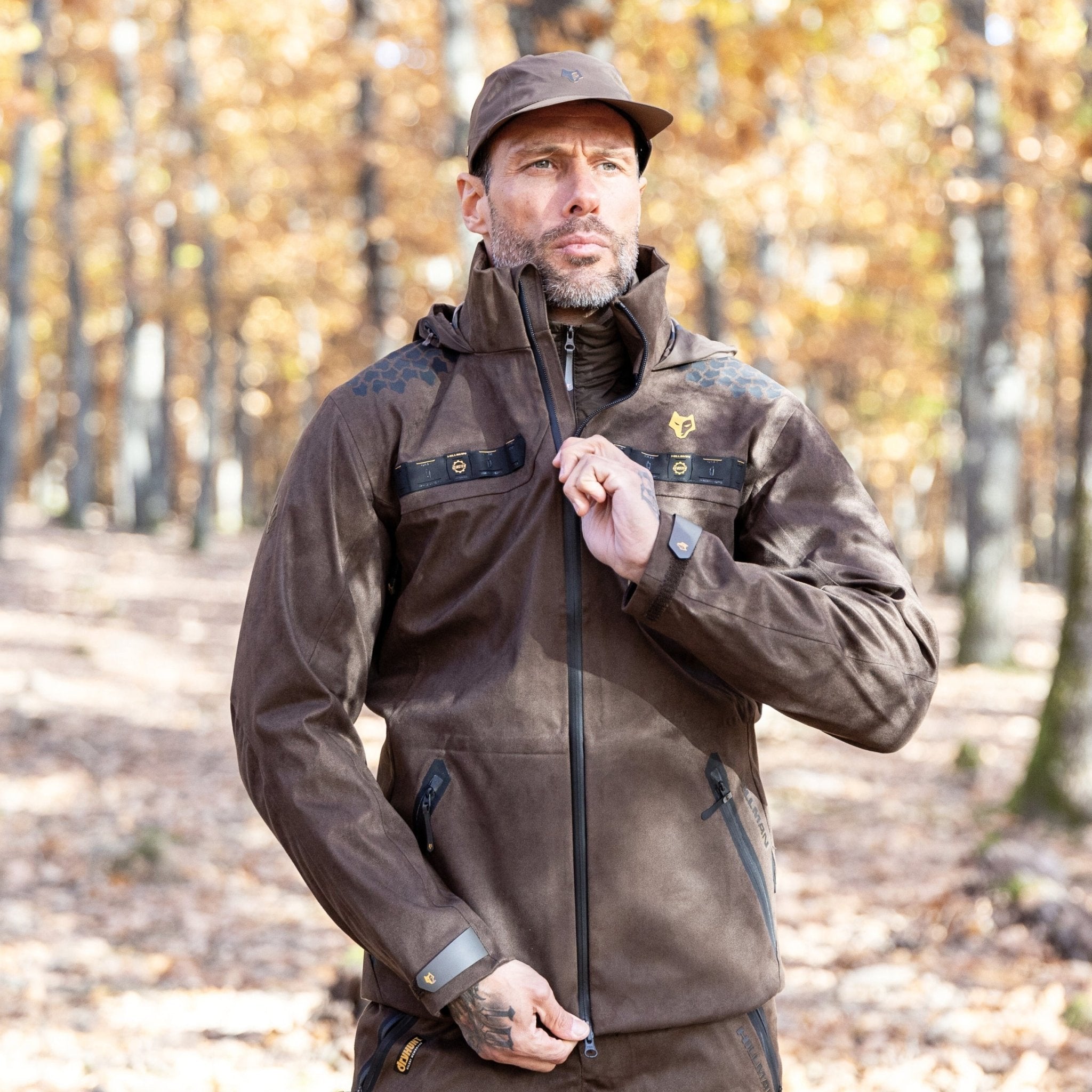
Still, no gun or shotgun setup rescues poor fieldcraft. A shooter in the wrong place with the right gun is still in the wrong place. Even the smartest Hillman kit will not hide bad movement under a bare tree.
Safety, law, and the reason for doing it

Before anything else, safety has to lead. Never shoot where there is a risk to public rights of way, roads, dwellings, livestock, or unseen ground beyond the wood. Roost shooting can feel enclosed because of trees and cover, but it still demands proper awareness of range, angle, and what lies beyond the line of fire.
There is also the legal side. In England, wood pigeon control falls under the general licence system, including GL42 issued by Defra for specified purposes such as preventing serious crop damage, disease, or protecting livestock foodstuffs. Non-lethal methods should be attempted first, and keeping a record of those attempts is sensible. This is why pigeon control sits apart from ordinary game shooting. It is pest control with a legal framework, even if the shooting itself demands many of the same skills. That is also why it matters to keep a realistic mindset. This is not about killing for its own sake. It is about lawful management when birds are causing genuine problems on land.
Weather, season, and why some evenings feel easy

Late winter often gives the best conditions for pigeon roost shooting. Birds are hungry, field use becomes more predictable, and the season often produces stronger, more useful wind. A good day tends to have moving air, overcast weather, and enough activity on nearby feeding ground to draw pigeons back with purpose in the afternoon.
Overcast sky helps more than some people realise. Without low sun flashing through branches, you see birds more cleanly and suffer fewer distractions when mounting the gun. Windy days are often best because they bring birds lower and shape more readable flight lines. Calm weather can still produce chances, but the birds may fly high, drift, and land awkwardly.
That is why relocation decisions should never be separated from weather conditions. A stand that worked in a good wind last week may be poor in a flat calm tonight. The best spot changes with the weather.
A simple rule for deciding whether to move

Ask yourself three things. Are birds using this wood today? Are they using this part of the wood? And am I getting a safe chance to take them cleanly? If the first answer is no, your evening may be poor wherever you stand. If the first is yes but the second is no, relocate. If both are yes but the third is no, adjust position until the shot becomes safe and practical. That could be five yards, or fifty.
The mistake is to confuse inactivity with bad luck when it is really bad positioning, or to confuse an ordinary quiet spell with proof that you should move. Roost shooting woodpigeon rewards calm judgement. Sit tight when the signs say the birds are coming. Relocate when the evidence says they are not coming to you.



Share:
Driven Day Discipline: What Good Peg Shooters Do
How to Scout a Deer Ground Without Leaving Too Much Pressure