
How to Scout a Deer Ground Without Leaving Too Much Pressure Behind

Scout smart, keep pressure low, and learn how deer use cover, food, terrain, and access without educating every buck on the property.
Start with what most hunters never do. How to scout a deer ground without leaving too much pressure behind starts before your boots ever touch the dirt. That is the part many hunters skip. They get interested in a general area, walk the woods hard, cover the entire property in one go, and then wonder why deer activity dries up a week later.
A mature buck does not need much to feel human presence. One bad entry, one wrong wind, one afternoon of careless scouting through thick cover, and the odds change. Bucks that were moving in daylight hours can shift closer to dark, use different escape routes, or leave that section of land altogether. The key is to collect useful information without turning scouting into pressure.
That means spending more time on aerial photos, topographic maps, and long-distance observation, and less time stomping through every trail, bed, and food source on the ground. In many places, especially on shared permissions, other hunters do plenty of the damaging work for you. There is no benefit in adding your own pressure on top of theirs.
Use maps first and save your feet for the right places

Before I scout on foot, I want a plan for the property. I look for terrain that naturally funnels movement, especially saddles, bluffs, creek edges, rivers, ditch crossings, corners of thick cover, and narrow strips between bedding and food. In flatter country, I pay more attention to edge cover, travel patterns, vegetation changes, and easy routes deer may favour. In rougher country, terrain often plays a bigger role.
This is where cyber scouting earns its place. You can identify remote cover, likely bed locations, overlooked food plots, small openings, access points, and pockets far from roads without putting human scent all over the ground. Research has shown that many hunters stay close to forest roads and easy access, often within roughly a third of a mile. Deer learn that quickly. Mature bucks especially tend to slide towards places humans respect less, or places they simply do not want to spend the effort reaching.
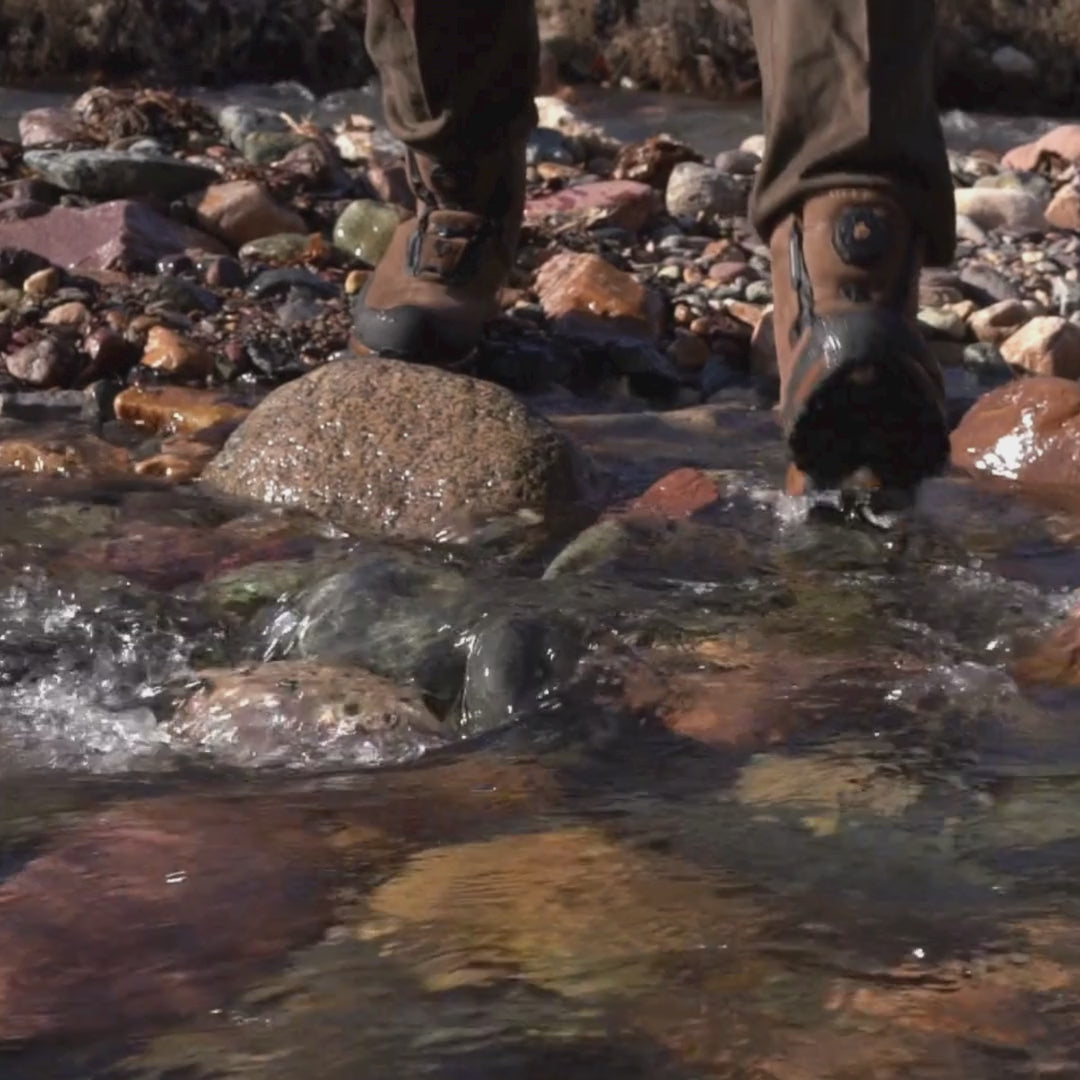
That might mean a swamp edge, a steep cut, a nasty tangle of brown briars, a strip behind a house nobody bothers with, or a section that requires water access by boat or waders. Sometimes the best part of the land is not the prettiest part. It is the part most people decided was too awkward to deal with.
Focus on low-impact observation before deep intrusion

The first goal is not to walk into the middle of a bedding area and prove deer are there. The goal is to identify the likelihood of deer using it without bumping them.
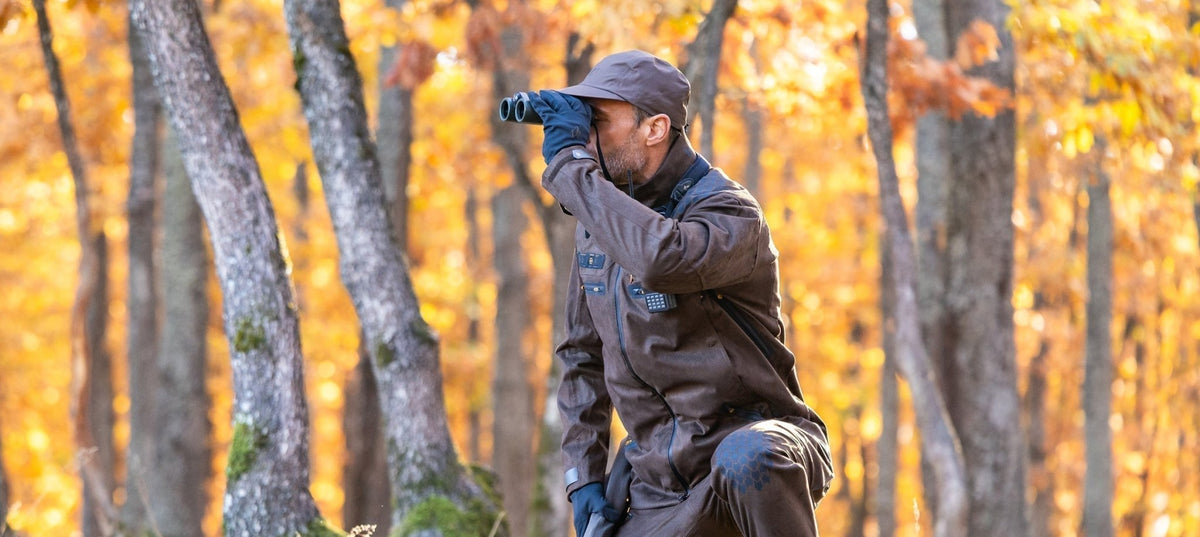
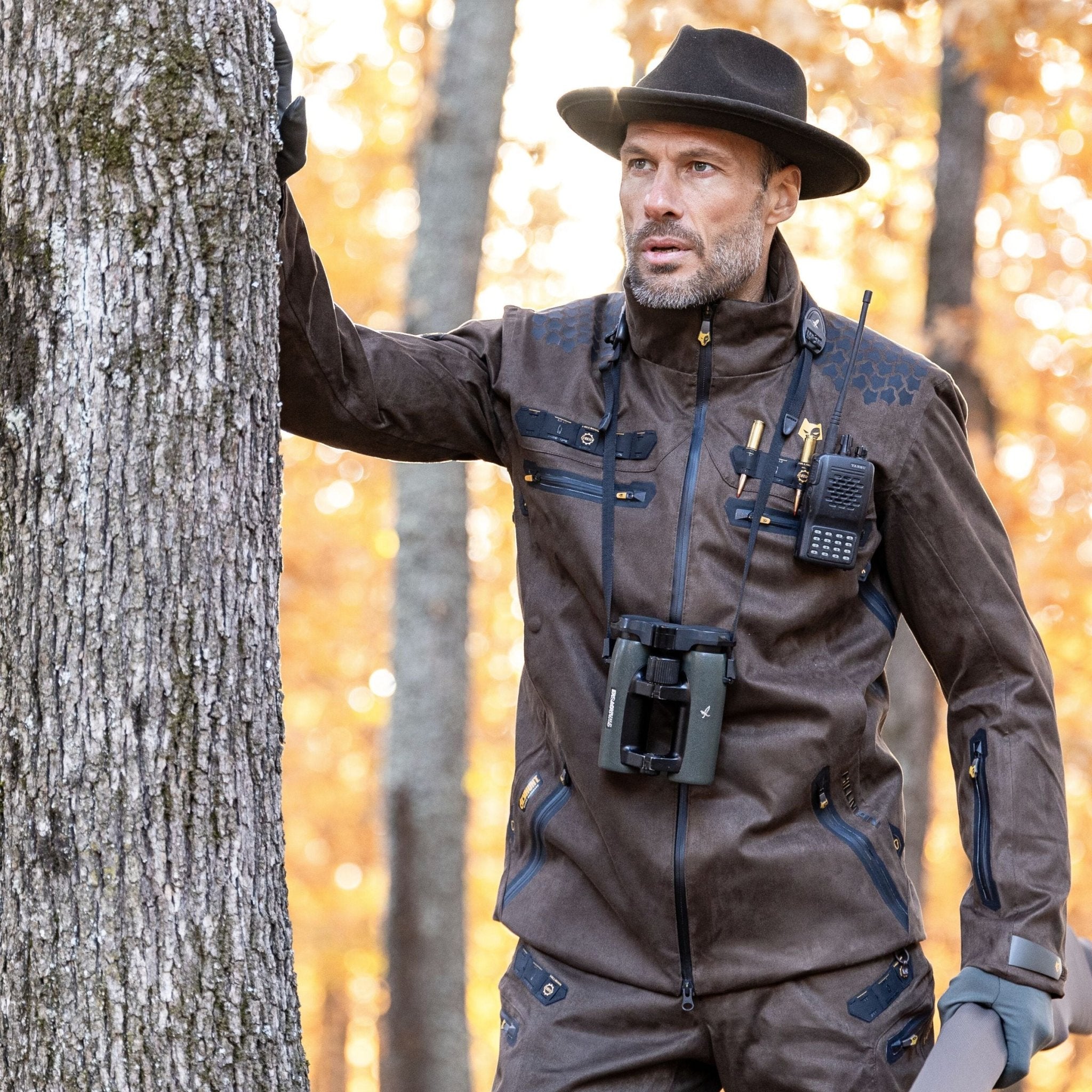
That changes how I scout. I would rather sit off at a distance with binoculars at first light or the last light, watch entry and exit movement near food sources, and note where deer appear to vanish back into cover. Trail cameras can help, too, if they are placed with restraint and checked carefully. Thermal tools can be useful where legal, because they let you learn a lot about deer movement without forcing close proximity. The same idea applies to watching field edges, logging roads, crossings, and openings from a distance during dawn or dark.
When the ground is telling you enough from the outside, there is no need to push farther in.
A lot of scouting pressure comes from curiosity, not necessity.
Think about access like a deer would

Good scouting is not only about where deer are. It is about how you enter, how you leave, and what that access says to every animal on the ground.
Deer often react to repeated human activity more than a single random event. If your route cuts the same trail every time, blows scent into bedding cover, crosses food, and leaves disturbance in a vital transition zone, you are teaching them something. You are telling them exactly where danger comes from.
That is why access needs a plan. Sometimes a different route matters more than the spot itself. Sometimes the best stand location is useless because getting there ruins the area. Sometimes the smart play is to eliminate a tempting section from your efforts until conditions are right.
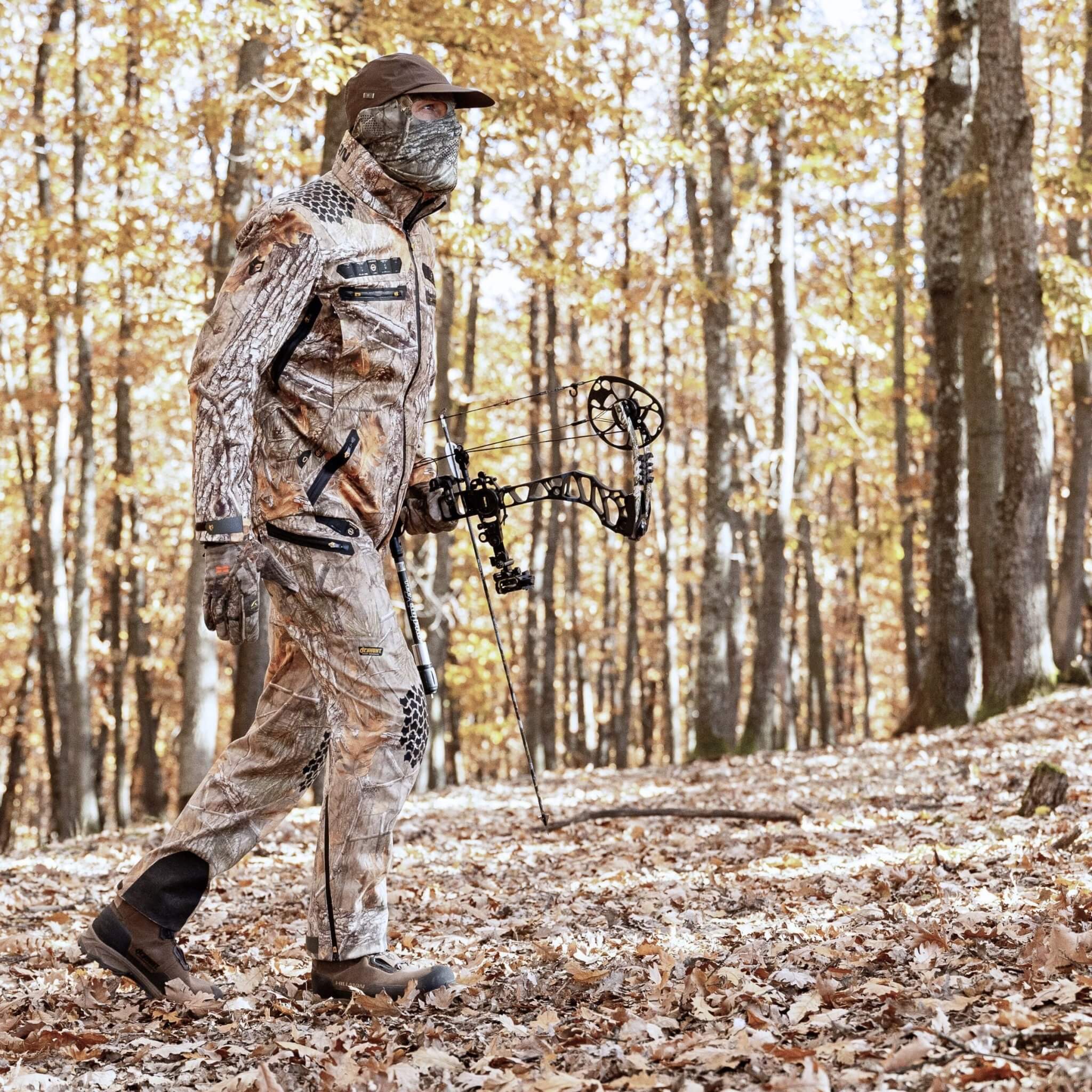
I want routes that stay on the edge, use main tracks where possible, avoid trampling cover, and keep me from drifting scent through places deer use during daylight hours. Wind direction is not a detail. It is the whole thing. A deer’s nose is still its primary security system, and once it catches you in the wrong place, your scouting trip may cost you weeks.
Scout for fresh sign, not old stories

In-season scouting matters because deer change with the season, with food, with human pressure, and with weather. Last month’s sign may not mean much now. Last year’s favourite oak flat may be cold if the food is gone. A stand that made sense in early season can become dead space once acorns drop elsewhere or once hunting pressure builds.
So I focus on fresh sign. Trails with current use. Scrapes that have been reopened. rub lines that connect to present movement. Browsing in the right locations. Tracks in soft ground. Beds that make sense relative to wind, cover, and exit options. Habitat impact tells a story when you read it honestly.
This is also where many hunters overdo it. They find one fresh trail and keep pushing deeper, trying to connect every piece. That is often where they bump deer. I would rather back out with 70 percent of the answer than force 100 percent and educate the deer I want to hunt.
The least pressured ground is rarely the easiest ground
On both private ground and shared permissions, deer often favour the places that feel like too much trouble. Thick cover. Ugly access. Water barriers. Nasty middle sections. Spots that are a long walk from parking. Ground behind difficult terrain. Areas where humans do not naturally drift.
That matters because pressure does not spread evenly across a property. One side may get hit constantly while another side stays almost untouched. A mature buck knows the difference.
If you are trying to figure out how to scout a deer ground without leaving too much pressure behind, stop assuming every acre deserves equal attention. The entire property is not equally valuable, and it should not be scouted equally. Focus on the best cover near food, on travel patterns that fit the wind, and on routes that protect the area instead of exposing it.
Remote pockets are often where mature bucks hold because they feel secure there. That security is part of the habitat. Destroy it with careless scouting, and you change the ground.
Do not confuse movement with opportunity

Seeing deer is not the same as learning something useful. Plenty of hunters watch deer from a road, from a field edge, or from easy access and assume the area is hot. But if those deer only step out in dark or well after legal light, the ground may already be telling you that pressure is high.
When deer become more nocturnal, that is usually information. When they stop using an opening during daylight hours, that is information. When sign shifts into thick cover after a few weekends of hunters entering the same way, that is information too.
The point of scouting is not just to confirm deer presence. It is to understand how deer adapt to human activity and where they go when pressure builds. That is often more valuable than any single sighting.
Keep your intrusion narrow and your timing tighter

There is a big difference between low-impact scouting and random wandering. Good scouting should be short, deliberate, and timed well.
I prefer to scout quickly when conditions help me stay hidden, especially on windy days, in light rain, or during times when background noise and scent movement work in my favour. I do not want to spend hours drifting around because that is when mistakes pile up. You cross one more trail. You push one more pocket. You step into one more bed. Soon you have done more harm than good.
If I know a likely travel corridor, I may hang back and wait rather than push through it. If I suspect bedding in a piece of thick cover, I may circle for sign and leave it alone. If a route feels wrong, it probably is. The woods usually tell you when you are about to force it.
Prepared hunters protect good ground by knowing when not to scout.
Build knowledge over seasons, not in one afternoon

The best deer scouting is cumulative. One season shows where deer feed early. Another reveals how they react once other hunters show up. Another teaches which wind keeps your access clean. Another shows which trails matter only when a certain food source is hot.
That long view is what leads to success. Not one giant scouting mission. Not one weekend of charging through cover. Just steady, disciplined learning with respect for the land and for the nature of whitetails.
That is also why I do not mind leaving a little mystery in a property. I do not need to know every trail in the woods. I need to identify the routes, cover, terrain, and food that consistently matter, then protect them from too much human presence.
That approach is slower. It is also far more likely to keep deer huntable.
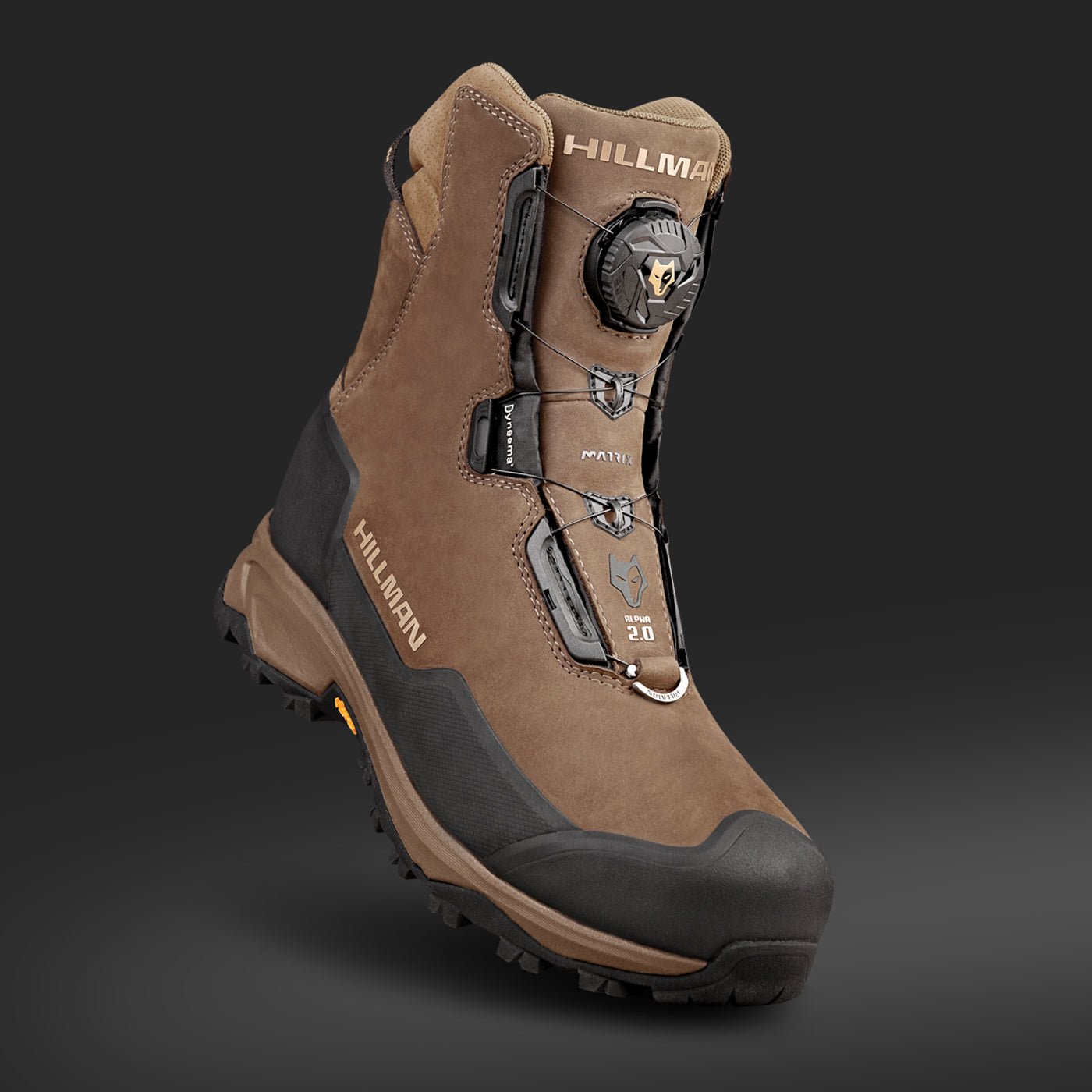
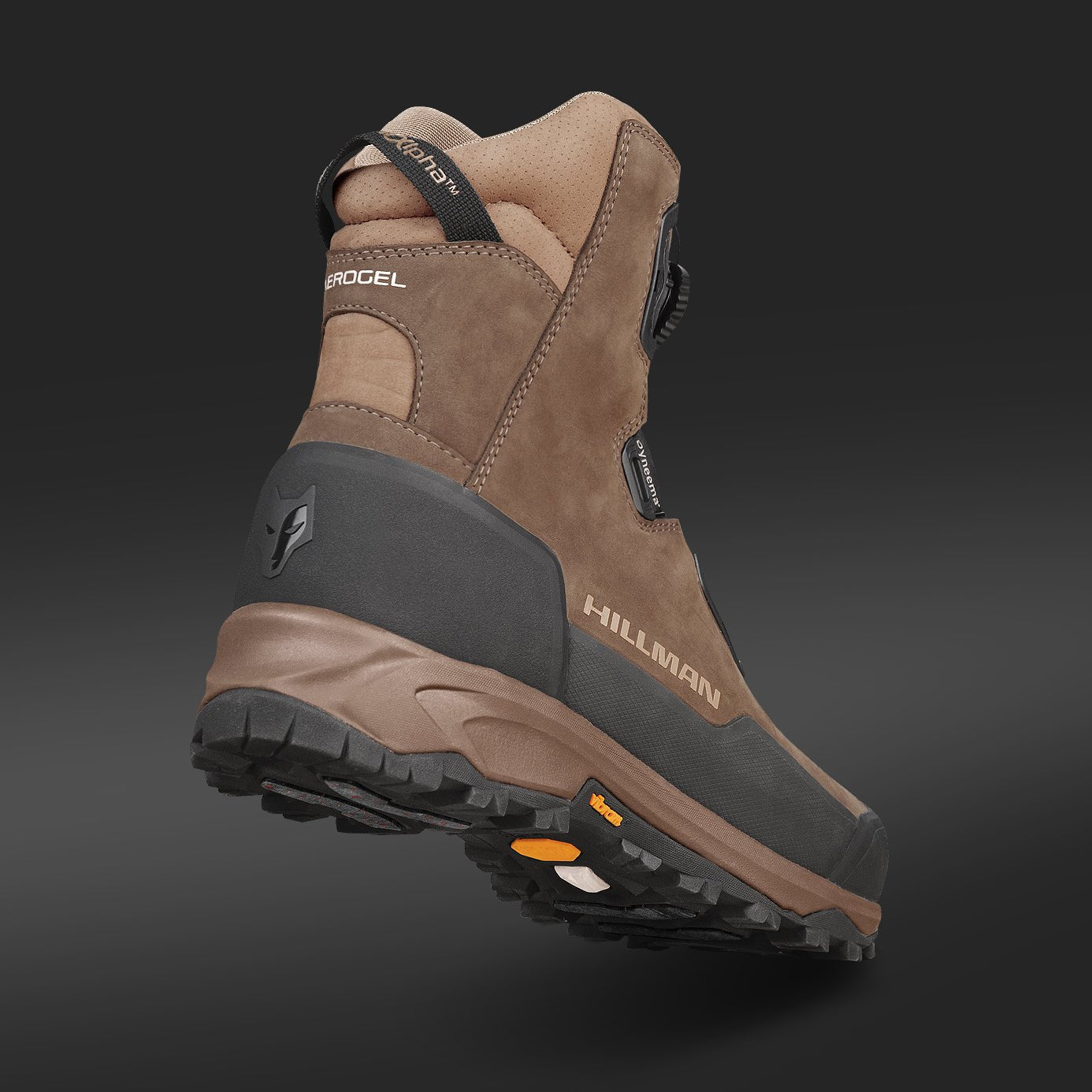
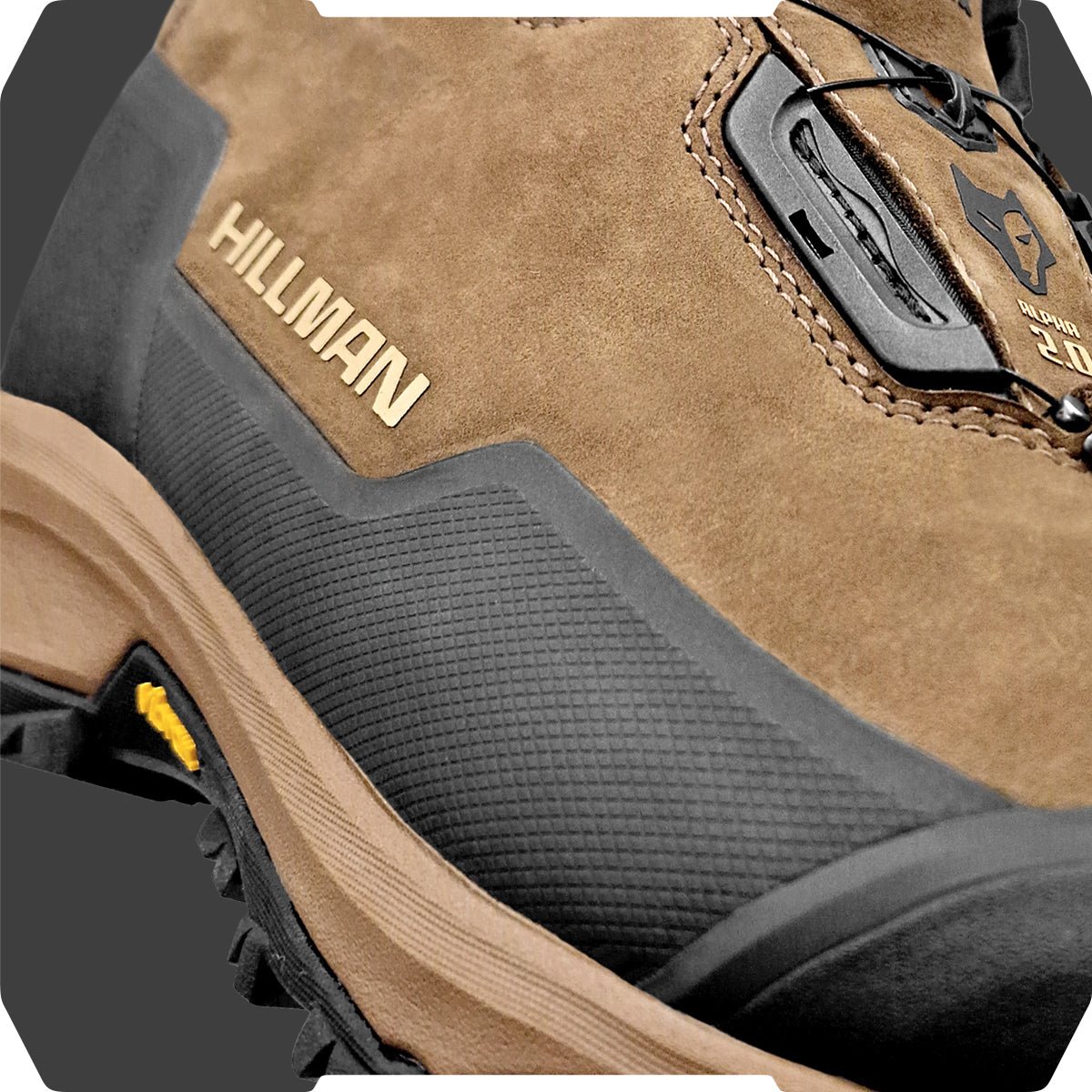
Hillman hunters tend to appreciate that kind of discipline because it treats access, pressure, and scouting as one connected system rather than separate parts.


Share:
Roost Shooting Woodpigeon: When to Relocate, When to Sit Tight
Comfortable and Effective Game Shooting, Partridge Shooting