

What Separates Comfortable Game Shooting From an Effective One on Partridge Days

Learn how comfort, gun fit, timing, and discipline turn easier chances into cleaner, more effective game shooting on partridge days.
Comfort Is Not the Same as Effectiveness in Partridge Shooting. A lot of people come away from a partridge day thinking they shot well simply because the birds looked kind. The angles felt friendly, the gun came up easily, and the shooting experience never became scrappy. That can feel satisfying. It is not always the same thing as being effective.
What separates a comfortable game shot from an effective one on partridge days is what happens in the split second after the bird appears. A comfortable shot often gives you time. An effective one asks for control. It asks you to read the flight, choose one bird, mount cleanly, and fire without hesitation. On a proper partridge day, those are not small differences. They are the whole thing.
Partridge shooting has always offered a few greater sporting pleasures than people expect from such fast game birds. The pace is lively, the margins are tight, and the temptation to rush is constant. That is why the best partridge shooting tips usually sound simple and prove hard to live by.
Why a Comfortable Shot Can Mislead You

A comfortable shot is usually the bird that arrives in a way the gun likes. It may come straight over the peg, drift slightly across the line, or hold a height that lets you see the bird early and get set. Nothing feels forced. Your shoulder stays relaxed. The swing begins without panic. The shot feels natural.
But comfort can flatter poor habits. It can make a gun fit problem feel smaller than it is. It can disguise slow footwork. It can even encourage the cardinal sin of game shooting, which is snatching at the bird because it looked easy.
On a driven game day, especially during partridge shooting season, the easier bird is not always the right bird. The chosen bird matters more than the comfortable one. A bird that feels simple but is too close, too low, or on a dangerous line should be left alone. A bird that is slightly less comfortable but clean, safe, and well presented may be the more effective option.
What an Effective Shot Really Looks Like
An effective shot is measured by outcome, not mood. It is the shot that is safe, deliberate, within range, and likely to kill one bird cleanly. That sounds obvious, yet plenty of misses and poor hits happen because the gun was mounted for the wrong reason. People shoot because the bird is there, not because the chance is right.
With driven partridge, the best opportunity is often at around 30 yards. At that distance, the bird is established in flight, visible enough to read properly, and still comfortably inside practical shotgun range. Leave it too late and long distances begin to creep in. Go too early and you can end up rushing the line, stopping the swing, or firing at a bird not yet settled into a readable flight path.
An effective shot also respects bag limits, other guns, dogs on the ground, and the direction of the line. It is never just about whether you can pull the trigger. It is about whether you should.
One Bird, Not the Whole Covey

This is where many shoots are won or lost at peg level. Partridges come fast, often with that rapid wing beat and jittery change of direction that makes them look easier to hit than they are. The eye gets dragged from one bird to the next bird. The head lifts. The gun checks. The result is that ugly, vague effort people call browning the covey.
Avoid shooting into confusion. Pick one bird and stay with it.
That rule matters whether the bird is red legged, grey partridge, or a late bird breaking back across the line the same way another has just flown. A proper shot in partridge shooting is always one bird, one line, one decision. Once the chosen bird is clear in your mind, the mount becomes quieter and the lead more honest. You stop spraying at movement and start shooting with purpose.
Ready Position, Stance, and the Front Foot

Plenty of partridge shooting tips focus on lead and line, which is fair enough, but the shot usually starts before that. It starts with the ready position and with how you stand on the peg.
A high ready position helps more than people admit. Not exaggerated, not stiff, just prepared. The gun should sit where it can move quickly without a dramatic lift from the shoulder. Partridges appear fast on driven shoots, and if the muzzle starts too low you often spend the first half of the chance catching up.
Your stance matters just as much. Feet not too wide apart, weight slightly alive rather than planted, front foot ready to guide the swing in the expected direction. A rigid stand makes the gun arm do all the work. A balanced stance lets the body move with the bird. That is a big difference on a partridge day, where flight lines can change from one drive to the first drive after elevenses without much warning at all.
Gun Fit and Gun Choice Matter More Than People Like to Admit

There is no romance in saying it, but proper gun fit saves a lot of bad shooting. A shotgun that comes into the face cleanly and sits where you are looking reduces fuss, tames recoil, and keeps the second shot available without drama. Poor fit does the opposite. You feel it in your shoulder, in your timing, and in the way the gun never quite seems to arrive where your eyes are working.
For many shoots, a lighter 20 gauge makes sense on partridges. It is quick, manageable, and less punishing over a full day. That can help newer guns and experienced fellow guns alike, especially when birds arrive low and sharp over the line. Still, weight alone does not solve anything. A gun that fits badly is still the wrong gun.
Choke and cartridge choice deserve a sensible mention too. Improved Cylinder or Modified is often about right for typical driven partridge ranges, especially where birds are expected between 20 and 35 yards. The goal is not to smash at extremes. It is to maintain that golden ratio between cartridges fired and birds killed, with clean results rather than noisy effort.
Timing the First Shot and Using the Second Shot Properly

The first shot usually tells the truth about the day. When a gun is settled and thinking clearly, that first shot is taken at the right moment, on the right bird, and with no sense of grabbing. The muzzle keeps moving, the trigger is pressed, and the bird folds or it does not. Either way, the rhythm stays intact.
When the first shot becomes a lunge, the second shot often turns into a rescue attempt.
There is nothing wrong with a second shot when it is used properly. There is something wrong with relying on it because the first decision was poor. On a partridge day, speed can trick you into believing you are behind everything. In reality, partridges fly at around 30 mph, which is quick enough to punish hesitation but not so fast that you need to panic. Most misses come from delay, not from impossible pace.
Shoot well in front, keep the gun moving, and do not let the eyes come off the bird at the moment of fire.
Red-Legged Partridge, Grey Partridge, and Why the Bird Matters

Not every bird behaves the same, and that changes the feel of a drive. The red legged partridge, or Alectoris rufa, is what many shoots present most often. Originally from southern Europe and brought to Britain generations ago, it thrives in agricultural landscapes and tends to suit driven partridge days because it flies with speed, energy, and enough unpredictability to keep everyone honest.
Grey partridge is another matter. Smaller, subtler, and native, it belongs to a different story. Grey partridge numbers in the UK have fallen badly through habitat loss, modern farming pressure, and predators. Conservation efforts, habitat restoration, and predator control have all become part of the wider effort to hold on to the species. Many estates now put in huge effort through conservation programs to support these game birds in a responsible way.
That matters in game shooting. An effective shot is never separate from the health of the wider day. Responsible shooting practices, sensible bag limits, and respect for the bird in front of you all sit in the same frame.
What Comfort in the Field Actually Does for Performance
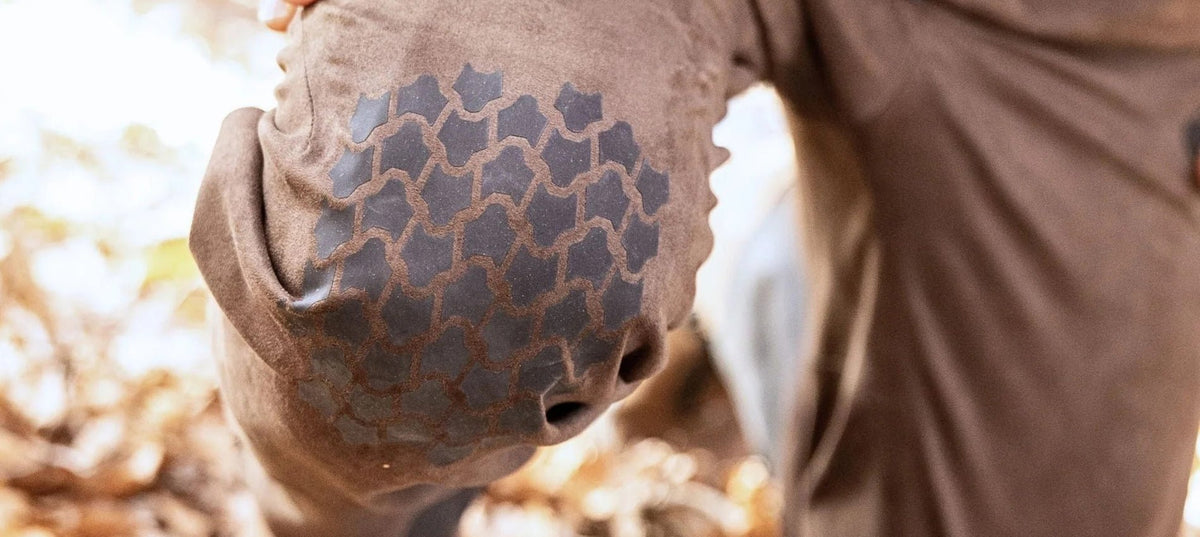
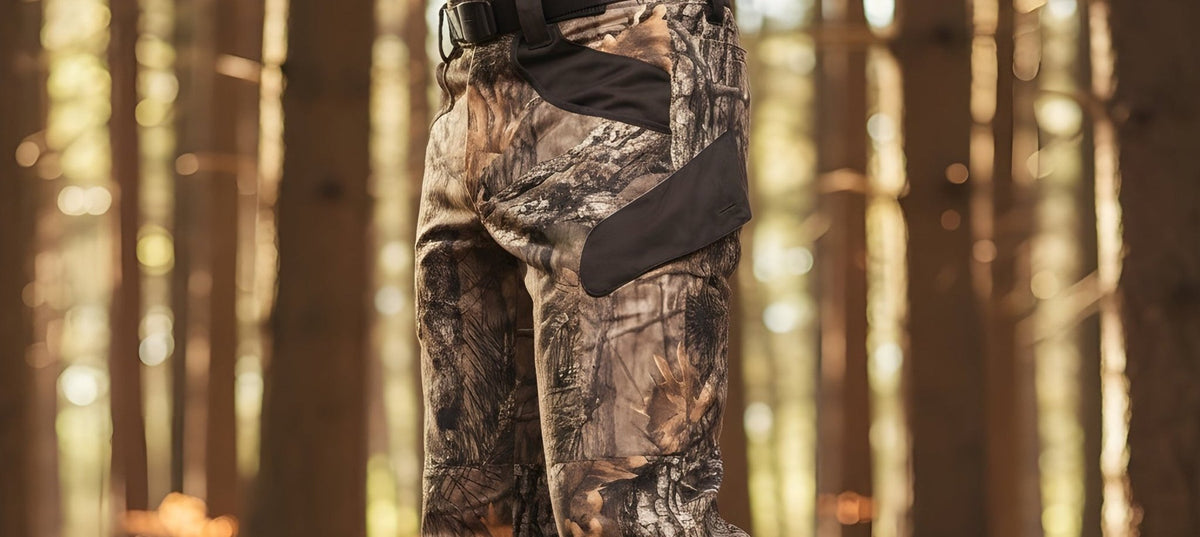
Comfort is not the goal, but it does matter. Anyone who has spent a wet, cold partridge day on rough ground knows that poor clothing drains concentration long before lunch. Cold feet slow you down. Wet sleeves irritate you. Too much bulk in the shoulder ruins the mount. Once the body starts working around discomfort, shooting skills fade with it.
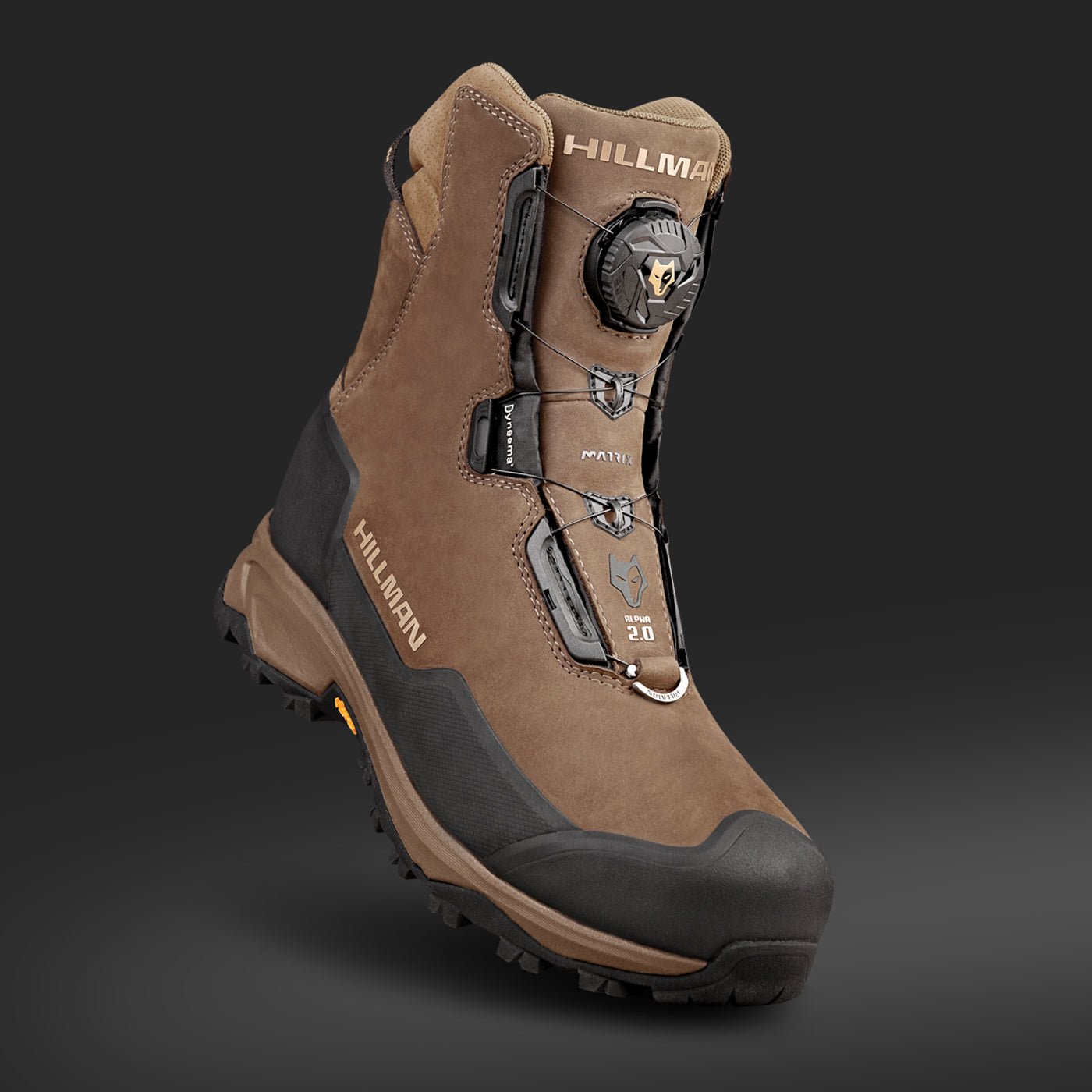
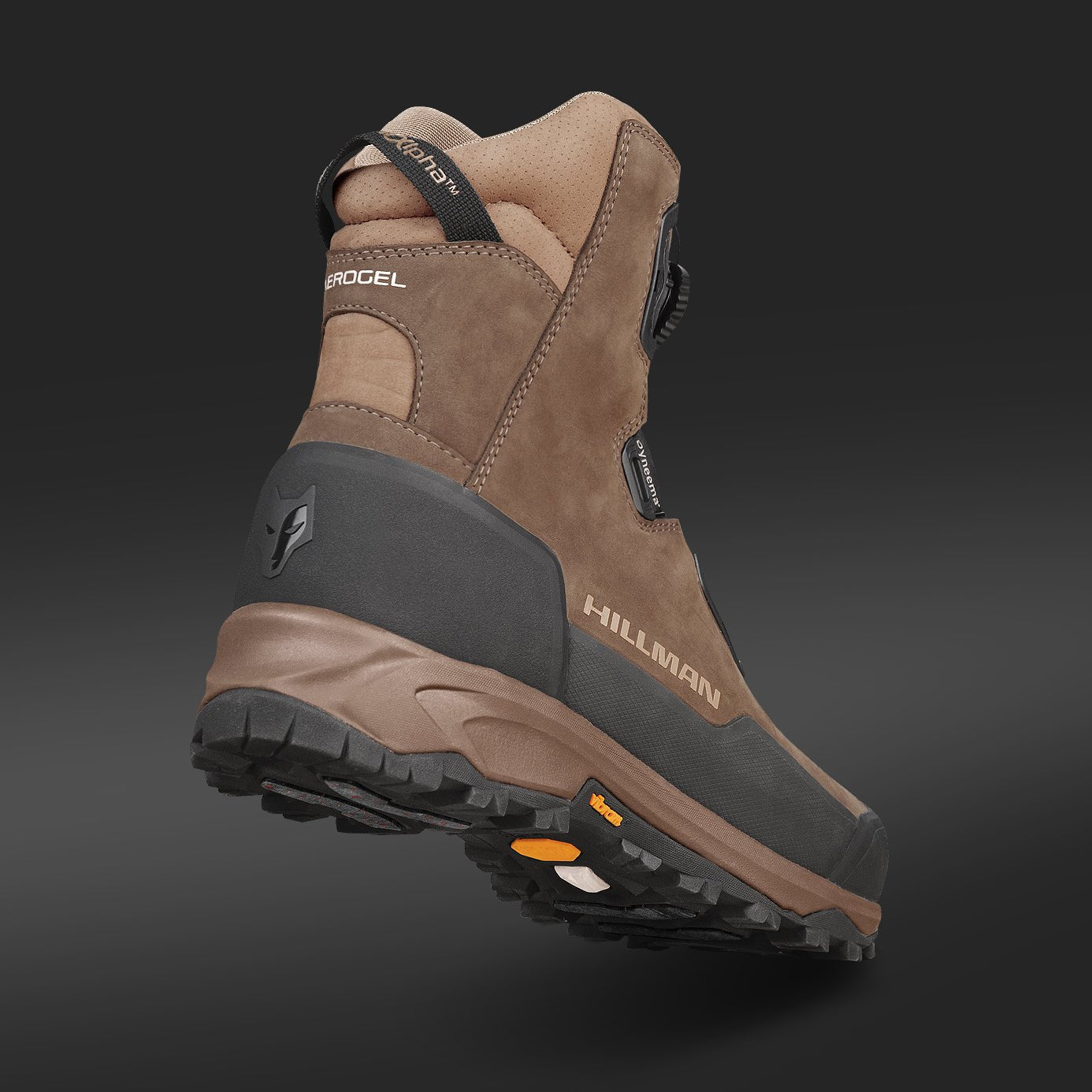
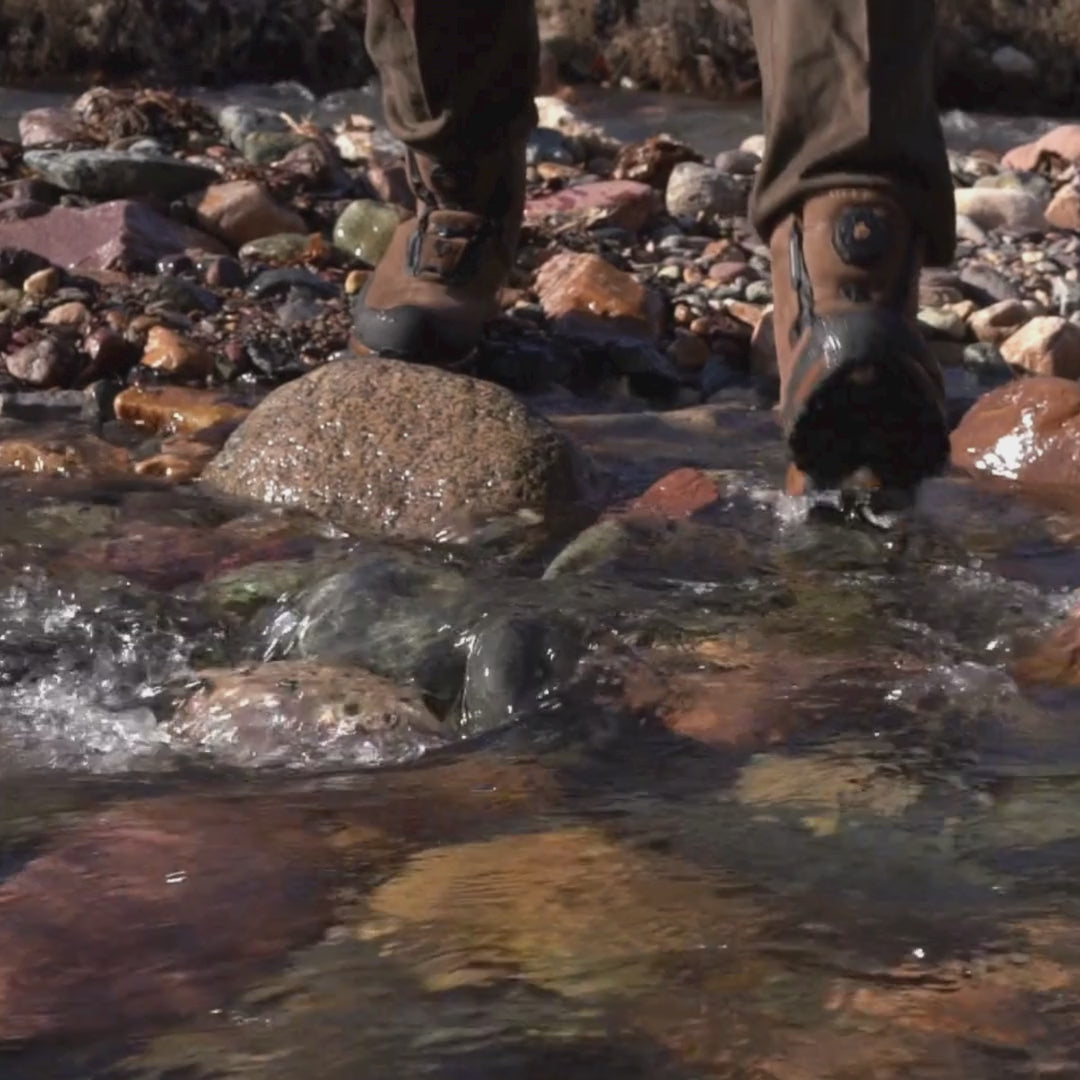
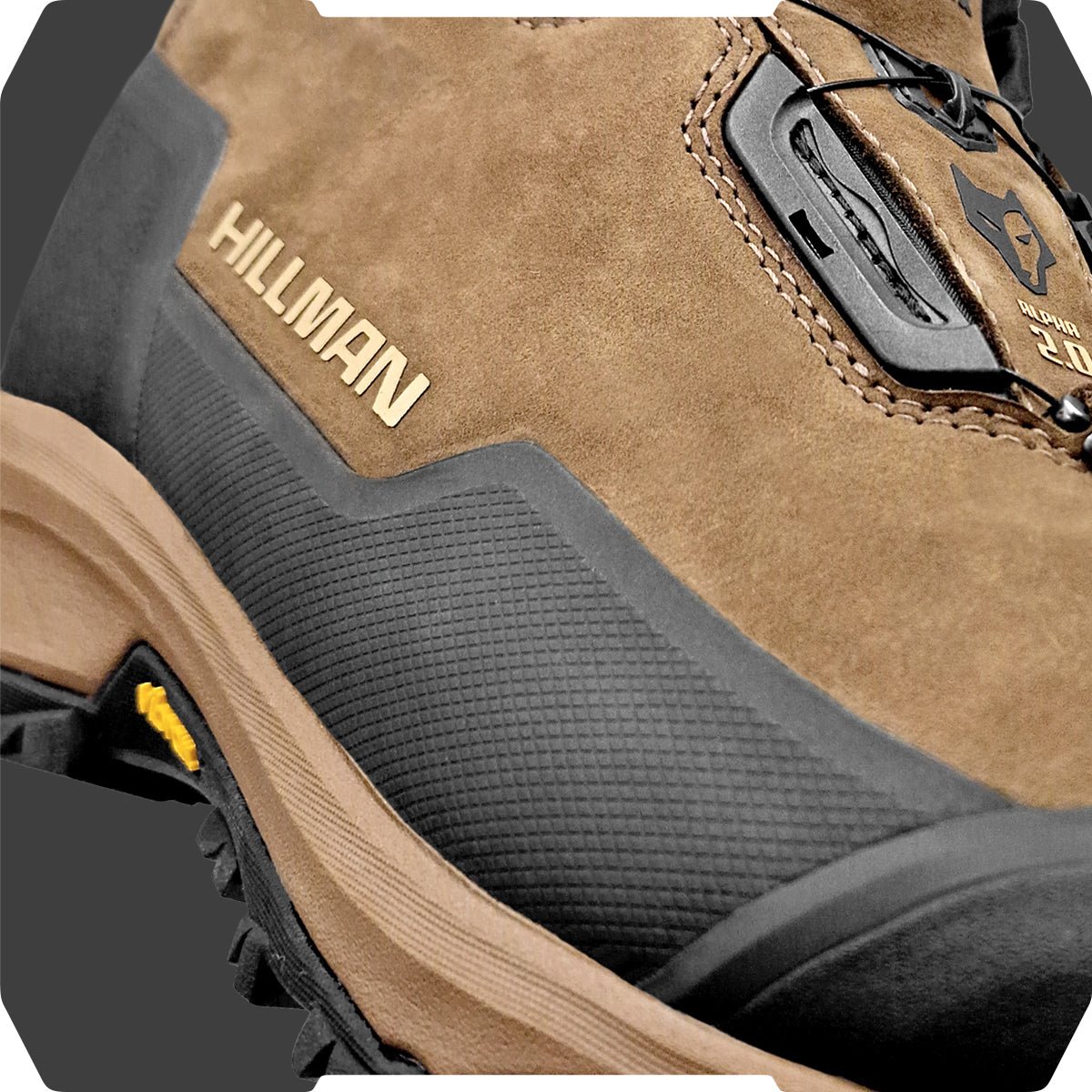
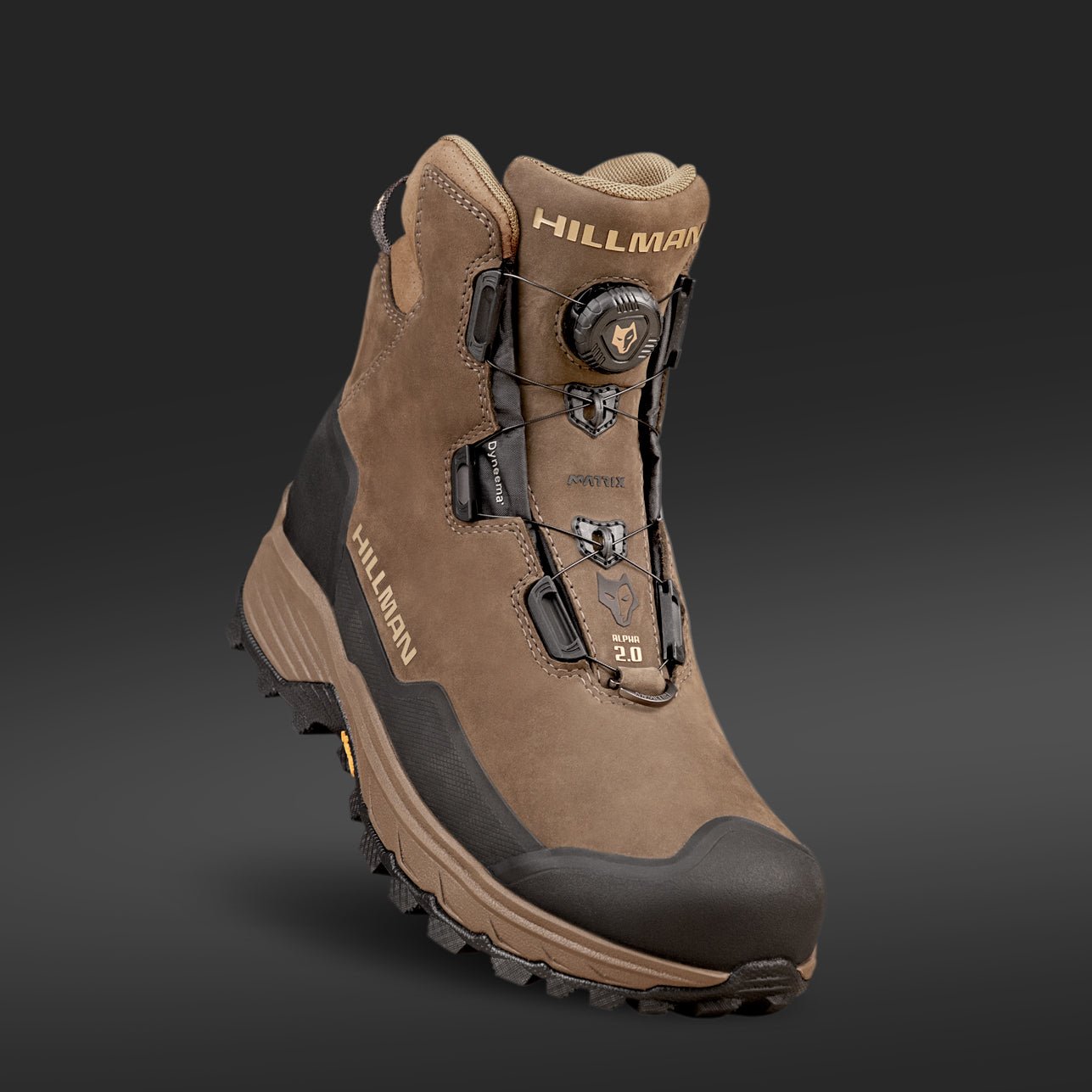
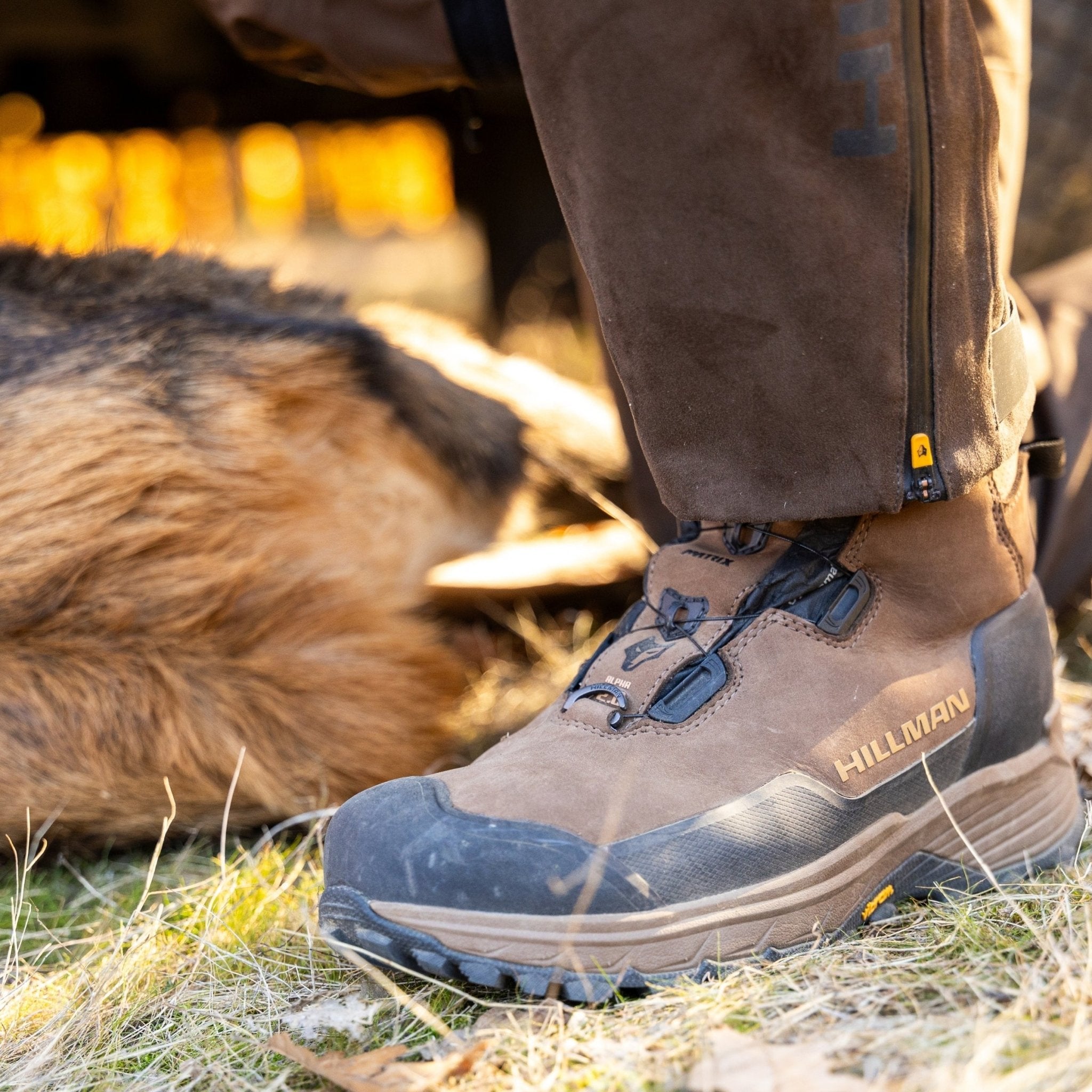
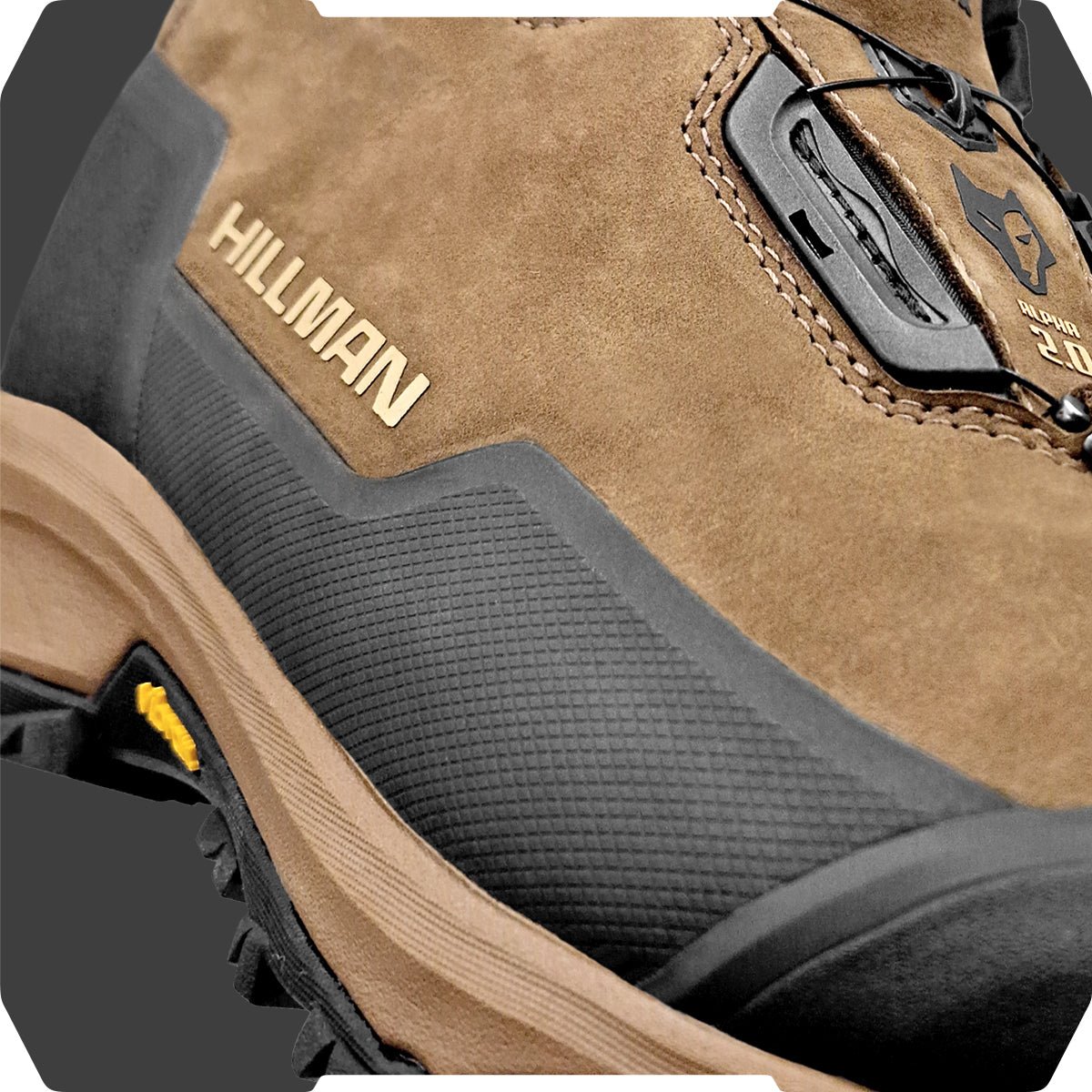
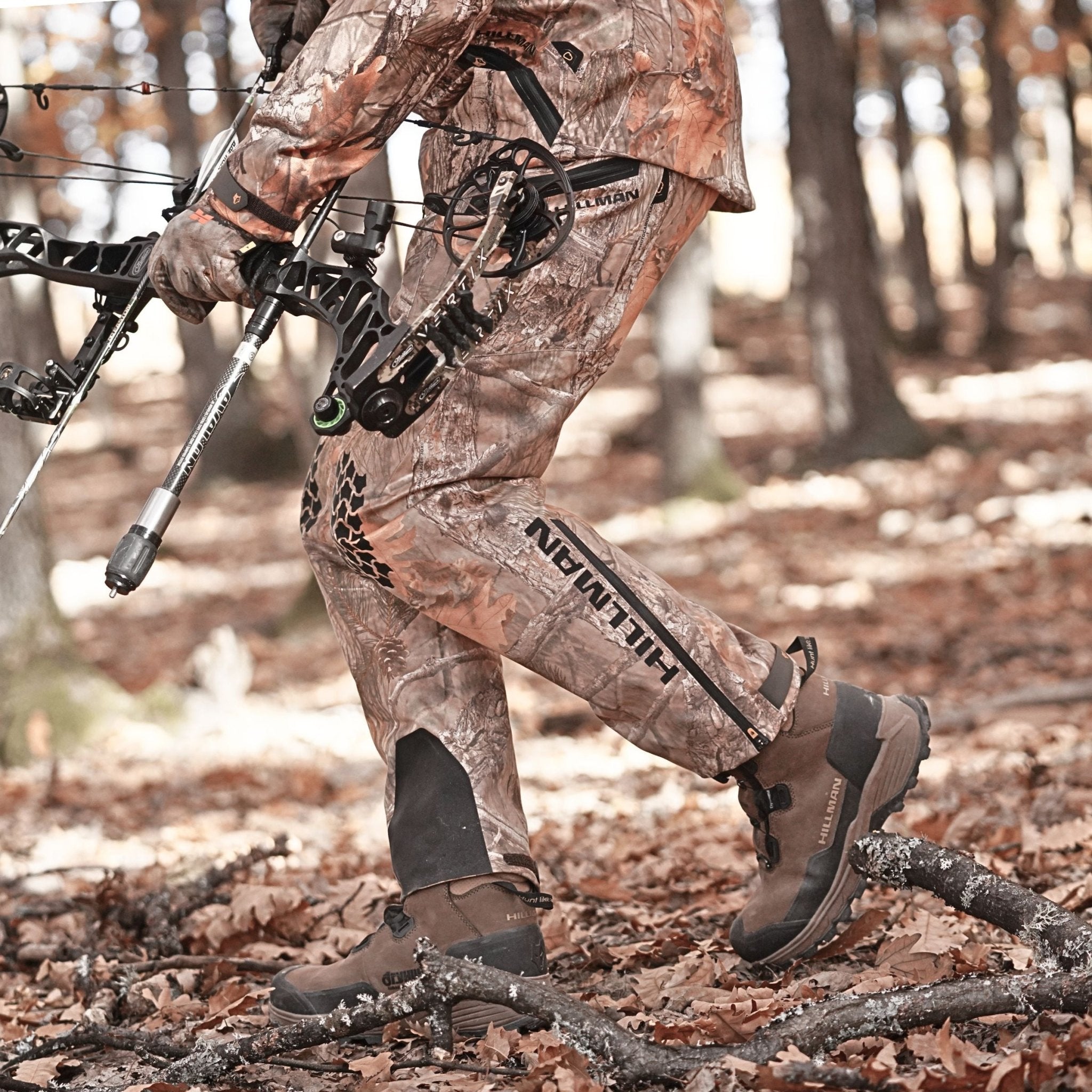
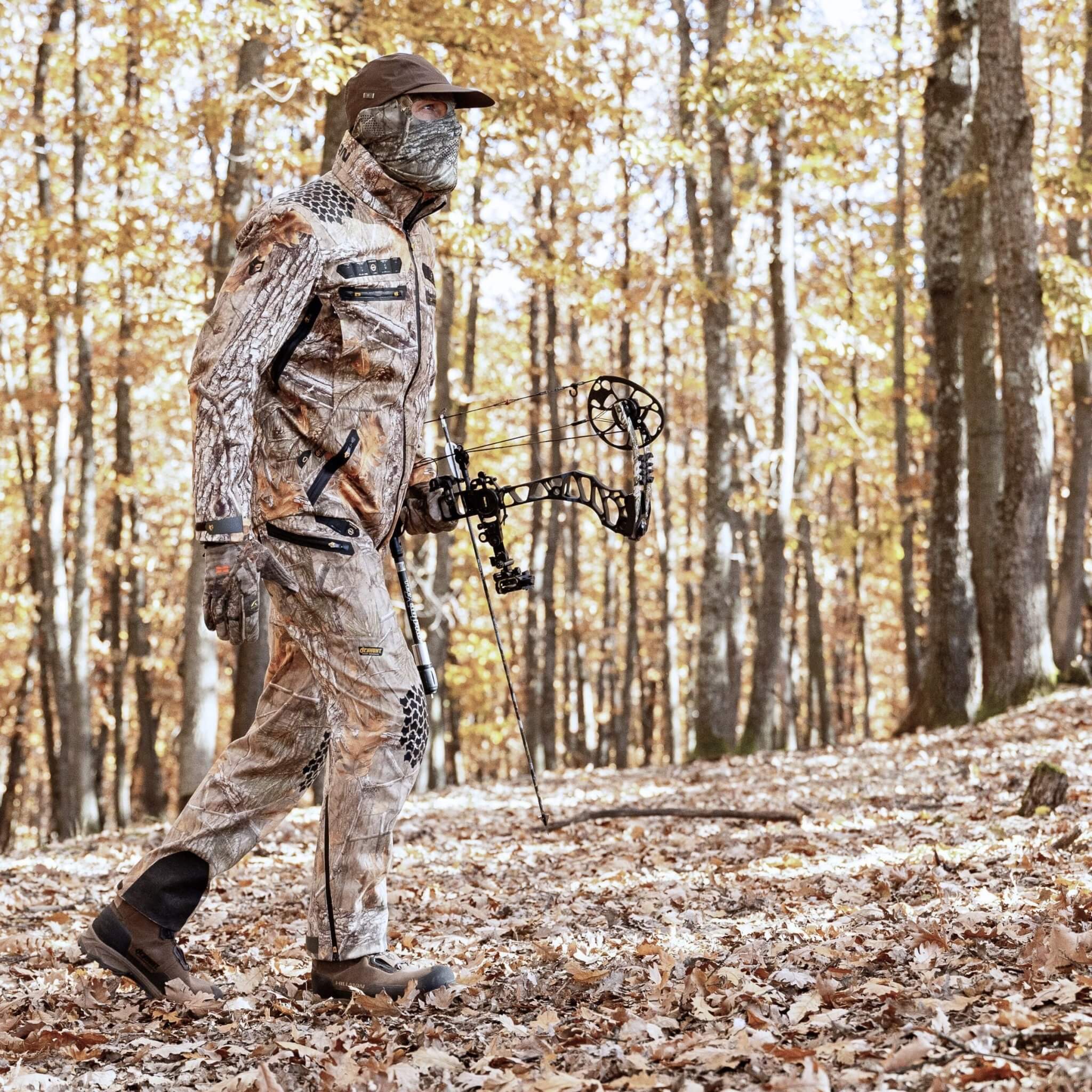
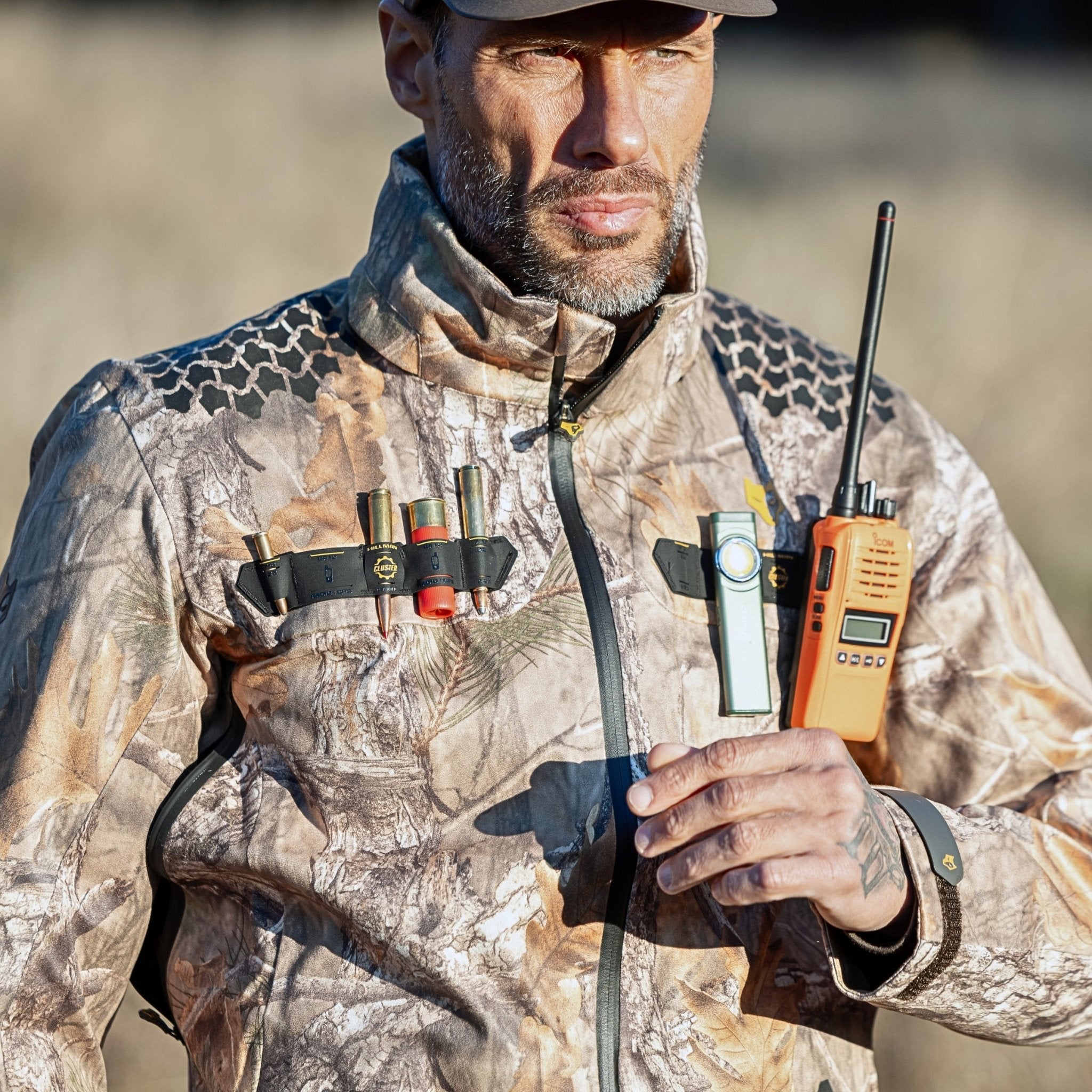
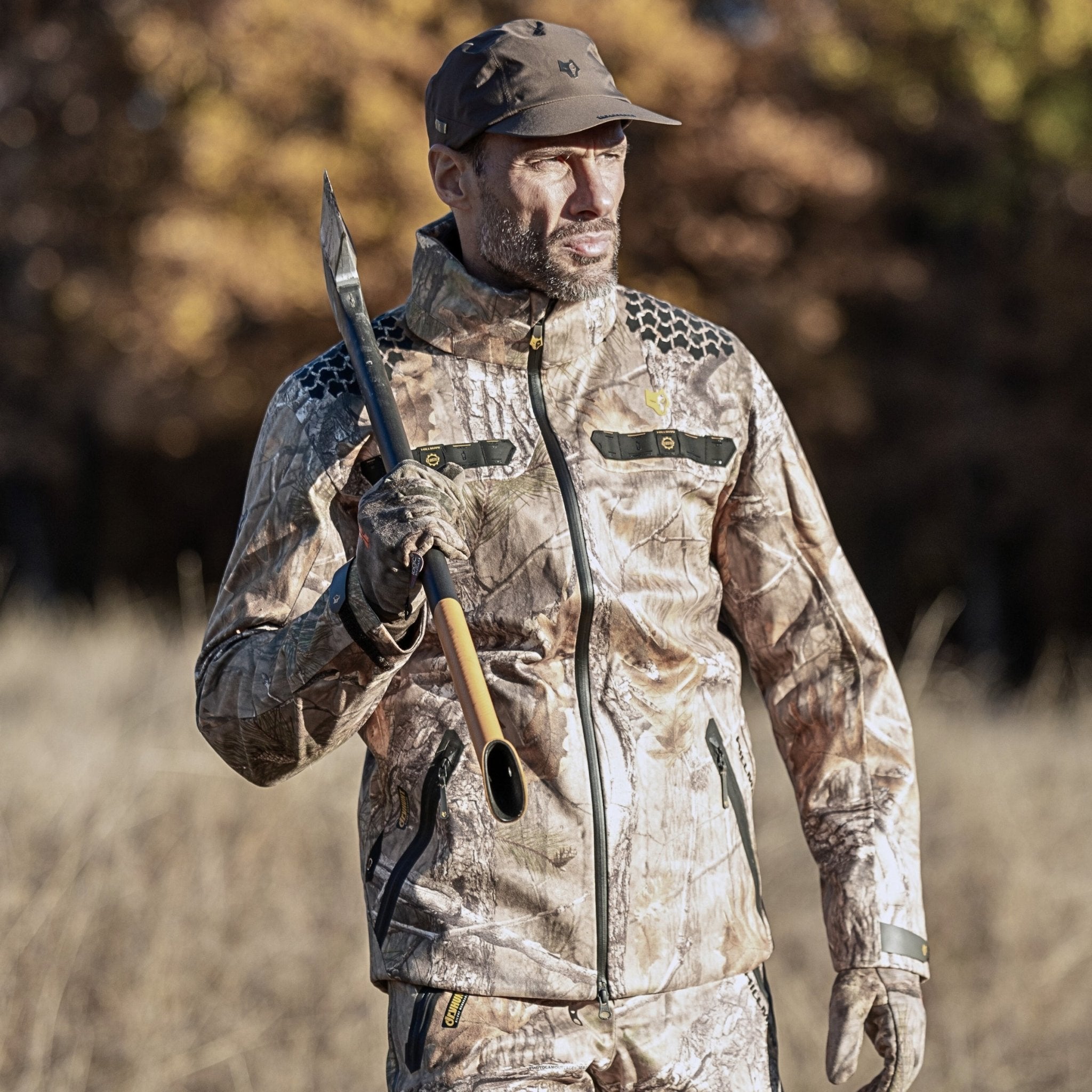
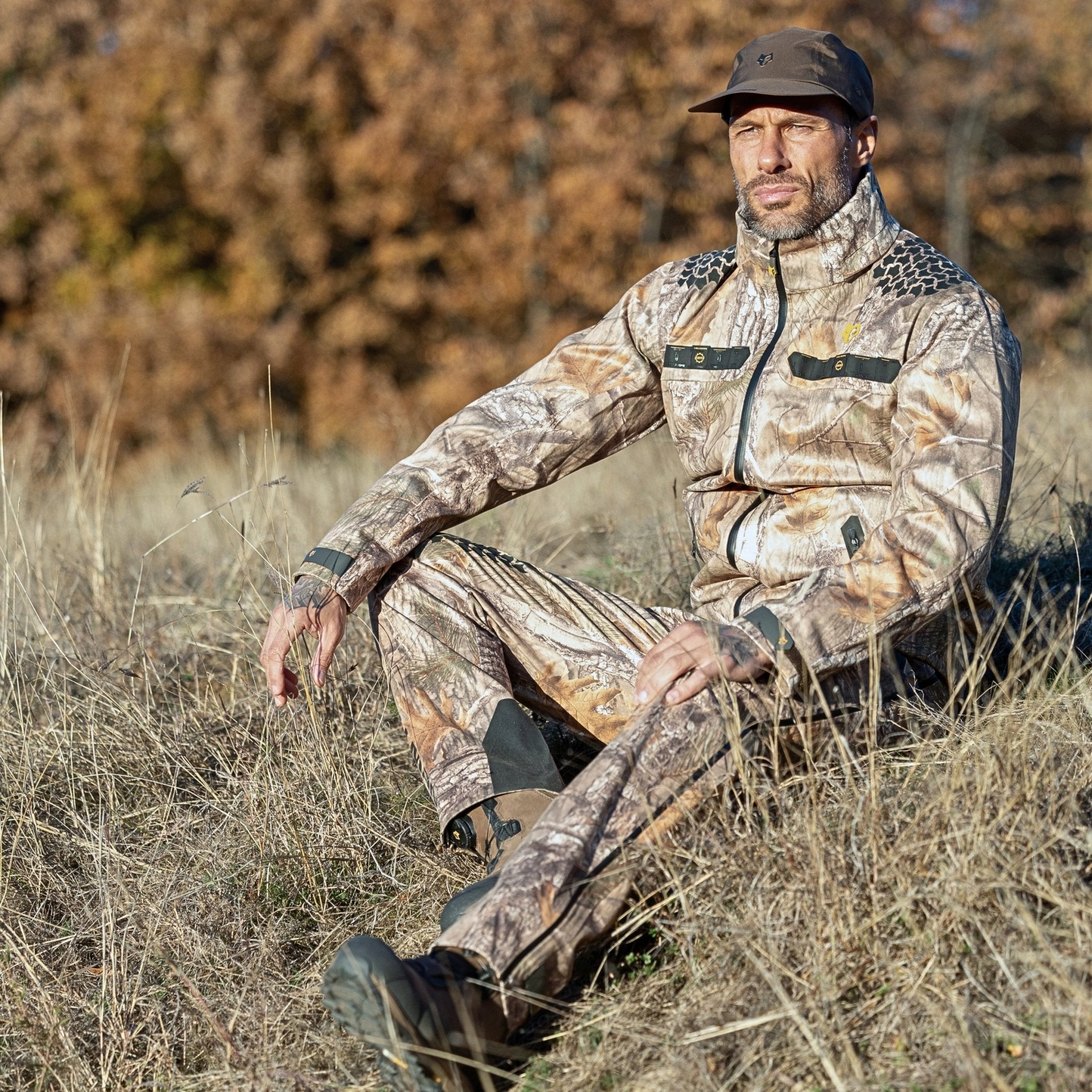
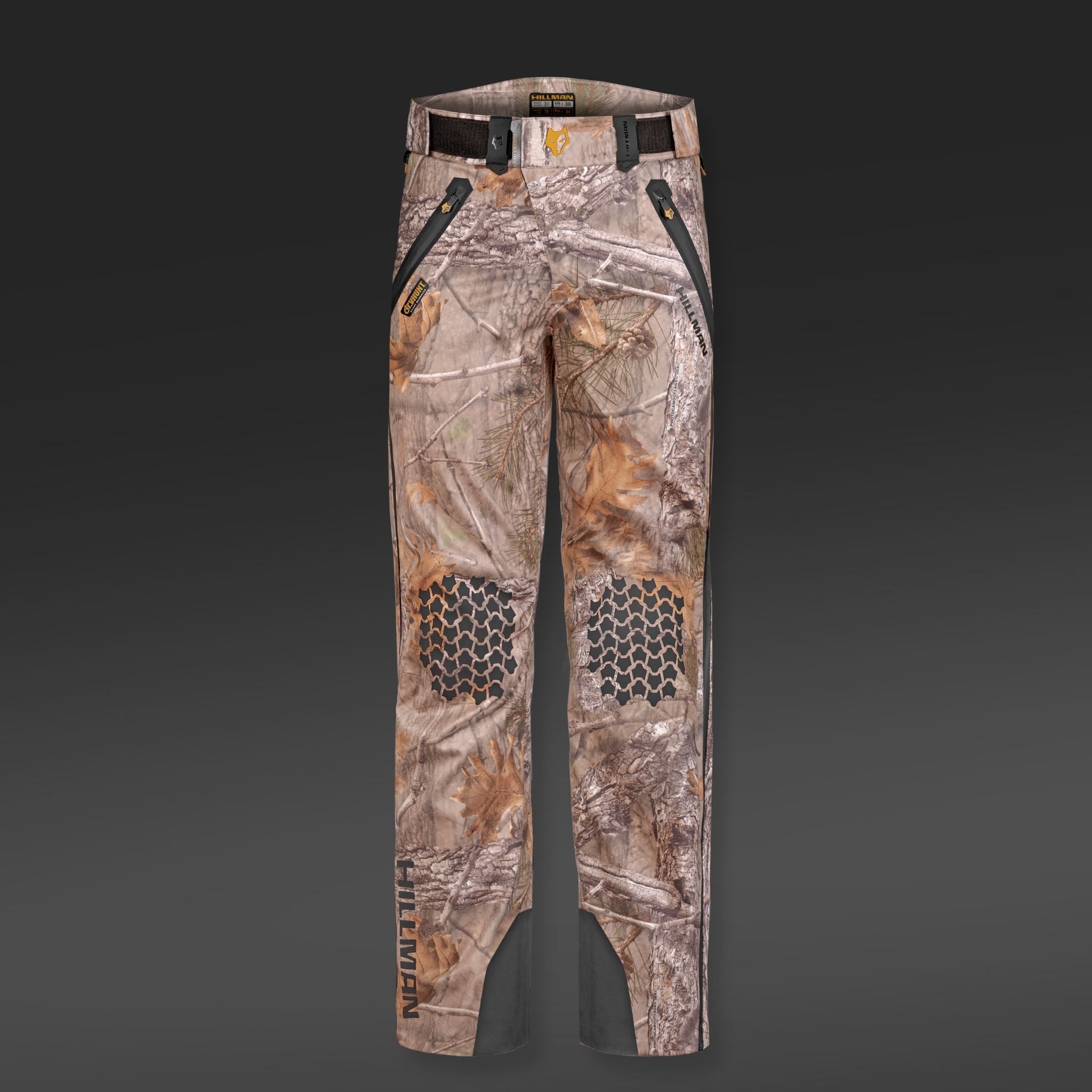
That is why appropriate clothing and gear are not just a luxury. They are part of performance. Waterproof and breathable membranes help keep you dry. Layering systems let you adapt when the day starts cold, turns mild, then catches a shower halfway through the afternoon. Good footwear keeps you balanced on rough land and helps maintain focus. Insulated hunting boots can be a real advantage in cold weather, especially when there is a lot of waiting between drives.
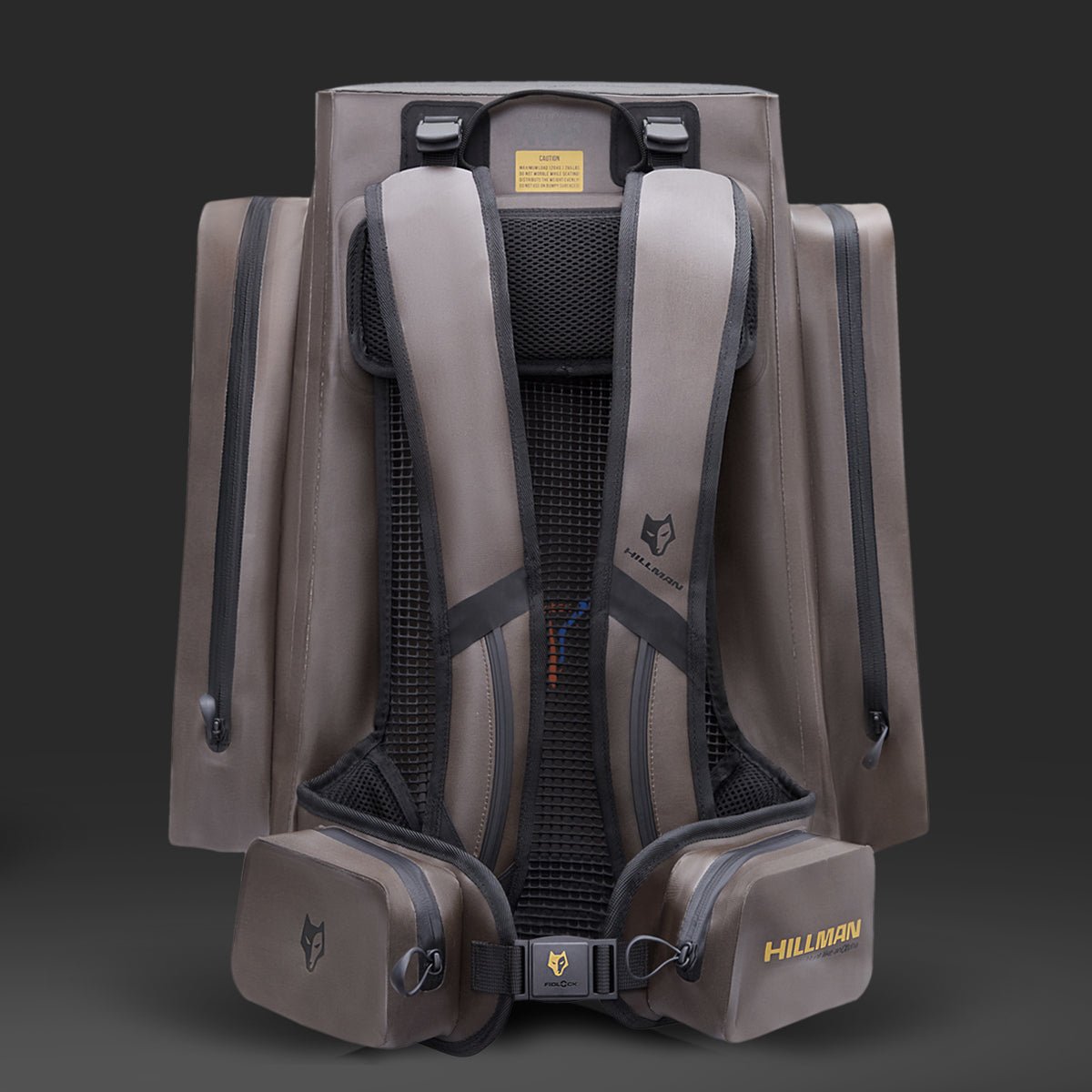
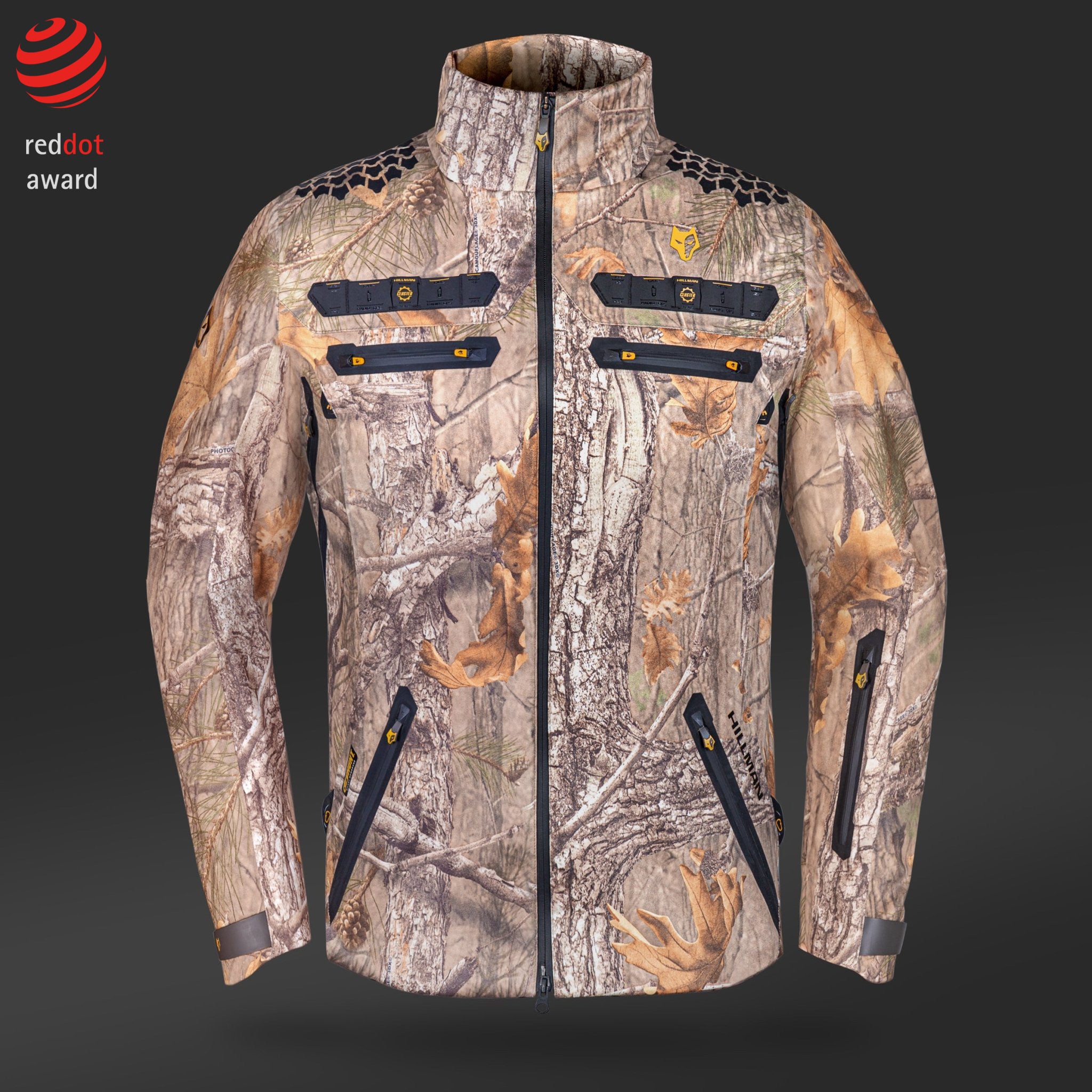
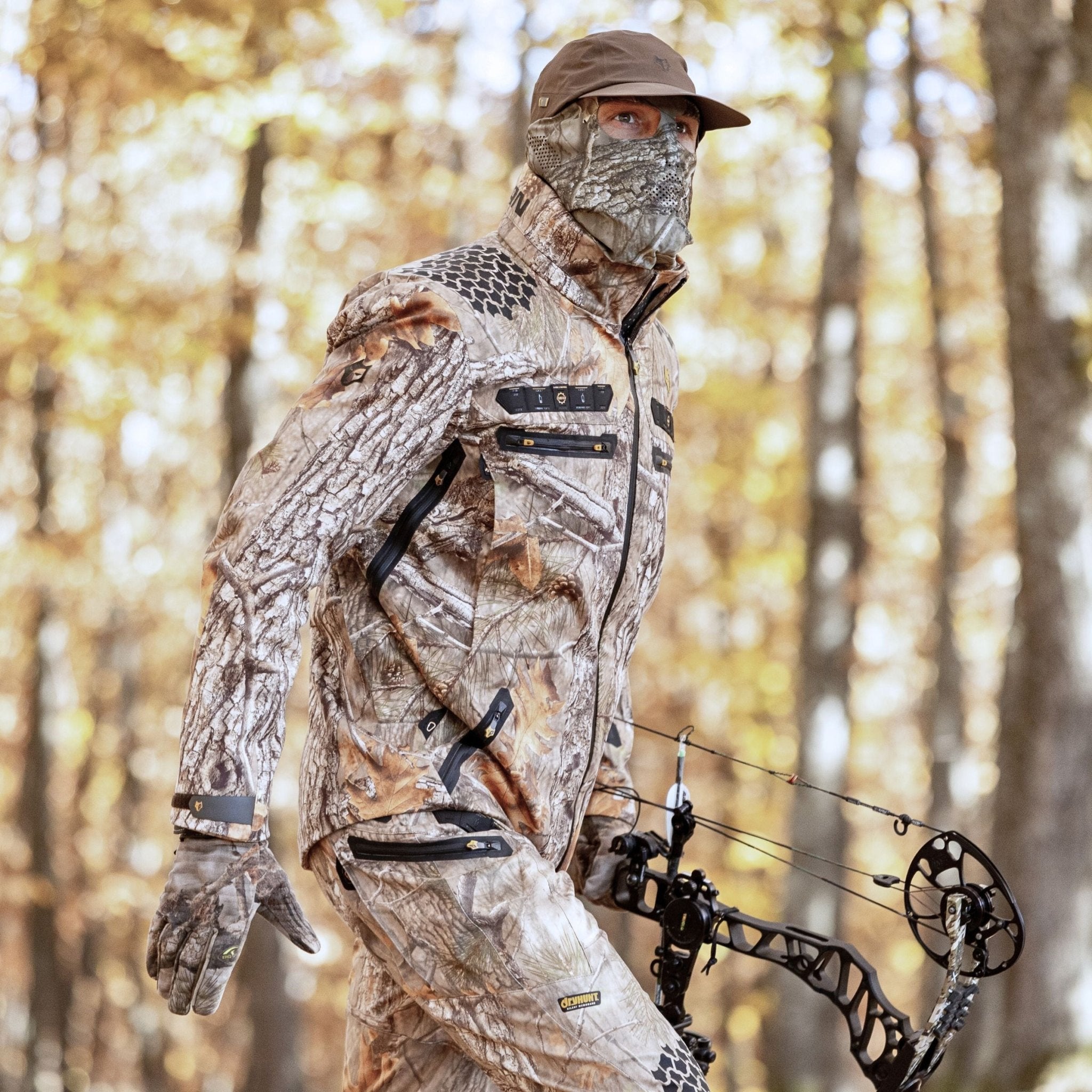
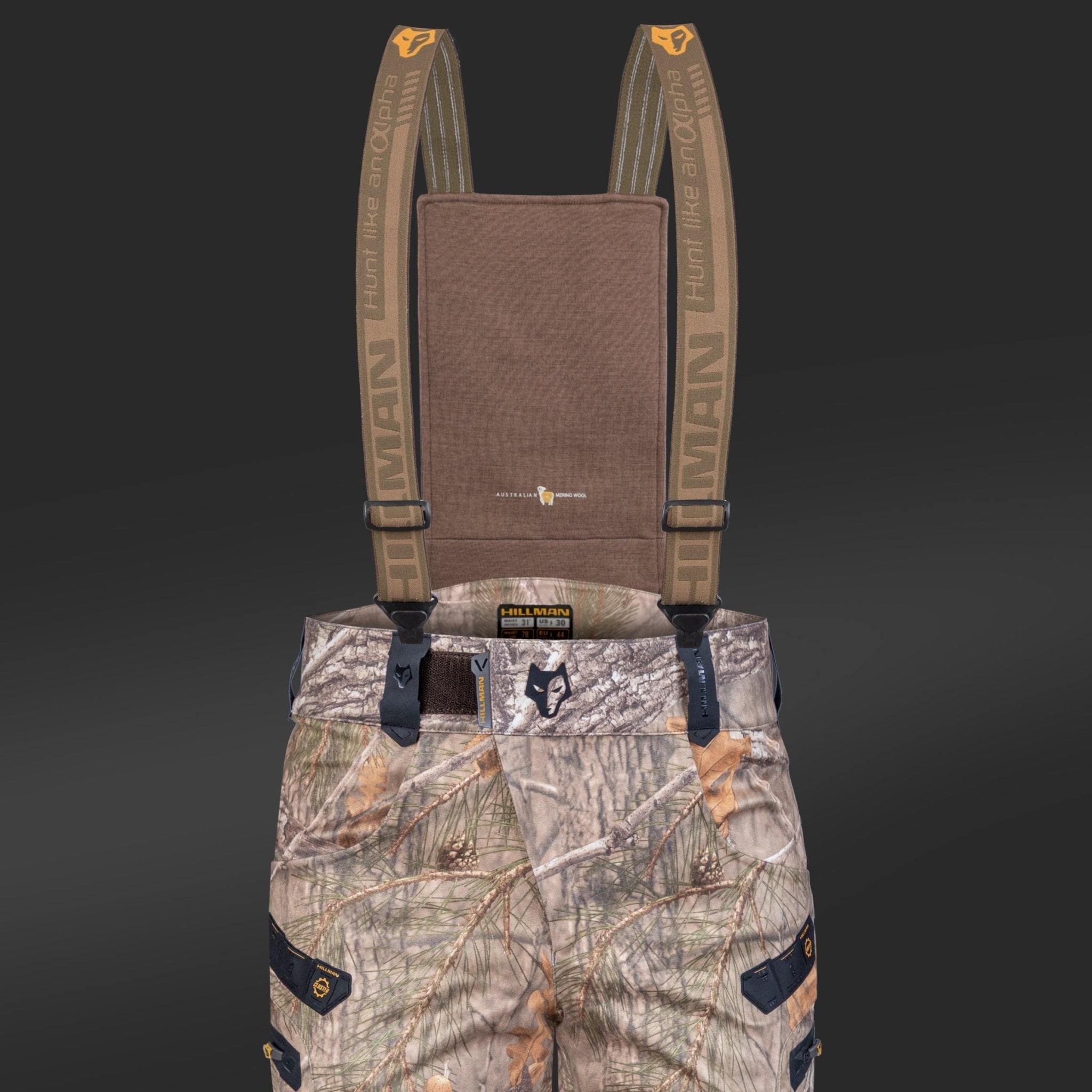
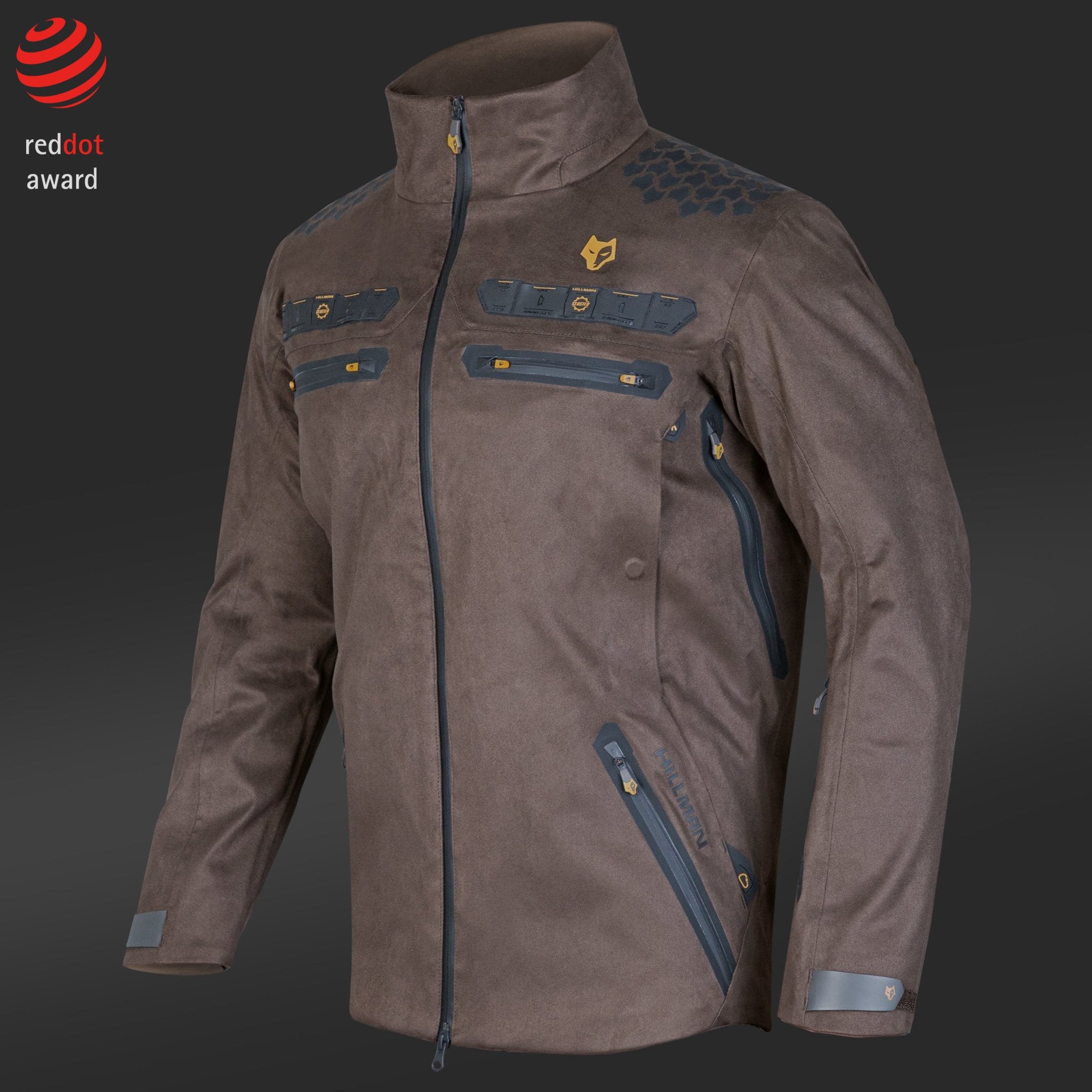
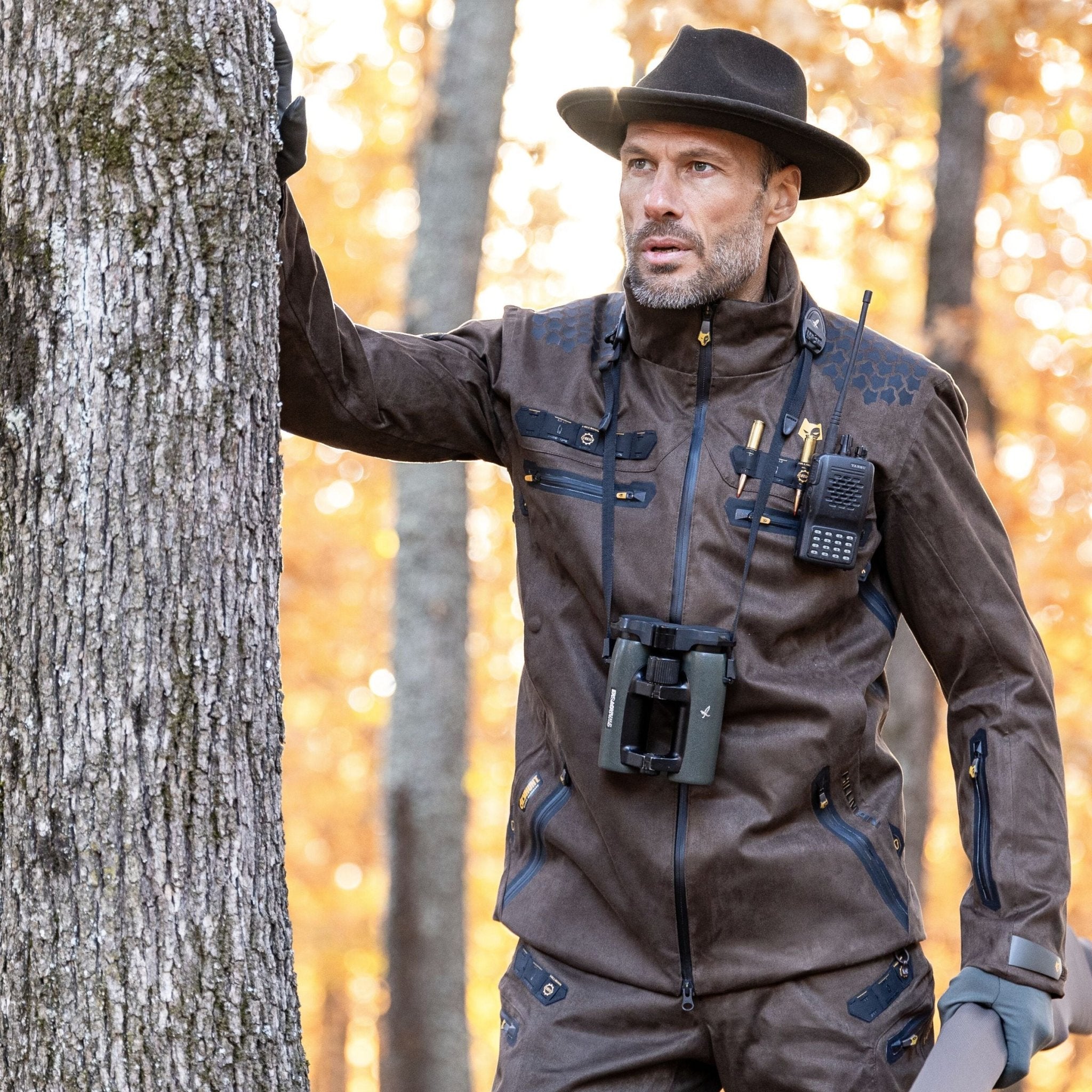
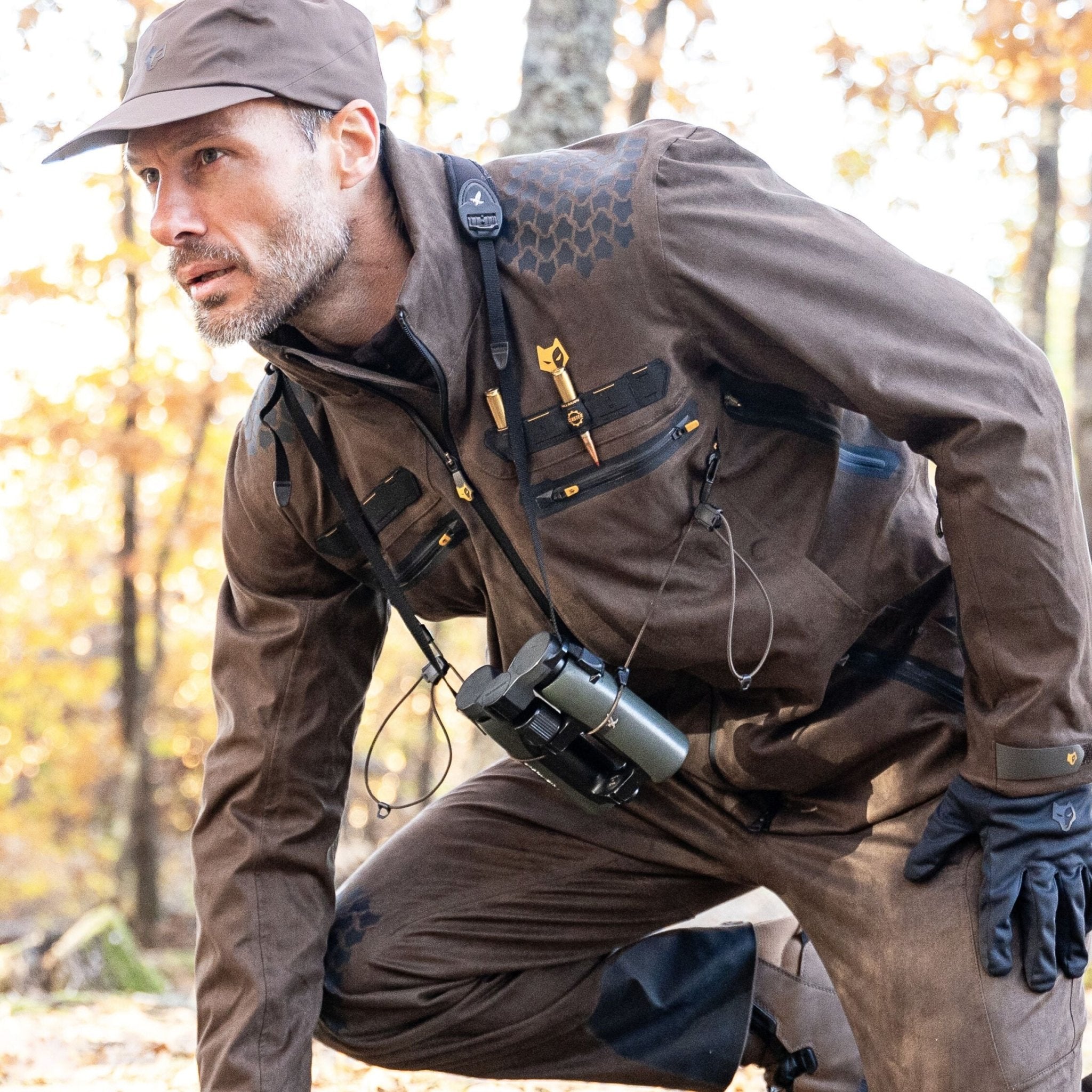
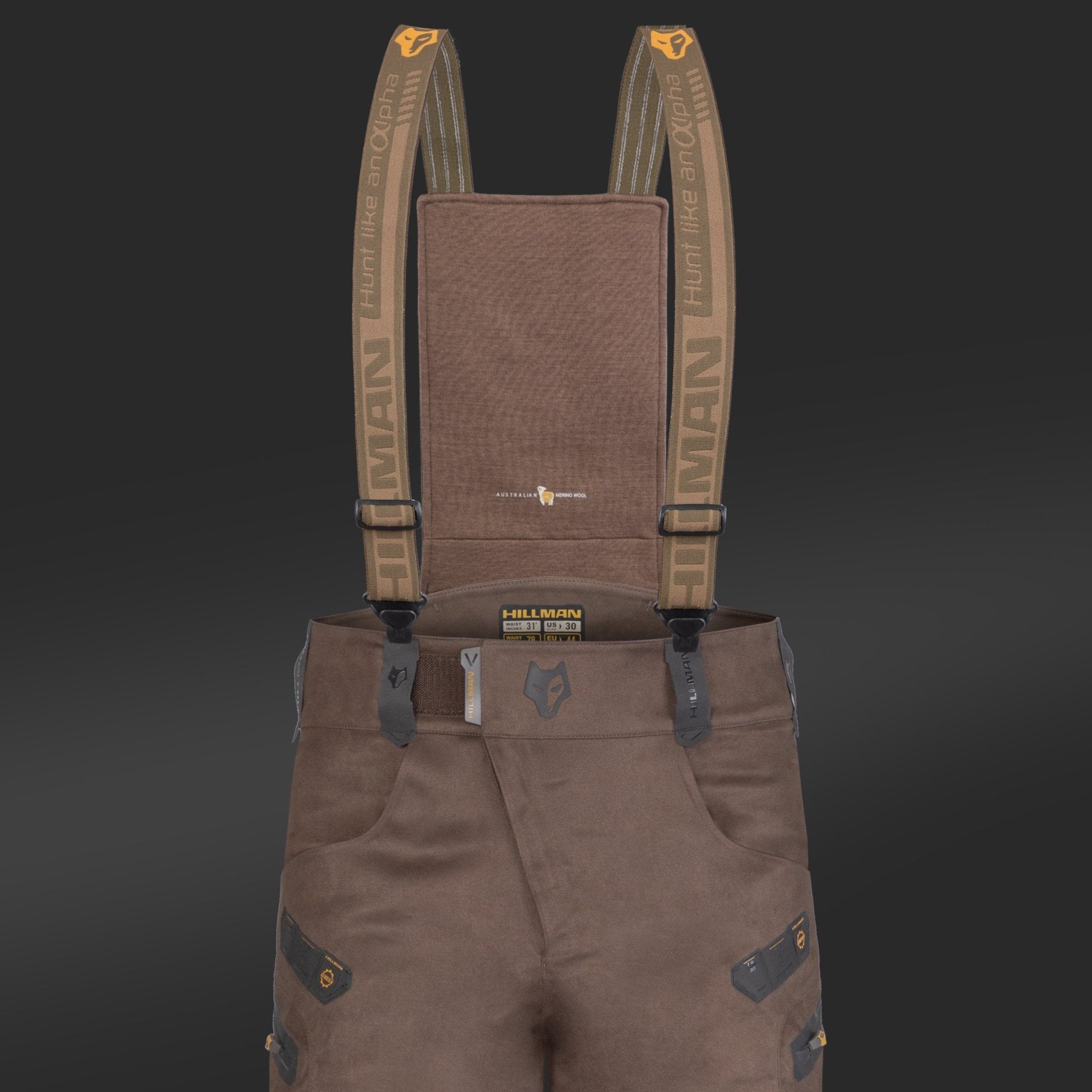
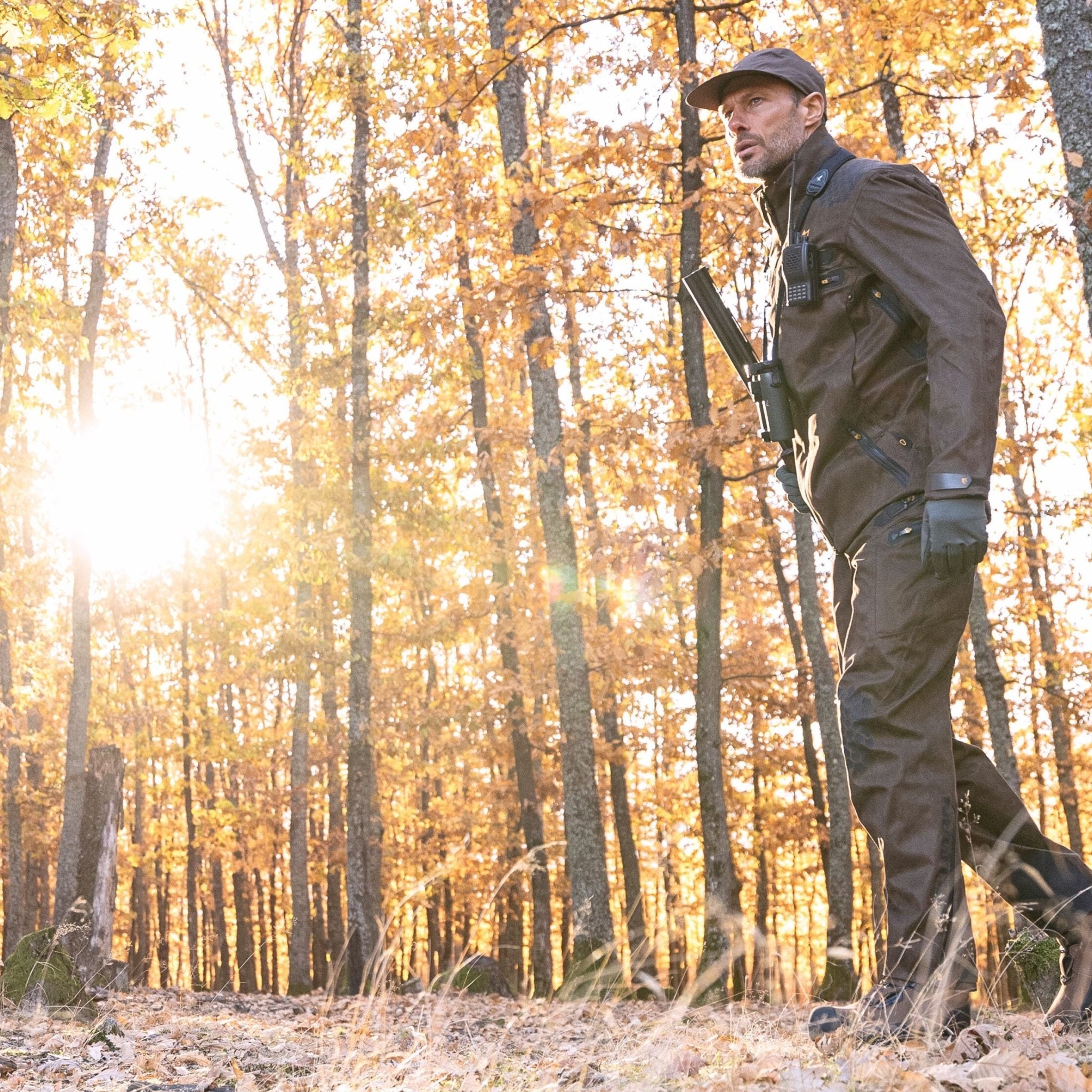
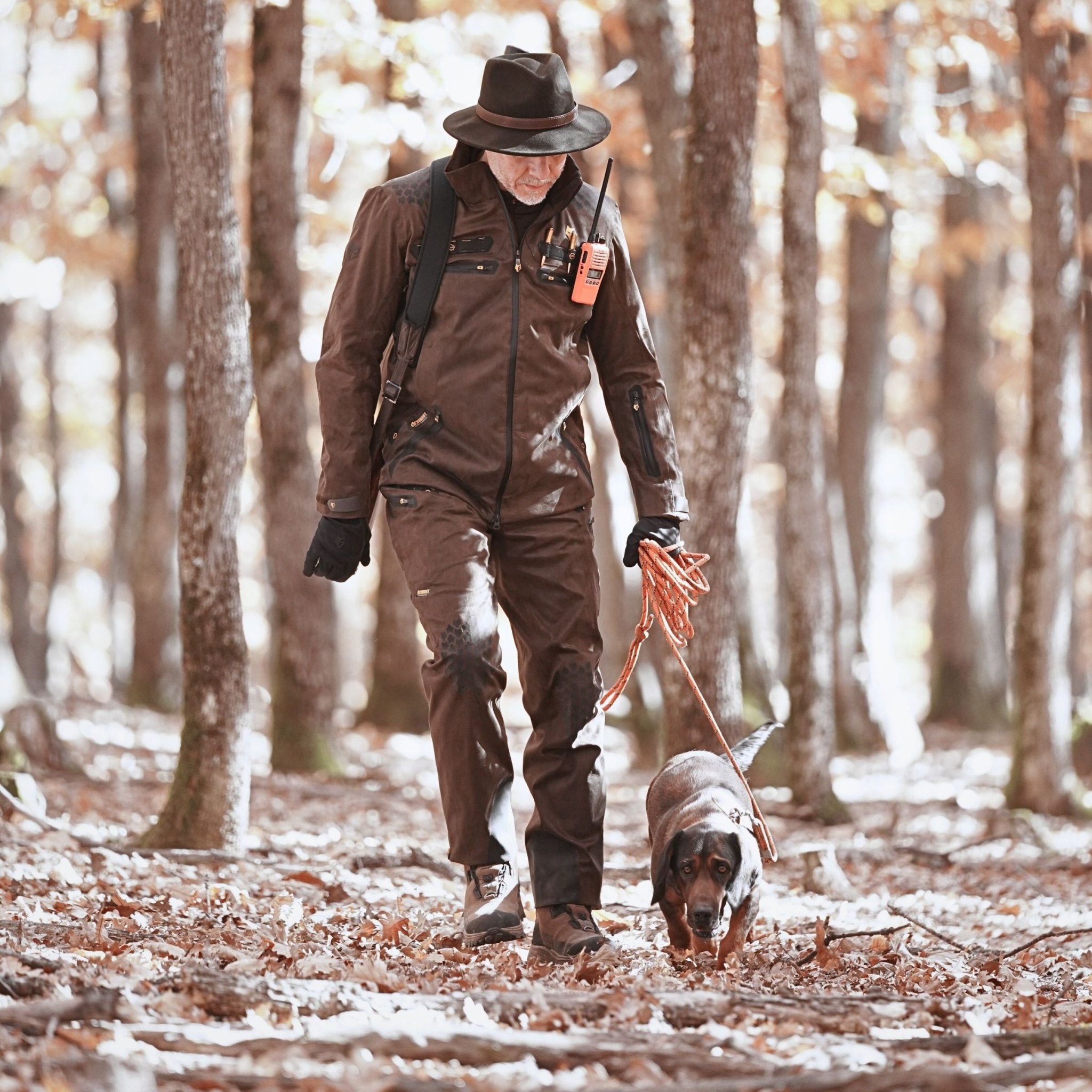
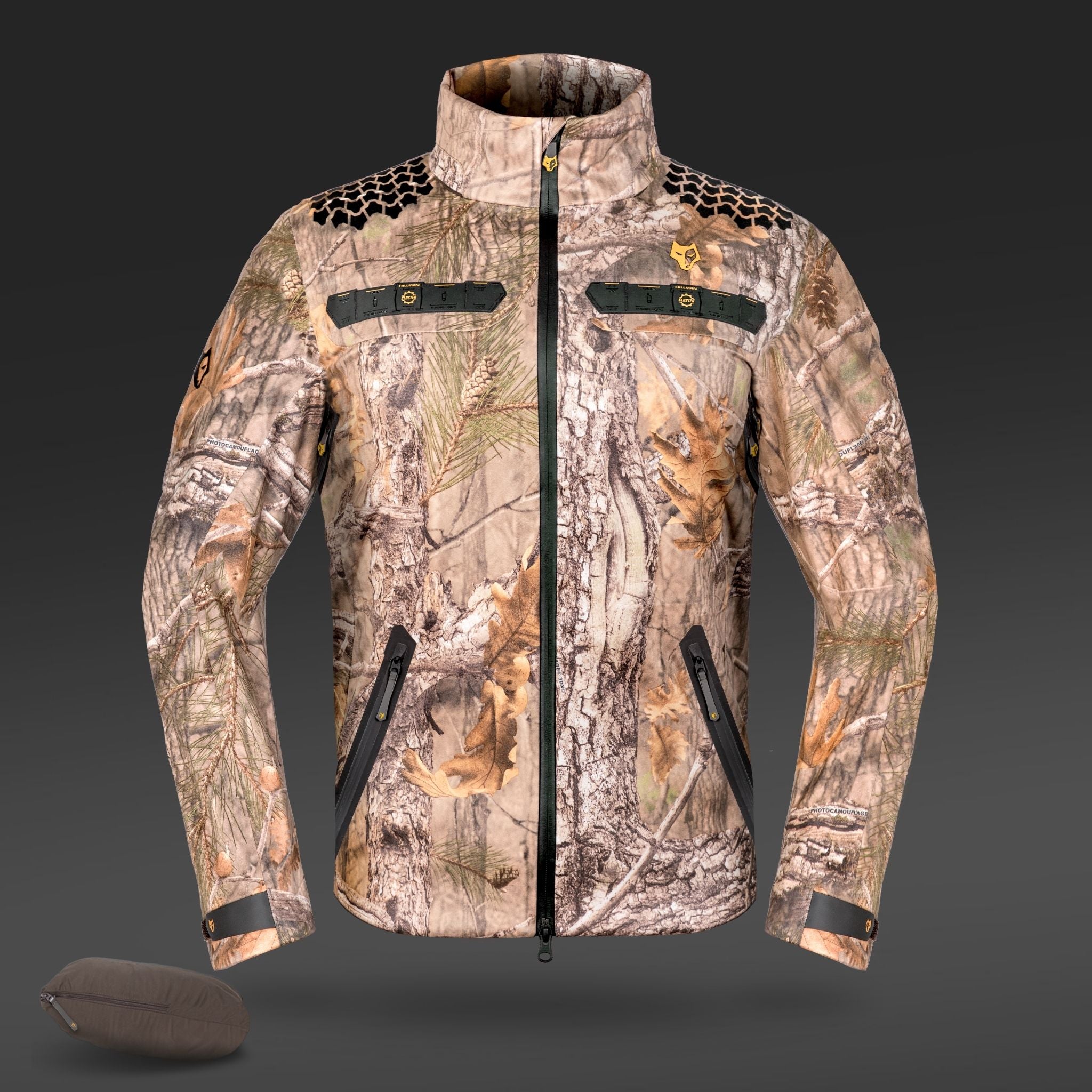
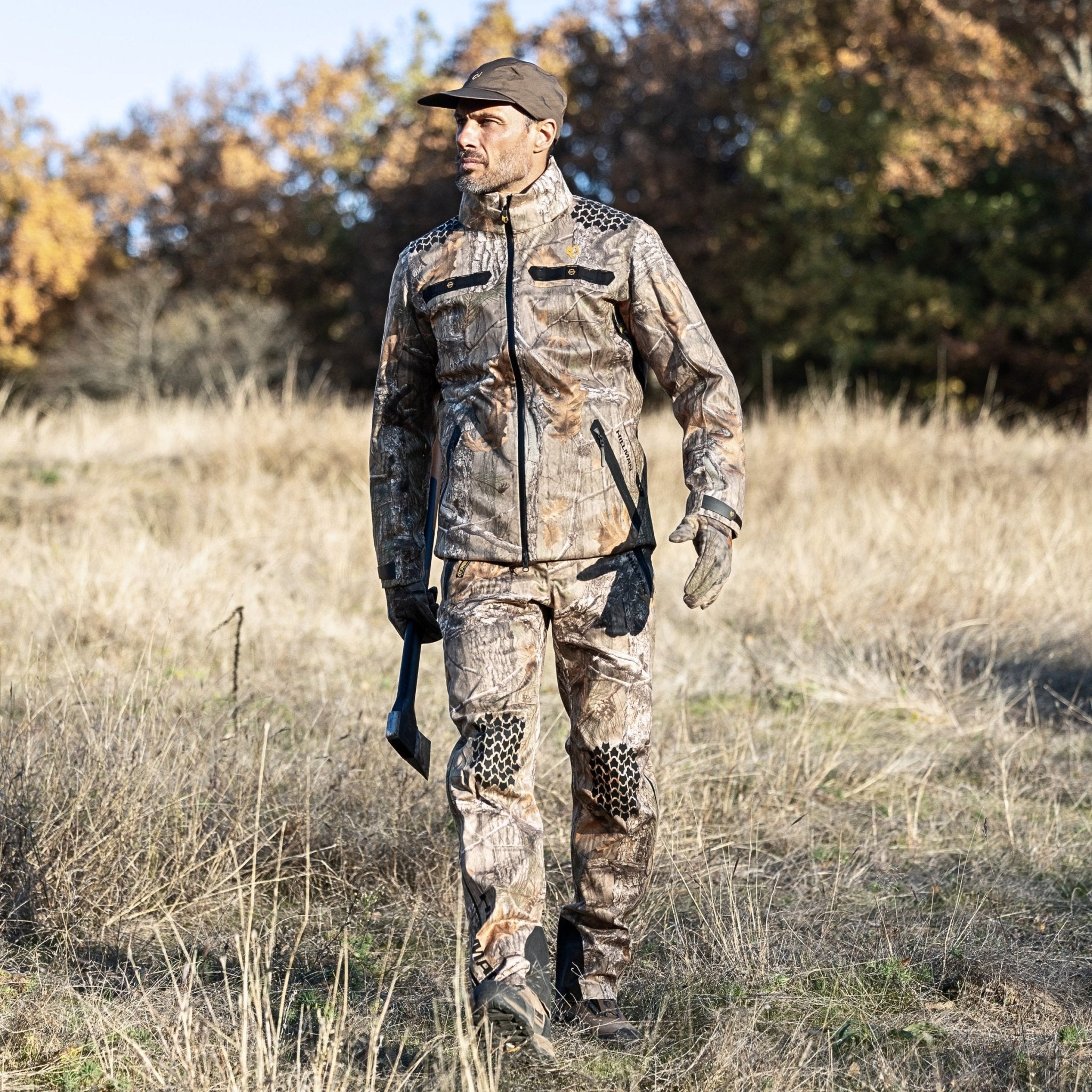
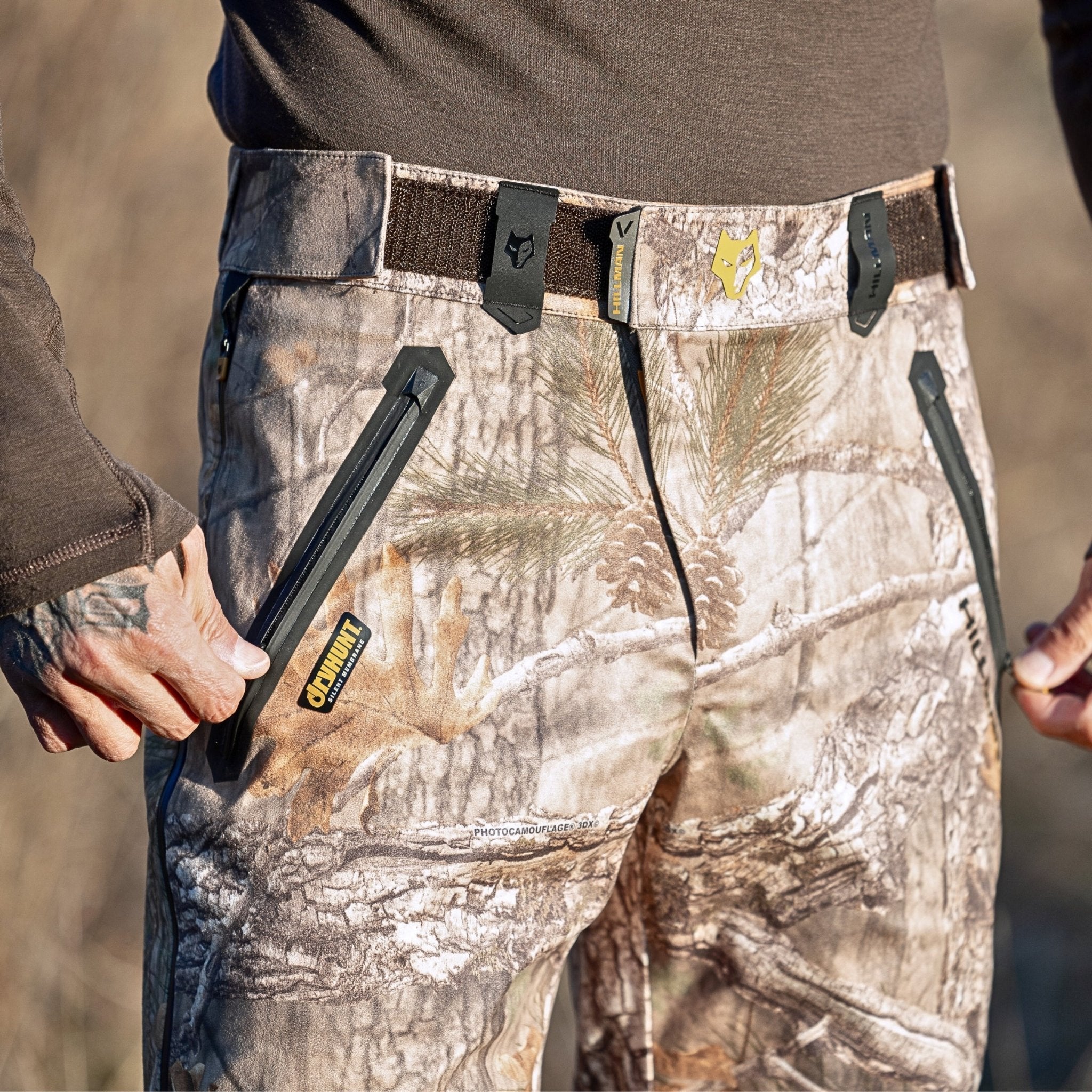
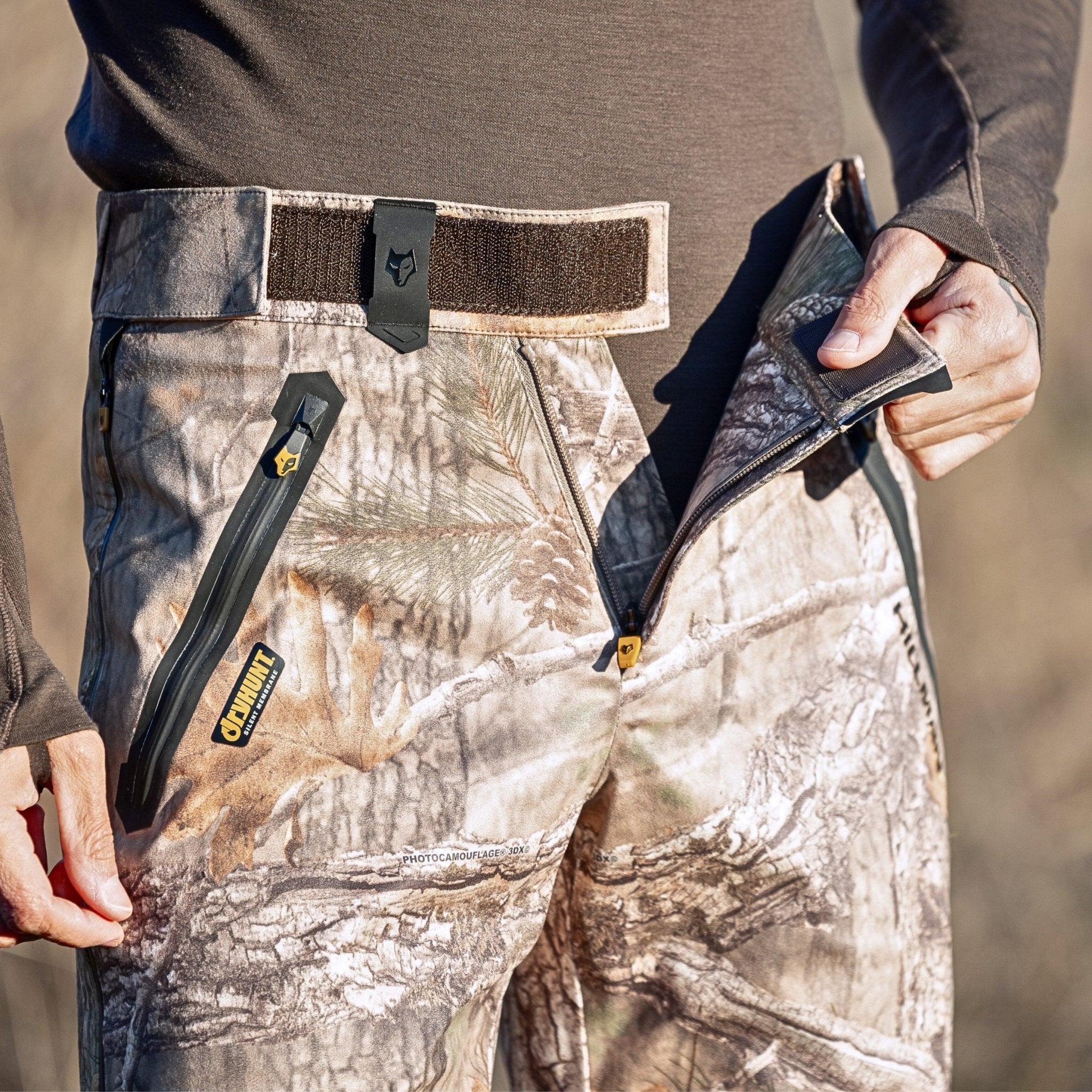
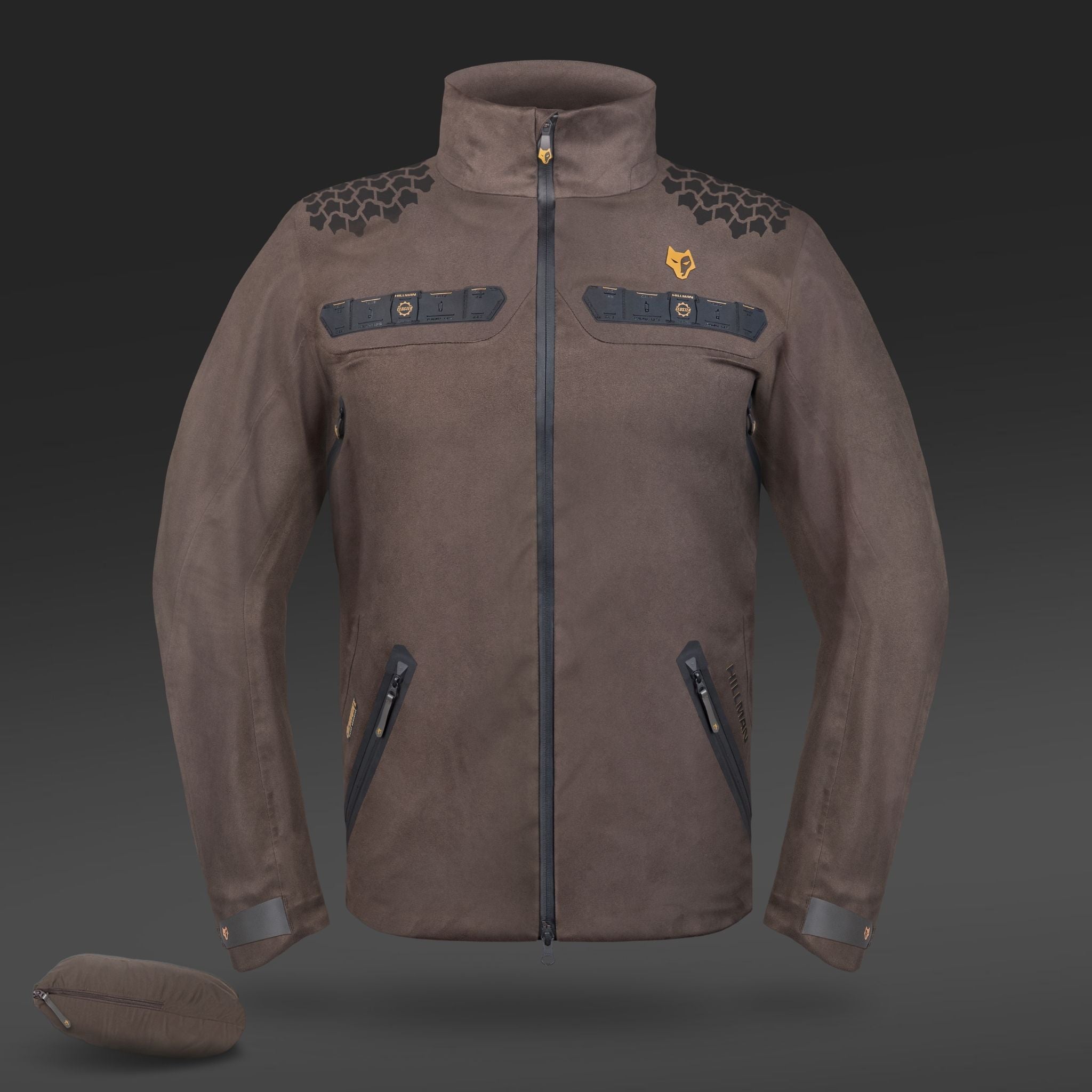
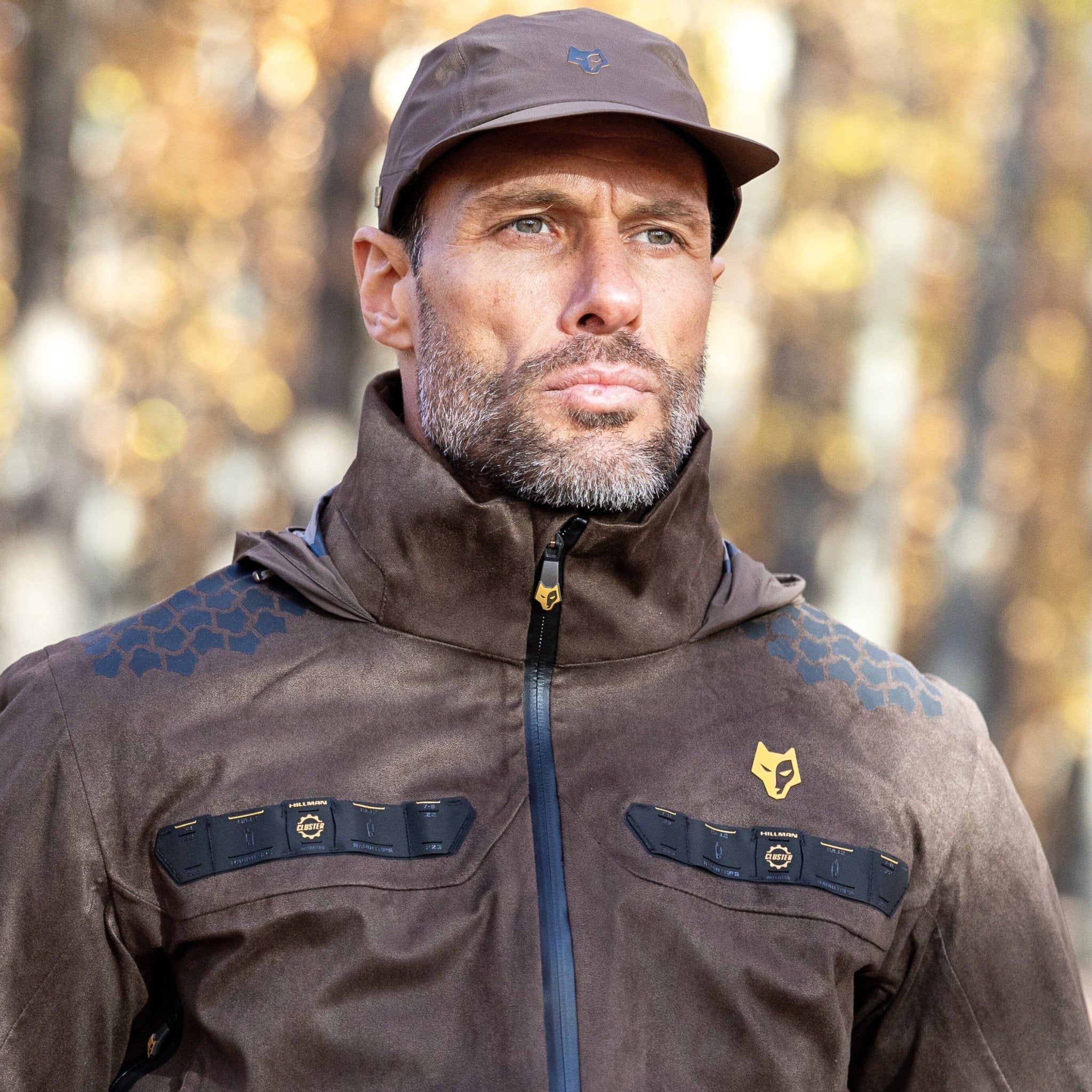
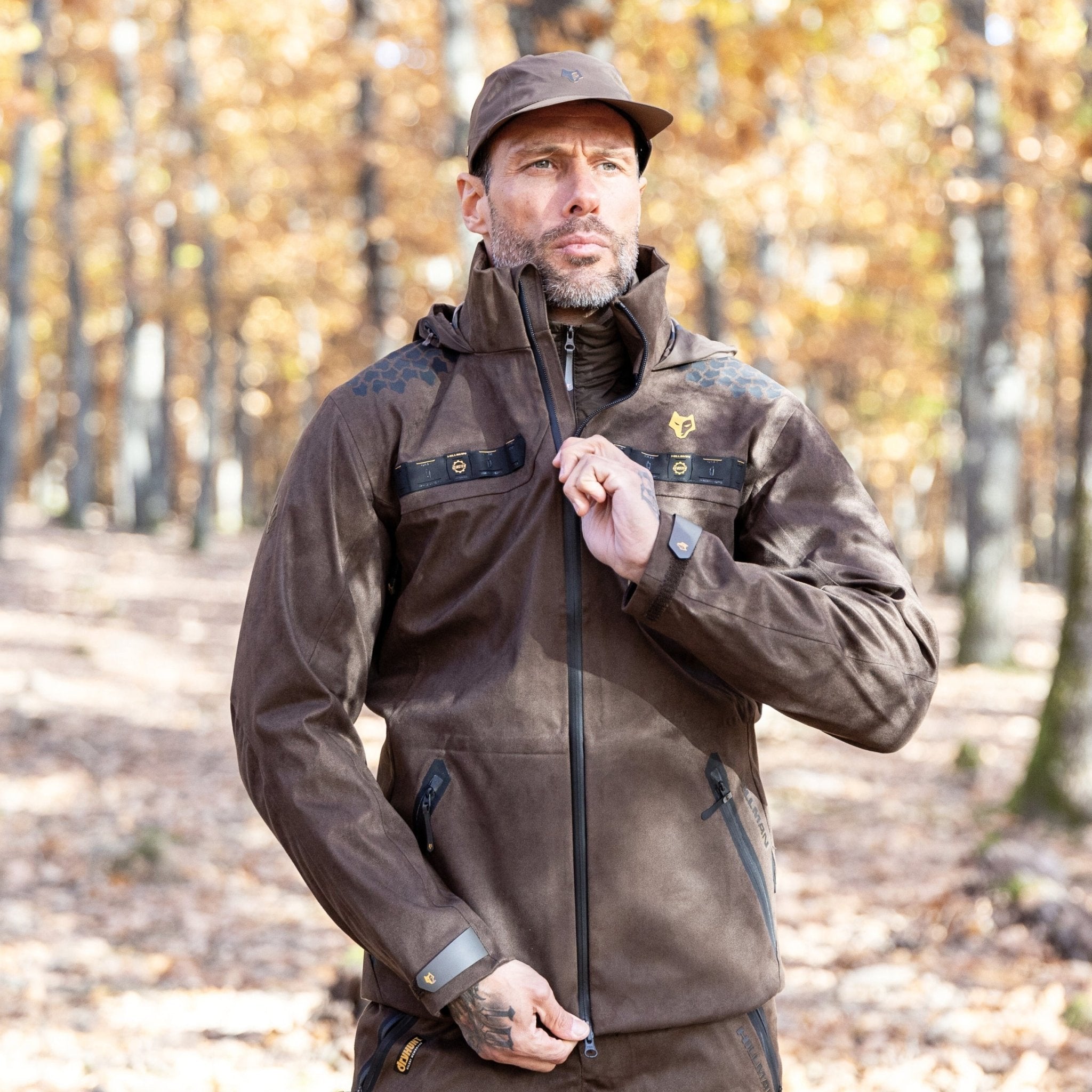
I would take this seriously on any partridge day. The right clothing and footwear allow better movement, steadier footing, and less wasted attention. Hillman pieces fit that idea well because comfort only matters when it supports effective shooting rather than distracting from it.
Safe, Clean, and Disciplined Always Wins

Gun safety should sit under every part of this conversation. It is easy to talk about lead, range, and line as if the whole day is a technical exercise. It is not. Other guns, dogs, beaters, the shoot captain, changing peg numbers, birds crossing awkwardly, and low chances near the ground all place limits on what a sensible person should take on.
Avoid shooting birds that are too low. Avoid shooting when another gun has the bird fairly. Avoid shooting when the line is unclear. Avoid shooting at one bird and drifting onto another. The effective shot is not the flashy shot. It is the one taken in control, within range, in the right direction, for the right reason.
That is the point many people miss. A comfortable shot feels good. An effective shot holds up under scrutiny.
Practice Makes Perfect, But Only If You Practise the Right Things

Practice makes perfect is a tired phrase until you remember how specific it needs to be. General clay work helps, of course, but detailed information from real partridge shooting often points to more useful habits. Practise mounting from a ready position. Practise taking one bird rather than scanning a group. Practise staying in the gun after the first shot. Practise moving off the front foot instead of reaching with the arms.
Even on walked up days, and certainly on driven partridge, rhythm is everything. You are trying to remove wasted movement and wasted thought. The best shots make it look relaxed because they have cut away the fuss, not because the birds are easy.
What Really Separates the Two
In the end, what separates a comfortable game shot from an effective one on partridge days is discipline.
Comfort is the chance you enjoy. Effectiveness is the chance you manage properly.
One flatters the shooter. The other respects the bird.
The gun that performs well on a partridge day is not necessarily the one who feels most at ease when the sky fills up. It is the one who reads the flight, holds a sound ready position, trusts proper gun fit, stays safe, picks one bird, and fires at the right moment without greed. That is what turns a pleasant day into a good one, and a good one into a repeatable standard across the whole season.




Share:
How to Scout a Deer Ground Without Leaving Too Much Pressure
Foxing in Winter: Stillness, Patience and Positioning