
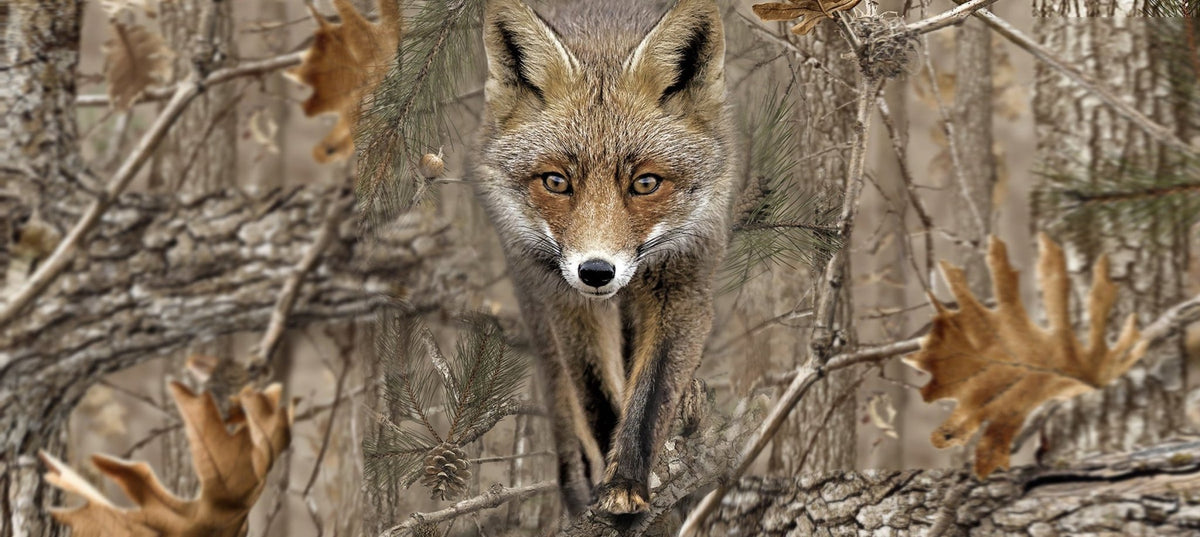
Foxing in Winter: How Stillness, Patience and Positioning Beat Rushing the Chance

Winter foxing works better when you shut up, sit still and let the fox make the mistake first.
Foxing in winter gets easier when you stop trying to force it. A lot of foxing goes wrong for one basic reason. Too many people treat every sighting like a fire drill. They spot eyes, catch movement on a hedge, hear a bark somewhere off in the dark, then start scrambling to make something happen. That is usually where they blow it.
Foxing in winter how stillness helps is not some clever slogan. It is what actually separates steady fox control from messy, rushed mistakes. Winter does not reward drama. It rewards a decent set up, a calm stand and enough patience to leave the ground alone once you are in place.
Foxes do not vanish in winter. Most foxes are still out there every night, still feeding, still working the same bits of ground if the weather conditions, food sources and human activity stay fairly stable. Cold weather changes how they use energy, but it does not switch them off. If the food is there, if the cover is there, and if the pressure stays steady, they will keep using familiar routes for weeks.
That is why stillness matters so much. The fox is already suspicious. It lives by being suspicious. The second you start rushing around, over-adjusting, scraping boots, shifting rifles, changing position and trying to snatch a chance, you are helping the fox more than yourself.
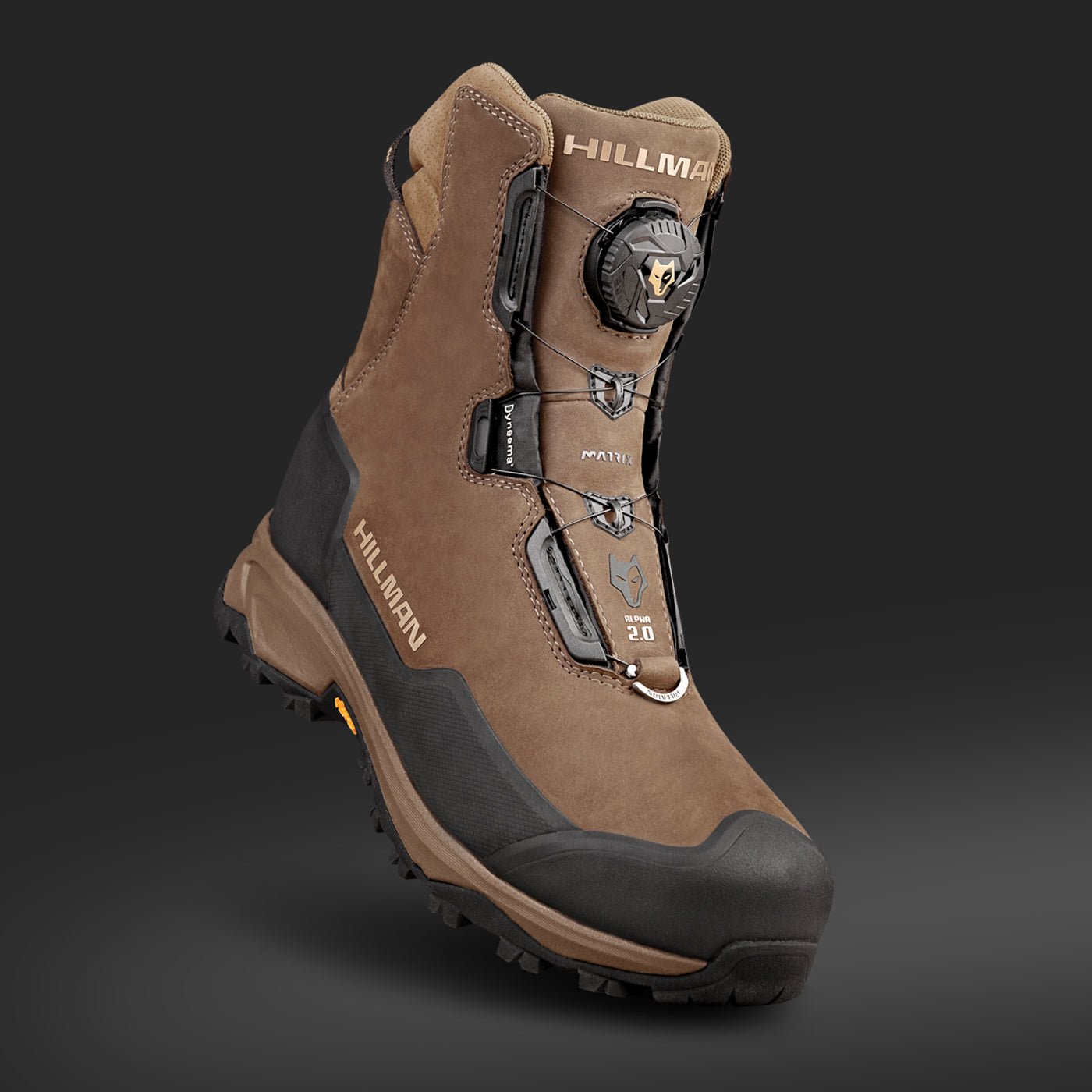
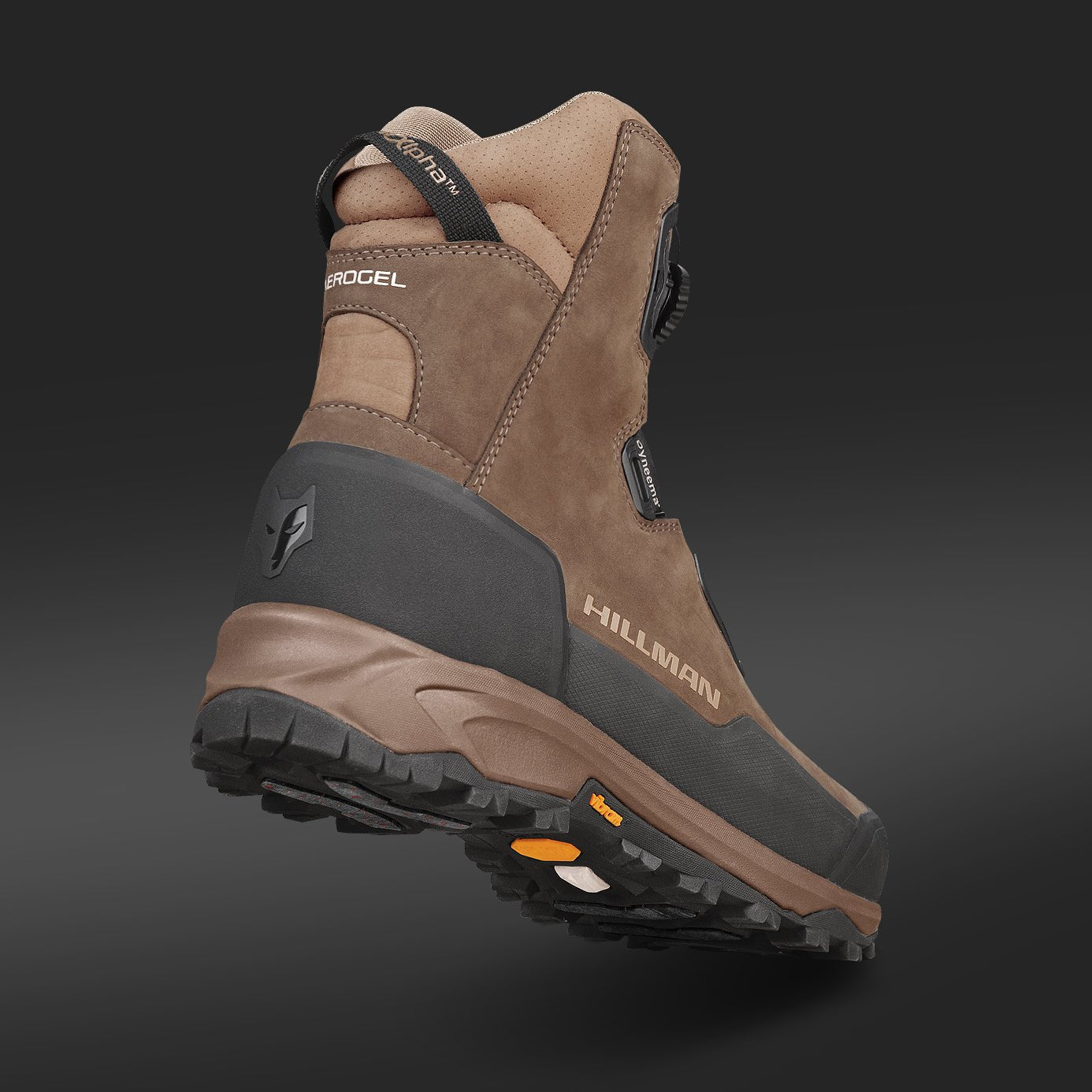
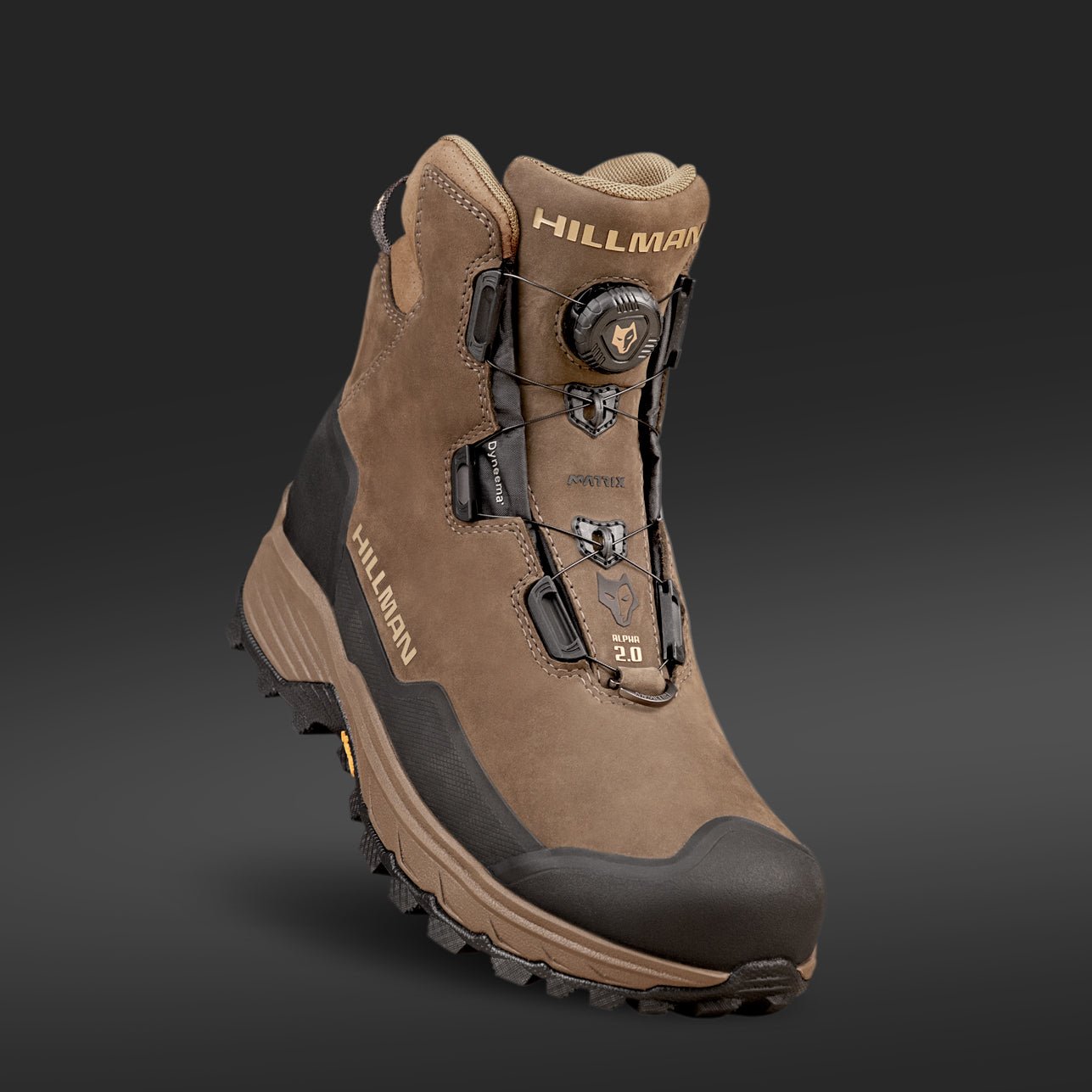
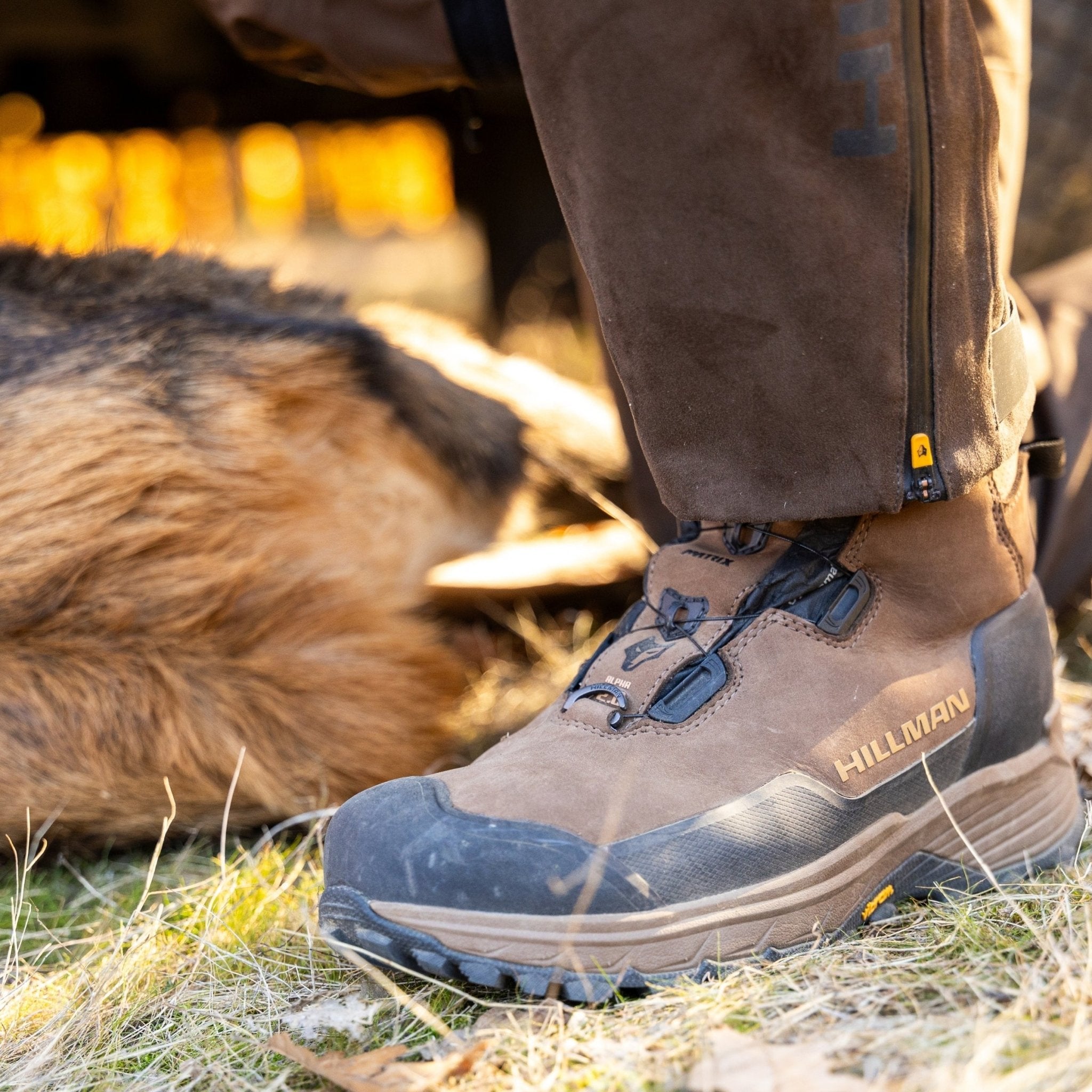
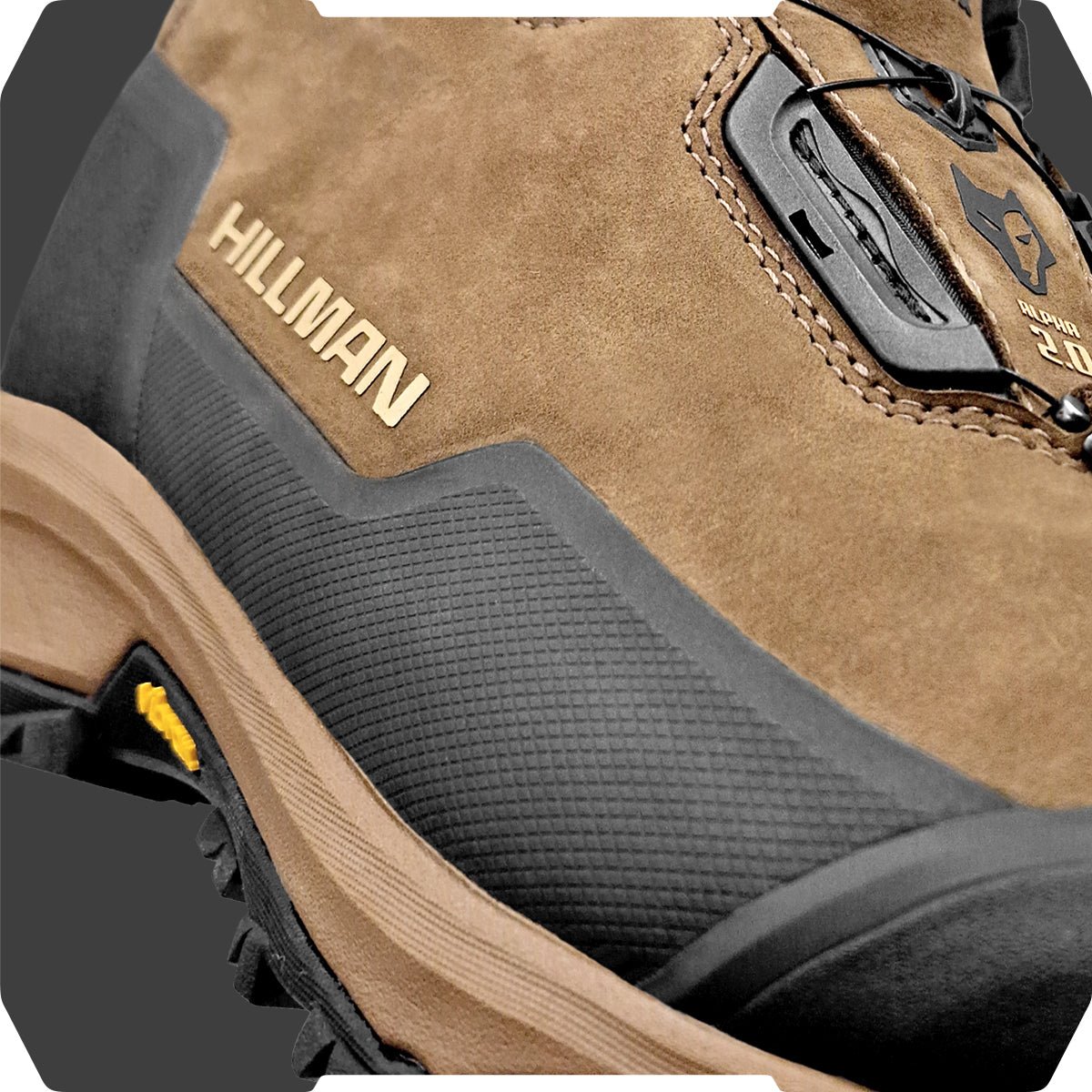
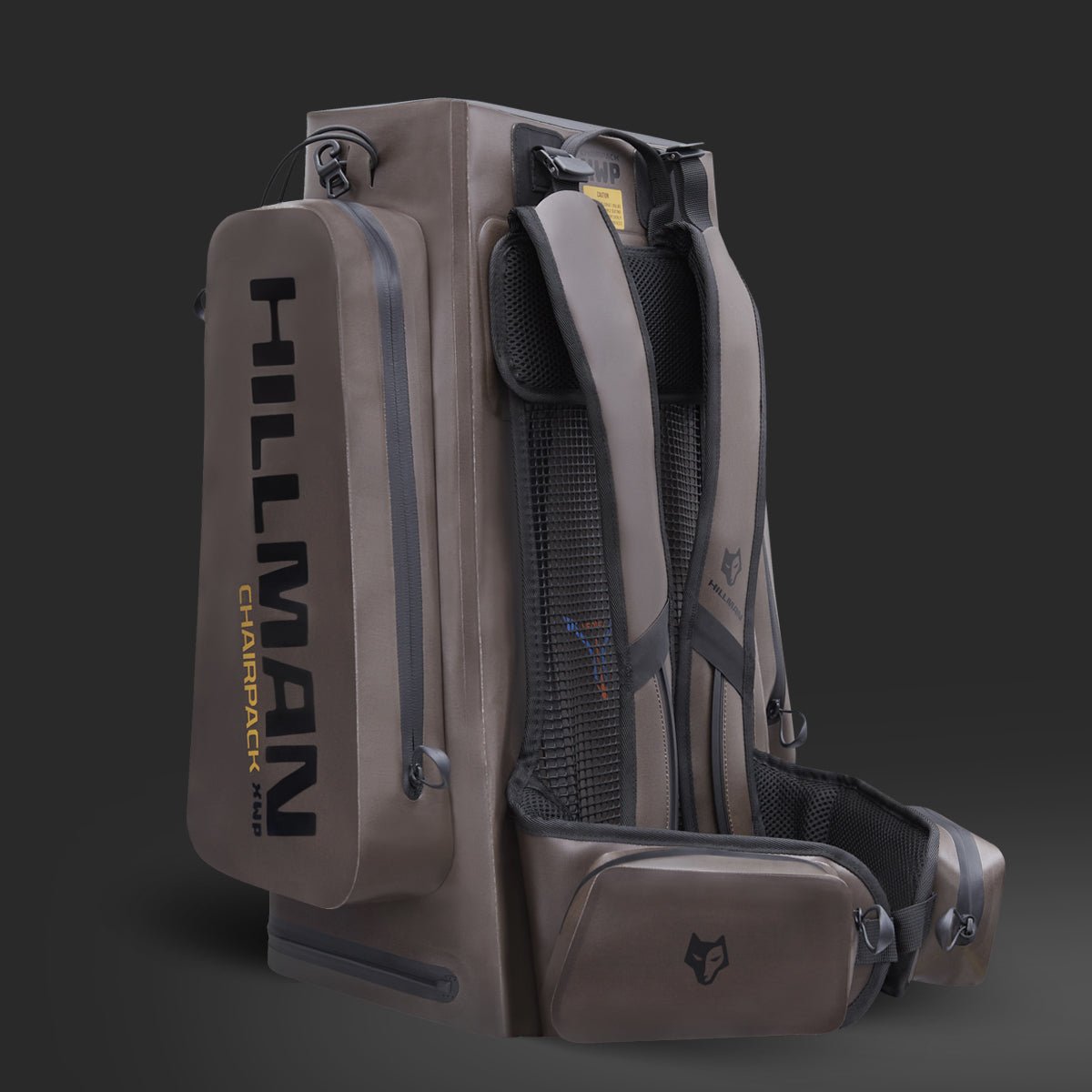
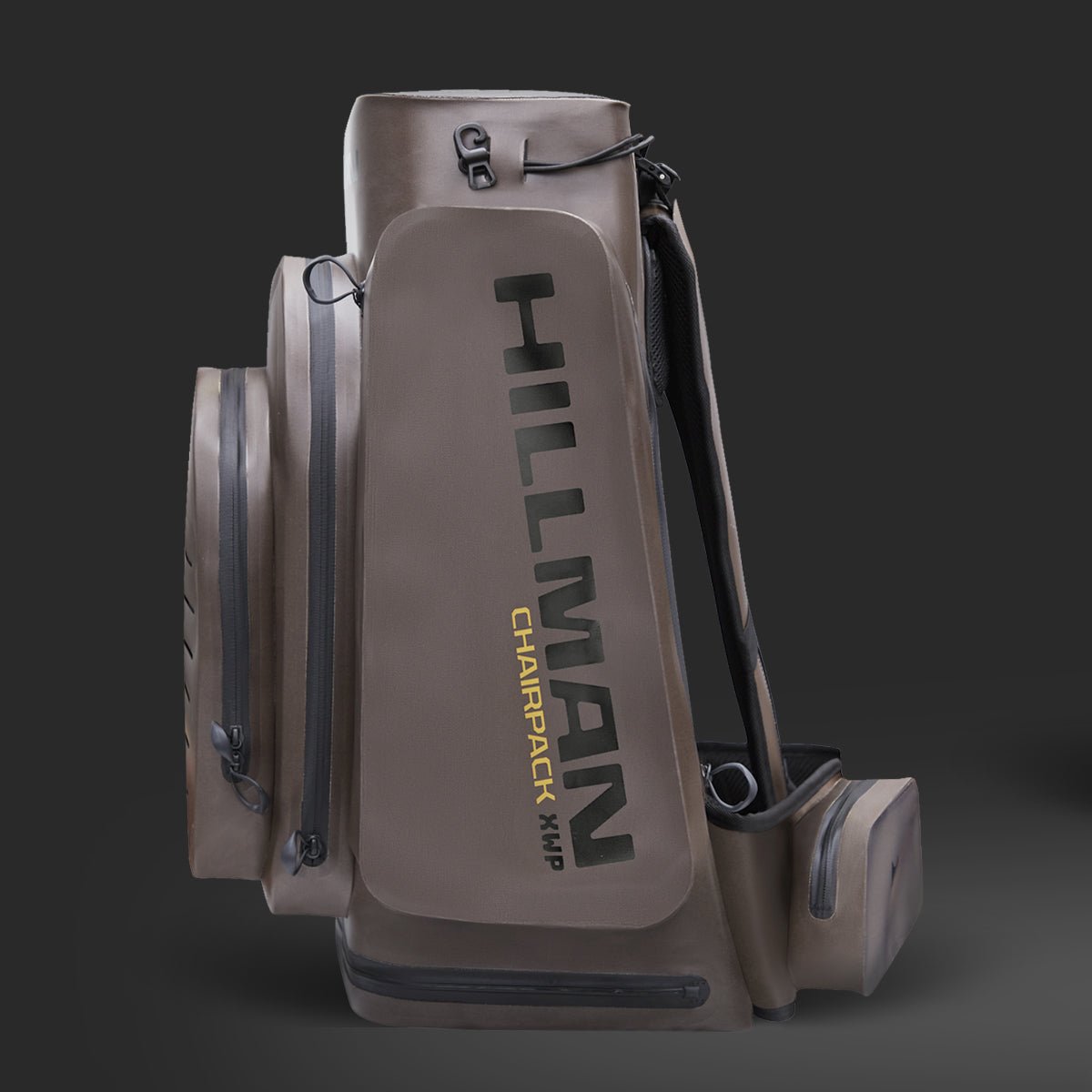
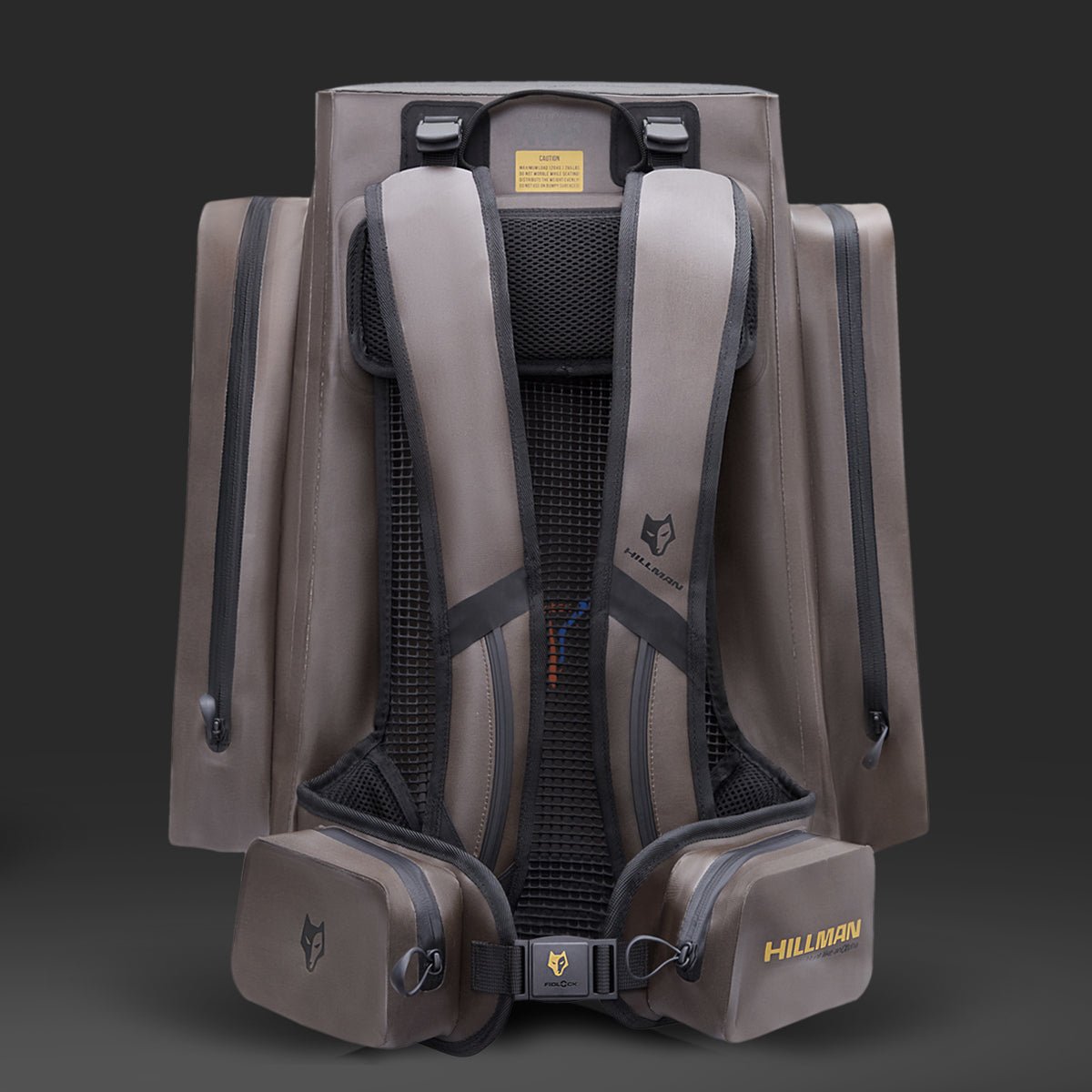
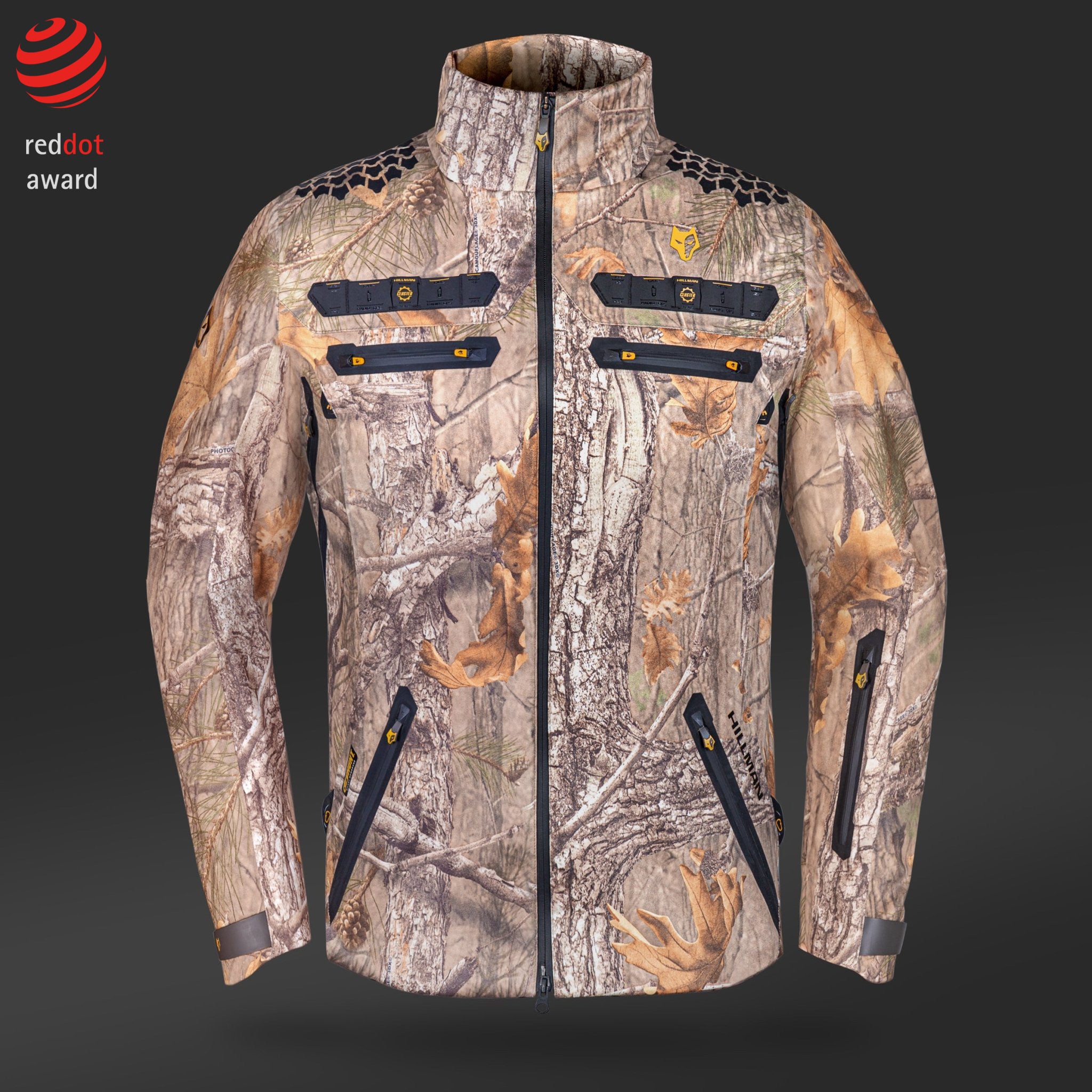
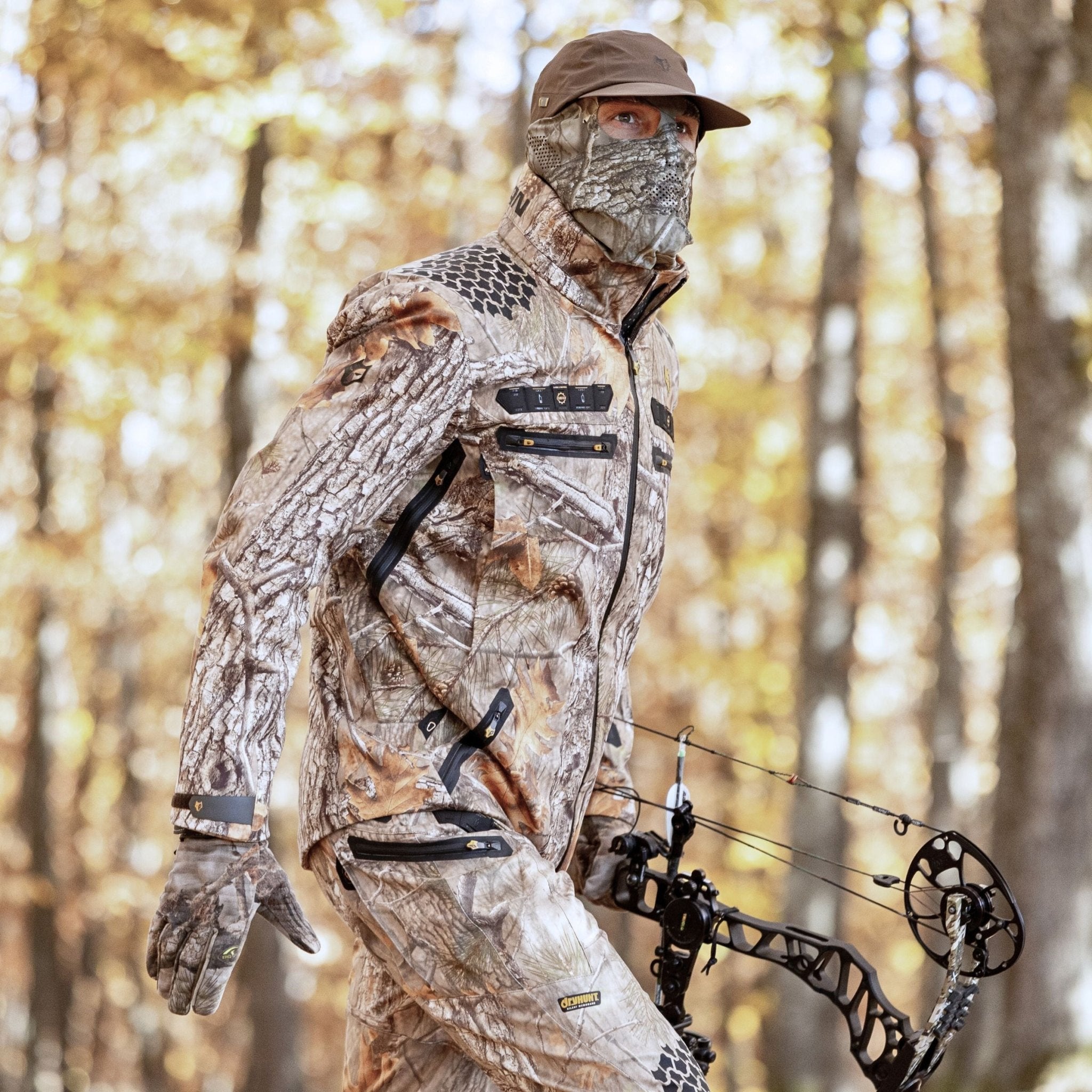
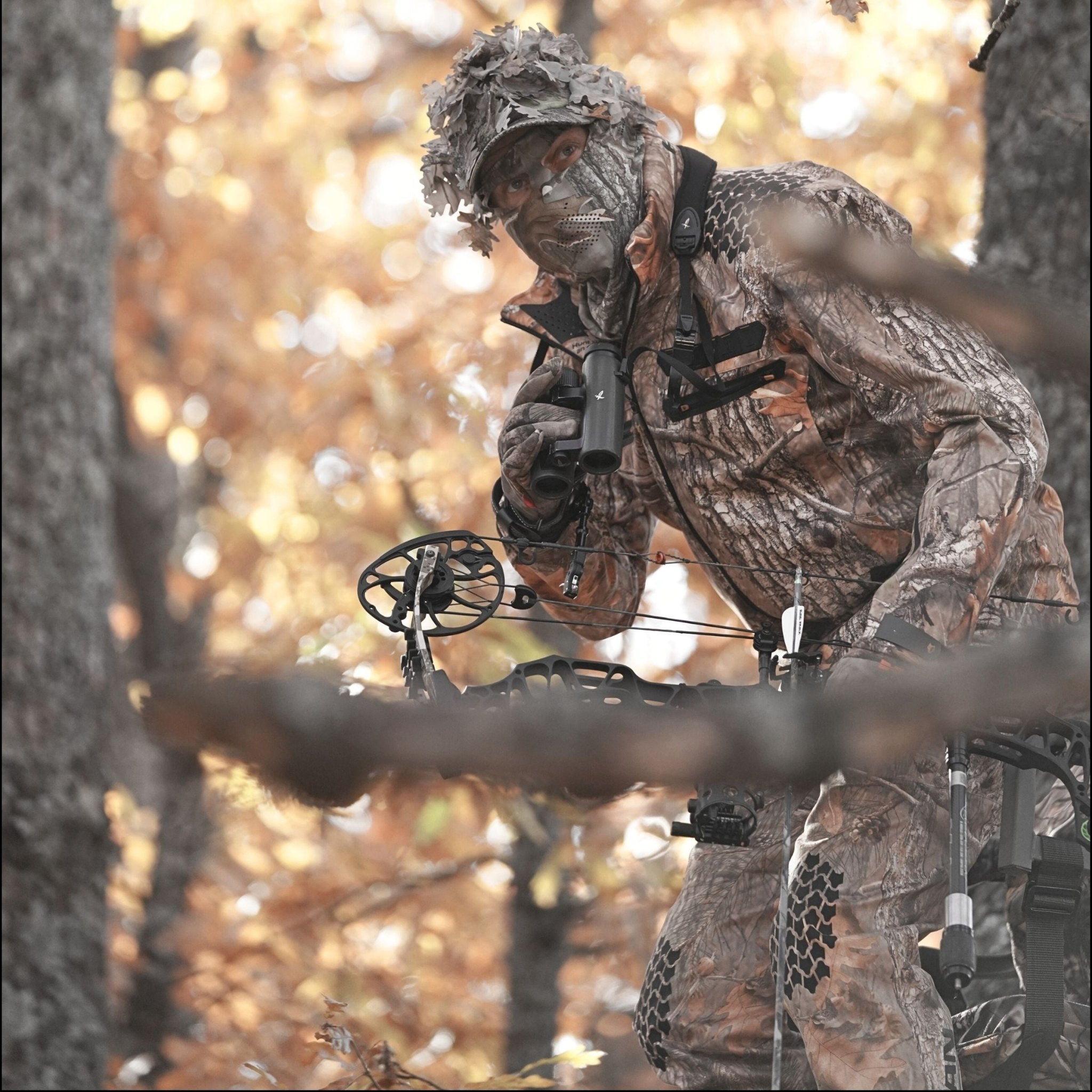
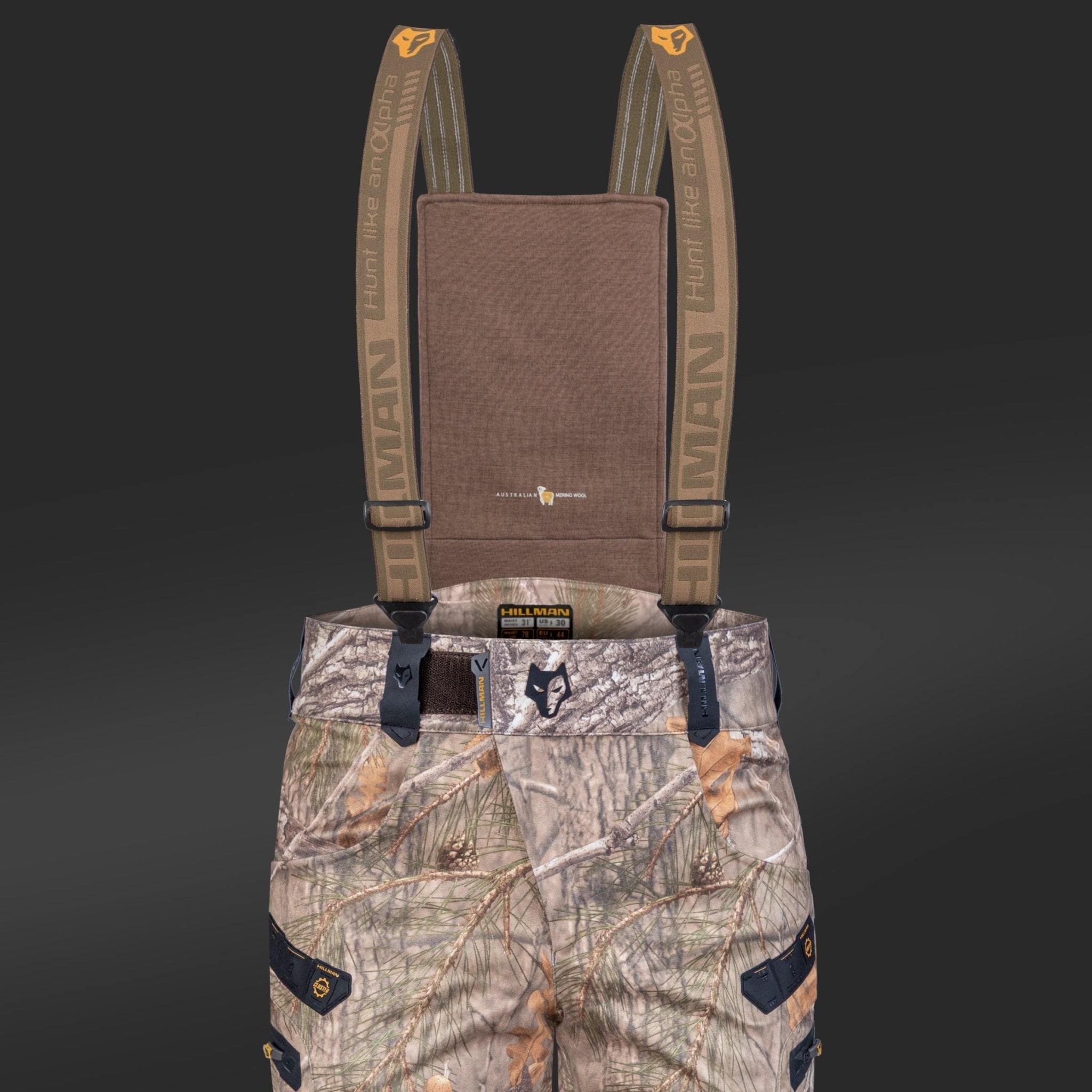
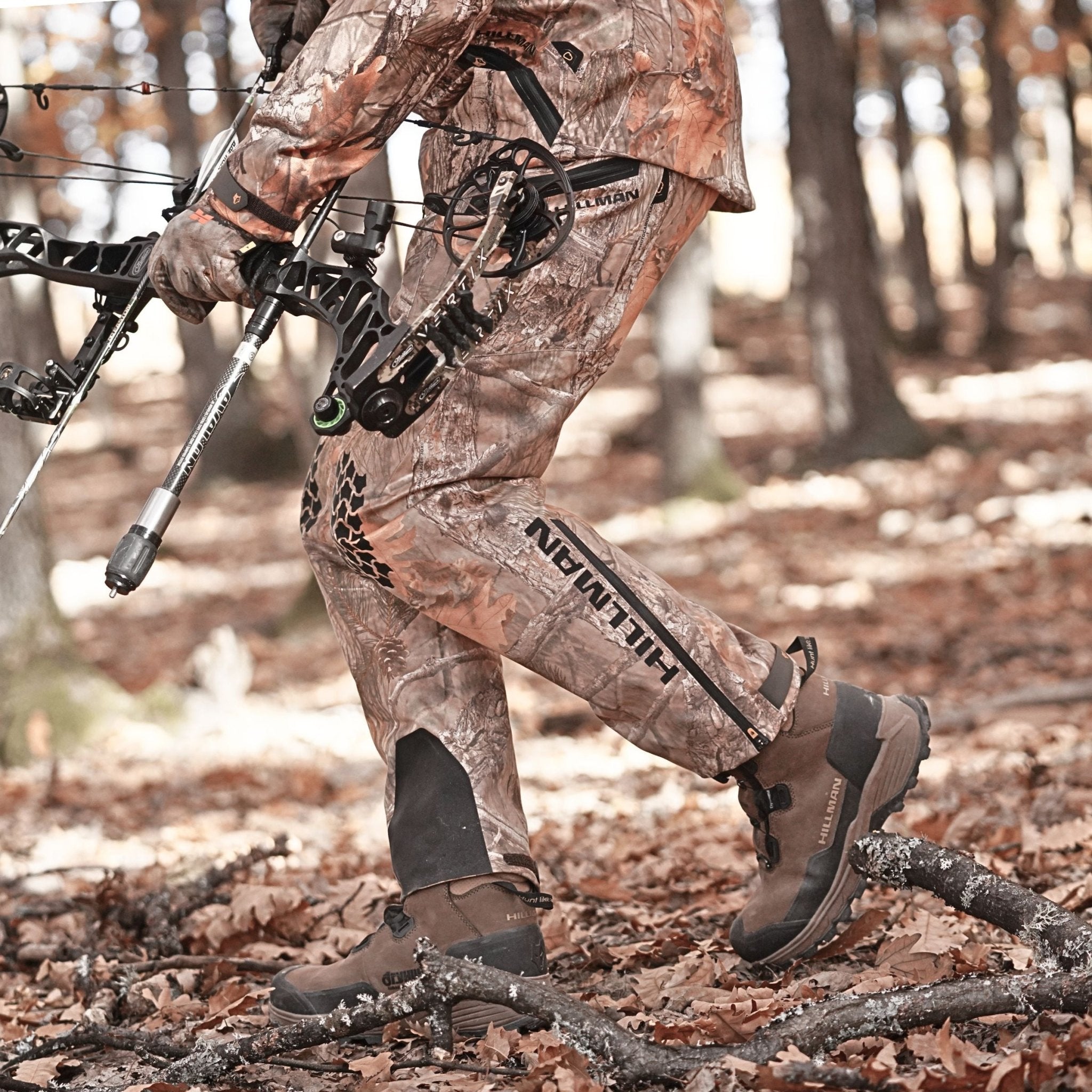
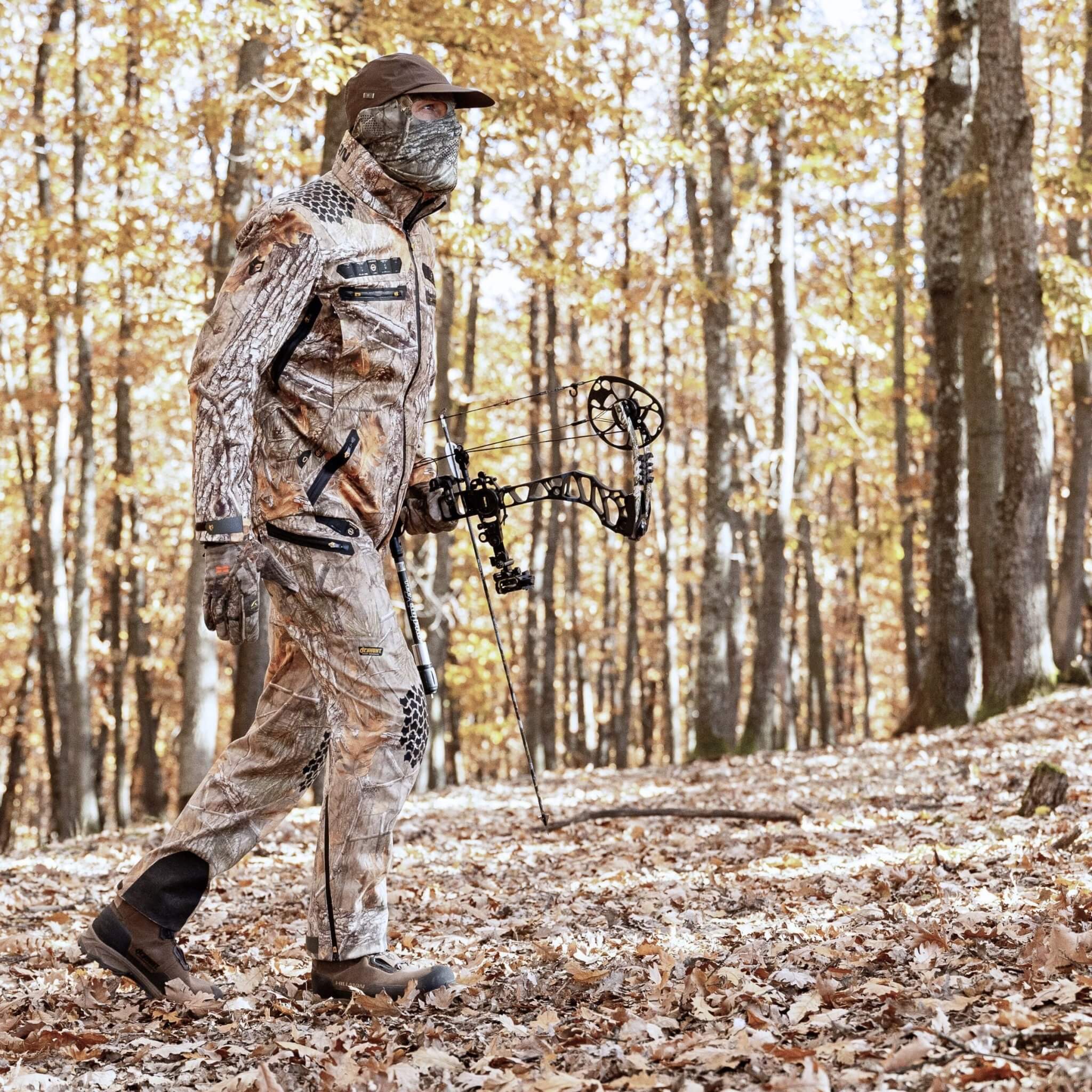
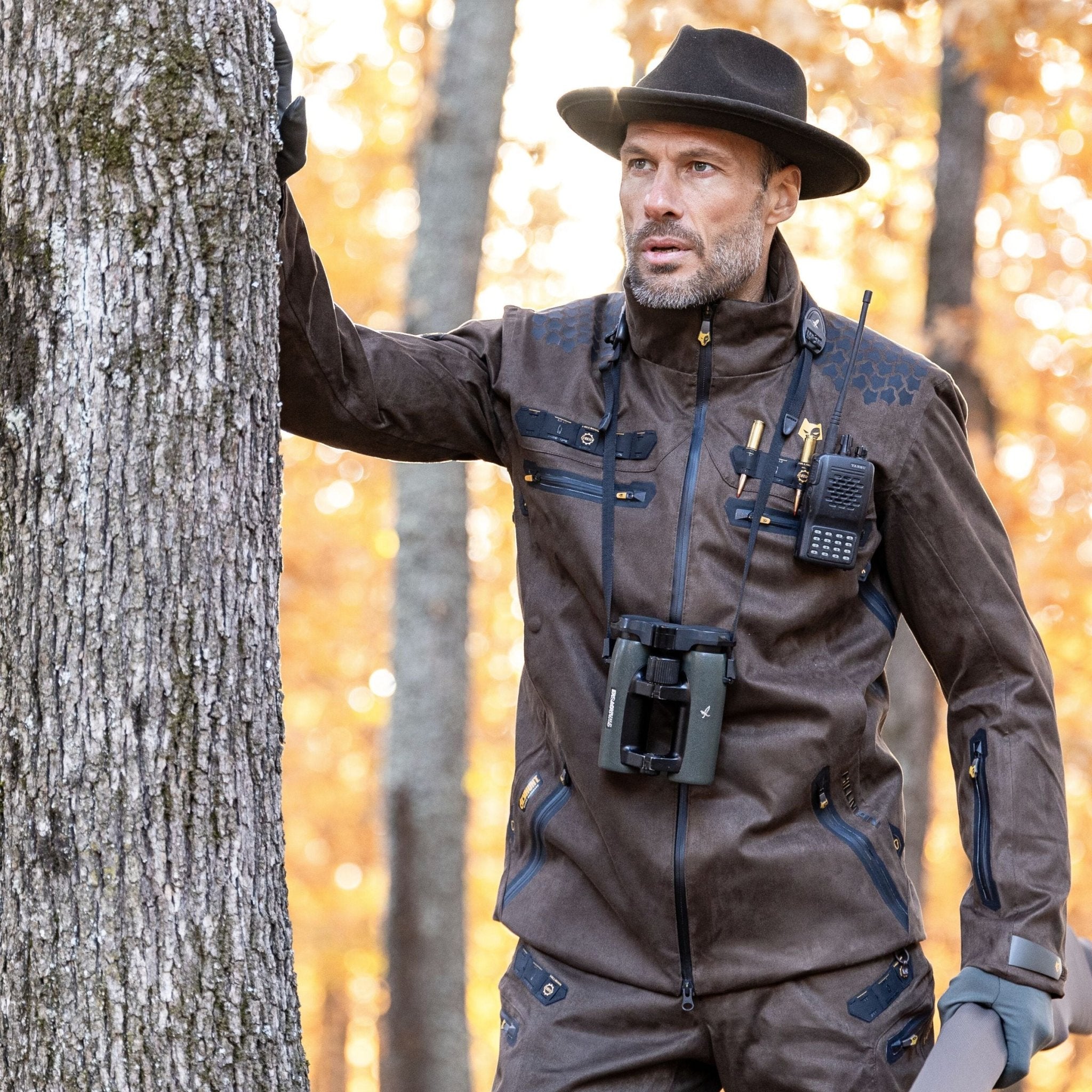
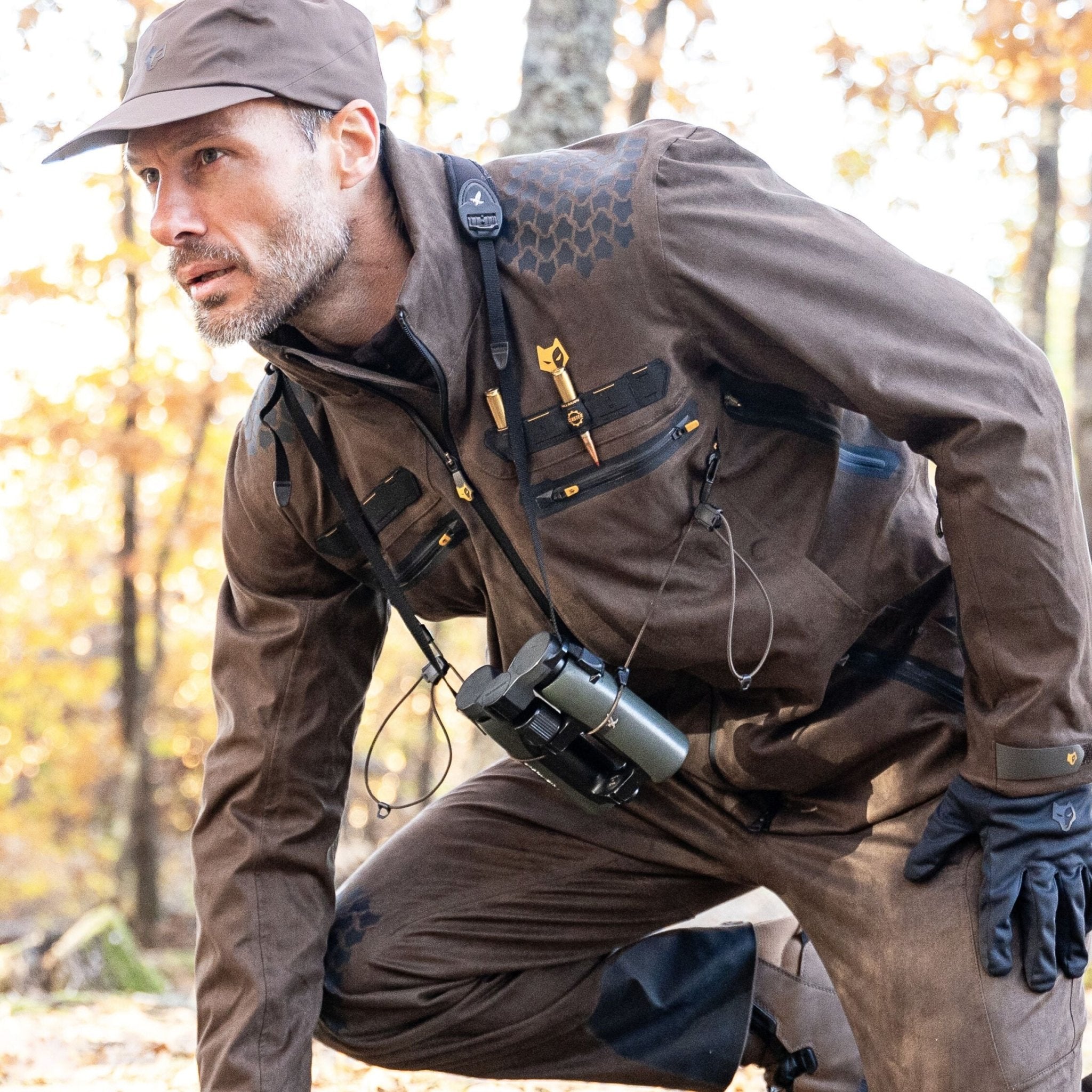
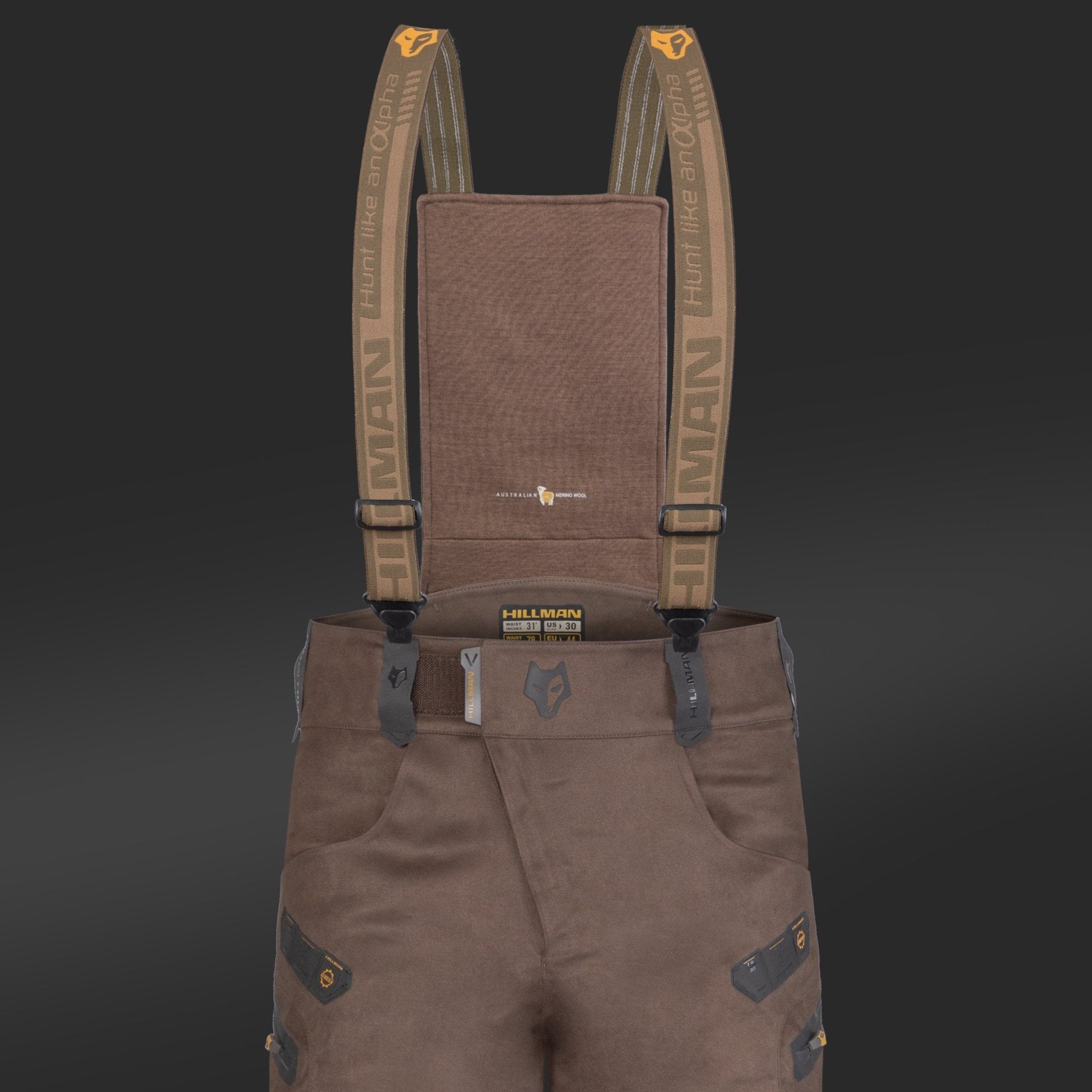
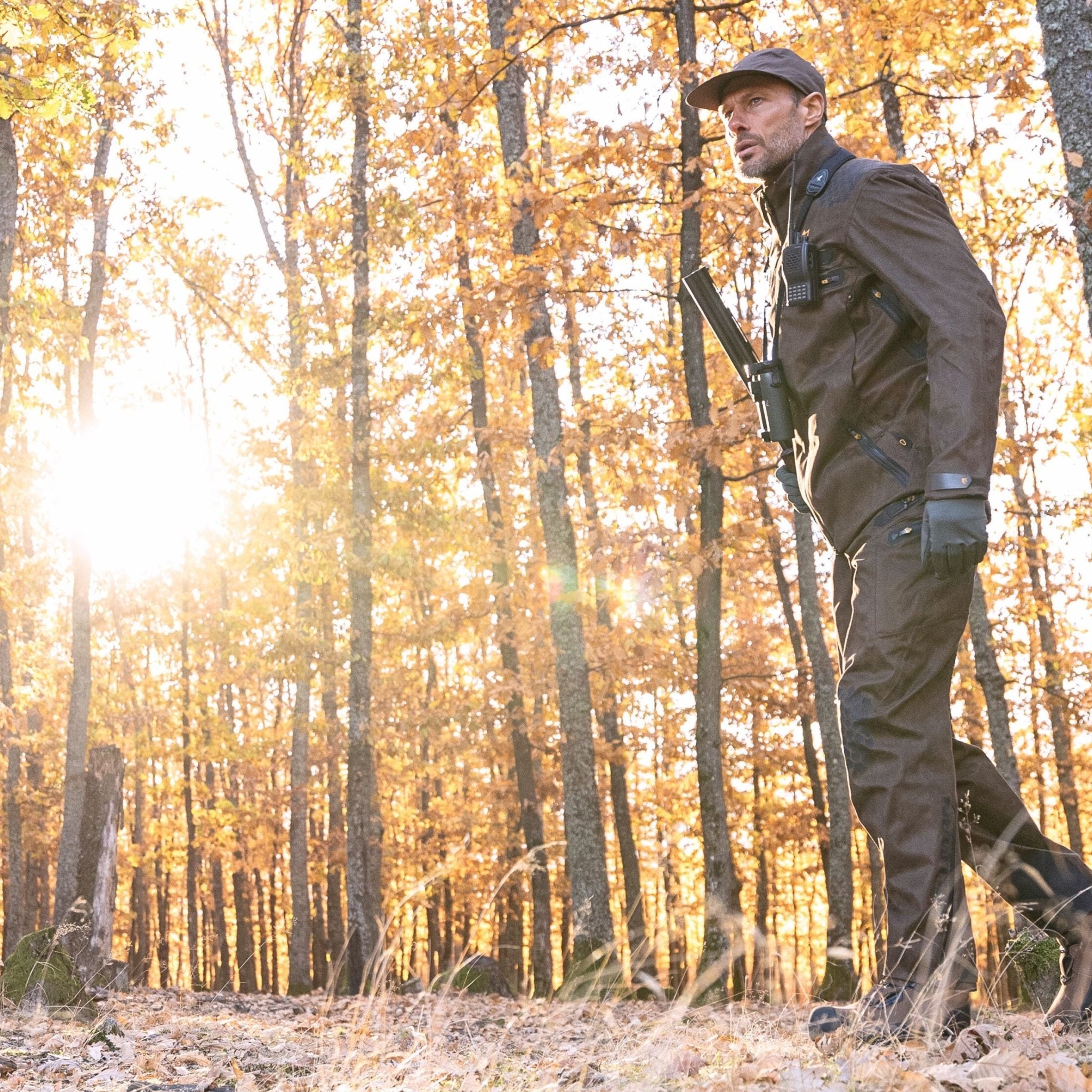
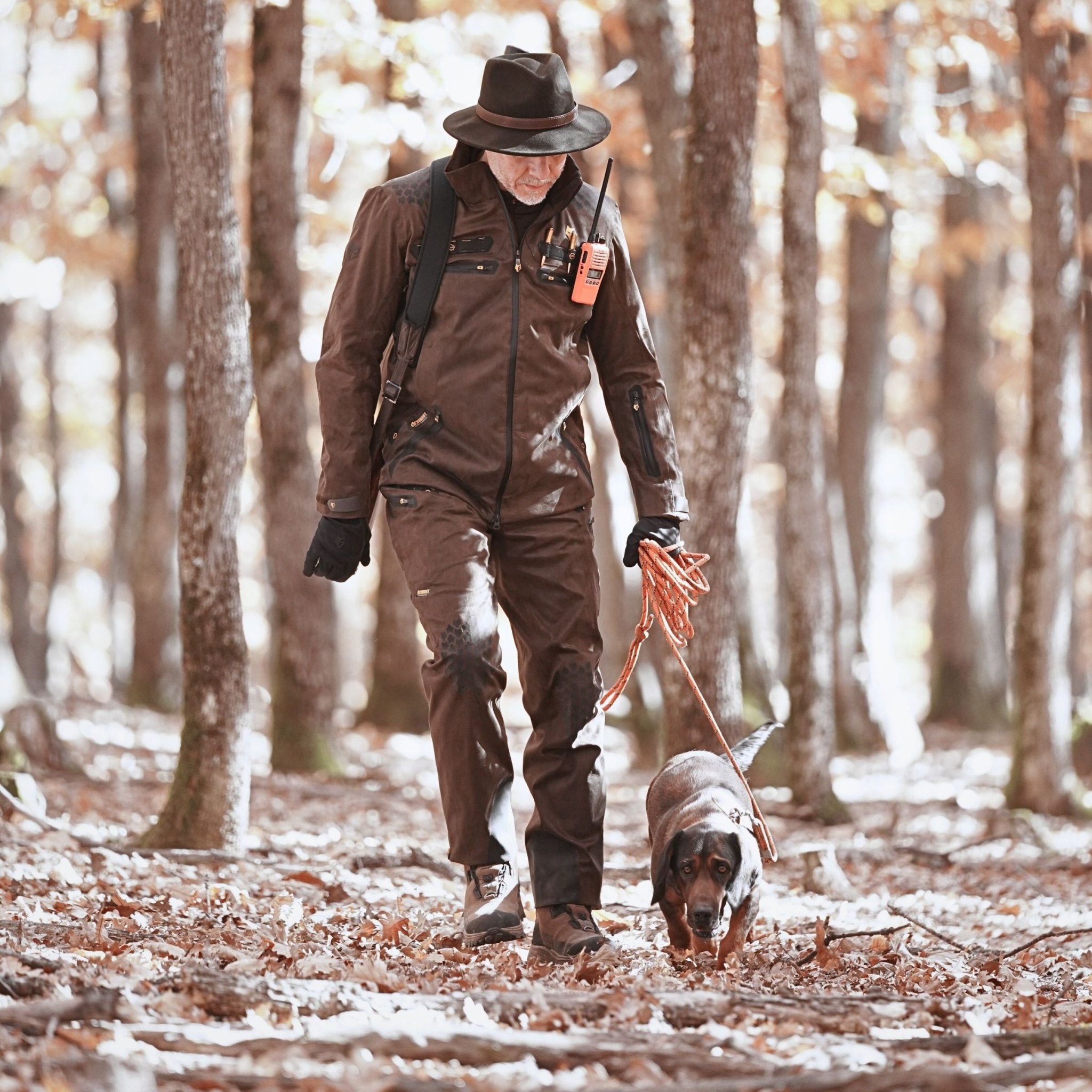
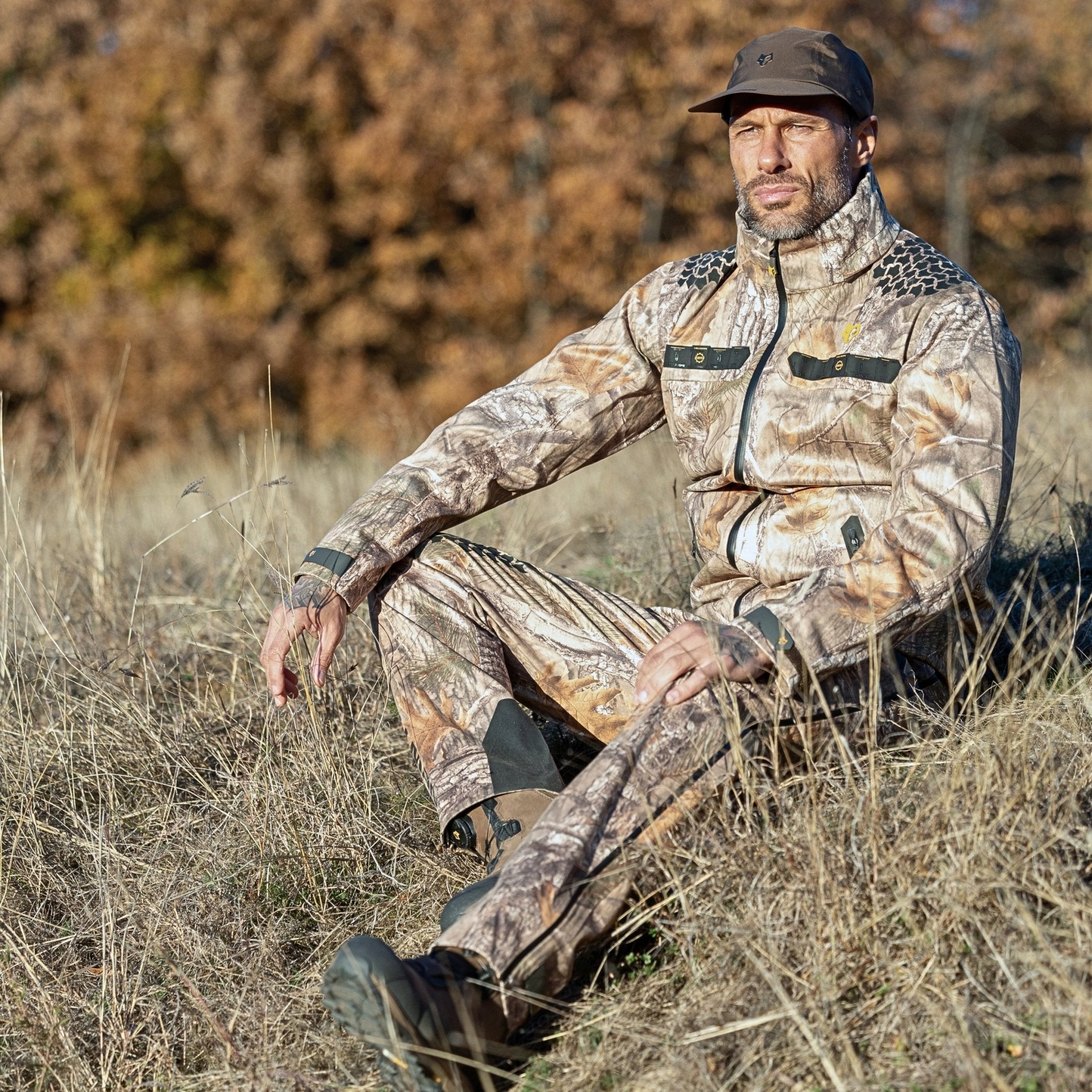
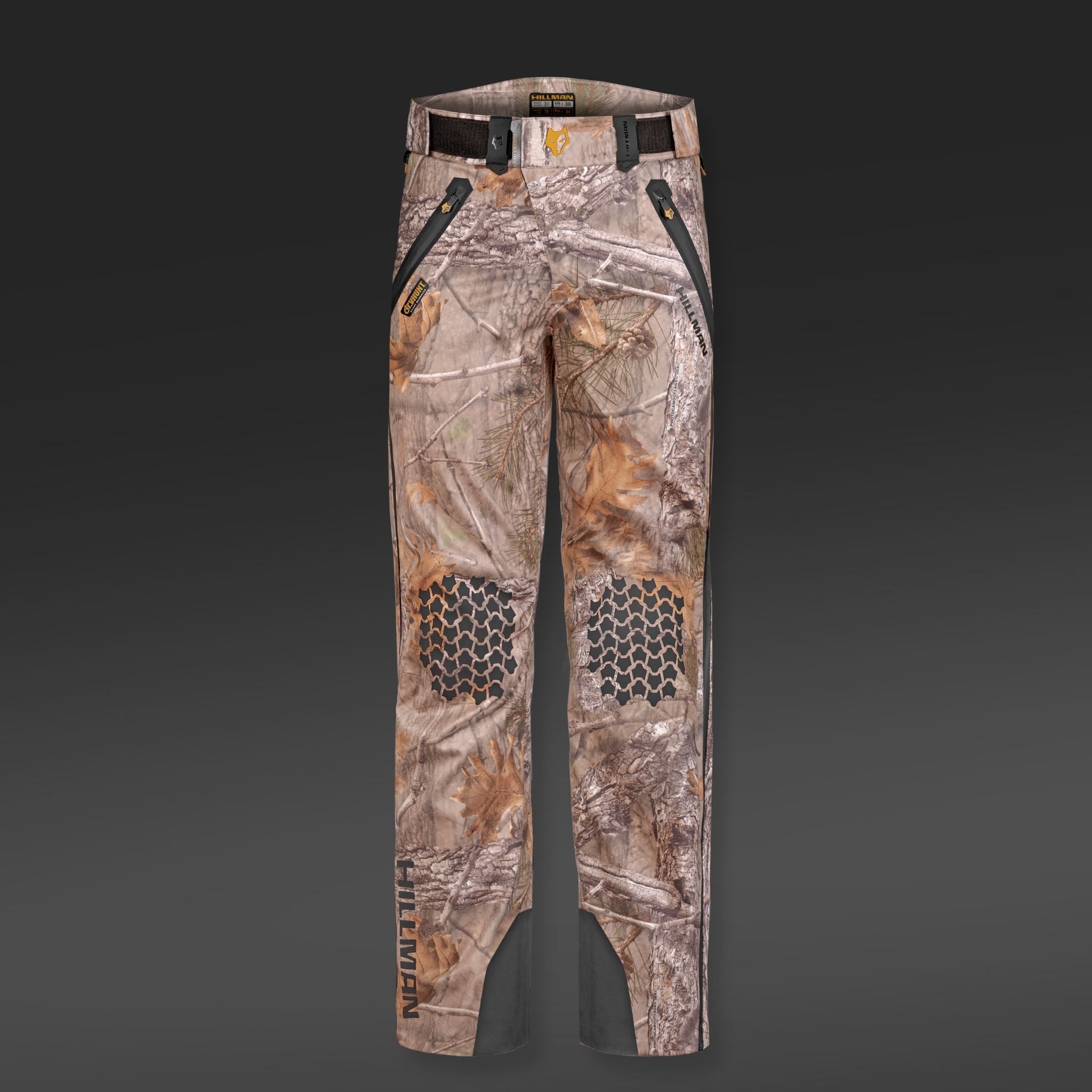
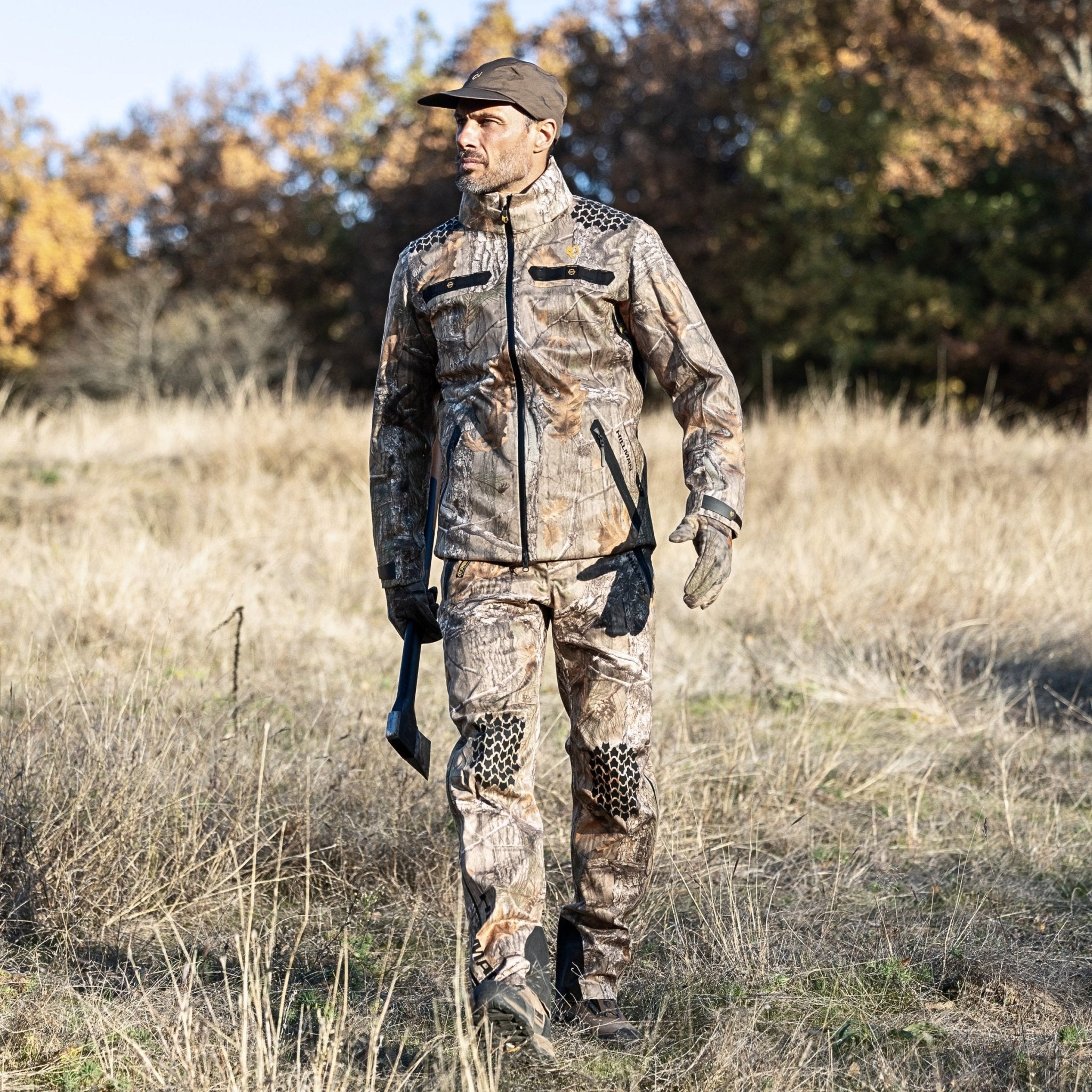
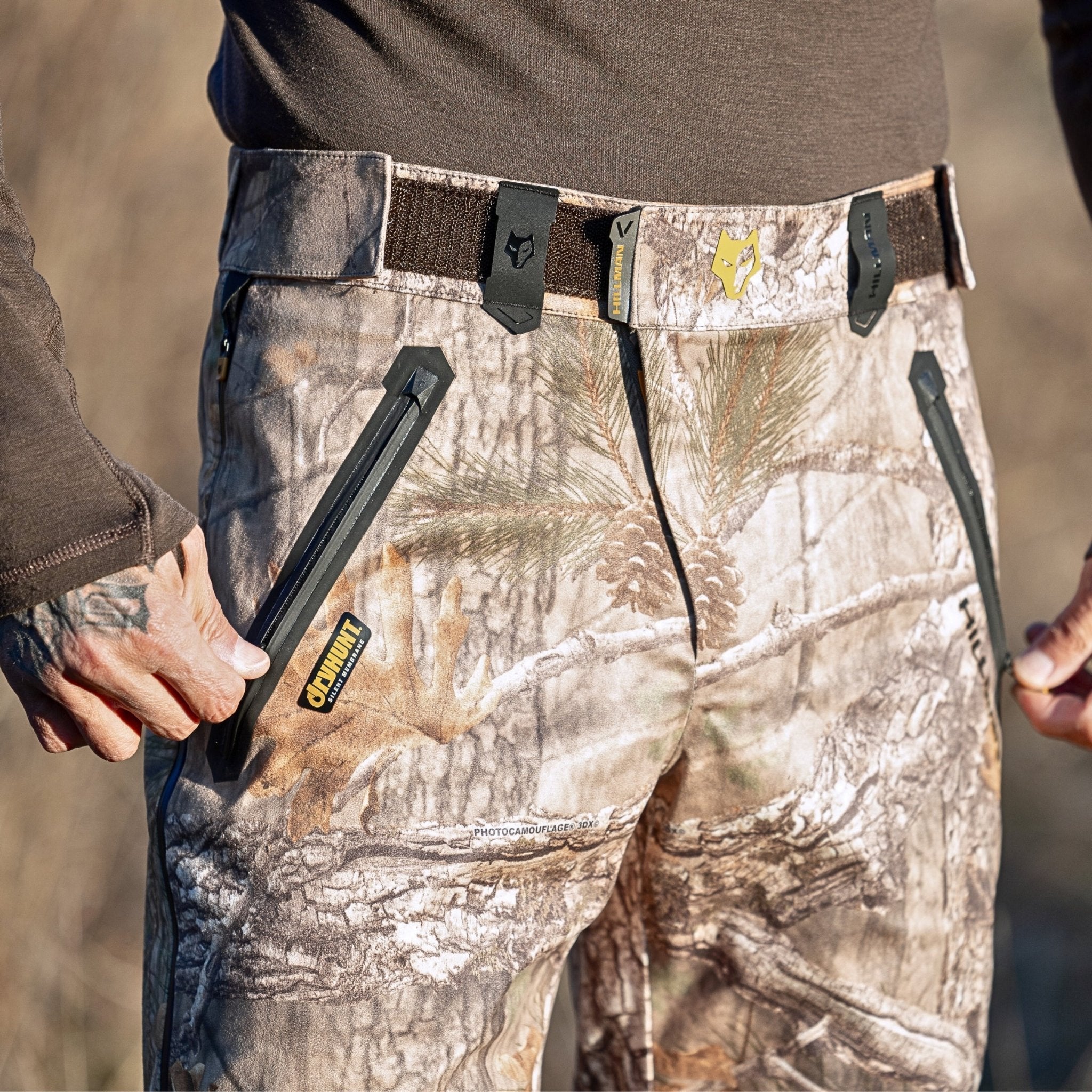
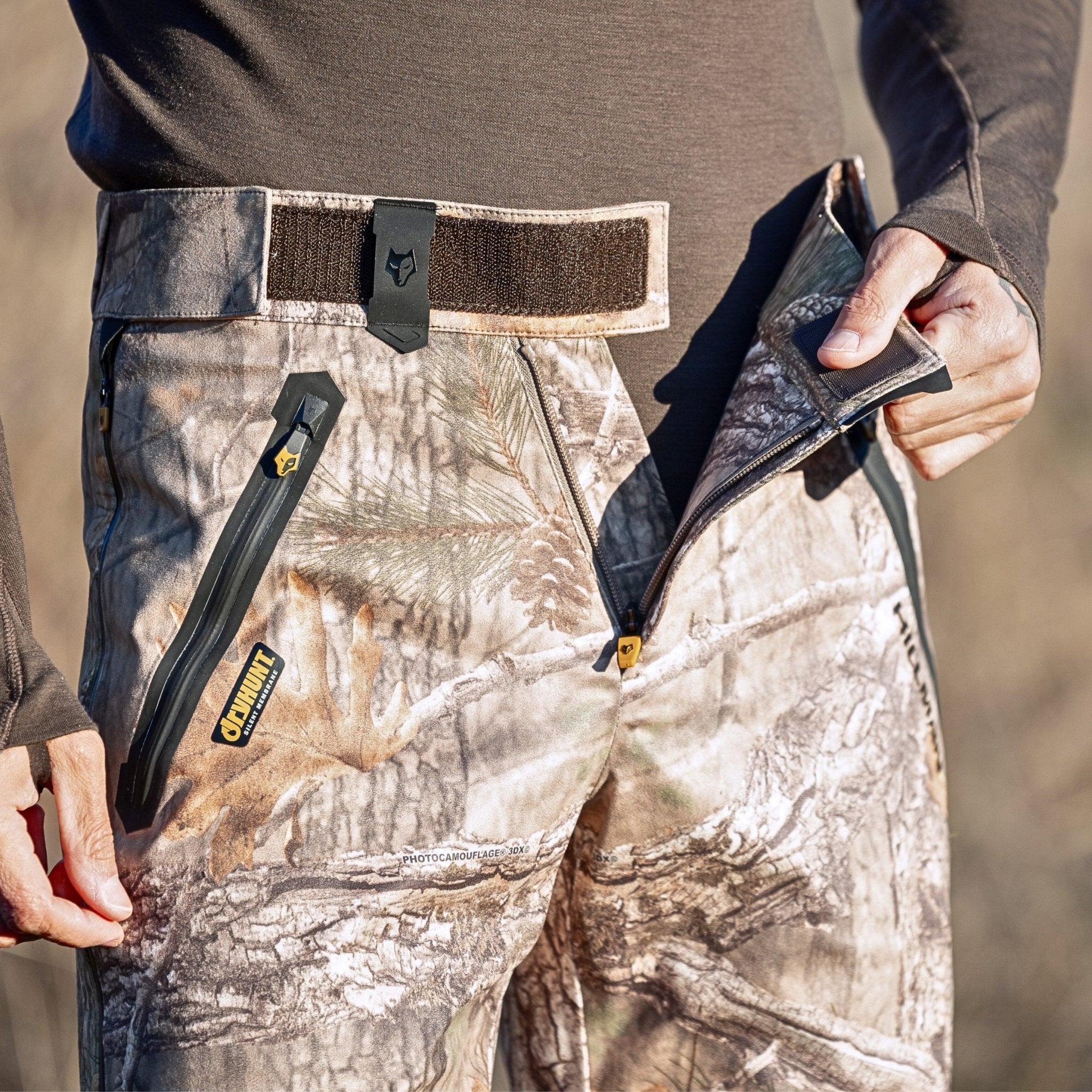
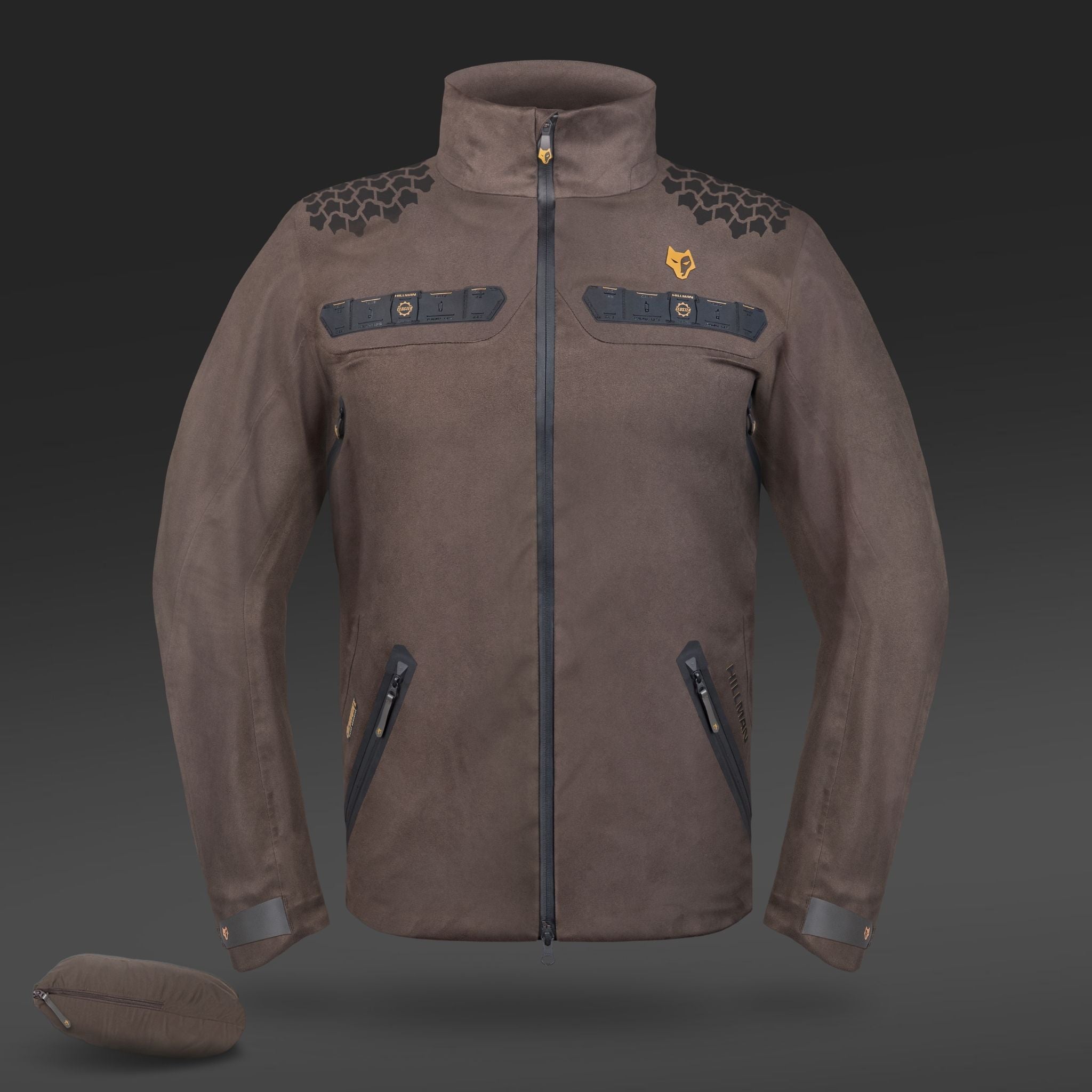
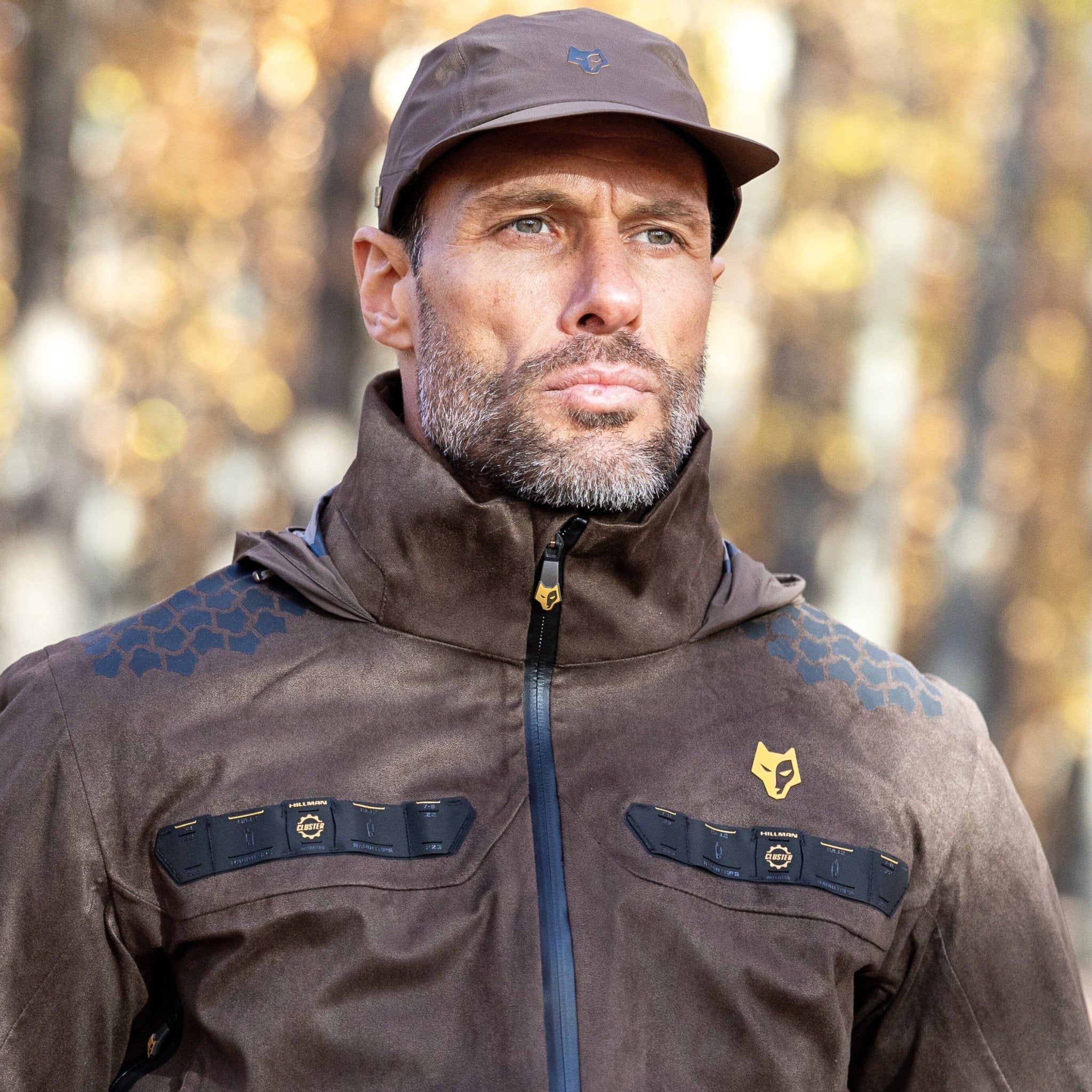
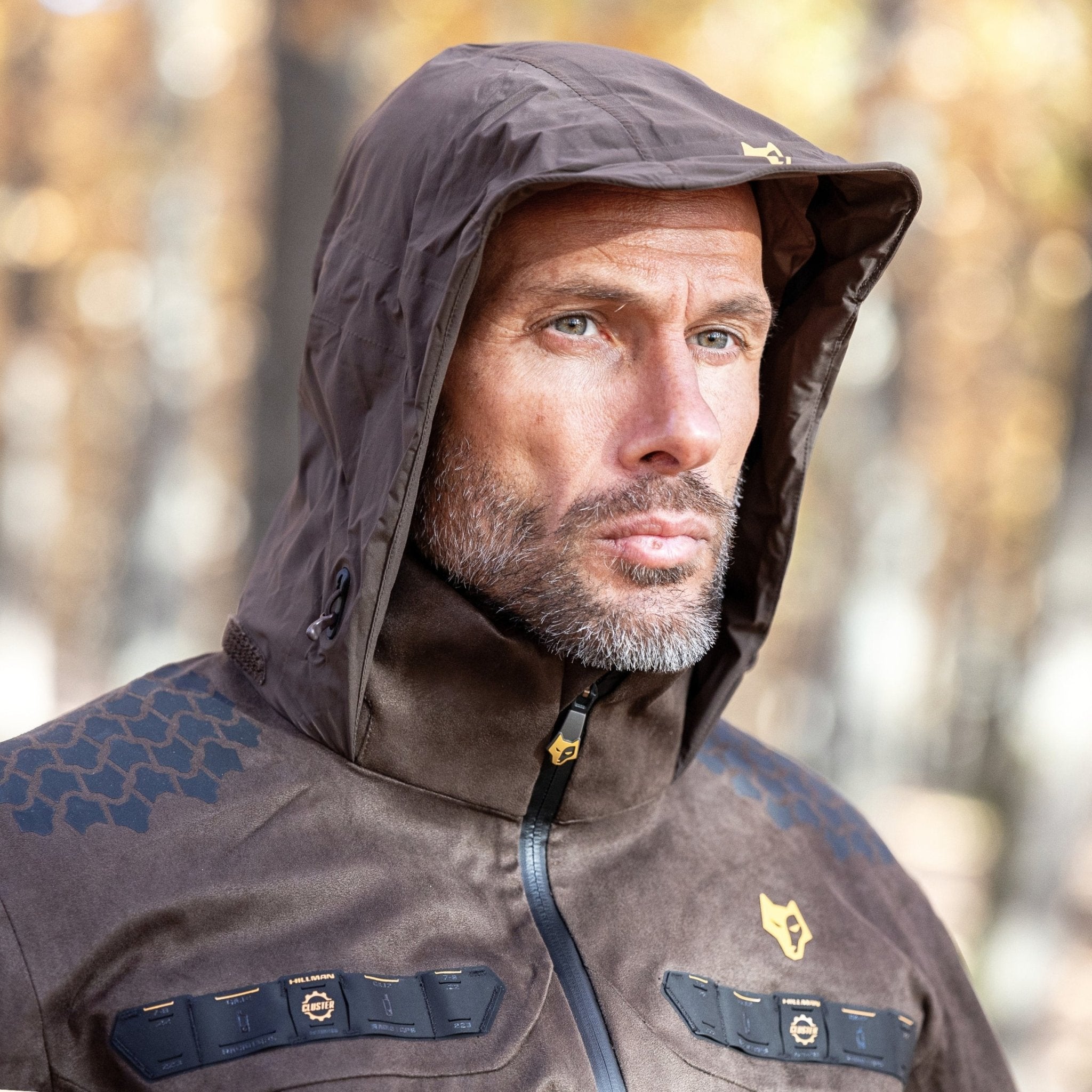
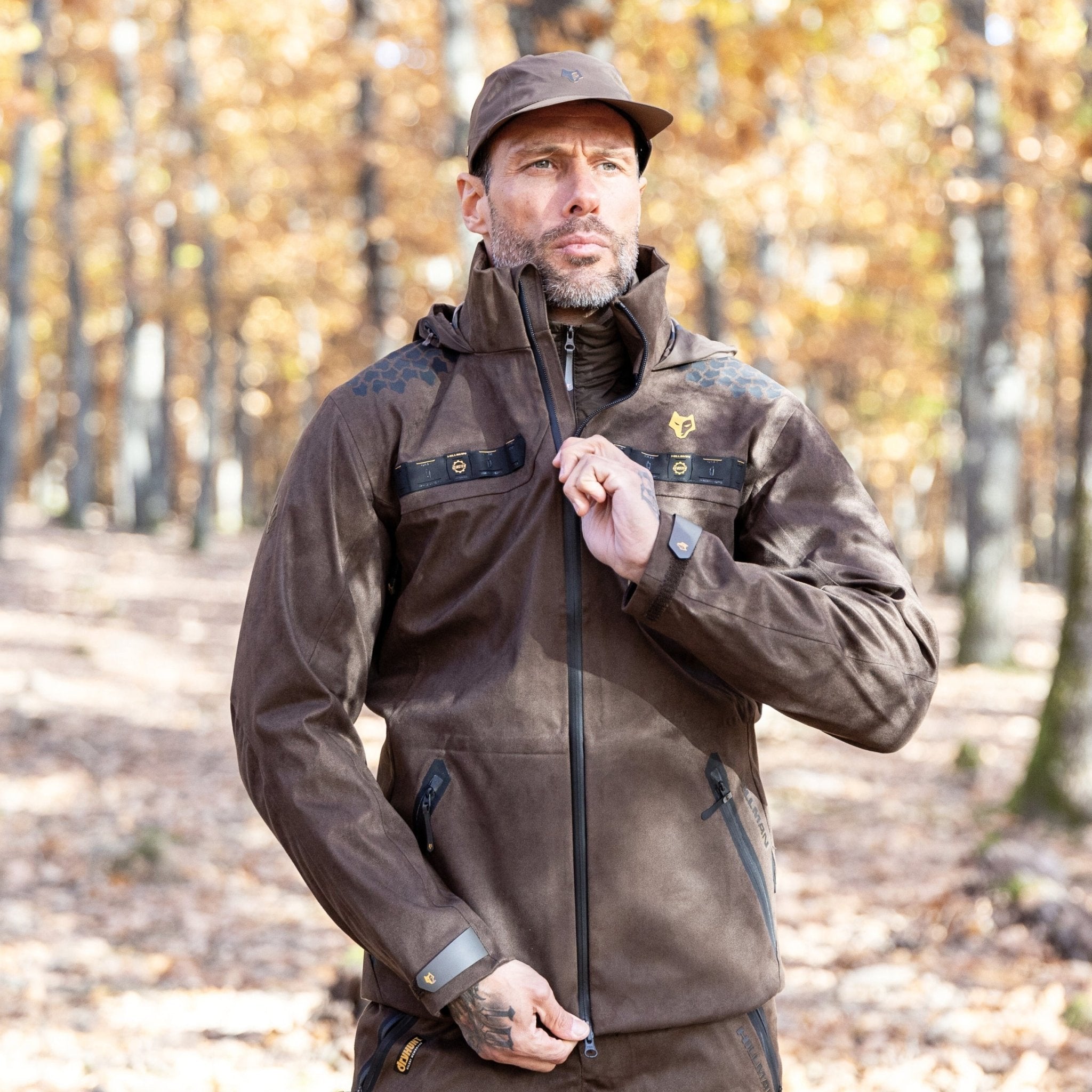
Winter foxing is often a sit, not a wander. Long spells of doing nothing are part of the job. Hillman gear fits that kind of hunting well because this is not about constant movement. It is about staying put, staying quiet and being ready when the ground finally gives you something.
Winter foxes move for a reason, not for your convenience

If you want better fox control, stop thinking of foxes as random animals wandering about for the fun of it. They are not. In winter, fox behaviour usually comes back to food, energy, territory and caution.
This is also the mating season window, usually from December through February, which means more sound on the ground. Barks, shrieks and odd calls can carry a long way in cold air. Some of that is breeding activity. Some of it is territorial noise. Either way, winter can make many foxes feel more present even when you do not actually see them.
Most are still mainly nocturnal. That part does not suddenly change. But winter hunger can push them into the open more often, and sometimes into daylight, especially around early morning, dawn and first light. If more food is hard to find, they will work harder for it. That is when predictable lines start showing themselves if you pay attention.
They will hunt rabbits, rodents and birds when they get the chance. They will scavenge where there are easy pickings. They will work around livestock areas, rough ground, field edges, woods, cover edges and anywhere else that offers food without too much risk. In frost or snow, a red fox can pin prey under the surface with ridiculous accuracy. A fox moving in winter usually has a purpose. That matters, because if you can work out the reason, you can work out the route.
You also have to remember that species pressure changes by area. Rural foxes behave one way, urban foxes another. Problem foxes around bins, poultry, lambing fields or farmyards often get bolder because they learn where the easy food is.
Good fox control starts before you ever touch a call

A bad setup cannot be rescued by enthusiasm. That is the truth of it.
Too many people arrive on a spot and do the same useless routine. Out comes the rifle, on goes the thermal spotter, the caller starts blaring, and they hope something half-stupid comes trotting in. Sometimes they get lucky. A lot of the time they educate foxes instead.
Good fox control starts earlier than that. You need to know where the fox wants to travel, not just where you feel like sitting. That means watching the ground first. Field edges, gaps by woods, ditch crossings, rough corners, tracks between cover and food, regular lines to bait points where legal, all of that tells you more than a rushed half-hour ever will.
Putting bait can help in the right place and under the right rules, but it is not magic. It only pulls attention. It does not fix bad wind direction, bad scent, bad access or bad positioning. If your set up stinks, the fox will still pick it apart.
A high seat can be useful too, but only when the ground actually justifies it. A seat overlooking dead space or the wrong line is just a comfortable way to get it wrong. Height helps only if it gives you a better view of how the fox is really using the place and whether your shooting range is safe.
Night fox hunting is not won by charging after every heat signature

Thermal kit has made a lot of people lazy in the head. They see a heat signature and think that means chance. It does not. It means information. That is all.
Night fox hunting still comes down to the same old basics. Can the fox approach without winding you? Can it move into a safe shooting lane? Can you let it come without giving yourself away? If the answer is no, then spotting it early changes nothing.
Thermal optics are excellent for finding quarry. A thermal spotter can show you movement you would never pick up otherwise. Night vision and good night vision optics can make the final approach easier to manage, and infrared has obvious advantages over old lamping methods. Thermal imaging is brilliant for detection, but detection is not success on its own.
Foxes under pressure learn fast. They get lamp shy. They get caller shy. They notice a truck in the wrong gateway. They notice a silhouette where no silhouette should be. They notice the idiot who cannot stop fiddling with his kit. Once a fox starts reading danger into the scene, the game is mostly up.
That is why stillness beats all the clever gear in the world. Find the fox, yes. But then let the setup do its job. Sit still. Wait. Let the ground settle. Let the normal sounds come back. Rabbits, deer, birds and other wildlife often tell you when the place has calmed down again after you arrived.
Wind direction ruins more foxing than bad shooting does

People love talking about calibres, optics and calls. Fine. Most missed chances still come down to wind.
Foxes trust their nose more than anything. At night especially, they will often try to swing downwind of a call, bait point or likely food source before committing. That is not some quirk. That is how predators stay alive. If you ignore it, you are not setting up on the fox. You are setting up for your own failure.
When you pick a stand, do not just think about what is in front of you. Think about the arc the fox is likely to use. Think about how it can circle. Think about where it will stop to check scent. Think about whether it can get your wind before it ever shows properly.
An electronic caller helps when it is placed with some sense. Slightly off-centre is often better than sticking it right in line with the shooter. A small electronic caller can be even handier on tighter ground because it is easier to hide and easier to place without a lot of movement. It pulls the fox’s focus away from your exact position and can buy you a little margin. But again, this only works if the wind and ground fit the plan.
If the fox circles, do you still have a safe shot? If it hangs up just outside range, can you wait without twitching around? If it hits your downwind edge, are you already beaten? Those are the real questions.
Calling foxes works better when you stop hammering them

A lot of people overcall because silence makes them nervous. They think if nothing is happening, the answer must be more noise. Usually it is the opposite.
Calling foxes at night works better when the sequence feels controlled, not desperate. A distressed rabbit call can be deadly. So can rodent squeaks, bird distress and other prey sounds depending on the ground. But nonstop noise starts to feel wrong, especially to foxes that have made it through a few winters.
Short burst, then stop. Let it sit. Watch. Listen. Another short burst if needed. Then more quiet.
That is usually enough. Ten to twenty minutes with breaks often does more than one long stream of sound. Some foxes charge in. Some edge forward in stages. Some sit in cover for ages, trying to sort the whole thing out before moving. If you keep blasting the caller, you often turn a cautious fox into a vanished one.
Electronic calls and electronic callers are useful because they keep the sound consistent and let you stay still. But they only help if you use them with a bit of restraint. Volume matters. Timing matters. Silence matters just as much. The caller should support the stand, not take over the whole scene.
Moon phases, darkness and weather can change the whole mood of the ground
You do not need to become a weather prophet, but you do need to notice patterns. Winter foxing shifts with light and conditions more than some people admit.
Dark nights often make foxes bolder in open ground. On brighter nights, especially around certain moon phases or a full moon, some foxes hang closer to cover and take more care crossing exposed bits. That does not mean bright nights are useless. It just means fox activity may change shape.
Cold, still nights are often easier to read. Sound carries better. Scent behaves more predictably. Thermal imaging usually performs well. But not every good foxing night looks perfect on paper. Mist, light wind, pressure changes and rougher weather conditions can all move foxes differently without stopping them entirely.
In foul conditions they may hug cover harder, delay movement or use shorter lines between shelter and food. In hard cold snaps, hunger can push them into earlier movement, which is why dawn and first light should never be written off.
The main point is simple. Read the ground without panicking every time conditions change. Sometimes a quiet spell means the fox is late. Sometimes it means it is working tighter to the hedge. The patient shooter notices that. The impatient one has already packed up or started stomping around.
Night shooting punishes a hot head

Night shooting makes people rush. Everything feels more fragile in the dark, so they try to grab the chance too early. That is how bad shots happen.
Distance can look wrong at night. Angles can fool you. A fox moving across a field edge can look closer than it is. A half-second of impatience is enough to turn a clean chance into a poor decision.
You need to know the range, know the backstop and know what is beyond the sight picture. That part never changes. If the fox is moving, if the angle is poor, if the shot is not clean, then leave it. That is not weakness. That is discipline.
Night vision, thermal optics and a good thermal spotter help you track the approach more calmly, but they do not replace judgment. Sometimes waiting for three more steps is the difference between a messy gamble and a proper shot. Sometimes the right call is doing nothing at all. Just because you can shoot does not mean you should shoot.
Stillness beats rushing because foxes expect you to mess up

This is the whole point really. The fox expects danger. It expects something to be off. That is how it survives. The moment you start acting like a man in a hurry, you confirm exactly what it was already worried about.
Stillness changes the balance. Quiet access, good wind direction, decent positioning, a sensible call sequence and then patience. That is what forces the fox to make the wrong move instead of you.
This matters even more with pressured animals. Dark foxes ghosting along a hedge. Lamp-shy foxes stopping at distance. Problem foxes that have already learned what vehicles, lights and sloppy setups mean. You do not beat those by doing more. You beat them by giving them less to detect.
The shooter who keeps changing stands, changing sounds and chasing every flicker usually educates more foxes than he accounts for. The one who gets in properly and lets the setup breathe tends to do better. That is true whether you call it fox hunting, hunting foxes, fox shooting or plain control work. The name does not matter much. The method does.
Winter foxing is slow for a reason. The shot is not the whole event. Most of the real work happens before that point anyway. Wind, access, silence, range, timing, restraint, the way the fox edges in, the way it stops to test the air, the way it tries to confirm the scene before stepping clear. That is where the chance is built or wrecked.
Control means legality, restraint and a reason to be there

Fox control is not an excuse to act like a fool. It has to be legal, justified and done on safe ground with permission. That part comes first.
Rules on night hunting, night shooting, optics, lights, electronic calls and predator control vary a lot by country and region. In parts of Europe, night work is tightly controlled and may depend on land management needs, permits or specific local restrictions. Night vision, thermal imaging and callers are not treated the same everywhere. Check the rules before you go, not after.
There is also the obvious point that not every fox needs dealing with just because you saw it. Good control has a purpose. Livestock pressure, game management, repeated fox problems around vulnerable ground, those are real reasons. Ego is not.
Some people talk about going out to kill foxes as if that on its own proves anything. It does not. Good hunting is about lawful, necessary control, not bravado. If you are out there just to rack up numbers, you are already doing it wrong.
Done properly, winter foxing is about calm, lawful, deliberate control. Not noise. Not showing off. Not forcing half-chances because you got bored on the stand.
Advice that actually matters in winter foxing
A lot of advice in hunting gets dressed up until it says nothing. This part is simpler.
Get in quietly. Watch the wind. Do not stink the place out with scent and movement before you even start. Put the caller where it makes sense, not where it is easiest to drop. Expect the fox to circle. Expect it to stop. Expect it to use the dark properly.
Do not overcall. Do not keep shifting your rifle every time you lose sight for a second. Do not assume every heat source is your quarry. Do not assume success comes from doing more. In winter, success usually comes from doing less and doing it properly.
That same patience matters even when spring starts to creep in and the worst of winter begins to break. The ground changes, food changes and fox behaviour shifts with it, but the essential lesson stays the same. Stillness beats panic.


Share:
Comfortable and Effective Game Shooting, Partridge Shooting
Fallow Deer on Field Edges: Read Hesitation Before Last Light