
What to Wear for Clay Shooting Practice Before the Game Season

Clay shooting clothing that moves well, protects your ears and eyes, handles recoil, and does not wreck your practice.
Clay shooting practice before the game season is not about looking like you walked out of a shooting catalogue. That is not the point. The point is simple: can you move, mount the shotgun, stay safe, handle recoil, and get through the session without your kit annoying you?
A lot of people get this wrong. They arrive in clothes that are too stiff, too loose, too warm, too slippery, or useless once the ground gets wet. Then the gun mount feels odd. The shoulder starts hurting. Feet slide around. The whole shooting experience gets worse for no good reason.
Clay pigeon shooting is still shooting. You are outdoors, handling a gun, firing at clays, dealing with noise, fragments, weather, mud, wind and uneven ground. So clothing matters. Not because of style first. Because bad clothing gets in the way.
The most important thing is safety and movement. If the clothes look smart but stop you shooting properly, they are wrong. If they keep you safe, steady and comfortable, they are doing their job.
Start With Movement, Not Looks

Before anything else, you need to mount the gun cleanly.
If your jacket pulls across the back, catches under the arm, or bunches near the shoulder, forget it. It is the wrong jacket. Clay shooting clothing must let your arms and shoulders move without a fight.
A good clay shooting jacket should feel easy when the shotgun comes up. Not huge. Not tight. Just easy. You should not have to tug at sleeves or adjust layers before every stand.
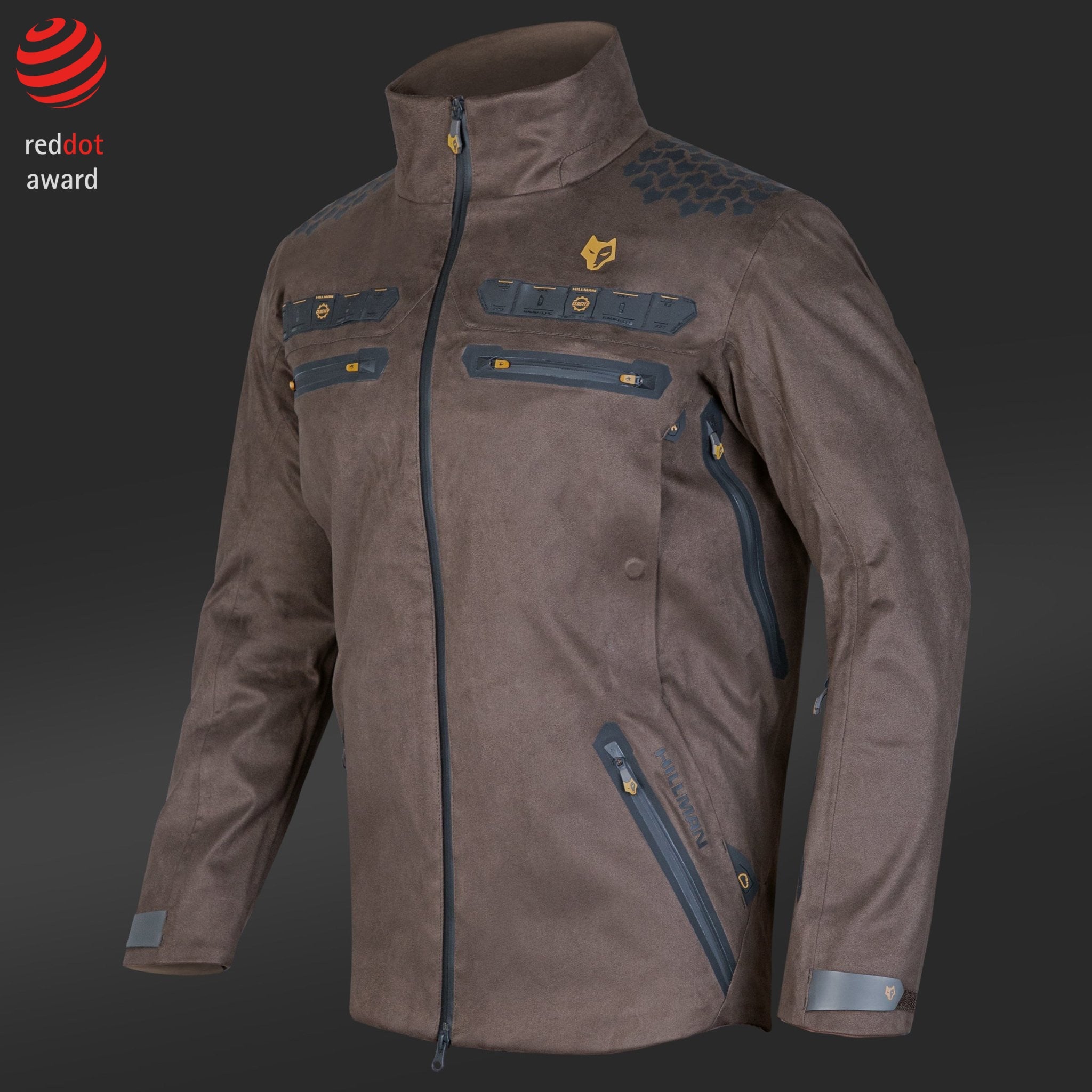
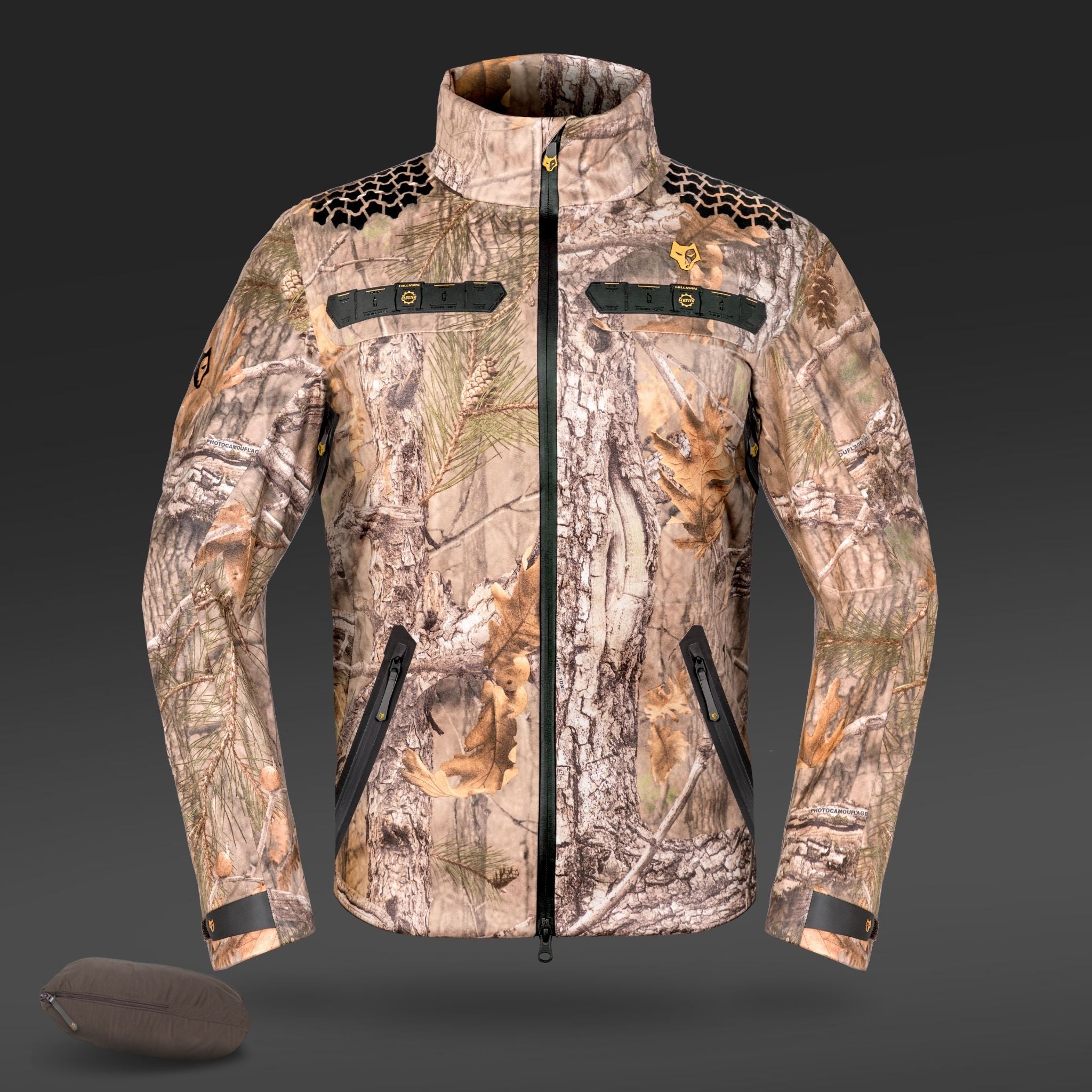
This is why shooting jackets and shooting vests exist. They are made for the movement. Normal outdoor jackets might be warm, but some of them are hopeless for clay shooting. They block the shoulder, rustle too much, or sit badly when the gun comes up.
Practice before the game season is where you build rhythm. It is not the place to fight your own clothes. A clay shooter needs kit that helps the shot, not attire that looks nice until the first pair of clays comes out.
Shooting Vests Are Not Just For Show

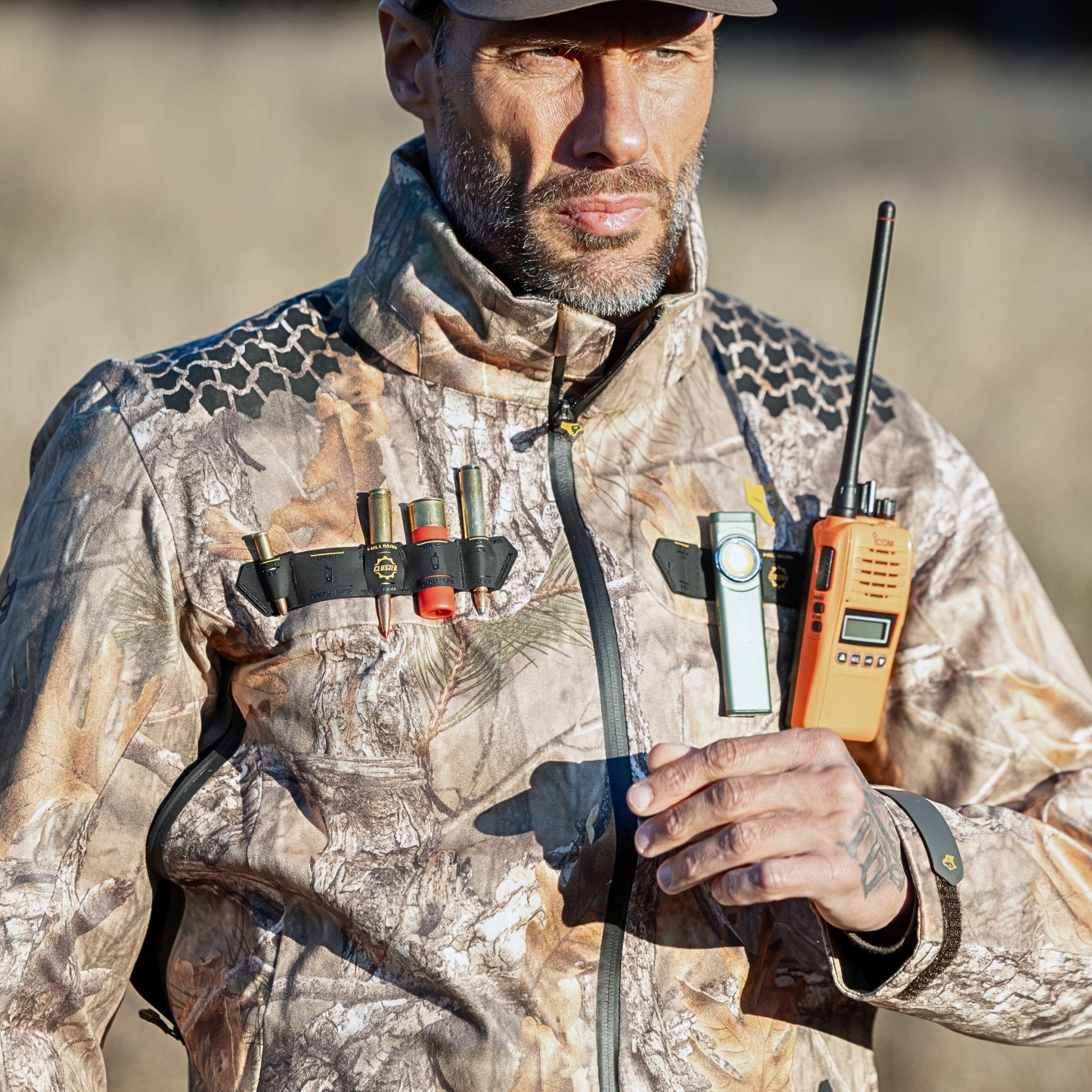
Shooting vests are useful. Very useful. They carry cartridges, help with recoil, and keep your upper body free.
Some shooting range venues provide vests for first-time clay shooting. That is fine. But if you shoot more often, having your own vest makes sense. It fits better. It feels familiar. You know where the cartridge pockets are. You are not stuck with whatever old vest happens to be available.
The padded shoulder matters. The gun's recoil may not feel bad after one shot. After a proper session, it can start to bite. Once your shoulder gets sore, you change how you shoot. You tense up. You lean away. You rush the mount. None of that helps.
Recoil pads in shooting vests and jackets reduce that repeated hit. They do not make recoil vanish, but they make the day easier. That helps you stay relaxed and keep shooting properly.
The pockets matter too. Cartridges stuffed into jeans pockets are awkward. Ammunition should be easy to reach. A vest keeps it where your hand expects it.
In summer, a vest over a t-shirt or light shirt is enough for many shooters. In colder weather, it can sit over a mid-layer. Simple kit. Useful kit.
Shooting Jackets Have To Work Hard

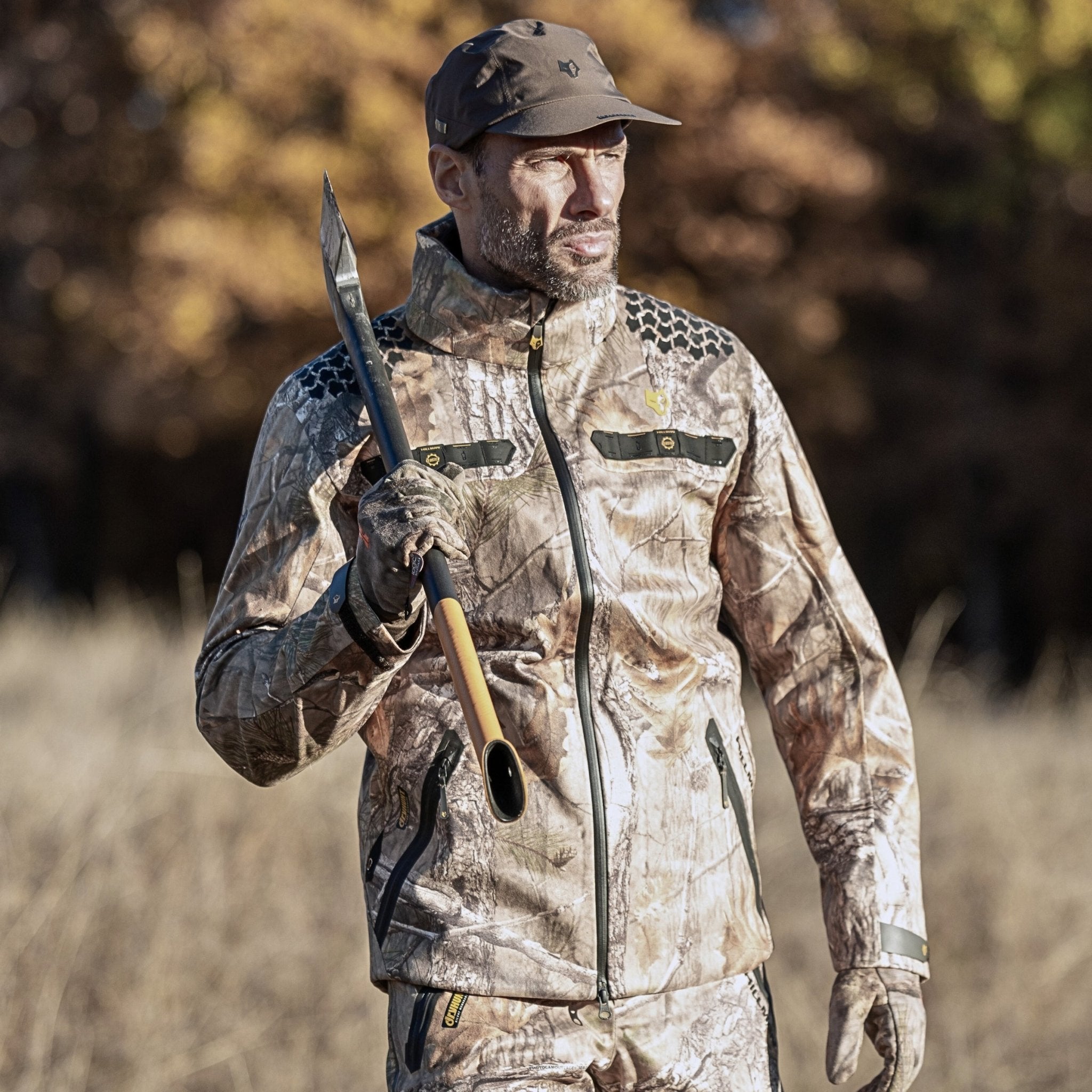
A shooting jacket should protect you from weather without making you stiff. That is the balance.
Too many general jackets are warm but clumsy. Fine for walking around. Not always fine for clay pigeon shooting. If the shoulder is bulky, slippery or badly shaped, the gun will not sit right. That becomes a problem fast.
The shoulder area is key. The shotgun needs to come into the same place every time. If the jacket fabric slides around, if padding sits in the wrong place, or if the collar gets in your cheek, the jacket is not helping.
Weather protection still matters. Clay shooting often means standing around between rounds. Wind cuts through you. Light rain gets annoying. Damp benches and muddy stands are normal enough. A good clay shooting jacket keeps the worst of it off but still lets you move.
Durable materials are also worth caring about. Shooting clothing gets rubbed by gun stocks, cartridge bags, benches, mud and rain. Cheap fabric may look fine in the shop, then start sagging or soaking up water when used year-round.
Some shops offer an extensive range of shooting jackets, vests, shirts and accessories. Fine. But do not get blinded by features. The useful ones are basic: movement, shoulder comfort, pockets, weather resistance and quiet fabric.
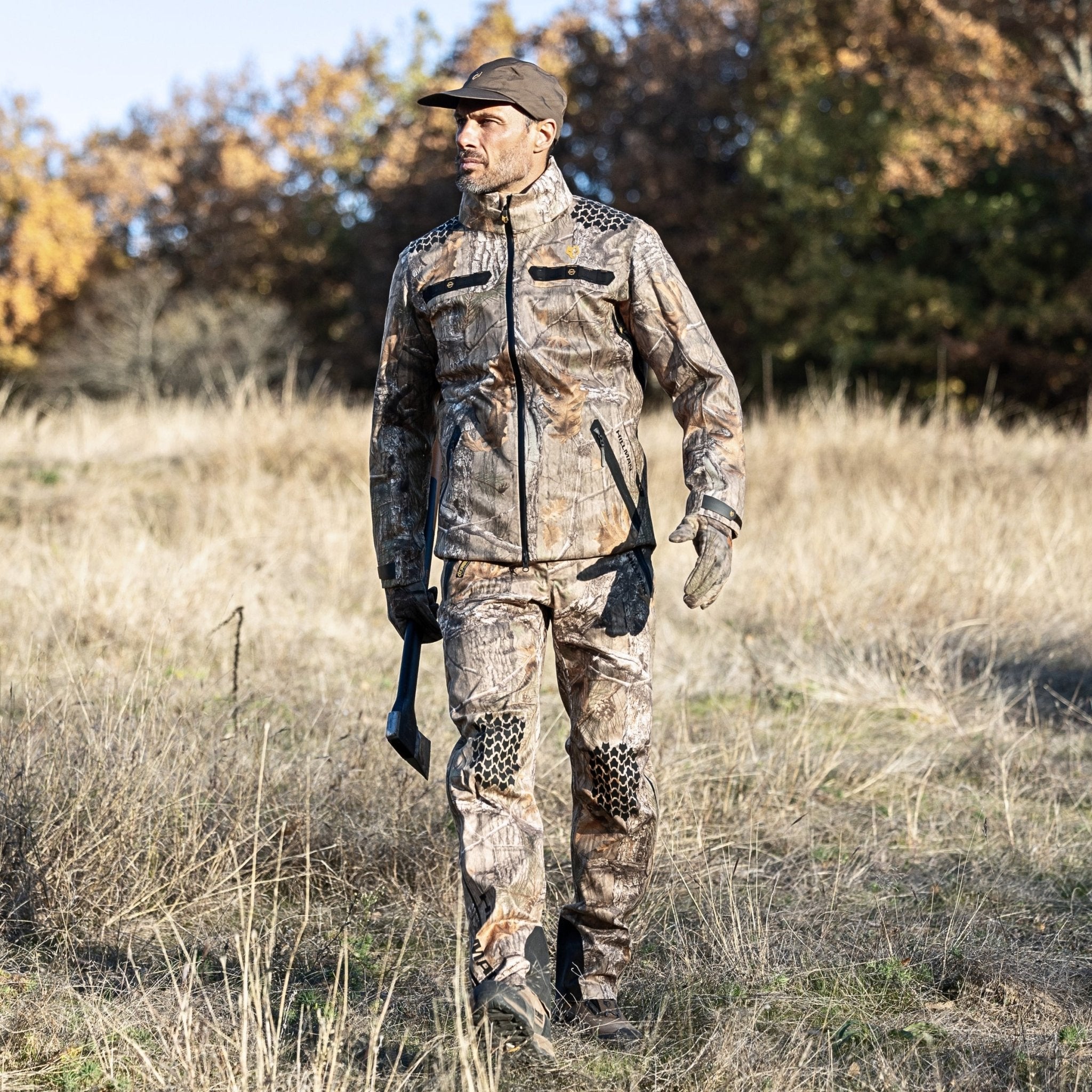
Style is allowed. A flat cap, good jacket and proper trousers can look right. Many shooters take pride in that. But style comes after safety, grip, comfort and movement. Always.
Shirts, T-Shirts and Base Layers

What you wear under the vest or jacket depends on the weather.
On warm days, a breathable t-shirt or light shooting shirt can work well. It should sit flat under the gun stock. No thick seams on the shoulder. No loose fabric flapping around. No collar that keeps riding up.
On colder days, layering is the better option. Base layer, mid layer, outer layer. That gives you control. If the day warms up, remove a layer. If wind or rain comes in, add protection.
Do not just throw on one heavy coat and hope for the best. Heavy coats often ruin the gun mount. Warm, yes. Useful, not always.
Merino or quick-drying synthetic base layers can work well. The aim is to stay warm and dry without blocking shoulder movement. Shirts should sit cleanly under vests. Jumpers should not be so bulky that the gun feels different every time you mount it.
Clay shooting is repetitive. Small clothing problems get bigger after enough shots. A seam rubbing the shoulder, a sleeve twisting, or a layer bunching under the vest will annoy you more than you expect.
Trousers, Jeans And A Proper Stand

Your trousers need to let you stand, turn and balance properly. Not complicated. Still important.
Tight trousers are a bad idea. Thin fashion trousers are not much better. Flexible chinos or outdoor trousers usually make more sense. They move better, cope with the ground better, and do not make you think about your legs every time you turn for a clay.
Jeans can work in dry weather if they are comfortable. But wet jeans are miserable. Once denim gets soaked, it becomes heavy, cold and stiff. That is not ideal when you still have a range of clay shooting stands to get through.
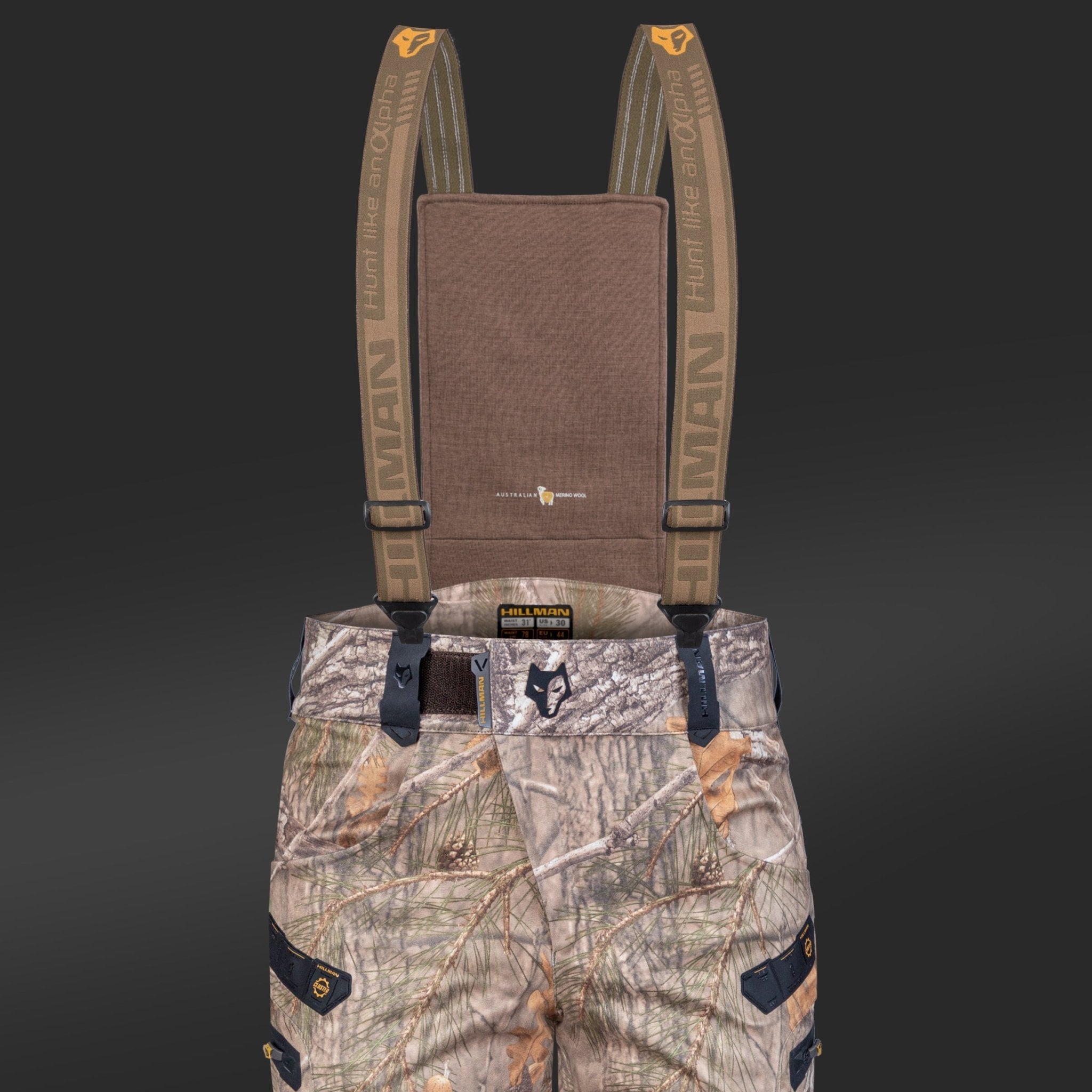
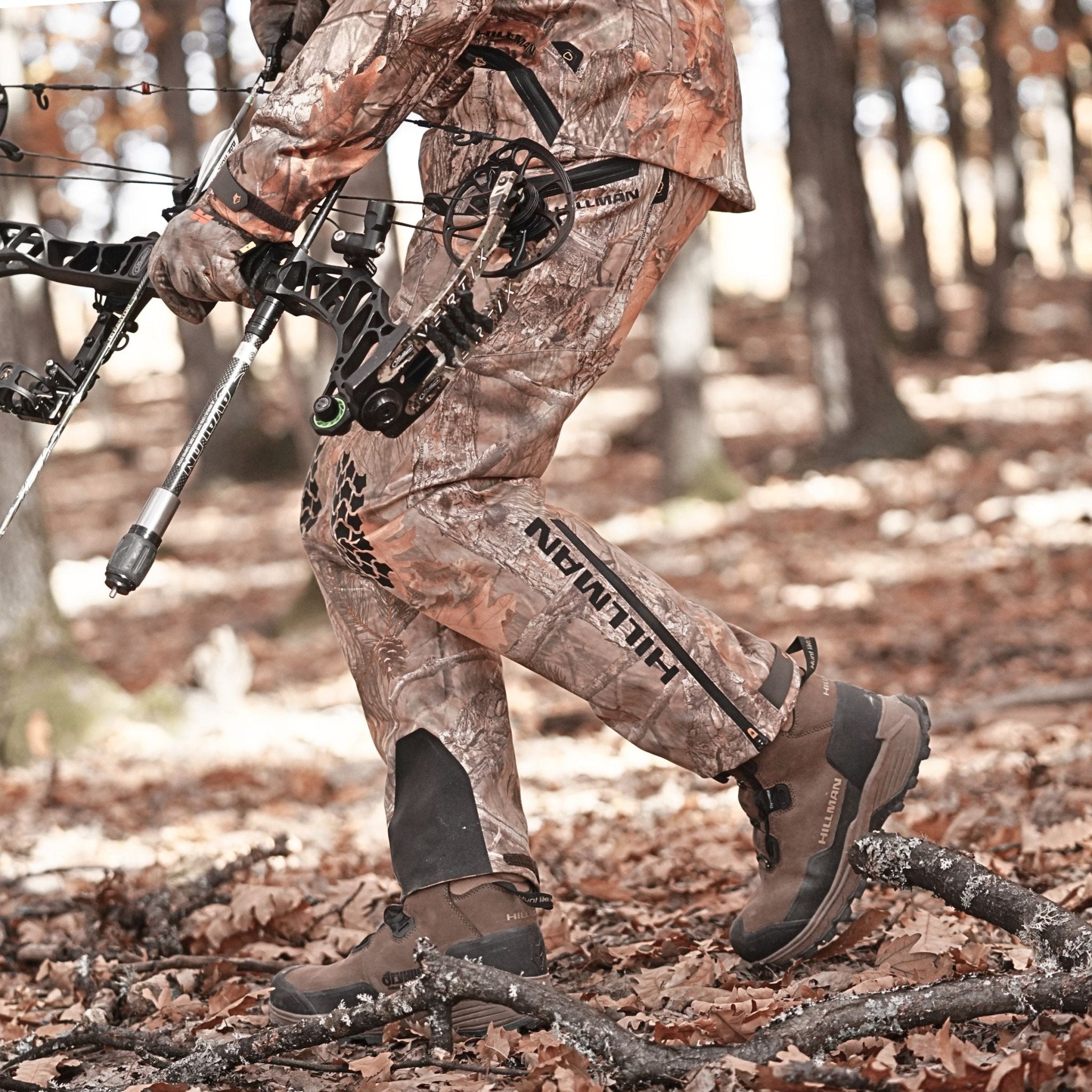
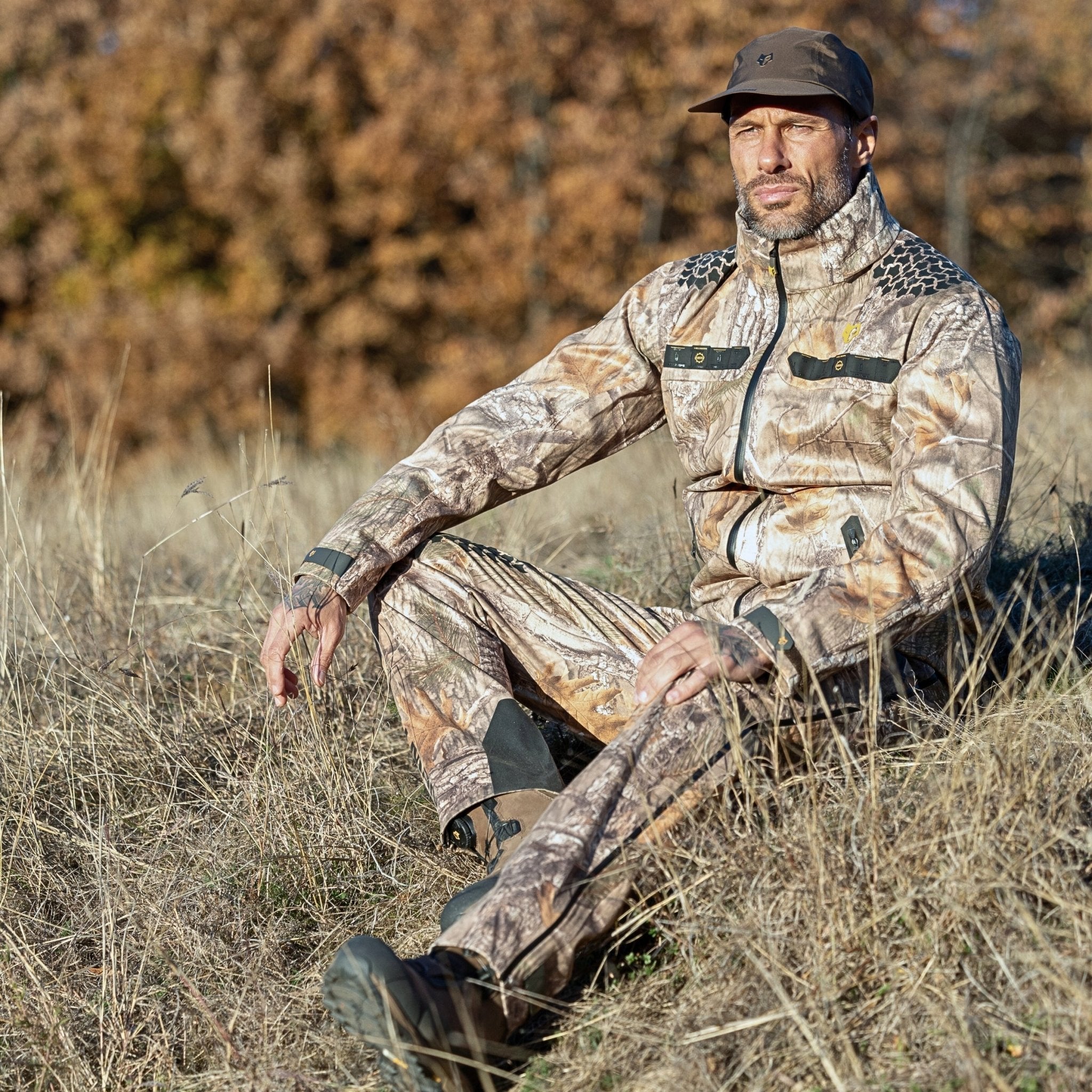
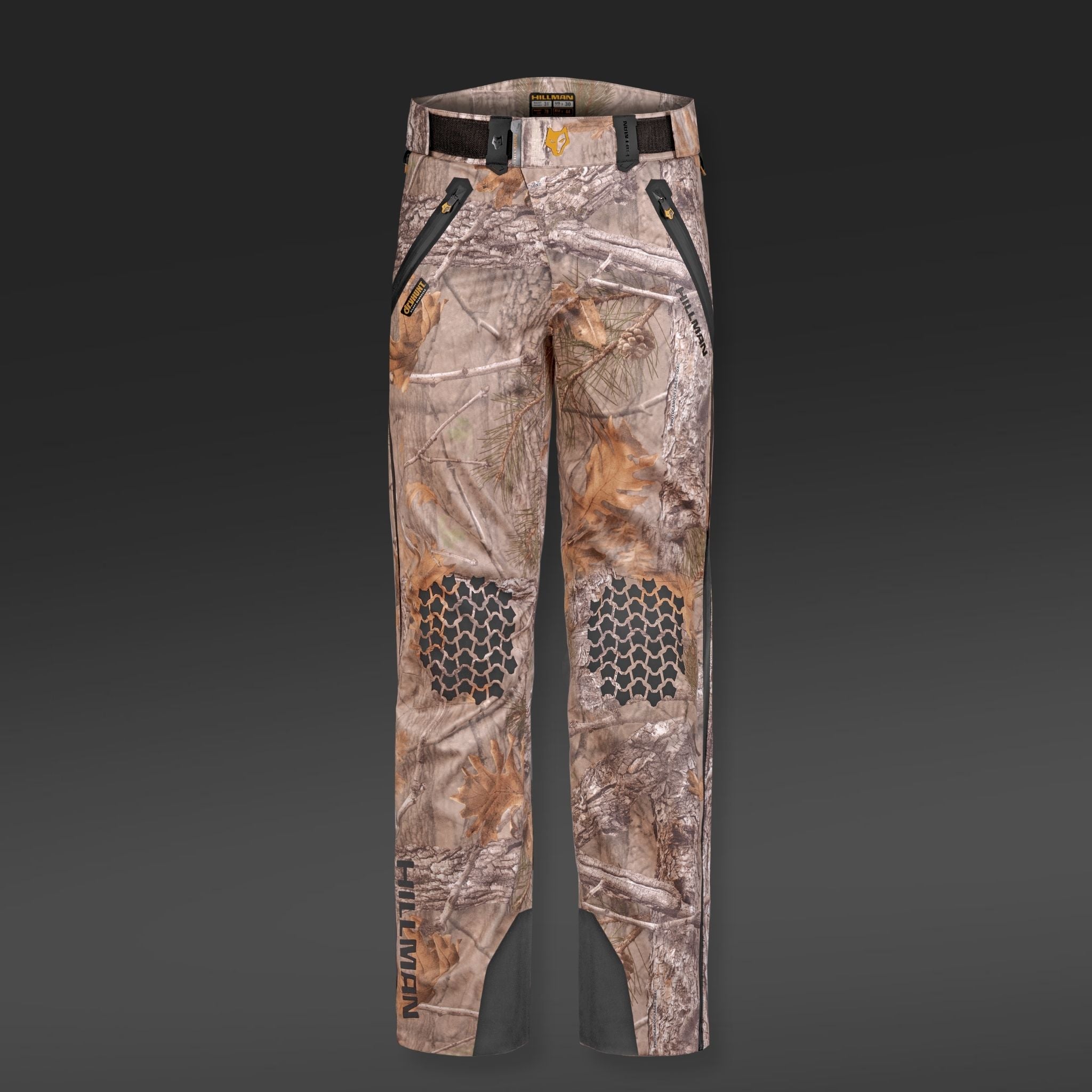
Outdoor trousers are usually the safer choice. They dry faster, handle mud better, and fit naturally with shooting jackets and vests.
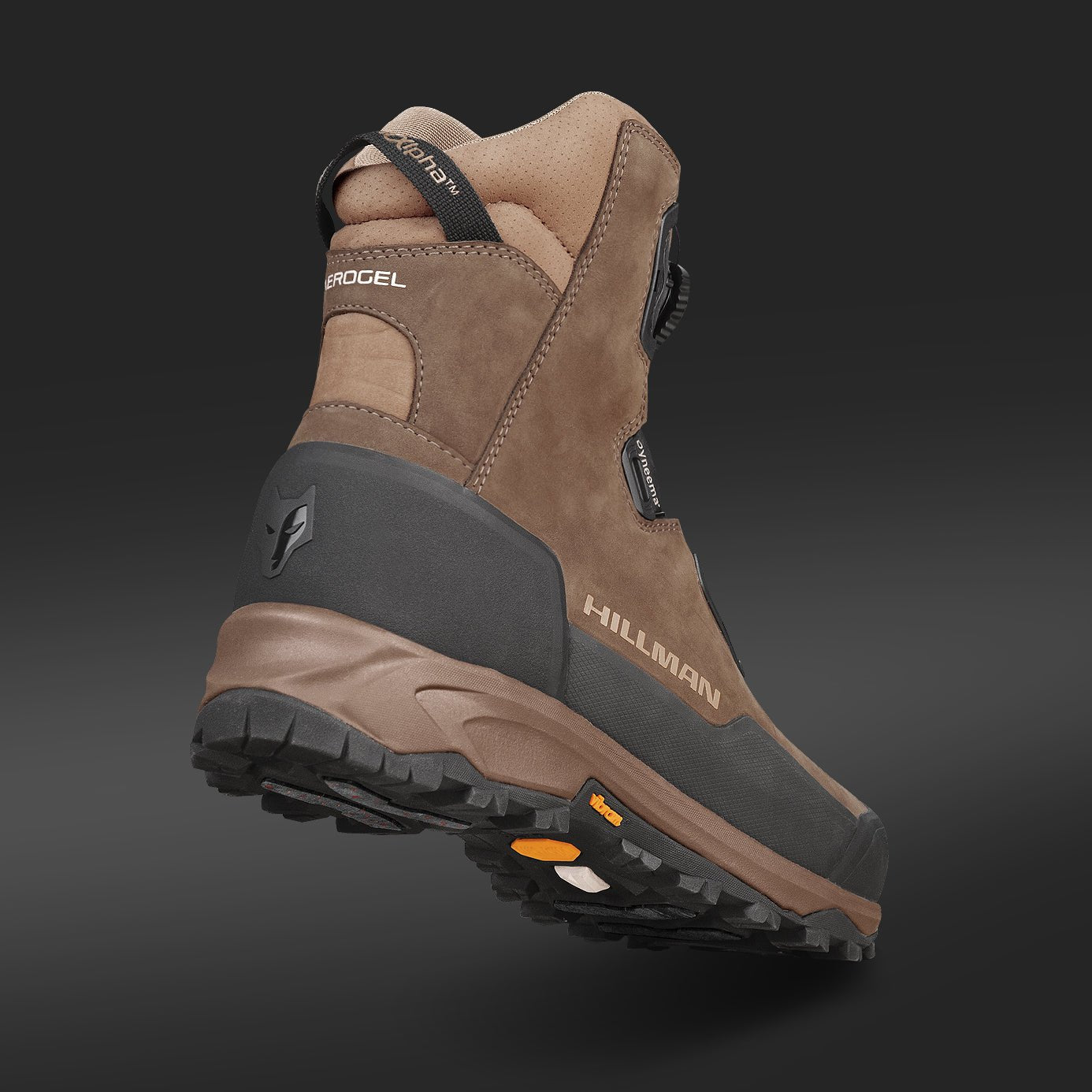
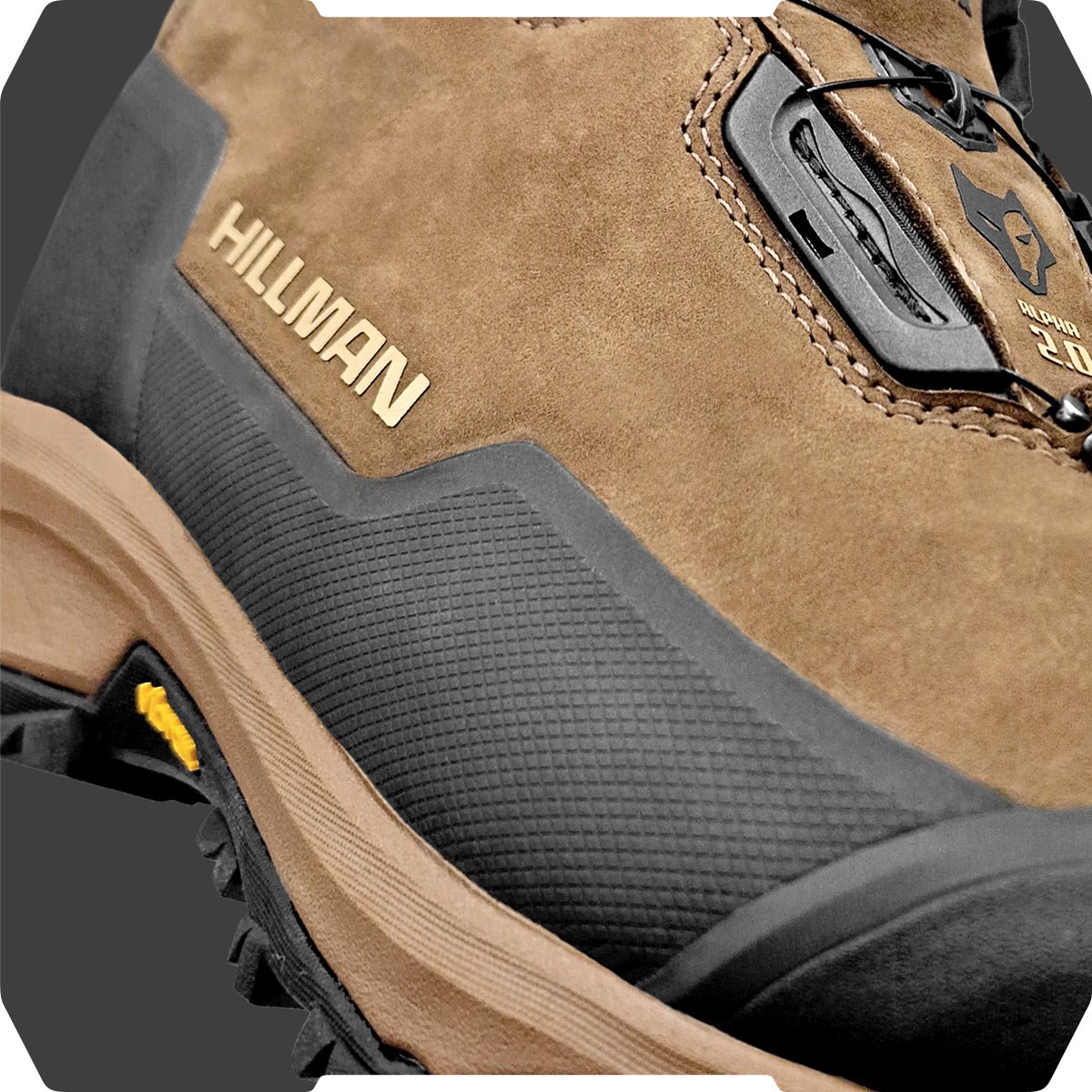
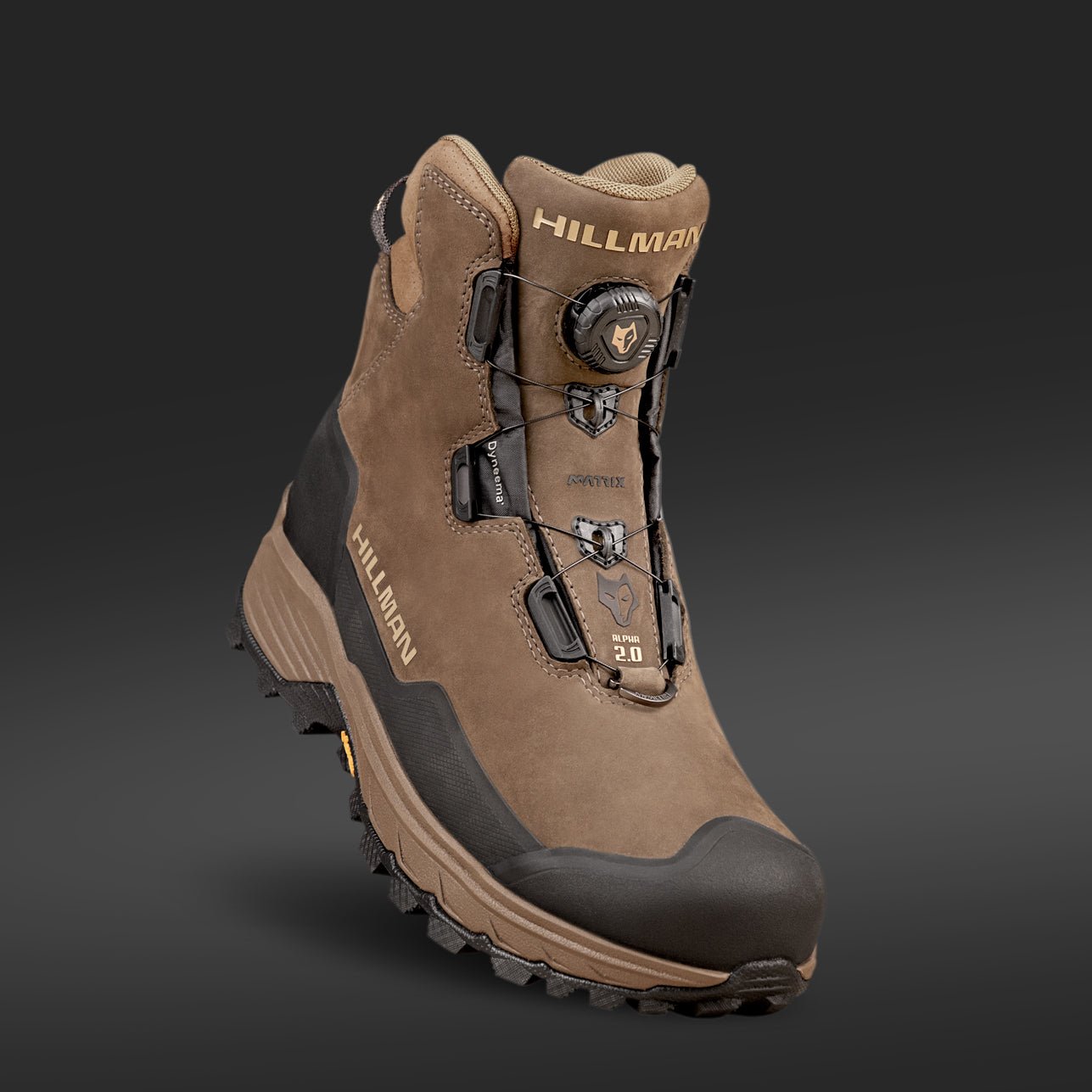
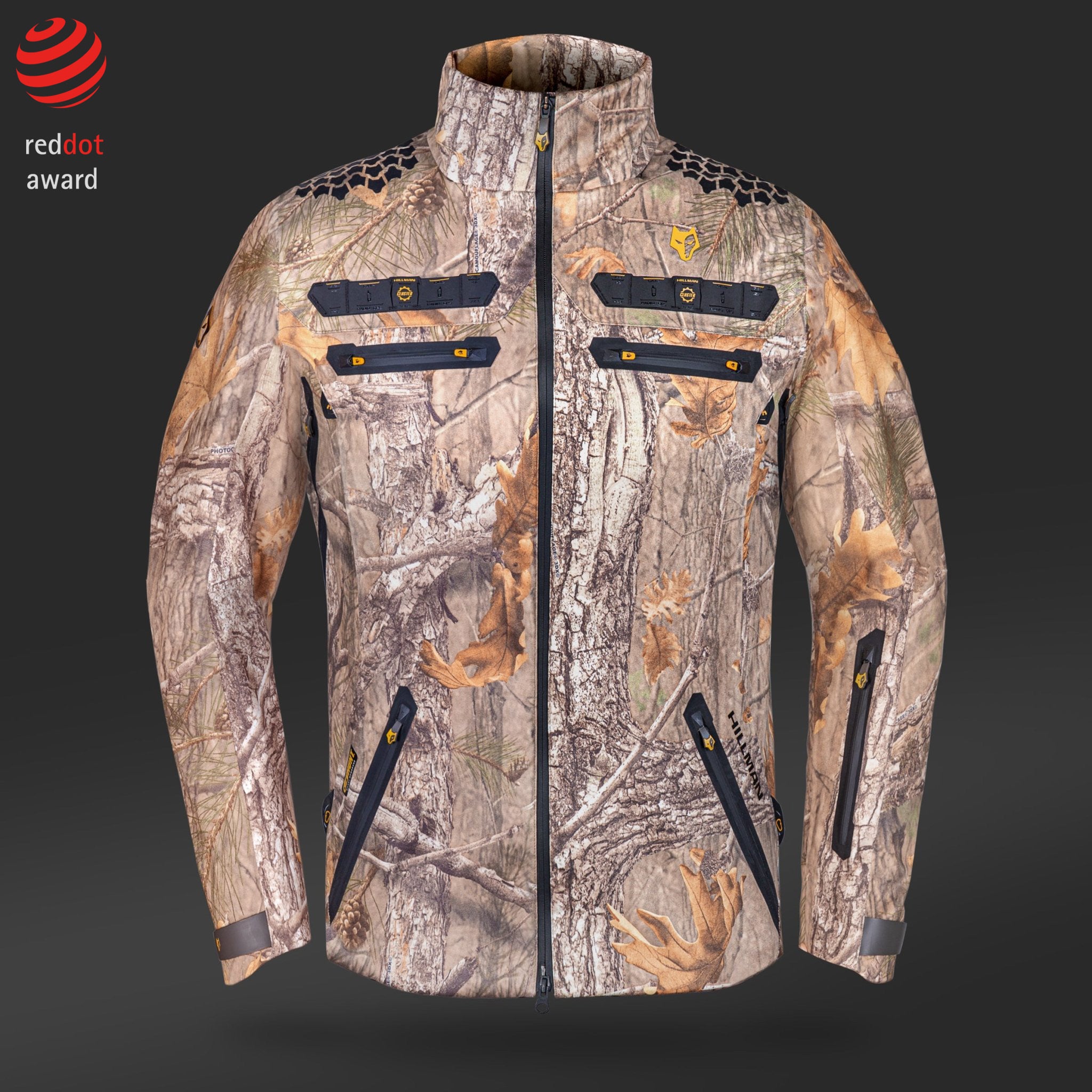
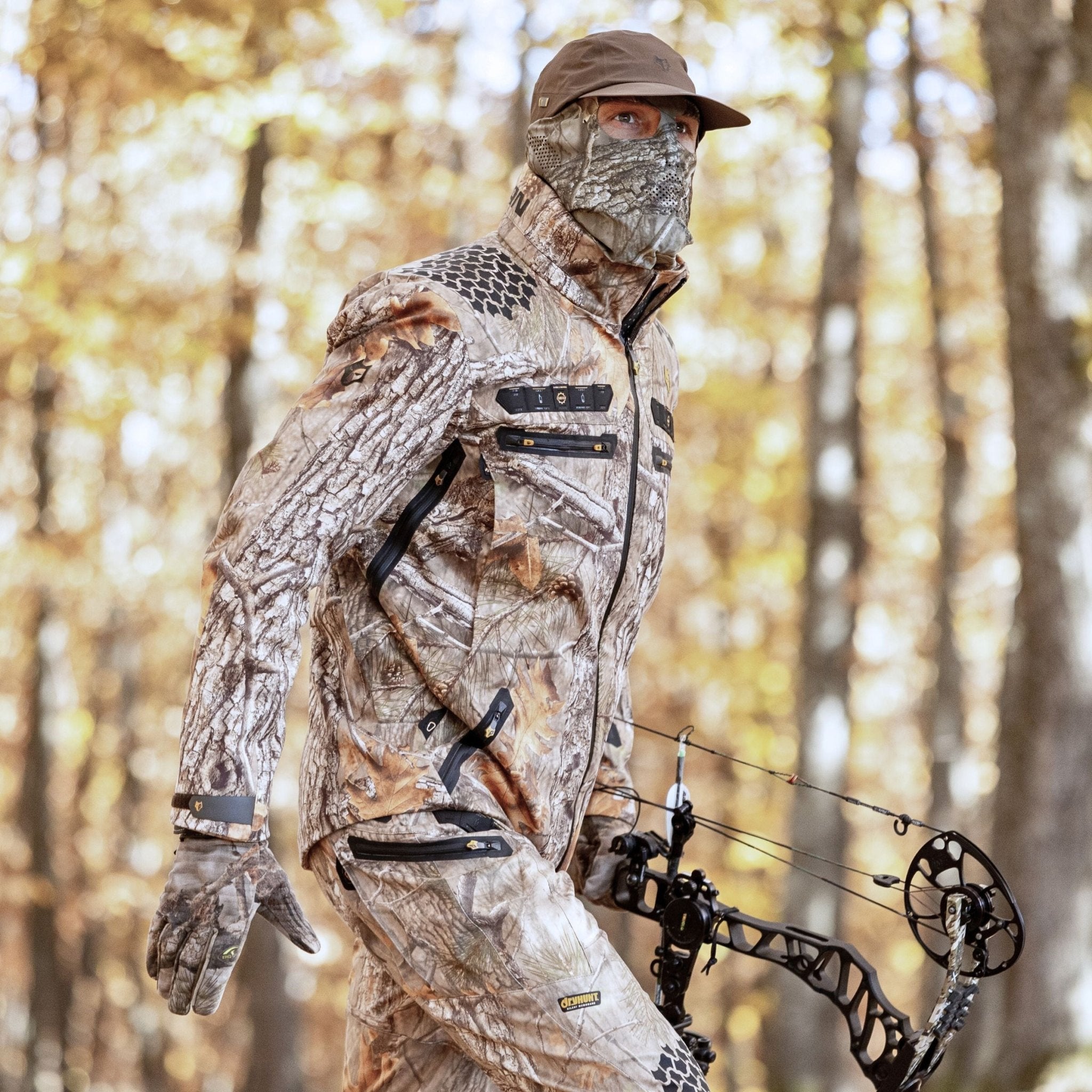
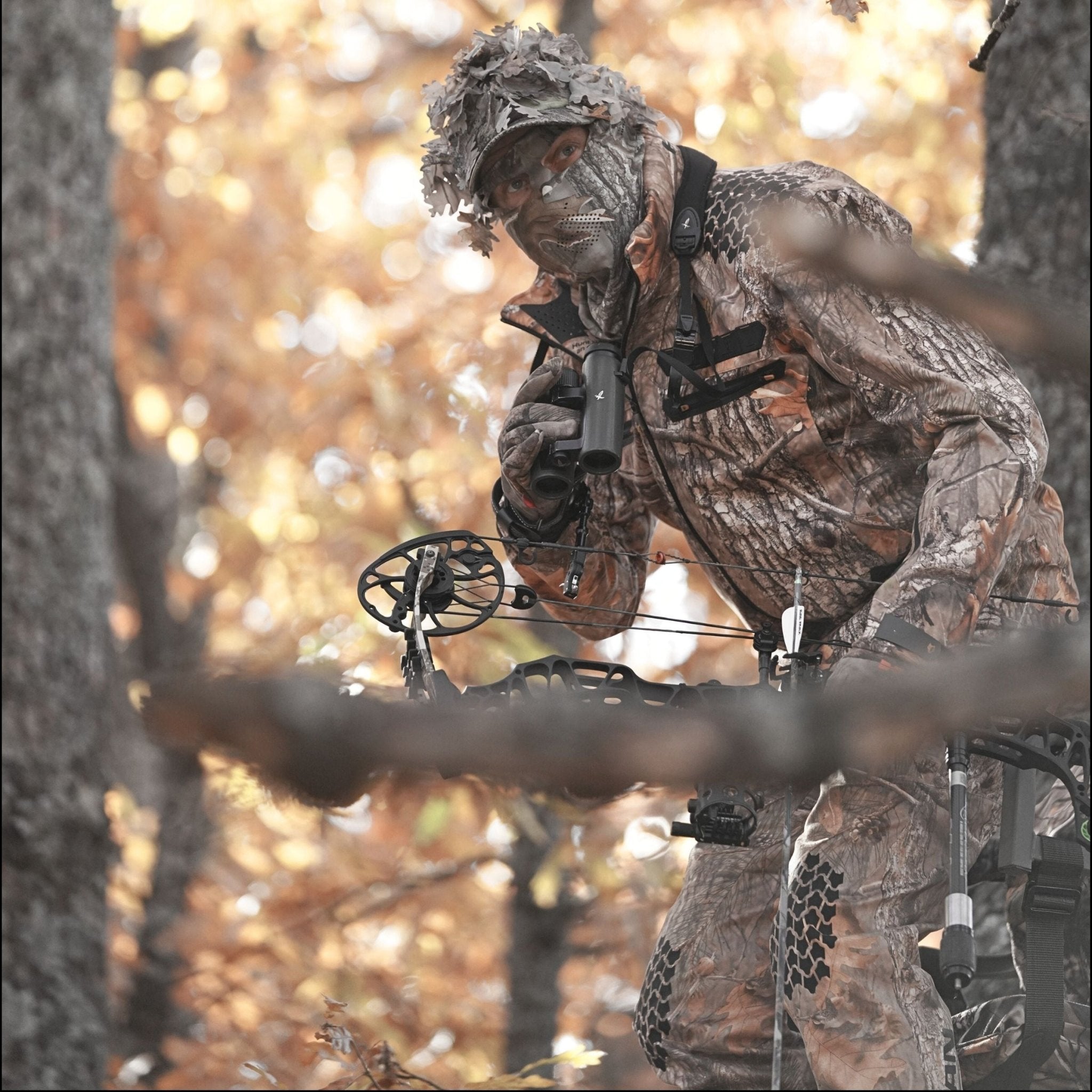
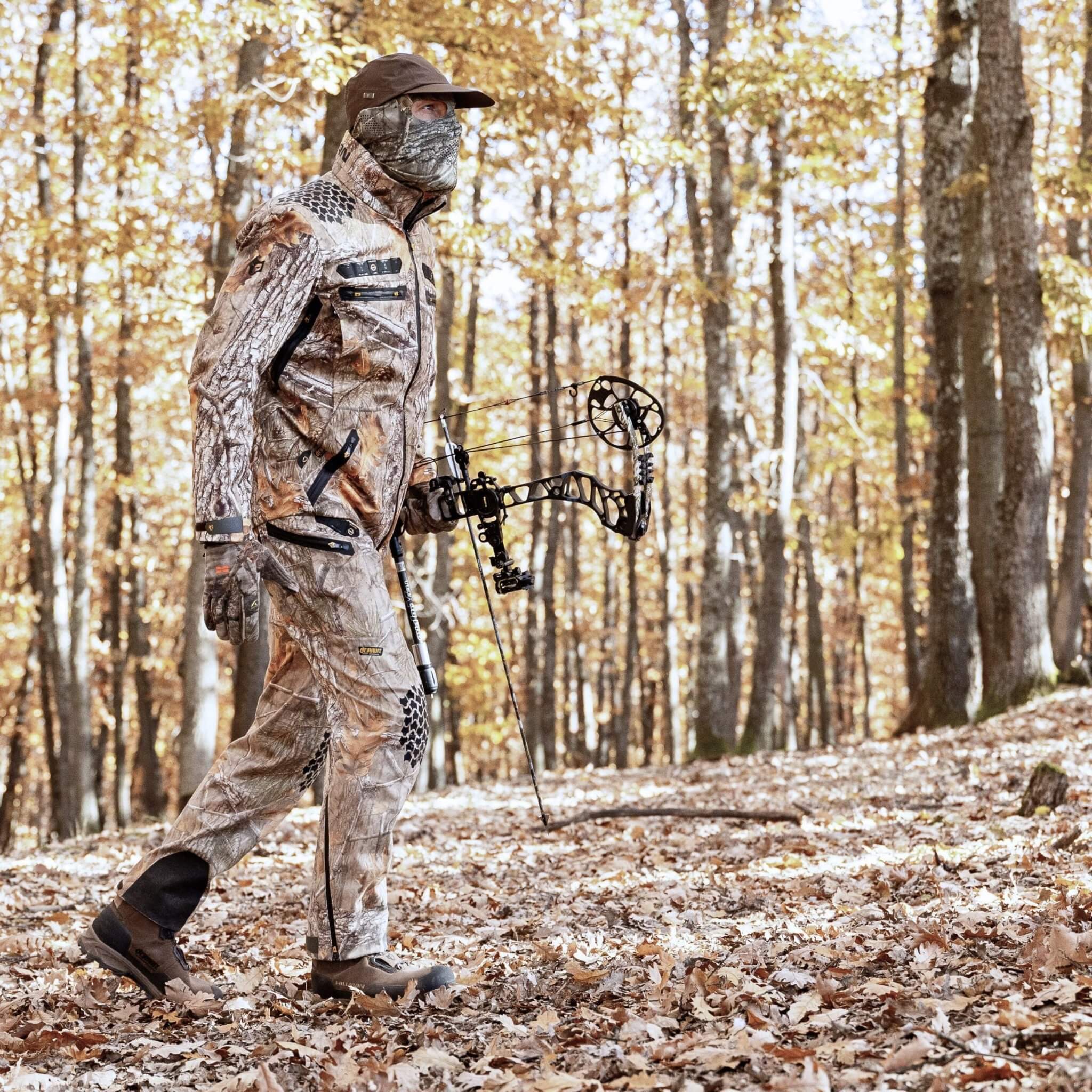
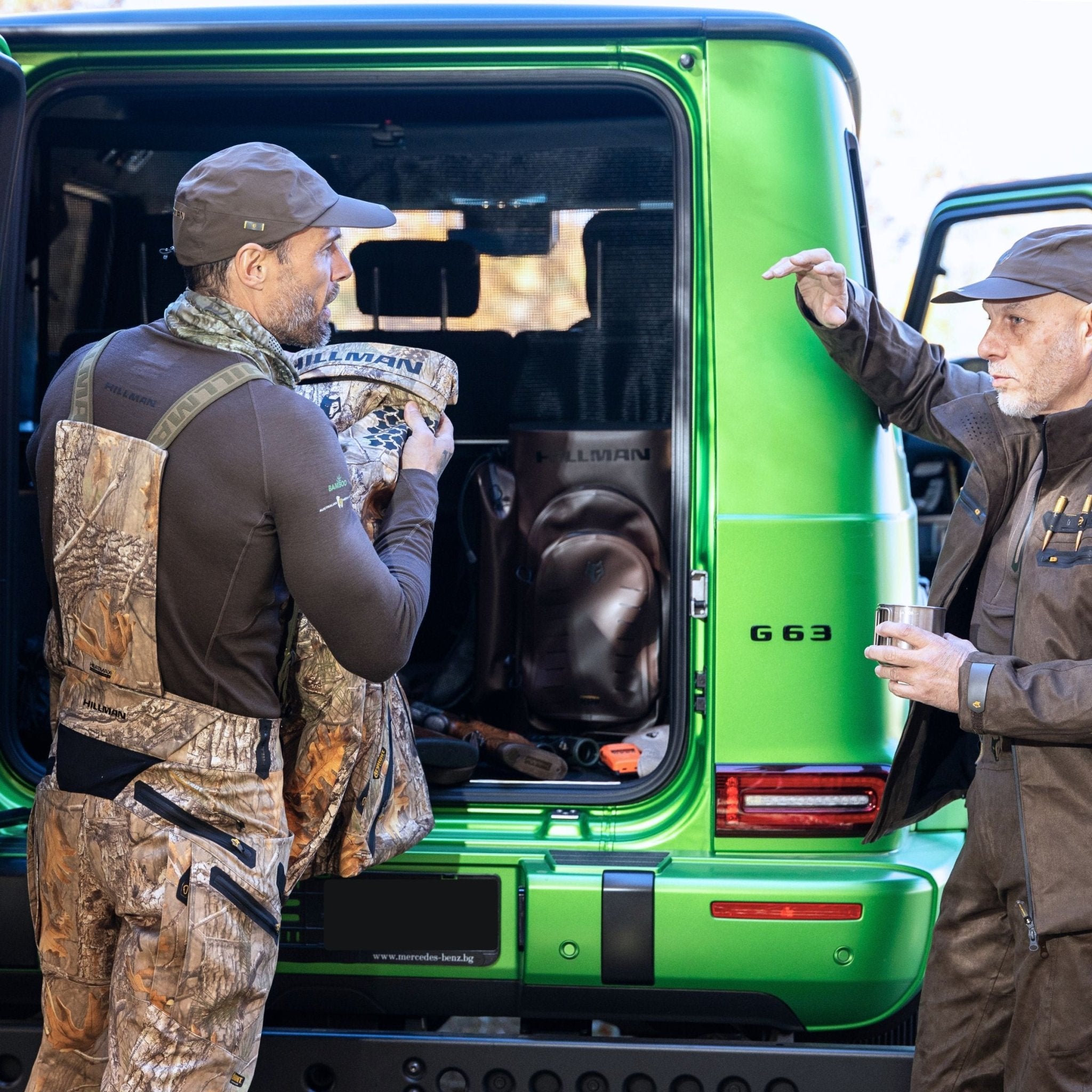
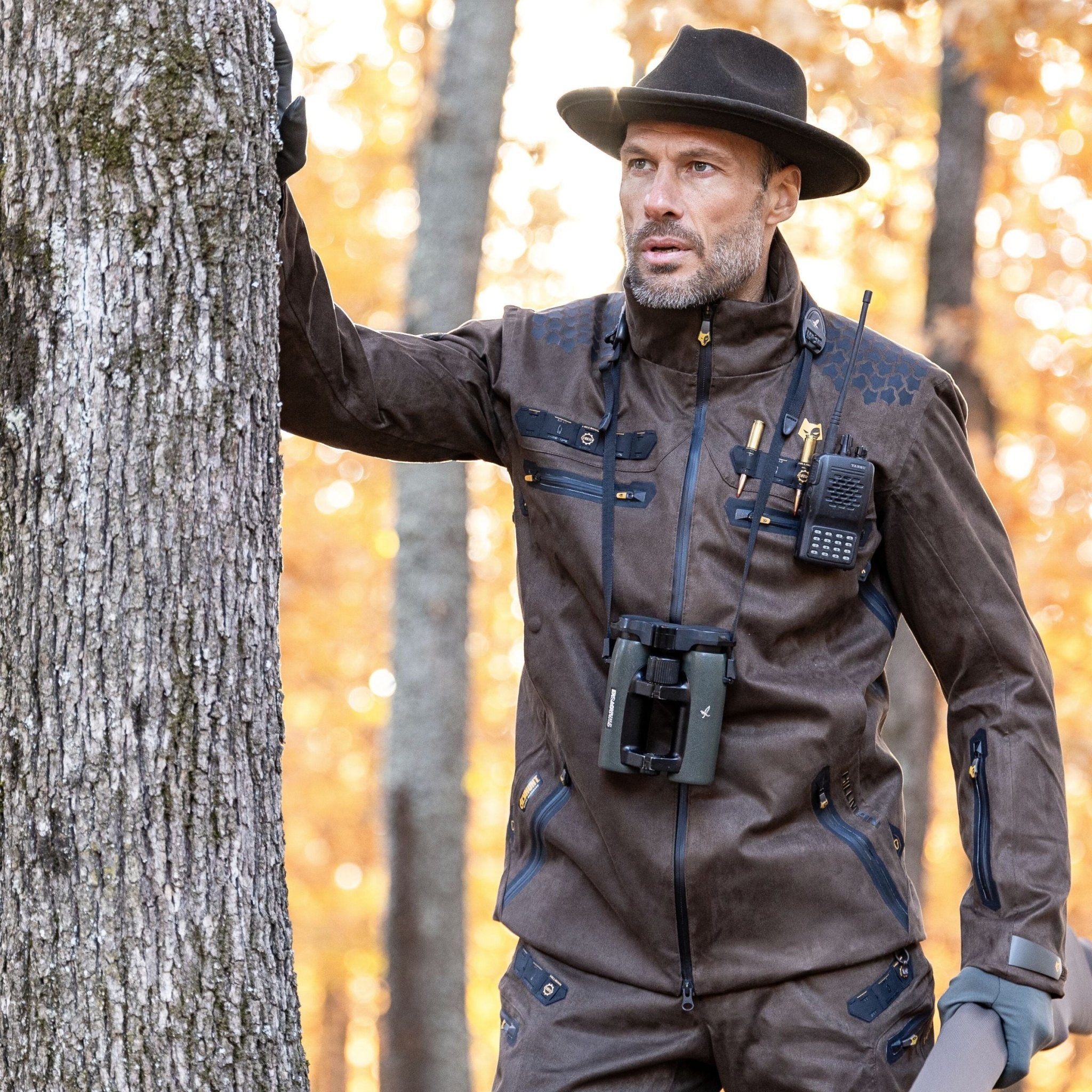
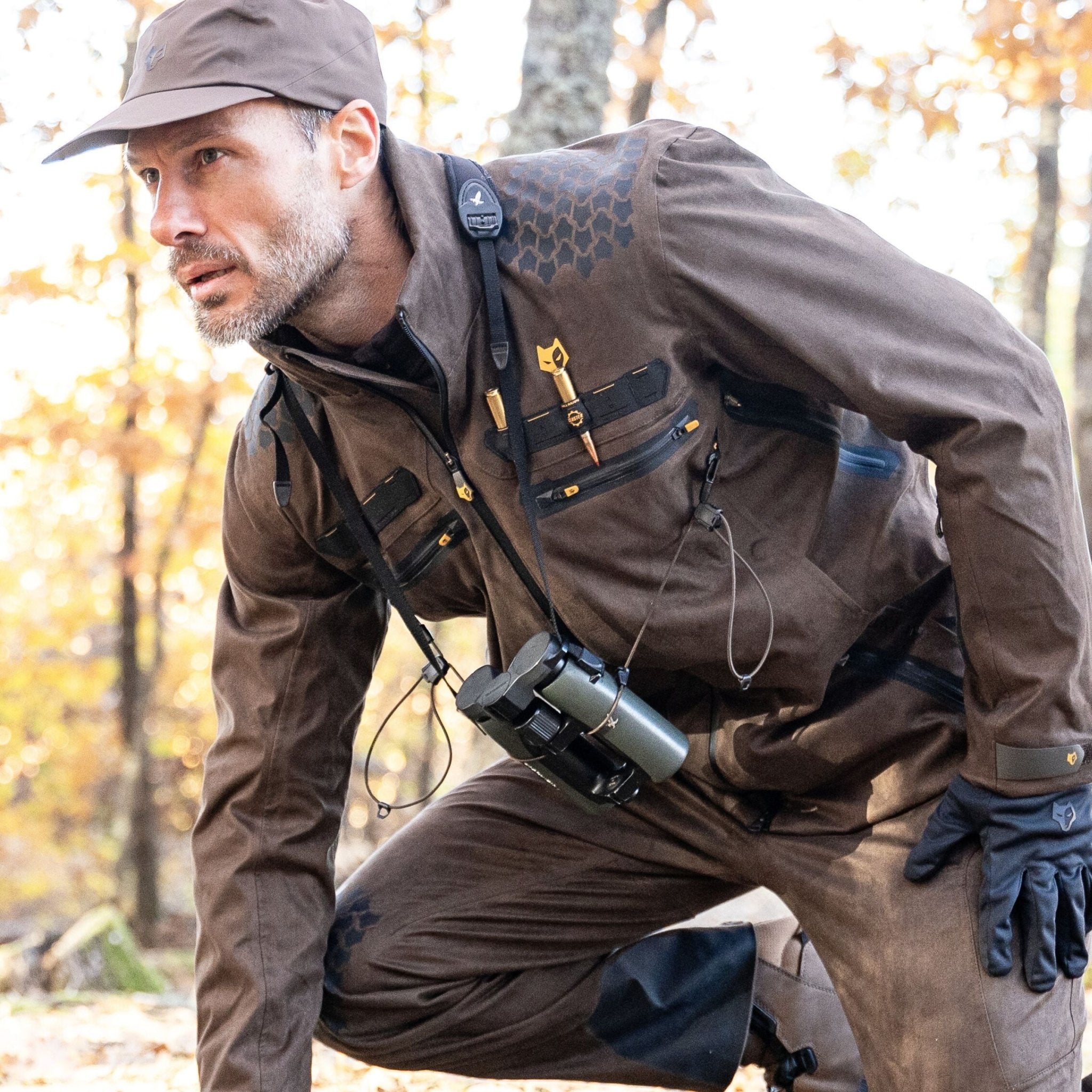
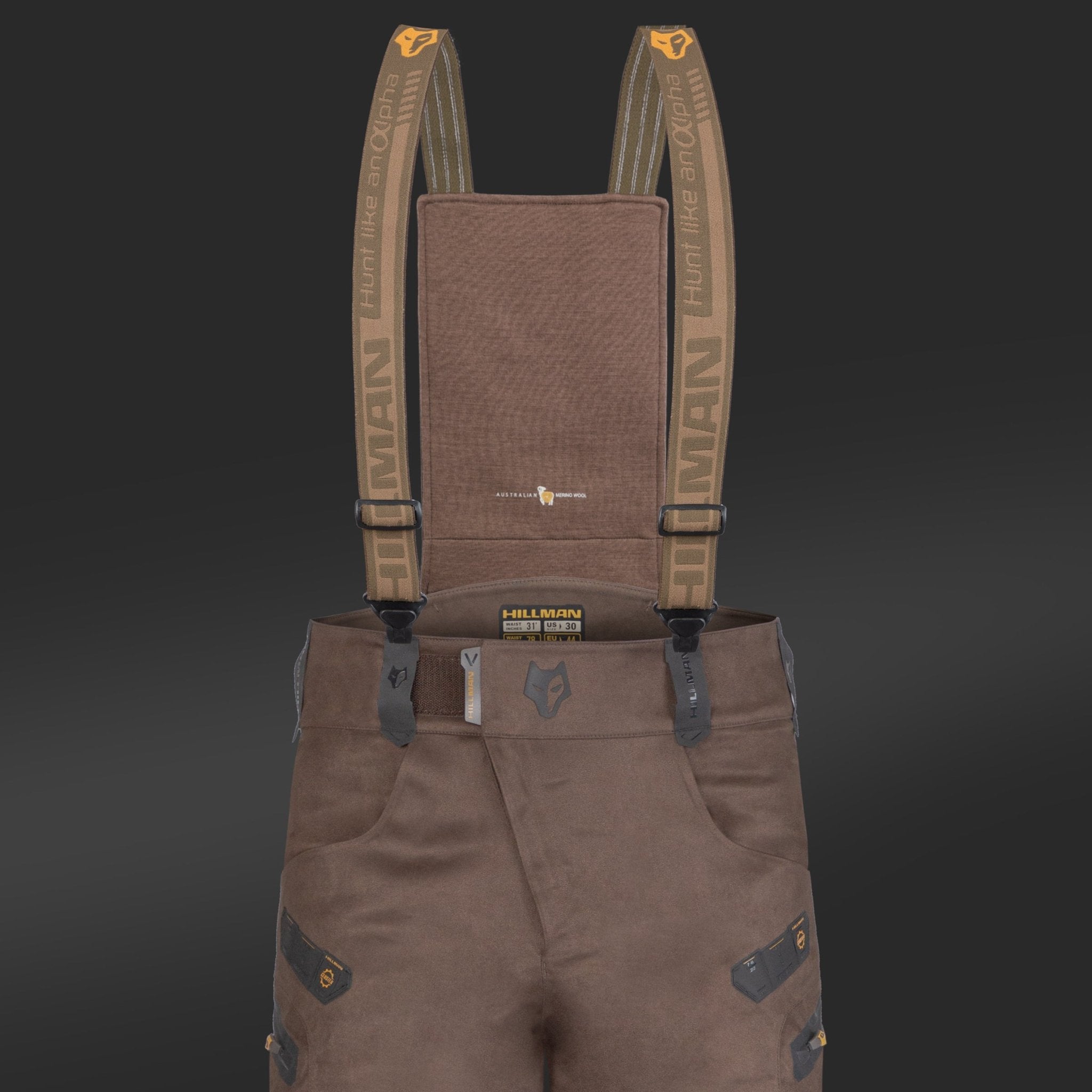
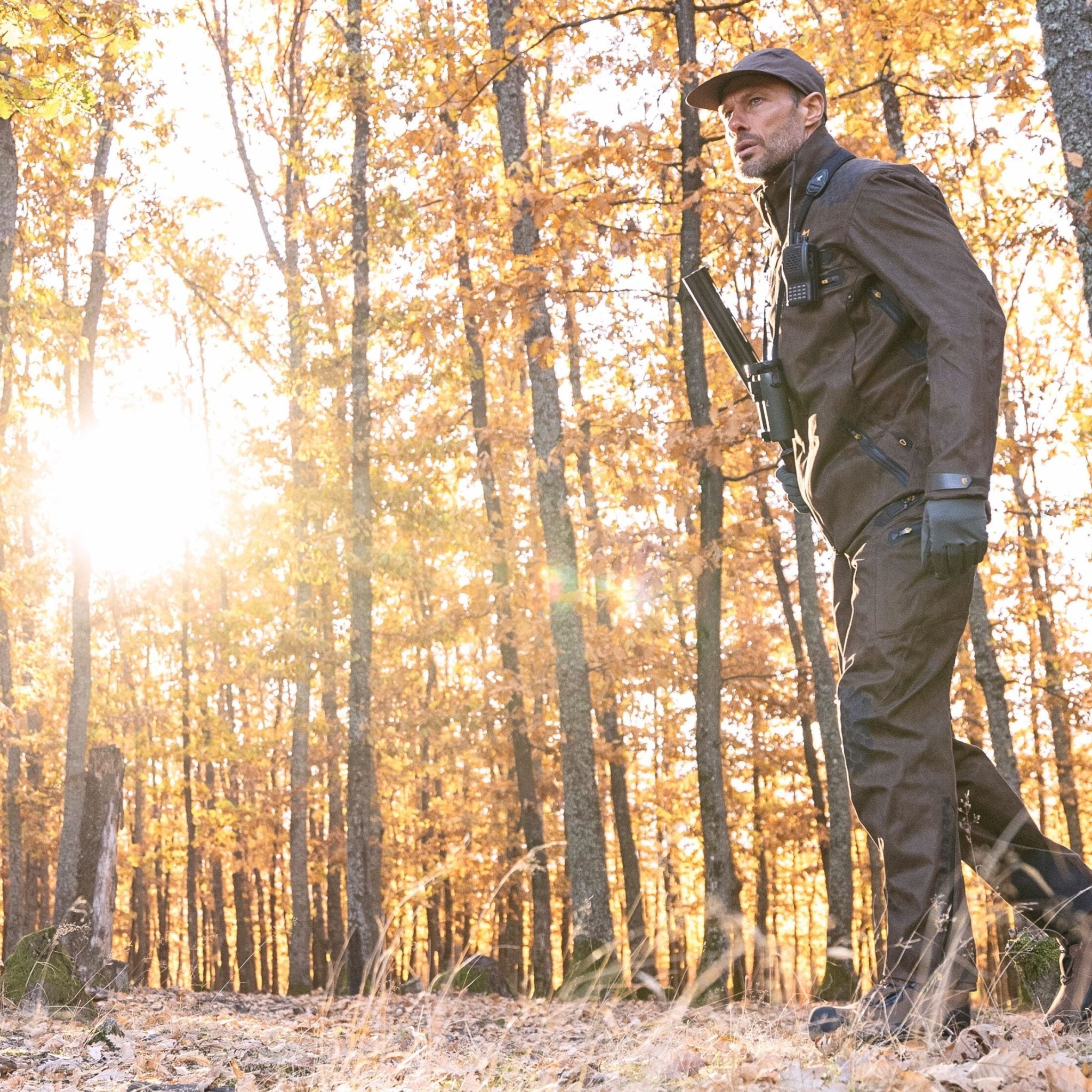
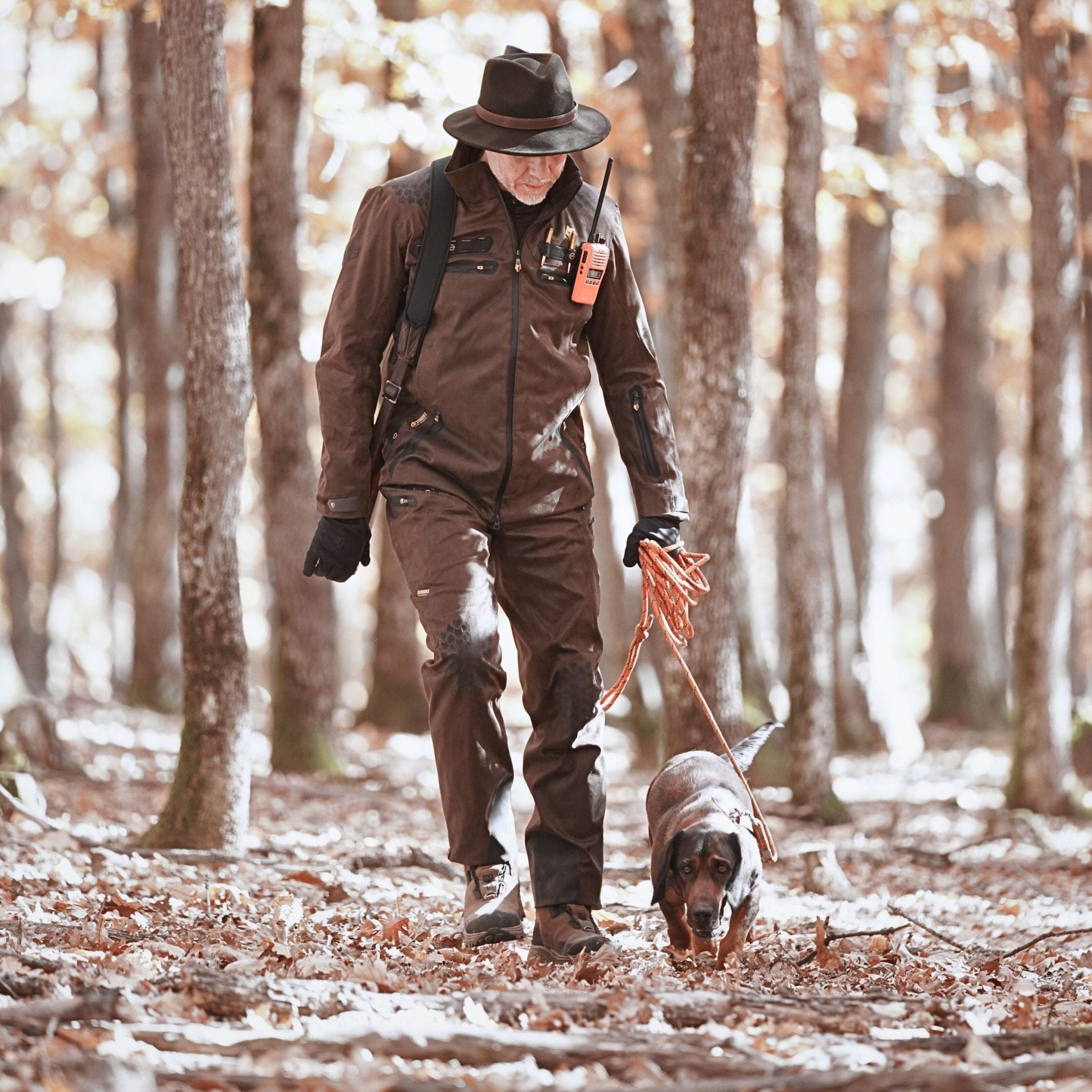
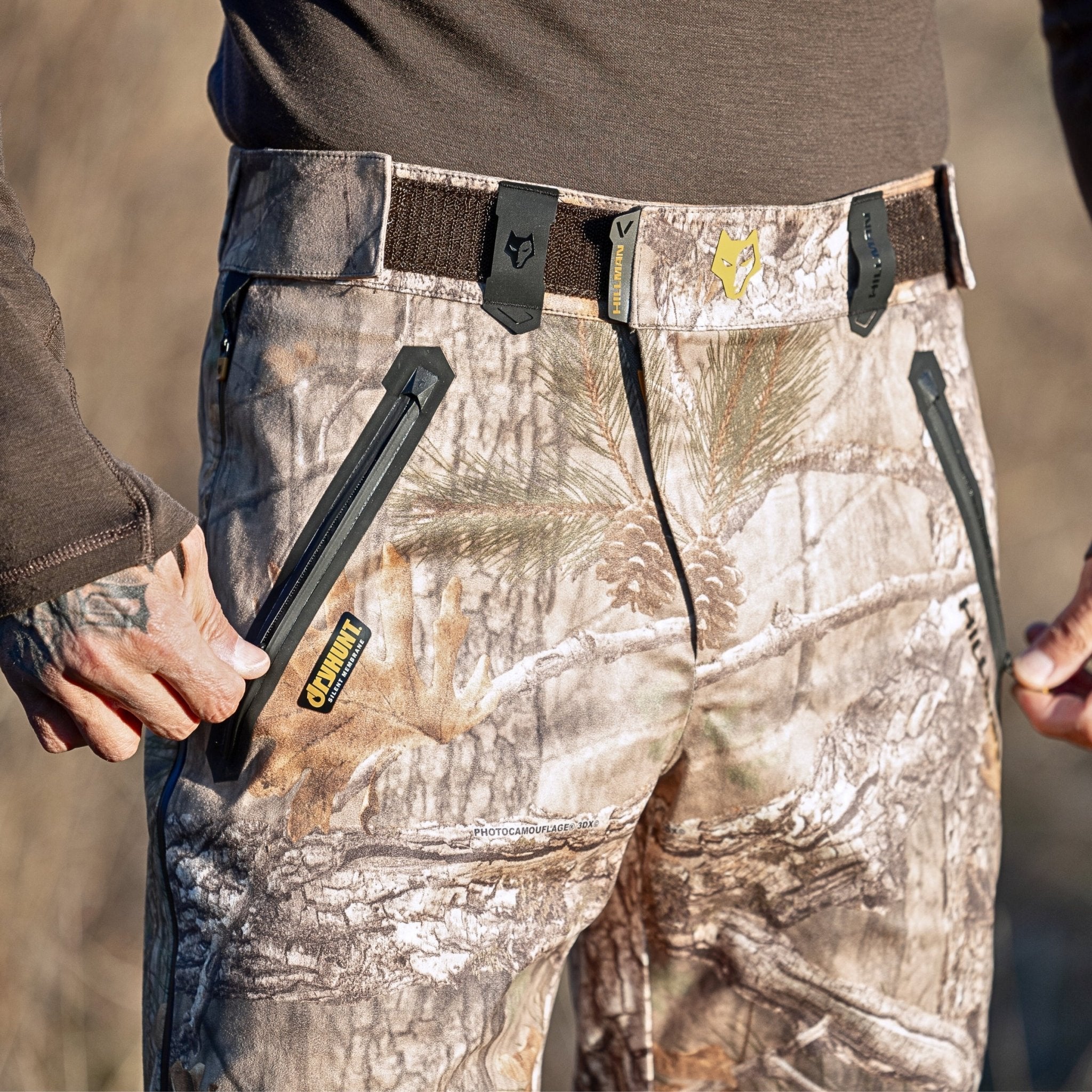
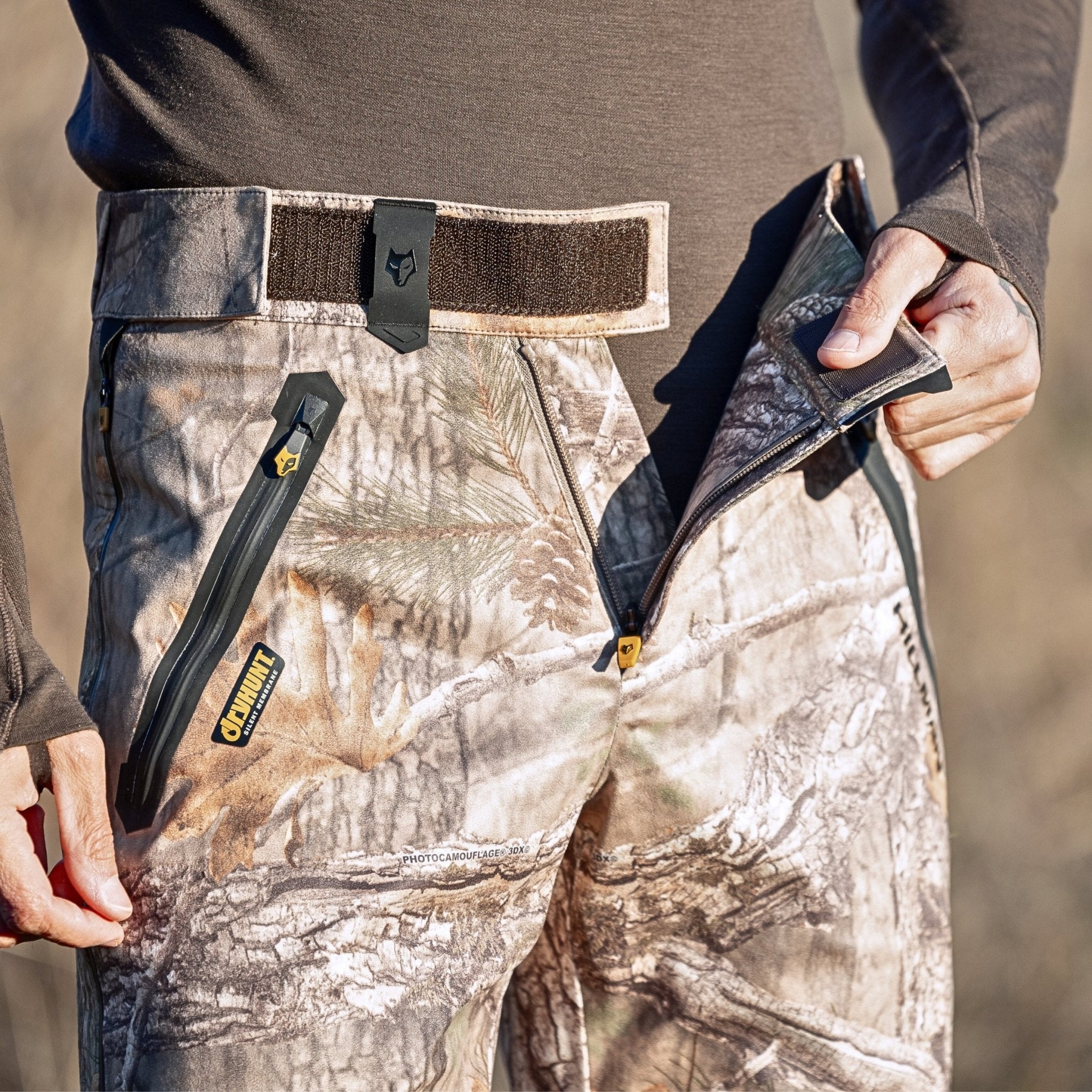
Hillman designs clothing for real outdoor use, where kit has to deal with movement, weather and rough ground instead of just looking tidy for five minutes.
If you are thinking about your trousers while trying to hit clays, you picked the wrong pair.
Footwear Is A Big Deal

Bad footwear can ruin the day. It affects balance, safety and control.
You are standing with a gun. You are turning toward moving targets. You may be on wet grass, gravel, soft mud or uneven ground. Your feet need to stay planted.
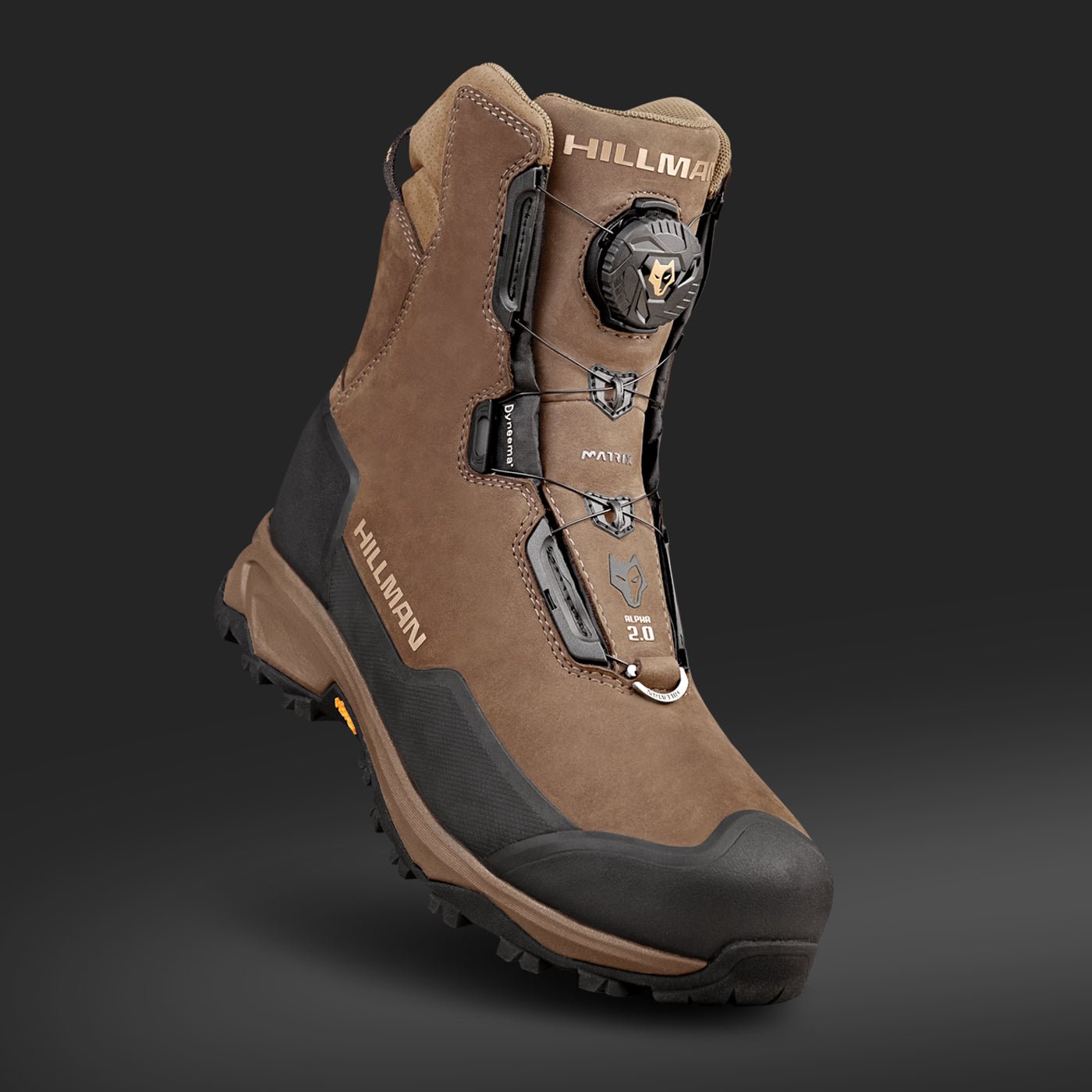
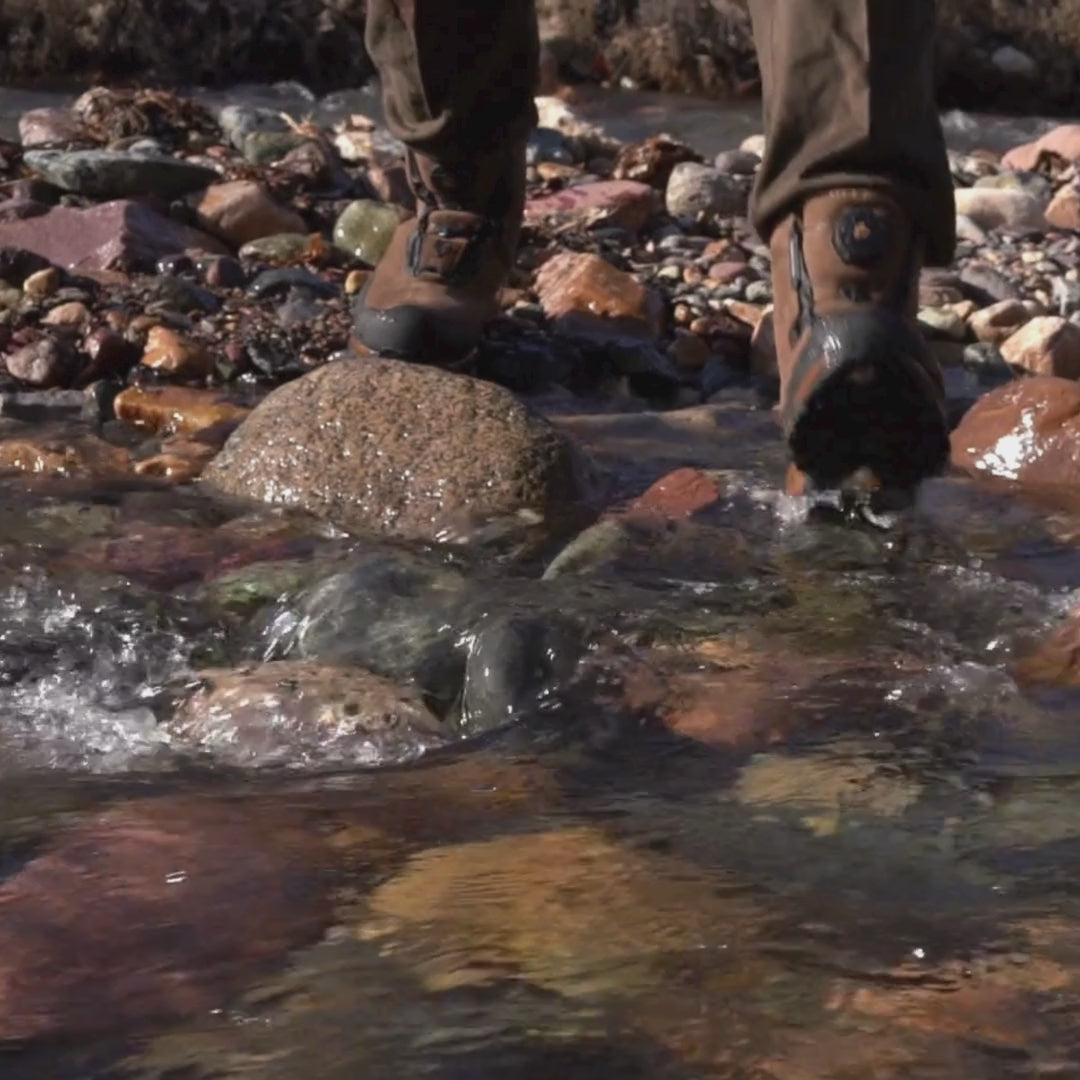
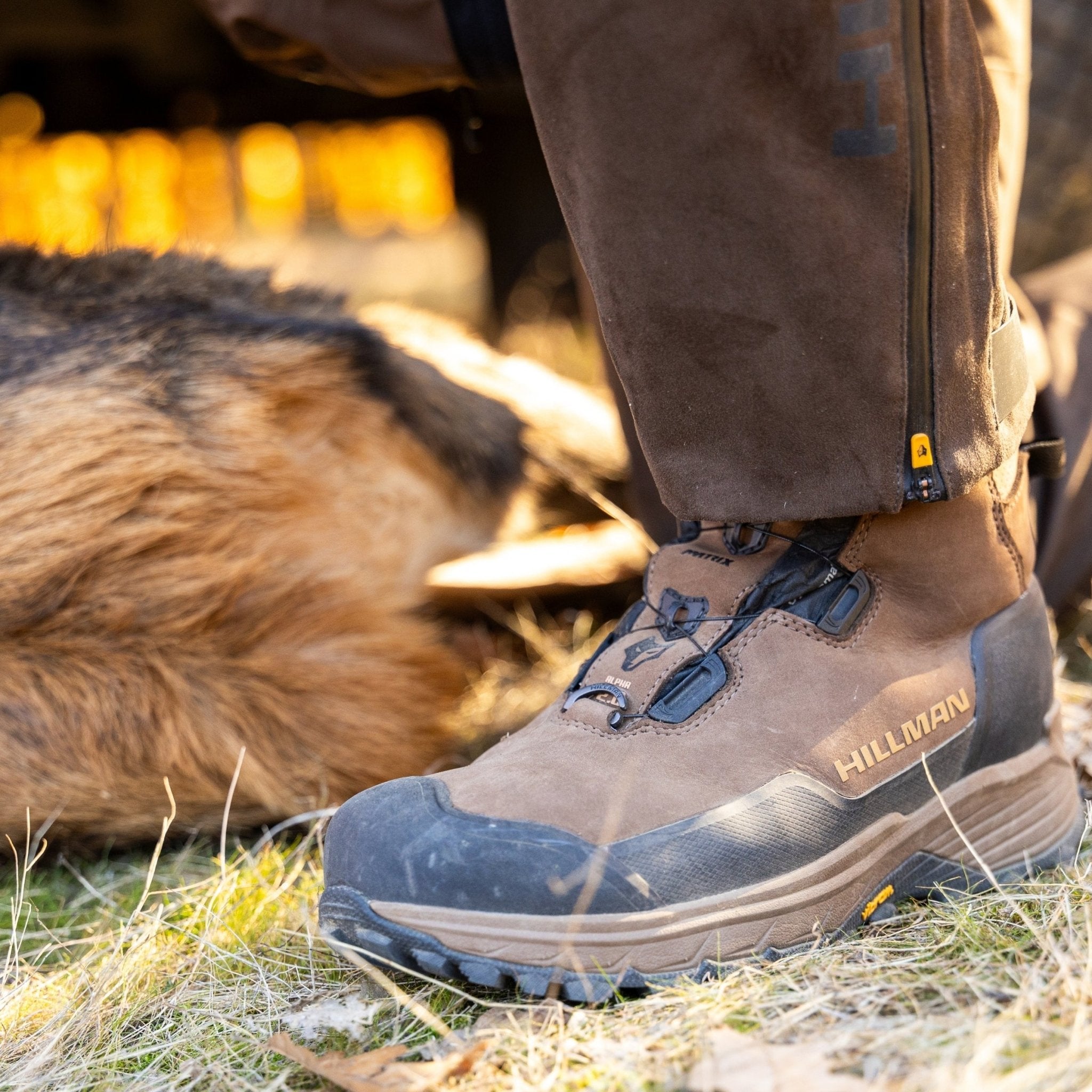
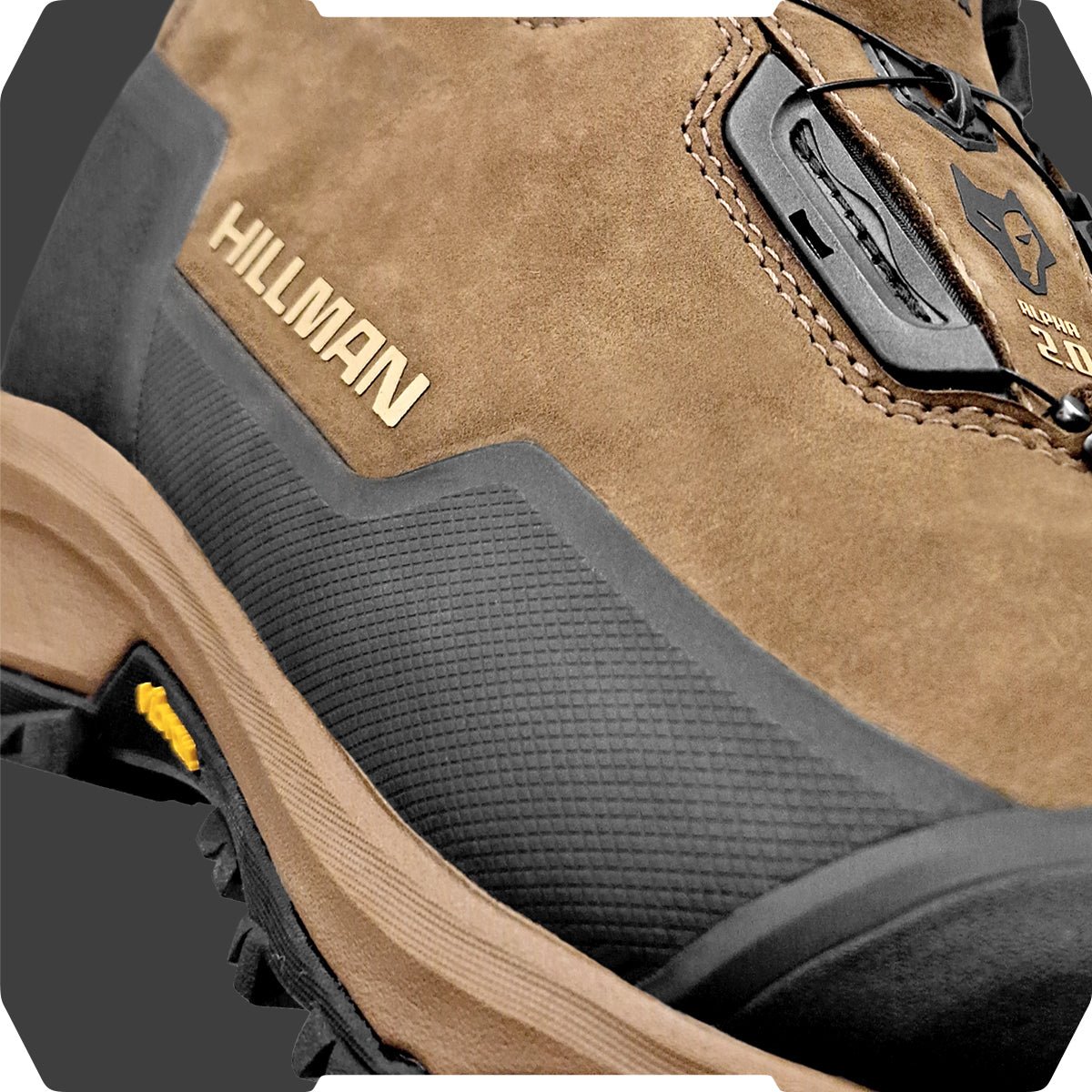
Supportive trainers can work in dry weather. Boots are often better. In wet conditions, wellingtons with decent soles can be the smarter choice. Grip matters. If your foot slips, your aim is already in trouble.
Boots should feel stable but not like bricks. Clay shooting is not a mountain hike, but you are still outdoors. Bad footwear has a habit of becoming the only thing you can think about.
Flip-flops are a stupid choice. So are flimsy shoes. This is not beachwear. Clay pigeon shooting may be social, but it still involves firearms, ammunition, firing, movement and noise. Dress like that matters.
Cold feet are distracting. Wet feet are worse. Slipping at the stand is worse again.
Ear Protection Is Not Optional

Ear protection is vital. Shotguns are loud. Repeated shotgun fire can damage hearing. Clay shooting means repeated shots.
Foam ear plugs are often available at shooting grounds. They are better than nothing. But regular shooters should think about proper ear defenders or good shooting ear plugs.
Ear defenders are easy to put on and check. Ear plugs are lighter and less bulky. Some shooters opt for one, some for the other. The important thing is that you actually wear them.
Do not wait for the first shot to remind you. Ear protection should be on before firing starts. Being outdoors does not make the noise harmless. It is still sharp, close and repeated.
Protect your hearing every time. This is one of the easiest safety decisions in the whole kit list.
Eye Protection, Hat And Hair
Eye protection matters. Clay fragments, dust, grit and debris can be around the shooting range. Shatterproof shooting glasses are the sensible choice.
Different lenses can help in different light. Bright sun, dull cloud and low winter light all change how easy it is to see the clay pigeon. If you shoot often, your own glasses are usually worth it because fit matters.
A hat helps too. A baseball cap cuts glare and gives some protection from falling fragments. A flat cap can do the same job with a more traditional style. Just make sure it does not push your ear defenders out of place.
Tie long hair back. Keep scarves, loose straps and dangling accessories out of the way. Small distractions matter when you are trying to focus on a fast target.
Colours should be practical. Greens, browns, navy, grey and muted tones fit the shooting world well. You do not need to dress like a hedge, but loud, flappy clothing does nothing useful.

Cartridge Bags And Small Accessories
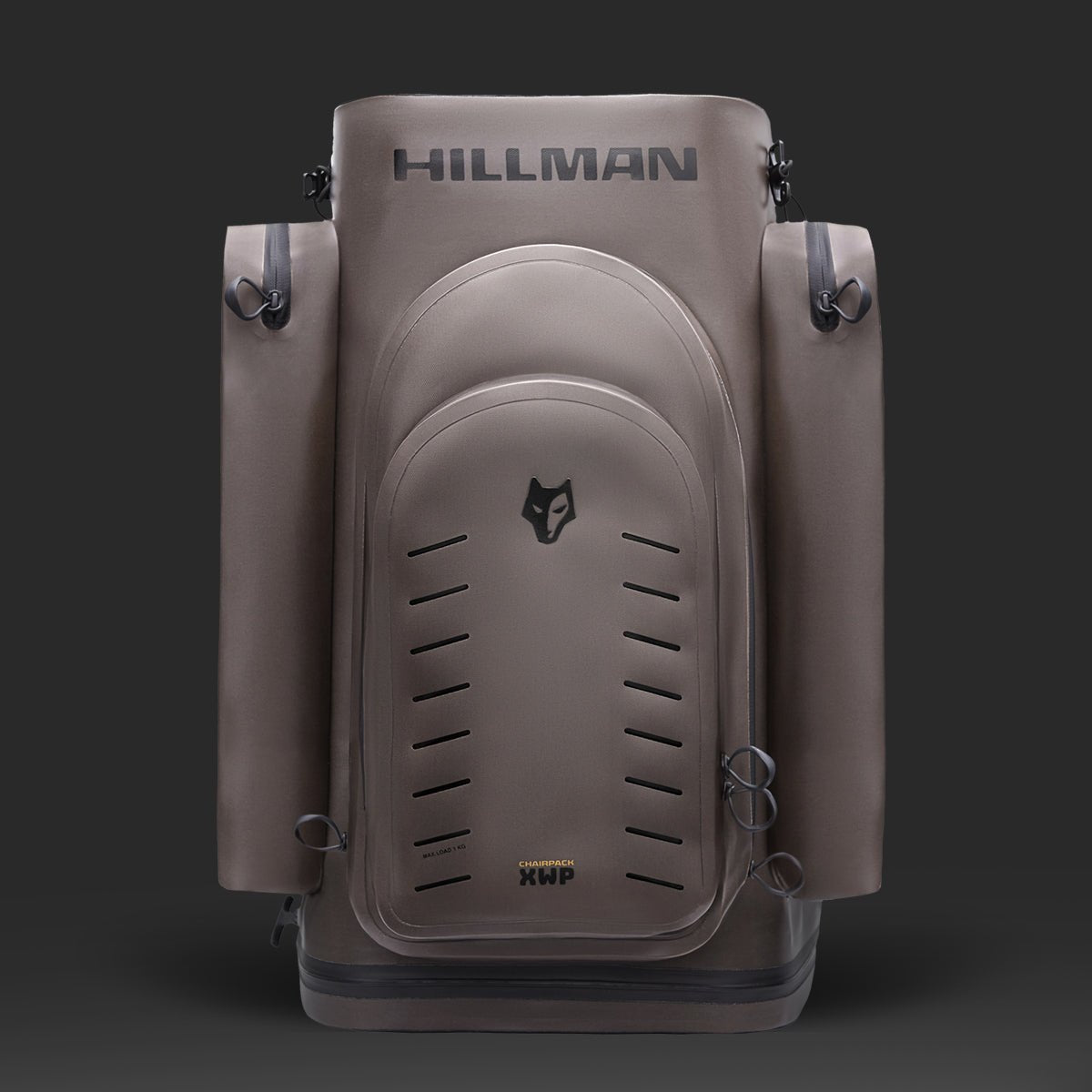
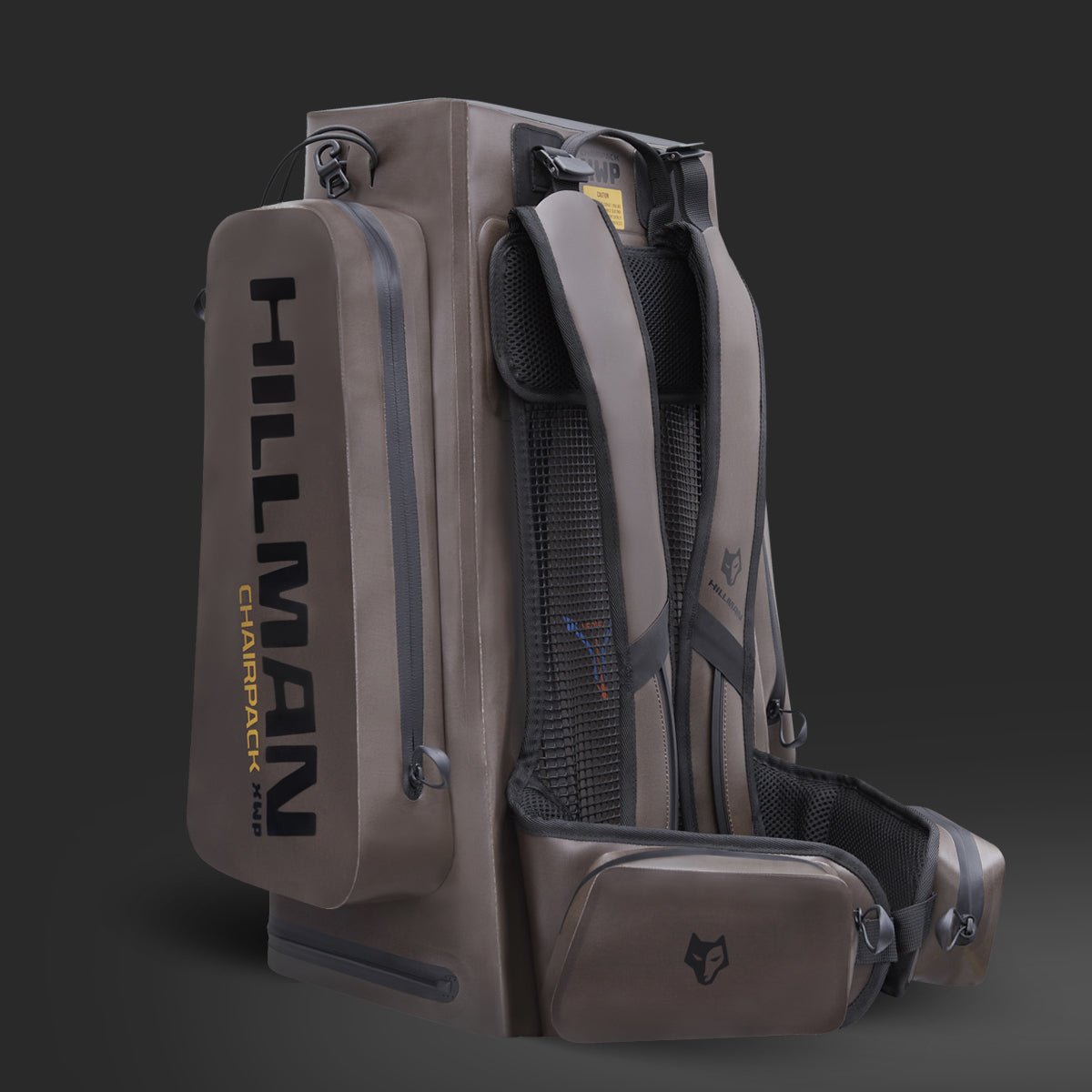
Cartridge bags are useful when you are shooting more than a quick round. They keep cartridges organised and stop your pockets getting overloaded.
Some shooters prefer vest pockets. Others like separate cartridge bags. Either is fine. The point is to keep ammunition easy to reach and your hands free.
You should not be digging around for cartridges when your turn comes. You should not be juggling boxes, gloves, glasses and ear plugs either. Keep the kit simple.
Useful accessories include recoil pads, ear protection, eye protection, gloves, a hat, cartridge bags and a light outer layer. You do not need to buy the whole shop. Safety gear comes first.
There is a wide range of clay shooting gear out there. Some of it is useful. Some of it is just extra stuff. For most people, the basics are comfortable clothing, safe footwear, ear and eye protection, and a vest or jacket that lets the shotgun move properly.
Dressing For Summer Clay Shooting

Summer clay shooting should be light but still safe.
A breathable t shirt or light shooting shirt under a vest works well. You get cartridge pockets and shoulder padding without wearing a full jacket in the heat.
Light trousers or chinos are usually better than shorts. They give a bit more protection and still move easily. Footwear still needs grip. Warm weather does not make weak shoes acceptable.
A baseball cap helps with glare. Safety glasses are still needed. Ear protection is still needed. Do not drop the basics just because the weather is nice.
Keep a thin jacket in the car if the forecast looks uncertain. Summer weather can still turn. A quick shower or cold wind can make a light layer useful.
Stay cool, stay protected, and keep the gun movement clean.
Dressing For Cold Or Wet Practice

Cold and wet practice days need more planning.
Layering is the answer. Base layer, mid layer, weather-resistant outer layer. That gives warmth without forcing you into one huge coat.
Avoid heavy jackets that lock your shoulders. Warmth is useful, but not if the jacket ruins your mount. A flexible shooting jacket is better than a bulky coat that fights every movement.
Boots or wellies with good soles are important in mud. Clay grounds can get slippery, especially early in the day or during winter. A steady stand helps the shot. A sliding foot does not.
Gloves can help, but they must still let you feel the gun and handle cartridges. Thick gloves that kill finger control are annoying and can be unsafe. Choose gloves that add warmth without making you clumsy.
Clay shooting can happen year-round, so your clothing should not be built only for one sunny afternoon. Weather changes. Ground changes. Your kit has to cope.
What Not To Wear Clay Shooting
Do not wear bulky coats that catch under the stock. Do not wear slippery shoulder fabrics. Do not wear tight shirts that restrict your swing. Do not wear loose scarves, dangling accessories or open footwear.
Flip-flops are out. Shoes with poor grip are out. Fragile fashion clothing is pointless. Clay shooting happens outdoors. Mud, dust, rain, cartridge residue and rough surfaces are all possible.
Also avoid anything that interferes with safety gear. If your hat moves your ear defenders, change the hat. If your glasses slide down your nose, fix the problem. If your jacket collar gets between your cheek and the gun, it is the wrong jacket.
A suit is not needed. Full game hunting attire is not always needed either. But careless clothes are not clever. The right middle ground is practical, safe and easy to move in.
Good clay shooting clothing should disappear once you start shooting. You should not be thinking about it.

Make Practice Feel Like The Game Season
Practice before the game season is not only about breaking clays. It is about rebuilding timing, confidence and safe habits.
If you plan to shoot game later in the year, practise in clothing that feels close enough to your game hunting kit. You do not need full field clothing every time, but your jacket, vest, boots and layers should not feel completely different from what you will wear later.
This is the time to test everything. Does the vest pocket hold cartridges properly? Does the shoulder padding sit right? Do your boots grip? Can you hear instructions with ear defenders on? Do your glasses work in changing light?
Good practice exposes problems. Bad footwear, weak ear protection, awkward cartridge pockets, poor layering or a vest that sits wrong will show up fast once you start shooting.
Better to find out now than on a game day when it actually matters.




Share:
How to Choose Shooting Gloves for Driven Days, Wildfowling