
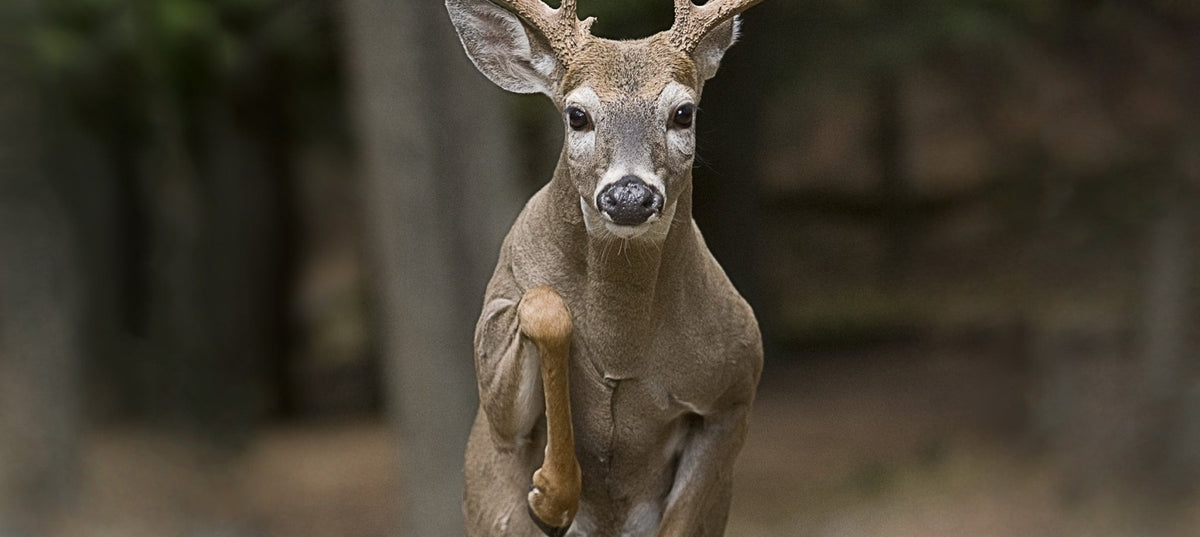
How to Dress for Deer Gralloching and Drag-Outs Without Ruining Your Main Layers

Quiet waterproof stalking clothing and cheap barriers stop blood, mud and drag-outs from wrecking your main layers.
Most hunters think about clothing before the shot. Makes sense. You need to stalk deer quietly, stay dry, keep warm and remain undetected. No one wants a jacket that scrapes on every branch or trousers that swish like a carrier bag.
But the real damage usually starts after the deer is down.
That is when you kneel in wet ground. That is when blood gets on cuffs, knees, sleeves and the waistline. That is when your nice stalking jacket gets pushed into mud, brash, wet leaves, heather or whatever mess you have dropped the deer in.
So yes, deciding how to dress for deer gralloching and drag outs without ruining your main layers is not some fussy detail. It is basic field sense.
A successful stalk can go bad for your kit in five minutes. You bend over the carcass. Your jacket rides up. Your mid layer catches blood. Your trousers soak through. Then you still have the pull back over open ground, woodland tracks or steep banks.
That is the part people ignore when talking about deer stalking clothing.
Good hunting clothing should not just get you to the shot. It should survive the gralloch, the drag-out and the walk back without looking like it lost a fight.
Start With Stalking Clothing, Not Slaughterhouse Clothing

Do not dress like you are working in a meat plant from the start. You still need to stalk first.
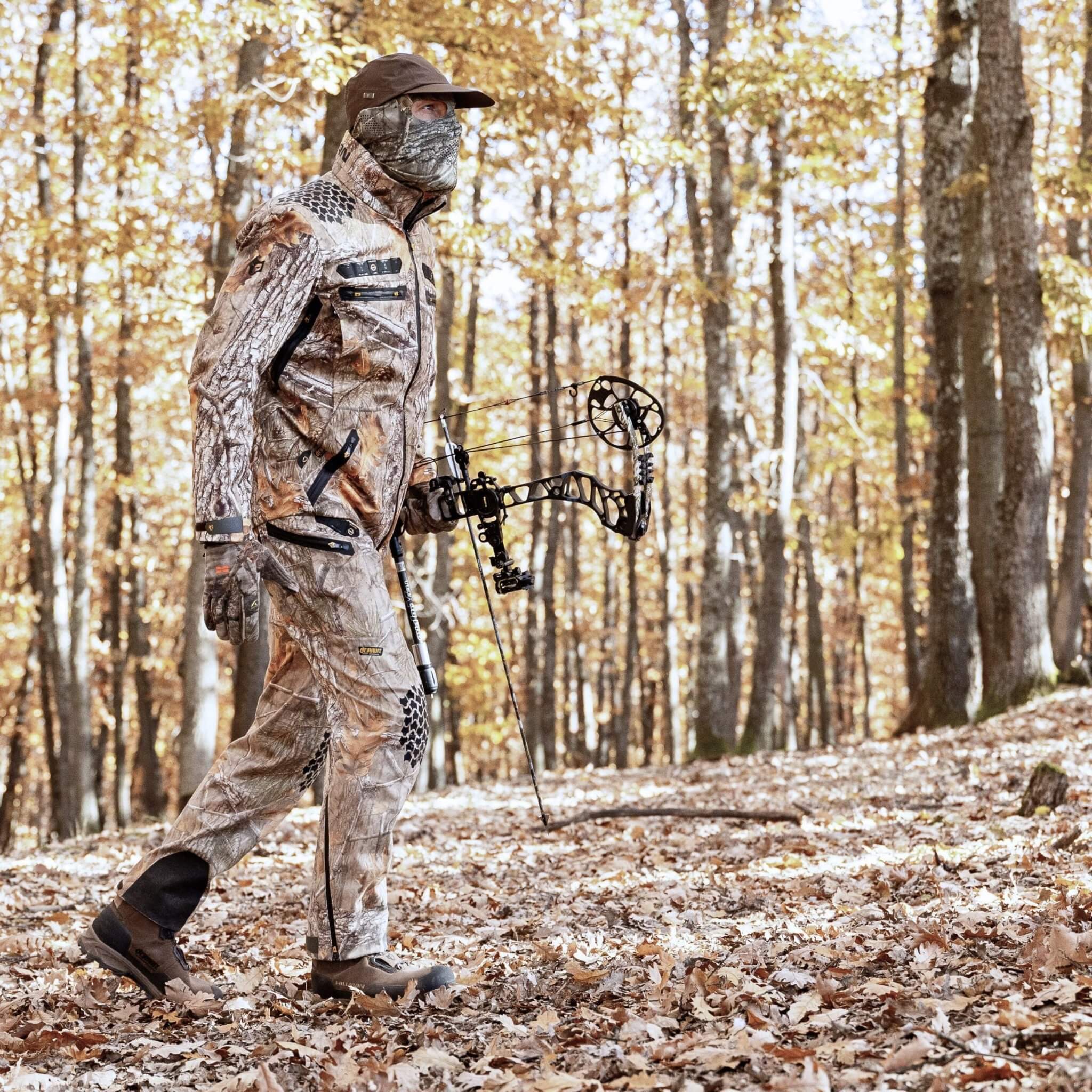
Use a normal layering system. Base layer. Mid layer. Quiet waterproof outer layer. Nothing clever. Just the right clothing for walking, waiting, kneeling and staying comfortable when weather changes.
Deer stalking is stop-start work. You may walk hard for several hours, then stand still in cold wind for extended periods. Conditions shift all day. Rain comes in. Wind picks up. The ground gets worse. Then, after the shot, your body temperature jumps during the drag-out.
That is why body temperature matters. If you sweat too much early, you get cold later. If your clothing traps moisture, the long day becomes miserable.
A breathable base layer helps move sweat away from the skin. A warm mid layer keeps you steady while waiting. The outer layer gives weather protection against rain, wind and wet ground.
Avoid denim. It is a poor choice. It soaks up water, gets heavy, dries slowly and chills you when you stop moving. Same with casual trousers or jackets that hold moisture.
Proper deer stalking clothing is practical, not decorative. It keeps you quiet, dry and warm when the weather turns rough and the job gets dirty.
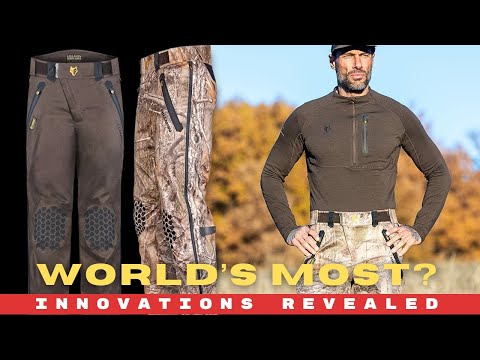
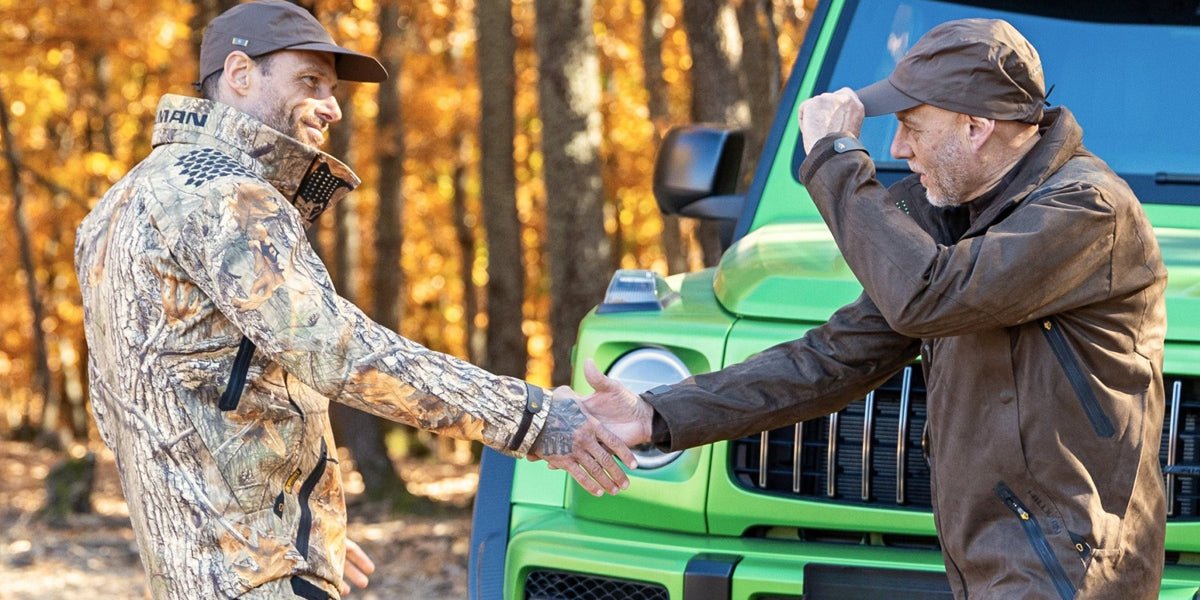
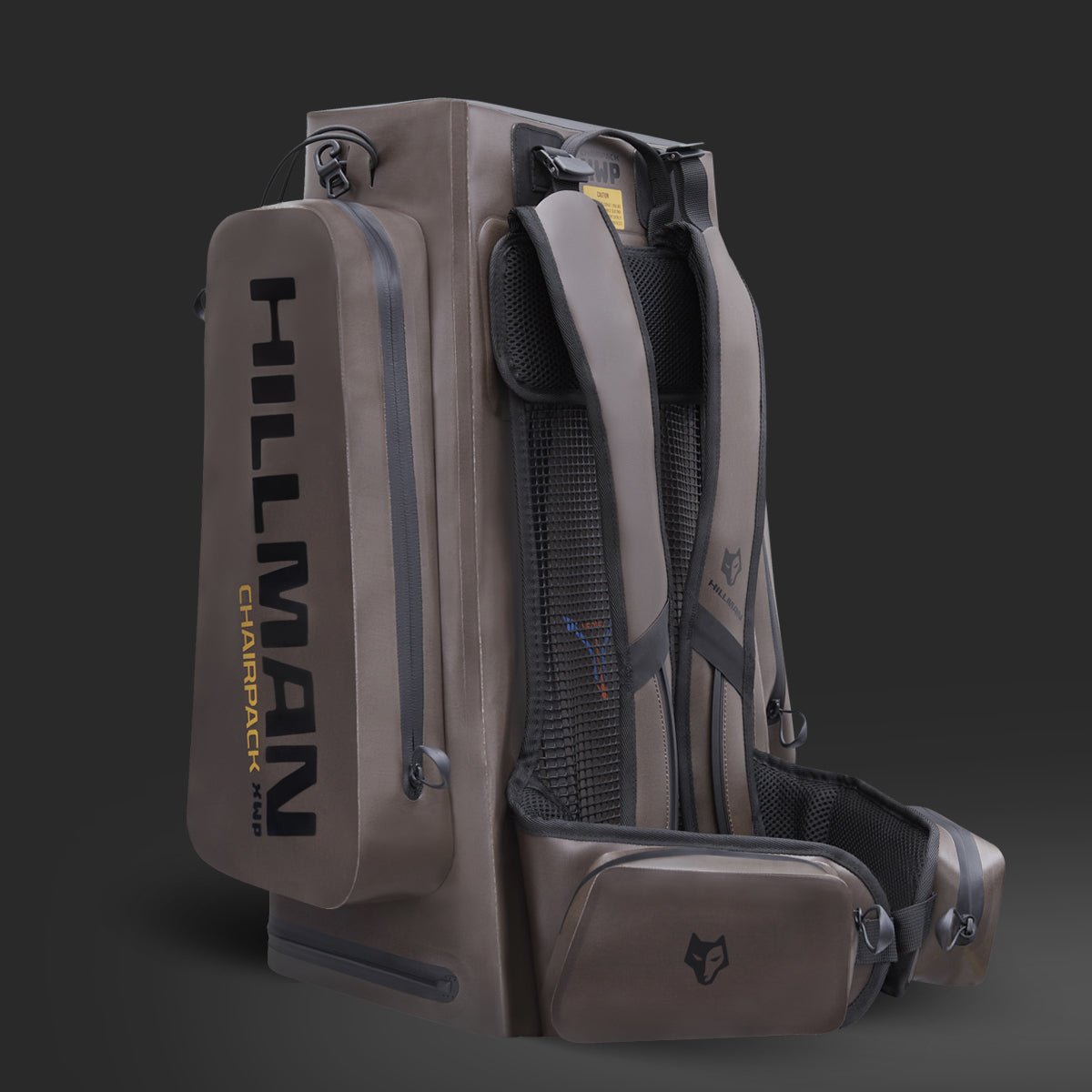
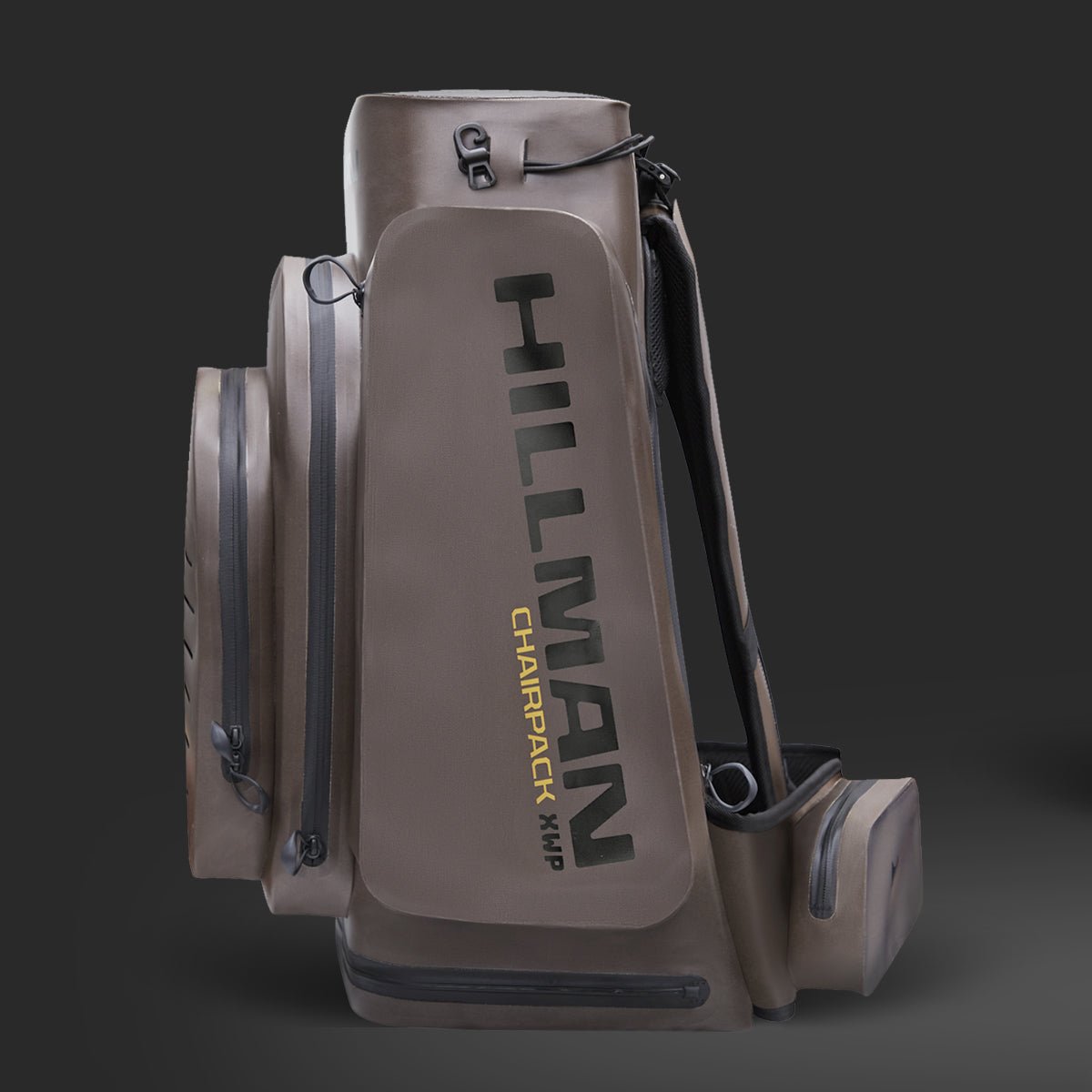
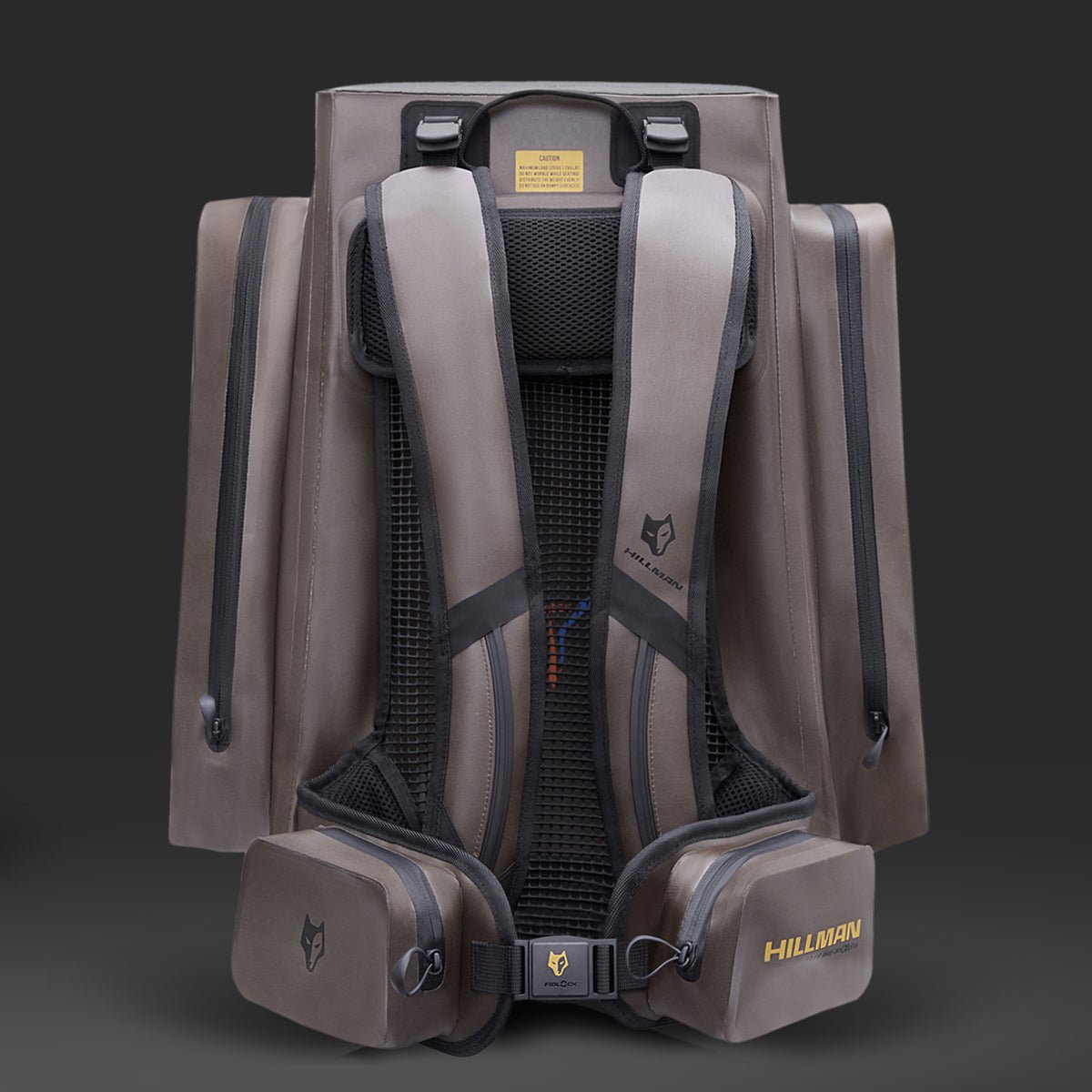
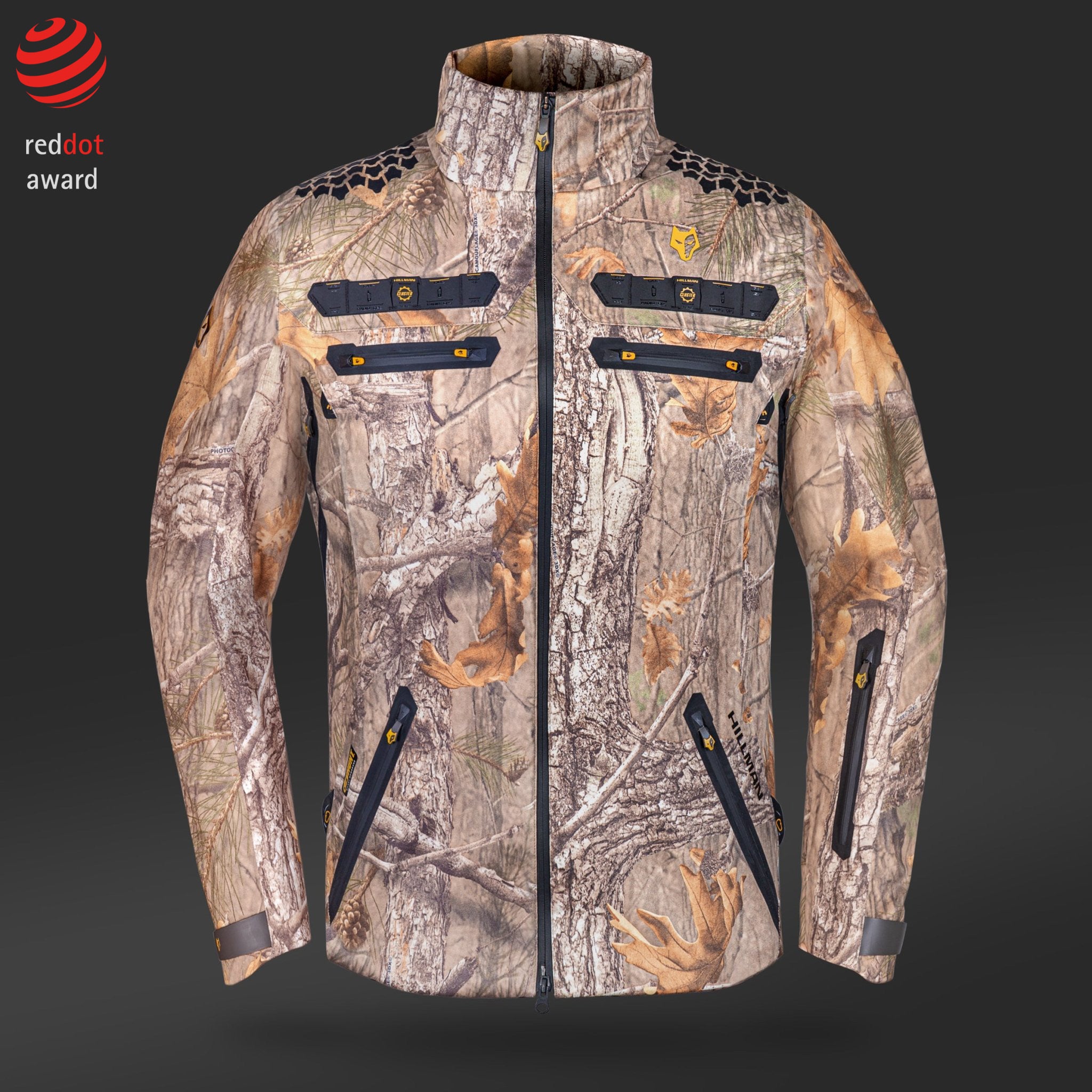
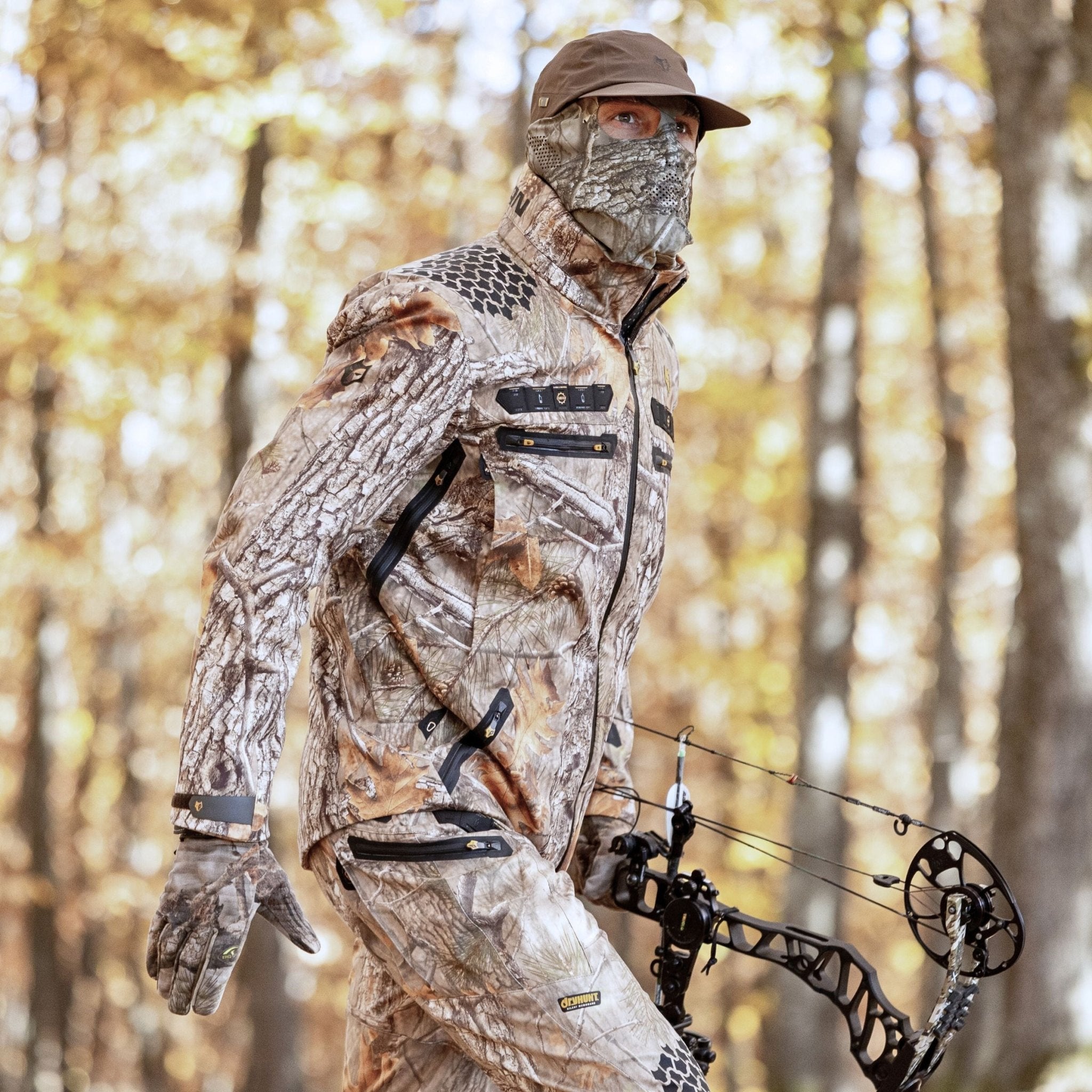
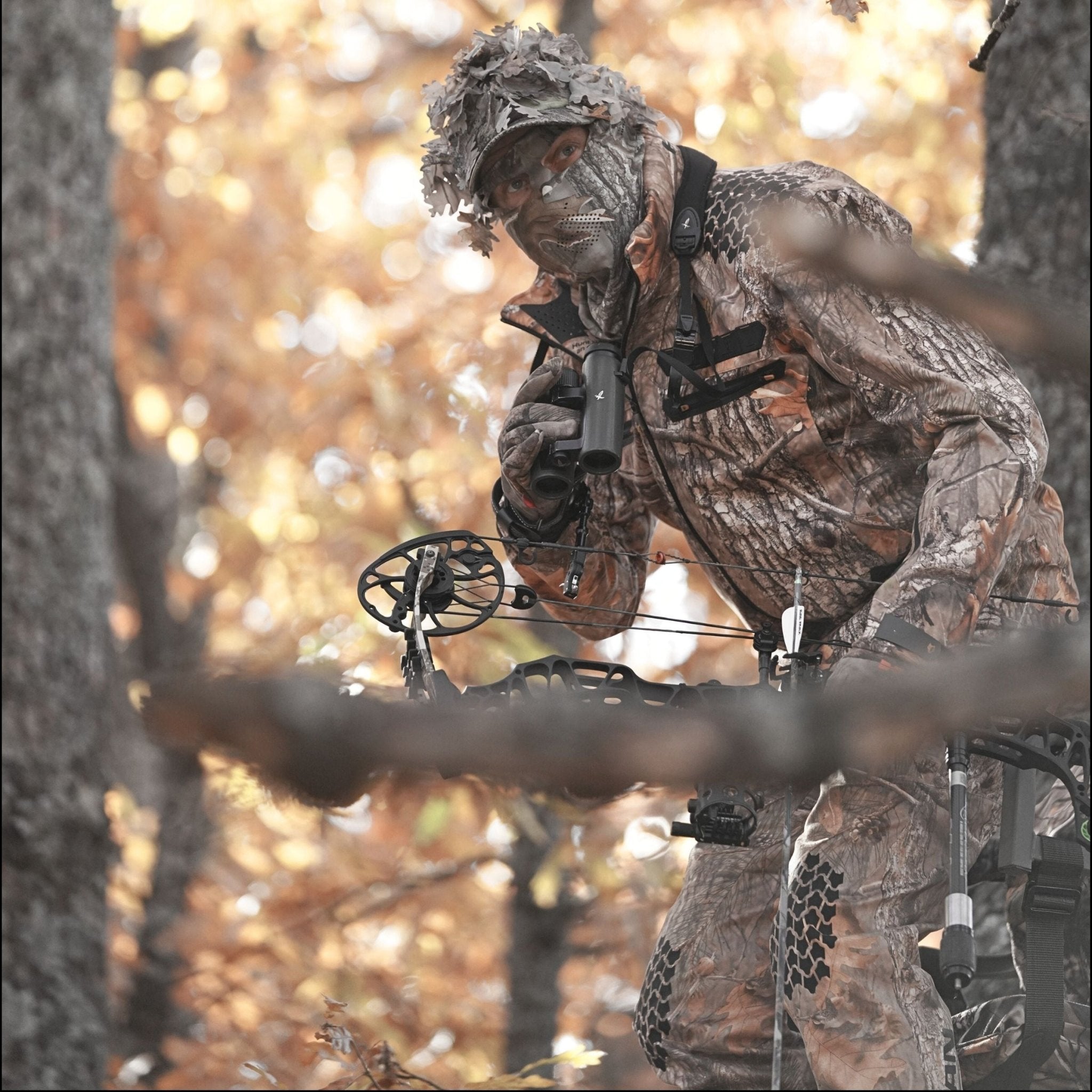
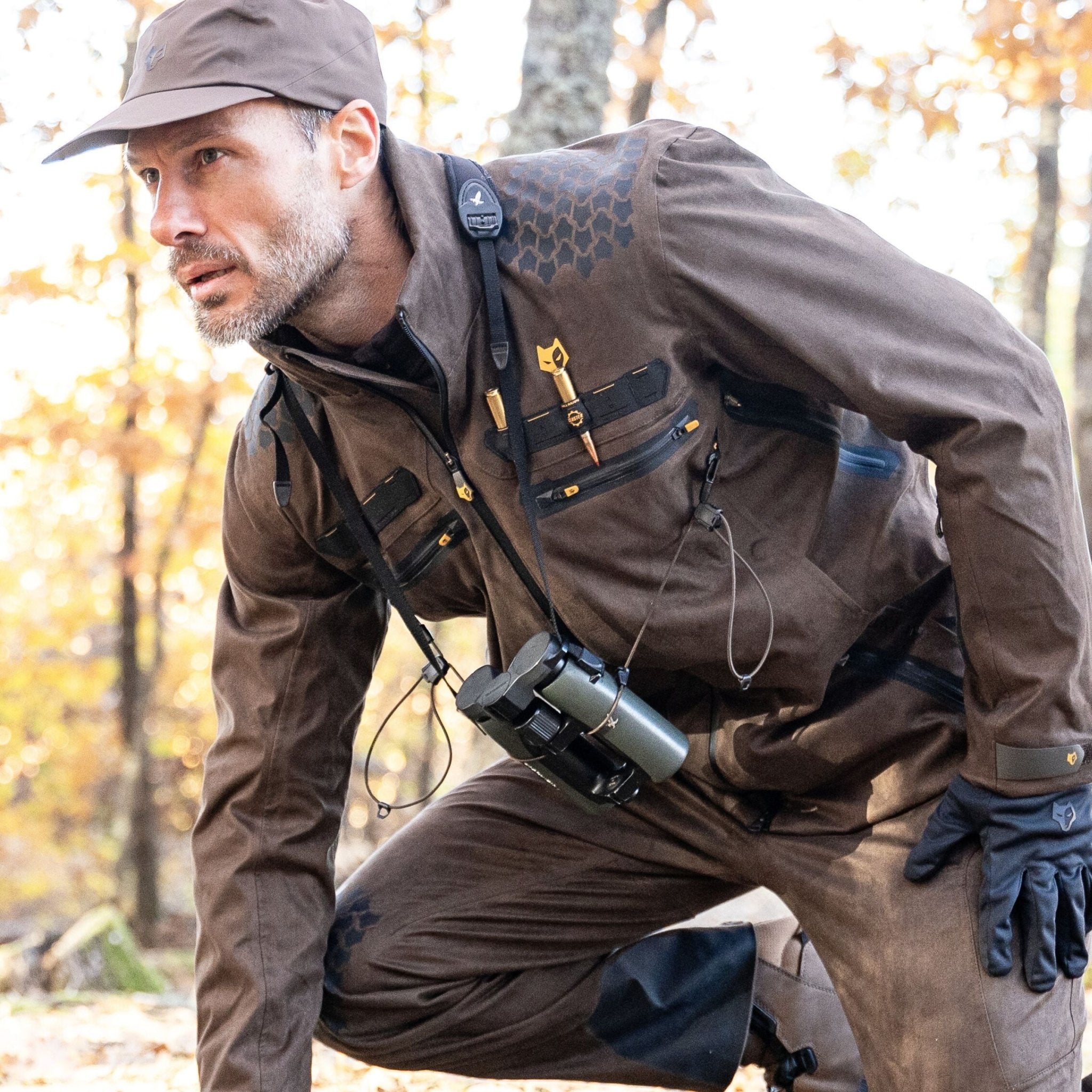
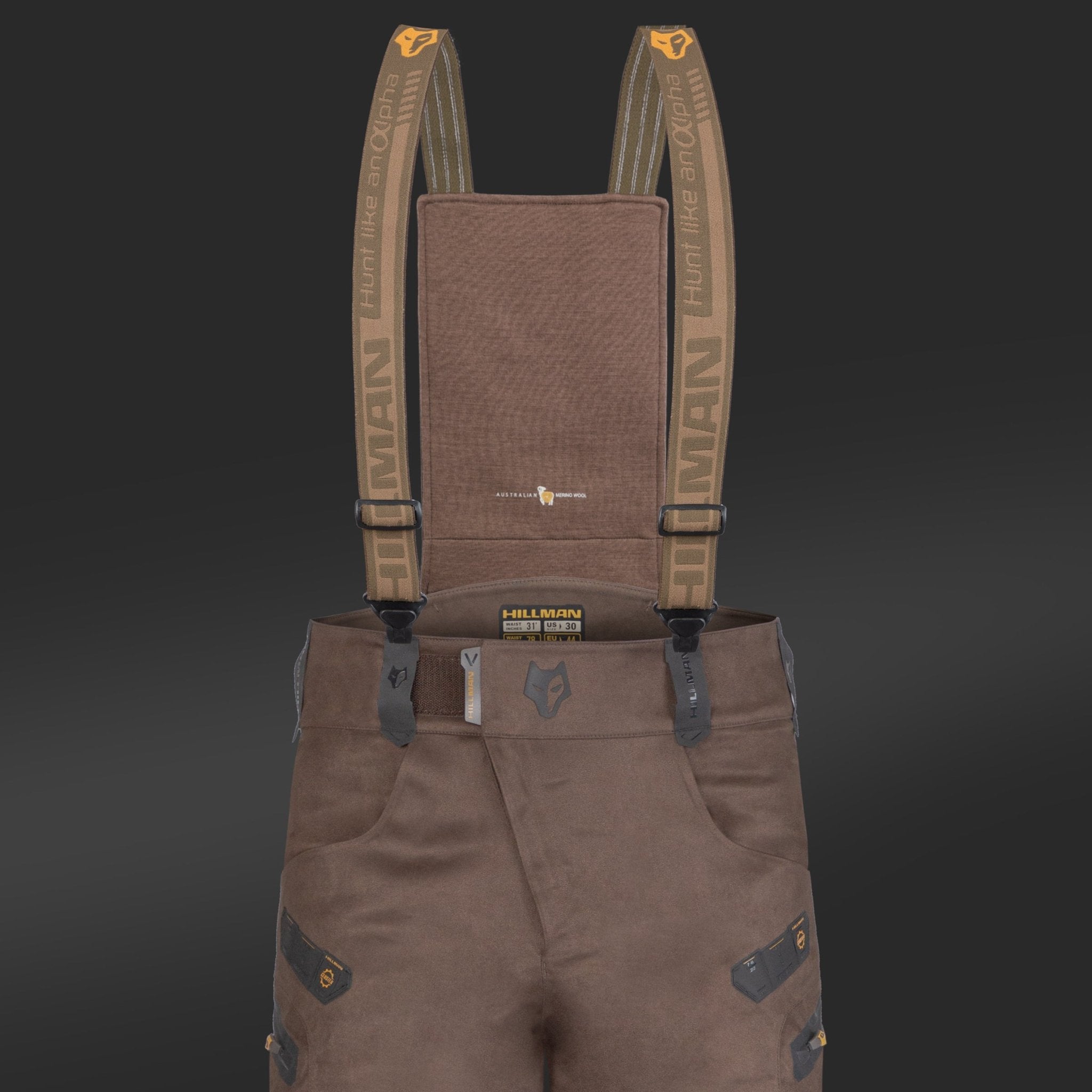
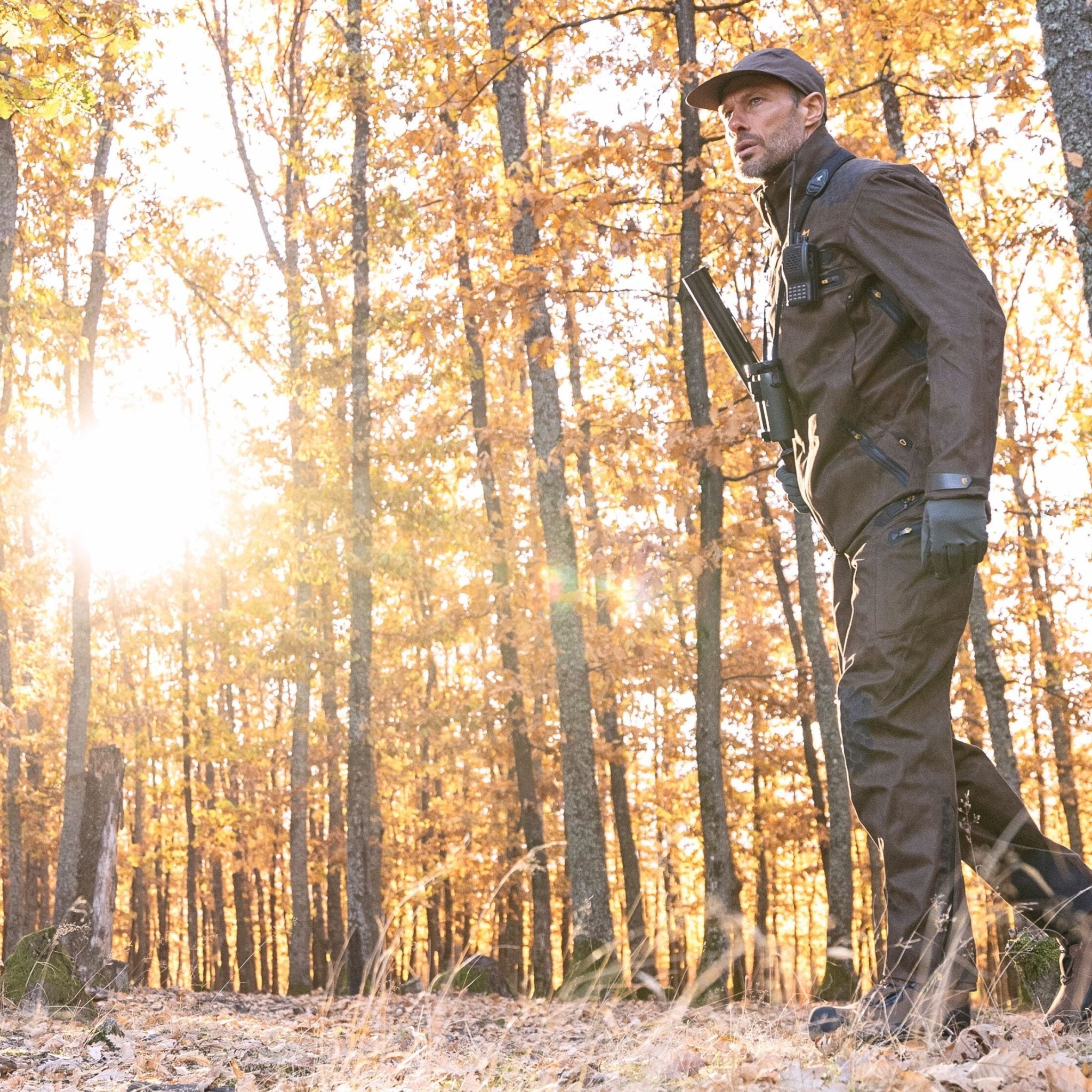
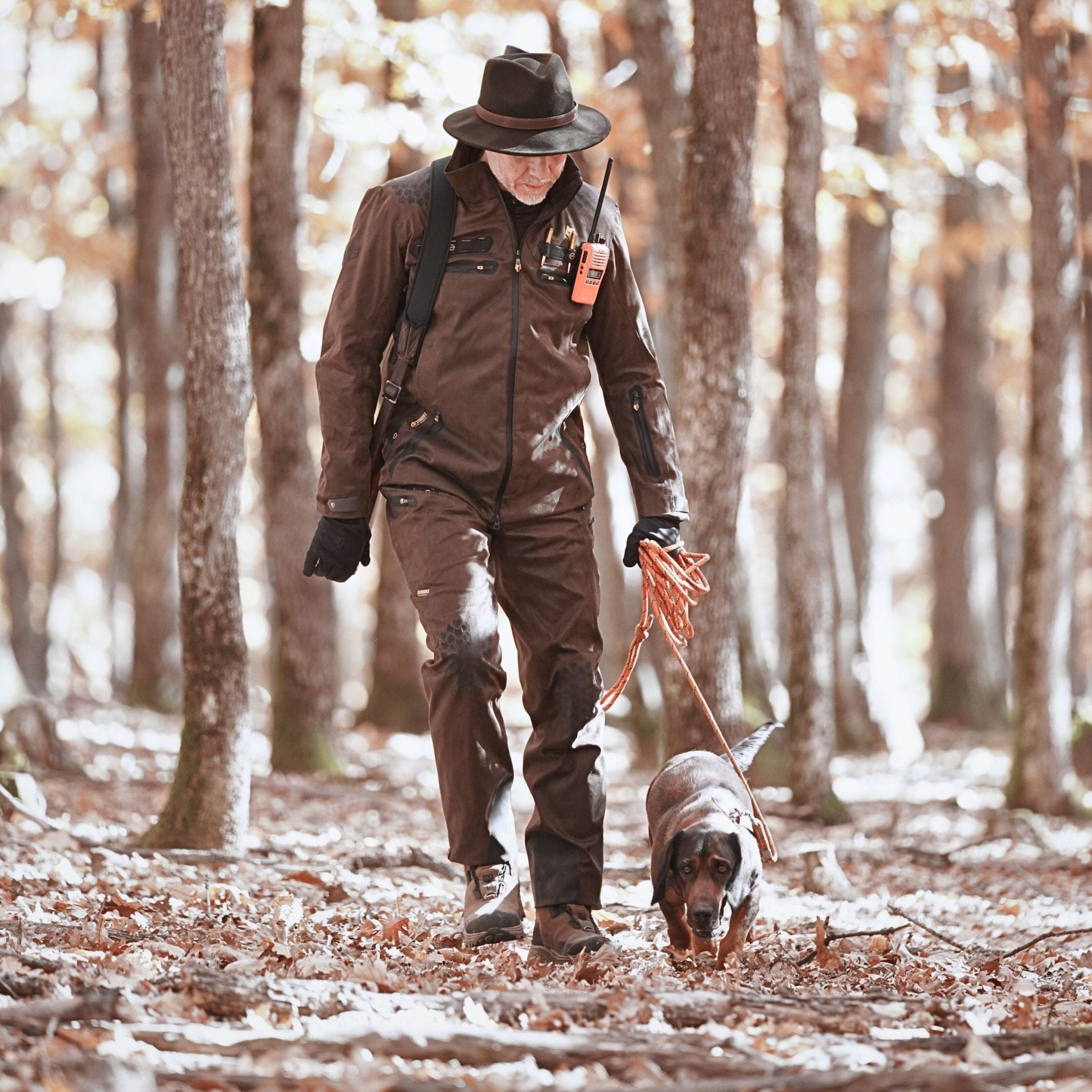
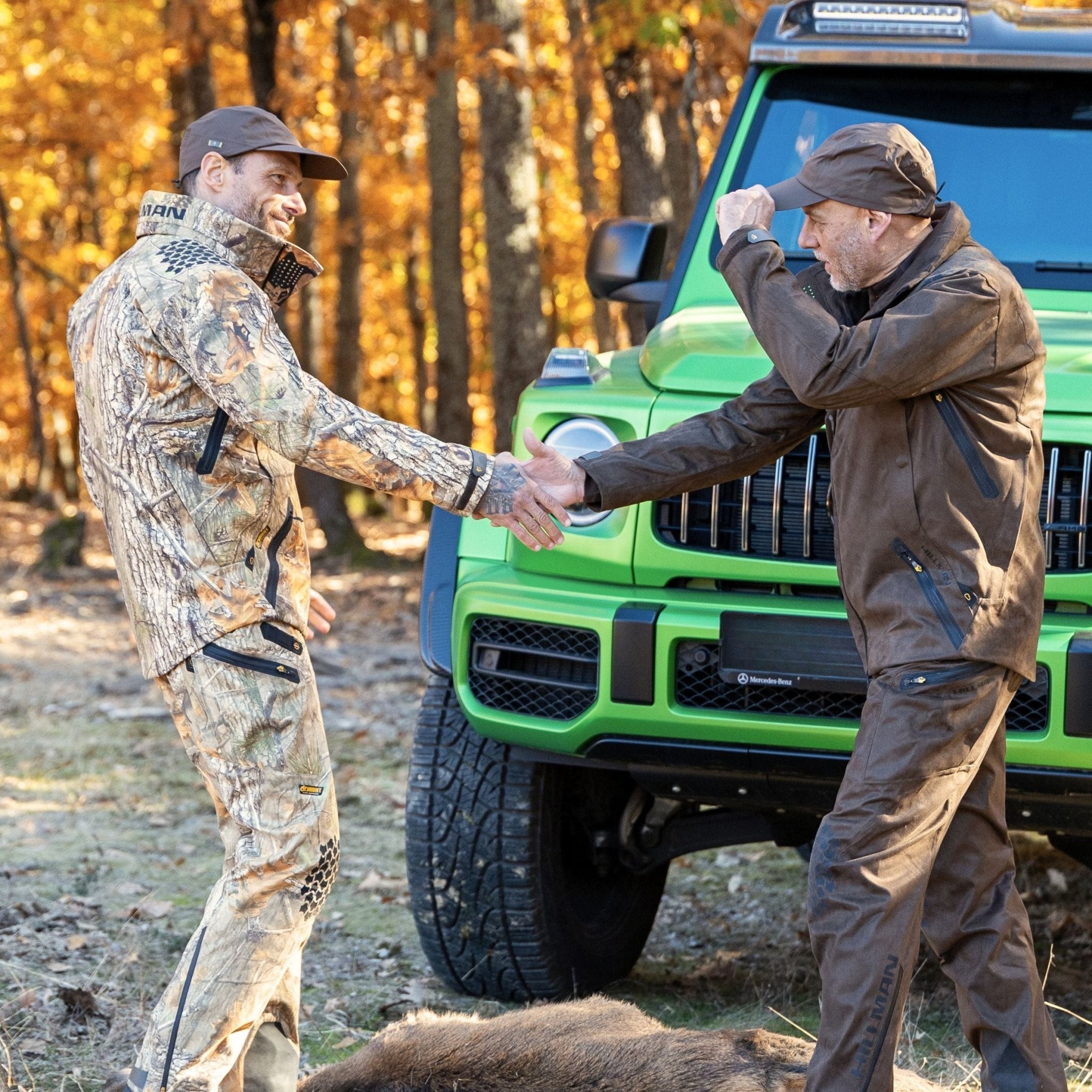
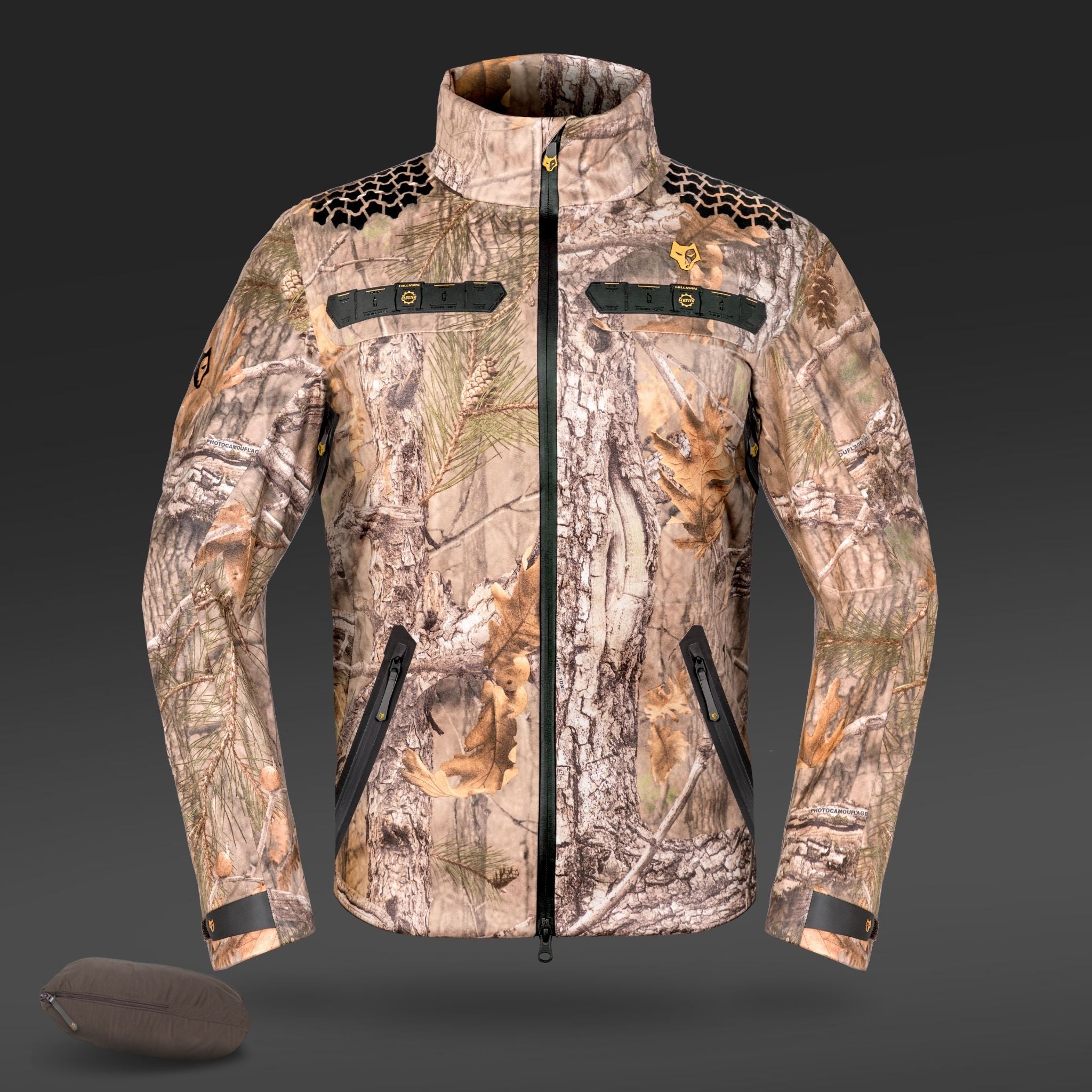
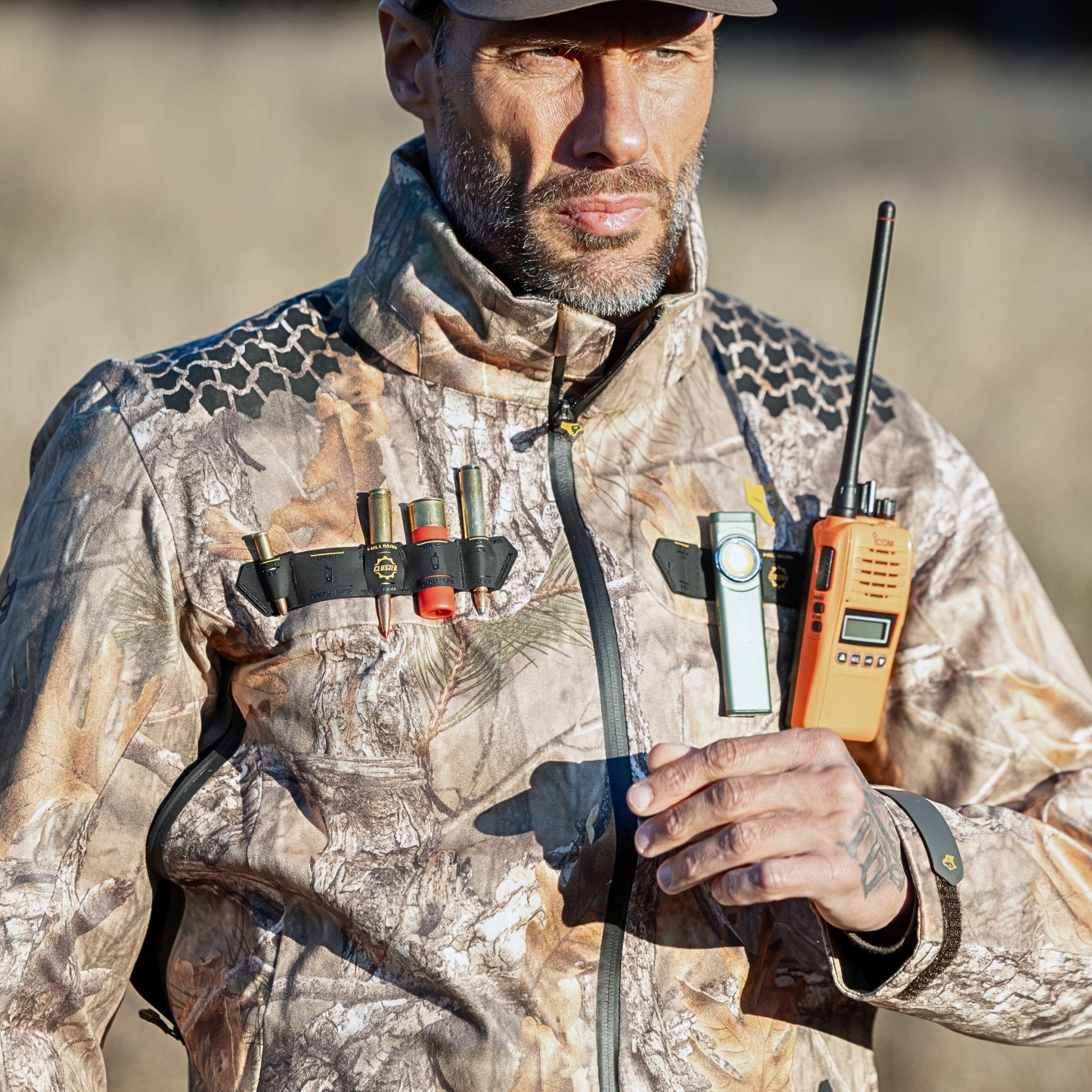
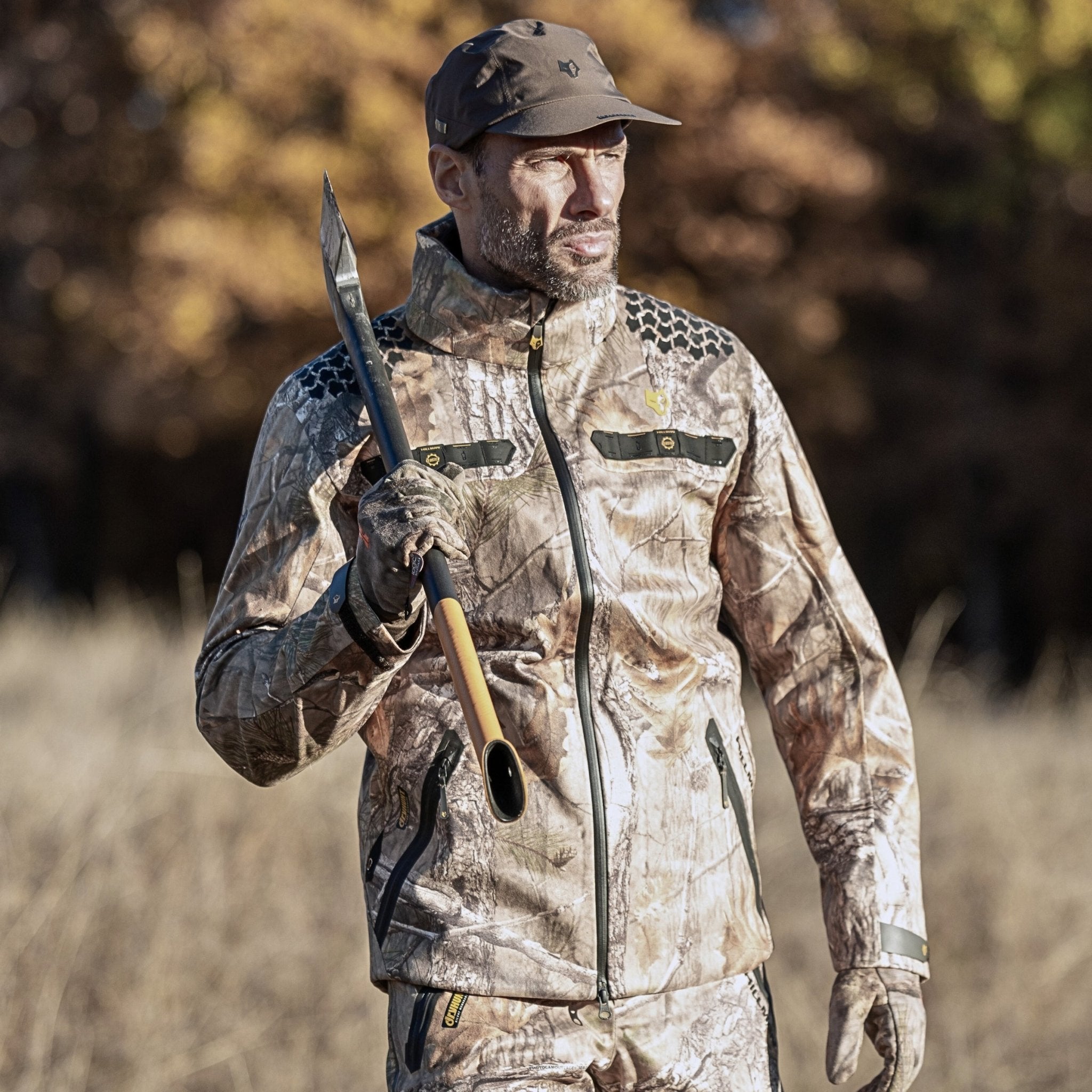
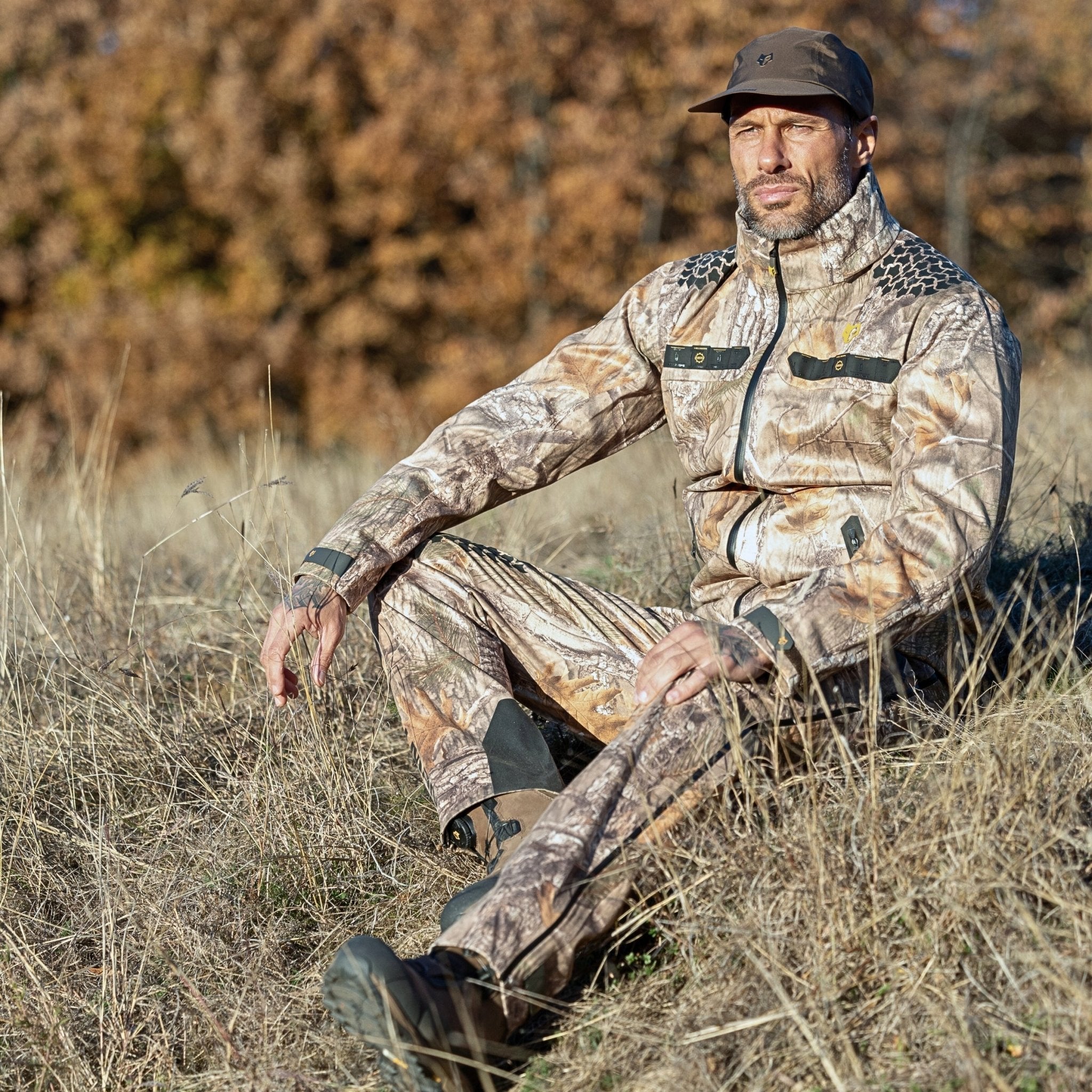
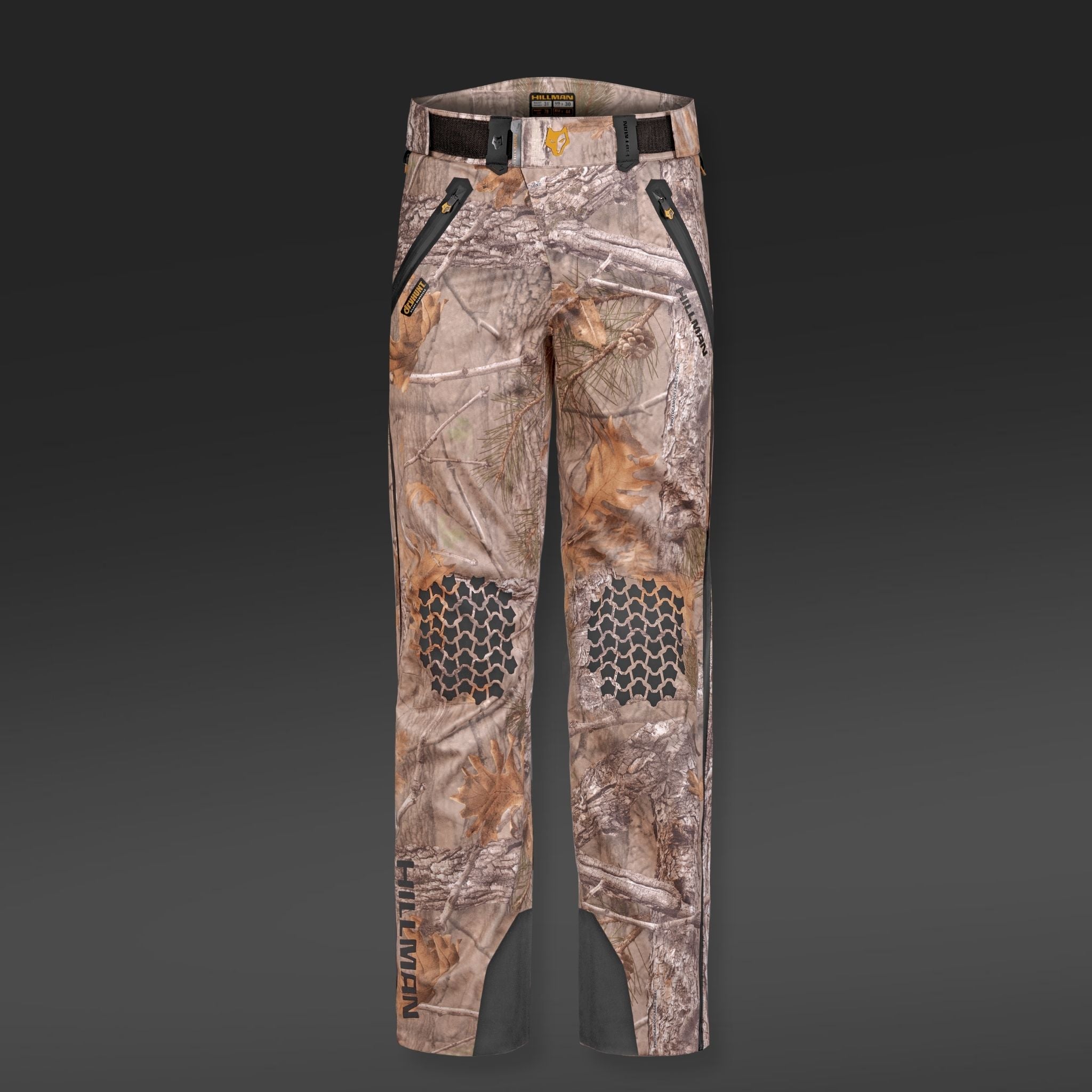
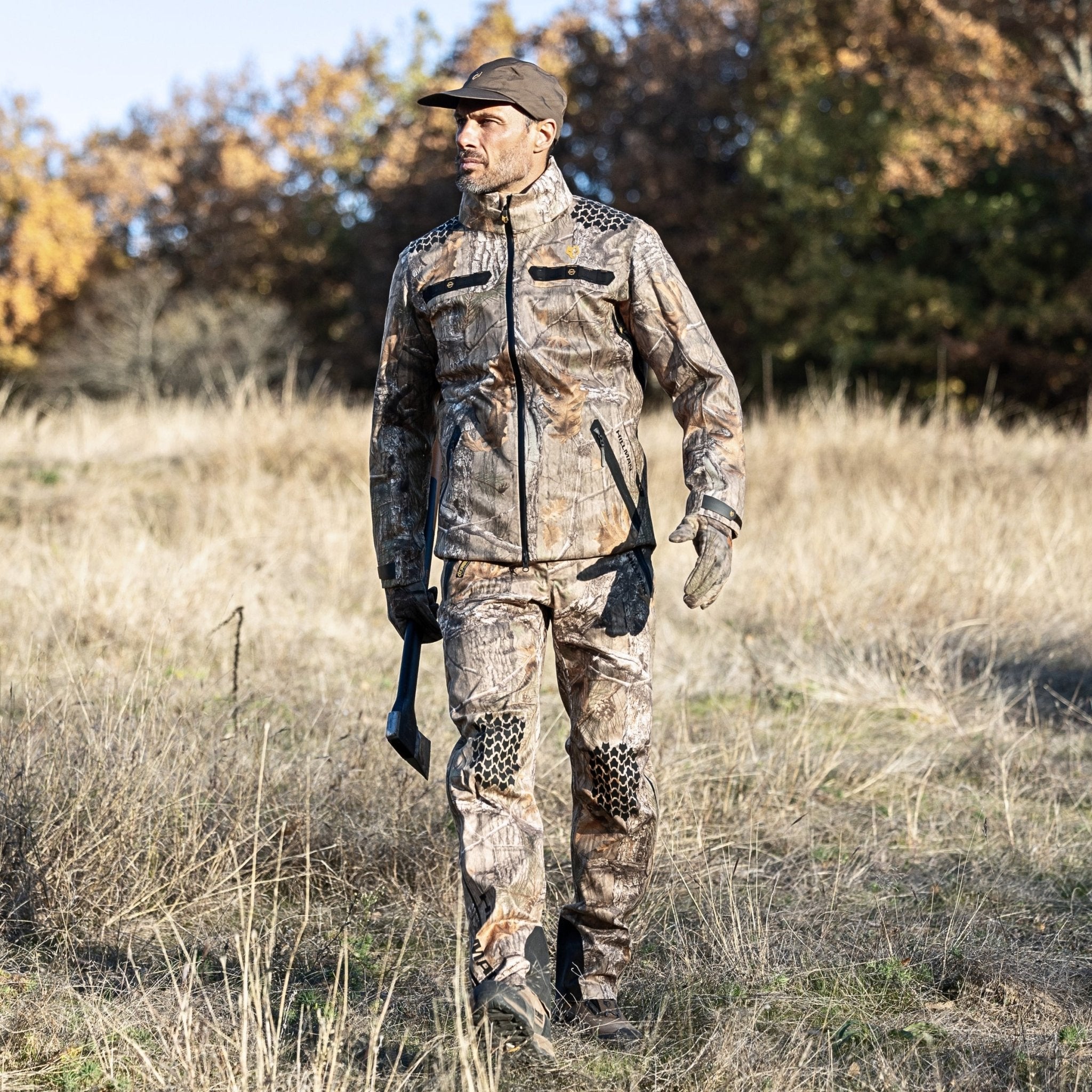
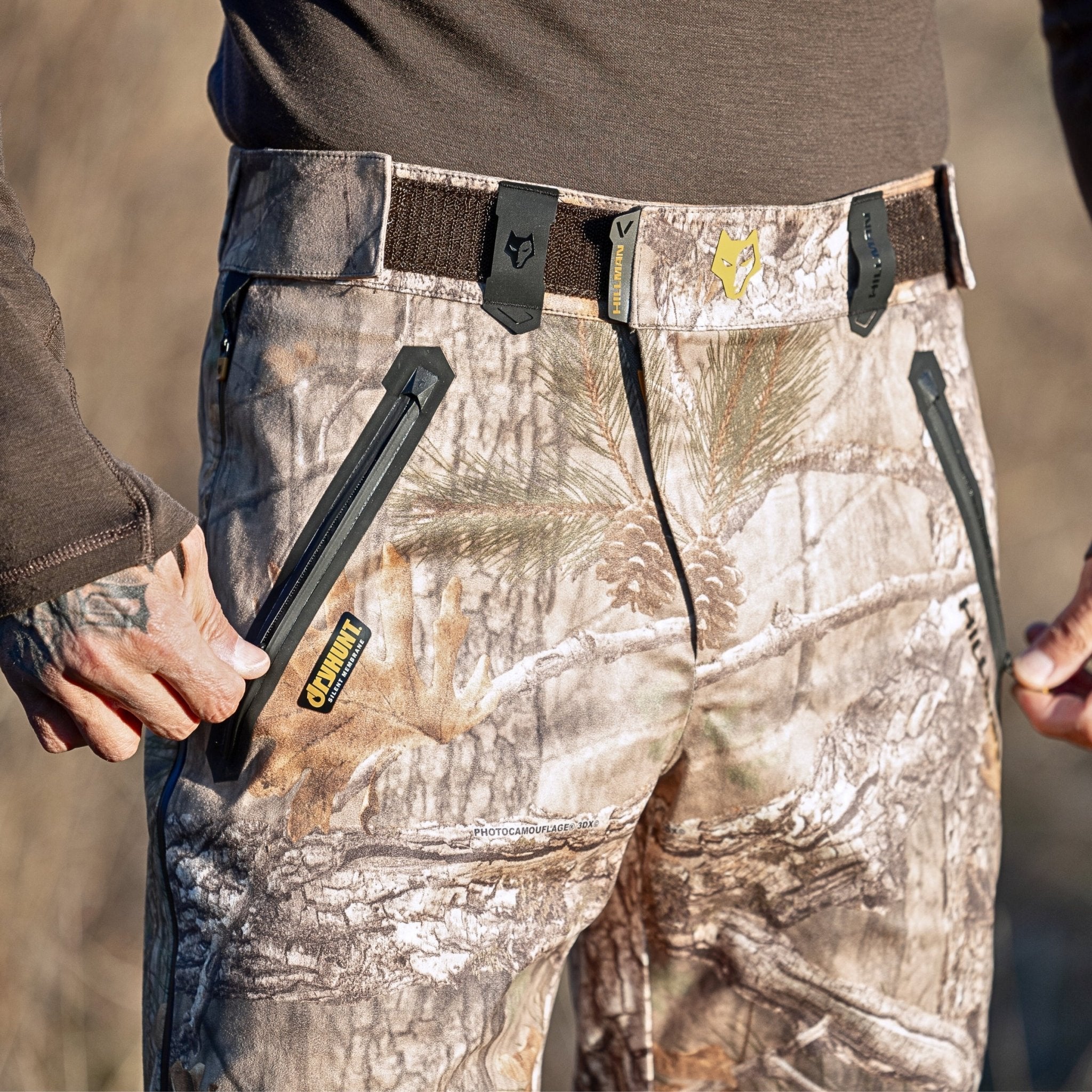
This is where Hillman fits best: as part of a practical system that keeps stalking gear quiet during the approach, but tough enough to handle the rougher work afterwards.
The Outer Layer Takes the Worst of It

Your outer layer is the garment that gets hit first.
Rain is easy. Mud, wet grass, blood, thawing frost and carcass fluid are worse. A cheap waterproof that handles drizzle may fail once you kneel on wet ground and put pressure on the fabric.
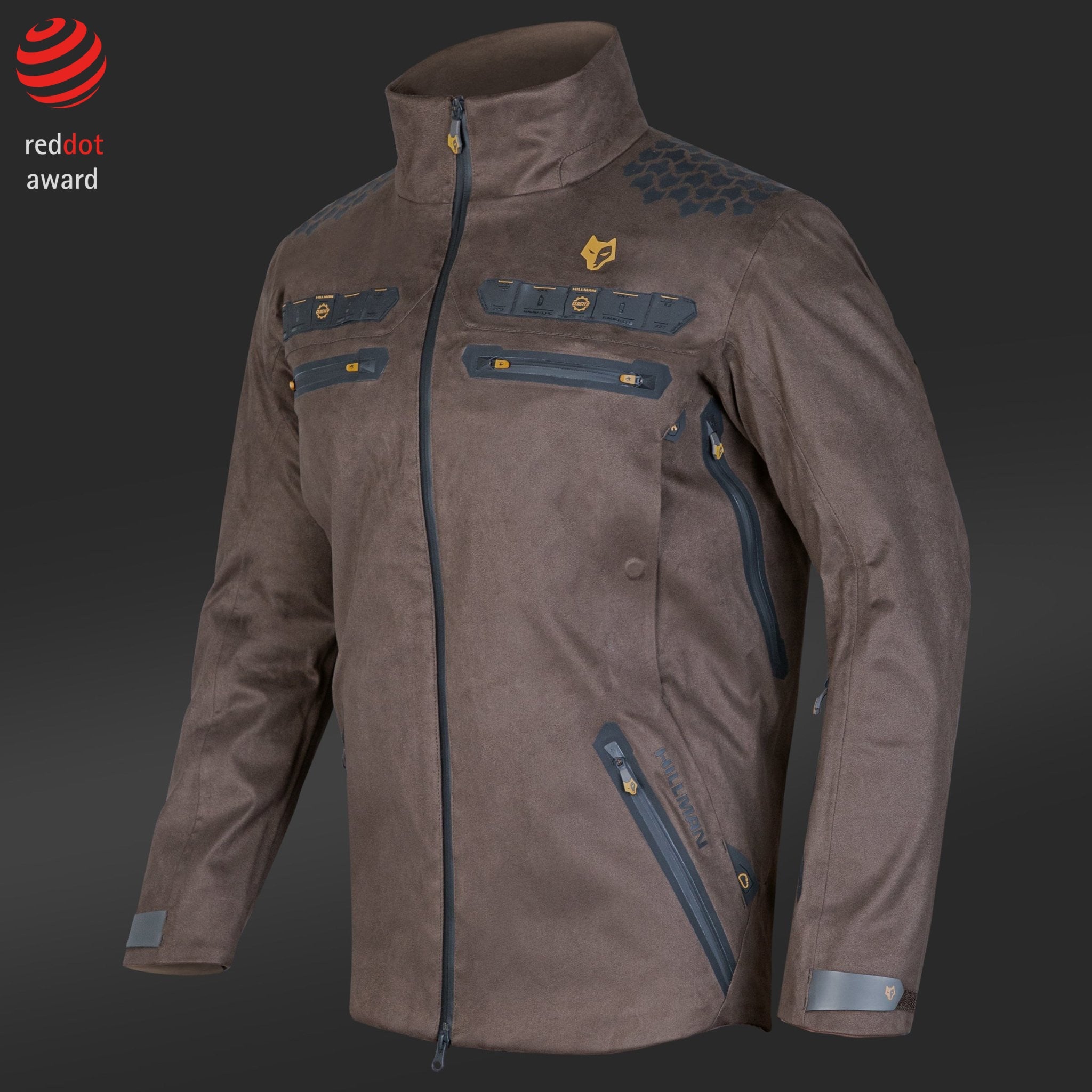
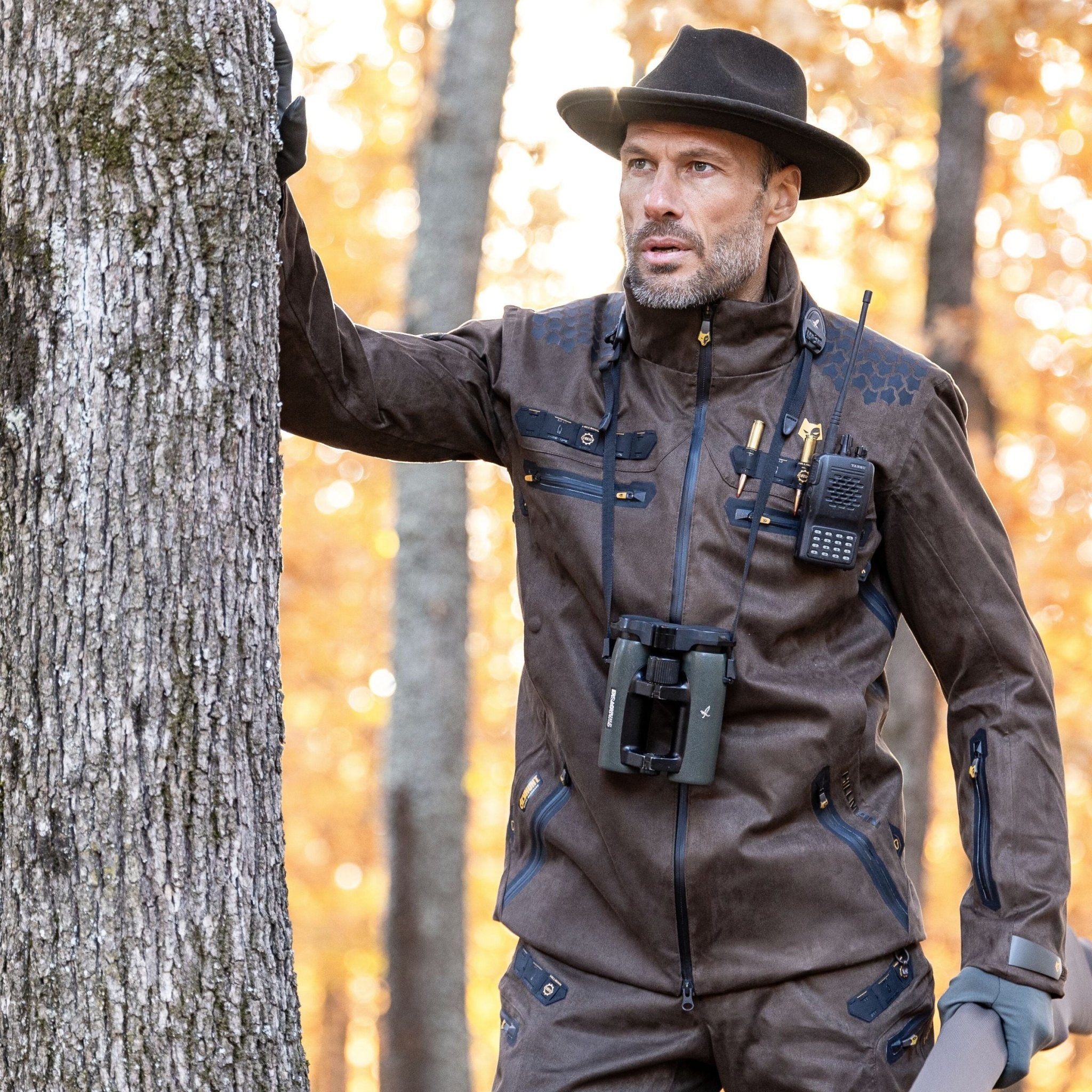
A stalking jacket needs waterproof protection, but it also needs to stay quiet. Some shooting jackets are tough, but they can be too stiff or noisy for deer stalking. If the fabric rustles, scrapes or cracks in cold weather, it can give you away before you are close.
Length matters. A short jacket looks tidy until you kneel or bend. Then it rides up and exposes the layers underneath. Your belt line, lower back and mid layer catch the mess. That is the last thing you want when gralloching.
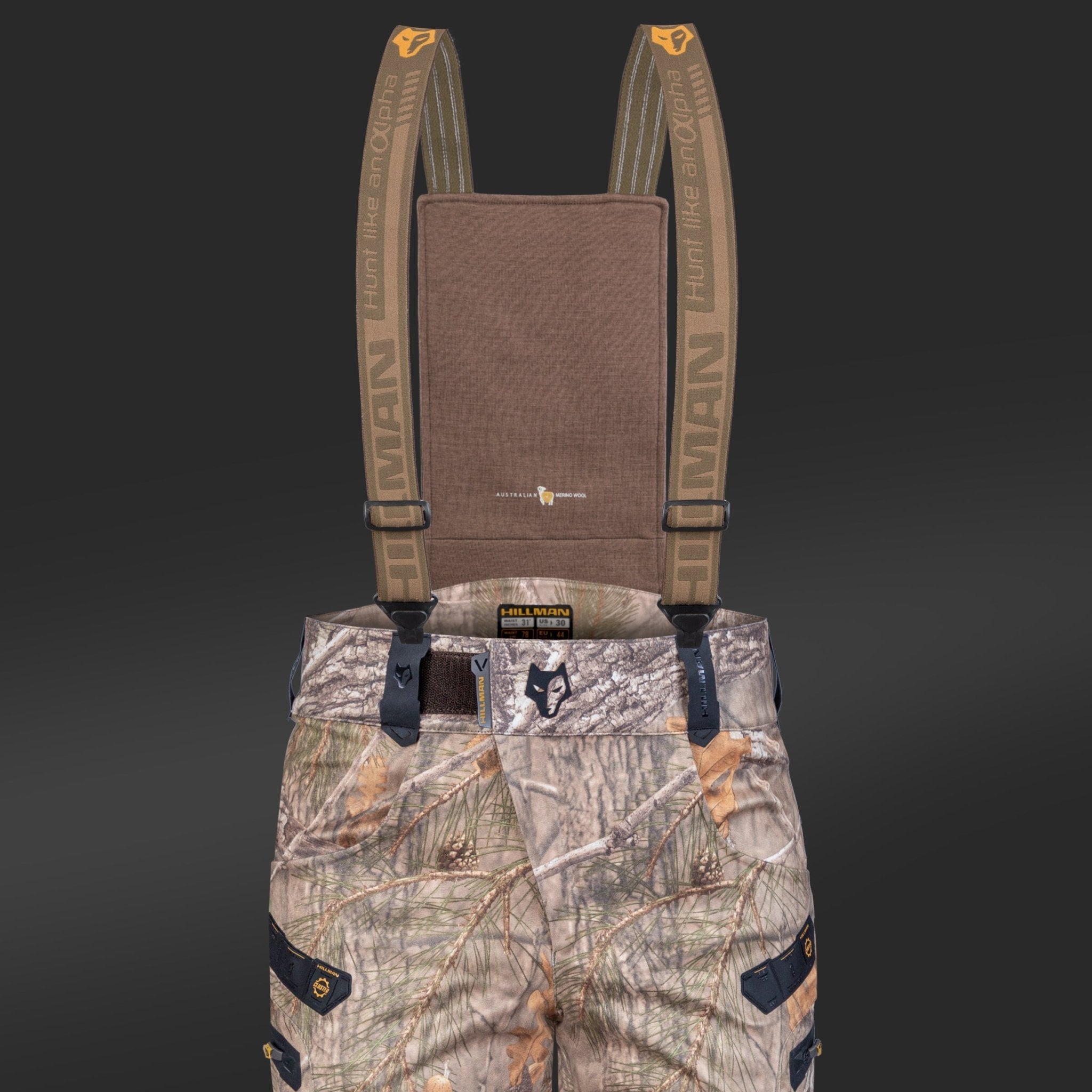
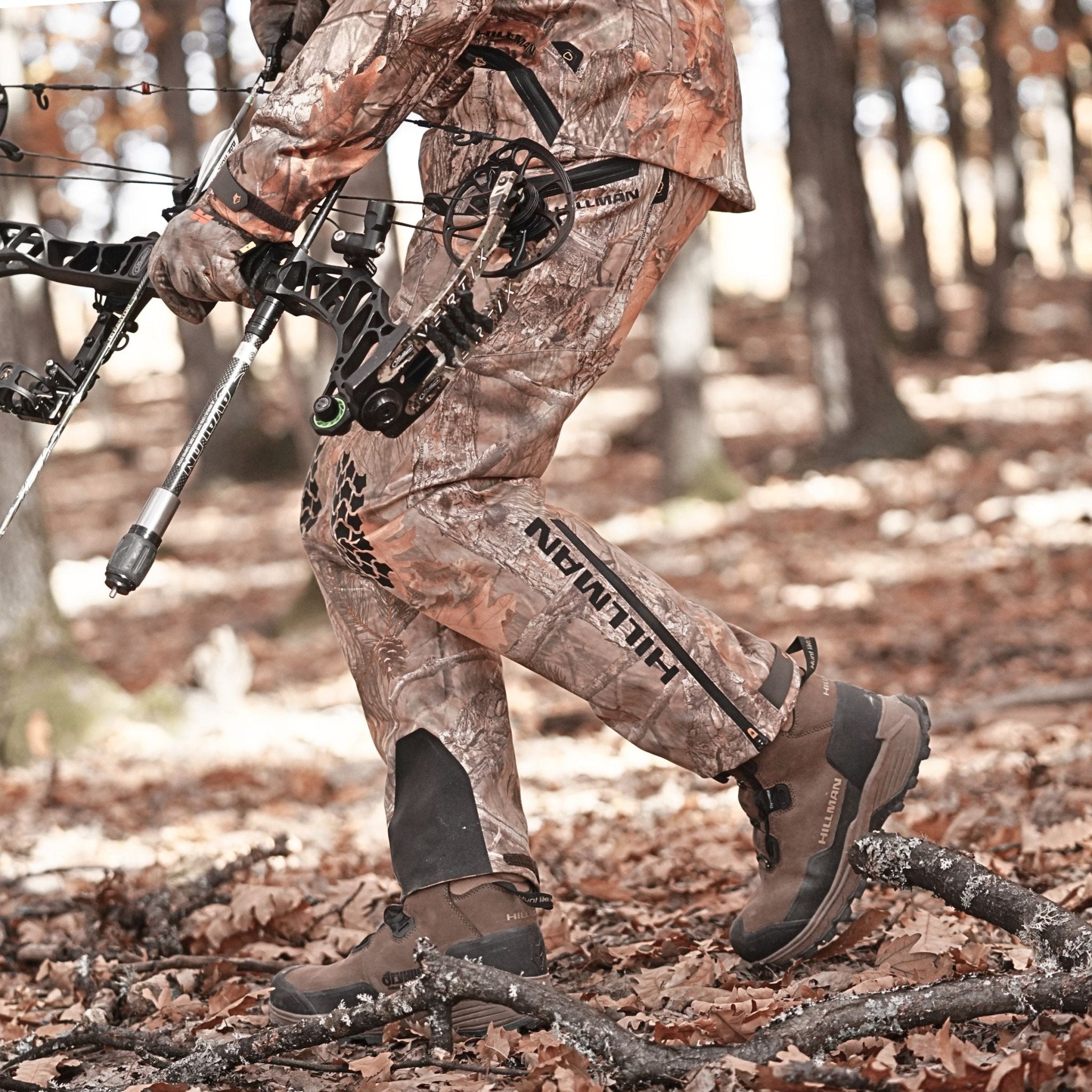
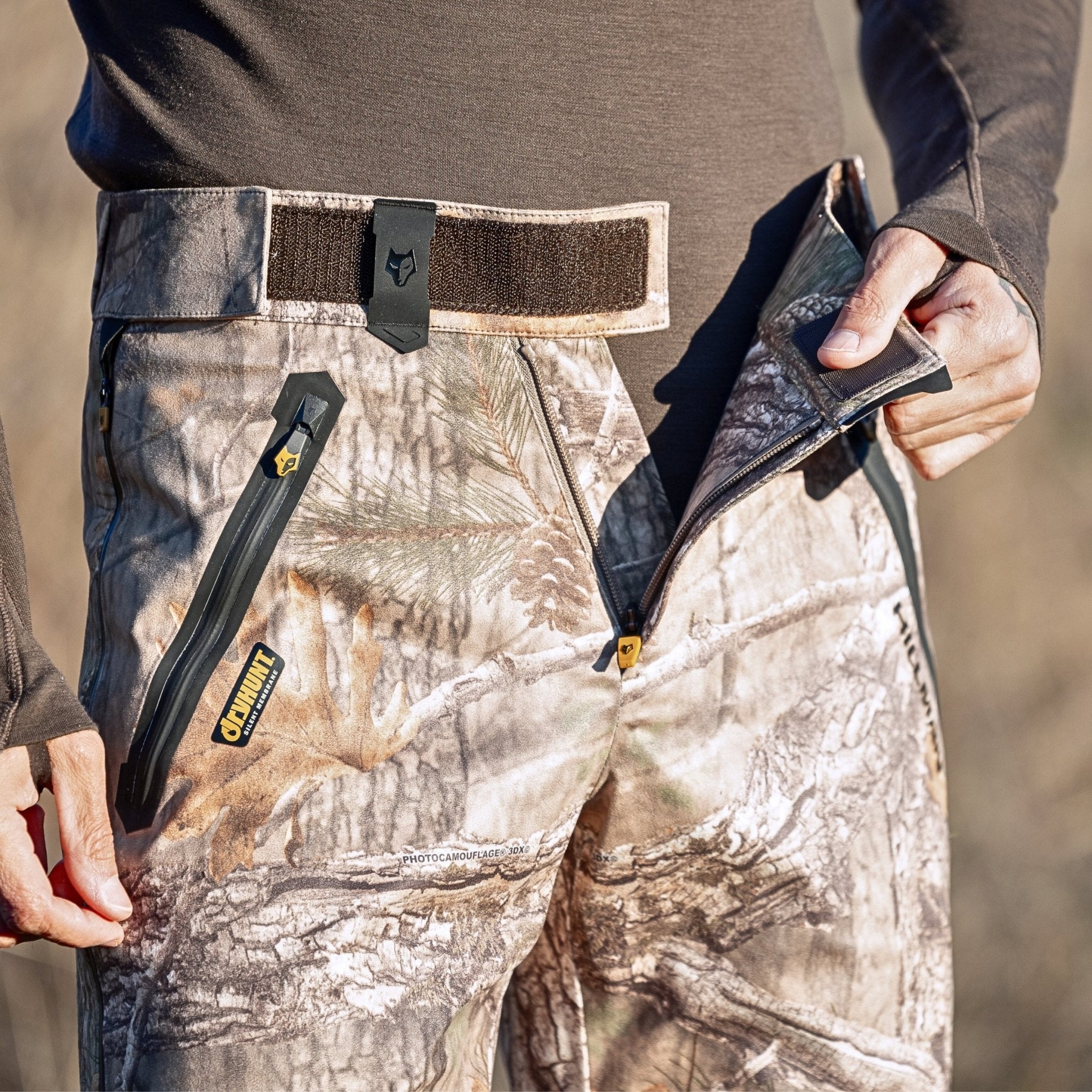
Trousers matter too. They need to be quiet, strong and useful on bad ground. Reinforced knees help. Thornproof panels help in woodland stalking. A bit of stretch helps when stepping over deadfall, crawling under cover or pulling a deer through rough stuff.
The outer layer also needs breathability. During the pull, you heat up fast. If your jacket traps sweat, you soak the mid layer. Then later, when you stop, that sweat turns cold.
That is how a long day becomes a miserable one.
Stay Quiet Until the Deer Is Down

Do not wear all the messy protection during the stalk.
PVC chaps, heavy aprons and stiff waterproof overtrousers have a job. That job starts after the deer is down. Before that, they can flap, creak, catch and make noise.
For the approach, reducing noise matters most. Sleeves should not scrape. Trousers should not swish. A hood should protect from rain without blocking hearing or rubbing loudly on the collar.
The jacket should not push up around the shoulders when you mount the rifle. It should not stick, snag or bunch when you move through cover. If your clothing fights you, your focus goes with it.
Natural colours work well. Browns, greens, dull olives and muted earth shades are fine. Camouflage can help break up your shape, especially in woodland stalking, but it is not magic. Wind, patience and quiet movement matter more.
Still, bad clothing makes everything harder. If your jacket sounds like a crisp packet, it has no place on a careful stalk.
Quiet first. Dirty protection later.
Add Barriers Before Blood Gets Everywhere
Once the deer is down, the clothing job changes.
Now you protect your main kit.
Long disposable gloves are simple and useful. Not short gloves that stop at the wrist. Long gloves. The kind that protect your cuffs when blood runs down your hand or when you reach inside during the gralloch.
A waterproof apron is a great place to add protection. Wipe-clean chaps are useful too. They are not supposed to look smart. They are supposed to stop blood, mud and wet ground from reaching your jackets, trousers and layers underneath.
This matters even more with red deer. Bigger carcass. More weight. More handling. More time on the ground. More chance of getting caught leaning into mess without noticing.
Keep the apron, chaps and gloves easy to reach. If they are buried under half your stalking gear, you will skip them when tired. Then your expensive layers take the hit.
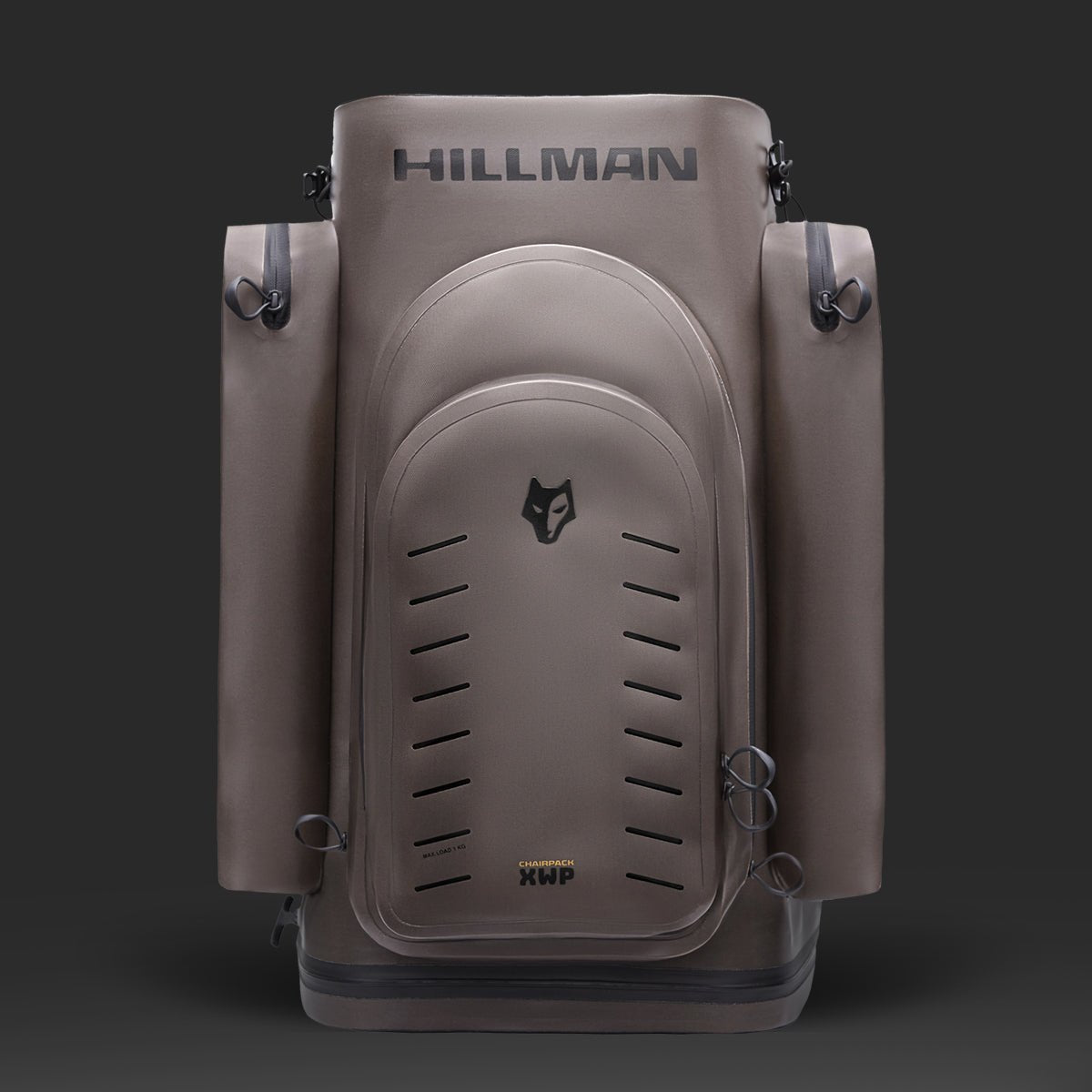
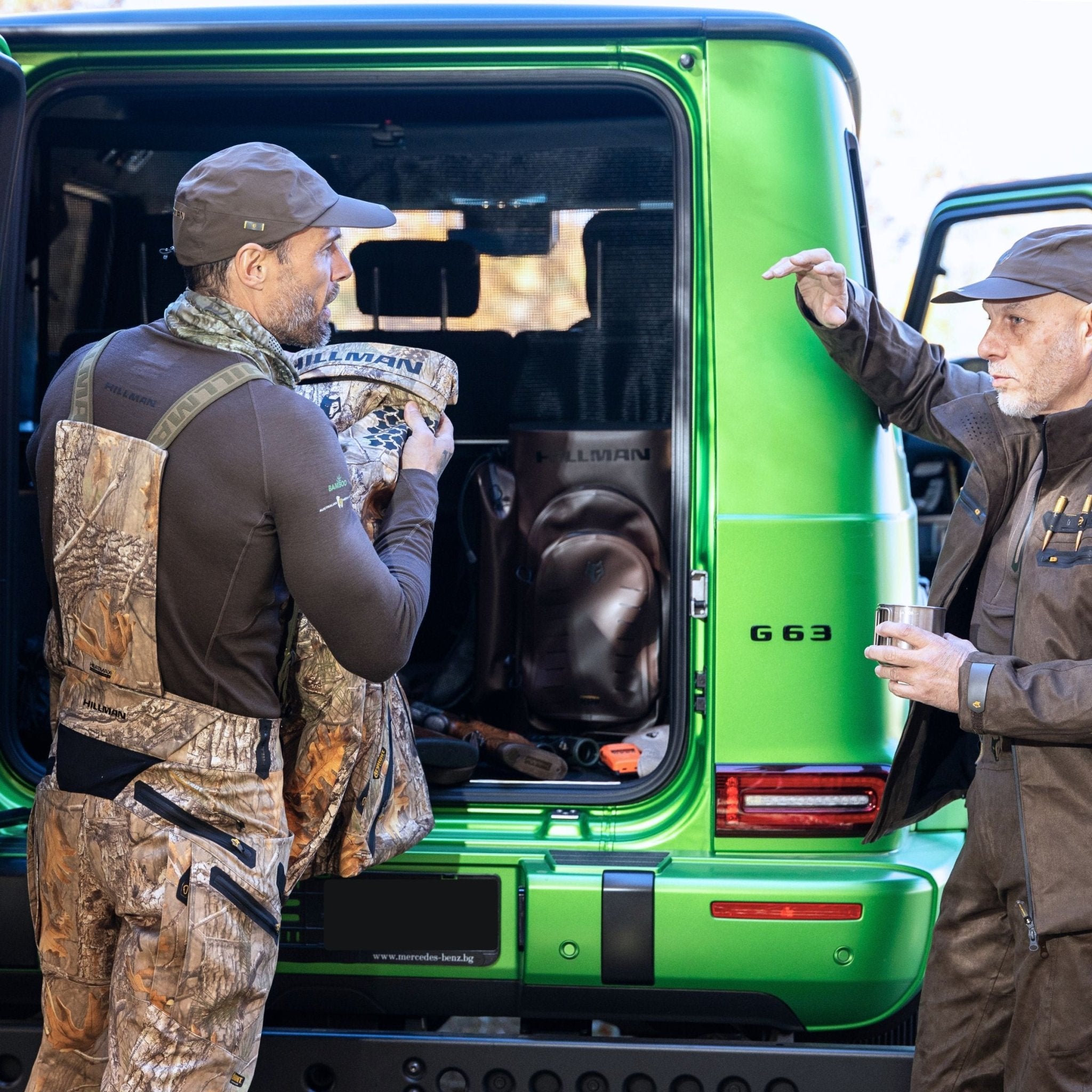
Carry a separate bag for dirty kit. A dry bag, washable pouch or heavy-duty plastic bag is enough. Dirty gloves, apron, wipes and chaps go in there. Not beside your clean hat, spare gloves or warm layer.
Small habit. Saves a lot of cleaning.
Gloves, Knife Work and First Aid Matter

Gralloching is knife work. Knife work outside is never as neat as people pretend.
Hands get cold. Rain gets in. Light fades. Ground gets slick. Focus drops after a long stalk. That is when mistakes happen.
Carry a small first aid kit where you can actually reach it. Not buried at the bottom of the pack. A haemostatic dressing or clotting agent is sensible. So are plasters, bandage, tape and something for cleaning a cut.
This is not overkill. It is basic hunting sense.
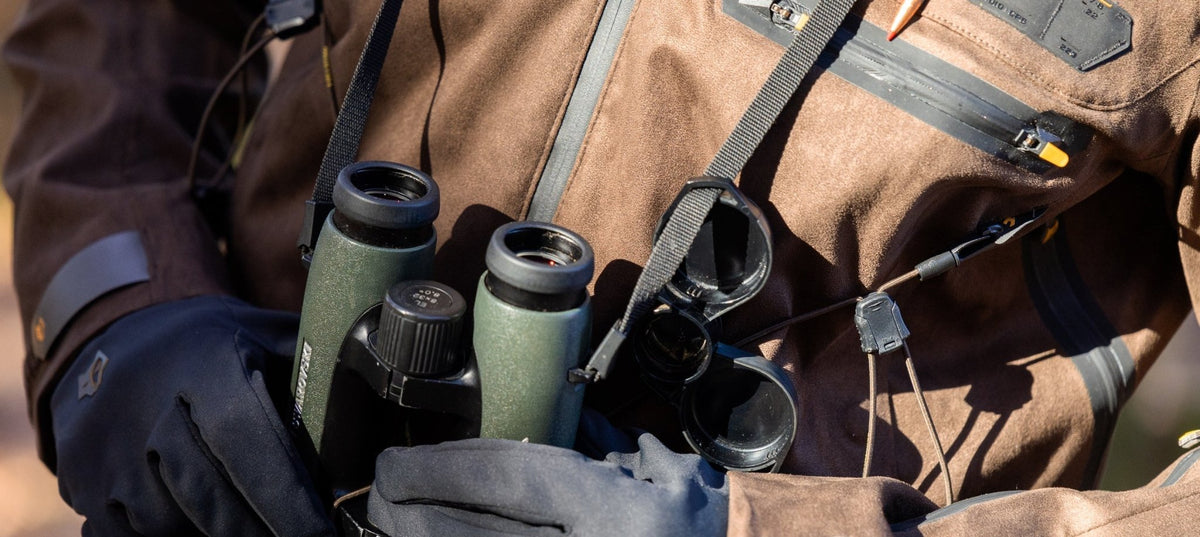
Gloves need to protect without ruining control. Long disposable gloves keep blood and offal away from skin and cuffs. In winter, some hunters wear them under warmer gloves until the gralloch starts. Then the warm pair comes off and the disposable layer stays on.
Some people say gloves reduce feel. Fair enough. Use better gloves. Do not just go bare-handed and soak your sleeves because the cheap ones annoyed you.
Clean hands matter. Clean cuffs matter. Control matters more than pretending you do not need gloves.
Waterproof Boots Are Not Optional

Footwear matters more during the drag-out than many people admit.
The walk back always feels longer when you are pulling weight. Mud gets deeper. Wet grass gets slick. Banks feel steeper. Brash catches your feet. The easy route you noticed earlier suddenly looks useless.
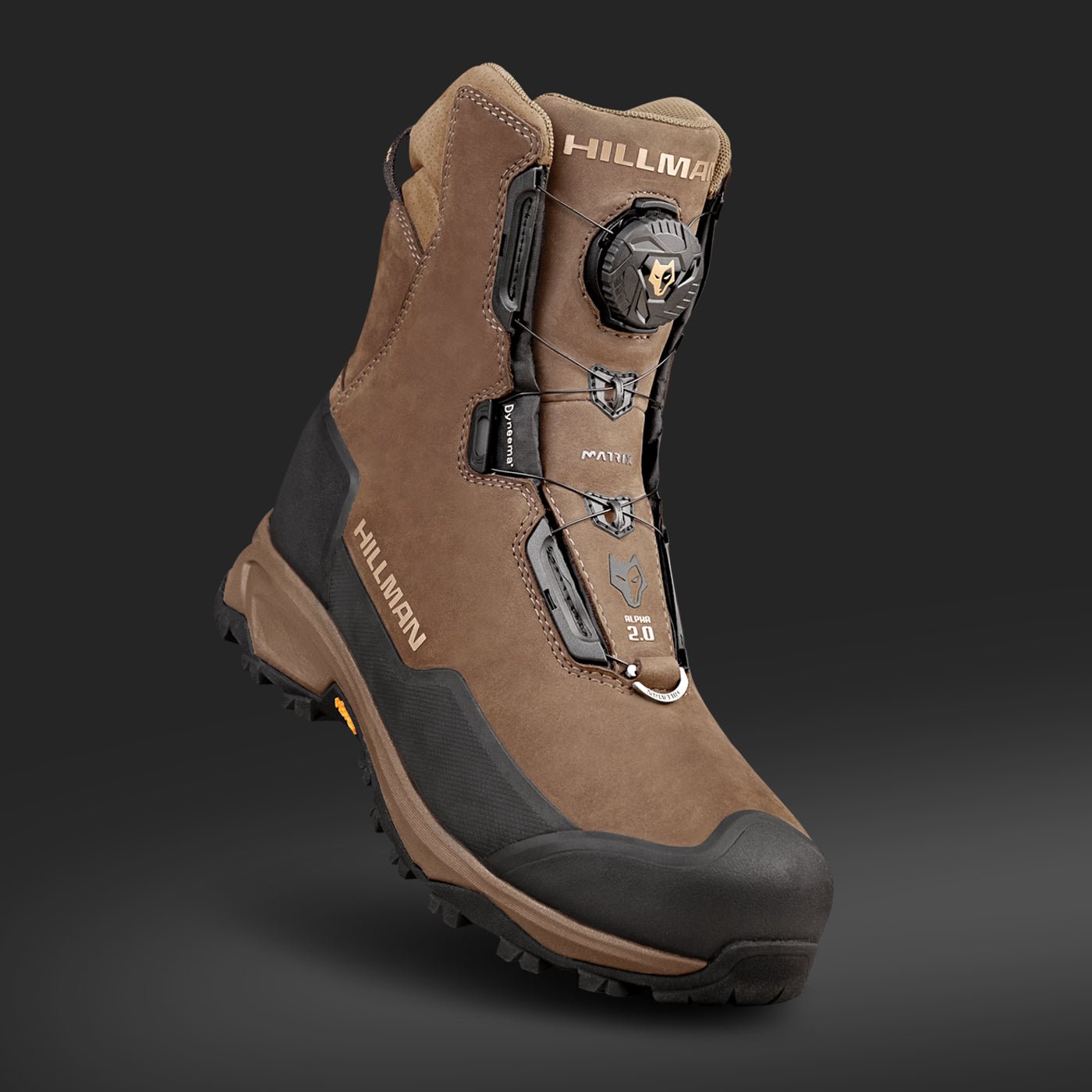
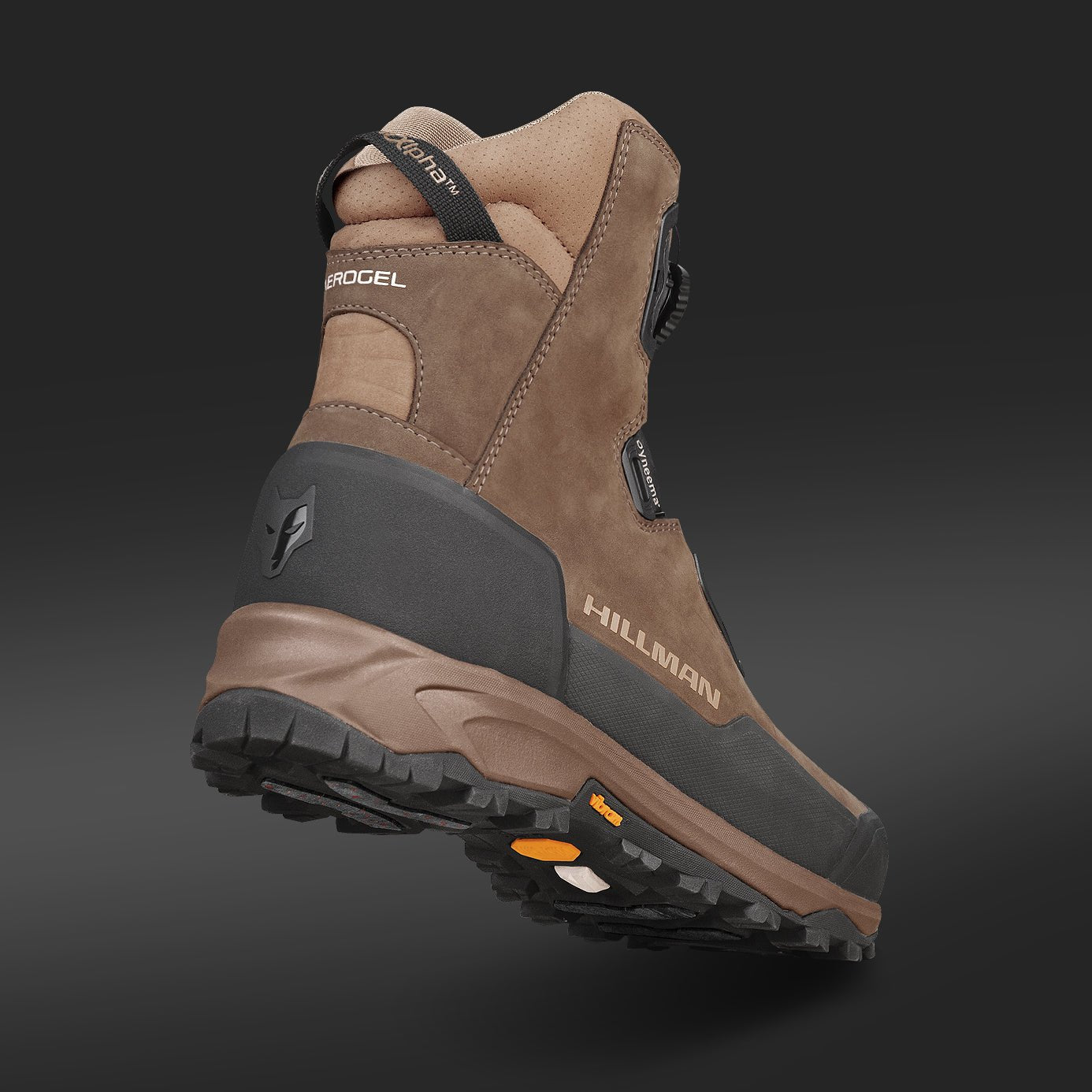
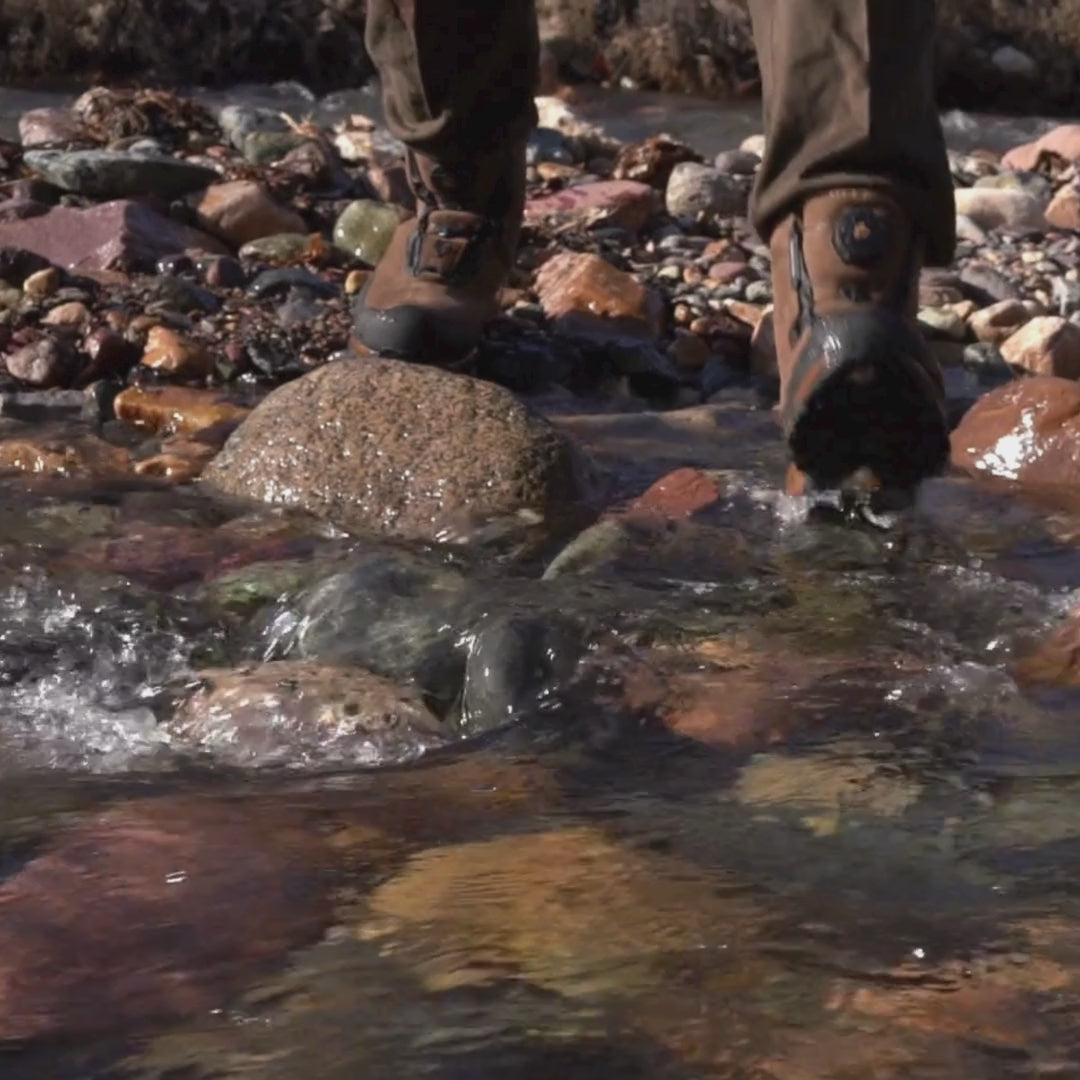
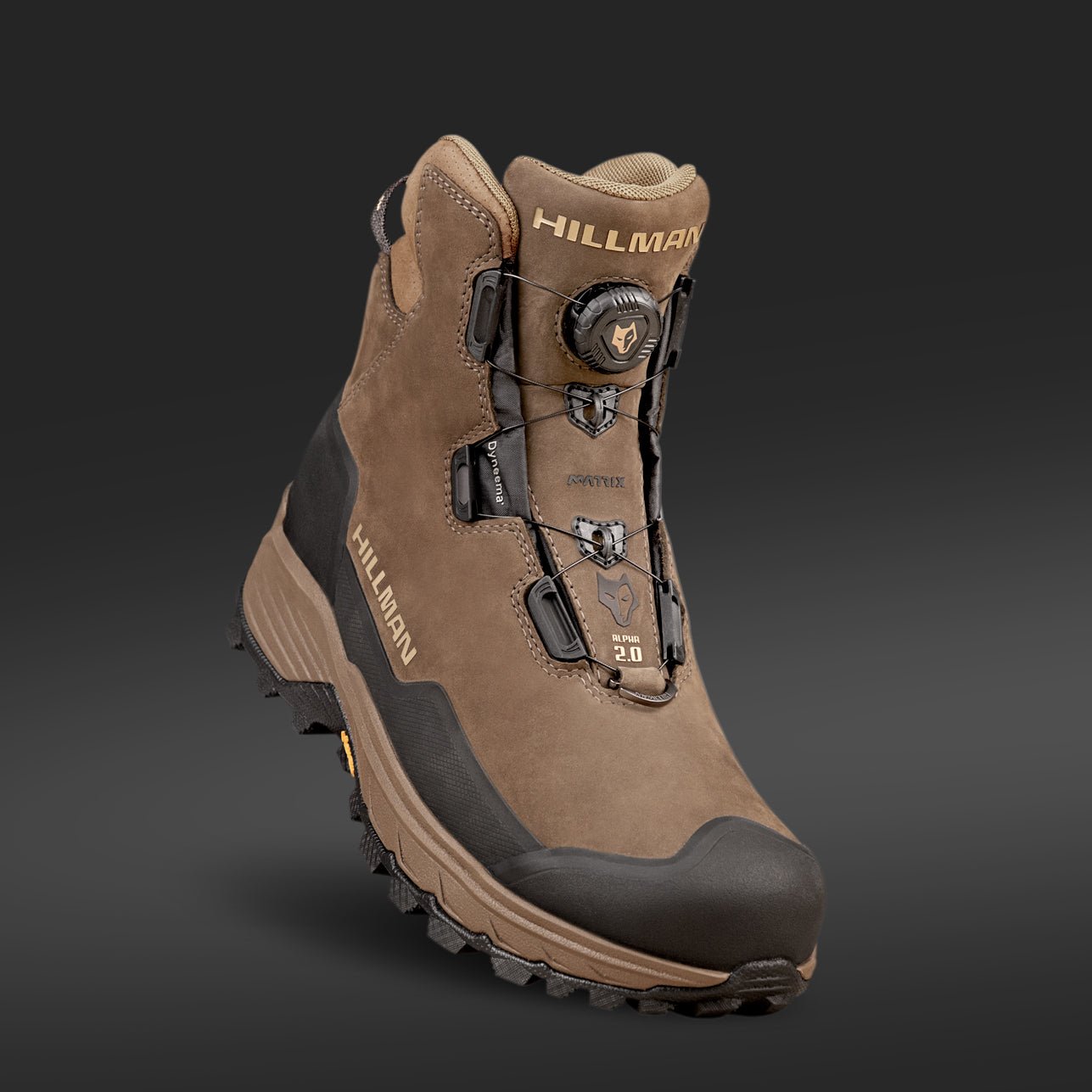
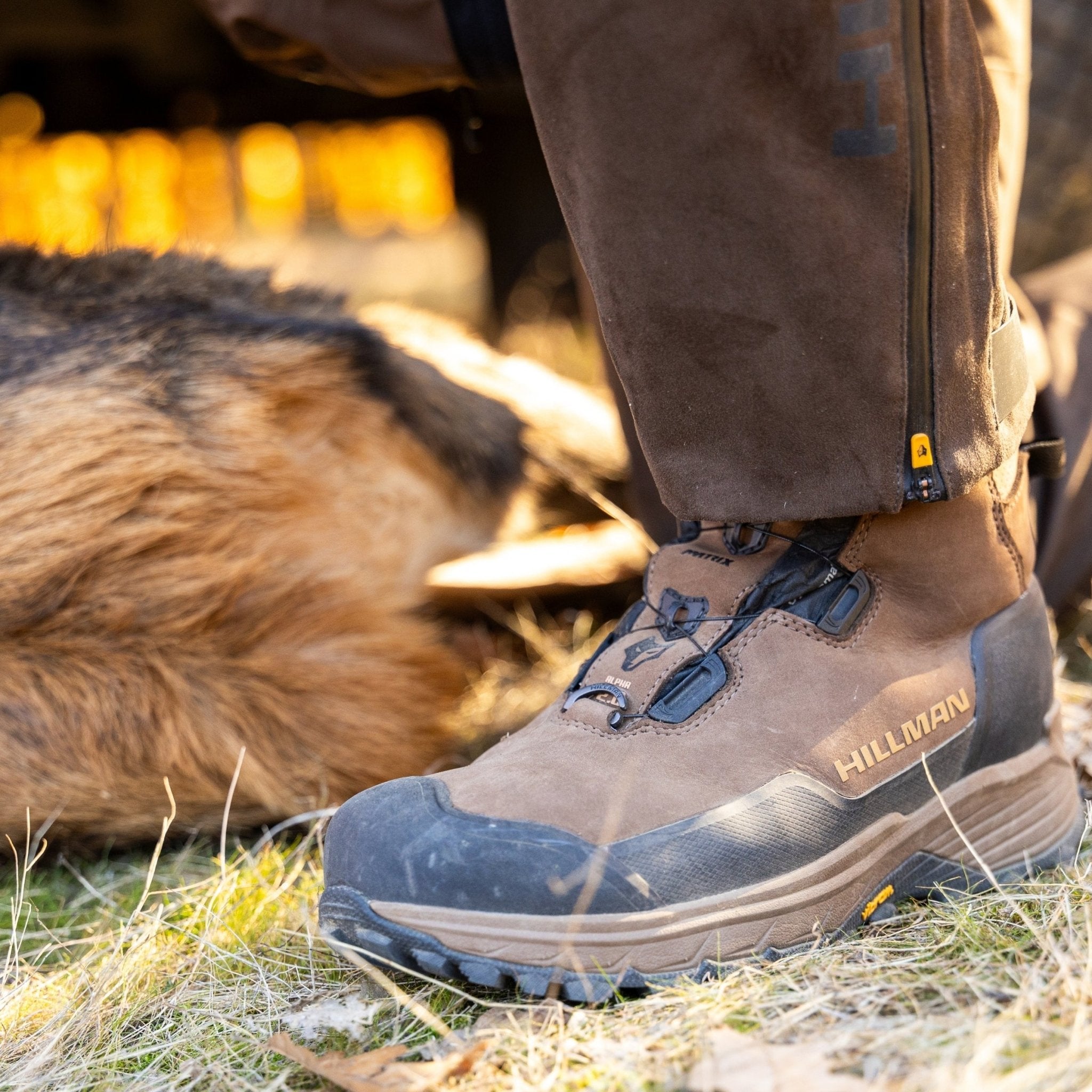
You need waterproof boots with grip and ankle support. Casual outdoor shoes are not enough for proper deer stalking and drag-outs.
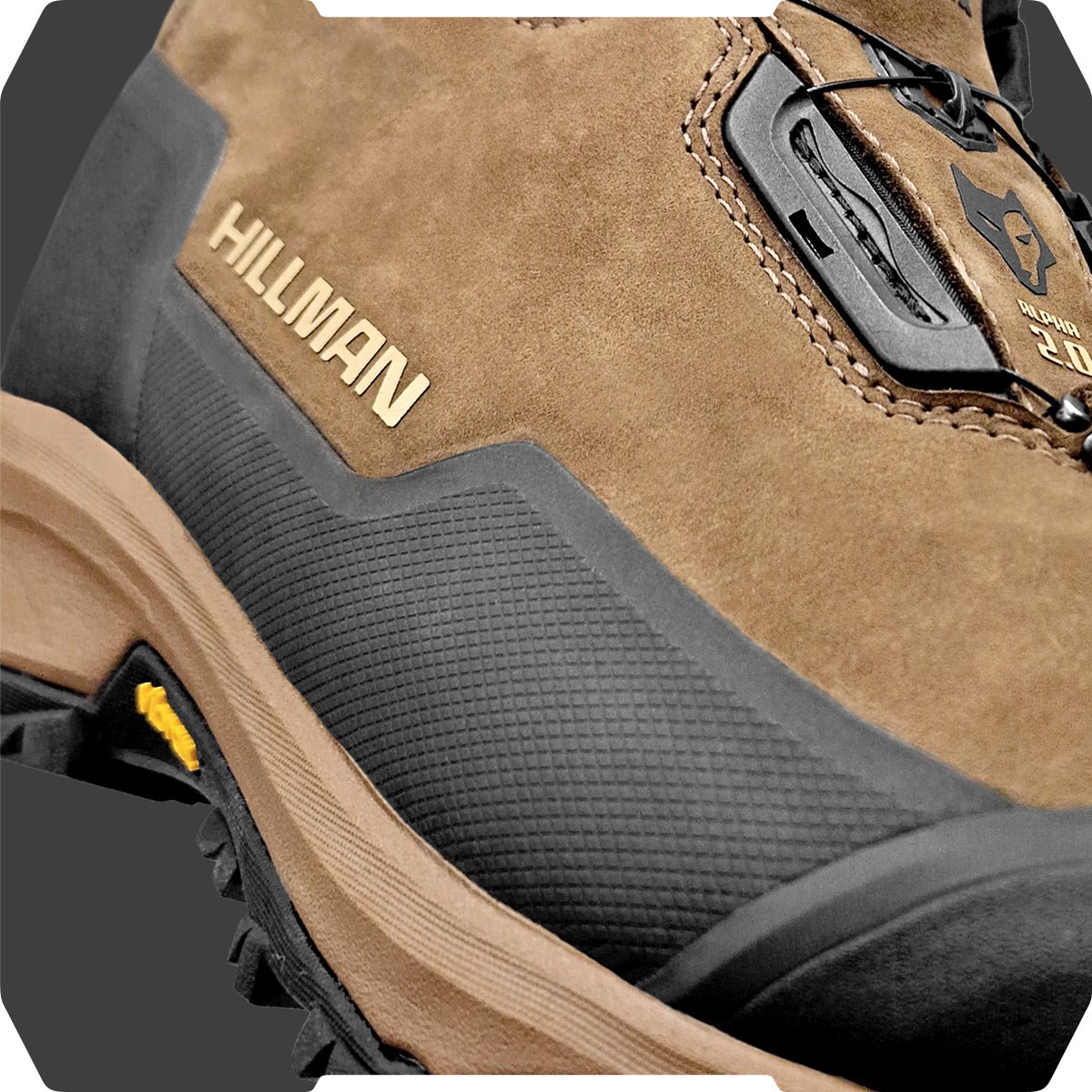
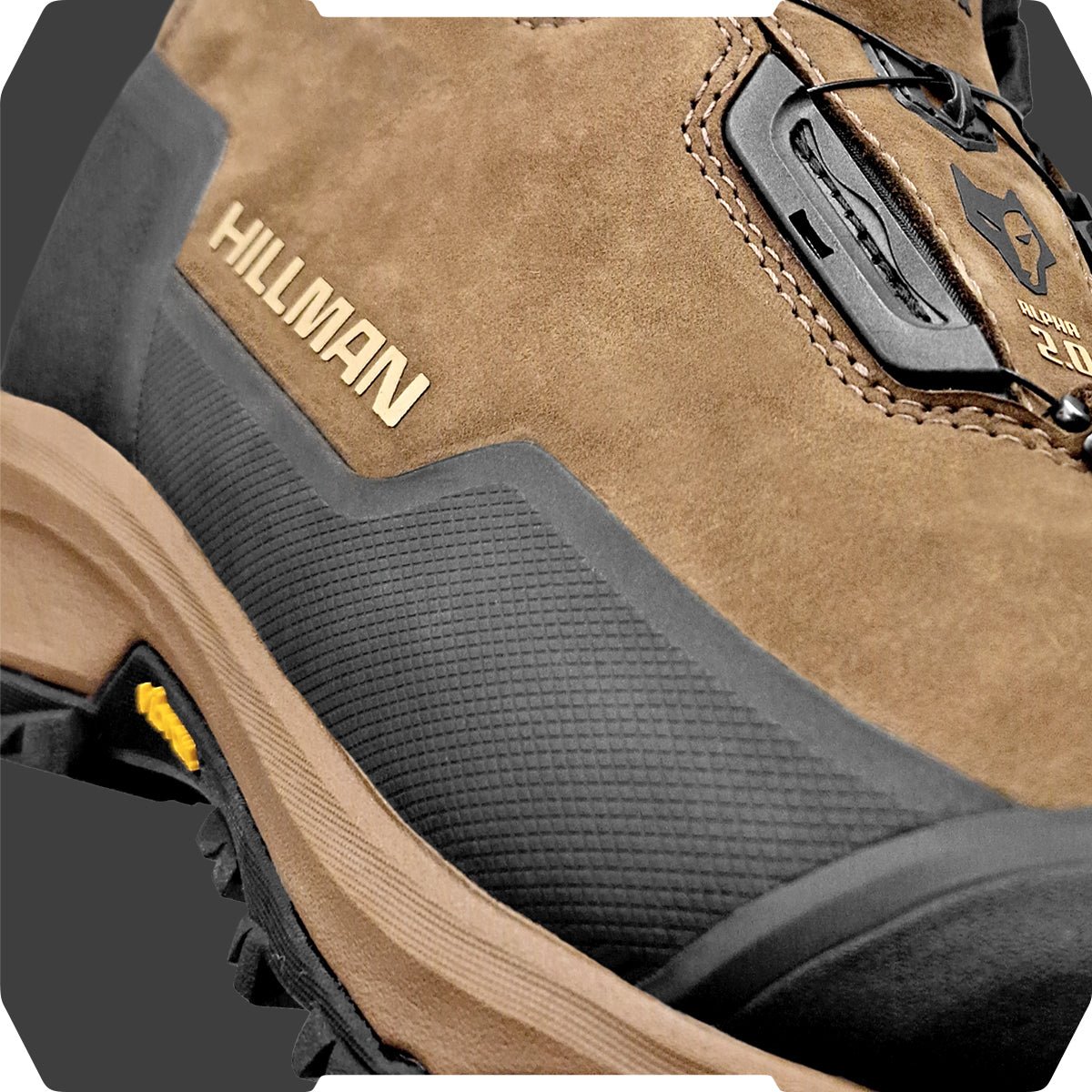
High-ankle leather boots are practical on steep, rocky or rough ground. Rubber rands protect the boot from stone, roots and timber. A firm sole helps when pulling uphill or crossing uneven ground.
Waterproof gaiters are worth wearing too. They protect lower legs, keep water and mud out of boot tops, and stop trouser cuffs getting trashed when you kneel near the carcass.
Good socks matter as well. Wet feet ruin focus. Cold feet ruin patience. Cheap socks bunch up, rub and hold sweat.
Boots are not exciting. They just matter when the ground turns ugly and you still have a deer to move.
Use a Drag Harness Unless You Like Suffering

Dragging a deer by hand is a stupid way to punish yourself.
It twists your back. It burns your grip. It drags your clothing into mud and brash. You end up wrestling the carcass instead of moving it properly.
A drag harness spreads the pull across your body. It keeps your hands freer. It helps your posture. It does not make the deer lighter, but it makes the job less miserable.
It also protects your clothing. Less wrestling means less slipping, less kneeling, less grabbing and less grinding your stalking jacket into the ground.
For small deer on easy ground, you may manage without one. For red deer, steep banks, woodland stalking or long pulls, a harness is a much better idea.
You still work hard. You just work cleaner and with less damage to your kit.
Woodland, Open Ground and Winter Need Different Choices

Woodland stalking is wet, scratchy and close. Brambles, low branches, wet leaves, mud and deadfall all attack clothing. Quiet fabric matters here. Thornproof trousers and a tough outer layer are useful.
Open ground is different. Wind strips warmth fast. Rain hits harder. You may walk hard, then wait in a cold spot for long hours. That is where breathable layers and proper weather protection become important.
Winter is another trap. People wear too much from the start. Then they sweat. Then they stop moving and get cold.
Better to start slightly cool and carry warmth. Add a layer when waiting. Open vents before the drag-out cooks you. Loosen cuffs. Let heat escape before your base layer is soaked.
Unpredictable conditions are normal in stalking. One minute warm from walking. Next minute cold from waiting. Then hot again during the pull.
Good clothing options are modular. Add when cold. Vent when hot. Protect when dirty. Pack away contaminated gear before it spreads through your bag.
That is the system.
Keep Clean Layers Away From Dirty Gear

Once something has blood, mud or carcass fluid on it, treat it as dirty for the rest of the day.
Do not shove dirty gloves into your jacket pocket. Do not put a bloody apron beside your clean mid layer. Do not wipe a knife, then grab your hood, hat or spare gloves with the same hand.
That is how good kit starts to stink.
Use a separate bag. Dirty gloves, apron, chaps and wipes go in there. Clean clothing stays clean.
Smell matters too. Old biological scent stuck in stalking gear is not helpful. Deer are prey animals with sharp noses. Do not make the next stalk harder before it starts.
When you get home, clean the dirty kit. Dry the boots. Air the layers. Wash what needs washing. Do not leave it all in the vehicle and hope it sorts itself out.
It will not.
The Setup That Actually Works

A practical setup for deer gralloching and drag-outs is simple.
Wear a breathable base layer. Add a warm mid layer. Use a quiet waterproof stalking jacket long enough to cover your waist when bending. Wear tough waterproof trousers. Use waterproof boots, good socks and gaiters.
Carry long disposable gloves. Carry a wipe-clean apron or PVC chaps. Carry a drag harness. Carry a small first aid kit with proper bleeding control. Carry a separate bag for dirty gear.
That is enough.
You stalk quietly in normal deer stalking clothing. Once the deer is down, you add protection before the dirty work starts. Then you keep contaminated kit away from clean layers.
The point is not to stay spotless. That is not real life.
The point is to stop expensive hunting clothing being wrecked when cheap barriers would have protected it.
Good stalking gear should help you stalk, gralloch, drag out and still be ready for the next outing. Anything less is just nice clothing waiting to be ruined.




Share:
What to Wear for Clay Shooting Practice Before Game Season