
Estate Work Clothing: Practical Outdoor Gear for Feeding, Checking Rides and Wet Jobs

Estate work clothing for wet feeding rounds, ride checks and hard UK outdoor jobs, with practical gear that lasts.
Clothing that has to do the job. Estate work clothing is not bought for posing around. It gets rubbed on gates, dragged through wet grass, covered in feed dust, chucked in the back of the truck and pulled on again the next morning. That is normal estate work. If the clothing cannot take that, it is not worth much.
This is why estate work clothing practical outdoor gear for feeding rounds, checking rides and wet jobs has to be picked with sense. A jacket might look perfect on a website. Trousers might sound clever in the description. None of that matters if they soak through, rip on brash or become a hassle every time they need washing.
The first order is simple: protection. Rain, mud, wind, wet rides, cold mornings, warm afternoons, feed bags, gateways and rough cover all test clothing properly. Leisure clothing does not last long in that kind of work.
Good workwear should be comfortable, but not soft. It should let you move, hold up through the season, wash easily and provide protection when the weather turns nasty. Comfort, durability and practical use matter more than polished country style.
Long Sleeve Tops Are Usually the Better Choice

Long sleeve tops make more sense than short sleeves for most estate jobs. They stop your arms getting scratched by brambles, bitten by insects or burned by the sun. They also give a bit more protection when you are pushing through wet rides or carrying feed.
A basic t-shirt might feel fine at the farm in warm weather, but it soon feels poor once the work gets active. Breathable shirts are better. They let air move, help control sweat and still look right around a working estate.
Peached cotton and brushed flannel shirts are good examples. The fabrics feel natural, take a bit of abuse and do not look too delicate. Green, brown, grey, blue and darker red all work, depending on the site, season and who might be around during the visit.
Moisture-wicking workwear is also useful. Lifting bags, carrying buckets, checking fences and walking between feeders can make you sweat even when the day is cold. If the fabric pulls moisture away from the skin, you stay more comfortable when you stop moving.
Lightweight does not mean weak. A good long sleeve top should be light enough for active work, but strong enough to bring out again next week. If it snags, twists, shrinks or looks finished after a few washes, it was the wrong choice.
Jackets for Rain, Feed Dust and Rough Weather

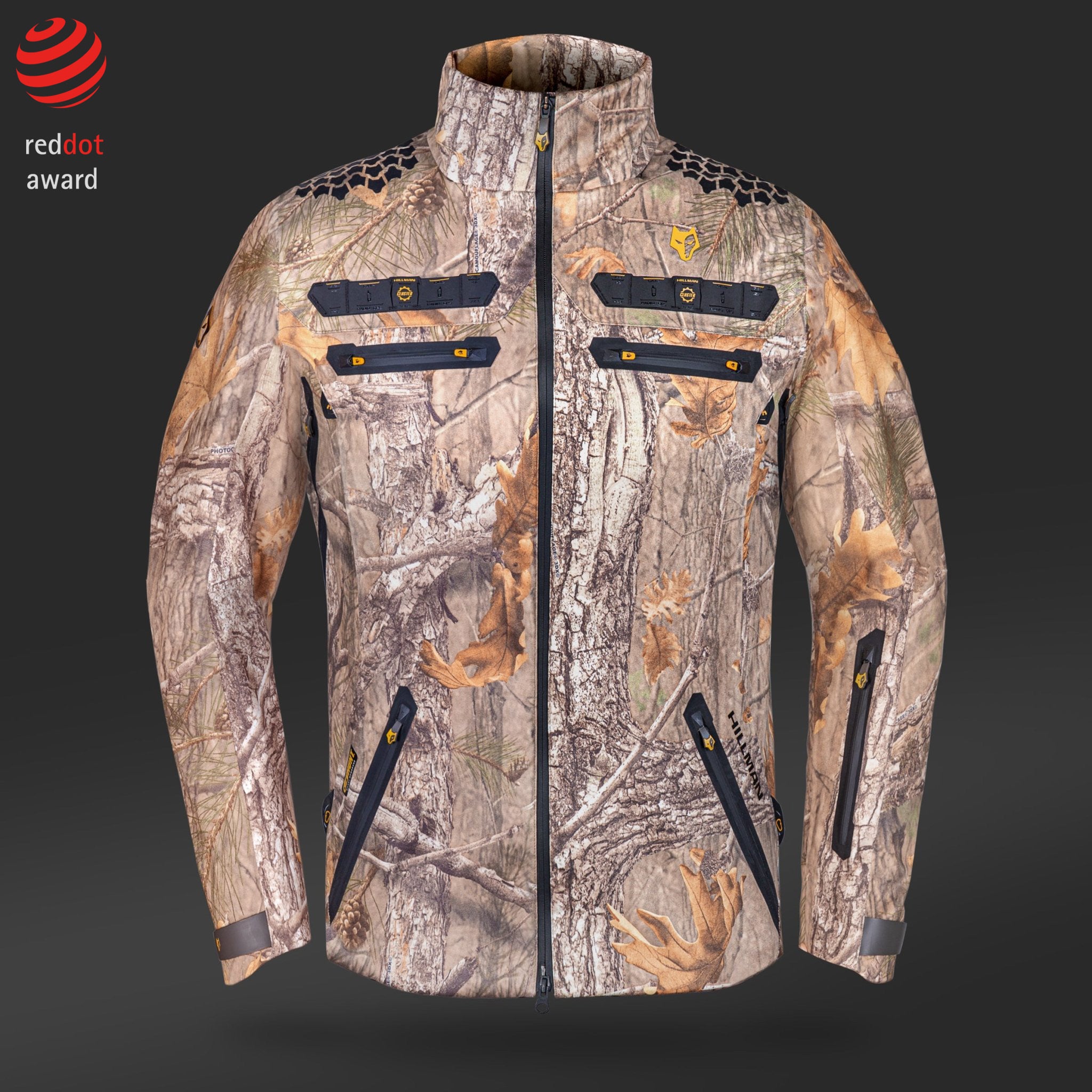
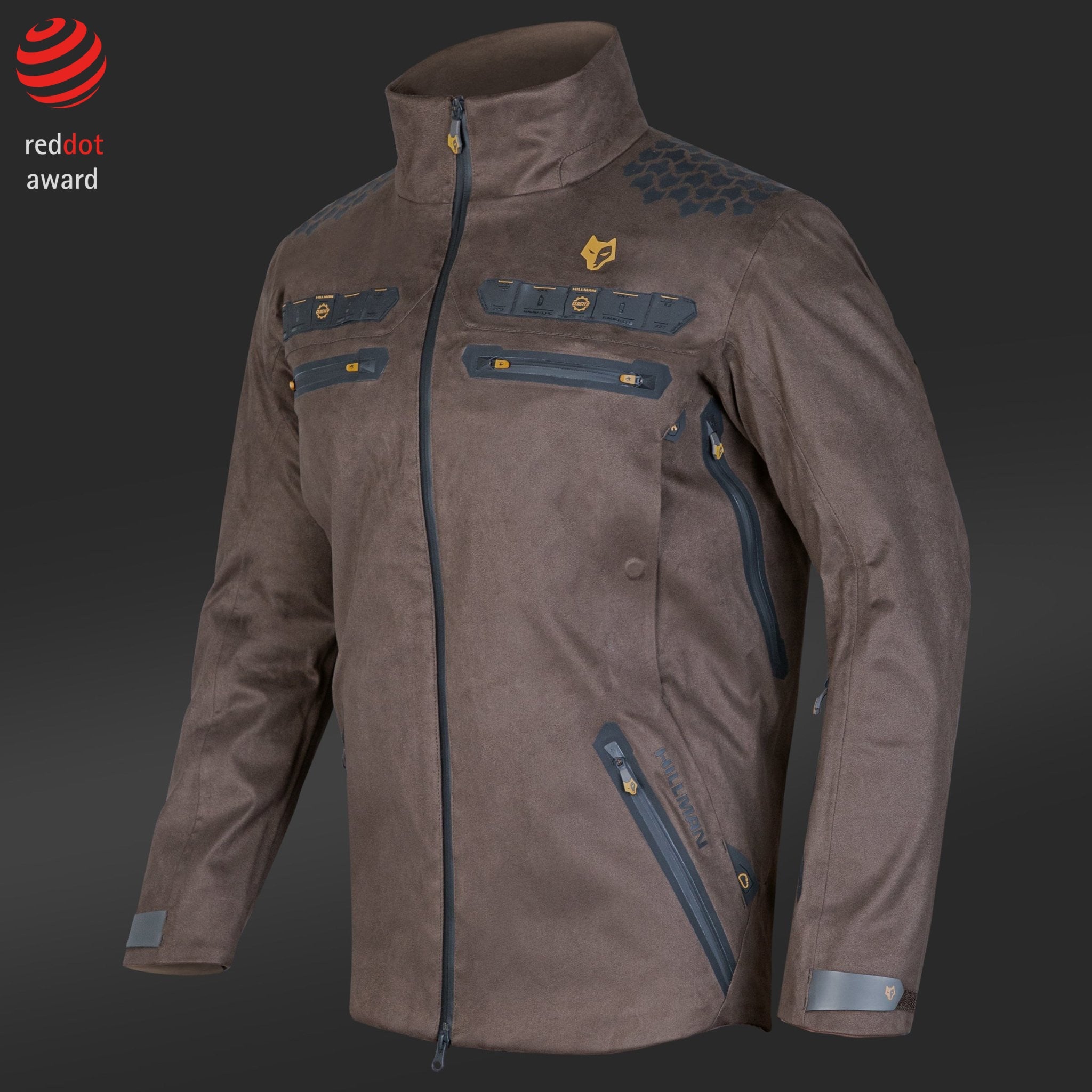
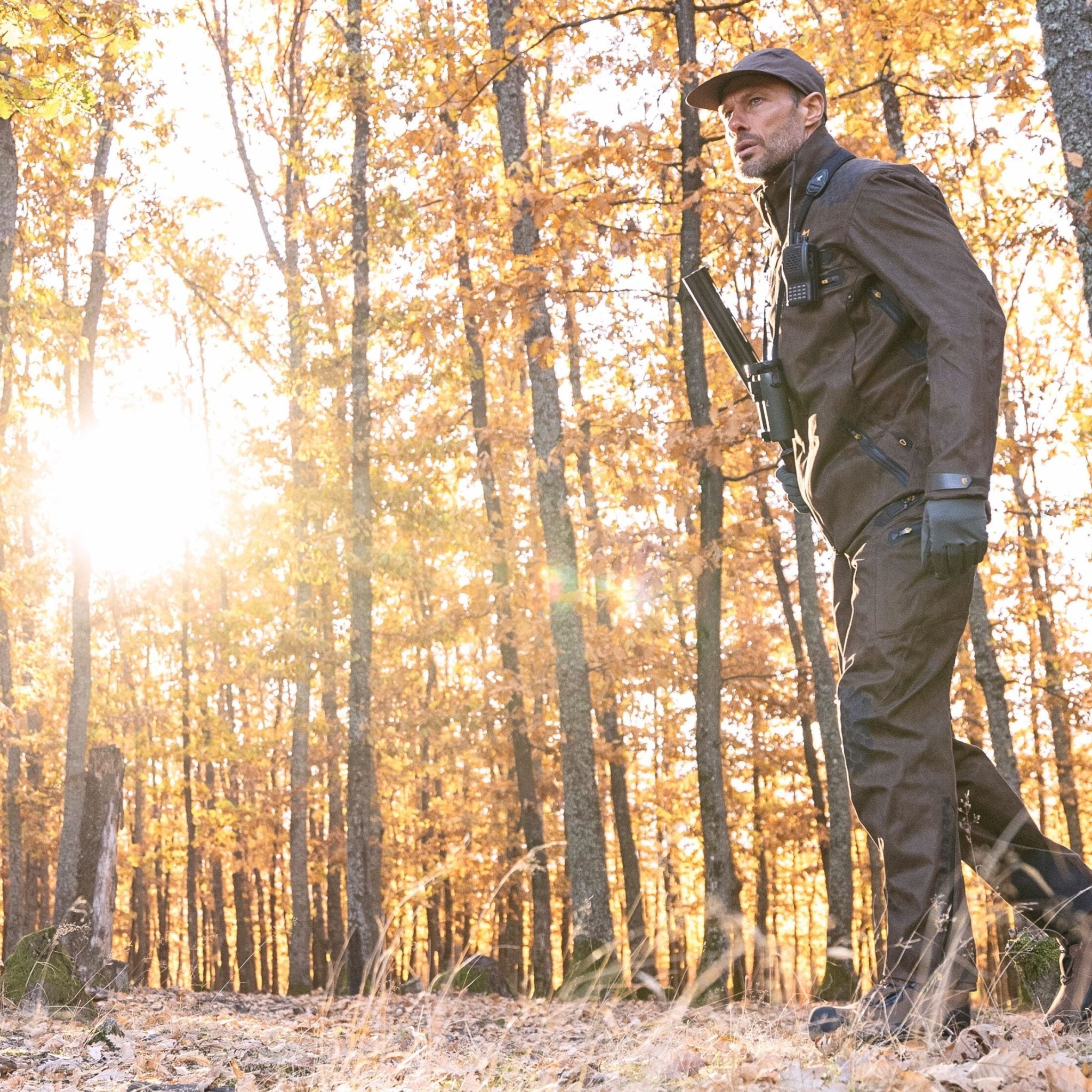
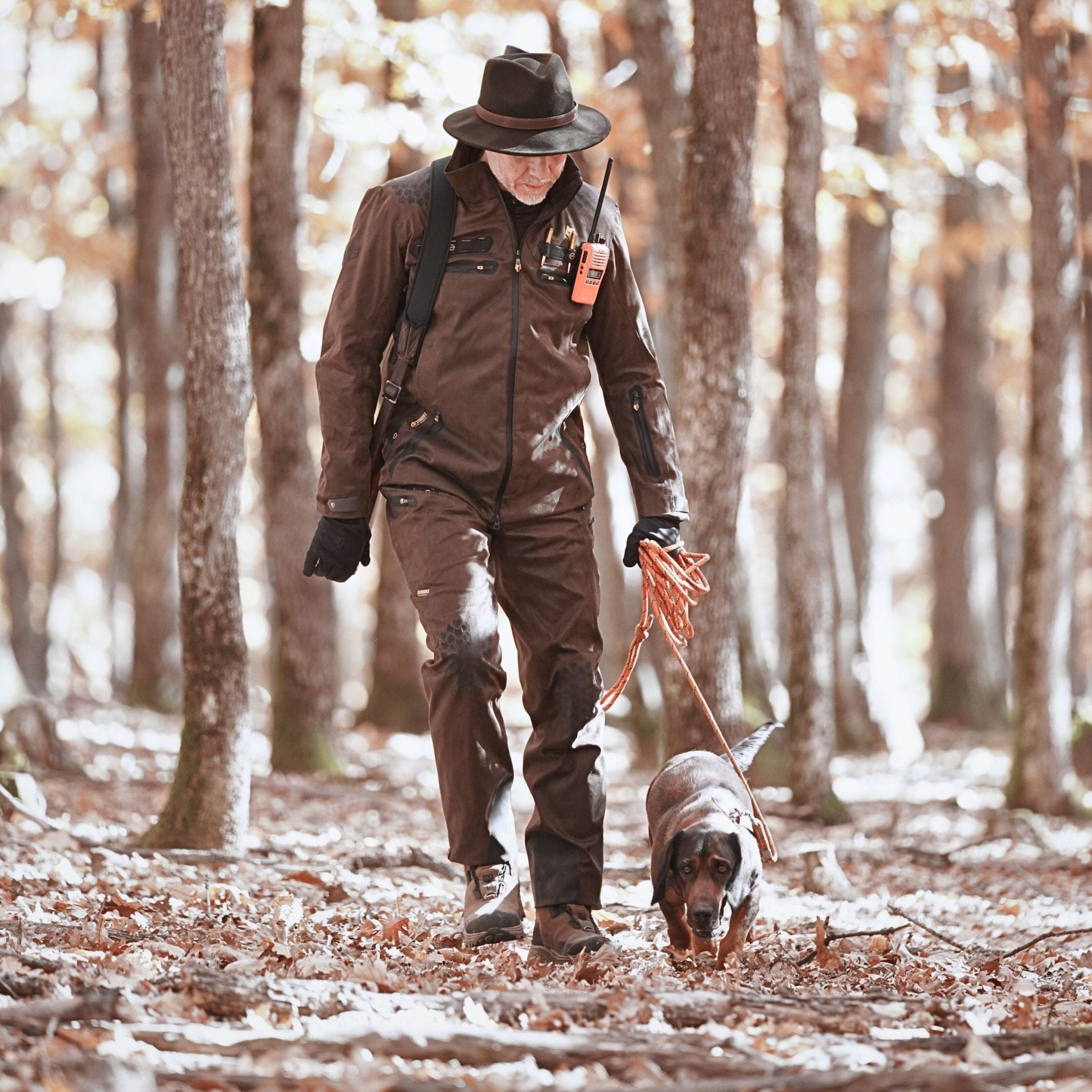
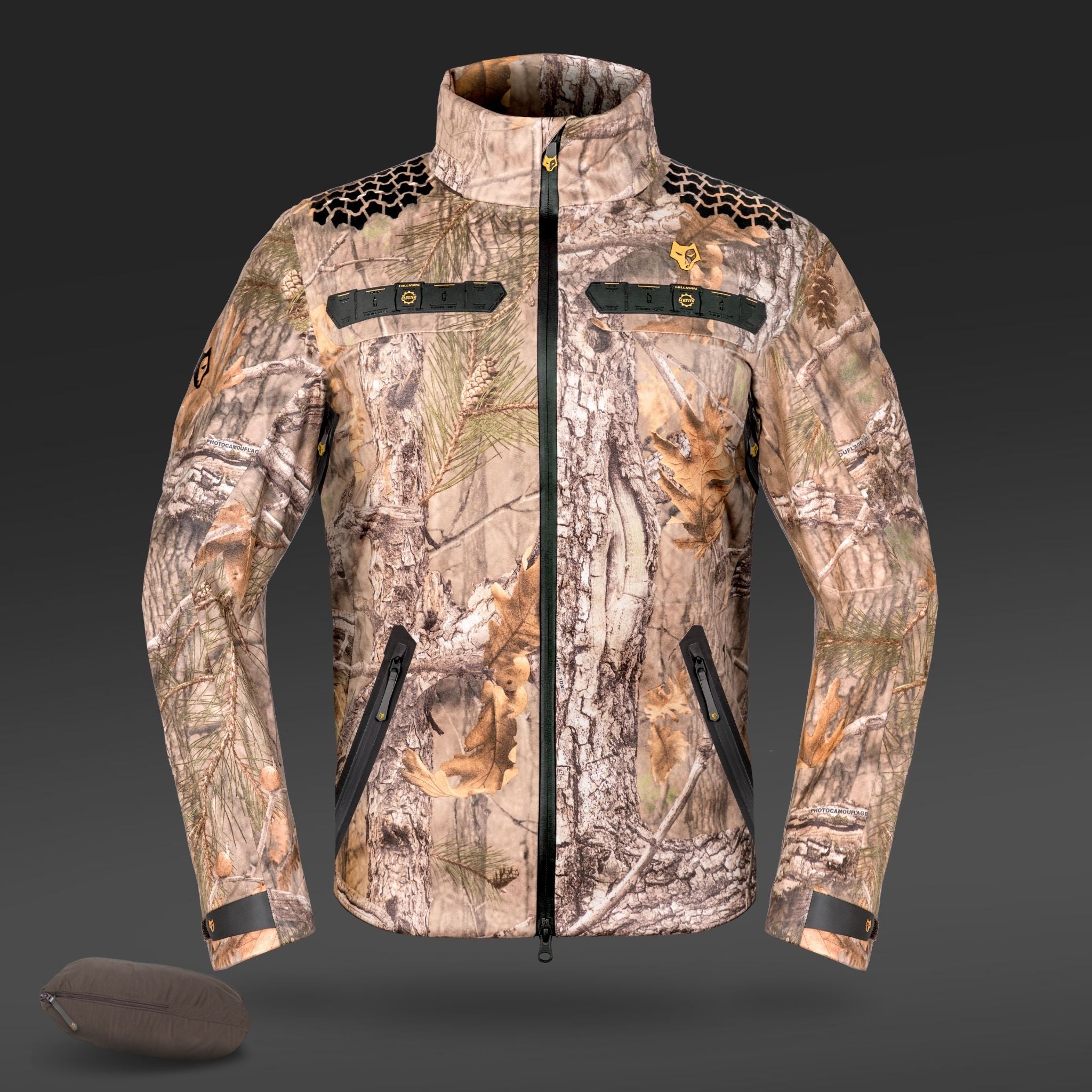
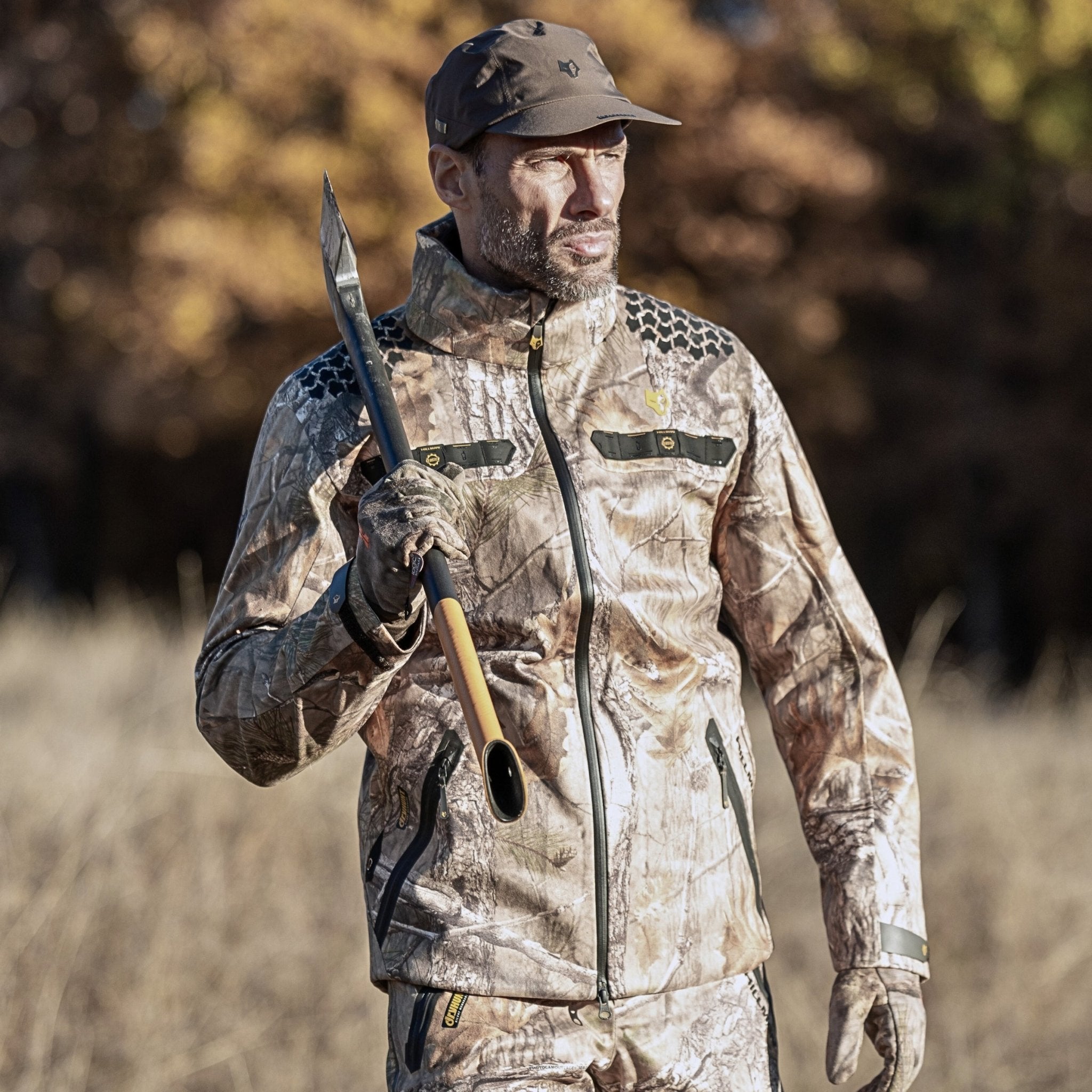
Estate jackets need to be functional before anything else. A waxed jacket, ripstop waterproof jacket or tough field coat can all work, but only if they actually do the job. The outer fabric has to handle rain, rubbing, mud and the odd snag.
A smooth outer surface helps. Feed dust, wet muck and mud are easier to wipe off when the fabric is not holding every bit of dirt. That sounds like a small thing until you are cleaning kit at the end of a long day.
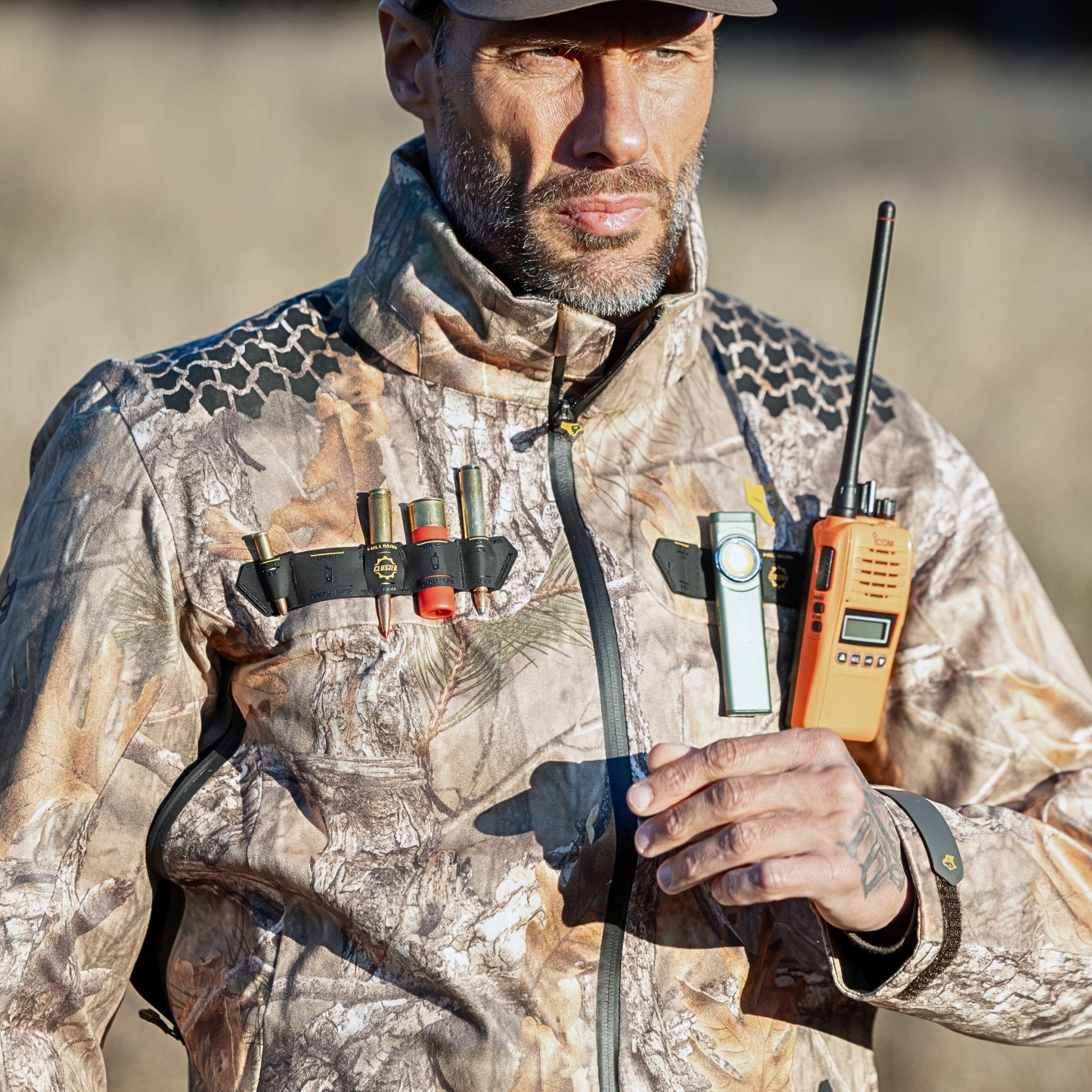
Pockets are not decoration. You need space for gloves, keys, phone, small tools, notebook, medication and all the other bits that end up in your hands. Tiny pockets are useless. Bad pocket placement is even worse.
For proper rain, a light showerproof jacket often is not enough. Heavy downpours need a stronger gamekeeper-style or monsoon-style jacket. Something designed for standing, walking and working in bad weather, not just moving from the pickup to the shed.
Waterproofing alone is not the answer either. If the jacket traps sweat, you get wet from the inside. Then the wind hits, and the day gets miserable fast. Good weather clothing should keep rain out while letting moisture escape.
Shirts, Gilets and Layers for Weather That Keeps Changing

The weather does not care what you planned. In the UK, the day can start cold, turn wet, clear up, then drop again before you are done. That is why layers beat one heavy coat most of the time.
Start with a base layer or breathable shirt. Add a mid layer when required. Put a proper outer layer over the top when the rain or wind comes in. That set gives you options instead of trapping you in the wrong clothing all day.
A farmer's gilet is one of the most useful pieces of kit for estate work. It keeps the core warm but leaves the arms free. That matters when lifting feed, climbing in and out of vehicles, checking fences or clearing small branches from rides.
Insulated clothing has its place, especially in winter. But too much insulation during active work is a mistake. You get hot, sweat, stop moving and then chill. Layers let you fix that before it becomes a problem.
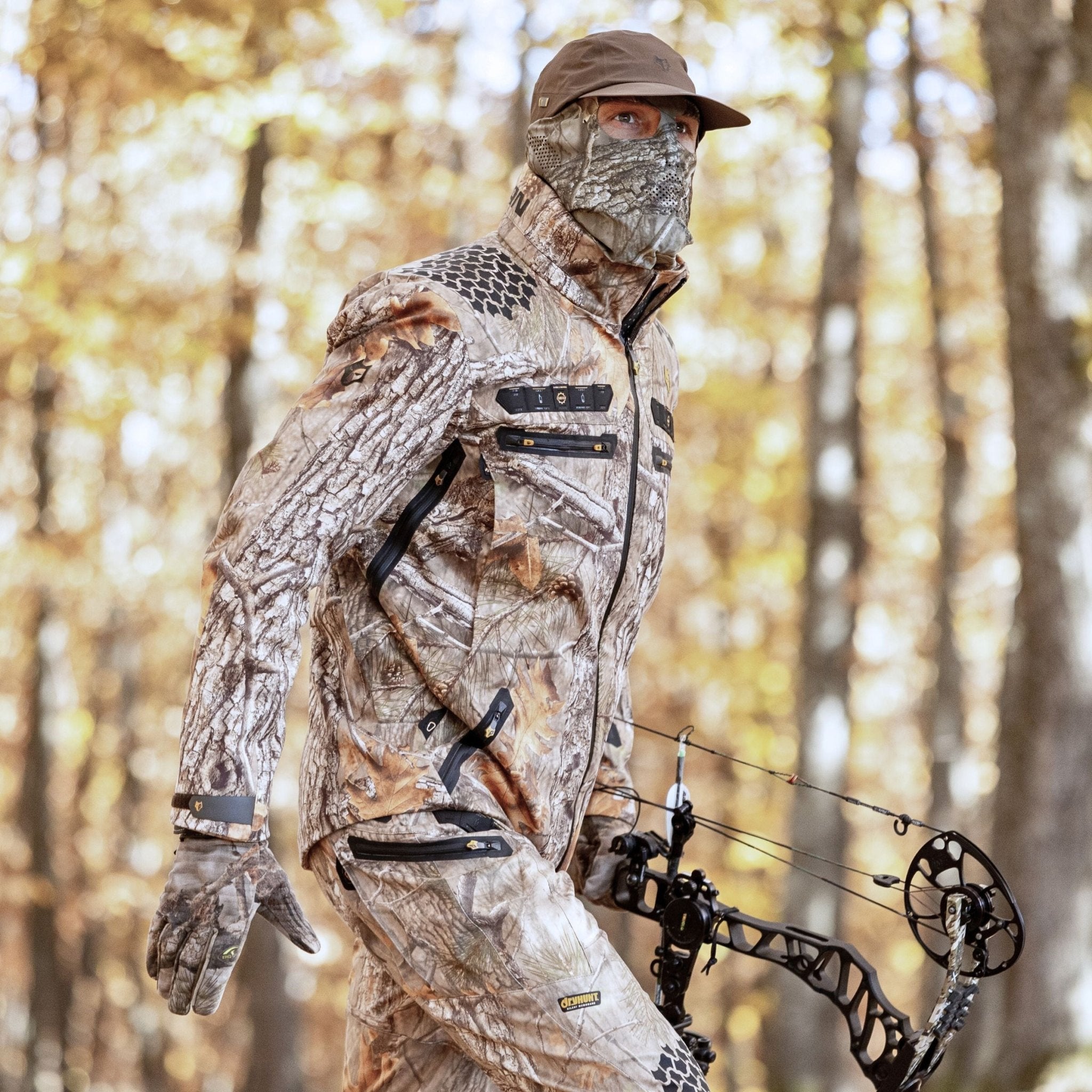
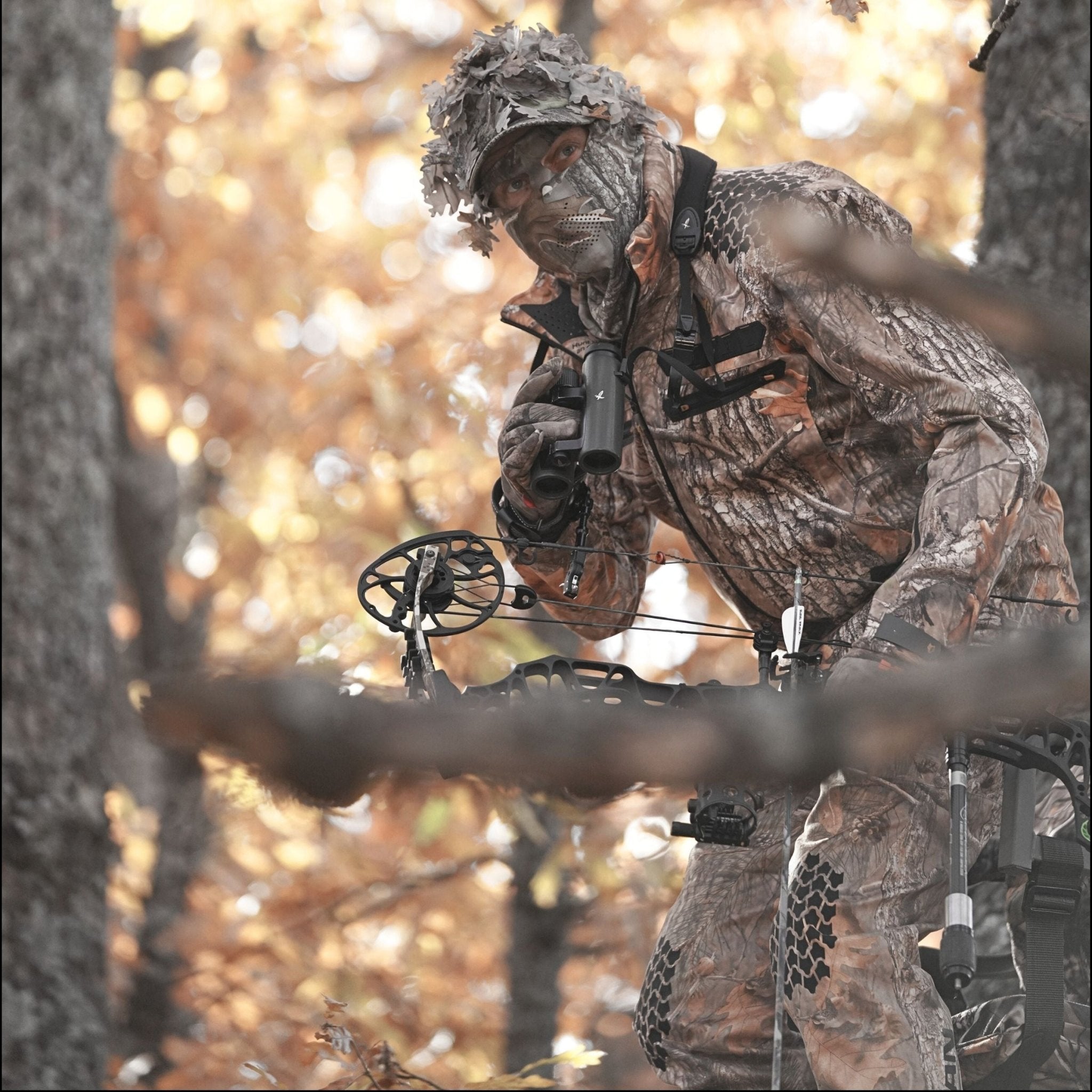
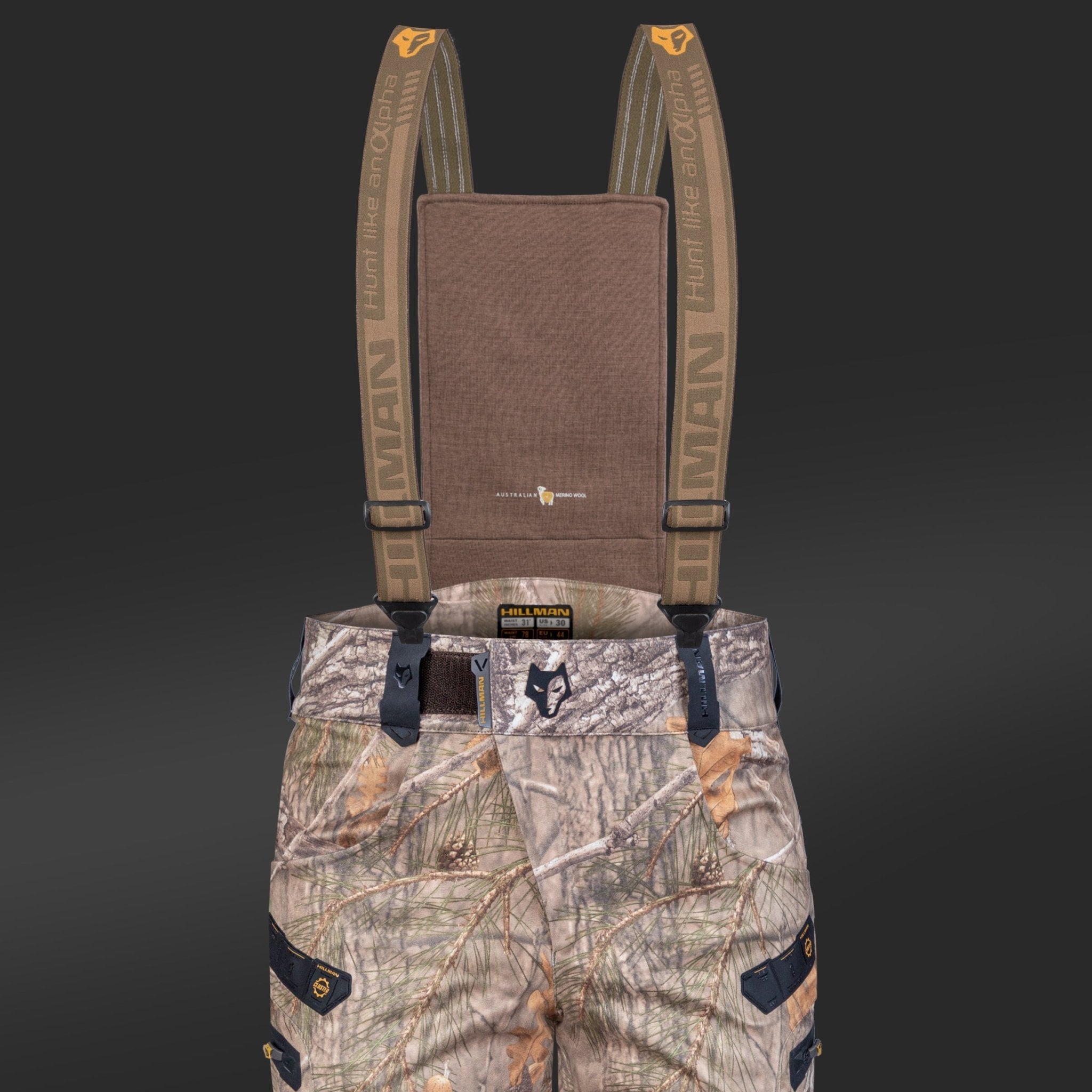
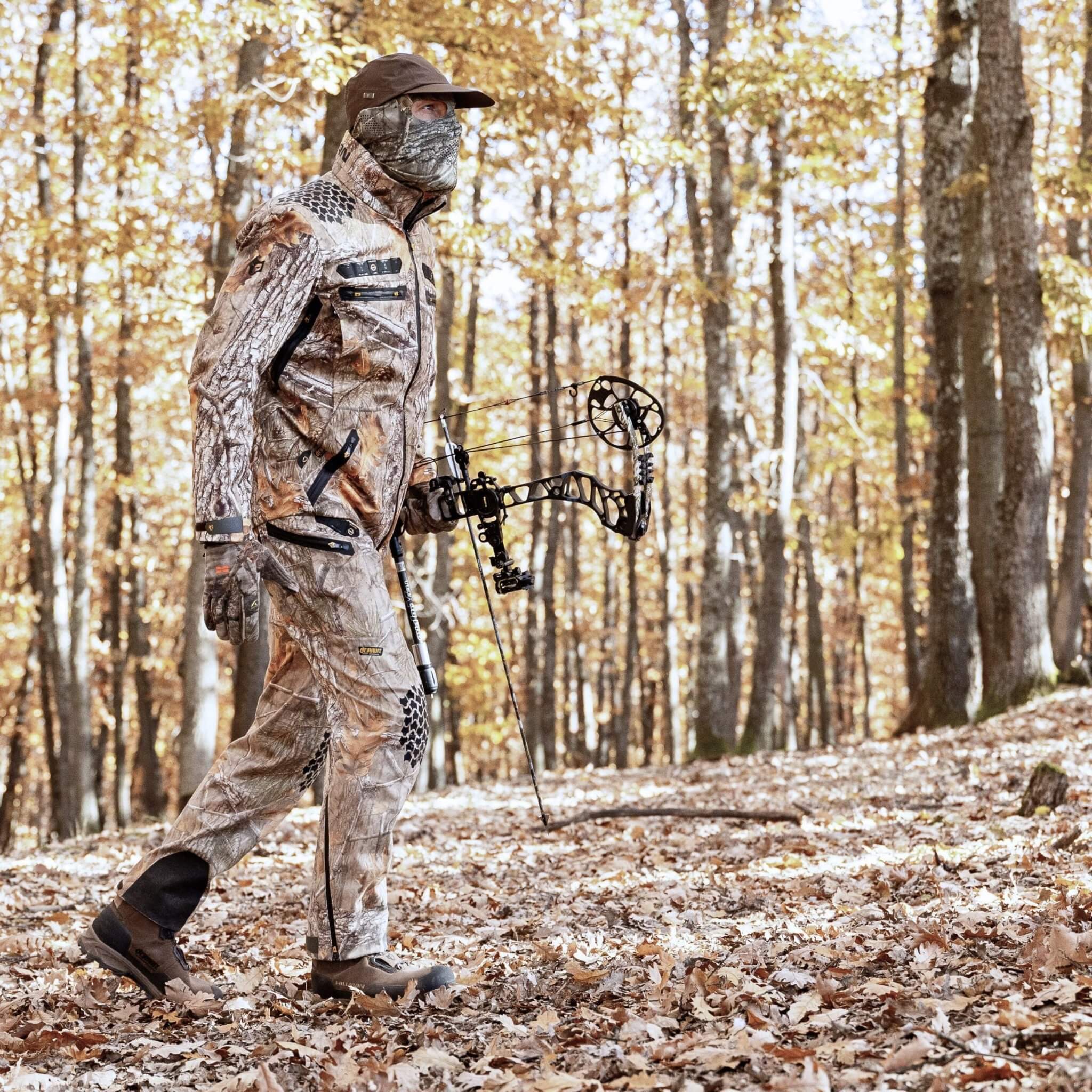
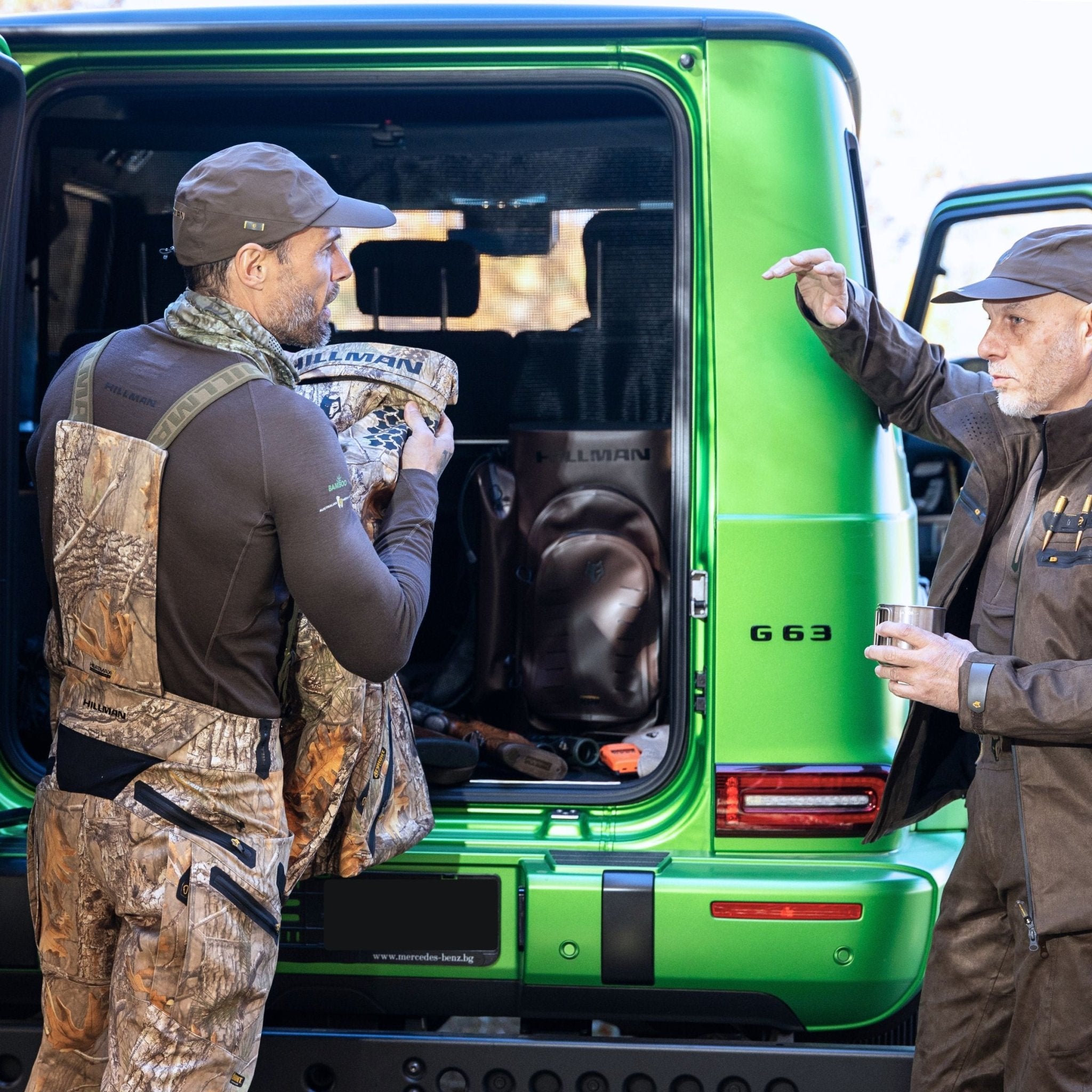
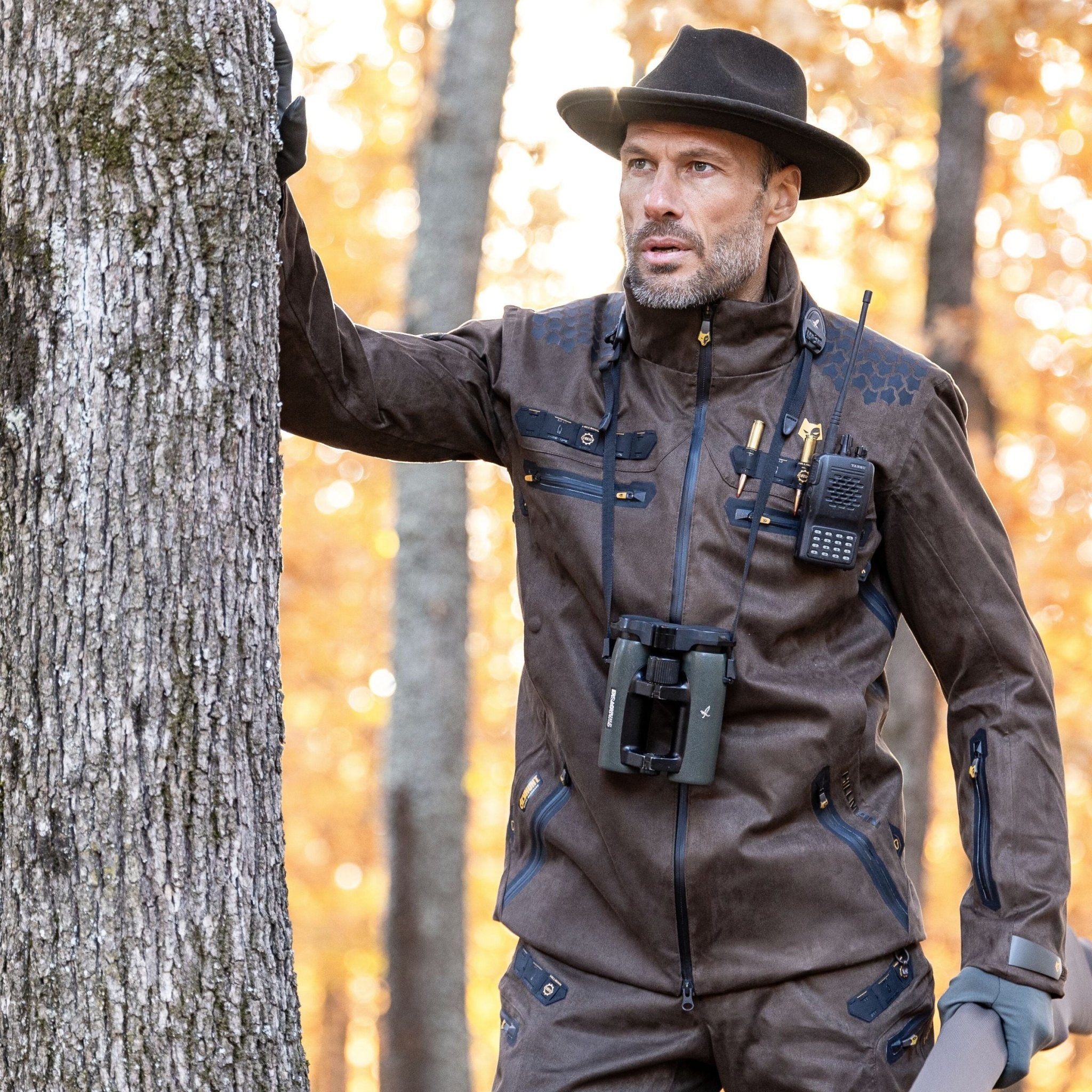
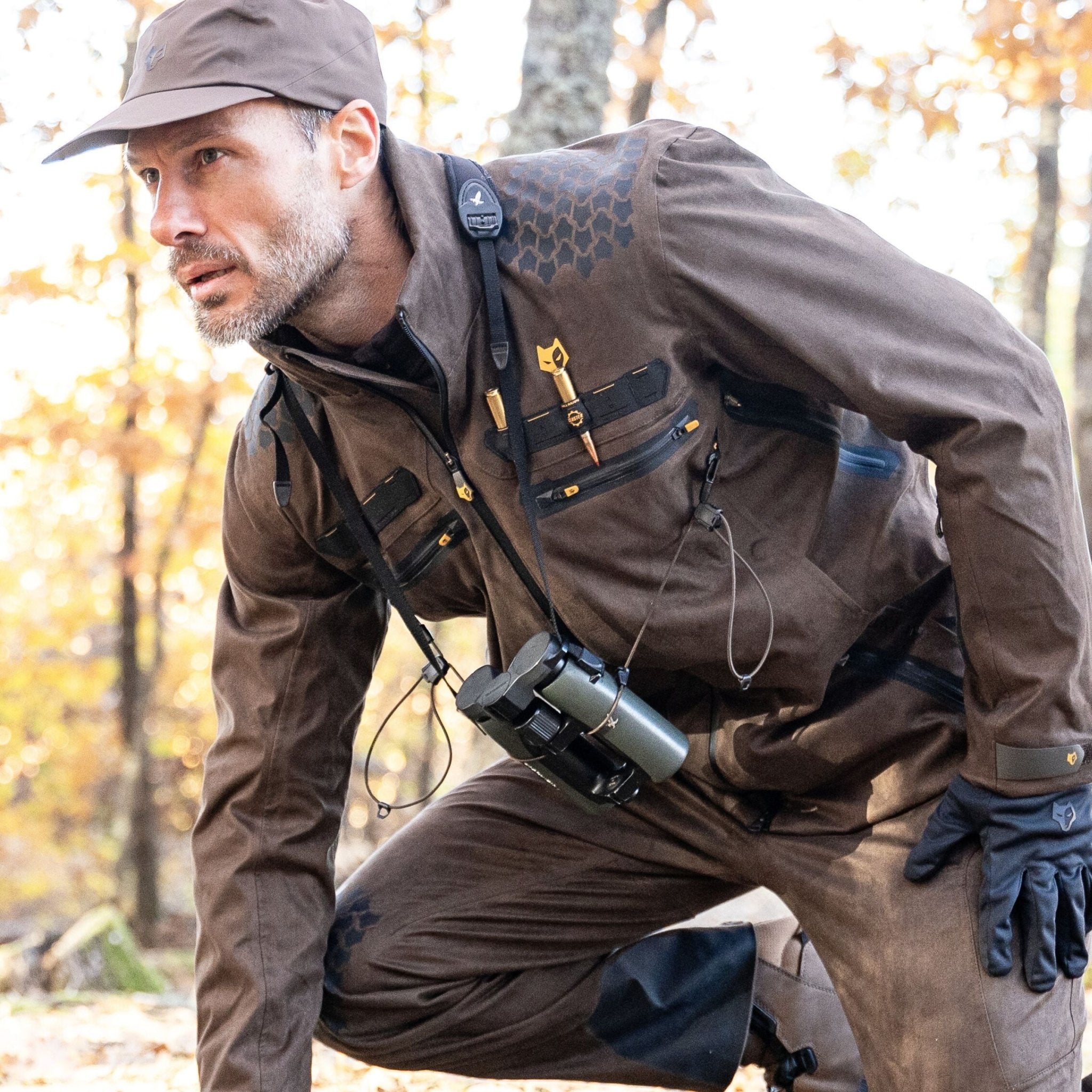
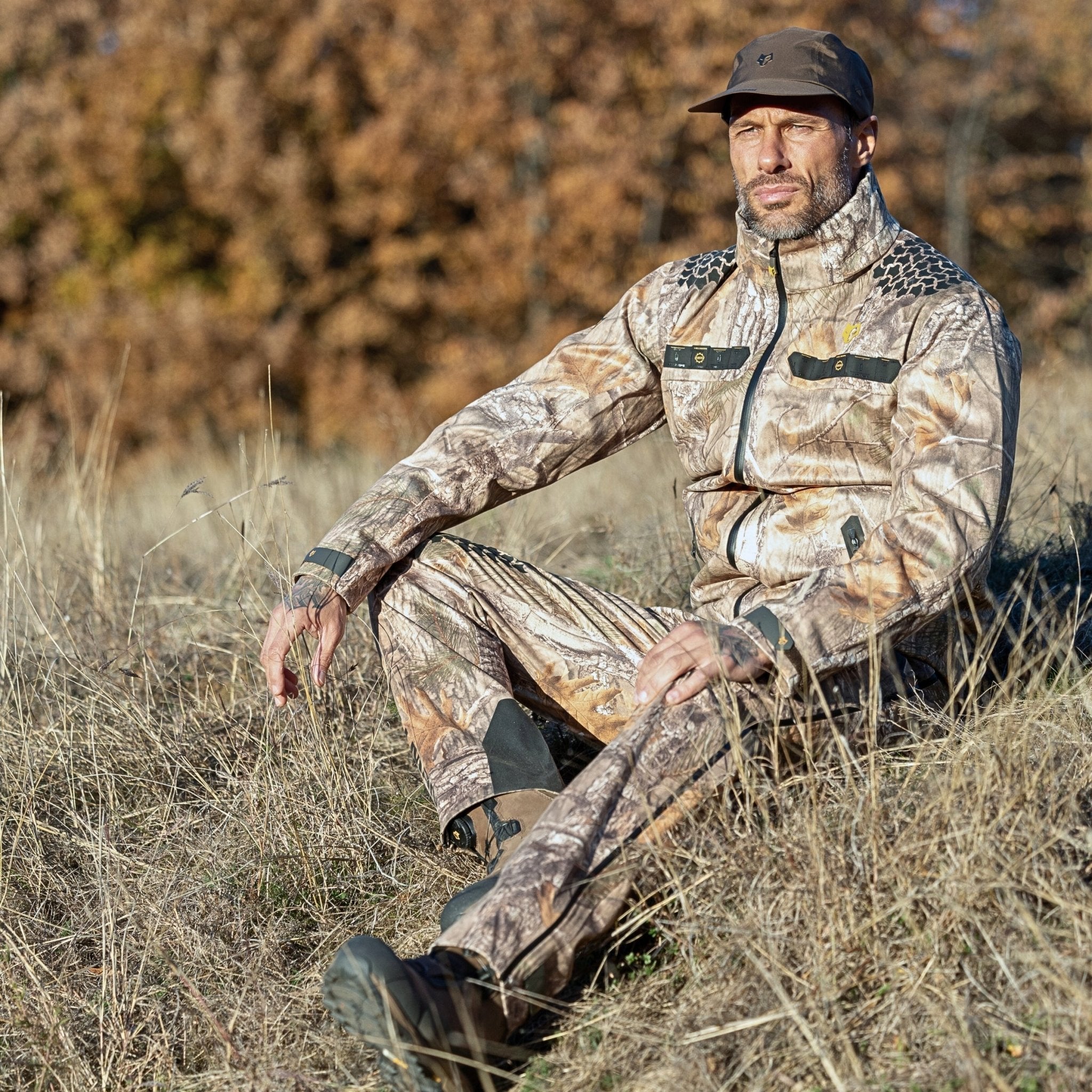
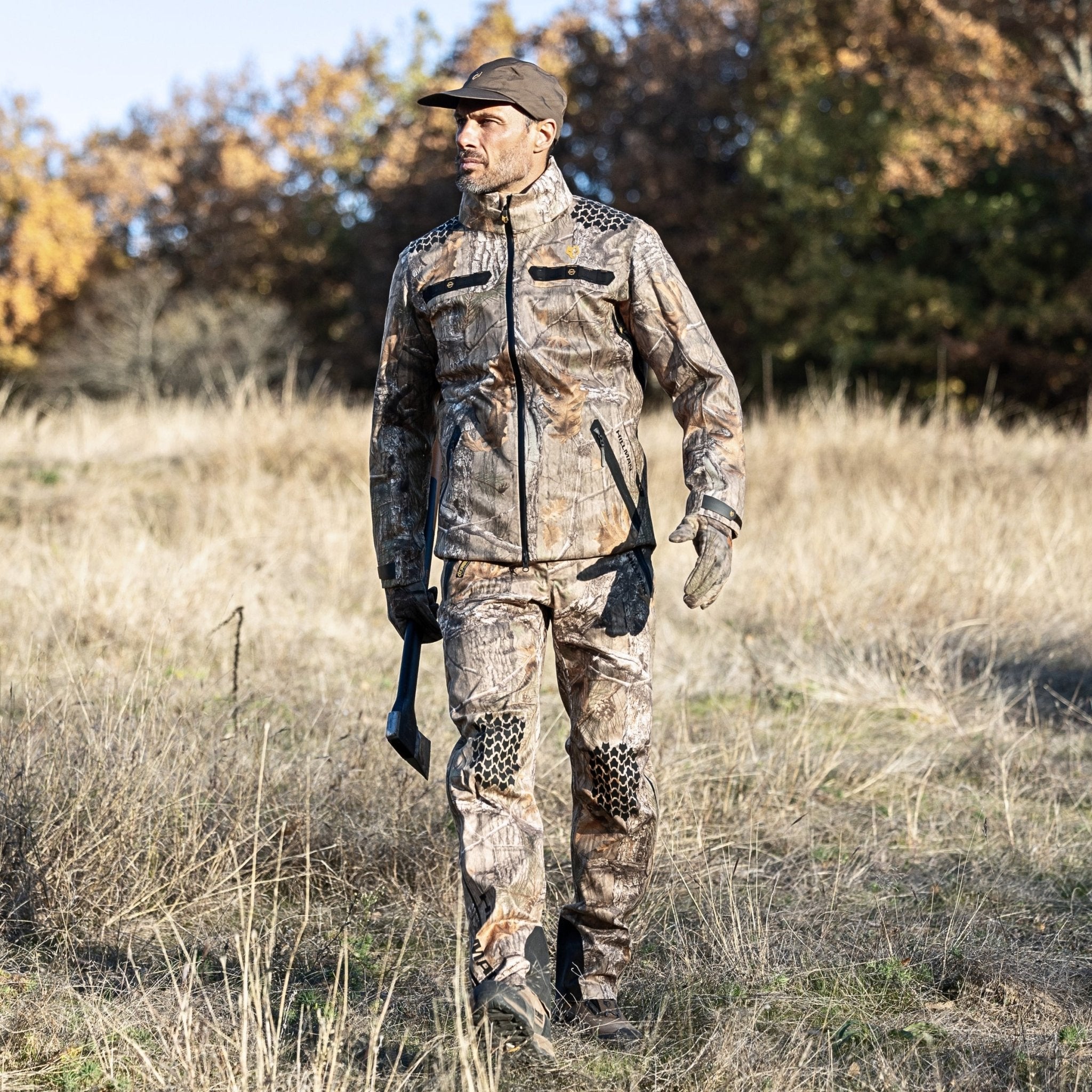
Hillman outerwear and field layers are built around that same practical idea: comfort, weather protection and freedom of movement have to work together, not separately.
Size matters as well. If you are choosing between XL and XXL, think about what needs to fit underneath. A jacket that fits over one shirt indoors may feel tight over proper layers in January. Clothing only fits properly when it fits the whole working set.
Trousers, Jeans and Gear That Can Take Abuse

Estate work finds weak trousers quickly. Kneeling by feeders, climbing rails, walking through cover, loading bags and working around machinery all wear the same areas again and again. Cheap seams and soft fabric do not last.
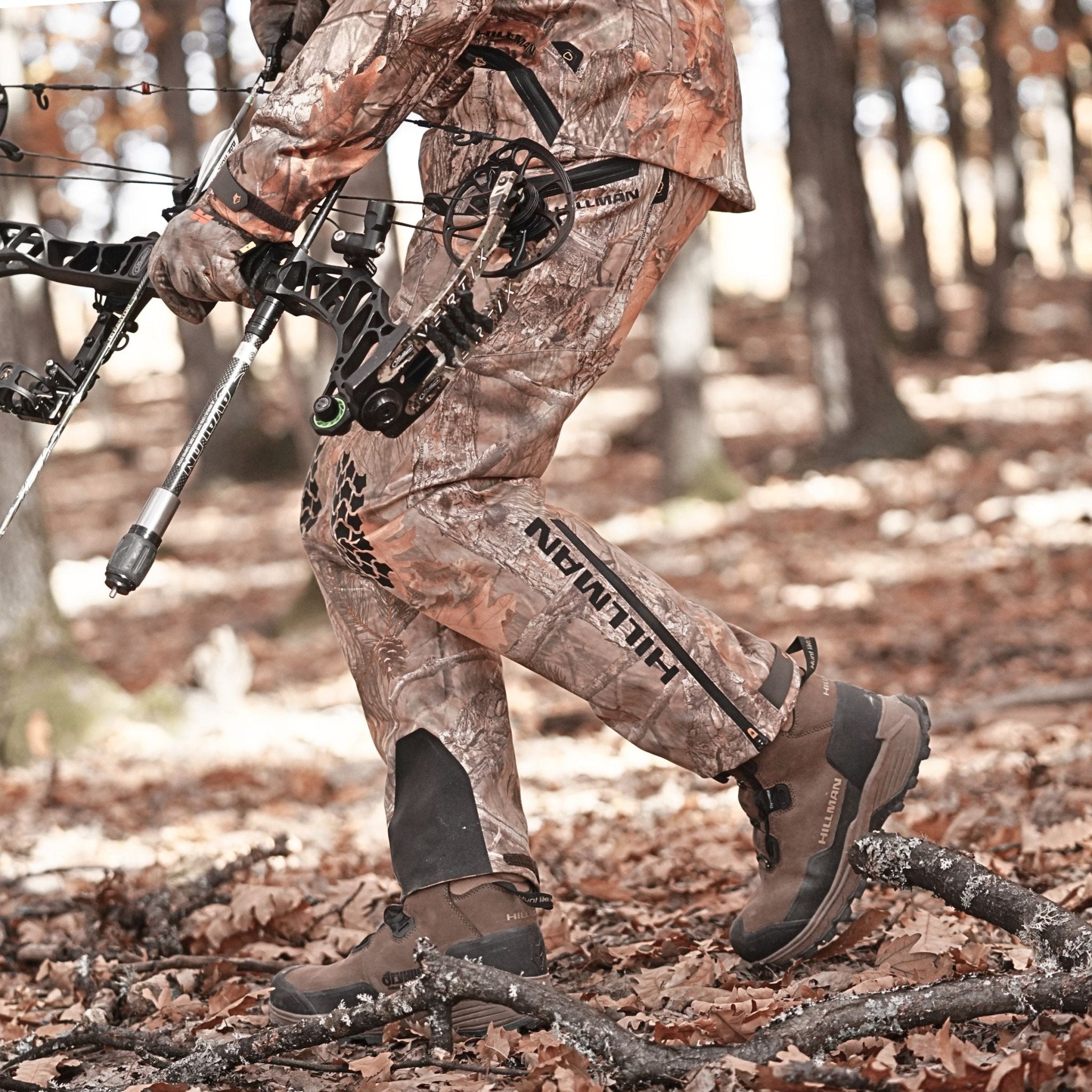
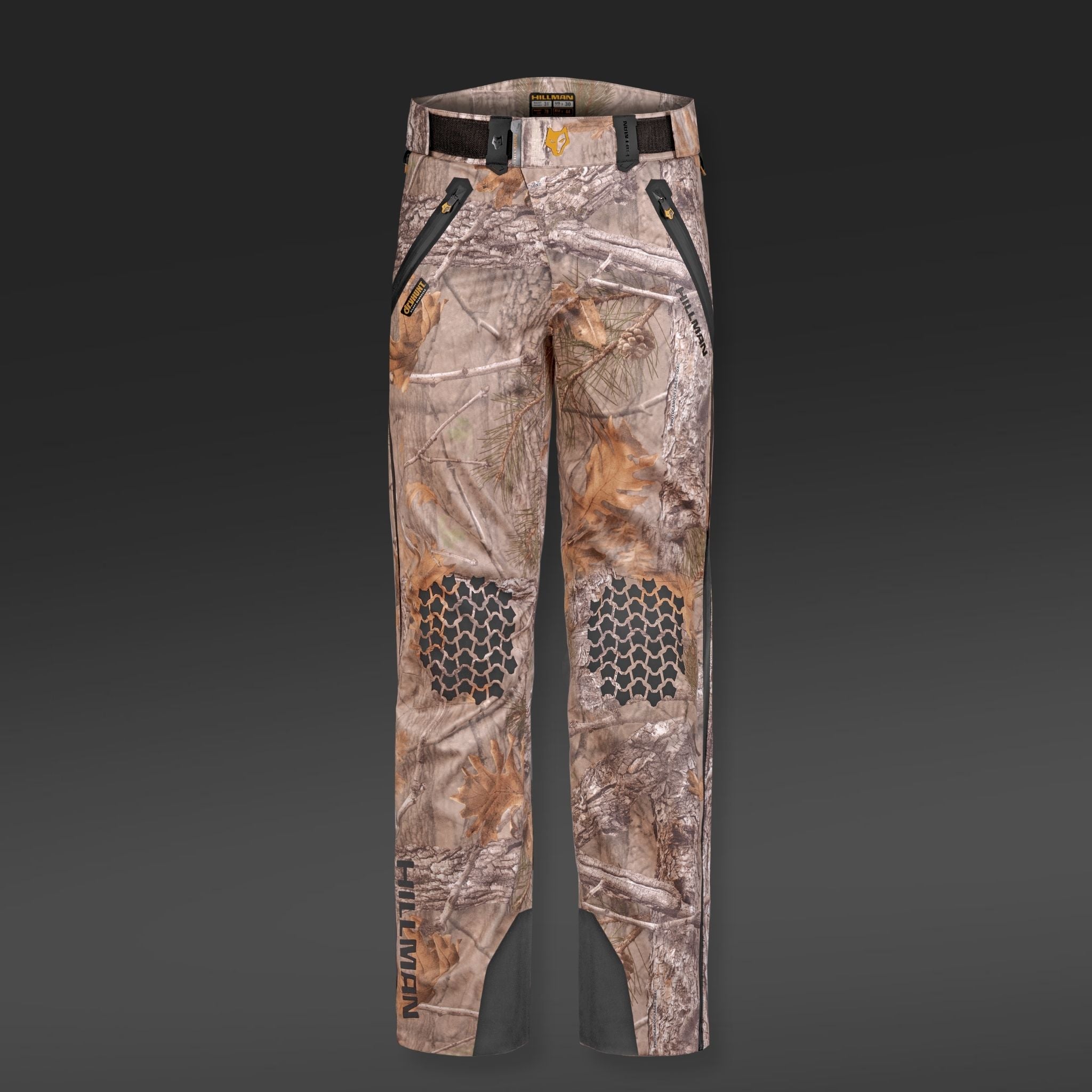
Durable work trousers should have reinforced knees, strong stitching and enough stretch or shape to allow movement. You should be able to crouch, climb and walk without fighting the fabric.
Some people wear jeans for quick dry jobs. That is fine for a short check or light visit. But jeans are poor once the ground is wet. They get heavy, cold and slow to dry. For long wet work, they are more trouble than they are worth.
Lightweight waterproof or windproof trousers are better for daily ride checks, feeding rounds and changeable weather. They provide protection without feeling like stiff old waterproofs.
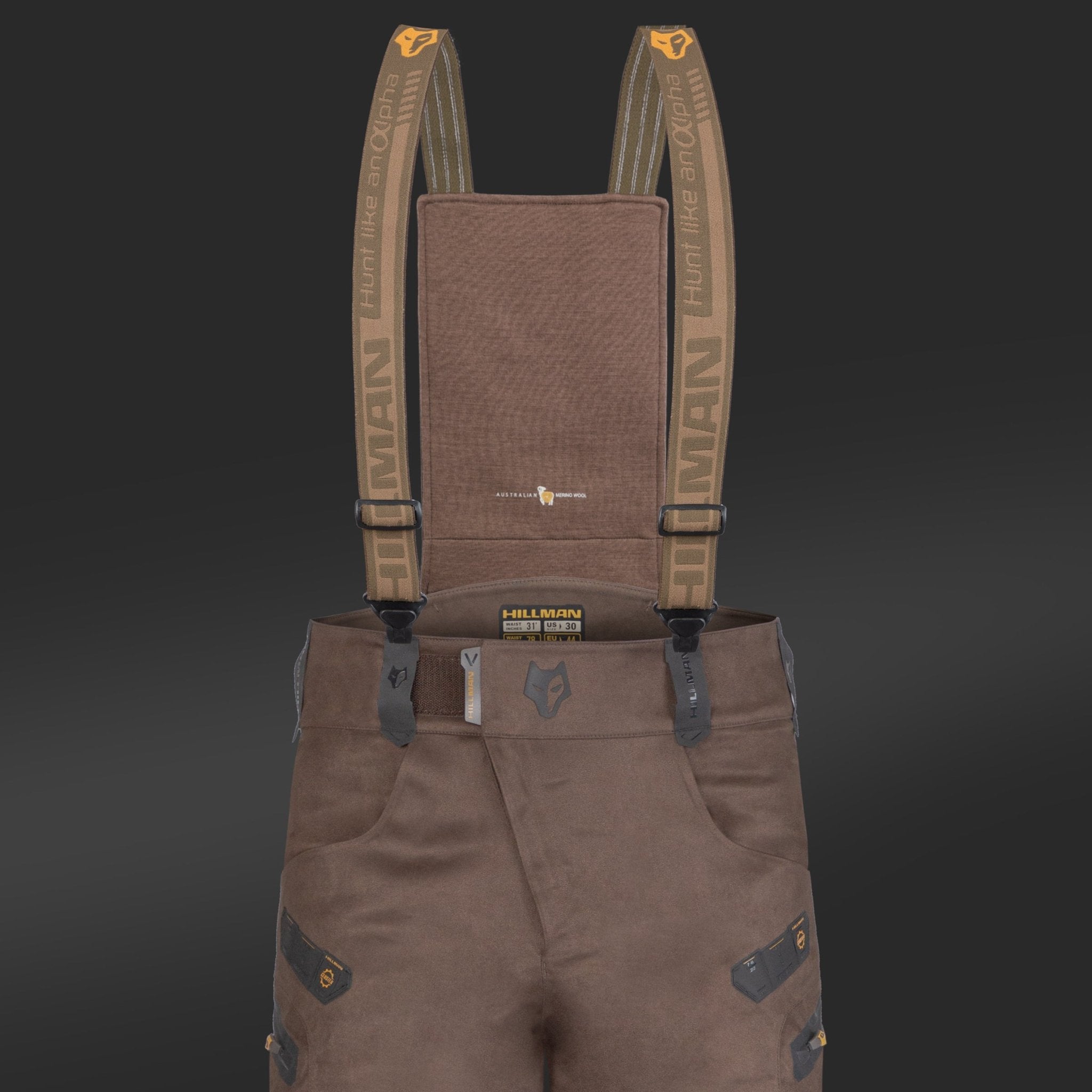
For the dirtier jobs, heavier gear makes sense. Dungaree-style overalls, bib and brace waterproofs and coated overalls stop mud, feed, water and waste getting through at the waist. That matters when cleaning, handling animals or working around disinfectant.
Poly-cotton boilersuits are also useful. They give full-body cover, often with knee-pad pockets and stronger fastenings. For dirty work, one suit can be easier than trying to keep separate clothing clean.
Boots and Gloves Are Essential, Not Extras

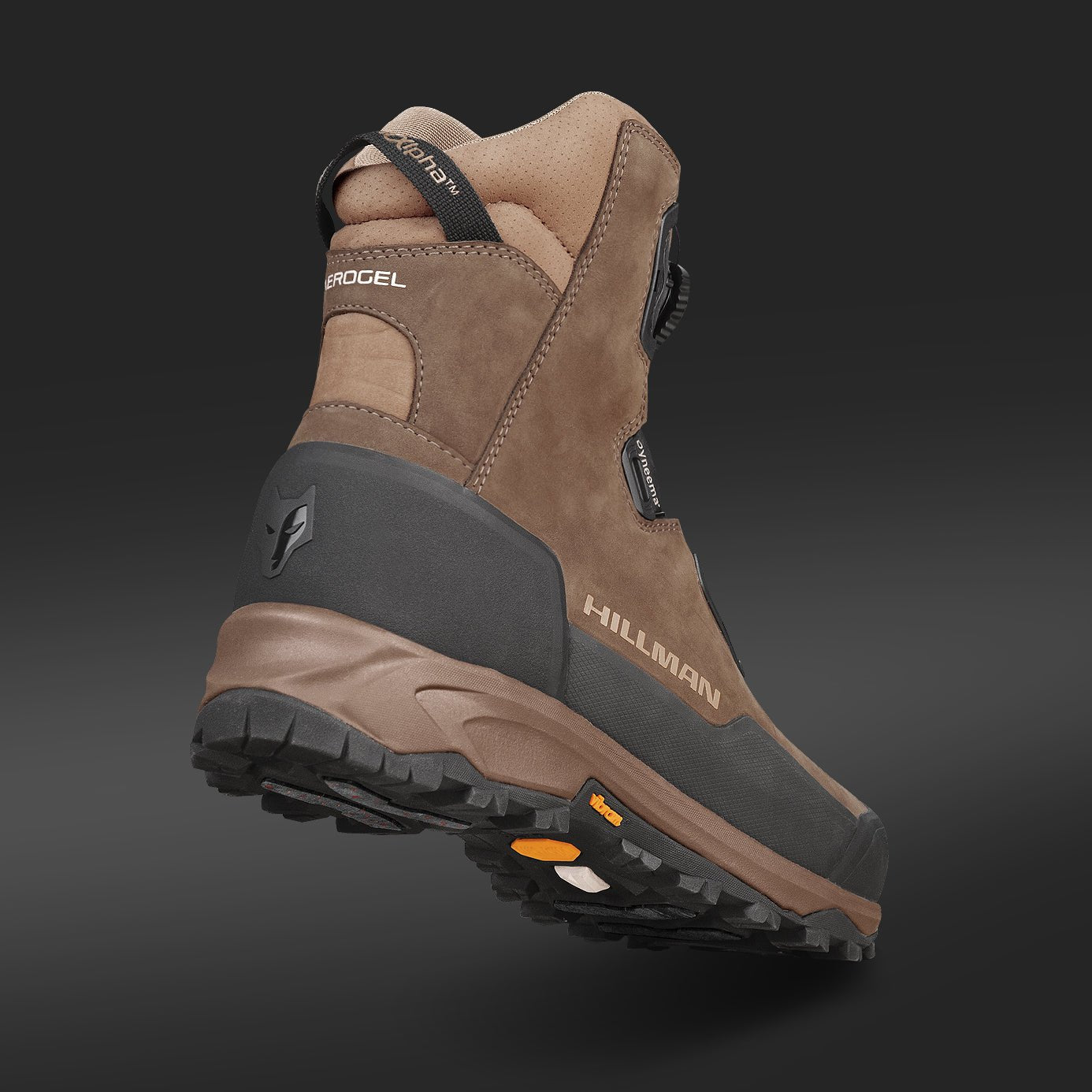
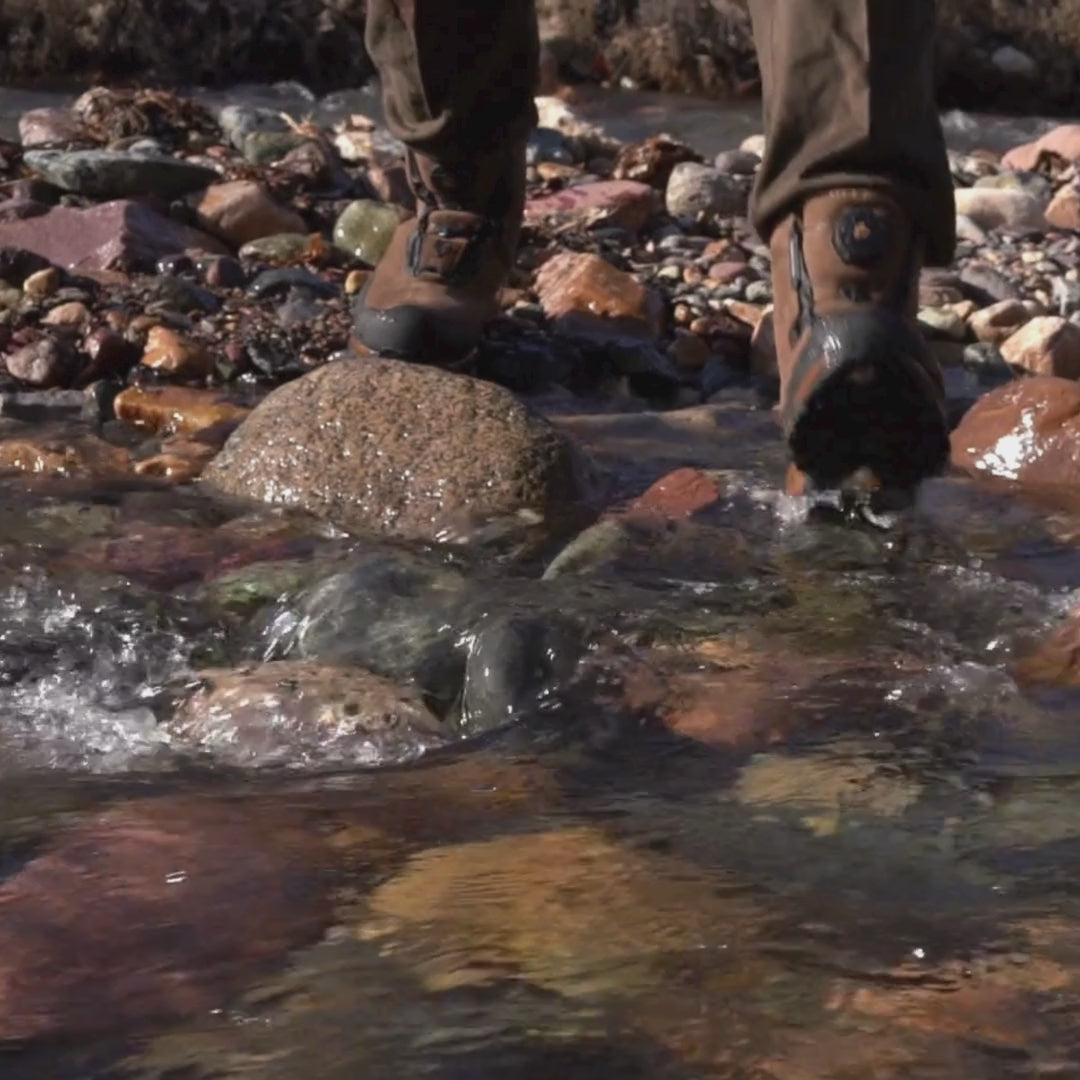
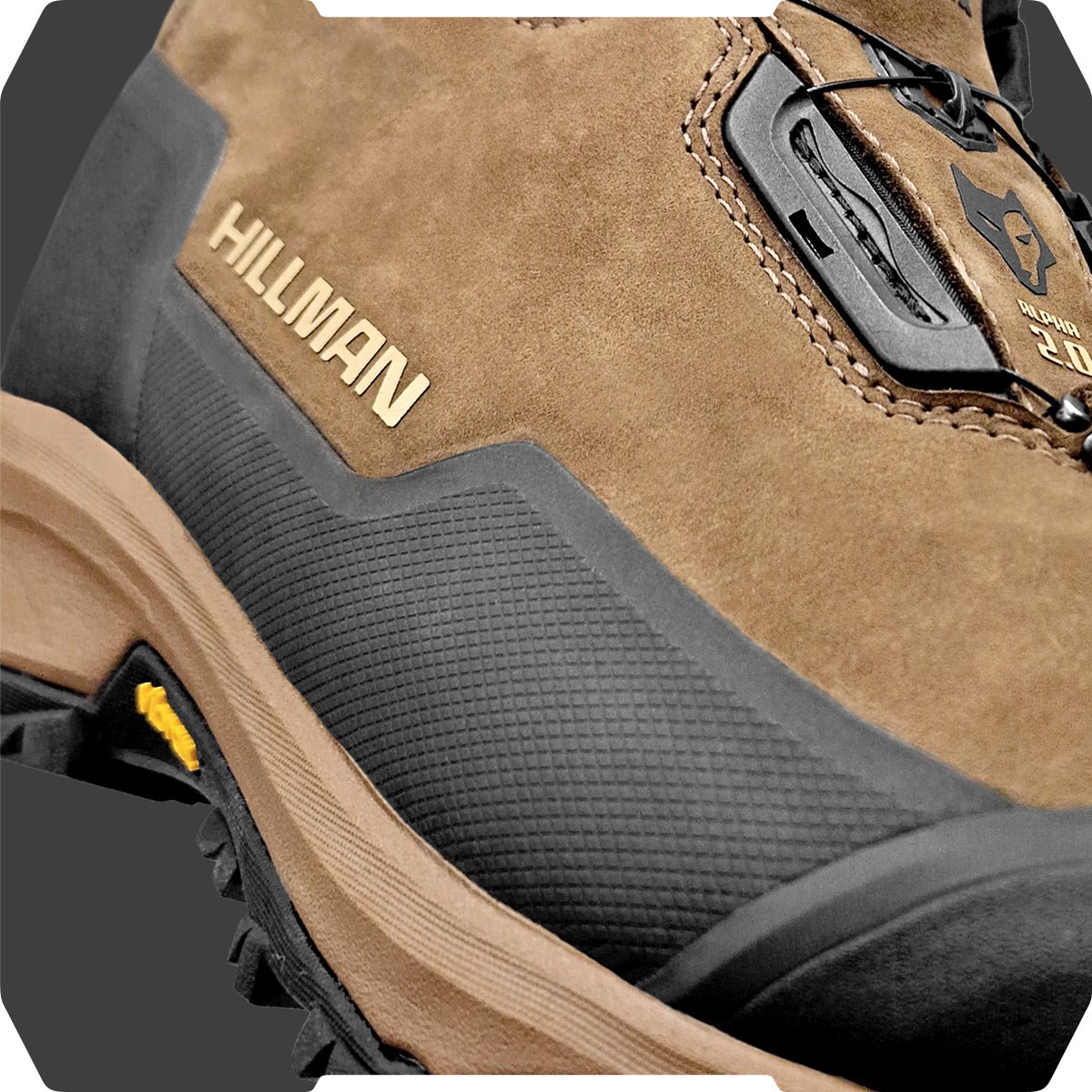
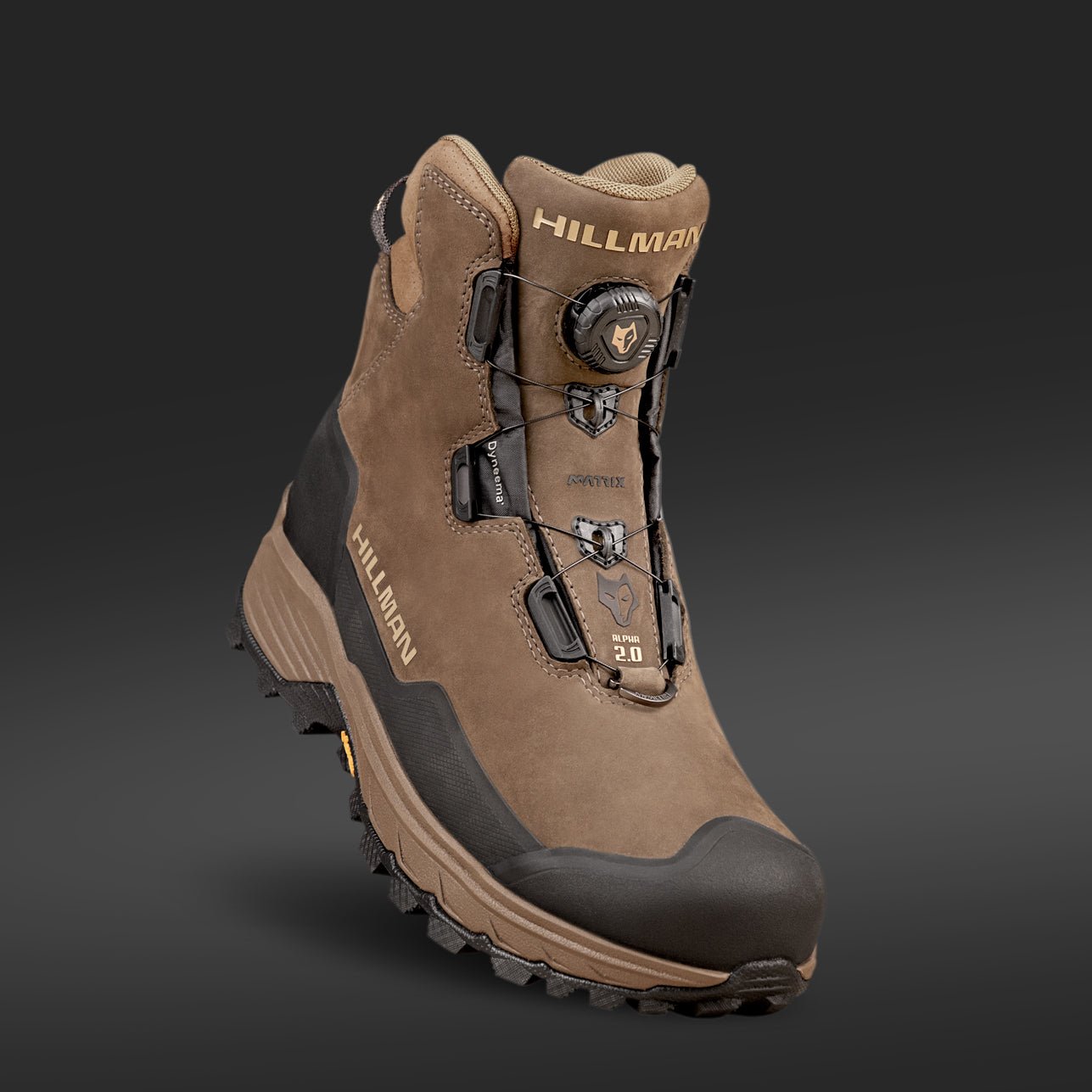
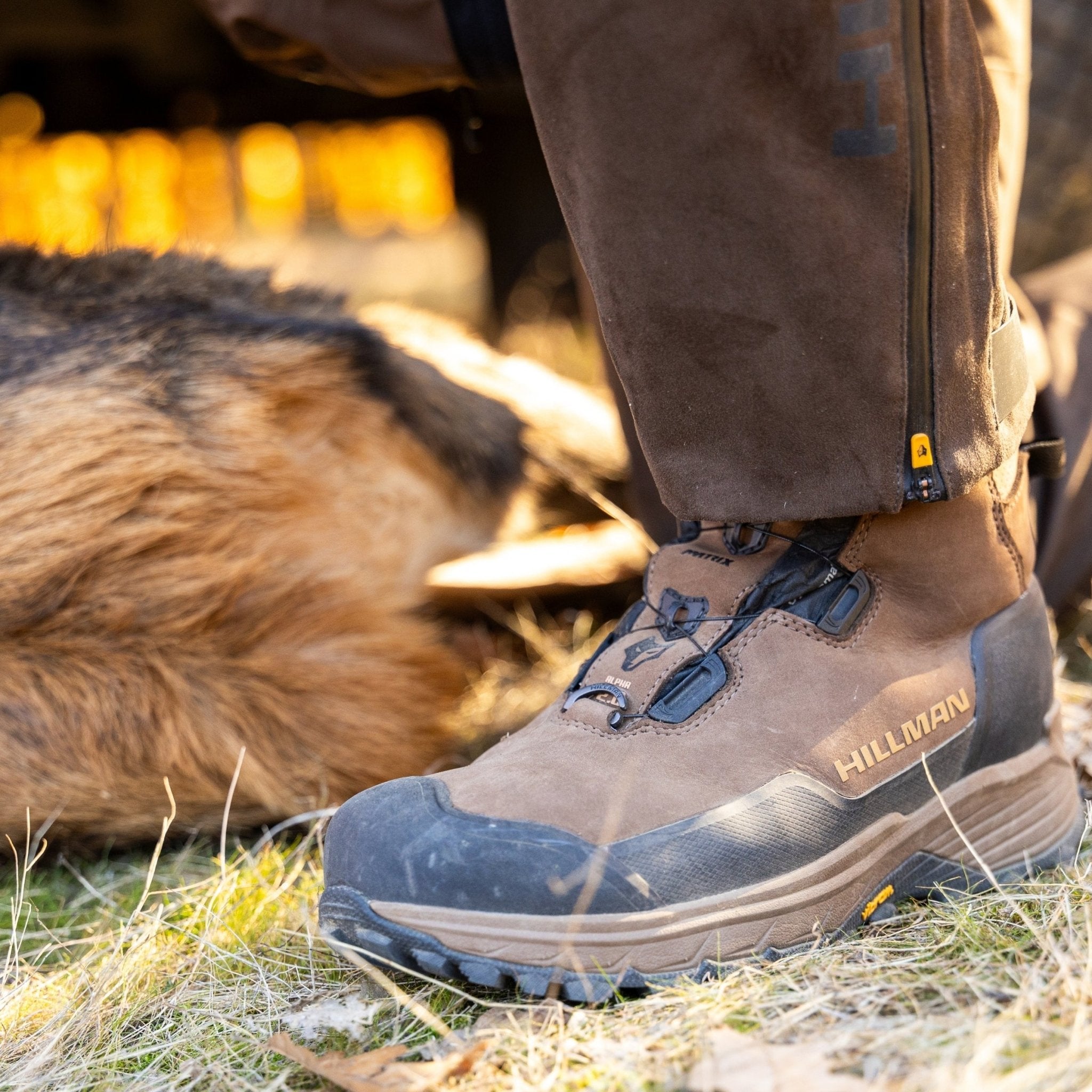
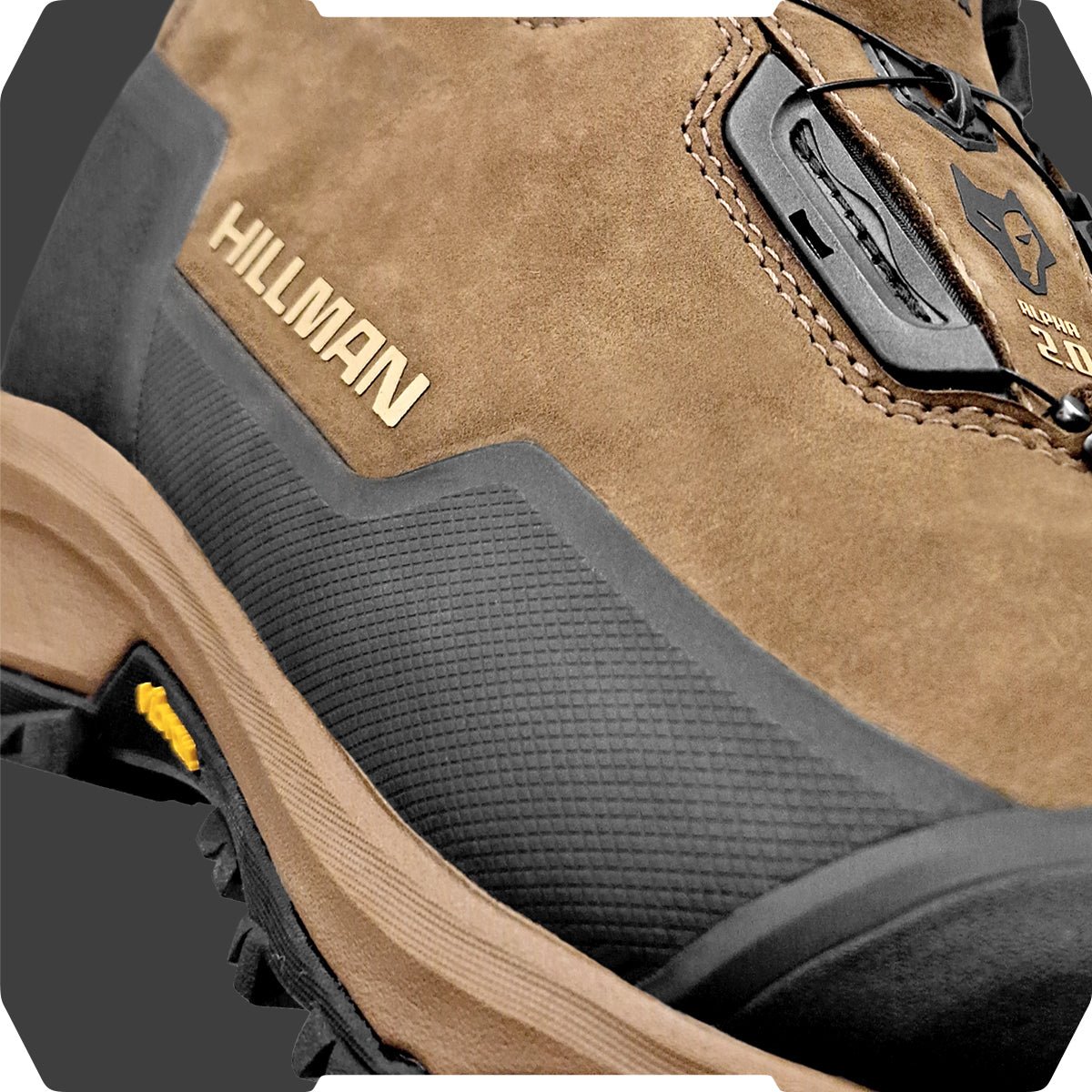
Bad boots ruin days. Wet estate work starts from the ground up. If your feet are wet, cold or slipping around in mud, the rest of your clothing will not save you.
Thick vulcanised rubber Wellington boots with reinforced toes are a solid choice for muddy gateways, farm tracks and feeding areas. They clean easily, grip better than normal footwear and give useful protection.
They still need to fit. Boots should work with thicker socks, support the foot and not rub after an hour. Cheap boots look like a saving until they split, leak or lose grip halfway through the year.
Gloves need the same practical thinking. Nitrile-coated gloves give grip on wet tools, gates, feed bags and buckets without making your hands useless. They protect against muck, rough surfaces and cold metal.
Keep spare gloves in the vehicle. One dry pair can change the whole afternoon. It sounds like nothing until the first pair is soaked and covered in mud.
Colours, Fit and Features That Actually Matter

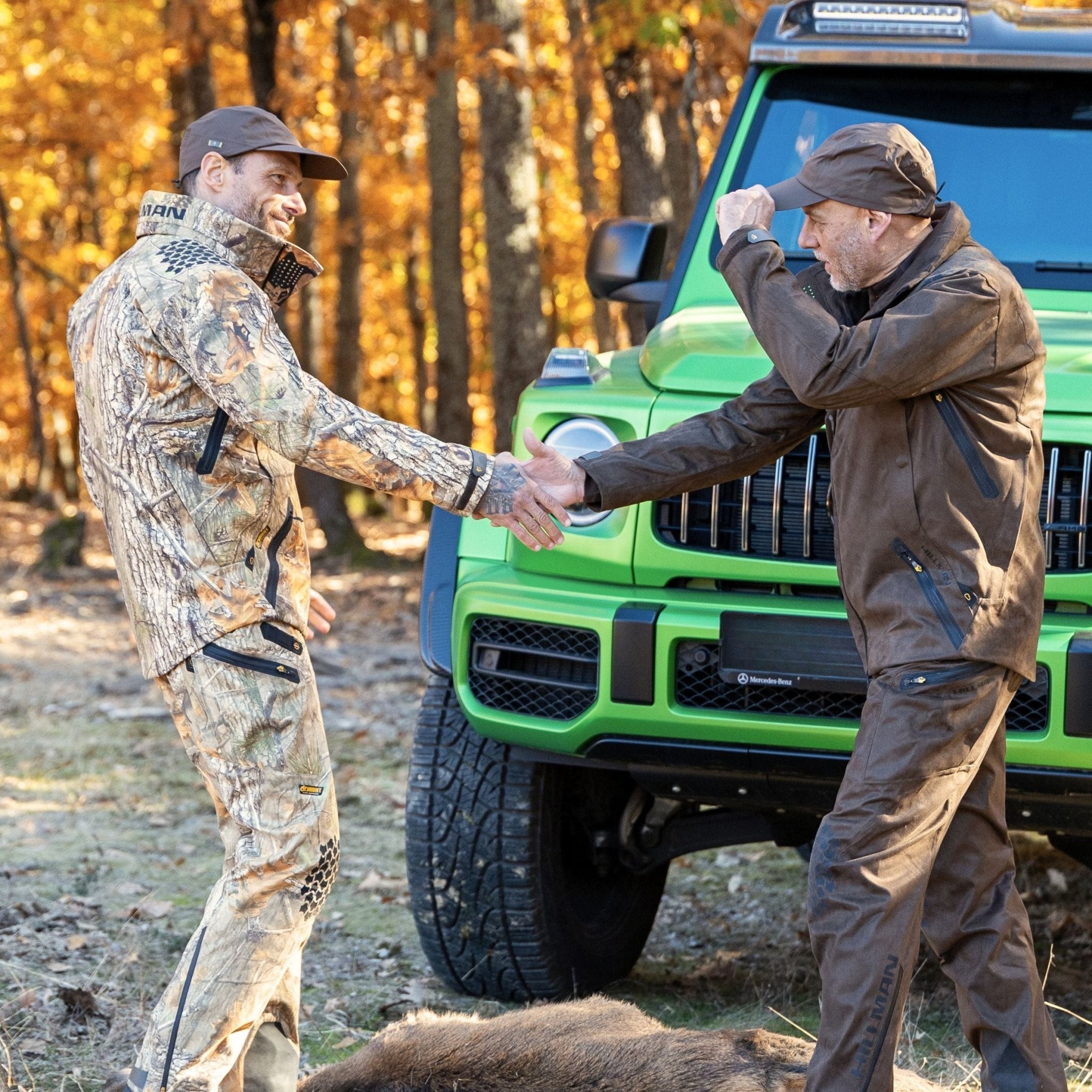
Green and brown are still the easiest colours for estate work clothing. They sit naturally in the countryside and do not shout for attention. Grey, blue and darker muted colours can also work, depending on the site and job.
The aim is not to look like a matching display stand. The aim is to wear clothing that suits the land, handles the work and looks acceptable when visitors, guns or the host are around. Shooting estates can be practical places, but people still notice if you turn up looking wrong for the setting.
Fit is key. Too tight and you cannot move. Too loose and you catch on branches, gates and machinery. Think about layers underneath, not just how the garment feels for two minutes in a warm room.
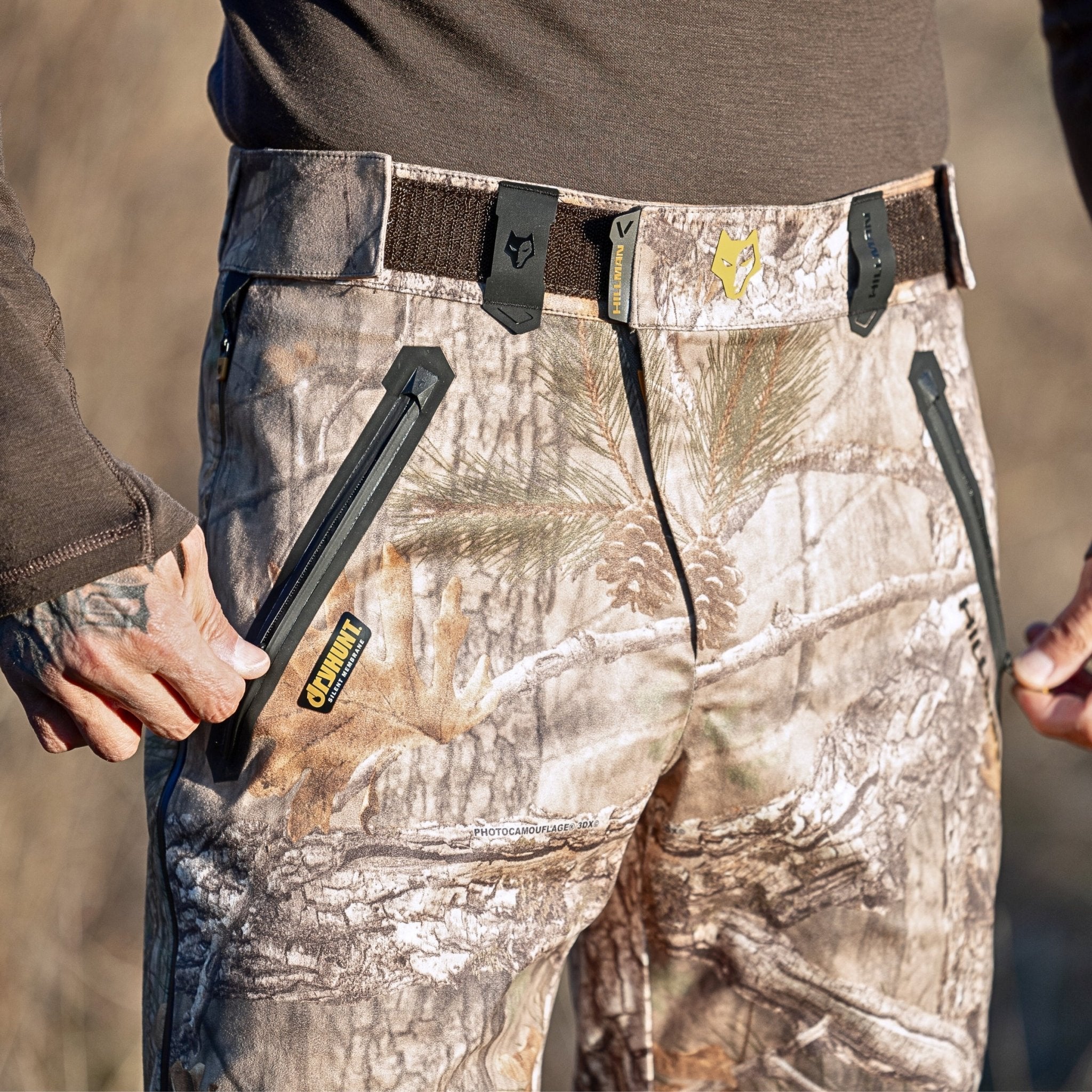
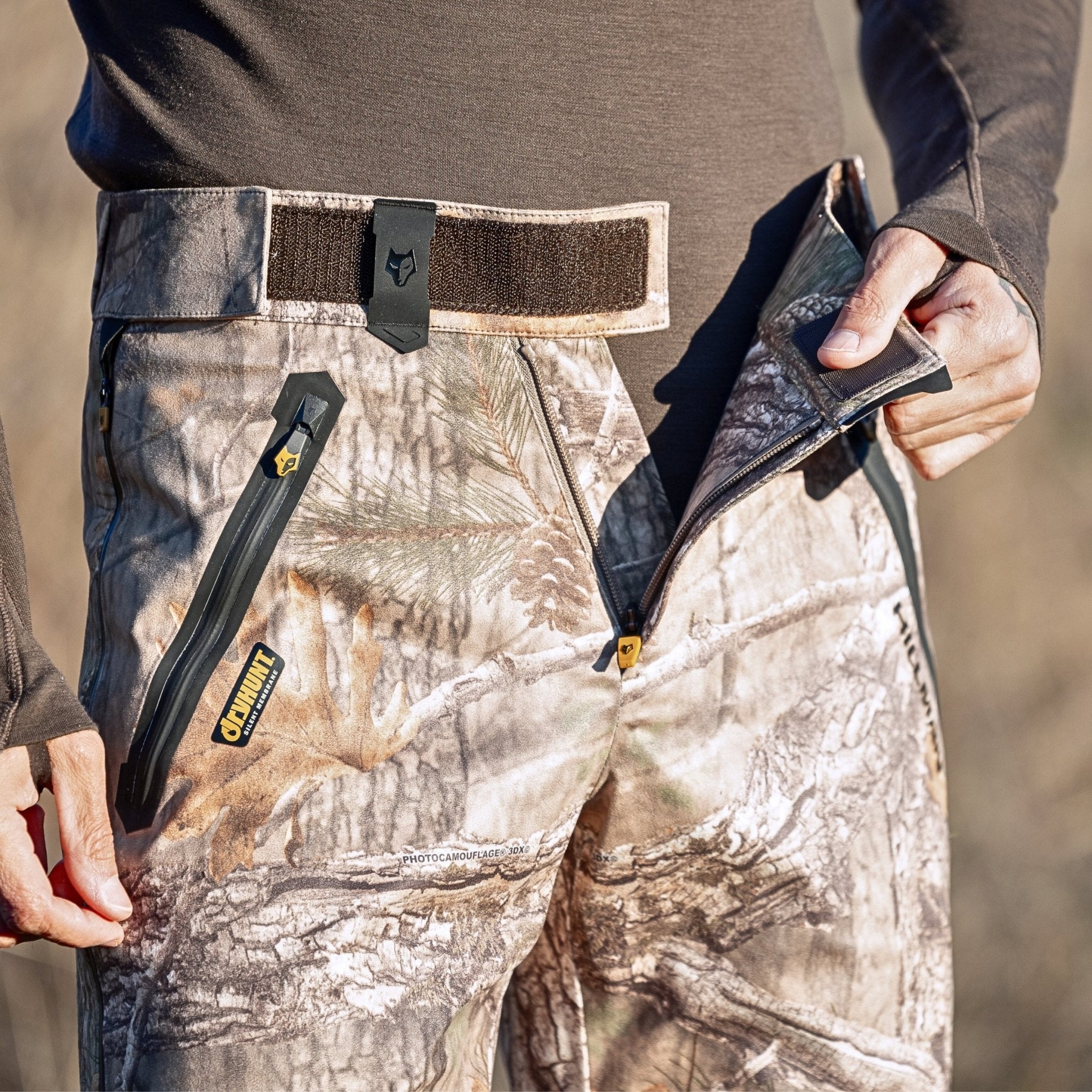
Functional features should earn their place. Reinforced knees, strong zips, storm flaps, welded seams, large pockets, adjustable cuffs and easy-clean fabrics all help. These are not fancy extras. They make the work easier.
Anything that looks clever but does nothing can be ignored. Estate work is good at exposing pointless design.
Durability, Washing and Long-Term Value

Durability is where good estate clothing proves itself. Cheap kit can look fine at the start. Then it leaks, shrinks, splits, loses shape or stops being waterproof. At that point, the cheap option was not cheap.
Washing matters. Feed dust, mud, oil, blood, wet grass, disinfectant and animal muck all end up on clothing. If the fabric cannot wash clean without falling apart, it is wrong for hard estate work.
Investing in better clothing does not always mean buying the heaviest thing in stock. Heavy kit has its place, but it can be too much for active jobs. A lightweight waterproof layer might be perfect for summer checks. A heavy bib and brace might be required for wet animal work. A warm jacket might be right in January and annoying in October.
Build the range slowly if needed. Start with reliable boots, tough trousers, breathable shirts, a proper waterproof jacket and gloves that grip. Then add insulation, overalls and spare layers when the season demands it.
The key is to choose clothing for the work you actually do. Not the clean example in a product photo. Not the smart idea in your head. The real work: wet gates, dirty feeders, cold rides, hard ground, long days and kit that has to be washed before it can be used again.
Explore the Clothing Options Before You Buy

It is worth taking time to explore your clothing options before throwing money at whatever is in stock. A big range can look useful, but more options do not always mean better kit. The right choice is the one designed for your work, your site and your weather.
Think about safety too. Some jobs need tougher protection, better grip, reinforced areas or clothing that can handle waste and disinfectant. Other jobs only need a practical lightweight setup that lets you move easily and stay comfortable.
Remember that estate clothing has to hold together over the year, not just look good on day one. If a garment can offer comfort, durability and easy washing without slowing you down, it is doing its job.
Get the Set Right Before You Leave
Check the day before you get dressed. Feeding and a short ride check need one setup. Clearing wet tracks, handling animals or working in hard rain needs another.
Practical estate clothing is about making the right choice before the job starts. Trying to fix bad clothing halfway through the day is usually too late.
Layering is the safest answer most of the time. It helps control warmth, keeps movement free and lets you adjust when the weather changes. Take a layer off when lifting. Put one back on when standing. Simple.
The best estate work clothing is the kit you stop thinking about. It protects you, keeps you comfortable and does not get in the way. Finally, that is the real test: not how smart it looks when new, but whether you still reach for it after a wet, rough, ordinary day outside.




Share:
How to Dress for Deer Gralloching and Drag-Outs
What to Wear for Muntjac Stalking in Small Woods, Thick Cover