
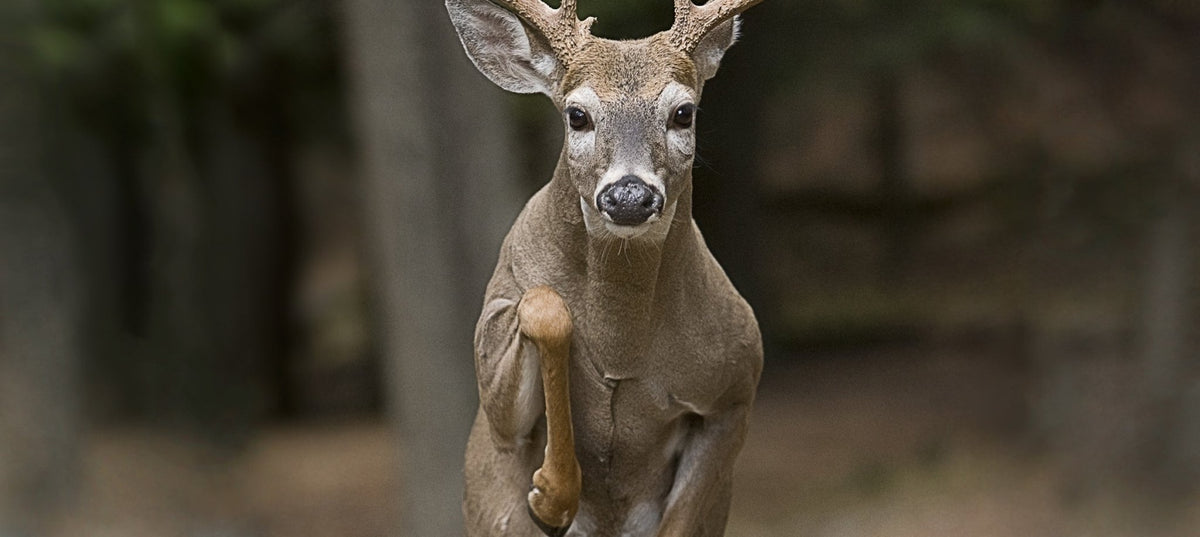
Fallow Deer on Field Edges: How to Read Hesitation Before the Last-Light Move

Read fallow deer hesitation at dusk by watching wind, body language, cover, pressure, and the final move into open ground.
Fallow Deer at the Edge, Right Before Dark. Fallow deer on field edges how to read hesitation before the last light move is not about simply spotting an animal. Most deer stalkers can do that with enough glass and patience. The harder bit is reading what the deer is telling you before it commits.
That last strip of light is where mistakes happen.
A stalker sees a shape. Then antler. Then maybe a shoulder. He shifts the sticks, leans forward, touches the safety, rushes the glass. The deer freezes. One stamp. One hard stare. Then the whole edge is empty.
Fallow deer are highly adaptable. They use mixed woodlands, small woods, open hill ground, rough pasture, agricultural crops, woodland edges, broken cover and quiet corners near food sources. They do not need perfect country. They need food close to cover, and they need enough time to test the place before stepping out.
That is why field edges matter. The edge gives fallow deer a safe point between bedding areas and open feeding ground. They can stand in the trees, use scent, listen, watch, and back out if the field feels wrong.
The hesitation is not random. It is the deer making a decision.
A doe may show only her head. A single fawn may step forward before the rest of the herd. Younger bucks may drift out early, especially in early summer when feeding is easy and pressure is low. Mature bucks and older fallow bucks usually play it differently. They may hold back until the last legal light, sometimes until the field is nearly gone into night.
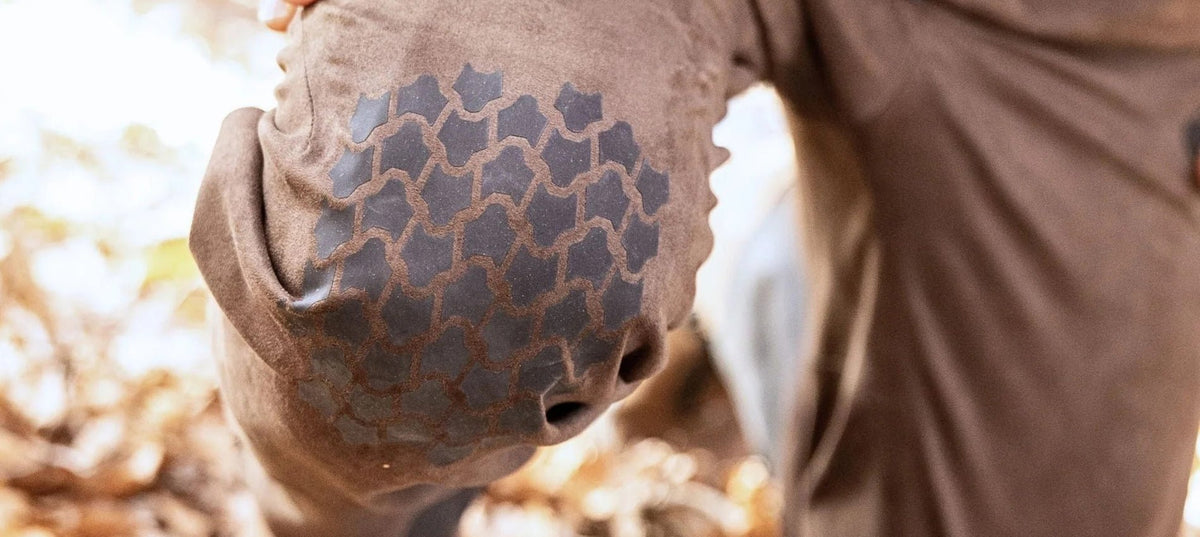
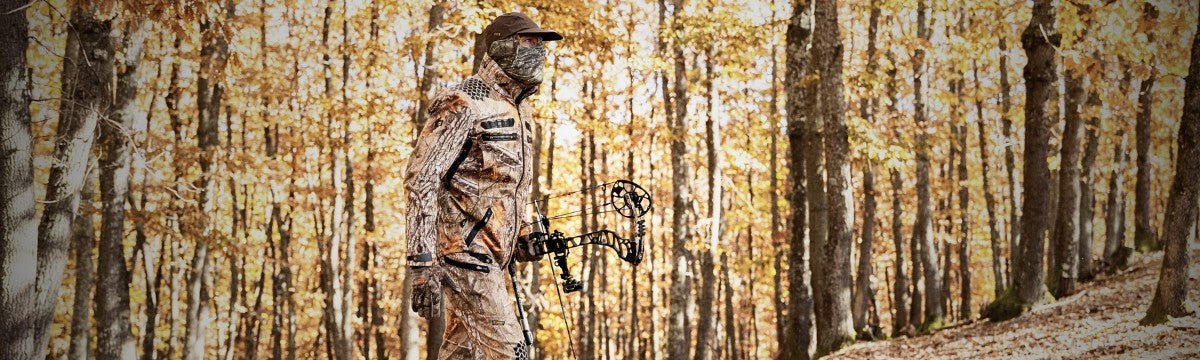
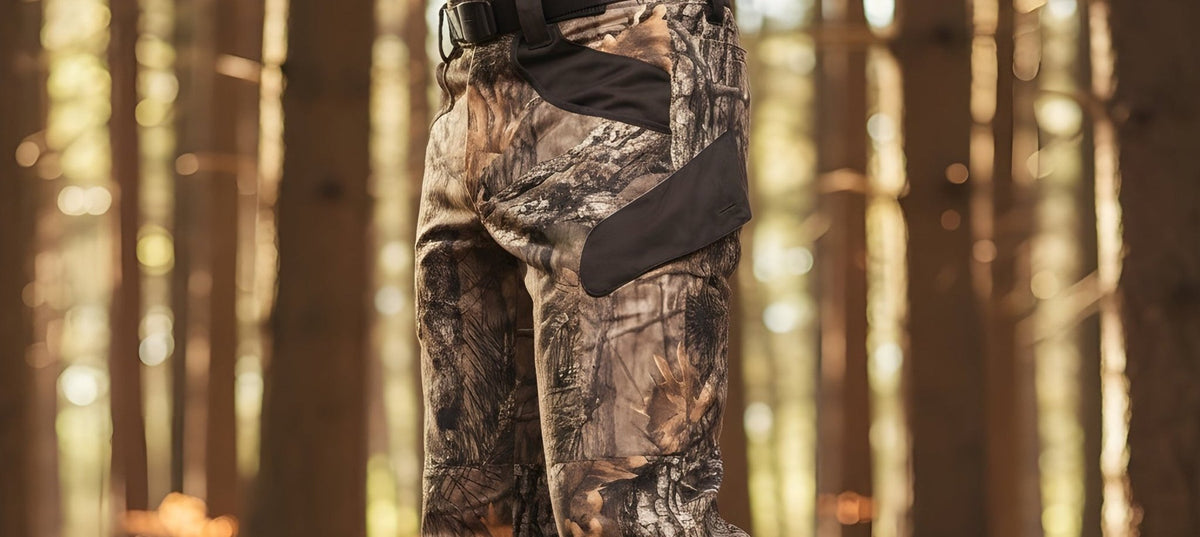
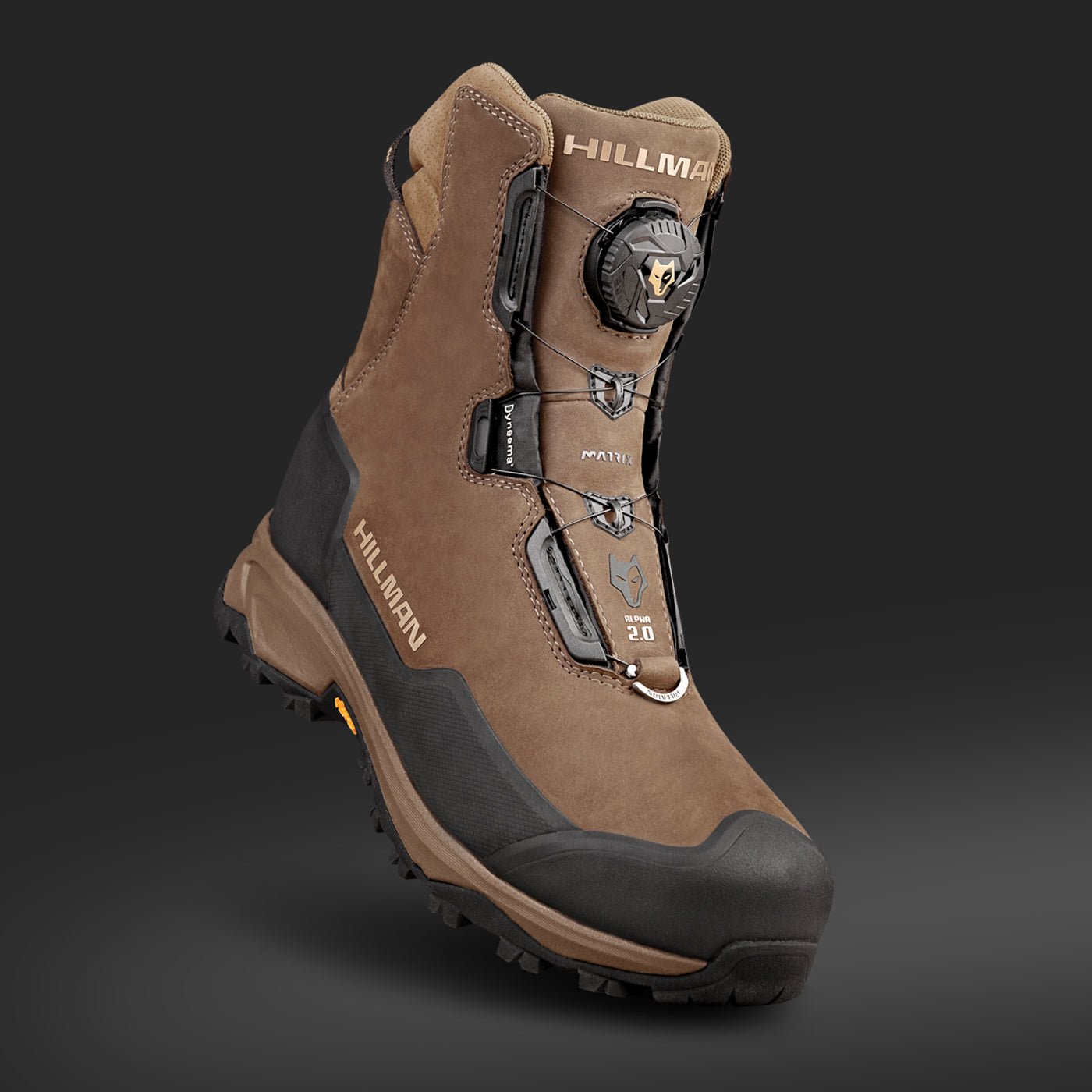
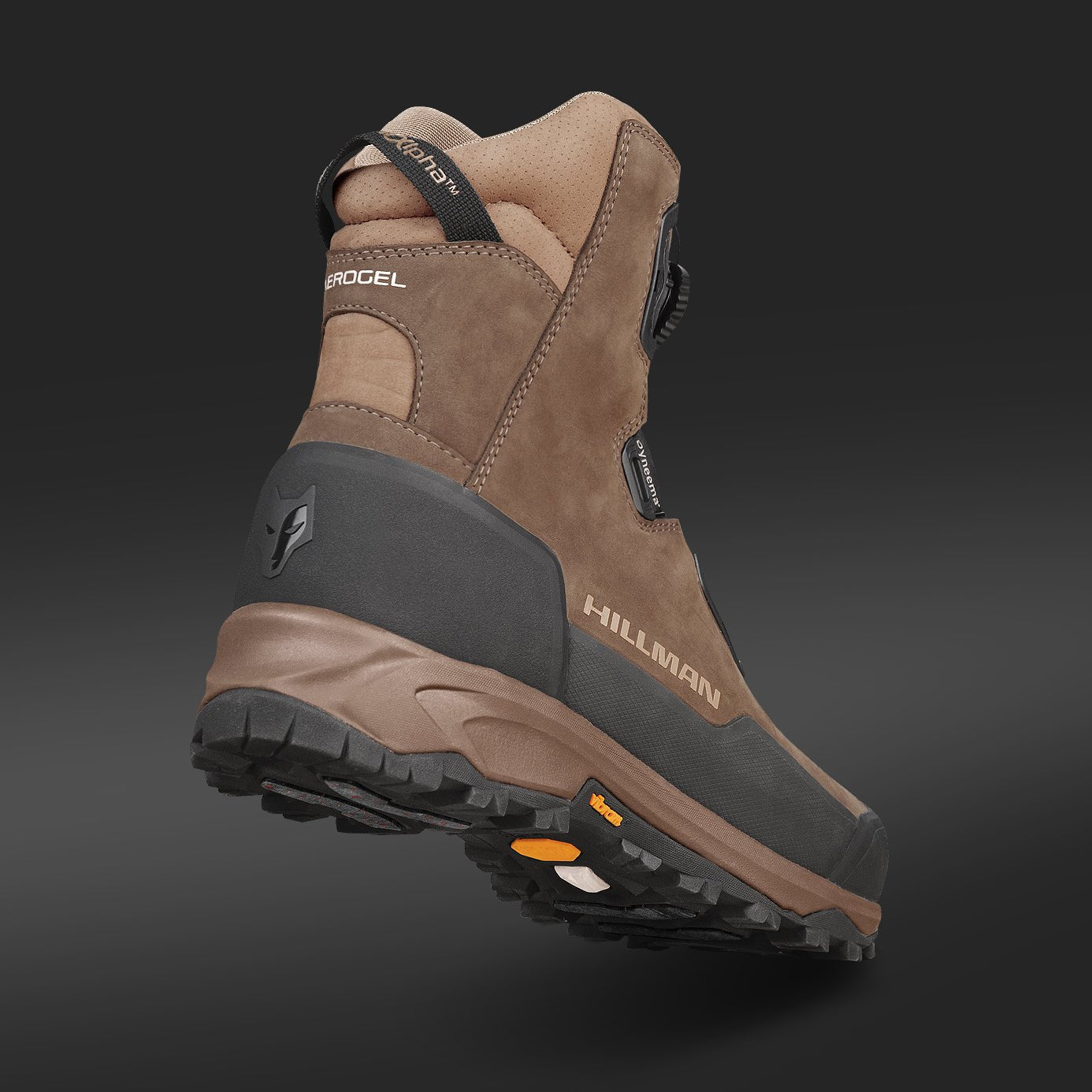
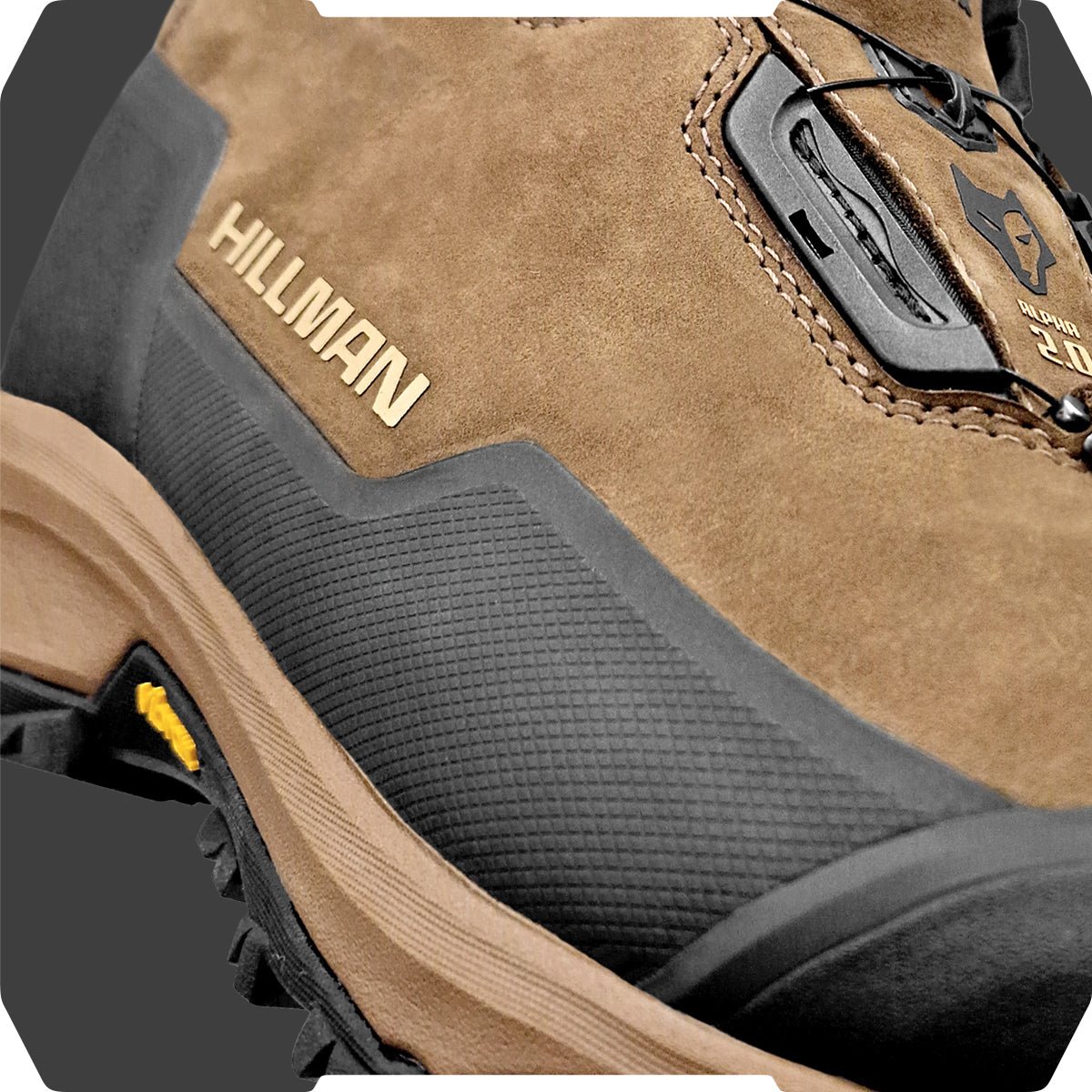
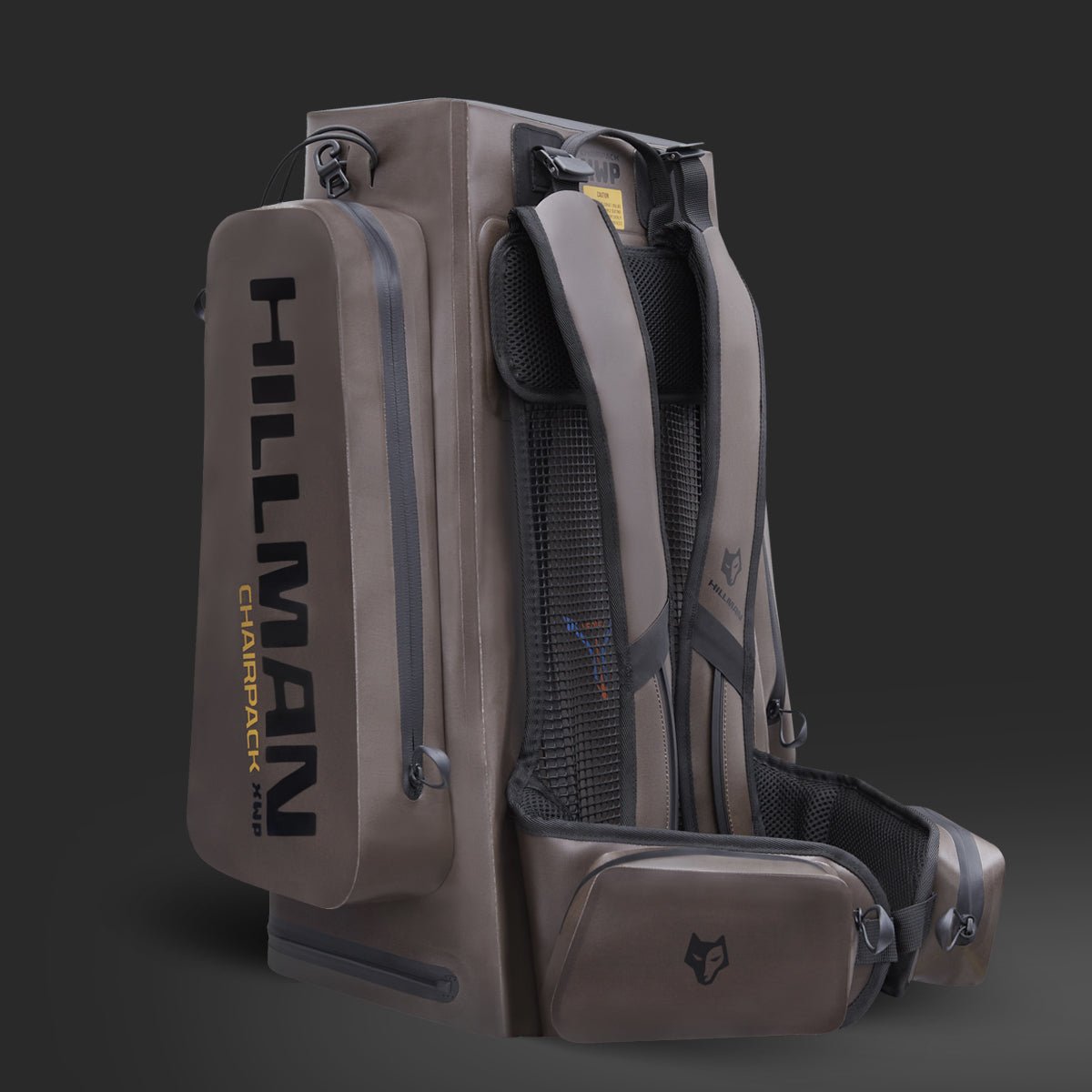
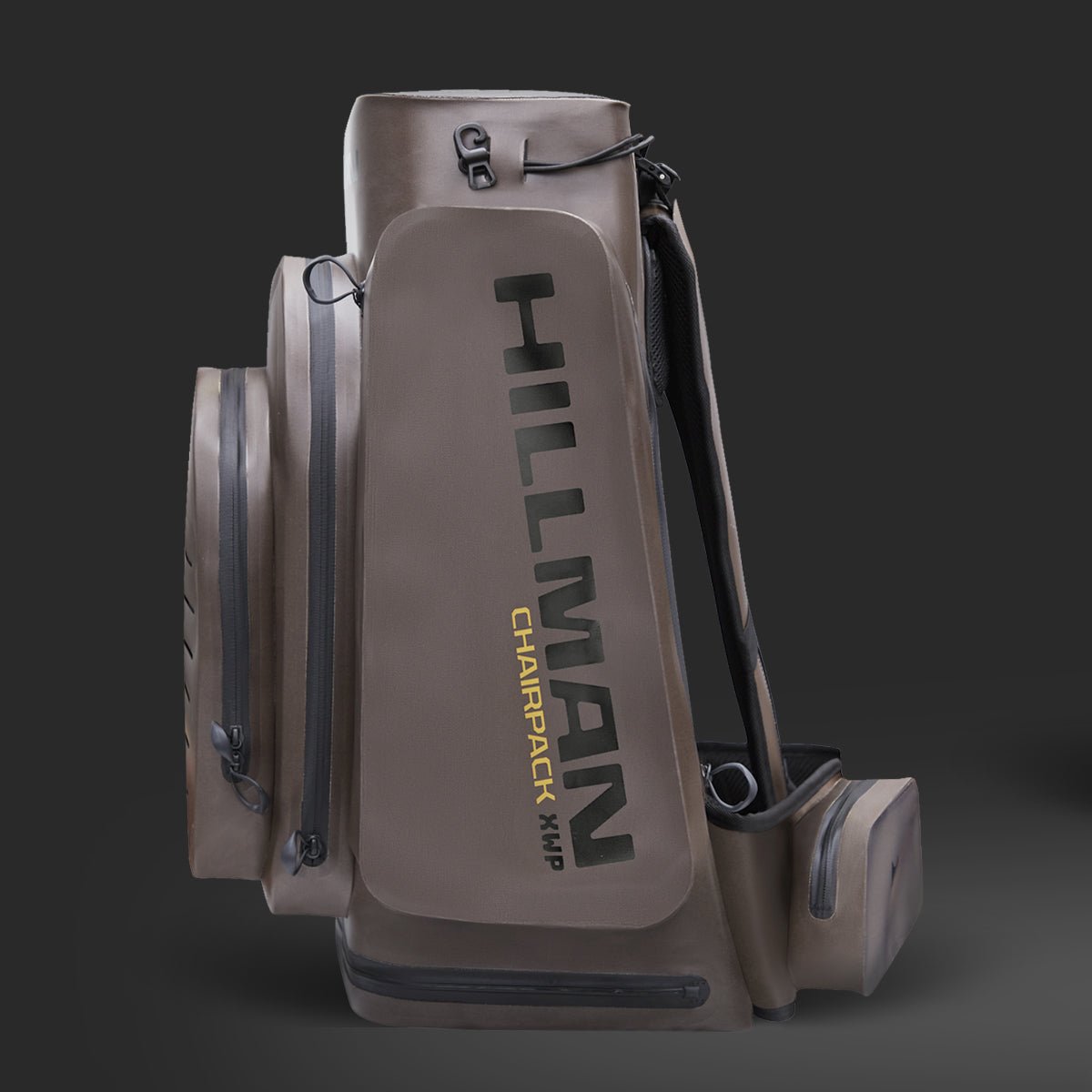
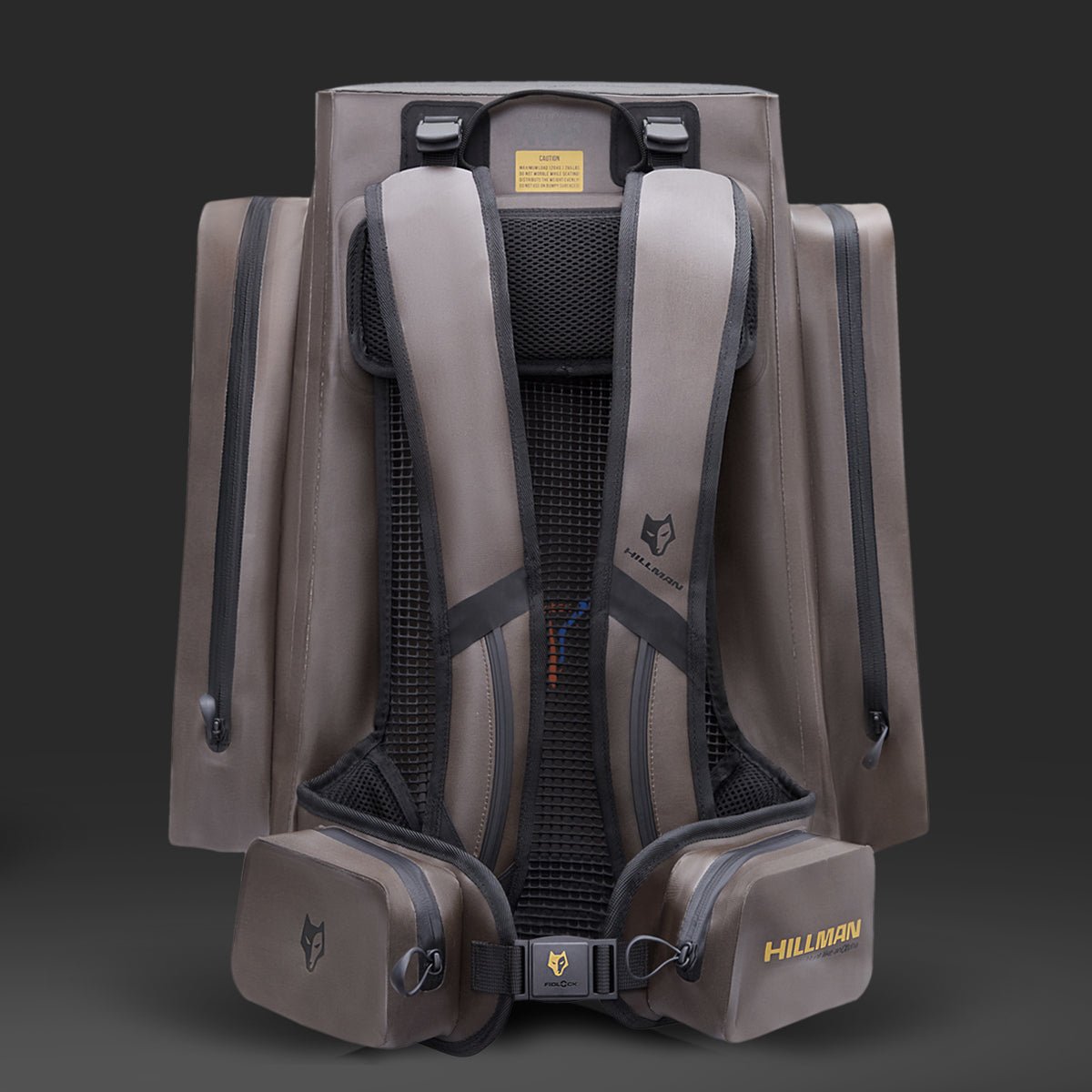
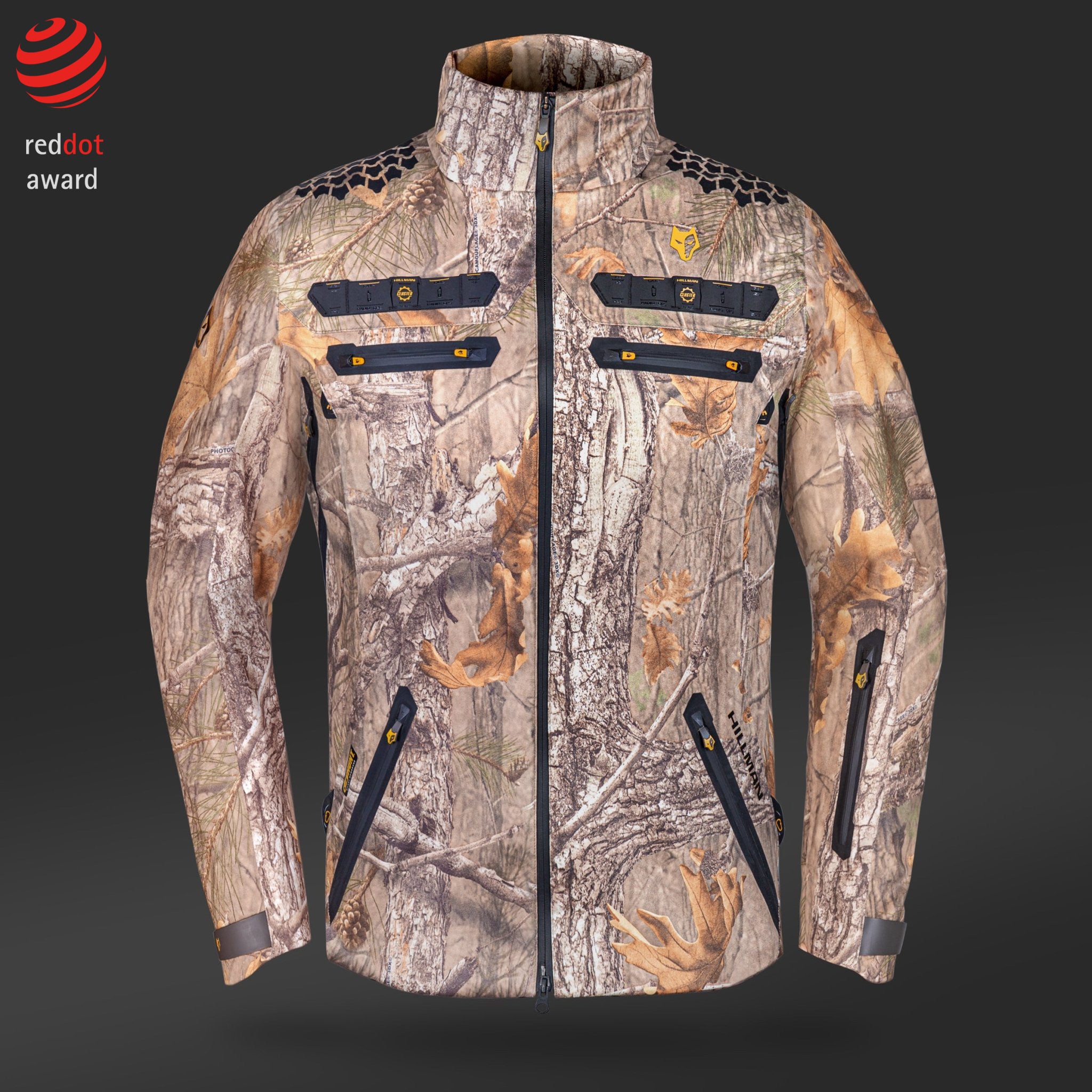
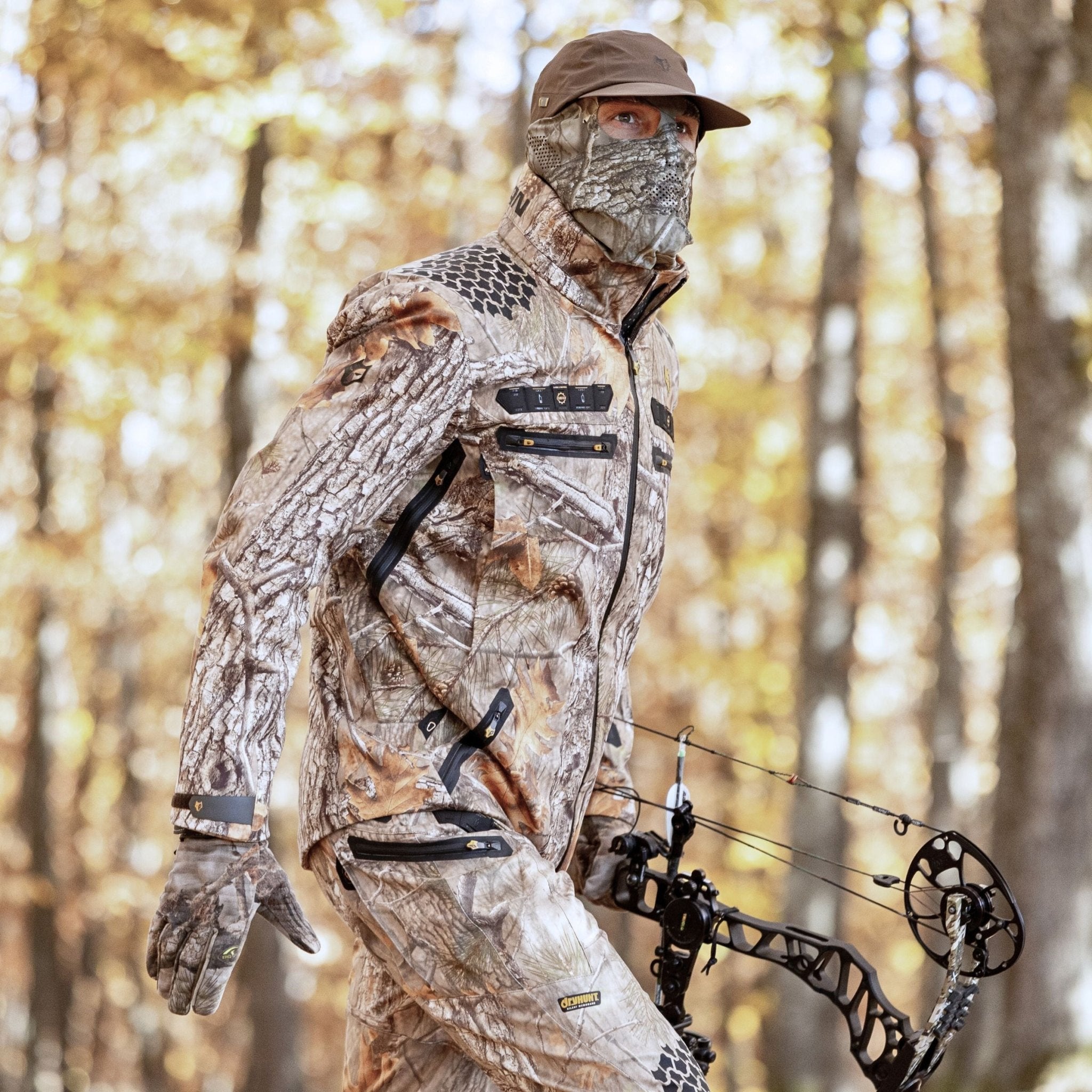
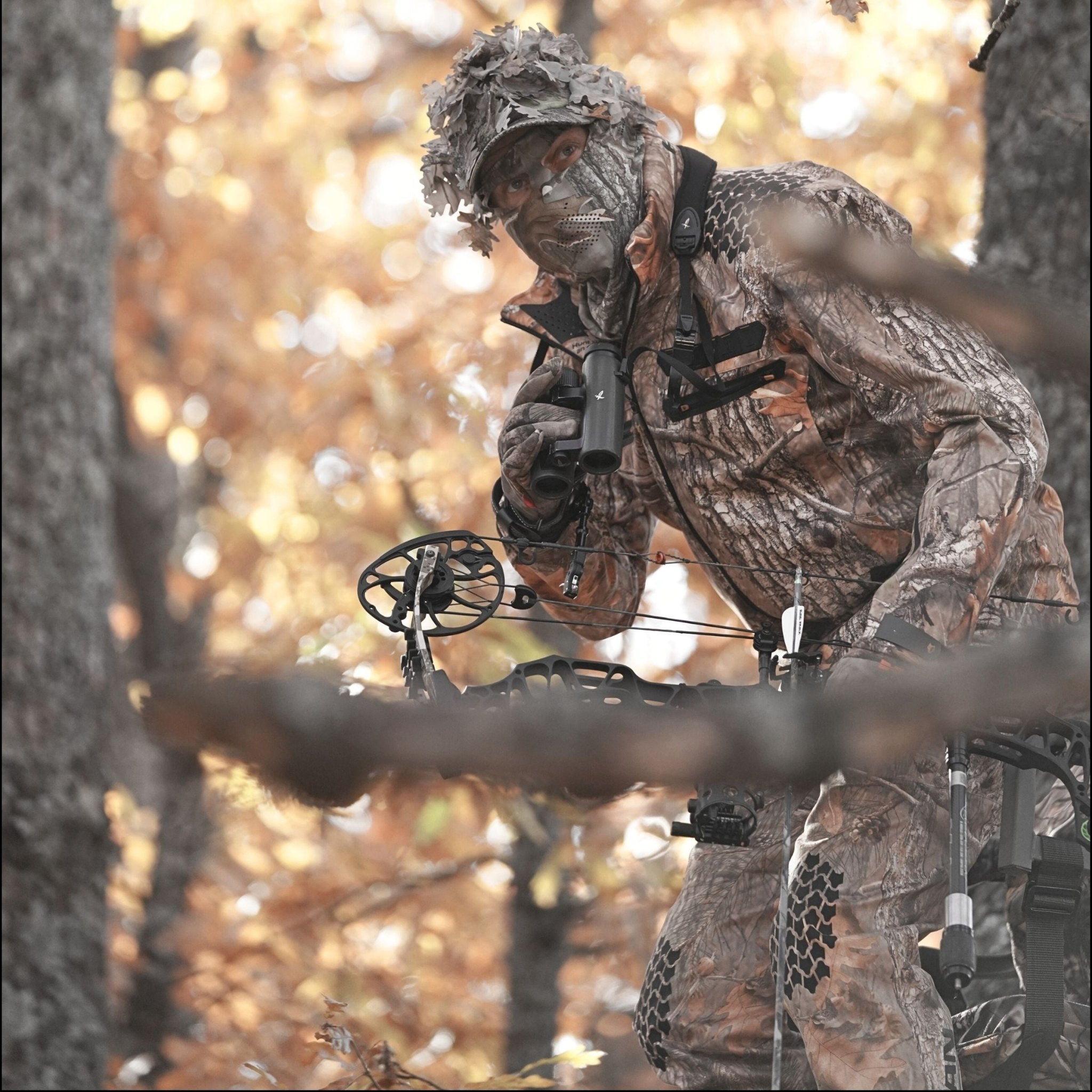
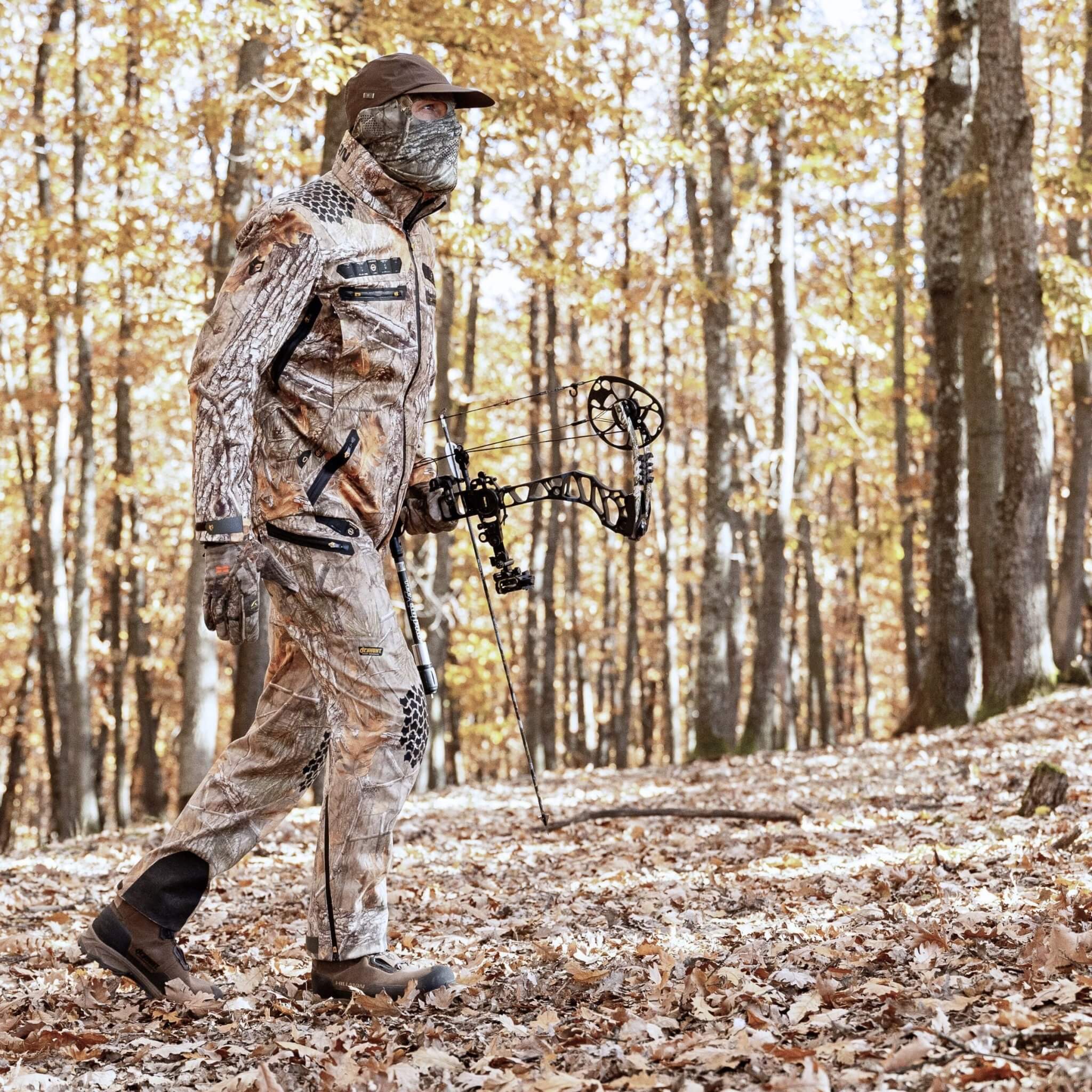
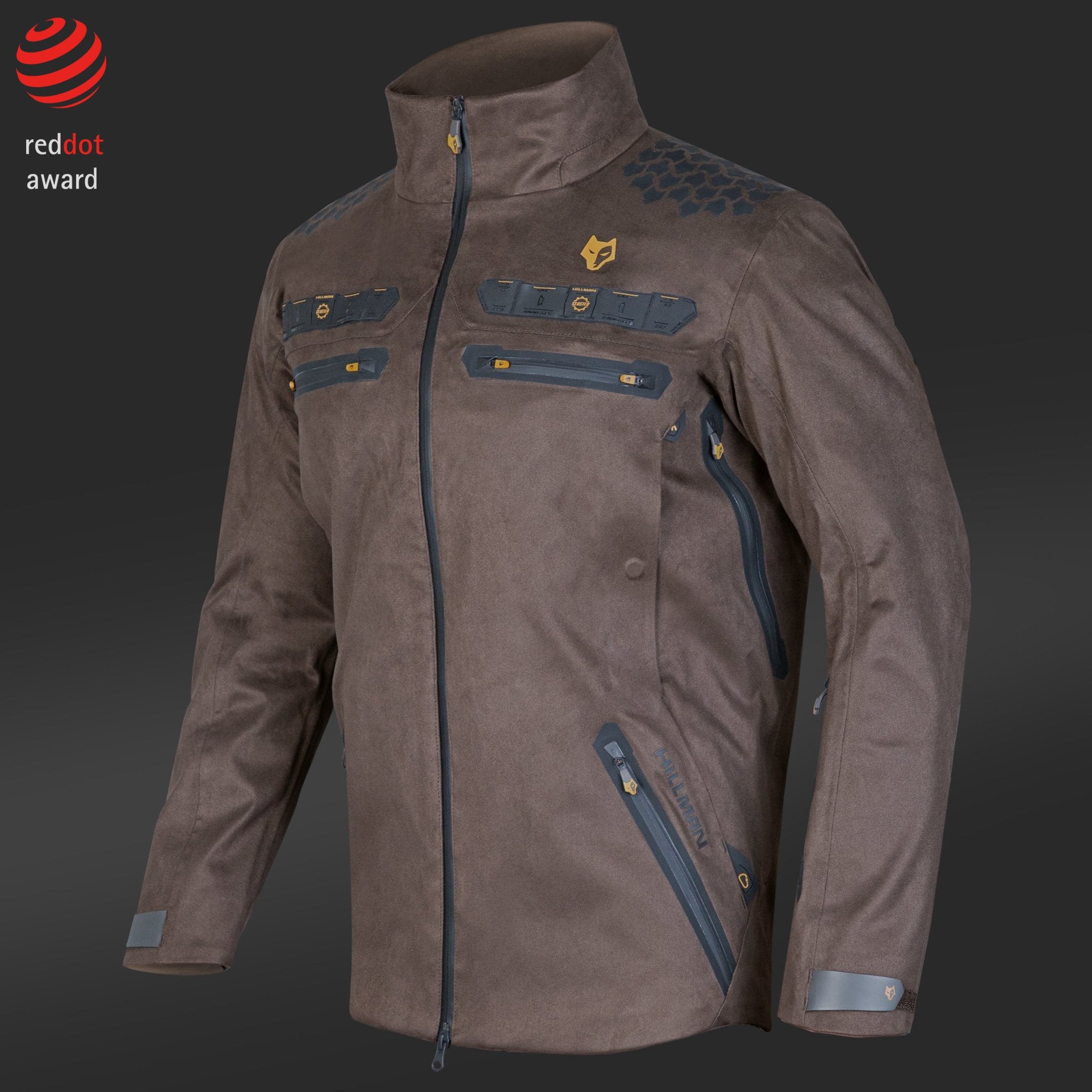
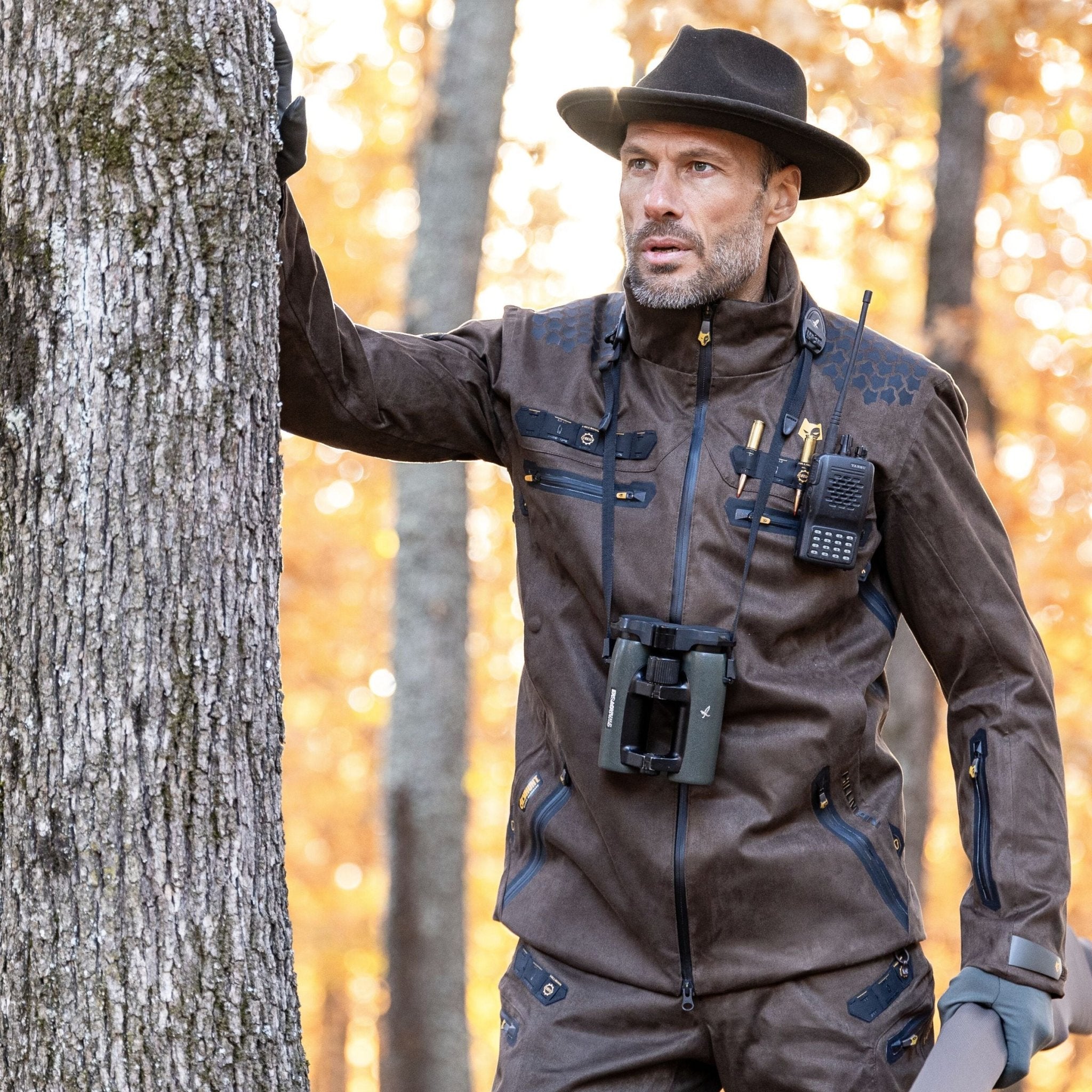
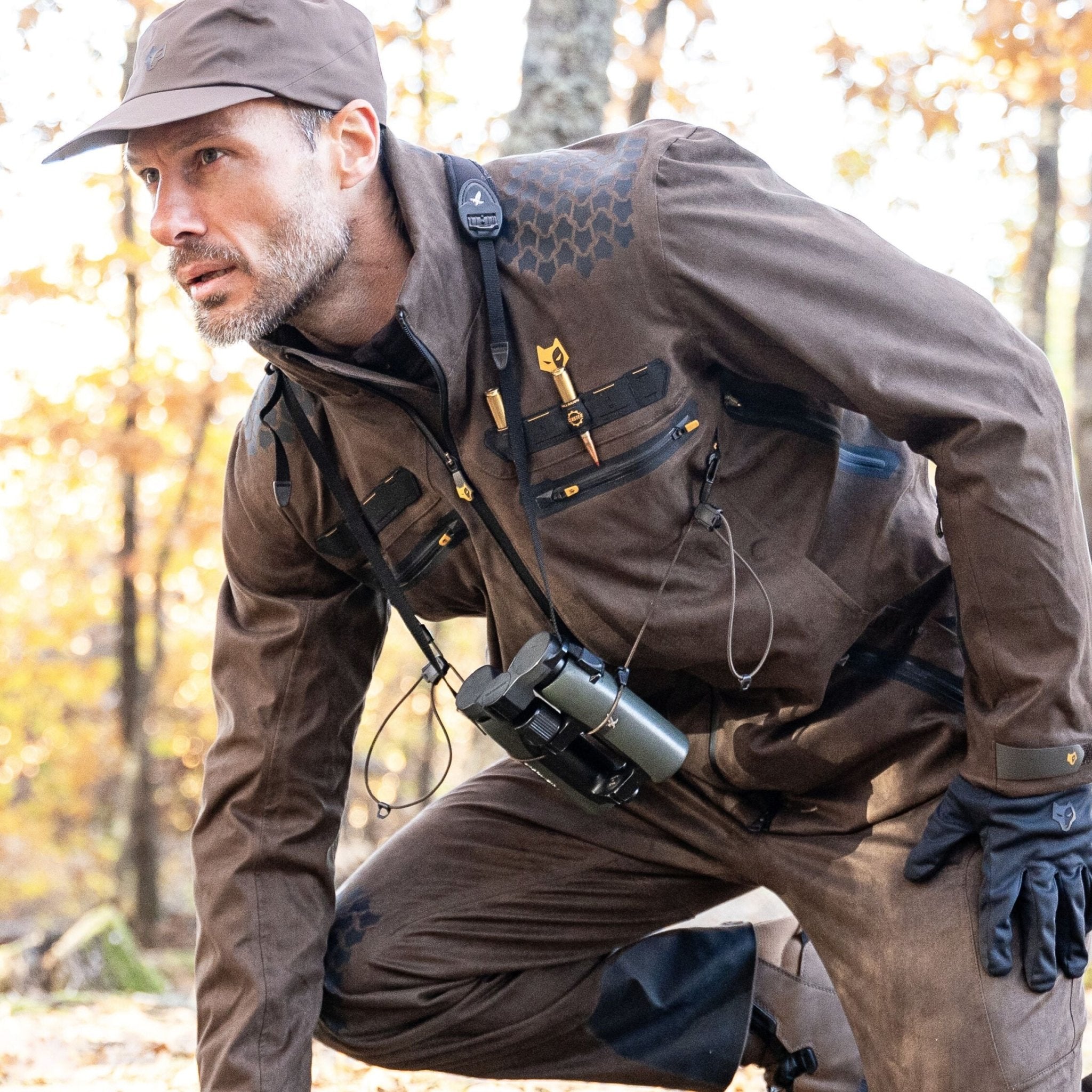
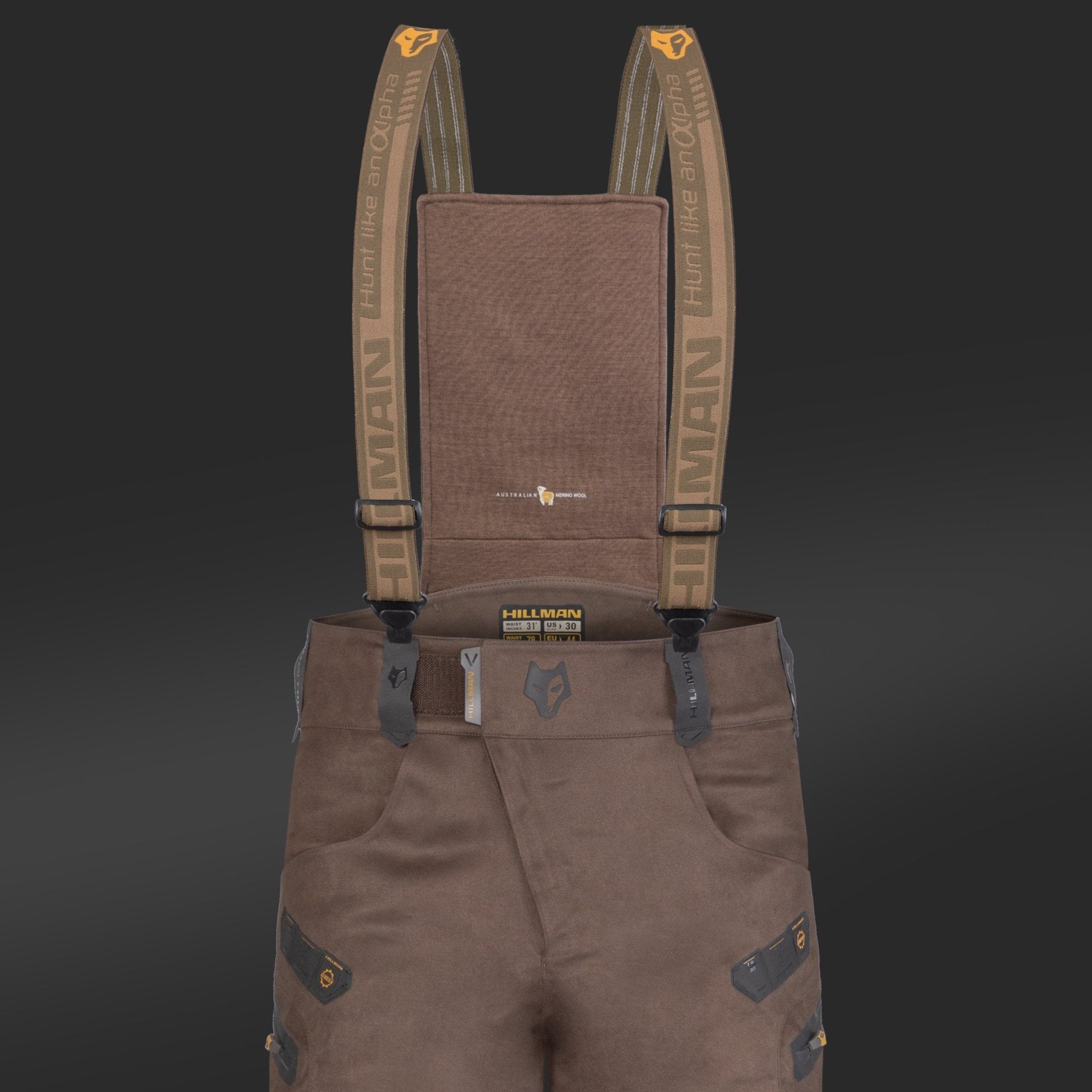
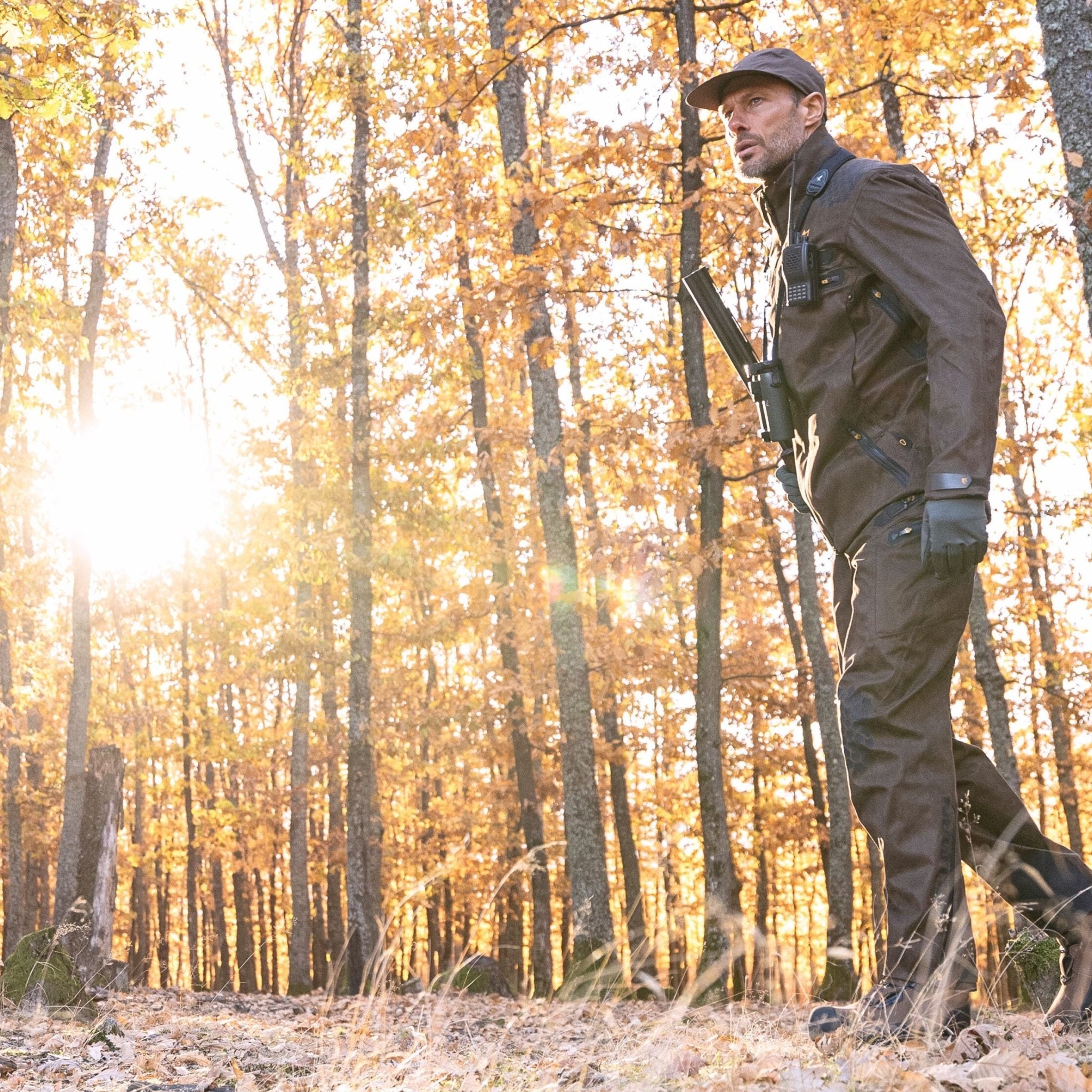
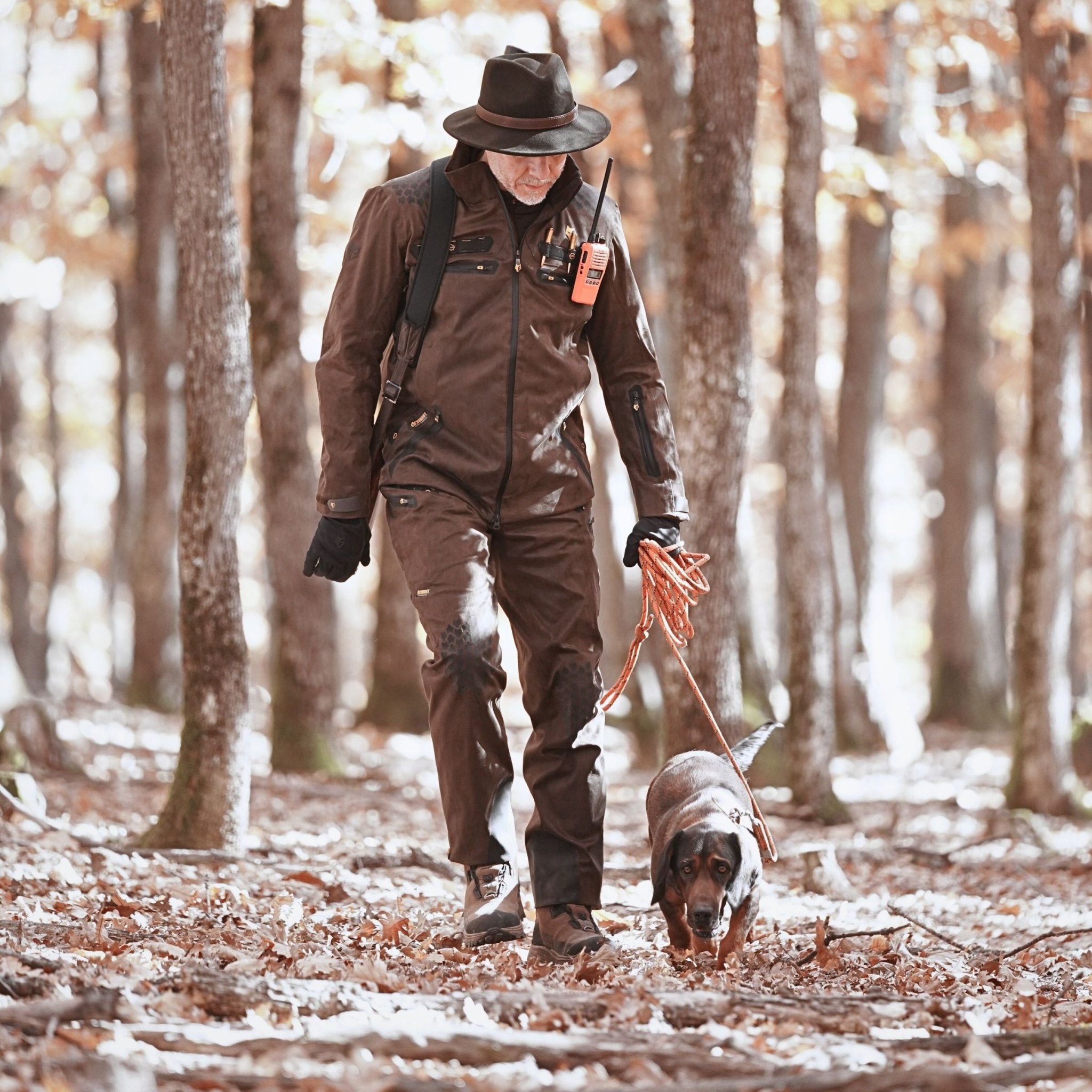
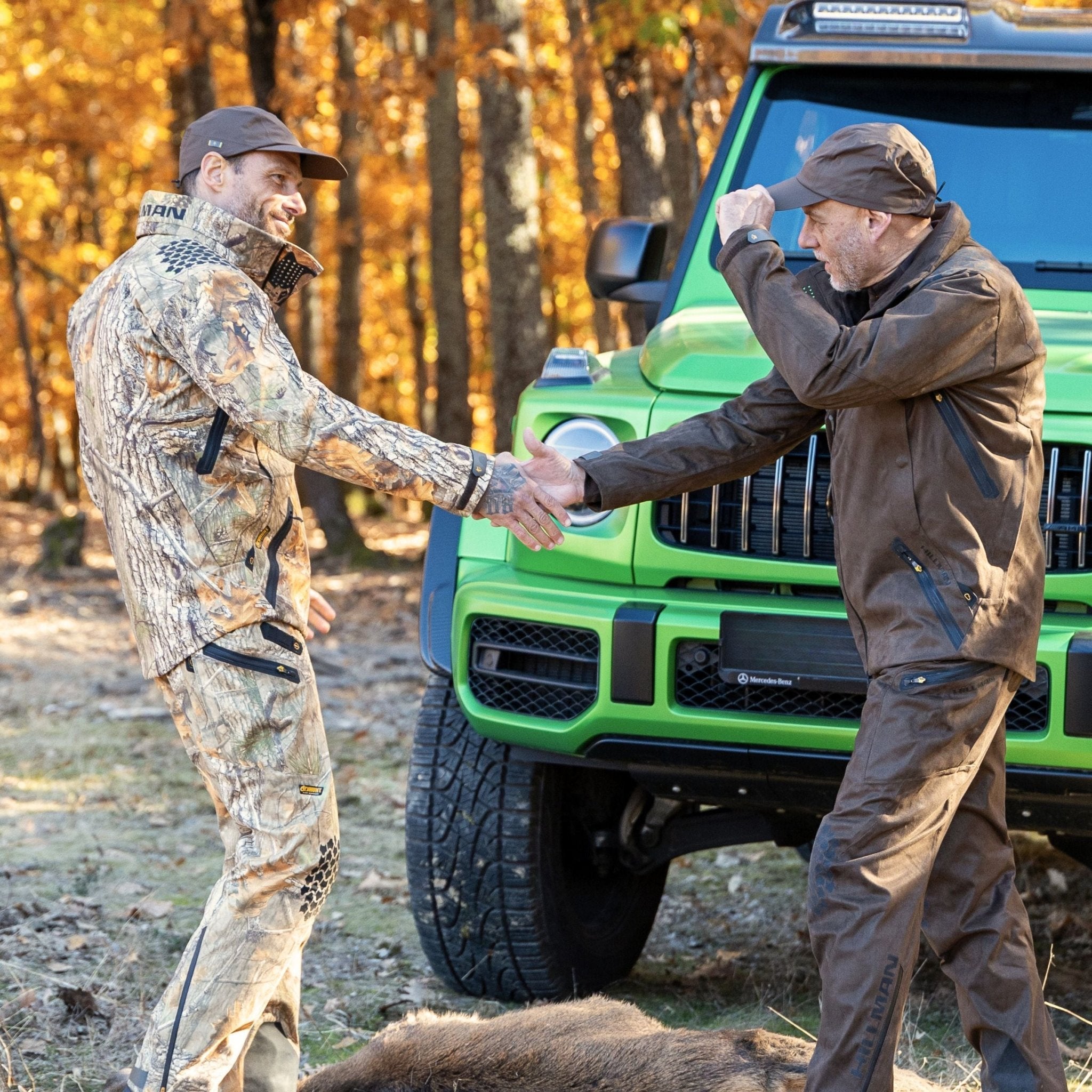
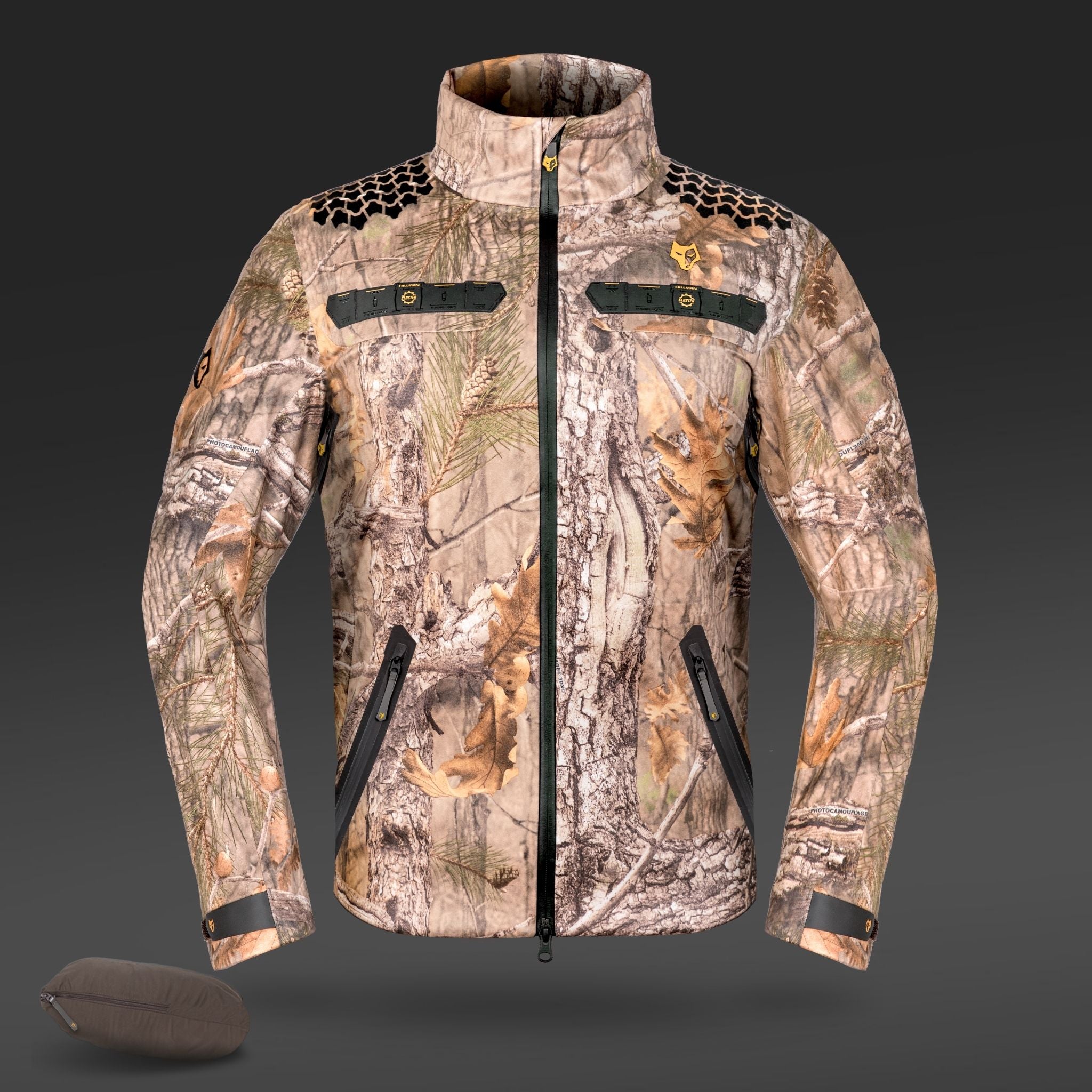
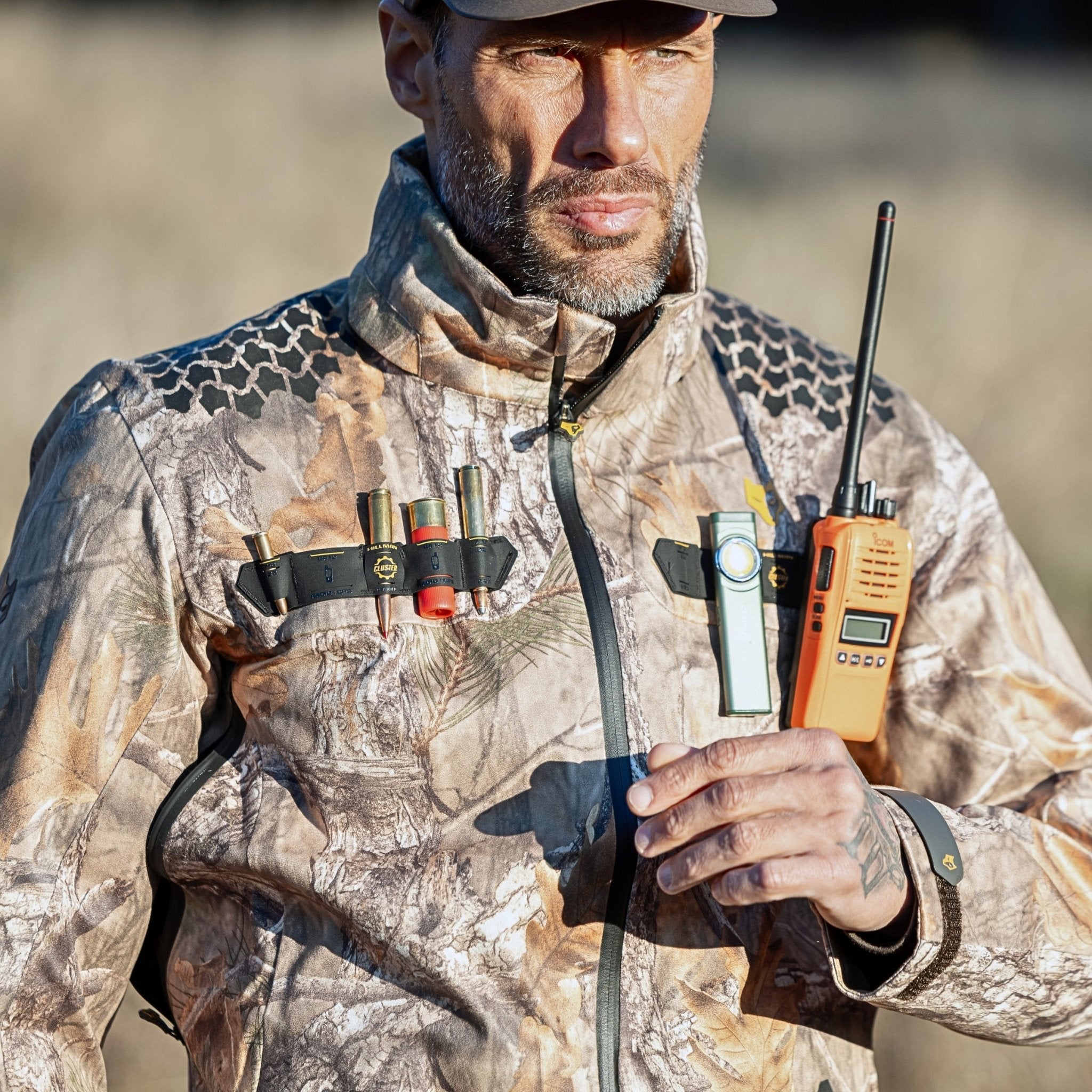
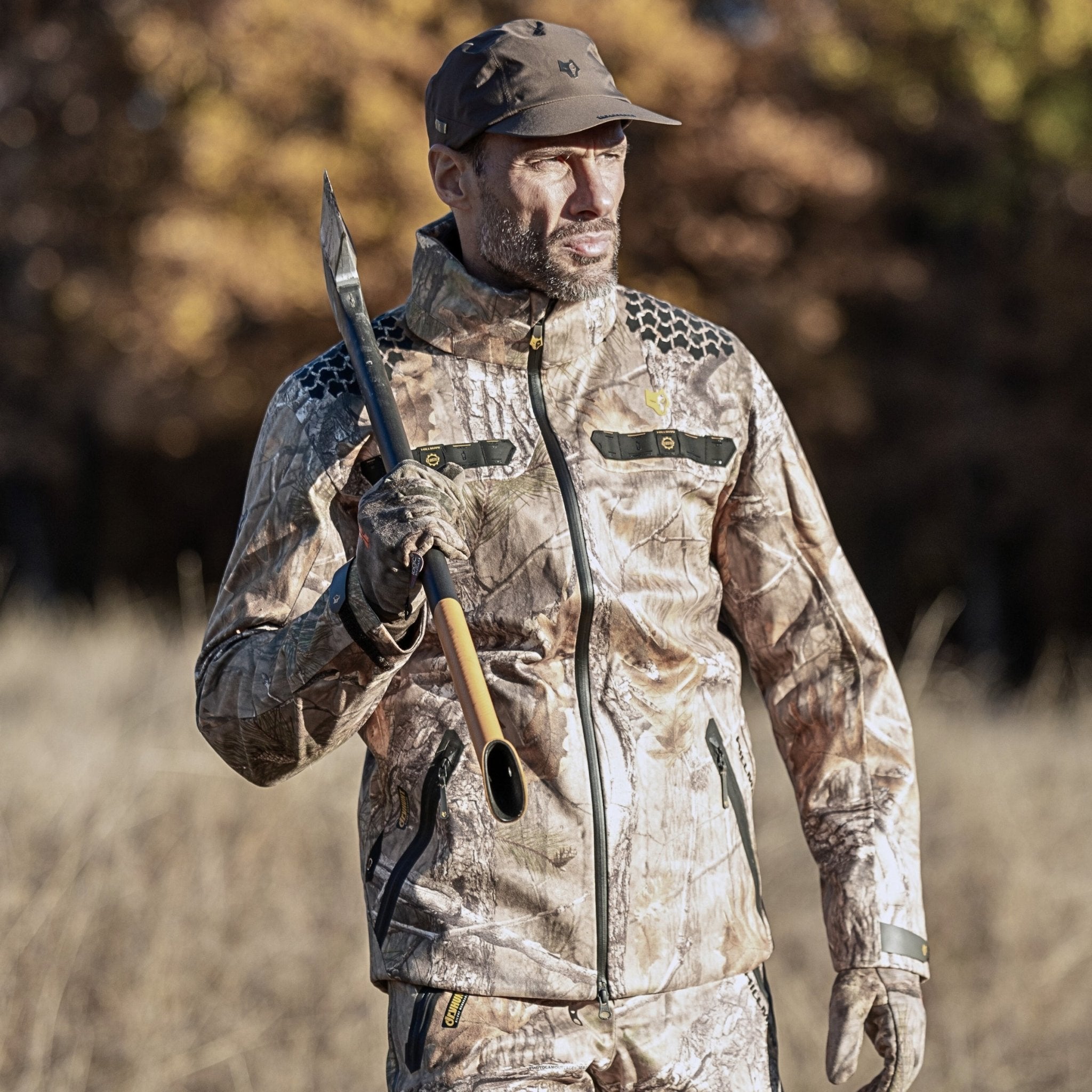
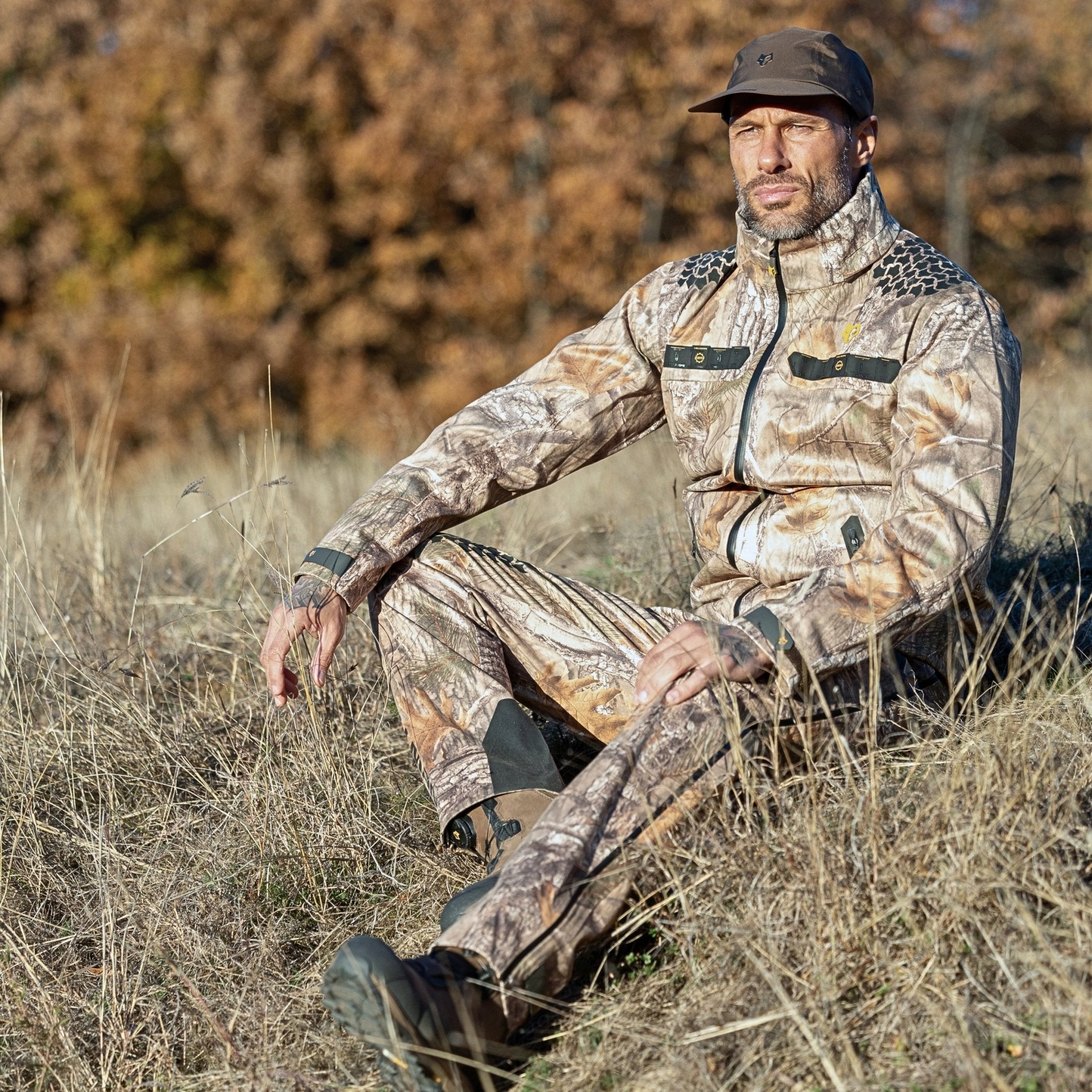
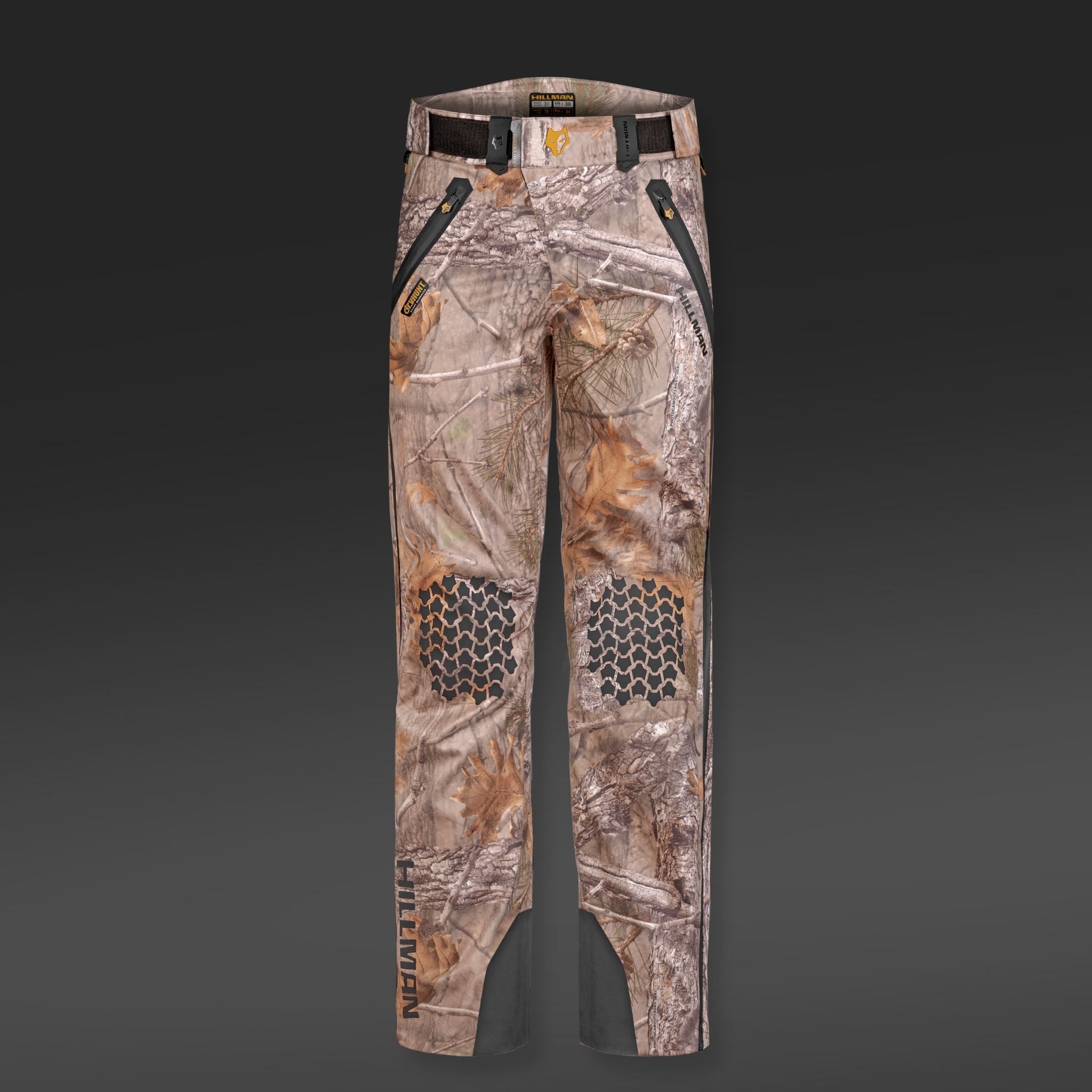
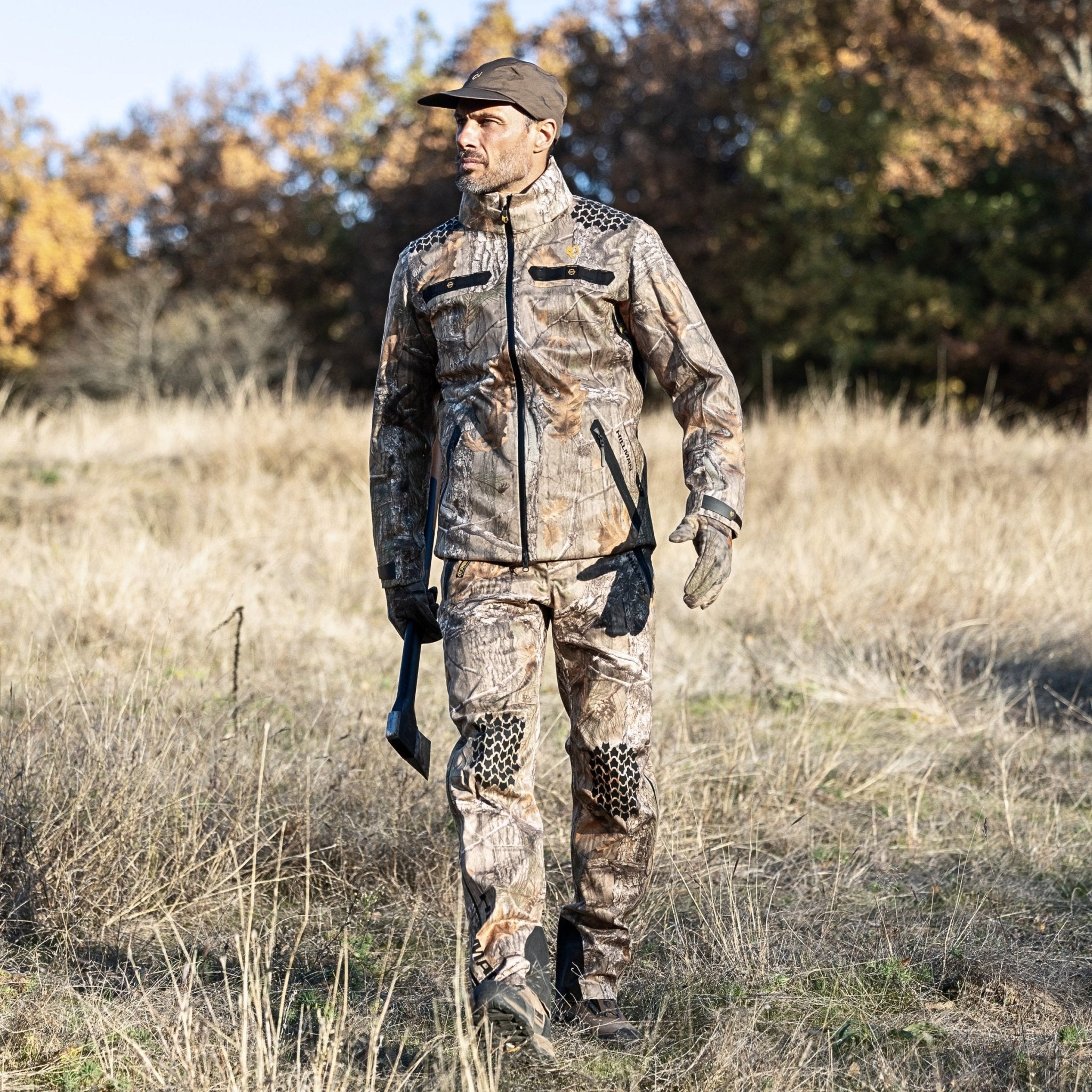
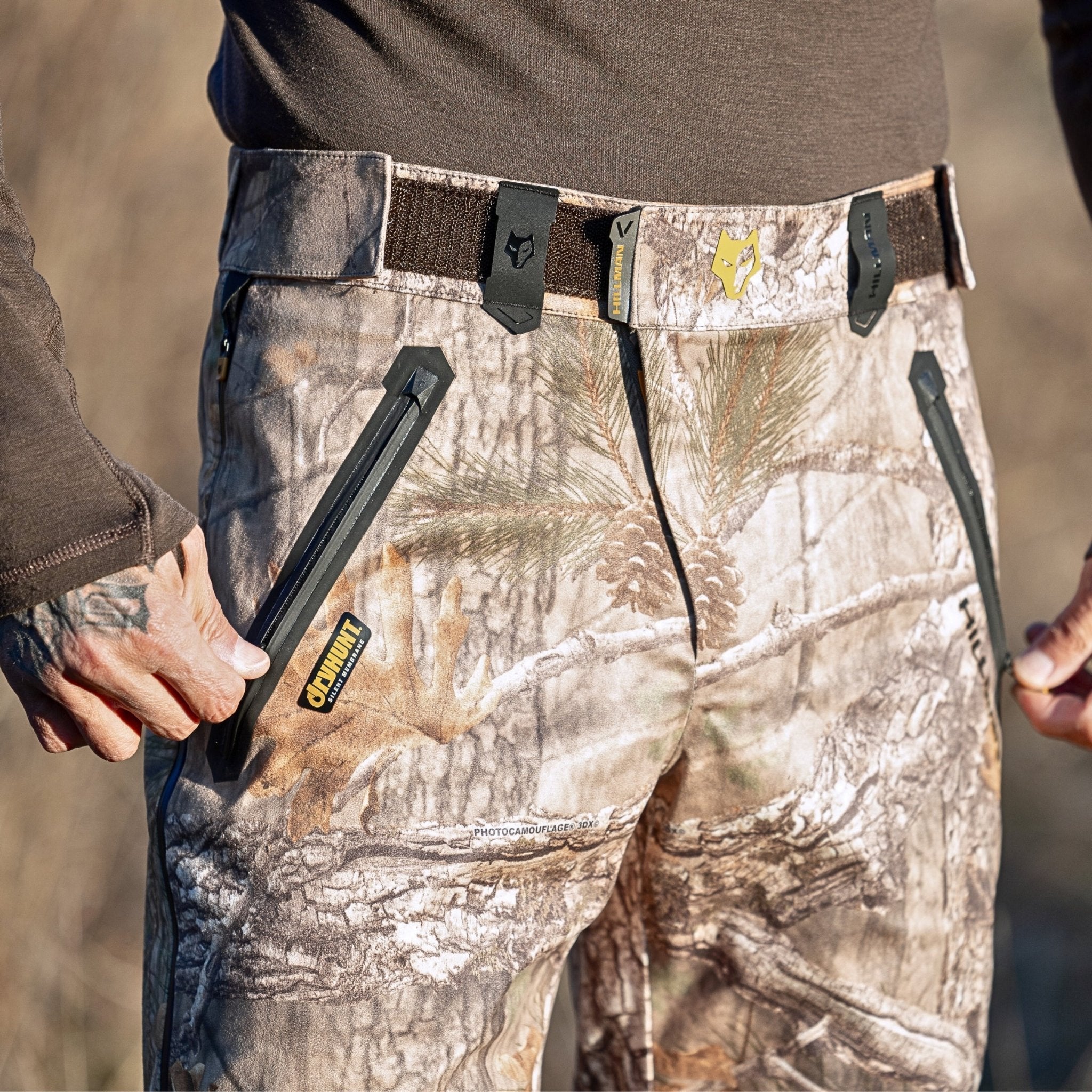
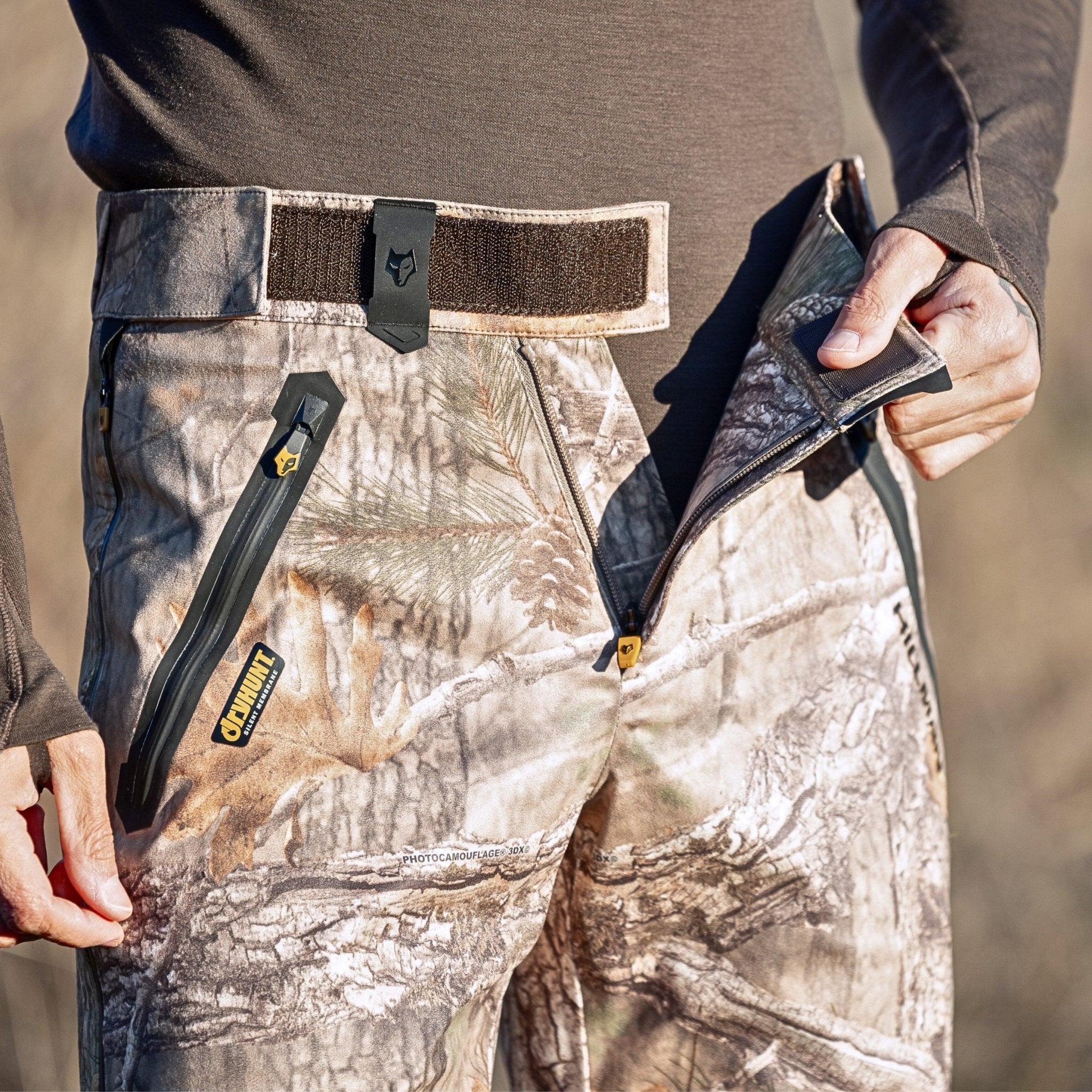
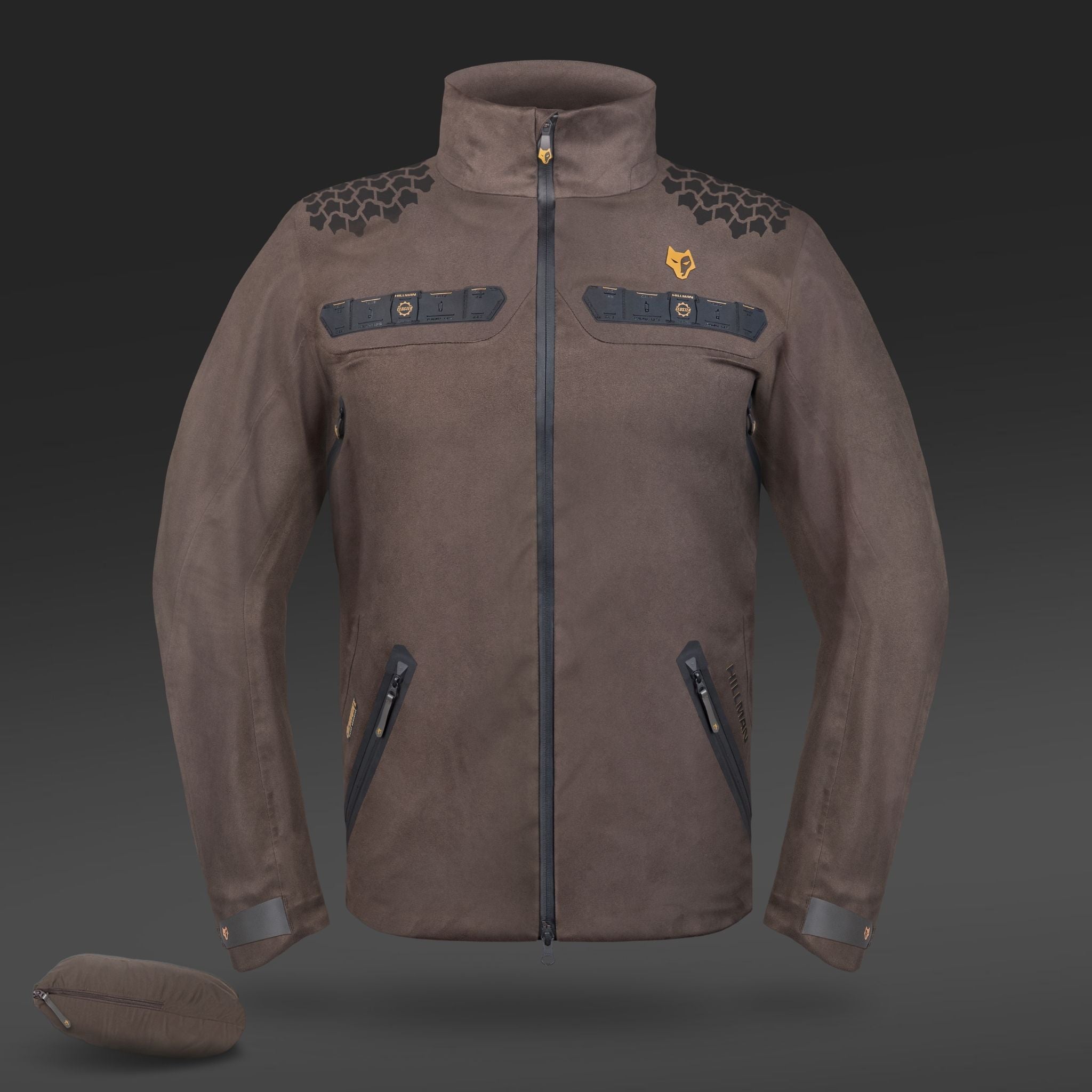
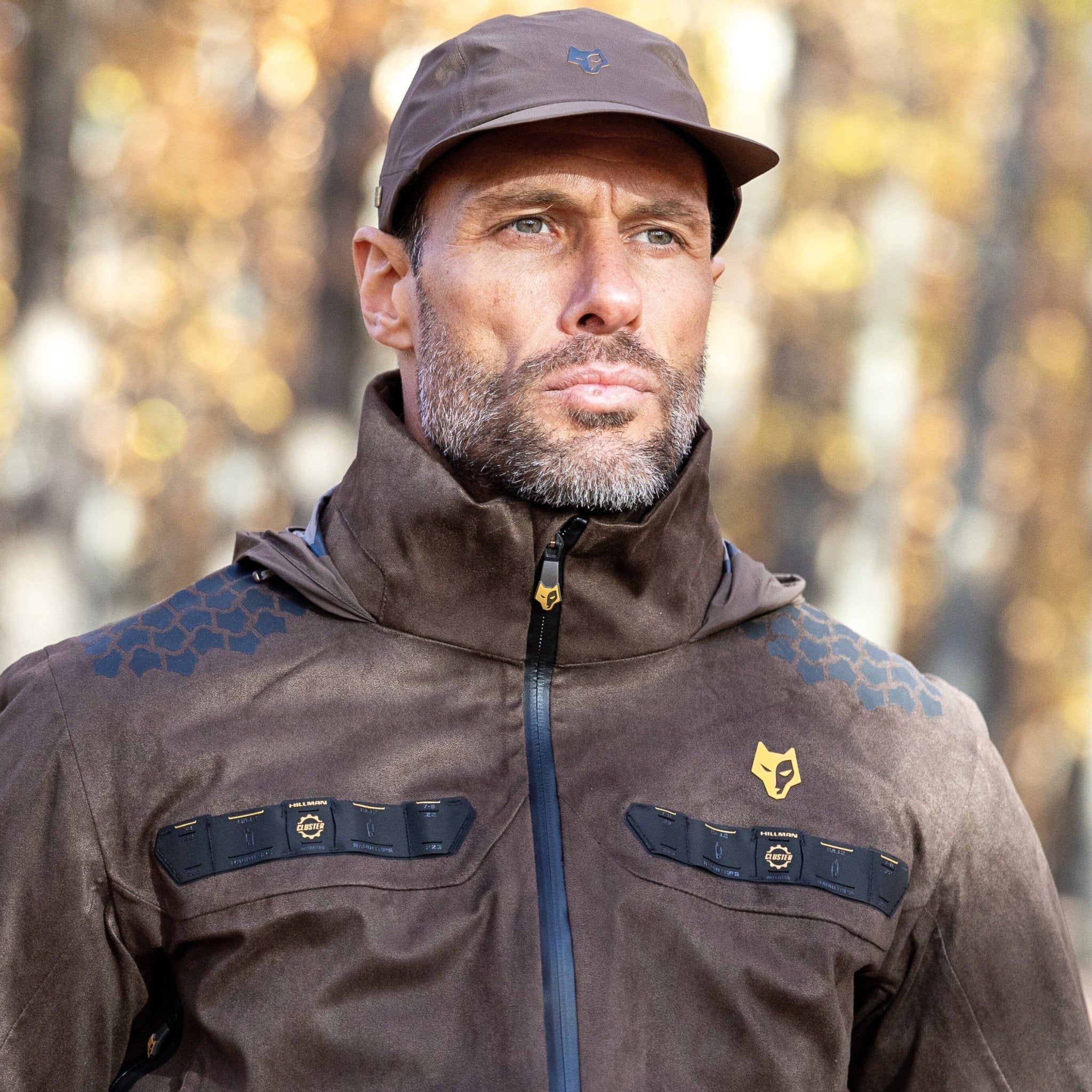
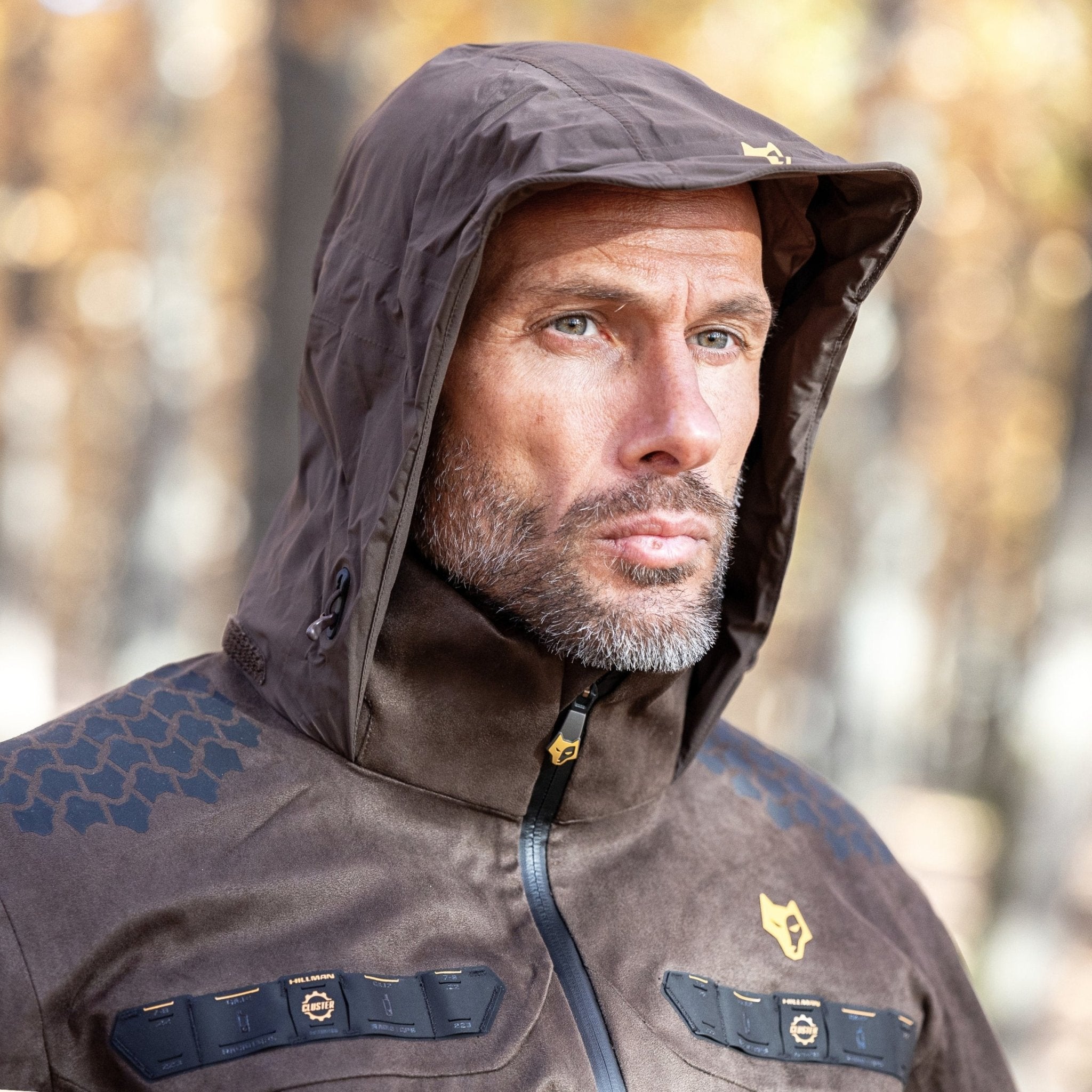
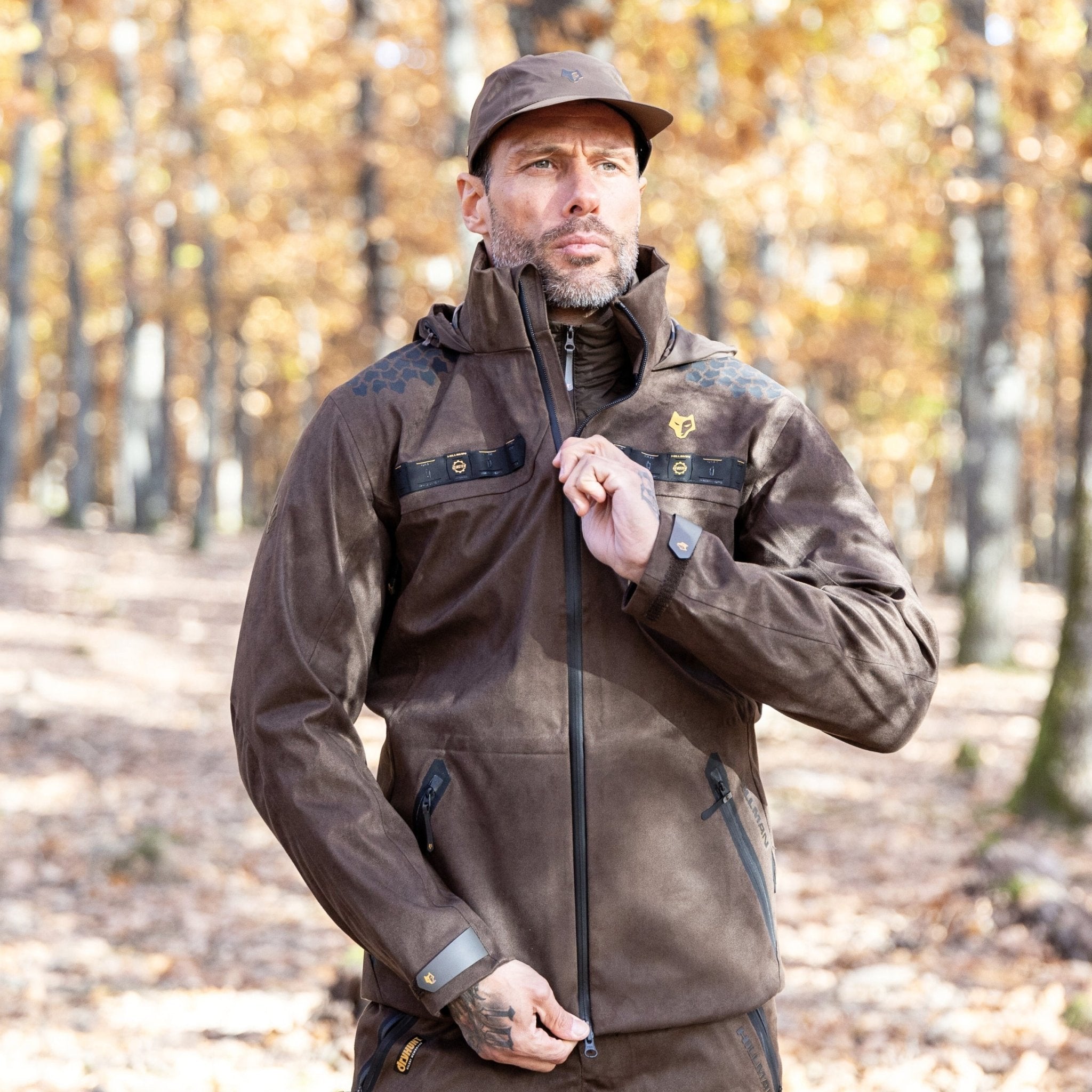
Good binoculars help. A quiet stand helps. Hillman clothing helps when you need to sit still and not rustle like dry paper. But the real skill is simple: stop moving and read the deer.
Why Fallow Deer Hold Back

Fallow deer do not usually walk into an open field without checking it first. Not where there is hunting pressure. Not where dog walkers pass. Not where vehicles stop at the same gateway. Not where recreational activity, forestry work, farm traffic and human activity keep disturbing the same area.
Deer tend to remember pressure.
In cover, they have options. In the open, they have fewer. So they pause. They test the wind. They listen. They watch other deer. They may feed along the browse line without ever fully entering the field.
Sometimes they hold in a staging area. It might be a thin strip of timber, a rough corner, a ride, a hedge gap, or a half-open patch between woods and grass. It may look like nothing to you. To the deer, it is the last safe point before exposure.
On pressured land, daylight movement shrinks. One hour before dusk becomes twenty minutes. Then ten. Then a grey shape too late to shoot deer cleanly. The deer still use the same place. They just use it later.
That is where many hunters get the wrong idea. They think the deer have left the land. Often, the deer are still there. They are just waiting until people are gone.
Body Language: Ears, Tail, Head and Feet

Fallow deer body language is plain enough if you watch long enough.
A settled animal feeds in a steady rhythm. Head down, chew, step, head up, listen, feed again. The ears move, but not sharply. The tail is loose. The body looks soft. That deer is still alert, because all deer are alert, but it is not ready to explode.
A worried deer changes shape. Head up and held there. Nose lifted. Ears locked on one point. Legs stiff. Body square. It may stare through the same gap for too long. That is not normal looking around. That is suspicion.
Head bobbing is a warning people often miss. The deer is trying to make a hidden threat move. It has seen something odd. A line. A shine. A shape. A little movement near the stand. If you move then, you answer the question for it.
Foot stamping is clearer.
A fallow deer stamping the ground is not just nervous. It knows something is off. It may be warning the herd or trying to force a reaction. At that point, zips, sticks, rangefinders, noisy sleeves and sudden turns are all bad news.
Stay still. Let the moment settle or let it end. Forcing it usually teaches the whole herd something you did not want them to learn.
Wind Can Make the Same Field Look Dead

Wind is often the difference between a clean evening and a blank one.
A high seat can overlook a perfect field. Good backstop. Fresh slots. Nipped shoots. Heavy use. Plenty of sign. But if the wind is wrong, fallow may stand inside the woodland edges and refuse to cross the line.
Deer rely heavily on scent, sight and hearing. If the wind blows from the field back into the woods, the open ground becomes harder for them to read. They can see it, but they cannot smell what is already out there. That makes them slow.
That is why the same area can change so much. Same herd. Same season. Same high seat. Same field. Different wind, different result.
One evening they walk out naturally. Another evening they bunch behind the trees, feed on the edge, then vanish into cover. Nothing mystical happened. The wind changed the risk.
Look at the ground before you blame luck. Regular deer movement leaves clues. Clean slots in soft mud. Flattened grass. Fresh nipped shoots. Hair on wire. A browse line around shoulder height. Tiny entry tunnels through brush. Fallow deer may not enter where the field looks most open. They enter where cover, wind and habit line up.
A dirty little gap in the hedge can matter more than the prettiest corner of the field.
Does, Fawns and the Herd Decision

Fallow deer often move in herds, and herds can be awkward to read.
Several related does may come together with fawns, especially through summer and early autumn. A single fawn stepping forward does not mean the group is relaxed. A young animal may make a mistake while the older doe stays hidden in the trees, watching everything.
Do not read only the first deer.
If one doe locks up, the herd may stop. If one young animal feeds, the herd may still be unsure. If younger bucks drift out early, it does not mean a mature buck is right behind them. Younger animals take chances. Older animals use them as tests.
In early summer, white spots on younger deer can catch your eye in broken light. Later, in autumn and winter, movement may feel slower and heavier. The rut changes the whole thing again. Bucks become more visible. A fallow buck with palmate antlers may show himself in daylight when he would normally stay hidden. But rut behaviour is not normal behaviour.
Outside the rut, mature bucks usually go back to being careful.
Fallow also show sexual segregation for parts of the year. Female groups and bachelor groups may use different cover, different feeding areas and different timing. Bucks might be using the same land, but not the same field edge at the same time as the does.
Mature Bucks and Bad Last-Light Choices

Mature bucks are usually the last problem at the edge.
They do not get old by trusting open ground. A good buck may stand inside the woods while does feed outside. He may watch the herd rather than join it. He may show antler tips, a neck, or half a body through branches, then hold there until the light is nearly gone.
This is where personal preference can become dangerous.
The stalker wants the buck. The light is bad. The animal is half-screened. The angle is wrong. Branches cross the chest. The backstop is not clear enough. The shot feels possible, but not clean.
That is the point where discipline matters.
A last-light shot is not automatically wrong. A rushed shot is. If you cannot identify the deer properly, judge body condition, confirm what is behind it, and place the bullet cleanly, do not shoot.
That evening is not wasted. The buck gave you information. You learned his staging point, his timing, the wind he accepted, the edge he trusted, and how much pressure he would tolerate.
That is valuable deer stalking knowledge. Sometimes more valuable than pulling the trigger.
Using a High Seat Without Teaching the Deer
A high seat is useful for fallow deer stalking and deer management. It reduces movement, gives a better view, and lets the stalker watch travel lines, woodland edges and feeding areas without pushing through cover.
But a high seat does not fix bad access.
If you walk across open ground, skyline yourself on a hedge, leave scent near the entry point, bang the ladder, or climb in late, the deer may already know. They may not run. They may simply wait until dark. That is worse, because you think you got away with it.
Fallow deer learn patterns. A person walking the same route every late afternoon becomes part of the pressure. A truck stopping at the same gate becomes a signal. A seat used too often can turn a good field edge into a night-only place.
The better stand is not always the one with the widest view. It is the one you can enter quietly, with the wind right, without disturbing bedding areas. Sometimes that means sitting farther back. Sometimes it means watching a travel corridor instead of the main field.
Trail cameras can help. They may show dawn movement, mid-morning movement, late afternoon use, or night-only visits. They can tell you whether a buck is regular or just passing through. But cameras do not explain everything. They do not feel the wind, pressure, moonlight or human mess of that week.
Use them as notes, not gospel.
Weather, Moonlight and Pressure

Weather changes how fallow use the edge.
Light rain can help. It quiets leaves, softens ground noise and makes small movements less obvious. Deer may move a little earlier if the rain is steady and the wind is not swirling.
Heavy rain and high wind can do the opposite. If branches are loud and scent is messy, deer may hold tight in cover. They may still feed, but not always where you can see them.
Moonlight can also shift movement. Bright nights can let fallow feed more confidently after dark. That can make dusk feel slow, especially on open ground near roads, rides or footpaths.
Human pressure is the bigger issue. Hunters, farm traffic, dog walkers, forestry work, bikes, vehicles and general recreational activity all add up. Fallow deer can live near people, but they adjust fast. They move later. They use thicker cover. They pick smaller openings. They wait until night.
Sometimes the field is not empty. It has just been educated.
Deer Management Is More Than a Nice Buck

A field edge is not only a place where a buck might appear. It is also where deer management becomes real.
Fallow are prolific breeders. When numbers increase unchecked, they can put serious pressure on agricultural crops, woodland regeneration, young trees and wider habitats. That does not mean every deer on the edge should be shot. It means every cull decision should sit inside a deer management plan.
A proper management plan looks at both the welfare of the deer and the needs of the land. It should consider sex, age, body condition, dependent fawns, season, crop damage, habitat damage and local rules.
In many places, doe management matters more than taking bucks. Does drive population growth. But that still takes care. A doe with dependent fawns is not the same decision as a dry doe in poor condition. A young buck is not the same decision as a mature buck with palmate antlers. Good management means thinking before shooting.
Groups such as the British Deer Society have long pushed for responsible, informed deer management rather than casual trigger work. In places such as Northern Ireland, Scotland, England and Wales, stalkers also need to work within the right seasons and local legal conditions.
Fallow do not respect boundaries. Their home range can cover several holdings. That is why co-operation matters. Effective control may involve close liaison with neighbouring landowners, farmers, forestry managers and other deer stalkers. Without that close liaison, one farm may work hard while the wider population still builds.
Random shooting teaches deer fast. Planned management does more good.
Stalking the Hesitation, Not Just the Deer

At field edges, the hesitation point is often more useful than the deer itself.
The final feeding line may change. The first animal may change. The exact entry point may shift with wind, season and pressure. But the place where they pause often stays familiar. It is tied to cover, scent, safety and habit.
So watch where they stop.
Where does the lead doe stand? Where do the younger bucks step out too soon? Where do the mature bucks hang back? Where does the herd bunch before crossing the last strip of cover? Where do they disappear when they decide not to come?
That is the map.
Spot-and-stalk hunting can work in open hill ground. Still-hunting can work in woods if you are slow and careful. But on pressured field edges, forcing a stalk at dusk often ruins more than it fixes. Sometimes the best move is no move. Get in clean, sit still, and let the edge tell you what is happening.
The last-light move is usually not dramatic. A tail flick. A pale patch. A head behind branches. Nothing for five minutes. One step. More waiting. Then the animal either commits or fades back into cover.
Most people cannot sit through that without doing something stupid.
The stalker who can wait is the one who learns.


Share:
Foxing in Winter: Stillness, Patience and Positioning
Roebuck Calling in Thick Cover: How Close Is Too Close