
Roebuck Calling in Thick Cover: How Close Is Too Close

Calling roebuck in thick cover with better timing, safer range, and a sharper read of wind, sound, roe rut behaviour, and cover.
Roebuck calling in thick cover: how close is too close is not just a question about range. It is not only about whether you can see a roe buck through the scope, or whether the ground gives you a clean shooting lane. The real question is simpler and nastier: do you still have control of the moment?
In open ground, things are more honest. You can watch the buck come in. You can see how he uses the field edge. You can study the doe, check antlers, read body condition, and decide without feeling rushed. There is space. There is time. The picture makes sense.
In thick cover, forget that neat idea.
Long grass, bracken, young trees, hazel, rides, tight woods, and summer growth all squeeze the moment down. A roebuck can be invisible at 40 metres and then suddenly too close at 12. Sometimes you do not see him coming at all. You hear a stick break, one blow, a hard rush, maybe leaves moving where they should not be moving. Then he is there, right where your plan did not want him.
That is when close stops being exciting and starts being a problem.
Roe Deer and the Strange Pressure of the Rut

Roe deer are not big animals, but during the roe rut they can fill the whole wood with tension. The rut usually builds from late July into early August across much of the UK. England and Scotland can differ a bit, and one estate can feel a week ahead of another. Weather, deer density, pressure, and local ground all matter.
A roe buck in spring or winter is one thing. A roe buck in July or August can feel like another animal.
Males get sharper. More territorial. More restless. They fray young trees, scrape the ground, patrol familiar corners, chase females, and keep checking whether a mature doe is ready. Their life is narrowed down to territory, scent, sound, and chance.
That is why roe calling works.
It is also why it can go wrong.
A buck in rut may come hard to a roe deer call. Called bucks sometimes ignore the safe line you expected and take the ugly one. They may circle. They may charge in. They may stop behind one stem of hazel with only ears and antlers showing. They may arrive faster than your brain wanted.
That is the advantage and the danger of calling in thick cover. The call can lure him, yes. But it can also bring him into a bad position before you have properly decided what to do.
How Close Is Too Close for Roe Calling?
In thick cover, anything inside 25 metres can become too close very quickly. Not because every close buck is some dramatic danger. That is not the point. It is too close because you may not have enough time to identify him clearly, judge antlers, check the backstop, settle your position, and make a calm decision.
At 50 to 75 metres, roe calling usually gives you more room. A buck can break a treeline, cross a ride, step through long grass, or pause at a woodland edge. You can watch him. You can read him. You are not just reacting to a shape moving through leaves.
For simple observation, 50 to 100 metres is often better. If you are not concealed well, or the rut is really hot, starting at 100 metres or more can be the wise move. A fired-up roebuck may close distance fast. Give yourself a bit of space.
Too close is not one magic number.
It might be 20 metres in hazel. It might be 40 metres in chest-high grass. It might be 60 metres in a narrow ride with no clean shooting angle. The ground decides. The wind decides. The cover decides. Not your ego.
Fieldcraft Still Carries the Day

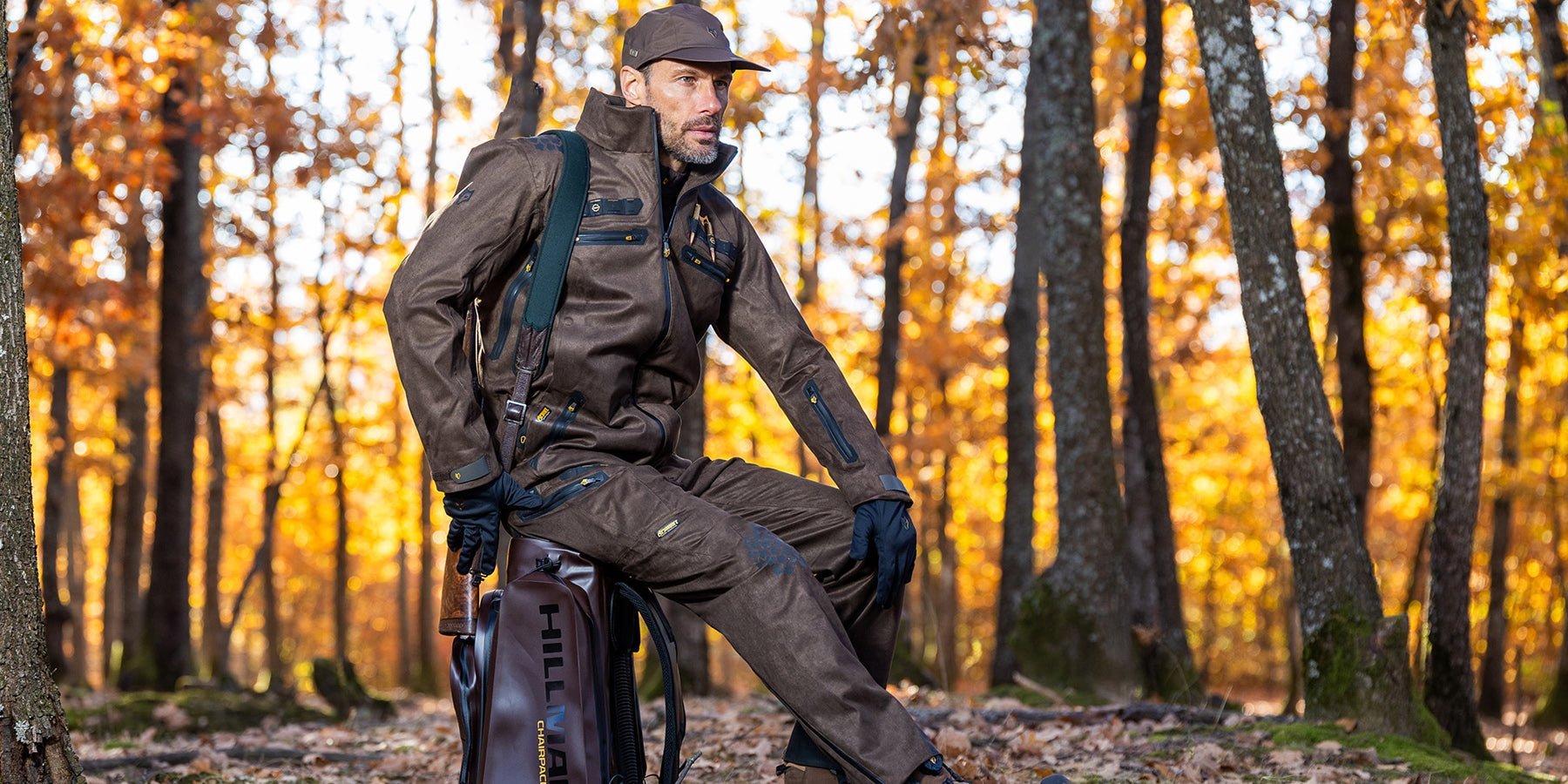
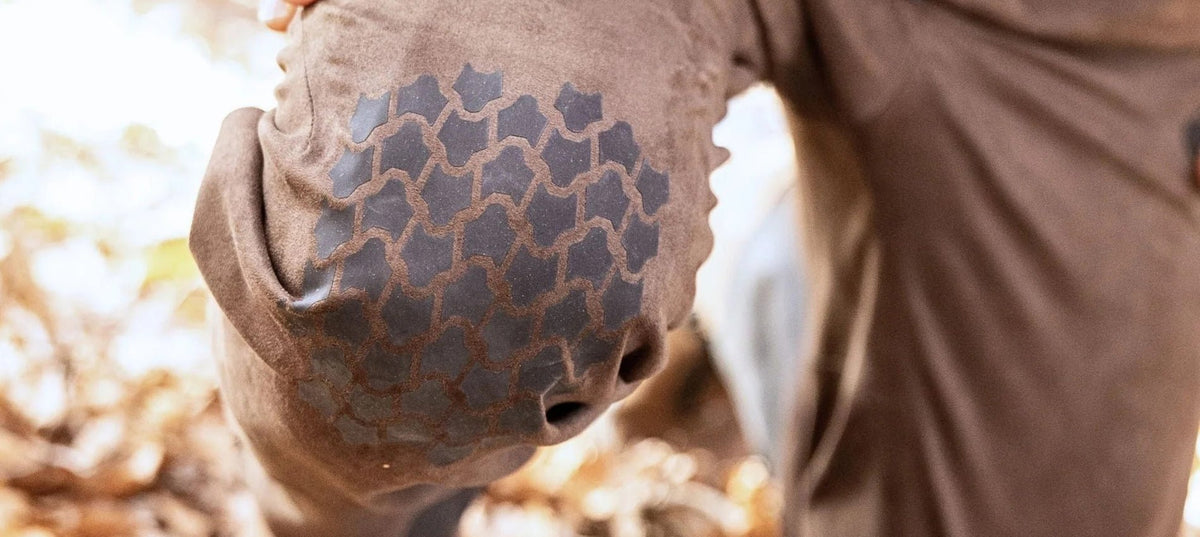
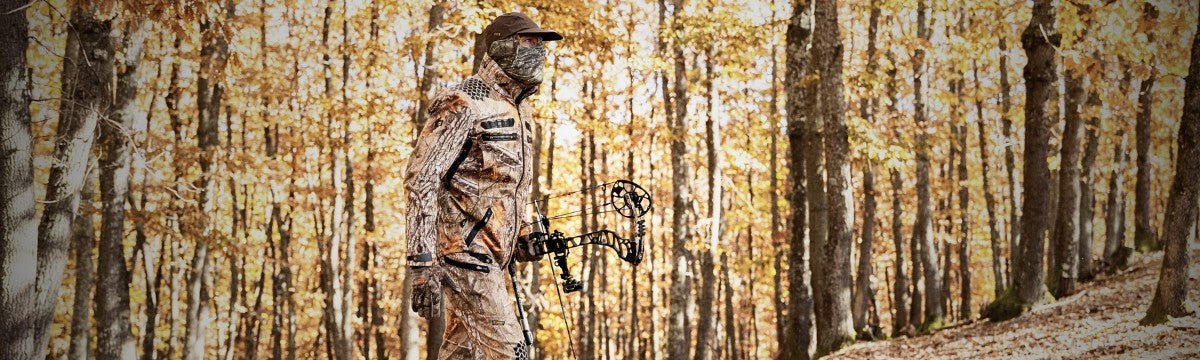
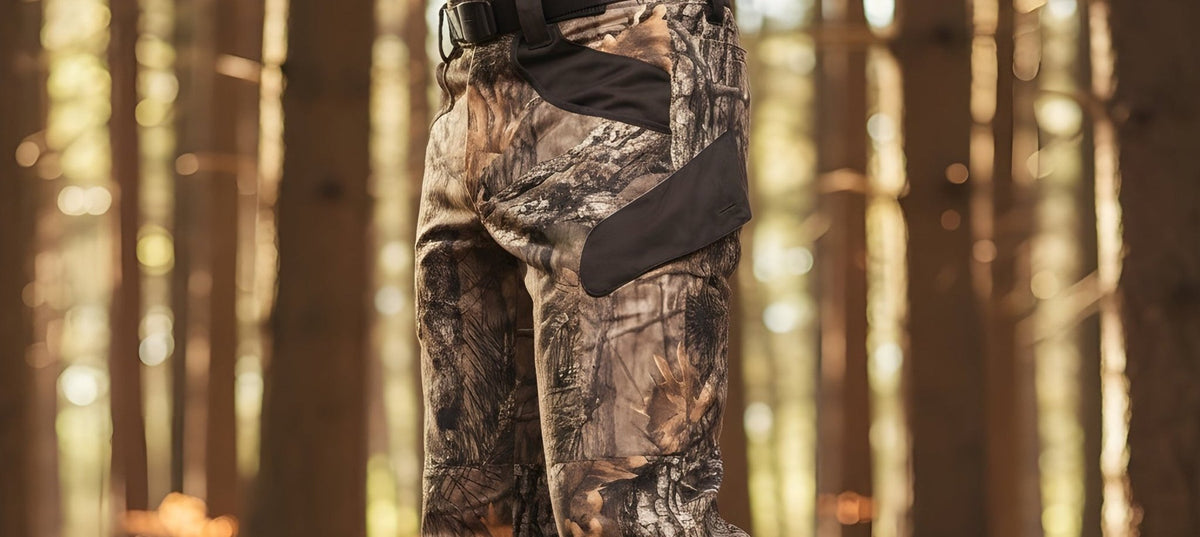
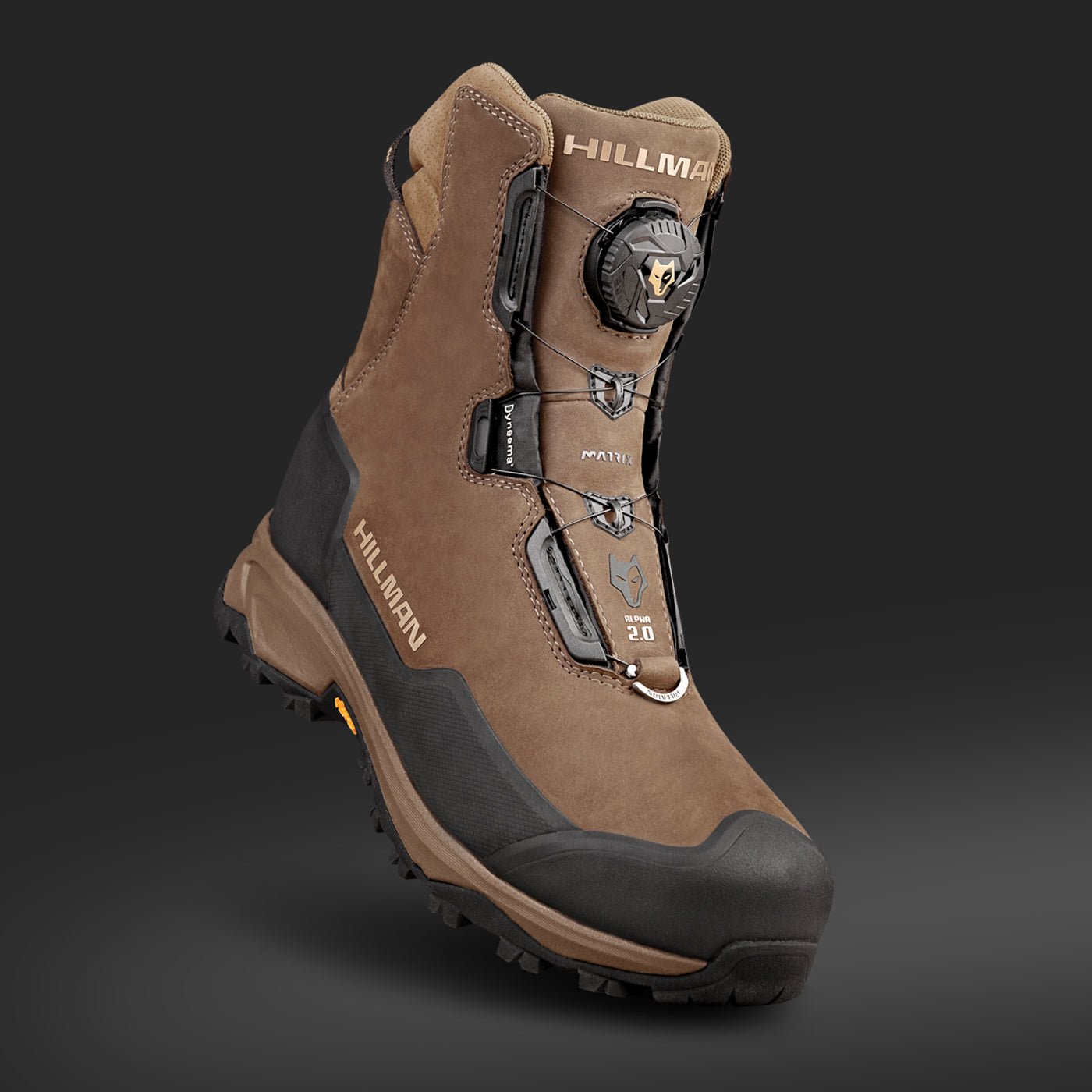
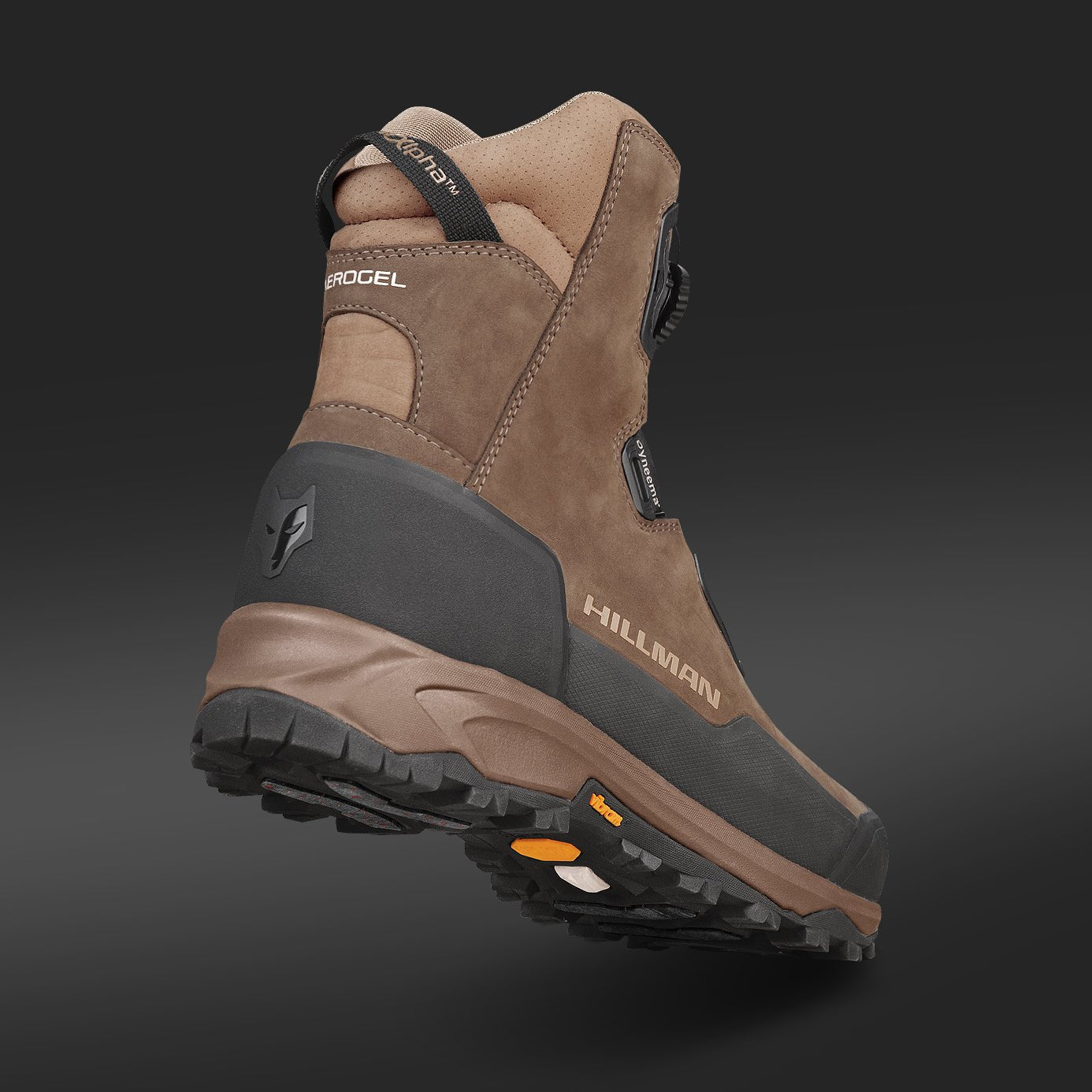
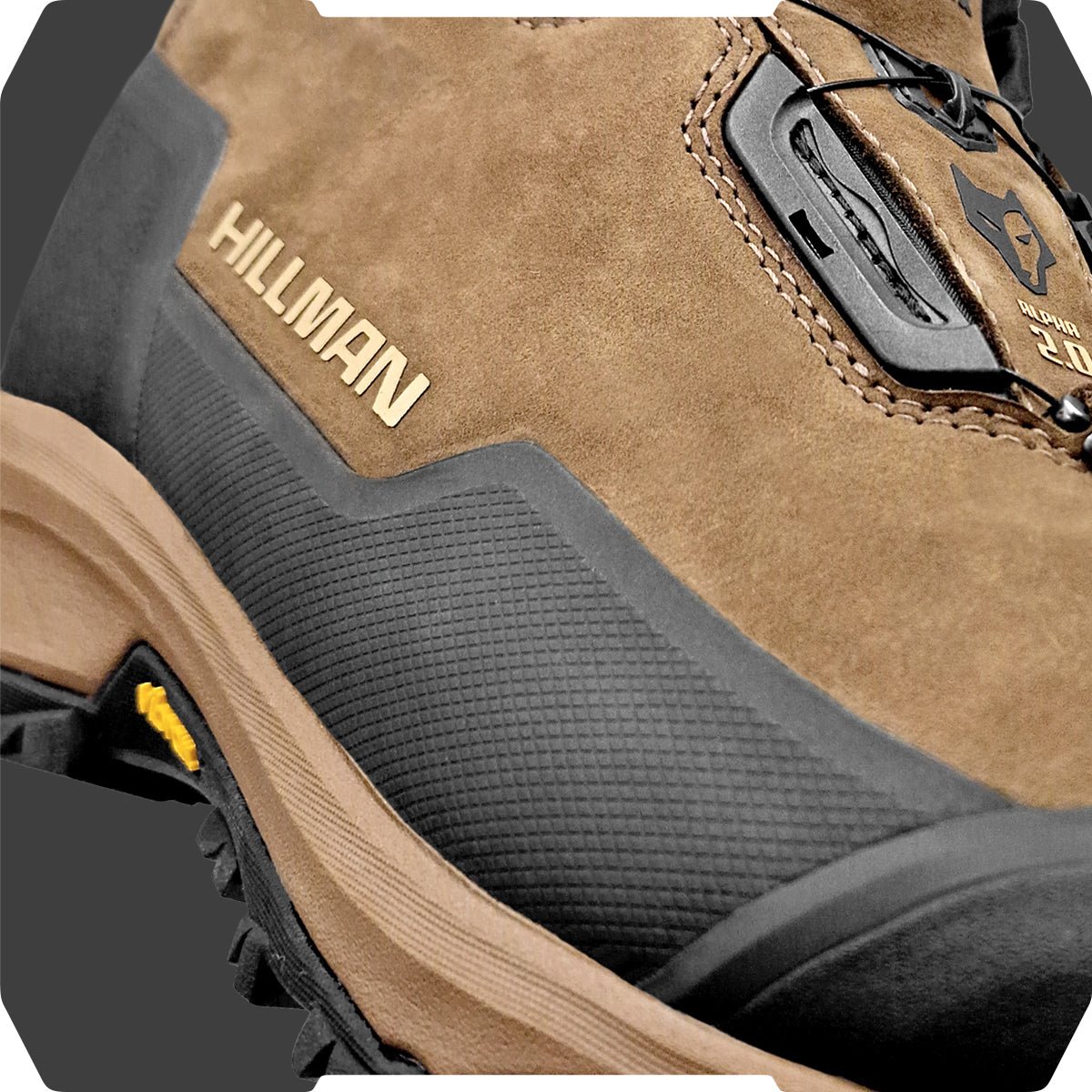
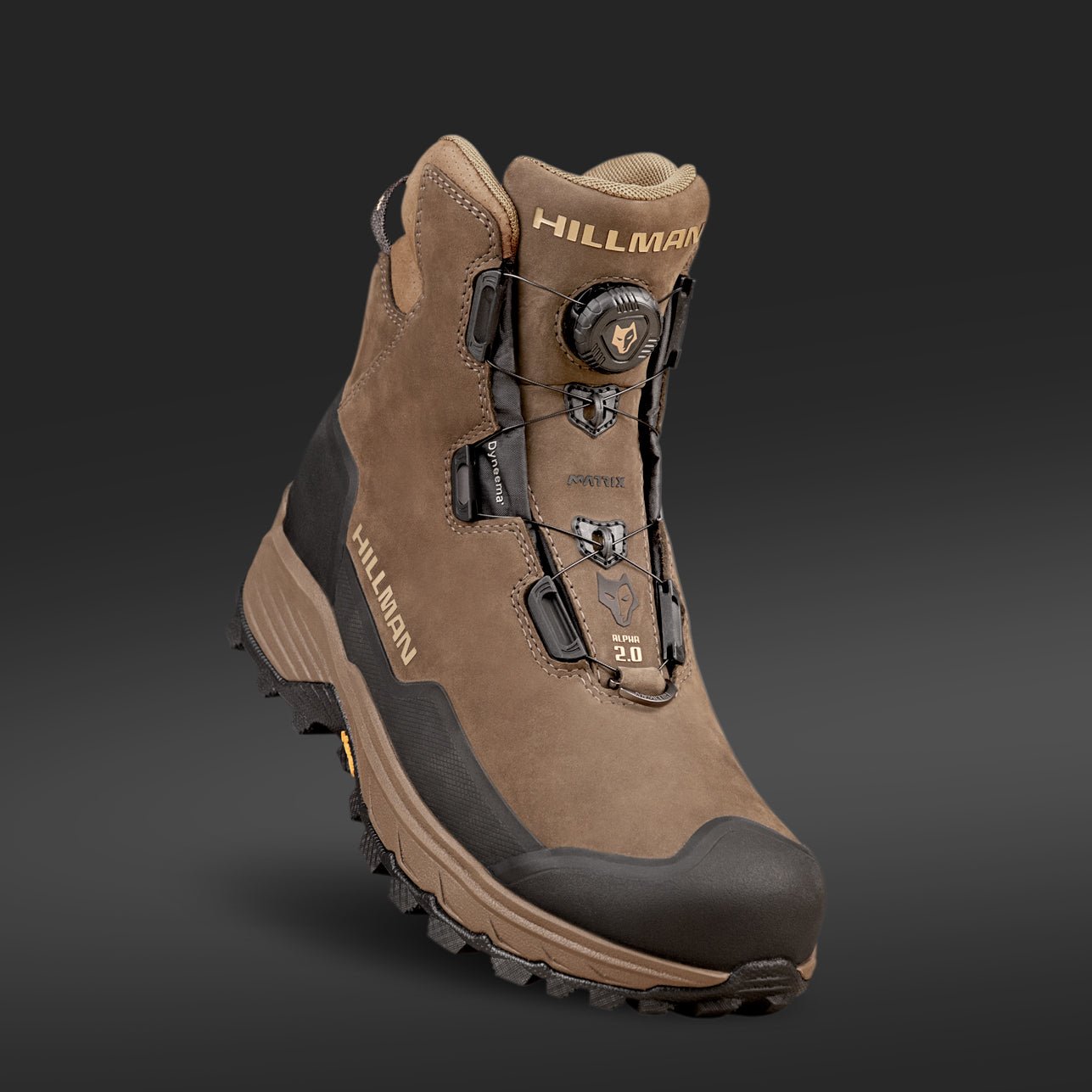
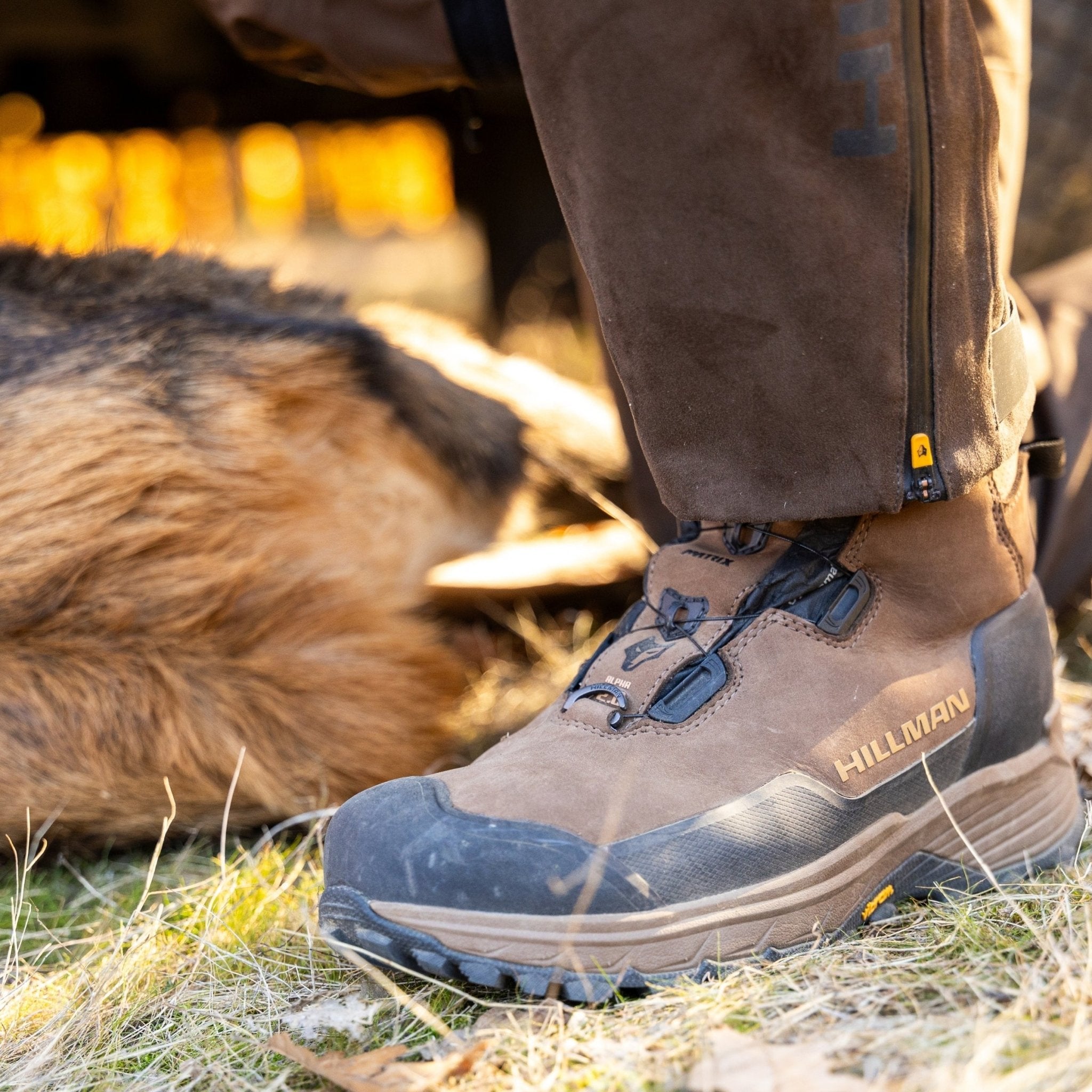
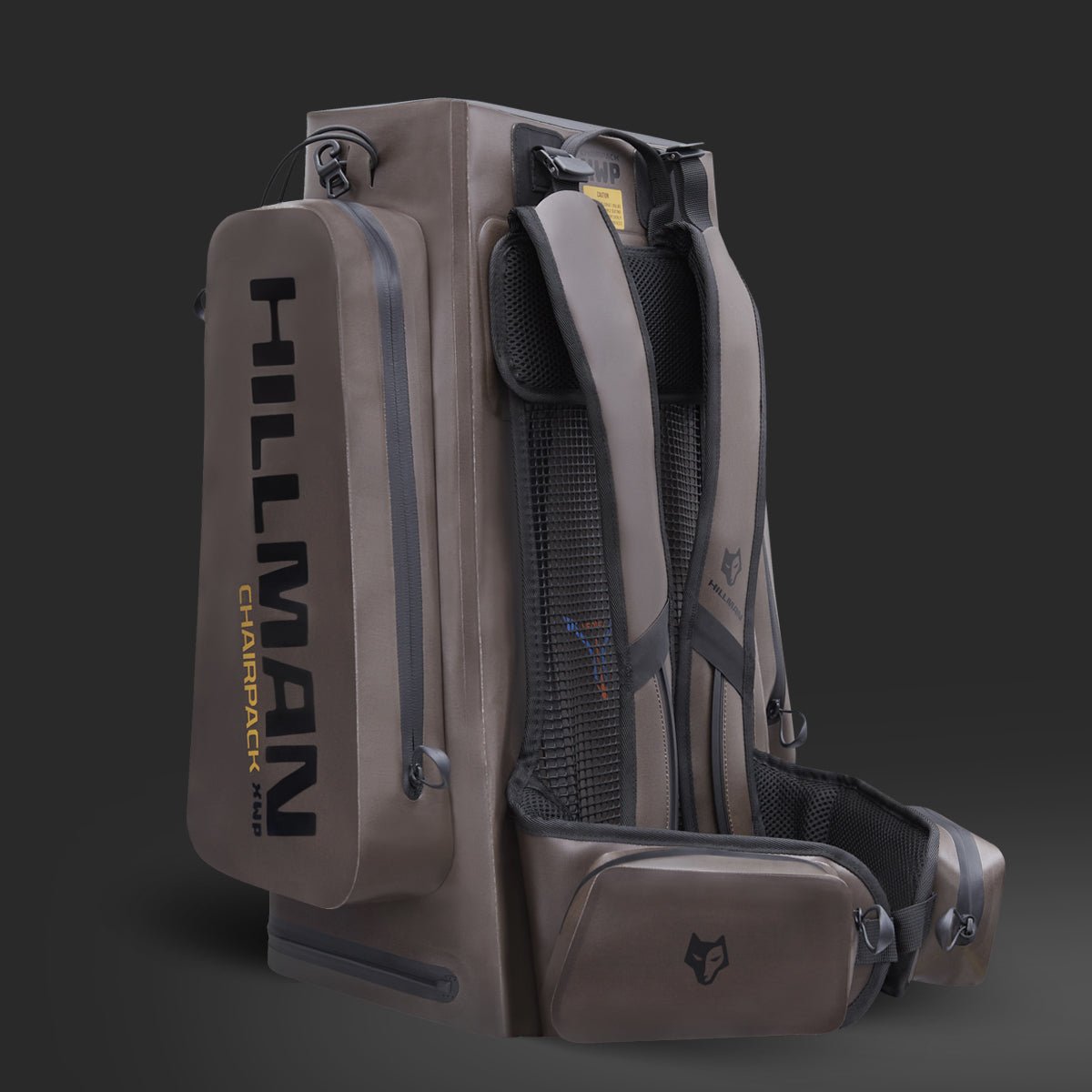
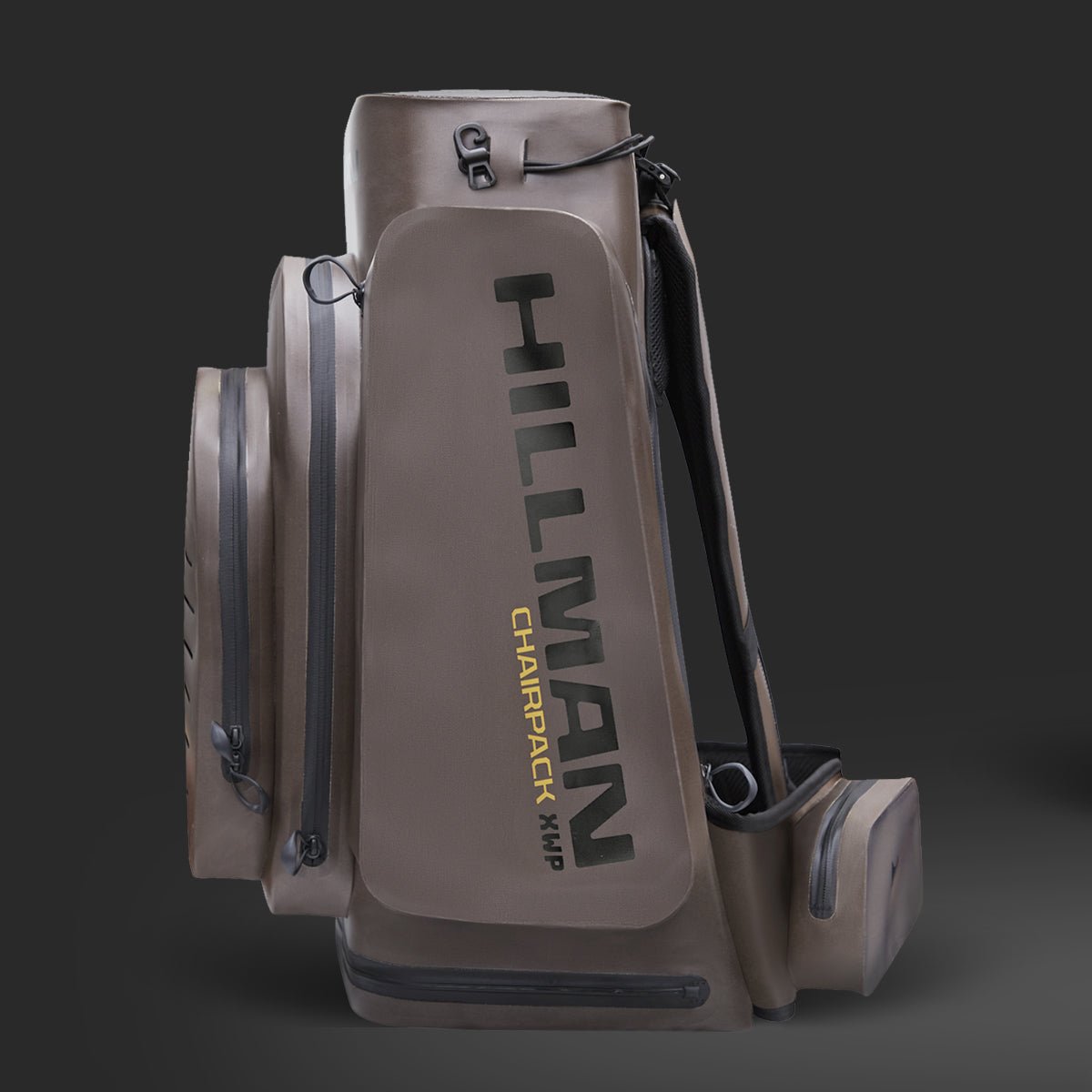
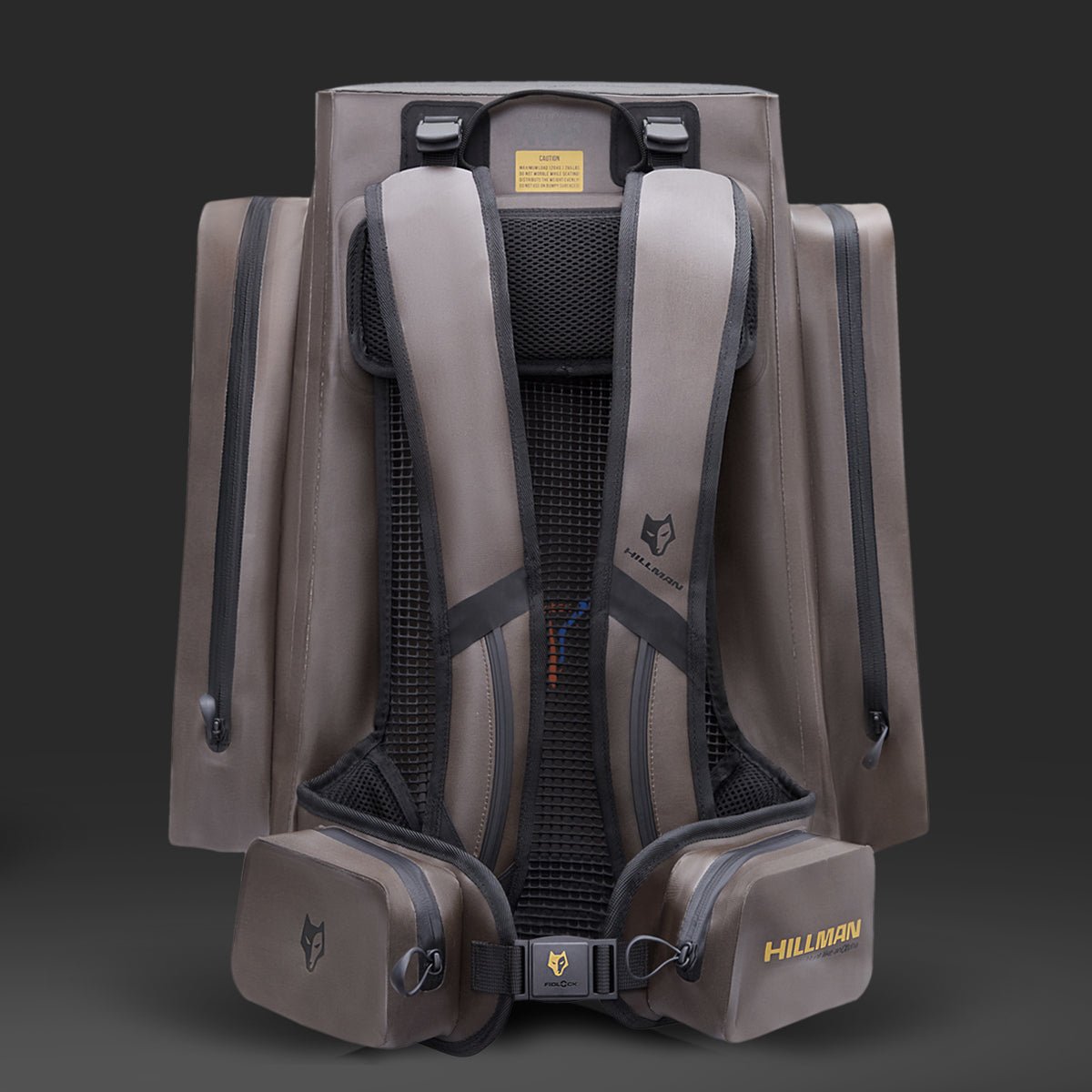
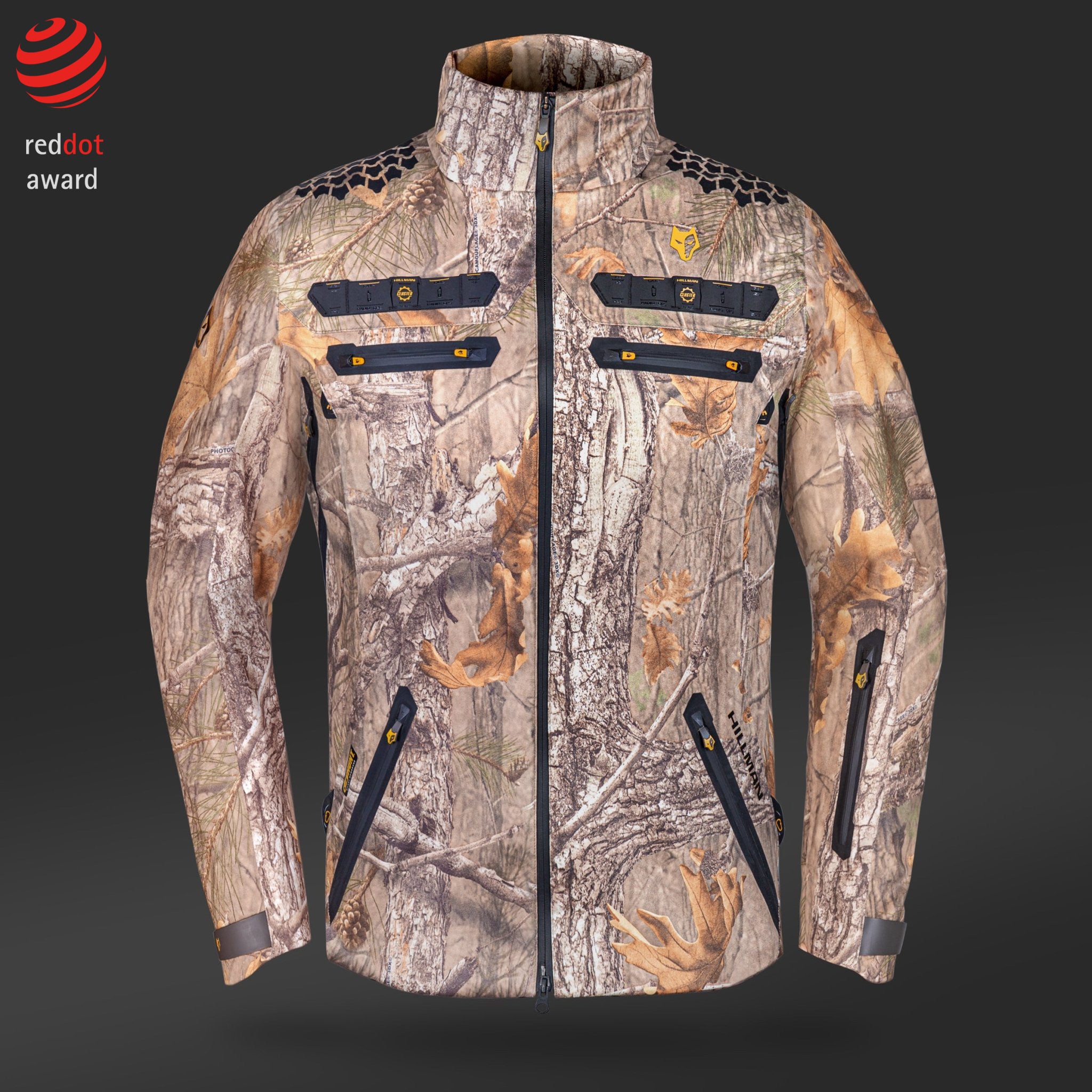
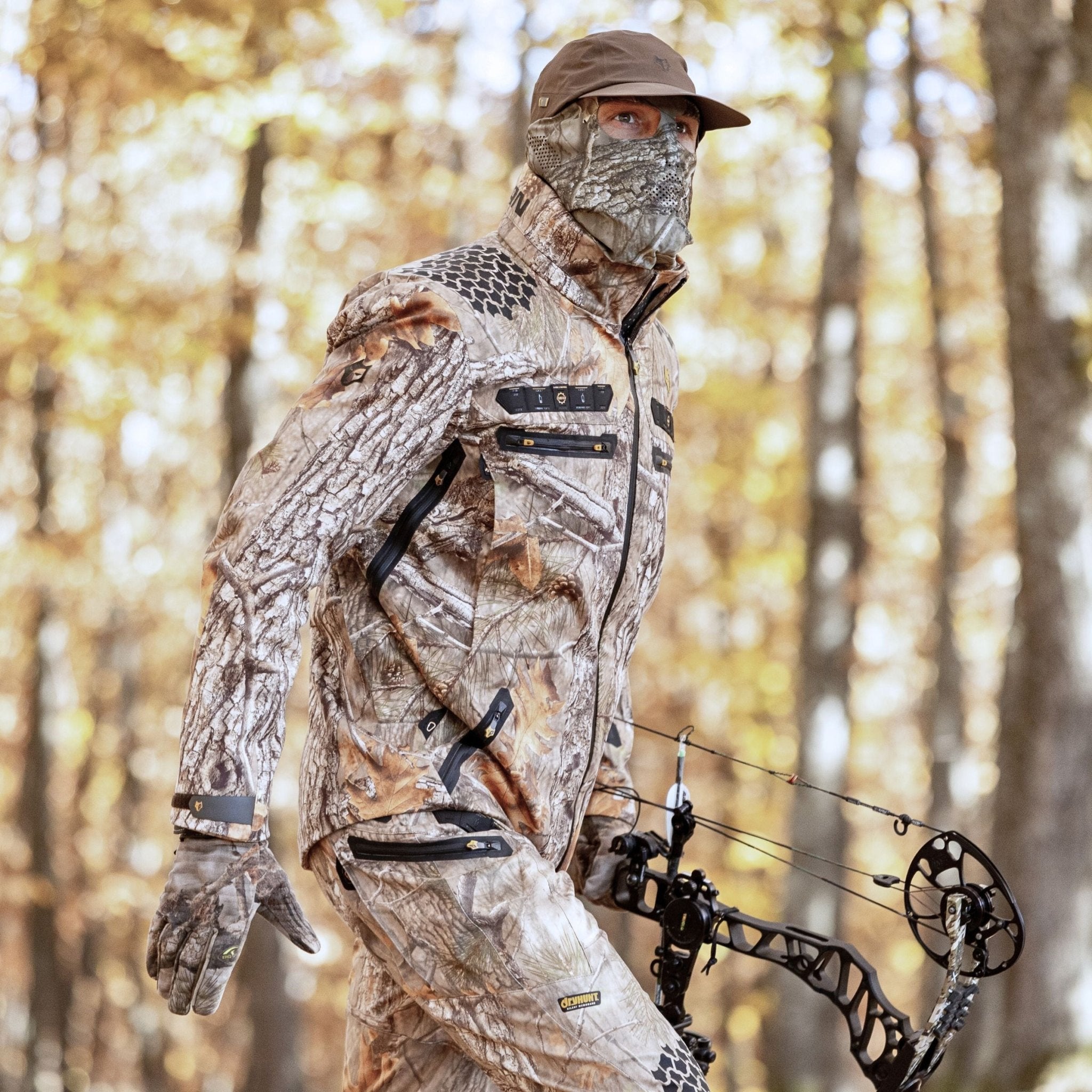
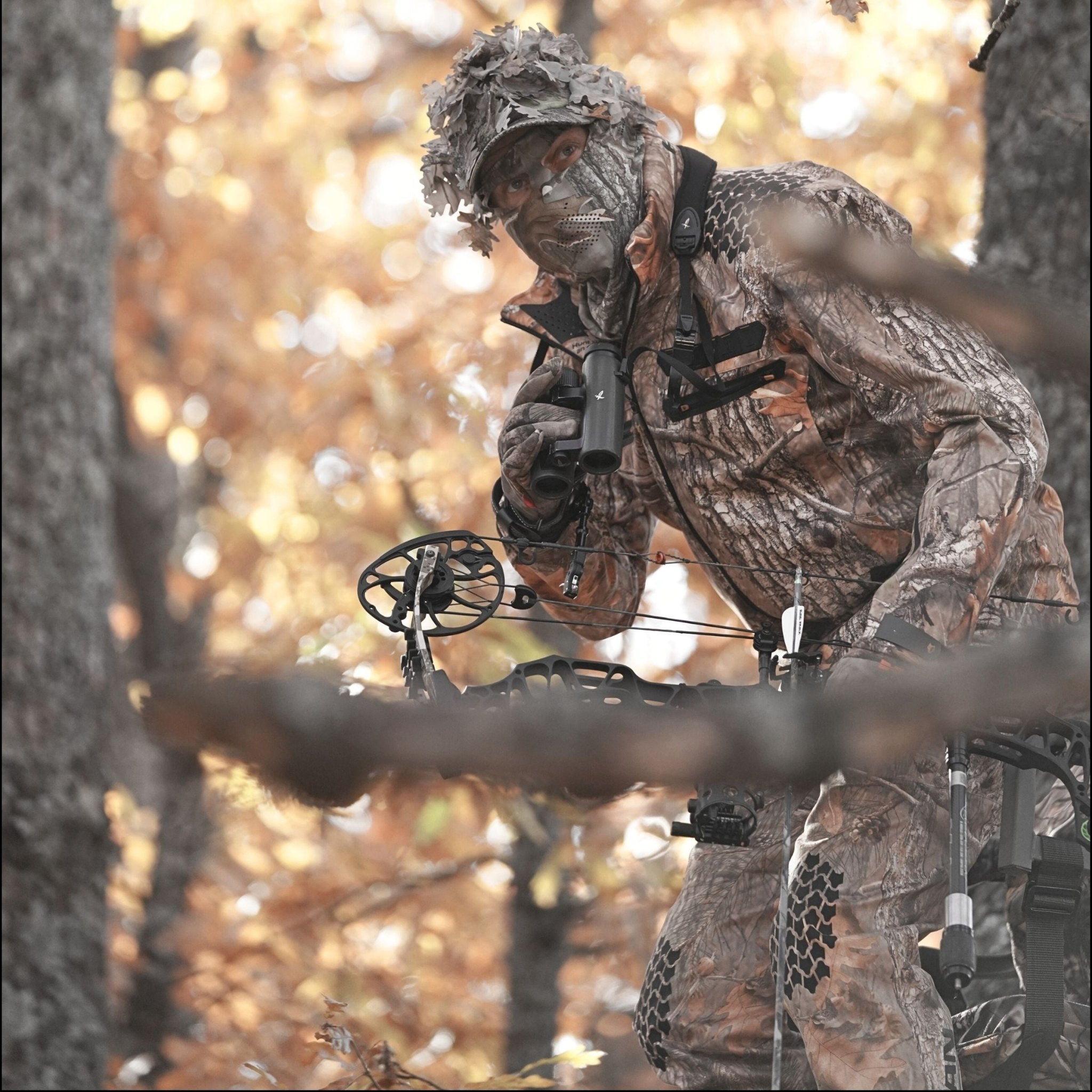
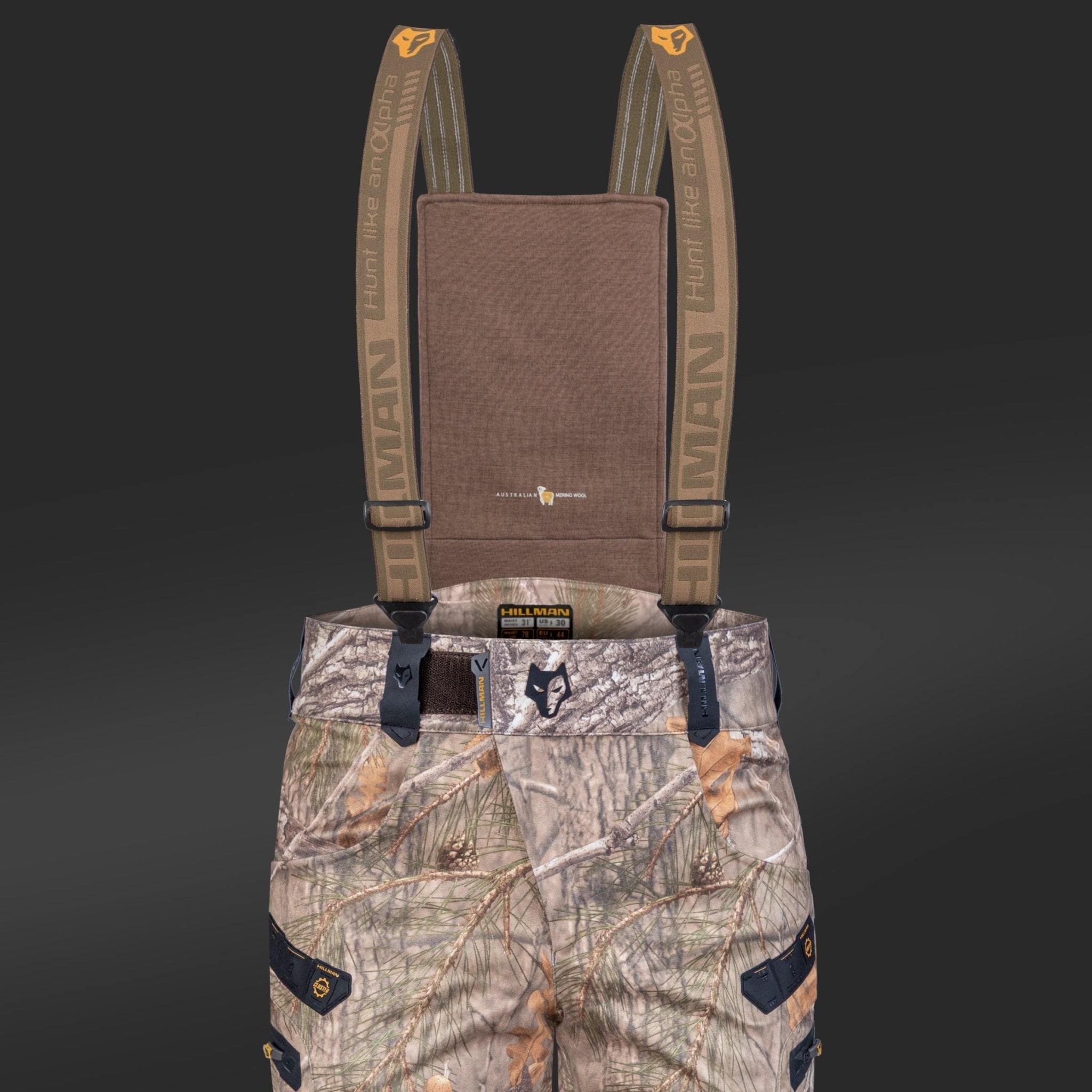
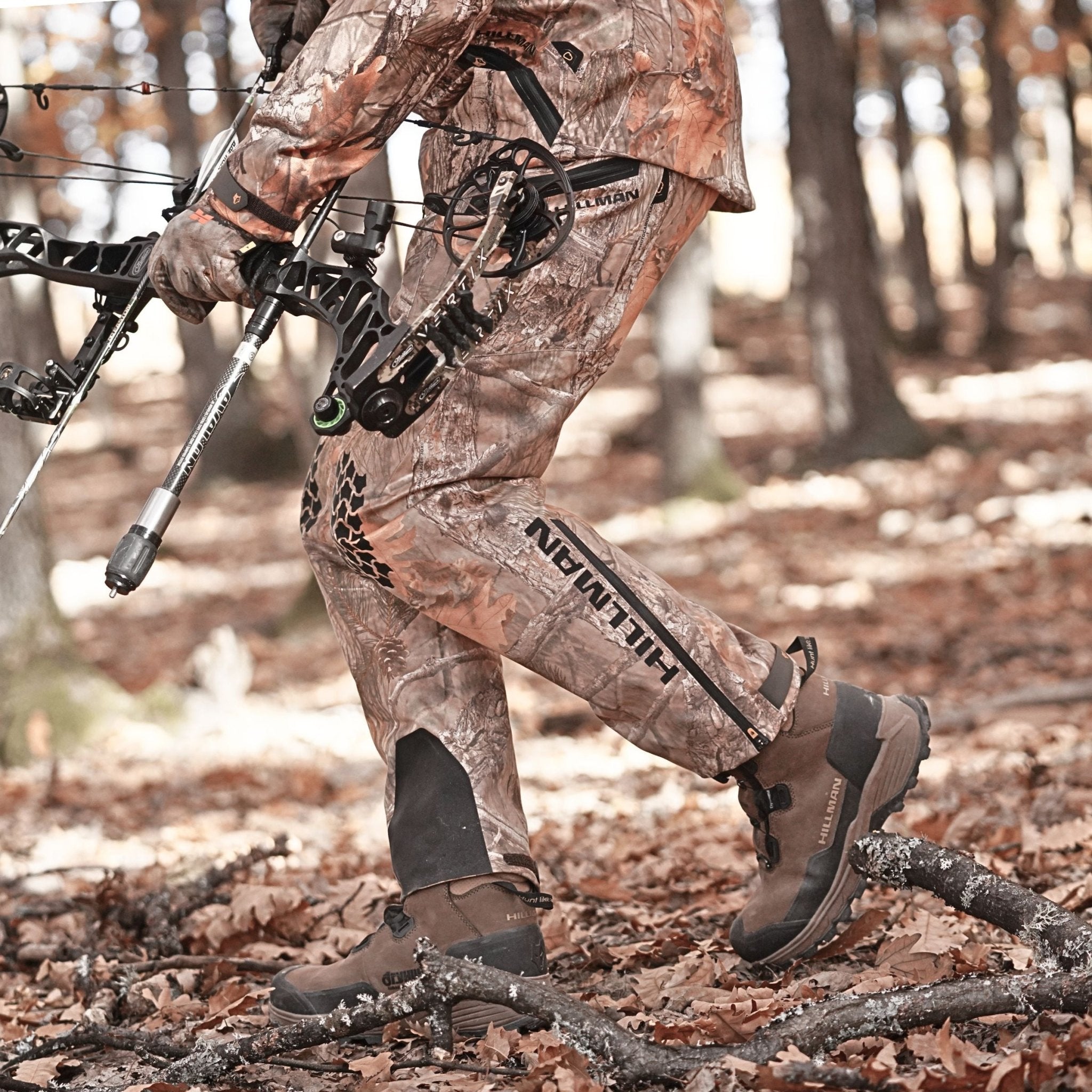
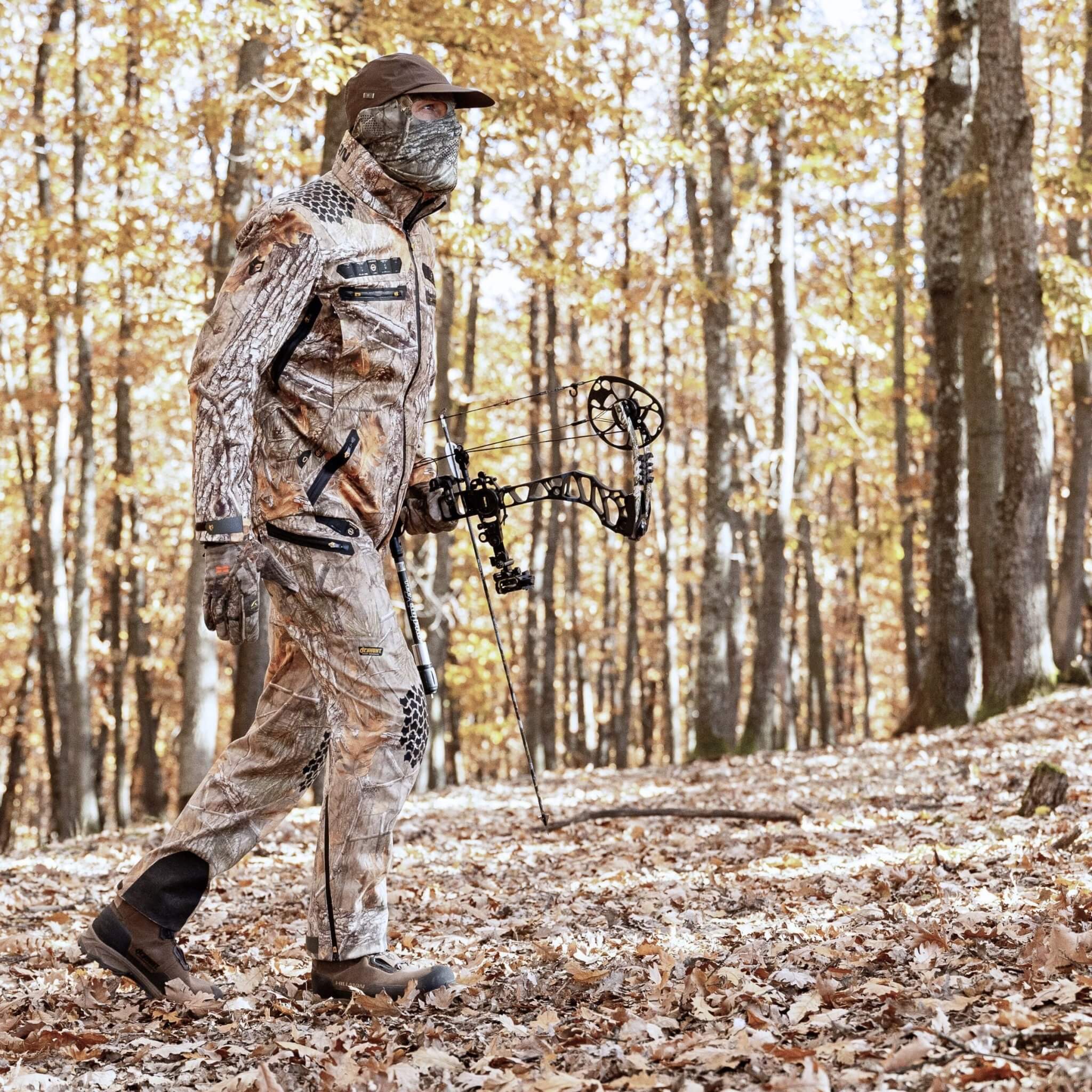
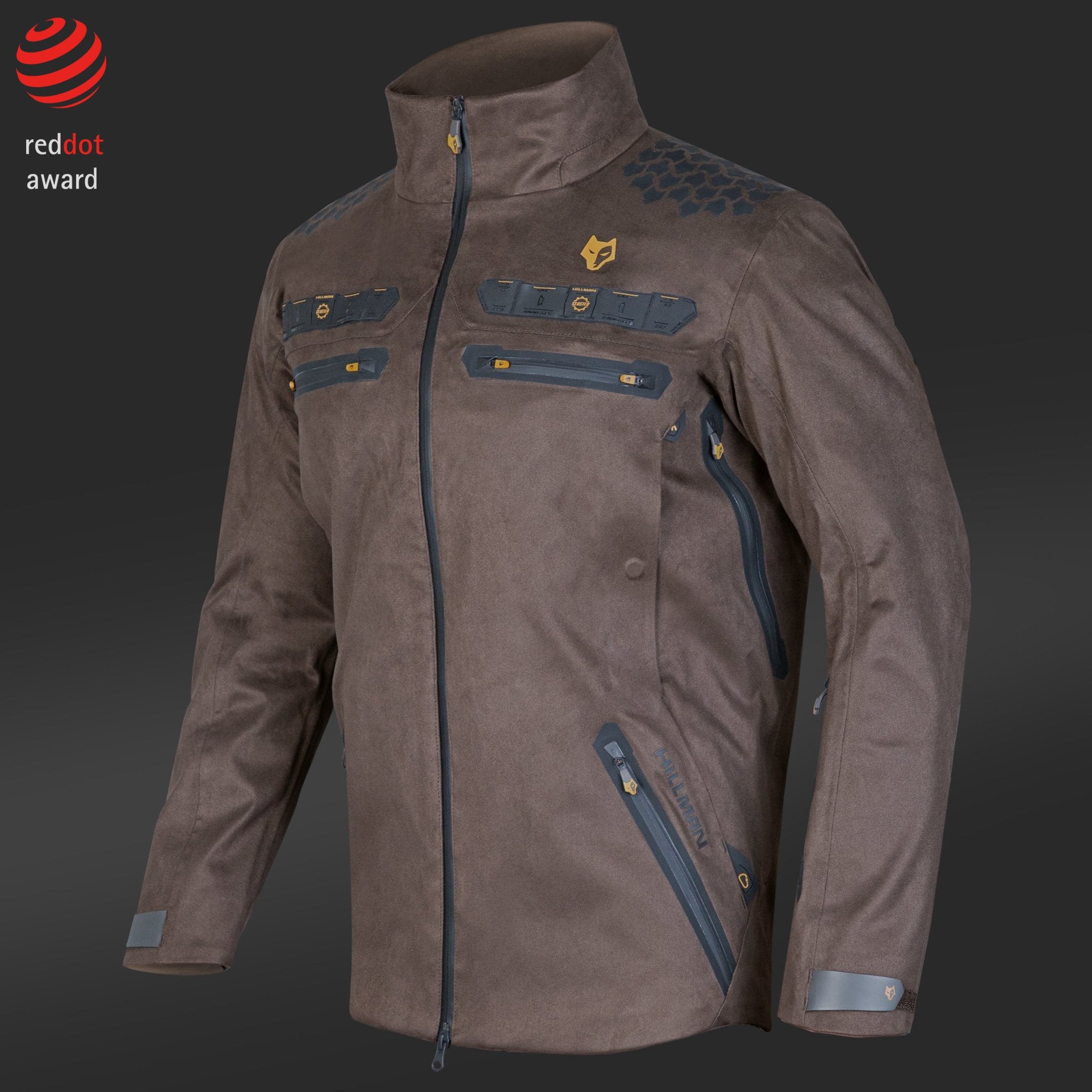
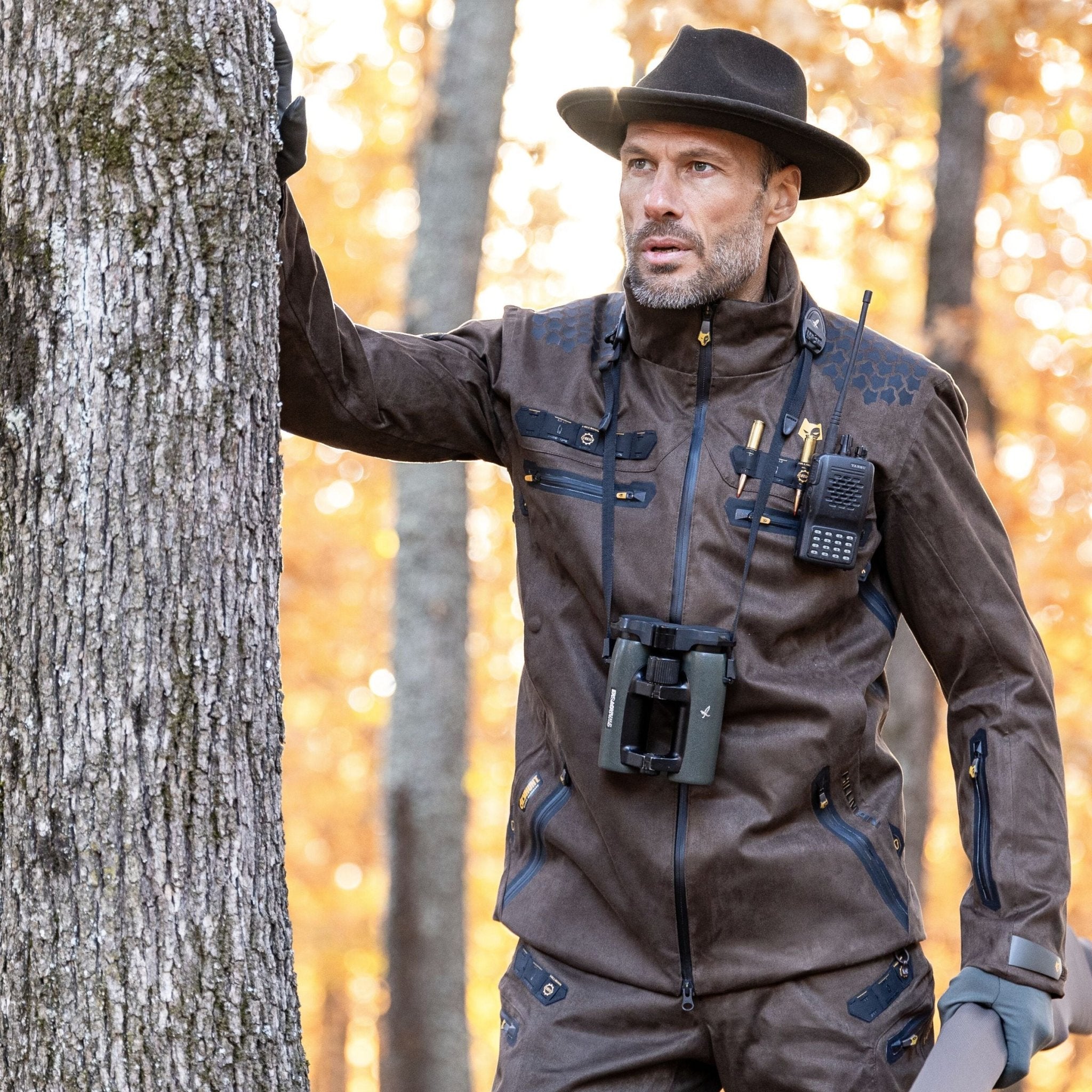
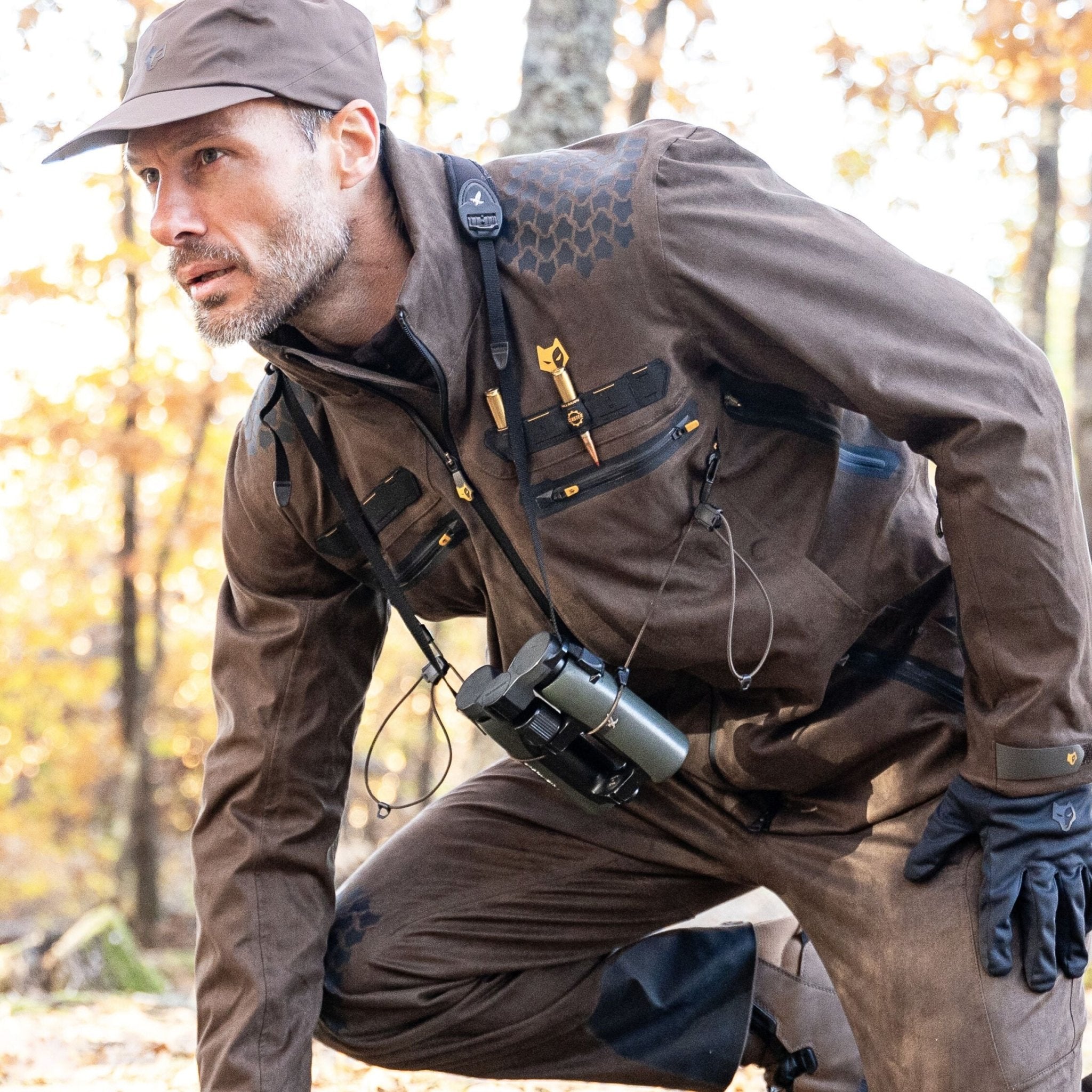
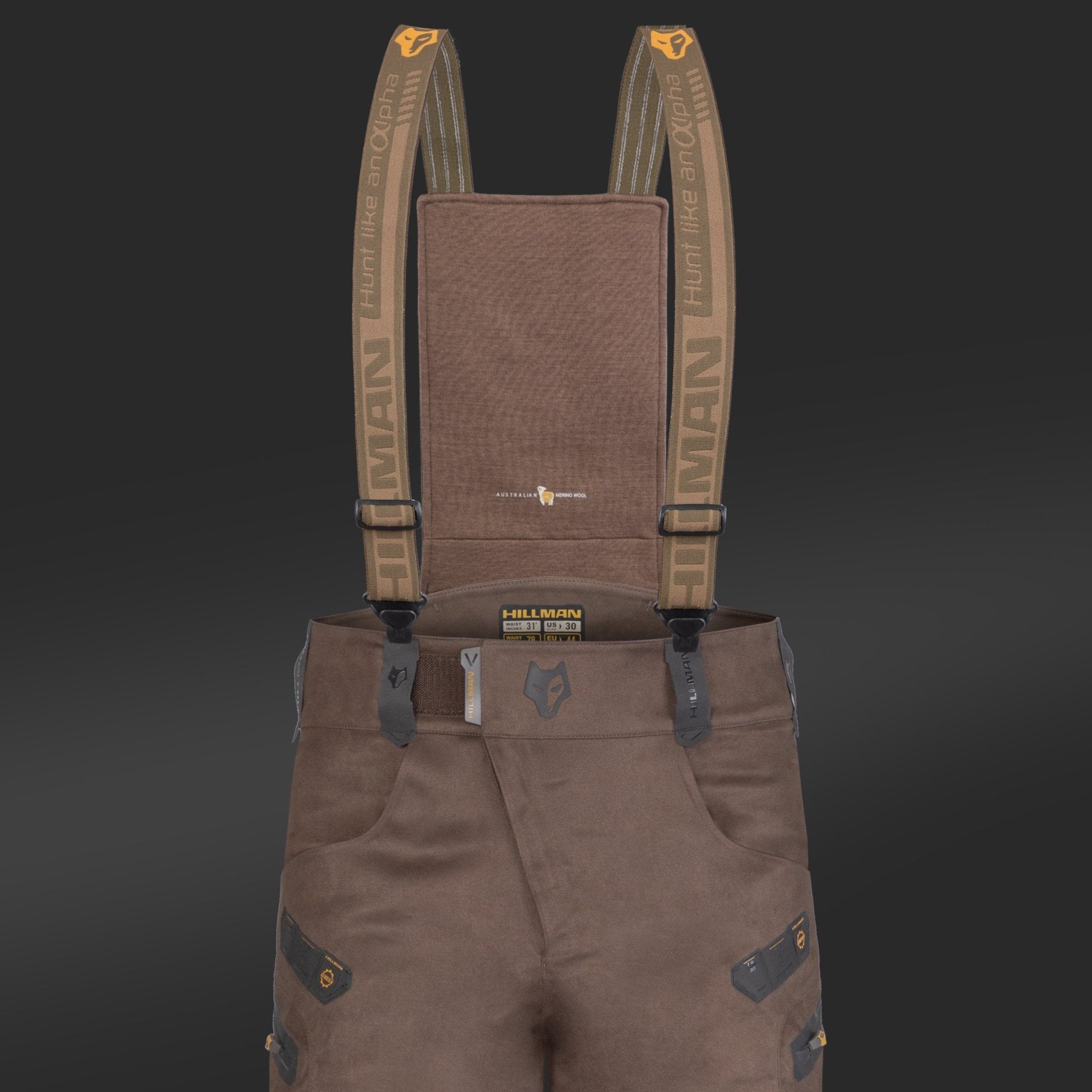
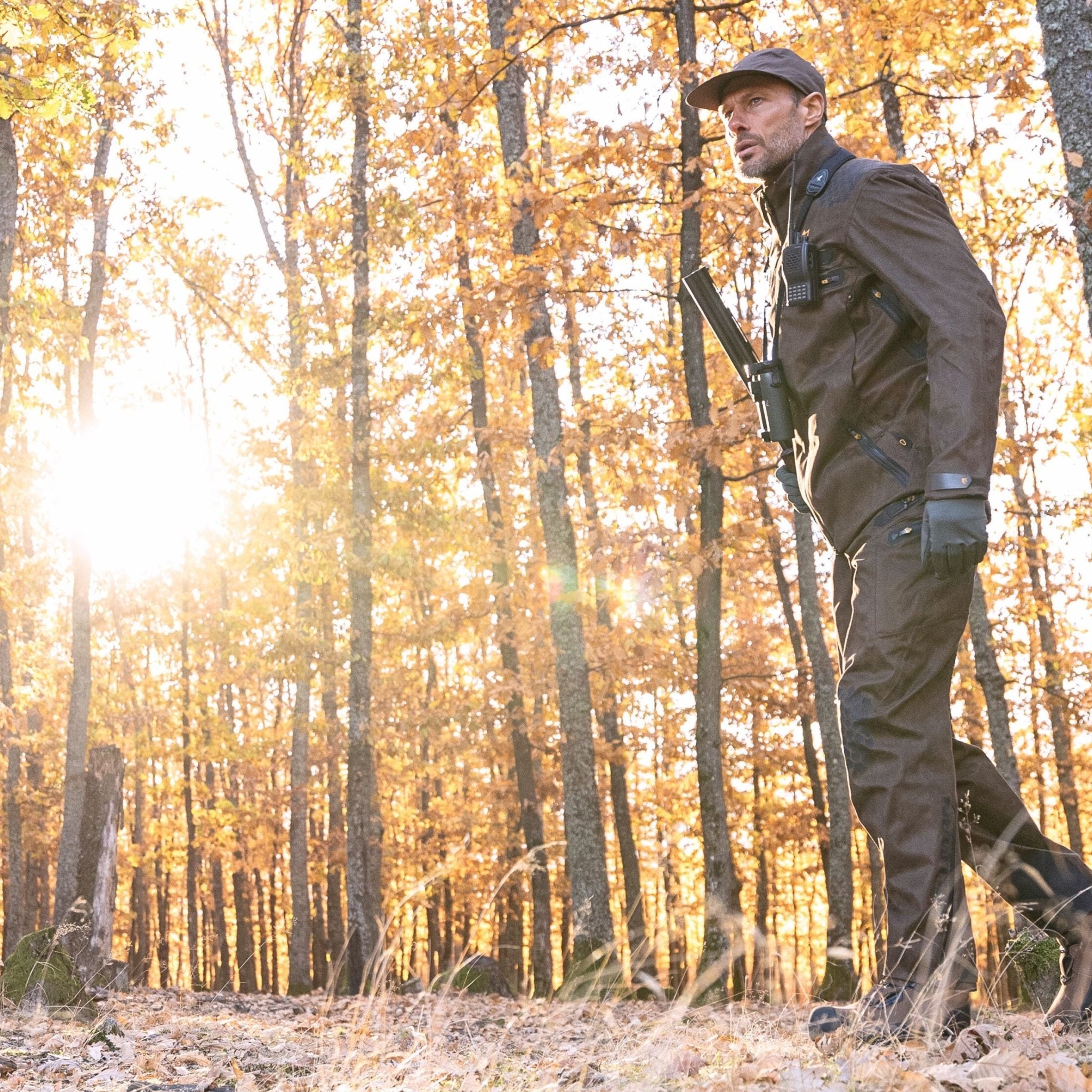
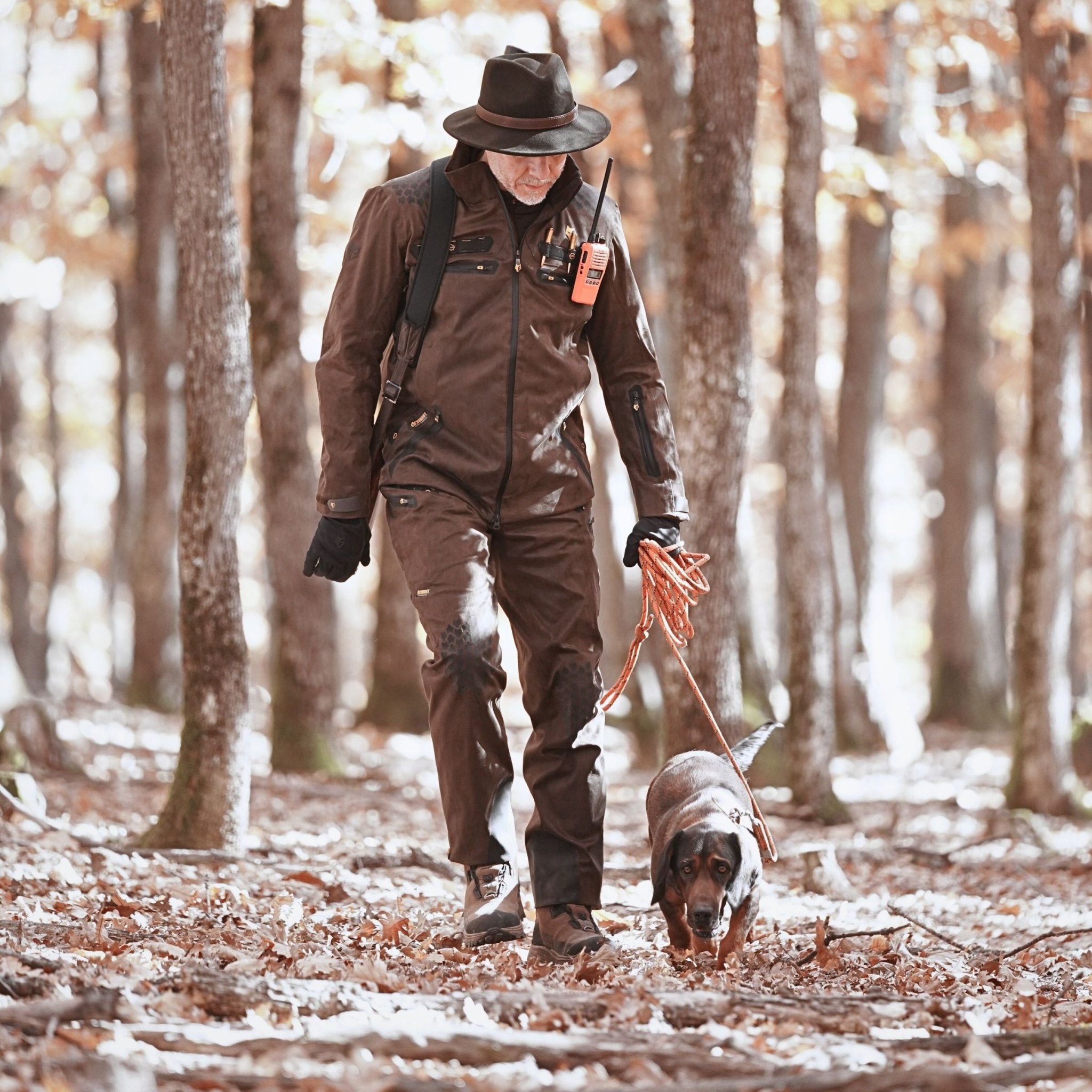
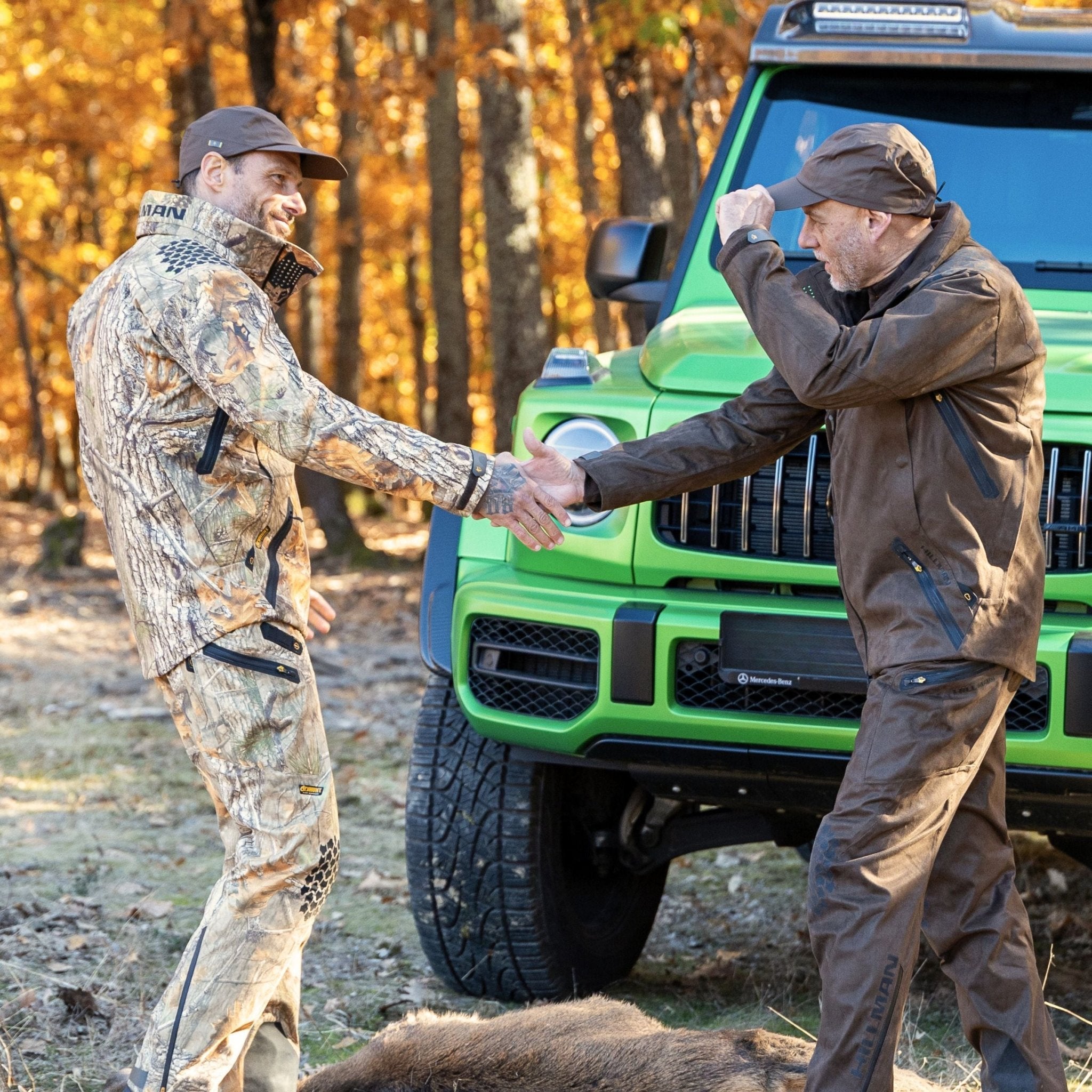
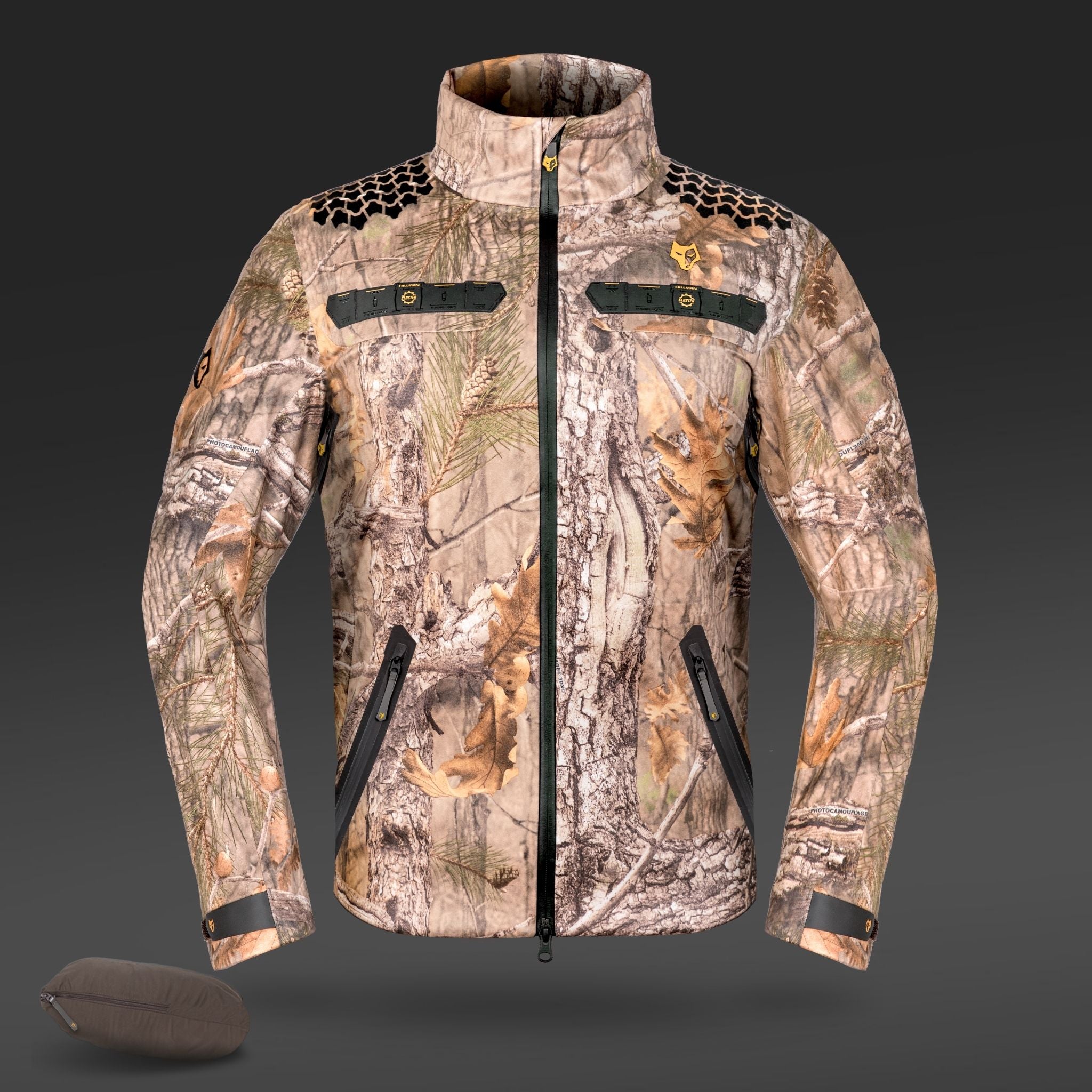
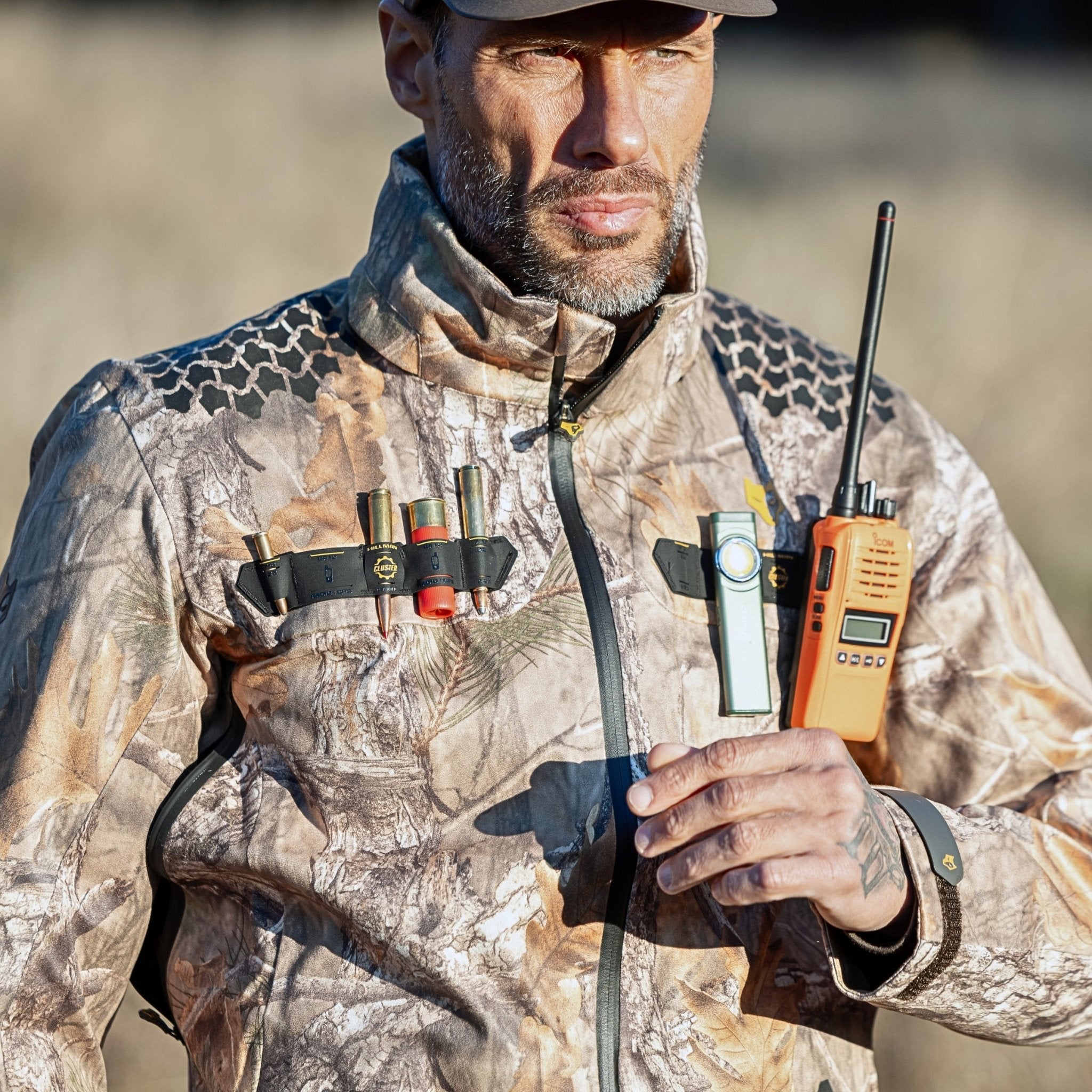
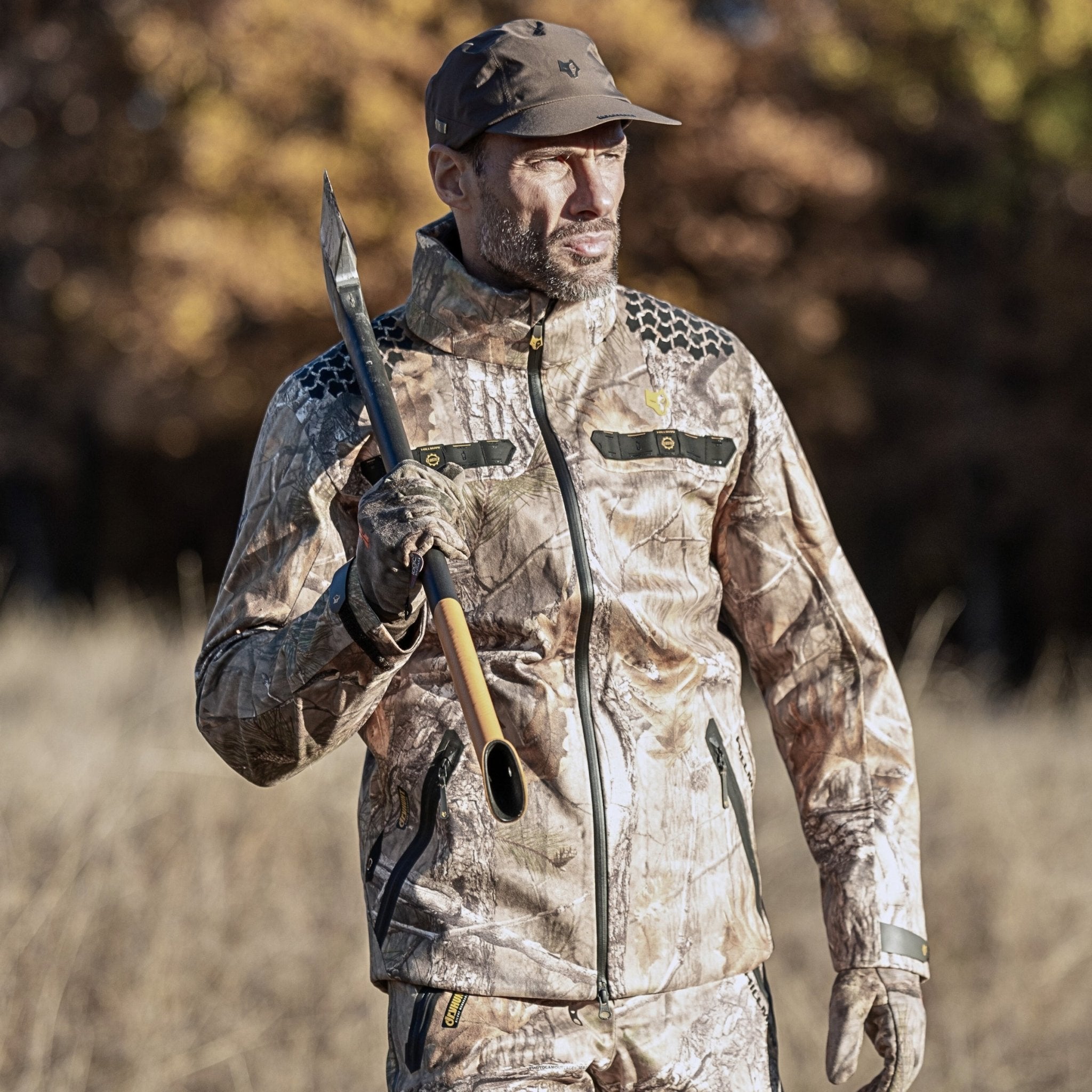
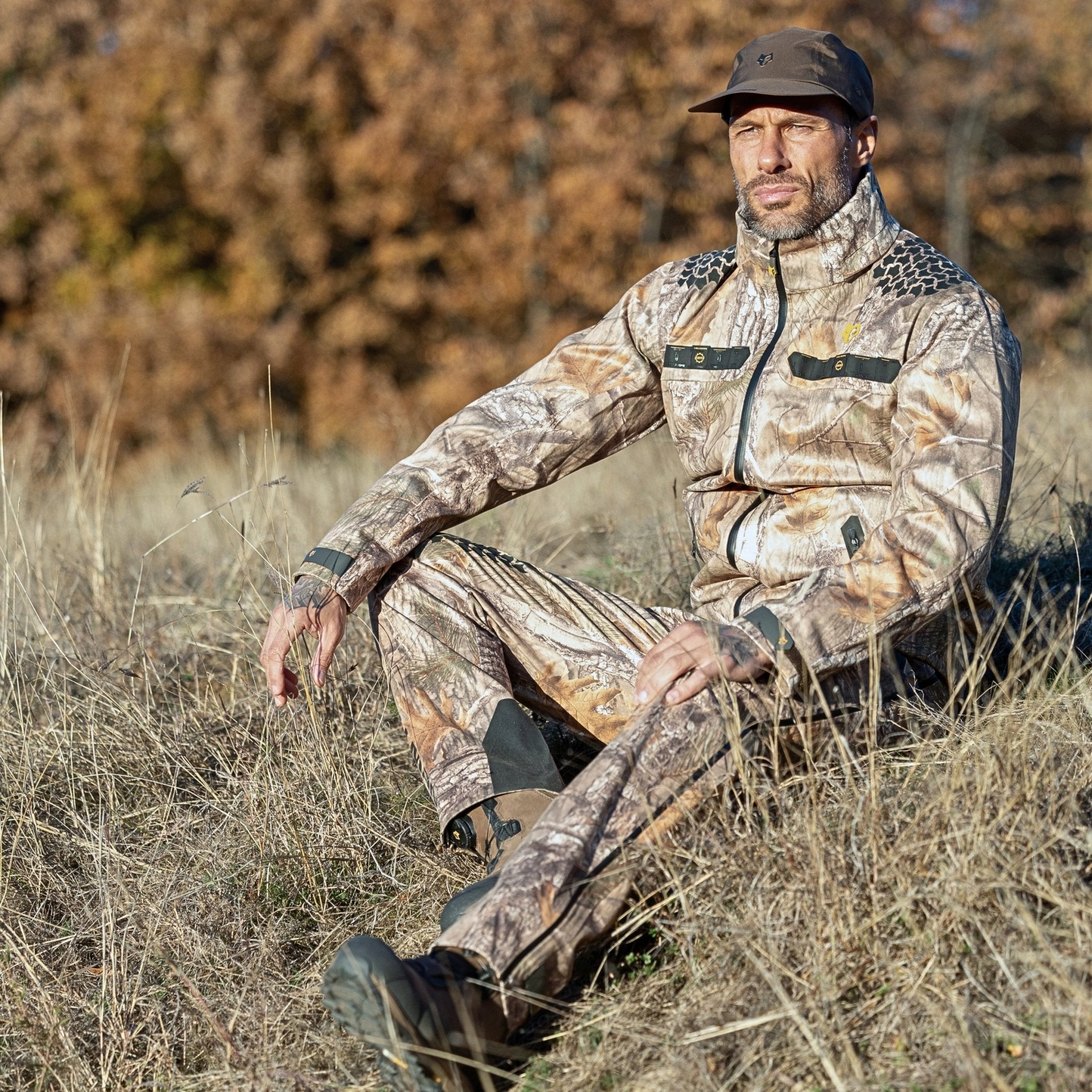
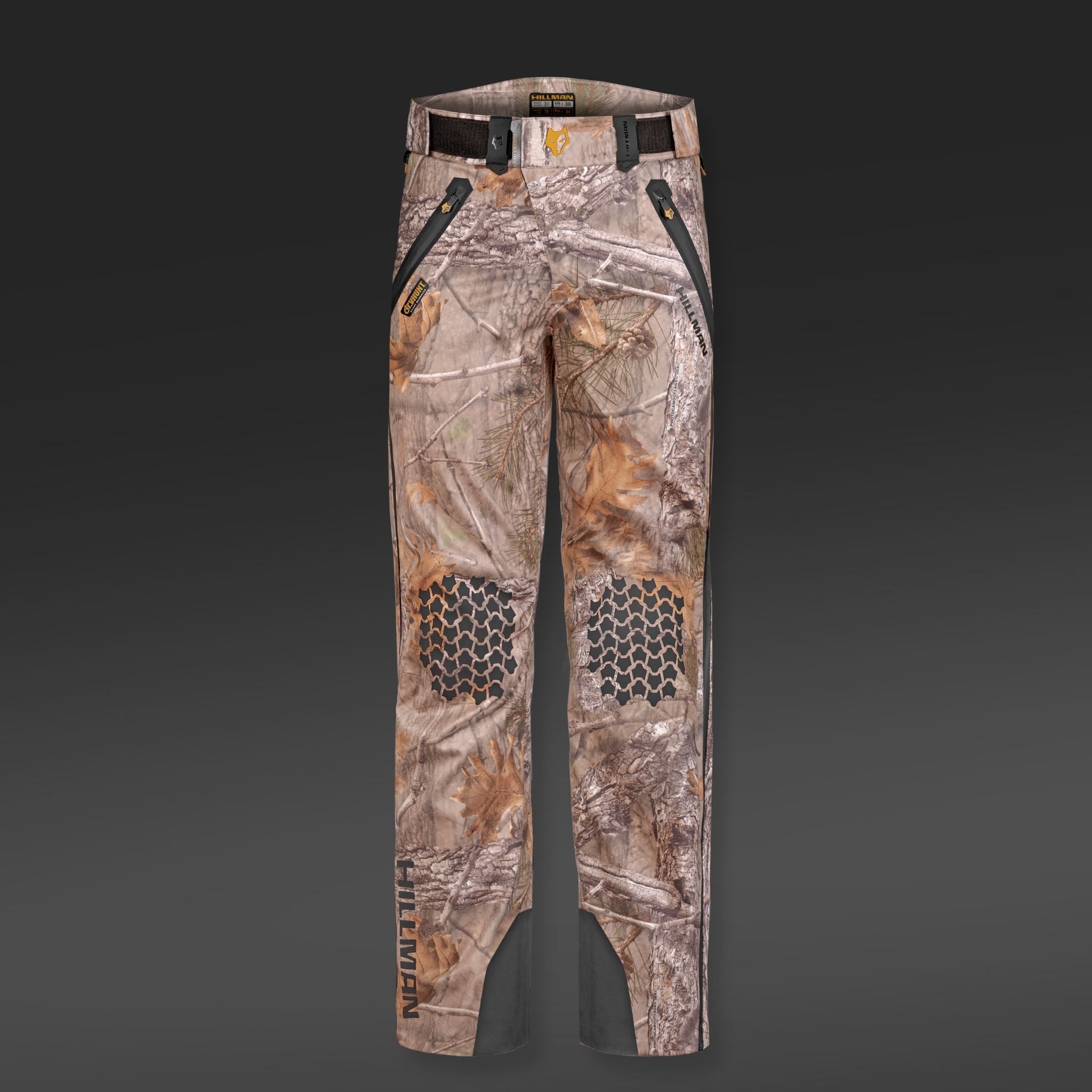
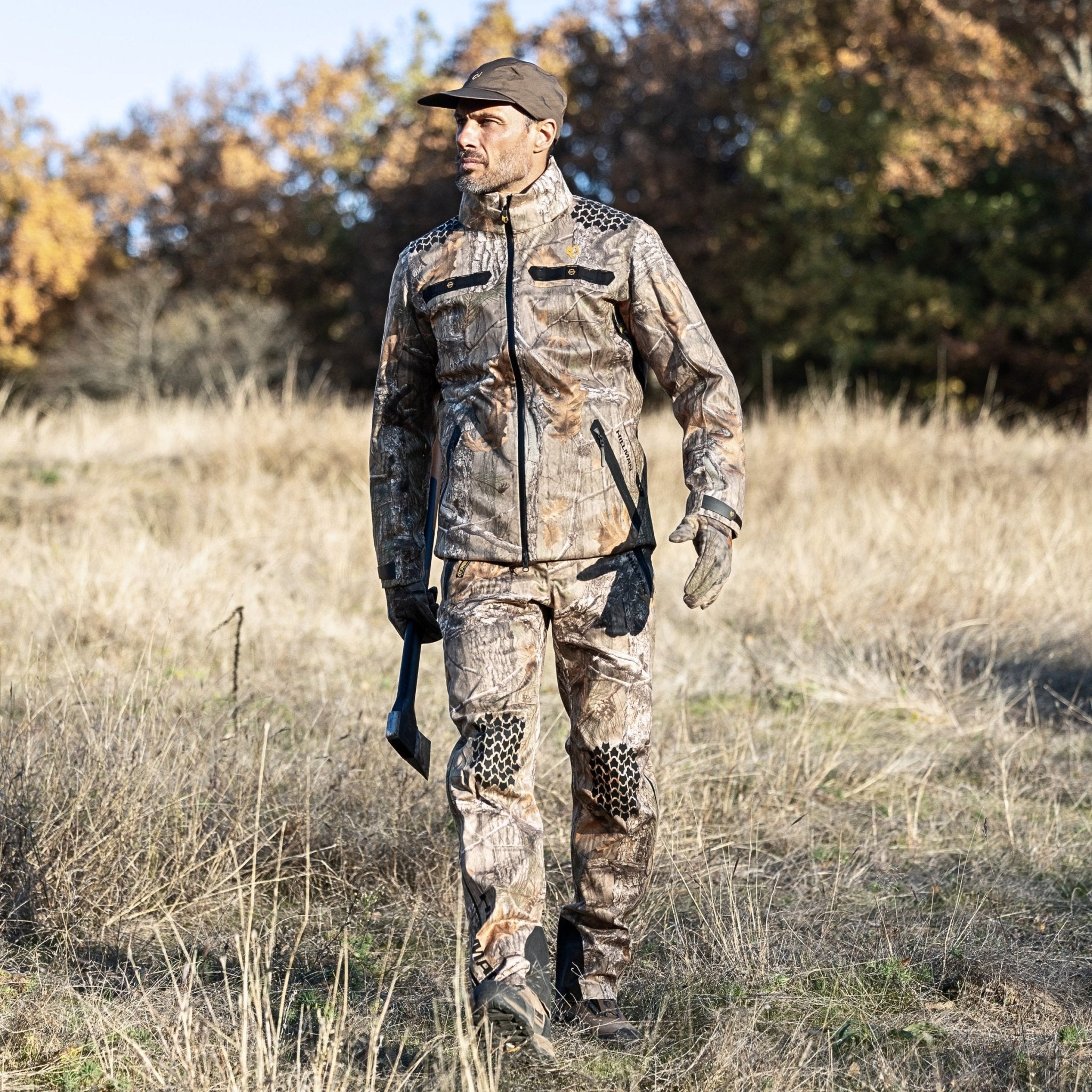
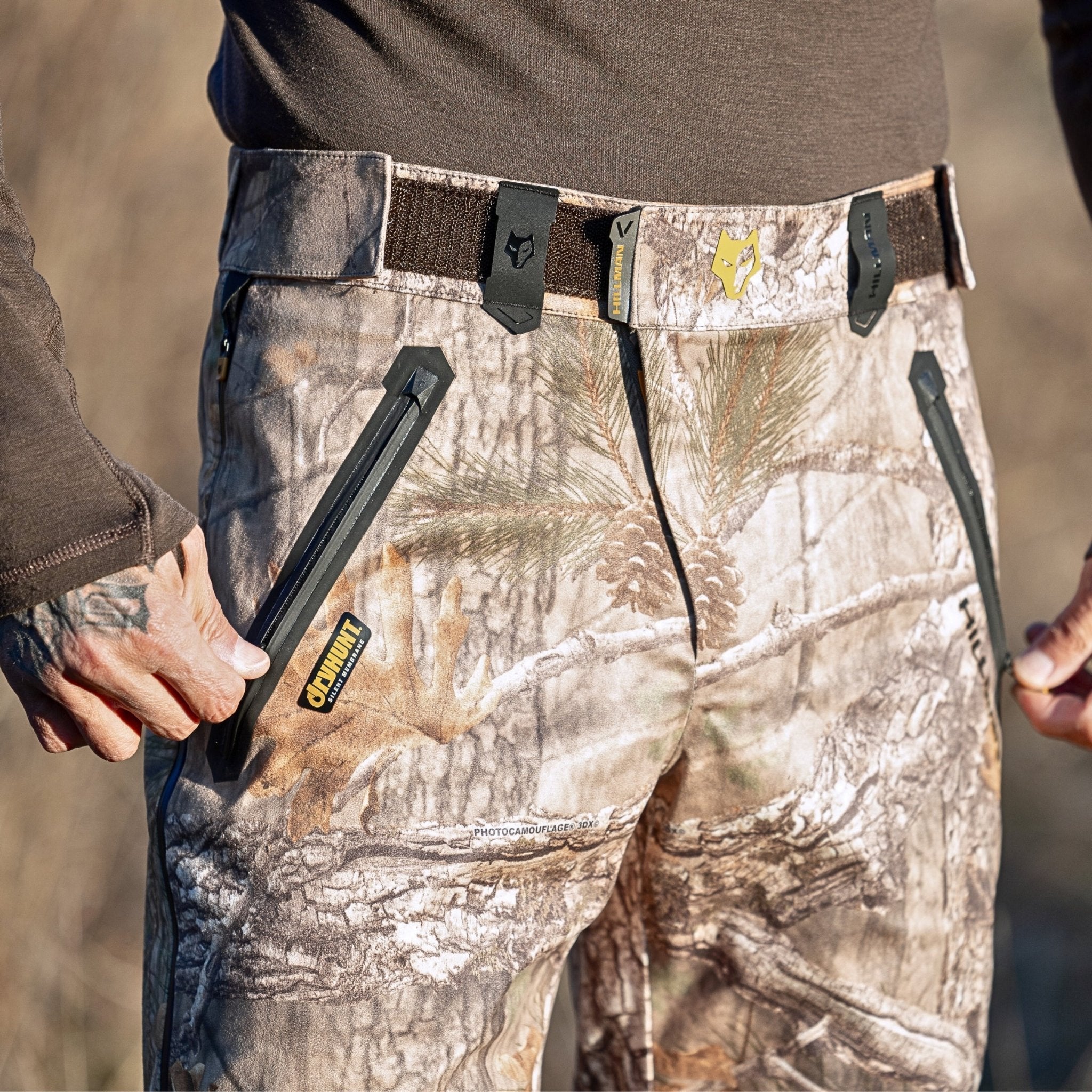
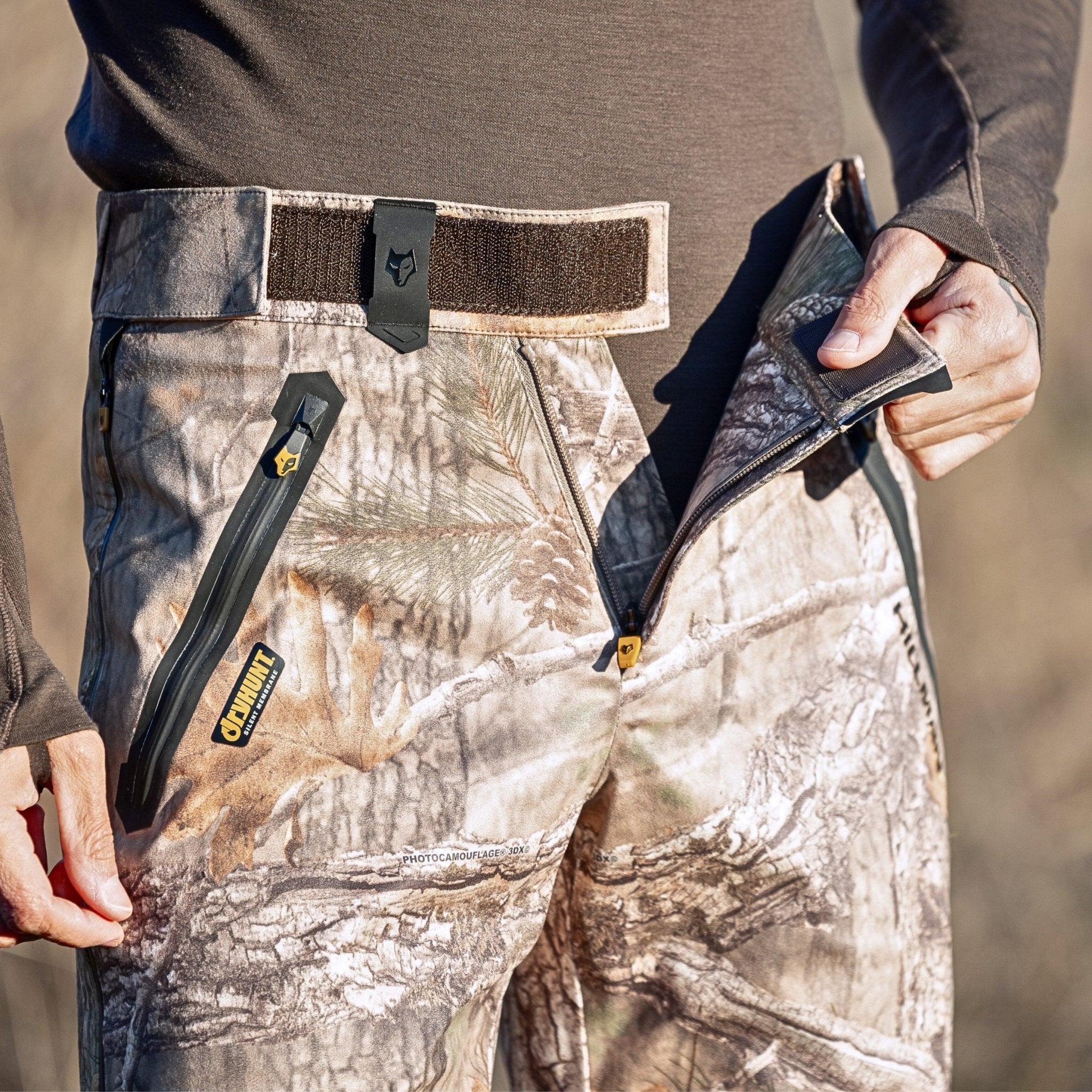
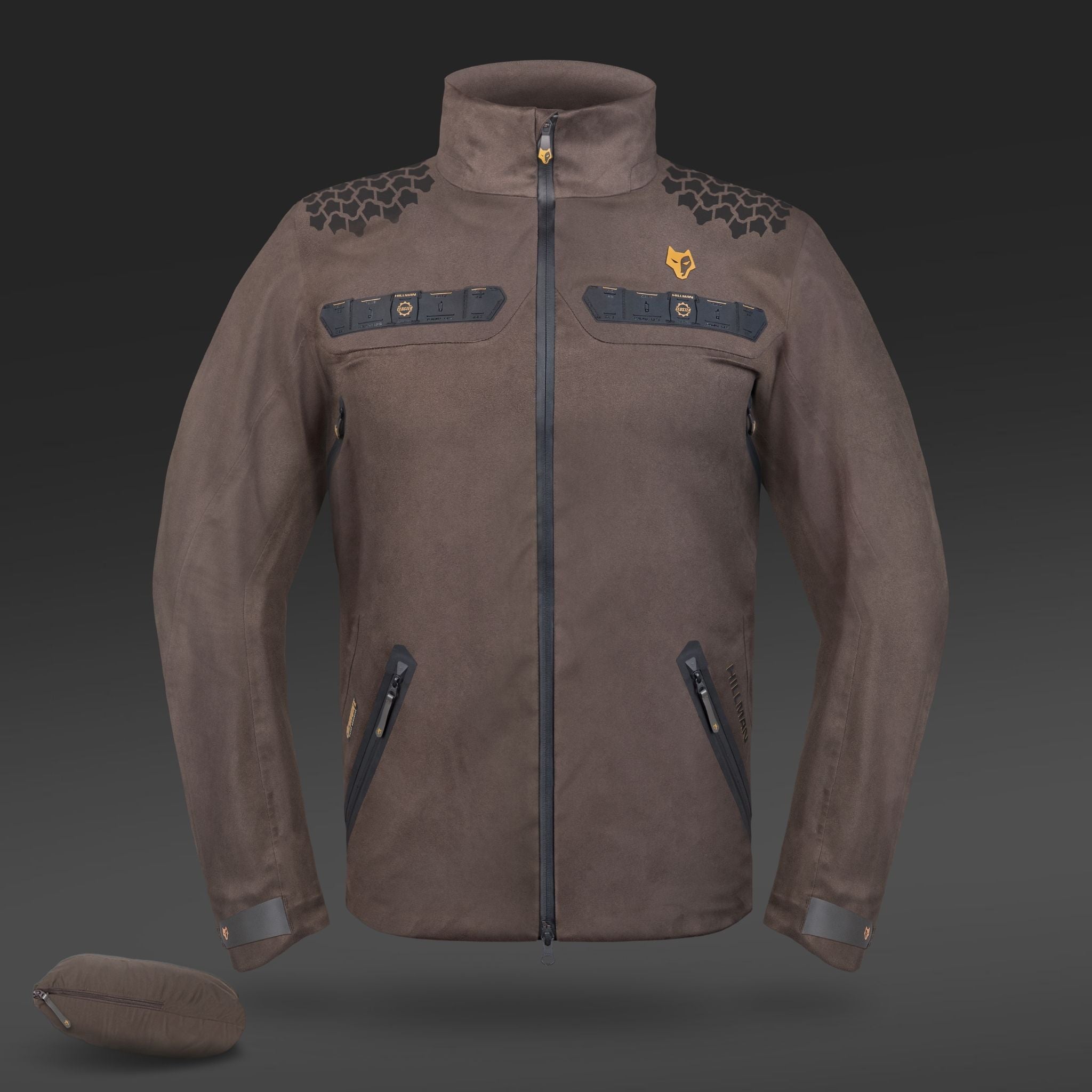
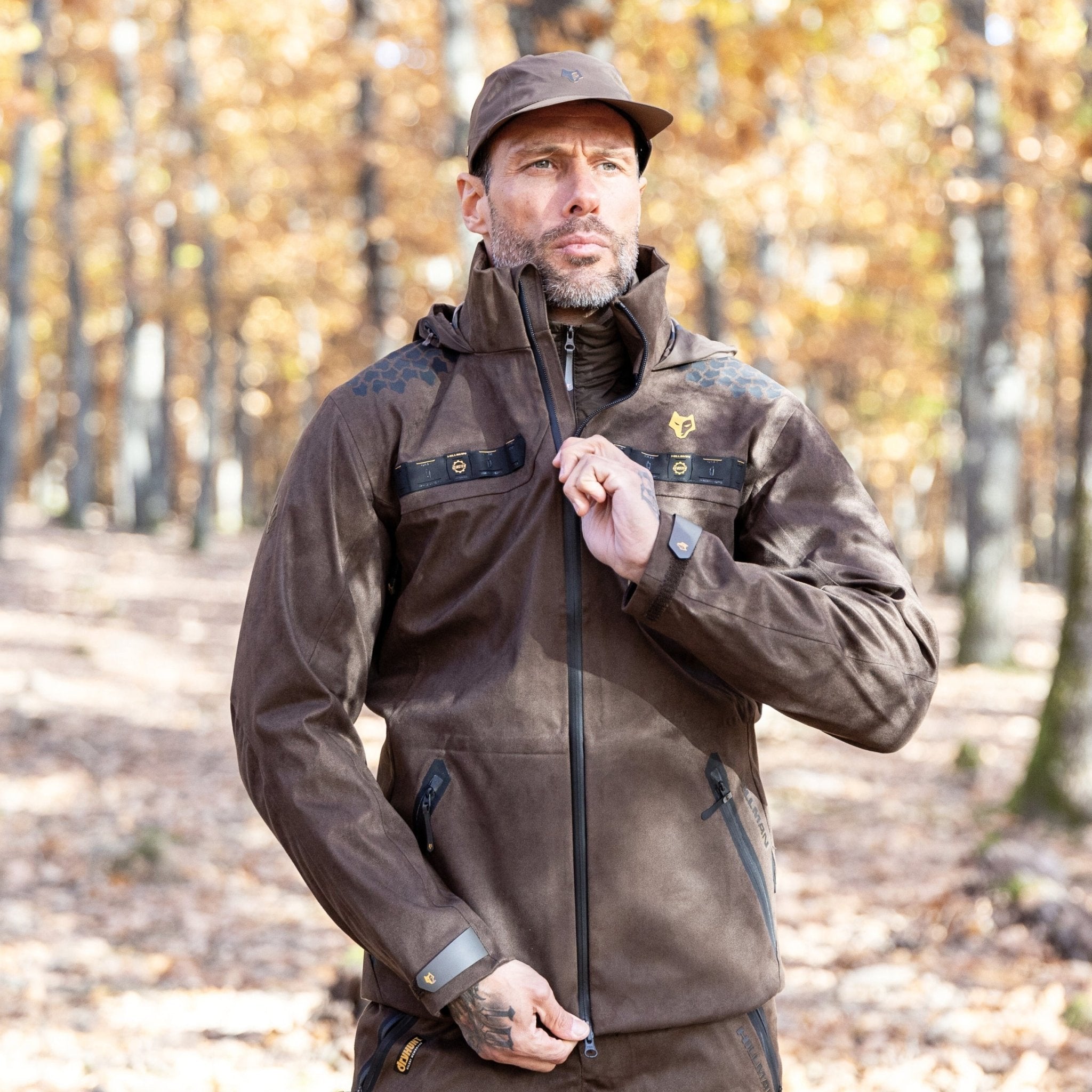
Good hunting kit helps. Quiet stalking clothing helps. A steady seat, a dry jacket, and a comfortable position all help. Hillman gear can give you an advantage when you need to sit still, stay quiet, and wait longer than feels natural.
But clothing does not replace fieldcraft.
A sleeve brushing bark can ruin it. A boot grinding dry leaves can ruin it. A hand moving at the wrong second can ruin it. A buckle clicking against a stick can ruin it.
Roe deer do not need the whole story. One wrong sound is enough.
Before you start calling, slow down. Let the woods settle. Give it a few minutes. Better still, give it ten. Listen to birds. Watch the little gaps. Let your breathing calm down. Let the natural world go back to normal around you.
Calling too early after crashing into position is a common mistake. The call might be perfect, but if the wood is already suspicious, you have lost half the battle before the first sound leaves the call.
Read the Cover Before You Make a Sound

The first question is not which roe deer call to use.
The first question is: where can the buck appear?
Thick cover rarely gives you a full view. You are looking for little lanes, slots, weak gaps in long grass, deer tracks, old fraying, scraped patches, shaded edges, and rides where a roe buck can show for two seconds and vanish again.
Think in lanes, not fields.
Where can a buck approach without exposing himself? Where would a mature doe slip through? Where does sound travel naturally? Where can the wind betray you? Where is the backstop if the moment turns into a shooting decision?
Trail cameras can help. They may show that a buck uses a ride in the mid-morning, or that females cross a corner early in the evening. Useful, yes. But trail cameras are not the whole plan. They show what happened before. Calling happens now.
The woods are alive. Deer shift. Weather changes. Human pressure moves animals. A post, a path, a fallen branch, a new call from another stalker nearby: small things can change the way roe use the ground.
You still have to read what is in front of you.
Wind, Scent, and the Awkward Swirl

Wind is essential in all stalking. In thick cover, it is worse because wind lies.
Under trees, scent does not always move in a clean line. It can slide along a ditch, drop into a hollow, hang in damp air, then lift when sun warms a ride. One moment it feels right. The next moment it curls behind you like it has decided to ruin your day.
Use a wind checker. Use it more than once.
Roe deer have a serious nose. In close cover, they do not need to know exactly what you are. A faint bit of human scent can stop the approach, make the buck circle, or send him away with that white rump flashing through the woods.
Calling with the wind wrong is rarely worth it. You might pull the buck into range, but you may also teach him something. Worse, you may disturb him during the rut when energy matters and territory matters.
A decent plan protects your approach line and the buck’s likely approach line. It will not be perfect. Woodland rarely gives you perfect. But it should be good enough that the roe has to use eyes and ears before his nose solves everything.
Best Time to Use a Roe Deer Call

Mid-morning is often a key time for roe calling, roughly 8:30 to 11 AM, especially in woodland cover. The early chill has gone, insects are moving, scent behaves differently, and rut activity can rise again after first light.
Warm, still mornings can be very good. Sticky summer weather that feels uncomfortable for you can sometimes switch roe on. Early evenings can work too, especially after a steady warm day.
Cold wind is less friendly. Gusty weather can break up sound and make movement harder to read. That does not mean success is impossible, but it makes calling less clean.
Late July and early August are the classic window, but do not worship the calendar. Roe are local. One place can be alive while another feels dead. A mature doe coming into season can change everything overnight. A buck that ignored calls yesterday may come in hard today.
That is roe stalking. Annoying. Addictive. Never as tidy as people make it sound.
Soft First, Then Wait

A lot of people call too much.
They get into position, start calling, wait thirty seconds, get bored, call again, then wonder why nothing happens. In thick cover, that can be a mistake.
A nearby buck may already be inside 80 metres. He does not need a loud performance. A hard call can sound wrong, too close, or just suspicious. Start soft. Then shut up and wait.
Not for ten seconds. Wait properly.
A roe buck may stand hidden, listening. He may circle downwind. He may take the slow line through cover. He may need a few minutes before he decides to move. The urge to call again is strong. Resist it.
There are plenty of calls: young doe, old doe, mature doe, kid, contact calls, urgent calls, and other calls that suggest stress or agitation. Each has a use. But the point is not owning every new call on the market. The point is knowing what sound you are making and why.
A simple squeeze-style roe deer call is popular because it is easy and consistent. A leaf call can sound wonderfully natural in good hands, especially with a beech leaf, but it takes practice. Both can work. Both can fail.
The best call is the one you can use quietly, without staring down at it while the buck is already moving.
When the Buck Comes Too Fast

This is where thick cover can make a fool of you.
One moment, nothing. Then ears. Then antlers. Then a shoulder behind leaves. The buck may stop facing you. He may quarter through brush. He may show only part of his neck. He may be close enough that your scope feels too much and your thoughts feel too slow.
Low magnification helps in dense cover. Around 2x to 4x gives a wider field of view and faster target pickup. Some stalkers prefer a red-dot sight for close woodland work. That is personal preference.
But no sight fixes a bad decision.
Do not let the call pressure you into shooting. If the angle is wrong, leave it. If the backstop is unclear, leave it. If the buck is partly hidden, leave it. If you have not judged age, condition, and safety, leave it.
Venison is not worth a rushed mess.
Good deer stalkers are often very quick at doing nothing. That sounds boring until you have watched enough bad decisions made by people who could not wait.
Top Tips for Calling Without Crowding the Buck

Pick the position before you make a sound. Not after. Not while the buck is coming. Before.
Let the woods settle. Keep the wind honest. Start softly. Wait longer than your nerves want to wait. Expect the buck to appear from the wrong side, because of course he will.
Use natural cover. A tree trunk, shaded bank, bend in a track, slight rise, or edge of long grass can make the call seem like it belongs there. Sitting in the middle of an obvious ride with no shape around you can work, but it often gives the game away when the buck comes looking.
Move like you have all day. Summer cover is noisy in odd ways. Bramble grabs. Dead stems crack. Hollow ground thumps. Dry sticks wait under your boot like little traps.
And watch the females.
A buck may be locked onto a mature doe. Calling near her can change the whole picture. He may come to investigate, defend, or regain contact. But if she gets nervous, she can blow the place apart before he shows. Her ears, head position, and body language often tell you more than the call does.
One more tip: do not call aggressively just because the rut is on. The rut makes bucks more responsive, not stupid every minute of the day.
The Ethical Side of Close Calling

Roe calling works because it pokes at something private. During the rut, bucks are burning energy, holding territory, chasing females, guarding chances, and taking risks they would normally avoid.
That is why they respond.
It is also why you should not abuse it.
Close calling can pull a buck out of secure cover, make him circle too much, or send him crashing away when he hits your scent. Disturbance is not only the dramatic blow and bounce through the woods. Sometimes it is a buck standing tense for too long. Sometimes it is him abandoning a bit of territory. Sometimes it is him wasting energy in heat and cover because someone wanted a closer look.
Respectful distance is not soft. It is better stalking.
Animals that keep acting naturally teach you more. You can watch feeding, scent-checking, listening, movement, confidence, body condition, and pressure. A rushed close call gives you less information, not more.
Good deer management depends on calm observation. Age matters. Condition matters. Local pressure matters. Season matters. Territory matters. You do not learn much from a white rump vanishing because you crowded the animal.
Technology Helps, But It Is Not the Whole Game
Thermal monoculars are useful in thick cover. They help pick up heat in bracken, young plantation, long grass, and dark corners where your eyes see almost nothing.
But thermal is not magic.
It does not give you the full story. You still need visual confirmation. Sex, antlers, age, angle, background, and safety still matter.
Trail cameras help too. They can show when a buck uses a ride, where it passes, whether hunting pressure has shifted deer, and whether human activity has changed movement. Good information. Worth using.
But calling happens in the present.
The old skills still matter most: wind, sound, patience, familiar ground, and the ability to know when to speak and when to stay quiet. Luck helps, of course. But luck usually favours the stalker who has already done the dull, careful work.
So, How Close Is Too Close?
Too close is the distance where you lose control of the decision.
As a rough guide, avoid setting up inside 25 metres unless the lane, backstop, concealment, and ground are exceptionally clear. Treat 50 to 75 metres as a sensible roe calling distance around woodland edges, rides, and broken cover. For calmer observation, 50 to 100 metres is often better. During the peak rut, especially without proper concealment, starting at 100 metres or more can keep the moment cleaner.
Roebuck calling is best when it feels understated.
A small sound. A long wait. A flicker in the leaves. A buck stepping out because the call fits the place, the weather, and the mood of the rut.
Get too close and the whole thing gets cramped.
Stay just far enough back, and the woods have room to show you what is really going on.

BRANDON WALKER
Brandon Walker spends much of the roe rut in woodland where the view is short and every mistake seems louder than it should. He is interested in the little details that shape a calling session: where a buck is likely to appear, how the wind shifts under trees, and why waiting another minute often changes everything.
For Hillman, Brandon writes about practical woodland hunting rather than perfect scenarios. He pays attention to quiet clothing, sensible positioning, and the habits that stop a close encounter turning into a rushed one. If a buck answers the call, he believes you should already know where you want him to appear before you make the first sound.


Share:
Fallow Deer on Field Edges: Read Hesitation Before Last Light
Properly Dogging-In: Reading Bird Behaviour Between Drives