
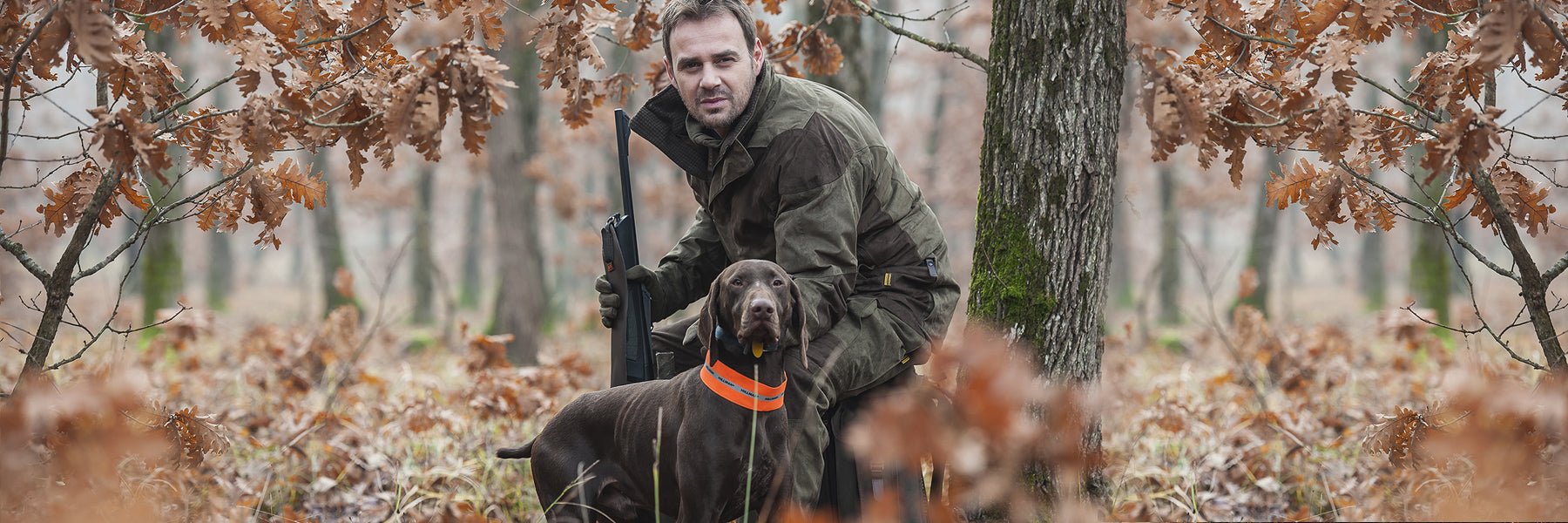
Dogging-In Done Properly: Reading Bird Behaviour Between Drives

Read bird behaviour, dog work and field signals between drives so dogging-in, picking up and shoot day control stay calm and effective.
Dogging in done properly and reading bird behaviour between drives is not just about sending a dog into cover and hoping a few birds turn the right way. It is a quiet job, and often an underestimated one. Most people see the drive, the flush, the gun line, the birds flying, and the picking up afterwards. They do not always see the weeks of patient work that helped put pheasants in the right place before the shoot day even began. A good day’s shooting often begins long before the beating line moves.
Why Dogging In Matters Before a Shoot Day

Dogging in is usually carried out from late summer until the shooting season begins. It is most crucial in the early weeks, when young birds are first released from pens and are still learning their world. They know cover, food and safety in a very basic way, but they do not yet understand boundaries.
A steady dog can gently bump birds out of cover, push them from a ditch, or flush them when necessary. The dog must be obedient, biddable and absolutely under the handler’s control. An inexperienced dog can do more harm than good, especially if it starts to hunt for its own fun, chase birds hard, or ignore the whistle when the birds begin to move. That is when dogging in stops being useful and becomes a disturbance.
Done well, it helps birds stay within safe and useful areas. By the time the season begins, they know where food is, where cover lies, where they rest, and where they feel secure. That makes subsequent drives more effective. It also makes the whole shooting field calmer, safer and fairer for everyone involved.
There is a practical point here too. Birds that have been properly held and settled are less likely to vanish when the first vehicle appears or when the beating line starts. They may still run.
Reading Bird Behaviour Between Drives

Between drives, birds tell you a lot if you take the time to watch. Some are still moving from the last push. Some have gone quiet in heavy cover. Some are standing out, head high, unsettled. Others are already feeding again, which can mean the disturbance has passed and the ground has relaxed.
Bird behaviour changes with the seasons, so it is worth observing at different times of day and in varying conditions. A place that looks empty in the middle of the afternoon may be alive in the morning. A strip of cover that holds well in October may behave completely differently in a hard wind later in the season. After a wet night, birds may sit tight longer. On a bright, still morning, they may be on their feet early. On a shoot day, between drives, that knowledge becomes useful.
The mistake is to look only for how many birds are visible. The better question is what they are doing.
If pheasants are walking steadily back towards cover, let them. If they are drifting towards a road, a boundary, or ground where they should not be, that is a point where quiet dogging in may be needed. If birds are lifting too easily, something has unsettled them. It may be a person, a dog, a vehicle, the wind, or the previous drive pushing them harder than expected.
Context matters. Habitat tells part of the story.
A quiet watch often gives more information than a noisy walk.
Using Dogs With Close Control
The dog used for dogging in should be calm first, talented second. A flashy spaniel that hunts too wide, ignores a lead, or treats every movement as a chance to catch something can ruin a morning. A less exciting dog that listens, stops, turns, and works close may be far more useful.
Close control matters because the handler is not trying to empty the wood. The idea is to move birds gently. A soft flush. A little bump from cover. A controlled line along the edge. Sometimes the best work is done in half a dozen quiet casts and a whistle, then nothing.
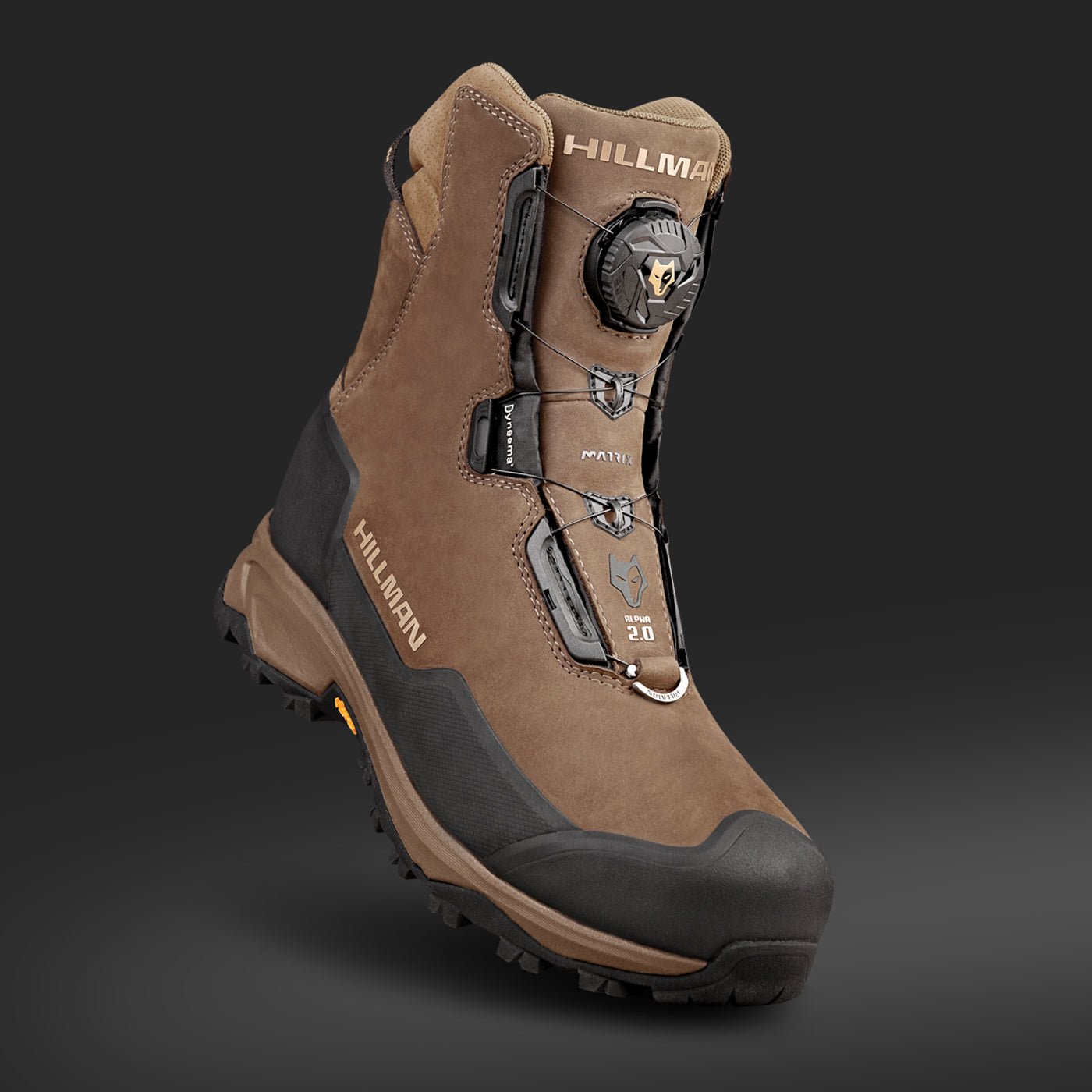
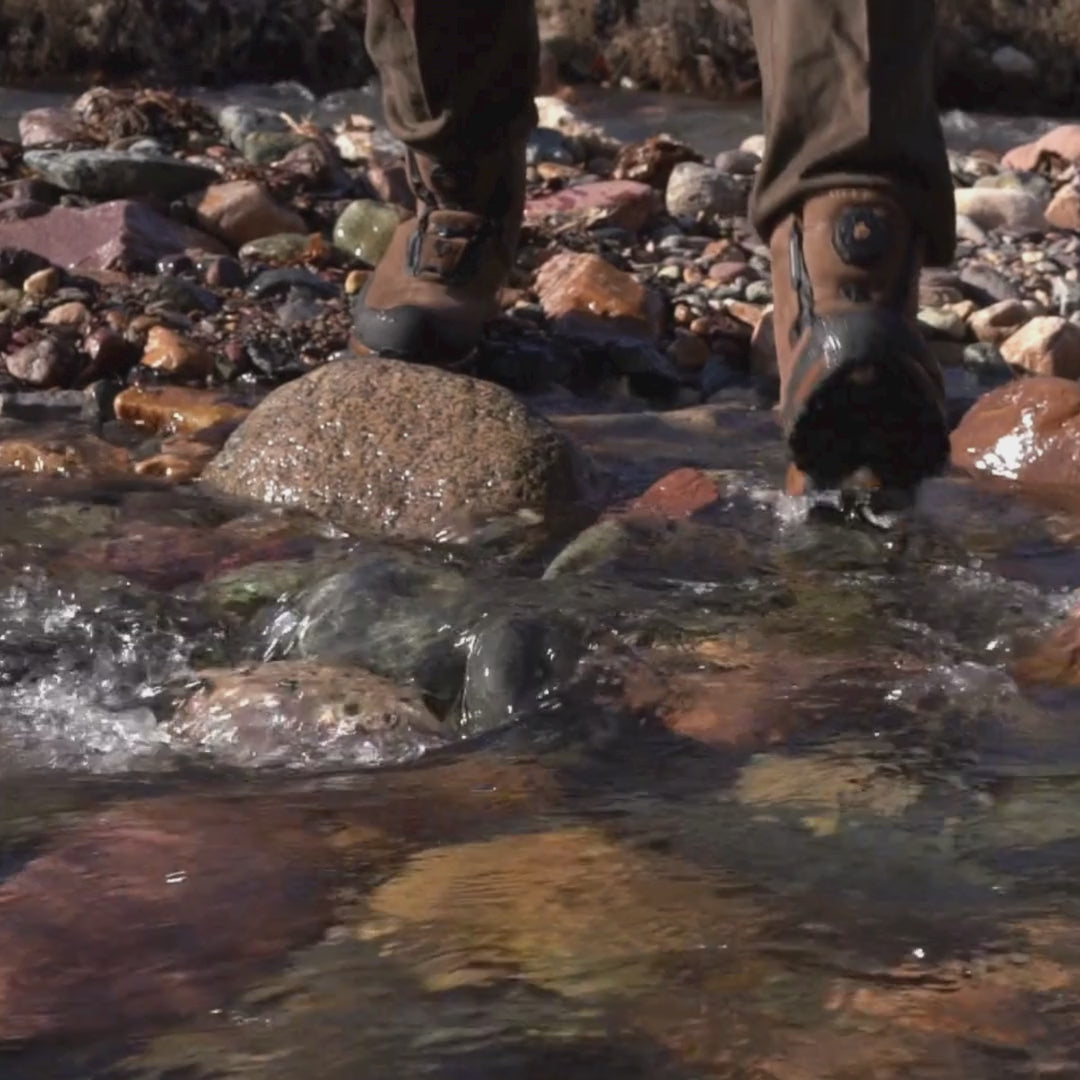
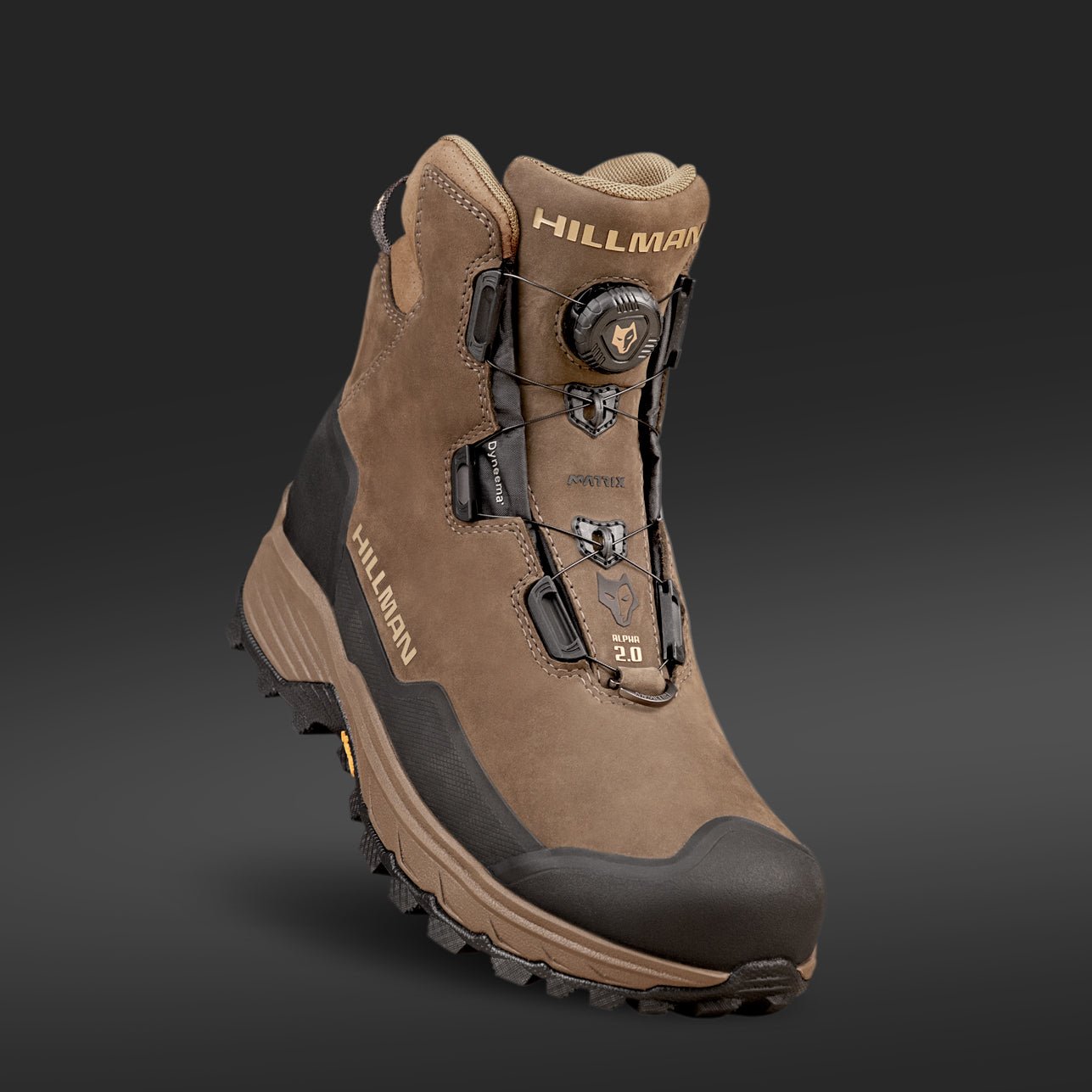
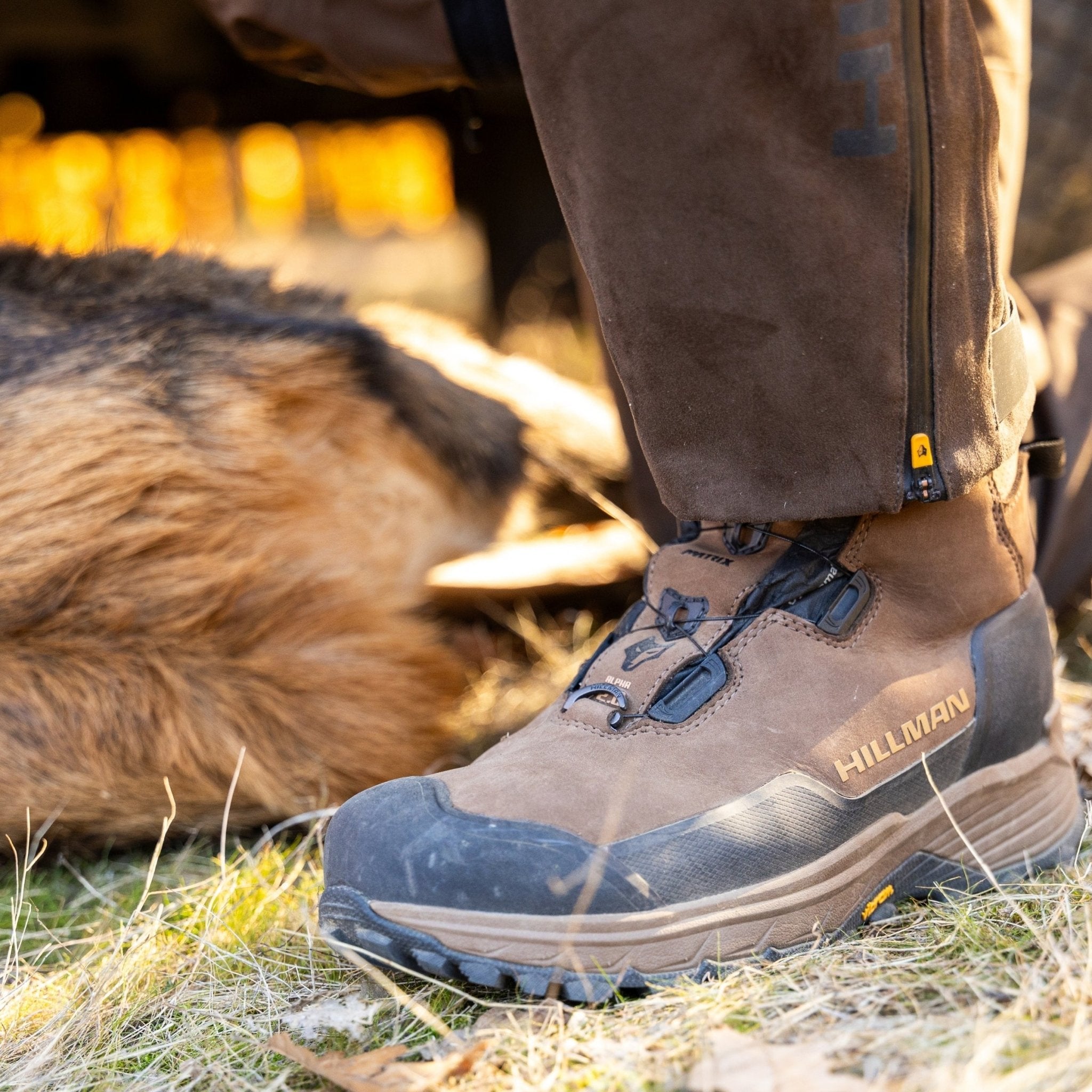
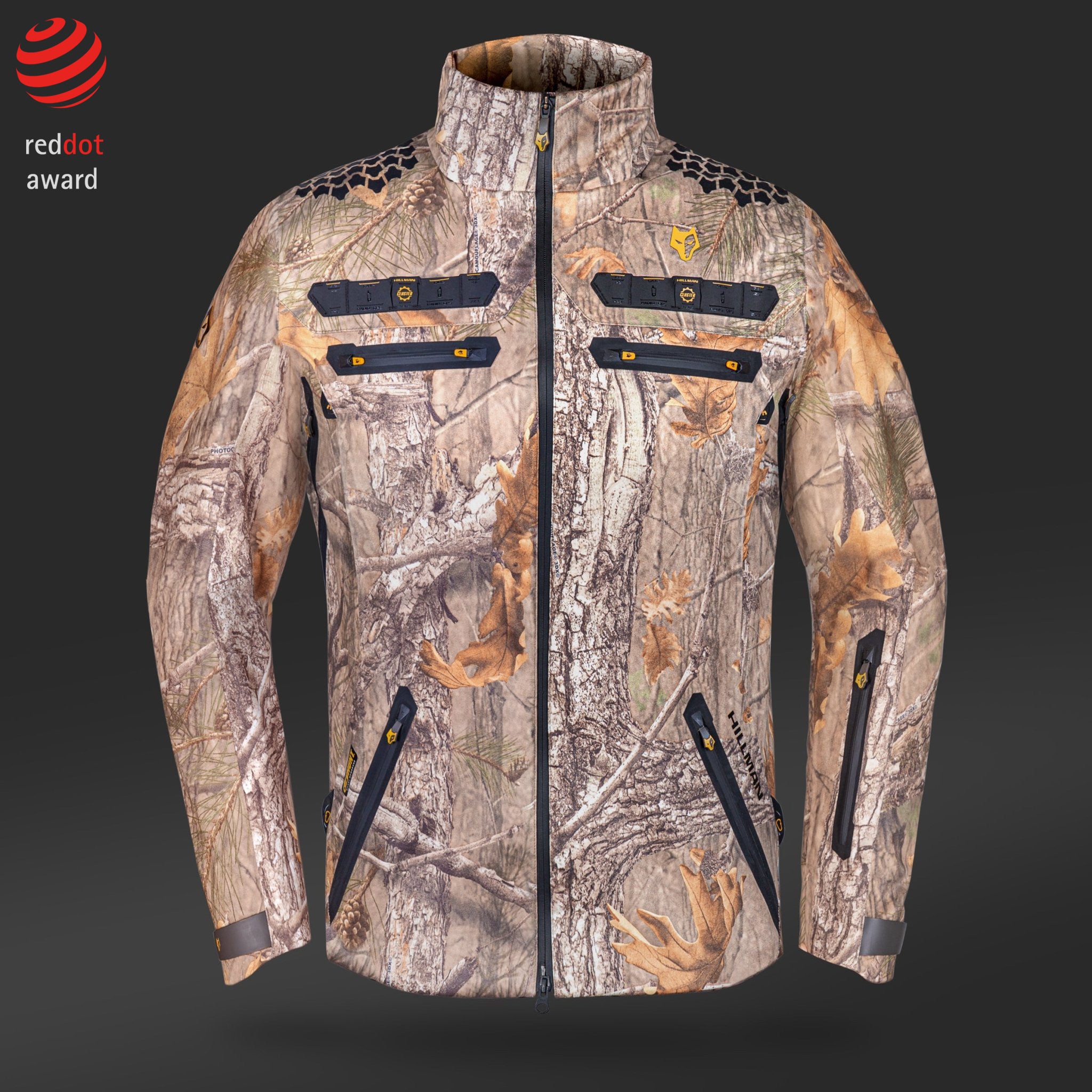
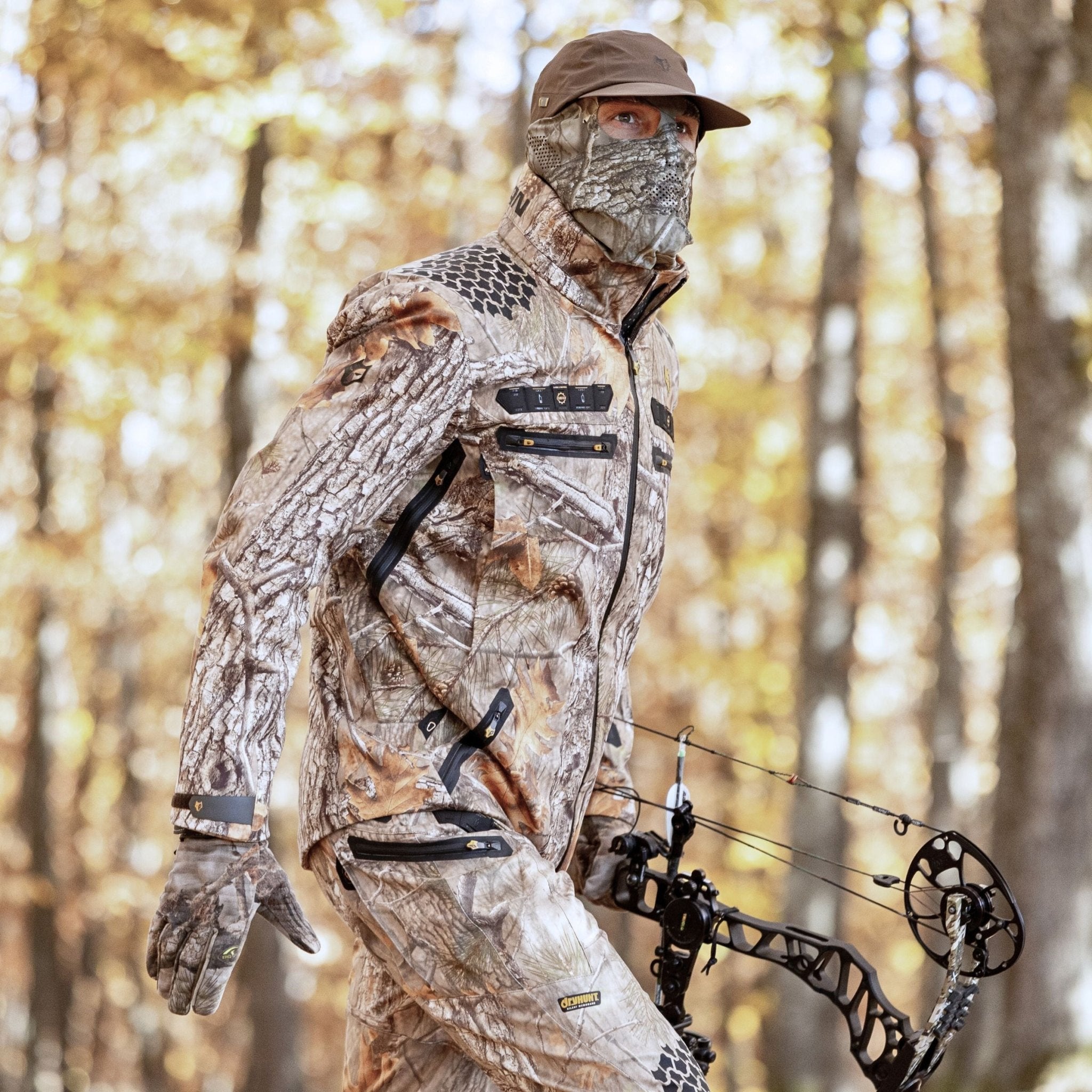
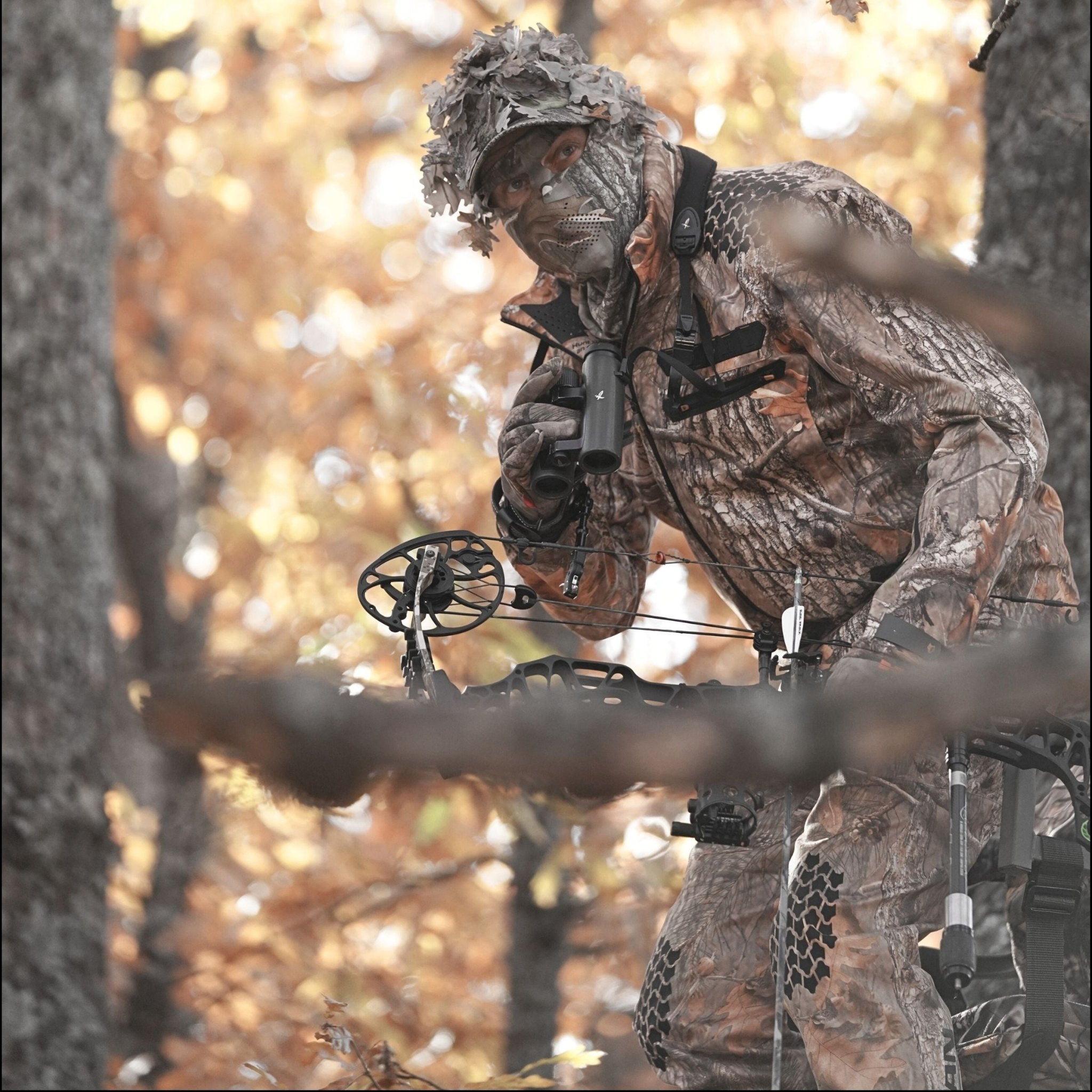
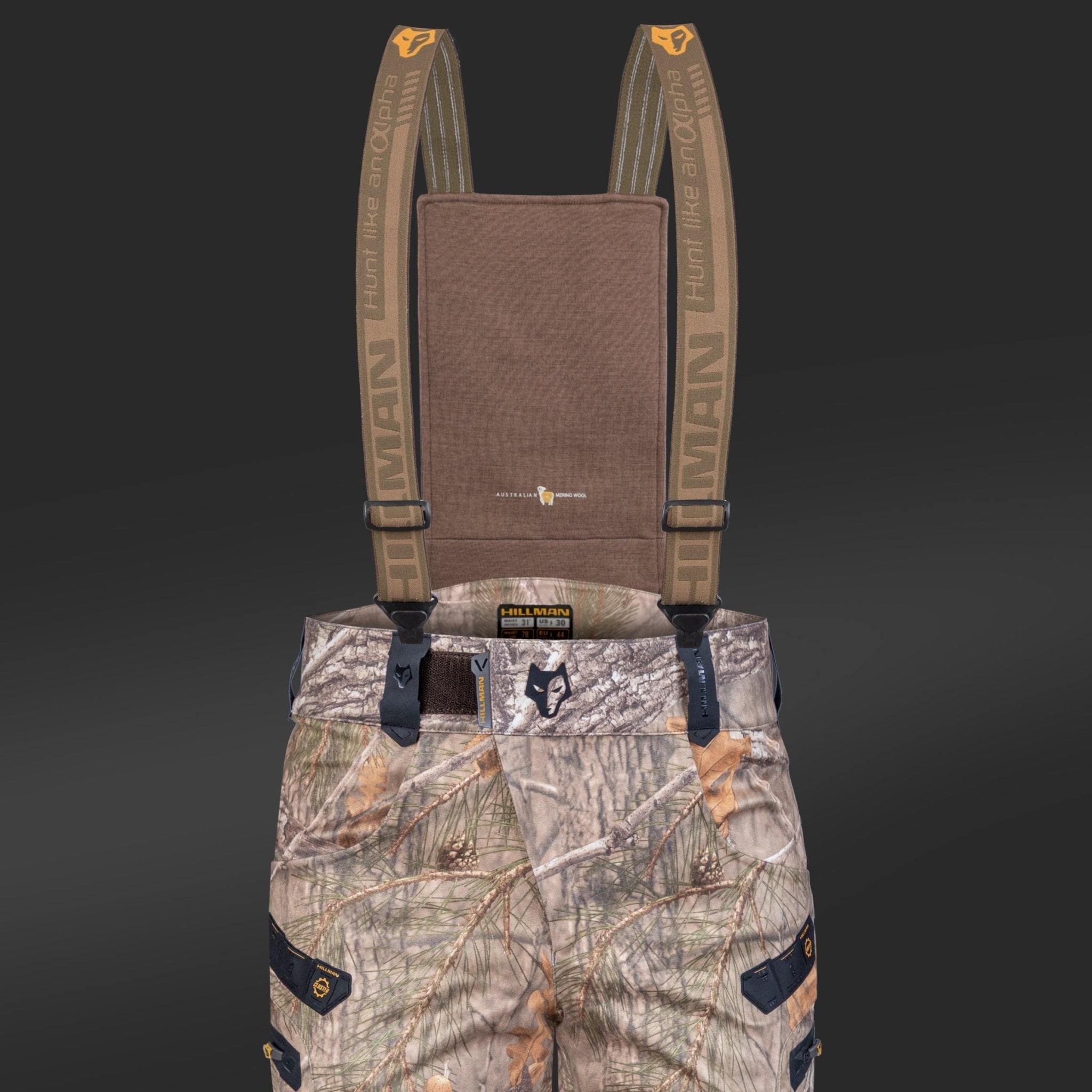
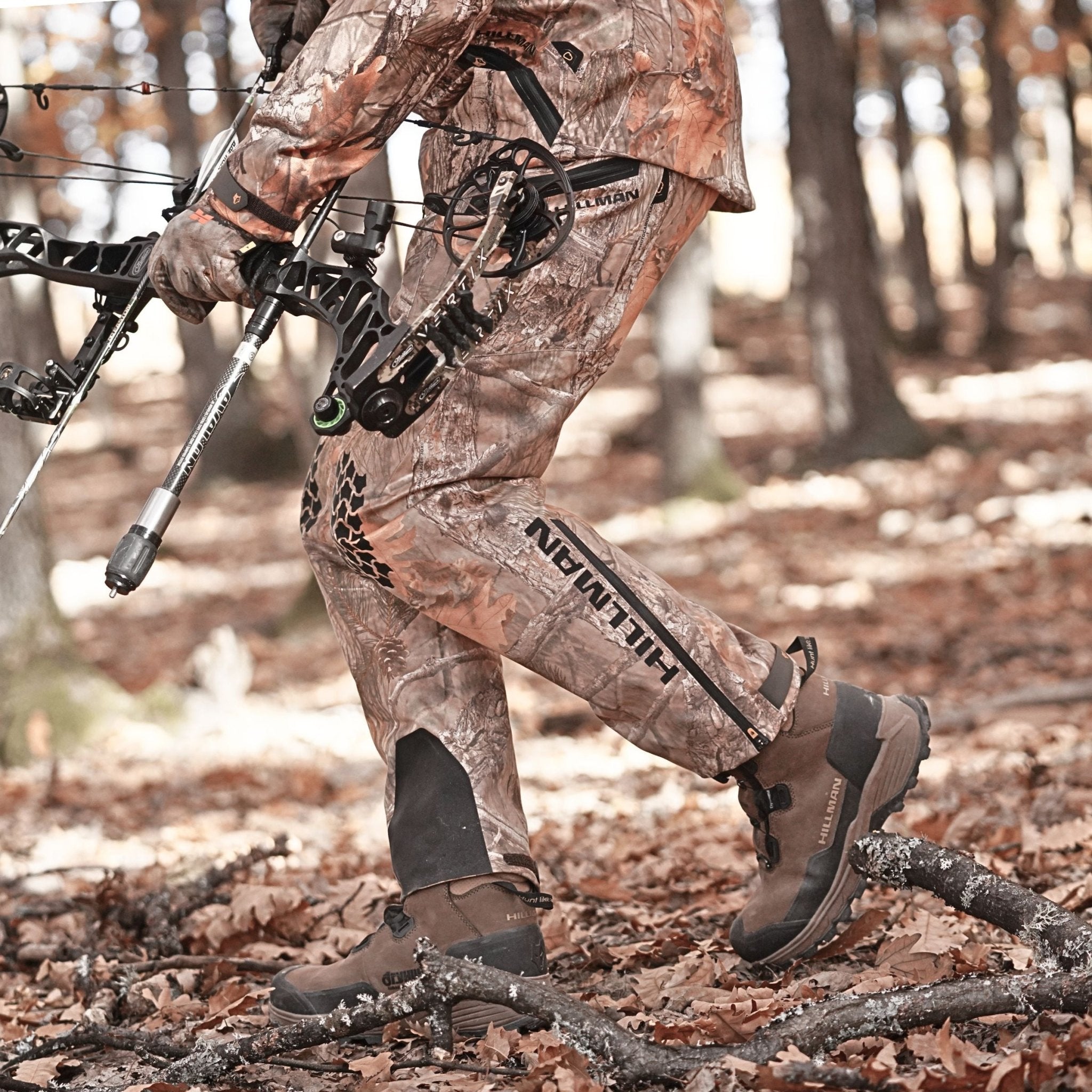
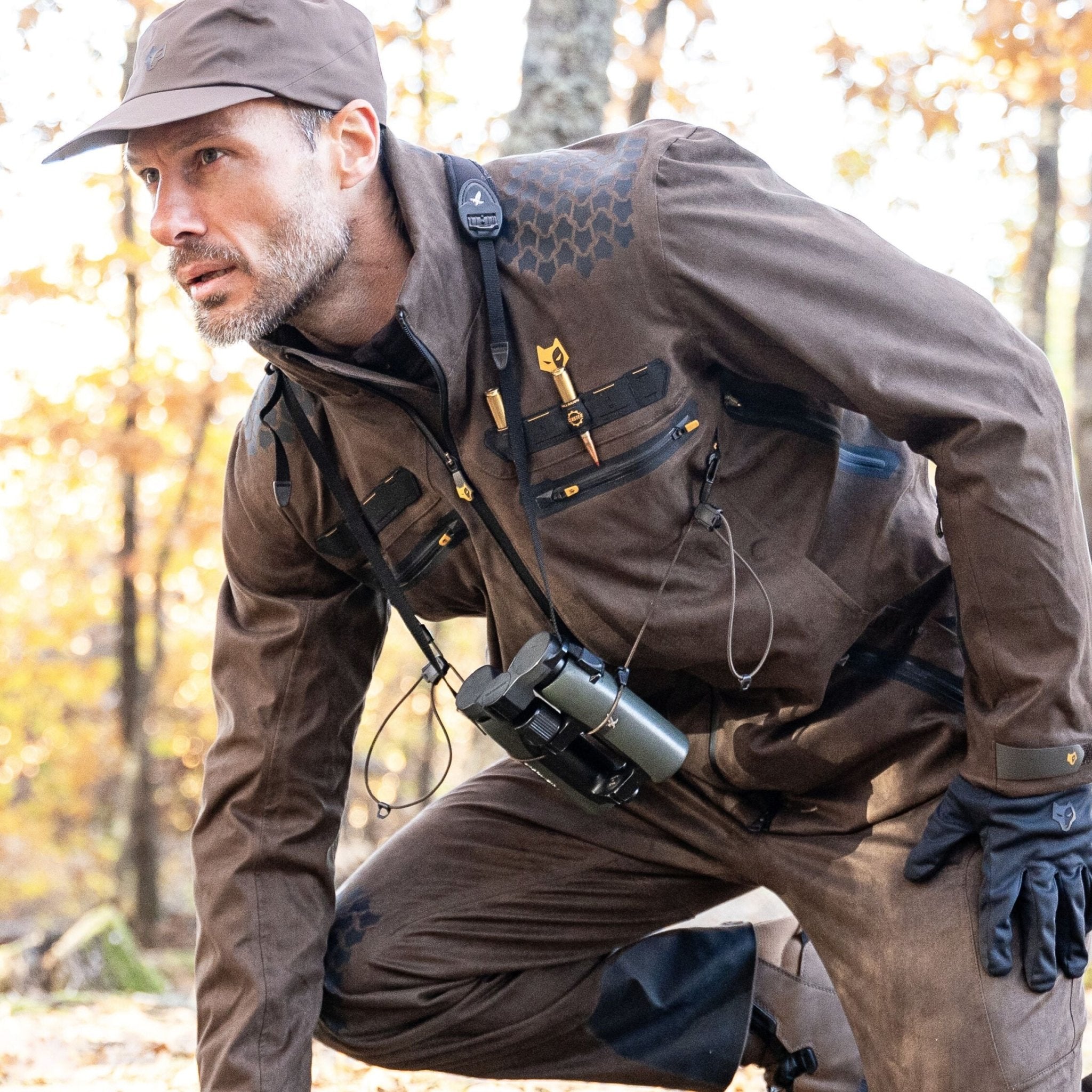
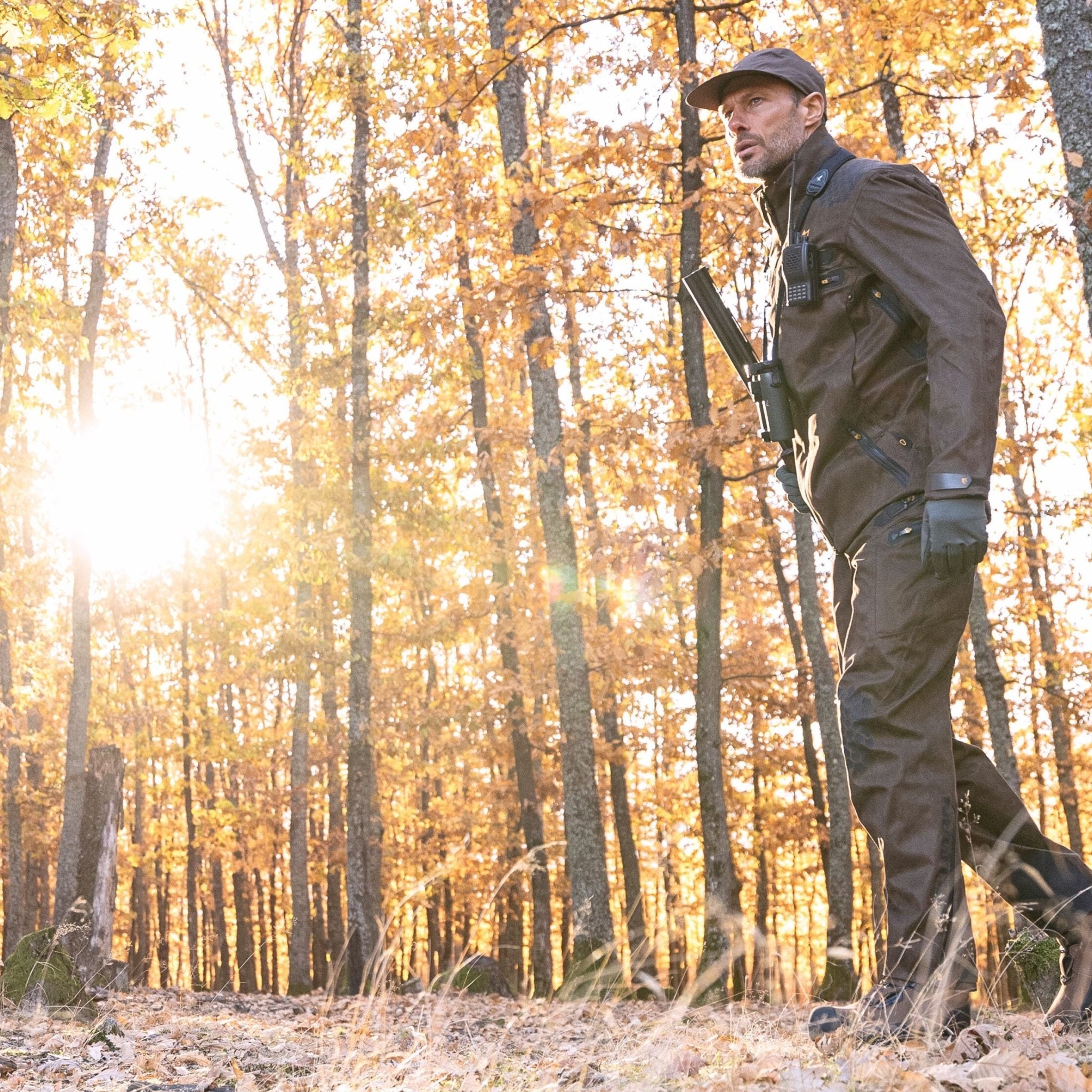
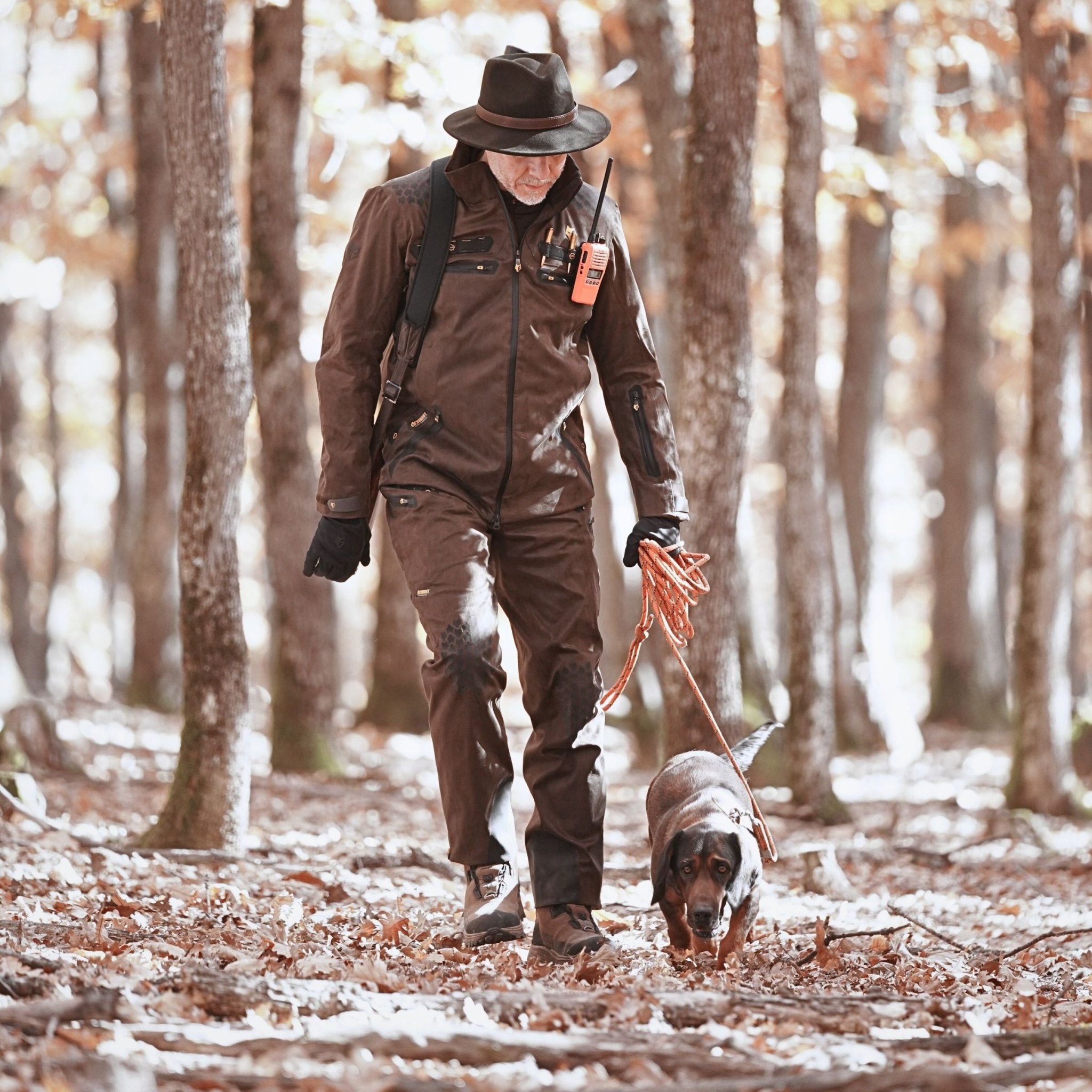
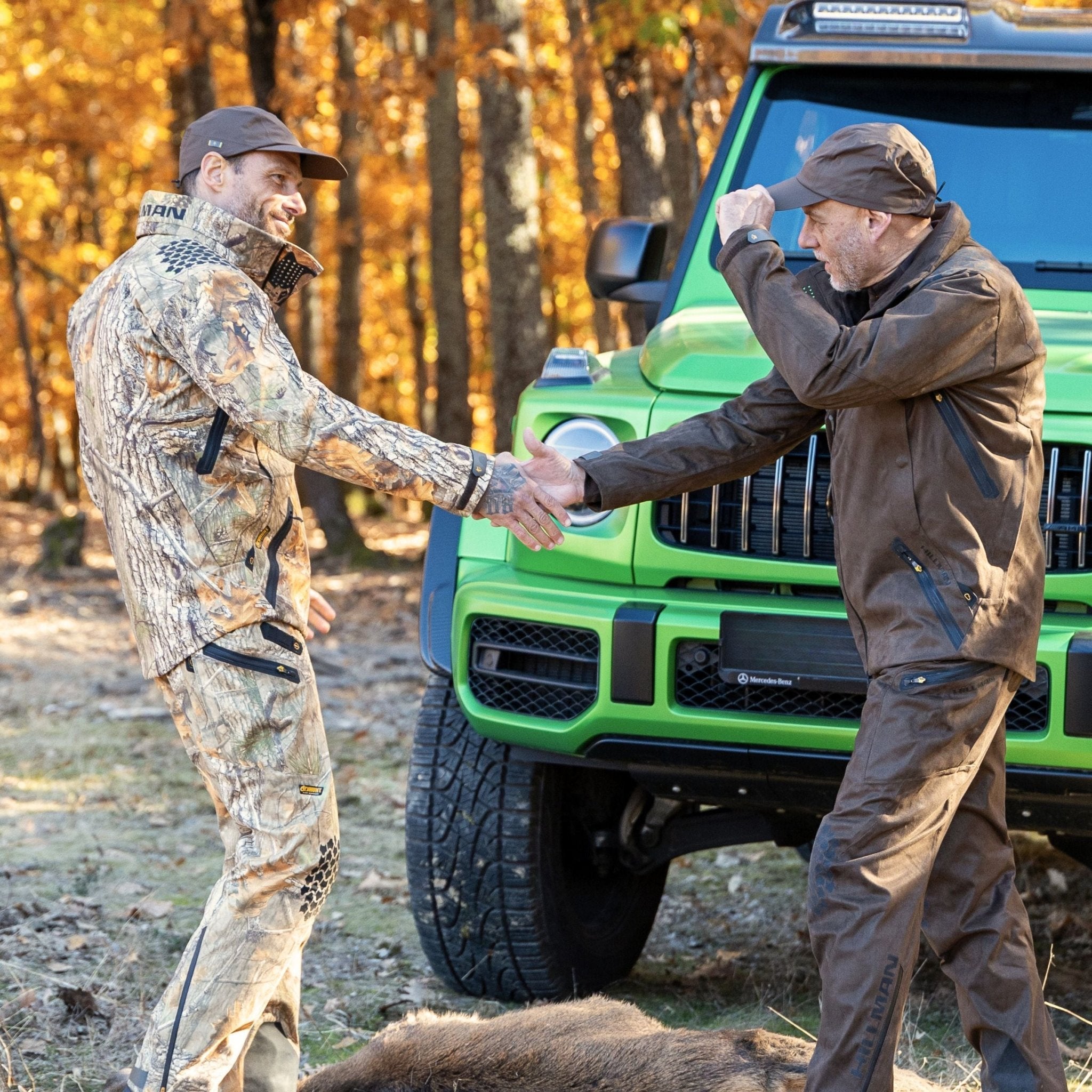
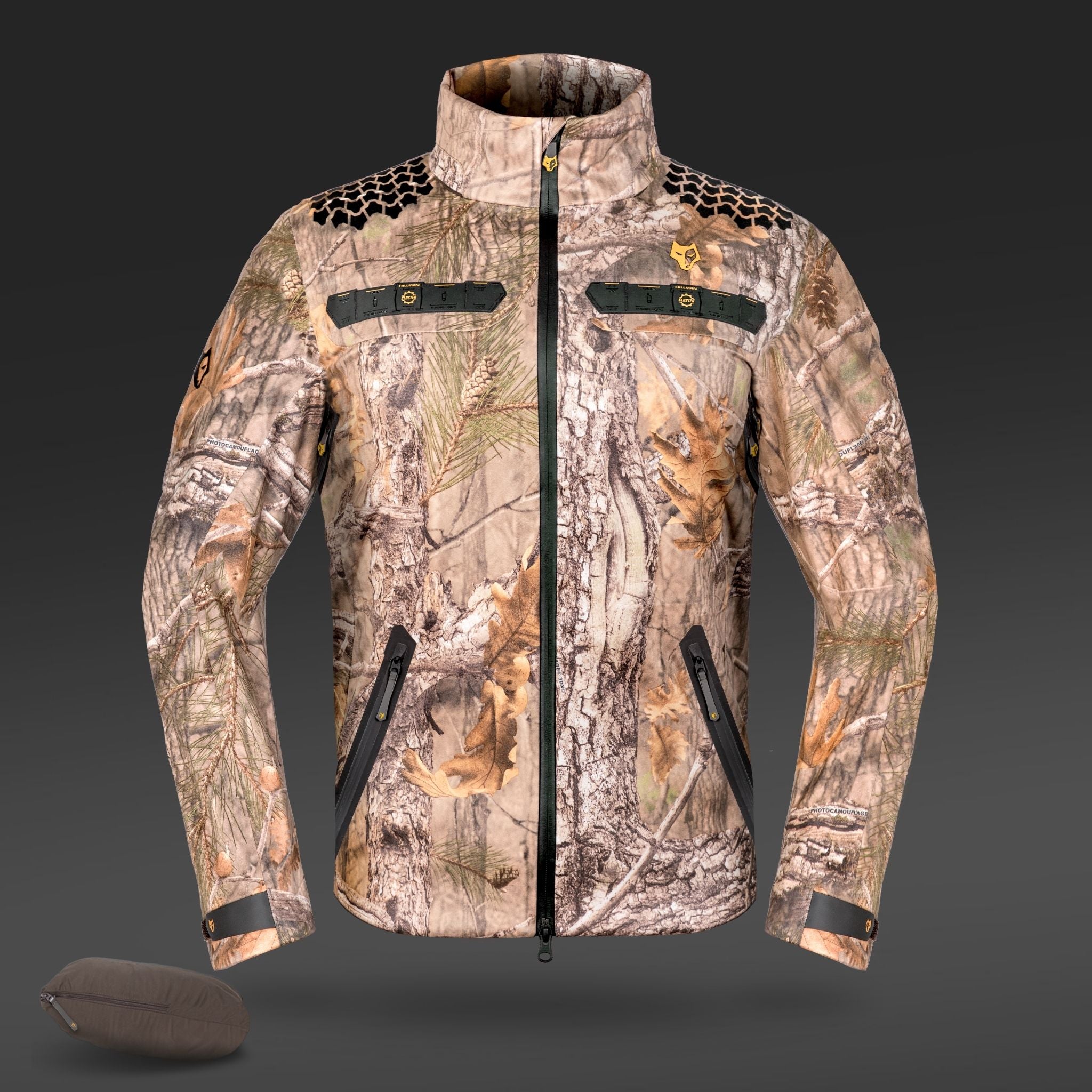
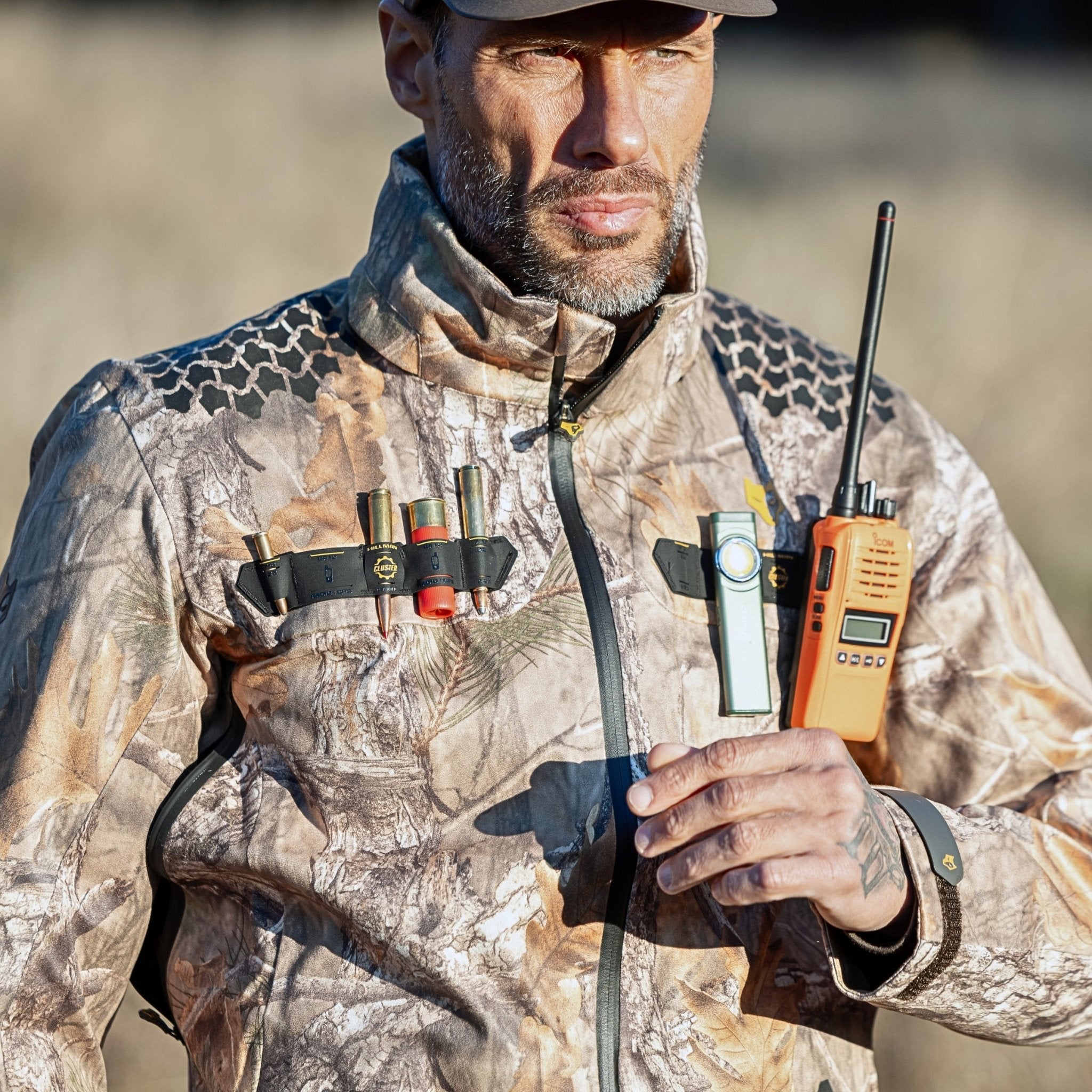
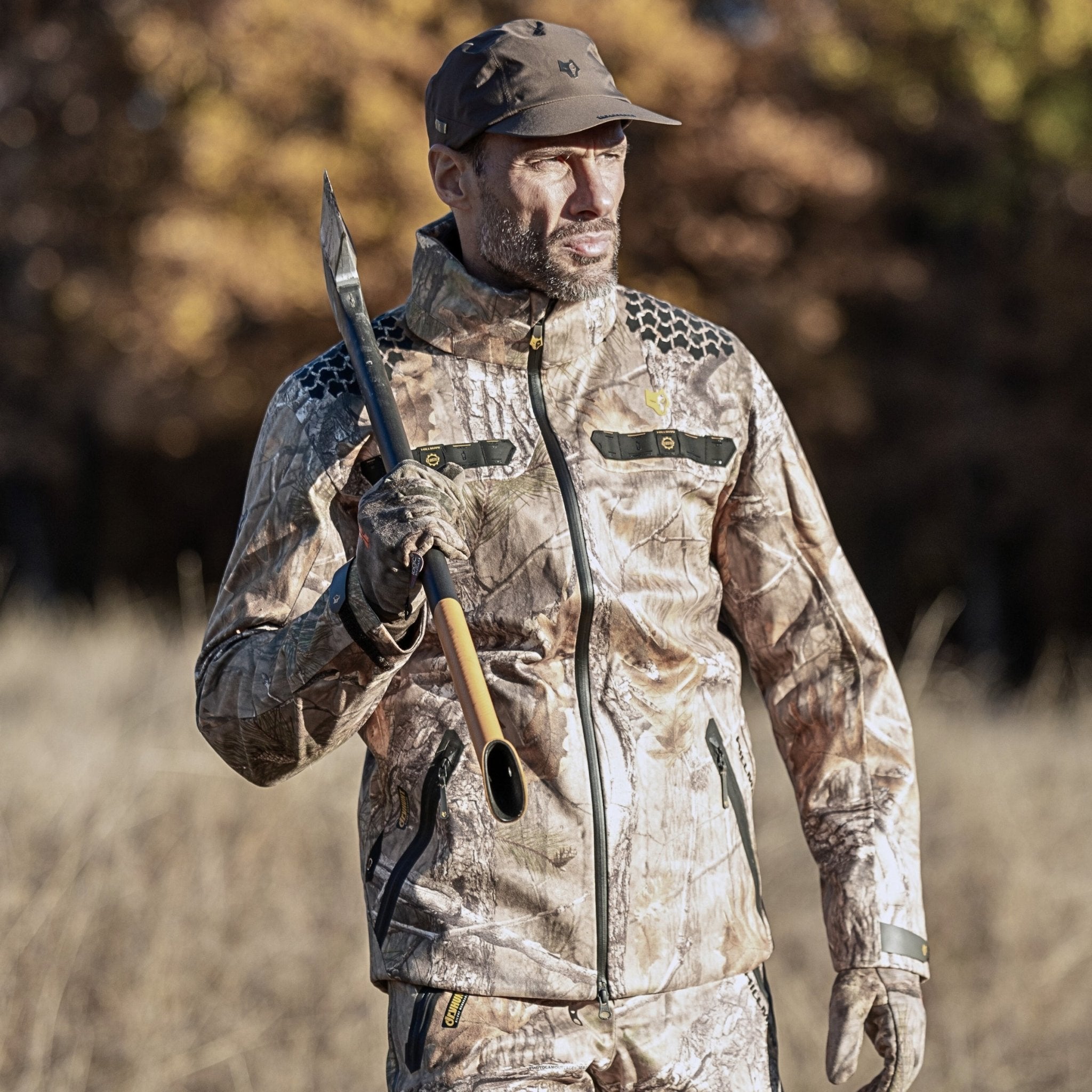
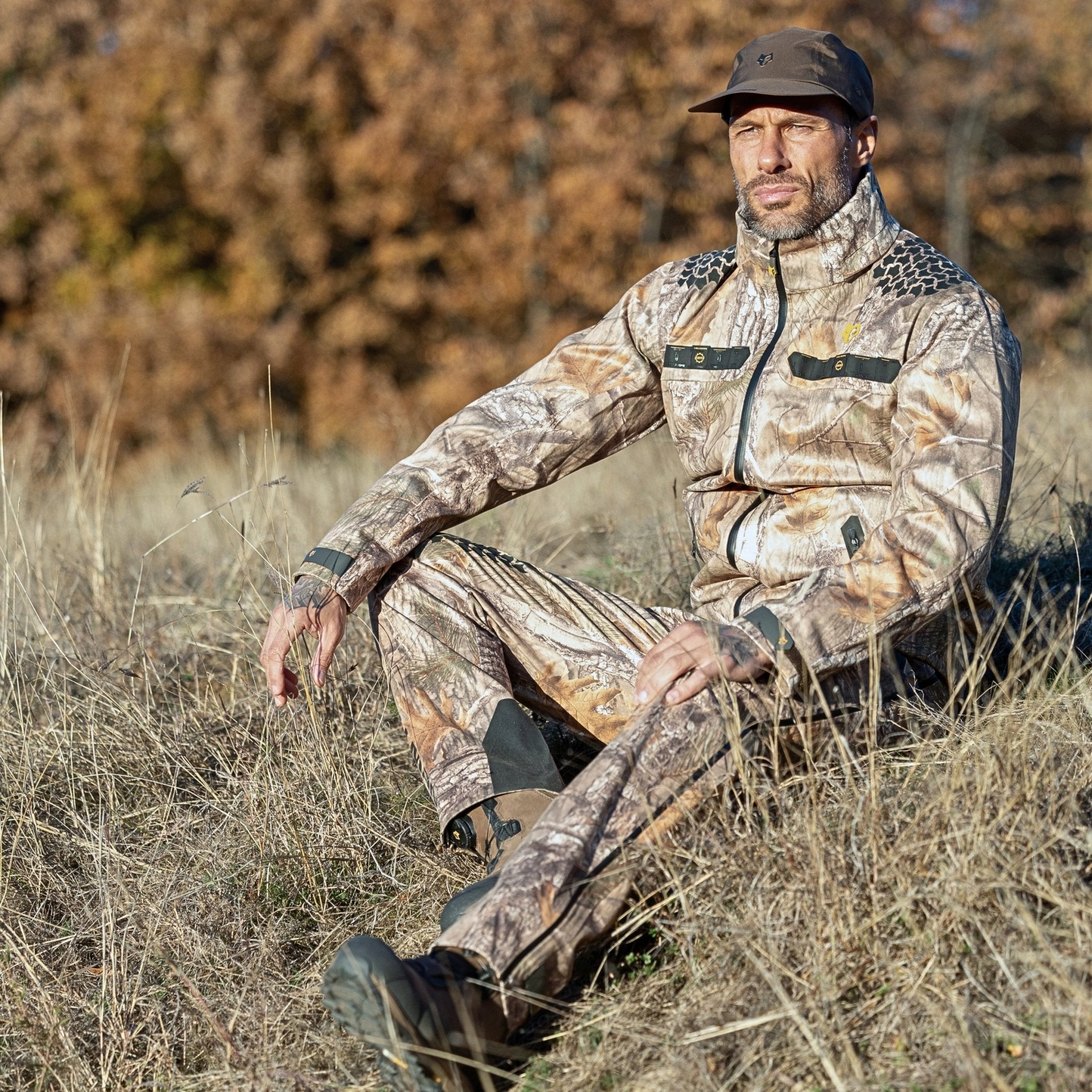
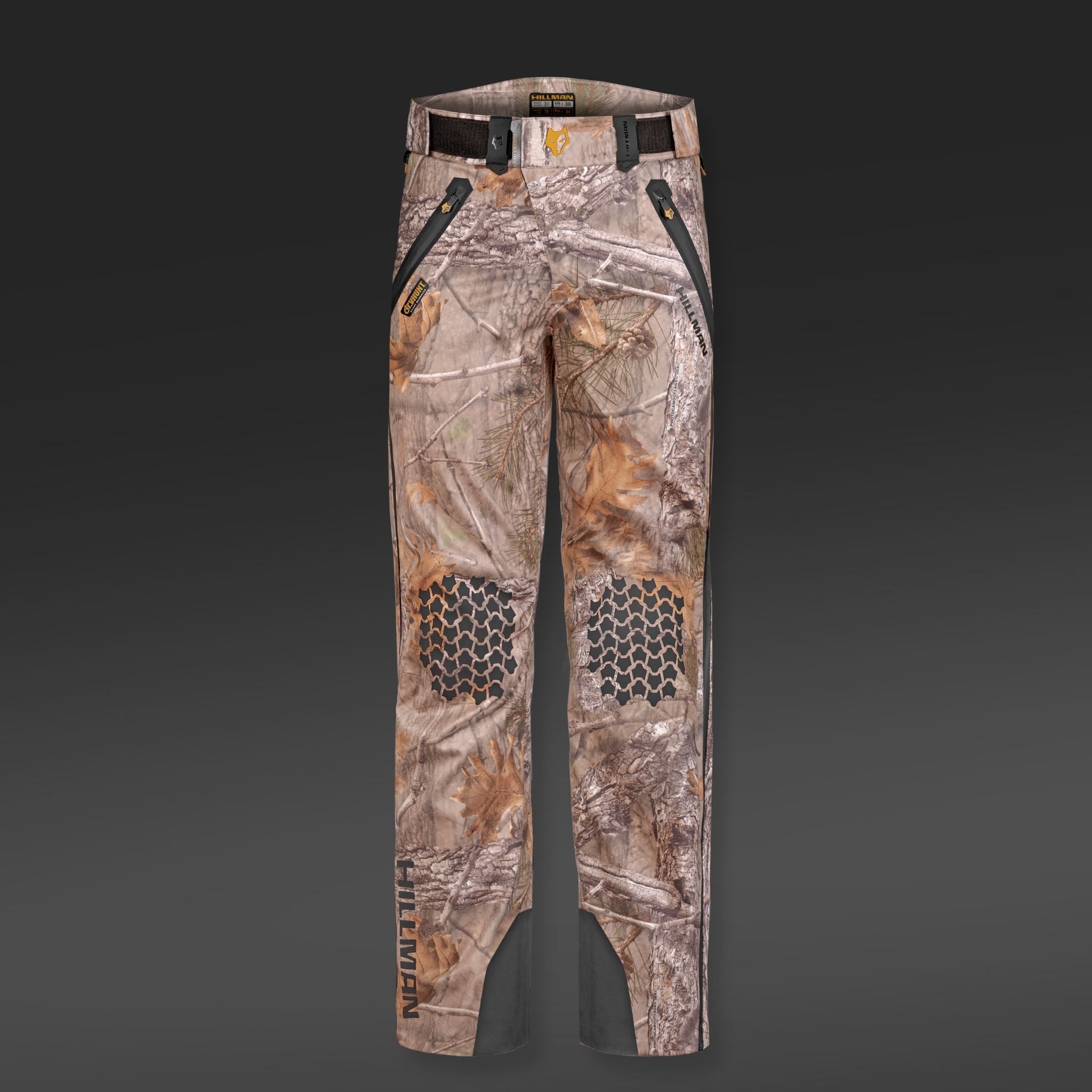
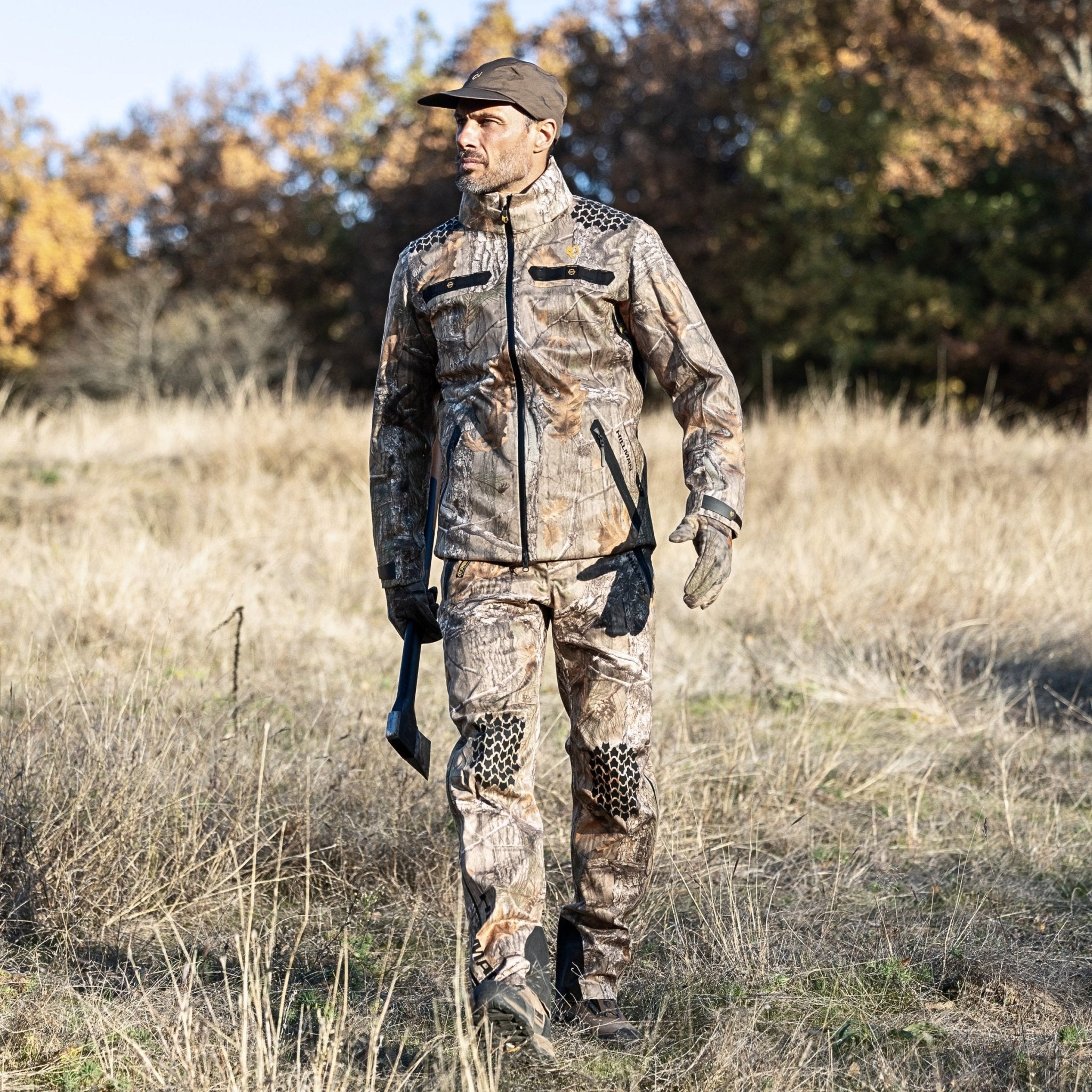
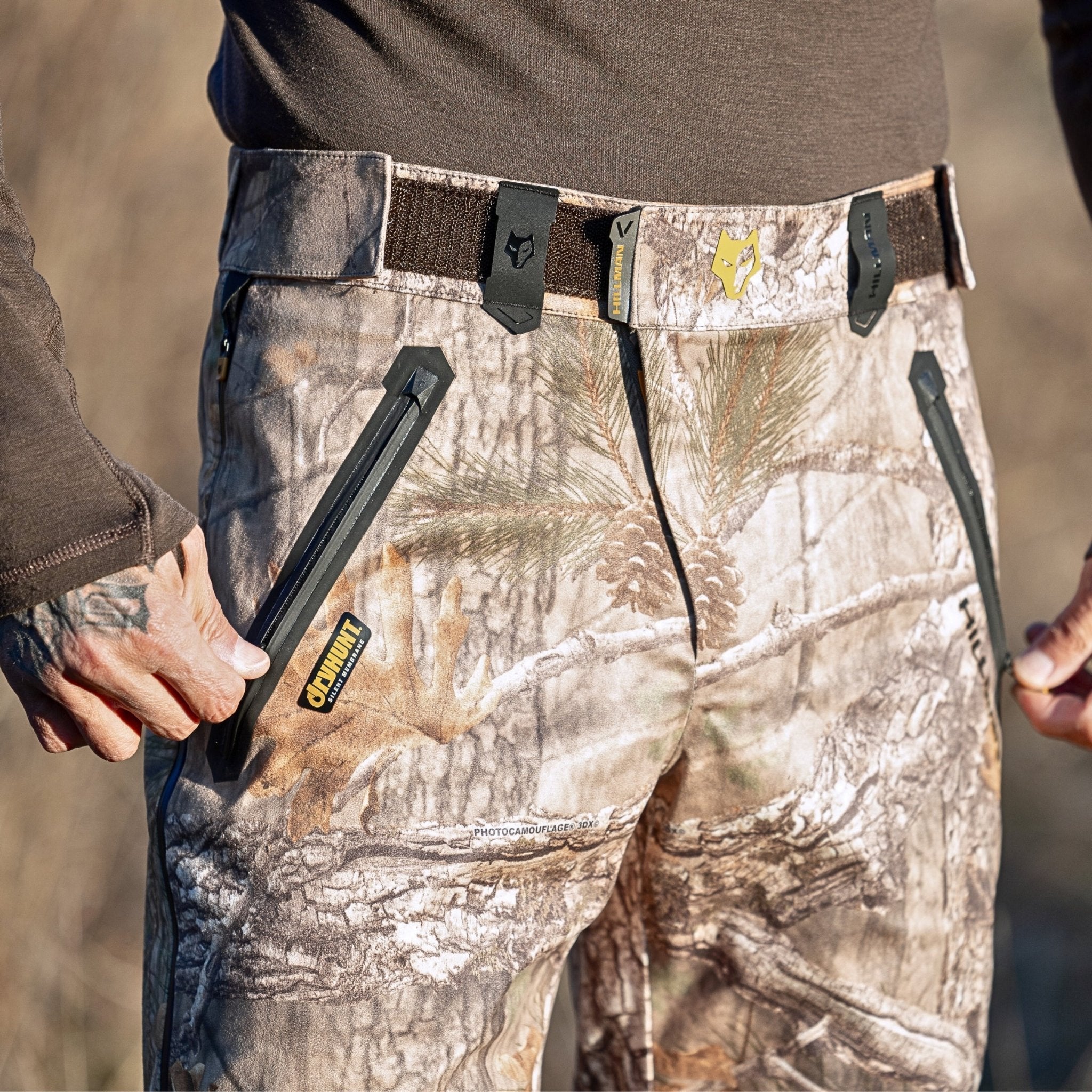
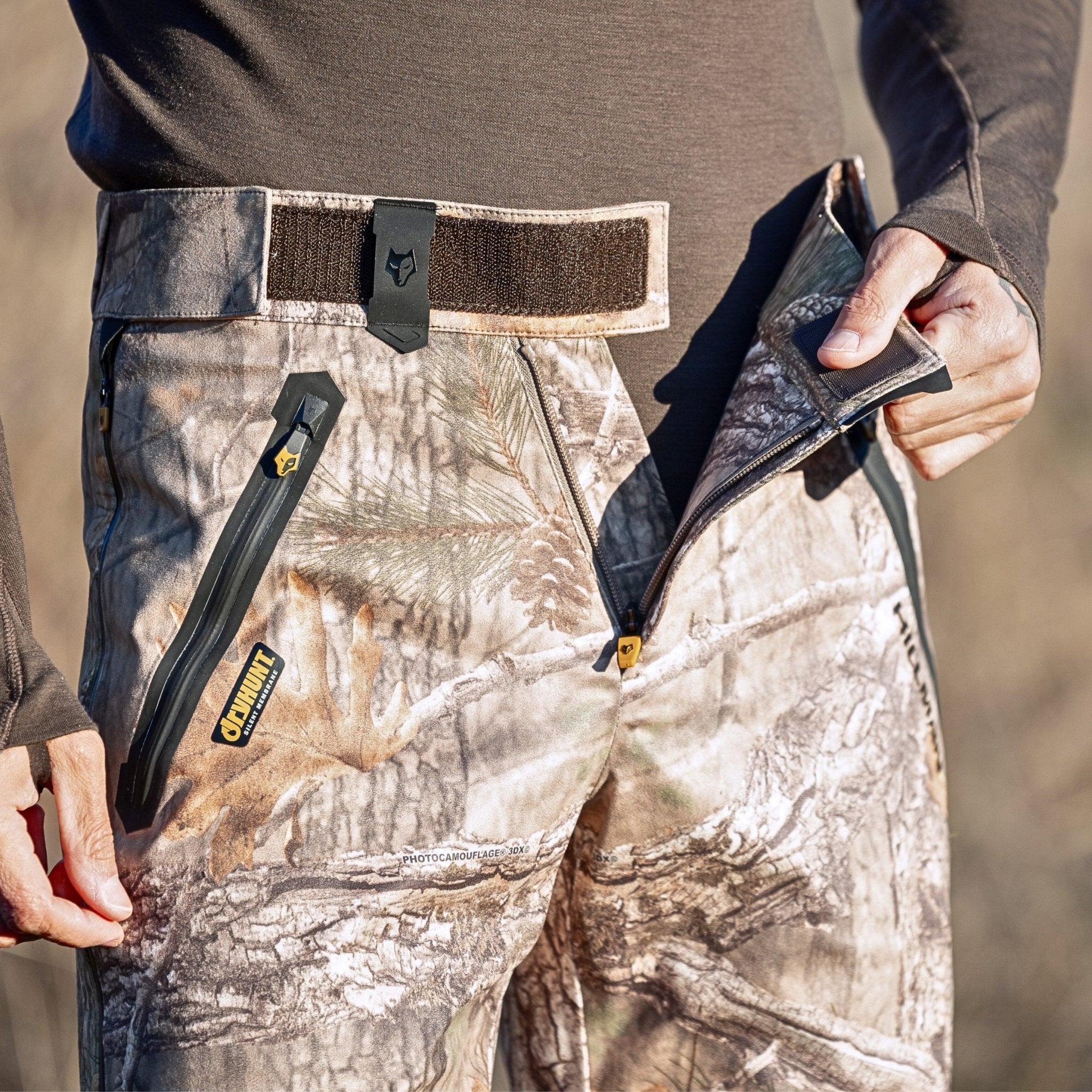
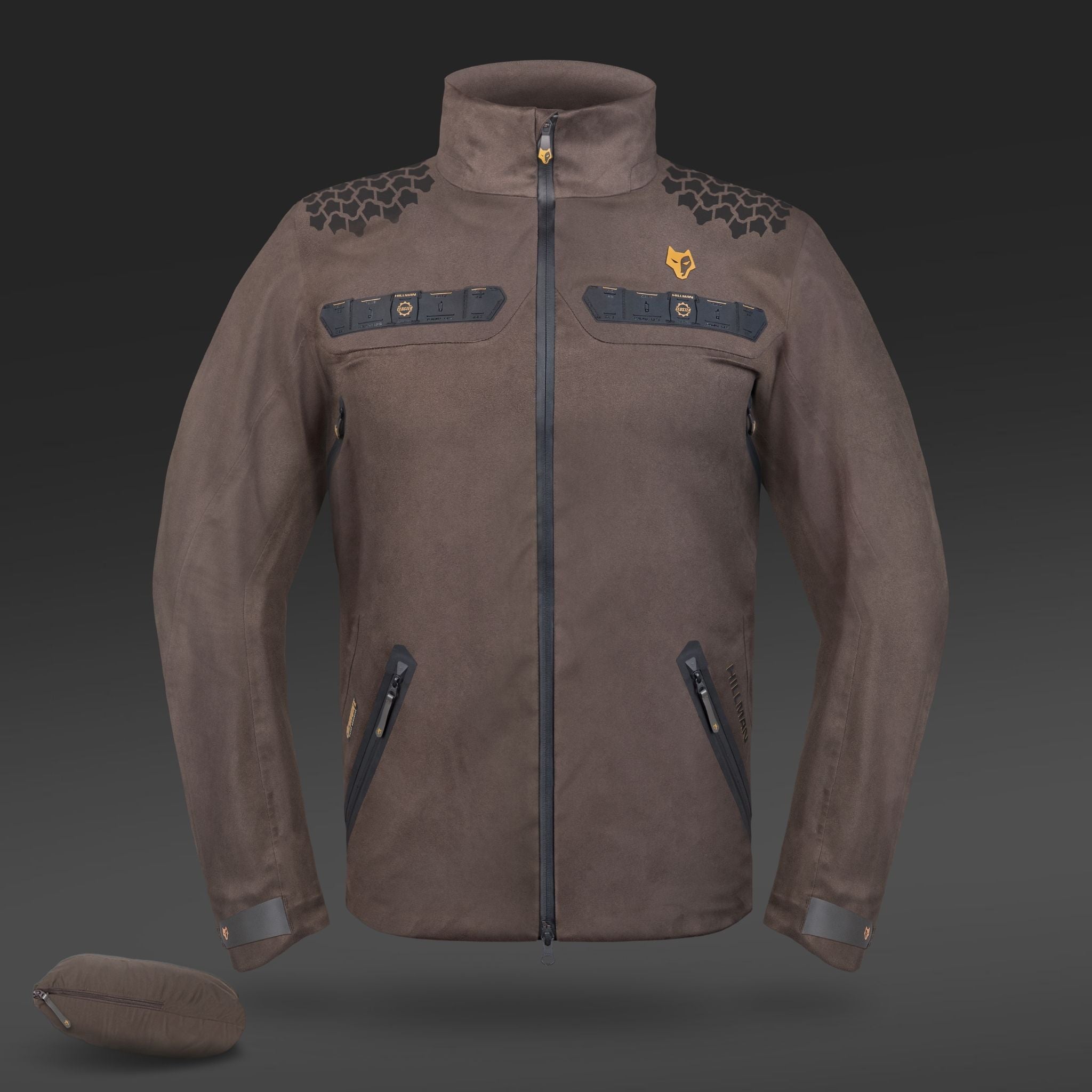
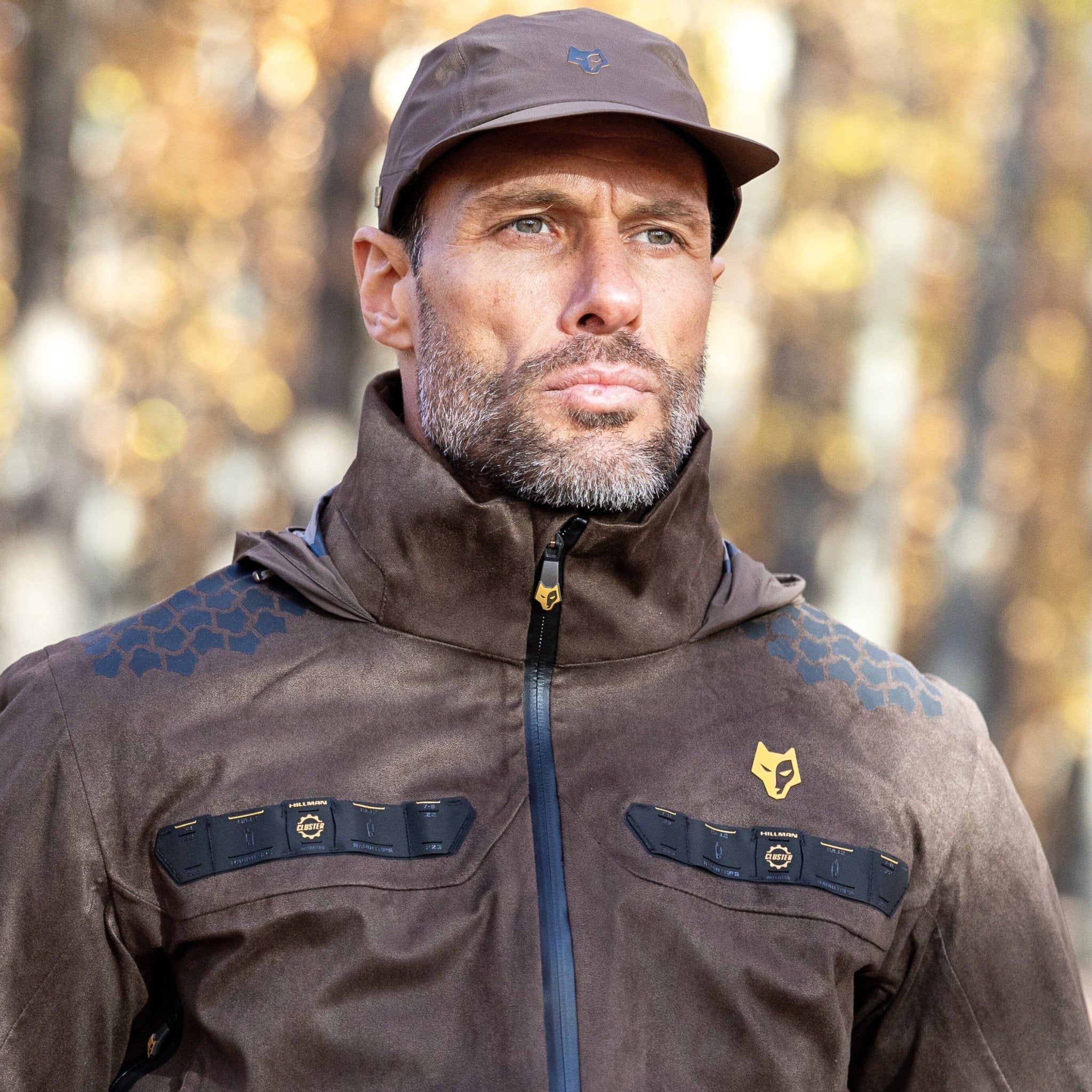
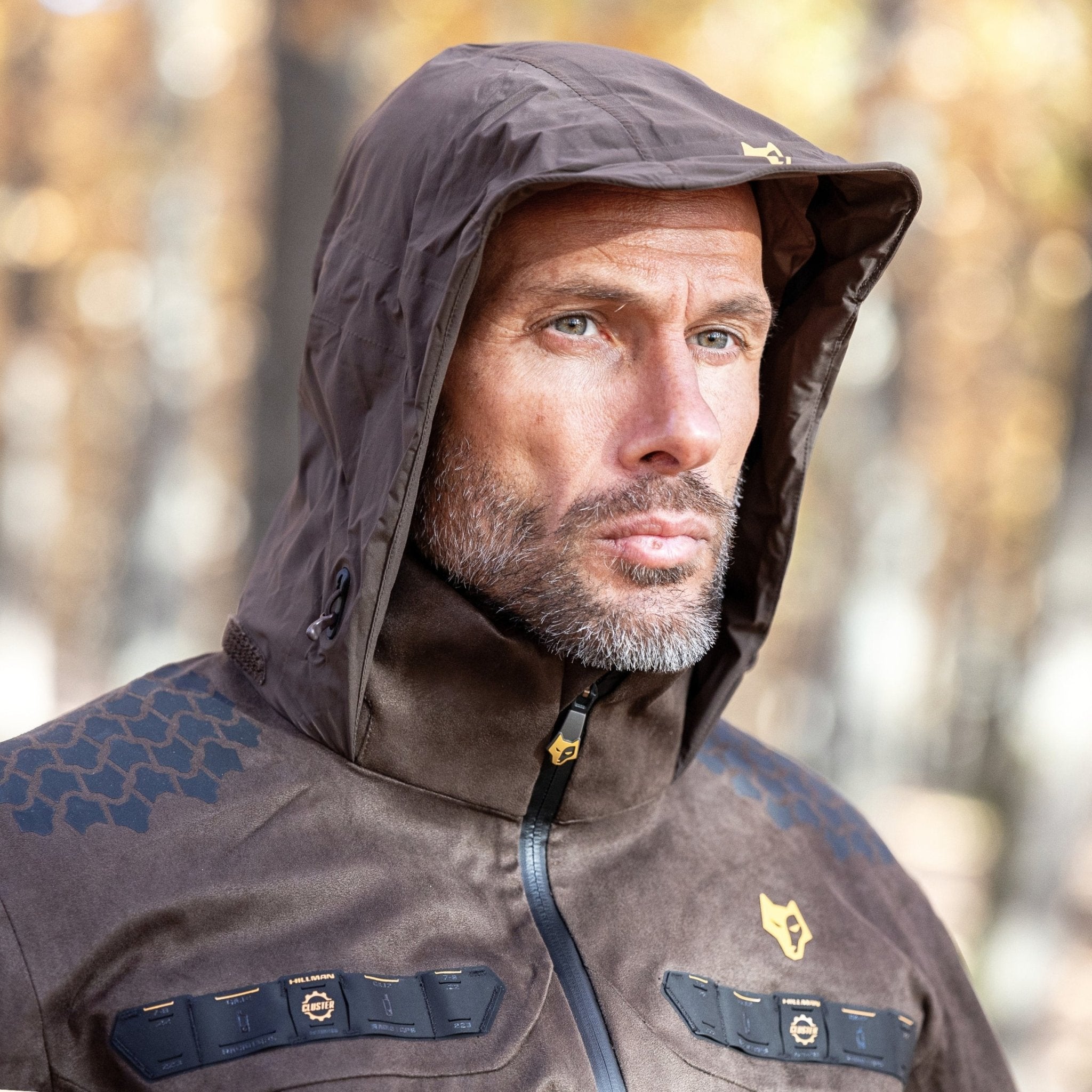
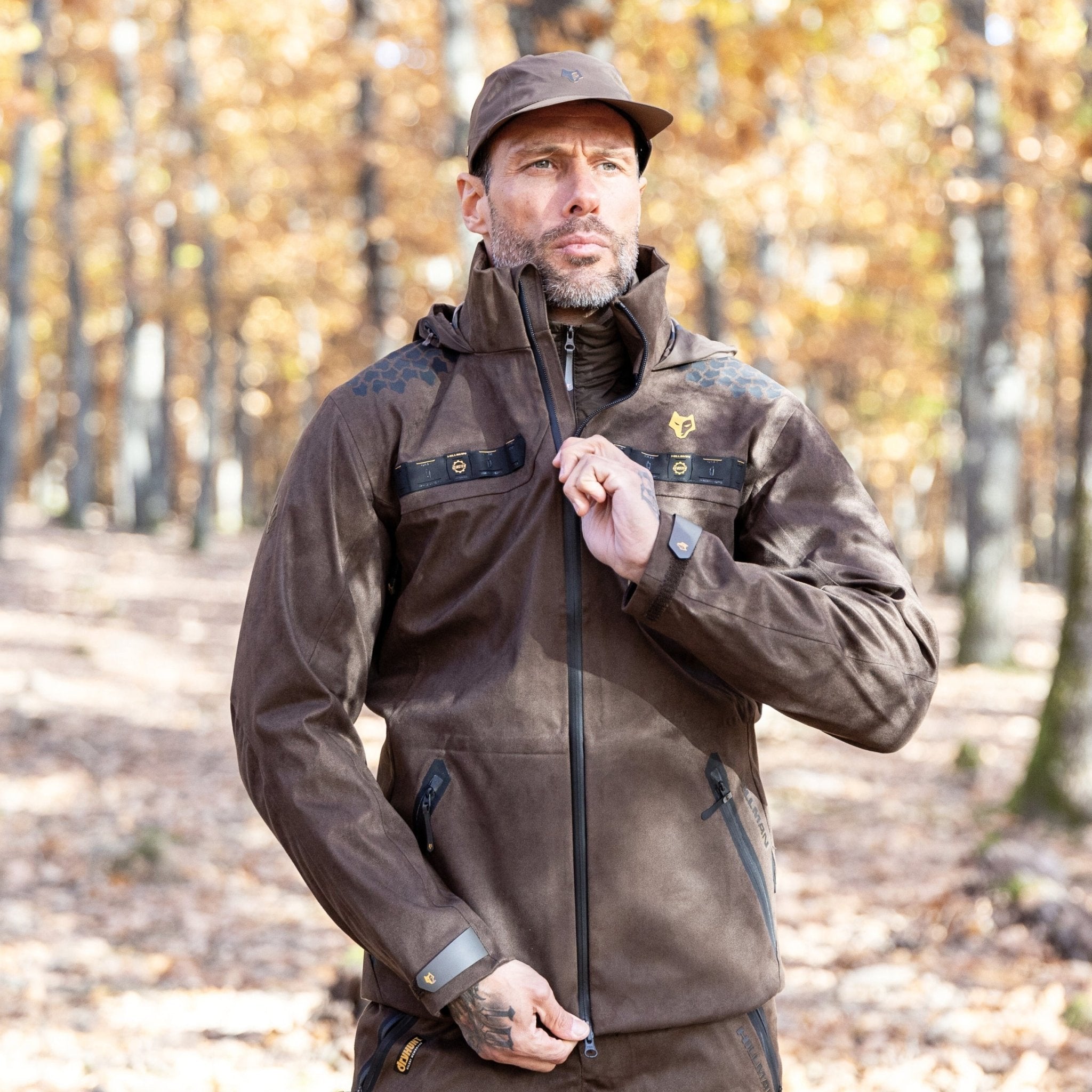
With the right dog, and the right clothes for wet grass, bramble and long stops, the work becomes quieter. Hillman belongs naturally in that kind of field routine, where comfort only matters because it helps the person stay patient.
Dogging In Around Heavy Cover

Heavy cover is both useful and awkward. Birds need it. They rest in it, feed near it, and use it when they feel exposed. But heavy cover can also hide problems. You may hear birds but not see them. You may think they are settled when they are actually running through the bottom. You may send the dog in from the wrong side and push everything exactly where you did not want it to go.
The handler should stand where he can influence movement without blocking the birds so hard that they panic. The dog should work enough to make birds think, not enough to make them explode. Sometimes a soft approach from behind is right. Sometimes it is better to appear on a flank and let the birds turn themselves. Occasionally, doing nothing is the best decision.
That is not laziness. It is fieldcraft.
What Pickers Up Should Notice Between Drives

Pickers up are often the people who see the truth of a shoot day. They stand back. They watch birds after the guns have fired. They know where shot game has fallen, where runners have gone, where wounded game may have crossed a ride, and where dogs are likely to be needed quickly.
A good team of pickers up is essential to the enjoyment and success of a day’s shooting. It also prevents suffering and waste of game. Shot game should be retrieved efficiently, and wounded birds must be picked up and humanely dispatched as soon as possible. That job is not a side note. It is central to doing things properly.
Between drives, pickers up should watch bird behaviour as well as fallen game. Birds that drop behind the line, runners that head into cover, or birds that appear to fold and then move again all need attention. The picking up team should understand the shoot captain’s instructions, know where the next drive is, and avoid interfering with the beating line or guns.
Dogs used for picking up must be steady and honest. They should not chase running game for sport, charge into the next drive, or disturb birds that are being held. A dog that can sit quietly, mark well, retrieve cleanly and stay under control is worth more than a dog that looks busy all day.
There should be mutual respect between guns and pickers up. Guns need to understand that pickers up are not standing there for decoration. Pickers up need to work without spoiling the shooting experience. When both sides show courtesy, the day feels better for everyone.
Picking Up Without Spoiling the Next Drive
Picking up after a drive is not simply a race to collect everything before moving on. There is always a balance. Wounded game must be dealt with quickly, but unnecessary disturbance can damage the next drive. That is why communication matters.
The shoot captain may want the picking up team to work certain areas first. A keeper may know that birds are sitting close to a hedge and should not be pushed yet. A gun may have seen a bird land in a particular patch of cover. Someone in the line may have heard a runner. All of that information matters, but only if people speak clearly and listen.
The best pickers up are calm under pressure. They do not send every dog at once. They do not allow young dogs to self-hunt through the whole wood. They mark, wait, pick, and move with purpose. If a bird is wounded, the dog should retrieve it immediately when safe and appropriate. If the next drive is close, the handler needs to think about wind direction, likely bird movement, and how much ground the dog should cover.
This is where a trained dog earns its place. The dog may need to ignore birds still flying, pass close to cover, hunt a narrow line, stop on the whistle, and return without dragging the whole team into the wrong place. That level of discipline does not appear on the morning of the shoot. It comes from summer training, steady exposure, and an owner who has not let the dog learn bad habits.
The Beating Line, The Guns And The Quiet Space Between

A shoot day depends on many moving parts. The beating line pushes the drive. The guns stand where they are placed. The picker up watches and waits. The keeper reads the day as it unfolds. The shoot captain holds the structure together. Between drives, all of these roles overlap.
That overlap can be messy if people forget etiquette.
Shooting etiquette is not just old-fashioned language. It is the unwritten set of rules that keeps the field safe, courteous and workable. Do not let dogs run through another person’s work. Do not stand where you have not been asked to stand. Do not make noise near birds that need to settle. Do not assume your dog, your gun, your vehicle, or your opinion is more important than the whole day.
Reading bird behaviour between drives helps with this because it encourages patience. You begin to see why the keeper pauses before moving. You understand why a dog is kept on the lead for a few minutes. You notice why the picking up team waits, then moves quickly. You learn that the best decision is often quiet and small.
There is also a safety point. Birds, dogs, guns, beaters, vehicles and uneven ground do not mix well with guesswork. A person moving in the wrong place at the wrong time creates risk. A dog out of control creates risk. A wounded bird left too long creates a welfare problem. The proper way sits somewhere between urgency and restraint.
When Birds Drift In The Wrong Direction

Every keeper and handler knows the feeling. A few birds are exactly where they should not be. They may be walking towards a neighbouring boundary, a lane, a garden, or open ground where they will be difficult to hold. This is where dogging in has to be measured.
First, decide whether the birds really need moving. Sometimes they are only feeding and will return on their own. Sometimes they are following a familiar route back to cover. Other times, they are clearly leaving. The difference is in the head, the pace and the line of travel. Birds that are relaxed may stop, peck, look around and move in short spells. Birds that are set on going often travel with more purpose.
Second, think about where you want them to go. It is no use pushing from one bad place into another. Take the wind, cover and escape routes into account. Do not send the dog straight at them unless you want them to fly or scatter. A gentle side pressure may turn them better.
Third, stop once the job is done. This is hard for some people. They want to tidy everything. They want every bird tucked neatly where it belongs. The natural world does not work like that. Push too far and you turn a small correction into a full disturbance.
Training For The Job Before The Season

Training should begin long before the first proper shoot day. A young dog needs basics before it ever meets a situation full of pheasants, guns, people and excitement. Sit, stay, recall, hunting close, stopping to the whistle, walking on a lead, ignoring distraction and retrieving cleanly all matter.
Breed plays a part, but training and temperament matter more. A spaniel may be the traditional choice for this kind of work because it can hunt cover with energy, but the wrong spaniel in the wrong hands is still the wrong dog. A steady dog with a sensible owner is the better partner.
Summer is useful for building habits. Not hard pressure. Not endless drilling until the dog loses heart. Just regular work, calm handling, and similar experience that teaches the dog how to switch from fun to job. Letting a dog chase for half the year and then expecting perfection in season is not fair.
The handler also needs training, though people rarely say that. Watch birds. Learn the ground. Listen to the keeper. Ask for further information if you are unsure where to stand or how far to work. Do not guess because pride gets in the way. God knows enough people have ruined a simple job by pretending they knew more than they did.
A dog can only be as clear as the person handling it.
Small Details That Make A Big Difference

The quiet details often decide whether dogging in and picking up run smoothly. A whistle that means the same thing every time. A dog that waits before being cast off. A handler who notices wind direction. A picker up who marks a bird properly instead of waving vaguely at a piece of cover. A gun who tells the team about a runner. A shoot captain who gives clear instructions before the next drive.
Food also influences birds more than people sometimes admit. If feeding pulls birds into the wrong place, the birds are not being difficult. They are being birds. If cover is poor, they will look elsewhere. If they are constantly disturbed, they will shift their pattern. If pigeons, rabbits or other animals are using the same ground, pheasants may follow movement and opportunity.
Morning observations can be especially useful. Birds often reveal where they have spent the night and how they intend to move towards food. Later in the day, especially between drives, they may show where pressure is pushing them. Over several weeks, these little notes become a map in your head.
The handler who remembers these things needs less force. The one who forgets them uses more dog, more noise and more luck.
Doing The Job Properly
Dogging in done properly is quiet, patient and slightly unglamorous. It does not always look impressive. There may be no big flush, no dramatic chase, no story worth telling at lunch. A few birds turn back into cover, the dog comes in to heel, the handler waits, and the day carries on.
That is often the sign that it has been done well.
Between drives, reading bird behaviour helps everyone. It helps the keeper judge what is happening. It helps pickers up recover shot game without spoiling the next drive. It helps the beating line understand why timing matters. It helps the guns enjoy a safer, better organised day. Most importantly, it helps reduce unnecessary disturbance and avoid suffering.
Birds, dogs and people all leave clues. The skill is noticing them before something goes wrong.


Share:
Roebuck Calling in Thick Cover: How Close Is Too Close
Rough Shooting Hedgerows: How to Move a Line