
Rough Shooting Hedgerows: How to Move a Line Without Emptying the Ground

Learn how to work hedgerows in rough shooting without pushing game off the ground before the line has a fair chance.
Rough shooting hedgerows looks simple from a distance. A few guns, a couple of dogs, a line of thick hedges and the hope of a mixed bag before the light goes. In practice, it is one of the easiest forms of shooting to get wrong.
A hedge can hold pheasants, partridge, rabbit, pigeon, woodcock in nearby woodland, and even common snipe if the surrounding ground turns boggy. It can also empty in seconds. One careless dog, one gun walking too tight to the cover, one noisy pause while people talk across the line, and the birds are gone out the other side before anyone has stood properly.
That is the real skill in rough shooting. It is not just walking and waiting for game birds to break cover. It is reading the ground, slowing the line, knowing when to stand still, and understanding how much pressure the cover will take at that moment.
Driven shooting has its own rhythm, but rough shooting is more personal. The rough shooter is close to everything: the dogs, the hedge, the wind, the flush, the mistake. You feel the countryside under your boots. There is fresh air, good company, and a bit of anticipation in every step. But if the line moves badly, the ground pays for it.
Rough Shooting Is Not Just Walking Through Cover

A small shoot can be far more demanding than it looks. There may be only a few guns, perhaps dad, a friend, and one or two other guns who know the land well. That does not make the job casual. In some ways, it makes it harder.
On a shoot day with a rough set-up, every person has to understand their point in the line. One gun may need to hang back by the trees. Another may need to cover a gateway. The dog handler may have to keep spaniels close enough to work, but not so far ahead that they flush game out of range. Nobody can switch off.
Rough shooting is often about quarry species that do not behave in one tidy form. Pheasants may run the hedge rather than fly. Rabbits may sit tight until the last yard. Pigeons may lift early from the top of trees. Snipe can rise from wet ground like they have been fired from it. Woodcock may use woodland edges and vanish through gaps that look impossible.
That variety is the fun of it, but it also means the team cannot treat every hedge the same. The right move depends on the cover, the wind, the dogs, the season, and what has already happened on that ground.
Keep the Line Off the Hedge

One of the common mistakes in rough shooting hedgerows is walking too close to the hedge bank. It feels natural. The cover is there, so people crowd it. The trouble is that this often gives birds only one choice: leave.
Standing and walking a few yards off the hedge usually works better. It gives the guns better visibility, improves the shooting angle, and reduces the chance of early flushing. It also gives dogs space to work without being forced into the thickest cover at full speed.
The other side matters too. If there are two teams, they should not mirror each other so tightly that the hedge becomes trapped in a hard squeeze from both directions. Game birds under too much pressure will often run forward, break back, or burst out long before the line is ready. Sometimes the best line is not the neatest line. A staggered shape may hold better control.
The ground will often tell you what to do. A hedge with wide grass margins, old wood, berries, and quiet corners can hold birds well. A thin, overcut hedge with no food, no water and no low cover gives birds little reason to stay. In that case, heavy pressure simply teaches them to leave earlier next time.
Speed Is the Thing That Empties Ground
Most people blame dogs when a hedge empties. Sometimes they are right. But often the real problem is speed.
A line that moves too fast gives the handler no time to read the dogs and gives the guns no time to get set. Birds hear the rush, feel the pressure, and slip away. Rabbits break behind. Pheasants run ahead. A flush that should have happened at twenty yards becomes a wingbeat at sixty, or no shot at all.
Good rough shooting is slower than beginners expect. There are pauses. Not dramatic pauses, just enough time for the dogs to settle and for the line to breathe. When a spaniel gets interested, the whole team should know it. A head drops, the tail changes, the dog tightens into the scent. That is the moment when a good rough shot is already prepared, not still talking.
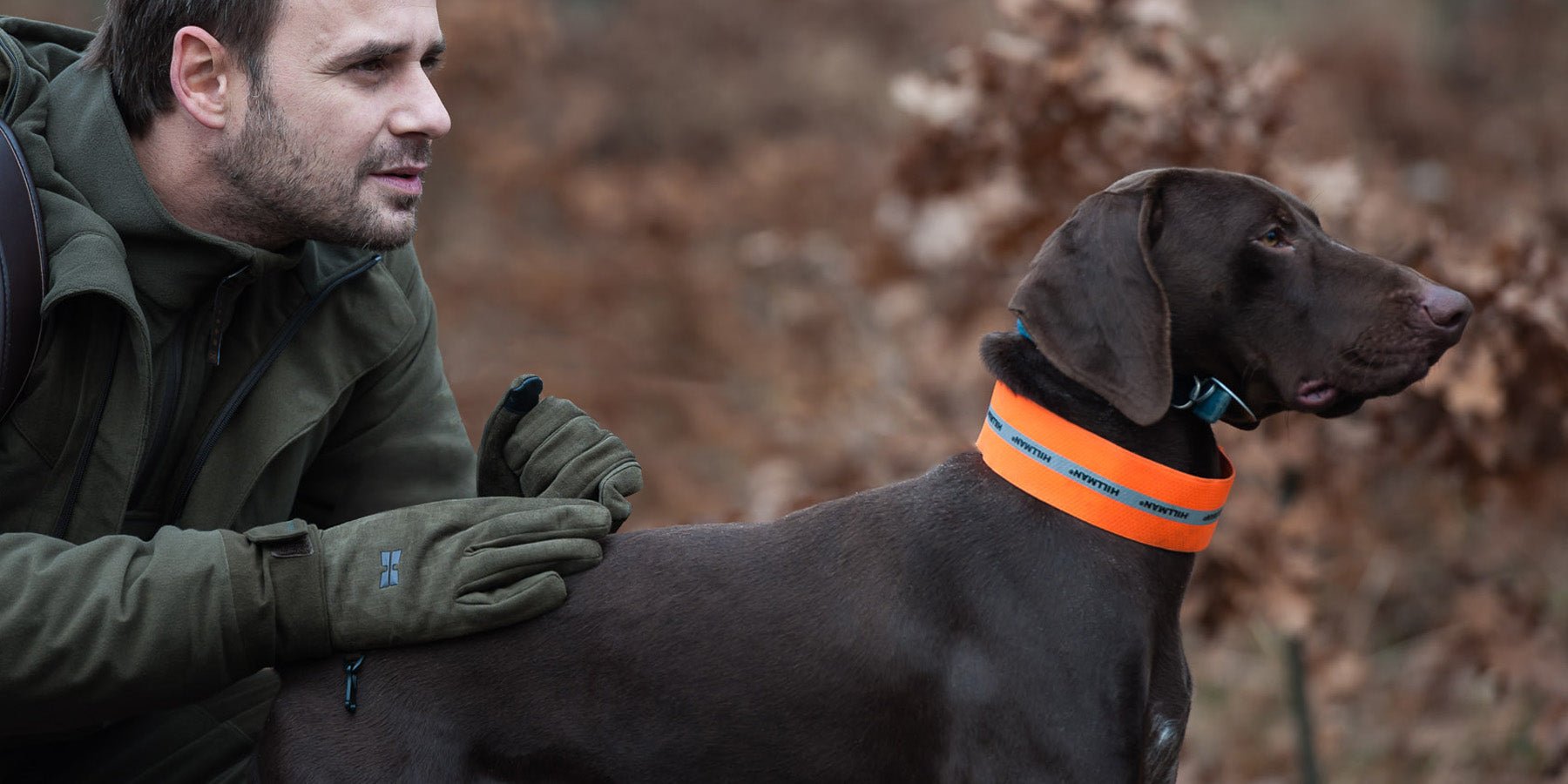
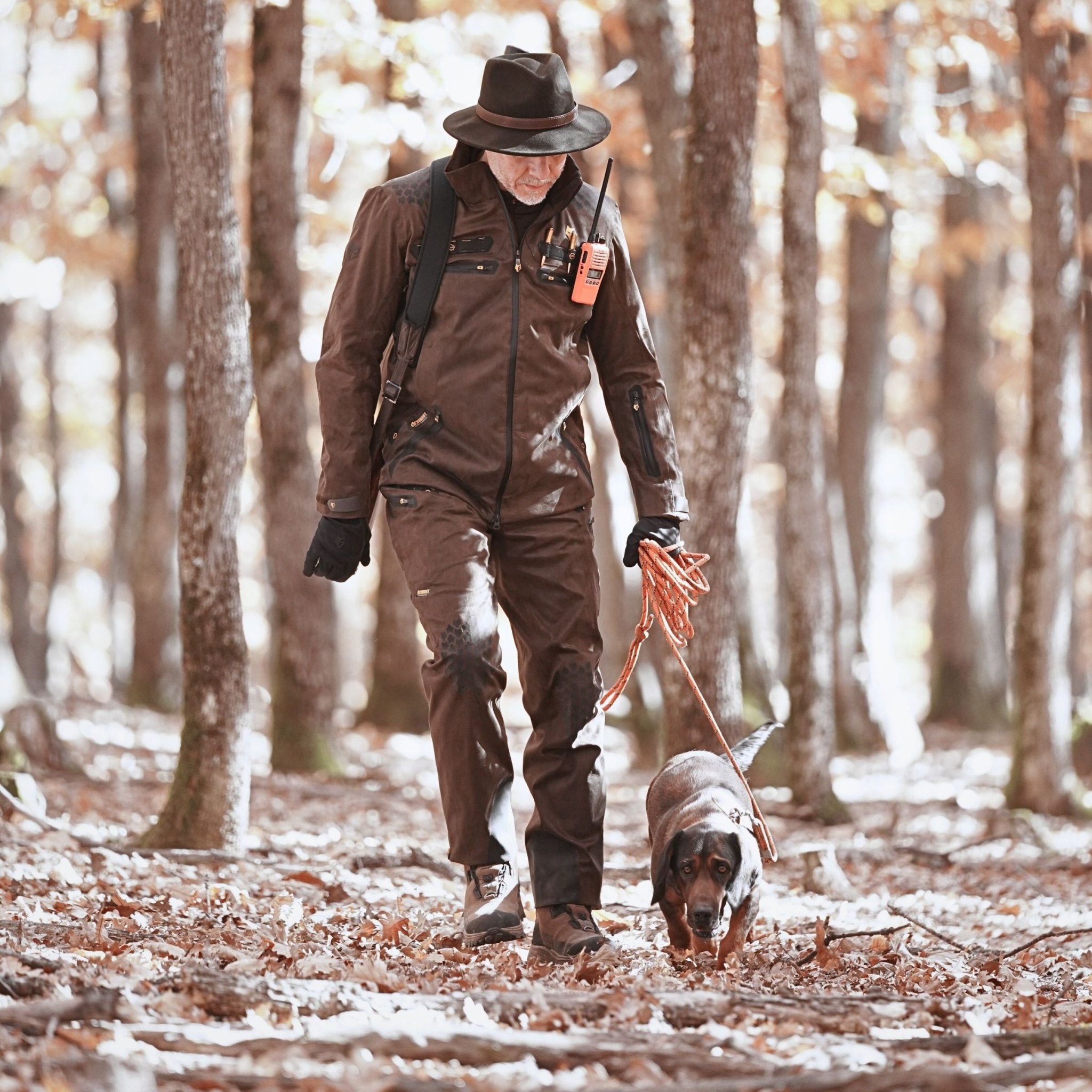
Keeping gundogs within 10 to 15 yards in front is often enough. In thicker hedges, even that may be too much if the dog is young or too hot. An inexperienced dog can empty a hedge in half a minute. Training and close control matter more here than style. The dog’s job is not to hunt the whole farm. It is to help the team flush game cleanly, safely and within range.
Use the Wind Instead of Fighting It

Wind direction is key in hedgerow work. Walking with the wind on your back may feel easier, but it often sends sound and scent ahead into the cover. Birds know you are coming before the guns are in the right place.
Downwind positioning can help keep dogs close to the handler because they must work scent with more discipline. It also reduces the chance of birds hearing the line approach too early. This does not mean the wind will solve everything. It simply gives the team a better starting point.
In a rough shooting situation, wind also affects safety and shot choice. Quarry can appear from almost any direction, especially on undulating land or where hedges meet woodland, ditches, or field corners. A rabbit might break across the line. A pheasant might rise low and curl back over another gun. Good shooters know when not to fire.
The safest teams are the ones that talk before the walk starts, not during the flush. Everyone should know the direction of movement, where the other guns will stand, where the dogs are expected to work, and which shots are out of bounds.
Dogs Should Build Pressure, Not Create Panic

The best dog work in rough shooting is controlled pressure. It does not look wild. It looks measured. The dogs push cover, pick up scent, and make game move without blowing the whole hedge apart.
Spaniels are often well suited to this work, but any dog without close control can cause problems. A dog that ranges too far ahead may flush game birds beyond the guns. A dog that dives through to the other side may push birds into land you cannot shoot. A dog that ignores the whistle may turn a useful hedge into an empty one for the rest of the season.
Understanding the behaviour of hunting dogs helps the rough shooter anticipate the flush. When a dog starts drawing towards a patch of bramble, a wet ditch, or a grass margin, the gun should already be balanced and aware. Waiting until the bird is in the air is late.
“Dogging in” has its place too. Using dogs to push birds back from boundaries into the centre of the shoot can help hold game on the land. Done badly, it becomes disturbance. Done quietly and consistently, it helps reduce the number of birds drifting out to neighbouring ground.
Habitat Decides Whether Birds Stay

A line can only work with what the ground gives it. Hedgerows that hold game usually offer more than a strip of cover. They provide food, shelter, quiet edges and safe routes between fields, woodland and water.
Pheasants and partridges are often found around hedgerows, stubble fields and field margins. Woodcock favour woodland and damp edges. Common snipe need boggy ground. Rabbits work banks, roots and rough grass. Pigeon may use trees, crops and open fields, though they are typically dealt with under the general licence, which means permission and the legal reason for control must be clear.
Feeders and water stations along hedge lines can help birds stay where you want them. Strategic feeding with holding mixes may also support this, especially where the surrounding land is short of natural food. But feeding alone will not fix poor cover.
Hedge management matters. Cutting every year too tightly can strip out berries, seeds and structure. Trimming every two or three years usually produces better food and cover. Older berry-producing wood should be protected where possible, so talking with landowners about hedge cutting timing is not just polite, it is practical.
A hedge around two metres high with vertical sides gives better shelter for nesting game birds. A wide, undisturbed grass margin beside it can provide nesting cover and insect-rich feeding for young chicks. Coppicing, done in winter by cutting stems near ground level, can create thick regrowth that becomes valuable cover later.
Avoid disturbing or shooting near hedgerows from March to August, when breeding pairs and other wildlife need quiet. The shooting season is only one part of the year. The close season is when much of next season’s success is made.
Kit Matters Because Bad Kit Changes How You Move

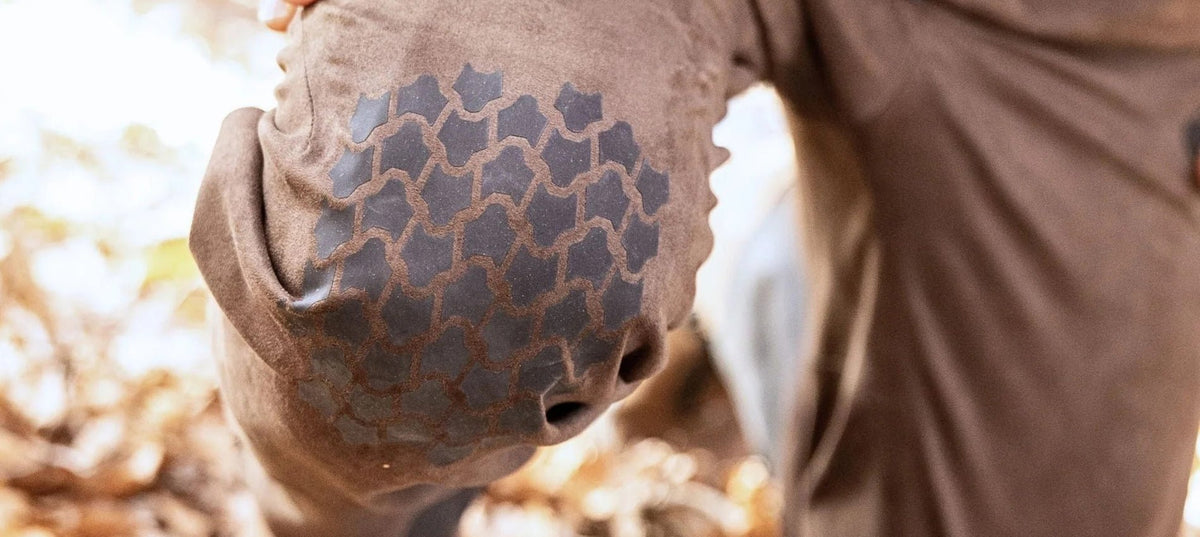
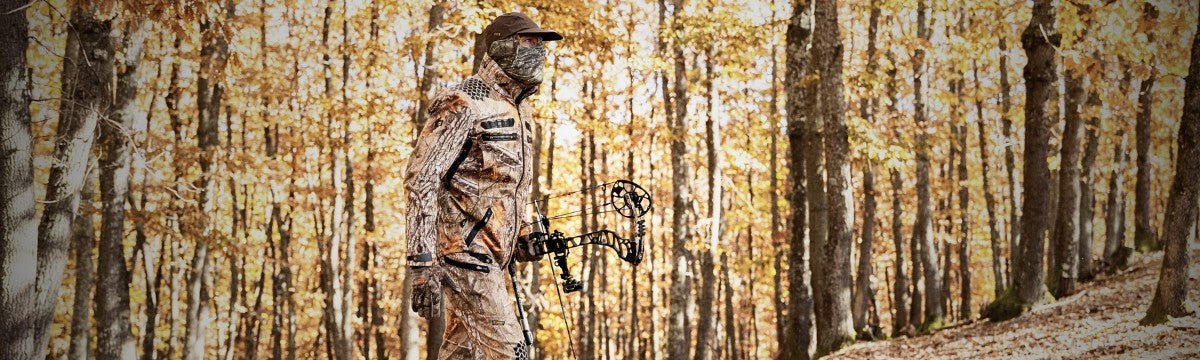
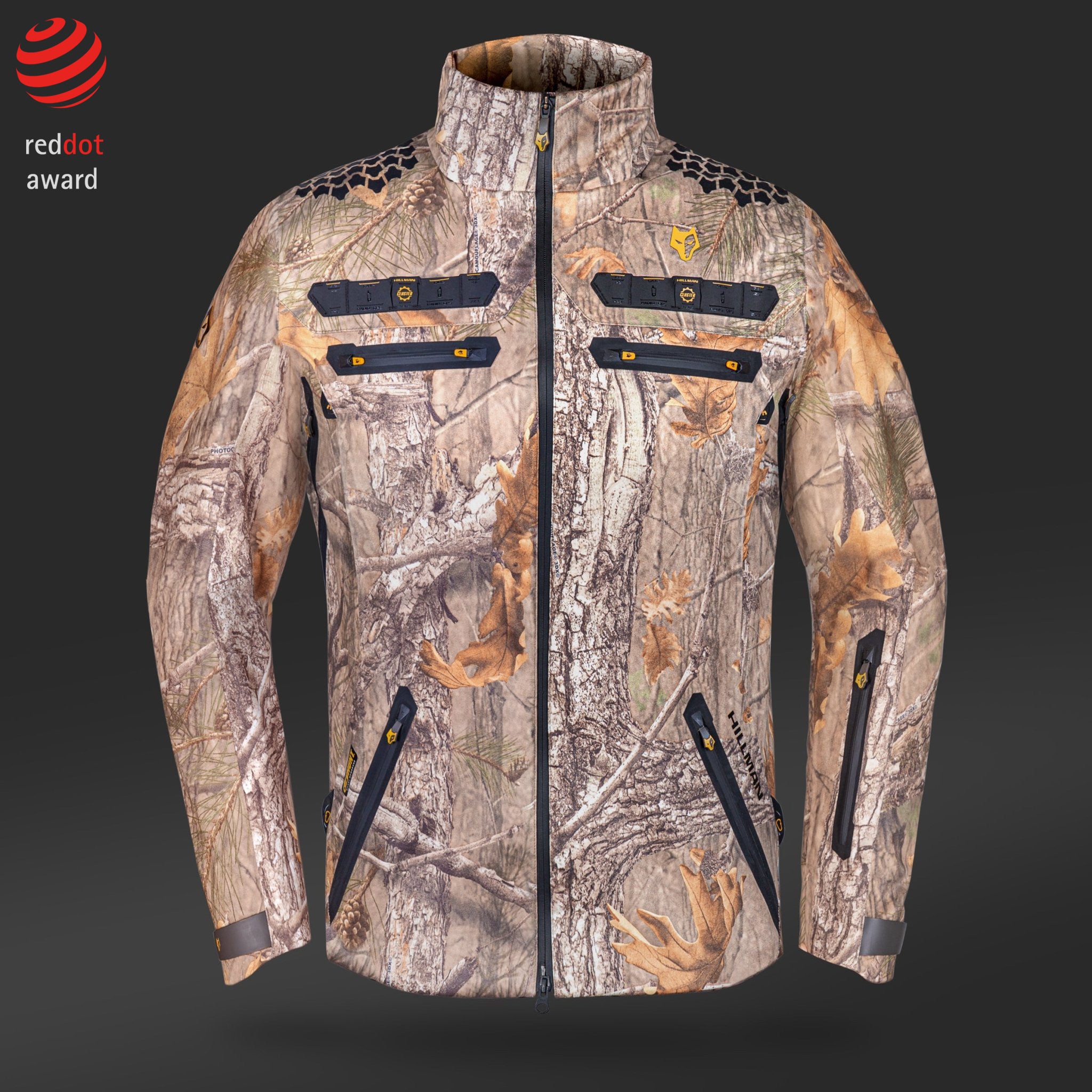
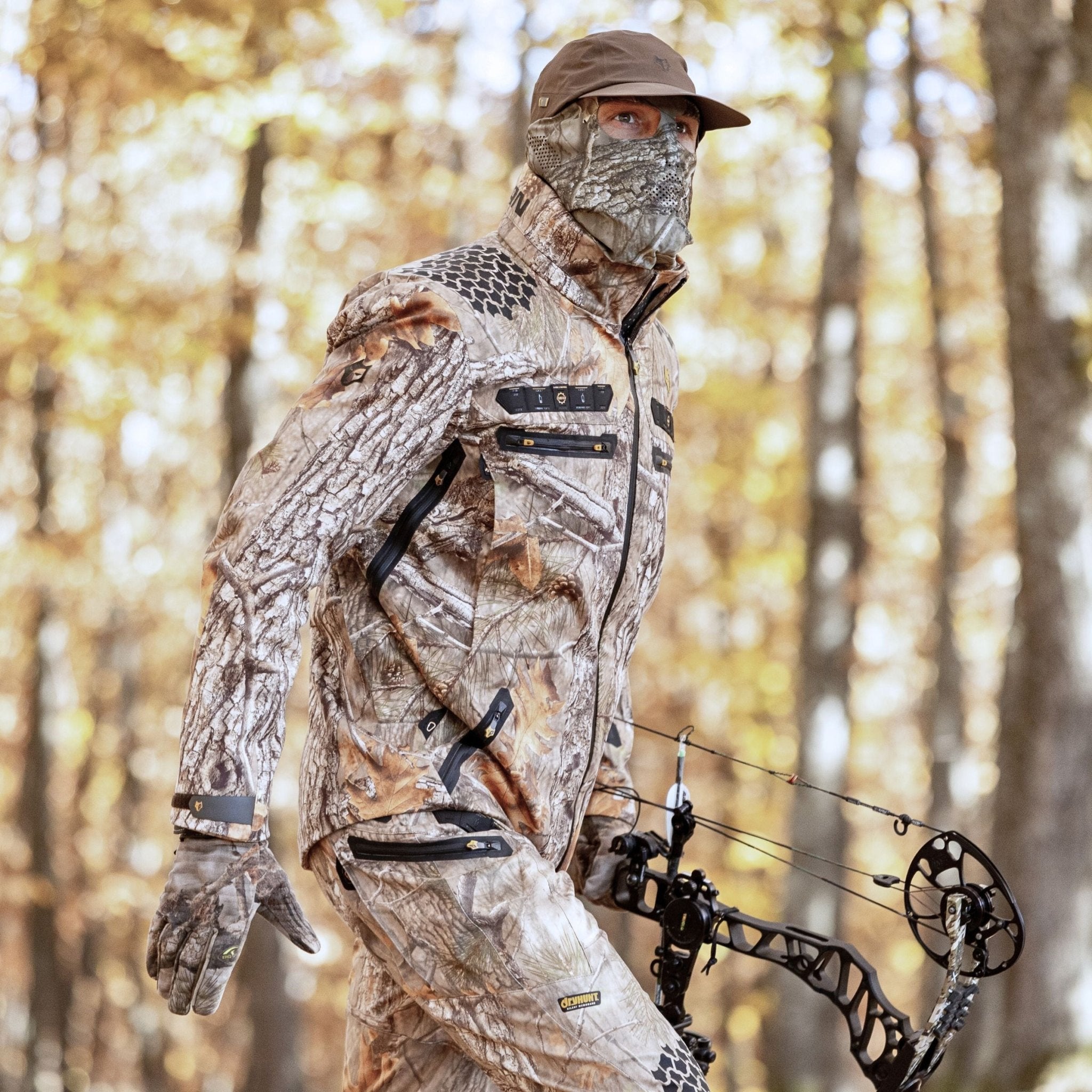
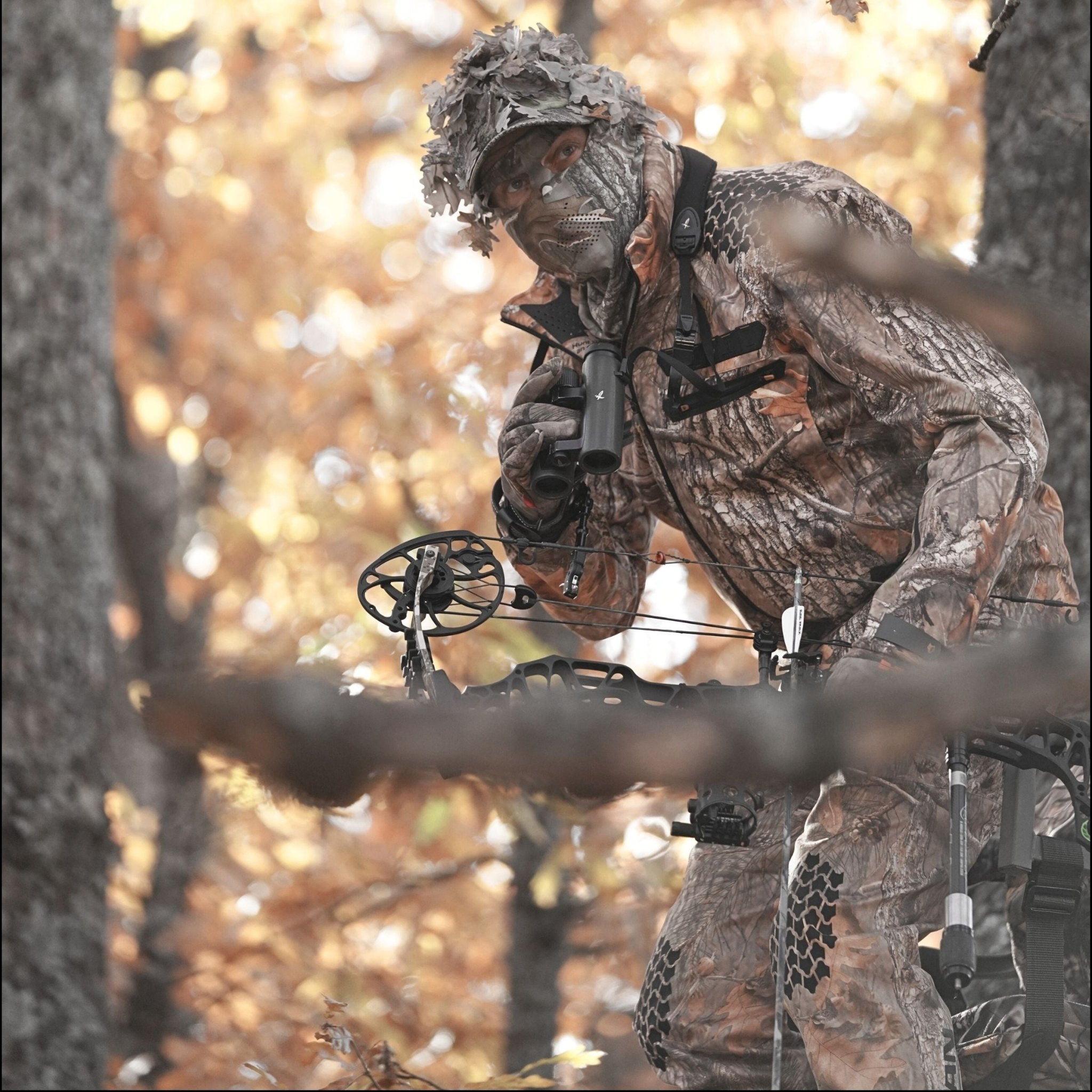
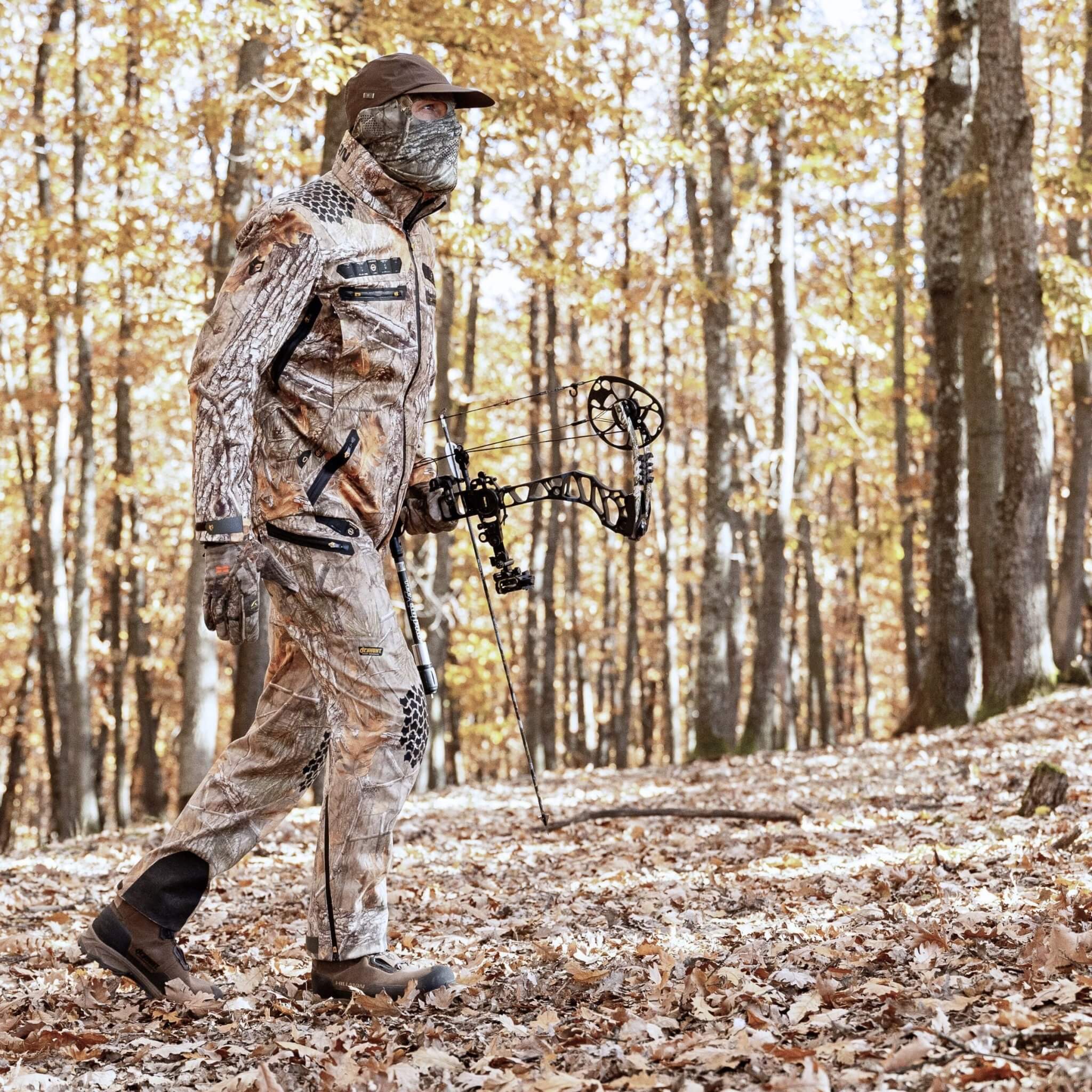
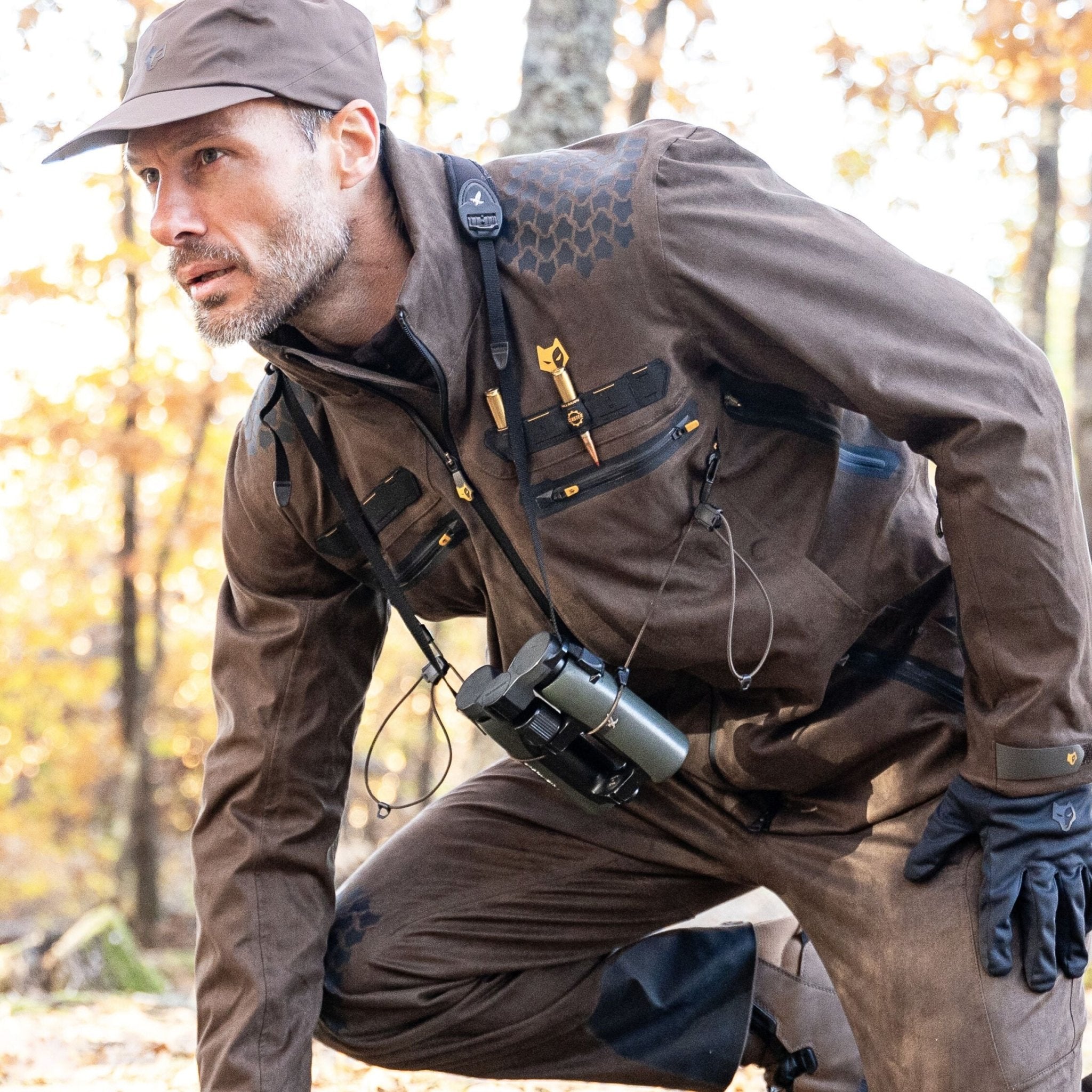
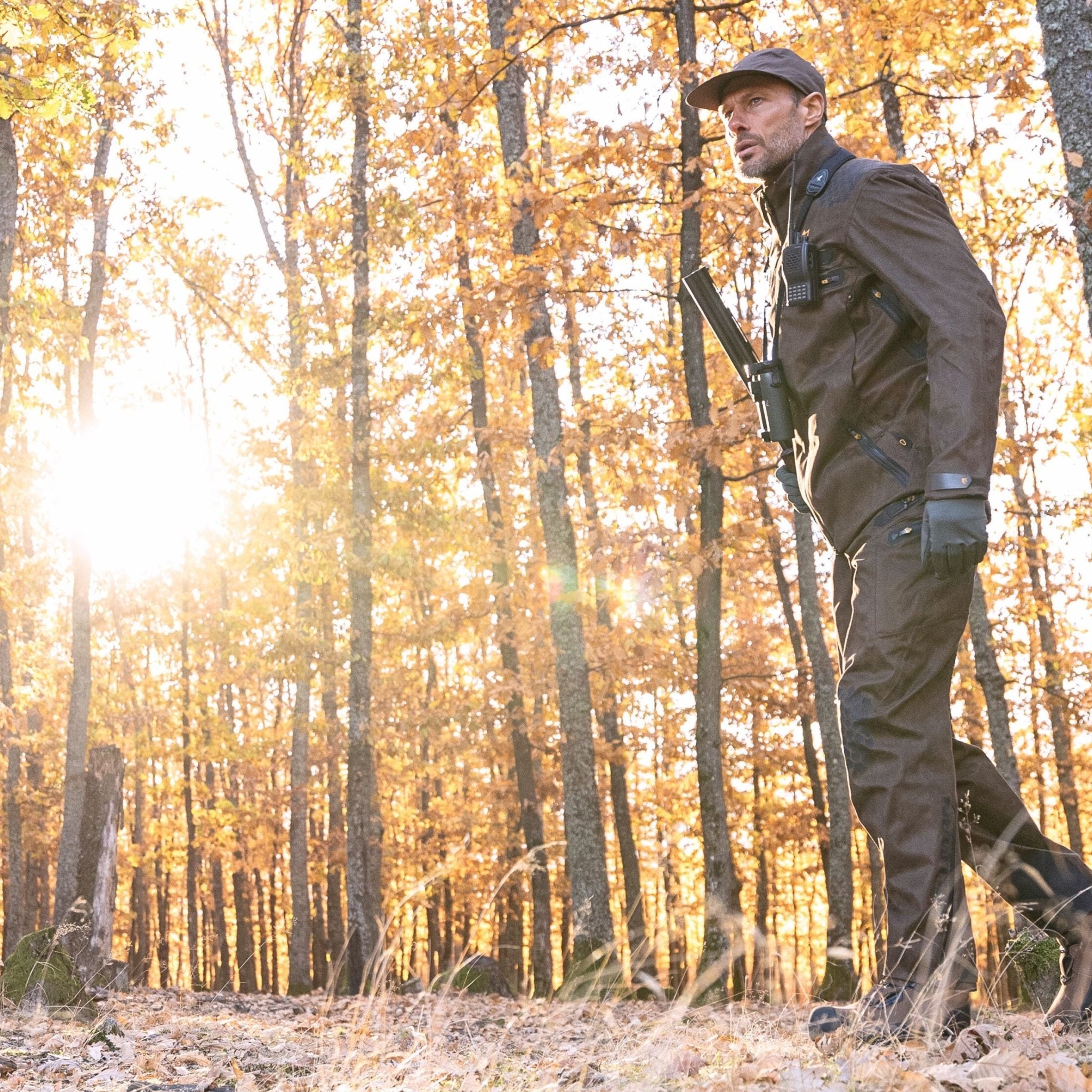
Rough shooting is hard on clothing. Brambles, wet grass, mud, cold wind and long walks all have a say. The right kit does not make someone a better shot, but poor kit can make them noisy, uncomfortable and careless.
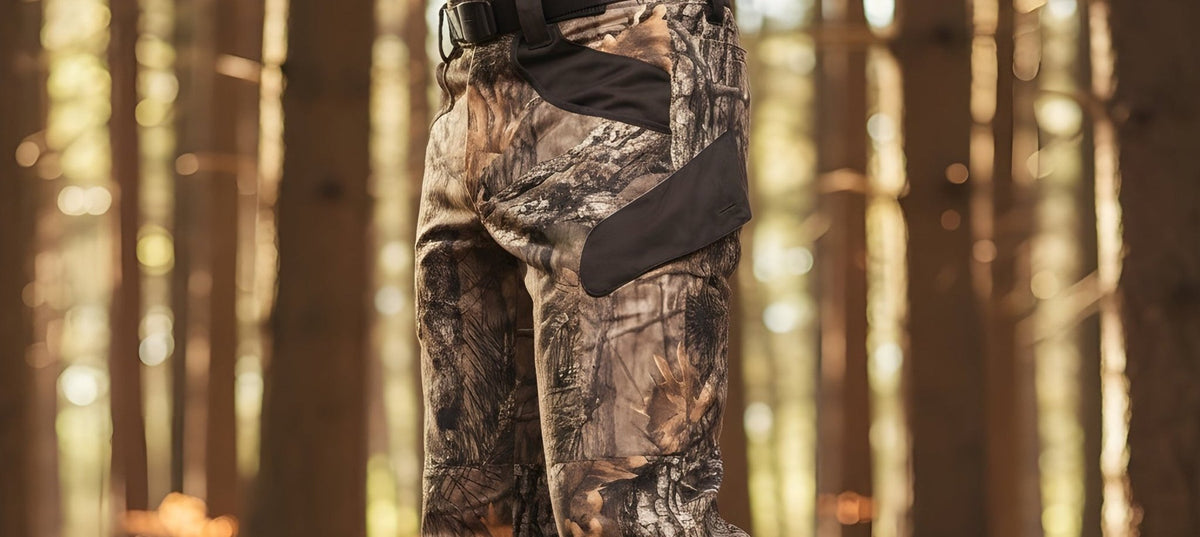
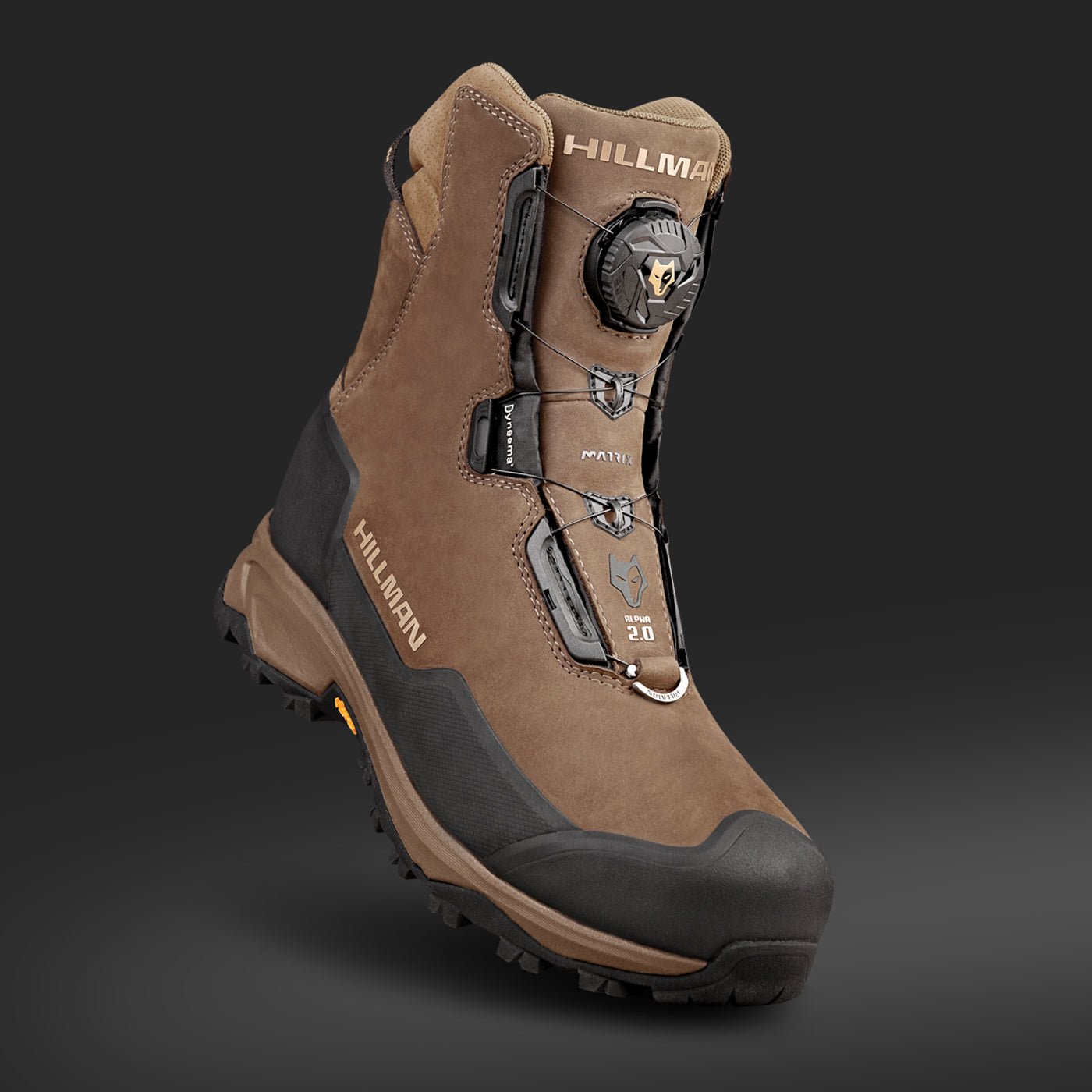
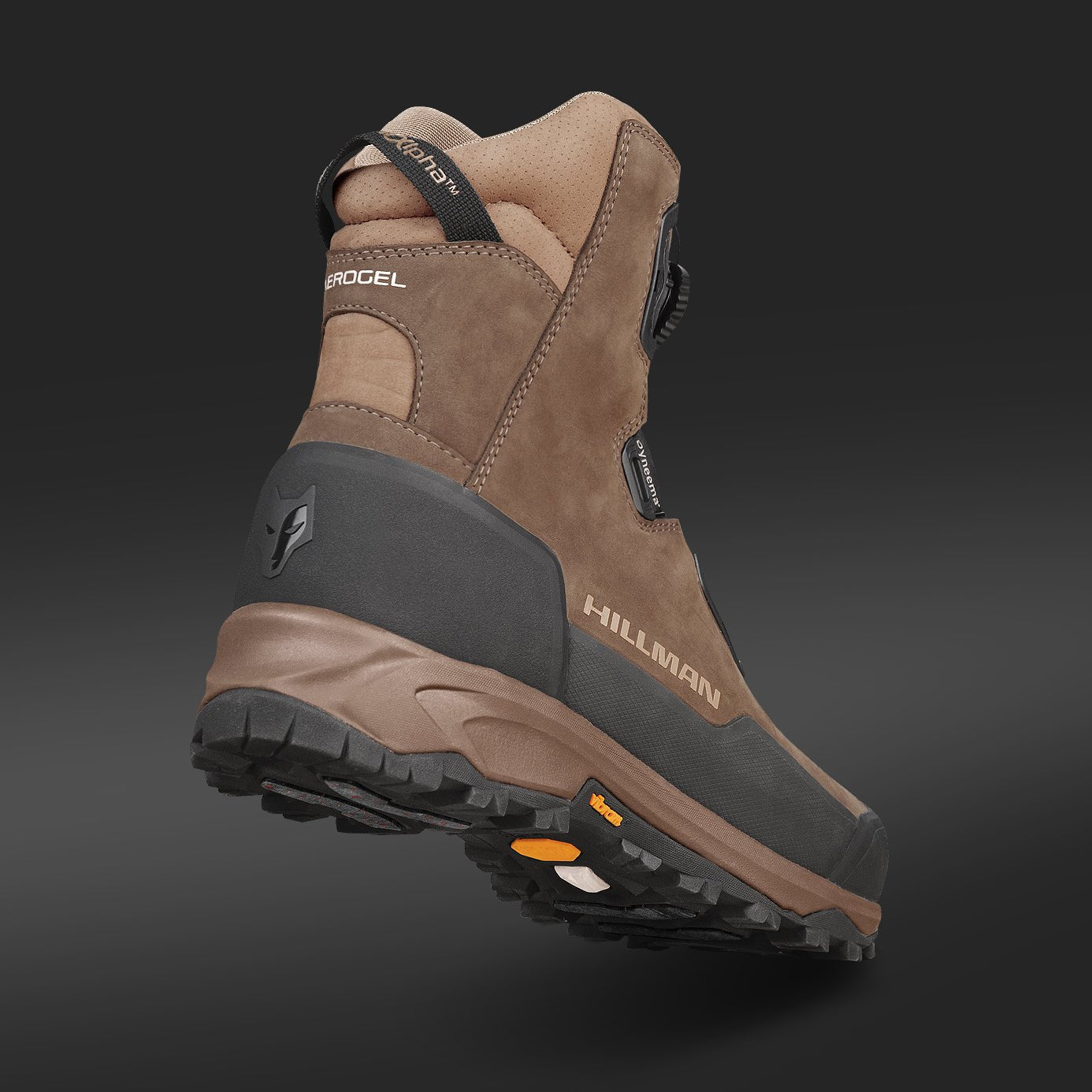
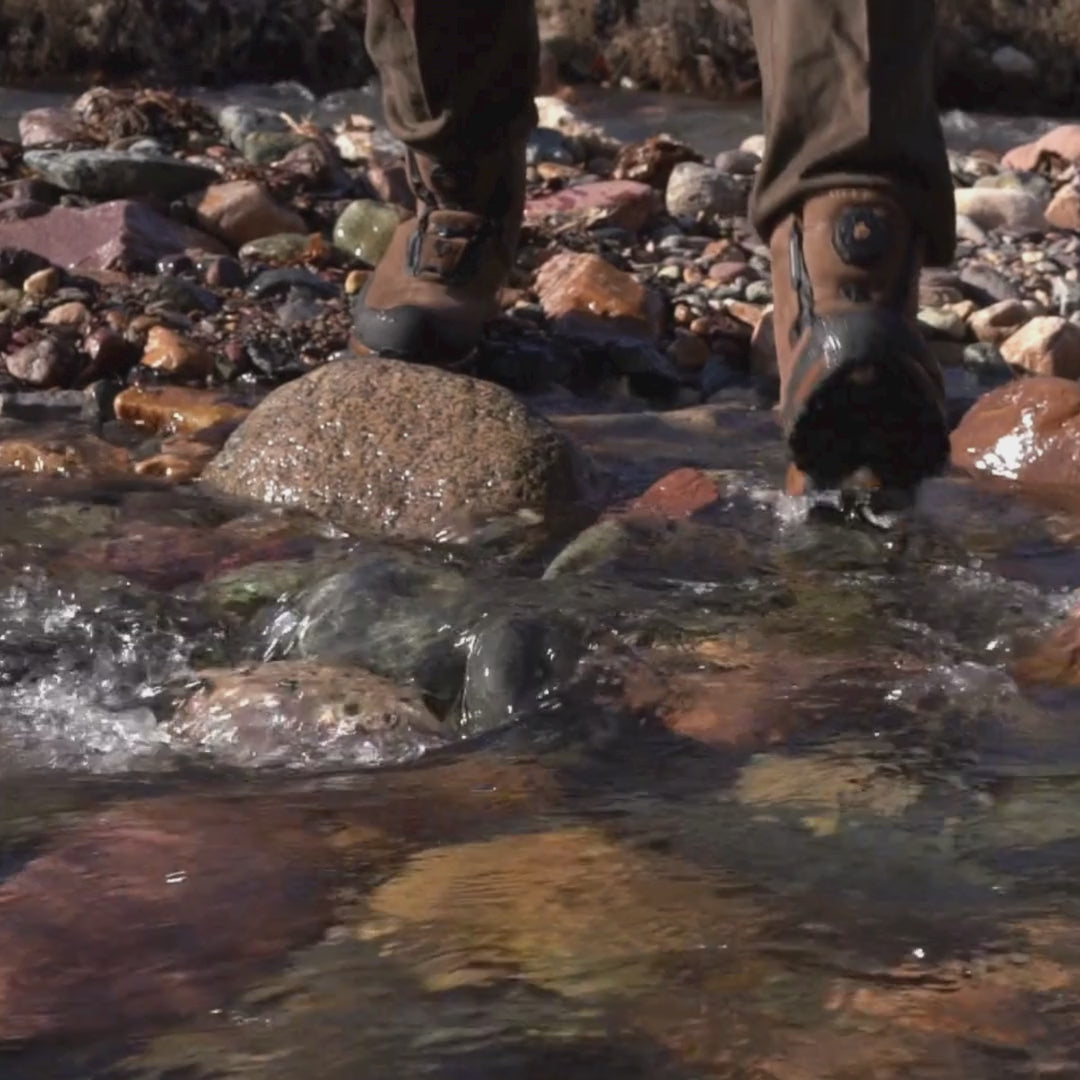
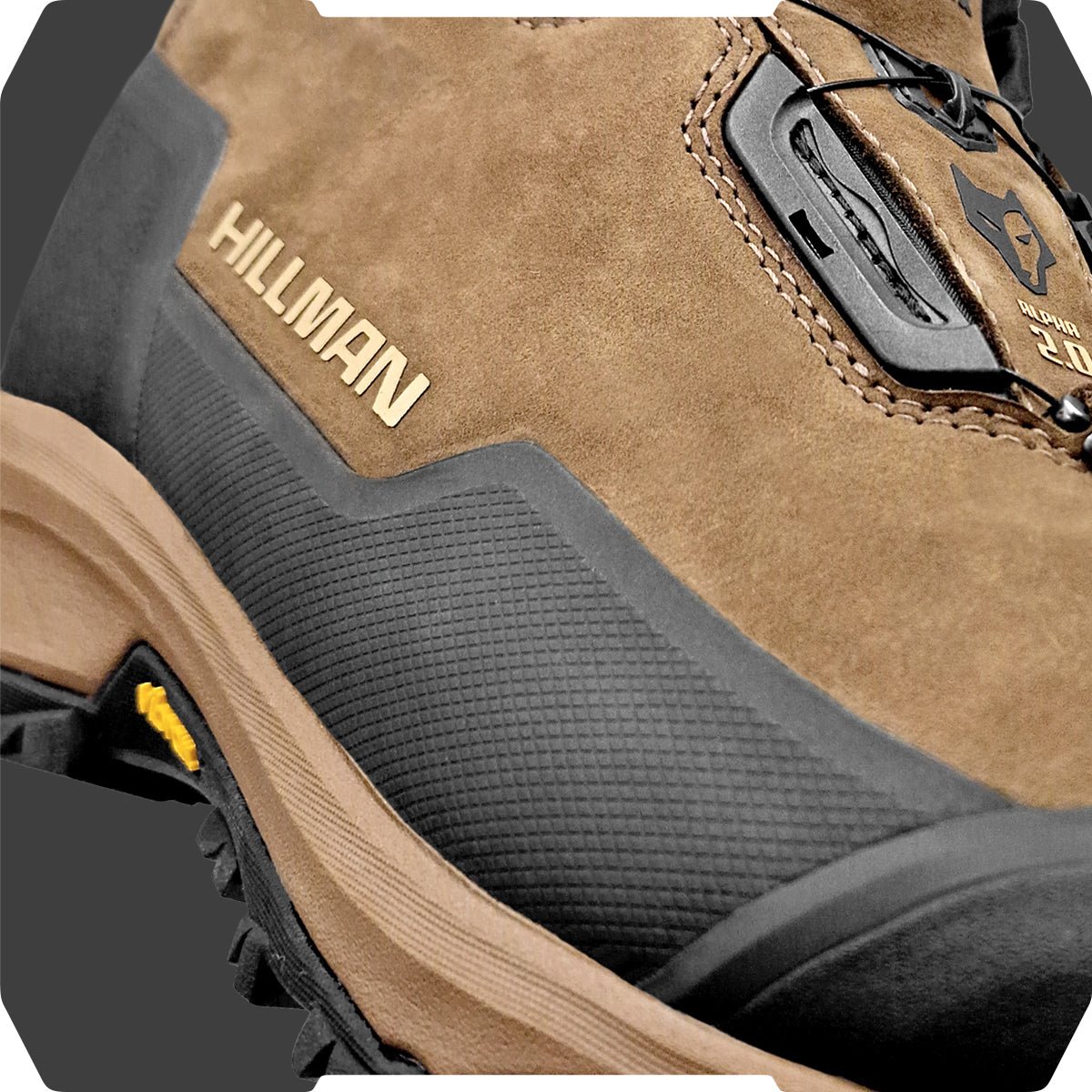
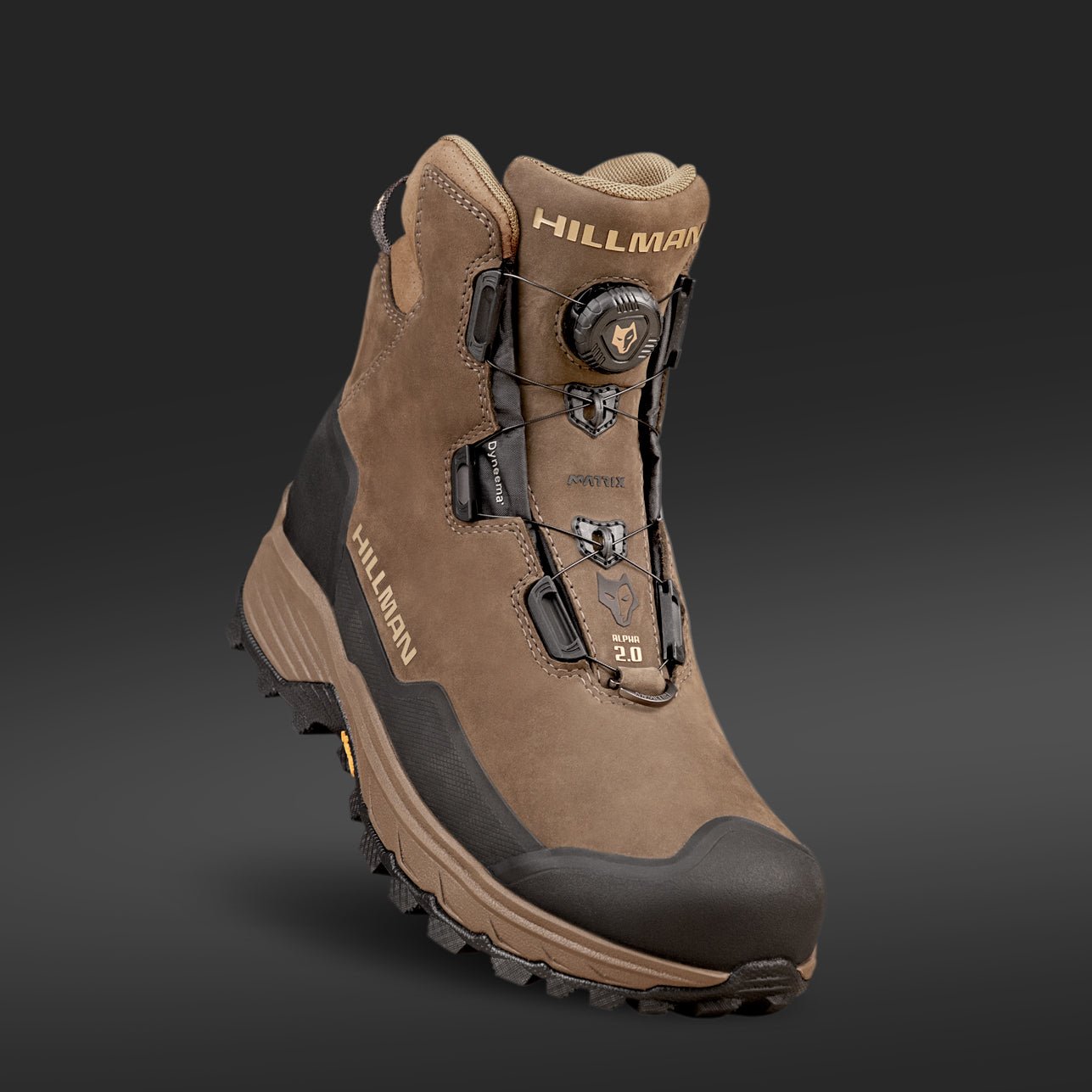
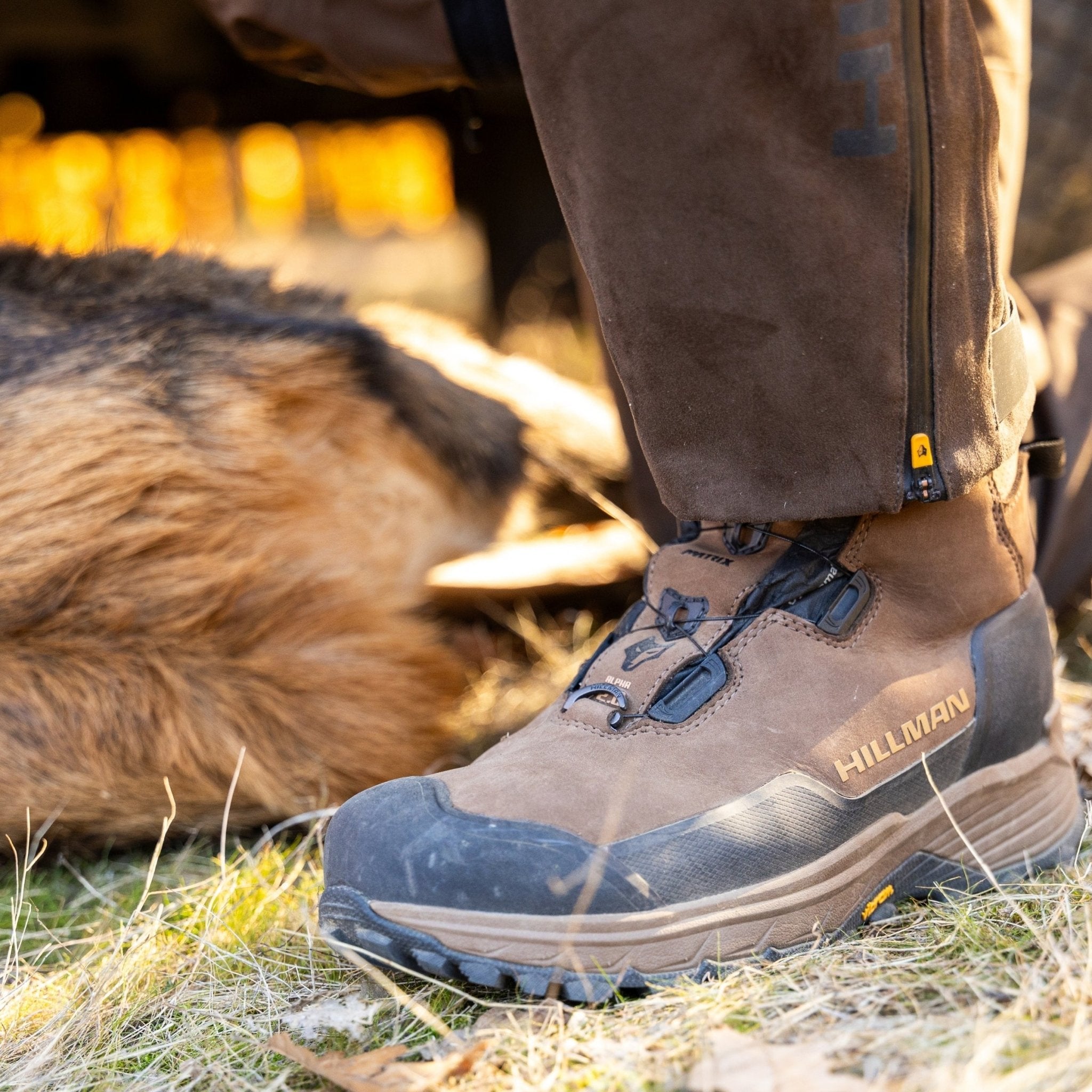
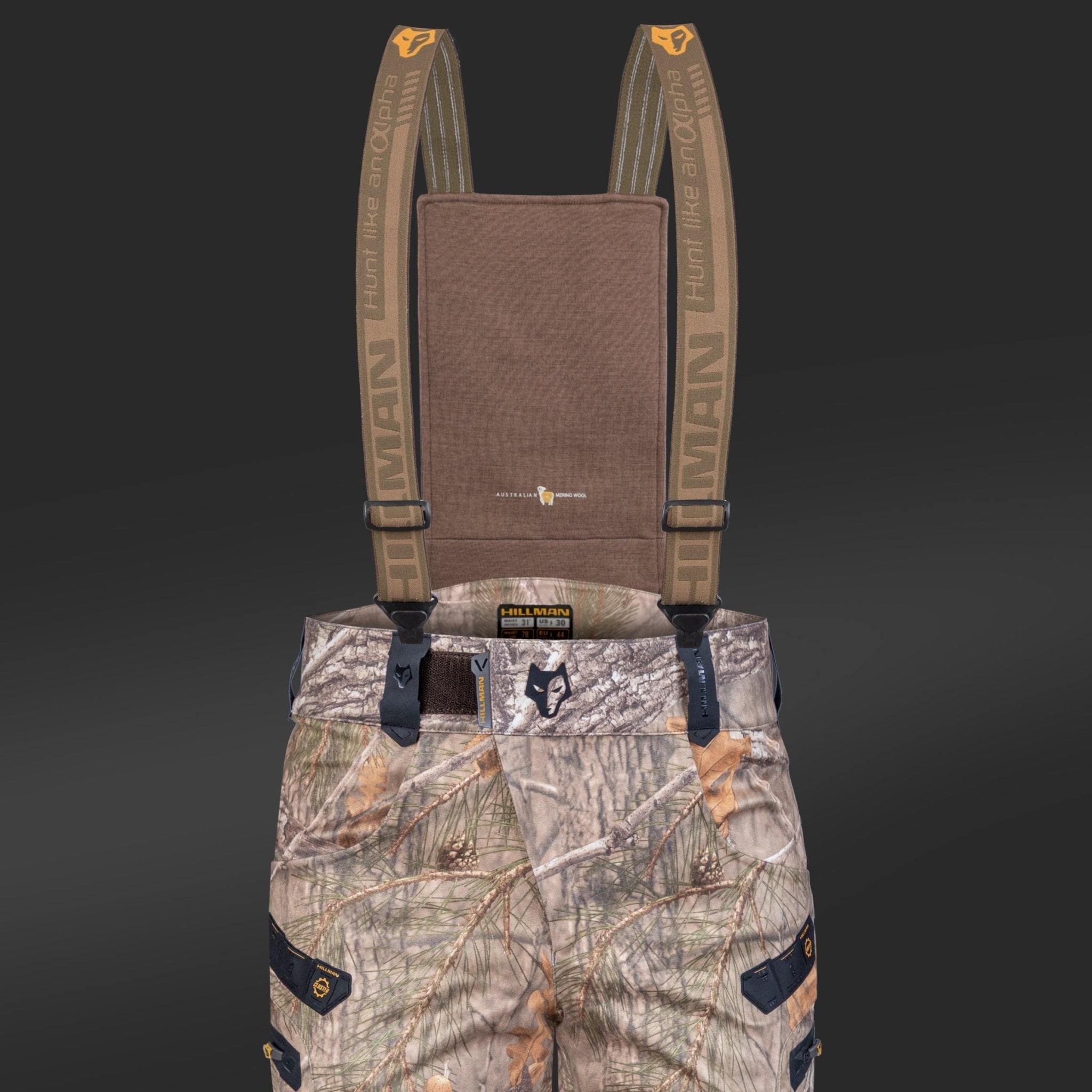
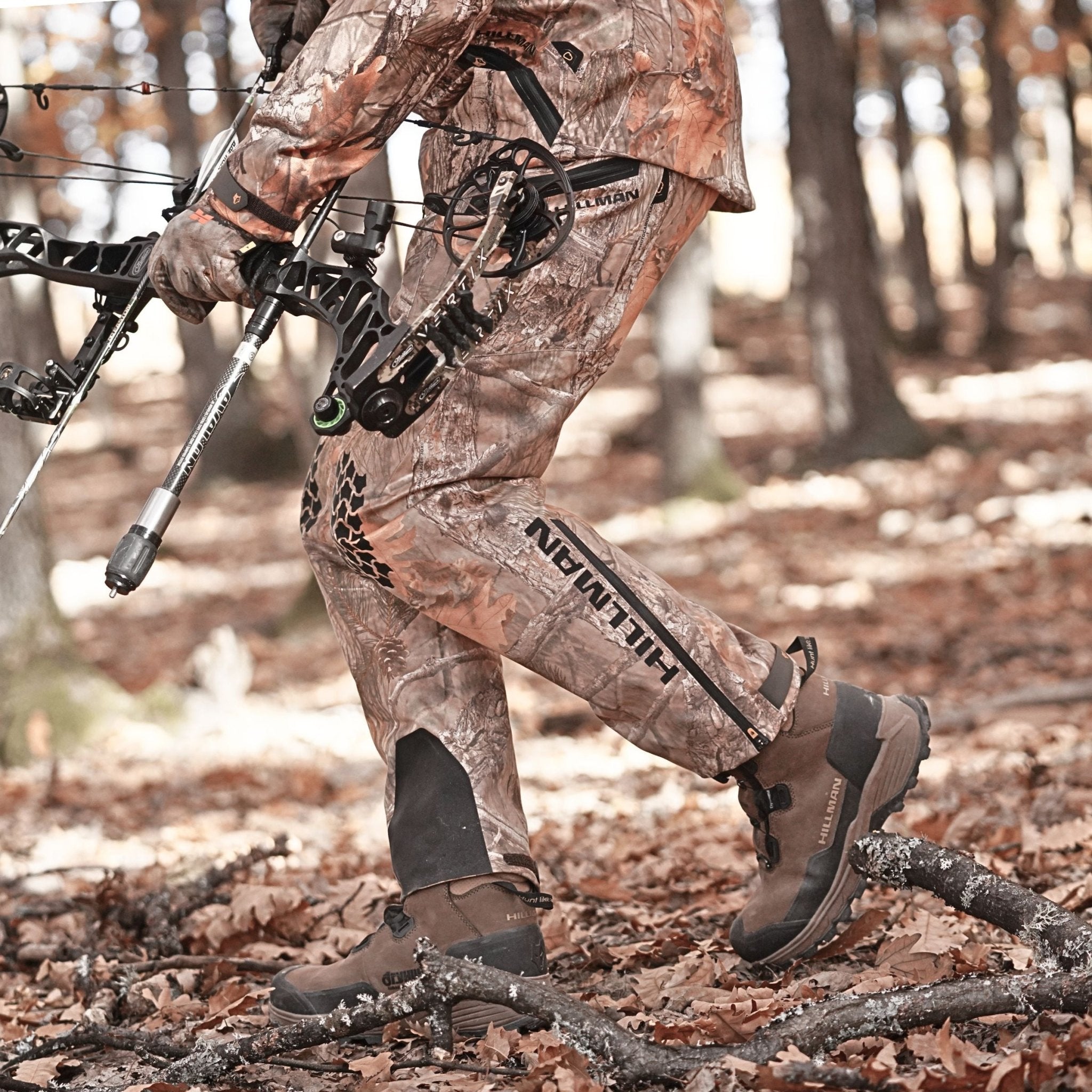
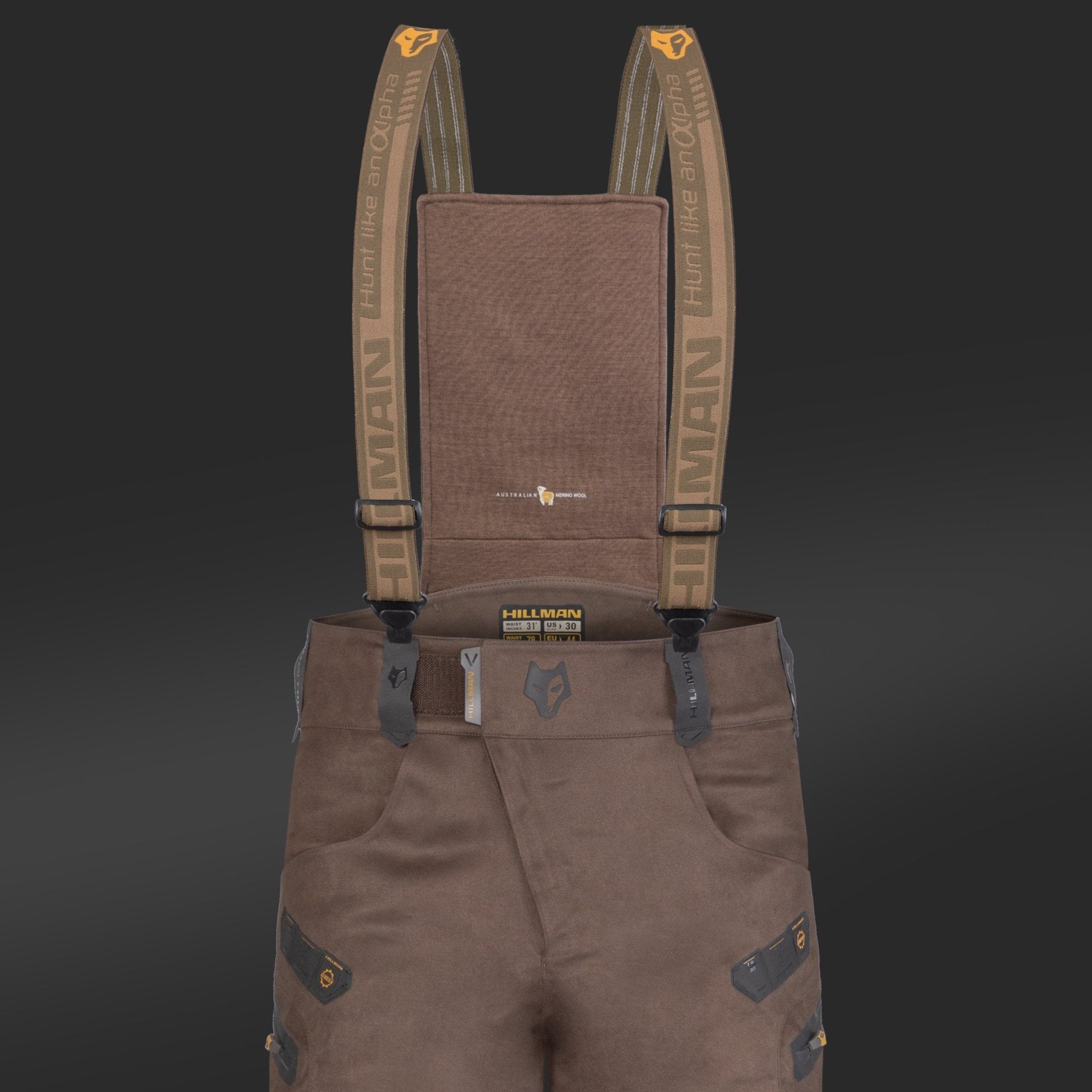
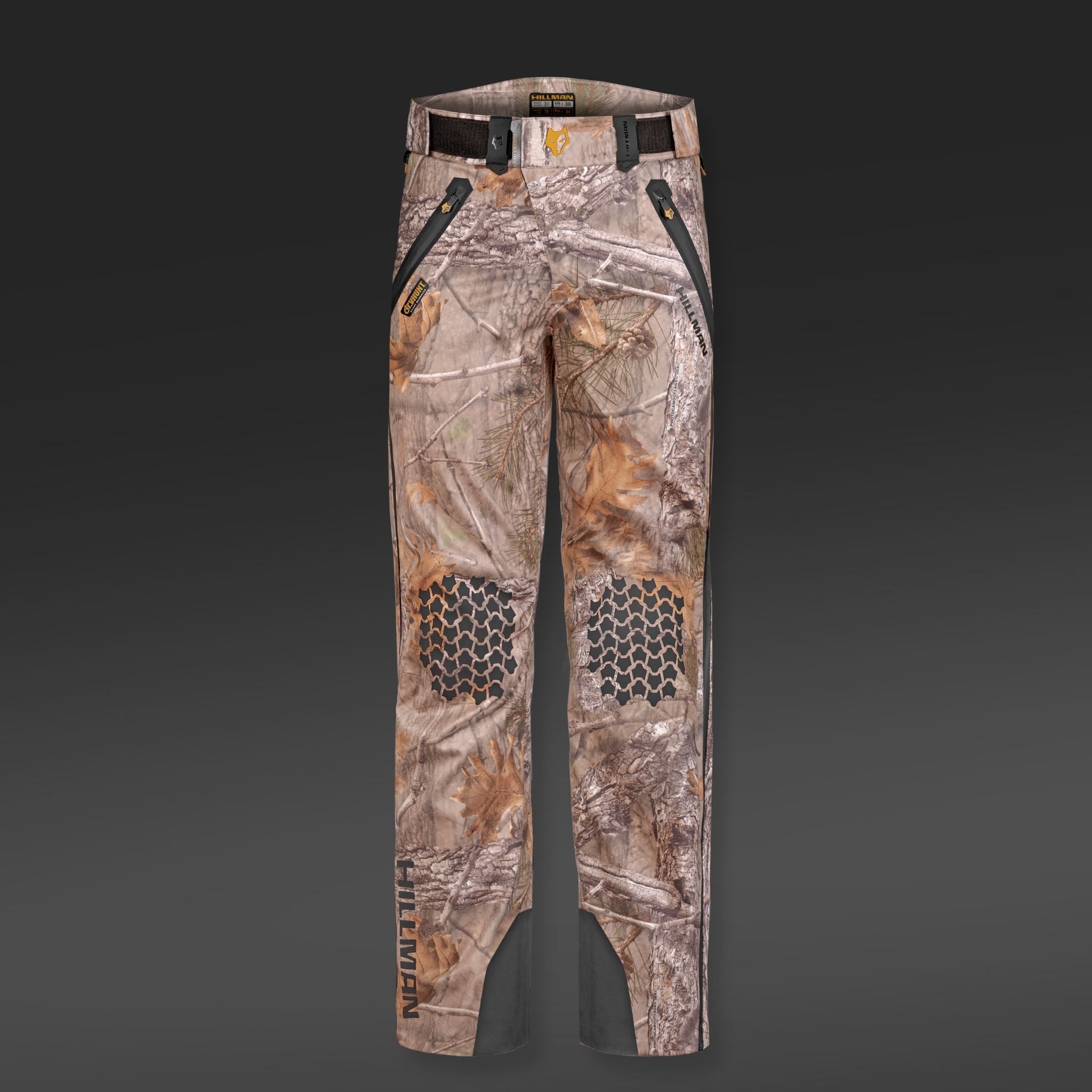
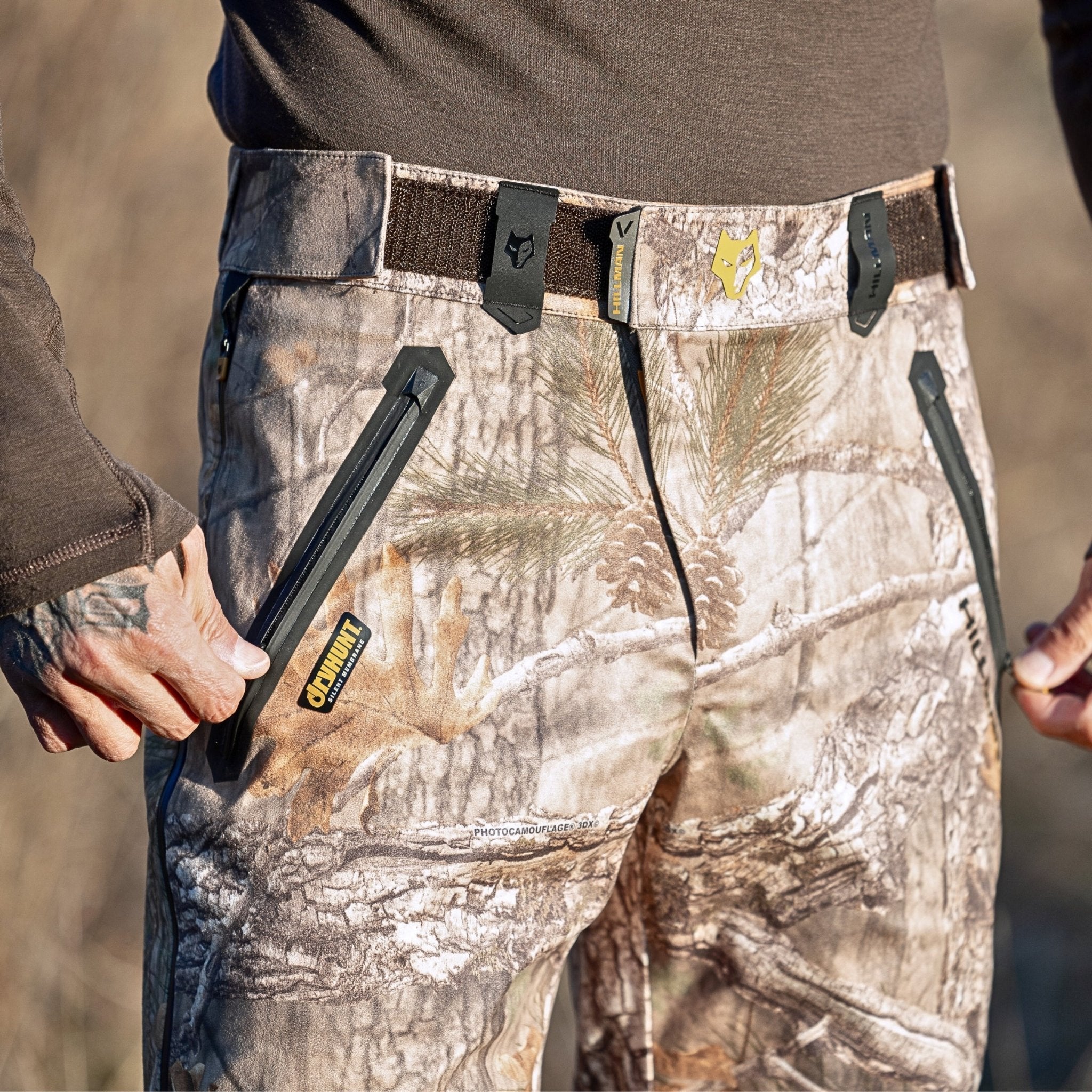
Breeks and gaiters are still useful for hedgerow work because they protect the legs while moving through brambles and wet terrain. Insulated hunting boots help when the ground is cold and soaked, especially if the day involves standing as well as walking. A lightweight waterproof coat made from breathable material is worth having because rough shooting can shift from hard walking to long pauses in rough weather.
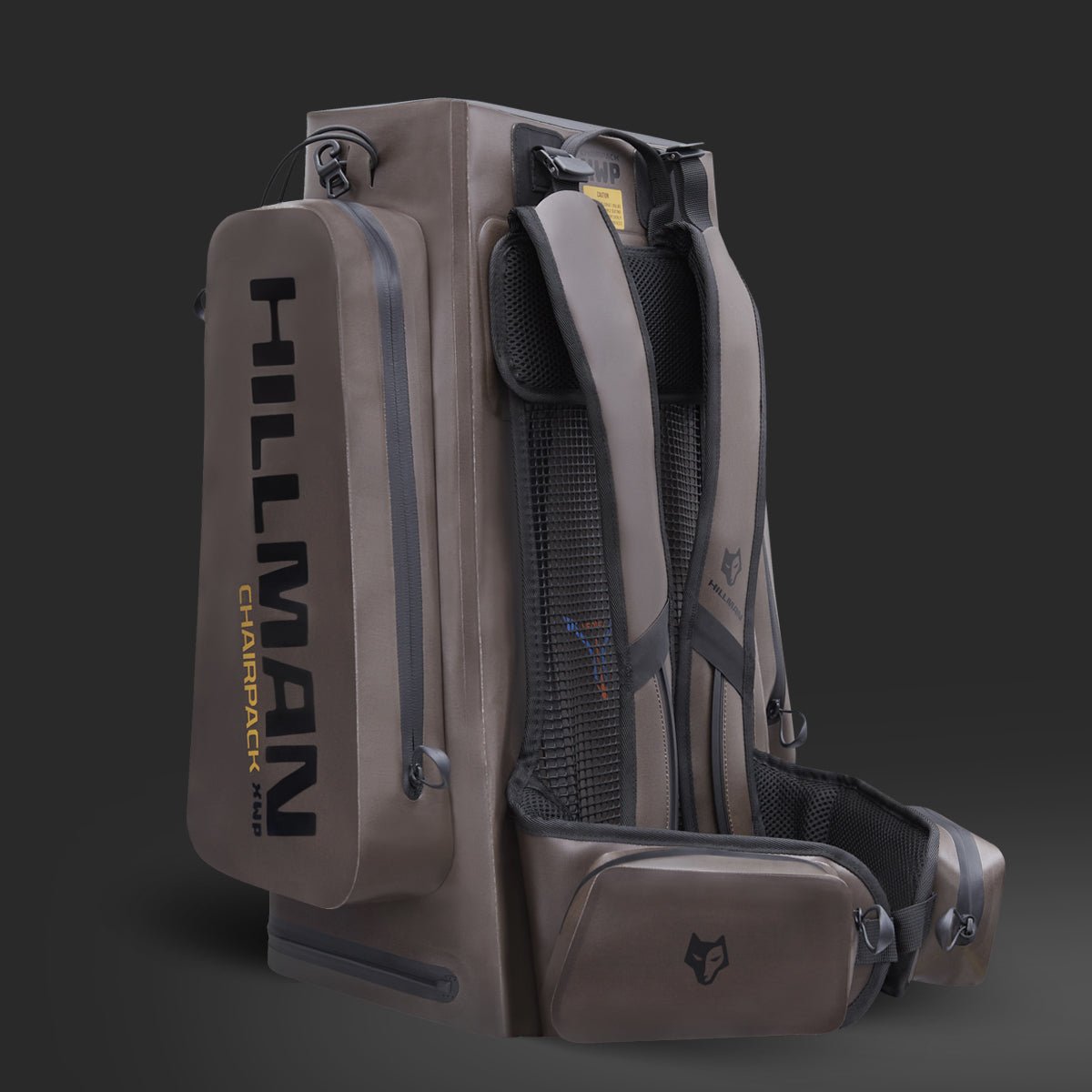
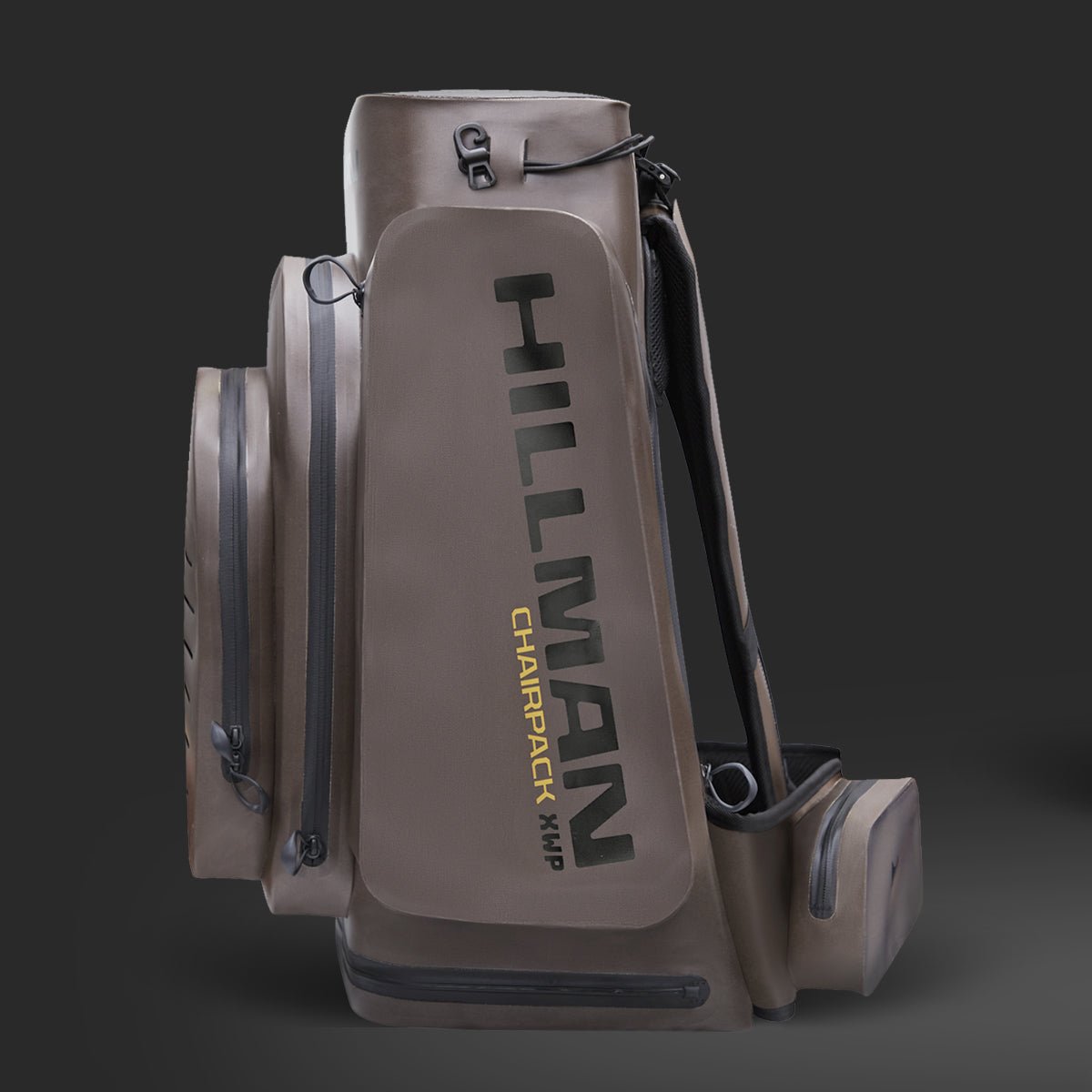
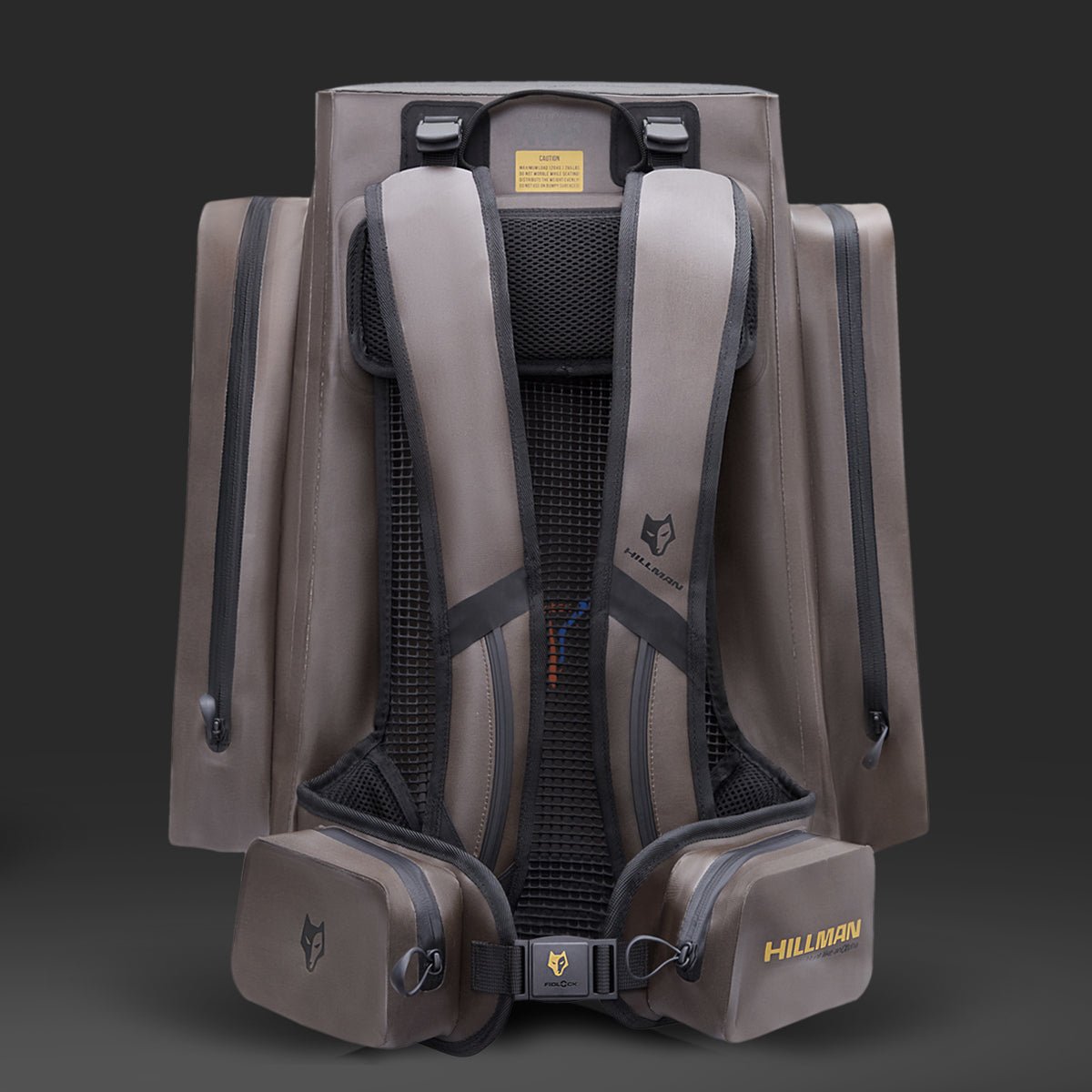
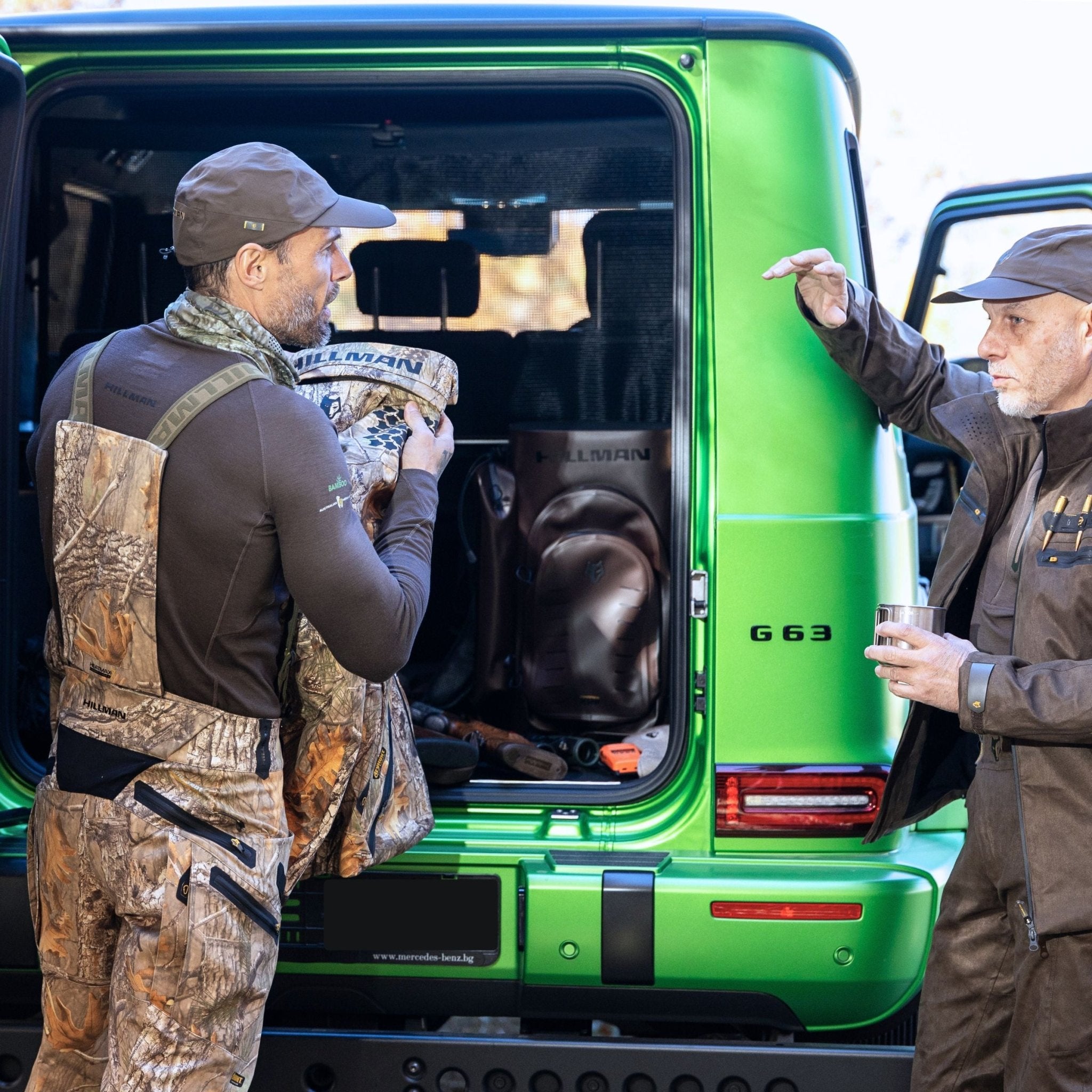
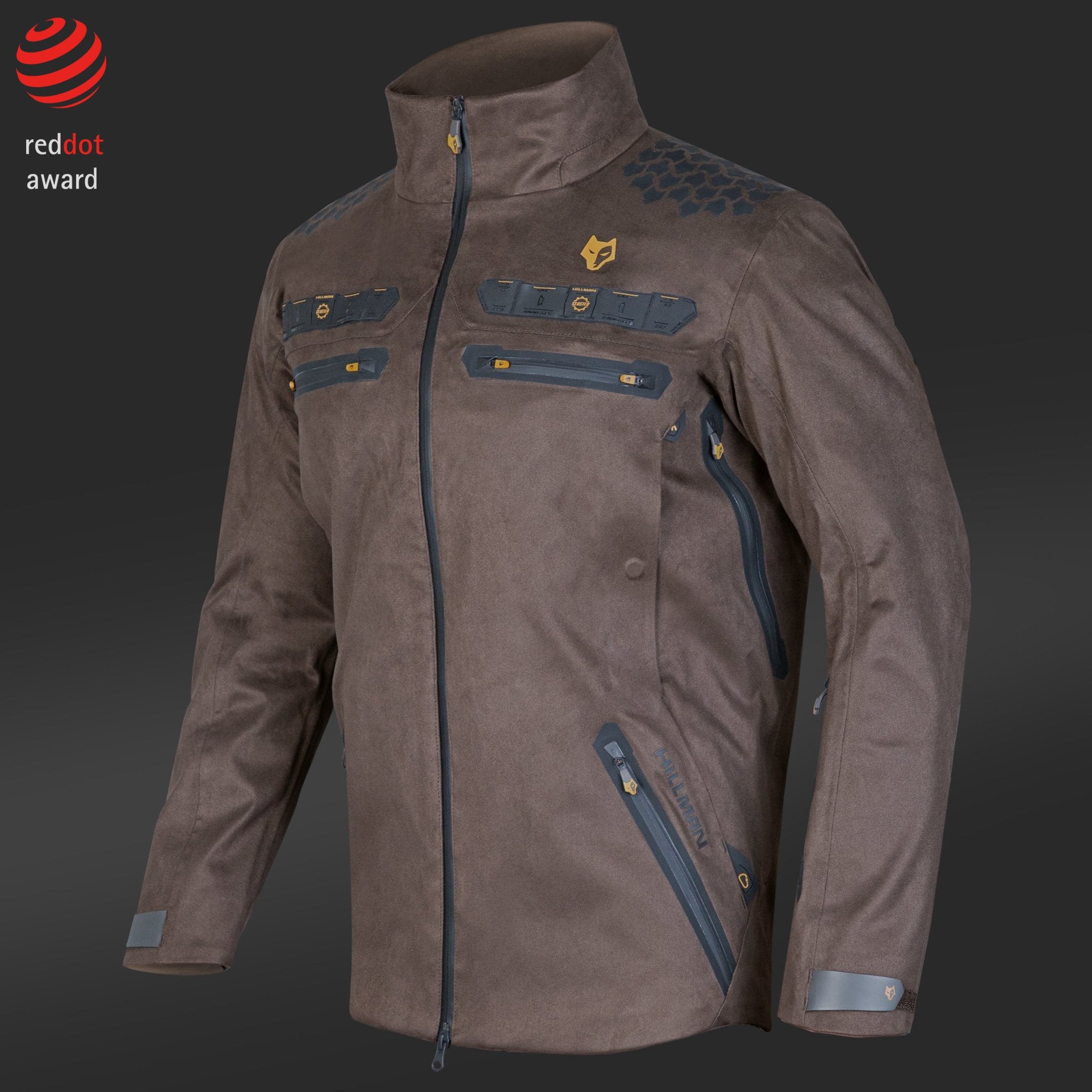
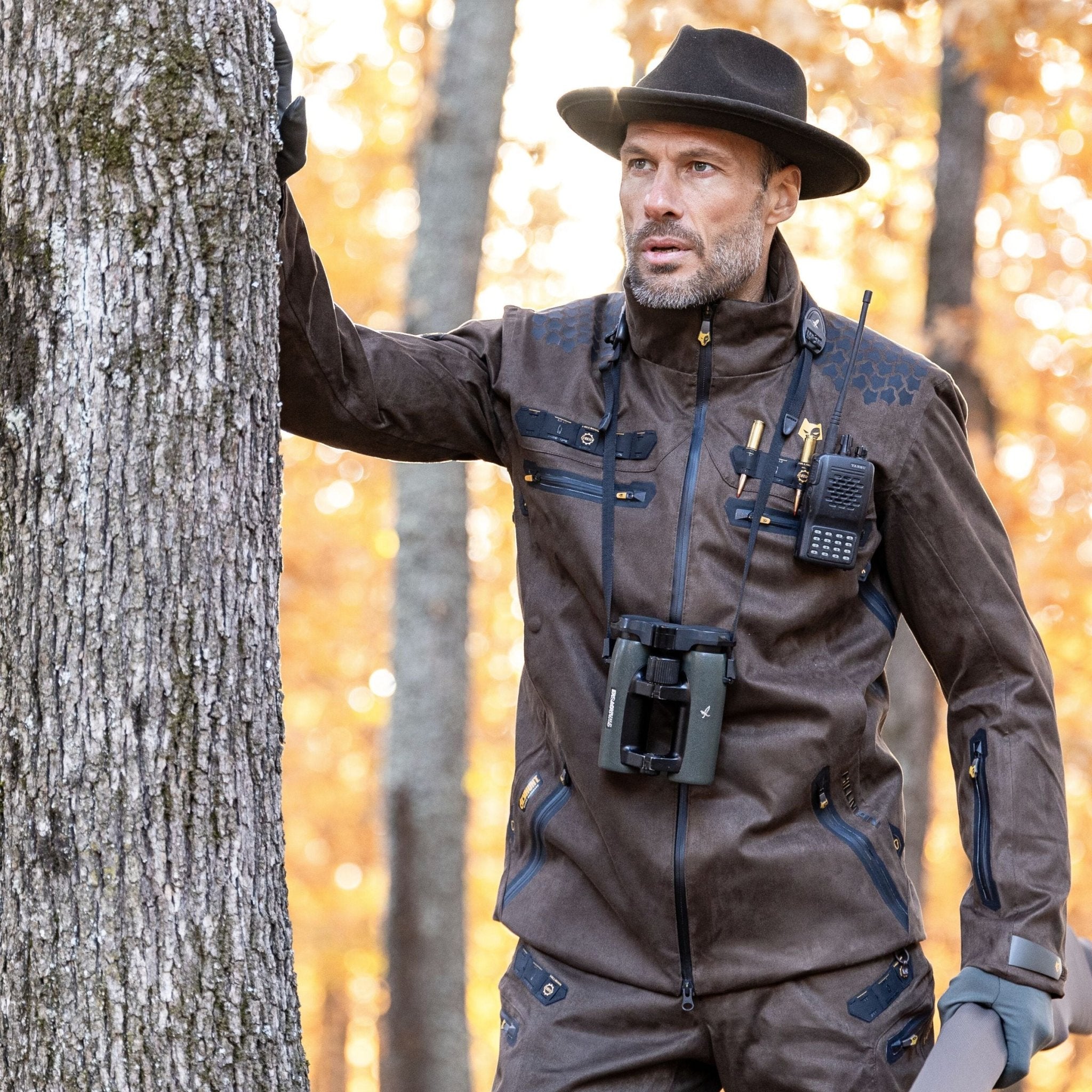
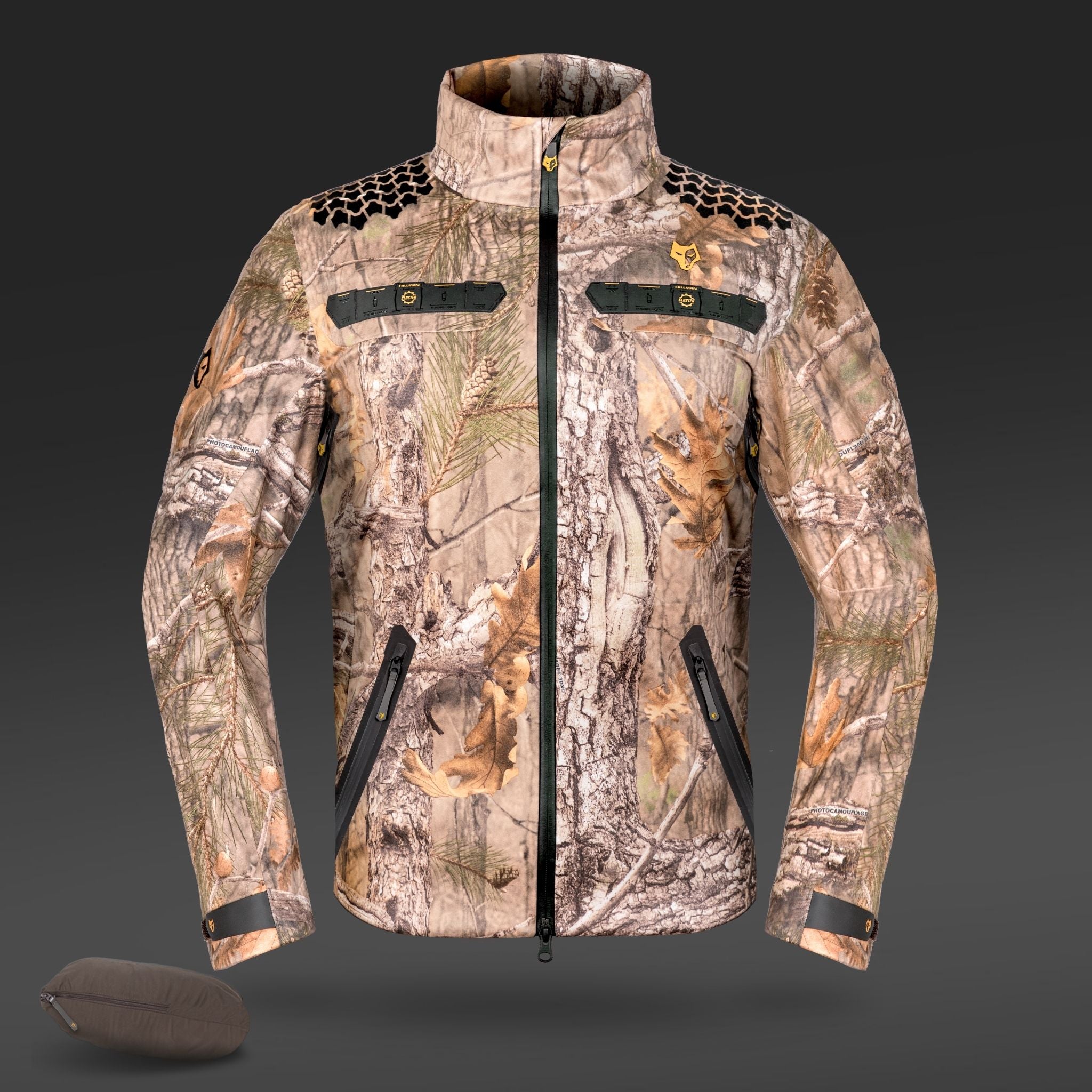
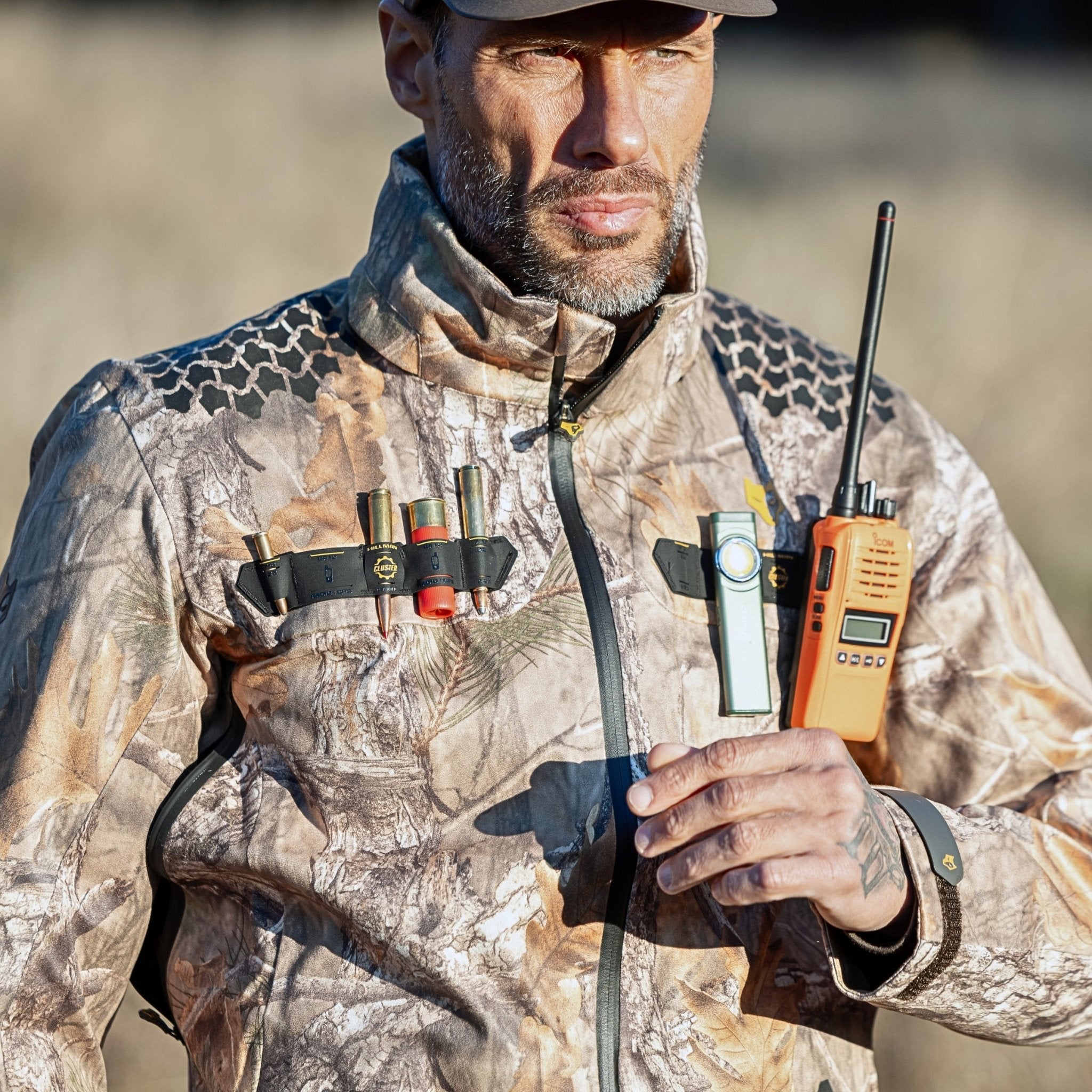
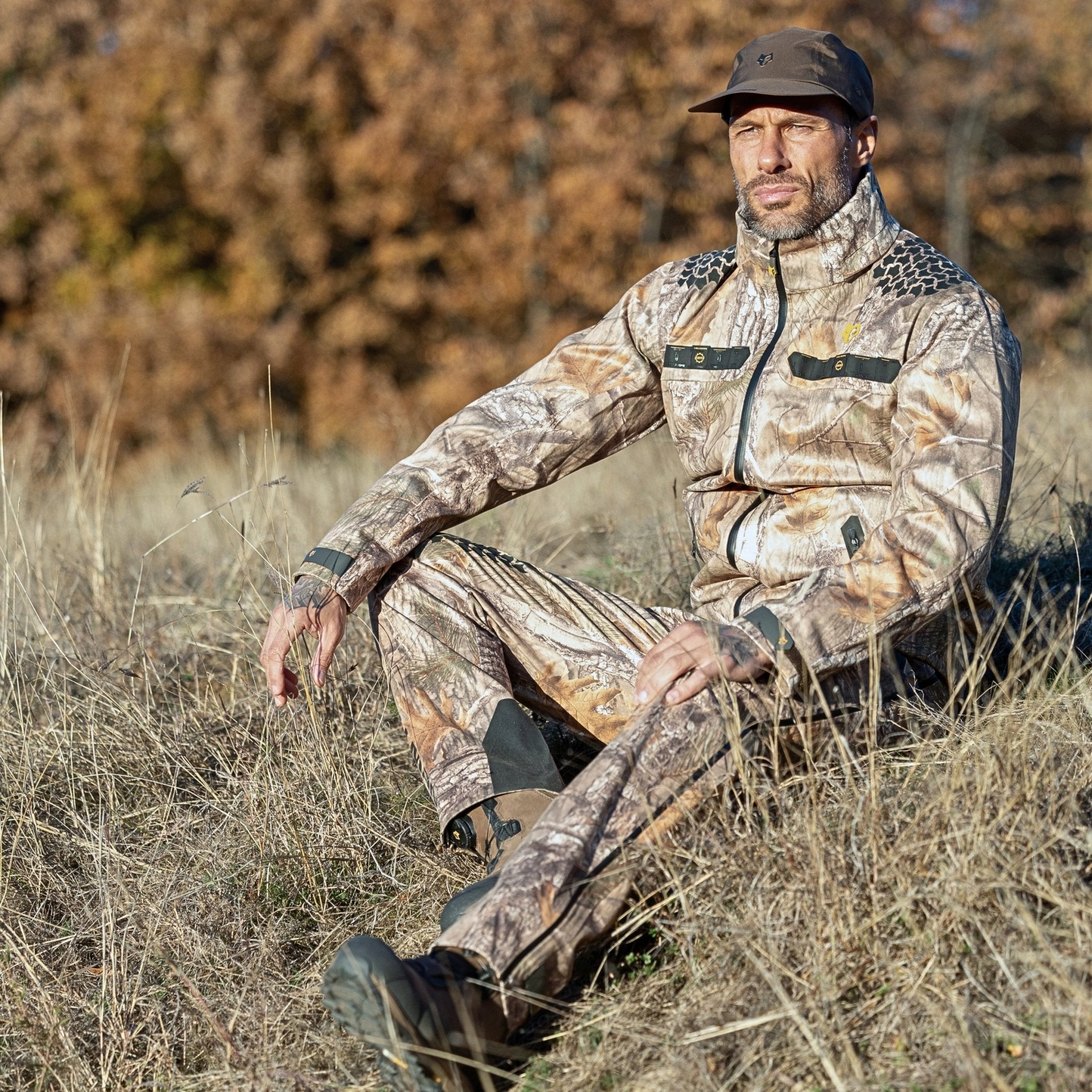
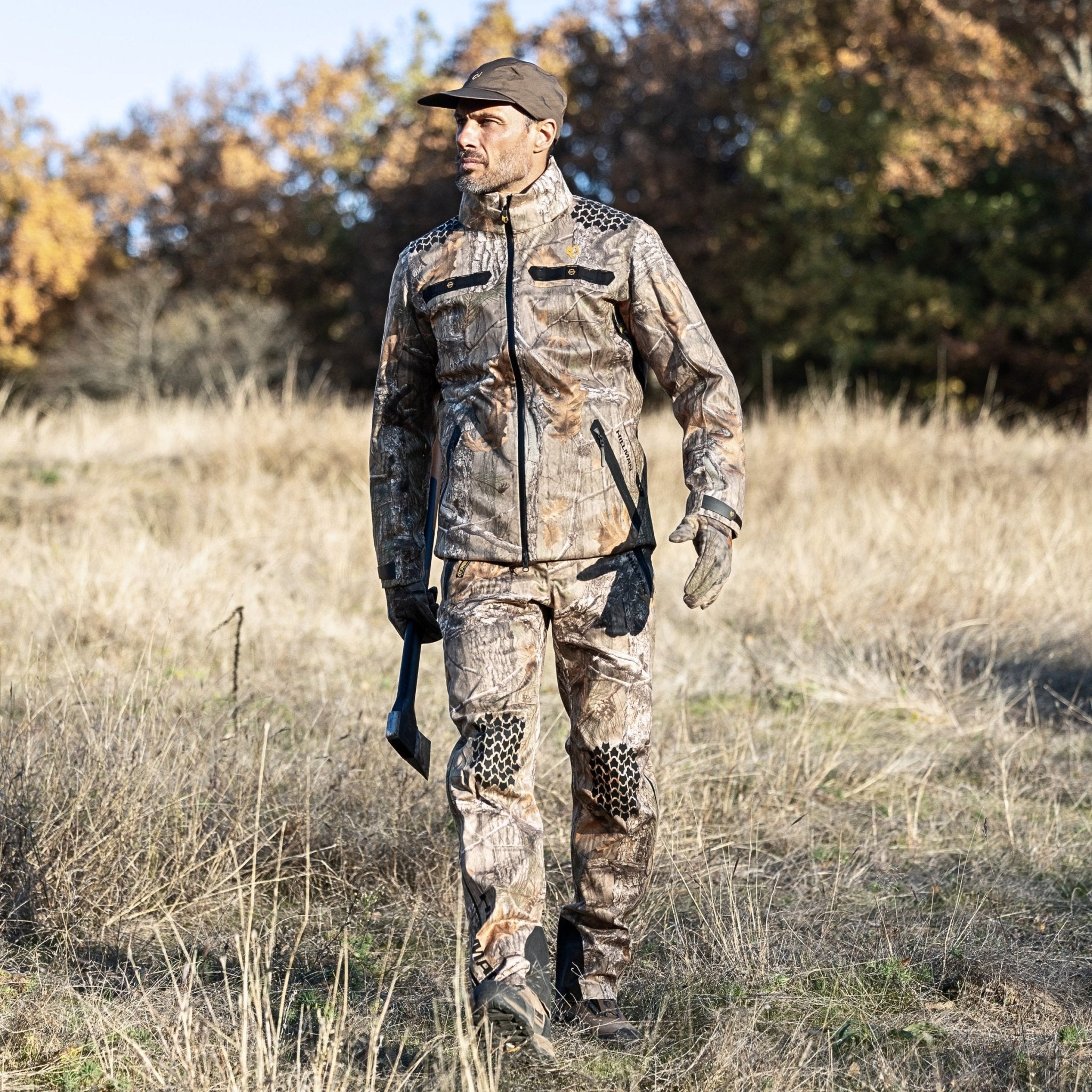
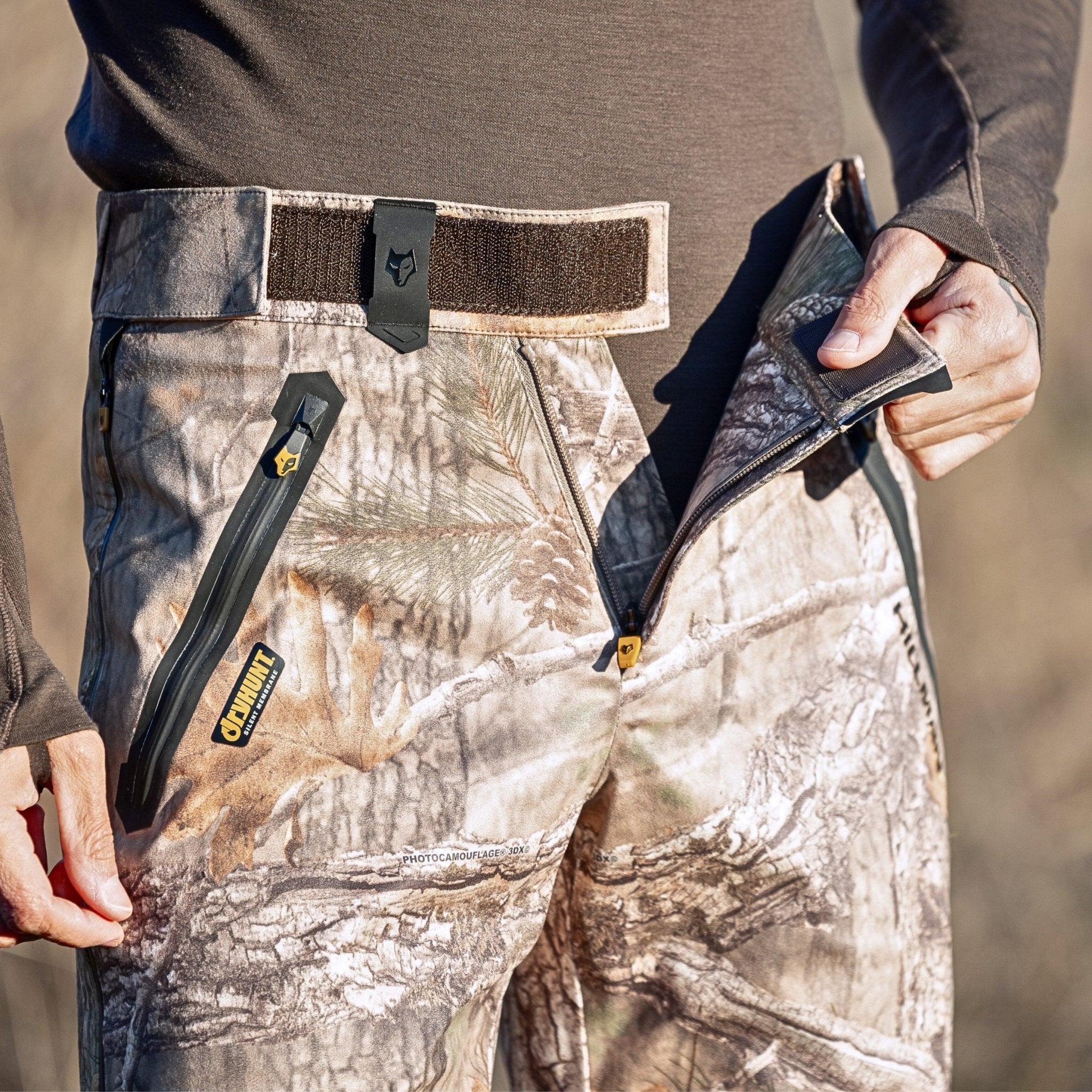
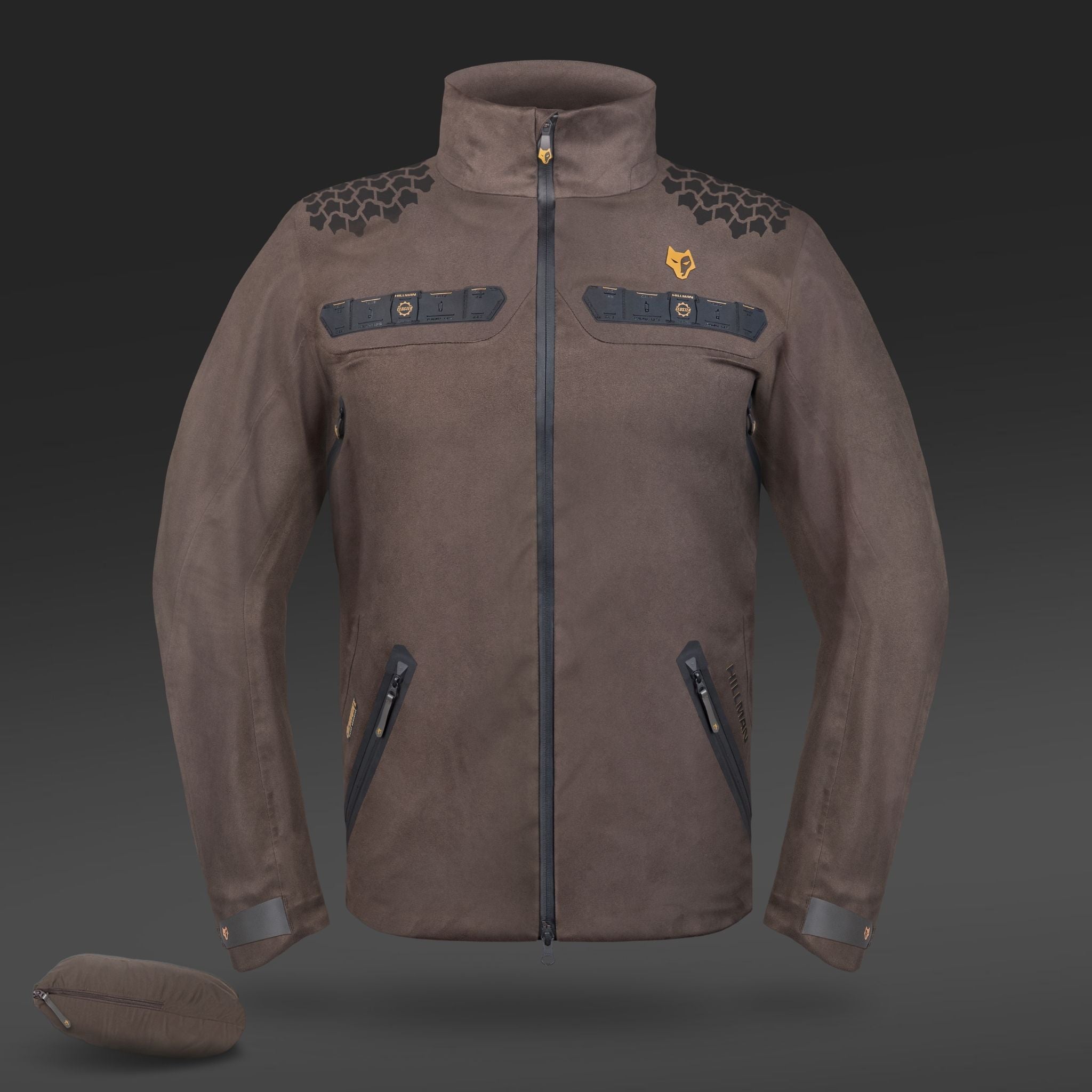
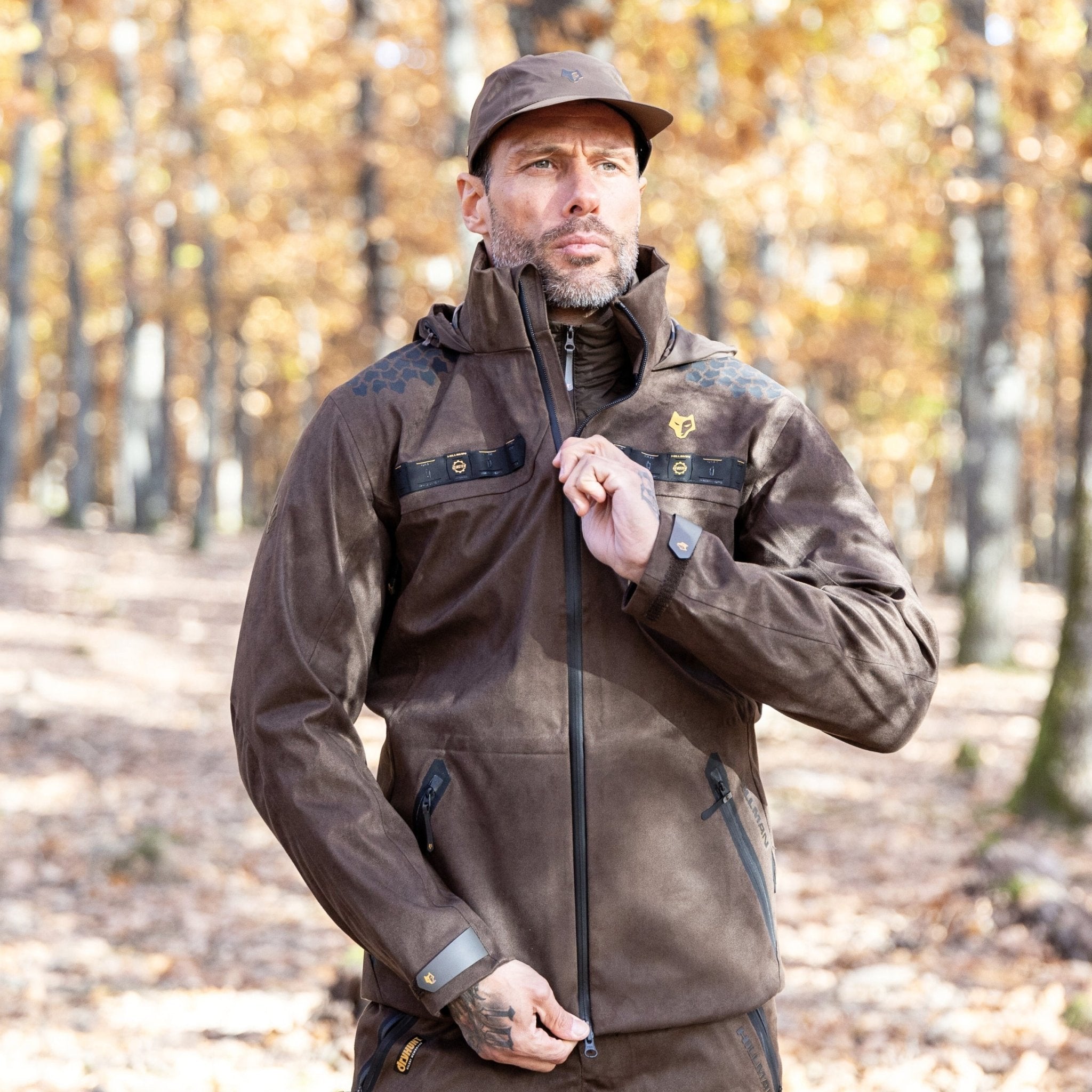
Layering is just as important. A good system lets the shooter adjust as activity levels change. Natural fibres such as merino wool can help with warmth and moisture control, while goose down has its place when insulation is needed during colder, quieter periods. Hillman builds for this kind of demanding field use, where comfort matters because attention matters.
When someone is wet, cold or overheating, they stop reading the line properly. They rush. They fiddle with cuffs. They look down at the wrong moment. The kit has one real job: let the shooter stay focused on the dogs, the ground, and the next safe chance.
Do Not Shoot the Same Hedge to Death

Rotational shooting is often overlooked on small ground. If the same thick hedges are walked every shoot day, birds soon learn the pattern. They start leaving earlier, holding elsewhere, or moving onto land where there is less pressure.
A better plan is to rest certain hedgerows and vary the direction of approach. Some days a hedge may be left alone completely. On another day, it may be worked lightly with one dog and two guns. On a later day, it may form part of a bigger rough shooting route.
This is not just about bag size. It is about keeping the land alive. Rough shooting should never become a contest to take every bird that can be flushed. Selective harvesting should follow the Code of Good Shooting Practice: only shoot what can be cleanly killed and what is intended to be eaten.
A mixed bag is satisfying because it reflects a good day in the great outdoors, not because it is big at any cost. There is more interest in a well-worked hedge that gives one clean pheasant and a rabbit than in a rushed walk that empties half the ground and leaves wounded game unaccounted for.
Starting a Rough Shoot Around Hedgerows

Anyone thinking of starting a rough shoot needs to decide the style first. A small walked-up shoot is very different from a fully-fledged driven shoot. That decision affects cost, land, labour, dogs, release numbers and the structure of the shoot day.
A rough shoot often needs a decent block of land, and around 300 acres is a common starting point when the aim is to support game across hedgerows, woodland, rough corners and natural water. Well-maintained hedges, quiet margins and good habitat are more important than just acreage, though. Empty acres do not hold much.
If birds are released, the numbers should be realistic. Releasing around 200 birds with a safe return expectation of about 25% may give a total season bag of roughly 50 birds, depending on ground, weather, vermin control, feeding and shooting pressure.
Vermin control, habitat work, and calm handling around boundaries all have a role. So does accepting that not every day needs to produce a full bag. Some days are training days. Some are knowledge days. Some are just fresh air, dogs, and learning where the game wanted to be.
The Moment Before the Flush
The best part of rough shooting hedgerows is often just before anything happens. The line has slowed. A dog has tightened. One gun has stepped out from the hedge to improve the angle. Another has checked the other side and knows where the team is. The cover looks ordinary, but everyone can feel it.
That is where good rough shooting lives. Not in noise. Not in rushing. Not in putting birds out of every hedge on the farm. It lives in the ability to read a small change and act before the flush.
Move the line with patience. Keep dogs under control. Stay off the hedge. Use the wind. Rest good cover. Look after the habitat. Know your quarry species, your own limits, and the position of every other gun.
Do that, and the ground does not empty. It opens.


Share:
Properly Dogging-In: Reading Bird Behaviour Between Drives
Decoying Corvids on Mixed Farms: After The Missed Shot