
Decoying Corvids on Mixed Farms: What Changes After the First Missed Chance

Missed one crow? Learn how corvids change, how to reset decoys and hide placement, and keep crow shooting effective on mixed farms.
Decoying corvids on mixed farms is rarely as simple as putting out a few crow decoys, hiding in a hedge and waiting for easy pickings. Crows, rooks and jackdaws are not pigeons with darker feathers. They read danger quickly, they remember pressure, and they can turn a steady stream of birds into an empty morning after one poor first shot.
That is what makes crow shooting so frustrating, and, in its own way, great sport. The first bird often comes in soft. It may drop lower, pull its wings slightly, look at the pattern and drift towards the ground as if the job is already done. Miss it, show movement, or let it escape after seeing the hide, and the whole mood of the field can change.
After that first missed chance, the same birds may not simply circle back. Their behaviour often shifts from curiosity to self-preservation. The second bird might stay high. Other birds may come to the edge of range, inspect from above the trees, then push away without ever giving the gun a proper chance. On mixed farms, where corvids have several feeding options, they may leave the decoys and return to another part of the land, especially around chicken farms, cattle yards, muck heaps or recently worked ground.
This is the point where many shooters blame the decoys. Sometimes the pattern is wrong. Sometimes the hide is too obvious. But often the real difference is that the first shot educated the quarry.
How Crows Read a Failed Decoying Attempt

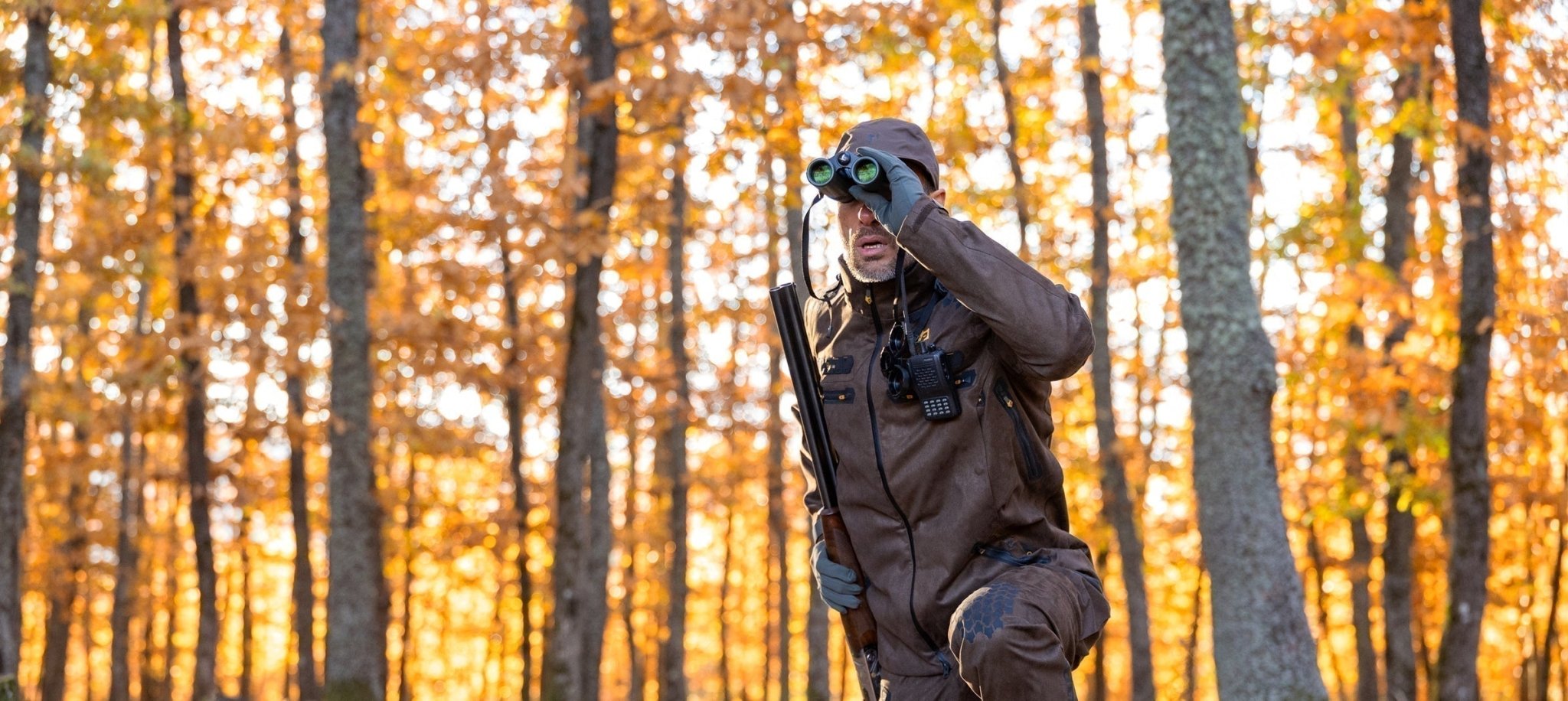
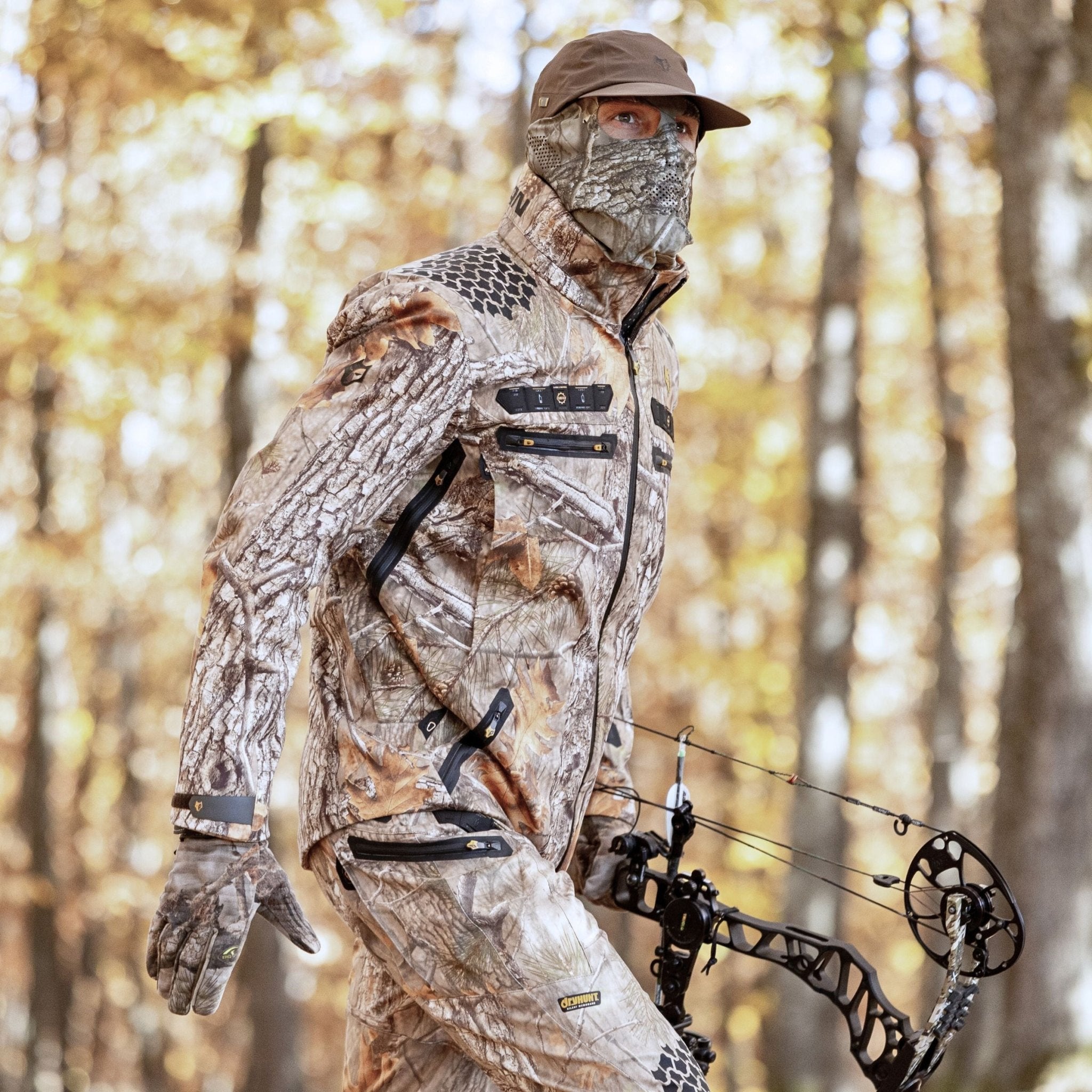
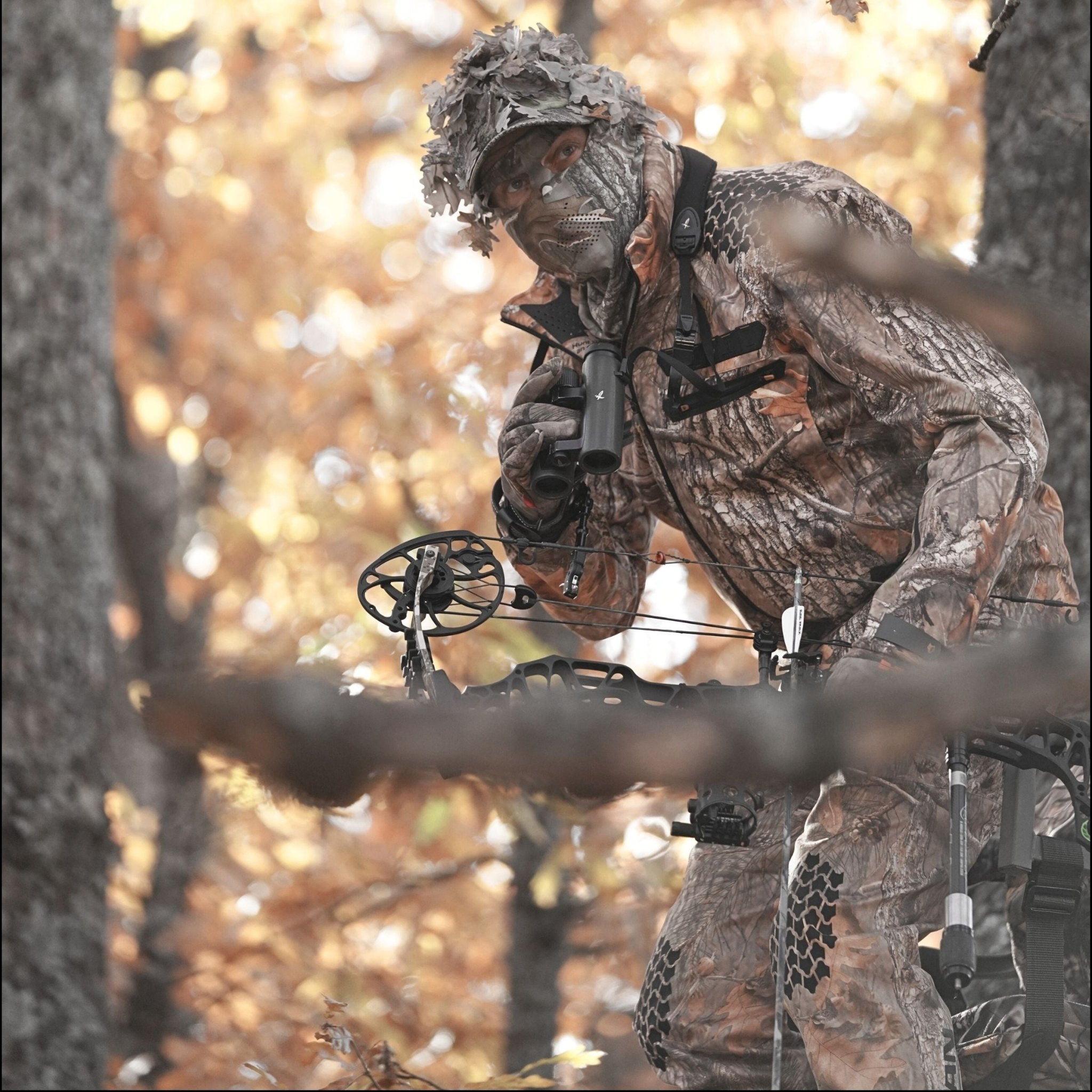
Crows are sharp-eyed birds with a strong survival instinct. They can spot the slightest movement, a pale face, a hand moving near the net, or a gun barrel lifting too early. A face veil is not just a small extra. When the face is covered properly and the hide has overhead cover, the setup becomes much harder to read from above.
After a failed attempt, corvids may treat the area as dangerous for days or even weeks. They are known to increase the time they take before approaching food after seeing danger, a dead bird, or a failed attack. That matters when shooting crows over decoys, because a pattern that looked convincing at first light can become suspicious by mid-morning.
A crow that has just escaped a first shot may not understand every detail, but it understands enough. It knows the field, the trees, the fence posts, the hedge and the usual feeding spots. If something in that picture has gone wrong once, the bird may avoid not only the exact patch but the whole corner of the farm.
This is why decoying crows can be more unforgiving than pigeon shooting. Pigeons can be wary too, but crows are quicker to connect the decoys, the hide and the danger. One mistake can change the local pattern of birds congregating. They may still fly over. They may still call. They may still look interested. But they stop committing.
The First Bird Sets the Tone

The first bird into the pattern is often the most important one of the morning. Not always the easiest, but the most telling. If it comes in confidently, drops into the landing zone and is shot cleanly, the setup has a chance to build. If it flares, shows movement or is missed, the farm can go quiet in a way that feels almost personal.
That first shot should not be rushed. Crows are tough birds and deserve a clean kill. Many experienced shooters like 32 grams of No. 5 shot for crow shooting because it gives a strong balance of pattern and pellet size. No. 6 is also used, especially when No. 5 is unavailable, but plenty of people find No. 5 more reliable for hard-hit crows at sensible range.
The point is not to stretch distance. The better answer is usually to make the pattern work properly, keep the hide still, and take the shot when the bird is inside a clean killing range. A crow hit badly or missed altogether teaches the next birds far more than most shooters would like.
The second shot matters too. If a second bird follows the first and offers a chance, it needs to be handled cleanly and calmly. Wild swinging, standing too early or firing through cover can ruin a promising morning. Decoying is not only about pulling the trigger. It is about keeping control of what the birds can see.
Building a Pattern That Still Looks Natural
Crow decoys work best when they do not look arranged by a person. A random pattern is usually better than something neat and symmetrical. Crows do not feed with the same manners as pigeons, and they do not need the same type of landing etiquette. Leave a clear open patch where a bird can drop in, but avoid placing every decoy at identical distance or angle.
Fewer decoys can be better than too many. A handful of good body decoys or full-bodied decoys, placed where real birds would stand, often looks more convincing than a crowded spread filled without thought. The best decoys are the ones that match the ground, the light and the reason the birds are there.
If crows are feeding on drillings, maize, roots, livestock feed or around farm buildings, the decoys should look as though they have found something worth investigating. If the field is bare and dead quiet, thirty black shapes on open earth may look wrong. Two or three crows near a hedge, a few more near a tramline, or a loose group close to natural cover may read better.
Dead crows and dead birds can help, but they have to be used carefully. A fresh shot bird placed into the pattern can add realism, especially if the wings are set naturally and the head position does not look twisted or unnatural. But leaving shot birds scattered everywhere is different. That can make incoming birds suspicious, and it makes the area look untidy.
What to Do With Dead Birds After Shooting

After shooting crows, always check with the landowner or farmer about how they want dead birds dealt with. Some may want them removed. Others may prefer them placed out of sight on a muck heap, under a hedge, or in another agreed location. The important thing is not to assume.
Leaving dead crows lying in the open after the action has moved on is rarely good practice. It can attract unwanted attention, disturb other birds, and make the field look badly managed. It may also deter incoming corvids from approaching the decoys once they start to notice bodies in unnatural positions.
During the session, keep the killing area tidy. If a bird drops awkwardly in front of the hide and looks wrong, collect it when there is a quiet moment. If feathers are blowing around in bright light, or a bird is belly-up with wings spread, that can warn others. Crows notice details.
The same applies to human rubbish. Empty cartridges, drink bottles, bags, loose netting and shiny kit outside the hide can undo a good setup. A good hide is not just a place to sit. It is part of the pattern.
Hide Position After the First Miss
 When the first missed chance has clearly changed the birds, staying in the same hide and hoping they forget is often wasted time. If the birds start passing high, calling from distance, or drifting wide of the decoys, it may be time to move.
Even shifting the hide and decoys 100 yards can reset the opportunity. That distance is sometimes enough to change the angle of approach, the background, the wind direction and the way birds read the setup. A new position near different trees, a different hedge or a line of fence posts can make the field look less like the place where danger just happened.
Many shooters tuck too tightly into hedges. It feels safe, but it can restrict vision and shooting angles. A hide set 25 to 30 yards off a hedge, where safe and practical, can give better visibility and more flexible shooting. It also helps when birds approach from the other side or swing over the top.
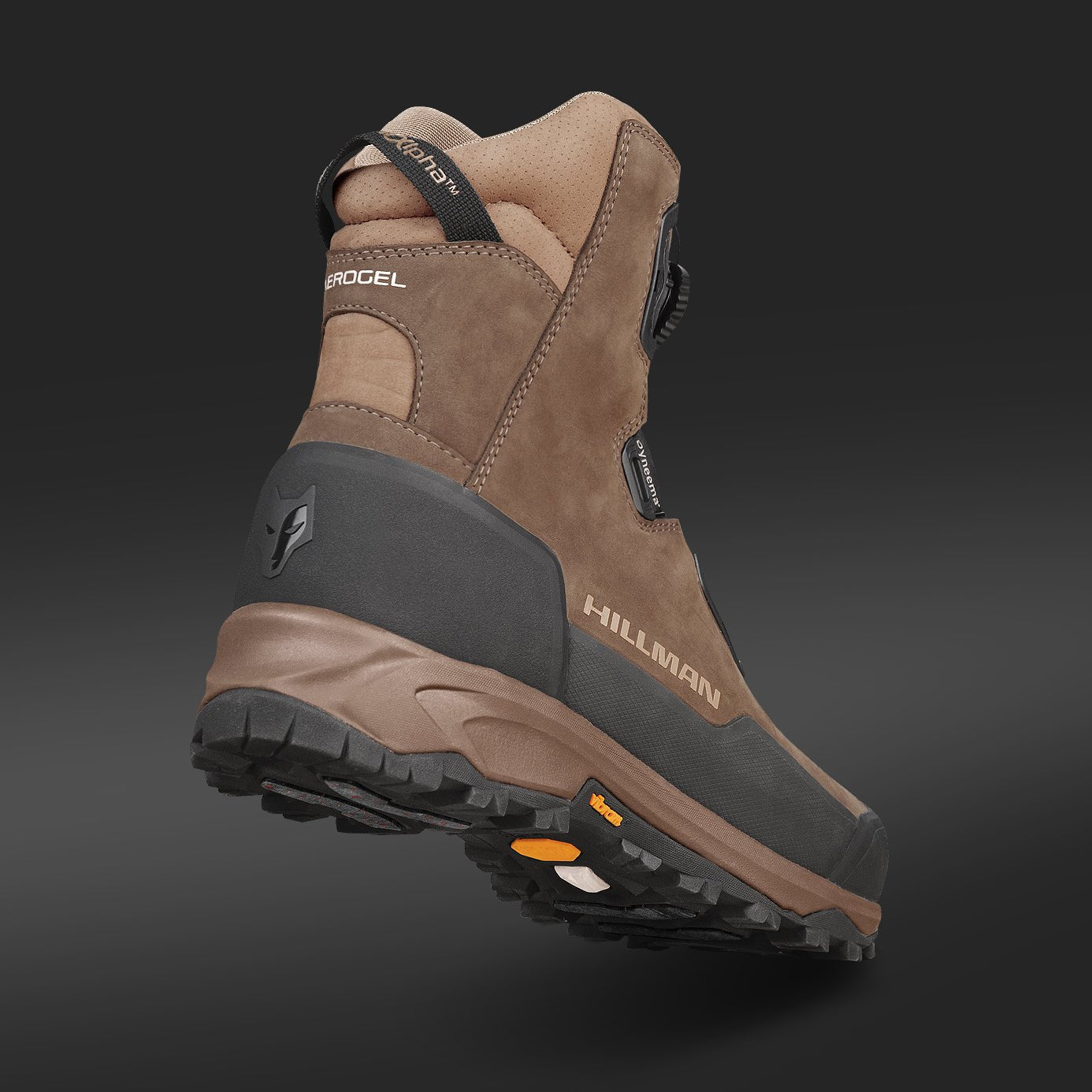
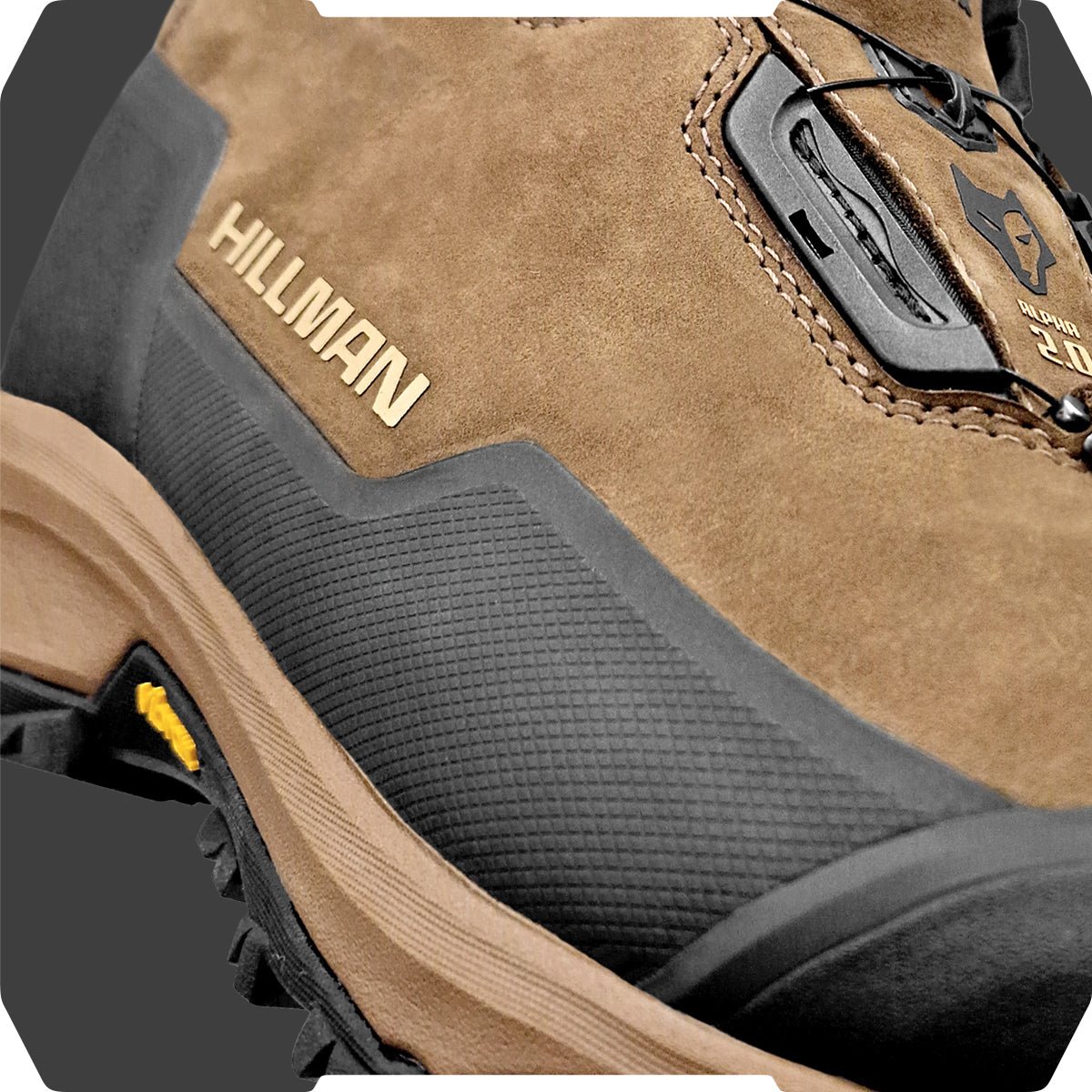
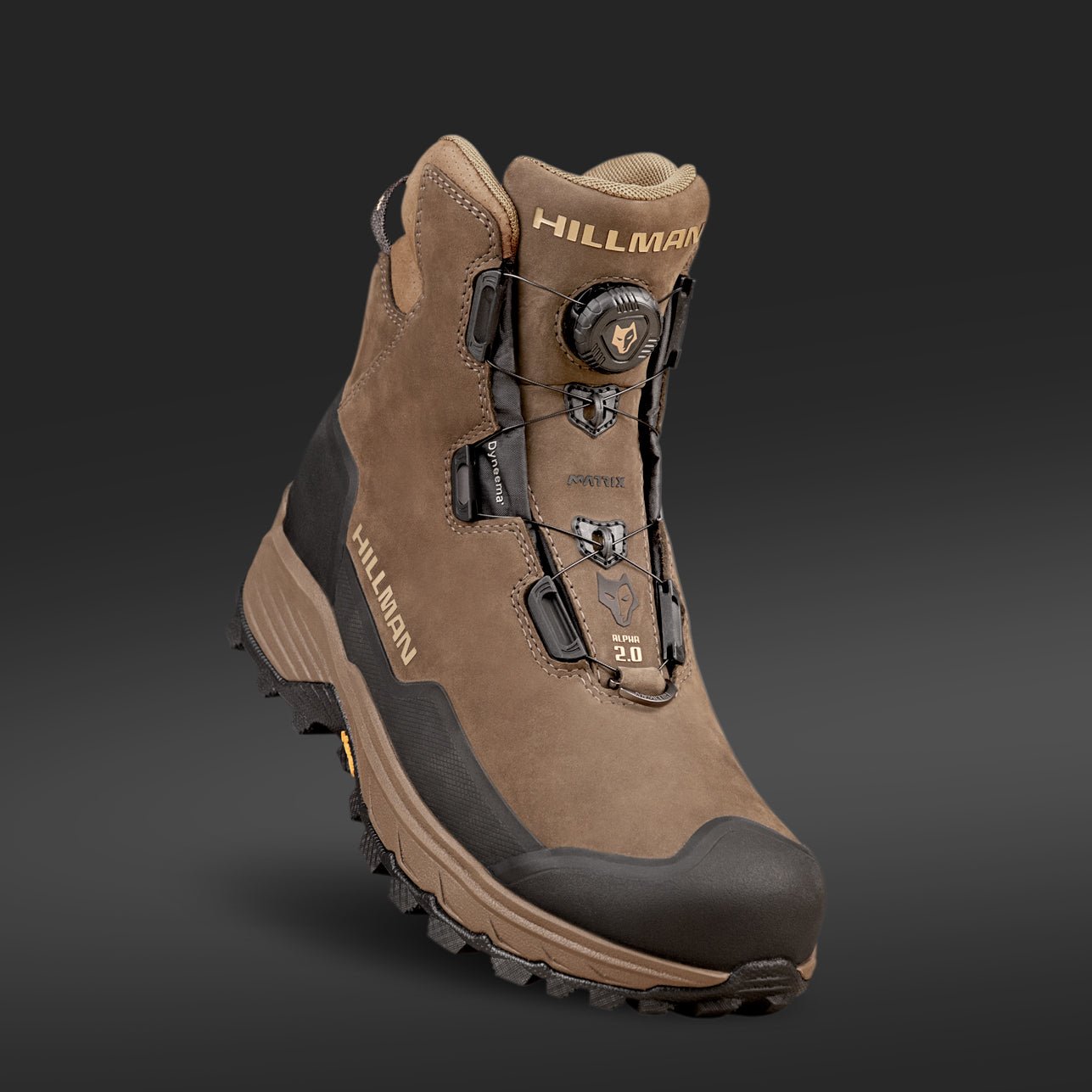
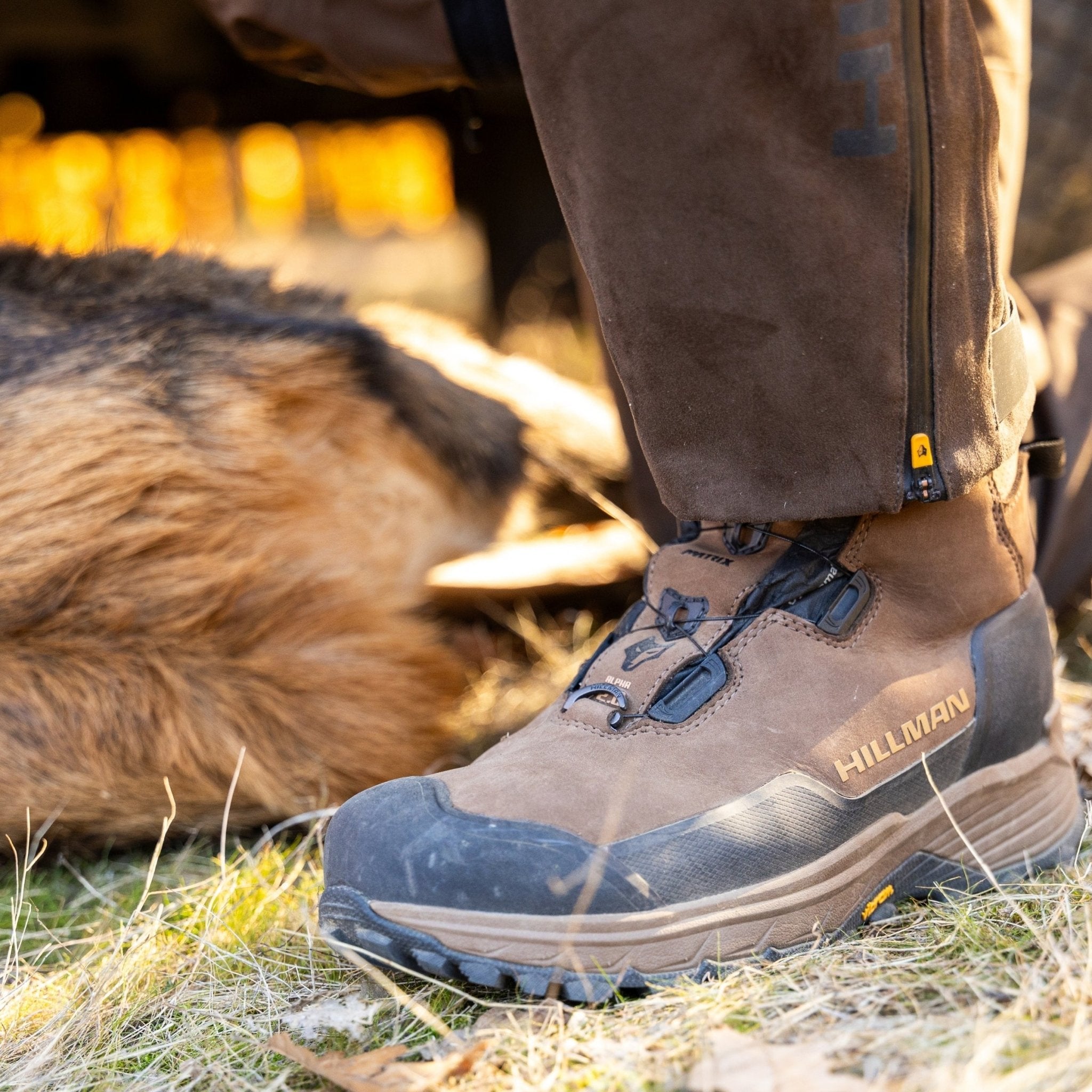
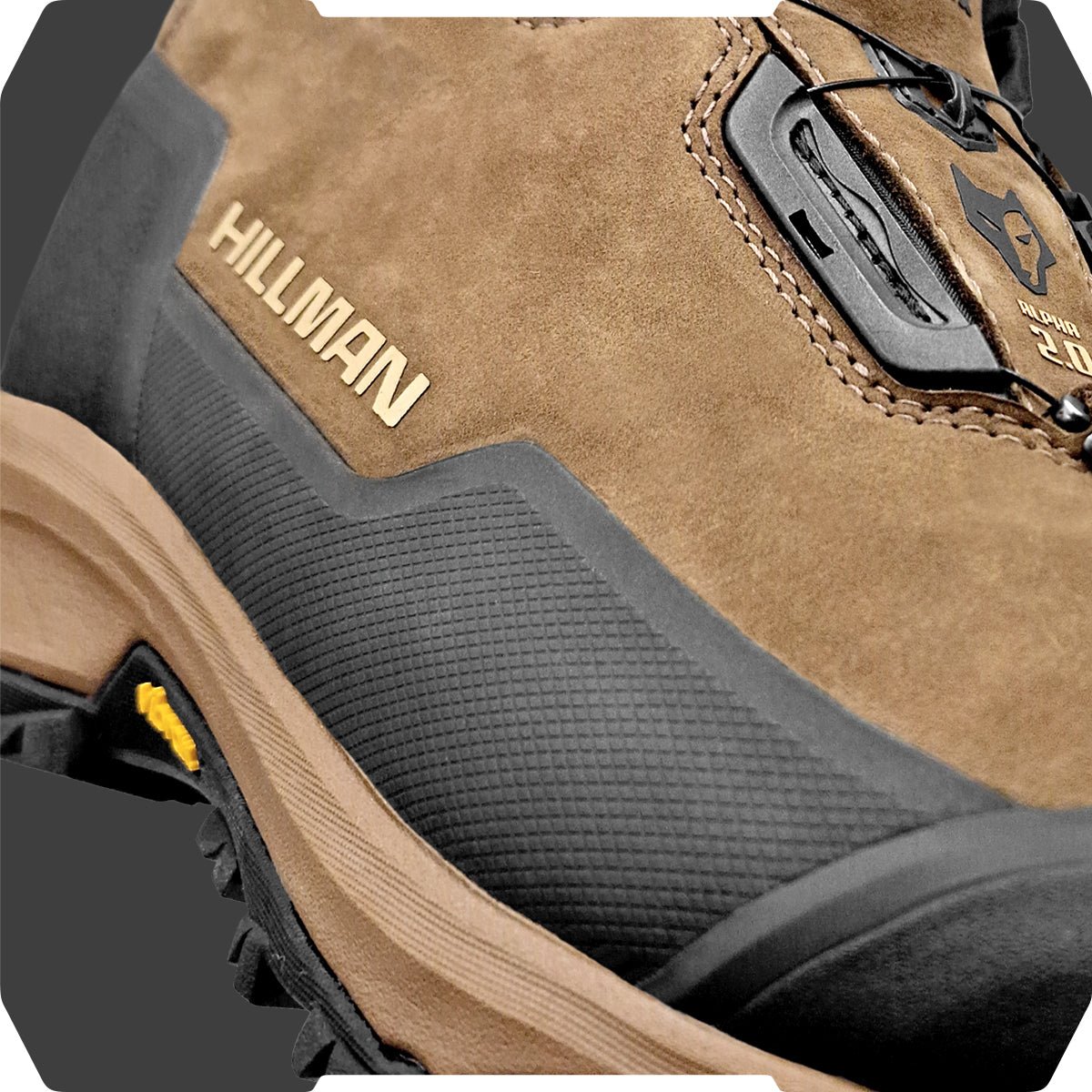
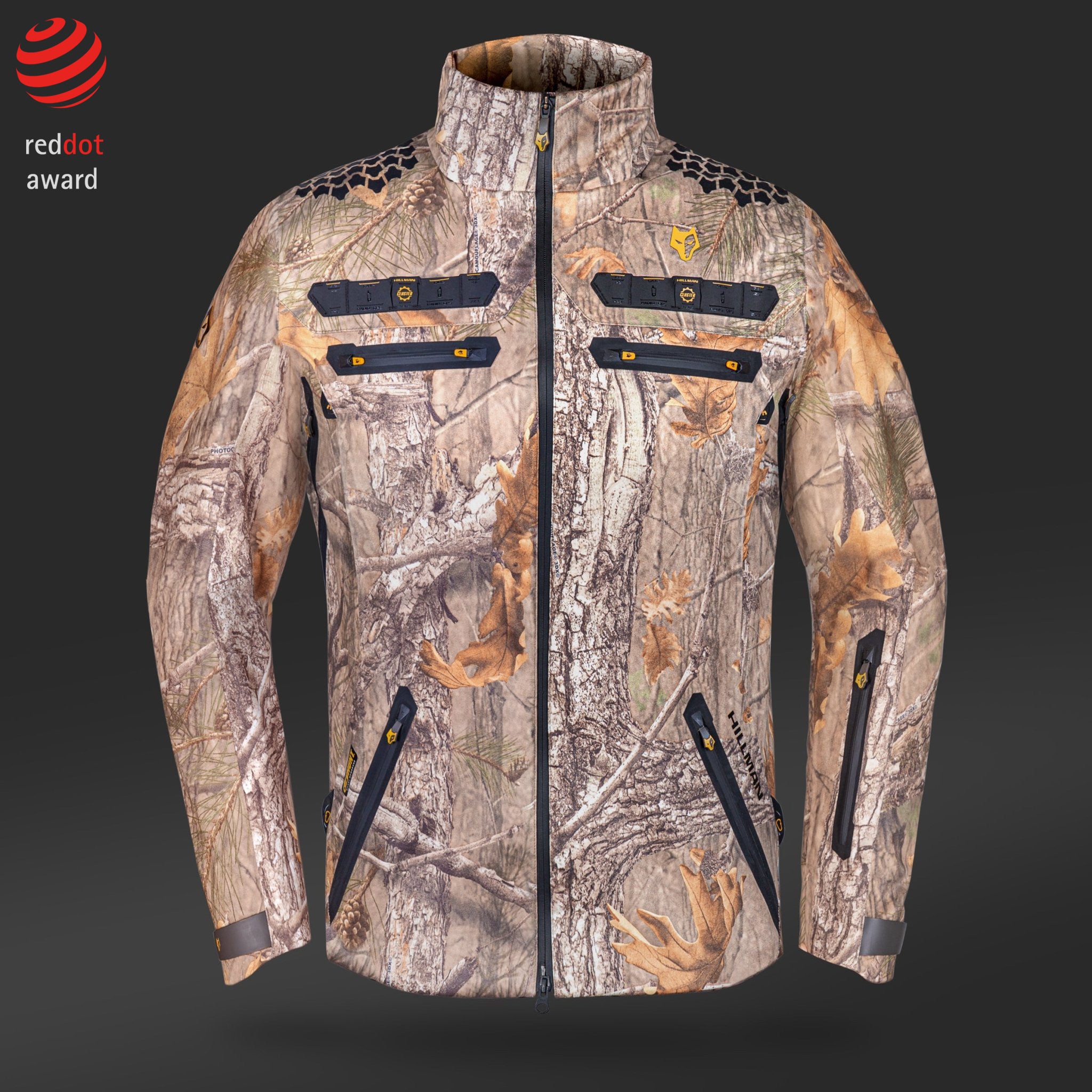
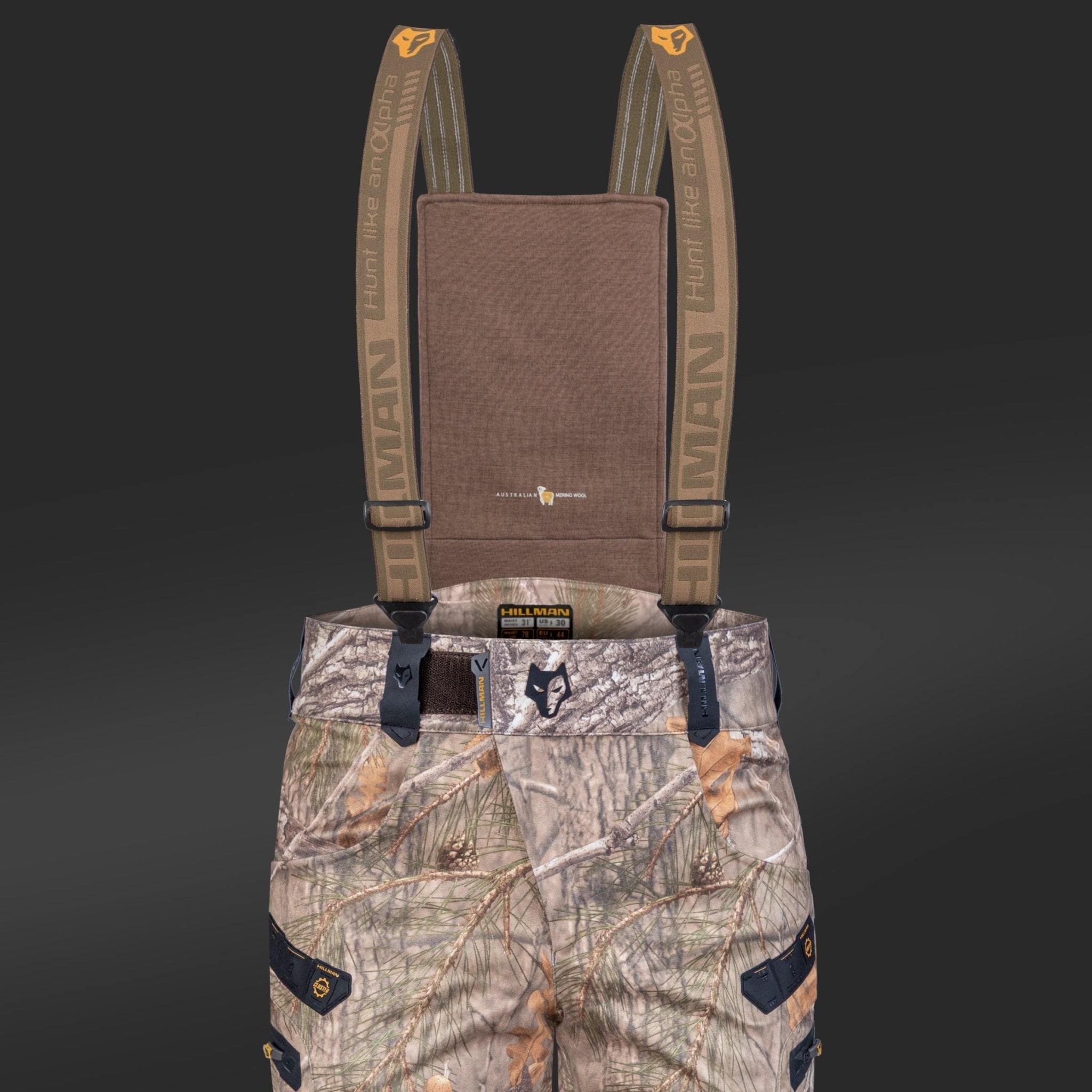
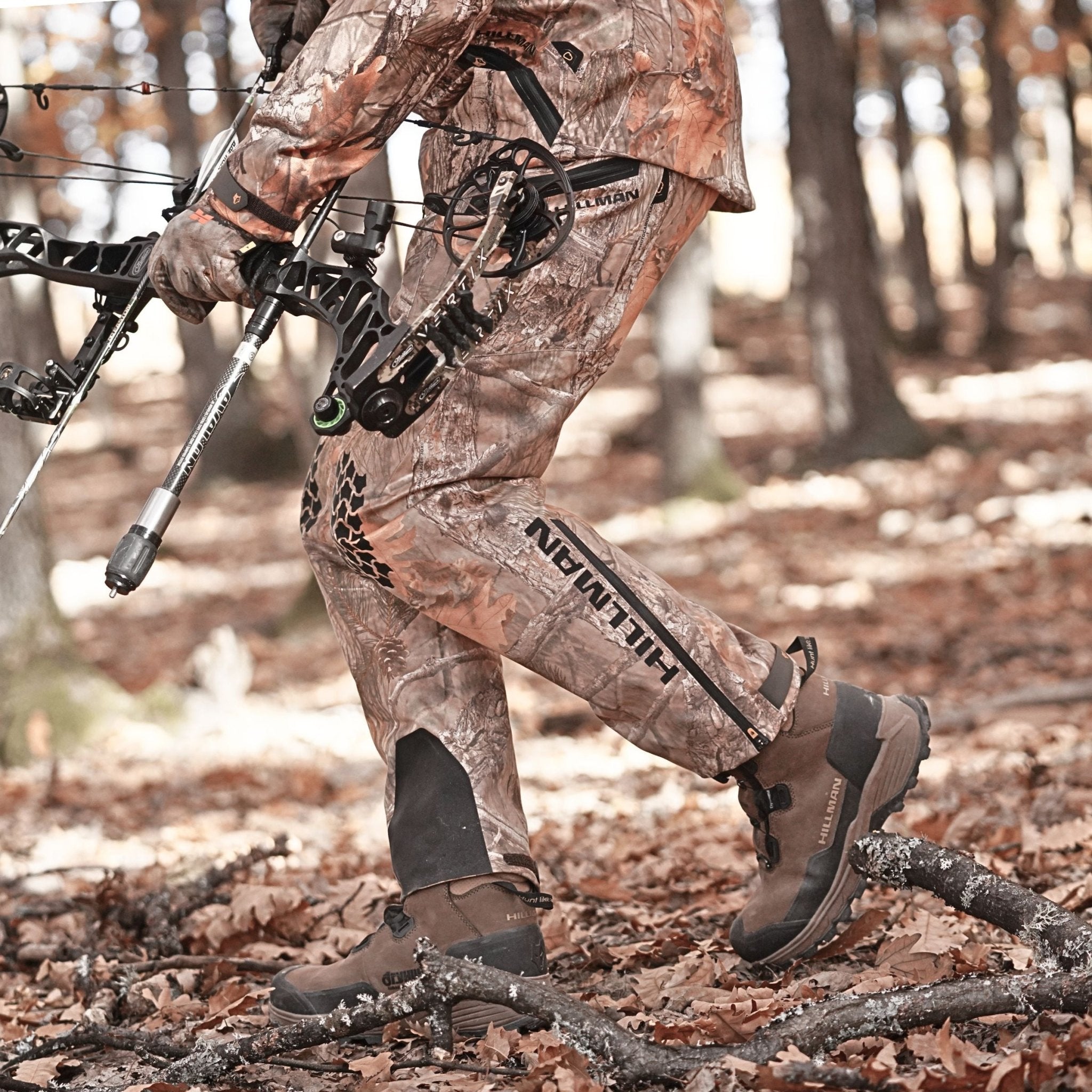
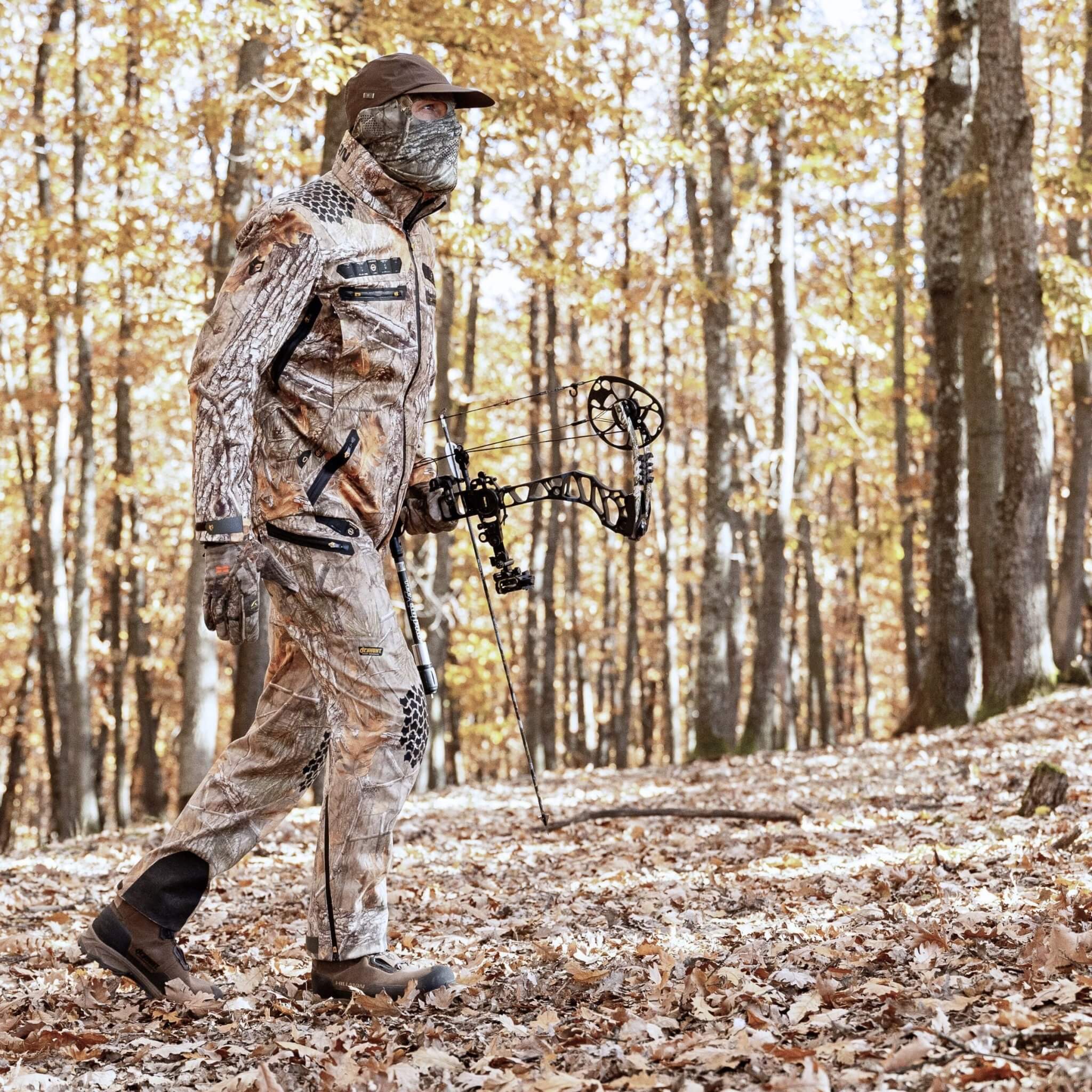
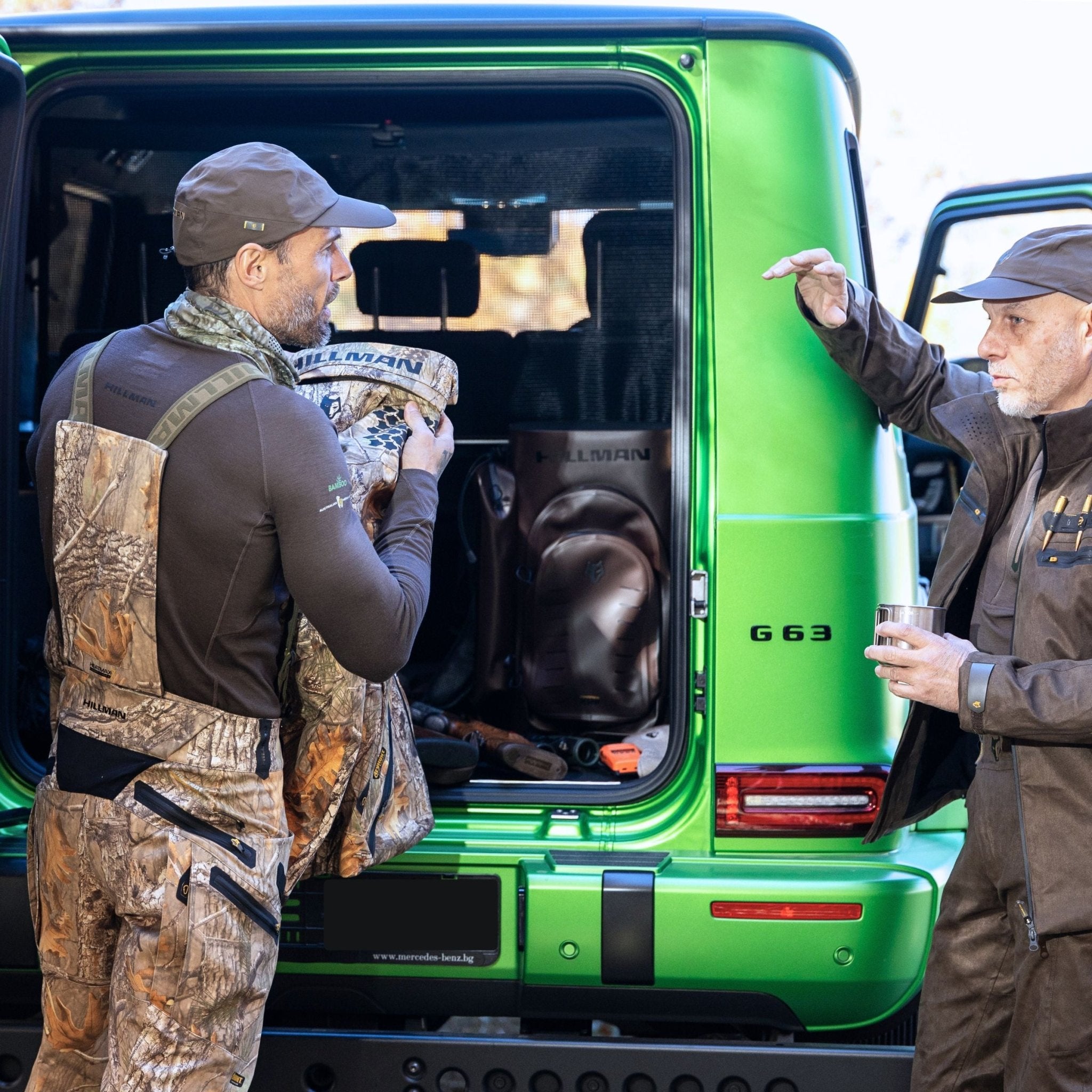
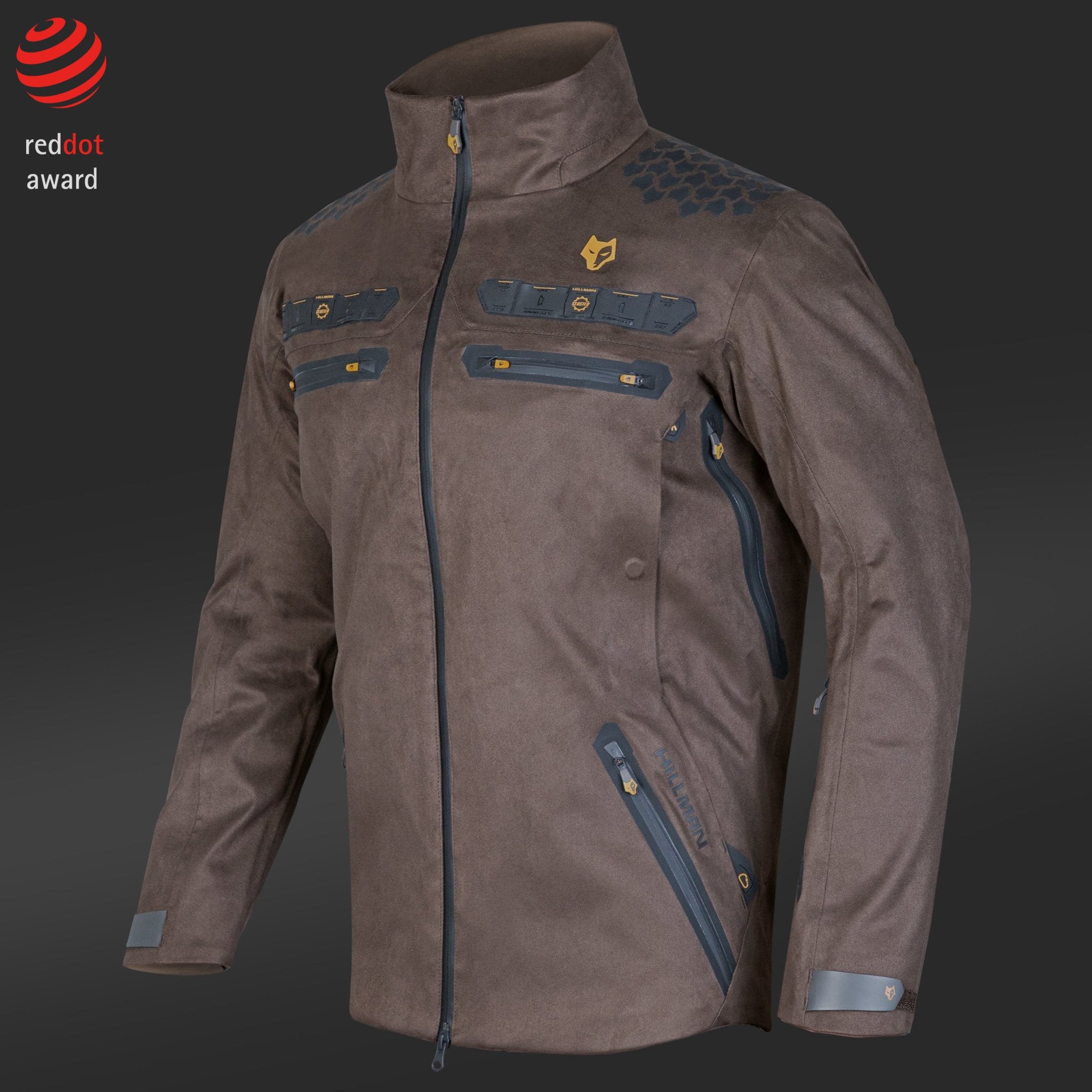
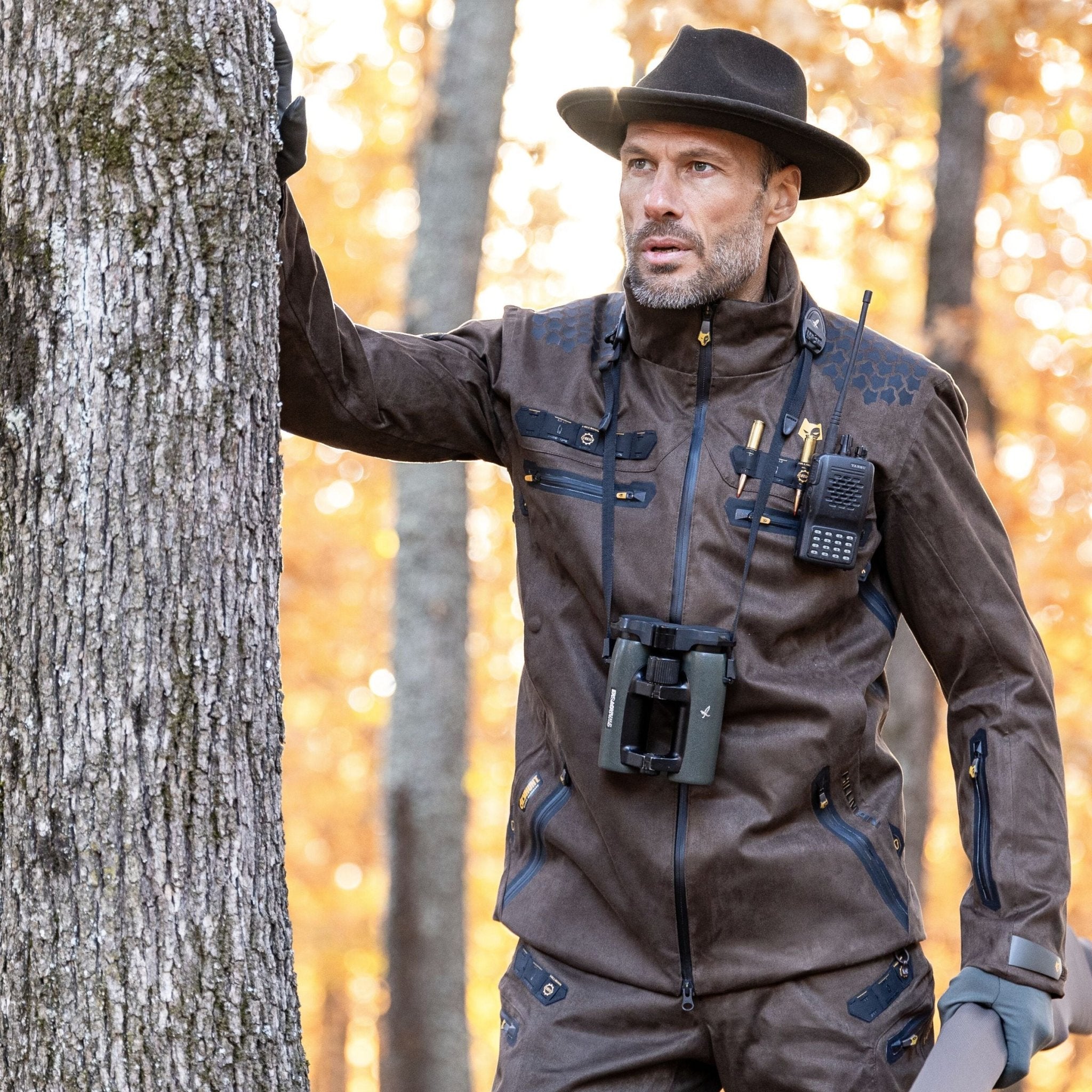
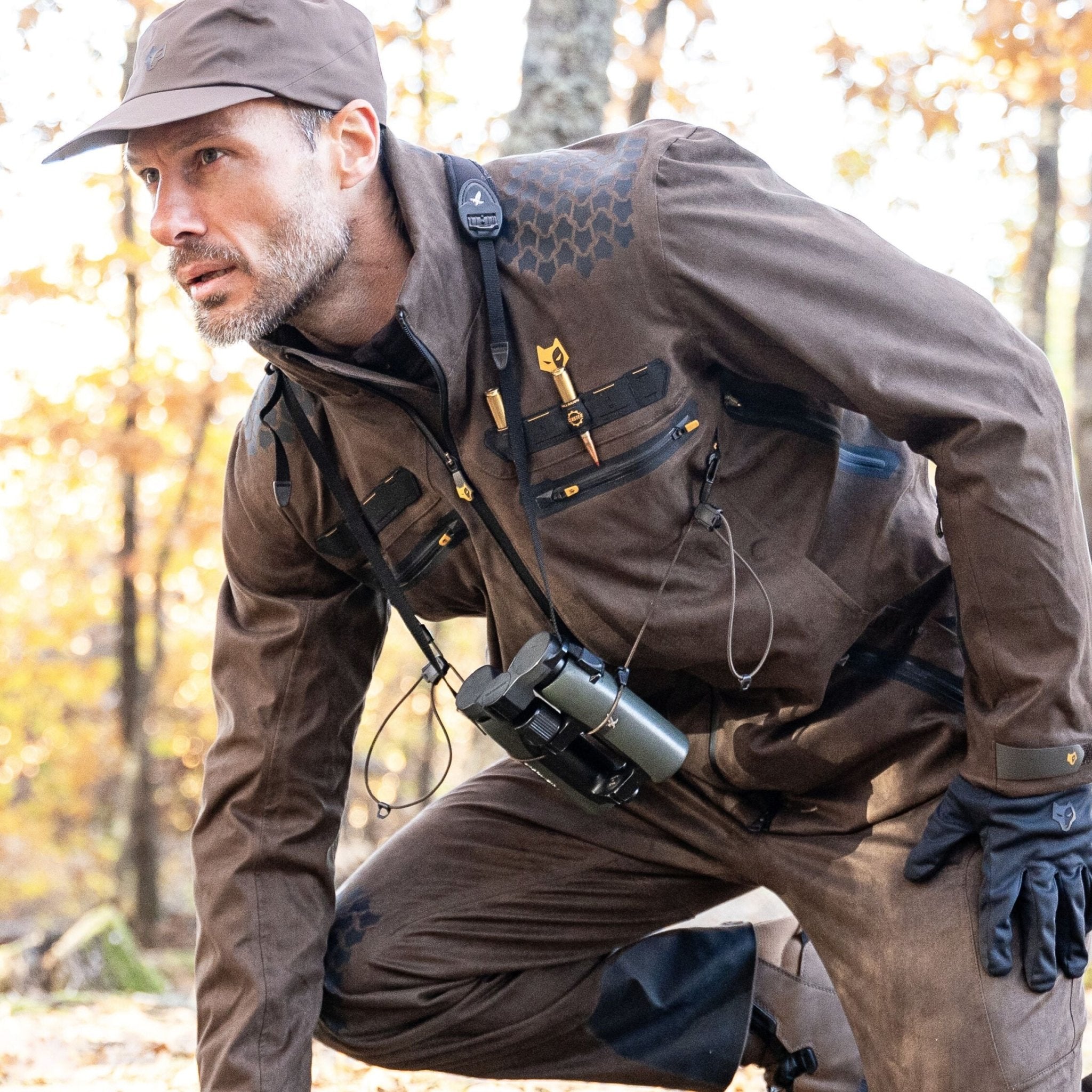
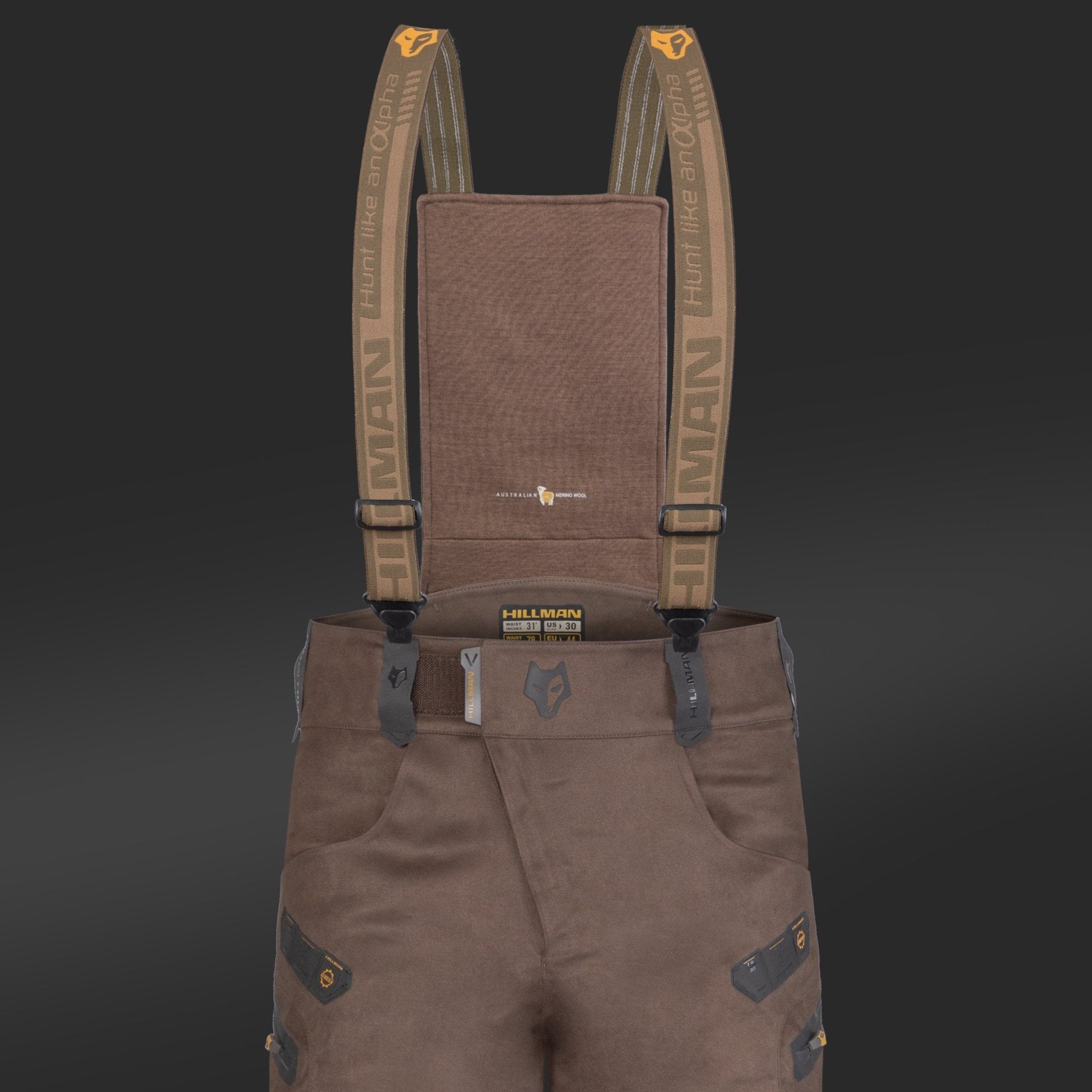
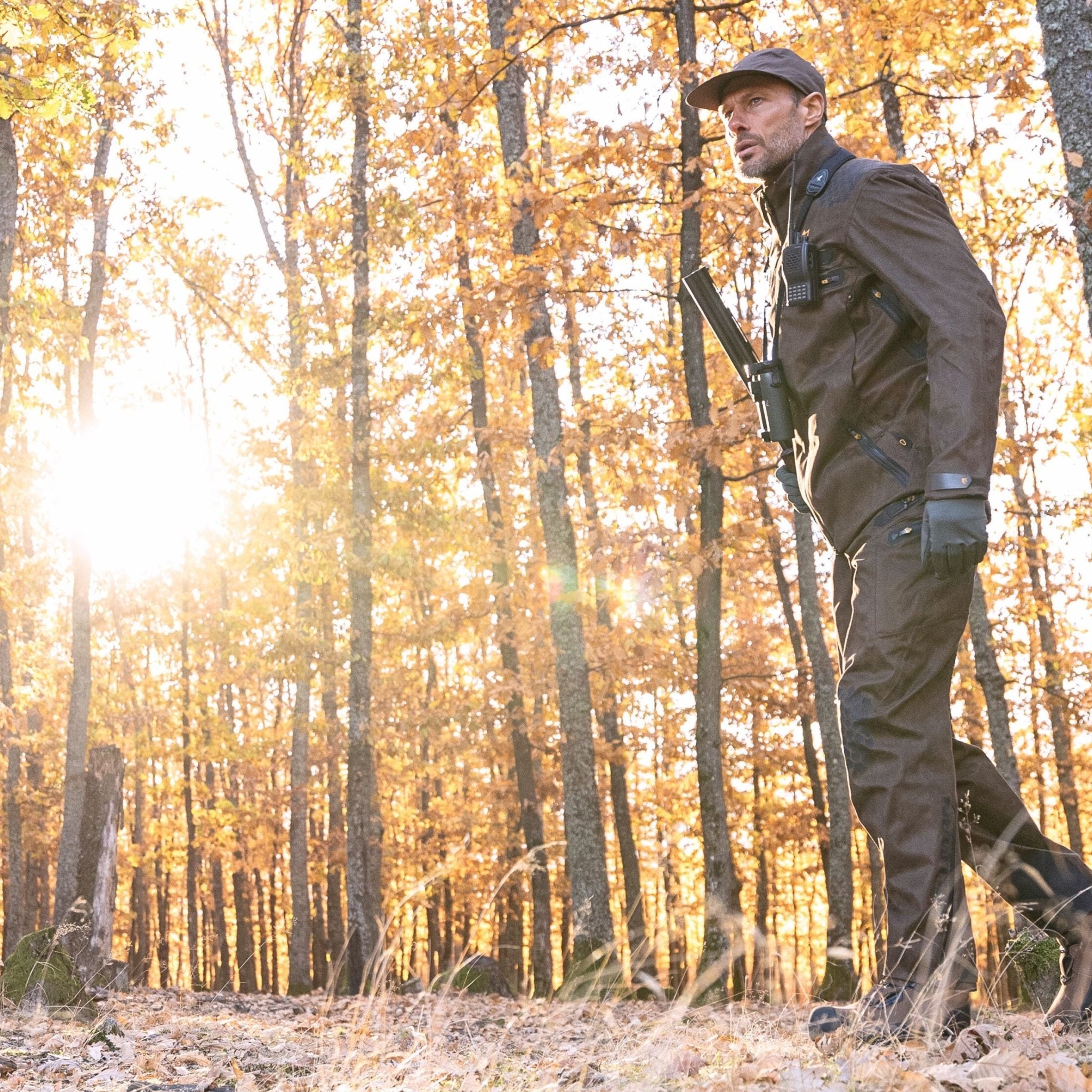
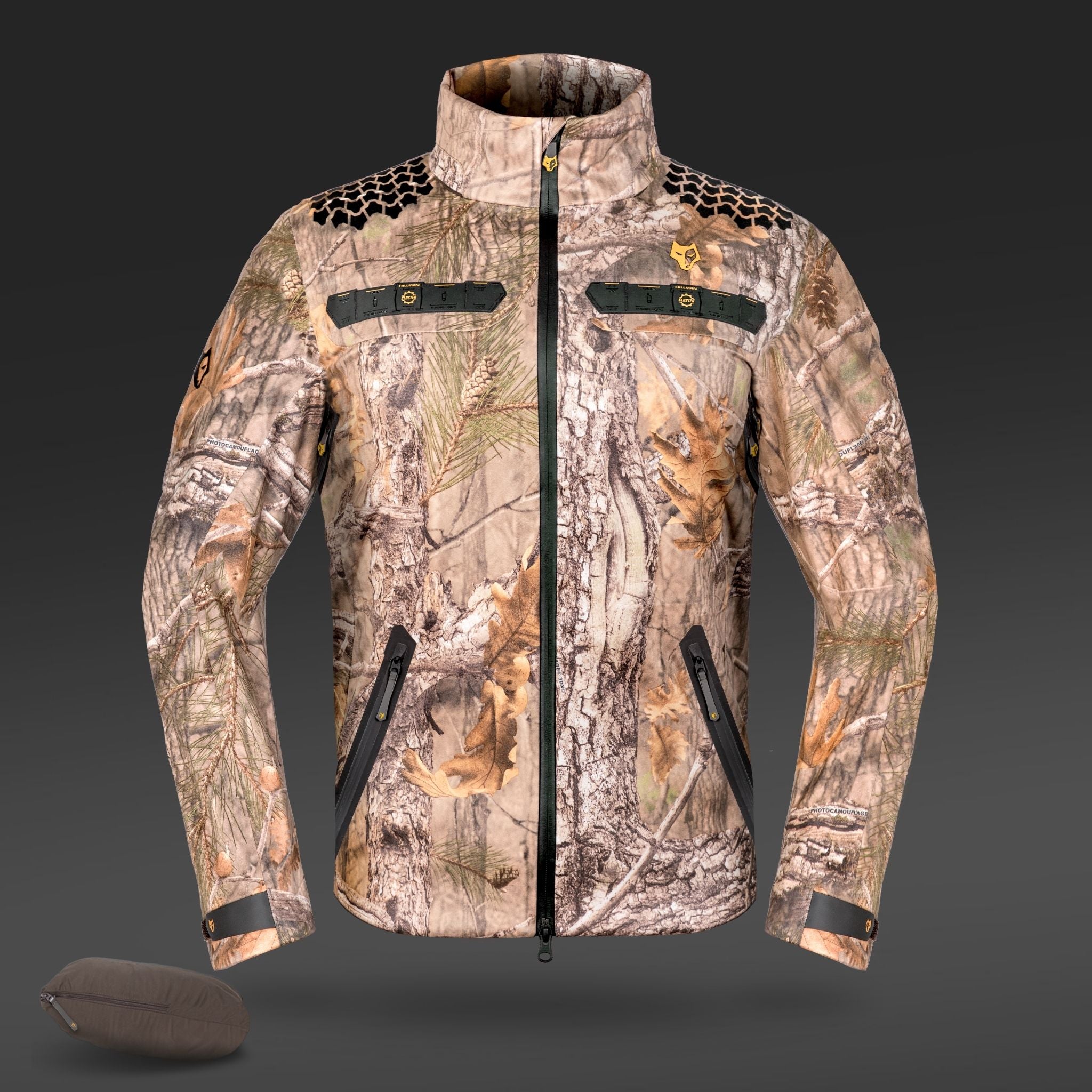
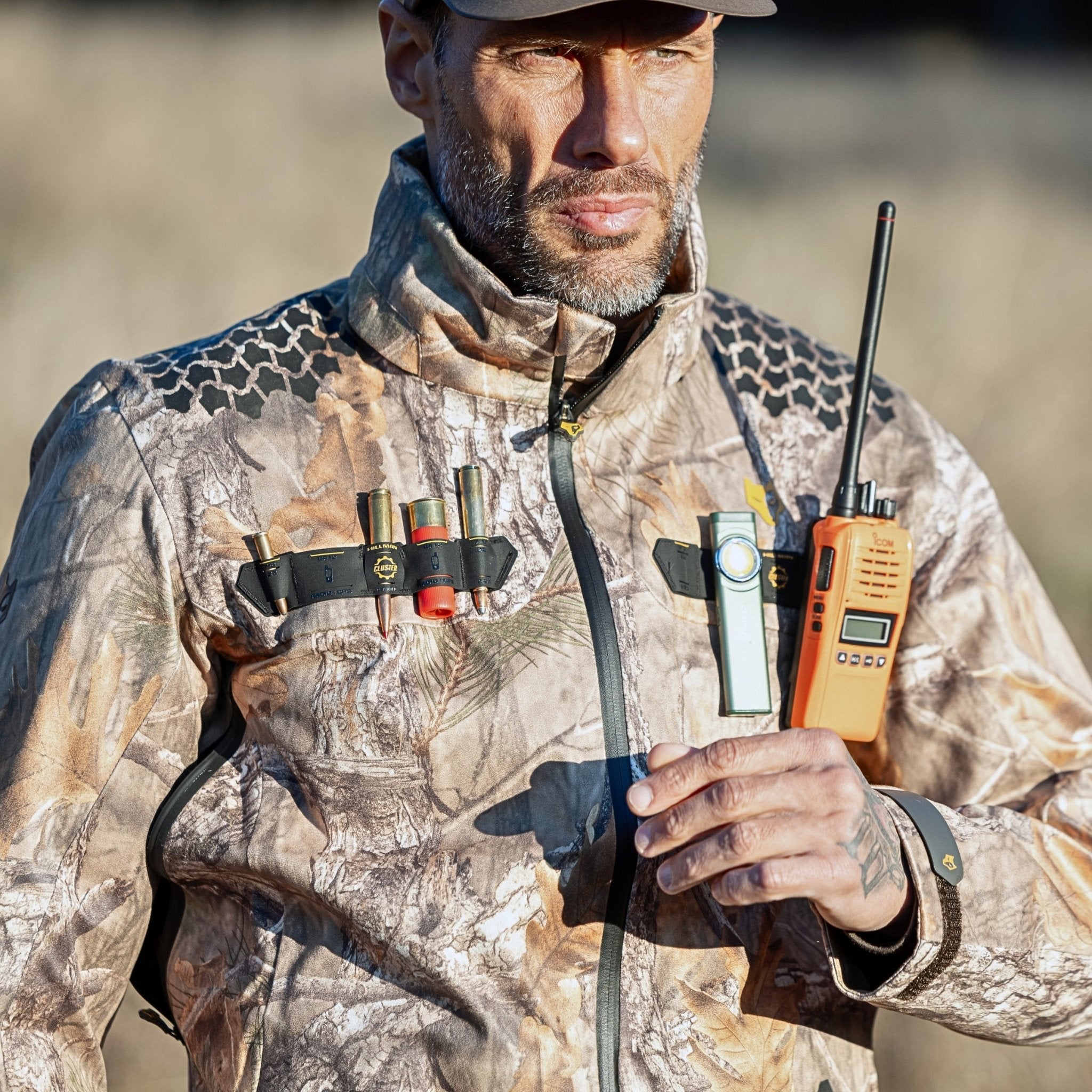
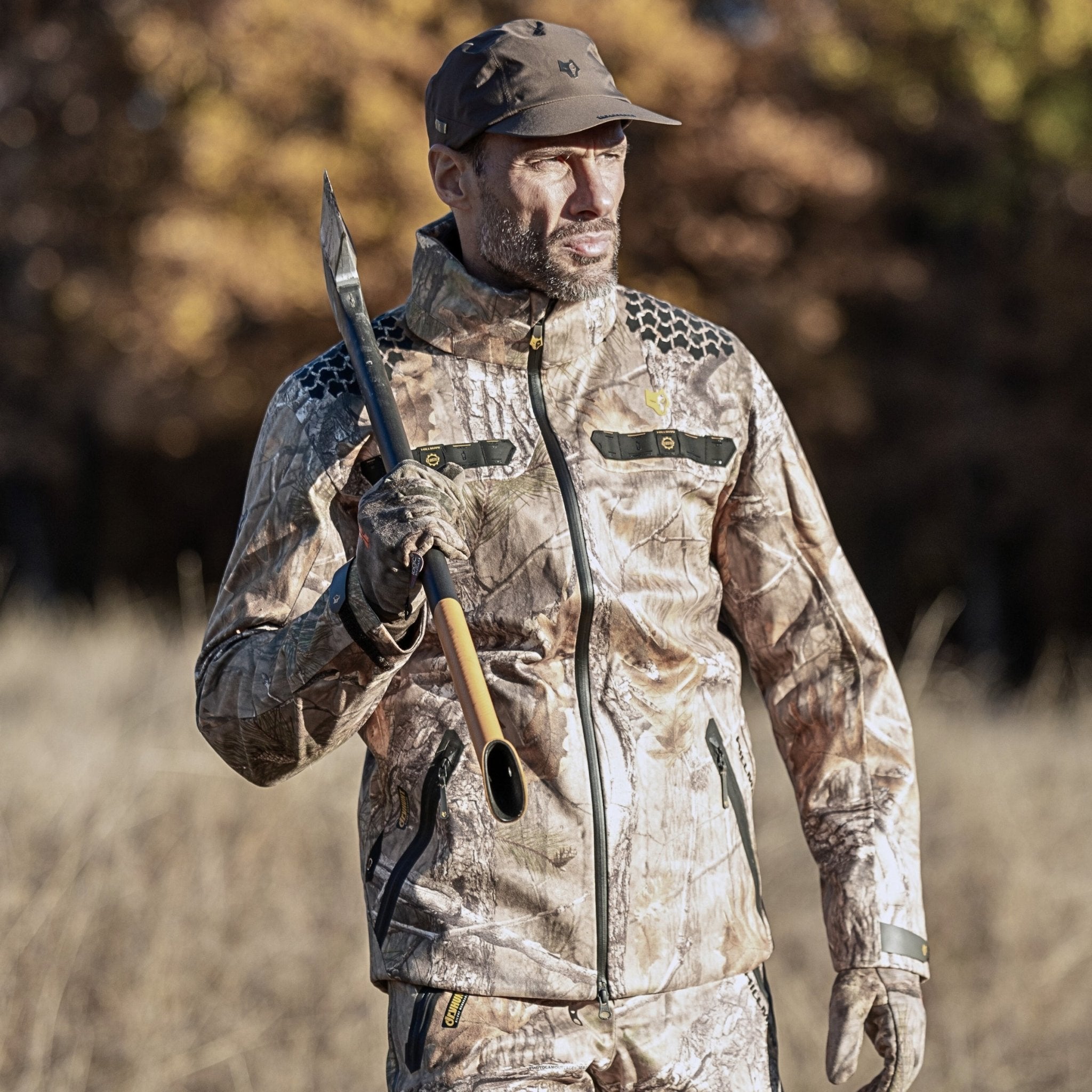
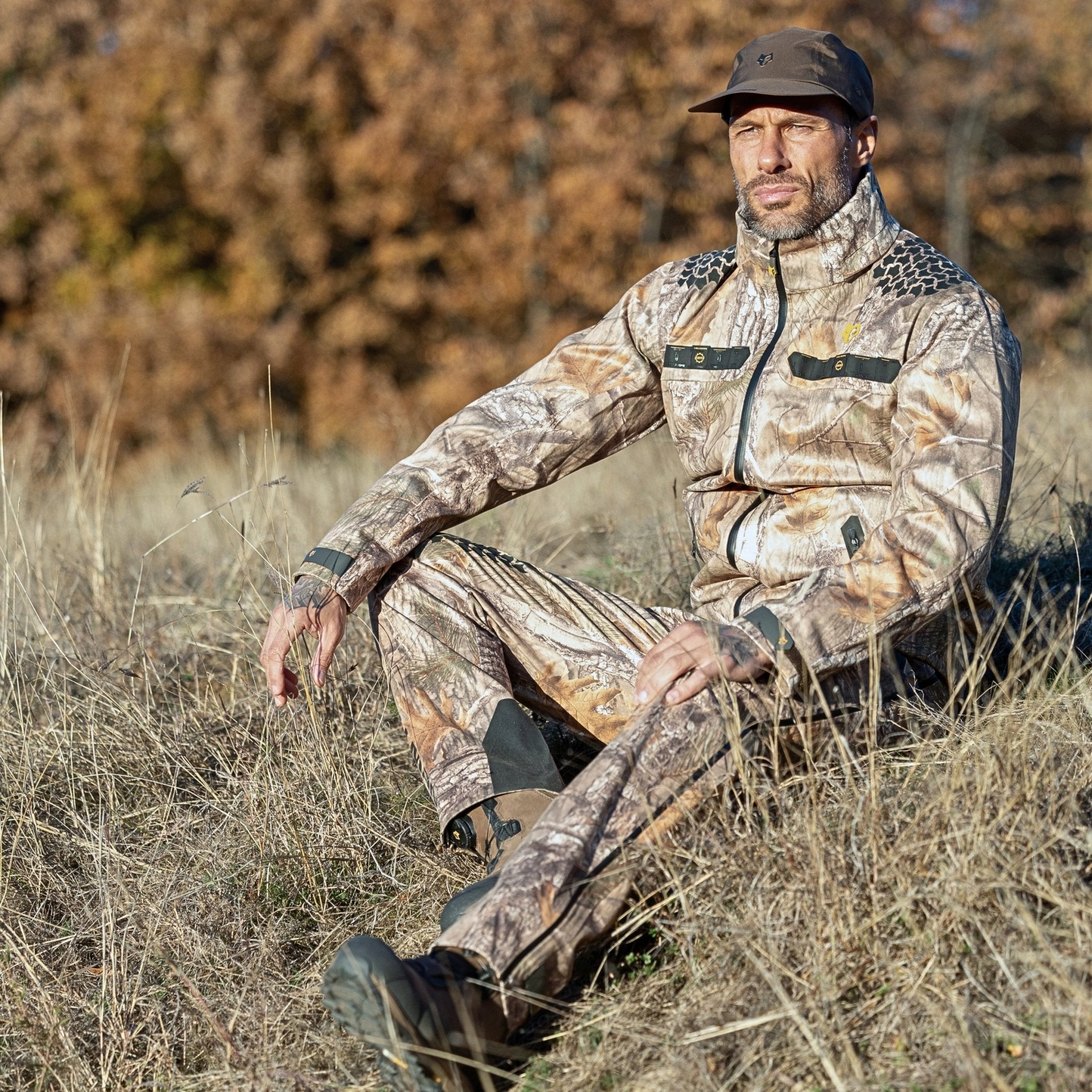
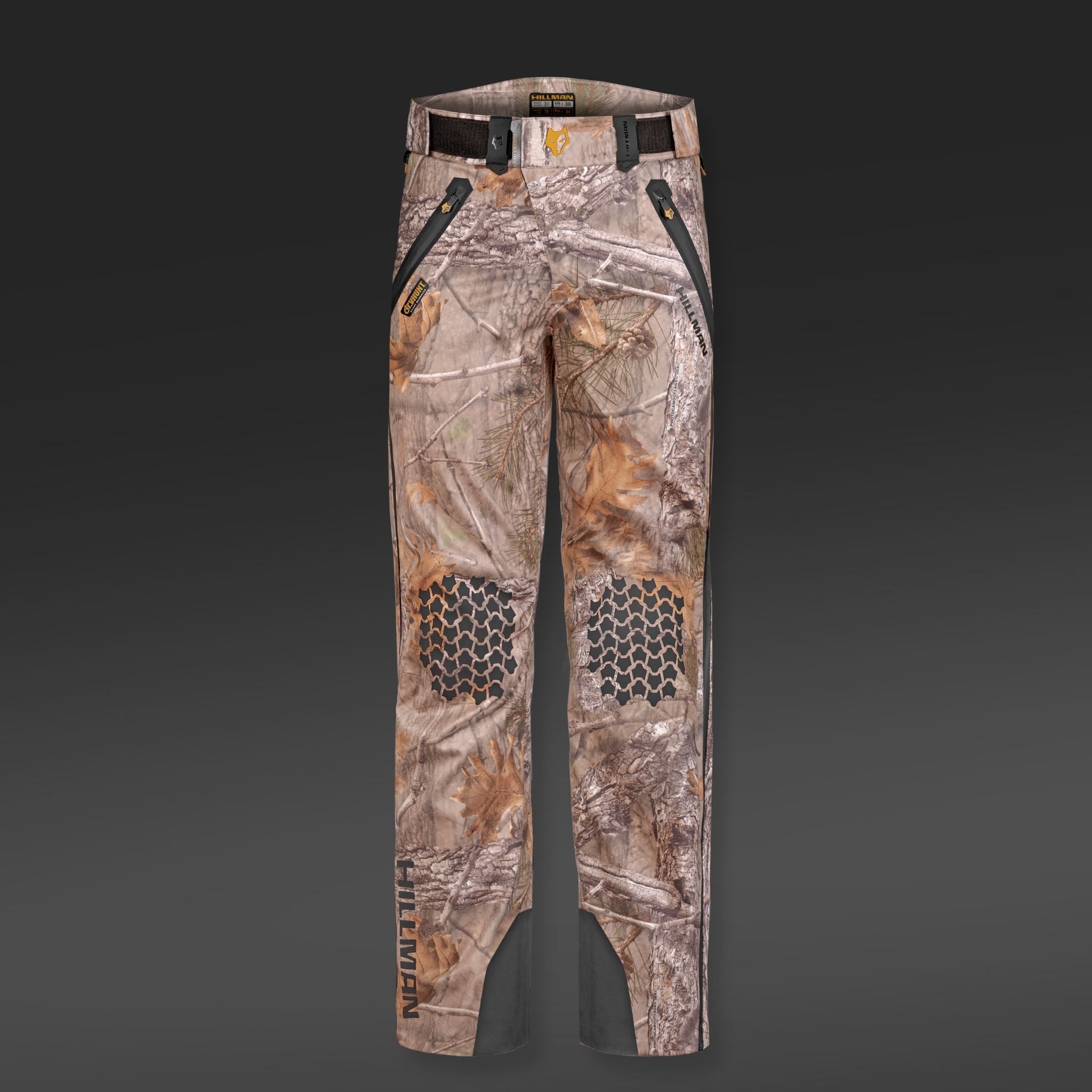
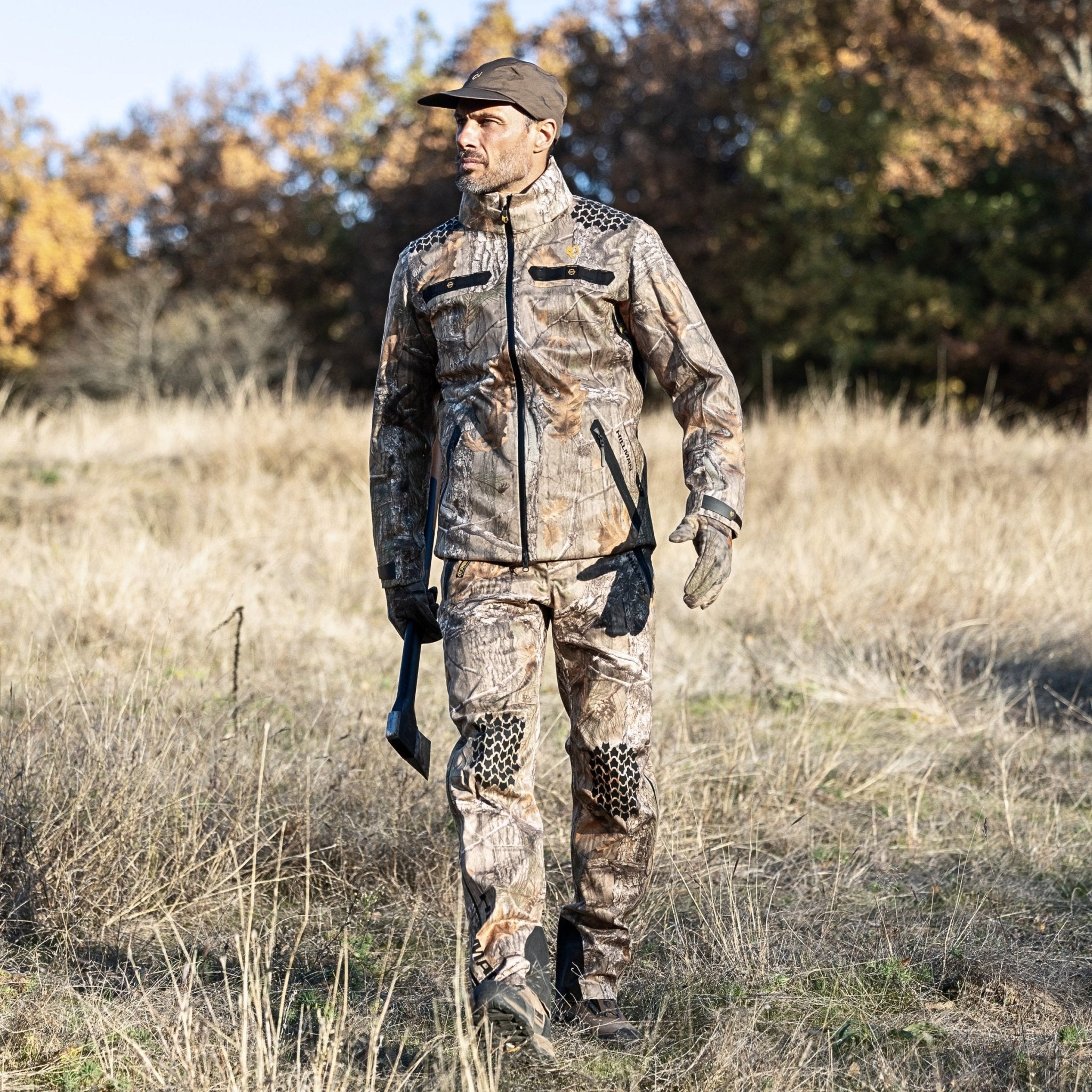
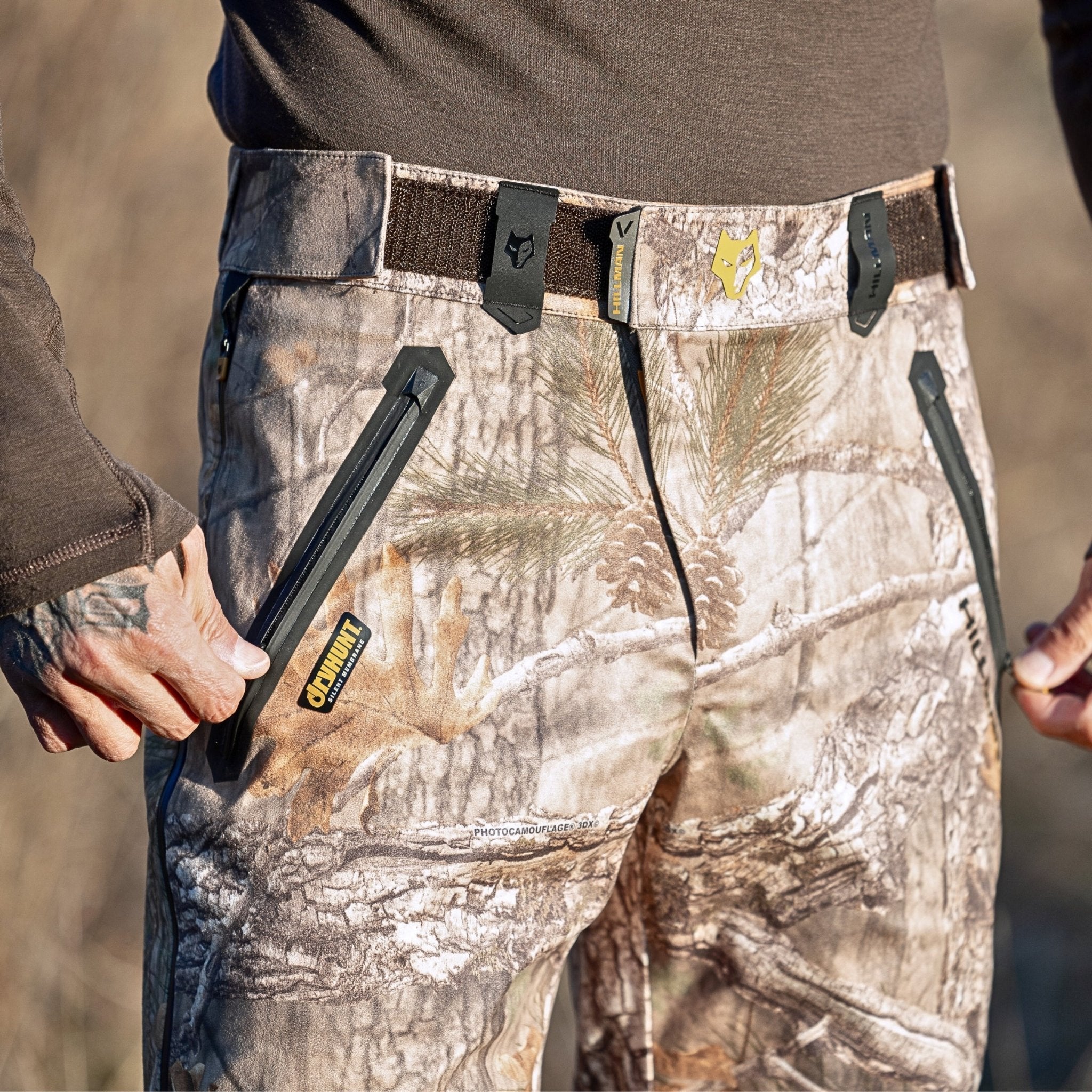
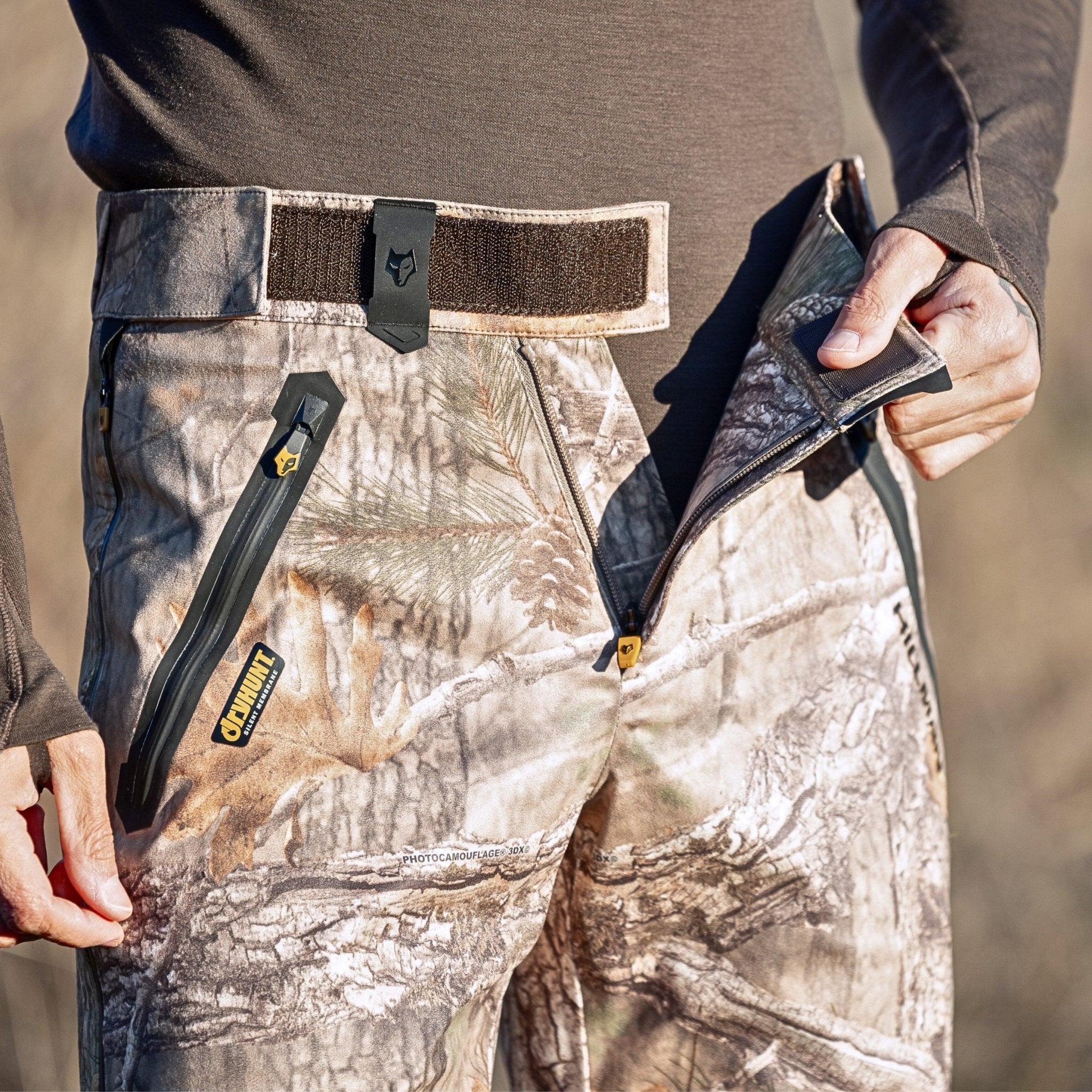
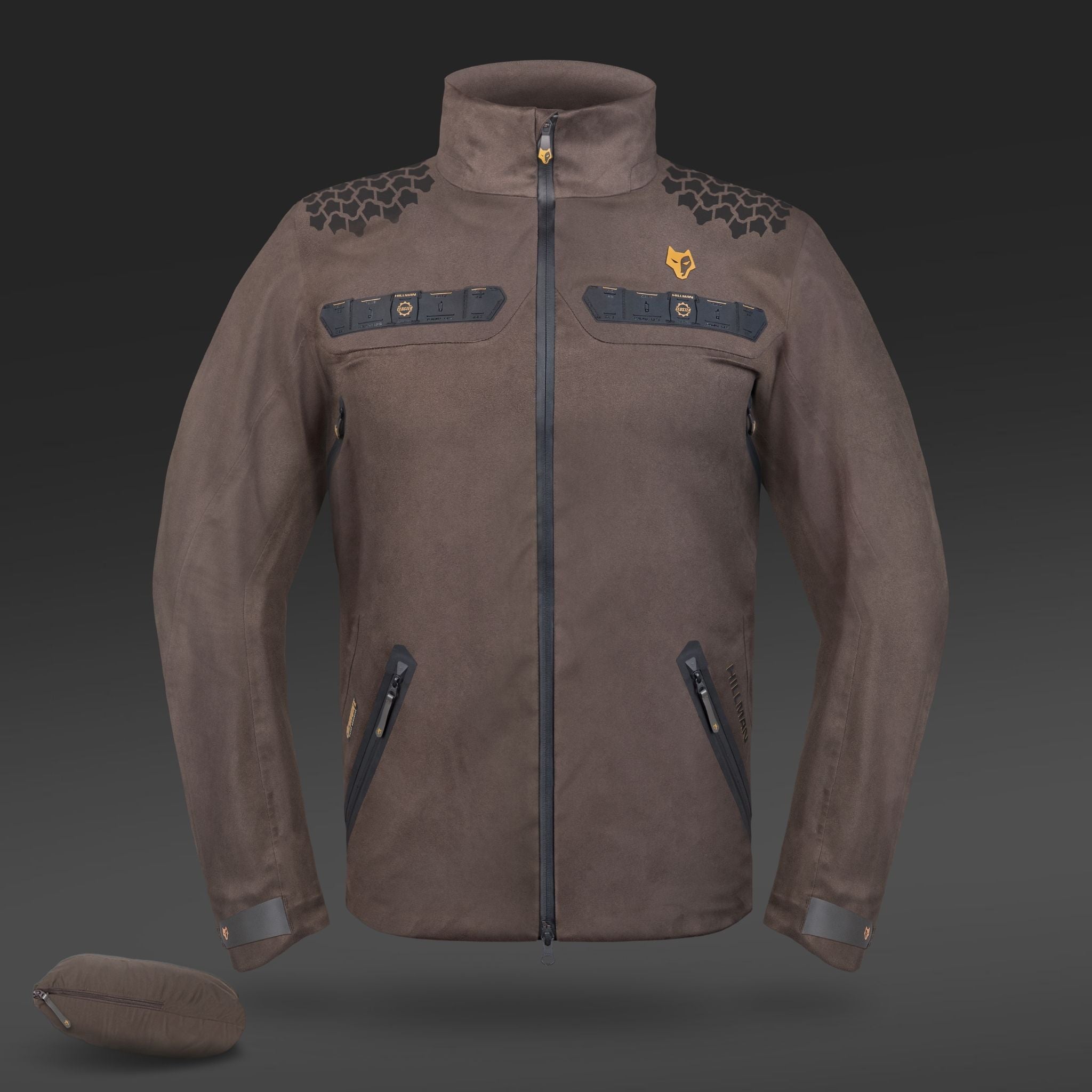
Overhead cover matters. Corvids often inspect from above before dropping in. If they can look straight down into the hide and see a face, hands, skin, or the movement of the gun, the game is nearly over. A ghillie net or good camouflage net, used with natural cover, can make a big difference. The right kit from Hillman helps most when it stays quiet, dull and suited to the surroundings rather than looking like a fresh block of colour in the hedge.
Wind, Light and the Way Birds Commit

Wind direction shapes the whole morning. Crows usually prefer to approach into the wind when they are dropping in, but they will also use trees, hedges and farm buildings to stay safe. A light breeze can help because it gives movement to the pattern and muffles small sounds around the hide.
Cloudy, mild conditions are often kind to crow shooting. Birds may fly lower, sound carries differently, and the light is easier on the shooter. Bright sun can help too, but only if the pattern is visible. Crows are more likely to approach decoys in sunlight than in deep shade, particularly when they are flying into bright light and struggling to read what is on the ground.
First light is often the strongest time. Birds leave roosts, look for feeding, and move with purpose. On mixed farms, that may mean corvids heading towards livestock areas, chicken farms, fresh drilling, maize stubble or fields where they have recently found food. If the morning starts well, it can produce a steady stream. If the first bird is missed and the warning goes out, that stream can bend away before it ever reaches the hide.
Watch the flightline before setting up. Do not just put decoys where it is comfortable to sit. If the birds are using a row of trees, a gap in the hedge, or a line of fence posts, the hide should work with that route. Moving against the natural line often makes birds suspicious before they are even close.
Movement in the Pattern
Static decoys can work, but they can also become stale. On ground where the same local crows are pressured often, a pattern that never changes may lose power within weeks. The birds learn where the danger usually sits. They learn the look of the same decoys. They learn that easy pickings sometimes come with a cost.
Movement can help regain interest after a miss. A rotary machine, where lawful and appropriate, may give the pattern enough life to draw a bird back for another look. A real dead bird, used neatly, can also add a detail that plastic crow decoys cannot always provide.
An owl decoy can be useful in some situations, especially where corvids are likely to mob an owl. But it is not magic. If the owl is placed badly, left in the same position too long, or used without a hide that is properly concealed, it can become just another object the birds learn to avoid. Crow calls are similar. Mouth calls can help when used sparingly, but constant calling can sound false. Electronic calls should only be considered where they are lawful, and even then they can educate birds quickly if the setup does not deliver.
Real birds react to the whole scene, not one item. Decoys, movement, sound, wind, hide, light and dead birds all have to make sense together.
Mixed Farms Give Crows Choices

The challenge on mixed farms is that corvids rarely need one field. They may feed around cattle, check game cover, work fresh drilling, follow machinery, visit chicken farms, sit in trees, or patrol along hedges. If one spot feels wrong, they can simply use another.
That is why crop protection has to be practical rather than stubborn. If the birds are damaging a crop in one place but have just been spooked there, it may be better to shift to their next likely feeding point instead of waiting in a dead field. Farmers often know where the pressure is building. Their advice can save a wasted morning.
Crows, rooks and jackdaws each behave a little differently, but all can become wary after pressure. Young birds may be easier to draw, especially early in the season, but they still learn fast when older birds react. If one crow flares hard and calls, the others often respect it.
Foxes and other wildlife may also move through the same land, and the sound of shooting can change the feel of the farm for a while. That does not mean the day is ruined. It means the shooter has to keep reading what is happening, rather than forcing the original plan.
When to Stay and When to Move

There is a difference between a quiet spell and a finished setup. A quiet spell may follow a few shots, a passing tractor, a change in wind, or a temporary move in the flightline. A finished setup feels different. Birds come to distance and refuse. They swing wide in the same place. They climb above the pattern. They call from trees but will not drop. They pass behind the hide instead of over the decoys.
At that stage, the best advice is simple: change something real. Move the hide. Reduce the decoys. Put the dead birds out of sight. Turn the pattern into the wind. Cover the face better. Stop moving. Let the field settle for a short while. If nothing changes, move again.
Decoying crows rewards patience, but not laziness. Sitting in the wrong place for three hours is not patience. It is just sitting.
A missed chance does not have to end the shoot day, but it should sharpen the shooter’s thinking. The birds have changed their view of the field. The setup has to change with them.
Clean Shooting and Quiet Confidence

Crow shooting is often done for crop protection, but that does not reduce the need for clean shooting and fieldcraft. Use enough cartridge for the job. Keep the range sensible. Make the first shot count if possible. If a bird is wounded, deal with it quickly and properly. Do not leave the ground messy. Speak with the farmer about disposal before the end of the morning.
There is satisfaction in getting it right. A good hide tucked into natural cover, a tidy random pattern, the wind working, the face covered, the gun still until the last moment, and a crow dropping in with full attention on the decoys. That is the difference between simply shooting at crows and properly decoying crows.
After the first missed chance, the field tells the truth. The birds either still believe the story, or they do not. The better shooter notices early, adjusts without fuss, and gives the next bird a different picture to read.






Share:
Rough Shooting Hedgerows: How to Move a Line
Winter Woodcock Shooting Days: Pace, Cover, Quiet Footwork