
Best Clothing for Walked-Up Grouse Days: Light, Tough and Weather-Ready

Light walked-up grouse clothing for moorland weather: jackets, vest, boots, tweed, rain, socks, gloves and proper movement.
Walked-up grouse is not a tidy country walk. It is wet grass, heather, peat hags, awkward slopes, soft ground and a lot of walking before much shooting happens. Some days the birds lift well. Some days grouse numbers are poor and you mostly grind across the moor wondering why your boots suddenly feel half a size too small.
That is why the clothing has to be right.
The best clothing for walked-up grouse days light enough for steady walking, tough enough for rough heather and ready for bad weather will always beat heavy, stiff kit. Big coats look safe at the start. Then the first climb comes and they turn into dead weight. Bad trousers start pulling at the knee. A poor jacket grabs across the shoulders when you lift the gun. Wrong boots punish your feet until the whole day becomes about blisters.
Grouse shooting needs practical kit. Not shiny. Not loud. Not overbuilt. Just clothing that lets you move, carry what you need and stay warm enough when the wind gets up.
The Grouse Moor Decides What You Wear

A grouse moor does not care if your jacket looked good in a shop. The moor tests everything. Heather rubs at trousers. Rain comes sideways. Peat hags catch ankles. Wind cuts through weak layers. Wet ground finds bad boots.
So start there.
You need freedom of movement first. If your shooting jacket stops your arms moving properly, it is wrong. If your vest is stuffed so full that it swings around when you walk, it is wrong. If your trousers are too tight at the seat or too loose around the leg, you will know about it after a mile.
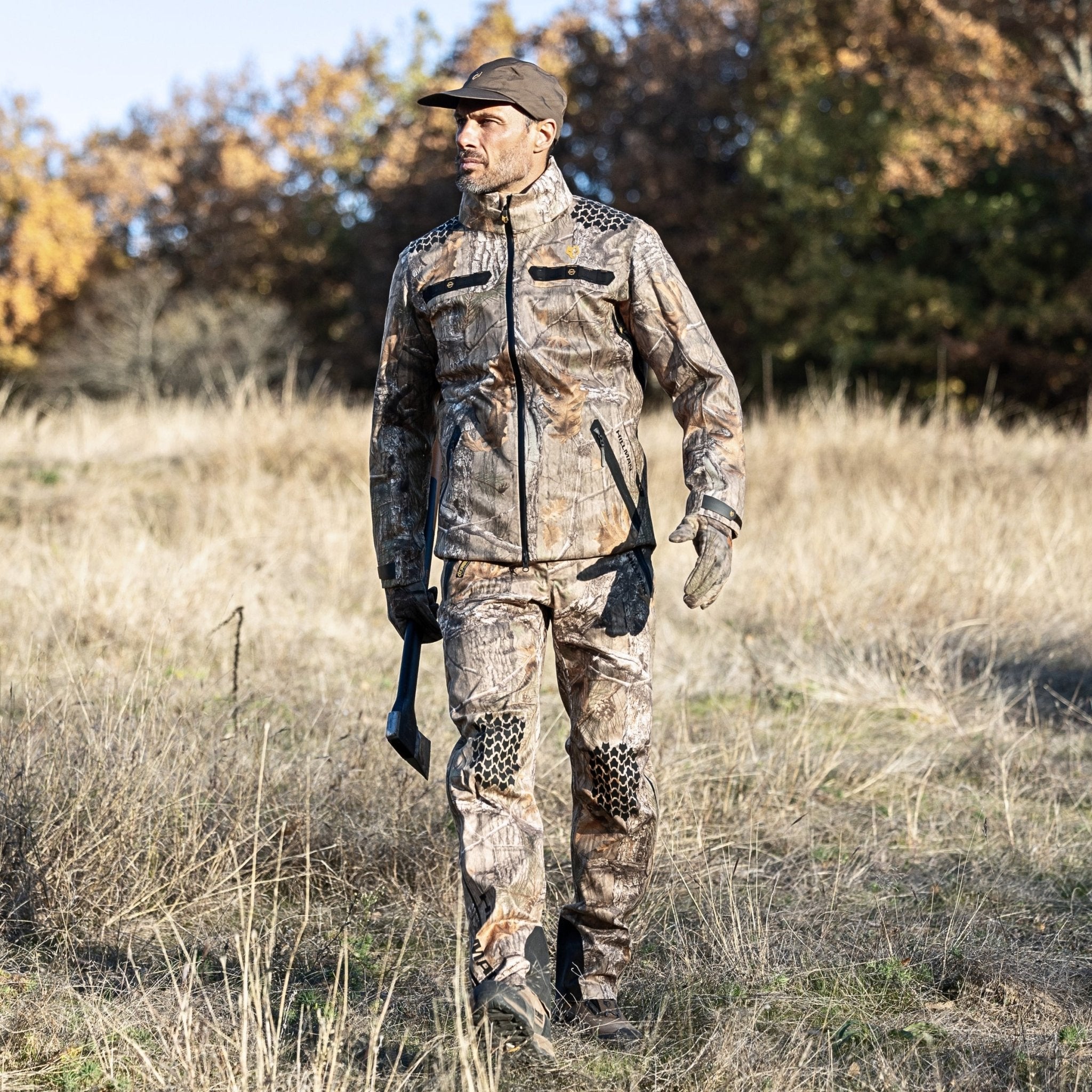
Colours should sit with the hill. Green, brown, olive, tan, muted blue, dull grey and tweed all work. Bright white shirts, shiny coats and loud colours look out of place. Full camo usually misses the mark too. Grouse attire is more natural country clothing than hard hunting camouflage.
What to Wear Grouse Shooting
What to wear grouse shooting depends on the weather, the ground and the pace of the day, but the basics do not change much.
Wear a shirt or light base layer. Add a shooting vest or waistcoat if you need pockets and a bit of warmth. Carry or wear a waterproof jacket if rain is likely. Use tough trousers or breeks. Wear proper boots with ankle support. Take socks seriously. Do not forget gloves, glasses, hats and ear defenders.
A tie may still be expected on some days, especially on a more traditional shoot. Fine. Wear one if that is the custom. But do not let formality ruin the practical side. Walked-up grouse is active. You may be heading over rough moor for hours. Clothing has to help, not just look correct at the start.
The right kit should feel easy. You should be able to walk, stop, mount the gun, bend, climb and carry small essentials without thinking about your clothes every ten minutes.
Shooting Jacket: Useful, But Keep It Light

A shooting jacket is useful, but too many people choose one that is too heavy. That is the mistake.
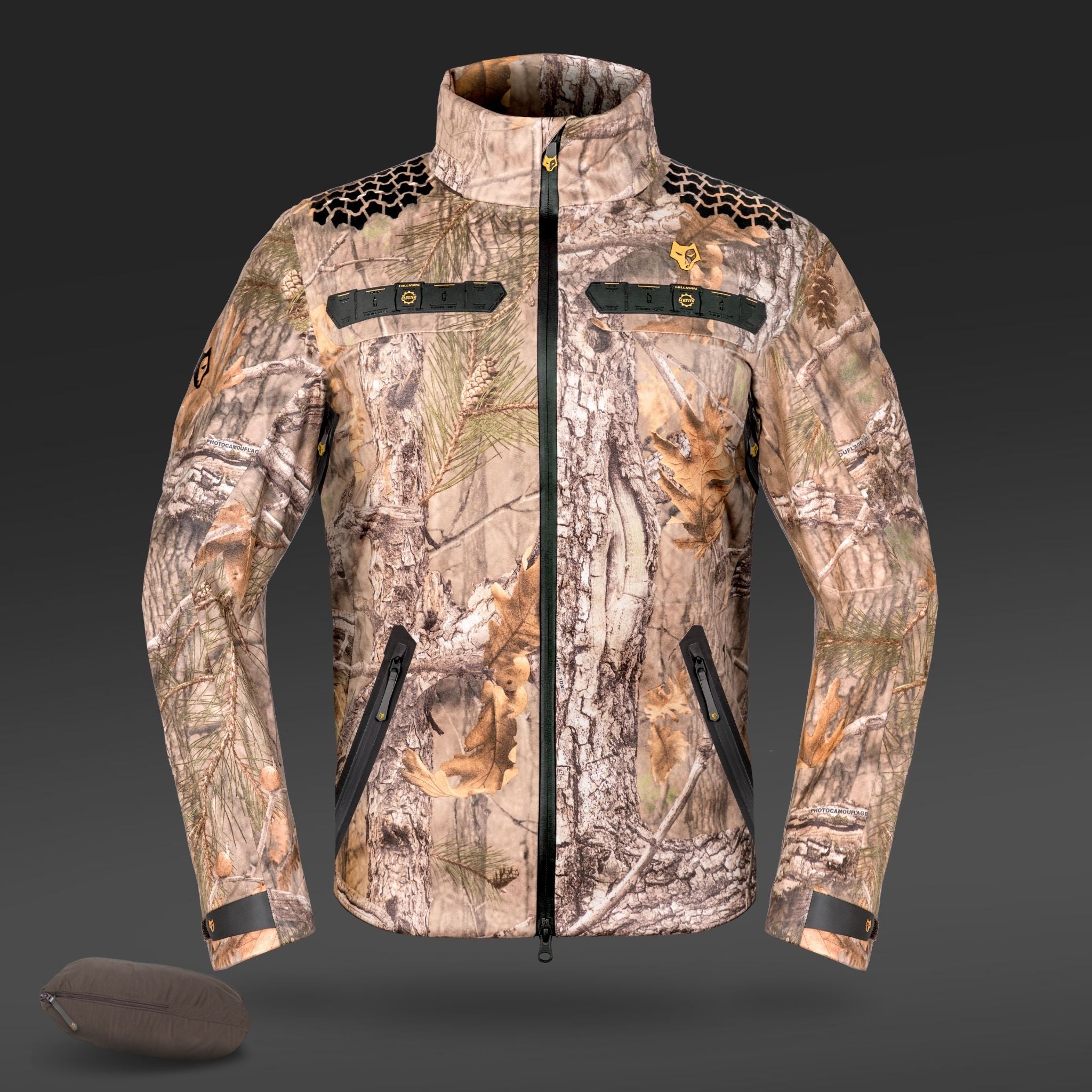
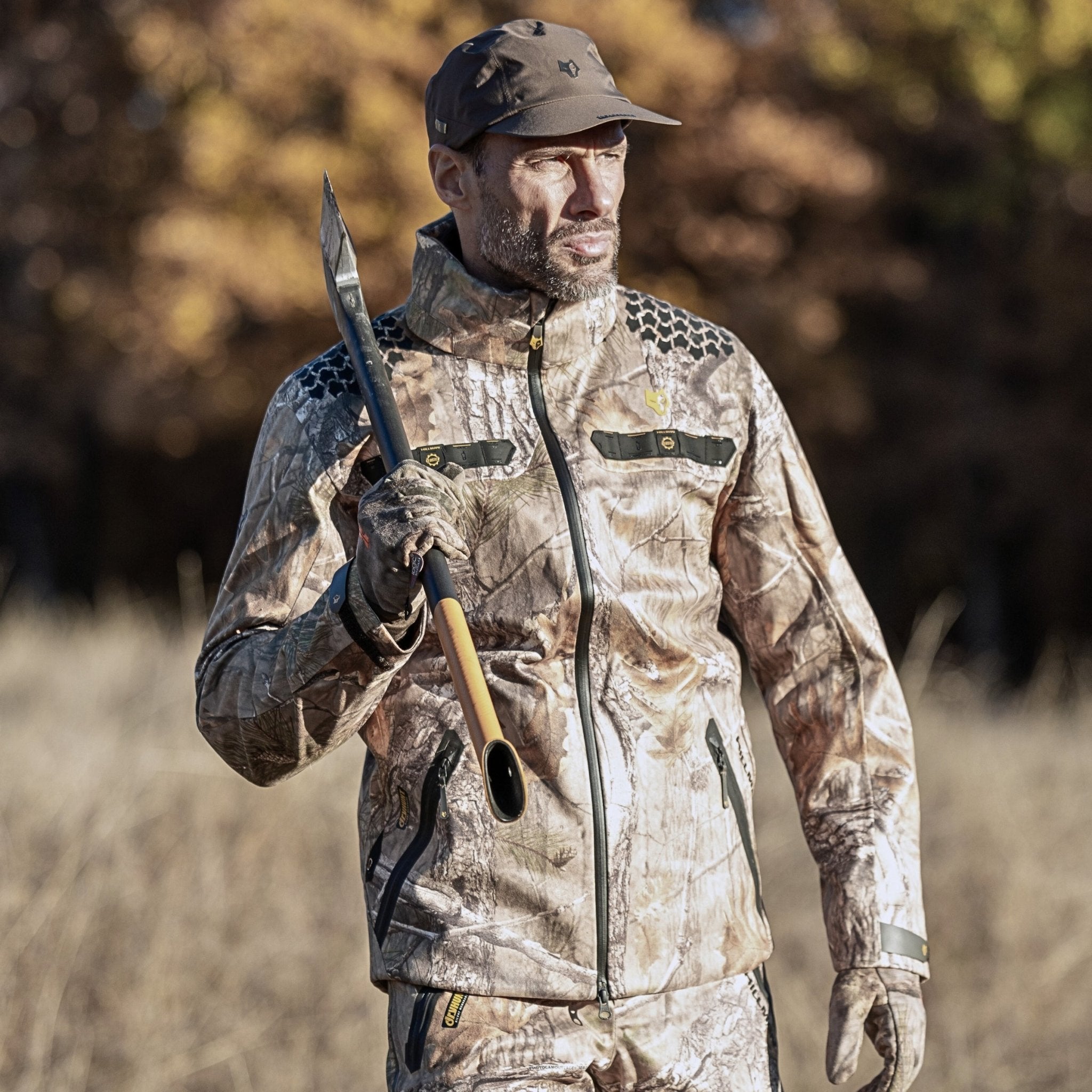
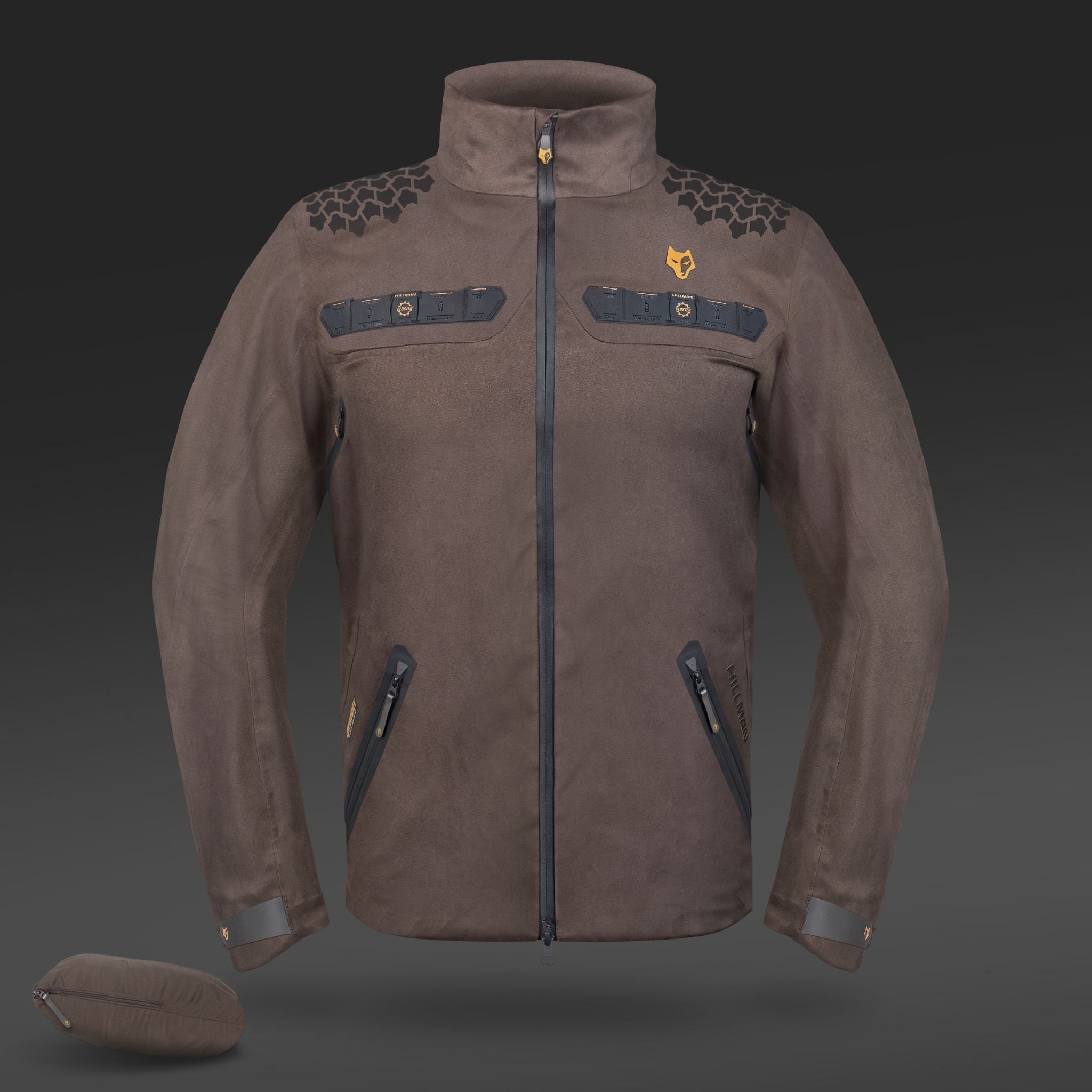
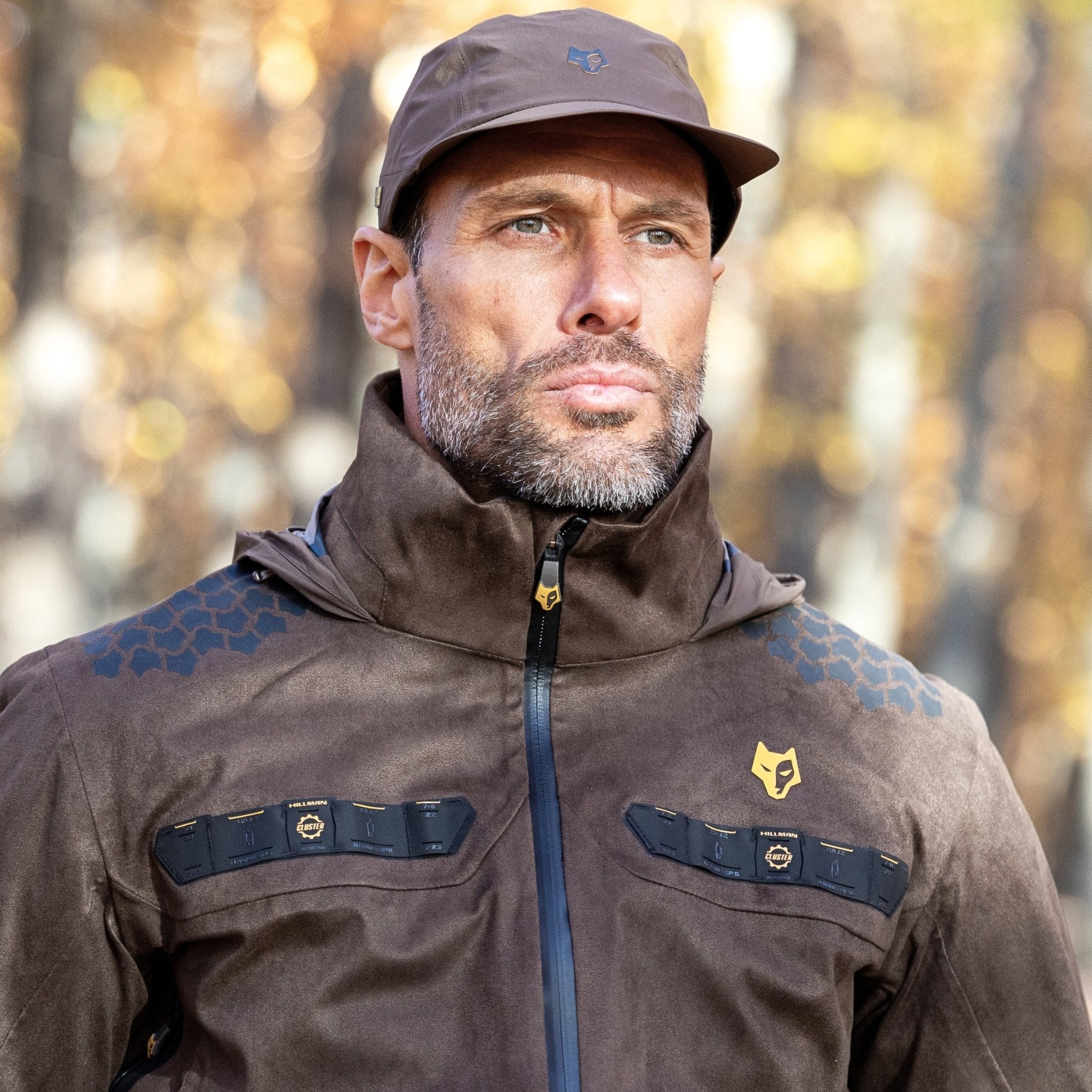
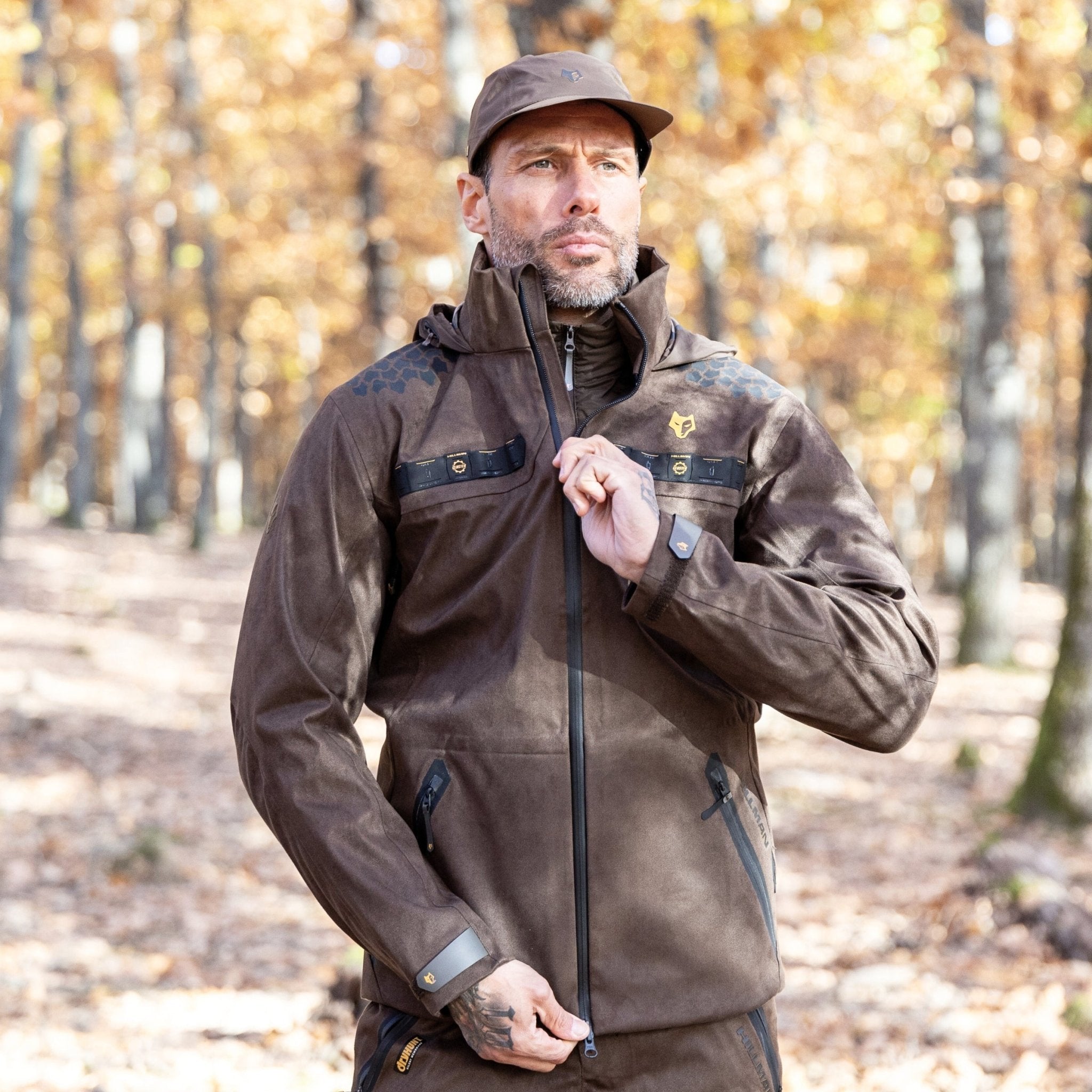
A walked-up grouse jacket should protect against wind and rain without trapping too much heat. Waterproof jackets are useful on the hill, but they need to breathe. A jacket that keeps rain out while soaking you from sweat is not much of a win.
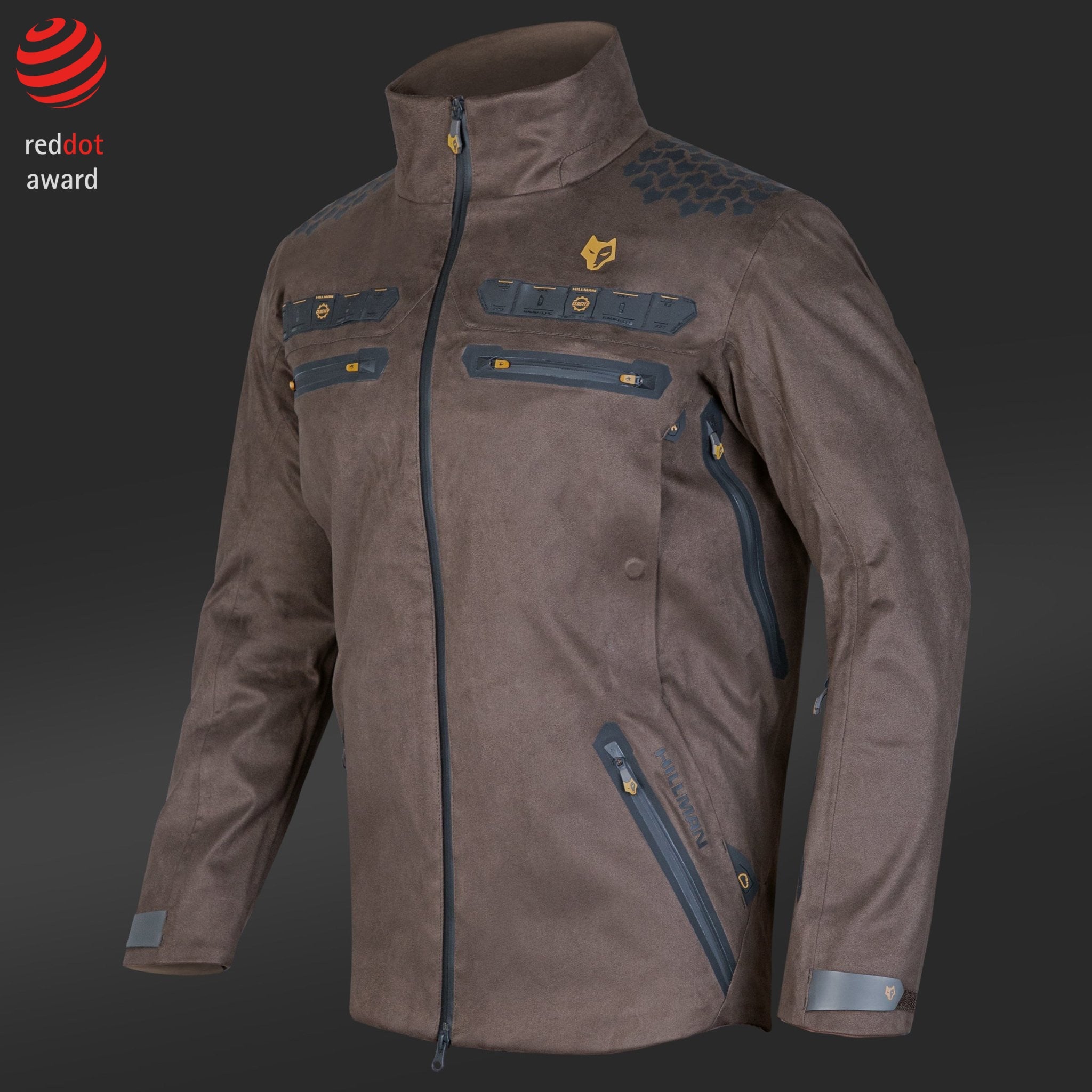
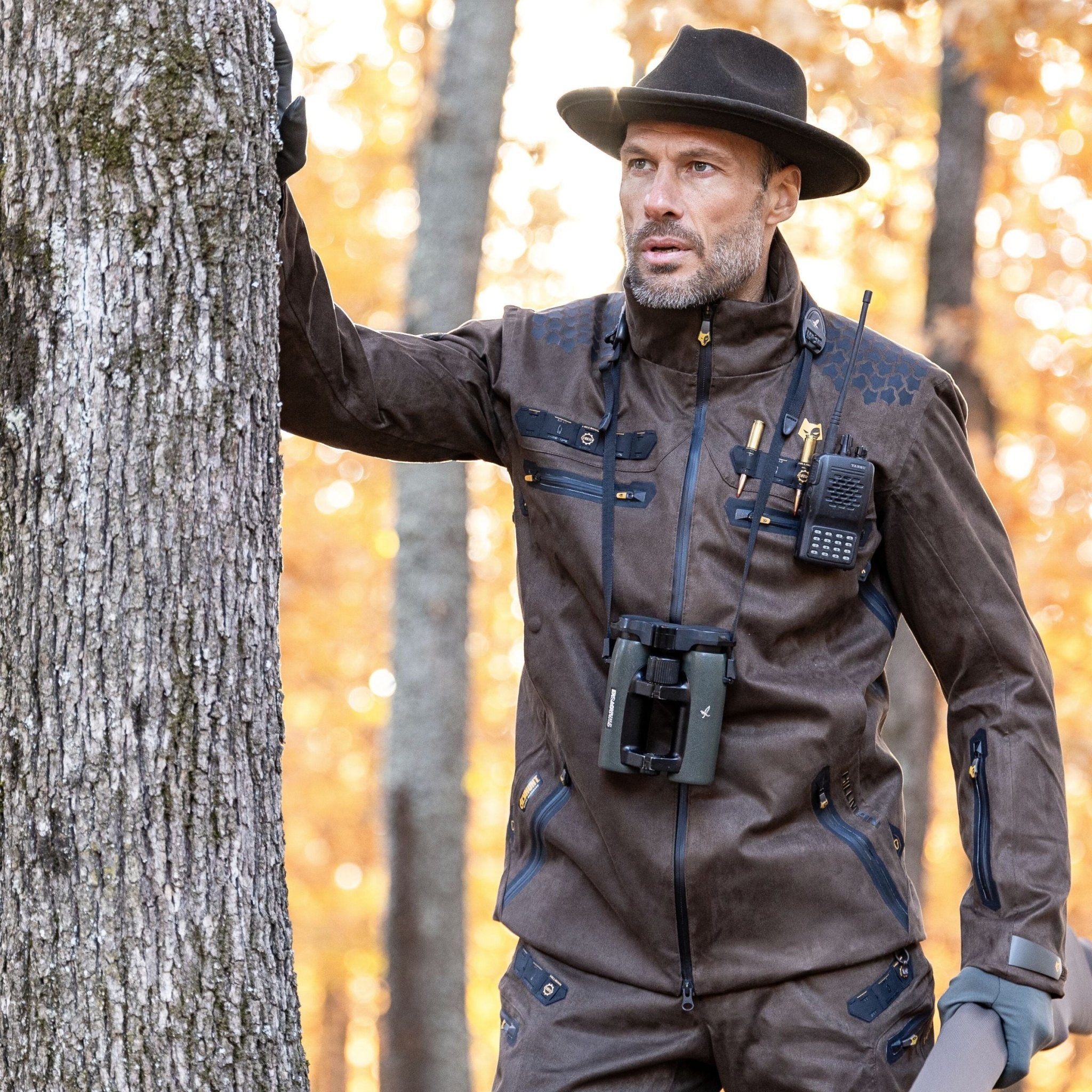
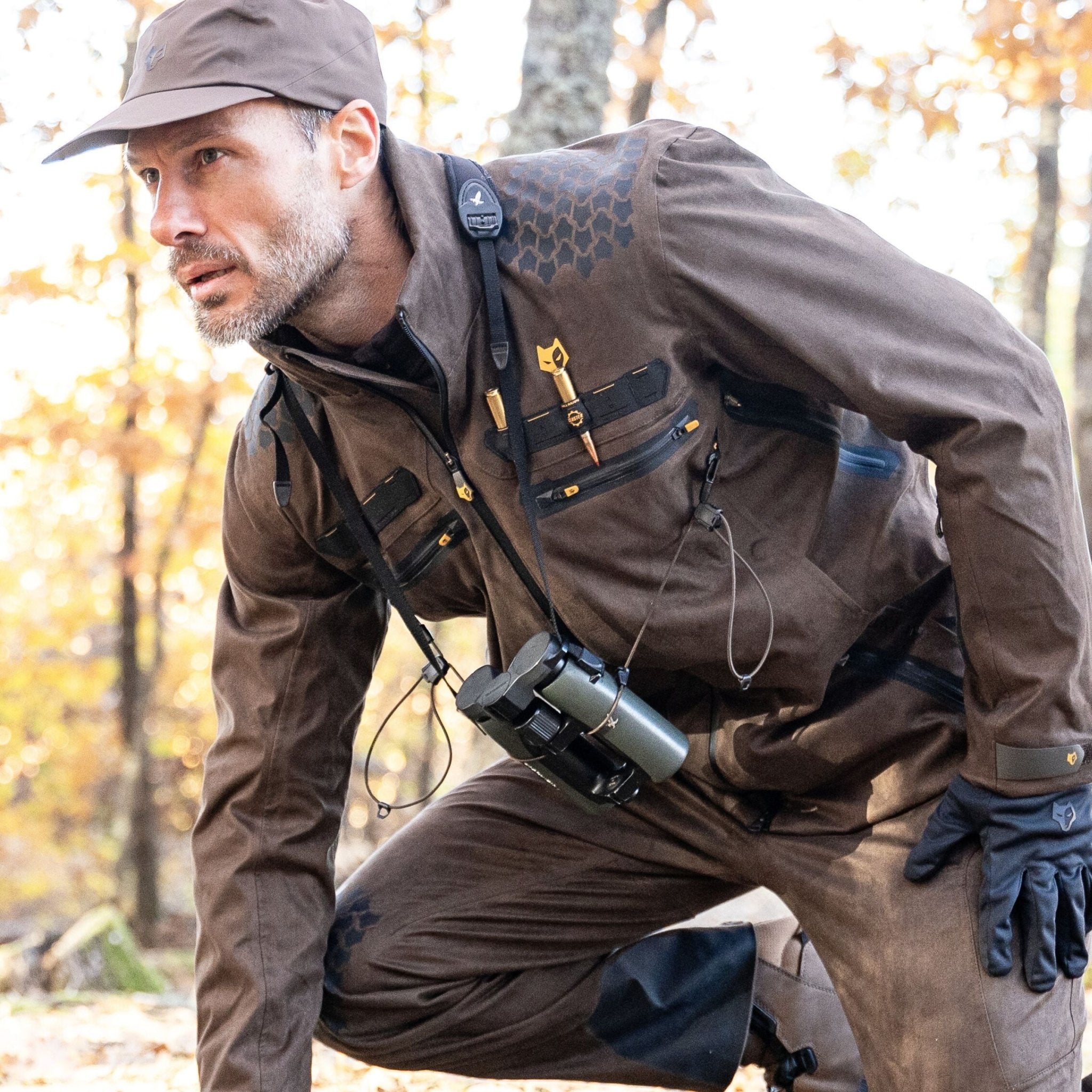
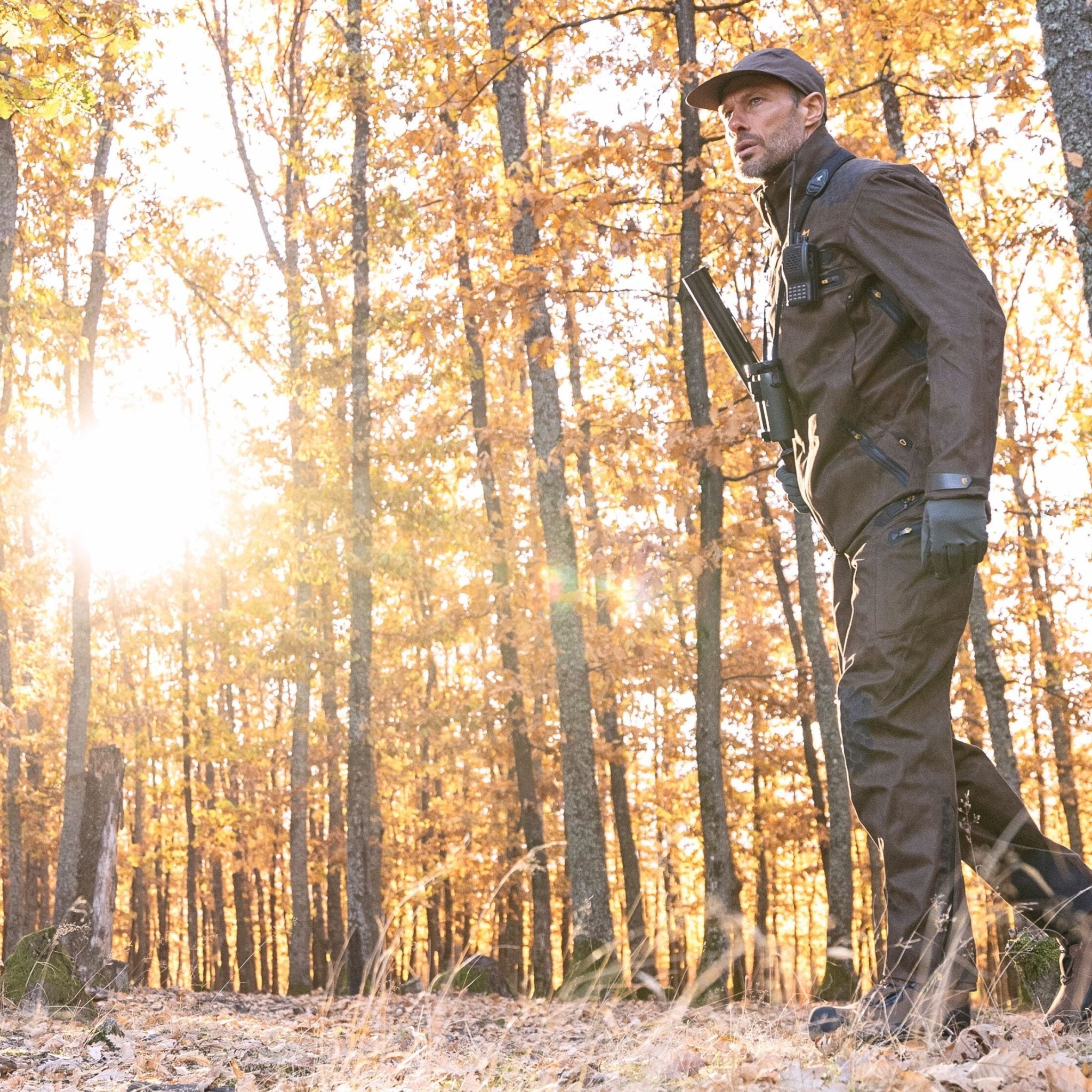
Look for a medium-length jacket. Too short and it leaves you exposed when the weather turns. Too long and it catches when walking through heather or climbing out of rough ground. The shoulders need enough room for the gun mount. The sleeves need enough length when your arms lift. Pockets should be easy to reach, not huge bags hanging off the front.
Waxed cotton can work. Tweed can work. Modern waterproof fabric can work. The real question is whether the jacket handles movement, weather and the job in front of it.
Waterproof Jackets and Bad Weather
Rain on a grouse moor can change the day fast. A dry start does not mean much. Cloud drops. Wind picks up. Suddenly everyone is pulling on jackets and trying to keep cartridges, gloves and glasses dry.
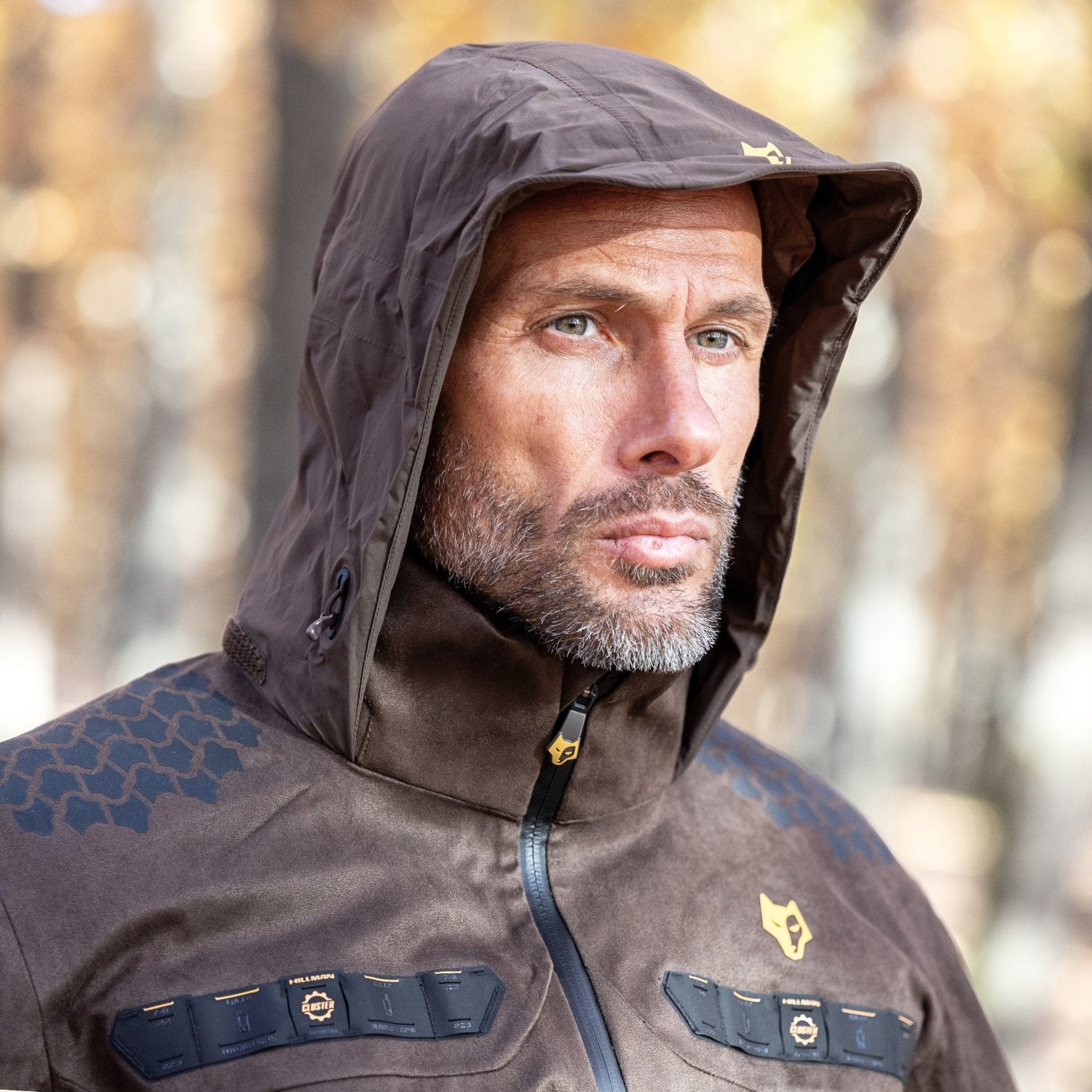
A good waterproof jacket should deal with rain without feeling like plastic. Quiet fabric matters. Loud waterproof coats are annoying on a still day, and they sound worse when everyone is moving in line. Breathability matters too. You are walking, not sitting.
Do not dress like it is deep winter unless the forecast says so. Heavy waterproof jackets and thick coats can feel good for ten minutes, then become a sweaty nuisance. Light protection with smart layering usually works better for walked-up grouse.
The right jacket keeps you covered but does not own the day.
Why a Shooting Vest Is Often Better
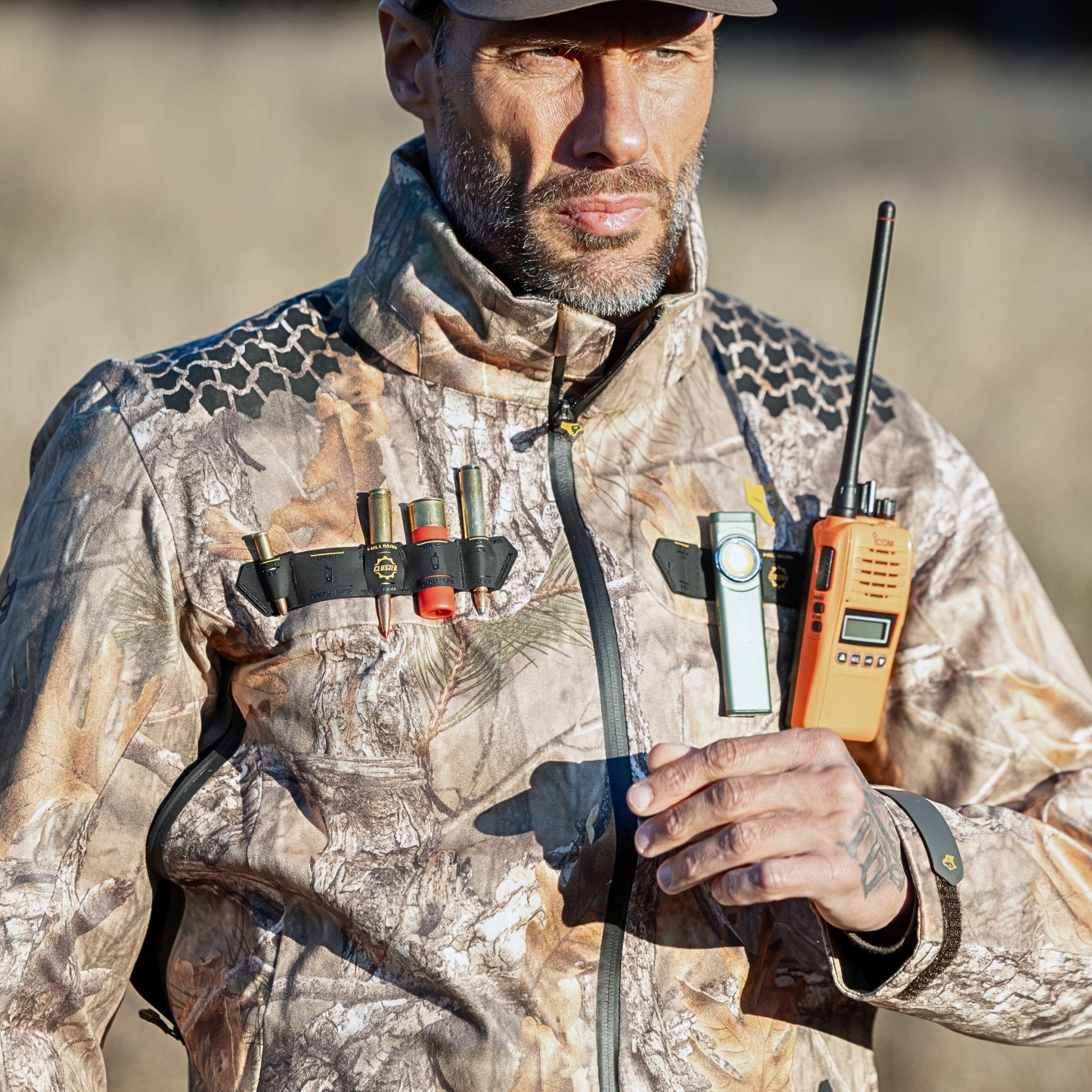
A shooting vest is one of the most useful bits of clothing for walked-up grouse. It gives warmth through the body, leaves the arms free and carries the small kit you keep reaching for.
A vest works over shirts, a t-shirt, a light fleece or a thin mid-layer. If rain comes in, wear the waterproof jacket over it. If the weather stays mild, the vest may be all you need on top for much of the day.
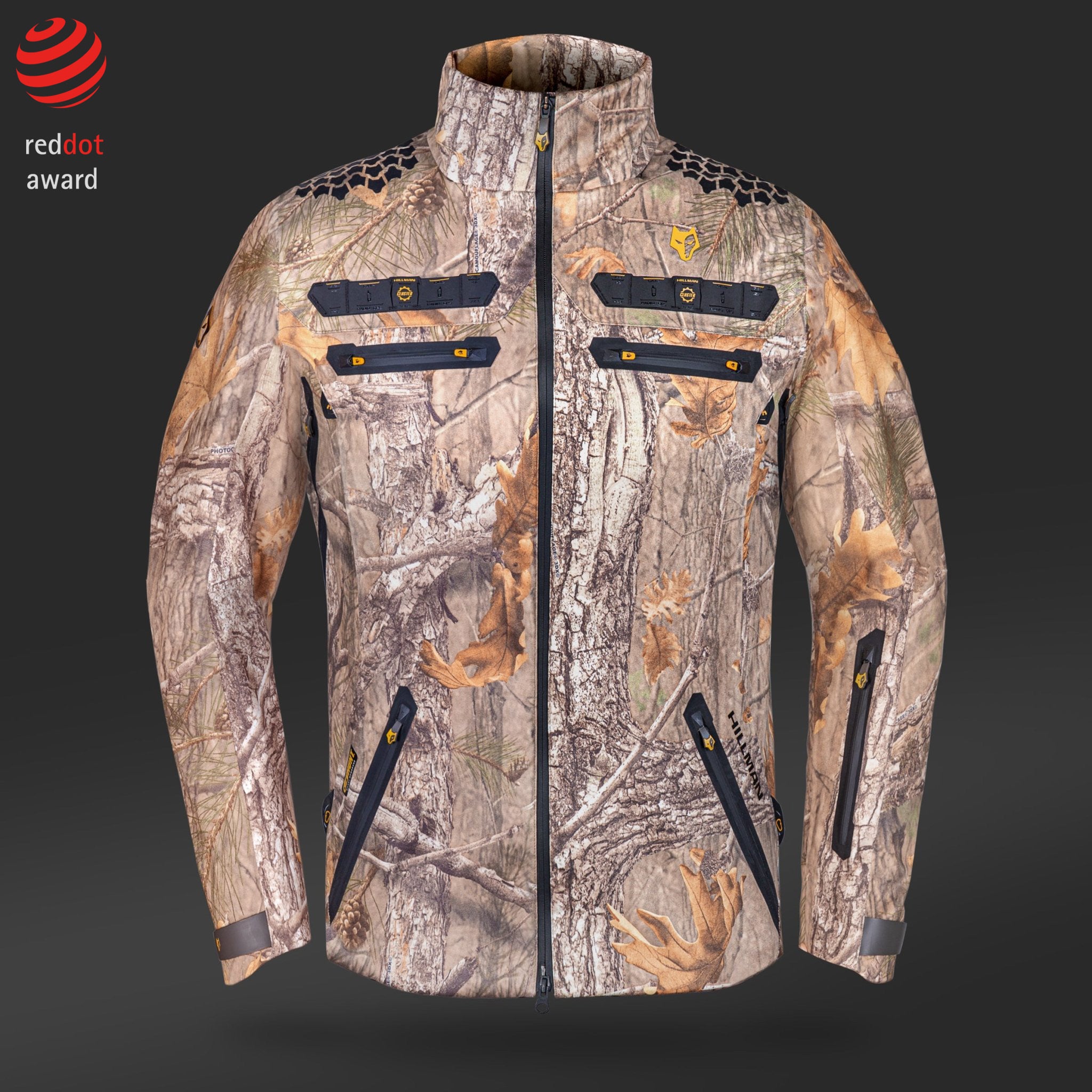
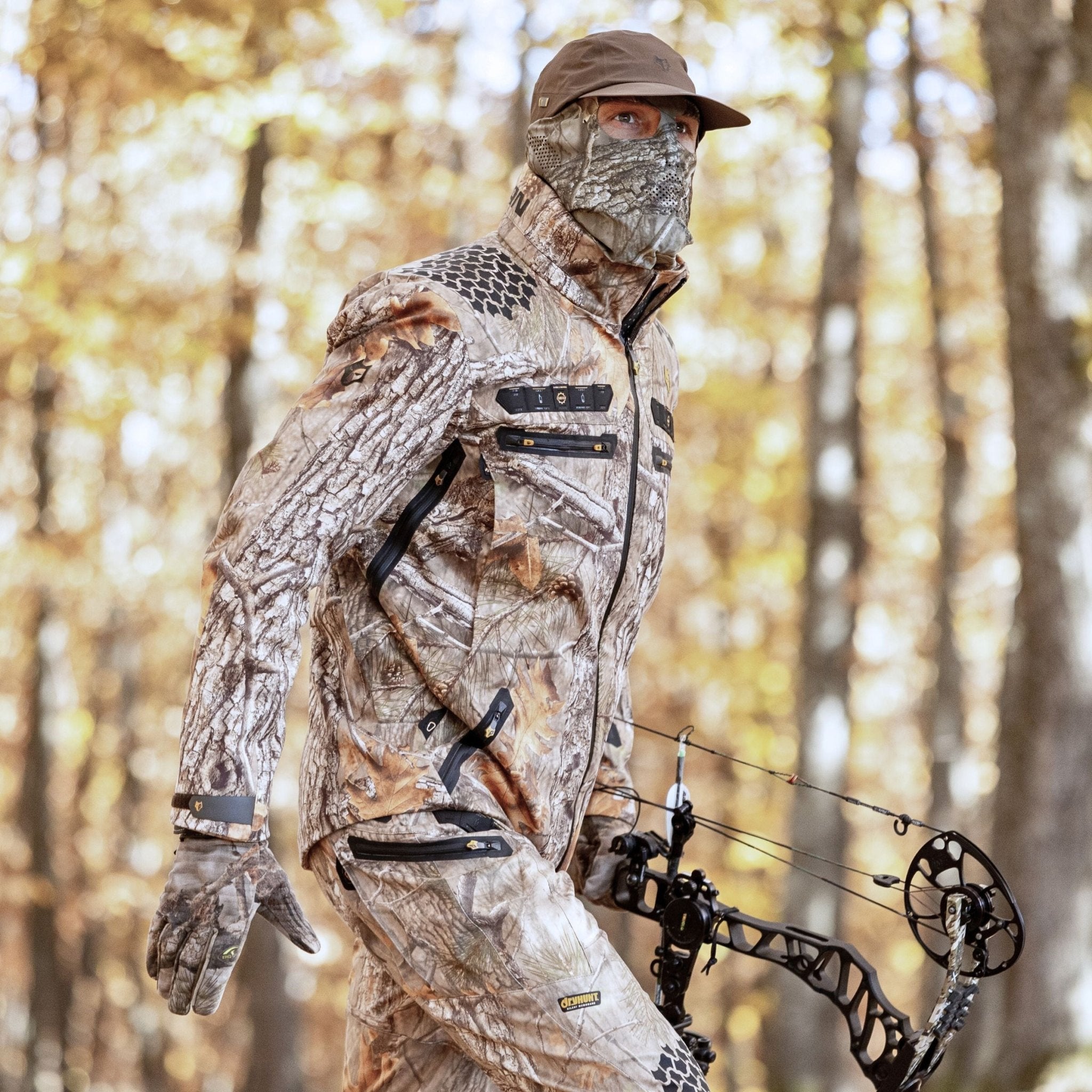
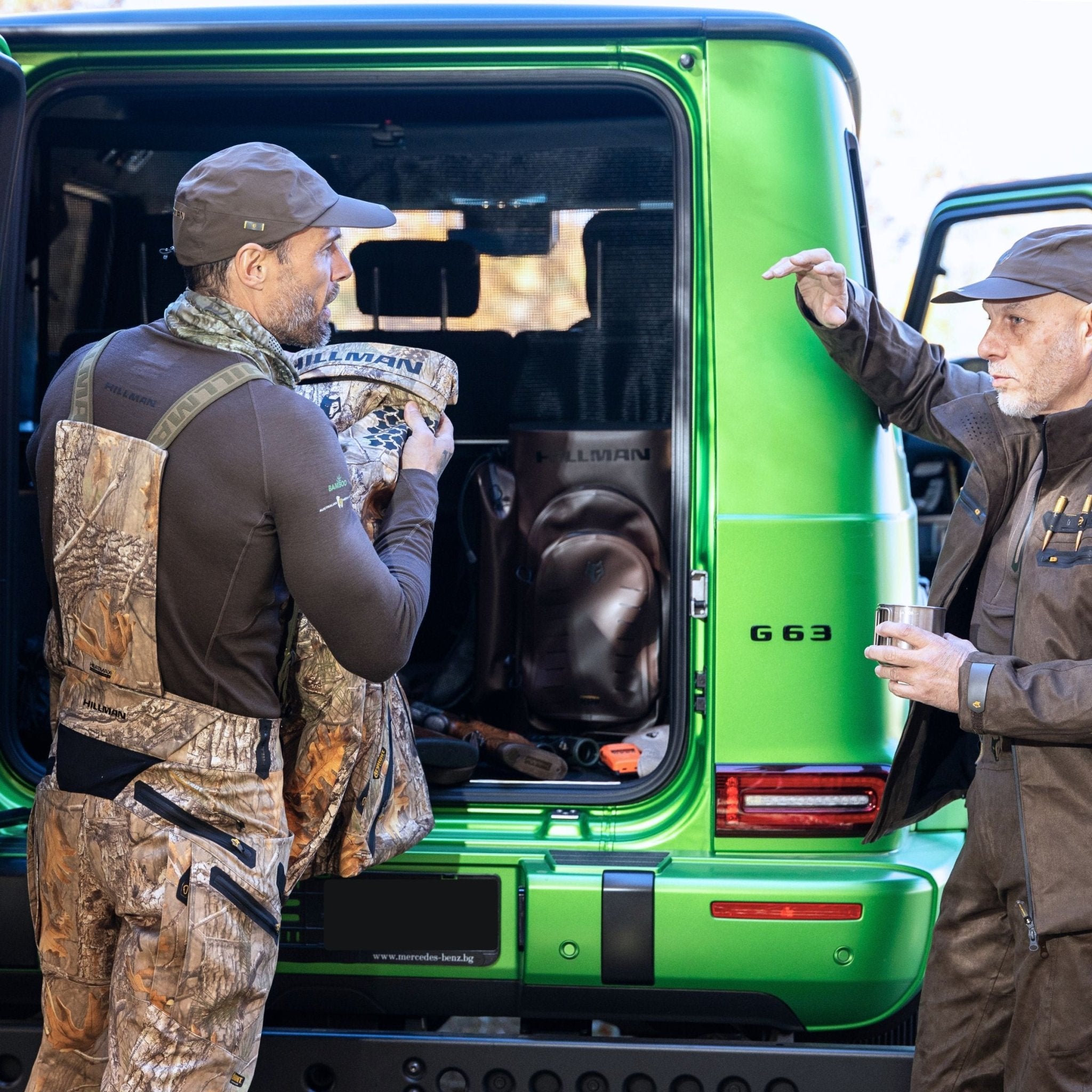
For Hillman and any premium outdoor clothing, the same rule applies: the piece has to help you move, not just look smart at the gun bus.
Pockets are the main point, but do not abuse them. Ear defenders, gloves, glasses, a cap, spare socks, maybe a small waterproof layer. Good. Half the stock room. Bad. Too much weight in the pockets pulls everything down and spoils movement.
Tweed waistcoats look right on a grouse moor. Green, brown, olive or muted navy waistcoats can also work. Keep it practical. A shooting vest should help you move and carry, not make you look dressed for a catalogue page.

High Quality Clothing Means Less Fuss
High quality clothing for grouse shooting is not about looking expensive. It is about fewer problems.
Good kit does not rub. It does not flap. It does not soak through after ten minutes. It does not restrict the gun. It does not make your feet hot, wet or sore before lunch. That is the difference.
A big range of shooting clothing can look similar online. Jackets, trousers, waistcoats, coats, shirts and boots all sound good in product copy. The moor tells the truth. Seams rub. Cheap waterproof layers get clammy. Poor pockets sit in the wrong place. Weak fabric snags. Bad footwear ruins feet.
Useful features are simple: proper cut, quiet fabric, strong stitching, good pocket placement, breathable waterproofing, ankle support, and enough warmth without pointless bulk.
Layering Without Boiling Yourself

Layering is essential, but it needs sense. Walked-up grouse is active. You are not standing still all day. Dress too warm and you will sweat early, then get cold when you stop.
Start with a light base layer or shirt. Add a thin mid layer if needed. Use a shooting vest or waistcoat for the core. Keep a waterproof jacket ready for rain and wind. That usually gives more control than one heavy coat.
Cotton shirts feel fine when dry, but they can hold moisture. Technical fabrics dry faster. Wool and tweed bring warmth and a more traditional feel. There is no perfect formula for every season, but there is one rule: do not carry bulk on your body unless you need it.
Warmth should be adjustable. Put a layer on when the wind cuts. Drop a layer before a long climb. Simple.
Trousers, Breeks and Real Movement

Trousers for walked-up grouse need to move. That sounds obvious, but plenty do not.
You are lifting knees through heather, stepping over drains, pushing up slopes, crossing wet ground and sometimes pulling yourself out of peat hags. Tight trousers are a pain. Loose trousers snag. Noisy trousers annoy everyone.
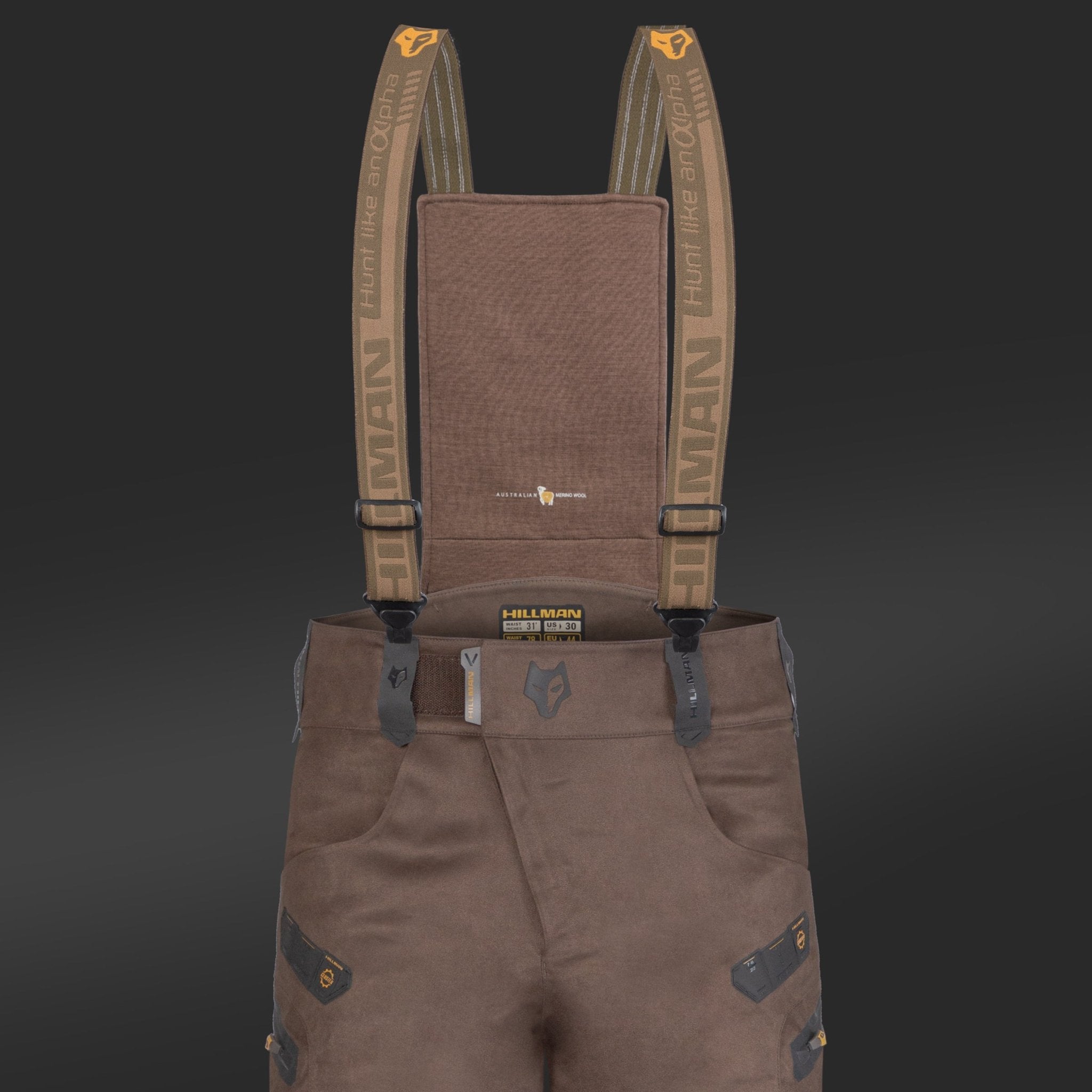
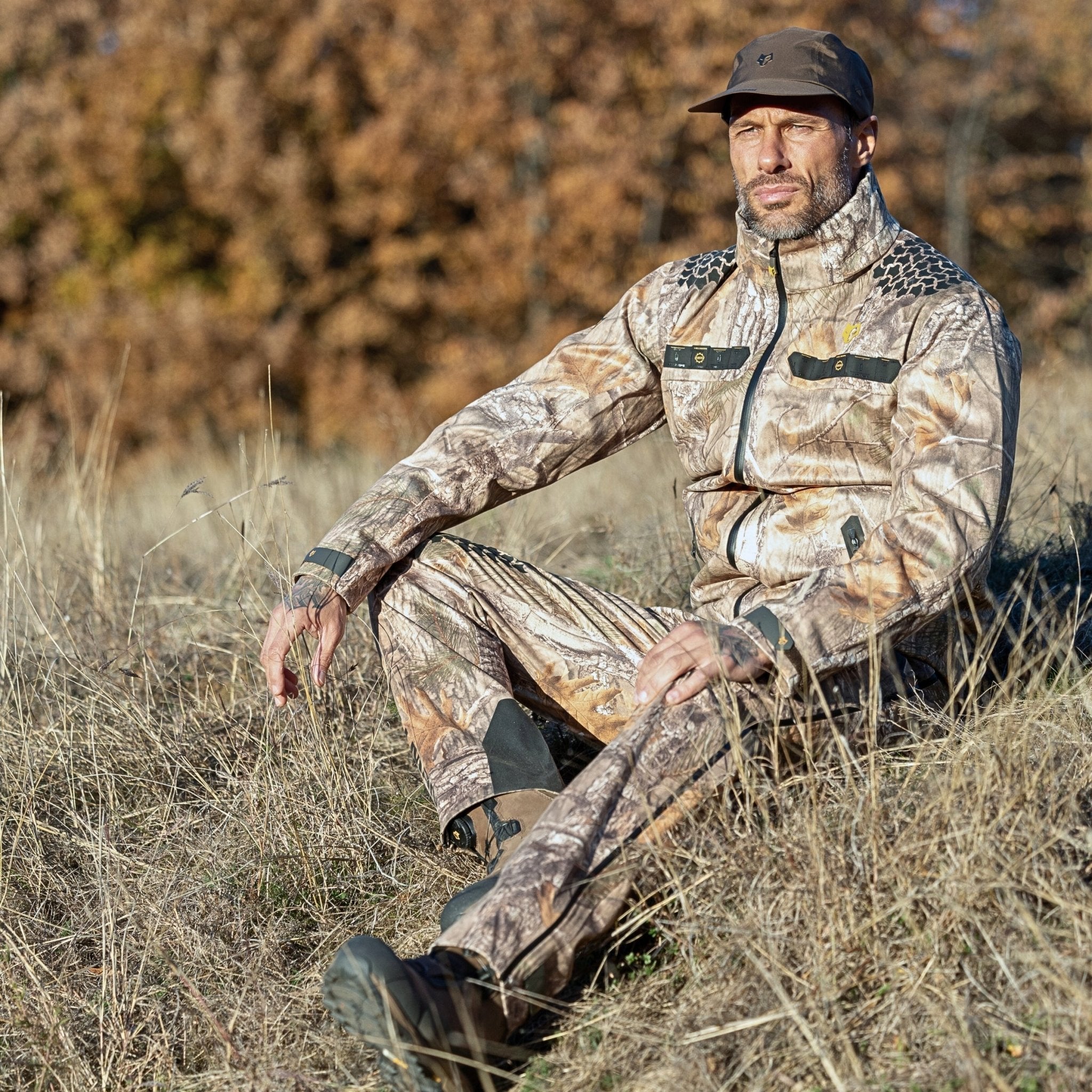
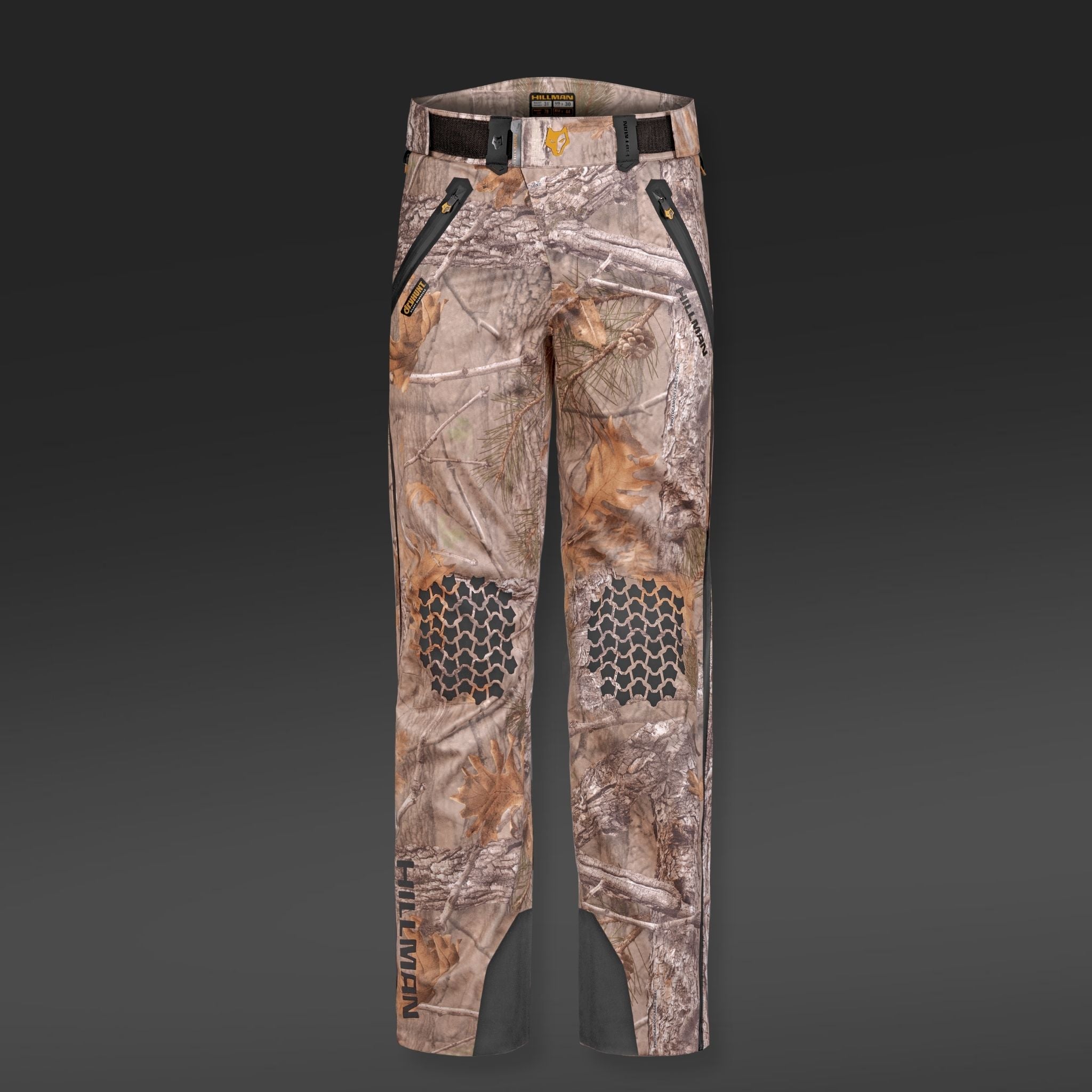
Lightweight shooting trousers are usually a safe choice. Some stretch helps. Reinforced areas help when heather and rough ground are hard on fabric. Waterproof trousers can be useful, but thick waterproof trousers may run hot.
Breeks are still a good option. They work well with long socks and gaiters, and they look right for grouse shooting. Tweed breeks are good in cooler weather. For early season, keep them light enough that you do not overheat.
The best trousers are the ones you stop noticing.
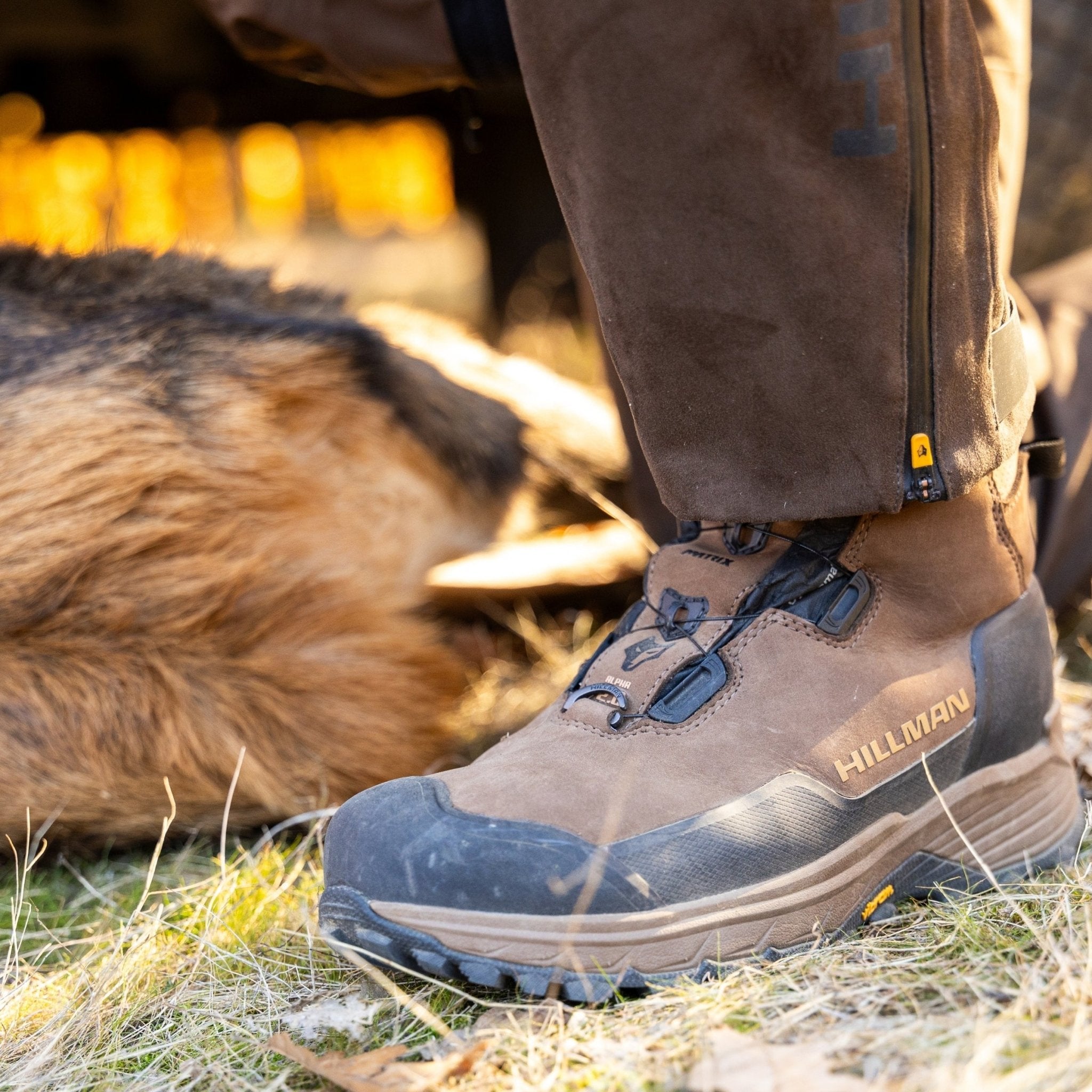
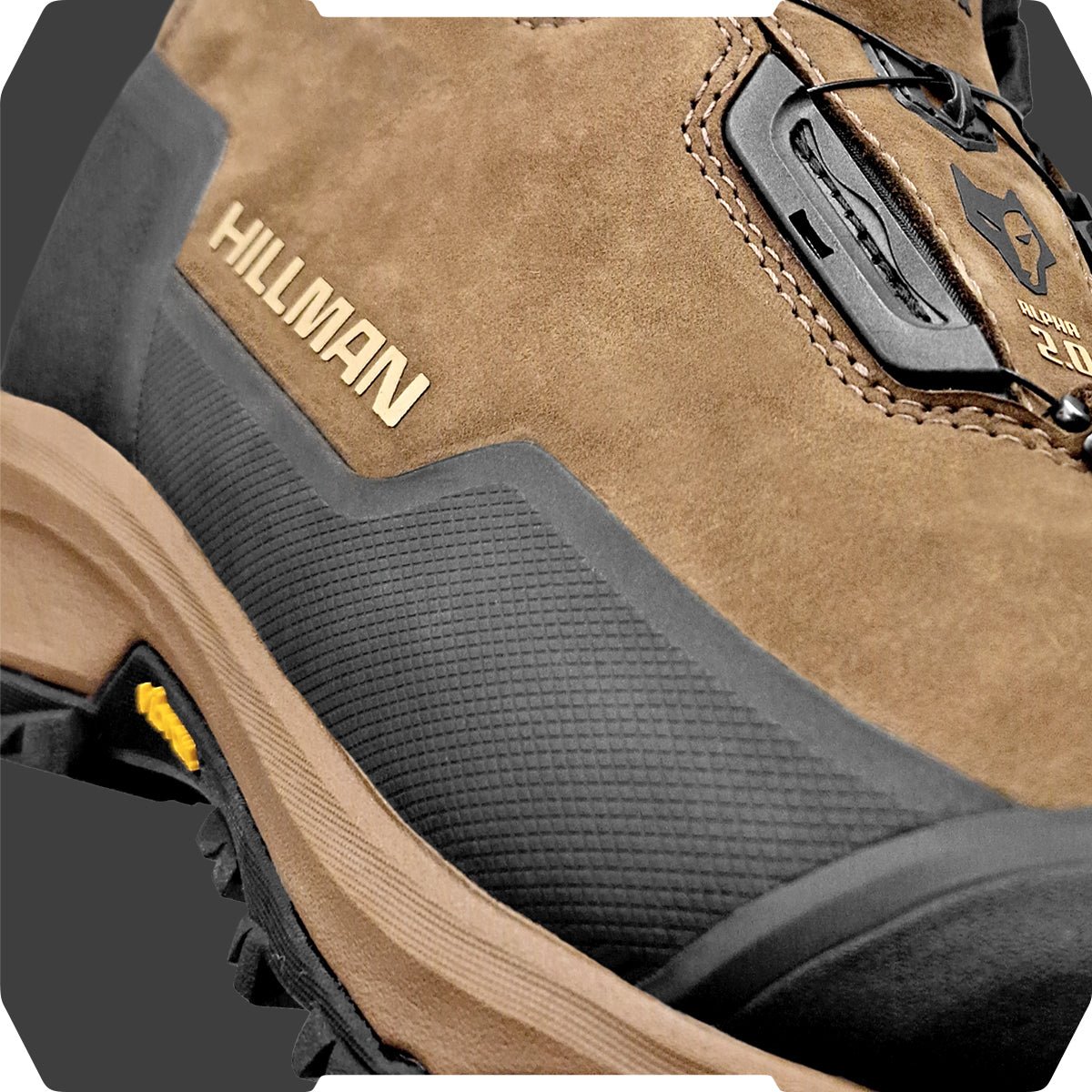
Boots and Footwear Come Before Everything Else
Footwear matters more than the jacket. It really does.
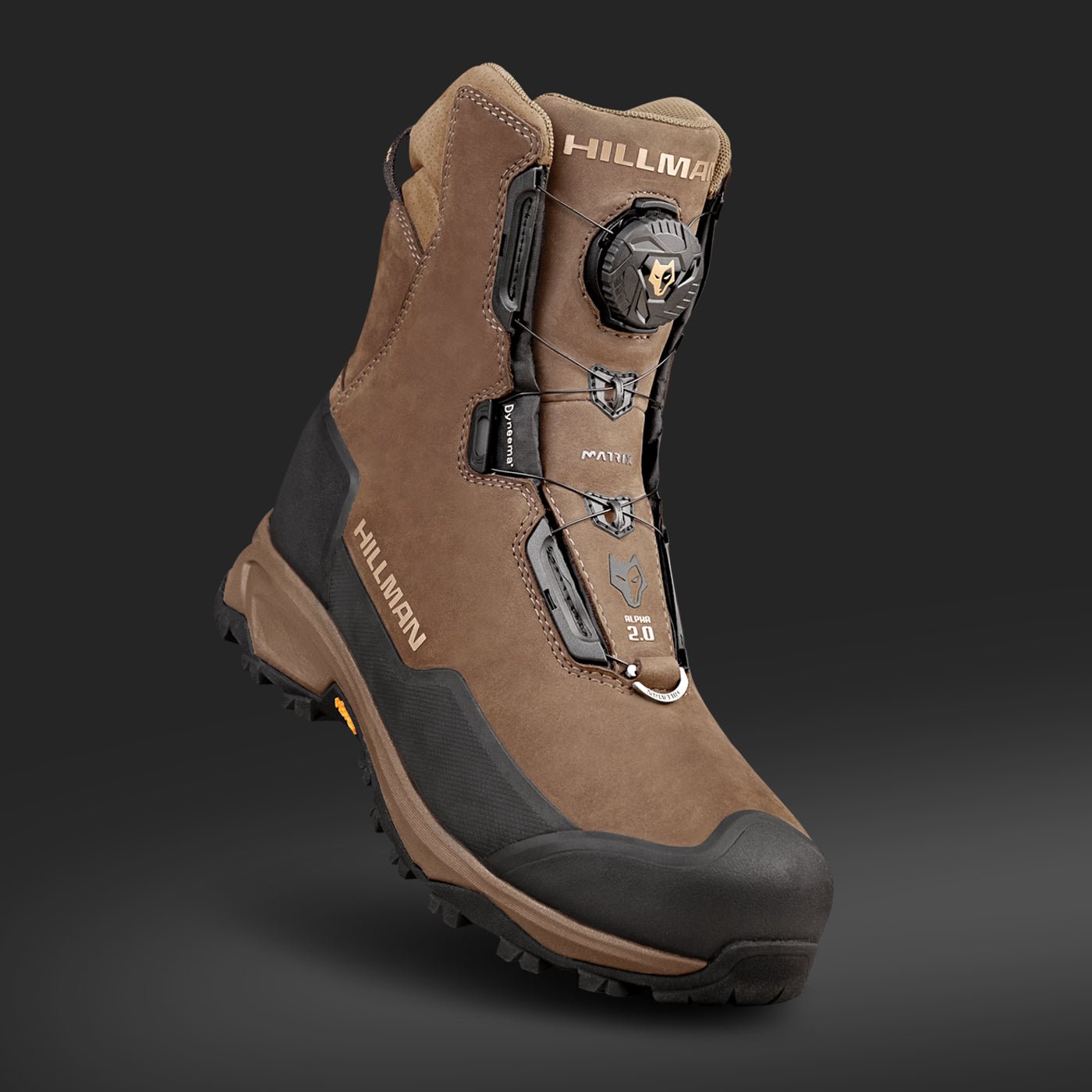
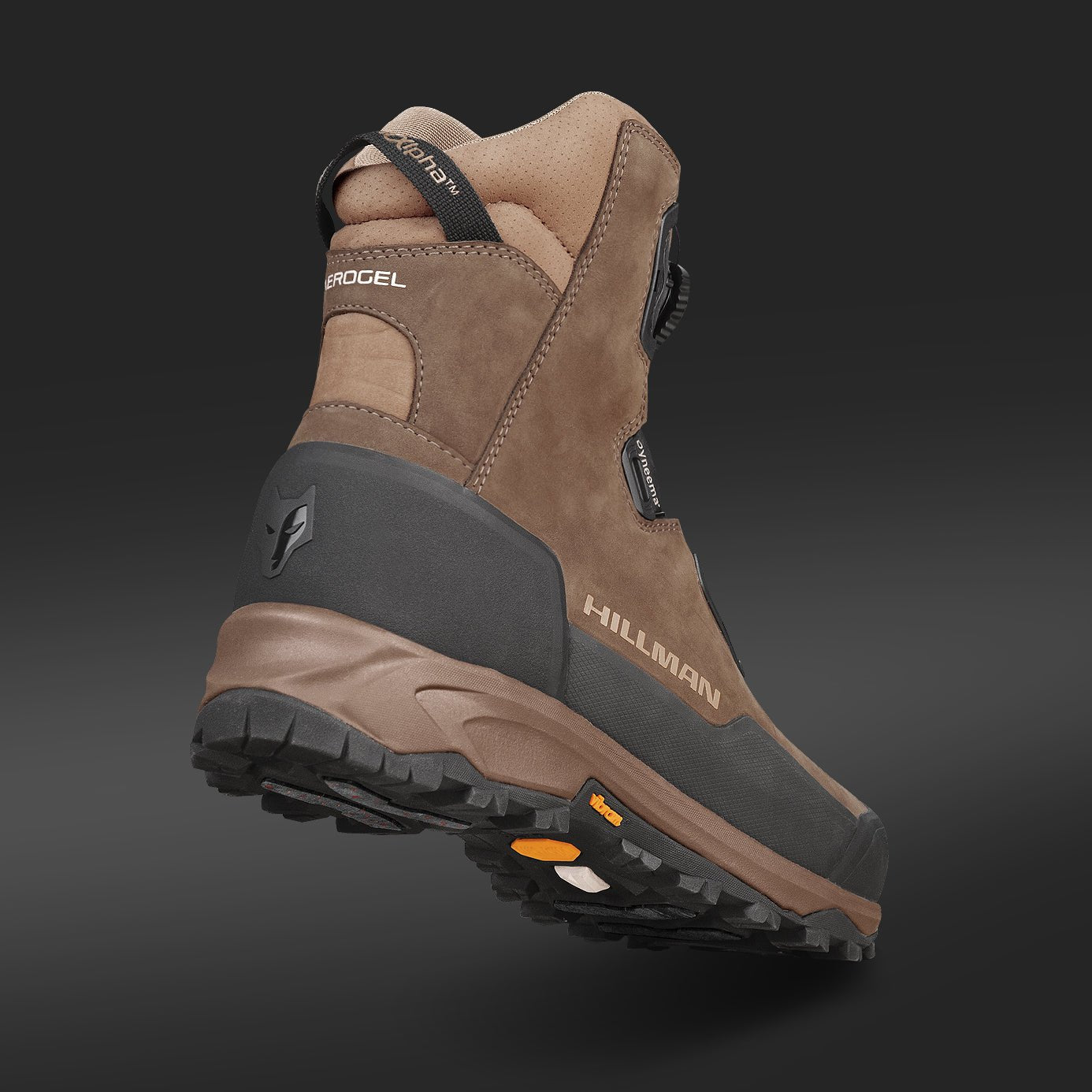
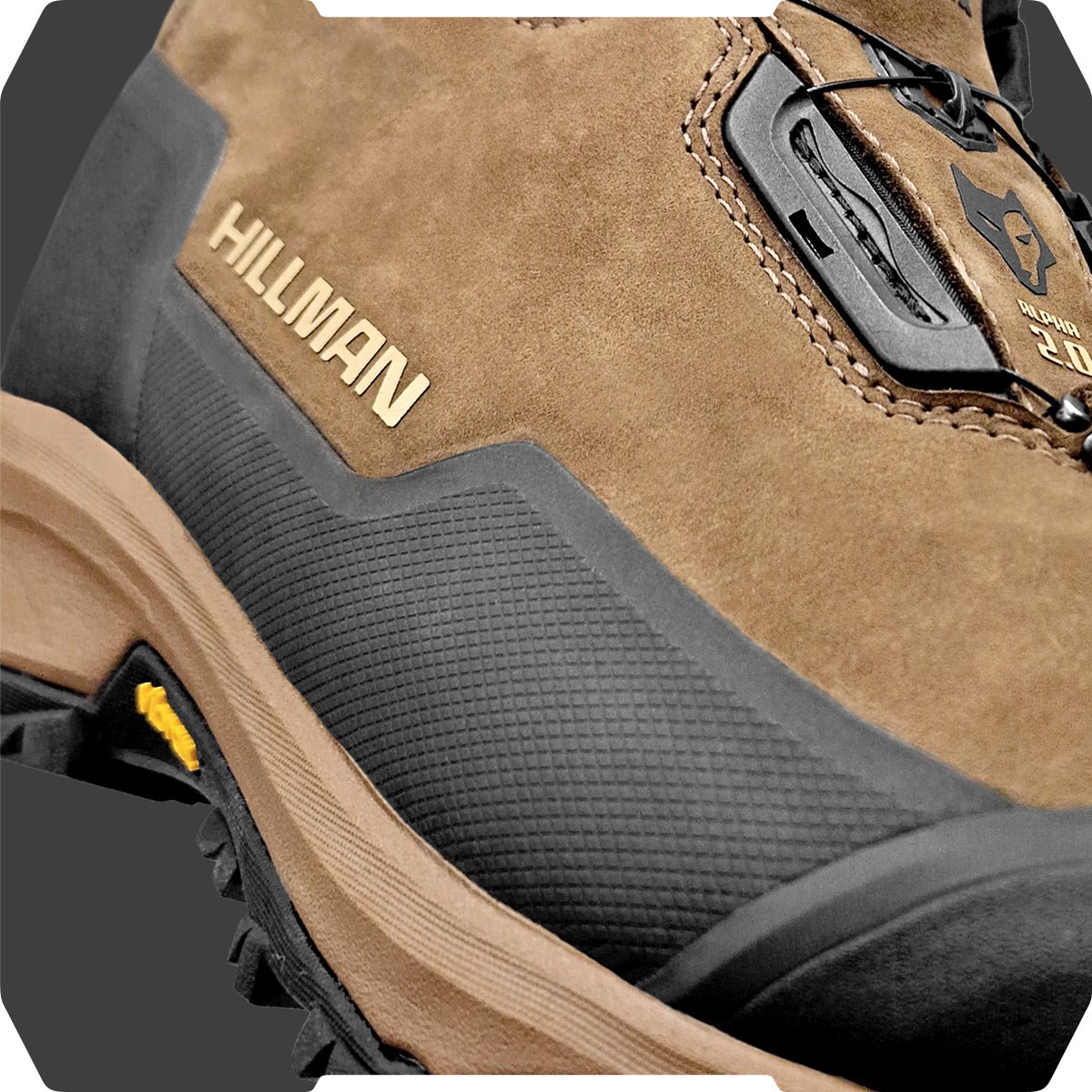
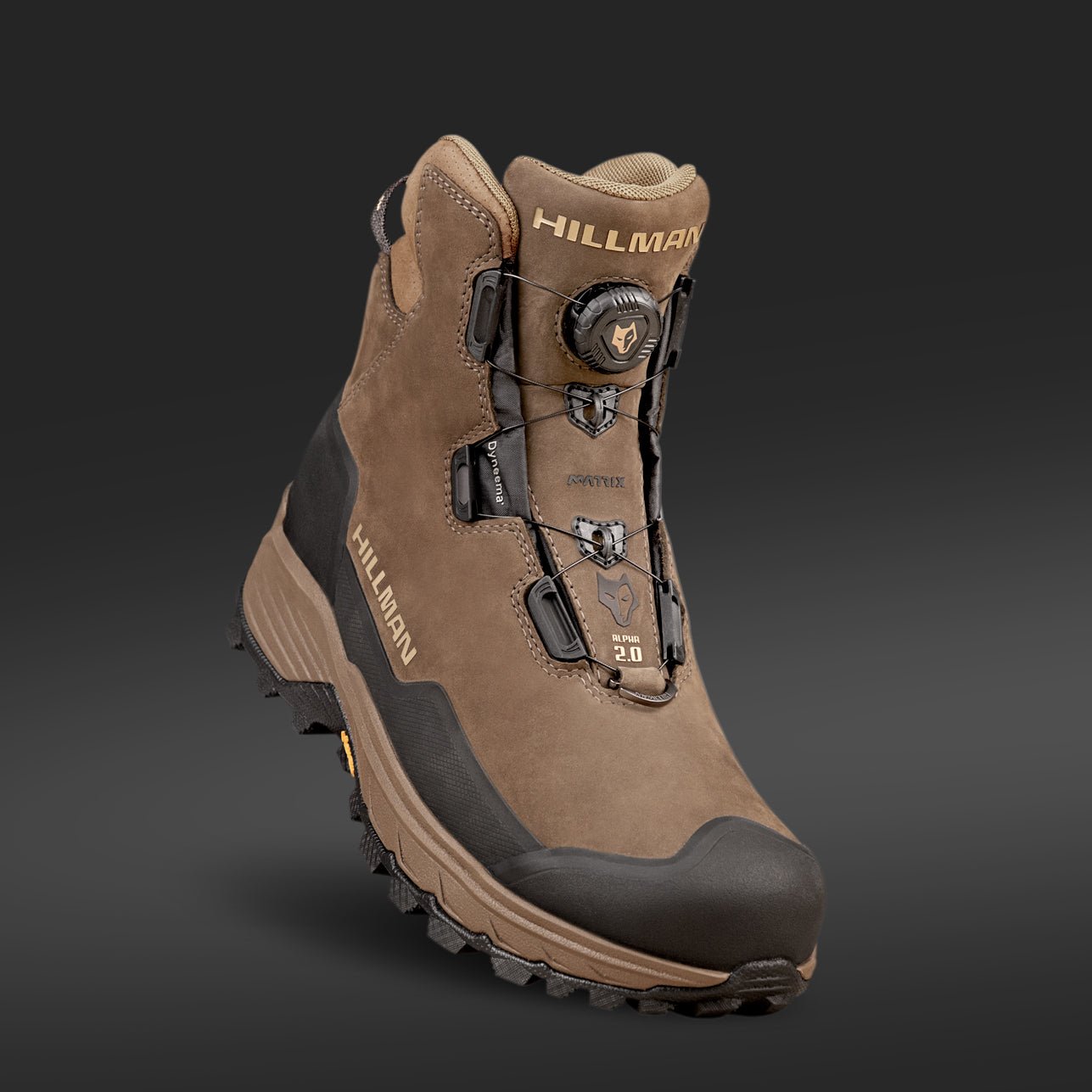
A good pair of lace-up boots with ankle support is essential on a grouse moor. The ground is uneven, wet and full of little traps. Wellies may be useful for some country work, but they rarely give the same support for walked-up grouse.
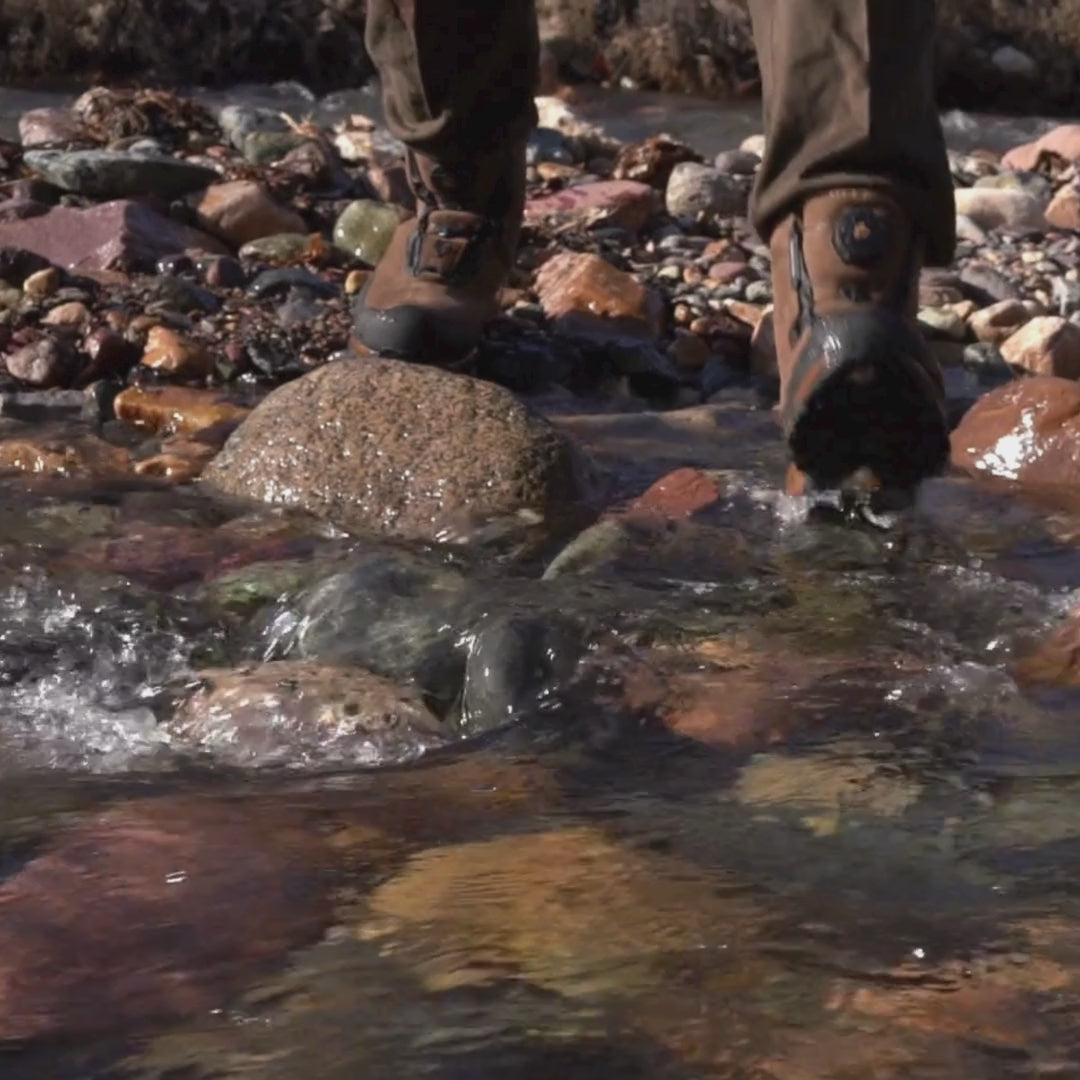
Boots should protect the ankle, grip in wet grass and heather, and keep feet dry without cooking them. Waterproof is important. Breathability is important too. Wet feet are miserable. Hot, sweaty feet are not much better.
Get the right size. Try boots with the socks you will actually wear. The heel should hold. The toes should have room. Do not take fresh boots straight to the hill unless you want the day to teach you a lesson.
Good footwear protects your feet, your balance and your mood.

Socks, Gaiters and Ticks
Socks are not a decorative extra. They matter.
Good shooting socks give warmth, manage moisture and stop rubbing. Long socks are useful with breeks. Technical socks work well in boots. Avoid socks that bunch, slide down or hold water like a sponge.
Gaiters are worth wearing on walked-up grouse days. They protect the lower leg from heather, mud and wet grass. They help stop debris and rain from getting into boots. They also add a bit of protection against ticks around the ankle and lower leg.
Do not go too heavy with gaiters in warm weather. You want protection, not sweaty legs wrapped in plastic. Breathable gaiters are better for active walking.
Gloves, Hats, Glasses and Ear Defenders
Small items get forgotten, then missed.
Hats help with rain, sun and broken light. A tweed flat cap is traditional, but a plain dark cap is fine if it is not loud or shiny. Green, brown, grey and muted blue are safe colours.
Gloves should be light enough for safe gun handling. Thick gloves can make everything clumsy. Thin shooting gloves are usually enough for much of the grouse season, with a warmer pair carried if the weather looks cold.
Glasses protect your eyes from wind, heather, rain and glare. Ear defenders are essential. Keep them easy to reach. If they are buried in a bag, they will not be used when birds lift quickly.
Do not forget these pieces. They are small, but they protect you.

Colours and Attire That Fit the Hill
Grouse shooting clothing should belong on the moor. That does not mean fancy. It means quiet, natural and useful.
Green, brown, tan, olive, muted blue, grey and tweed all work well. Heather tones are good too. Bright white, shiny black, loud red and anything too clean-looking can stand out badly.
Birds notice contrast and movement. So do people. Good attire blends into the hill and does not draw attention for the wrong reason.
Women and men can follow the same rules. Good fit. Tough fabric. Natural colours. Proper boots. Useful layering. No silly bulk. Nothing that blocks movement when the gun comes up.
Preparing for the Grouse Season
Preparing for the grouse season should include checking your kit before the day. Not in the car park. Not when the rain has already started. Before.
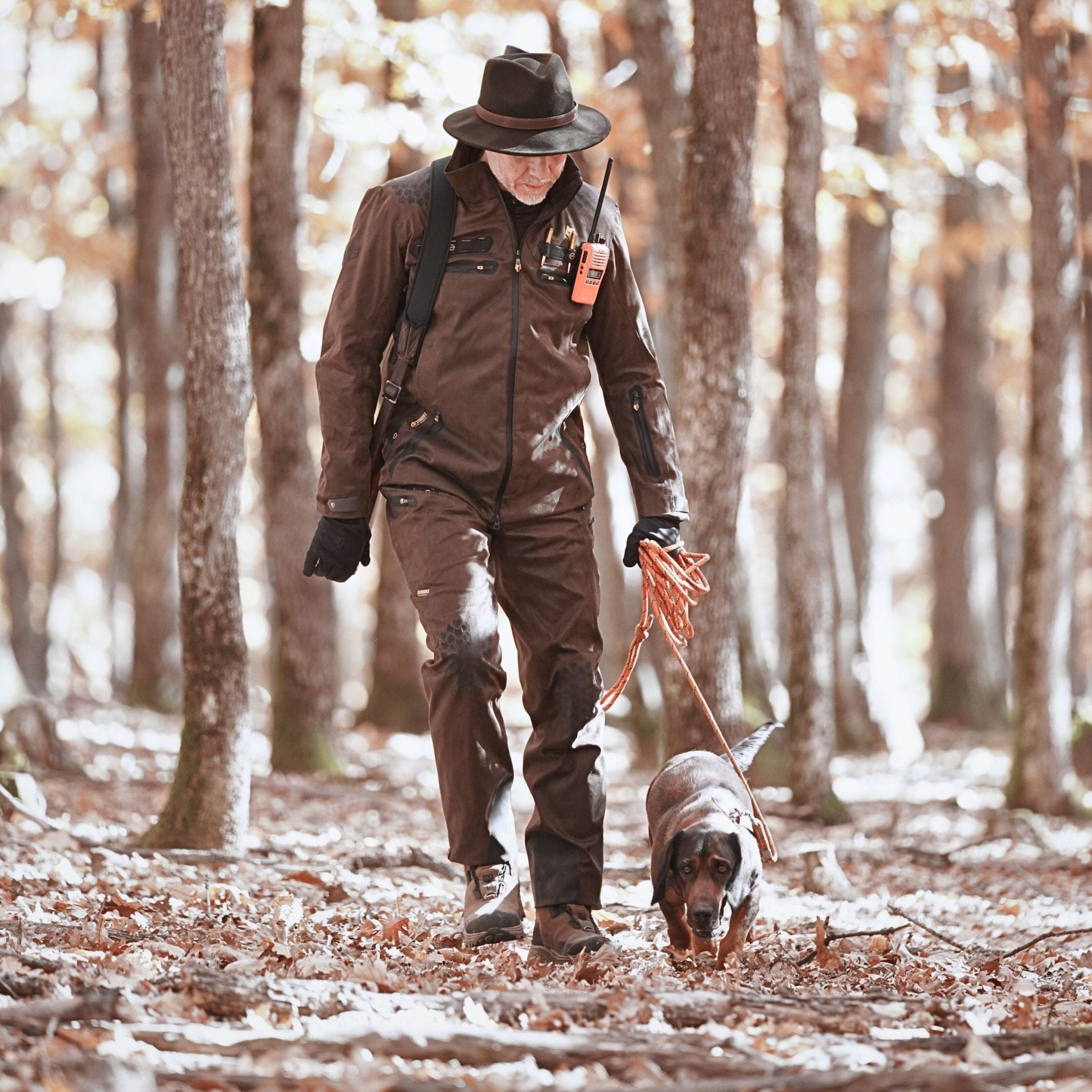
Put the full outfit on. Vest under jacket. Shirt under vest. Boots with shooting socks. Fill the pockets with what you will carry. Mount the gun. Walk up stairs. Lift your knees. Bend down. Check what pulls, rubs or flaps.
Grouse numbers can change from season to season, and some days involve more walking than shooting. If birds are scarce, comfort becomes even more important because you may cover a lot of moor for fewer chances.
Pointers can also change the rhythm. Walk, stop, wait, move, stop again. Clothing needs to handle movement and standing still without making you too hot or too cold.

Early Season Does Not Mean Heavy Winter Kit
Early grouse season in the UK can be mild. August and September may bring warm spells, even on open ground. Some people overdress anyway. Then they suffer.
Do not start too warm. You can add a layer when wind or rain comes in. It is harder to recover once you are soaked in sweat under a heavy jacket.
A light shirt, shooting vest, practical trousers, proper boots and a waterproof jacket carried or worn as needed will often beat thick coats and heavy layers. Keep warmth available, but do not wear everything from the first step.
The weather can still drop quickly. That is why light, flexible kit matters. It lets you react without carrying too much.
What to Carry Without Carrying Too Much
Carry the right kit, not every possible kit.
Useful items include gloves, glasses, ear defenders, spare socks, a compact waterproof jacket, a cap and maybe a light fleece. Add personal essentials, but keep it sensible.
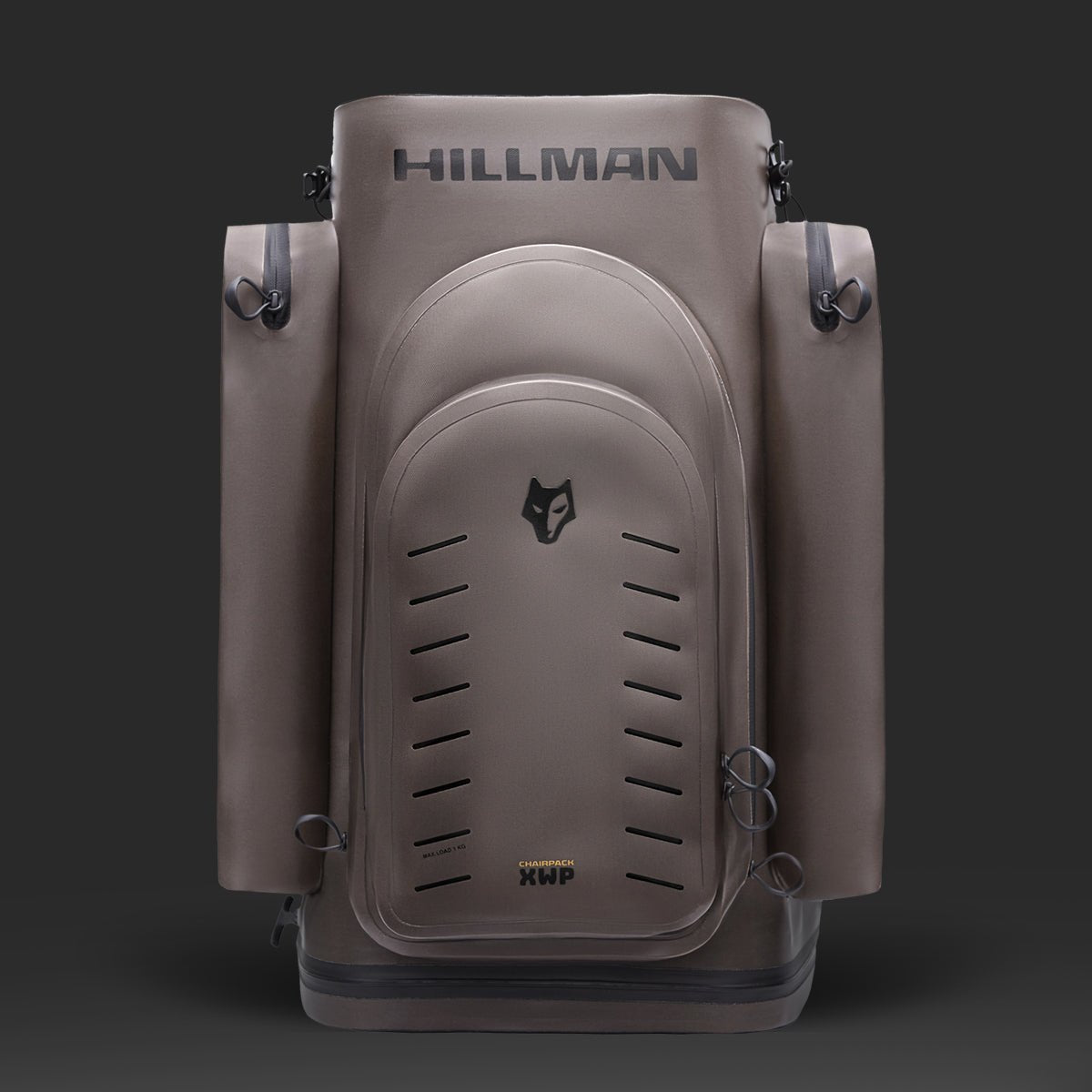
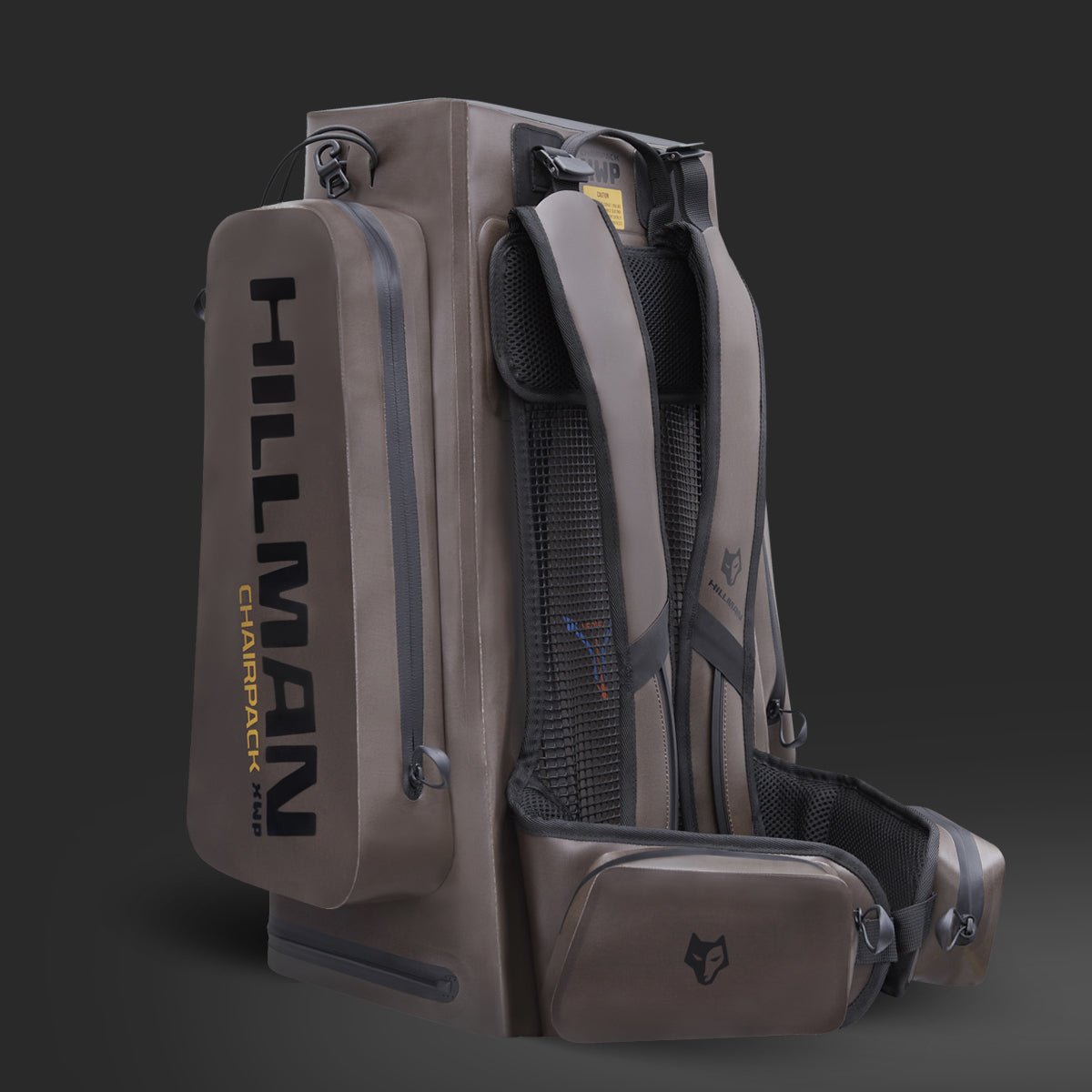
A vest with good pockets can carry enough for most days. A small bag may help if the weather is uncertain. But every extra item adds weight. Every overloaded pocket affects movement. Every bit of bulk becomes more annoying after a few miles.
Your favourite kit is usually favourite for a reason. It works. It fits. It protects. It does not distract you. That is what you want on the hill.

Final Thoughts on the Right Kit
The right kit for walked-up grouse shooting is not complicated. It just has to be chosen honestly.
You need a light shooting jacket or waterproof jacket, a useful shooting vest or waistcoat, tough trousers or breeks, proper boots, good socks, gaiters, gloves, hats, glasses and ear defenders. You need layering that handles weather changes. You need colours that fit the grouse moor. You need freedom of movement more than extra warmth you cannot control.
Good walked-up grouse clothing can look worn. That is fine. Better a jacket with mud on it that works than a perfect coat that fights you all day.
If you can walk, shoot, stay covered, keep your feet working and handle wind, rain, heather and peat without fuss, you are dressed right.


Share:
Picking-Up Clothing for Wet Grass, Dogs and Long Stops